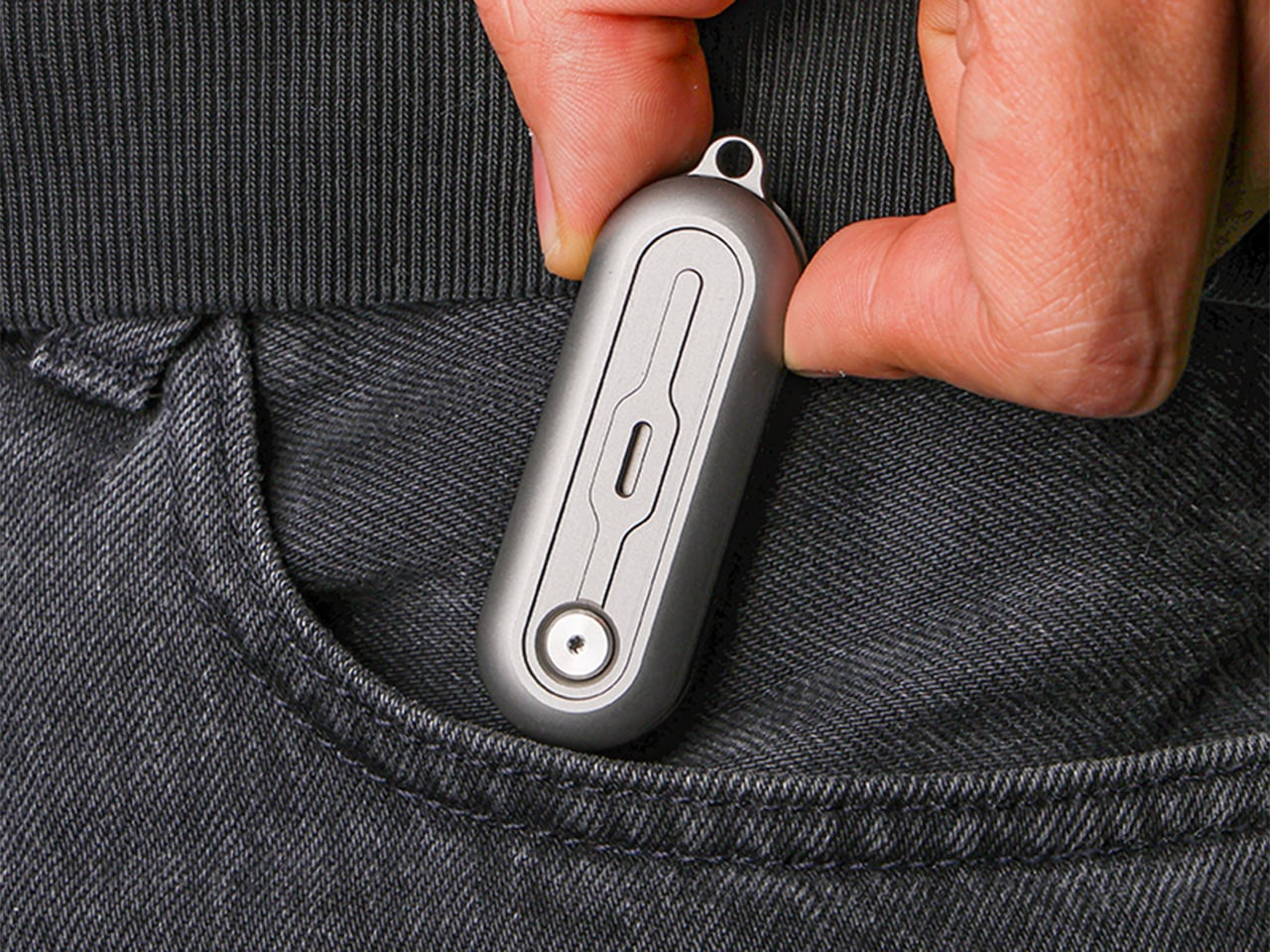
10 Genius Camping Gadgets That Make You Wonder Why You Ever Slept in a Normal Bed

Camping gear has quietly crossed a threshold. The category once dominated by cheap nylon and bulk-heavy setups is now producing objects that solve real problems with the kind of precision you expect from an industrial design studio. These aren’t novelties. They’re the kind of tools that make returning to standard equipment feel like regression — the sort of things you pack once and never pull back out of the kit bag.

This list covers the full arc of what a camp setup demands: shelter, fire, light, water, power, cooking, and the tools in between. Each pick earns its place not by doing one thing adequately, but by doing something the outdoor category hadn’t quite figured out until now. Whether you’re a weekend car camper or a committed off-grid regular, these ten gadgets will shift what you expect from time spent outdoors.

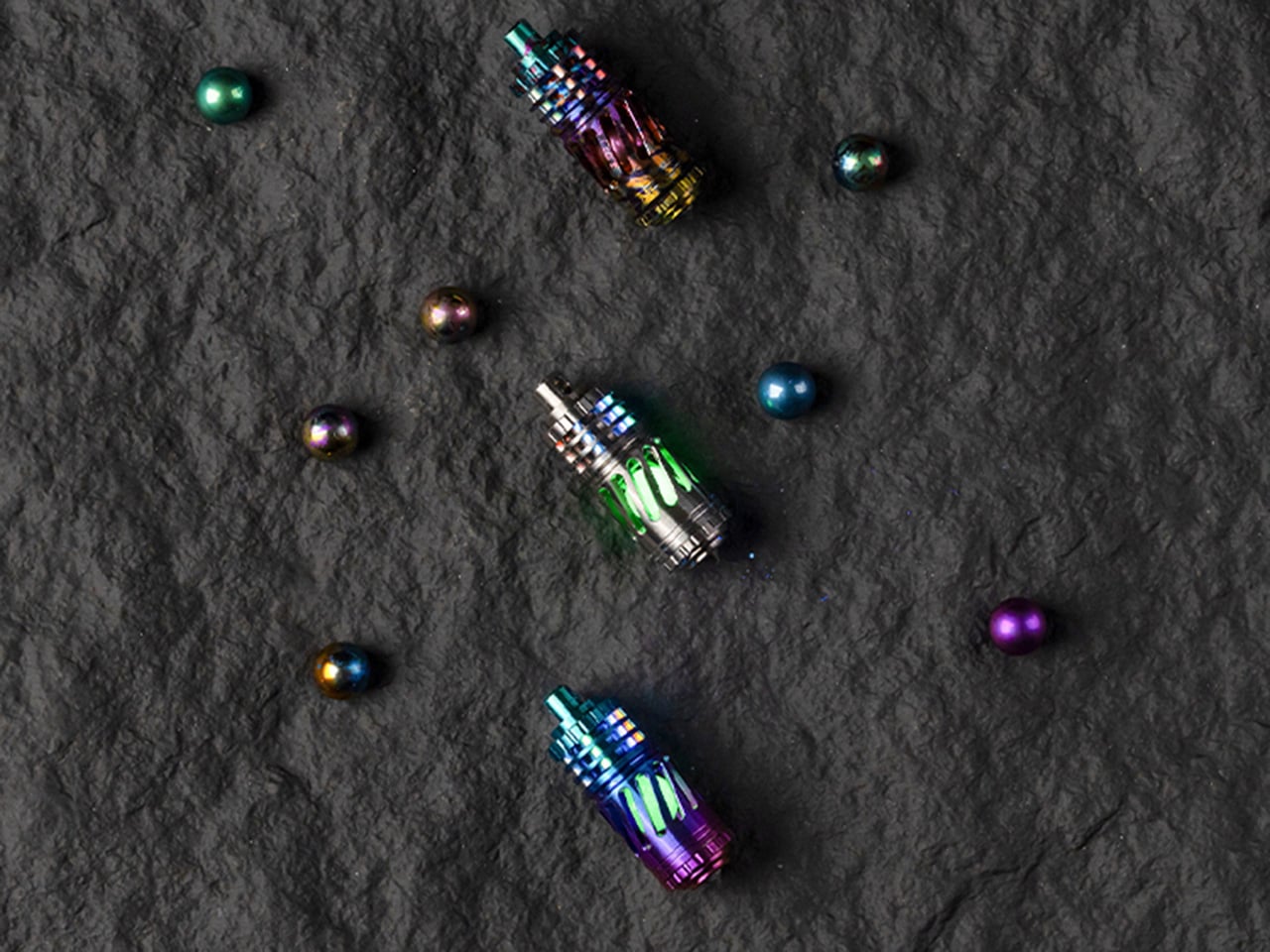
1. NoxTi Tritium Keychain
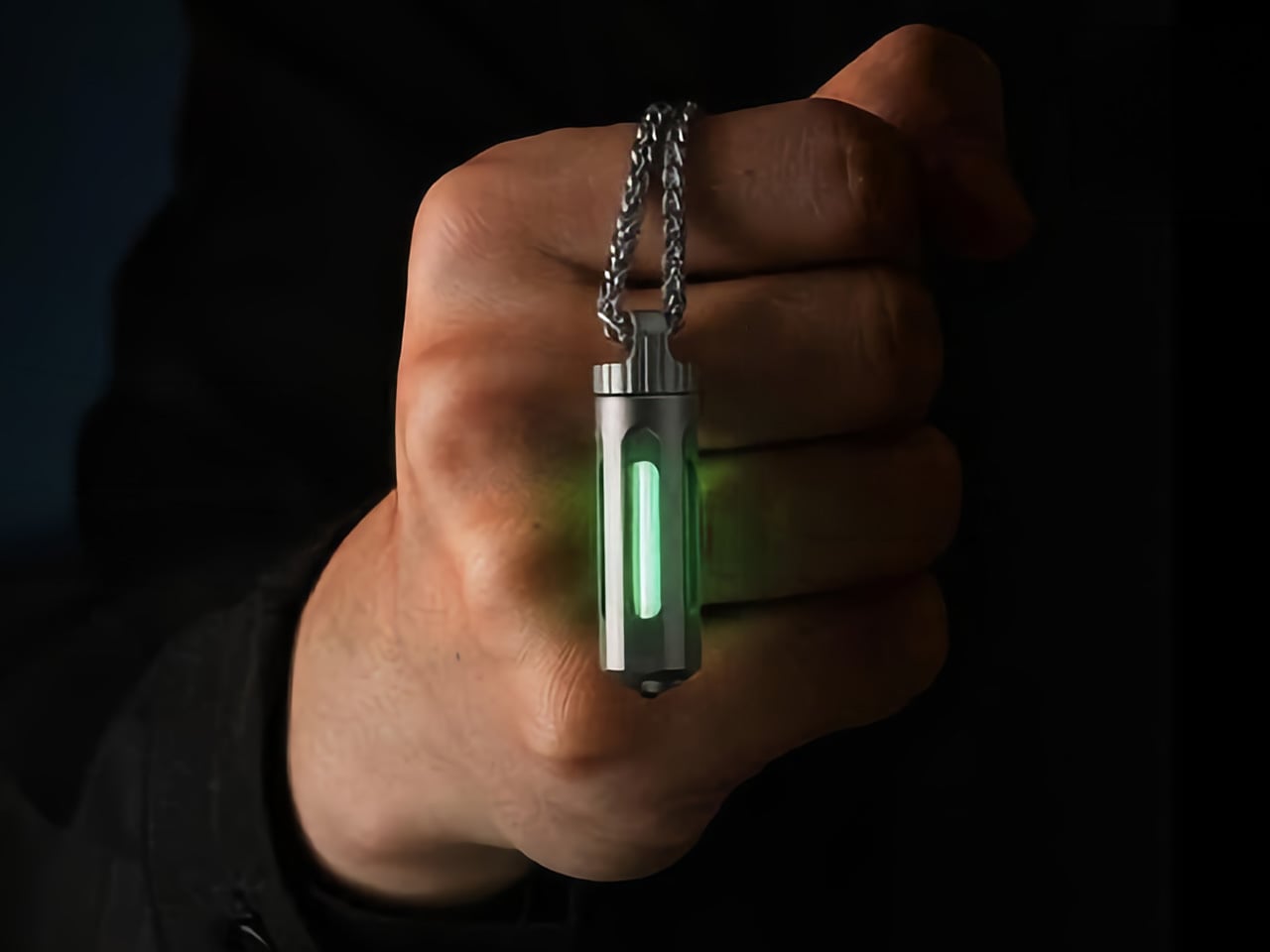
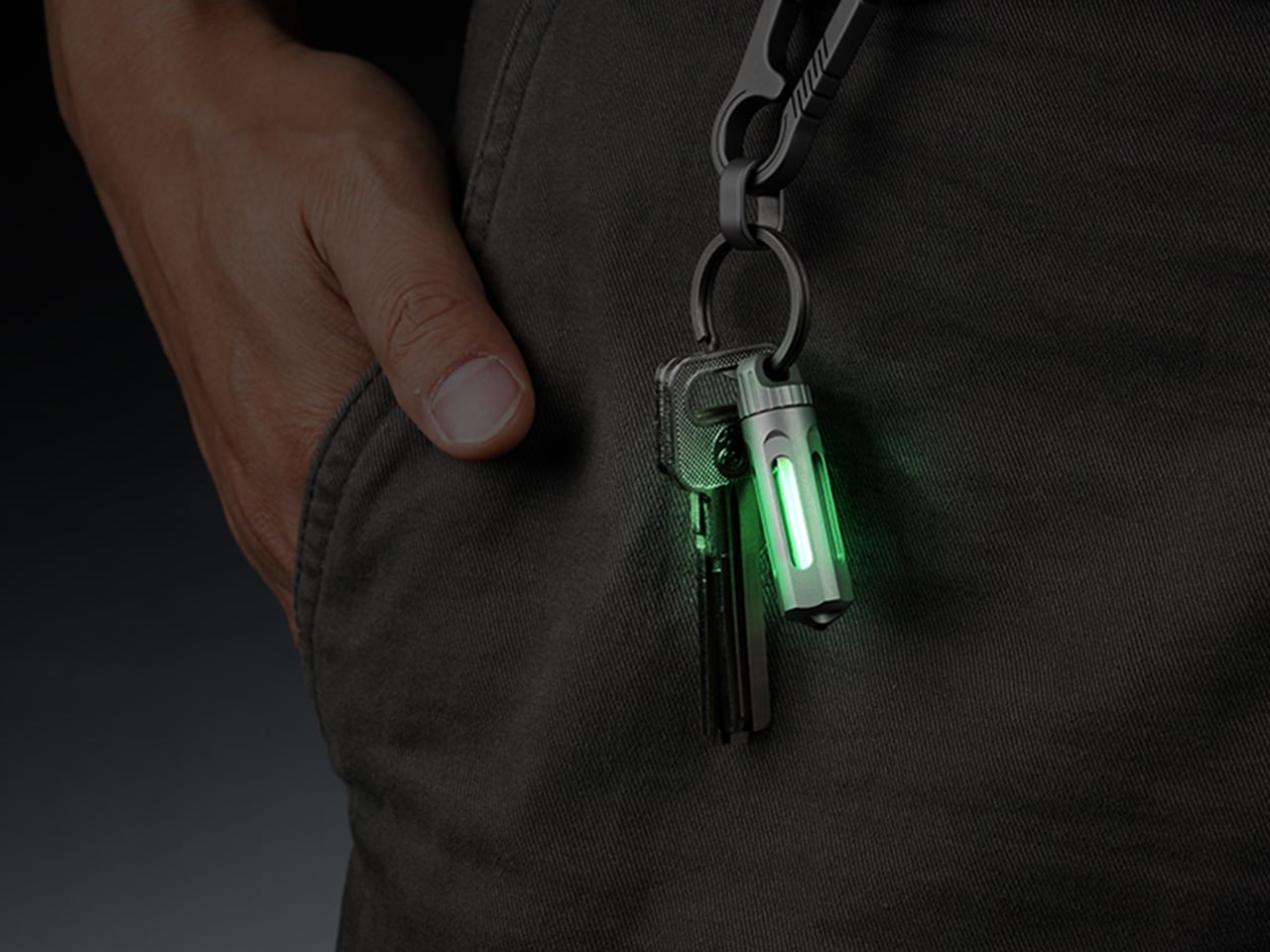
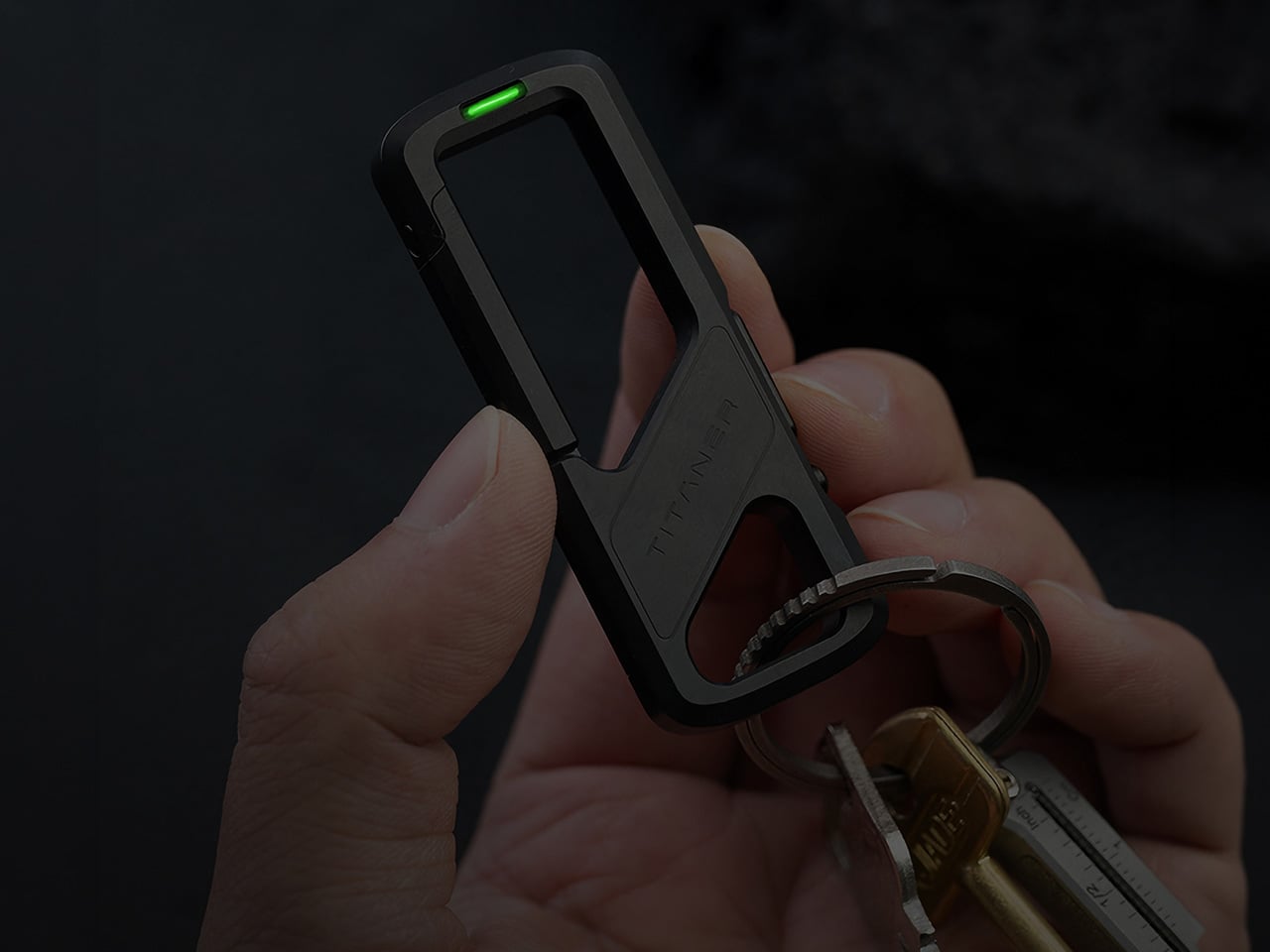
A 45mm CNC-machined Gr5 titanium cylinder weighing 10.7 grams, the NoxTi carries a tritium vial inside a precision quartz tube with 92% light transmission — and it glows continuously for 25 years through pure radioactive decay. No switch. No battery. No charging. Tritium is a hydrogen isotope whose beta particle decay strikes a phosphor coating and produces light as a simple byproduct of existing. The process requires nothing from you and stops for nothing around you.

At a campsite, the NoxTi earns its keep in the dark. It marks your keys at the bottom of a bag, identifies your tent entrance without hunting for a torch, and stays visible at the bedside through a full night without being asked to. The ceramic-tipped glass breaker at the tail end adds genuine emergency utility. The titanium body is fully serviceable — when the vial dims after two decades, you press the old tube out and slide a new one in. Six glow colors are available, including Apple Green for maximum visibility, Ice Blue for a modern read, and Red for night-vision preservation borrowed from military and aviation use.

What we like

  • 25-year continuous glow powered entirely by physics — no battery, no charging, no failure point
  • Fully user-serviceable titanium body becomes a platform you keep and swap cores into indefinitely

What we dislike

  • Glow output is intentionally faint — it marks and locates, it doesn’t illuminate

2. iKamper Skycamp 3.0

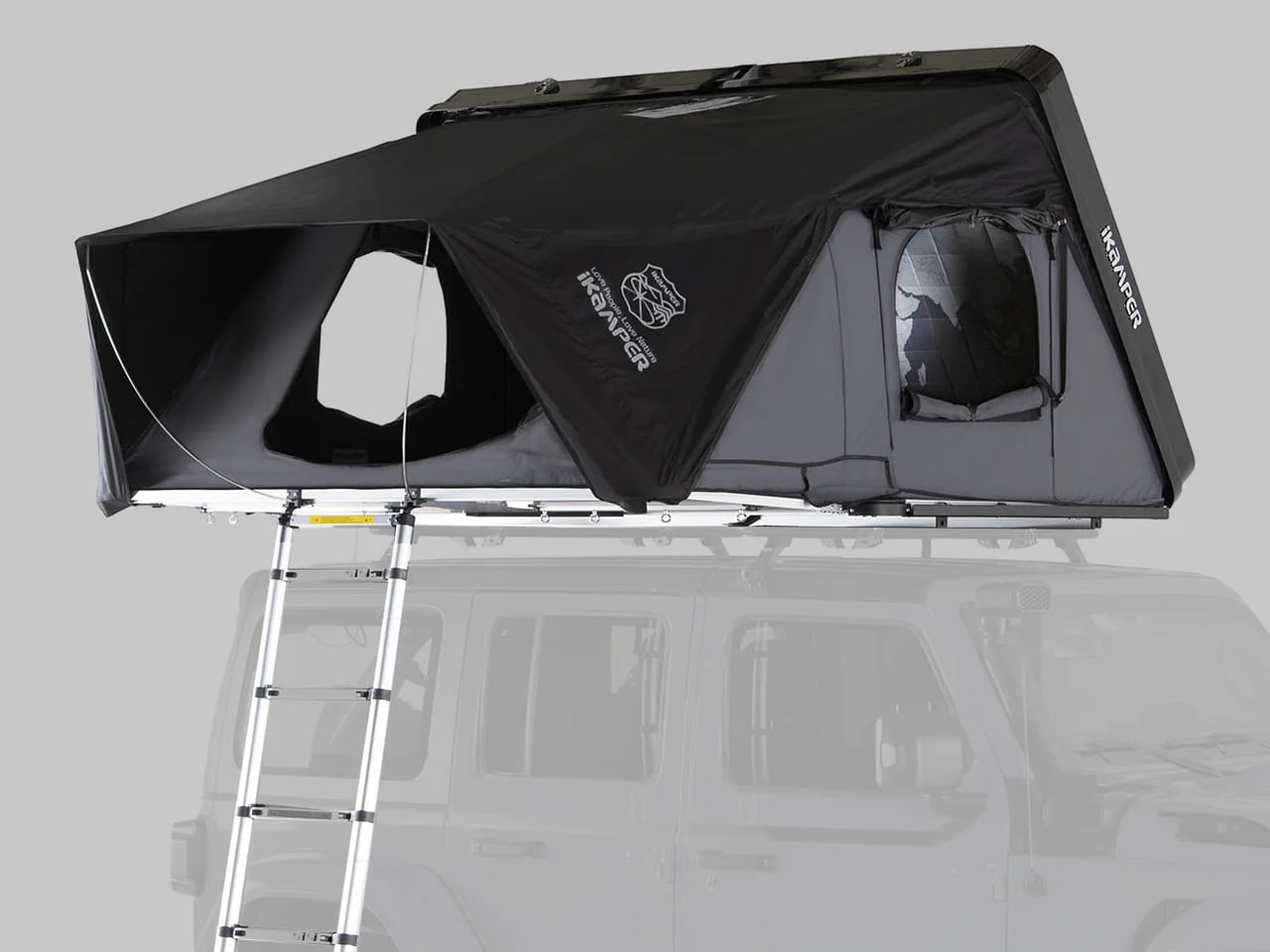
The premise of sleeping on your car roof sounds questionable until you’ve actually done it. The iKamper Skycamp 3.0 changes that math — a hardshell rooftop tent that opens in under 60 seconds to reveal a king-size sleeping area with a 9-zone mattress and a quilted, insulated interior. It mounts to any roof rack, folds flat enough for highway driving, and eliminates the ground-level camping miseries: rocks, moisture, insects, and the creeping sense that something is moving through the grass near your face.

The Skycamp 3.0 has earned its reputation through years of refinement. Upgraded materials address what earlier versions received lukewarm reviews on — better weatherproofing, a more robust ladder, and tighter seams that handle rain without complaint. For families, it accommodates four, though it genuinely shines as a two-person setup with room to sit upright, read, and feel like the tent is actively working in your favor. It’s the kind of shelter upgrade that makes ground tents feel like a choice you’d only make twice.

What we like

  • King-size sleeping area with a 9-zone mattress, opens in under 60 seconds
  • Mounts to any roof rack without a vehicle-specific system

What we dislike

  • Premium price sits above most casual camping budgets
  • Adds significant roof weight that affects fuel economy on long drives

3. Camprit TiStove
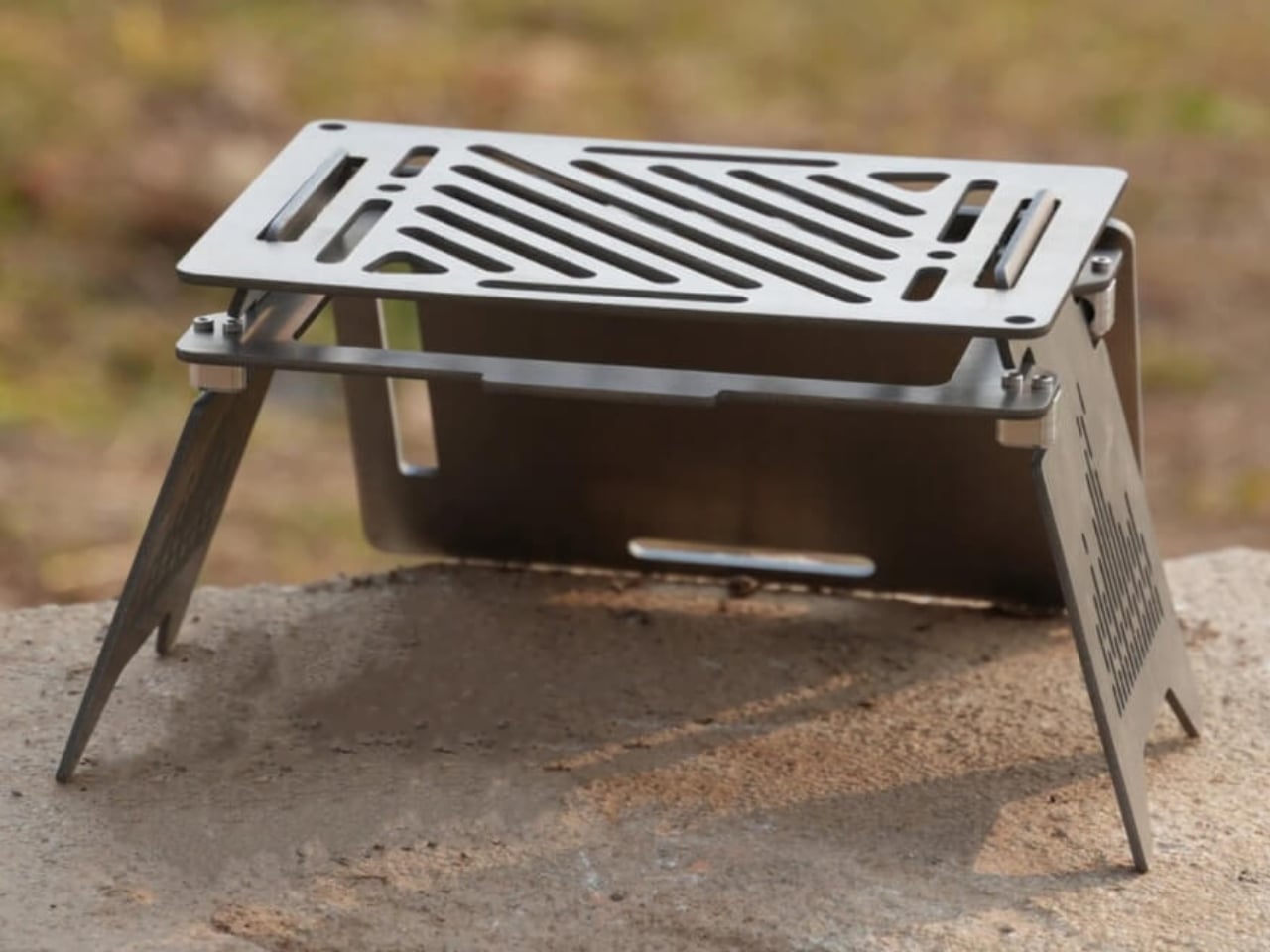
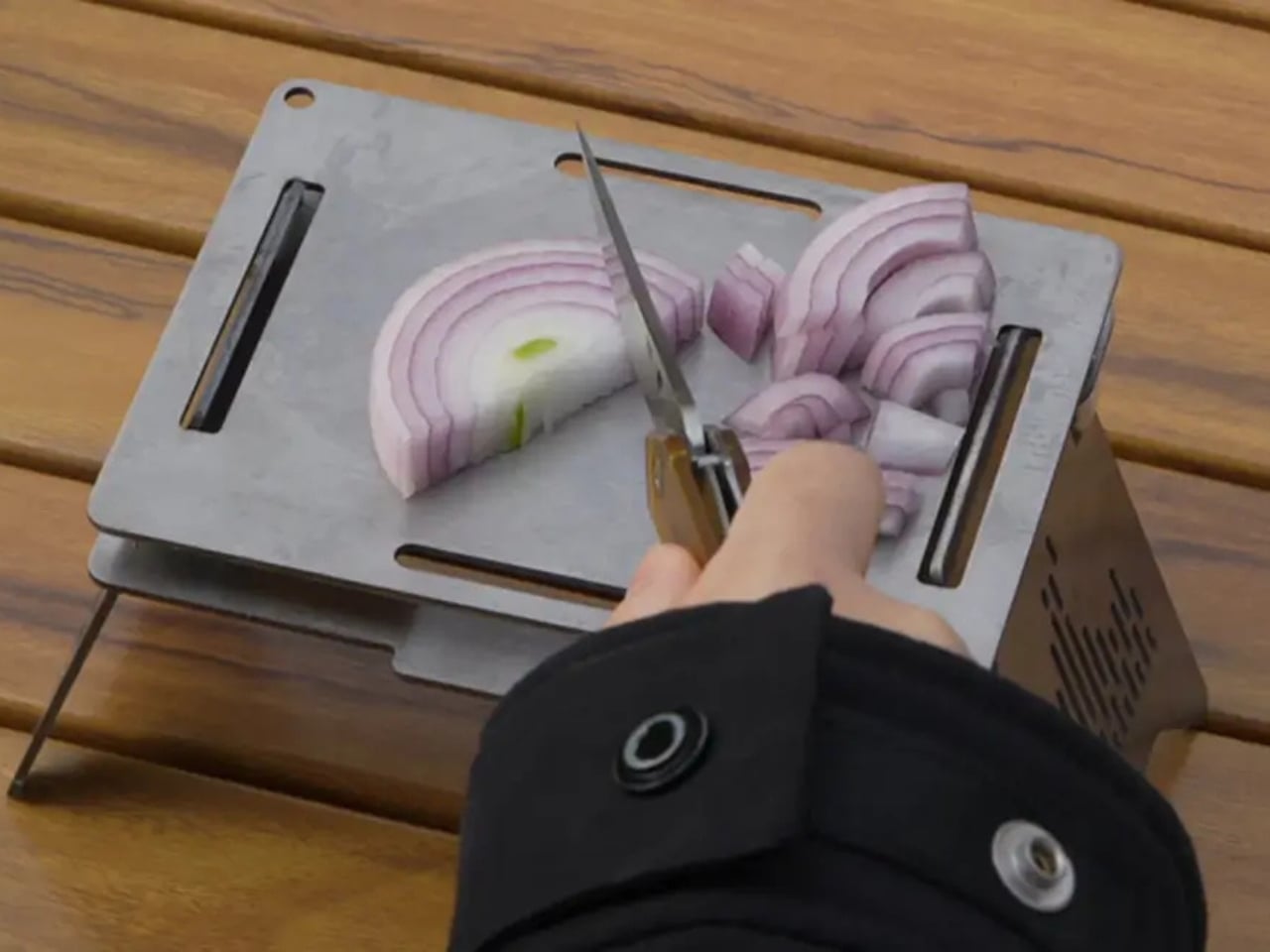
Five flat titanium pieces — that’s the entire TiStove. Two foldable legs and three interchangeable cooking panels that pack completely flat and come in under 1.5 pounds. Camprit’s insight was straightforward: most camp stoves lock you into a single cooking method. The TiStove gives you three, with panels that reconfigure for boiling, grilling, or open-fire cooking. The extra panels double as a windshield. When heat is applied, titanium changes color naturally, marking each stove with its own accumulated cooking history.

The beauty of the TiStove is in what it removes. There’s no ignition system to fail at altitude, no gas canister threading to seize in the cold, no assembly logic requiring a manual. The pieces lock together mechanically without fasteners and disassemble in seconds. It supports any fuel source — wood, gas burner, alcohol — making it genuinely adaptable to wherever the trip leads. For anyone who has ever stood over a failed stove at a cold campsite, this is the object that addresses the problem at its root.

What we like

  • Packs completely flat at under 1.5 lbs with three interchangeable panel configurations
  • Compatible with any fuel source, including wood, gas, and alcohol

What we dislike

  • Requires a separate burner or fuel source — nothing is self-contained
  • Titanium panels need careful packing to avoid scratching against each other

4. TriBeam Camplight
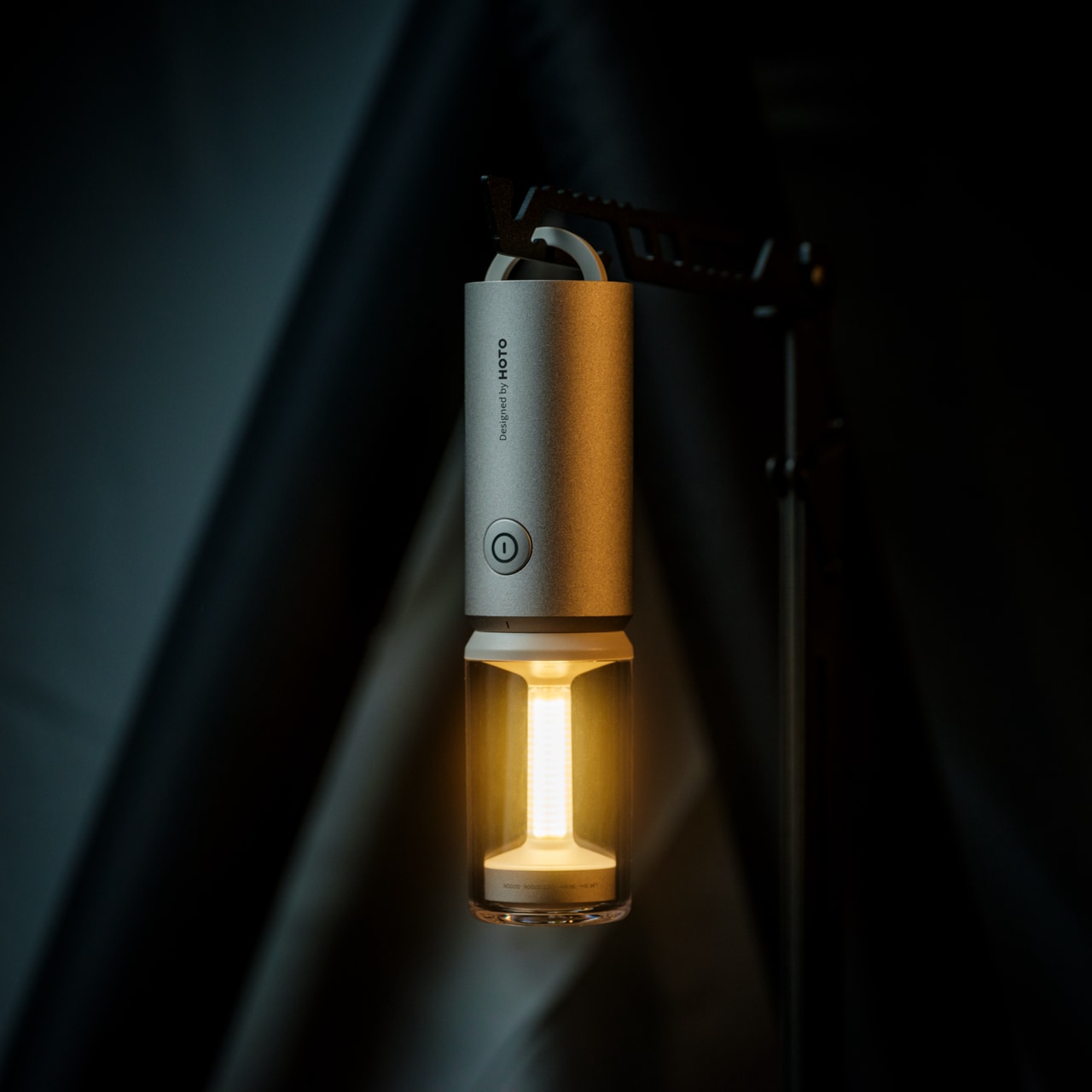
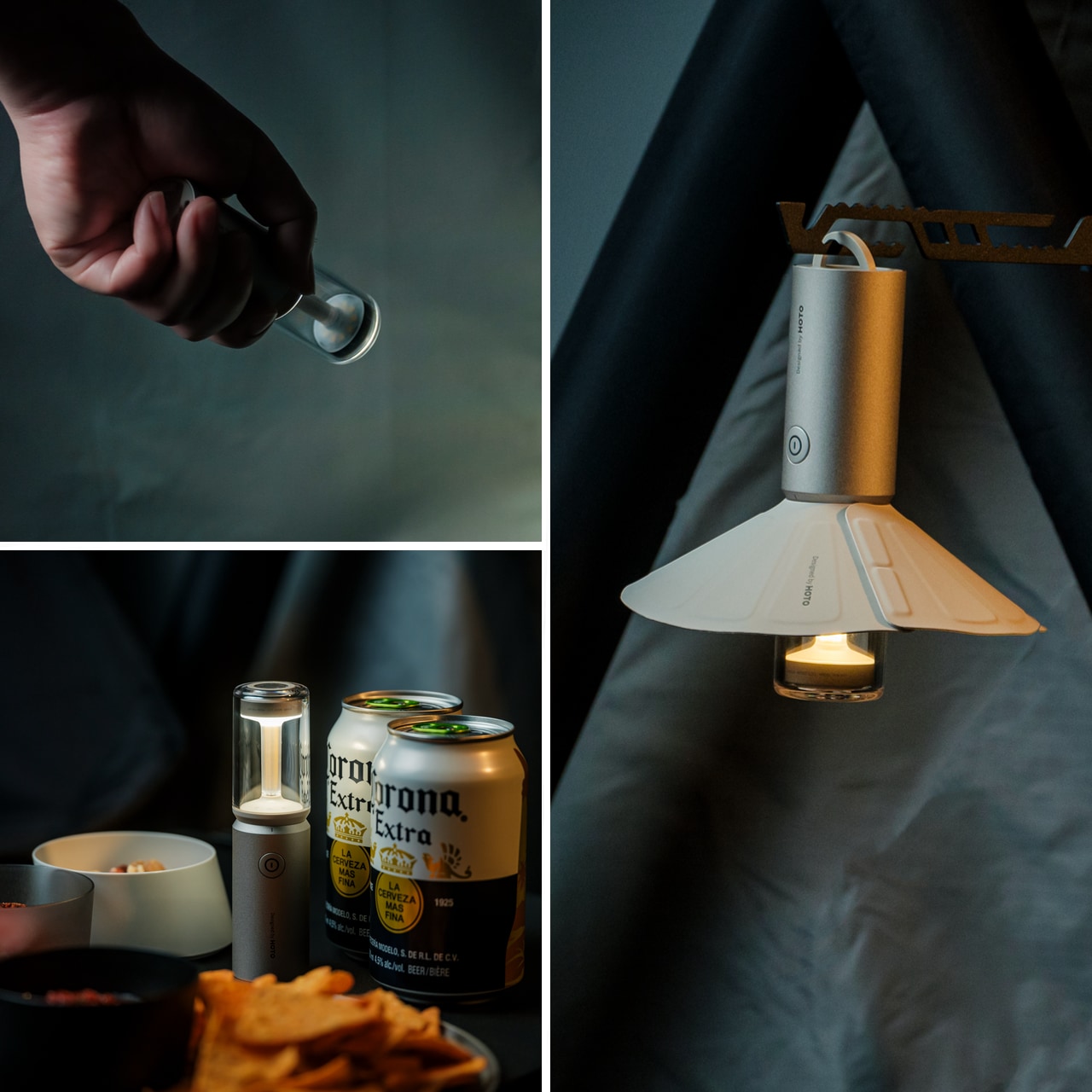
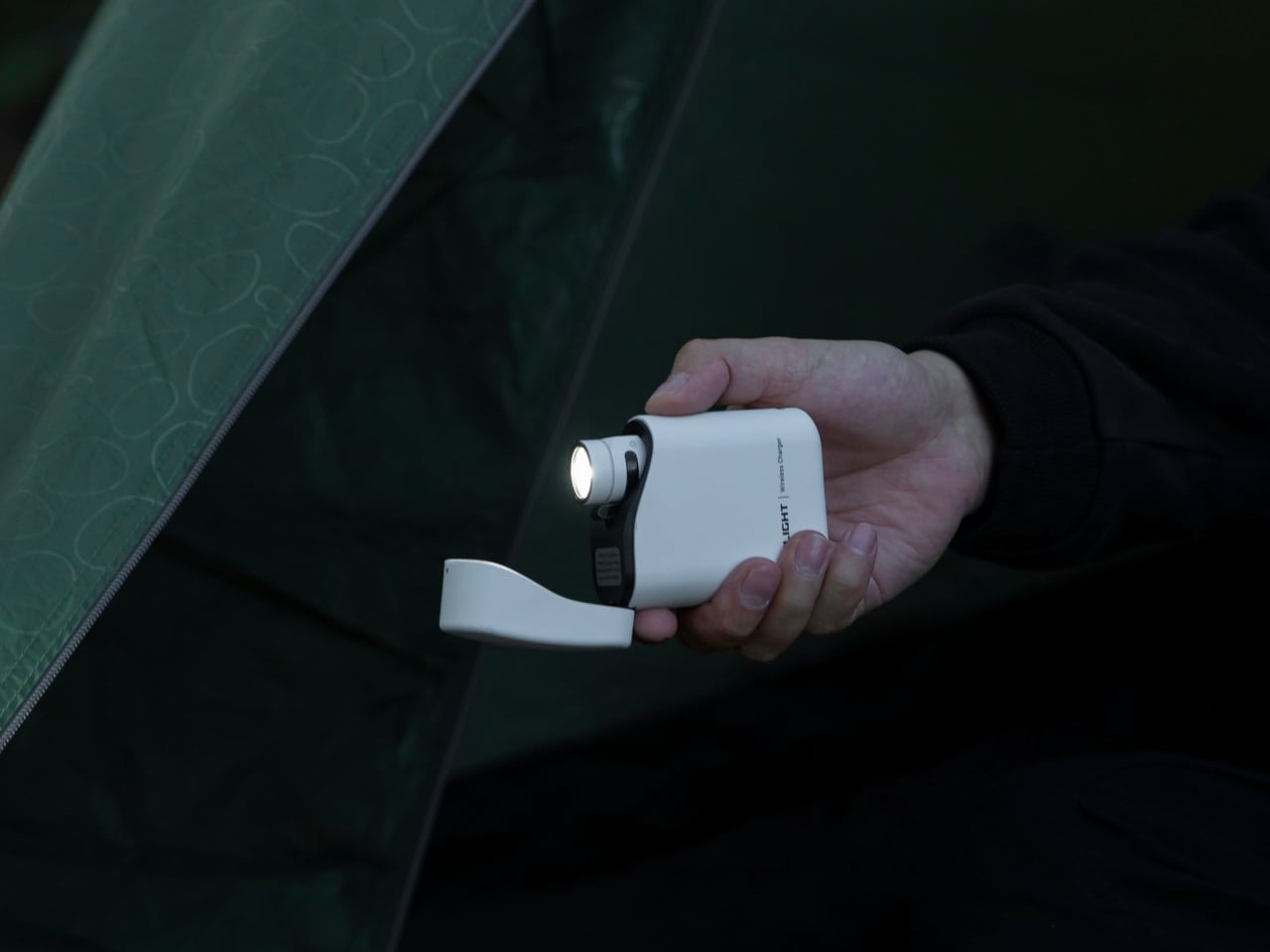
Most camp lights do one thing and ask you to adapt around the rest. The TriBeam Camplight does three: a soft ambient glow for the tent interior, a focused flashlight mode for trail navigation, and a diffused camping mode for broader coverage around a site. The award-winning form keeps all three in a single carry-friendly body that doesn’t feel like a compromise between any of them. It’s the kind of object that makes you wonder why camp lighting took this long to simplify into something you’d actually want to own.

The TriBeam occupies the gap between EDC flashlight and dedicated camp lantern — a category most gear bags cover with two separate items. Switching between modes is immediate, and the design sits, hangs, or carries without adapters or hooks to lose. Built for adventurers who refuse to carry redundant tools, it handles the full lighting arc of a camping day: reading before sleep, navigating a midnight trail, and flooding a cook area with enough light to actually see what you’re doing. One tool, no apologies.

Click Here to Buy Now: $65.00

What we like

  • Three distinct lighting modes in a single award-winning form
  • No adapter system — sits, hangs, or carries as-is

What we dislike

  • No solar charging or hand-crank backup
  • Single unit covers all lighting needs, so battery management matters more

5. BLUETTI Handsfree 2 Solar Generator Backpack
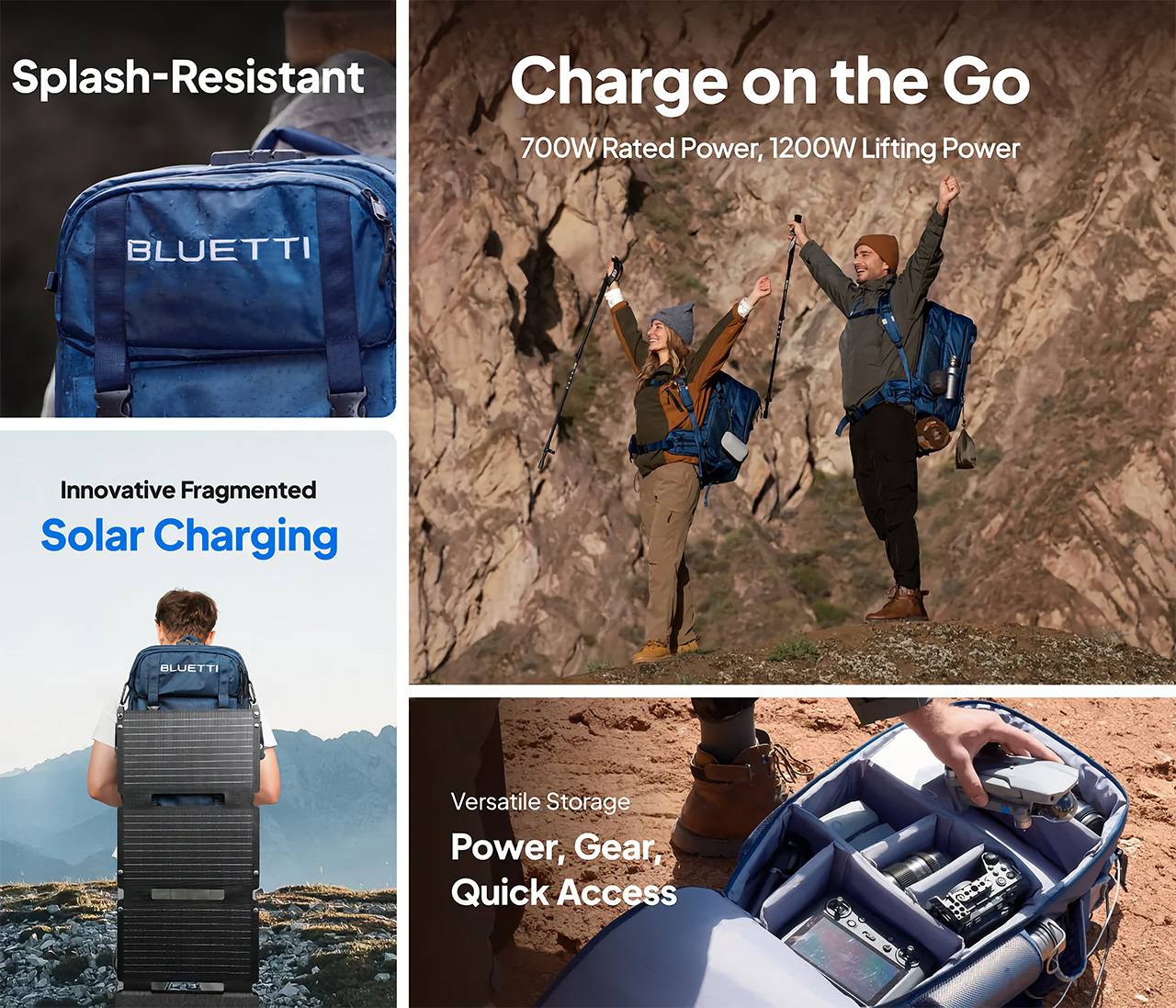
A 512Wh power station built into a 60L backpack — the BLUETTI Handsfree 2 is the off-grid power solution that finally doesn’t require a second trip from the car. The LFP battery delivers 700W continuous output with 4,000 charge cycles to 80% capacity, accepts up to 350W of solar input, and outputs through dual 100W USB-C ports, dual USB-A, and an AC outlet. The power station alone weighs 15.4 pounds — the full system with pack sits at 21.4 pounds.

The backpack integration is what makes the Handsfree 2 different from every other portable station in the category. Solar panels mounted to the pack charge the unit while you walk, turning transit time into charging time. The fragmented solar technology functions efficiently on overcast days, and a 200W panel configuration achieves a full charge in roughly three hours. For photographers, van lifers, or anyone running critical devices off-grid, this is the power setup that finally makes the math of going dark work in your favor.

What we like

  • Charges while you walk via solar panel mounting — transit becomes charging time
  • 4,000-cycle LFP battery built for years of sustained daily use

What we dislike

  • The combined pack and station weight of 21.4 lbs adds up on longer trails
  • Premium price sits well above basic portable power station alternatives

6. GoSun Flow

Water is camping’s most basic constraint, and the GoSun Flow addresses it at the source. The solar-powered purifier eliminates 99.99% of waterborne pathogens while pumping one liter of clean water per minute from virtually any freshwater source. The system compresses into a backpack, and the flexible faucet clamps to branches, tables, or tailgates — turning any access point into a functional sink. It’s the difference between rationing bottled water and treating the nearest stream as infrastructure.

Beyond drinking water, the GoSun Flow doubles as a portable handwashing station and solar-heated shower. The vacuum-insulated solar heater delivers a warm five-minute shower after 30 minutes of sun exposure — which reframes what clean means on a multi-day trip. It runs on USB power when solar isn’t available, and the filter handles up to 1,000 liters before replacement. For anyone who has ever compromised on hygiene to protect pack weight, this removes that trade-off without replacing it with a heavier one.

What we like

  • Purifies 99.99% of pathogens and delivers a solar-heated shower from a single system
  • 1,000L filter life with USB power backup when the sun isn’t available

What we dislike

  • Cannot process saltwater, limiting utility at coastal sites
  • Multiple components increase the number of parts to manage and potentially lose

7. FLEXTAIL TINY PUMP 2X

Inflating a sleeping pad by lung at altitude is one of camping’s least romantic rituals. The FLEXTAIL TINY PUMP 2X weighs 96 grams, measures under 2.5 inches in any direction, and inflates a full-size sleeping pad in under a minute with moisture-free airflow that protects pad materials from internal condensation damage. One-button operation, a battery that covers multiple inflation cycles per charge, and a form small enough to disappear in any pocket. The kind of object that shouldn’t require justification — it solves an irritating problem and weighs nothing.

The TINY PUMP 2X earns its place beyond inflation. It deflates gear for packing, works as a vacuum pump for compression bags, and can blow oxygen onto embers to get a fire going — a genuinely useful function that expands its value well beyond its stated category. A secondary lantern mode adds ambient light to the tent. For the gram-counters: 96 grams for a pump, vacuum, fire-starter, and lantern is the kind of multi-function efficiency that permanently displaces four separate tools from the kit.

What we like

  • 96 grams covers inflation, deflation, vacuum, fire-starting, and ambient lighting
  • Moisture-free airflow actively protects sleeping pad materials

What we dislike

  • Output pressure won’t handle car tires, boats, or large inflatables
  • Lantern mode is minimal — not a substitute for dedicated camp lighting

8. Portable Fire Pit Stand

The fire pit category is full of oversized objects that need a truck bed and a second person. The Portable Fire Pit Stand sidesteps this entirely, using prototype sheet metal technology to precision-cut black steel plates that resist warping and distortion under sustained heat. It assembles without tools, folds flat when packed, and holds the kind of campfire that earns its place as both a functional heat source and the visual anchor of any campsite worth sitting around.

What separates this from a standard fire ring is the stand’s insistence on being a proper object rather than functional hardware. The black steel finish works against any outdoor backdrop, and the construction doesn’t bow or deform the way cheaper alternatives do after their third use. It elevates the fire off the ground, making it workable on sensitive surfaces and at campgrounds where ground fires are restricted. The kind of thing that moves from situational gear to permanent kit after the first trip out.

Click Here to Buy Now: $119.00

What we like

  • Heat-resistant sheet metal resists warping through repeated use
  • Elevates fire off the ground for sensitive surfaces and restricted sites

What we dislike

  • Steel construction adds more weight than ultralight fire alternatives
  • No integrated grill grate — that’s a separate purchase

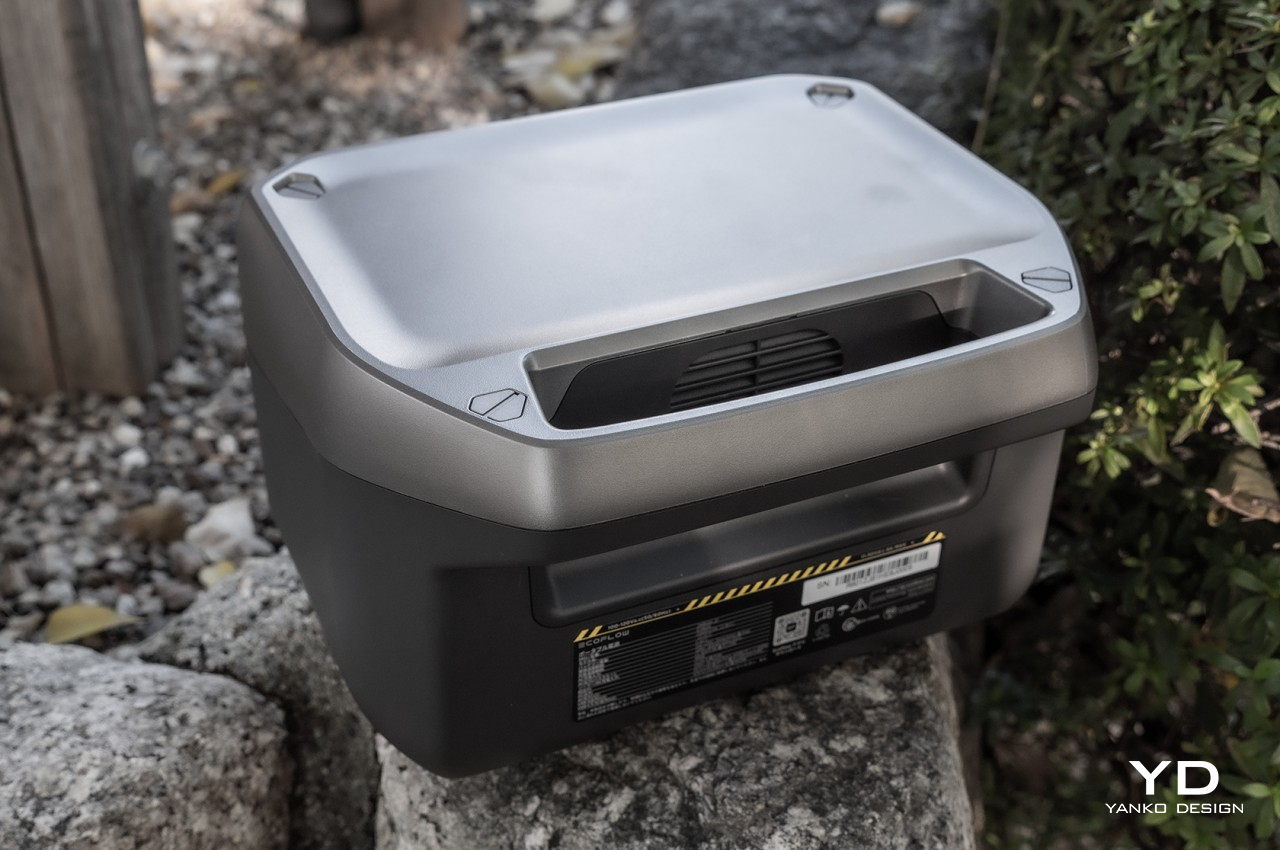
9. EcoFlow River 2
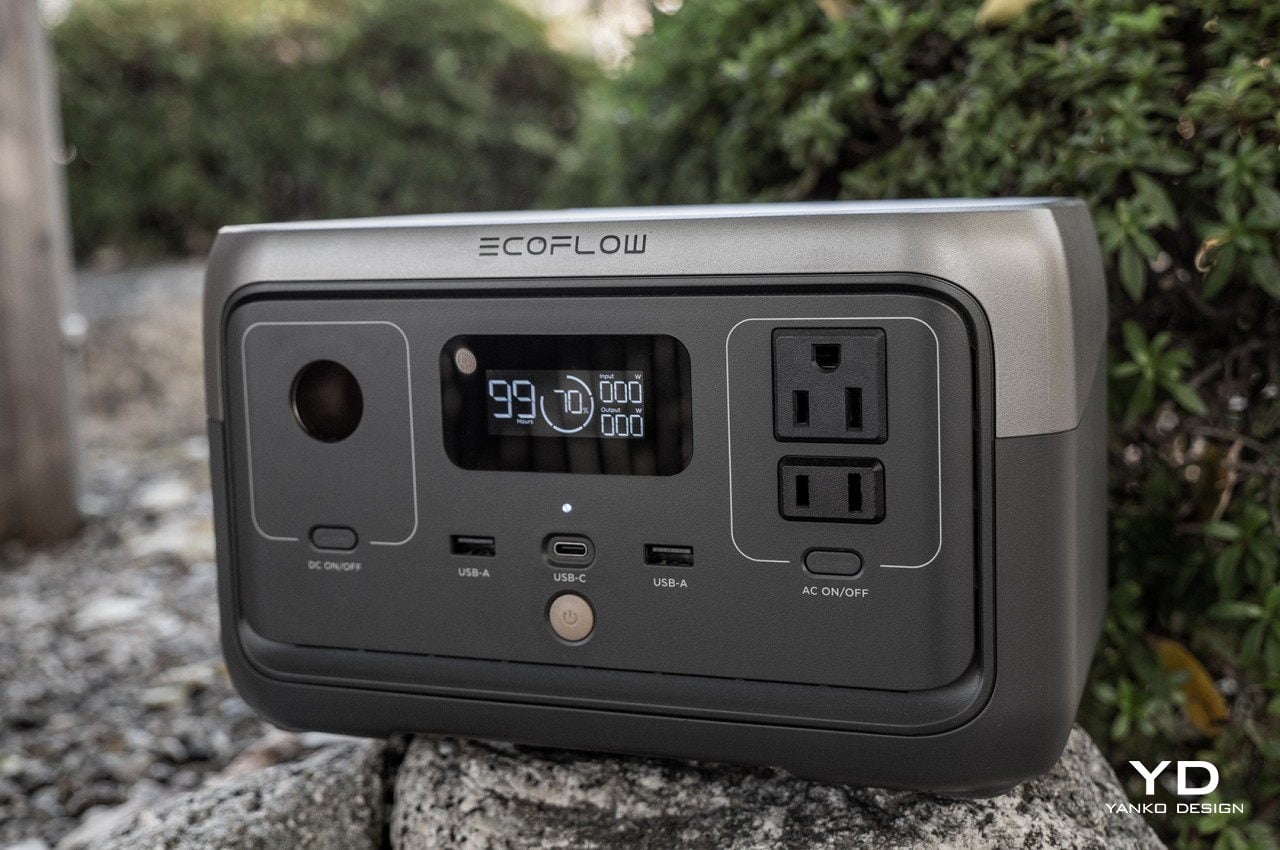
The EcoFlow River 2 sits at the intersection of genuinely portable and genuinely capable. The 256Wh LFP power station weighs under eight pounds and charges from flat to full via AC in under an hour — a recharge speed that makes it feel more like a power tool than a backup battery. Phone-controlled through the EcoFlow app, it manages output intelligently, and the USB-C port functions as both input and output depending on what the situation requires.

Where the River 2 earns its camping credentials is in everyday reliability. Light enough to carry without thinking, capable enough to run a CPAP, charge a laptop, or keep a camera system live through a multi-day shoot. The design is clean and compact, presenting nothing like emergency equipment — it’s the power station you keep permanently packed regardless of trip length. For anyone currently bringing two or three charging solutions, the River 2 is where that consolidation starts.

What we like

  • Full AC charge in under one hour — genuinely fast for the category
  • App-controlled output with bidirectional USB-C, clean and compact form

What we dislike

  • 256Wh capacity limits longer off-grid use without solar supplementation
  • No wireless charging despite the updated industrial design

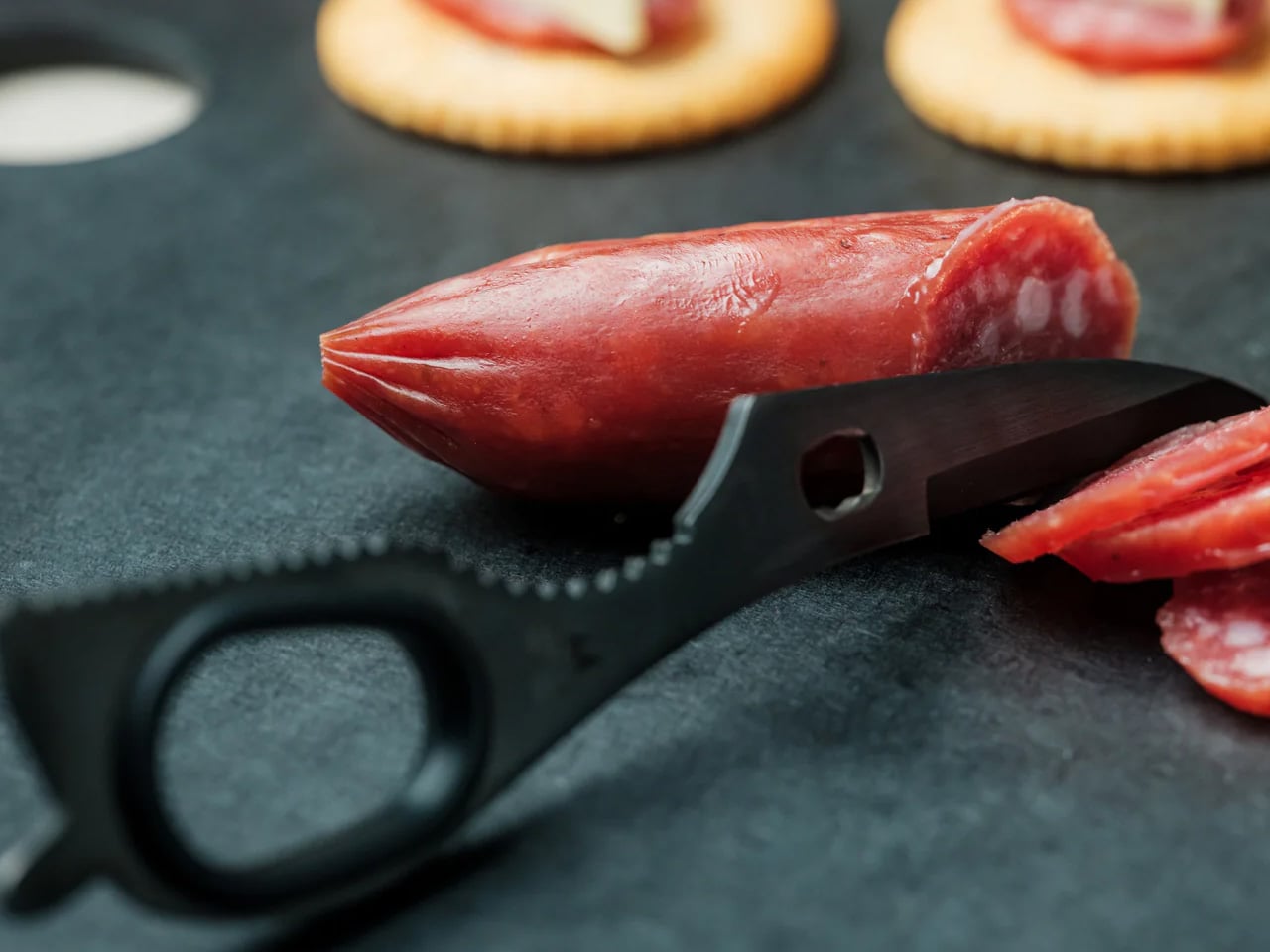
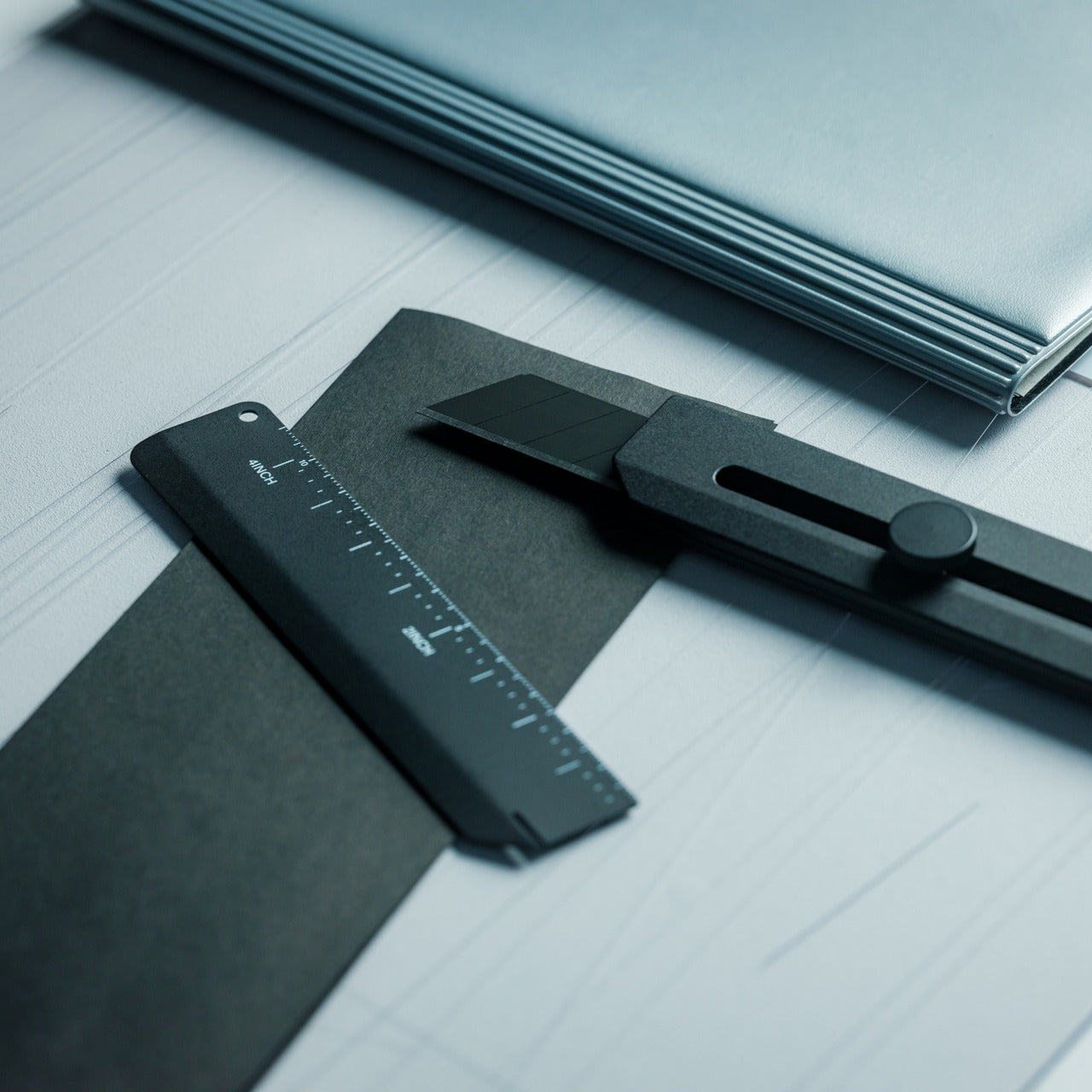
10. 8-in-1 EDC Scissors
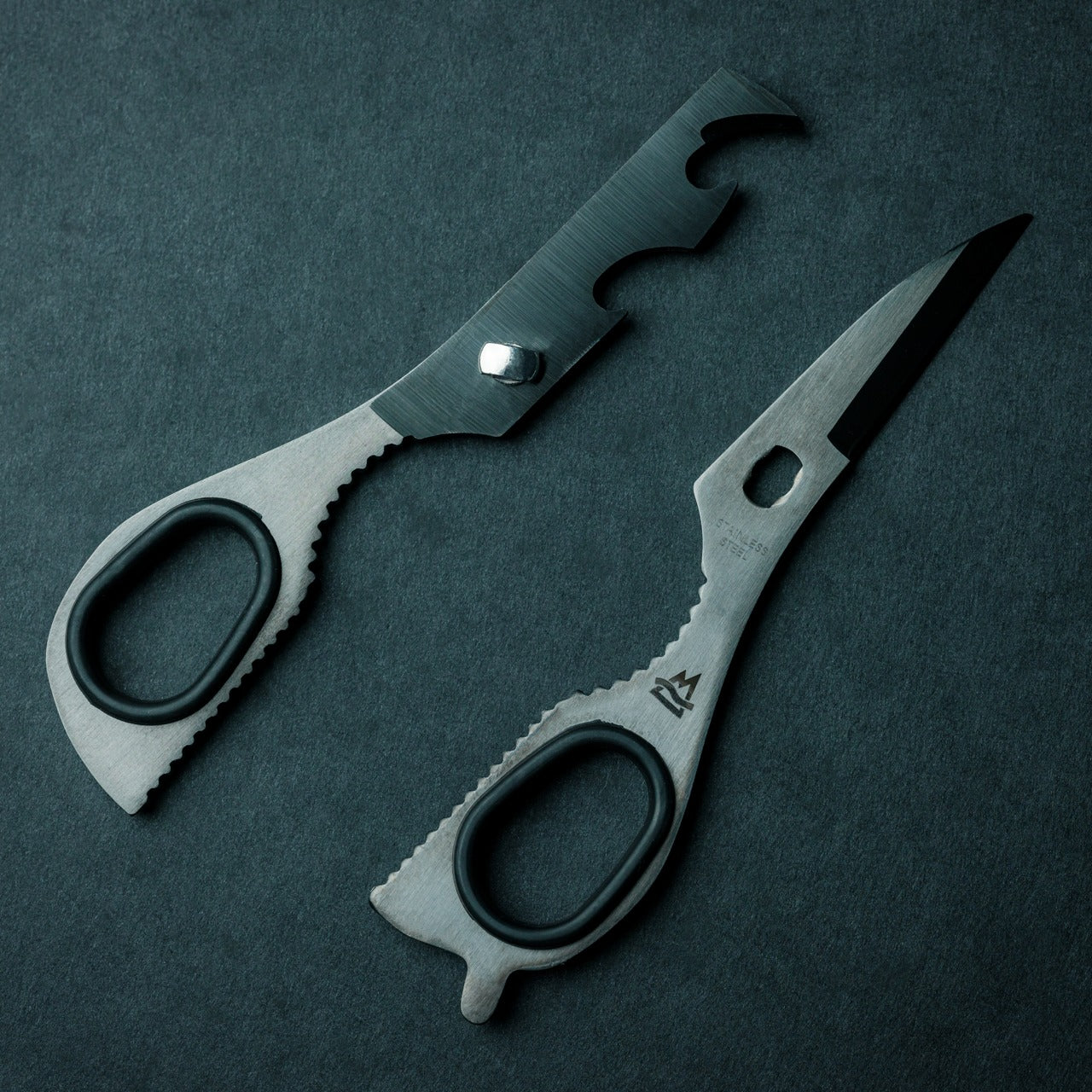
Eight functions in a scissors form that actually make sense. The 8-in-1 EDC Scissors consolidate camp tools that typically spread across multiple pouches — cutting, wire stripping, can opening, bottle opening, and more — into one compact unit that clears airport security and sits naturally in any carry configuration. The design avoids the bulk penalty that multi-tools typically impose by keeping the scissors form as the organizing principle, with everything else radiating from a familiar object rather than a complex folding mechanism.

The camp use case is direct: fewer items in the kit bag, one tool covering the practical range of a day at a site. The EDC angle matters here too — these leave the campsite and go into a jacket pocket, daypack, or carry-on without demanding special consideration or a TSA conversation. For minimalist packers, replacing scissors, a knife, a bottle opener, and a wire stripper with one object that weighs almost nothing is the kind of design math that earns permanent shelf space. You pack it once and forget it’s not always been there.

Click Here to Buy Now: $59.00

What we like

  • Eight functions in a scissors form that pass airport security without issue
  • Small enough for jacket pocket carry well beyond the campsite

What we dislike

  • The scissors mechanism is not a substitute for a dedicated camp or survival knife
  • Individual tool sizes are smaller than standalone alternatives by necessity

The Gear Caught Up. Now the Excuses Haven’t.

Camping used to ask a simple question: how much discomfort are you willing to trade for time outside? These ten objects make that question harder to answer, not because camping has gone soft, but because the design has finally caught up to what the experience actually demands. A rooftop tent that sets up in a minute, a five-piece titanium stove that fits in your palm, a backpack that charges itself on the trail, a keychain that glows for a quarter century without a single battery — these aren’t luxuries. They’re the result of designers taking the outdoors seriously.

The consistent thread across all ten is that none require specialist knowledge, a lengthy setup window, or gear that only functions under perfect conditions. Each removes a specific friction point that camping used to accept as part of the deal. Bring these along, and the question embedded in this headline — the one about why you ever slept in a normal bed — becomes something you’ll need a quiet moment to actually answer.

The post 10 Genius Camping Gadgets That Make You Wonder Why You Ever Slept in a Normal Bed first appeared on Yanko Design.
This Rotating Titanium Keychain Glows for 25 Years Without a Battery

Most everyday carry accessories are built on compromise. Flashlights need batteries. Multi-tools go through pockets without ever being opened. Tiny gadgets get charged for a few days, forgotten about, and eventually lost to a drawer somewhere. The smaller something is, the more disposable it tends to feel, and the less likely it is to stick around long enough to actually earn its place on your keys.

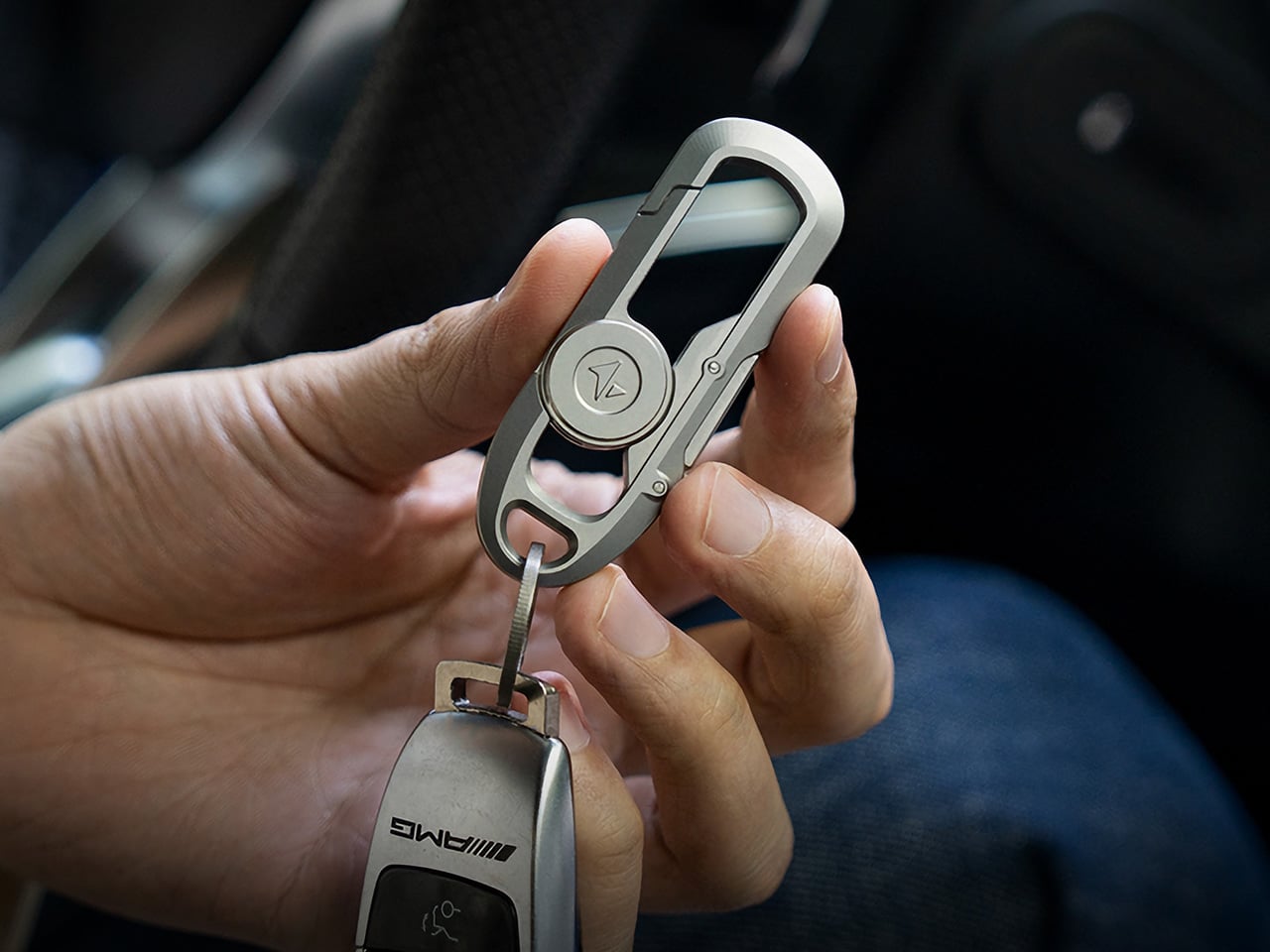
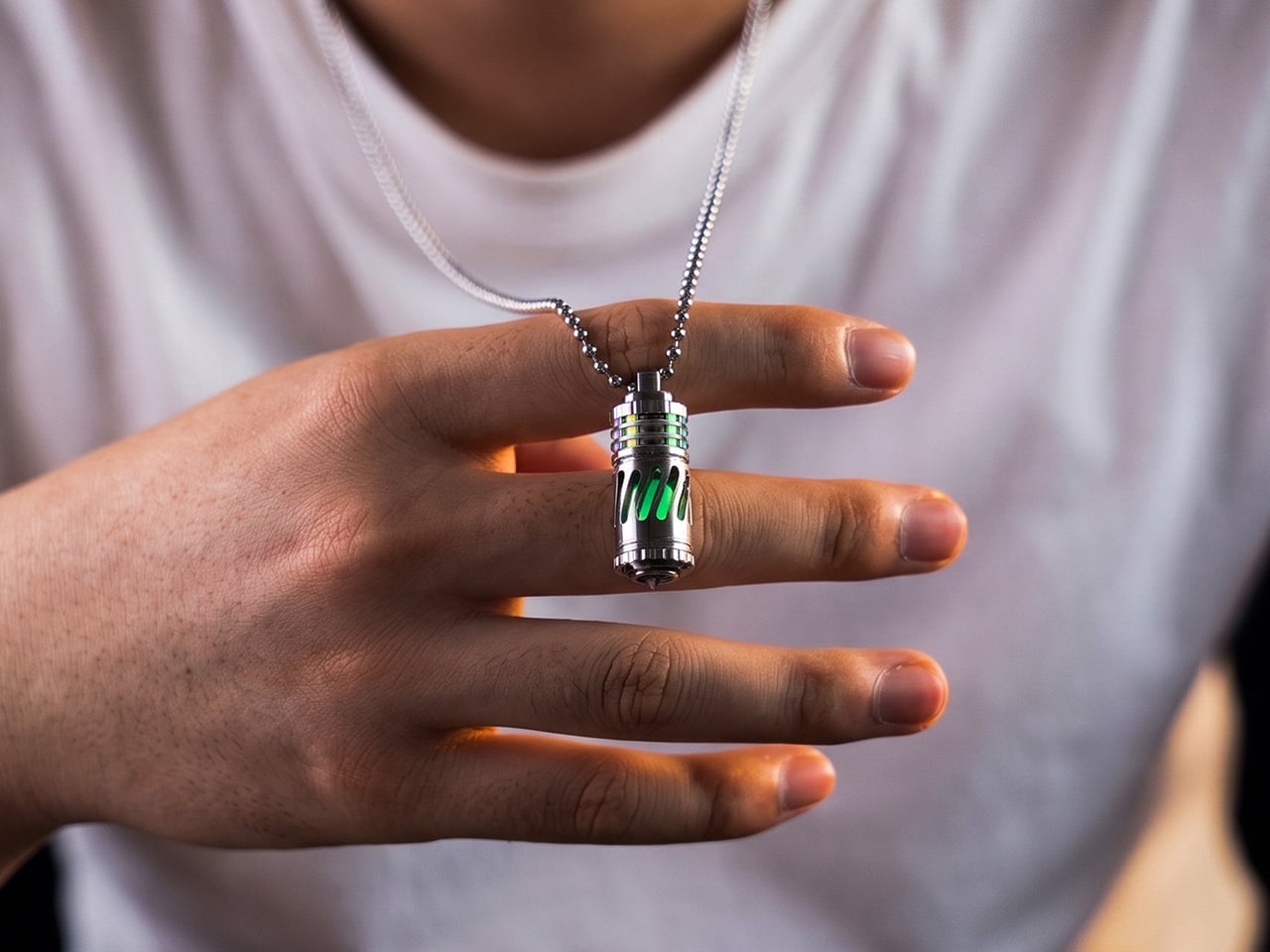
The SpinTi is a different kind of answer to that problem. Machined from Grade 5 titanium and measuring just 35mm at 8g, it’s a rotating tritium keychain that doesn’t need a power source, battery replacements, or a switch to activate. Its glow is passive and constant, driven by the natural properties of the tritium vials sealed inside. Once it’s on your keychain, it simply does its thing.

Designer: COMANDI

Click Here to Buy Now: $43 $59 (27% off). Hurry, only 98/100 left! Raised over $52,000.

At 8g, it’s as light as a single credit card, and its 35mm frame is shorter than an AA battery. You’d clip it to your keys, toss it in your bag, or hang it from a zipper and forget about it for weeks. Then one night, in a dark room or a pitch-black campsite, your hand finds the keys, and there it is, that quiet, steady glow.

What sets SpinTi apart from other tritium markers is that spinning body. The body rotates on a solid-state pivot with no bearings, while the core is secured by a full-metal compression system instead of rubber O-rings. It’s the kind of thing your fingers gravitate toward during a long commute or a slow afternoon, giving it a secondary life as a tactile object that goes well beyond locating your keys in the dark.

The glow itself comes from tritium vials seated inside a six-slot core. As tritium decays, the beta particles it releases hit a phosphor lining, producing continuous light without any power source at all. It’s not meant to flood a room with light, and it doesn’t try to. What it offers instead is a low-level, always-on glow that stays usable over roughly 25 years, even as brightness gradually declines.

The body is CNC-machined from Grade 5 titanium, the same material used in aerospace components and surgical hardware. The skeletonized exterior has generously cut slots that expose the luminous core from every angle, while a precision metal compression system holds the vials firmly without relying on epoxy or rubber. It’s built to genuinely outlast the phone in your pocket by several decades.

SpinTi isn’t limited to keychain duty either. It can hang around your neck as a pendant, clip to a zipper pull for finding your bag in the dark, or attach to a tactical pack as a quick identifier. The tail end has a hardened glass-breaker tip for emergencies, and the hollow interior can carry small items like emergency pills or a micro memory card.

There’s room to make SpinTi feel personal, too. The vials come in six colors, from ice blue and apple green to midnight violet, and you can mix them across all six slots however you like. Three finish options are available for the titanium shell: raw titanium for a minimal look, a splash finish for something bolder, and a gradient anodized finish for something closer to wearable art.

And since the core unscrews for service, you’re not locked into any one configuration. Swap a dimming tube after years of use, change the color to suit your mood, or drop in glass luminous tubes as a more affordable alternative. SpinTi is built to be updated and refreshed over time, and that’s part of what makes it feel less like a purchase and more like a long-term companion.

Click Here to Buy Now: $43 $59 (27% off). Hurry, only 98/100 left! Raised over $52,000

The post This Rotating Titanium Keychain Glows for 25 Years Without a Battery first appeared on Yanko Design.
5 Compact Pocket Essentials Built for a Summer That Never Slows Down

Summer is a season that selects for you. The heat strips every bag to its absolute minimum, and what stays tells you something honest about what you actually value. This list isn’t built around a unified theme. It’s built around intention: five pocket-sized objects that each solve something different without competing for space. None of them is there to fill a slot. Each one earns its position by being genuinely hard to leave behind.

The common thread isn’t material or category. It’s the quality of being designed for a life that doesn’t pause for weather, plans, or inconvenience. A camera that rethinks how a gimbal folds. A flashlight the size of a lighter. A speaker that belongs at the beach as naturally as on a shelf. A bottle that brews, infuses, aerates, and chills with equal conviction. A carabiner that tracks what it carries. Five objects, one honest summer bag.

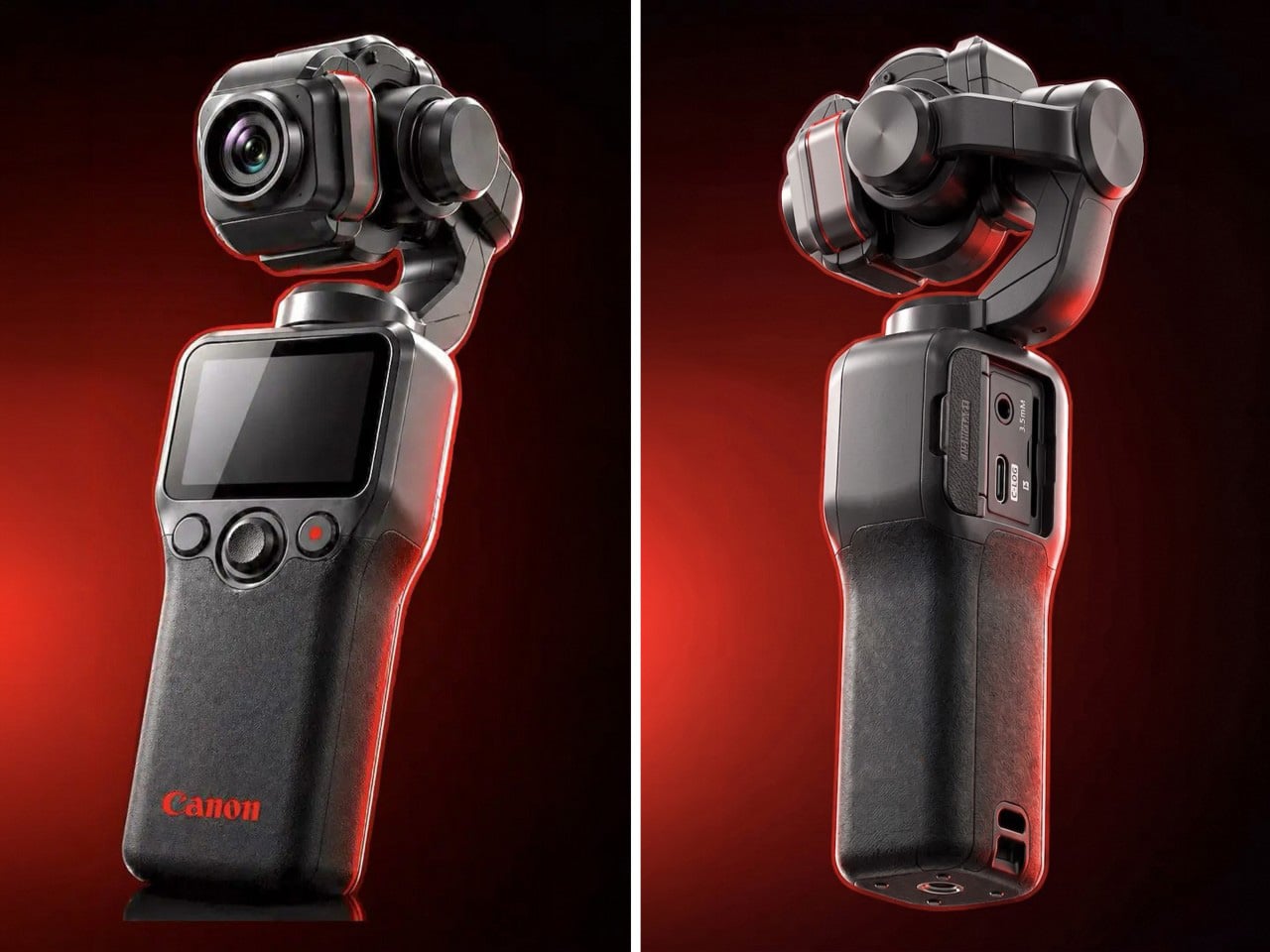
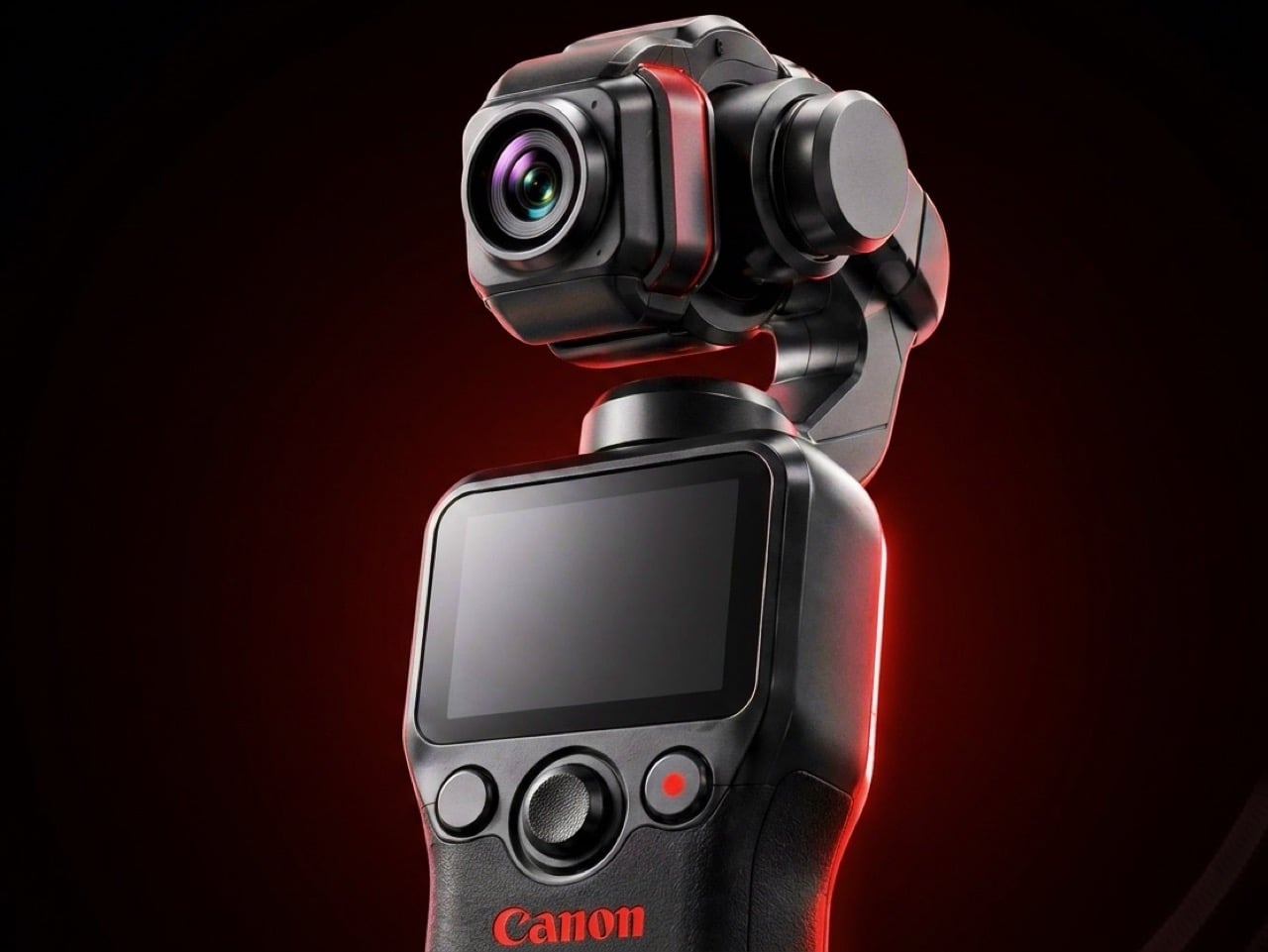
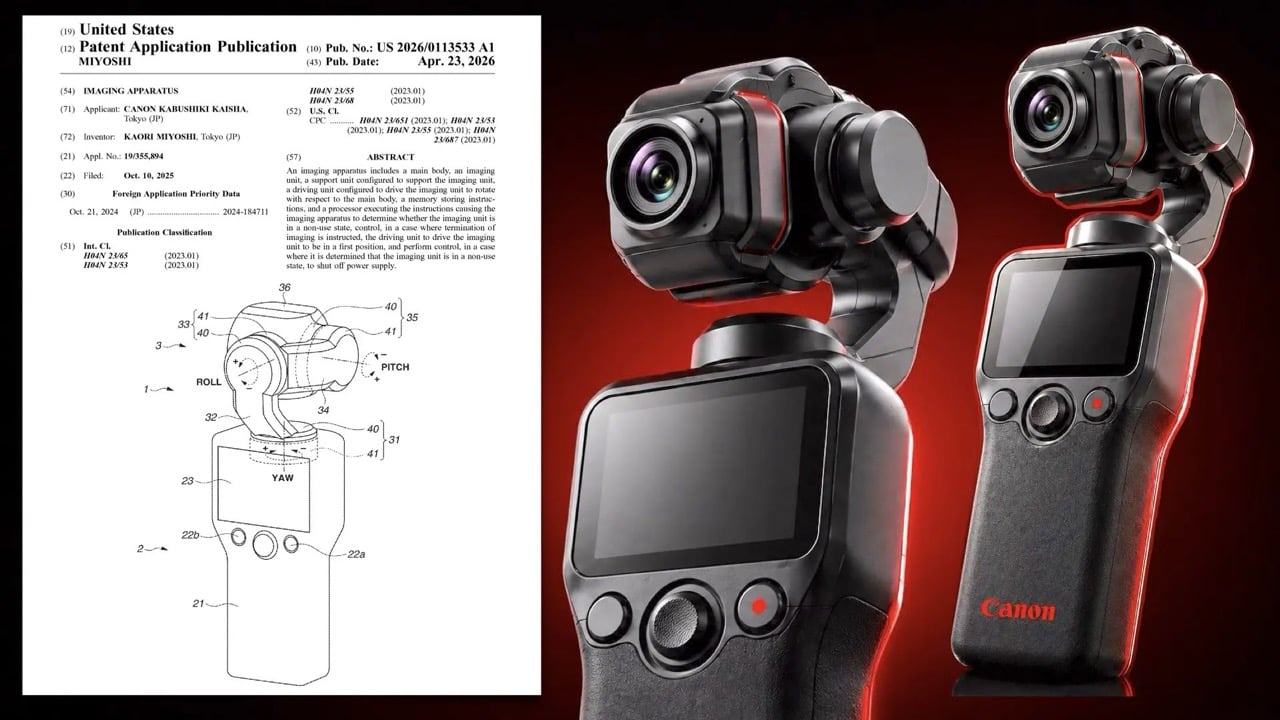
1. Canon Gimbal Camera

Canon has spent five years building toward this moment through a deliberate sequence of three patents, each one more product-ready than the last. The April 2026 filing describes a compact handheld body with a fixed lens, three-axis stabilization, a grip-mounted screen, and a folding mechanism that guides the gimbal head into a safe resting position before cutting motor power. That shutdown sequence is smarter than it sounds. Mechanical wear from limp-motor shutdowns is the quiet reason cameras in this category age faster than they should.

What the patent arc reveals is a company that spent its early filings dreaming wide and its later ones getting practical. The 2021 version imagined an interchangeable-lens cinema device. The 2025 follow-up solved for uninterrupted shooting. This filing drops the interchangeable lens entirely and focuses on fixed-lens portability with intelligent motor behavior baked into the design. Summer light is the most demanding light there is, and Canon’s color science has always handled it with more warmth and more restraint than anything else competing in this category.

What We Like

  • The smart folding shutdown mechanism addresses a real mechanical failure point that the rest of the pocket gimbal category has consistently overlooked
  • Canon’s five-year patent arc signals a product shaped by sustained R&D rather than a reactive response to market pressure

What We Dislike

  • This remains a patent with no confirmed release date or pricing, making it the most compelling item on this list and also the only one you cannot buy
  • Canon’s track record in premium compact categories suggests a launch price that will give most buyers reason to pause before committing

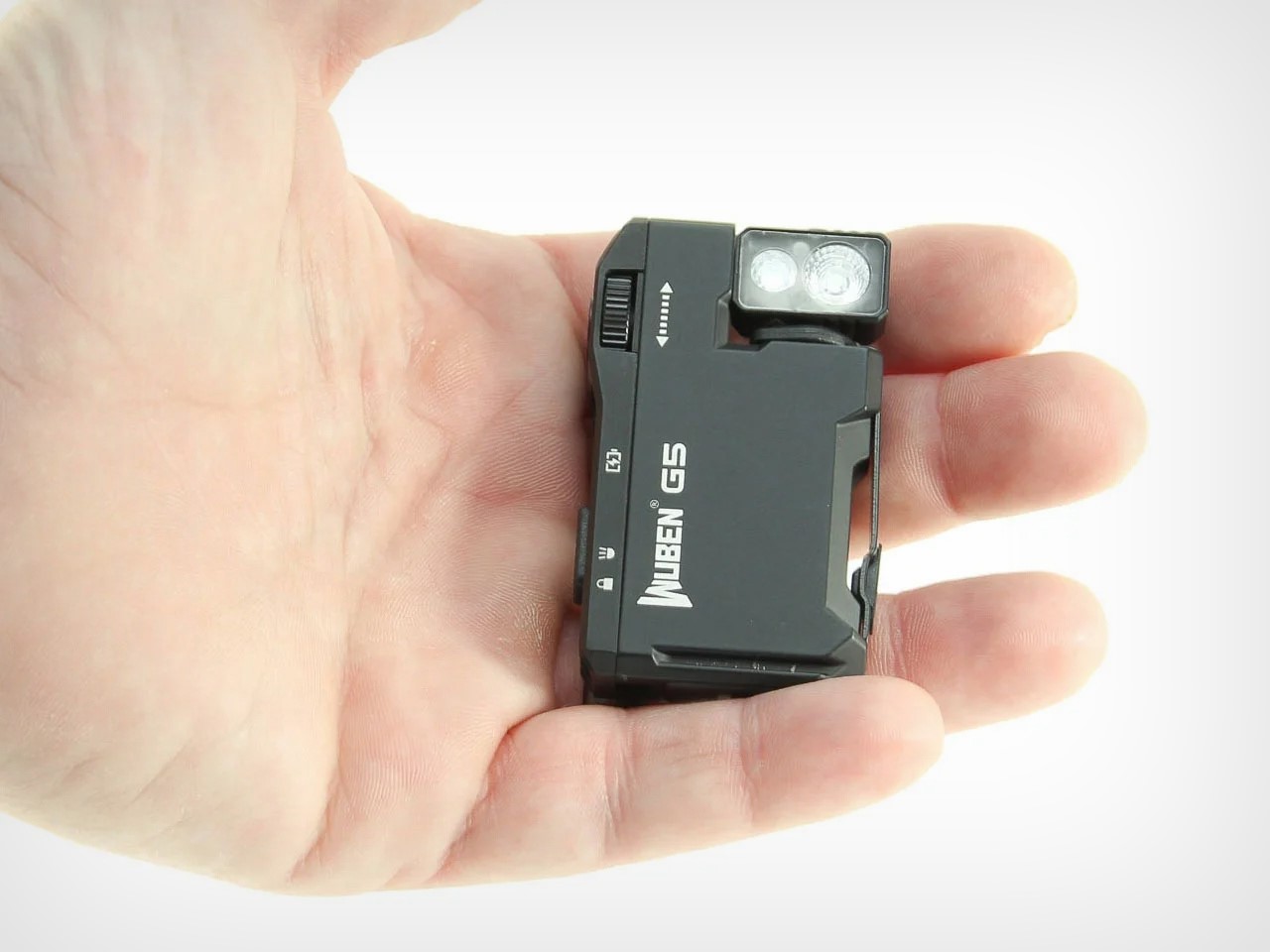
5. Wuben G5

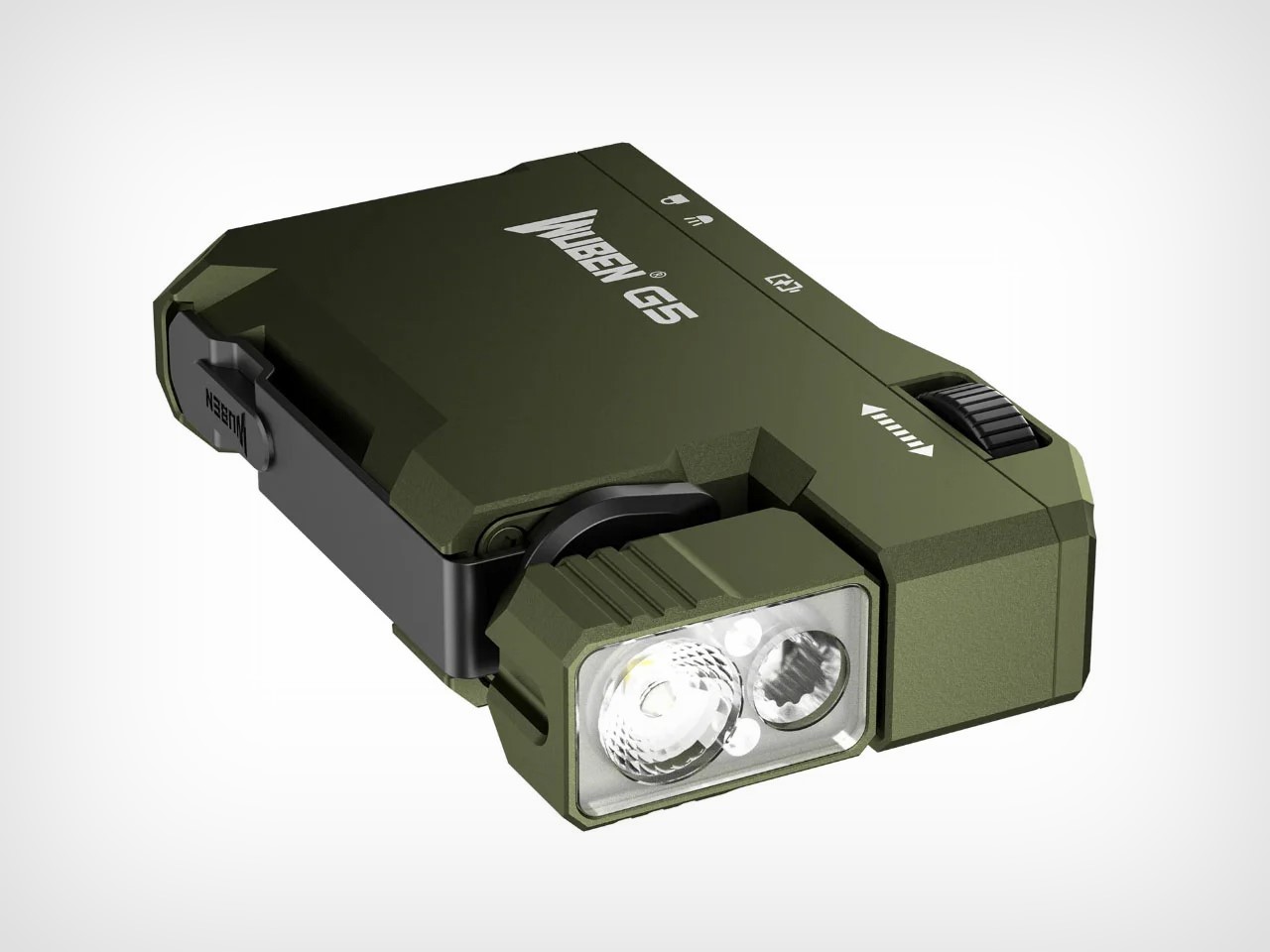
Most flashlights solve for brightness or runtime. The Wuben G5 solves for carry, and that turns out to be the harder design problem. The body is flat and squarish, sized closer to a lighter than any conventional torch, and weighs 52 grams. A 180-degree rotating head lets you angle light wherever it needs to go without repositioning your hand. The spring-tensioned clip grips fabric, straps, and pocket edges with reliable force. A magnetic base sticks it to any metal surface hands-free.

At $25, the G5 delivers 400 lumens, an 82-metre beam, RGB color modes, IP68 waterproofing rated to 2 metres, and an emergency beacon that flashes blue and red. USB-C charging hides neatly behind the tactile rotary switch, a deliberate design choice that keeps the profile clean. Summer makes every feature feel obvious: evening trails, beach bags, festival fields after dark, and camping trips where a headlamp feels like too much and a phone torch never quite feels like enough. It carries like nothing and performs like something far more expensive.

What We Like

  • The 180-degree rotating head and spring-tensioned clip solve the hands-free lighting problem with mechanical elegance rather than extra accessories
  • IP68 waterproofing, magnetic attachment, and USB-C charging at $25 is a combination that flashlights three times the price often fail to match

What We Dislike

  • Battery runtime at full 400-lumen output runs around 50 to 60 minutes, which requires some planning on longer outings or extended sessions
  • The blue-and-red emergency beacon is designed for genuine distress situations, and using it casually creates a real risk of being misread by people nearby

3. Side-A Cassette Speaker

There is a specific pleasure in a speaker who has a point of view. The Side-A wears its design intention openly, taking the cassette tape as its structural reference and arriving at something that sits between functional object and collected artifact. Bluetooth audio in a body that references one of the most culturally significant formats in sound history: it is a design brief that could have landed in a dozen wrong places, and it does not. The form has restraint, which is what separates a considered design reference from a costume.

What makes it a summer essential is its willingness to be present without announcing itself. It belongs on a table outside as naturally as it belongs on a shelf. The cassette format has always carried a sense of intentionality around music, the feeling that someone made a deliberate selection and committed to it. The Side-A carries that quality into Bluetooth territory without apology. Summer listening deserves something with genuine character, and this brings character alongside the sound without asking you to compromise on either.

Click Here to Buy Now: $49.00

What We Like

  • The cassette tape aesthetic is specific enough to be genuinely distinctive without crossing into novelty design territory
  • The form reads as a collected object rather than consumer electronics, which is a rare quality at any price point

What We Dislike

  • The retro design language is strong enough that it may feel tonally out of place for buyers who want their audio hardware to read as visually neutral
  • Buyers who prioritize raw audio specifications over design intention will find more technically competitive options at a similar price

4. All-Day Adventure Flask

The All-Day Adventure Flask is built around a single useful idea: one vessel, every drink the day asks for. The 32-ounce insulated stainless steel body keeps drinks hot or cold for hours, which is the baseline. What lifts it past every other flask on the market is the split-body design. Unscrew the top, invert it, line it with a filter, and you have a wide-mouth pour-over coffee kit. The same configuration decants wine, aerating it without the taste compromise that stainless interiors typically introduce, because the inside is finished in non-breakable glass that stays flavor-neutral regardless of what you put in it.

The modular system extends that range even further. A mesh container brews tea, infuses water, or cold-brews coffee, depending on how long you leave it. A slatted lid converts the whole flask into a cocktail shaker. A thermal core chills drinks without diluting them with ice. A silicone tumbler is built into the base and pops out as a cup, doubling as a shock absorber when the flask gets dropped. It won a Red Dot Design Award in 2020, comes with a 5-year warranty, is built to be carbon neutral, and Hibear commits a percentage of every sale to 1% for the Planet. The flask that carries all of summer, one mode at a time.

What We Like

  • The split-body pour-over and wine decanting function solves two completely different outdoor rituals in the same design move, with zero additional kit
  • The built-in silicone tumbler and non-breakable glass interior address both the drinking experience and long-term durability in one considered detail

What We Dislike

  • The full modular system involves multiple components that need tracking, cleaning, and reassembling, which adds friction on days when simplicity is the priority
  • The range of functions is genuinely impressive, but most users will find themselves returning to two or three of them regularly and barely touching the rest

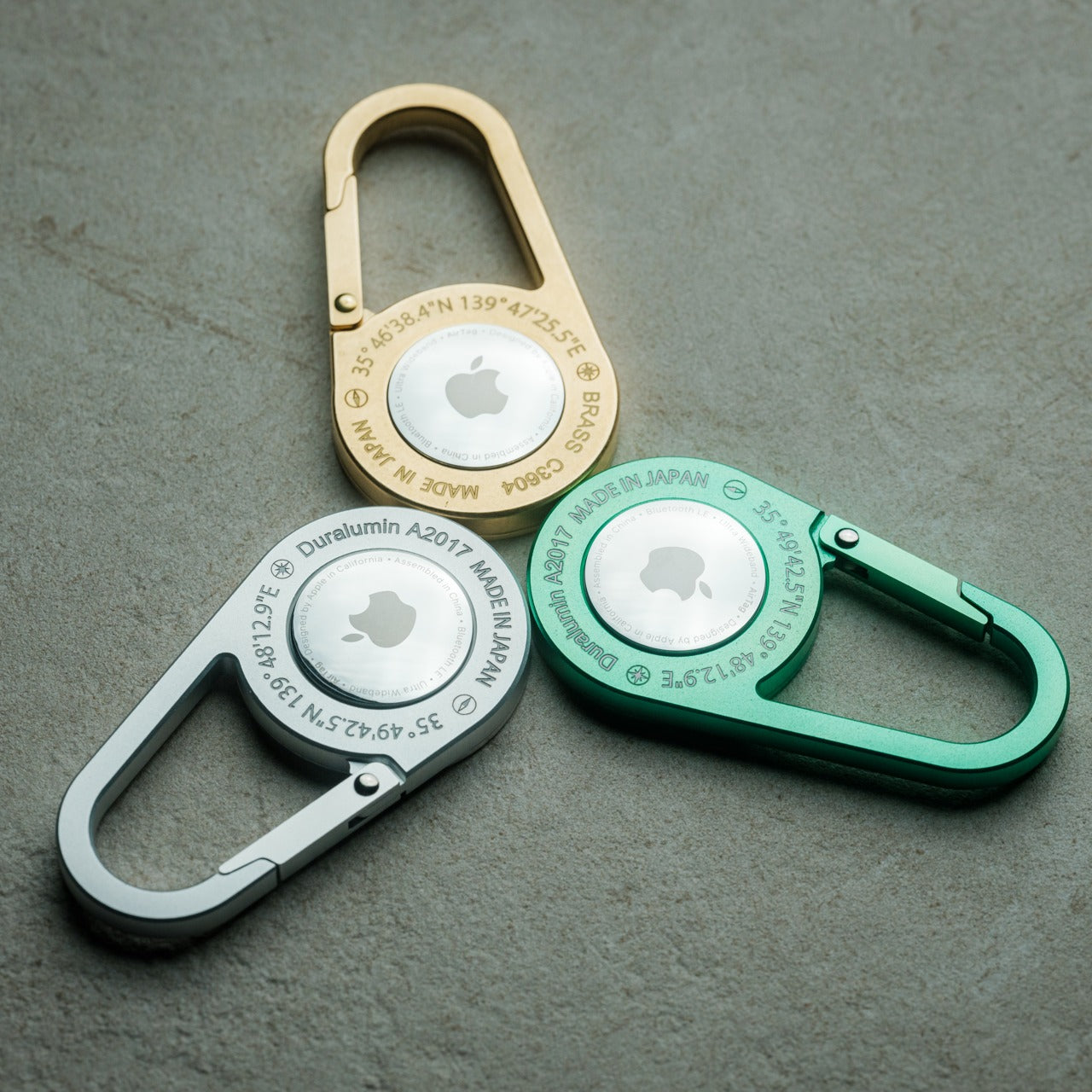
5. AirTag Carabiner

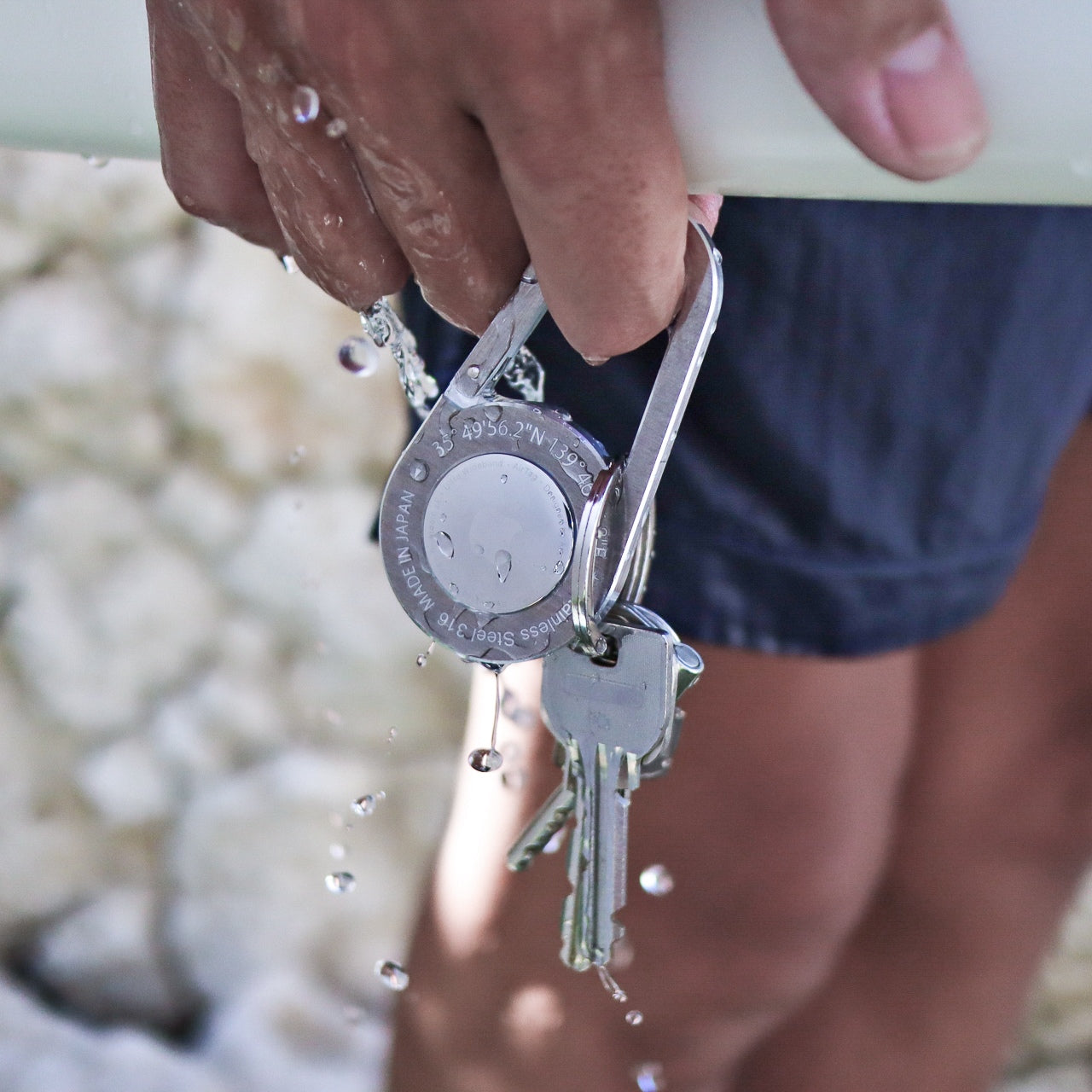
The weakest version of any tracking solution is one you forget to use. An AirTag left loose in a bag pocket, or sitting on a key ring that stays home when the bag leaves, solves nothing. The AirTag Carabiner earns its place by removing the forgetting entirely: the tracking is built into the clip mechanism, so the moment it is attached to something, the Apple Find My network is engaged. No secondary step, no separate attachment decision, no choosing whether today is the day you bother.

Summer creates more opportunities to misplace things than any other season. Bags move between people. Keys get set down at the beach and claimed by the wrong table. Gear left on a trail gets collected by the person walking faster. The AirTag Carabiner sits at the intersection of utility and peace of mind without adding weight or bulk to anything it clips onto. Bags, straps, belt loops, keyrings: it clips to all of them. Summer is unforgiving to the disorganized, and this is the most considered possible answer to that specific problem.

Click Here to Buy Now: $149.00

What We Like

  • Integrating the AirTag directly into the carabiner mechanism removes the secondary step that makes most tracking setups feel optional or easy to skip
  • Find My network coverage means location data is available across virtually any populated environment without additional hardware or ongoing costs

What We Dislike

  • Full functionality is locked to the Apple ecosystem, which limits the product’s value significantly for anyone outside of it
  • Find My operates through a network of nearby devices rather than live GPS, which means there is always a lag between an item moving and its location updating

The Right Five Things Make Summer Easier

The five products on this list share one quality that never makes it onto a spec sheet: they do not complain about summer. They are waterproof, pocket-sized, or designed to adapt, and none require a protective case or a separate pouch to survive a day that gets more complicated than planned. That quiet durability is exactly what the season demands, and it is what separates a genuinely considered kit from a collection of things you meant to bring.

Pick the two or three that close the gaps in what you already carry. The Canon will arrive when Canon is ready, and based on five years of increasingly precise engineering, it will be worth the wait. Everything else on this list is available now, none of it requires much justification, and all of it is designed to stay out of your way while doing its job. Summer does not want to be curated. It wants to be lived. The right five things make that easier.

The post 5 Compact Pocket Essentials Built for a Summer That Never Slows Down first appeared on Yanko Design.
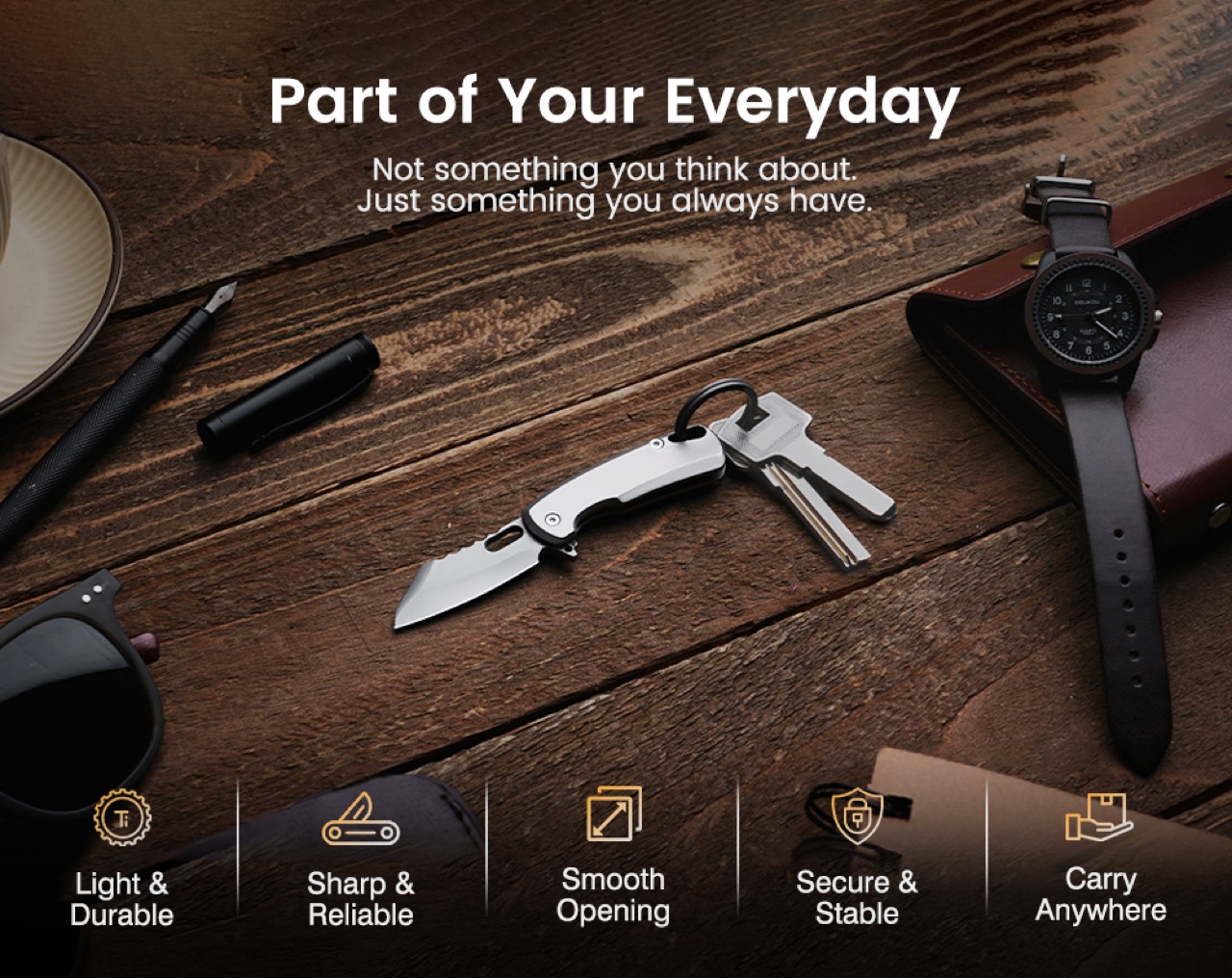
This $39 Titanium Knife Weighs Less Than An AirPods Case And Is Built To Last Forever (Literally)

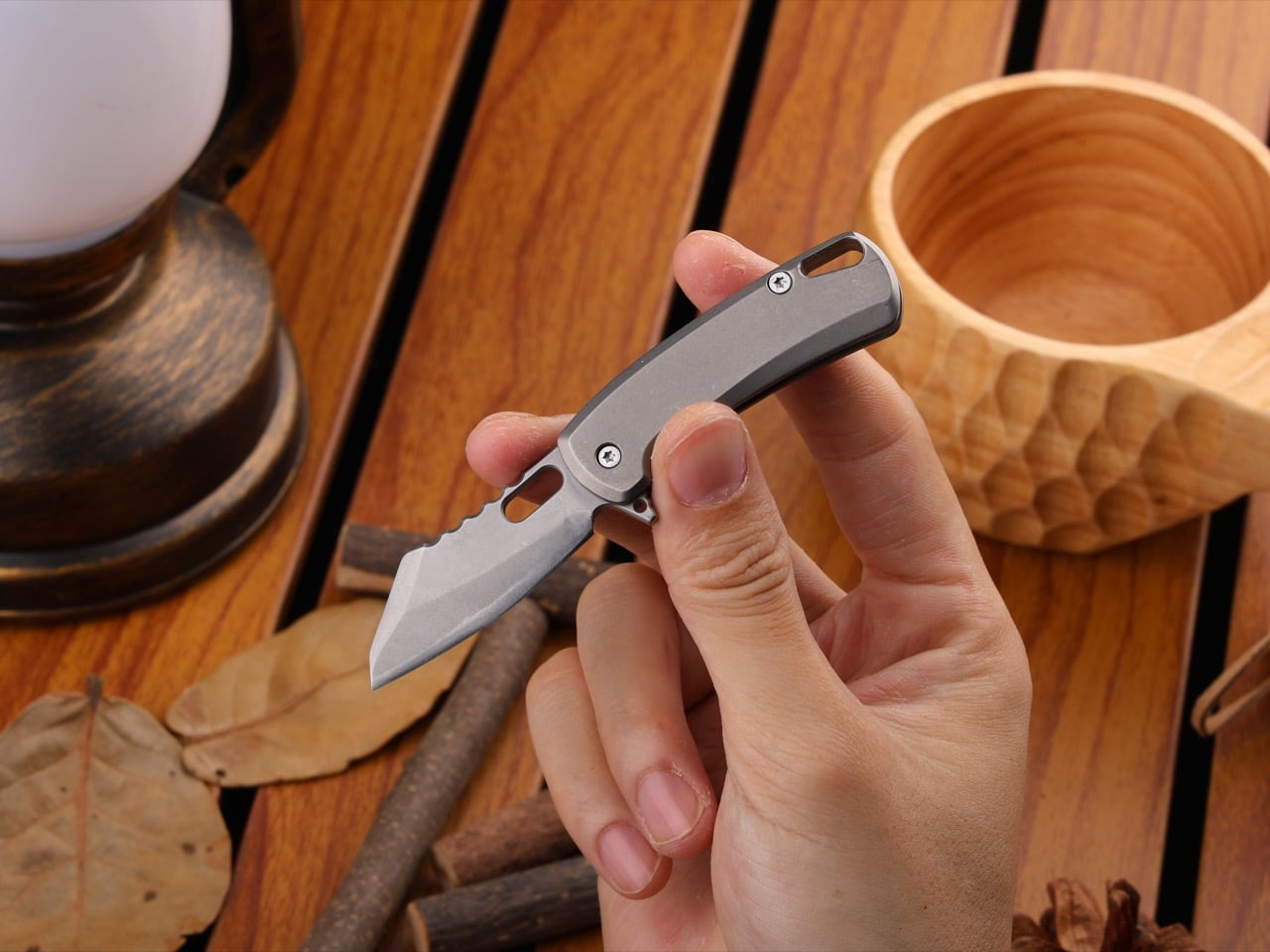
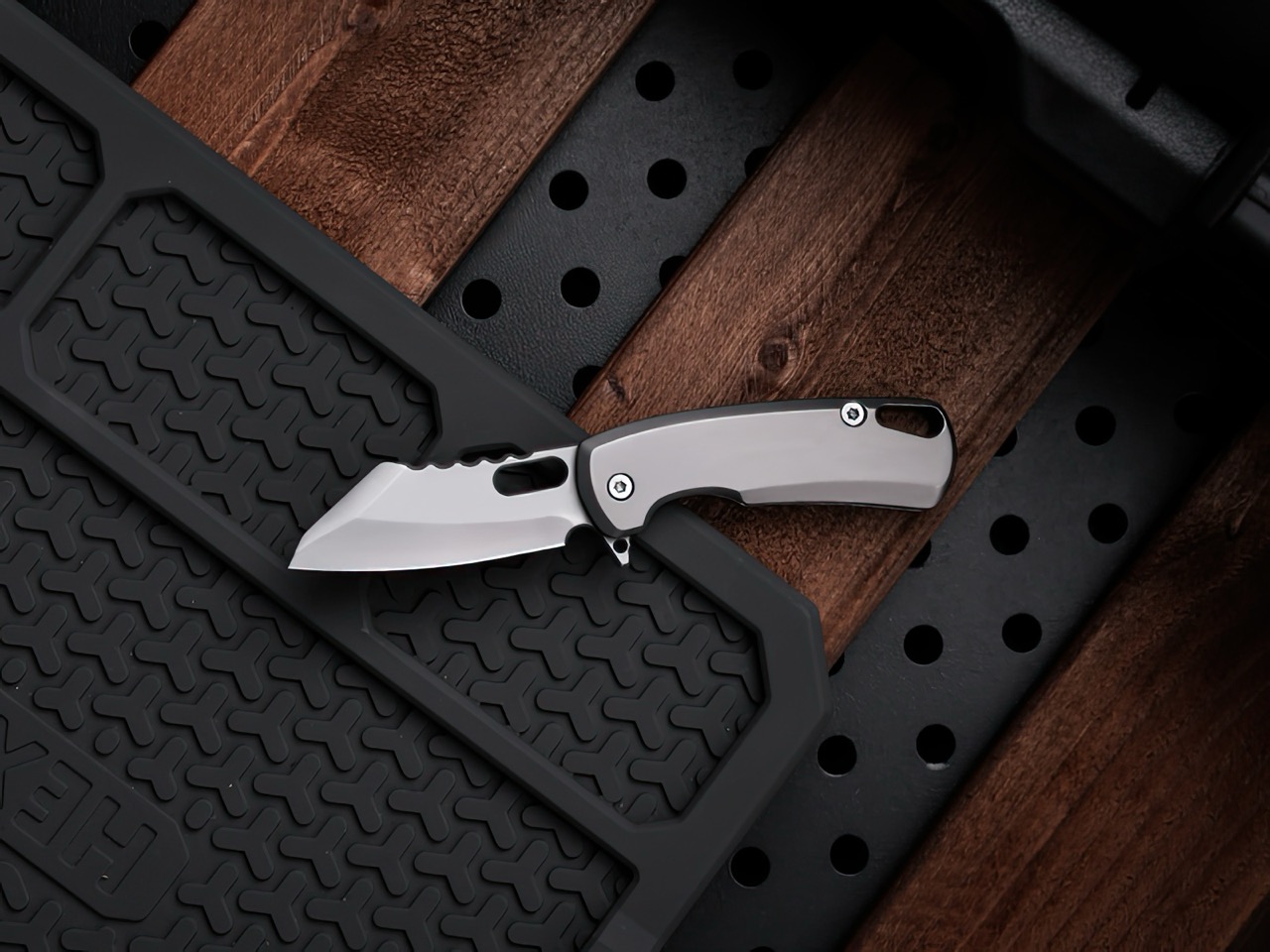
A phone does a bunch of things – it clicks photos, it sends/receives emails, it tells you the weather, it also plays music. There’s a case to be made that a phone is worth owning for how multifaceted it is. Similarly, there’s also a case to be made for owning a vinyl player. A vinyl player doesn’t give you weather updates, doesn’t let you access ChatGPT, all it does is plays music, and does it well to the point of being a ritual. These two spectrums exist in almost every industry, but more so in the EDC world. You’ve got multitools thumping their chest for how multi and how tool they are. And you’ve got specialized EDC that’s made to do one job but do it with pleasure. The TiArc falls into the latter camp.

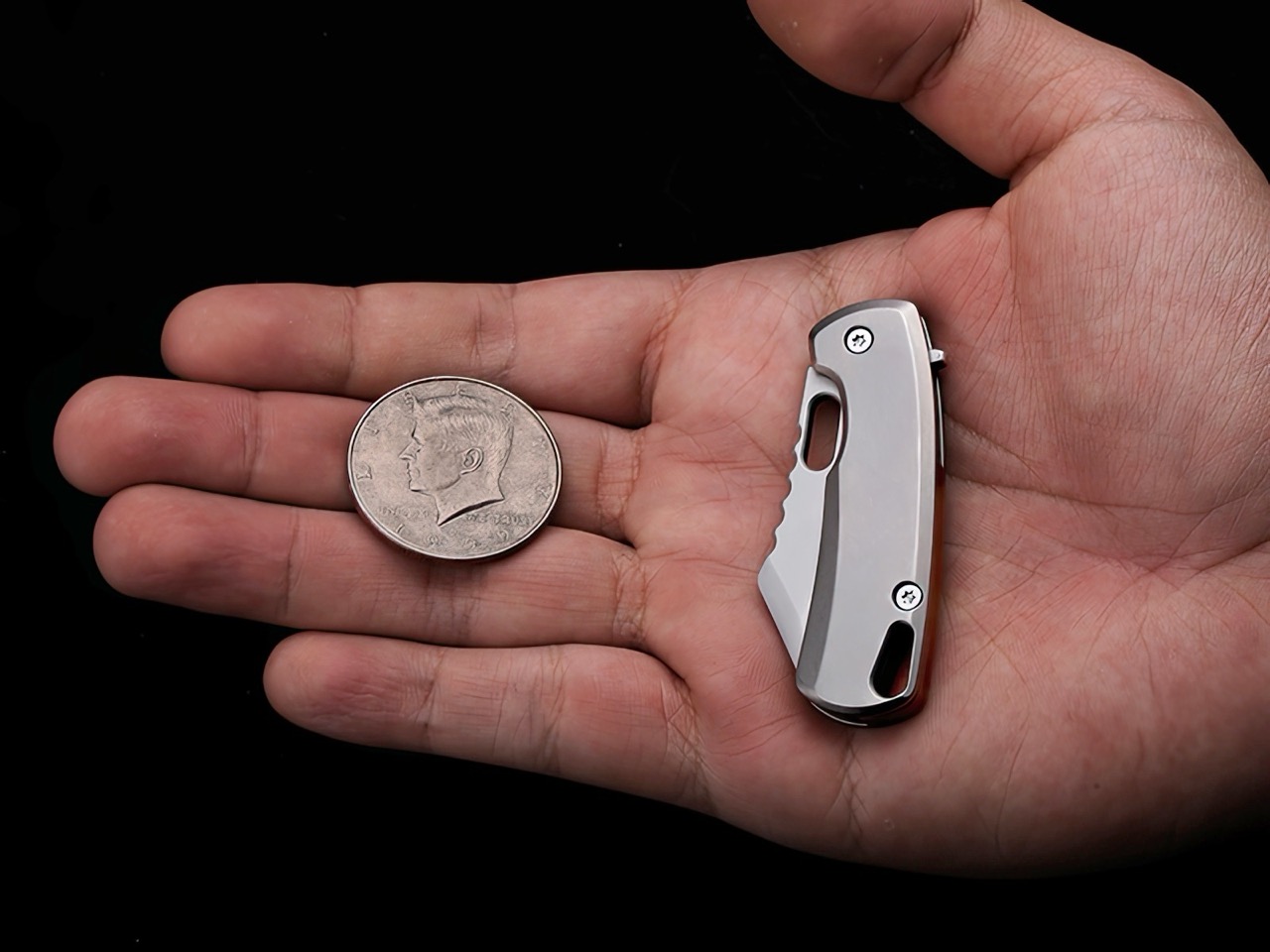
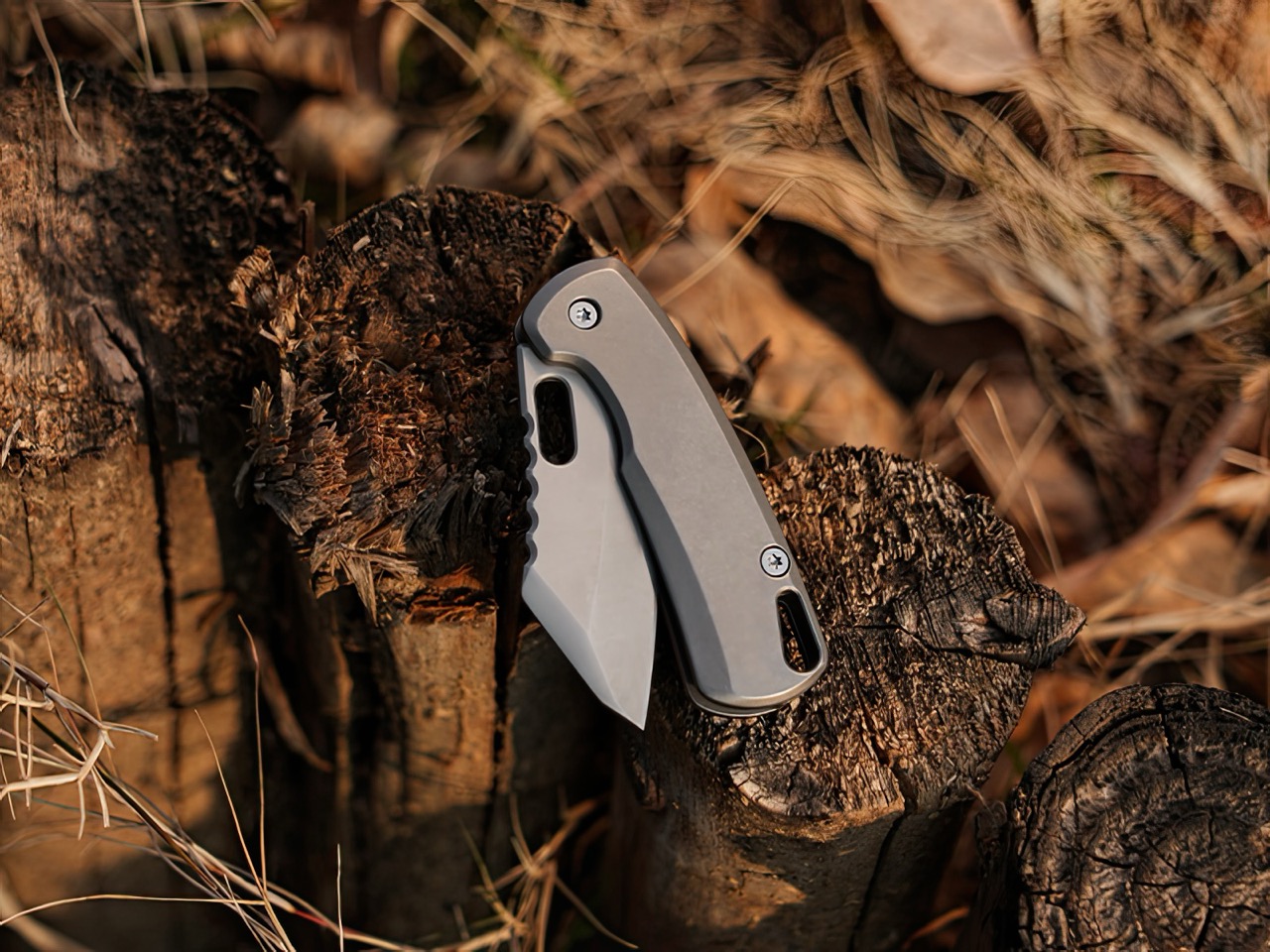
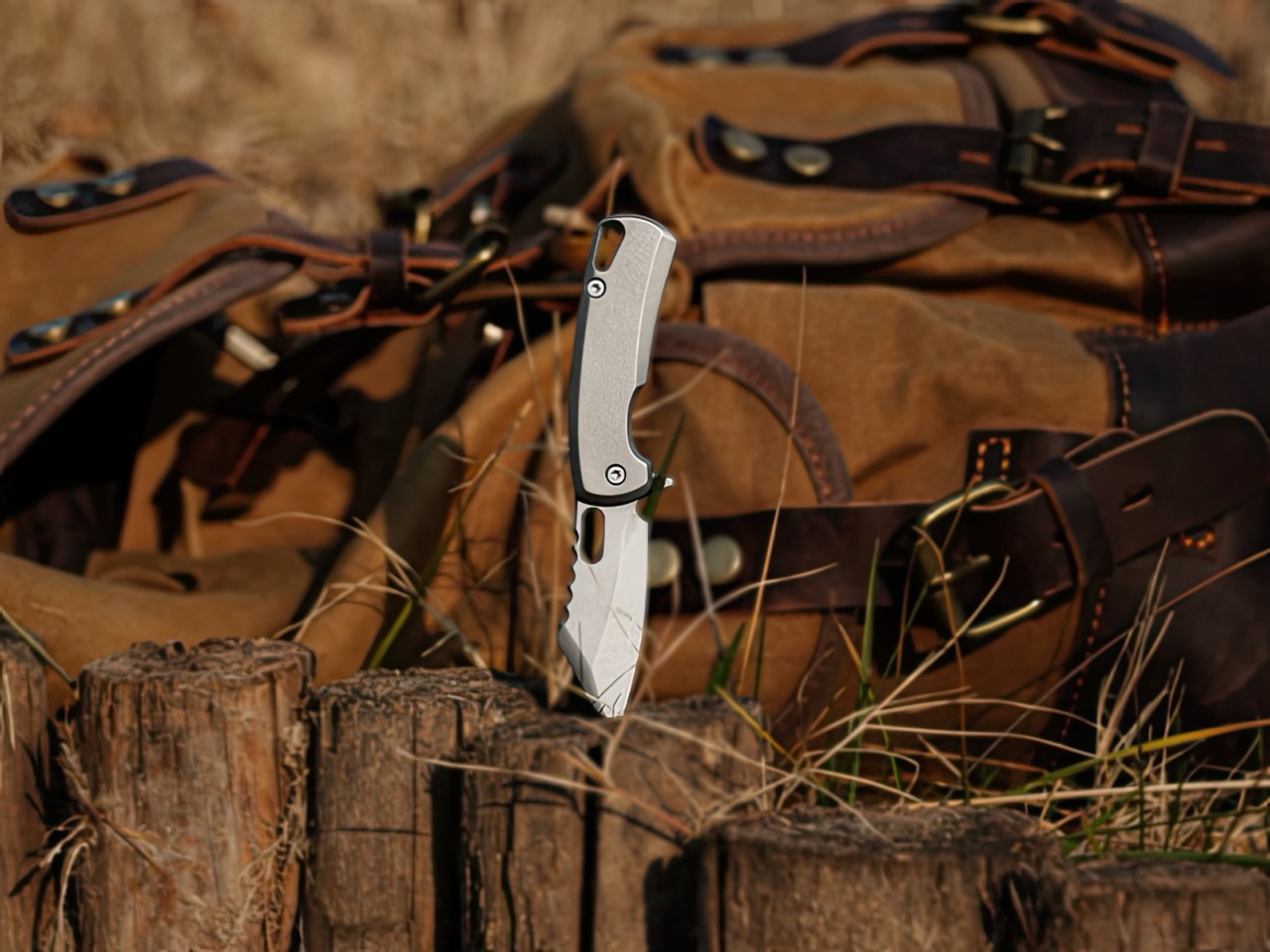
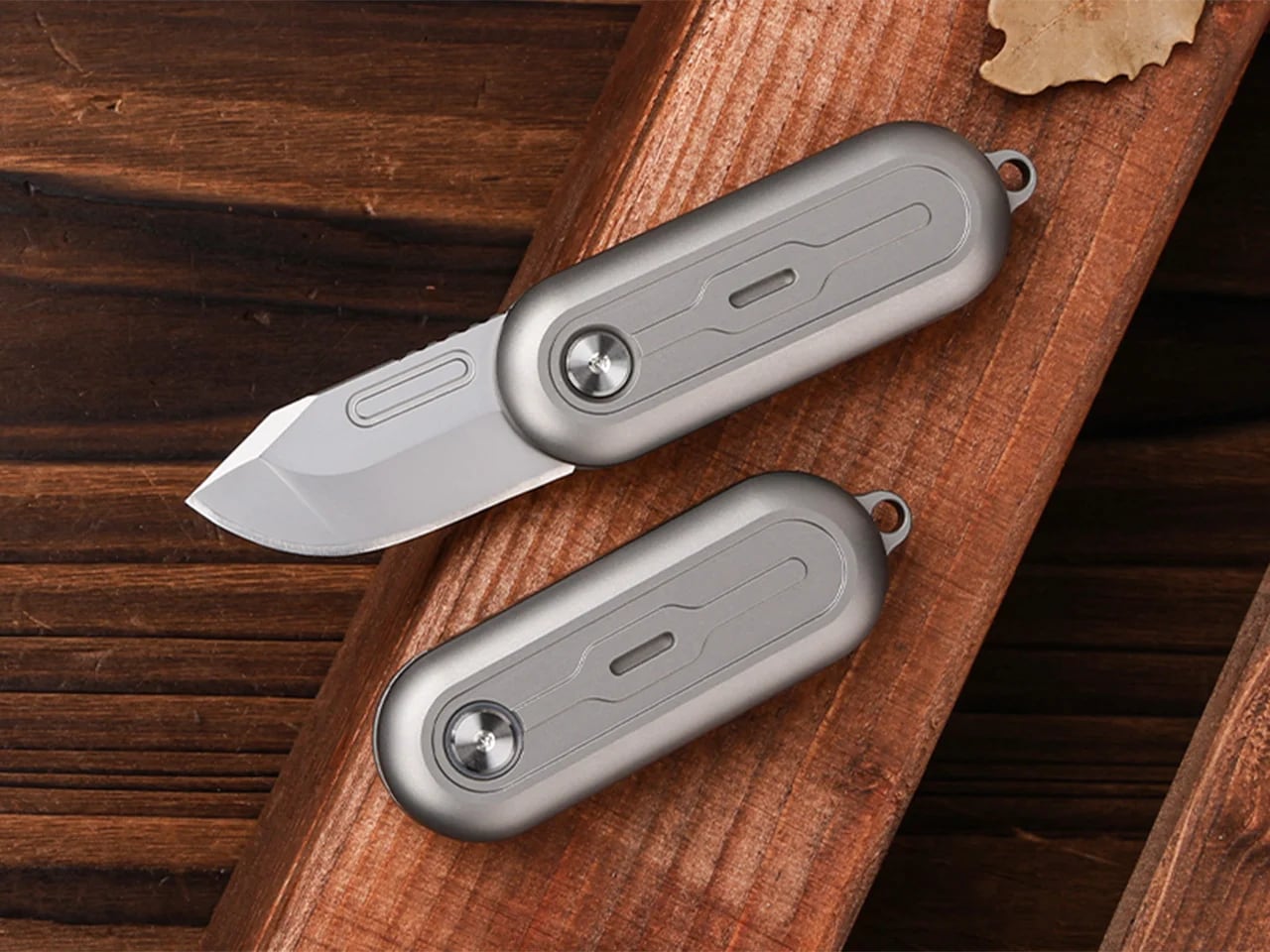
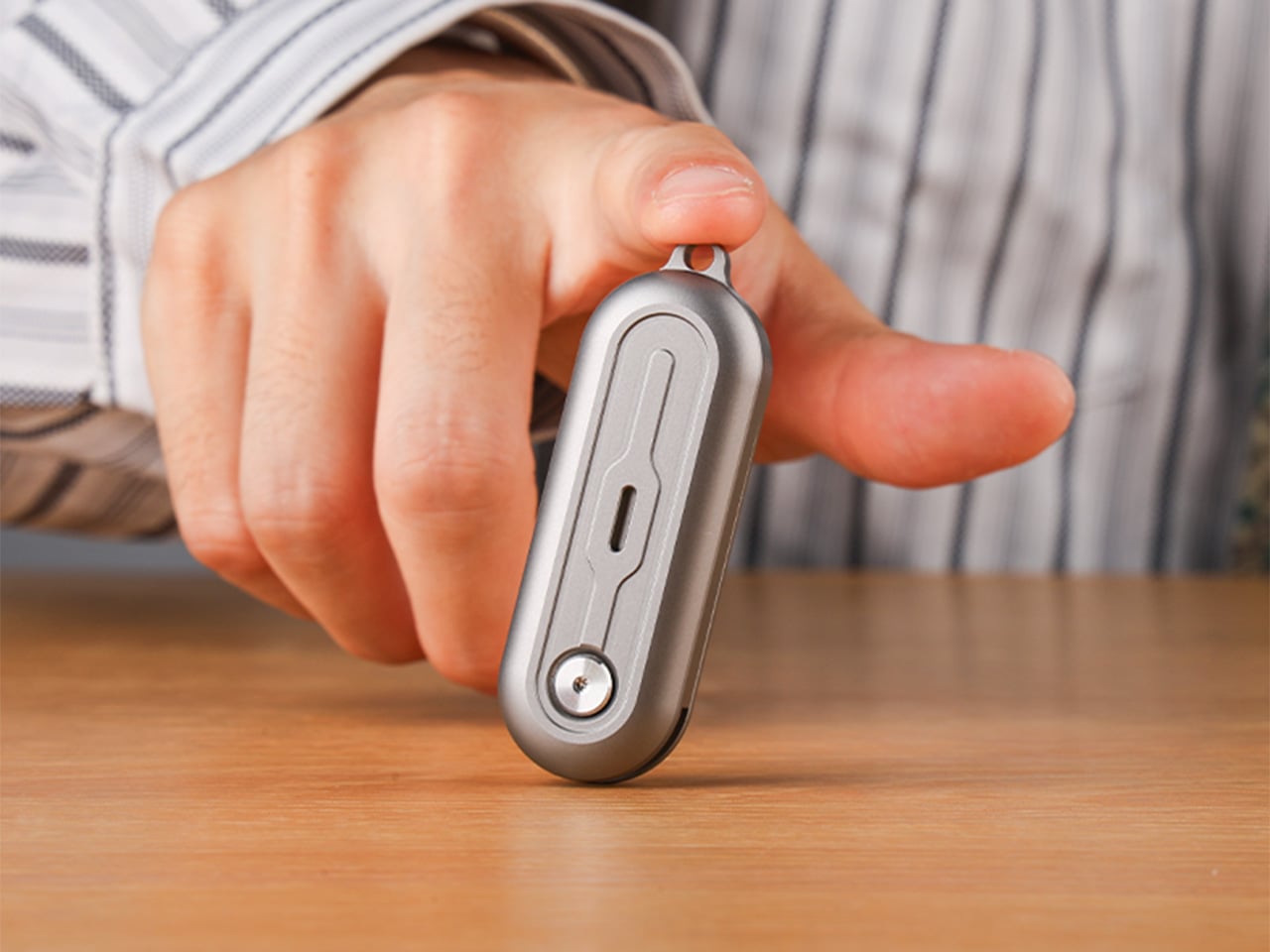
No bottle-opener, no pry-bar, no complications. The TiArc is built like a tank, and it’s built to be three things – reliable, robust, and for the most part, repairable. The thing’s tiny enough to fit on a keychain, in your palm, or your pocket. It measures 4.16″ when open, and 2.34″ when closed, weighing in at 30 grams or just above an ounce (that’s as much as an AirPods case). As unassuming those specs sound, the TiArc packs a Grade 5 titanium body and a D2 steel shell, making it the EDC equivalent of a ninja, invisible most of the time, but lethal when wielded.

Designer: XEdge

Click Here to Buy Now: $39 $50 (22% off) Hurry! Only 4 Days Left!

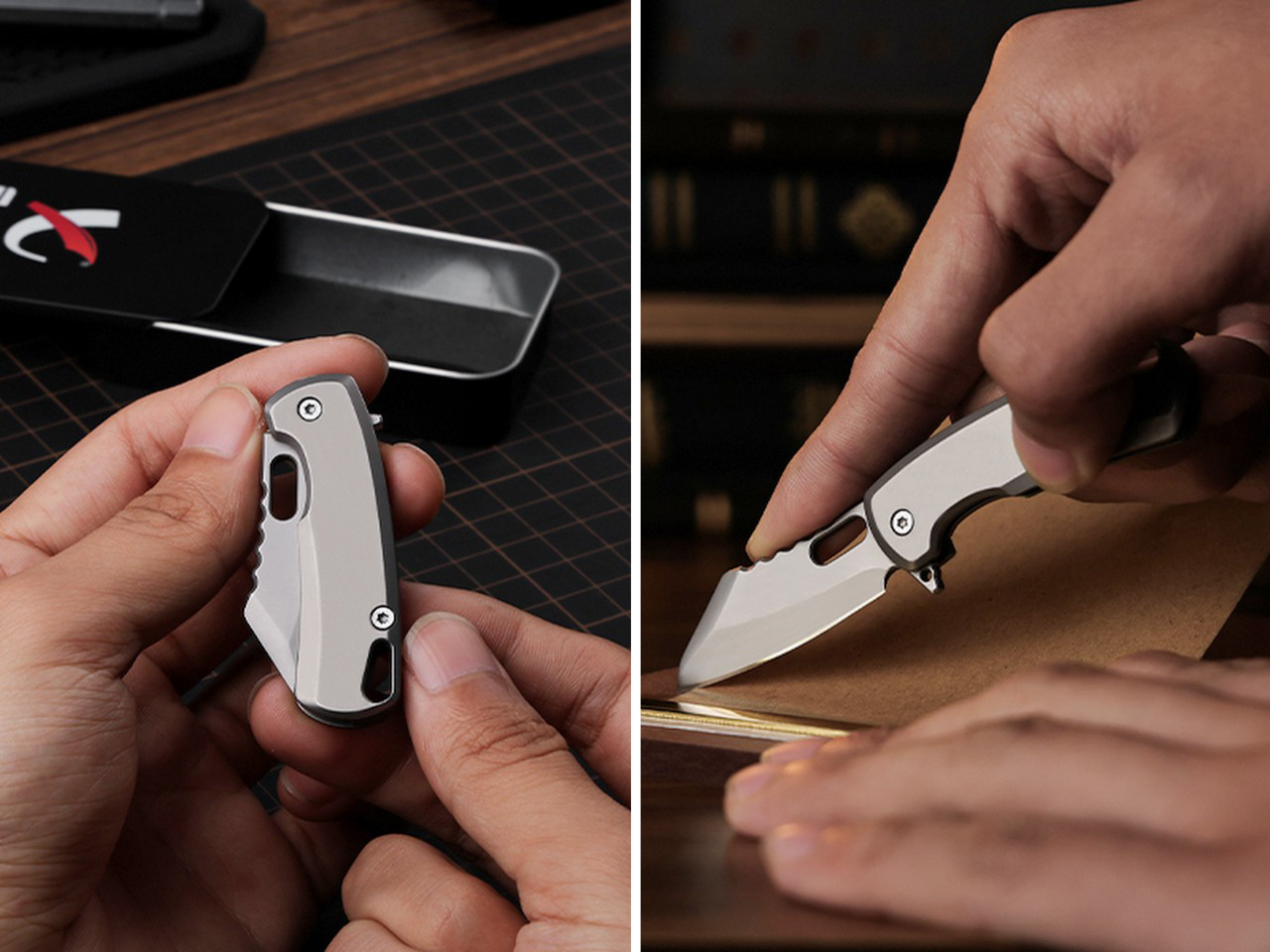
The tiny knife category is more vast than I originally imagined. While anyone will agree that bigger is (for the most part) better, sometimes you don’t need a 4-inch fixed blade. Sometimes even a cutter under 2 inches actually gets the job done, whether it’s opening boxes, slicing through paracord, whittling wood, starting fires, or even working on craft projects. The TiArc’s 1.82 blade gets the job done, whatever the task may be. The D2 steel has a HRC rating of 60, which means it won’t dull easy, even with rough usage.

That sheepsfoot blade profile is a classic in the EDC world. Also known as the ‘wharncliffe’ design, it features a curved belly blade that you can slice with running motions or even rock the way a chef rocks their knife while finely cutting something. The blade’s tip is pointy enough for piercing actions, making it fairly versatile no matter the task. You could be opening rations in the outdoors, defending yourself from danger, or doing something as benign as cutting open a lime to make yourself a margarita. The TiArc’s compact design means it’s on your person all the time, and the reliable build lends itself to almost every activity that would require a cutting edge.

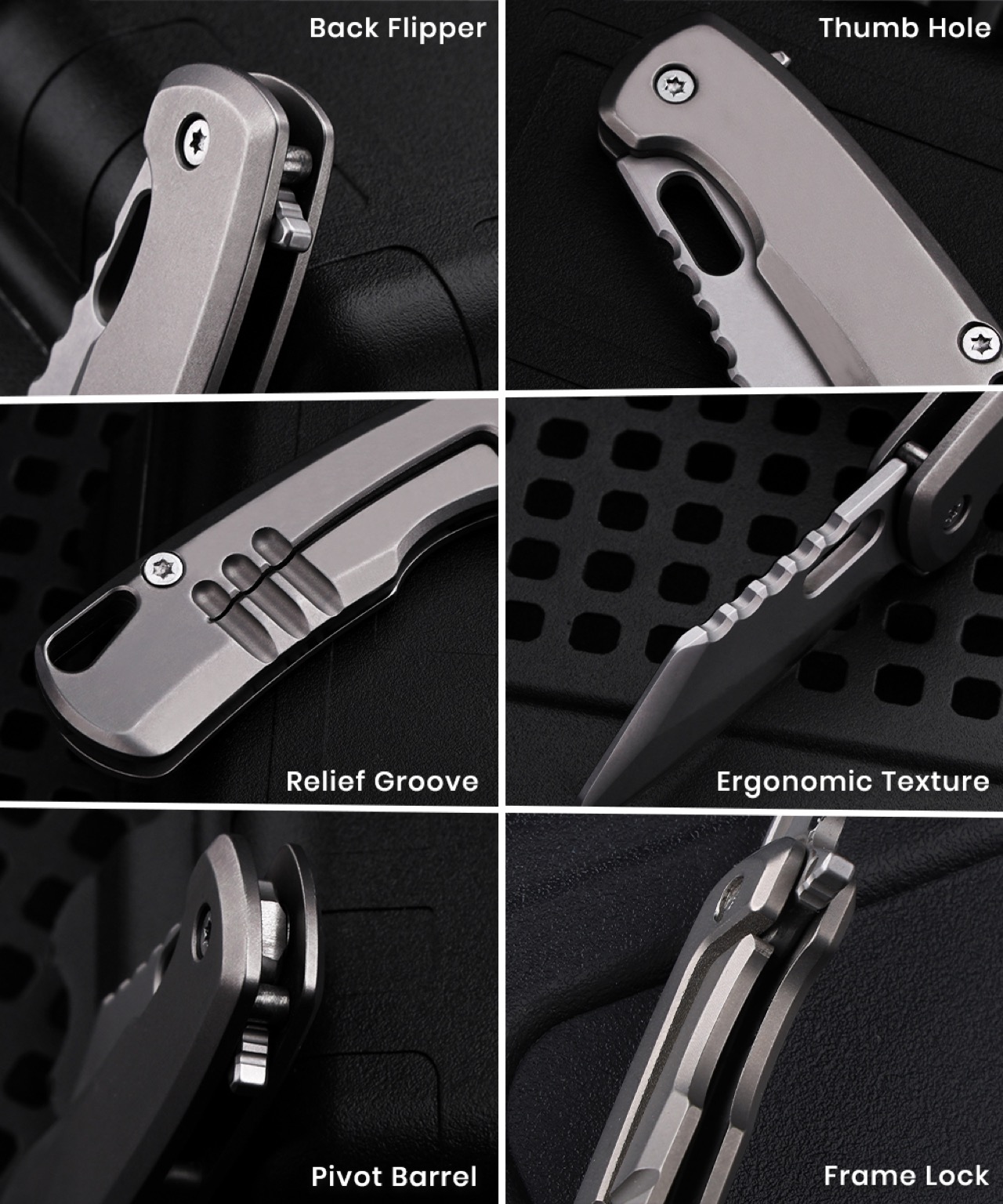
TiArc’s makers iterate that the knife’s made with simplicity – but that doesn’t mean ‘basic’. It’s fairly capable the same way a Kalashnikov from the 40s still happens to be the gold standard for rifles, even after nearly 8 decades. The tiny knife packs an all-metal design that can be disassembled in a jiffy using two screws integrated into the body. A cutout in the blade lets you open meticulously, or just use the flipper on the back to flip open with panache. Once open, it holds its positions with stern resolve, and you can literally chuck the blade tip-first into hardwood and the knife won’t buckle. A frame-lock holds the blade in place, and to close your TiArc, simply coax the frame lock open to have the blade glide right back smoothly into its sheathe.

The Grade-5 titanium body is cool to the touch, practically destruction-proof, hypoallergenic, and comes with a stone-wash finish that genuinely feels great when you hold it, providing just enough friction while in use. Titanium has become a bit of a mainstay in the EDC world, but it’s always a mark of a premium tool given that you won’t find cheap knives made from titanium. You’re paying for the craftsmanship, the material, and the fact that this thing is built forever. I’ve long said that if you’ve got yourself a titanium EDC, chances are it doesn’t even need to come with a warranty because it’ll last long enough to pass down to your great grandkids. The TiArc, to that end, comes with a lifetime warranty.

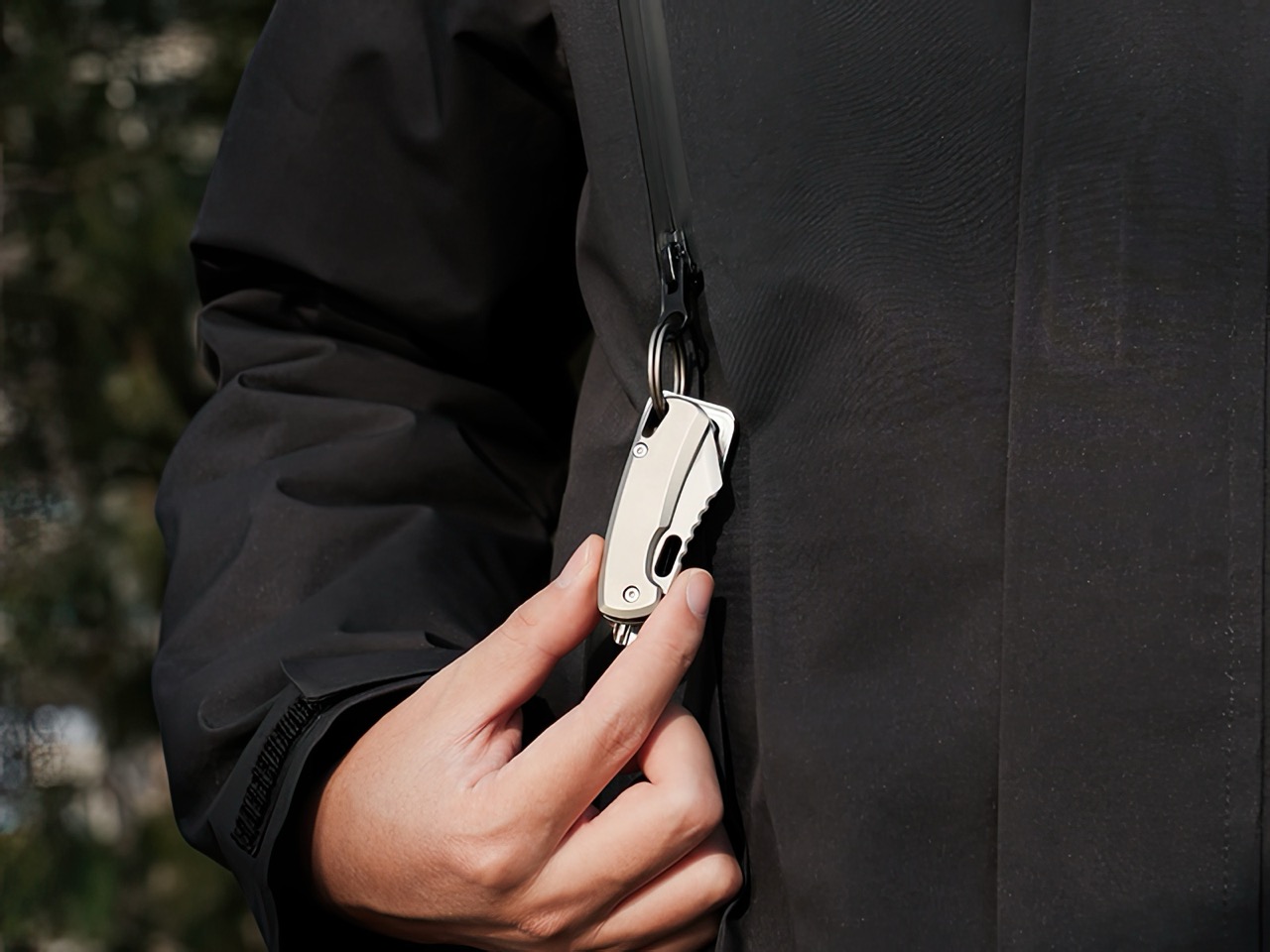
At just 1.06 ounces, the TiArc is really made for everyday carry. Clip it to a carabiner, string it on your keyring, secure it on your outdoor backpack, or even stash it on your pocket. It goes where you go, doesn’t announce itself, but steals the show once you need to use it. No extra features adding any complexity, not even as much as a pocket clip – the thing is designed with the same minimalist mentality of a MacBook Air, which famously cut down on ports to keep things focused and still managed to become one of the most popular laptops out there. I’m writing this article on one as we speak.

The TiArc starts at $39 USD, discounted from its original $50 price tag. For that, you get the TiArc itself, a titanium split keyring to match, free global delivery, and a lifetime warranty. For an extra $14.6 USD, you can grab either one of the following – a custom engraving on the blade, a PVD black coating to give your knife a stealthy look, or a special quick-release keyring with a single-piece carabiner machined from titanium. The TiArc begins shipping as early as September 2026.

Click Here to Buy Now: $39 $50 (22% off) Hurry! Only 4 Days Left!

The post This $39 Titanium Knife Weighs Less Than An AirPods Case And Is Built To Last Forever (Literally) first appeared on Yanko Design.
Bolt-Action Titanium Pen Packs a Magnetic Blade, Glass Breaker, and Bit Driver Into A 32-Gram Package

Bolt-action pens command a fanbase that splits neatly into two camps. There are the fidget enthusiasts, the ones who cycle the bolt compulsively mid-conversation and genuinely cannot put the thing down, drawn entirely by the sensory reward of a well-tuned spring mechanism. The satisfying click and return of a well-machined bolt has an almost compulsive quality that most people who have owned one will recognize immediately. Then there are the EDC traditionalists, who carry bolt-action pens with something closer to reverence, appreciating how a mechanism borrowed from military rifles found its way into writing instruments and became a small, tactile piece of mechanical history worth keeping in a pocket. For that second group especially, the bolt-action pen occupies the same mental space as a quality pocket knife or a classic field watch: a precision object that earns its keep through both performance and heritage.

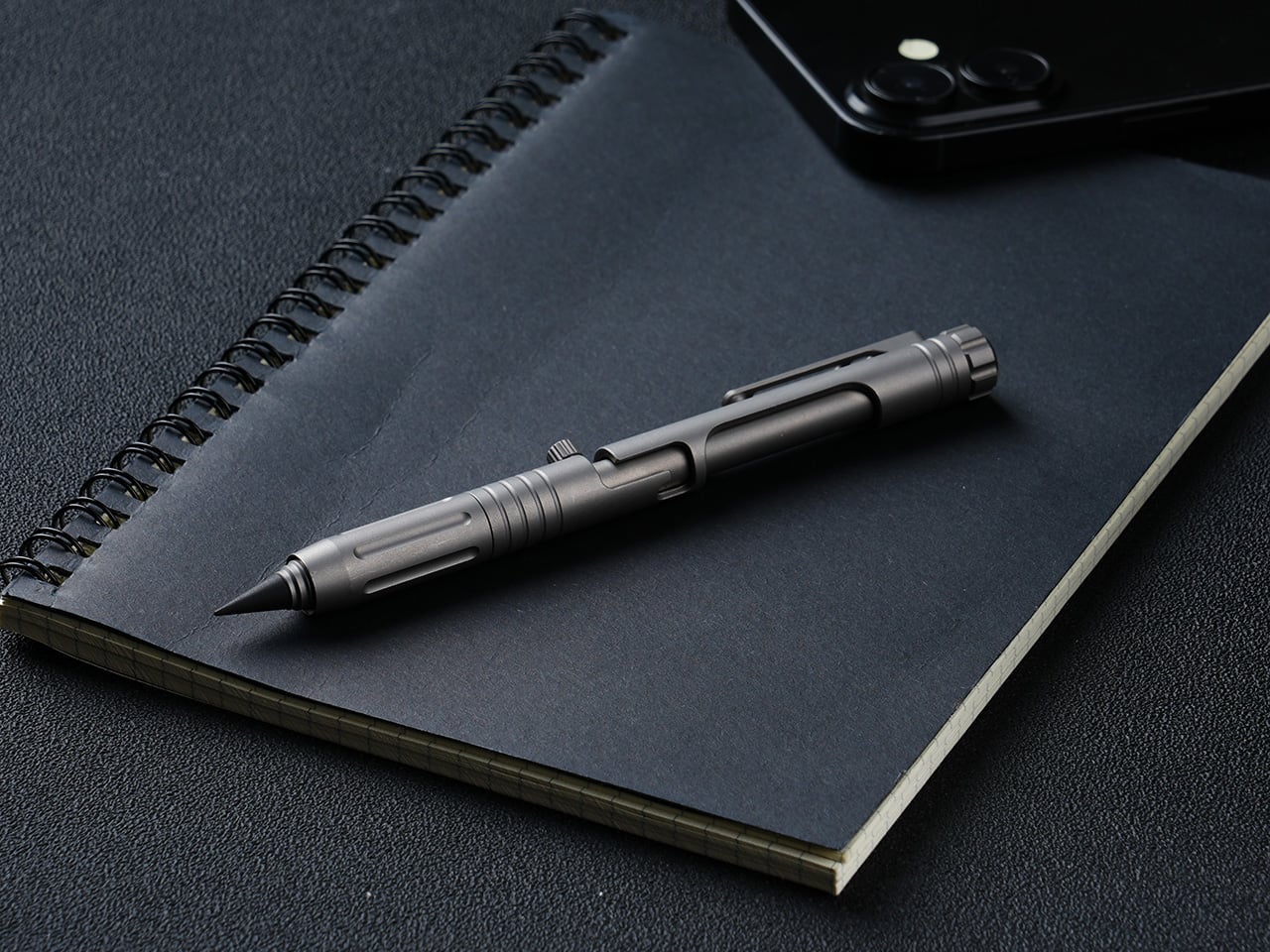
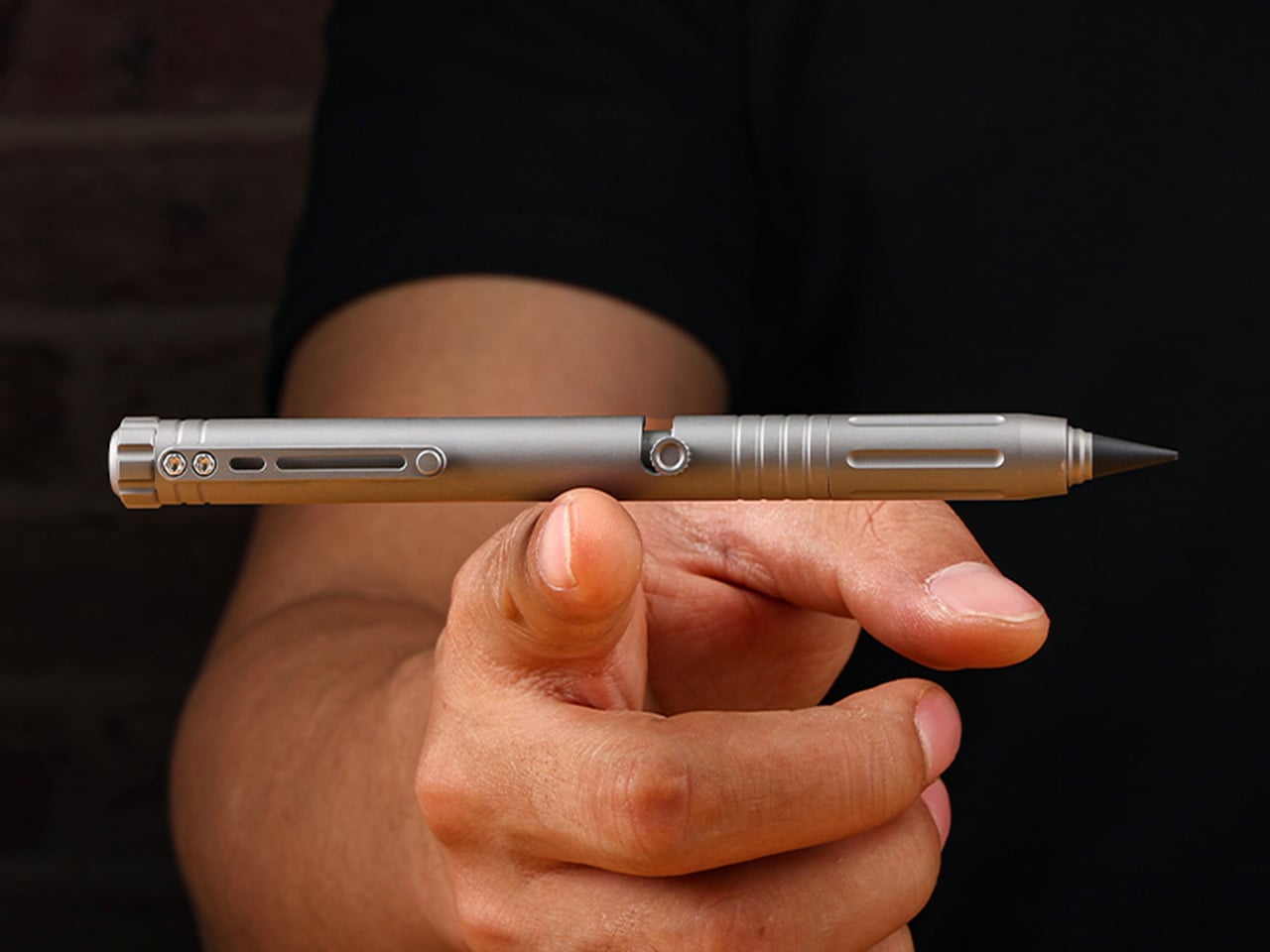
The Bullet Ant 4.0 by MeTool builds on that foundation and loads it with function. The bolt-action mechanism deploys a top-mounted 4mm bit driver the moment the bolt flicks forward. Nested inside the barrel is a magnetic bit garage holding a spare, and a hidden blade sits flush in the lower section, locked by two magnets that hold it against shaking, jostling, or being tossed in a bag. The rear tip swaps between a graphite and metal writing point, with a tungsten glass breaker completing the set. All of that in 32 grams of Grade 5 titanium.

Designer: MeTool Design Team

Click Here to Buy Now: $65 $108 (40% off). Hurry, only a few left! Raised over $32,000.

A single forward flick of the bolt deploys the 4mm magnetic bit driver into working position, with no caps to remove and no secondary steps to take. The magnetic mount keeps the bit seated precisely, and the same magnetic logic governs the bit garage inside the barrel, which stores a second 4mm bit as a permanent spare. Losing a bit mid-job is a real-world frustration that MeTool clearly heard from earlier-generation users, and the solution is architectural rather than behavioral: one extra 4mm bit, always with you, no loose parts, no hunting through a bag for the Phillips you dropped. Both the working bit and the stored backup are standard 4mm, keeping compatibility with common interchange systems rather than locking the user into proprietary accessories. The bolt mechanism also carries the distinction that made this whole category worth caring about: positive tactile feedback on both extension and retraction, the kind of mechanical click that turns a tool into something you actually look forward to using.

The blade lives flush inside the lower barrel, producing zero poke, zero rattle, and zero external profile, and when you don’t need it, it simply disappears, leaving a clean, cylindrical pen that looks like nothing but a pen. Two small but powerful magnets keep the bit blade perfectly seated, with no wobble and no creep, meaning you can throw the pen in a bag, run down stairs, or shake it aggressively without the blade budging until a deliberate thumb pull releases it. In practical daily use, it handles the mundane cutting jobs that otherwise require hunting for scissors: tape, packaging, zip ties, rope, plastic clamshells. Slip the blade out in two seconds, make the cut, click it back, and the pocket knife can stay home. The design intent leans firmly toward daily micro-cutter territory rather than survival blade ambition, which keeps the tool honest about its actual scope.

The everlasting pen tip carries no ink and no limits, writing on paper, metal, wood, plastic, or underwater. Two tip configurations are available: the graphite tip delivers smooth, paper-friendly contact suited for notebooks and daily writing, while the metal tip offers rigid marking performance on hard surfaces in outdoor conditions. The new alloy tip survives waist-high drops onto concrete without cracks or flakes, in either metal or graphite form, and swaps between configurations in seconds. The tungsten glass breaker occupies the same interchangeable slot at the rear of the barrel as a third configuration, converting that end into a hardened emergency strike point capable of breaking automotive glass. Concentrating the writing, glass-breaking, and emergency functions at the rear of the barrel is a coherent spatial decision that keeps the bolt-action end clean and dedicated entirely to the driver.

136mm of titanium at just 32 grams, with six precision grooves machined into the grip section that give ultimate hold in any condition, wet, cold, or gloved. Grade 5 titanium, the Ti-6Al-4V aerospace alloy, is the material for the entire body, chosen for its strength-to-weight ratio rather than its premium associations. The all-new ball-detent contact point lets the Bullet Ant 4.0 glide over any fabric, whether pocket, bag, or strap, without snags or scratches. Earlier generations of the pen were known to catch and drag on pocket linings, a small but genuinely irritating daily friction that the redesigned clip eliminates cleanly. Finish options include sandblasted titanium, raw and untouched in the way titanium comes out of the earth, and black, stealth and matte, a finish that disappears in low light.

Anodized blue and purple finishes are available as add-ons, and the distinction MeTool draws is worth noting: anodizing is an electrochemical bond that becomes part of the metal itself, and won’t chip or peel. Regardless of chosen finish, the underlying material is the same Gr5 titanium with identical performance throughout. The Bullet Ant 4.0 is built for a specific kind of person: someone whose environment demands improvised repairs, a cutting edge within reach, and legible notes all within the same hour, whether that person is a hiker tightening gear on a trail, a field technician working a job site, or an outdoors-oriented carry enthusiast who wants glass-breaking capability without a dedicated tool eating up pocket space. The pen cycles between five roles through mechanical reconfiguration rather than physical disassembly, shapeshifting from writing instrument to bit driver to blade to emergency tool without ever requiring a bag dig or a secondary carry item. It manages all of this without looking overtly tactical, which, for a category that sometimes leans too hard into military aesthetics, is a meaningful restraint.

Gen 1 proved the concept, Gen 2 made it tactical, Gen 3 packed in more tools, and MeTool has been running this annual design cycle since 2023. The two complaints every Bullet Ant 3.0 user raised were the same: why unscrew a cap every time a screwdriver is needed, and why does the metal tip crack on a drop. MeTool listened, and rebuilt. Gen 3 hid the blade under a cap that required unscrewing before driving a screw. Gen 4 hides the blade inside the bit itself. Gen 3’s tip could crack on a hard drop. Gen 4’s alloy tip survives waist-high falls onto concrete. That pattern of user-feedback-to-design-decision shows in how purposeful the Gen 4 upgrades feel when set against the earlier versions, each fix traceable directly to a complaint someone actually filed.

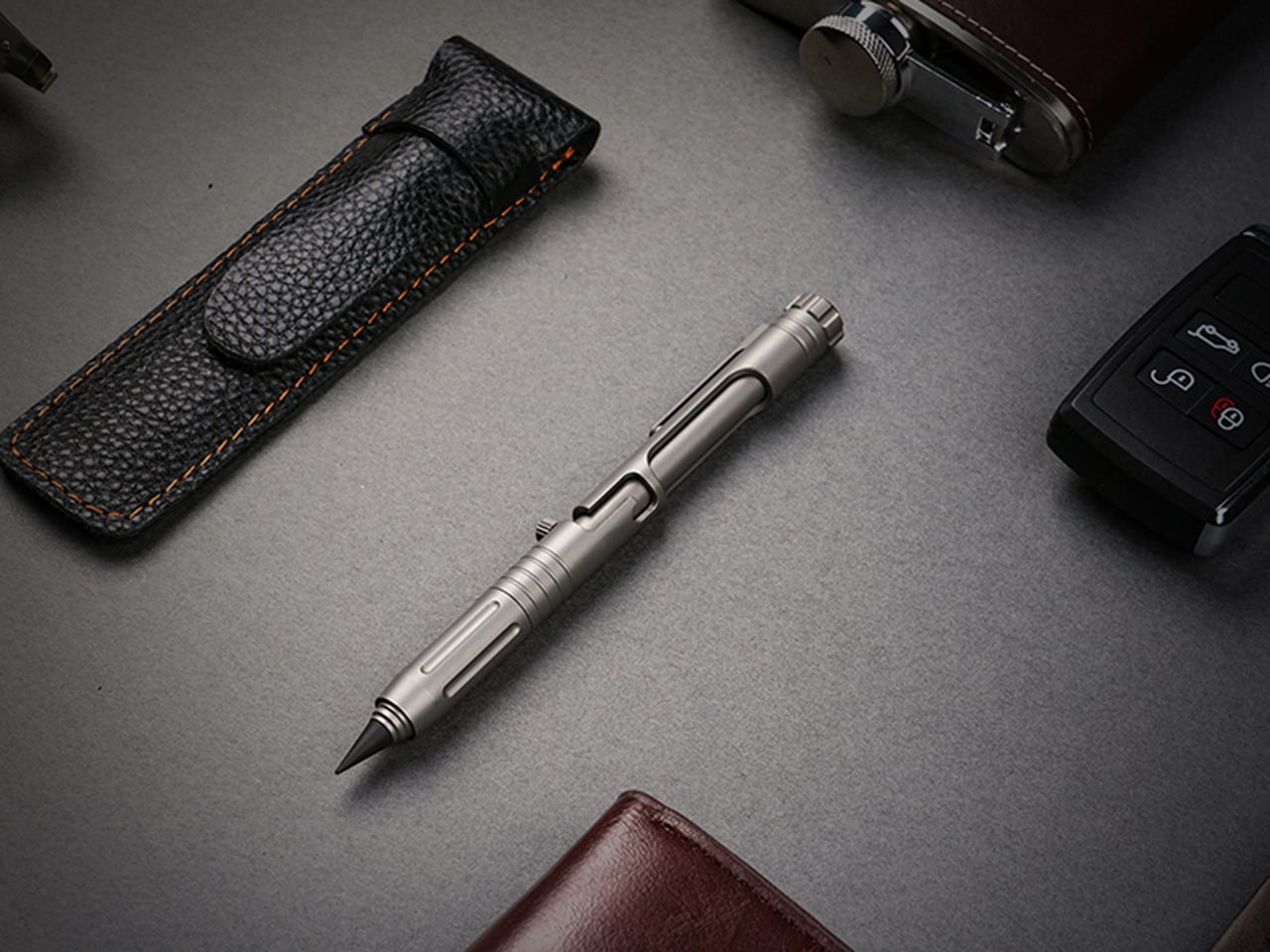
Silver tactical pen on a gray desk with a black leather pen case nearby.

Each Bullet Ant 4.0 ships with the pen body in Gr5 titanium, an alloy tip for the everlasting pen system, one magnetic hidden blade, and two 4mm magnetic bits, with worldwide shipping included at no extra cost. That represents a complete functional loadout without any additional purchases required for core use. Anodized blue and anodized purple finishes are available as paid add-ons, with the electrochemical finish applied to the same Gr5 substrate across all color options. The campaign runs through June 17, 2026. Pricing and full reward tier details are live on the Bullet Ant 4.0 Kickstarter page.

Click Here to Buy Now: $65 $108 (40% off). Hurry, only a few left! Raised over $32,000.

The post Bolt-Action Titanium Pen Packs a Magnetic Blade, Glass Breaker, and Bit Driver Into A 32-Gram Package first appeared on Yanko Design.
8 Father’s Day EDC Gifts So Good We Bought Them for Ourselves First

The best Father’s Day gifts aren’t found in department store gift sets or tucked inside branded packaging. They live somewhere more specific, in the overlap between things a man reaches for every single day and things he’d never quite justify buying himself. Everyday carry occupies that exact territory. It’s a category built on considered objects: tools that earn their pocket weight, wallets that age beautifully, lights compact enough to forget you’re even carrying them.

Every product on this list passed a simple test. We asked whether we wanted to keep it after reviewing it, and in each case the answer was yes. These aren’t gifts bought by someone who doesn’t know the person. They’re objects that get used every single day, noticed by whoever sits across from your dad at dinner, and occasionally borrowed without being returned. Father’s Day is June 21. The window is closing.

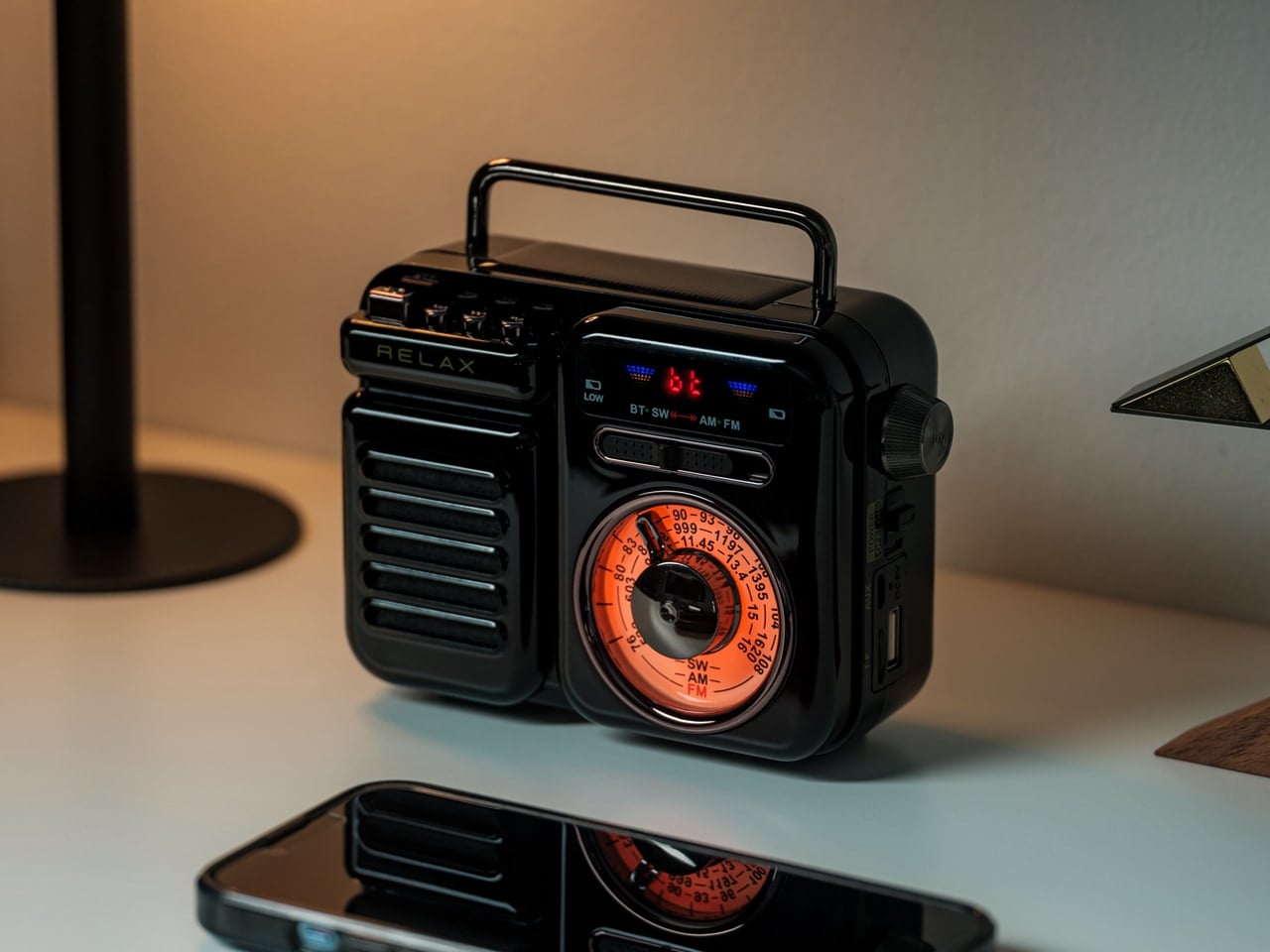
1. RetroWave 7-in-1 Radio

There’s a specific kind of object that doesn’t need to be the most useful thing in the room to earn its place there. It just needs to make the room feel more like itself. The RetroWave 7-in-1 Radio does exactly that. Built with analog dial aesthetics and a warm retro presence, it packs AM, FM, and shortwave radio alongside Bluetooth streaming into a form that looks like it was pulled from a better decade. For a desk, workshop, or kitchen counter, this is the object that earns its place through presence as much as performance.

The seven functions include AM, FM, and shortwave reception alongside Bluetooth connectivity, which means your dad can stream from his phone or tune into a local station without touching two different devices. The design language is deliberate and specific. This isn’t retro-themed tech; it’s a considered object that happens to be wireless. At $89, it doubles as a reliable emergency radio while looking like something a design museum would want on permanent display. That combination rarely arrives at this price.

Click Here to Buy Now: $89.00

What We Like

  • The design brings genuine character to whatever surface it occupies. Most modern speakers disappear into a room; this one earns a second look and usually a question about where it came from.
  • The AM/FM/shortwave plus Bluetooth combination covers both nostalgia and utility in one device, making it relevant in a power outage and equally relevant on a quiet Sunday morning.

What We Dislike

  • Anyone expecting audiophile-level output from a compact lifestyle radio will need to adjust expectations. This is a design object first and a speaker second.
  • The retro aesthetic is specific enough that it won’t suit every interior. A very minimal, contemporary space may not be the right home for it.

2. Cubik Knife

The Cubik by IF opens the way a gravity-defying trick should: tilt the handle downward and the blade deploys through gravity alone, no thumb pressure, no fidgeting. It’s a deployment mechanism that sounds like a party trick until you’ve used it, at which point it becomes the only way opening a knife makes any sense. The swappable blade design adds a layer of practicality that most folding knives refuse to offer. You replace a worn blade rather than retiring the entire tool.

For a father who carries every day, the Cubik makes the case that a pocket knife doesn’t need to look tactical to be genuinely useful. The block-shaped geometry of the closed handle sits flat in a pocket without printing or adding uncomfortable bulk. One-handed deployment is the default rather than the exception. Swappable blades mean the knife stays sharp in the way that actually matters: you replace the edge when it’s worn rather than tolerating a dull carry or buying another knife you didn’t need.

What We Like

  • The gravity-activated deployment is a genuinely original mechanism in a category that rarely produces genuine originals. It changes the entire experience of opening a pocket knife.
  • Swappable blades solve a problem every EDC knife eventually creates. A worn edge becomes a blade swap rather than a reason to start the whole search over again.

What We Dislike

  • The gravity deployment mechanism requires a specific wrist motion that takes some practice to execute cleanly. The first few attempts will feel more deliberate than effortless.
  • The block-form geometry is distinctive but not for everyone. Carry traditionalists who prefer the classic teardrop profile of a standard folding knife may find it takes genuine adjustment.

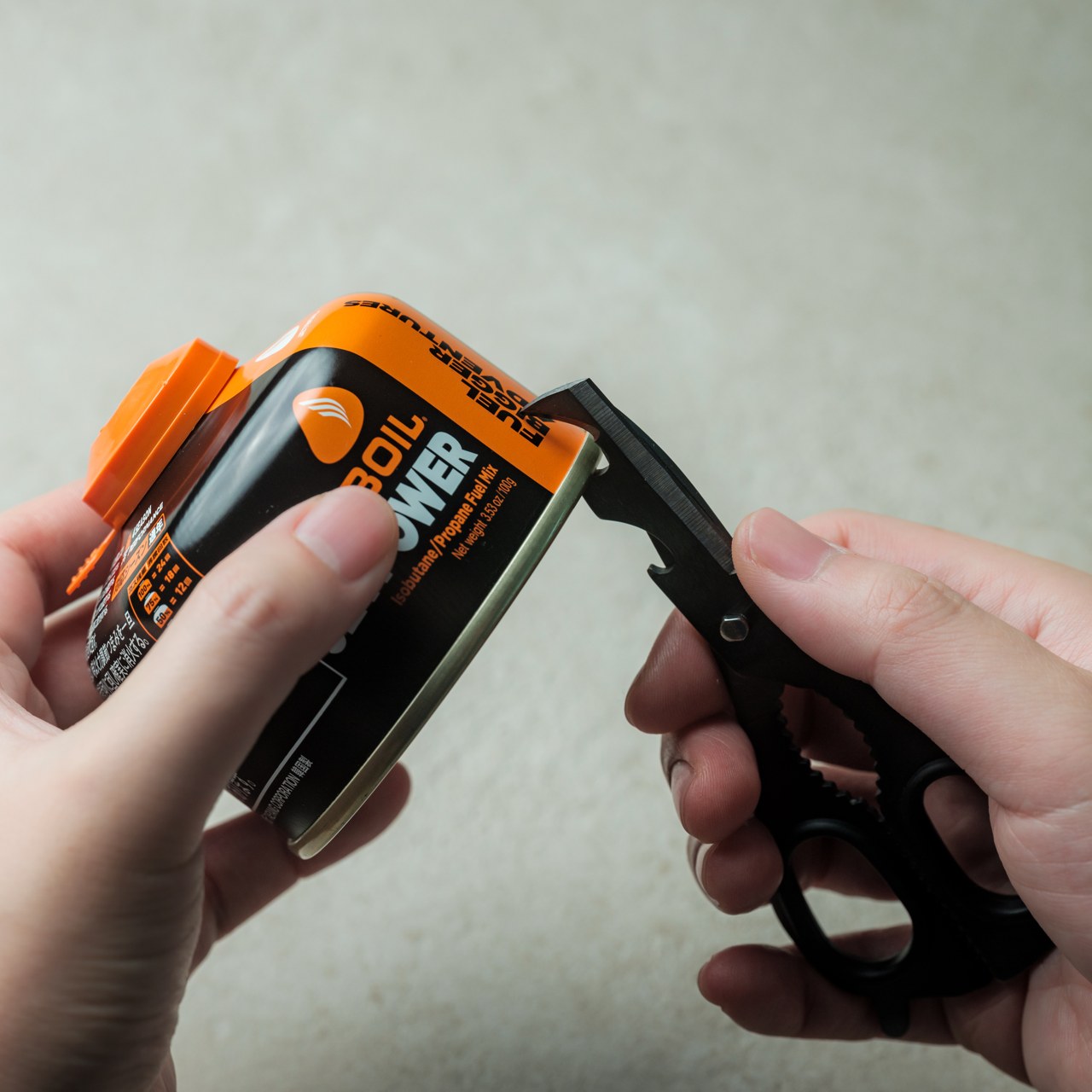
3. 8-in-1 EDC Scissors

Scissors aren’t the first thing most people consider when building an EDC kit, and that’s exactly the blind spot this tool exploits. The 8-in-1 EDC Scissors fold multiple functions into what looks, at a glance, like a compact pair of scissors. It’s the kind of object that rewards closer inspection. For anyone who carries every day, adding scissors to the rotation solves a daily inconvenience you didn’t realize existed until it isn’t there anymore, which is the best kind of problem-solving.

At 13cm closed, the scissors fit comfortably in a pocket, bag inner sleeve, or travel kit without creating bulk. Each of the eight functions is genuinely useful rather than included for the sake of a number on the packaging. For a father who travels, works with his hands, or simply encounters the daily friction that a well-made compact tool resolves without ceremony, this is the gift that earns a permanent spot in the rotation within the first week of carrying it.

Click Here to Buy Now: $59.00

What We Like

  • The scissors-first form factor makes this genuinely different from every multitool on the market, solving a carry gap that most people don’t notice until they’re reaching for something that isn’t there.
  • It’s compact enough to slip into a shirt pocket or travel kit without adding meaningful weight, which means it disappears into the kit until the exact moment it’s needed.

What We Dislike

  • Multi-function scissors tools involve a compromise at the individual tool level. For heavier or more frequent use, a dedicated pair will always outperform a compact version.
  • The scissors form factor doesn’t visually communicate all eight functions, so your dad may need a quick walkthrough before he fully understands what he’s been given.

4. Loop Gear SK05Pro MAO

Most people don’t carry a flashlight because they’ve never had one small enough to forget they were carrying it. The Loop Gear SK05Pro MAO resolves that argument with 4,360 lumens from a body small enough to disappear into a front pocket. The MAO finish gives it a matte oxidized appearance that reads more like a precision instrument than a hardware store purchase. The output range spans from a low moonlight mode useful enough for reading to a maximum that makes darkness feel briefly offensive.

The built-in power bank turns what could have been a single-purpose tool into something considerably more useful during travel, camping, or the daily commute. Your dad can top off his earbuds or phone without reaching for a separate charging brick. Magnetic charging keeps it perpetually ready on a desk or nightstand without cables to manage. At $111.99, this is the most useful thing most men aren’t currently carrying, and the smallest possible argument against that continuing to be true.

What We Like

  • The 4,360-lumen output from a pocket-sized body resets what you expect from compact carry lighting. The size-to-output ratio is genuinely remarkable at this form factor.
  • The built-in power bank adds a second use case that justifies the carry weight entirely. One object replaces two, which is the only math that matters in EDC.

What We Dislike

  • The built-in power bank adds some bulk compared to a pure flashlight at this size. Anyone optimizing purely for minimal weight may prefer a single-function alternative.
  • At $111.99, the SK05Pro MAO is the highest-priced item on this list. The quality justifies it, but the number requires some confidence when wrapping the gift.

5. Titanium 6-in-1 Multi-Tool

The case against most multitools is the same every time: too many functions included to justify buying a dedicated tool for each one, but not quite good enough at any single task to feel like the right choice when it matters. The COMANDI-CC Titanium 6-in-1 avoids that trap through restraint. Six functions, each genuinely useful: an adjustable wrench, a pry bar with nail puller, a screwdriver bit holder, a ratchet mechanism, a bottle opener, and a window breaker.

Machined from titanium, the tool carries the weight argument that most multitools can’t make cleanly. It disappears into a pocket without the heft that makes you leave tools at home on the days you most need them. At $95, it occupies the sweet spot between a novelty keychain gadget and a professional-grade tool. For a father who fixes things, builds things, or simply moves through the world with a preference for being prepared, this is the object that earns its carry without negotiation.

What We Like

  • Six genuinely useful functions rather than twenty marginally useful ones. The restraint in the feature count is the design decision that makes this worth carrying every day.
  • Titanium construction keeps the weight honest. A tool that stays in the drawer because it’s too heavy has already failed at its primary job.

What We Dislike

  • The adjustable wrench function works within a limited size range. Anyone needing serious torque will still need a dedicated wrench for anything beyond light fastening work.
  • The $95 price point is fair for titanium construction but sits above most impulse gift budgets. It rewards knowing your dad will actually reach for it regularly.

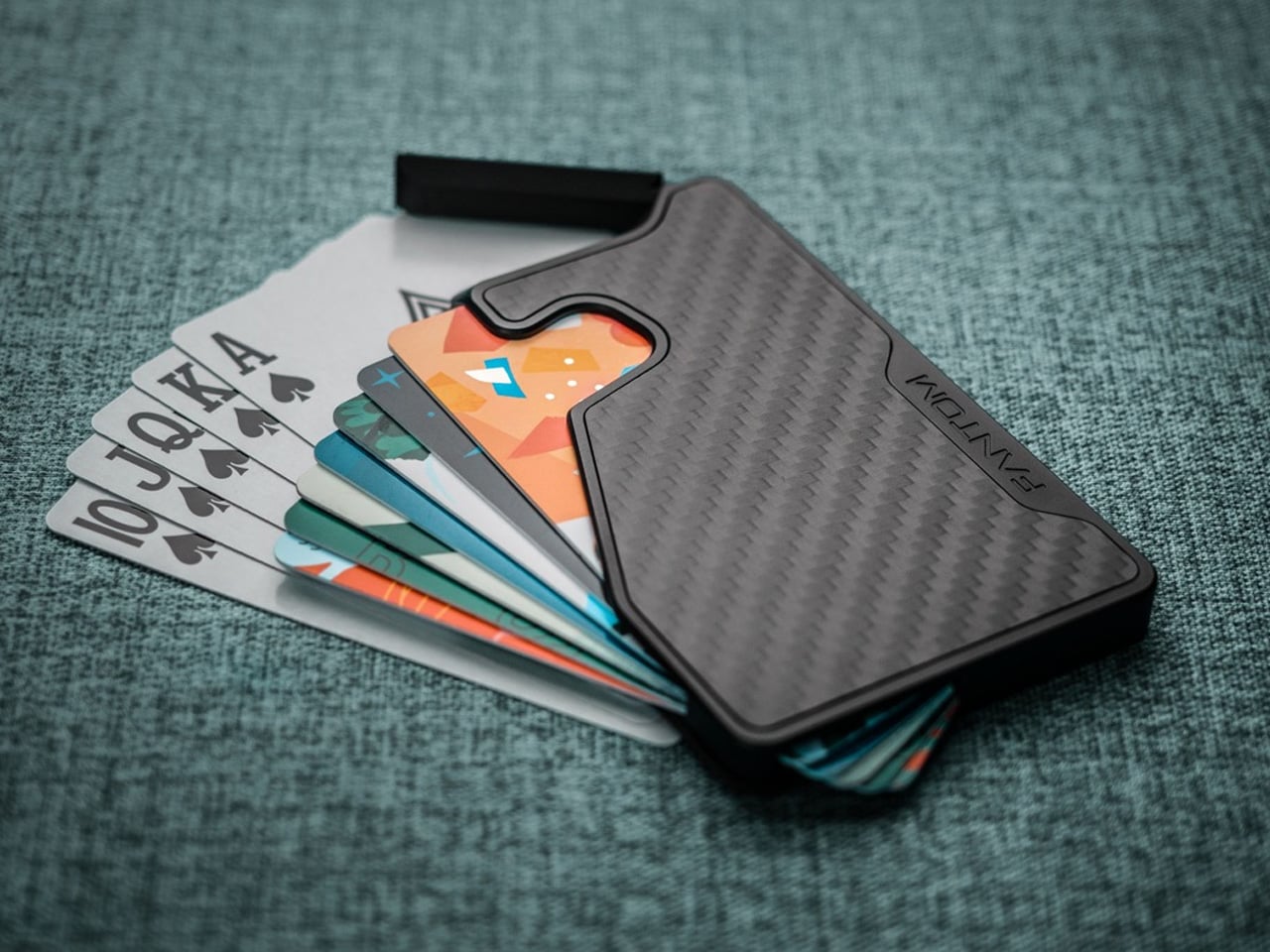
6. The Fantom X Wallet

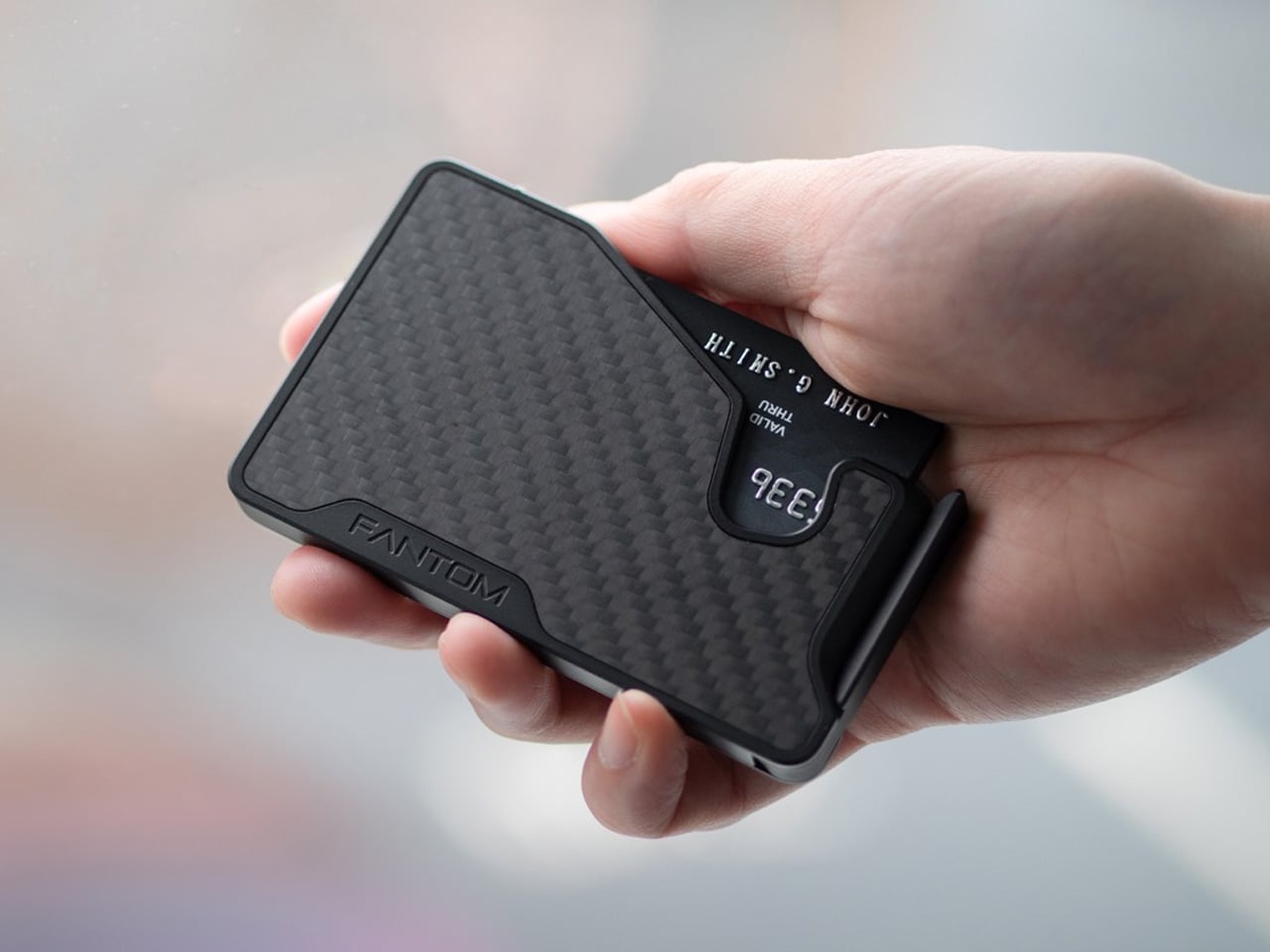
The Fantom X is the third wallet in Fantom’s minimalist series and the one that finally answers every objection the earlier versions created. It comes in three sizes, holding anywhere from seven to thirteen cards depending on which you choose, and the fan-out mechanism deploys your cards with a single thumb motion rather than the digging and shuffling that defines the billfold experience. For anyone still carrying a leather fold stuffed with loyalty cards and expired receipts, this is a confronting object.

The design forces a kind of carry discipline that turns out to feel like freedom once you’ve adopted it. The slim profile sits flat in a front pocket, eliminates back pocket bulge entirely, and never creates the sitting discomfort that makes poorly designed wallets quietly unbearable. For a father who carries a phone, keys, and cards as the complete daily kit, the Fantom X completes the minimalist triangle with something that looks as considered in the hand as the phone sitting next to it on the table.

What We Like

  • The three-size range means you can calibrate the gift to your dad’s actual carry habits rather than asking him to edit his entire wallet life to fit the product’s capacity.
  • The fan-out card deployment is the kind of mechanism that feels obvious in retrospect. Once you’ve accessed cards this way, the standard billfold feels like a design problem nobody bothered to solve.

What We Dislike

  • The Fantom X is a card-first wallet. Anyone who carries folded cash regularly will find the experience less seamless, and a separate money clip becomes an additional consideration.
  • The minimalist philosophy requires buying into the premise that fewer cards are better. Dads with full wallets may resist the transition more than the wallet deserves.

7. The Rodent Bottle Opener

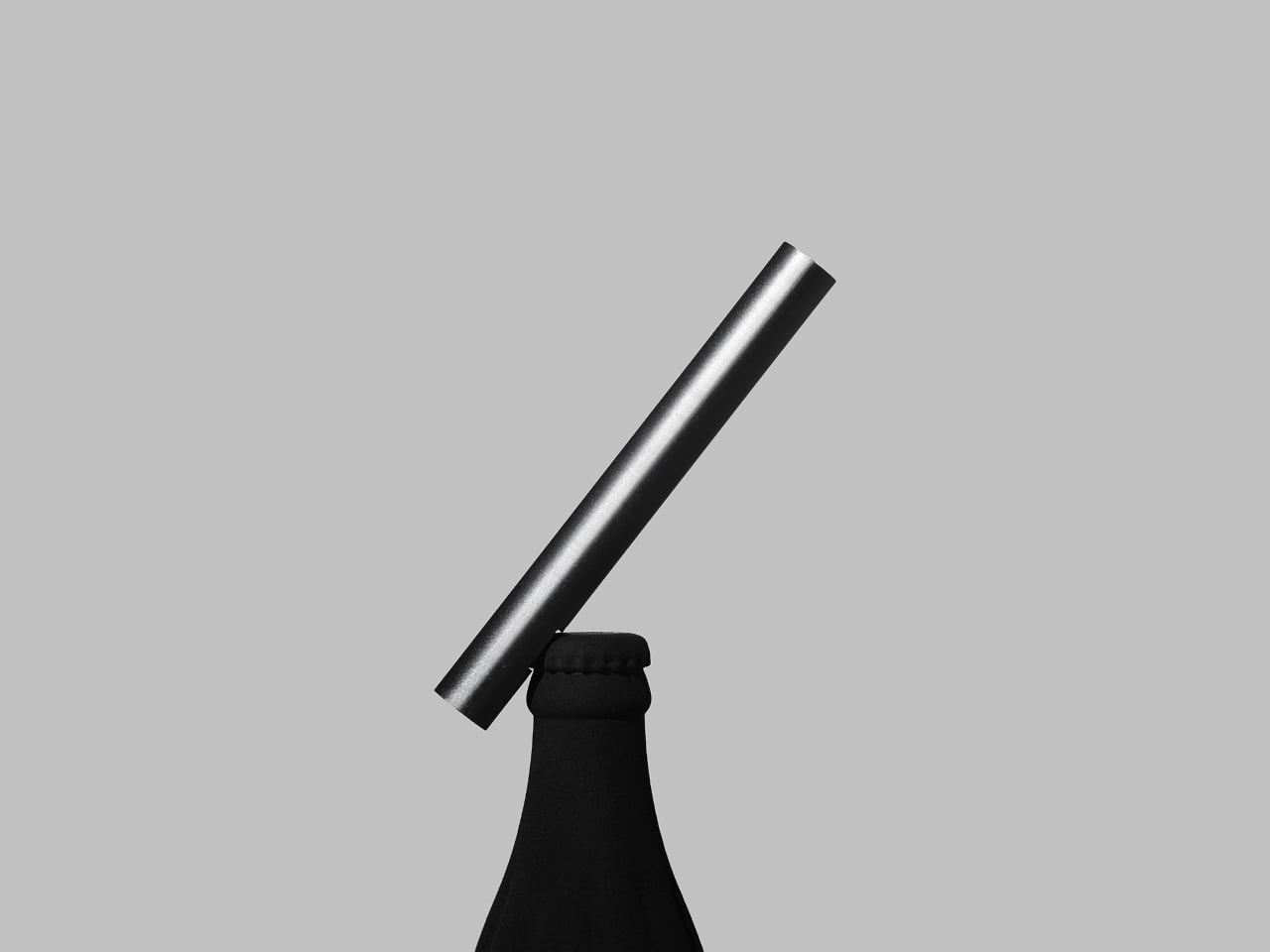
Kairi Eguchi designs objects the way a good sentence is written: by removing everything that isn’t necessary until what remains is exactly right. The Rodent bottle opener is that philosophy applied to the most overlooked object in most men’s kitchens. The form references its namesake with just enough visual suggestion to reward the comparison without leaning on it. It sits in the hand the way a well-made tool should, with a presence that makes you reach for it over everything else on the counter.

For a father who appreciates objects that have been genuinely considered rather than generically manufactured, the Rodent is the kind of gift that communicates something specific about the person giving it. It says that you noticed the difference between a thing that works and a thing that works beautifully. An opener this considered earns a permanent place on the counter rather than a drawer. It’s also the gift on this list most likely to be commented on by a guest before being handed back.

What We Like

  • The design communicates its intent without explanation. You pick it up, you understand it, and you’re immediately aware it has been thought about far more carefully than the task usually demands.
  • The Rodent works as both a functional daily tool and a display-worthy object. Most bottle openers earn neither description. This one earns both without effort.

What We Dislike

  • The design specificity means it will resonate deeply with people who notice objects and matter very little to people who don’t. Know your audience before wrapping this one.
  • As a single-function tool, the Rodent works best alongside something else on this list rather than standing alone as the complete gift.

8. AirTag Carabiner

Losing things isn’t a character flaw. It’s a design problem, and the AirTag Carabiner is the most elegant solution to it available right now. Machined from Duralumin composite alloy, the same material used in aircraft, boats, and spacecraft, this carabiner clips onto a bag, bike, umbrella, or key ring and turns Apple’s AirTag into something worth carrying rather than something you tolerate carrying. The construction is individually hand-crafted, which means no two are identical, and the finish holds up in water and at altitude without complaint.

The genius of this object is that it doesn’t ask you to change your behavior at all. Snap it onto whatever you already own, drop an AirTag inside, and forget about it in the best possible way. For a father who travels, commutes, or simply moves through a life full of things worth keeping track of, this is the carry addition that works hardest precisely when he’s paying it the least attention. Available in Duralumin, untreated Brass, and Stainless Steel. Apple AirTag sold separately.

Click Here to Buy Now: $149.00

What We Like

  • The Duralumin composite alloy makes a serious material argument at a compact scale. This isn’t a novelty keychain accessory — it’s built from the same specification that keeps aircraft components intact under pressure.
  • The hand-crafted construction gives each carabiner a subtle individuality that mass-produced accessories never manage. It’s a detail your dad may not notice immediately, and will appreciate permanently once he does.

What We Dislike

  • The AirTag isn’t included, which adds to the total cost and requires a separate purchase. Worth flagging before wrapping, particularly if your dad isn’t already in the Apple ecosystem.
  • The carabiner’s opening gate is sized specifically around the AirTag form factor. Anyone hoping to clip it onto thicker straps or larger hardware may find the gate too narrow for comfortable daily use.

The Gift That Gets Used Every Day Is the Only Gift That Counts

Every gift here has something in common beyond the pocket it lives in. Each one rewards daily use rather than occasional appreciation, which is the only test a genuinely good gift should pass. Your dad isn’t going to look at a well-made multitool or a considered bottle opener once and put it in a drawer. He’s going to reach for it the next morning and the morning after that, until it stops being a gift and becomes just the thing he carries.

The best objects become invisible in the best way, so integrated into a daily routine that their absence would be noticed before their presence ever was. You’re not giving your dad something to unwrap on a Sunday in June. You’re giving him a new default, a small but lasting upgrade to the way he moves through every day after this.

The post 8 Father’s Day EDC Gifts So Good We Bought Them for Ourselves First first appeared on Yanko Design.
This 5-in-1 EDC Flashlight Packs a 1300-Lumen Beam, UV Light, and a Green Laser For Under $20

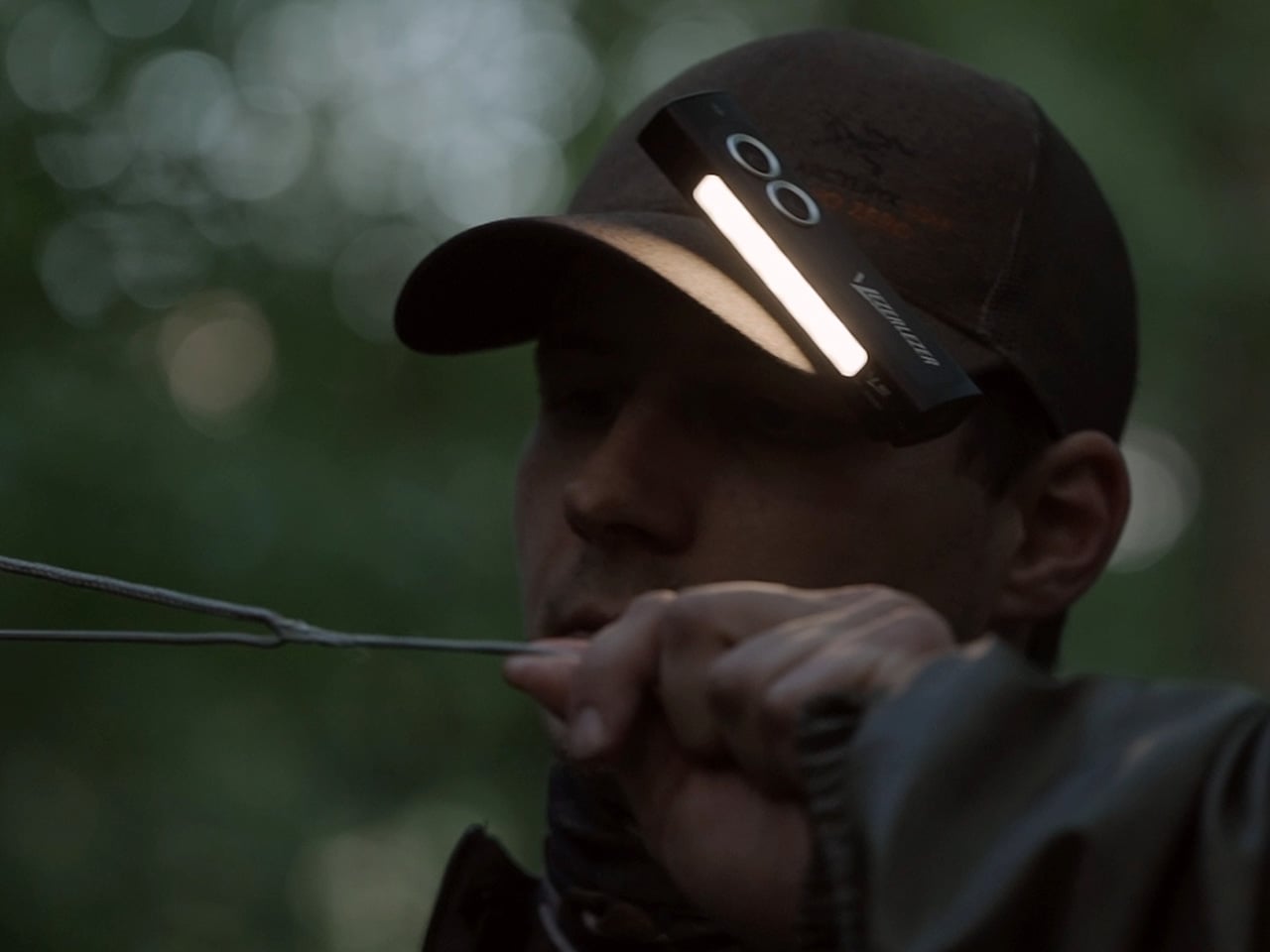
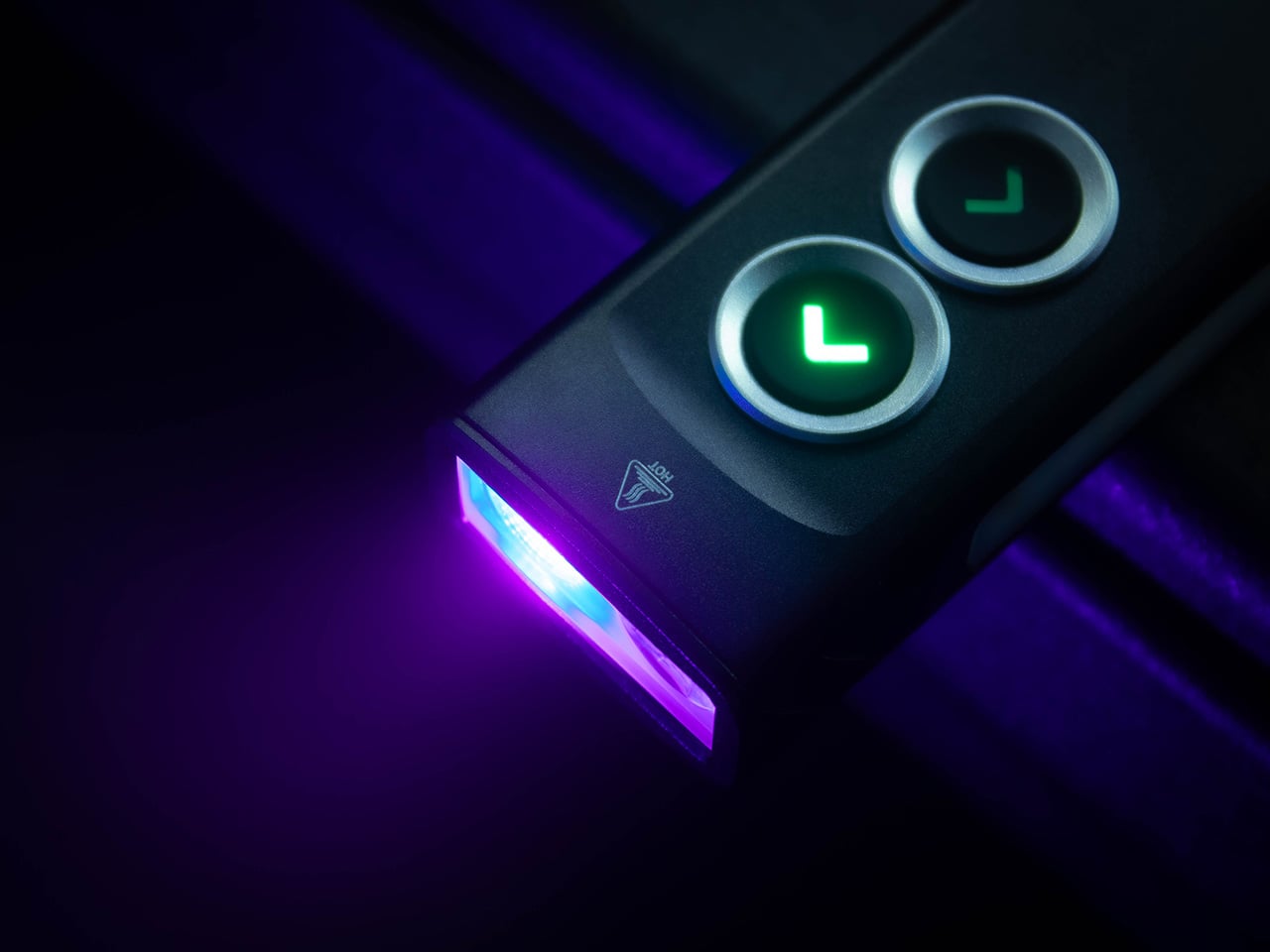
If the Swiss Army knife became a flashlight, it would probably chase the same goal the VEZERLEZER WK2 does: fitting a surprising number of useful functions into a compact everyday carry form. Inside its slim rectangular body is a mix of tools that covers bright white light, UV illumination, a green laser, warm side lighting, and red light for situations that call for a gentler or more visible glow.

The result is a flashlight that feels designed around variety of use rather than a single headline spec. From quick household tasks and car checks to inspection work and hands-free lighting with its magnetic tail, the WK2 spreads its strengths across several small but practical moments. It is the kind of product that aims to stay close at hand because there is always another reason to use it.

Designer: VEZERLEZER

Click Here to Buy Now: $18.99 $39.99 (53% off).

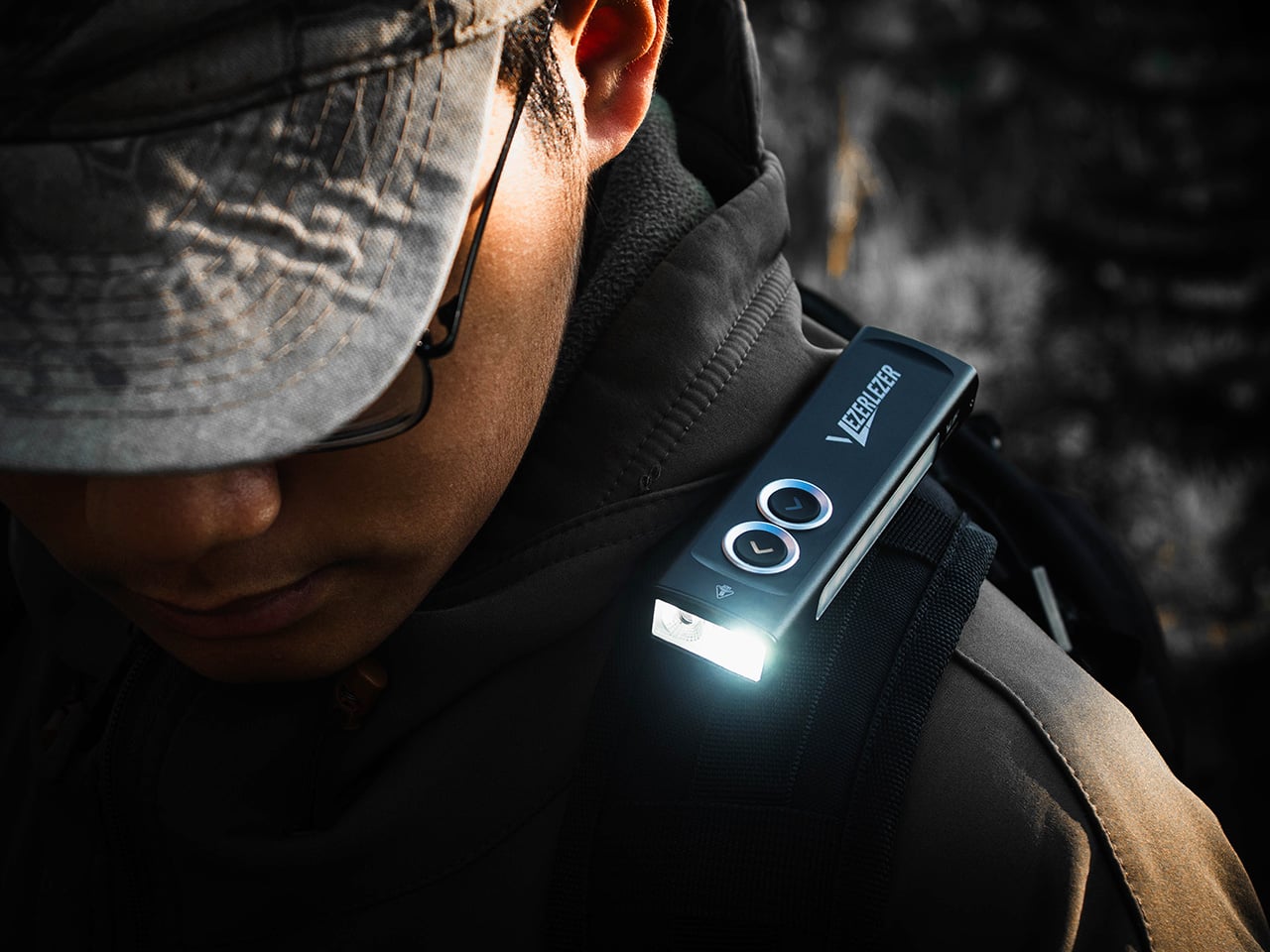
Person in a cap and dark jacket with a small rectangular device clipped to their shoulder strap, emitting a bright light at the bottom.

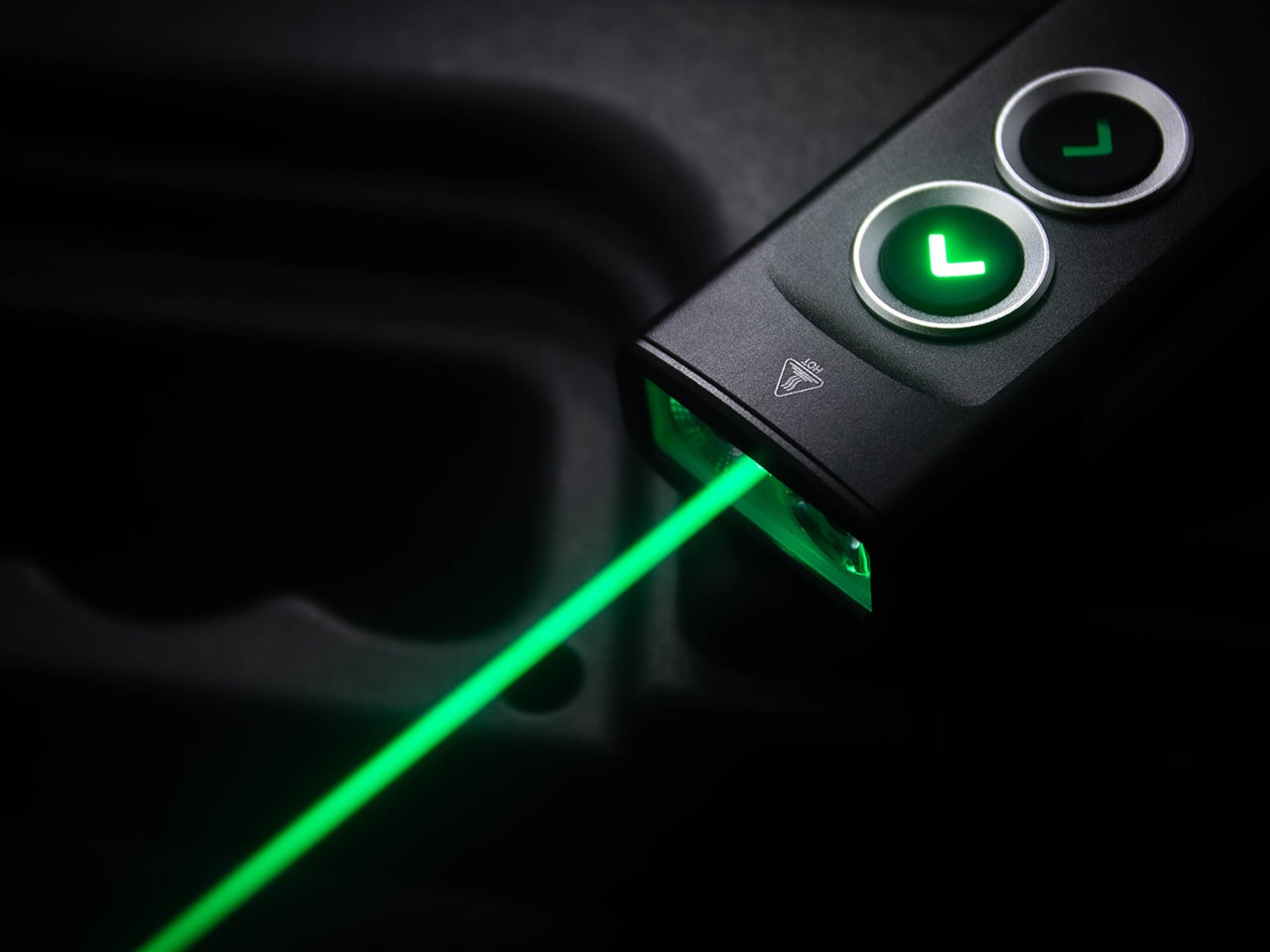
The front array of the WK2 houses three distinct lighting functions, each accessible independently through the dual button interface. The primary white light reaches a maximum output of 1300 lumens, enough to cover general illumination needs whether you’re navigating a dark space, searching for something in a trunk, or lighting up a work area outdoors. The 395nm UV light sits alongside it, designed for detection tasks like spotting pet stains, checking currency, verifying IDs, or inspecting surfaces that fluoresce under ultraviolet exposure. The third function is a 520nm green laser, which provides a focused pointing beam that reaches farther and with greater visibility than a red laser, making it useful for presentations, guiding attention at a distance, or marking specific areas during inspections or repairs. All three functions operate from the same front module but remain independently controlled, so switching between them happens without cycling through unwanted modes.

Archer wearing a cap with a mounted headlamp, drawing a bowstring in a dim forest light.

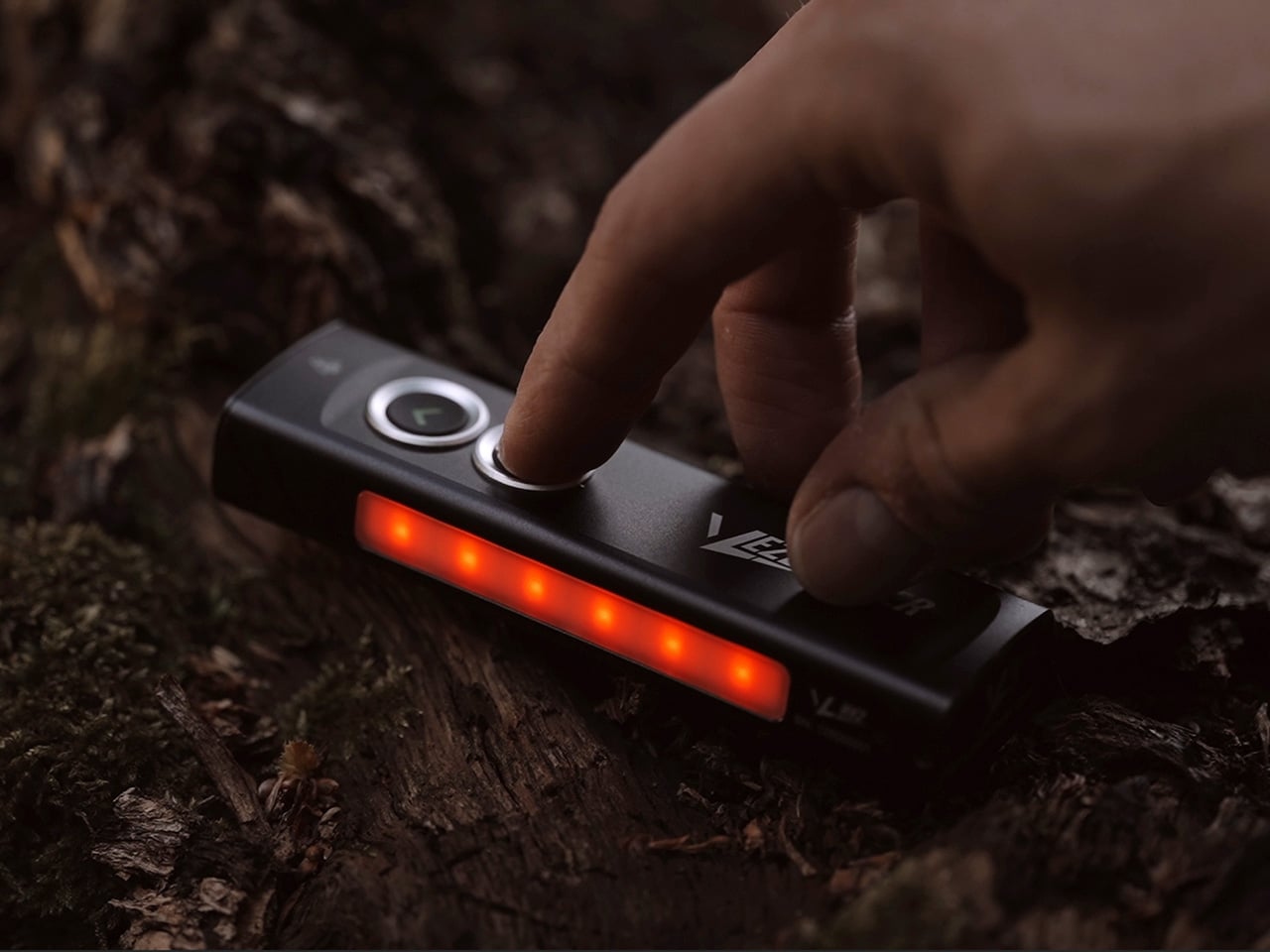
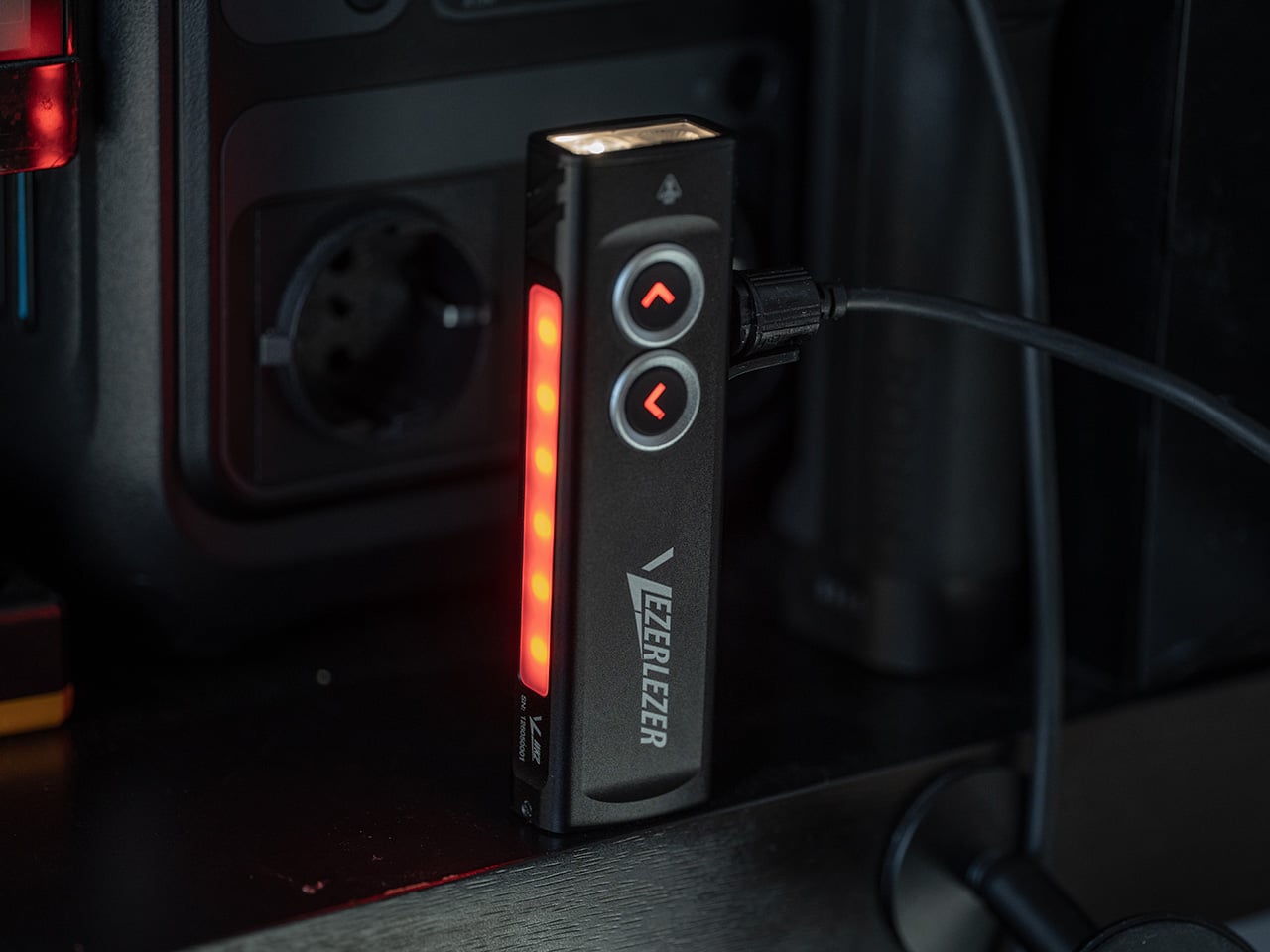
The side of the WK2 is where the design reveals its consideration for close range work and low profile visibility. A high CRI side light runs along the edge of the body, tuned to 4500K for a warmer, more comfortable color temperature that reduces eye strain during nearby tasks. Output is rampable, meaning users can select any brightness level between 0 and 200 lumens with a smooth transition rather than fixed steps. There is a shortcut to moonlight mode for instant access to the lowest output, which proves useful when preserving dark adaptation or working in tight spaces where even moderate brightness feels excessive. The red side light sits on the same edge and also offers rampable output, with its own dedicated shortcut to bypass the white light entirely. Red light has long been favored for preserving night vision, reducing glare in shared spaces, and offering a low signature option when discretion matters. The ability to jump straight to red without cycling through brighter modes makes the WK2 faster to operate in time-sensitive or situationally aware environments.

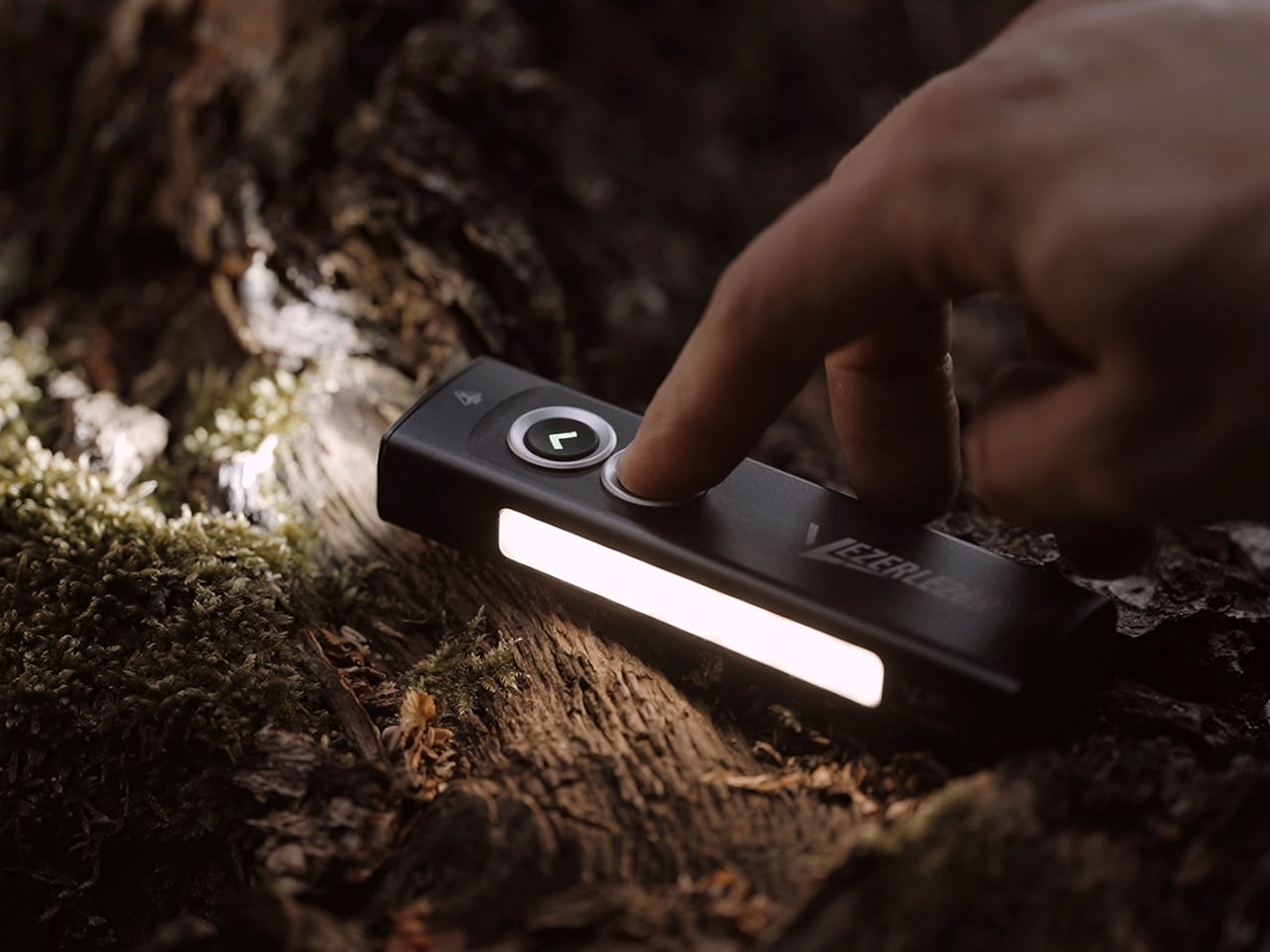
Close-up of a hand pressing a button on a small black device with a red LED bar outdoors on a log.

VEZERLEZER has given the WK2 a flat, rectangular profile that feels tailored to pocket carry and desk storage alike. The body is compact enough to slip into a front pocket or toss into a bag without creating bulk, yet wide enough to provide a stable grip when held. The dual button interface sits flush with the body but is surrounded by raised bezel rings, a design choice that prevents accidental activation when the light is loose in a pocket or bag. This physical safeguard reduces the need for frequent lockout, though lockout functionality is still present and accessible by clicking either button five or more times. If you lose count mid-sequence, simply clicking five more times completes the action, a small but thoughtful user experience detail. The deep carry pocket clip is positioned to keep the light low in the pocket, minimizing visible bulk while ensuring secure retention during movement or physical activity.

Black PC LED/fan controller with two arrow buttons and a vertical red LED bar inside a computer case.

USB C charging keeps the WK2 aligned with modern device ecosystems, eliminating the need for proprietary cables or disposable batteries. The charging port also supports pass-through power, meaning the flashlight can be connected to an external power source like a power bank or direct power supply to extend runtime indefinitely. This feature transforms the WK2 from a self-contained tool into something closer to a portable work light when tethered, opening up use cases that involve longer duration tasks like automotive repairs, camping setups, or extended outdoor activities where reliable illumination matters more than portability. The magnetic tail cap adds another layer of utility by turning any ferrous metal surface into a mounting point. The magnet is strong enough to hold the light horizontally or vertically, freeing both hands for tasks that require simultaneous lighting and manipulation. Whether stuck to the underside of a car hood, the frame of a tent, a toolbox, or a refrigerator door, the magnetic tail offers positioning flexibility that a handheld beam or headlamp setup cannot always match.

Close-up of a dark device with two circular green-lit buttons labeled L, emitting a green laser beam downward.

Elevator control panel with two circular floor buttons showing glowing green 'L' indicators; purple light shines from below.

In practice, the WK2 works best when thought of as a lighting toolkit rather than a single-purpose flashlight. The front beam handles distance and general coverage, the UV light serves niche but valuable inspection roles, the laser adds precision pointing, and the side lights provide soft, adaptable illumination for close tasks or signaling. The rampable output on both side lights is particularly useful because it removes the guesswork of preset modes. You can dial in exactly the amount of light a situation calls for, whether that is a faint glow for reading a map at night or a brighter wash for prepping a meal at a campsite. The anti-accidental activation bezel, combined with lockout functionality, ensures the WK2 stays dark when it should and lights up instantly when needed. The clip orientation and flat body mean it carries like a pen or a slim multitool, present but unobtrusive, ready to serve whenever lighting becomes the limiting factor in a task.

Close-up of a finger pressing a button on a small rectangular outdoor LED light resting on a mossy log in a forest.

The VEZERLEZER WK2 launches with a subscriber backer price of $17.99, 55% down from a standard retail price of $39.99. A limited flash deal offers the light at $15.99 for the first 100 units, scheduled to go live at 0700 PST on May 19th (2200 Beijing Time). Shipping is expected to begin following the campaign period, with deliveries planned for late summer 2026.

Click Here to Buy Now: $18.99 $39.99 (53% off).

The post This 5-in-1 EDC Flashlight Packs a 1300-Lumen Beam, UV Light, and a Green Laser For Under $20 first appeared on Yanko Design.

8 Summer EDC Essentials So Well-Designed We Carry Them Every Single Day

Summer edits your carry down to what actually earns its place. Pockets get shallower, days stretch longer, and the patience for objects that solve problems you don’t have disappears entirely. What survives that edit is a specific kind of thing — gear that performs with such quiet consistency you stop noticing it, until the day you leave it behind and immediately feel its absence. That’s the design standard this list holds to.

The eight products here span materials from full-grain leather to aircraft-grade titanium, functions from navigation to tracking to illumination, and price points from considered to genuinely surprising. Some are old enough to have earned their reputation without needing to announce it. Others are newer but carry the same unhurried confidence of objects that know exactly what they’re for. All of them reward a summer that moves fast and asks a lot from the things you carry.

1. AirTag Carabiner

Apple’s AirTag arrived as one of the most useful small objects of the last decade and shipped with no good answer to the question of how to carry it. Every case that followed treated the tracker as cargo — something to be accommodated rather than integrated. A purpose-built AirTag carabiner changes that relationship entirely, folding the tracker into a gate clip that performs as both tracking device and functional hardware without either function compromising the other. No protrusions, no awkward bulk, no aesthetic apology.

The summer case is specific. Beach bags left at a spot, day packs rotating between people, rental bikes at a festival — the carabiner means the AirTag follows the object rather than requiring a deliberate second step to attach or remember. Machined aluminum reads intentional alongside quality leather or ripstop goods and handles salt air, UV, and bag wear without complaint. It’s the kind of upgrade that seems obvious once you’re using it and unnecessary until the moment it isn’t.

Click Here to Buy Now: $149.00

What we like

  • Tracking hardware integrated into a functional carry tool removes the awkward middle step of managing a loose disc with no natural home
  • The gate clip handles real load and daily use rather than serving purely as a display mechanism for the AirTag

What we dislike

  • AirTag replacement requires opening the carabiner body, which varies by design and isn’t always a one-handed operation in the field
  • Works exclusively within Apple’s Find My network — Android users carry nothing usable here

2. Olight Baton 4 Premium Edition

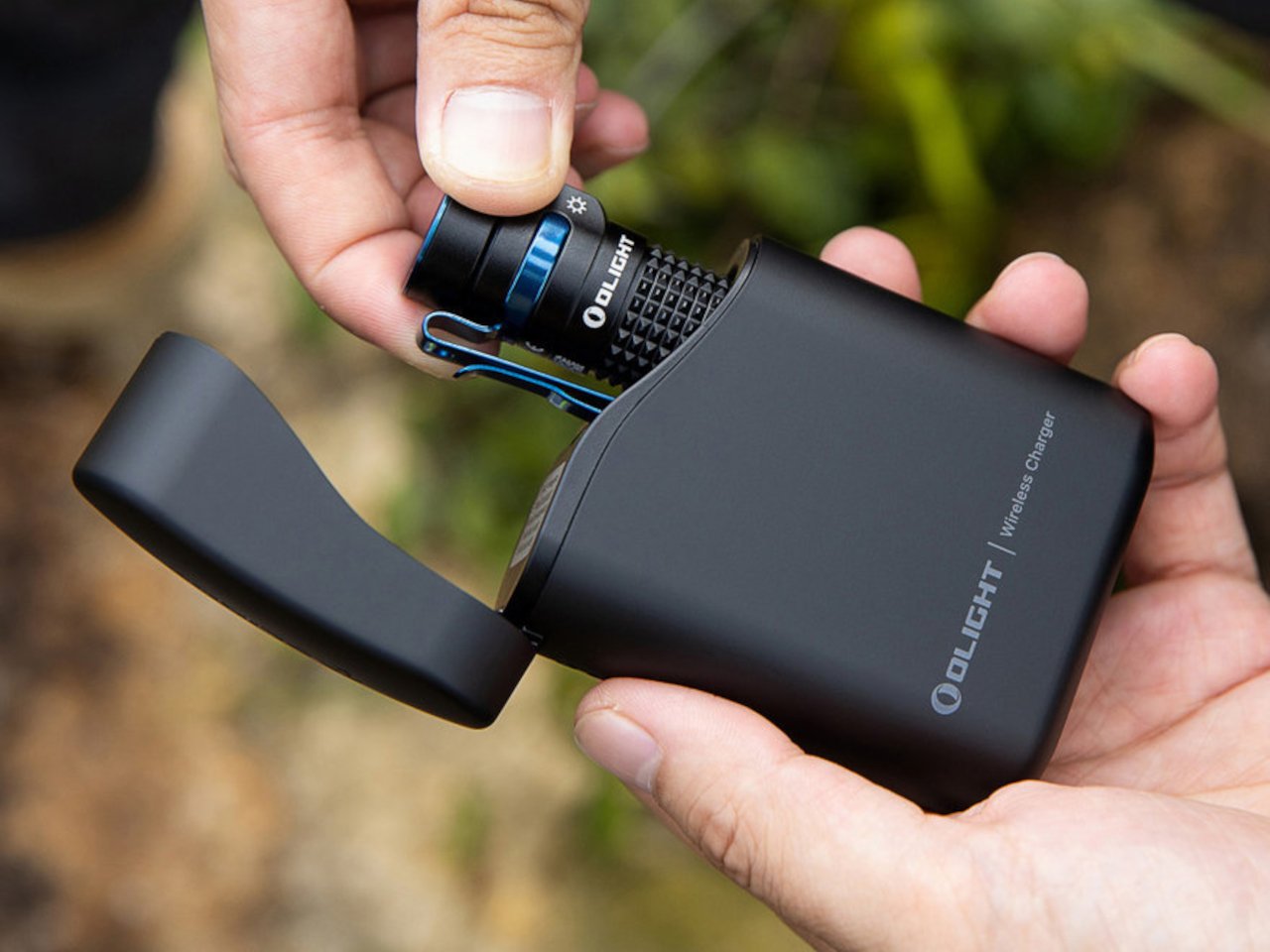
The Baton 4 Premium’s best design decision isn’t the 1,300-lumen output or the magnetic tail cap — it’s the flip-top charging case that lets you activate the flashlight without removing it from the case at all. Open the lid, press the side button, and the light fires. That single interaction collapses the gap between a flashlight that lives in a bag and one that’s actually ready when something happens. The case also carries 5,000mAh, which means it recharges the Baton 4 up to five times and fills a phone running low mid-afternoon.

Summer nights are specifically where this earns its keep. Power outages during heat waves. Poorly lit parking structures at outdoor venues. The walk back to a campsite after a late fire. The magnetic tail cap converts the flashlight into a freestanding lantern by sticking to any steel surface, removing the need for a separate camp light in most situations. The IP68 waterproof rating handles rain without any adjustment required. Olight has made fewer products than most of its competitors and made them better, and the Baton 4 Premium is the clearest expression of that.

What we like

  • The charging case serves as a functional 5,000mAh power bank and activates the flashlight without removing it — two carry problems resolved by one object
  • The magnetic tail cap frees both hands during stationary tasks without requiring any additional accessories

What we dislike

  • Maximum 1,300-lumen output demands battery and drains quickly at full brightness — the case is a compensating mechanism, which means they need to travel as a pair
  • The case adds volume to the carry; users wanting the flashlight alone will need to leave the case’s power bank function behind

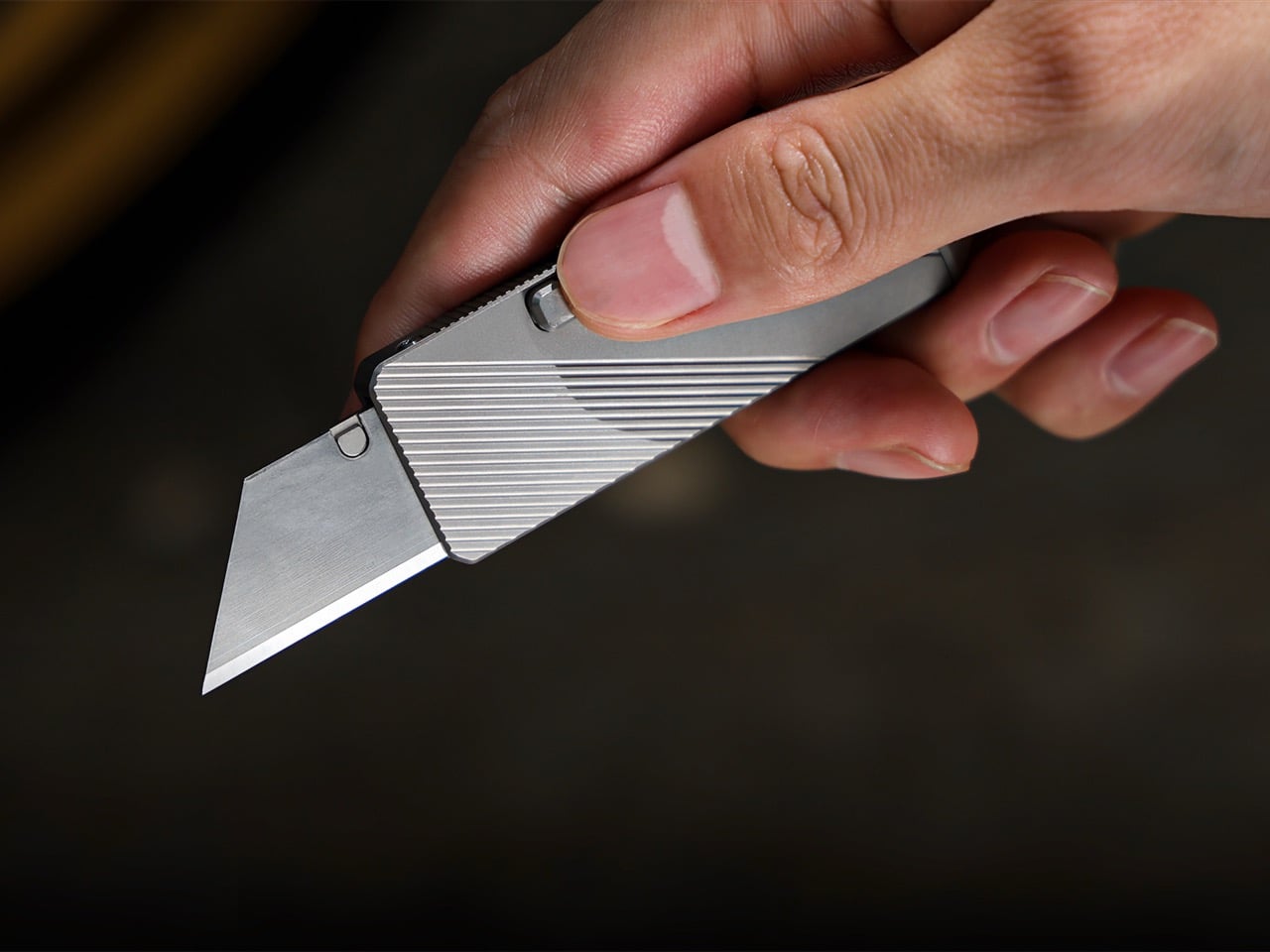
3. CraftMaster EDC Utility Knife

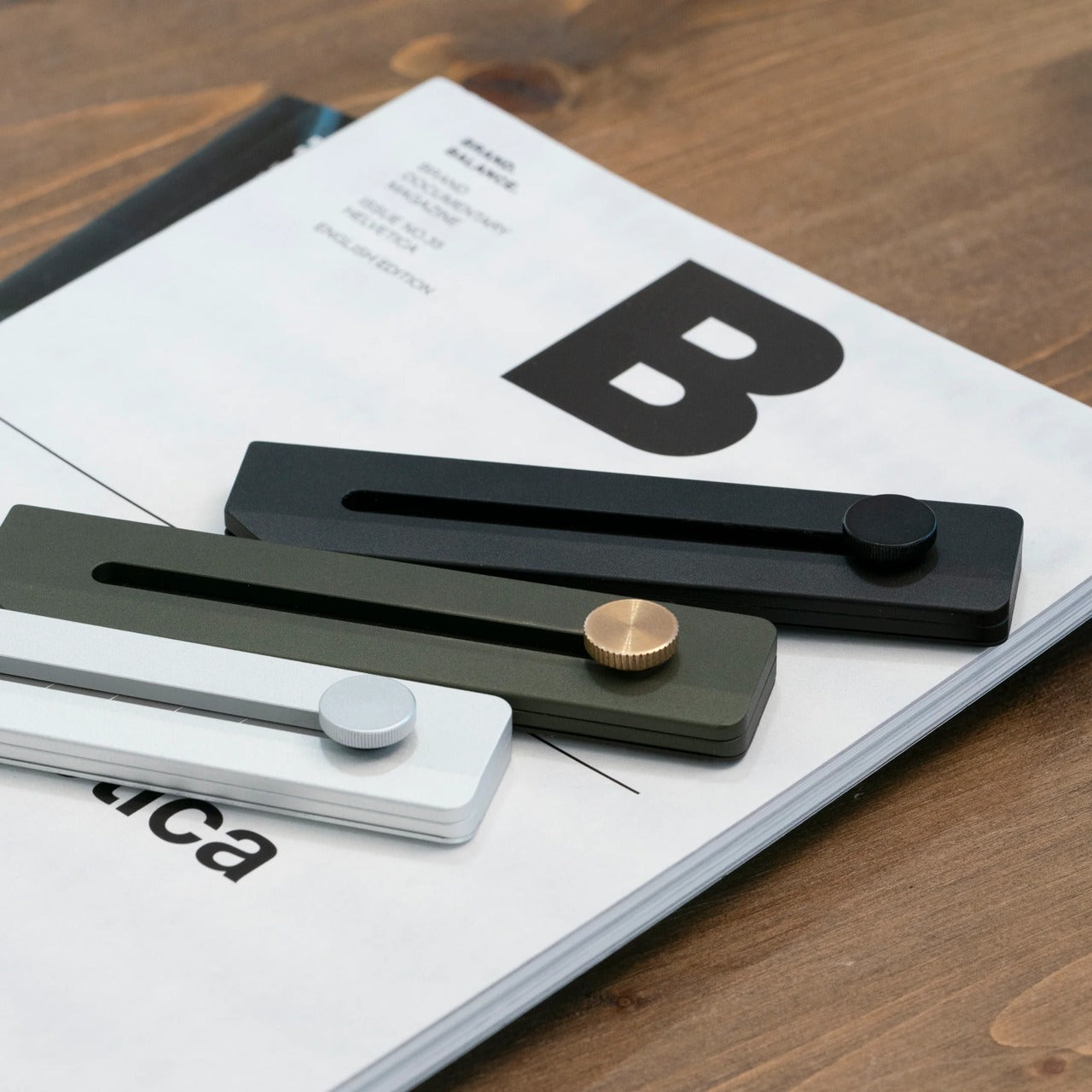
Most utility knives are industrial objects that tolerate being carried rather than inviting it. The CraftMaster moves the design conversation to a different place — a slim, considered profile that sits flush in a pocket and deploys a blade with the kind of controlled action that signals something built to a real standard. The form factor is purpose-built for people who cut things regularly during the day but don’t want to reach for an object that looks like it belongs on a construction site.

The blade swap mechanism is where the functional case gets specific. Precision work, whether opening summer deliveries to a vacation rental, trimming materials mid-project, or handling gear maintenance on the road, is better with a fresh edge rather than an apologetic compromise of a dull one. Having a design that makes the blade replacement clean and fast, rather than a minor ordeal, matters in practice across a long season of daily use. This is an EDC knife that understands the difference between a tool you carry and one you keep reaching for.

Click Here to Buy Now: $80.00

What we like

  • The slim profile fits a shorts pocket without the blade-forward bulk that makes most utility knives feel incompatible with summer carry
  • Replaceable blades mean the cutting performance stays consistent across the full season rather than degrading to an acceptable diminishment

What we dislike

  • Utility blades require sourcing compatible replacements, which adds a minor supply consideration that a fixed-blade EDC knife doesn’t carry
  • The design sits closer to a precision tool than a versatile field knife, which may not satisfy users looking for one object to handle both categories

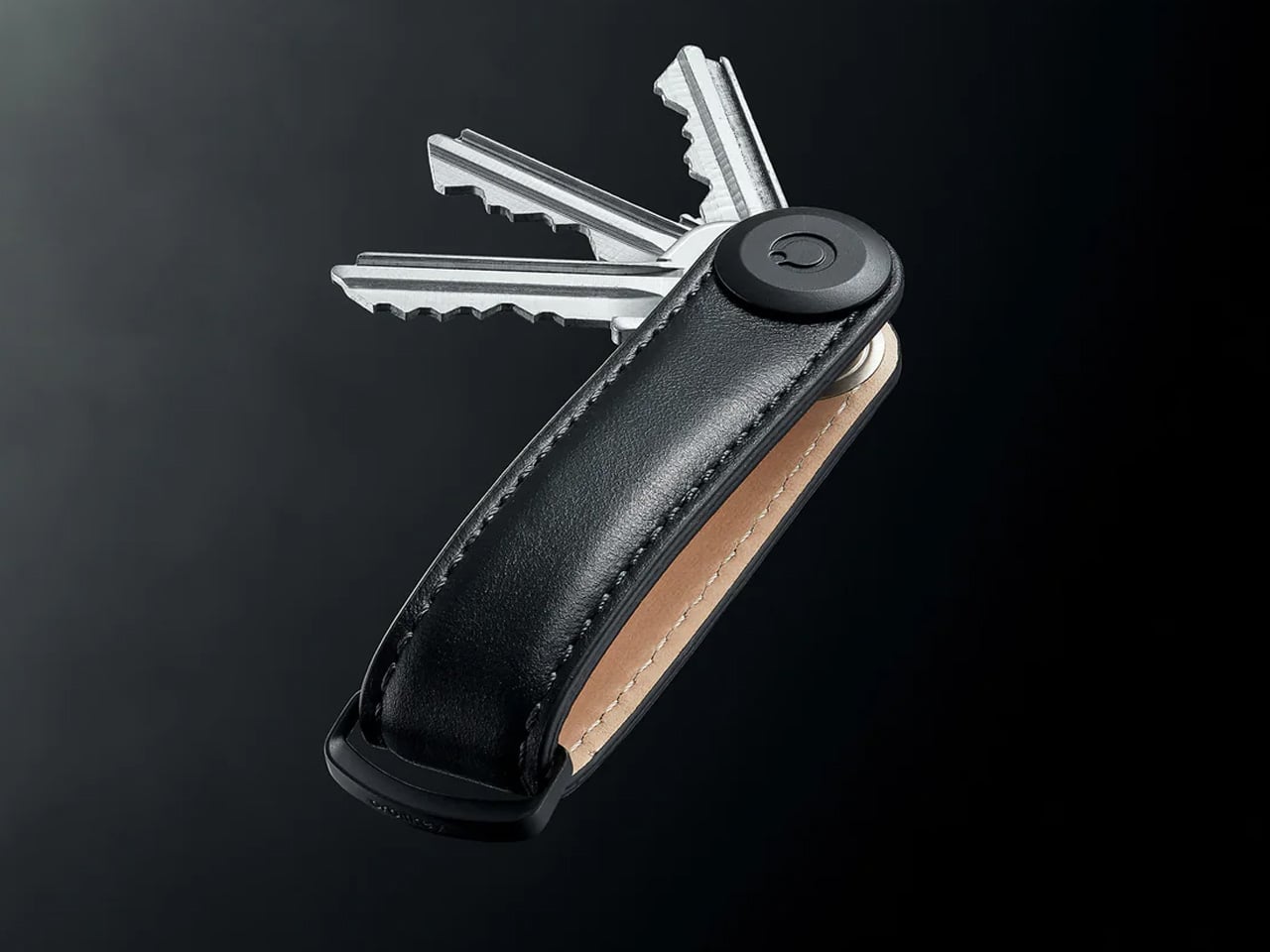
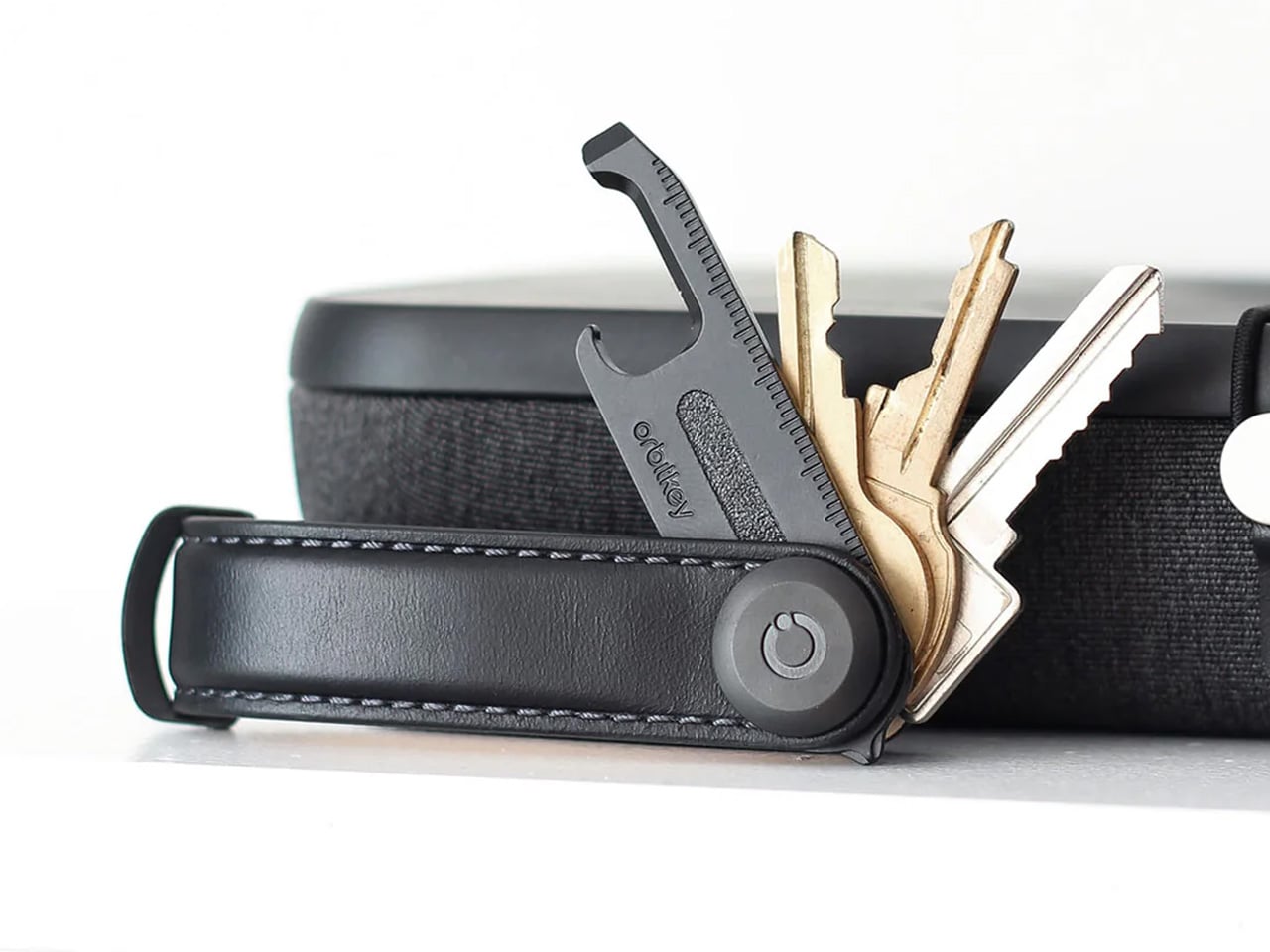
4. Orbitkey Key Organiser

A standard key ring solves the organizational problem with the bluntness of something designed before pockets had size constraints. Keys stack against each other, jingle against everything nearby, and press uncomfortable ridges into the thigh pocket of summer trousers all day. The Orbitkey stacks two to seven keys flat inside a full-grain leather spine and stainless steel hardware, held under tension, producing no movement and no sound. Closed, it sits flat. In a pocket, it disappears.

The leather exterior develops its own grain and wear pattern over years of daily use — an explicit design position about longevity that most keychain products don’t take. The two-screw expansion system accommodates keys confidently up to its rated capacity, and a small ring attachment handles anything that doesn’t stack flat inside the body. Five colorways cover the range from black dress leather to warmer cognac tones. This is an object that solves a problem so quietly that after the first week, you only notice it when you try to go back.

What we like

  • The tension stacking system eliminates key jingle, which sounds like a minor quality-of-life gain until you experience the cumulative silence of a full summer without it
  • Full-grain leather construction ages into character rather than showing damage — the material signals a product built to outlast the trend cycle

What we dislike

  • Initial key installation involves a screwdriver and careful threading — not difficult, but not intuitive either, and the setup time is a real first-use commitment
  • Oversized or irregularly headed keys may not stack cleanly within the system’s geometry, which is worth checking before purchase

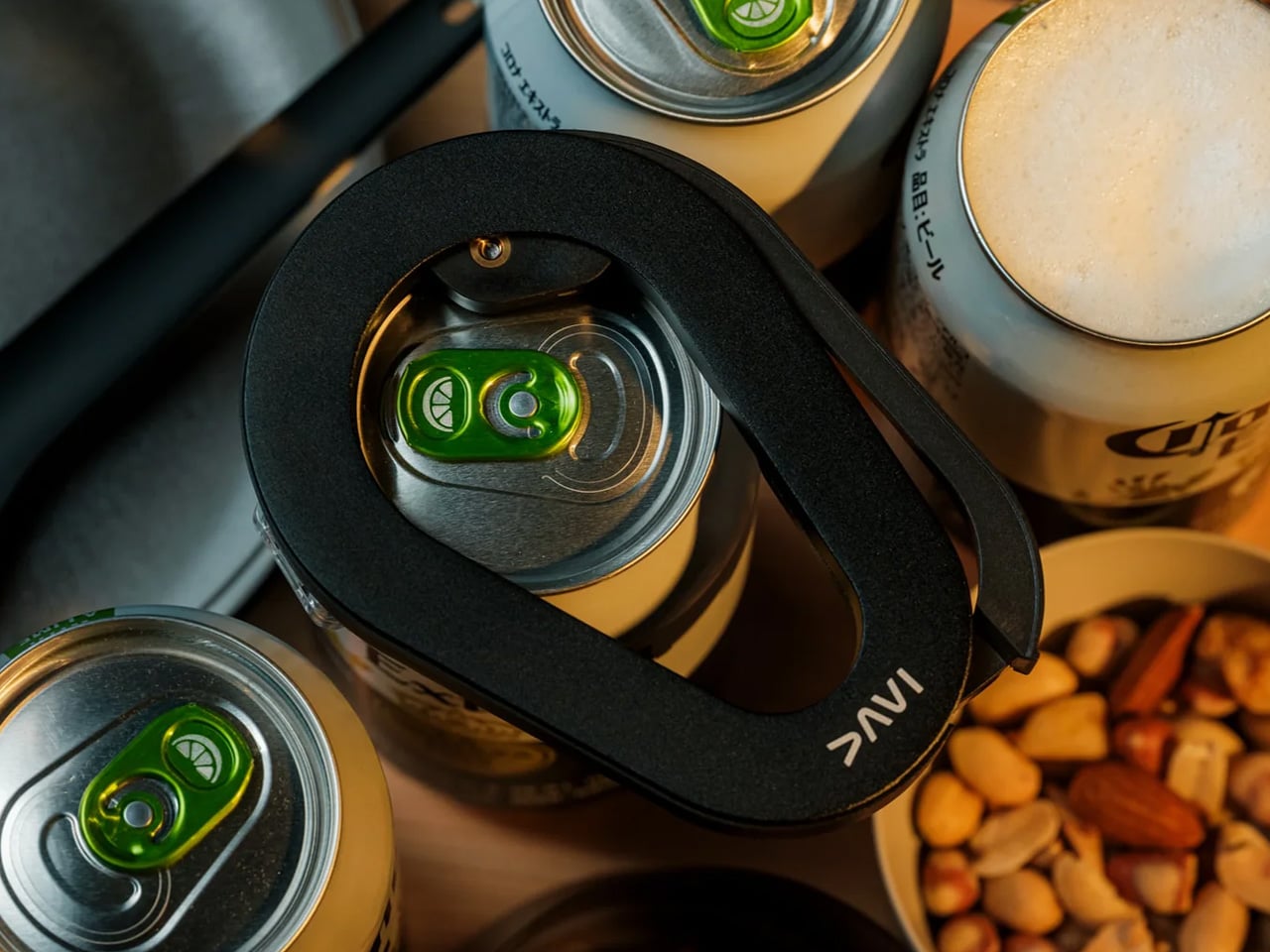
5. DraftPro Top Can Opener

A can opener is one of those objects most people own in the worst version that technically works. The DraftPro is the version that makes the case for caring about the design of a can opener, built around a top-cut mechanism that removes the entire lid flush rather than creating a jagged inner edge. The resulting can becomes a safe, open container rather than a minor hazard. The form is compact, the materials are considered, and the grip handles the torque of the task without requiring you to adjust mid-turn.

In summer specifically, the top-cut mechanism earns its place during outdoor cooking — at a campsite, a tailgate, or a beach house stocked with canned goods and minimal gear. There’s no snagged lid to fish out of the contents and no sharp rim to watch for when reaching into the can. The compact footprint means it packs into a cooking kit without requiring its own dedicated compartment. It’s the kind of product that rewards the decision to care about the design of even the tools you only reach for occasionally.

Click Here to Buy Now: $60.00

What we like

  • The flush top-cut mechanism removes the lid cleanly with no jagged inner edge and no floating metal to dig out of the food — a genuine functional improvement over the standard approach
  • Compact enough to live in a cooking kit, travel bag, or kitchen drawer without claiming space it hasn’t earned

What we dislike

  • The top-cut mechanism requires slightly more grip coordination than a traditional side-cut opener — the learning curve is short but real for first-time uses
  • Not designed for cans with non-standard lip profiles, which occasionally appear in imported or specialty goods

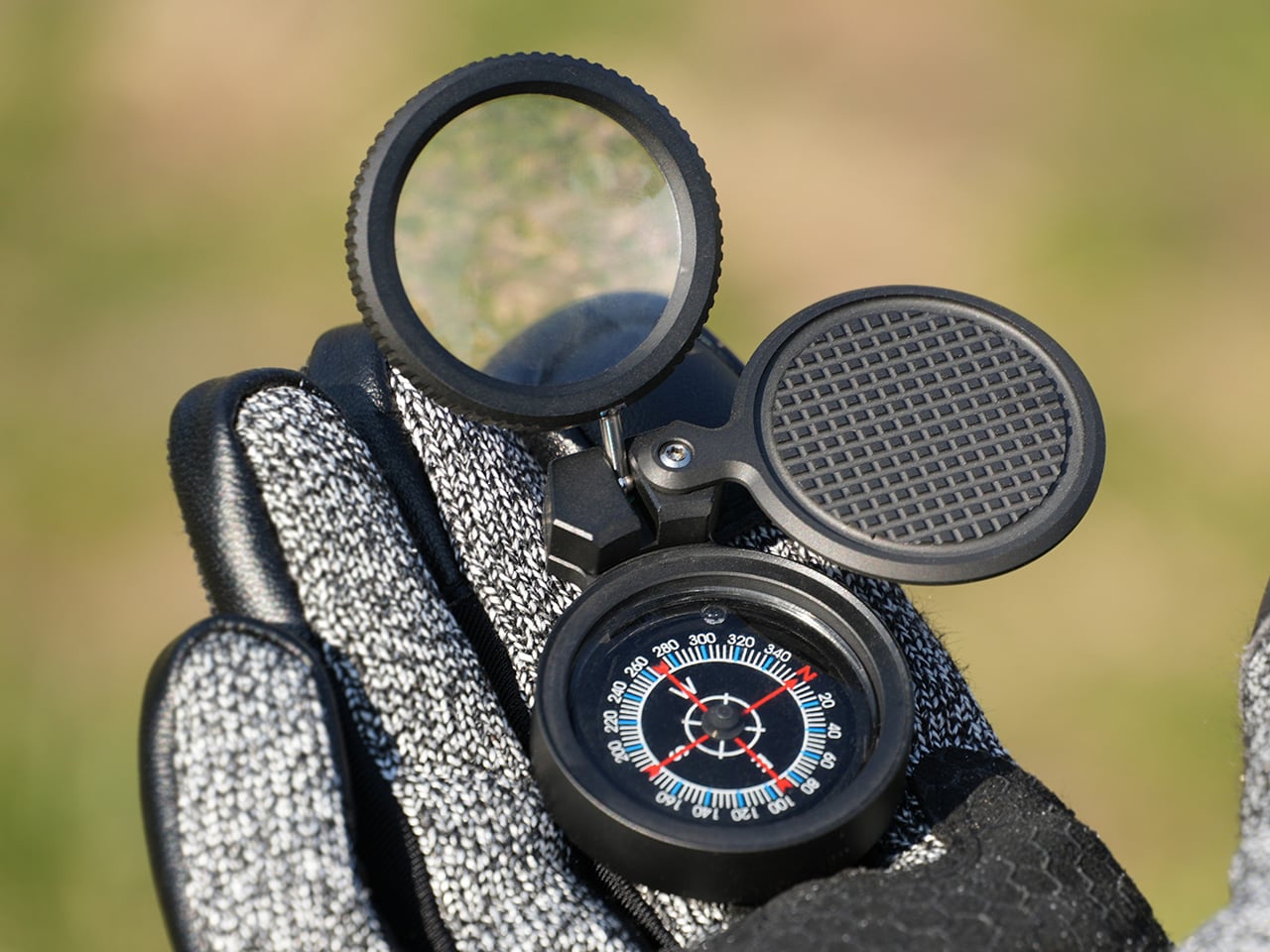
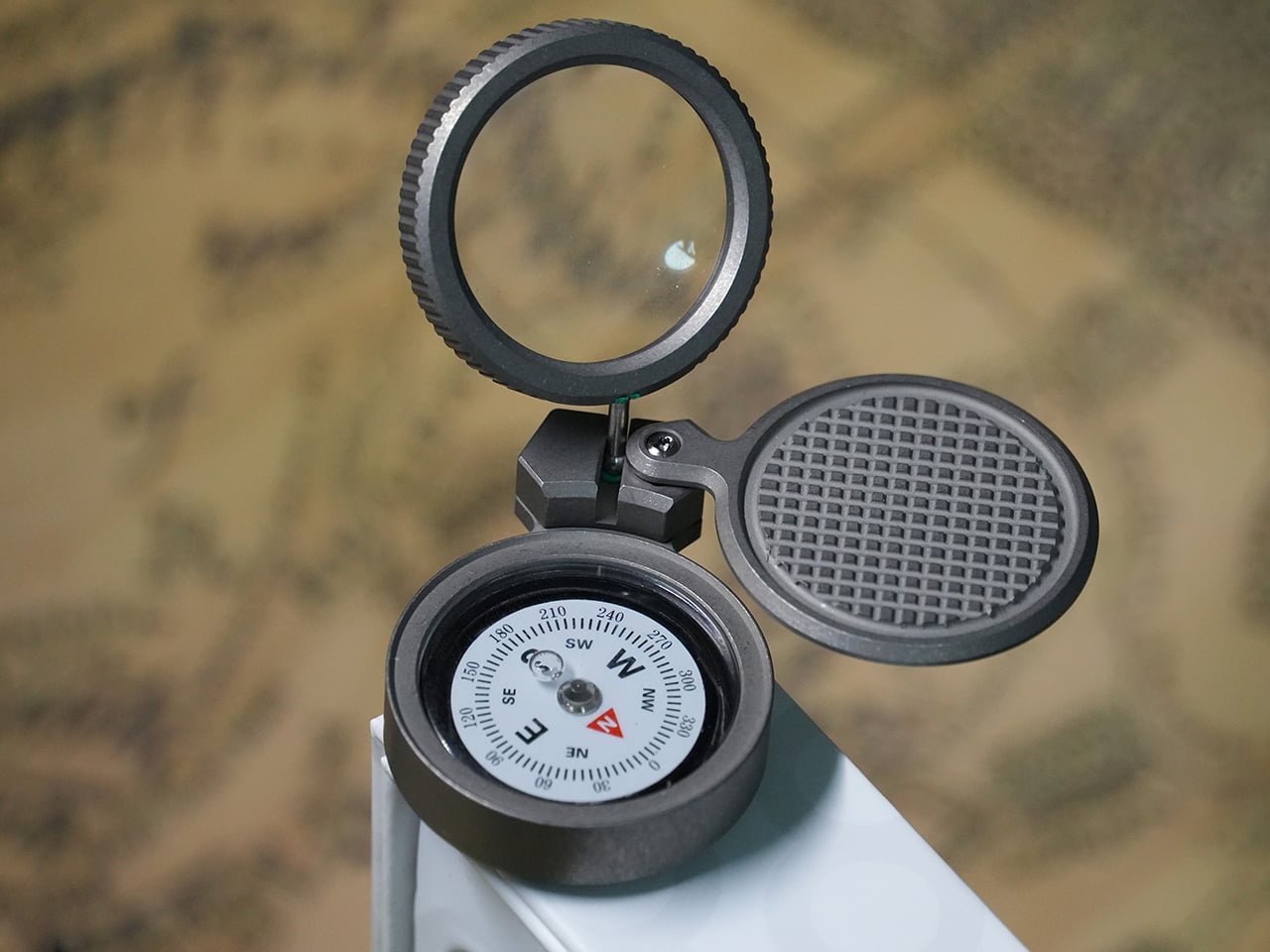
6. Loki Nav Compass

Most navigation tools have been optimized for a single condition: favorable ones. The Loki Nav by EckDesign starts from the opposite position — a Grade 5 titanium compass system engineered specifically for the conditions where GPS fails, the phone goes flat, or the environment makes electronics unreliable. Three interchangeable oil-filled compass modules provide a redundant navigation system in a 46.5mm body weighing 48 grams. The IPX8 waterproof rating means submersion to a meter for thirty minutes is a non-event. The cap houses a 12× magnifying loupe, an emergency mirror, and a wood file for fire-starting tinder.

The design logic is worth pausing on. Everything non-essential has been removed; everything that remains serves a specific function under pressure. The loupe rotates to protect the lens when not deployed. The mirror sits inside the cap, accessible without disassembly. The compass modules swap out via a toothpick through a base hole — a repair mechanism that works without tools. Summer outdoor itineraries that push past well-marked trails, coastal kayaking routes, and backcountry hiking all describe situations where the Loki Nav transitions from a beautiful object in a pocket to the most important thing in it.

What we like

  • Three interchangeable compass modules create a navigation system with built-in redundancy — a design decision that treats reliability as a first principle rather than a feature mention
  • The 3-in-1 cap packs mirror, loupe, and fire-starting file into a hinged cover rather than requiring separate tools for each function

What we dislike

  • At 48 grams in titanium, the Loki Nav is noticeably heavier than a basic compass — the weight is justified by the feature set but worth considering for ultralight carry setups
  • The compass module swapping mechanism, while elegant, involves a toothpick-through-base-hole method that takes practice to execute cleanly under field conditions

7. WESN Ridgeback Microblade

WESN approaches EDC from a position most tool brands don’t occupy — the belief that a well-made small object can carry the same material and craft standards as something three times its price and size. The Ridgeback Microblade is a fixed blade built to live in a pocket or on a keychain without announcing itself, machined from titanium with a blade steel chosen for edge retention under daily-use conditions. The form is narrow enough to disappear into any carry setup and substantial enough to register as a real cutting tool when deployed.

Fixed blades are fundamentally more useful than folding knives in the situations that matter most — faster deployment, no mechanical failure point, and less maintenance over a season of outdoor use. The Ridgeback addresses the reason most people don’t carry one: size. This is a blade designed for the specific constraint of summer pockets, where the margin between comfortable carry and uncomfortable carry is measured in millimeters. It’s the kind of precision that only appears when a brand is genuinely thinking about the object rather than simply satisfying a product line requirement.

What we like

  • The fixed blade format provides faster, more reliable deployment than any folder, while the Ridgeback’s profile keeps it genuinely pocketable in summer carry
  • Titanium construction handles salt, humidity, and daily use without the maintenance overhead that blade steel requires in coastal summer environments

What we dislike

  • Fixed blades occupy a complicated legal position in some jurisdictions — blade length and carry rules vary by location and are worth checking before traveling
  • The minimal form factor prioritizes portability over grip depth, which limits utility for tasks requiring sustained cutting pressure

8. Urban Pack

The Urban Pack resolves the tension that every commuter bag eventually creates: the design that works for a laptop meeting doesn’t work for a weekend overnight, and vice versa. Loft of Combie’s approach is modular — a carry system built around zippered separation that lets the bag configure to the day rather than requiring you to pack around a fixed interior. The external form reads clean and intentional rather than tactical, which matters when the pack is moving between a client-facing context in the morning and a trail or beach in the afternoon.

Summer specifically is the season when a single bag that reads across contexts is the most valuable thing in a carry rotation. Travel weekends, work trips that extend into leisure, day hikes that start from an office — the Urban Pack absorbs these transitions without requiring a gear change. The construction is honest about its materials, and the strap system distributes load without the overengineered hardware that makes most technical packs look like they belong in a different context entirely. This is a bag that earns its place through daily practicality rather than feature accumulation.

What we like

  • The modular configuration adapts to the actual demands of the day rather than requiring the user to adapt their packing to the bag’s fixed logic
  • The considered exterior aesthetic moves comfortably across professional and outdoor contexts without the visual code-switching that tactical bags force

What we dislike

  • Modular systems require an initial investment of time to understand how the configurations interact — the flexibility is real, but so is the learning curve
  • The clean exterior silhouette prioritizes appearance over external attachment points, which limits quick-access options for high-frequency items during active use

The Best EDC Is the Gear You Stop Thinking About

Every one of these objects earned its place through the same filter — not by being the most expensive or the most specified, but by being the most considered. Good EDC design doesn’t ask you to sacrifice function for form or form for function. It finds the point where those two things stop arguing and start working together, then holds that line across daily use, weather, and the small, relentless friction of a summer that moves faster than you plan for.

What ties this specific eight together is the refusal to waste a single design decision. The AirTag Carabiner doesn’t apologize for being two things at once. The Loki Nav doesn’t hedge on durability. The Orbitkey doesn’t give you extra features you didn’t ask for. That restraint is harder to achieve than complexity, and it’s what makes these objects feel inevitable once they’ve been in your pocket long enough. Summer is the best time to find out which gear is actually worth carrying.

The post 8 Summer EDC Essentials So Well-Designed We Carry Them Every Single Day first appeared on Yanko Design.

This Magnetic Keychain Has A Three-Level Locking System So It’s Impossible To Drop Your Keys

The spring inside a conventional keychain carabiner is arguably the least-considered component in everyday carry, a tiny coiled wire doing the same job it has done for decades, prone to fatigue, deformation, and eventual failure at the exact moment reliability matters most. Titaner has rebuilt it from physics up. The Matrix replaces that metal spring entirely with precision-aligned neodymium magnets operating in controlled repulsion, generating gate-return force that doesn’t degrade with use. The brand rates the system at one million presses with zero rebound loss, a number that makes the lifespan of any conventional spring look fairly modest by comparison.

That magnetic spring delivers an incredibly smooth linear damping feel, a soft yet decisive rebound that Titaner describes as strangely addictive. It serves as the foundation for a more ambitious system: a three-level locking architecture where the number of active mechanical defenses is something the user controls. Six models span the lineup, ranging from a single-level autolock all the way to Constant Locking configurations with a physically deadlocked release button and the XYZ Tri-Axial Lock restricting gate movement across all three spatial axes simultaneously.

Designer: Titaner

Click Here to Buy Now: $29 $42 (31% off). Hurry, only 94/100 left! Raised over $94,000.

The magnetic spring structure is the invisible upgrade that takes the carabiner to an entirely new level. Where a coiled metal spring cycles between tension and compression thousands of times until molecular fatigue sets in, neodymium magnets generate repulsion force without any physical wear. The spring action remains consistent across the entire lifespan, which means the 500th press feels identical to the 500,000th. Titaner machines precision cavities into the titanium body to house the magnets, aligning their poles to create controlled repulsion that mimics the spring behavior but with a smoother damping curve. The tactile feedback on every gate release has a fidget-toy quality to it, a satisfying snap that makes you want to open and close the thing for no reason at all.

When the gate closes, the XYZ Tri-Axial Lock engages across all three spatial axes simultaneously. Traditional carabiner clips allow some degree of lateral wiggle or vertical play once the gate latches, a small but perceptible looseness that undermines the sense of security. Titaner’s lock structure eliminates that movement entirely by restricting the gate along the X, Y, and Z axes the instant it seats into the closed position. The entire assembly goes rigid, transforming from a hinged mechanism into what feels like a single monolithic piece of titanium. The lock structure is passive, meaning it happens automatically without user input, but the result is immediately noticeable the first time you handle a closed Matrix unit.

The three-level security system builds on that foundation by adding optional layers of defense. Level 1 is the magnetic spring autolock alone, best suited for quick daily access where speed matters and the risk of accidental release is minimal. Level 2 introduces a toggle switch positioned over the release mechanism, adding an active physical barrier that prevents accidental actuation. You slide the toggle to expose the release, press to open the gate, and let the toggle return to its locked position. Level 3 takes it further by physically deadlocking the release button itself. The mechanism retains the first two defense lines while introducing a third barrier that requires deliberate mechanical input before the release will respond at all. Even with Level 3 engaged, the sequence to open the gate takes under one second once you internalize the logic, which means maximum security without a meaningful sacrifice in access time.

Three-panel collage showing a compact metal key organizer in use: holding a key with the organizer, attaching a keyring to the organizer, and hooking it onto a metal surface.

Six models distribute across four series, each with a different mechanical philosophy and form factor. The S-Series is the most compact, designed for minimalist carry with a slim profile and a rotating release mechanism. The G-Series adopts a more geometric stance, with hard angles and a question-mark form factor that deviates from the traditional D-shaped carabiner. The N-Series carries the Tritium slot, a dedicated cavity machined into the body to hold a self-illuminating tritium vial that glows for over 25 years in complete darkness without batteries or charging. The L-Series is the entry point and the only model of the spring system that ingeniously achieves locking by utilizing the elasticity of metals and structural design.

Every piece starts as a solid block of GR5 titanium, the aerospace-grade alloy that delivers comparable strength to steel at roughly half the weight. Titaner machines each component on high-end CNC equipment, chamfering every edge to eliminate the sharp surfaces that shred pocket linings or catch on fabric. The finished pieces range from 12.3 grams for the L1 up to 26 grams for the G3, putting even the most feature-loaded variant comfortably within daily carry territory. GR5 titanium resists corrosion, rust, and bacterial growth, which means sweat, rain, and salty air have no meaningful effect on the material over time. The alloy is also hypoallergenic and non-toxic, qualities that matter less for a keychain than for something worn against skin but add to the overall sense of considered engineering.

Two surface finishes are available. The Micro-Blasted finish is a raw industrial matte that shows the machined titanium in its natural state, with superior fingerprint resistance and a soft tactile feel. The DLC Black finish applies a Diamond-Like Carbon coating over the titanium, adding extreme scratch resistance and an anti-reflective tactical aesthetic that photographs darker and more aggressive. Both finishes hold up to years of daily pocket carry without meaningful wear, though the DLC coating provides an additional layer of surface hardness for users who prioritize durability above all else.

Every Matrix keychain ships with a 32mm stainless steel quick-install key ring. The ring can be pried open by hand to slide a key directly onto the coil without the usual fingernail-destroying process of threading keys around a traditional split ring. Once the key is seated, the ring snaps closed and holds with enough tension to secure the key indefinitely.

The Matrix lineup is available now, with pricing spanning from $29 for the L1-2026 (the entry-level model with a traditional spring) up to $129 for the G3-2026 in DLC Black. The campaign includes optional add-ons such as Tritium vials, titanium toothpicks, and upgraded DLC finishes. Shipping is estimated to start in September 2026.

Click Here to Buy Now: $29 $42 (31% off). Hurry, only 94/100 left! Raised over $94,000.

The post This Magnetic Keychain Has A Three-Level Locking System So It’s Impossible To Drop Your Keys first appeared on Yanko Design.

TiNova II Is the 59g Titanium EDC Knife That’s Hard to Put Down

Most compact EDC knives aren’t really built to be enjoyed, just used. Angular profiles, tactical textures, and aggressive pocket clips do their job well enough, but none of them encourages you to keep the knife in your hand any longer than necessary. For most compact blades, being pulled out for a quick task and then tucked back into a pocket is already the full extent of the experience.

TiNova II takes a noticeably different approach to the category. Rather than pushing toward more aggressive geometry or more serious hardware, it pulls back and focuses on how pleasant a small folding knife can feel to hold and carry through an ordinary day. It doesn’t try to compete with larger, tougher blades; it just wants to be the thing you’re always happy to reach for.

Designer: Ideaspark Design Team

Click Here to Buy Now: $49 $70 (30% off). Hurry, only 30/420 left! Less than 72 hours to go. Raised over $99,000.

The most obvious departure from the typical compact knife is TiNova II’s body shape. Instead of flat sides and defined edges, the handle uses an oval form that follows the natural curve of a loosely curled hand. There’s no fixed orientation to worry about, no hard corner pressing into your palm. It just rolls between your fingers almost effortlessly, which makes a bigger difference than it sounds.

A precision roller bearing sits at the heart of TiNova II’s flip-and-turn action, and the difference is immediately noticeable. Each movement feels smooth and weighted, free of the stiffness that can make smaller folding knives feel surprisingly cheap. Magnets add a crisp sense of feedback at the end of the motion, giving the whole action a rhythm that makes you want to keep repeating it.

That quality turns TiNova II into something you pick up even when there’s nothing to cut. It ends up on a desk during a long call or meeting, spinning between tasks without much thought. But when you do need a blade, the D2 steel edge comes rated at HRC 58 to 60 and handles boxes, tape, rope, and most things a typical day throws at it without complaint.

Compact is a word that gets thrown around loosely in EDC circles, but TiNova II earns it more honestly than most. The closed handle measures 64.4mm long and weighs just 59.3g, which means it genuinely disappears into a fifth pocket or attaches to a keyring without adding noticeable bulk. It’s the kind of size that lets you forget it’s there until your hand instinctively reaches for it.

The handle is Grade 5 titanium, the same aerospace-grade alloy favored in applications where weight savings and durability both count. It’s corrosion-resistant, light, and refreshingly honest in the way it wears. Scratches and scuffs accumulate naturally over time, giving each knife a slightly different character from the next. It’s the kind of material that becomes more personal with use rather than trying to hide the evidence of it.

Two finish options let you choose how the knife presents itself. The sandblasted version is raw and unpretentious, showing the honest titanium surface and every mark it collects. The black-coated version keeps things quieter, which also lets the dual tritium slots do more of the visual work in darker settings. Those small glowing tubes make TiNova II easy to locate in low light and add a quiet touch of personality.

TiNova II also includes a built-in keyhole for attaching to keys or a bag, and that small detail says a lot about its personality. This isn’t trying to be a dramatic statement piece or an oversized folder pretending to be practical, especially with a lifetime warranty promise. It feels more like a compact companion that happens to carry a real blade, one designed to stay close at hand and feel good doing it.

Click Here to Buy Now: $49 $70 (30% off). Hurry, only 30/420 left! Less than 72 hours to go. Raised over $99,000.

The post TiNova II Is the 59g Titanium EDC Knife That’s Hard to Put Down first appeared on Yanko Design.