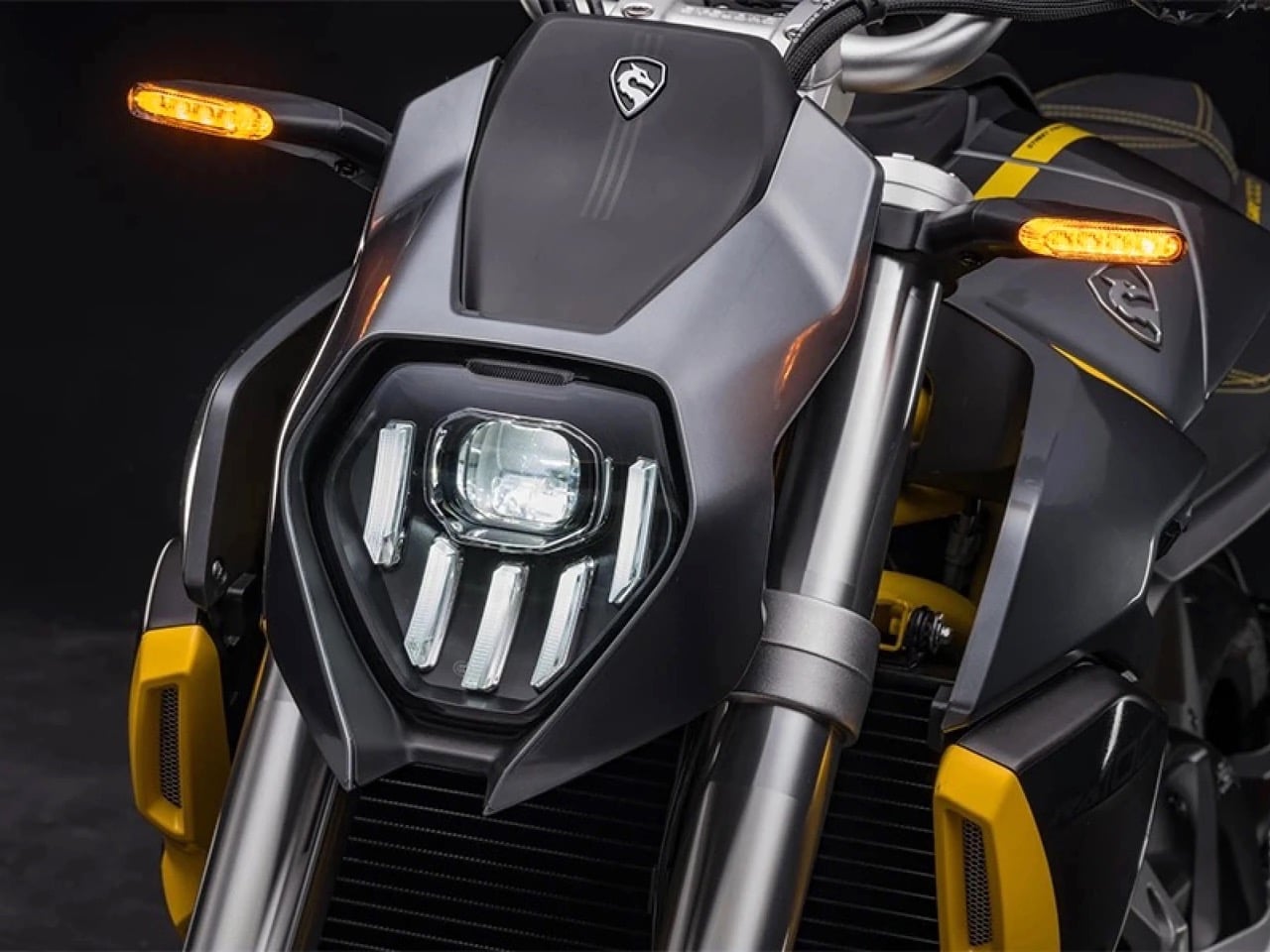
Access to Aprilia’s engine tech gave Cyclone a shortcut most emerging manufacturers would kill for. The RA1000’s 996 cc V-twin starts from the Aprilia Shiver 900 architecture, then gets a bigger 97 mm bore and a 12:1 compression ratio, landing at 105 hp at 9,000 rpm and 70 lb ft at 6,500 rpm. That is a very solid middleweight performance envelope hiding inside something that looks like a full fat power cruiser. Instead of spending a decade learning how to build a reliable big twin, Zongshen leans on its joint venture with Piaggio and fast forwards straight to a mature engine platform. It is a very modern kind of cheating, and frankly, a very smart one.
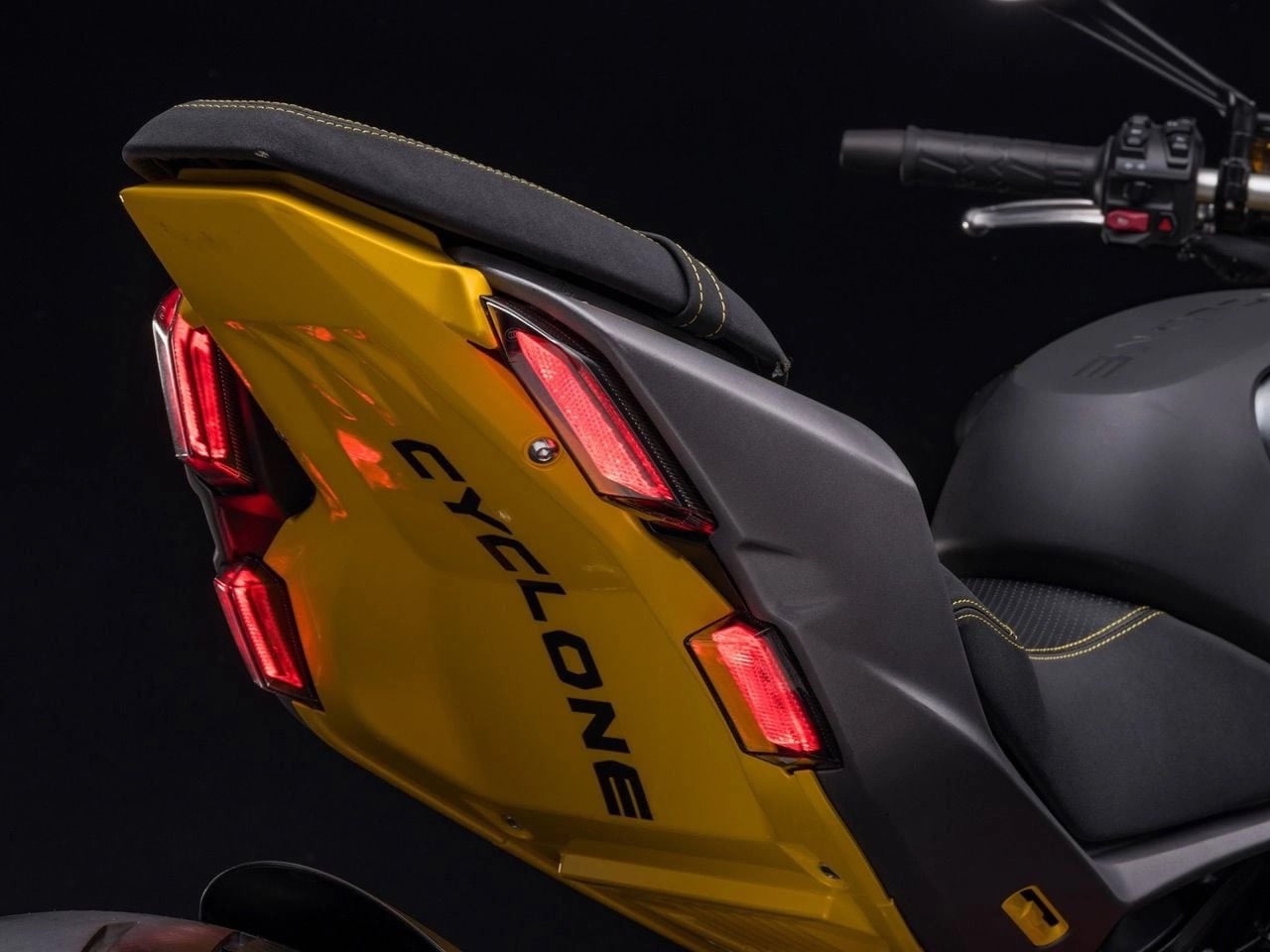
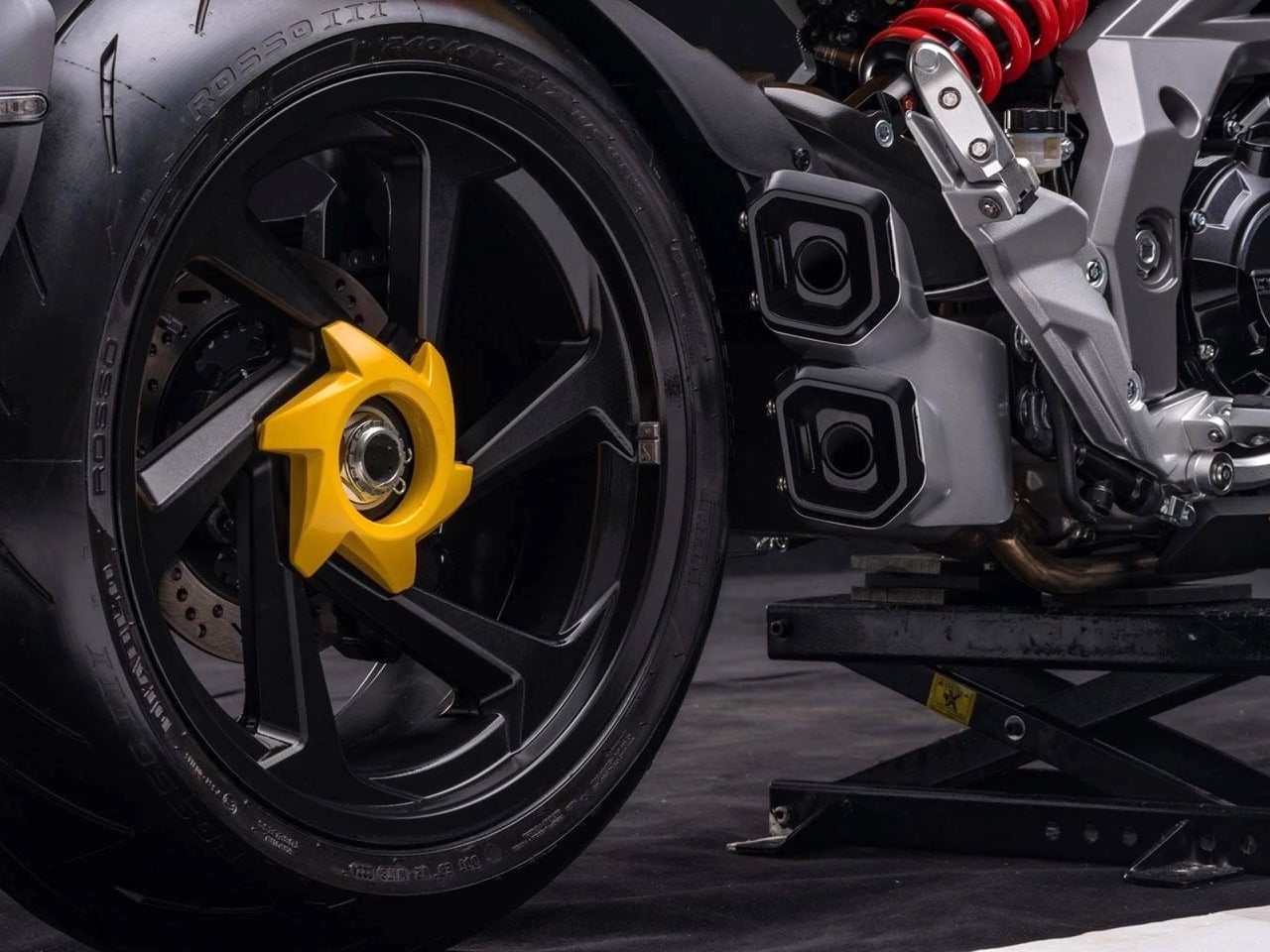
The bodywork tells a slightly louder story. The Cyclone RA1000 walks into the room wearing what is essentially a Ducati Diavel cosplay outfit, right down to the stubby tail, 240 section rear tire, and stacked side exhausts that visually anchor the whole rear half of the bike. You get a single sided swingarm, a low, muscular stance, and proportions that scream Italian power cruiser at a glance. There is no subtlety here. If you have ever seen a Diavel, your brain fills in the blanks instantly. The difference is that this silhouette is now being mass produced in China, powered by an Aprilia derived V-twin, and priced to hurt feelings in European boardrooms.
Designer: Cyclone
Look closer and the parts bin tells its own little international story. Brakes are from J.Juan in Spain, a known quantity with decent performance credentials. The engine lineage traces back to Noale via the Shiver, with Cyclone tweaking bore and compression to squeeze out that 105 hp figure. Electronics live on a 6 inch TFT display, backed by full LED lighting and modern switchgear that would not look out of place on a European naked. The frame and swingarm package are clearly engineered to visually showcase that enormous 240 section rear tire, which is the whole point of a bike like this. Subtlety is for commuters. This thing exists to make parking lots feel like a catwalk.
When Cyclone showed the RA9 concept back in 2021, a near 1000 cc Chinese V twin with premium styling felt like a big statement. Fast forward four years and the home market has moved the goalposts into another stadium. QJMotor is selling 900 plus cc fours with MV Agusta roots. CFMoto is prepping a 210 hp V4 superbike. Souo is out there building a 2000 cc flat eight like that is a normal thing to do. In that arms race, the RA1000 looks positively restrained. Which, if you care about actually riding your motorcycle instead of bench racing spec sheets, is not a bad place to land.
On the road, that 105 hp number tells you exactly what to expect. This is not a bike built to chase Panigales up a mountain pass. It is built to hammer out fast, satisfying acceleration from midrange torque, lean over enough to keep you entertained, and look outrageous parked outside a café. The 240 section rear tire is more about theater than lap times. The single sided swingarm is pure poster material. The ergonomics and geometry sit in that sweet spot between power cruiser and naked, closer to Diavel than Shiver in attitude. You buy this because you like the way it looks and you want an engine with proven manners.
The more interesting question is philosophical. At what point does a Chinese brand using licensed European tech and very familiar styling cues stop being an “imitator” and just become part of the same global design conversation. Cyclone is not reverse engineering an engine here, it is building a licensed evolution of one. It is not making a budget commuter with vague Diavel vibes, it is going all in on the silhouette and backing it with credible hardware. You can absolutely argue about originality, but you cannot argue that this is a throwaway product. The RA1000 is a sign that the game has changed. The question now is whether riders are ready to let go of old assumptions and judge it on what it does, not where it comes from.
With CES 2026 slated to officially start next week, the focus is understandably on all the new products that will be announced at this year's event. But before diving into what’s new, we thought it was a good idea to revisit our best of show winners from last year to see where they're at. After all, CES is synonymous with vaporware. The good news is the Engadget team has a keen sense for BS. Of the ones we awarded at CES 2025 that haven’t been released, most are coming this year. For the remaining few, we’ll be hunting them down this CES.
ASUS Zenbook A14
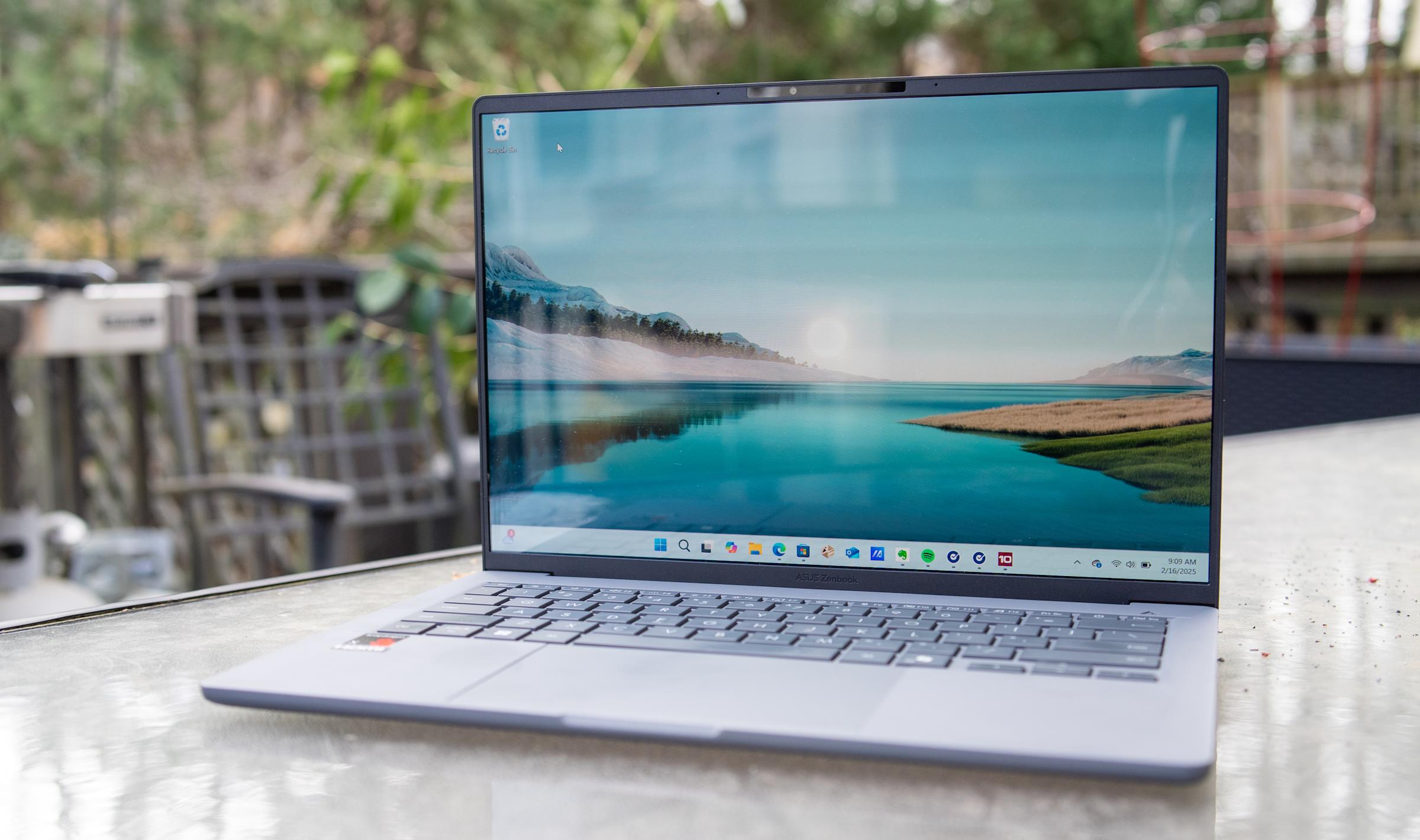
An Asus Zenbook A14 sits out a patio table.
Devindra Hardawar for Engadget
When we saw the ASUS Zenbook A14 at CES 2025, it left us impressed with its lightweight but well-made chassis, beautiful OLED screen and excellent mix of ports. After spending more time with it, the A14's shortcomings became more apparent. In his review of the ultraportable, Engadget's Devindra Hardawar gave the laptop a score of 78, lamenting its poor performance and expensive price tag. In the end, it wasn't quite the Windows MacBook Air competitor he had hoped for initially.
BioLite Backup
The BioLite Backup powers a Galan2 fridge.
Amy Skorheim for Engadget
At CES 2025, BioLite was already taking pre-orders for its automatic home backup power supply. The BioLite Backup didn't arrive in 2025, but if you visit the company's website today, you can reserve one for $100, with final pricing expected to start at $2,000. BioLite says units will start shipping this year.
Jackery Solar Roof
A CES display shows the Jackery XBC solar panels in obsidian.
Jess Conditt for Engadget
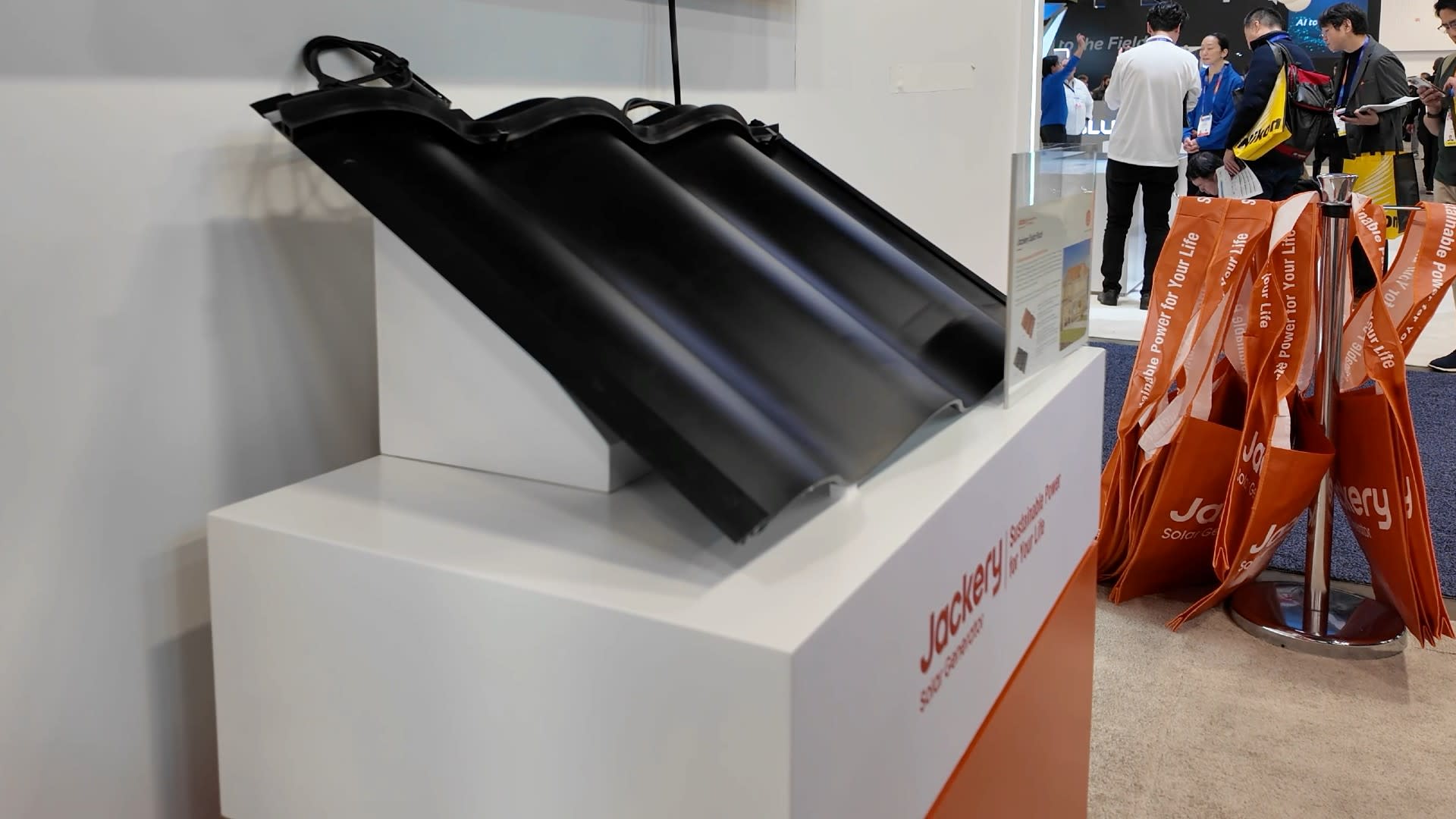
Before CES 2025, Jackery was already an established player in the domestic solar power industry, and at the event, it impressed us with its XBC curved solar shingles. They look like regular roof shingles, but Jackery said they would deliver cell conversion efficiency of more than 25 percent.
It's taken longer than anticipated, but Jackery says it now expects the shingles to go on sale in the US "very soon," with pricing likely to range between $1,100 and $1,300 per square meter depending on the customer's design requirements and how they purchase the product. When contacted by Engadget, Jackery also teased a handful of announcements for CES 2026, including updates on devices like the Solar Mars Robot it's been working on for the last little while.
Lenovo Legion Go S
The Lenovo Legion Go S sits on an opaque glass table with a comic book behind it.
Sam Rutherford for Engadget
With the Legion Go S, Lenovo promised two different versions of its new handheld: one running Windows 11, and the other Valve's Steam OS. Unfortunately, the Windows variant arrived first (shortly after CES), and was about as good as expected. However, the wait for the SteamOS model was well worth it. When Engadget's Sam Rutherford finally reviewed it over the summer, he praised it for fast performance, bright display and of course the ease of use offered by SteamOS.
LG OLED evo M5
A man and his dalmatian gaze at a 77-inch LG OLED TV.
LG
LG's OLED TVs are a perennial CES favorite at Engadget, and the company's 2025 slate was no different. The flagship evo M5 model impressed with its 165Hz refresh rate for gaming, better image processing for lower resolution content and a wireless transmission system for video and audio. At $4,300, the set is expensive, but the good news is LG typically does a good job of trickling down features to its more affordable sets, and I'm sure the company will continue to improve on its OLED technology this year.
Moonbird Moonbuddy
A hand holds the Moonbird Moonbuddy. The device has the teddy sleeve on.
Moonbird
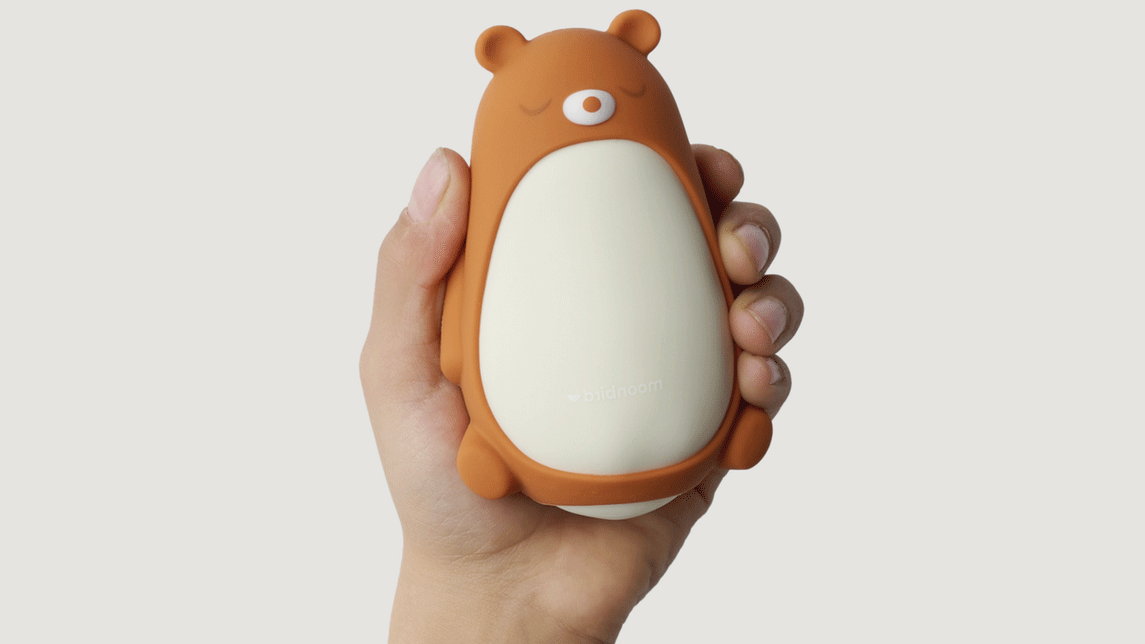
The Moonbuddy was one of two "cute" gadgets that made Engadget's best of CES 2025 list. We liked Moonbird's decision to make a screenless meditation and sleep aid for children. The good news is you can buy your kid a Moonbuddy right now, with the device currently discounted to $110.42 as part of Moonbird's end of year sale.
Unfortunately, when Engadget contacted the company to ask about its CES 2026, all it sent us back was a response from "Luna," its automated AI agent. "I don't have specific information about our CES 2026 exhibition plans to share with you right now," the bot told me, adding I should email the address I just emailed to get a response from a human being.
OhSnap MCON
Engadget senior reporter Jessica Conditt holds the OhSnap MCON in her hand at CES 2025. The attached phone displays Minecraft.
Jess Conditt for Engadget
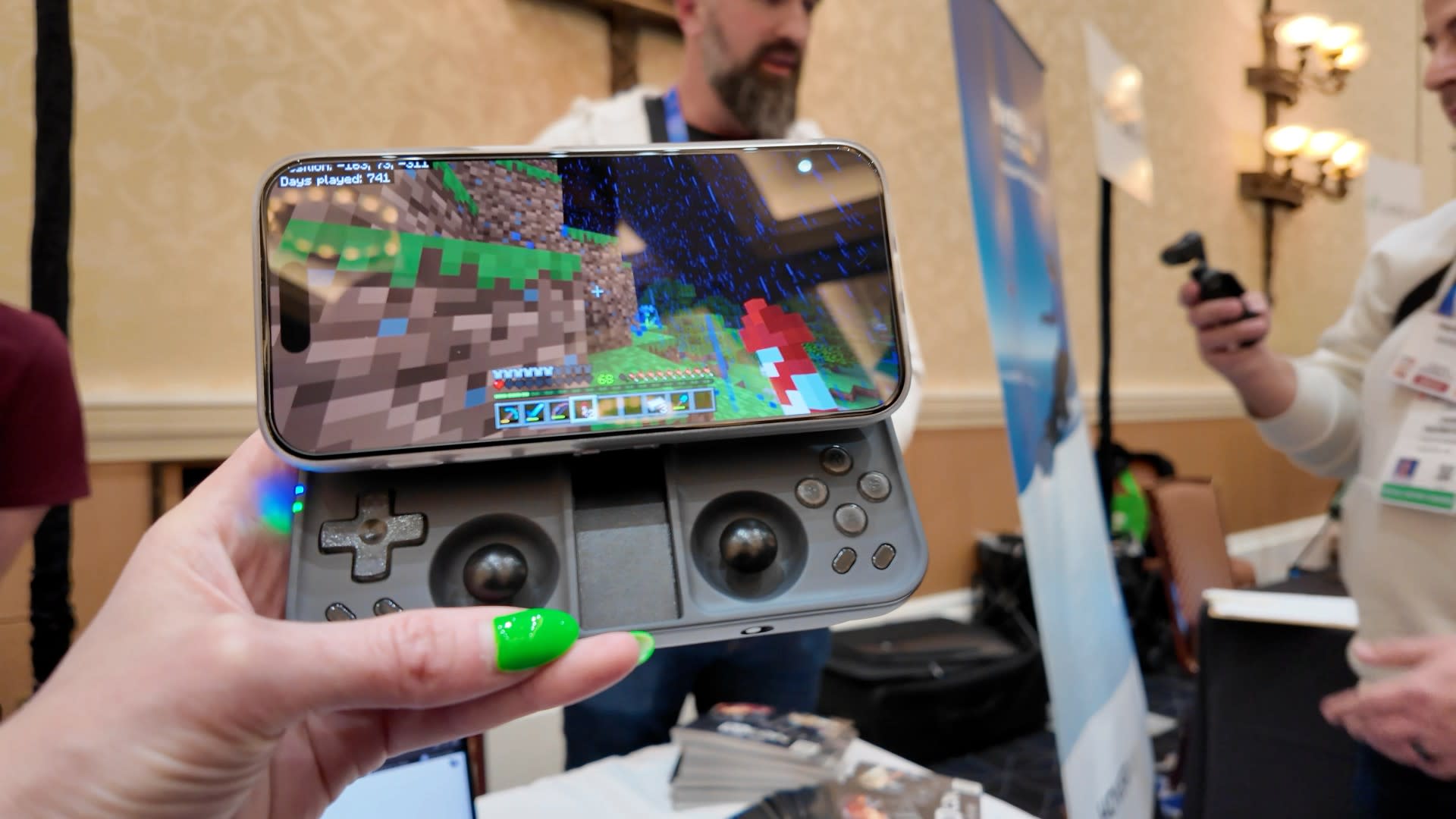
The OhSnap MCON won us over with its simple pitch: it basically had the ability to turn any smartphone into a Xperia Play. Actually accomplishing that feat was more complicated, with components like Hall effect joysticks for added durability increasing the time it took for OhSnap to get the product ready. For that reason, the MCON didn't make it out to consumers in 2025. However, you can preorder one now for about $210, with shipments slated to start this year.
Roborock Saros Z70
The Roborock Saros Z70 uses its robotic arm to put a handful of socks into a basket.
Karissa Bell for Engadget
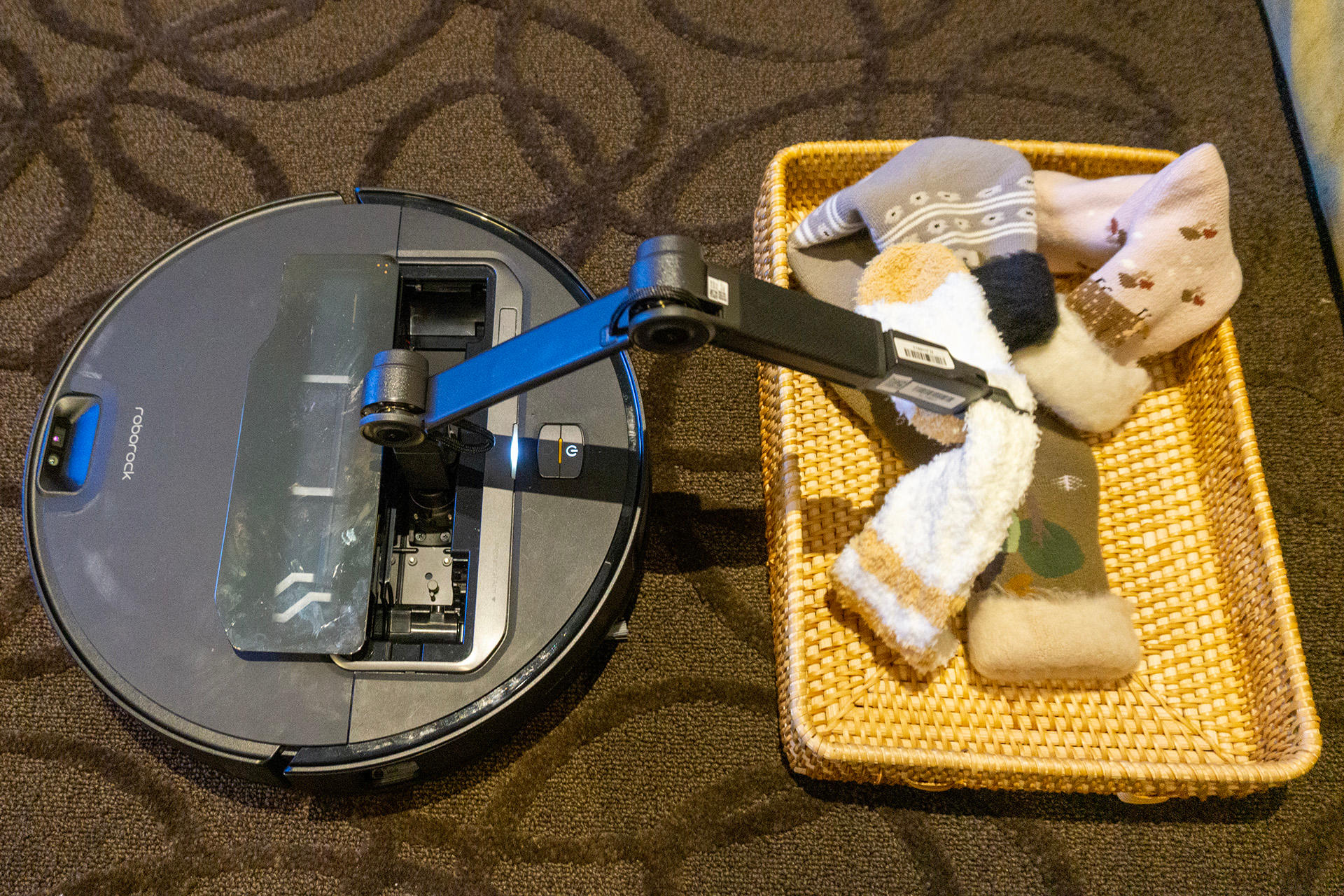
The Saros Z70 was one of a handful of robot vacuums that debuted at CES 2025 with a built-in extendable arm, but Roborock's flagship was the one that made the best impression. We didn't end up recommending it in our robot vacuum guide; there are more affordable options that will appeal to a greater number of people. But if you want the latest and greatest, the Saros Z70 is on sale right now for $2,000.
Yukai Engineering Mirumi
A Mirumi robot sticks to a pink purse.
Cheyenne MacDonald for Engadget
Of all the gadgets Engadget saw at CES 2025, it's fair to say the Mirumi robot from Yukai Engineering was the only one to steal our hearts. All this cute little charm does is stare at you and move its head around a little until you’ve been tricked into a few moments of happiness, and honestly that was more than enough for us to award it a best of CES award. Right now, you can find Yukai Engineering accepting pre-orders for Mirumi through Kickstarter. The project, which began at the start of December, easily surged past its modest $4,878 goal, raising $267,170 as of the writing of this article. The campaign ends on January 22, so you still have time to secure your Mirumi preorder.
Technics EAH-AZ100 earbuds
A pair of Technics AZ100 earbuds sit on a wooden desk, with an iPhone and a pair of books next to them.
Billy Steele for Engadget
They might have only been a pair of earbuds, but a lot of us left CES really excited about the Technics EAH-AZ100. The reason for that was that they were the debut of the company's new magnetic fluid drivers technology, which promised to deliver even more clarity, detail and bass than the drivers in Technics' already excellent AZ80 earbuds. When Engadget's resident audio guru Billy Steele got a chance to review the EAH-AZ100 a couple of months later, he gave them a score of 85, saying they offered "some of the best sound quality in any of the hundreds of earbuds I’ve tested over the years."
Urtopia Titanium Zero
The Titanium Zero sits at a CES display with other e-bikes nearby.
Daniel Cooper for Engadget
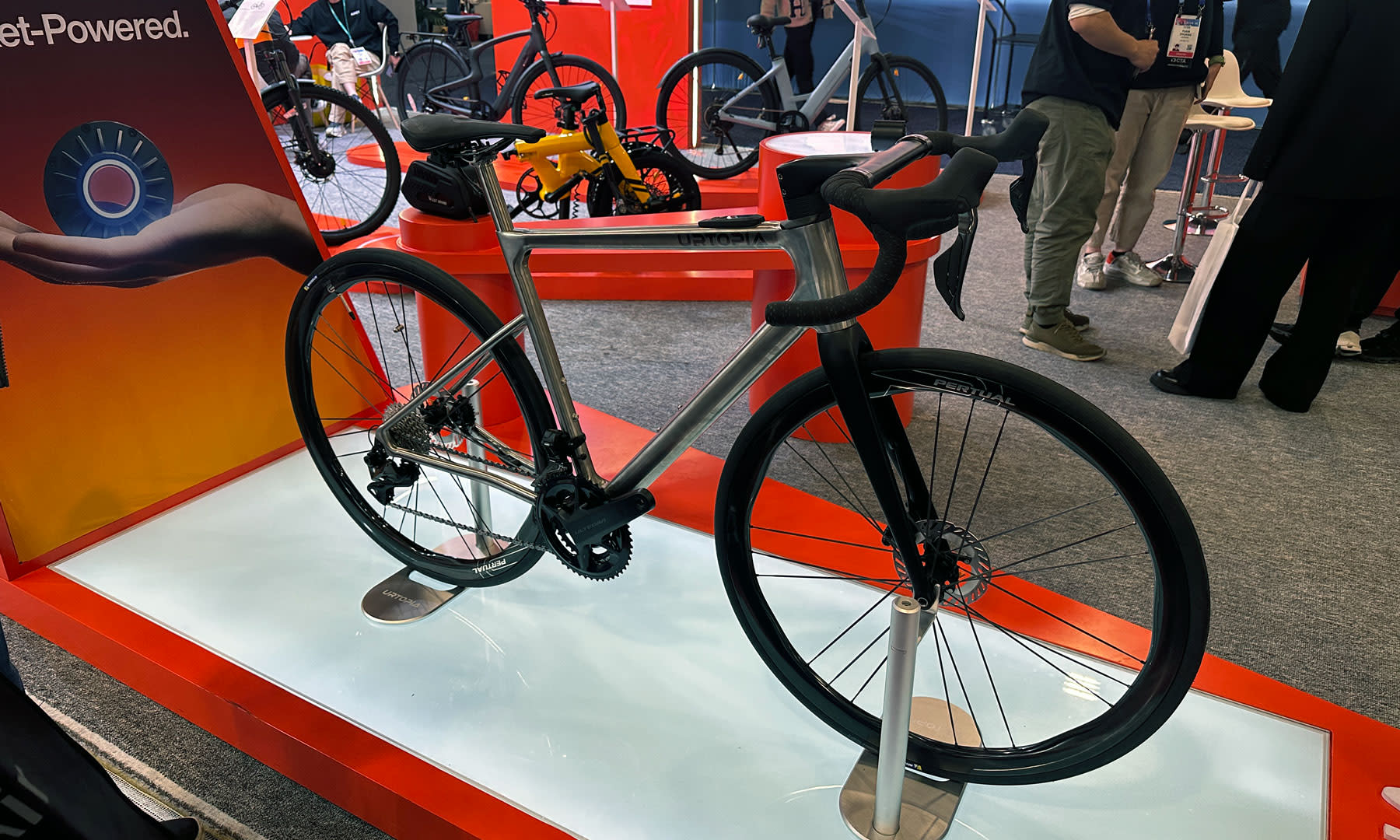
As a cyclist, the Urtopia Titanium Zero was the one product I left CES 2025 excited to see in the real world. If a titanium bike wasn't cool enough already, the Zero's Quark DM1.2 motor offered something actually innovative: a mid-drive motor with more power output than even the best hub motor. Unfortunately, while you can buy plenty of other e-bikes off of Urtopia's website, the Titanium Zero isn't on sale yet. That said, the company plans to showcase the bike, alongside the Quark DM1.2, at CES 2026.
WeWalk Smart Cane 2
A person uses the Wewalk Smart Cane 2 to find their way through a CES booth.
Cheyenne MacDonald for Engadget
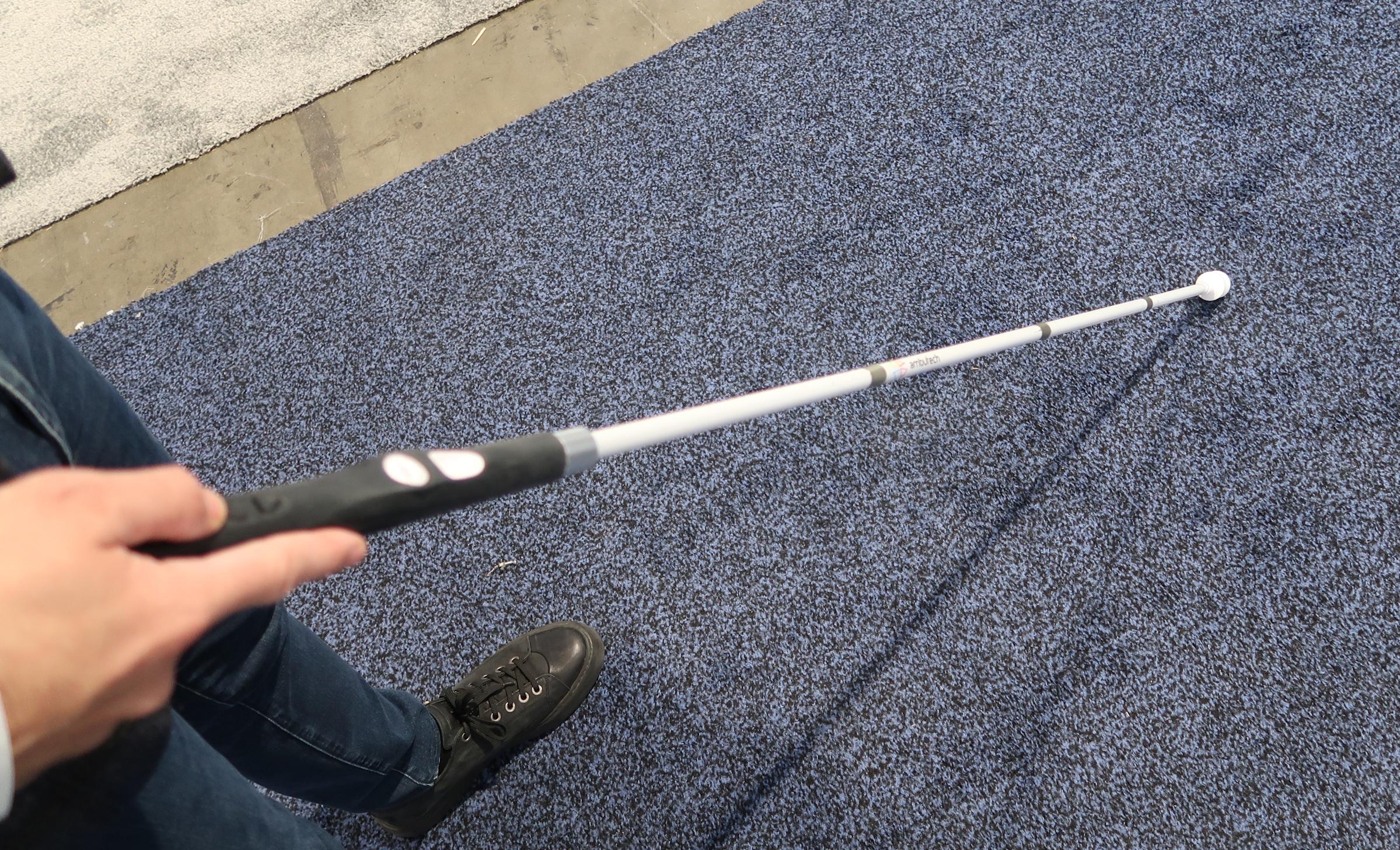
The WeWalk Smart Cane 2 won two awards from Engadget during CES 2025, including our coveted best in show nod. At an event where nearly every manufacturer found a way to add AI to their devices, the Smart Cane 2 appealed to us for its thoughtful use of the tech. It offers turn-by-turn navigation and obstacle detection, in addition to a GPT-powered voice assistant to give users a way to access information without also having to juggle their phone at the same time. If you visit WeWalk's website today, there's a "buy now" link for the Smart Cane 2 that leads to a dead end. When Engadget reached out to WeWalk, the company said it would be once again at CES demoing the Smart Cane 2.
This article originally appeared on Engadget at https://www.engadget.com/big-tech/where-are-engadgets-ces-2025-winners-now-194500216.html?src=rss
Smart fridges are a dime a dozen at CES, and LG and Samsung have thoroughly explored what's possible when you connect your fridge to the internet or slap a touchscreen on the front. The new GE Profile Smart Refrigerator with Kitchen Assistant GE Appliances is announcing ahead of CES 2026 doesn't reinvent the wheel in that regard, but it does include a first: a built-in barcode scanner for adding items to your shopping list.
GE Appliances’ "Scan-to-List" feature uses the barcode scanner to quickly (and precisely) add items to a shareable shopping list in the company’s SmartHQ app. You can refer to that list while you're shopping in person, or sync it with Instacart and have it delivered, eliminating the need to go grocery shopping entirely. Inside the fridge, GE Appliances also includes a flush-mount LED bar with a built-in camera that can deliver "real-time, on-demand snapshots of crisper drawers, focusing on the most costly and perishable items." This "FridgeFocus" feature is supposed to prevent you from overbuying perishable produce that you might already have, by letting you see which perishables might go bad first.
GE Appliances' fridge is stainless steel and has a built-in touchscreen display.
GE
On top of those smart features, the GE Profile Smart Refrigerator has a four-door stainless steel design, with door-in-door storage and an adjustable temperature drawer. The fridge also has an 8-inch touchscreen display for viewing recipes or the current weather conditions, and microphones for accepting voice commands. When you're dispensing water, the fridge's water dispenser is supposed to be smart enough to fill a container with the exact right amount of water using built-in sensors, too.
The GE Profile Smart Refrigerator with Kitchen Assistant will be available from GE Appliances and select retailers starting in April 2026 for a suggested MSRP of $4,899.
Update, January 5, 1:09PM ET: Headline and article updated to refer to GE Appliances rather than GE, because they’re separate companies.
This article originally appeared on Engadget at https://www.engadget.com/home/kitchen-tech/ge-appliances-new-smart-refrigerator-automates-grocery-shopping-with-a-barcode-scanner-and-instacart-194326073.html?src=rss
NVIDIA and Intel had their moment in the spotlight, and now it's AMD's turn. The chipmaker is kicking off CES 2026 on Monday night, where it'll cover its latest AI developments and perhaps show off its newest Ryzen chips. It's the kickoff keynote of CES 2026, and CEO Dr. Lisa Su is expected to outline how AMD's hardware will power the AI revolution — and what the company can offer partners and consumers that those aforementioned rivals can't.
We'll tell you how to tune in to the livestream and what else you can expect to see.
How to watch AMD's keynote live
Dr. Su will deliver a keynote speech from the Palazzo Ballroom at the Venetian on Monday, January 5 at 9:30PM ET (6:30PM PT). You can watch the event live on the CES YouTube channel (we've embedded the livestream below).
Engadget will also be liveblogging the AMD keynote in real-time.
What to expect from AMD at CES 2026
While AMD says it's keeping its product details under wraps, we can expect "updates on AI solutions, from cloud to enterprise, edge and devices."
It's also likely that AMD will unveil its new versions of the Ryzen chips during its keynote on Monday, as Su will talk about the "advancements driven by Ryzen CPUs." That could include the Ryzen 7 9850X3D, which is expected to have better single-threaded performance than its predecessors. Additionally, we can expect to see the Ryzen 9000G series, which is potentially built with AMD's Zen 5 architecture.
Regarding AI, AMD could further discuss its new FSR Redstone technology, which it previously previewed on December 10. AMD's upscaling tech aims to close the gap on NVIDIA's DLSS 4, which was announced during CES 2025.
Su's presentation caps off CES's press day, so she'll be taking the stage in the hours after rivals NVIDIA and Intel present their chipmaking and AI plans to the world. As a reminder of how cross-linked these companies have become: OpenAI has pledged billions of dollars of hardware orders to AMD, while rival NVIDIA has invested billions in OpenAI — and taken a stake worth billions in Intel, too.
This article originally appeared on Engadget at https://www.engadget.com/computing/amd-at-ces-2026-live-updates-from-ceo-lisa-sus-keynote-presentation-190012370.html?src=rss
If you're one of the many who made a New Year's resolution to read more, an ereader can help by putting your whole library (and more) at your fingertips wherever you are. While not as expensive as an iPad or another flagship tablet, these e-paper devices can be more expensive than you think, but right now you can save on one of our favorites. Amazon's base Kindle is on sale for $90 — that's $20 less than usual and only $10 more than its record-low price.
This made our list of the best ereaders, and for good reason. It's an iconic device that gets the job done. It doesn't have much by way of modern bells and whistles, but it ships with 16GB of storage and comes in two snazzy colorways.
The build is compact and durable. It's also light, which makes it easy to pack and easy to hold up with one hand. It allows access to the vast Kindle library and this deal comes with three months of Kindle Unlimited. That's sort of like Netflix, but for books. The selection isn't comprehensive, but I've always found something to read when in a pinch.
This is an entry-level device. There's no color screen and no option to use a stylus. The battery, however, does last around six weeks with regular use. This is a metric I can personally confirm. It seems like I barely charge mine and it's always ready to go.
The only major downside here is that this is one of those Amazon devices that forces ads on you. There is a version without lockscreen ads, but it costs more. I never really found them to be all that intrusive, given that they are tethered to the lockscreen and mostly advertise books.
Clicks is bringing its physical keyboard products to CES yet again, and these are chock full of nostalgia. The company has also unveiled its first smartphone, aimed at "communication, not consumption," that it says will function as a second phone used mostly for messaging.
The phone is dubbed the Clicks Communicator and features a tactile keyboard, a 4-inch OLED display, a 3.5mm headphone jack and expandable microSD storage up to 2TB. The interface is built on Android 16 and supports hardware-level encryption.
Even though Clicks says it wants to leave "content capture" to a users' primary device, the Communicator still sports a 50MP main camera and 24MP front camera. The phone also has NFC to support Google Pay, along with Bluetooth and Wi-Fi capability. Its 4,000 mAh battery can be charged via USB-C or wireless charging.
While the Communicator may look like a Blackberry or Palm device from days gone by, it carries modern features like a fingerprint sensor in the spacebar. It also has what Clicks calls a Signal LED, which is a customizable alert light that lets users know when specific people or apps are causing notifications.
As much as Clicks talks about its new phone as a secondary device, it follows the trend of minimalist or "dumb" phones as more users pull away from an overexposure to technology, social media and notifications. Some might even find it compelling as a primary device. But the secondary device idea feels unproven: having two phones would mean two phone plans with two phone numbers, which could be impractical for many users. The Communicator can be reserved now for $399 and will increase to $499 on February 27.
For users wanting a tactile keyboard to use with standard smartphones, Clicks has made the Power Keyboard. It features a QWERTY layout with directional keys and a number row. It attaches via MagSafe or Qi2 and has a 2,150 mAh battery to help keep your phone topped up. The phone can then be flipped into either a horizontal or vertical orientation, which ends up resembling a T-Mobile Sidekick.
Clicks
The keyboard is compatible with both iOS and Android and since it pairs via Bluetooth, it can also be used with tablets, smart TVs and virtual reality headsets. Pre-orders for the Power Keyboard will open January 2 and an actual launch is expected in the spring. The keyboard will retail for $110, though early-bird pricing is available for $80.
This article originally appeared on Engadget at https://www.engadget.com/mobile/smartphones/clicks-is-bringing-its-first-smartphone-and-a-new-keyboard-to-ces-2026-182239003.html?src=rss
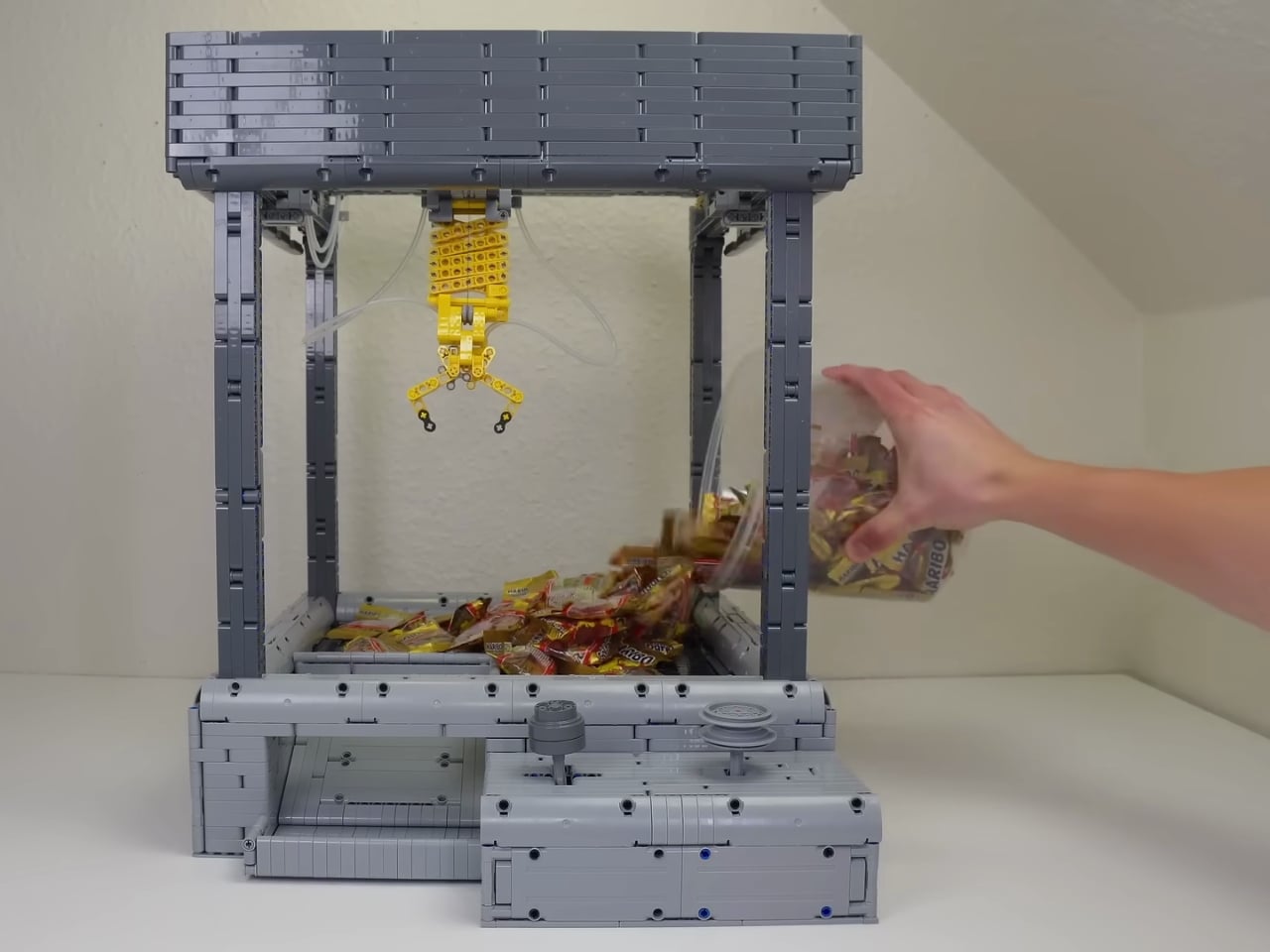
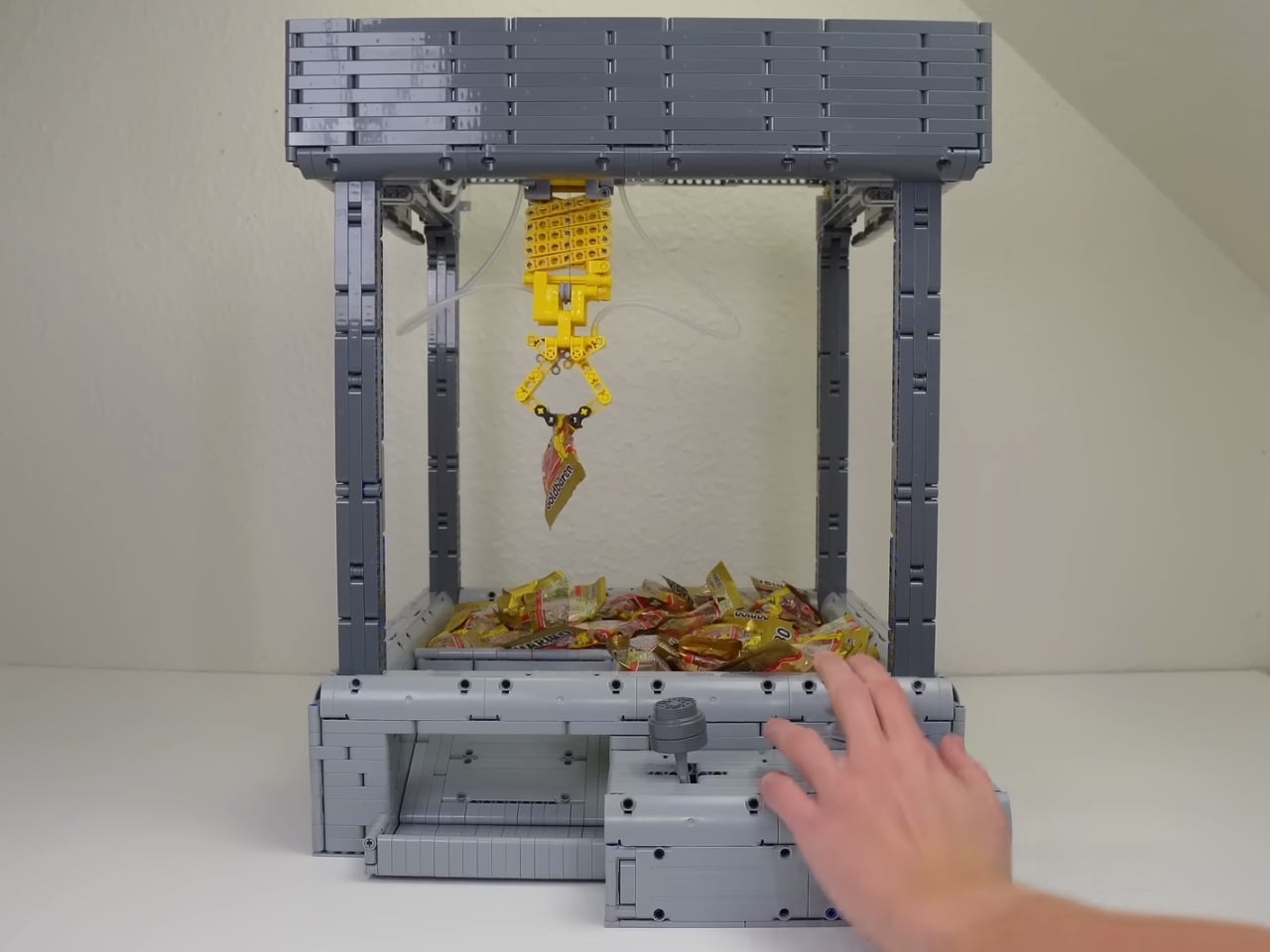
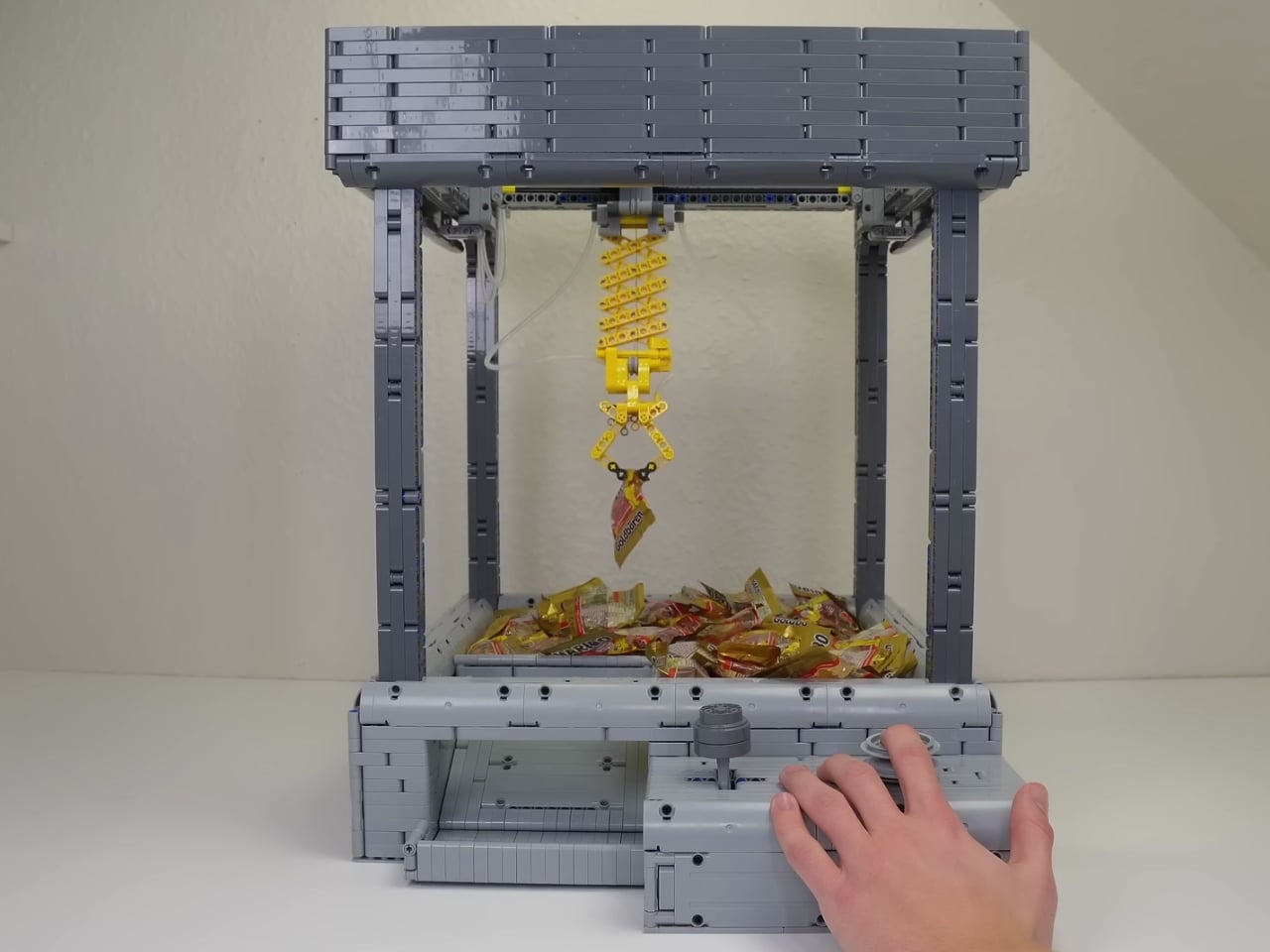
You know that feeling when you’re at an arcade, pumping quarters into a claw machine, convinced that this time you’ll finally snag that plush toy? Well, someone decided to recreate that delightful torture in LEGO form, and if I could, I would probably line up to buy this one.
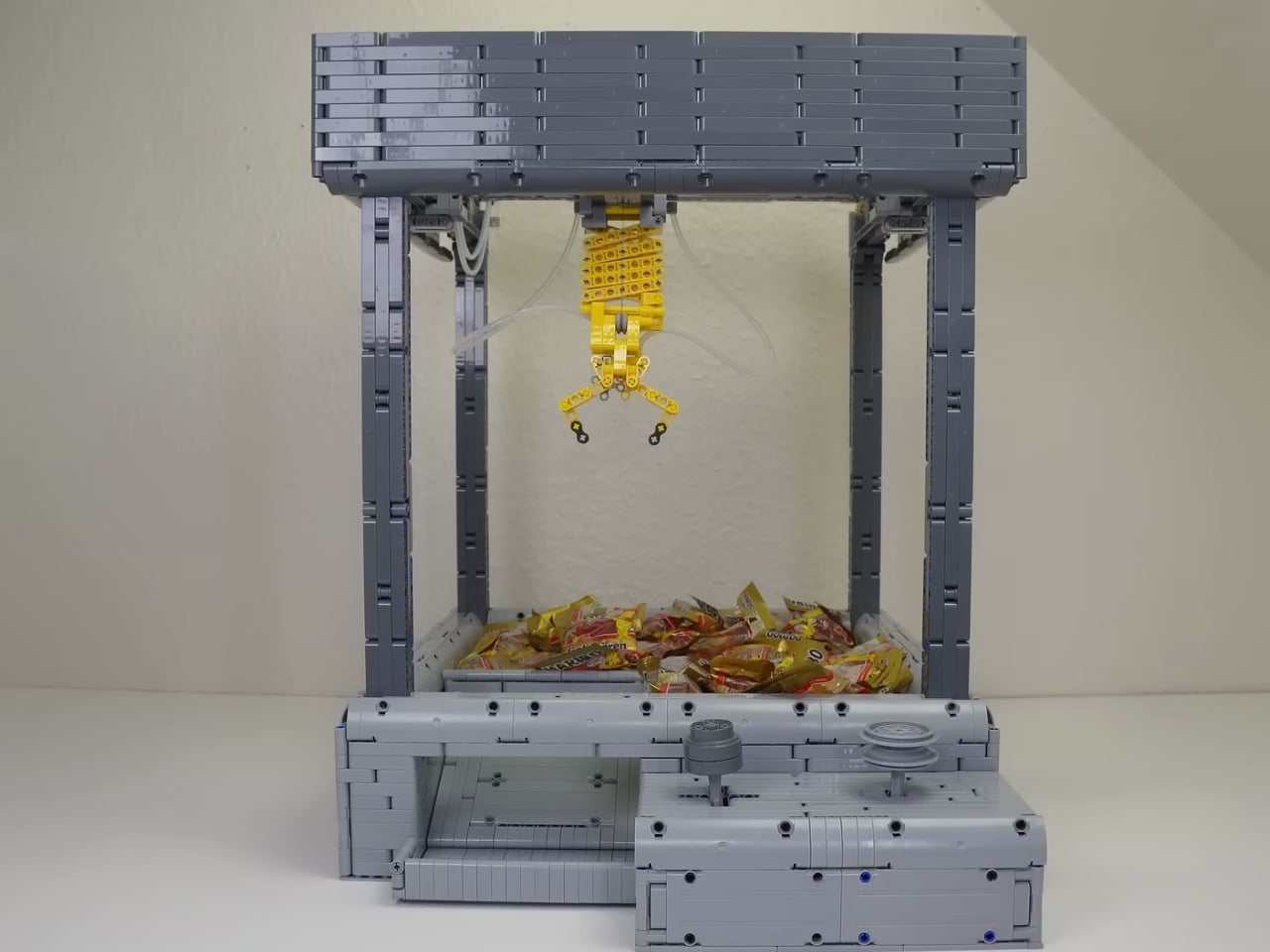
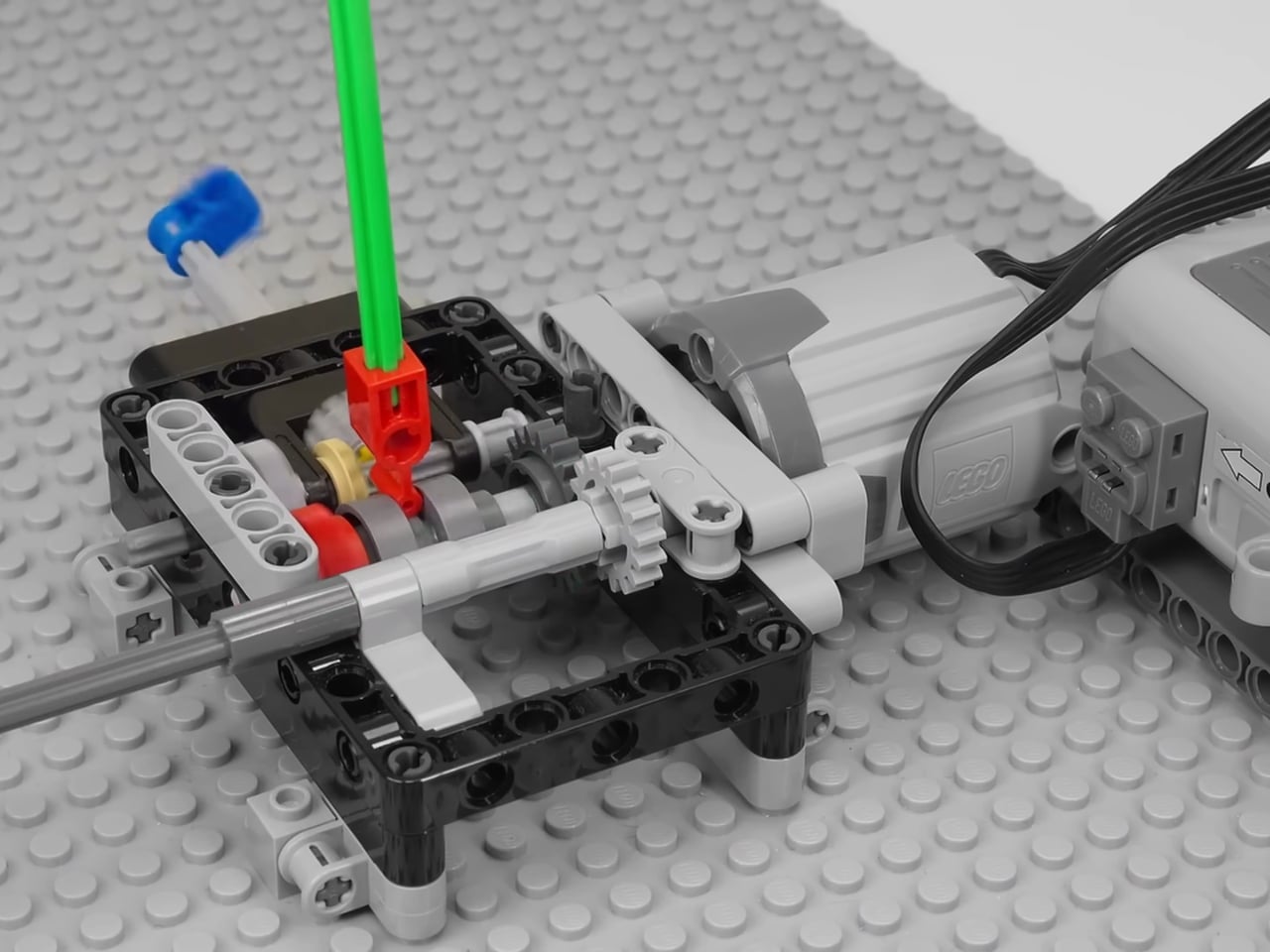
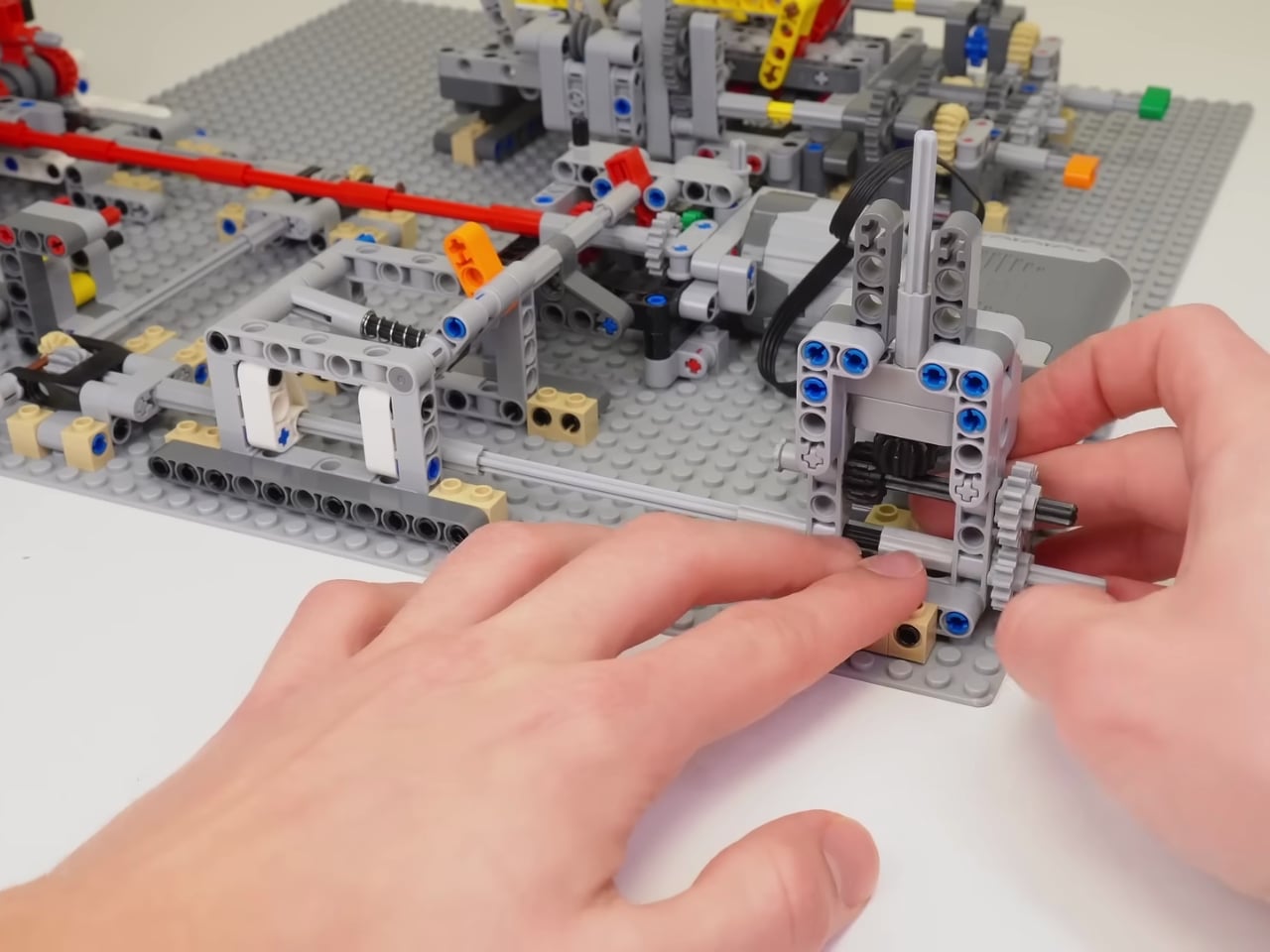
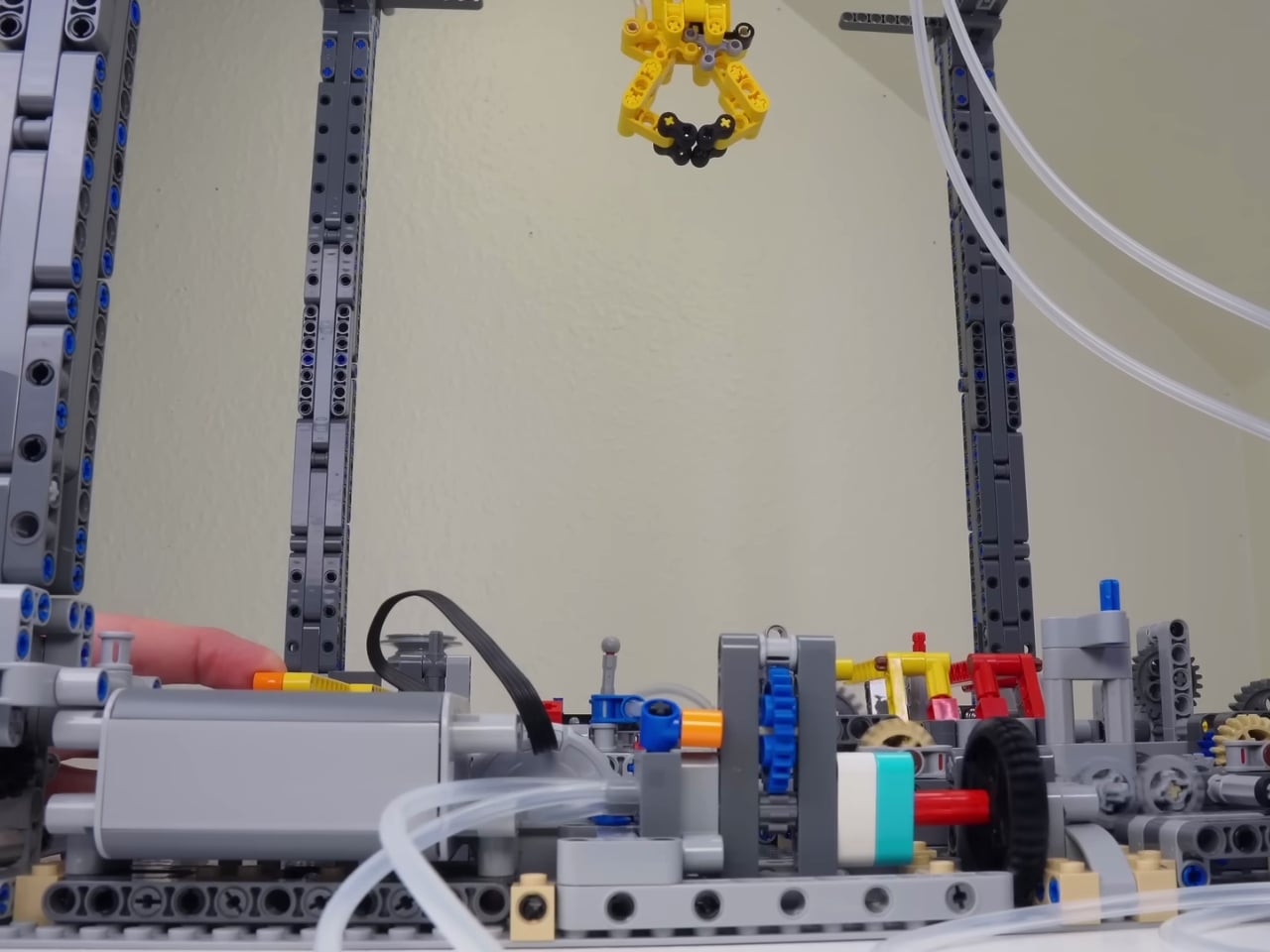
Brick Builds, a YouTuber with a knack for mechanical marvels, recently shared their fully functional LEGO claw machine, and it’s the kind of project that makes you want to dump out your entire brick collection and start building immediately. Sure, plenty of LEGO enthusiasts have tackled claw machines before, but what sets this one apart is its elegant simplicity paired with surprisingly complex engineering.
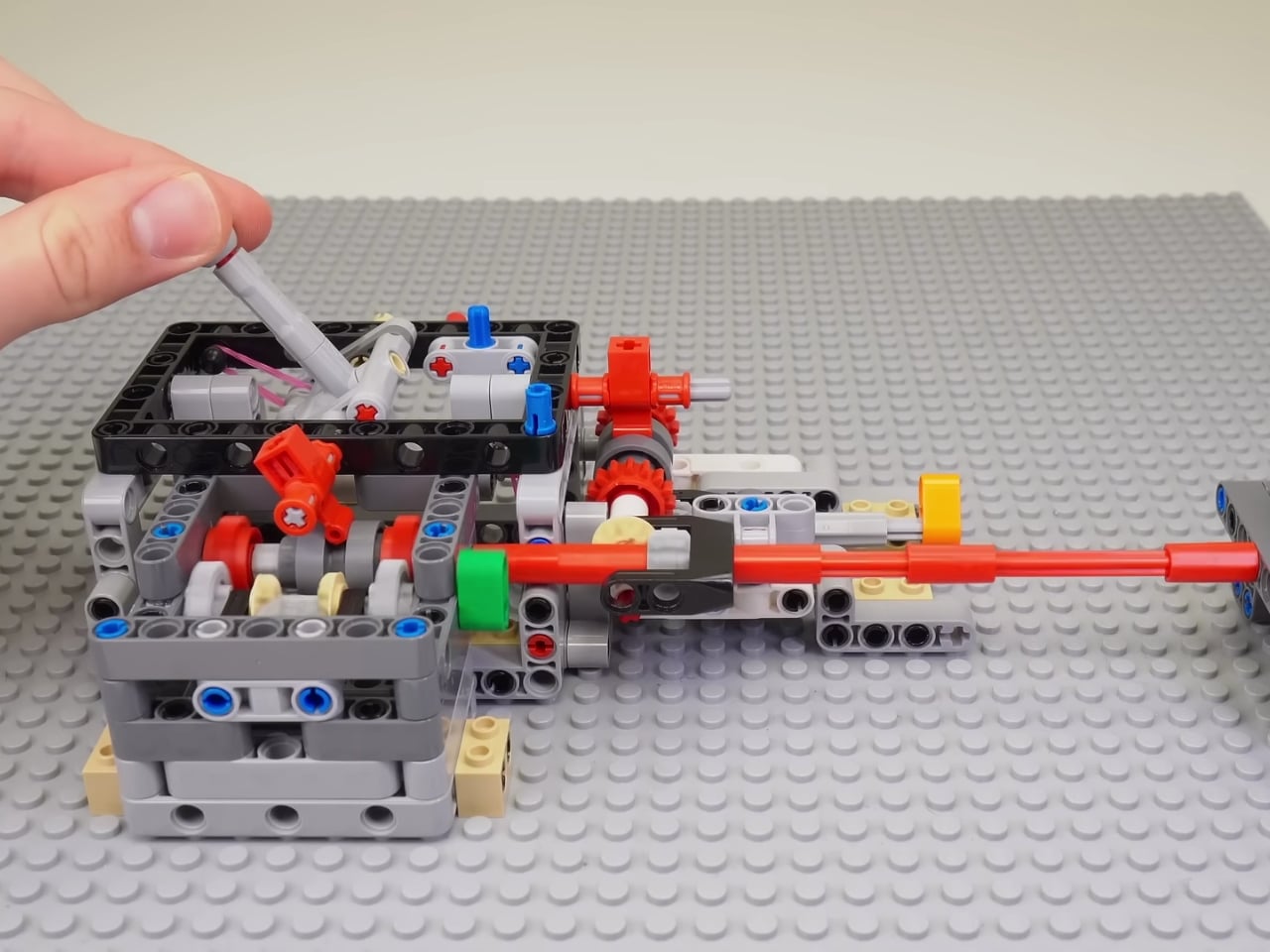
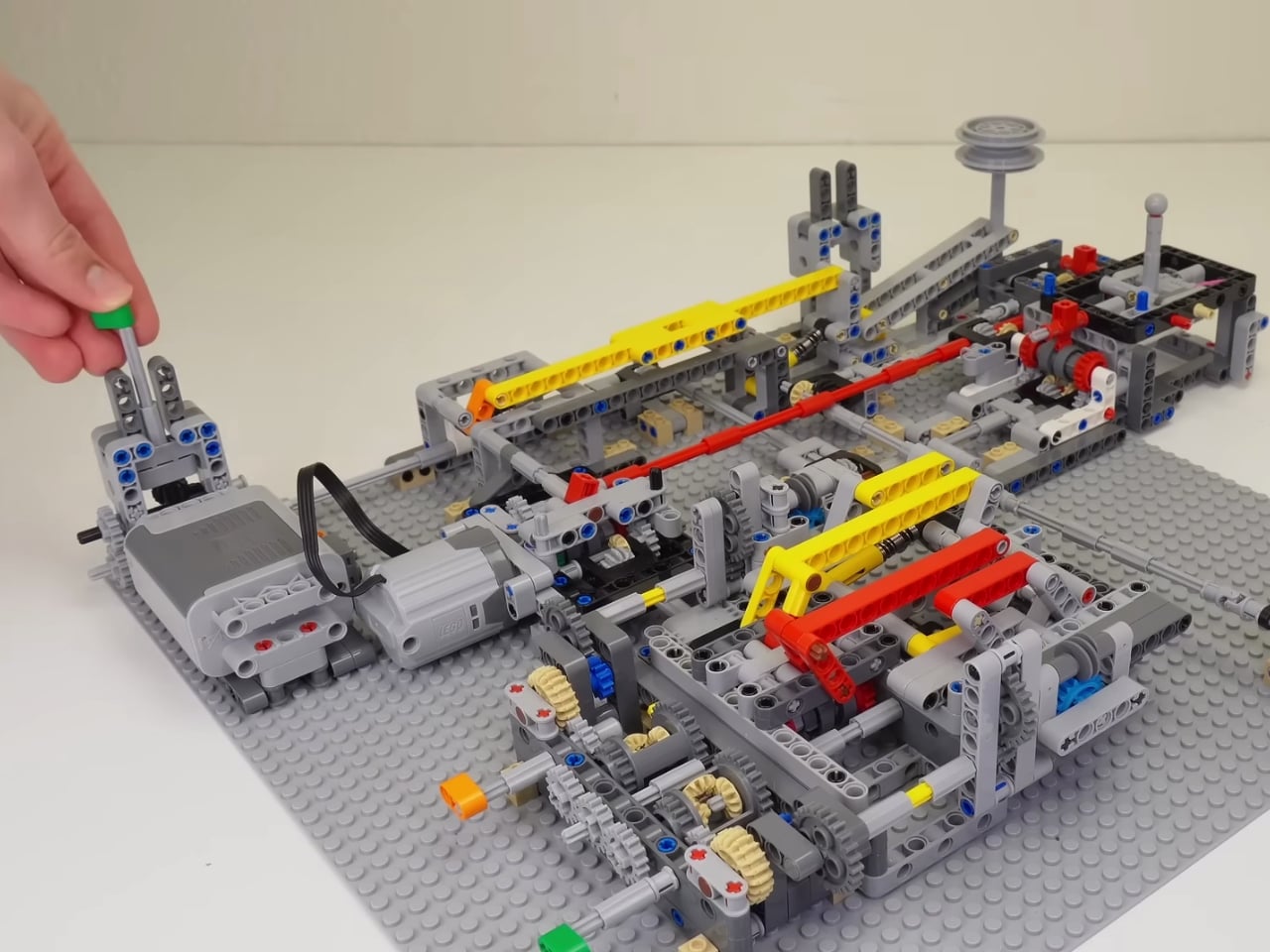
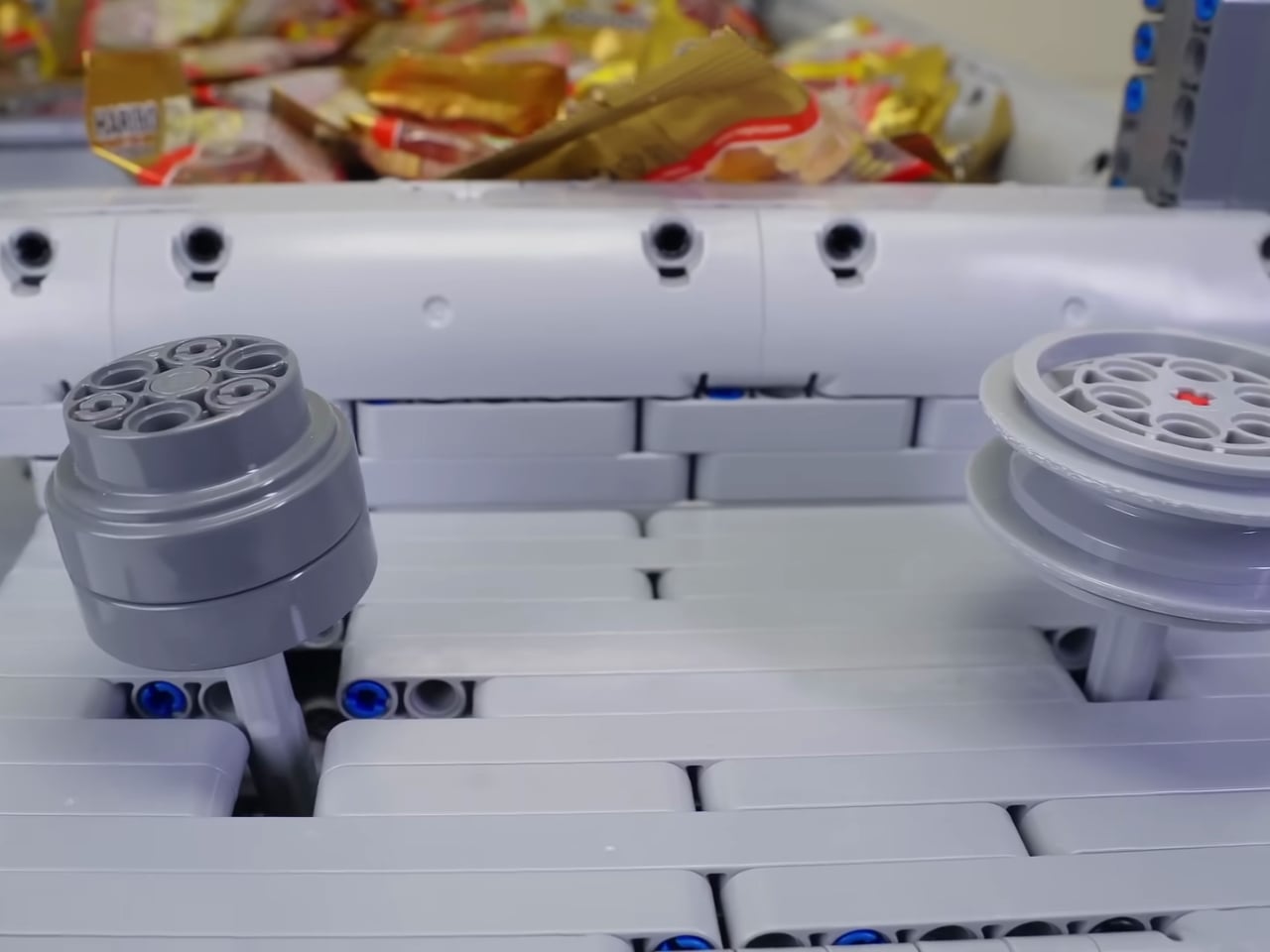
Here’s the kicker: the entire machine runs on just a single motor. No fancy Mindstorms robotics kits, no Power Functions overload, just one motor and an absolutely ingenious system of gearboxes doing all the heavy lifting. If you’ve ever tried building anything motorized with LEGO, you know how easy it is to throw motors at a problem until it works. But Brick Builds went the opposite direction, creating something that’s mechanically efficient and genuinely impressive to watch in action.
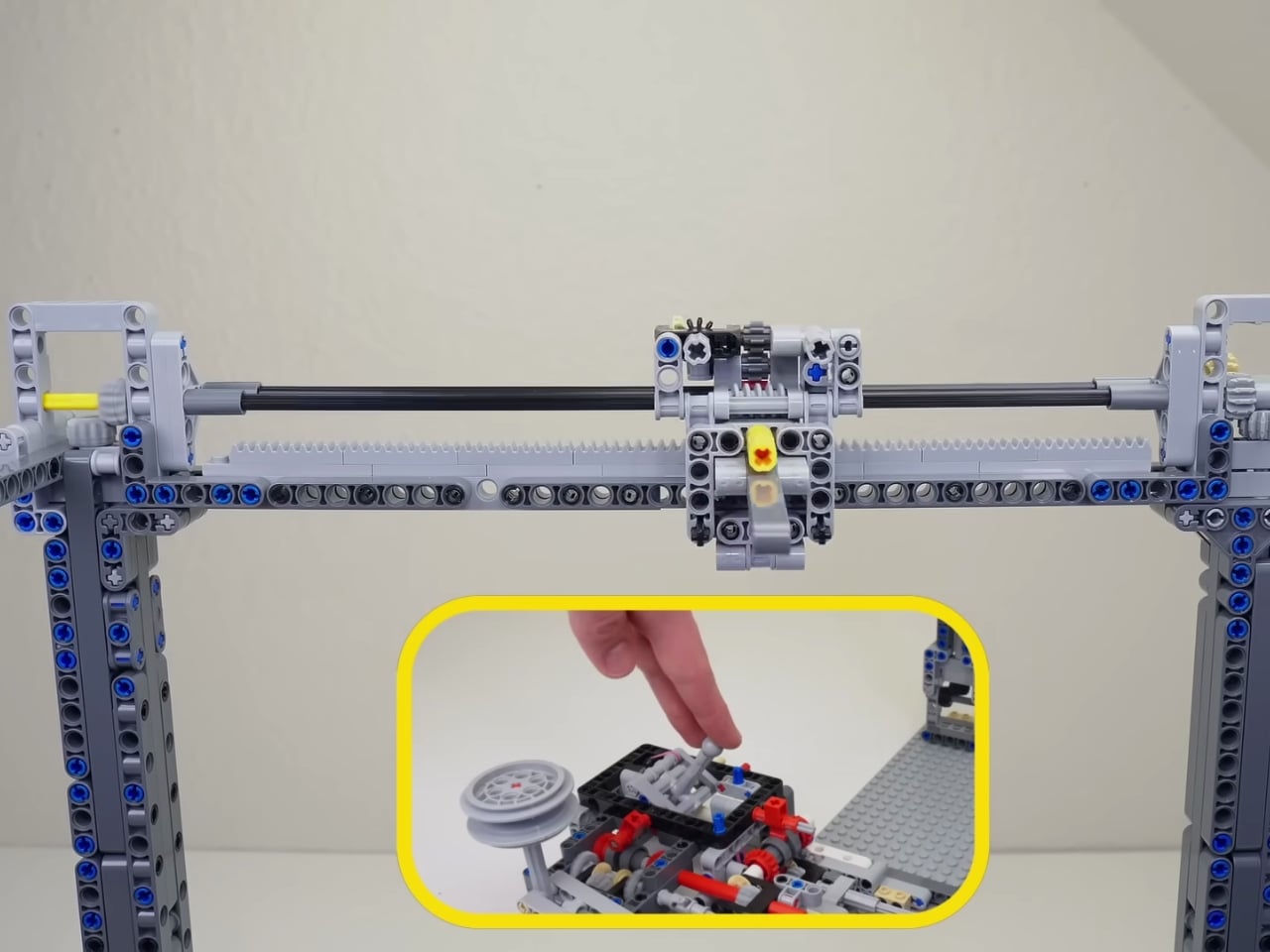
The magic happens through a series of clever gearboxes that control the claw’s movement in multiple directions. You’ve got your horizontal travel, your vertical drop, and of course, the all-important grip function. Getting one motor to orchestrate all of that? That’s the kind of problem-solving that separates casual builders from true LEGO engineers. The scissor mechanism used for the claw itself is particularly neat, giving it that satisfying open-and-close action we all recognize from the arcade versions that constantly disappoint us.
What I love about projects like this is how they blur the line between toy and genuine engineering exercise. LEGO has always been about more than just following instructions and building whatever’s on the box. It’s a creative medium that rewards experimentation and mechanical thinking. When you watch this claw machine in operation, you’re not just seeing plastic bricks move around. You’re witnessing someone who really understands concepts like gear ratios, mechanical advantage, and sequential motion control.
The build also serves as a reminder of why LEGO remains relevant in an age of sophisticated robotics kits and 3D printing. There’s something deeply satisfying about working within constraints. By limiting the design to a single motor and standard LEGO components, Brick Builds essentially gave themselves a puzzle to solve. How do you create complex motion from simple inputs? How do you translate rotational force into the precise movements needed for a claw machine? These aren’t trivial questions, and the answers are all visible in the finished product.
If you’re curious about the nitty-gritty details, Brick Builds included captions in their build video that break down the mechanical systems at play. It’s worth watching even if you’re not planning to build one yourself, because there’s genuine educational value in seeing how all those gears and axles work together. Plus, let’s be real, watching a LEGO claw machine successfully grab and transport a small object is oddly mesmerizing.
This kind of creation also speaks to the vibrant community of adult LEGO fans who’ve elevated brick building into legitimate artistic and engineering territory. MOCs, or “My Own Creations,” have become increasingly sophisticated over the years, with builders sharing techniques, competing in design challenges, and pushing the boundaries of what’s possible with those iconic interlocking bricks.
Whether you’re a longtime LEGO enthusiast, a design nerd who appreciates elegant mechanical solutions, or just someone who enjoys watching cool stuff work, this claw machine deserves your attention. It’s a perfect example of how creativity and technical skill can transform a childhood toy into something genuinely impressive. And unlike the arcade version, this one probably won’t eat your quarters and leave you empty-handed.
It's time for more speedrunning (and other shenanigans) with the Games Done Quick (GDQ) crew. The first event of the year, Awesome Games Done Quick (AGDQ), kicks off on Sunday, January 4, with Super Mario Sunshine. Donations for this year's shindig will benefit the Prevent Cancer Foundation.
AGDQ 2026 has a whole week of 24/7 speedruns on tap. You'll see slots for some of 2025's biggest games: Clair Obscur: Expedition 33,Hollow Knight: Silksong and Hades II are part of the festivities. Metal Gear Solid Delta: Snake Eater gets both a standard run and a "versus" showdown. There's also plenty of classic Nintendo fare, including (among others) Super Smash Bros. Brawl, Mario Kart World, The Legend of Zelda: Twilight Princess HD and Super Mario 64.
A snippet of last year's festivities
GDQ
If you like weird, there’s plenty of that to chew on, too. The GDQ team is fond of dusting off forgotten, uh, "gems" for some entertaining playthroughs. Who can forget 1996's Bill Nye: The Science Guy - Stop the Rock! or 1994's Adventures of Yogi Bear? And although it's a 2022 game, children of the '80s can revisit the gross-out trading cards of their youth, in Garbage Pail Kids: Mad Mike and the Quest for Stale Gum.
LG just announced some new Gram AI laptops ahead of CES 2026. These are incredibly portable laptops that the company says are the "lightest in their class." This is largely thanks to a proprietary material that LG has dubbed Aerominum.
This material reportedly "reduces the laptop's weight while reinforcing" structural strength. In other words, these computers are both light and durable. Each model offers improved scratch resistance, while providing a "sleek metallic finish." The laptops have also been designed to meet military-grade durability standards.
The AI in the name refers to the inclusion of Microsoft Copilot+ PC and LG's on-device system. The laptops should be able to handle some AI tasks without an active internet connection.
These computers can also access LG's Link technology, which allows file sharing and screen mirroring across multiple devices. This works with smartphones, webOS devices, TVs, monitors and projectors.
There are two new laptops in the refreshed line. The LG gram Pro 17 boasts a 17-inch WQXGA LCD screen. It also comes with the latest NVIDIA GeForce RTX 5050 GPU. This is being called the "world's lightest 17-inch laptop." The LG gram Pro 16 features an OLED display and is powered by the latest Intel Core Ultra processors.
We don't have pricing or availability yet on these. We'll update this post when we find out.
This article originally appeared on Engadget at https://www.engadget.com/computing/laptops/lg-made-up-a-new-word-for-its-next-ultralight-gram-laptops-aerominum-172323577.html?src=rss
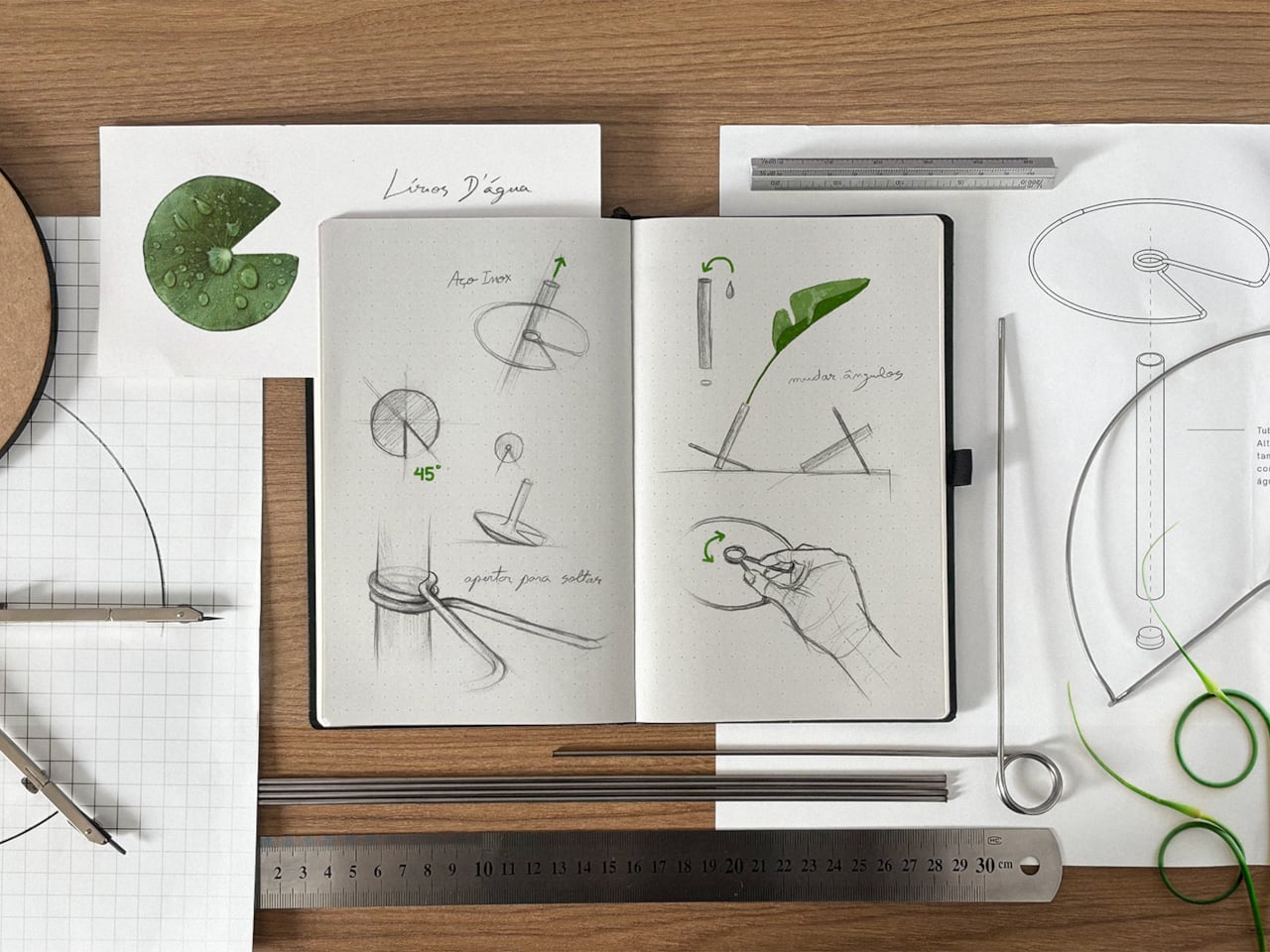
The lotus effect is a phenomenon where aquatic plant leaves shed water and dirt through microscopic surface structures, staying clean and efficient under heavy rain. The symbolism runs deeper, plants like Victoria regia and white lotus that emerge from murky depths to float serenely on the surface, occupying the boundary between water and air. That mix of resilience, lightness, and boundary dwelling becomes the starting point for a vase that treats support as spatial action rather than neutral containment.
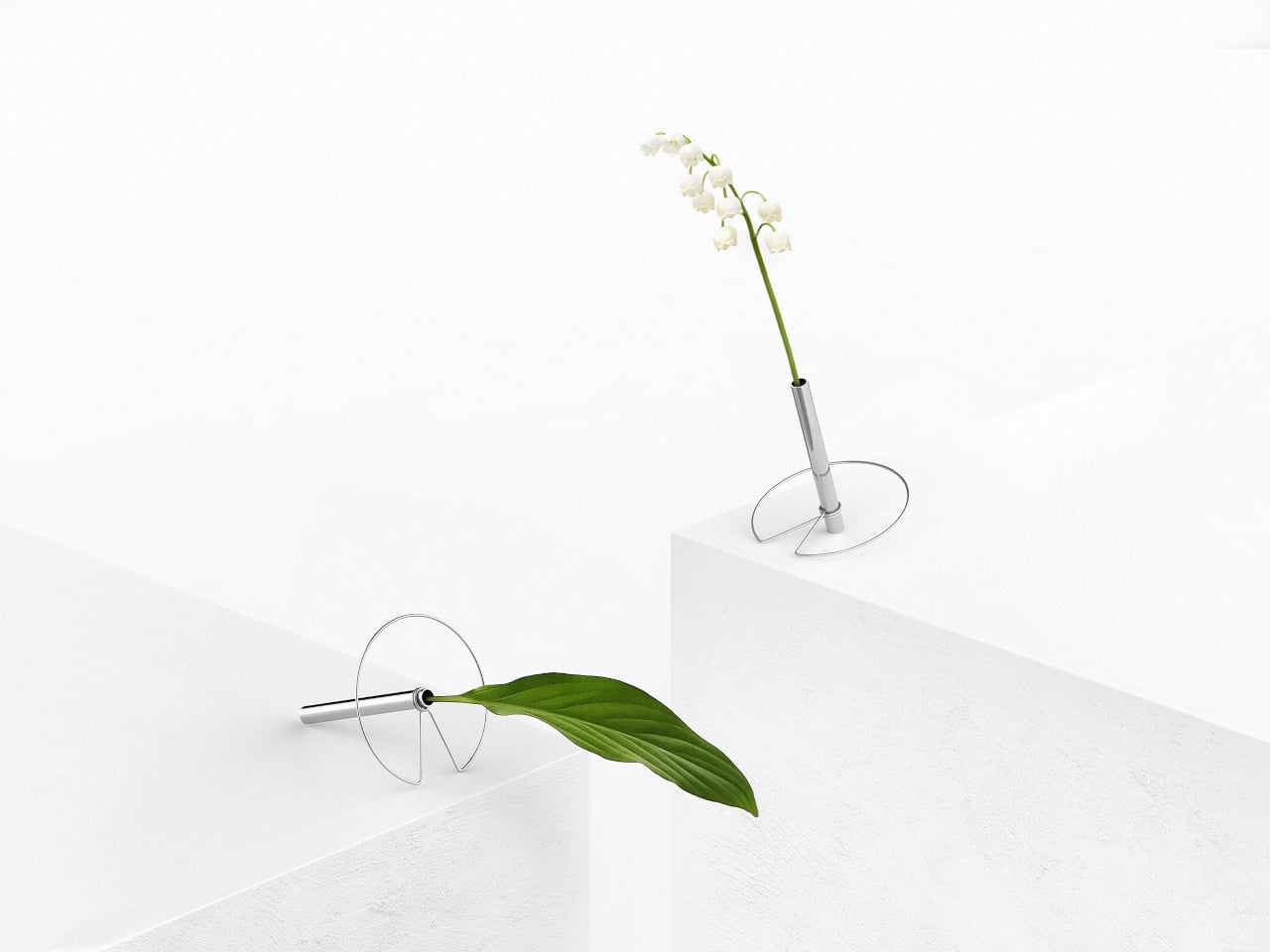
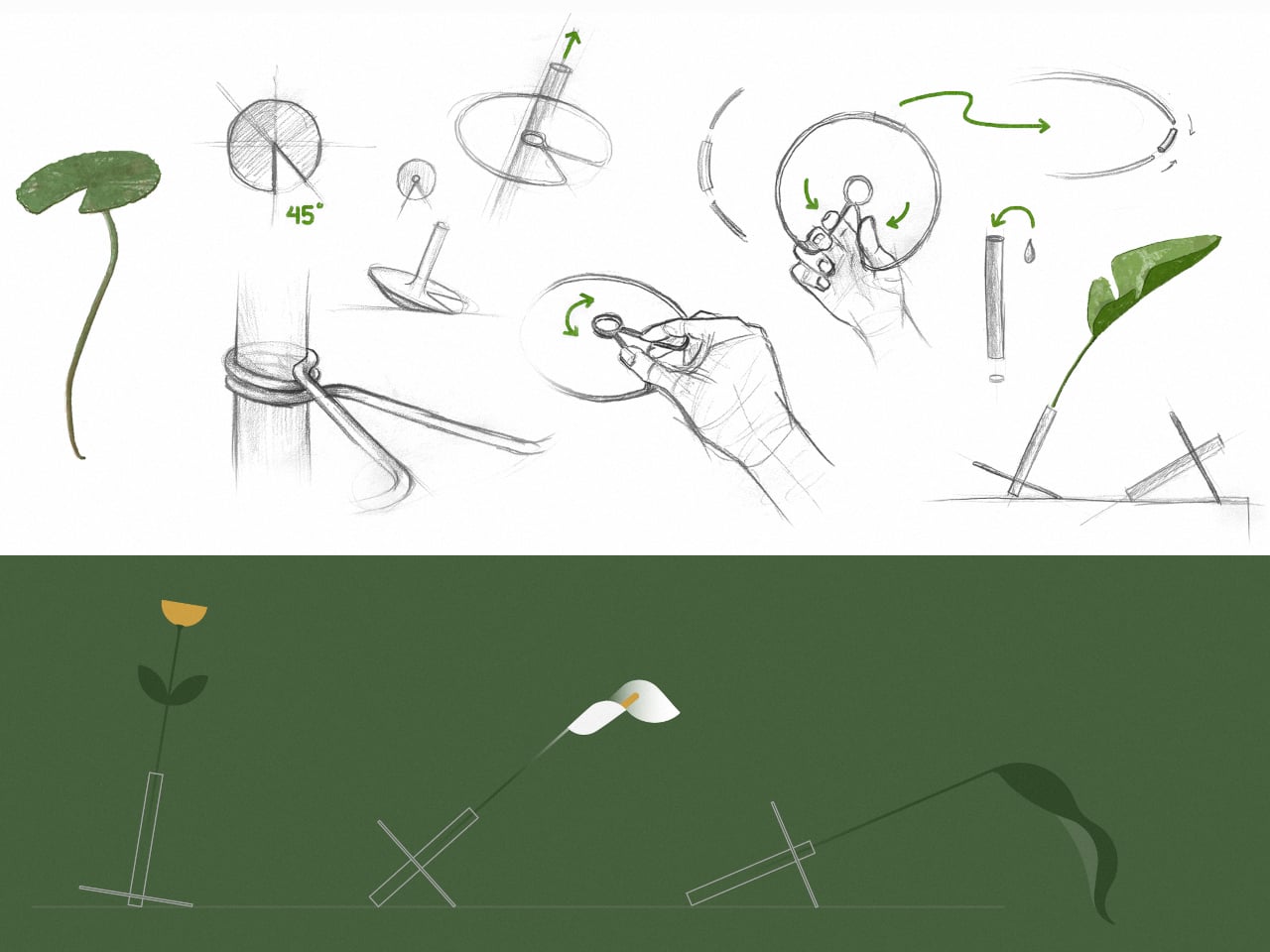
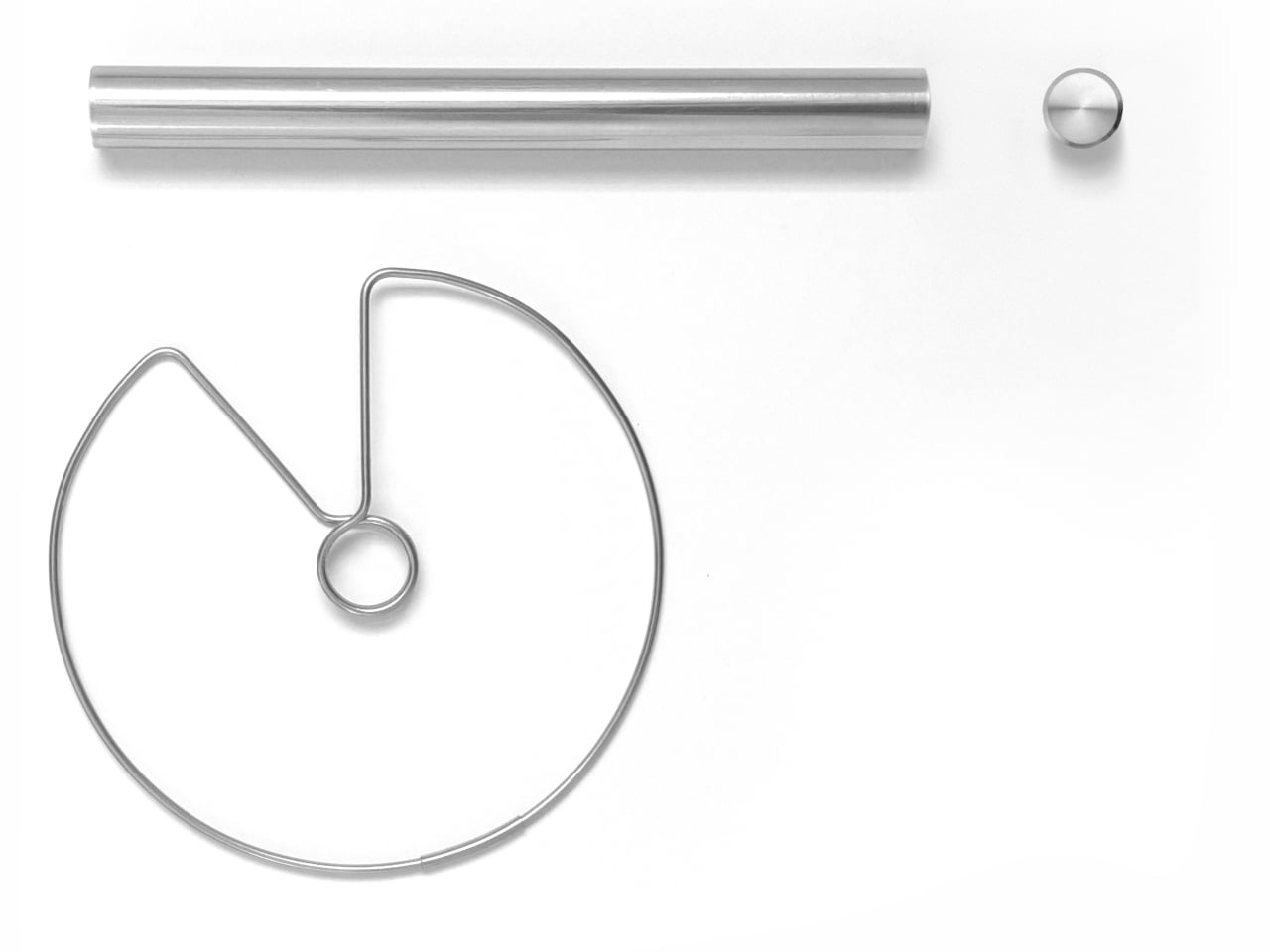
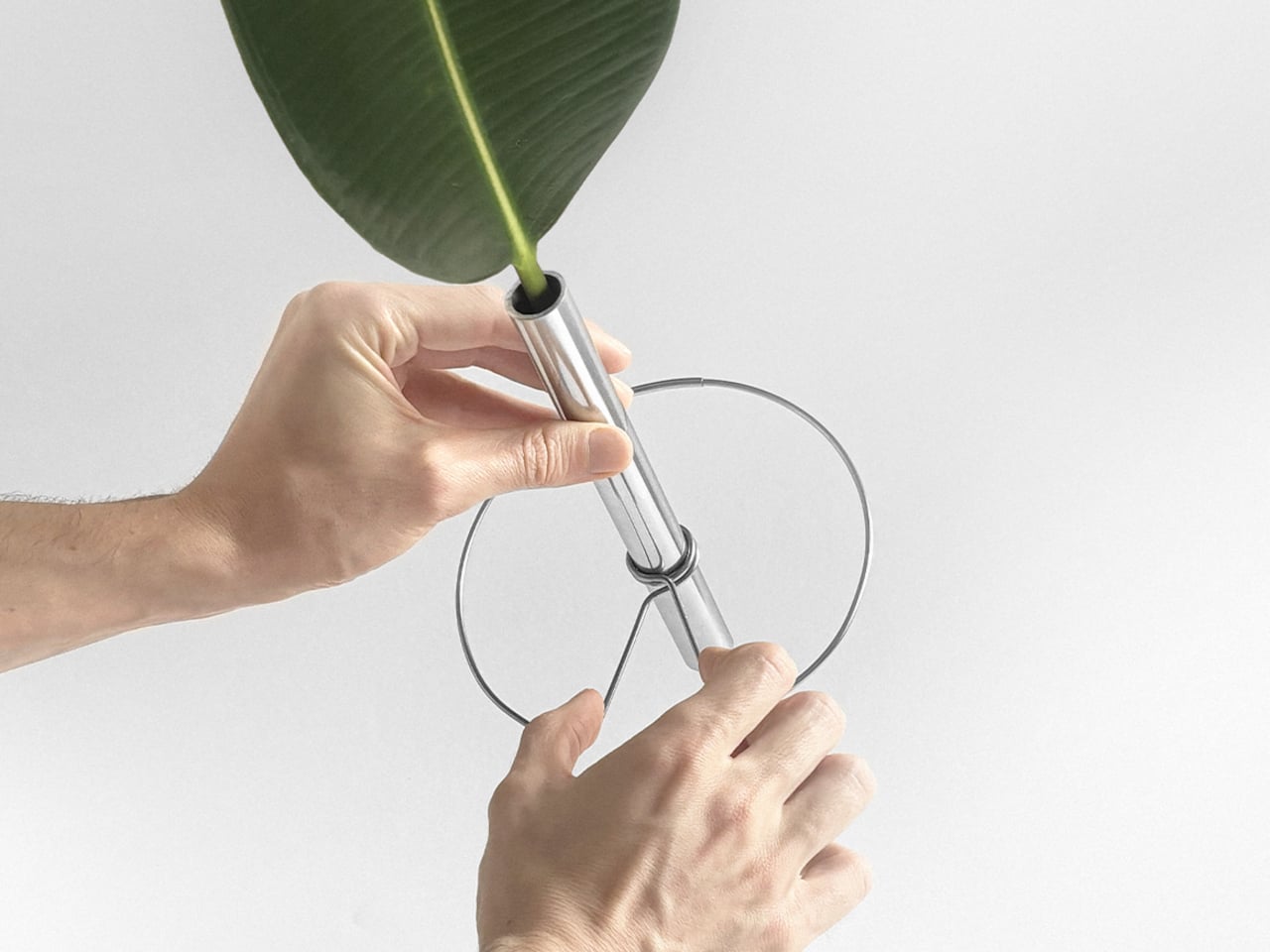
The Lotus Effect Vase is a minimal object that borrows the outline of aquatic leaves and turns it into structure. It combines a circular metallic element, echoing a floating leaf, with a slim cylindrical container, both in stainless steel. It is not trying to imitate the lotus leaf literally; it is translating its posture and presence into a support for cut stems, turning the ring into both a base and a way to guide where the plant can go.
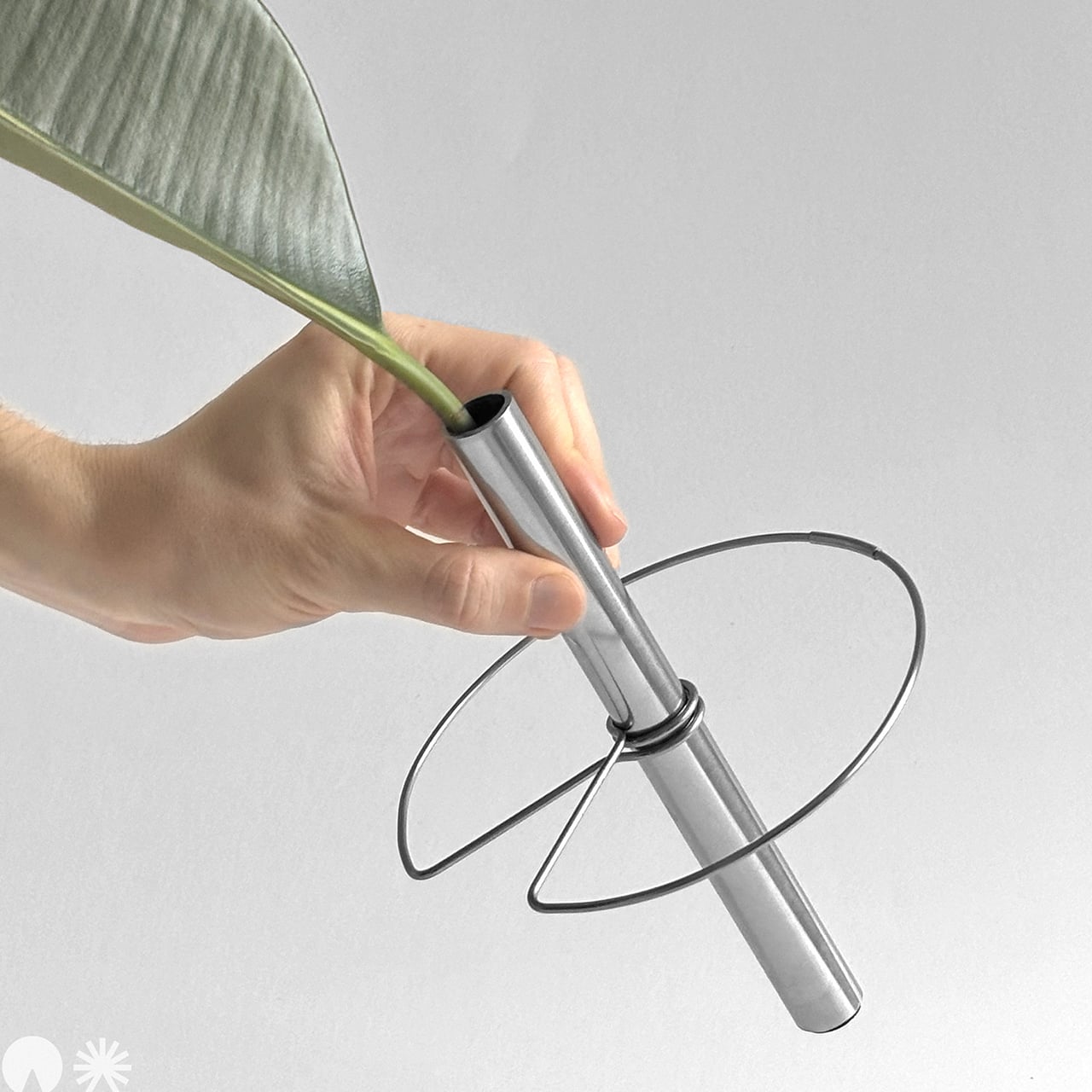
Most vases center the plant, holding stems upright in the middle of a table or shelf and making the container disappear behind the flowers. This design treats the support as an active part of the composition. The ring and cylinder let the plant lean, angle, and extend, so it stops being in the right place and starts inhabiting different positions relative to furniture and space, with the steel structure visible and intentional rather than hidden.
The circular structure invites the vase to live on edges and thresholds, resting across the corner of a bench, near the lip of a shelf, or slightly off-center on a sideboard. The plant can project into the room, skim along a surface, or cross from one plane to another. It feels closer to how a leaf floats at the boundary between water and air than to a bouquet locked in a vertical cylinder, turning what would normally be a centerpiece into something more provisional and spatial.
The choice of stainless steel, cold and permanent, confronts the organic and ephemeral character of the natural. The technical gesture tries to capture the movement of a leaf in a fixed line and ring, freezing a moment of tilt or drift. The living stem then reintroduces change, growing, wilting, and being replaced, so the object becomes a frame for ongoing variation rather than a static centerpiece that always looks the same.
The project extends beyond the object into a small visual system, with circular green forms, modular layouts, and the LOTUS wordmark echoing lily pads on a calm surface. This suggests that the designer is thinking about the vase not as a one-off sculpture, but as part of a family of gestures and surfaces that could populate a room, each one giving plants a slightly different way to occupy space and relate to the furniture around them.
The Lotus Effect Vase quietly questions how we bring nature into interiors. Instead of forcing stems into a single, upright pose, it lets them behave more like they do outside, leaning, reaching, and crossing boundaries. It turns the vase into a small negotiation between leaf and line, water and steel, reminding you that even uprooted and repositioned, a plant can still find new ways to express itself in built scenarios, given the right kind of support.