WWE Saturday Night’s Main Event: How to watch John Cena’s final match for free

John Cena began his WWE retirement tour back in January, and it's coming to an end this weekend when the wrestling legend headlines WWE Saturday Night's Main Event. For the last fight of his career, Cena has been matched up with "The Ring General" Gunther on the night's fight card, which also features matches between Cody Rhodes and Oba Femi, a tag team match featuring AJ Styles & Dragon Lee vs. Je'Von Evans & Leon Slater, and a women's matchup between Bayley and Sol Ruca. This show starts at 8 p.m. ET on Saturday and will stream with a subscription to Peacock, or grab a 7-day trial of Peacock through Prime Video and tune in for free.

Here's a look at how to watch John Cena's final fight at WWE Saturday Night's Main Event this weekend, including how to stream the entire thing for free.  

Date: Dec. 13, 2025

Time: 8 p.m. ET/5 p.m. PT

Streaming: Peacock

The WWE Saturday Night's Main Event will air live on Saturday, Dec. 13, 2025 on Peacock, with fights starting at 8 p.m. ET. You can also tune in to the Saturday Night's Main Event Countdown pre-show starting at 6 p.m. ET, and the post-show, which immediately follows the event on Peacock.

This weekend's Saturday Night's Main Event will be headlined by John Cena and Gunther. Also on the bill, you can catch matches between Cody Rhodes and Oba Femi, a tag team bout between AJ Styles & Dragon Lee vs. Je'Von Evans & Leon Slater, and a women's matchup between Bayley and Sol Ruca.

  • John Cena vs. Gunther (John Cena's final match)

  • Undisputed WWE Champion Cody Rhodes vs. NXT Champion Oba Femi 

  • World Tag Team Champions AJ Styles & Dragon Lee vs. Je'Von Evans & TNA X Division Champion Leon Slater

  • Bayley vs. Sol Ruca

This article originally appeared on Engadget at https://www.engadget.com/entertainment/streaming/wwe-saturday-nights-main-event-how-to-watch-john-cenas-final-match-for-free-235537779.html?src=rss

WWE Saturday Night’s Main Event: How to watch John Cena’s final match for free

John Cena began his WWE retirement tour back in January, and it's coming to an end this weekend when the wrestling legend headlines WWE Saturday Night's Main Event. For the last fight of his career, Cena has been matched up with "The Ring General" Gunther on the night's fight card, which also features matches between Cody Rhodes and Oba Femi, a tag team match featuring AJ Styles & Dragon Lee vs. Je'Von Evans & Leon Slater, and a women's matchup between Bayley and Sol Ruca. This show starts at 8 p.m. ET on Saturday and will stream with a subscription to Peacock, or grab a 7-day trial of Peacock through Prime Video and tune in for free.

Here's a look at how to watch John Cena's final fight at WWE Saturday Night's Main Event this weekend, including how to stream the entire thing for free.  

Date: Dec. 13, 2025

Time: 8 p.m. ET/5 p.m. PT

Streaming: Peacock

The WWE Saturday Night's Main Event will air live on Saturday, Dec. 13, 2025 on Peacock, with fights starting at 8 p.m. ET. You can also tune in to the Saturday Night's Main Event Countdown pre-show starting at 6 p.m. ET, and the post-show, which immediately follows the event on Peacock.

This weekend's Saturday Night's Main Event will be headlined by John Cena and Gunther. Also on the bill, you can catch matches between Cody Rhodes and Oba Femi, a tag team bout between AJ Styles & Dragon Lee vs. Je'Von Evans & Leon Slater, and a women's matchup between Bayley and Sol Ruca.

  • John Cena vs. Gunther (John Cena's final match)

  • Undisputed WWE Champion Cody Rhodes vs. NXT Champion Oba Femi 

  • World Tag Team Champions AJ Styles & Dragon Lee vs. Je'Von Evans & TNA X Division Champion Leon Slater

  • Bayley vs. Sol Ruca

This article originally appeared on Engadget at https://www.engadget.com/entertainment/streaming/wwe-saturday-nights-main-event-how-to-watch-john-cenas-final-match-for-free-235537779.html?src=rss

Student Team Builds Modular EV You Can Actually Repair Yourself

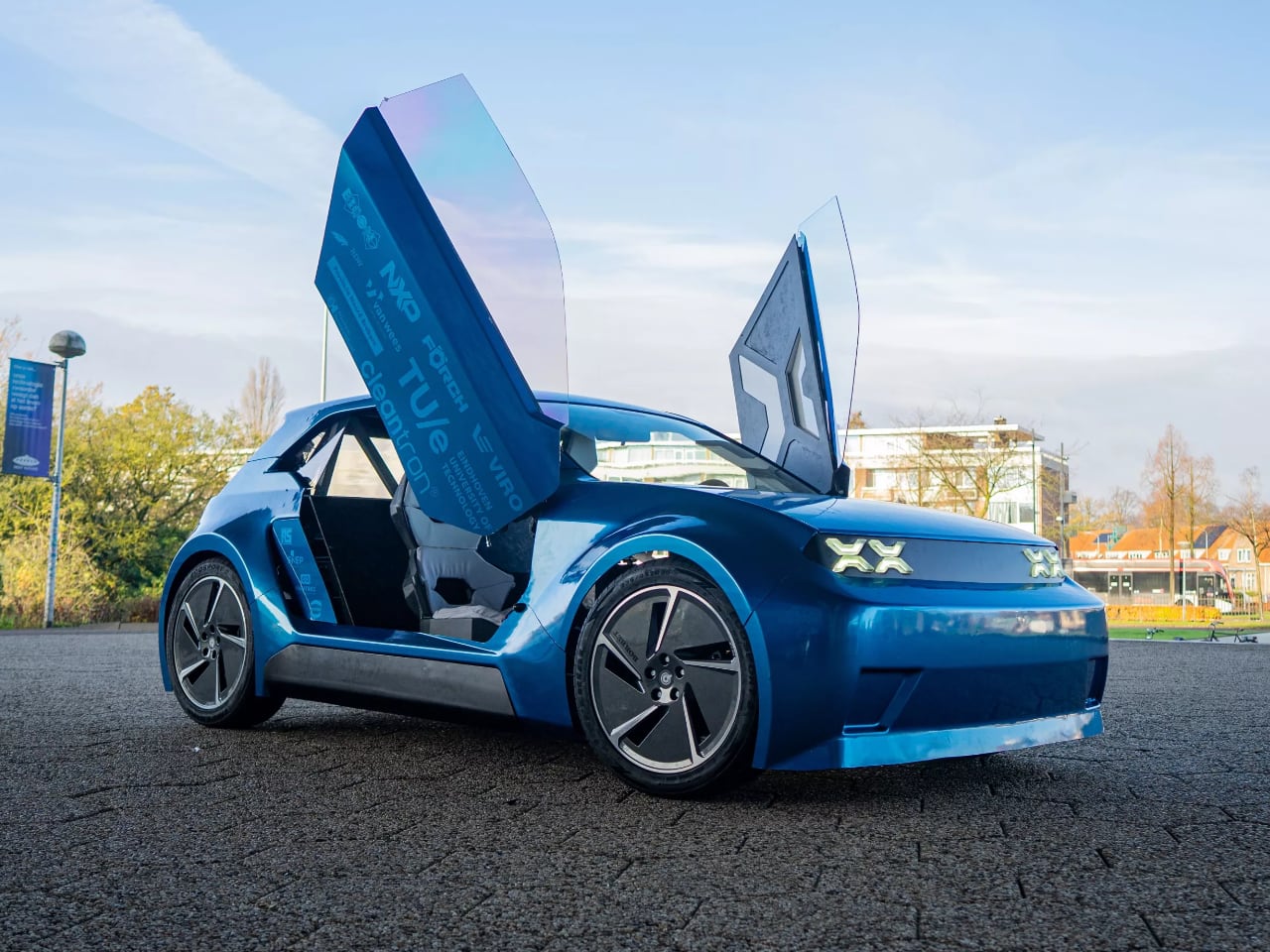
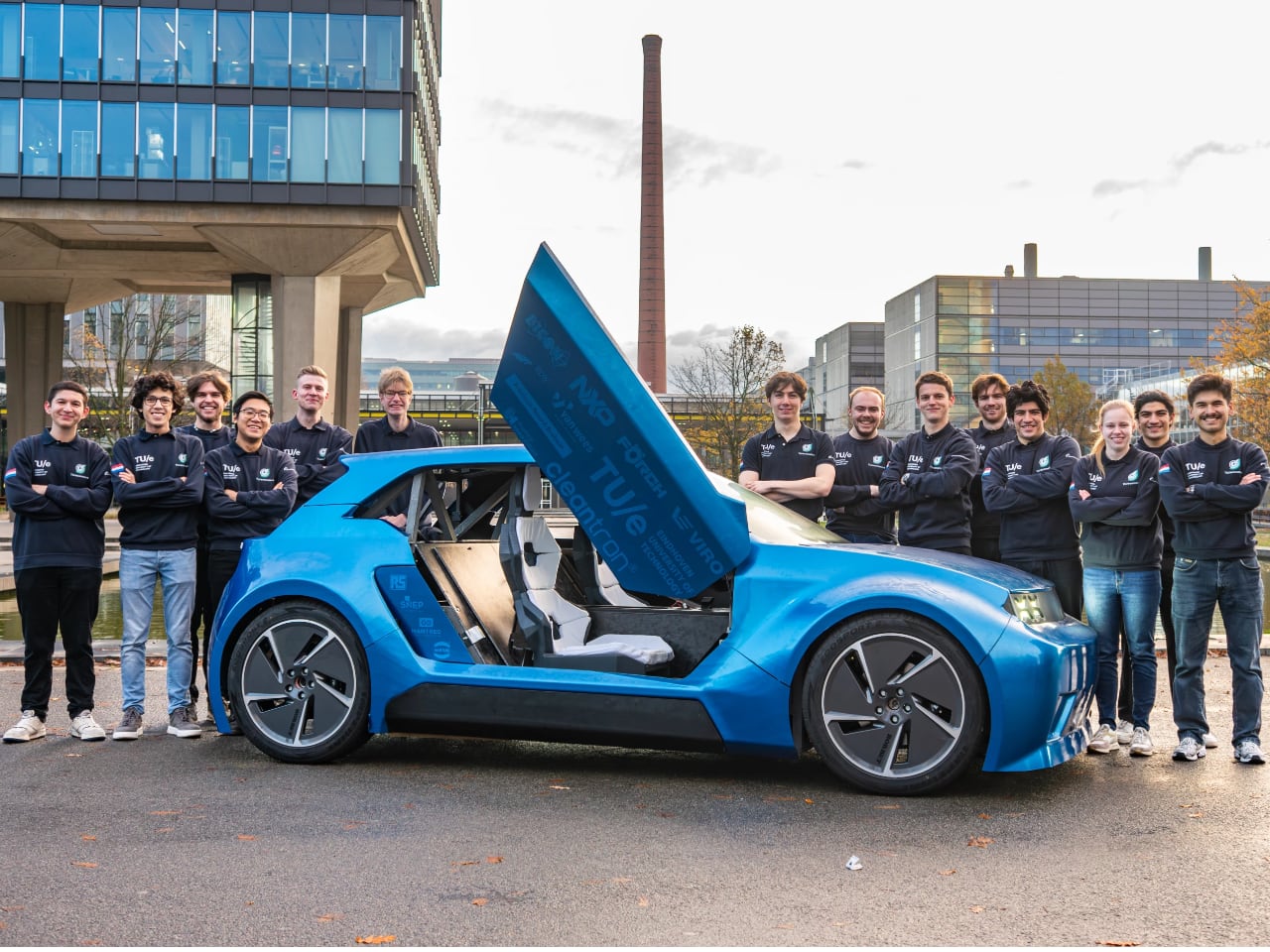
In most modern EVs, the battery pack lives deep inside a sealed structure that only brand-approved technicians ever see. A student team in the Netherlands decided that design logic works against long-term sustainability and affordability, so they built ARIA, a compact electric city car that treats owner repair as a core feature rather than an afterthought. The bright blue prototype with its upward-opening doors represents the tenth vehicle from TU/ecomotive at Eindhoven University of Technology, and it carries a philosophy that feels almost countercultural in 2025: if you own it, you should be able to fix it.

Designer: Students at TU/ecomotive at Eindhoven University of Technology

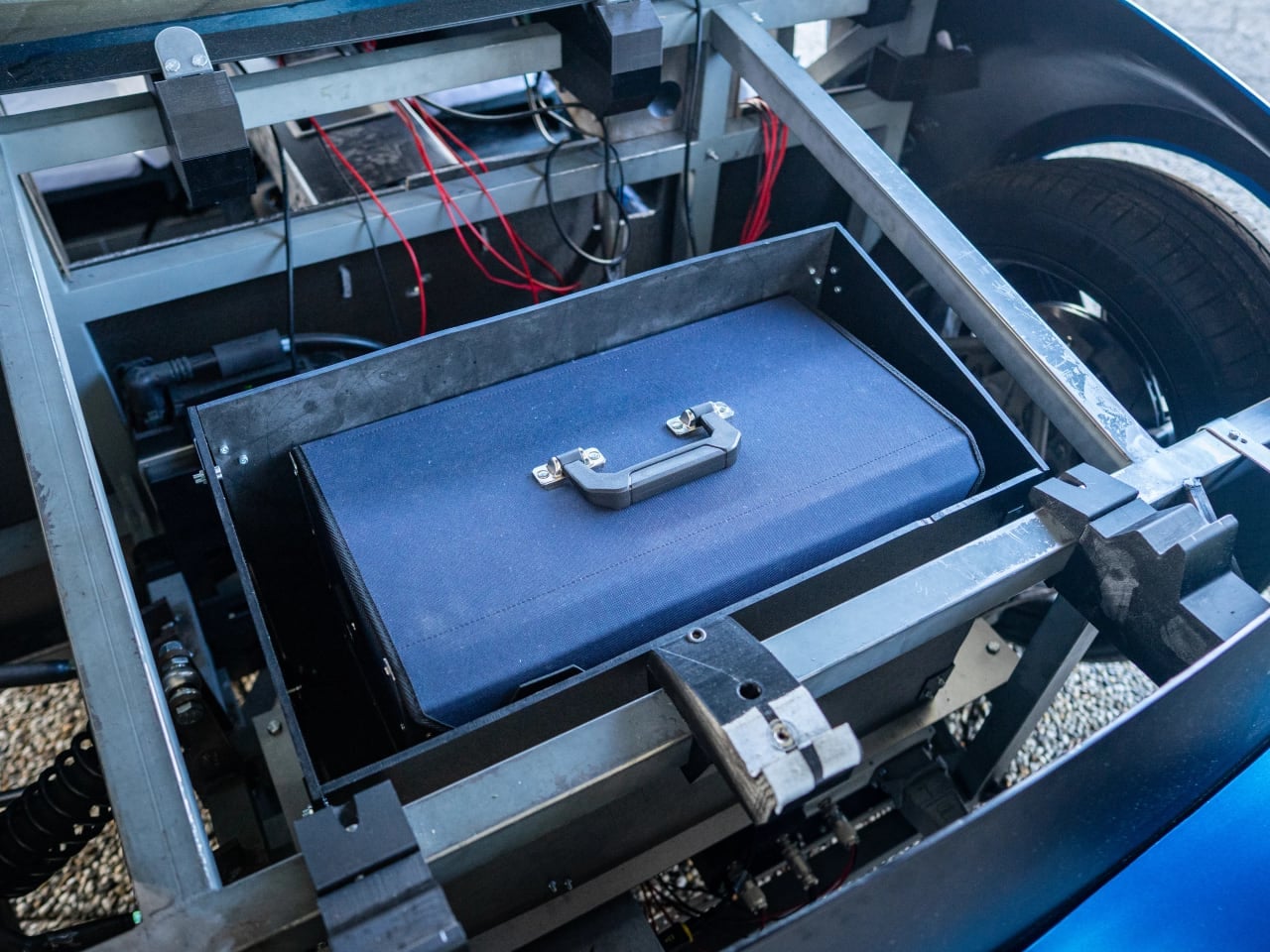
The name stands for “Anyone Repairs It Anywhere,” and the team took that promise seriously. Six independent battery modules sit accessible from the vehicle’s side without needing a lift. Exterior panels are designed for quick removal and refitting using standardized fasteners, so cosmetic damage can be addressed at home. A companion app reads the car’s status and walks owners through maintenance procedures. The team even ships a built-in toolbox with the vehicle, which signals exactly how they expect ARIA to be used.
What makes this project notable is not the ambition alone. Student teams have built conceptual EVs before, including earlier TU/ecomotive prototypes that scrubbed CO2 from the air or used recycled ocean plastic. ARIA differs because it tackles a problem that actually keeps EV owners awake at night: repair costs that can exceed the vehicle’s value when something goes wrong.

Why Modularity Changes the Repair Equation

Traditional EV battery packs are monolithic units, heavy and powerful but designed as single replaceable components. When one cell cluster degrades or fails, the entire pack often needs replacement. With too few mechanics trained on electric drivetrains and proprietary diagnostic systems locking out independent shops, repairs drag on for weeks. Costs climb into thousands of dollars. Some owners simply scrap functional vehicles because fixing them costs more than replacement.

ARIA’s architecture inverts that logic completely. The 12.96 kWh battery capacity splits across six independent modules, each weighing just 12 kilograms. Each of the six battery modules is light enough to handle manually, so an owner can remove a faulty unit and slot in a replacement instead of changing out an entire pack. The app identifies which module is underperforming, and the side-access design means you can reach it without crawling under the car or booking shop time.
The body panel system follows the same philosophy. A Summa student specifically devised the modular exterior approach, prioritizing repair speed over traditional automotive construction. If a fender gets scratched in a parking lot, the idea is to keep the fix in your driveway instead of at a service center: unbolt the damaged section, order a replacement, and install it yourself. According to the team, the whole process moves fast enough to make body shop appointments feel unnecessary.

This granular approach to vehicle architecture extends beyond convenience into genuine sustainability territory. Extending a vehicle’s usable lifespan by making repairs accessible keeps functional cars out of recycling streams longer. The environmental calculus of EVs depends heavily on how long vehicles stay on the road, since manufacturing emissions only pay off over years of use. A car you can maintain yourself has a better chance of reaching that payoff.

The Numbers Behind the Concept

ARIA reaches a maximum speed of 56 mph with a range of approximately 137 miles on a full charge. Those numbers position it firmly as an urban commuter, not a highway cruiser. The specifications make sense for the repair-focused mission: simpler systems mean fewer components that can fail and more accessible maintenance when they do.

The battery modules are accessible without specialized equipment. Team member Marc Hoevenaars, a computer science student at TU/e, emphasized that repositioning components requires no tools or prior experience. The diagnostic app reads vehicle status and provides maintenance guidance, essentially serving as a digital repair manual tailored to the specific car.

Built in approximately one year by students from TU Eindhoven, Fontys, and Summa, ARIA represents what a small team can accomplish when unconstrained by legacy manufacturing processes. The bright blue exterior and dramatic upward-opening doors add visual flair, but the real engineering statement lives in the underlying architecture.

Where ARIA Fits in a Crowded Concept Space

Modular vehicle concepts have appeared before with mixed results. The German startup ElectricBrands developed XBUS, imagining Lego-like body swaps that would let owners transform a camper into a pickup truck. Funding shortfalls stalled that project. Kia’s PV5 uses electromagnetic “Easy Swap” technology for commercial fleet reconfiguration between taxi and cargo van modes, but targets businesses with dedicated infrastructure rather than individual owners.
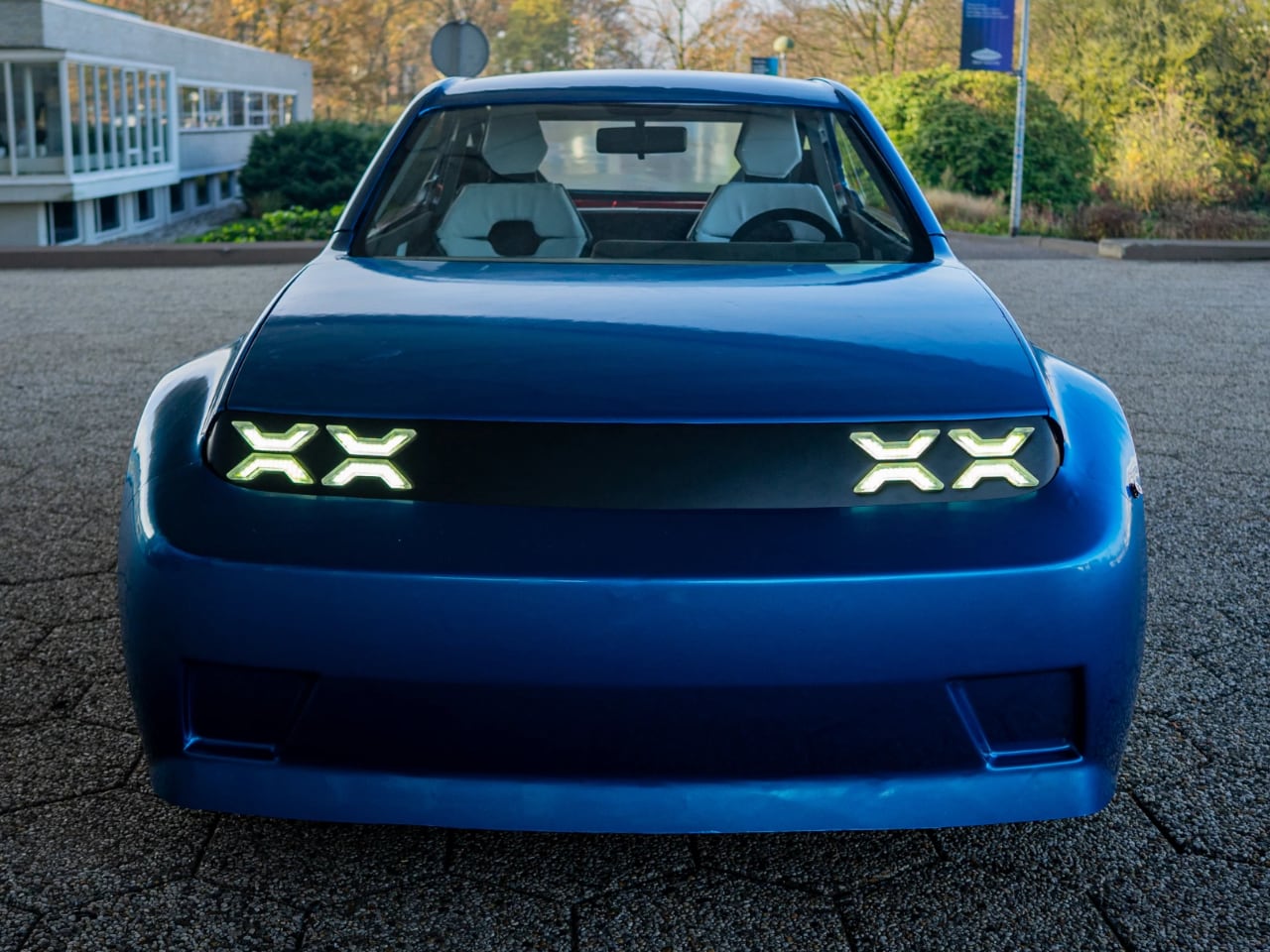
ARIA pursues something different: enabling owners to maintain their own vehicles rather than transforming them into other configurations. The team points to Europe’s emerging right-to-repair rules, which currently focus on appliances and electronics, as the policy backdrop for their work. Their argument is that passenger EVs should be held to the same standard of openness and longevity, and ARIA serves as their working example of how that might look in practice. Team manager Taco Olmer frames ARIA as a right-to-repair showcase, arguing that EV owners deserve genuine control over their vehicles rather than being locked into dealer-only service networks.

Reality Check: What ARIA Is and Is Not

The team has no plans to commercialize ARIA, which means the prototype’s long-term durability under actual driving conditions remains untested. Whether the modular design proves as repair-friendly as claimed after hundreds of hours on real roads is an open question. Splitting a vehicle into smaller independent modules might introduce maintenance challenges that traditional integrated designs avoid, particularly around weather sealing and connection reliability over time.

The specifications also limit practical applications. A 137-mile range and 56 mph top speed work fine for urban commuting in the Netherlands, where distances are short and speed limits modest. Drivers with longer commutes or highway requirements would find ARIA insufficient regardless of how easy it is to repair.

Still, the project succeeds as a proof of concept and a policy statement. If a student team can build an owner-repairable EV in roughly a year, the major manufacturers choosing sealed, dealer-dependent designs are making a business decision rather than following engineering necessity. Whether that message reaches the automotive industry remains to be seen, but ARIA at least demonstrates the alternative exists.

The post Student Team Builds Modular EV You Can Actually Repair Yourself first appeared on Yanko Design.

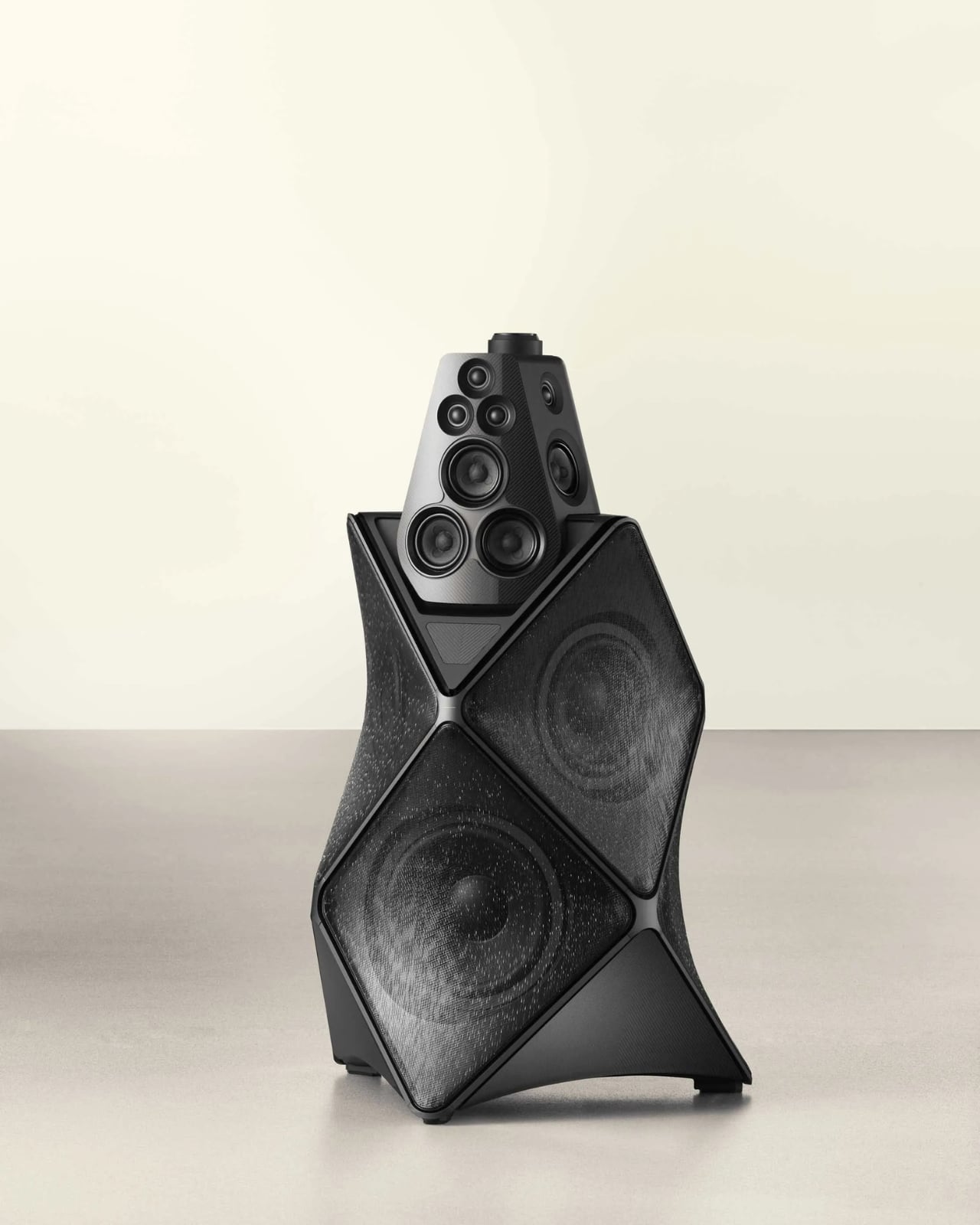
Bang & Olufsen’s $150K Speakers Shift Color As You Walk By

There’s something almost surreal about watching Bang & Olufsen celebrate its 100th birthday. While most brands would throw a retrospective exhibition or release a commemorative coffee table book, the Danish audio company has decided to do something far more ambitious. They’re taking their most advanced loudspeaker and reimagining it as high art.

Enter the Beolab 90 Phantom and Mirage Editions, two wildly different expressions of the same technological marvel. These aren’t just new color options thrown onto an existing product. They’re part of a five-edition Atelier series, each limited to just ten pairs worldwide, where Bang & Olufsen’s designers and craftspeople have pushed materials and finishes to places they’ve never been before.

Designer: Bang & Olufsen

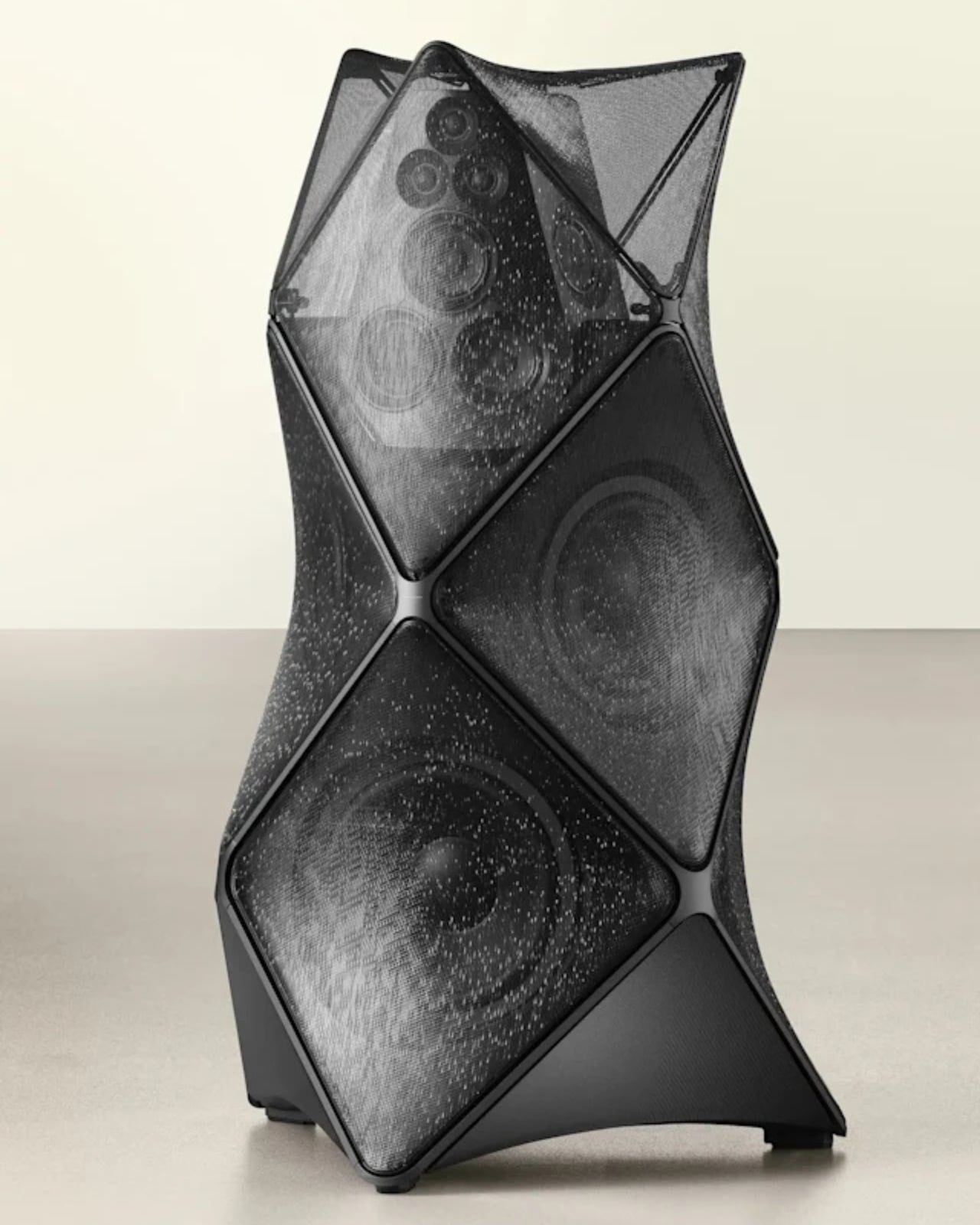
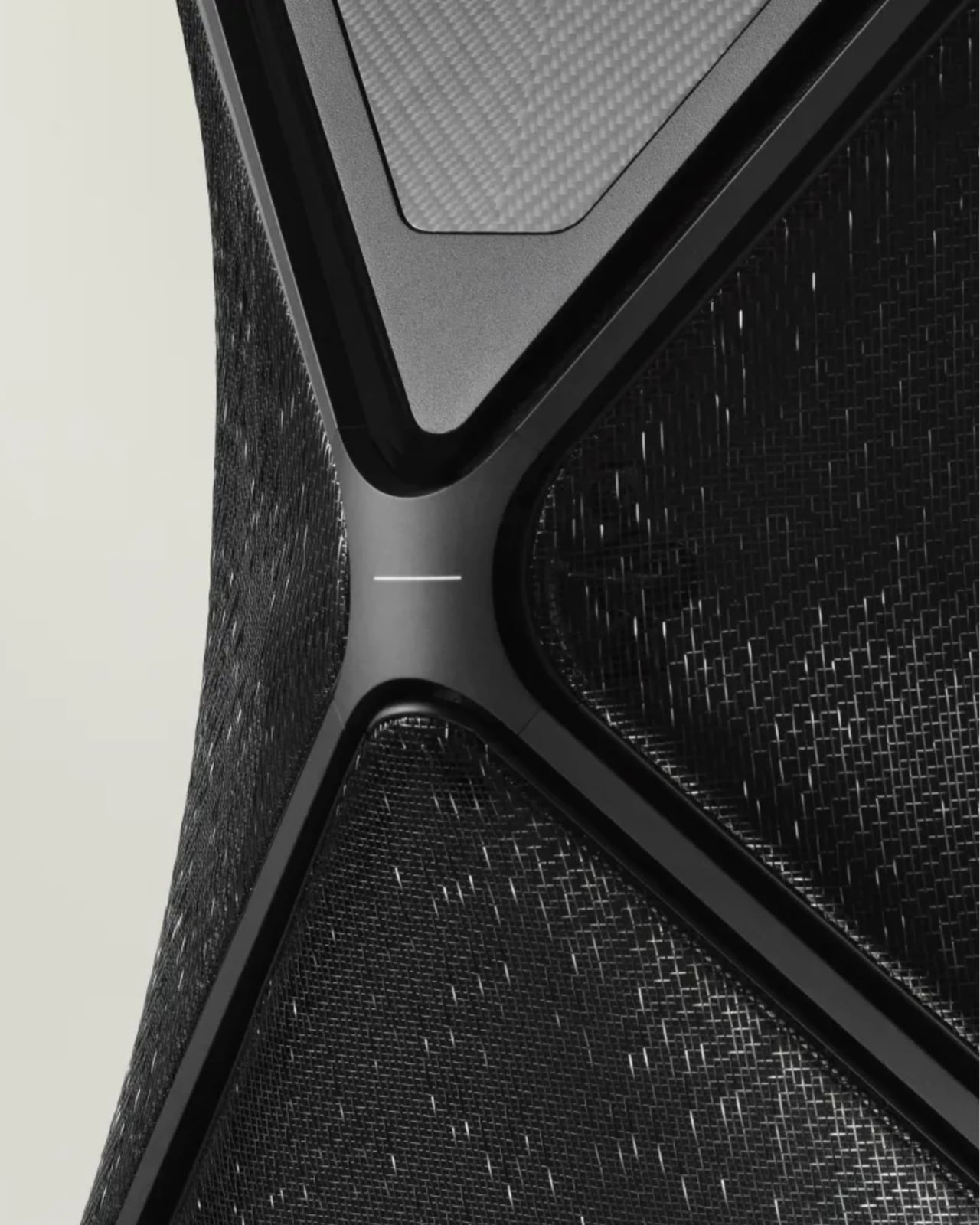
Let’s start with the Phantom Edition, which feels like something out of a science fiction film. The classic fabric covers that typically wrap the Beolab 90 have been stripped away and replaced with custom-designed black metal mesh. It’s a bold move. The coated stainless steel creates this hologram-like effect, letting you peek through at the powerful drivers underneath. There’s something mesmerizing about seeing the technology usually hidden behind elegant fabric, now revealed like the inner workings of a watch through a sapphire caseback.

The aluminum skeleton features pearl-blasted surfaces and unified structural beams, with precision-machined trim details that speak to the hundreds of hours invested in each pair. It’s technical, it’s architectural, and honestly, it looks like it could double as a prop in a high-budget space station scene. But that’s precisely the point. The Phantom Edition isn’t trying to blend into your living room. It’s demanding attention.

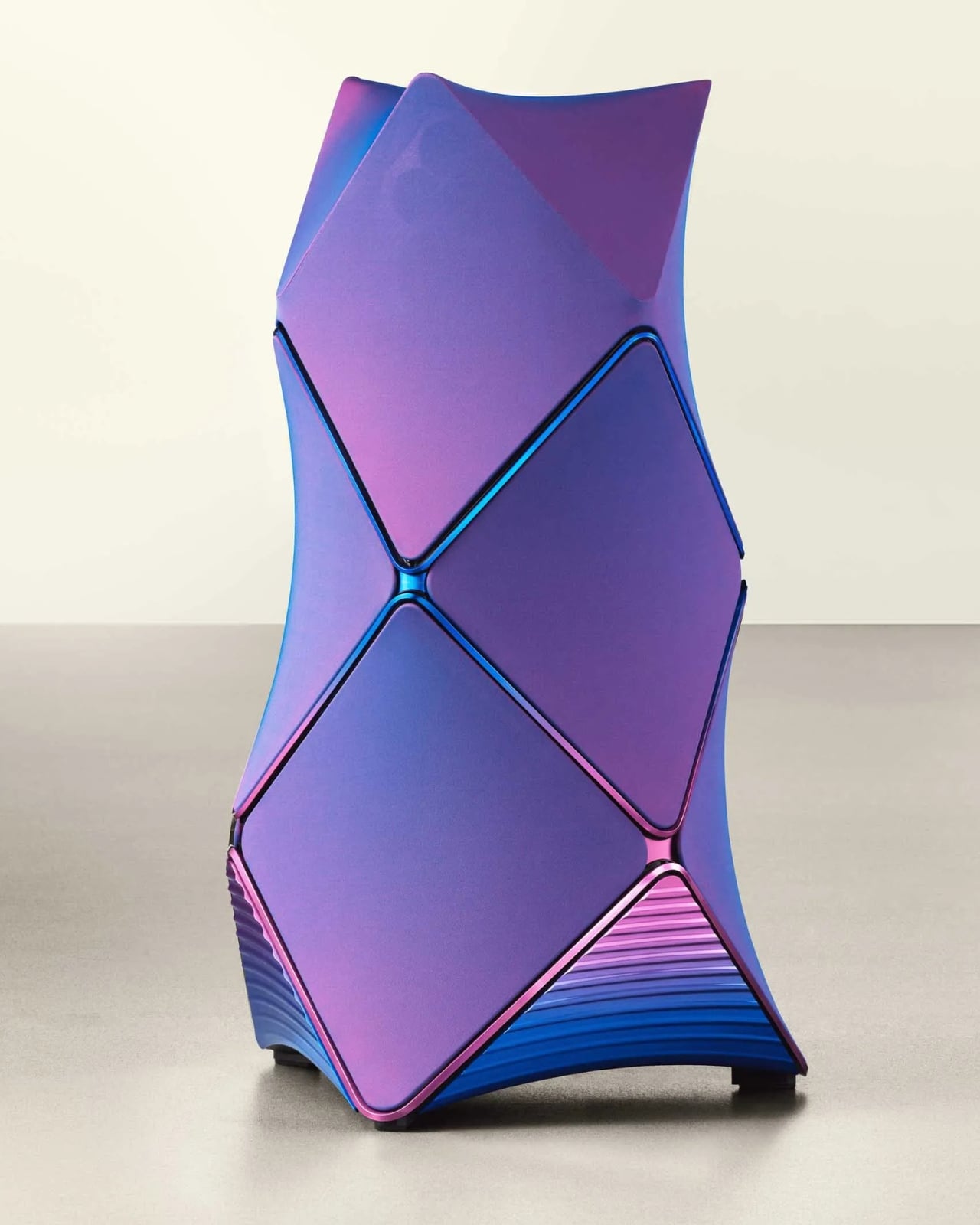
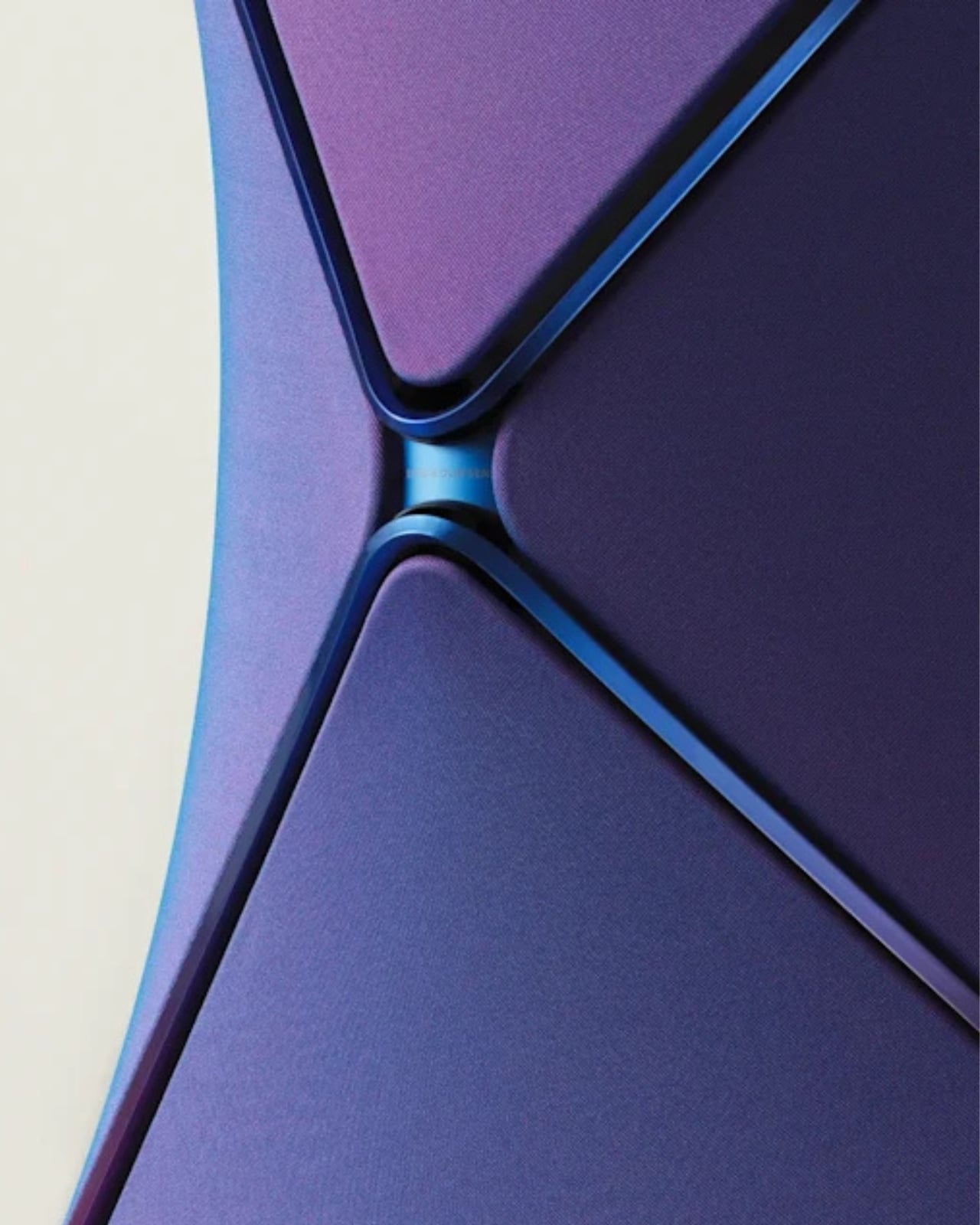
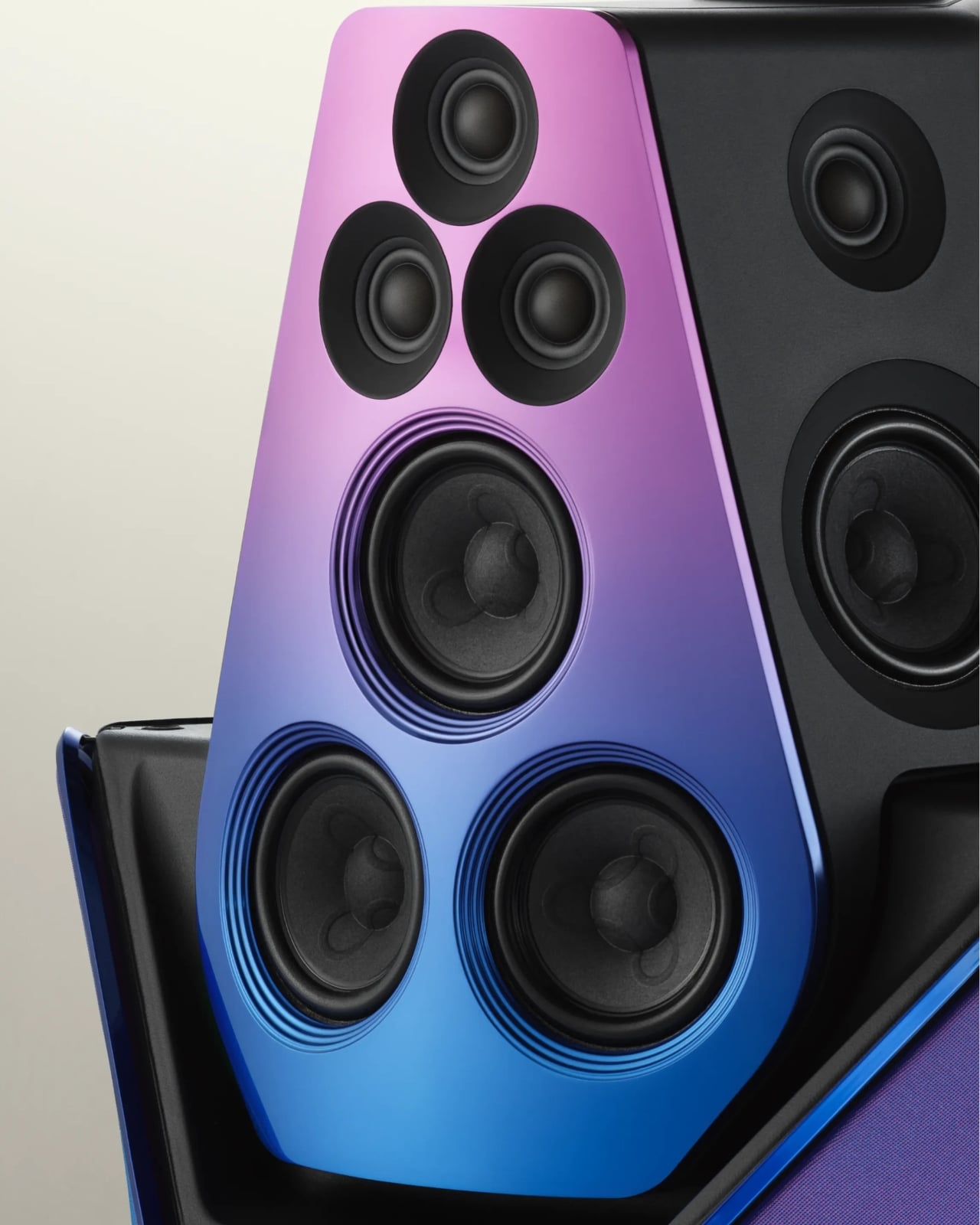
Then there’s the Mirage Edition, which takes an entirely different approach. Imagine a speaker that appears to shift and transform as you move around it. The surface flows from vivid blue to rich magenta through a bespoke gradient anodization applied entirely by hand at Bang & Olufsen’s Factory 5. It’s the kind of finish that makes you want to circle the speaker just to watch the colors dance and morph.

This isn’t airbrushing or a printed vinyl wrap. The gradient effect is achieved through meticulous anodization of the aluminum components, a process that requires incredible precision and skill. The result positions the Mirage Edition as what Bang & Olufsen calls “a visualisation of sound itself”. It’s poetic, sure, but also surprisingly accurate. Sound is movement, frequency, vibration. Why shouldn’t a speaker designed to reproduce it perfectly also capture that sense of constant transformation?

Both editions maintain the same acoustic platform as the original Beolab 90, which launched back in 2015 and remains the brand’s most advanced loudspeaker. We’re talking about 18 drivers and beam-forming technology that can literally shape sound to suit your room’s acoustics. These Anniversary Editions keep all of that sonic prowess intact. The innovation here is purely about design and craft refinement.

That’s what makes these releases so fascinating. Bang & Olufsen isn’t trying to improve the performance or add new features. They’re exploring what happens when you treat a speaker as a canvas for material experimentation and artistic expression. It’s a luxury approach, certainly, but it also raises interesting questions about how we value design objects in our homes.

These speakers join the previously released Titan Edition, another ultra-limited variant featuring raw cast aluminum. Together, they represent a century of design philosophy distilled into physical form. Whether you lean toward the architectural drama of the Phantom, the fluid artistry of the Mirage, or the industrial purity of the Titan probably says something about your design sensibilities.

At a time when so much consumer tech prioritizes invisibility (think hidden speakers, frameless TVs, voice assistants tucked into fabric cylinders), Bang & Olufsen is moving in the opposite direction. These Atelier Editions celebrate presence, craftsmanship, and the idea that exceptional objects deserve to be seen, not just heard.

The post Bang & Olufsen’s $150K Speakers Shift Color As You Walk By first appeared on Yanko Design.
Amazon pulls its bad AI video recaps after Fallout fallout

Amazon has responded to viewers catching errors in its AI-generated season recaps by apparently pulling them from Prime Video. The company announced its new Video Recaps feature in November as a way to make it easier to jump into a new season of a show, but the feature had issues: A recap created for Fallout included factual errors about the plot and the setting of the show.

On Prime Video, recaps can be played in the "Extras" section if you're watching on the web, or via a dedicated "recap button" on the show's page, according to Amazon's original Video Recaps announcement. If you head to the Fallout season two page now, the erroneous recap has been removed. In fact, at least on the web, there are currently no video recaps available on the show's Amazon was testing the feature on, which includes Fallout, Bosch, Upload, The Rig and Tom Clancy's Jack Ryan.

Engadget has contacted Amazon for more information on why the recaps were removed. We'll update this article if we hear back.

Video Recaps are just one of the ways Amazon is trying to integrate AI into its different products and services. The company offered AI-generated English dubs for select anime shows on Prime Video, before it pulled the dubs after users complained. Amazon also uses AI to generate recaps for long-running book series that are sold through the Kindle Store.

This article originally appeared on Engadget at https://www.engadget.com/entertainment/streaming/amazon-pulls-its-bad-ai-video-recaps-after-fallout-fallout-220358758.html?src=rss

Turkish RV maker just dropped ‘most durable and lightest’ full-bodied pickup camper with unfurling rooftop tent

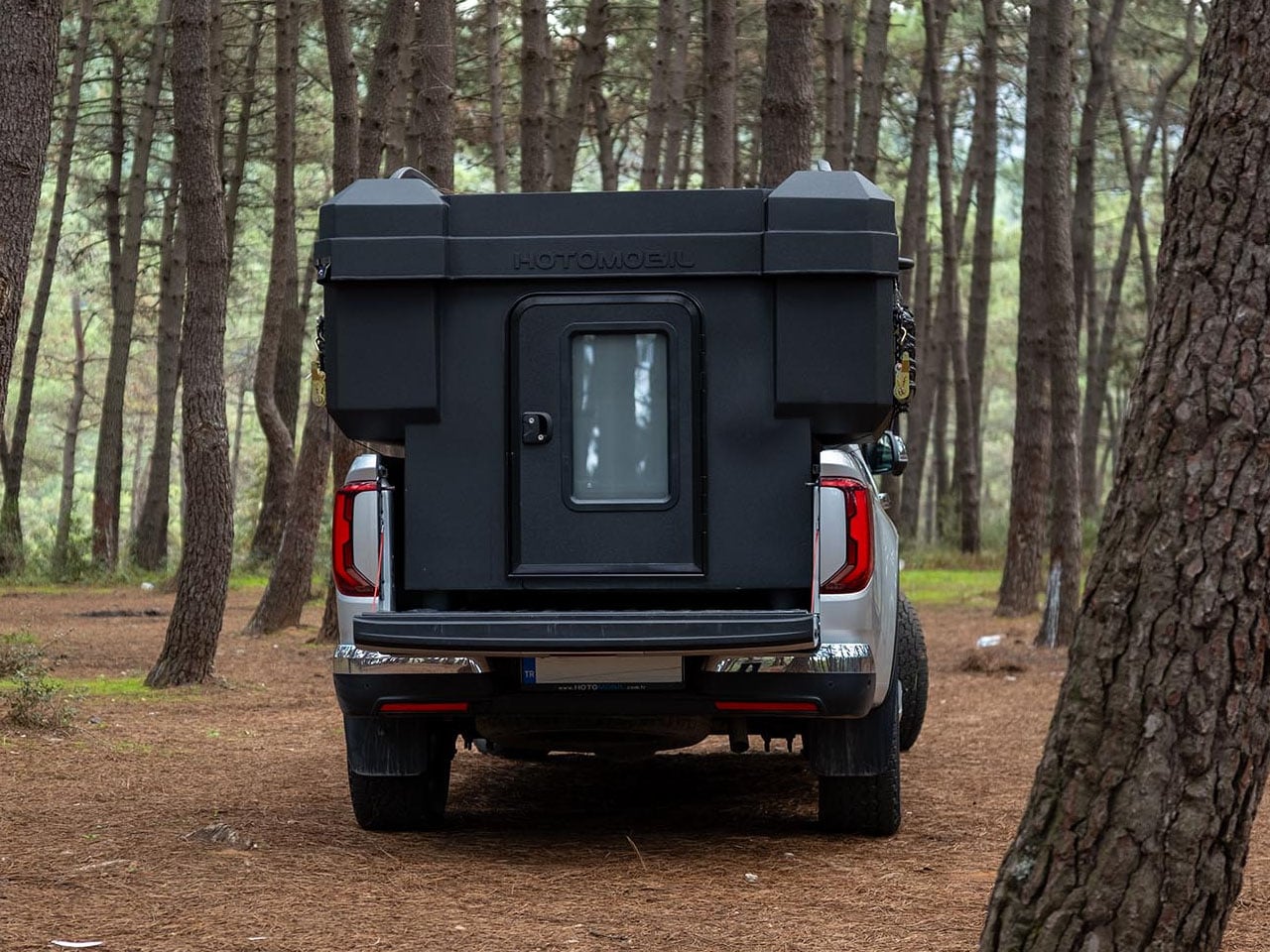
I don’t always envy adventurers living out of pick-up campers; for some reason though, the Atlas Cabin Box is making me weak in the knees. Designed by Hotomobil, an RV manufacturer from Istanbul, Türkiye, the Atlas is not a typical hardtop truck camper. It is somewhere between a full-bodied option and a rooftop tent that is really impressive to start out with. And the interior, well that’s actually where I find this cabin different from what we have seen in the past.

The combination makes the Atlas different but appealing in two ways. One, the transformative build allows it to maximize the space, and two, it is pretty affordable as opposed to other truck campers. The hard box image of the Atlas Cabin is deceptive of its capability. The low-profile design, sits flush on the truck bed and confines itself well within the side boundaries, minimizing drag and of course packing in a complete camping setup for two. It sets up in a jiffy when the camper’s top is lifted and the tent unfurls.

Designer: Hotomobil

Designed to be spacious and fully-equipped for a user’s camping needs, the Atlas Cabin box, the company claims, is the “most durable and lightest” option in its class. This is made possible with its Monoblock body. The cabin in its absolute versatility can be used as a spacious cargo box and when at the camp, it can transform from the box into and full-size tent pitched above from the ground on a truck bed.

The safe and secure camper is ideal for weekend and even those long road adventures without a reservation. But its insulation can be a concern if you’re planning to take it out in the winter. The tent will require insulation and heating to sustain that kind of camping requirement, but otherwise, there should be no concern in having a comfortable stay in it. Coming to what you get here; the Atlas is a 4-foot-high, 150 kg T-shaped cabin. Of course, that’s not something worth camping in, so the top lid of this box opens full 90-degress to unfurl a tent.

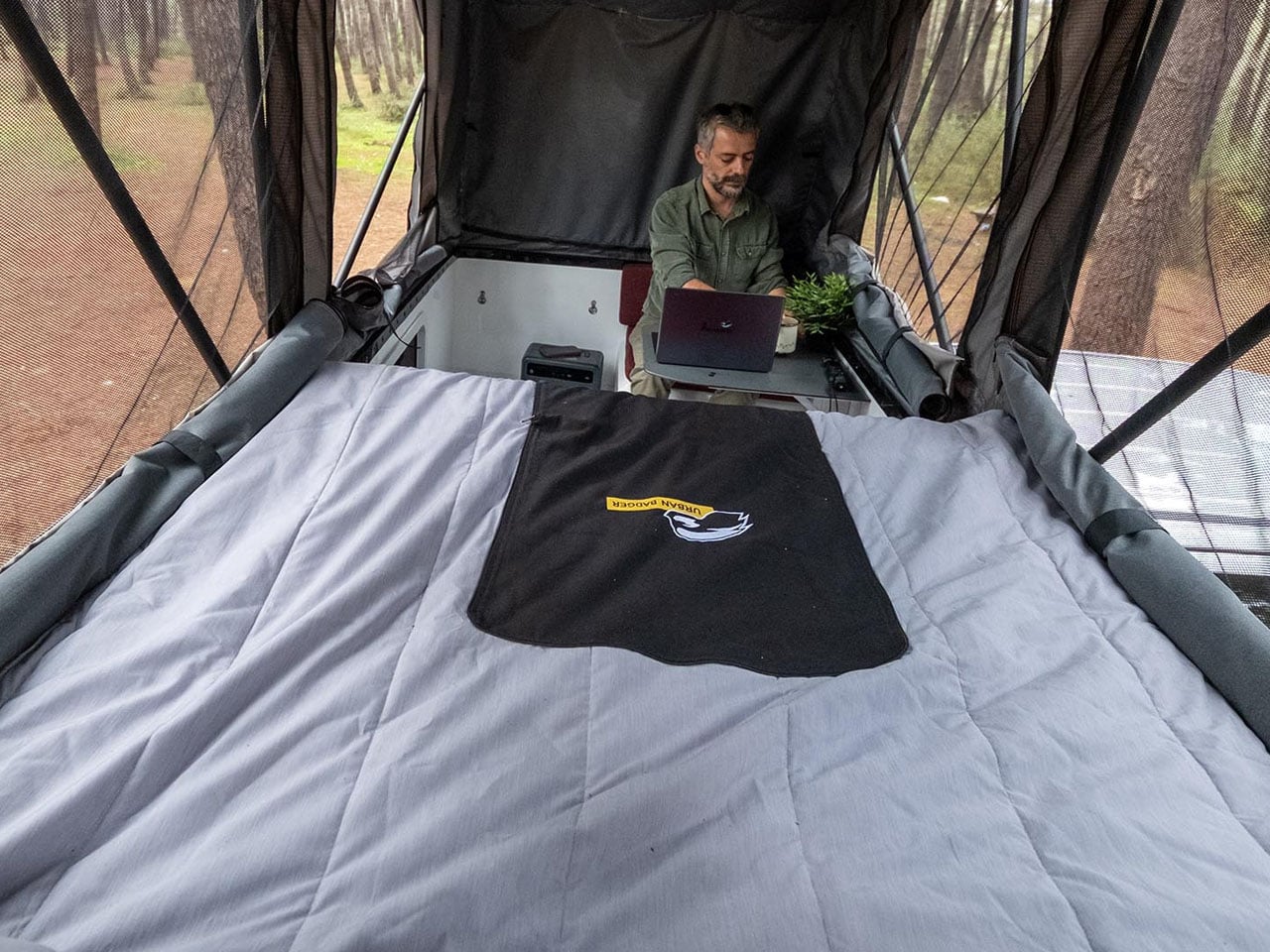
The open tent instantly extends the headroom to 8.5 feet and pitches comfortably from the truck bed down to the ground, opening up space for more than just sleeping and eating. The living unit of the tent is accessible via a telescopic ladder and is provided with a double bed and a dinette with cushioned seats and a table that functions as a work desk when required. Other accessories include a single-burner portable gas stove placed alongside the dinette, a fresh and waste water cans, faucet, space for the power station, and a chest fridge. The Hotomobil Atlas Cabin is available as an empty shell or an Urban Edition that features the above-mentioned amenities. The pricing starts at approximately $11,000 bare bones, and $13,400 for the accessorized Urban Edition.

The post Turkish RV maker just dropped ‘most durable and lightest’ full-bodied pickup camper with unfurling rooftop tent first appeared on Yanko Design.

Inception’s Anti-Gravity Hallway Fight Scene Just Got Rebuilt in 2,395 LEGO Bricks

In 2010, Christopher Nolan delivered one of cinema’s most unforgettable sequences: a zero-gravity hallway fight that defied physics and redefined practical effects. The scene from Inception featured Joseph Gordon-Levitt battling an opponent while their dreamworld corridor rotated around them, mirroring a van tumbling down a hill in another layer of reality. Nolan’s commitment to practical filmmaking led him to construct a massive rotating set where actors performed the entire sequence for real, creating what many consider a masterclass in tactile, analog special effects.

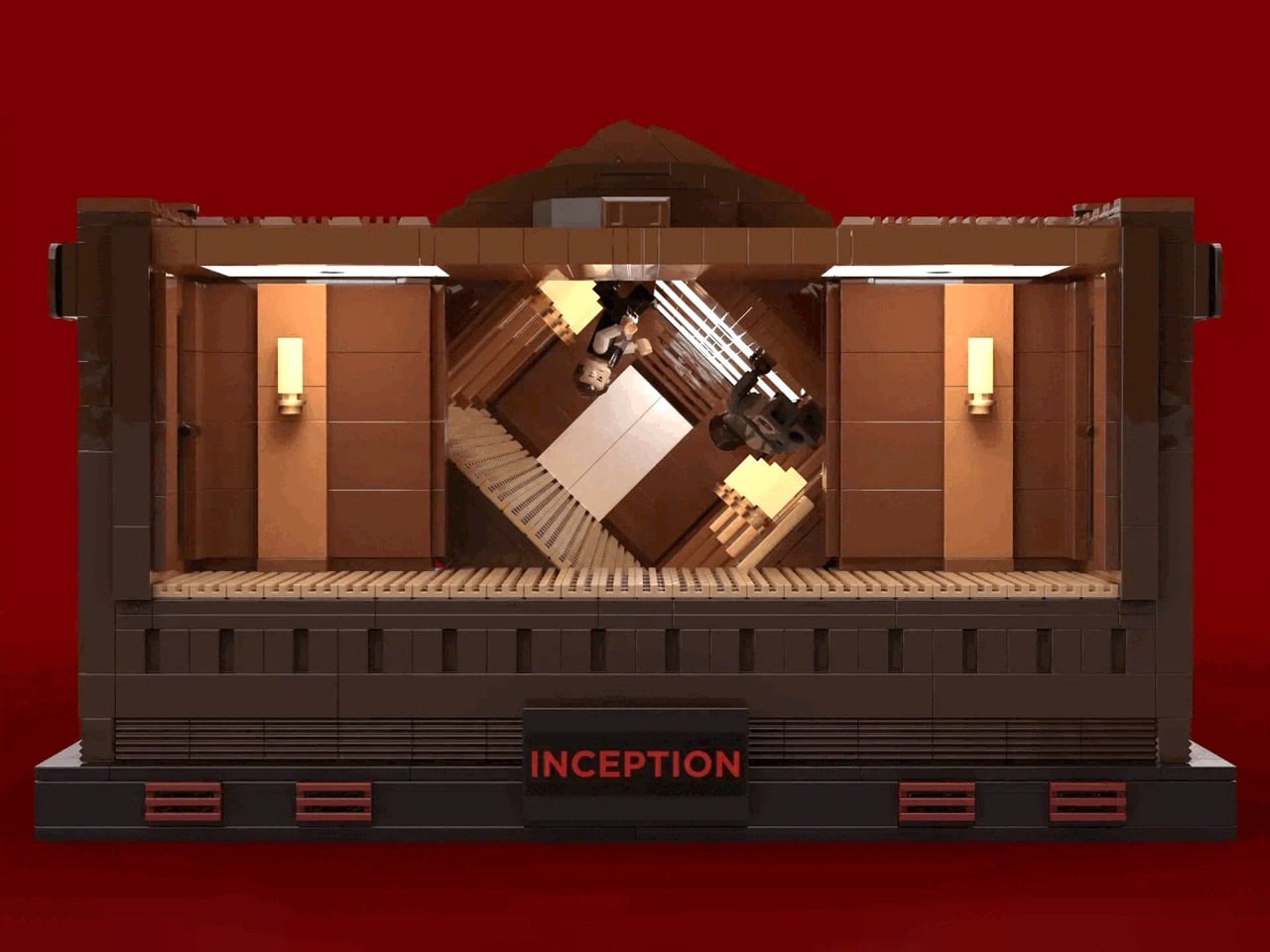
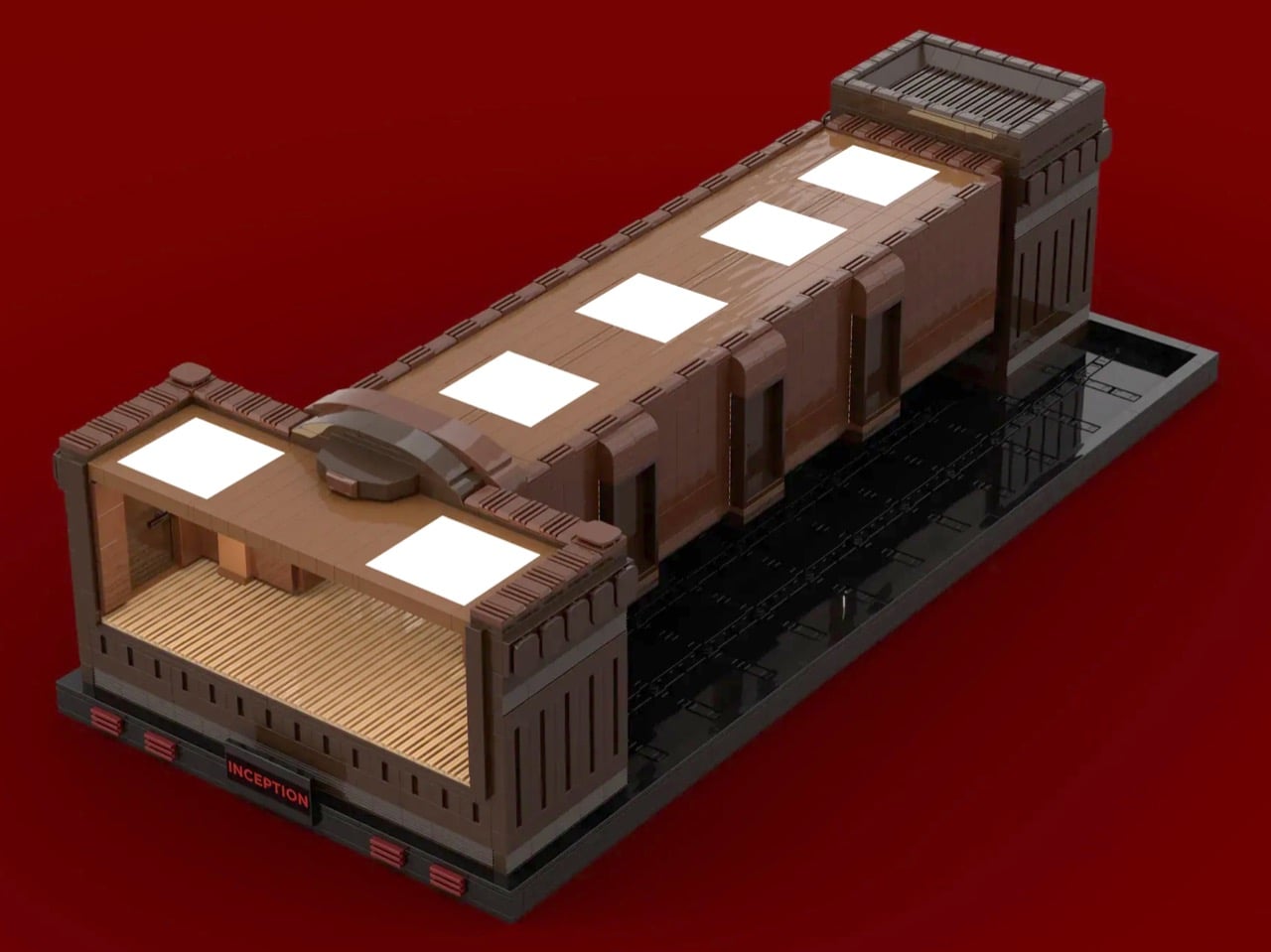
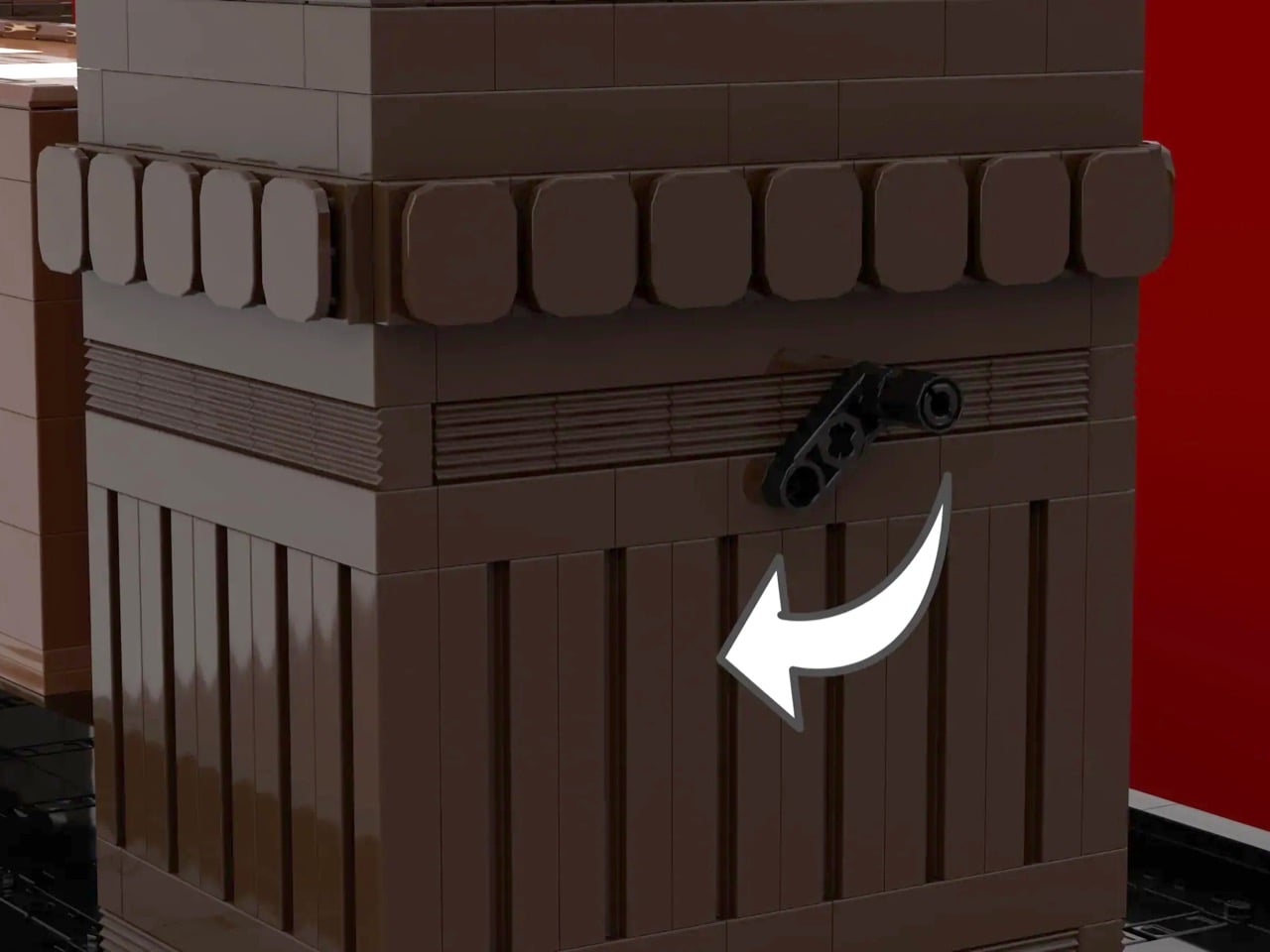
Now, a LEGO builder known as AboveBricks180 has recreated that iconic moment in brick form, complete with a working rotation mechanism. The 2,395-piece MOC (My Own Creation) doesn’t just capture the aesthetic of the hotel hallway. It brings the scene to life with a hand-crank system that lets you physically rotate the corridor, repositioning the minifigures mid-fight just like in the film. Currently seeking support on LEGO Ideas with 770 backers and counting, this build represents both technical ambition and genuine love for one of modern cinema’s most inventive sequences.

Designer: AboveBricks180

Building a stable rotating mechanism in LEGO that can support its own weight while maintaining structural integrity across multiple axes is legitimately difficult (as Nolan will tell you from larger-scale real-life experience). You’re essentially creating a drum that needs to spin smoothly without the whole thing collapsing or jamming, all while keeping minifigures positioned on surfaces that become walls, then ceiling, then floor. AboveBricks180 solved this with a hand-crank lever mounted at the back, connecting to the cylindrical hallway section through what appears to be a geared system housed in that dark grey mechanical compartment visible in the side views. The entire assembly sits on a display base that provides both stability and theatrical presence, with the “INCEPTION” nameplate doing some heavy lifting in terms of presentation. Fifteen years after the film’s release and people are still building elaborate tributes to a single three-minute sequence, which tells you something about how deeply that hallway fight embedded itself in pop culture consciousness.

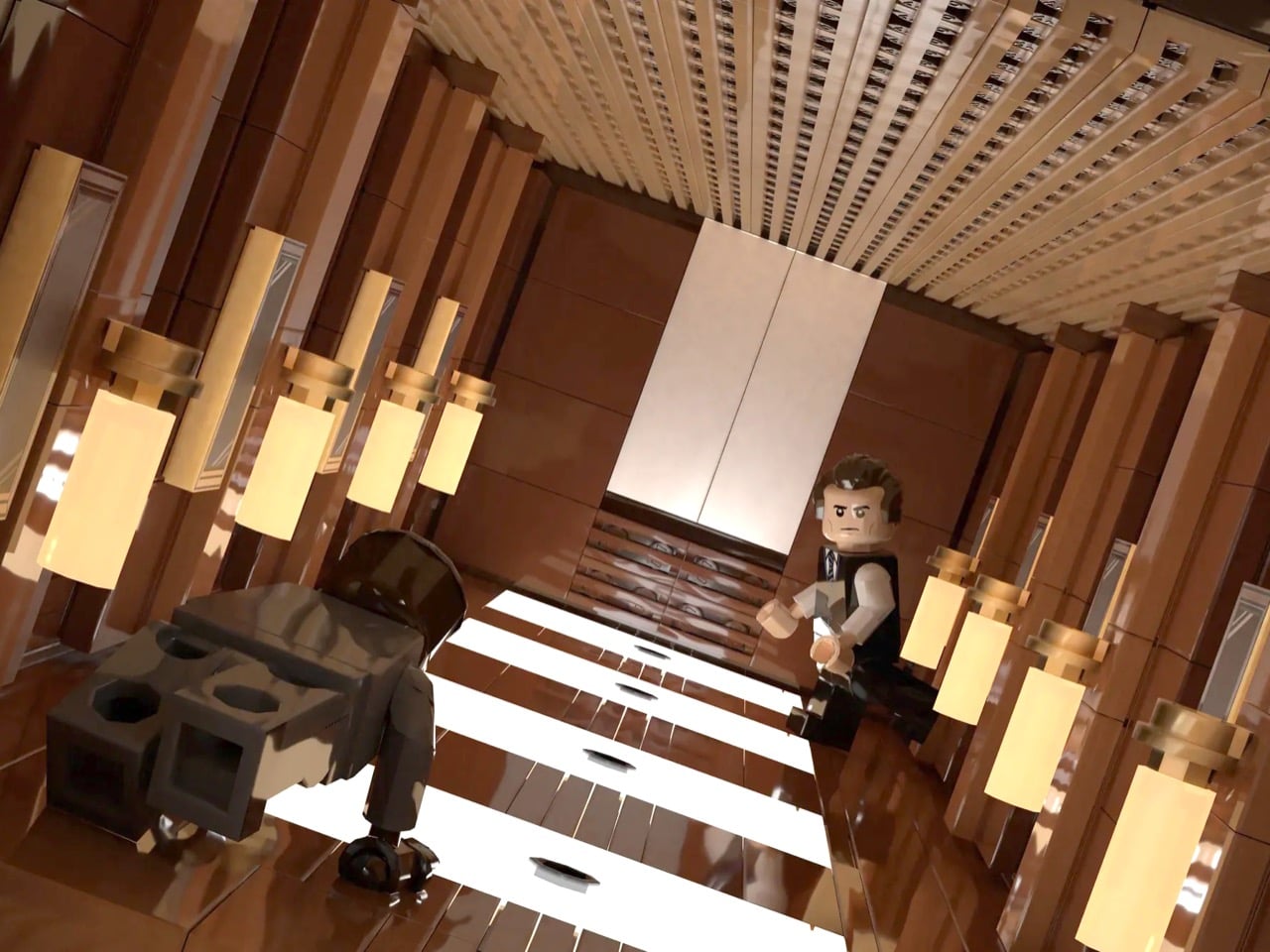
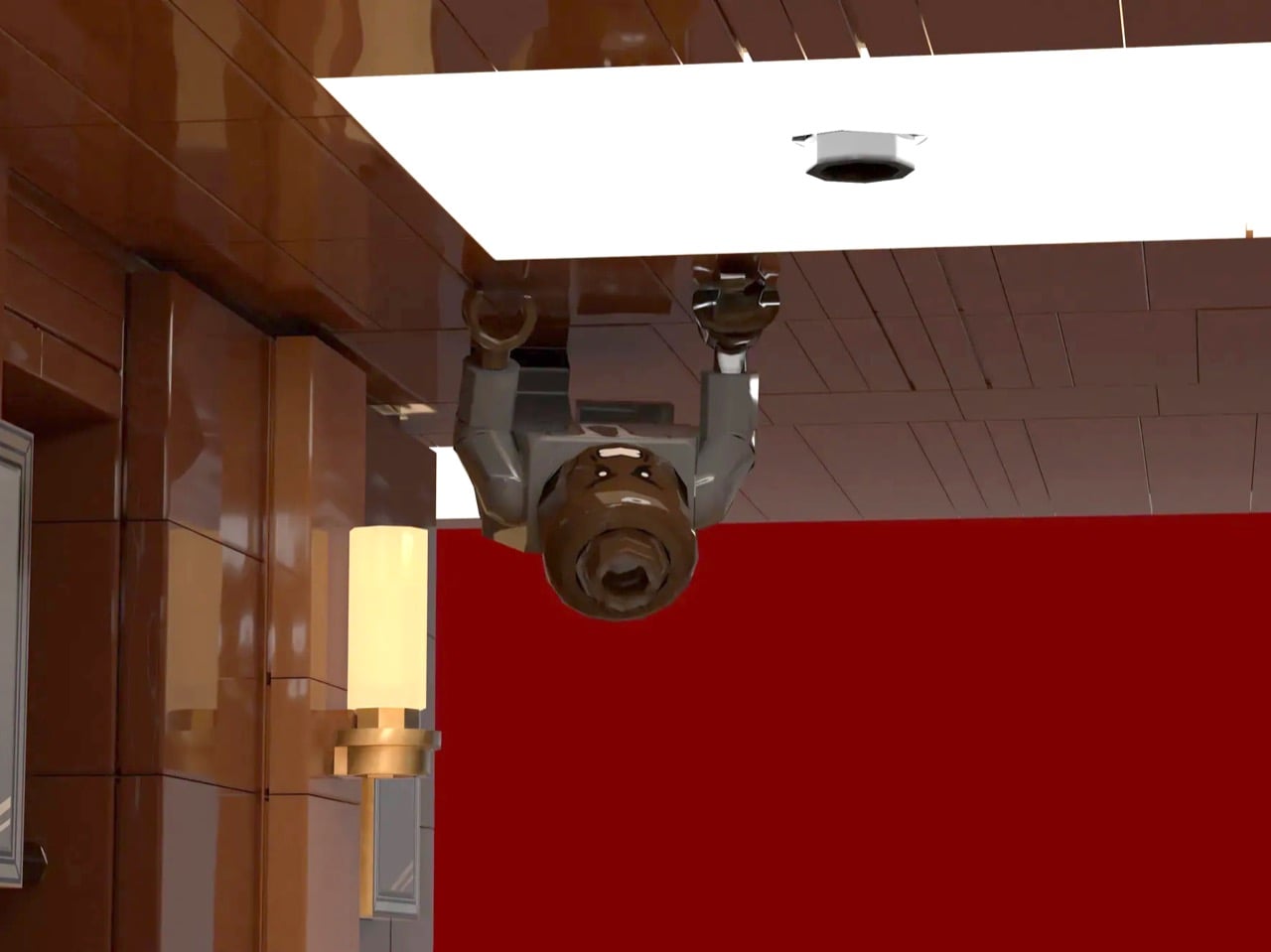
Look at the color work and interior detailing. The film’s hotel corridor had this specific warm brown and tan aesthetic, almost Art Deco in its geometric simplicity, and this MOC captures it down to the wall sconces with their cream-colored light elements, the vertical brown slat work on the ceiling, the white ceiling panels, the door frames. Strip away the movie-accurate design work and you’re left with a clever mechanical toy. Add in the precise replication of Nolan’s set design and suddenly you have something that feels like it belongs in the film’s universe. The builder used Bricklink Studio for the design work, which tracks given the complexity involved. You can’t eyeball 2,395 pieces and hope for the best.

Turn that crank and watch the hallway rotate while Arthur and his opponent stay locked in their fighting poses. You can stage the scene at any angle you want, recreating different moments from the sequence. Arthur hanging from what’s now the ceiling? Rotate. Both grappling on the floor as it becomes a wall? Keep turning. This interactivity transforms the build from static sculpture into something closer to a kinetic toy, which feels appropriate given LEGO’s roots as a play system rather than just a modeling medium. Too many Ideas submissions lately treat LEGO as purely an artistic medium for adults, forgetting that the best sets balance display appeal with actual functionality. This one remembers.

Getting to 10,000 supporters on the Ideas platform means LEGO reviews it for potential production. Right now this sits at 770 with 403 days remaining, which feels achievable given Inception’s enduring cultural footprint. The rotating hallway scene specifically has staying power because it represents practical filmmaking at its most ambitious, the kind of thing that makes people go “wait, they actually built that?” when they learn no CGI was involved. AboveBricks180 clearly understands this, building something that honors both Nolan’s commitment to physical effects and the scene’s place in modern cinema history. Whether LEGO greenlights this for production or it remains a fan creation, the MOC succeeds at translating one medium’s impossible physics into another’s playful reality. You spin a crank and gravity shifts. Dreams feel real while we’re in them, and apparently so do LEGO sets when someone builds them with this much care. Vote for the build on the LEGO Ideas website here.

The post Inception’s Anti-Gravity Hallway Fight Scene Just Got Rebuilt in 2,395 LEGO Bricks first appeared on Yanko Design.

IKEA’s new wireless charger is as cute as it is practical

IKEA's revamp of its smart home products doesn't end with Matter support. The furniture and home goods company also has a line of new Qi wireless chargers, the best of which, the VÄSTMÄRKE wireless charger, combines the functionality of a PopSockets-style phone grip with cable storage.

The $10 VÄSTMÄRKE wireless charger is reminiscent of a bagel or donut, if you could take the top half of those ring-shaped foods and turn them inside out to create a cozy grip for your fingers. That same red silicone design also makes for a perfect place to store the charger's built-in USB-C cable, according to IKEA's product page, and otherwise acts as a playful replacement for what can be a pretty boring smartphone accessory.

A VÄSTMÄRKE wireless charger with its top half unfolded so fingers can grip it.
IKEA

VÄSTMÄRKE offers Qi2 charging speeds and can magnetically attach to iPhones with MagSafe or Pixel phones with Google's Pixelsnap magnets. If you're interested in something a bit more discrete, the $25 VÄSTMÄRKE wireless charger with lighting is a bowl-shaped charger with a column in the center for attaching a smartphone, and room around it for keys or your wallet.

IKEA has had multiple different ideas over the years for how smart home tech should integrate with its minimalist and user-friendly furniture. The company's partnership with Sonos ended in May 2025, which produced lights and picture frames with smart speakers built-in. Since then, the company has announced a new Bluetooth speaker and started rolling out a new collection of Matter-connected remotes, lights and sensors.

This article originally appeared on Engadget at https://www.engadget.com/mobile/smartphones/ikeas-new-wireless-charger-is-as-cute-as-it-is-practical-195013422.html?src=rss

Clair Obscur: Expedition 33 devs dropped a big update after sweeping The Game Awards

Sandfall Interactive, the developer of Clair Obscur: Expedition 33, knows how to ride the wave. Right after the visually stunning RPG finished dominating The Game Awards, the team dropped a free "Thank You" content update for fans.

This is no minor patch. It adds a playable environment and new boss battles for late-game players. The "Thank You" update also adds new music tracks, a Photo Mode and new text and UI localizations. On top of that, you'll find quality-of-life tweaks, including improved performance on handheld PCs.

Clair Obscur: Expedition 33 won a record-breaking nine categories at The Game Awards 2025. That includes — deep breath — Game of the Year, Best RPG, Best Art Direction, Best Game Direction, Best Narrative, Best Performance (Jennifer English), Best Score and Music, Best Debut Game and Best Indie Game. The previous record was The Last of Us Part 2, which took home seven awards in 2020.

The game's free "Thank You" update is rolling out now. You can catch a glimpse of it in the trailer below.

This article originally appeared on Engadget at https://www.engadget.com/gaming/clair-obscur-expedition-33-devs-dropped-a-big-update-after-sweeping-the-game-awards-183628313.html?src=rss

Iris Sconce: Hand-Shaped Glass Wall Light Where No Two Are Identical

Most LED sconces are thin metal plates and diffusers, designed to disappear into a wall and quietly meet a lumen spec. That approach is efficient but rarely memorable. The Iris Sconce by Siemon & Salazar is the opposite, a fixture that leans into glass and bronze as expressive materials and treats light as something sculpted rather than simply emitted, turning a functional wall mount into a small piece of living craft.

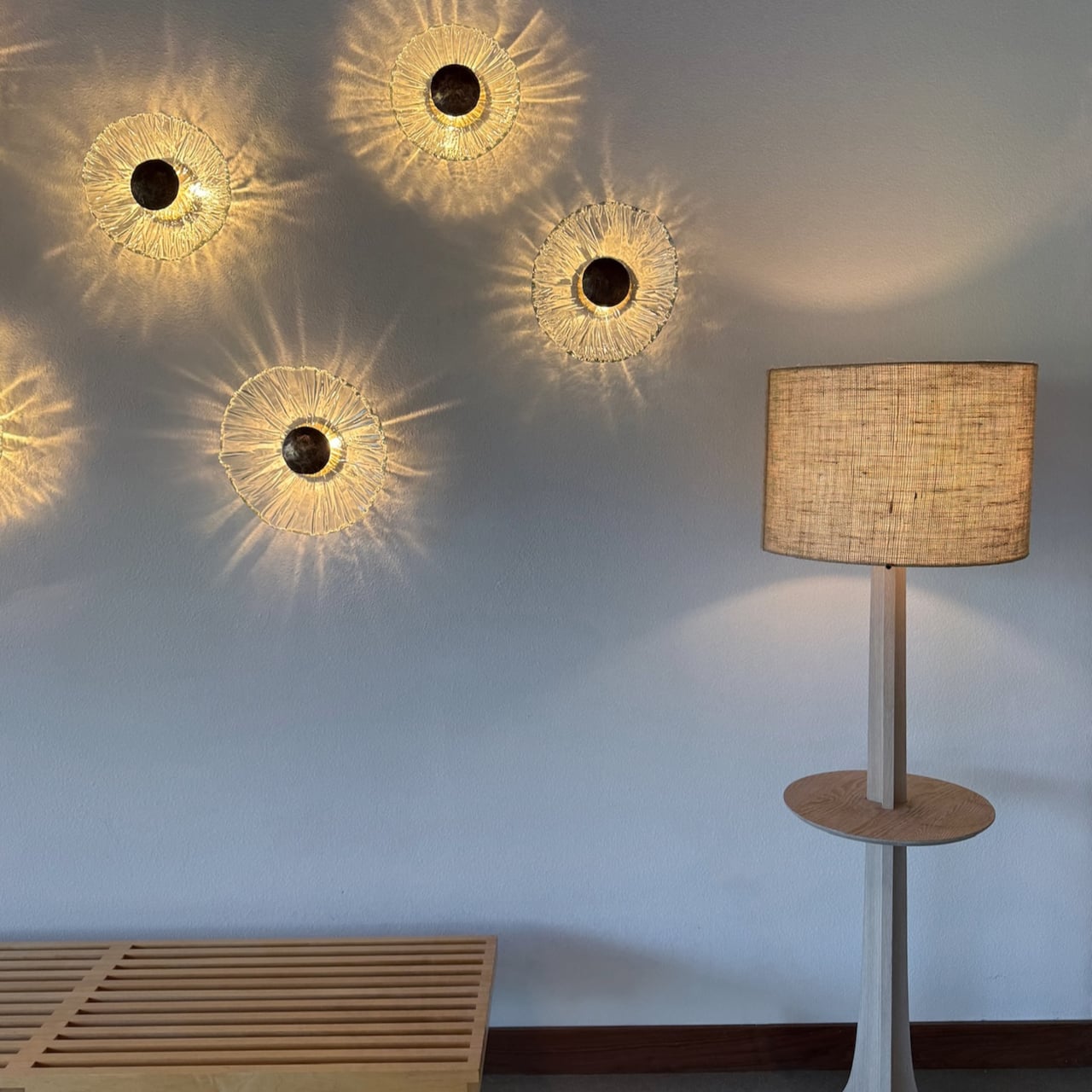
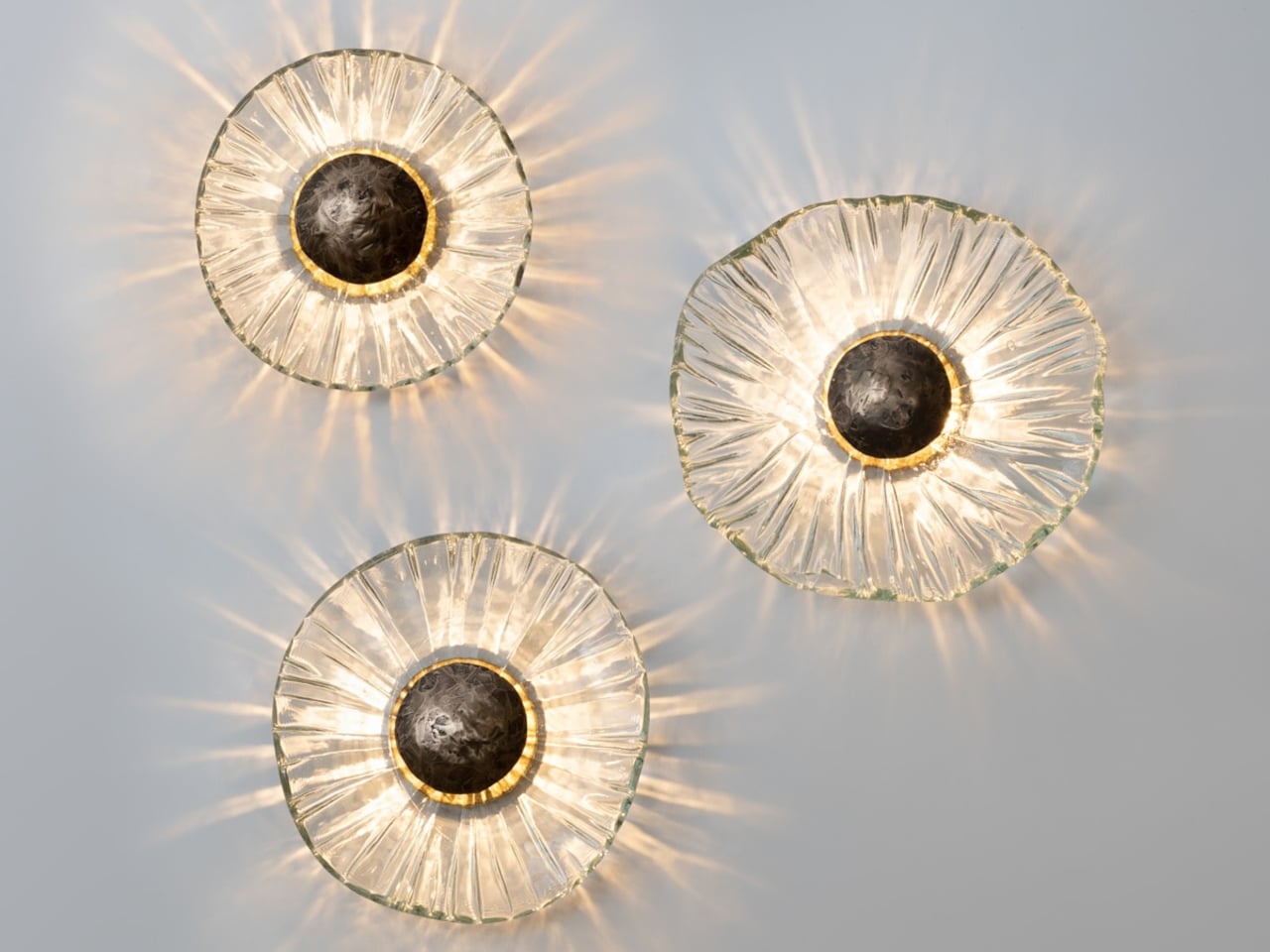
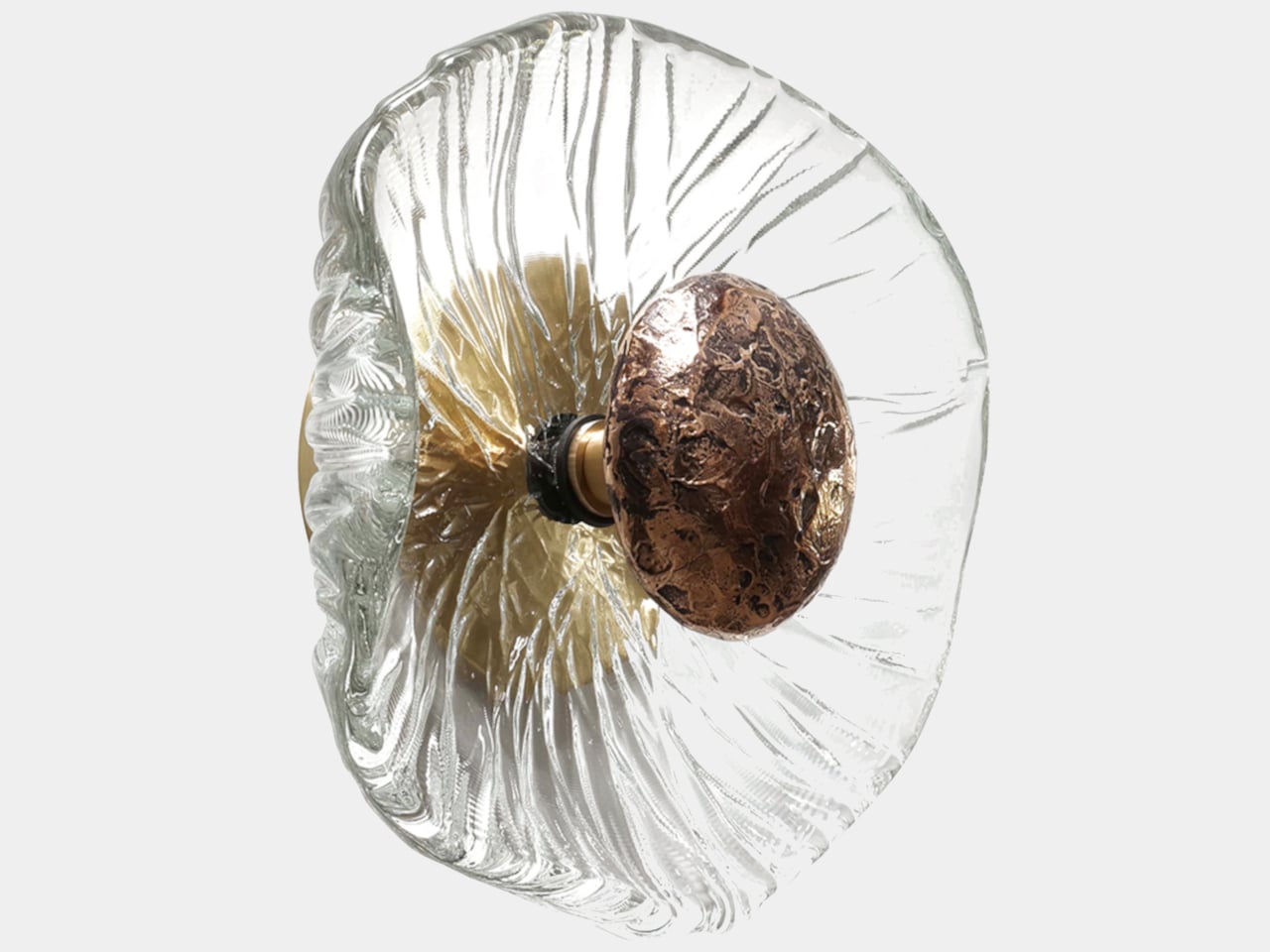
The studio describes Iris as a piece that uses mottled clear thick glass and a cast-bronze heat sink to balance ancient craft with a forward-looking spirit. Each sconce is shaped by hand, with molten crystal poured directly and manipulated immediately, so no molds are used and no two patterns are alike. The result is a fixture that feels more like a living object than a repeated product, where the character comes from the glass itself.

Designers: Caleb Siemon, Carmen Salazar

The glass is lead-free crystal that starts as a glowing pool poured from a crucible, then worked while still hot to create ripples, grooves, and thickness variations. That hot-forming process, without molds, means each disc has its own outline and internal weather. For a designer or homeowner, that translates into a wall of light where every piece has a slightly different voice, and where the surface feels more like water frozen mid-flow than a stamped shade.

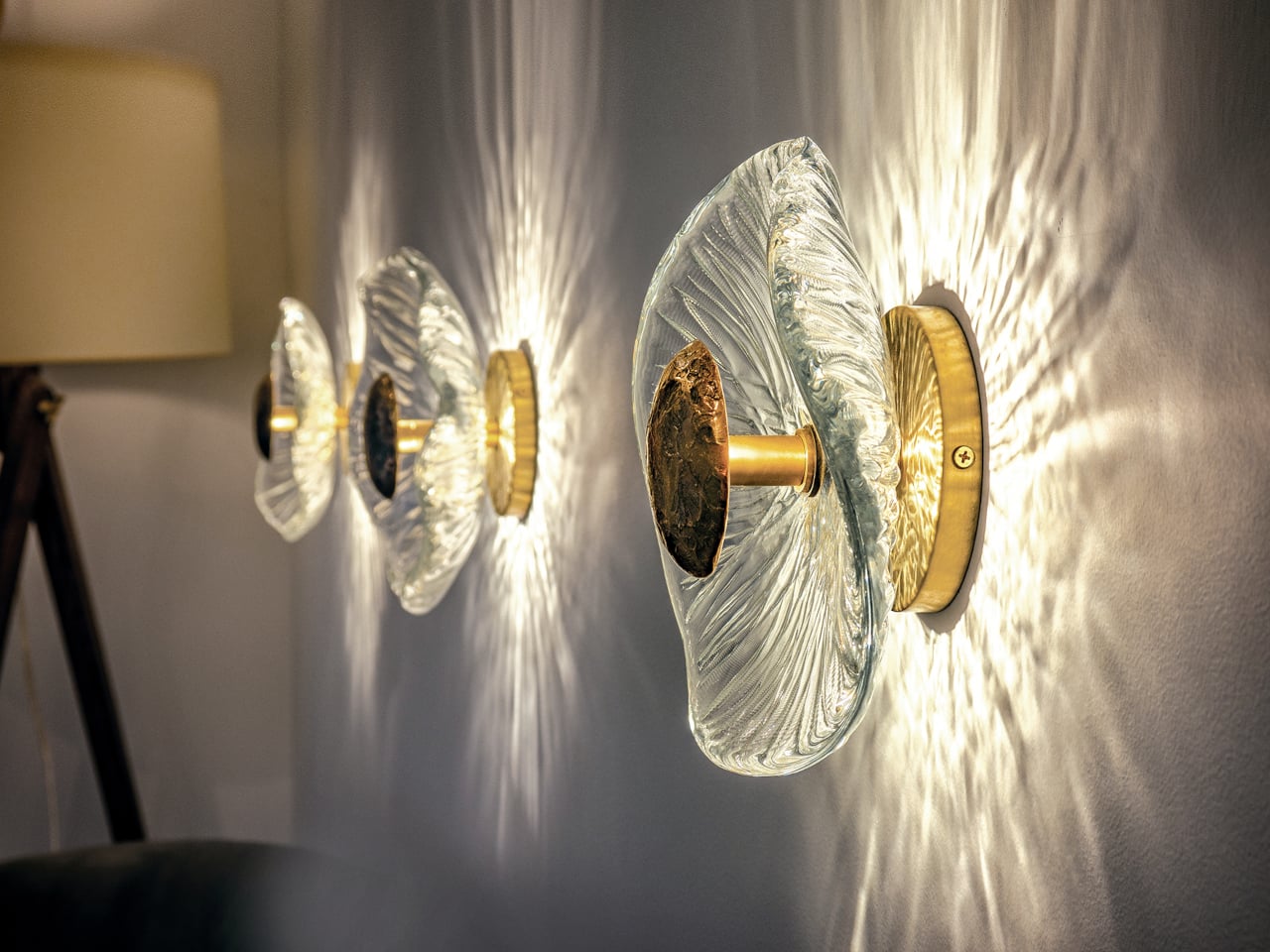
The cast-bronze element at the center acts as both a heat sink for the LED and a visual anchor. Its rough, hammered surface contrasts with the smooth glass, and it reads like a pupil, a seed, or a small meteor embedded in crystal. The bronze conducts heat away from the LED, but it also brings warmth and weight to the composition, grounding the otherwise ethereal glass and giving the sconce a core you can read even from across the room.

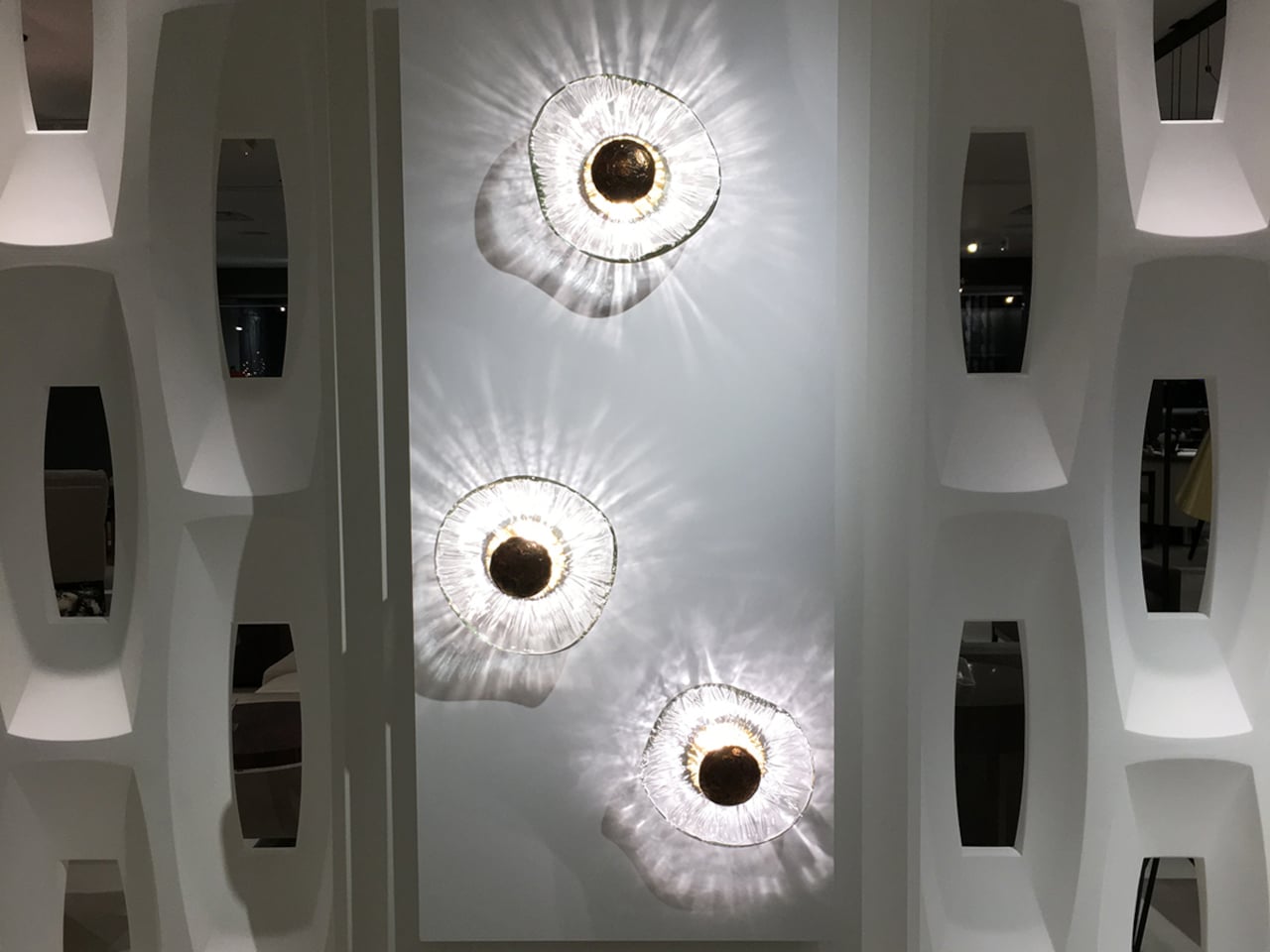
The thick, textured glass behaves more like a lens than a shade, bending and scattering light into a halo on the wall. The LED sits behind the bronze center, so light spills around it into the glass and then out into the room as a corona of streaks and soft gradients. The effect is less about a beam and more about a field, turning a blank wall into part of the fixture itself.

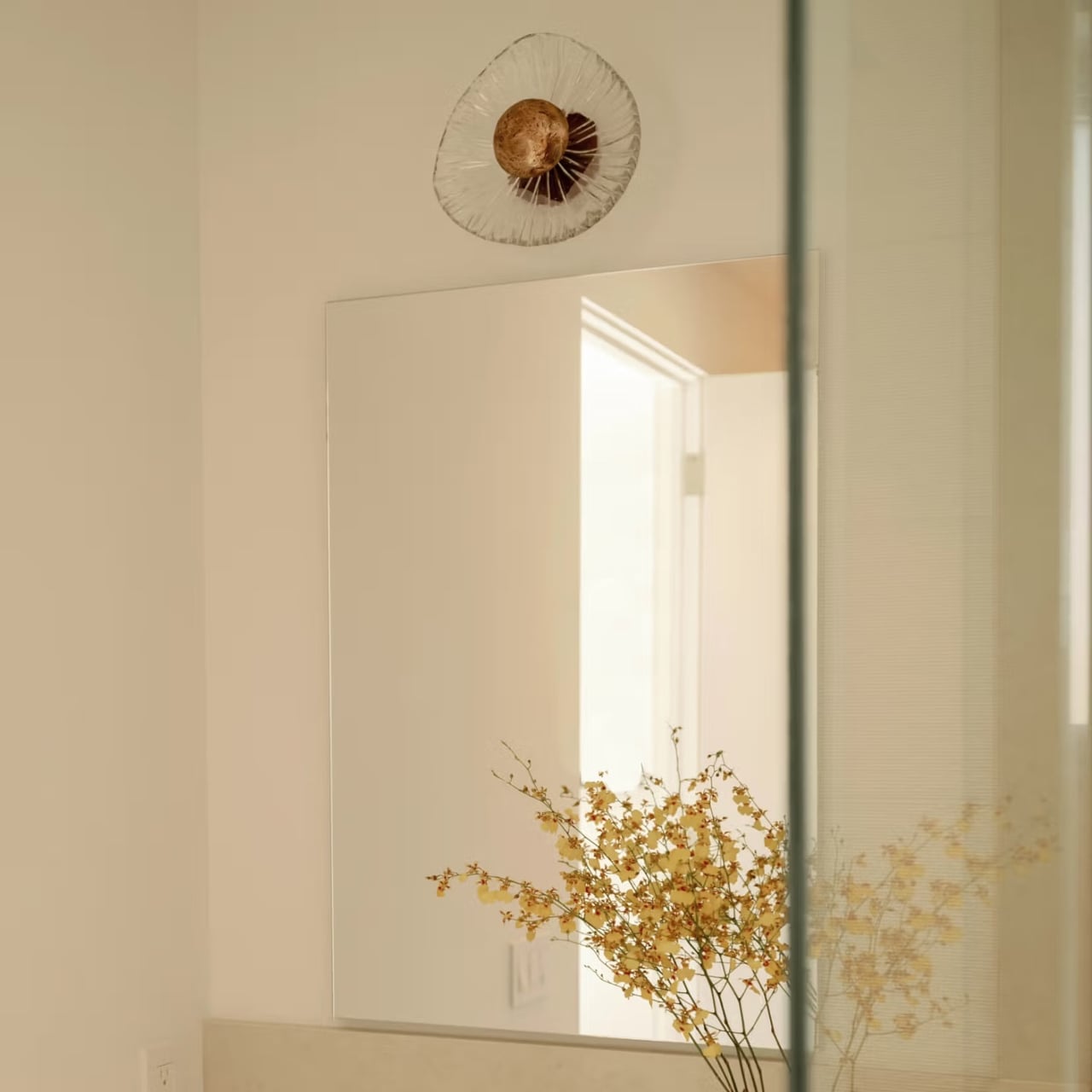
Iris is sized to work as a single focal point above a mirror or as a series along a corridor, and it can be mounted on walls or ceilings. Because no molds are used, grouping several creates a field of related but non-identical eyes or flowers, which suits projects where lighting is meant to be seen. The integrated LED keeps the profile relatively shallow, and the bronze heat sink means the fixture can run for years without fading.

Iris reminds you that even a code-compliant LED fixture can carry the marks of molten glass and cast metal. Each sconce is genuinely unique, not just in finish but in shape and pattern. For people tired of flat panels and generic cylinders, it feels like a small argument for bringing a bit of studio craft back into the everyday act of turning on the lights, where every time you flip a switch, you are also lighting up a piece that was poured, shaped, and cooled into something one of a kind.

The post Iris Sconce: Hand-Shaped Glass Wall Light Where No Two Are Identical first appeared on Yanko Design.