Japanese Startup Brings Wasabi Farming to Shipping Containers

In a shipping container parked next to Macnica’s headquarters in Yokohama, an innovative revolution in Japanese agriculture is taking root. Inside the 40-foot steel box, 1,800 premium wasabi plants thrive under LED lights, nourished by circulating purified water and monitored by AI-powered sensors. This isn’t a futuristic concept. It’s a solution to a very real crisis threatening one of Japan’s most iconic flavors. Tokyo-based AgriTech startup NEXTAGE has partnered with global technology firm Macnica to develop the Wasabi Cultivation Module. This container-based plant factory allows wasabi to be grown anywhere in the world.

The innovation comes as Japan grapples with a growing wasabi shortage driven by multiple converging pressures. Climate change, declining agricultural workers, and the strict environmental demands of traditional cultivation have created a perfect storm for this notoriously temperamental crop. Wasabi has always required clean water, precise temperature control, and meticulous soil management. Traditionally grown in cool mountain streams, the plant is particularly vulnerable to typhoons and floods. Climate change has intensified these challenges, threatening the survival of historic wasabi farms that have operated for generations. Global demand continues to surge alongside the worldwide popularity of Japanese cuisine, but supply has struggled to keep pace.

Designer: Nextage & Macnica

The cultivation module addresses these vulnerabilities through total environmental control. Each container houses five-tiered shelves equipped with sophisticated systems, including air conditioning, dehumidifiers, LED lighting, water temperature controllers, and carbon dioxide management devices. Cameras and sensors throughout the container continuously monitor conditions, tracking everything from temperature fluctuations to door usage that might affect air circulation. This data feeds into an AI-powered remote monitoring system, allowing NEXTAGE experts to provide real-time cultivation guidance to operators who may have no prior farming experience. The technology packages decades of specialized knowledge into an accessible, turnkey solution.

Perhaps most impressive is the dramatic acceleration in harvest times. The module cultivates Matsuma Wasabi, a premium variety from Wakayama Prefecture that is highly prized in high-end restaurants for its balanced aroma, spiciness, sweetness, and distinctive flavor profile. In natural conditions, this exceptional variety requires 20 to 24 months to reach maturity. Inside the precisely controlled environment of the cultivation module, the time drops to approximately 10 months. This dramatic reduction doesn’t compromise quality but rather optimizes growth conditions that would be impossible to maintain consistently in traditional outdoor cultivation, where weather and seasonal variations create unavoidable challenges.

Macnica became the pioneering customer in December 2023, installing a module at its Shin-Yokohama headquarters as both a demonstration facility and agricultural innovation laboratory. The semiconductor and IT company brought substantial technical expertise to the partnership, contributing specialized knowledge in growth visualization systems, communication technology, and customized LED development specifically designed for plant cultivation. In January 2024, following months of refinement and testing, the two companies officially launched commercial sales of the modules to businesses and agricultural entrepreneurs. NEXTAGE founder Takuya Nakamura, who started the company after witnessing the devastation of traditional wasabi fields, secured Series A funding in October 2024 to accelerate development of the automated cultivation technology.

The vision extends far beyond Japan’s borders. NEXTAGE’s ambitious slogan, “bringing ALL JAPAN MADE plant cultivation technology to the world,” signals plans to export this innovation globally. For high-end sushi restaurants that have long depended on limited supplies of fresh wasabi, the implications are transformative. The day may soon come when chefs grate wasabi grown in a container just blocks away, preserving the pungent, complex flavors that define authentic Japanese cuisine while building resilience into a supply chain threatened by our changing climate.


The post Japanese Startup Brings Wasabi Farming to Shipping Containers first appeared on Yanko Design.
Uber is installing kiosks for booking rides without the mobile app

Uber is rolling out kiosks for travelers to book rideshares without using the mobile app. The company is pitching the service as a convenience for international travelers who may not have a data plan, but it could also be a lifesaver if your phone runs out of juice and you don't have a way to recharge it. A passenger can use the kiosk to enter their destination and desired ride type, then will receive a printed receipt with the details about their booked ride. The first kiosk will debut in Terminal C at LaGuardia Airport in New York City, but Uber said it would have additional locations in airports, hotels and ports over the coming months. 

In airport situations, these kiosks make Uber even more of a direct competitor to traditional taxis. With the removal of the app, the kiosk can essentially stand in as the dispatcher and a passenger can decide how to travel based on their preferences (or on wait times) for a rideshare versus a yellow cab.

Uber also used LaGuardia as the starting point for its shuttle bus service in New York, with $18 rides between the airport and Manhattan transit hubs in October 2024; it later rolled out the shuttles to John F. Kennedy Airport in March 2025. Today, Uber said it is bringing the shuttle bus option to Newark Liberty International Airport, so all major NYC airports now have access to the service.

This article originally appeared on Engadget at https://www.engadget.com/transportation/uber-is-installing-kiosks-for-booking-rides-without-the-mobile-app-220904106.html?src=rss

Instagram is generating SEO-bait headlines for its users’ posts

It looks like Meta has decided to turn Instagram users into unwitting SEO spam pawns. On Tuesday, 404 Media reported that the platform is generating sensational, likely AI-generated headlines and descriptions for user posts without their knowledge or explicit consent. An Engadget editor has also noticed this on their posts. The headlines are found in the pages’ code and are only visible in search results.

The scheme appears to be an effort to boost the Google search ranking of Instagram content. An Instagram post by Engadget’s Sam Chapman, about a board game he created, received an unwanted generated description. “Floramino is a cozy puzzle game where you arrange gardens as a traveling florist,” the generated text reads. “The demo looks fun, with charming visuals and strategic elements.”

In this case, there’s a significant factual error. The board game is called Bloomhunter. Floramino, which the generated text referenced, is a puzzle game on Steam.

In an example cited by 404 Media, author Jeff VanderMeer's untitled video about a bunny eating a banana received a generic, SEO-style title. "Meet the Bunny Who Loves Eating Bananas, A Nutritious Snack For Your Pet," it reads. That indeed reads like the work of an LLM. A Massachusetts library's post promoting a reading of a VanderMeer book got the same treatment. "Join Jeff VanderMeer on a Thrilling Beachside Adventure with Mesta …", the headline reads.

Multiple cosplayers also found their posts gaining strange titles. "I would not write mediocre text like that, and it sounds as if it was auto-generated at scale with an LLM," cosplayer Brian Dang told 404 Media. "This becomes problematic when the headline or description advertises someone in a way that is not how they would personally describe themselves."

The headlines appear in the posts’ code, as confirmed by Google's Rich Result Test tool. (They're found in the <title> tags for the post. The descriptions appear in the "text": section) The spammy headlines differ from the page's alt text, which Instagram generates for people with low vision.

You might want to search for your recent content to see if you’re affected. 

Engadget reached out to Meta. In a statement, the company said it "recently began using AI to generate titles for posts that appear in search engine results. This helps people better understand the content that was shared." Users can disable indexing; however, it appears to remove all indexing, reducing the likelihood that users will discover the Instagram account.

The statement continued: "As with all AI-generated content, these titles may not always be 100% accurate." 

Update, December 9, 2026 at 5:07 PM ET: The story was updated to include more detail about a post from Engadget’s Sam Chapman receiving a generated description.

Update, December 10, 2026 at 4:30 AM ET: Added a statement from Meta about how it's recently started using AI for index titles in search results.

This article originally appeared on Engadget at https://www.engadget.com/social-media/instagram-is-generating-seo-bait-headlines-for-its-users-posts-213702800.html?src=rss

Slack’s CEO is joining OpenAI to find the money to pay for all those data centers

OpenAI has announced that Denise Dresser, the current CEO of Slack, will be the company's new Chief Revenue Officer. Dresser will oversee the company's revenue strategy "across enterprise and customer success," according to OpenAI's announcement, and will presumably play a key role in leading the company towards profitability now that it's reorganized as a public benefit corporation.

"We're on a path to put AI tools into the hands of millions of workers, across every industry," Fidji Simo, OpenAI's CEO of Products said in the announcement. "Denise has led that kind of shift before, and her experience will help us make AI useful, reliable, and accessible for businesses everywhere."

Simo joined OpenAI in May of this year, after serving as CEO of Instacart, and before that, the head of Facebook at Meta. Hiring Simo and Dresser could be a good indication of how OpenAI plans to approach ChatGPT going forward. Which is to say, the company is taking a very Silicon Valley approach to growing its chatbot business and focusing on scale and monetizing as many AI interactions as possible. It's not a mistake that Simo helped establish Meta's ads business and OpenAI is reportedly planning to introduce ads into chats with its AI models.

Even with the possibility of ad revenue, Dresser will still have to overcome what OpenAI continues to spend to offer its various AI products. OpenAI pays for multiple partnerships for data center access and has commitments to both buy and build server components for those data centers. Add in the cost of just processing a ChatGPT query itself, and growing the company’s revenue seems like a tall order.

This article originally appeared on Engadget at https://www.engadget.com/ai/slacks-ceo-is-joining-openai-to-find-the-money-to-pay-for-all-those-data-centers-220411962.html?src=rss

These Official Squidward Crocs Will Repel Every Adult Woman In A 10-Mile Radius

Do I have a problem with Squidward? Fundamentally, no. Emotionally, maybe. He could be less of a buzzkill, but he’s truly a model neighbor and a great employee at Krusty Krabs. But do I have a problem with Squidward-themed Crocs? Overwhelmingly. I’m a Croc evangelist for life, but these footwear are so incredibly niche I wouldn’t want to be caught dead wearing them. At the same time, I want to be around people who wear then just for the opportunity to judge them!

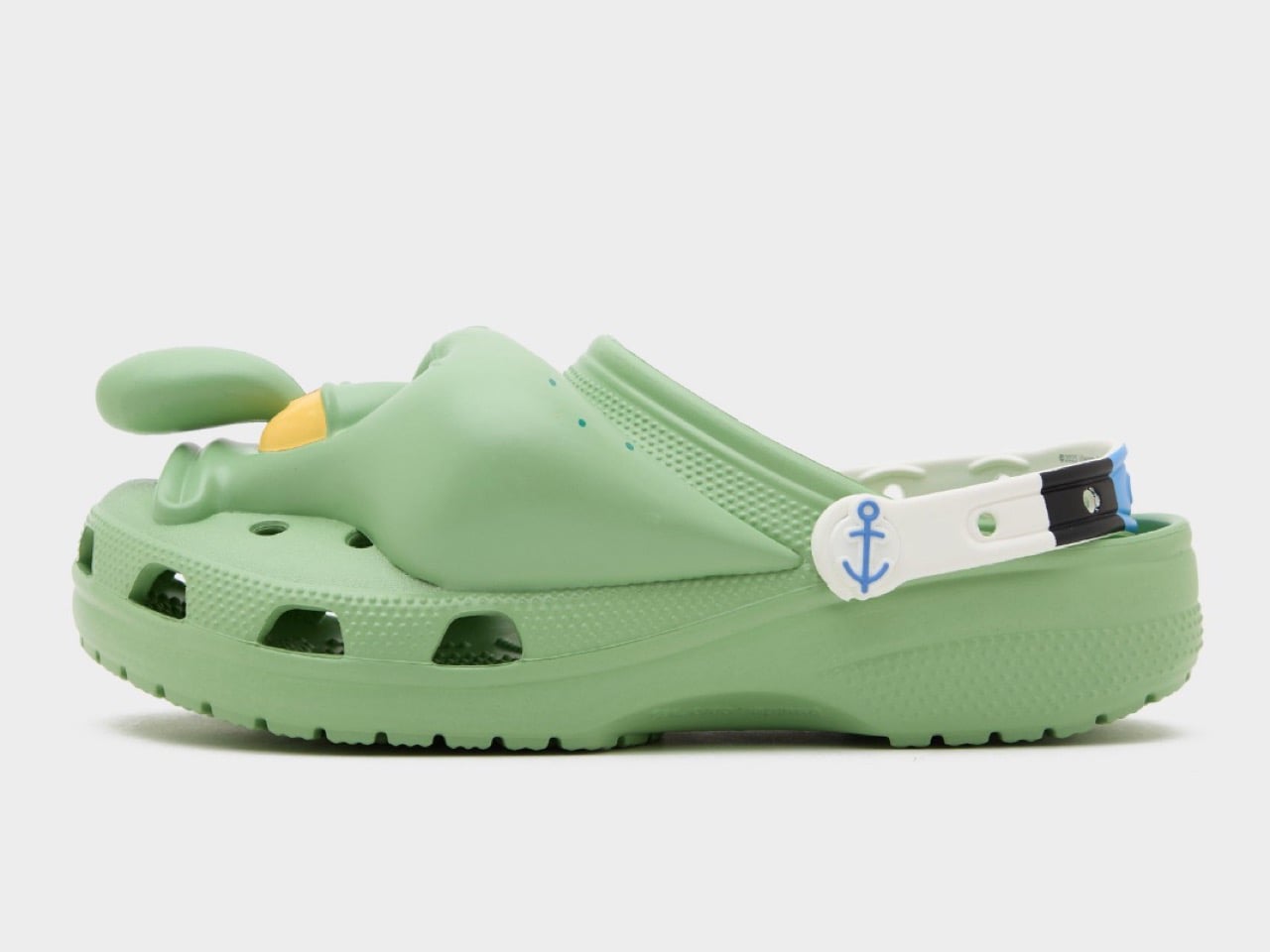
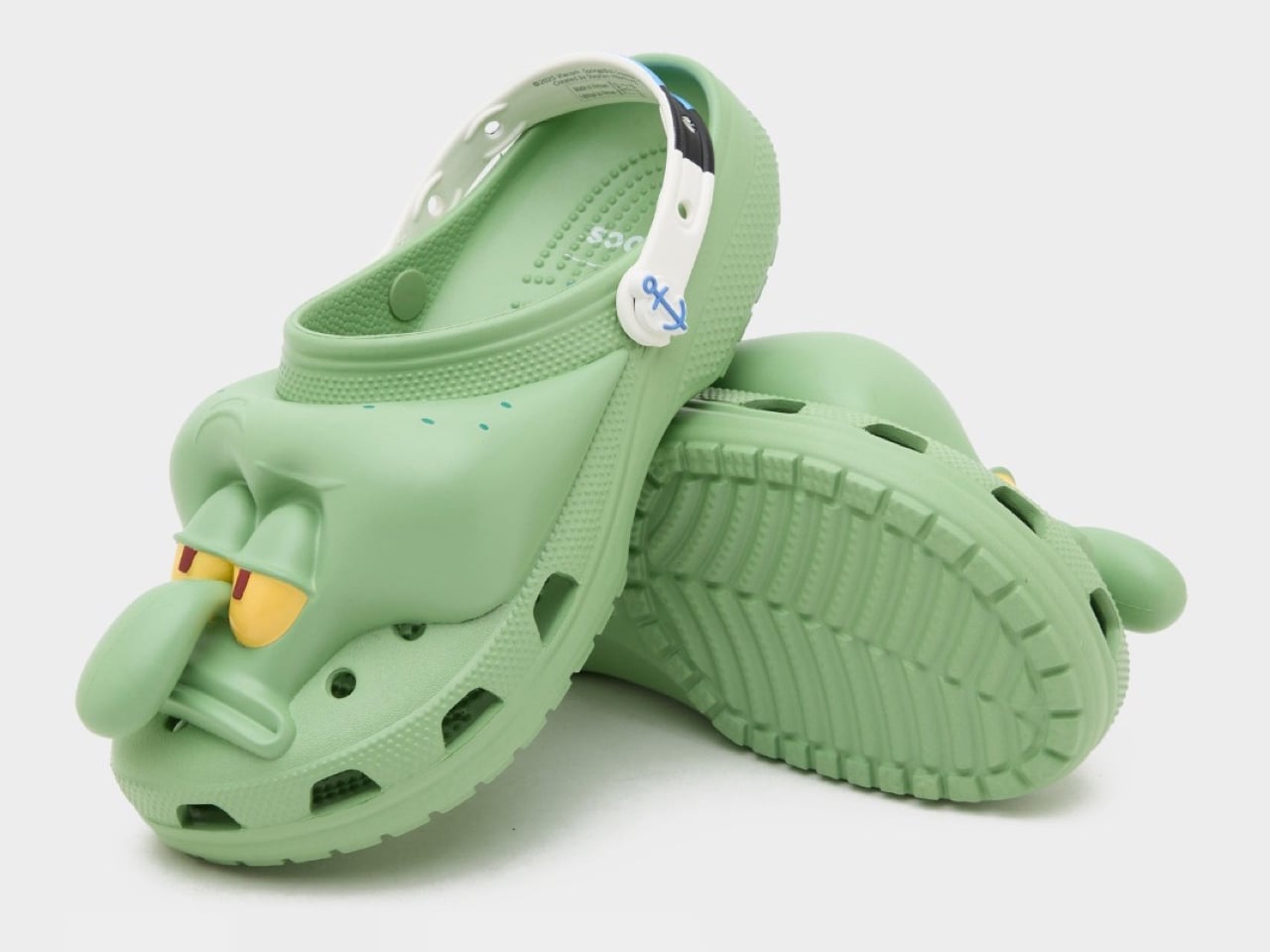
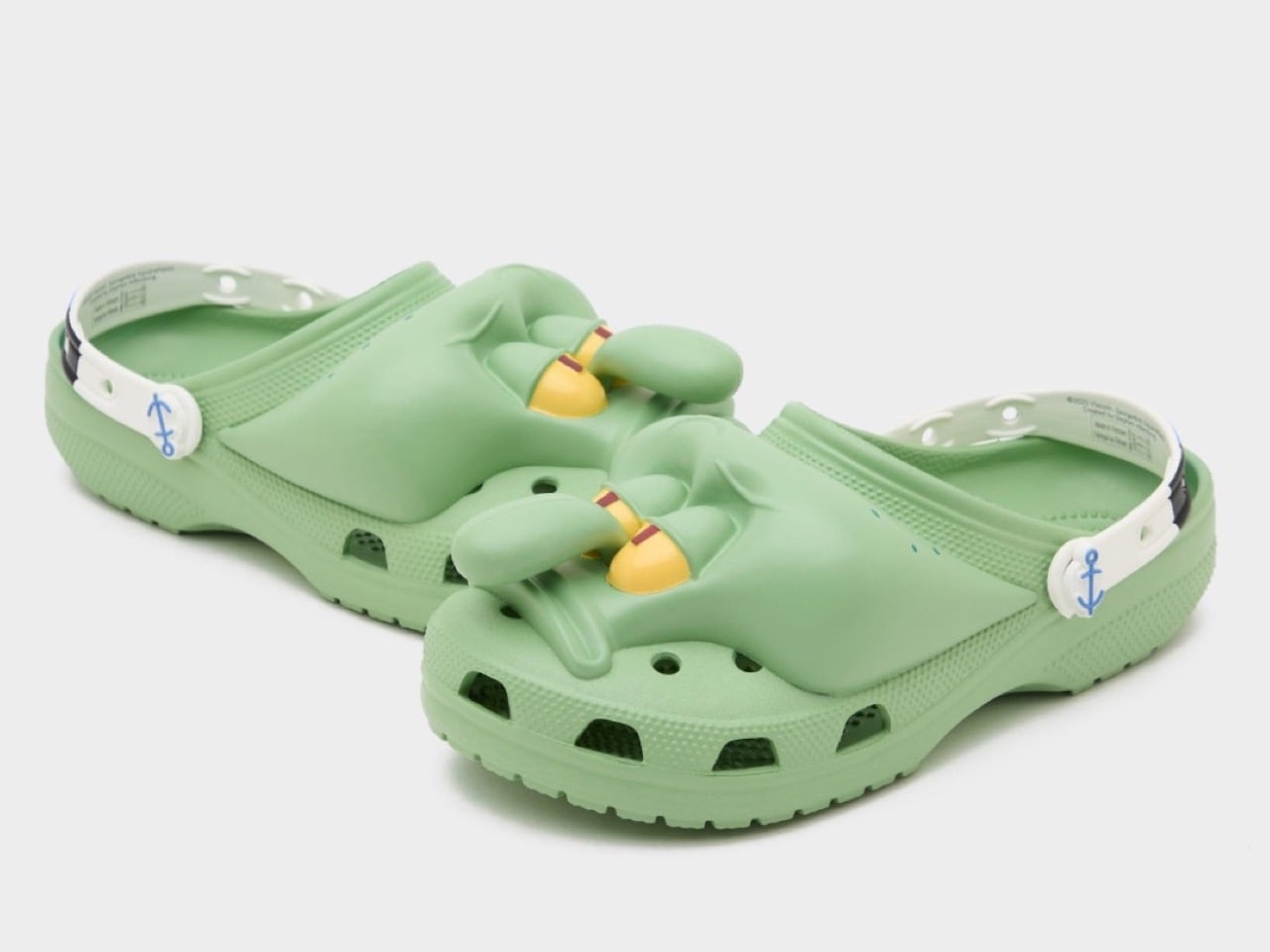
So, Crocs has been launching Spongebob-themed footwear to mark the launch of the latest movie, and while the company already unveiled Spongebob and Patrick-inspired clogs, they decided to keep the best (subjective, of course) drop for the absolute end. You see, the Spongebob and Patrick ones look fairly benign… but the Squidward clogs, dropped today, quite literally look like you’ve slipped your feet into a hole in Squidward’s skull. The details aren’t subtle at all. Each clog has an immaculate representation of Squidward’s face, with its skeptical stare and raised eyebrow, along with that nose only a mother can love.

Designer: Crocs

Let me reiterate. I love Spongebob as a franchise. I like Squidward as a character. But these shoes are, well, repellent to say the least. Don’t expect to score any ladies with these, but if you’re a diehard fan of the franchise, it’s entirely within your rights to collect these limited-edition pairs, and probably even wear them in support of the movie, which launches in May next year.

The entire croc is molded in the iconic Squidward pale green, with the strap being white and sporting an anchor symbol on the pivot-point. Available in unisex sizes, the shoes will officially hit the shelves on December 11th, with a price tag of $80. Am I talking smack about these shoes just so that I can convince enough people to NOT buy them so that I can get a shot at owning them? Probably, you’ll never know.

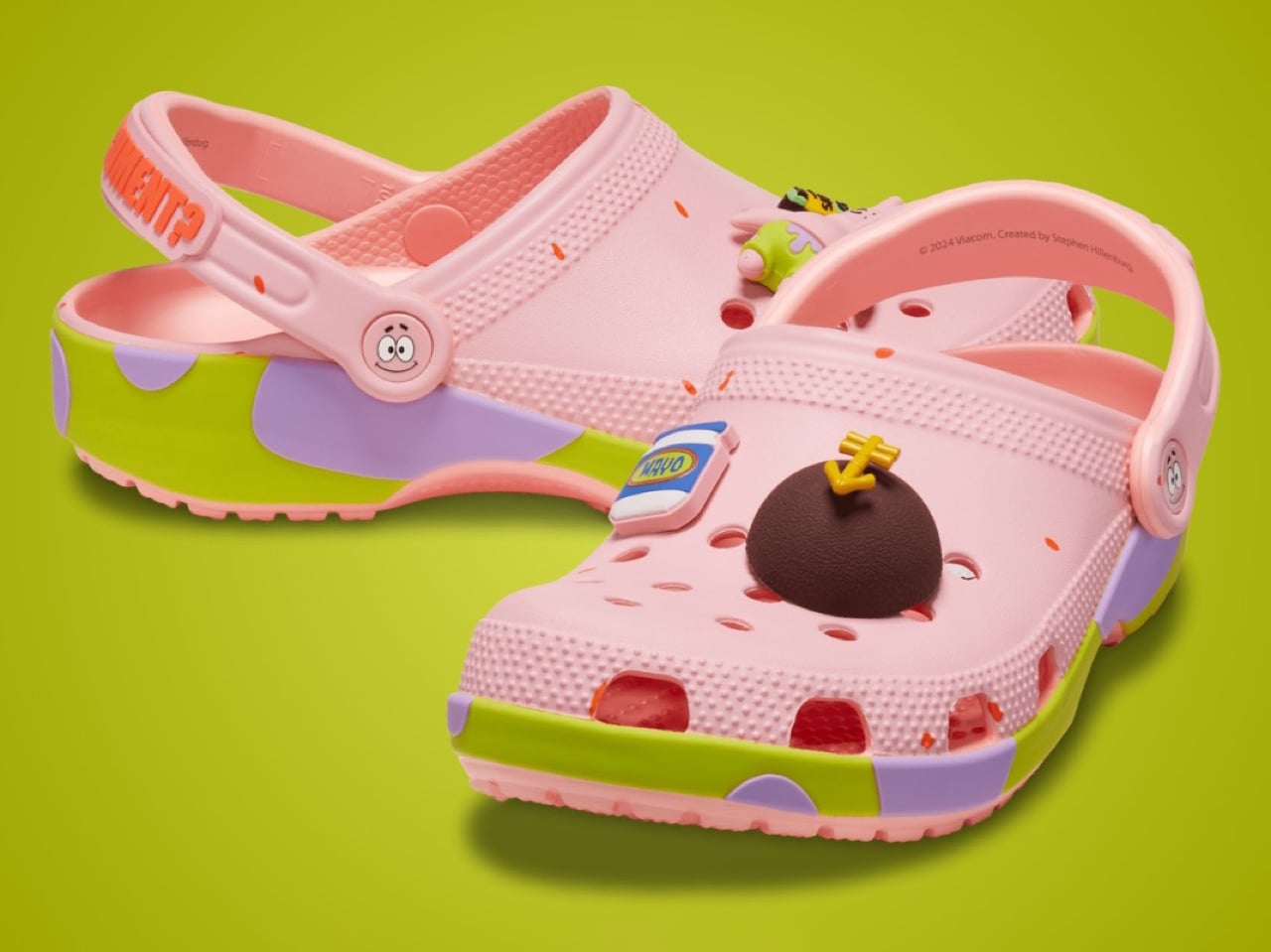
Also hitting the shelves tomorrow are the Spongebob and Patrick Star clogs, in their iconic colors and designs. The Spongebob one comes with arms on the shoes’ body, along with a belt running around the midsole to denote Spongebob’s iconic pants. The insole has Spongebob’s face printed on it, so the shoes look like him from the top. Similarly, even the Patrick Star ones come with Jibbitz that are typical to the starfish, like a rock, a minifigure of Patrick himself, a bottle of sunscreen, and a jar of mayo. The straps read Patrick’s famous lines ‘Is Mayonnaise An Instrument?’, and the midsole (like Spongebob) features the green and purple print from Patrick’s pants.

The post These Official Squidward Crocs Will Repel Every Adult Woman In A 10-Mile Radius first appeared on Yanko Design.
How to watch The Game Awards 2025 on December 11

The Game Awards are this week, with the grand showcase for 2025 coming up on Thursday, December 11 at 8PM ET. There's also a pre-show (in case the multi-hour affair just isn't enough TGA for you) and that kicks off at 7:30PM ET. The ceremony will be a mix of honoring games from the past year and debuting trailers for future releases, so expect a couple interesting announcements to emerge from Thursday night. Engadget will be reporting on any big stories as they happen at The Game Awards, but if you want to watch along with us, the whole shebang is available to watch for free on just about every streaming platform you could want. 

The primo spot to watch is probably YouTube, since it will be broadcasting the show in 4K and you'll want to see all those trailers in their full glory. The video is embedded above. The other official co-streaming partners are Twitch and TikTok Live, but you can also watch everything on Steam and Amazon Prime Video. The Game Awards will also be on social media via Facebook Live, Instagram and X. 

It's been a good year for gaming and lots of top-notch projects are up for nominations at the show this year. The Game Awards will also shine a light on important subjects such as Innovation in Accessibility and Games For Impact as well as recognizing recent releases for excellence in artistry and design. And don't sleep on the Day of the Devs showcase happening tomorrow, Wednesday, December 10; that will almost certainly have some hype stuff emerging from the indie scene.

In terms of reveals, host Geoff Keighley has shared a few looks at what's to come. There will definitely be an appearance by Lara Croft and whatever is happening at Wildflower Interactive, the new studio helmed by The Last of Us co-director Bruce Straley, is due to be announced. PlayStation will also have more to say about Saros, which is Housemarque's follow-up to Returnal. And of course, hope springs eternal (as do the memes) for Half-Life 3.

This article originally appeared on Engadget at https://www.engadget.com/gaming/how-to-watch-the-game-awards-2025-on-december-11-205500124.html?src=rss

Traeger debuts Woodridge Pro Plus grill with Wi-Fi features and built-in storage cabinet

Traeger debuted its Woodridge line of Wi-Fi-enabled pellet grills back in January. The overall theme across the Woodridge, Woodridge Pro and Woodridge Elite is the company’s reliable performance and features are available for less than the cost of its most premium models. Just before Christmas, the company is adding to the the Woodridge lineup with the Woodridge Pro Plus.

For $400 more than the Woodridge Pro, this Plus model adds the enclosed storage cabinet from the Woodridge Elite. Instead of an open shelf, the cabinet offers a better option for keep pellet bins and other accessories close to the grill. This Plus version also has four casters on the bottom of the cart, so it’s easier to maneuver on solid surfaces than the Woodridge Pro. The main difference between the Pro Plus and Elite models is that the latter includes an induction burner on the side shelf.

This new Woodridge Pro Plus still carries all of the handy features from the Woodridge Pro, including Wi-Fi-powered WiFIRE connectivity with the Traeger app, Super Smoke mode, 970 square inches of cooking space and an integrated pellet level sensor. You can also use wireless food probes from the Traeger-owned Meater lineup and the P.A.L. Rail system allows you to customize the grill to your needs with extra organization.

This article originally appeared on Engadget at https://www.engadget.com/home/kitchen-tech/traeger-debuts-woodridge-pro-plus-grill-with-wi-fi-features-and-built-in-storage-cabinet-205320548.html?src=rss

These Keycap-Inspired Rectangular Headphones Make Nothing’s Design Look Boring

We knew Nothing was launching headphones this year, most of us imagined glyphs on them, but Nothing pulled a fast one by choosing a different design direction to stand out amongst a sea of headphones. Instead of the conventional circular or capsule-shaped cups, they unveiled rectangular headphones that took the world by surprise. A lot of us (me included) had reservations on the design, but if anything, the rectangular format was unique enough to really make an impact. The problem? I didn’t associate that design language with Nothing as a brand.

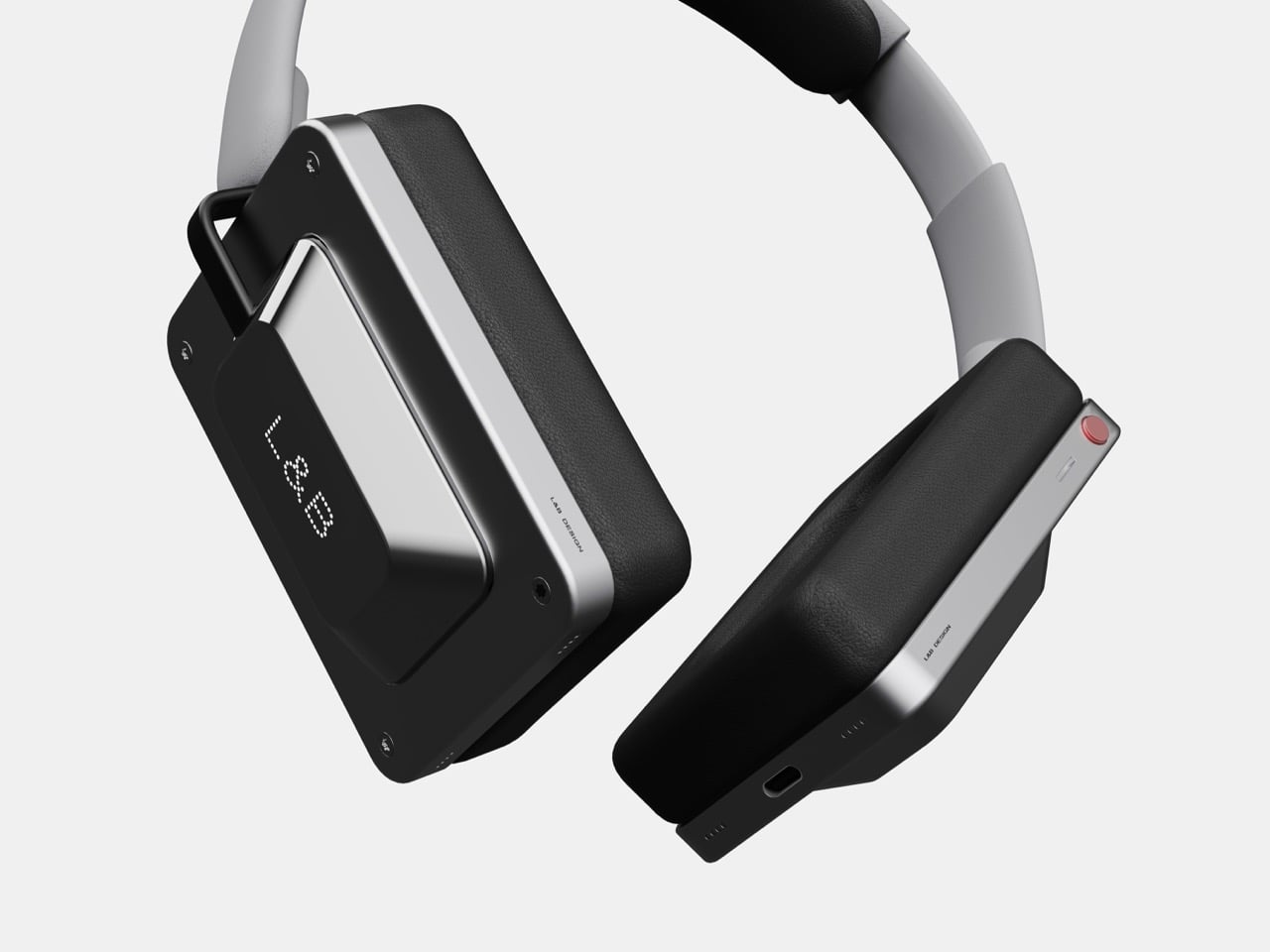
Now, if we’re designing headphones that are just meant to be different, these keycap-inspired headphones really take the cake. Designer Tougou Daciqeng calls it “Cross-border integration of tactile design and auditory technology”, which is just fancy designspeak for ‘we drew a parallel between two senses – touch, and sound’. The result is a pair of headphones that welcome your ears, but also your eyes and hands. That keycap-inspired can on the outside just begs your fingers to touch touch it, sometimes even attempt pressing it.

Designer: Tougou Daciqeng

The result is a fun design language that I don’t attribute to Nothing, but I definitely do to a brand like Teenage Engineering. Fun, funky designs, vibrant and subdued color options, and a silhouette that feels unmistakable. Teenage Engineering doesn’t lean into hyper-ergonomics, everything they make has this industrial, engineering-driven touch, resulting in very soft curves that often punctuate otherwise straight lines and geometric forms.

The beauty of such a pair of headphones lies in not its sound, but its appearance. Sure, sound is arguably the most important feature of a headphone, but what we’re looking at here is purely conceptual, so we’ve only got visuals to go by. To that end, the Keycap Headphones are a visual masterclass. They come with rectangular earcups, but the cutout is still elliptical, allowing them to fit around your ear snugly.

Everything else revolves around that key-shaped surface on the sides. Styled like a Cherry key (although a little different and a lot larger), this surface lets you control the playback through taps, swipes, etc. I’d have preferred a nice clicky key, but we work with what we’ve got. There’s one button on the top of the right earcup for powering on and off the earphones. Everything else can be done through the faux keys on the sides.

The designer definitely gets that a clicky key would be better than a touch surface, which is why they’ve built haptics into the earphones. Press the surface and a click plays through your ear, giving you a satisfactory sensory experience that affirms a key press. The rest of the headphones are fairly uncomplicated. A telescopic headband, a fairly repairable design thanks to exposed countersunk screws on the cans (for that industrial aesthetic), and USB-C charging on the bottom. The headphones come in 5 color variants too, including two metallic finishes, a retro off-white and a classic grey, and finally a fairly CMF-ish orange that’s definitely going to grab a few eyeballs.

The post These Keycap-Inspired Rectangular Headphones Make Nothing’s Design Look Boring first appeared on Yanko Design.

Nearly one-third of teens use AI chatbots daily

AI chatbots haven't come close to replacing teens' social media habits, but they are playing a significant role in their online habits. Nearly one-third of US teens report using AI chatbots daily or more, according to a new report from Pew Research. 

The report is the first from Pew to specifically examine how often teens are using AI overall, and was published alongside its latest research on teens' social media use. It's based on an online survey of 1,458 US teens who were polled between September 25 to October 9, 2025. According to Pew, the survey was "weighted to be representative of U.S. teens ages 13 to 17 who live with their parents by age, gender, race and ethnicity, household income, and other categories."

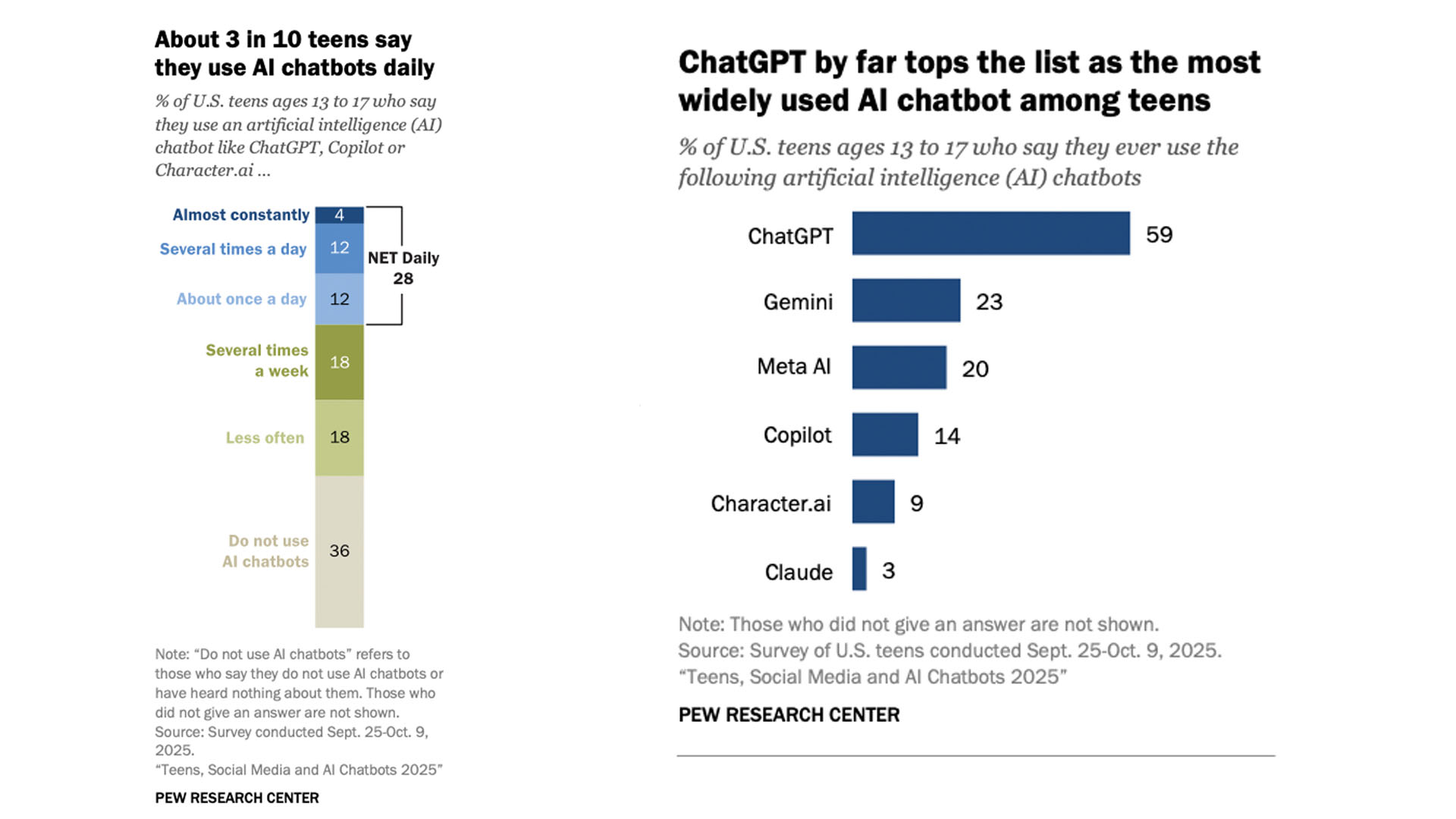
According to Pew, 48 percent of teens use AI chatbots "several times a week" or more often, with 12 percent reporting their use at "several times a day" and 4 percent saying they use the tools "almost constantly." That's far fewer than the 21 percent of teens who report almost constant use of TikTok and the 17 percent who say the same about YouTube. But those numbers are still significant considering how much newer these services are compared with mainstream social media apps. 

The report also offers some insight into which AI companies' chatbots are most used among teens. OpenAI's ChatGPT came out ahead by far, with 59 percent of teens saying they had used the service, followed by Google's Gemini at 23 percent and Meta AI at 20 percent. Just 14 percent of teens said they had ever used Microsoft Copilot, and 9 percent and 3 percent reported using Character AI and Anthropic's Claude, respectively.

The survey is Pew's first to study Ai chatbot use among teens broadly.
Pew Research

Pew's research comes as there's been growing scrutiny over AI companies' handling of younger users. Both OpenAI and Character AI are currently facing wrongful deaths lawsuits from the parents of teens who died by suicide. In both cases, the parents allege that their child's interactions with a chatbot played a role in their death. (Character AI briefly banned teens from its service before introducing a more limited format for younger users.) Other companies, including Alphabet and Meta, are being probed by the FTC over their safety policies for younger users.

Interestingly, the report also indicates there has been little change in US teens' social media use.  Pew, which has regularly polled teens about how they use social media, notes that teens' daily use of these platforms "remains relatively stable" compared with recent years. YouTube is still the most widely-used platform, reaching 92 percent of teens, followed by TikTok at 69 percent, Instagram at 63 percent and Snapchat at 55 percent. Of the major apps the report surveyed, WhatsApp is the only service to see significant change in recent years, with 24 percent of teens now reporting they use the messaging app, compared with 17 percent in 2022.


This article originally appeared on Engadget at https://www.engadget.com/ai/nearly-one-third-of-teens-use-ai-chatbots-daily-200000888.html?src=rss

The Webb telescope spots a supernova from 13 billion years ago

The James Webb Space Telescope and other international observatories have spotted a 13-billion-year-old supernova. On Tuesday, the European Space Agency (ESA) announced the sighting of a gamma-ray burst from a star that exploded when the Universe was only 730 million years old. The Webb telescope even detected the supernova's host galaxy.

Before this observation, the oldest recorded supernova was from when the Universe was 1.8 billion years old. That's a difference of more than a billion years.

You can see the gamma-ray burst in the image below. It's the tiny red smudge at the center of the zoomed-in box on the right.

Webb image shows hundreds of galaxies of all shapes and sizes against the black background of space. Toward the center-left is a large white spiral galaxy that is almost face-on. To the right of this is a large box, which zooms in on an area at top right. Within the box is a faint red dot at the center, with the label GRB 250314A.
The tiny red splotch in the center of the crop box is the oldest thing you've seen.
NASA, ESA, CSA, STScI, A. Levan (IMAPP)

"This observation also demonstrates that we can use Webb to find individual stars when the Universe was only 5 percent of its current age," co-author Andrew Levan wrote in the ESA's press release. "There are only a handful of gamma-ray bursts in the last 50 years that have been detected in the first billion years of the Universe. This particular event is very rare and very exciting."

Researchers learned that the 13-billion-year-old explosion shared many traits with modern, nearby supernovae. While that may not sound shocking, scientists expected a more profound difference. That's because early stars likely had fewer heavy elements, were more massive and didn't live as long. "We went in with open minds," co-author Nial Tanvir said. "And lo and behold, Webb showed that this supernova looks exactly like modern supernovae."

Detection was an international relay race. First, NASA's Neil Gehrels Swift Observatory noted the X-ray source's location. (That helped Webb to make subsequent observations that determined its distance). Then, the Nordic Optical Telescope on the Canary Islands in Spain made observations indicating that the gamma ray might be very distant. Hours later, the European Southern Observatory's Very Large Telescope in Chile estimated its age: 730 million years after the Big Bang. All of this happened in under 17 hours, according to the ESA.

The team behind the observation has been approved to spend more time with Webb studying gamma-ray bursts from the early Universe — and the galaxies behind them. "That glow will help Webb see more and give us a 'fingerprint' of the galaxy," Levan predicted.

This article originally appeared on Engadget at https://www.engadget.com/science/space/the-webb-telescope-spots-a-supernova-from-13-billion-years-ago-194327489.html?src=rss