Crowdfunding vs. Awards vs. Media: A Design Insider’s Guide to the Best Path

Design Mindset, Yanko Design’s original podcast series powered by KeyShot, has been steadily carving a niche for itself in the design world by giving listeners an inside view on how creativity becomes impact. Every Friday, the show brings together design’s top minds to share stories that go beyond the project and into the strategies, pitfalls, and breakthroughs shaping the industry today. Episode 10 is no exception, it explores the real-world effects of design publicity on careers, and the conversation is especially relevant to anyone hoping to turn a portfolio into a profession.

This week’s guest is Sarang Sheth, Editor-in-Chief at Yanko Design and a designer whose own path was transformed by media exposure. Few are better positioned to dissect the mechanics of design publicity, both as a former featured designer and now as a gatekeeper for one of the world’s most influential design platforms. The episode not only spotlights Sarang’s journey but also delivers a tactical playbook for designers seeking to amplify their work and maximize recognition.

Download your Free Trial of KeyShot Here

When Five Views Become 450: The Career-Altering Power of Global Exposure

There’s a stark difference between being a talented designer and being a recognized one. This isn’t a lesson taught in most design schools, but it’s one Sarang Sheth learned firsthand in 2014. Fresh out of university and nine months into an unsuccessful job hunt abroad, he was sending portfolio links to companies and tracking their engagement. “I would see like, you know, I’m sending portfolios out to these companies and I’m getting like five views a day, three views a day. So I knew that people were checking their mails and at least looking through my work,” Sarang recalls. Then something shifted. He submitted work to Yanko Design, and editor Troy Turner decided to feature it. “Suddenly I saw like 300 views on my website and like 450 views. And I was like, okay, that’s a significant jump.”

But the numbers told only part of the story. The granular data revealed something more profound: views were coming in from Turkey, Croatia, and the UK. “This is incredible because A, I didn’t pay for it. And B, there was no extra work for me. All I had to do was share it with someone who was willing to talk about it,” Sarang says. This moment crystallized two truths for him. First, that international media exposure offered opportunities that local recognition simply couldn’t. As he bluntly puts it, “local recognition is like winning best dancer within your society, it does nothing.” And second, that storytelling itself could be a viable career path. The article about his work resonated with him as much as the traffic spike did. “I read the article and I realized that this is something I can actually do,” he remembers. That realization, combined with the viral reach of design media, didn’t just land him a job, it set the stage for his entire career trajectory. Today, Yanko Design reaches millions per month across multiple platforms, Instagram, Pinterest, Twitter, LinkedIn, Facebook, YouTube, and its newsletter. “Regardless of what your concept is, what your project is, there are multiple ways that Yanko Design can sort of get you to reach the audience that you’re looking to reach,” Sarang notes. Those eyeballs, he adds, increasingly include potential investors, jury members, and employers, all of whom can change the course of a designer’s career with a single connection.
Ideas Don’t Need to Be Real to Be Powerful

One of the most counterintuitive insights from the conversation is that conceptual work can resonate as powerfully as finished products, sometimes even more so. Sarang points to several examples that illustrate this phenomenon. Earlier this year, he featured a project by Indian designer Siddhant Patnaik, a Google-branded version of the AirPods Max. “People resonated with it so much that it ended up getting its own segment on Marques Brownlee’s Waveform podcast,” he shares. The design garnered hundreds of thousands of views not just on Yanko Design but across multiple media outlets, despite never being a real product. This isn’t an isolated case. Sarang has created his own conceptual designs for Yanko, foldable phones, patent-related concepts, and an Apple Pencil that docks inside a MacBook, which is still featured on Forbes. “I’ve seen reels on it and reels showing Yanko Design’s page. So, it’s great to see that people realize that they’re not necessarily fond of great products, they’re also fond of great ideas.”

This creates a fascinating dynamic: media visibility alone can stimulate demand and validate interest even before a product enters production. “A lot of times they’re concepts,” Sarang says about inquiries from potential buyers. “Which validates the fact that sometimes concepts are so much more exciting than reality.” The takeaway for designers is clear: don’t wait until you have a manufactured product to share your work. High-quality 3D renders and compelling narratives can generate demand, attract licensing interest, and open doors to partnerships. “Ideas are cheap, execution is tough, but something that I have also learned is that holding your cards close to the chest and not sharing those ideas with anybody doesn’t benefit anybody,” he advises. The key, however, is presentation. In the age of AI-generated imagery, granular control offered by professional 3D rendering can push a concept over the credibility threshold. “A pencil sketch has to be incredibly good as an idea to sort of translate to massive success. Whereas a really, really well-made render has a much easier path ahead,” Sarang explains.
Turn Ripples Into Waves: The Designer’s 48-Hour Action Plan

Getting featured is just the beginning. Too many designers treat media coverage as a finish line when it should be treated as a starting gun. Sarang is emphatic about this: designers need to move from passive observation to active amplification. “Don’t just repost initial coverage; turn ripples into waves,” he urges. The first step is preparation. Before pitching any publication, designers should have a press kit ready, complete with high-resolution images, project descriptions, and relevant context. “Please, it’s not that difficult. ChatGPT will literally write the press release for you and your images are already in there, you need to just compress them,” Sarang says. AI tools have made this process easier than ever, but the fundamentals remain: professional assets signal that you’re serious about your work.

Once a feature goes live, the real work begins. Designers should immediately reach out to other outlets, Designboom, Hypebeast, and niche blogs relevant to their work. “You should have at least five or six media contacts in your outreach,” Sarang recommends. Each additional feature compounds the impact of the first, creating what he calls a “cascading effect.” Media coverage also serves as social proof that can be leveraged in other contexts. “Use features to bolster award entries, multiplying reach and credibility,” he advises. But there’s a crucial caveat: not every design fits every outlet. Understanding platform fit is essential. “Each design blog or each design platform has its own visual ethos, has its own direction, has its own strengths,” Sarang explains. Yanko Design, for instance, may not be the right fit for highly technical architecture projects, but it excels with consumer-facing product design, EDC items, and tiny homes. Sarang is candid about this curation process: “If designers come to us with 2D sketches, we’re like, hey, you know what, render it out and then bring it back to us. We’d love to feature it then.” This isn’t gatekeeping; it’s guidance. The goal is to reach the right audience, and sometimes that means directing designers to other platforms where their work will resonate more strongly. As Sarang puts it, “You won’t go trying to plant a mango in winter.”

Crowdfunding First, Media Second, Awards Third

When presented with a hypothetical scenario during the podcast’s “Design Mindset Challenge”, a talented designer with budget and time to pursue one of three paths (major design award, crowdfunding campaign, or media features), Sarang’s answer was surprising and strategic. “Start with crowdfunding,” he says without hesitation. His reasoning is multifaceted. First, crowdfunding offers the strongest form of validation: real demand, backed by real money. “When you’re going down the crowdfunding route, it’s the highest form of design skill validation because you’re not getting clicks, you’re not getting a job, you’re setting up a company that is solely focused around your product,” he explains. Unlike media coverage, which generates interest, or awards, which confer prestige, crowdfunding forces execution. It demands prototyping, production planning, and supply chain management. “The people who look at the product and are like I believe in that vision, those are the people who are jumping on board, and that is the best way to put that stamp of approval on your product being a good idea,” Sarang notes.

Crowdfunding also offers pragmatic intellectual property protection. By being first to market, even in a crowdfunding context, designers stake their claim publicly. “When you share an idea on a design platform like us, we do share a lot of concepts, but it’s obvious,” Sarang says, acknowledging the risk of plagiarism. “First crowdfund, secure your IP in however, whatever way possible. Spend money on patents or copyrighting or whatever.” Once the crowdfunding campaign is live or funded, designers can leverage that momentum for media coverage. Publications are far more likely to feature a project with market validation than a standalone concept. “That will help you secure your idea and make sure that you’re not being plagiarized by other people who beat you to it,” Sarang adds. Finally, awards should come third. “Awards are a much more expensive bet, I would say. And the awards do have timelines,” he explains. Media can react quickly, publishing within days, while award results take months. The strategic sequence, crowdfunding, media, then awards, allows designers to build credibility at each stage, using prior success to unlock the next opportunity. This ecosystem approach doesn’t just maximize recognition; it creates sustainable business outcomes.

Why 2 Million Views Trump a Design Award

In the rapid-fire segment of the podcast, host Radhika Seth posed a provocative question: what’s more career-changing, winning a design award or getting 2 million views on Yanko Design? Sarang’s answer was immediate and unequivocal: “2 million views on Yanko Design. Wow. Because that has a cascading effect.” His response cuts to the heart of a broader truth about recognition in the digital age. Awards carry prestige and credibility, especially when backed by respected juries, but their reach is often limited to industry insiders. Media exposure, by contrast, casts a far wider net. A feature on Yanko Design doesn’t just reach designers; it reaches design consumers, potential investors, manufacturers exploring licensing opportunities, and employers scouting for talent. “Global features expose work to buyers, investors, co-founders, and employers,” Sarang notes, emphasizing that media responsiveness can even aid with time-sensitive opportunities like visa documentation.

Yanko Design’s audience, which Sarang describes as “design consumers” rather than just designers, is particularly valuable. “I like to believe that our audience are not only designers, but they also design consumers because I have seen so many campaigns, Kickstarter campaigns or the Indiegogo campaigns that we feature bring in so much of revenue for the campaigners,” he explains. Certain niches perform exceptionally well: EDC (everyday carry) items and tiny homes consistently generate strong engagement and conversions. “EDC content often drives campaign revenue,” Sarang says, noting that the writers at Yanko are genuine enthusiasts whose passion translates into the coverage. “A lot of our write-ups also come from a place of excitement and that just translates to the readers.” This isn’t to diminish the value of awards. Jury validation carries weight, and media partners often amplify award wins, creating a multiplier effect. But for sheer, immediate impact on a designer’s trajectory, media reach is unmatched. As Sarang puts it, “A 2 million-view YD feature can be more career-changing than a single award due to cascading recognition, opportunities, and serendipitous discovery by influential readers.”
From Designer to Storyteller: Why Context Matters

Sarang’s own career shift from designer to editor was inspired by filmmaker Gary Hustwit, an industrial designer turned documentarian whose films on Dieter Rams, Apple, and the Helvetica font have become cultural touchstones. “He was basically an industrial designer who also graduated and realized that his calling wasn’t industrial design, it was storytelling,” Sarang says. This resonated deeply. “Whenever I introduce myself, I say, you know how they say a picture is worth a thousand words? I’m the guy who writes those thousand words.” For Sarang, storytelling is a design-adjacent calling, one that expands the impact of products by giving them context and accessibility. “A lot of designers are so involved with creating products that they forget sometimes that the products need context and explanations,” he observes. This is where design media plays a crucial role: translating innovation into narratives that resonate with broader audiences.

Sarang’s approach to writing reflects this philosophy. Yanko Design doesn’t just catalog products; it explores their potential, their cultural relevance, and the problems they solve. “Translating products into accessible narratives expands impact,” he says, framing editorial work as an essential bridge between creators and consumers. This storytelling function is especially vital in an era dominated by algorithmic feeds and unpredictable social media platforms. “Algorithms are unpredictable,” Sarang notes. “Editorial curation connects designers with targeted stakeholders, buyers, investors, co-founders, through trusted storytelling and focused audiences.” Unlike a viral TikTok or Instagram post, which might reach millions but lack context or credibility, a curated editorial feature provides depth and legitimacy. It signals that the work has been vetted, that it’s worth paying attention to. For designers, this means that presentation and narrative matter as much as the design itself. A well-crafted story can turn a good product into a great one, and in some cases, it can even turn a concept into a business opportunity before the product exists at all.


Design Mindset premieres every Friday on Yanko Design, bringing fresh perspectives from design’s leading voices. This episode underscores a critical truth: design recognition isn’t just about talent, it’s about understanding the ecosystem of media, awards, and crowdfunding, and knowing how to navigate it strategically. For designers ready to share their work, Sarang’s advice is simple: “Send your work to Yanko Design, publication@yankodesign.com. Send it to us on Instagram, send us links, Behance links, whatever, however you want to send it to us. Please keep sending your work. It can’t get easier.”

Download your Free Trial of KeyShot Here

The post Crowdfunding vs. Awards vs. Media: A Design Insider’s Guide to the Best Path first appeared on Yanko Design.

Insta360’s Design Chief Says Your ‘Perfect’ Product is Already Too Late

Welcome to a new creative space at Yanko Design, where we explore the minds behind the products that shape our world. We are thrilled to introduce our new podcast, Design Mindset, your weekly dive into the philosophies and frameworks that drive modern innovation. Every Friday, host Radhika Seth sits down with leaders, creators, and thinkers who are redefining their industries. In our ninth episode, we explore a fascinating concept: the invisible grid. These are the seamless systems and technologies that, when designed perfectly, fade into the background, allowing pure creativity to flourish without constraint.

Our guest for this exploration is Edward Mao, a product design lead and the head of the integrated design department at Insta360. Edward brings a global perspective to his work, having studied and lived across the US, Sweden, and Schengen. He leads teams that build the very systems millions of creators depend on daily. Insta360 is known for its groundbreaking 360-degree cameras and action cameras, particularly its “invisible selfie stick” technology, which serves as a perfect metaphor for our conversation. The best systems, like the best tools, should empower the user to the point where they are no longer thinking about the tool itself, but only about what they want to create.

Click Here to learn more about Insta360’s latest X5 Camera

The Innovator’s Mindset: Redefining the Rules of the Game

What truly separates an innovator from a follower? According to Edward, it transcends simple risk-taking and digs deep into one’s fundamental mindset. An innovator is driven by a desire to establish entirely new rules, to create categories that never existed before, and to set the benchmarks that will define the market for years to come. Their focus is on impact and purpose, a relentless pursuit of a unique vision that pushes the entire industry forward. Edward explains that this path is inherently harder, but the reward is a profound sense of satisfaction that cannot be replicated. As he puts it, “innovating makes you unique… the payoff, you can get the sense of purpose, the sense of satisfaction, right? It’s way bigger than the comfort of staying safe.” It’s a conscious choice to author the next chapter rather than simply editing a page in someone else’s book.

Conversely, the follower’s path is often a strategic one, focused on efficiency and execution. They excel at optimizing proven formulas and competing on established metrics like price and features, a strategy that allows them to catch up quickly and capture market share. However, this approach has a natural limit. Edward notes that many successful creators and companies eventually hit a “growth ceiling,” a point where the old formulas no longer yield the same results. This is the critical juncture where the question shifts from “How can we do this better?” to “What’s next?” This moment of stagnation often becomes the catalyst for a radical shift in thinking, forcing even the most dedicated follower to consider the daunting but necessary leap into the unknown territory of innovation, where the potential for true differentiation lies.

The Disappearing Act: When Great Technology Becomes Invisible

The ultimate goal of great design is to render itself invisible. This is the central philosophy Edward champions, where technology becomes so intuitive and seamless that it dissolves into the background, leaving only the user and their creative vision. The tool ceases to be an object of focus and instead becomes a natural extension of the user’s intent. Insta360’s “invisible selfie stick” is the perfect embodiment of this principle. When a creator uses it, they are not thinking about the pole in their hand or the mechanics of the software erasing it. They are thinking about capturing an impossible, drone-like shot, fully immersed in the act of creation. This is the magic moment Edward strives for, when “the tech basically disappears and the creativity takes over… that’s when you know you have built something truly invisible.” The technology becomes a silent partner, empowering the user without ever demanding their attention.

Achieving this level of invisibility is not a matter of adding more features, but of ruthless simplification and a return to first principles. Instead of asking how to build a better version of an existing product, the innovator asks what the user’s ultimate goal is and what the absolute, unchangeable constraints are. This approach fundamentally reframes the problem, steering the design process away from incremental improvements and toward breakthrough solutions that address the core need. By focusing on the “why” behind the user’s actions, designers can build tools that anticipate needs and remove friction points before they are even noticed. This frees the creator’s mind from the burden of technical problem-solving, allowing them to dedicate all their cognitive energy to what truly matters: storytelling, expression, and bringing their unique vision to life.

Paying the ‘Tuition’: The Unseen Investment of a Pioneer

Embarking on a path of true innovation is an expensive education, and as Edward suggests, the early struggles are the “tuition” paid for a future advantage that cannot be bought. Pioneering is a slow, arduous process, much like pushing a heavy flywheel. The initial effort is immense, with little visible momentum to show for it. These early phases are filled with setbacks, costly mistakes, and the constant feeling of pushing against inertia. However, this upfront investment in learning, testing, and overcoming unforeseen obstacles builds a deep well of experience-based knowledge. This hard-won wisdom becomes a strategic moat, a defensible asset that late-coming competitors cannot easily replicate. They may be able to copy the final product, but they cannot copy the years of struggle and learning that made it possible.

This pioneering journey is fueled by more than just resilience; it is powered by profound empathy. Edward emphasizes that the most insightful innovators are often their own most demanding users. They relentlessly stress-test their own creations in the messy, unpredictable real world, uncovering failure points and latent needs that would never surface in a controlled lab or a market research report. This hands-on process builds an intuitive understanding of the user experience. Furthermore, this journey requires a pragmatic acceptance of imperfection. The goal is not to launch a flawless product from day one. Instead, the strategy is to release a solid, valuable minimum viable product and then iterate relentlessly with the market. As Edward advises, “perfection comes later iteration by iteration i think it’s less scary that way.” In this model, the community of users becomes a collaborative partner in the design process, their feedback shaping the product’s evolution.

Beyond the Product: Why Sustainable Innovation Lives in Ecosystems

In today’s hyper-competitive market, a single breakthrough product is no longer enough to guarantee long-term success. A brilliant feature can be copied, a clever design can be replicated. True, durable advantage, as Edward argues, comes from building a comprehensive ecosystem around the product. This system of interconnected value is far more difficult for competitors to duplicate. For a company like Insta360, this means the camera itself is just the beginning. The real strength lies in the surrounding ecosystem: the intuitive editing software that simplifies complex workflows, the active user communities that provide support and inspiration, the extensive library of tutorials that flatten the learning curve, and the wide array of accessories that expand the product’s capabilities. This holistic approach creates a sticky, high-friction-to-exit experience that compounds the product’s value over time, turning customers into loyal advocates.

This powerful principle of ecosystem thinking is not just for large corporations; it is equally critical for individual creators striving to build a sustainable career. A viral video or a popular design is fleeting, easily lost in the endless stream of digital content. A career built on an ecosystem, however, is enduring. Edward advises creators to think beyond the next piece of content and instead focus on building systems around their work. This could manifest as developing mentorship programs to nurture emerging talent, creating collaborative workflows with other artists to cross-pollinate audiences, or productizing their expertise through workshops and digital assets. By building a network of value around their core creative output, they transform their work from a series of replaceable artifacts into a resilient, interconnected enterprise that can withstand the unpredictable shifts of trends and algorithms.

From Follower to Leader: A Practical Guide to Making the Leap

The transition from a follower to an innovator can feel like a terrifying leap into the abyss, especially when a proven formula is already paying the bills. The fear of abandoning what works is a powerful deterrent. However, Edward’s advice demystifies this process, transforming the reckless gamble into a series of calculated, manageable steps. The core principle is to de-risk innovation by starting small. Instead of betting the entire farm on an unproven idea, he advocates for experimenting on the periphery with “low-stakes side projects.” This approach allows a creator or a company to explore new technologies, test radical ideas, and build new skills without jeopardizing their main source of income or alienating their core audience. As he simply states, “start small always start small.” It’s a strategy of quiet evolution, building the future in the background while continuing to deliver consistency in the foreground.

To guide this process, Edward offers a practical three-part test to determine if an innovative idea is worth pursuing. First, can the concept be explained in a single, simple sentence? This is a test of clarity and focus, ensuring the idea isn’t convoluted. Second, does it create a unique experience that nothing else currently offers? This validates its potential for true market differentiation. And third, does it address common user complaints? This is the most crucial test, as it confirms that the innovation is solving a real, pre-existing problem, signaling a clear and unmet demand. By using this framework, innovation shifts from being a blind bet to a strategic, evidence-based pursuit. It encourages prototyping, running small user tests, and co-creating with the community, allowing the audience to help guide the direction of progress and ensuring that when you do finally push the boundaries, you bring them along with you.


To hear more about Edward’s work and his systematic approach to creativity, you can follow him at “designer mr mao” on red note and tiktok, or go check out how Insta360 is revolutionizing how we capture our world. Be sure to tune in to Design Mindset next Friday for another look into the minds shaping our creative world.

The post Insta360’s Design Chief Says Your ‘Perfect’ Product is Already Too Late first appeared on Yanko Design.
SIHOO DORO C300 PRO REVIEW: HIGH-END Office and gaming chair at An Affordable Price

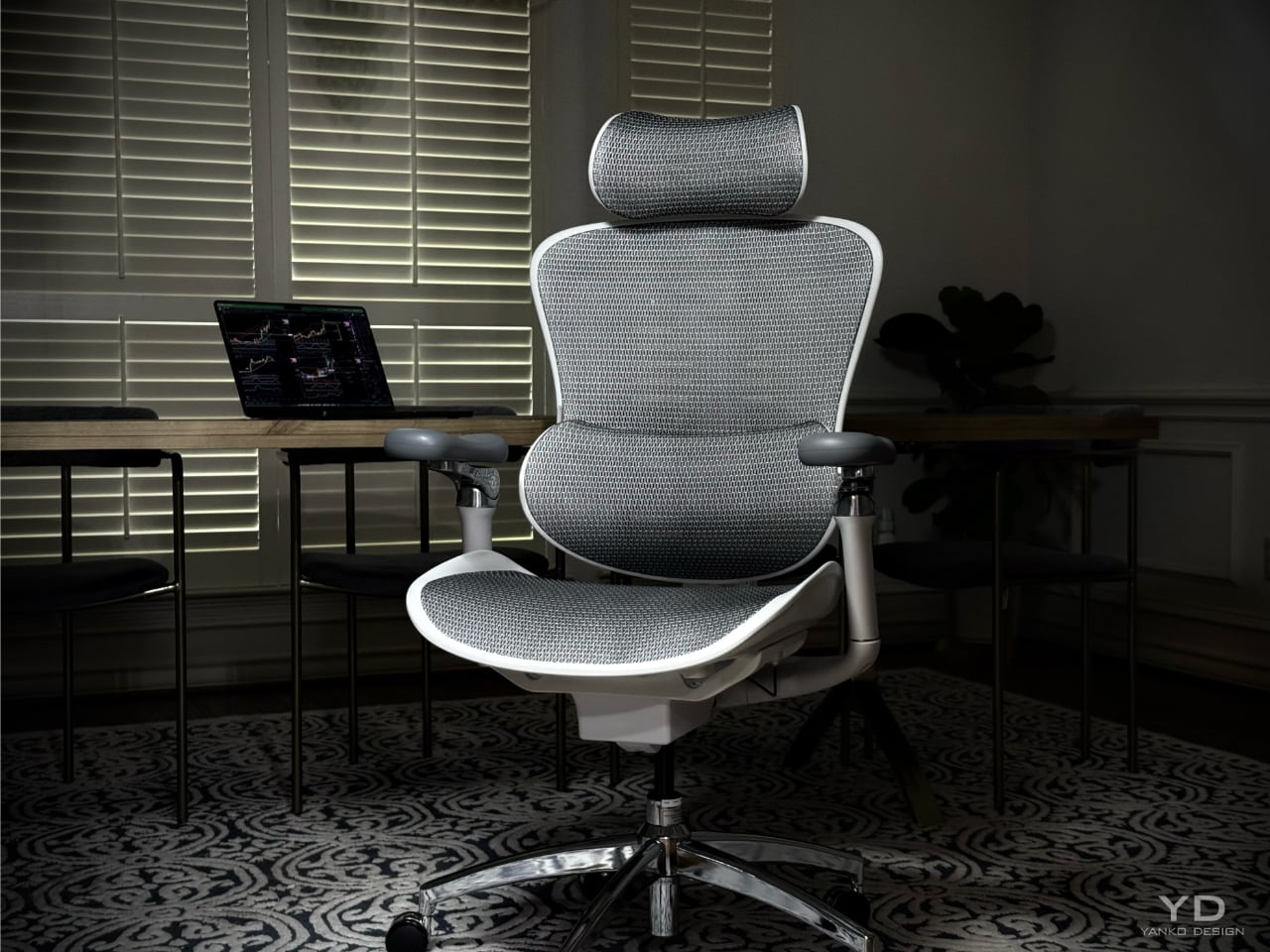
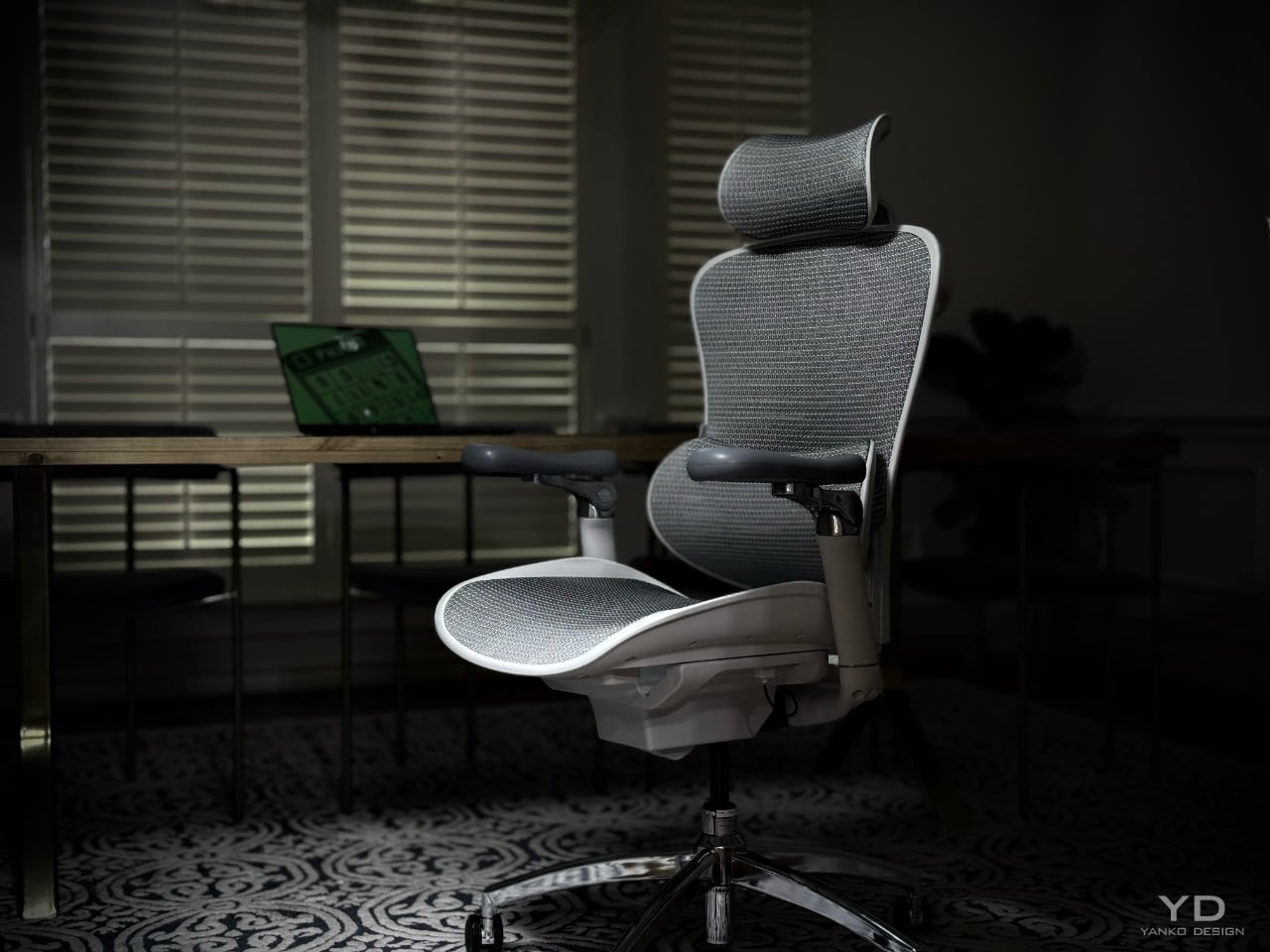
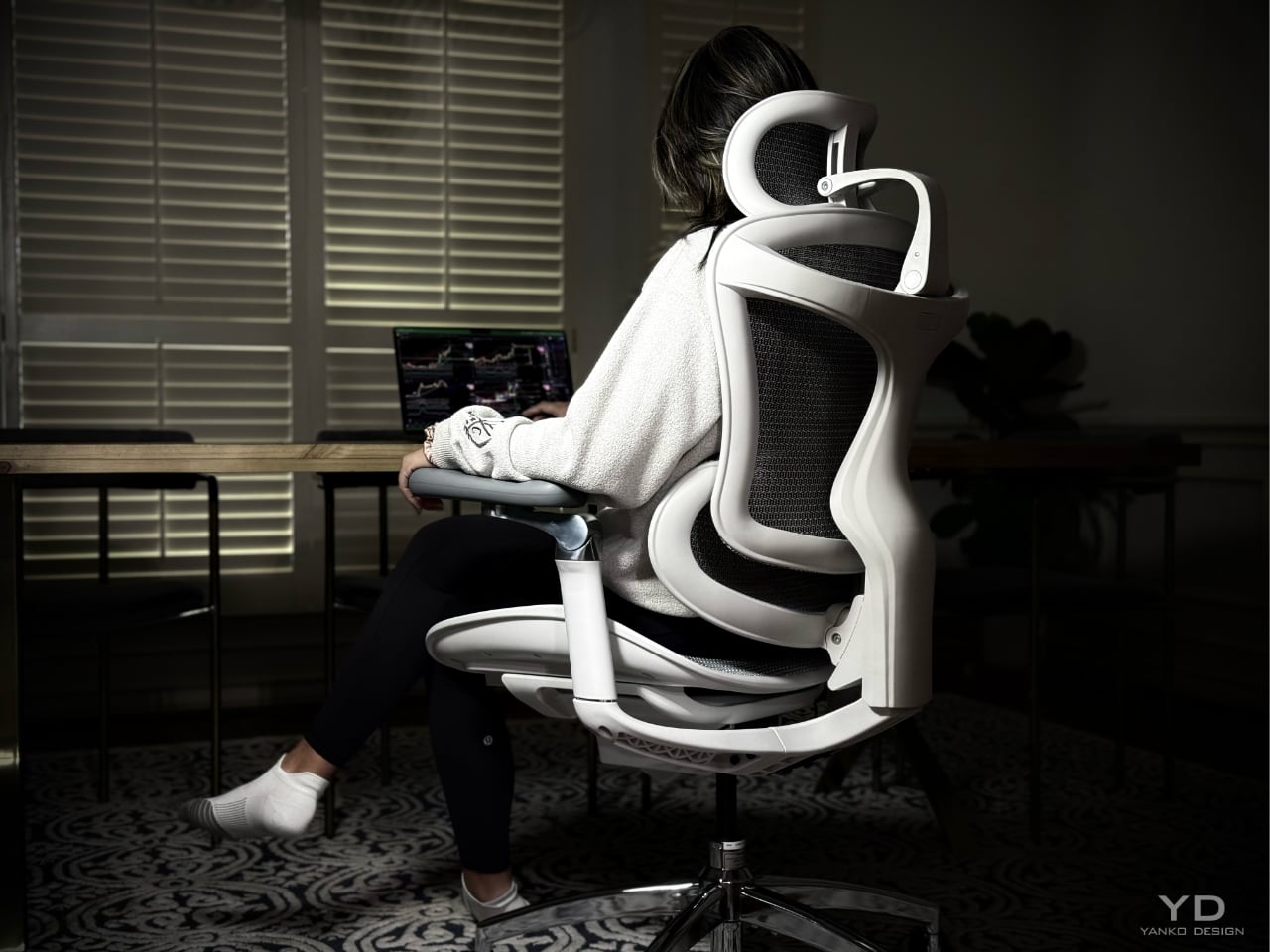
After spending several weeks with the Sihoo Doro C300 Pro, I confidently conclude it strikes a careful balance between comfort, adaptability, and sleek design. The C300 Pro has been designed to fill your home office – it provides a solution for anyone tired of dealing with the aches and strains from long hours at a desk. The innovative mesh design goes beyond aesthetics – it conforms to my body, providing flexible support that keeps up with every shift and stretch throughout the day. One key feature is the self-adaptive lumbar support, which automatically tracks my movements to provide consistent lower back relief. The 6D coordinated armrests and the flexible headrest also make a real difference, adapting to how I sit, lean, or relax.

PROS:


  • Dynamic Lumbar Support: Automatically adjusts to your movements, providing continuous comfort and helping maintain proper posture without needing constant manual adjustments.

  • 6D coordinated armrests: Provides extensive customization, making it easy to find the perfect position for various tasks, whether gaming, typing, or relaxing.

  • Breathable Mesh Design: Promotes airflow and keeps you cool during long sessions, effectively managing moisture and heat.

  • Comprehensive Reclining Mechanism: With precise recline angles and weight-sensing technology, it provides a smooth reclining experience tailored to different sitting activities.Sophisticated Headrest: Offers highly customizable support for your neck and head, reducing strain during extended work or gaming sessions.

CONS:


  • Armrest Stability: The armrests could be more stable as they tend to shift too easily, which can be distracting during use.

  • Manual Lumbar Depth Adjustment: Adding a manual depth control for lumbar support would provide even more personalized comfort for users with specific back support preferences.

  • Recline Tension Control: Introducing a more easily adjustable recline tension control would allow users to customize their reclining experience more precisely, enhancing comfort.

RATINGS:

AESTHETICS
ERGONOMICS
PERFORMANCE
SUSTAINABILITY / REPAIRABILITY
VALUE FOR MONEY

EDITOR'S QUOTE:

The Sihoo Doro C300 Pro redefines what you expect from an ergonomic chair at this affordable price—delivering premium comfort, dynamic support, and thoughtful customization that outshines much pricier competitors. This chair effortlessly bridges the gap between gaming and productivity, offering a tailored seating experience that meets diverse demands, helping you stay focused or unwind as needed.

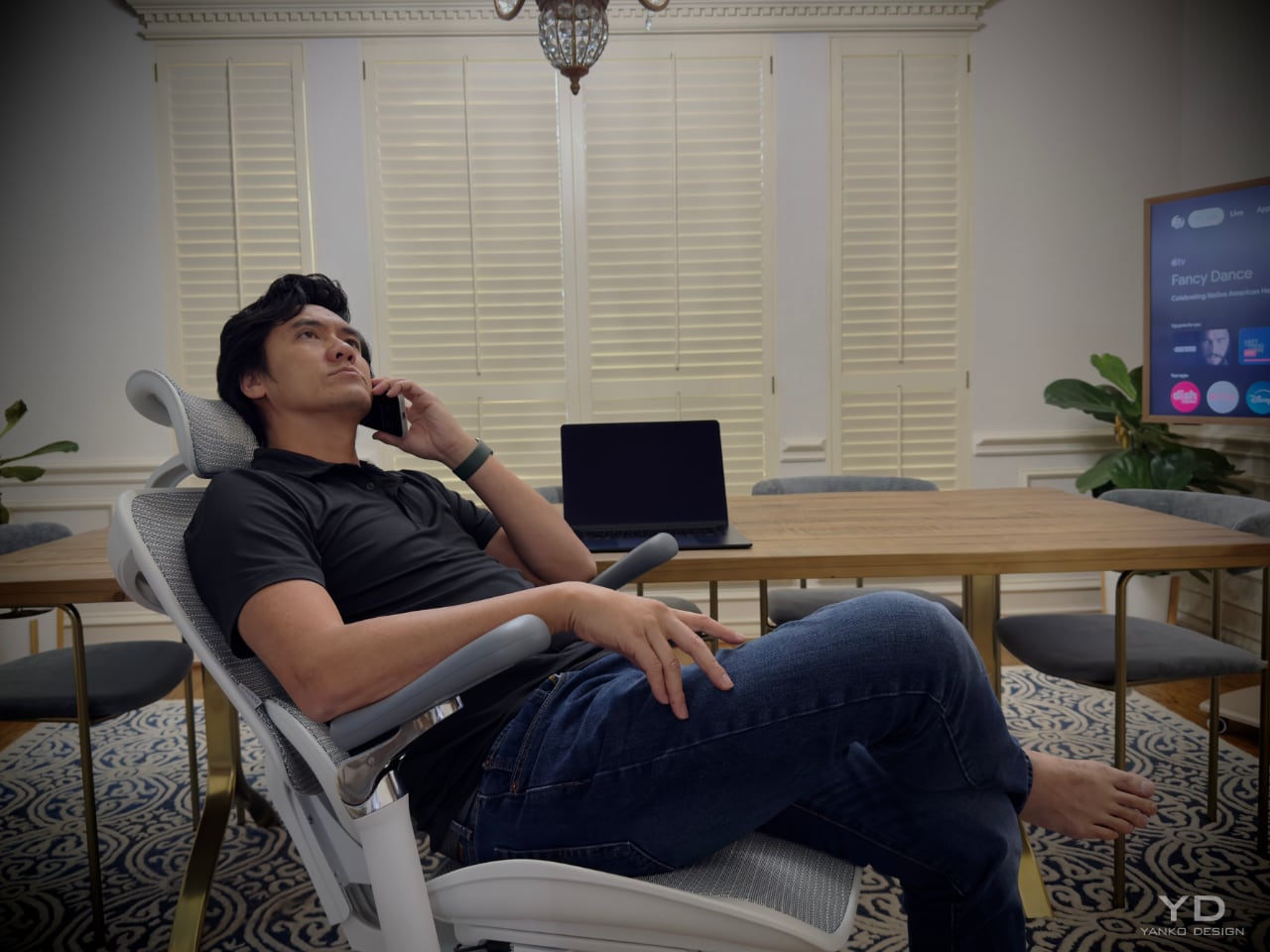
What catches my attention is how this chair anticipates my needs. Whether I was knee-deep in work or leaning back to take a short break, the Doro C300 Pro adjusted seamlessly, offering reliable and personalized comfort. Reclining up to 135 degrees, paired with the responsive mesh, makes even long sessions at my desk bearable.

Some things weren’t perfect—for instance, the armrests shifted a bit too easily, and the lumbar support lacked the manual depth control that some users might have preferred. However, these are minor issues when considering the overall ergonomic experience. Finding a chair that genuinely supports the body’s natural movements is absolutely essential.

In this review, I’ll share my experience with the Sihoo Doro C300 Pro and explain why it provides reliable, lasting comfort and ergonomic support throughout long workdays.

Design

The Sihoo Doro C300 Pro chair features a thoughtful blend of ergonomic design and practical engineering. It’s designed to adapt to your body while staying sturdy and visually appealing.

Material Selection and Structural Integrity

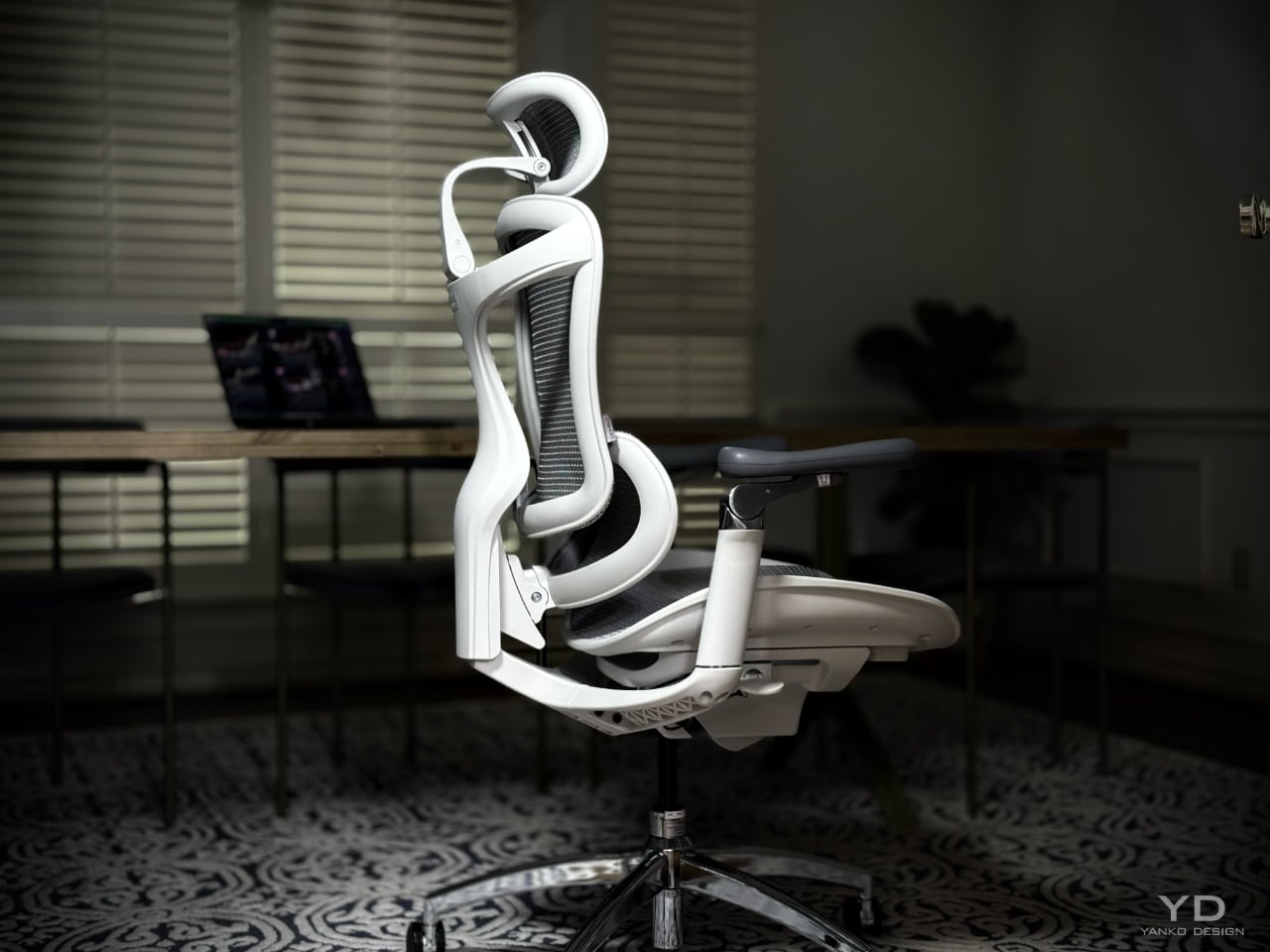
The chair’s material choices reflect a deliberate approach to comfort and durability. The breathable mesh backrest serves multiple functions apart from aesthetic appeal – it provides thermal regulation, conforms to body contours, and offers flexible support. The Sihoo Doro C300 Pro’s mesh fabric offers several reasons, which became evident during my time using it.

Sihoo Doro C300 Pro

First and foremost, breathability is a key strength of the mesh design. It allows for excellent air circulation, keeping me comfortable during extended work sessions. This feature was particularly useful in my warm home office environment. The mesh’s conforming support also played a significant role in comfort. The material adapts to the contours of my body, distributing weight evenly and minimizing pressure points. This helped alleviate discomfort in areas like my hips, thighs, and lower back, allowing me to stay focused for longer.

Click Here to Buy Now: $369.99  $699.99 ($330 savings). Hurry, this Black Friday deal ends soon!

Another benefit was the temperature regulation provided by the open weave structure. The mesh effectively dissipates heat, which is crucial for maintaining comfort during long periods of sitting. In addition, the mesh incorporates moisture management properties, drawing sweat away from my body and further enhancing comfort—something that proved invaluable during warmer days.

Sihoo Doro C300 Pro

Another important aspect is the flexibility of the mesh material—it moves with my body, dynamically adjusting as I shift positions. This characteristic contributed to maintaining consistent comfort throughout my day. On top of that, the durability of the mesh should not be overlooked. Made from high-quality synthetic materials, the mesh remains supportive and retains its shape even after continuous use, ensuring long-term value.

The frame construction utilizes high-quality metals and synthetics engineered to support diverse body types with a robust five-star base. This foundation ensures stability while allowing smooth mobility across different floor surfaces. The weight capacity and structural design demonstrate a commitment to accommodating varied user physiques without compromising performance.

Functional Customization

Customization is a cornerstone of the Doro C300 Pro’s design. The 6D coordinated armrests, Bigger Waterfall-Shaped Cushion with Seat Depth adjustment, and 3D mechanical headrest demonstrate a nuanced understanding of individual ergonomic needs. Each adjustment point is engineered to provide precise control, allowing users to create a personalized seating environment that supports their unique body mechanics.

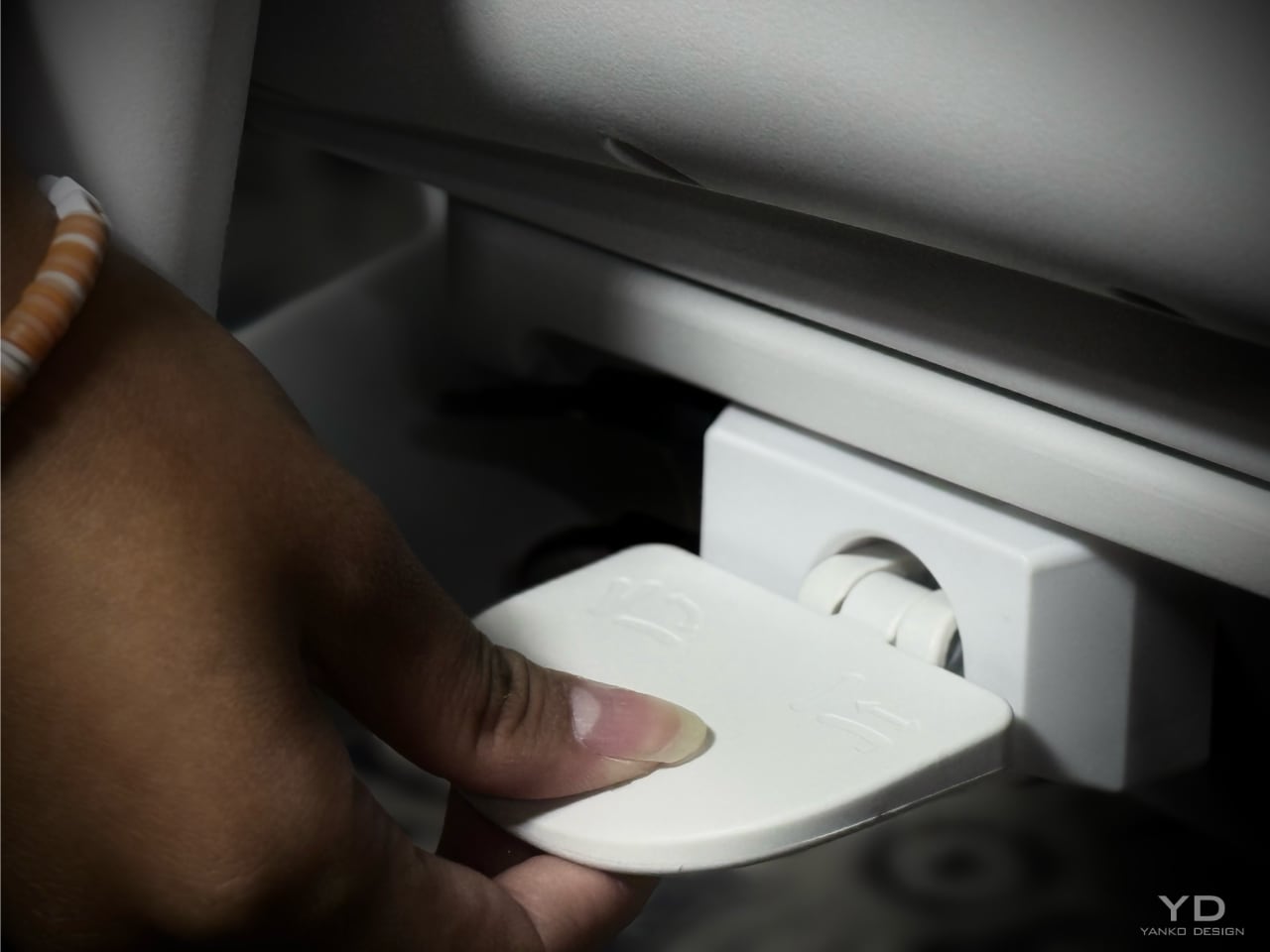
The single control handle elegantly solves complex adjustability, streamlining the user experience. This design choice reduces cognitive load, allowing users to fine-tune their seating position intuitively and quickly.

Aesthetic and Practical Harmony

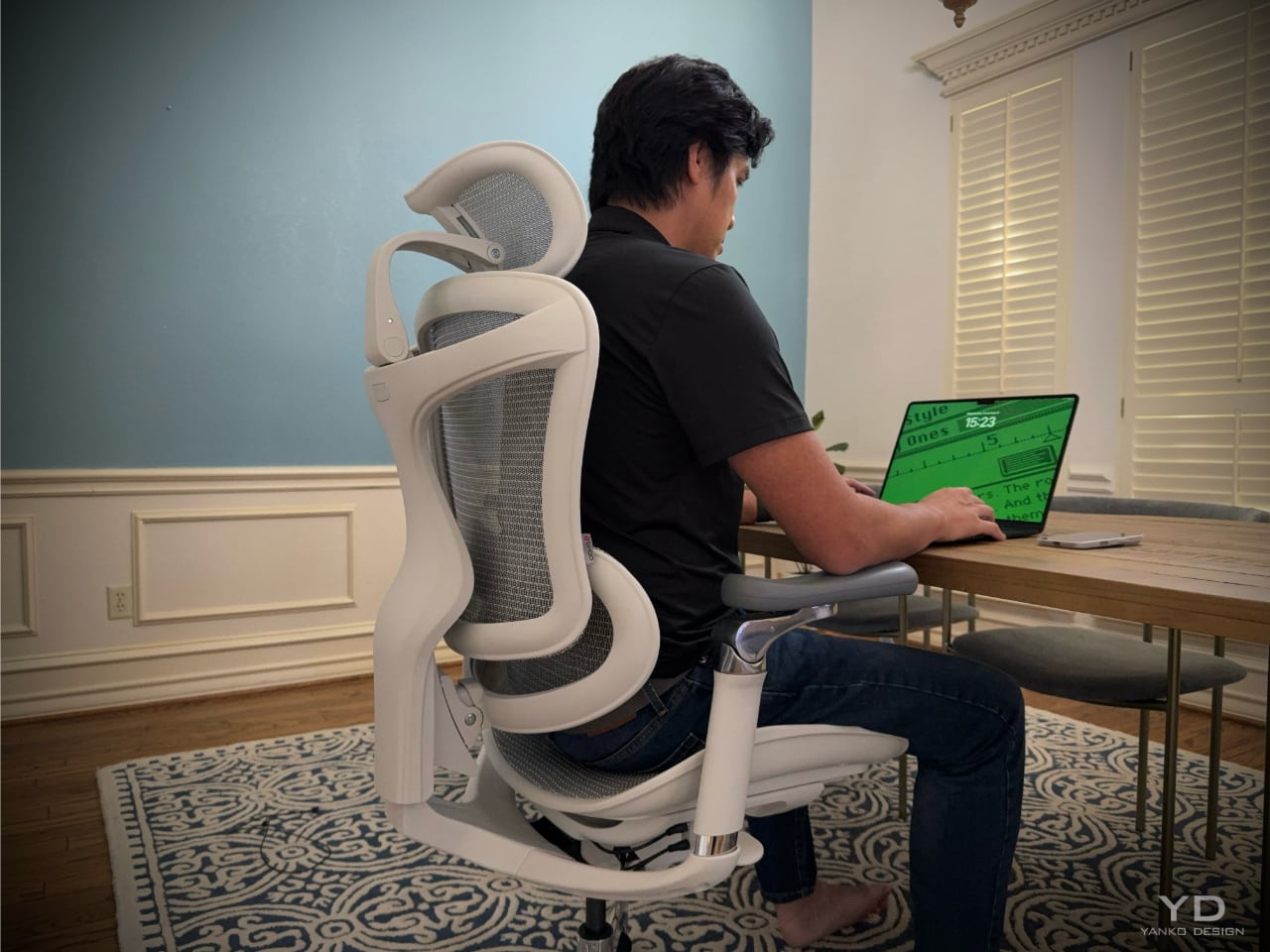
The chair’s minimalist aesthetic reflects contemporary design principles, where form follows function. The clean lines, breathable mesh, and sophisticated color palette ensure the Doro C300 Pro integrates seamlessly into modern work environments. The chair is available in black and white, and I opted for the white version for my review. This approach treats the chair as a functional object and an integral part of the workspace’s visual and ergonomic setup.

By prioritizing material quality, adaptive support, and user-centric design, the Doro C300 Pro improves upon traditional office chair limitations. It represents a holistic approach to seating that considers physical comfort, workplace productivity, and individual well-being interconnected elements of design excellence.

Ergonomics and Real-World Performance

The Doro C300 Pro’s ergonomics excel in daily use. The design isn’t just about aesthetics—it provides lasting comfort, even after hours of sitting.

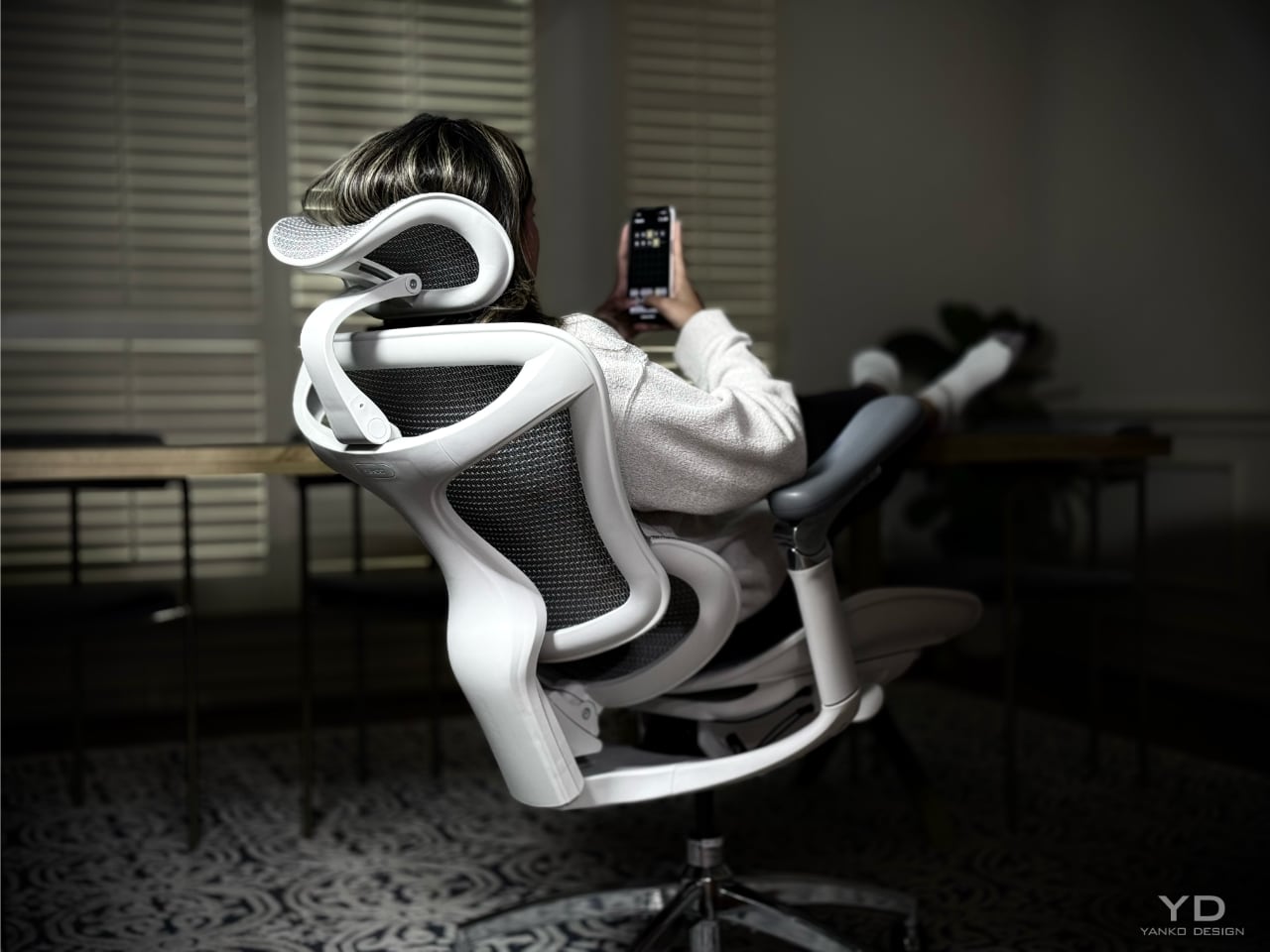
Reclining Backrest and Headrest Customization

Sihoo Doro C300 Pro

The Sihoo Doro C300 Pro offers several features that enhance comfort during recline:

Weight-Sensing Technology

The chair incorporates advanced weight-sensing mechanism that automatically adapt to my body mass, delivering perfect tension during reclining. This ensures a smooth and balanced reclining experience regardless of the user’s weight.

Dynamic Support Features

  • Flexible Backrest: The triangular frame design allows the backrest to flex and match body movements, providing continuous support during recline.
  • Synchronized Armrests: The 6D armrests move in coordination with the backrest, maintaining arm support throughout different recline angles.
  • Body Movement Tracking System: The lumbar support dynamically adjusts to follow the spine’s natural curve during reclining.
  • Recline Angle Options

The chair offers precise recline positions:

Sihoo Doro C300 Pro

  • 105° for focused tasks
  • 120° for relaxed working
  • 135° for maximum relaxation

Unique Reclining Mechanism

The Auto-Harmonic Tilt Design ensures the entire chair bends and flexes naturally with body movements. This creates a more organic reclining experience that feels less restrictive and more supportive.

Combining these features creates a responsive reclining experience that adapts to the user’s body, providing comfort and support across different sitting positions.

Sihoo Doro C300 Pro

Ultimately, the true value of the Sihoo Doro C300 Pro’s ergonomic features comes out during those extended work sessions—the times when a lesser chair would leave you feeling fatigued and sore. The adaptive lumbar support, customizable armrests, headrests, and recline all worked together to create a seating experience that didn’t require constant manual adjustments to stay comfortable. Instead, the chair supported me intuitively, allowing me to focus on my work rather than my discomfort. This type of ergonomic intelligence sets the Doro C300 Pro apart in a crowded market of office chairs.

Dynamic Lumbar Support

The self-adaptive lumbar support system is a low-maintenance feature that directly contributes to the chair’s ergonomic strength. Unlike chairs that rely on static or manual lumbar adjustments, the Doro C300 Pro provides dynamic support that adapts as you move.

Sihoo Doro C300 Pro

This means that the lumbar area always felt supported no matter how I adjusted my position—leaning forward to focus or reclining to relax. This type of real-time adjustment helps reduce strain and encourages better posture without the user needing to constantly fiddle with settings.

Ergonomic Mesh Integration

The mesh contributes to the overall ergonomic design of the Doro C300 Pro. It works harmoniously with the lumbar support, which moves with me as I recline, encouraging good posture and reducing strain. These features combine to deliver a seating experience that remains supportive and comfortable, even after hours of use. This premium mesh material creates a microclimate that effectively addresses one of the most common comfort issues in office seating—heat buildup.

However, more granular adjustability for lumbar depth would provide an even more personalized ergonomic experience, addressing a common need for those who prefer more direct control over lower back support.

Headrest Design and Adjustability

The Sihoo Doro C300 Pro features a sophisticated 3D mechanical headrest that brings substantial value to my daily comfort. Its comprehensive customization options allow for precise adjustments, making it adaptable to my specific needs.

Adjustment Capabilities

The headrest provides:

  • Height adjustment to align perfectly with my neck and head.
  • Forward and backward movement to achieve just the right level of support.
  • Rotational positioning for an ergonomic fit.
  • A wider surface area that enhances overall comfort, especially during extended use.

Unique Features

One unique aspect of the headrest is its cradle-like design that follows the natural contours of my neck. It moves independently from the backrest, allowing me to adjust it precisely without affecting my sitting position. The headrest’s ability to rotate and accommodate different sitting positions proved highly valuable whether I was working, gaming, or simply relaxing.

Ergonomic Benefits

The headrest significantly reduces neck strain during extended work sessions, allowing me to lean back comfortably without feeling unsupported. Its design also allows for comfortable side-leaning, which is a relief during those long periods of sitting. It provides reliable support across multiple postures and activities, which is a testament to its thoughtful design.

Material and Construction

Made with premium mesh material, the headrest balances elasticity and structural support. The mesh feels soft against the skin while maintaining enough tension to keep my head and neck in an ideal position. It integrates well with the chair’s overall ergonomic philosophy, creating a cohesive and comfortable sitting experience.

Overall, the headrest exemplifies the Doro C300 Pro’s commitment to personalized comfort, allowing me to fine-tune support for my specific neck and head positioning needs.

6D Coordinated Armrests

The armrests on the Doro C300 Pro are another big plus. The ‘6D’ refers to their six degrees of adjustability, which include height, depth, width, forward and backward movement, and rotation. This level of flexibility makes these armrests superior to the competition, providing support that adjusts to the most intricate preferences and postures. Compared to traditional height-adjustable armrests, which only move up and down, or even 3D and 4D versions, the 6D armrests go further by adding more directional control, making it suitable for different work styles—from typing and writing notes to switching between devices like tablets, keyboards, and mice.

Sihoo Doro C300 Pro

For those unfamiliar with the different types of armrests, height-adjustable armrests are ideal for basic tasks such as typing or general office work, helping maintain a neutral wrist position and reduce shoulder strain. Moving up a level, 3D armrests include height, depth, and rotational adjustments, which are suitable for multitasking or working with different devices. Meanwhile, 4D armrests add width adjustment into the mix, making them excellent for long work sessions or shared workspaces.

The Doro C300 Pro’s 6D coordinated armrests build on all these features, offering an even greater range of customization. This allows users to set the armrests precisely to their individual needs, making them versatile enough for anything from precision work to casual activities. Having armrests that easily adapt to each activity kept me comfortable without unnecessary strain. While the armrests could be more stable to prevent slight shifts, their wide range of adjustability offered the flexibility needed for a comfortable workday.

This is a minor issue, but I hope Sihoo will improve the stability of the armrests in the next iteration. Enhancing their stability would significantly improve the overall experience, ensuring they stay securely in place without unintended movement. These improvements would make the Doro C300 Pro even more adaptable and comfortable for extended use.

Value

The Sihoo Doro C300 Pro is a strong contender if you’re looking for the best value for your money in office and gaming chairs. With features that typically appear on high-end models, like dynamic lumbar support, 6D coordinated armrests, and a sophisticated reclining system, the Doro C300 Pro delivers a premium ergonomic experience without the hefty price tag.

Sihoo Doro C300 Pro

Its versatility shines through its customizable features, allowing it to transition seamlessly between different needs—whether you’re focusing intently on work or leaning back for a gaming session. The chair’s breathable mesh keeps you cool during long hours, while the headrest and adaptive lumbar support are designed to provide comfort exactly where it’s needed.

Click Here to Buy Now: $369.99  $699.99 ($330 savings). Hurry, this Black Friday deal ends soon!

Compared to other chairs in this category, the Doro C300 Pro offers a combination of adaptability, comfort, and thoughtful design—at a more affordable price than other high-end models. Currently available at $399.99 (down from $699.99), it’s a compelling choice for anyone who spends significant time at their desk and wants an ergonomic chair without breaking the bank. If budget is a concern, the basic Doro C300 model, now on sale for $299.99 (originally $399.99), is also a great option within the Doro C Series. If you’re looking for premium features or a budget-friendly choice, these deals offer a great opportunity to upgrade your workspace. Plus, don’t miss out on Sihoo’s free order giveaway event on Instagram.

Overall, the Sihoo Doro C300 Pro delivers a well-rounded, premium experience that meets the needs of both professionals and gamers, making it an excellent investment for lasting comfort.


The post SIHOO DORO C300 PRO REVIEW: HIGH-END Office and gaming chair at An Affordable Price first appeared on Yanko Design.

NAKANOKUMO: Reviving Japan’s Timeless Lacquer Craft for the Future

In the heart of Tokyo’s Nakano district, where tradition meets modernity, a quiet revolution in Japanese craftsmanship is unfolding. Welcome to NAKANOKUMO by artist Tasuku Murose and inventor Yasuyuki Nagato, a brand that elegantly bridges Japan’s storied past with its innovative present.

With a dedication to heritage materials like urushi lacquer and the art of makie, NAKANOKUMO transforms cultural treasures into modern expressions of beauty, inviting a global audience to experience the richness of Japanese artistry.

Nature’s Gift, Reimagined

For centuries, Japan’s artisans have honored the natural world, transforming its gifts—wood, metal, and lacquer—into objects of profound beauty and purpose. At NAKANOKUMO, this legacy is reimagined for a modern audience. Each creation begins with a simple yet profound question: How can these ancient materials and techniques inspire a new way of living?

Central to their work is urushi, a lacquer drawn from the sap of the urushi tree. With a history stretching back 9,000 years, urushi embodies resilience and elegance. Its deep, glossy finish is the result of a unique chemical reaction with air, creating a surface that is not only beautiful but also remarkably durable, resistant to acids, alkalis, and even the passage of time.

Building on the timeless beauty of urushi, NAKANOKUMO combines its natural allure with contemporary design, creating objects that feel both grounded in heritage and relevant to modern life.

The Art of Makie: A Dance of Gold and Lacquer

Artisan carefully brushing lacquer on the surface

At the heart of NAKANOKUMO’s artistry lies makie, one of Japan’s most exquisite decorative techniques. This method, which originated in the Heian period over 1,400 years ago, involves sprinkling gold or silver powder over wet lacquer to create shimmering, intricate patterns. Once set, these metallic designs are embedded within additional layers of lacquer, polished to a luminous, mirror-like finish that captures the interplay of light and texture.

NAKANOKUMO’s makie creations are a testament to this delicate process, transforming accessories and home décor into radiant works of art. Each piece offers a tactile experience—urushi’s silky smooth surface paired with makie’s shimmering brilliance captivates both touch and sight. Perfect for the minimalist wardrobe or as a centerpiece in your workspace, NAKANOKUMO’s designs bring a timeless elegance to modern living.

A Creative Hub in Nakano

The story of NAKANOKUMO is as much about people as it is about craft. Their Tokyo atelier, housed in an 80-year-old restored home, serves as a vibrant hub where artisans from diverse backgrounds gather to collaborate and innovate. This confluence of skills and perspectives results in designs that honor Japanese traditions while pushing the boundaries of what these crafts can achieve.

This community-based approach makes NAKANOKUMO’s atelier more than just a workspace—it’s a cultural dialogue, where the past meets the present and artistry shapes the future.

Preserving an Endangered Art

Earrings from the Toh (東雲) collection

While urushi and makie are celebrated for their beauty, they are also under threat. The number of urushi trees has drastically dwindled, and the pool of skilled artisans continues to shrink. NAKANOKUMO is deeply committed to preserving these endangered crafts by sustaining the knowledge, tools, and materials necessary for their survival.

Each piece crafted by NAKANOKUMO is a tribute to this legacy. By merging traditional techniques with modern applications, they ensure that these time-honored crafts not only endure but thrive for future generations.

Rediscovering Beauty Through Craft

Brooch from the Sai (彩雲) collection

NAKANOKUMO’s creations are more than just objects—they are experiences that invite you to connect with the essence of Japanese artistry. Each piece tells a story of precision, care, and cultural heritage, transforming everyday life into something extraordinary.

Whether you’re drawn to the tactile smoothness of urushi lacquer or the radiant elegance of makie, every item is a reflection of Japan’s unparalleled craftsmanship. NAKANOKUMO invites you to explore their collection and discover the timeless beauty of tradition, reimagined.

The post NAKANOKUMO: Reviving Japan’s Timeless Lacquer Craft for the Future first appeared on Yanko Design.
How Collaborative Tools are Revolutionizing the Design Pipeline: An Interview with KeyShot

The journey of creating a product doesn’t end at design—it’s where it begins. KeyShot, a trusted name in product visualization and rendering, is evolving that journey with its innovative Product Design-to-Market Suite. Imagine a world where designers, developers, and marketers don’t work in silos but move together in perfect sync. That’s the vision KeyShot is bringing to life, and it’s already shaking up workflows for companies big and small.

We sat down with Garin Gardiner, Product Director of KeyShot Hub, to uncover how this suite is solving challenges designers didn’t even know had solutions. From effortless collaboration to smarter asset management, KeyShot isn’t just keeping up with the demands of the design world—it’s rewriting the rules. Dive into this conversation to explore how KeyShot is empowering creators to dream big and deliver faster.

Click Here to Download Now: The whitepaper for an in-depth look at how this new framework can transform your business.

Yanko Design: What specific areas in the product design process does KeyShot’s new Product Design-to-Market Suite address? How does this optimize a business’ workflow in ways that older versions of KeyShot didn’t?

Garin Gardiner: Our flagship product, KeyShot Studio, is primarily geared towards the individual designer. It was the first scientifically accurate rendering engine, now used in over two-thirds of Fortune 500 companies, with thousands of customers around the world. We’ve always worked closely with our customers to keep Studio relevant to their needs, and over two decades of development, we learned about other significant needs related to the design process, team workflows and business logistics. We saw a huge opportunity to help – and to revolutionize the way products are brought to market.

We’re introducing a concept called Product Design-to-Market, which is a holistic strategy that connects the many departments involved in product creation and market delivery. You can think of it as bridging the product design and go-to-market processes. Instead of working in silos, we’re encouraging a smooth exchange of information and assets across design, development and marketing teams. The result is faster iteration, better alignment, and a seamless transition from first sketch to market delivery.

Of course, you need the right tools to make this vision a reality. Our Product Design-to-Market Suite, which includes KeyShot Studio, also provides comprehensive design team support in KeyShot Hub and connection to the management and distribution of marketing assets in KeyShot Dock.

Yanko Design: How have early adopters responded to KeyShot Hub’s collaboration capabilities, and can you share how it has improved their design process?

Garin Gardiner: It is amazing how nearly every customer we’ve talked to, when we ask them how they’re navigating team workflows, say they struggle managing a central repository for their team to find the core items they use frequently. When individuals can’t find what they’re looking for, they often create duplications, and there’s so much time wasted in that. Hub provides that central repository, so everyone has access to the current version of the file, meaning no duplications are necessary. Plus, changes to the file can automatically be tracked and you can easily revert back to a previous version.

Another favorite is the shared material library in Hub. Customers say being able to work from the same material library makes a huge difference. If a material gets modified, the entire team will automatically get the latest and greatest the next time they use a material. They are also able to tag it for easier searchability, so they aren’t creating duplicate materials, like they often do today.

Hub’s related assets feature is really resonating with customers. When you apply materials to a scene and save it to the Hub, you are able to see all those materials linked to the scene in the Hub for a quick CMF view of your scene.

Tagging is another feature customers appreciate. When saving a rendering to the Hub it will automatically attach tags – Model Sets, Camera, Studio, Environment, Image Style, Colorway, and Materials. These tags can then be used to search for renderings. Searches can be saved for later re-use by all members of the team. Our customers care a lot about their CMF – it’s a key aspect of what they do. They can also manually update tags if they prefer.

Customers are also loving the side-by-side comparison feature between versions. You can select two versions and real-time compare them using a dynamic slider; it’s really helpful to compare differences between versions, especially when the differences are in small details. Our customers create a lot of versions of the same rendering and being able to compare versions side-by-side is helpful.

These are all features that Hub users say address the team and workflow challenges they’re facing today. Ultimately, it’s all about saving time and enabling easy collaboration, so designers can focus on their craft rather than administrative tasks. And you can see how everything works in a full demo of Hub available on YouTube.

Yanko Design: What developments in other industries are providing inspiration for KeyShot as it paves the way forward with its new Product Design-to-Market Suite?

Garin Gardiner: There’s certainly movement toward breaking down silos and supporting cross-collaboration. We have seen how companies like Microsoft have enabled richer collaboration using the cloud through their Teams platform. We have also seen design tools like Fusion transform how their customers work with Fusion Team.

These developments were part of what inspired us to offer a purpose-built Product Design-to-Market Suite to better support our customers. Now KeyShot provides speedy and intuitive rendering, support for design team workflows, and support for marketing.

Yanko Design: We’re very excited about KeyShot Dock’s enhanced Digital Asset Management system! How do you envision it helping companies better organize and distribute their 3D assets across marketing and sales channels?

Garin Gardiner: Right now, marketing teams are typically responsible for generating their own images and animations, separate from product design. They budget for product visuals and often make them from scratch, spending time and money on photography and design work. But they could be saving time and money by repurposing the 3D renderings already produced by design teams, which make it easy to create an infinite amount of marketing-worthy product visuals. CAD models and KeyShot scenes can be stored in KeyShot Dock, providing a connection between marketing and product design and empowering marketing to use those assets across go-to-market channels.

Our customers tell us that 3D visuals are much more effective than 2D images or product photography; 3D visuals lead to higher conversions and lower return rates.

Customers can expect regular updates to Dock. Over time, we are looking to enable viewing 3D interactive files like GLBs and even the possibility of generating on-demand 3D viewables from CAD models like SolidWorks, STEP and more.

Yanko Design: How do you see technologies like AI and machine learning influencing the future of 3D rendering and Digital Asset Management, and will KeyShot incorporate these innovations?

Garin Gardiner: We’re considering how to incorporate AI into our tools in a way that adds value to users. While generative AI can provide impressive results in image generation, we still believe that accurate rendering – down to highly detailed materials and brand elements – will require physics-based rendering. However, we are analyzing how AI can help our customers achieve greater efficiency in their workflows or increase the speed and quality of rendering, through processes like sampling light rays used by rendering algorithms or denoising rendered images.

On the marketing side, AI has the potential to make it faster and easier for teams to generate 2D renderings as a replacement for physical photography. Imagine feeding AI with 100% accurate product data and using it to generate creative environments around accurate renderings.

These are all possibilities we’re looking at right now. AI has so much potential to provide creative and logistical support – it’s all about making the most of it.

Image Credits: Silvester Kössler

Click Here to Download Now: The whitepaper for an in-depth look at how this new framework can transform your business.

The post How Collaborative Tools are Revolutionizing the Design Pipeline: An Interview with KeyShot first appeared on Yanko Design.

Capture Every Connection: Memento Business Card Log Review

In our hyper-digital age, the humble business card might seem like a relic. But the Memento Business Card Log is here to remind us that sometimes, old-school is the way to go. This isn’t just another organizer—it’s a beautifully crafted piece from Re+g that captures the essence of every connection you make.

Click Here to Buy Now: $19.

Design & Functionality: Where Minimalism Meets Utility

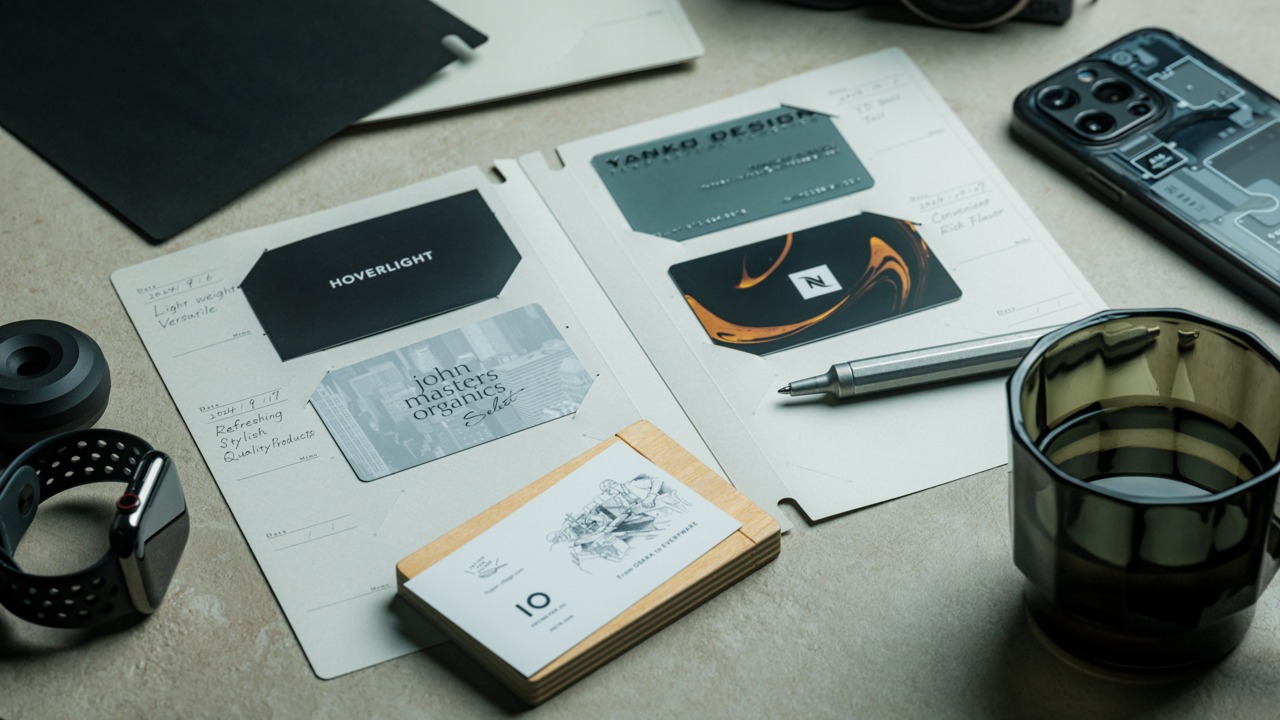
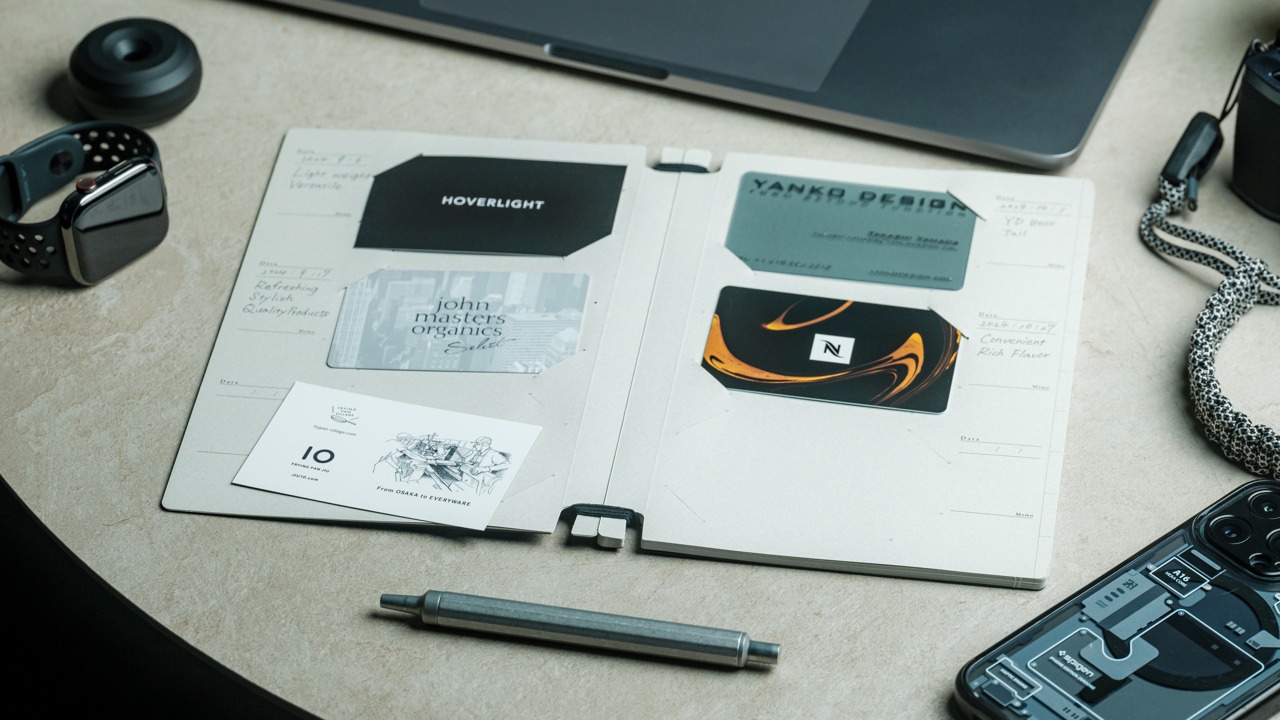
At first glance, the Memento Business Card Log is all about those clean lines and a minimalist vibe. It’s the kind of accessory that wouldn’t look out of place next to the latest tech gadgets. But it’s not just about looks. The binding system is smart—letting you shuffle your cards around like a playlist. No more rigid order. And the two-point slit? It’s like the perfect grip for your cards, paired with paper that just feels good to touch.

Beyond just holding cards, this log gives you space to scribble down those little details—like the witty joke someone cracked or the project you brainstormed over coffee. It’s these personal touches that elevate it from a mere organizer to a memory keeper.

Craftsmanship: A Nod to Japanese Design

Re+g, a brand known for its creative flair and functionality, nails it with the Memento Business Card Log. The paper’s smooth, the cover’s durable yet light—making it easy to slip into your bag without adding heft. And the elastic band? A practical touch that keeps everything secure while adding a dash of style.

Whether you’re a designer, consultant, or exec, this log feels more like a part of your professional kit. Each card you add isn’t just a contact; it’s part of your story.

A Refreshing Take on Networking

In a world where LinkedIn requests fly faster than paper planes, the Memento Business Card Log offers a refreshing pause. With dedicated note space beside each card, it transforms the act of organizing into something reflective. You’re not just filing contacts; you’re documenting stories.

Imagine ending your day by logging each card, capturing what made the interaction special. This turns the Memento Log into a keepsake, bridging you to lasting professional relationships.

What We Like:

  • Thoughtful Design: The unique binding system and two-point slit design keep business cards securely in place, while allowing for easy rearrangement.
  • Personal Touch: The space for handwritten notes transforms this log from a simple organizer into a tool for capturing memories.
  • Craftsmanship: High-quality materials and a tactile paper finish elevate both the aesthetic and the functionality of the log.
  • Portability: Compact and lightweight, making it the perfect companion for professionals on the go.

What We Dislike:

  • Limited Capacity: Holding up to 120 cards is enough for most users, but heavy networkers may find themselves needing more space.
  • Paper Durability: While the paper feels premium, those seeking extreme durability might prefer a more reinforced cover.

Final Verdict

For those who value both organization and meaningful connections, the Memento Business Card Log is a must-have. Whether you’re at a conference or just meeting clients, this log helps you capture not just who you met but why it mattered. It’s more than a business card holder—it’s a part of your career journey.

In a world of fleeting digital connections, the Memento Log offers a tangible way to cherish and preserve professional relationships, ensuring every interaction is remembered for both the contact and the moment.

Click Here to Buy Now: $19

The post Capture Every Connection: Memento Business Card Log Review first appeared on Yanko Design.

Why KeyShot’s New ‘Product Design-to-Market Strategy’ is a BIG DEAL for Designers and Brands

As industries evolve at breakneck speed, so too must the tools that power them. With increasing pressure to innovate quickly, deliver immersive experiences, and streamline processes, companies need solutions that can keep pace. Long known for its powerful 3D rendering capabilities, KeyShot is stepping into an expanded role with a vision that goes beyond just visuals. The brand is now introducing a comprehensive solution for the entire product design journey, or what they call their new ‘Product Design-to-Market’ framework. This shift promises to change how companies of all sizes design, collaborate, and deliver products to market, going well beyond simple 3D visualization (which KeyShot’s already proven to be a market leader in).

Click Here to Download Now: The whitepaper for an in-depth look at how this new framework can transform your business.

The Evolution of KeyShot

KeyShot’s 3D rendering software has been a staple for designers worldwide, offering photorealistic renderings and an intuitive workflow. But as industries change, so too must the tools that power them. Today, the product development process is a complex web of teams, assets, and software—often siloed and inefficient. Design, engineering, and marketing teams are tasked with bringing ideas to life while navigating scattered workflows and disconnected feedback loops.
Recognizing these challenges, KeyShot has expanded its scope to introduce a Product Design-to-Market Suite. This new approach aligns all stages of a product’s journey—from the first sketch to the moment it hits the market. The goal? A more unified, streamlined, and collaborative process that minimizes waste and maximizes creativity.

What is Product Design-to-Market?

The concept of Product Design-to-Market is simple but transformative. It’s a holistic strategy that bridges the gaps between the many departments involved in product creation. Instead of working in isolated silos, KeyShot’s vision encourages a fluid exchange of information and assets across design, development, and marketing teams. The result is faster iteration, better alignment, and a smoother transition from concept to market delivery.

For many companies, the current state of product design is far from optimal. Data is often scattered across platforms, teams work with outdated versions of assets, and crucial feedback gets lost in the shuffle. These inefficiencies cost time, money, and—perhaps most importantly—creativity. KeyShot’s Product Design-to-Market Suite seeks to eliminate these pain points by centralizing the entire process within one ecosystem.

KeyShot’s Expanded Offering

With this new vision, KeyShot has unveiled three key tools designed to revolutionize product design and delivery:

  • KeyShot Studio: The rendering tool we’ve previously known as KeyShot, KeyShot Studio remains a top choice for rendering photorealistic 3D visuals. Now with enhanced features, like improved texture baking and animation support, it integrates more deeply into the product development process, allowing teams to do much more than just rendering.
  • KeyShot Hub: A brand-new addition to the KeyShot family, Hub is all about collaboration. It’s a centralized platform where teams can manage scenes, assets, and versions, ensuring everyone stays in sync during the design journey. This tool aims to solve one of the biggest pain points in product development: the lack of a unified space for feedback and iteration.
  • KeyShot Dock: Formerly Digizuite’s DAM (Digital Asset Management), Dock takes the guesswork out of managing 3D assets across departments. It ensures that teams can access the right assets at the right time, helping to streamline the transition from design to marketing and beyond.

Together, these tools form a complete Product Design-to-Market Suite, designed to break down the barriers that have traditionally slowed product development.

Why This Matters for Designers and Businesses

In a landscape where time to market is critical and customer experience reigns supreme, KeyShot’s new direction offers a much-needed solution. For design teams, it means less time lost in tedious back-and-forths, fewer revisions, and more focus on creativity. For businesses, it translates to faster product launches, reduced costs, and a better alignment between design and marketing teams.

Whether you’re part of a small design studio or a large corporation, the ability to quickly adapt and deliver products to market can be a game-changer. KeyShot’s Product Design-to-Market Suite approach ensures that teams can iterate faster, collaborate more efficiently, and ultimately bring better products to life.

A New Era of Product Design

By expanding its role from rendering software to an all-encompassing design-to-market platform, KeyShot is positioning itself at the forefront of modern product development. This isn’t just a rebrand—it’s a reimagining of what’s possible when design, engineering, and marketing work in harmony. And as industries increasingly shift towards immersive experiences and rapid innovation, KeyShot’s vision offers a clear path forward.

For designers, it’s a chance to focus less on the logistics of development and more on pushing creative boundaries. For businesses, it’s an opportunity to streamline processes and deliver products that truly resonate with their audience.

Learn more about KeyShot’s Product Design-to-Market Suite and download the whitepaper for an in-depth look at how this new framework can transform your business.

Click Here to Download Now: The whitepaper for an in-depth look at how this new framework can transform your business.

Learn more about KeyShot’s Product Design-to-Market Suite

The post Why KeyShot’s New ‘Product Design-to-Market Strategy’ is a BIG DEAL for Designers and Brands first appeared on Yanko Design.
Life-Saving Pneumatic Inflatable Helmet declared the 2024 Red Dot Award: Design Concept Luminary Winner

The Ventete aH-1 Cycle Helmet, awarded the prestigious Luminary Winner title at this year’s Red Dot Award: Design Concept, is an innovative take on personal safety for urban cyclists. At a time when cities are embracing cycling as a sustainable and efficient mode of transport, the aH-1 helmet emerges as a design-forward solution, combining portability, comfort, and protection in a way that challenges traditional helmet conventions.

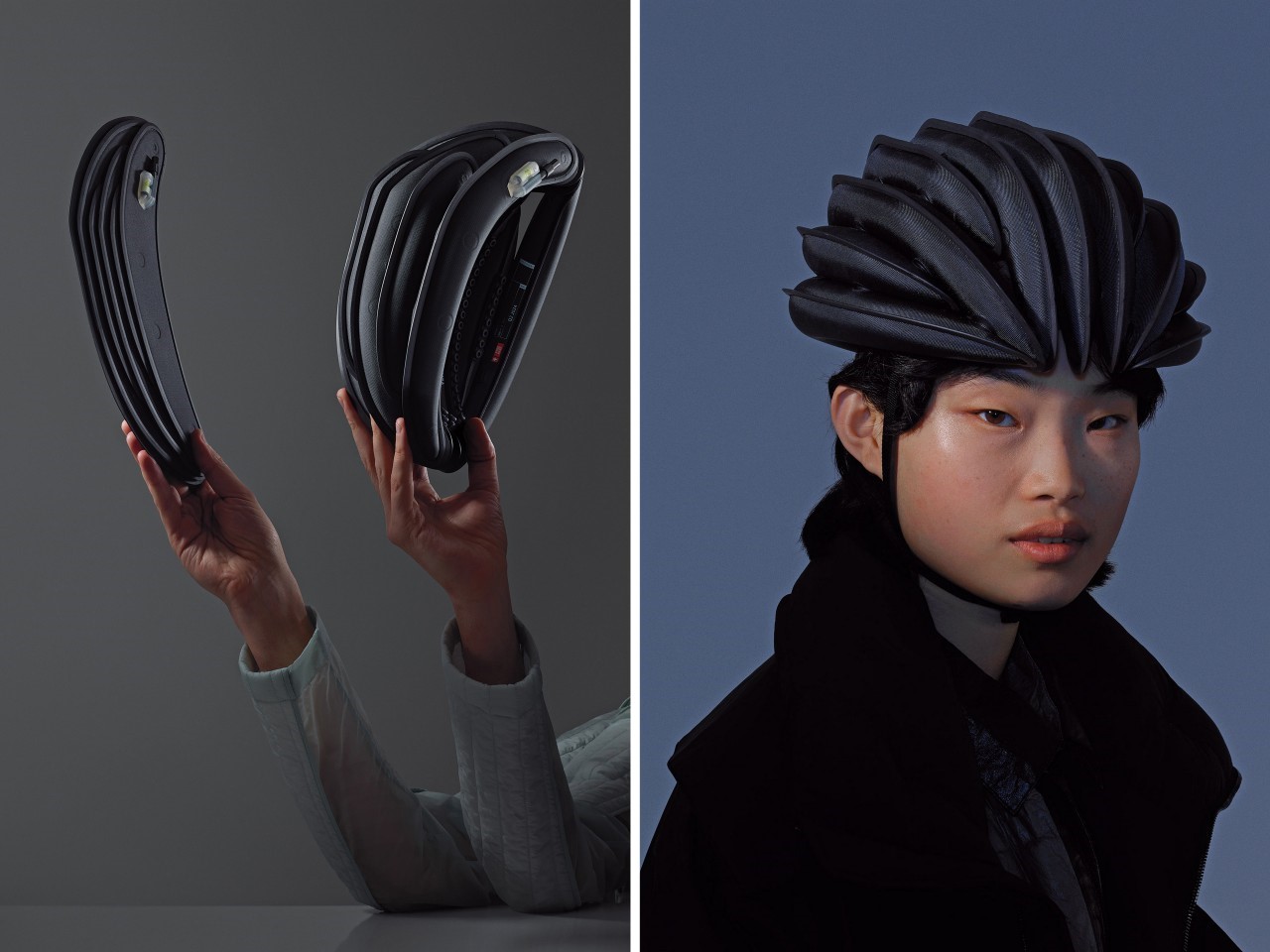
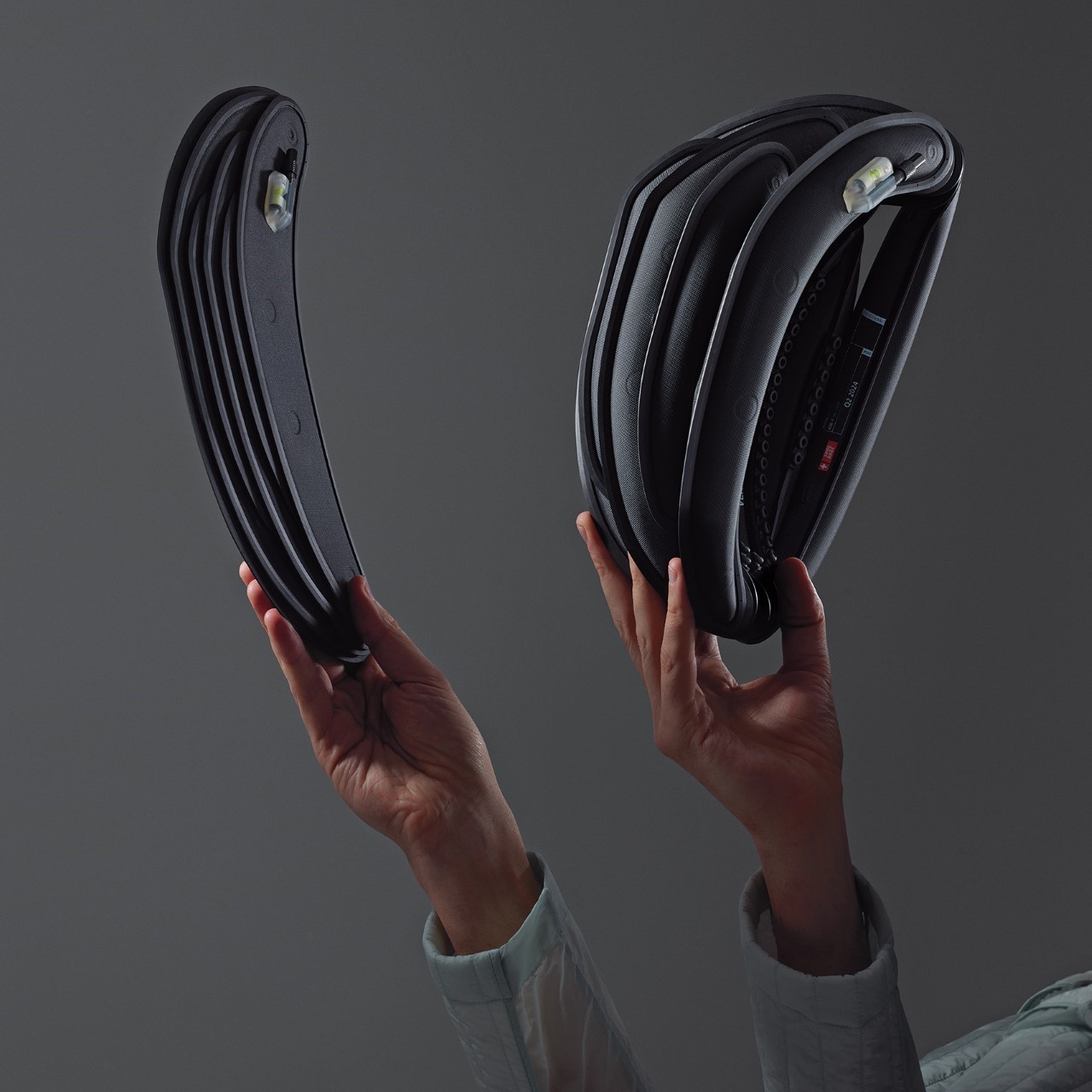
What sets the aH-1 apart is its pneumatic design—a notable departure from the foam helmets that have dominated the market for over five decades. Instead of bulky, rigid foam, Ventete utilizes an inflatable air chamber system that collapses to a thickness of just 3.5 cm when deflated. This compact form allows the helmet to fit easily into a bag or even a large pocket, addressing a key pain point for cyclists who often struggle with where to store their helmets off the bike. When it’s time to ride, a small USB-C pump inflates the helmet in under 30 seconds, providing a quick and convenient transition from portability to protection.

Designer: Ventete Limited

Click here to view more Award-winning designs from the Red Dot Award: Design Concept

Beyond the obvious convenience, this inflatable structure offers functional advantages. Ventete has engineered the aH-1 with a chambered design that significantly improves airflow around the rider’s head. Traditional foam helmets trap heat, often making them uncomfortable during longer rides or in warm weather. By contrast, the air-filled design of the aH-1 promotes natural ventilation, keeping the rider’s head cool. Testing conducted by the Swiss Federal Lab for Material Science (EMPA) confirmed that the helmet’s cooling performance matches that of riding bareheaded, a remarkable feat for a safety device.

While inflatable, the helmet is far from fragile or ineffective. It is fully certified to CE/UKCA standards (EN1078), meaning it meets stringent European and UK safety requirements. Extensive research at Imperial College London’s HeadLab revealed that the aH-1 offers superior protection, particularly against rotational impacts—a leading cause of brain injuries in cycling accidents. With over 15 global patents protecting its design, the aH-1 is a product of nearly a decade of research and development, marrying innovation with practical safety.

The design process, led by Ventete’s team of architects and engineers, was guided by a philosophy that integrates functionality with minimalism. The helmet’s understated aesthetic reflects a growing trend in urban mobility design, where products are expected to seamlessly fit into the user’s lifestyle. Its compact and foldable nature speaks to a more flexible, spontaneous approach to transportation. Produced in Switzerland, the aH-1 also embodies the precision and craftsmanship for which the country is known, ensuring that the helmet is as durable as it is stylish.

The aH-1’s innovative design aligns with the broader cultural shift towards sustainability and urban mobility. As more cities promote cycling as a key component of their transport infrastructure, there is an increasing demand for gear that is not only safe and functional but also adaptable to the fast-paced, space-conscious lives of urban dwellers. By addressing the limitations of traditional helmets, the aH-1 positions itself as a forward-thinking solution for the modern cyclist.

Click here to view more Award-winning designs from the Red Dot Award: Design Concept

The post Life-Saving Pneumatic Inflatable Helmet declared the 2024 Red Dot Award: Design Concept Luminary Winner first appeared on Yanko Design.
Yeedi C12 Combo Review: The Ultimate Robotic Cleaner with a Handheld Vacuum and Mop

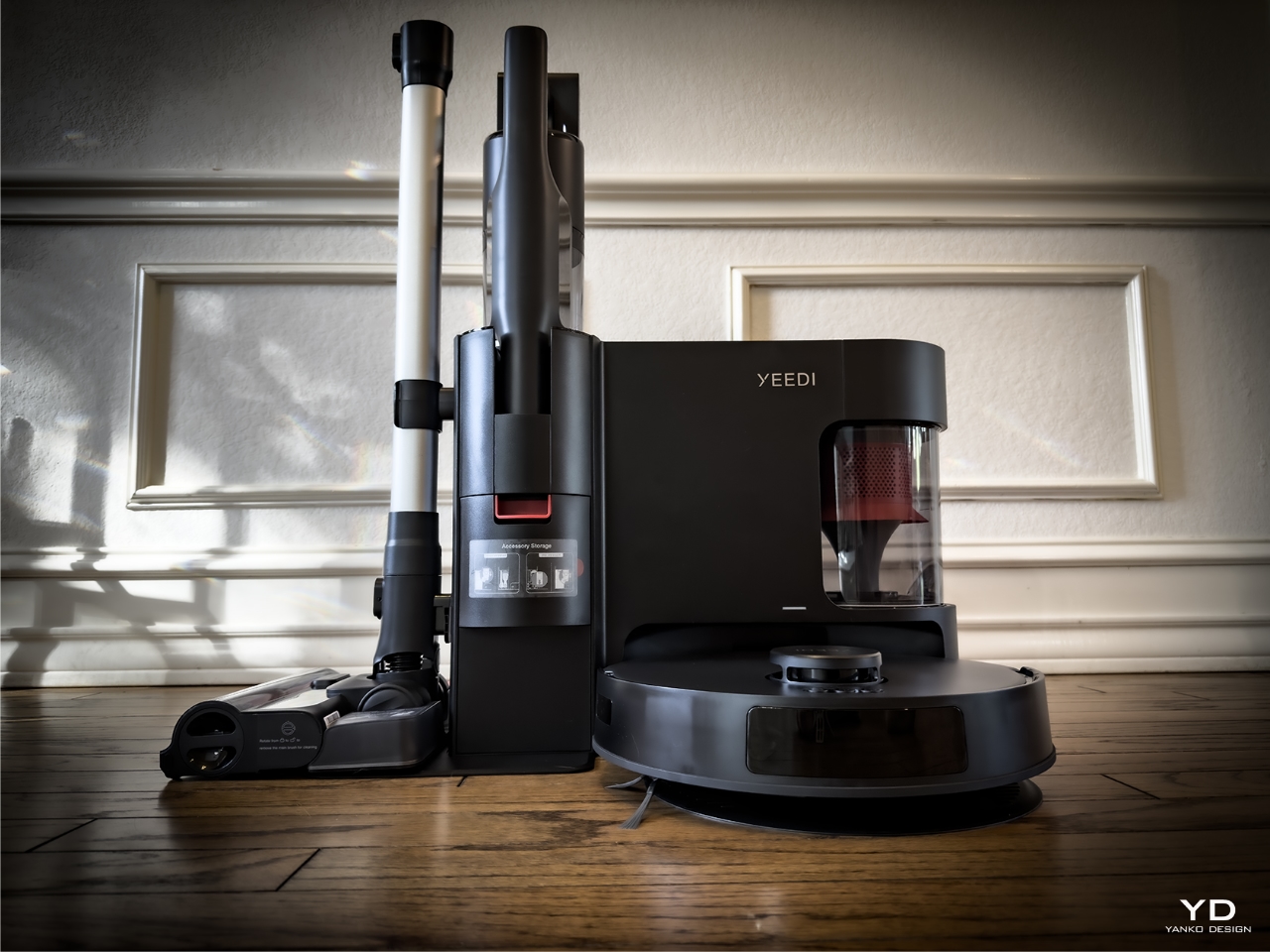
The Yeedi C12 Combo is a cleaning companion designed to handle household messes effortlessly. Picture this: instead of rushing around the house, switching between the broom, dustpan, and mop, the C12 Combo quietly goes about its work, cleaning with precision like the silent, efficient partner it’s meant to be. You’ve got other things on your mind—getting that last-minute report done for work, or maybe just a rare few minutes of peace while the kids are occupied—but your floors? Those are taken care of.

PROS:


  • Best value for powerful, multi-functional home cleaning.

  • Long battery life ensures uninterrupted, comprehensive cleaning.

  • Anti-tangle technology minimizes maintenance hassle.

  • Effortlessly transitions between different floor types.

  • Compact design fits seamlessly into home spaces.

CONS:


  • Obstacle avoidance could be improved for more precise navigation.

  • Households with pets that shed will require frequent manual cleaning of the dustbin for optimal performance.

  • The robotic vacuum cleaner lacks integration with mopping feature.

RATINGS:

AESTHETICS
ERGONOMICS
PERFORMANCE
SUSTAINABILITY / REPAIRABILITY
VALUE FOR MONEY

EDITOR'S QUOTE:

Effortless cleaning, precise performance, flexibility, and unbeatable value—Yeedi C12 Combo makes every corner of your home spotless.
award-icon

Designer: Yeedi

Click Here to Buy Now: $649.99 $899 (28% off). Hurry, this deal ends soon!

Yeedi C12 Robotic Vacuum

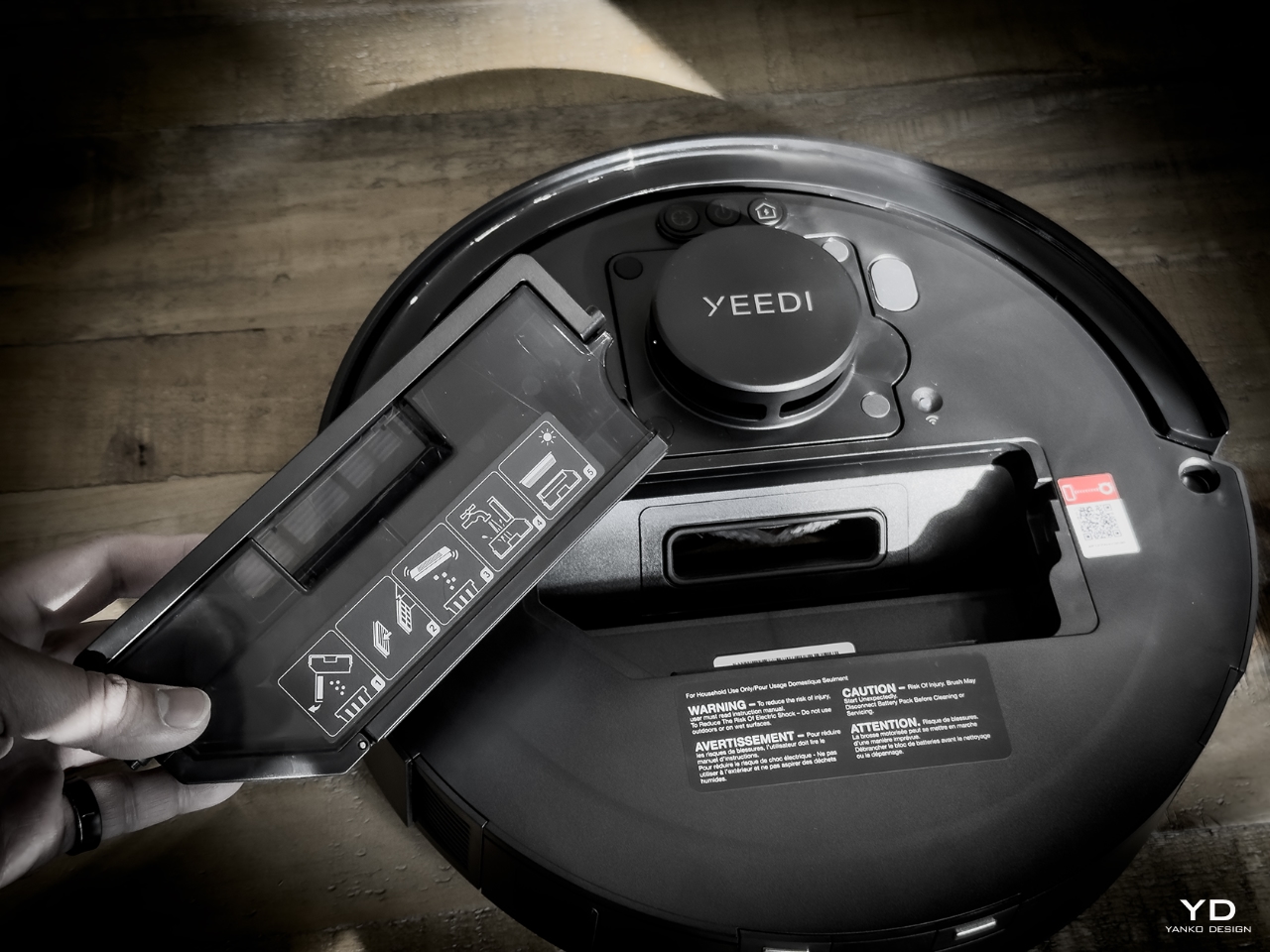
There’s something comforting about knowing the dust is handled without bending down or wrestling with a clunky vacuum, especially when multitasking. The C12 Combo is ready for action, no questions asked. It tackles dog hair, crumbs from the kids’ latest snack attack, and more. It fits into your life without adding any more stress. You don’t have to worry about tangled hair, adjusting settings for different surfaces, or even remembering to empty the dustbin daily.

With this multi-functional whole house cleaning machine, you’re not left guessing how it works, either. It’s straightforward, and more importantly, it’s smart. It knows when to clean and how to do it. The real beauty? You’re still in control—but with much less effort.

Design: Where Function Meets Familiarity

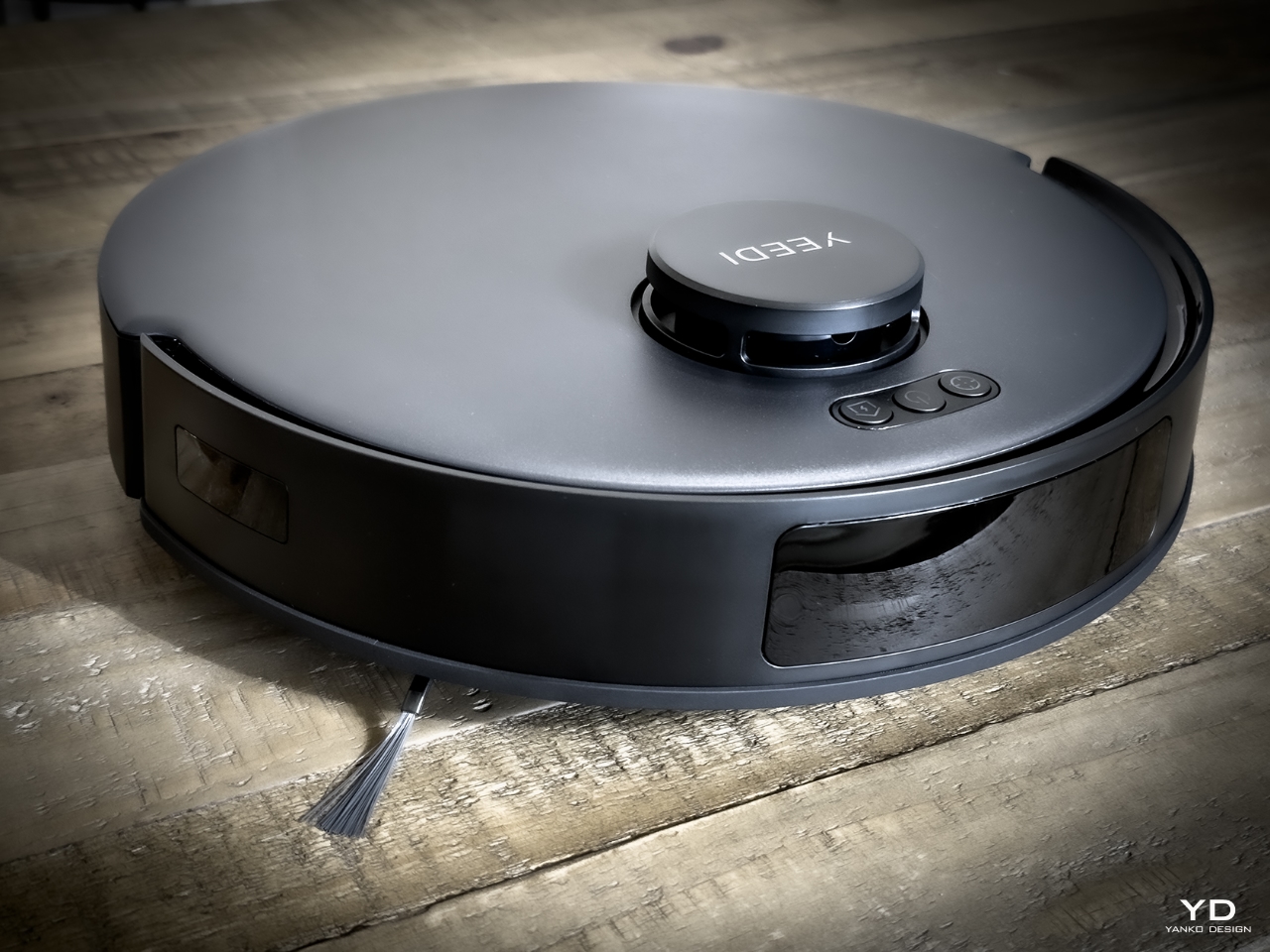
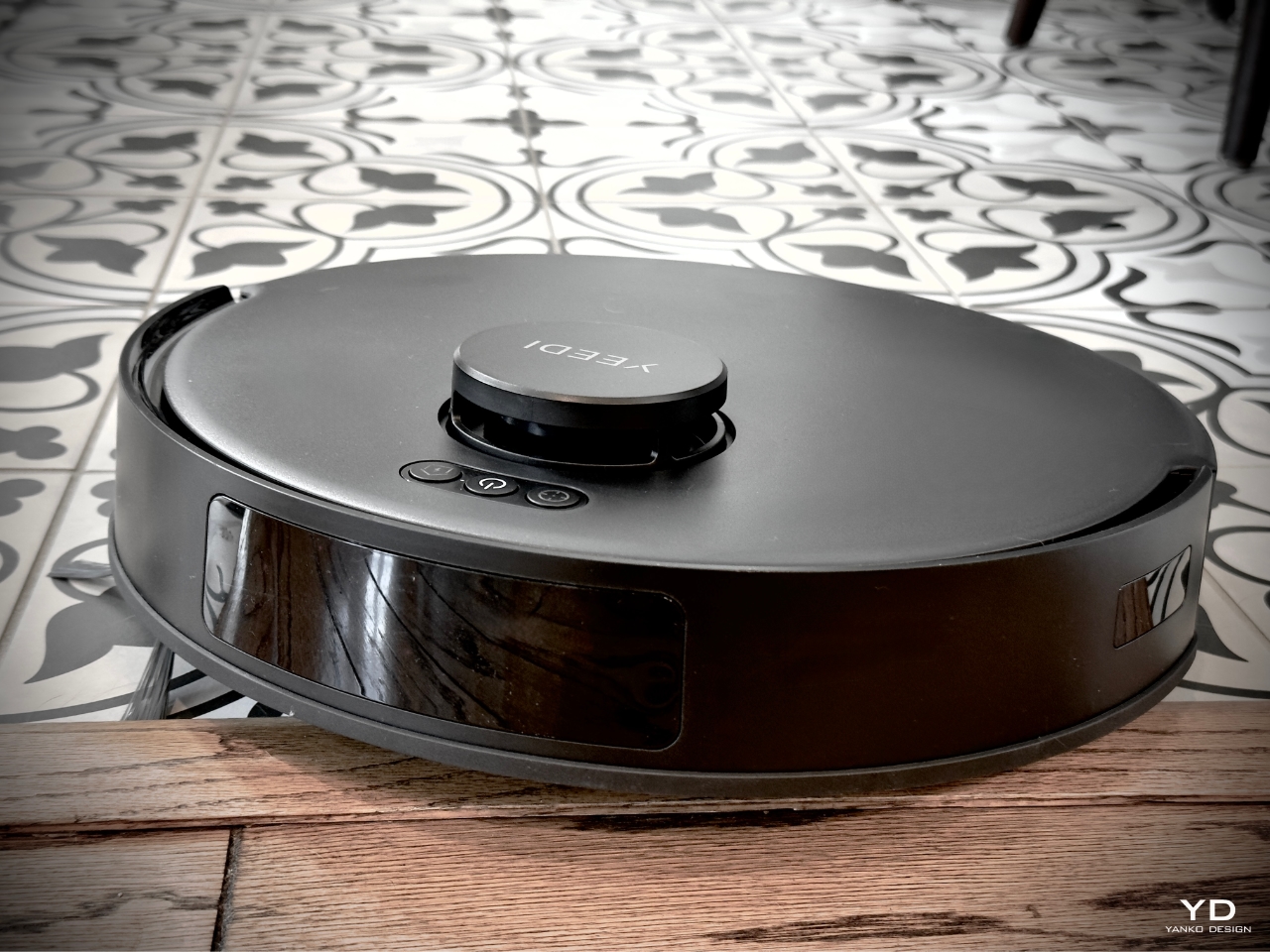
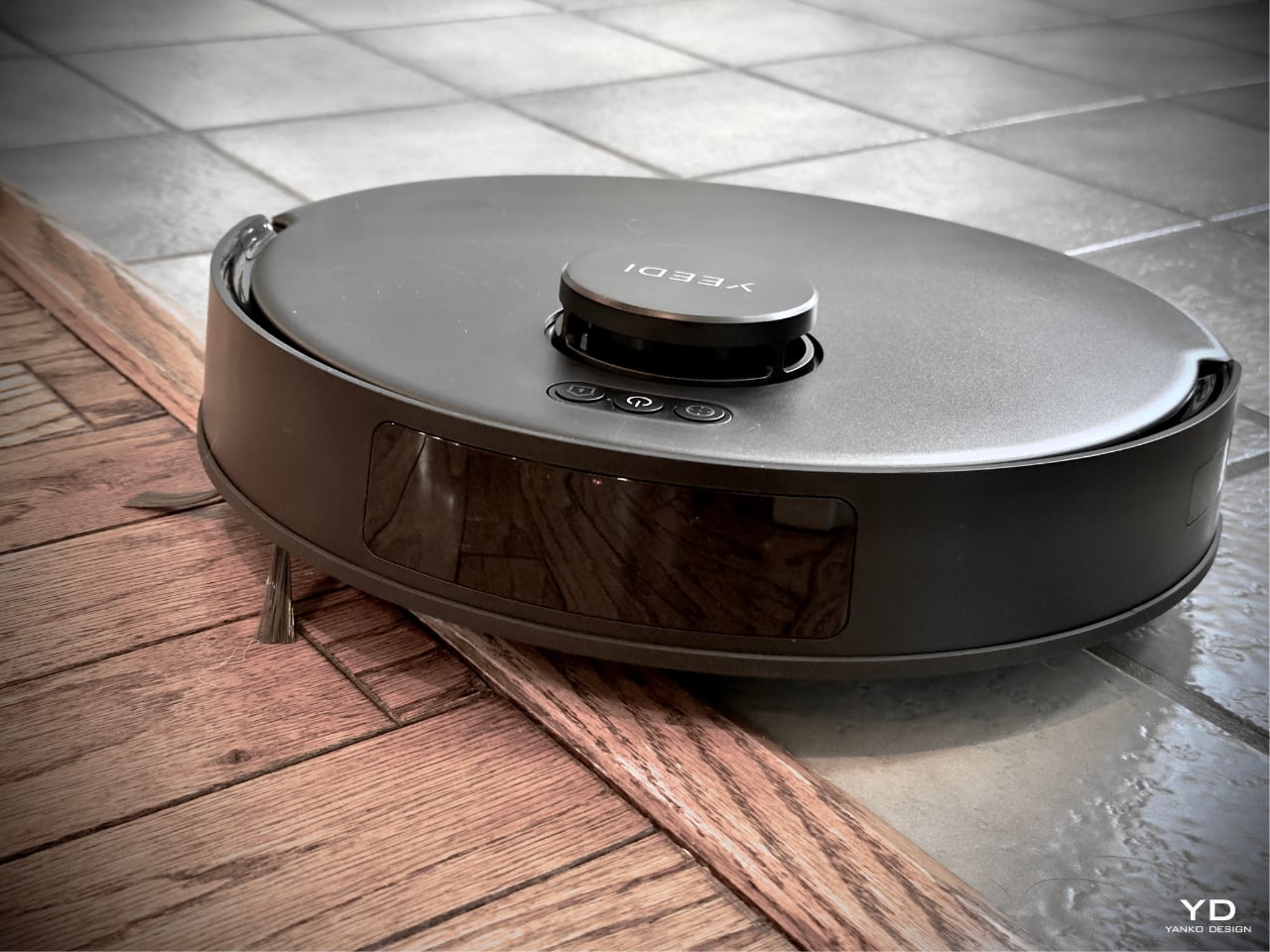
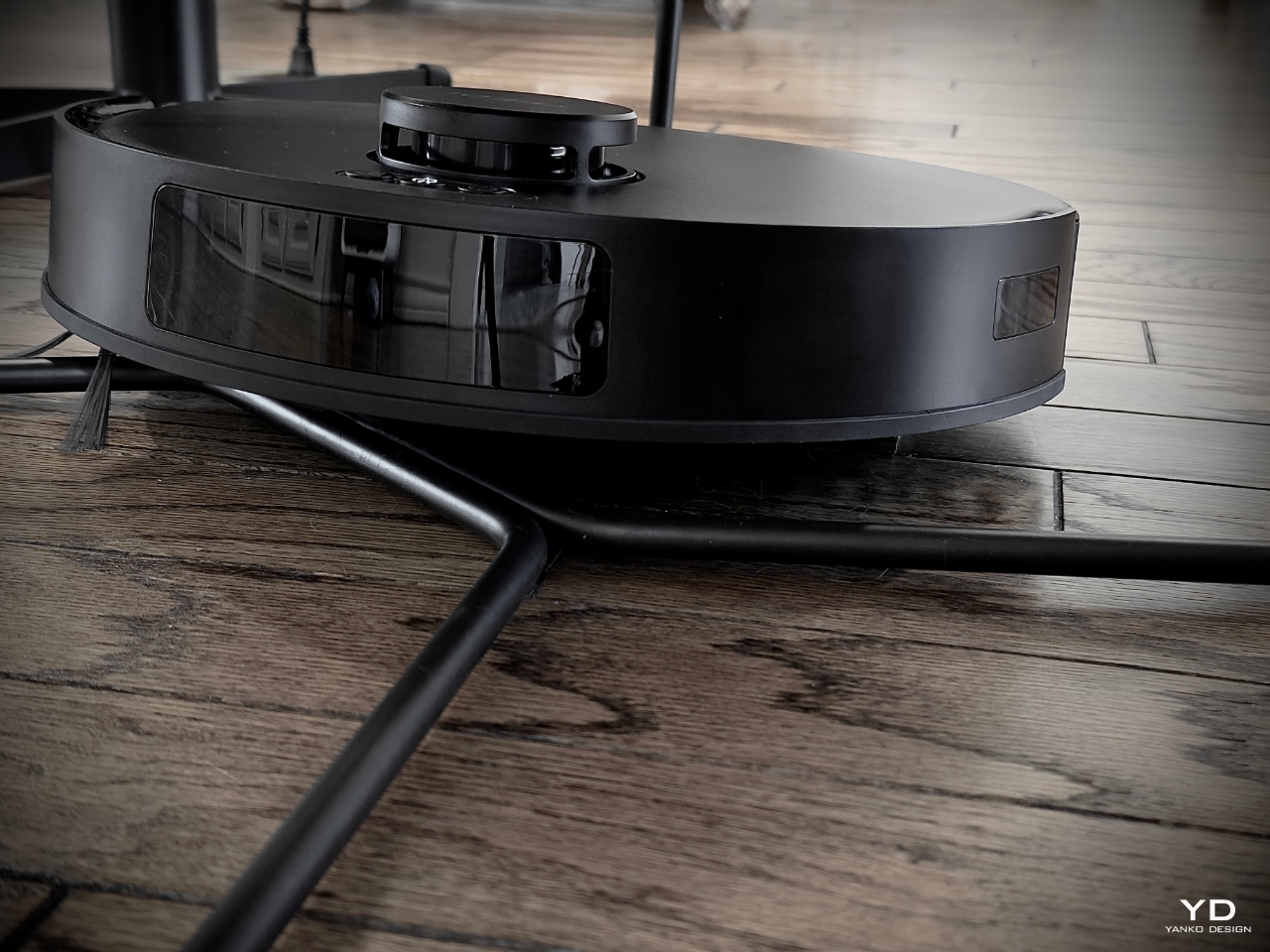
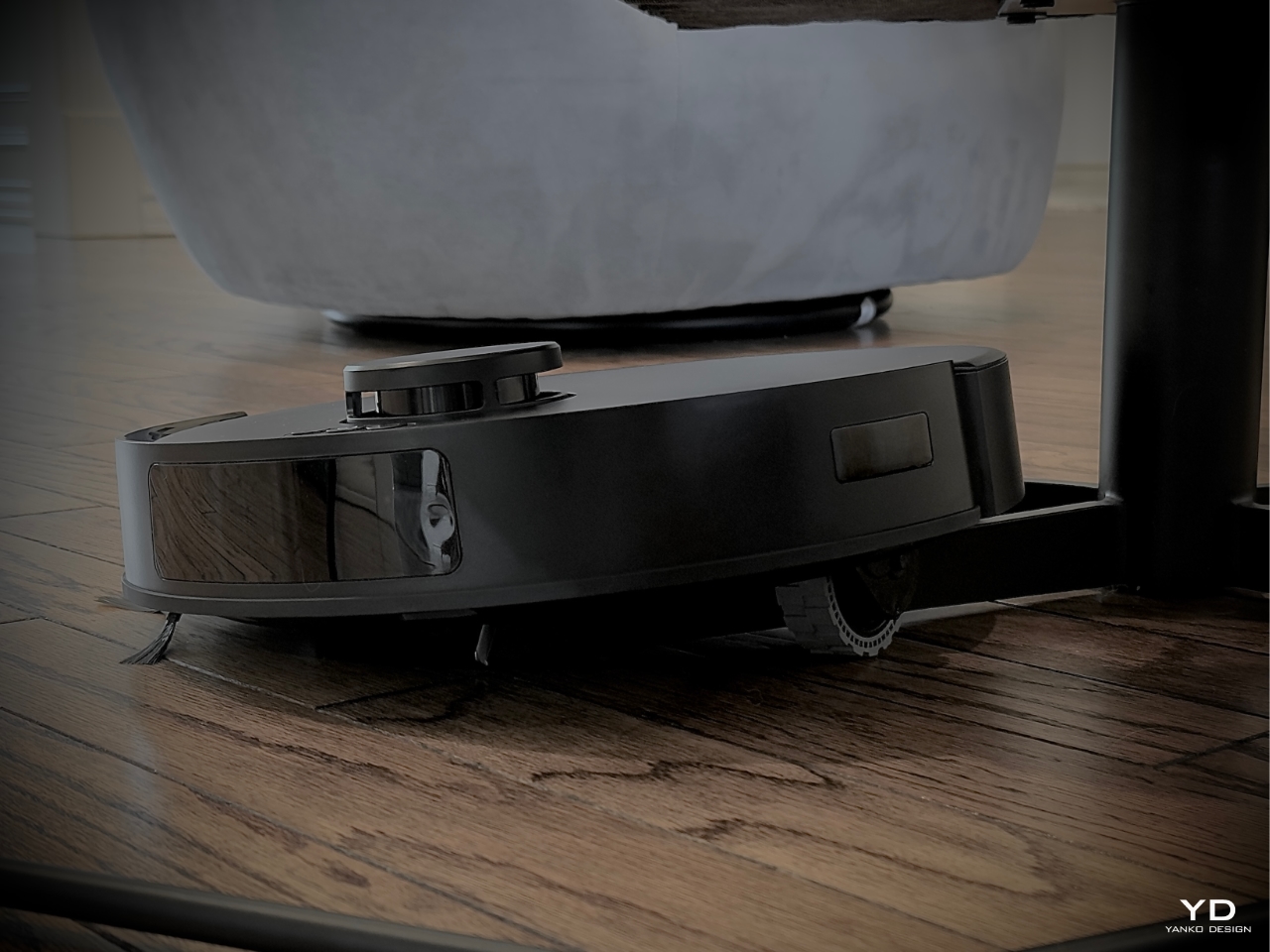
At first glance, the Yeedi C12 Combo screams, ‘I’m all business’—focused entirely on getting the cleaning done. It’s sleek, unassuming, and fits right into your home, no matter if it’s a cozy apartment or, in my case, a sprawling 4,100-square-foot ranch home with a mix of flooring types—tile in the kitchen, 35-year-old original hardwood in the living areas, carpet in the bedrooms, and old tiles in the sunroom. It will take a smart robotic vacuum cleaner or a combination of a handheld and robotic one to keep this house clean.

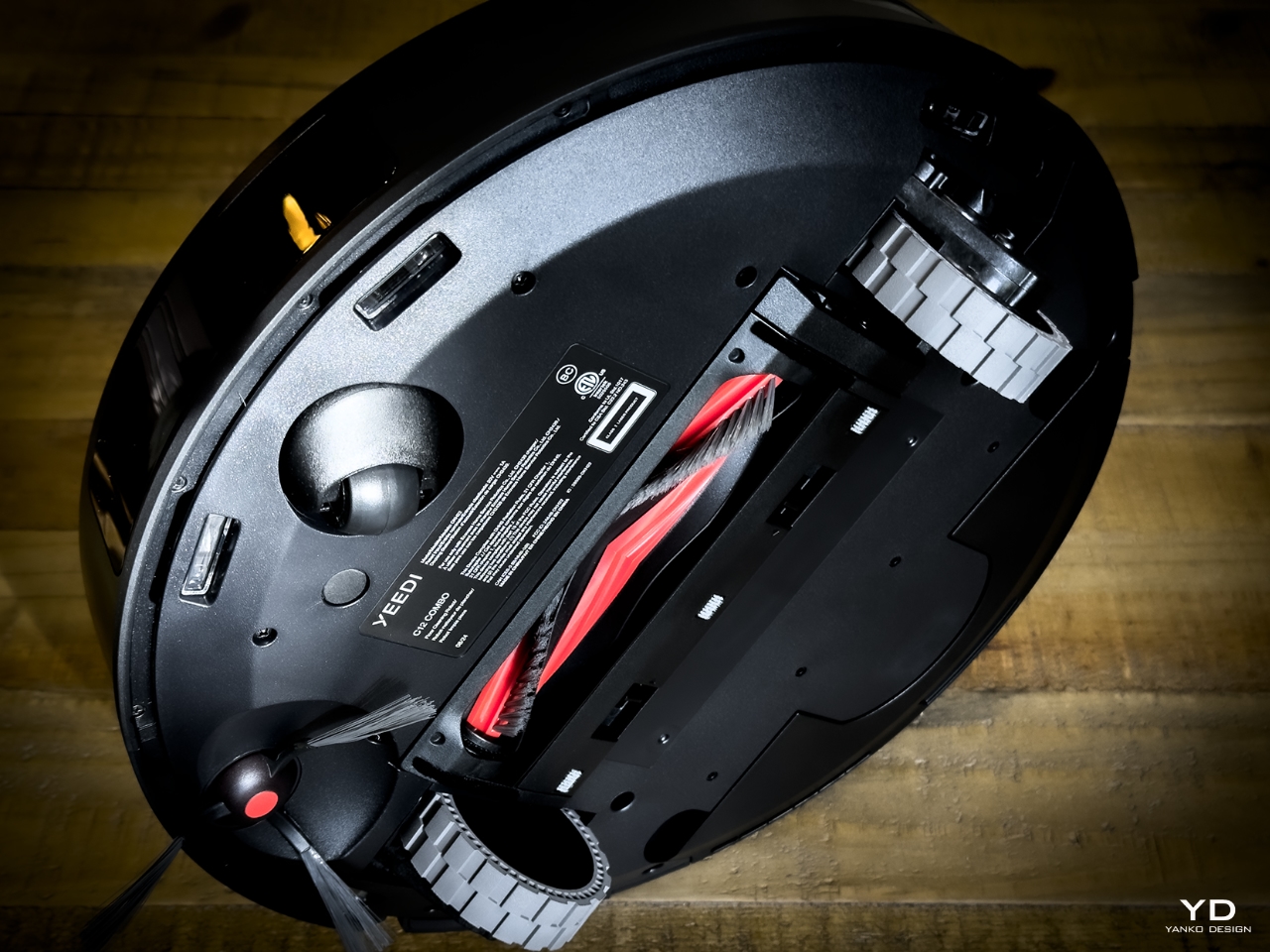
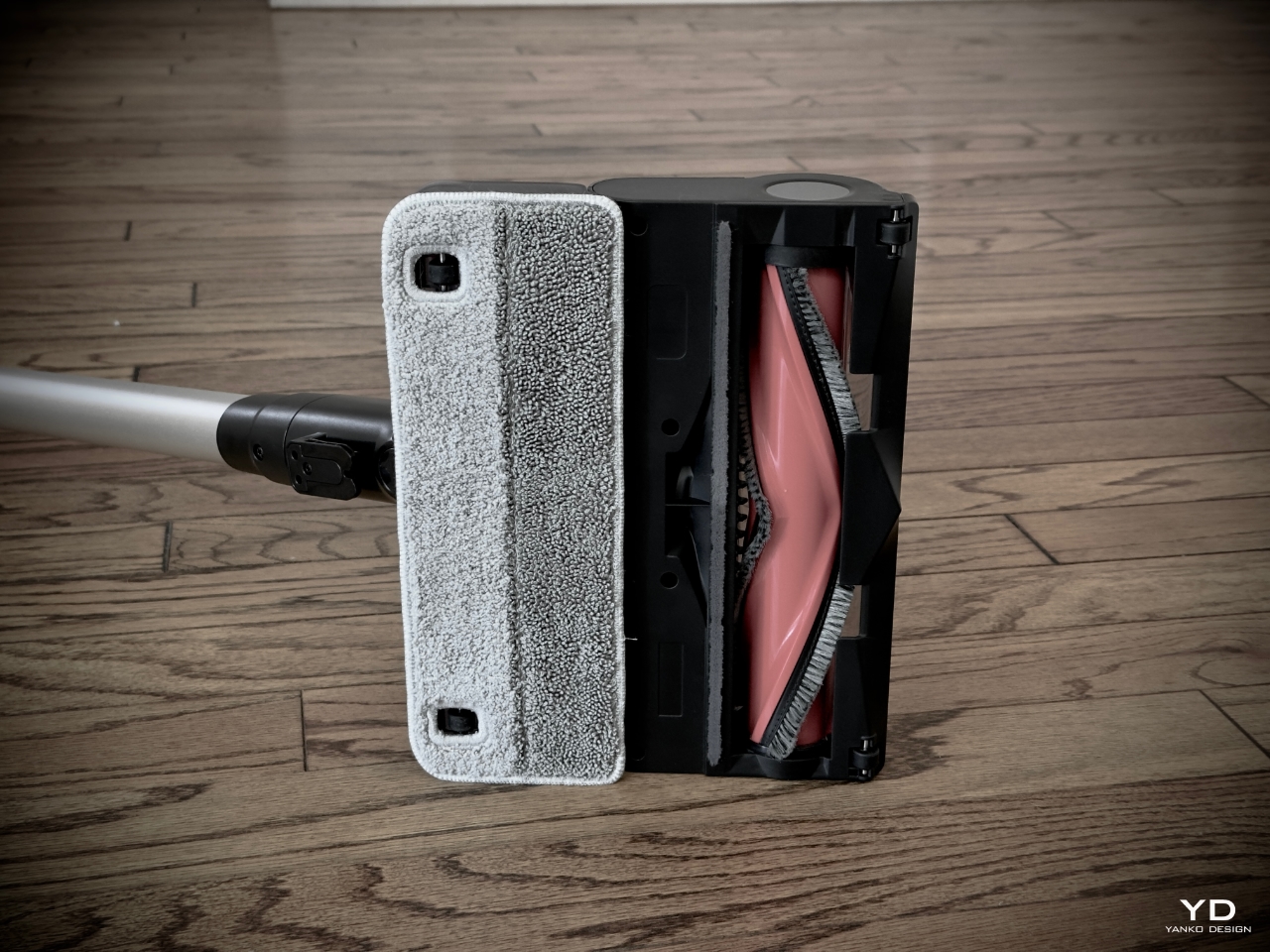
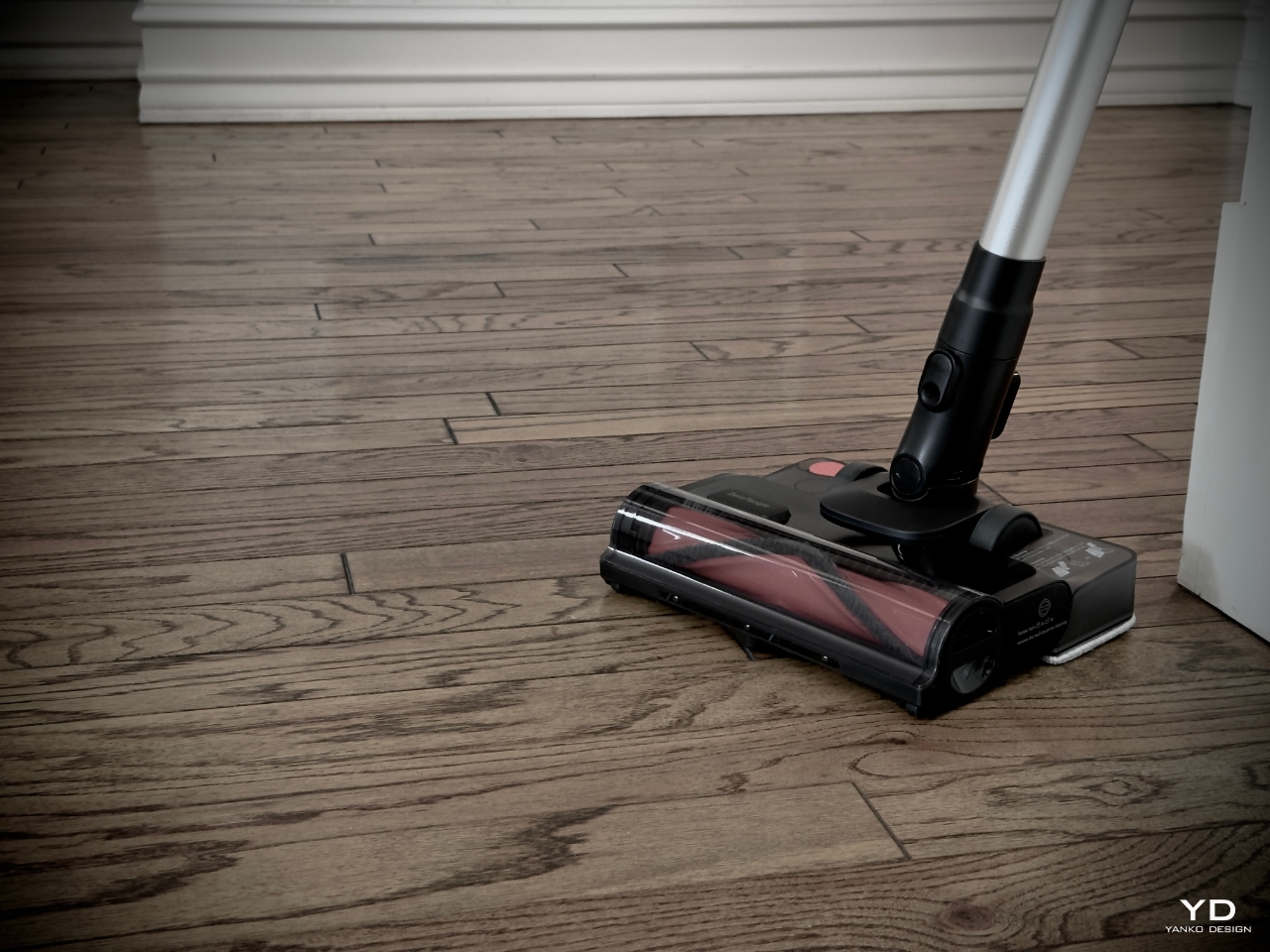
But don’t let its minimalism fool you. The C12 Combo was built to sit effortlessly in a corner while delivering outstanding performance, with thoughtful design elements that enhance usability. The removable comb teeth on the ZeroTangle 2.0 floor brush make maintenance a breeze, and the Crevice Tool and 2-in-1 Dusting Brush make cleaning tight spaces and delicate surfaces simple and effective. For example, when you’re cooking dinner and knock over a jar of flour, instead of dragging out a full vacuum, you can grab the handheld from its dock and clean up the mess in seconds.

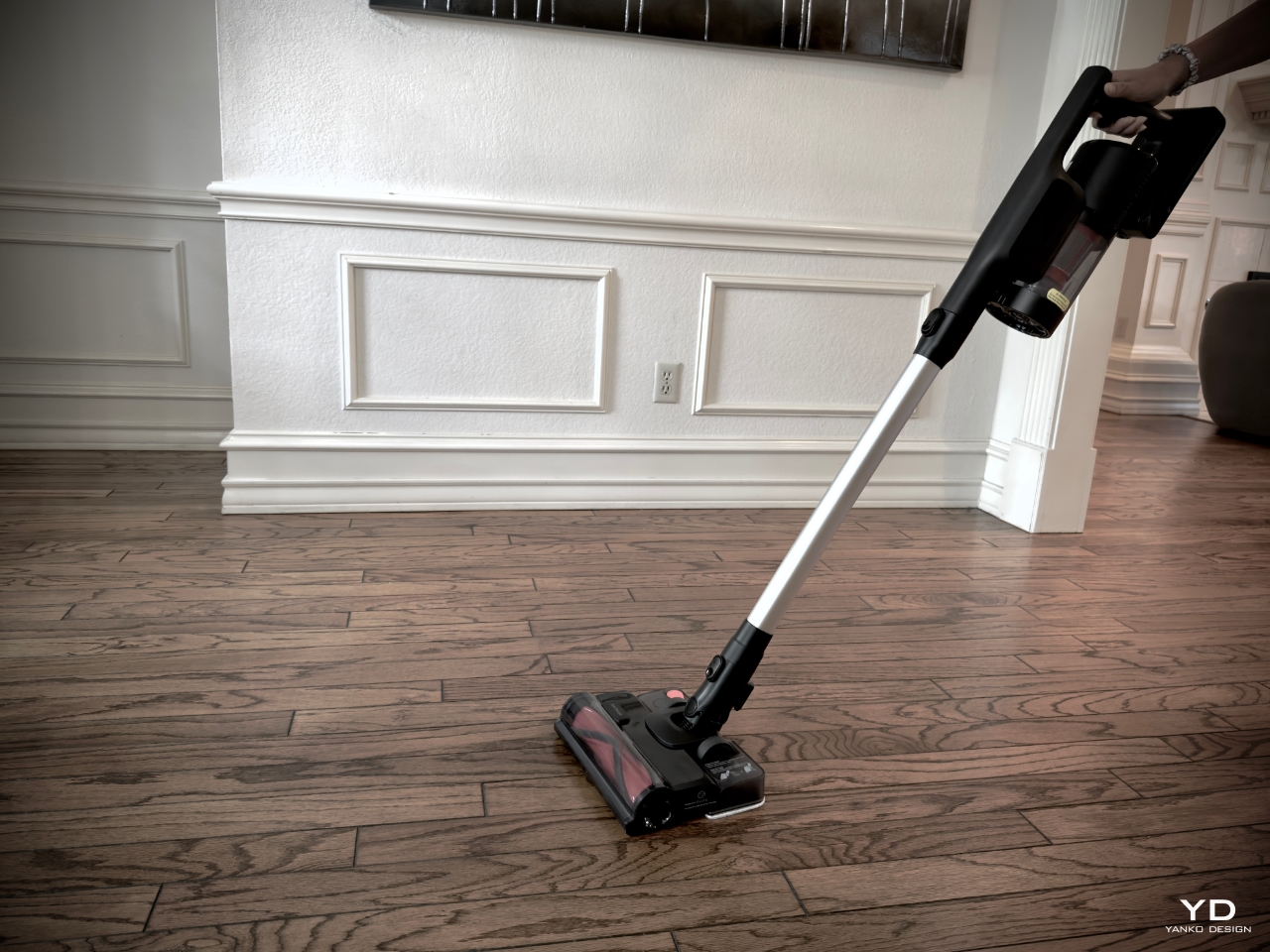
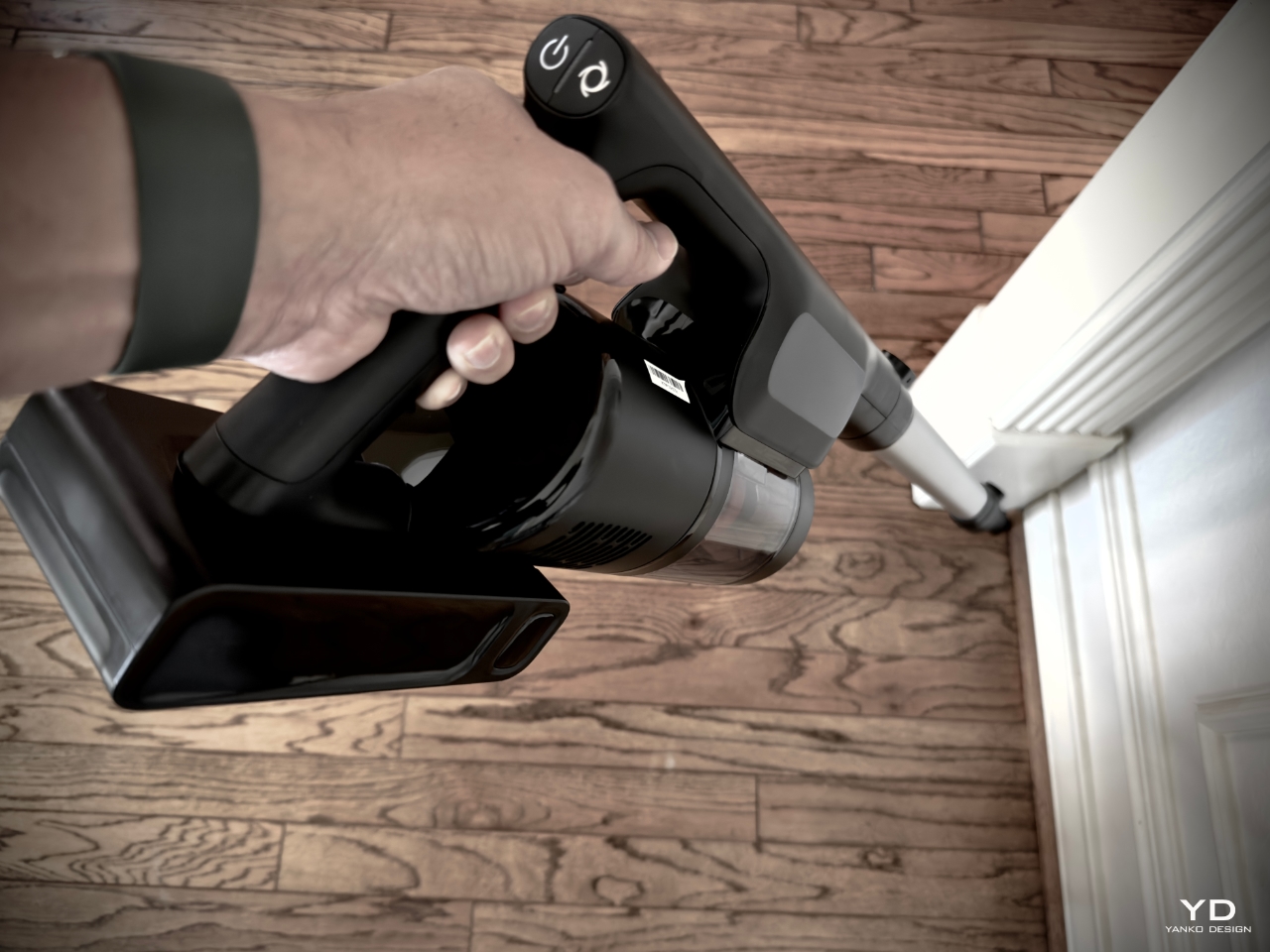
The cordless handheld vacuum component is lightweight and easy to maneuver. When you’re tired or your schedule is packed, you don’t want a clunky vacuum that’s heavy or hard to use. You want something you can pull out and get the job done quickly, with minimal hassle. The flexible design allows you to reach those pesky corners, under the couch, and even high spots like curtains without missing a beat.

The automated unit seamlessly transitions between different floor types—hardwood, carpet, and tiles—without manual adjustments. The integration of handheld and robotic components ensures you don’t need to swap out attachments constantly. It’s efficient and doesn’t waste your time, precisely what a vacuum should do.

Ergonomics: Cleaning Without the Backache

The C12 Combo prioritizes comfort and ease. No one likes the strain of bending over to switch vacuum settings or dealing with outlets as you move from room to room. The C12’s cordless design eliminates these hassles, allowing you to move freely throughout your home without interruption. The handheld vacuum is lightweight and easy to maneuver, with a comfortable handle that ensures no awkward angles or backaches.

The handheld component excels at quick clean-ups and reaching tricky spots. It fits snugly in your hand and is balanced perfectly for tasks like vacuuming crumbs after movie night or tackling cobwebs in high corners, making cleaning less of a burden.

Swapping between the handheld vacuum and the robot is as simple as docking the handheld back into its charging station, where it’s always ready for the next task. Instead of choosing between devices, I often multitask—using the handheld for focused cleaning while the robot cleaner works its way through the rest of the house. It’s so easy that cleaning starts feeling less like a chore and more like a quick, manageable task you can knock out without losing steam.

Performance: Power Meets Precision

The Yeedi C12 Combo doesn’t just look good—it delivers. This machine is powerful where it counts. The handheld vacuum delivers 95AW suction power (Air Watts), which represents how effectively it can pick up dirt and debris, ensuring even the dirt trapped deep within carpets doesn’t stand a chance. Combine that with the 10,000Pa suction power from the robot vacuum, and you’ve got a dynamic duo capable of handling even the messiest floors.

The real genius lies in the ZeroTangle 2.0 Technology. If you’ve ever fought with vacuum brushes clogged with hair, you’ll appreciate how the C12 handles this common issue. Its advanced anti-tangle design includes 45-degree V-shaped bristles, a high-speed cyclone to guide hair toward the center, and a removable comb to make cleaning easy. Be it pet hair, long human hair, or fibers from rugs, this feature keeps everything running smoothly without the hassle of constant brush cleaning. Plus, the LED headlight on the ZeroTangle floor brush helps ensure you don’t miss any dust or debris, even in dimly lit areas.

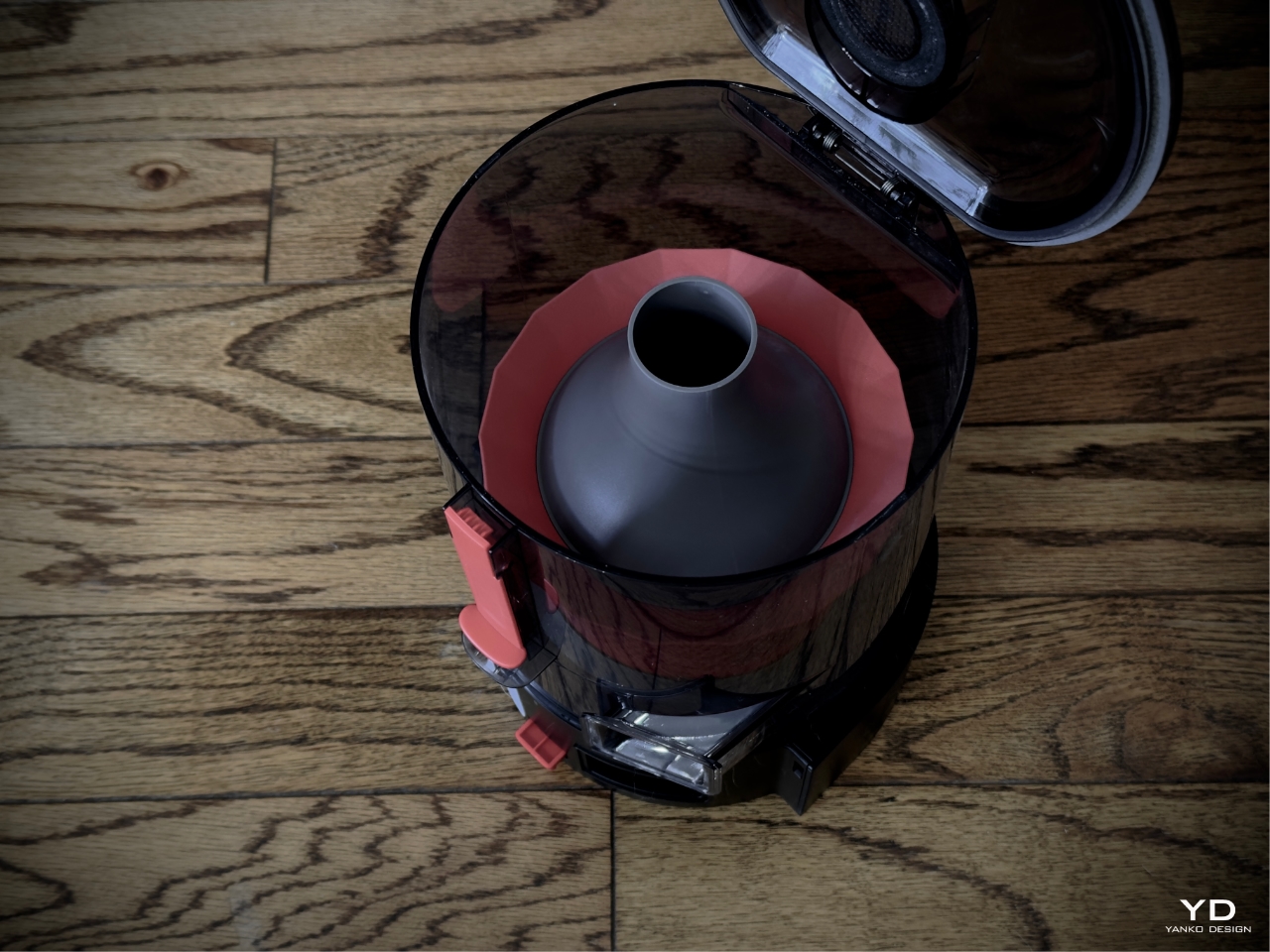
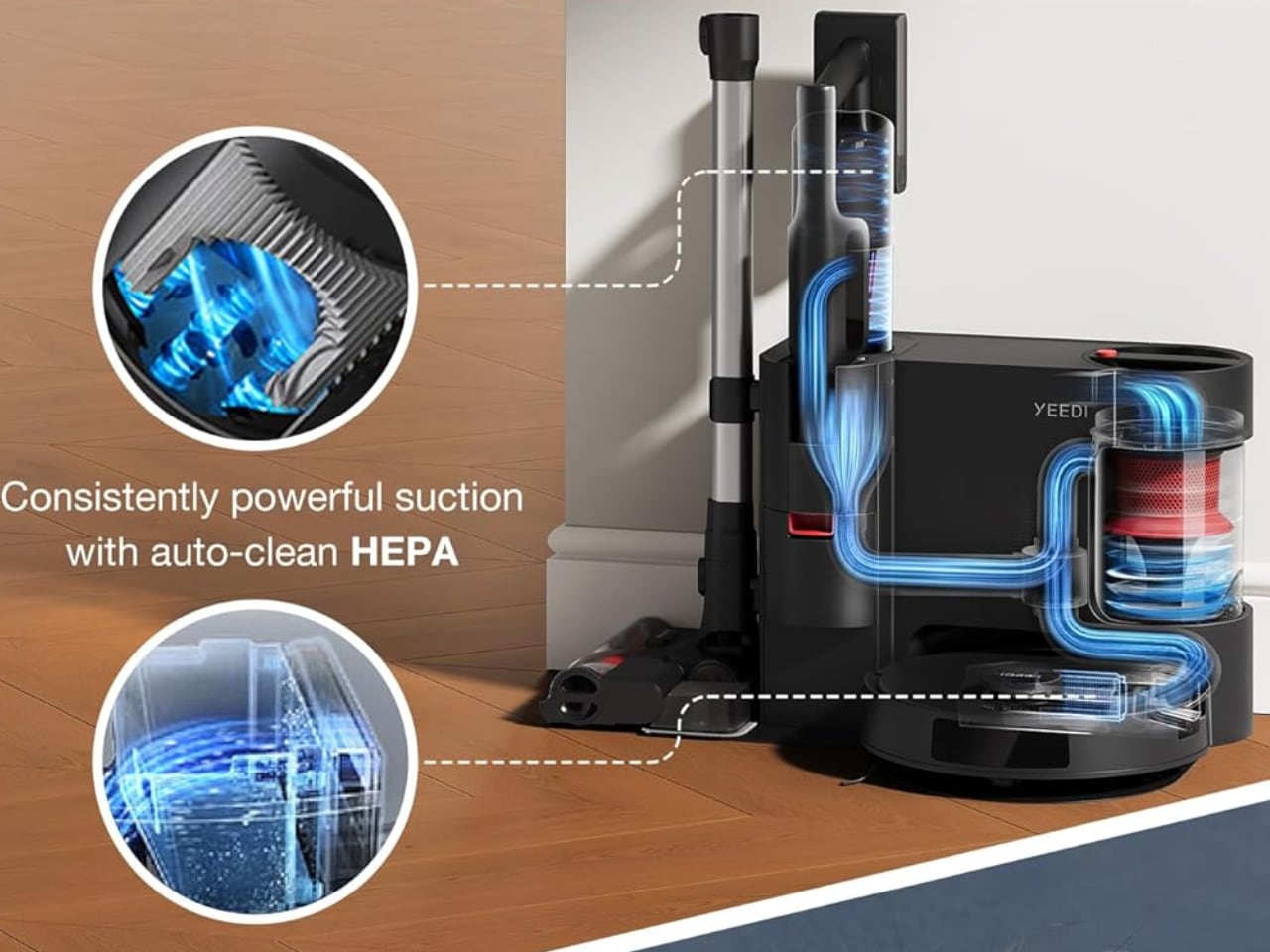
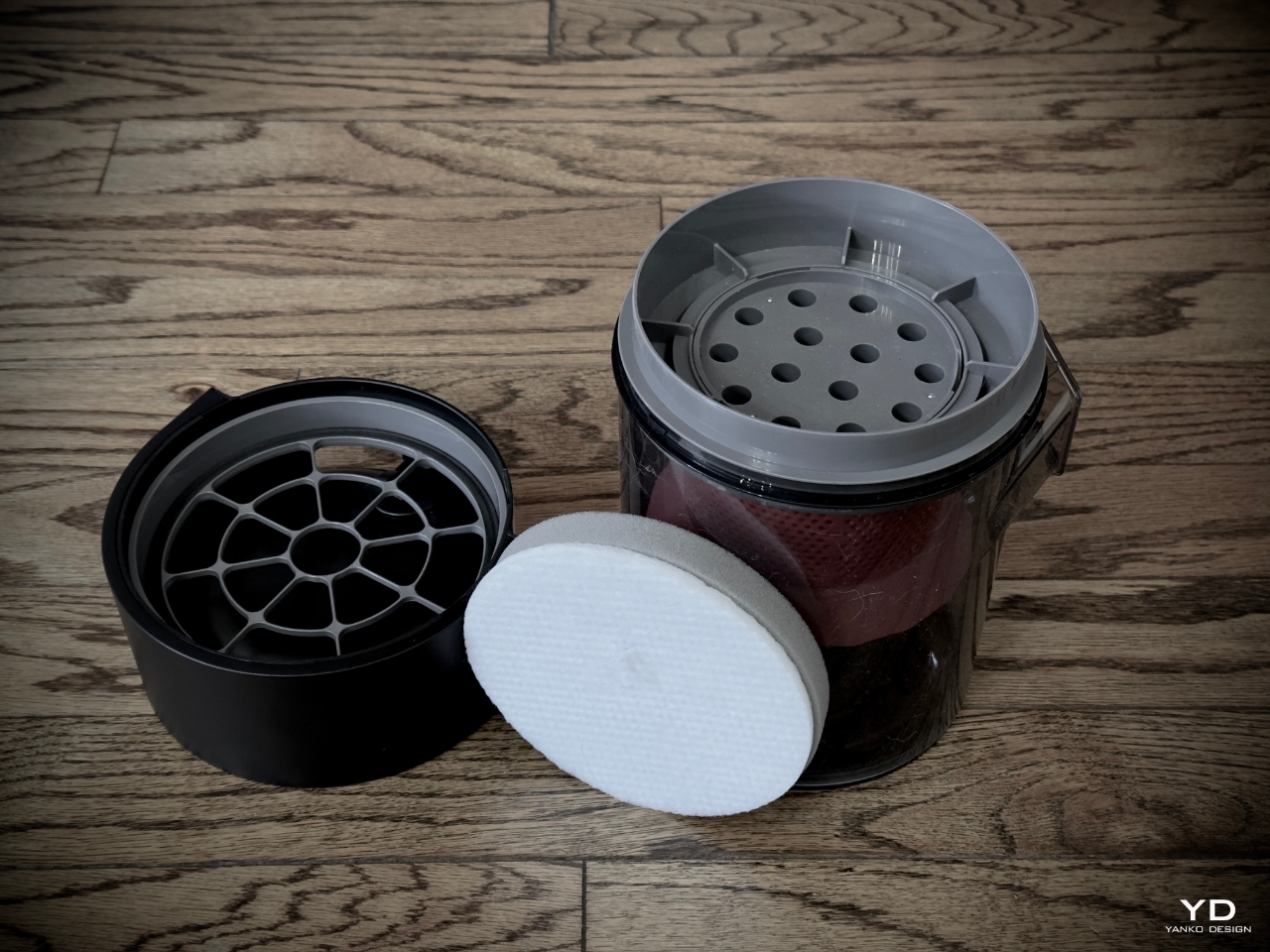
The Full-Path Self-Cleaning System ensures the HEPA filter stays clean, maintaining peak suction power without manual maintenance. This means consistently powerful performance over time.

TrueMapping Technology supports quick mapping and multi-floor map management and saves up to four maps, making it efficient for homes with multiple levels. It can quickly map 100 square meters in 8 minutes, plan the best cleaning route, and avoid obstacles like furniture and toys. The bottom-view sensor also recognizes steps to prevent falls, ensuring safe navigation on stairs.

The C12 Combo transitions effortlessly from one surface to another. Hardwood to carpet? No problem. It senses the change, adjusts suction power accordingly, and can even climb up to 0.8-inch thresholds, ensuring every inch of your home gets the right treatment. In my living room and bedroom, I have a couple of chairs with legs that most vacuums struggle to climb over, but the C12’s 0.8-inch (20mm) clearance is perfect for navigating these obstacles, making it an essential feature for my setup. I also appreciate having the option and flexibility to vacuum certain areas manually—let’s face it, anyone who has used a robotic vacuum cleaner knows that no matter how good the machine is, there will be missed spots.

The C12’s robot vacuum is equally impressive, working in sync with the handheld vacuum. It features a 5200 mAh battery that enables extended cleaning sessions, even for larger spaces. At the same time, the handheld vacuum is powered by 6 x 2000 mAh batteries, providing ample runtime for its cleaning modes. The robot vacuum, equipped with TrueMapping Technology, can avoid obstacles while covering every inch of the floor with a systematic cleaning path. It’s smart enough to return to its charging station once it’s done, ensuring it’s ready for the next session.

The mopping capability is exclusive to the handheld component of the Yeedi C12 Combo, which includes a detachable 11.5 oz (340 ml) water tank and an anti-tangle brush. This allows it to handle both wet and dry cleaning tasks effectively. The robot vacuum is designed for powerful dry cleaning with its suction capabilities and does not have a mopping function. The handheld vacuum has accessories like the Crevice Tool and 2-in-1 Dusting Brush, making it versatile for dry and wet cleaning tasks.

With the Crevice Tool and 2-in-1 Dusting Brush, the C12 Combo can precisely clean corners, curtains, and soft surfaces like sofas. These thoughtful accessories make the C12 an all-in-one solution for versatile cleaning throughout your home.

Sustainability: Cleaning With Less Waste

The C12 Combo focuses on efficiency in cleaning and reducing waste. The dustbin is bagless and reusable, meaning you’re not spending extra money on replacements or contributing to landfill waste with disposable bags. According to Yeedi’s internal data, this dustbin can last up to seven weeks without emptying, which is nearly two months of hassle-free cleaning.

Plus, the Full-Path Self-Cleaning System ensures the HEPA filter stays clean, maintaining peak suction power without manual filter cleaning. The washable HEPA filter also traps allergens, keeping your indoor air cleaner, and it’s easy to rinse and reuse. The C12 Combo reduces environmental impact and operating costs over time by focusing on long-lasting, reusable components.

Think about it—no more repeatedly buying dust bags or filters, no more hunting for replacements, or worrying about running out mid-clean. The C12’s design takes care of those pain points, making cleaning more sustainable, both for the planet and your wallet.

Value: What’s the Real Cost?

Here’s where the Yeedi C12 Combo shines: its effortless cleaning, precise performance, flexibility, and unbeatable value—Yeedi C12 Combo makes every corner of your home spotless. Instead of just a vacuum, the Yeedi C12 Combo offers a complete home-cleaning system that fits seamlessly into your routine. The robot vacuum takes care of daily maintenance, sweeping up dust, dirt, and debris while you’re at work or relaxing. Then, when you need to deep clean, the handheld and stick vacuums step in with powerful suction and versatile attachments to get into every nook and cranny.

The 1.5-liter auto-empty dustbin allows for hands-free operation for up to seven weeks, eliminating the hassle of frequent emptying. For the cost of one device, you’re getting a two-in-one system that tackles every type of mess. The C12 Combo ensures that each dollar spent is packed with performance, sustainability, and versatility.

With the 340ml water tank, the C12 Combo also provides advanced mopping functionality. It allows continuous wet mopping that handles stubborn stains and wet waste without a separate mop. You don’t need to vacuum before mopping—the C12 does both simultaneously.

Beyond cost savings, there’s the intangible value of saving time and energy. With the C12 Combo, you’re no longer chained to a cleaning routine that takes up half your Saturday. You can run the robot vacuum while taking care of other tasks and still get a deep clean when you need it.

Ready to Transform Your Cleaning Routine?

If you’re tired of spending your weekends with a vacuum in hand, the Yeedi C12 Combo is here to change that. With its advanced cleaning features, seamless transitions across surfaces, and flexible components for tackling every type of mess, it’s the perfect addition to any household looking for efficiency and simplicity. Let the C12 Combo handle the hard work so you can focus on enjoying your time at home. Experience a cleaner space with less hassle—make the switch today.

Click Here to Buy Now: $649.99 $899 (28% off). Hurry, this deal ends soon!

The post Yeedi C12 Combo Review: The Ultimate Robotic Cleaner with a Handheld Vacuum and Mop first appeared on Yanko Design.
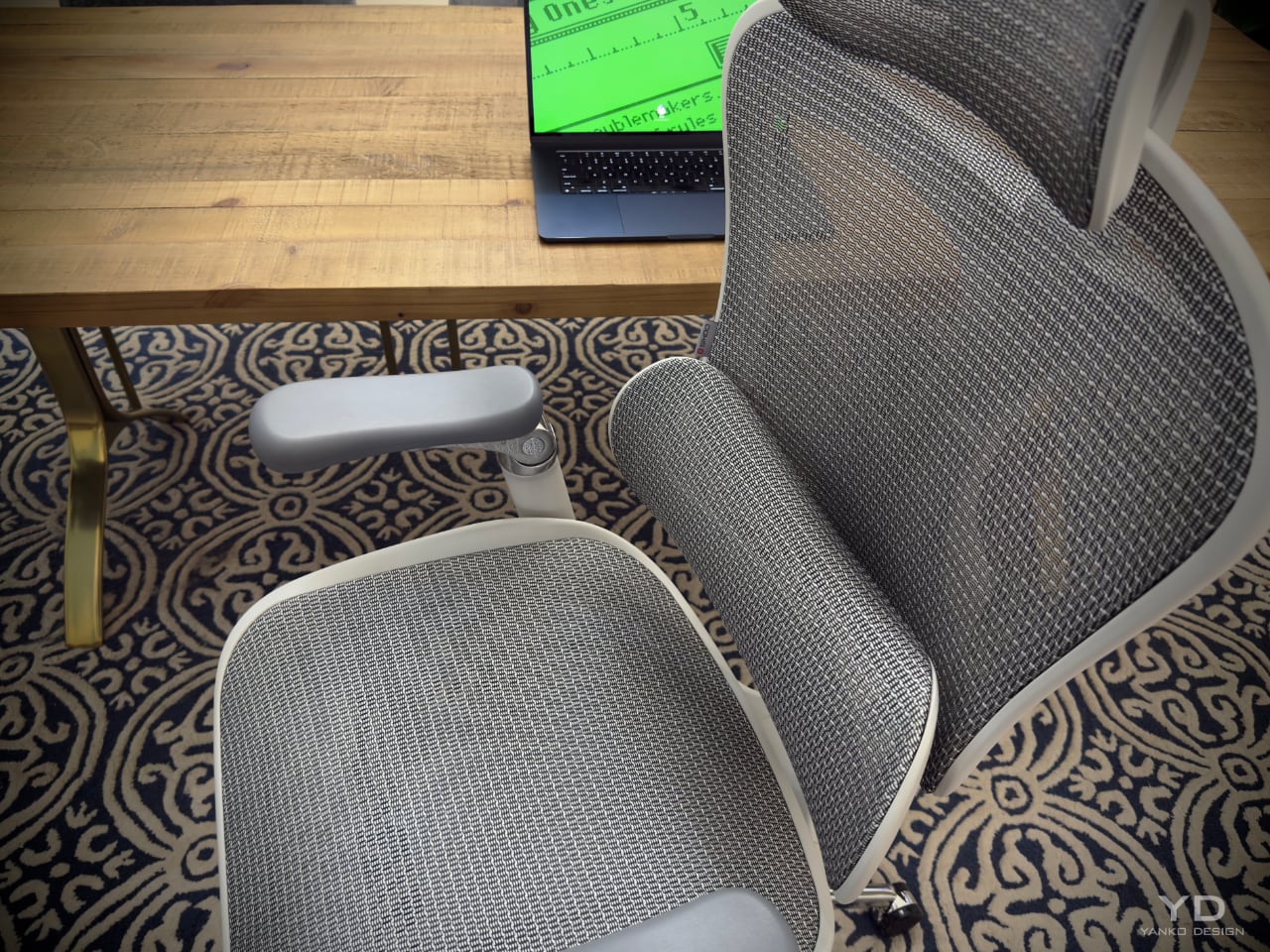
Design Mumbai 2024: Ready to Unleash Its Design Spirit at Jio World Garden

Mark your calendars: from November 6-9, the vibrant city of Mumbai will transform into a hub of international design creativity with the arrival of Design Mumbai 2024. Set against the lush backdrop of Jio World Garden, this event is India’s first international contemporary design show. If you’re into cutting-edge lighting concepts and meticulously crafted furniture or want to glimpse the future of design, this is where you’ll want to be. Designer to the above picture: Obeetee

Event Dates: 6-9 November 2024.

A Platform for Global and Local Talent

Presented by JSW Paints, the event gives local and international talent a platform to showcase the latest trends in design and craftsmanship. Expect a mix of the finest independent Indian designers alongside global icons, curated into a four-day showcase that brings a unique flavor of creativity to the heart of Mumbai. From installations by JSW Paints to a look at Royal Enfield’s latest take on the Classic 350, Design Mumbai is shaping up to be a must-visit for anyone passionate about creativity.

JSW Paints’ involvement as the Presenting Partner of Design Mumbai brings an added visual spectacle. AS Sundaresan, Joint MD & CEO of JSW Paints, shared, “At JSW Paints, innovation and ‘Think Beautiful’ is at the heart of everything we do. We’re delighted to present Design Mumbai 2024, which will transform Jio World Garden into a vibrant celebration of colour and creativity.” Their participation aims to create a visually inspiring event, encouraging everyone to reimagine their spaces boldly and beautifully.

Designer: andblack

Highlights and Exhibitors

Co-founder Ian Rudge describes the event as a milestone for India’s design community. “This event marks a significant milestone for India, offering an international platform unlike anything seen before. We’re bringing a whole host of innovative and pioneering designs to the show, along with specially commissioned installations from key partners such as JSW Paints and Royal Enfield, and exclusive appearances by some of the most recognised names in the industry. At the same time, we’re committed to celebrating India’s rich design and craft heritage.” Visitors can expect specially commissioned installations, exclusive product launches, and a celebration of India’s craft heritage—all curated to reflect the blend of tradition and innovation that defines modern Indian design.
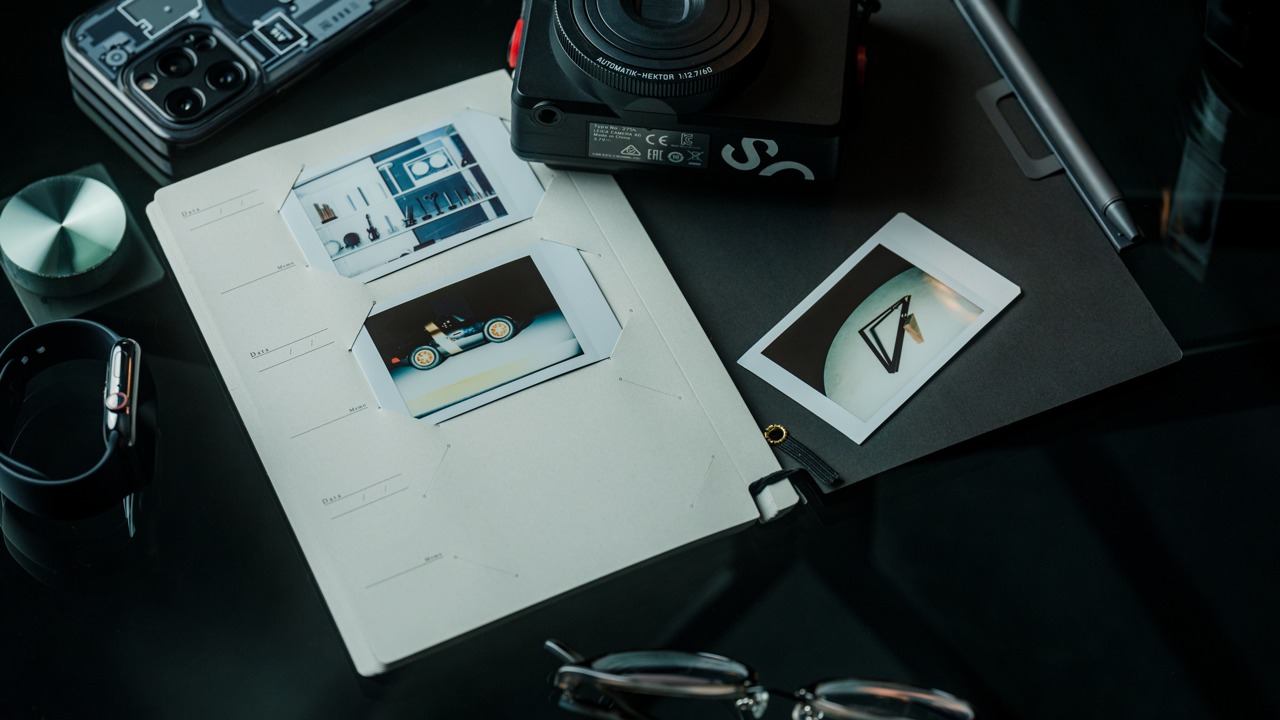
Designer: Poltrona Frau

With names like Poltrona Frau, Richard Hutten, Studio Saar, Fern & Ade, Jaipur Rugs, VIATOV, VitrA, and de Sede participating, there is something for everyone—if you are interested in plush seating, thoughtful color palettes, or eco-conscious craftsmanship.

Designer: de Sede

Special Features and Installations

Design Mumbai promises an engaging array of special features, from award ceremonies to networking events, all aimed at celebrating the best in contemporary design. Exclusive collaborations, such as the concept hospitality space by THE Park Hotels, in partnership with Studio Saar, will provide attendees with a refreshing look at innovative hospitality design.
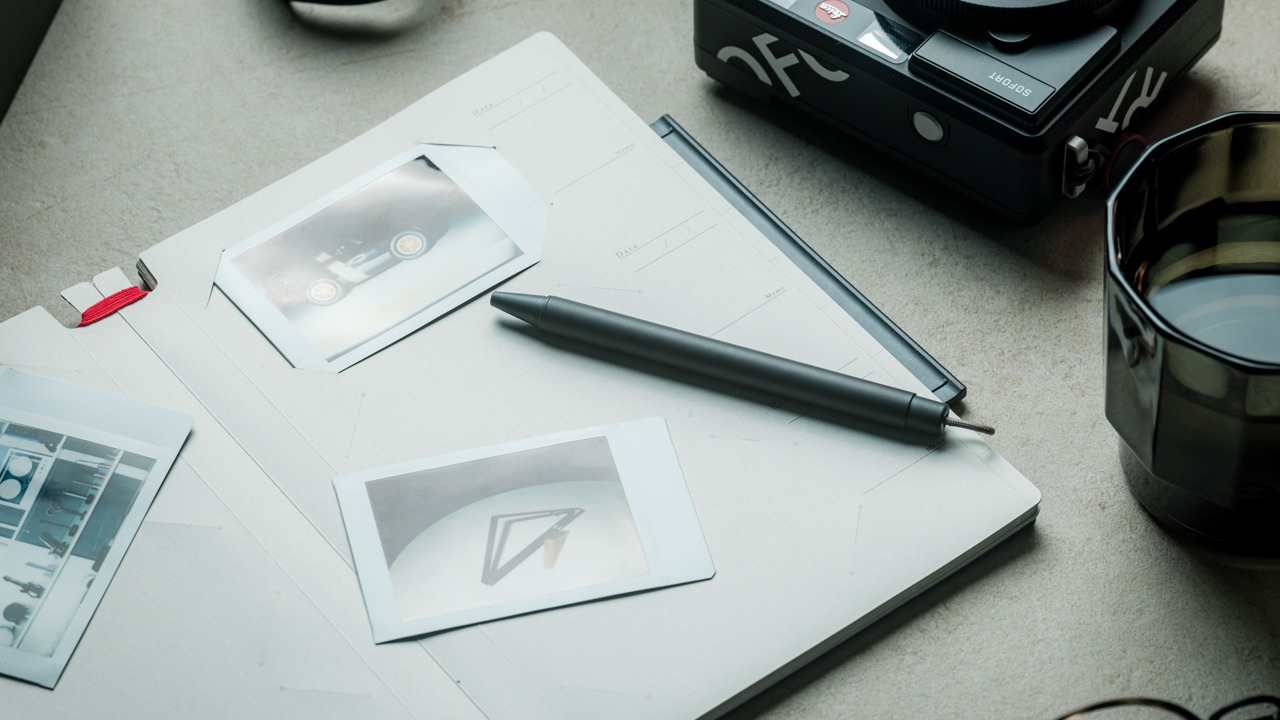
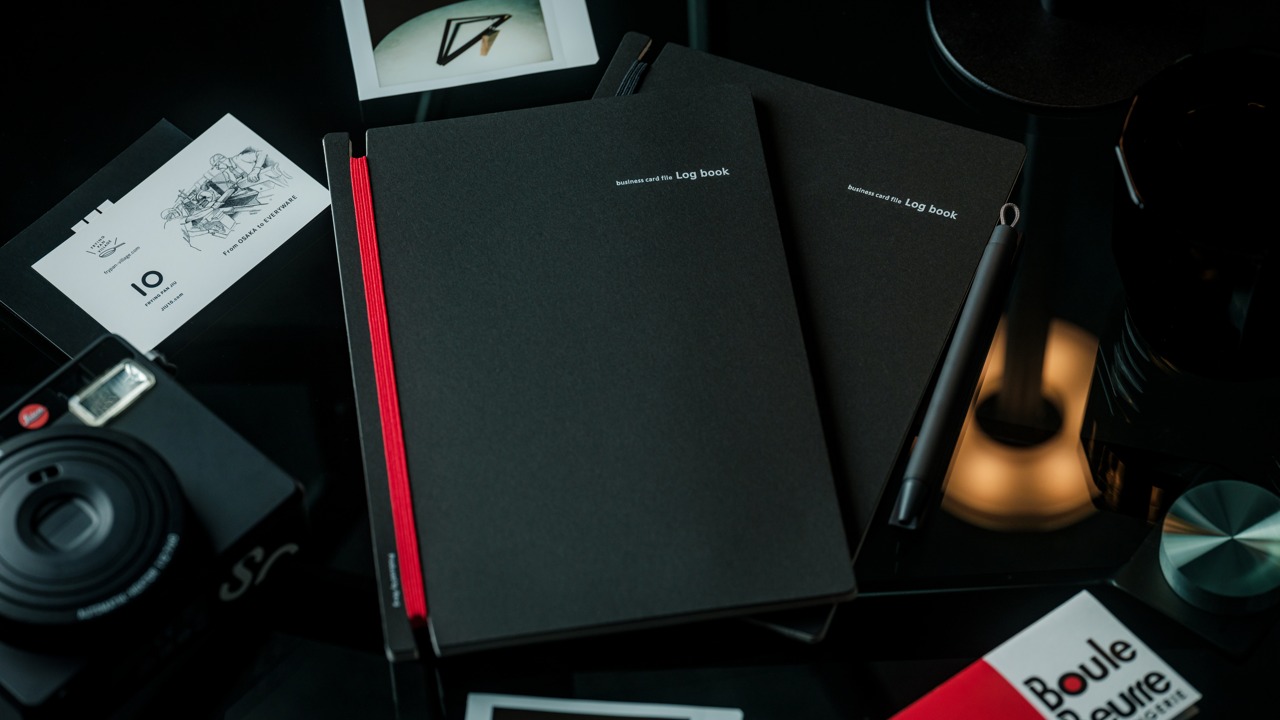
Designer: Royal Enfield

Royal Enfield will also feature prominently, showcasing its latest Royal Enfield Classic 350, highlighting its design expertise and the craftsmanship that goes into making these iconic motorcycles.

Live Talks and Keynotes

Design Mumbai is also packed with live industry talks and keynotes under the “Design Mumbai: Exchange” series. Confirmed speakers include key players from Dezeen, Dutch industrial designer Richard Hutten, and those involved in the $30 billion Mumbai infrastructure overhaul.

Richard Hutten

The discussions will cover the intersection of sustainability, design, and technology, providing insights into the future of the creative industry.

Ian Rudge added, “Our goal with Design Mumbai is to deliver top-tier quality and originality to the architecture and design community. We aim to provide a unique experience and diverse content if attendees are specifying for a private residential project or a commercial venture such as a hotel or restaurant.”

Culinary Experiences

Alongside the visual delights, visitors can indulge in culinary experiences from award-winning restaurants, including a pop-up from Soho House Mumbai.

Designer: Fern & Ade

Imagine exploring exhibits ranging from upcycled cotton tapestries by Morii Design to the latest Danish collections by Fern & Ade—all while enjoying a high-end dining experience.

Innovative and Sustainable Design

Innovation is a core theme of the event, which showcases creativity and sustainability, from VitrA’s recycled ceramic washbasins to VIATOV’s plexiglass mirrored art pieces.

Designer: Vitra

Visitors will also find inventive pieces from AKFD Studio, known for its unique lighting designs incorporating traditional Indian craftsmanship, and Studio Avni’s work, which experiments with materials like silicone and discarded silk saris.

Designer: Viatov Design

Craft Heritage and Modern Classics

Expect to see bold, modern pieces from the FAZO Project, which utilizes traditional carpet weaving techniques. Loco Design will present collections that blend Indian heritage with modern technology, while Shailesh Rajput Studio will exhibit art-inspired lighting pieces using aluminum, brass, and clay.

Designer: Loco Design

Loco Design’s efforts to blend heritage craftsmanship with modern aesthetics aim to redefine contemporary Indian design on a global scale. Under brands like Madheke, Pintark, and Taamaa, their new collections represent a convergence of Indian heritage and international practices, creating an engaging narrative for the audience.

Luxury Meets Modern Architecture

The hospitality space designed by THE Park Hotels in collaboration with Studio Saar offers a glimpse of luxury paired seamlessly with modern architecture.

Designer: Studio Saar

With exhibitors like Technogym, Timothy Oulton, Hästens, Michael Young, and Boss Design, Design Mumbai promises something to inspire all design enthusiasts.

Artful Forms and Everyday Simplicity

Other notable names include Seoul-based VIATOV, which presents mirrored objects, and Esvee Atelier, known for its functional art that enhances living spaces.

Studio Avni will also display its Hybrid series of stitched metal light pieces alongside projects like the Garland series, which are made from discarded silk saris.

Designer: Esvee Atelier

Esvee Atelier is set to introduce the VAV coffee table, inspired by Indian stepwells, and the Maya vanity dresser, which turns everyday routines into elegant rituals and embodies the spirit of thoughtful, functional design.
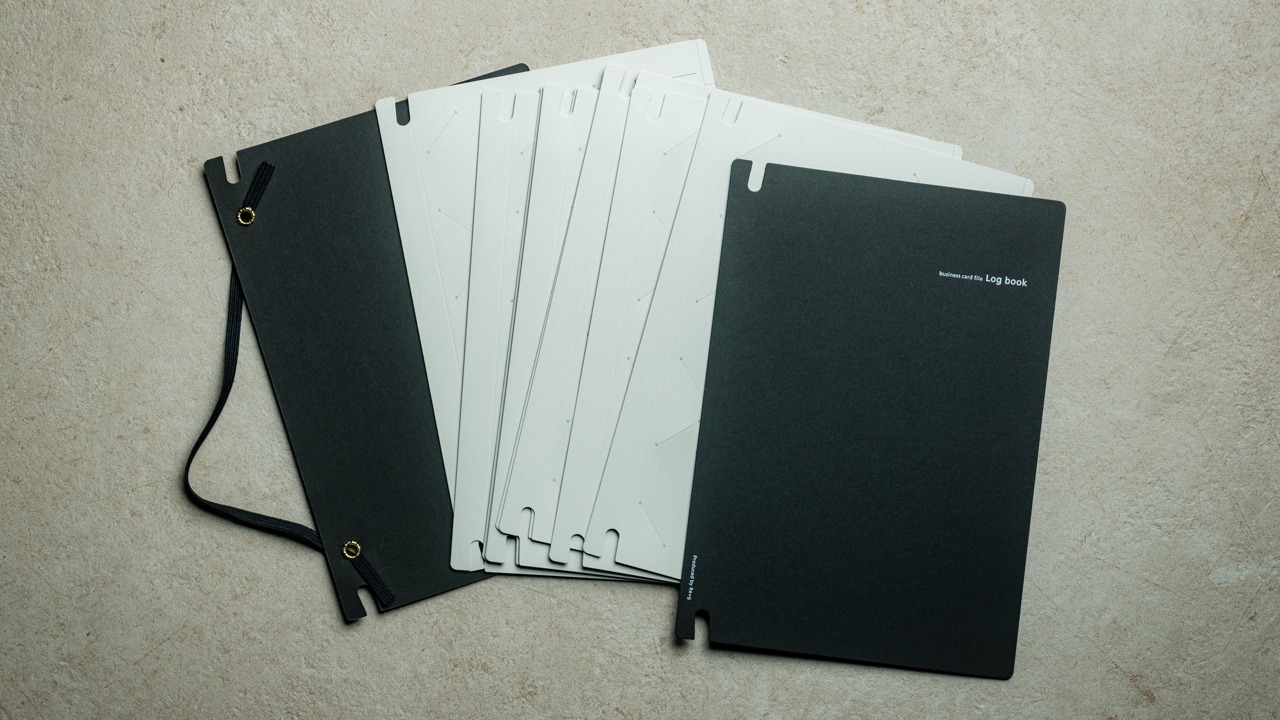
Design Mumbai is set to establish itself as a yearly pilgrimage for lovers of design—capturing the creative energy of India and ingenuity from around the world. Design Mumbai is also collaborating with the Association of Designers of India’s Mumbai Chapter, who is helping them curate speakers and building engagement with the design community. The creative pulse of Mumbai is about to get even stronger!
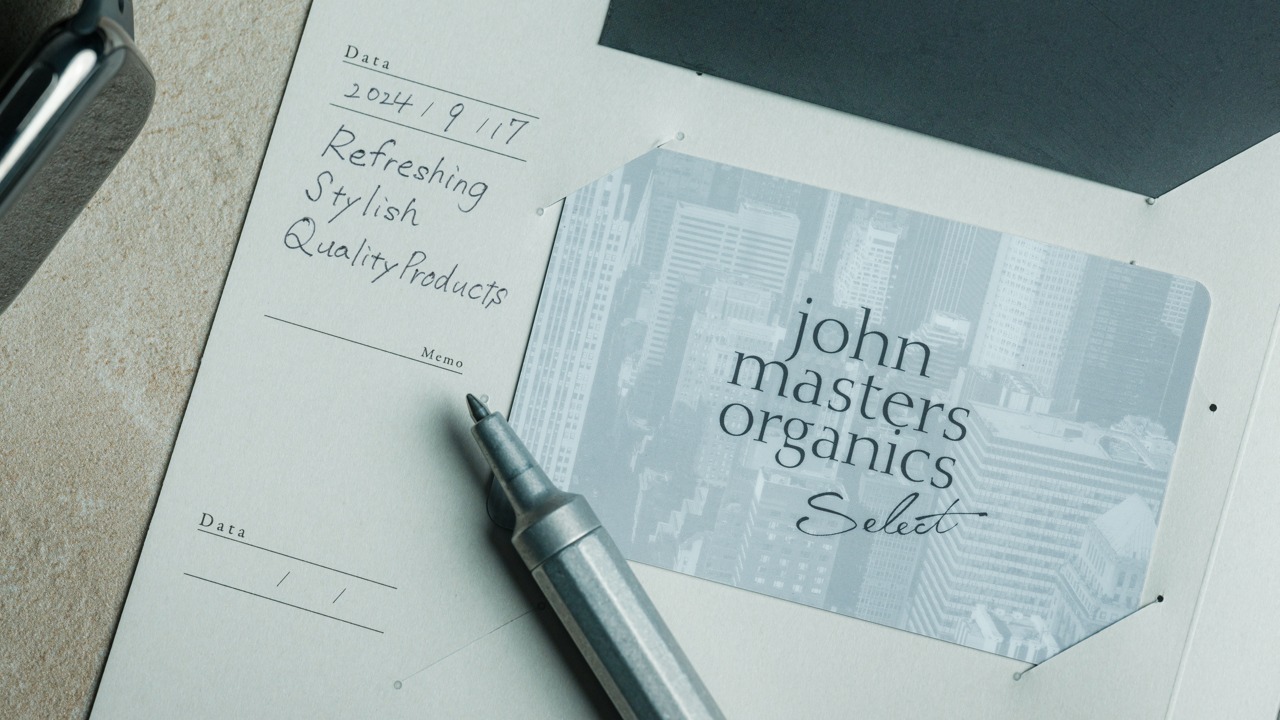
Event Dates: 6-9 November 2024.

The post Design Mumbai 2024: Ready to Unleash Its Design Spirit at Jio World Garden first appeared on Yanko Design.