This Furniture Trick Makes Flat Wood Look Curved With Zero Waste

Have you ever wondered why ergonomic furniture costs so much? Here’s a secret: creating curves that actually fit the human body is ridiculously complicated. Our bodies are all soft lines and organic shapes, but transforming hard materials like wood into those comfortable contours usually requires serious craftsmanship, expensive machinery, or both. Designer Minhwan Kim just cracked this puzzle in the most elegant way possible, and the design world is taking notice. Layer, his recent furniture project, just won Red Dot’s prestigious “Best of the Best” award for 2025.

The genius of Layer lies in how it rethinks an old problem. Traditional curved furniture typically means either steam-bending wood (labor-intensive and temperamental) or carving from solid blocks (hello, massive waste). Some designers have experimented with parametric structures, which use flat sheets cut into specific patterns that can be assembled into three-dimensional curves. It sounds perfect in theory, but there’s a catch. These designs often waste huge amounts of material because the cutting patterns don’t efficiently use the available sheet space. You end up with gorgeous furniture and a dumpster full of expensive scraps.

Designer: Minhwan Kim
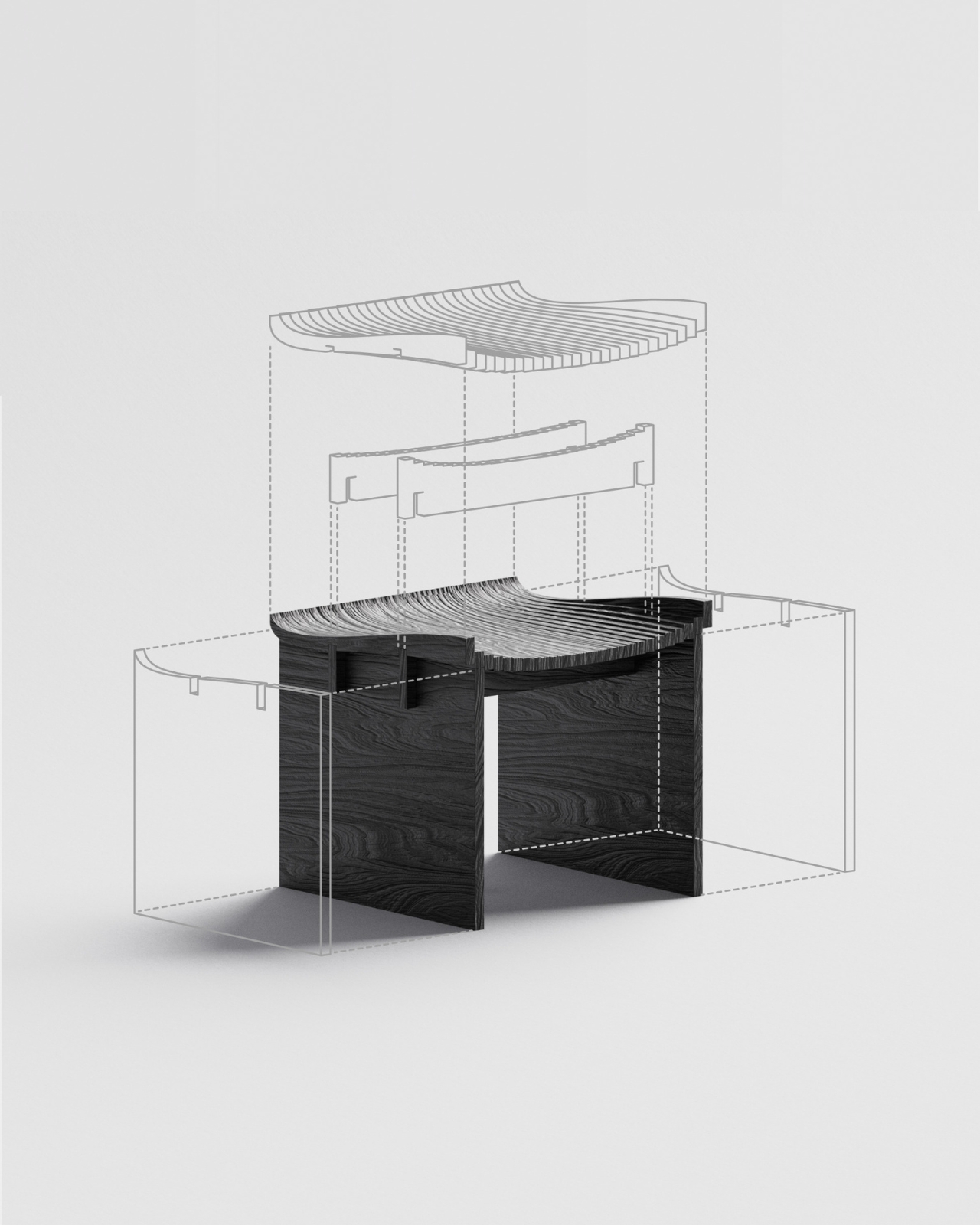
Kim’s approach flips this wasteful equation. Layer uses an optimized parametric system that minimizes material waste while creating furniture that looks like it was sculpted rather than assembled. The process starts by digitally breaking down a 3D curved surface into individual layers. Think of it like those topographic maps that show elevation through contour lines, except here each line becomes a physical piece of wood. These intersection curves are then aligned and processed into solid wood components that stack together to create the final form.


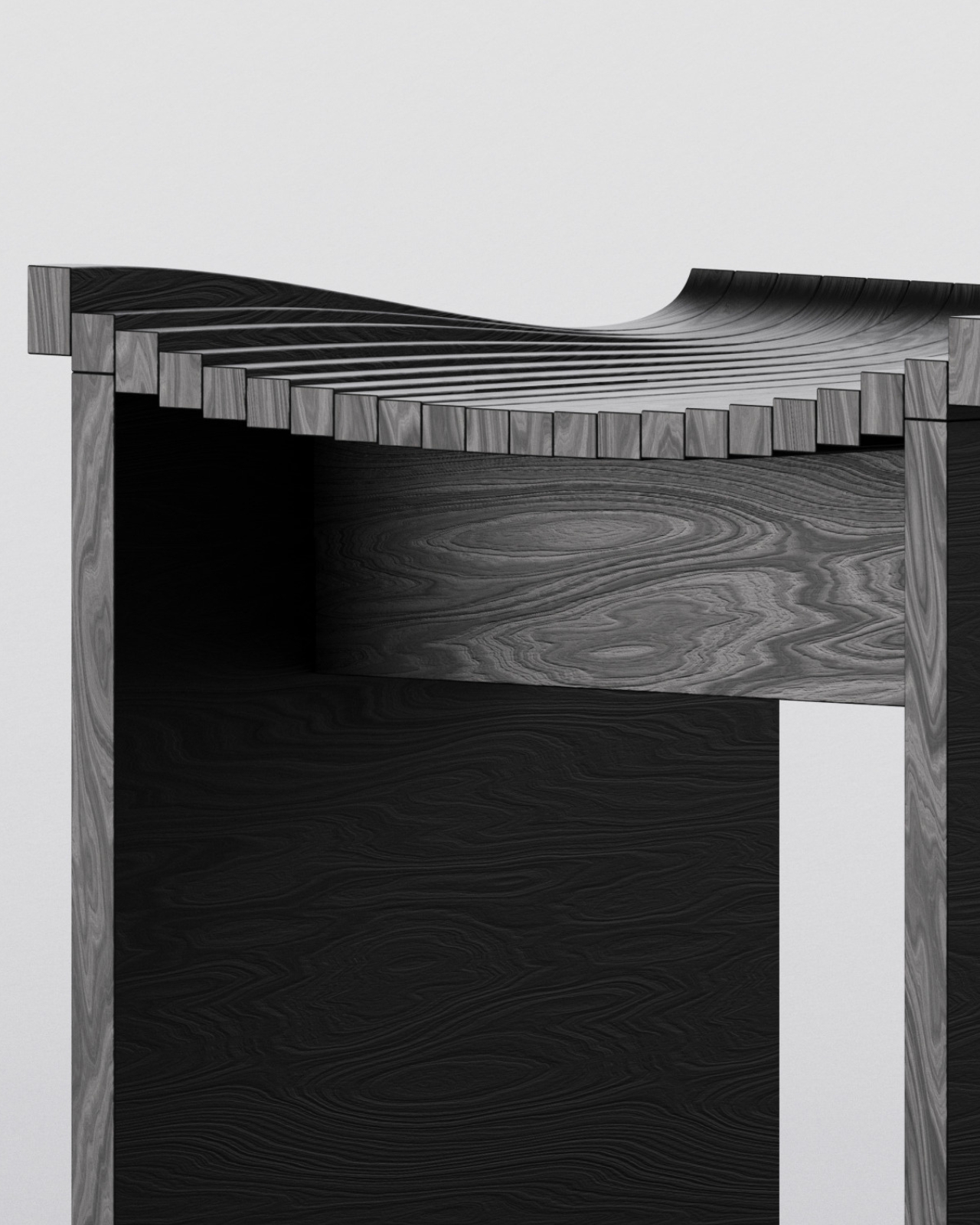
The beauty of this system is visible in the finished pieces. That curved seat you see isn’t molded or carved. It’s actually dozens of thin wooden layers precisely cut and stacked, creating a fluid, organic surface that perfectly supports the human form. The wood grain flows across the surface like waves, emphasizing the layered construction rather than hiding it. It’s functional sculpture that actually works as furniture.


What really makes this project special is how it bridges digital design and traditional craftsmanship. The parametric modeling happens on a computer, allowing Kim to optimize every cut for minimal waste. But the actual fabrication involves real woodworking, real routers and sanders, and actual human hands assembling each layer. You can see this in the workshop photos where curved wooden ribs are being clamped together, sawdust coating the workbench, showing that even cutting-edge design still requires getting your hands dirty.
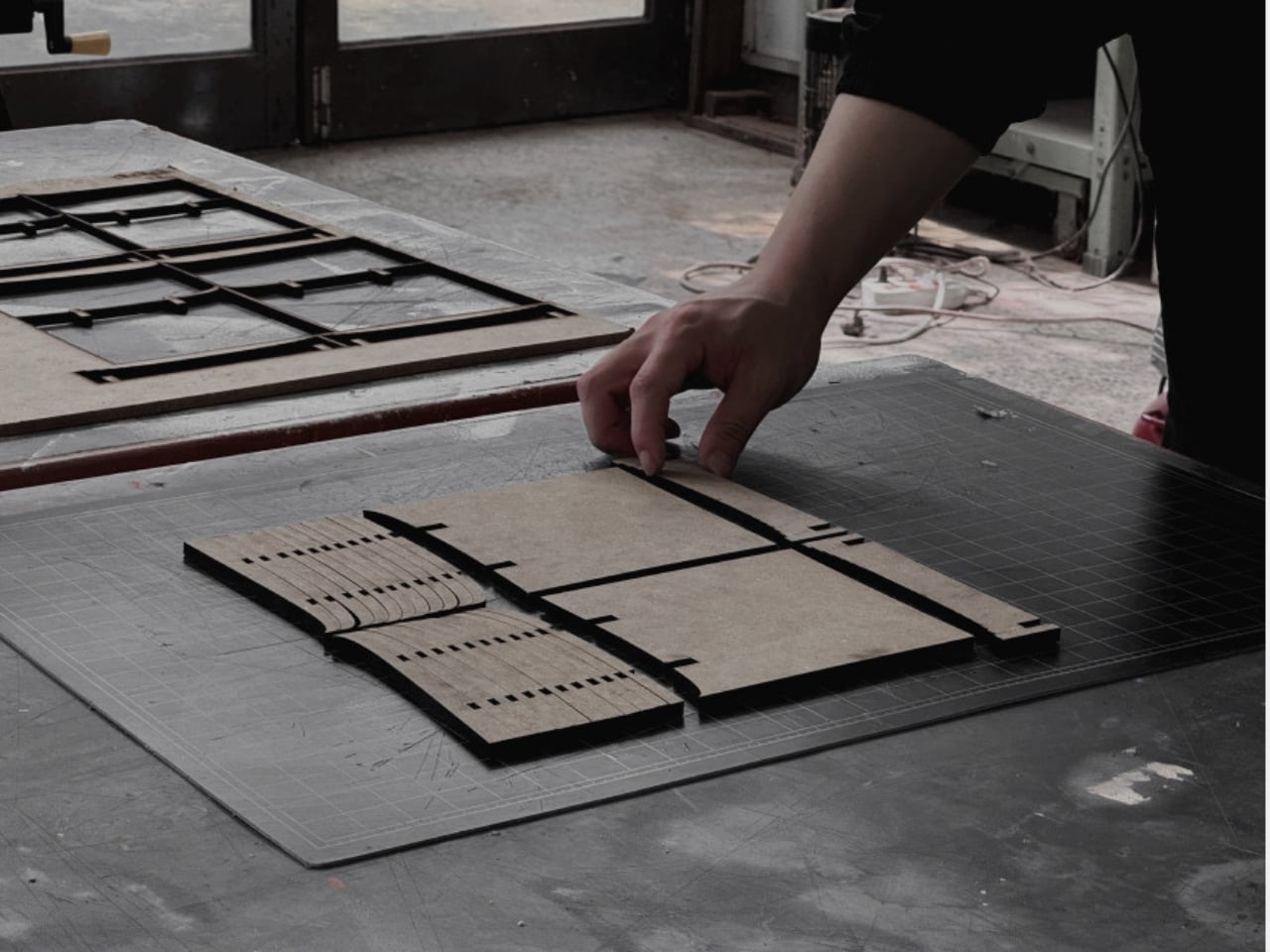
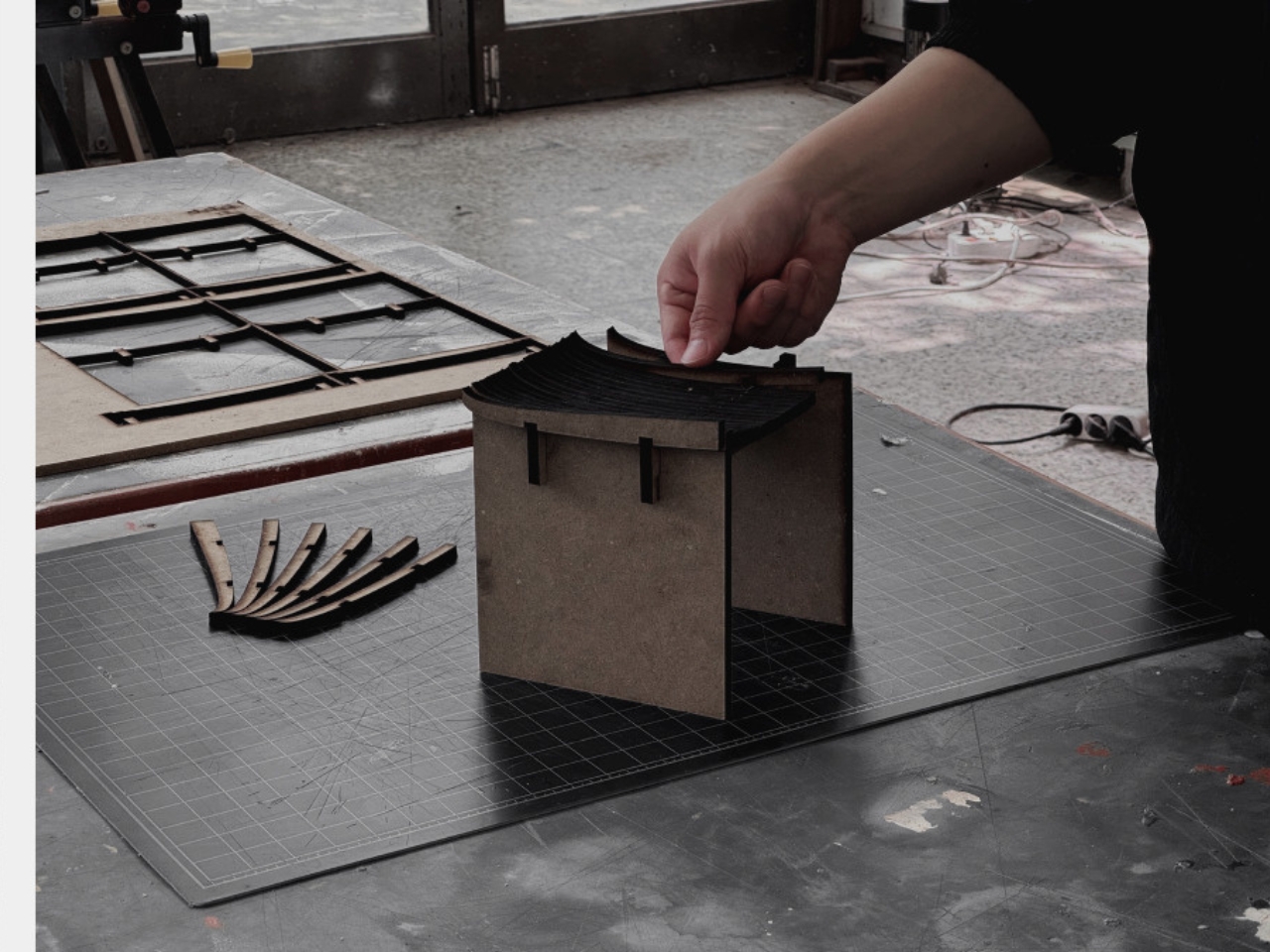
The manufacturing process is surprisingly straightforward once you understand the system. Standard flat plywood sheets get CNC-cut into the calculated patterns. Because the system is optimized, the pieces nest together on the sheet like a jigsaw puzzle, using nearly every inch of material. These flat pieces are then processed into their final curved profiles through careful routing. Finally, they’re assembled layer by layer, each piece fitting into precisely calculated positions until the complete three-dimensional form emerges.

This isn’t just clever for its own sake. In an era when we’re increasingly aware of material consumption and waste, Layer demonstrates how thoughtful design can be both beautiful and responsible. The furniture industry generates enormous amounts of waste, particularly in custom and high-end pieces. By optimizing material usage from the digital design phase, Kim shows that sustainability and aesthetics don’t have to be competing values.
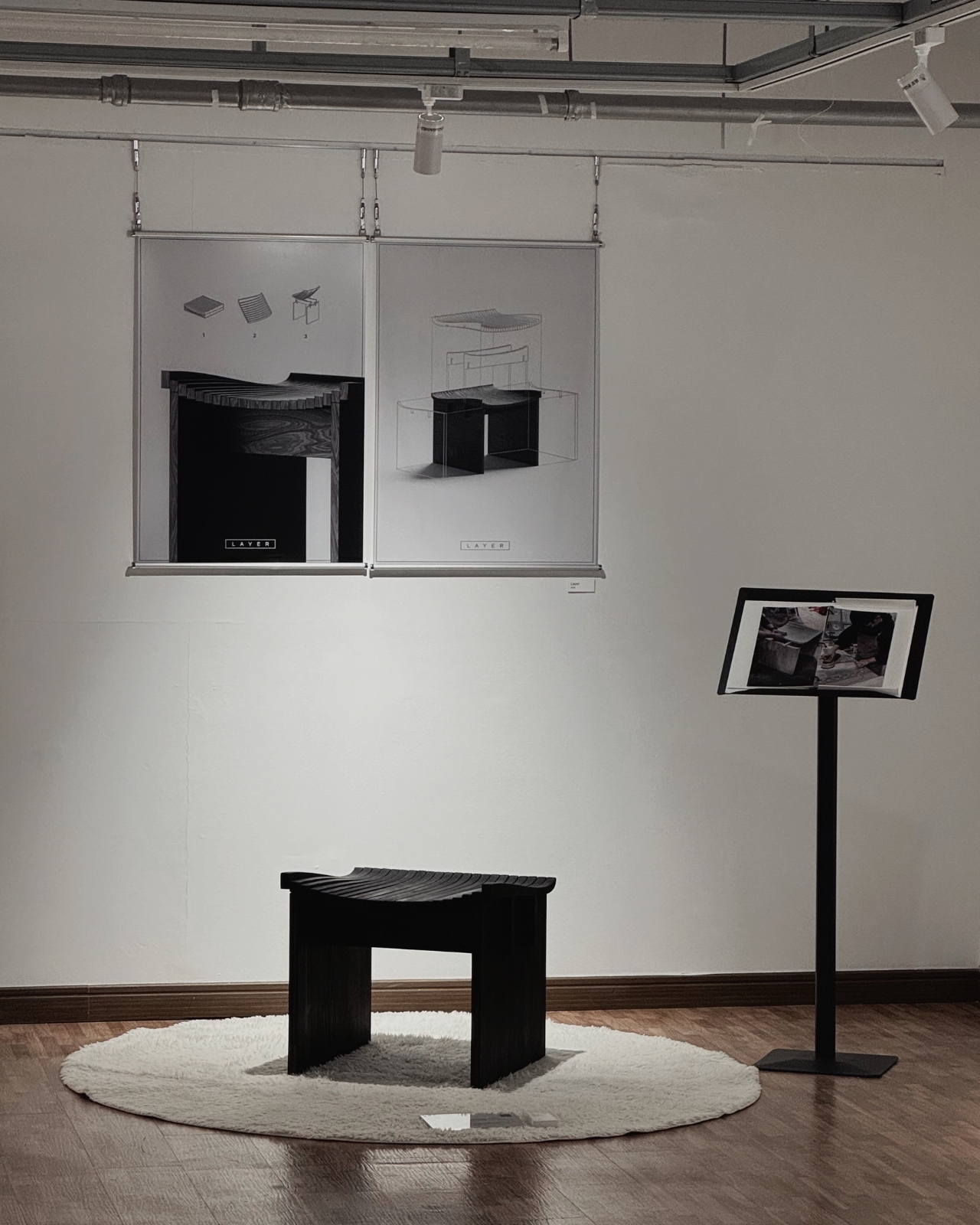
The finished stool in the exhibition space looks deceptively simple. Its dark wood surface curves gently to cradle the body, the layered edge visible like the pages of a closed book. Nothing about it screams “innovative fabrication technique” or “award-winning design.” It just looks like a really nice piece of furniture you’d actually want in your home. And maybe that’s the highest compliment you can give any design: it solves complex problems so elegantly that the solution becomes invisible.
For anyone interested in where design and technology intersect, Layer represents an exciting direction. It shows how computational design tools can enhance rather than replace traditional craft, and how constraints like material efficiency can inspire creative solutions rather than limiting them. Sometimes the most innovative designs aren’t about flashy new materials or radical forms, but about finding smarter ways to work with what we’ve always had.

The post This Furniture Trick Makes Flat Wood Look Curved With Zero Waste first appeared on Yanko Design.


Google limits free Nano Banana Pro image generation usage due to ‘high demand’

If you were hoping to create some silly images this long holiday weekend with Google's new Nano Banana Pro model, I have some bad news: the company is restricting free usage of the AI system. In a support document spotted by 9to5Google, Google notes free users can currently generate two images daily, down from three per day previously. "Image generation and editing is in high demand," the company writes. "Limits may change frequently and will reset daily." 

It would appear Google is also limiting free Gemini 3 Pro usage, with the document stating non-paying users will get “basic access — daily limits may change frequently" as well. When the company first began rolling out Gemini 3 Pro on November 18, it guaranteed five free prompts per day. That was in line with Gemini 2.5 Pro. If you pay for either Google AI Pro or AI Ultra plan, your usage limits have not changed. They remain at 100 and 500 prompts per day, respectively. 

Google isn't the first company to enforce stricter usage following a popular release. You may recall OpenAI delayed rolling out ChatGPT's built-in image generator to free users after the feature turned out to be more popular than anticipated. However, OpenAI eventually brought image generation to free users. 

This article originally appeared on Engadget at https://www.engadget.com/ai/google-limits-free-nano-banana-pro-image-generation-usage-due-to-high-demand-223442929.html?src=rss

HONOR’s iPhone Air competitor has 4 camera lenses, and a massive 8,000mAh battery

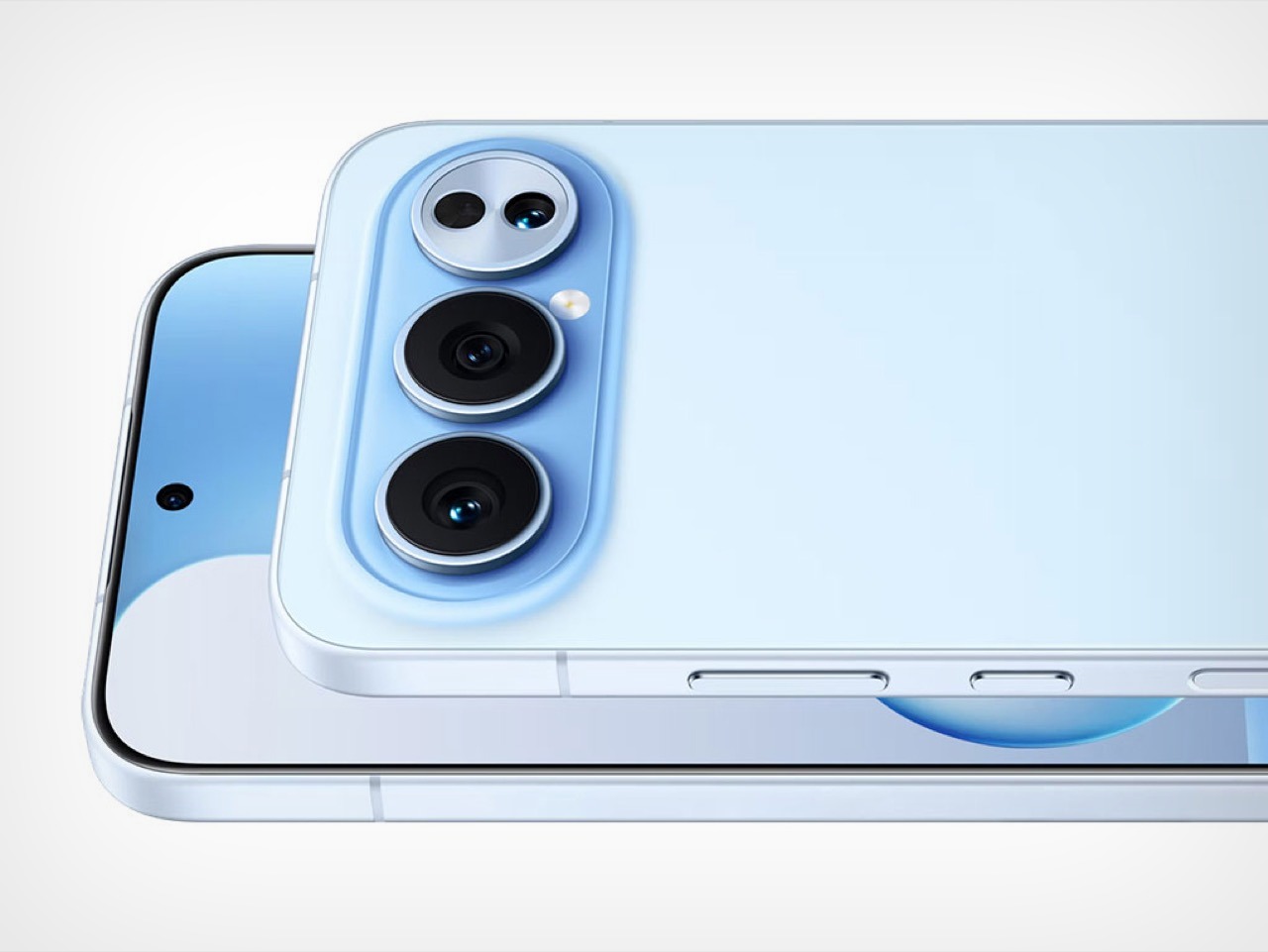
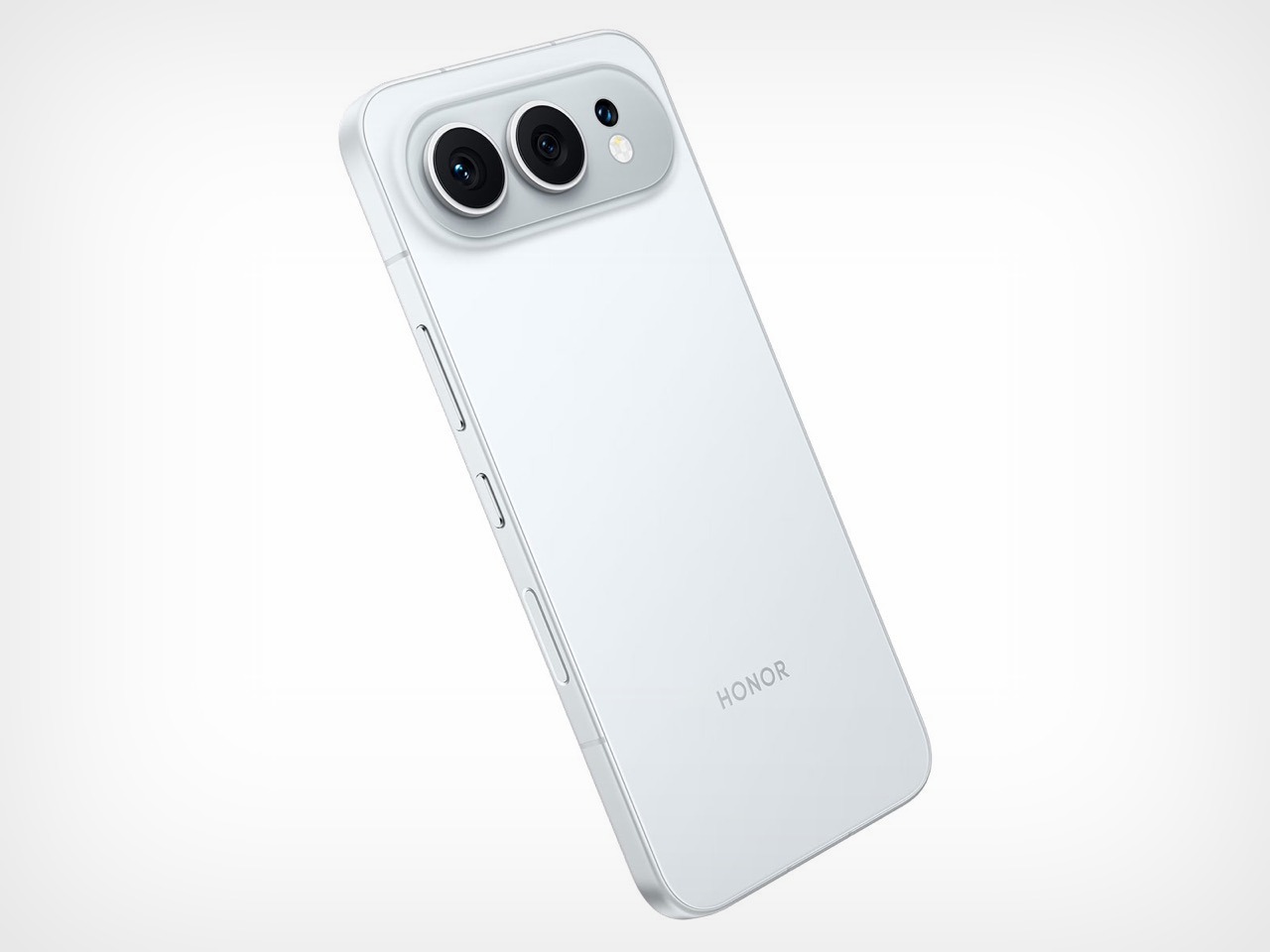
If you squint, this looks like an iPhone Air. If you stop squinting, you notice it has an extra camera and an 8,000mAh battery that makes Apple’s thinness obsession look a little silly. HONOR just dropped its new 500 series in China, and the design inspiration is so obvious it circles back around to being bold. The phone’s flat metal sides, clean glass back, and minimalist aesthetic are all lifted straight from the modern flagship playbook. But this isn’t just another clone chasing a trend. HONOR took that familiar, premium silhouette and decided to fill it with hardware that directly challenges the compromises often made for the sake of design.

The entire strategy seems to hinge on that visual familiarity. Both the Honor 500 and 500 Pro are physically identical to each other, sharing a 7.75mm thin frame that feels deliberately calibrated offer slimness without the exaggeration and the spec-caveat. They even have the same 6.55-inch, 120Hz AMOLED display, so the experience up front is consistent. Instead of making the Pro a bigger, more unwieldy device, HONOR made the spec sheet the only real differentiator. It’s a clever way to offer a choice between “great” and “even better” without forcing a change in ergonomics.

Designer: HONOR

The standard Honor 500 (above), packs a dual-camera system led by a 200MP main sensor with OIS, co-developed with Samsung, and a 12MP ultra-wide. But the Pro model (below) is where they really lean in, adding a third lens to the mix and upgrading the stabilization for even steadier shots. It’s the clearest indicator of who each phone is for; the 500 is for the person who wants the look and the battery, while the Pro is for the user who wants all that plus a more versatile camera system.

Of course, the real headline grabber is the absolute monster of a battery hiding inside that slim chassis. HONOR managed to pack 8,000mAh cells into both standard AND Pro variants… that’s more than double of the iPhone Air’s 3,149mAh battery. The standard 500 gets 80W wired charging and a handy 27W reverse wired charging feature to share power. The Pro takes it a step further by adding 50W wireless charging, giving it the full suite of flagship power options. This single spec feels like a direct shot at every phone that dies before the day is over, turning the Honor 500 into an endurance champion disguised as a fashion phone.

The Pro justifies its title with a few other key upgrades under the hood. While both phones are expected to run on fast LPDDR5X RAM and UFS 4.0 storage, the Pro offers a higher 1TB storage ceiling compared to the standard model’s 512GB max. It also features a more advanced 3D ultrasonic fingerprint sensor, which is typically faster and more reliable than the optical sensor found in the base 500. Add in an enhanced RF chip for better connectivity, and the Pro’s premium becomes a collection of small but meaningful quality-of-life improvements.

Beyond those differences, the foundation for both phones is surprisingly robust. You get an IP68/IP69/IP69K rating for serious water and dust resistance, along with stereo speakers, Wi-Fi 7, Bluetooth 6.0, and even an IR blaster. With launch pricing in China starting at 2,699 yuan ($381 USD) for the 500 and 3,599 yuan ($508) for the Pro, the value proposition is clear. HONOR is betting that people want a phone that looks like an iPhone Air but runs like a marathoner, and they’re not afraid to make the comparison impossible to ignore.

The post HONOR’s iPhone Air competitor has 4 camera lenses, and a massive 8,000mAh battery first appeared on Yanko Design.

US patent office says generative AI is equivalent to other tools in inventors’ belts

While generative AI systems cannot be considered inventors under US patent laws, the US Patent and Trademark Office has updated its guidelines on how they can be used in the process of creating innovations. The agency's director, John Squires, said in a notice obtained by Reuters that the USPTO deems genAI to be "analogous" to other tools that inventors might use in their process, including lab equipment, software and research databases. 

"AI systems, including generative AI and other computational models, are instruments used by human inventors," Squires wrote. "They may provide services and generate ideas, but they remain tools used by the human inventor who conceived the claimed invention." 

The notice [PDF], which is set to be published in the Federal Register on November 28, notes that there's no separate process for evaluating whether an AI-assisted invention qualifies for a patent. "When multiple natural persons are involved in creating an invention with AI assistance, the traditional joint inventorship principles apply," Squires added.

The Court of Appeals for the Federal Circuit has ruled that "AI cannot be named as an inventor on a patent application (or issued patent) and that only natural persons can be inventors." There's no change to that stance under the latest USPTO guidelines. But the updated rules do offer more clarity as to whether things like new medications that are developed with the help of genAI systems can be patented. 

This article originally appeared on Engadget at https://www.engadget.com/ai/us-patent-office-says-generative-ai-is-equivalent-to-other-tools-in-inventors-belts-211700837.html?src=rss

Chicago Bears vs. Philadelphia Eagles NFL game: How to watch Black Friday football today

Nov 23, 2025; Arlington, Texas, USA; Philadelphia Eagles head coach Nick Sirianni looks on during the second quarter against the Dallas Cowboys   at AT&T Stadium. Mandatory Credit: Kevin Jairaj-Imagn Images
Coach Nick Sirianni and the Philadelphia Eagles host the Chicago Bears this Friday, here's how to watch. (Kevin Jairaj-Imagn Images)
IMAGN IMAGES via Reuters Connect / Reuters

Two top NFC teams will face off in a Black Friday showdown airing on Prime Video. The Philadelphia Eagles will host the Chicago Bears this Friday afternoon. The Eagles faced some setbacks this past week, dealing with a surprising loss to the Dallas Cowboys who came back from a 21 point deficit to win last Sunday and a potential season-ending injury for rookie safety Drew Mukuma, who fractured his ankle in that game. The Eagles are still ranked No. 2 overall in the NFC, and the Bears are right behind them at No. 3, so the results of this matchup will be significant to the playoff race.

The Bears vs. Eagles game will stream live nationally on Amazon Prime Video Friday at 3 p.m. ET. Keep reading to find out what you need to know about Friday's game, and the rest of the Week 13 schedule. 

Date: Friday, Nov. 28, 2025

Kickoff time: 3 p.m. ET/12 p.m. PT

Game: Chicago Bears vs. Philadelphia Eagles

Location: Lincoln Financial Field, Philadelphia

Streaming: Prime Video

The Bears visit the Eagles on Friday afternoon for a post-Thanksgiving game, streaming on Amazon's Prime Video. 

All times Eastern.

  • Packers vs. Lions, 1:00 p.m.(FOX)

  • Chiefs vs. Cowboys, 4:30 p.m. (CBS)

  • Bengals vs. Ravens, 8:20 p.m. (NBC)

  • Rams vs. Panthers: 1:00 p.m. (FOX)

  • Texans vs. Colts 1:00 p.m. (CBS)

  • Bills vs. Steelers: 4:25 p.m. (CBS)

  • 49ers vs. Browns, 1:00 p.m. (CBS)

  • Saints vs. Dolphins: 1:00 p.m. (FOX)

  • Falcons vs. Jets: 1:00 p.m. (FOX)

  • Cardinals vs. Buccaneers, 1:00 p.m. (FOX)

  • Vikings vs. Seahawks, 4:05 p.m. (FOX)

  • Raiders vs. Chargers: 4:25 p.m. (CBS)

  • Broncos vs. Commanders: 8:20 p.m. (NBC)

  • Giants vs. Patriots: 8:15 p.m. (ESPN)

This article originally appeared on Engadget at https://www.engadget.com/entertainment/streaming/chicago-bears-vs-philadelphia-eagles-nfl-game-how-to-watch-black-friday-football-today-204559681.html?src=rss

LEO Solo Jetbike, powered by 48 fans and electric propulsion, can fly you solo at 60 mph for 15 minutes

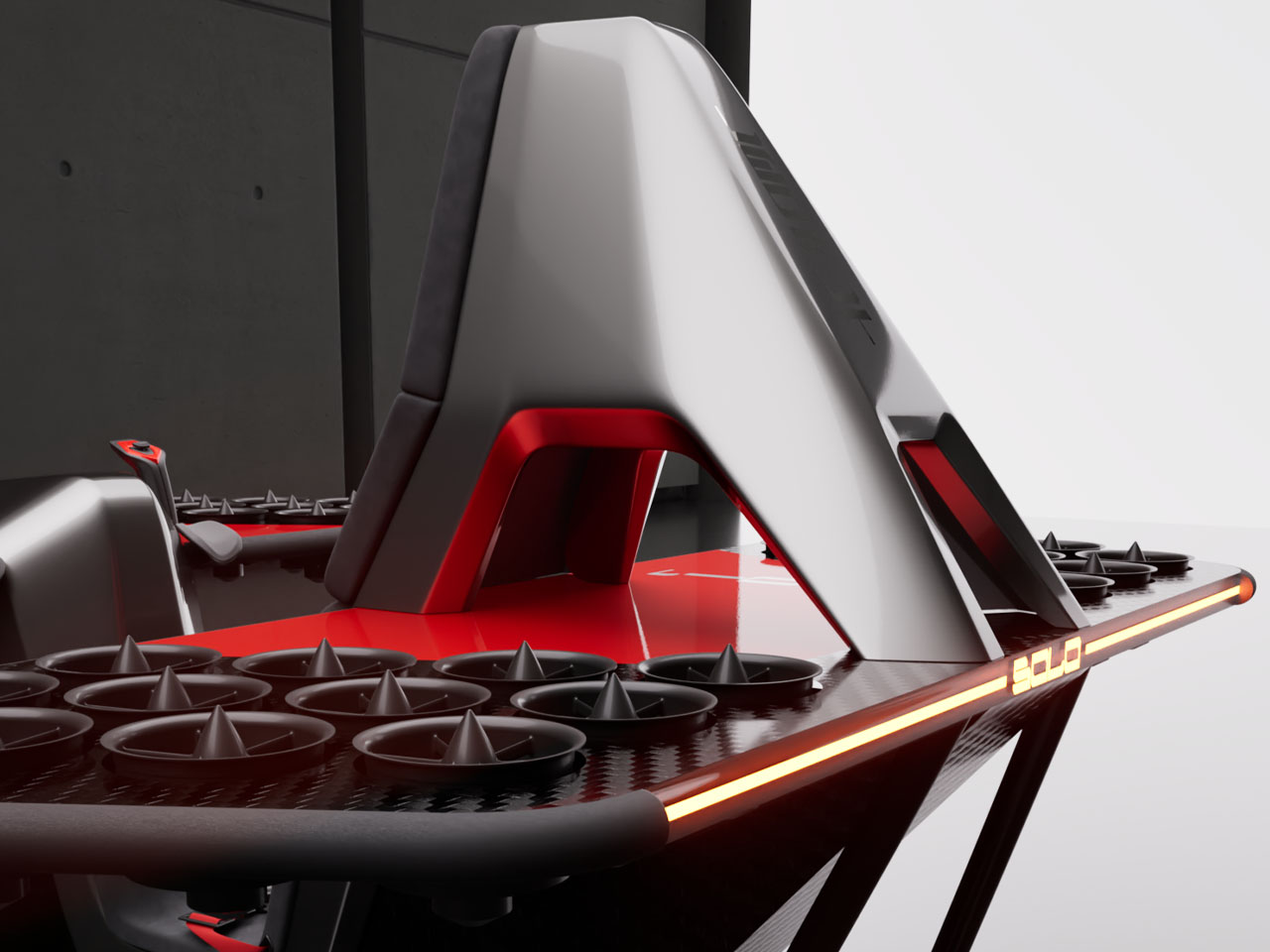
Flying solo like a bird has been humanity’s long-time dream. Amid various ways and options already figured out, the idea has not reached mass adoption. Wingsuits and jetpacks are only flying people for experimental purposes. Beyond those, there has been a vision to build electric and solar-powered propulsion systems to get us off the ground, and that dream is now taking a turn into the realm of reality with the world’s first electric air speeder, the LEO Solo JetBike.

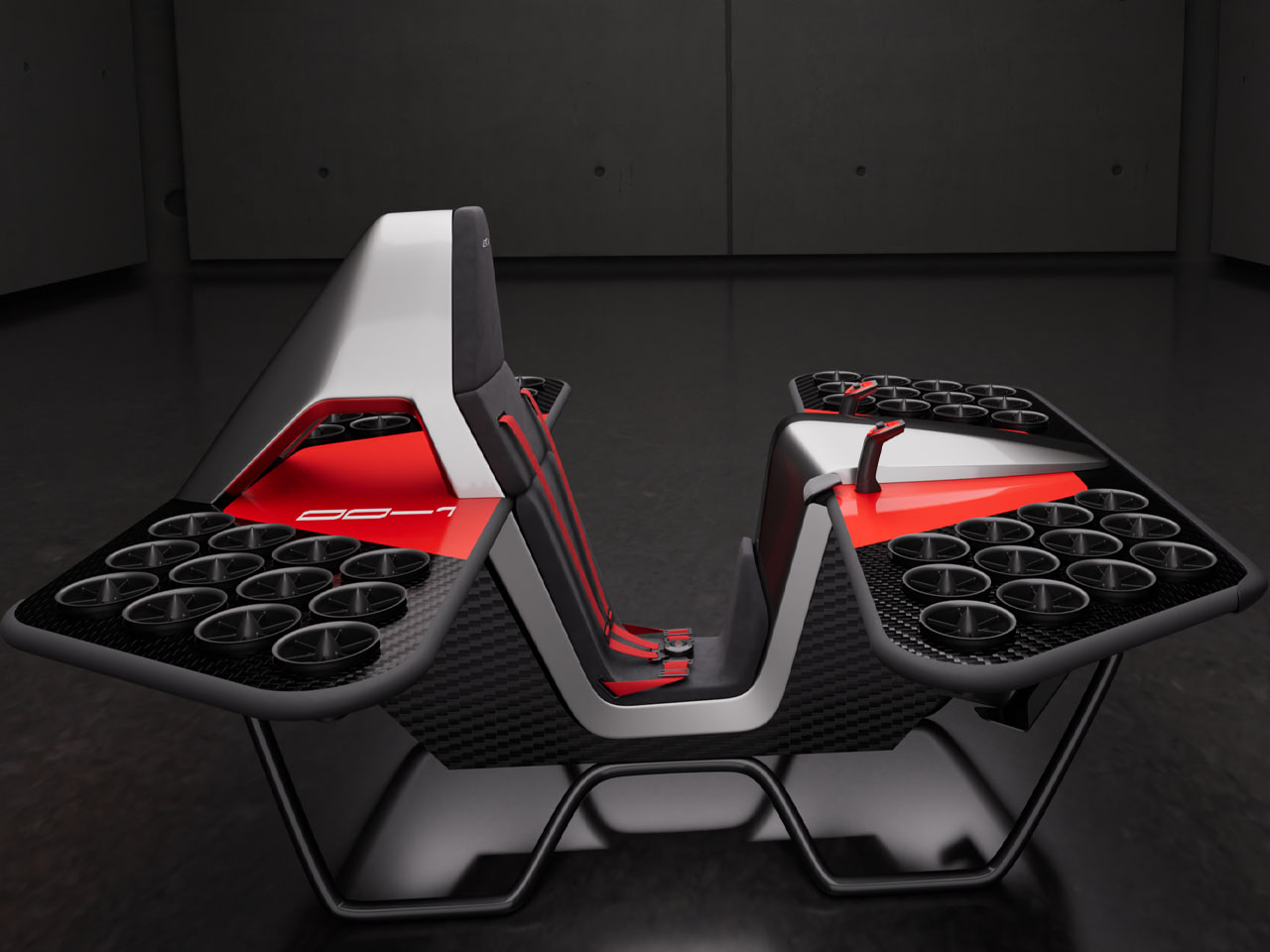
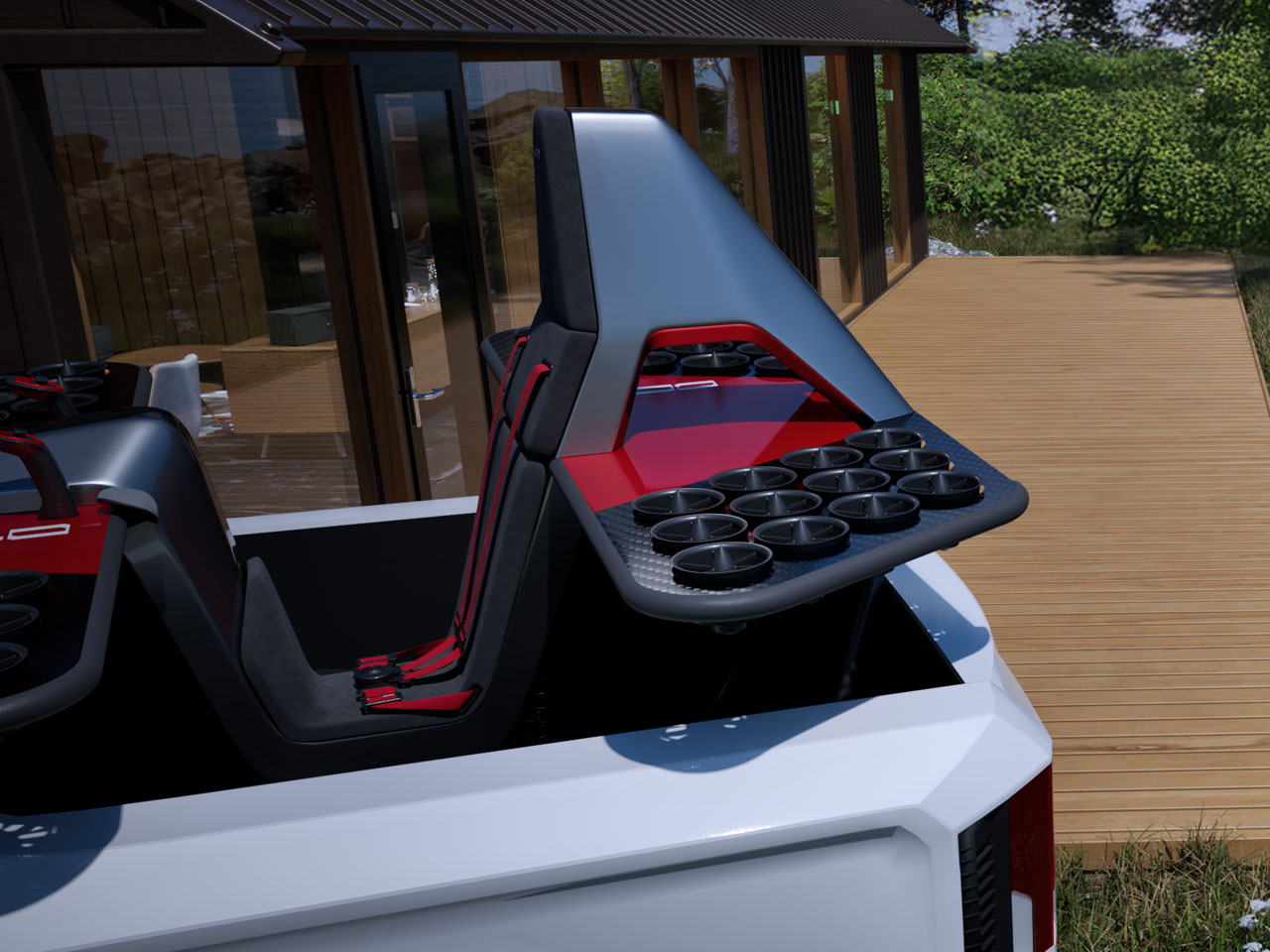
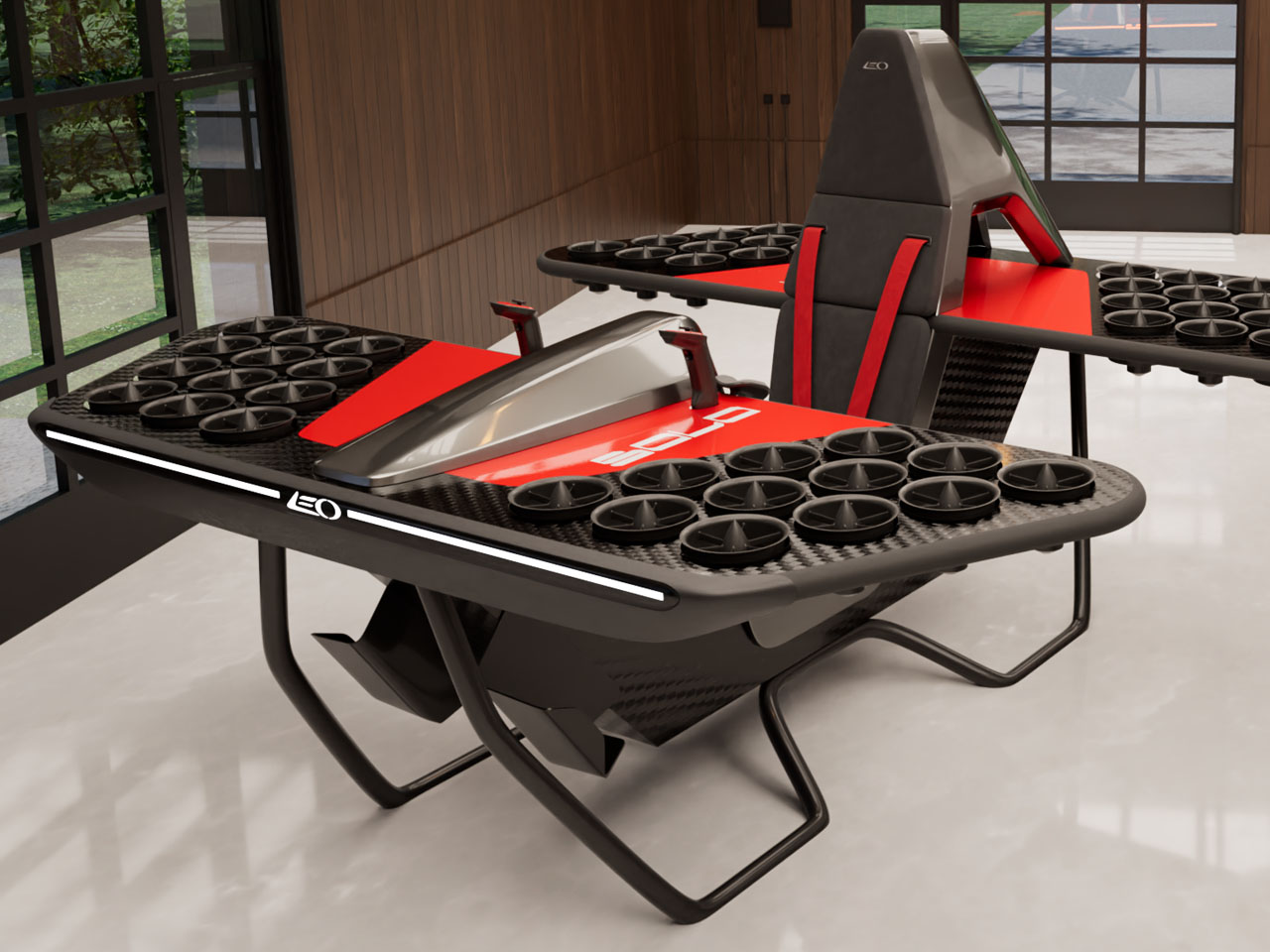
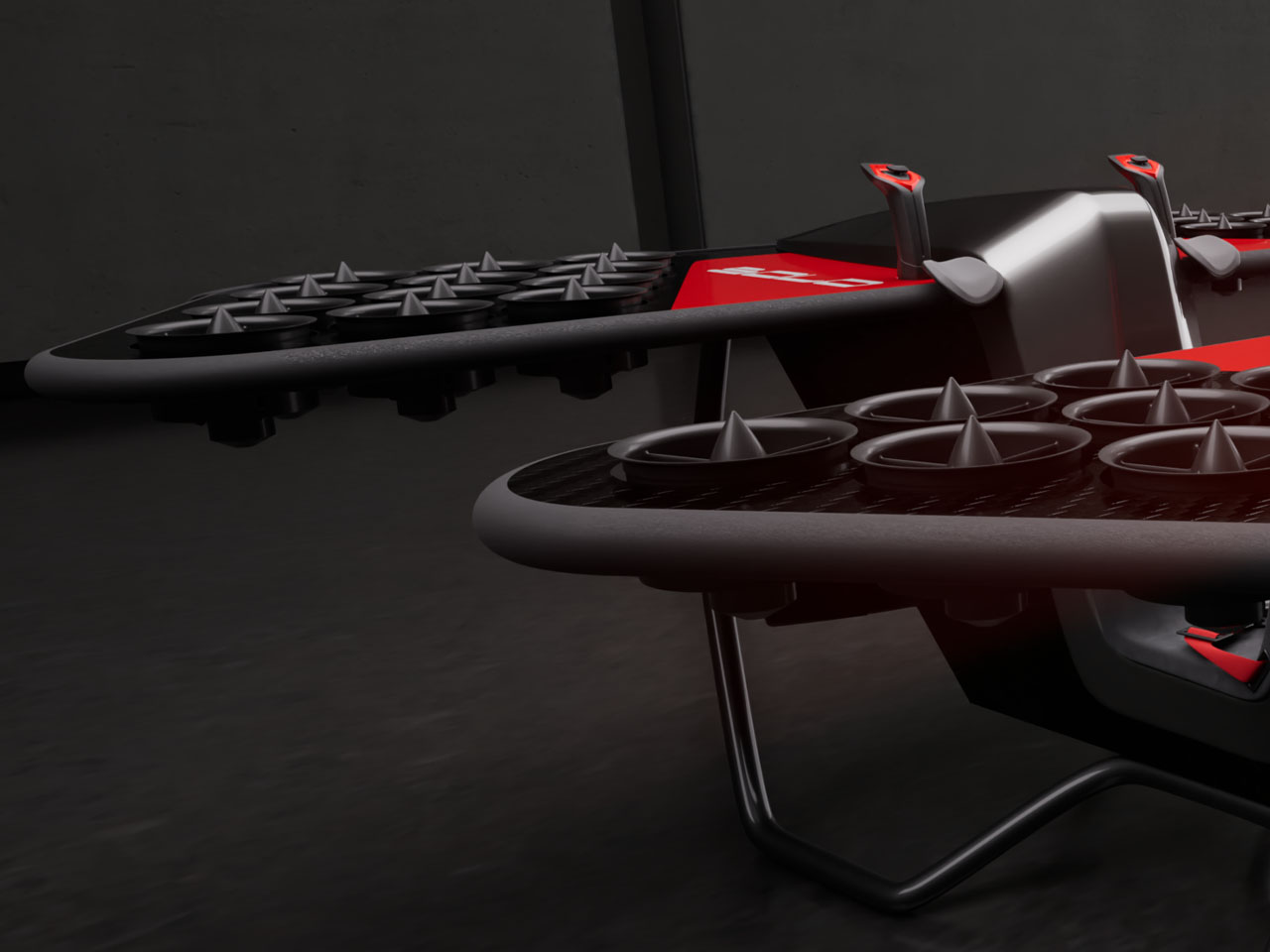
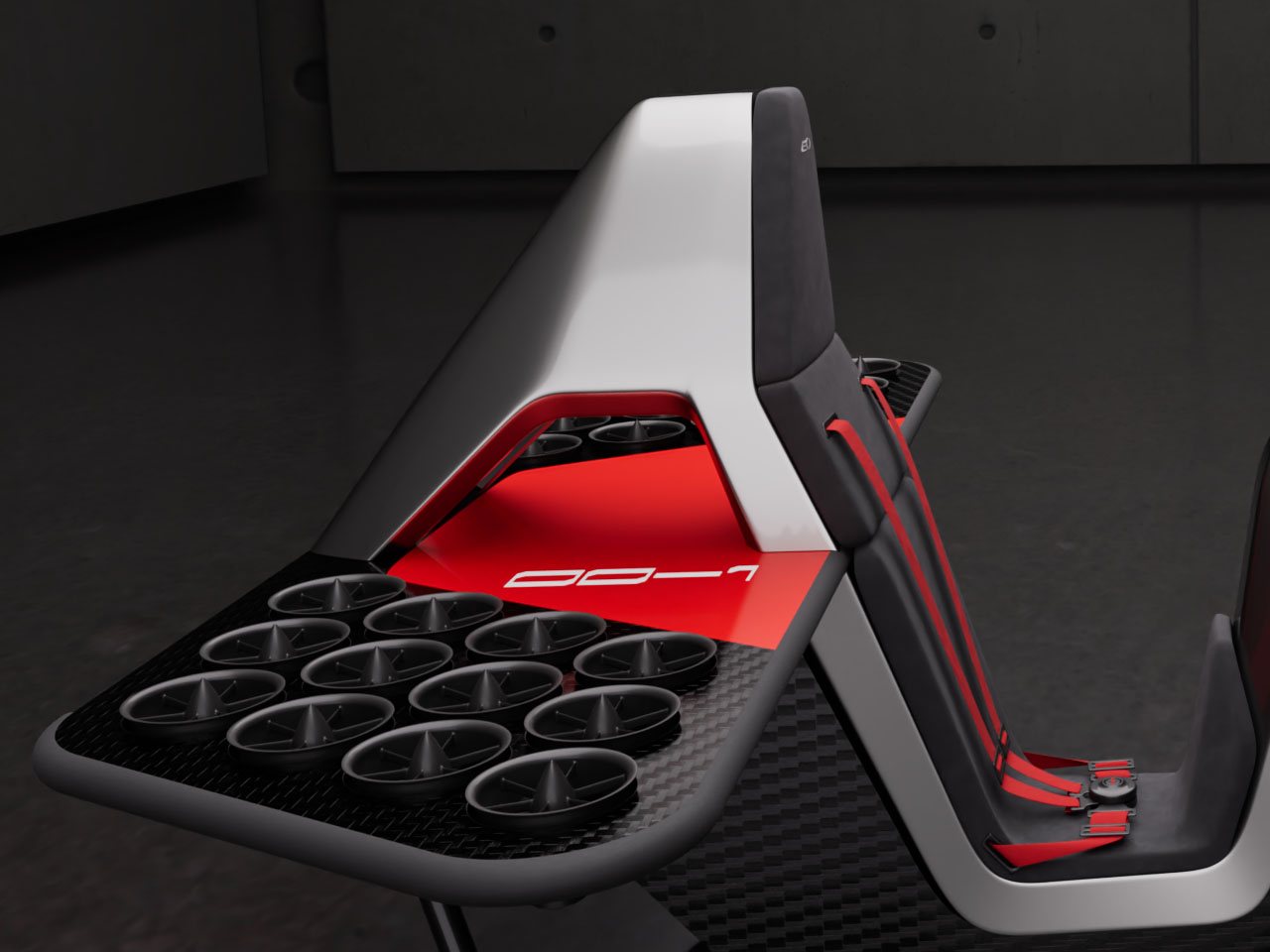
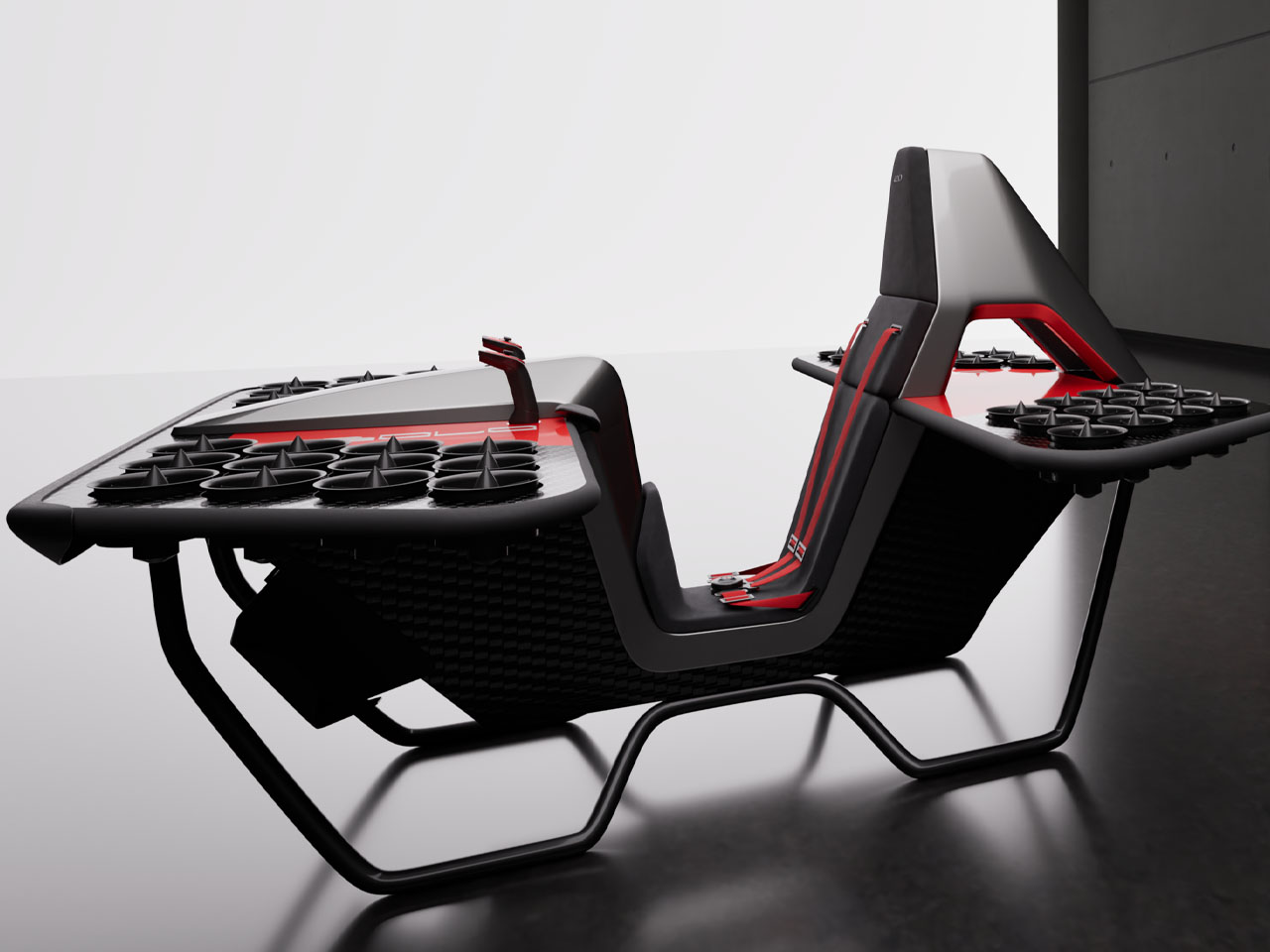
Honestly, when I first saw the LEO Solo in pictures, it looked like a work desk with an attached chair: some sort of a gaming rig. But a closer look revealed what this mean machine actually is, and then the video just scaled the excitement to the next level. The hands-on experience of this Jetbike shows it hovering some inches above the ground in a stable flight, which would definitely be elevated to a more practical height in the days leading up to its scheduled launch.

Designer: LEO Flight

Pete Bitar and Carlos Salaff, the founders of LEO Flight, have been chasing the dream of electric-powered flight for the longest time. After numerous renders and prototypes, they have finally arrived at the LEO Solo, which has had its fair share of touch-and-go moments, but it’s finally here and gearing up to be flown without the need for a pilot’s license. This single-seat personal eVTOL is a small bike built to carry just the rider.

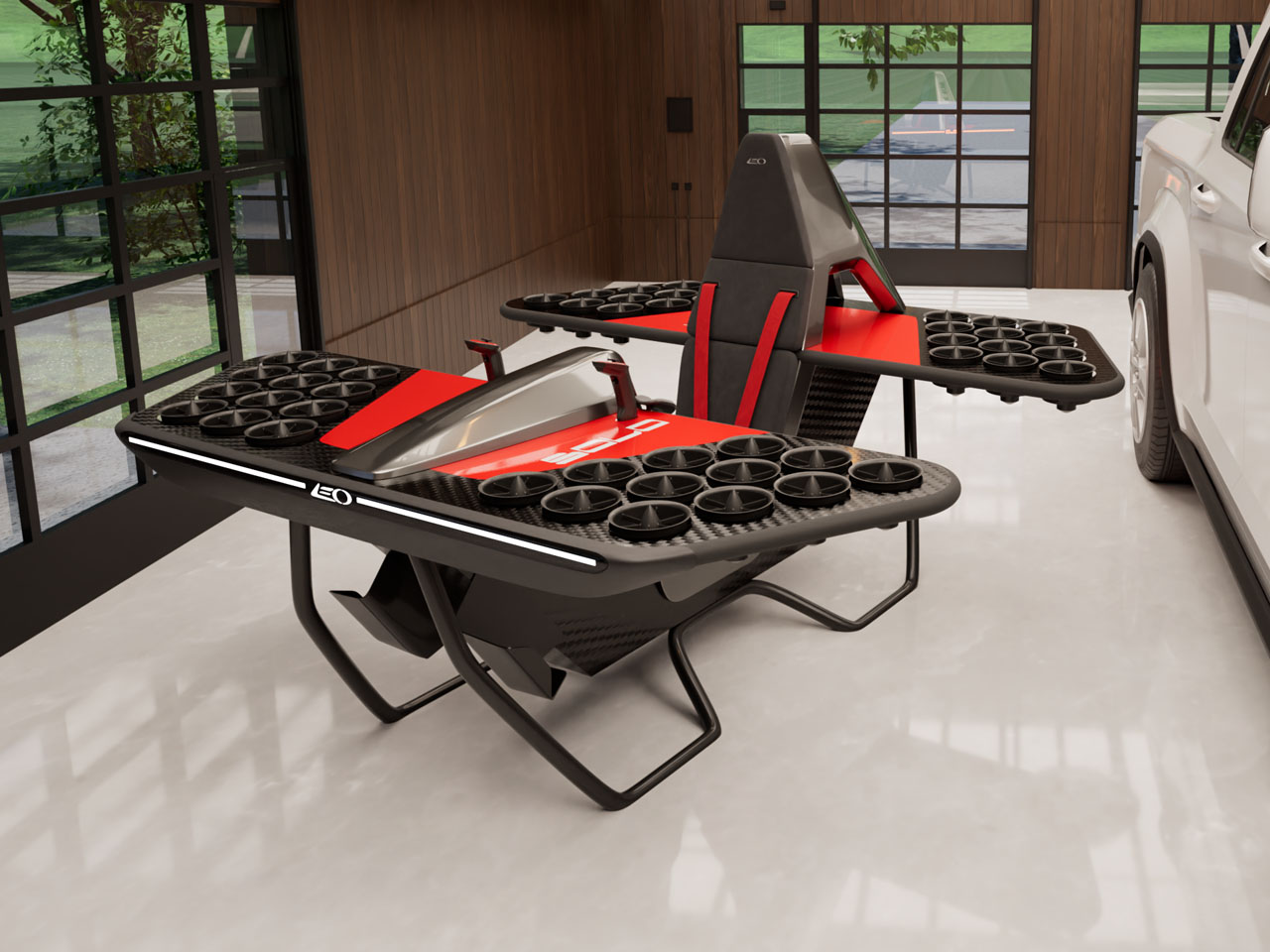
The LEO Solo is developed in a compact 6.5 × 6.5 ft footprint and is built on a propeller-free electric jet propulsion system, which allows the personal air vehicle to reach a top speed of 60 mph. You can definitely not take this for an experimental object. At that speed, it can easily fly at an altitude of up to 15 ft high, stably and at very low noise (approximately 80 dB). According to the company’s press information, the LEO Solo can remain airborne for 10–15 minutes and fly at a noise level lower than that of a Dyson vacuum cleaner. So, tomorrow when you’re landing in your backyard late at night, you can do that as discreetly as parking your car.

With its compact form factor, it can easily fit in a standard garage and charge its onboard solid-state battery in there. What makes the Solo really interesting are its 48 little fans, spread across its front and the back platforms, which allow it to lift off without wings or rotors. If this sounds like something you would want to own, you can reserve your LEO Solo JetBike now for a refundable deposit of $999. According to the company, it’s going into production in late 2025, which means any time now!


The post LEO Solo Jetbike, powered by 48 fans and electric propulsion, can fly you solo at 60 mph for 15 minutes first appeared on Yanko Design.

Chicago Bears vs. Philadelphia Eagles: How to watch the 2025 NFL Black Friday football game

This Black Friday will feature an NFC showdown between the Chicago Bears and the Philadelphia Eagles. Both teams are 8-3 this season, but the odds for the Black Friday NFL game favor the Eagles to win. The Chicago Bears vs. Philadelphia Eagles game will stream live nationally on Amazon Prime Video on Friday at 3 p.m. ET. Keep reading to find out what you need to know about Friday's game and the rest of the Week 13 schedule. 

Date: Friday, Nov. 28, 2025

Kickoff time: 3 p.m. ET/12 p.m. PT

Game: Chicago Bears vs. Philadelphia Eagles

Location: Lincoln Financial Field, Philadelphia

Streaming: Prime Video

The Bears visit the Eagles on Friday afternoon for a post-Thanksgiving game, streaming on Amazon's Prime Video. 

All times Eastern.

  • Packers vs. Lions, 1:00 p.m.(FOX)

  • Chiefs vs. Cowboys, 4:30 p.m. (CBS)

  • Bengals vs. Ravens, 8:20 p.m. (NBC)

  • Rams vs. Panthers: 1:00 p.m. (FOX)

  • Texans vs. Colts 1:00 p.m. (CBS)

  • Bills vs. Steelers: 1:00 p.m. (CBS)

  • 49ers vs. Browns, 1:00 p.m. (CBS)

  • Saints vs. Dolphins: 1:00 p.m. (FOX)

  • Falcons vs. Jets: 1:00 p.m. (FOX)

  • Cardinals vs. Buccaneers, 1:00 p.m. (FOX)

  • Vikings vs. Seahawks, 4:05 p.m. (FOX)

  • Raiders vs. Chargers: 4:25 p.m. (CBS)

  • Broncos vs. Commanders: 8:20 p.m. (NBC)

  • Giants vs. Patriots: 8:15 p.m. (ESPN)

This article originally appeared on Engadget at https://www.engadget.com/entertainment/streaming/chicago-bears-vs-philadelphia-eagles-how-to-watch-the-2025-nfl-black-friday-football-game-200024350.html?src=rss

Parsel EVA Tote: Rigid Shell and Soft Liner You Can Reconfigure

Most bags are single-purpose objects. A tote for groceries, a weekender for travel, a backpack for everything else. Parsel’s EVA East West Tote System treats a bag more like a modular platform, where a rigid shell, soft liner, and strap can be reconfigured for different uses. It’s less about one perfect tote and more about a carry architecture you can tune as your day changes.

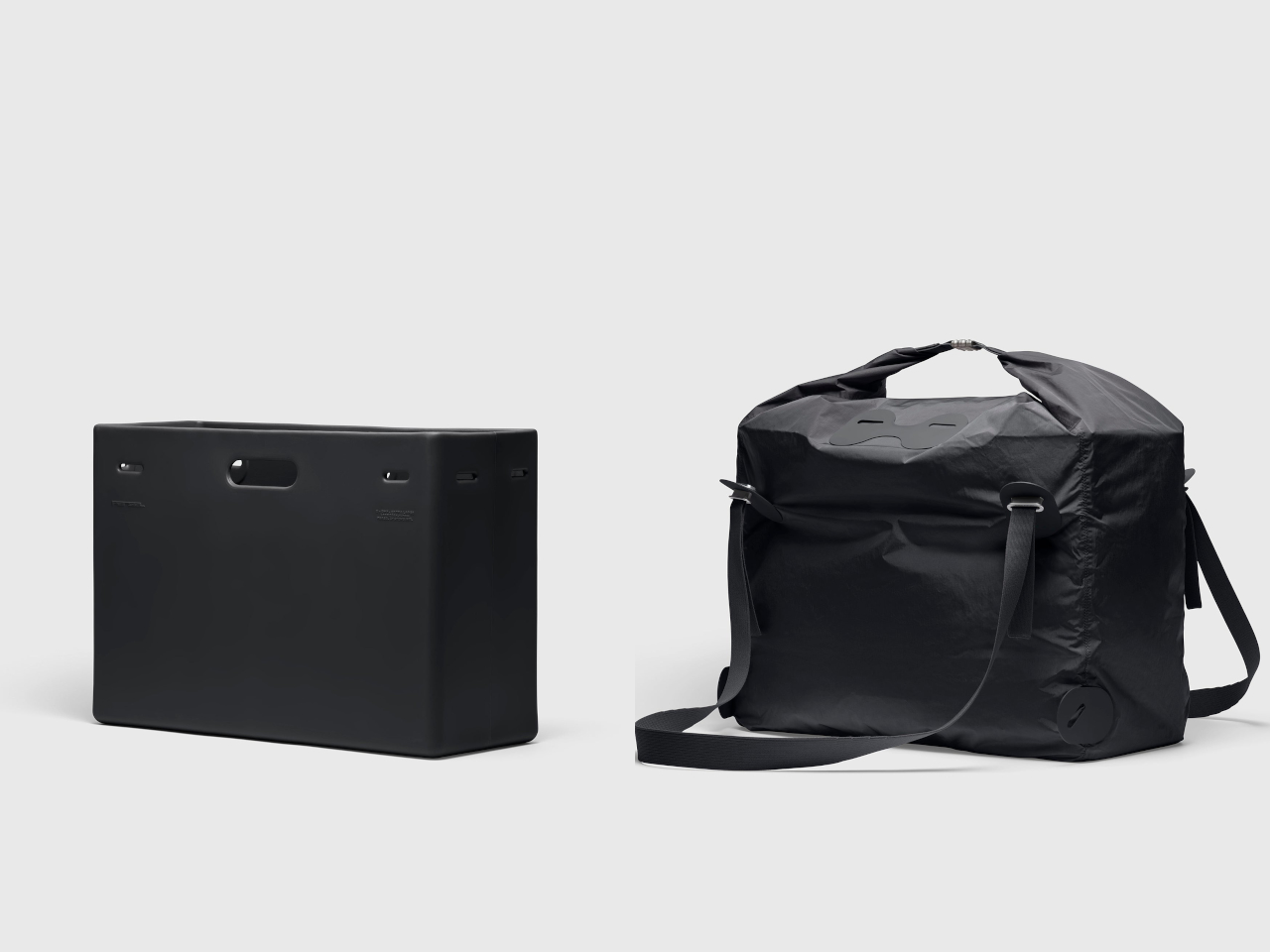
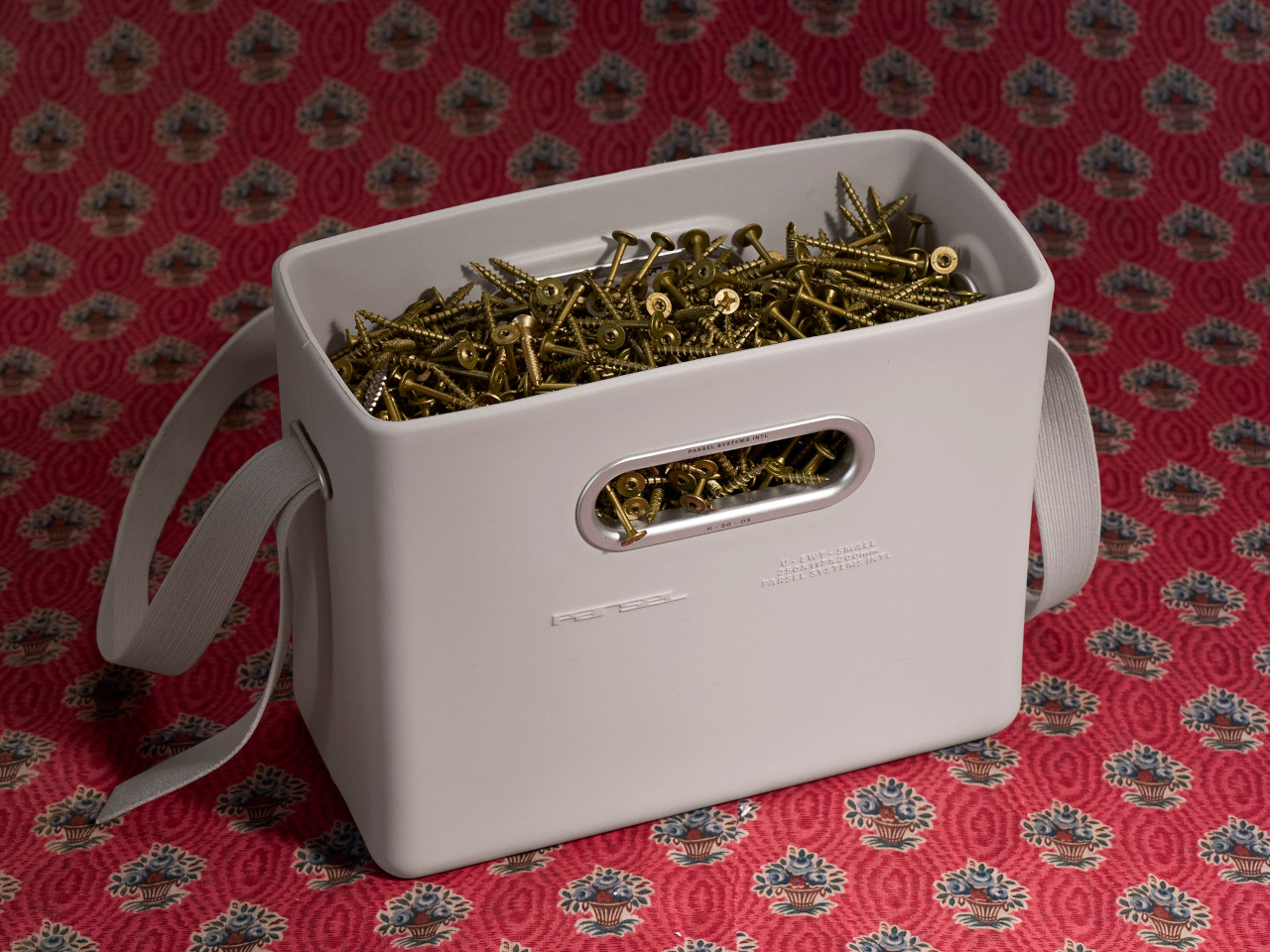
The EVA East West Tote System is a high-density EVA tote available in small and extra-large sizes. Each Unit is an injection-molded shell with integrated handles, paired with a removable roll-top nylon liner and an engineered knit strap. All the hardware is machined from aircraft-grade aluminum, giving the whole thing a gear-like feel rather than a fashion accessory vibe that falls apart after a season.

Designer: Nur Abbas (PARSEL)

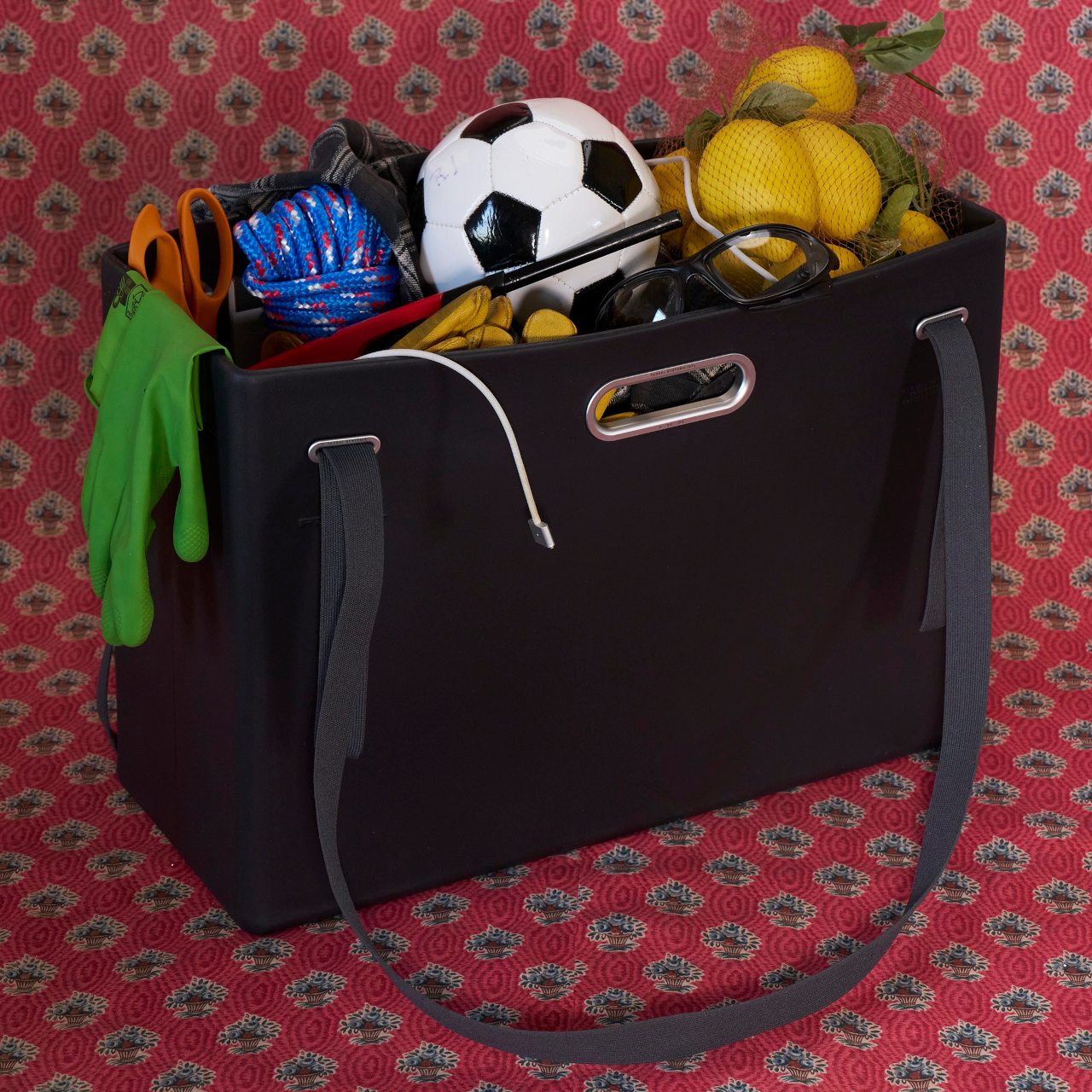
The Unit is a monolithic box with soft radii and an oval handle cutout, rigid enough to protect contents but flexible enough to absorb impact. In its small size, it reads like a compact utility caddy. In the extra large, it becomes a trunk-like tote that can swallow groceries, tools, or sports gear. The clean surfaces and embossed Parsel logo keep it visually quiet and precise.

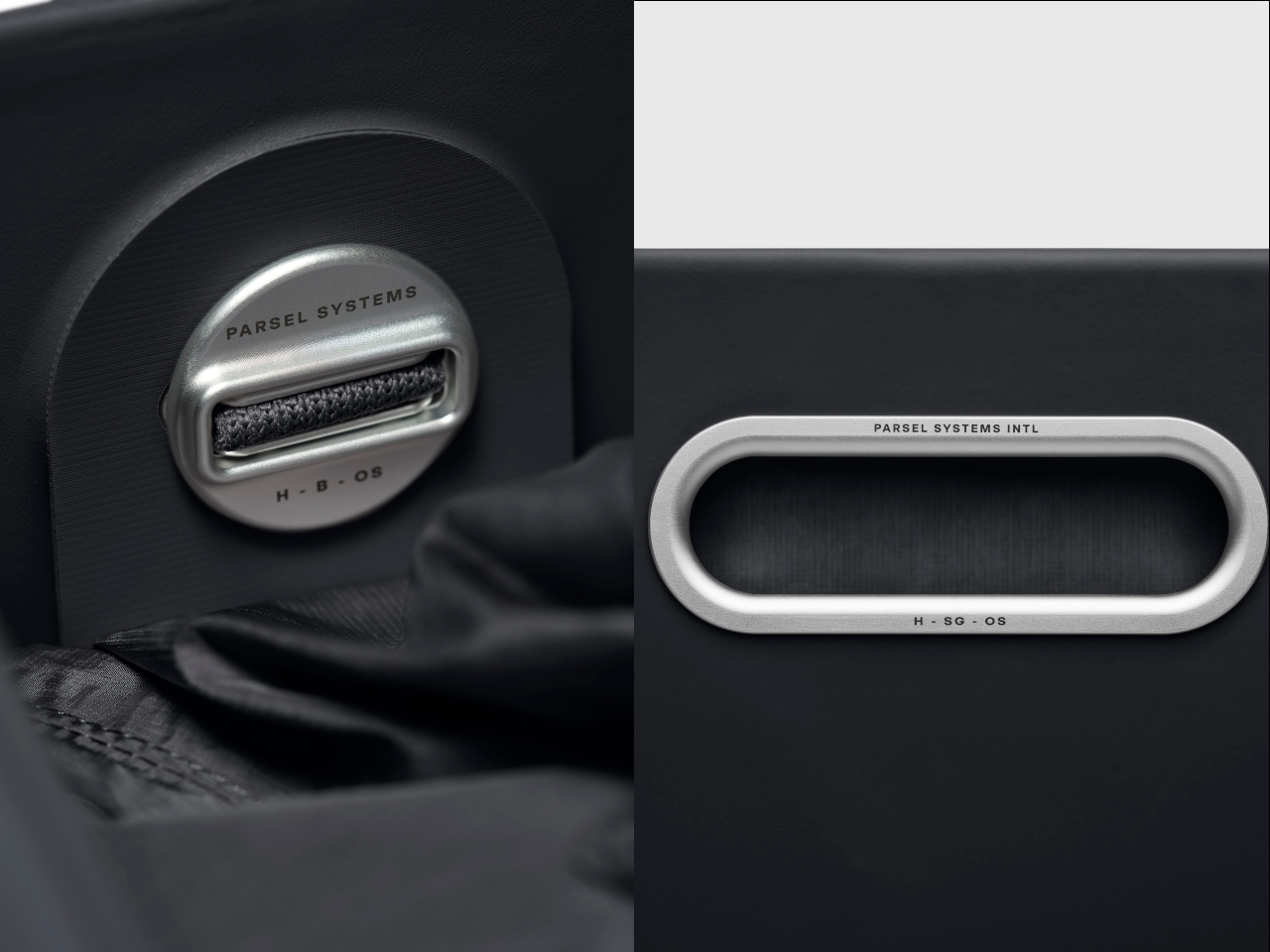
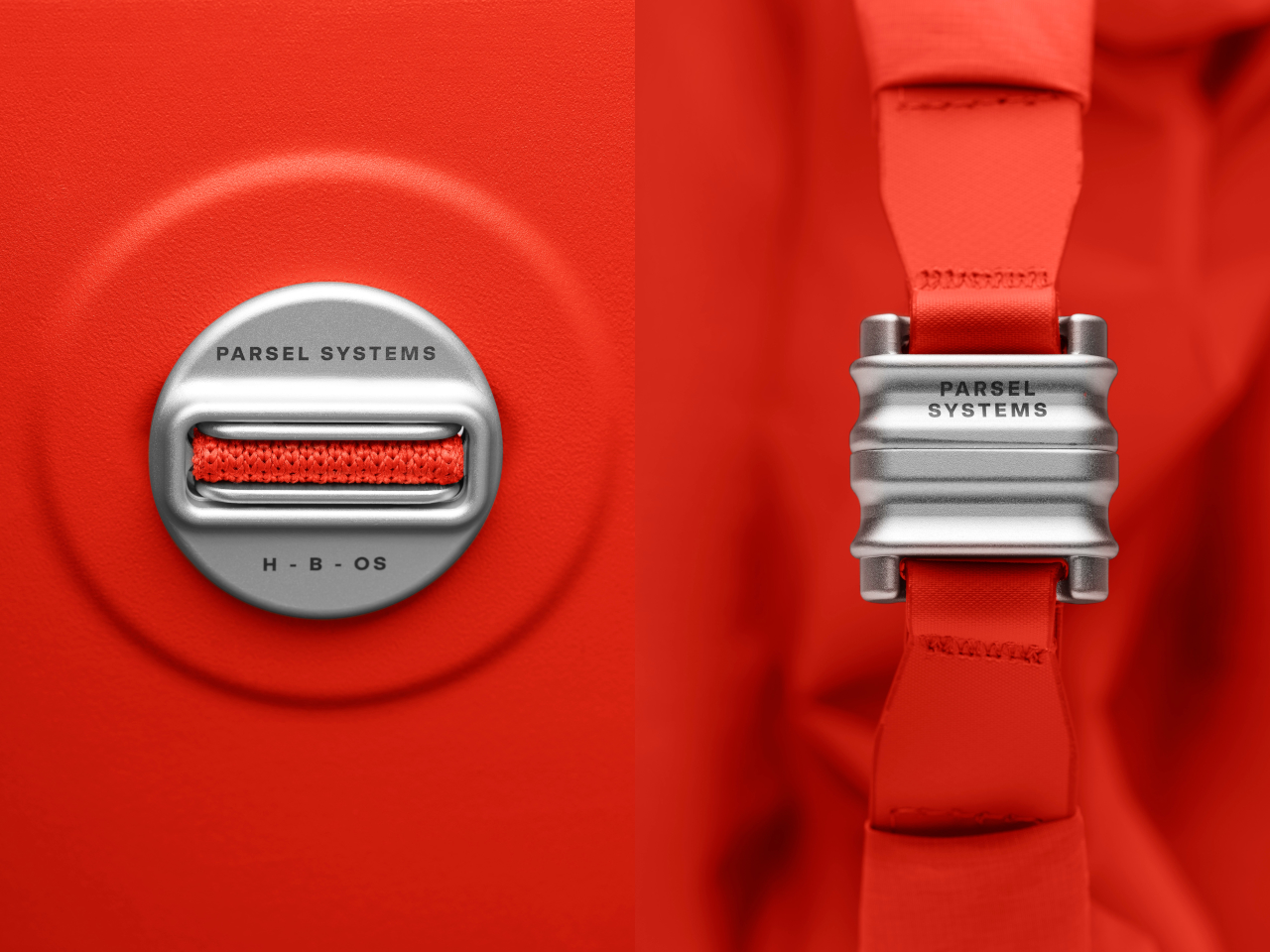
The removable nylon liner has a roll-top with a magnetic closure and can live inside the Unit or be used on its own. The adjustable knit strap stretches slightly for comfort and threads through Parsel’s signature Button, a ribbed aluminum connector that links everything together. That Button is the universal joint of the system, letting the strap move between the shell and liner without extra clips or buckles cluttering the sides.

In classic tote mode, the strap attaches to the EVA Unit with the liner inside. For a lighter carry, the liner can be used alone with the strap as a soft shoulder bag. In the extra-large size, the liner can even be worn as a backpack by rethreading the strap through the Buttons. Parsel literally labels this “Play with the system,” inviting users to treat carry as something adjustable.

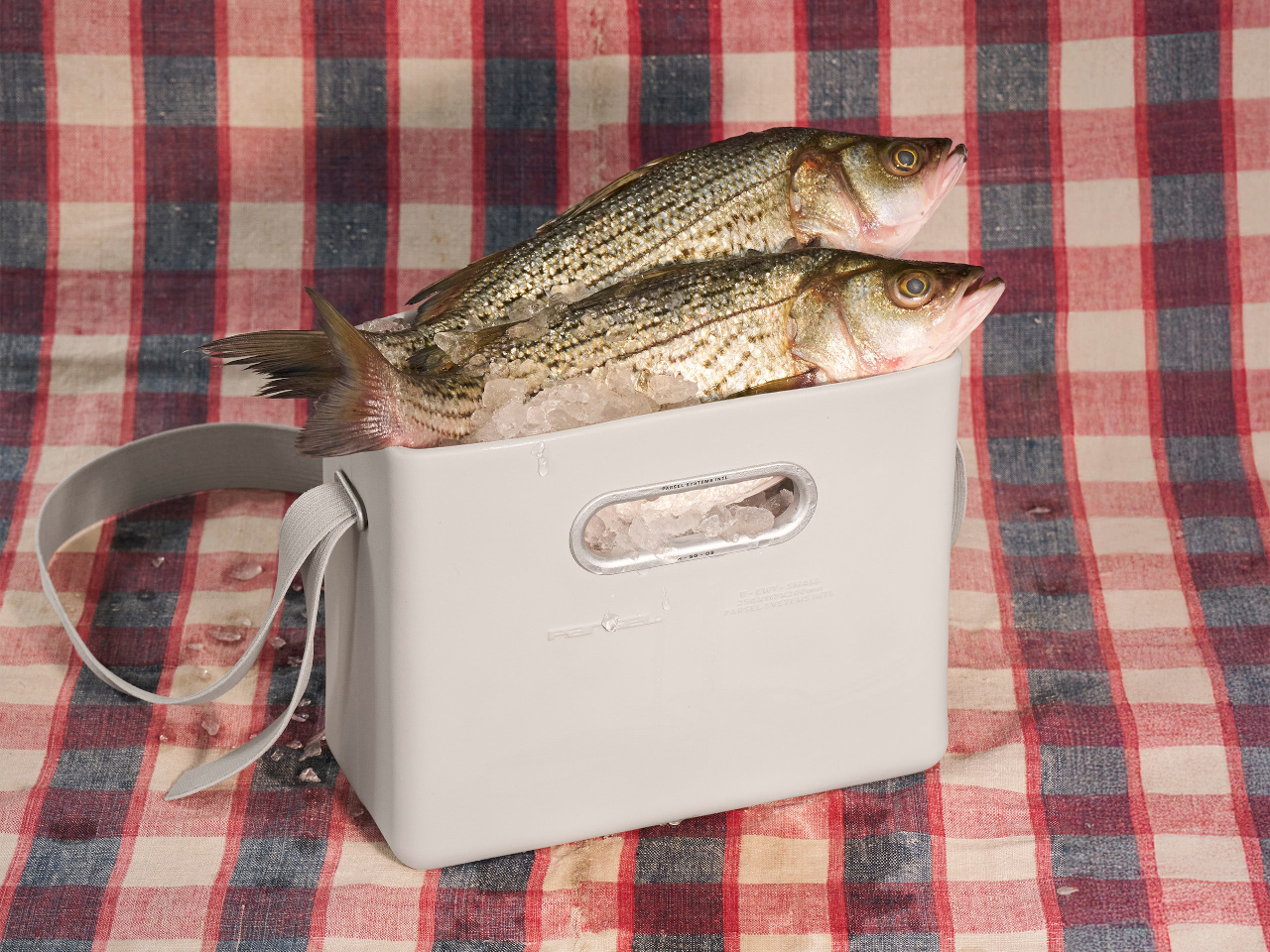
The aluminum handle insert is etched with Parsel Systems Intl around its oval perimeter, while the Button hardware carries the brand name in clean engraving. These details feel more like precision components from outdoor gear than fashion hardware. Colorways like Optic white, Deep black, and Priority orange let the bags shift toward either minimal or high-visibility use, comfortably filled with screws, firewood, fish, or flowers in both workshop and city.

The EVA East West Tote System is a thoughtful attempt to make one bag work across many lives. By separating structure, volume, and carry into distinct parts, Parsel lets you tune how rigid, soft, or hands-free the bag needs to be on a given day. For anyone who likes their everyday carry to feel more like a system than a single fixed object, this EVA tote is worth considering.

The post Parsel EVA Tote: Rigid Shell and Soft Liner You Can Reconfigure first appeared on Yanko Design.
Dinoosh Dispenses Dino Paw Print Soap, Changes Color When Done

Kids explore everything with their hands, but rarely wash them long enough, even when adults remind them. The recommended 20 seconds feels like forever to a child staring at a sink, which is why so many just rinse and run. Dinoosh is a concept that tries to solve this not with more nagging or countdown posters, but with a small dinosaur-themed object that makes the whole routine feel like a game.

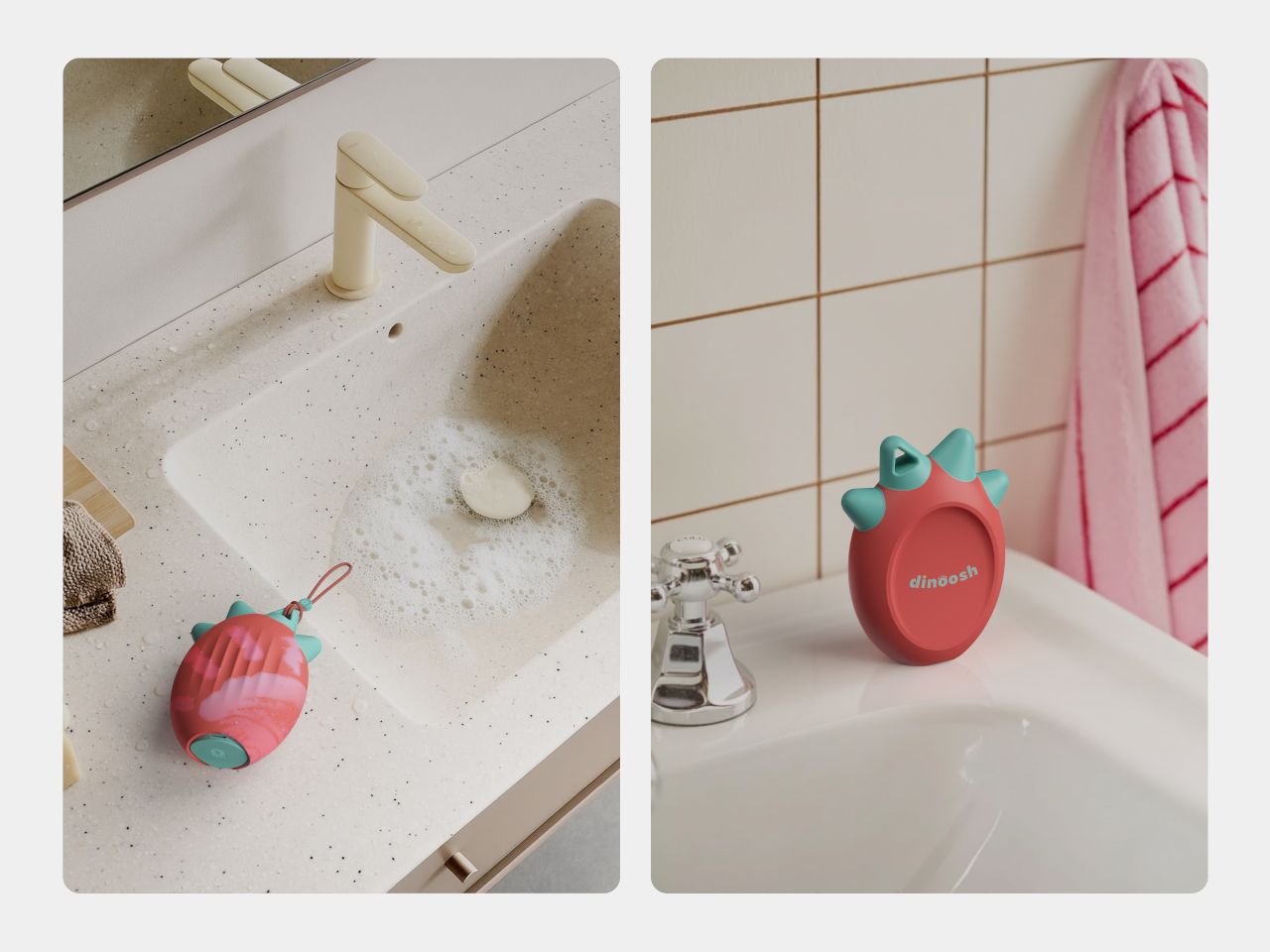
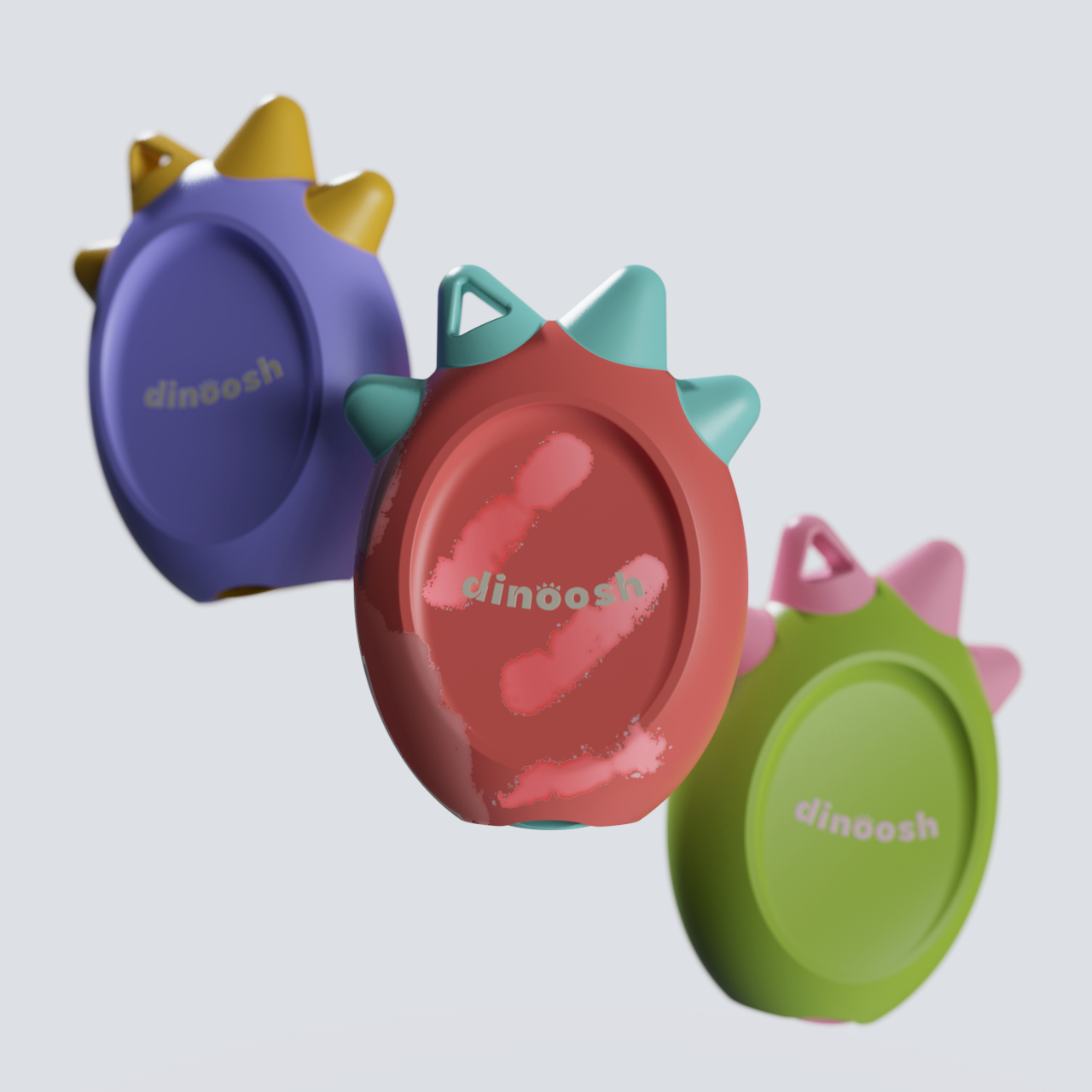
Dinoosh is a palm-sized, dinosaur-inspired handwashing tool that combines a soap dispenser, scrubber, and color-changing timer. It looks like a soft, rounded dino paw with three spikes on top and a loop so kids can clip it to backpacks or bathroom hooks. The idea is to give children a friendly companion that turns washing away germs into something they actually want to do on their own.

Designers: Aarya Ghule, Tejas Vashishtha

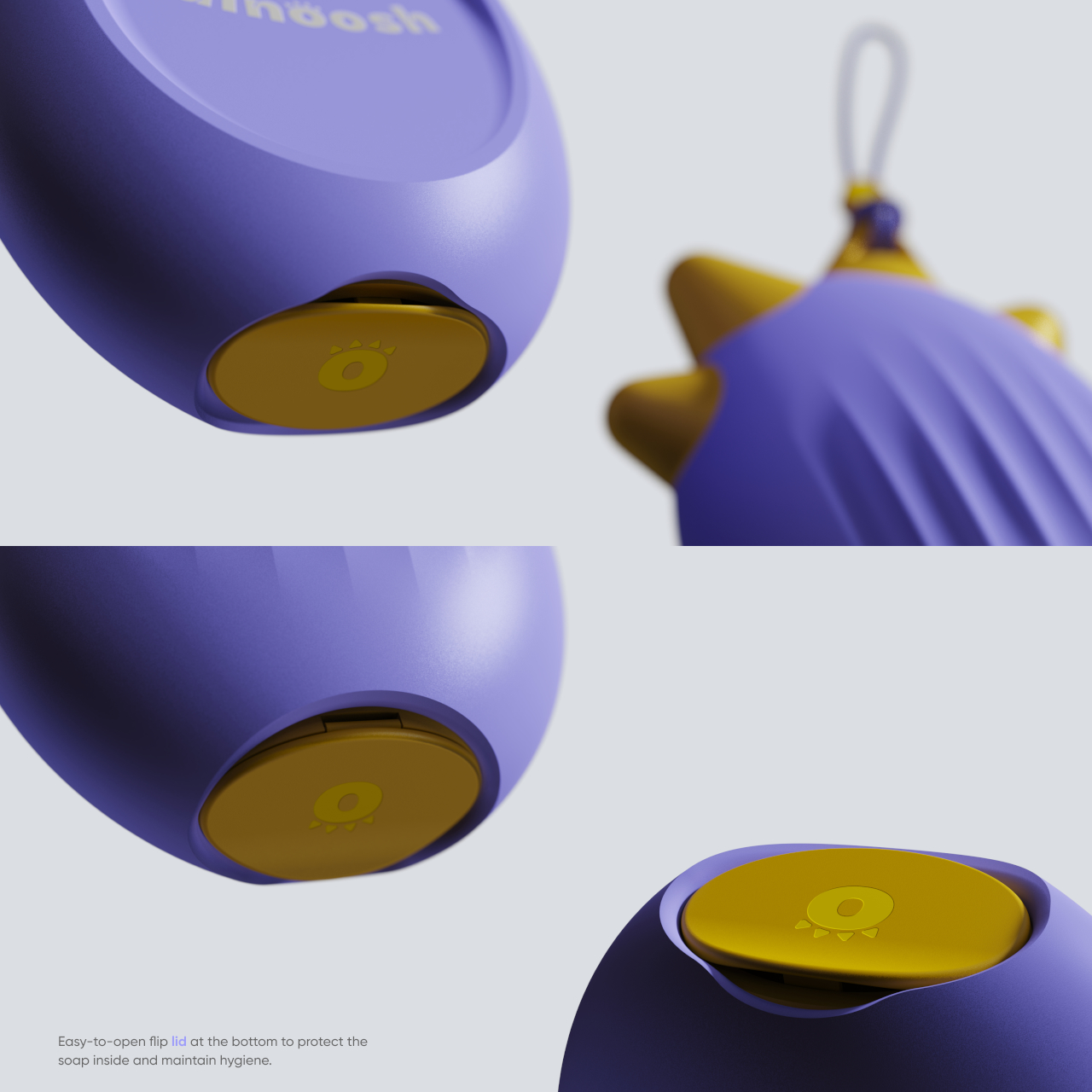
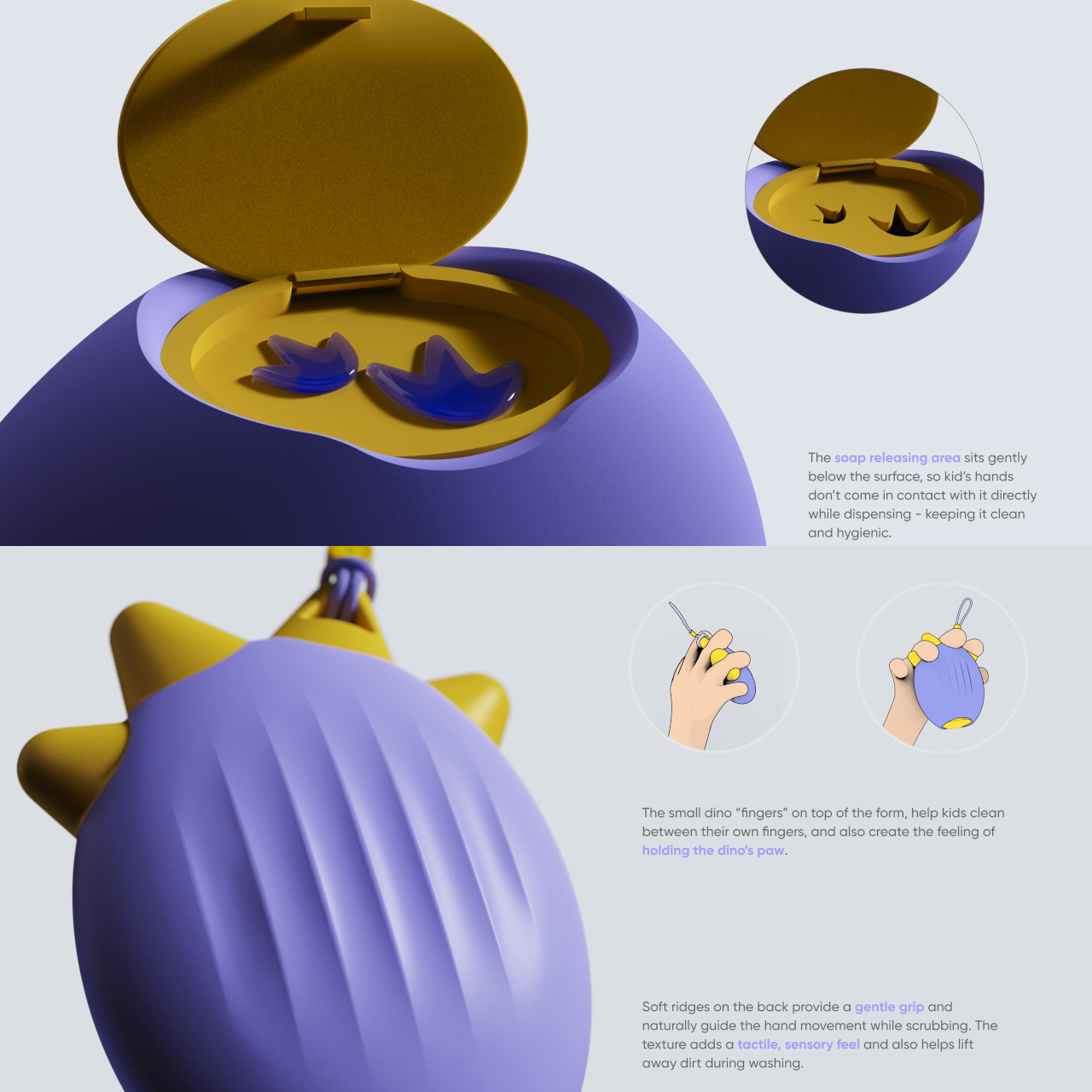
Kids flip open a small lid at the bottom and squeeze Dinoosh, which dispenses thick soap gel in the shape of tiny dinosaur paw prints onto their hands. That simple detail turns soap into a character moment, giving a clear visual dose and an instant reason to look and laugh. It invites kids to start rubbing and playing instead of rushing straight to the rinse and calling it done.

Dinoosh stays involved once the soap is out. The back of the device has soft ridges that act like a gentle scrubber when kids rub their hands over it. The spikes on top help get between fingers, and the rounded body is easy to grip with wet hands. Instead of just lathering and standing there, children are encouraged to keep moving, squeezing, and scrubbing as part of the play.

The body is made from thermochromic plastic that slowly shifts color with warmth and friction. As kids scrub their hands and run warm water, they see the dinosaur paw gradually change hue. That becomes a built-in timer: they know they’re done when Dinoosh has fully changed color, which roughly matches the recommended 20 seconds without needing to count or sing a whole song.

A small loop at the top lets Dinoosh hang from backpacks, bathroom hooks, or stroller handles, keeping it in sight and within reach. Bright colorways like Sweet Sprout green, Coral Pop, and Soft Comet lavender make it feel collectible and personal. By living in kids’ everyday environments, it nudges them toward washing not just at home but at school and on the go.

Dinoosh shows how product design can tackle hygiene through play rather than guilt. By combining characterful form, tactile engagement, and a built-in color timer, it turns a forgettable chore into a small daily ritual kids can own. Whether or not this exact concept hits the market, the idea of a dinosaur paw that tells you when your hands are clean feels like a story most kids would happily wash along with.

The post Dinoosh Dispenses Dino Paw Print Soap, Changes Color When Done first appeared on Yanko Design.
A Google Maps power-saving mode lands on Pixel 10 devices

If you have a Pixel 10 phone that you use for turn-by-turn directions in lieu of a dedicated GPS device, Google has an update that might be right up your alley. A Google Maps power-saving mode is now available for Pixel 10, Pixel 10 Pro, Pixel 10 Pro XL and Pixel 10 Pro Fold. The company announced this feature earlier this month as part of its November 2025 Pixel Drop.

Power-saving mode is only available in portrait orientation and it works on your lock screen. If you tap the power button while using the driving navigation tool, the app will switch to a simpler monochrome look that retains the map layer, as 9to5Google notes. It looks a bit like the dark mode map in the Uber app.


You'll see only see key details your journey, such as your next turn and expected travel time. Other elements, such as your current speed, are stripped out. You can still swipe down to see your notifications.

If you press the power button or tap the screen, Google Maps will revert to the standard view. The app also turns off power-saving mode when you get to your destination.

Google says that the power-saving mode can extend your Pixel 10's battery life by up to four hours, so this could come in handy for long drives when you don't have an easy way to charge your phone while you have it mounted on your dashboard. The more streamlined look could perhaps help to mitigate distracted driving too.

Google will probably bring the feature to other devices down the line, but it’s disappointing that the company is limiting it to the Pixel 10 lineup for now. Perhaps it will end up offering this stripped-down UI on the Android Auto version of Google Maps someday. too

It seems that Google is enabling power-saving mode by default via an update on its end. If you'd rather not be able to use the feature, you can switch it off by going to the settings in the app, then Navigation > Driving options and tapping the toggle for power-saving mode.

This article originally appeared on Engadget at https://www.engadget.com/apps/a-google-maps-power-saving-mode-lands-on-pixel-10-devices-180000601.html?src=rss