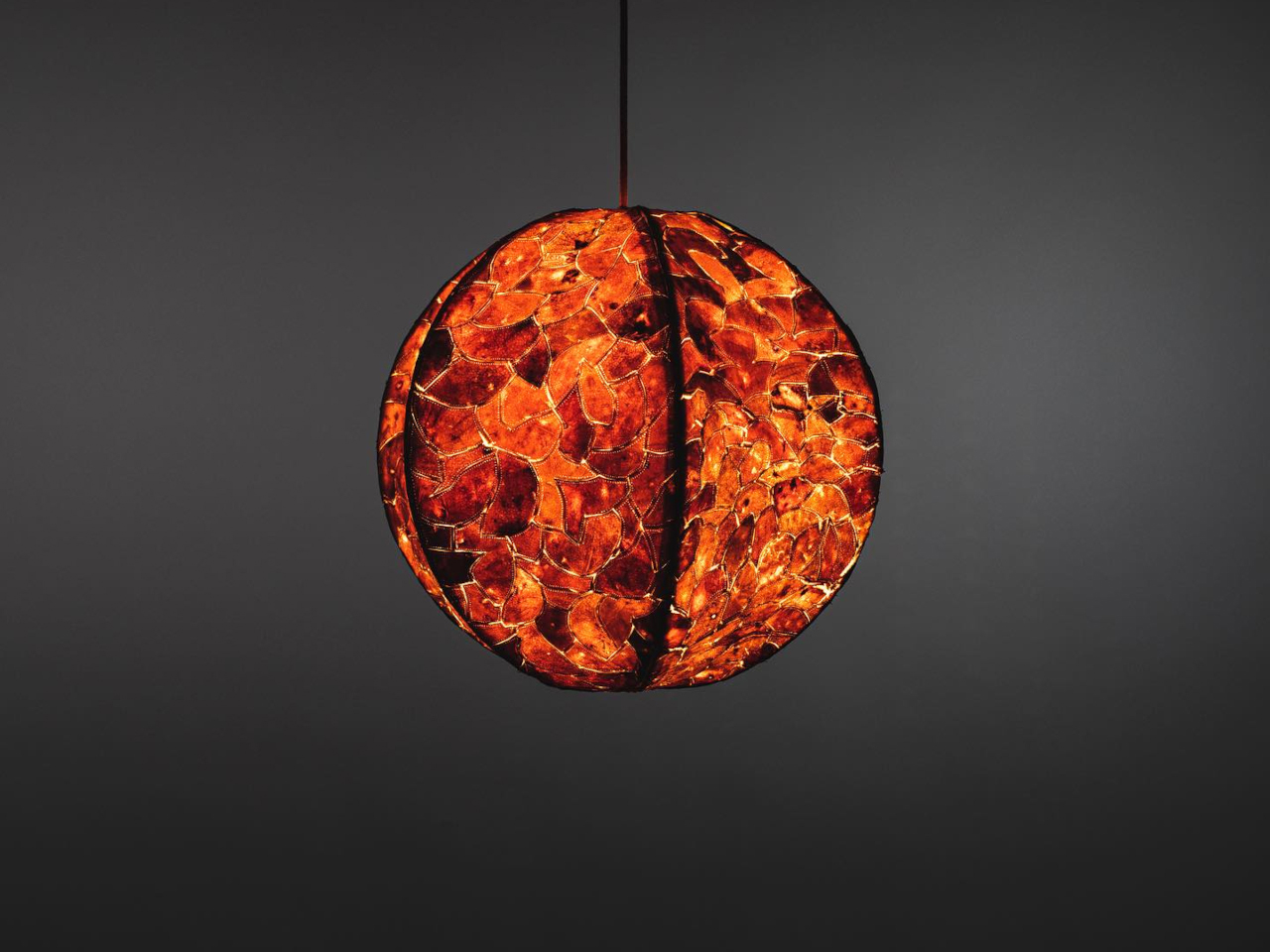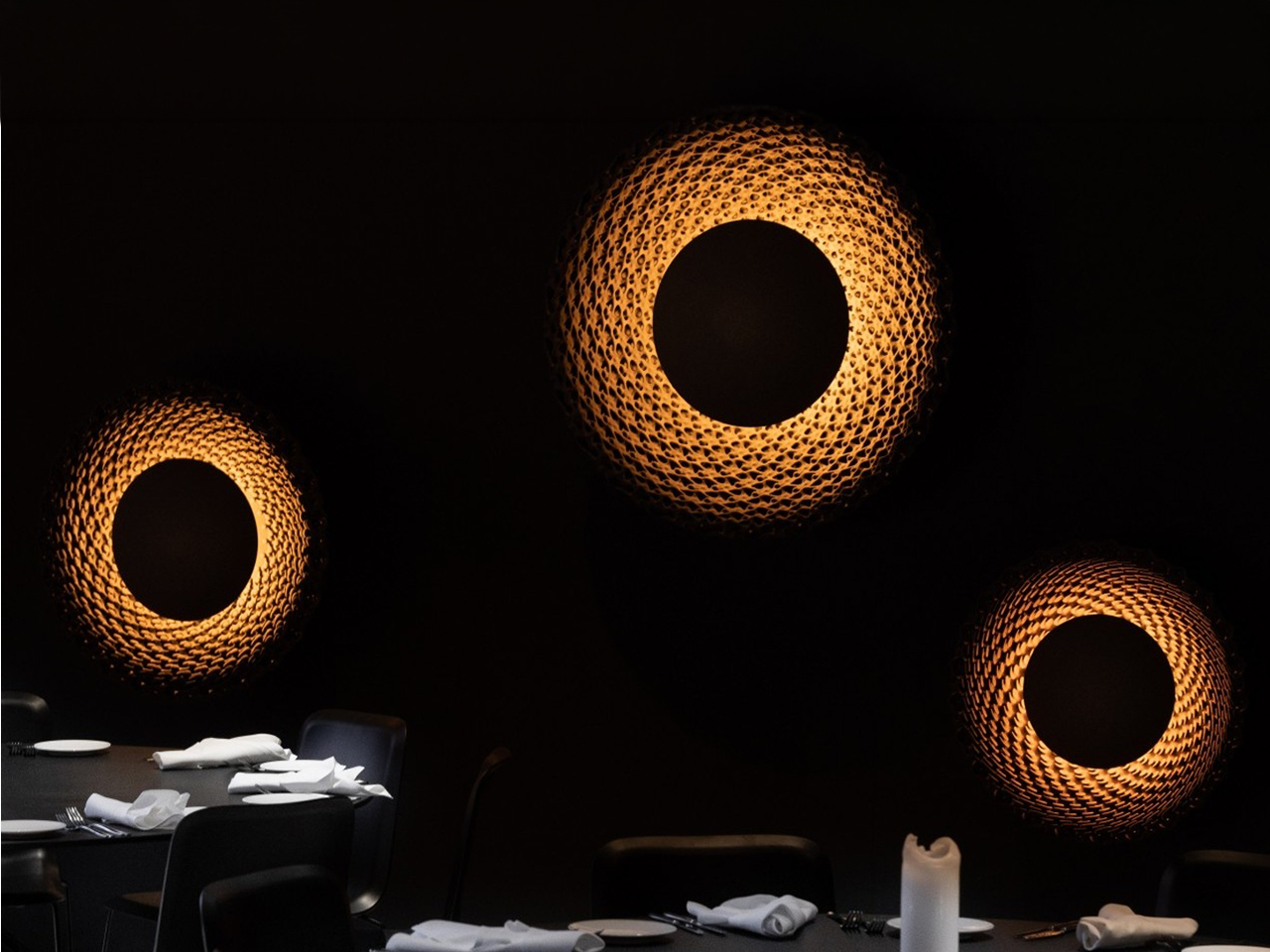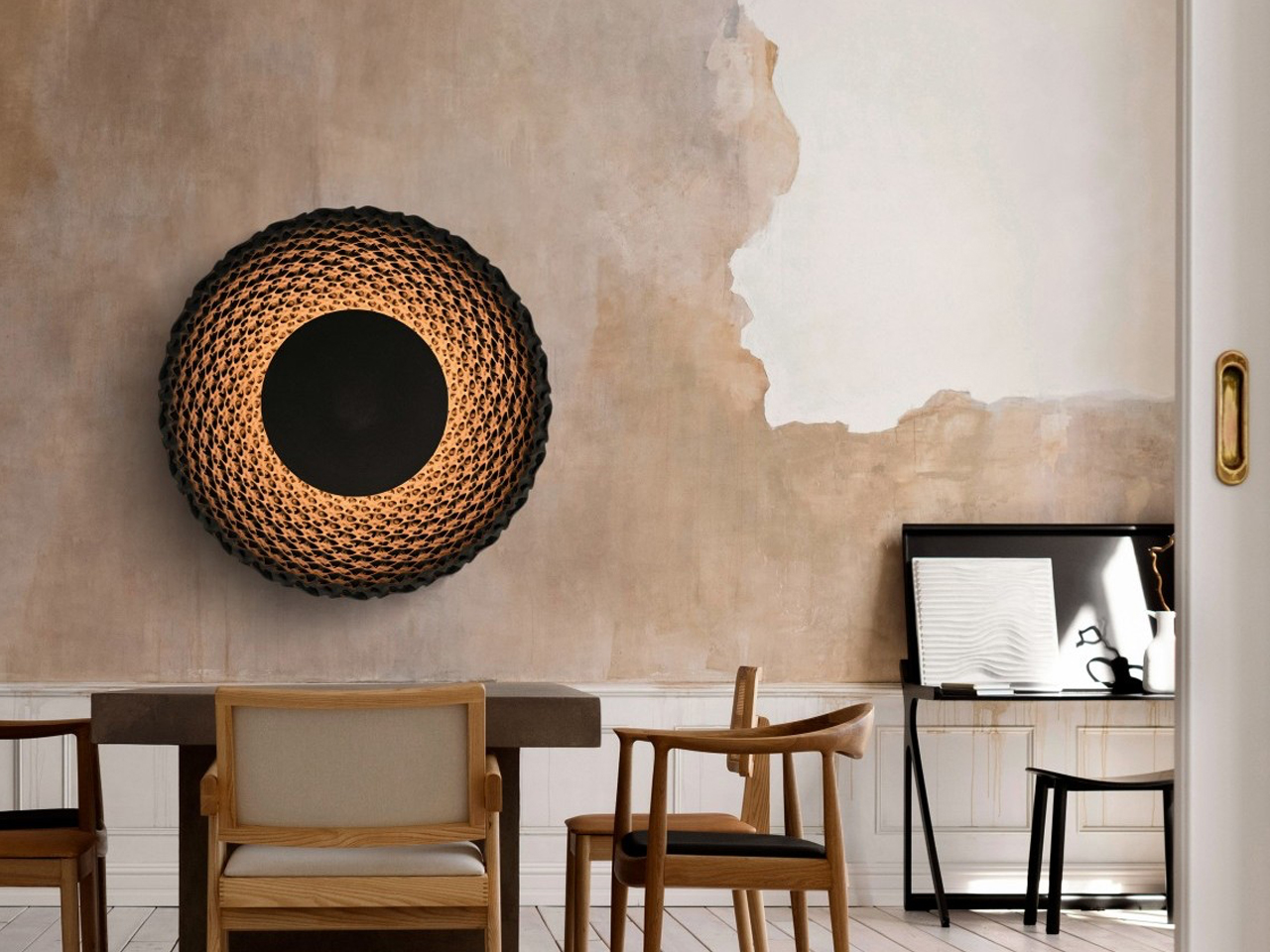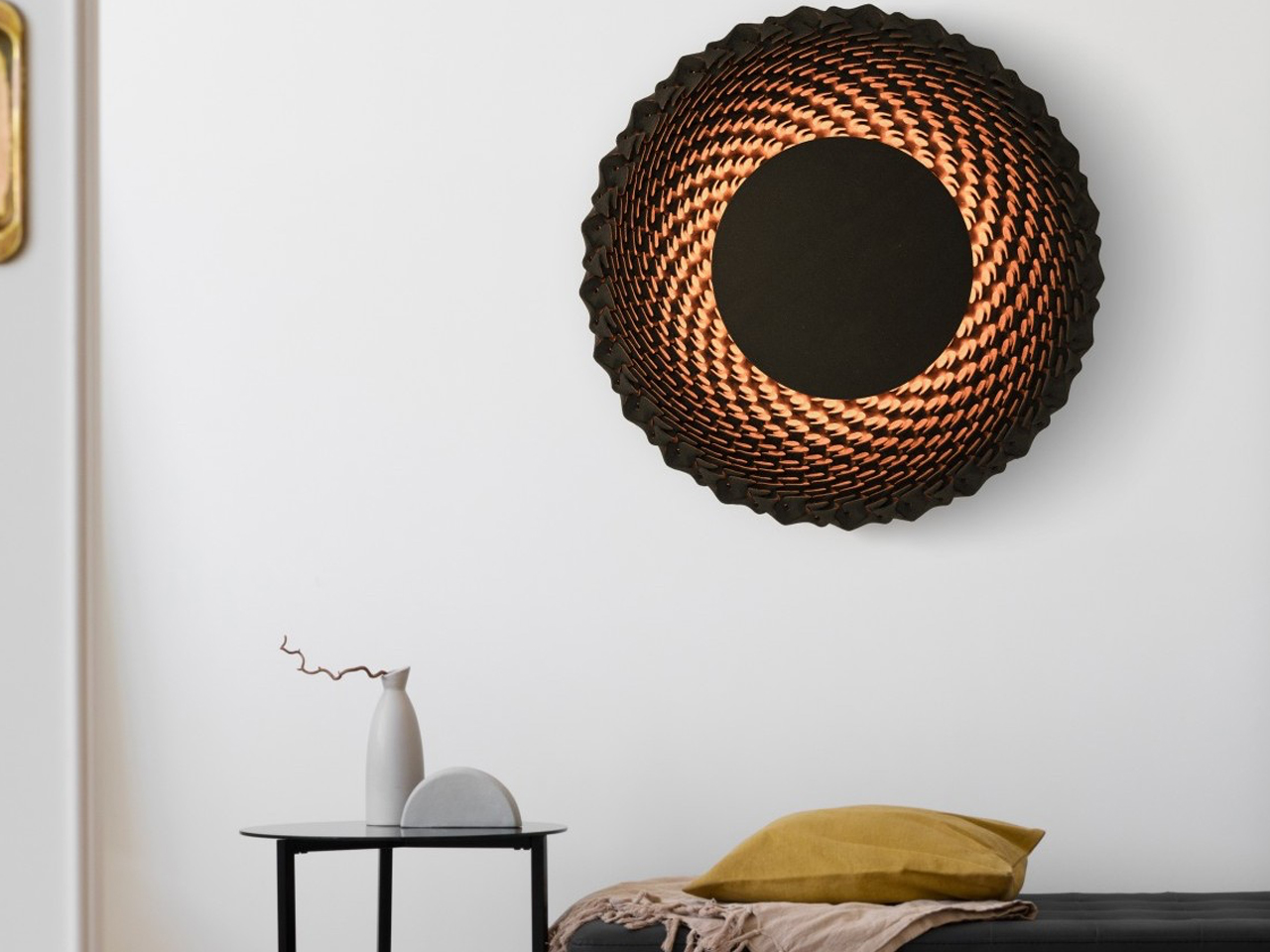
A Swiss Designer Just Replaced Your HVAC System With a 500-Year-Old Pot

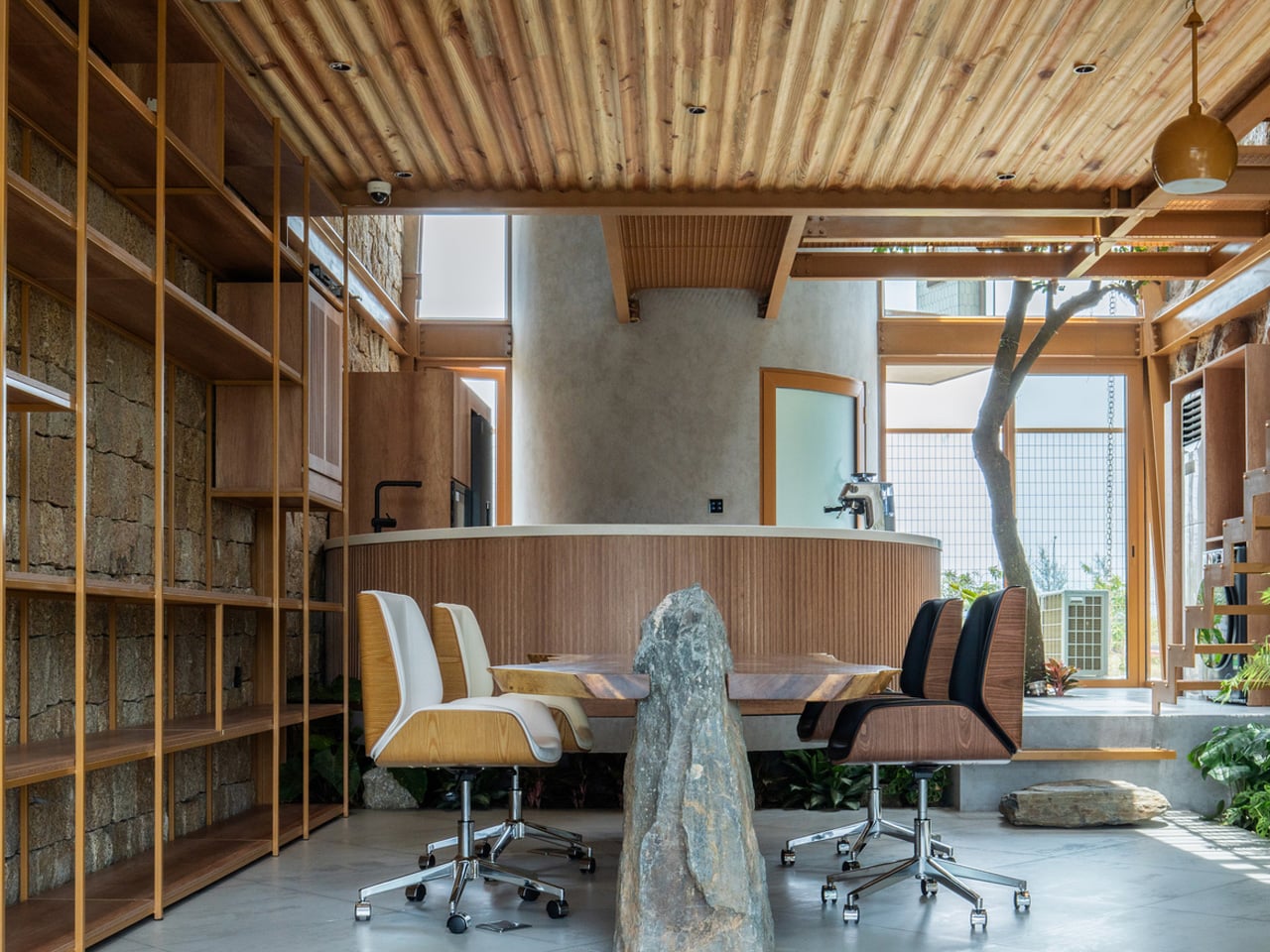
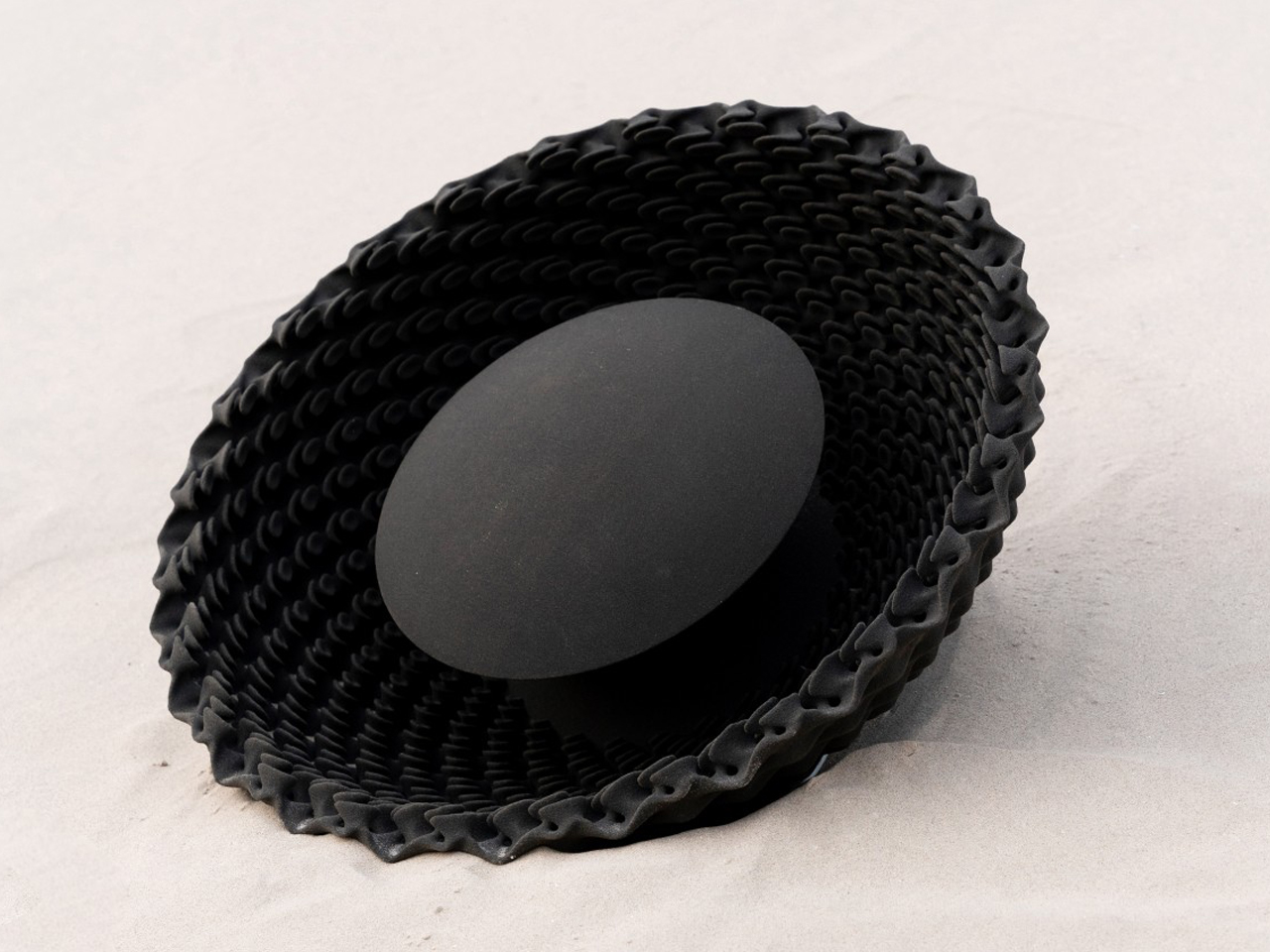
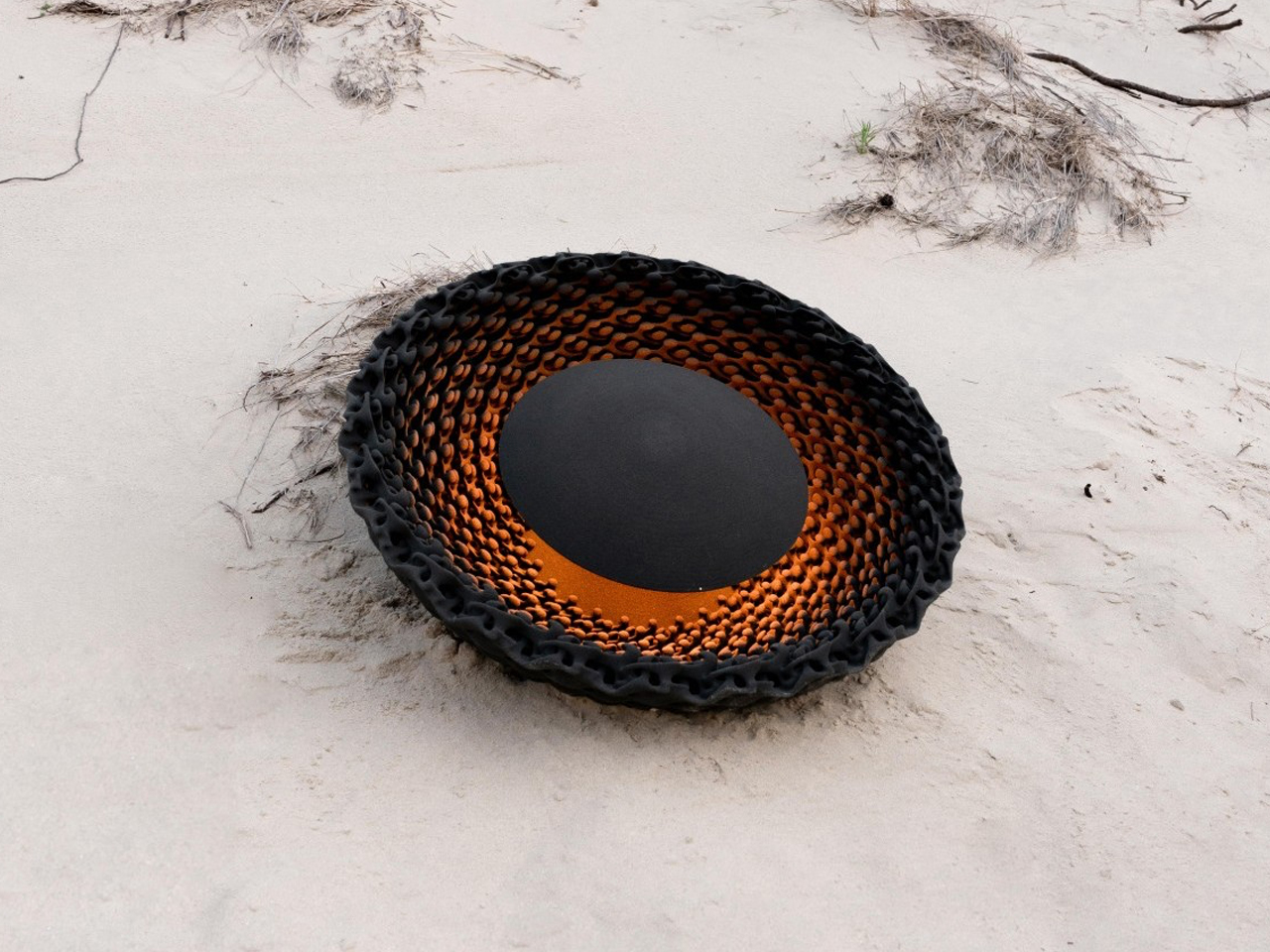
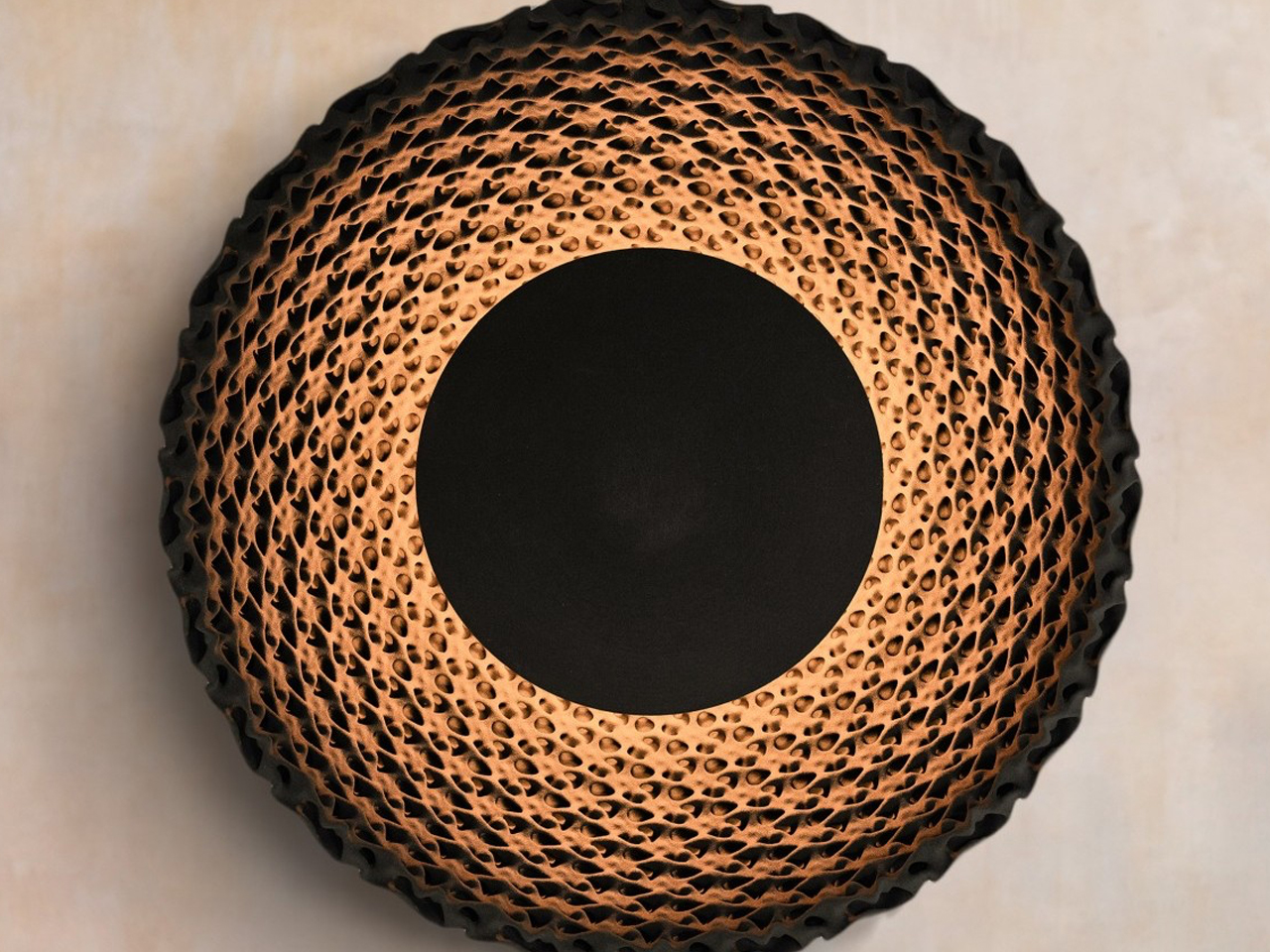
We spend a lot of time looking forward when it comes to solving the climate crisis. Better batteries, smarter thermostats, AI-optimized HVAC systems. And sure, some of that will matter. But I keep finding myself more drawn to designers who have the nerve to look backward, who dig through centuries of human ingenuity and ask why we ever stopped doing things that clearly worked. Salla Vallotton is one of those designers, and her project Celcius is one of the most compelling arguments I’ve seen for ancient technology dressed in modern form.

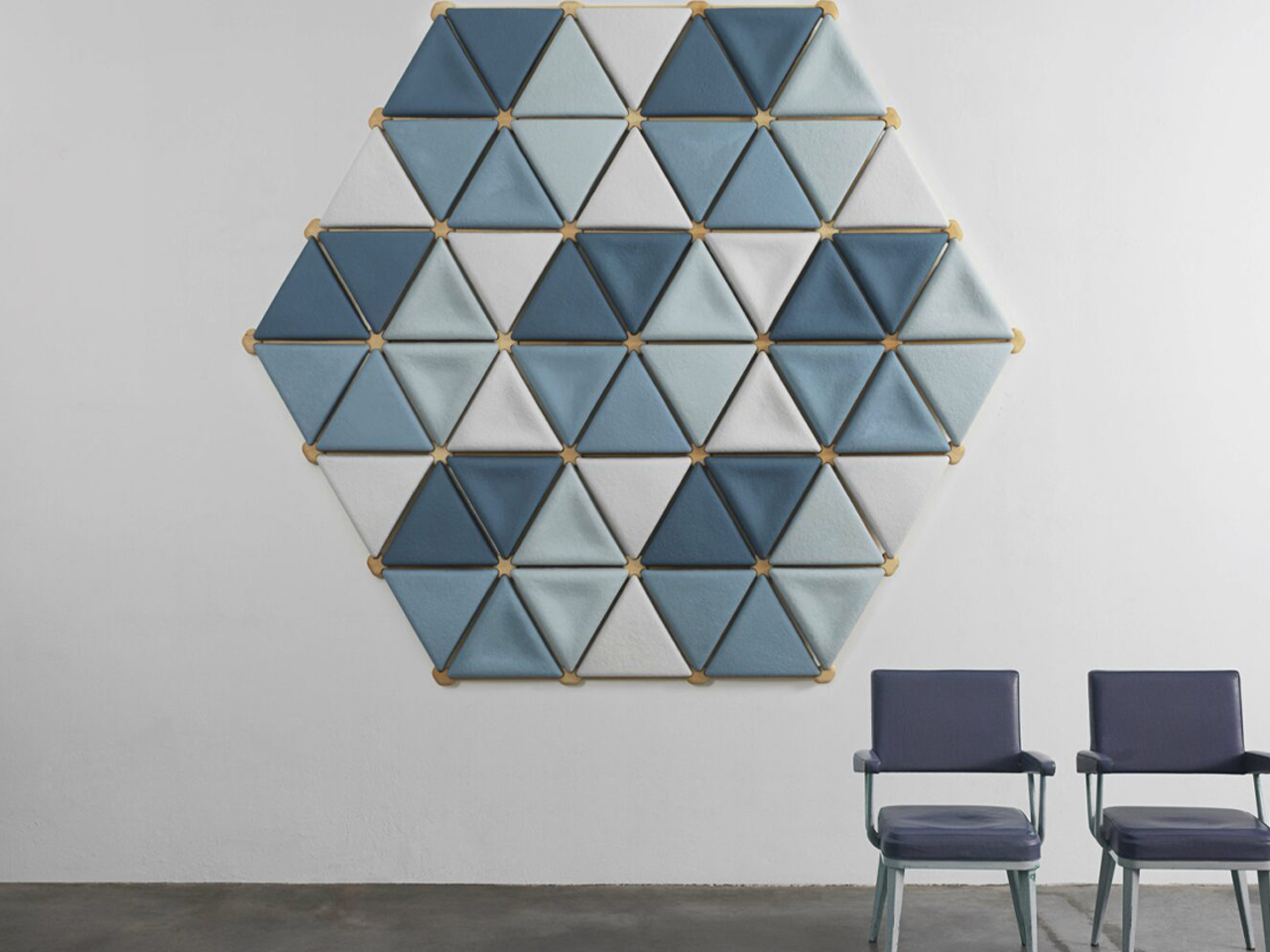
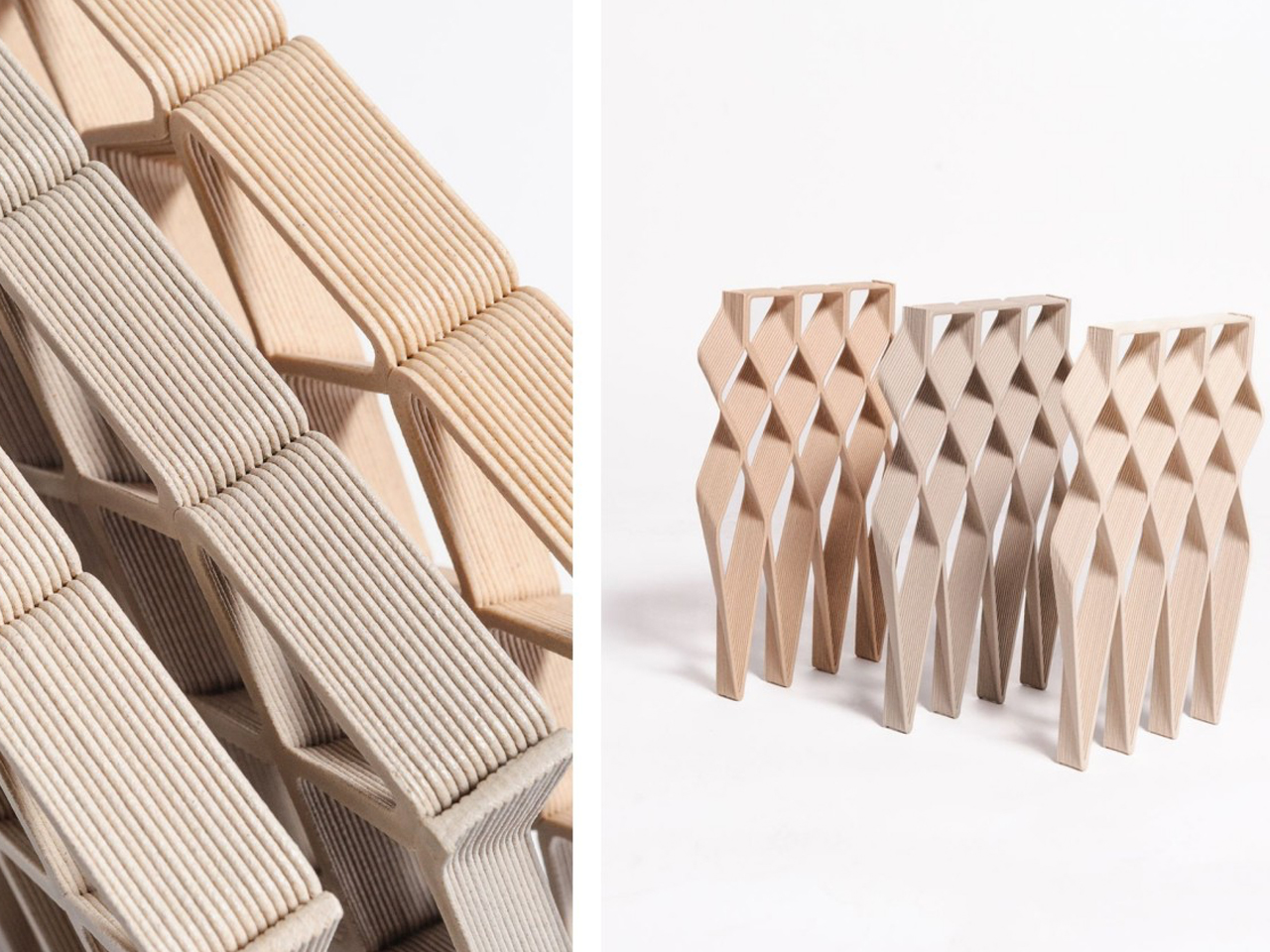
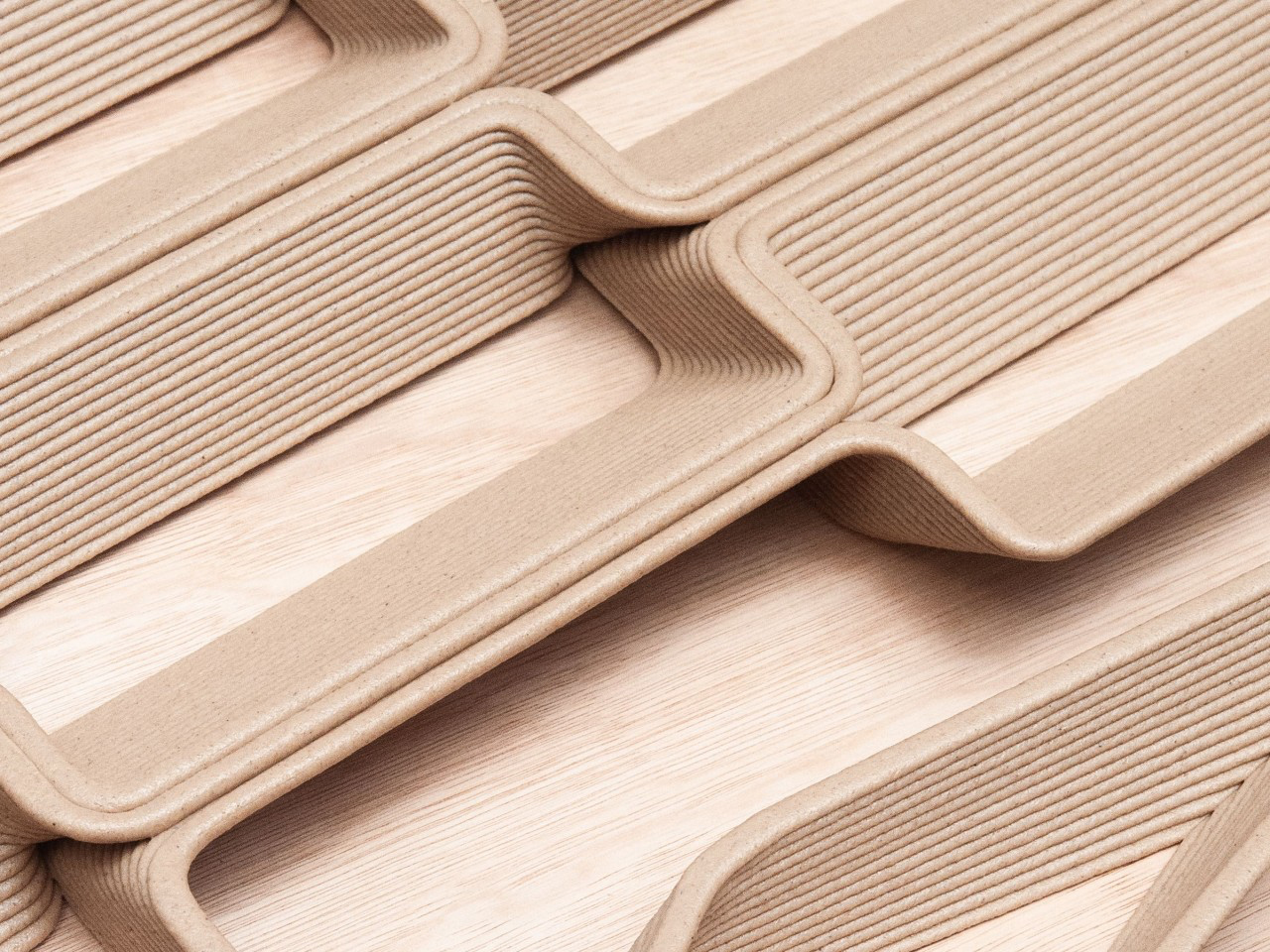
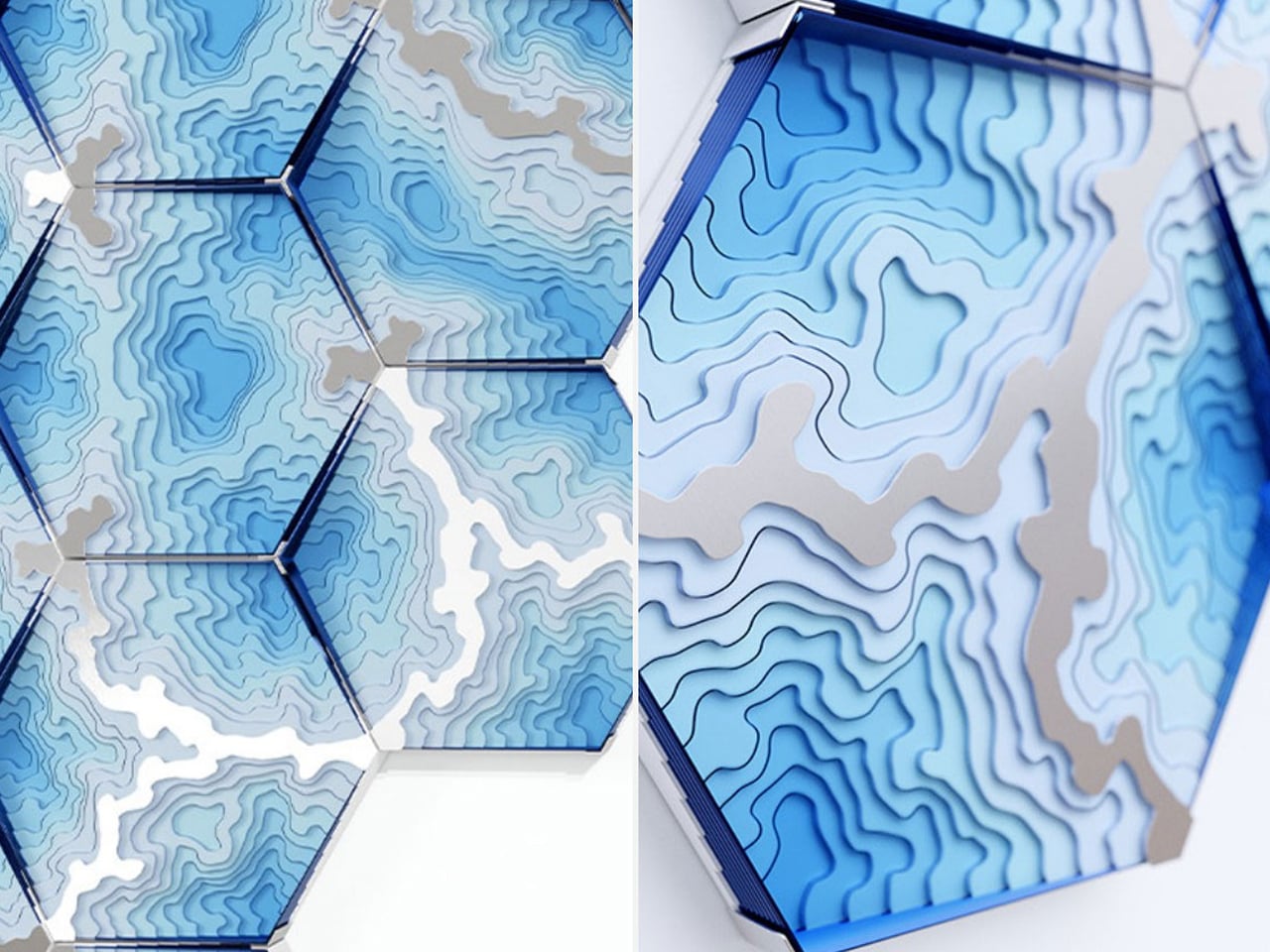
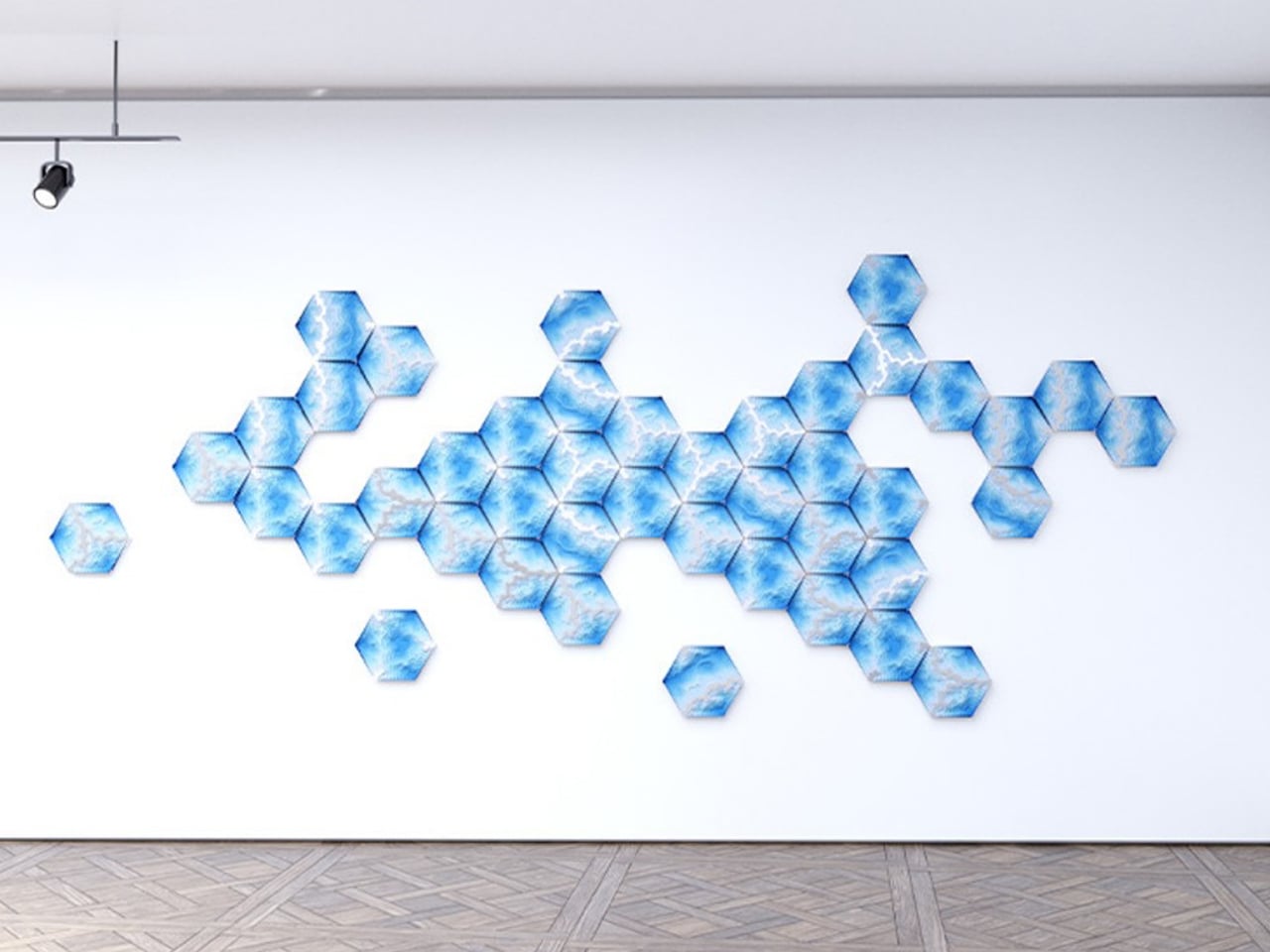
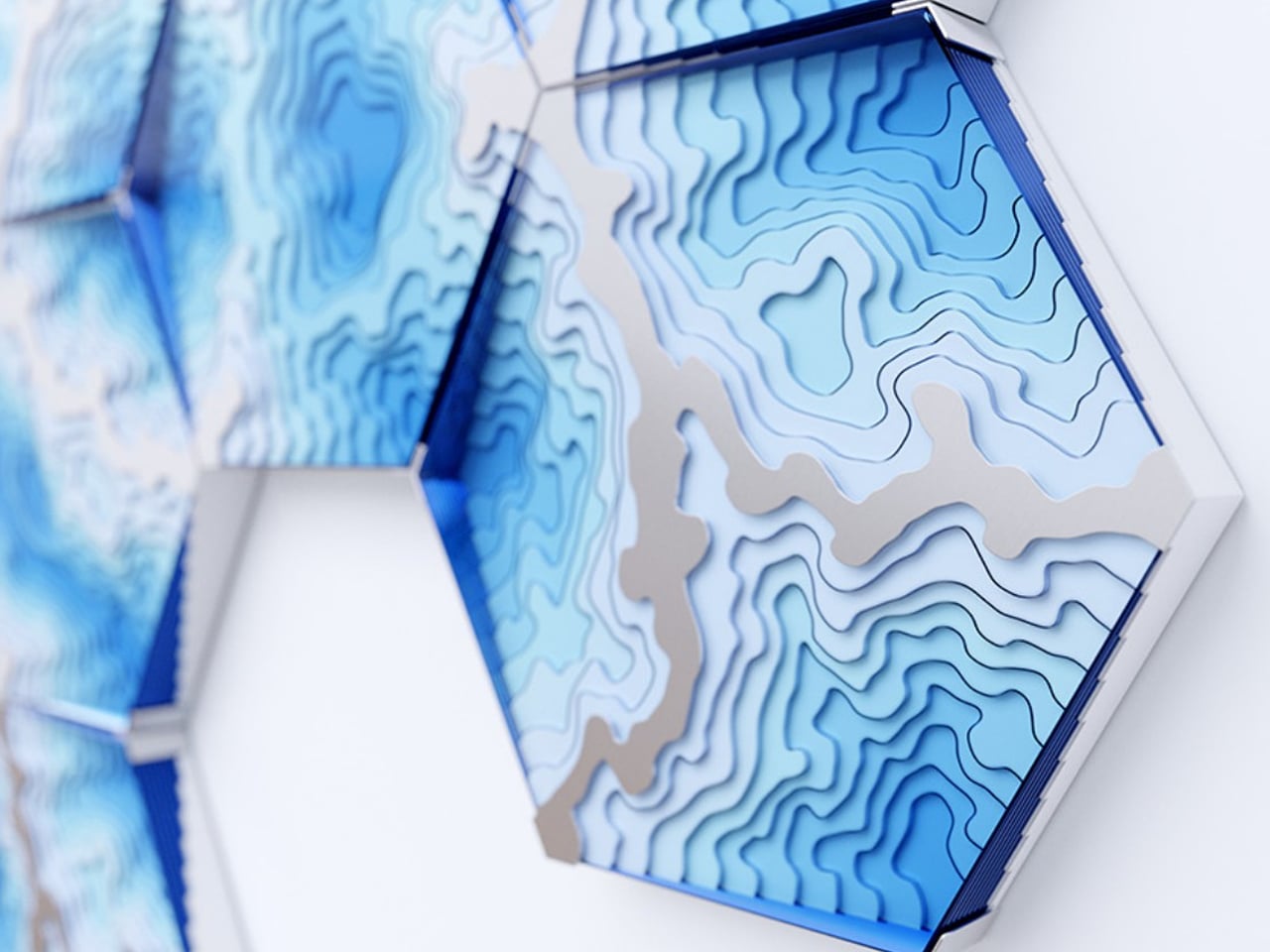
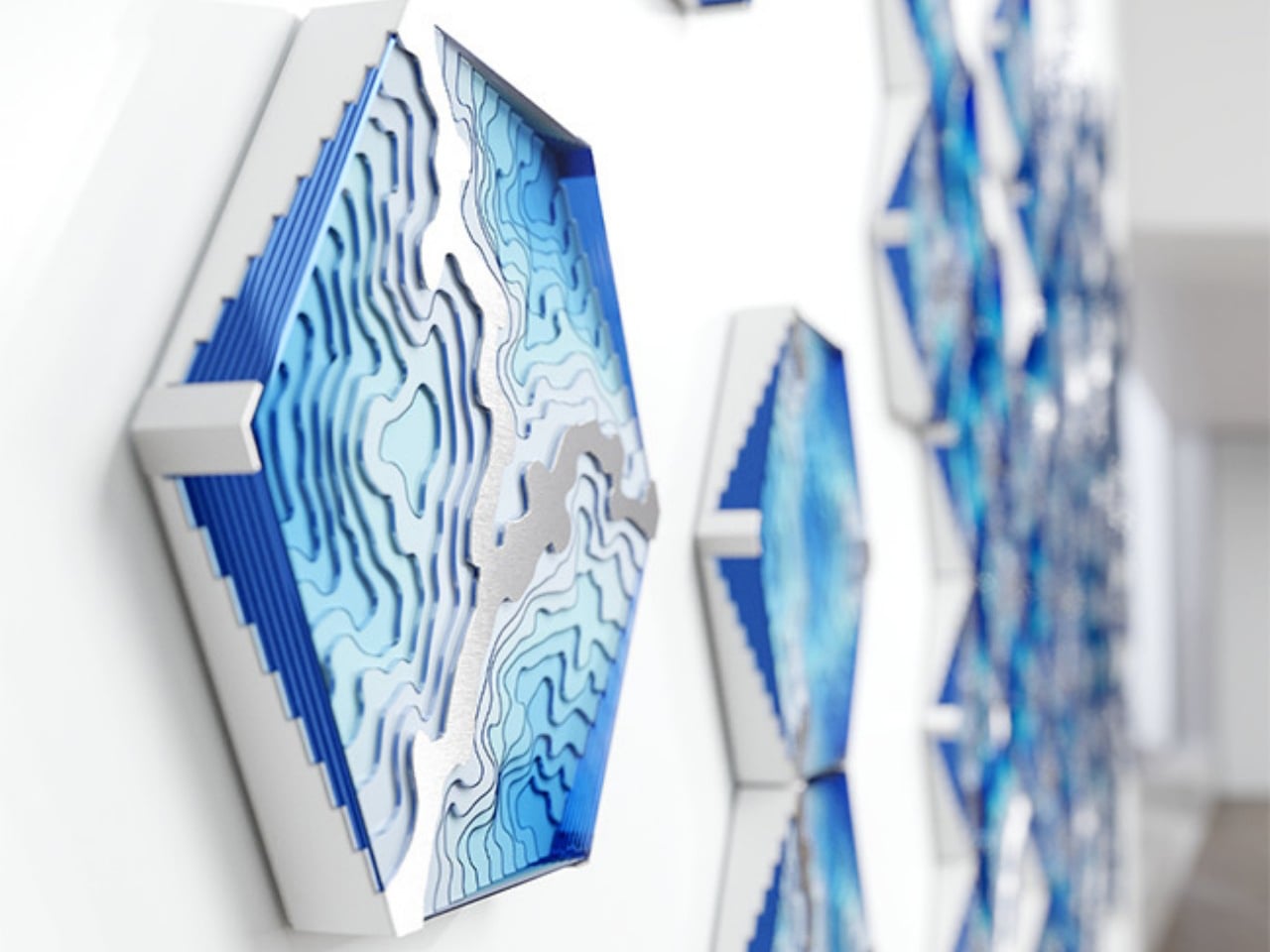
Celcius is a terracotta-based heating and cooling system developed at ECAL in Lausanne, Switzerland. At its core, the idea is almost absurdly simple. Terracotta absorbs heat slowly and releases it gradually, which means in winter it can soak up warmth from a small source and radiate it back into a room for hours. In summer, the same material’s porosity allows it to draw in water, and as that moisture evaporates from the surface, it pulls heat from the surrounding air. It’s the same physics behind why sweating cools you down. One object, two seasons, zero complexity.

Designer: Salla Vallotton

What strikes me about this project isn’t the material science, which is well-established and has been for centuries. It’s the framing. Vallotton isn’t presenting Celcius as a nostalgic throwback or a craft exercise. She’s making a pointed observation about how we’ve organized our relationship with the spaces we live in. Buildings account for nearly 40 percent of global energy consumption, and in cold climates like Switzerland, heating eats up a disproportionate share of that number. Yet our systems remain stubbornly split: fossil-fuel heating that shuts off in June, air conditioning that kicks in to replace it. Two separate infrastructures for one continuous problem. Celcius merges them.

I think the cultural dimension is what elevates this beyond a clever prototype. Vallotton looked at the Alpine masonry stoves called Kachelofen, those massive ceramic structures that didn’t just heat a room but organized life around them. People understood how they worked. They could maintain them, repair them, build their daily rhythms around their cycles. There was a literacy to domestic technology that we’ve almost entirely surrendered. Today, our heating and cooling systems are hidden behind walls, managed by apps, and serviced by specialists. We’ve traded understanding for convenience, and I’m not sure we got the better end of that deal.

That’s the tension Celcius sits in, and it’s the reason the project sticks with me. It’s not anti-technology. It’s anti-invisibility. Vallotton places her terracotta system in the room as a physical, sculptural presence, something you live with rather than forget about. There’s a quiet radicalism in that choice. At a time when every product wants to disappear into the background, to be seamless and ambient and smart, here’s an object that insists on being seen, touched, and understood.

Of course, Celcius is still a prototype, and I don’t think Vallotton is claiming it will replace your furnace. The project operates more as a provocation than a product, a proof of concept that opens up questions rather than closing them. What if domestic infrastructure were legible again? What if the objects that regulate our comfort also had aesthetic and cultural weight? What would it mean to actually understand the systems that keep us warm?

These aren’t rhetorical questions. As European summers grow hotter and the pressure to decarbonize intensifies, the search for alternative thermal strategies is becoming urgent. And while the tech industry races to build ever more sophisticated solutions, projects like Celcius remind us that sophistication isn’t always the answer. Sometimes the most radical move is rediscovering something we already knew.

I find that idea genuinely exciting. Not because I think we should abandon modern engineering, but because the best design has always known how to hold the old and the new in the same hand. Vallotton does that with remarkable clarity, and Celcius is better for it.

The post A Swiss Designer Just Replaced Your HVAC System With a 500-Year-Old Pot first appeared on Yanko Design.
When Design Understands That Starting Is the Hardest Part

There’s a particular kind of guilt that lives in the corner of a messy room. You see it, you know it needs to go, and somehow you still walk past it three more times before doing anything. Most of us don’t lack the ability to do chores. We lack the spark to begin them.

That’s the exact problem Gun Park, Gain Lee, Yangwoo Choi, and Jinha Hong set out to solve with Momenta, a concept collection of household products that uses behavioral psychology and deliberate design to nudge you into action. The collection consists of three pieces: a tape cleaner, a cabinet, and a detergent dispenser. Each one is quietly brilliant, and together they represent one of the more thoughtful takes on domestic product design I’ve seen in a while.

Designers: Gun Park, Gain Lee, Yangwoo Choi, and Jinha Hong

The concept behind Momenta is rooted in a simple but profound observation: incompleteness bothers us. Think about a crooked tile on a sidewalk or a puzzle missing a single piece. Something in your brain just wants to fix it. The designers tapped into this instinct, using what they call “deficiency triggers,” small physical cues that signal something is out of place, to make starting a chore feel less like a decision and more like a natural response.

The tape cleaner is the most visually striking of the three. It mounts on the wall via a magnetic board, and at whatever cleaning interval you set, a small trigger pops out from the panel at a random spot. The visual effect mimics the look of a dusty, untidy surface. It doesn’t scold you or send a notification. It just sits there, slightly off, until you push it back in. And to push it back in, you have to grab the tape cleaner, which means you’re already cleaning. It’s almost sneaky in how seamlessly it works.

The cabinet follows a similar logic. When you take something out and don’t put it back, a spherical trigger drops down into the empty slot, making the absence visible. It’s the physical equivalent of a raised eyebrow. The item is missing. You know it. Now you feel the pull to return it. The trigger itself serves as a placeholder, holding the space and the guilt until the task is done.

The detergent dispenser might be the most playful piece of the three. Nine small circular triggers sit in a grid on the face of the unit. When it’s time to do the dishes, one of them changes color. To reset it, you rinse it under water, which gets your hands wet, which is basically half the battle when it comes to starting the dishes. Once the trigger is placed back into its slot, detergent dispenses automatically. The whole sequence is almost gamified, and that feels intentional.

What makes Momenta genuinely interesting beyond its novelty is the layer of restraint in its design. Nothing here is loud or demanding. There’s no beeping, no blinking display, no app required. The products are minimal and clean, rendered in white with sharp pops of green for the triggers. They look like they belong in a thoughtfully curated home. The triggers do their work subtly, appealing to your instincts rather than interrupting your day.

There’s something worth celebrating about design that works with human nature rather than against it. So much productivity culture is built on willpower and discipline, which, for most people on most days, is simply in short supply. Momenta sidesteps that entirely. It doesn’t ask you to be a better, more motivated version of yourself. It just places a small, fixable imperfection in front of you and trusts that your own psychology will do the rest.

Whether the full collection ever reaches production, the concept stands on its own as a compelling piece of design thinking. It makes you reconsider what household objects are even for. Maybe the best ones don’t just hold or clean or organize. Maybe the best ones know exactly how to get you started.

The post When Design Understands That Starting Is the Hardest Part first appeared on Yanko Design.
A 400-Year-Old Japanese Candleholder, Upgraded Again

There’s something quietly satisfying about a design that doesn’t try to reinvent the wheel. Dai Furuwatari’s Pendulum Candleholder isn’t trying to be radical. It’s not minimalist for minimalism’s sake, and it doesn’t come loaded with a big brand story about disruption. It’s just a very thoughtful update to something that was already good, and that, to me, is the most interesting kind of design work there is.

The backstory matters here. The piece is rooted in a traditional Japanese portable candleholder called a teshoku. Back in the 1600s, the teshoku was a luxury item, the kind of thing you’d find in the homes of the wealthy or inside temple halls. Candles were expensive, and the ability to carry light from room to room was a privilege. At some point, an unknown craftsman solved a simple but obvious problem: the teshoku got a long, horizontal leg that doubled as a handle, making it easier to pick up and carry without getting too close to the flame. It was a small addition that changed the whole experience of using it.

Designer: Dai Furuwatari

By the 1800s, paraffin candles made the whole thing more affordable, and the teshoku eventually found its way into everyday life. The design stayed more or less the same for centuries, which says something, because designs that stick around that long usually earn it.

Furuwatari, a product designer who transitioned into ironwork, picked up the teshoku and asked what could still be better. His answer came in the form of two specific, considered improvements that feel less like features and more like realizations.

The first is that the long horizontal leg, that original carrying handle, now doubles as a hanging hook. It’s such an obvious extension of what was already there that you almost wonder why no one thought of it sooner. Being able to mount the candleholder on a wall opens up a completely different use case. Suddenly it’s not just portable, it’s also fixed lighting when you want it to be, which makes it far more versatile in how and where it can live.

The second improvement is a pivot mechanism built into the piece. This allows the candle mount to be held at different angles depending on how you’re carrying it, which is genuinely useful. Carrying a lit candle without wax dripping everywhere is its own small skill, and a pivot that lets you adjust the angle takes a lot of the anxiety out of it. The candle mount is also removable, which makes cleaning it much easier.

What I appreciate most about this piece is that both changes are extensions of the original logic of the teshoku. They don’t override the design or force it to become something it isn’t. They follow the same thinking that shaped the object centuries ago: what is this person actually doing with this thing, and how can we make that experience a little less complicated? That’s user experience design at its most sincere, and it shows up in objects just as much as in apps or interfaces.

The Pendulum Candleholder is made to order by Furuwatari’s iron products company, To-Tetsu, and retails for $158. Each piece is handmade by a craftsman, which means delivery can take one to two months depending on order status. Iron is the material, and it will develop rust over time, which can be maintained and even enriched with periodic applications of linseed oil or beeswax. That aging process is part of the appeal if you’re into objects that change with use.

Is it practical in 2026? Not in the way a smart lamp is practical. But there’s a different kind of value in objects that connect you to a longer timeline of human ingenuity. Lighting a candle and carrying it across a room is a small act that people have been doing for centuries. Furuwatari’s version just makes it a little more graceful, and a little more considered, which is more than enough.

The post A 400-Year-Old Japanese Candleholder, Upgraded Again first appeared on Yanko Design.
Box Clever Just Designed the Air Purifier Offices Want on Desks

There’s a particular kind of object that design-minded people notice when they walk into a room. Not the artwork on the wall or the fancy ergonomic chair. It’s the small, considered thing sitting on a desk or a conference table that makes you stop and think, “wait, what is that?” The Delos WellCube is that kind of object.

Created by San Francisco-based studio Box Clever in collaboration with wellness technology company Delos, the WellCube represents a design challenge that most air purifier manufacturers have been getting wrong for years: how do you make something people actually want in their workspace instead of something they tolerate?

Designer: Box Clever

The brief was specific. Delos has spent more than a decade researching the relationship between indoor environments and human health, and they wanted to create the first connected platform of hyper-localized air purifiers designed specifically for the modern office. Eight built-in sensors. HEPA filtration. Real-time environmental monitoring. All the technical capabilities you’d expect from a serious wellness device.

But here’s where it gets interesting. Box Clever’s job wasn’t just to house all that technology in a box. It was to create something that employees, facilities managers, and companies would genuinely choose to place on desks and in shared spaces. Something that doesn’t broadcast “corporate compliance equipment” the second someone walks into a room. The result is a study in how thoughtful industrial design can completely reframe a product category.

The WellCube sits compact on a desk or table, roughly the size of a Bluetooth speaker. It delivers 99.97% filtration efficiency at 0.3 microns, covering up to 250 square feet while operating at a whisper-quiet 32 to 52 dBA. Those eight sensors track air quality, temperature, humidity, occupancy, lighting levels, and noise simultaneously, creating what Delos calls an insightful view of the invisible health of office spaces.

But what makes this design competition-worthy is how Box Clever handled the exterior. The outer layer is a soft, interchangeable fabric cover that completely transforms the visual language of what an air purifier can be. Instead of looking clinical or industrial, it reads as approachable and residential. The fabric isn’t just aesthetic either. It doubles as access to the replaceable filters inside, so maintenance stays simple and unobtrusive. Companies can customize the cover to match any environment’s color palette, which means the same device can feel at home on a personal desk, in a collaborative meeting space, or in an executive conference room.

The design development process tells the real story. Box Clever’s documentation shows walls covered in sketches, early foam models exploring different proportions, material samples testing various fabric weights and textures, and iteration after iteration before landing on dimensions that feel, as the team describes it, just right. It’s the kind of rigorous, unsexy work that separates objects that merely look designed from objects that are actually designed all the way through.

What elevates this project beyond a typical product redesign is how seriously both teams took the challenge of balancing technical performance with human-centered design. Office wellness technology typically falls into one of two traps: highly capable but clinical-looking, or beautiful but functionally superficial. The WellCube pushes back on that false choice entirely. The sensor data does more than just measure. It feeds real-time information that helps facilities managers and companies optimize spaces for healthier outcomes, room by room, desk by desk. Think of it as giving buildings the ability to communicate what they actually need. But that sophisticated backend never makes the device itself feel complicated or intimidating to the people using the space.

This is exactly the kind of design thinking that contests and showcases exist to highlight. It’s not just about making something look better. It’s about fundamentally rethinking what a product category can be when you start with human needs instead of engineering specifications. If the future of office wellness is going to look anything like this, it’s going to be a lot more inviting than the sterile solutions we’ve been stuck with. And a lot better looking on your desk.

The post Box Clever Just Designed the Air Purifier Offices Want on Desks first appeared on Yanko Design.
These Perforated Marble Blocks Create Shifting Light Patterns

Stone decor tends to be heavy, polished, and a little intimidating, the kind of thing you place once and never move. Light changes in a room all day, from sharp morning angles to warm late-afternoon spreads, but most stone decor doesn’t respond to any of it. The idea that a piece of stone could feel different at different times of day doesn’t come up often in furniture or object design.

Denys Sokolov’s ZEROS collection, manufactured by MUZ STONE, a Ukrainian company known for stone processing and creative design, starts from a different premise. “Zeros are forms shaped by absence,” the collection states, and the openings across each marble block soften the weight of the object, letting light, air, and shadow become part of its design. “In their simplicity, they reveal that even the smallest void can transform the whole,” which is a surprisingly accurate description of what these pieces do in a room.

Designer: Denys Sokolov

The perforations aren’t decorative in the usual sense. Repeated voids give the object its rhythm and character, and they shape not only the form itself but also the shadows around it. Standing at a slight angle, the grid of holes reads as a pattern of overlapping light and dark ovals. Move a little and the composition shifts. Repetition creates a rhythm that is both structured and organic, which is a difficult balance to strike in stone, a material that usually communicates permanence and rigidity more than fluidity.

These pieces play with the tension between mass and lightness, solidity and transparency. The marble is real and heavy, but the voids introduce a visual porousness that makes the whole thing feel less like a block and more like a porous, breathable presence. Even the smallest opening shifts how the eye reads the overall weight, which is the point the collection keeps returning to.

When lit from within, the openings create distinct light patterns in the surrounding space, and the effect changes depending on the angle, distance, and intensity of the light source. That turns any of the pieces into a quiet ambient light source, not a bright lamp, but a patterned glow that makes nearby walls and surfaces feel textured without adding visual clutter or another device to the room.

The pieces can hold a single stem or branch through one of the openings, making them functional as minimal vases when you want them to be. They also work on their own without needing anything inside, and different sizes can be clustered together so the grid-like rhythm becomes more architectural, a small group of perforated blocks that feel more like a landscape than a collection of objects sitting near each other.

ZEROS doesn’t try to fix a problem or optimize a category. These forms engage with their surroundings, responding to changes in light, movement, and perspective, and they’re not static, each moment revealing a new composition. Carving emptiness into marble is a quiet way to make a heavy material feel surprisingly alive, which is harder to do than it sounds and more satisfying to live with than most stone decor that just sits there looking expensive.

The post These Perforated Marble Blocks Create Shifting Light Patterns first appeared on Yanko Design.
This Wi-Fi Router Looks Like an Incense Burner and Scents Your Room

Most home routers live behind books or plants, blinking away in corners, only noticed when the connection drops. There’s so much quiet faith placed in that invisible box every time we ask it for directions, answers, or late-night comfort while scrolling. If we already treat Wi-Fi like a kind of everyday oracle, maybe the hardware could look and behave more like an object we actually care about instead of just tolerating it.

innrou is a Wi-Fi router concept that resembles an incense burner and incorporates fragrance. It’s designed to go beyond spec sheets and become a small storytelling object, imagining the future form of electronic products. The name and form hint at traditional incense rituals, but the function is pure 21st century, keeping your devices online while quietly scenting the room with swappable essential-oil sticks.

Designer: Yuan Chen

The designer’s starting point is a neat cultural parallel. In traditional Chinese society, people would ask gods for guidance and answers, often by lighting incense at a burner. Today, many of us scroll the internet for the same things, from practical fixes to something closer to spiritual reassurance. innrou deliberately combines those two behaviors, using a router as the carrier for a story about how we now seek help.

The essential oil system reinterprets incense as modern fragrance sticks. You replace a spent stick by sliding in a new one, the same simple vertical gesture used at a temple. That motion deepens the narrative and adds a bit of playfulness, turning maintenance into a small ritual instead of an annoying chore, while the router quietly keeps doing its job underneath without asking for attention.

innrou is a small, rounded block that can sit openly on a desk, bedside table, or shelf without screaming “network gear.” The antennas are hidden, the front shows only a few status dots and a subtle logo, and the body comes in soft colors that match interiors. Instead of being something you hide, it becomes part of the atmosphere, both visually and through scent, which is a surprisingly big shift for a product category that usually defaults to black plastic.

Under the incense metaphor, this is still a proper router. There’s a row of Ethernet ports at the back, a power connection, and internal antennas doing the heavy lifting. The essential oil sticks are designed as replaceable cartridges with their own packaging, so the ecosystem feels thought through. It isn’t about chasing the highest throughput number but about making the necessary hardware less of an eyesore and maybe a bit nicer to live with.

A concept like innrou suggests that if a router can borrow the form and gestures of an incense burner, other invisible boxes could also become objects we actually want in the room, not just tolerate. Blending connectivity with scent and story reframes a forgettable device as a small daily ritual, which feels oddly appropriate when you already treat it like a modern oracle that knows where everything is and when everyone is awake.

The post This Wi-Fi Router Looks Like an Incense Burner and Scents Your Room first appeared on Yanko Design.
Why This Air Conditioner Filter Took Design Cues from Your Toolbox

Let me tell you about something that caught my eye recently. When was the last time you actually looked forward to cleaning your air conditioner filter? Yeah, I thought so. But the folks at ZHEJIANG ZHONGGUANG ELECTRICAL CO.,LTD have done something pretty clever that might change how we think about one of home maintenance’s most tedious tasks. Their Snapcool air conditioner just won a Golden A’ Design Award, and here’s why it deserves your attention.

Picture a tape measure. You know that satisfying feeling when you pull out the metal strip and it snaps back into place with a smooth click? Now imagine that same mechanism applied to your AC’s filter system. That’s exactly what the design team behind Snapcool did, and the result is both practical and surprisingly delightful.

Designer: ZHEJIANG ZHONGGUANG ELECTRICAL CO.,LTD

The whole concept flips conventional air conditioner design on its head. Most AC units hide their filters behind awkward panels that require tools, patience, and sometimes a bit of cursing to remove. Snapcool mounts its filter system on the side, where it slides in and out with the ease of extending a measuring tape. This isn’t just about making maintenance easier (though it definitely does that). It’s about turning a chore into something almost fun.

What really makes this design sing is the eye-catching orange filter compartment. It’s not just there to look cool, though it certainly does that. The bold color serves as a constant visual reminder to check your filter status, which means you’re more likely to keep up with maintenance and enjoy better air quality. It’s the kind of thoughtful detail that shows someone actually considered how people interact with these machines in real life, not just in a sterile testing environment.

The aesthetics matter here too. Traditional air conditioners tend to be those white boxes we tolerate but don’t exactly love. Snapcool breaks that mold with its sleek, modern shape that actually looks like it belongs in a contemporary home. There’s something inherently futuristic about its design language. It feels less like an appliance and more like a piece of tech you’d actually want to show off. This project came to life through collaboration between six team members: Jinghong Zhang, Yuxin He, Menglin Xie, Yuhui Xu, Haiping Hou, and Xiaojun Yuan. Their collective vision demonstrates what happens when designers stop treating home appliances as purely functional objects and start seeing them as opportunities for innovation and delight.

The recognition from the A’ Design Award isn’t just a trophy for the mantle. It’s validation of a broader shift happening in product design right now. We’re moving away from the idea that utilitarian objects should be invisible or purely functional. Instead, designers are asking why everyday items can’t be both beautiful and practical, why they can’t spark a little joy even as they perform mundane tasks.

ZHEJIANG ZHONGGUANG ELECTRICAL CO.,LTD, operating under their OUTES brand, has been building a reputation for integrated climate control solutions across hotels, universities, factories, and residential buildings. This isn’t their first rodeo with design excellence either. They’ve racked up six A’ Design Awards, proving that Snapcool isn’t a fluke but part of a consistent commitment to pushing boundaries in HVAC design.

What strikes me most about Snapcool is how it challenges our assumptions. We’ve collectively decided that air conditioners should be forgettable white boxes tucked into corners. But why? There’s no rule that says climate control can’t have personality. There’s no law stating that filter maintenance must be annoying. The tape measure inspiration is genius because it’s so obvious in hindsight. We’ve had this perfectly functional, satisfying mechanism sitting in our tool drawers for decades, and it took creative thinking to realize it could solve a problem in a completely different context.

Snapcool represents a future where even the most utilitarian objects can bring a smile to our faces. Where maintenance becomes less of a burden and more of an experience. Where our living spaces are populated by thoughtfully designed products that respect both our intelligence and our desire for beauty. Sometimes the best innovations aren’t about inventing something entirely new. They’re about looking at old problems through fresh eyes and borrowing brilliance from unexpected places.

The post Why This Air Conditioner Filter Took Design Cues from Your Toolbox first appeared on Yanko Design.
This Coat Rack Vanishes Into Your Wall When You Don’t Need It

Coat racks are designed to be covered. Designers refine sculptural hooks and stands that look great in catalogs, but the moment you hang coats and bags, they disappear under fabric. No matter how interesting the form, the object gets visually erased by its own function. Most designs pretend this is not happening, even though vanishing under outerwear is basically written into the job description from the start.

VELTO accepts that contradiction instead of fighting it. The wall-mounted coat rack stays completely flat when not in use and only reveals itself when needed. The philosophy revolves around the idea that design does not always need to shout to be valuable, and sometimes disappearing is actually the point. When closed, it sits flush against the wall like a small tile and can be painted the same color to blend entirely.

Designer: Brent De Meulenaere

The transformation happens with a single push. A spring-assisted mechanism lets the flat panel unfold into a hook that holds coats, bags, or scarves without extra effort. The movement is inspired by origami, turning a flat surface into a functional volume through precise folds. The interaction becomes a small, deliberate gesture every time you come home or leave, pressing the panel and watching it quietly fold out to catch your jacket.

The object starts from a single flat shape laser-cut from polypropylene, which flexes repeatedly without breaking, and can be painted in any color. That flat-pack logic keeps production efficient and reduces waste. You can paint VELTO to disappear into the wall or let it stand out as a subtle accent, depending on whether you want it to blend or quietly announce itself in the entryway.

In narrow hallways or compact entryways, every protruding object becomes something you bump into or work around. Traditional coat racks and hooks always occupy space, even when empty, creating visual clutter on days when you are not using them. VELTO stays flat until pressed, so walls remain clean most of the time. When guests arrive or winter coats come out, hooks appear on demand, then fold back once everything is put away.

The project grew from sketches about movement and hinges rather than styling, followed by paper models and prototypes testing folding angles, opening force, and stability. Only after the mechanism felt right did the designer refine proportions and edges. That process shows in the final concept, where the memorable part is not a decorative detail but the calm, almost self-explanatory way the object transforms when you actually need it.

VELTO treats absence as a feature instead of a problem. Rather than trying to dominate a room, it tries to coexist quietly with walls and daily routines, only stepping forward when you need a place to hang something. In a world full of products competing for attention, a coat rack designed to be covered and happy to disappear feels like a surprisingly refreshing stance.

The post This Coat Rack Vanishes Into Your Wall When You Don’t Need It first appeared on Yanko Design.
5 Smart Lighting Trends That Just Made Traditional Fixtures Look Outdated

Lighting Design in 2026 has shifted from a background utility to an emotional design language, influencing how spaces are experienced while shaping atmosphere, flow, and everyday comfort. Today, light works quietly in the background, adapting to your routines, responding to natural rhythms, and enhancing your experience of home.

Rather than acting as a static fixture, lighting now plays an active role in creating atmosphere. Soft transitions, layered illumination, and nature-inspired tones help interiors feel calmer, warmer, and more connected to the outside world. Whether you are unwinding after a long day or starting your morning, let’s decode how 2026’s lighting trends support the emotional flow of your space, making the home feel less like a structure and more like a living, responsive environment.

1. Invisible Smart Lighting

In 2026, the most advanced lighting systems are designed to blend effortlessly into your space. Powered by Ambient Intelligence, they use sensors and AI to adjust brightness and tone based on occupancy, daylight levels, and your daily routines. Instead of relying on switches, light flows naturally from one area to another, subtly guiding movement and defining zones without drawing attention to the technology behind it.

This approach focuses on supporting your body’s natural rhythms. Predictive dimming and gentle colour shifts mirror the changing quality of daylight, helping you feel more alert during the day and relaxed in the evening. By working in sync with your internal clock, lighting becomes an invisible wellness tool that improves comfort, focus, and overall quality of living.

This AI-assisted ceiling light illuminates the lives of the elderly while monitoring their safety

AI-enabled lighting systems for elderly care combine illumination with continuous health and safety monitoring. Integrated sensors and computer vision allow the lamp to detect falls, unusual movement patterns, and prolonged inactivity, while also tracking indicators such as respiration and coughing. Advanced algorithms analyse behaviour over time to predict potential risks before accidents occur. When an incident is detected, the system automatically alerts designated caregivers or emergency contacts, enabling faster response and reducing the severity of injury through timely intervention.

Designed to function as a standard household lamp, this technology integrates seamlessly into residential interiors without appearing medical or intrusive. The familiar form factor encourages acceptance while delivering round-the-clock support through a single device. With low heat emission, energy-efficient LEDs, and autonomous operation, AI lighting solutions provide a scalable approach to assisted living. By combining safety, monitoring, and illumination in one product, these systems offer a practical way to support independent ageing while maintaining comfort, privacy, and dignity.

2. Sculptural Light Forms

Lighting fixtures are increasingly treated as architectural features rather than background utilities. Instead of relying on scattered recessed ceiling lights, spaces now favour bold, sculptural pieces that visually anchor the room. These luminaires are appreciated for their authentic materials, including hand-blown recycled glass, alabaster, and bio-based composites, which add depth and softness while creating a gentle, diffused glow.

Beyond function, such fixtures shape how you perceive space. A large pendant naturally draws the eye, balancing volume and form while adding a sense of rhythm to the interior. Light becomes a focal point that connects design with atmosphere, creating rooms that feel considered, expressive, and emotionally engaging.

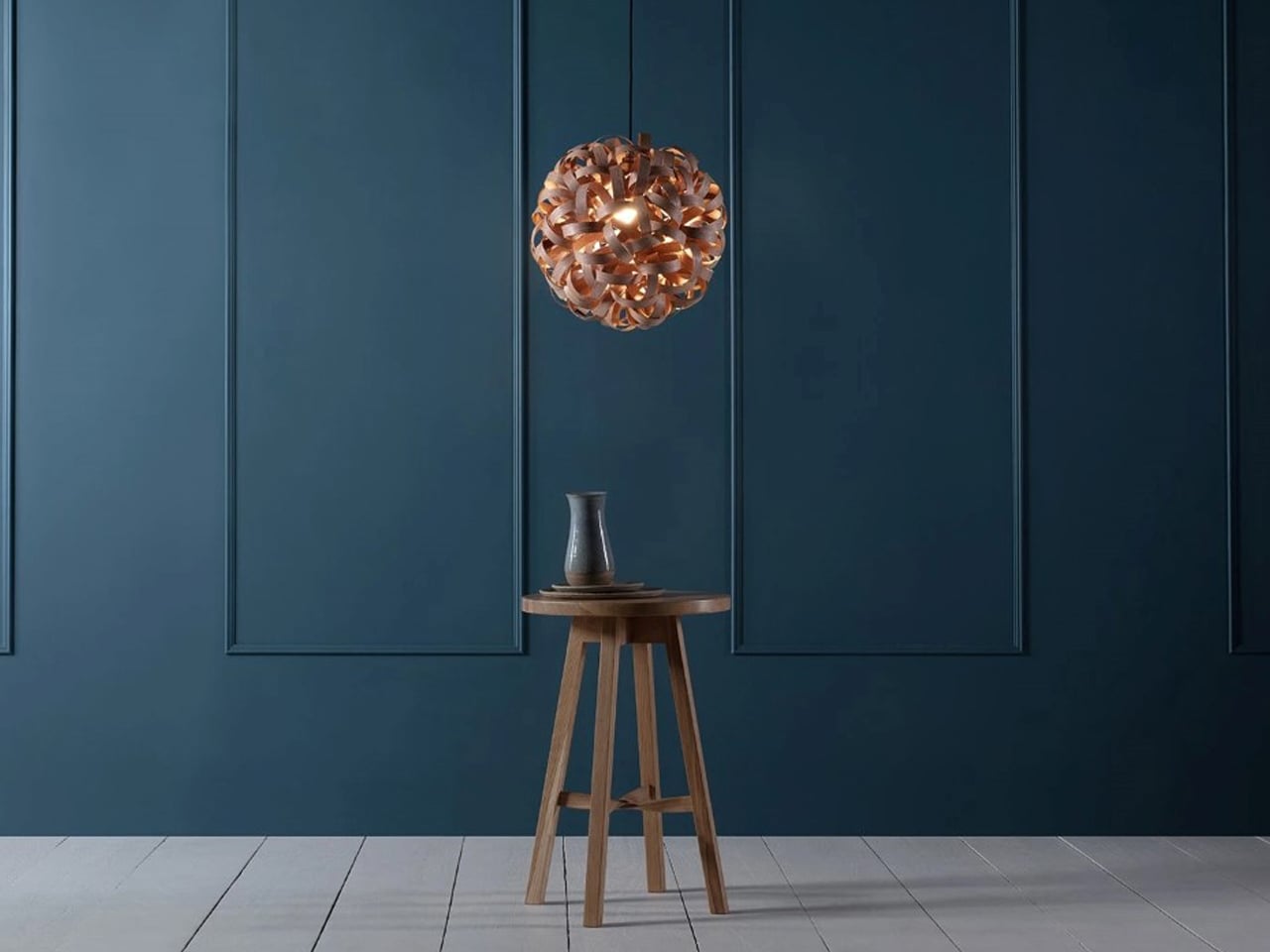
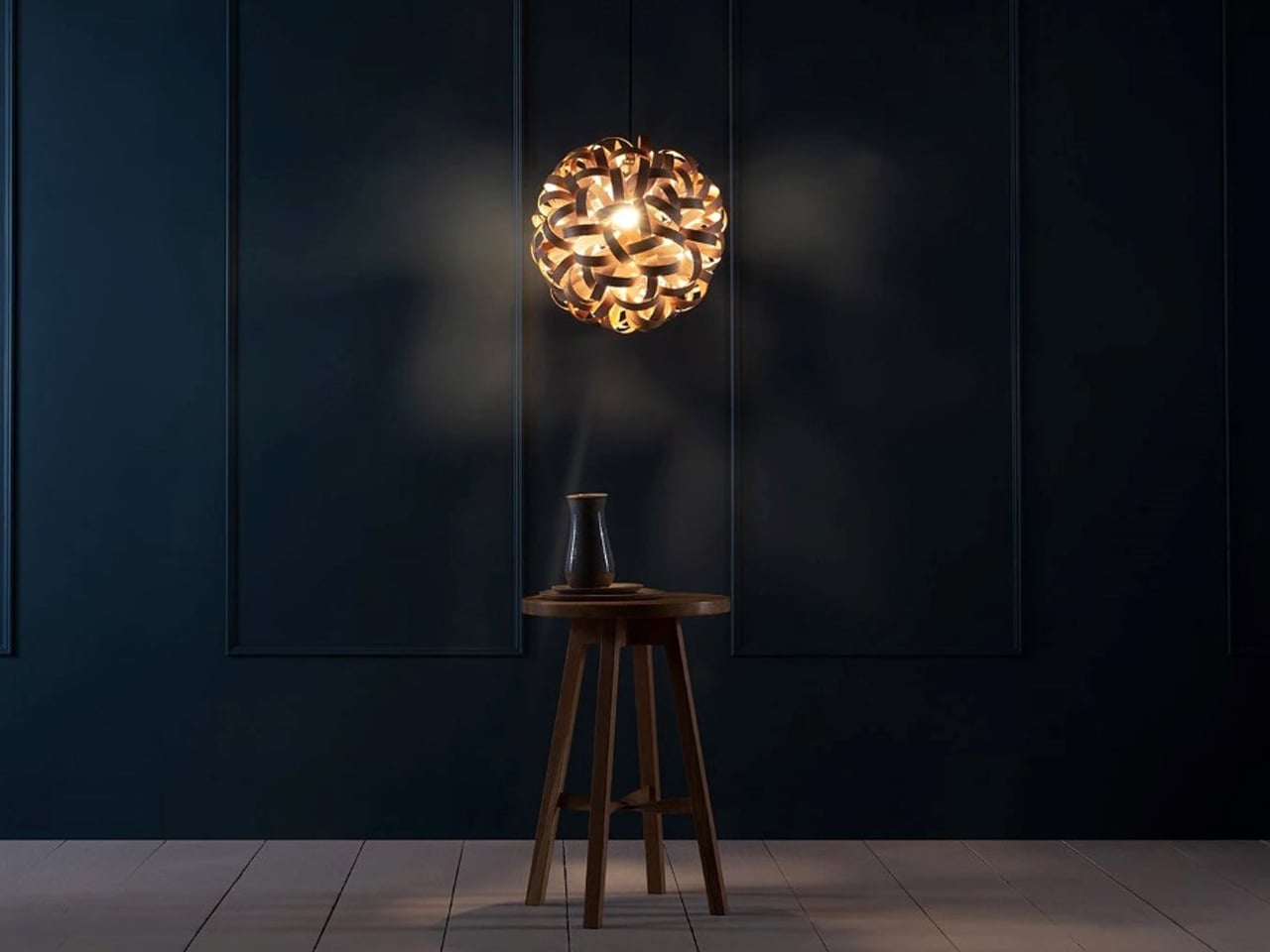
The Arc Lamp by designer Divyansh Tripathi is defined by a single bent wooden arm that curves gracefully to support a suspended light source, creating a strong sculptural identity. The continuous arc forms a balanced structure that distributes weight evenly while guiding the eye from base to bulb. This fluid geometry gives the lamp a sense of motion, turning a functional object into a visual centrepiece suitable for display as much as daily use. The suspended bulb is positioned to provide soft ambient illumination while reducing direct glare.

Material choice is central to the lamp’s character and performance. Bent timber introduces warmth, tactile depth, and visible grain patterns that make each piece visually distinct. Finished with protective natural coatings, the wood maintains its organic appearance while ensuring durability. Paired with a low-profile LED bulb, the lamp delivers even, diffused light that enhances surrounding textures without overpowering the space. Its minimal structure allows it to integrate across interior styles, functioning as a lighting solution and a collectible design object.

3. Honest Sustainable Materials

Lighting design now places strong emphasis on the full life cycle of a fixture, not just its appearance. You see a growing focus on low-impact production, modular construction, and upgradable LED components that extend usability rather than encouraging replacement. Materials such as repurposed mycelium, salt crystals, and recycled composites are no longer experimental choices but trusted options for those who value responsible design.

This shift brings both ethical and practical benefits. Durable construction and adaptable technology mean fixtures last longer and age more gracefully. When materials are chosen for integrity and longevity, lighting becomes more than décor as it becomes a lasting design investment, valued for craftsmanship and environmental responsibility rather than short-term trend appeal.

The Air suspension light by Contardi Lighting, designed in collaboration with Adam Tihany, is engineered to deliver soft, evenly distributed ambient illumination. Its dual-shade construction houses upper and lower LED light sources that spread light both upward and downward, improving overall spatial brightness while avoiding direct glare. Laser-cut detailing on the shades allows controlled light diffusion, creating subtle shadow patterns that add visual depth without reducing functional output. This configuration supports balanced lighting suitable for dining areas, lounges, and hospitality interiors.

Lighting efficiency is supported by the use of high-performance LED modules that maintain consistent colour temperature and stable light intensity over time. The shade material is designed to transmit and reflect light effectively, ensuring minimal loss while preserving a warm tonal quality. The integrated structure reduces the need for additional ambient fixtures, making the lamp suitable as a primary light source in medium-sized spaces.

4. Power of Shadow

Good lighting design recognises that darkness plays just as important a role as illumination. Instead of flooding every corner with brightness, subtractive lighting uses restraint to highlight key architectural features while allowing other areas to remain calm and visually quiet. This balance of light and shadow adds depth, especially in double-height or open-plan spaces, where contrast helps define structure and scale.

Techniques such as narrow-beam spotlights and subtle floor-level washes guide movement and create visual pauses. As you move through the home, light reveals selected moments rather than everything at once. The result feels intentional and layered, turning everyday interiors into curated, gallery-like environments instead of uniformly lit, commercial-looking spaces.

The Foreshadow Table Lamp is designed to transform direct illumination into patterned ambient light. Its perforated metal shade filters the light source into multiple fine beams, projecting structured shadows across nearby surfaces. This controlled diffusion adds visual depth while maintaining functional brightness for side tables, consoles, and accent lighting applications. The lighting effect varies depending on placement, surface finishes, and surrounding geometry, allowing the lamp to interact with its environment rather than delivering flat, uniform output.

Construction focuses on durability and tactile quality. The metal shade features precision-punched perforations that regulate light distribution while maintaining structural rigidity. The matte finish reduces surface glare and complements both contemporary and transitional interiors. When switched off, the lamp retains a clean, sculptural profile, functioning as a decorative object even without illumination. Designed to operate as a lighting fixture and an ambient feature, the Foreshadow Table Lamp provides atmospheric enhancement while remaining practical for everyday use.

5. Colour and Comfort

Modern lighting is closely linked to energy efficiency and indoor comfort. Advanced LED systems release very little heat, helping reduce strain on cooling and ventilation systems while keeping rooms comfortable throughout the day. This makes lighting an active part of managing how a space performs, not just how it looks.

At the same time, colour temperature is used to influence how warm or cool a room feels. You can shift from soft, golden tones during colder months to cooler, moonlit hues in warmer seasons, subtly shaping your emotional and physical response to the space. By adjusting light colour, interiors feel more adaptable, balanced, and supportive of everyday well-being.

The Wipro EcoLumi Flex is a modular lighting concept designed to function as a table lamp and a suspended ceiling fixture. Its adjustable structure allows users to modify height and angle through a simple twist mechanism, ensuring precise light placement for different tasks. A slidable shade enables directional control and glare reduction, improving visual comfort during focused work. Multiple units can be connected using integrated joints and connectors, allowing customised lighting layouts for desks, workstations, or collaborative spaces.

Lighting performance is enhanced through built-in circadian modes that automatically adjust brightness and colour temperature throughout the day. Warm tones support relaxed morning and evening use, while cooler light promotes alertness and productivity during peak work hours. The modular construction supports part replacement and future upgrades, reducing material waste and extending product lifespan.

Lighting is evolving into a true architectural philosophy in 2026, where atmosphere takes precedence over mere fixtures. Intelligent systems, sculptural forms, and sustainable materials work together to create spaces that are visually compelling.

The post 5 Smart Lighting Trends That Just Made Traditional Fixtures Look Outdated first appeared on Yanko Design.
This $350 Dyson Air Purifier Borrowed Tech From Jet Engines

There’s something oddly satisfying about watching a company completely reinvent its own playbook. Dyson has built its reputation on that bladeless Air Multiplier technology, the kind of innovation that made you stop and think, “Wait, how does that even work?” But with the HushJet Compact Purifier, the brand is taking a totally different approach, drawing inspiration from an unexpected source: jet engines.

This little machine marks a departure from what we’ve come to expect from Dyson’s air purifiers. Instead of that signature circular opening, you get a star-shaped nozzle that looks like it belongs in an aerospace engineering lab. It’s not just for show, though. That unique design channels high-velocity airflow while keeping things whisper-quiet, hitting just 24 decibels in night mode. For context, that’s quieter than your average library and about the same volume as someone whispering sweet nothings into your ear.

Designer: Dyson

The HushJet measures 18.5 inches tall and just over 9 inches in diameter, weighing in at a manageable 7 pounds. It’s genuinely compact, the kind of appliance that can slip into a corner of your bedroom or perch on a kitchen counter without demanding attention. But don’t let the small footprint fool you. This purifier can handle rooms up to 203 square feet, making it perfectly suited for bedrooms, home offices, or cozy apartments.
What really sets the HushJet apart is its new filtration system. The electrostatic filter captures 99.97% of particles as small as 0.3 microns, including the usual suspects like pollen, dust, and pet dander. If you’ve got pets at home, this matters more than you might think. Those microscopic skin cells and protein particles from Fluffy’s grooming sessions become airborne allergens, and the HushJet’s activated carbon layer tackles both the dander and the inevitable pet odors.

Here’s where things get interesting from a sustainability standpoint. The electrostatic filter lasts up to five years, which is five times longer than previous Dyson filters. That means fewer replacements, less waste, and one less thing to remember on your shopping list. The filter uses less material while being more energy efficient, a win across the board for anyone trying to lighten their environmental footprint.

The technology powering this thing is genuinely clever. Dyson’s engineers borrowed aerodynamic principles from jet engines to create that focused stream of purified air. The star-shaped nozzle reduces turbulence and attenuates sound waves from the high-speed compressor, which is how they achieved that library-quiet operation. The whole system is fully sealed, meaning the nasty stuff it captures stays trapped inside rather than escaping back into your breathing space.
Smart features come standard. The built-in sensors monitor air quality in real time, automatically adjusting performance based on what’s floating around your room. You can also control everything through the MyDyson app, tweaking settings from your phone or setting schedules so the purifier runs only when you need it. That auto mode is particularly useful for energy efficiency, since the machine only kicks into gear when pollution levels actually warrant it.

The HushJet comes in two color options: Black/Teal and White/Silver. Both have that sleek, minimalist aesthetic Dyson is known for, the kind of design that doesn’t scream “appliance” but instead quietly complements your space. At $349.99, it sits at the higher end of the compact purifier market, though the combination of performance, filter longevity, and that jet-engine-inspired engineering might justify the price tag for air quality enthusiasts.

For anyone dealing with allergies, the HushJet makes a solid case for itself. By pulling pollen, dust, and other allergens out of circulation, it can help reduce those annoying symptoms like sniffles, scratchy throats, and itchy eyes that tend to worsen at night. Better air quality translates to better sleep, which is something most of us could use more of.

What Dyson has done here is take everything they learned from years of air purification technology and compress it into a surprisingly powerful package. The jet engine inspiration isn’t just a marketing gimmick. It’s a fundamental rethinking of how to move air efficiently and quietly in a small space. Whether you’re sensitive to noise, short on square footage, or just appreciate clever engineering, the HushJet Compact Purifier delivers on its promise to be small but mighty.

The post This $350 Dyson Air Purifier Borrowed Tech From Jet Engines first appeared on Yanko Design.