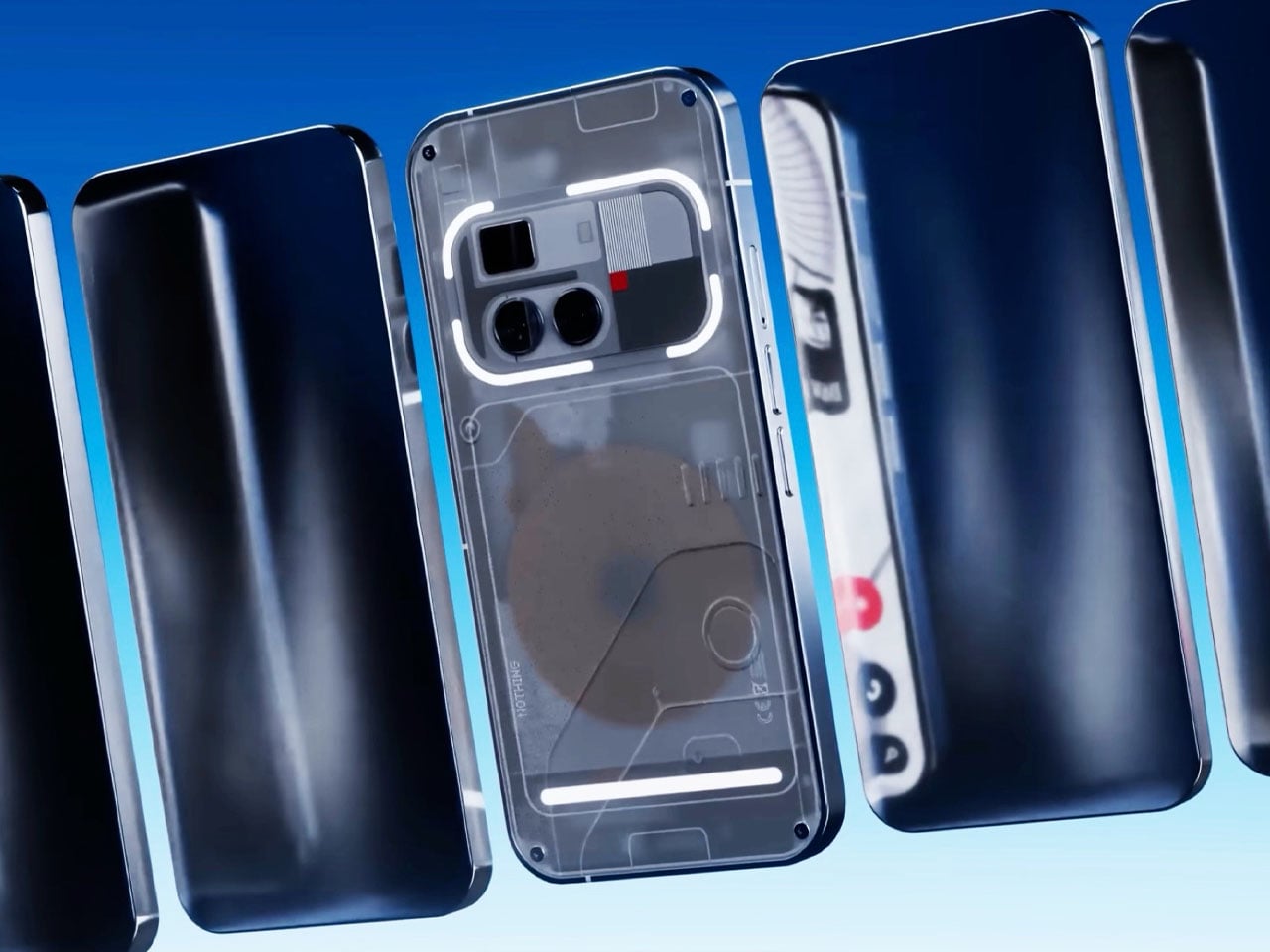
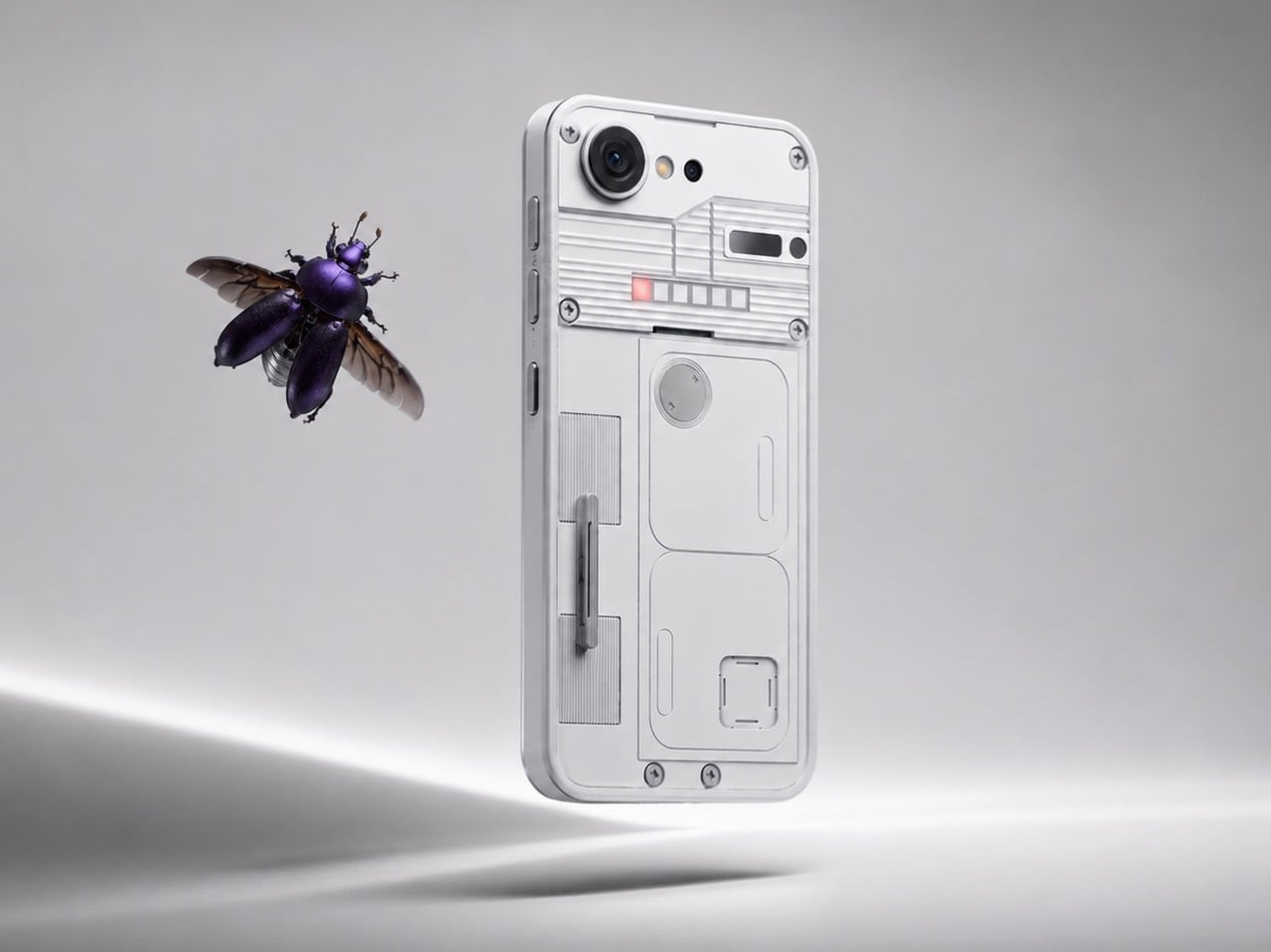
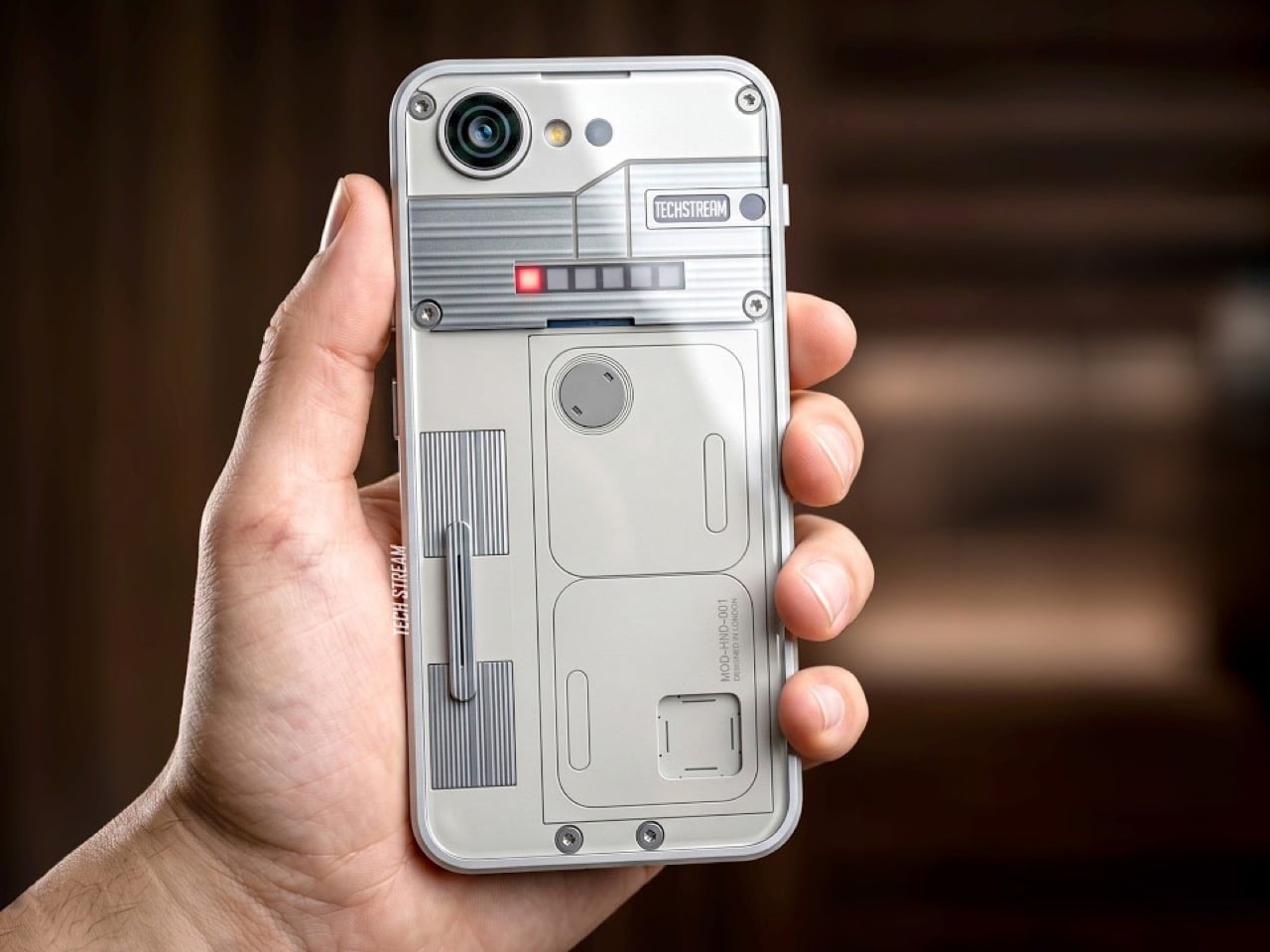
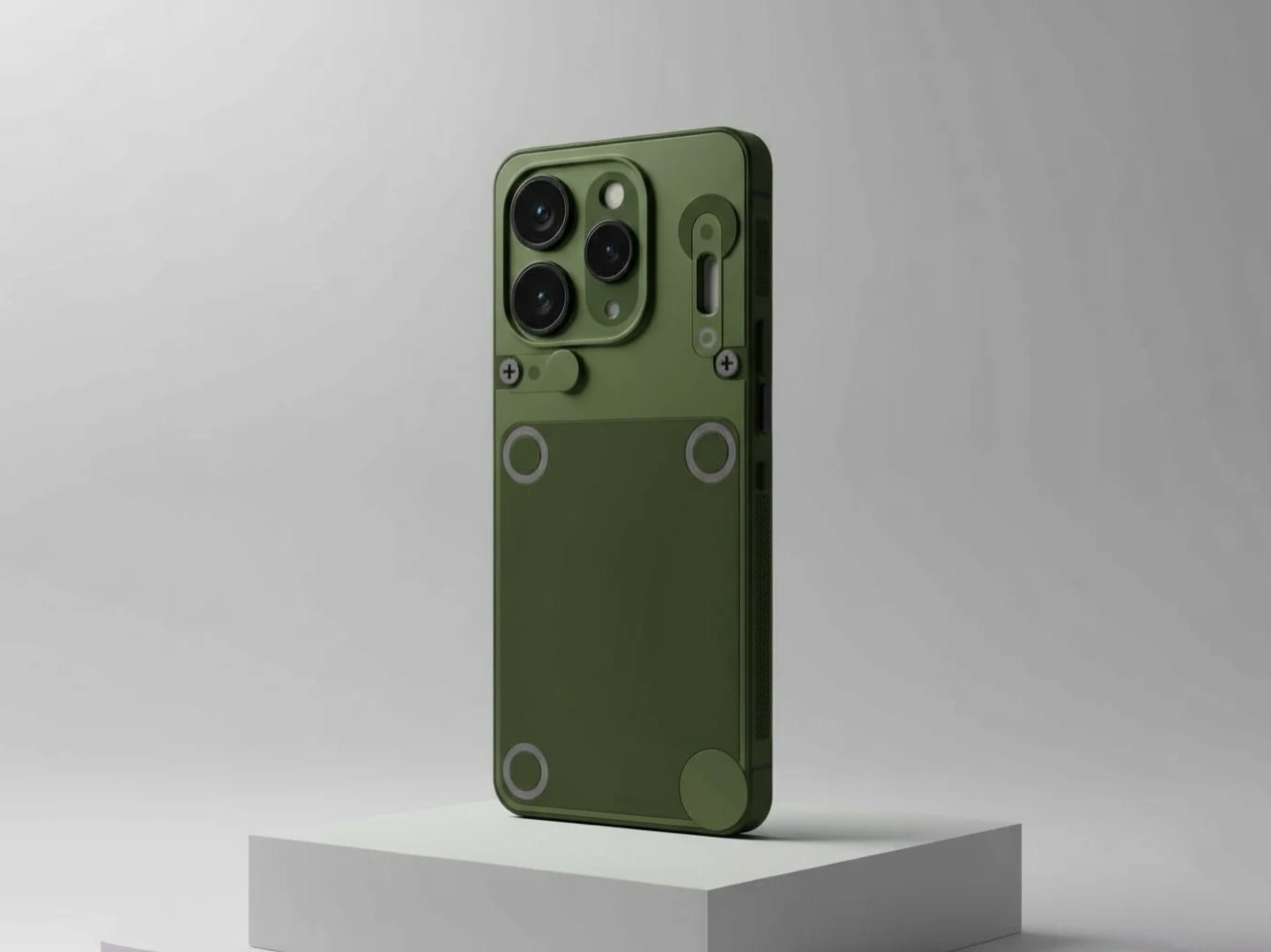
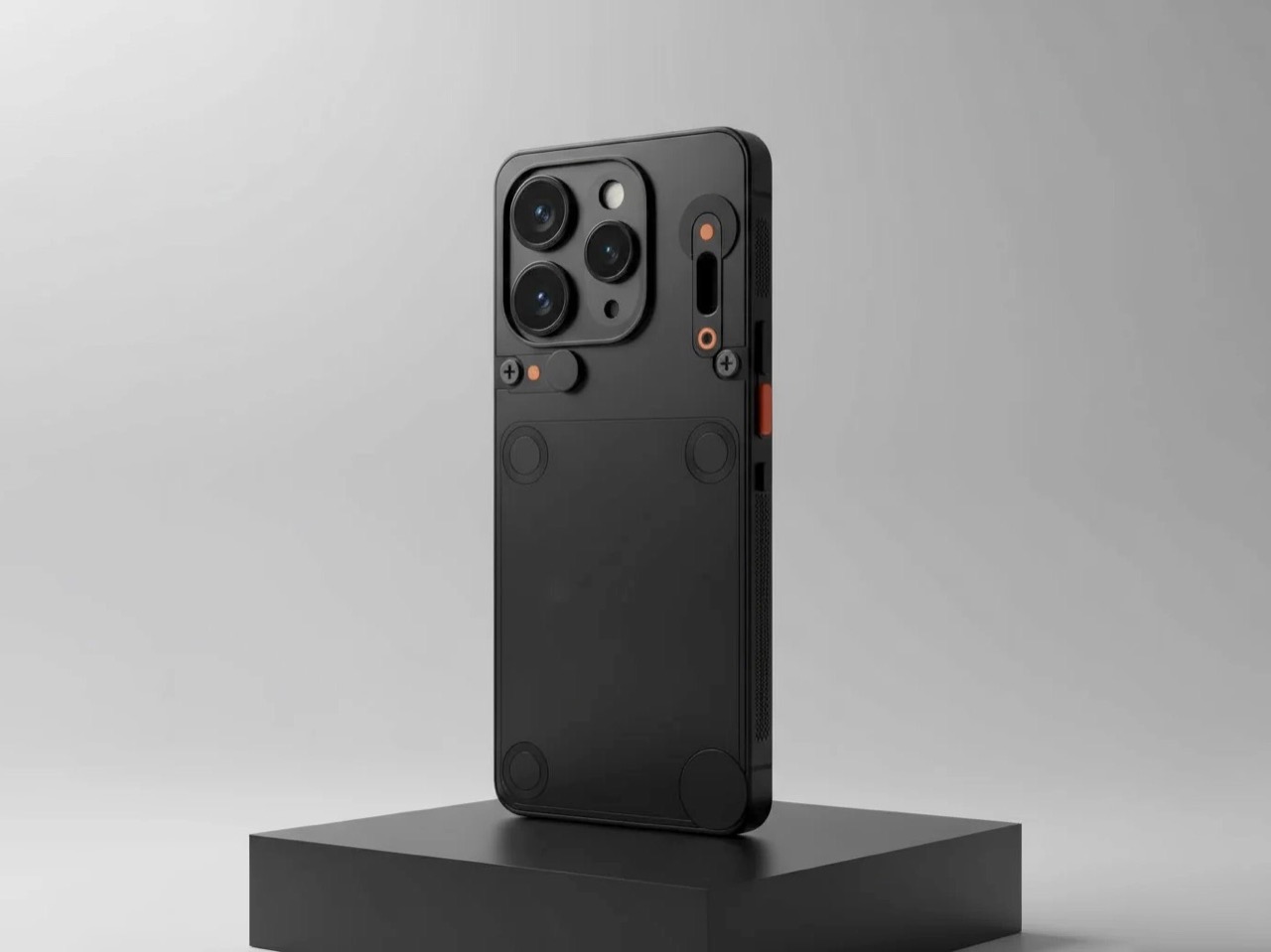
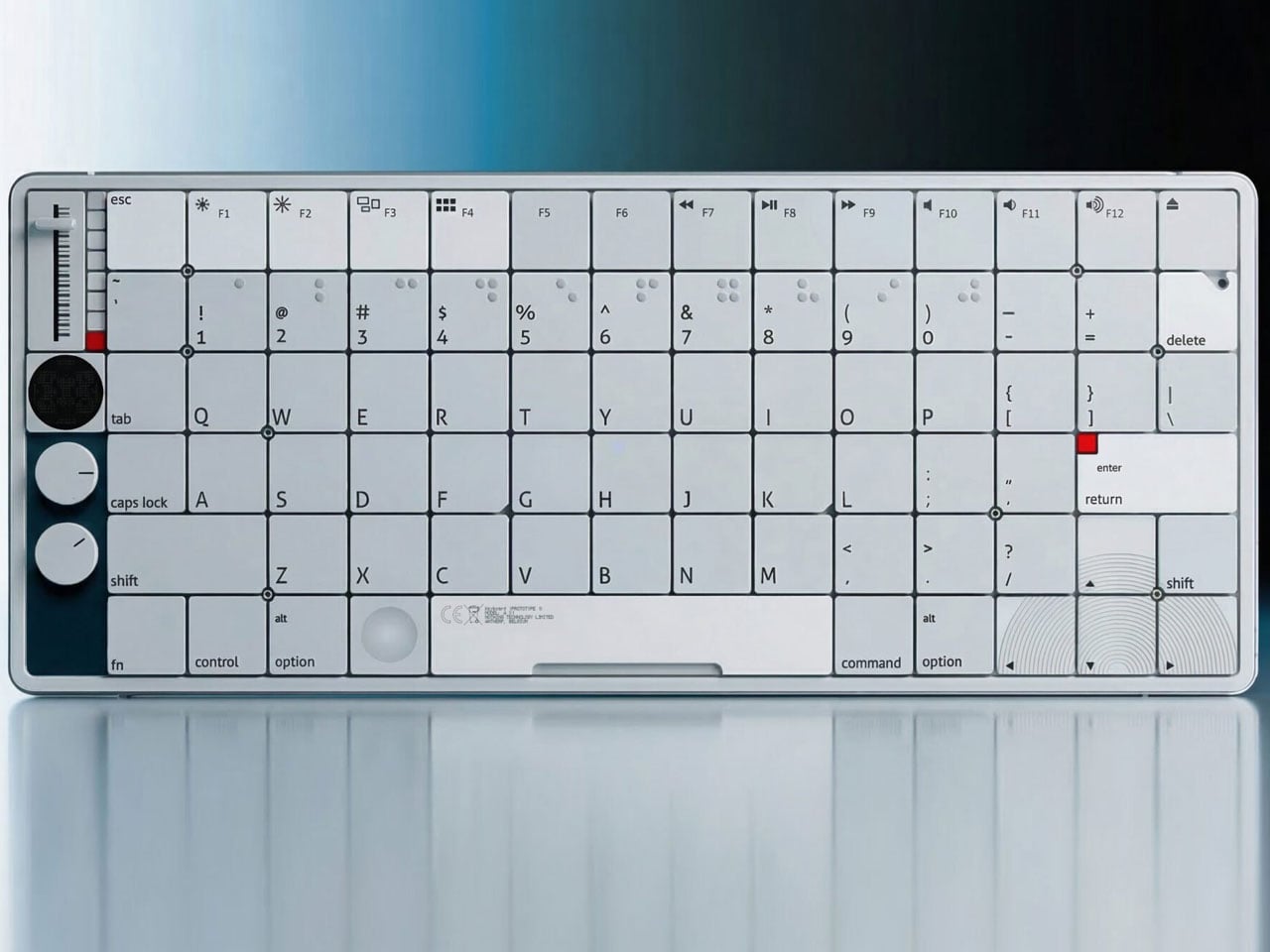
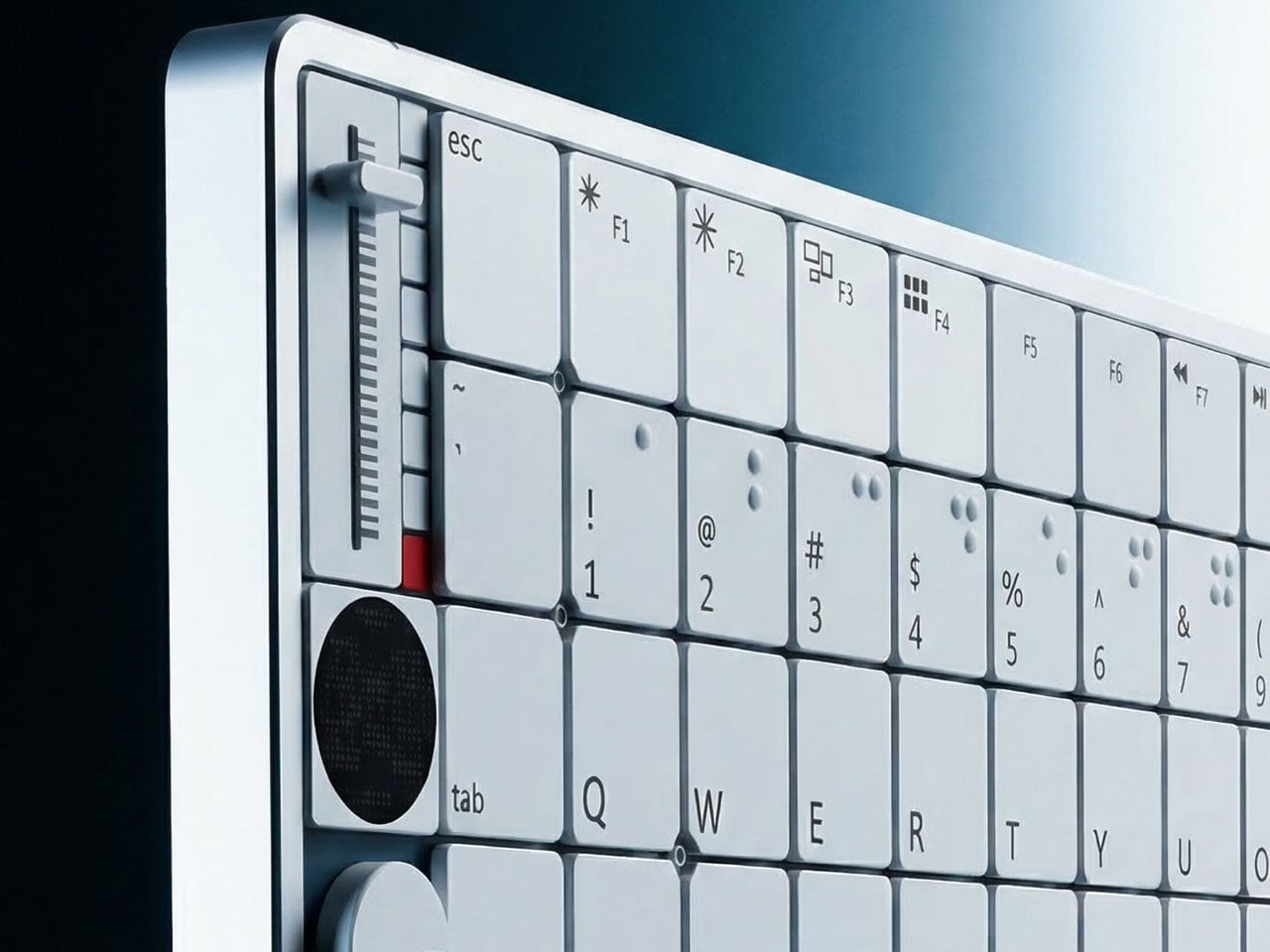
Smart ceiling fan concept takes its design cues from a customizable smartphone

Home electronics aren’t just getting smarter, their designs are also getting more sophisticated. It’s not just the usual culprits such as lamps and TVs either, as appliances with less presence like air purifiers and speakers become more conspicuous in the space they occupy. Designs vary widely from minimalist to elaborate, though most seem to use nature as a source of inspiration. In contrast, this design concept for a ceiling fan takes a page from a distance cousin in the consumer electronics market, mixing interactive functionality with minimalist aesthetics to provide a user experience that can be personalized to one’s preferences.

Designer: Eshant Kumbhakarn

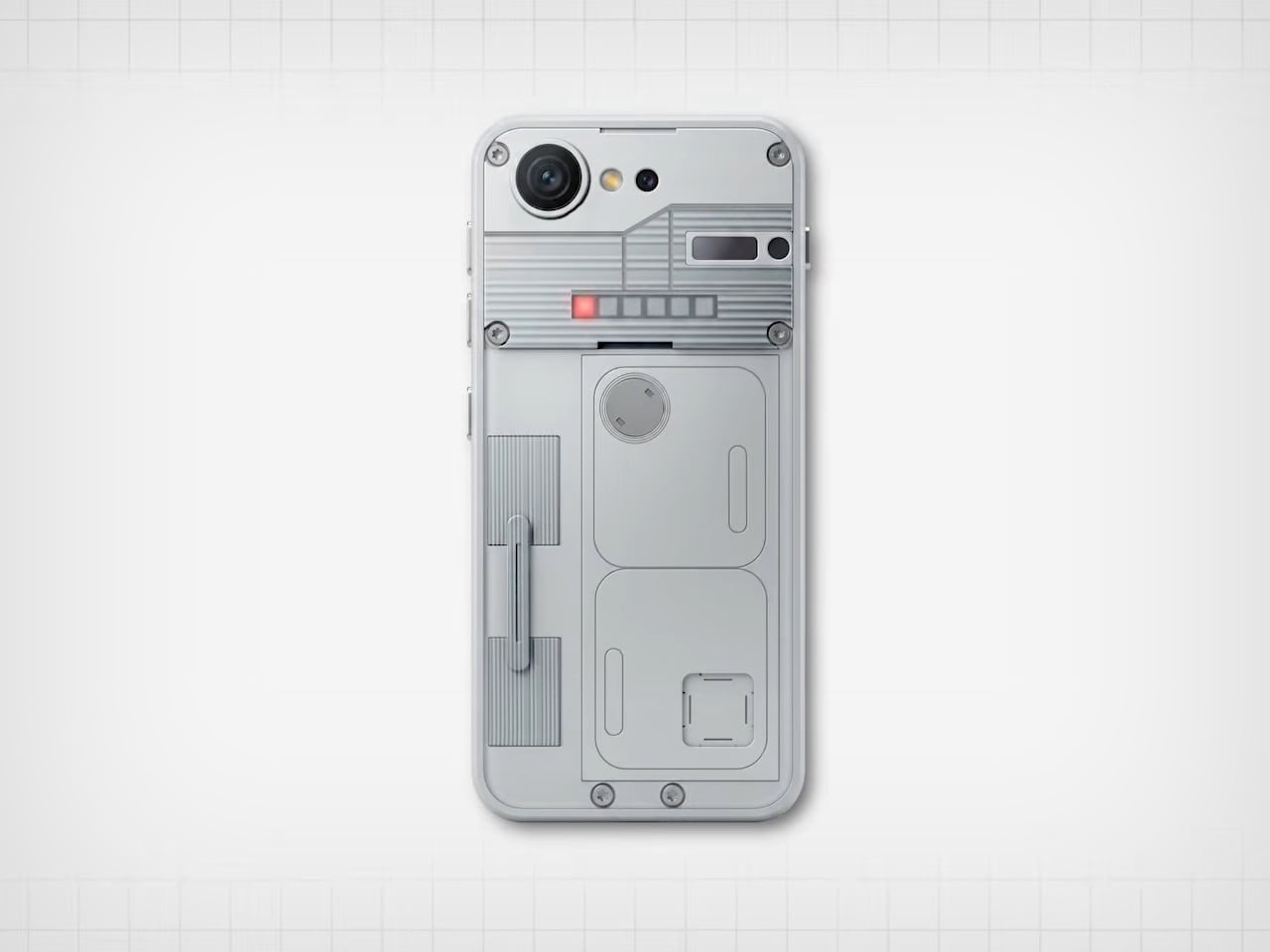
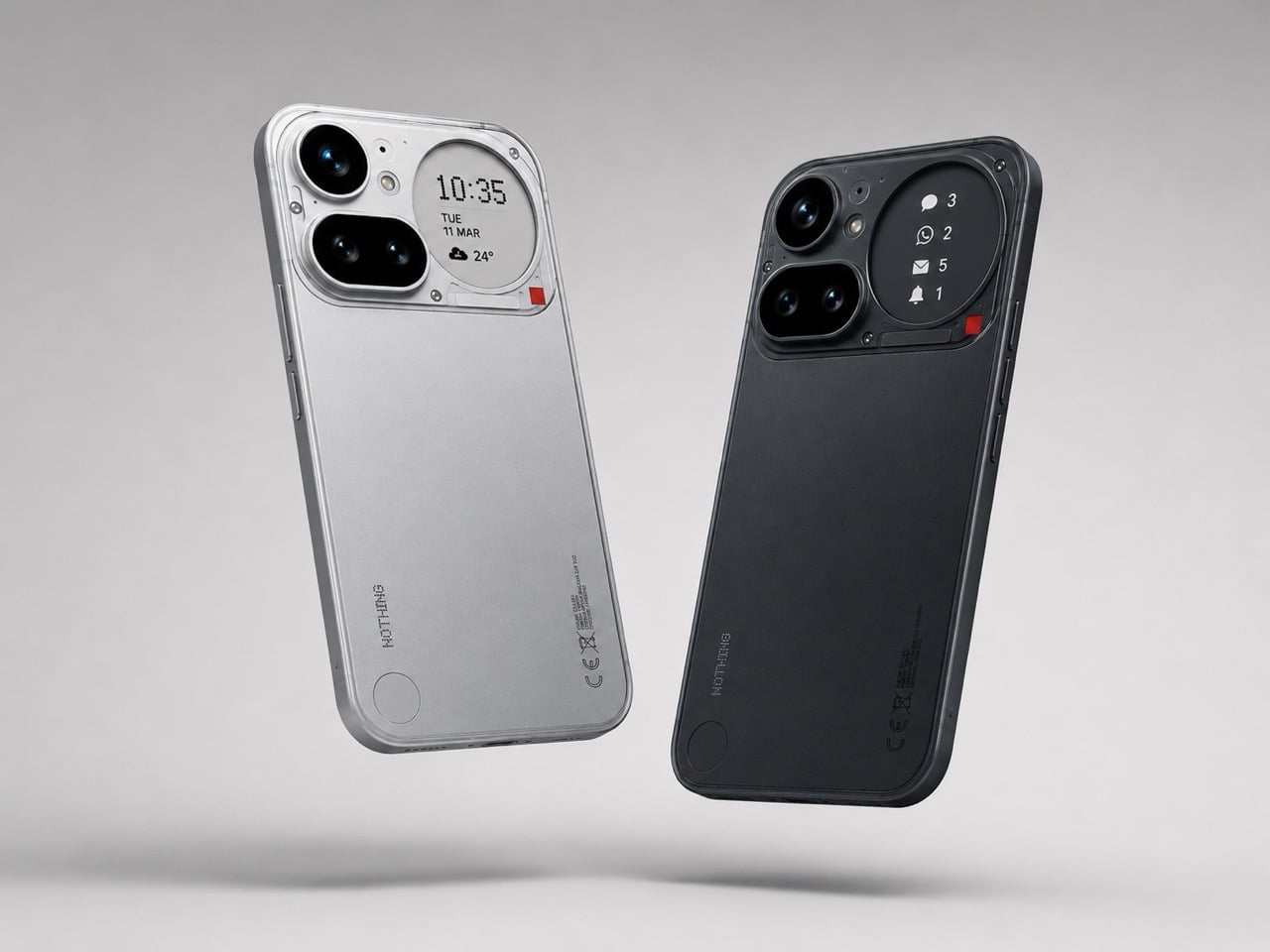
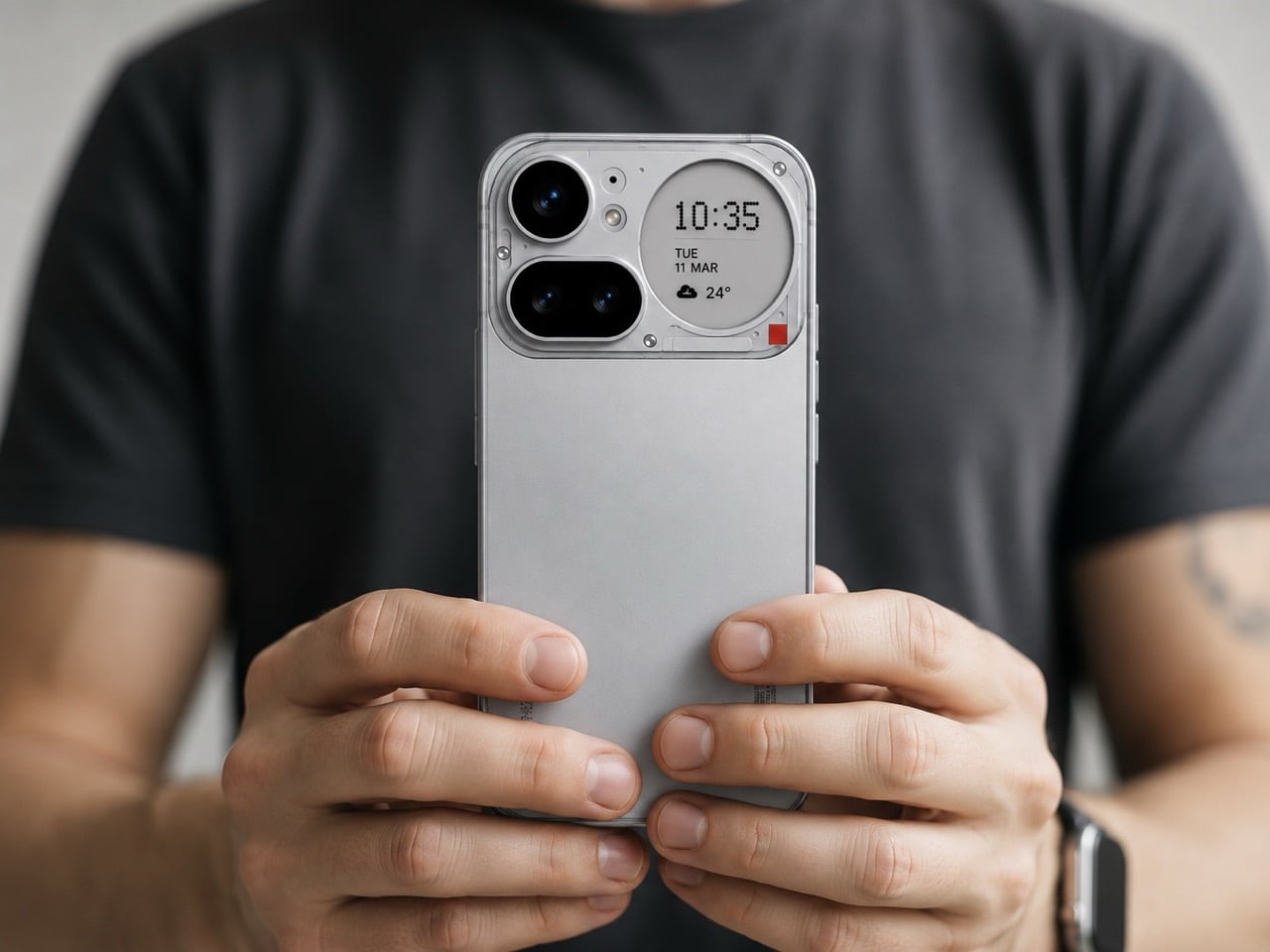
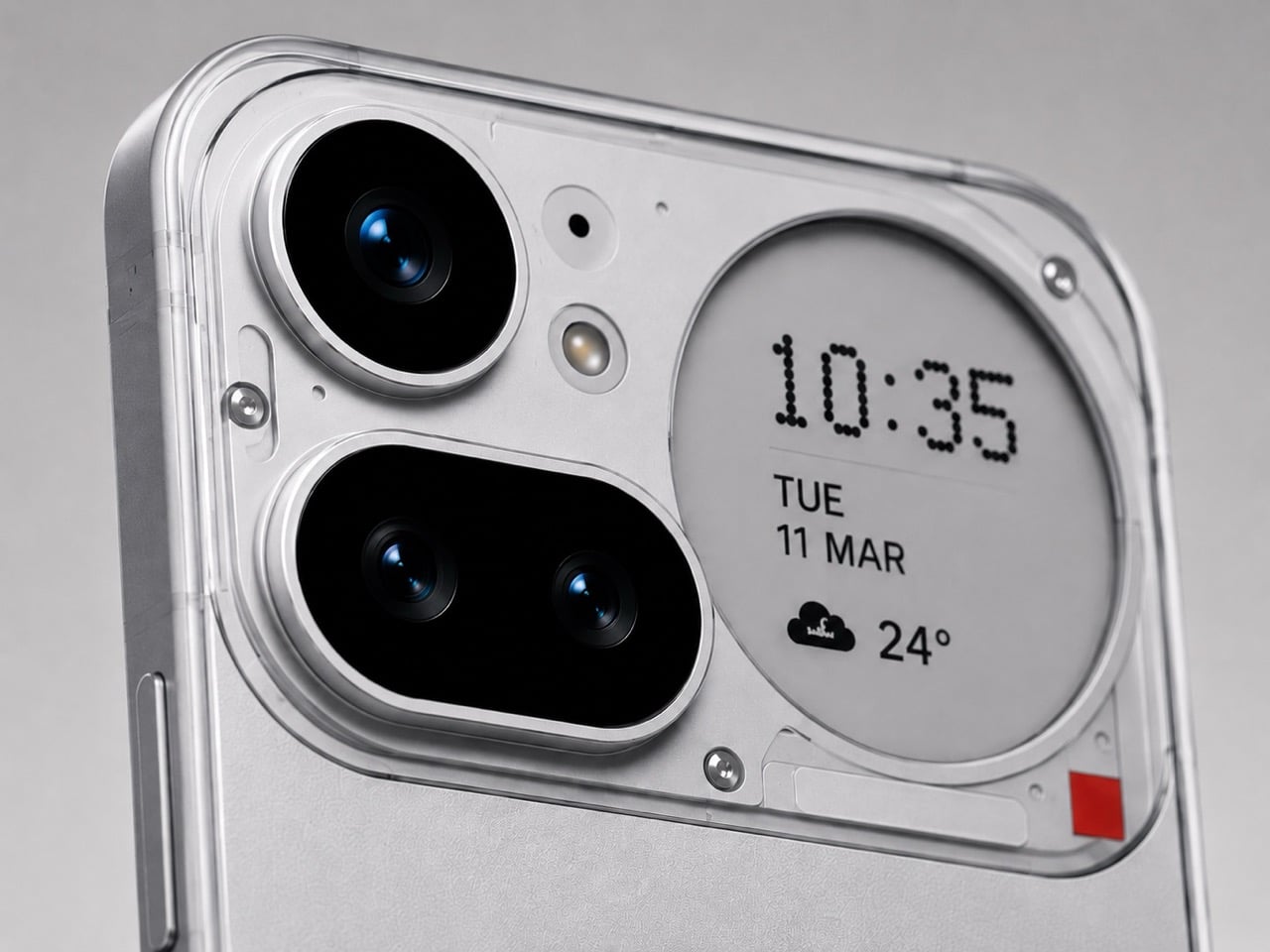
Nothing’s new sub-brand appropriated the popular “CMF” acronym to indicate its heavy leaning towards a design-centric approach. By putting an emphasis not just on looks but on the color, material, and finish of the design, CMF by Nothing aims to elevate the prestige of products often simply seen as technological tools. So far, the brand’s designs have revolved around making exceptional design more accessible, which is what this ceiling fan concept tries to achieve as well.

FanPro brings that attention to detail to a smart home appliance, one that seems to be the least likely recipient of such a treatment: a ceiling fan. At the same time, however, it also offers the perfect opportunity to put into practice the design theories put forward by CMF. This design, for example, pays close attention to the engineering involved in the design process, making sure that the four blades are precisely angled at 15 degrees for optimal airflow and minimal noise.

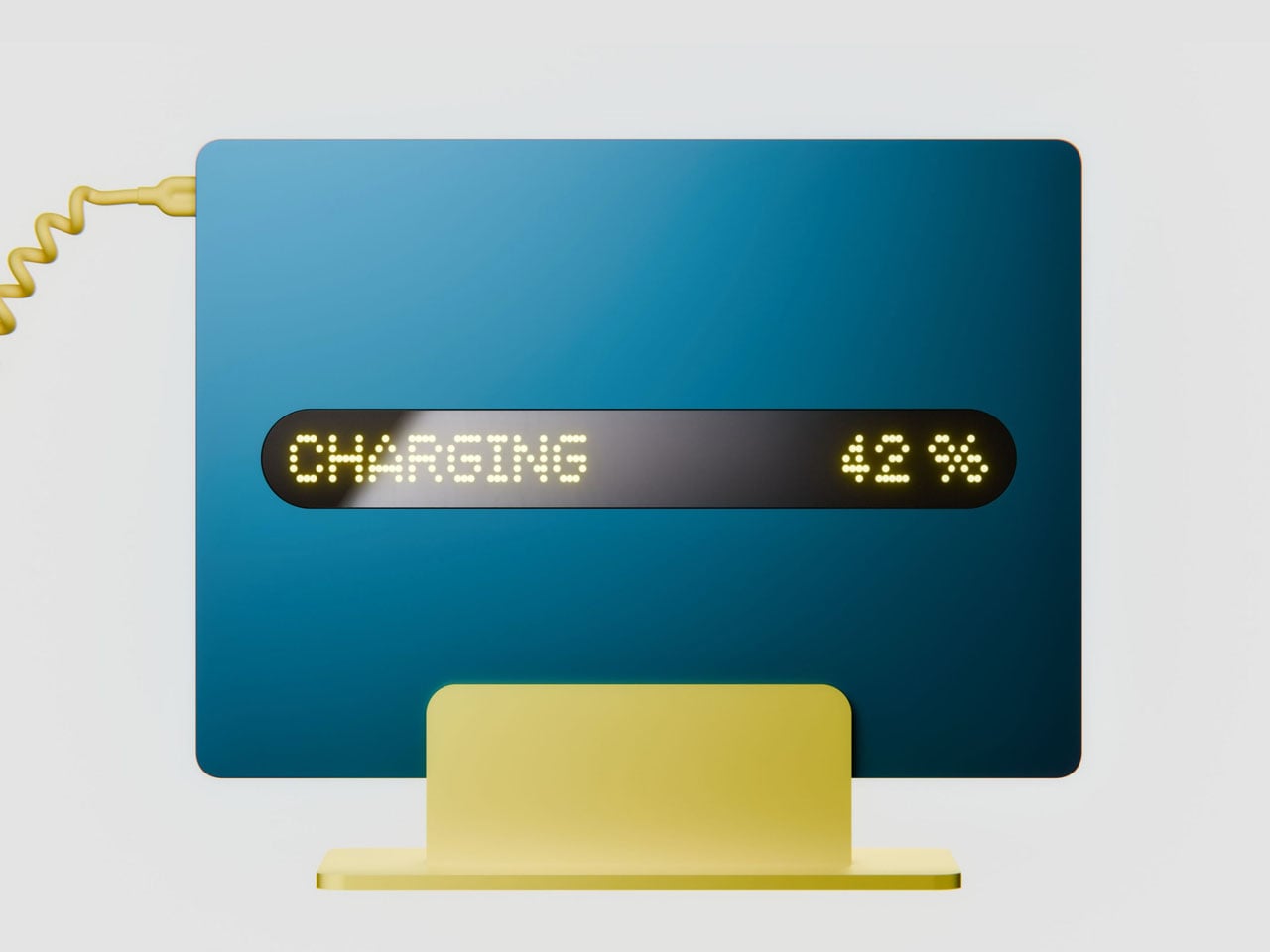
A particularly interesting twist to this design is the full screen display on the base that can show not only information like operational modes or the time, it can even show emotions through simplified faces to give the appliance a more personal touch. All these can be controlled through a remote designed with intuitive use in mind. An easily accessed dial, for example, lets you instantly change the fan speed, while navigating menus is done through directional buttons.

The first CMF Phone garnered fame for its modular and customizable design, something that FanPro also adopts both for the fan itself as well as the remote control shell. Although it’s probably not as easy or probably safe to change the fan’s parts, it does leave the door open for more personalized experiences, even if it means just changing colors.

The post Smart ceiling fan concept takes its design cues from a customizable smartphone first appeared on Yanko Design.

The Nothing Watch (Ultra) may not have a Glyph Interface, but it makes up with a minimal Glyph OS

While Nothing doesn’t have a smartwatch in its portfolio, it certainly could add one – considering CMF’s Watch Pro already set the perfect foundation. Meet the Nothing Watch (Ultra) concept – a watch that brings the company’s minimalism-meets-fun approach to the world of smartwatches.

Designed by Abdelrahman Shaapan, the Watch (Ultra) takes the smartwatch to its logical next level, with a design that bridges digital experiences with a fairly analog-inspired design. The watch face is a mirror of the phone’s analog Glyph Interface, while the watch itself comes not with one button but three (including the crown of course).

Designer: Abdelrahman Shaapan

The Nothing Watch (Ultra) blurs the lines between Nothing and CMF, with a design that combines black and orange. Sure, with a watch this minimal, you really can’t do much with transparency, which is why the Watch (Ultra) ditches transparency entirely. It comes with a solid metal frame, supported by an Alpine Loop-inspired band that secures the watch around your wrist.

The Glyph goes missing too, but it manifests itself in the form of a Glyph OS – using white bars an strips to turn timekeeping into a Nothing-powered meaningful experience. The digital display has a minimal clock face, and a Glyph ring around the center that tells you both your battery level as well as the kilocalories burnt during the day. Sort of like activity rings on the Apple Watch, but interpreted differently.

The Watch (Ultra) concept leaves a lot to be desired – especially in the form of context and detail. The designer added a fair bit of detail in the form of a watch body with pushers and a crown on one side, and side-firing speakers on the other – but the OS still only shows just one screen. Maybe a little more detail in terms of a more comprehensive Glyph OS experience could really seal the deal – and although it might be too much to ask, I could DEFINITELY use one transparent variant!

The post The Nothing Watch (Ultra) may not have a Glyph Interface, but it makes up with a minimal Glyph OS first appeared on Yanko Design.

The Nothing Robot Vacuum (1) brings transparent tech to Smart Homes, along with a Glyph Interface

If you think just about the Nothing.tech company ethos of bringing fun back to tech while still being design-driven and meaningful, that ethos can apply to pretty much any category of product. Sure, Nothing’s best known for their earbuds, phones, and even other accessories like the CMF Watch Pro… so here’s a proposition – what if we took Nothing’s ethos and brought it to other products that are a bit of a visual afterthought? The robot vacuum, for instance, is a fairly ‘boring’ looking product. Its job is literally to scuttle around the house cleaning up after your mess, so for the most part, its design is driven by function rather than expression. However, by bringing the robot vacuum under the Nothing design umbrella, Soo Hyun Lim and PDF HAUS have uplifted an otherwise dull-looking appliance into something that inherently feels more modern – because it borrows its design cues directly from Nothing’s modern-looking smartphones.

Designers: Soo Hyun Lim & PDF HAUS

Meet the Nothing Robot Vacuum (1), a tongue-in-cheek fan-made concept that ports Nothing’s DNA onto a familiar product template. Most robot vacuums are the same shape and size, so how could you possibly make things interesting? Well, LEDs and transparent covers, of course! The Robot Vacuum (1) has a circular profile that’s then outfitted with a transparent D-shaped outer shell, giving it an almost ‘preserved in glass’ kind of look. Sensors are where they belong (on the front as well as on the top), and although you can’t entirely make a robot vacuum transparent, what with all the dust and dirt, Hyun Lim does something clever by bringing the Glyph Interface to the product. What does the interface do? Well, it acts as a progress bar that lets you know how much cleaning’s left. Similarly, Glyph lights on the vacuum’s docking station light up to indicate charging process as well as letting you know the fill-status on the station’s dustbin, so you know when to throw the trash out every week or so.

With the aesthetic appeal of a fancy turntable, the Nothing Robot Vacuum (1) highlights a kind of Bauhaus-meets-Scandinavian minimalism that companies like Bang&Olufsen have come to showcase so well with their products. The vacuum looks classy, not appliance-y, which is quite a win because of how menial its task actually is. I mean, sure some appliances have boring jobs, like thermostats and dehumidifiers, but that’s no reason they should look ‘boring’, right? Well, the Nothing Robot Vacuum (1) rejects that stereotype.

As far as the design goes, the vacuum comes in 3 colors – black, white, and grey. Just from a top view, you instantly recognize the Nothing design template. The Glyph Interface at the 7 o’clock position, the transparent elements along the body, and a radial pattern on the upper half of the circular top that sort of resembles the coils in the wireless charging zone on the smartphones. It’s simple, yet cleverly executed.

Just like with the phones, you’ve got microtextures galore, along with text screen-printed onto the transparent elements like the upper guard (that prevents the sensors on top from being damaged), and the front transparent bumper that helps the robot vacuum easily maneuver into corners. Moreover, Hyun Lim mentions that the vacuum is constructed from recycled plastic and aluminum, which seems like a nice sustainability touch that goes well with the ‘clean’ image of the vacuum cleaner.

Although conceptual, Hyun Lim does give the robot vacuum a fair bit of detail. You’ve got a rotary broom on the front, along with a vibrating wet mop that helps get grease, grime, and other stains off your floor. The simple design is complemented by a simple UX – you can lift the lid to access the robot’s power button or open its water reservoir to replenish it between cleaning sessions. The sensors on the front and top help the vacuum navigate through the house, while an app on the phone gives you all the controls you need to set schedules, paths, no-go zones, and charging times. Plus, when the robot vacuum runs low on juice, it automatically goes and docks in its station, where the battery gets charged and the dust-tank gets cleaned.

The docking station is just as minimal as the vacuum itself, and serves as a place where your appliance goes to take a pit-stop. Once docked, the Robot Vacuum (1) charges its batteries, while performing a self-clean operation so it’s good to go for round 2. This means the mop head gets cleaned with water, and the dust/dirt tank gets disposed into the docking station’s larger ‘dustbin’. When the dustbin gets filled (after a couple of days of cleaning), all you need to do is empty the trash bag inside and replace it with a new one. That’s where the docking station’s Glyph lights come handy, letting you know your vacuum’s charging rate, along with the dustbin’s current capacity.

Although the Robot Vacuum (1) is purely conceptual at this point, it does prove that Nothing’s approach to redefining technology as ‘accessible fun’ is quite a winning and versatile one. The Robot Vacuum (1) doesn’t exist but there’s no reason it shouldn’t. Carl, you listening?

The post The Nothing Robot Vacuum (1) brings transparent tech to Smart Homes, along with a Glyph Interface first appeared on Yanko Design.

Top 10 Designs Inspired by Nothing’s Minimalist Aesthetic That We Want To See On The Market

In today’s world, tech tends to run complex rather than simple, and this is where the brand ‘Nothing’ has been marking its presence, and distinguishing itself. Founded in 2020 by Carl Pei, Nothing has adopted a refreshing design philosophy that focuses on transparency, minimalism, and a seamless user experience. Nothing’s flagship products merge a distinctive aesthetic with innovative functionality, and they are a source of major inspiration for the design and tech community. Conceptual designs centered around Nothing’s approach and philosophy are currently running rampant on the internet, and we’ve curated some of our favorites. We hope to see these concepts as real tangible Nothing products someday!

1. Nothing x AIAIAI Headphones

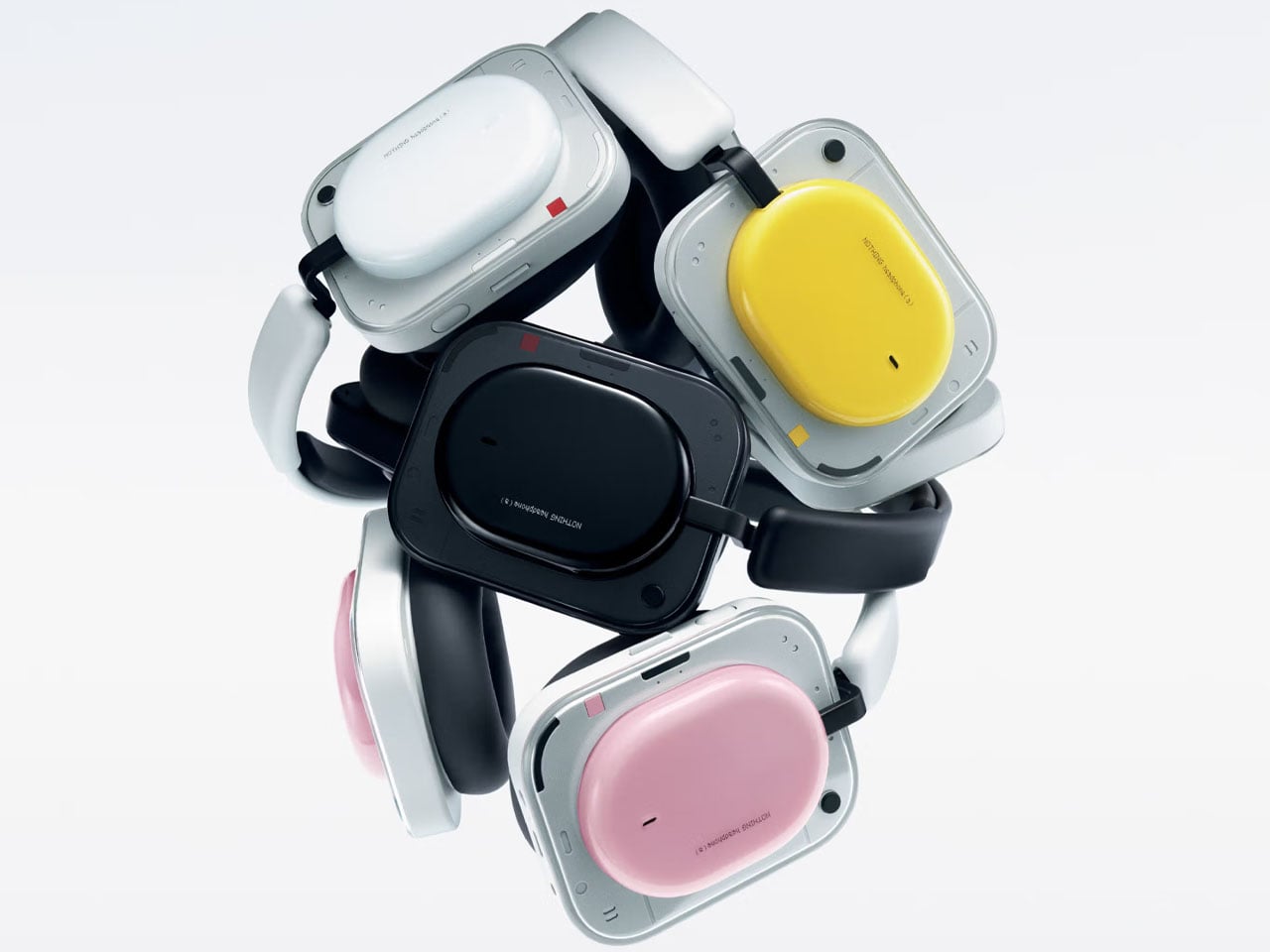
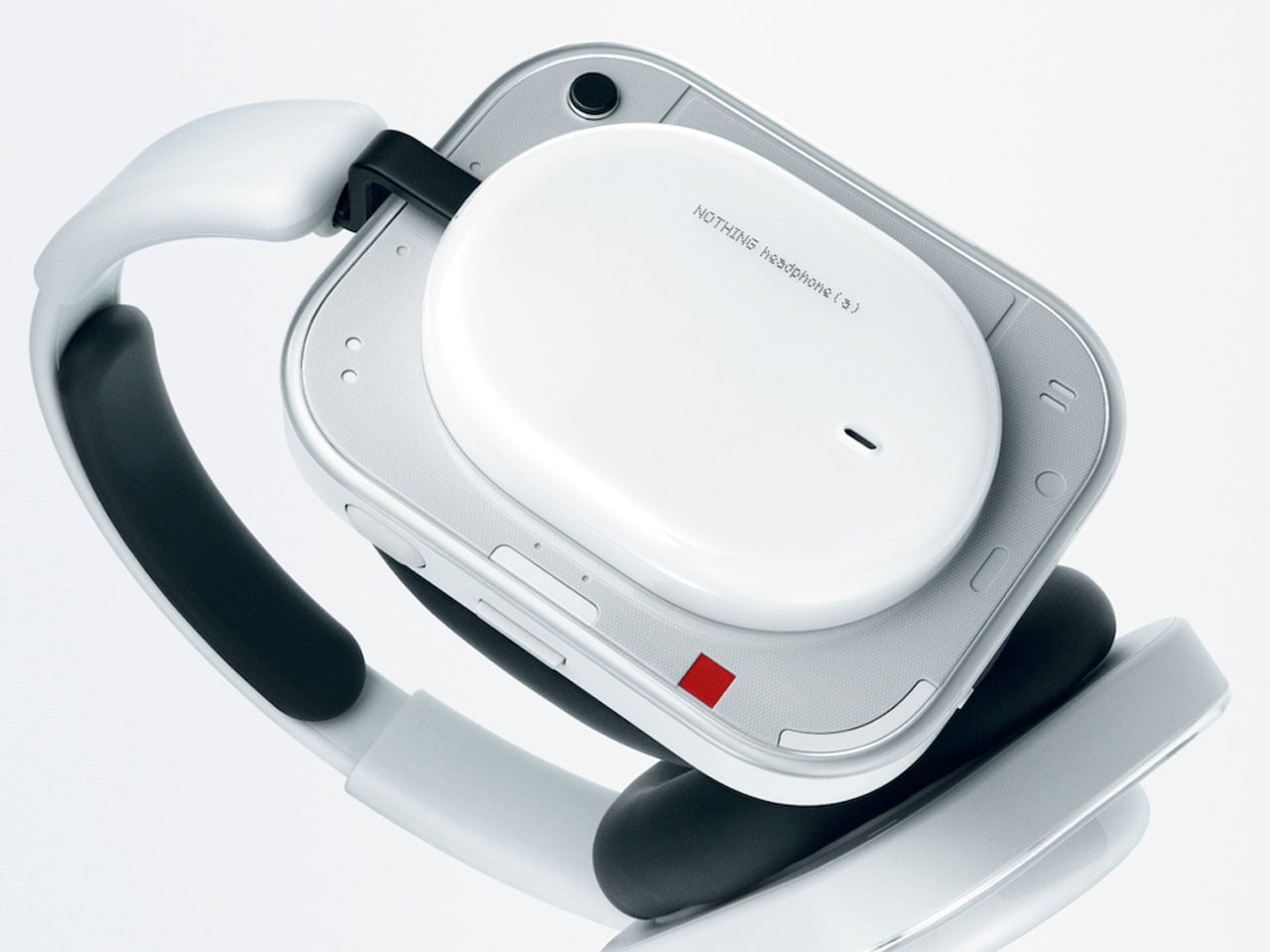
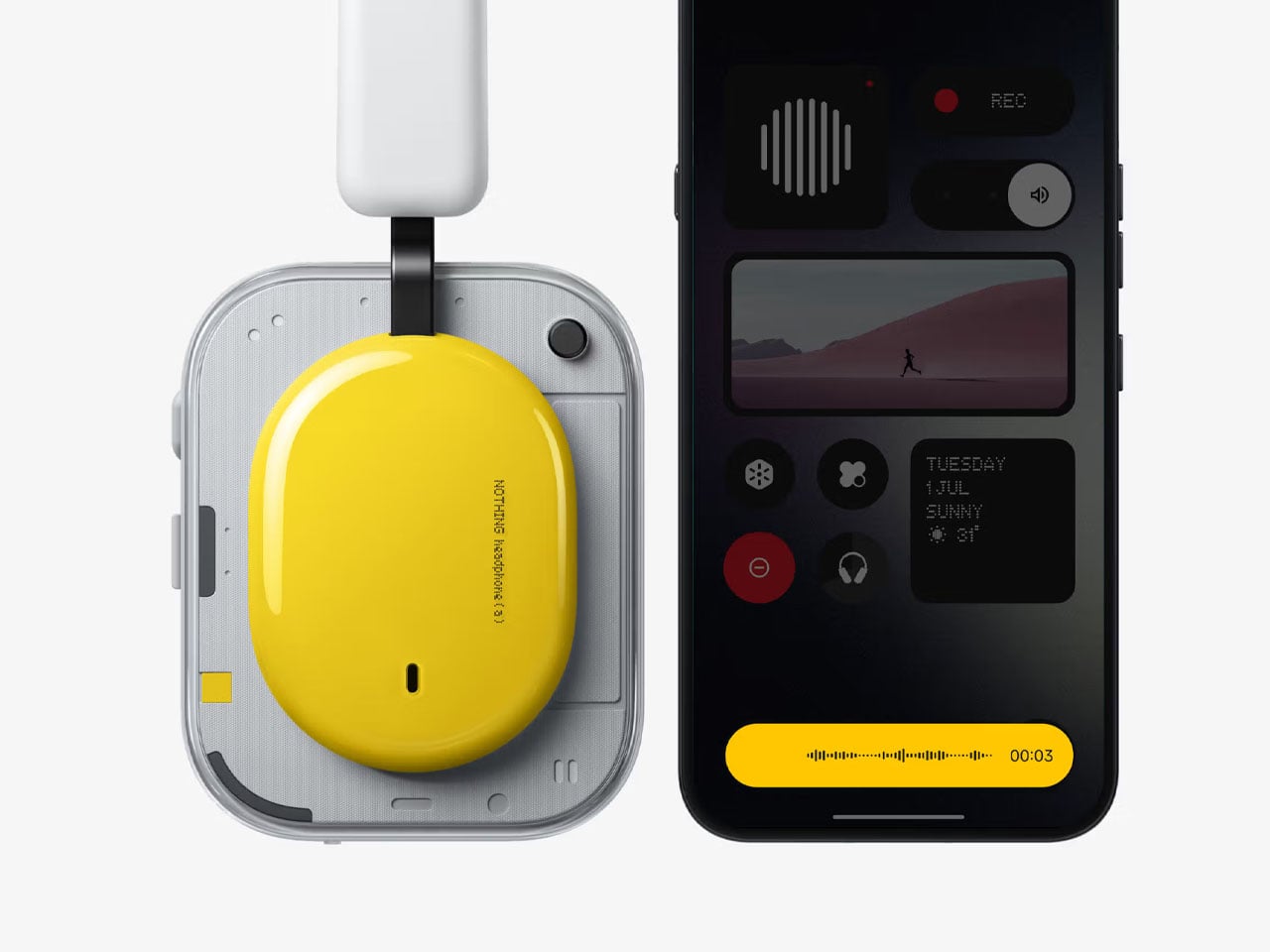
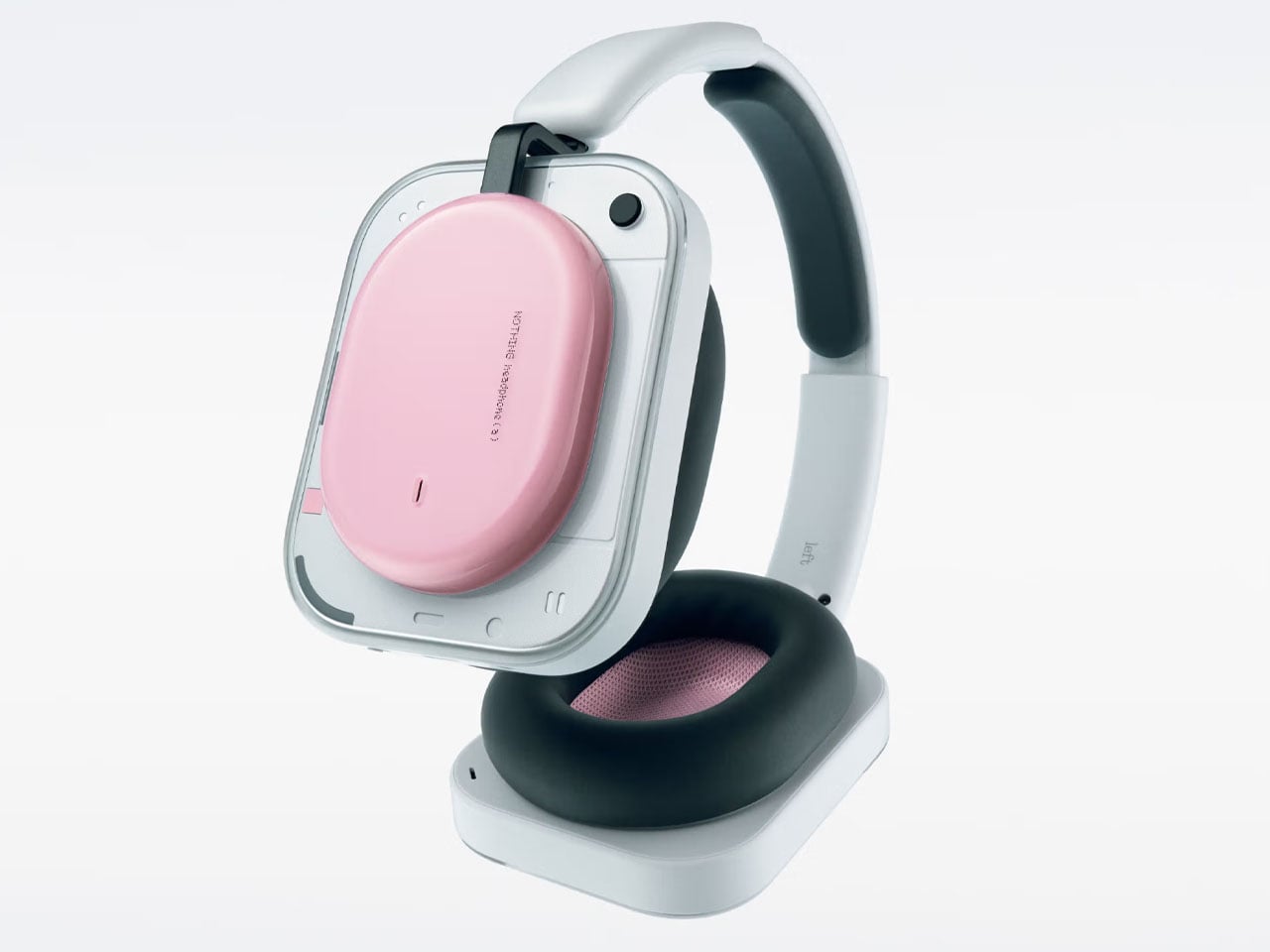
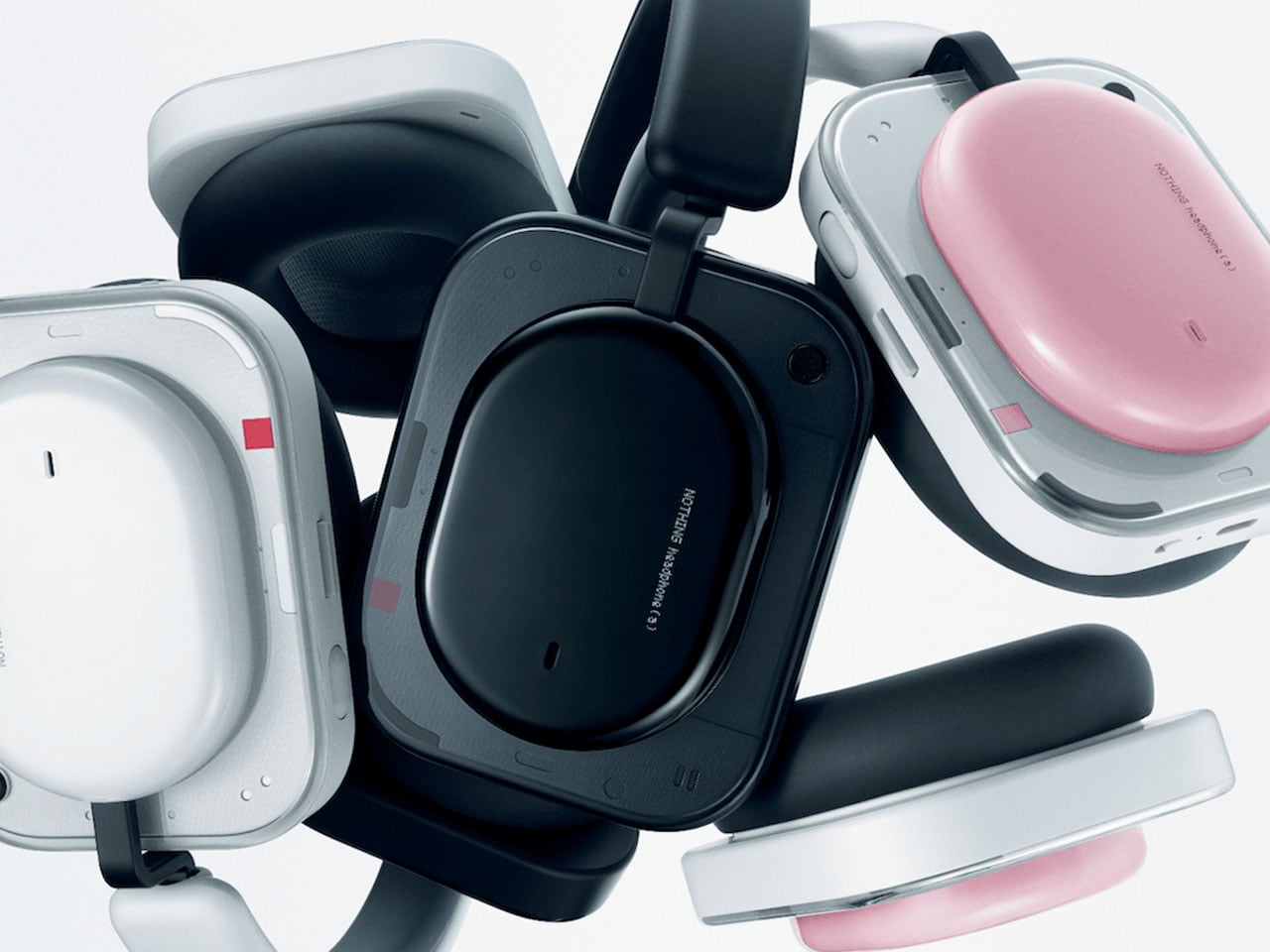
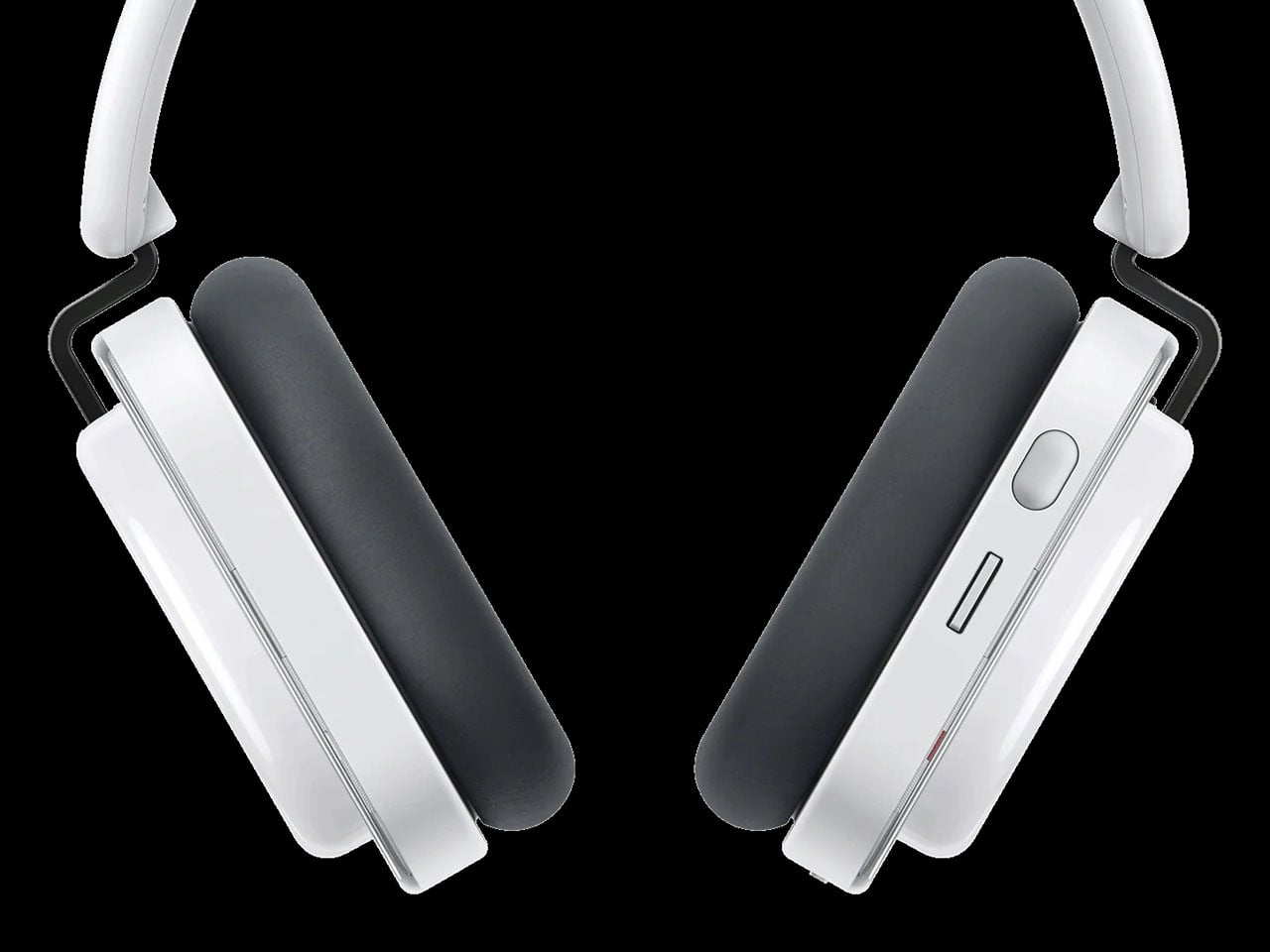
Called the Nothing x AIAIAI Headphones, this cool concept perfectly represents how two companies’ visions can be combined to create one functional and good-looking product. The headphones incorporate individual details like the AirPods Max, but they also retain the transparent beauty of Nothing. The accessory is built of modular parts that can be replaced and swapped as needed.

2. Nothing Power Bank

Dubbed the Nothing power bank, this handy little gadget is the perfect companion for your jet-setting adventures. It boasts a transparent aesthetic, which showcases the innards in all their glory. The insides are illuminated with little warm-toned LEDs, which provide the design with a futuristic and Cyberpunkish aesthetic, on the inside and out. It is designed to complement the Nothing Phone (2), making it a great fit for Nothing’s growing line of products.

3. Nothing Phone (3)

Designed by AndroidLeo as a visual exercise, the Nothing Phone (3) is a deeper refinement of Nothing’s iconic style. The Glyph interface’s shape has been modified, without compromising on the character. The Glyph has an O-shaped arc, placed around the wireless charging coils, as well as inside them. The camera is equipped with a redesigned LED array and a 3-lens setup, while the phone features an almost clover-meets-fidget-spinner type layout.

4. Nothing CMF Speaker

This conceptual CMF speaker breaks the conventional of a typical portable speaker design, and it merges function and form beautifully. The speaker displays the playback information including Albumart, now playing controls, and track selection buttons on the touchscreen. It has a Bluetooth toggle and volume knob on one side. A frosted cover panel maintains a semi-transparent surface on the innards, while a USB-C charging port is placed on the rear section to ensure visual integrity.

5. Head.Phone (1)

Dubbed Head.Phone (1), these conceptual headphones use the Glyph interface pretty smartly. The Glyph is physically moving, and it can be customized to send cool messages to the on-lookers. It offers a more aggressive appearance, and the texture is pretty cool too. The materials have an impressive color and finish, accentuated by the right detailing in the right places. Transparent design elements have been incorporated, retaining the typical DNA of the brand.

6. Nothing Bass (1)

Named the Nothing Bass (1), this portable speaker is designed in Black or White color, making it an excellent conversation starter for a house party. The speaker pairs up with the power of LED lighting, which syncs perfectly to the rhythm of beats, ensuring the device captures everyone’s attention. The speaker’s cone is transparent, protecting the innards from the outside elements. The appeal of the speaker is pretty classy, and it will elevate the vibe of any living room.

7. Nothing Sound (1)

Named the Nothing Sound (1), this portable speaker has a fantastic visual design language inspired by Nothing. It has the style that a real Nothing portable speaker would adopt. It is a fashion accessory designed for home and outdoor use, and it is also pretty practical as well. It is designed to be portable, and easy to use, and is a refreshing change from the typical portable speakers we often find on the market.

8. The Nokia N90 x Nothing Concept

This conceptual design gives the outdated Nokia N90 design a whole new makeover. It borrows inspo from Nothing’s iconic translucent glass design and focuses on three important concepts: mechanical precision, the spirit of exploration, and a minimalist design language. The phone adopts a clean and minimal appearance, ensuring the details are focused only on the essentials while ditching the noisy details that were often seen in Nokia’s design language.

9. Nothing Npod (1)

Named the Nothing Npod (1), this resurrected iPod by Shreyansh Onial and Aditya Pandharpure draws inspiration from Apple’s iPod Shuffle, and Nothing’s iconic transparent aesthetic and glyph interaction. The Npod (1) features a signature control panel on the front, while a matching circular glyph interface is placed on the back. This innovative product is the perfect mix of tech and nostalgia and could be a unique undertaking for Nothing.

10. Nothing headset (1)

The Nothing headset (1) concept is designed to deliver high-fidelity audio right to your ears. It has a detachable amplifier to amp the quality as and when needed. You simply need to attach the amplifier to the outside of the headphones, and it instantly elevates your audio experience. You don’t need any steeply-priced AMPs, DACs, or high-fidelity cables.

The post Top 10 Designs Inspired by Nothing’s Minimalist Aesthetic That We Want To See On The Market first appeared on Yanko Design.

Nothing launches sports-friendly Ear (open) earphones with built-in ChatGPT for just $149

No, it isn’t Phone (3), but to be honest, haven’t we had enough phone launches already?!

Say hello to the Nothing Ear (open), the latest ‘hearable’ from London-based tech-brand Nothing. Designed in vein with their existing Nothing Ear series, the Ear (open), as its name suggests, is an open-ear wearable and the first of its kind from the company. The newly launched device introduces a distinctive open-ear design that prioritizes comfort, situational awareness, and superior sound quality. This marks the company’s fourth mainline set of earbuds, not counting special editions (like the Nothing Ear (stick)) and their CMF budget line. Known for pushing the boundaries of audio tech with a bold design, Nothing seems intent on revolutionizing the way we experience audio on the move.

Designer: Nothing

One glance at the Nothing Ear (open), and you immediately notice the company’s signature minimalist aesthetic. Transparency is the name of the game here. Rather than having earpieces with silicone tips that create an airtight seal to lock in sound and minimize audio leakage, these open-ear wearables rest against your ear canal, firing audio directly in without compromising your ability to hear the world around you. Sort of like how holding your phone up to your ear lets you hear calls but also lets environmental sounds to make it to your ear so you’re aware of your surroundings. “A lot of people were skeptical internally, but I was really bullish on this form factor because you see people wearing regular earbuds these days, and sometimes they only wear earbuds with one bud in the ear and the other one out… because they want to what’s, you know, happening all around them”, says Nothing founder Carl Pei. “But this form factor opens up, so that you can hear all your surroundings without having to do that.”

Staying true to their design philosophy, the Ear (open) showcases a slim, see-through form factor that emphasizes the craftsmanship behind its sleek exterior. Weighing just 8.1 grams per earbud, these are designed to be lightweight and portable, and with the case measuring a mere 19 mm in thickness, you can easily slip them into your pocket. The buds also come equipped with a smart case that mirrors the same transparency-focused design the company has come to be known for, along with a dimple in the center of the lid for fidgeting purposes. Obviously, the case acts as a charging dock for the earphones when not in use.

The Ear (open) shines with its Open Sound Technology, a software feature that aims to let users enjoy immersive sound while staying connected to their environment. Whether you’re on a busy city street or in a park, these earbuds let ambient sounds like traffic or birdsong through, without drowning out your music or calls. This makes them ideal for those who want to stay aware of their surroundings—whether for safety reasons or just to feel more present.

Supplementing the open-ear design is the Sound Seal System and directional speakers. These features work together to minimize sound leakage, ensuring that you get a rich, personal listening experience without disturbing those around you. This system’s privacy-oriented design addresses one of the common pain points with open-ear earbuds, giving you the best of both worlds—situational awareness and high-quality sound.

The earbuds feature a three-point balance system that, alongside flexible silicone ear hooks, ensures the earbuds sit securely in your ears. Designed with the intent of being worn while running, exercising, cycling, or just walking through the city, the Ear (open) promises a secure fit that won’t fall out during your activities. Combined with their feather-light weight, these earbuds are designed to make you forget you’re even wearing them.

On the performance front, the Ear (open) delivers with its custom patent-pending diaphragm, titanium coating, and ultra-light driver setup. These earbuds are built to handle both the deep lows and the crisp highs, offering a balanced soundstage that’s sort of rare for open-ear designs (although we intend to verify this when we get our review unit!) The bass is further enhanced by an automatic Bass Enhance algorithm, giving the low frequencies an extra punch without distorting the sound quality… something we’ll definitely confirm once we try these bad-boys on.

You’ll get 8 hours of continuous playback on a single charge, with the total extending to 30 hours when factoring in the charging case. And if you’re pressed for time, a quick 10-minute charge provides an additional 2 hours of playback. For those who take a lot of calls on the go, the Clear Voice Technology uses AI-enhanced processing to deliver crystal-clear call quality, even in noisy environments. Trained on over 28 million noise scenarios, this tech ensures that your voice comes through loud and clear, regardless of your surroundings. Additionally, Dual Connection allows seamless switching between devices, and a Low Lag Mode is designed specifically for gaming, ensuring minimal audio delay during gameplay.

Earlier in the year, Nothing announced it was bringing ChatGPT to all its earphones, and the Ear (open) gets this feature too, allowing you to tap into GPT instead of your phone’s assistant for a more intuitive, intelligent conversation. Need to check the weather before heading out or quickly look up an answer to that random question nagging at you? Just ask—no need to fumble for your phone. The ChatGPT feature is accessible directly from your earbuds via the Nothing X app, making real-time information just a voice command away. Whether it’s getting directions, solving a debate, or grabbing quick updates on the go, ChatGPT turns your earbuds into more than just audio devices. That’s more than you can say for a pair of AirPods that are still yet to get Apple Intelligence.

The Nothing Ear (open) will be available for pre-order starting September 24th, with the official launch on October 1st. Priced at $149 USD (£129/€149), these earbuds are positioned to offer great value for those who want cutting-edge technology and user-friendly design without breaking the bank. If you’re the kind who needs music while exercising or training, these open-ear wearables might just be perfect to give a try. Especially at that affordable price point.

The post Nothing launches sports-friendly Ear (open) earphones with built-in ChatGPT for just $149 first appeared on Yanko Design.

Nothing Phone (3) concept brings a 3-Camera Setup and a refined Glyph Interface to the smartphone

Thrice as good deserves thrice the number of cameras, right?

The past few weeks have been tech-heavy. First the Google Pixel launch, then IFA (where we saw multiple new phones), and then Apple announcing the iPhone 16 and 16 Pro. It’s called Tech-tember for a reason, and it seems like we’re just getting started because Huawei announced their tri-fold device just days ago, and now this Nothing Phone (3) concept is grabbing eyeballs.

It’s been a while since the company’s announced a new flagship. Nothing debuted the budget Phone (2a) this year, and followed it up with the ultra-budget CMF Phone (1) later in July. While we wait for the Phone (3) to officially drop, this concept from the mind of AndroidLeo shows off an incredibly refined form that still stays true to Nothing’s original design playbook.

Designer: AndroidLeo

Purely a visual exercise on behalf of AndroidLeo, this concept shows a further refinement of Nothing’s style. Not much changed between Phone (1) and (2) barring the splitting of the Glyph interface. AndroidLeo takes the Glyph interface in this concept further by modifying its shape without diluting the character. The G-shaped arc in the Glyph gets turned into an O shape, around the wireless charging coils as well as inside them. The glyph light on the top right corner remains untouched, but the camera gets a redesigned LED array. The Phone (3) features a 3-lens setup, and the Glyphs respond to that, with an almost clover-meets-fidget-spinner type layout. A flash sits in the top right part of this glyph, while the battery and charging lights at the bottom stay intact, along with the red recording light.

Details on the Phone (3) have been scarce, although one could expect a launch probably around MWC next year if we’re looking at patterns. As of now, Nothing’s debuting a documentary on Brian Eno at the London Design Festival, and just announced a product launch on the 24th of September.

As for AndroidLeo’s concept, it’s a wonderful look at the evolution of the company’s design. Nothing’s trajectory as a company has been different from most others. They’ve been ruthlessly consumer-focused, with community events, and even encouraging of fan-made designs (whether official as a part of design contests, or unofficial concepts that Nothing proudly showcases on their YouTube).

It’s safe to say that when the Phone (3) launches, a triple-lens camera might just be the most no-brainer upgrade… especially given that Nothing has not one, but two budget phone lines – their (a) series as well as the CMF series. It just makes sense for their flagship to now become the de-facto ‘Pro’ of their mobile offering. Snapdragon hopes to announce Gen 4 of their Snapdragon 8 chipset in October, and Nothing will undoubtedly capitalize on it by being one of the first new phones to feature the processor.

The Phone (3) could also be one of Nothing’s first AI-focus phones, as the Phone (2) and (2a) both had GenAI-based wallpaper options. Aside from Gemini making its eventual appearance on all Android phones, maybe Nothing’s working on AI features for their device as well as their camera system. For now, let’s see what they have to announce on the 24th of the month.

The post Nothing Phone (3) concept brings a 3-Camera Setup and a refined Glyph Interface to the smartphone first appeared on Yanko Design.

Nothing CMF speaker gets see-through aesthetics of the big brother in a classic radio-inspired form

Nothing’s story has been nothing short of inspirational considering their ethical intent towards the marketplace and its consumers. Their sub-brand CMF adapts the same values for the lower segment of the market that serves the budget segment of the market.

While we’ve been awed by the Nothing Sound (1) and Nothing Bass (1) concepts – envisioning the see-through aesthetics of what a Nothing branded would be like. Since Nothing and CMF are already a strong force to reckon with for competitors, a portable speaker is something that we cannot count out from Nothing’s scheme of things.

Designer: Abdelrahman Shaapan

Unlike its big brother, CMF by Nothing doesn’t rely on transparent aesthetics to create a unique statement. Rather the brand focuses on core functionality and accessibility for a greater chunk of the market. The phones, watches and earbuds in the line-up have the signature papaya orange influence but nothing that’s see-through actually. In the concept world that is not the limiting factor and this CMF Speaker takes due advantage.

Not only does it break the convention of a portable speaker design but also fuses form with function with maximum conviction. The music accessory has the playback information including Albumart, now playing controls and track selection buttons displayed on the touchscreen, along with the Bluetooth toggle and volume knob on one side. The frosted cover panel on all sides keeps the innards semi-transparent and the USB-C charging port is positioned on the rear to keep visual integrity intact.

The front portion is reserved for the grill that conceals the drivers and the back side also has a Nothing-inspired baseplate on which the driver housing is mounted. Abdelrahman has borrowed the classic radio look for this speaker, and I appreciate this nostalgic element. Even though we will never see a transparent CMF speaker (Nothing Speaker still I’m hopeful), this is a good starting point for a budding audio accessories brand to derive inspiration.

The post Nothing CMF speaker gets see-through aesthetics of the big brother in a classic radio-inspired form first appeared on Yanko Design.

3D Printed CMF Phone 1 cases thrive in the phone’s innovative modular design

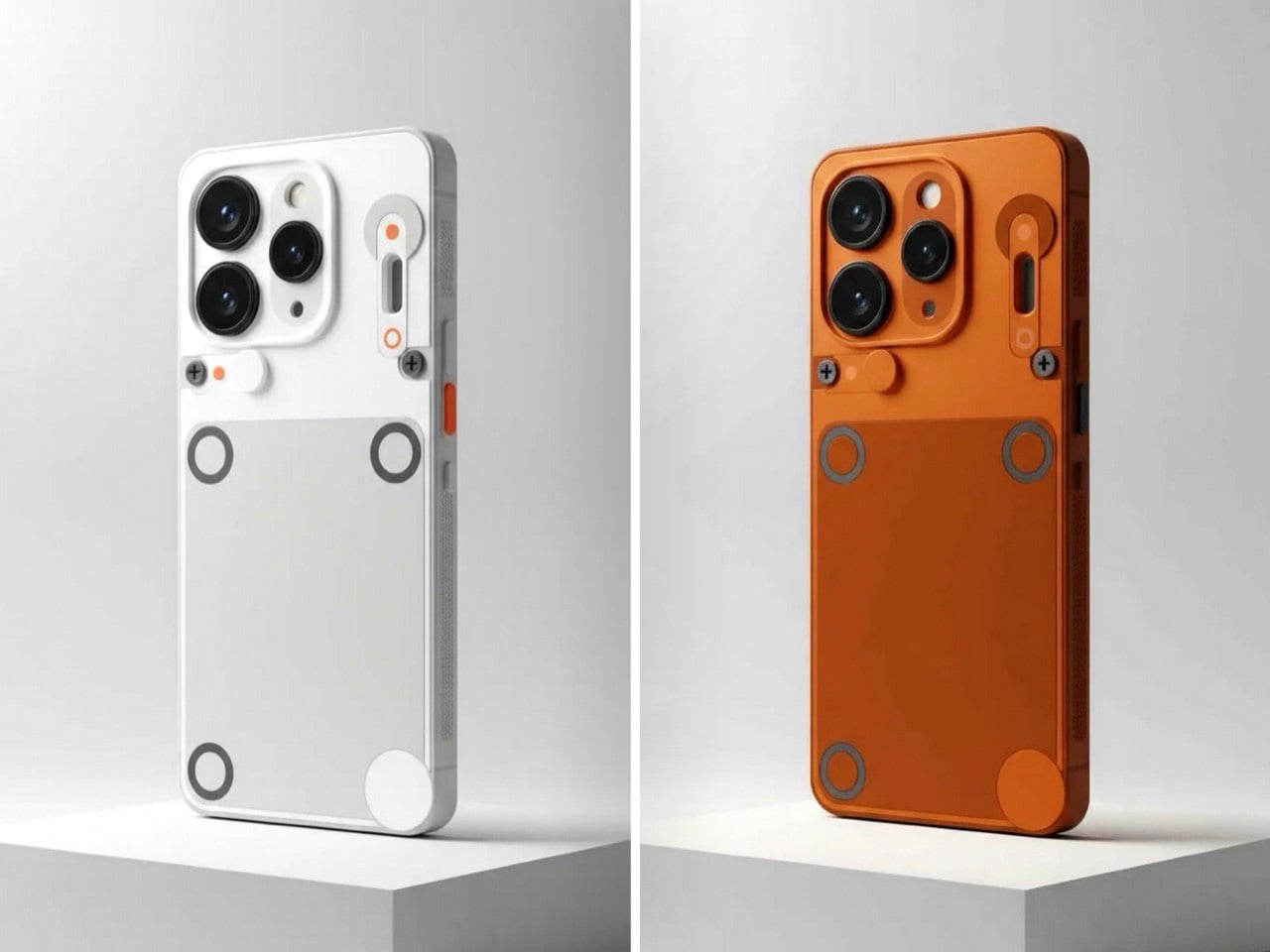
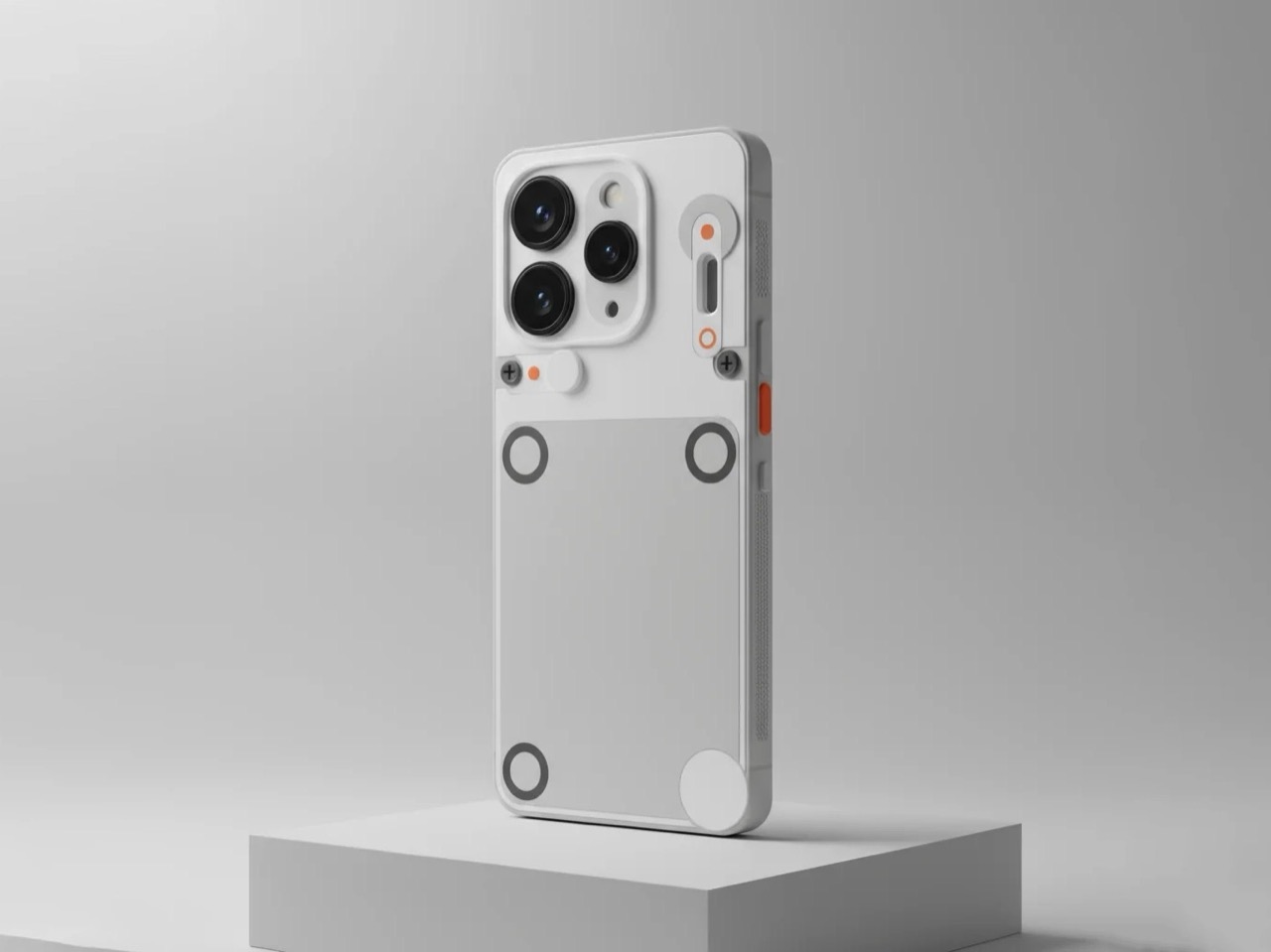
The dream of the modular smartphone proposed by the likes of Project Ara and the LG G5 might have failed to become lasting reality, but there is more than one way to actually implement a modular design. Unveiled just last month, the CMF Phone 1 by Nothing tackled the problem from a different angle, one that didn’t change the smartphone design formula too much while still kicking the doors wide open for modular accessories. It’s not surprising that there was a sudden burst of creativity trying to take advantage of this new platform, and thanks to 3D printing, we can behold some of the rather curious ideas creators have when pushing the possibilities of this modular system to the extreme.

Designers: w1utree, BuildBryce, Kaburuk

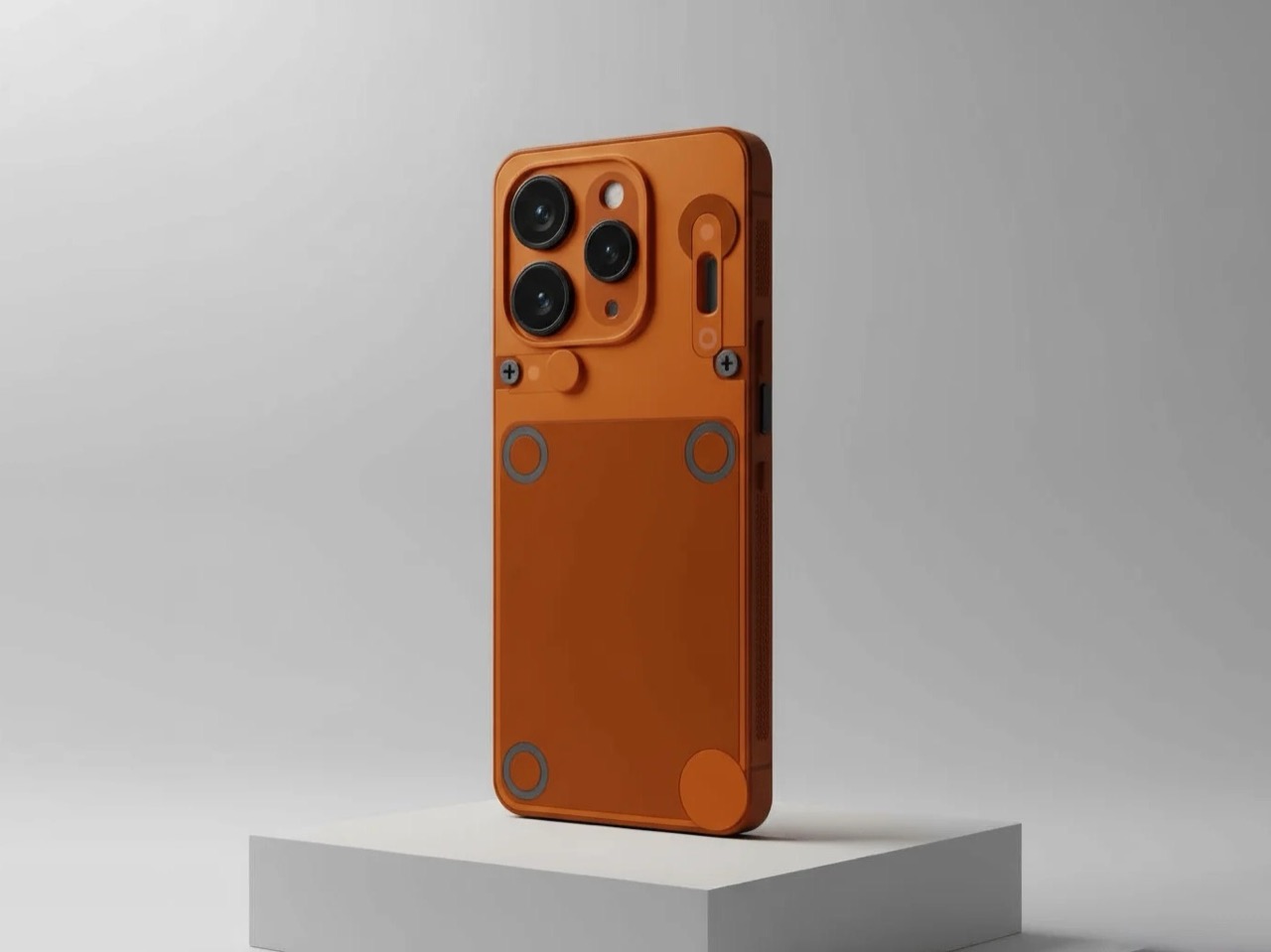
To be clear, the CMF Phone 1 itself isn’t modular, but its removable back cover invites all kinds of modular accessories and attachments. As long as you can screw it on the back of the phone and retain its usability, everything is fair game. Those accessories can range from simple loops and stands to bottle openers and miniature Nerf guns. As long as you can 3D print it, anything’s possible.

1

The Modular Sliding System, for example, has a creative design that integrates three sliding modules that can be a pen, an SD card holder, and even a comb. The top and bottom sliding modules unfortunately have to be curved to take into account the position of the screws on the CMF Phone 1’s back. Switching out modules is quite simple, and there’s plenty of room for other tools that you might want to always have in your pocket all the time.

The Brick Case is a bit less ambitious but even more creative, and yes, it practically turns the CMF Phone 1 into one large LEGO-like brick. At first glance, it might seem like a cosmetic design only, putting a LEGO scene on the back of your phone when that can only be appreciated or used if the phone is placed face down on a table. With some imagination and design work, however, it might be possible to 3D print functional modules as well, like one that puts a pad of sticky notes on the back of your phone.

1

Coming completely out of the left field, the Foam Dart Launcher turns the CMF Phone 1 into a toy. It’s pretty much a one-shot mini Nerf gun, used to surprise friends or colleagues. It obviously has no practical benefit, but it does demonstrate the wide range of possibilities offered by the simple yet ingenious modular design of the CMF Phone 1.

The post 3D Printed CMF Phone 1 cases thrive in the phone’s innovative modular design first appeared on Yanko Design.

CMF-inspired clock concept with appealing aesthetics could benefit from a dose of connected features

The see-through aesthetics of the Nothing earbuds and then the Phone (1) have inspired numerous concept designs. All these products spill the transparency of consumer electronics hardware into forms we never thought of, but love. CMF By Nothing is a more accessible brand that carries the same design philosophy and we’ve not seen many CMF-inspired designs until now.

Meet the CMF Clock concept that reimagines the reliable ticker on your wall in modern attire. The design leverages the harmonious integration of color palettes, material choices and surface finishes to mimic the CMF’s philosophy. According to the designer, this ensures the final product is a true reflection of the brand and timeless design sensibilities.

Designer: Kedar Bagaria

The aspiration for this project is to elevate the status quo of the good old wall clock, creating a balance between both form and function. Also, the vision of the concept is to pen down a design that functions as a timepiece and elevates the aesthetic appeal of any interior space – whether it’s your home or office. The depth of perception is portrayed via the shorter seconds hand while the hours and minute hands are signified by the semi-circular shaped disks running along the diameter of the clock dial.

The color palette chosen is a balanced Sierra of white, grey, black and the signature orange. The concept is imagined in three different color variants – one emphasizing the whites, the other the blacks, and the last one going for an overpowering orange look. While the design here looks gorgeous for a geeky den, we longed for an integrated functional approach that is aligned with modern needs. Things like connected features for showing important notifications, calendar updates, schedules, or preferred pings from social media apps.

The technology to superimpose a thin smart display on top and connected hardware modules like WiFi or Bluetooth will enhance the overall appeal of such a consumer product.

The post CMF-inspired clock concept with appealing aesthetics could benefit from a dose of connected features first appeared on Yanko Design.
Nothing Phone (2a) Plus Review: It Keeps Getting Better

PROS:


  • Elegant transparent design and Glyph Interface

  • Improved performance across the board

  • 50MP selfie camera

  • Sustainabile design

CONS:


  • No telephoto camera

  • No wireless charging

  • Spotty operator compatibility in the US

RATINGS:

AESTHETICS
ERGONOMICS
PERFORMANCE
SUSTAINABILITY / REPAIRABILITY
VALUE FOR MONEY

EDITOR'S QUOTE:

The Nothing Phone (2a) Plus delivers on its promise of an optimal and accessible daily driver that builds on the essentials and gets it almost perfect.

It hasn’t been that long since we reviewed Nothing’s latest masterpiece, the Phone (2a) which was designed to offer an “optimal” daily smartphone. It was another way of describing what most would bill as a mid-tier device, though it was definitely one that lived up to its hype in both design and performance. It was far from perfect, of course, but it wasn’t bad either. And yet here we are now with a “Plus” version out of nowhere, not a larger version but one that promises a more premium experience, at least compared to the Phone (2a). Color us intrigued, despite the obvious monochrome motif, so we gave the Nothing Phone (2a) Plus a few spins to see if it really has something to be proud of.

Designer: Nothing

Aesthetics

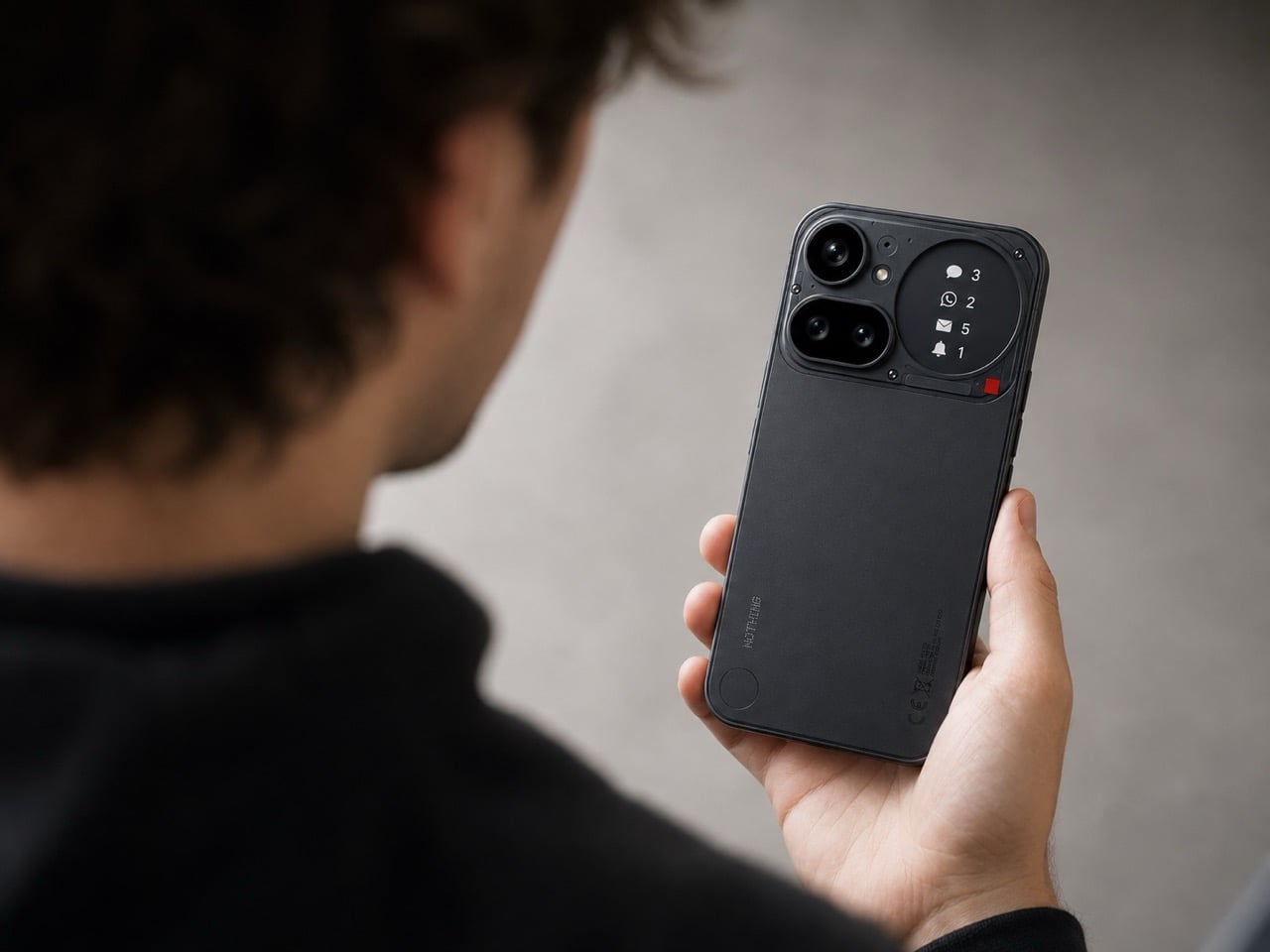
By now, Nothing’s design identity has been well established. It may not be the geeky full transparency many have hoped for, but it definitely managed to strike a beautiful balance between technology and art in its phones. To some extent, that design is even more refined in the Phone (2a) series, with its own unique patterns of opaque lanes snaking down the phone’s back, not unlike roads on a map. It feels like it has a story to tell, not just a composition of shapes, lights, and shadows.

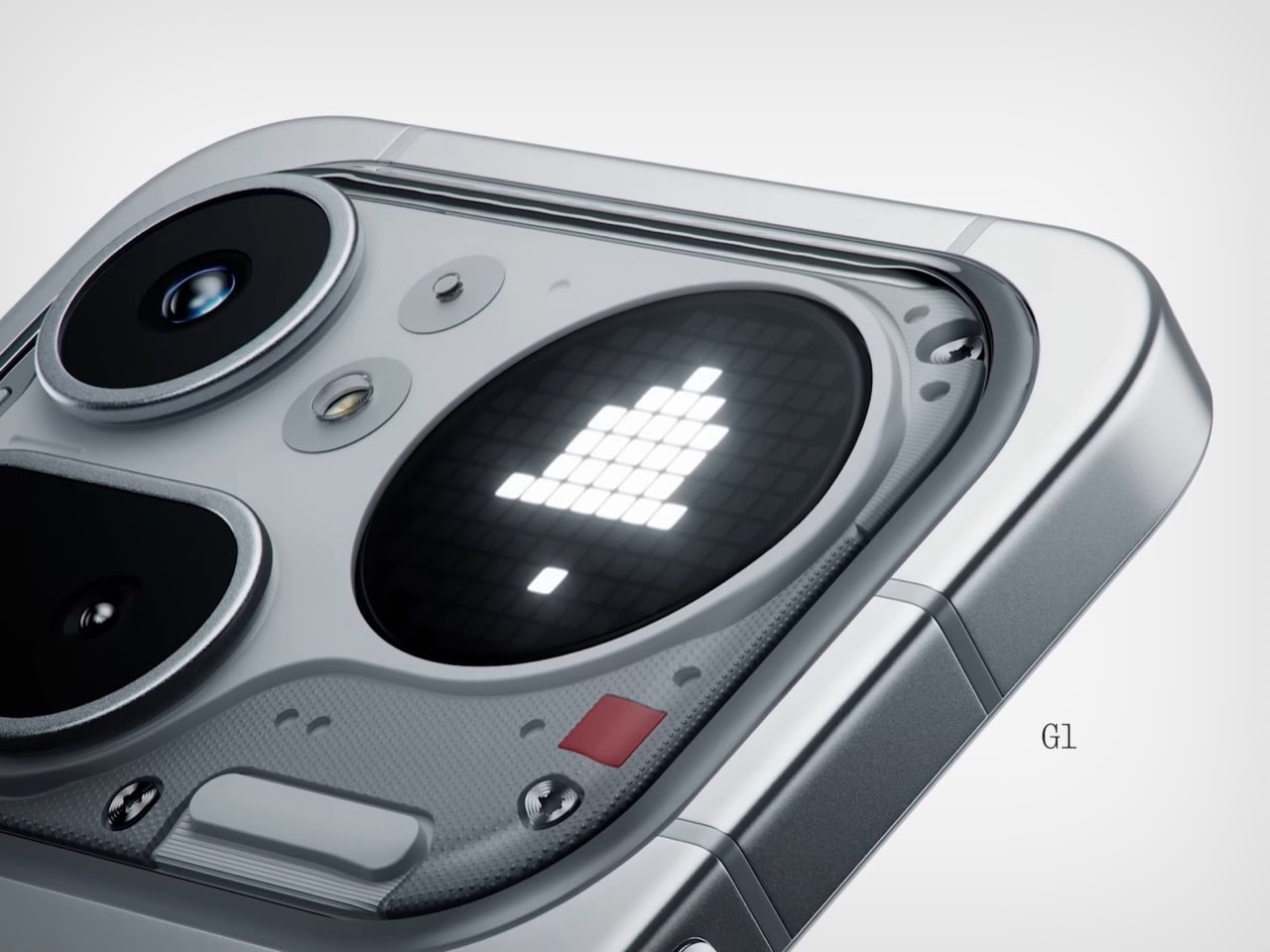
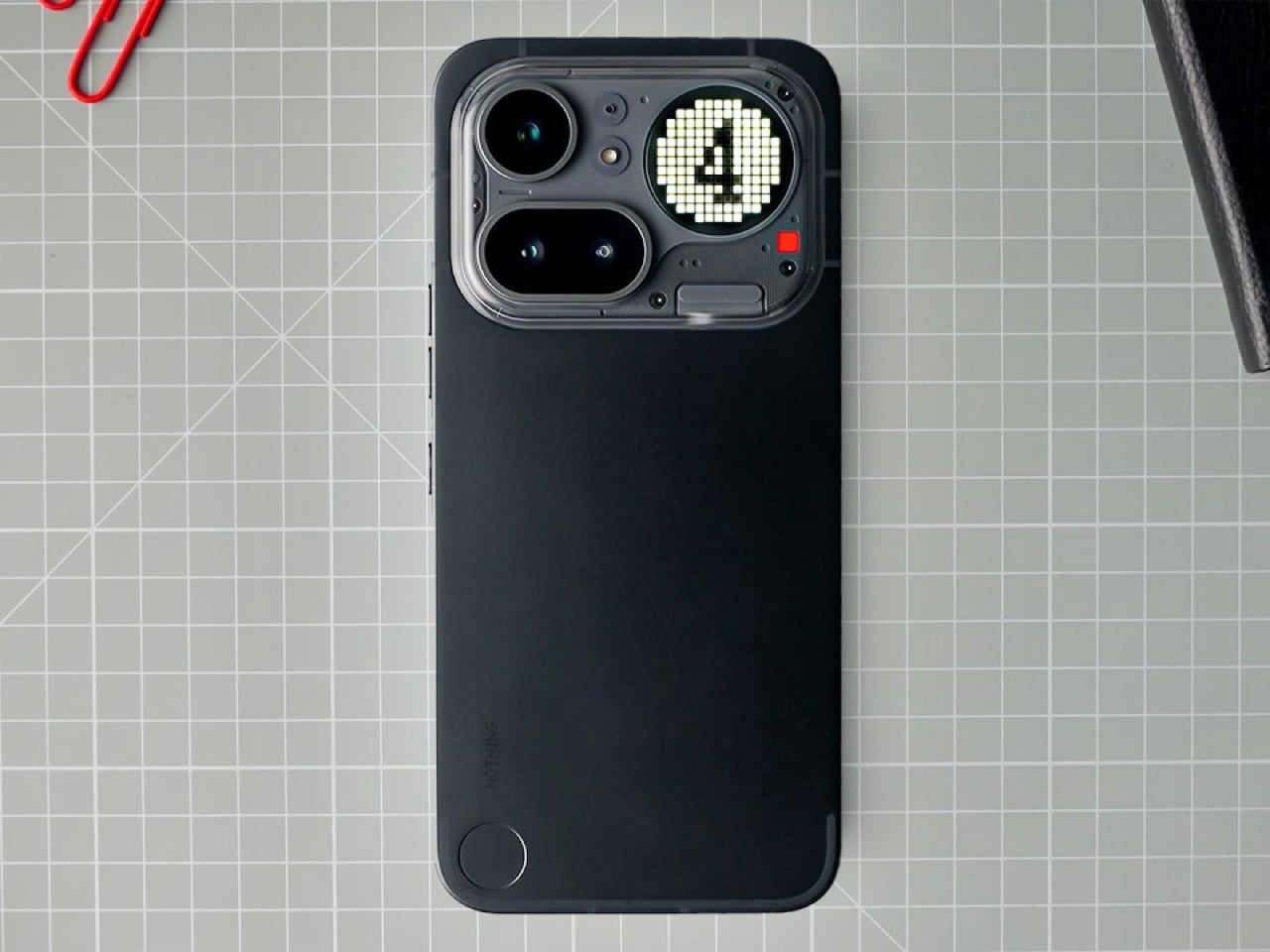
Nothing also embraced that cute little oddity we noticed on the Phone (2a): a face on the back of your phone. The placement of the two cameras in the middle of the NFC coil is no accident, and the company says it gives an anthropomorphic character, almost literally. It’s like having a pair of eyes on a cartoony circular face looking at you, or at least at the person in front of you. It is not by coincidence, either, that the Phone (2a) Plus’s silicon brain actually sits beneath this face as well.

There’s also the Glyph Interface, of course, at least the toned-down version. It might not have the same head-turning effect as the TRON-like Phone (2), but it’s more practical, more efficient, and also longer-lasting. It remains useful and visible even after the novelty has worn off.

Of course, these are design elements that the Phone (2a) also has, but what sets the “Plus” model apart is its more elegant finish. The Phone (2a) Plus has a metallic edge that’s not simply machined and then polished but is actually a product of multiple intricate processes, which is to say it’s quite a laborious and somewhat costly design. It’s well worth it, however, if only for the fact that it gives the Nothing Phone (2a) Plus a more stylish and premium look that raises its profile to the same level as more expensive handsets.
Ergonomics

The Nothing Phone (2a) Plus has a few upgrades inside that we’ll get to in a moment, but despite the internal and material changes, it remains just as lightweight as the Phone (2a), exactly 190g light, in fact. This makes the phone incredibly easy to hold without feeling flimsy or cheap. That’s very important given how large the phone actually is.

The design of the edges also helps improve that grip. Nothing adheres to that modern flat design school that gives phones more angled edges that lodge themselves into your hand without biting into your skin. It is yet another balancing act that Nothing gets right, allowing users to hold such a big phone with confidence.

Performance

The biggest divide that separates the Phone (2a) and Phone (2a) Plus can be found inside, starting with the new MediaTek Dimensity 7350 Pro 5G that Nothing says was developed exclusively for the brand. It’s definitely a step up from the stock Dimensity 7200 of the Phone (2a), especially by the fact that it can run at 3.0GHz max. It also has a stronger GPU with the Mali-G610 MC4 clocked 30% faster at 1.3GHz. What all these mean in practice is that the phone is even better equipped to handle mobile games, let alone the everyday tasks you throw at it. You’ll still have to dial down the settings, of course, but not to the point that games lose their visual flavor and appeal.

The large 6.7-inch FHD+ AMOLED screen definitely contributes to an enjoyable multimedia experience, especially with its 120Hz refresh rate. The display is vibrant and bright, but not so bright that it will strain your eyes. For that, it supports 2160Hz PWM (Pulse-Width Modulation) dimming, supporting longer screen time use, though it’s still advisable to take regular breaks, regardless.

The other big upgrade that the Phone (2a) Plus boasts of is the triple 50MP camera system. No, there are still only two cameras on the back, and both definitely produce impressive output. The newcomer is the 50MP front-facing camera, up from the already good 32MP shooter from the Phone (2a). This is a Samsung JN1 with an F2.2 aperture lens and a wide 81.2-degree field of view. Suffice it to say, whether you’re taking selfies or food pics, you’ll be treated to clear, crisp, and detailed photos, even at night.

Despite the slightly more powerful hardware, the Nothing Phone (2a) Plus retains the same 5,000 mAh battery. It’s still a large and generous serving by today’s standards, so you shouldn’t be worrying about going empty in the middle of the day. For the Plus model, Nothing upped the charging speed a bit to 50W from 45W. It’s not exactly the fastest on the block, but bigger brands have done worse. Sadly, there’s still no wireless charging here, which is disappointing but not unexpected. In the grand scheme of things, that is probably the least of people’s needs for a phone on this tier.

Part of the Nothing Phone’s appeal is its take on the Android experience, and the Phone (2a) Plus definitely has that down to a “T,” including the new AI buzzword. Nothing OS has been famed for its minimalist aesthetic, especially when it comes to home screen widgets. Version 2.6 adds new widgets to that set, and productivity buffs will love the new Date widget for important reminders. There’s also ChatGPT integration for getting the answers you need quickly, though it might be a controversial feature considering some privacy concerns.

Sustainability

Nothing has always positioned itself as a design-conscious company, and designers these days are also conscious of the impact that their designs have on the environment. This is especially true in the smartphone industry where material waste from production and electronic waste from discarded products continue to rise each year as more and more devices are made. That’s why it’s quite encouraging to see Nothing’s efforts in this area, from using 100% recycled aluminum for the midframe to sustainably sourcing over 50% of the Phone (2a) Plus’ plastic parts. It even reuses plastic waste from the production of the Ear (2) buds for this phone.

The Phone (2a) Plus also scores a few points for longevity, particularly with its IP54 dust and water resistance rating. We wish it had a longer software support period, which currently stands at 3 years for Android updates and 4 years for security patches. That can change somewhere down the road, and we hope it does. Where it doesn’t do well is repairability, which isn’t all that surprising considering its uncommon design. Nothing is still young, though, and with the CMF sub-brand, we could see some improvement in that regard as well.
Value

If the Phone (2a) already provided great value for its price, the Phone (2a) Plus takes that a step further. Better performance, a better selfie camera, a slightly faster charging battery, and a great distinctive design all make this handset a great sell. At only $399 for 12GB of RAM and 256GB of storage, it even practically makes the $349 Phone (2a) almost ignorable, strange as that may sound. It is definitely worth considering for your everyday driver, presuming you can get your hands on one.

That is the bit that slightly takes away some of the Phone (2a) Plus’ appeal. You can always import the phone if no local store or carrier offers it, but you will have to do your own research to make sure you can actually use it in your locale. In the US, for example, it doesn’t support AT&T’s 5G network at all and only some of T-Mobile’s 5G bands. Verizon has “limited support,” which means you can use it at your own risk. It’s hardly Nothing’s fault, but it does show some of the disadvantages of being a small fish in such a large pond.

Verdict

The arrival of the Phone (2a) Plus was quite a surprise. Definitely a pleasant one, but a surprise nonetheless. It’s not like the Phone (2a) wasn’t a good phone, but now there might be even fewer reasons for people to want one other than availability and that $50 difference. That’s because the Phone (2a) Plus practically addresses some of the imperfections of its older sibling without taking away any of its charm. It definitely lives up to its promise of a powerful everyday driver, whether you’re scrolling through social media, responding to emails, or even passing the time with games.

The post Nothing Phone (2a) Plus Review: It Keeps Getting Better first appeared on Yanko Design.