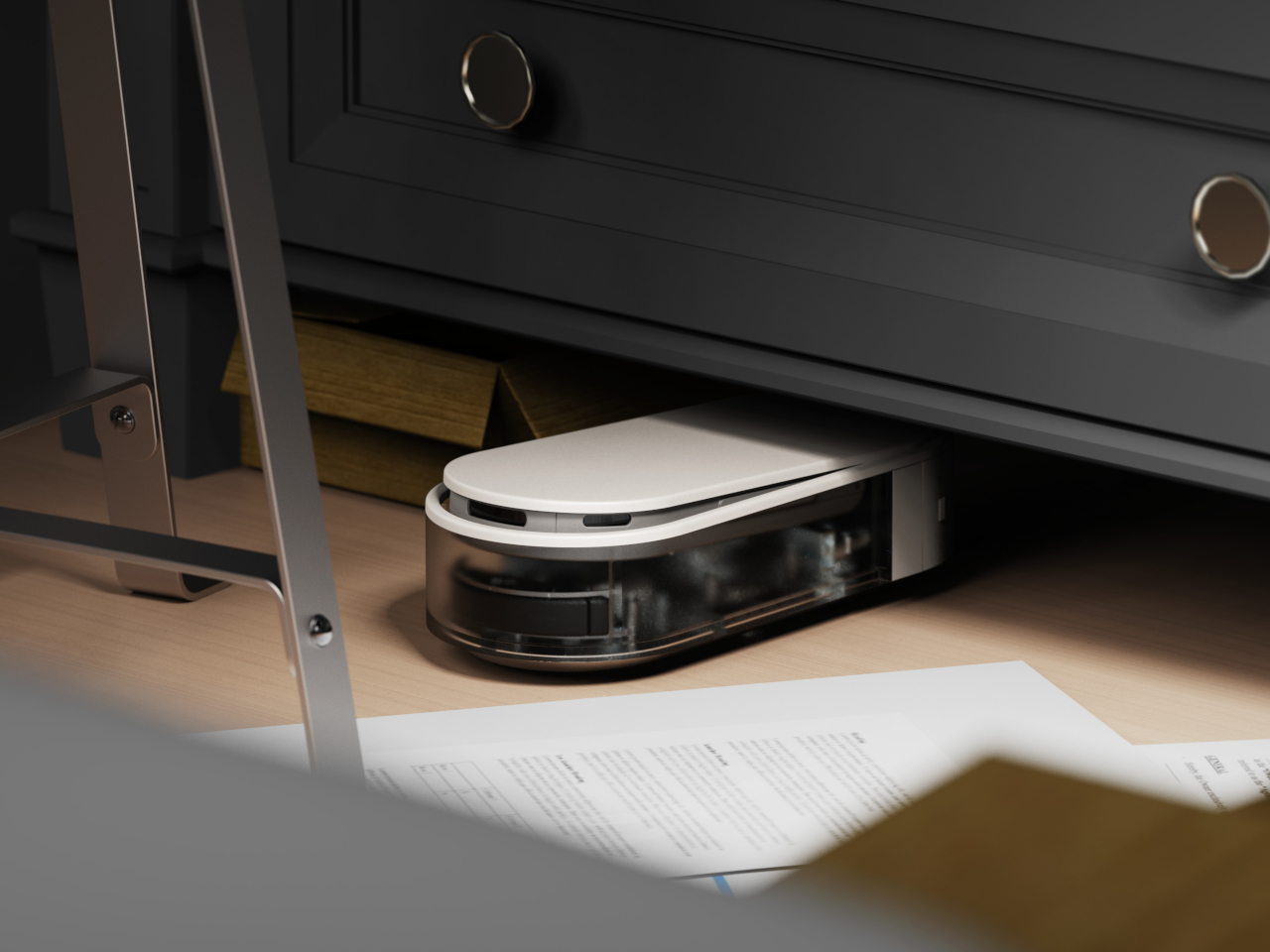
Narwal’s Flow 2 White: A Robot Vacuum For Homes With Babies, Pets, and Great Taste

Every new parent knows which household sounds can end a nap. The dishwasher at the wrong moment. A phone notification set too loud. Or the low mechanical hum of a cleaning robot that has no awareness of the three-month-old who just fell asleep six feet away. The usual workaround has always been the same: pause the schedule, rezone the map, or carry the robot somewhere farther from the nursery before the nap timer starts. Robot vacuums have become impressively good at reading floors. Reading the life happening above those floors has been a much rarer skill.

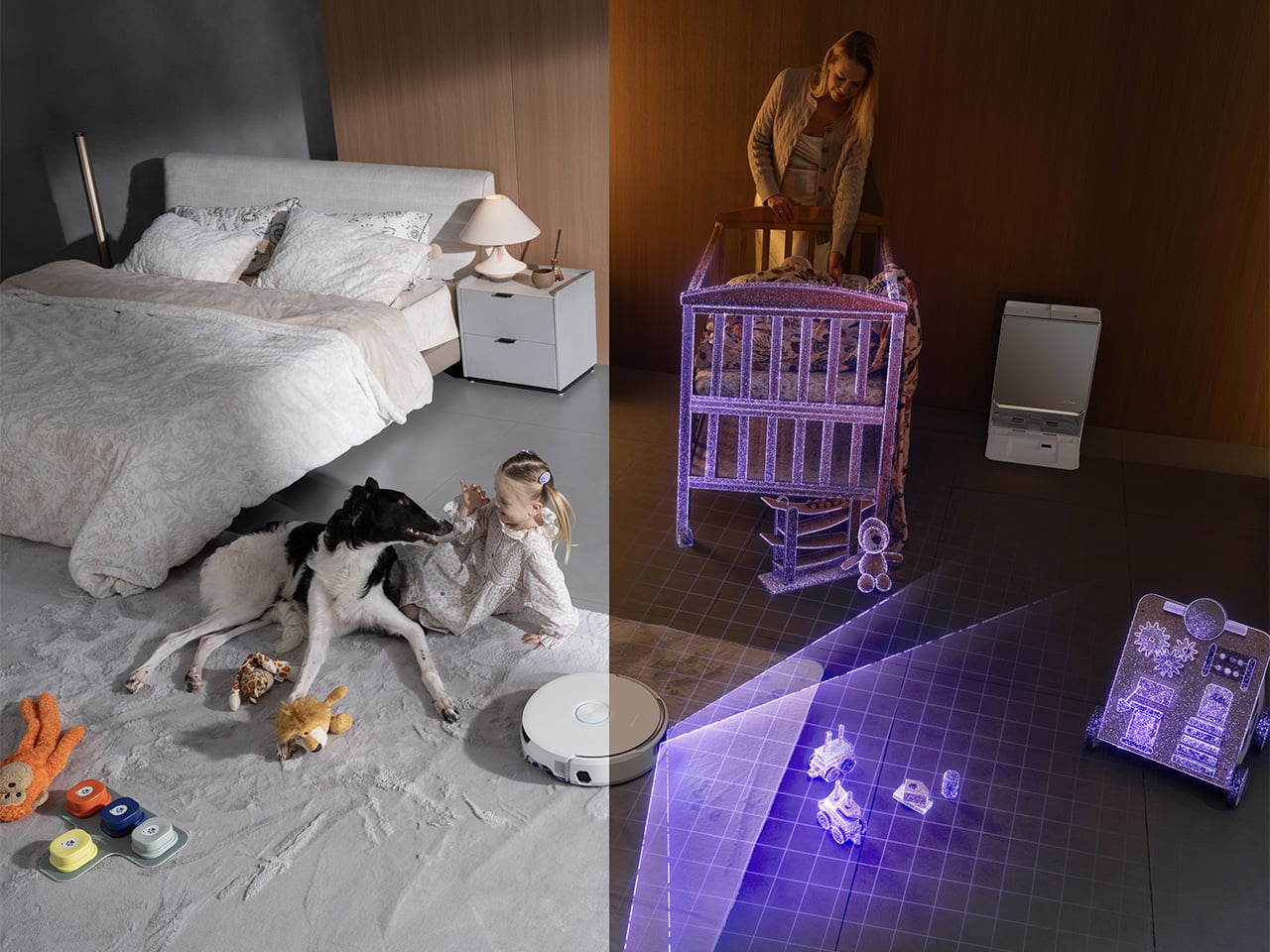
That is part of what makes Narwal’s Flow 2 White interesting. Yes, this is the brand’s 2026 flagship in a new pure white colorway built for modern, light-toned interiors. Yes, the industrial design has been carefully tuned around a quieter, more architectural presence in the home. But one of the clearest expressions of that thinking is Baby Care Mode, which supports quieter cleaning around nursery areas while toy recognition logs misplaced items on the map after each run. In other words, the design story here goes deeper than color. It is about a robot vacuum that has started adapting itself to the rhythms of the room.

Designer: Narwal

Click Here to Buy Now: $1069.99 $1499.99 ($430 off, use coupon code “YDNARWAL”). Hurry, deal ends in 48-hours! Website Link Here.
The robot vacuum category spent most of the 2020s competing on suction numbers. 10,000 Pa became 20,000, then 31,000, and somewhere in that escalation the floors got clean enough that raw power stopped being an interesting conversation. The smarter brands pivoted toward perception: cameras, obstacle recognition, map intelligence, multi-floor awareness. That shift produced genuinely useful improvements. But the household as a social environment, full of schedules, sleeping infants, anxious pets, and the particular chaos of family life, has remained something the machine cleans around rather than one it genuinely accounts for. Most robot vacuums know how to move through a home. Far fewer seem designed around how a home actually feels.
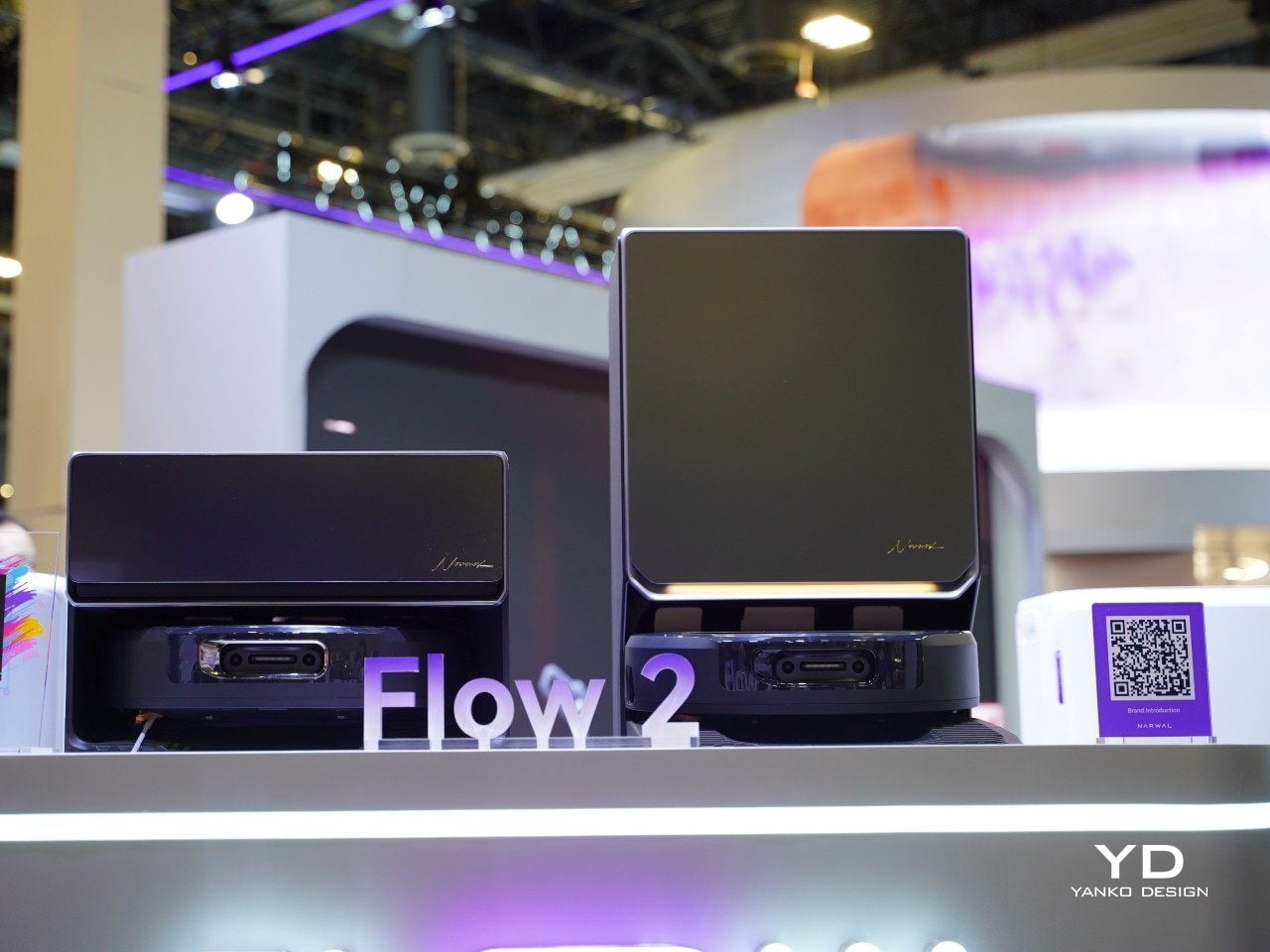
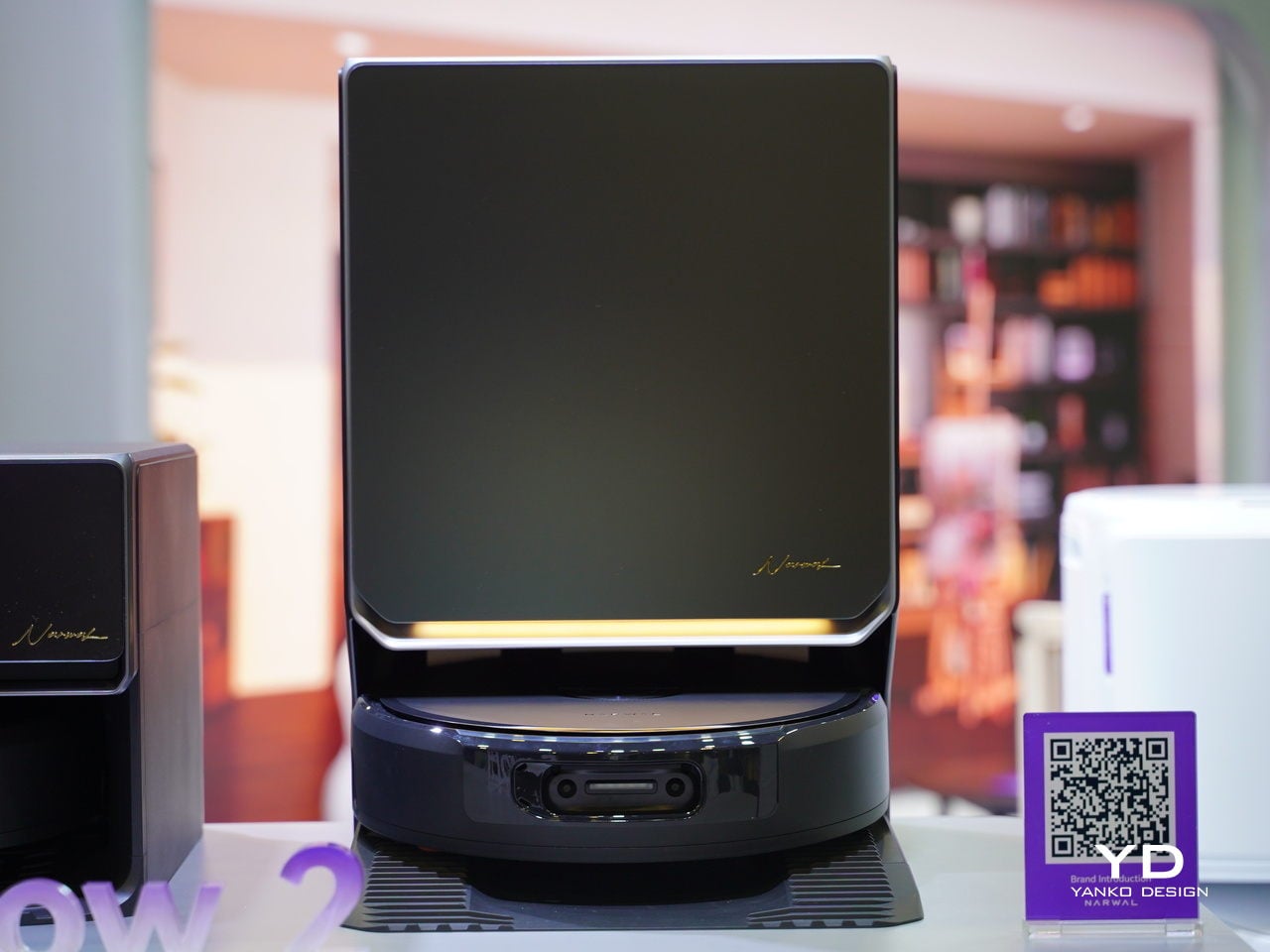
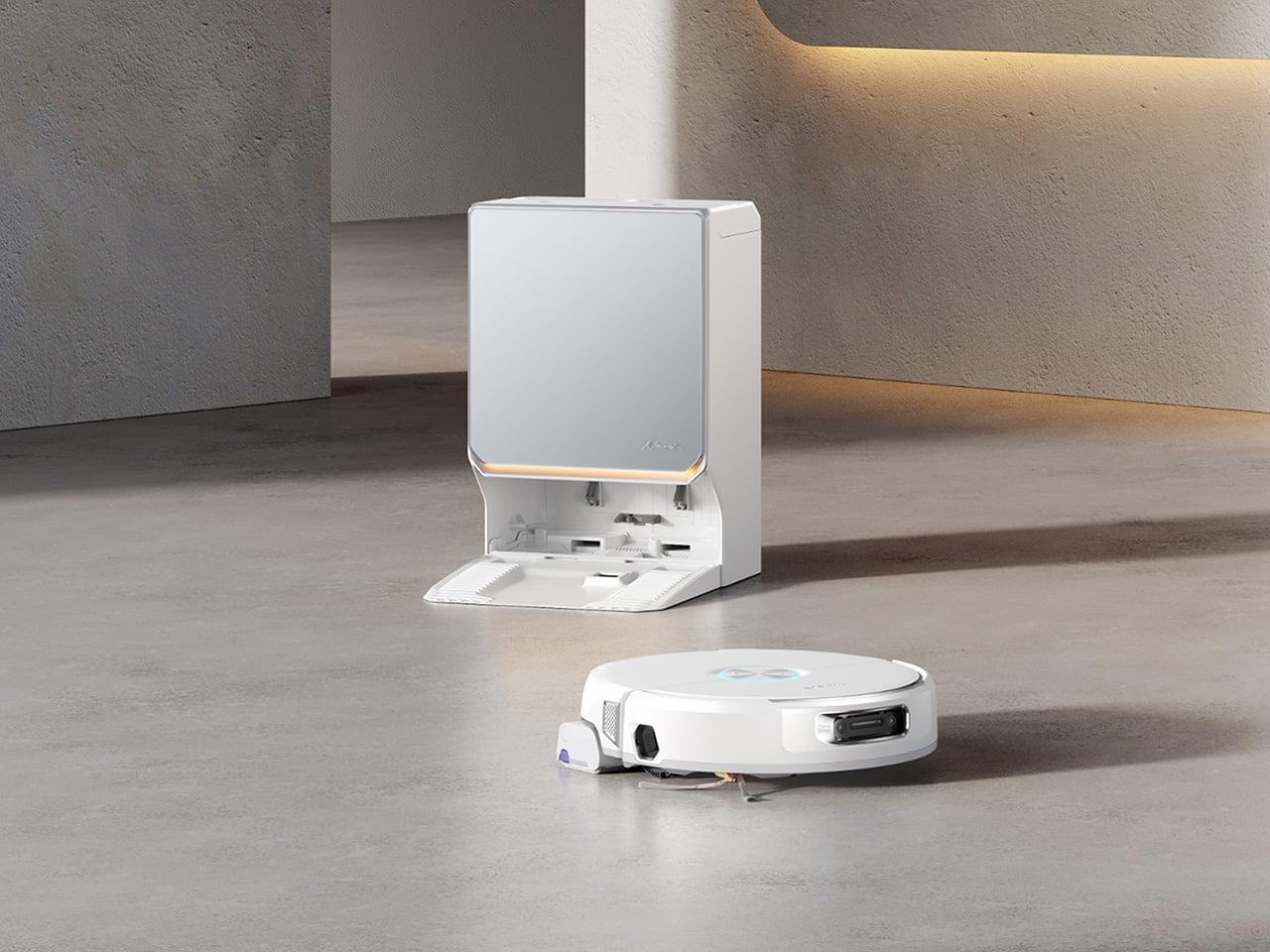
Flow 2 White leans into that missing layer from the moment you look at it. Narwal’s new colorway is framed around what the brand calls a quiet luxury approach, and the visual cues back that up. The base station uses a frosted glass-textured front panel that catches and softens light rather than bouncing it harshly back into the room. A slim ambient status light bar communicates the robot’s state with a low-key visual rhythm. The semi-enclosed silhouette gives the dock and robot a more unified presence, so the whole system feels composed rather than pieced together. In homes shaped by pale wood, cream textiles, soft daylight, and open-plan layouts, that kind of approach shows how much Narwal sees their tech as functional decor built around their ‘quiet luxury’ ethos.
It also helps that the softer aesthetic is tied to behavior, not only appearance. Baby Care Mode returns the conversation from styling to use, because it shows how Narwal is thinking about domestic context in practical terms. A quieter cleaning mode around nursery areas is the sort of feature that immediately makes sense to anyone who has rearranged an entire evening around a sleeping child. Toy recognition adds another layer of household awareness, turning the robot’s mapping system into something slightly more useful than a floor plan with room labels. It starts to feel like a machine designed with family life in mind, rather than one designed in isolation and later dropped into it.
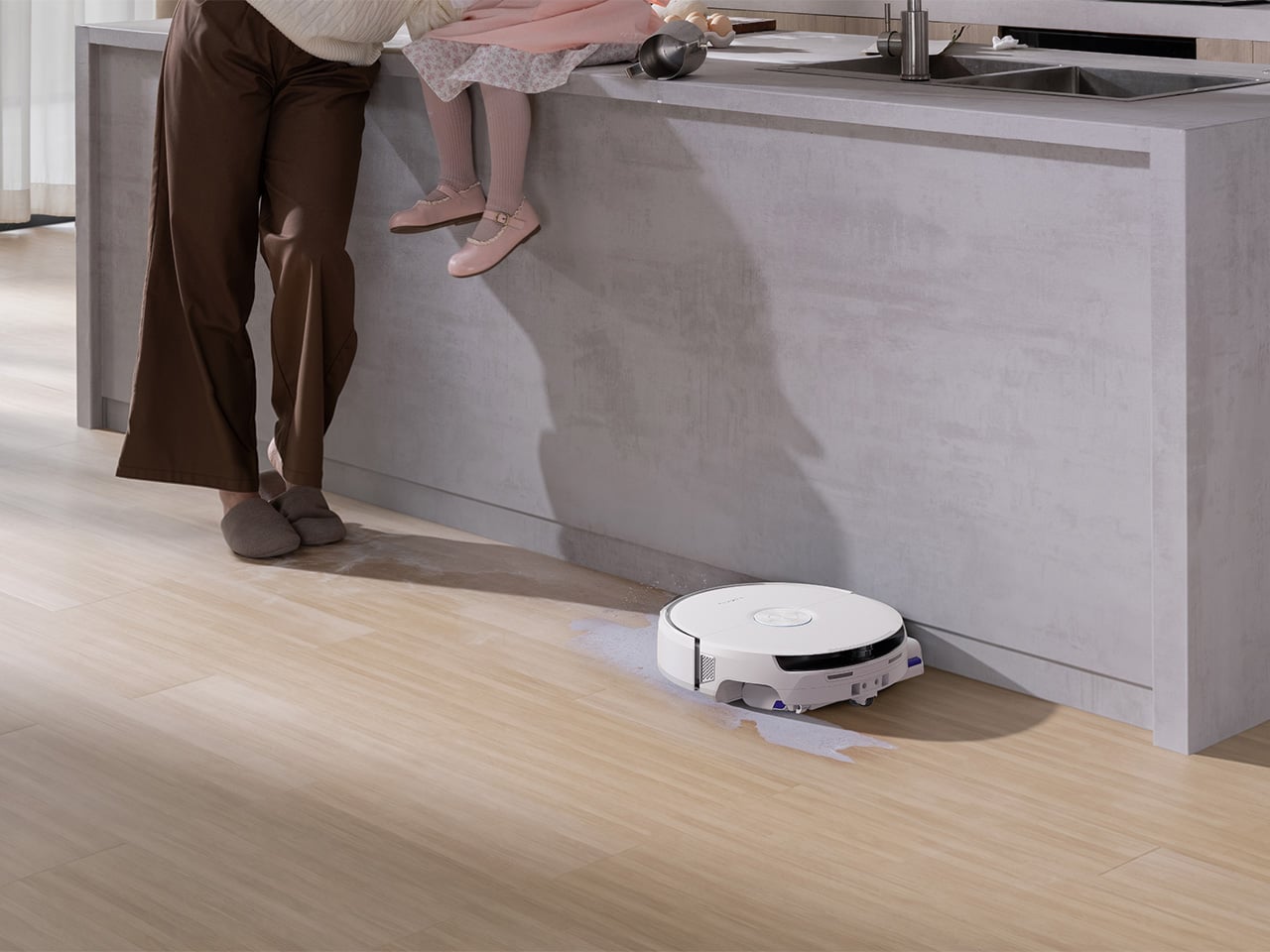
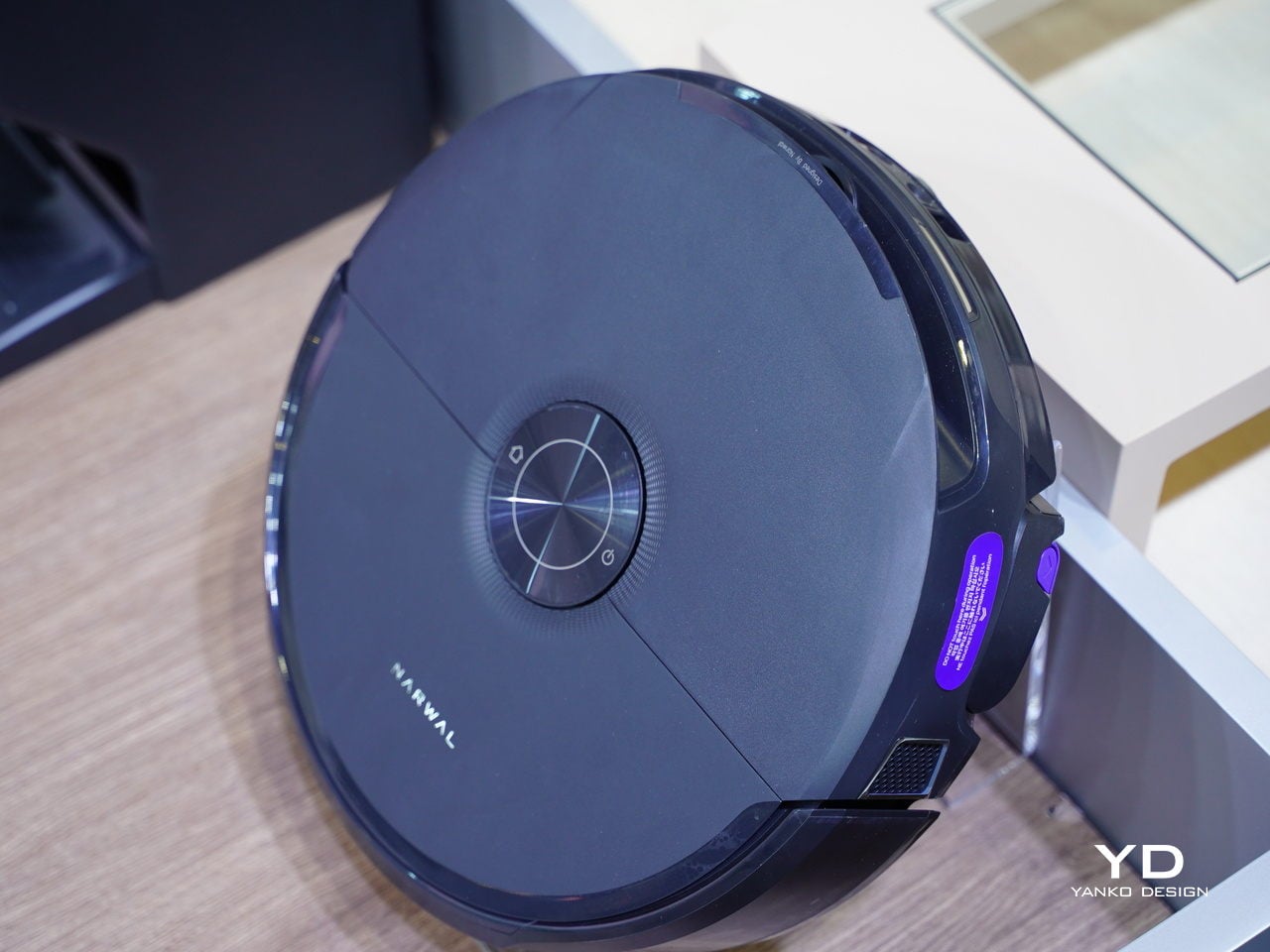
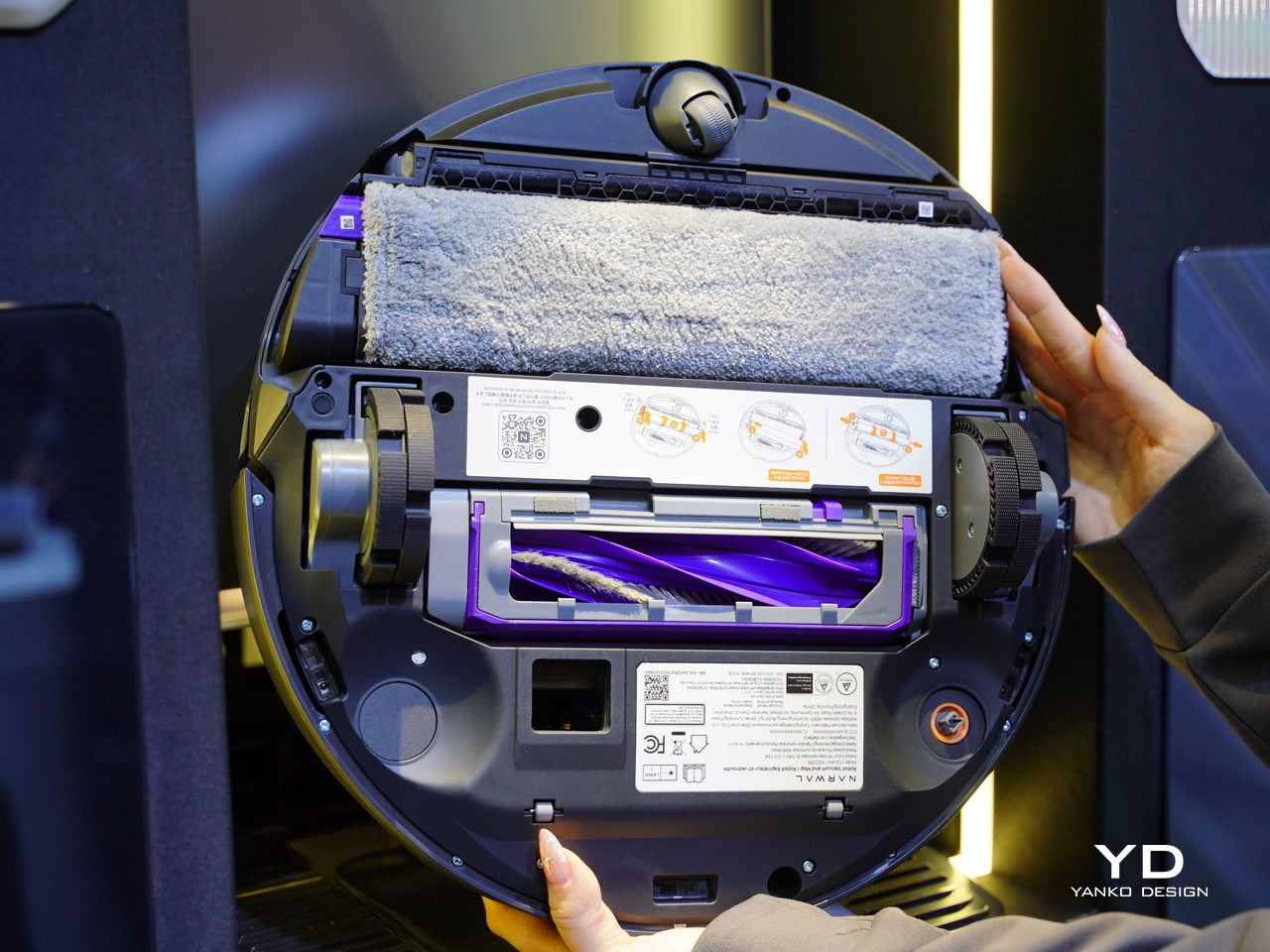
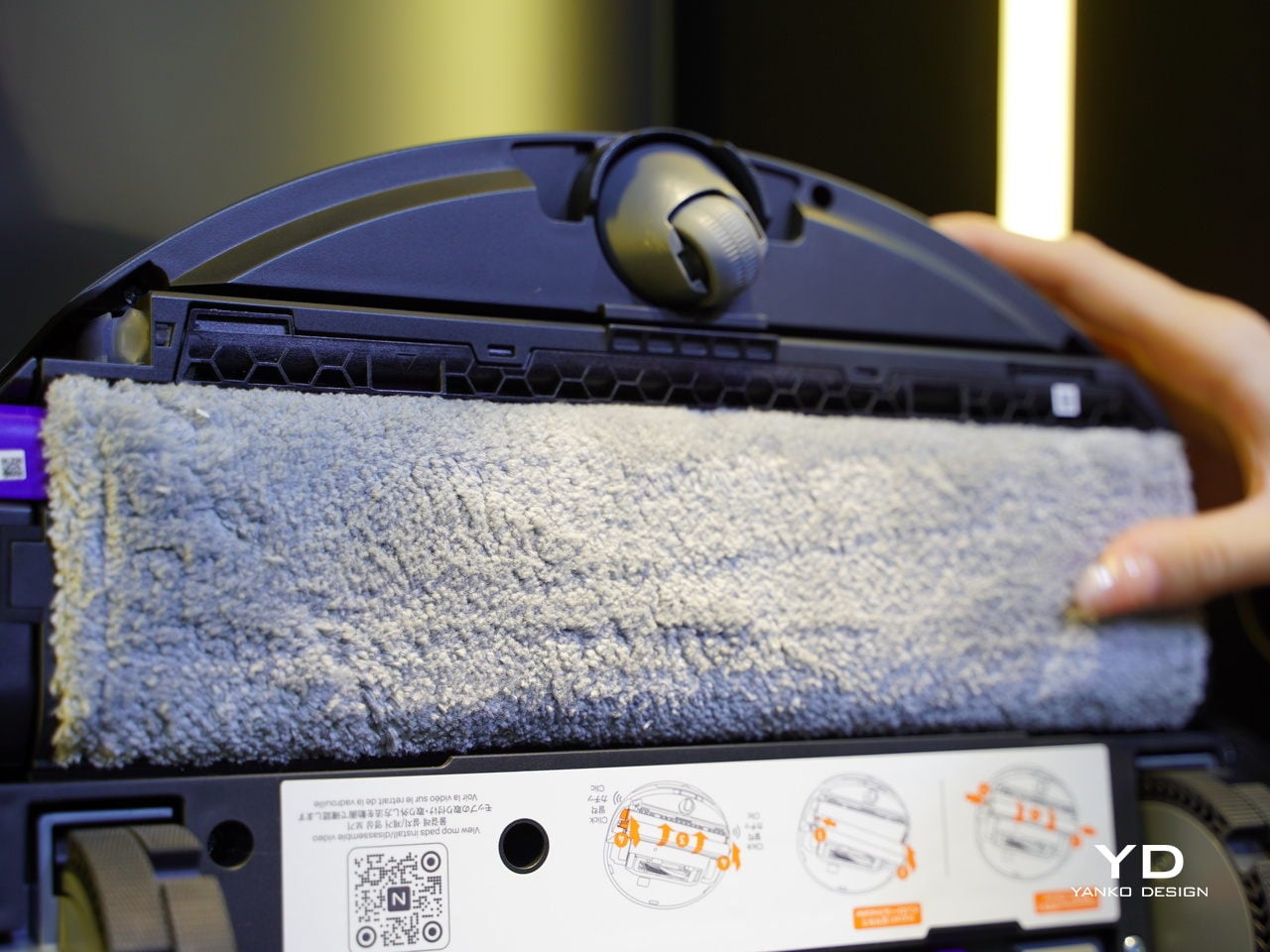
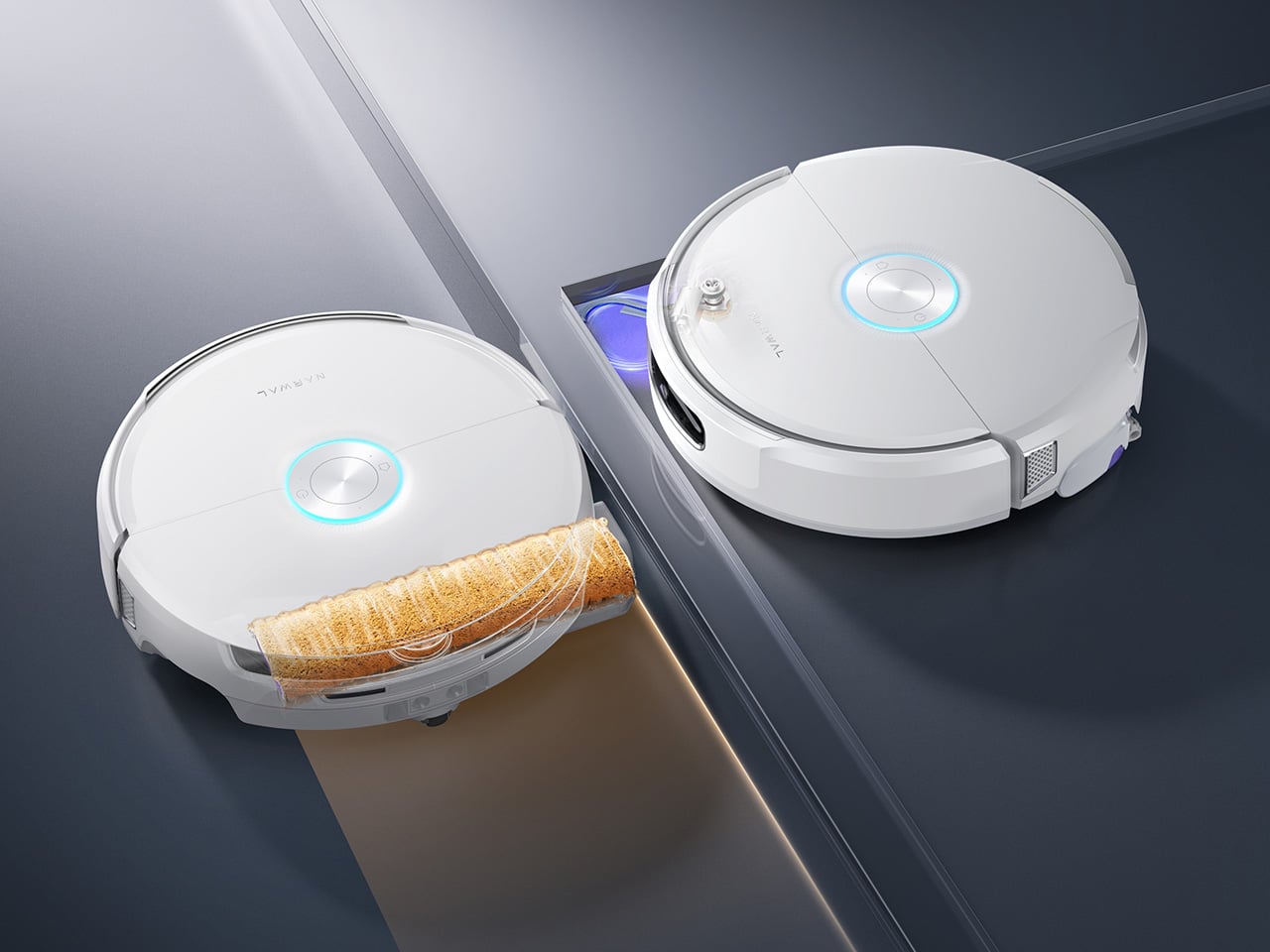
Underneath that calmer exterior, Narwal has kept the flagship hardware story intact. The proprietary FlowWash Mopping System uses a high-speed track mop that rotates at over 100 times per minute and delivers 140 degree Fahrenheit heated water to keep the mop clean throughout each cycle. On paper that reads like another premium cleaning spec. In practice, it addresses one of the category’s most persistent weak points: robot mops that push grime around after the first serious spill. Narwal’s treadmill-style self-cleaning approach feels aimed at that exact frustration, especially in kitchens, entryways, and pet-heavy homes where the mess changes texture by the hour. The Flow 2 White also carries 31,000 Pa suction, CarpetFocus technology, a certified detangling system for 0 percent hair tangling, and a self-emptying base station with up to 120 days of maintenance-free use. The visual language may be quieter now, but the performance story has not been dialed down with it.
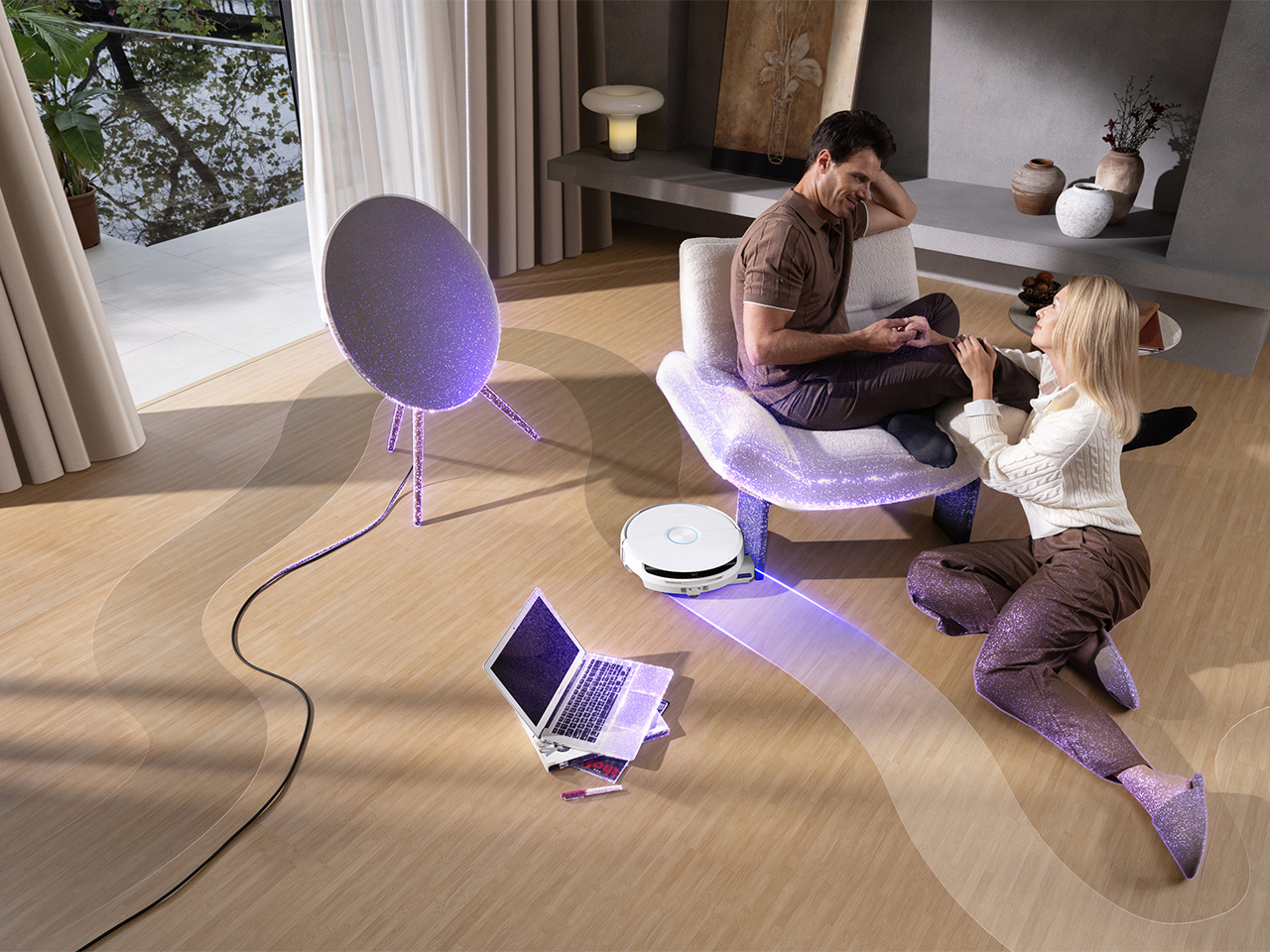
The same goes for intelligence. Flow 2 White runs on the NarMind™ Pro Autonomous System, which combines an onboard AI processor with a cloud-based VLM Omni Model for broader object recognition and more adaptive obstacle handling. Plenty of brands now promise smarter navigation, but the difference increasingly comes down to how that intelligence is applied. Here, the system adjusts cleaning strategies based on what it detects, improves edge coverage, boosts overall efficiency, and reduces the amount of babysitting the robot needs from the user. Pet Mode detects pet-active areas for deeper cleaning and can help locate pets remotely with Find My Pet, while AI Floor Tag identifies valuable objects and sends alerts through the app. The result sounds technical, but the real appeal is simple: fewer interruptions, fewer rescues, and fewer moments where the robot behaves like it understands the map but not the home.
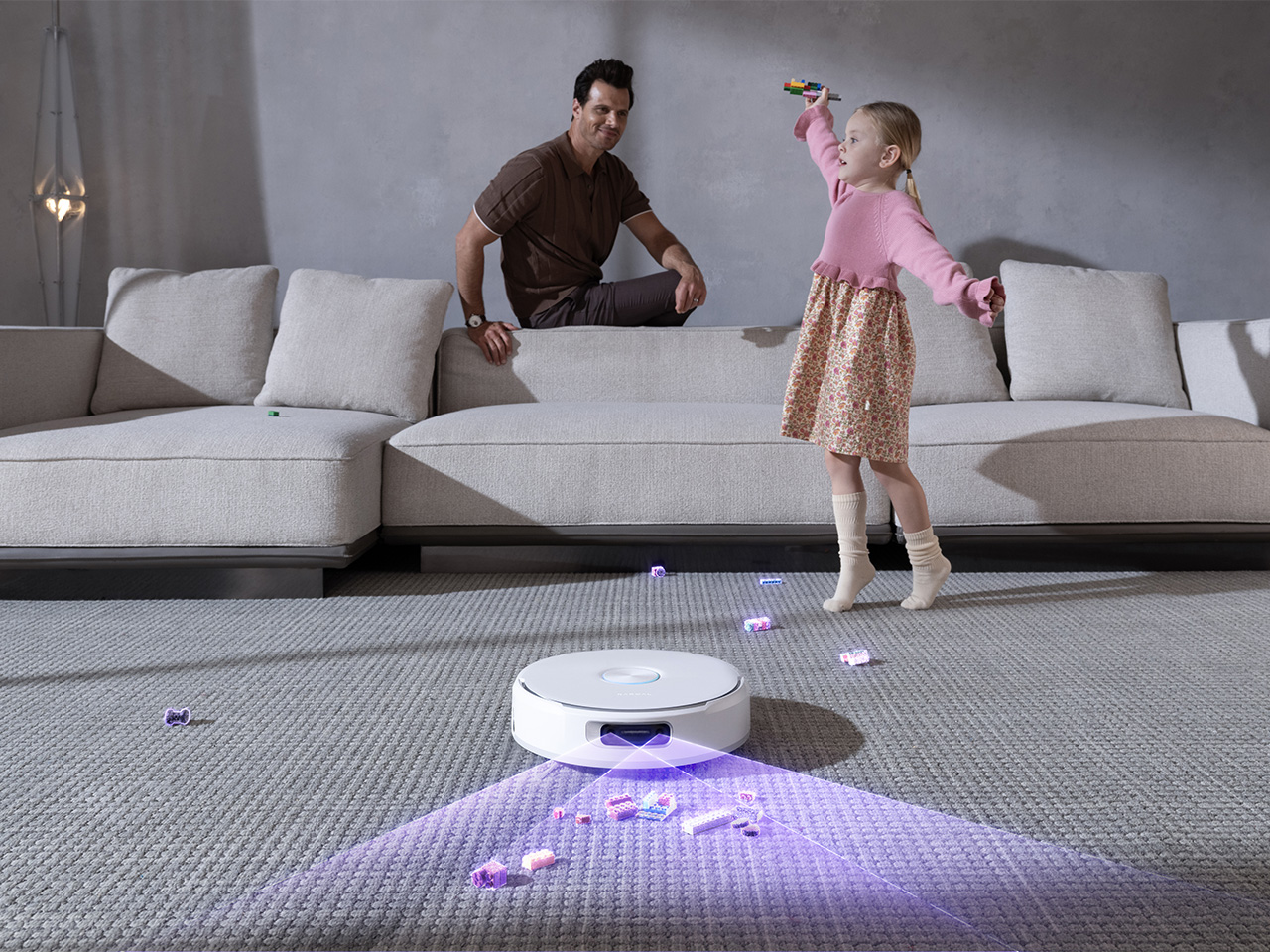
That may be the strongest case for Flow 2 White as a whole. It arrives at a moment when premium robot vacuums are all converging toward similar checklists of suction, mapping, self-cleaning docks, and AI-assisted navigation. Narwal’s opportunity here lies in pushing the conversation somewhere slightly more mature. The white colorway and quiet luxury detailing make the product easier to live with visually. Features like Baby Care Mode and toy recognition make it easier to live with behaviorally. Together, they point toward a category that is finally thinking beyond floor care alone.
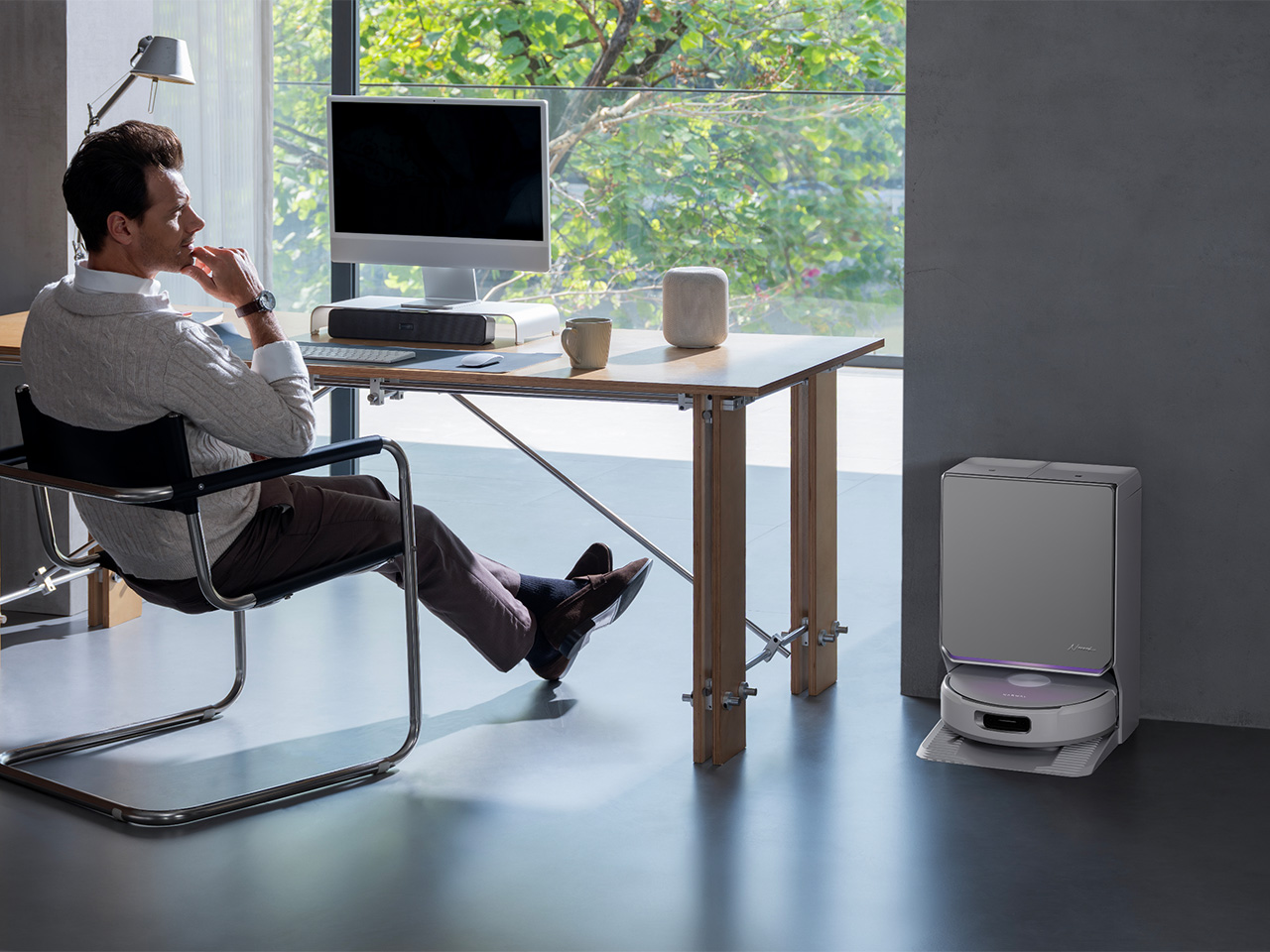
The Narwal Flow 2 White will be available starting July 16 with a launch price of $1,099.99, discounted from its $1,499.99 MSRP through July 31. That places it firmly in flagship territory, where buyers expect strong cleaning performance, meaningful automation, and design that justifies the footprint such a device takes up in the home. For people living in bright, modern interiors, the visual refresh alone will have obvious appeal. For parents, pet owners, and anyone who has grown tired of appliances that treat the home like a test lab instead of a lived space, the more interesting story is the one underneath: a robot vacuum that seems increasingly shaped by the habits, moods, and messes of the people around it.

Click Here to Buy Now: $1069.99 $1499.99 ($430 off, use coupon code “YDNARWAL”). Hurry, deal ends in 48-hours! Website Link Here.

The post Narwal’s Flow 2 White: A Robot Vacuum For Homes With Babies, Pets, and Great Taste first appeared on Yanko Design.
Eufy Just Built a Robot Vacuum With a Built-In Fragrance Air Freshener, and it’s Absolute Genius

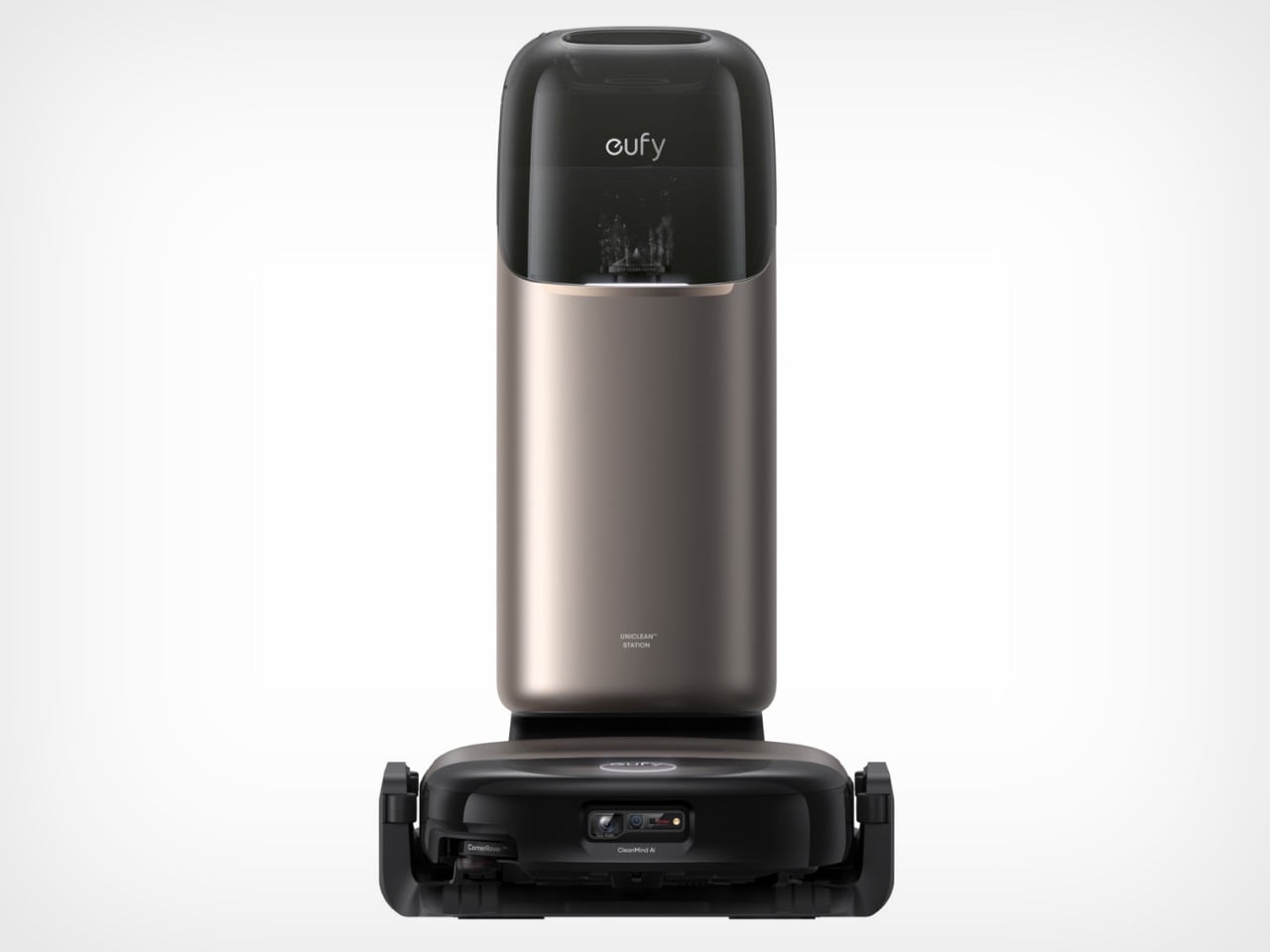
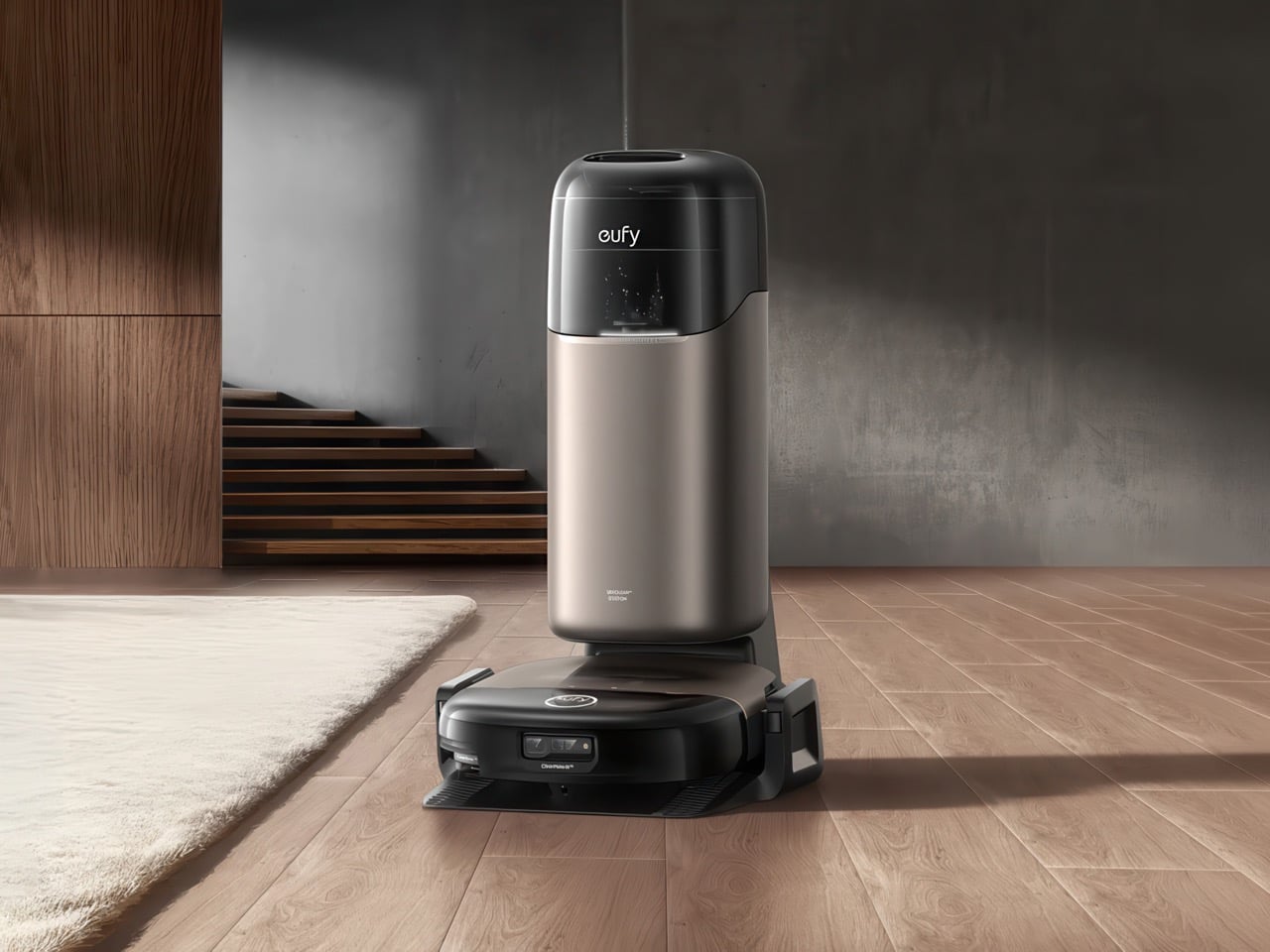
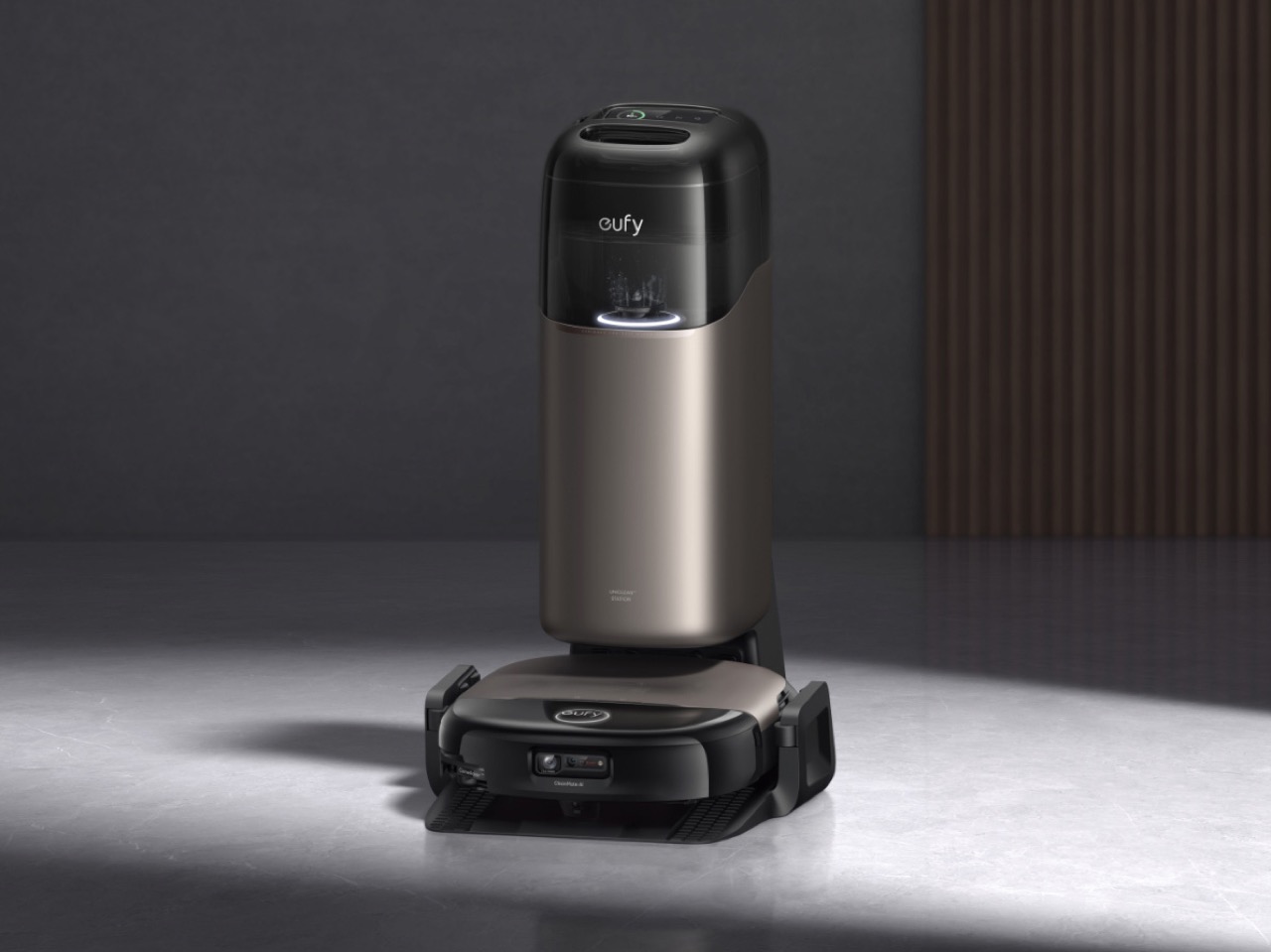
The champagne-bronze cylindrical base station in Eufy’s product photos does something most robot vacuum marketing images fail to do: it makes the thing look like it belongs in a well-designed home. The category has long defaulted to black plastic towers and aggressive venting grilles, the visual language of utility appliances that you hide in a laundry closet. Eufy’s Omni S2 system has clearly been styled to sit in the open, the tall dock finished in warm metallic tones that read more like a Dyson or a premium air purifier than a cleaning robot. That aesthetic ambition signals something about where Eufy wants to position this product, and it’s worth paying attention to.

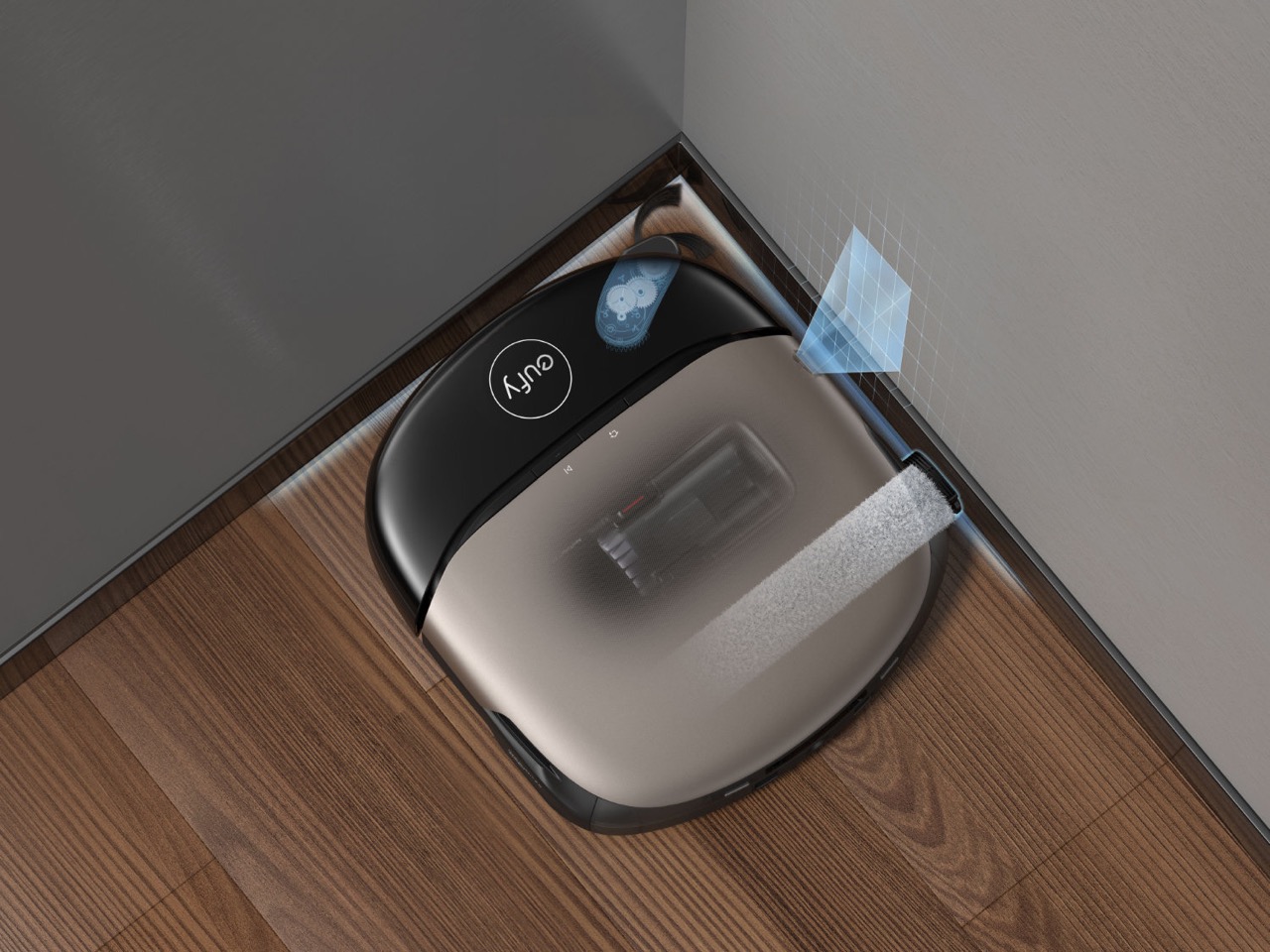
The hardware underneath backs up the posturing. The S2 runs 30,000 Pa of suction through a multi-cyclone airflow system that Eufy calls AeroTurbo 2.0, pairs it with a HydroJet 2.0 roller mop that self-cleans during operation, and adds a fragrance diffuser capable of dispensing Citrus and Basil or Bamboo and Sage throughout the room as it works. The CleanMind AI navigates without a LiDAR tower, recognizing over 200 obstacle types through RGB vision, and the accompanying UniClean station handles dust collection, mop washing, drying, and refilling across a 68-day maintenance window. This is Eufy’s bid to be taken seriously at €1,499, competing directly against Roborock and Ecovacs flagships that have owned the top shelf for the last few years.

Designer: Eufy (Anker Innovations)

The fragrance diffuser deserves more than a passing mention because it represents a genuine category first. No flagship from Roborock, Ecovacs, or Narwal has shipped this feature, and the fact that Eufy built it into the robot rather than the dock is a deliberate design choice. The diffuser module is interchangeable, with three scent options available at launch, and it activates on request rather than running continuously, which is the right call. A robot that dumps fragrance into every room on every cleaning cycle would get exhausting fast. Treating it as an on-demand ambient feature gives the user control over the experience, and that restraint reflects a level of UX thinking that budget-era Eufy products rarely demonstrated.

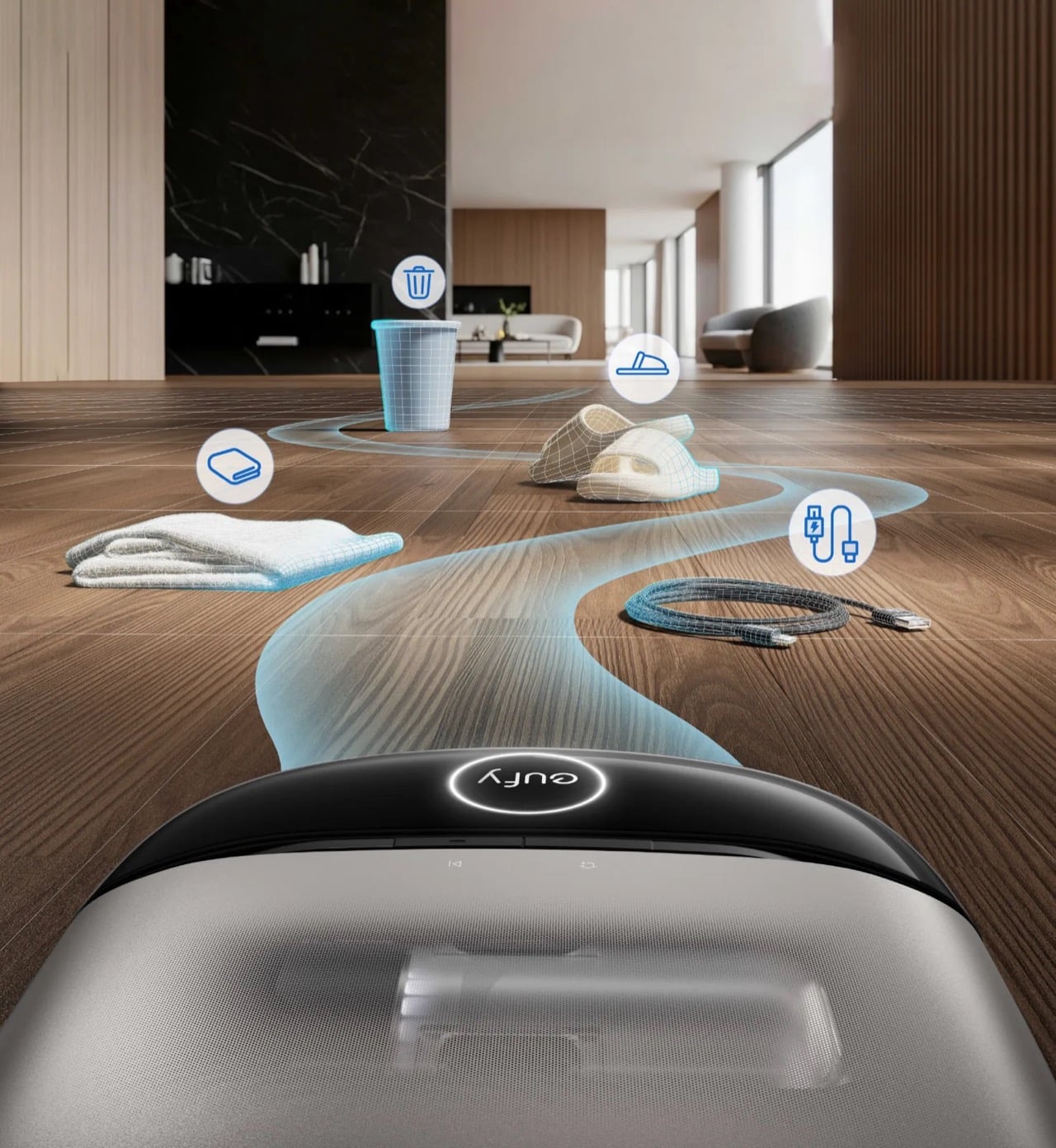
The CleanMind AI system powering the S2’s navigation is equally notable for what it eliminates. Removing the LiDAR turret, that rotating sensor tower that sits on top of most premium robots, was Eufy’s defining engineering bet with the S1 generation, and it paid off both aesthetically and practically. The S2’s low, angular profile fits under more furniture than competitors with turrets, and the RGB-based vision system now handles over 200 object categories, up from roughly 100 in the S1 Pro. The second product image Eufy released shows this in action: cables, slippers, cups, and folded towels each flagged with category icons as the robot plots its path around them. The visual is almost diagrammatic in its clarity, and it communicates the system’s capability faster than any spec sheet would.

The generational jump from the S1 Pro to the S2 is substantial on paper. Suction goes from 8,000 Pa to 30,000 Pa, the mop system gains additional pressure and rotation speed, the dock expands from 10-in-1 to 12-in-1 automation, and the maintenance interval stretches to 68 days. Eufy received a CES 2026 Innovation Award Honoree for the S2 before it had even launched commercially, which at minimum confirms that the industry was paying attention. Whether real-world performance matches the specification sheet is a question only extended testing will answer, and early reviews from European outlets suggest the mopping performance is genuinely competitive while obstacle avoidance still has occasional gaps with small or low-contrast objects.

At €1,499, the Omni S2 is priced squarely against the Roborock S8 MaxV Ultra and Ecovacs Deebot X2 Omni, robots that have held the premium conversation for the better part of two years. Eufy’s strongest argument is not that it out-specs those competitors in every category, but that it packages competitive cleaning performance inside a system that looks like it was designed for the room it operates in, adds an ambient experience layer nobody else offers, and maintains that 68-day hands-off window that turns a high-maintenance appliance into something that actually recedes into the background. The robot vacuum category has spent years chasing full automation as its north star. Eufy’s move is to ask what happens after you get there, and the answer, apparently, smells like bergamot and lychee.

The post Eufy Just Built a Robot Vacuum With a Built-In Fragrance Air Freshener, and it’s Absolute Genius first appeared on Yanko Design.

DREAME, the Robot Vacuum Company, Just Launched a Rocket Car and 20 Smart Home Products in One Week

San Francisco just witnessed something wild. Dreame Technology, the company you probably know from robot vacuums that actually work, took over the Palace of Fine Arts for four days and unveiled a product lineup so sprawling it felt like watching a tech conglomerate speedrun a decade of ambition. DREAME NEXT wasn’t a launch event. It was a statement of intent, wrapped in smoke and mirrors and one very literal rocket car.

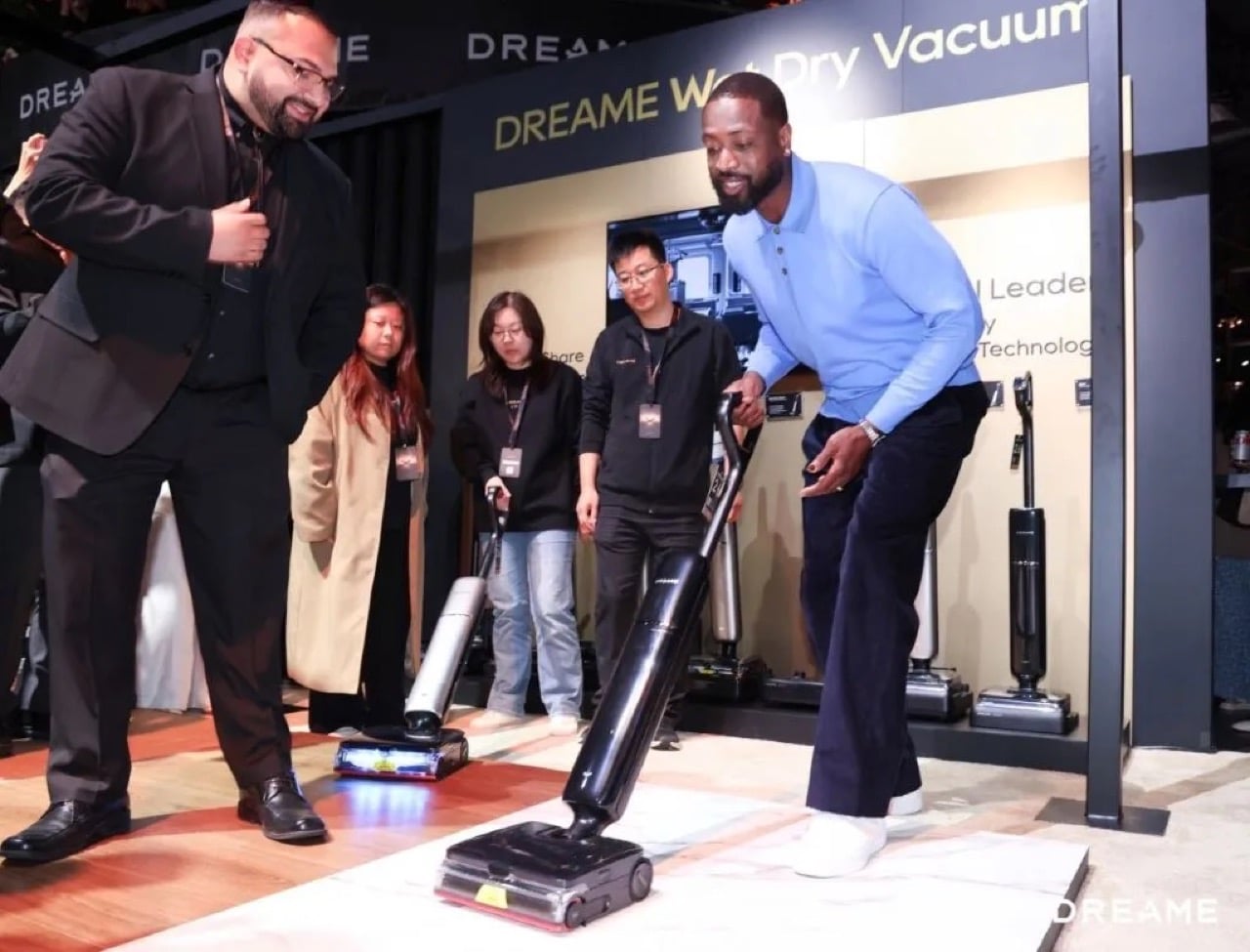
The Nebula NEXT 01 JET Edition kicked things off on April 27th with dual solid-fuel rocket boosters delivering 0-to-100 km/h in 0.9 seconds. Sebastian Thrun showed up to co-present. Steve Wozniak appeared on day three for the smartphone launch. Dwyane Wade demoed cleaning tech on day two. But here’s the thing about this spectacle: buried underneath the celebrity cameos and rocket-powered stunts, Dreame actually showed off some genuinely clever engineering in the categories where they’ve already proven themselves.

Designer: DREAME

The X60 Pro Ultra Complete introduced Dreame’s second-generation Dual UltraExtend Arm, which is exactly what it sounds like: a robotic vacuum with extending appendages that reach into corners and edges. The mop extends 18 centimeters out from the body, the side brush goes 12 centimeters. The fan motor hits 42 kilopascals at 150,000 RPM, which is absurd suction for a robot this size. It climbs 10-centimeter steps, which means double-layer staircases are no longer a dealbreaker. The stereo vision obstacle avoidance keeps it from ramming into furniture, and the runtime is unlimited because it auto-docks and recharges. This addresses the single biggest frustration with robot vacuums: they miss spots. The extending arms mean actual edge-to-edge coverage without manual cleanup afterward.

The Aqua20 Pro Ultra Roller Complete takes a different approach to the same problem. Instead of extending arms, it brings 160-degree Celsius steam directly to the floor. The built-in steam generator reaches temperature in eight seconds, and the steam loosens dirt before the hot water mop follows through. It’s a multi-dimensional attack on kitchen grease and dried pet paw prints, the kind of stuck-on mess that normal robot mops just smear around. The combination of heat, water, and pressure means fewer passes and cleaner floors.

Then there’s the Aero Ultra Steam wet-dry vacuum, which introduces what Dreame calls a Tri-Force Cleaning Solution: 200-degree Celsius steam wash, 194-degree Fahrenheit hot water mopping, and targeted foam wash for pet odors. The suction hits 30 kilopascals, and the body is slim enough at 3.88 inches to slide under most furniture. The runtime goes up to 100 minutes. Wet-dry vacuums have always been finicky because you’re dealing with both dry debris and liquid spills in the same cleaning session, and the separation between air and water matters. Dreame’s using what they call AirHydro Separation technology, an air-shield system that keeps the airflow path isolated from the water recovery path. It means you can switch between vacuuming crumbs and mopping spills without clogging the motor or diluting suction.

Group of diverse attendees at a DreamE booth, a man in a blue shirt points toward the camera while others smile nearby; a robotic vacuum sits on the table in front of them.

The outdoor lineup got similar treatment. The A3 AWD roboticmower uses LiDAR and binocular AI vision for autonomous mapping with no perimeter wires. Four-wheel drive handles 5.5-centimeter obstacles and 80 percent slopes. The cutting height adjusts from 3 to 10 centimeters, and the EdgeMaster system gets within 5 centimeters of boundaries. The All-in Center is what makes this actually hands-off: the mower returns to the base for automatic charging, cleaning, and weatherproof storage. It handles rain, heat, and freezing temps without manual intervention. Most robotic mowers still require you to babysit the charging process or bring them indoors during bad weather. This one just docks and waits.

What Dreame is doing here comes down to three core technologies they’ve been refining since 2015: high-speed digital motors, intelligent algorithms, and bionic robotic arms. The motors hit 200,000 RPM in lab conditions and mass-produce at 160,000 RPM. That’s aerospace-grade engineering applied to household appliances. The robotic arm platform, which started in vacuums, now scales across dishwashers, range hoods, and air conditioners. The AI perception stack learns from 4.05 million datasets across 35 algorithm versions, enabling real-time object detection and scene understanding.

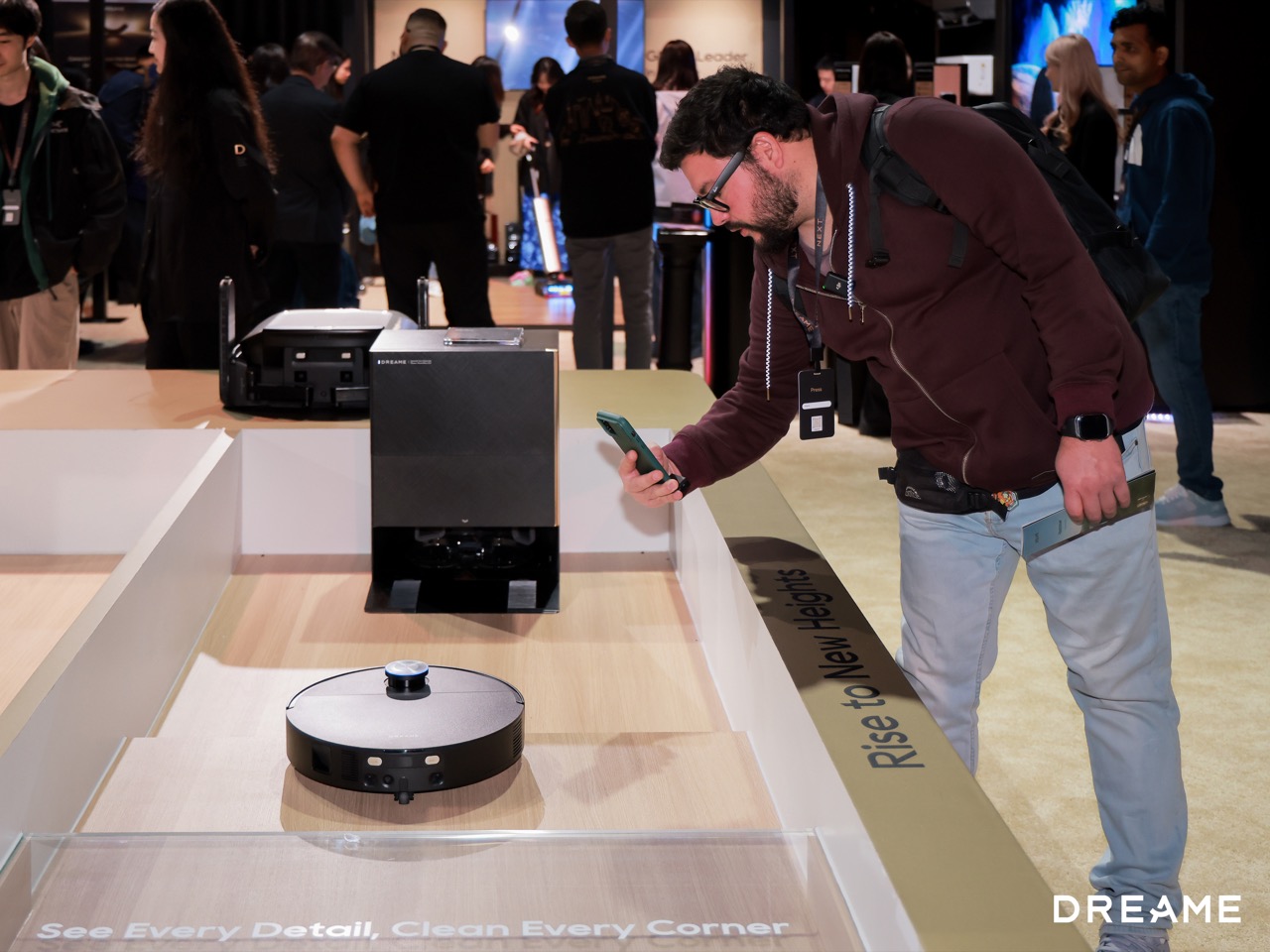
Man in a maroon hoodie leans over a display table to inspect a round robot vacuum while holding a smartphone at a tech expo booth.

The guest list told the story. When Sebastian Thrun, Steve Wozniak, and Dwyane Wade show up for a cleaning appliance company’s launch event, you’re watching category boundaries dissolve. William Fong put it plainly during the opening forum: “Dreame has the foundational OS for reality.” Julie Zhuo noted that Dreame delivers the kind of freedom people actually want. Sebastian Thrun closed with this: “Dreame is positioned to move from AI software into the physical world.”

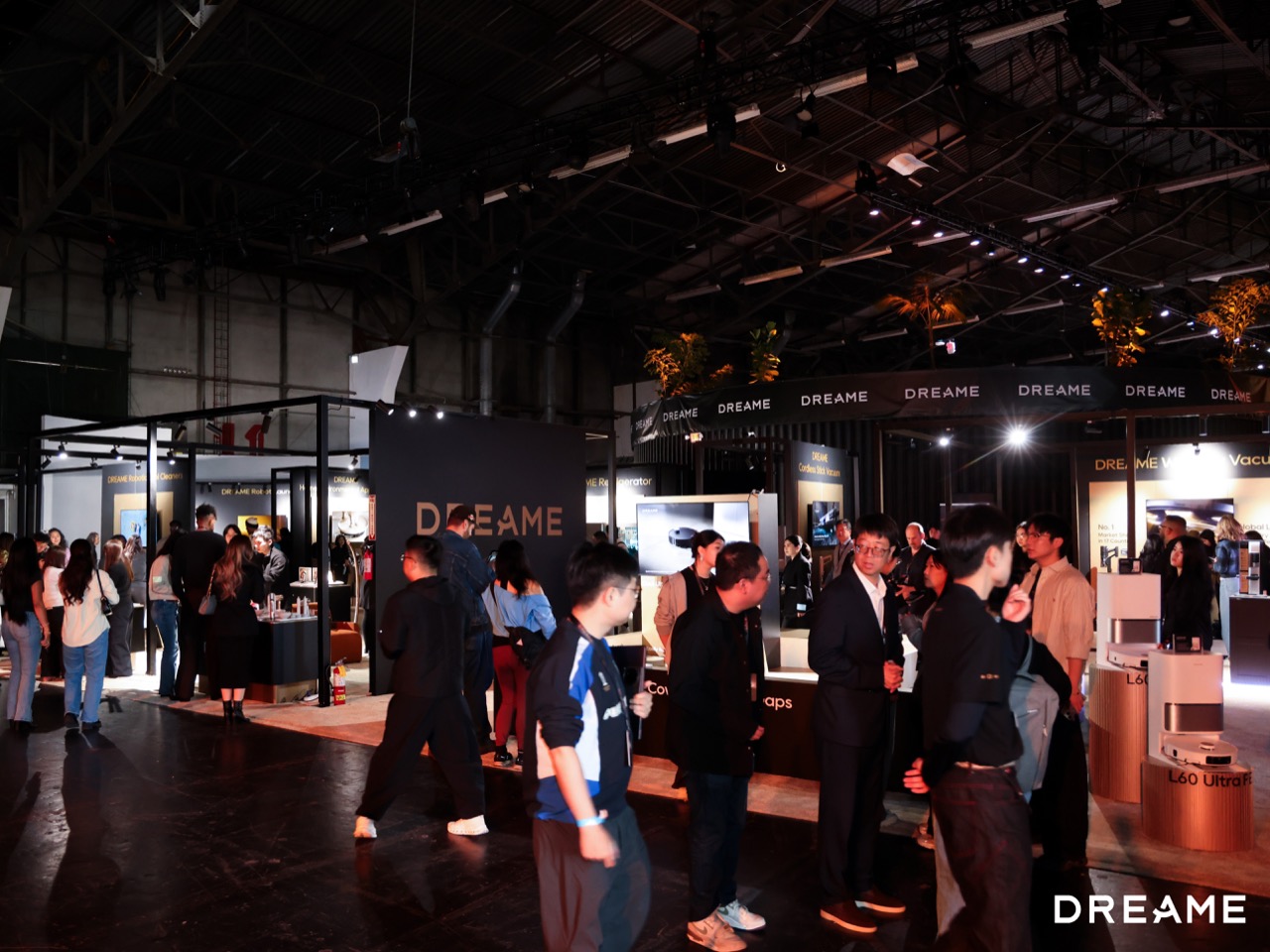
Crowded technology expo with multiple vendor booths and the word DREAME on signage, people chatting and exploring displays at a dark, industrial venue.

Whether refrigerators with hyperspectral sensors and smartphones with modular satellite attachments actually land remains to be seen. But the cleaning tech works because Dreame stayed focused on solving real problems: edges that don’t get cleaned, grease that doesn’t lift, lawns that require constant manual oversight. The rocket car got the headlines. The robot vacuums earned them.

The post DREAME, the Robot Vacuum Company, Just Launched a Rocket Car and 20 Smart Home Products in One Week first appeared on Yanko Design.

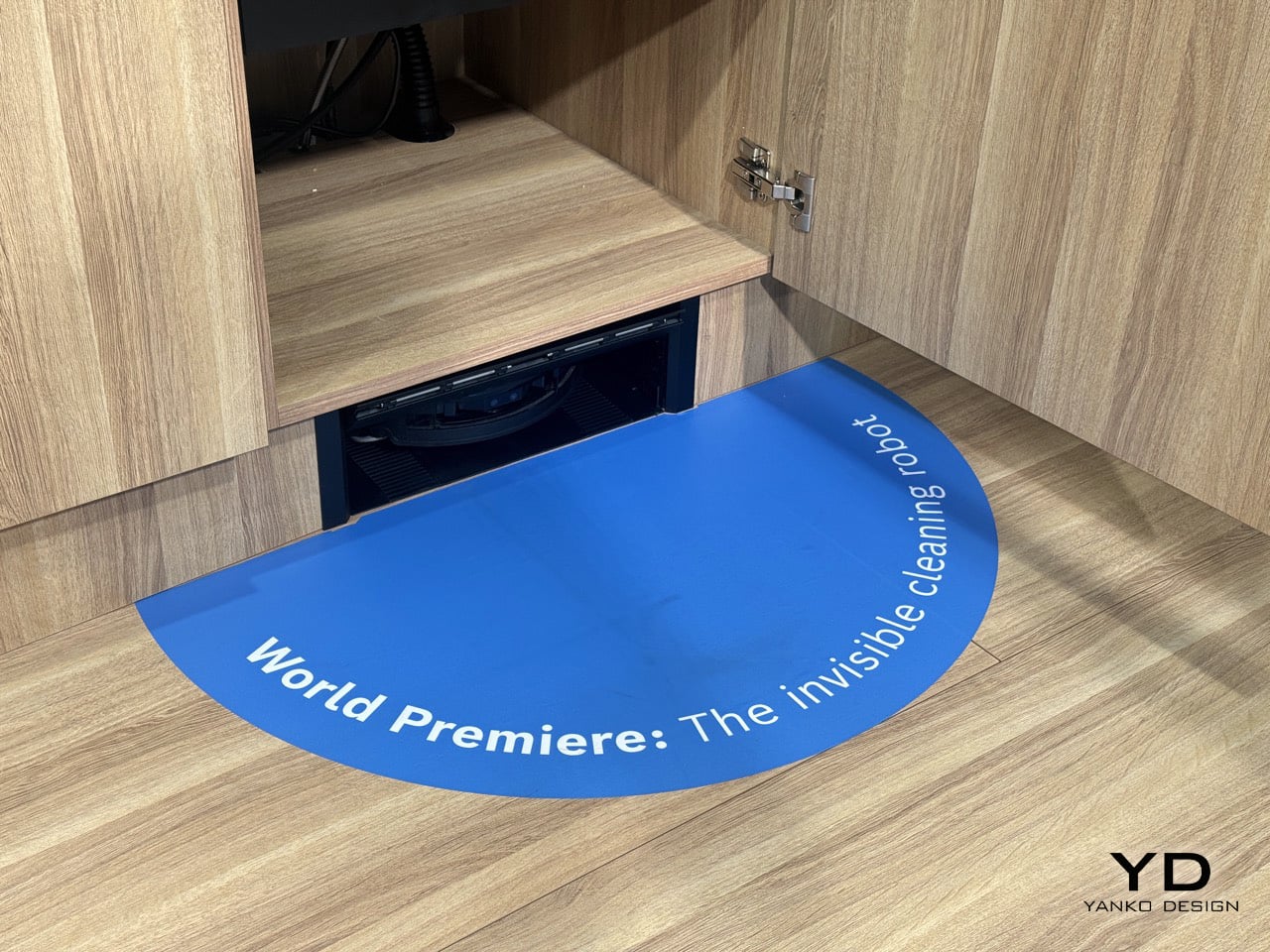
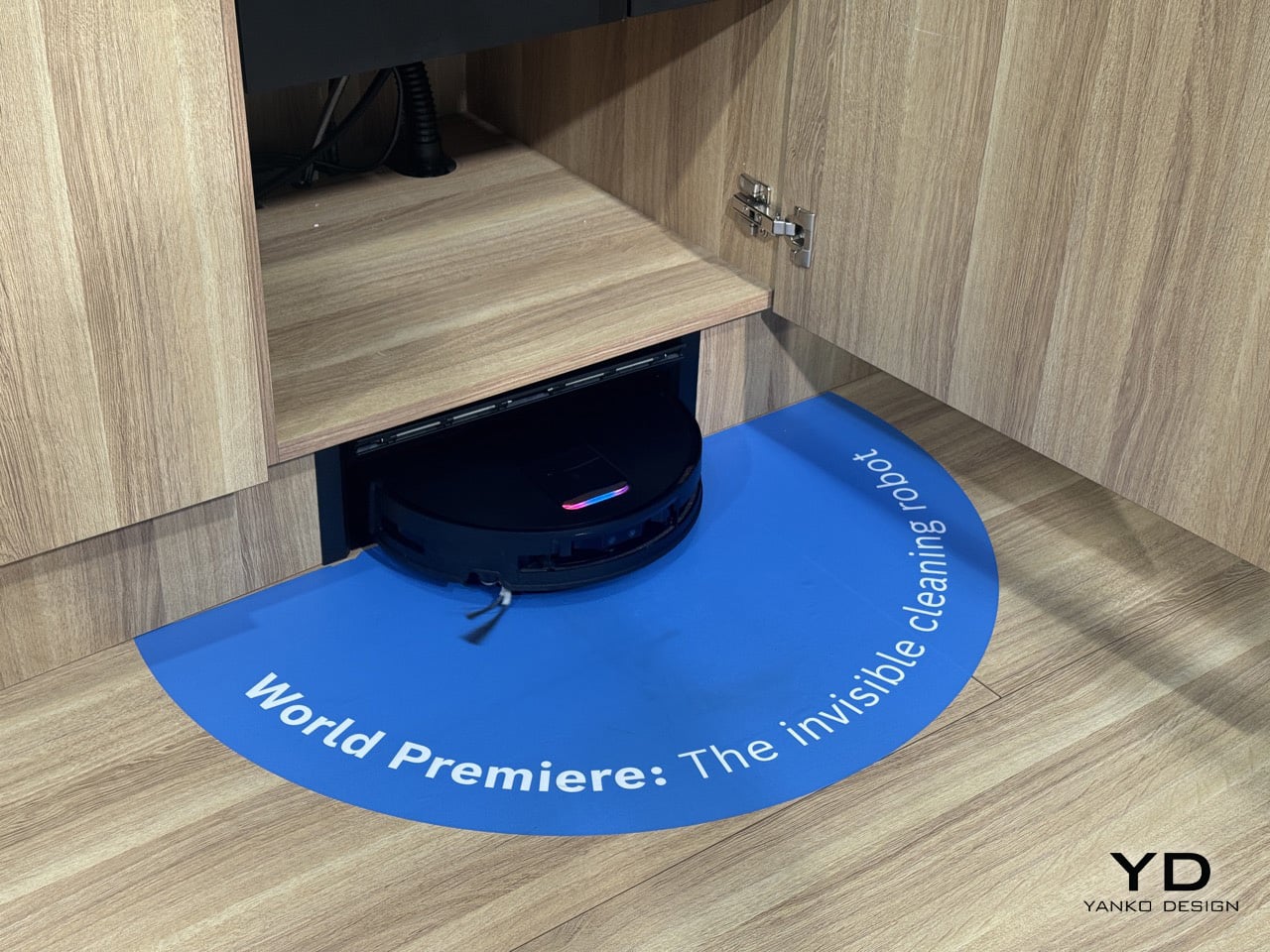
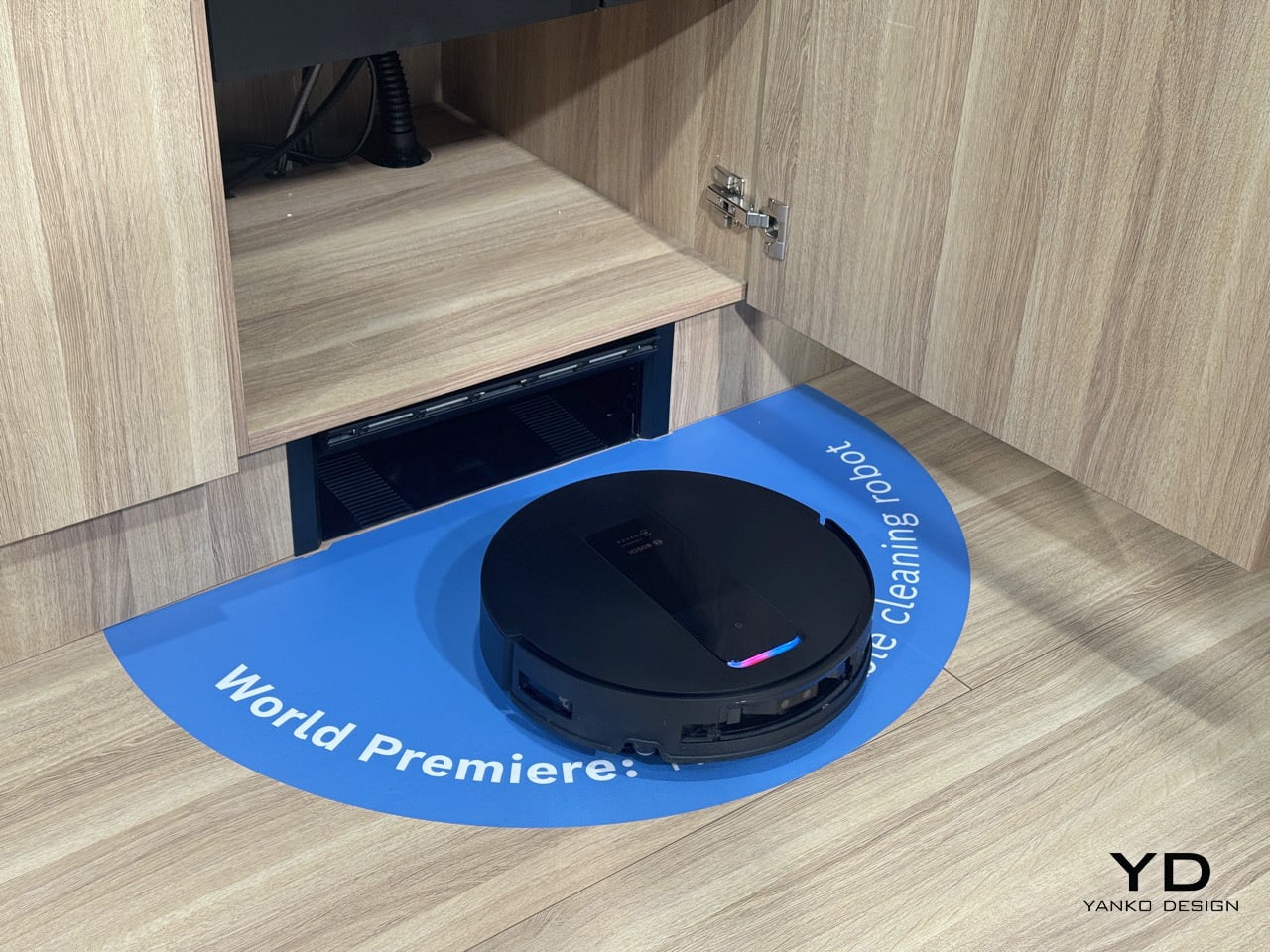
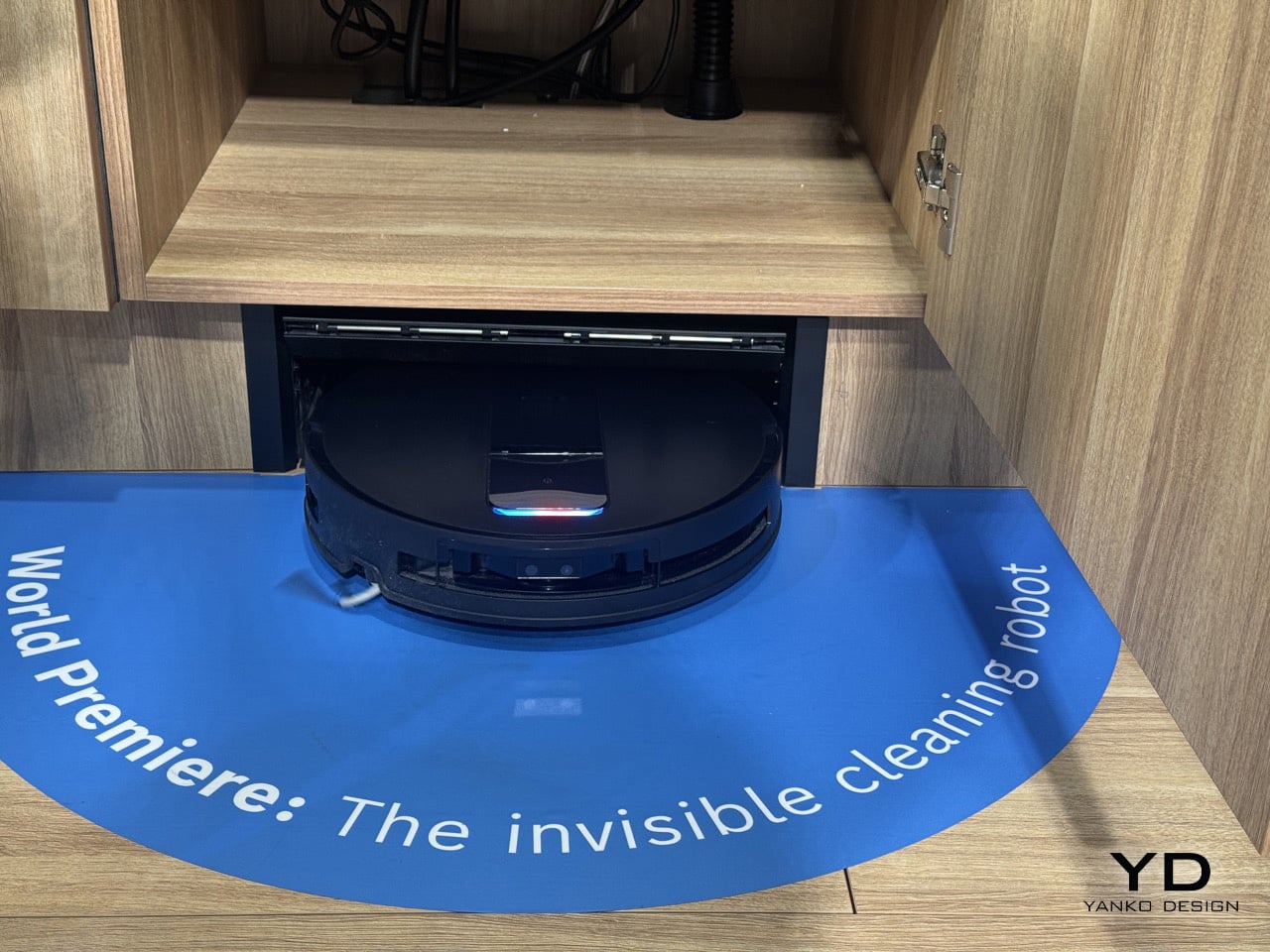
Bosch and ECOVACS Built a Robot Vacuum That Hides Inside Your Kitchen Cabinet… Finally!

ECOVACS has been pushing robot vacuum technology forward for years, from their bagless X11 OmniCyclone to various innovations in navigation and mopping systems. Bosch has been perfecting built-in appliances since before most of us were born, understanding how to make dishwashers and ovens disappear into cabinetry while maintaining full functionality. Put those two companies in a room together and you get something neither could have built alone: the first robot vacuum system designed from scratch to be installed infrastructure rather than portable hardware.

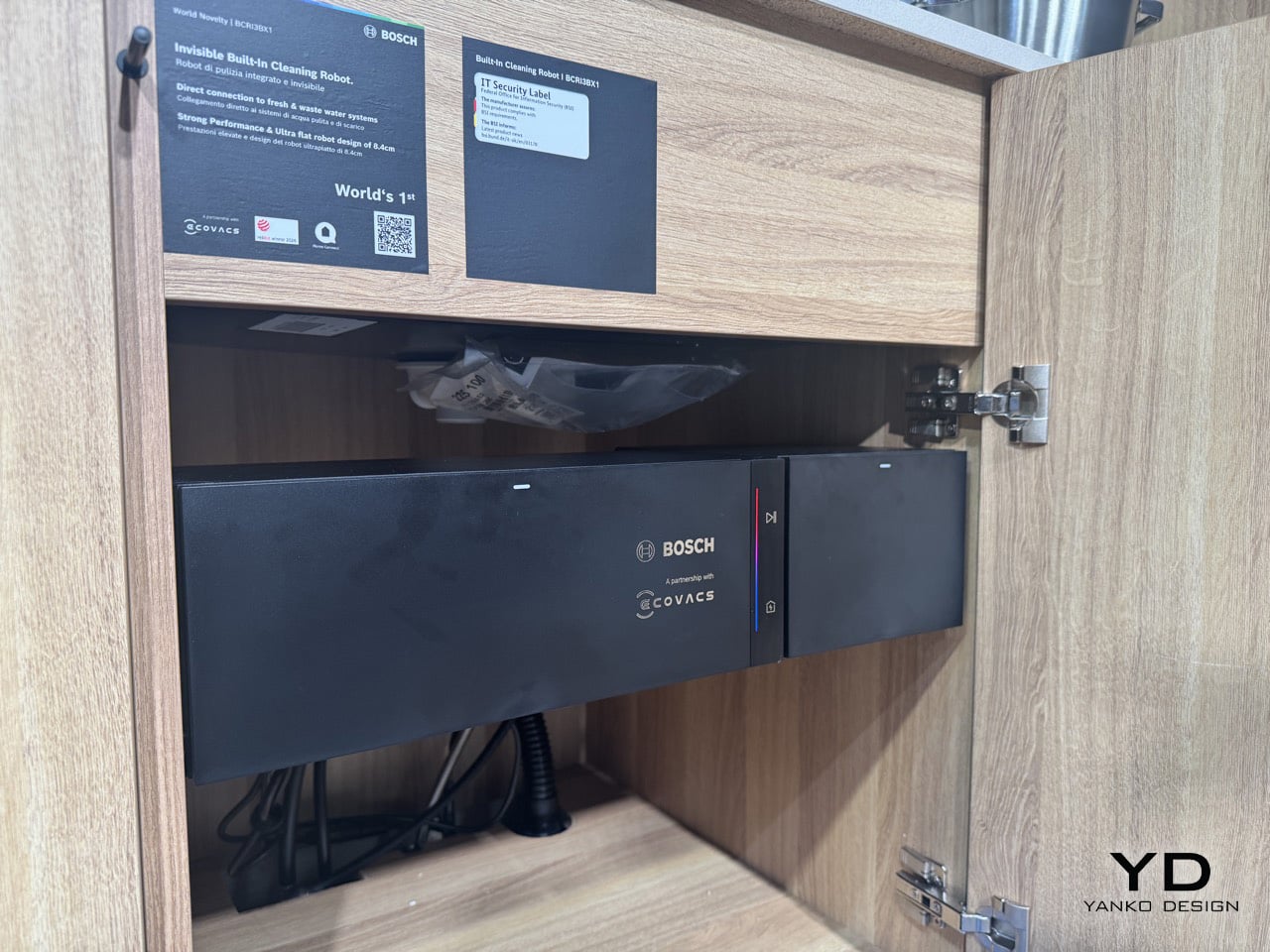
ECOVACS contributed their robotics platform, the patented navigation technologies, the 20,000 Pa suction system, and the mopping mechanics that wash pads with 75°C water and dry them with hot air. Bosch handled the built-in integration, the plumbing connections that let the service station tap into your home’s water and drainage lines, and the cabinet design that fits everything into a sink base while leaving room for your garbage disposal. The system debuts in European stores spring 2026, controlled through the Bosch Home Connect app. Milan Design Week gave us our first look at hardware that reimagines where cleaning robots actually belong.

Designers: Bosch Home Appliances & ECOVACS ROBOTICS

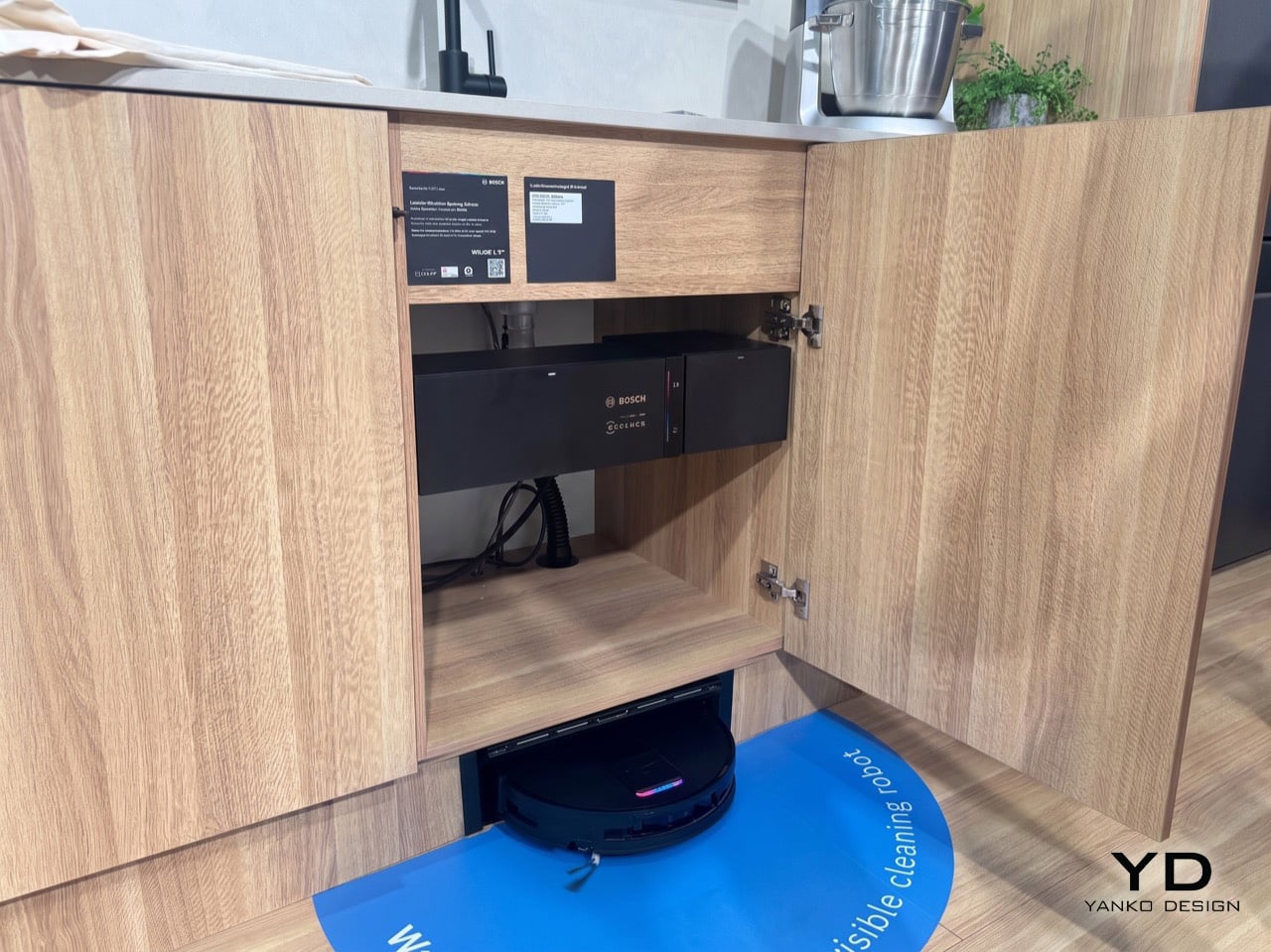
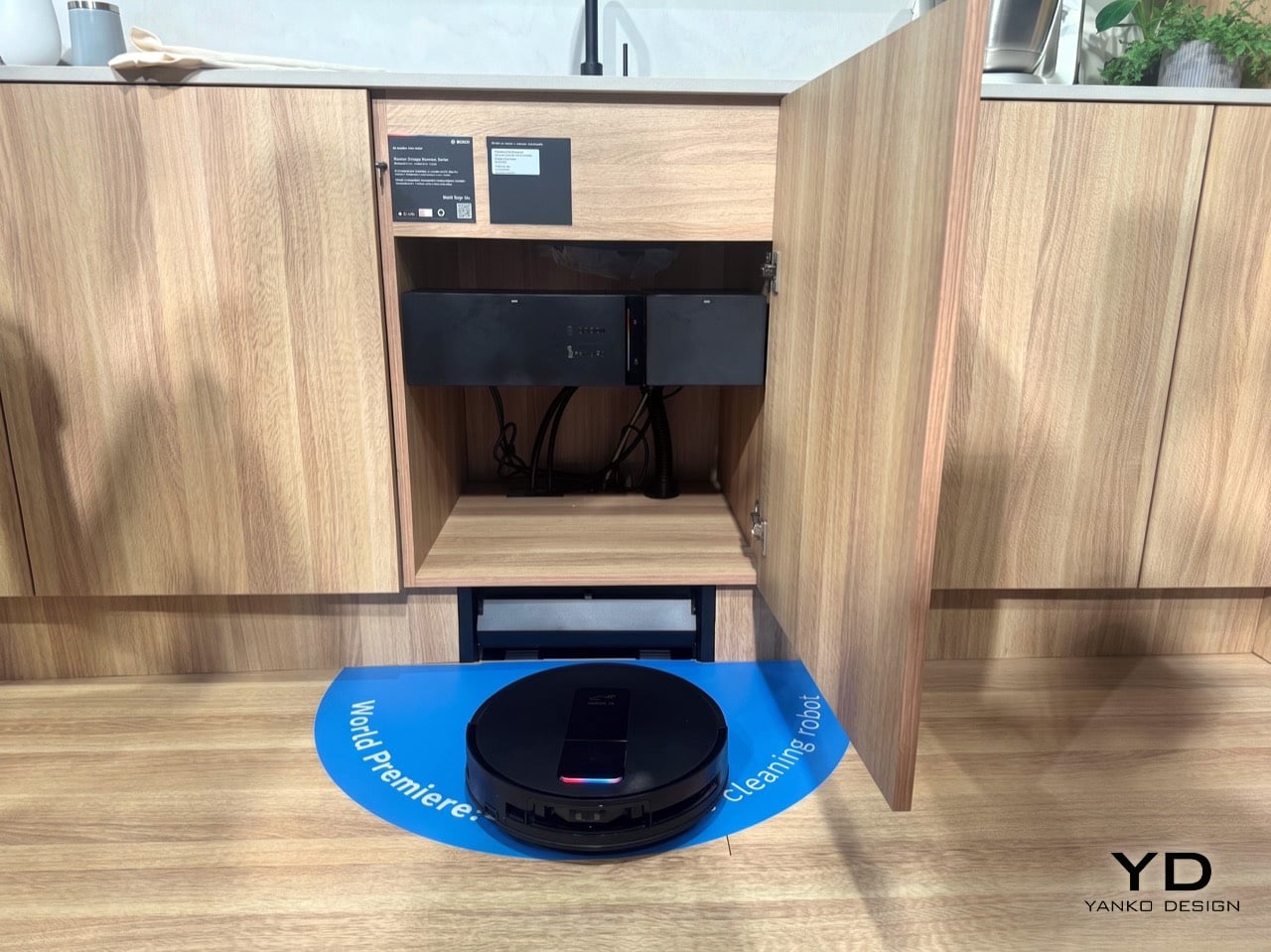
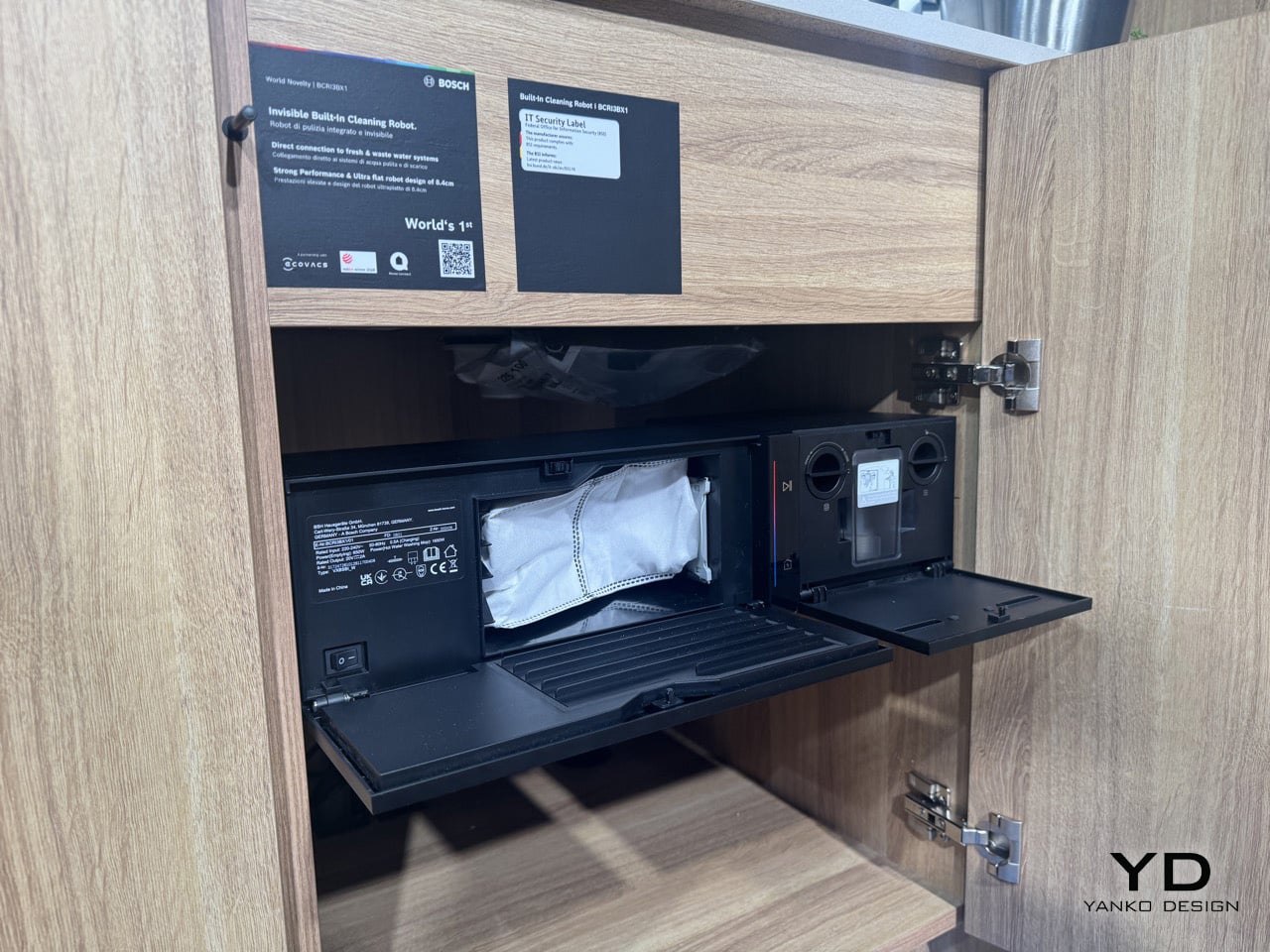
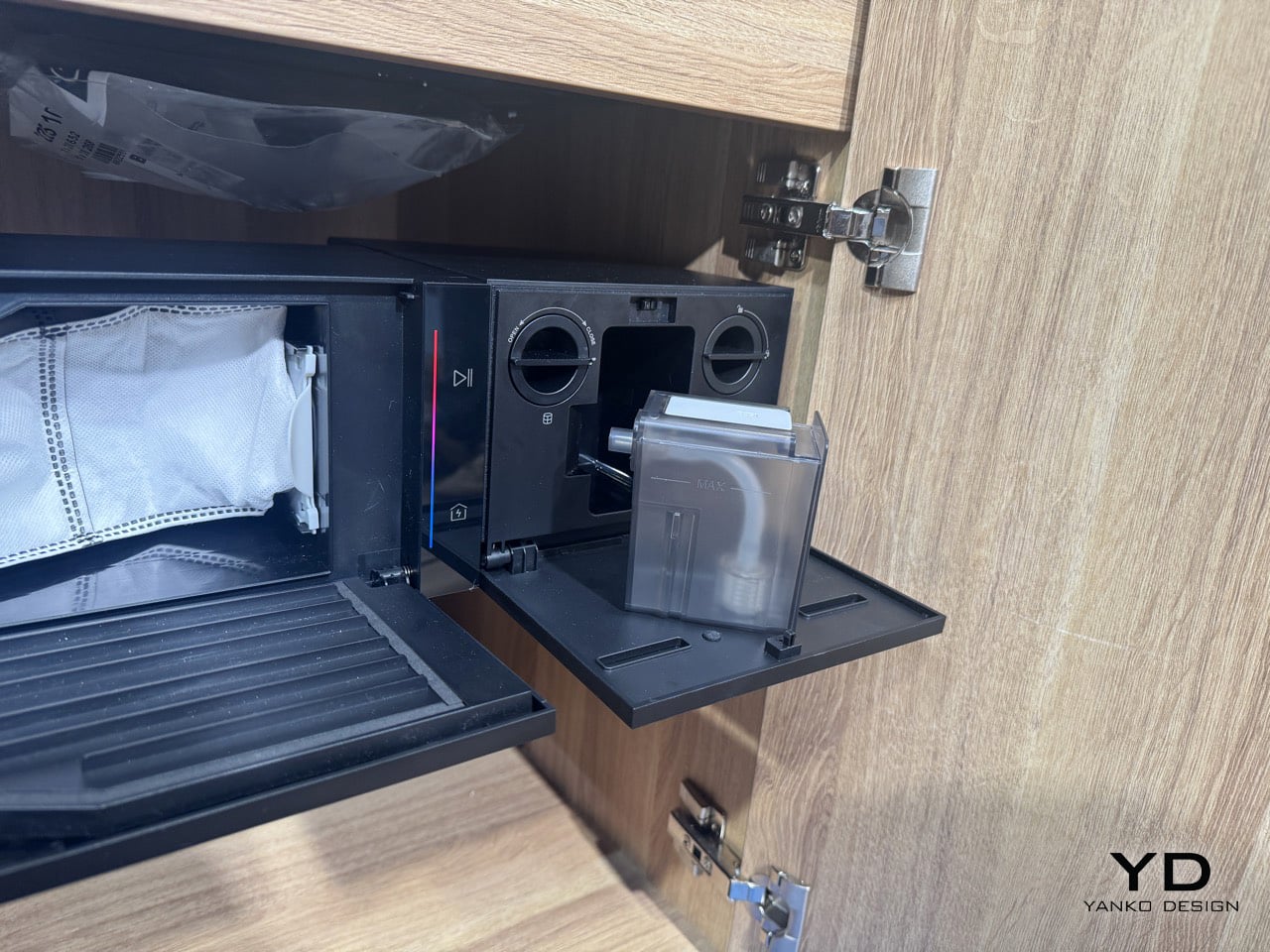
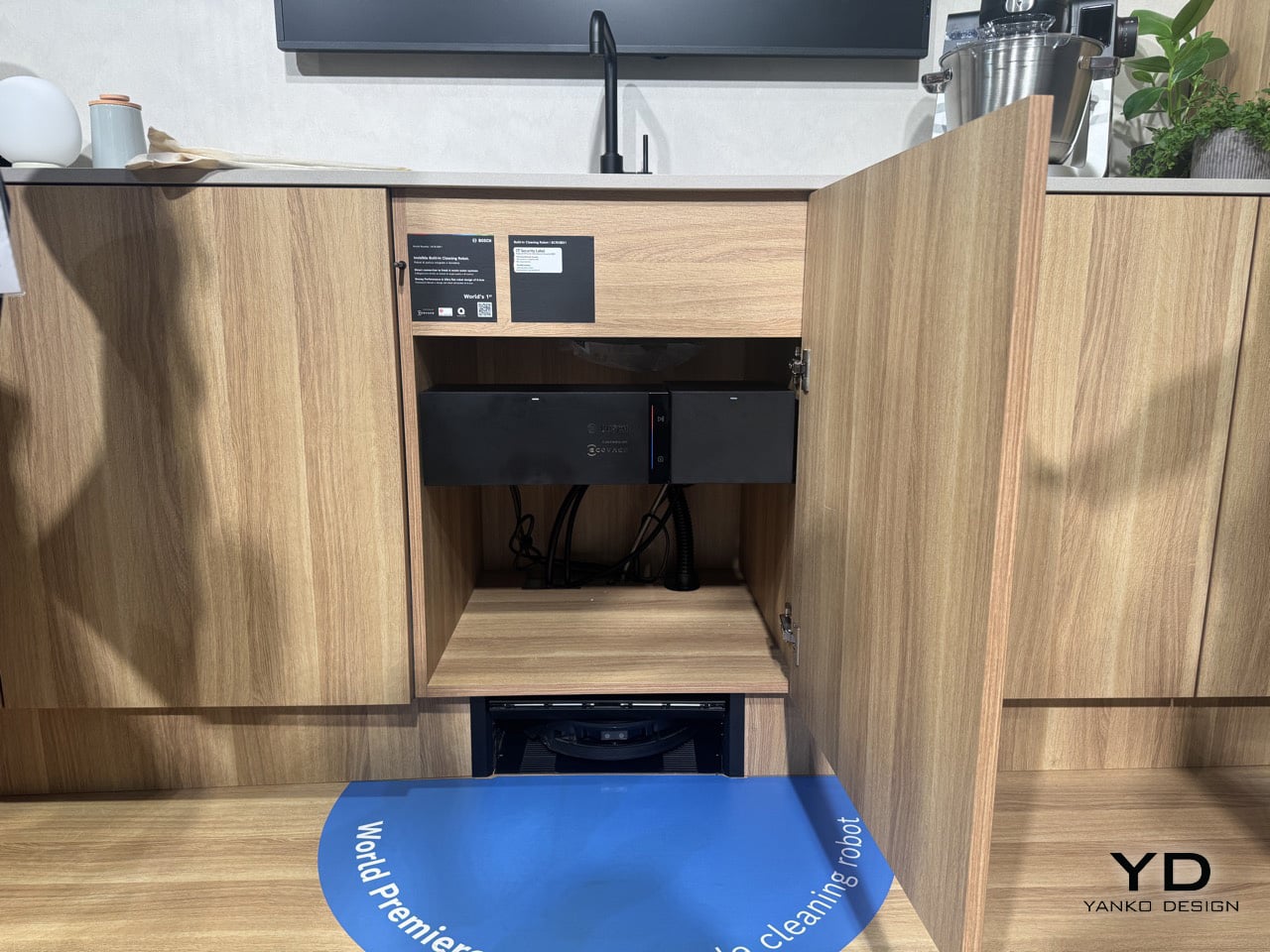
The installation lives entirely within a standard sink base cabinet, which sounds impossible until you see how they’ve packaged it. Two black modules mount to the cabinet’s interior walls, housing the service station components. The left module handles dust collection with a 2-liter antibacterial bag and automatic detergent dispensing. The right module contains the water management system, with fresh water tanks that draw directly from your home’s supply and waste water that drains straight into your plumbing. Between them sits the docking platform where the robot charges and gets serviced. A pull-out tray extends from the service station, revealing the fresh water reservoir with its translucent smoky housing and the cleaning mechanisms that maintain the robot between runs. Everything connects to your kitchen’s existing infrastructure, the same water, drain, and electrical lines that already serve your sink and dishwasher.

The robot itself measures just 84 millimeters tall, which puts it low enough to slip under most furniture and even beneath baseboards that sit 10 centimeters or higher. That 20,000 Pa suction rating makes it the most powerful vacuum Bosch has shipped, and ECOVACS packed in their full navigation suite: Smart Vision camera, structured light sensors, and obstacle detection that lets it map rooms and dodge furniture. Two rotating mop pads handle wet cleaning, with one that extends outward for edge work. An extendable side brush tackles corners. When the robot detects carpet, it lifts those mop pads up to 9 millimeters to avoid soaking fibers. It can climb thresholds up to 20 millimeters high, handling the transitions between rooms without getting stuck.

The demonstration setup at Milan Design Week shows the system in motion. The cabinet doors stay closed, presenting a seamless kitchen facade in light wood. When cleaning time arrives, a section of the baseboard kicks open automatically, revealing a slot just tall enough for the robot to pass through. The vacuum rolls out onto the floor, scans its surroundings, and begins its cleaning pattern. After finishing its route, it navigates back to that same baseboard opening, rolls inside, and the door closes behind it. The whole sequence happens without any visible hardware cluttering your kitchen. Inside the cabinet, the service station gets to work, emptying the dust bin into that 2-liter bag, flushing the mop pads with hot water, and drying them with heated air before the next cleaning cycle.

The control interface runs through Bosch’s Home Connect app, which already manages their other connected appliances. You can view and edit the floor plan the robot creates, set no-go zones for areas you want it to avoid, schedule cleaning routines, or trigger manual cleanings. The app also lets you name your robot if you’re into that sort of thing. All the data stays within EU servers under their data protection requirements, which should address privacy concerns for anyone wary of cloud-connected cleaning devices. The system meets both Bosch and ECOVACS quality and safety standards, combining Bosch’s appliance reliability with ECOVACS’ robotics expertise.

The Bosch built-in vacuum and mop robot is on display at Milan Design Week through April 13th at the Euro Cucina section, where Bosch is showing their latest kitchen innovations. This represents the first time most people will get to see a fully integrated robot cleaning system in person, and it’s the kind of thing you need to watch operate to fully understand. Spring 2026 availability means anyone renovating a kitchen or building new has about a year to plan for installation, which requires coordination with your kitchen installer and access to the necessary plumbing and electrical connections during construction.

The post Bosch and ECOVACS Built a Robot Vacuum That Hides Inside Your Kitchen Cabinet… Finally! first appeared on Yanko Design.

3D-Printed Faces for Robot Vacuums Get Messy Every Time They Bump

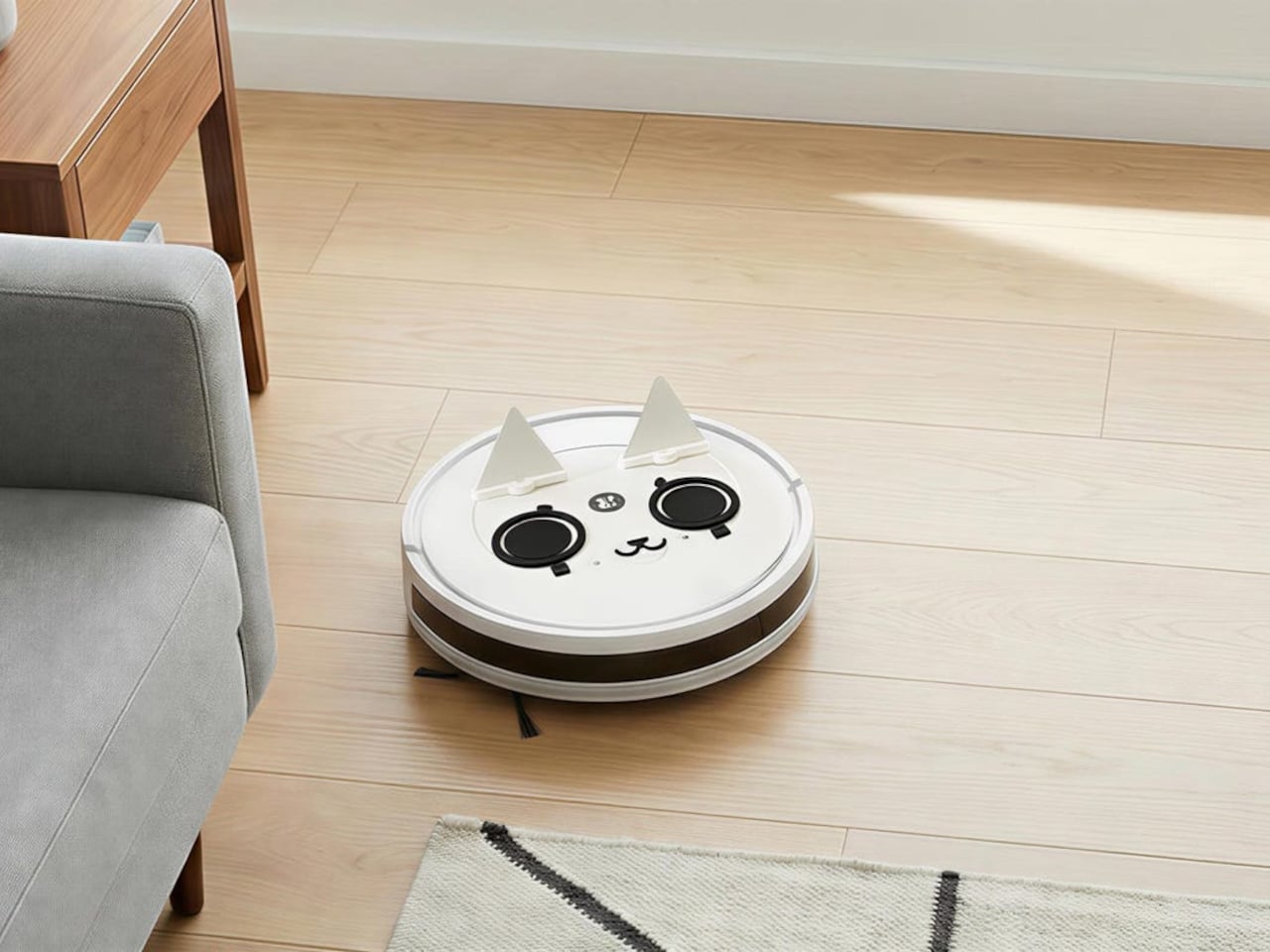
Robot vacuums quietly patrol floors as anonymous discs, efficient but a little eerie, especially for kids and pets who aren’t quite sure what to make of a machine that roams around on its own. They slide under sofas, bump into chair legs, and dock again without anyone feeling particularly attached to them. It doesn’t take much to turn that same machine into something closer to a small pet that happens to vacuum.

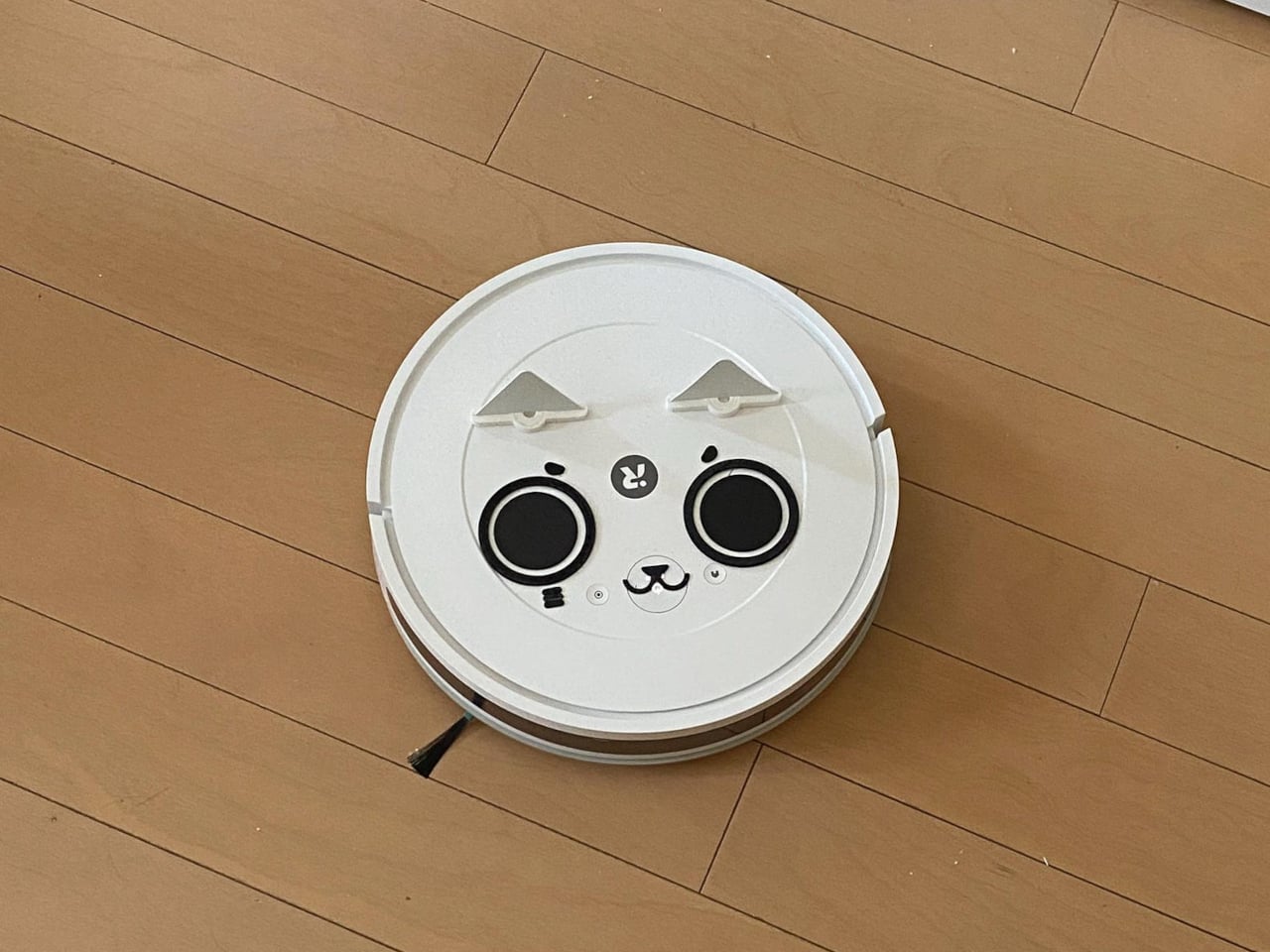
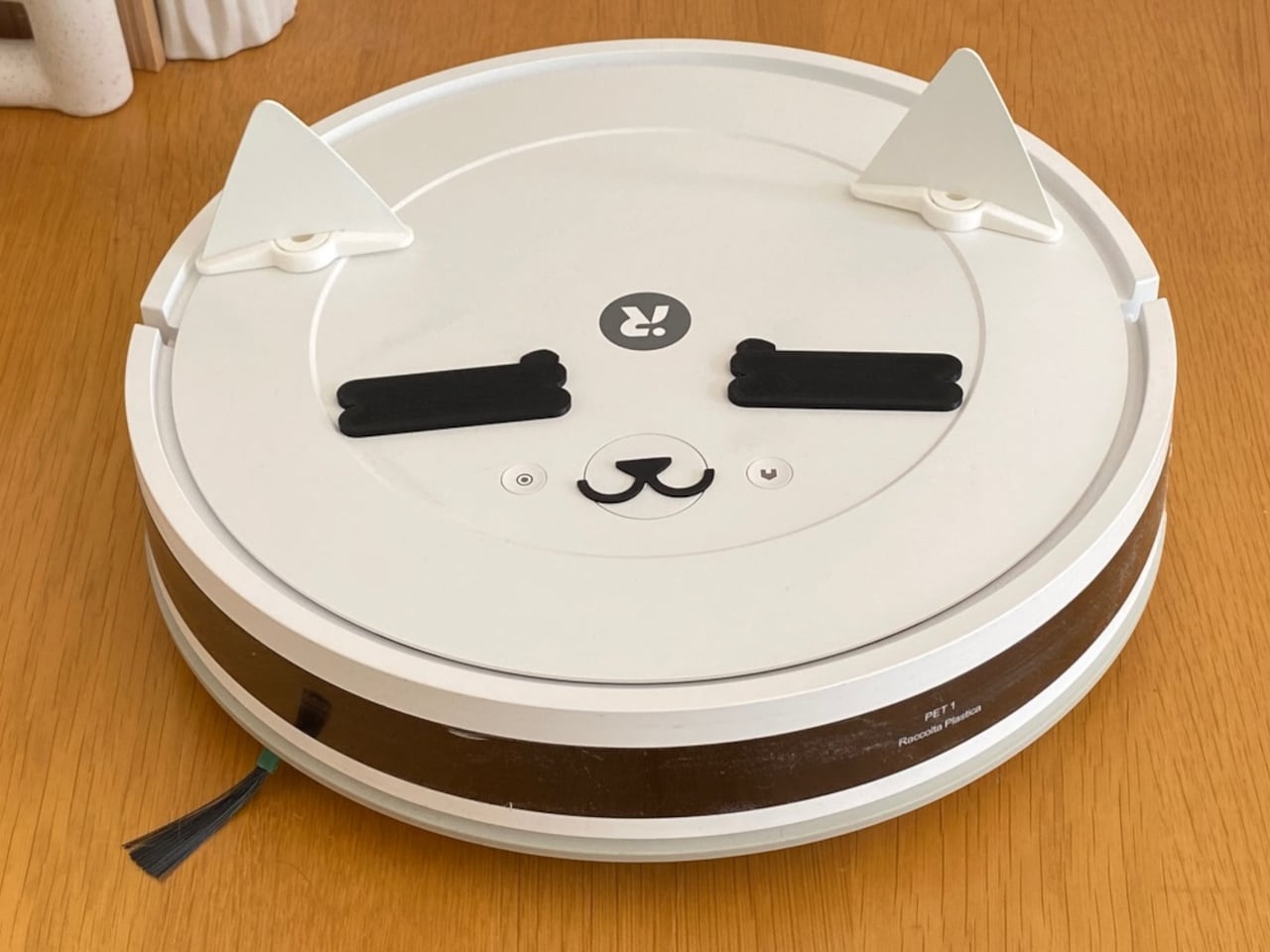
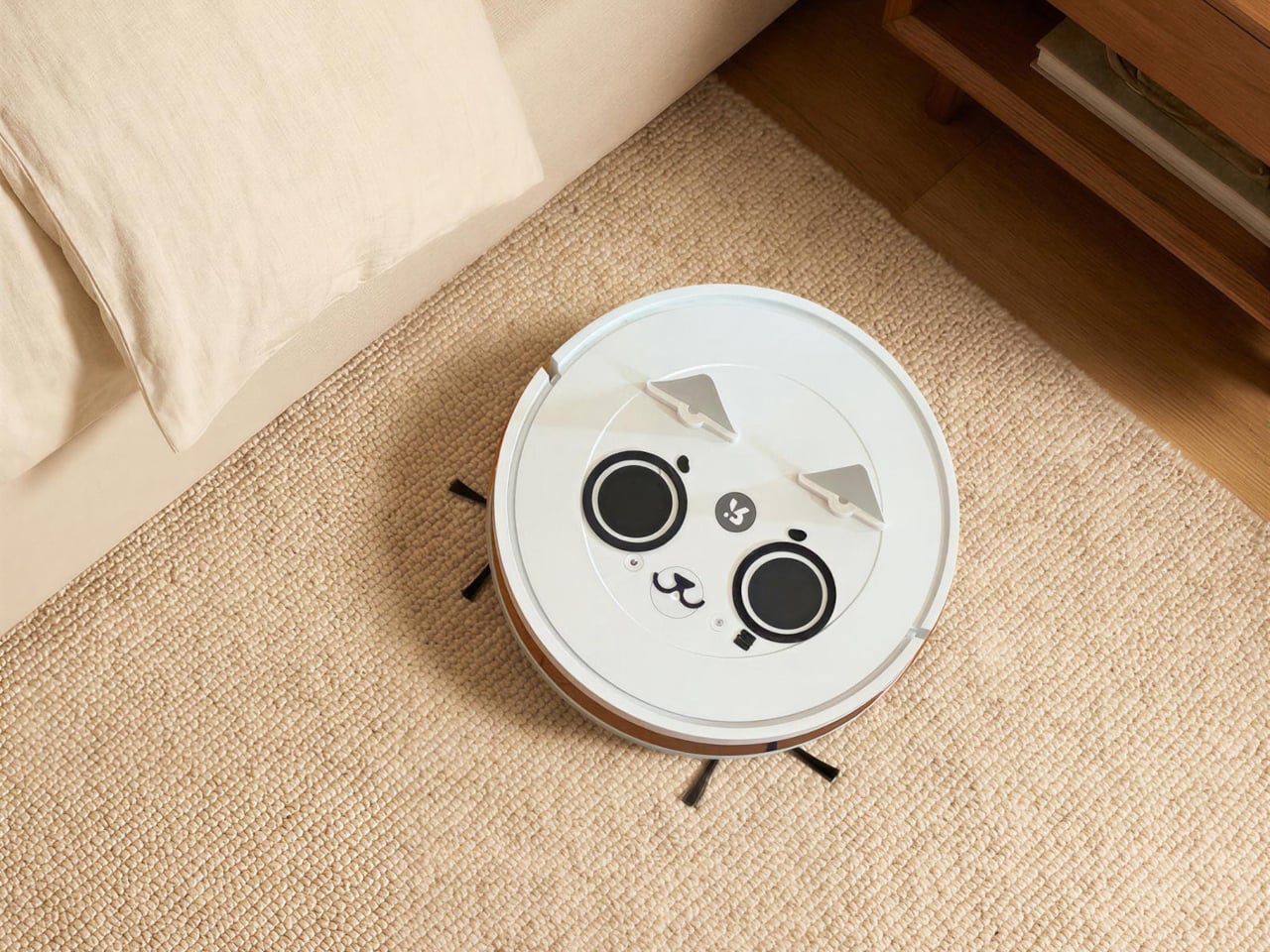
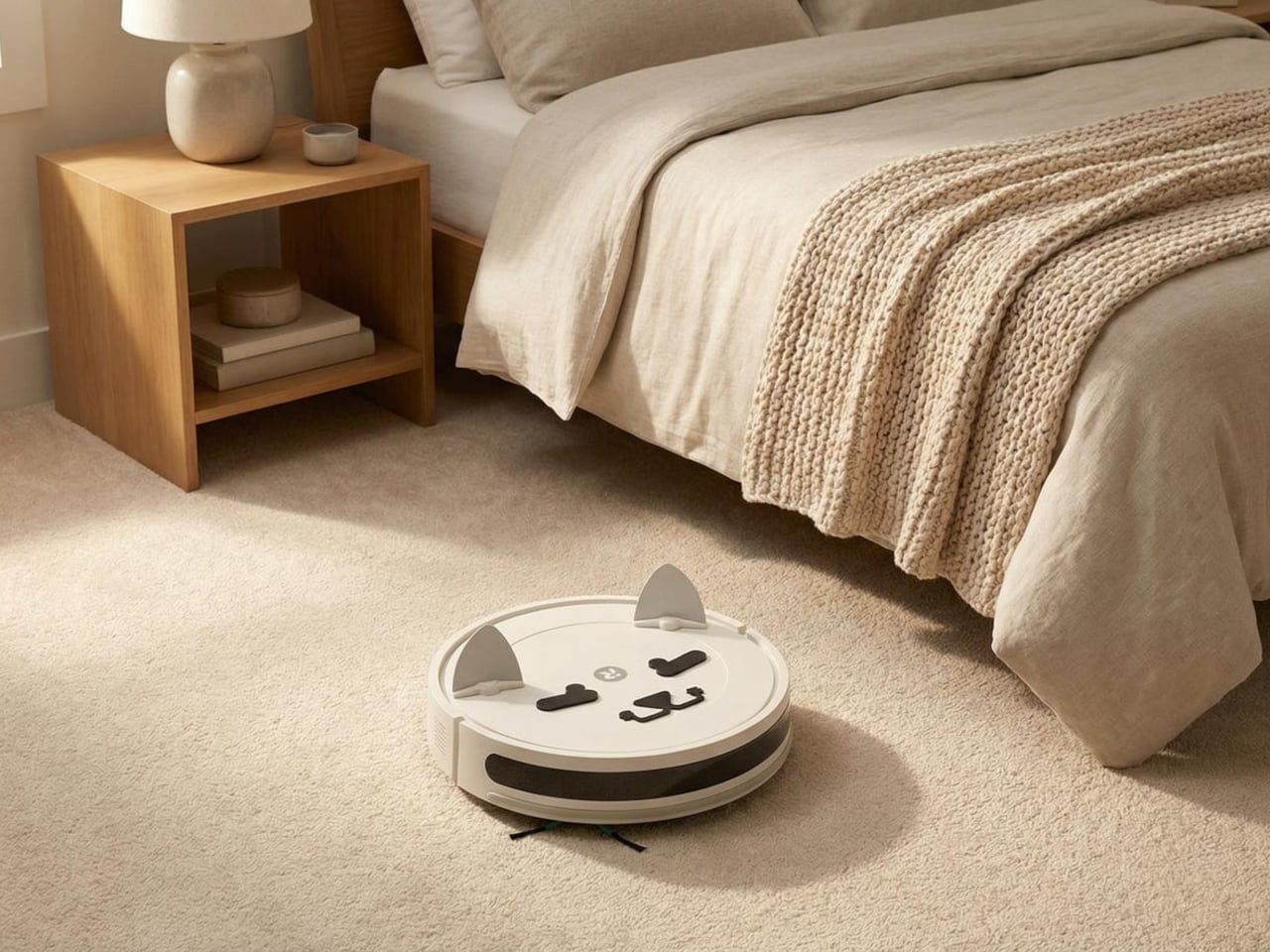
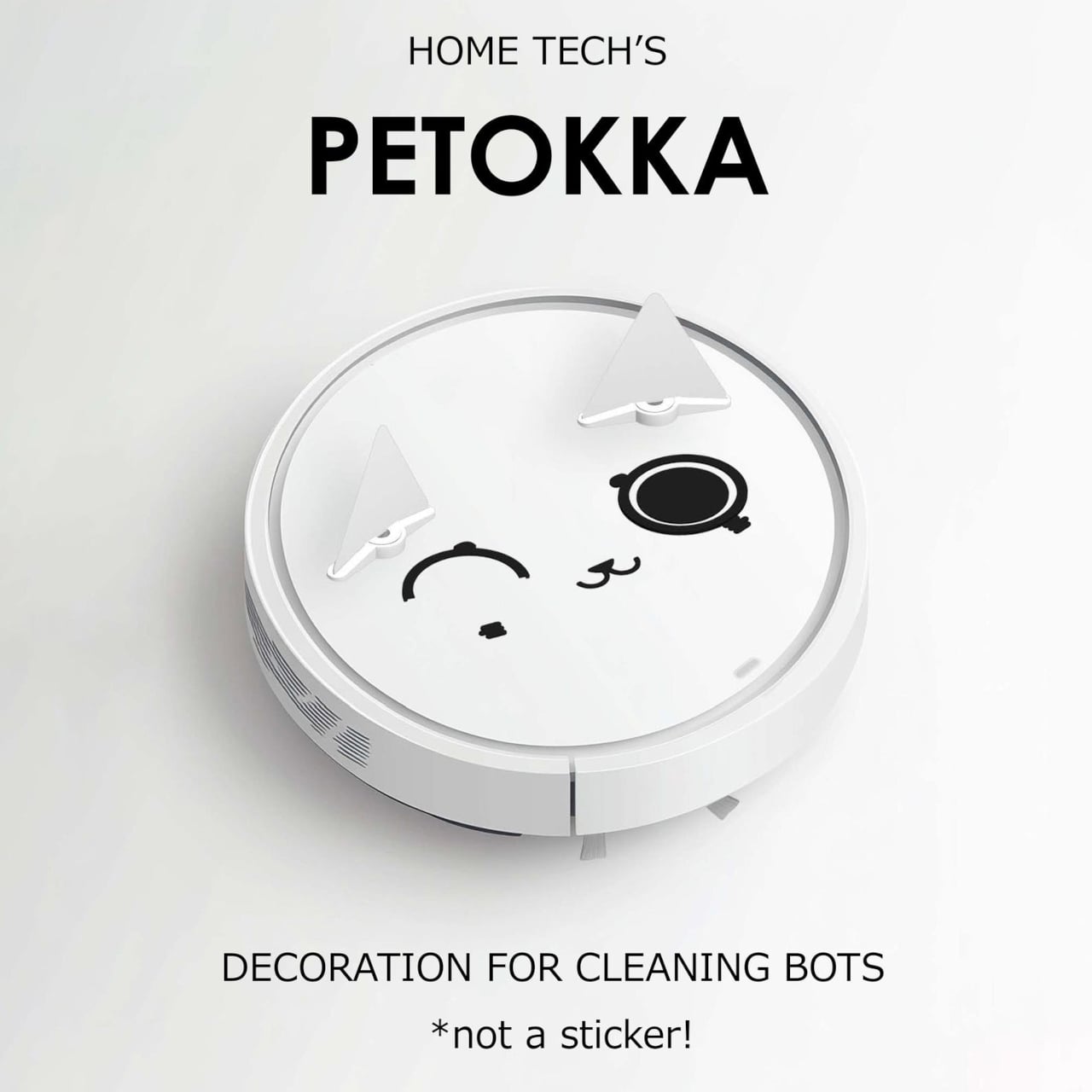
This 3D-printed cat/dog robot vacuum decoration, sold under the Petokka name, is a small kit that gives the robot a face, ears, and movable eyes. Rather than stickers, it’s a set of PLA parts that sit on top of the vacuum and react to how it moves, so the cleaning bot comes back from a run looking like it’s had its own adventure.

Designer: Zakka Gyou

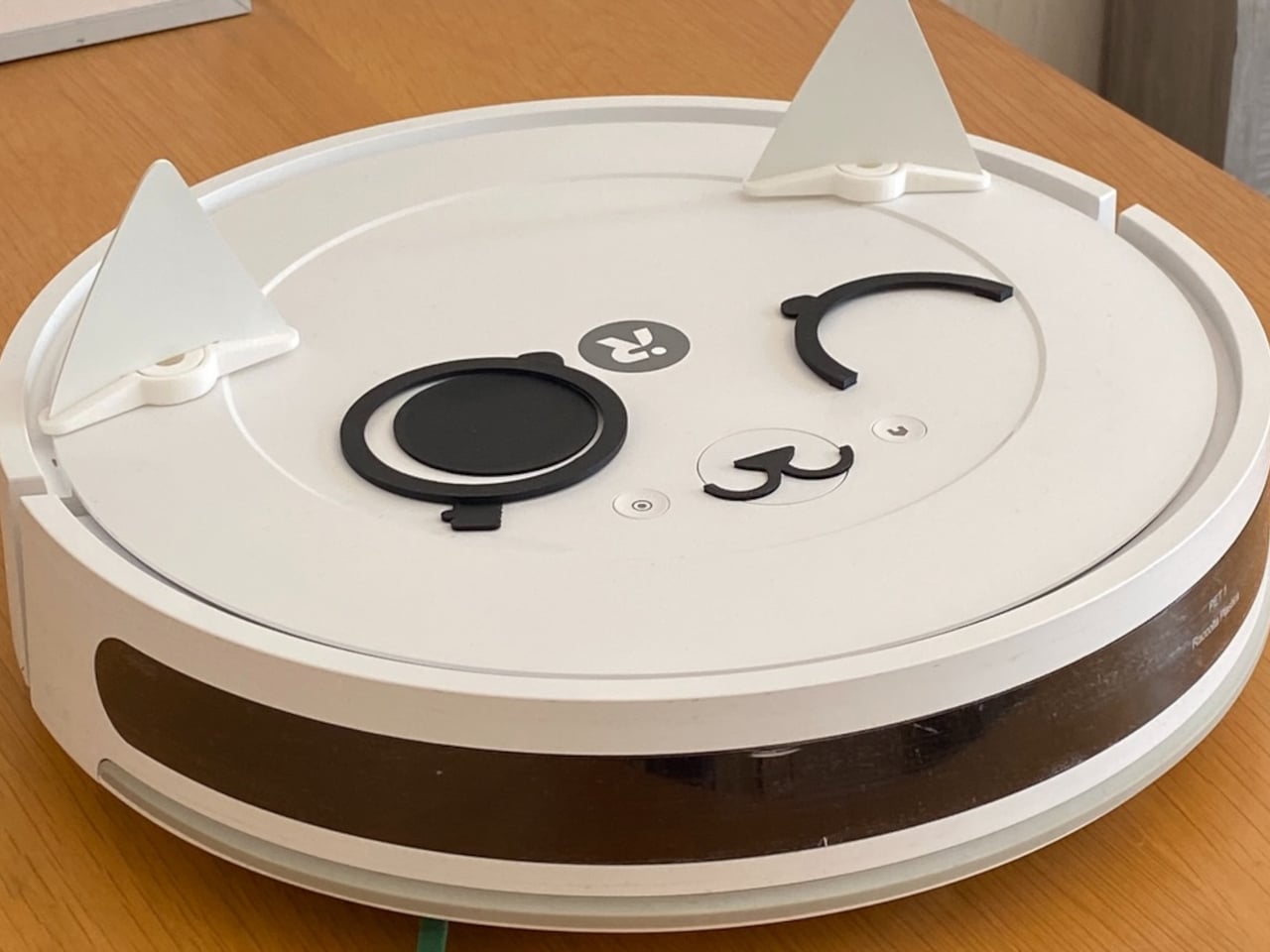
A vacuum starts a cycle with wide eyes and perky ears, then bumps into table legs and skirting boards. Each impact nudges the eye assemblies, twisting pupils into crossed or sleepy positions, while crawling under furniture folds the hinged ears back. When the robot docks, its face is slightly scrambled, and you can read its route in the way its expression has shifted, one eye drowsy, one ear still folded down.

The kit works without wiring or electronics. The eyes sit on low-friction pivots, the ears are hinged triangles, and everything is 3D-printed in PLA and resin. There’s no battery, just gravity and inertia doing the work. The seller includes a choking-hazard warning, noting that parts aren’t meant for toddlers or pets that chew, with an option to request only ears or sticker faces if small pieces are a concern.

Petokka is designed for basic IR or bump-type cleaners with flat tops, like many Roomba-style bots. If a vacuum uses a LiDAR turret or top camera, those areas need to stay uncovered, or mapping can suffer, though some tests showed no interference. The kit is an overlay, not a hack, meant to respect the robot’s sensors while giving it a personality that changes with every session.

Each set is printed in a small Japanese atelier, with visible layer lines and tiny imperfections from 3D printing. The maker calls this an early test edition, with certification in progress and materials documented with safety data sheets. It’s a limited-run experiment rather than a mass-market accessory, which makes it feel more like a crafted character than a licensed skin you buy from a retailer.

A handful of plastic parts can change the emotional temperature of a room. The vacuum still cleans the same way, but now it looks back at you with lopsided eyes and folded ears after working its way around furniture. It’s hard not to say “nice job” when it docks looking like it just survived an obstacle course, which is a reminder that sometimes making home tech friendlier isn’t about new sensors or AI, it’s a face that gets a little messed up while it works.

The post 3D-Printed Faces for Robot Vacuums Get Messy Every Time They Bump first appeared on Yanko Design.

Roborock’s New Flagship Line Brings Sculpted Design to Smart Cleaning at CES 2026

The idea of a smart home has long been defined by individual devices, each designed to solve a single task in isolation. But modern homes no longer operate in clean lines. Multi-level layouts, pets, kids, and yards that stretch from kitchen tile to sloped grass create environments where a single device rarely finishes the job. At CES 2026, Roborock is using that complexity as a design brief, especially for households across North America where scale and texture demand more than one kind of intelligence.

Roborock’s “The Greatest Meeting the Greatest” theme frames this as a meeting between world-class engineering and the realities of everyday living. This year’s lineup is less about one hero product and more about a family of specialists, from a flagship robot that can see and adapt in three dimensions, to a one-pass floor-care robot, a foam-based floor washer, and an AWD mower that treats the yard as part of the home.

Designer: Roborock

Click here to know more.

Greatness in Intelligence

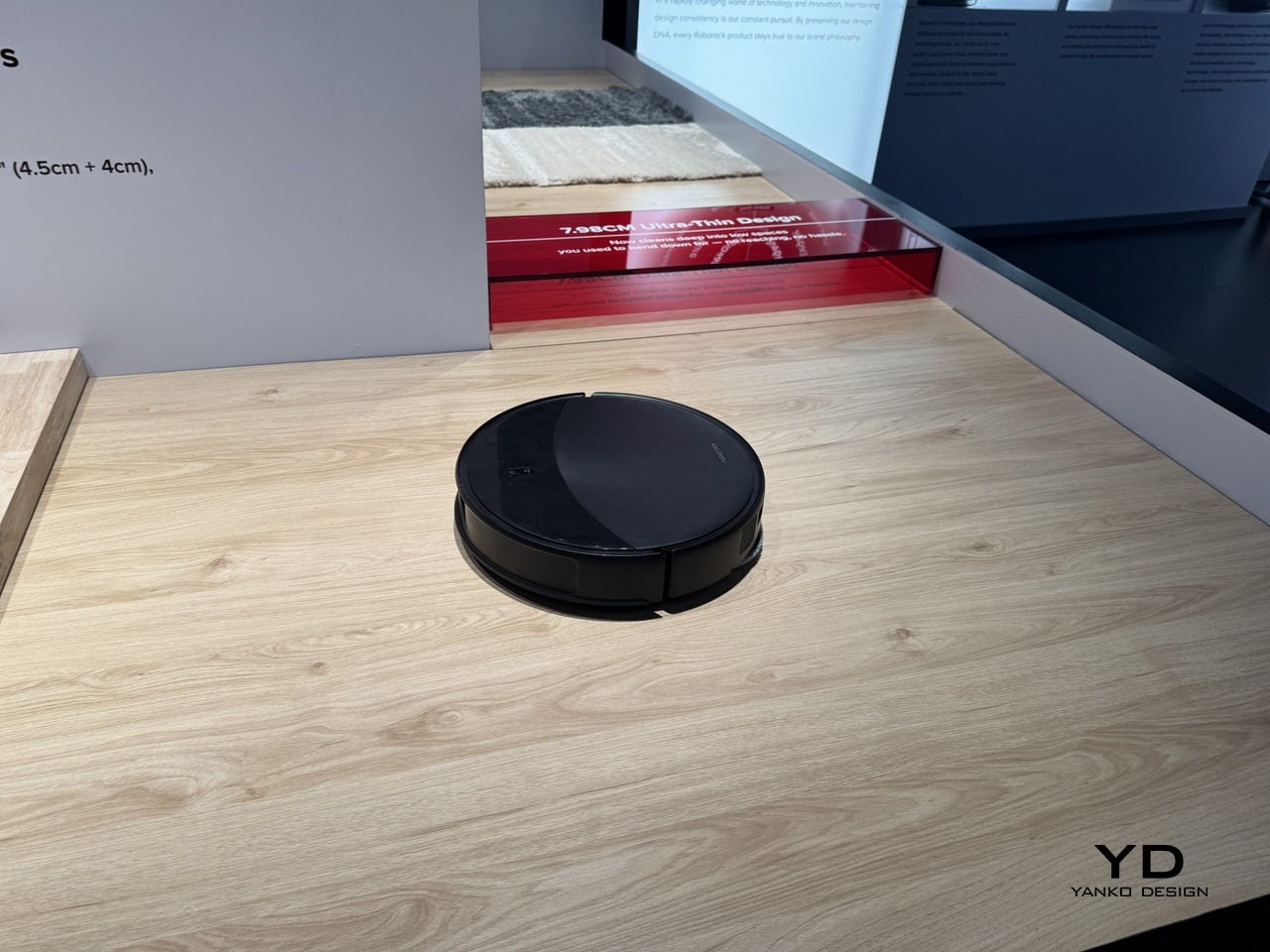
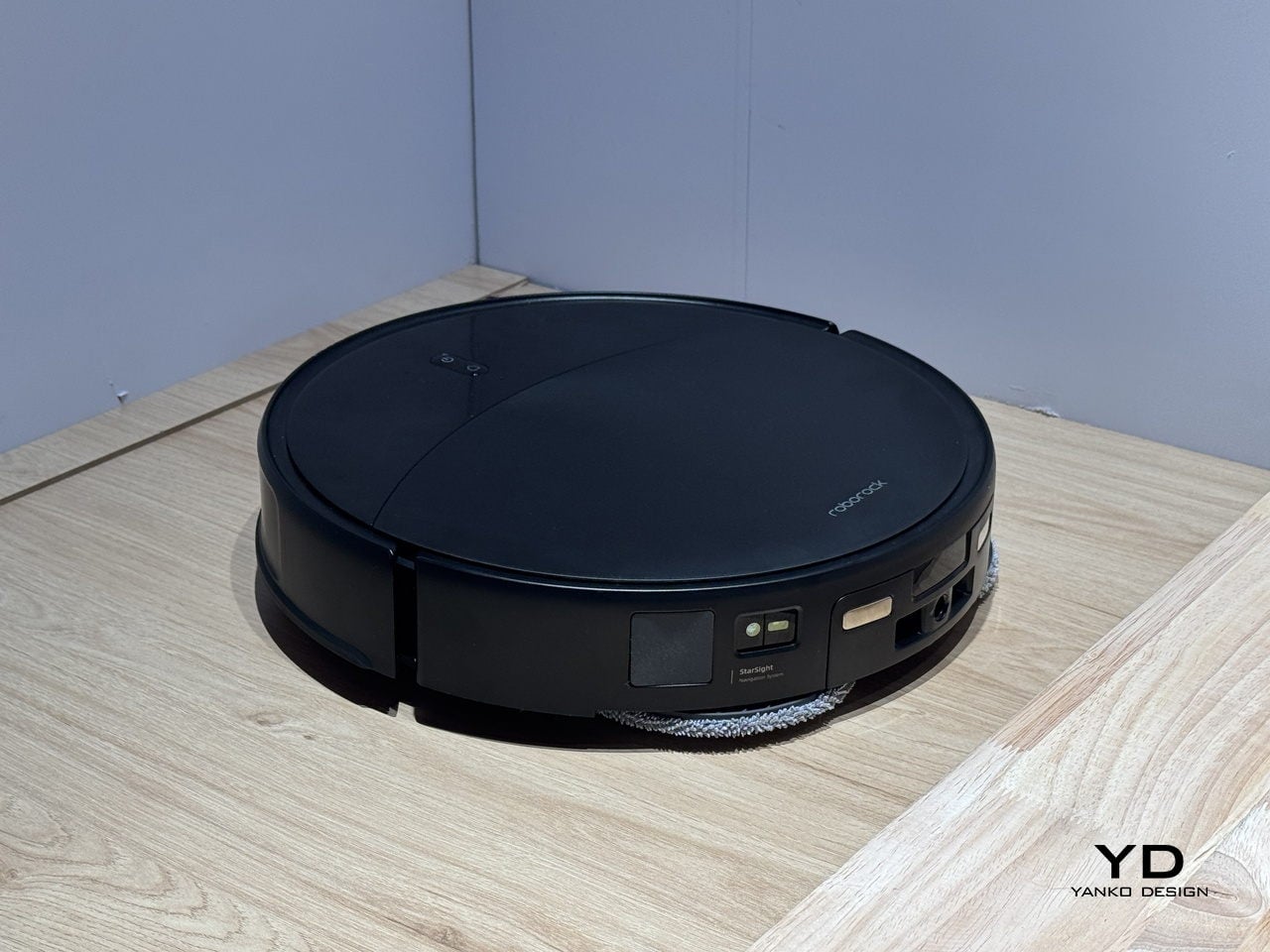
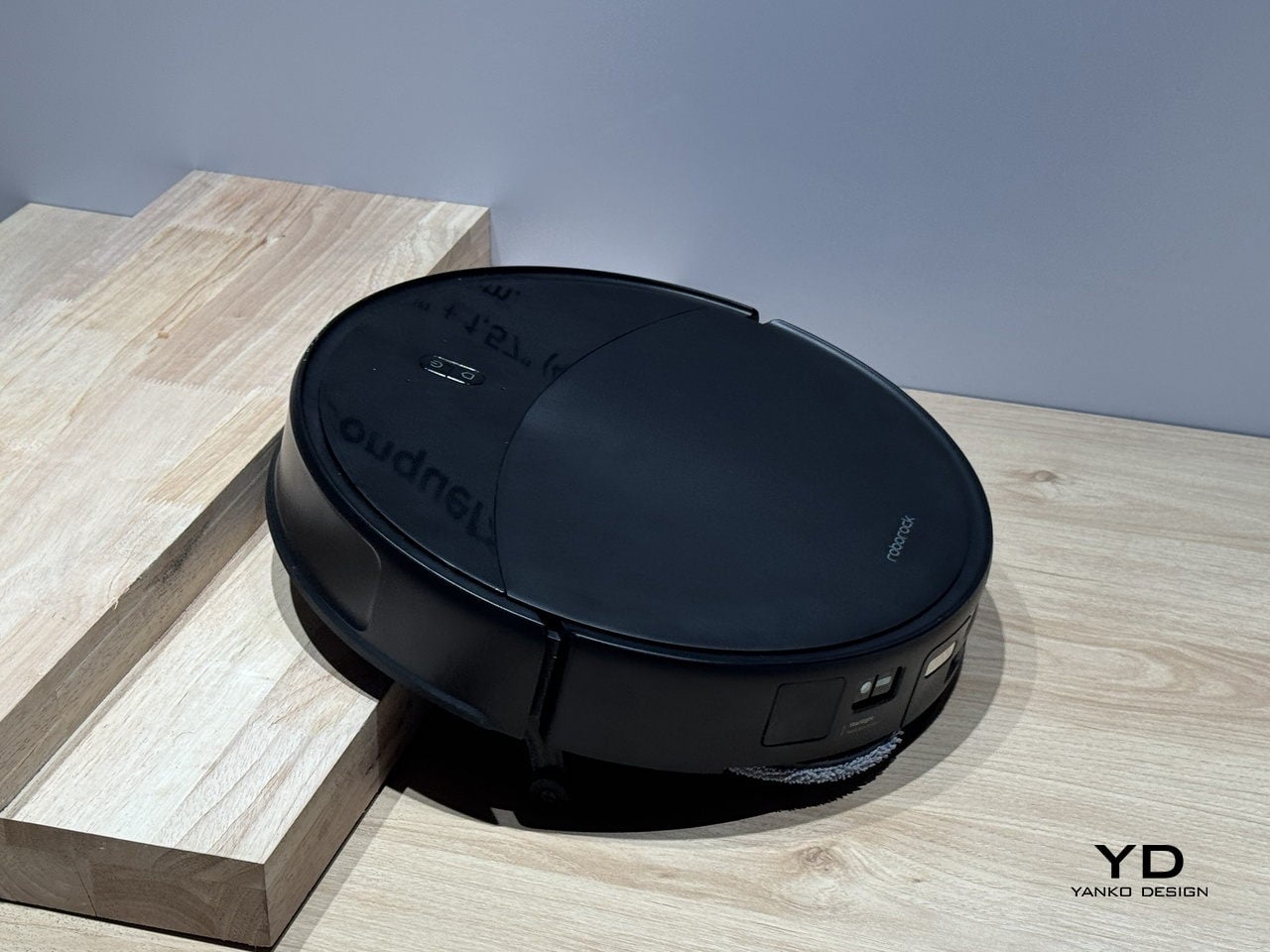
Intelligence in a home context means mastering complexity without constant supervision. The Saros 20, the brand’s flagship product for 2026, introduces StarSight Autonomous System 2.0, with dual-transmitter 3D time-of-flight LiDAR and 21,600 sensor points. This innovation allows the Saros 20 to map spaces, recognize over 200 obstacle types, and distinguish cables from socks or pet bowls, making it even smarter than the previous-gen Saros 10R flagship. At 7.98 cm tall, it slides under low furniture while understanding the space in three dimensions, which matters in homes with layered messes and tight clearances.

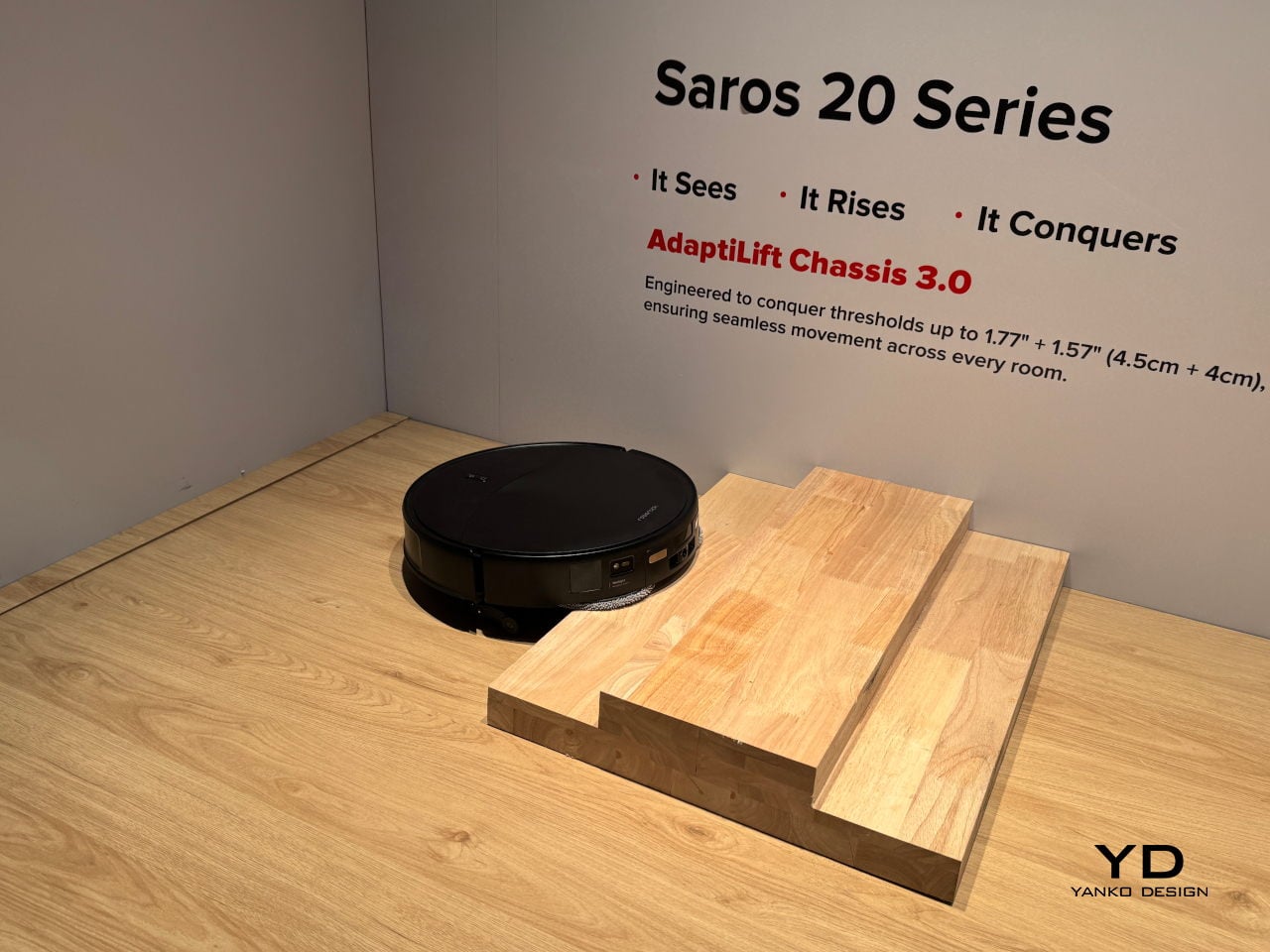
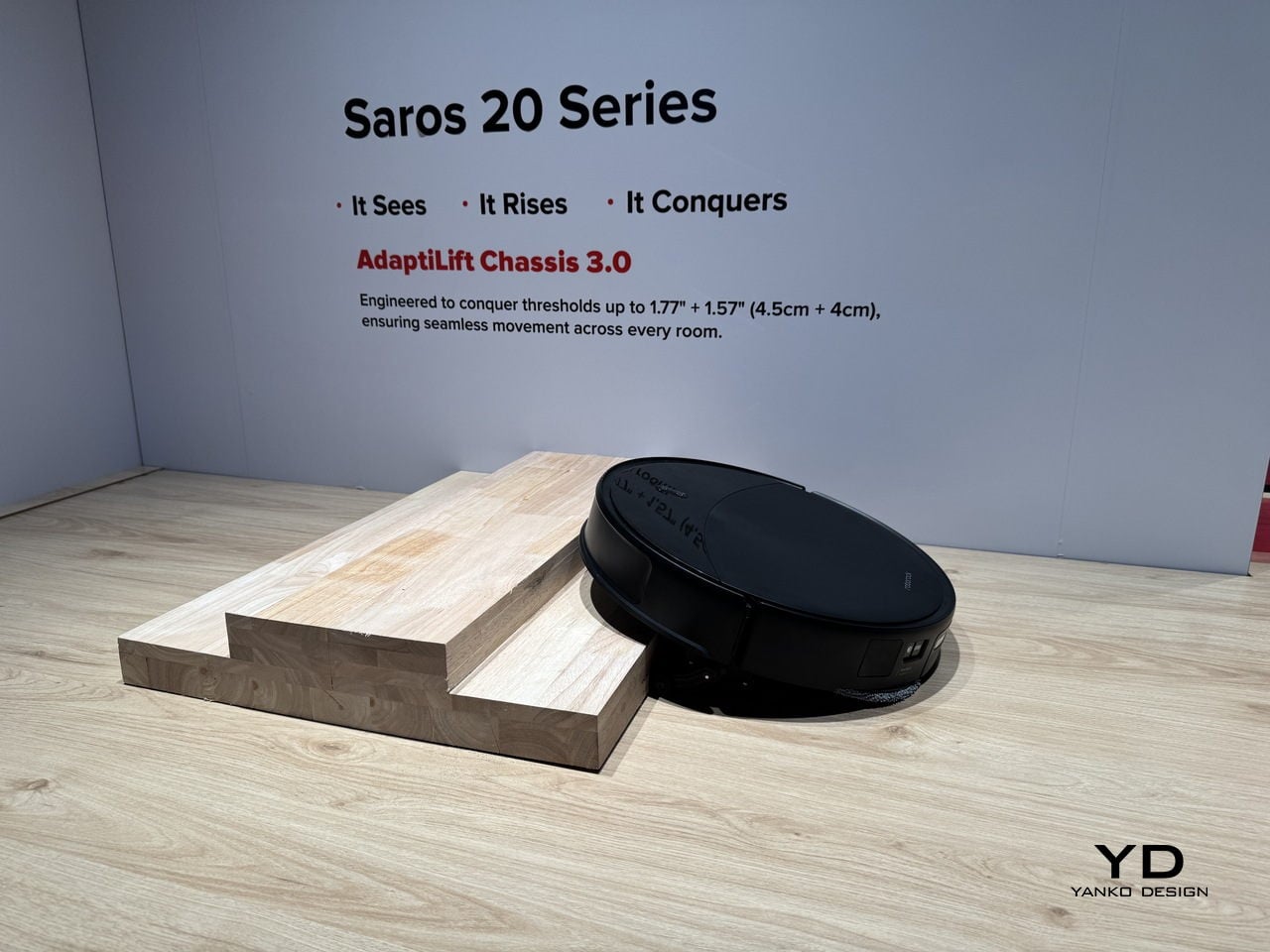
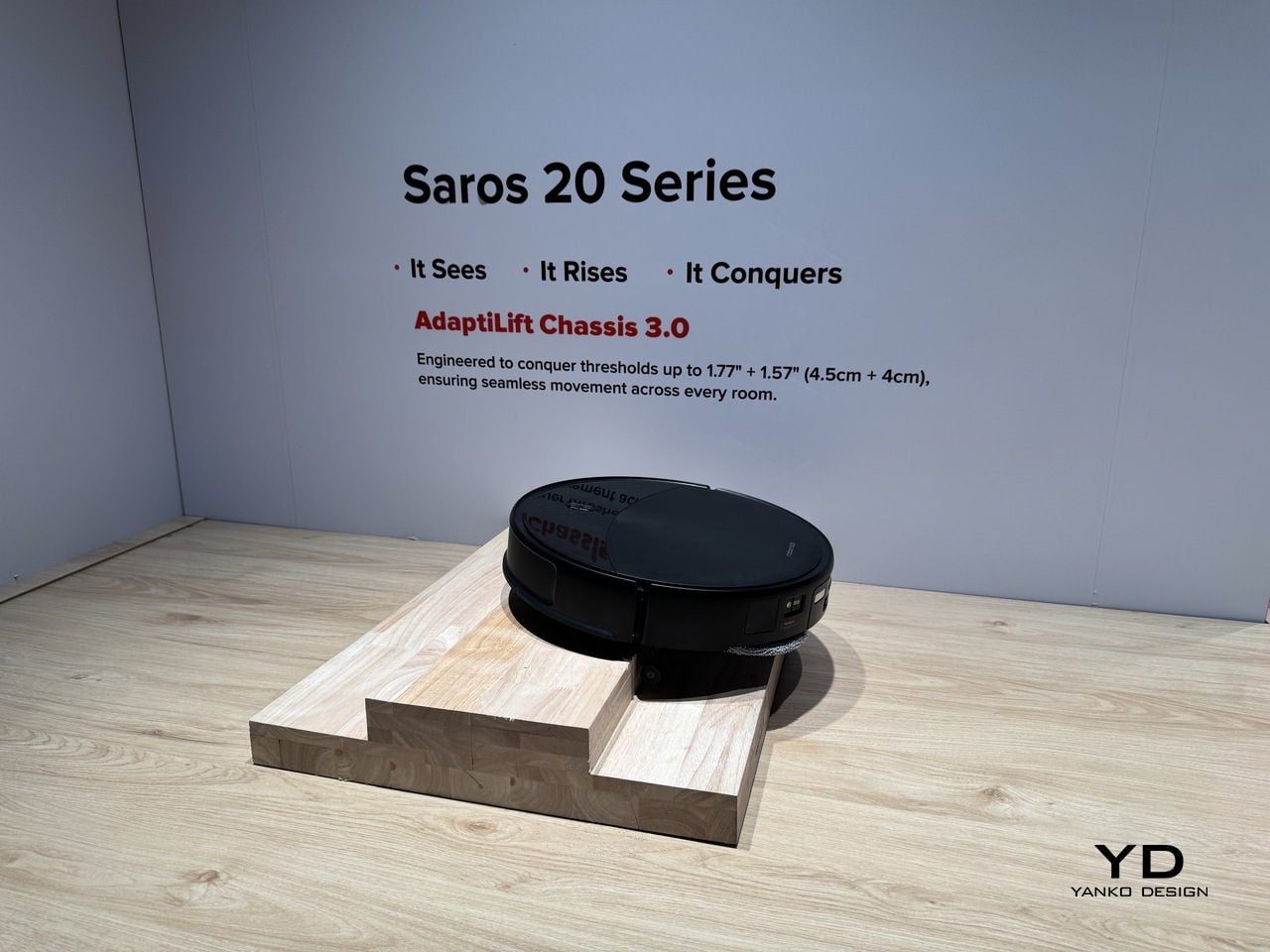
AdaptiLift Chassis 3.0 is the mechanical side of that intelligence, lifting and adjusting three wheels independently to cross double-layer thresholds up to 8.5 cm tall, climb onto carpets as thick as 3 cm, and free itself when stuck. Layouts where balcony lips, thick rugs, and split-level transitions trap lesser robots become manageable terrain. Saros 20 learns the best way to cross each threshold and remembers it, treating obstacles as solvable puzzles rather than dead ends.

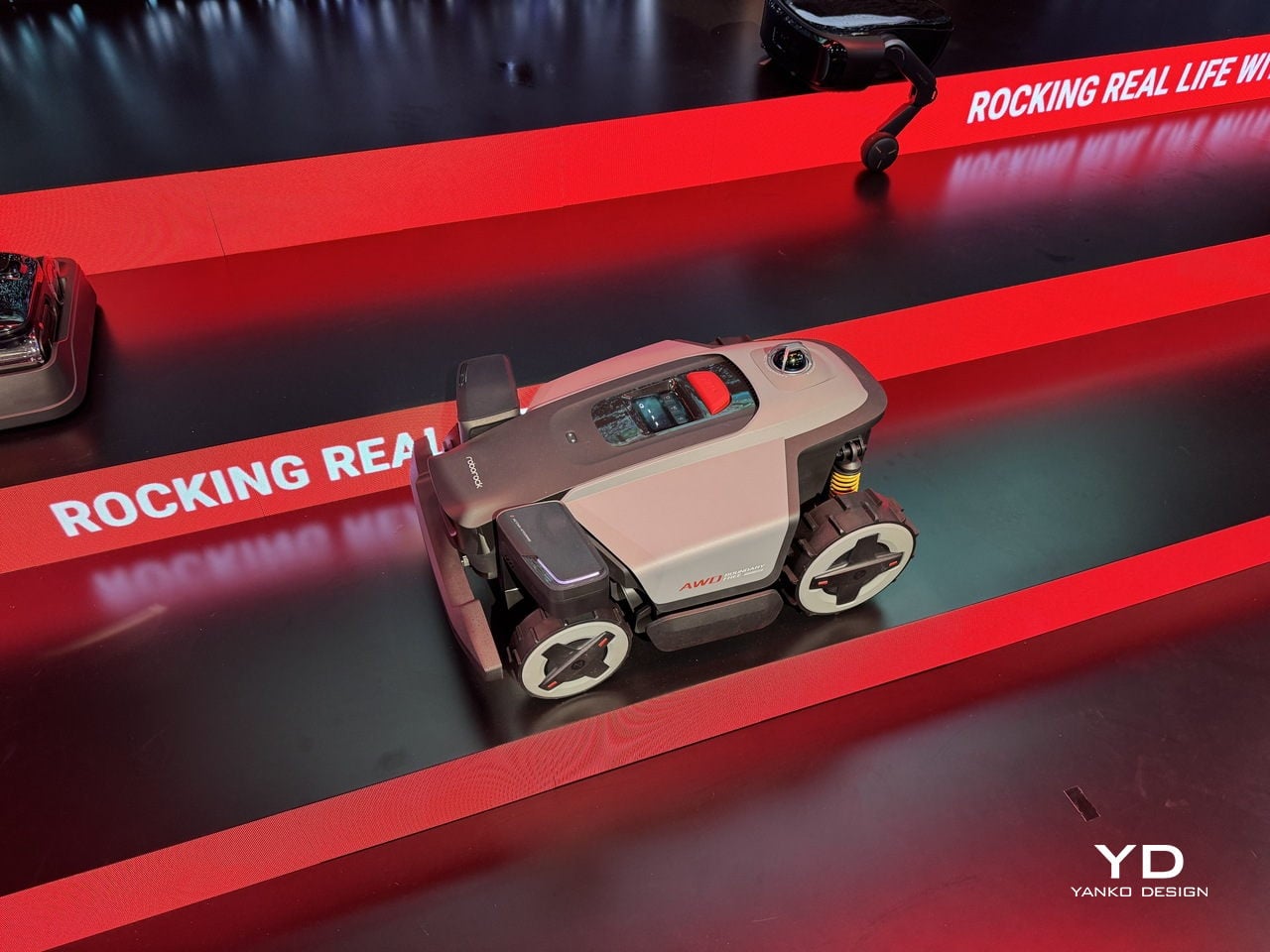
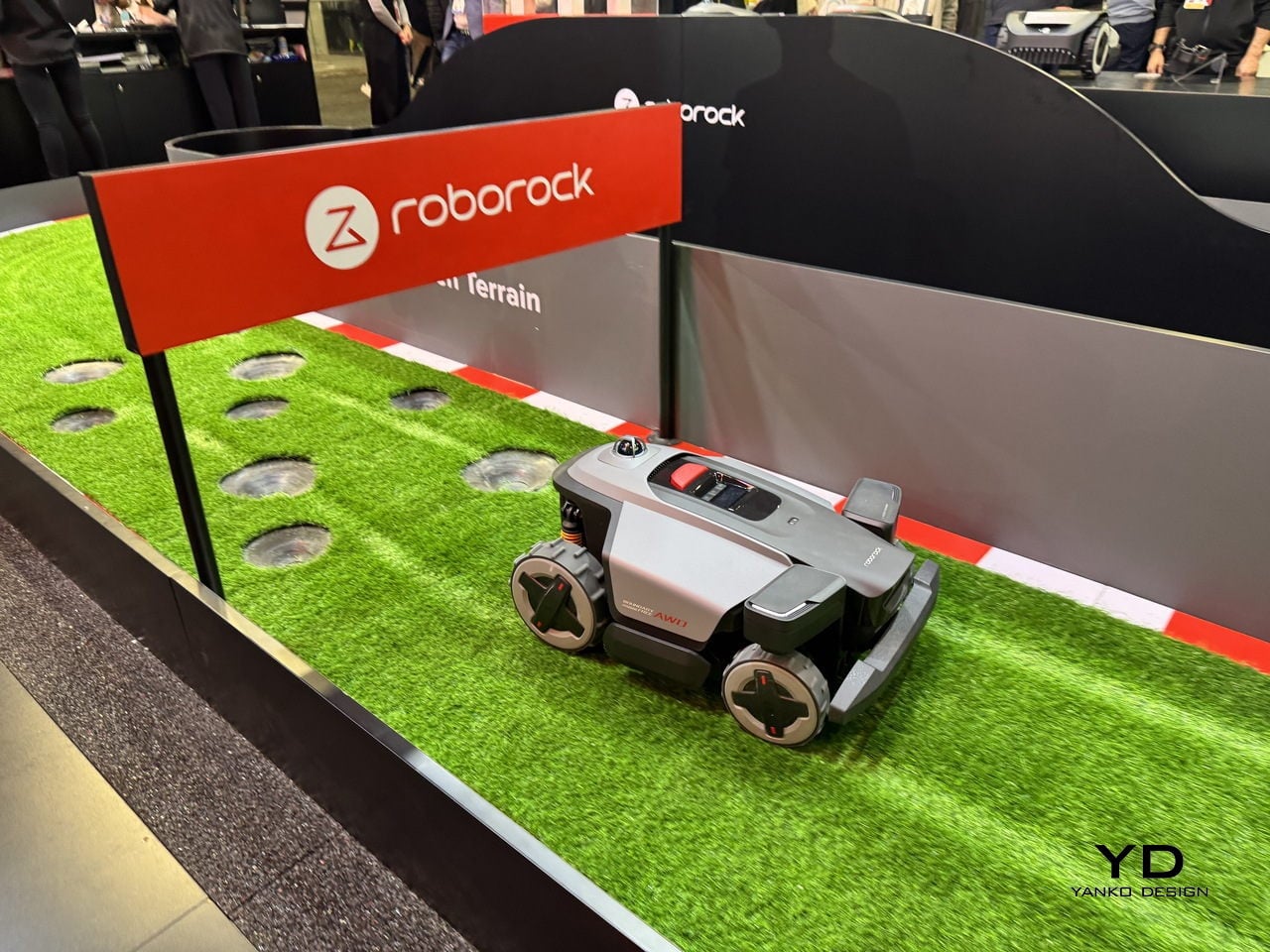
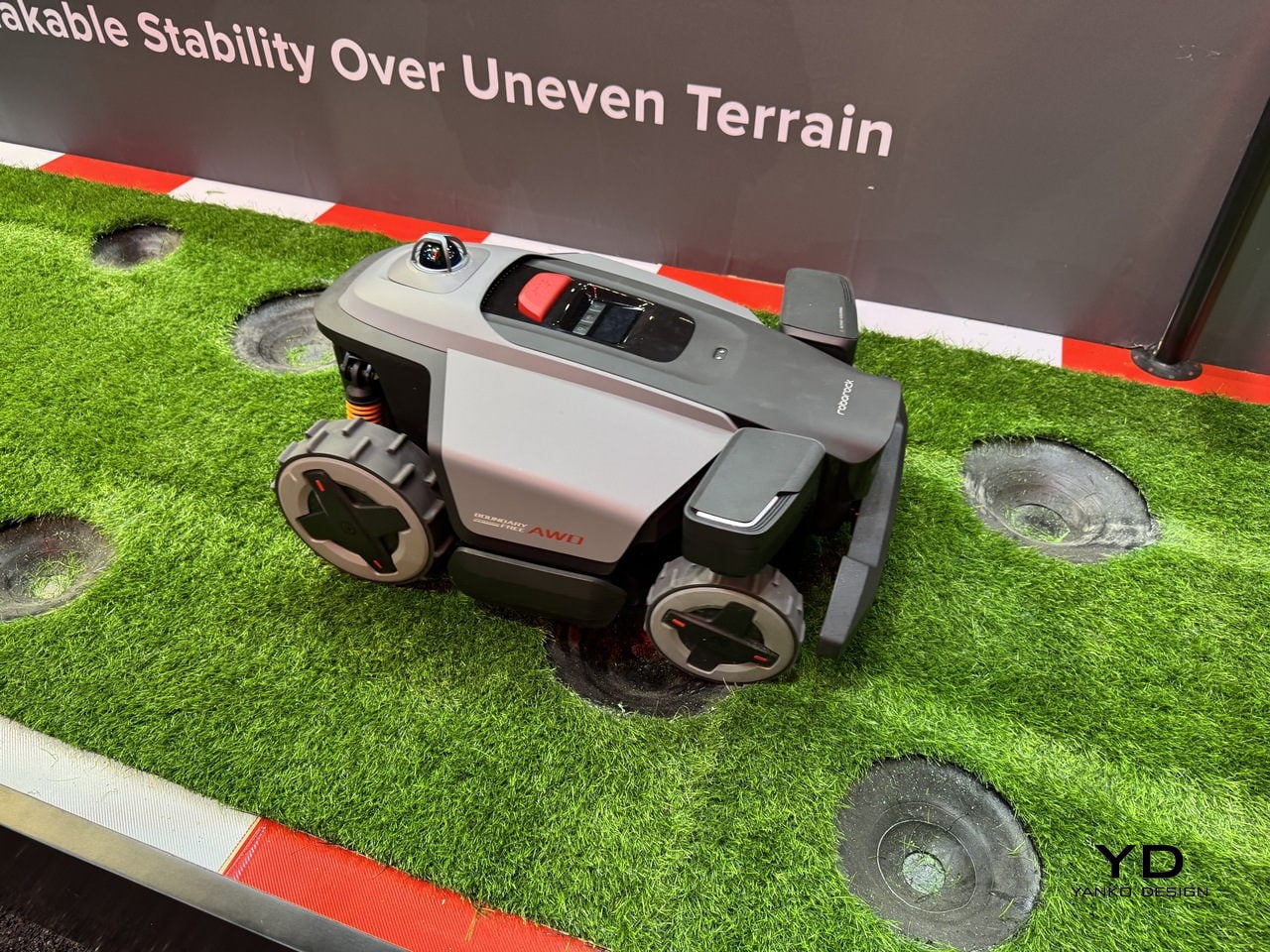
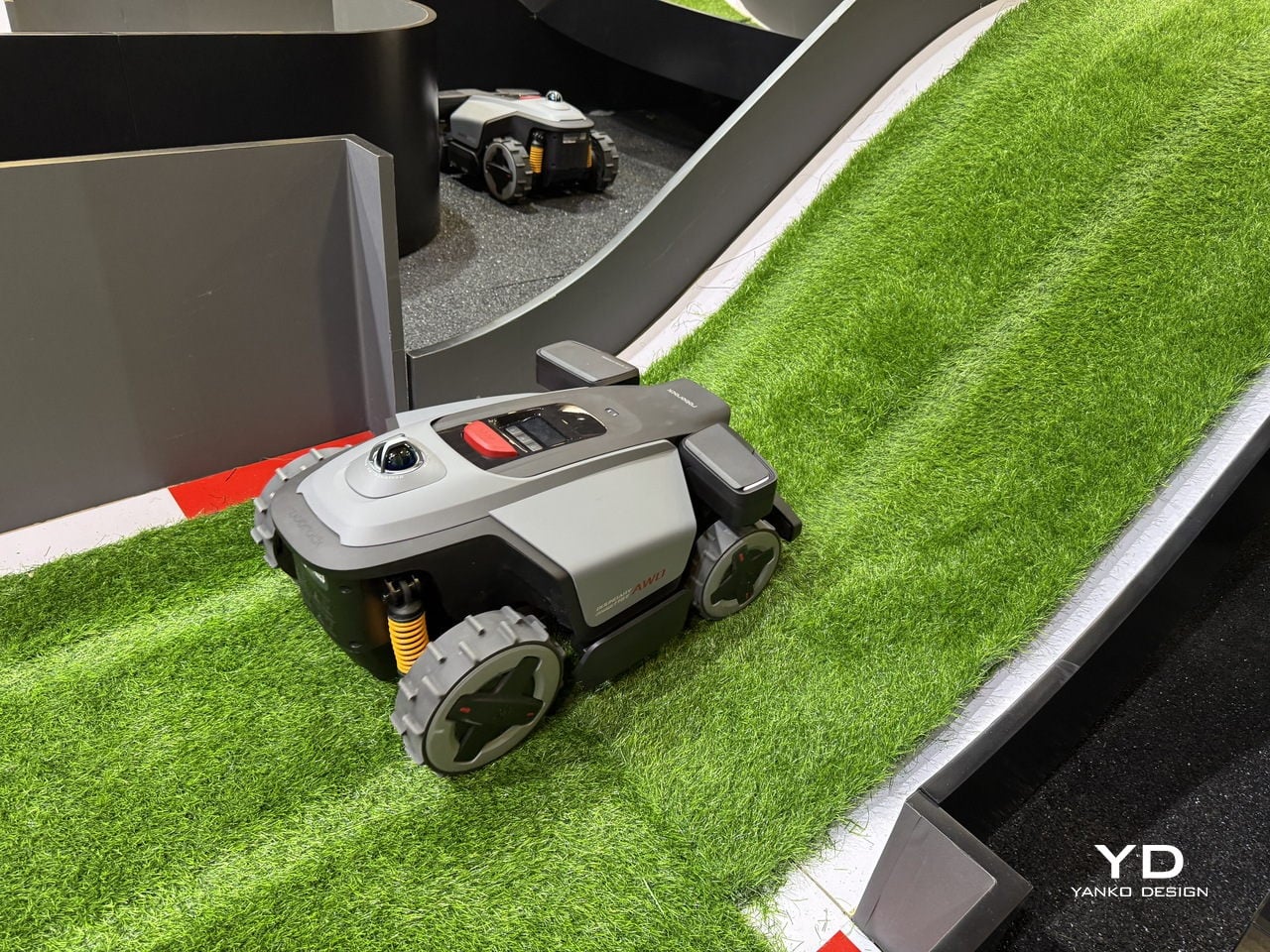
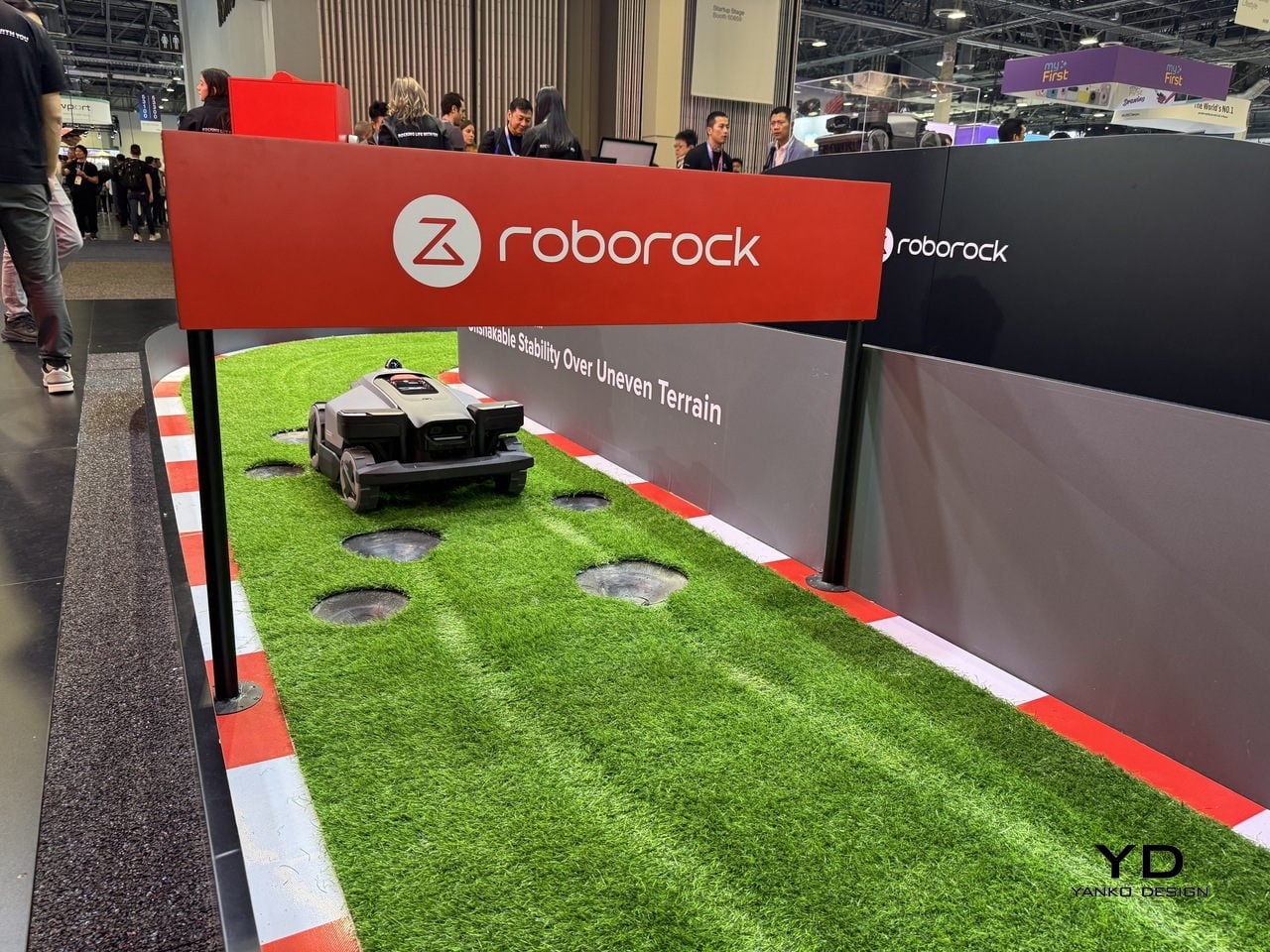
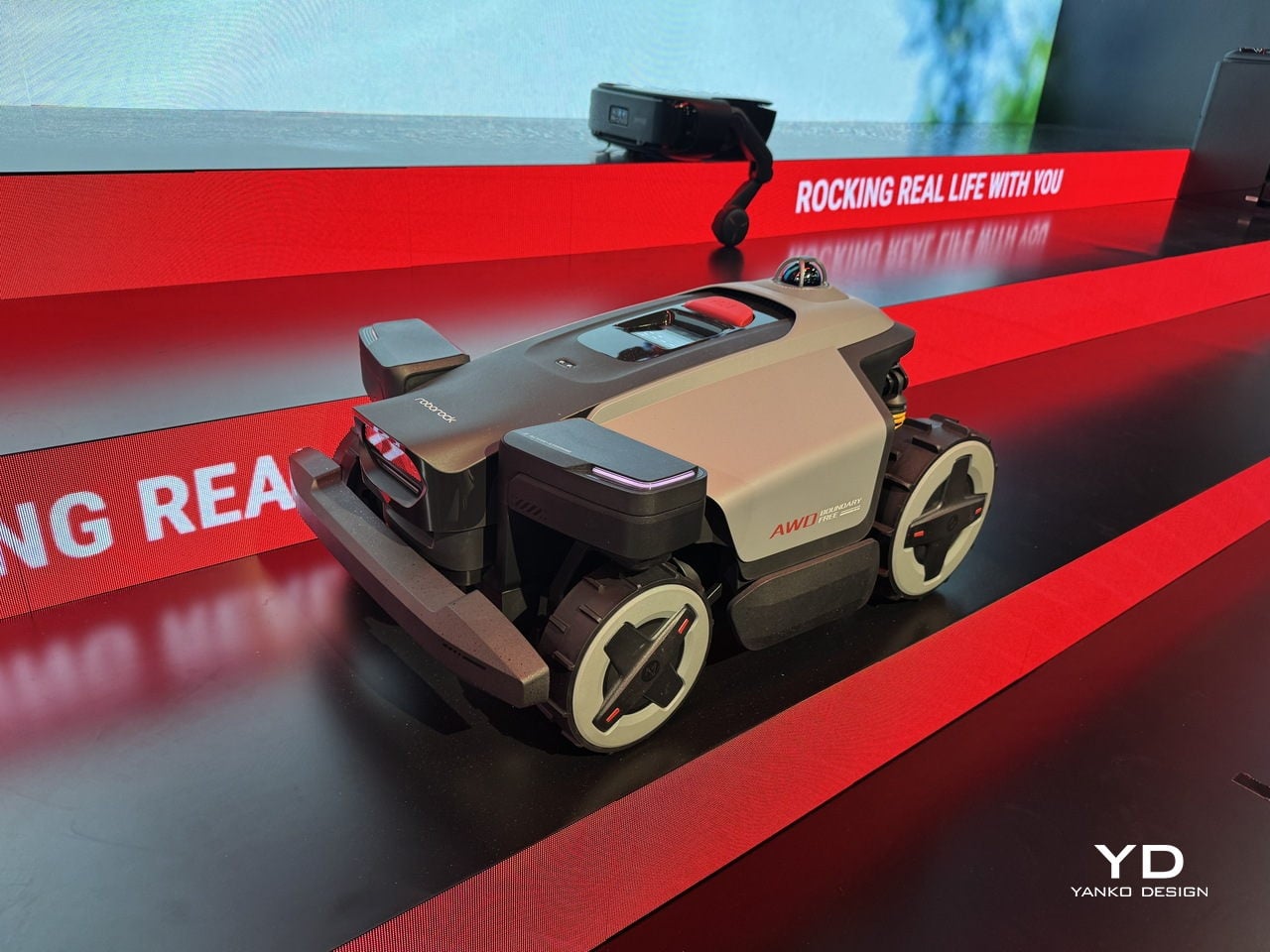
That philosophy extends outdoors with RockMow X1 LiDAR, Roborock’s first-ever lawnmower for the US market, using 360-degree mechanical LiDAR and dual-camera fusion to map properties up to two acres with trees, slopes, and visually sparse patches. Centimeter-level accuracy and AWD traction let it handle uneven terrain and stay oriented in yards where GPS or boundary wires struggle. It understands a yard the way Saros 20 understands a living room, identifying obstacles and terrain changes autonomously.

Greatness in Performance

Performance shows up as power that delivers consistent results when the mess is layered or the surface changes mid-run. Saros 20’s 35,000 Pa HyperForce motor and dual anti-tangle system, the DuoDivide main brush and FlexiArm Arc side brush, pick up hair and debris without wrapping. Dual spinning mops with up to 13 N downward pressure handle dried stains, managing pet hair in thick carpets, kitchen crumbs, and seasonal grit.

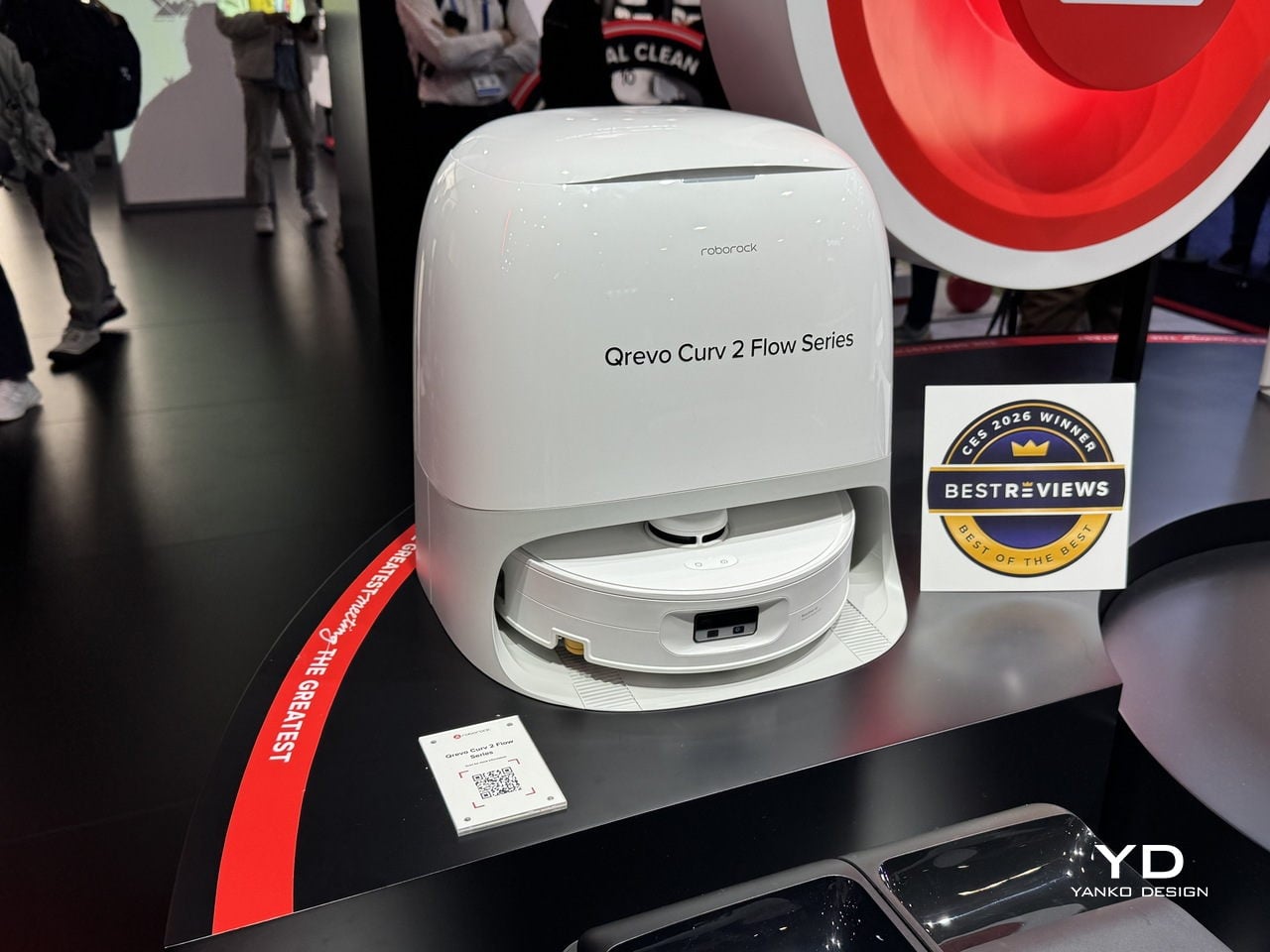
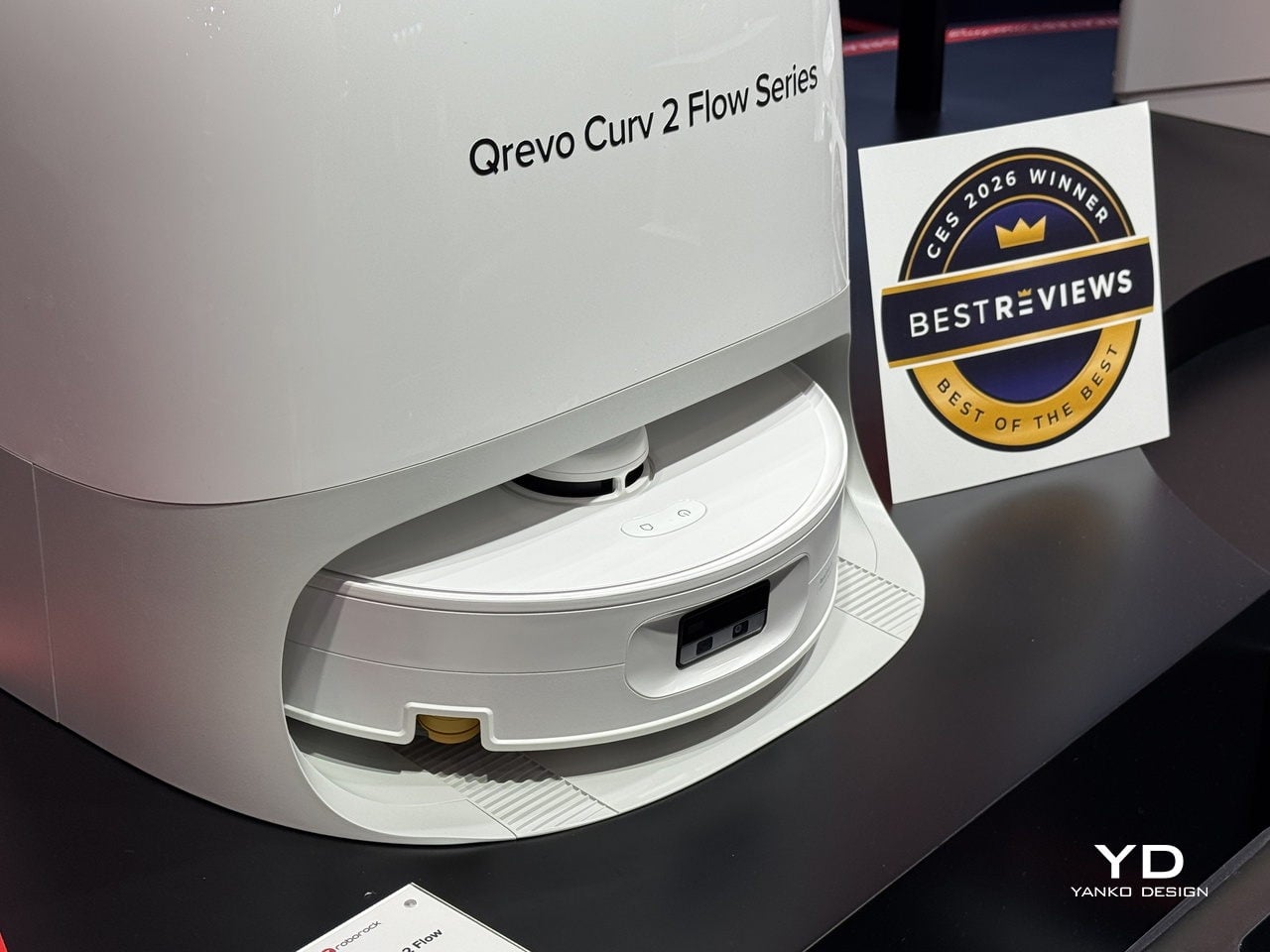
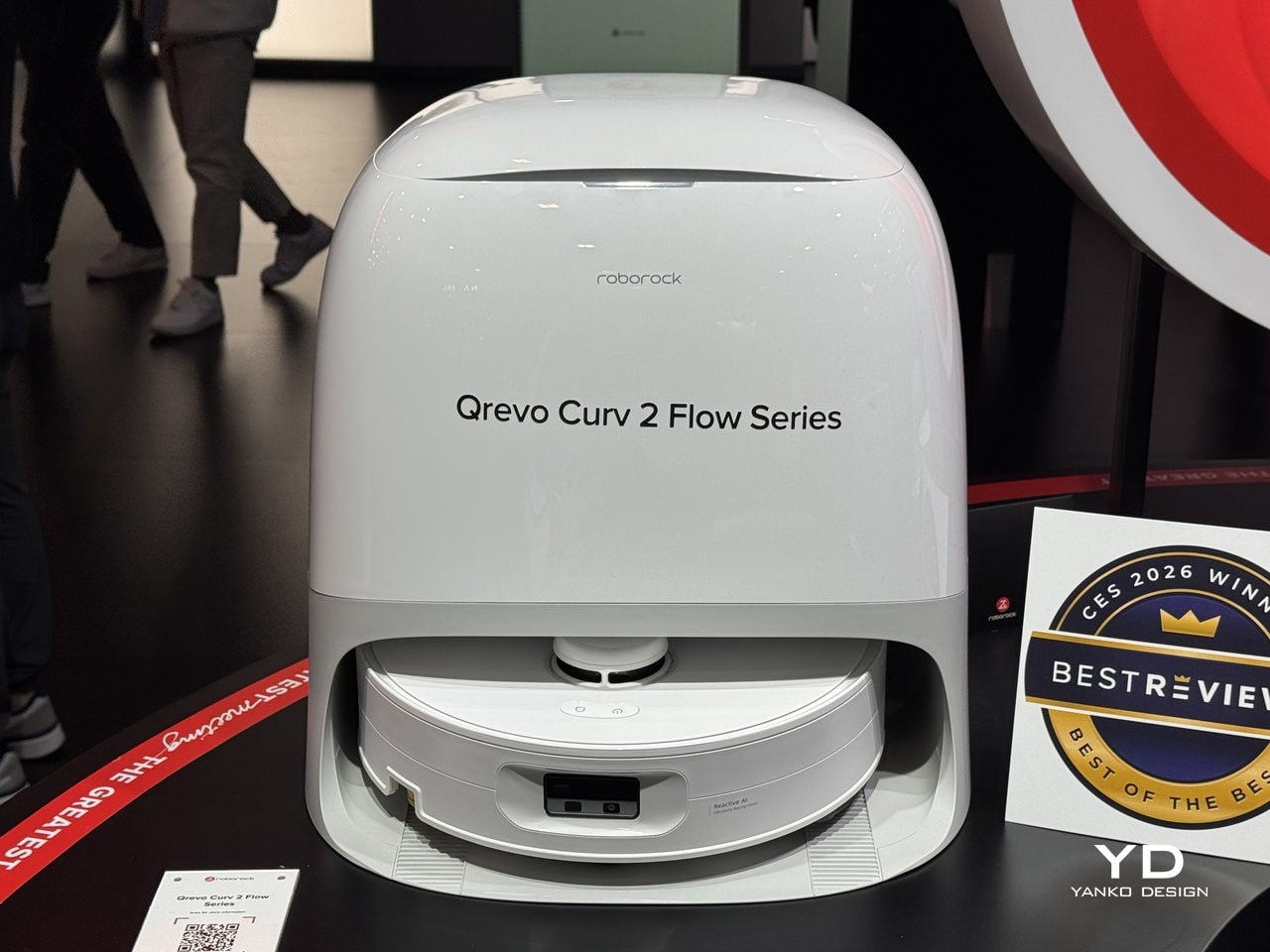
Qrevo Curv 2 Flow is positioned as a one-pass floor-care specialist. Its 270 mm extra-wide roller, 15 N downward pressure, and 220 RPM scrubbing cover more ground in a single sweep. The Roller Shield lifts and covers the mop before carpets, preventing damp spots, while the Edge-Adaptive roller mop gets within 10 mm of baseboards and furniture legs, handling mixed flooring without constant re-passes or wet carpets.

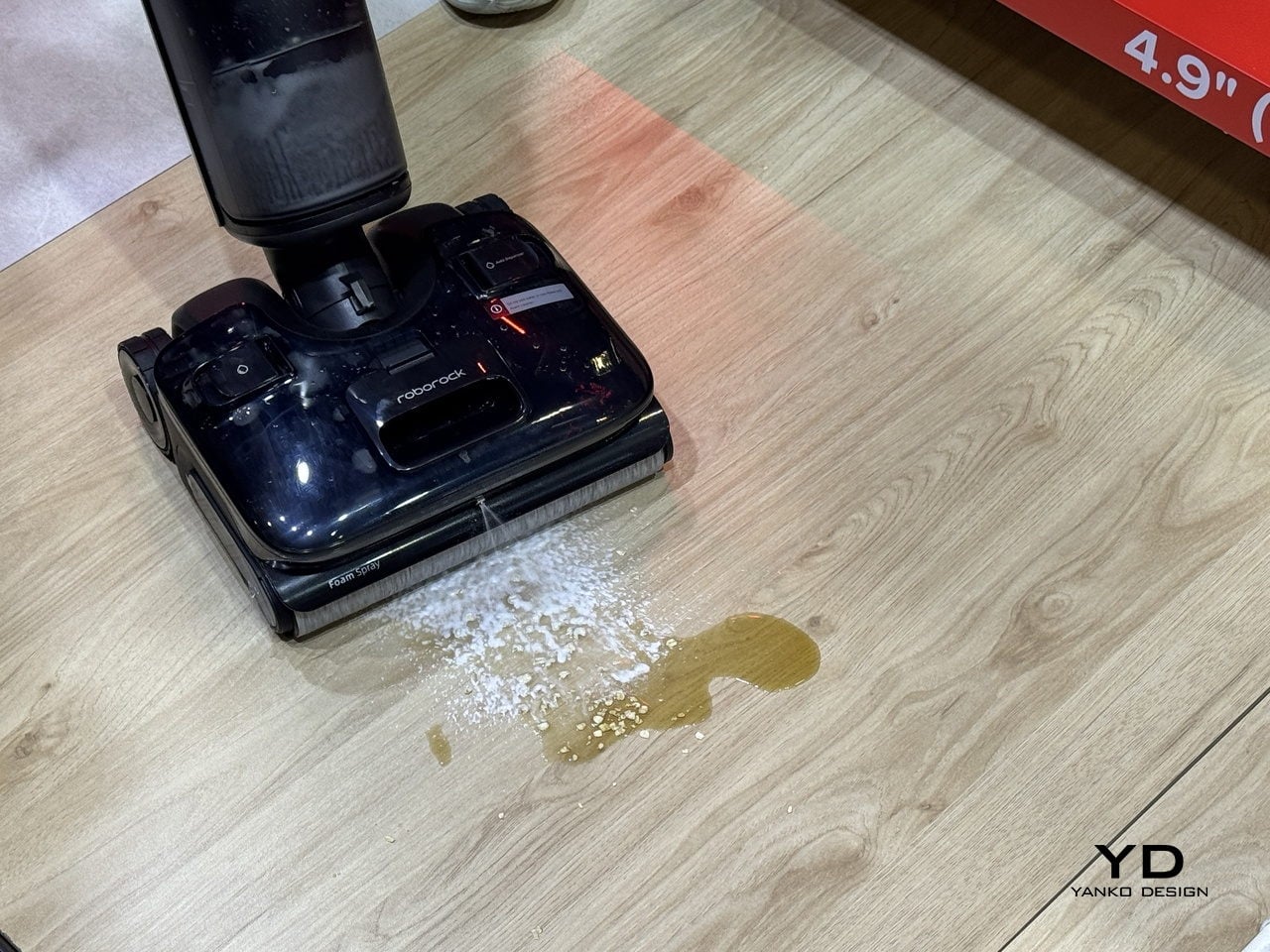
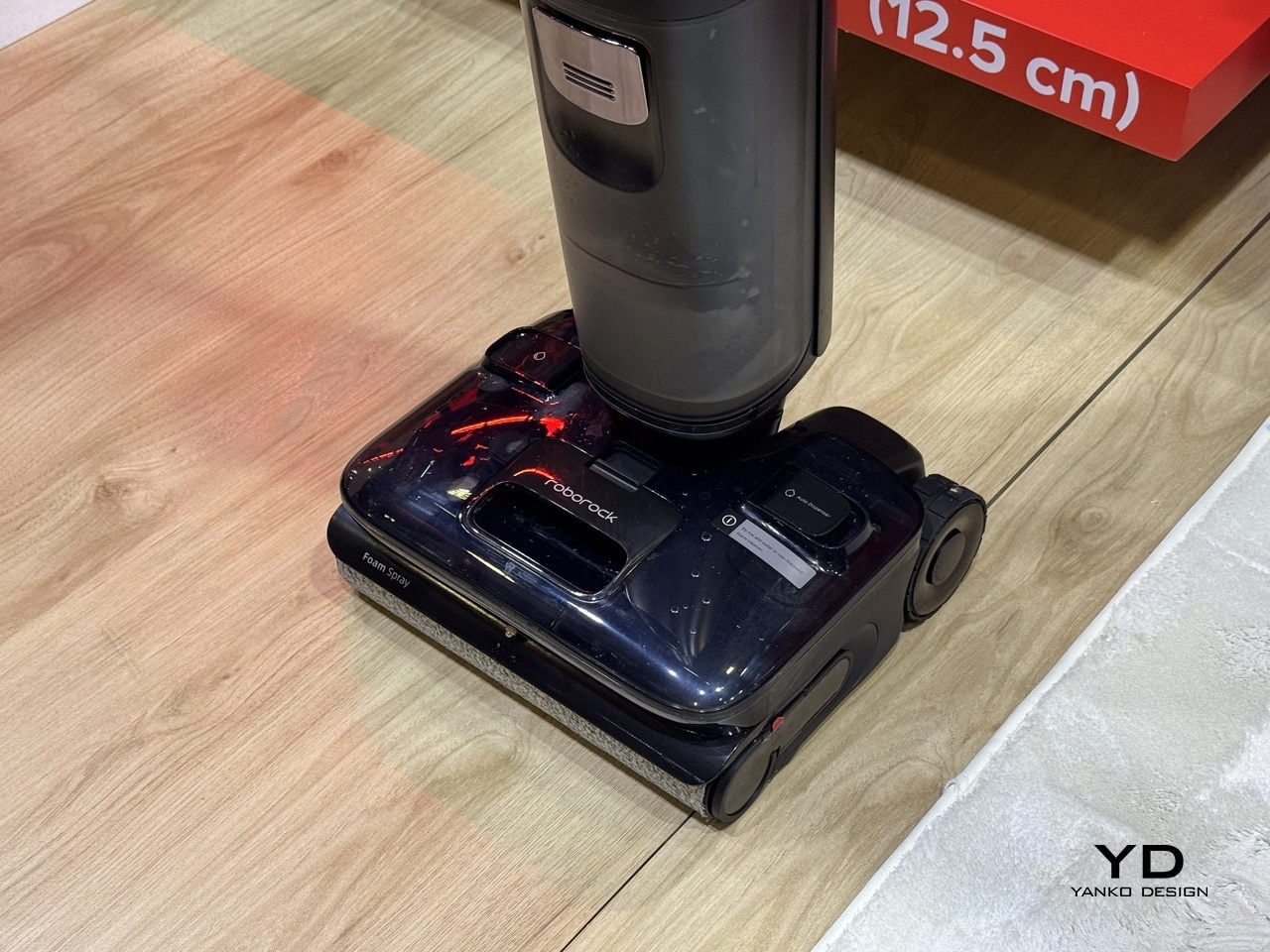
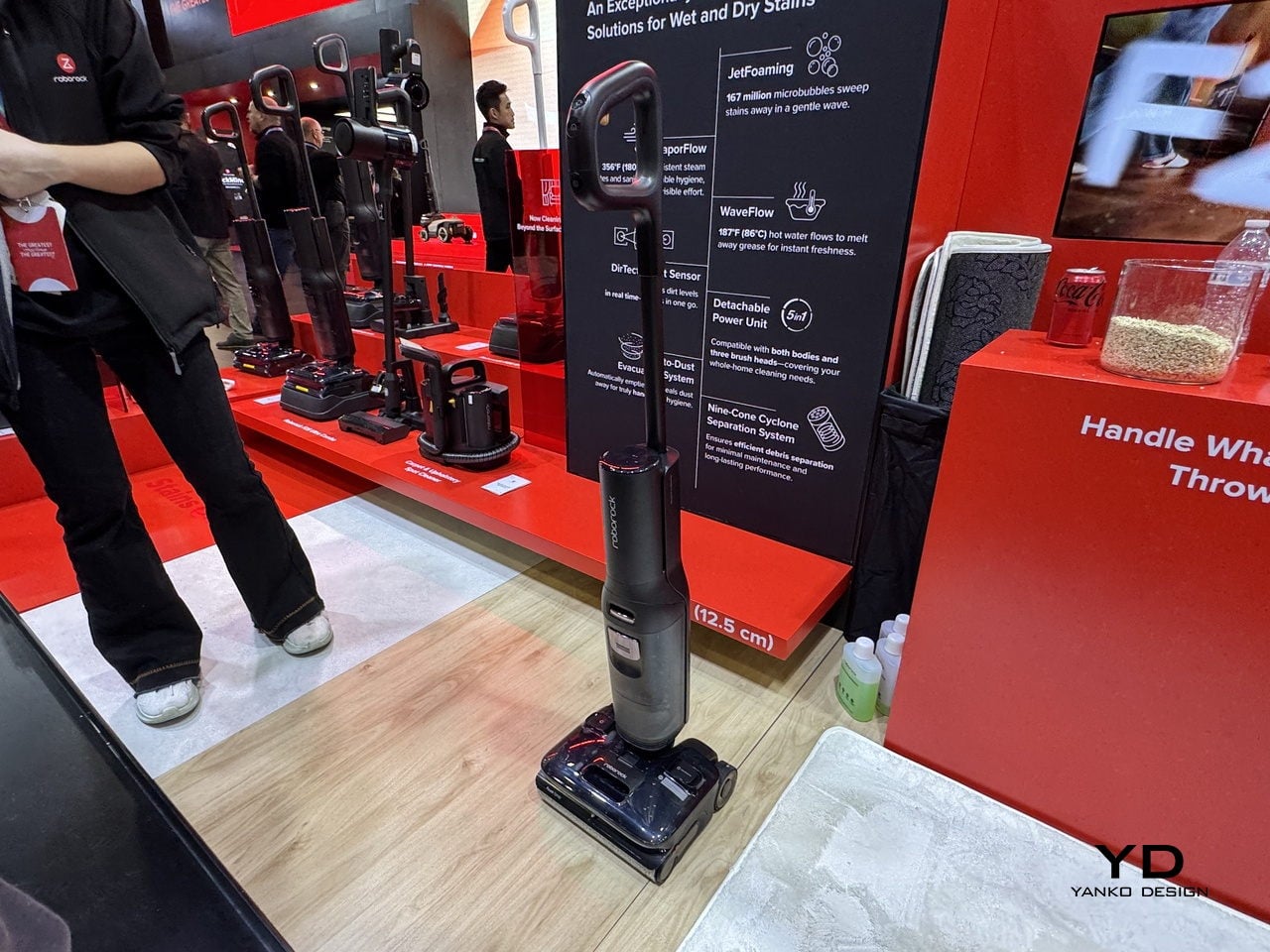
F25 Ace Pro brings foam chemistry to wet-dry cleaning. JetFoaming technology turns 1 ml of Foam Cleaning Solution into 167 million microbubbles that cling to grease and dried spills, softening and encapsulating them before 25,000 Pa suction, 30 N pressure, and 430 RPM scrubbing lift them away. This is designed for kitchens with oil splatter, entryways with mud, and pet zones where layered messes need more than just water.

Greatness in Design & Everyday Living

Fitting into daily life means handling hygiene and maintenance without becoming another source of work. Qrevo Curv 2 Flow’s self-cleaning dock separates clean and dirty water, washes the roller at 75 °C, and dries it with warm air. The dock handles sticky spills and pet zones without turning into another thing that needs scrubbing every weekend, keeping the system fresh and ready without manual intervention.

F25 Ace Pro’s ergonomics focus on the moments when you are holding the device. FlatReach 2.0 lets it lie flat at 180 degrees to reach under furniture at 12.5 cm height, while SlideTech 2.0 uses AI-powered wheels to sense push and pull strength and assist movement, making it feel lighter and more responsive. The 0 mm edge cleaning on three sides and 95 °C self-washing and drying keep the roller fresh.

Saros 20’s RockDock and app ecosystem extend that design philosophy. The dock uses 100 °C hot water to wash mops, bi-directional scrubbing and soaking modes, heated air drying, and auto mop removal before carpets. The Roborock app’s SmartPlan 3.0 learns room types and habits, while pet-friendly intelligence, built-in “Hello Rocky” voice control, and Matter support help the system blend into routines rather than adding another app to babysit.

Greatness Beyond the Room

RockMow X1 LiDAR handles the seasonal realities of yard maintenance. AWD traction and 8 cm obstacle clearance manage wet spring grass, summer growth, and autumn leaves, with a 24 cm cutting width and 40-90 mm cutting range tuned for common lawn types. It is built for properties with trees, slopes, and visually sparse patches where GPS alone would struggle, using LiDAR and cameras to stay oriented across terrain that changes throughout the year.

RockMow represents a broader shift from room-by-room cleaning to full-property autonomy. While Saros 20 and Qrevo Curv 2 Flow handle floors and carpets, and F25 Ace Pro tackles kitchens and hard floors, RockMow extends that philosophy to the yard. The result is a set of tools that treat the home as a continuous environment, indoors and out, rather than a collection of disconnected chores that each require their own app, setup, and maintenance schedule.

Roborock’s CES 2026 lineup feels less like a handful of new gadgets and more like a coordinated attempt to match the scale and texture of modern living. Intelligence, performance, and design show up differently in a kitchen, a living room, and a sloped backyard, but the throughline is the same across North America and beyond: systems that adapt to the mess, the layout, and the people, instead of asking households to adapt to them.

Click here to know more.

The post Roborock’s New Flagship Line Brings Sculpted Design to Smart Cleaning at CES 2026 first appeared on Yanko Design.

Narwal Flow 2 at CES 2026: Sees Everything, Cleans Smarter

Robot vacuums quietly went from novelty to background appliance, yet many still behave like polite bumper cars. They avoid walls, follow schedules, and send maps, but they do not really understand what they are seeing. A cable, a sock, and a pet toy often get the same treatment, which is why people still hover nearby during automatic cleaning runs, ready to intervene when the robot inevitably gets confused by something obvious.

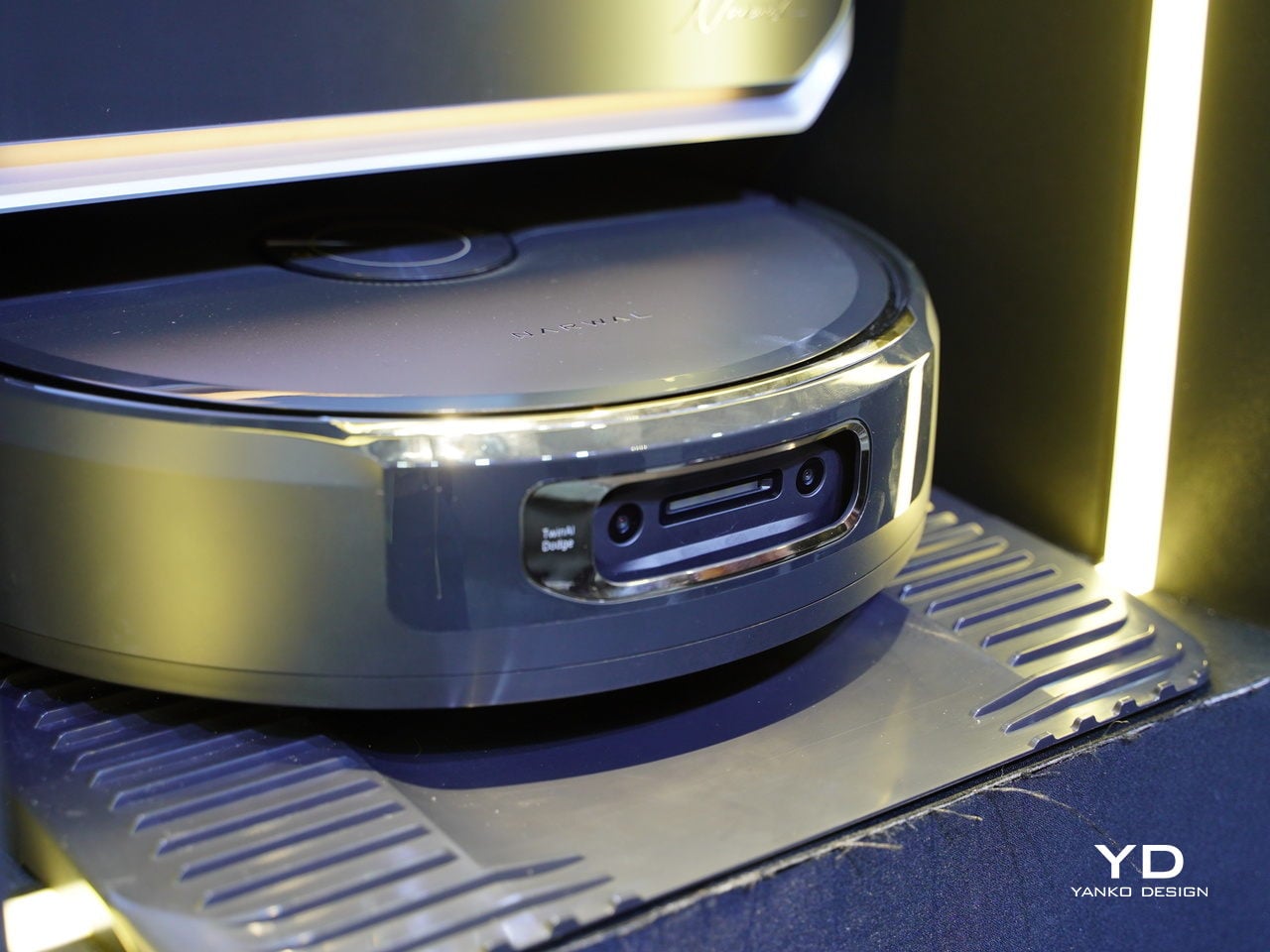
Narwal Flow 2 is the latest step in the brand’s attempt to build a robot that actually sees and decides. It builds on earlier DirtSense and dual-camera work, but now leans on a NarMind Pro autonomous system and a foundation-model brain to recognize unlimited objects, assign risk levels, and adjust both path and cleaning strategy. This is less about more suction and more about better judgment, the kind that changes behavior based on whether it is looking at a table leg, a pet bowl, or a crawling mat.

Designer: Narwal

The 2026 flagship also adopts a brand-new design outlook, with a rational arc-form dock featuring a frosted glass panel on the front and easy-lift water tanks shaped for straight-up lifting. The integrated status light bar communicates through the frosted glass instead of scattered LEDs, giving the dock a more premium, sleek presence. It is designed to look less like an appliance you hide in a corner and more like a considered object that can live in visible spaces without visual friction.

A Robot That Sees and Decides

The Narwal Flow 2 uses dual RGB cameras and a VLA OmniVision model running on a 10 TOPS AI platform to capture 1.5 million data points per second. It categorizes objects as no-risk, low-risk, mid-risk, or high-risk, then adjusts distance and behavior accordingly. Walls invite close cleaning within 8 mm, pet bowls get 20 mm of space, and high-risk items like pet waste trigger a protective bypass at 70 mm.

Adaptive smart cleaning means Flow 2 uses different strategies for dry debris, wet spills, and heavy messes. Dual-direction mopping keeps the side brush from dragging dirty water into clean zones, with a reverse pass to protect the brush and a forward pass to lift stains. Cloud-based recognition feeds back into the model, so the robot becomes more tuned to a specific home over time, learning which corners collect dust and which zones need extra attention.

Living with Pets, Babies, and Busy Schedules

In Pet Care Mode, Flow 2 automatically identifies pet-active zones and adapts for deeper cleaning there, while treating pet bowls, beds, and toys as objects to avoid bumping or soaking. The same visual system that keeps it away from waste can be used to scan for a missing pet on command, turning the robot into a quiet scout when you are not home and want to make sure your dog is not locked in a bedroom.

Baby Care Mode shifts behavior around cribs and crawling mats. Flow 2 can drop into ultra-quiet mode near a sleeping baby, recognize toys left on the floor and nudge you to pick them up, and avoid rolling over dedicated play areas to keep them as clean as possible. The goal is not to replace parenting, but to make the robot feel like it understands which zones are more sensitive than others, adjusting volume and intensity without manual scheduling.

The updated dock and mapping round out the picture. TrueColor 3D mapping turns the home into a more intuitive map where you can tap rooms or furniture for targeted cleaning, while AI Floor Tag remembers floor types and zones. The all-in-one base station now uses a reusable dust bag and washable debris filter, along with hot-water self-cleaning and hot-air drying, so the system stays hygienic without filling a trash bag with single-use consumables every few weeks or emitting odors between runs.

Mopping That Stays Clean While It Cleans

The FlowWash mopping system treats the mop like a moving track rather than a pair of pads. Sixteen angled nozzles continuously infuse the track with fresh water, while a reverse-rolling mop applies 12 N of downward pressure and 140 °F heat. A tight scraper presses against the fabric to strip away dirt in real time, so the surface touching the floor is constantly refreshed instead of slowly turning into a gray sponge you would not want to touch.

Wastewater extraction and storage, with a built-in stirrer in the dirty tank, prevents residue and odors from settling. That matters in homes where mopping is not just about dust, but about food spills, pet accidents, and whatever kids drag in from outside. The system is designed so that by the time Flow 2 returns to its dock, both the floor and the mop have been treated, not just one at the expense of the other.

On a mixed floor with tile in the kitchen and wood in the living room, Flow 2 can push harder and use hotter water on stubborn kitchen stains, then ease off as it moves into more delicate areas. EdgeReach capabilities let the track mop get within 0.19 in of walls and baseboards, reducing the need for manual follow-up with a traditional mop that you have to wring out by hand.

Beyond the Floor

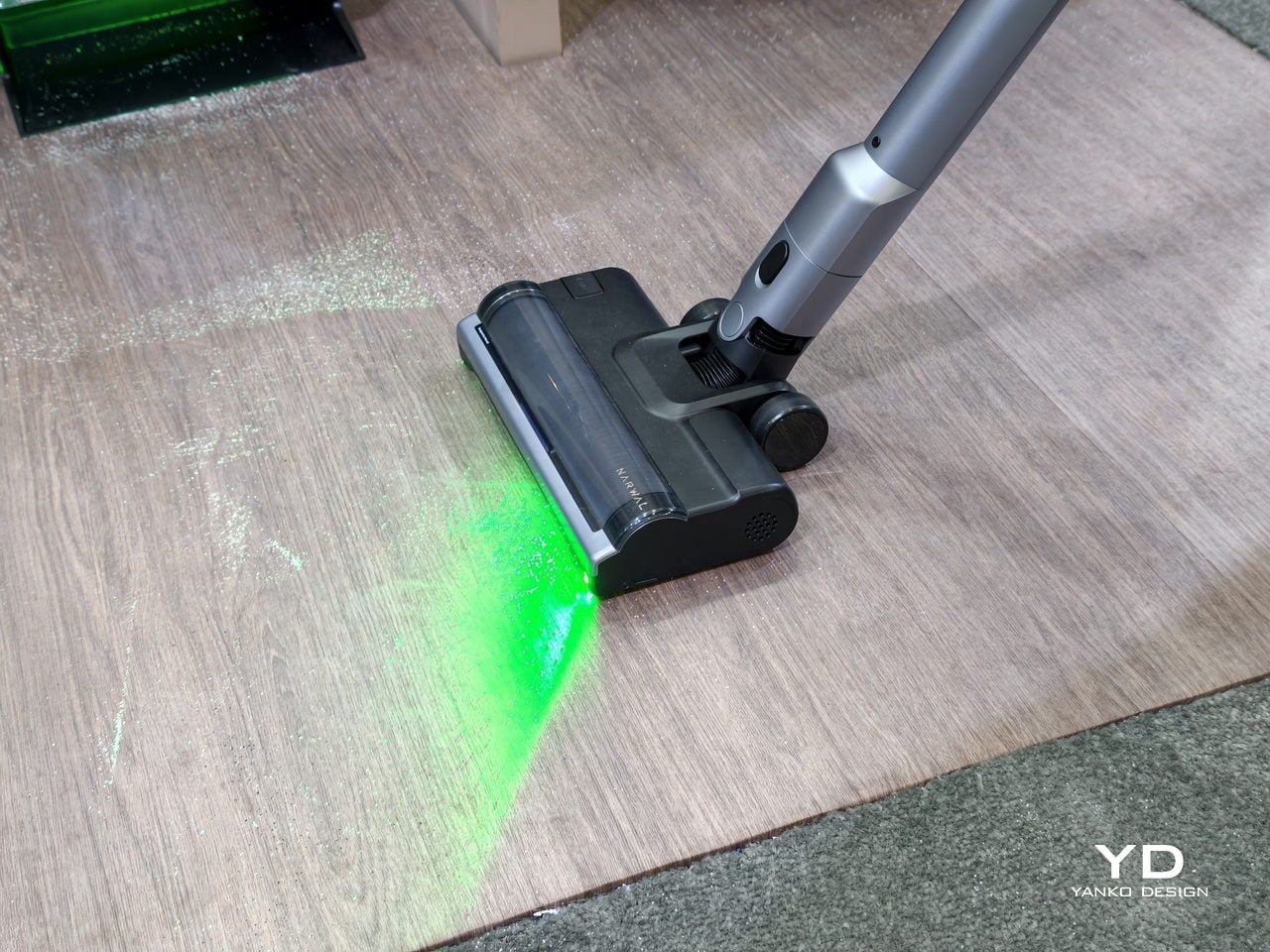
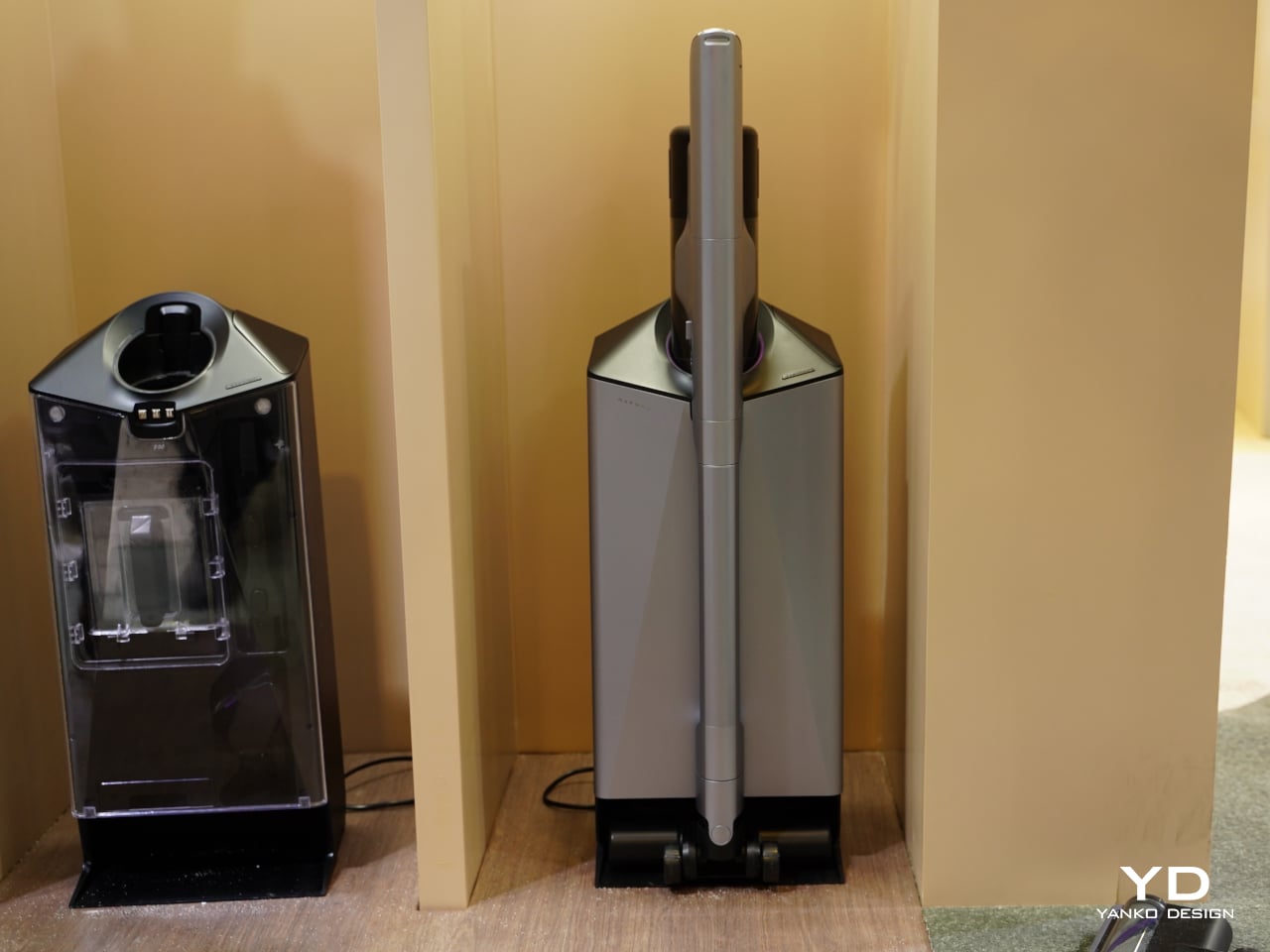
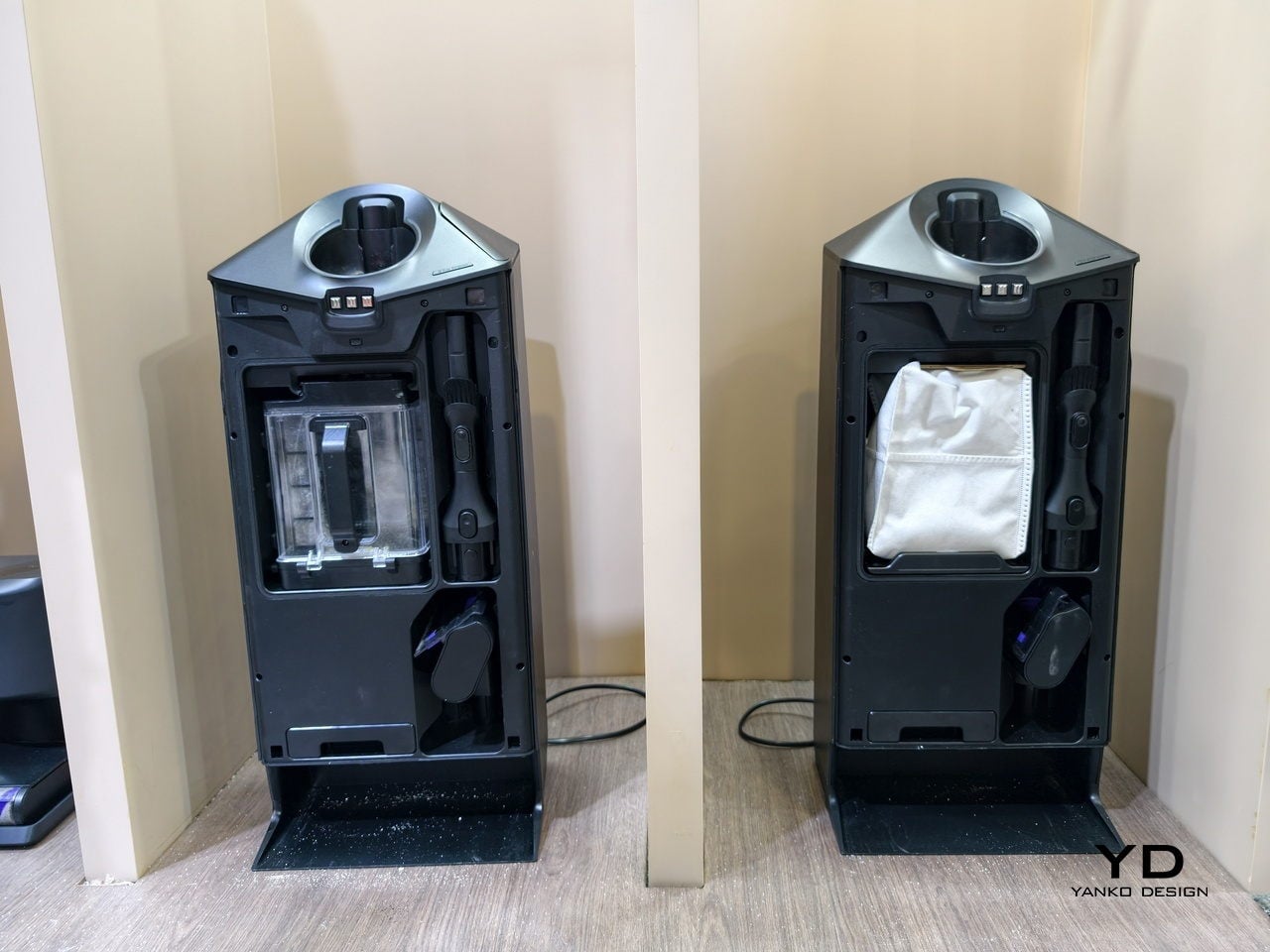
The Flow 2 is not the only thing Narwal is launching at CES 2026. The V50 Series cordless vacuum brings the same auto-empty, smart dirt detection philosophy to a stick form, with a compact dock that handles a 3.2qt dust bin, active dust scraping, and push-in charging. At 3.1lb with dual detachable batteries and 210 AW of suction, it combines CarpetFocus Mode and full-cycle de-tangling with a dirt-detection headlight and multi-cyclone H13 filtration, turning a handheld into something that feels almost as hands-free as a robot.

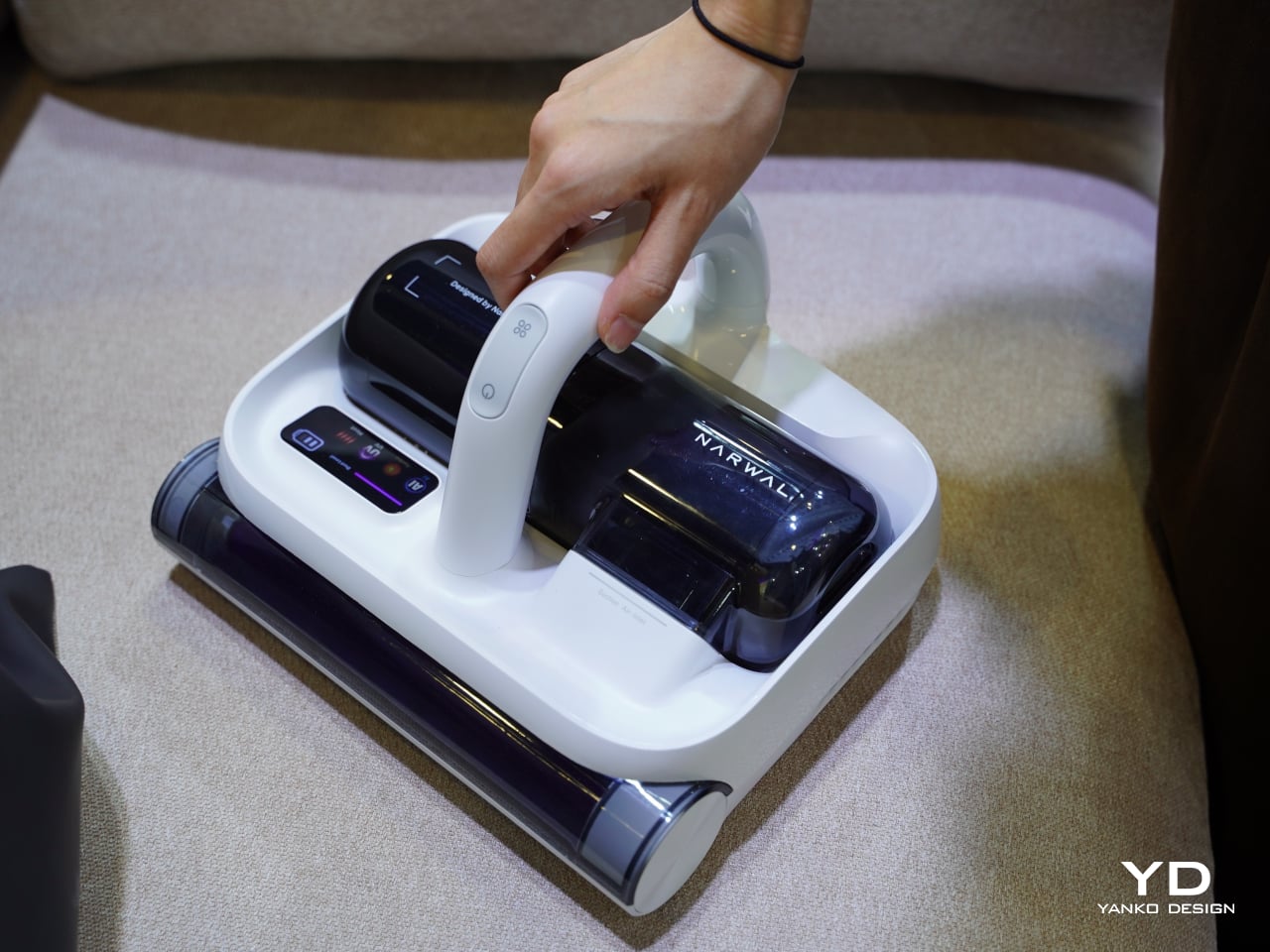
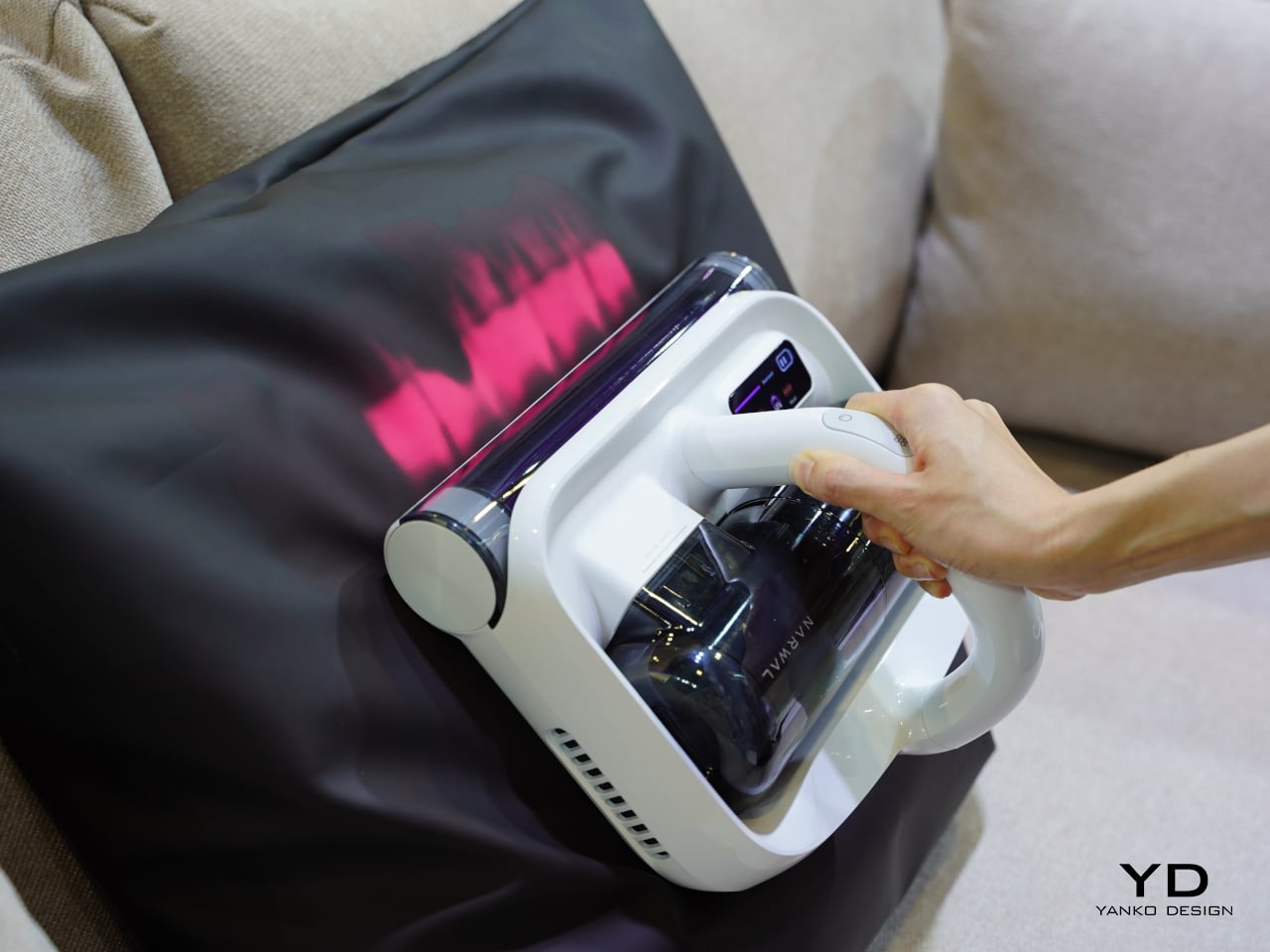
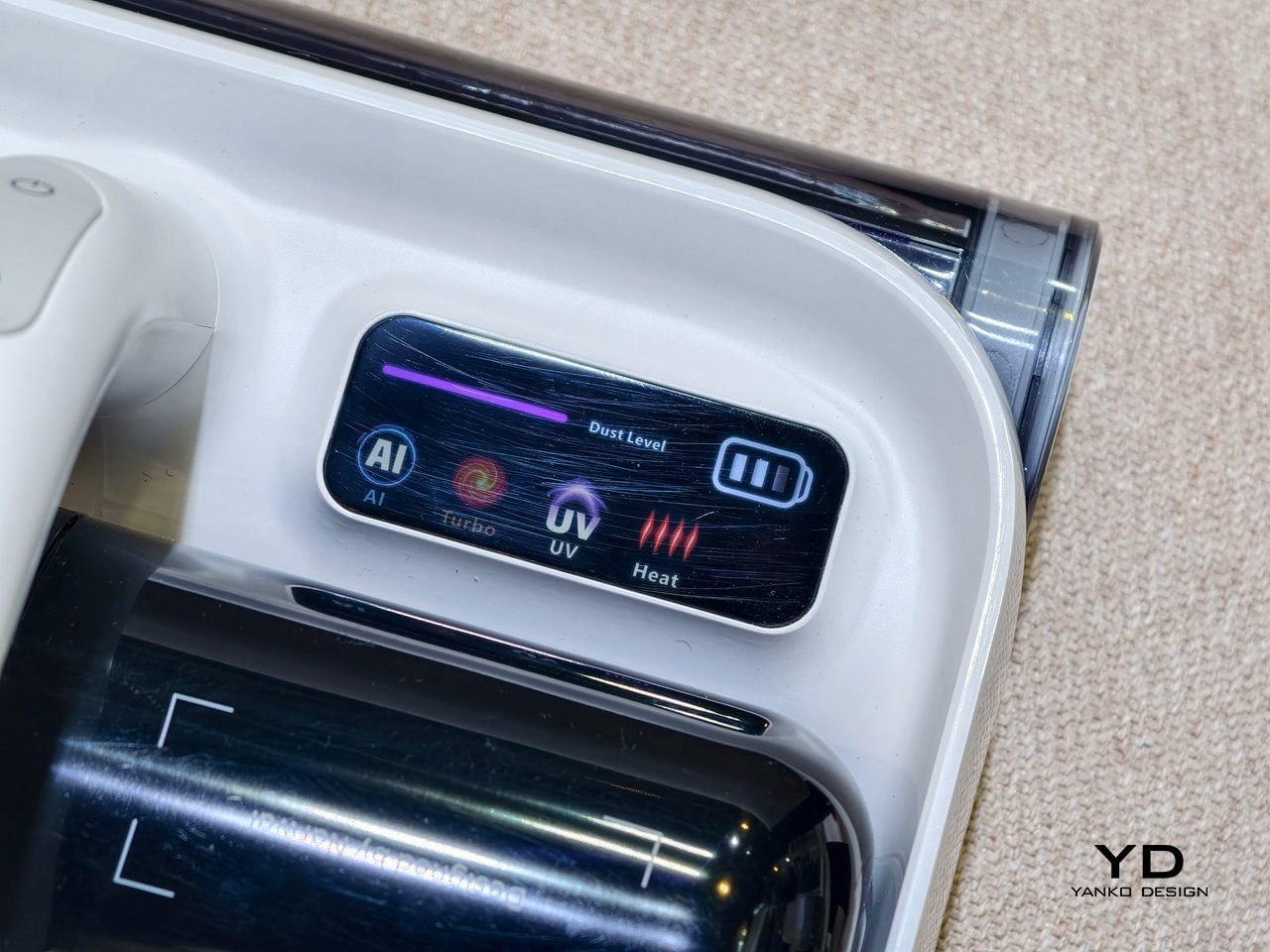
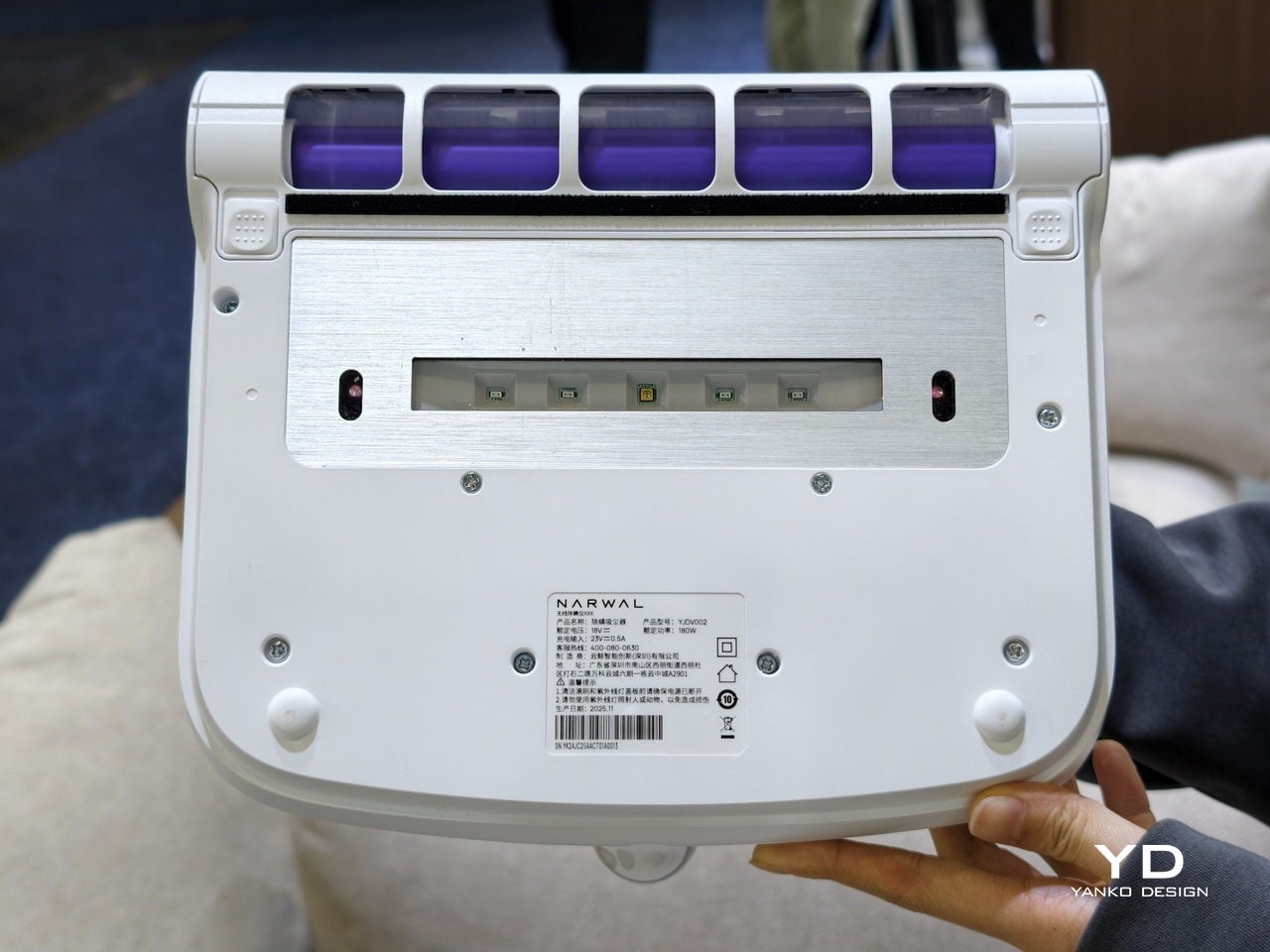
The U50 Series mattress vacuum targets a different corner of the home, using 137°F iron-heating, UVC sterilization, 60,000 taps per minute, and 16,000 Pa of suction to pull mites and allergens out of mattresses and upholstery. It weighs just 3.7lb and uses sealed, disposable dust bags with a transparent window, so you can treat beds and sofas without dealing with messy dust cups or touching what comes out. Together, V50 and U50 show Narwal extending its maintenance-free, AI-aware design language into spaces the robot cannot reach, keeping the entire home cleaner without multiplying the number of chores you actually have to do.

Narwal Flow 2: See Further, Think Deeper, Clean Smarter

Flow 2 is a sign that robot vacuums are finally moving from smart enough not to fall down the stairs to smart enough to adapt to how you live. It still has big suction numbers and a long spec sheet, but the interesting part is how it sees pets, babies, and messes differently, and how it keeps its own mop clean while it works. For a category that has been chasing power for years, that kind of judgment feels like the more meaningful upgrade, especially when the alternative is manually zoning a map and hoping the robot does not knock over a water bowl or wake up a napping toddler on its next routine pass.

The post Narwal Flow 2 at CES 2026: Sees Everything, Cleans Smarter first appeared on Yanko Design.

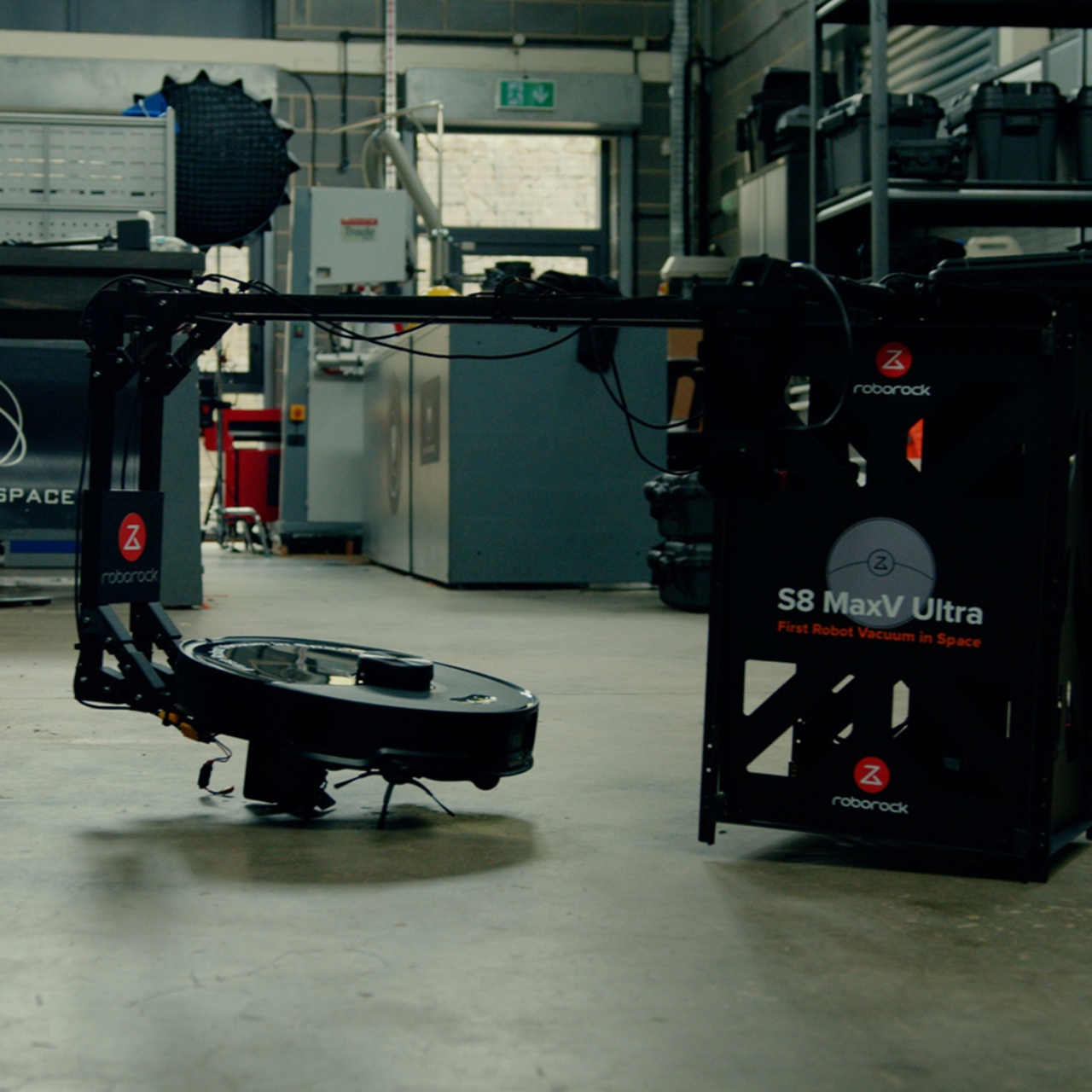
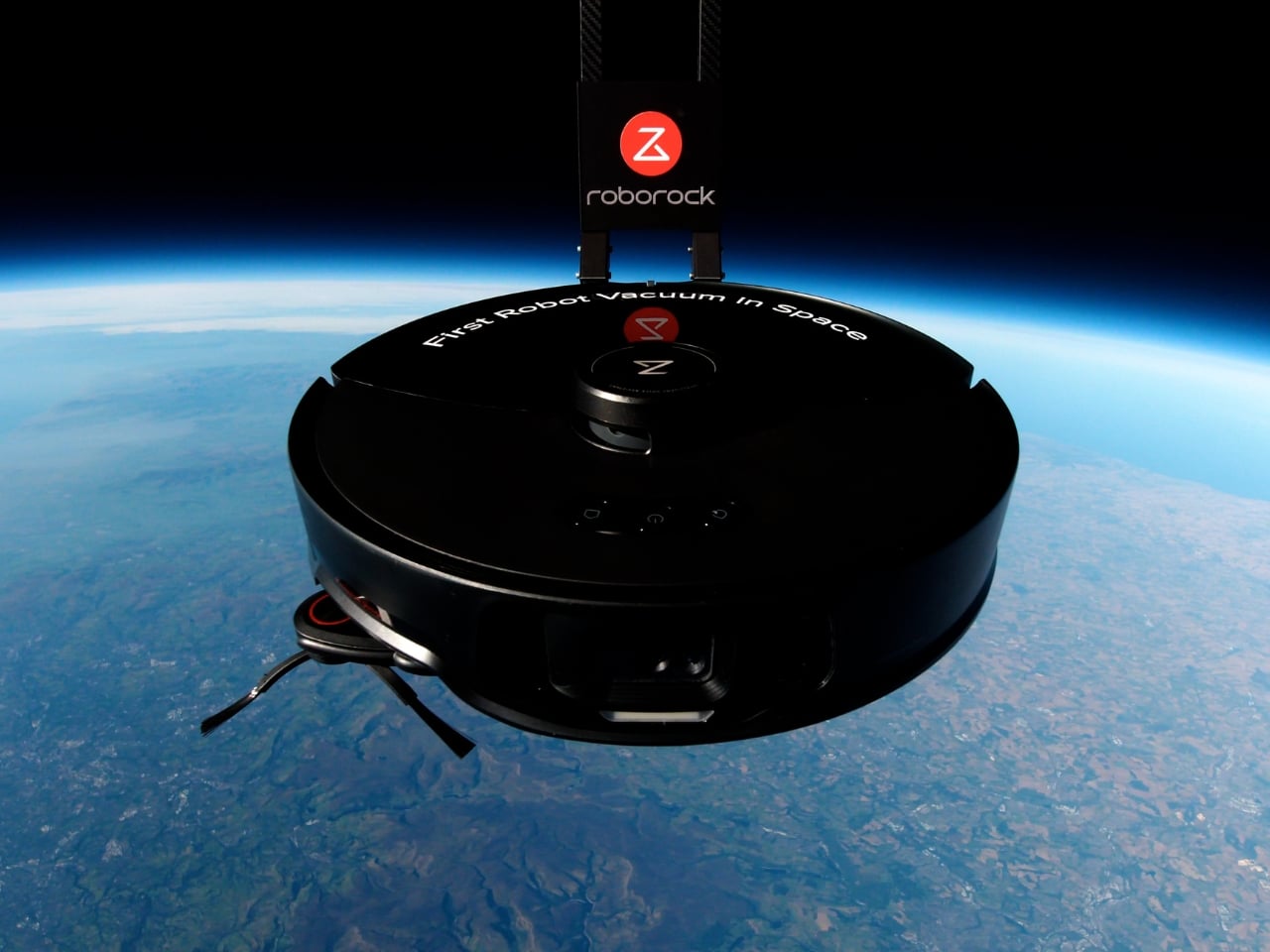
Roborock’s S8 MaxV Ultra goes to space and cleans 110,000 feet above ground

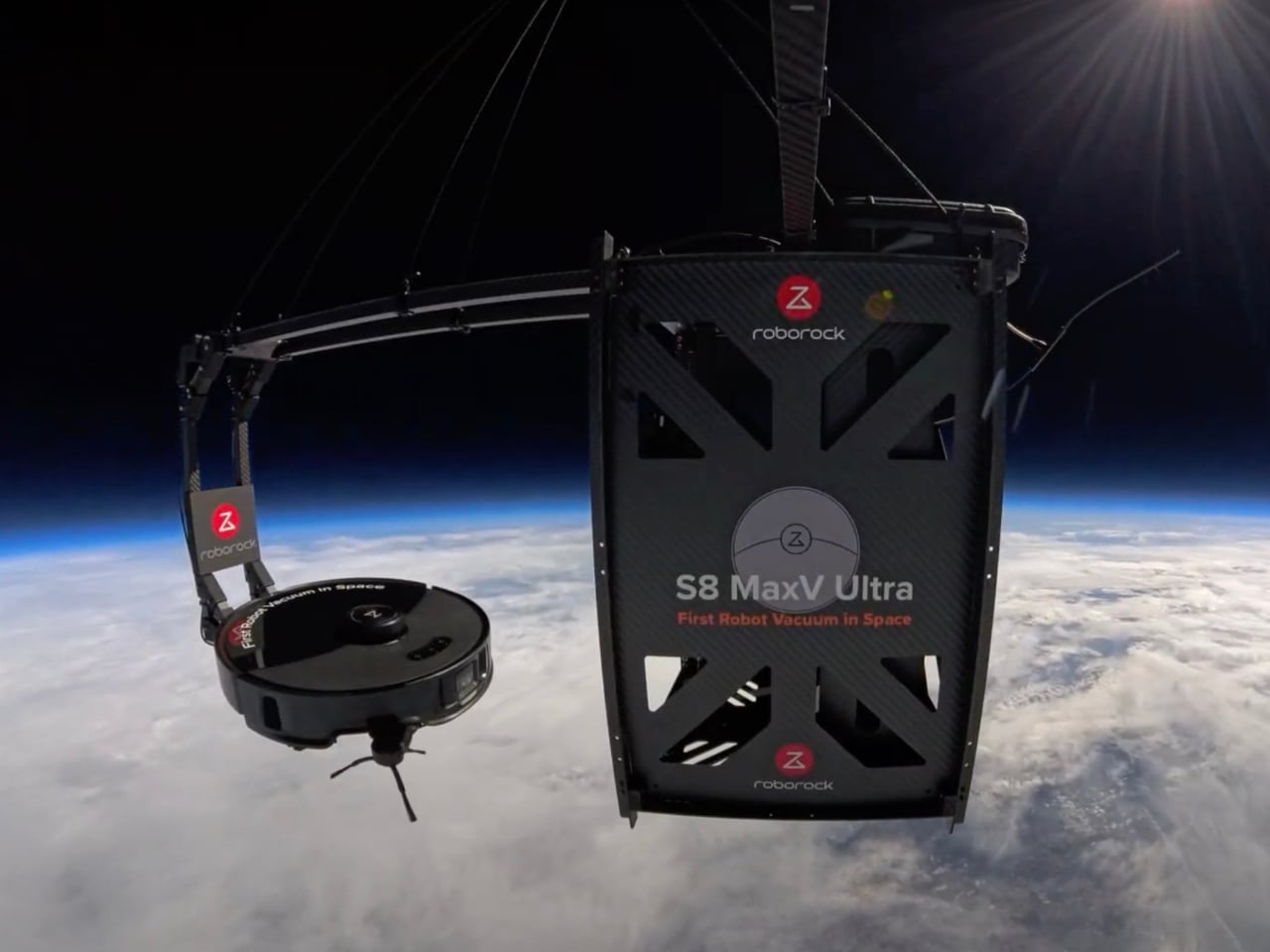
If you’re a child of the 80s and the 90s, you probably remember this weird but cute little movie and book, The Brave Little Toaster. He eventually went to Mars for some reason on one of his adventures and some fun was had. Well now, we apparently have a Brave Little Vacuum as Roborock’s S8 MaxV Ultra became the first robot vacuum cleaner to go into space and perform some cleaning duties in extreme environments.

Designer: Roborock

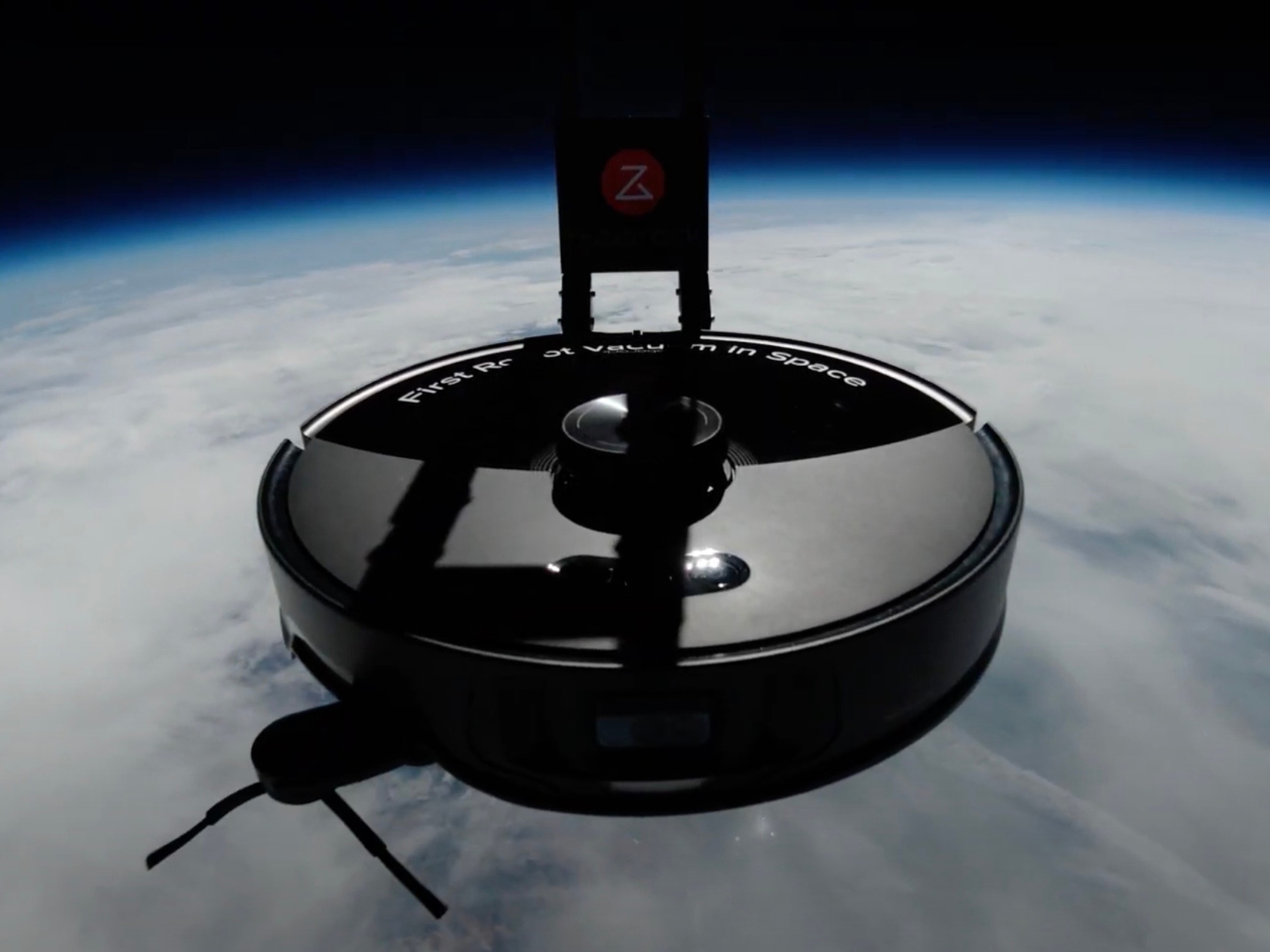
The S8 MaxV Ultra is the brand’s most technologically advanced unit and it has proved itself by going into space and still perform as it should be, even within the harsh environment. It experienced temperatures below -60°C and both its battery and motor were still able to function well. It was even able to be integrated with the flight computer by modifying the control system, allowing it to connect with the ship’s computer and they were able to activate it during the flight.

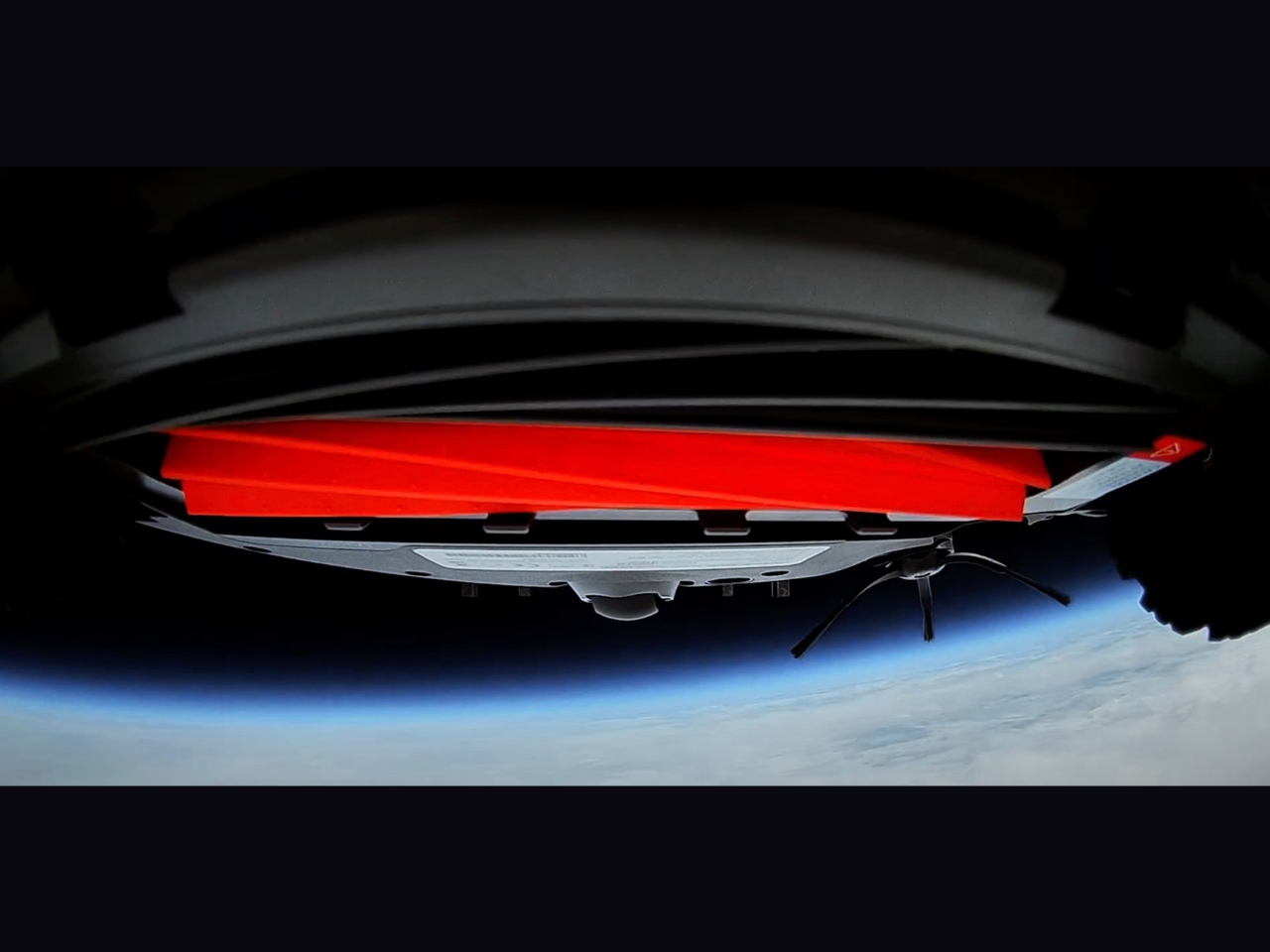
As seen in the video they uploaded, the vacuum was still able to have all the parts, including the Flexi-Arm Design brushes moving even while in the aforementioned -60°C temperature and while suspended in the air, 110,000 feet above ground. But other than the control system, most of the overall mechanical systems were left unmodified, showing off the robo vacuum’s capabilities, including its ultra-reactive AI 2.0 obstacle recognition, built-in voice assistant, and Flexi-Arm Design.

But since not all of us will be going to space anyways, the S8 MaxV Ultra is still very useful for earth-bound people. It has features like the FlexiArm Design™ Side Brush and the Extra Edge Spinning Mop System that lets it have 100% corner coverage as it’s able to reach tight corners and crevices. It also has the VibraRise® 3.0 Mopping System that lets it do high-speed sonic mopping and the 20mm mop module lift that lets it automatically rise when cleaning carpets. So in the future, if you do go to space, you can take it along with you.

The post Roborock’s S8 MaxV Ultra goes to space and cleans 110,000 feet above ground first appeared on Yanko Design.

The Nothing Robot Vacuum (1) brings transparent tech to Smart Homes, along with a Glyph Interface

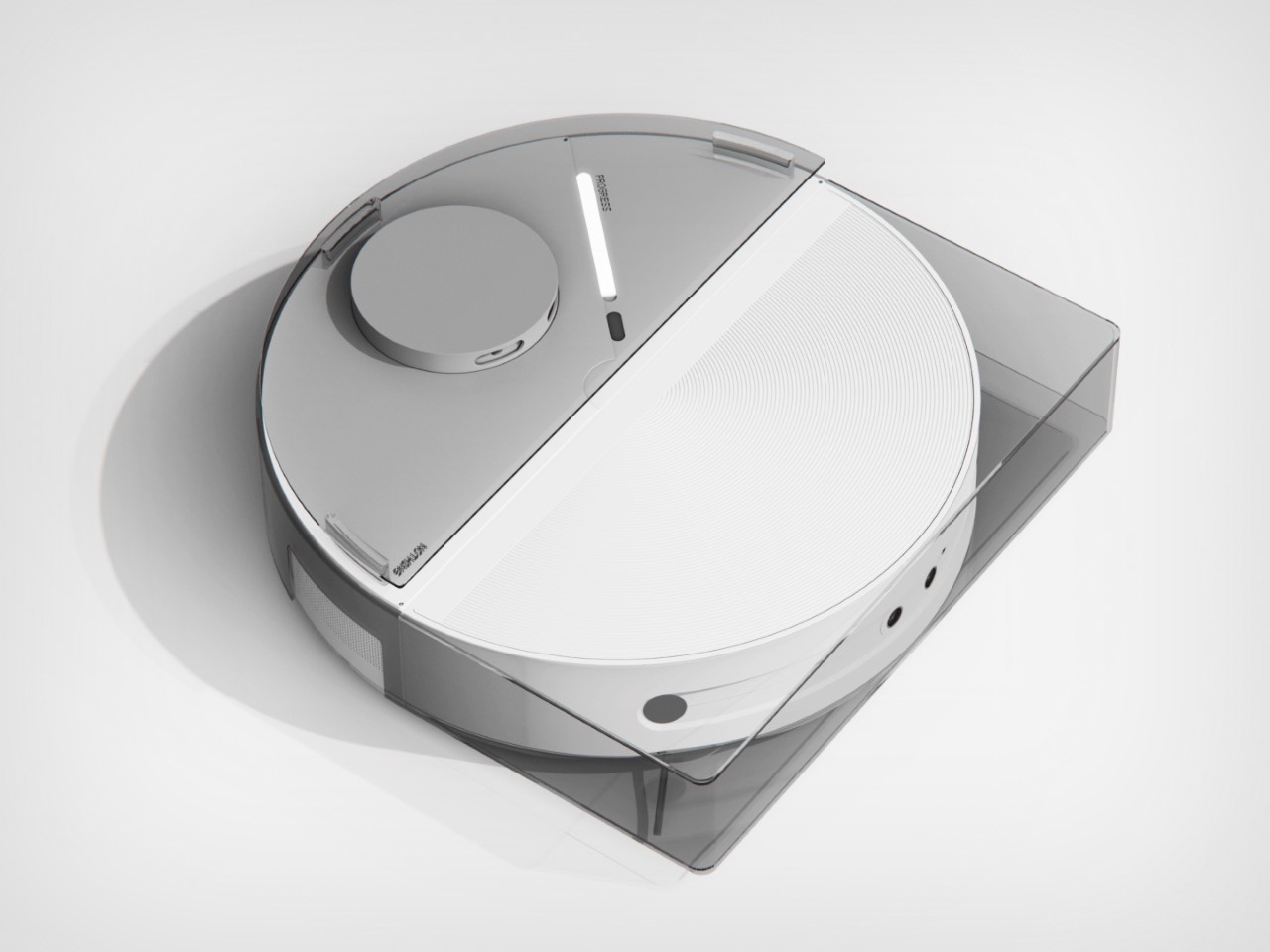
If you think just about the Nothing.tech company ethos of bringing fun back to tech while still being design-driven and meaningful, that ethos can apply to pretty much any category of product. Sure, Nothing’s best known for their earbuds, phones, and even other accessories like the CMF Watch Pro… so here’s a proposition – what if we took Nothing’s ethos and brought it to other products that are a bit of a visual afterthought? The robot vacuum, for instance, is a fairly ‘boring’ looking product. Its job is literally to scuttle around the house cleaning up after your mess, so for the most part, its design is driven by function rather than expression. However, by bringing the robot vacuum under the Nothing design umbrella, Soo Hyun Lim and PDF HAUS have uplifted an otherwise dull-looking appliance into something that inherently feels more modern – because it borrows its design cues directly from Nothing’s modern-looking smartphones.

Designers: Soo Hyun Lim & PDF HAUS

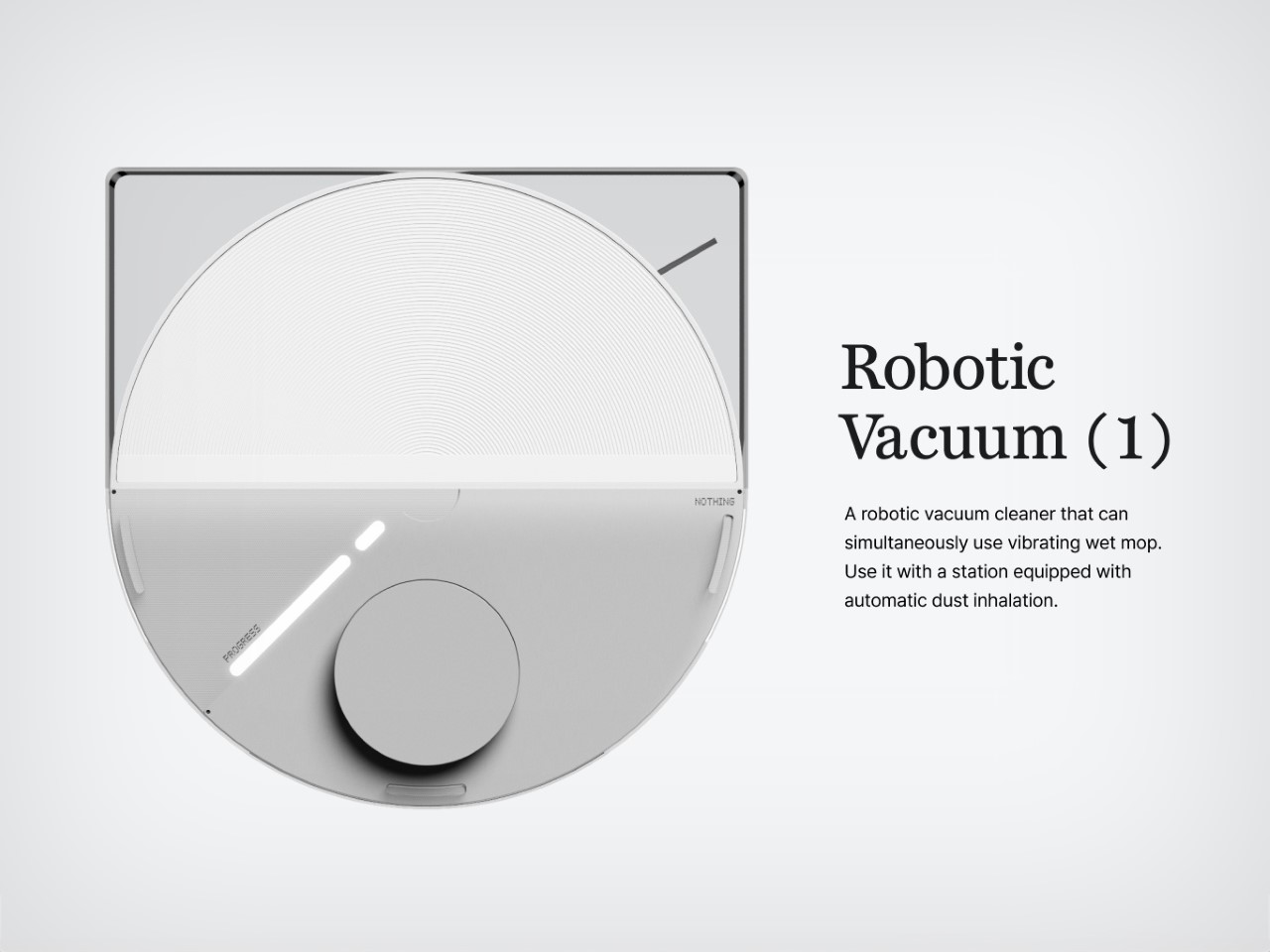
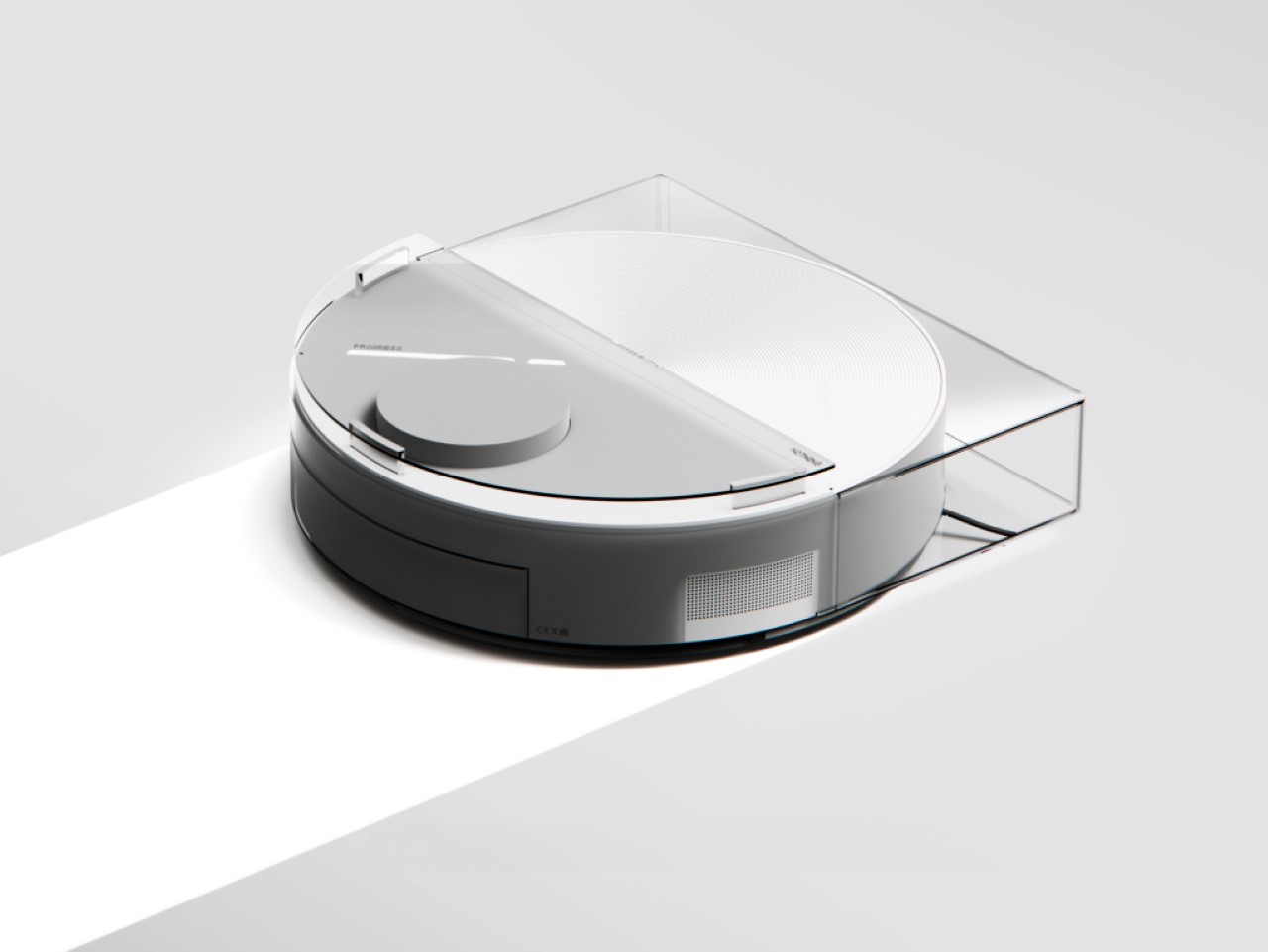
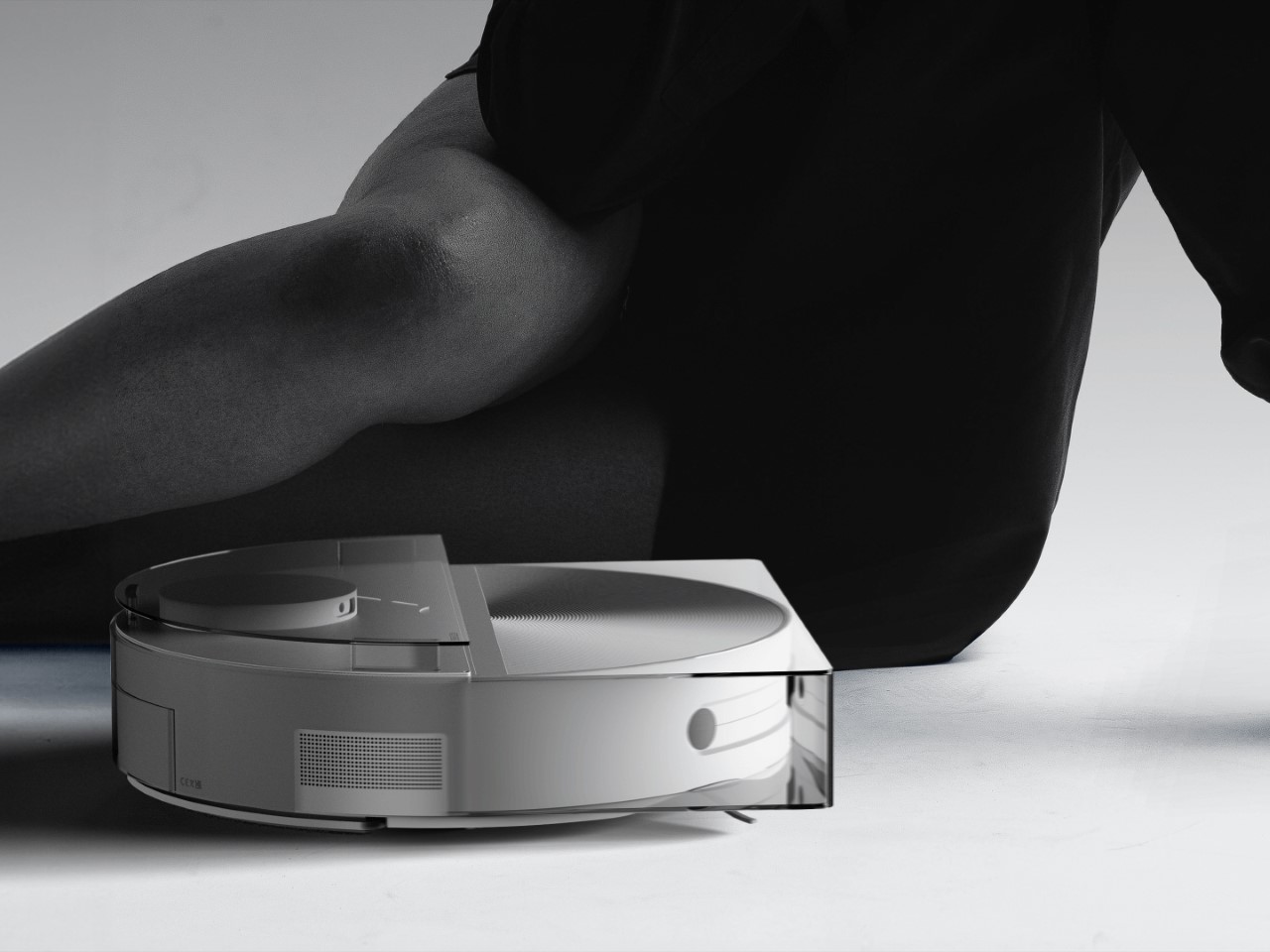
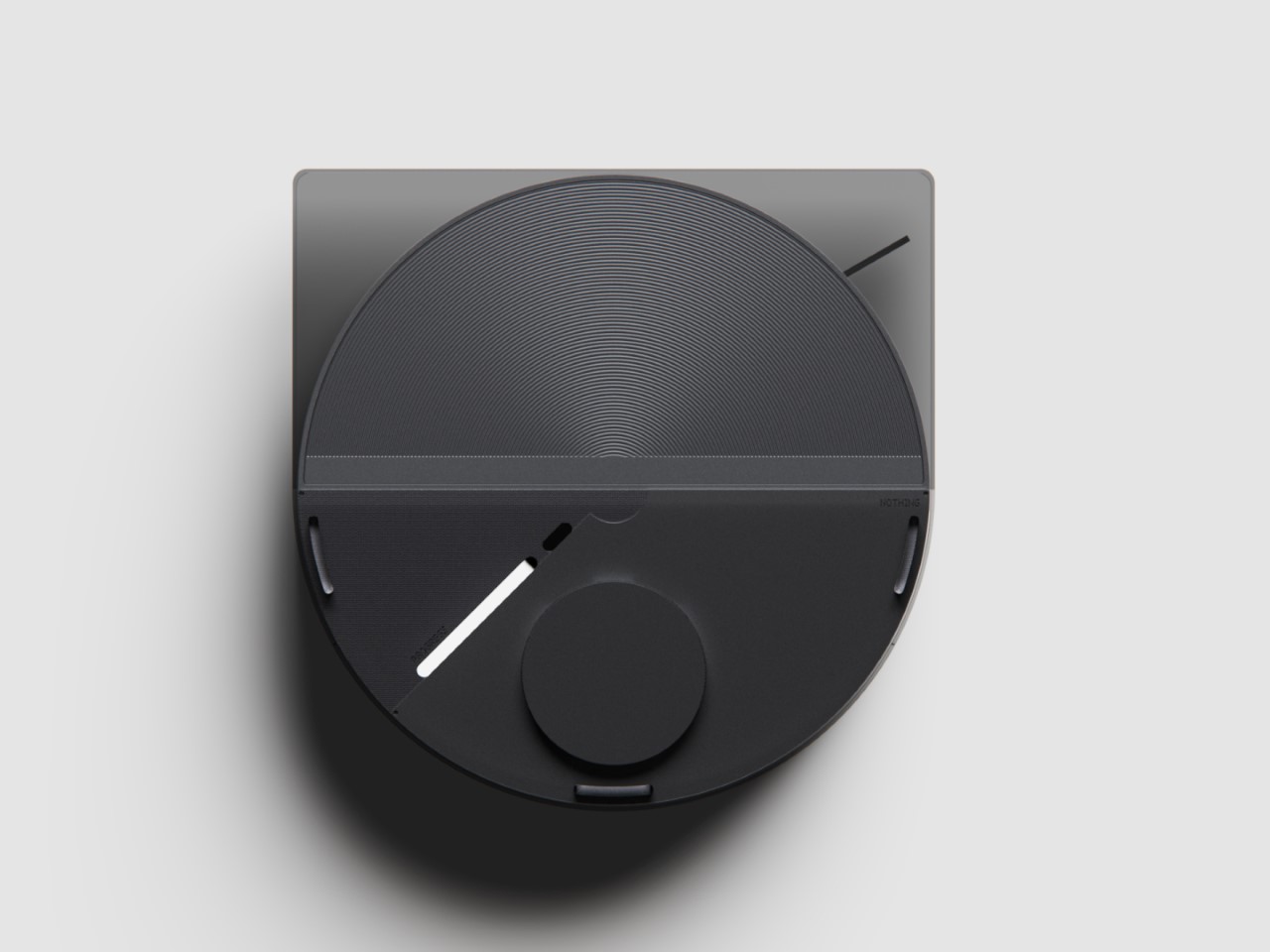
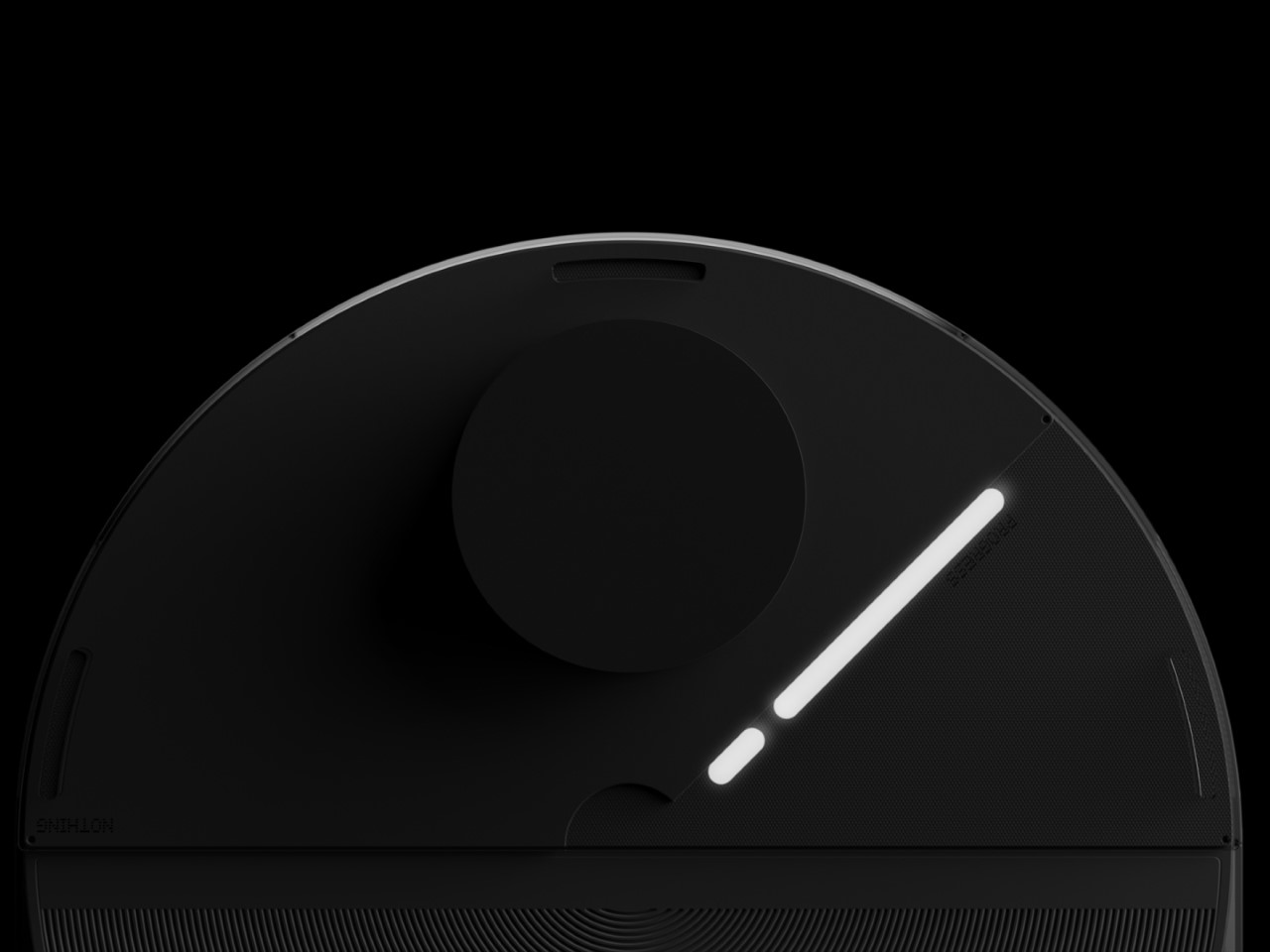
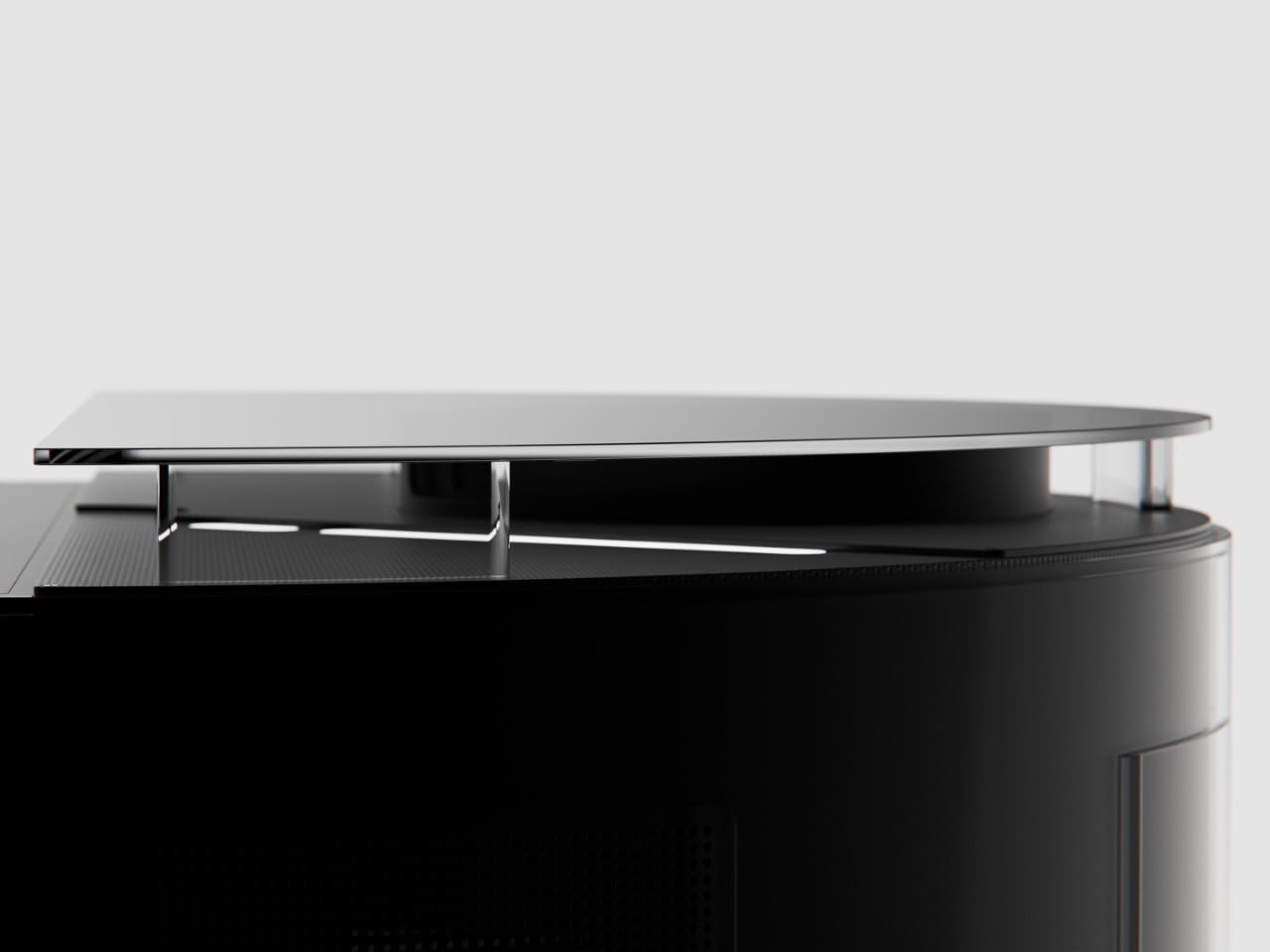
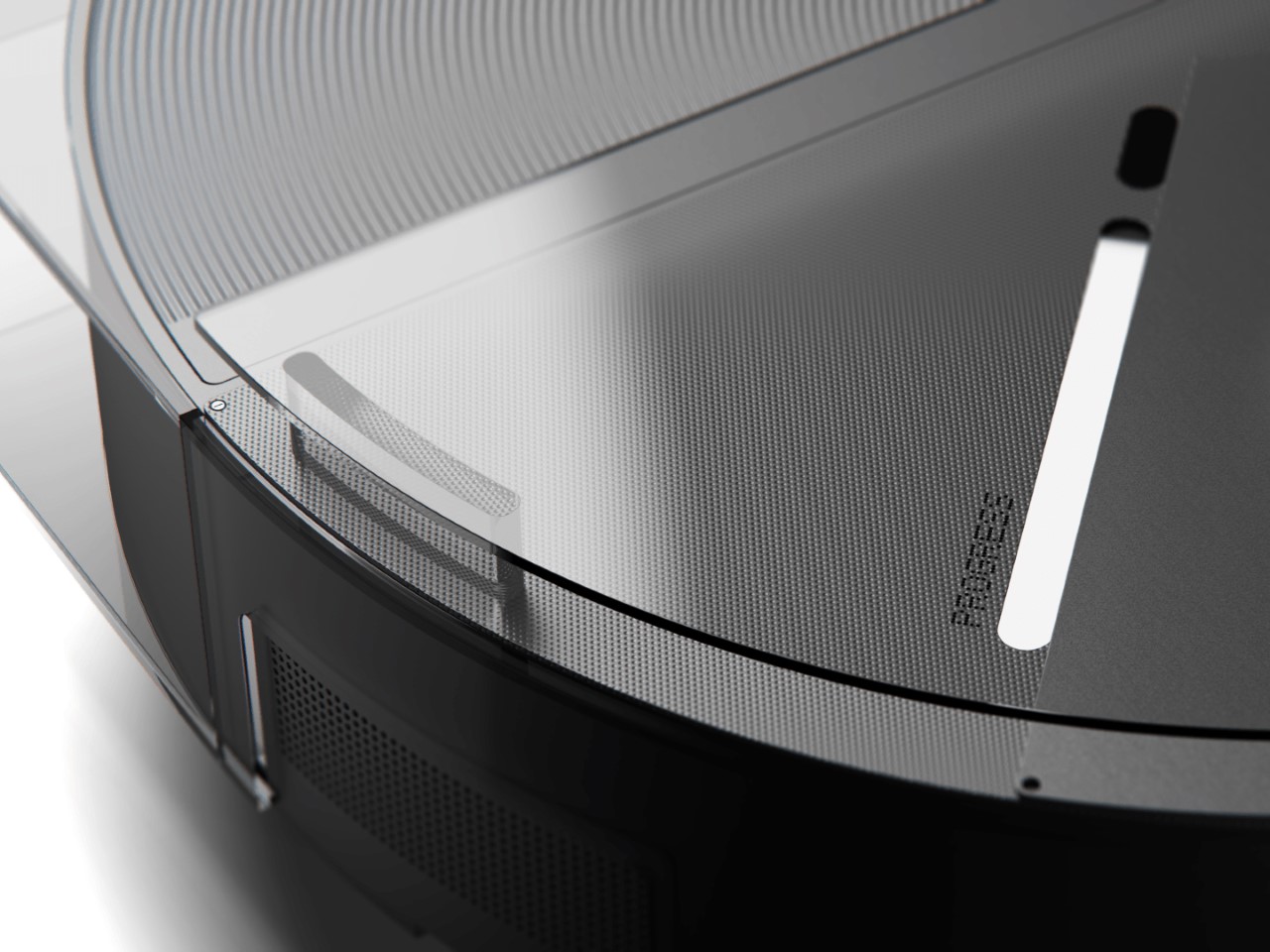
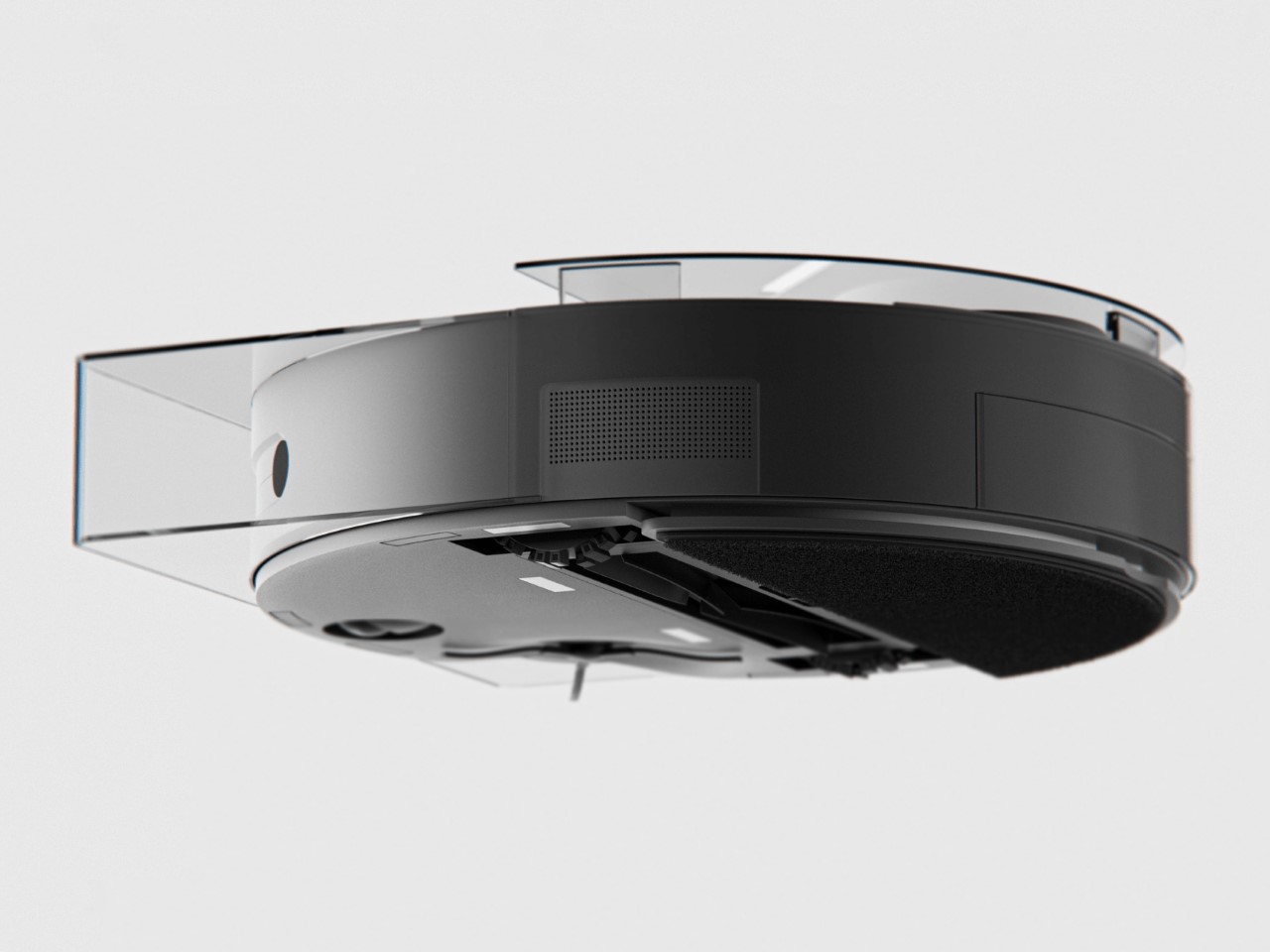
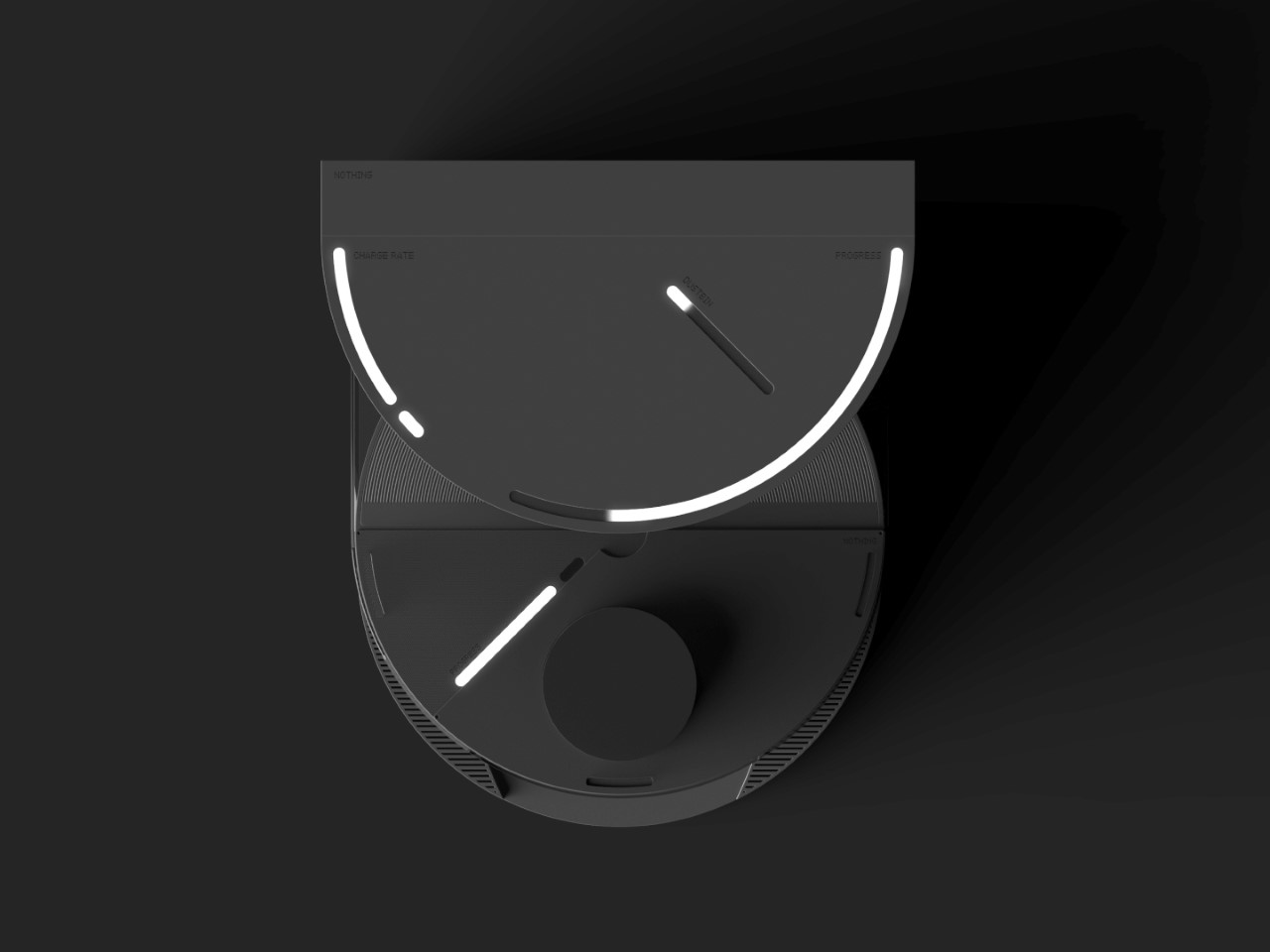
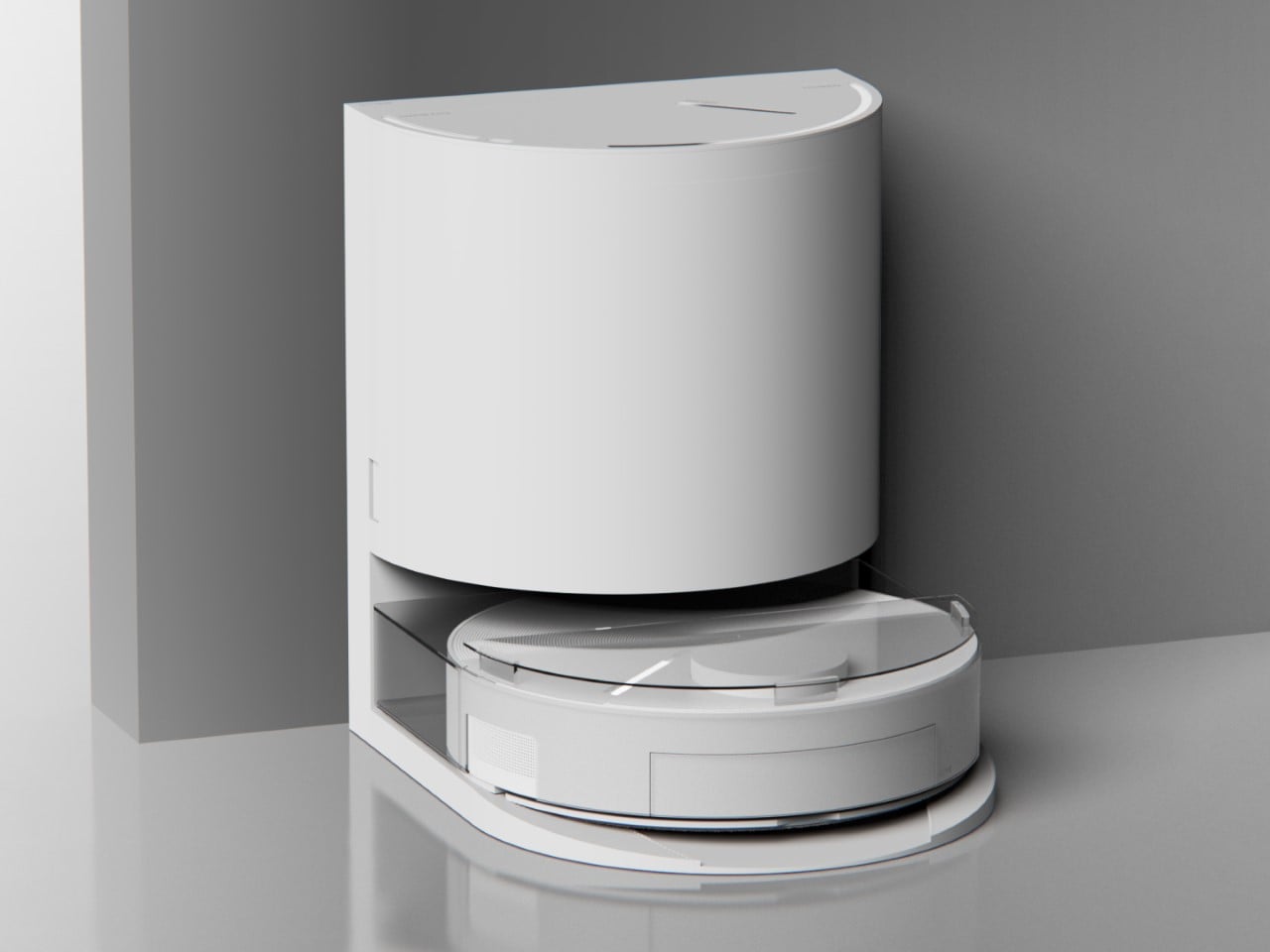
Meet the Nothing Robot Vacuum (1), a tongue-in-cheek fan-made concept that ports Nothing’s DNA onto a familiar product template. Most robot vacuums are the same shape and size, so how could you possibly make things interesting? Well, LEDs and transparent covers, of course! The Robot Vacuum (1) has a circular profile that’s then outfitted with a transparent D-shaped outer shell, giving it an almost ‘preserved in glass’ kind of look. Sensors are where they belong (on the front as well as on the top), and although you can’t entirely make a robot vacuum transparent, what with all the dust and dirt, Hyun Lim does something clever by bringing the Glyph Interface to the product. What does the interface do? Well, it acts as a progress bar that lets you know how much cleaning’s left. Similarly, Glyph lights on the vacuum’s docking station light up to indicate charging process as well as letting you know the fill-status on the station’s dustbin, so you know when to throw the trash out every week or so.

With the aesthetic appeal of a fancy turntable, the Nothing Robot Vacuum (1) highlights a kind of Bauhaus-meets-Scandinavian minimalism that companies like Bang&Olufsen have come to showcase so well with their products. The vacuum looks classy, not appliance-y, which is quite a win because of how menial its task actually is. I mean, sure some appliances have boring jobs, like thermostats and dehumidifiers, but that’s no reason they should look ‘boring’, right? Well, the Nothing Robot Vacuum (1) rejects that stereotype.

As far as the design goes, the vacuum comes in 3 colors – black, white, and grey. Just from a top view, you instantly recognize the Nothing design template. The Glyph Interface at the 7 o’clock position, the transparent elements along the body, and a radial pattern on the upper half of the circular top that sort of resembles the coils in the wireless charging zone on the smartphones. It’s simple, yet cleverly executed.

Just like with the phones, you’ve got microtextures galore, along with text screen-printed onto the transparent elements like the upper guard (that prevents the sensors on top from being damaged), and the front transparent bumper that helps the robot vacuum easily maneuver into corners. Moreover, Hyun Lim mentions that the vacuum is constructed from recycled plastic and aluminum, which seems like a nice sustainability touch that goes well with the ‘clean’ image of the vacuum cleaner.

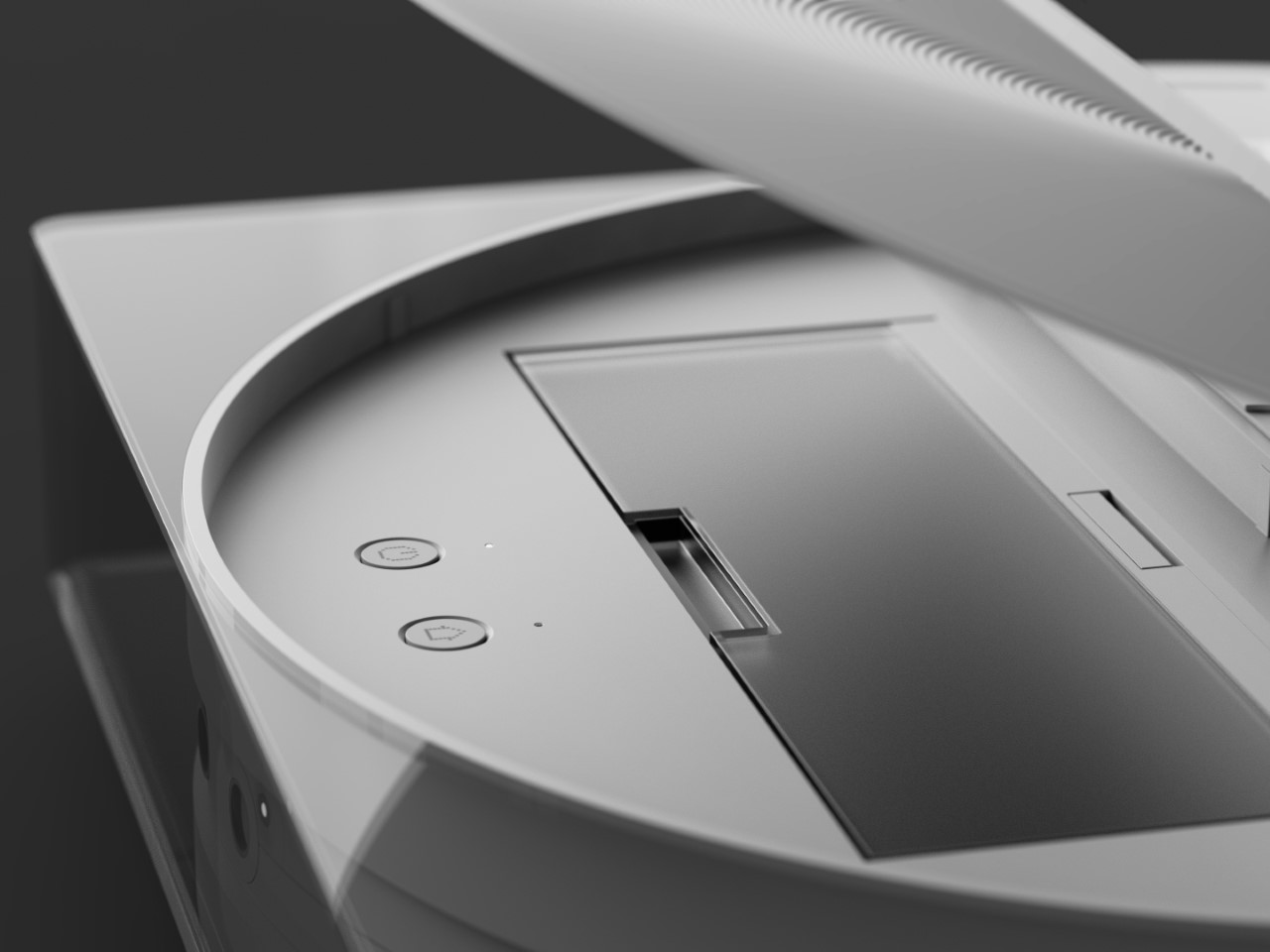
Although conceptual, Hyun Lim does give the robot vacuum a fair bit of detail. You’ve got a rotary broom on the front, along with a vibrating wet mop that helps get grease, grime, and other stains off your floor. The simple design is complemented by a simple UX – you can lift the lid to access the robot’s power button or open its water reservoir to replenish it between cleaning sessions. The sensors on the front and top help the vacuum navigate through the house, while an app on the phone gives you all the controls you need to set schedules, paths, no-go zones, and charging times. Plus, when the robot vacuum runs low on juice, it automatically goes and docks in its station, where the battery gets charged and the dust-tank gets cleaned.

The docking station is just as minimal as the vacuum itself, and serves as a place where your appliance goes to take a pit-stop. Once docked, the Robot Vacuum (1) charges its batteries, while performing a self-clean operation so it’s good to go for round 2. This means the mop head gets cleaned with water, and the dust/dirt tank gets disposed into the docking station’s larger ‘dustbin’. When the dustbin gets filled (after a couple of days of cleaning), all you need to do is empty the trash bag inside and replace it with a new one. That’s where the docking station’s Glyph lights come handy, letting you know your vacuum’s charging rate, along with the dustbin’s current capacity.

Although the Robot Vacuum (1) is purely conceptual at this point, it does prove that Nothing’s approach to redefining technology as ‘accessible fun’ is quite a winning and versatile one. The Robot Vacuum (1) doesn’t exist but there’s no reason it shouldn’t. Carl, you listening?

The post The Nothing Robot Vacuum (1) brings transparent tech to Smart Homes, along with a Glyph Interface first appeared on Yanko Design.

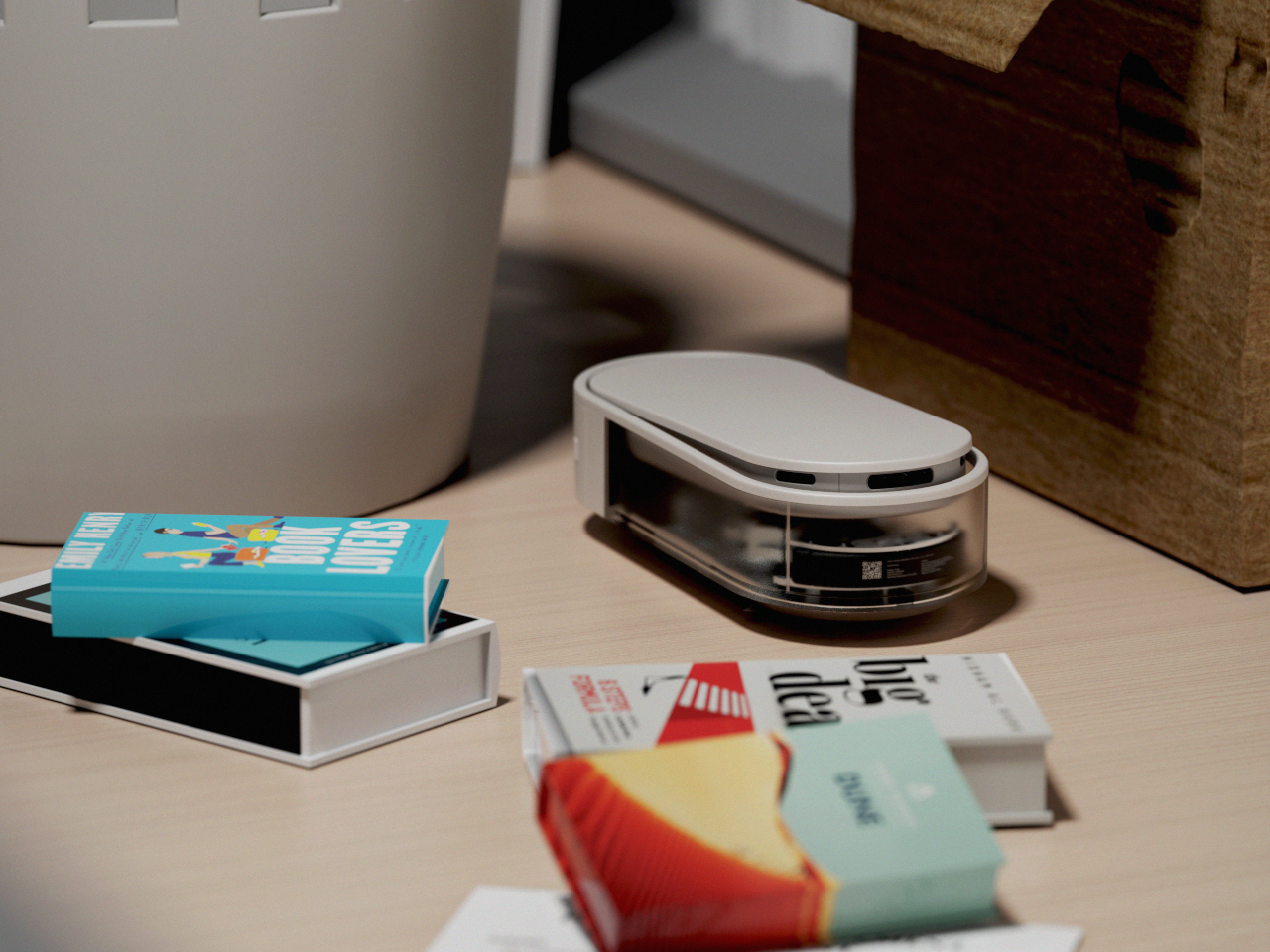
Rectangular robot vacuum concept proposes a more efficient design for smaller spaces

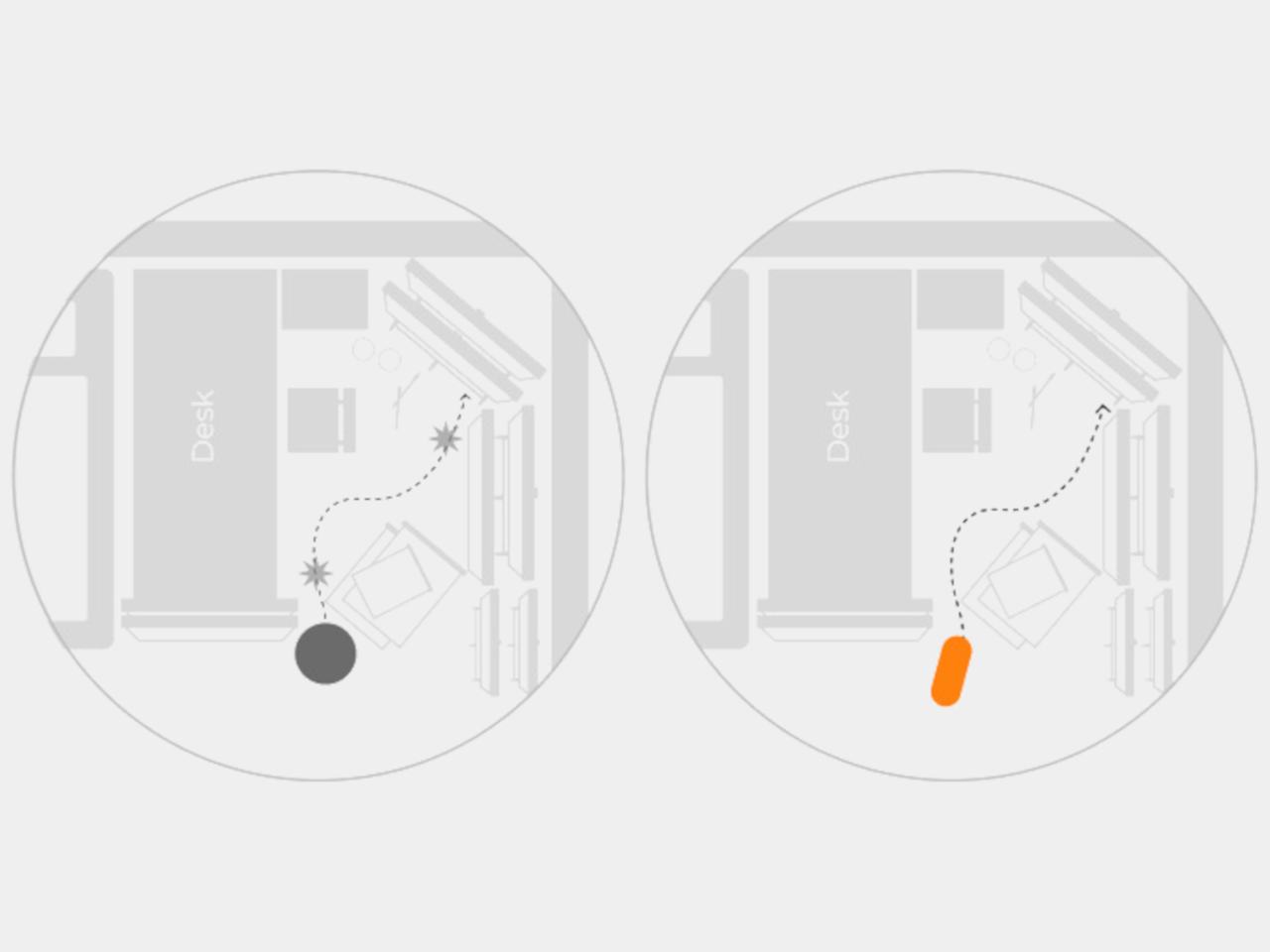
Robot vacuum cleaners and mops are common sights these days, but despite all the advancements they’ve made in terms of technology, their basic shape has remained unchanged since the first-ever Roomba. They’re almost all circular, though the are some that have taken on rounded square forms, a shape that was dictated by the limitations of old technologies that don’t seem to be relevant today. This standard design, however, still carries over other limitations, like squeezing into tight spaces or cleaning corners. Perhaps it’s time to rethink that old and outdated design, which is what this concept tries to do in order to cater to homes with smaller, cramped spaces and messy floors.

Designer: Subin Kim

The initial design of robot vacuums was made primarily for the robot and not the humans. The circular shape made it easier for the machine to turn and correct its direction, something that was all too common given the very basic technologies from decades past. Today, however, most robot cleaners have no problem navigating the most cluttered floors, so there’s now an opportunity to rethink that basic shape.

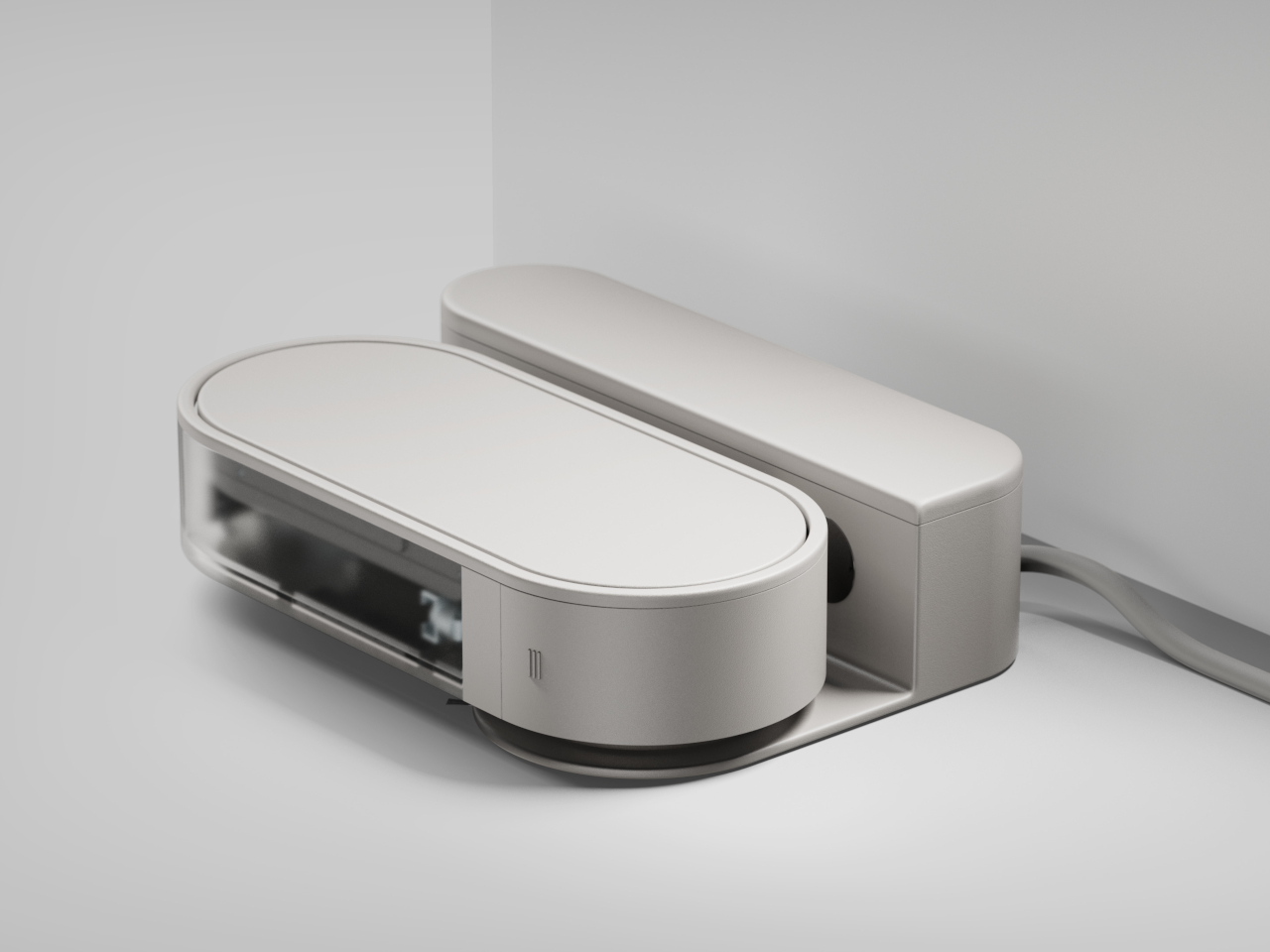
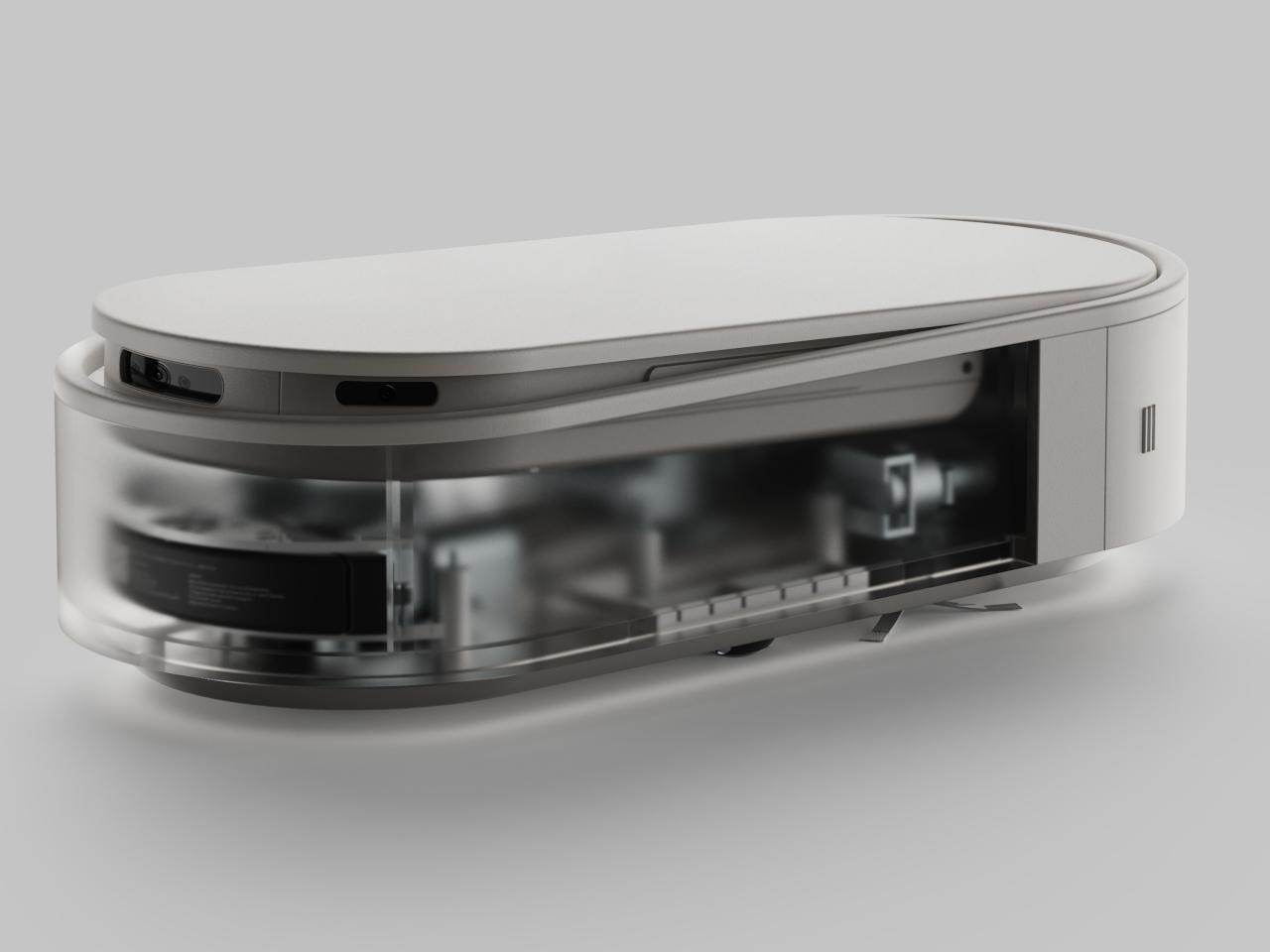
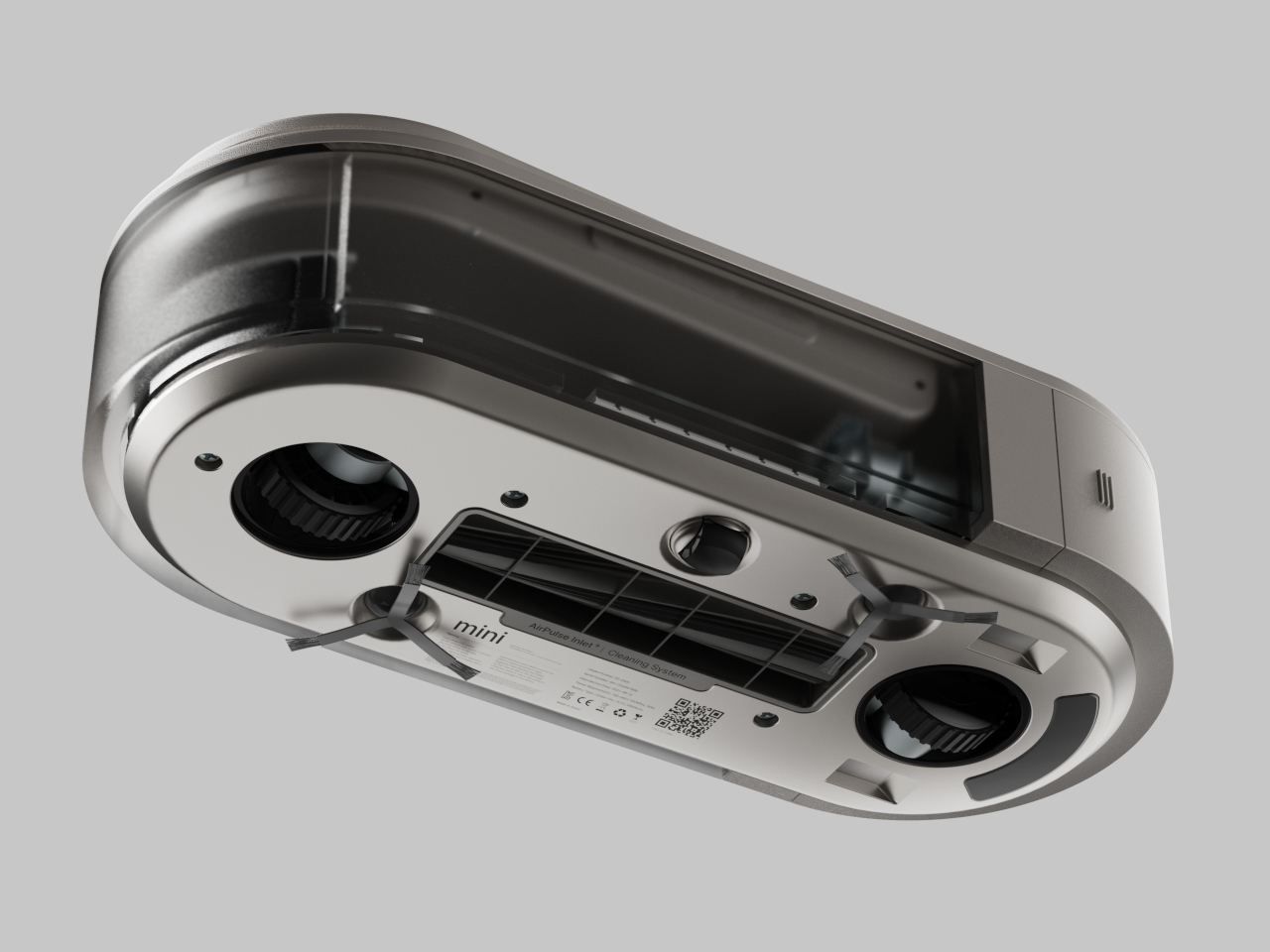
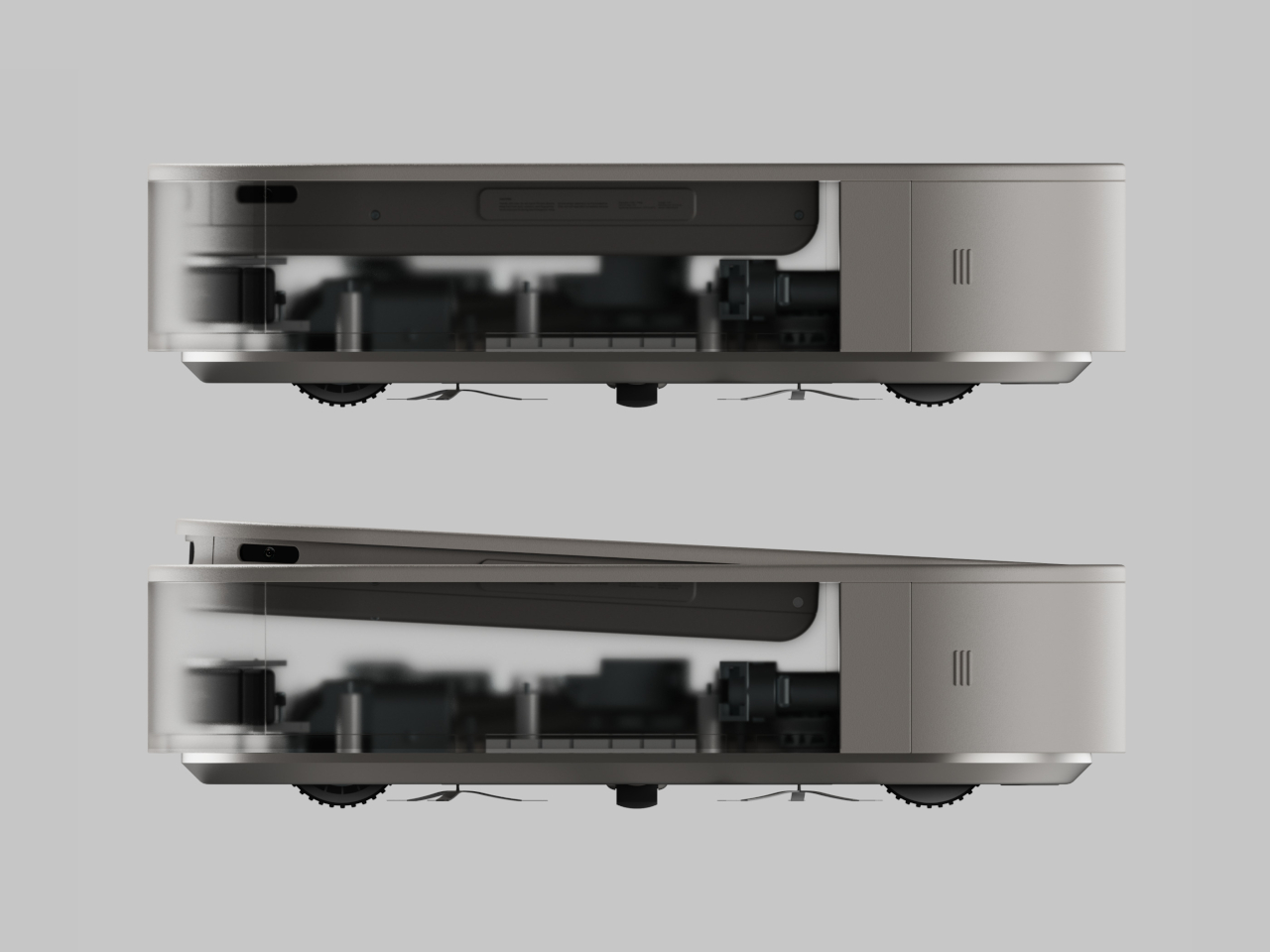
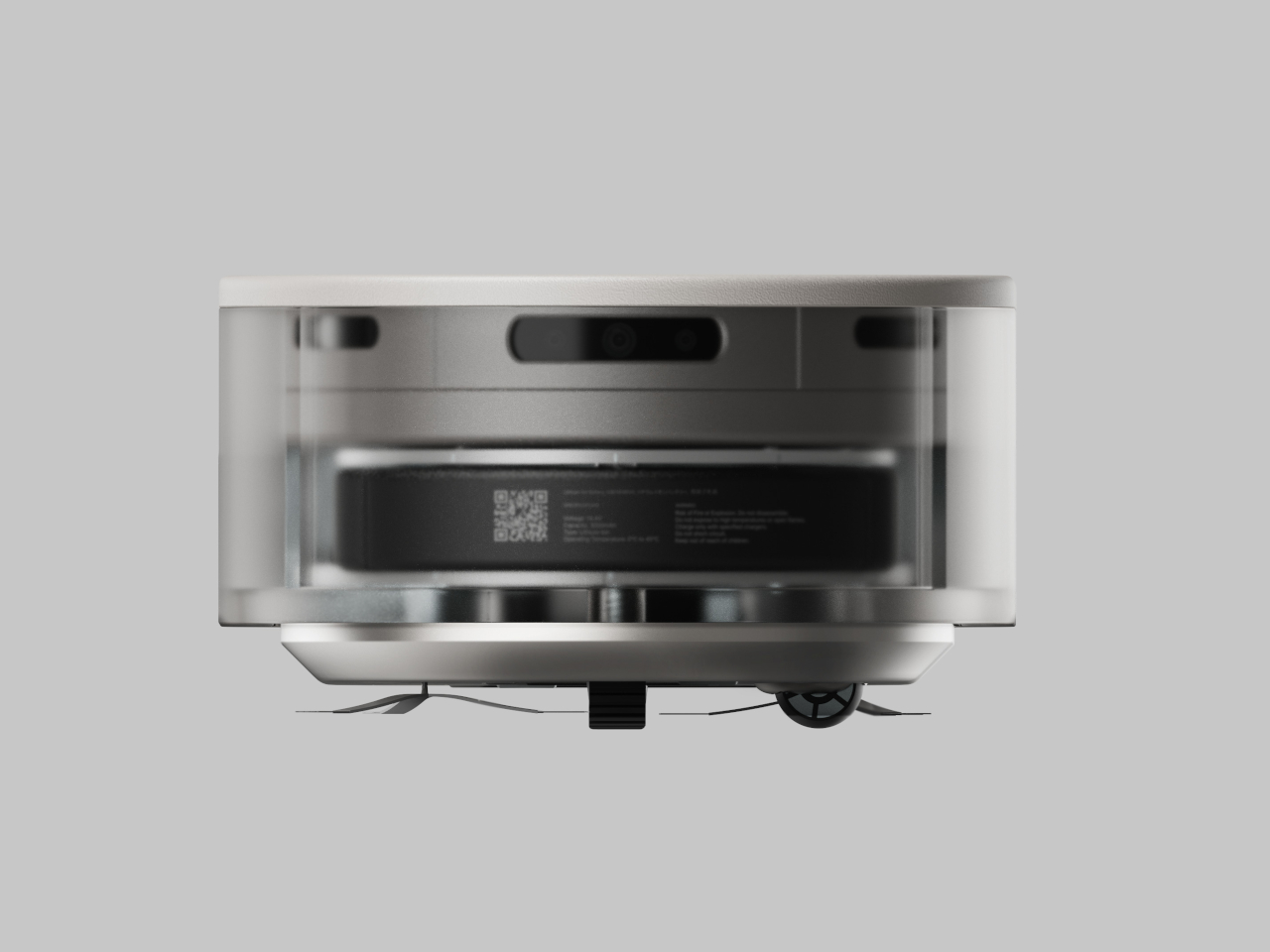
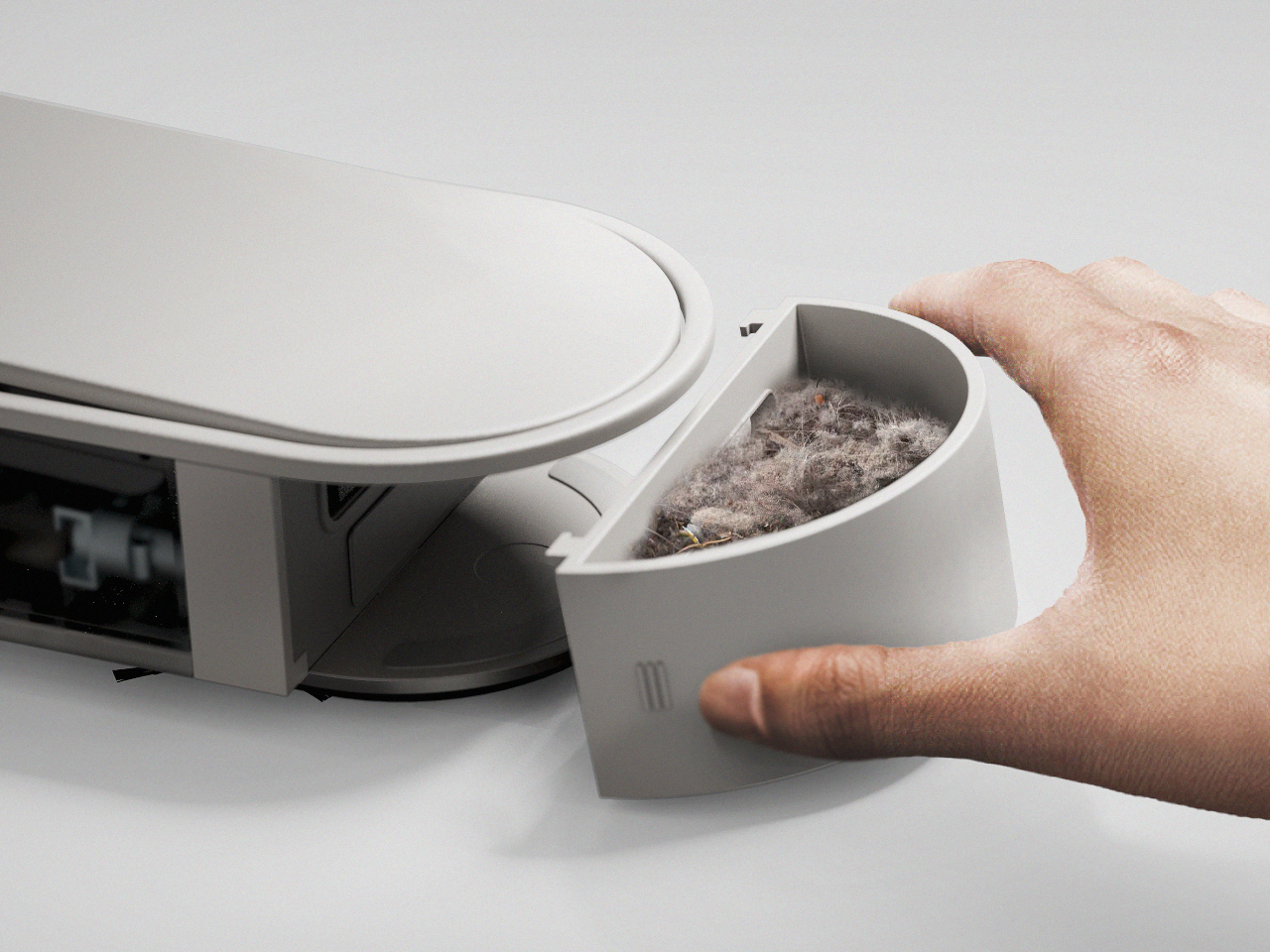
mini is a concept design that stretches the robot vacuum into a more rectangular form, technically more pill-shaped with its rounded sides. The idea is that this robot can better squeeze itself into narrow spaces, like those between walls and furniture, or hug edges to properly brush and vacuum areas that even the most sophisticated circular robot can’t reach. In small apartments or tiny homes, that is more often the case, so such a design is more useful than the majority of round or square robots.

The design can actually be even more efficient than standard robot vacuums because it can change its orientation depending on the area of the floor to be cleaned. In its vertical mode, it can easily clean out narrow gaps, but then it can rotate and switch to horizontal mode if there’s a wider space available for it to move. Such a feat would require AI and advanced sensors, both of which are readily available on most robot cleaners today.

mini’s design does mean it won’t be able to turn quickly, but that can be handled by better obstacle detection and smarter navigation. Although it might not work perfectly in practice, the concept does challenge the status quo and encourages a design that really puts the user at the center, rather than simply turning such robot helpers into technological showcases.
The post Rectangular robot vacuum concept proposes a more efficient design for smaller spaces first appeared on Yanko Design.