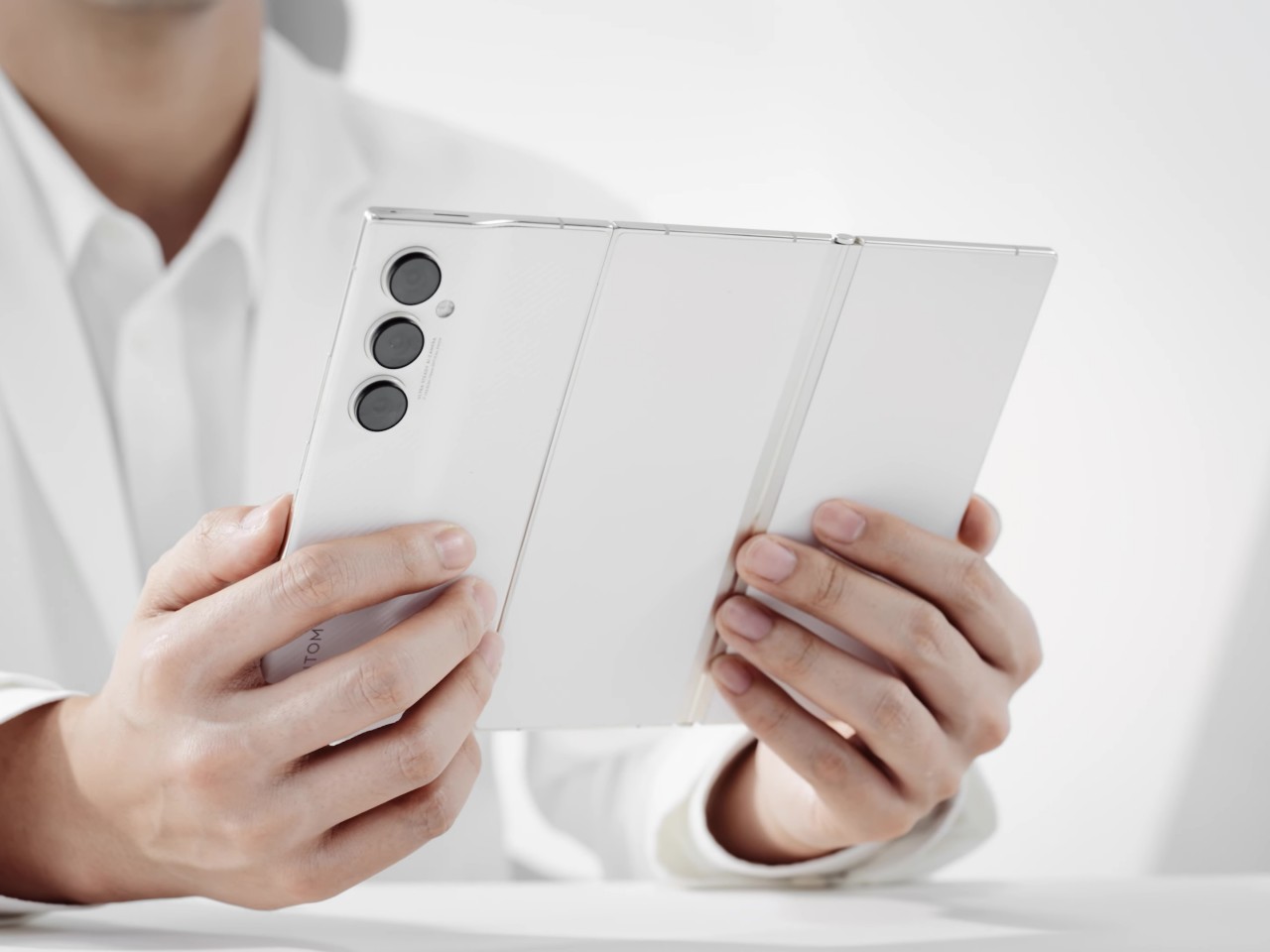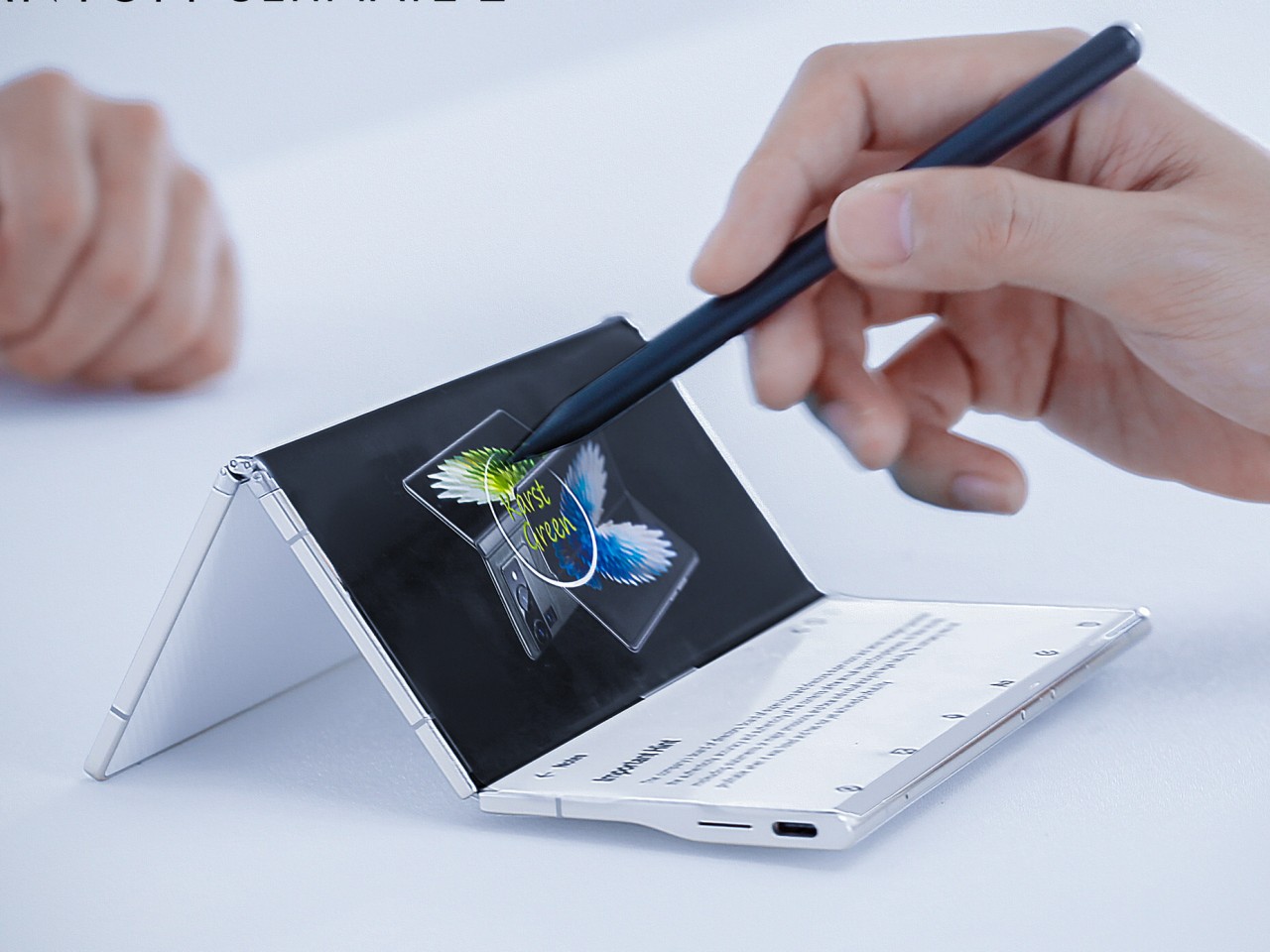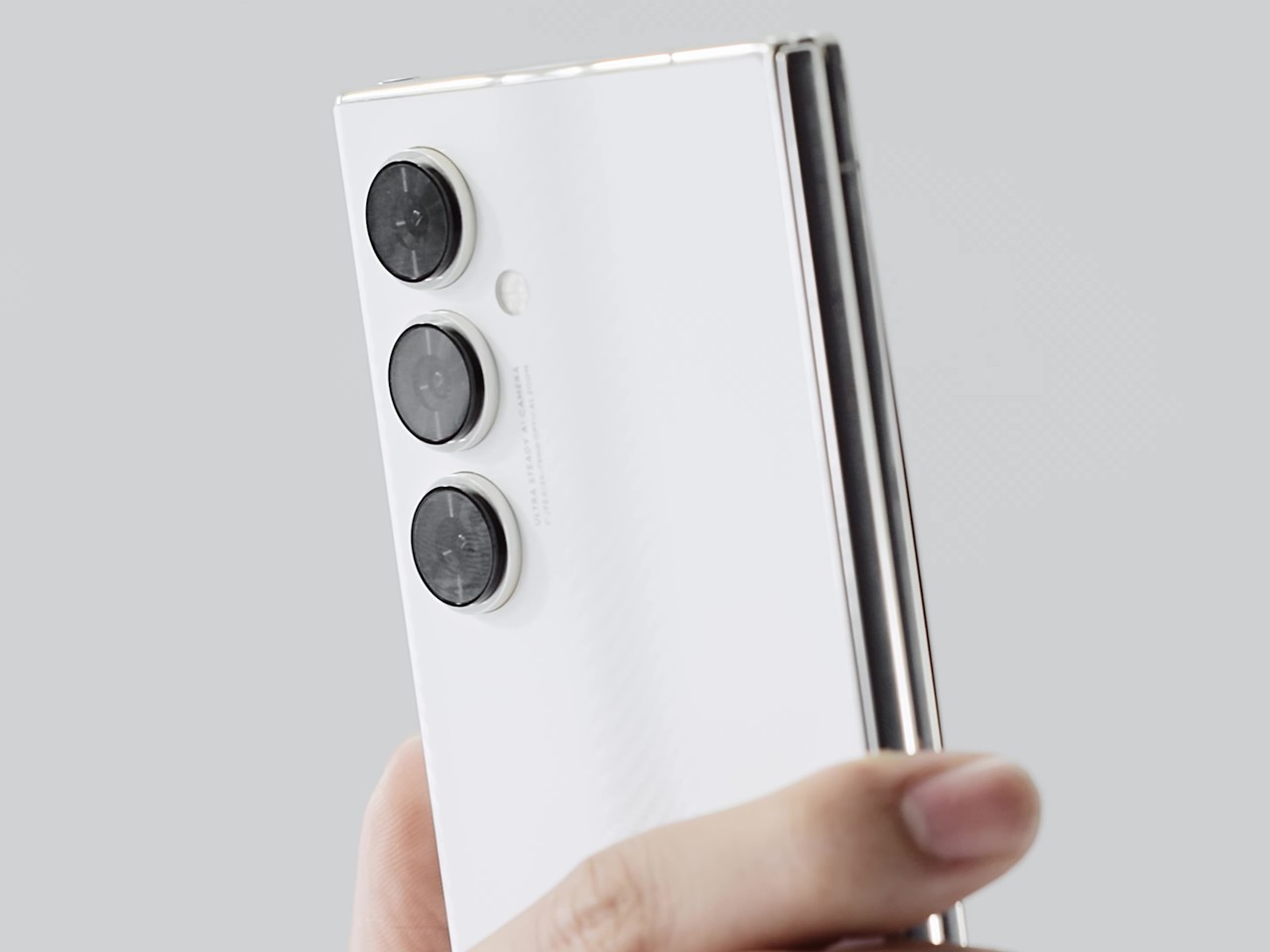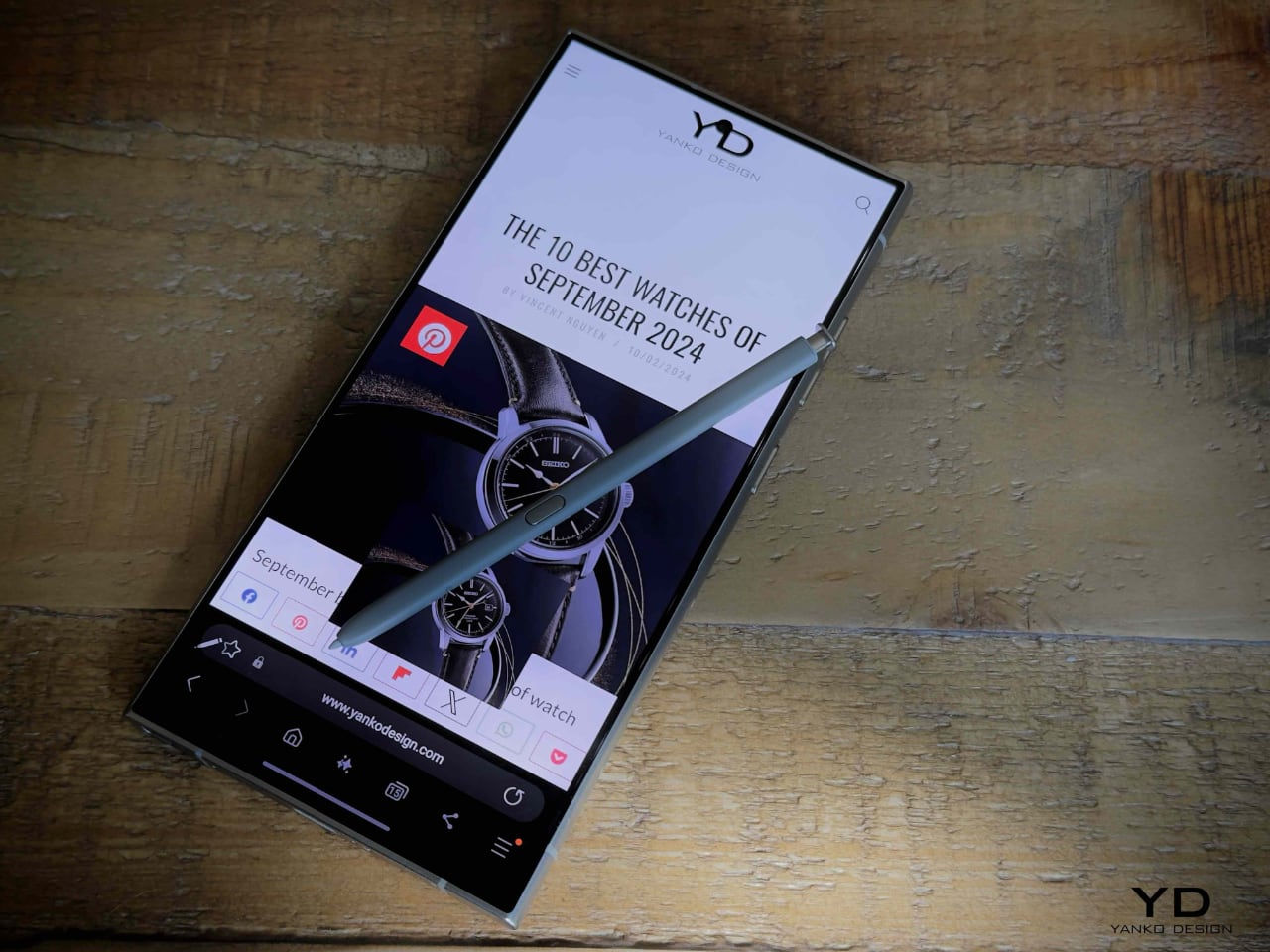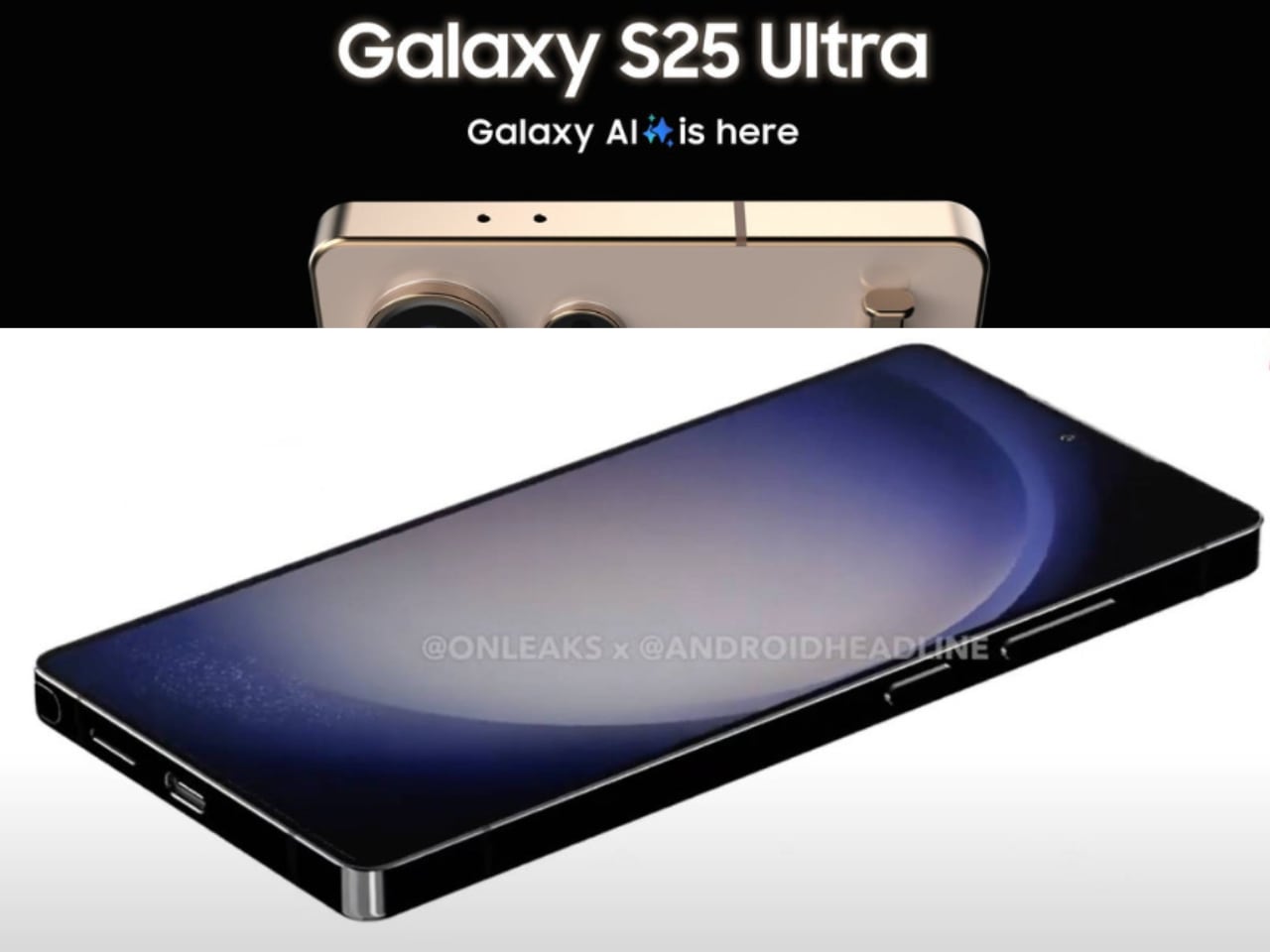
Galaxy S25 Ultra design rumor claims it will lose its distinctive boxy look

Since 2011, Samsung has been launching two flagships a year, one under its premium Galaxy S brand and another with the Galaxy Note name. The latter has mostly been defined by its large screen and S Pen stylus, though now large screens or phablets are the norm rather than the exception. By now, the Galaxy Note is pretty much history, but it seems that it might be making a comeback in an unexpected and perhaps unwelcome way. We’re still half a year away, but rumors about the Galaxy S25 Ultra have already started to attract attention, both good and bad, especially on how its design will be throwing away what has made it look unique in exchange for what is both a throwback to the past and a nod to its stylus-less siblings.

Designer: Samsung (via @Wvisioncreation)

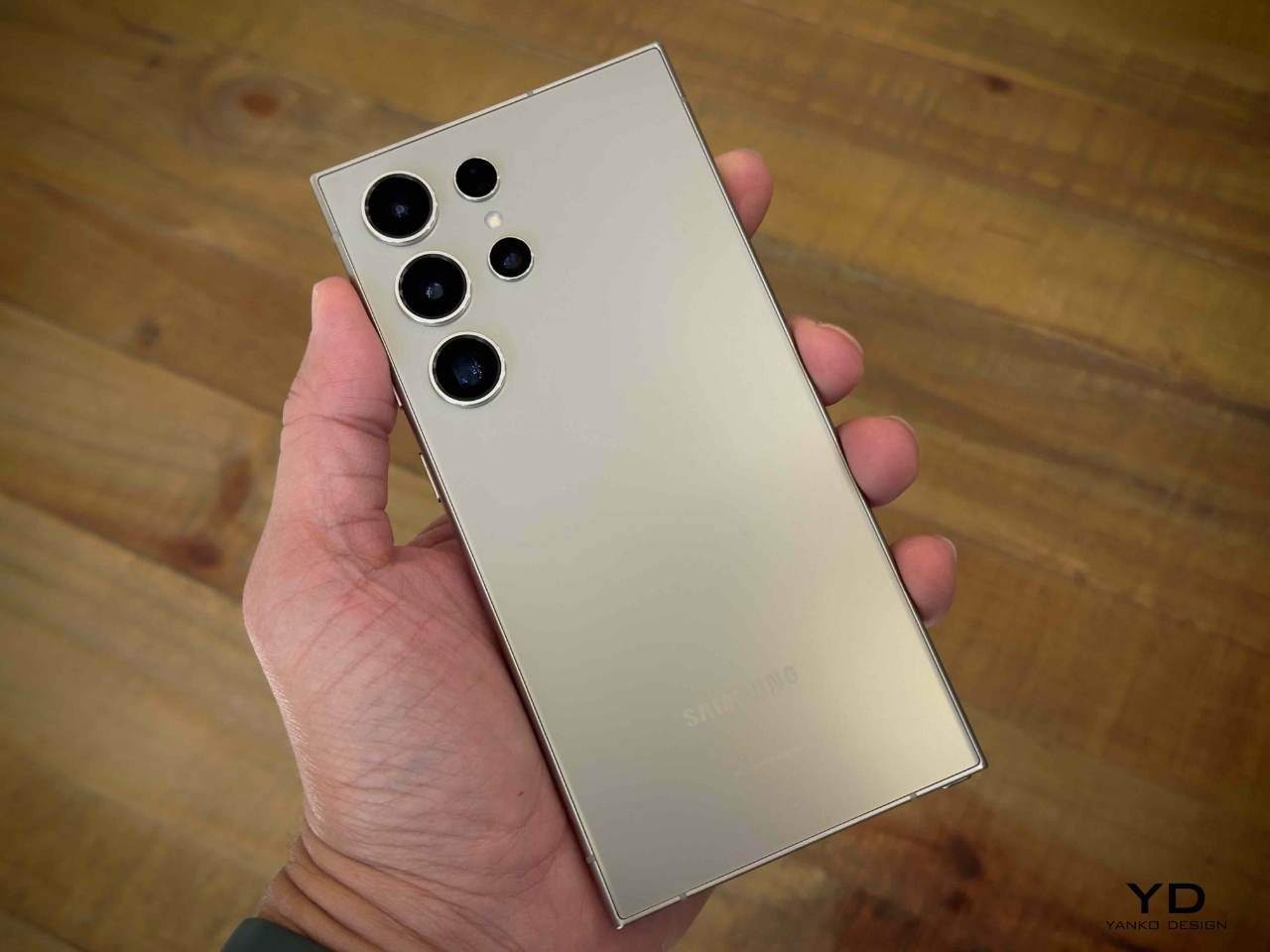
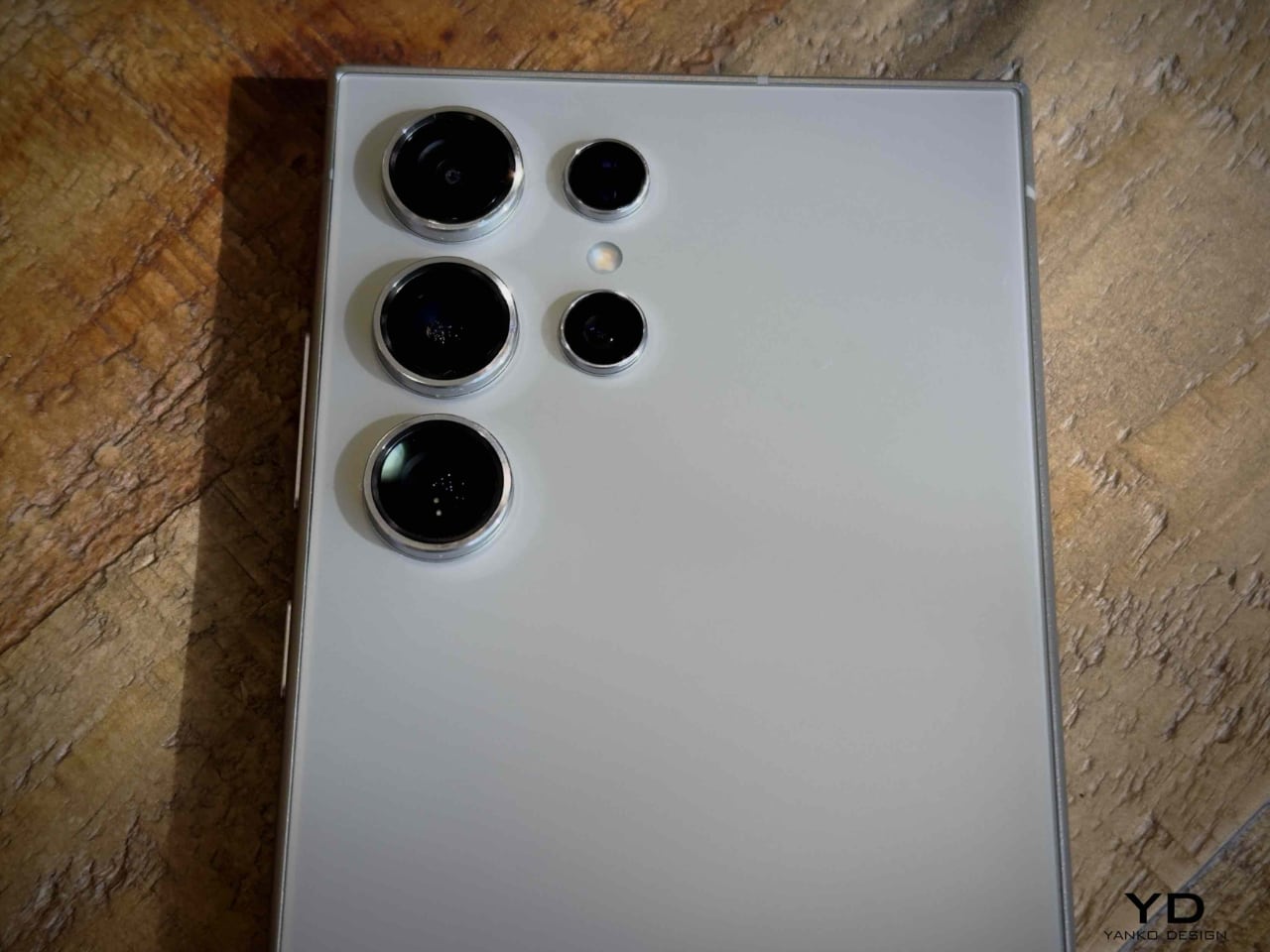
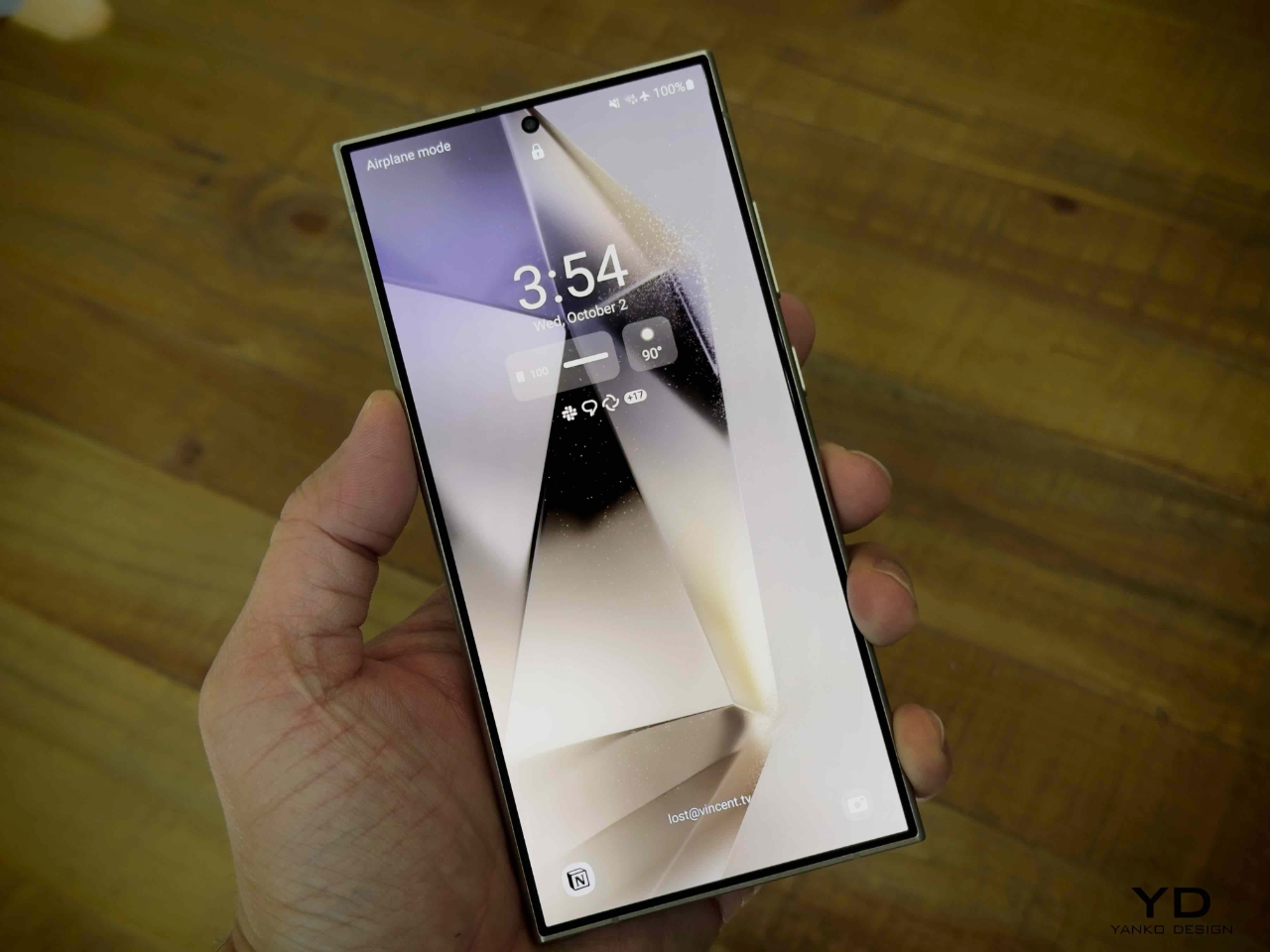
Galaxy S24 Ultra

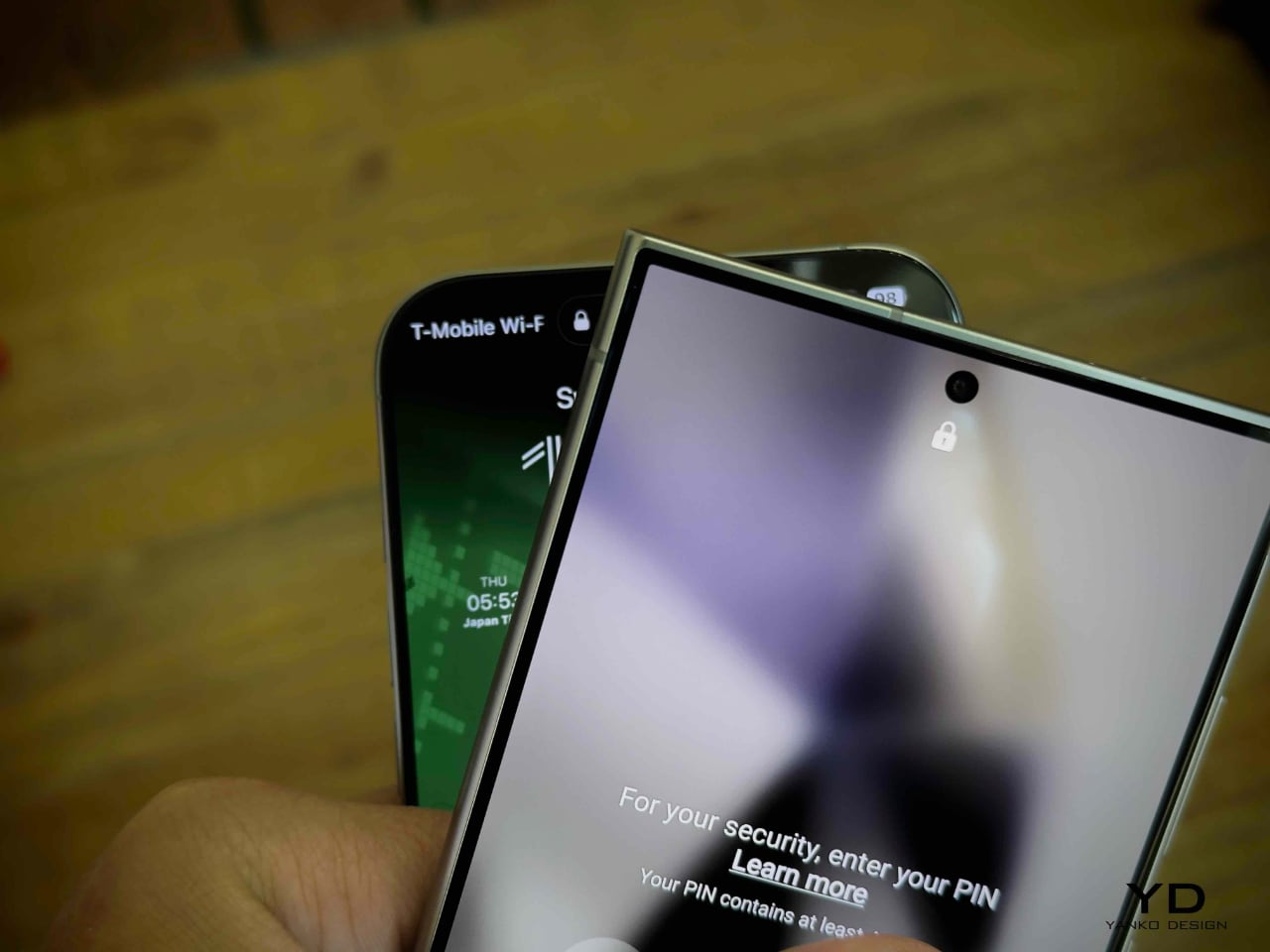
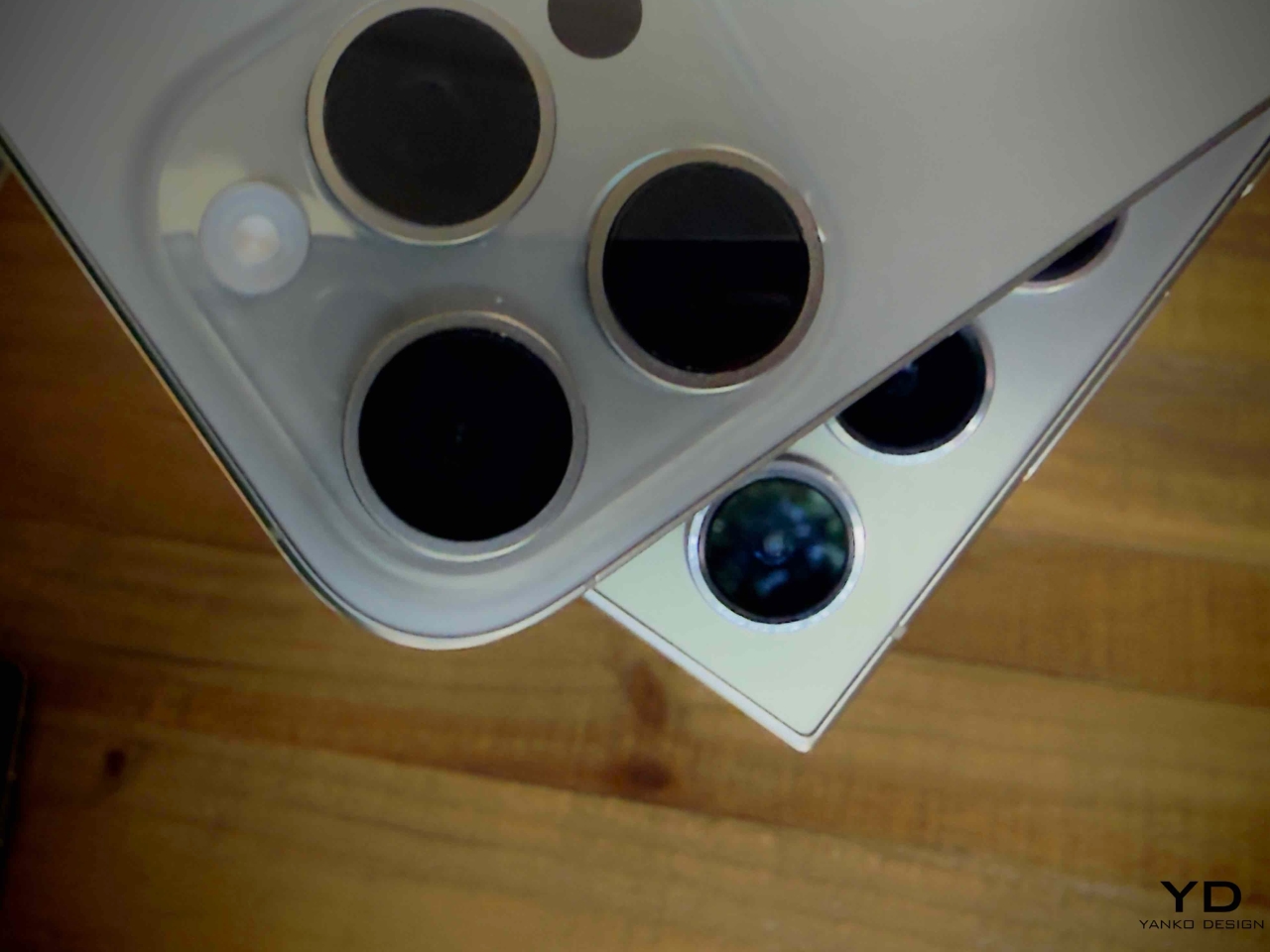
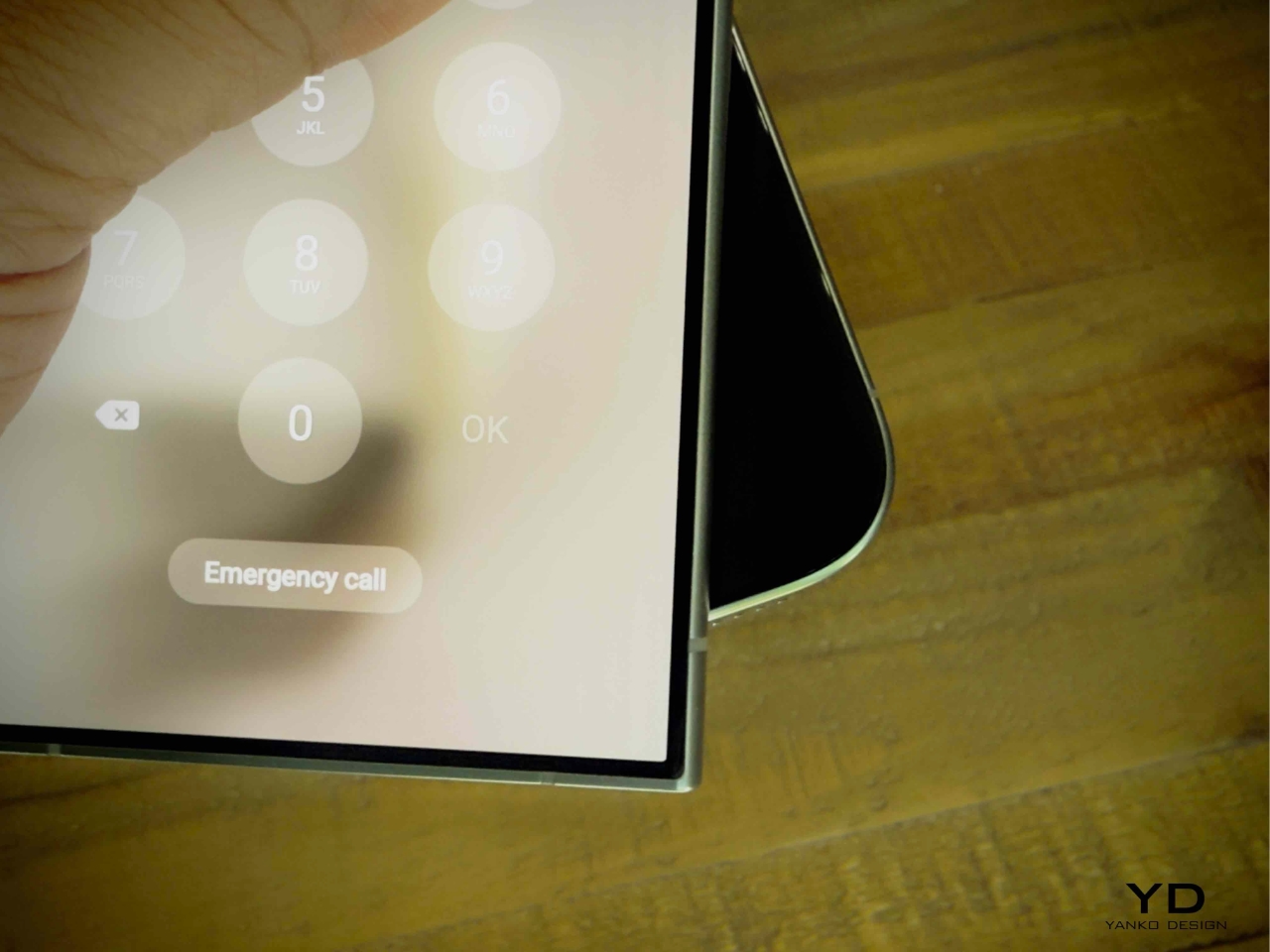
Although Samsung retired the Galaxy Note name, its legacy lived on in the Galaxy S Ultra series. Not only does it have an S Pen stowed inside its body, it also retains the design that set the previous Galaxy Notes apart from the Galaxy S phones. Specifically, it had a rather boxy design, especially when viewed from the front. Not only are the top and bottom edges flat, the corners are also sharp and angular, a design that you’ll rarely see on other phones these days.

Galaxy Note 20 Ultra

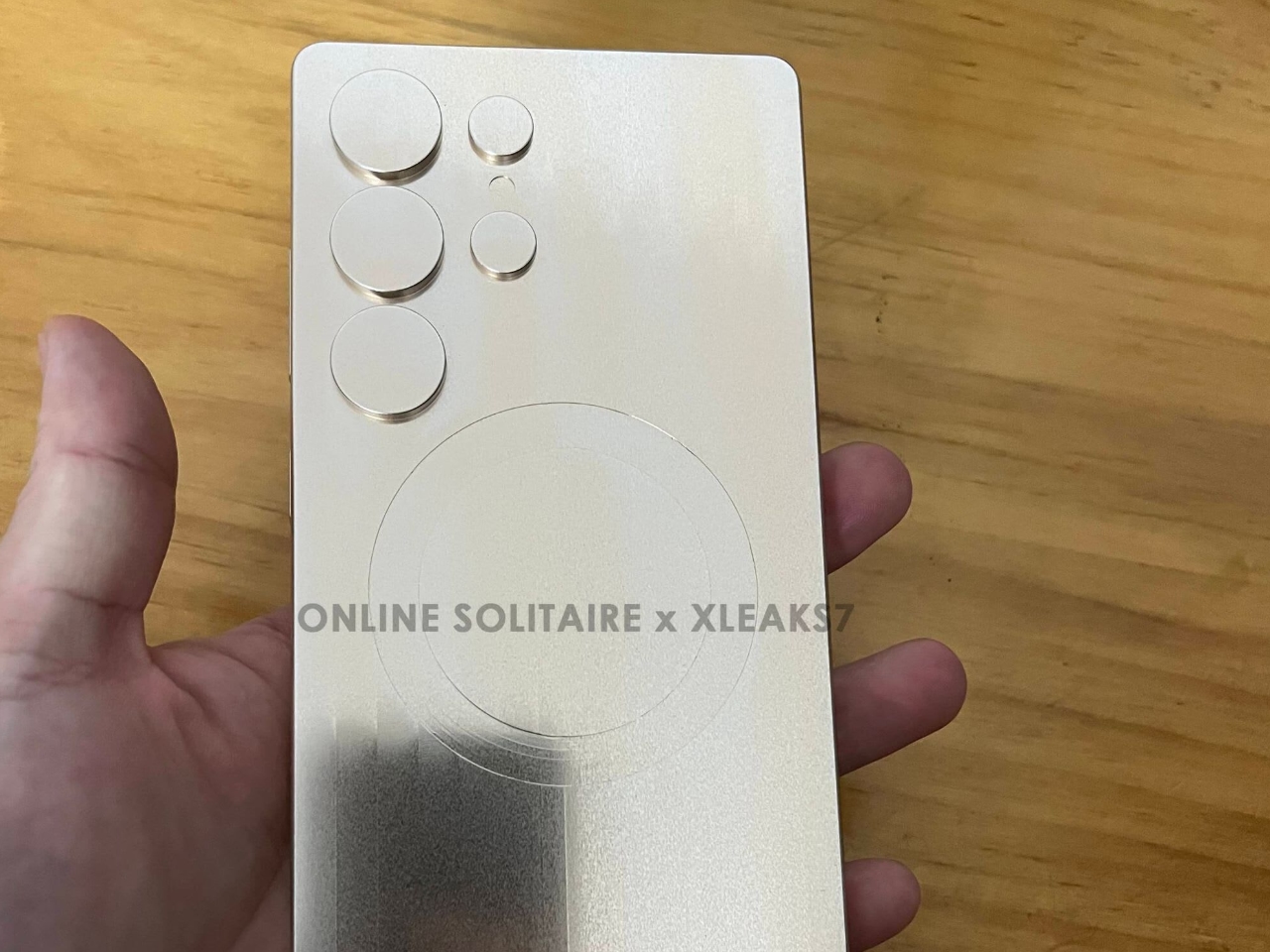
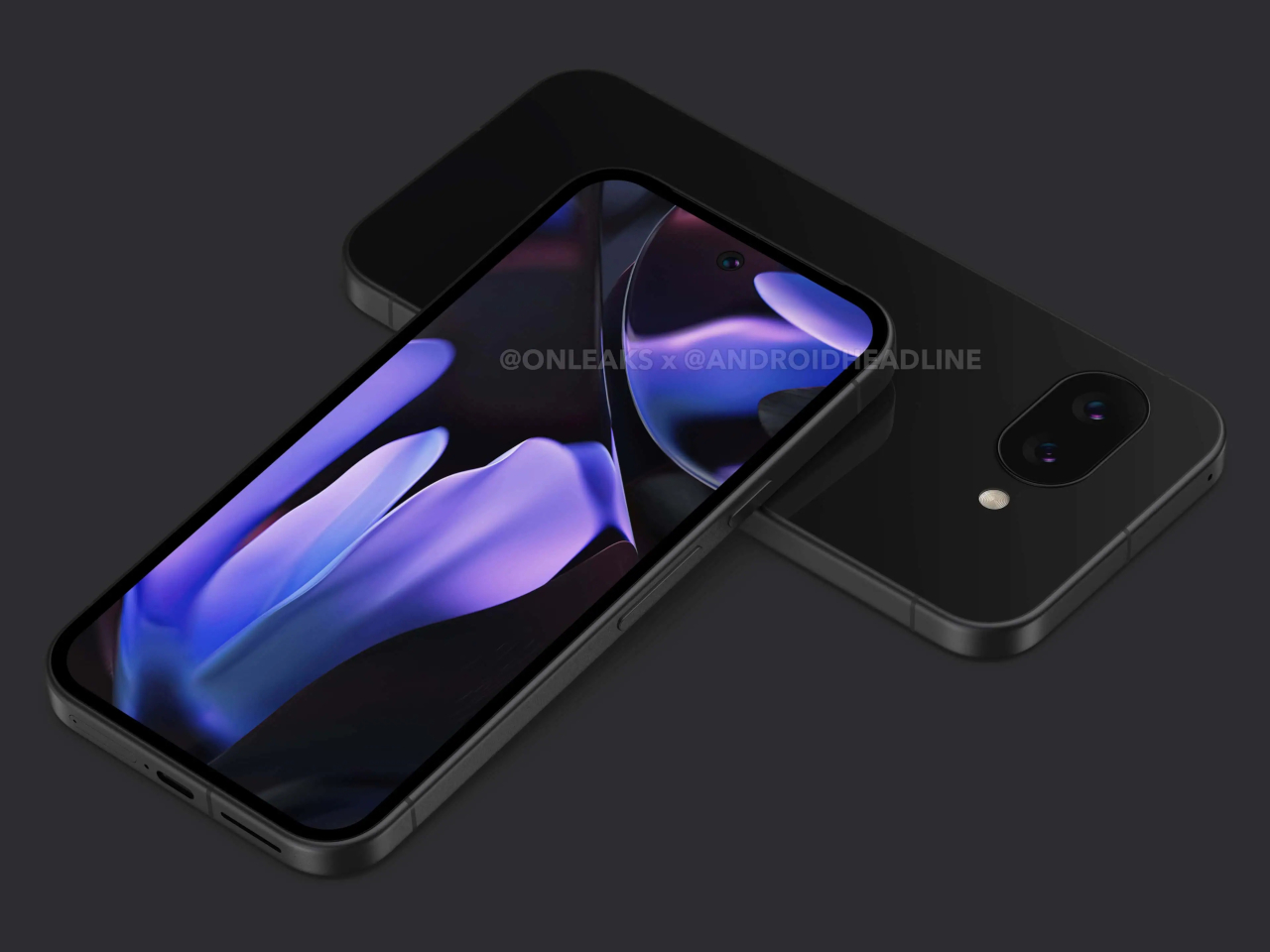
According to the first rumors to come out for Samsung’s 2025 flagship, the Galaxy S25 Ultra will be losing that design DNA. The design is described as having more rounded corners, similar to the Galaxy Note 7 from 2016 with one important exception. The screen is still flat, something that Samsung did for the first time in this year’s Galaxy S24 Ultra, rather than the heavily curved display of yesteryear’s Galaxy Notes. In not so many words, it’s going to look like the Galaxy S24 and Galaxy S24+, and presumably the Galaxy S25 and Galaxy S25+.

Galaxy Note 7

On one hand, this change makes sense from a branding perspective, especially if you consider how the Galaxy Z Fold and Galaxy Z Flip are also transforming. Samsung’s foldables are becoming edgier, so to speak, taking on an appearance similar to the Galaxy S24 Ultra. The company, therefore, needs to differentiate the two product lines, and making the Galaxy S25 Ultra look like its siblings from the same Galaxy S line makes the integration of the Galaxy Note complete.

Galaxy S24+

On the other hand, response to the rumored change has been generally negative so far. That boxy and squarish design has become the visual identity of the Galaxy S Ultra, especially for fans of the Galaxy Note. In fact, they probably wish the Galaxy S to adopt the design rather than the other way around, if only to set Samsung’s flagship apart from the sea of phones with flat edges, flat screens, and rounded corners.

Galaxy S24 Series

The post Galaxy S25 Ultra design rumor claims it will lose its distinctive boxy look first appeared on Yanko Design.

Got a Rabbit R1? You can now run Android 13 on it and use it like a regular smartphone

This clever little hack basically turns the Rabbit R1 into what it originally was – an Android device – albeit without the limited interface and shoddy AI abilities. YouTuber ‘HowToMen’ showed how he loaded Android 13 onto the R1, and the results are frankly surprising. The touchscreen now works, you can load almost every conceivable app, you can send SMSes, use the camera to take photos/videos or better still, pair it with Google Lens to tap into Google’s AI chops. The scroll wheel now becomes a volume scroller, and heck, the entire device just feels a little more redeemed from its failed past. If you’ve got a Rabbit R1, here’s a clever little trick to make it a little more useful just in case you weren’t happy with its capabilities before.

Designer: HowToMen

After disastrous reviews from the tech community, Humane and Rabbit saw their street cred evaporate almost overnight. Humane ended up folding entirely, trying to sell its entire operation to any buyer. Rabbit, on the other hand, has been a little more steadfast… although people who own the R1 never seem to recommend getting it. The result, dwindling sales and the prospect of a total device failure. For people who already ended up buying the R1, instead of being left with a pretty useless device that doesn’t do half the things it promises, it just makes sense to boot Android onto it. After all, the R1 is basically a highly stripped-down version of Android running just an AI app. Turns out, if you want to jailbreak your Rabbit R1, it isn’t too difficult. You can easily load Android 13 onto the device and use it just the way you would a smartphone.

HowToMen basically jailbroke the Rabbit R1 and installed Android 13 on it. Once done, he installed the Lawnchair launcher to give it a distinct Android-esque aesthetic while adding widgets that he developed himself. The result is basically a tiny Android phone that does everything except make actual calls (although someone on Twitter did demonstrate the ability to call people too). To be honest, it robs the R1 of its Rabbit-esque essence… but then again, I’m an advocate for the ‘if you buy it you own it and you can do whatever you want to it’ school of thought.

What you’re left with is a pretty capable device that lets you do much more than you previously could with the R1. It has every feature you’d expect from the Android OS, including a dropdown control center, a working camera (although the camera’s direction has to be toggled from the dropdown control center). The camera can be made to face forwards, backwards, or even downwards as a privacy filter.

The camera interface isn’t too detailed, and just lets you either click photos or record videos.

The screen regains its touch-ability, something that Rabbit disabled for the most part. You can navigate it the way you would any Android phone. The speakers at the back work just fine, and a built-in microphone lets you record voice notes. Notably, the scroller on the side now becomes a volume wheel, and the lock button works just as advertised. Pop a SIM card in and you can even do things like send SMSes to friends. I’m not sure if WhatsApp would work on the device, but that’s worth a try too.

The procedure is pretty simple, from what HowToMen describes. It involves installing Android onto the device from a GitHub repository, and then you can add launchers to your device to customize its appearance. There are, however, two caveats – for starters, that 2-inch screen feels like a massive downgrade, giving you an Android experience that feels like something from 2014. The second, is the massive reduction in battery life. Instead of running just the Rabbit AI app, you’re now running Android 13, with all its apps, a colorful interface, and 128 gigs of storage that let you really use the R1 like a phone – that takes a toll on the battery life of the device, making it last significantly less than the R1 originally would. That being said, it’s still a bit of a win, given that you can do much more with the device than you previously could. For a $199 device, it’s quite an achievement, isn’t it?! Even budget Android phones aren’t that cheap!

The post Got a Rabbit R1? You can now run Android 13 on it and use it like a regular smartphone first appeared on Yanko Design.

Honor Magic V3 Leaked and Rumored to Have a Crazy Thin Foldable at 6mm with Advanced Features Set to Impress

Honor has been a significant player in the smartphone world, particularly with its foldable devices. The Honor Magic V2 set a high standard with its sleek design and impressive features. Now, with the Magic V3 on the horizon, Honor is set to push the envelope even further. Let’s take a closer look at what made the Magic V2 special, including the Porsche Edition, and what we can expect from the upcoming Magic V3.

Designer: HONOR

The Honor Magic V2 quickly became a favorite among tech enthusiasts when it launched. At just 9.90 mm thick, it was one of the slimmest foldable phones available. This was no small feat, considering it still packed all the high-end features you’d expect from a flagship device. The design of the Magic V2 blended style with practicality seamlessly. The hinge mechanism was designed to be both smooth and durable. The use of lightweight materials made the phone easy to handle without feeling flimsy. The Porsche Edition of the Magic V2 added an extra layer of sophistication. With premium materials and a unique design, it offered something special for those who appreciate finer details.

Honor Magic V2 Porsche Edition

The Magic V2 featured a bright and vivid display that made everything look great, whether you were browsing, watching videos, or playing games. Performance was top-notch too, thanks to its powerful internals that handled everything smoothly, from multitasking to demanding apps. Battery life on the Magic V2 was impressive, lasting through a full day of use without any issues. When it did need a charge, the 66W wired charging ensured it powered up quickly, minimizing downtime. The camera setup on the Magic V2 was another highlight. The 50 MP “eagle eye camera” captured detailed and vibrant photos, making it a reliable companion for photography enthusiasts.

While Honor has been tight-lipped about the specifics, leaks and rumors have given us a good idea of what to expect from the Magic V3. The upcoming device is rumored to be even thinner than the Magic V2, potentially around 6.xx mm. This would make it one of the slimmest foldable phones on the market, continuing Honor’s tradition of pushing design boundaries. The Magic V3 is expected to be powered by the Snapdragon 8 Gen 3 chipset, promising fast and efficient performance. In addition to standard connectivity options, the Magic V3 will support “5.5G” and satellite connectivity (in China), ensuring you stay connected in more places and more ways than before.

Battery capacity is expected to be between 5,000 mAh and 5,990 mAh, with the same fast 66W charging. This means you’ll get long battery life and quick recharges, just like with the Magic V2. The camera setup is another area where the Magic V3 is expected to excel, featuring a 50 MP “eagle eye camera” that promises high-quality photos. An ultra-thin USB Type-C connector is also anticipated, fitting perfectly with the overall sleek design of the device.

Honor’s Magic V2 set a high bar, but the Magic V3 looks set to surpass it. The combination of a thinner design, powerful performance, advanced connectivity, and robust battery life makes the upcoming Magic V3 a highly anticipated device. With the advancements hinted at in the leaks, it seems Honor is ready to redefine the standards for foldable smartphones once again. As we look forward to its debut at MWC Shanghai 2024, the Honor Magic V3 is set to impress and push the boundaries of what a foldable phone can be.

The post Honor Magic V3 Leaked and Rumored to Have a Crazy Thin Foldable at 6mm with Advanced Features Set to Impress first appeared on Yanko Design.

OPPO Reno 12 Pro Review: Making AI Affordable in a Stylish Design

PROS:


  • Elegant and stylish design, especially the Nebula Silver color

  • Supports a micro SD card for external storage

  • 50MP autofocus front camera can do 4K UHD videos

CONS:


  • Processor is a downgrade compared to Chinese model

  • No wireless charging

  • Glossy bottom plate is a smudge magnet (Space Brown, Sunset Gold)

RATINGS:

AESTHETICS
ERGONOMICS
PERFORMANCE
SUSTAINABILITY / REPAIRABILITY
VALUE FOR MONEY

EDITOR'S QUOTE:

The OPPO Reno 12 Pro delivers powerful AI experiences packed in a beautiful and soothing design.

AI is the buzzword in the tech industry, with mainstream media picking up on it and sometimes not in a good way. All the benefits that the technology brings, however, are for naught if only a select few can afford to use it. AI on smartphones promises quality-of-life improvements and exciting creative features, but only if you have the latest and greatest models with powerful specs and matching high prices. Fortunately, AI on mobile is such a hot topic that manufacturers are bringing those features to almost any new device. That’s pretty much the premise of the OPPO Reno 12 Pro, specifically the global edition that the brand just launched, one of the first few to advertise these AI benefits on what some would consider a mid-range model. But is it a potent combination or is the experience hampered by the Reno 12 Pro’s hardware? We take the phone for a spin to bring you the answers.

Designer: OPPO

Aesthetics

Companies avoid using the label “mid-range” or “mid-tier” for good reason. They often come with the connotation of lacking quality and appeal, which is definitely not something that can be said for the Reno 12 Pro. Right off the bat, you’ll be surprised by how enchanting the phone is, especially the Nebula Silver colorway we received for this review. OPPO utilizes what it calls Fluid Ripple Texture that gives the phone’s back a 3D visual effect of liquid gently moving underneath the glass. It even has something like a parallax effect that gives the illusion that there’s truly some solid mass despite having a completely flat surface. The play of light, shadow, and colors has a mesmerizing effect that gives the phone a more stylish and elegant air.

The other two color options, Sunset Gold and Space Brown, are no less attractive but have a different approach. They use a two-tone design that combines a matte section and a smaller glossy area separated by a chic metal-like ribbon running across the width of the phone. It’s a familiar composition, only arranged upside-down, giving the Reno 12 Pro a distinctive look. Unfortunately, this design has one rather critical flaw, the glossy part will always be where your palm rests, which means it will always have oils and smudges whenever you hold it.

The phone’s flat edges give it a modern look and its reflective surface gives the impression of a metallic nature. It is, however, a sleight of hand, given how the material is actually a new proprietary alloy that OPPO promises has the same durability but with less weight. All in all, the OPPO Reno 12 Pro definitely has a striking presence that’s almost on par with more expensive flagships.

Ergonomics

Given the phone’s large size, it’s almost shocking that the OPPO Reno 12 Pro weighs only 180g. Part of that is probably thanks to the absence of “real” metal in the frame, utilizing OPPO’s High-Strength Alloy Framework instead. On the one hand, this gives the phone a lightweight body that lessens the strain on your hand. On the other hand, no pun intended, it sometimes makes the phone feel a bit flimsy, lacking the substance you’d find on premium handsets.

Smartphone designs these days either go for flat edges or the more traditional curved screens, but the OPPO Reno 12 Pro finds a rather curious middle ground. Its sides are quite flat, but the screen isn’t exactly the same. It has a very minimal curvature not only on the left and right sides but also top and bottom but never goes over the edges. OPPO says this design delivers that same immersive viewing experience without the accidental touches that curved screens are notorious for. Along with more rounded corners, this design offers comfort and confidence in your grip, making for a more pleasurable smartphone experience.

Performance

The OPPO Reno 12 Pro isn’t exactly new but it is only now making its way to global markets. That journey, however, seems to have taken a toll on the handset, and OPPO decided to use a custom MediaTek Dimensity 7300-Energy. This variant of the processor is geared towards more efficient battery use, but it’s still based on a rather mid-range silicon line. Fortunately, the phone still performs admirably, especially with 12GB of RAM, though you might see some stuttering or dropped frames in more intensive games. In exchange, however, OPPO gives the Reno 12 Pro a feature that’s all but gone from smartphones these days: a microSD card slot sharing space with the second SIM card slot.

Like any other smartphone these days, OPPO takes great pride in the Reno 12 Pro’s imaging system, and for good reason. It boasts two 50MP sensors, one for the main wide shooter and another for telephoto. These high-performance cameras produce impressive images, even on overcast days, bringing rich detail and accurate colors to every shot. These two cameras also work together to deliver beautiful bokeh effects in portrait mode, creating an accurate separation of foreground and background and giving the latter a pleasant blur. Sadly, the 8MP ultra-wide camera barely holds a candle to these two, but it thankfully still gets the basics right. Even more impressive, however, is the 50MP front-facing camera that not only has autofocus but can even take videos in 4K UHD quality.

Given that the main selling point of this generation of the Reno family is AI, we definitely have to say a few words about it. At the time of this writing, the rollout of some of the features is still ongoing or scheduled, but the complete set is definitely something worth waiting for. You have a combination of generative AI features across the board, from intelligently handling the performance of the phone to tweaking your photos to match a certain appearance with the AI Studio. Leveraging the power of Google Gemini, The Reno 12 Pro features an AI sidebar that can analyze the content displayed on the screen and offer relevant tools for it. It can, for example, summarize a long article into a few bullet points, recommend a text to post on social media, or even speak out the contents of a website. This is just the tip of the iceberg for the AI features that OPPO is bringing to everyone who can afford it, and the Reno 12 Pro’s price point makes sure of that.

Sustainability

While OPPO has had strong advocacy for the use of sustainable processes and materials on its phones, it’s not easy to see that on the OPPO Reno 12 Pro, at least not directly. It doesn’t mention any use of recycled materials, for one, and its new alloy material is unsurprisingly a big secret. It wouldn’t be surprising, however, if it had a considerable amount of plastic in the mix, which would be on par with most mid-range phones.

Instead, the company focuses more on the durability and longevity of its design, ensuring that the phone won’t meet an untimely end that quickly. It uses the latest Corning Gorilla Glass Victus 2 protection for the screen and boasts an IP65 dust and water resistance rating. Curiously, OPPO also talks about a biomimetic cushion for internal parts inspired by the structure of a sponge, further protecting sensitive components from bumps and falls. That said, only a proper teardown will reveal the true nature of that new protective layer.

Value

The OPPO Reno 12 Pro is quite a looker and it boasts plenty of AI features you’d only hear about on premium flagships. At the same time, it delivers a decent performance, especially for one that has the marks of a mid-tier market smartphone. The question, however, is whether all of these are worth the price OPPO is asking for.

To be fair, it isn’t asking for much, depending on the market. The Pro model goes for 599 EUR, roughly $650, which is far below the latest high-end offerings. That said, it isn’t the only player in this particular field, and OPPO is even up against the venerable Google Pixel 8a. The question then becomes one of availability as well as preferences, especially when it comes to the custom OPPO ColorOS Android experience. At the moment, though, the Reno 12 Pro is one of the few mid-range phones to offer such a variety of AI-powered features, but that number will only grow in the months ahead, giving OPPO plenty of competition in this space.

Verdict

There’s no escaping AI, at least for now, and it isn’t just in powerful PCs or the Web. Smartphones are the next arena for AI, whether you like it or not, but only if it’s something that more people can obtain and, more importantly, enjoy. Phone and chip manufacturers are naturally more interested in flexing their muscles to showcase powerful hardware to support advanced AI processes, but these won’t land in most people’s hands that easily.

The OPPO Reno 12 Pro represents a new breed of smartphones that is making AI more accessible to the masses with more wallet-friendly options. But it isn’t just its AI prowess that sets this phone apart. Its striking design is definitely a head-turner, and its promise of durability increases trust not only in the phone but also in OPPO’s brand. It definitely has some tough competition ahead, but at least for now, it is leading the pack with its combination of power, gracefulness, and, more importantly, price.

The post OPPO Reno 12 Pro Review: Making AI Affordable in a Stylish Design first appeared on Yanko Design.
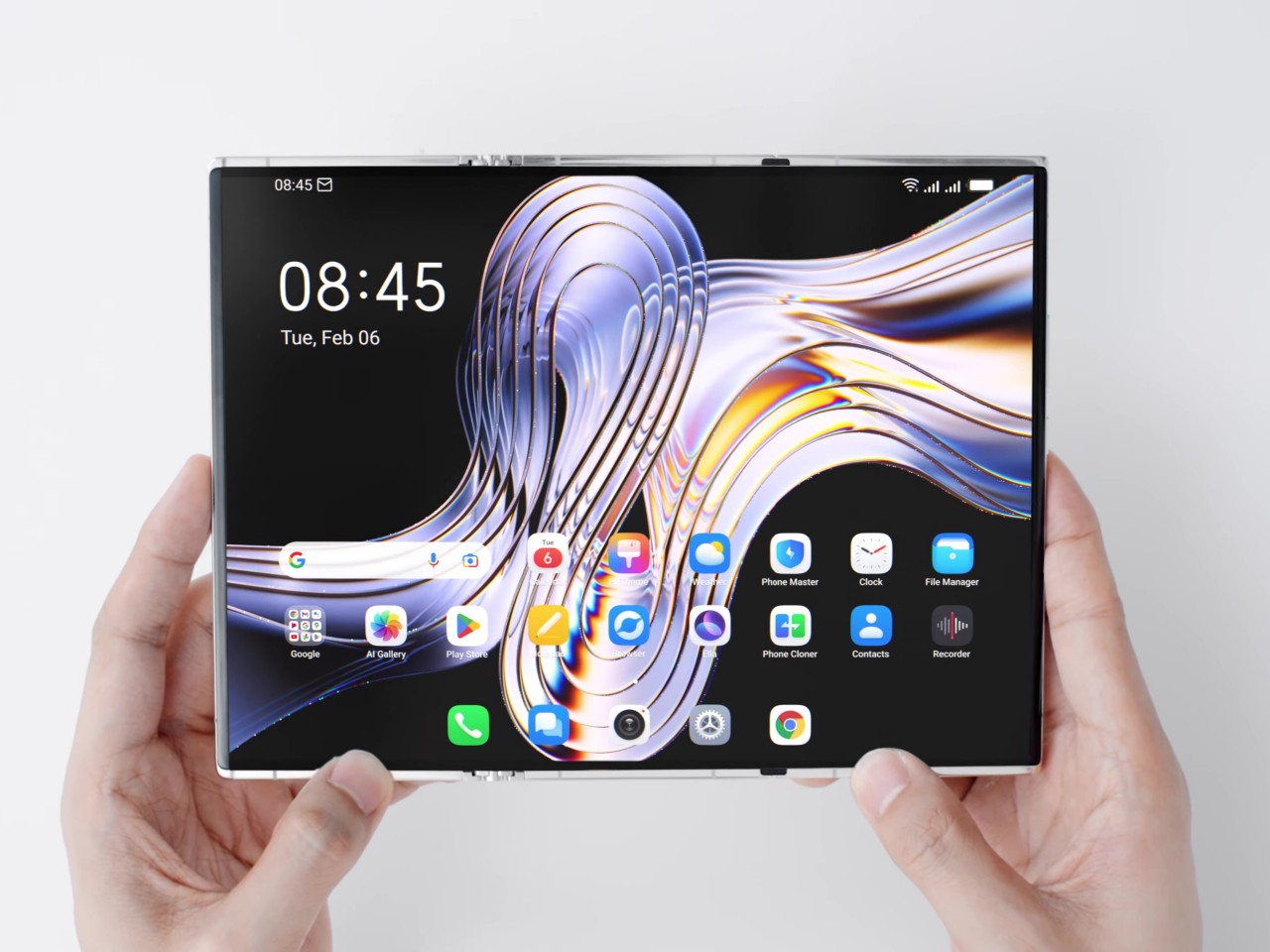
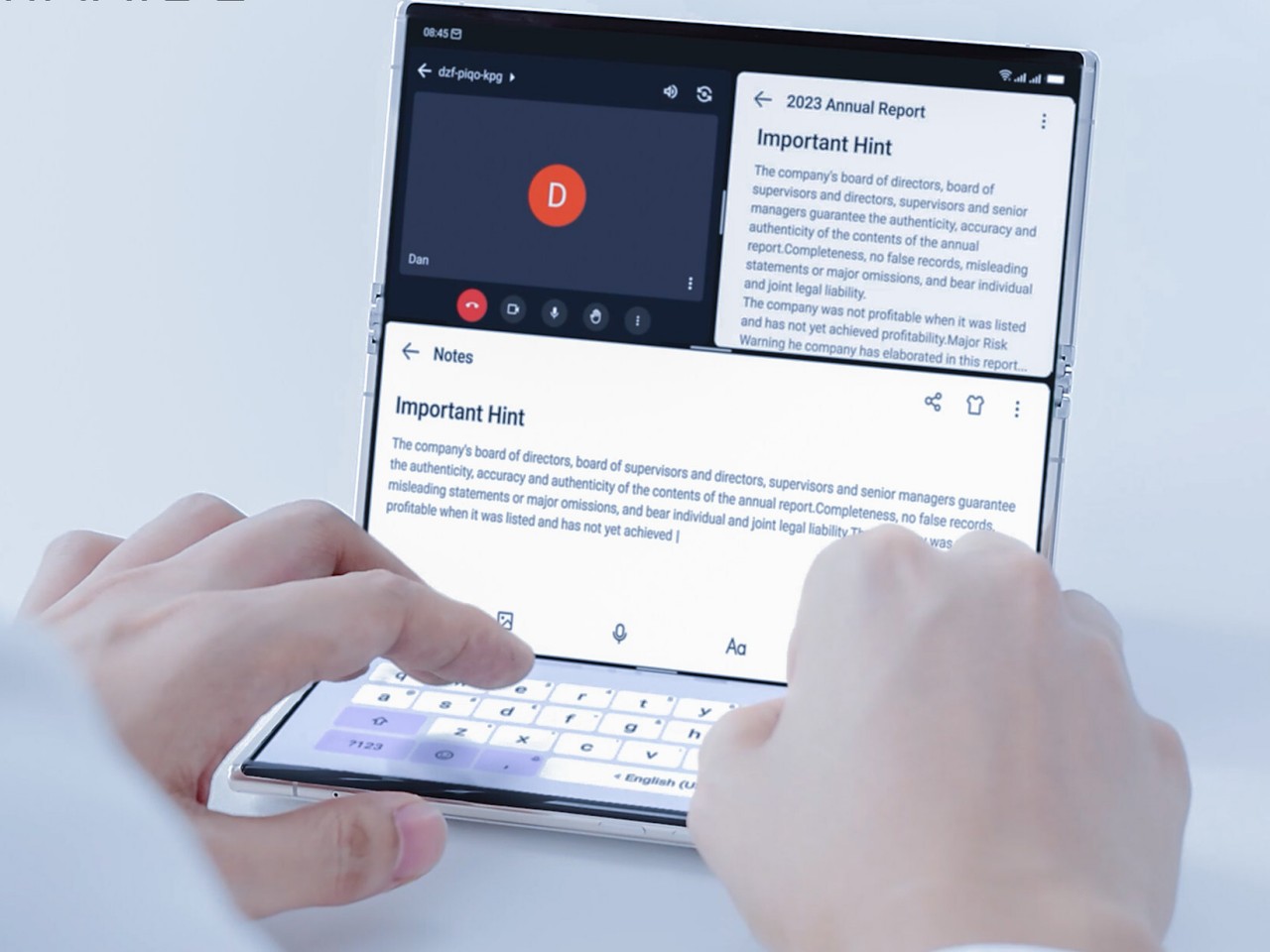
With integrated ChatGPT, Play T 1 foldable phone is effortless to use via voice commands

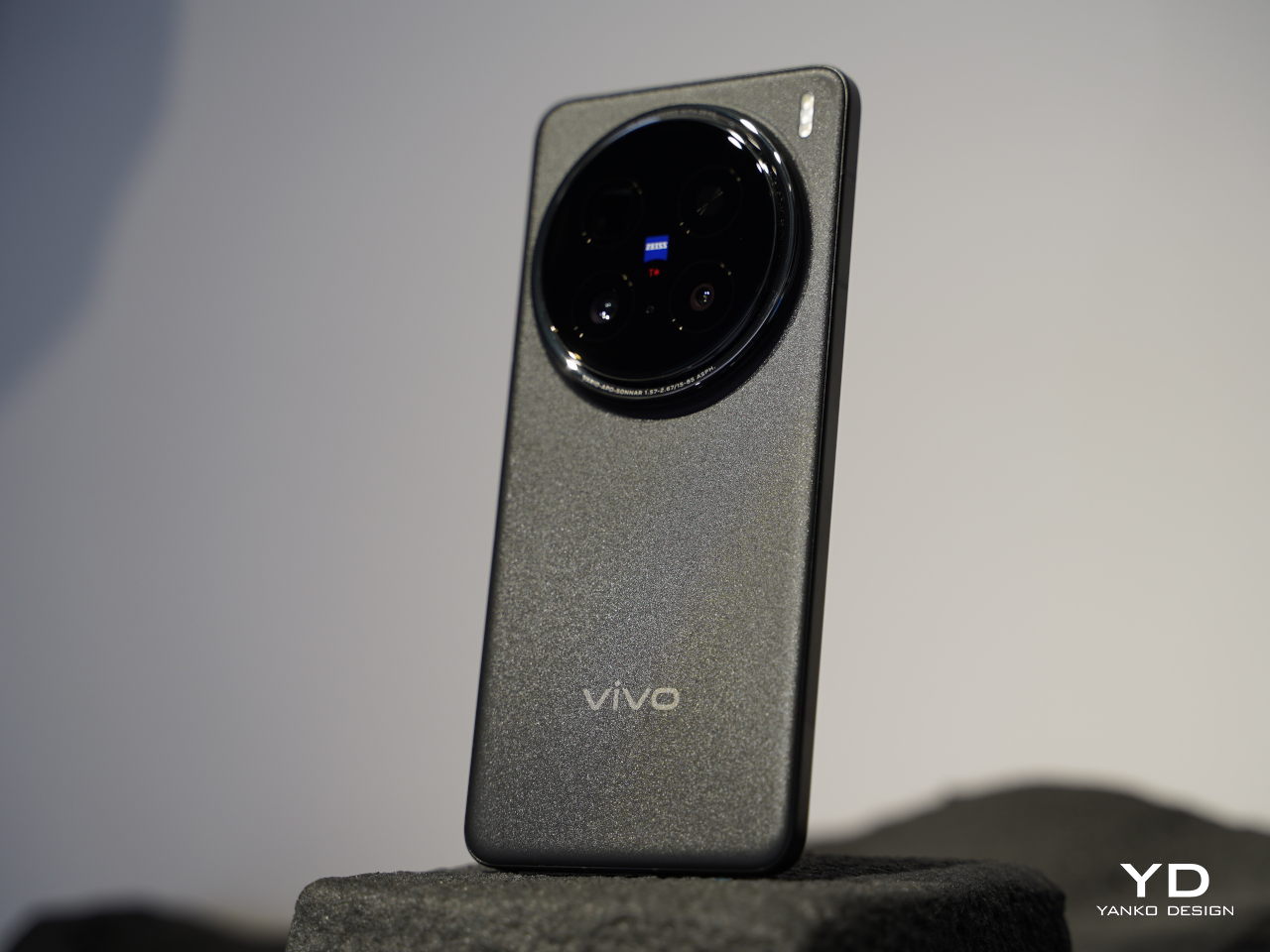
When the mobile phone industry is swaying toward convenience and ergonomics, here’s one phone concept deviating from the norm but putting ChatGPT in your pocket. Well, if you’ve not been living under a rock, AI phones are already making waves, allowing enhanced photography and more applications for user convenience. With the integration of ChatGPT in its innards, the Play T 1 becomes a foldable mobile phone easy to use with voice commands.

With ChatGPT from OpenAI integrated into the phone, it would be helpful for users, limiting them from having to toggle between tools. A simple voice request would get photos and documents altered, emails perfected, and of course, webpages or lectures summarized for you.

Designer: Yeongkyu YOO

This is the right time for a product concept like the Play T 1 to energy. Only a few days back Apple announced the integration of a layer of AI into its new operating systems for iPhone, Mac, and iPads. The newly integrated artificial intelligence features would bring a striking change to Apple’s stream of gadgets courtesy of revamped Siri support, the ability to compose emails, or even create personalized emojis among other things, without the user having to use multiple applications for a task.

The Play T 1 with embedded generative AI at the core of its functionality will offer unimaginable capabilities to the handheld. The device is not a basic handset; it has been designed to be modular, such that different thickish modules can add up for functionality. The foldable smartphone and its accessories – the detachable 5000 mAh battery – are made from compostable plant-based materials, which make the phone essentially eco-friendly.

The detachable battery clips to the bottom of the Play T 1 mobile phone using magnets and can instantly charge the phone. By magnetically fastening it to a speaker base, the phone can effortlessly become a high-performance ChatGPT speaker you can command at will.

As the pictures depict, this folding ChatGPT phone is in itself pretty thick for modern smartphone users and when the magnetic battery pack merges with the main body, it does form a nice unified unit, but at the cost of additional weight and thickness. If the design is slimmed and the folding creases evened out, who knows the GenAI-based Play T 1 can have a future.

The post With integrated ChatGPT, Play T 1 foldable phone is effortless to use via voice commands first appeared on Yanko Design.
realme GT 6 Review: Is This the True Flagship Killer of 2024?

PROS:


  • Distinctive and appealing two-tone design

  • Great daytime and nighttime photos

  • Bright and vibrant screen

  • Massive 5,500mAh battery

CONS:


  • No wireless charging support

  • Metal mirror finish is a fingerprint and dust magnet

RATINGS:

AESTHETICS
ERGONOMICS
PERFORMANCE
SUSTAINABILITY / REPAIRABILITY
VALUE FOR MONEY

EDITOR'S QUOTE:

The realme GT 6 challenges the status quo with a solid set of features, an elegant design, and a highly attractive price tag.

realme unveiled its latest GT series smartphone, the realme GT 6, at a global product launch event in Milan today. After a two-year hiatus from the global market, the company is poised to make a significant impact with its latest flagship. The recent appearance of realme’s founder and CEO, Sky Li, on the cover of Forbes magazine underscores the company’s intention to assert its presence more forcefully than ever. Earlier this year, realme announced a rebranding initiative, reaffirming its commitment to delivering value-packed devices for the youth. With the realme GT 6, the brand makes a bold claim, positioning it as the only “flagship killer” of 2024. It’s definitely packed with features, but is it truly deserving of the flagship killer title? We put it to the test to find out.

Designer: realme

Aesthetics

The realme GT 6 is a device that commands attention. Instantly captivating, your eyes are drawn to the gleaming shiny mirror texture which fills out the upper third of the back panel, where the camera modules reside. According to realme, this texture is achieved using the industry’s first nano-level mirror coating technology which requires over 30 fine processes. Contrasting with this reflective texture, the lower two-thirds of the back panel features a matte metal texture.

The realme GT 6 is available in Fluid Silver or Razor Green, with our review unit coming in the former finish. The mirror texture first appeared to be a brilliant idea for taking selfies. However, the off-center positioning of the camera module and the limited size of the mirrored area compromise practicality. Another drawback of the material is that it attracts fingerprints and dust, detracting somewhat from its otherwise sleek appearance. Putting the complimentary case that comes in a box does not help as it does not cover the portion with the mirror finish. It’s still useful to quickly check oneself before snapping photos, though. Overall, the realme GT 6 is a phone that offers a unique and clean design, distinctive but not loud.

Ergonomics

The dimensions of the phone measure 162mm x 75mm x 8.6mm, with a weight of under 200g, just 199g, to be precise. The phone feels pleasantly lightweight and is easy to handle with one hand. The display features subtle curves on the side edges, complemented by a slightly tapered back panel. A curved side frame usually enhances grip without causing the edges to dig into the palm, but despite its absence here, holding the phone feels secure and comfortable.

On the right side of the phone are the volume locker and the power button, leaving nothing on the left side of the device. The IR blaster and stereo speaker are located on the top while the dual-nano SIM card slot, second stereo speaker, and USB port are located on the bottom.

The camera modules are not horizontally symmetrical, causing the phone to wobble slightly when placed on its back, though this issue is easily resolved by using a case. On the front, there is a centrally positioned cutout on the display for the front-facing camera, while the in-display fingerprint scanner is located near the bottom. The three camera lenses are positioned on the top left side of the device, arranged in a triangular pattern. The realme brand name embellishes the lower left corner of the back panel, which will often be covered by your hand and, therefore, almsot always out of sight. In summary, the realme GT 6 exudes a premium and sturdy feel that inspires confidence whenever you use it.

Performance

The realme GT 6 sports a triple camera setup. The 50MP main camera uses Sony LYT808, a 1/1.4” sensor with OIS, topped with a f/1.68 aperture lens. Accompanying it is a 50 MP telephoto camera with a 1/2.8” sensor and an f/2.0 aperture, together with an 8MP ultra-wide-angle camera that utilizes a 1/4” Sony IMX355 sensor.

What all these specs mean in practice is that the realme GT 6 captures great photos in daylight. Images exhibit a good dynamic range, natural colors, and rich details. It also performs admirably in low-light conditions, producing well-balanced exposures, with plenty of details preserved and minimal noise.

Photos taken with the telephoto lens, while slightly less impressive, still offer very good quality. The ultrawide-angle camera delivers solid images as well, surprisingly despite its very modest sensor. realme has done an excellent job in harmonizing the rendering and post-processing across all three cameras, ensuring a consistent look and feel in the outputs. Activating night mode across all three cameras does not significantly alter the quality of the photos. In addition, the 32MP front-facing camera captures pleasant selfies with natural colors.

The realme GT 6 is equipped with AI Smart Removal, which relies on AndesGPT, a generative AI model developed by OPPO. There are two AI Smart Removal tools: Smart Lasso and Paint Over. With Smart Lasso, you circle around the unwanted objects in the photo to be removed. On the other hand, the Paint Over feature replaces the selected object in the photo with another object. With Pain Over, you can adjust the brush size. Both features require an internet connection. Removing unwanted objects with Smart Lasso is fast and results are impressive in most cases, whether in bright daytime photos or poorly lit nighttime photos.

oplus_262144

Oplus_262144

Moving on to the video, the main and telephoto cameras can capture videos up to 4K at 60fps while the ultra-wide-angle camera is limited up to 1080p at 30fps. The front-facing camera let you record video up to 4K at 30fps. Only the 8MP ultra-wide shooter isn’t able to support 4K video recording, which is pretty disappointing for a phone that bills itself as a “flagship killer.” The videos captured with main and telephoto cameras are great offering a good level of sharpness and dynamic range, even in low-light footage. Although the ultrawide camera’s footage may display some noise, it still offers good color saturation. The Ultra Steady mode is exclusive to the main camera, providing excellent stabilization for both daytime and nighttime video recording.

When recording video in a dark environment under 6 lux, the night mode icon appears. Tapping it activates AI Night Vision, significantly enhancing video quality in poorly lit conditions. This footage captured is basically cranked up ISO and applies heavy smoothing, allowing you to capture somewhat usable footage even in near-total darkness. The difference is quite noticeable, making previously unwatchable videos much clearer.

Running Android 14 out of the box with a layer of realme UI 5.0, the realme GT 6’s AI features extend beyond image capturing and editing. For instance, AI Smart Loop provides an efficient and quick way to share content with third-party apps. You can select text, photos, or screenshots, then long-press and drag them to the right side of the screen. This action activates the space wheel, which displays a selection of pre-selected third-party apps or AI-suggested apps in a wheel format. You simply drop the selected content onto the desired app to share it.

Underneath the hood, the phone is powered by a Snapdragon 8s Gen3. It’s a less powerful version of Snapdragon 8 Gen3, yet it’s still one of the Snapdragons’s flagship SoC. The device sports 512GB of storage and 16GB of LDPDDR5X RAM which can be expanded by an additional 4GB. With this much power, it’s no surprise that the realme GT 6 offers great performance and smooth operation.

GT 6 features a 6.78-inch AMOLED display with 2,780 x 1,264 resolution and 10-bit color depth. The display can reach a whooping peak brightness of 6,000 nits. realme also provides a more practical number; the display can reach 1,600 nits with High Brightness Mode. The display is amply bright even outdoors under the sunlight and colors are vibrant.

The display supports a 120Hz refresh rate with 8T LTPO which helps save power by dynamically adjusting the refresh rate ranging from 1Hz to 120Hz according to the content displayed. The phone also incorporates numerous eye protection features. For example, AI Eye Comfort detects eye fatigue, such as blinking and yawning frequency, and adjusts the screen color temperature to alleviate strain.

The device is equipped with a massive 5,500 mAh battery, ensuring you can easily go a day without needing to recharge. When you do need to charge, the 120W SUPERVOOC technology allows for rapid charging. Unfortunately, it does not support wireless charging, a feature that is becoming more common even on mid-range smartphones, much less flagship models.

Sustainability

realme is a company with strong sustainability initiatives. For instance, the company has committed to reducing the carbon emissions of its GT series by 30% and achieving “Double Zero” emissions by 2025. Unfortunately, when it comes to the GT 6 specifically, there is no apparent mention of sustainability efforts.

The phone feels solid in build quality, and the display is protected by Corning Gorilla Glass Victus 2, ensuring durability. It has an IP56 rating, which ensures that it’s protected against most common accidents, though you should naturally still exercise caution. Additionally, there was no information available regarding support for security updates at the time of this review. realme promises 4 years of Android updates and 4 years of security patches, which should last you quite a bit during the lifetime of this phone.

Value

The realme GT 6 definitely has a laundry list of buzzword-worthy features, from dual 50MP cameras to, of course, AI. Its specs on paper are no joke, and its actual performance delivers much of its promises as well. Nothing surprising for what is supposed to be a flagship killer, a title that has been thrown around a lot to challenge the giants of the market. Of course, it will take more than killer features to stand up to smartphone Goliaths, and realme has one more trick up its sleeve.

Starting at only 599.99 EUR (roughly $645) for the base 8GB RAM/256GB storage model, all the way up to 799.99 EUR ($860) for the top-of-the-line 16GB/512GB configuration, the realme GT 6 definitely beats other flagships in terms of accessibility. Sure, it’s not perfect and might be missing a few flagship features like wireless charging, but you’re still getting the juicy meat of what makes a flagship a flagship without burning a hole through your wallet. It’s definitely an option worth considering, presuming it’s even available within your vicinity.

Verdict

It’s getting harder to stand out in the smartphone market these days, at least not without some groundbreaking feature or head-turning design. At the same time, however, many brands try too hard to set themselves apart, producing designs that are, to some extent, too distracting and too noisy. Fortunately, the realme GT 6 is not one of those, making it a flagship killer in more ways than one.

Yes, it has quite the repertoire of high-end features, and rarely does it disappoint except in a few small details. It also has a price tag that belies all that power, making the product accessible to more people. Last but not the least, it also goes against the flow and delivers a design that is elegant without being overbearing. The realme GT 6 bucks the trend and appeals to a new generation of the youth that’s getting wiser and more discerning, valuing essential experiences over superficial embellishments.

The post realme GT 6 Review: Is This the True Flagship Killer of 2024? first appeared on Yanko Design.
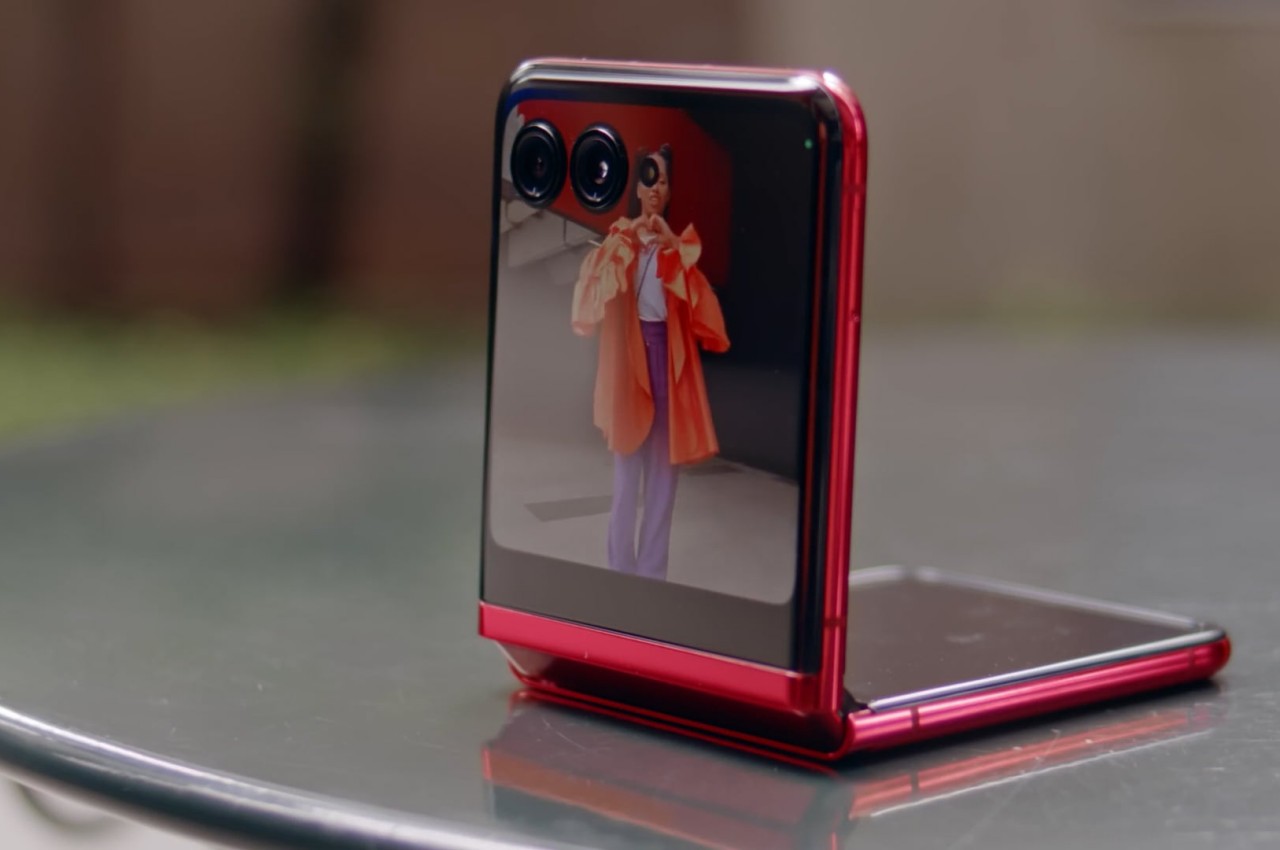
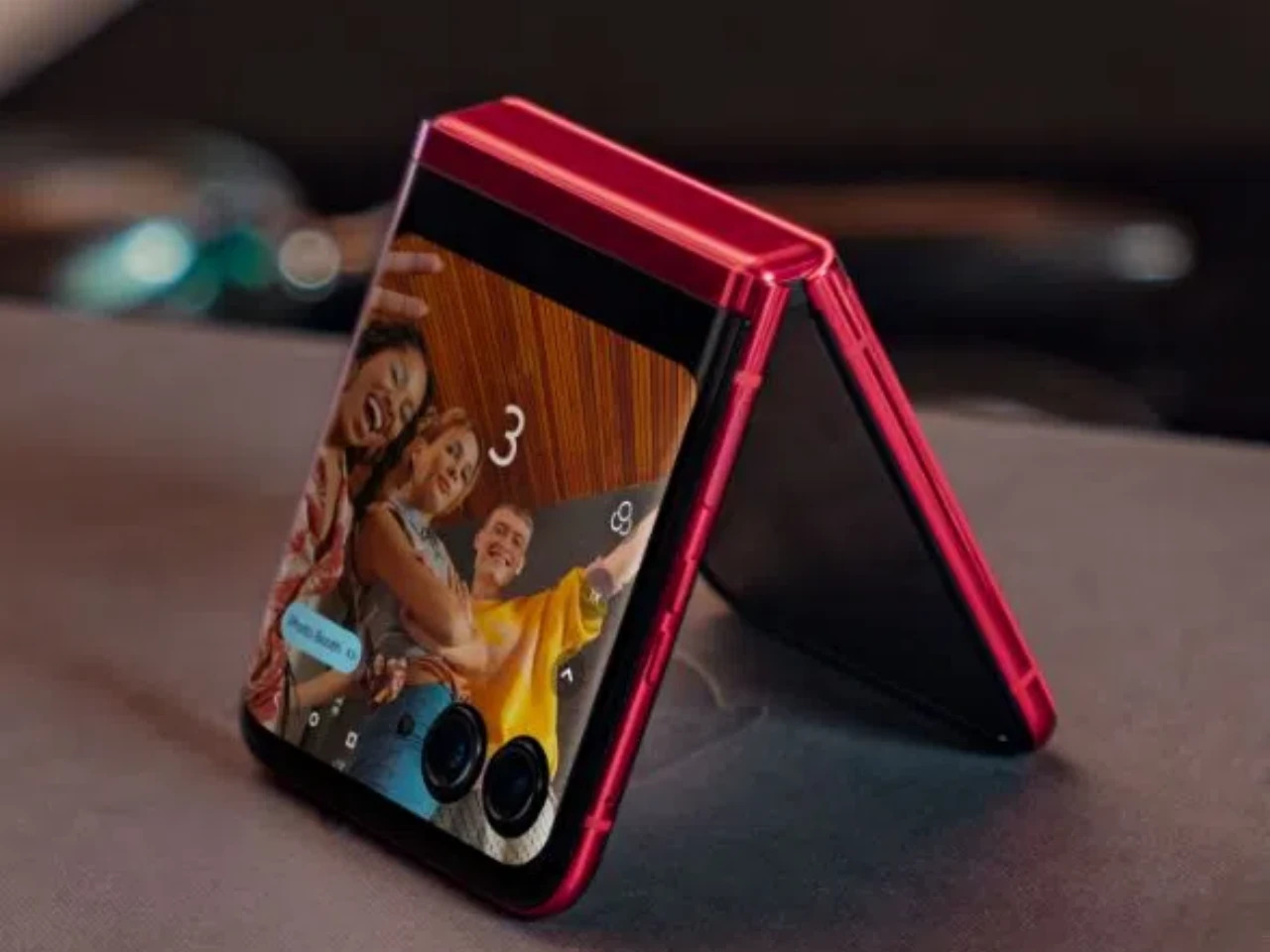
Motorola Razr+ 2024 foldable phone upgrades might be invisible to the naked eye

After a short lull, we are entering the second half of this year’s batch of smartphones, most of which will be focused on foldable designs. While Samsung naturally grabs the spotlight, it’s hardly the only game in town. Motorola will try to beat Samsung to the punch next week when it reveals the latest iteration of the spiritual successor to its iconic RAZR clamshell, a foldable phone that some might even consider to have a better design. It seems, however, that expectations need to be tempered a little, as the 2024 Razr+, or the Razr 50 Ultra in other markets, might not carry any visible mark of being a new model, as the improvements will mostly be internal and invisible, at least based on this latest leak.

Designer: Motorola (va @MysteryLupin)

To give credit where credit is due, Motorola has always taken the bolder stance when it came to the design of its clamshell foldable. It was the first to use a large second screen on its back, and it’s now the only one that has a Cover Display that, well, covers the entire surface of the phone’s upper back. There will always be debates on whether having two holes on that screen for the cameras is better or worse than the tab-like cutout on the Galaxy Z Flip, but there’s little argument that it opens the door to more functionality, including displaying the same app on the outside that runs inside.

This signature feature of the Motorola Razr+ line isn’t going to change this year apparently, not even to slightly increase the screen size (the base Motorola Razr/Motorola 50, however, is getting the full-screen treatment this year). In fact, you might not be able to distinguish the 2023 and 2024 models just by looking at them. Of course, there will be upgrades, but most of them are the invisible features of the phone, and we’re not talking just about specs.

For example, this year’s Motorola foldable will bump up the water protection, though worryingly at the cost of dust protection. According to a leaked promotional video, the Motorola Razr+ (2024) will have an IPX8 rating that’s more in line with what Samsung offers. That means it will survive an accidental dip in a pool or sink, but there’s no guarantee it will be protected from dust or smaller particles. Unfortunately, some might argue that the latter is actually more fatal to foldable phones and their hinges than water damage.

There’s also an indication that one of the cameras will finally have a telephoto lens, but the number of cameras won’t be increasing by one either. That suggests that Motorola will either ditch the regular “wide” camera or the ultra-wide shooter, though the latter is probably more likely. Again, it trades one feature for another, and hopefully, the benefits will far outweigh the sacrifices for Motorola’s customers. The Motorola Razr+ or Razr 50 is expected to debut next week.

The post Motorola Razr+ 2024 foldable phone upgrades might be invisible to the naked eye first appeared on Yanko Design.
SANDMARC’s $335 Probe Lens takes ‘Shot on iPhone’ to a completely new level

The probe lens, which became the talk of the photography town in 2018, is now going to become a staple of smartphone photography too. After seeing Shiftcam debut their probe lens for the smartphone (although it hasn’t officially been launched yet), SANDMARC has joined the ranks with its own probe lens for the iPhone. Priced at $349.99 along with the mounting case for your phone, SANDMARC’s Probe Lens promises to deliver a new perspective that gives you a tiny critter’s POV, making the world around you seem much larger than life!

Designer: SANDMARC

The lens measures an impressive 12 inches long, and comes with that signature probe-shaped design that lets you poke your camera into tiny spaces and capture things from a small PoV. Essentially, it builds itself on the aesthetic set by Laowa and Shiftcam after, and sports a wide DoF, a focus wheel, and LEDs on the front to let the lens gather as much light as possible (tiny lenses do require higher light capture because of their small design).

More importantly, this release from SANDMARC promises to change iPhones and smartphone photography as we know it. Humans are used to the human perspective, which is why we’re so enamored by drone footage. The Probe Lens brings yet another perspective to how we capture the world, and it’s going to be absolutely phenomenal to see what creators do with it.

At its $335 price tag (for just the lens), this isn’t something everyone can or even should buy. The Probe Lens is designed mainly for creatives, filmmakers, and nature documentary folks. The lens has a focal length of 16mm, a magnification of 2.1x, and the ability to focus on objects with stunning bokeh and also a wide FoV. You truly feel like you’ve been shrunk 100x and you’re now exploring the world in a new, tinier body. SANDMARC hasn’t specified whether this probe lens is waterproof (Shiftcam’s upcoming lens is), which means you may not be able to prod your lens into a glass of water, or a pond to observe wildlife inside. There is, however, a set of shadowless lights on the rim, for low-light photography, and a USB-C port that lets you charge your Probe Lens. The lens ships with a pouch, front and back lens caps, a charging cable, and even a mounting case for your iPhone (compatible with iPhone 14 and above).

The post SANDMARC’s $335 Probe Lens takes ‘Shot on iPhone’ to a completely new level first appeared on Yanko Design.
Pulloof smartphone concept will live on as hanging speaker even when other phones are thrown away

Concept phones are designed to showcase the working possibilities of what the upcoming version of an exciting lineup or an altogether a different smartphone would look and feel when launched. Deviating from this notion is this concept phone that rethinks the way mobile phones are used and disposed of the afterlife. This conceptual design draws some uncanny references to be more than a phone, a device that would survive – be useful – after the user chooses to upgrade, and doesn’t want to use the old phone anymore.

Designed keeping in mind the idea of integrating human behavior and sustainable design, the Pulloof: Smart Phone Concept is meant to survive after its lifetime, not just in memory, but as a device that is still fresh to the touch and use, besides its smartphone functionality.

Designer: Gisung Han

When presented with the question what happens when “the display disappears from a smartphone,” what would people use it for? Gisung Han long before clamshell phones took off because of their display real estate had visioned the Pulloof – inspired by a vintage B&Q radio – as a phone delivering on people’s music consumption through phone. He designed “a sustainable speaker by emphasizing the speaker” functionality of the smartphone.

The Pulloof as a sustainable solution is a dream object that remains valuable after its use as a smartphone as “something that people will keep wanting to touch.” This would be an environmentally safer option since people would stick on to their device even when upgrading to a new phone ensuring lesser electronic waste. People wouldn’t want to throw away a smartphone just because they are upgrading to a bigger screen.

Pulloof thus has a different design approach than a usual smartphone. It is a combination of pull and loop, a phone that features a hidden speaker accessible by pulling out from a round surface using a loop on the phone. With its properties and design, the designer believes, “Even if other phones are thrown away, ‘Pulloof’ will not be thrown away.” This phone will survive anywhere as a hanging speaker (from the loop), so it is usable in the bathroom or in the outdoors to keep you entertained.

The post Pulloof smartphone concept will live on as hanging speaker even when other phones are thrown away first appeared on Yanko Design.
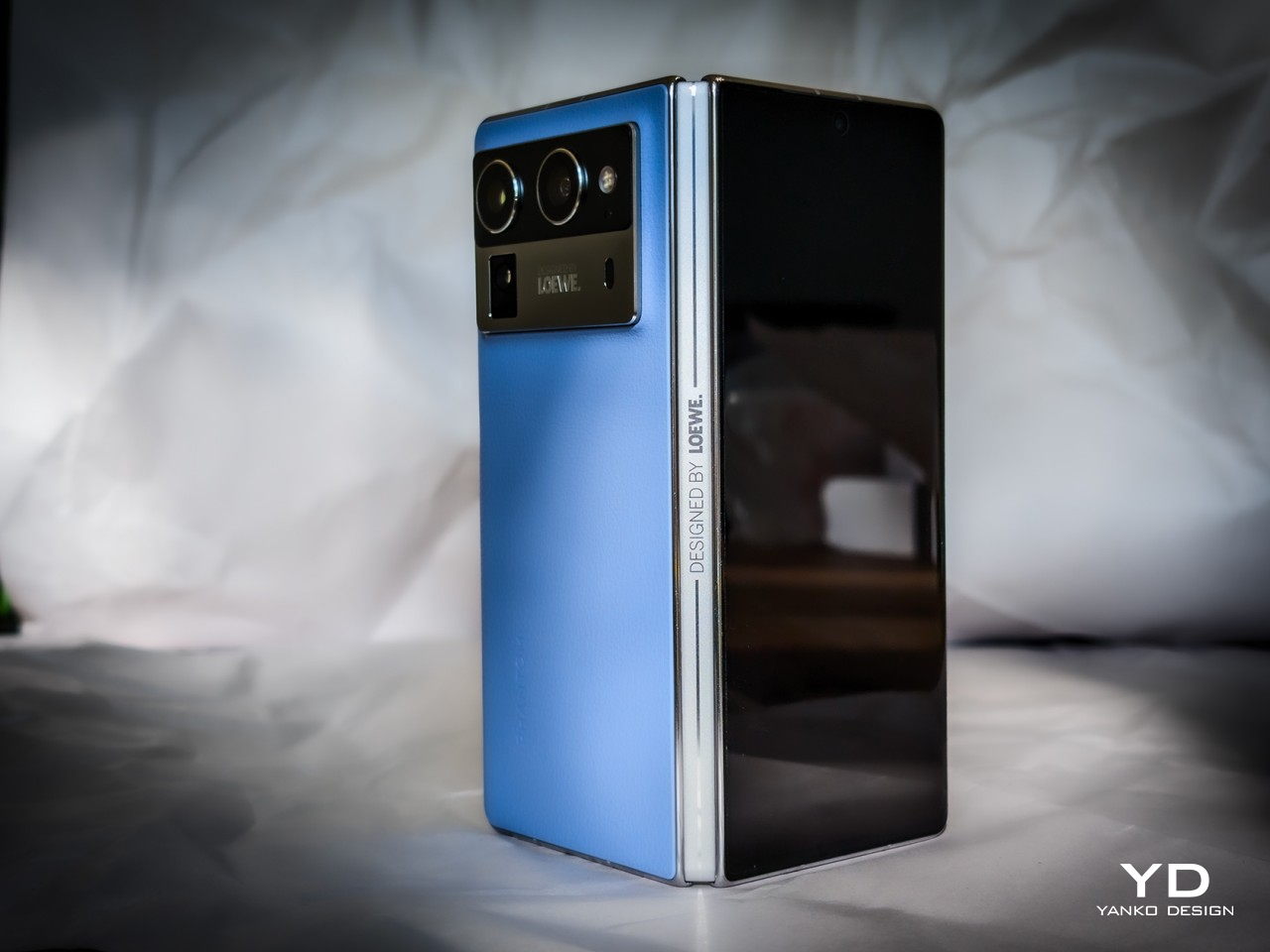
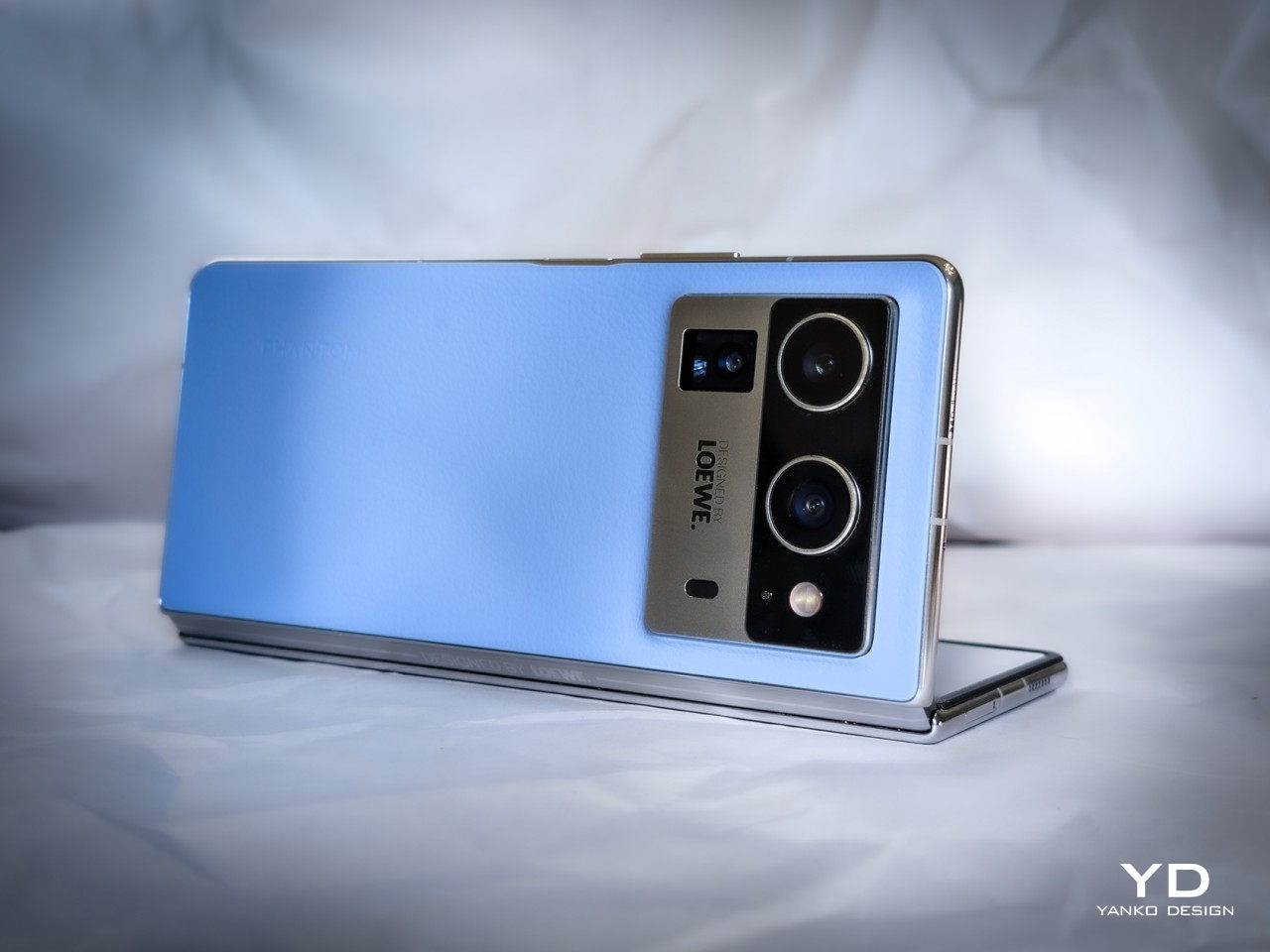
TECNO CAMON 30 Series LOEWE Edition has a back made from coffee grounds

It’s arguable that coffee makes the world go round, but to some extent, it also does a bit of harm in the process. Our rapid and massive consumption of this beverage has resulted in no small amount of waste, from the plastic cups and straws that we throw away daily to even the grounds that often go into the bin. The latter is, of course, biodegradable, but even that takes time to decompose, during which time they pile up and pollute the environment. Waste coffee grounds can actually have other uses, from aromatic candles to even skin care, so you simply need a creative mind to figure out ways to reuse these traces of caffeinated drinks. Working together with famed luxury design marque LOEWE, TECNO has thought of transforming this waste product into a beautiful and sustainable material to grace the back of its latest flagship smartphone.


Designer: TECNO x LOEWE

With a reported average consumption of 2 billion cups every day around the world, it’s no surprise that waste coffee grounds can actually be an environmental problem. Even when they do decompose in landfills, their improper disposal releases harmful greenhouse gasses that slowly but surely kill the very planet that coffee trees grow on. Recycling these coffee grounds is, of course, a solution, but traditional recycling processes also use up plenty of water and energy.

In contrast, the back cover of the new TECNO CAMON 30 Series LOEWE Edition uses not only sustainable materials but also a sustainable process. The coffee grounds are processed without using organic solvents, don’t consume more water, and also use solar power. The result is a back cover that is composed of more than 20% bio-based material that gives the surface a unique texture that will delight your hand the moment it touches it.

You might not be able to tell that the TECNO CAMON 30 LOEWE Edition has a back made from recycled coffee grounds because of its distinctive green color instead of the brown that’s associated with coffee. This gradated color was chosen to be symbolic of nature, representing the natural life cycle of leaves. More interestingly, TECNO also opted to adopt a color-blocking style that not only makes the phone look modern but also gives it a bit of character.

This industry-first coffee grounds back design is available on all TECNO CAMON 30 Series models with no changes to their internal specs. For the Premier 5G variant, that means having no less than four 50MP cameras sitting on top of this unique and sustainable material. Availability details of the TECNO CAMON 30 Series LOEWE Design Edition are unavailable at the moment.

The post TECNO CAMON 30 Series LOEWE Edition has a back made from coffee grounds first appeared on Yanko Design.