Apple’s Big Mistake with the iPhone 16 Series is Focusing TOO MUCH on the Camera

When Jobs took the stage to announce the iPhone back in 2007, he used three terms to describe the revolutionary device – a widescreen iPod with touch controls; a revolutionary mobile phone; and a breakthrough Internet communications device. However, ever since the iPhone 7 introduced a dual-lens main camera system on the phone, the Apple team has sort of obsessed with making sure the iPhone has a great camera first, and phone-adjacent features later. Almost like a handheld camera with an App Store, the iPhones now are just a shadow of what they could be. No foldable technology, no AI-based enhanced features, and not even a damn-near decent voice assistant. In fact, it took Apple YEARS to get 5G to their iPhones. Apple spends nearly 30-40% of each iPhone keynote talking about the camera and screen, and now rumors are indicating that the iPhone 16 will introduce a dedicated ‘capture’ button that lets you click photos like you would with a professional camera. The problem with this is that it’s diluting the very definition of a smartphone… and I feel like it might be deliberate.

Earlier this week, leaks showed a new hardware feature coming to the iPhone – a Capture Button that would sit on the top right corner of your phone if you held it in landscape mode. Surprising as it is, considering Apple has been trying to go buttonless and portless for a while now, the Capture Button seems like an odd addition to a phone. Not a single other smartphone has a camera shutter button. In fact, the de facto position is to turn your volume button into a capture button while the camera is running… so what’s driving Apple to add YET ANOTHER button to their phone, following the addition of the Action Button last year?

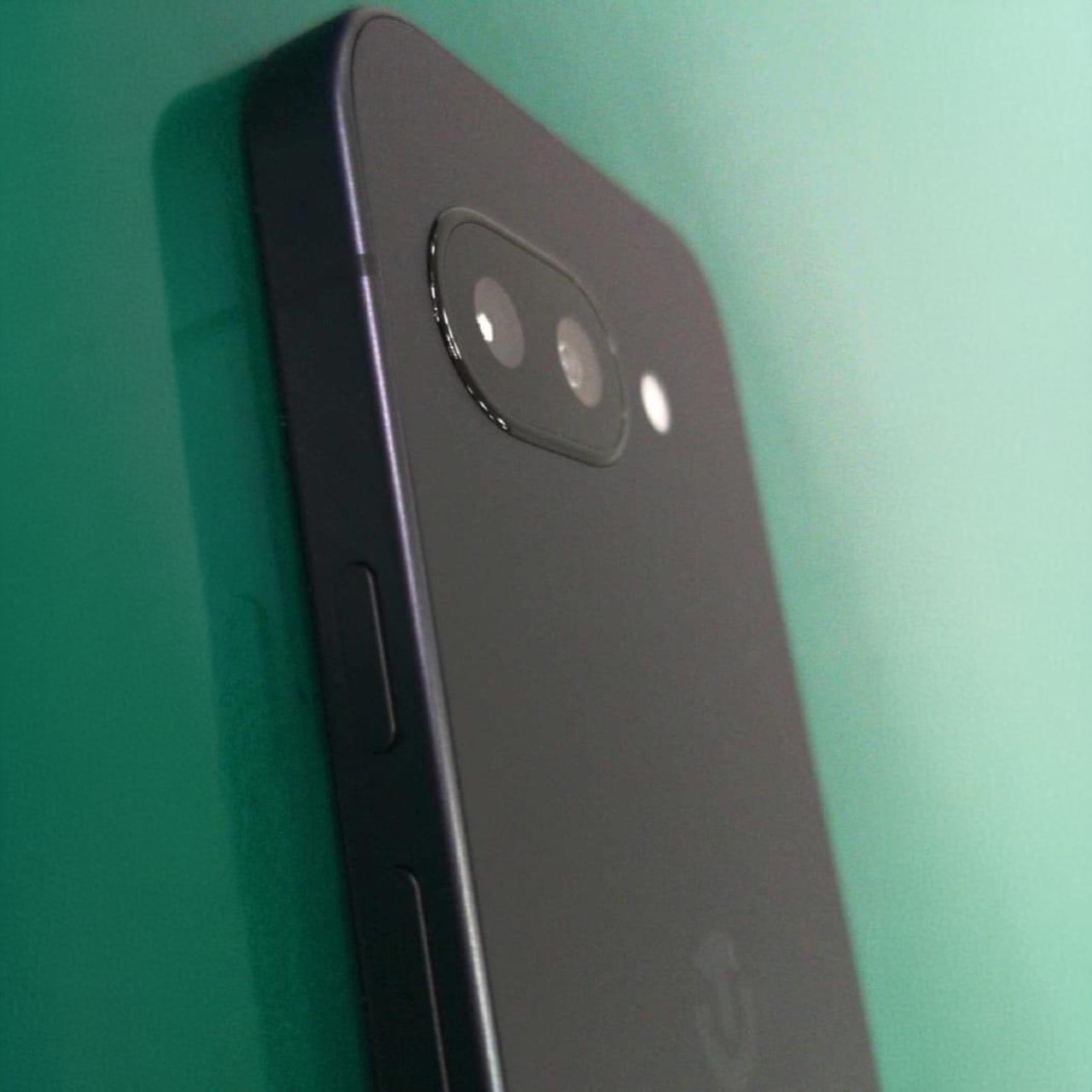
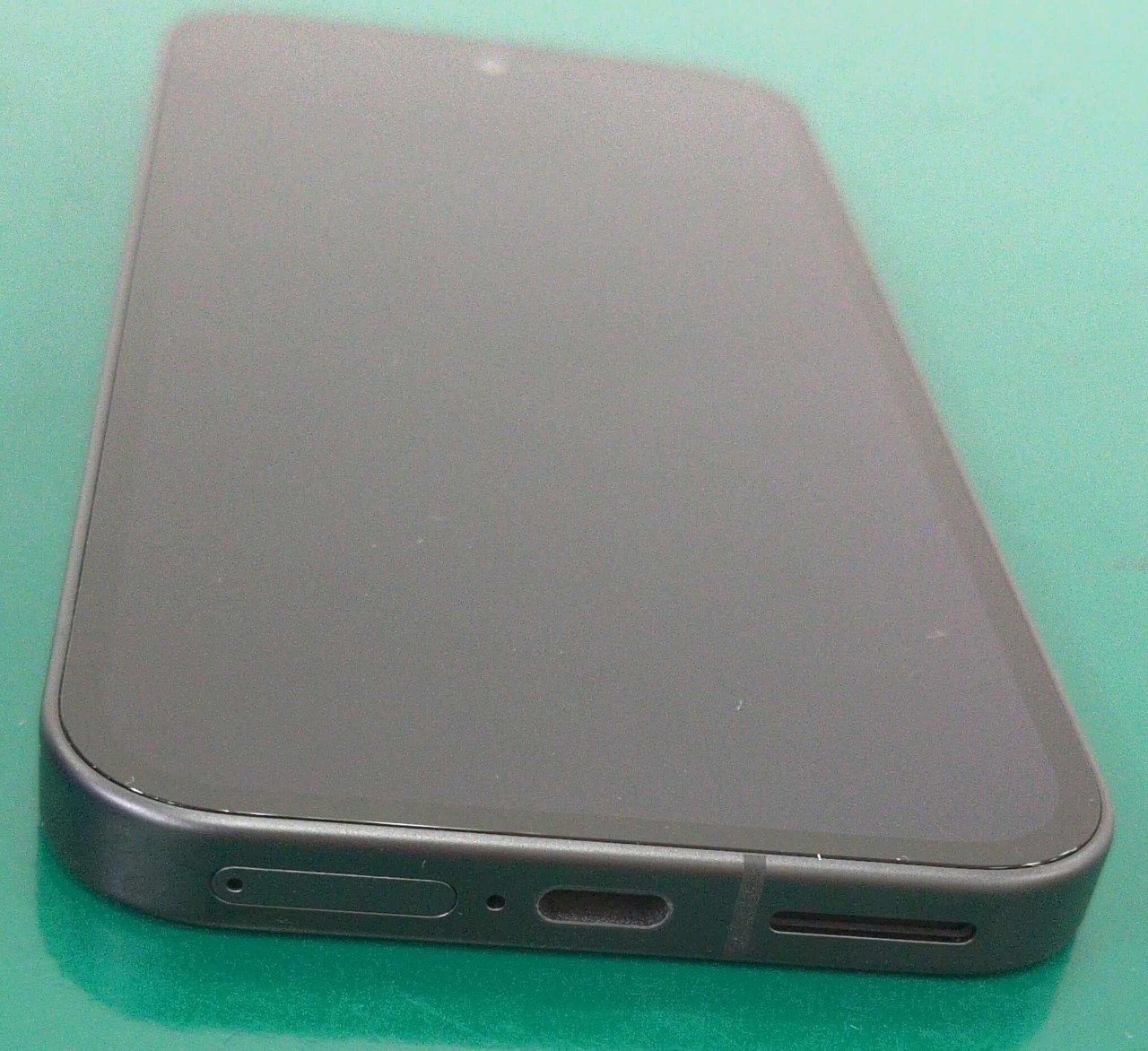
Leaked images of iPhone dummies used for case designs

Last month, I pointed out that the iPhone 16 is just going to be one of those boring phones worth missing, and this Capture Button seems to reinforce that fact. Every 3 years, Apple launches a ‘boring’ iPhone with a minor design upgrade just to keep things moving before a radical change and it’s been 2 years since the Dynamic Island, so this is probably Apple’s boring year. But why a Capture Button? Nobody said we needed it, not a single Android competitor has a Capture Button, heck if anything we’d appreciate bringing the 3.5mm audio jack back. So why is Apple going ahead with this hardware change?

There are two ways to look at it. The first is a simpler explanation – Apple’s run out of ideas. This is just one of those years where Apple pushes out something so it can tick that annual release box and make a few sales before something bigger and better in 2025. It’s a theory that holds merit given that the iPhone 8 was the ‘boring’ phone for the iPhone X, the iPhone 13 hardly had any extra features (unless you count Cinematic Mode as a game-changing upgrade) before the iPhone 14 ushered in the Dynamic Island. This basically means it’s business as usual and 2024 is just going to be a boring year for iPhones… but there’s yet another explanation.

Close-up of the purported Capture Button

The second explanation is a little more layered and vague, considering there’s no concrete proof to the fact. The explanation is that Apple’s pretty much resigning the iPhone to its fate – the camera. With the Vision Pro becoming Apple’s new breakthrough device, the iPhone will eventually take second place, quite like the iPod did 12 years ago. There are multiple rumors that Apple’s building a cheaper Vision headset (without the ‘Pro’ title) for the mass market to immerse in spatial computing… and when that happens, the iPhone won’t be anything except for a glorified photography device. It still doesn’t explain why Apple’s adding a Capture Button to their phone, given that people already use the volume button to capture photos… but that’s the vague part, because we really don’t ever know what’s going on inside the heads of Tim Cook and the Apple team until and unless they tell us. But as far as the iPhone 16 goes, I’d recommend you give it a miss unless you were long due for a smartphone upgrade.

Renders by Sarang Sheth

The post Apple’s Big Mistake with the iPhone 16 Series is Focusing TOO MUCH on the Camera first appeared on Yanko Design.
Elegant, minimalist smartphone design meets appealing features and price tag

Smartphone manufacturers are now thankfully more aware of the important role that design plays in a product’s success, especially its aesthetics and materials, but some tend to go overboard with that knowledge as well. We’ve seen pretty overbearing and garish phone designs that steal your attention in an aggressive way, particularly with camera bumps that make you feel like they’re the most important feature. The smartphone design landscape right now is dynamic, exciting, and sometimes a little too lively, so there are times when you want to take a breath of fresh air and settle down with something simple yet beautiful. That’s the kind of minimalist beauty that Motorola seems to be bringing with the new Edge 50 Pro, but it’s fortunately more than a pretty face, at least for a mid-range smartphone.

Designer: Motorola

Truth be told, the Motorola Edge 50 Pro’s design looks a bit familiar, at least if you’ve been keeping watch on the key market players for the past two years or so. Back in 2022, we reviewed the OPPO Find X5 Pro, a refreshing break from the design trends of its time. What differentiated OPPO’s flagship and this new Motorola entry is that their backs are made from a single, unbroken sheet of material with no visual or material break from the rest of the panel.

This trait gives the Motorola Edge 50 Pro a smooth and gentler aesthetic, exactly like how the cameras slope gracefully upward rather than being confined inside a metal enclosure. Other than the camera lenses and the iconic Motorola “bat logo” dimple, the phone’s back is pretty clean yet also attractive, a fitting tribute to the pervading minimalist design trend. Motorola also paid careful attention to the materials it used for the phone, which include soft vegan leather and eye-catching pearl acetate, surprising choices given the phone’s market segment.

The Motorola Edge 50 Pro runs on a Qualcomm Snapdragon 7 Gen 3 and has a decent though underwhelming set of cameras led by a 50MP main sensor. A similar 50MP selfie camera is housed in a rather noticeable punch-hole cutout on the forehead of the 6.7-inch 1220p 144Hz screen. A real killer feature, however, is the 4,500 mAh battery with a 125W super-fast charging speed and support for equally fast 50W wireless charging.

As a mid-range smartphone, the Motorola Edge 50 Pro thankfully comes with a matching price tag that starts at around $400, which is a pleasant surprise given its features. But just like the OPPO Find X5 Pro, limited availability and exposure might make this simply elegant smartphone fly under the radar despite the closer look it probably deserves.

The post Elegant, minimalist smartphone design meets appealing features and price tag first appeared on Yanko Design.
iPhone SE 4 Leaked Images Show a Radical New Design with a Notch Display and a Bigger Main Camera

Apple’s budget iPhone is due for a refresh and for the first time ever, it’s getting a major design upgrade that does away with the TouchID, finally putting the technology in the rear mirror for the smartphone industry. Leaked images from China (you can see them at the end of this article) show dummy units of an upcoming iPhone SE with a refreshed design that now features the notch and FaceID system, along with a flat body reminiscent of the iPhone 12 and 13. Chances are that Apple’s probably repurposing older iPhone 12 chassis for the new 4th Gen SE that’s rumored to drop along with Apple’s iPad refresh next month.

With four straight years of the iPhone SE having the same design (both Gen 2 and Gen 3 models used the same chassis as the iPhone 8), the iPhone SE 4 finally gets the upgrade we’ve all been waiting for. Now that the notch is pretty much history for the flagship iPhone, which has adopted the dynamic island, it makes sense for the technology to finally arrive to Apple’s budget line. The new SE 4, as indicated by pretty credible leaks at this point, uses the same body as the one used in the iPhone 12 and 13, sporting what leakers indicate is a 6.1-inch display on the front, a single-lens camera on the back, a FaceID system for facial unlocking, and a mute slider as opposed to the Action Button which Apple unveiled with the iPhone 15.

The 4th Gen iPhone SE is rumored to be a pretty big upgrade for budget customers, allowing Android users to make the iPhone shift with zero compromises. The large screen and thin bezels look just as gorgeous as the iPhone 14 from 2022, and the new SE is rumored to have 5G too, along with what I can only hope is USB-C, because of strict EU regulations that kick in at the end of the year. It’s still conceivable that Apple sticks to their guns and keeps the lightning connector on the SE, while just limiting sales within the EU, which isn’t really its budget market anyway.

Notably the new iPhone SE 4 has a pretty large camera, which may make up for past models not having great photography capabilities. While details are scarce on what this new camera will be, the big sensor is probably rumored to be an all-purpose lens WITHOUT ultrawide capabilities to keep costs lower.

The above renders, created by Yanko Design, are based on leaked images from a Weibo user, showing case designs for the upcoming iPhone. The dummy model, which clearly reads iPhone SE 4, comes with a notched display, a single-shooter primary lens along with a flash, a flat aluminum frame, and all indications that the mute slider will still remain as a detail in the SE 4. As far as colors go, there’s really no concrete indication that Apple plans on adding any new colors to the range. The existing SE range has only 3 colors – black, white, and Project RED. For visualization purposes (and also because of an initial render found on the internet), we’ve also added a Forest Green color variant.

The post iPhone SE 4 Leaked Images Show a Radical New Design with a Notch Display and a Bigger Main Camera first appeared on Yanko Design.
Easily Capture the 2024 Solar Eclipse on Your Smartphone with This Affordable Camera Filter

With less than a week till we experience one of the most prominent total solar eclipses in probably decades, you’ll surely want to make sure you’re well prepared for the moment. That means not just wearing safe glasses that let you observe the eclipse, but also making sure that your expensive smartphone camera doesn’t get damaged by the sun’s rays too. Yes, you heard me, your camera’s sensor, much like your eyes, is vulnerable to the sun… and prolonged exposure can quite literally burn the sensor the same way solar rays could damage your eyes. So if you’re all equipped with eclipse-friendly glasses, why not prepare your smartphone with some appropriate protection too? After all, you’re definitely going to want to take photos of the eclipse, right??

Designer: VisiSolar

Click Here to Buy Now

The VisiSolar Smartphone Photo Filter is a card-shaped filter that’s designed to help you capture the magic of a solar event safely on your smartphone. Whether it’s the partial phases, the breathtaking diamond ring effect, or the ethereal totality, this filter guarantees the best shots of the cosmic phenomenon, without worrying about any damage to your phone. Quite literally the size of perhaps a credit card or a table coaster, the filter sits right in front of your camera lens, blocking out harmful rays from hitting your phone’s sensor. You can still take great photos of the eclipse, just without the potential harm. Think of it as protective glasses for your phone.

Available in a two-pack for just under $13, the VisiSolar filters feature a stiff paper outer border, and a specially coated solar-imaging film in the center. Place the film right in front of your camera lens, fire up the camera app, and zoom in on the sun without worrying about anything. The filter automatically blocks out the intense harmful rays, letting you observe the eclipse in glorious fashion. Just make sure you zoom in as much as possible for the most incredible footage ever! And when the eclipse has passed, you can use the filter to take regular photos of the sun too! If your phone (or DSLR) has a great zoom, you’ll even see a few sunspots on the surface of our nearest star!

Click Here to Buy Now

Click Here to Buy Now

The post Easily Capture the 2024 Solar Eclipse on Your Smartphone with This Affordable Camera Filter first appeared on Yanko Design.
RedMagic VC Cooler 5 Pro attaches to any phone using magnets or clips

As smartphones become more powerful, the need to keep them from overheating becomes even more critical. Relying on simple heat dissipation is no longer enough, and sometimes even the more advanced passive cooling solutions, like vapor cooling chambers, are unable to compensate as well. This is especially true for phones used to play games, whether they’re formal gaming phones or just high-end models that have enough muscle but not the right cooling systems. RedMagic, nubia’s gaming sub-brand, believes that the answer lies in an external accessory, and it is now sharing that technology with others so that they, too, can benefit from it, even if they don’t have a nubia or RedMagic phone.

Designer: RedMagic

Smartphones generate a lot of heat when pushing their capabilities to the limit, and this causes not only discomfort but also degradation in performance, not to mention potential safety hazards due to the volatile battery powering the device. Unlike laptops and especially desktops, you can’t fit a reasonable cooling system inside a very thin phone, especially if it involves fans or more liquid. Delegating that to an external accessory is certainly possible, but the effort to attach and detach that gadget might be too much of a hassle.

The RedMagic VC Cooler 5 Pro remedies that by utilizing a feature that’s becoming more common among smartphones these days: magnetic wireless charging. This small squarish block can attach to any smartphone that supports this feature, which of course includes Apple’s MagSafe. What’s interesting is that RedMagic isn’t making it exclusive to these phones only, thanks to an optional back clip that can attach to any smartphone, making the VC Cooler 5 Pro almost universally compatible with all models.

But why would you want to stick or clip a small box onto the back of your phone? The RedMagic VC Cooler 5 Pro includes a 7-blade fan 3,060 sq. mm. vapor chamber liquid cooling plate that helps further pull the heat away from the phone and, consequently, away from your fingers. RedMagic claims it can drop the phone’s temperature by as much as 1­°C, though your mileage may vary.

Rather than just offering a simple fan and cooling plate, RedMagic is unsurprisingly advertising the use of some AI to automatically adjust the VC Cooler 5 Pro’s speed. This feature, along with the customary RGB lighting controls, is available through RedMagic’s “Goper” app. Unfortunately, this is only available on Android, so while iPhone owners can still use the cooling add-on, they won’t be able to take advantage of AI-powered dynamic settings as well as custom RGB lights. The RedMagic VC Cooler 5 Pro launches on April 15th at 59 EUR ($64) for the magnetic version and 64 EUR ($69) with the optional back clip.

The post RedMagic VC Cooler 5 Pro attaches to any phone using magnets or clips first appeared on Yanko Design.
Nothing pokes fun at Apple for discontinuing the iPhone Mini with the Phone (2a) Micro

There are some people who still buy the iPhone 13 Mini in bulk because it’s the last small smartphone Apple ever made. In the pursuit of ‘bigger and better’, smartphone companies have abandoned the very concept of ergonomics, and phones nowadays are so large and heavy, people quite literally have indented pinky fingers as a result. The iPhone 13 Mini and perhaps the Asus Zenfone 9 were perhaps the last ‘small’ phones before the concept was retired – so Nothing decided to do something about it. Or rather, poke fun at it at least.

Meet the Phone (2a) Micro – an alternative to the Plus and Max phones of today’s world. Announced as a rather fitting April Fool’s Prank, the Phone (2a) Micro is functionally miniscule, measuring probably no larger than a Zippo lighter. However, it still manages to hold up rather well considering its size. The prototype (although we’re 99% certain it’s CGI) features a rather usable (yet tiny) screen that still somehow manages to be usable. The video above is a tiny (no pun intended) demonstration of the phone in action… and it also takes aim at major smartphone companies for abandoning the relatively large (again, no pun intended) audience of people with small hands!

Designer: Nothing

Roughly 3 inches tall, the Phone (2a) Micro comes with the same design as its predecessor, albeit scaled down. It ditches the dual camera on the back for a single one (there’s really no real estate for 2 lenses), but still retains every aspect of the phone’s design including even its Glyph Interface (which apparently works, in the video demo). Flip the phone over and you’ve got a virtually bezel-less screen (clearly even the tiniest of bezels weigh heavily on a phone that size), but the lack of bezels is made up by a whopper of a front-facing camera, which eats into a significant portion of the display. I guess good selfies are an important part of owning a phone, right?

I’ll be honest, April Fool’s Day jokes have all but died down ever since the pandemic, when corporates decided it just wasn’t worth the effort. Sure, sometimes a company like Volkswagen DOES crack a joke about rebranding to Voltswagen, sending economies and stock markets into a flurry, but overall, larger companies have sort of lost their sense of humor (Google used to crack elaborate jokes every year before Sundar Pichai took the reigns). However, it’s good to see newer companies taking things in their stride and trying to engage with their fans and communities using humor. Whether it’s Nothing’s tiny phone, or Razer’s chair with robotic arms, a good corporate joke just makes large brands feel more human, allowing people to resonate and connect with them on a deeper level… but as far as the Phone (2a) Micro goes, does it have a 3.5mm audio jack, though??

The post Nothing pokes fun at Apple for discontinuing the iPhone Mini with the Phone (2a) Micro first appeared on Yanko Design.

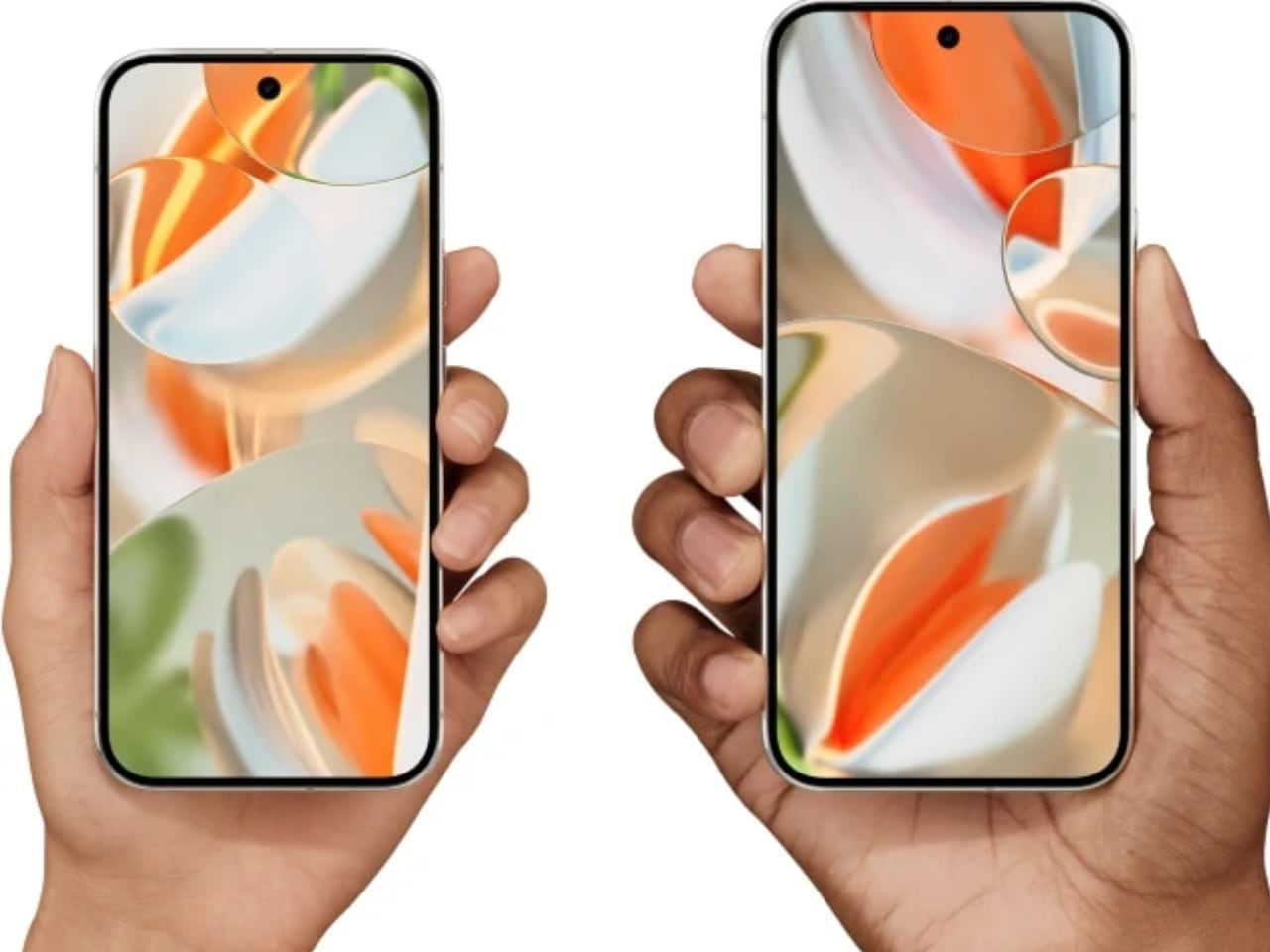
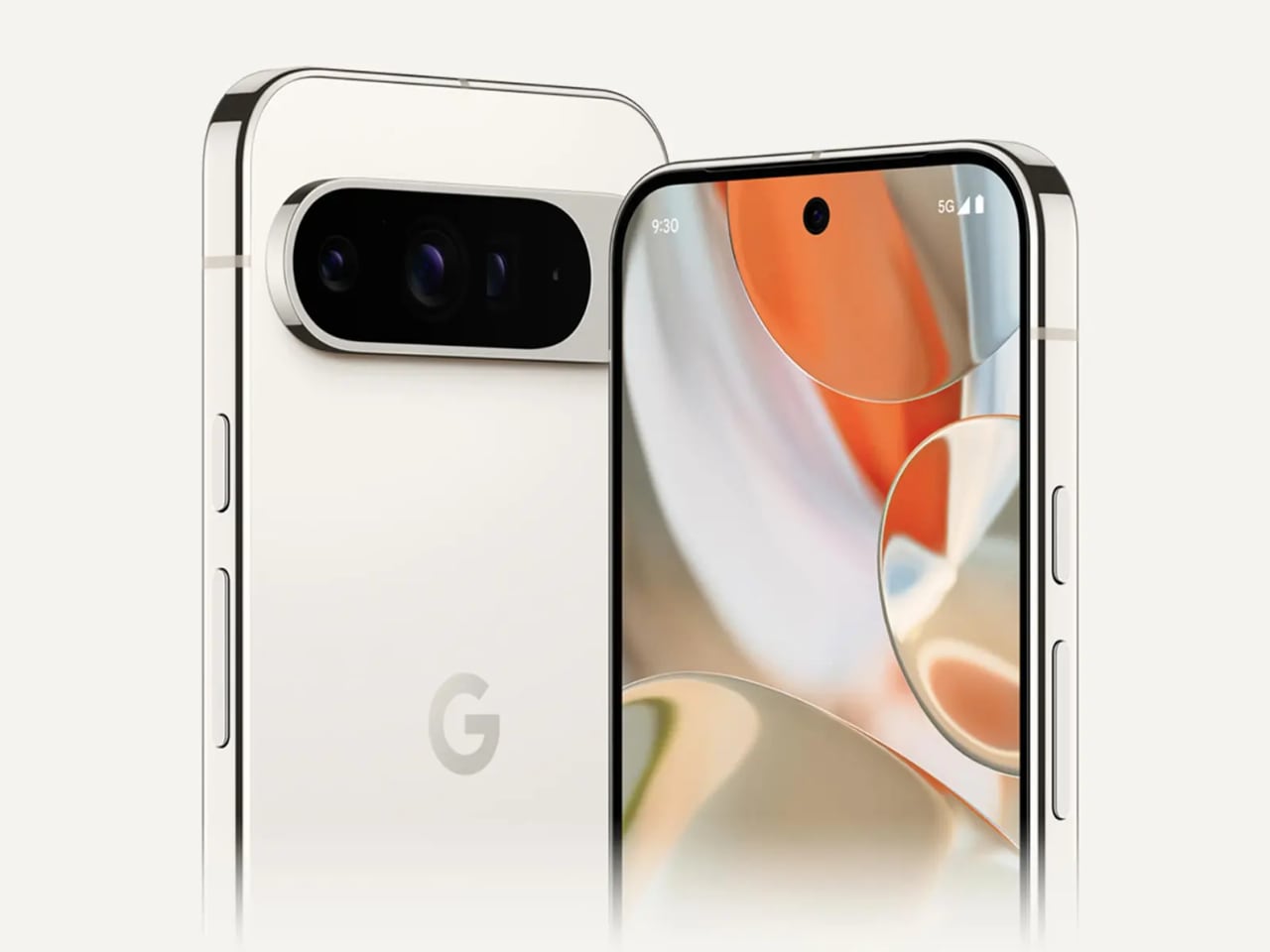
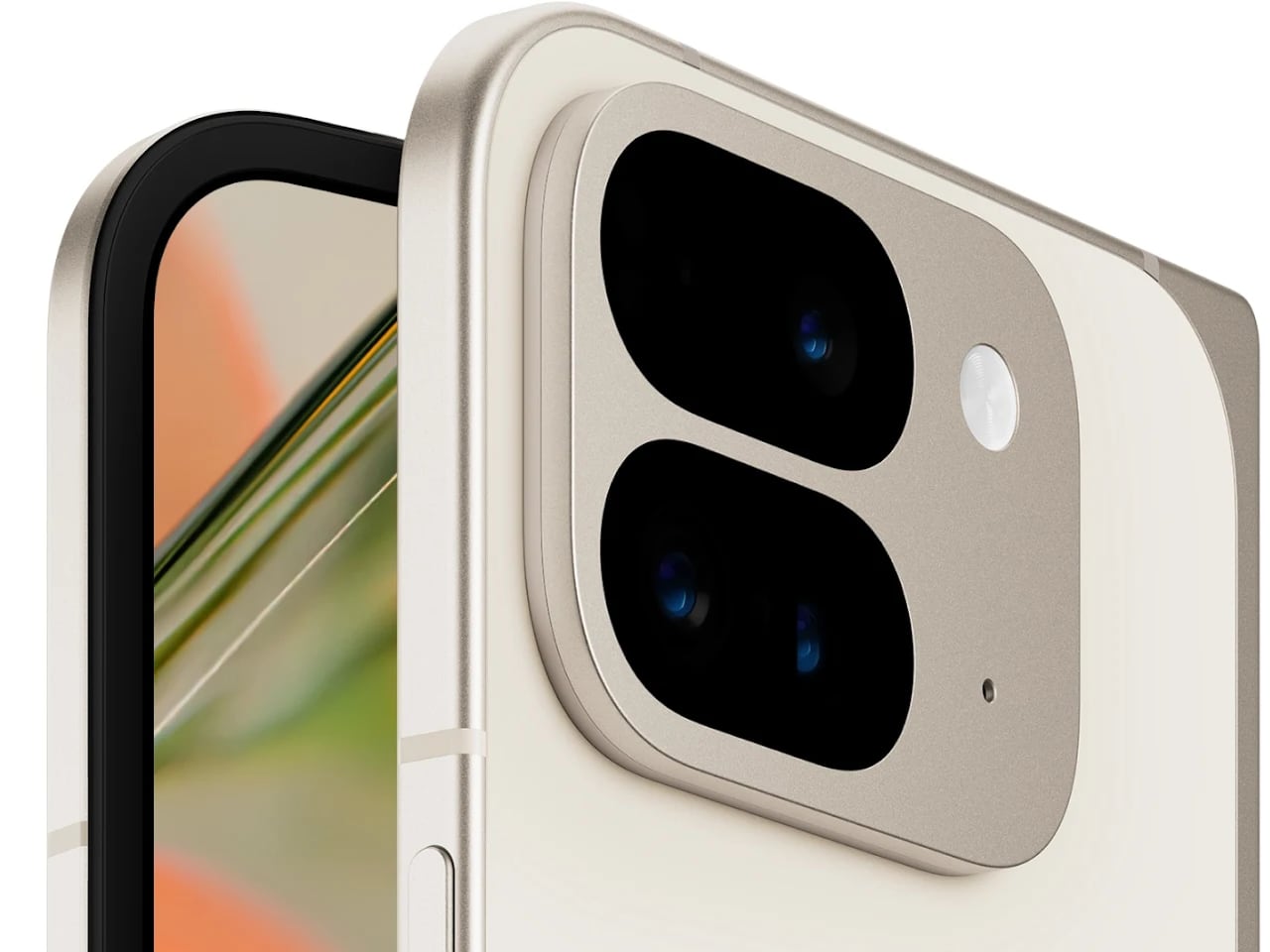
Google Pixel 9 and 9 Pro XL renders show a less dramatic design change

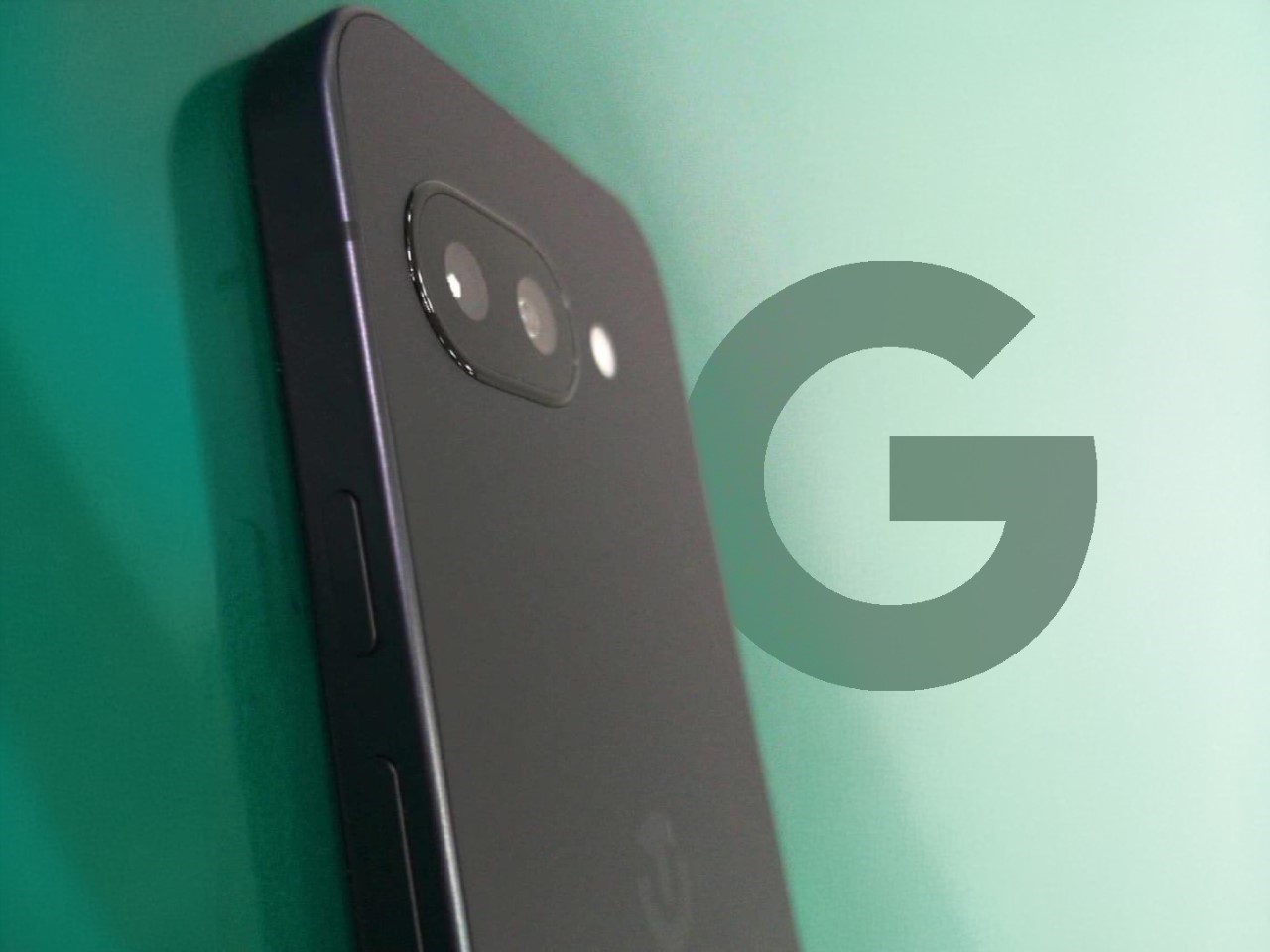
There are a few designs in the smartphone market that have become synonymous with the brands they represent. Although some phones followed in its footsteps, Apple wholeheartedly embraced the iPhone notch for several generations. Samsung’s S Pen is something very few manufacturers have imitated, and Nothing’s Glyph lights have made dynamic LED lighting a thing on smartphones. And then there’s Google’s camera design, which has been dubbed by some as a visor, that gave the Pixel 6 onward a visually unique character. Unfortunately, brands and designs change, and it seems that the Pixel 9 trio will bid farewell to that distinctive design, though its replacement is admittedly a bit less egregious than other leaks would have us believe.

Designer: Google (via 91mobiles, MySmartPrice, Steve Hemmerstoffer)

Google Pixel 9 Pro XL

Truth be told, the “visor” camera design on the recent Pixel phones isn’t exactly the sleekest and most elegant design around, but it has enough elements that make it interesting and distinctive without being obnoxious or garish. It also has the side effect, intentional or otherwise, of raising the phone at an angle without making it wobble. Based on leaks confirmed by these unofficial renders, we might have seen the last of that design and will behold another variation that may be even more controversial than the original design on the Pixel 6 from 2021.

Google Pixel 9

Google Pixel 9

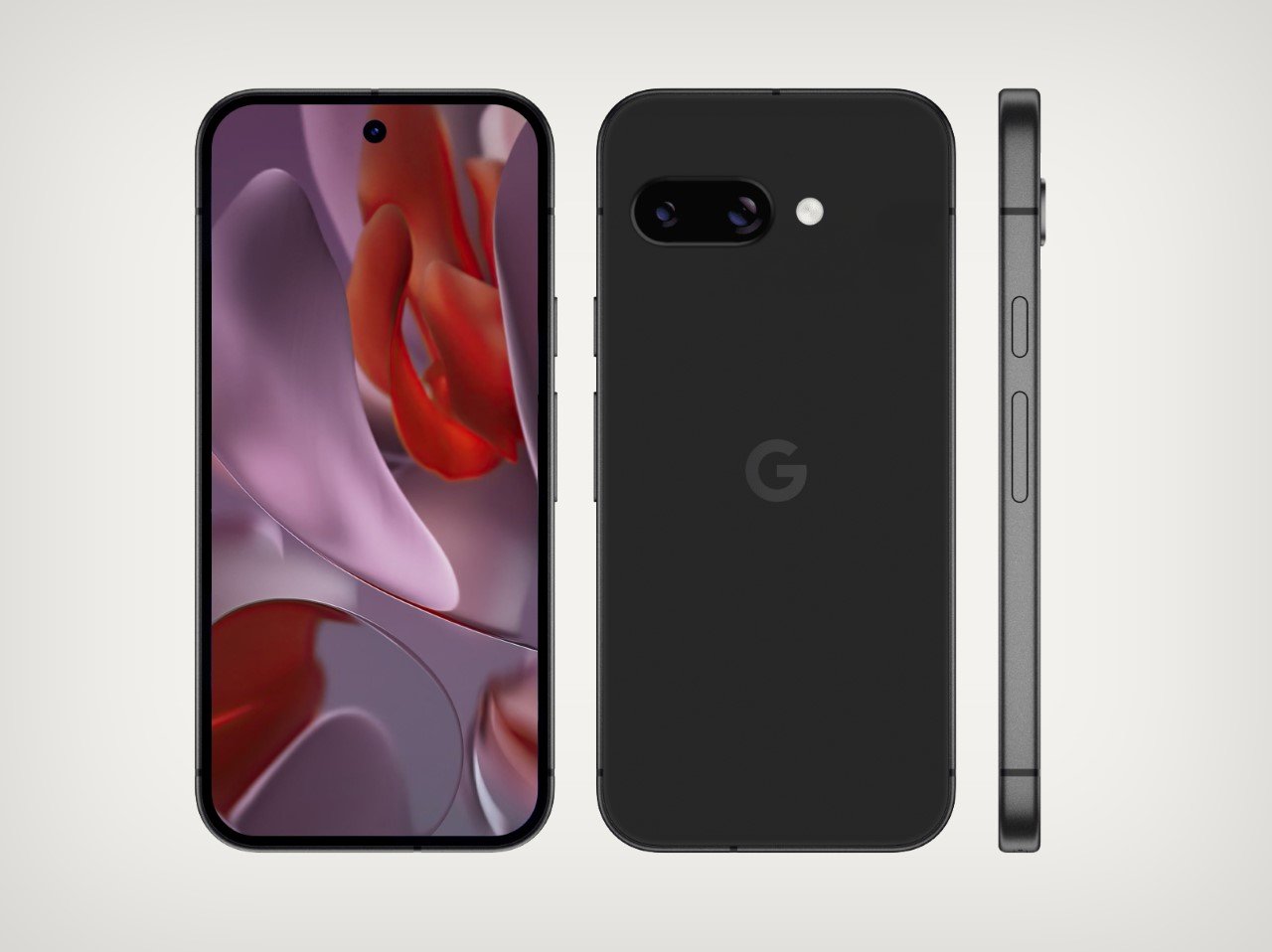
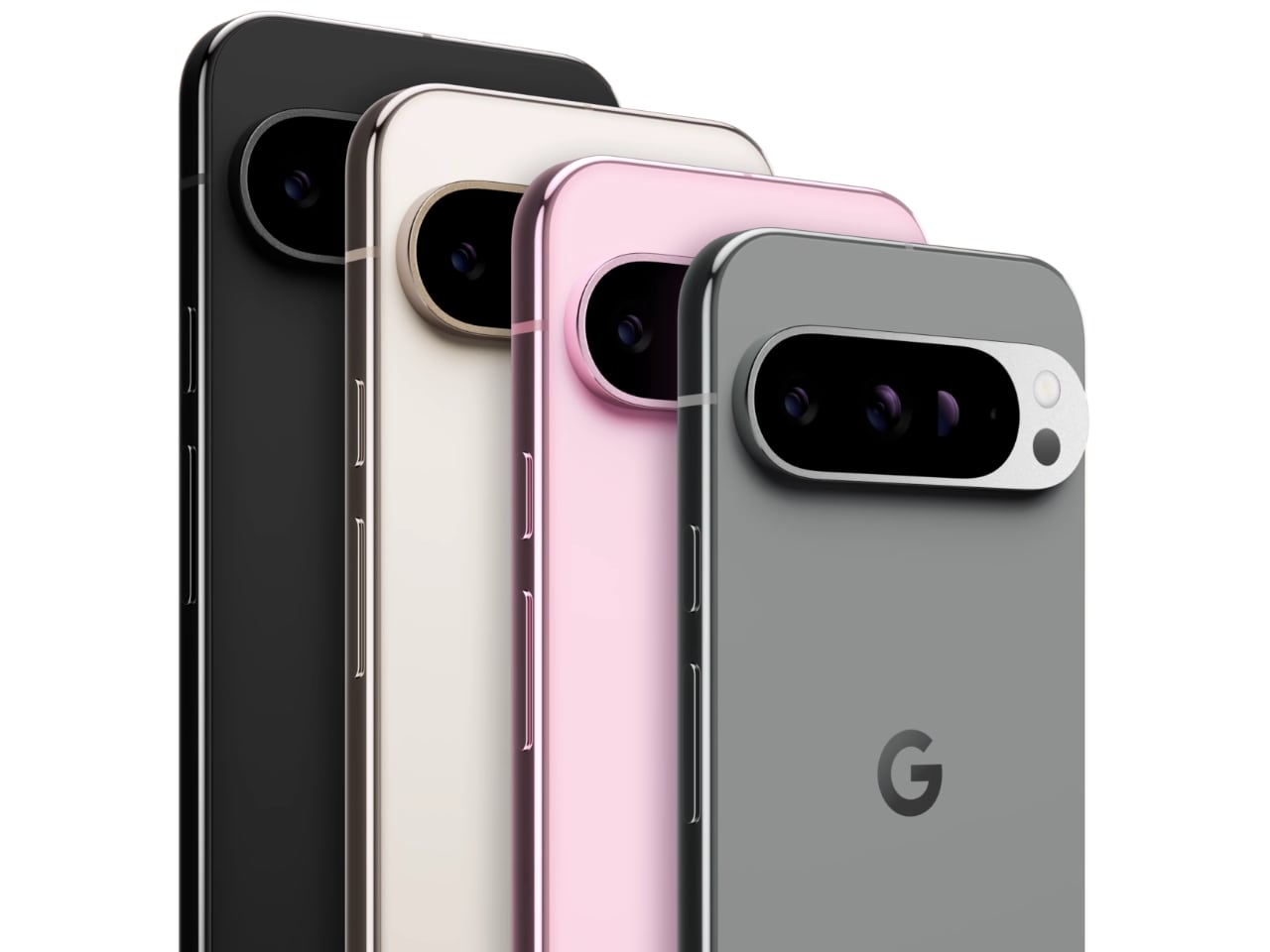
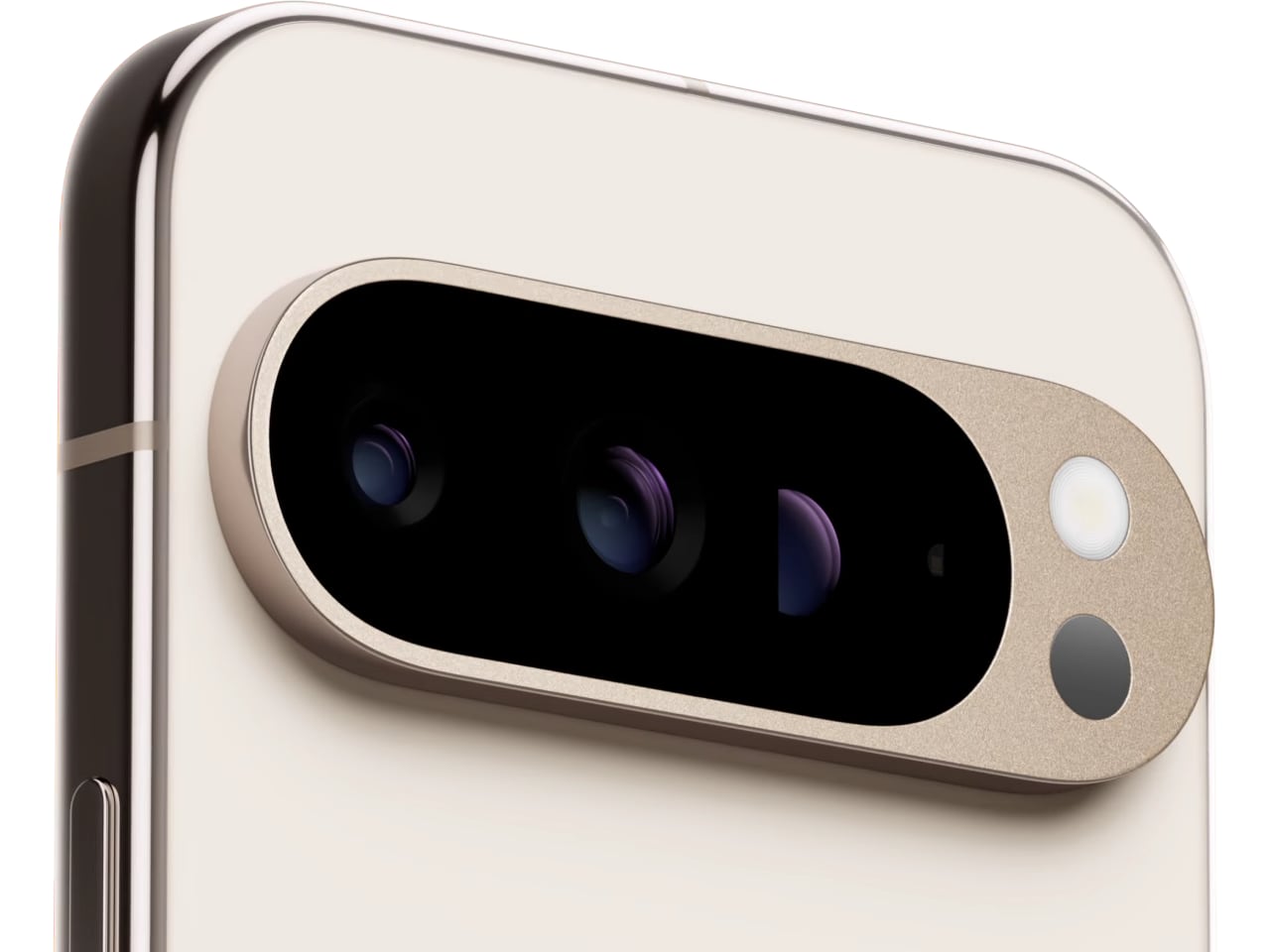
Instead of a raised strip that goes from edge to edge, the Pixel 9 phones will instead have a long pill-shaped camera bump that still spans the entire width of the phone. But unlike blurry leaked photos of prototype models, these renders show a better picture of what is allegedly the final design of that camera bump. It will follow the same two-tone theme as the Pixel 8 before it, giving it a bit of style and visual interest.

Google Pixel 9

It will definitely not be everyone’s cup of tea, especially those who have regarded the visor design to be the signature mark of the Pixel phones from the past three years. But more than just brand identity, this capsule-shaped bump also has the effect of making its thickness even more noticeable and abrupt, as if someone just glued a large chunk of metal and glass onto the back of the phone. The Pixel 8’s camera bump is just as thick, but the curved edge and smoother curves give the impression that it is thinner than it really is.

Google Pixel 9 Pro XL

Another detail coming out from these leaks is that Google will launch three models this year instead of just two. That will be the Pixel 9, Pixel 9 Pro, and Pixel 9 Pro XL. The “XL” model hasn’t been seen since the Pixel 5 XL in 2020, so it will be interesting how Google will position these three phones in the market.

Google Pixel 9 Pro XL

Google Pixel 9 Pro XL

The post Google Pixel 9 and 9 Pro XL renders show a less dramatic design change first appeared on Yanko Design.
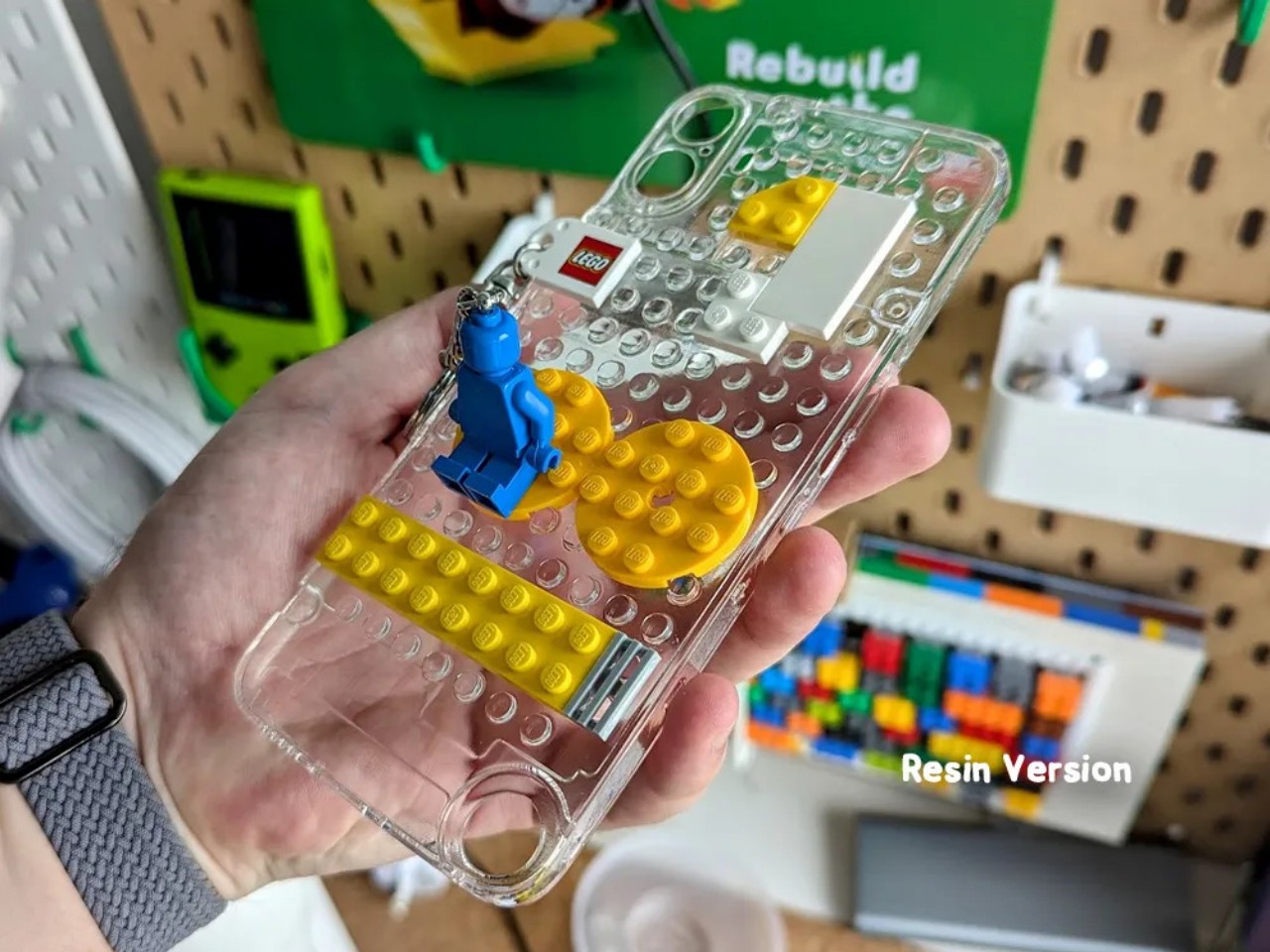
Interchangeable emoji camera covers give smartphones more character

The back of our phones is always visible to the people around us, which makes it the most expressive part of the smartphone. That’s why manufacturers spend a lot of time and resources on the design of the phone’s rear, using a variety of materials for the cover and designs for the camera. Those designs, however, are decided by companies and never change once production starts. They don’t always reflect the owner’s tastes, and definitely not all the time. Being able to change your phone’s “face” to fit your mood offers a lot of freedom of expression, and it all takes is putting a different emoji on top of your camera.

Designer: Yifan Hu

Smartphone cameras are becoming more powerful and with that power comes bigger enclosures. What were once just two eyes looking at you from the back of the phone has become a large circle that adds a face to those eyes. It’s just a metaphor, of course, but one that can actually be used to design a set of accessories that turn your mobile partner into some sidekick character, complete with a face and a personality.

These emoji-inspired accessories simply put a smiley or one of its comical variants on top of the camera circle of a smartphone. It takes advantage of how most of these cameras are designed, with two of the cameras placed side by side and near the top of the circle. It’s a perfect location for eyes and a face, one that perhaps more accurately expresses your own personality or just your mood for that day.

1

Of course, there are obvious limitations to this design, the biggest of which is how not all camera bumps are circular. And those that are circular aren’t always located in the middle of the phone, making it a bit awkward but not entirely unattractive to put an emoji in the corner. That said, this camera design is actually becoming more popular these days as manufacturers try to figure out the best location for the growing number and sizes of cameras on a phone.

There’s also the consideration that a smartphone might have more than just two cameras, and their locations might not perfectly align with a smiley face. That simply needs a bit of creativity to design around those restrictions, like adding mouths to the face or having asymmetrical eyes that convey even more facial expressions than a traditional smiley. It’s really a simple concept that goes a long way in adding fun to the smartphone experience, while still giving you the freedom to go back to a pristine and “normal” look from time to time.

The post Interchangeable emoji camera covers give smartphones more character first appeared on Yanko Design.
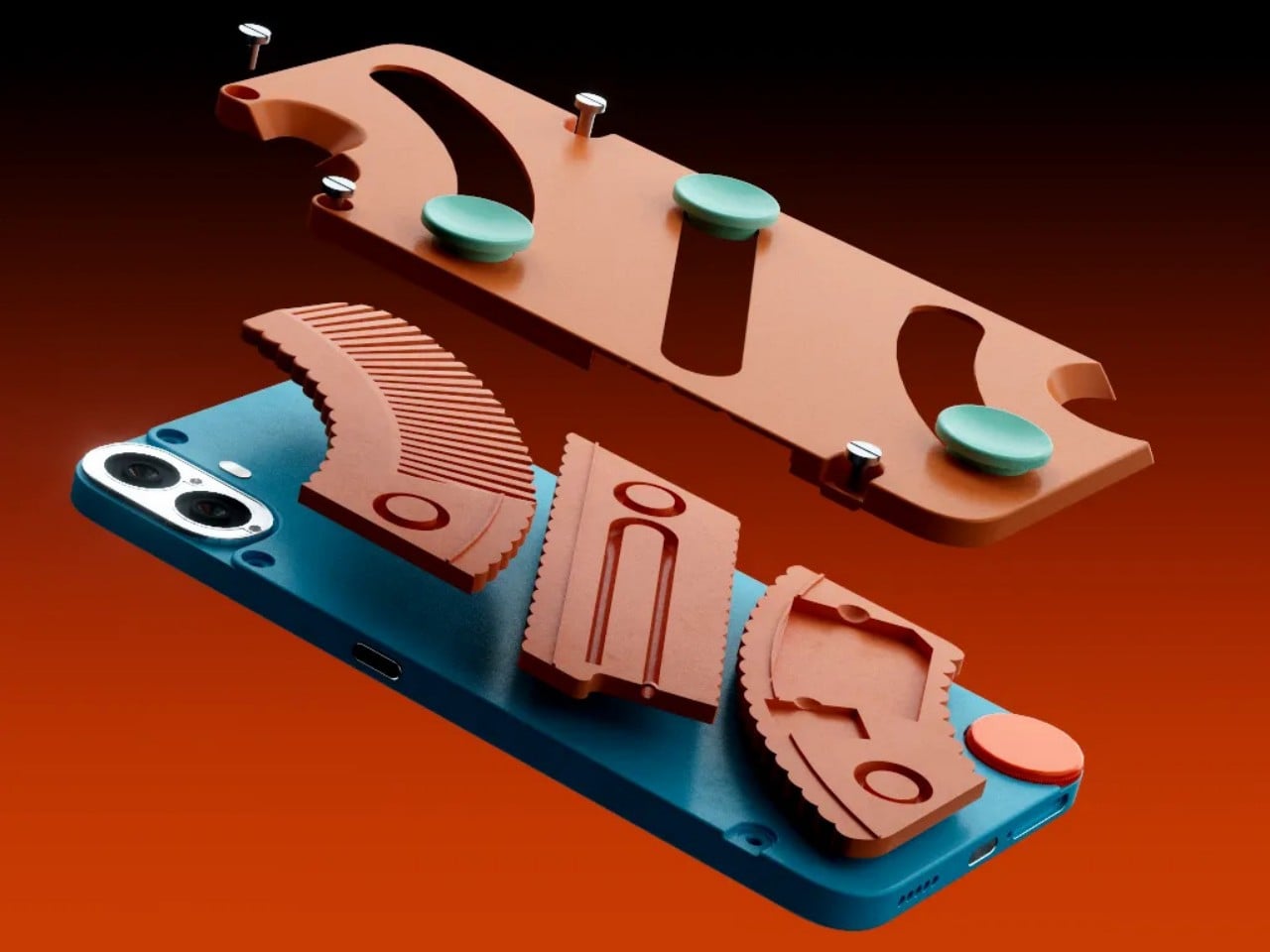
Experience a combination of minimalism and productivity with an E-Ink QWERTY Minimal Phone

Some people opt for a minimalist smartphone to reduce distractions and enhance productivity. These devices typically offer only essential features, such as phone calls, messaging, notes, calendars, internet browsing, and key Android apps. This setup allows users to focus on what’s crucial without interruptions from numerous app notifications. Furthermore, these simplified phones often have extended battery life due to their limited features. If you’re drawn to a minimalistic device, the Minimal Phone could be ideal for you. It’s the product of an experienced team with a combined 60 years in design, engineering, and technology entrepreneurship. Their vision is to deliver a product that eliminates all unnecessary features.

Designers: Andre Youkhna and Armen Youssefian

Click Here to Buy Now: $325 $450 ($125 off, exclusive perk for YD Readers only). Hurry, only a few left!

The Minimal Phone is equipped with a high-performance MTK 6769 CPU and 4GB RAM, ensuring a smooth user experience. It has 128GB of storage space for apps and data and operates on Android 13, which features the latest security and system updates. The display is a 3.5” E-Ink touch screen with a resolution of 300 PPI and a high refresh rate for clear images and smooth transitions. It has an 8MP front camera and a 16MP rear camera for photography. The phone supports 802.11 a/b/g/n 2.4GHz/5GHz WiFi Direct and Bluetooth 4.1 and is compatible with AT&T, T-Mobile, and Verizon networks. It features a sizeable 4000mAh battery with QC 18W and wireless charging support less than 20W. The most appealing feature is the integrated tactile QWERTY keyboard.

The e-ink display of the Minimal phone offers users a comfortable, glare-free reading experience, significantly reducing eye strain even during prolonged use.

Incorporating a tactile, responsive QWERTY keyboard into a smartphone design can be complex. However, the team behind the Minimal Phone has tackled this challenge directly. The ergonomic design of the keyboard has been carefully considered to provide a comfortable user experience. The team has analyzed various factors such as keyboard layout, key size, and key travel distance to ensure they meet the expectations of a wide range of users. They understand that speed and accuracy are crucial for a satisfying typing experience, so they’ve strived to optimize these factors in the design.

The team has selected high-quality materials for the phone, considering durability and regular use over its lifespan. Recognizing the need for the keyboard to maintain its quality and responsiveness, they’ve carefully chosen the construction materials and methods. As a result, the keyboard must feel comfortable to the touch and built to last. Other standard features include NFC, GPS, A-GPS, a side-mounted fingerprint sensor, face unlock, a G sensor, a compass, a gyroscope, a proximity sensor, and a light sensor. Additionally, it also includes a 3.5mm headphone jack located on the top left-hand corner.

The Minimal Phone, thoughtfully designed for ease of use and comfort, measures 121 x 72 x 10mm (4.74″ x 2.83″ x 0.39″), akin to the ergonomic shape of a passport. Its well-proportioned layout makes it extremely comfortable to hold and type on the physical keyboard. The microphone at the bottom left of the device complements the central USB-C plug-in port flanked by speakers on its right. The phone’s left side hosts the volume control buttons—up and down—with an e-ink refresh button nestled between them. The power button is on the phone’s right side, just above the conveniently placed SIM card slot, contributing to a well-balanced and intuitive design. Plus, its slim profile allows it to disappear into a pair of jeans pocket or slip easily inside a suit coat.

The major advantage of the Minimal Phone is its e-ink display, which provides a reading experience that closely mimics reading from physical paper. The display uses ambient light to illuminate the text, reducing eye strain associated with backlit screens found in tablets and smartphones. Furthermore, e-ink displays are easier to read in bright sunlight, making the Minimal Phone perfect for outdoor reading. Additionally, e-ink displays consume significantly less power, leading to the Minimal Phone’s longer battery life, which is ideal for extended reading sessions.

Click Here to Buy Now: $325 $450 ($125 off, exclusive perk for YD Readers only). Hurry, only a few left!

The post Experience a combination of minimalism and productivity with an E-Ink QWERTY Minimal Phone first appeared on Yanko Design.

Sandmarc’s new iPhone lens gives you a bonkers 6x optical zoom AND an adjustable focus wheel

You call that a camera bump? Hold my beer…

The smartphone camera is officially the most popular camera in the world today, accounting for a staggering 92.5% of all images taken in any given year. Conventional photographers (who make up the remaining paltry 7.5%) will argue that smartphone photography isn’t ‘real photography’, but that’s only because digital cameras offer tonnes of more variety in terms of being able to shoot on multiple types of lenses. Batting for the mobile photography team, however, is SANDMARC with their newly unveiled whopping 6x telephoto lens for the iPhone. Not only does it boost your smartphone camera’s existing zoom (which is around 30x for the iPhone 15 Pro) by an additional 6x, it also gives you the benefit of an adjustable focus wheel – probably the first for any smartphone camera lens – bridging the gap between phone and traditional camera photography.
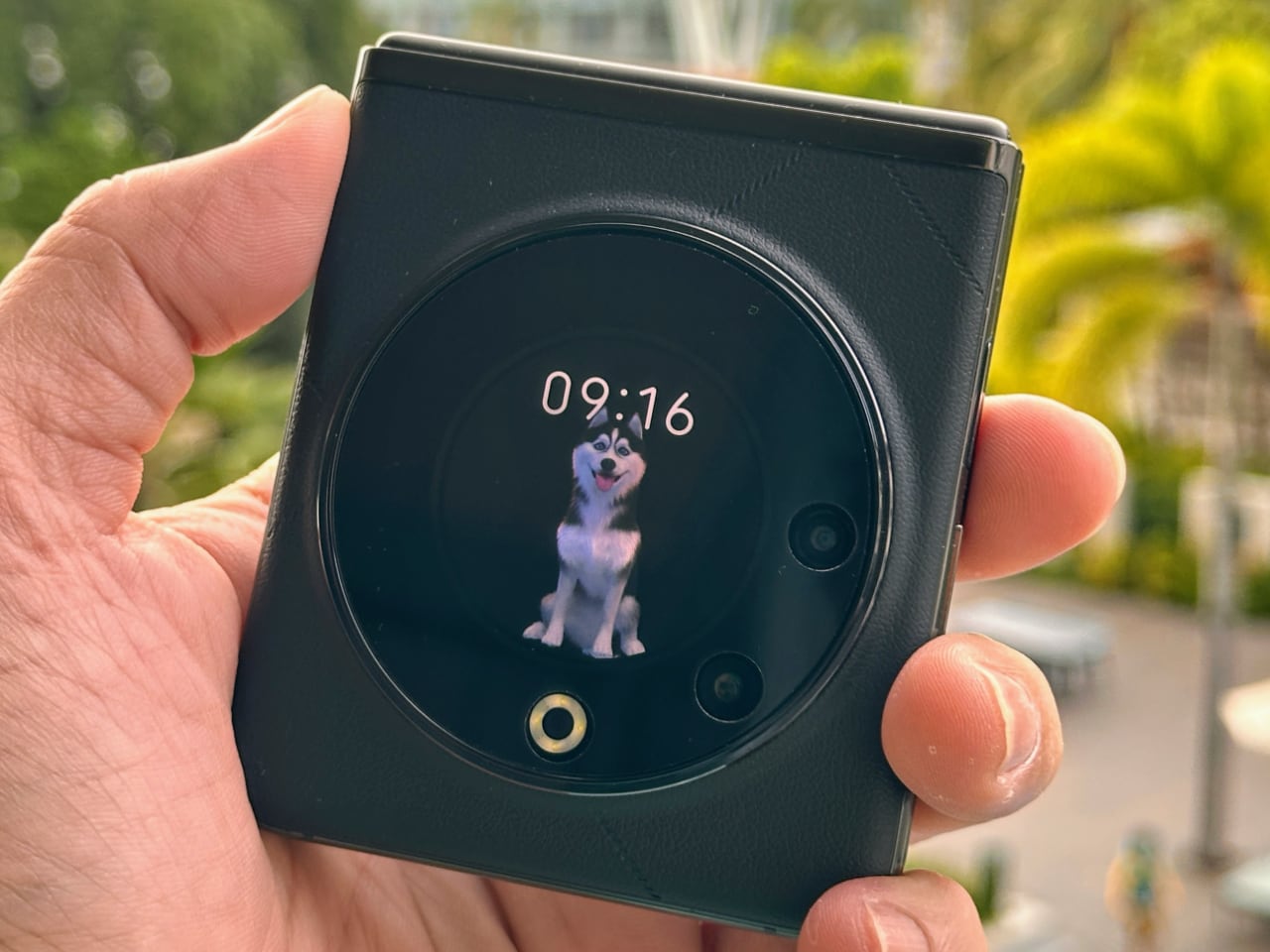
Designer: Sandmarc

Even though a smartphone camera is ridiculously powerful for its small size, there are certain things you really wouldn’t do with it, like take wildlife shots, telephoto shots of objects far away (architecture, birds, etc.), or ultra-low DoF portrait shots. Well, maybe you’d take the latter, but that’s a legitimate gray area because artificial bokeh can never compare to the real deal. SANDMARC’s Telephoto 6x Lens wants to change that. Designed to be good enough to take on a wildlife photoshoot or to capture objects from far away because they aren’t really accessible, the zoom lens does a phenomenal job of enhancing your smartphone’s vision without causing any sort of loss in quality because of the limitations of smartphone lens structures.

Aside from extending your zoom range, the Telephoto 6x Lens prioritizes superior image quality over the limitations of your phone’s digital zoom. Crafted with high-quality, multi-coated glass, this lens promises to deliver noticeably sharper images with enhanced detail, even in challenging low-light conditions. Unlike typical add-on lenses that can be cumbersome and offer limited functionality, the SANDMARC lens boasts a unique feature: an adjustable focus wheel. This empowers you to take complete creative control over your photos. By fine-tuning the focus, you can ensure intricate details in close-up shots are captured with razor-sharp precision, adding a whole new dimension to your mobile photography repertoire.

The lens design incorporates a shallow depth of field, a technique beloved by professional photographers. This means realistic bokehs that highlight your subject beautifully, without any of those errors or artificial blurring created as a result of computational photography done by smartphone algorithms. This setup, in its truest sense, is the closest thing to bringing conventional camera tools to smartphone photography. Sure, professional camera evangelists would still say this isn’t ‘real photography’, but they also won’t deny that the results from this phone and lens setup are just immaculate.

While the $159.99 price tag might seem steep, it’s worth considering the significant enhancements it offers. The extended zoom range, improved image quality, and creative flexibility the lens provides can elevate your mobile photography to a whole new level.

The post Sandmarc’s new iPhone lens gives you a bonkers 6x optical zoom AND an adjustable focus wheel first appeared on Yanko Design.