Top 5 AI Innovations at IFA 2024 That Redefine User Experience

Are we in an AI bubble? Almost definitely – every next booth at IFA had AI written on its banner and in its pamphlets. Walking around IFA proved that innovation is still going strong, but AI has become more of a marketing term than an actual feature. Whether it’s AI-powered dishwashers, or AI in something as small as a GaN charger, it’s easy to drop marketing jargon to make your product look better than your competitor – but is it truly game-changing AI? Well, after 5 days at IFA, here are 5 products we saw that make proper use of Artificial Intelligence in ways that are meaningful to users, and authentic to the term “AI”.

1. Plaud AI NotePin
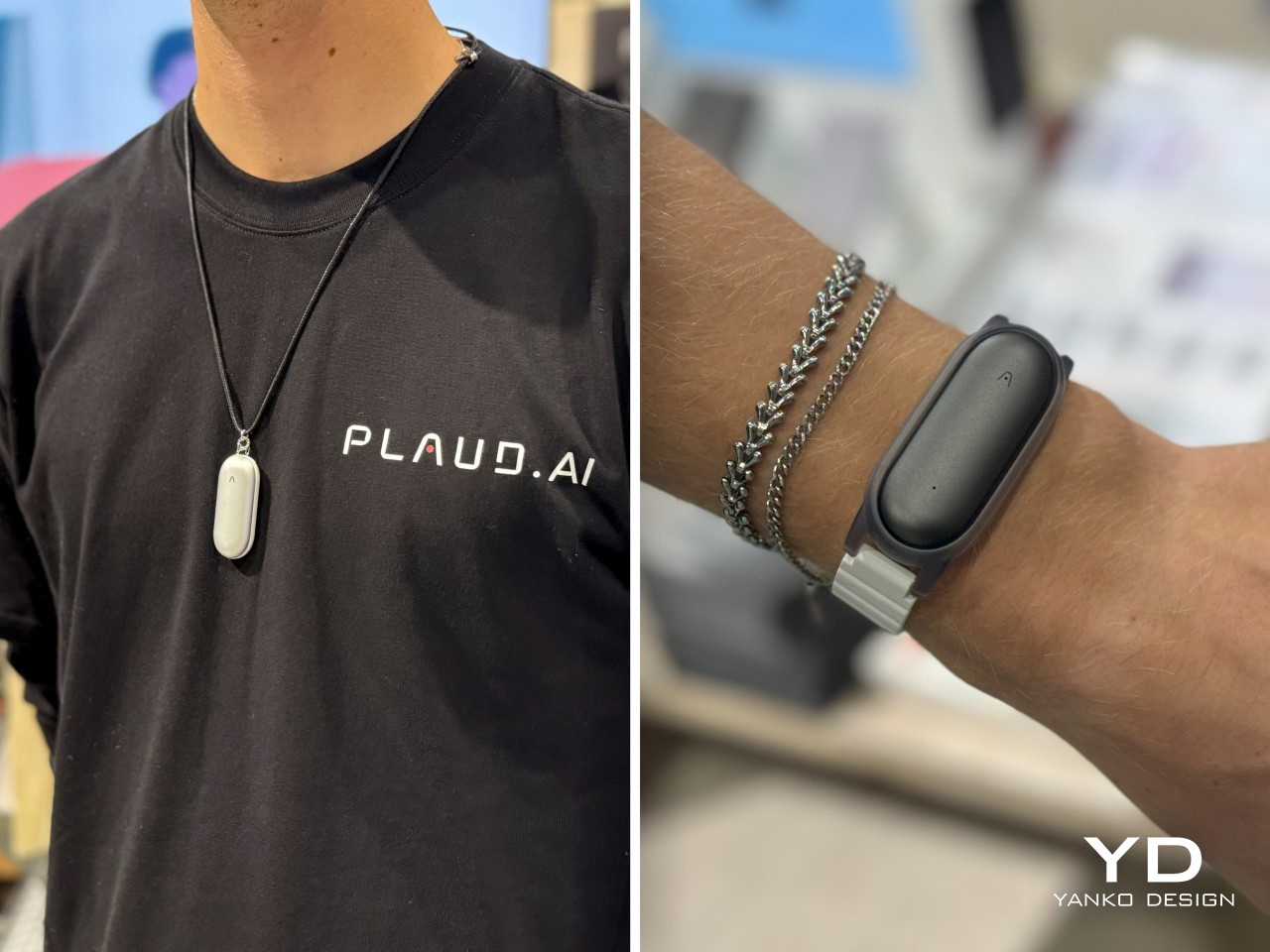
Showcased at IFA (although the product will begin shipping very soon), the PLAUD NotePin builds on the company’s successful Plaud NOTE device that first launched last year. Leveraging AI models like ChatGPT and Anthropic’s Claude, the NOTE could record meetings as well as phone calls, and translate/transcribe them in mere seconds. With the NotePin, the company hopes to make this technology even more portable. Encased in a tiny metal pendant, the NotePin is like your own assistant you can wear around your neck or even on your wrist. It lets you record everything from personal notes to meetings, leveraging GPT 4o and Claude 3.5 to bring AI to your recordings. You can give your NotePin a grocery list and it’ll meaningfully link you to a place where you can buy it online, or give it a task list and it’ll add it to your calendar. The NotePin comes in two colors – silver and dark gray – and has the ability to be worn on your wrist, around your neck, or even attached to your lapel.

2. Timekettle W4 Pro AI Interpreter Buds
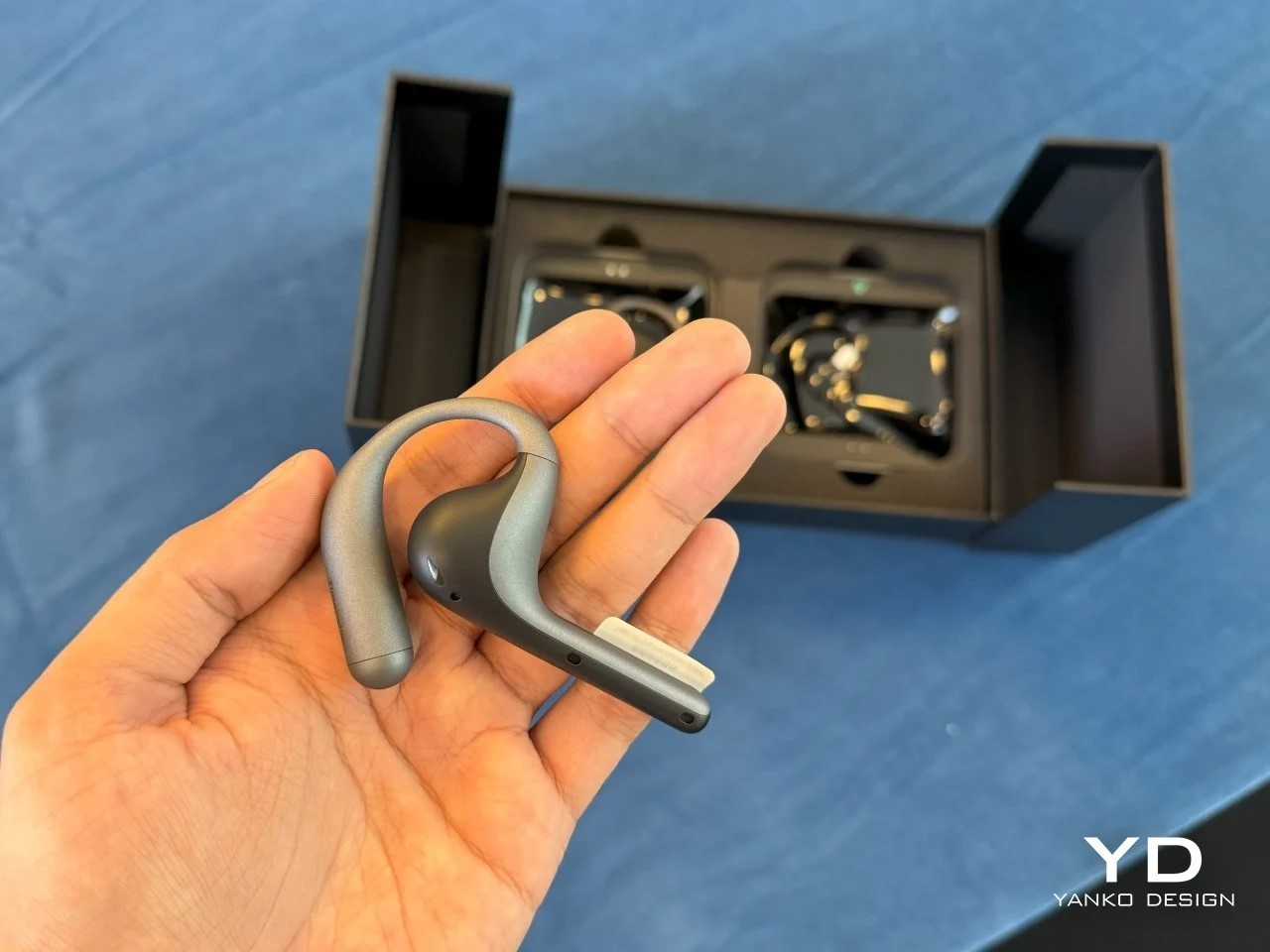
Built on the broader vision of the Babel Fish from Hitchhiker’s Guide, the W4 Pro interpreter buds allow you to speak and understand as many as 40 different languages and over 90 accents. Built by the folks at Timekettle (known for their incredible translators since 2016), the W4 Pro are AI-powered interpreter earbuds. Wear one and give one to another person and the two of you can seamlessly have a conversation in two separate languages. A 3-mic array ensures crystal clear audio capture, and Timekettle’s proprietary algorithm gives you 95% accurate results. Where the AI comes in is both at a processing and a post-processing level. When you speak, instead of translating entire sentences (which can take very long), the W4 Pro breaks sentences up into meaningful segments, translating them instead. This turns out to work much faster, with just a 0.2-second delay between speaking and translating. Once you’ve had a conversation, Timekettle also applies AI to the entire transcript, allowing you to extract meaningful information and insights from your conversation – super helpful in meetings with multi-lingual professionals.

3. Honor’s AI across Phone/Tablet/Laptop
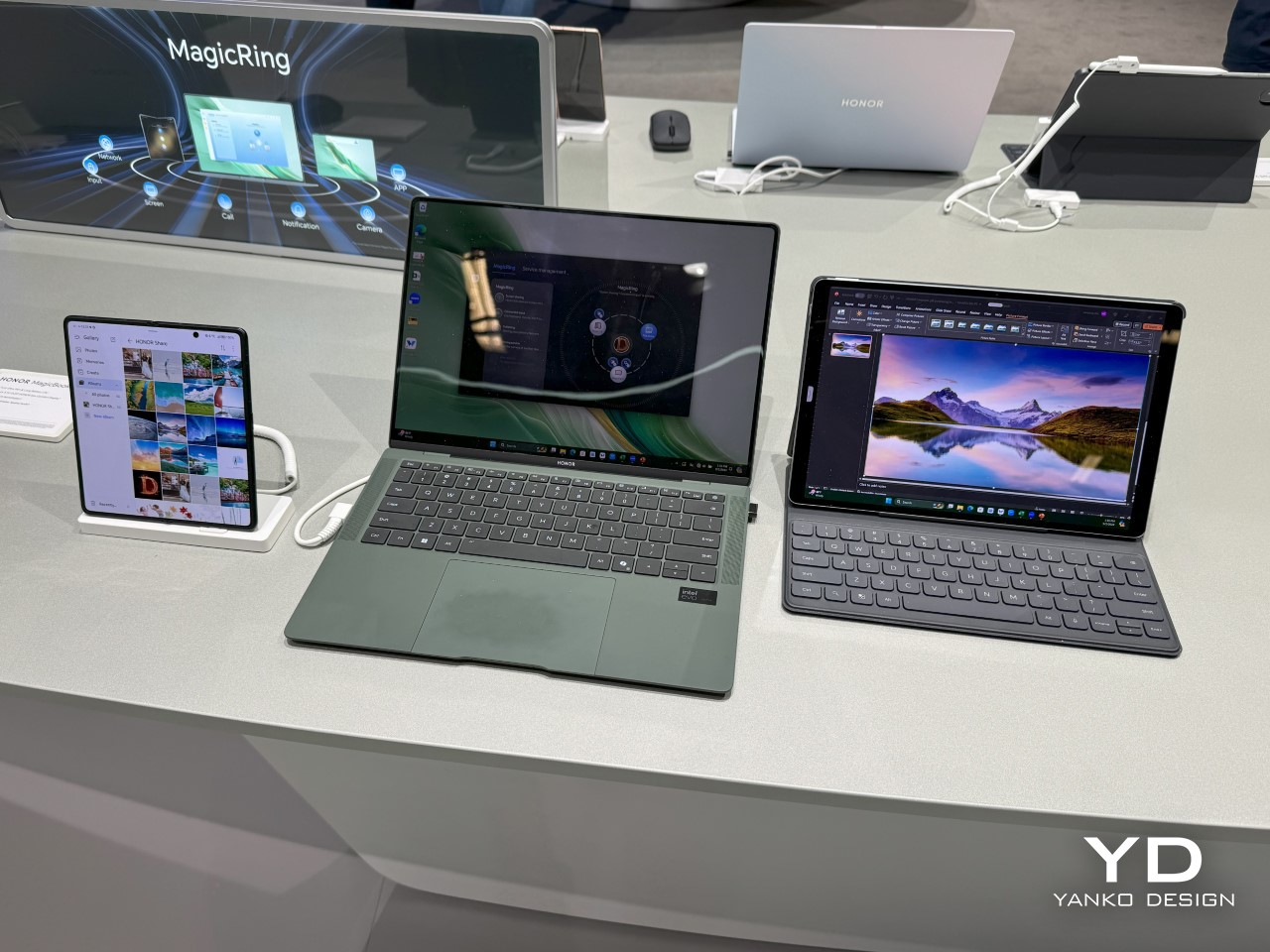
I strongly believe that we’re at a time when AI vision can make or break a company. With ChatGPT and Google Gemini sucking so much air out of the room, it’s difficult for smartphone brands to implement AI on their own, but Honor seems to have found an incredible niche. Demonstrated during their keynote on both the 5th as well as 6th of September at IFA, Honor highlighted a few standout AI features on their devices. The phones, tablets, and laptops have AI-powered two-way noise canceling – this means the device not only cancels noise on audio going out, but also on audio coming in. So you could be talking to someone who’s in a noisy environment, and your AI noise canceling will process their noisy audio. Other AI features include their drag-to-search on the Magic V3 folding phone and the MagicPad 2 tablet… but by far the most impressive use of AI is in Honor’s deepfake detection technology that works for both audio as well as video deepfakes. Relying on an ability to catch scammers and phishers in the act, the Magic V3, MagicPad 2, and MagicBook Art 14 all have this new technology working seamlessly to prevent you from being scammed or frauded by deepfake calls.

4. Google Gemini in Pixel Devices
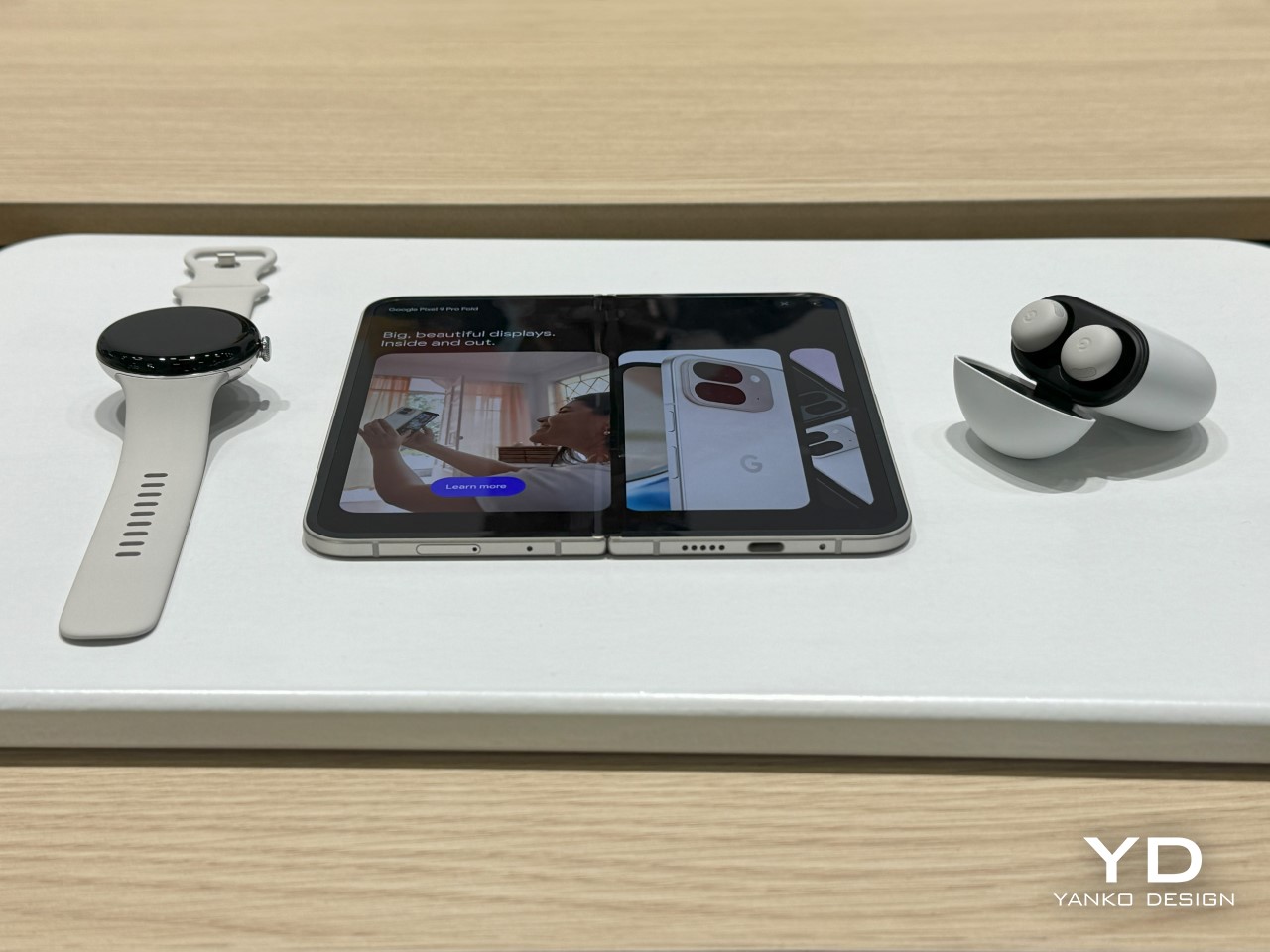
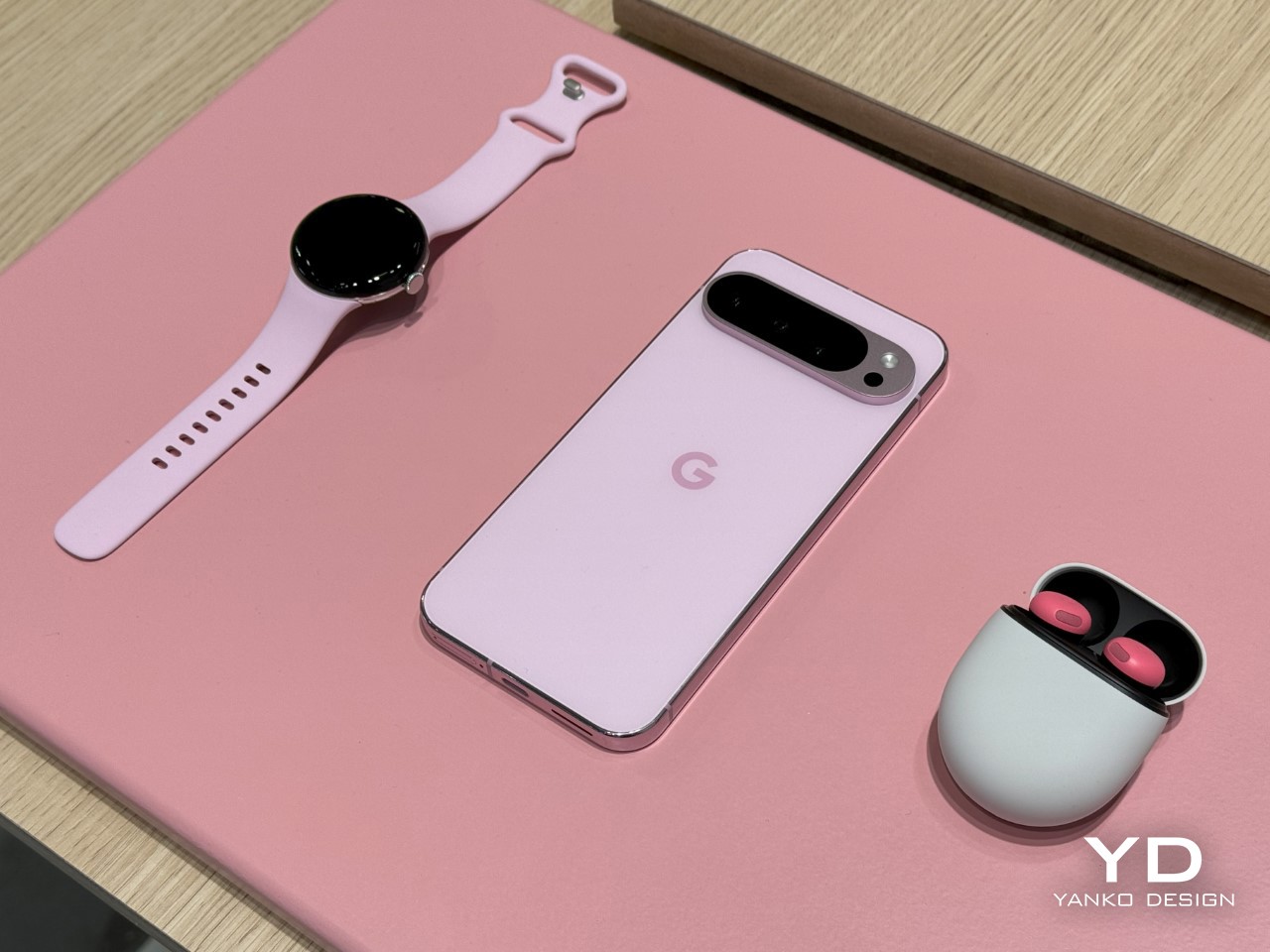
Talking about AI is incomplete without talking about its biggest players – Google. With a dedicated booth at IFA this year, Google invited people to play with their latest devices, the Pixel Buds, the new Pixel Watch, and the Pixel 9, 9 Pro, and 9 Fold devices. It’s different hearing about AI features in a keynote versus actually seeing them in real life, which is why Google had a dedicated Gemini space at their booth, where consumers could go and get a first look at the new Gemini features coming on Pixel devices later this year. This included the new powerful voice assistant, along with Google’s upgraded AI image-editing tools, as well as the newly unveiled Pixel Studio feature.

5. Samsung SmartThings and AI-powered Bixby

Samsung unveiled several AI-powered features at IFA 2024, highlighting its commitment to “AI for All.” The SmartThings platform showcased AI capabilities for security, sustainability, and device control, including the Map View for home monitoring. The Bespoke AI appliances offered personalized solutions, like the Family Hub refrigerator with image recognition and recipe suggestions. Samsung also introduced a timely upgrade to its AI voice assistant, Bixby, at IFA 2024. The enhanced Bixby delivers more personalized services based on the user’s voice and location, allowing for greater interaction with home appliances and devices. It adapts to the user’s daily routines, offering tailored solutions, whether adjusting appliance settings or integrating with other SmartThings-enabled devices.

The post Top 5 AI Innovations at IFA 2024 That Redefine User Experience first appeared on Yanko Design.

Hisense at IFA 2024: A Glimpse into the Future of Smart Living with CanvasTV, ULED X, and the Power of ConnectLife

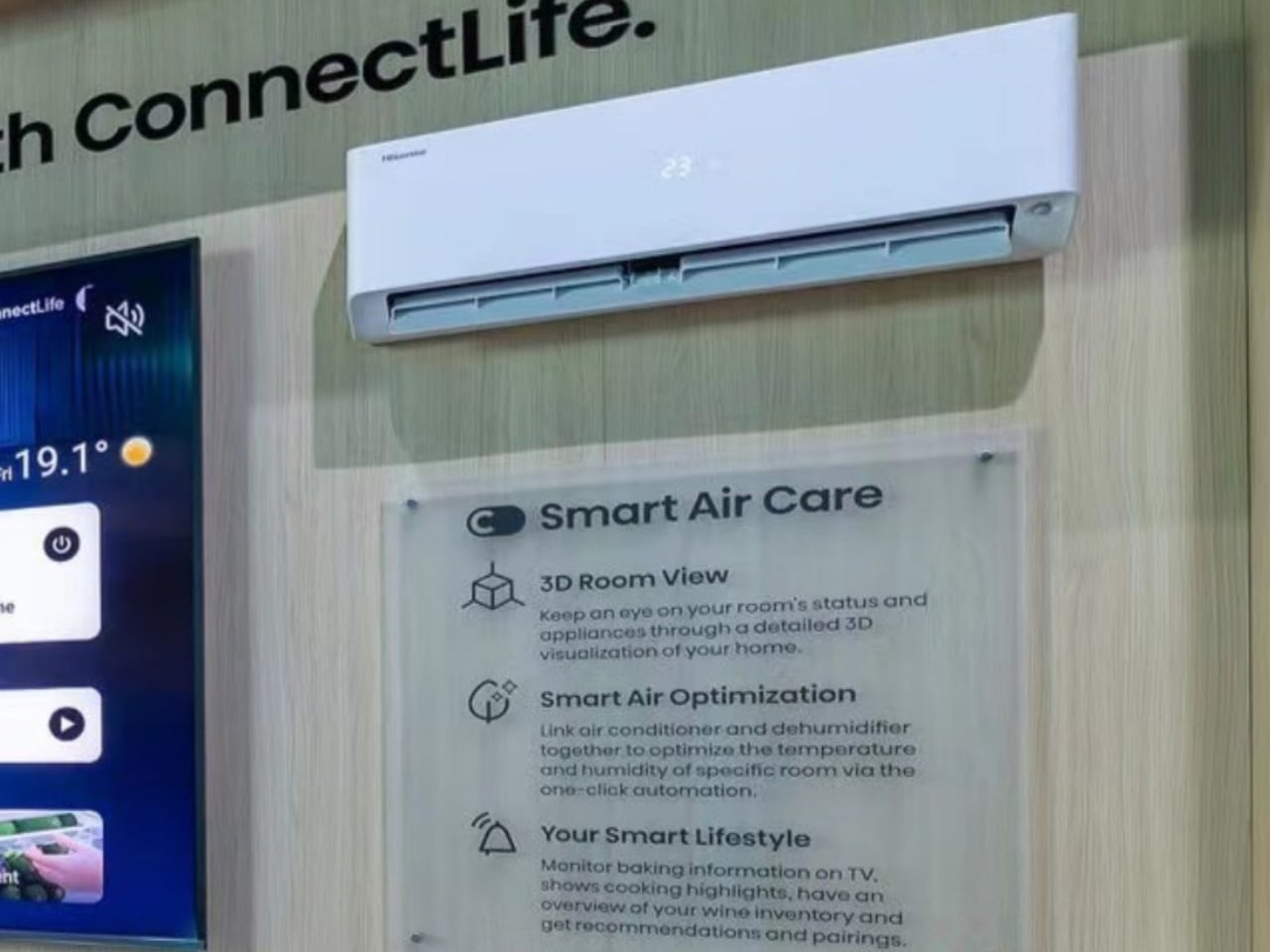
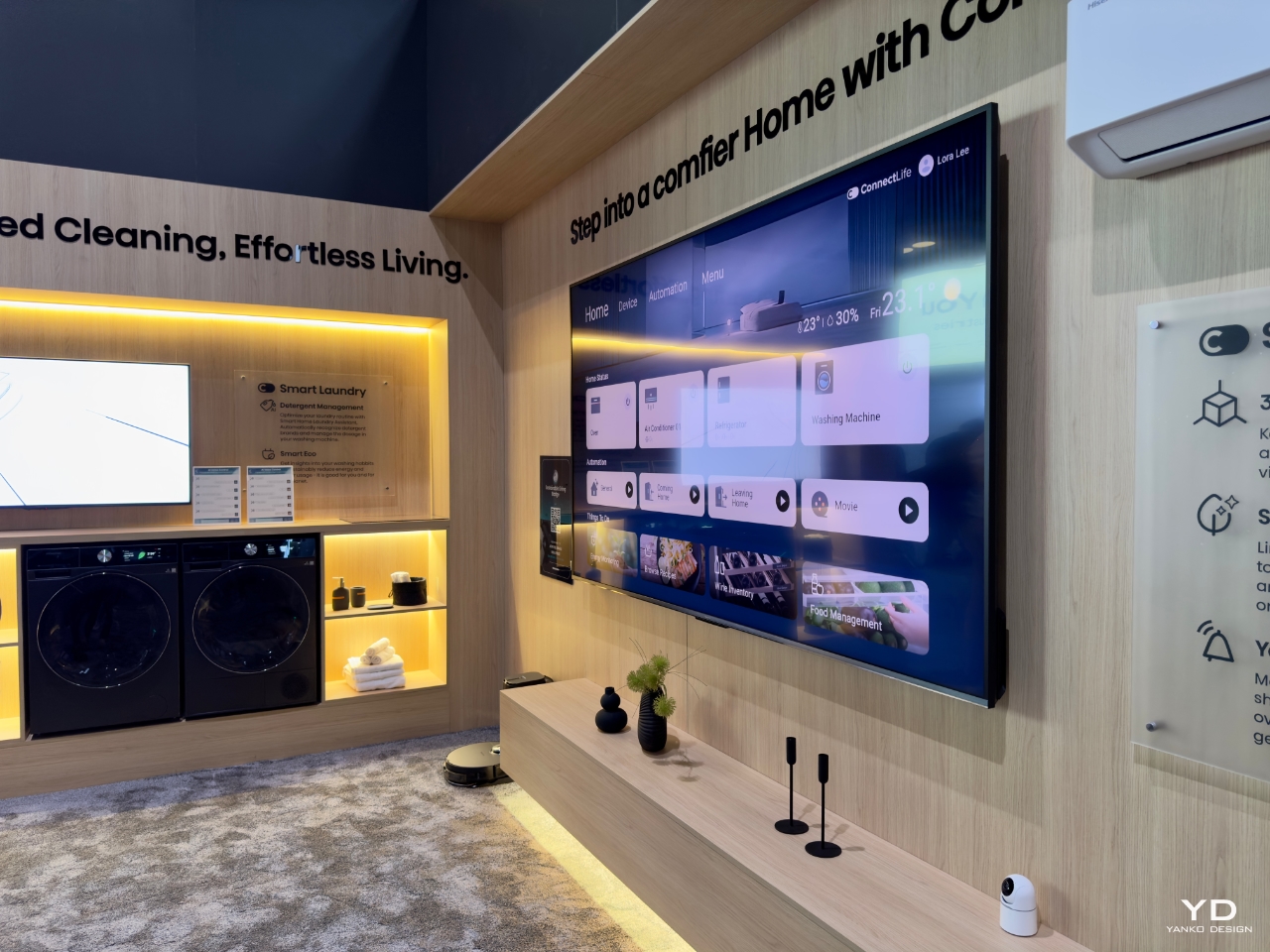
At IFA 2024, Hisense captivated audiences by unveiling their ConnectLife ecosystem—an interconnected smart home platform that integrates appliances, entertainment systems, and climate control into one seamless experience. Leif Lindner, CEO of IFA Management GmbH, separately discussed Hisense’s role in reshaping modern living, highlighting how ConnectLife is pivotal in transforming homes into intelligent spaces that adapt to the user’s habits and preferences. The subsequent product demonstration by Aljosa Cizl, product manager for ConnectLife, gave a practical, hands-on view of how these connected systems operate together to make life easier and more intuitive.

Designer: Hisense

During the walkthrough, Aljosa Cizl, product manager for ConnectLife, showcased how the platform simplifies household management. From a single app, users can control every smart device in the home, from air conditioners and refrigerators to ovens and washing machines. The ConnectLife Hub ensures that all appliances work in harmony, learning from user behavior to optimize energy efficiency and daily routines. Cizl emphasized that ConnectLife is more than just remote control—it’s about making homes respond to daily life without the user needing to intervene at every step.

ConnectLife: The Backbone of a Smart Home

At its core, the ConnectLife platform acts as the brain of the modern home, offering real-time updates, automated suggestions, and remote management of appliances. Whether adjusting climate settings before you arrive home or setting a meal plan that syncs across your kitchen devices, ConnectLife brings everything together in a user-friendly interface that can be accessed through the ConnectLife app.

Hisense Showcases Innovative Scenario-Driven Tech Solutions at IFA 2024 to Transform Everyday Living Experiences

Aljosa Cizl demonstrated how refrigerators, ovens, air conditioners, and other appliances integrate into a smart ecosystem that simplifies the user’s life. For example, the Hisense PureFlat Smart Series Refrigerator can track food inventory, provide meal suggestions based on available ingredients, and sync with the oven to automatically prepare a recipe, all while you’re busy with other tasks. The ConnectLife Hub handles these interactions smoothly and learns your preferences over time, ensuring the home adjusts to your needs automatically.

PureFlat Smart Series Refrigerator: The Heart of the Kitchen

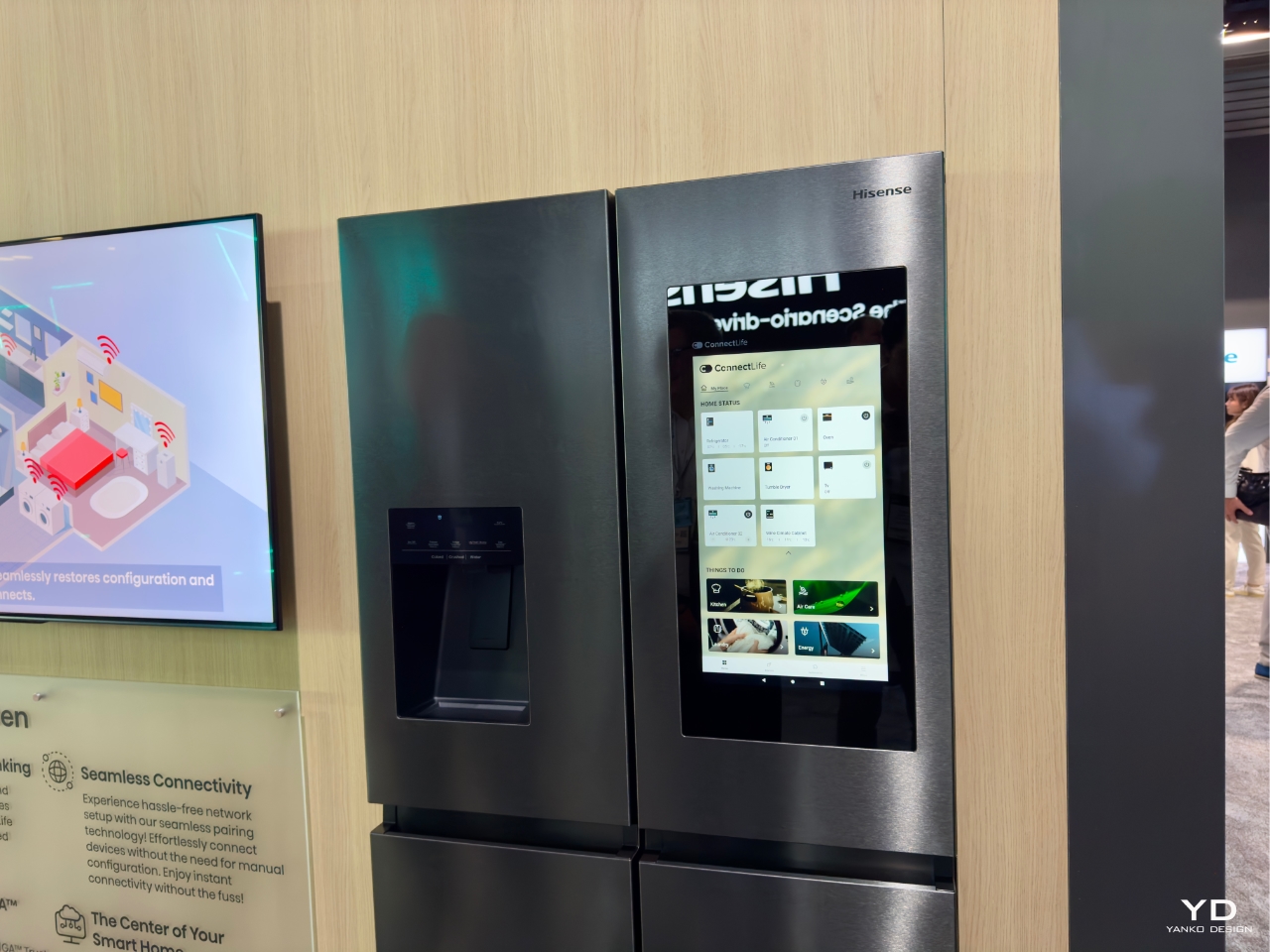
The Hisense PureFlat Smart Series Refrigerator is central to this smart kitchen. Equipped with a 21-inch TFT touchscreen, it acts as the nerve center of the ConnectLife kitchen, keeping track of groceries and suggesting meals through its AI Recipe feature. The system manages ingredients, reducing waste by notifying you of expiration dates and making meal suggestions based on what’s available.

This refrigerator features the My Fresh Choice compartment, offering flexible cooling and freezing options depending on user needs. During the demo, Aljosa Cizl highlighted how the fridge can send recipe instructions directly to the Hi9 Series Oven, ensuring that the entire cooking process—from food storage to preparation—is integrated and automated. The fridge also has an AI Eco Mode that optimizes energy consumption, further demonstrating Hisense’s focus on sustainability.

Hi9 Series Oven: Intelligent Cooking for Any Household

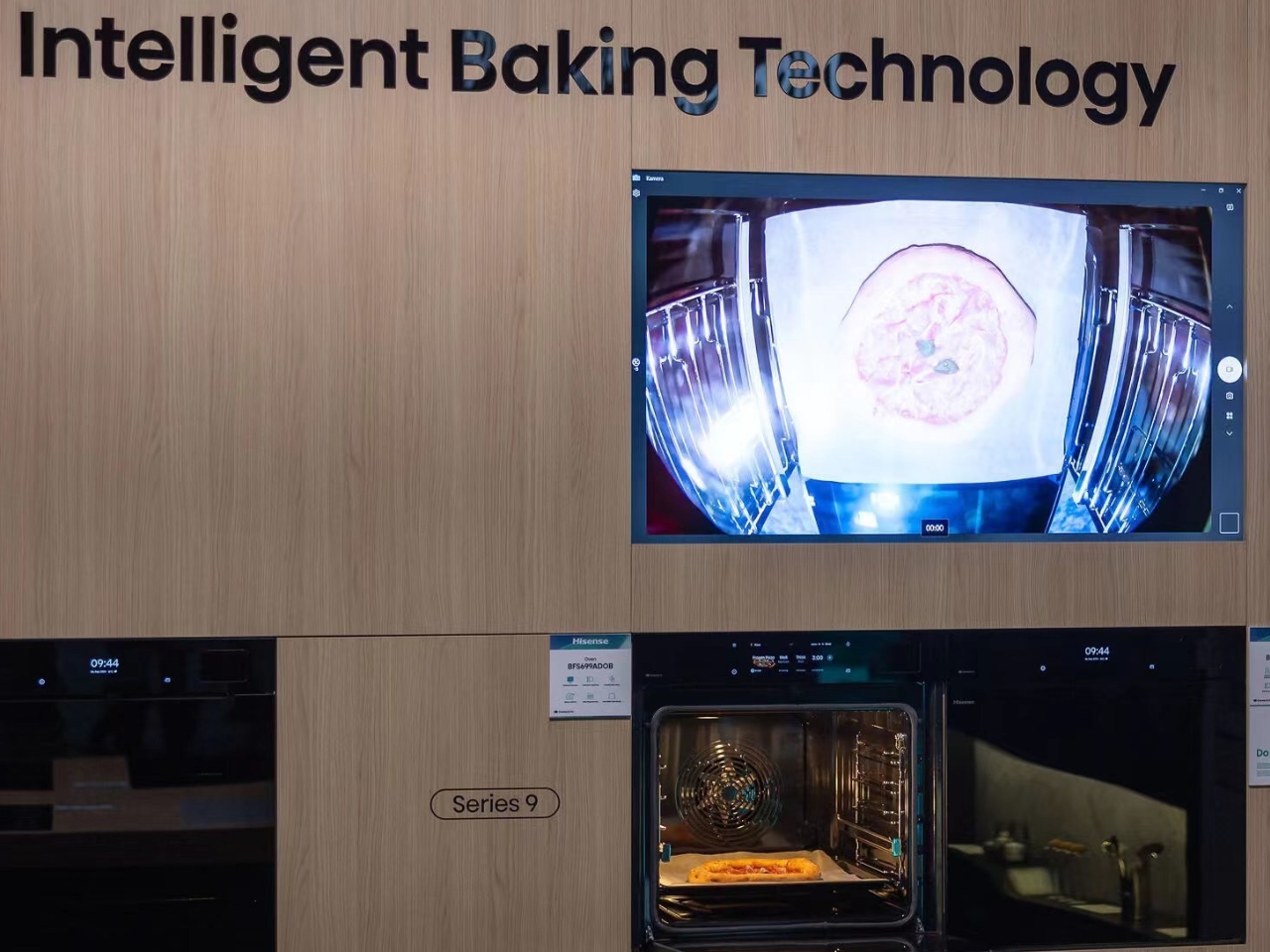
The Hi9 Series Oven is a cornerstone of Hisense’s Smart Kitchen concept. During the demonstration, Aljosa Cizl showed how AI-powered InCamera Technology allows the oven to recognize the type of food inside and adjust the cooking settings for perfect results. Whether baking, roasting, or air frying, the oven offers over 140 pre-programmed recipes accessible through the TFT screen, providing a hands-free cooking experience.

Safety and maintenance are key with features like Auto Door Opening and Auto Lock, while cleaning becomes effortless thanks to Pyrolytic Self Clean and Steam Clean Pro technologies. The oven’s integration with ConnectLife allows you to preheat or adjust the oven remotely, making it easy to manage meals, even when on the go.

Series 7i Washing Machines: Optimizing Laundry Through AI

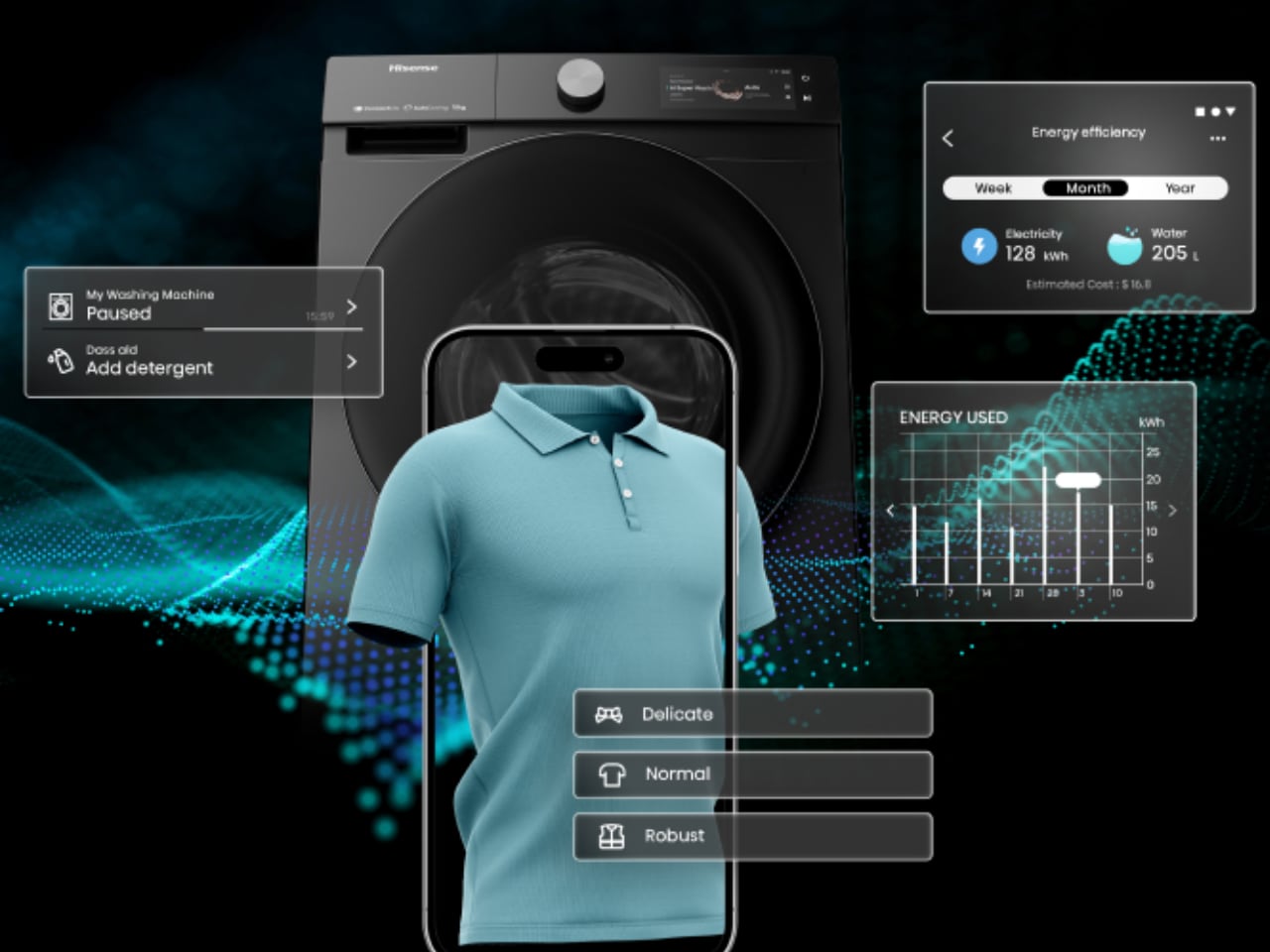
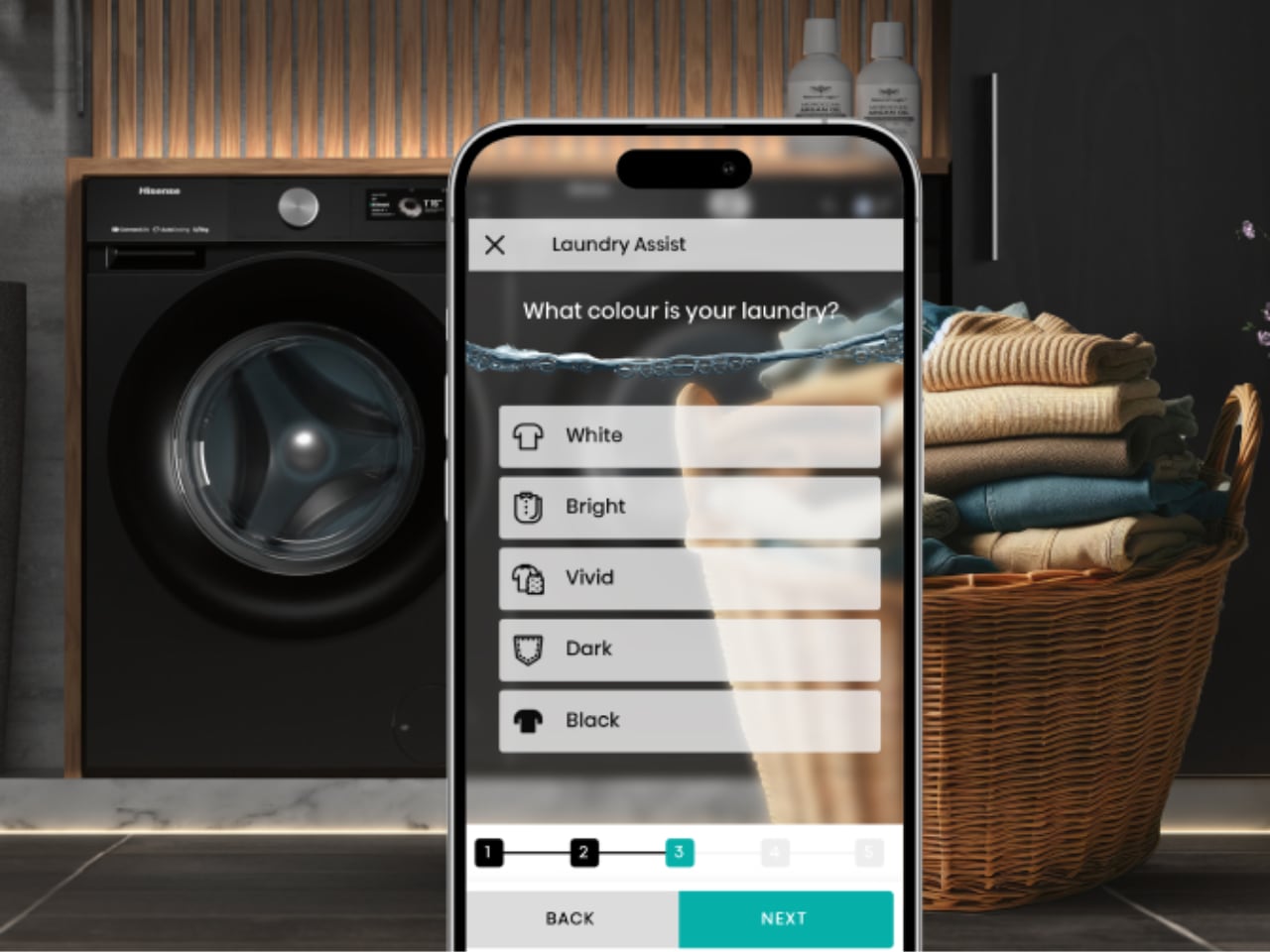
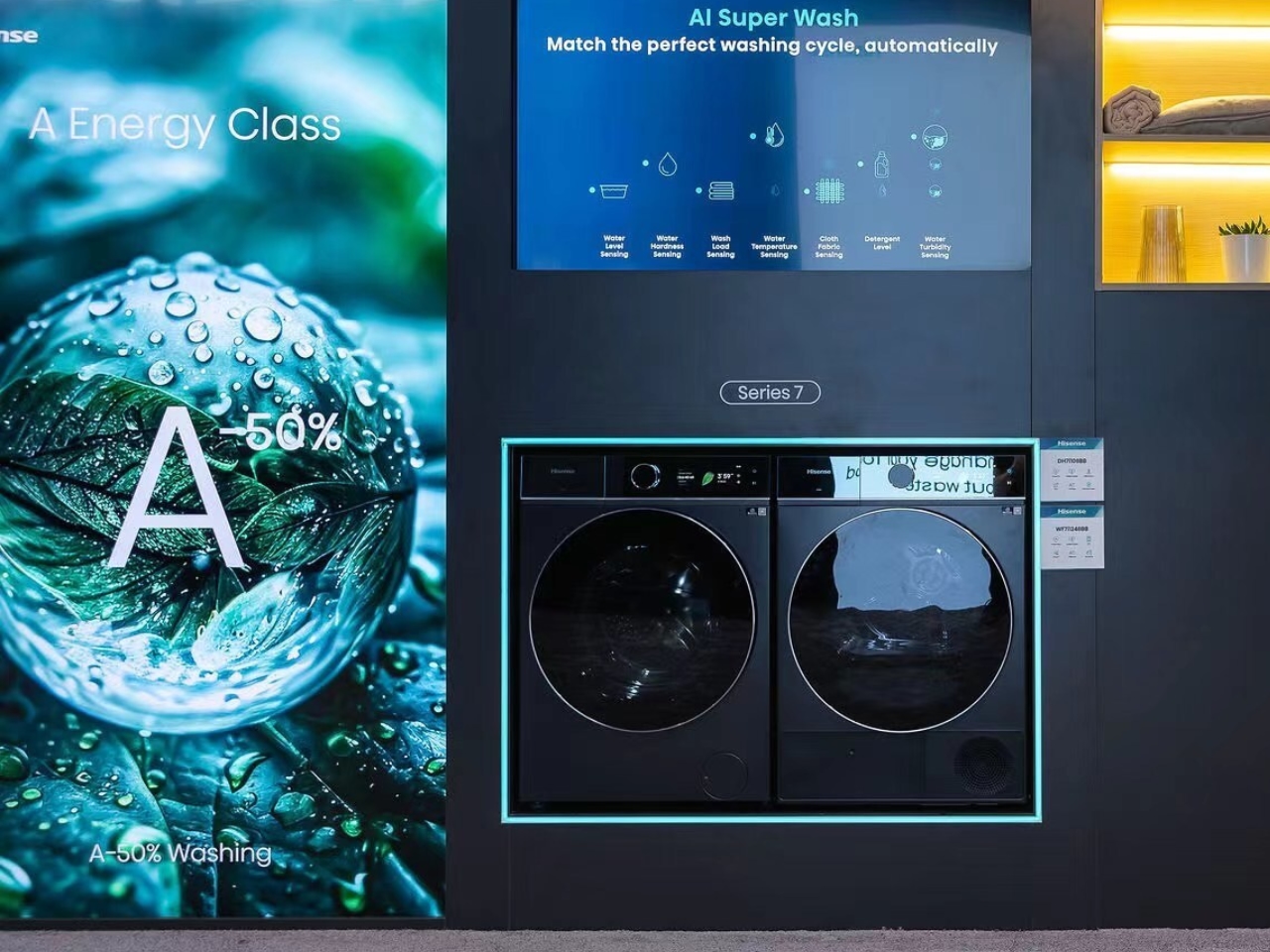
Hisense’s Series 7i Washing Machines continue the trend of AI-powered efficiency. These machines come with AI Super Wash, which adjusts the washing cycle based on fabric type, load size, and dirt level. The iPlay™ Intelligent Display simplifies user interaction, while the iJet™ three-channel spray system ensures that clothes are thoroughly cleaned with minimal water use.

For drying, the Series 7i Tumble Dryer uses AI Super Dry and a 3D Humidity Sensor to monitor moisture levels and prevent over-drying, preserving fabric quality. The iFit™ design allows these machines to fit easily into compact spaces, while ConnectLife lets users manage the entire laundry process remotely, receiving notifications when cycles are complete.

Energy Pro X Air Conditioners: Comfort and Air Quality Combined

Hisense Energy Pro X Air Conditioners regulate temperature and improve air quality through HI-NANO technology, which eliminates bacteria and allergens. With AI Smart Airflow, the system adjusts the direction of air based on where you are in the room, ensuring comfort while reducing energy use.

The TMS Control System takes climate control a step further by managing both temperature and humidity, providing a comfortable environment year-round. These air conditioners integrate fully with ConnectLife, allowing users to adjust settings from their phones, ensuring that their home is always ready for their return.

CanvasTV: Merging Art and Entertainment

Hisense’s CanvasTV was a highlight at IFA 2024, earning Yanko Design’s Best of IFA 2024 Award. The CanvasTV transforms the living room into a personal gallery with its Art Mode, which displays artwork or personal photos when the TV is not in use. With its sleek UltraSlim Wall Mount, the CanvasTV blends effortlessly into the home’s decor, offering entertainment and aesthetic value.

The Hi-Matte Display ensures stunning visuals in any lighting condition, eliminating glare while providing crisp, vibrant colors through Quantum Dot technology. The RGB light sensor adjusts brightness and color temperature automatically, making the viewing experience seamless at any time of day. Gamers will appreciate the 144Hz Game Mode PRO, which provides ultra-smooth gameplay, supported by AMD FreeSync Premium and Auto Low Latency Mode. More than just a TV, the CanvasTV acts as a central hub for smart home control through ConnectLife, giving users access to all their connected devices with the touch of a button.

ULED U7 and the Black Myth: Wukong Partnership

Hisense made waves at IFA 2024 with their ULED U7 series, designed specifically for gamers. The ULED U7 was showcased in partnership with the highly anticipated game Black Myth: Wukong, emphasizing Hisense’s dedication to delivering an immersive gaming experience. This TV has a 144Hz refresh rate and FreeSync Premium, ensuring smooth, responsive gameplay with minimal motion blur, making it ideal for fast-paced action games.

One of the standout features of this collaboration is the exclusive Black Myth: Wukong picture mode, which is calibrated to enhance the game’s visuals. The mode optimizes HDR and color calibration, delivering vibrant colors and rich detail, even in darker scenes. This partnership marks a significant step forward for the gaming and TV industries, demonstrating how high-performance technology can elevate the gaming experience.

ULED X Mini LED 110UX: Cinematic Home Entertainment at Its Finest

Hisense’s flagship ULED X Mini LED 110UX delivers a true cinematic experience with over 40,000 local dimming zones and 10,000 nits of peak brightness. These features allow for deeper blacks, brighter highlights, and an incredible level of detail, making this TV perfect for movie lovers and sports fans alike. The ULED X is also certified by Dolby Vision and IMAX Enhanced, ensuring viewers experience films the way directors intended.

As part of the ConnectLife ecosystem, the ULED X allows users to control their home appliances directly from the TV. Whether adjusting the room temperature or checking on dinner in the oven, the ULED X goes beyond entertainment, acting as a central hub for smart home management. With Quantum Dot technology delivering vibrant colors and HDR10+ support for incredible contrast, this TV redefines what home entertainment can be.

A Glimpse Into the Future

Hisense’s showcase at IFA 2024 demonstrated their commitment to creating smart homes that are not just technologically advanced but also deeply intuitive. Through the ConnectLife platform, users can now easily manage everything from cooking to entertainment, knowing that their appliances will work in harmony. Whether through the CanvasTV, ULED U7, or PureFlat Refrigerator, Hisense pushes the boundaries of what connected living can achieve. As AI and IoT continue to evolve, Hisense’s ConnectLife platform sets a promising precedent for the future of smart living, bringing homes one step closer to being fully integrated, intelligent ecosystems.

The post Hisense at IFA 2024: A Glimpse into the Future of Smart Living with CanvasTV, ULED X, and the Power of ConnectLife first appeared on Yanko Design.
iPhone 16: Is it Worth the Upgrade? Here’s What You Need to Know

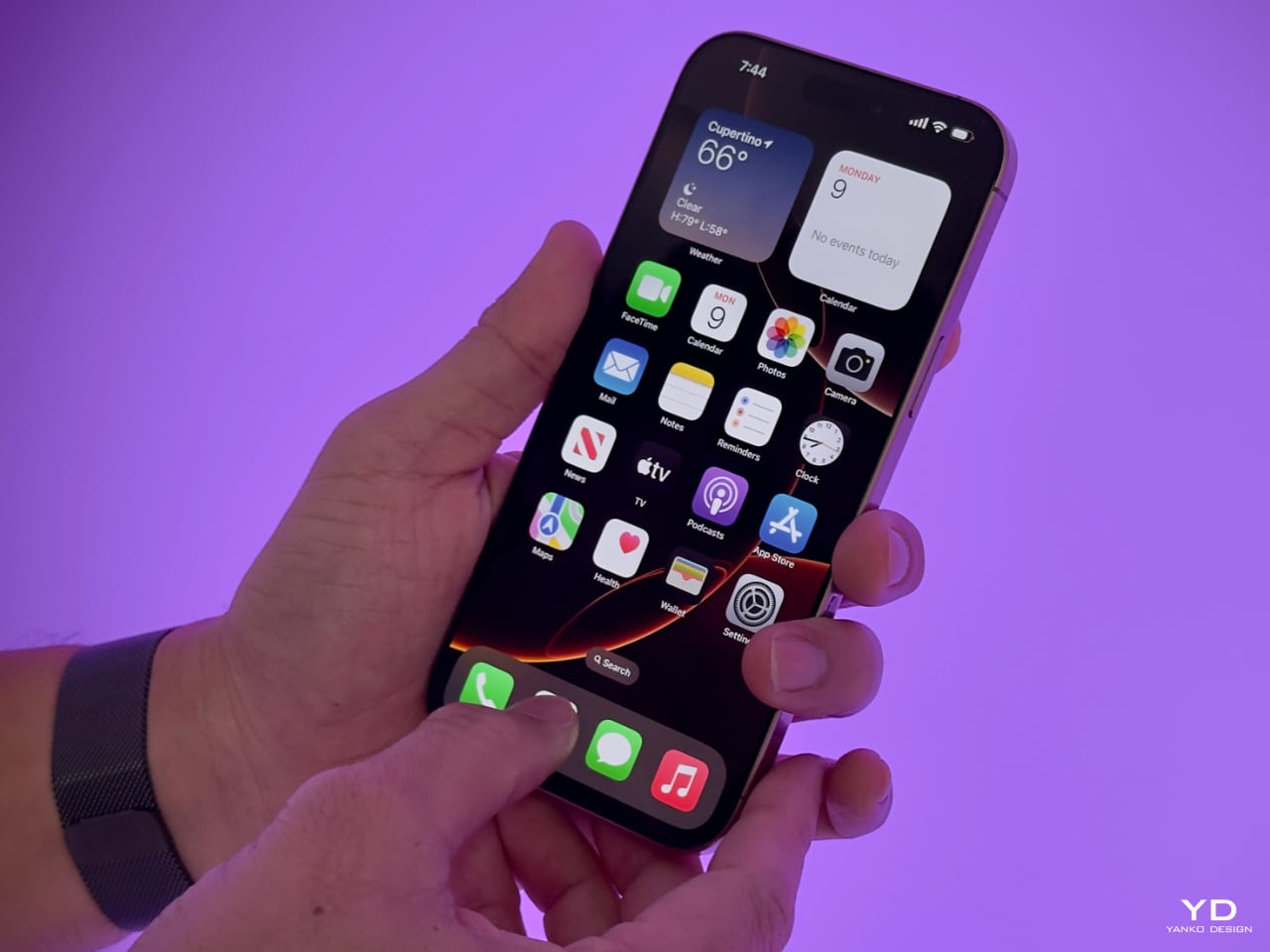
Apple’s latest iPhones are here: the iPhone 16, iPhone 16 Pro, and iPhone 16 Pro Max. With each release, many iPhone owners face the question of whether it’s worth upgrading. These new models bring changes in design, performance, and features, but the decision to upgrade depends on what you’re looking for in a smartphone. Let’s break down what each model offers and whether it’s a meaningful upgrade for you.

Designer: Apple

iPhone 16: The Standard Upgrade

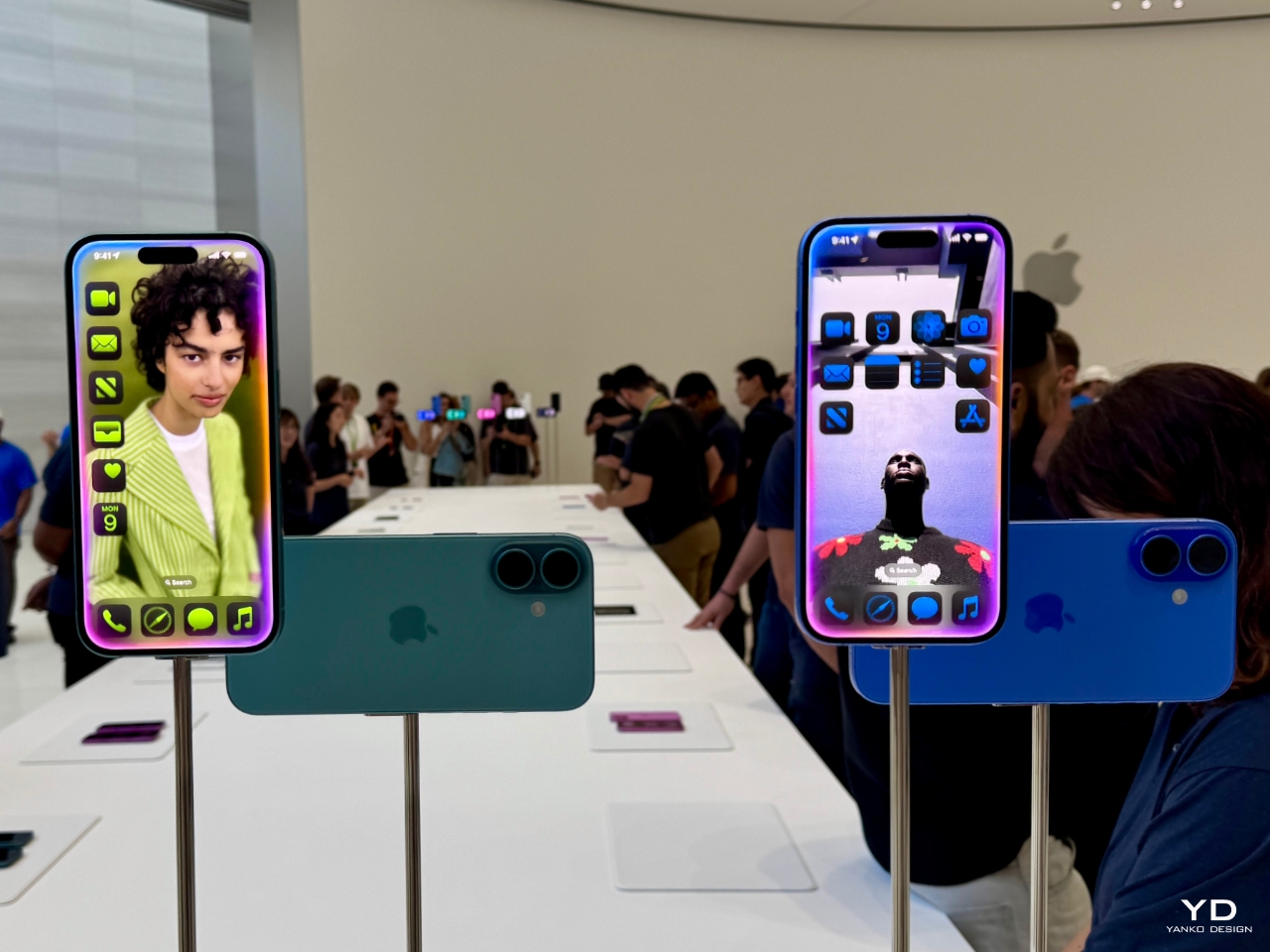
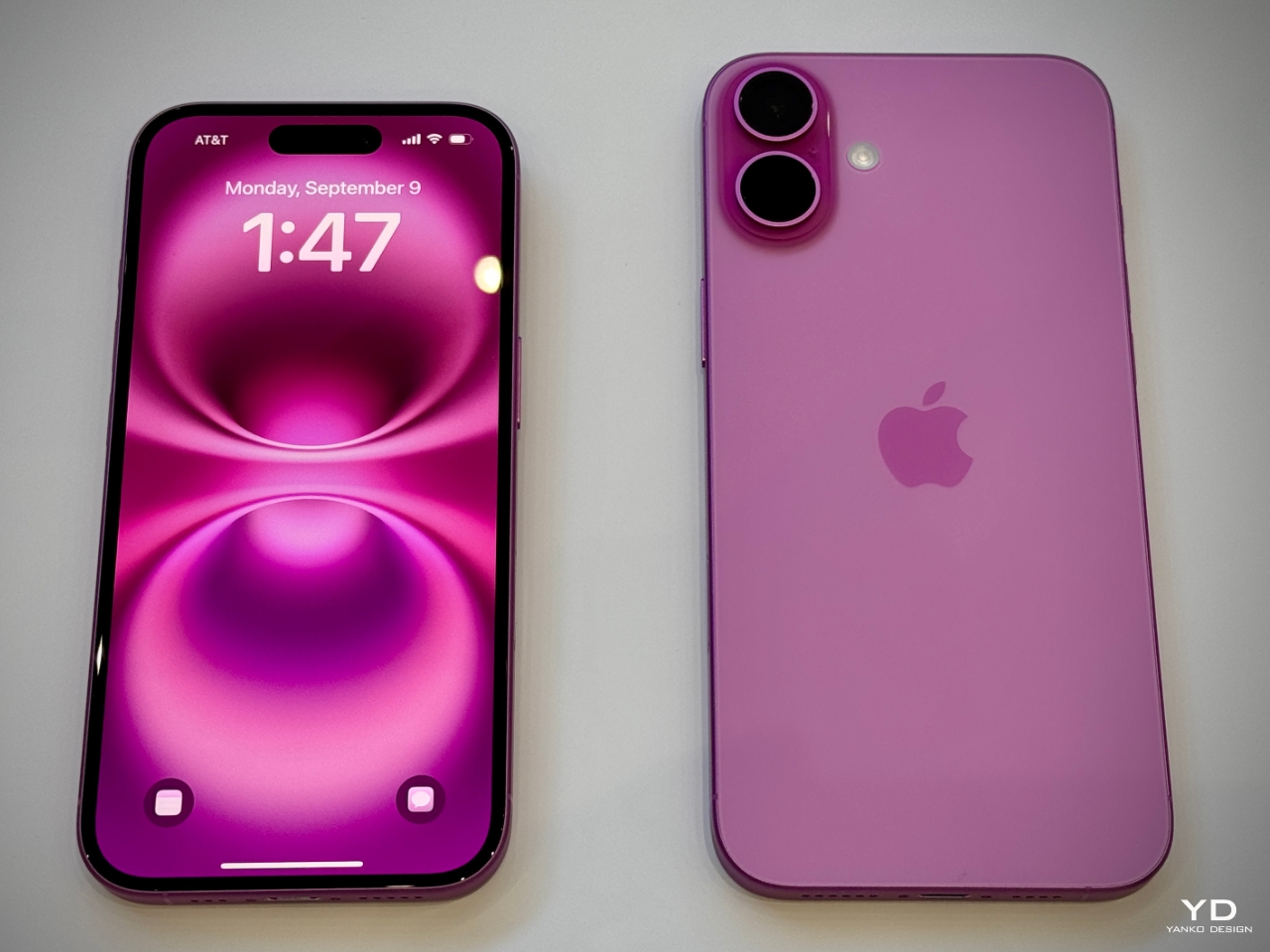
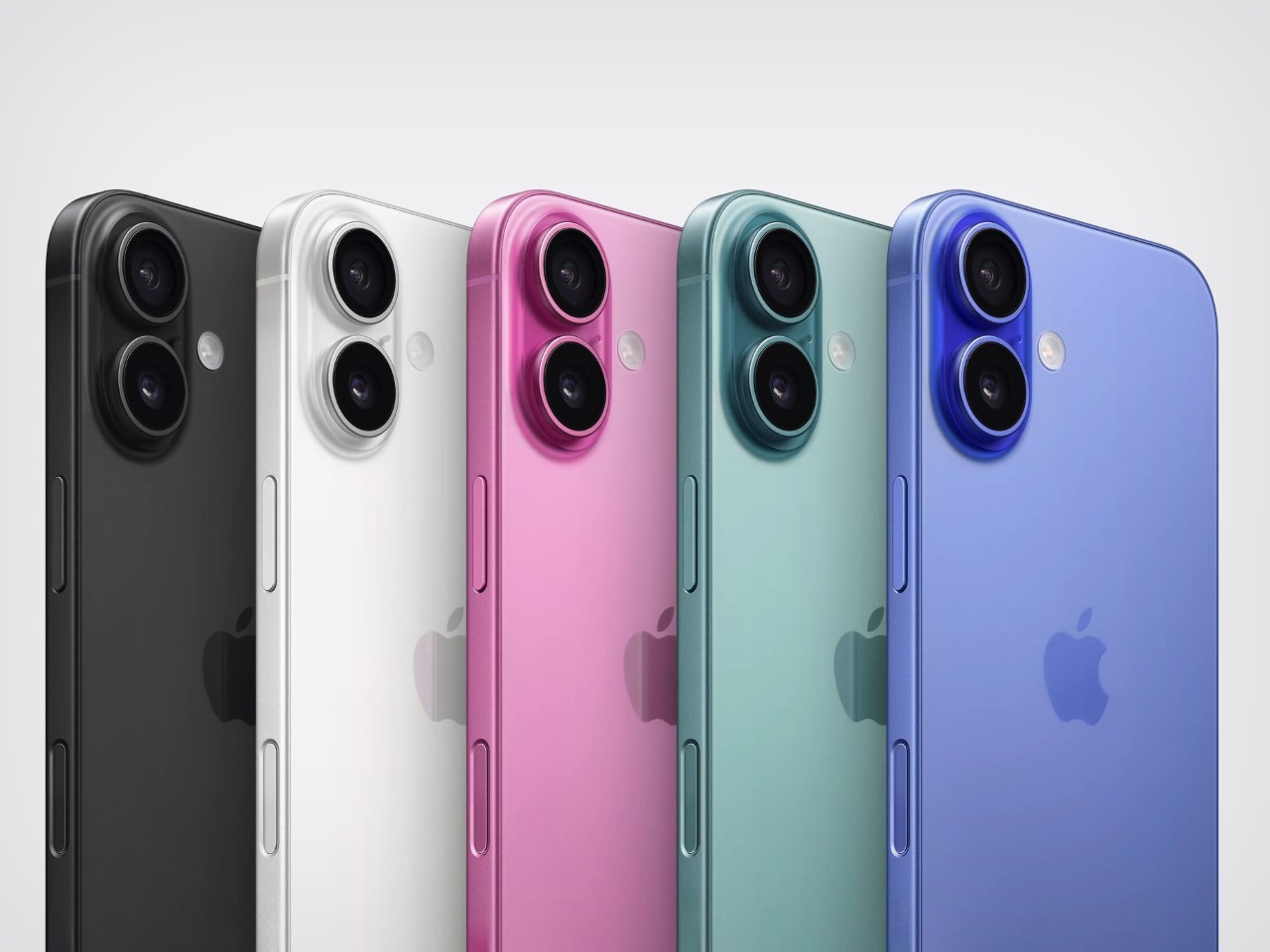
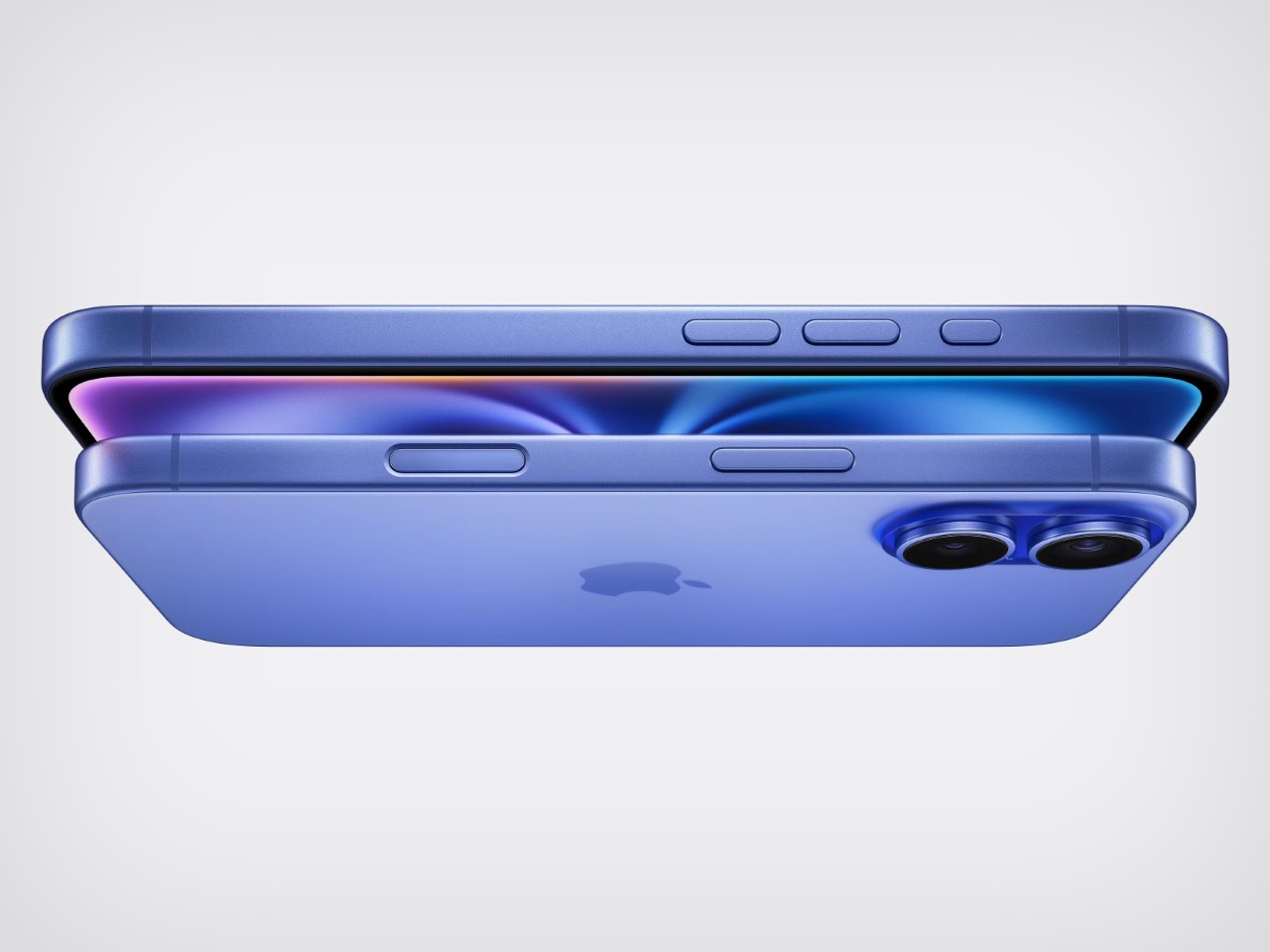
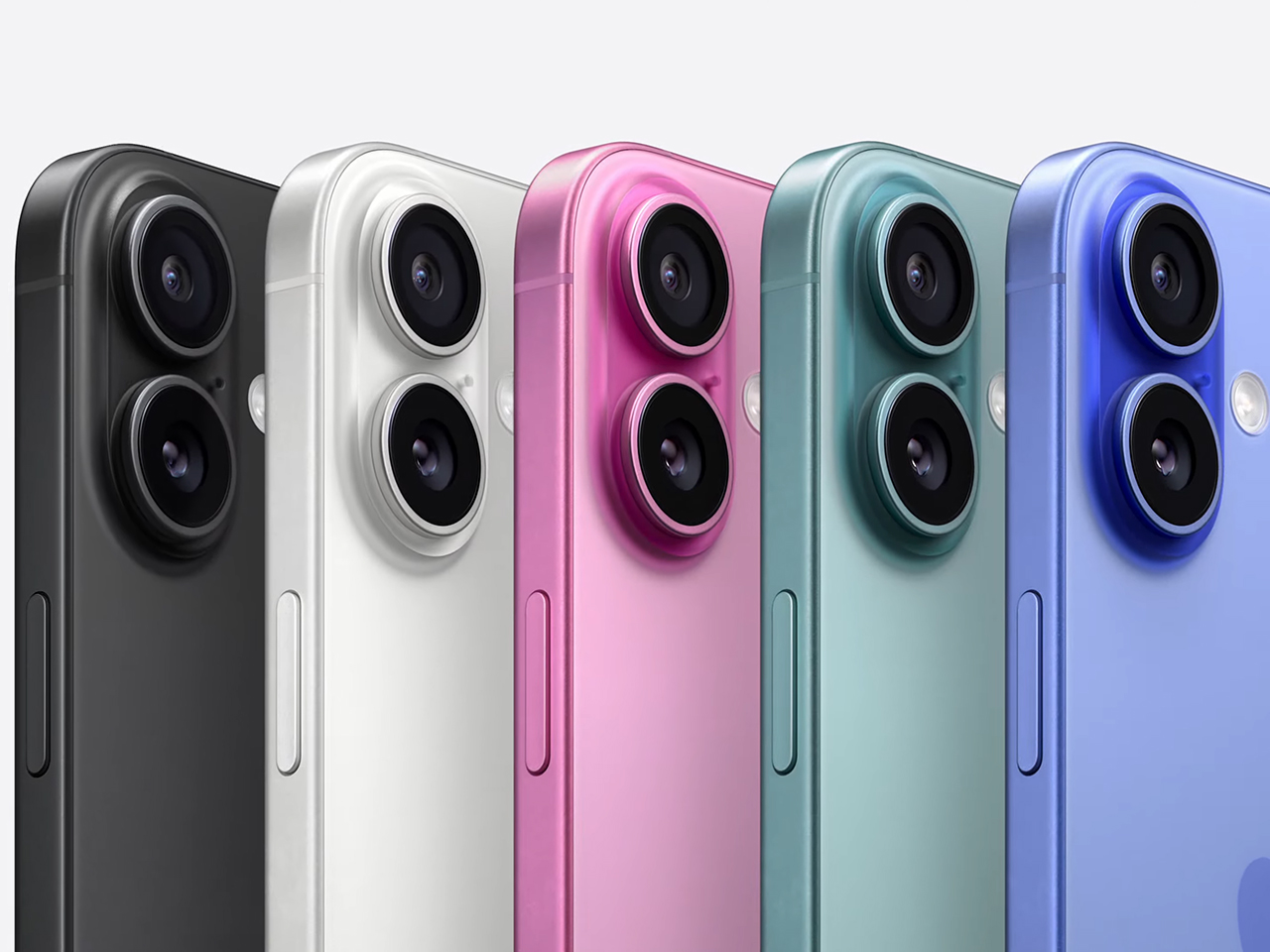
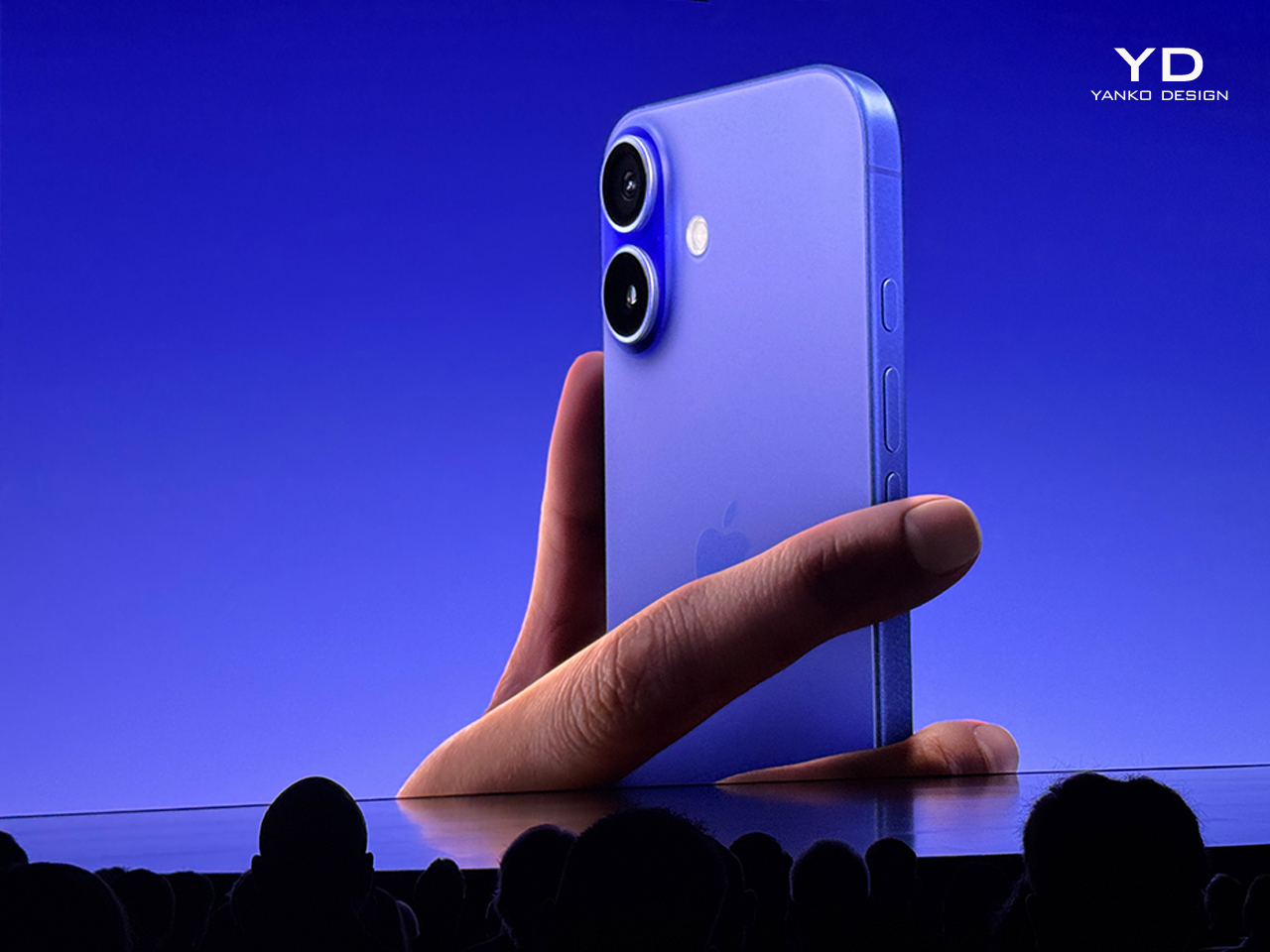
The iPhone 16 sticks to Apple’s familiar formula but includes significant updates. The design remains the same as the iPhone 15, with a 6.1-inch display, Dynamic Island, and a range of new color options, including ultramarine and teal. The Ceramic Shield is now tougher, making it more durable than before, which is great for those who want a more resilient phone.

Apple iPhone 16

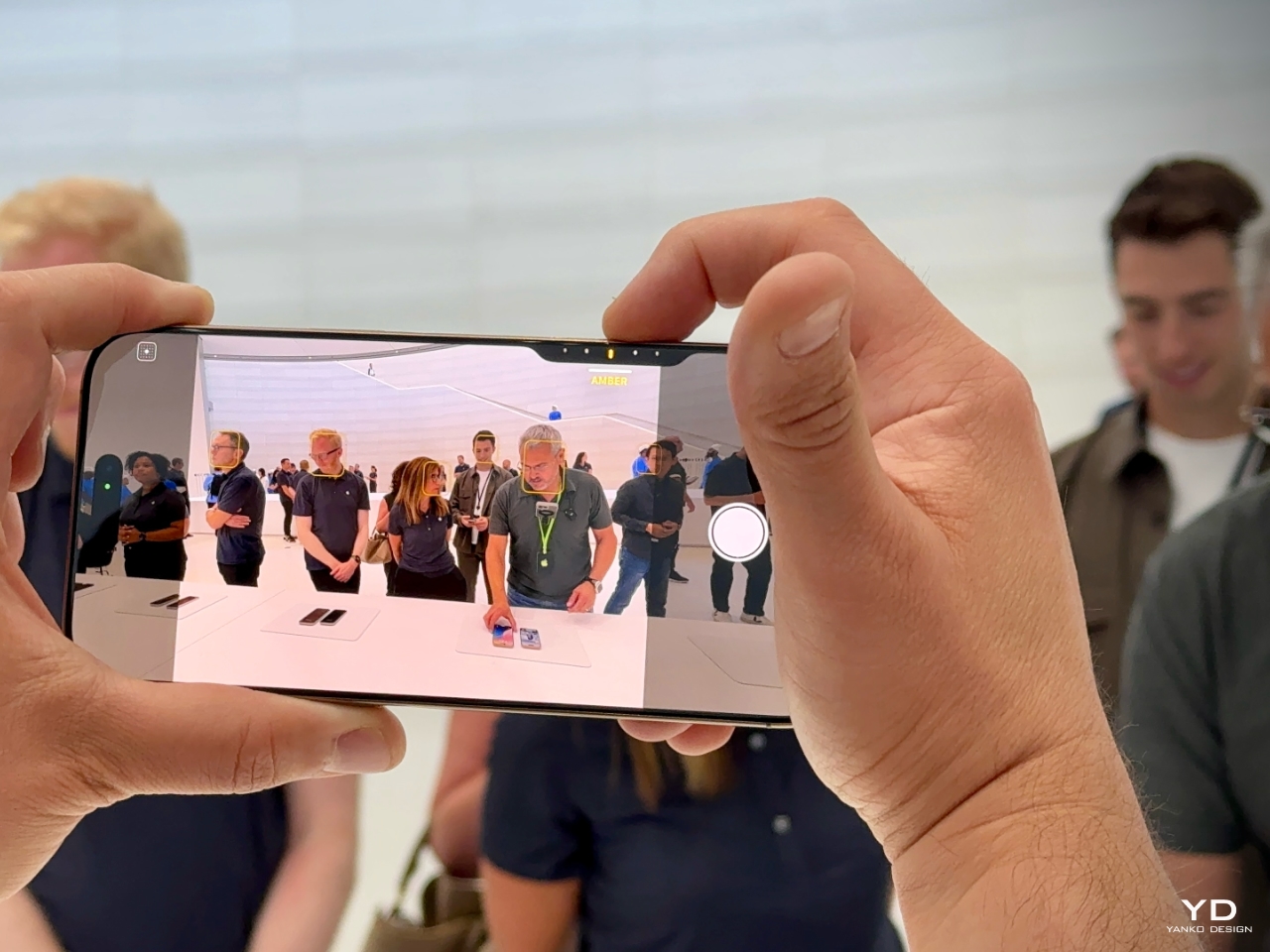
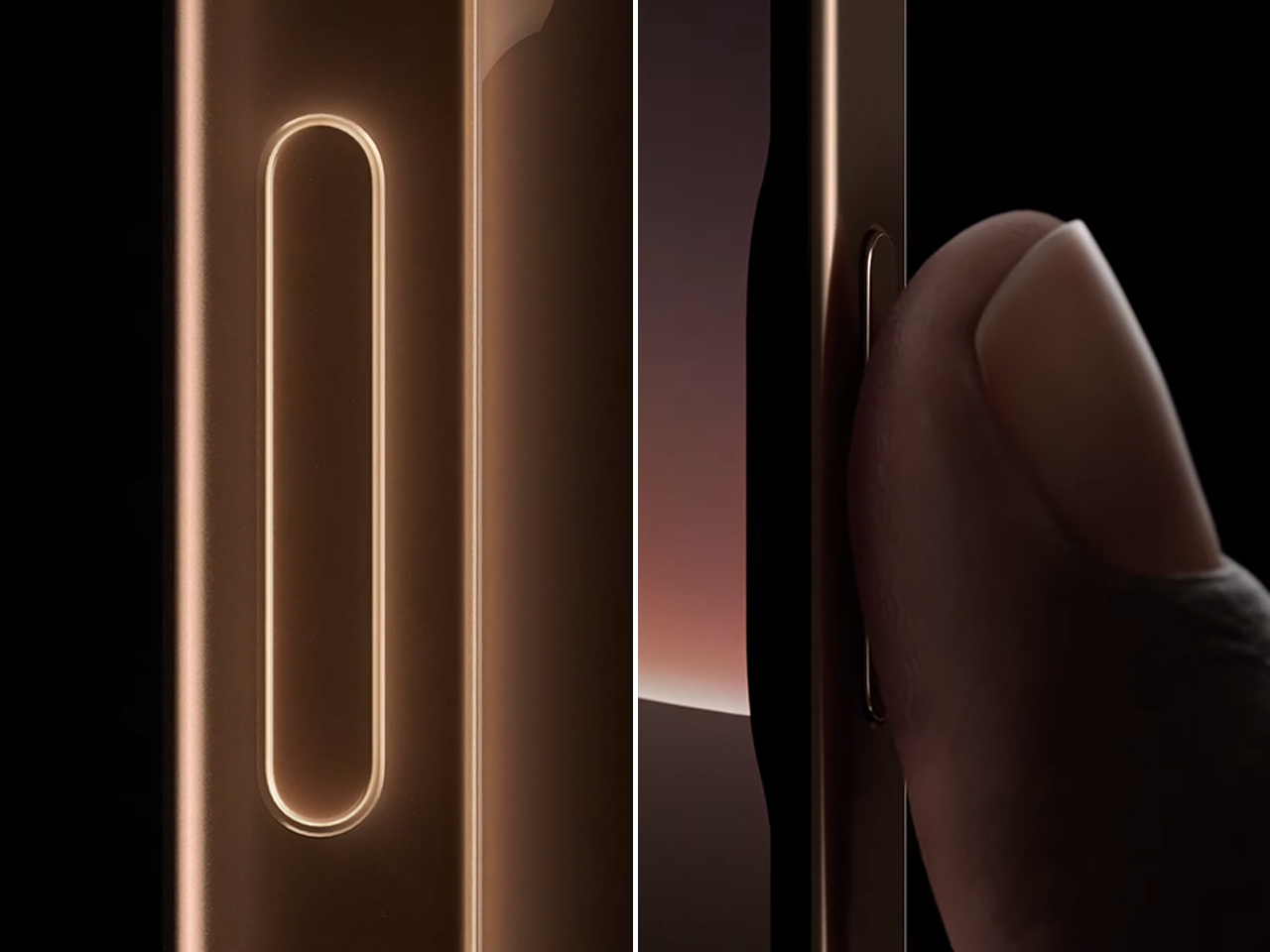
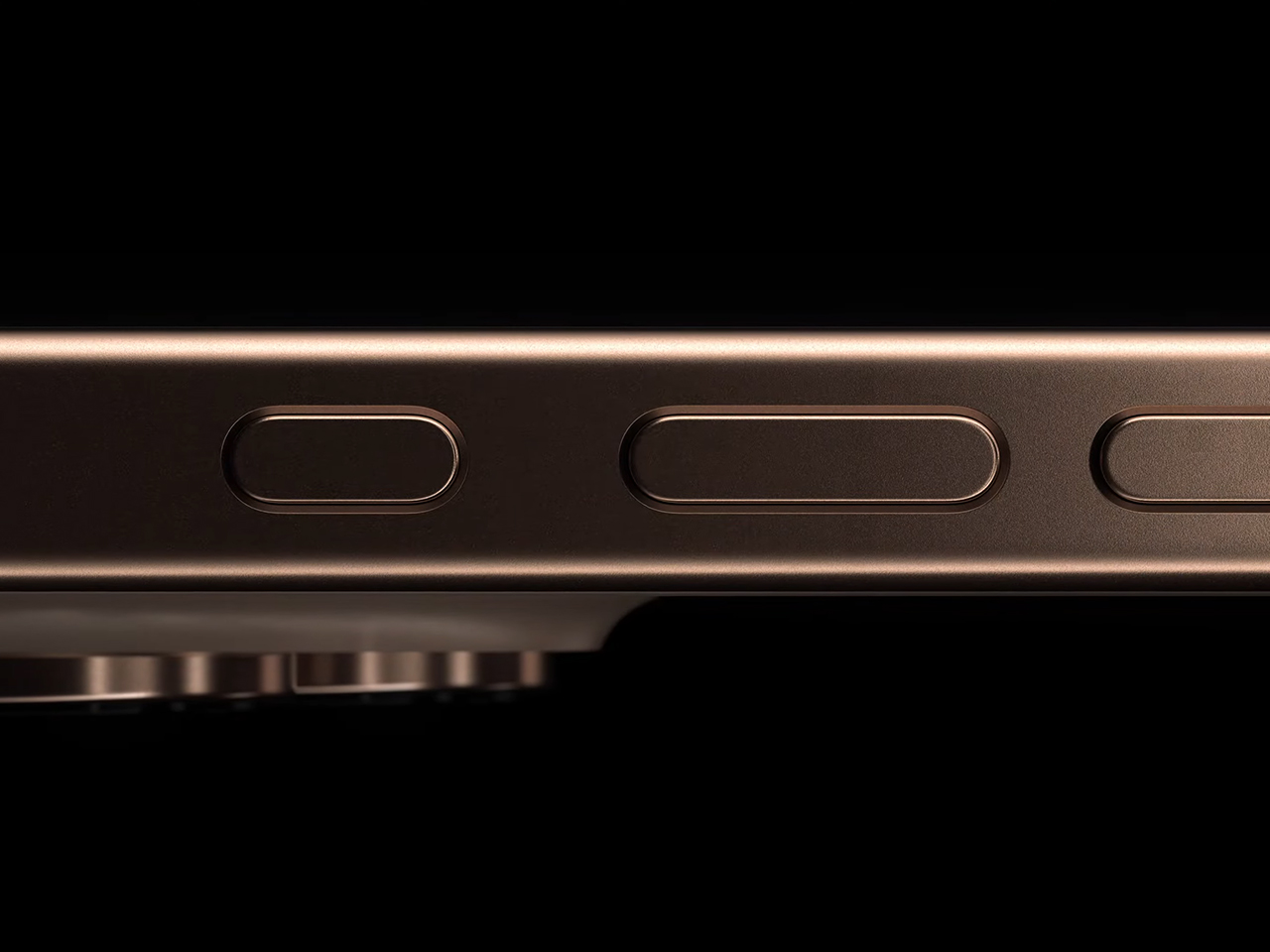
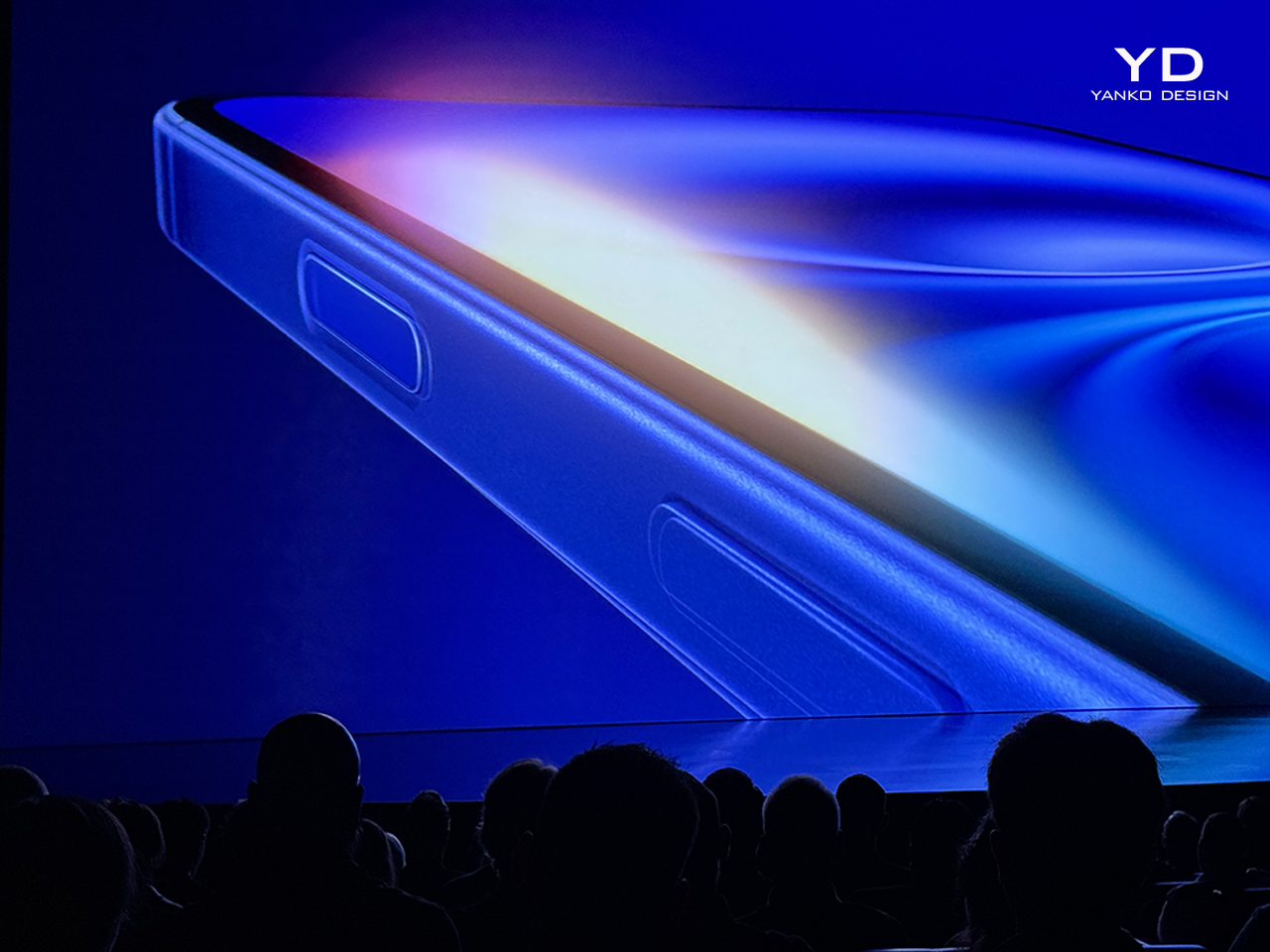
One of the most noticeable additions is the Camera Control button, which gives you easier access to the camera’s functions. This feature lets you tweak settings like zoom and exposure with a simple touch. The 48MP main camera remains, but the Ultra Wide lens is now more powerful, offering improved macro shots and better low-light performance.

Apple iPhone 16

For those who use their iPhone for everyday tasks—like texting, taking photos, and browsing—the iPhone 16 offers solid improvements but nothing groundbreaking. The A18 chip provides faster performance and efficiency, giving you slightly better battery life than older models. Still, if you’re coming from an iPhone 14 or 15, the jump in features might not be enough to justify the upgrade unless you care about the latest camera and design tweaks.

iPhone 16 Pro: Bigger Display, More Power

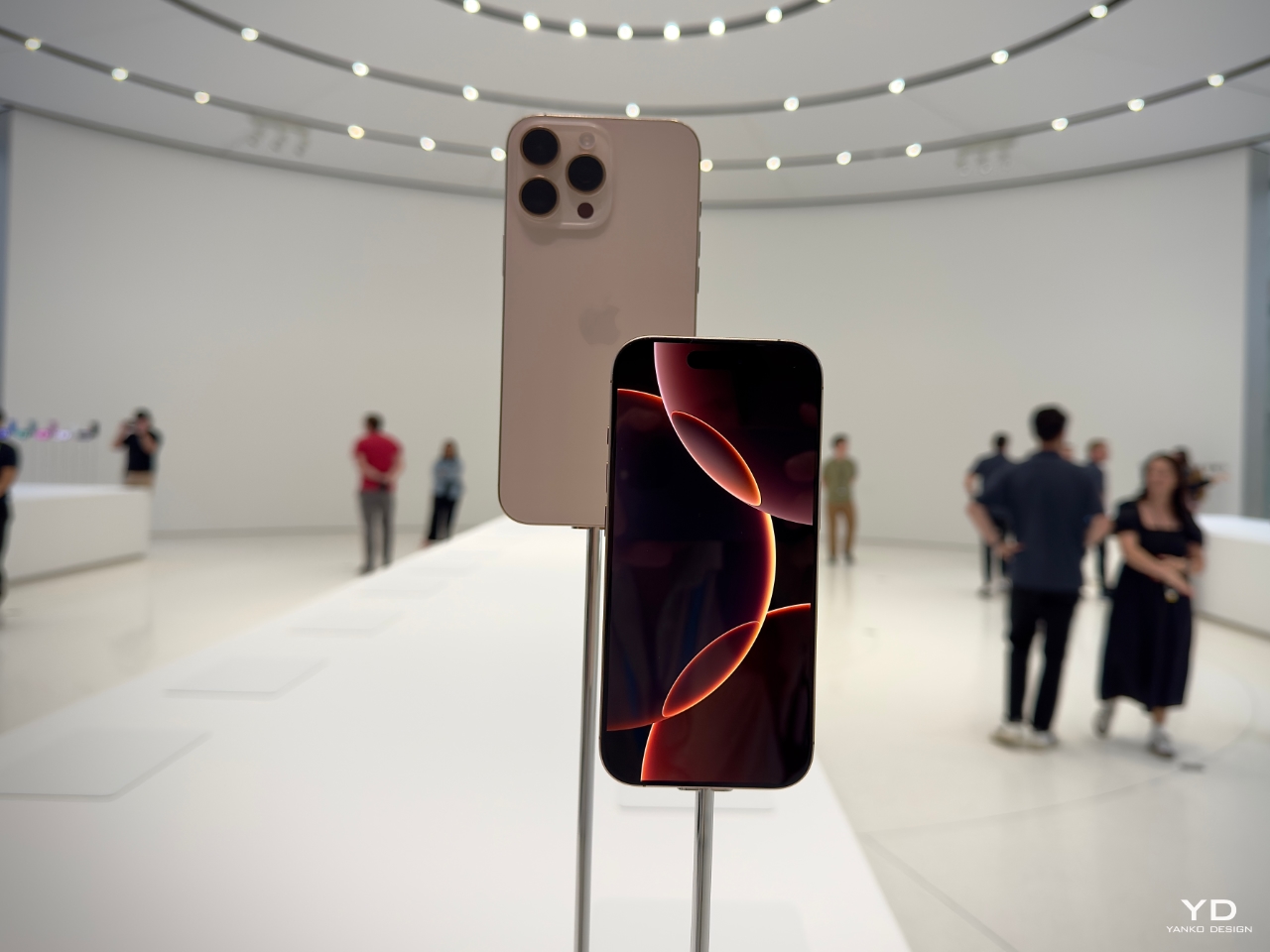
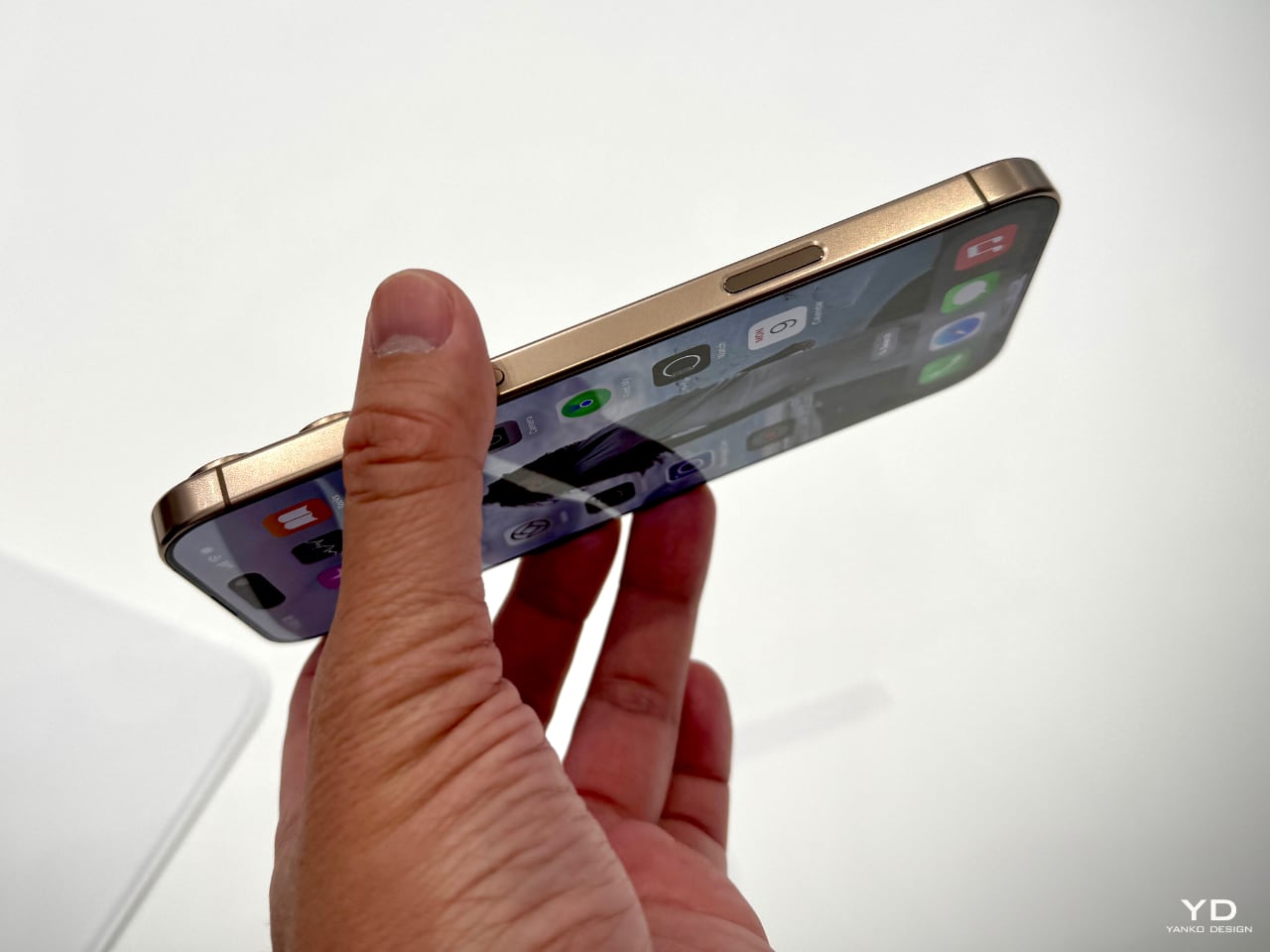
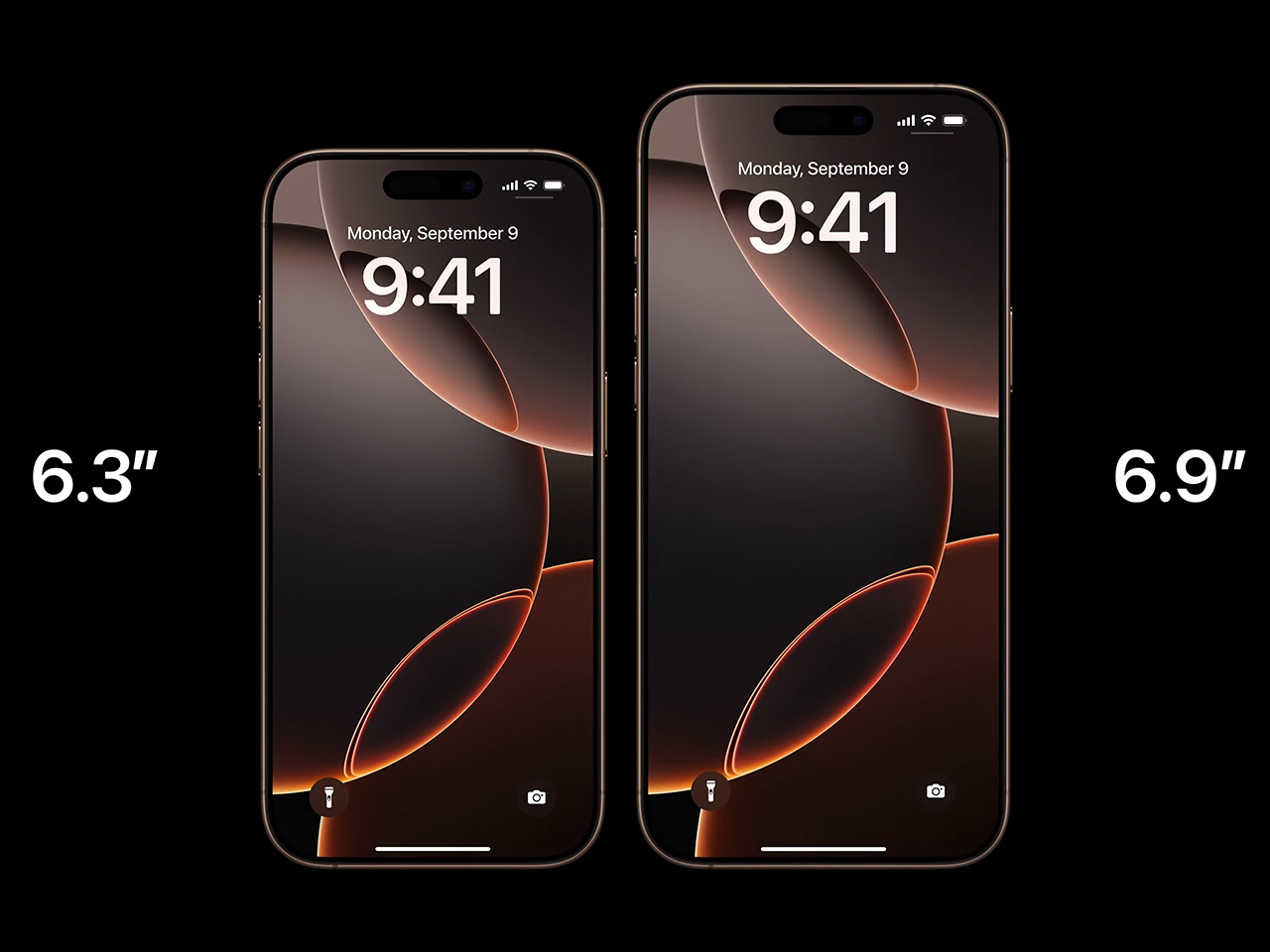
The iPhone 16 Pro is a more compelling option if you’re looking for more advanced features. This model sees an increase in display size, now 6.3 inches, and offers a design that pushes the boundaries of screen space with its thinner borders. The titanium frame makes the phone lighter and more durable, while the larger screen and Always-On Display ensure a better viewing experience.

Apple iPhone 16 Pro

One key difference with the Pro model is the performance. Powered by the new A18 Pro chip, the iPhone 16 Pro brings faster processing and improved efficiency. Whether you’re a power user who switches between apps or someone who enjoys gaming on their phone, the performance boost will be noticeable. This chip also enables high-end camera features, like the ability to shoot 4K video at 120 frames per second.

The camera system is a major selling point for photographers and content creators. The 48MP main sensor works with a new 48MP Ultra-Wide lens and a 5x optical zoom Telephoto lens, offering far more versatility in your photos. The Pro models also come with enhanced software, allowing users to adjust video playback speed after recording and capturing spatial photos and videos compatible with Apple’s Vision Pro headset.

The iPhone 16 Pro’s battery life is another highlight. Apple claims it will last much longer, which can make a difference for those who spend a lot of time on their phones during the day. If battery life, performance, and a more advanced camera are what you’re after, the iPhone 16 Pro could be worth the upgrade. But if you’re coming from the iPhone 15 Pro, these enhancements might not feel dramatic enough to switch immediately.

iPhone 16 Pro Max: The Full Experience

The iPhone 16 Pro Max is the largest and most expensive option in the lineup, with a 6.9-inch display. Like the iPhone 16 Pro, it features the new A18 Pro chip, which improves performance and power efficiency. The Pro Max also benefits from a bigger battery, offering the best battery life of any iPhone. This could be a crucial feature for those who need their phone to last throughout the day without recharging.

iPhone 16 Pro and Pro Max

The camera system is identical to the iPhone 16 Pro, with a 48MP main lens, 48MP Ultra Wide lens, and 5x optical zoom Telephoto lens. The Camera Control button gives you quick access to settings, while the new spatial video and photo features allow for immersive, 3D-like content creation. If you’re already a fan of Apple’s Pro Max series, the iPhone 16 Pro Max builds on what you love with a bigger screen, longer battery life, and even more camera options.

Apple iPhone 16 Pro Max Camera Control

However, if you don’t regularly use your phone for photography, gaming, or other heavy-duty tasks, the Pro Max’s price tag may not be justified. It’s designed for users who want the biggest and best of everything, but the size and cost might be overkill for casual users.

Should You Upgrade?

Whether you should upgrade to the iPhone 16, iPhone 16 Pro, or iPhone 16 Pro Max depends on your current use and what you value most in a smartphone.

Apple iPhone 16 Pro

  • If you’re using an iPhone 13 or older, upgrading to any model in the iPhone 16 series will give you substantial benefits. You’ll notice a significant improvement in speed, camera quality, and battery life. The design changes and software features like Camera Control will also enhance your daily use.
  • The decision is more complex if you’re using an iPhone 14 or 15. The iPhone 16 brings useful upgrades, but they might not feel revolutionary. If you prioritize camera performance or want the latest AI-driven features like Visual Intelligence, the iPhone 16 or 16 Pro might be worth it. However, if you’re content with your current phone, you could comfortably wait another year for more significant changes.
  • For Pro and Pro Max users: If you’ve already invested in a recent Pro model, the iPhone 16 Pro and Pro Max will feel familiar. The enhancements are valuable, especially for users who depend on their phones for photography, video, and gaming. But unless you need the latest camera features or the longest battery life, it may not be worth the immediate switch.

The iPhone 16, iPhone 16 Pro and iPhone 16 Pro Max offer a range of upgrades, but whether they’re worth the investment depends on your personal needs. If you’re using an older iPhone, these models will deliver significant improvements across the board. For those with newer models, the decision comes down to how much you value incremental updates in performance, battery life, and camera functionality. Ultimately, all three models are powerful devices, but the leap forward might not be enough to compel everyone to upgrade immediately.

The post iPhone 16: Is it Worth the Upgrade? Here’s What You Need to Know first appeared on Yanko Design.

Top 5 Essential Reading Accessories Every Bibliophile Must Own

The word that perfectly defines me, and is a major part of my identity is ‘Bibliophile’. I’m a bibliophile through and through! Give me a good book, and I’ll be tucked away in a corner with it for hours on end, completely detached from reality and immersed in the fictional world. My love for books means I own a lot of them, and I love coming across functional and adorable products that make my reading experience smoother and more fun. We’ve curated a collection of clever and must-have products that every bibliophile needs in their arsenal. From a transparent bookmark that holds your book open for you at all times, to a nifty reading light you can clip onto your book – these fun yet functional products will improve your reading experience by manifolds.
1. Bookish Bookmark

This ingenious little design is called the Bookish Bookmark, and it provides you with a smooth and hands-free reading session, ensuring your book stays open while you read it. You don’t need to adopt any uncomfortable workarounds to keep your book open while reading or performing other tasks while doing so. It has a clear transparent design, making it great for those who follow cookbooks while preparing meals.

Click Here to Buy Now: $65

Why is it noteworthy?

If you’re a true blue bibliophile, and you like to display your books at home, then the Bookish Bookmark is the product for you. You can keep your book open, adding an aesthetically pleasing element to your desk, coffee table, or bookshelf on account of its transparent design.

What we like

  • Lets you showcase your beloved books in an organized and attractive style

What we dislike

  • The bookmark seems to be too large for small books and isn’t an ideal option for those who like small and subtle bookmarks

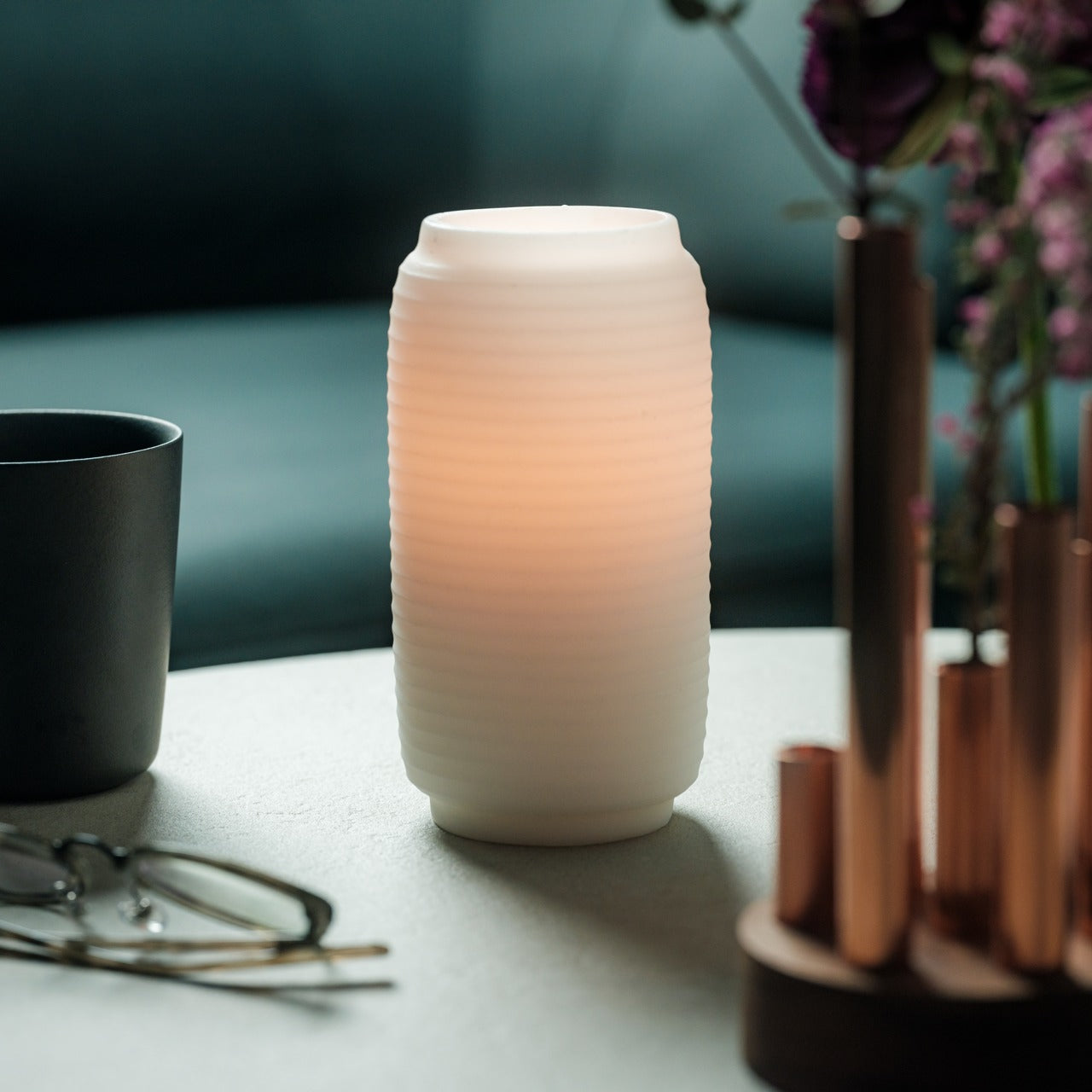
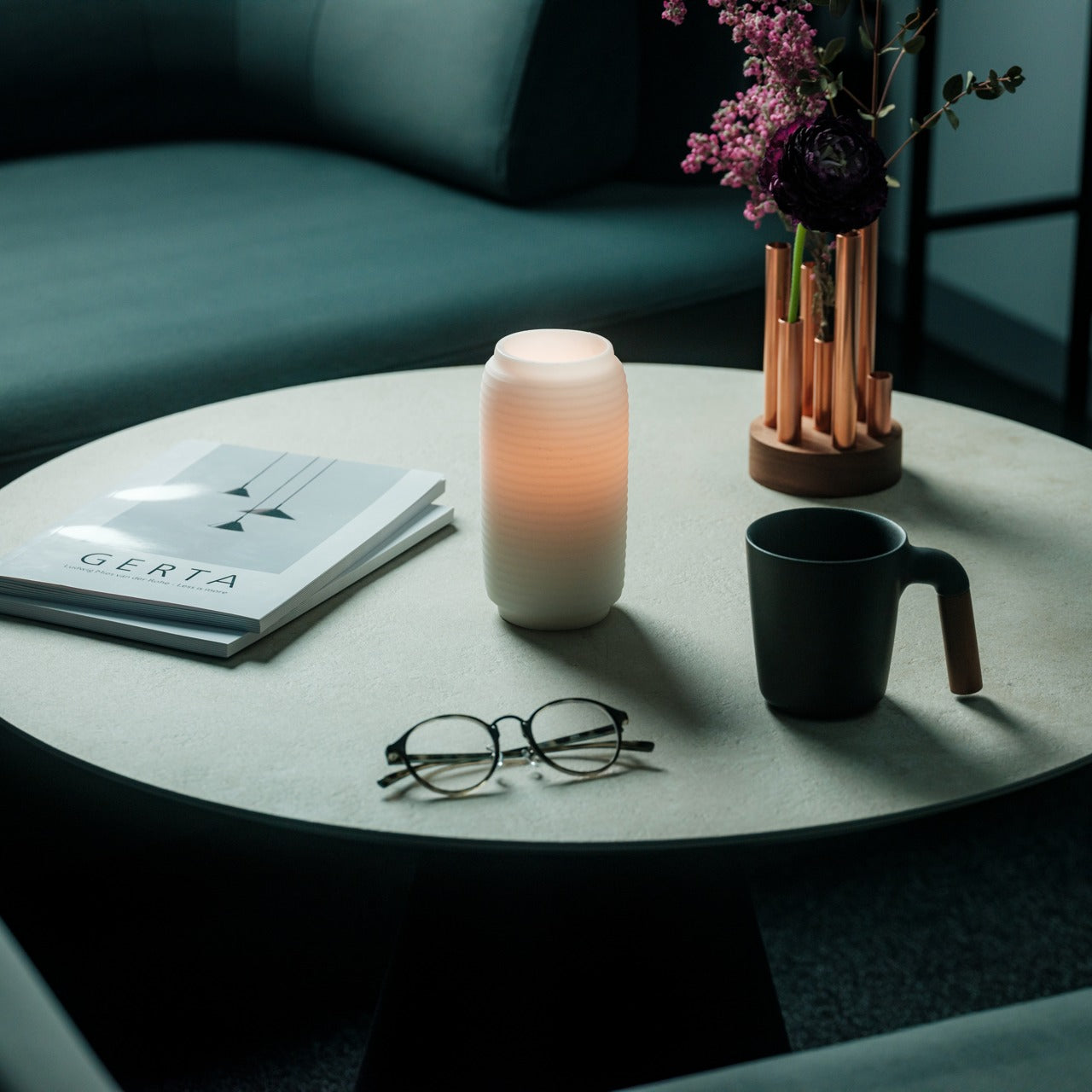
2. Japanese Lantern Candle

If you like spending your evenings curled up with your favorite book in the warm light of a candle, then you may want to consider purchasing the Japanese Lantern Candle. This beautiful little candle is inspired by the Japanese ‘chouchin’ lantern, and it offers some soft yet generous illumination to your reading sessions.

Click Here to Buy Now: $69

Why is it noteworthy?

The Japanese Lantern Candle draws inspiration from the iconic Japanese lantern design. The age-old lantern was modernized, creating a surreal lighting solution with a calming glow. The product is handcrafted by artisans in Kurashiki, Japan, making it a veritable collectible.

What we like

  • The outer wax doesn’t melt too fast, creating a clear body on the lantern candle

What we dislike

  • The candle does have an open flame, so make sure you don’t place your books too close to it, for fear of catching fire

3. Bowie 2.0

Every book lover needs a trustworthy and dependable reading light, and I do swear by Bowie 2.0. This clever reading light not only offers illumination to the pages of your book but the room as well. The light looks like a leather fashion accessory, that you can easily clip onto the left and right sides of your book cover.

Why is it noteworthy?

The light’s strap features LEDs, which offer a soft and warm glow, that is powerful enough to let you read in the dark. The strap illuminates the pages with a warm LED light, allowing you to read easily and peacefully. You can turn the pages and move about without the light causing any issues.

What we like

  • Equipped with touch-sensitive brightness settings, that let you adjust the LED brightness

What we dislike

  • Some people may find it inconvenient and annoying to hold a book with a clipped-on reading light

4. The Ptolomeo Bookshelf

Created by Bruno Rainaldi, the Ptolomeo Bookshelf is a beautiful ode to books, and the people who love to read. The bookshelf is designed especially for bibliophiles, serving as a rejuvenated and refreshing variant of the traditional bookshelf. The revamped design converts an everyday bookshelf into a fascinating design object, bordering on an art piece.

Why is it noteworthy?

The bookshelf is freestanding, amped by a clean and minimal form, which disappears or becomes ‘invisible’ as you fill it up with books! Ptolomeo’s thin and narrow shelves seem to vanish once you place books in them. The mesmerizing piece creates the impression of a stack of books floating in the air.

What we like

  • The bookshelf seems to “mock the law of gravity”, creating a playful illusion
  • Functional and sturdy furniture piece, plus amped with good aesthetics

What we dislike

  • It is a large and space-consuming piece, not well-suited for smaller homes

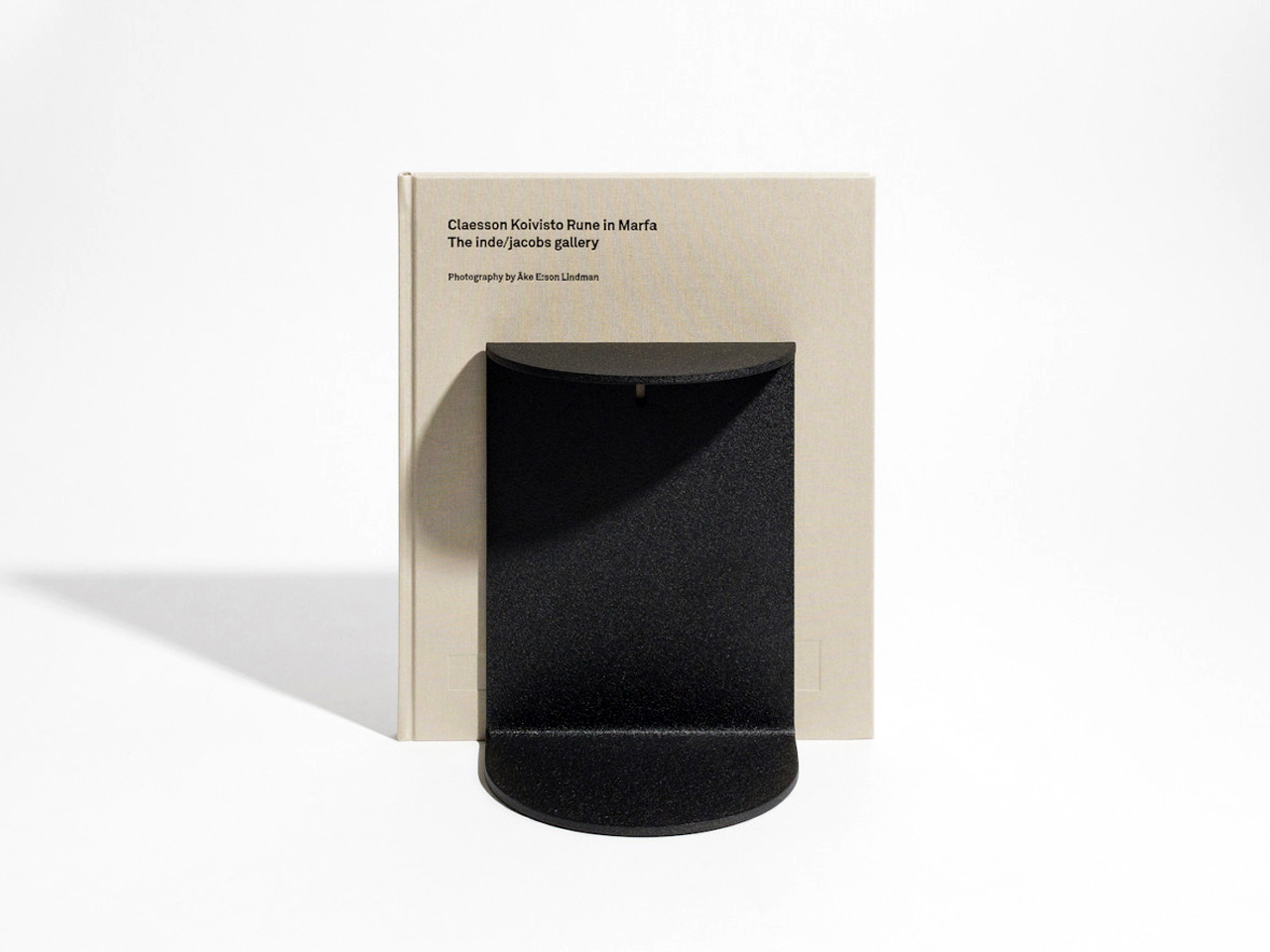
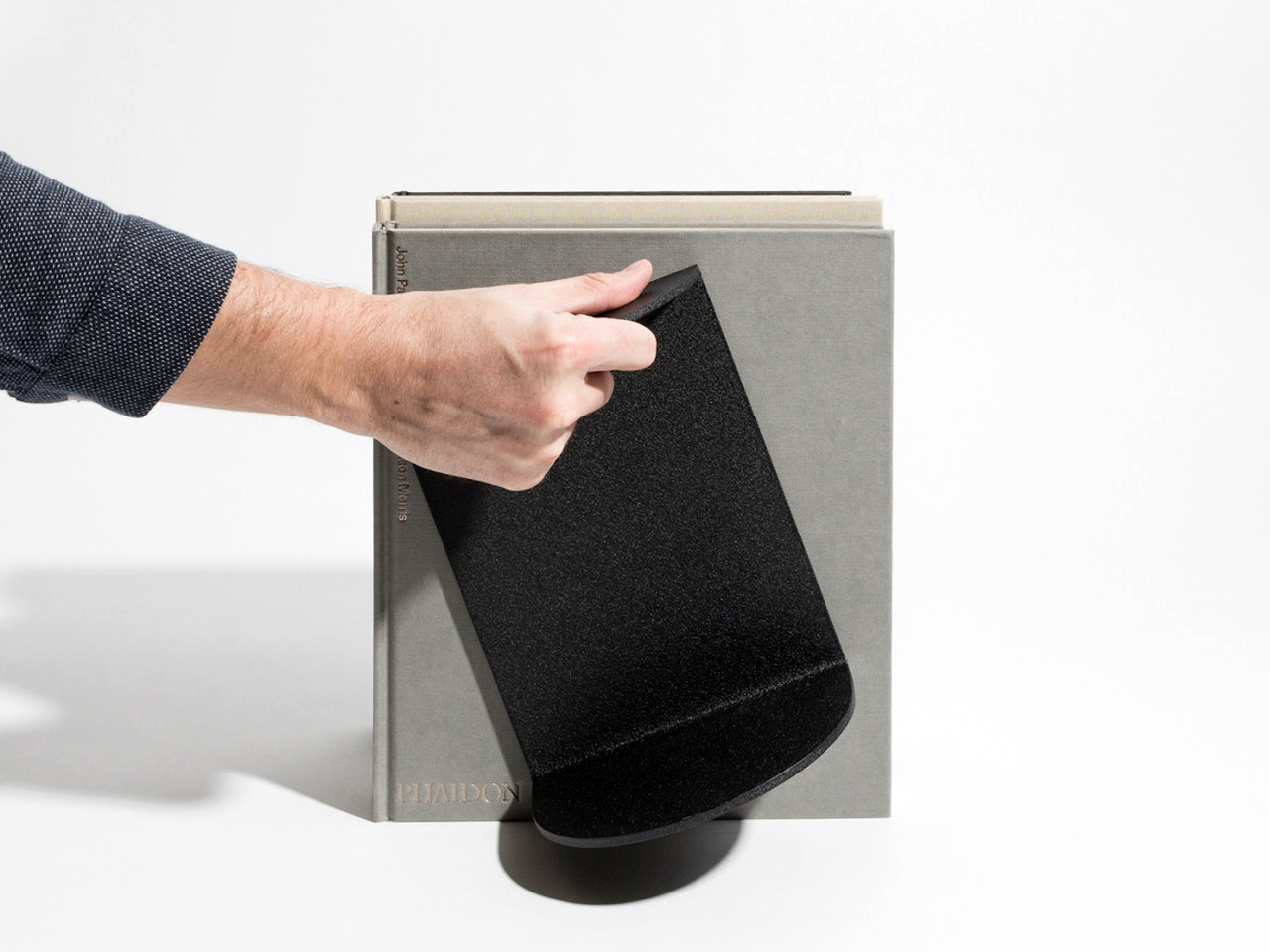
5. Reference Bookend

Designed by Henry Julier, the Reference is a minimal and classy bookend, designed for those who love to showcase their favorite books. The bookend was created to be a problem-solving tool, facilitating greater connections between the product, and the people who use it. The bookend features a round top flange offering users enough material to hold onto while adding books and adjusting it.

Why is it noteworthy?

Light bookends are tough to adjust with heavy books, hence the Reference was created to function as a sturdy, heavy, and stiff sheet steel bookend that doesn’t need downward pressure to firmly hold onto the books. The Reference Bookend is also quite easy to pick up and put down as and when needed, owing to its unique form.

What we like

  • The sturdy form that holds the books without any external pressure or support

What we dislike

  • The aesthetics of the bookend are pretty somber and sober, and may not appeal to everyone’s tastes

The post Top 5 Essential Reading Accessories Every Bibliophile Must Own first appeared on Yanko Design.

The Roborock Zeo Mini M1 At IFA 2024 Is The Perfect Compact Washing Machine For Delicate Laundry

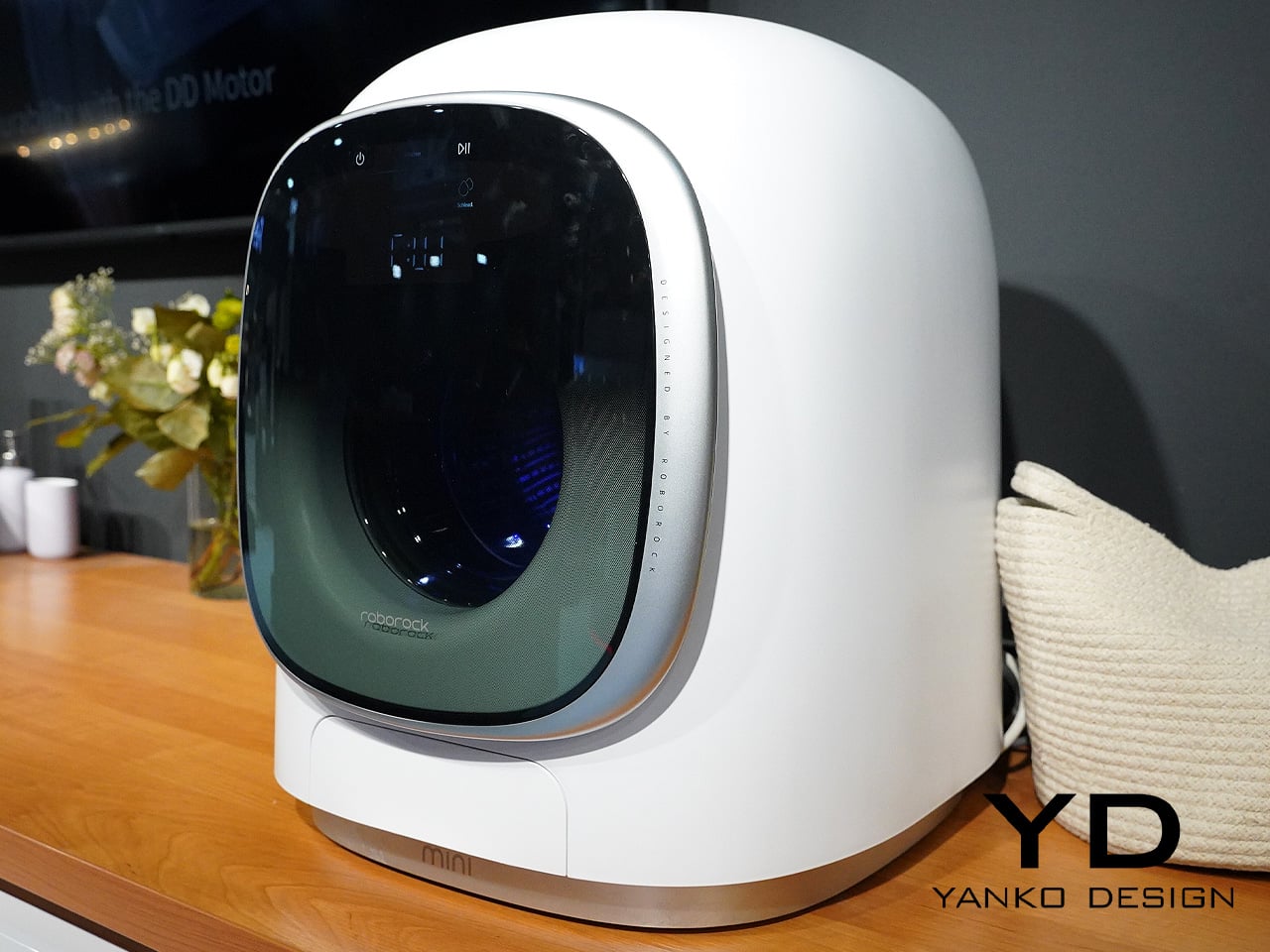
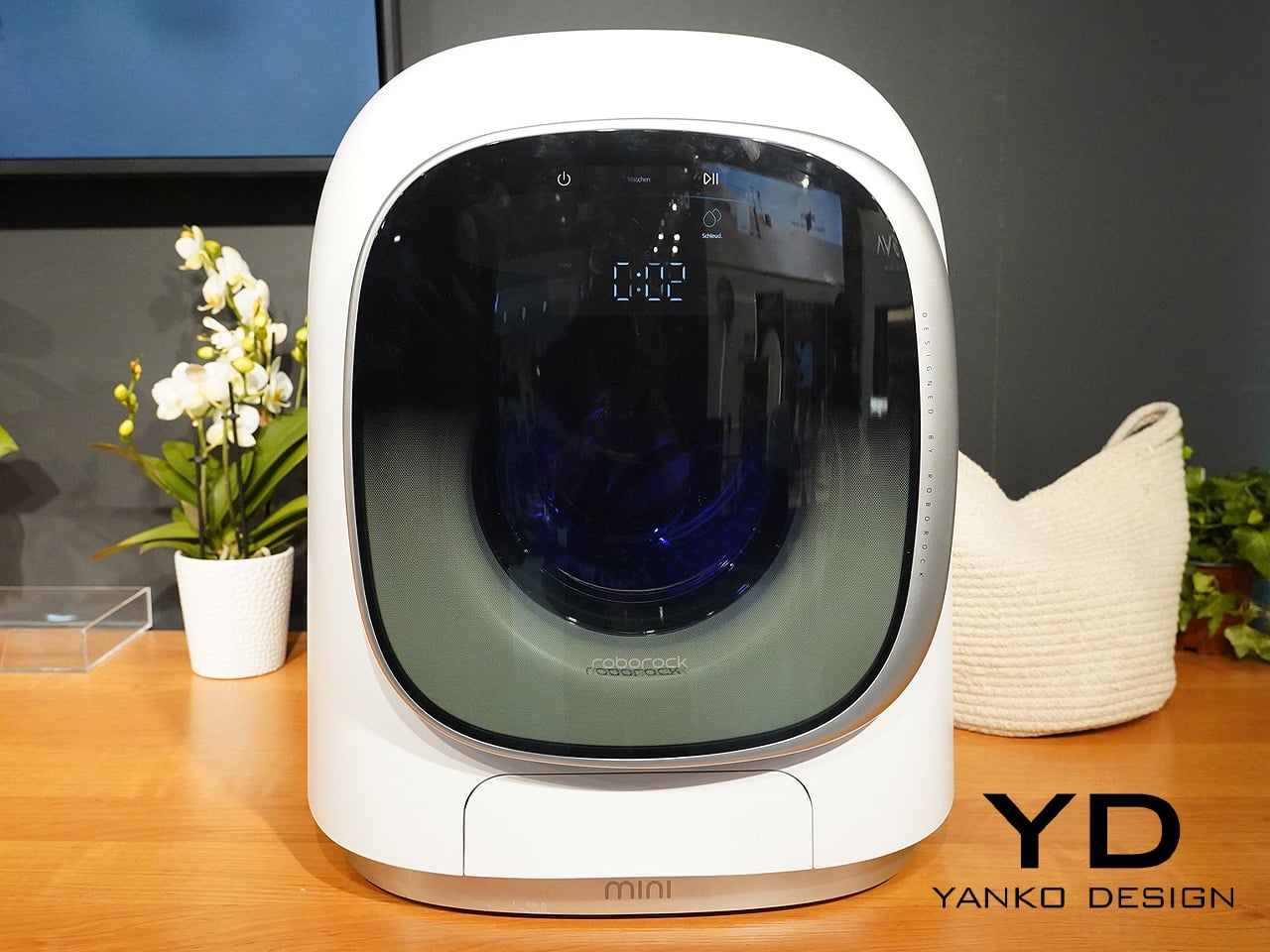
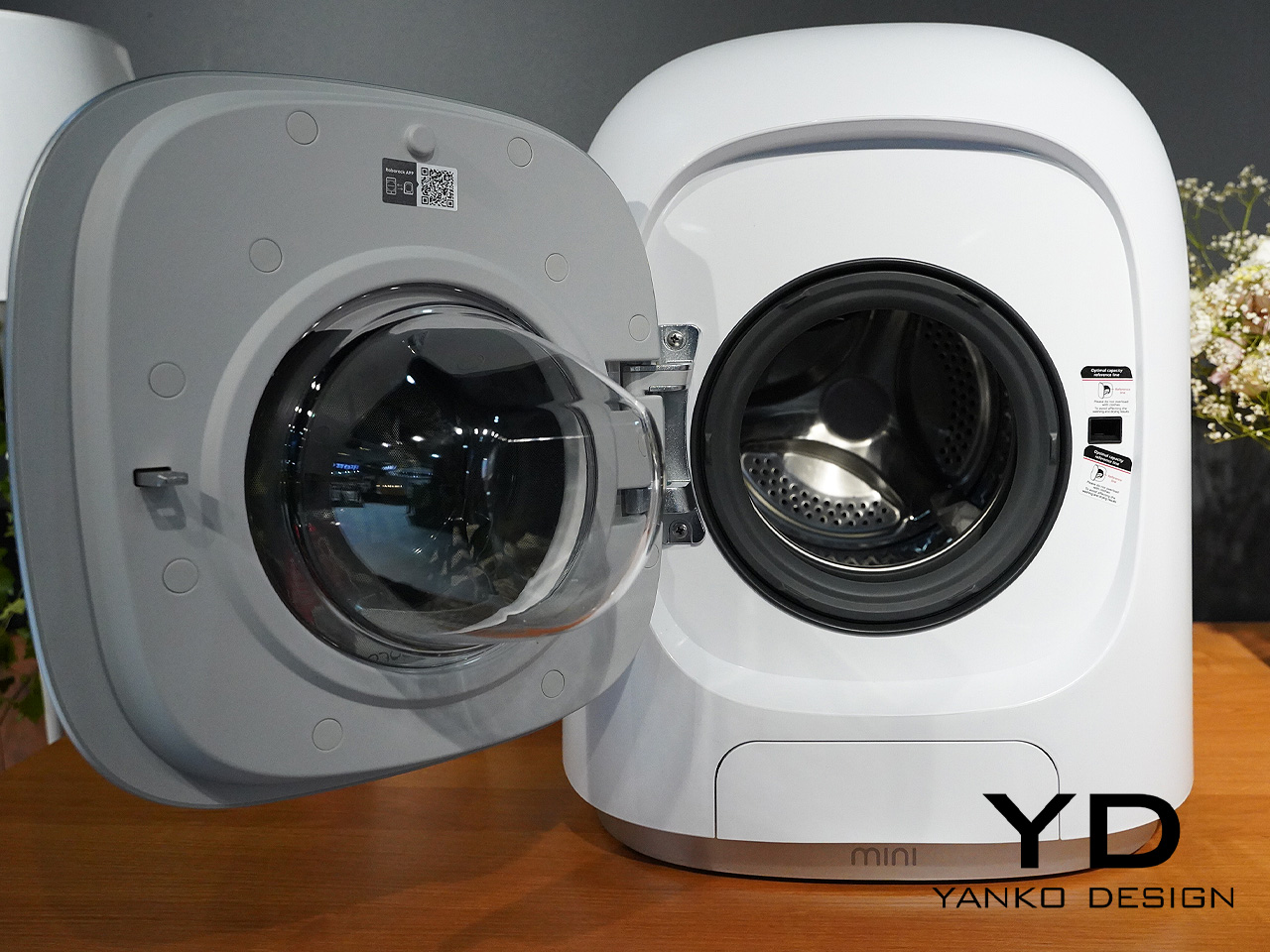
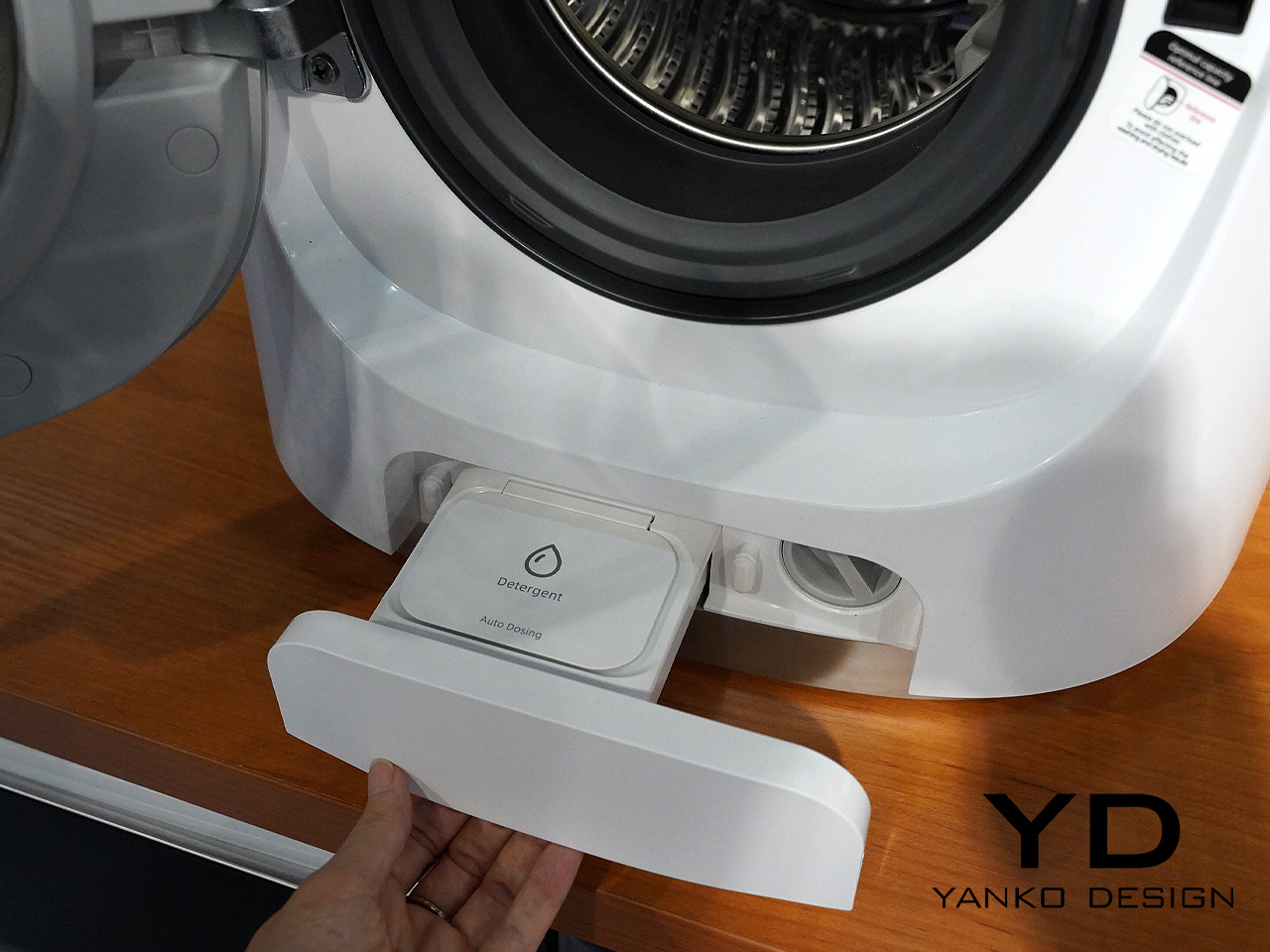
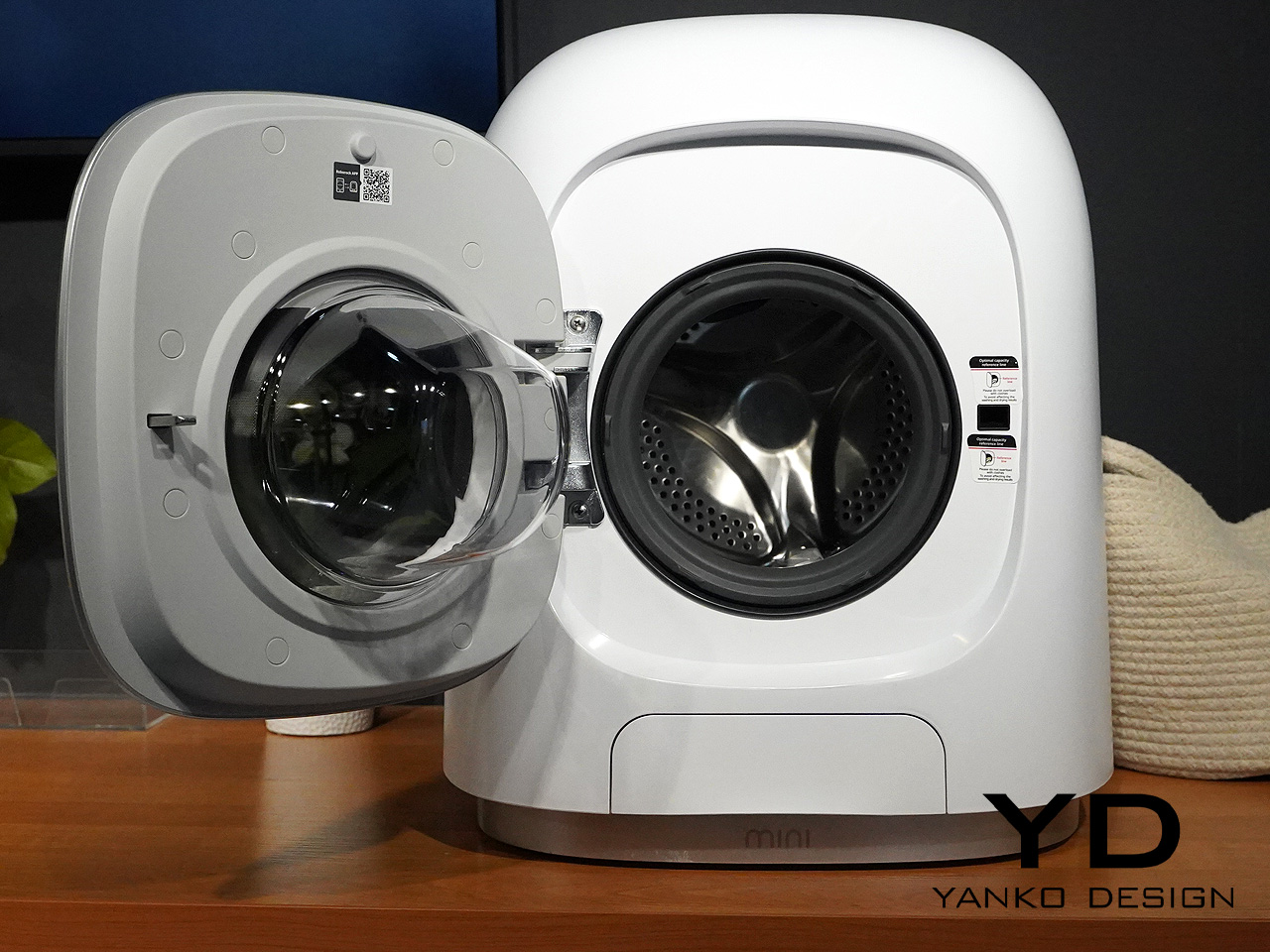
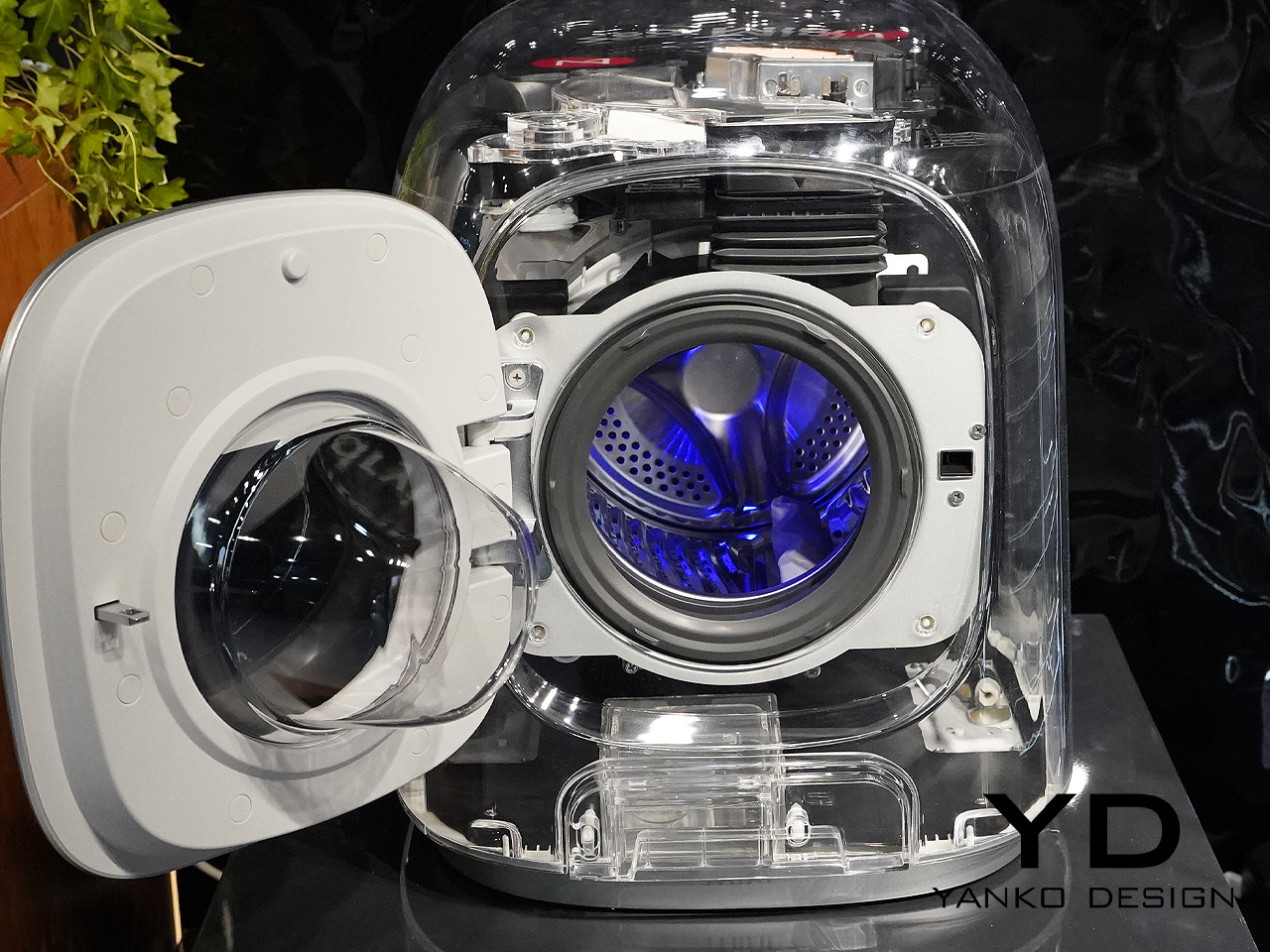
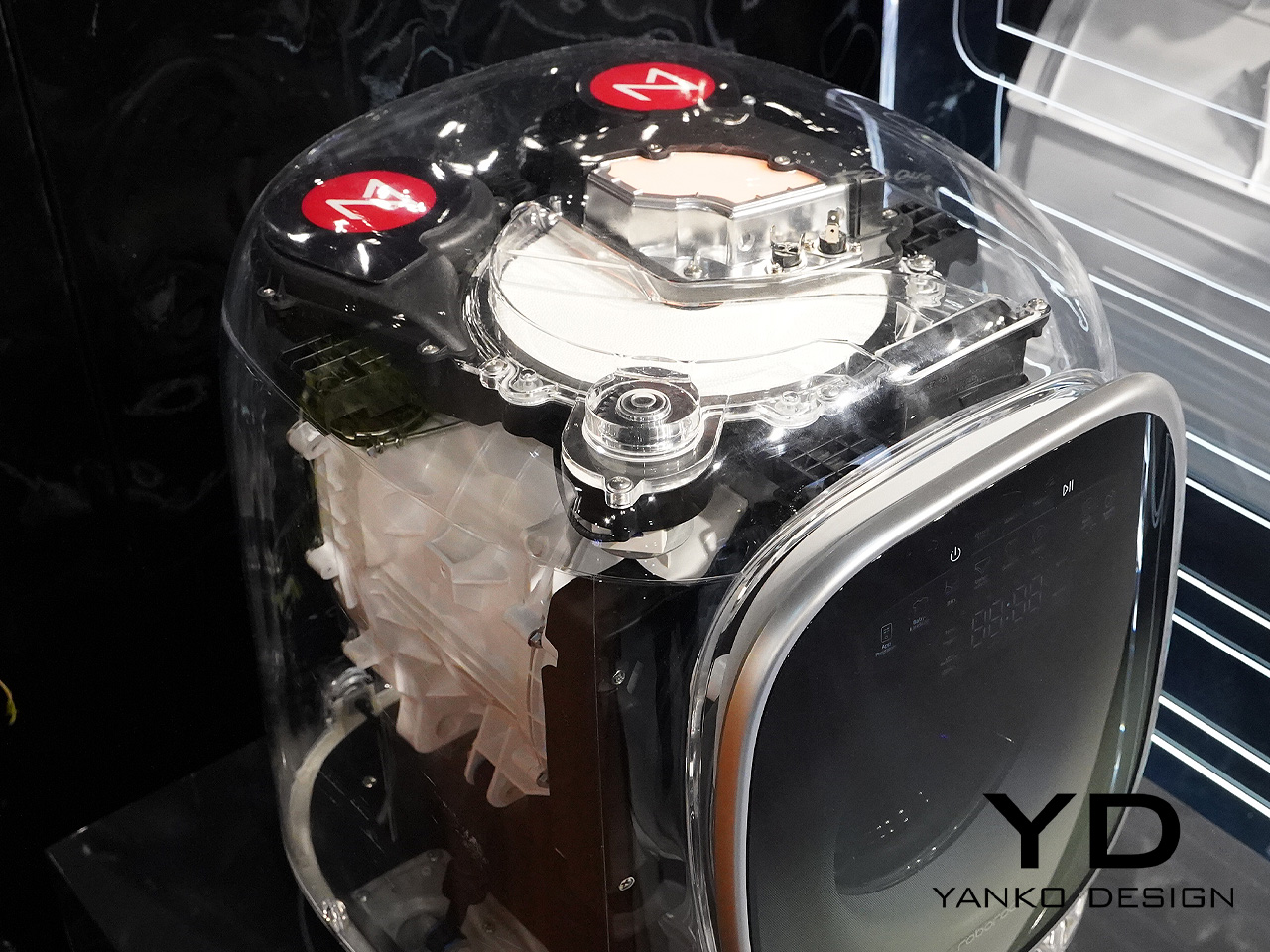
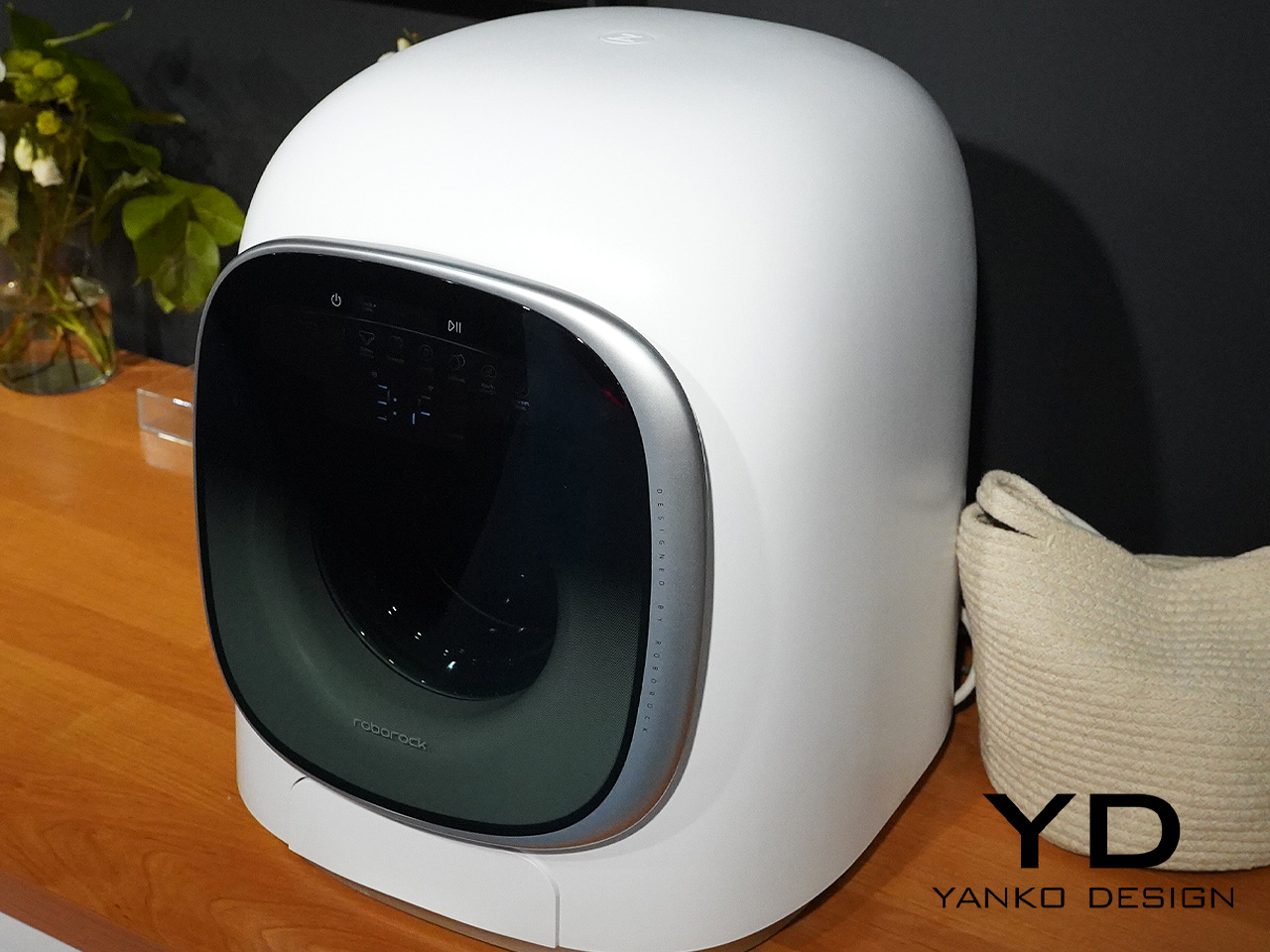
At IFA 2024, we spotted a trend that may or may not be here to stay, but it did win our hearts. We came across a bunch of super adorable mini-washing machines. Roborock’s Zeo Mini M1 features a compact little body, soft curves, and downright cute plumpness. Of course, the model cannot be compared to traditional washer-dryers and their capacity, but it can handle one kilogram of laundry for washing, and only 500 grams for drying. It has a pretty small drum, which must be noted.

Designer: Roborock

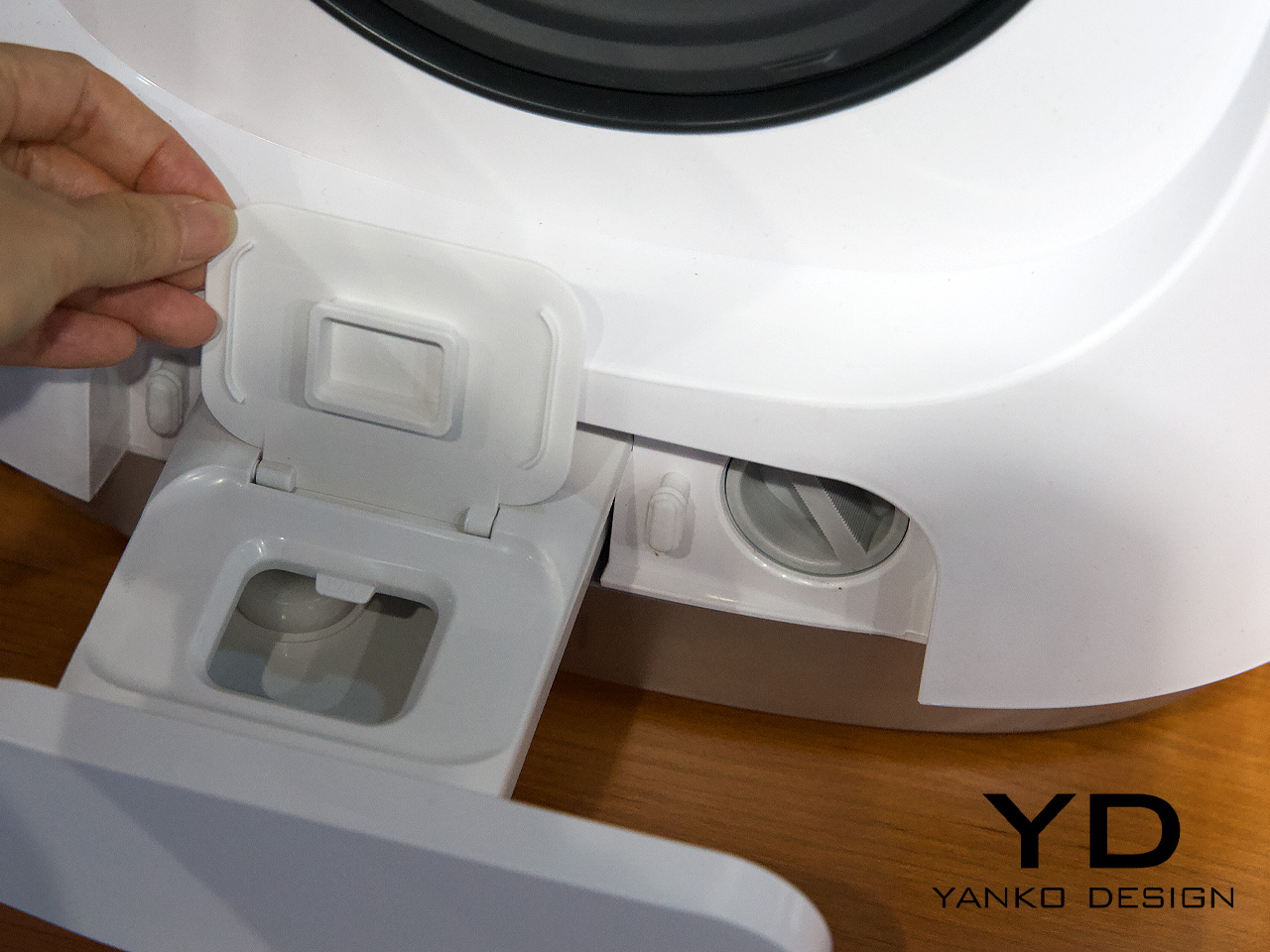
Even though the machine has a small load, it has some intelligent features such as automatic drying, if you forget to unload the machine after washing, and detergent dispensing. It is an all-in-one solution that merges the convenience and size of a small washing machine, with the efficiency of a dryer. The cutesy washing machine can accommodate 25 pairs of lightweight underwear, 15 pieces of bras, and 80 pairs of socks simultaneously, so it could serve well for the everyday requirements of a contemporary family.

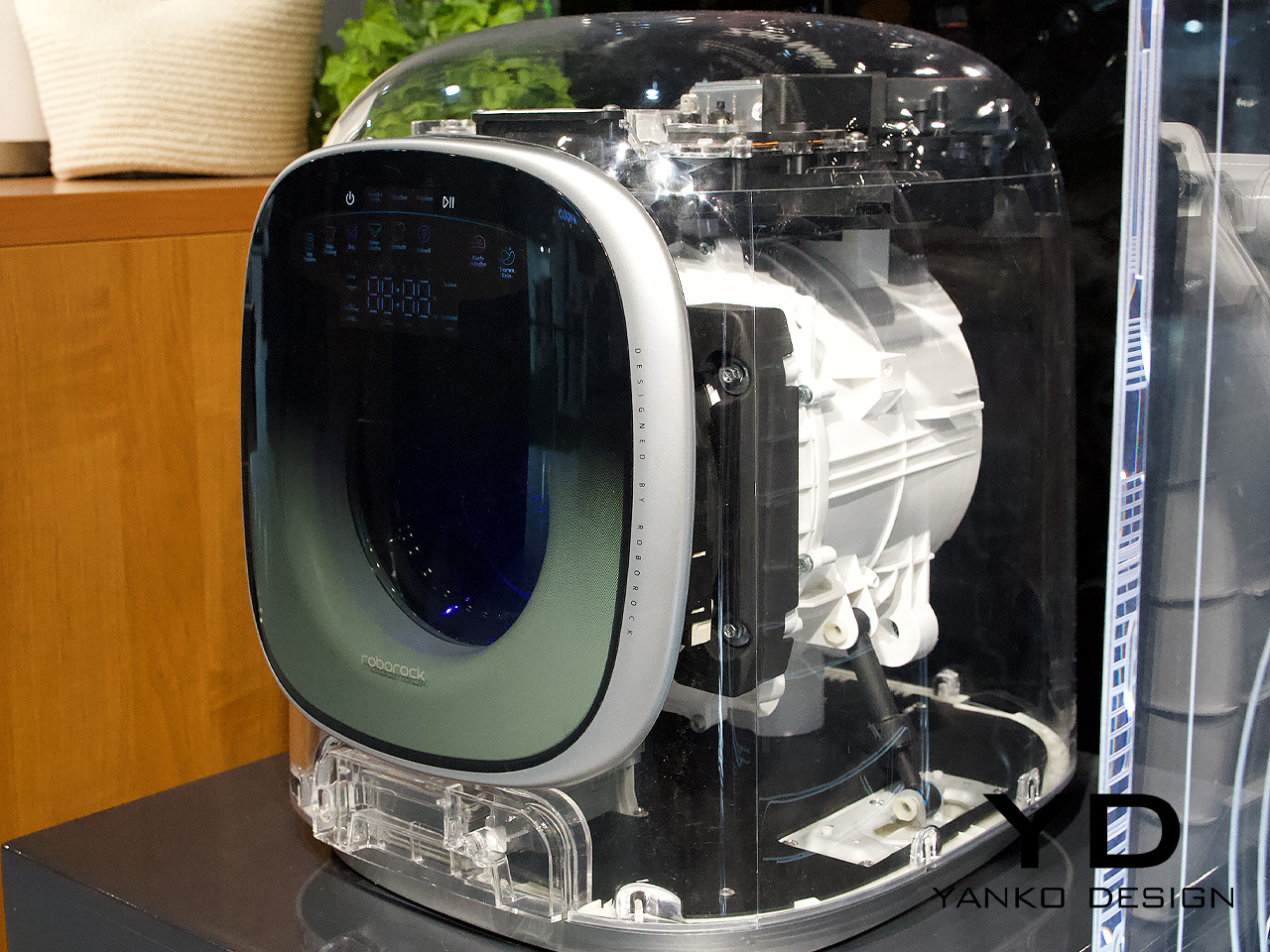
The M1’s engine is a DD variable frequency direct drive motor and it can rotate up to 4000 times per minute, with the air flowing up to 18kph. The motor runs pretty quietly, creating only 45dB of noise, and it can run overnight. It also includes a 90°C self-cleaning mode. The washing machine is essentially an auxiliary device, with the ability to handle fragile items of laundry that you don’t want to pop into your bigger washing machine. It functions as a companion to your primary washing machine, allowing you to fit in pieces of clothing that are too soft and gentle for a big load.

The Roborock Zeo Mini M1 isn’t currently available for sale, but it should arrive in the country soon for a price of around $660. Would you consider purchasing the M1? Is such a compact solution viable in today’s homes, or is it yet another unnecessary luxury that we could probably do without? We’ll probably know once it is out on the market.

The post The Roborock Zeo Mini M1 At IFA 2024 Is The Perfect Compact Washing Machine For Delicate Laundry first appeared on Yanko Design.

AEG’s Smart Kitchen Challenge at IFA 2024: CEO + Chef in a High-Tech Cook-off

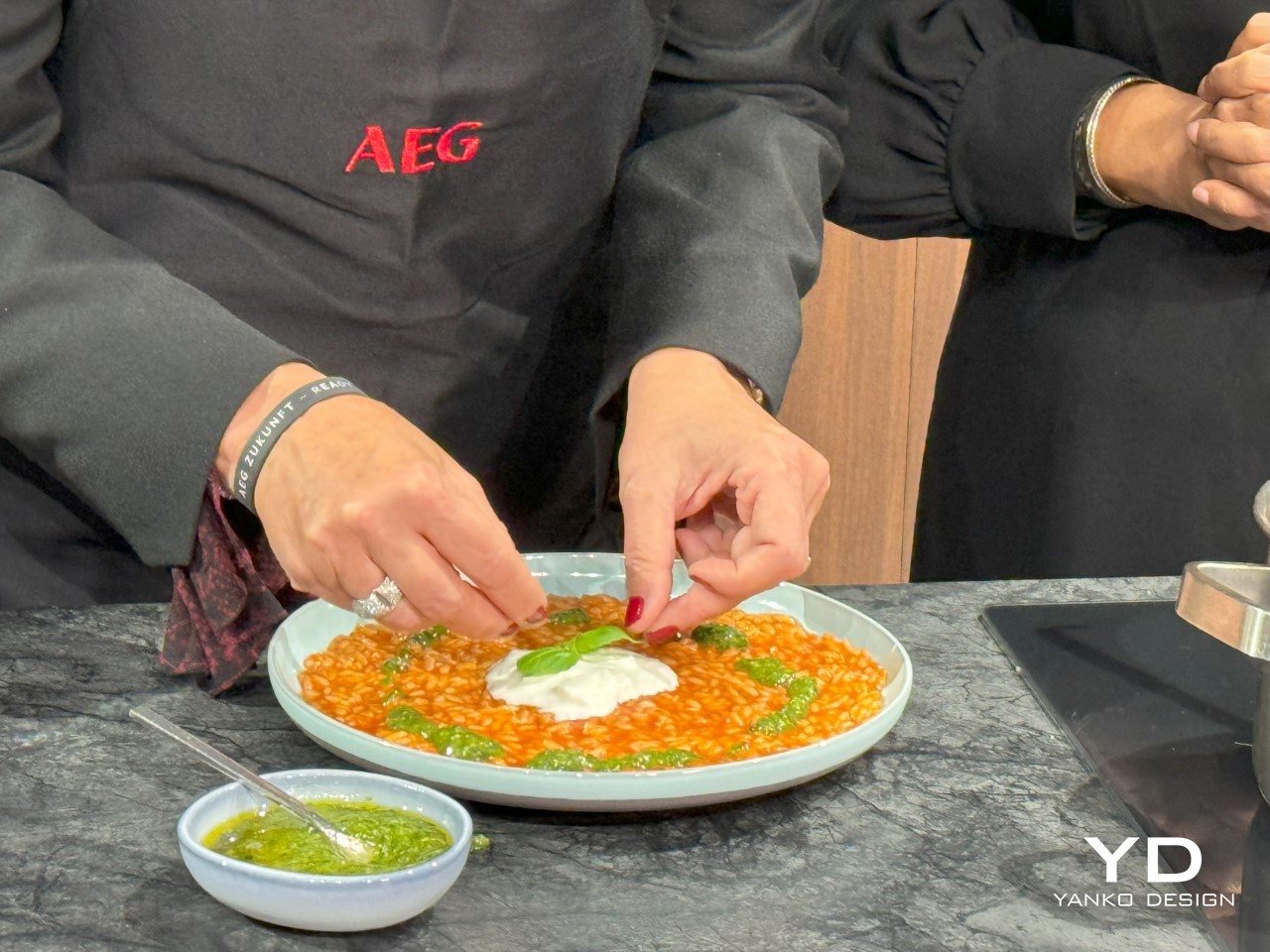
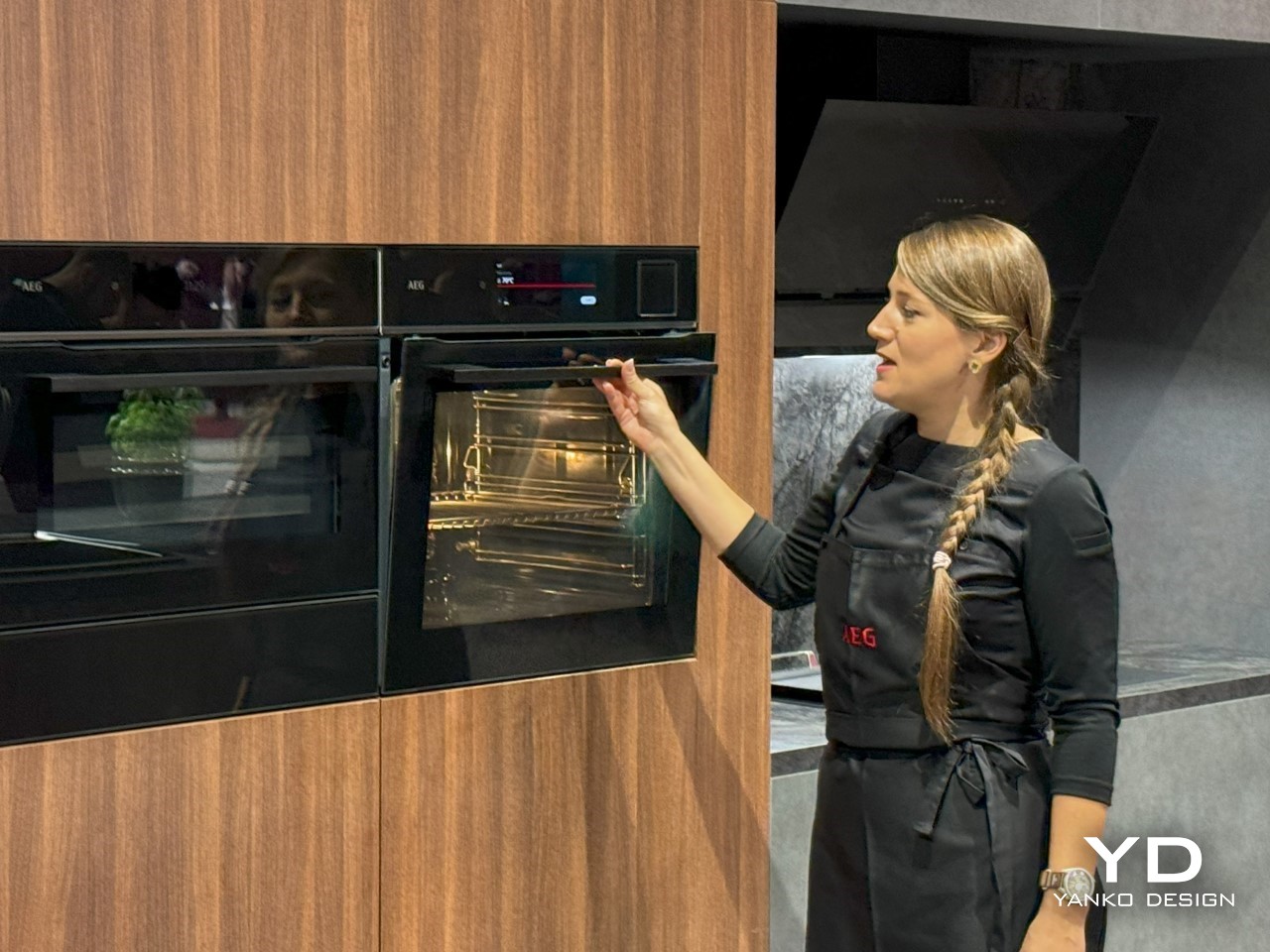
With its kitchen-line products on display at IFA, AEG is putting its money where its mouth is – by having a CEO produce a top-tier dish with help from a chef while using the company’s induction hob, oven, and overhead chimney. The cook-off, hosted by Radhika Seth of Yanko Design, attempts to drive home a simple point – with the right tools, anyone can be a chef. To prove this, we got Anna Ohlsson-Leijon (CEO Business Area Europe APMEA & Group Executive Vice President, Electrolux Group) to collaborate with professional chef Paola Martinenghi. Martinenghi, a designer-turned-chef with a history of working for Michelin star restaurants is a designpreneur in her own right, with her own women-led lighting-design firm. With a passion for cooking, Martinenghi believes in preserving old-school recipes, even if it means updating them so that people can use cutting-edge kitchen appliances to make age-old traditional dishes.

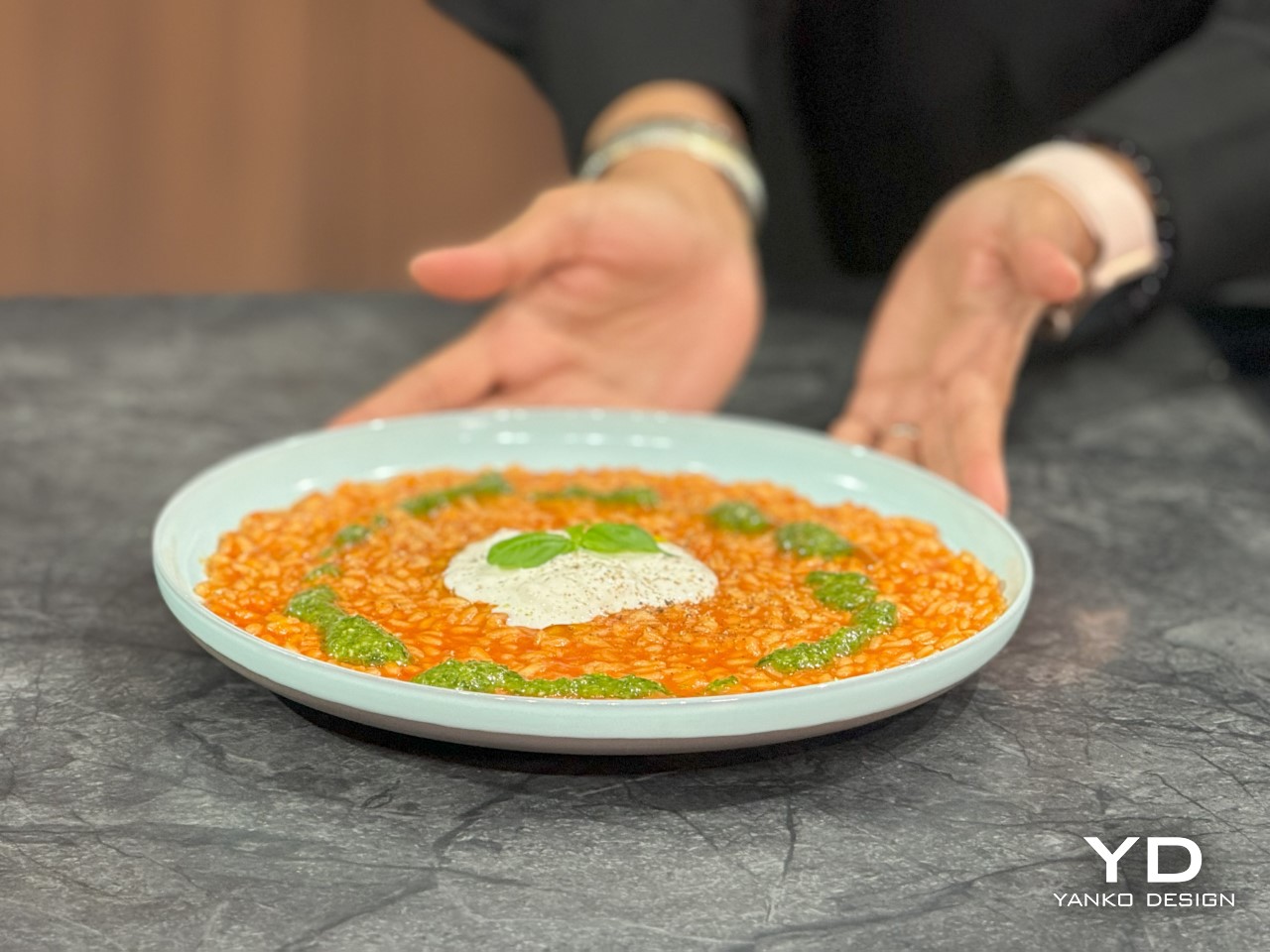
Both CEO and Chef will be attempting a deceptively simple dish that’s known for requiring perfect technique – Risotto Tricolore with pomodoro, pesto, and burrata – a summer spin on the Risotto Milanese. Risotto is considered an incredibly technical dish given the precise control required over temperature, cook-time, and the gradual addition of broth to rice while you constantly stir the dish. Mess any step up and your risotto is less-than-ideal resulting in a dish that would make an Italian nonna fume. It’s a good thing, however, that AEG’s state-of-the-art kitchen collection makes certain steps foolproof, allowing you to easily attempt even the most technical recipes.

The process gets made simple by AEG’s CookSmart Touch Display, which guides you through step by step. The Sense Fry sensor on the hob helps you maintain a consistent temperature during your cook (sort of like cruise control for chefs) – for the risotto, it’s a steady 120°C. Meanwhile, AEG’s Xtractor Hob, which features an integrated extractor fan, kept the cooking area free of smoke and odors, making the experience even more pleasant. A clean, smoke-free kitchen means less hassle, and less cleanup—a win for anyone who’s familiar with the chaos of post-cooking messes.

Throughout the cook-off, the focus shifted frequently to AEG’s smart features, particularly how the appliances use AI to adapt and enhance cooking. The AI TasteAssist feature automatically adjusts cooking settings based on the dish being prepared. Anna explained that by simply inputting a recipe, the oven analyzes the details and determines the optimal temperature and time, which could revolutionize how people cook at home. The Assisted Dishes function also impressed Paola, as it provides guidance across a wide range of meals, making even the most complex dishes accessible to home cooks.

Energy efficiency was another cornerstone of the new AEG range. Sustainability is more than a buzzword—it’s built into the design. The appliances can reduce energy consumption by up to 30%, with features like PreHeat and Residual Heat, which cleverly utilize retained heat to finish cooking. The SenseBoil & Fry function, for instance, promises to save up to 33% in energy usage. It’s clear that AEG has aligned its smart technology not just with convenience, but with the goal of making kitchens more eco-friendly.

The discussion also touched on design and aesthetics. AEG’s range isn’t just high-tech—it’s designed to be visually appealing. Paola praised the sleek, minimalist look of the appliances, which come in Matt Black and Glossy Black, noting that they not only enhance the cooking process but also complement modern kitchen interiors.

As the cook-off neared its conclusion, Paola and Anna finished the risotto with a flourish, adding burrata for a creamy, indulgent finish. The results were met with unanimous delight as the hosts tasted the dish and marveled at how easy the process had been, thanks to AEG’s smart kitchen tools.

The post AEG’s Smart Kitchen Challenge at IFA 2024: CEO + Chef in a High-Tech Cook-off first appeared on Yanko Design.

Apple’s New ‘Visual Intelligence’ feature on the iPhone 16 basically makes Google Lens obsolete

Apple has a reputation for taking established ideas and refining them into seamless, intuitive features, and it looks like they’ve done it again with their new Visual Intelligence technology in the iPhone 16. In contrast to Google Lens, which primarily scans objects or texts in photos and returns basic web-based results, Apple’s Visual Intelligence integrates advanced generative models and contextual awareness, creating a more profound, interactive experience. This blend of on-device intelligence and private cloud computing not only delivers more relevant information but does so in a way that feels personal and purposeful.

Let’s dive into why Apple’s Visual Intelligence may have just overshadowed Google Lens, and how it’s bringing more powerful insights to users right through the iPhone 16’s camera. Before we do, it’s important to note that Google HAS, in fact, demonstrated Gemini’s ability to ‘see’ the world around you and provide context-based insights… however, it seems like a lot of those features are limited to just Pixel phones because of their AI-capable Tensor chips. While Google Lens (an older product) is available across the board to both iOS and Android devices, Apple’s Visual Intelligence feature gives iPhones a highly powerful multimodal AI feature that would otherwise require existing Apple users to switch over to the Google Pixel.

Going Beyond Surface-Level Search

Google Lens has been a reliable tool for identifying objects, landmarks, animals, and text. It essentially acts as a visual search engine, allowing users to point their camera at something and receive search results based on Google’s vast index of web pages. While this is undoubtedly useful, it stops at merely recognizing objects or extracting text to launch a related Google search.

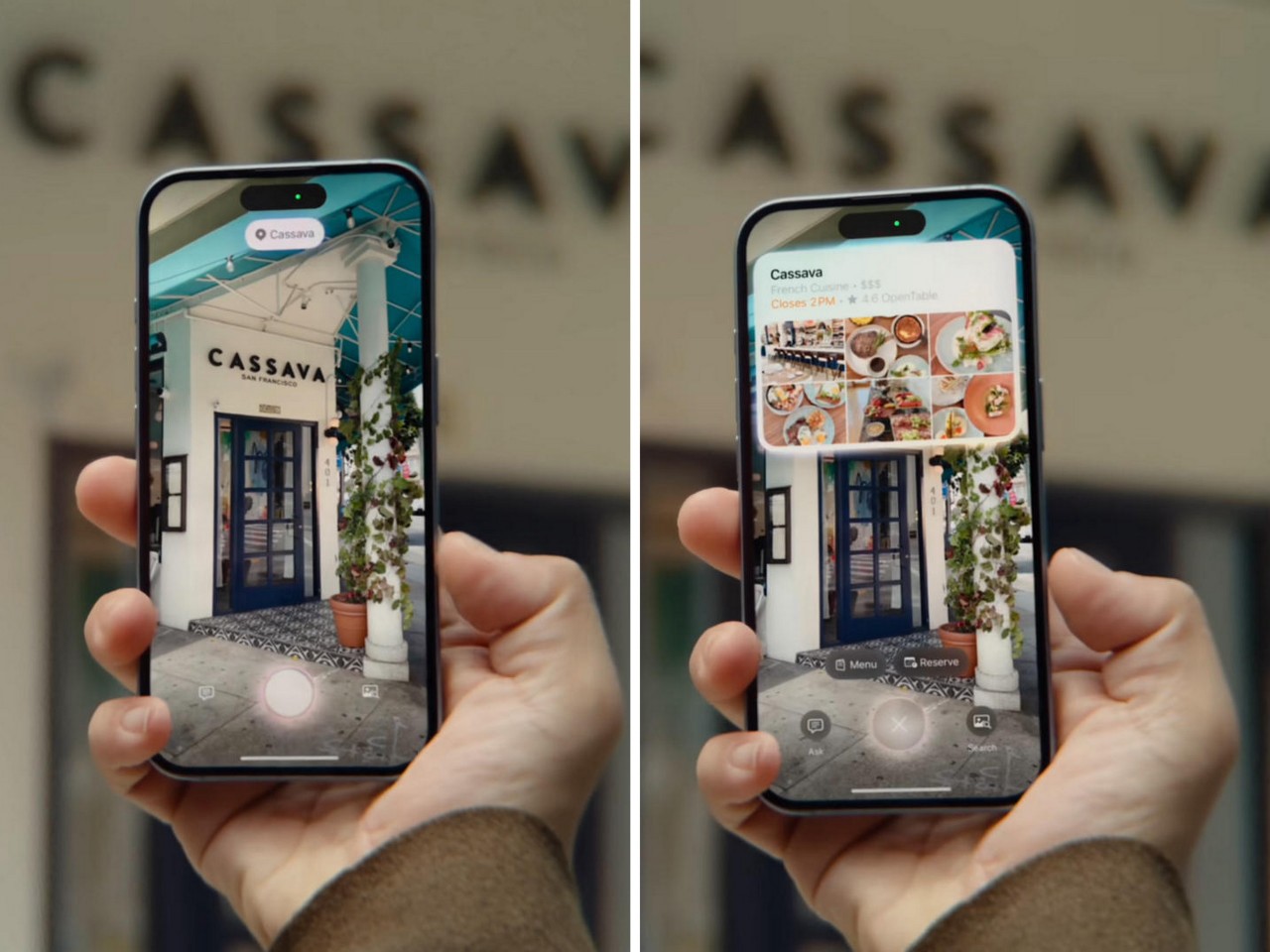
Apple’s Visual Intelligence, on the other hand, merges object recognition with contextual data retrieval. This means it can offer richer, more integrated information. During the Apple keynote, Craig Federighi demonstrated how users could point their iPhone at a restaurant and instantly retrieve operating hours, reviews, and options to make reservations—all without needing to open Safari or another app​. Similarly, pointing the camera at a movie poster will not just yield a name or showtimes, but deeper context such as ratings, actor bios, and related media, providing a much more immersive and helpful experience.

The Power of Integration: Visual Intelligence and Third-Party Tools

One of the standout features of Apple’s Visual Intelligence is its seamless integration with third-party tools, offering expanded functionality. For instance, if you spot a bike you’re interested in, Visual Intelligence doesn’t just identify the brand and model; it can quickly connect you to third-party retailers via Google Search to check availability and pricing. This interplay between native intelligence and external databases exemplifies Apple’s mastery of pulling together useful, real-time data without breaking the user’s workflow.

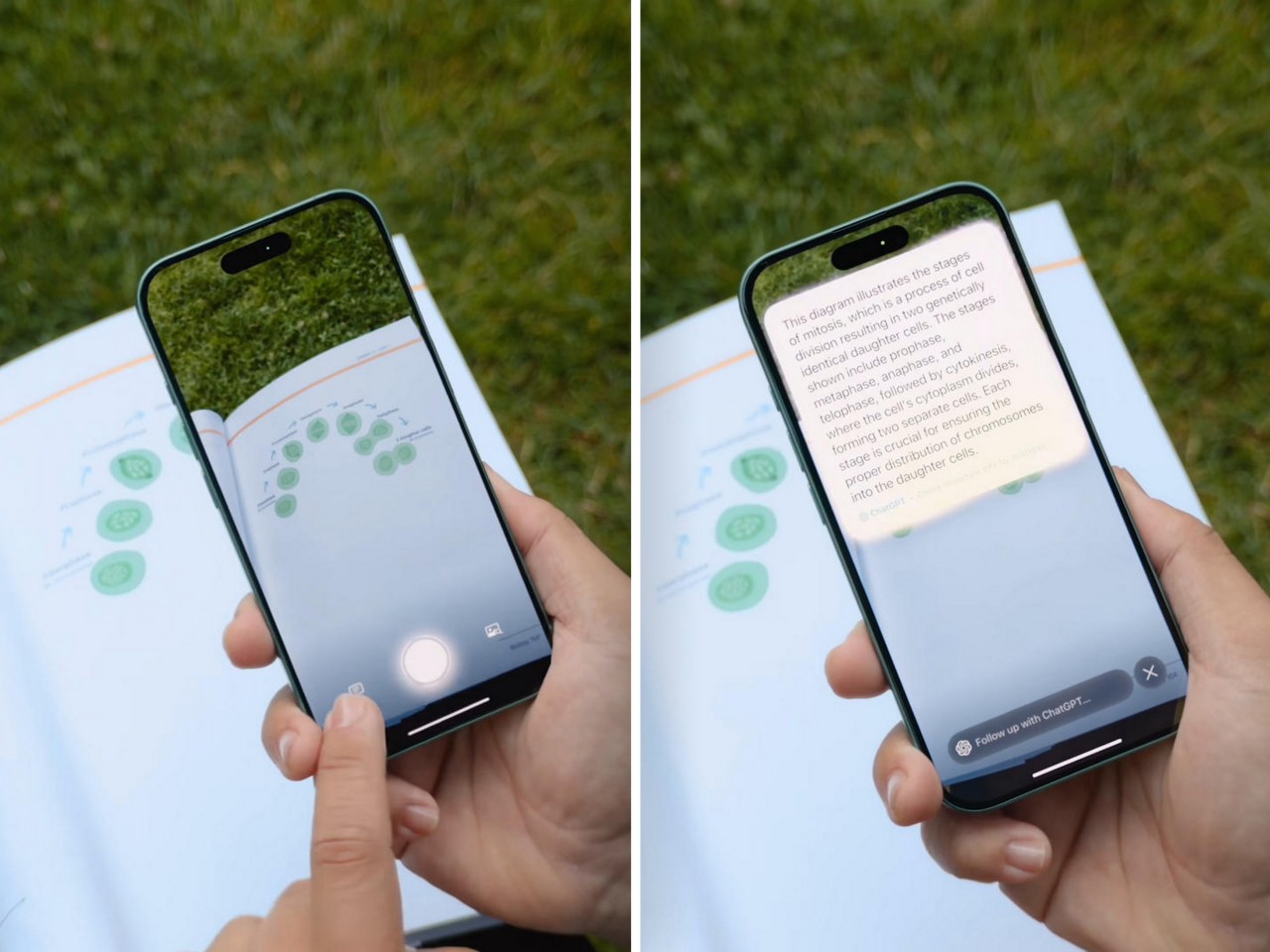
But it doesn’t stop there. Apple has built-in support for querying complex topics with tools like ChatGPT. Imagine you’re reviewing lecture notes and stumble across a difficult concept. Simply hold your iPhone over the text and ask ChatGPT to explain it right on the spot. This deep contextual awareness and ability to provide real-time insights based on multiple external sources is something Google Lens simply cannot do at the same level.

Privacy at the Core

Another area where Apple shines is in its privacy-first approach to AI. All interactions through Visual Intelligence, such as identifying objects or pulling up information, are processed on-device or via Apple’s Private Cloud Compute, ensuring that no personal data is stored or shared unnecessarily. This is a stark contrast to Google’s cloud-based model, which has often raised concerns about the volume of user data being processed on external servers. By keeping the majority of computation on the device, Apple delivers peace of mind for privacy-conscious users—an area that Google has historically struggled with.

A Broader Reach: Enabling Personal Context

One of the most significant advantages of Apple’s approach is its deep integration into your phone’s personal data. Visual Intelligence doesn’t just analyze what’s in front of the camera; it connects the dots with your past interactions. For example, Siri, now supercharged with Visual Intelligence, can identify the contents of your messages or your calendar appointments and offer contextual suggestions based on what you’re viewing​. If you’re looking at a flyer for an event, Visual Intelligence will not only retrieve details about the event but also cross-reference it with your schedule to automatically add it to your calendar—again, without having to lift a finger.

Google Lens, by comparison, lacks this deep personal integration. It’s effective as a standalone visual search tool but hasn’t yet reached the level of intuitive, user-centered design that Apple has mastered.

A New Era for Intelligent Photography

Apple’s innovation also extends into how we interact with our cameras. The new camera control on the iPhone 16 doubles as a gateway to Visual Intelligence. This means users can quickly snap a photo and receive actionable insights immediately. With a simple press of the camera control, users can tap into features like instant translations, object recognition, or even educational tools like ChatGPT.

Google Lens, while impressive in its object recognition, doesn’t offer this seamless experience. It requires users to jump between apps or tabs to get additional information, while Apple’s integration means the iPhone is one fluid tool—camera, intelligence, and action all in one place.

Apple Executes Where Google Initiated

Google Lens may have launched first, but Apple has undeniably refined and expanded the concept. It’s a tendency that we’ve come to learn and love about Apple – they usually don’t believe in being first to the market, but rather believe in executing features so well, people tend to ignore the competition – they did so with the Vision Pro AND with Apple Intelligence. Visual Intelligence is a bold step forward, leveraging on-device power and privacy to deliver more meaningful, contextual insights. Where Google Lens excels at basic object recognition, Apple’s approach feels more like a true assistant, offering deeper information, smarter integrations, and a more secure experience.

The post Apple’s New ‘Visual Intelligence’ feature on the iPhone 16 basically makes Google Lens obsolete first appeared on Yanko Design.

Rumors we got right (and wrong) with the September 2024 Apple Keynote

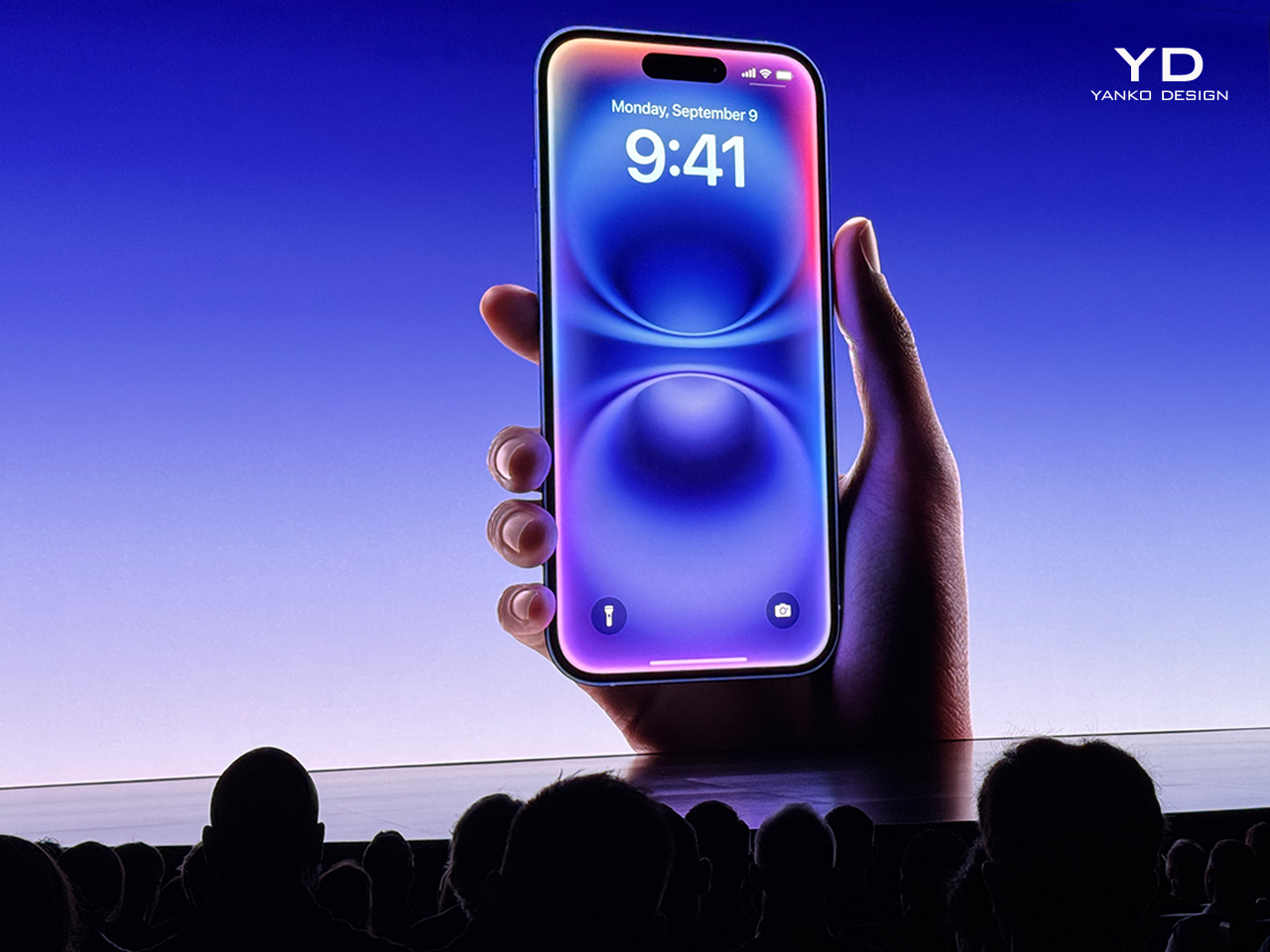
Apple’s September event remains every tech nerd’s most awaited time of the year for two reasons. For starters, it’s the announcement of brand-new gear that we can get our hands on… but more importantly, it’s a validation of everything we’ve been hearing and assuming over the years. There’s never a single day when people aren’t actively trying to find out details on what Apple will do next. The company has a rock-solid reputation for keeping its products under wraps until they’re ready to launch… but sometimes things slip through the cracks. Us nerds love to speculate on these rumors, and come September, the keynote feels like judgment day – where some rumors get turned into reality, and others into rubble.

As Apple unveiled their latest slew of devices today, it’s interesting to see exactly where the rumors were right, and where we were absolutely off mark. For starters, we all expected next-gen AirPods Max headphones (given that it’s been 4 years since their first launch) as well as a Watch Ultra 3. Apple conveniently skipped those devices, only to announce minor upgrades to them (nice way of saying they’re already perfect the way they are). Meanwhile, rumors of a ‘capture’ button on the iPhone seemed as good as true with phone-makers actually displaying iPhone 16 cases at IFA 4 days before Apple’s formal launch. So without further ado, here’s a look at all the rumors over the past year, and whether they made it or not.

Rumors we got wrong:

1. Apple Watch X would see a radical redesign for the 10th anniversary

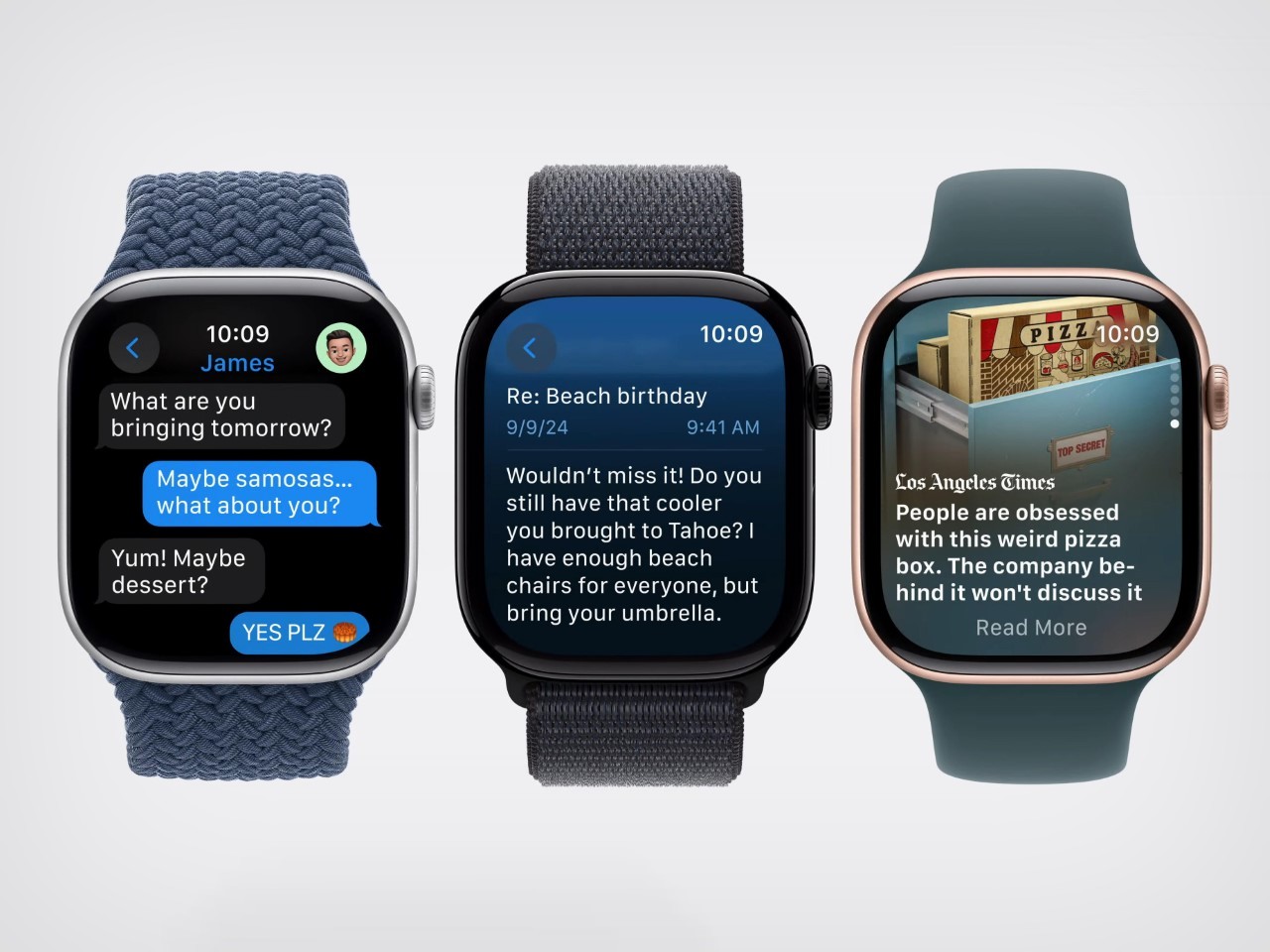
Honestly, it feels a little heartbreaking to see that Apple didn’t give the Watch a 10th-anniversary makeover the way they did with the iPhone X back in 2017. A lot of us were pinning our hopes on seeing a radical redesign (some speculated flat edges like on the iPhone), while others tried hinting at a new form factor. None of that turned out to be true, as Apple announced a nominally slimmer Watch Series 10 (measuring 9.7 mm thick) with a larger display. The design, for the most part, remains entirely the same, except that now the Watch has a re-engineered speaker system that can play audio from podcasts and music apps, allowing you to listen clearly through your watch instead of needing AirPods.

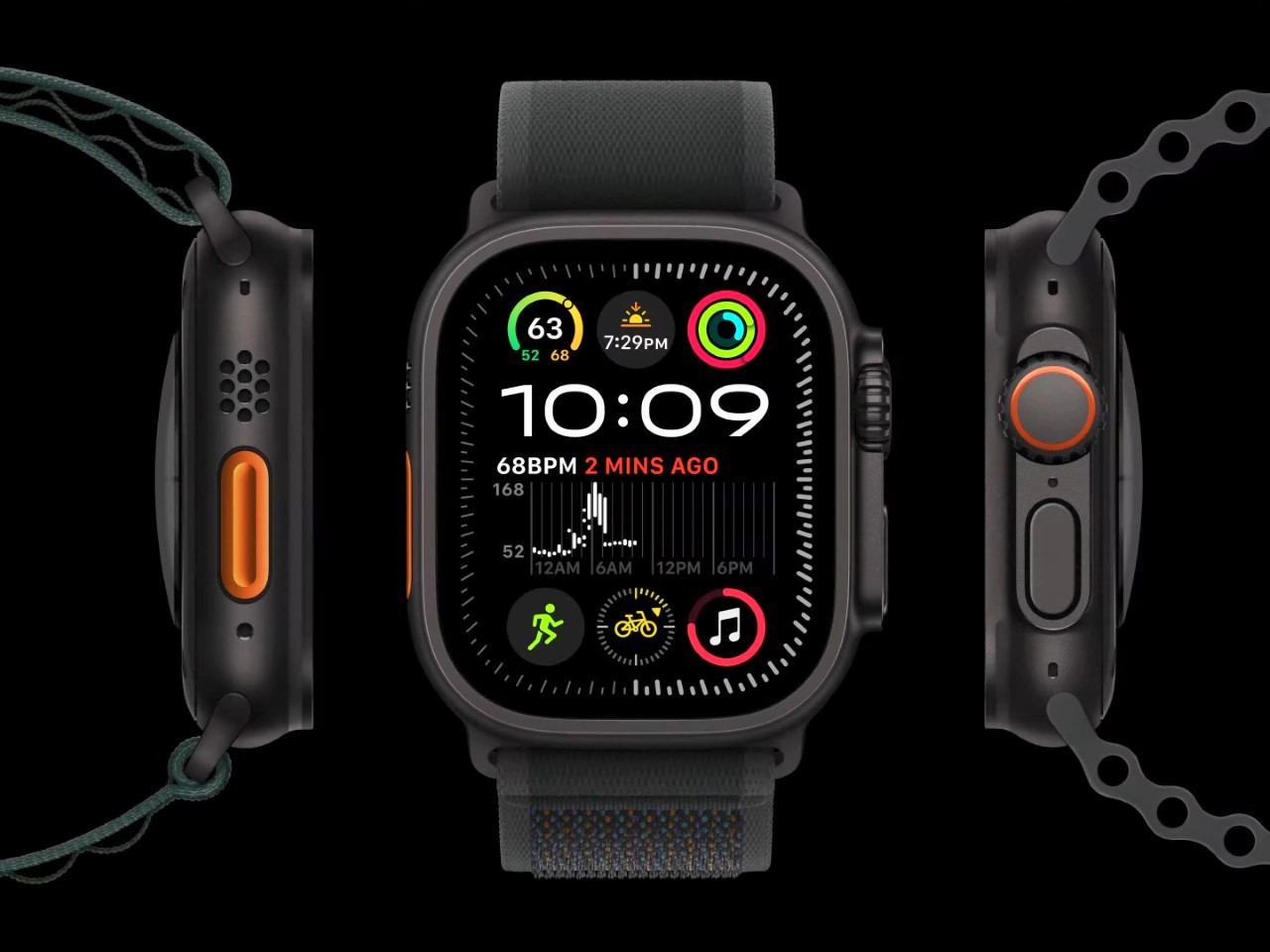
2. Apple would announce a Watch Ultra 3

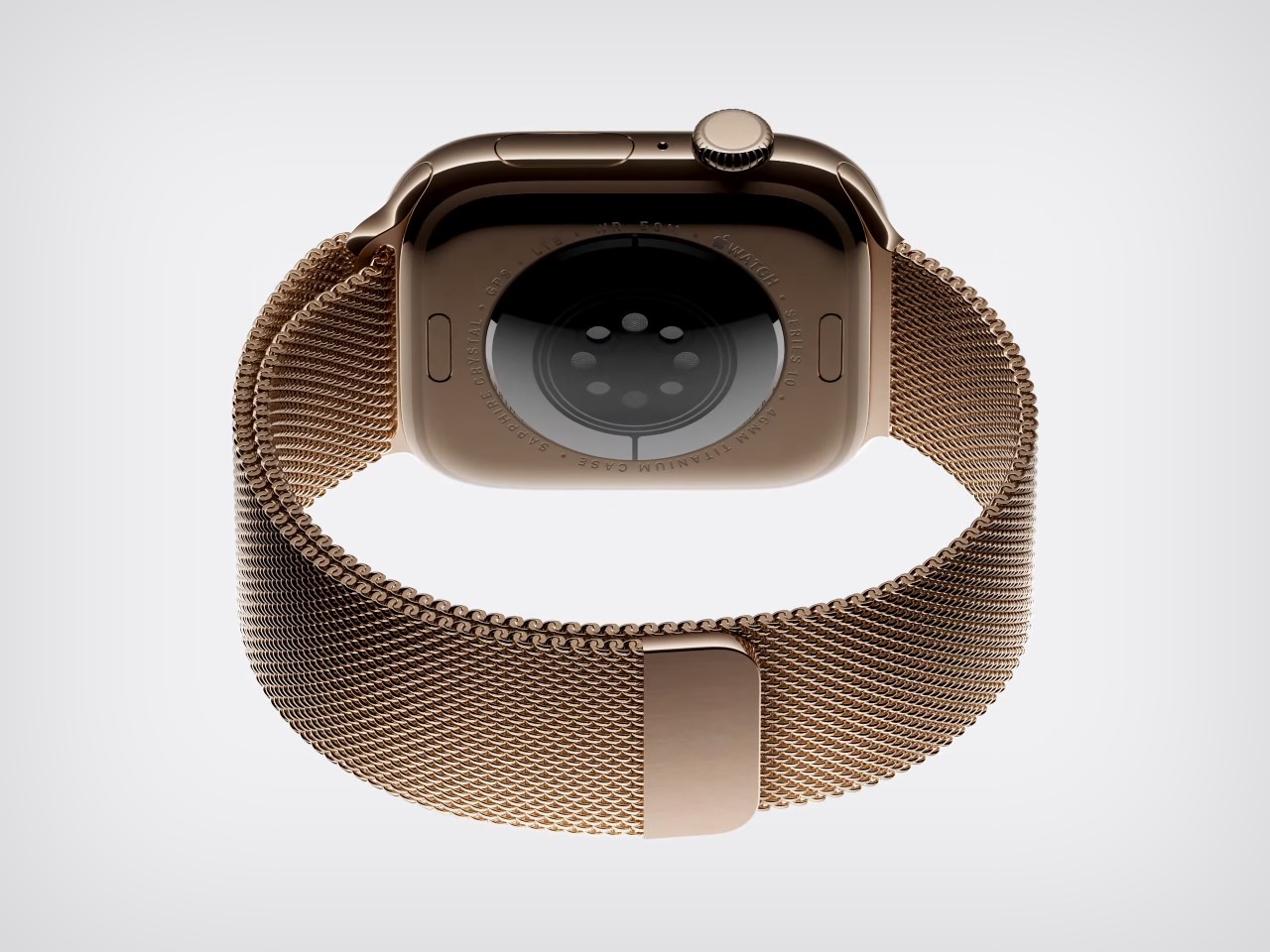
It seemed natural that a Watch Ultra 3 would drop this year, considering Apple refreshed the Watch Ultra after a single year too. However, the Watch Ultra 2 only got a new color upgrade this year, with a gorgeous satin black finish. Everything about the Watch Ultra 2 remains the same on the design and hardware front, although Apple did announce a set of stunning Milanese metal straps for both the Natural as well as the Satin Black color finishes.

3. Launch of the AirPods Pro 3 and AirPods Max 2

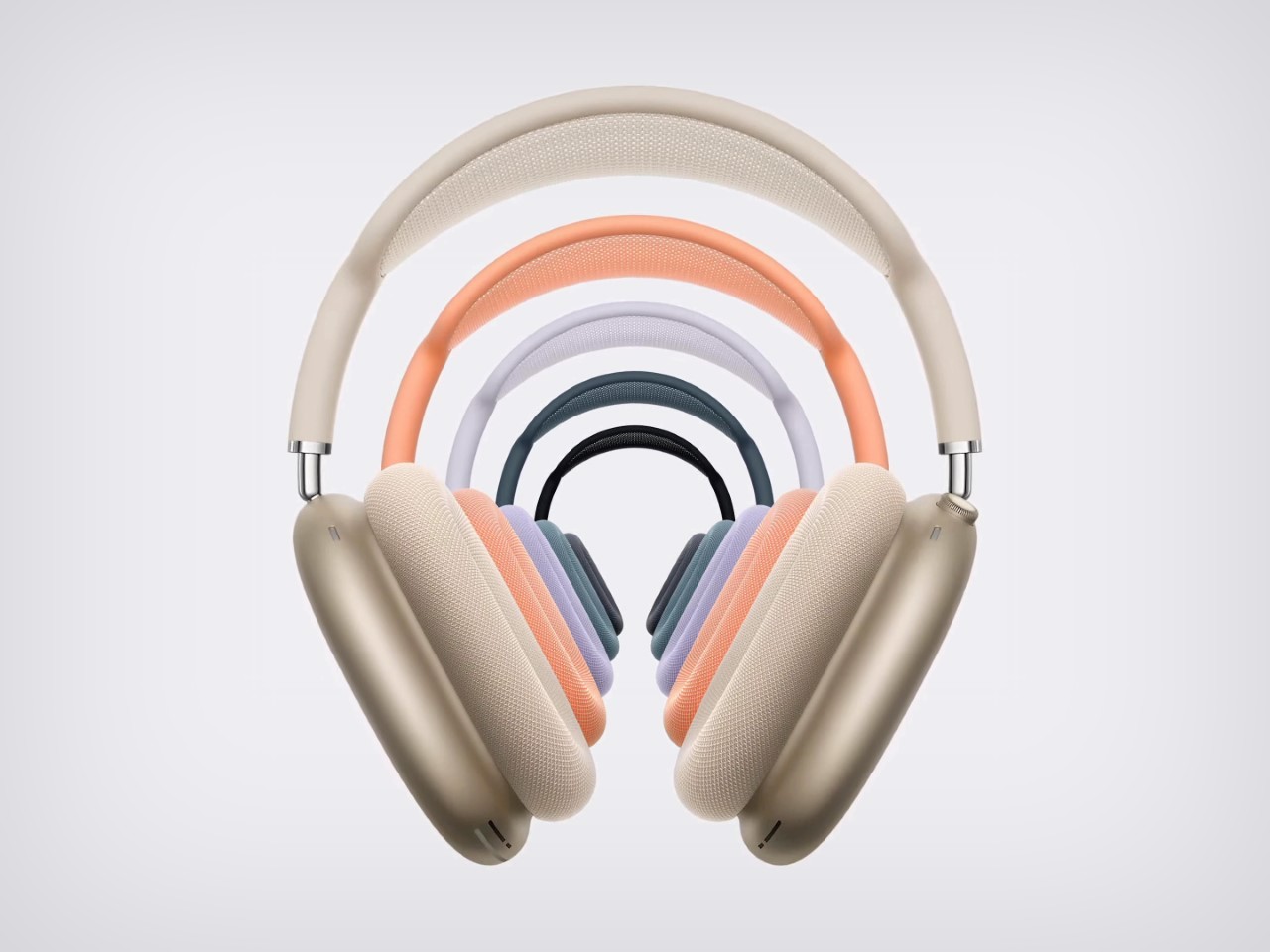
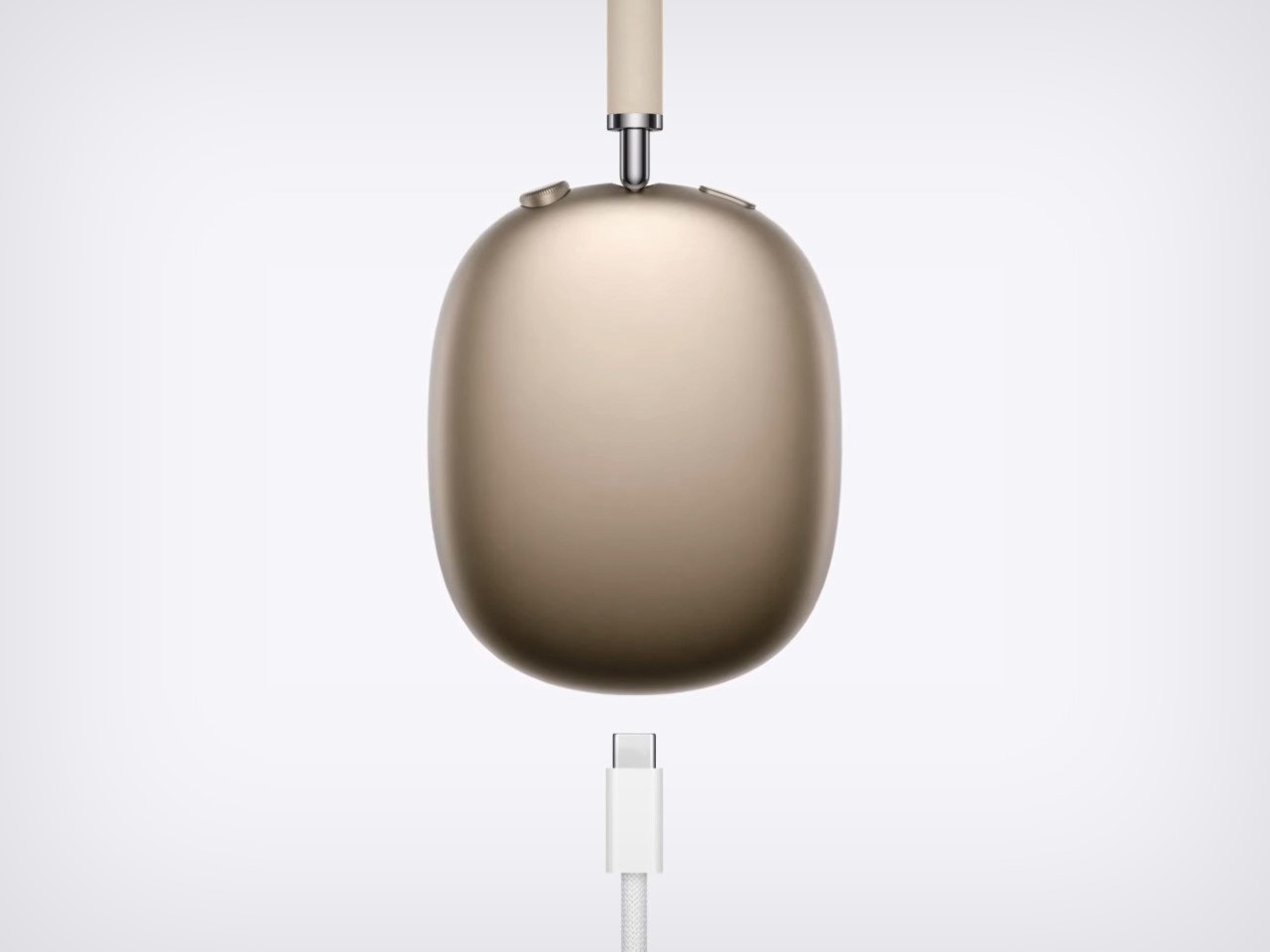
Apple launched the AirPods Pro 2 in September 2022, and the AirPods Max as early as September 2020. It felt all but natural to expect the company to give these devices their due upgrades, but it seemed like Apple had other plans. The company didn’t upgrade their highest-end earbuds and headphones but rather decided to give them a set of new protective features. The new AirPods (across the entire range) will have built-in hearing protection features that not only keep your ability to hear intact over time, but also provide tools to measure your hearing loss – something that’s usually a concern with prolonged earphone/headphone usage. Pending FDA approvals, the AirPods will have clinically validated hearing test features, as well as an over-the-counter hearing aid feature. Oh, and while the AirPods Max didn’t get an upgrade, they DID get 5 new color options, along with USB-C charging… finally.

4. Launch of an iPhone Slim

I had my doubts about this, but when Apple announced the world’s slimmest iPad clocking in at a mere 5.1 millimeters in thickness, it seemed like Apple had similar plans for the iPhone 16 series. However, none of that was true. Call it post-Bendgate-trauma or just something Apple isn’t planning on working on, but the iPhone Slim never really became a thing. I’ll be honest, if Apple DID want to make a slim iPhone, the best way to do it would be to turn it into a foldable… but it seems like we’re years away from that for now.

Rumors we got right:

1. The Apple Watch would get ZERO AI features

This felt surprisingly sad even for a rumor, but when WWDC rolled out, everyone was quick to notice that WatchOS didn’t get mentioned EVEN ONCE during the Apple Intelligence segment. I dismissed it as just a mere mistake, hoping that Apple would announce big AI features for the 10th anniversary Watch, but alas, the Watch Series 10 did NOT get any AI features. Sure, it has neural cores in its S10 SIP that uses machine learning to detect heart problems, falls, and now even sleep apnea… but ‘intelligent Siri’ won’t be coming to the Watch any time soon. Or any Apple Intelligence feature for that matter.

2. The AirPods Max would get upgraded to USB-C

It’s surprising that Apple’s ENTIRE consumer product line got upgraded to USB-C, but the AirPods Max got left behind. First announced in 2020 (when Lightning connectors were still a thing), Apple practically ignored their flagship headphones for the next 4 years (it still sold like hotcakes), and just as we were hoping for an AirPods Max 2, Apple just decided to give their existing headphone collection 5 new color variants. However, along with the new colors, the AirPods Max DID finally get upgraded to a USB-C charging protocol, which means practically every mobile device (AirPods, iPad, and iPhone) has officially ditched the Lightning connector. In fact, it’s just the Magic Mouse, Magic Trackpad, and the Magic Keyboard that still have a Lightning port on them… but I guess the EU isn’t complaining about those.

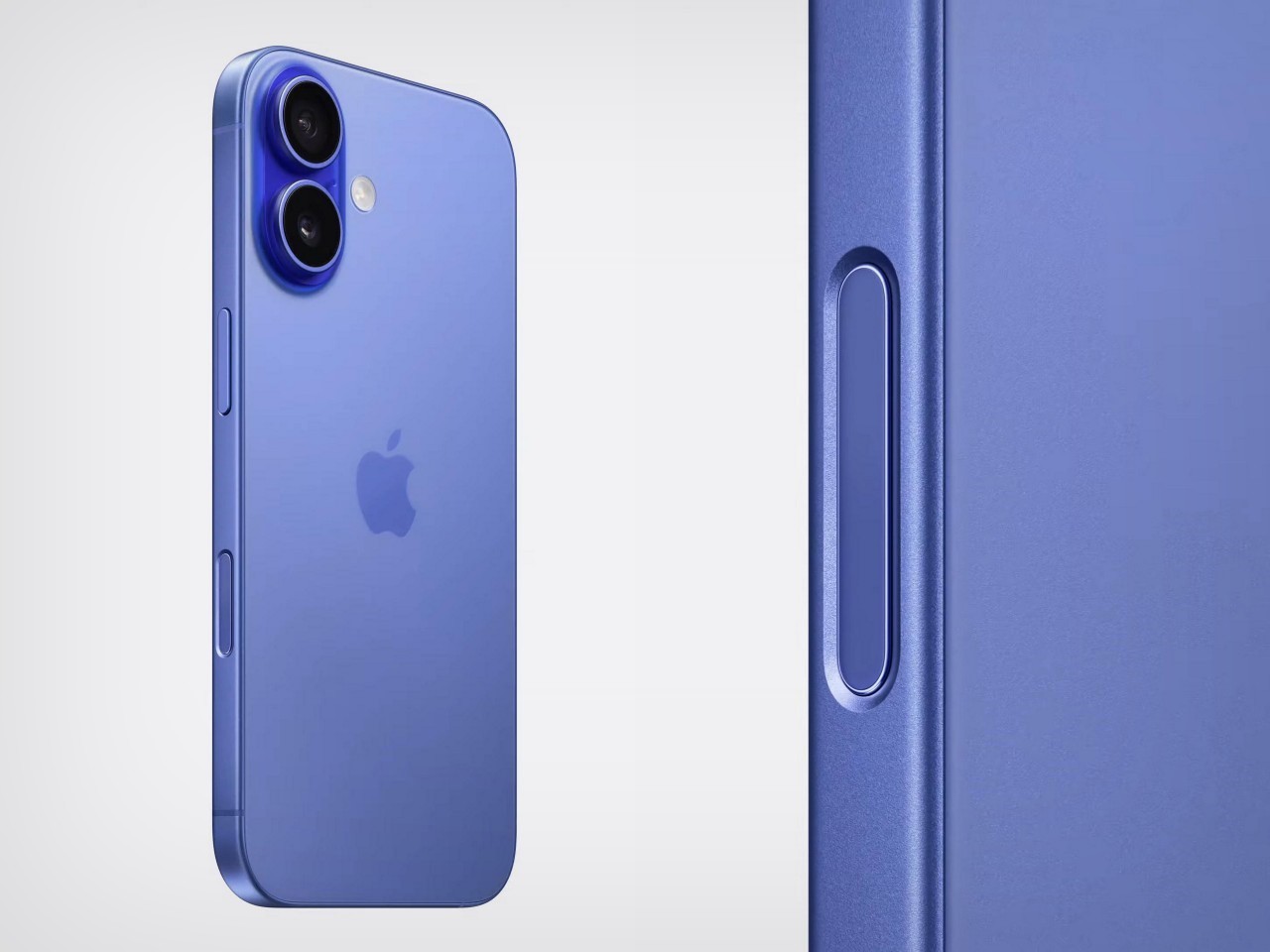
3. The iPhone 16 series would have a Camera Control button

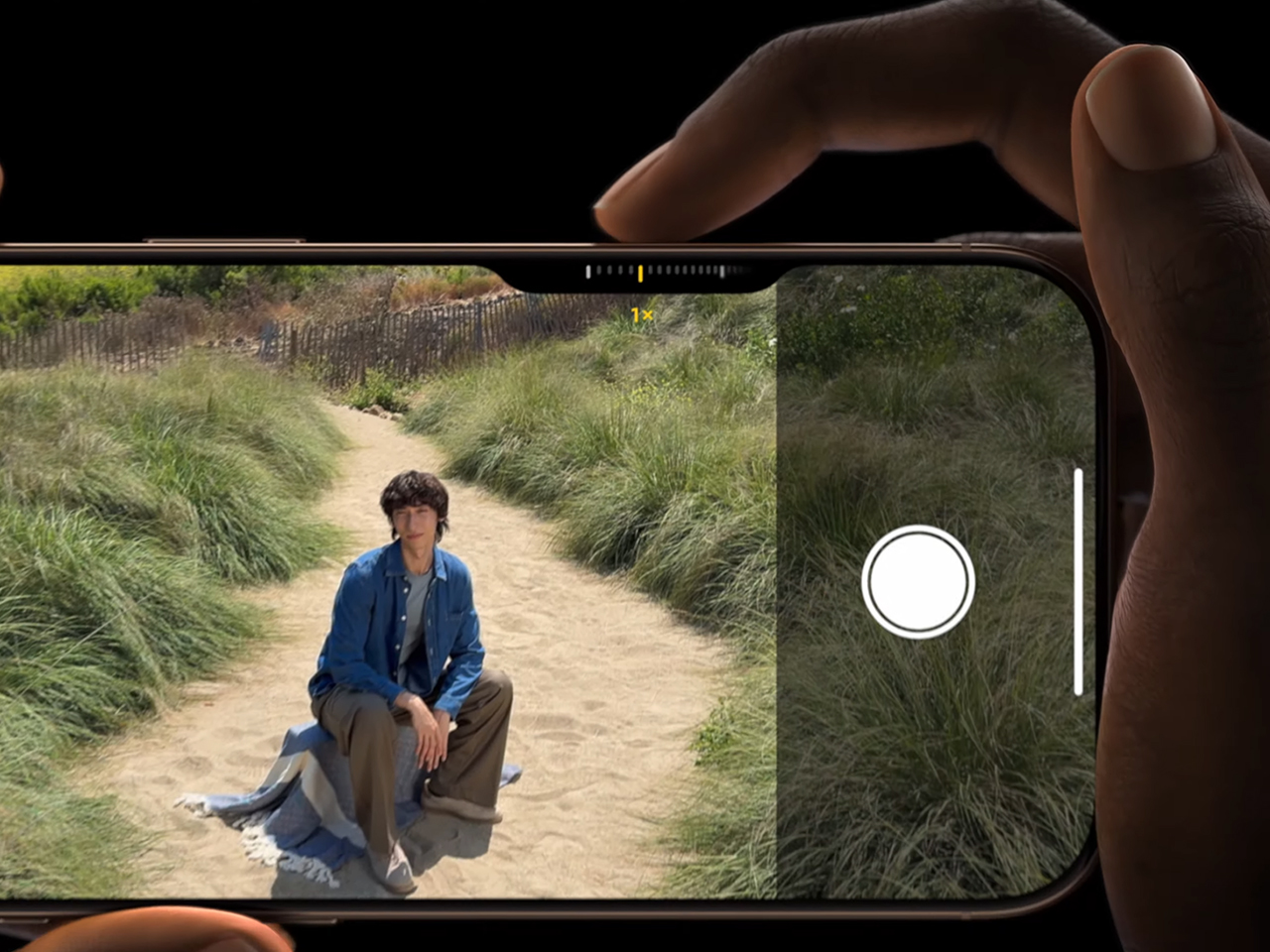
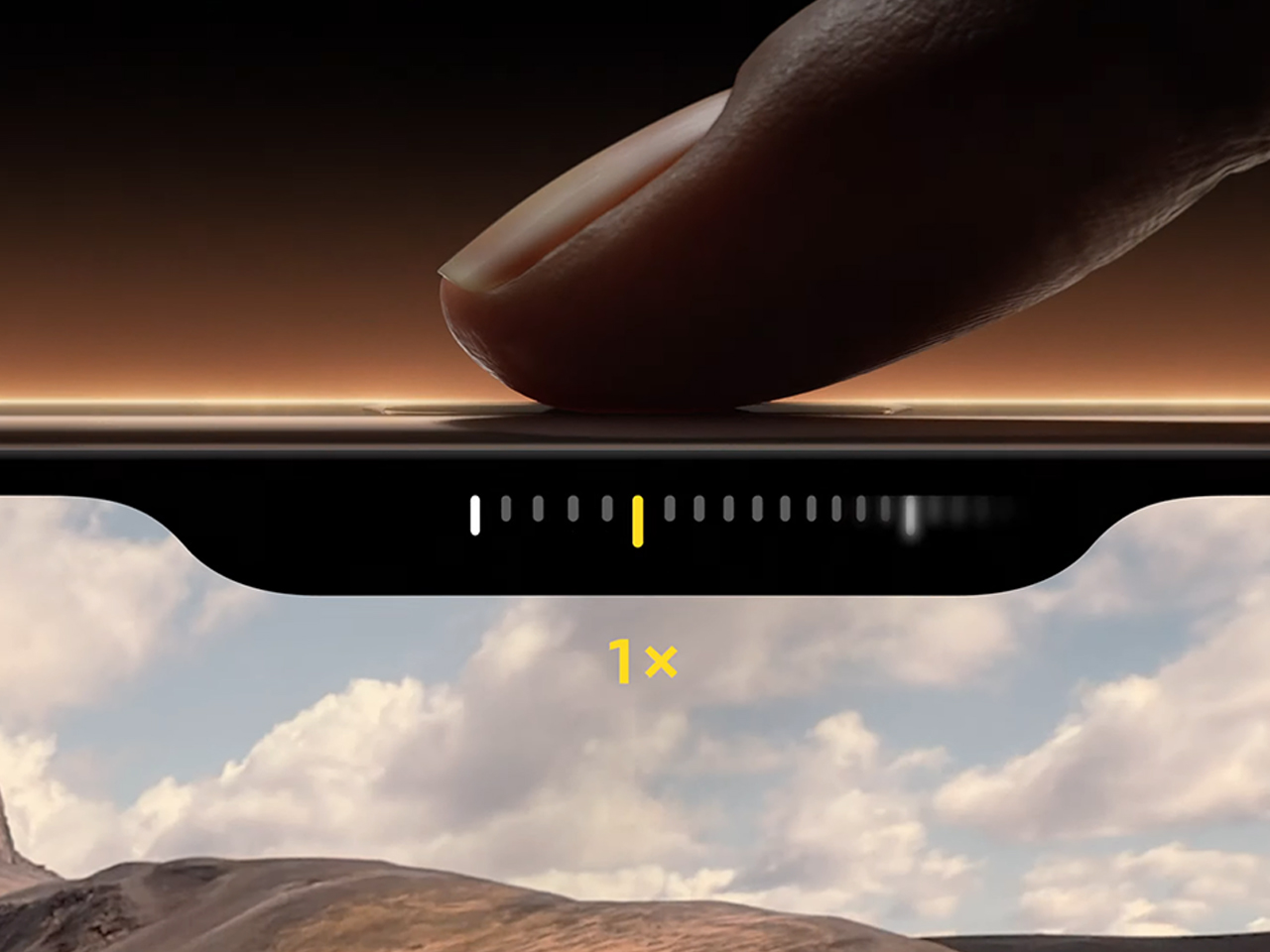
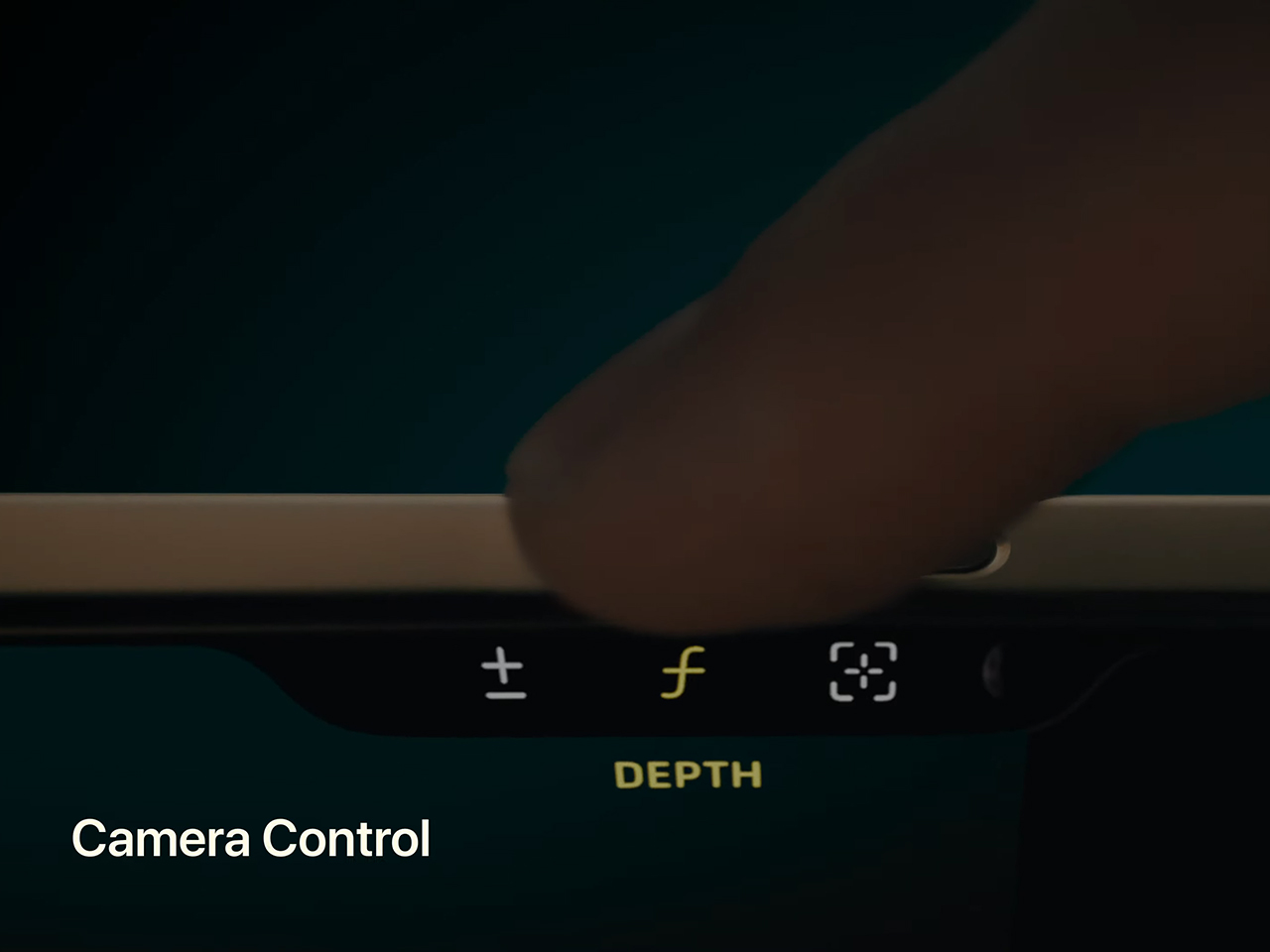
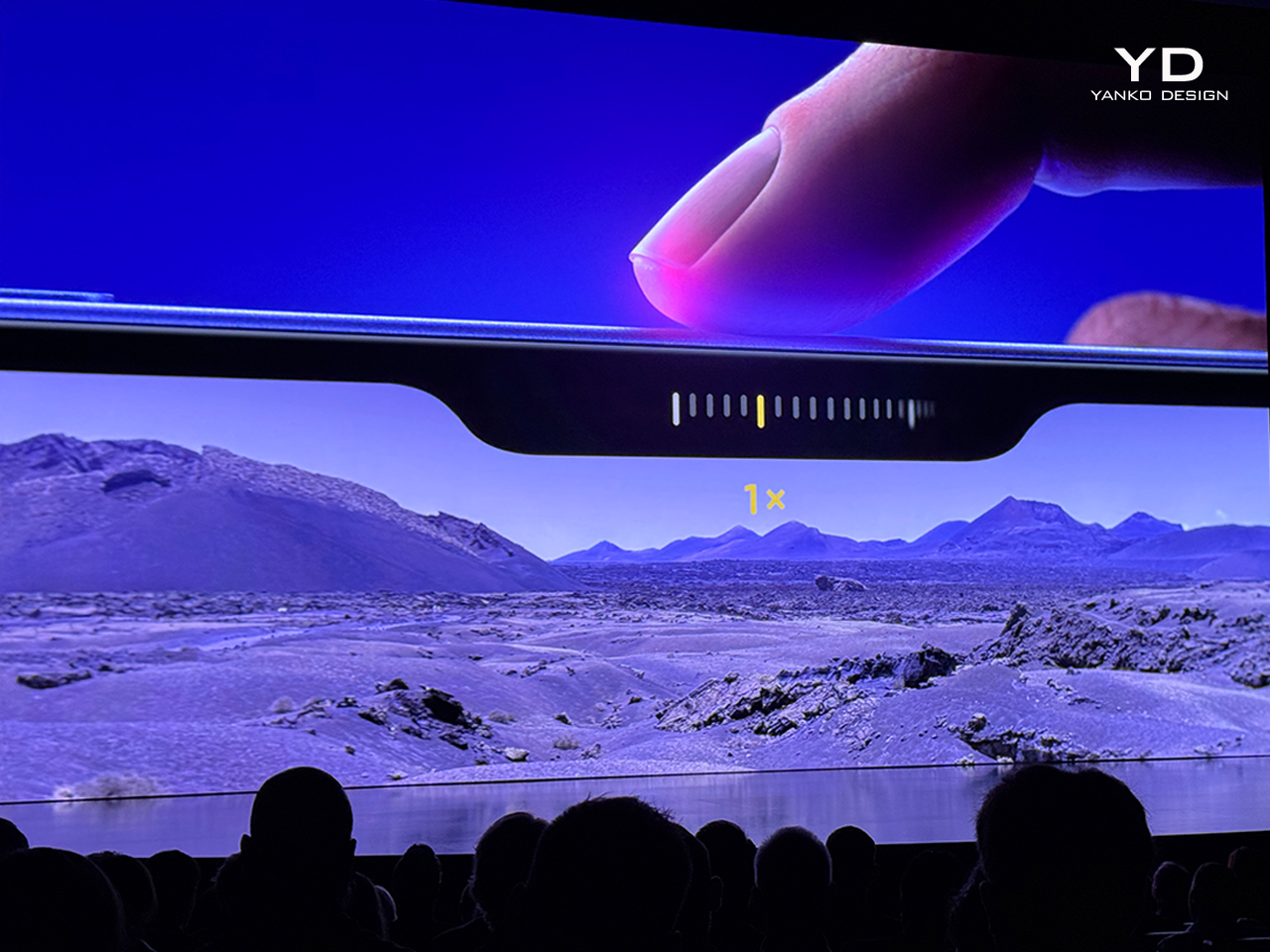
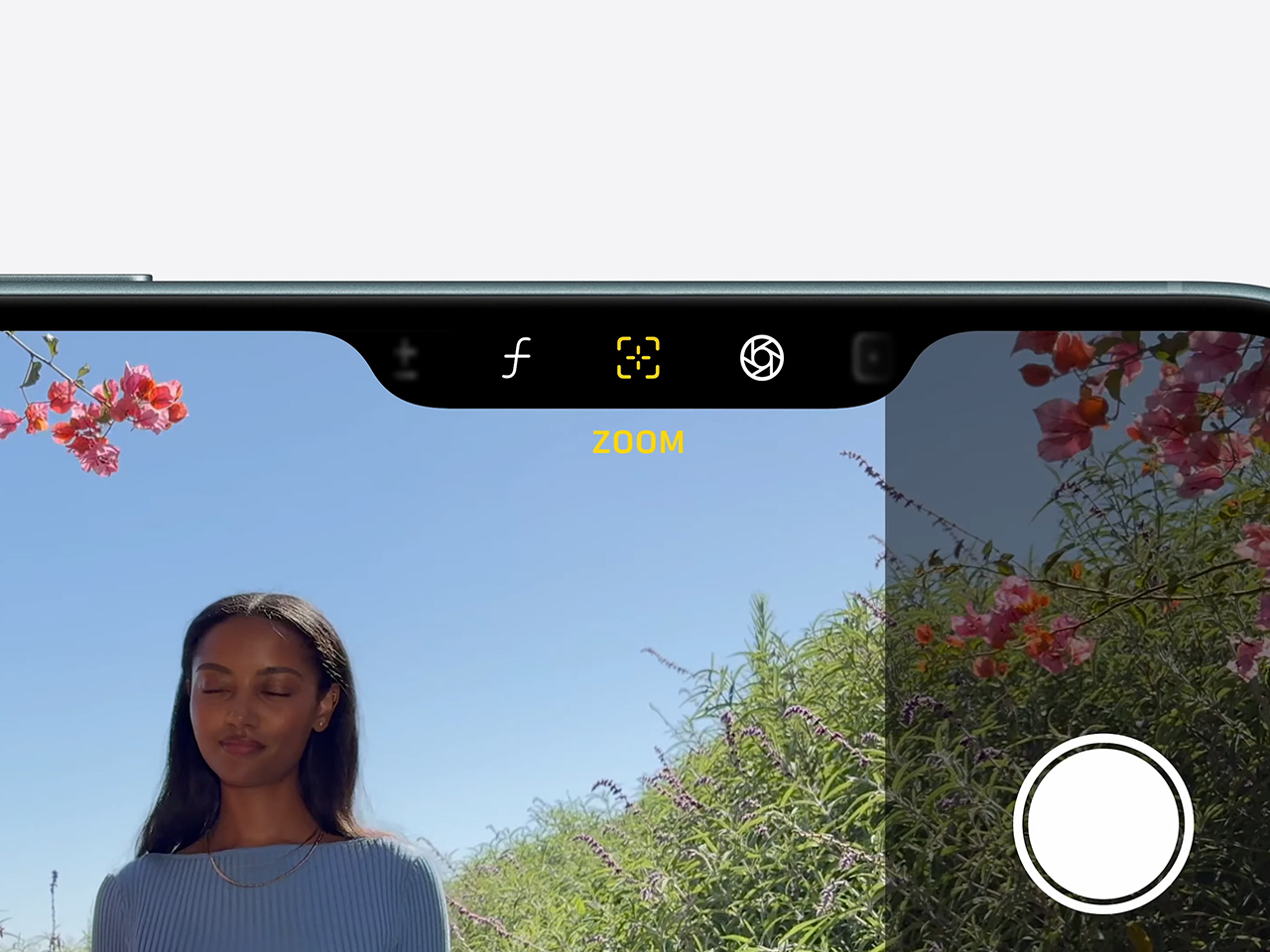
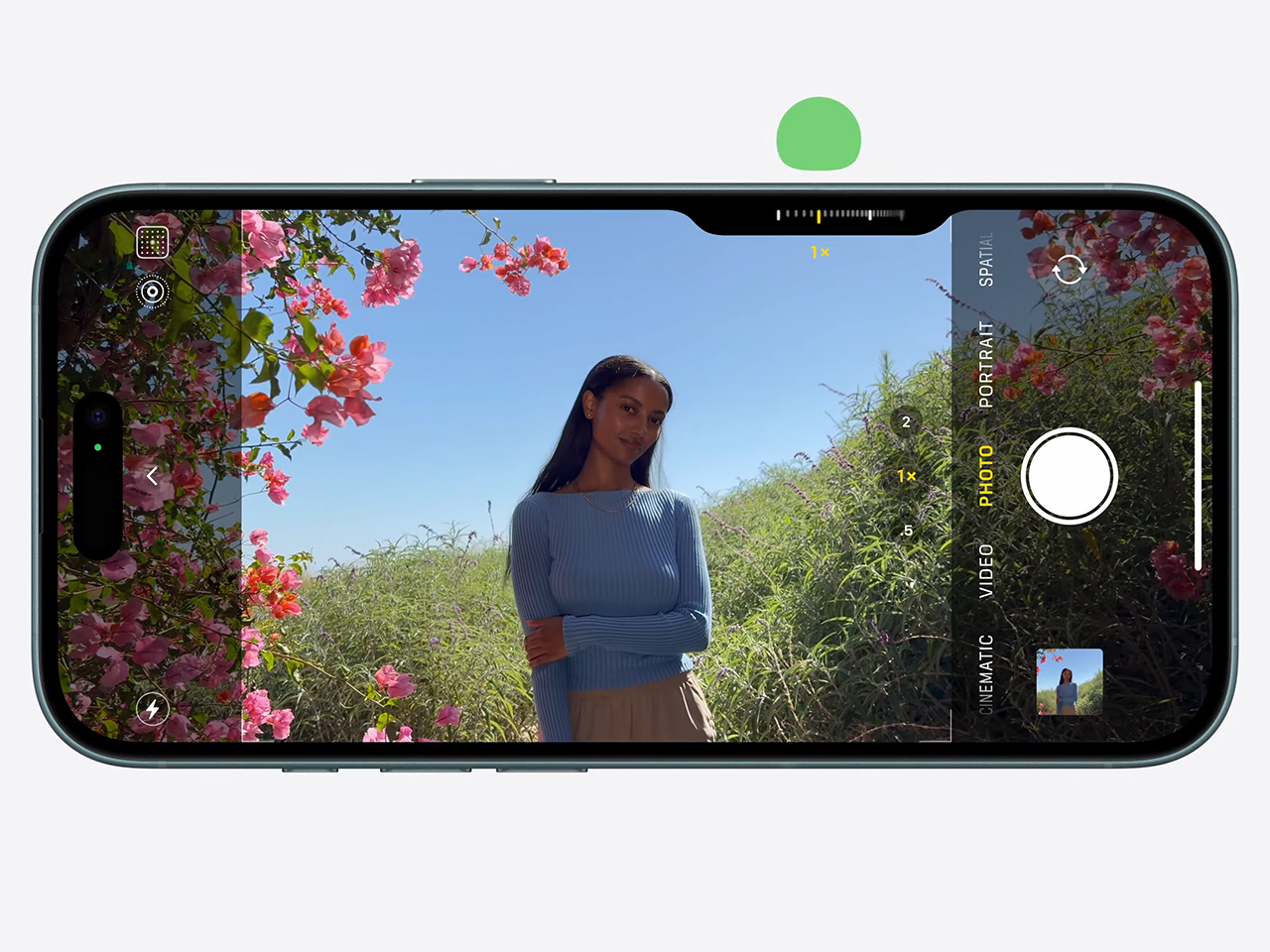
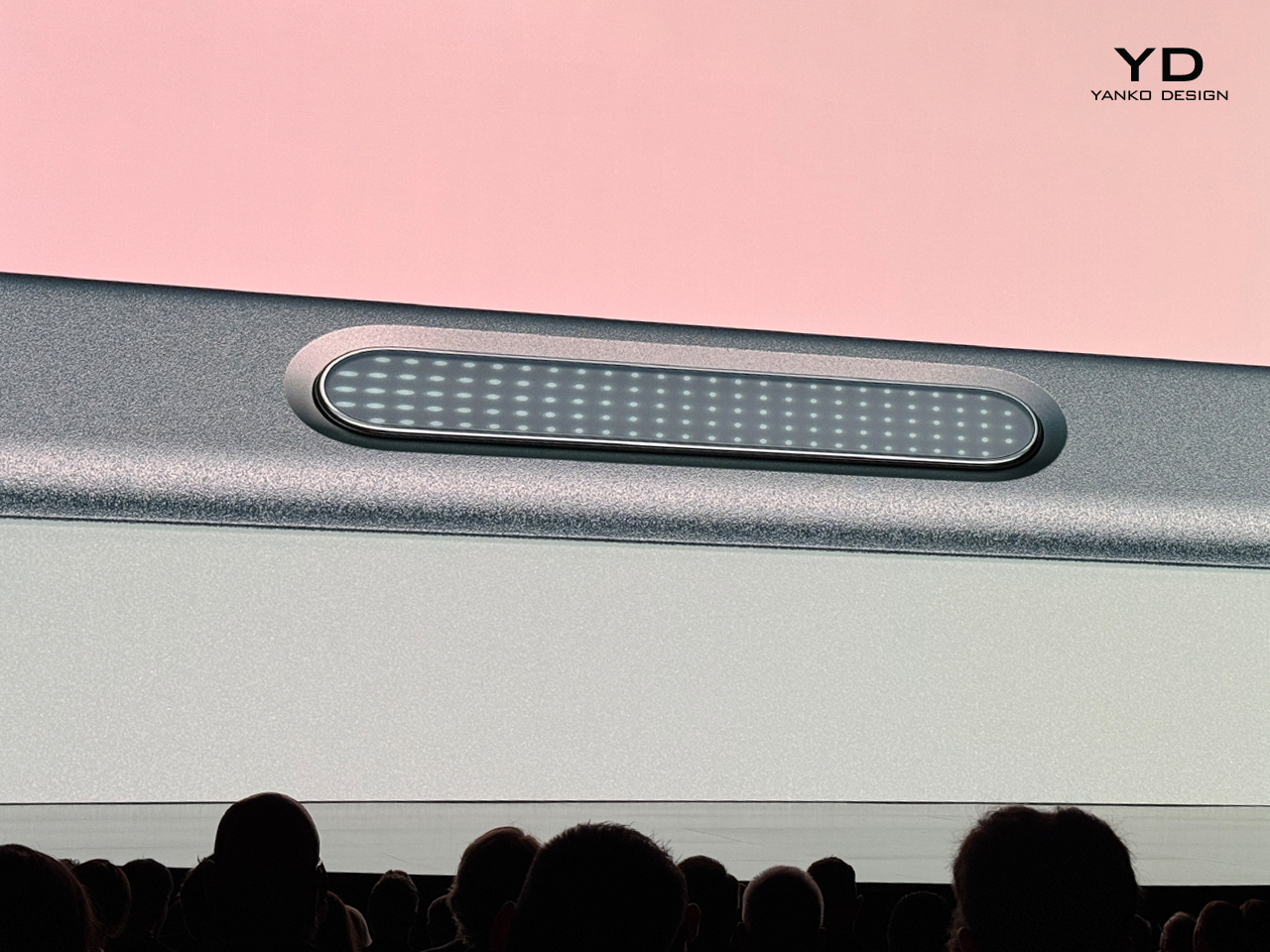
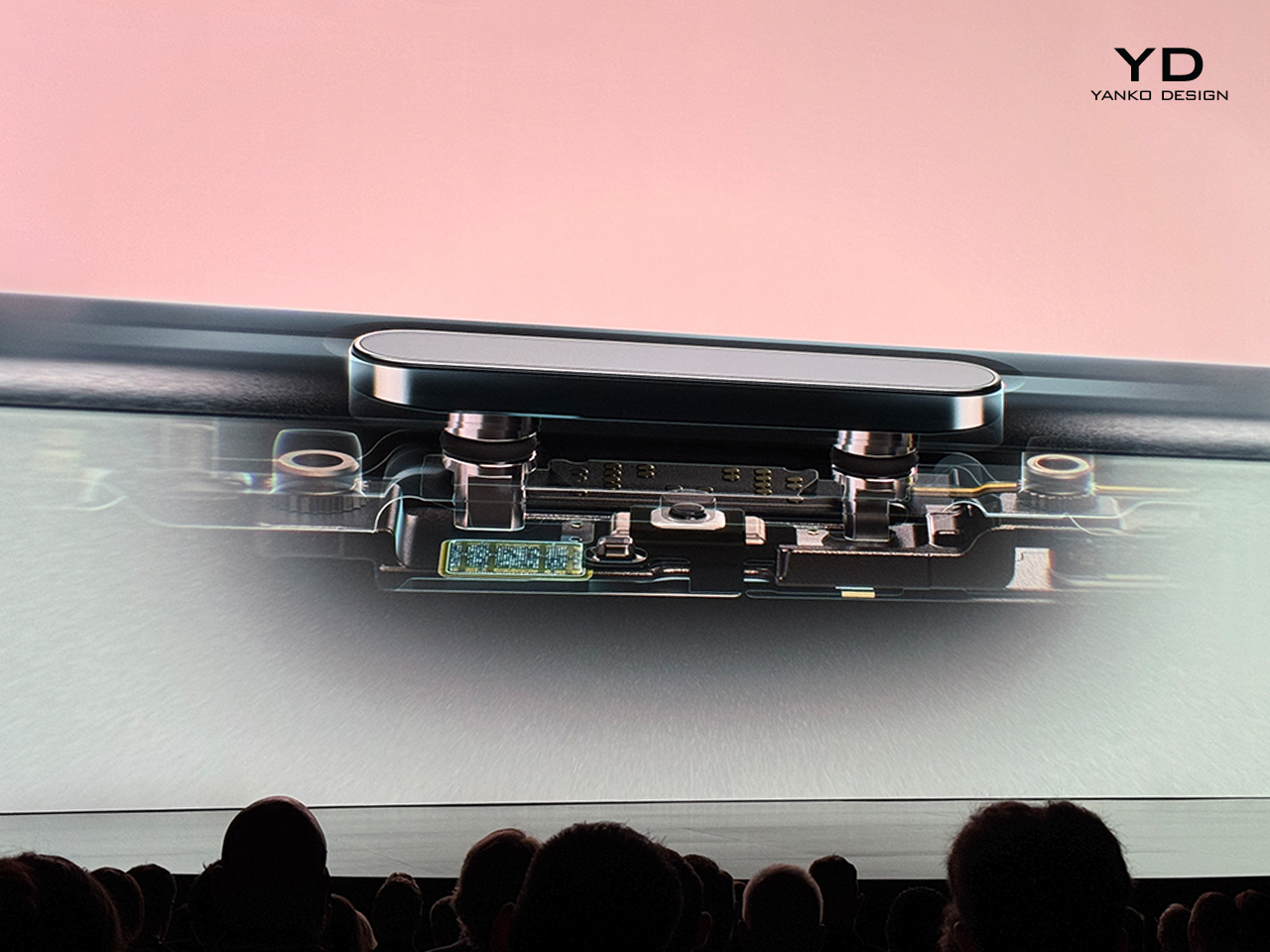
Arguably the biggest change to Apple’s iPhone since the Action Button, the new Camera Control button is surprisingly great. We speculated that it would just be a simple shutter button, but news later highlighted that it would have haptic control, along with a touch-slide feature. Obviously, these rumors only highlight half the truth… because it’s easy to speculate on hardware, but not on software. The Camera Control button’s features were finally announced at the keynote, highlighting how capable this new button would be. Aside from opening the camera and clicking photos, the button can zoom in/out, adjust focus, switch through presets, and do a whole bunch of exciting new things.

4. A larger iPhone 16 Pro Max with a bigger battery, bigger 6.9″ display, and thinner bezels

Apple announcing their iPhone launch in the MIDDLE of IFA 2024 in Berlin felt like a strategic move… and turns out, it was one, because even though the iPhone 16 wasn’t announced, cases for the new iPhone 16 series were on display at IFA, causing everyone to get a fair idea of what the new phones would look and feel like. Once I saw these cases on display, I obviously had to take a closer look… and upon doing so, I couldn’t help but notice how the 16 Pro Max case was significantly larger than my 15 Pro Max smartphone. Turns out, Apple DID end up making their flagship phones bigger (with the iPhone 16 Pro Max having a whopping 6.9-inch display), while making displays thinner, and cramming an even larger battery into their phones. The largest on any iPhone, as Apple personnel tend to say.

5. The iPhone 16 would get a direct bump to the A18 chip

When Apple announced that their iPad Pros would skip the M3 and go directly to M4, my jaw dropped. It seemed inconceivable that Apple would leapfrog ITSELF, but once I saw the announcement, the rumor that the iPhone 16 would get an A18 chip seemed more believable. Traditionally, the base-model iPhones get the same chip as the previous year’s Pro models… but Apple decided to be kind this year. Given how so much of the new iPhone would be centered around Apple Intelligence, it made sense to build a NEW chipset just for handling these AI tasks. The iPhone 16 series is the first phone to get Apple’s latest A18 chipset, and as Tim Cook says, is truly the first iPhone built from the ground-up for Apple Intelligence.

The post Rumors we got right (and wrong) with the September 2024 Apple Keynote first appeared on Yanko Design.

Apple Unveils iPhone 16 Pro with New Camera, Video, and Audio Features Powered by A18 Pro Chip

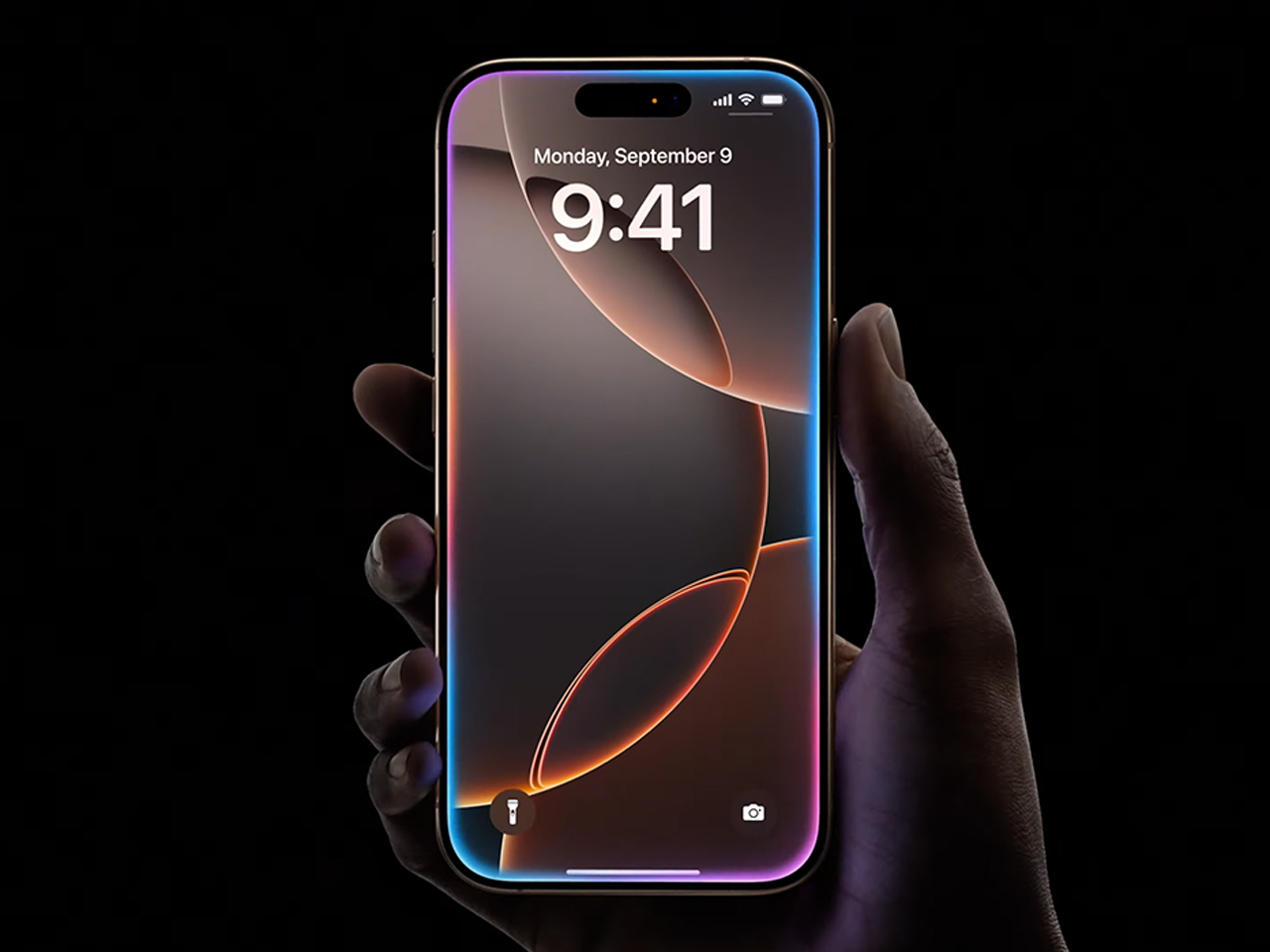
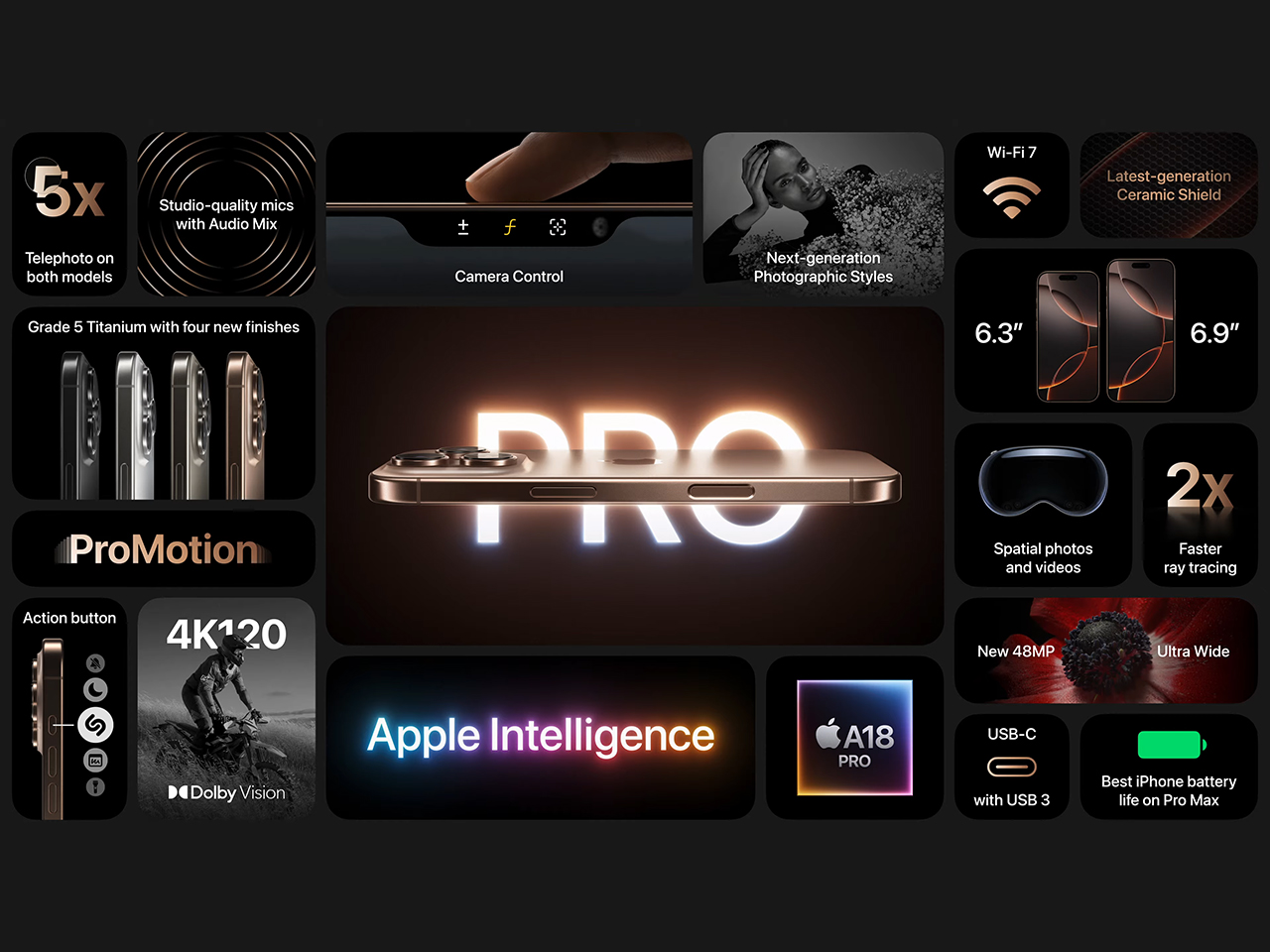
Apple has introduced the iPhone 16 Pro, bringing significant updates to both its design and performance. The iPhone 16 Pro now features larger displays—6.3 inches for the Pro and 6.9 inches for the Pro Max—making them the biggest iPhone screens yet. Despite the larger size, Apple has minimized bezels, resulting in a sleek, nearly edge-to-edge look. The adaptive 120Hz ProMotion technology provides smooth scrolling, while the always-on display functionality gives users quick access to key information.

Designer: Apple

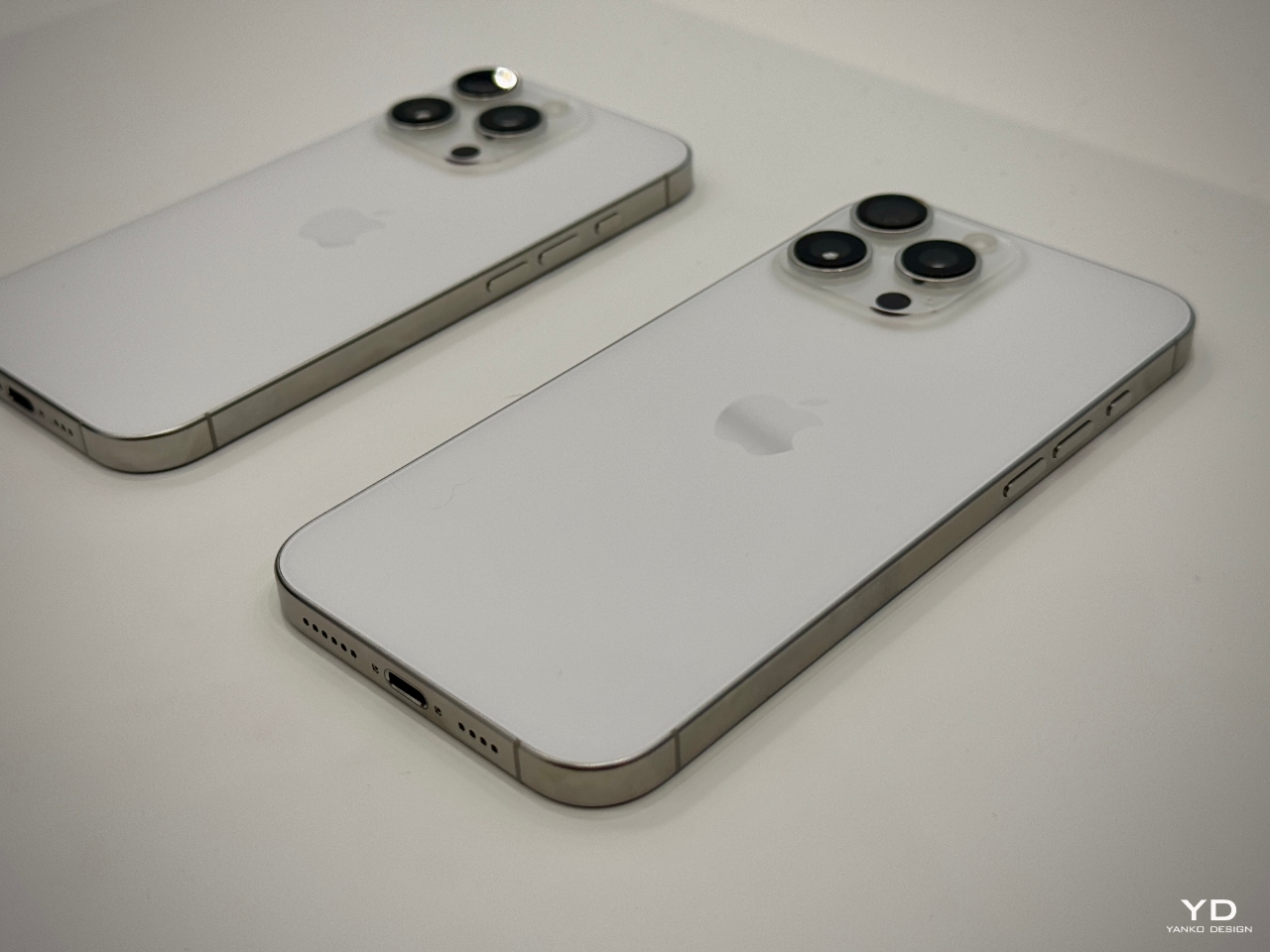
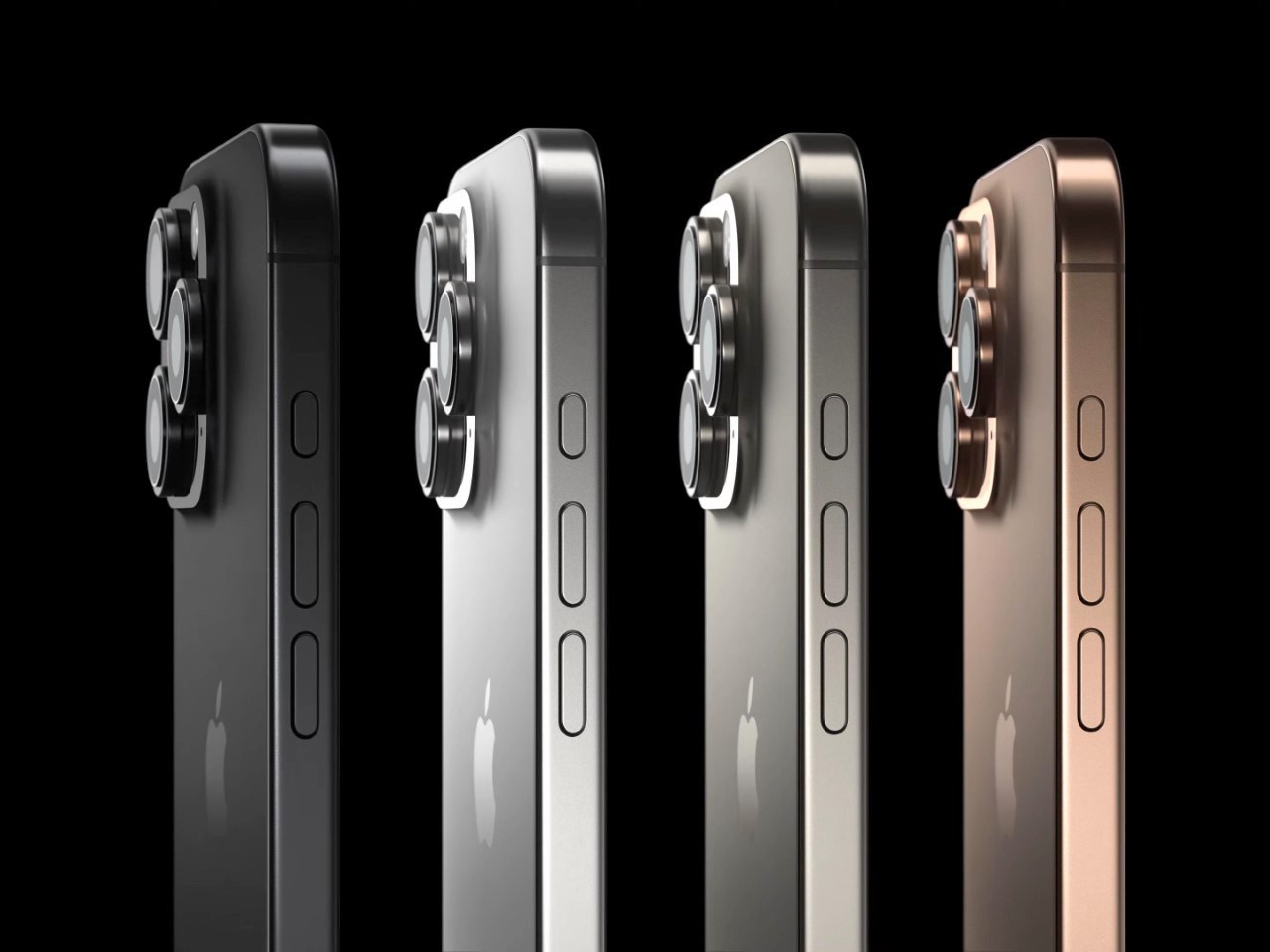
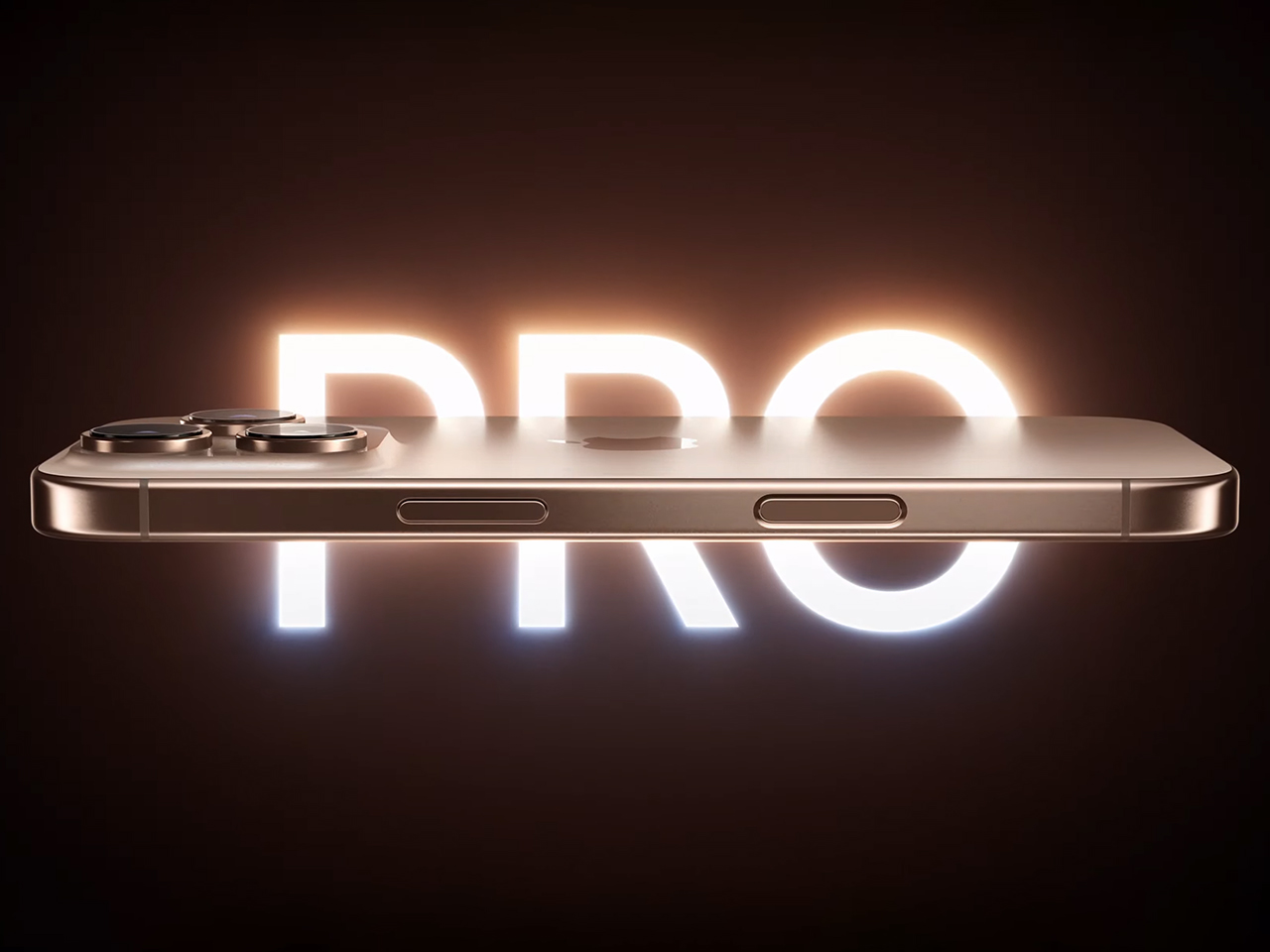
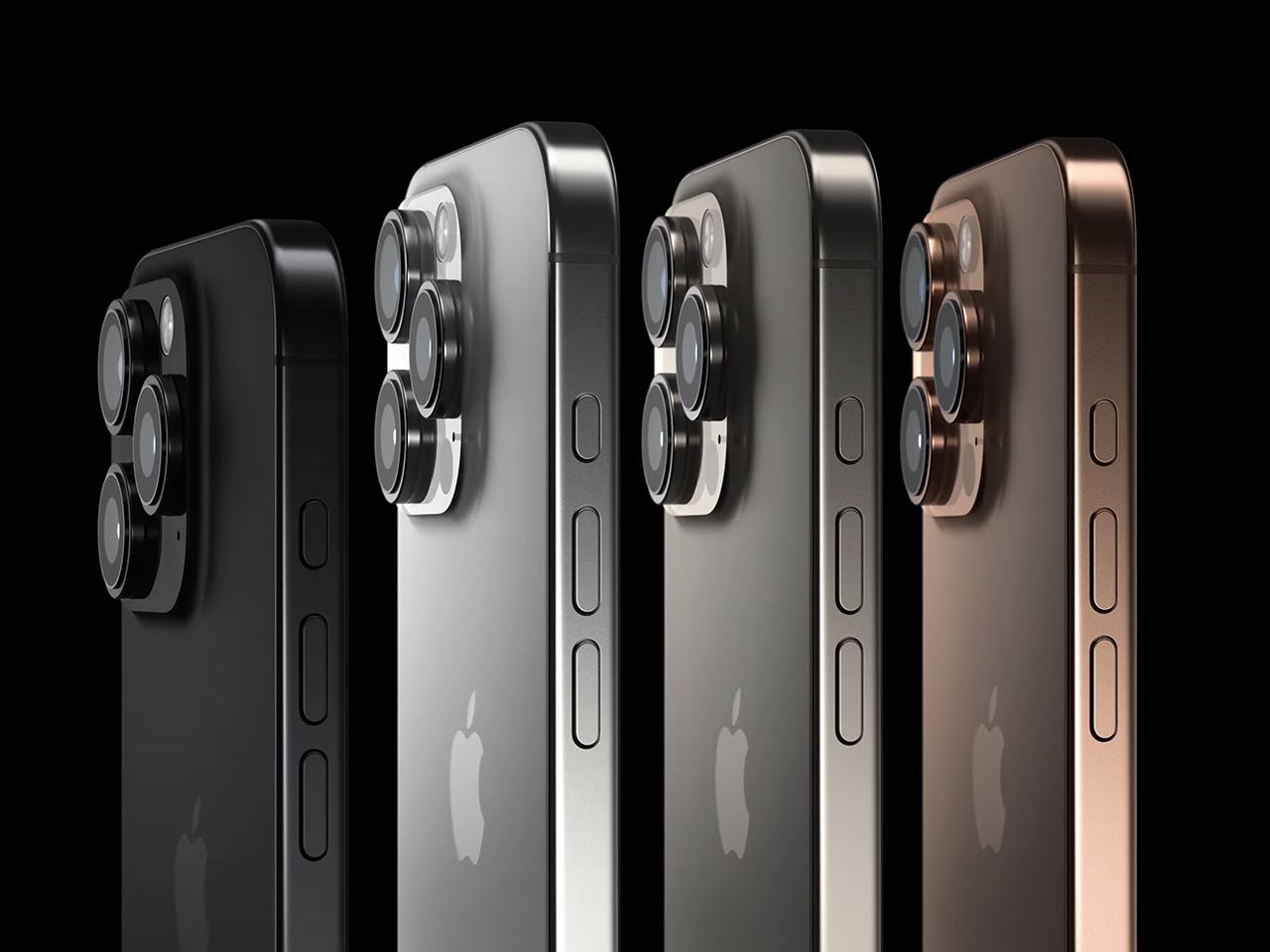
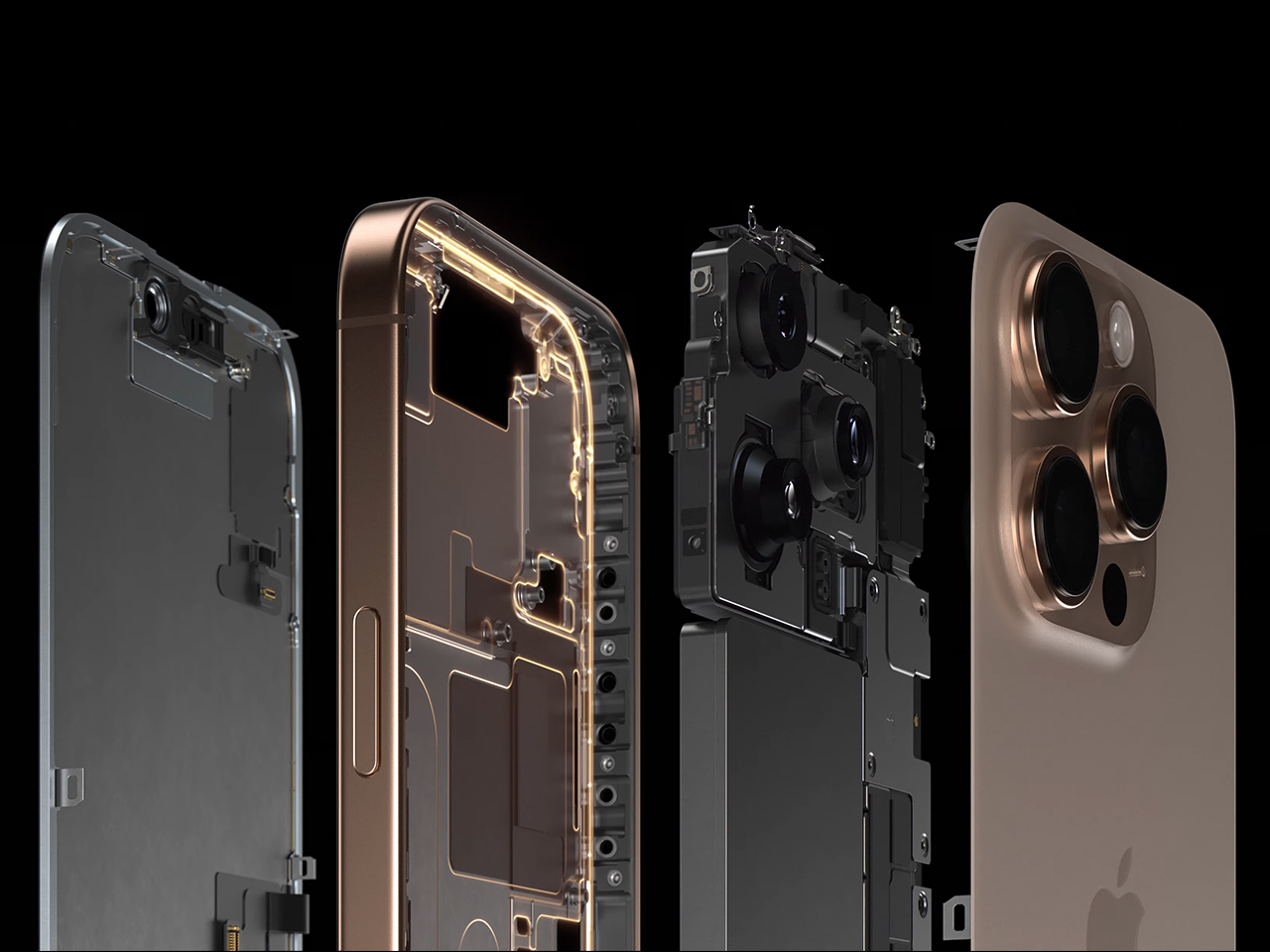
The iPhone 16 Pro’s design is constructed using aerospace-grade titanium, offering both durability and lightness. This titanium body is available in four finishes: Black Titanium, White Titanium, Natural Titanium, and Desert Titanium. The device also incorporates a new thermal architecture that improves sustained performance while keeping the phone cool during heavy use. The Pro models are also water and dust-resistant, ensuring longevity in various environments.

Photography: Real-Time Control and Customization

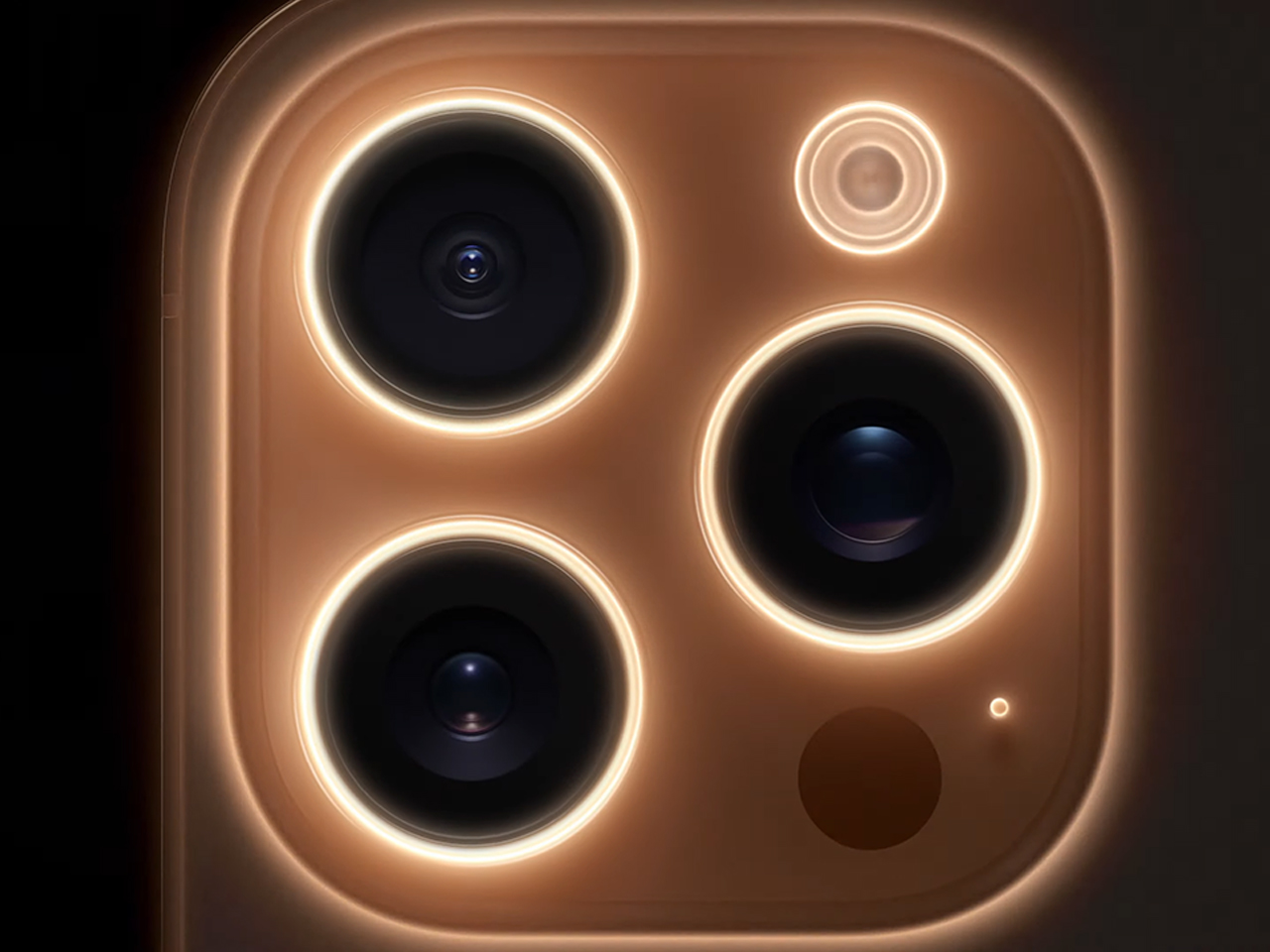
The iPhone 16 Pro empowers creativity through its 48-megapixel fusion camera, which integrates a second-generation quad-pixel sensor capable of reading data twice as fast, allowing for zero shutter lag. Whether capturing fast-moving subjects or subtle details, this new system ensures uncompromised resolution and detail. The sensor’s high-speed data transfer to the A18 Pro chip allows users to capture 48-megapixel proRAW and HEAT photos effortlessly.

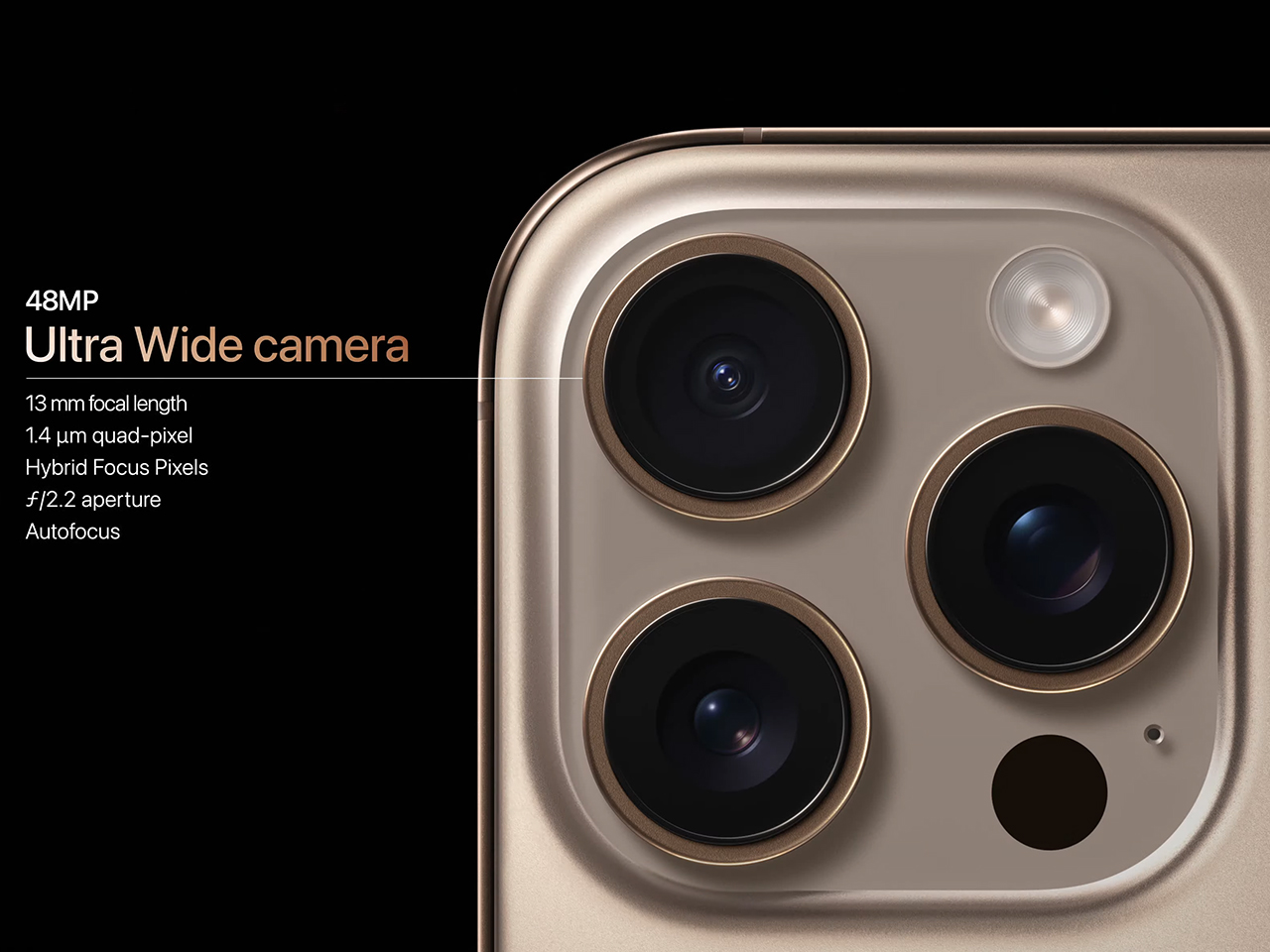
A new 48-megapixel ultra-wide camera complements the fusion camera, offering high-resolution shots with autofocus. It excels in capturing wider scenes and stunning macro shots, delivering sharpness and clarity that make it indispensable for creative users. The 5x telephoto camera—with Apple’s longest focal length—provides incredible zoom capabilities from a distance, while the Tetra Prism design improves optical performance for more detailed, high-quality images.

To streamline the photography process, the iPhone 16 Pro introduces an upgraded camera control system. This interface lets users quickly switch between lenses and adjust the depth of field and exposure with a dedicated slider. Later this year, a two-stage shutter will be added, allowing users to lock focus and exposure with a light press, offering precision when reframing shots.

Advanced Photographic Styles and Real-Time Grading

Apple has enhanced the creative range of the iPhone 16 Pro with advanced photographic styles, allowing users to personalize their photos in real-time. With the A18 Pro chip, the image pipeline dynamically adjusts skin tones, colors, highlights, and shadows, enabling a wider range of aesthetic choices. Users can apply styles like black-and-white, dramatic tones, and other custom looks that go beyond basic filters and fine-tune the look with a new control path that simultaneously adjusts tone and color.

What sets these styles apart is the ability to change them after capture, allowing greater flexibility in editing. The real-time preview enabled by the A18 Pro gives users a professional-level color grading experience as they shoot, a significant upgrade for photographers looking for more creative control.

Video: Cinema-Grade Capabilities

The iPhone 16 Pro significantly advances video recording. The new 4K 120fps recording in Dolby Vision is possible thanks to the faster sensor in the 48-megapixel fusion camera and the high transfer speeds of the Apple camera interface. The image signal processor (ISP) of the A18 Pro allows for frame-by-frame cinema-quality color grading, enabling professional-quality video capture directly on the iPhone.

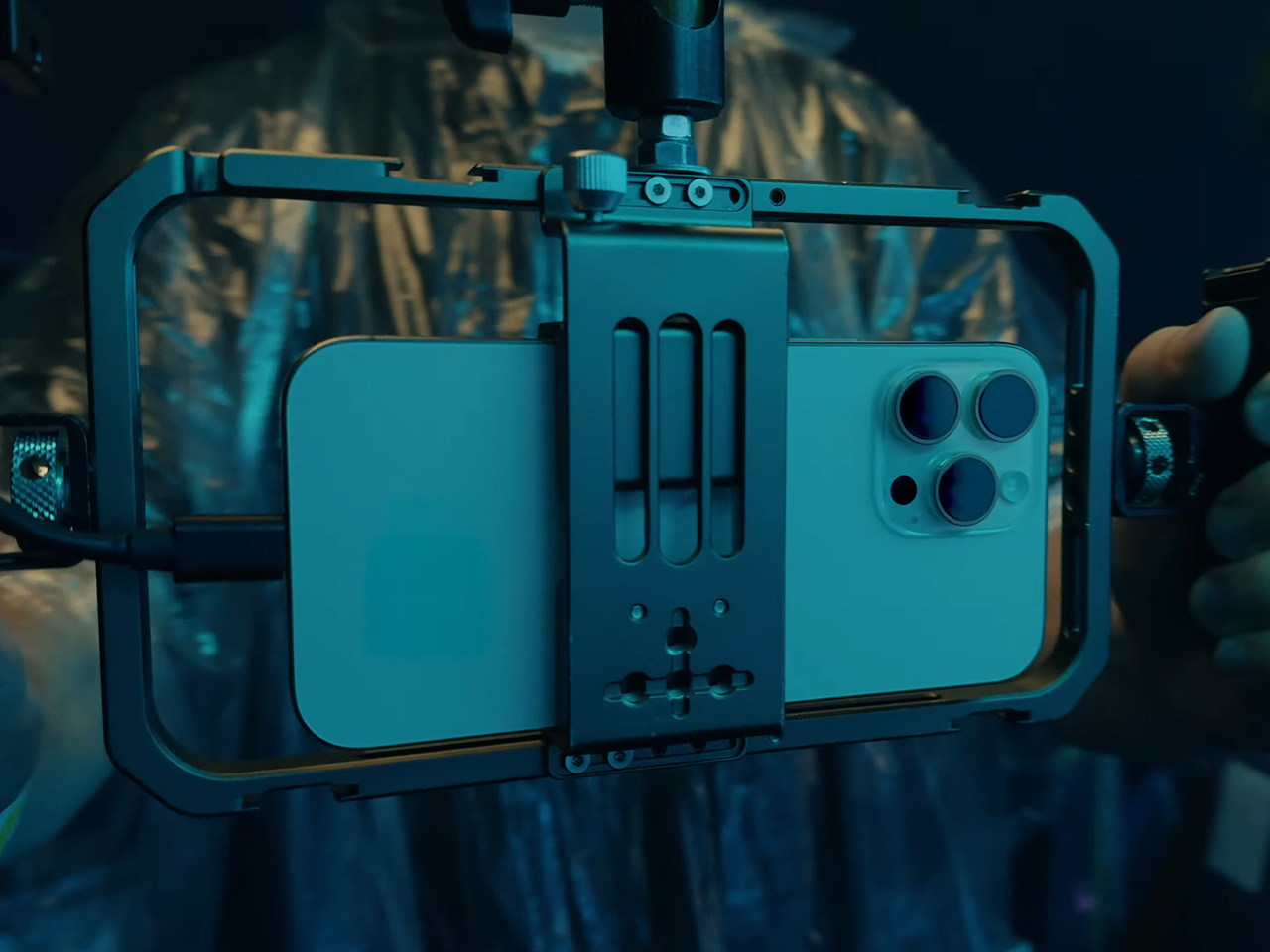
One of the most exciting features is the ability to shoot 4K 120 ProRes and Log video directly to an external storage device, perfect for high-end workflows that demand high frame rates and extensive color grading control. Users no longer need to commit to frame rates upfront—they can adjust playback speed after capture. Whether for slow-motion effects or cinematic storytelling, the iPhone 16 Pro offers flexible playback options, including quarter-speed, half-speed, and 1/5-speed for 24fps cinematic moments.

The camera control interface supports third-party apps like FiLMiC Pro and Grid Composer, enabling advanced features such as precise framing based on the rule of thirds and other composition tools. This further solidifies the iPhone 16 Pro as a versatile tool for video creators.

Audio: Studio-quality sound and Spatial Audio

The iPhone 16 Pro also delivers significant audio upgrades. Four studio-quality microphones provide low noise levels for true-to-life sound capture, whether recording vocals or instruments. The reduced noise floor ensures high-quality audio, which is essential for professional recordings.

A new feature is spatial audio capture during video recording, enhancing the immersive experience when paired with AirPods or viewed on Apple Vision Pro. The spatial audio capture allows dynamic editing through the new audio mix feature, which uses machine learning to separate background elements from voices. This feature includes three voice options: in-frame mix, which isolates the person’s voice on camera; studio mix, which replicates a professional recording environment by eliminating reverb; and cinematic mix, which positions the vocal track upfront with surrounding environmental sounds in the background.

For content creators, Voice Memos now offers the ability to layer tracks on top of existing recordings. This is especially useful for musicians, who can now add vocals over a guitar track or any other instrumental recording. The system automatically isolates the voice from the background audio for a clean, professional result.

A18 Pro Chip: Powering Creativity and Performance

At the core of the iPhone 16 Pro’s new capabilities is the A18 Pro chip, built with second-generation 3-nanometer technology for improved performance and efficiency. The 16-core Neural Engine is designed for tasks requiring high computational power, such as machine learning and generative AI. With a 17% increase in system memory bandwidth, the iPhone 16 Pro can handle tasks such as ray tracing in gaming, 4K video editing, and more.

The A18 Pro chip’s enhanced image signal processor (ISP) enables real-time color grading and supports the advanced photo and video capabilities of the iPhone 16 Pro, ensuring that every shot and video benefits from professional-level quality. The chip’s GPU also provides 20% faster performance, allowing for smoother gaming and more efficient graphics rendering.

iPhone 16 Pro: Is It Time to Switch or Upgrade?

For professional creators, the iPhone 16 Pro delivers the performance and tools needed to meet demanding creative standards. Powered by the A18 Pro chip, it offers advanced photographic styles, pro-level video recording, and studio-quality audio. Whether capturing intricate details in images, producing cinematic-quality videos, or recording clear, high-fidelity audio, the iPhone 16 Pro provides the precision and control necessary to achieve your creative goals. This upgrade is a powerful creative tool designed to push the boundaries of your work, supporting and enhancing your vision with every use.

The post Apple Unveils iPhone 16 Pro with New Camera, Video, and Audio Features Powered by A18 Pro Chip first appeared on Yanko Design.

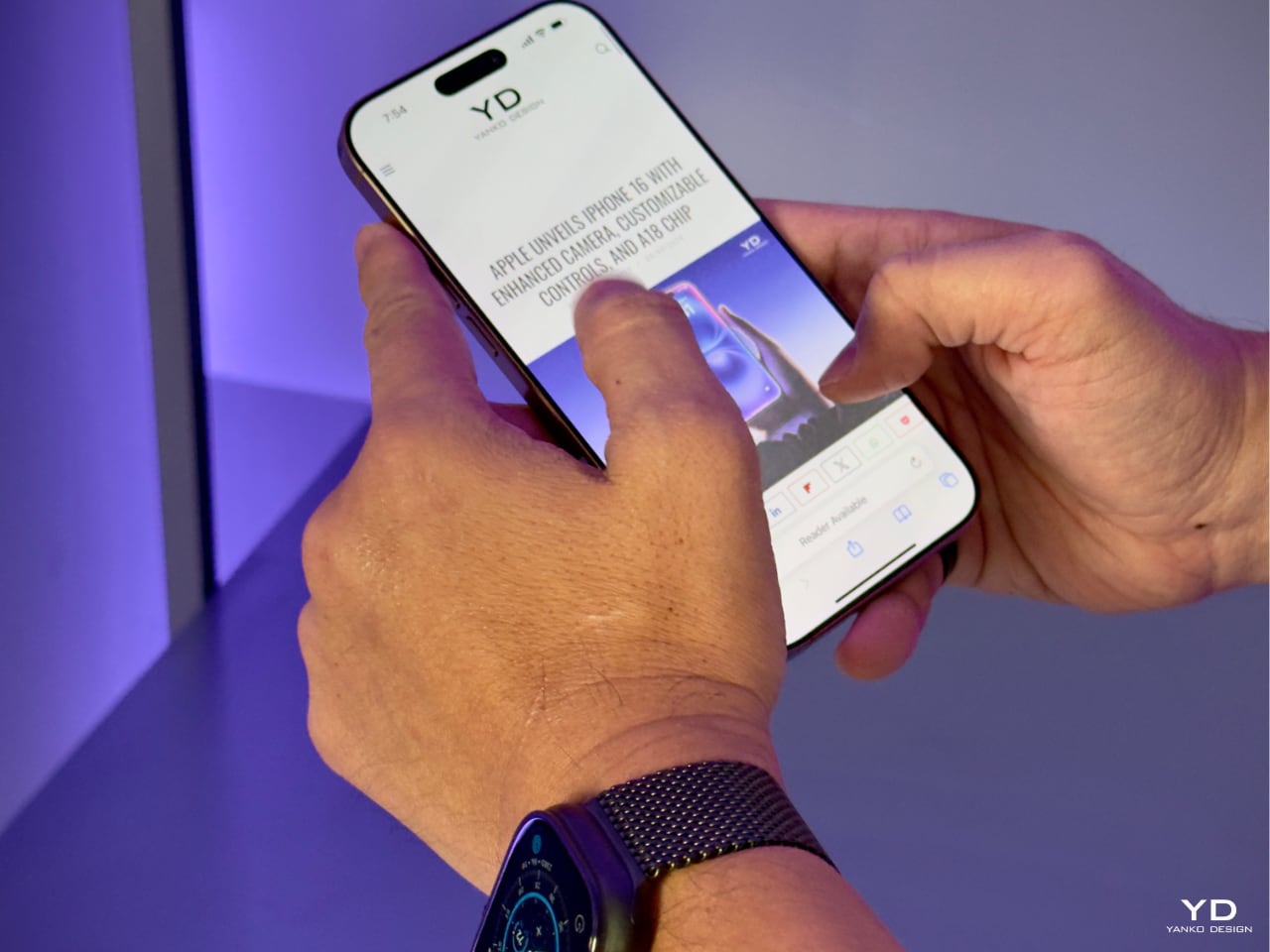
Apple Unveils iPhone 16 with Enhanced Camera, Customizable Controls, and A18 Chip

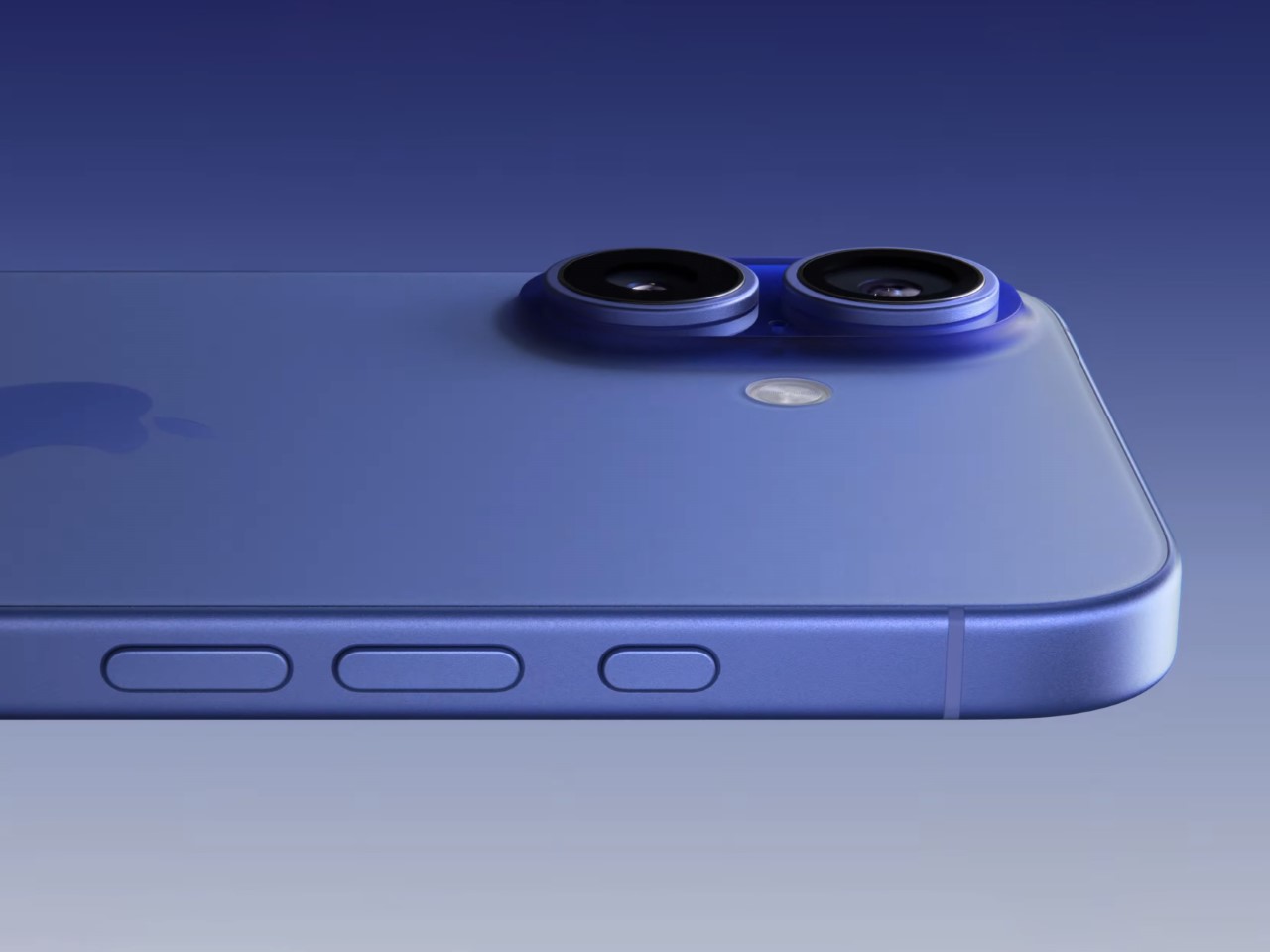
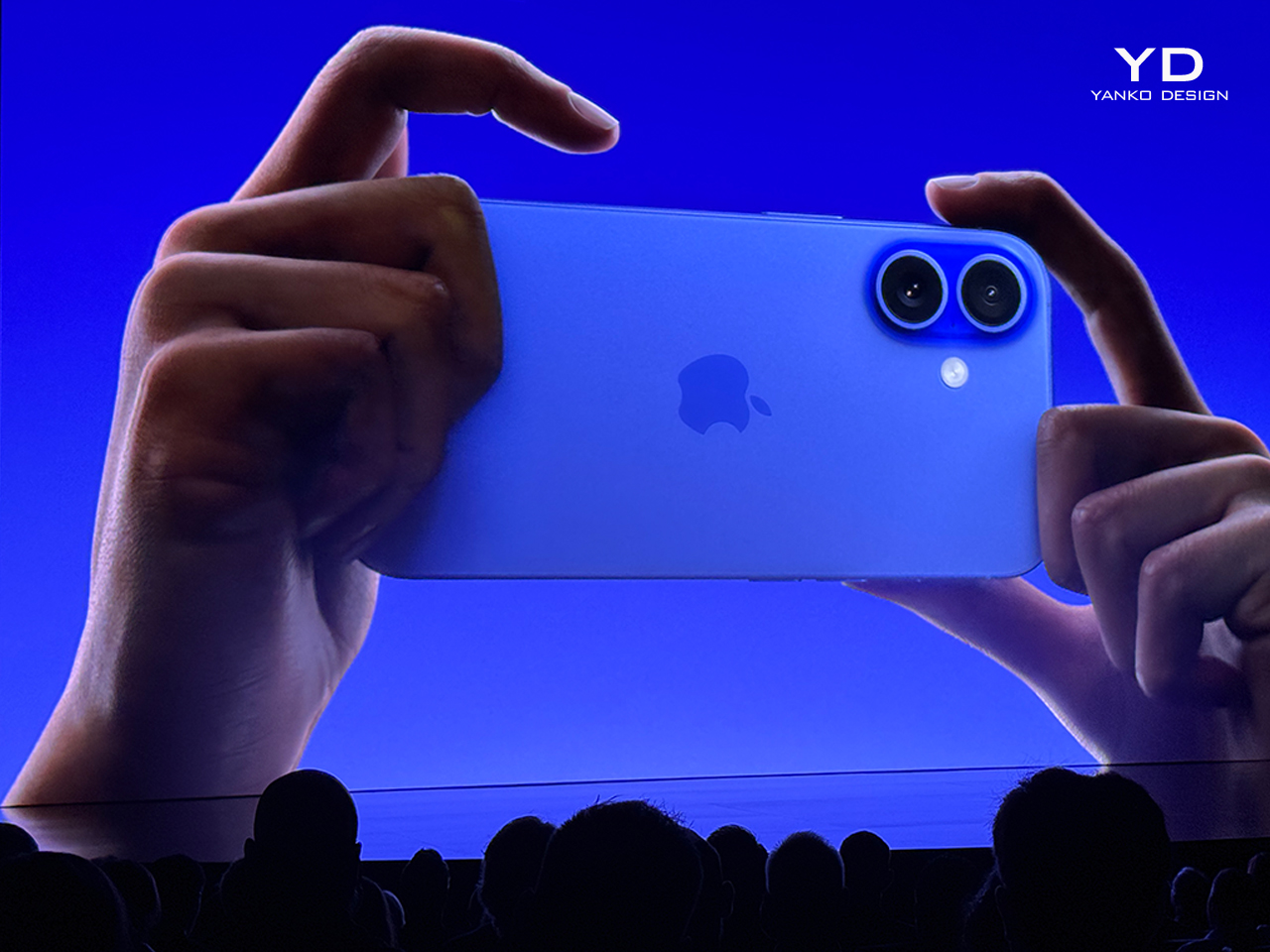
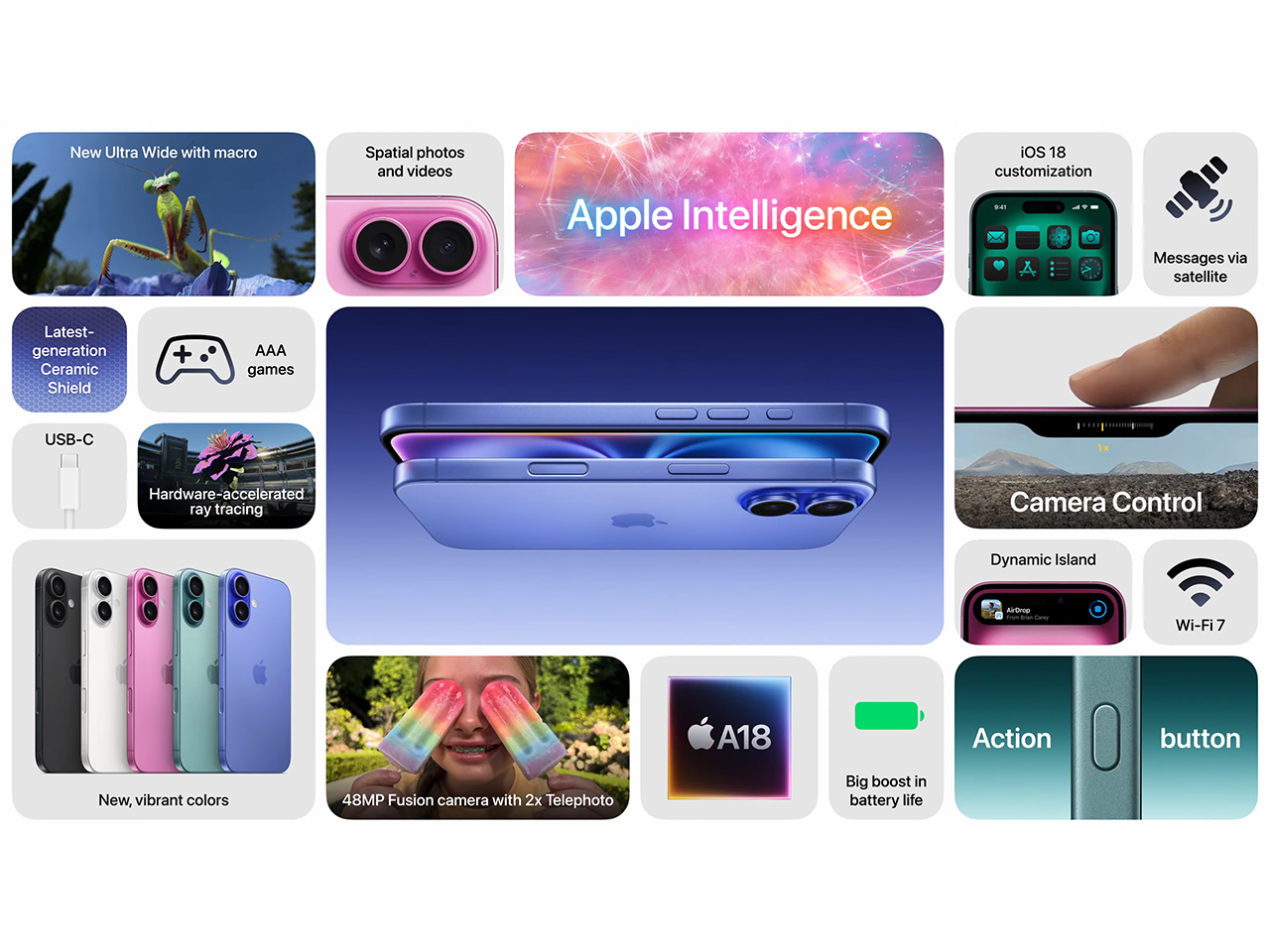
Apple introduced the iPhone 16, showcasing new durability, performance, and personalization features. The device retains its sleek look but incorporates significant upgrades, including color-infused glass in ultramarine, teal, and pink, alongside white and black. This design innovation gives the iPhone 16 a refreshed, vibrant appearance.

Designer: Apple

The iPhone 16 builds on the Action Button first seen in the iPhone 15 Pro, allowing users to access customizable functions quickly. A new dedicated camera button brings a more traditional camera experience, instantly launching the camera and functioning as a hardware shutter.

Powered by Apple’s new A18 chip, the iPhone 16 is built for handling advanced tasks, particularly those requiring machine learning and AI. The 16-core Neural Engine is twice as fast as the previous generation, significantly improving processing power for AI workloads. Apple increased memory bandwidth by 17%, allowing more efficient handling of large models and intensive tasks like large language models. The A18’s six-core CPU is 30% faster than the iPhone 15’s, with improved power efficiency and extended battery life. Apple claims the iPhone 16 can outperform some high-end desktop PCs.

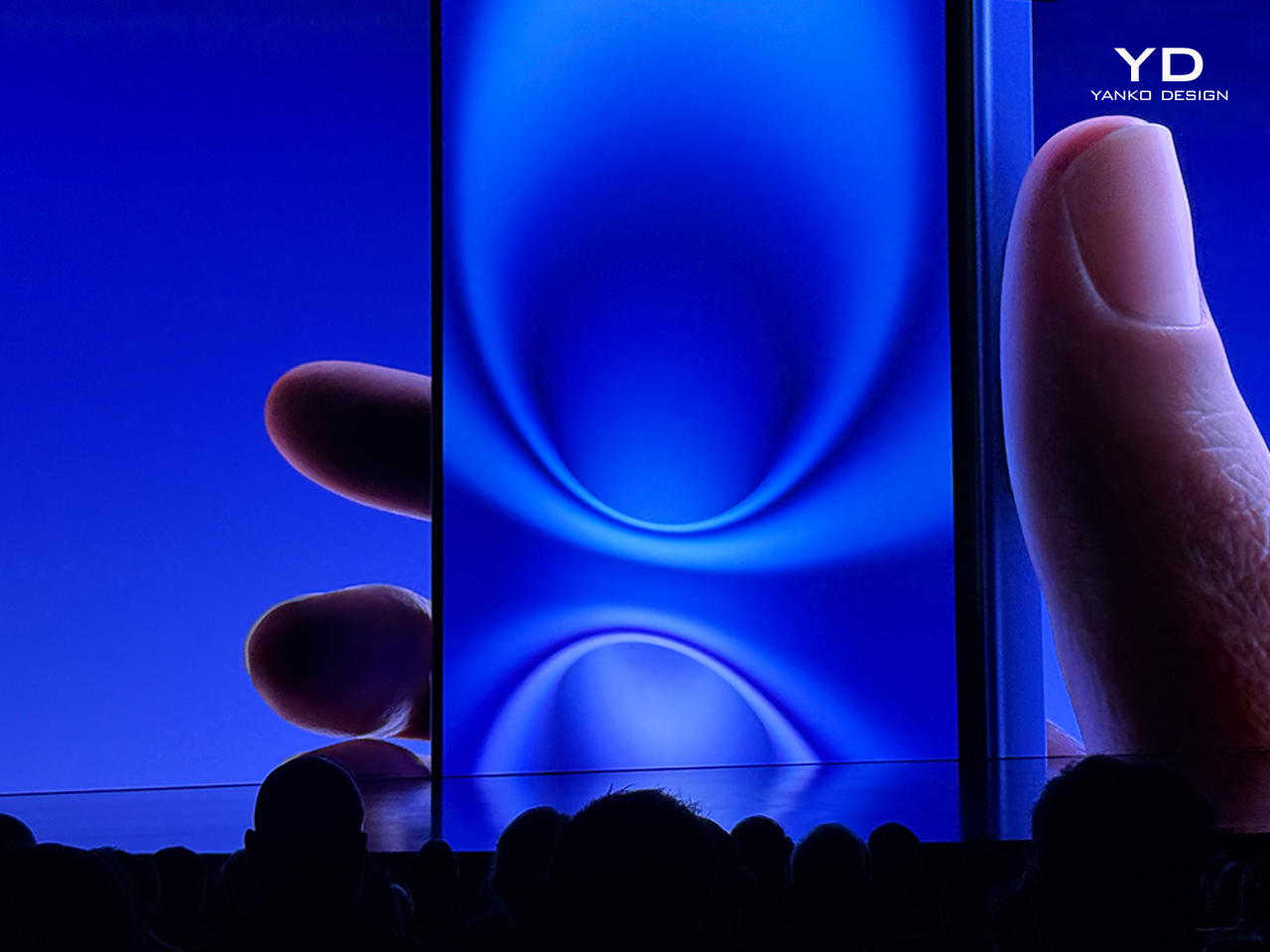
The display has also seen upgrades, with brightness reaching 2,000 nits in sunlight and dropping to one nit in low-light environments for more comfortable viewing. The Ceramic Shield glass is 50% tougher than previous versions, adding to the iPhone’s overall durability and water and dust resistance.

Apple’s focus on AI brings Apple Intelligence to the iPhone 16. This system integrates generative models directly into the device, allowing for more natural language understanding and personalization. It can rewrite messages, suggest professional tones, and even create emojis based on descriptions. Additionally, users can use the new Visual Intelligence feature through the camera, which allows the device to identify objects, locations, and events simply by pointing the camera. This feature provides quick access to information such as restaurant details, event schedules, or product identification, bringing a new level of interaction to the iPhone.

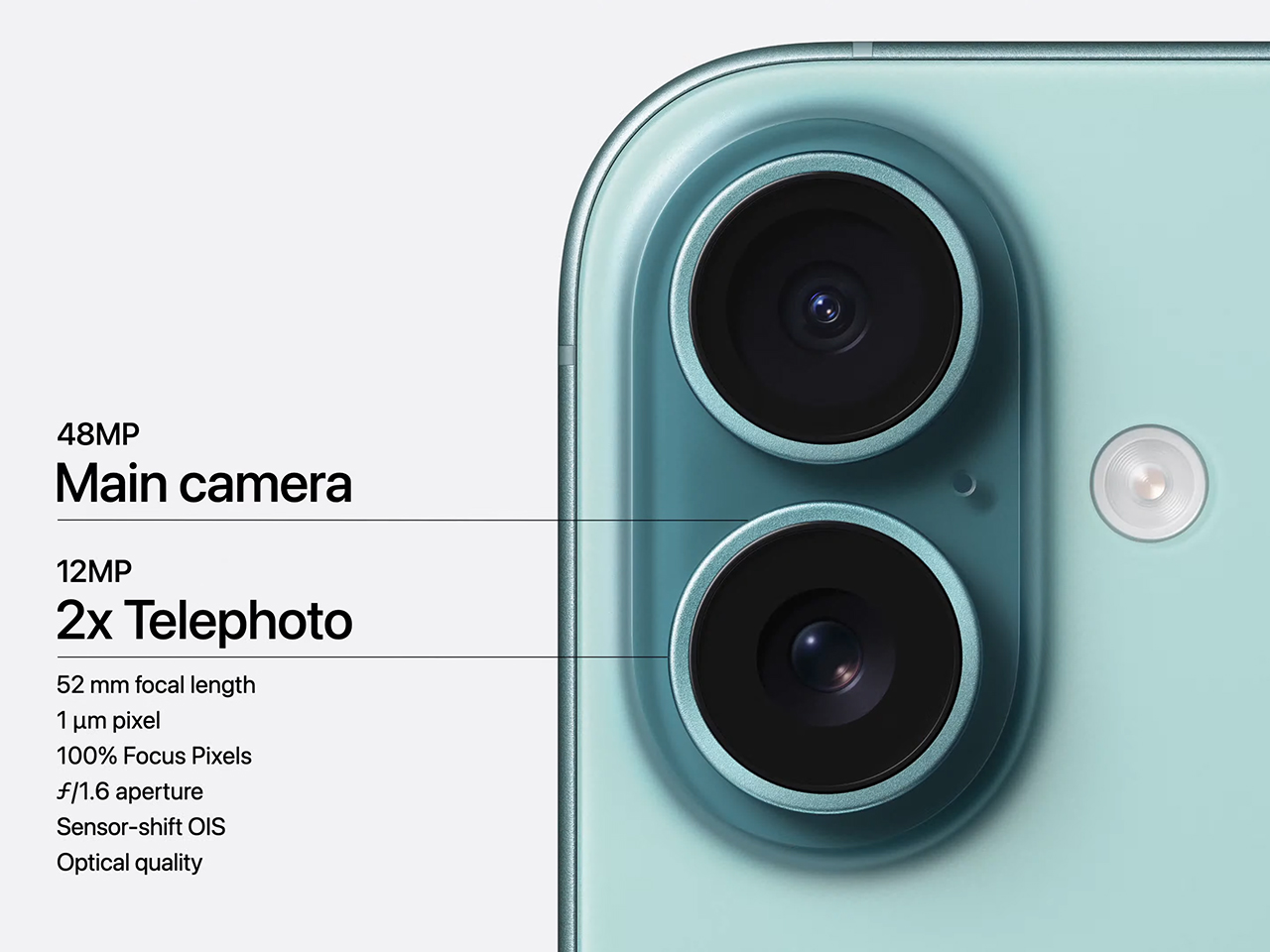
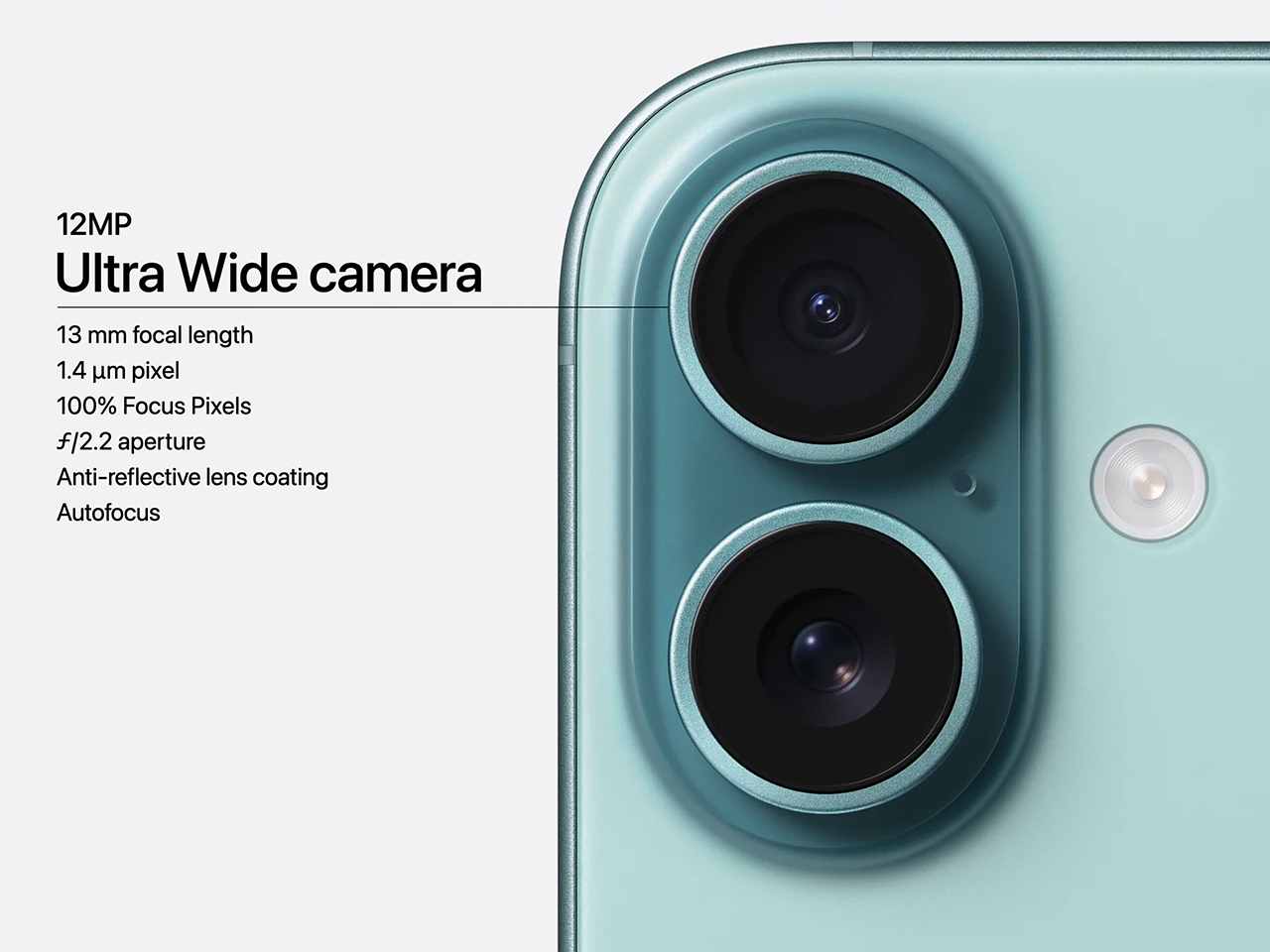
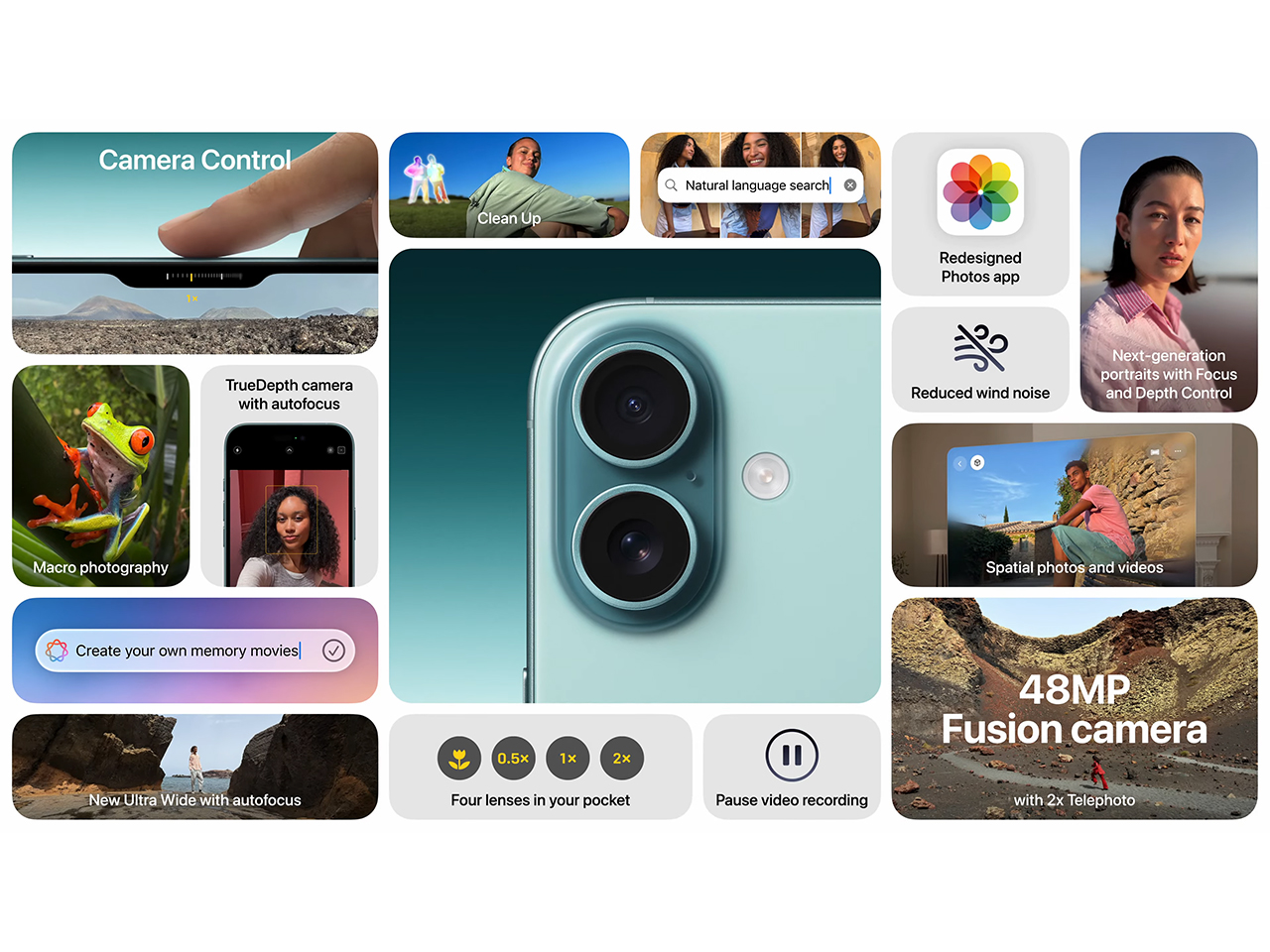
The iPhone 16’s camera system has also been upgraded with a 48-megapixel main camera, allowing users to capture images with more detail. A new 2x telephoto option offers optical quality, made possible by the device’s computational photography capabilities. The ultra-wide camera, now with autofocus, allows for better low-light performance and macro photography, while spatial video and photo capture bring new dimensions to memory preservation, compatible with Apple’s Vision Pro headset.

Overall, the iPhone 16 introduces more power, control, and personalization options, making it a versatile tool for users who demand both performance and convenience in their daily tasks.

The post Apple Unveils iPhone 16 with Enhanced Camera, Customizable Controls, and A18 Chip first appeared on Yanko Design.