Realme P4 Power Review: Battery Anxiety is Finally Dead

PROS:


  • Massive 10,001mAh battery with 80W wired fast charging

  • Bright and vibrant display

  • Solid mid-range performance

CONS:


  • Slightly heavier and chunkier compared to many mid-range devices

  • Ultra-wide and front-facing cameras are only average for the price

RATINGS:

AESTHETICS
ERGONOMICS
PERFORMANCE
SUSTAINABILITY / REPAIRABILITY
VALUE FOR MONEY

EDITOR'S QUOTE:

Realme P4 Power proves that killing battery anxiety is more useful than chasing benchmarks, wrapping a 10,001mAh cell, tough IP69 shell, and smooth performance into an honest mid‑range package.

Realme has built a reputation for pushing smartphone battery tech forward, from faster charging to bigger and more efficient cells. Instead of treating battery life as an afterthought, the brand has consistently tried to make it a headline feature that changes how often you actually need a charger. That focus has turned power and charging from a boring spec line into one of Realme’s main selling points.

The Realme P4 Power is the clearest expression of that idea so far. It packs a massive 10,001 mAh battery into a phone that still looks and feels familiar, then backs it up with 80W fast charging, 27W reverse charging, a bright 144Hz AMOLED display, and 5G performance aimed at everyday users and gamers alike. More than just another mid‑range phone with a slightly bigger battery, it’s a device built around the promise that you should be able to forget about battery anxiety for days at a time.

Aesthetics

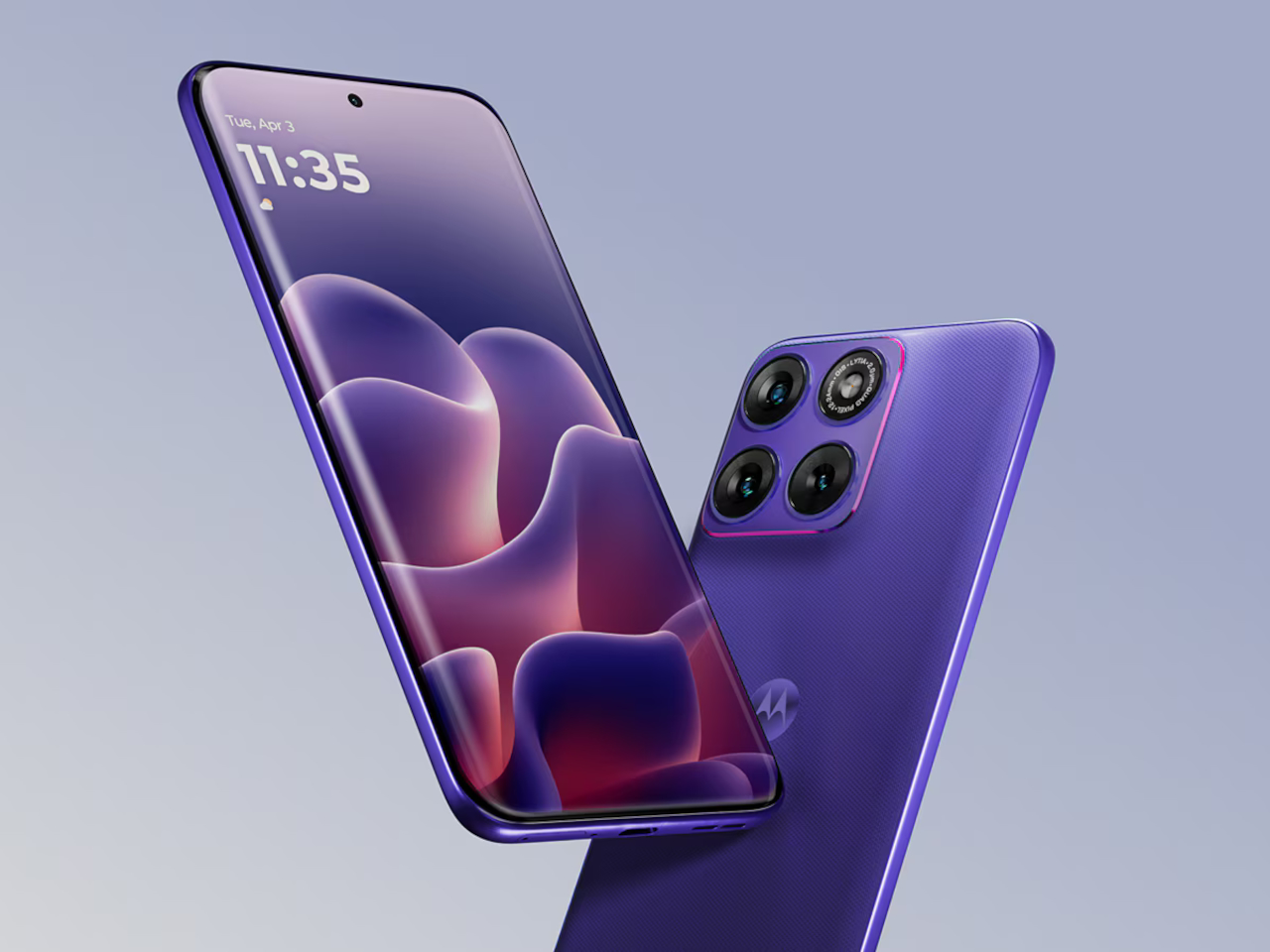
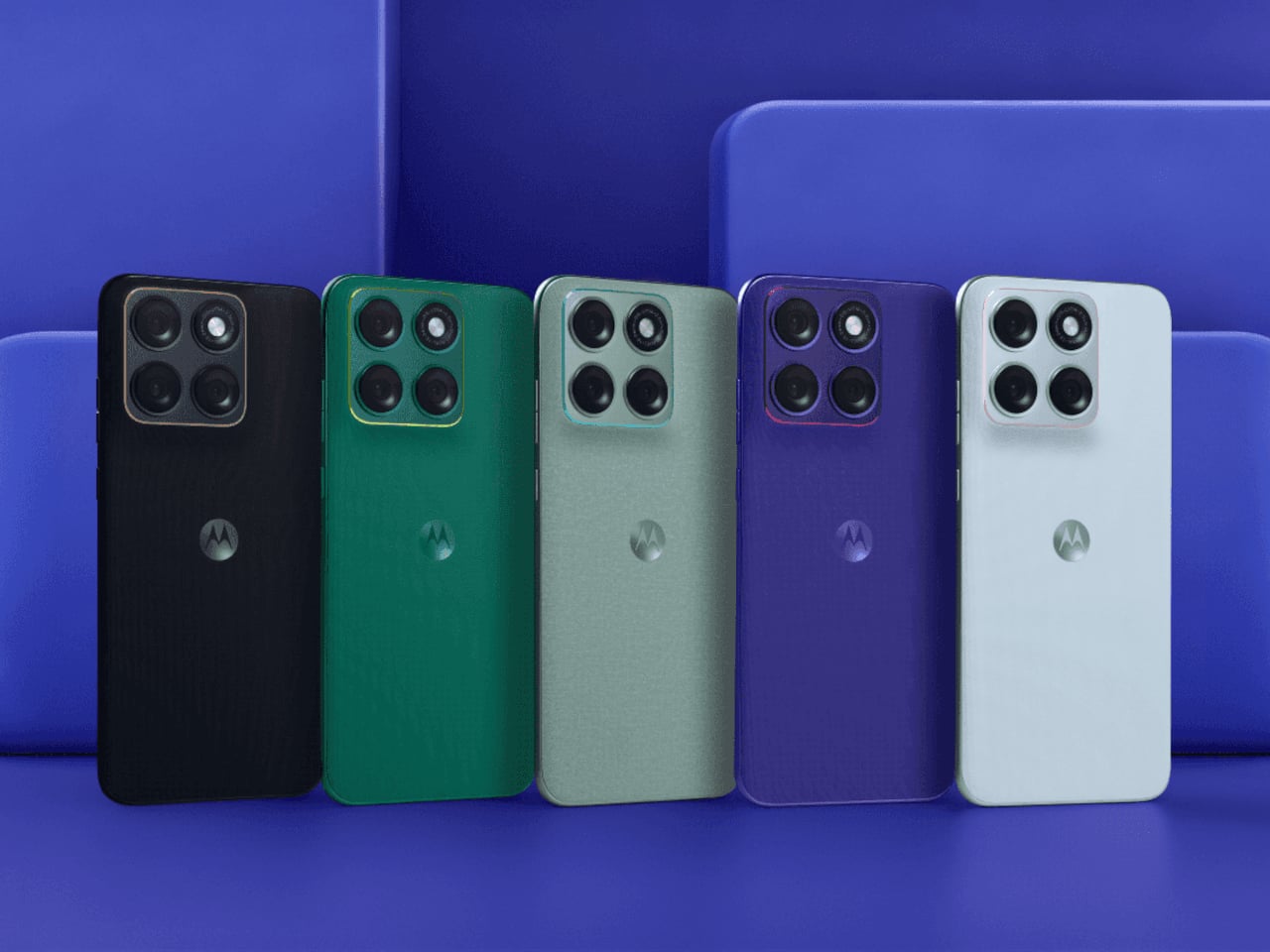
The Realme P4 Power is a battery‑first phone that does not look like one at first glance. On the table, it reads as a modern, fashion‑driven slab rather than a chunky endurance tool, which is exactly what Realme is going for. It comes in two color variations, Flash Orange and Power Silver.

The upper third of the back panel has a distinctive pattern that creates an almost translucent effect, playing with reflections and depth when light hits it. The rectangular camera island is neatly integrated, with a clean ring‑based layout that avoids the oversized, fussy modules you see on some rivals. The overall look feels intentional and confident, not like a normal phone that accidentally got thicker to fit a bigger battery.

The design is more playful than minimalist, especially in the brighter Flash Orange variant, while Power Silver keeps a slightly more muted but still distinctive character. For a phone whose headline feature is a huge battery, it is surprisingly stylish and clearly aimed at people who care how their device looks on a desk or in a hand. Branding is present but not overpowering, so the rear stays relatively clean even with the layered graphics and that “under‑glass” pattern.

Ergonomics

Even when you pick it up, the P4 Power feels a little deceptive. This is not a featherweight device, coming in at about 219g and measuring 162.26 x 76.15 x 9.08mm. The large 10,001 mAh battery and sturdy build give it noticeable heft in the hand, and you will feel that if you are coming from a slim device. However, Realme has done a great job of balancing the mass so it does not feel awkward during normal use. For many users, the extra grams will be an acceptable trade‑off for the freedom from constant charging.

The shape helps more than the spec sheet suggests. The slightly curved 6.8‑inch display and curved‑edge back panel let your fingers naturally wrap around the device rather than pressing into a sharp edge. The matte back does a good job of hiding fingerprints and smudges, although it can feel a bit slippery, so a case might still be a smart idea.

The power and volume keys are within comfortable reach on the right side, so you do not have to stretch or shuffle the phone around to adjust volume or wake the screen. The in‑display fingerprint reader, on the other hand, sits quite close to the bottom of the display, which can make quick unlocks feel a bit forced, especially in one‑handed use. Overall, the build quality feels more premium than the price tag suggests, and ergonomics are good for a device built around such a large battery.

Performance

On the front, the P4 Power offers a quad‑curved 6.8‑inch AMOLED display with a resolution of 1280 × 2800 pixels and a maximum refresh rate of 144Hz. In practice, though, only a few native apps, such as Calculator, Compass, and Recorder, actually run at 144Hz, while most of the interface and third‑party apps stick to lower refresh rates.

Realme quotes typical brightness around 600 nits, a boosted mode up to 1800 nits, and a local peak figure of 6500 nits for small areas of the screen. In real‑world use, the display stays readable in harsh sunlight and bright outdoor conditions. The panel supports HDR10+ and 10‑bit color, so compatible streaming content looks rich, punchy, and pleasantly saturated.

Inside the P4 Power sits MediaTek’s Dimensity 7400-Ultra chipset. It is paired with 8GB or 12GB of RAM and 128GB, 256GB, or 512GB of UFS 3.1 storage. This combination places the phone firmly in the mid‑range. It is not chasing raw benchmark records, yet it is designed to deliver smooth performance in everyday tasks and mainstream games without obvious slowdowns or stutters.

Out of the box, the phone runs Android 16 with Realme UI 7.0 on top, and Realme also uses a dual‑chip approach. Alongside the main Dimensity processor, there is a dedicated Hyper Vision+ AI chip focused on display and gaming tasks, and there are a handful of AI image features such as AI Perfect Shot and 3D emoji. AI Perfect Shot recognizes faces and can fix closed eyes or awkward expressions by swapping in better face poses from other photos of the same person in your gallery, and AI also helps during gaming by quickly generating message replies in supported messaging apps so you can respond without fully dropping out of your game.

Battery life is the reason this phone exists. The 10,001mAh cell is dramatically larger than the 4,500 to 5,000mAh batteries found in many mainstream phones, and even bigger than the 6,000 or 7000mAh packs in endurance‑focused models. Realme achieves this using a third‑generation silicon‑carbon anode and a compact internal stacking design, which allows more capacity in roughly the same physical space.

In practical terms, this capacity is meant to deliver several days of mixed use. I used the Realme P4 Power as my primary device on a 3‑night, 4‑day scuba trip, with light screen time during the day, and it lasted the entire trip without a charge, still showing around 20 percent battery when I got back home. That kind of real‑world endurance is a clear step up from phones that need a nightly top‑up.

When you do need to charge, the P4 Power supports 80 W wired fast charging. It also supports 27 W reverse charging, so it can basically double as a power bank for your other gadgets when you are on the move.

The camera system on the P4 Power is straightforward. On the back, there is a 50MP main camera using Sony’s IMX882 sensor with optical image stabilization and an f/1.8 lens, paired with an 8MP ultra‑wide camera that offers a 112‑degree field of view. On the front, you get a 16MP selfie camera. For video, the main camera can record up to 4K at 30 fps, while the ultra‑wide and front‑facing cameras are capped at 1080p at 30 fps.

You can choose between Vibrant and Natural color modes. Natural mode is essentially a toned‑down look rather than a more accurate one, so it comes down to preference more than strict realism. The main camera takes good photos with pleasing detail and contrast in daylight, while the ultra‑wide is serviceable but nothing to write home about, with softer detail and more noise. The front‑facing camera delivers decent selfies that are fine for social media, though it does not stand out in this price range.

Natural Color Mode

Vibrant Color Mode

Portrait Mode

Sustainability

The oversized battery also has a clear sustainability angle. Because the 10,001 mAh cell gives you so much headroom, you are less likely to run it close to empty every day or charge it multiple times, which reduces the number of full charge cycles. Realme’s silicon‑carbon chemistry and battery management build on that, and the company claims the battery can retain over 94 percent of its original capacity after three years of typical use and around 80 percent after eight years.

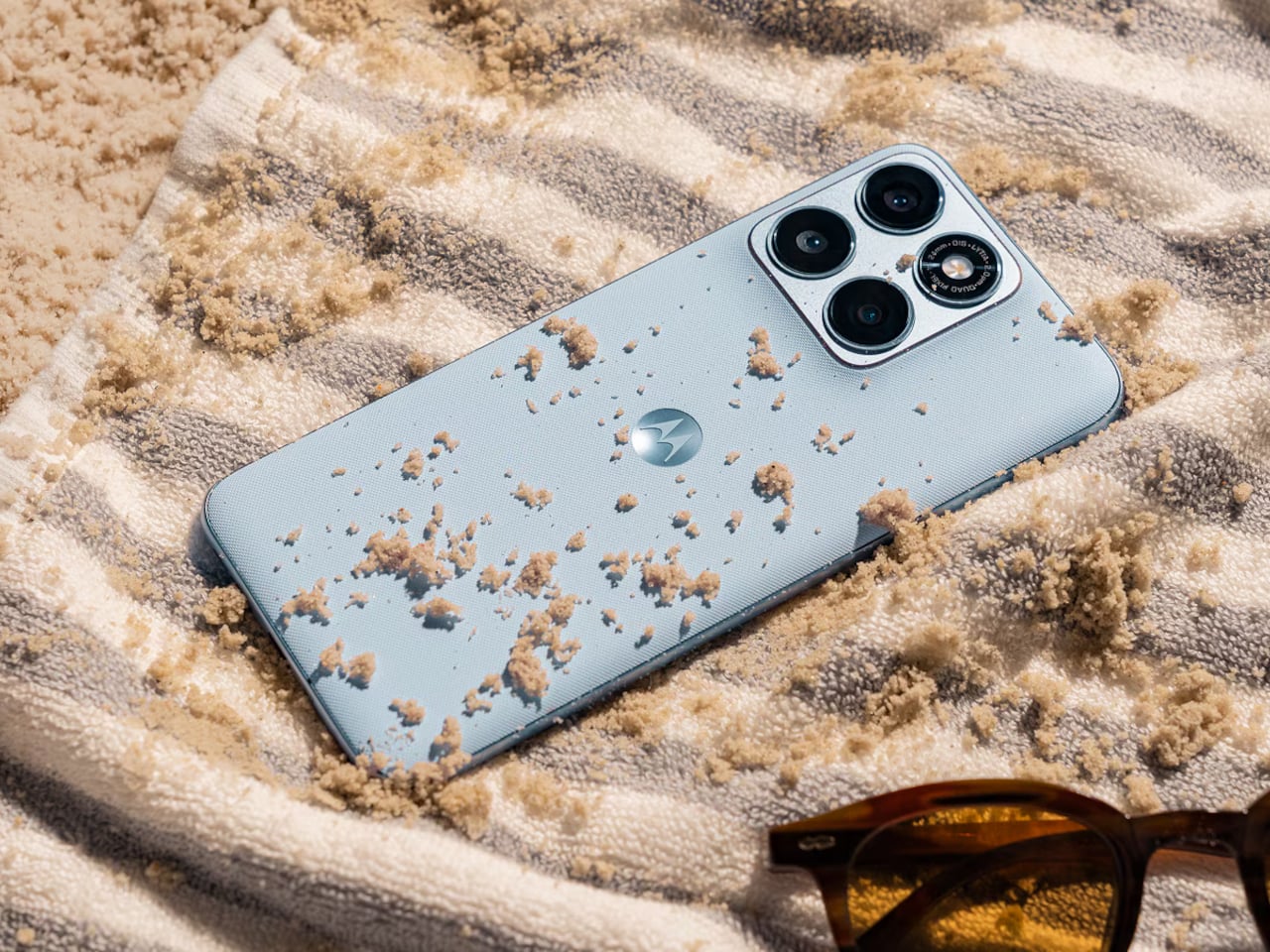
The Realme P4 Power also leans on durability and software support. It is IP69, IP68, and IP66‑rated, so it is tested for dust tightness, high‑pressure water jets, and immersion, making it less likely to die from everyday splashes or rain. On the software side, Realme promises three major Android OS upgrades and four years of security patches, which is fine for a mid‑range phone but not class‑leading, and it slightly undercuts the otherwise long‑term hardware story.

Value

In India, the Realme P4 Power starts at around ₹25,999 (roughly $310) for the 8GB RAM and 128GB storage variant. That pricing puts it in the crowded lower mid‑range segment, where a lot of brands are fighting on specs and features. The Honor Win also features a 10,000mAh battery, but it is officially only available in China, so for most buyers, the P4 Power is the more accessible way to get this kind of battery size.

The phone is aimed at people who value endurance and reliability above camera experience or absolute thinness. That can include gamers, frequent travelers, delivery workers, content creators on the move, and anyone who is simply tired of carrying a power bank. At this price level, the P4 Power tries to stand out by solving a real‑world problem in a very direct way.

Verdict

The Realme P4 Power is a very focused product. It does not try to be the best camera phone or the thinnest fashion accessory. Instead, it aims to be the phone you do not have to think about charging, even on your busiest days. For many everyday users, that single promise can be more valuable than a slightly better zoom lens or a few extra benchmark points.

If your top priority is battery life, with smooth performance and a bright display for gaming and media, the P4 Power is an easy device to recommend in its price range. If you care more about advanced photography features, ultra‑lightweight design, or wireless charging, you may want to look at other options. For everyone else, this is a rare phone that tackles a common frustration head‑on and mostly succeeds.

The post Realme P4 Power Review: Battery Anxiety is Finally Dead first appeared on Yanko Design.
Realme P4 Power Review: Battery Anxiety is Finally Dead

PROS:


  • Massive 10,001mAh battery with 80W wired fast charging

  • Bright and vibrant display

  • Solid mid-range performance

CONS:


  • Slightly heavier and chunkier compared to many mid-range devices

  • Ultra-wide and front-facing cameras are only average for the price

RATINGS:

AESTHETICS
ERGONOMICS
PERFORMANCE
SUSTAINABILITY / REPAIRABILITY
VALUE FOR MONEY

EDITOR'S QUOTE:

Realme P4 Power proves that killing battery anxiety is more useful than chasing benchmarks, wrapping a 10,001mAh cell, tough IP69 shell, and smooth performance into an honest mid‑range package.

Realme has built a reputation for pushing smartphone battery tech forward, from faster charging to bigger and more efficient cells. Instead of treating battery life as an afterthought, the brand has consistently tried to make it a headline feature that changes how often you actually need a charger. That focus has turned power and charging from a boring spec line into one of Realme’s main selling points.

The Realme P4 Power is the clearest expression of that idea so far. It packs a massive 10,001 mAh battery into a phone that still looks and feels familiar, then backs it up with 80W fast charging, 27W reverse charging, a bright 144Hz AMOLED display, and 5G performance aimed at everyday users and gamers alike. More than just another mid‑range phone with a slightly bigger battery, it’s a device built around the promise that you should be able to forget about battery anxiety for days at a time.

Aesthetics

The Realme P4 Power is a battery‑first phone that does not look like one at first glance. On the table, it reads as a modern, fashion‑driven slab rather than a chunky endurance tool, which is exactly what Realme is going for. It comes in two color variations, Flash Orange and Power Silver.

The upper third of the back panel has a distinctive pattern that creates an almost translucent effect, playing with reflections and depth when light hits it. The rectangular camera island is neatly integrated, with a clean ring‑based layout that avoids the oversized, fussy modules you see on some rivals. The overall look feels intentional and confident, not like a normal phone that accidentally got thicker to fit a bigger battery.

The design is more playful than minimalist, especially in the brighter Flash Orange variant, while Power Silver keeps a slightly more muted but still distinctive character. For a phone whose headline feature is a huge battery, it is surprisingly stylish and clearly aimed at people who care how their device looks on a desk or in a hand. Branding is present but not overpowering, so the rear stays relatively clean even with the layered graphics and that “under‑glass” pattern.

Ergonomics

Even when you pick it up, the P4 Power feels a little deceptive. This is not a featherweight device, coming in at about 219g and measuring 162.26 x 76.15 x 9.08mm. The large 10,001 mAh battery and sturdy build give it noticeable heft in the hand, and you will feel that if you are coming from a slim device. However, Realme has done a great job of balancing the mass so it does not feel awkward during normal use. For many users, the extra grams will be an acceptable trade‑off for the freedom from constant charging.

The shape helps more than the spec sheet suggests. The slightly curved 6.8‑inch display and curved‑edge back panel let your fingers naturally wrap around the device rather than pressing into a sharp edge. The matte back does a good job of hiding fingerprints and smudges, although it can feel a bit slippery, so a case might still be a smart idea.

The power and volume keys are within comfortable reach on the right side, so you do not have to stretch or shuffle the phone around to adjust volume or wake the screen. The in‑display fingerprint reader, on the other hand, sits quite close to the bottom of the display, which can make quick unlocks feel a bit forced, especially in one‑handed use. Overall, the build quality feels more premium than the price tag suggests, and ergonomics are good for a device built around such a large battery.

Performance

On the front, the P4 Power offers a quad‑curved 6.8‑inch AMOLED display with a resolution of 1280 × 2800 pixels and a maximum refresh rate of 144Hz. In practice, though, only a few native apps, such as Calculator, Compass, and Recorder, actually run at 144Hz, while most of the interface and third‑party apps stick to lower refresh rates.

Realme quotes typical brightness around 600 nits, a boosted mode up to 1800 nits, and a local peak figure of 6500 nits for small areas of the screen. In real‑world use, the display stays readable in harsh sunlight and bright outdoor conditions. The panel supports HDR10+ and 10‑bit color, so compatible streaming content looks rich, punchy, and pleasantly saturated.

Inside the P4 Power sits MediaTek’s Dimensity 7400-Ultra chipset. It is paired with 8GB or 12GB of RAM and 128GB, 256GB, or 512GB of UFS 3.1 storage. This combination places the phone firmly in the mid‑range. It is not chasing raw benchmark records, yet it is designed to deliver smooth performance in everyday tasks and mainstream games without obvious slowdowns or stutters.

Out of the box, the phone runs Android 16 with Realme UI 7.0 on top, and Realme also uses a dual‑chip approach. Alongside the main Dimensity processor, there is a dedicated Hyper Vision+ AI chip focused on display and gaming tasks, and there are a handful of AI image features such as AI Perfect Shot and 3D emoji. AI Perfect Shot recognizes faces and can fix closed eyes or awkward expressions by swapping in better face poses from other photos of the same person in your gallery, and AI also helps during gaming by quickly generating message replies in supported messaging apps so you can respond without fully dropping out of your game.

Battery life is the reason this phone exists. The 10,001mAh cell is dramatically larger than the 4,500 to 5,000mAh batteries found in many mainstream phones, and even bigger than the 6,000 or 7000mAh packs in endurance‑focused models. Realme achieves this using a third‑generation silicon‑carbon anode and a compact internal stacking design, which allows more capacity in roughly the same physical space.

In practical terms, this capacity is meant to deliver several days of mixed use. I used the Realme P4 Power as my primary device on a 3‑night, 4‑day scuba trip, with light screen time during the day, and it lasted the entire trip without a charge, still showing around 20 percent battery when I got back home. That kind of real‑world endurance is a clear step up from phones that need a nightly top‑up.

When you do need to charge, the P4 Power supports 80 W wired fast charging. It also supports 27 W reverse charging, so it can basically double as a power bank for your other gadgets when you are on the move.

The camera system on the P4 Power is straightforward. On the back, there is a 50MP main camera using Sony’s IMX882 sensor with optical image stabilization and an f/1.8 lens, paired with an 8MP ultra‑wide camera that offers a 112‑degree field of view. On the front, you get a 16MP selfie camera. For video, the main camera can record up to 4K at 30 fps, while the ultra‑wide and front‑facing cameras are capped at 1080p at 30 fps.

You can choose between Vibrant and Natural color modes. Natural mode is essentially a toned‑down look rather than a more accurate one, so it comes down to preference more than strict realism. The main camera takes good photos with pleasing detail and contrast in daylight, while the ultra‑wide is serviceable but nothing to write home about, with softer detail and more noise. The front‑facing camera delivers decent selfies that are fine for social media, though it does not stand out in this price range.

Natural Color Mode

Vibrant Color Mode

Portrait Mode

Sustainability

The oversized battery also has a clear sustainability angle. Because the 10,001 mAh cell gives you so much headroom, you are less likely to run it close to empty every day or charge it multiple times, which reduces the number of full charge cycles. Realme’s silicon‑carbon chemistry and battery management build on that, and the company claims the battery can retain over 94 percent of its original capacity after three years of typical use and around 80 percent after eight years.

The Realme P4 Power also leans on durability and software support. It is IP69, IP68, and IP66‑rated, so it is tested for dust tightness, high‑pressure water jets, and immersion, making it less likely to die from everyday splashes or rain. On the software side, Realme promises three major Android OS upgrades and four years of security patches, which is fine for a mid‑range phone but not class‑leading, and it slightly undercuts the otherwise long‑term hardware story.

Value

In India, the Realme P4 Power starts at around ₹25,999 (roughly $310) for the 8GB RAM and 128GB storage variant. That pricing puts it in the crowded lower mid‑range segment, where a lot of brands are fighting on specs and features. The Honor Win also features a 10,000mAh battery, but it is officially only available in China, so for most buyers, the P4 Power is the more accessible way to get this kind of battery size.

The phone is aimed at people who value endurance and reliability above camera experience or absolute thinness. That can include gamers, frequent travelers, delivery workers, content creators on the move, and anyone who is simply tired of carrying a power bank. At this price level, the P4 Power tries to stand out by solving a real‑world problem in a very direct way.

Verdict

The Realme P4 Power is a very focused product. It does not try to be the best camera phone or the thinnest fashion accessory. Instead, it aims to be the phone you do not have to think about charging, even on your busiest days. For many everyday users, that single promise can be more valuable than a slightly better zoom lens or a few extra benchmark points.

If your top priority is battery life, with smooth performance and a bright display for gaming and media, the P4 Power is an easy device to recommend in its price range. If you care more about advanced photography features, ultra‑lightweight design, or wireless charging, you may want to look at other options. For everyone else, this is a rare phone that tackles a common frustration head‑on and mostly succeeds.

The post Realme P4 Power Review: Battery Anxiety is Finally Dead first appeared on Yanko Design.
REDMAGIC 11 Air Review: Fan-cooled Gaming Flagship at Just 207g, $499

PROS:


  • Slimmer and lighter design for a gaming smartphone

  • Distinctive gaming aesthetic

  • Large 7,000 mAh battery with 80W fast charging

  • More Accessible price point

CONS:


  • No wireless charging

  • Mediocre 8MP ultra-wide camera

  • Basic IP54 dust and water resistance

RATINGS:

AESTHETICS
ERGONOMICS
PERFORMANCE
SUSTAINABILITY / REPAIRABILITY
VALUE FOR MONEY

EDITOR'S QUOTE:

The REDMAGIC 11 Air doesn't apologize for being a gaming phone, but wraps it in the slimmest, lightest package the brand has made yet.

Gaming phones have split off into their own design species, leaning into transparent backs, RGB lighting, and visible cooling that looks more like sci‑fi props than communication devices. The REDMAGIC 11 Pro, which we reviewed recently, took that to its extreme with a liquid‑cooling window showing coolant flowing like spaceship controls. It made a strong visual statement but was unapologetically a gamer’s machine first and everything else a distant second.

REDMAGIC 11 Air tries to keep the same esports‑grade performance, active cooling, and transparent style in a slimmer frame. It packs a Snapdragon 8 Elite, 7,000mAh battery, 6.85‑inch 144Hz OLED, and 24,000 RPM fan into a 7.85mm, 207g body. Whether this Air approach can balance hardcore gaming with something closer to everyday usability, or just becomes a slightly thinner version of the same uncompromising brick, is worth finding out.

Designer: REDMAGIC

Aesthetics

The moment you see the REDMAGIC 11 Air, it announces itself as a gaming phone. Phantom transparent black and Prism transparent white finishes expose stylized internals, circuit‑like etching, and RGB‑lit fan and logo elements. This is not subtle or generalist; it is a cyberpunk, sci‑fi motif that wants to sit next to mechanical keyboards rather than hide in a leather case.

Despite the gaming‑first aesthetic, materials feel more refined than expected. The aluminum alloy frame, Gorilla Glass front and back, and 7.85mm thickness give it a solid feel. It is positioned as the lightest in the REDMAGIC lineup, which matters compared to the heavier 11 Pro. The curves and 20:9 aspect ratio help it sit more naturally in the hand, even if the styling still clearly prioritizes gamers over minimalists.

RGB lighting and transparent elements add atmosphere without chaos. Fan and logo lights sync with in‑game audio, making the back feel alive during sessions, but both can be toned down or disabled when you want less conspicuous carry. That duality helps if you like the gaming aesthetic but occasionally need to bring the phone into neutral environments where flashing lights feel out of place.

Ergonomics

Living with the 11 Air daily, the slimmer and lighter design makes a real difference. Long landscape gaming sessions feel less fatiguing, and the phone slips into pockets more easily than expected, given the 6.85‑inch display. The curved back and aluminum frame help with grip, and the 20:9 screen ratio balances a wide gaming canvas with something that still fits in most hands without constant readjusting.

The large screen dominates the front with a 95.1% screen‑to‑body ratio and slim bezels. That is great for immersion, but leaves little room to rest thumbs without touching the screen during landscape play. Fortunately, the shoulder triggers take over some of that load, letting the screen act more like a viewfinder while the top edges handle key inputs when you need them most.

Controls are where the gaming focus becomes clear. The 520Hz physical shoulder triggers are tuned for low‑latency and now work in portrait and landscape, giving flexibility for different games. Combined with the 0809 X‑axis linear motor for 4D haptics, the phone feels more like a handheld console, especially when triggers are mapped to aiming or abilities through Game Space’s interface.

Outside of gaming, the transparent back and RGB accents may not suit every situation, but the size and weight make it easier to carry than the 11 Pro or older gaming phones. One‑handed use is still a stretch given the display size, but basic tasks like messaging and browsing feel manageable if you are already used to large phones or phablets.

Performance

At the core sits the Snapdragon 8 Elite paired with RedCore R4, LPDDR5X RAM, and UFS 4.1 storage. Clock speeds reach 4.32GHz on the Oryon CPU and 1,250MHz on the Adreno 830 GPU. The dedicated RedCore R4 and CUBE scheduling engine focuses on stable frame rates rather than just benchmark spikes, which matters more in sustained gaming, where consistency beats bursts.

The ICE Cooling System backs that up with a large vapor chamber, graphene thermal layers, and a 24,000 RPM turbo fan. Unlike the REDMAGIC 11 Pro’s dramatic liquid‑cooling window showing coolant flowing like sci‑fi, the REDMAGIC 11 Air hides cooling under the transparent back. It opts for slimness while still actively managing CPU and GPU temperatures during long sessions, which keeps performance from throttling halfway through a match.

The active cooling fan is audible when it spins up under heavy load. It is not loud enough to overpower game audio, but it is noticeable in quiet rooms. For a device prioritizing sustained performance, this is expected, and fan behavior can be tuned in Game Space if you prefer cooler operation or less noise during specific sessions or when gaming in shared spaces.

Cameras are solid without being the headline. The 50 MP main sensor with OIS delivers clean photos for social media and casual shots, and the 16 MP front camera handles selfies and video calls well enough. The 8MP ultra-wide camera is a bit of a disappointment in this day and age, but it’s not exactly terrible. These are clearly not camera‑phone specs, but they work fine for anyone who needs decent everyday photography alongside gaming.

Battery and charging are part of the performance story. The 7,000 mAh battery is generous in this slim chassis, going over a day with general use, and hours upon hours of binging video streaming at max brightness. The 80W fast charging refills quickly, while Charge Separation routes power to the motherboard during plugged‑in gaming, reducing heat and protecting battery health over time.

Worth noting is the absence of wireless charging. For a phone focused on performance and internal cooling, skipping wireless charging feels like a conscious choice to prioritize battery size, thermals, and layout. It is not a deal‑breaker with rapid wired charging, but it is worth keeping in mind if you are used to charging pads between sessions or overnight.

Sustainability

Durability starts with materials. The aluminum alloy frame, Gorilla Glass GG7i front, and Gorilla Glass 5 back give a solid, premium feel that should handle knocks better than plastic gaming phones. The combination of metal and tempered glass makes it feel built to survive being tossed into bags, dropped onto desks, and carried through crowds without showing age too quickly or feeling fragile.

IP54 dust and water resistance is a pragmatic compromise. For a device packed with vents, fans, and shoulder triggers, pushing water resistance higher would likely require trade‑offs in cooling capacity or thickness. The phone will survive light rain or dusty environments, but it is not meant for submersion or rough outdoor abuse, worth keeping in mind if you game near water or in harsh conditions.

Value

At launch, the REDMAGIC 11 Air starts at $499 ($529 in the US and Canada) for 12 GB + 256 GB and goes up to $599 ($629 in North America) for 16 GB + 512 GB. That puts it in upper mid‑range territory, but with hardware rivaling more expensive phones in gaming performance, especially when you factor in cooling, battery, and gaming‑specific controls that most flagships skip entirely.

Value shows up in what you get for that money. At this price, you are getting Snapdragon 8 Elite, active cooling with a 24,000 RPM fan and vapor chamber, 7,000mAh battery with 80W charging, 6.85‑inch 144Hz OLED, and 520 Hz shoulder triggers. Many similarly priced phones focus on cameras or slimness, leaving gaming performance to throttle once heat builds, so the 11 Air feels like a focused tool rather than a jack‑of‑all‑trades.

Of course, this focus narrows the audience. The transparent, RGB‑lit, cyberpunk design and heavy emphasis on Game Space features, triggers, and haptics make the 11 Air most appealing to mobile gamers. For someone who barely plays and cares more about camera versatility or minimalist aesthetics, much of what makes this device interesting will feel like overkill or actively off‑putting.

Contrasting it with the REDMAGIC 11 Pro helps clarify positioning. The Pro leans harder into showpiece territory with its visible liquid‑cooling window and heavier footprint, while the 11 Air trades some spectacle for slimness and lighter weight. For gamers who want REDMAGIC’s performance and style but prefer something easier to carry daily, the Air’s pricing and positioning make sense as a more practical but still gaming‑centric option.

Verdict

REDMAGIC 11 Air takes the brand’s familiar ingredients, transparent design, RGB accents, active cooling, shoulder triggers, and wraps them in a slimmer chassis that feels more manageable than previous monsters. It does not pretend to be a mainstream flagship, but within its lane of delivering stable high‑fps gaming and distinct visual identity, it hits targets convincingly. The flagship silicon, thermal management, and gaming controls make it hard to ignore if mobile gaming matters to you.

For people who treat mobile gaming seriously and who like the idea of a semi‑transparent, cyber‑mech slab with a fan inside more than a polished glass rectangle, REDMAGIC 11 Air makes a strong case. It will not convert everyone, and it is not trying to, but for the crowd it speaks to, it offers a rare mix of performance, personality, and practicality at a price undercutting many conventional flagships while still feeling like a purpose‑built tool.

The post REDMAGIC 11 Air Review: Fan-cooled Gaming Flagship at Just 207g, $499 first appeared on Yanko Design.
Naoto Fukasawa on Poetic Observation and Designing the realme 16 Pro Urban Wild

With the realme 16 Pro series, Naoto Fukasawa and realme reunite for their fifth collaboration. Past Master Edition phones have been anchored in concrete metaphors such as onion and garlic for food, concrete and brick for architecture, a suitcase for exploration, and paper for sustainability. This time, the theme is Urban Wild Design, which combines a softly textured, bio-based back with a mirror-polished camera island and frame so that the phone feels less like a gadget and more like something between a pebble, a wheat field, and a piece of jewelry.

To understand the thinking behind Urban Wild and where smartphones sit in his larger body of work, we spoke with Fukasawa in Tokyo. What emerged was a conversation about optimal solutions, poetic observation, and the slow transformation of phones from tools into objects we might someday find in a jewelry boutique.

Smartphones after the “optimal size”

Designer: Naoto Fukusawa

Fukasawa has designed furniture, appliances, and a wide range of everyday objects. When we ask how he now sees the smartphone in our lives, and whether it feels closer to a tool or to a companion, he does not answer with a metaphor about friendship or dependence. He goes straight to something more concrete, which is size, and explains that mobile phones kept shrinking until they reached the smallest form that people could still use comfortably, then stopped. For him, that point, where going any smaller would make them difficult to handle, is roughly where the smartphone’s footprint settled, and in terms of size, we have already reached something close to an optimal answer.

Once that size is fixed, the phone stops being just an efficient tool and, because we always carry it, becomes part of daily life. As new functions and applications accumulate, the phone becomes more than a neutral object. It starts to feel like something that responds to you, and something you relate to on an emotional level as well as a functional one. In that sense, the smartphone has moved closer to a partner than a simple instrument.

From gadget to accessory

Over the last several years, Fukasawa has watched both the devices and the surrounding market change. For a long time, selling more products meant multiplying variations, and that approach helped companies grow, yet also made everyday life feel crowded with choices. “People used to believe that the more options you had, the happier you would be,” he says. “Now, with so many choices, life has become overwhelming and even a little painful.”

From his perspective, the next step is not to say here is another option, but to say this is the object that suits you best. If designers can get closer to a true optimum, there may be less need for endless variations, and in the extreme case, one type might actually be enough. For him, the smartphone is already close to a final archetype, and the real work now lies in how it feels in the hand and how it lives with us each day.

Once the basic form and functions have settled in this way, what separates one phone from another is less about what is inside and more about how it is expressed on the outside. That is where collaboration and brand character start to matter. realme is a relatively young brand, its identity closely tied to youth, and that youthfulness was part of the attraction for Fukasawa when the collaboration began in 2019 with the realme X Master Edition.

Smartphone hardware has almost converged, and most major brands now work with similar capabilities, which means the design, appearance, and feel of the device become more important. In that context, the 16 Pro series became a way to explore something he feels is still rare, a sense of quiet luxury for a young audience. Youth and luxury are not usually linked, and young users are often expected to settle for things that look cheap or temporary, but with realme he wanted to offer something more refined without losing accessibility.

“We had not really thought about it from that side before,” he says. He wanted to treat the phone not only as a gadget, but also as something closer to an accessory that people might choose in the same way they choose a watch or a piece of jewelry. He thinks smartphones are now heading in that direction. The hardware inside will keep evolving, yet the design on the outside will increasingly be judged like something you adorn yourself with and show in public.

realme’s target is young users, but he did not want to make something throwaway. Instead, he aimed for a slightly more grown-up kind of elegance, the kind of subtle sparkle a young person might want when walking through the city. That balance between youth and a touch of luxury is, for him, a key part of what makes the 16 Pro feel different.

Urban Wild, bringing nature into the city

For Fukasawa, the starting point for the 16 Pro was a human wish to bring nature into urban life. He feels that wish has grown stronger after decades of rapid growth and increasingly inhuman city environments. More people now seem drawn to things that feel closer to natural phenomena or handmade objects, and to smaller quantities of more considered products. He senses a shift in what people value, away from volume and speed and toward calm and presence.

He wanted the phone to carry that feeling in a direct, physical way. The first idea was a touch that did not feel cold, and a back surface that felt slightly soft and warm in the hand, almost like paper or fabric rather than hard plastic or rubber. At the same time, he knew the design would include accents that could take on a mirror finish, so it became a deliberate contrast, with a soft and quiet body paired with shiny, jewelry-inspired highlights.

To him, this mix of natural warmth and precise shine points to where value is moving. “That is where value will be,” he says. For Fukasawa, what feels valuable now is not more noise, but a calm presence that still has intensity. In that sense, his idea of wildness is broader than the way the word is often used in marketing.

The word wild is usually attached to something loud and extreme, but for him, it can just as well describe a kind of clarity and simplicity that stands out in the middle of a noisy world. “In a very noisy environment, when something is extremely simple, that can also be wild,” he suggests. In the same way that Super Normal objects are, in his words, super special, Urban Wild is less about spectacle and more about a stripped-back intensity where quietness itself becomes the bold statement. The phrase Urban Wild came later, after the design already existed and had made people quietly say “wow,” so it was a name that followed a feeling rather than the other way around.

True to nature color and texture


The 16 Pro series launches in Master Gold and Master Gray. Both are positioned as True to Nature colors, but Fukasawa is careful not to treat nature as something that simply appears without human choice. He points out that in both fashion and product design, there are always people and organizations thinking about what colors the world needs next.

Trends do not appear from nowhere. They only succeed if they resonate with a mood that is already forming around the world. Right now, that mood is moving away from aggressive, saturated hues toward quieter tones you might find in a landscape. Beige, for example, might be a slightly yellow beige or a sand beige with a hint of warm brown, and those small shifts are where design happens.

For the 16 Pro, Fukasawa worked with that global sense of “this is the color of now,” but tuned it toward natural calm rather than toward fashion drama. Texture plays an equal role in the experience. A fabric-like grain on the surface can make the same color feel much softer and more approachable, and that combination of controlled hue and subtle texture is what gives Master Gold and Master Gray their understated presence.

A back that feels closer to skin than rubber


The most radical part of the 16 Pro hardware is the back material, a bio-based organic silicone made from plant-derived straw. It is soft, faintly elastic, and subtly leather-like, and Fukasawa sums it up by saying that it has moved closer to human skin, not just to soft rubber. For him, this is not only about one smartphone, but part of a wider change in how technology touches the body.

He connects it to a broader shift in robotics, where early humanoid robots were metal blocks and newer soft robotics explores flexible, cushiony structures that can interact more gently with people. The 16 Pro is still a highly precise gadget, but introducing a genuinely soft and skin-like element into that precision feels to him like one step up in the evolution of devices. It hints at a future where high technology does not have to feel hard or distant from the body.

On sustainability, he is clear that recyclability alone is not the end goal. “Sustainable means able to be sustained,” he points out, and recycling discarded materials is only an intermediate step in a longer journey. If people feel that a material truly suits them, and it continues to be used across generations of products, then it does not become obsolete or unwanted, and in his words, that is the strongest form of sustainability.

Curves decided by human experience


realme describes the overall silhouette as an All Nature Curve Design, with continuous curves linking the back, mid frame, and screen. Within the rigid rectangle of a smartphone, it is not obvious where there is room to change the feeling in the hand, yet for Fukasawa, the answer lies less in formal theory and more in accumulated human experience. Over time, our hands learn what feels right and what feels wrong, and those memories build a shared sense of which shapes are comfortable and which ones look natural.

He gives the simple example of a table edge, and as he talks, he runs his fingers along the corner in front of him, which we expect to be neither too sharp nor too rounded. Sharp corners can look cool but feel harsh, while very rounded edges can look sloppy or tired, and the sweet spot sits somewhere in between. Once the size and thickness of the phone are fixed, the gentle line that naturally fits those dimensions almost decides itself, and he describes the final curves as something that emerged rather than something he forced into place. “I was not trying to think up a shape,” he says. “It formed naturally,” and that naturalness is part of what makes the phone feel calm in the hand.

A phone that belongs in a jewelry boutique

He imagines taking the phone out of the electronics aisle and placing it in a boutique that sells luxury bags and jewelry, and he wanted a smartphone that could sit there without feeling out of place. “If we always stay in the gadget section, we will always be seen as gadgets,” he says, and that is precisely what he wants to move beyond.

With the 16 Pro, he wanted people to feel drawn to it in the same way they are drawn to a beautiful accessory, and not through spectacle or aggressive styling. Instead, he aims for a sense of calm quality and high sensibility that invites people closer and rewards touch. The ideal first reaction is not a shout, but a soft “wow, this feels nice” that might never be spoken aloud.

Poetic observation and advice for young designers

Toward the end of our conversation, we moved from smartphones to design education. Fukasawa believes that design has grown up alongside industry, but that not all of that growth was right. He feels that today, technology has finally caught up enough that designers can aim closer to the essence of human life. What is needed now, he says, is not only observation in the marketing sense, which means staring at the market, but a different kind of observation directed at people and environments.

The problem is that simply telling young designers to observe often leads nowhere, because they open their eyes and still see nothing. To make the idea more concrete, he and a cognitive psychologist friend began using the term poetic observation instead. He likens it to writing a short poem, a haiku, about what you see, and when you look at the world with that mindset, things start to appear more human and more connected, and small scenes begin to feel like stories.

“It is like listening to a song whose lyrics suddenly turn the whole scene into a story and make everyone in it a kind of main character,” he says, and he believes poetic observation can do the same for everyday life. When I suggest that this sounds less like looking with the eyes and more like seeing with the heart, he nods and says, “Yes, exactly. Poetic means bringing in emotion. That is how you should look at the world.”

It is not only for designers, but he adds, because if everyone could see the world that way, the world would become better. Urban Wild is therefore not just a styling exercise for a mid-range smartphone, but one expression of Fukasawa’s larger project to make the tools we live with calmer, more human, and a little more poetic, even in the middle of the city.

The post Naoto Fukasawa on Poetic Observation and Designing the realme 16 Pro Urban Wild first appeared on Yanko Design.
This Phone Runs Android, Linux, and Windows to Replace 3 Computers

Carrying more computers than you want is familiar. There is a personal phone, maybe a MacBook, and then a separate Windows laptop “just for work” or a Linux box for coding. Phone-as-PC ideas have been floating around for years, but they usually stop at a half-baked desktop mode that feels more like a demo than something you would actually use for hours at a stretch.

NexPhone is an Android 16 handset built on Qualcomm’s QCM6490, a long-term-support chip Qualcomm says will be backed through 2036. That is rare in phone marketing, but it matters when the device is also your computer. It has 12 GB of RAM, 256 GB of storage with microSD expansion, a 6.58-inch 120 Hz display, a 5,000 mAh battery, dual rear cameras, dual SIM, wireless charging, and MIL-STD-810H plus IP68/IP69K ruggedization.

Designer: Nex Computing

NexOS lets you treat the phone as three machines in one. On its own, it is a clean Android system with no bloatware. Plug it into a monitor, and you can switch into Android desktop mode or full Debian-based Linux with hardware acceleration, sharing folders between them. If you opt in, you can also boot Windows 11 on Arm, turning the phone into a tiny Windows PC when docked.

NexPhone builds a custom Windows Mobile UI on top of Windows 11, a grid-style launcher inspired by old Windows Phone tiles to make the OS less painful on a small screen. For desktop use, the phone ships with a five-port USB-C hub that fans out to HDMI, keyboard, mouse, and power. Any desk with a monitor becomes your workstation with a single cable, and you pick up at home where you left off at the office.

Windows 11 on Arm still has app compatibility gaps and relies on emulation for many x86 programs, which can hurt performance and battery life. Multi-booting Android, Linux, and Windows adds complexity that appeals to enthusiasts more than casual users. Putting phone, PC, and laptop brain into one device also means a single point of failure, and the rugged build does not remove the need for backups and a fallback plan.

With the optional NexDock laptop shell, you can plug in and get a 14.1-inch display, keyboard, and trackpad in airport lounges or coffee shops without carrying a full laptop. It is designed for people who already juggle multiple OSes and want to consolidate, but not for those hoping to escape complexity. The promise to support the device for a decade is either visionary or risky, depending on how seriously you take startup hardware commitments.

NexPhone is less about convincing everyone to ditch laptops and more about giving the Linux-comfortable, multi-OS crowd a serious shot at carrying one device instead of three. It treats the phone, the OS stack, and the docking experience as one design problem. Whether that holds up depends less on the specs and more on whether the software behaves like three clean experiences instead of one messy compromise.

The post This Phone Runs Android, Linux, and Windows to Replace 3 Computers first appeared on Yanko Design.
realme’s 10,001 mAh Phone Charges in 5 Minutes and Lasts Half a Day

Most people carry a phone and a power bank, nursing battery percentages by dimming screens and closing apps. Every café visit includes checking which table is near a socket, and late nights end early when the battery icon turns red. The ritual of charging overnight is so ingrained that a phone dying before bedtime feels like failure, even though the real issue is that most phones assume you will plug in every 24 hours.

realme P4 Power 5G flips that assumption. The phone is built around a 10,001 mAh Titan battery aimed at week-long endurance, marketed as India’s first smartphone to cross the 10,000 mAh line. realme is leaning into the idea that this pack can replace the power bank in your bag without turning the device into a brick, letting you leave the house without calculating whether you have enough juice.

Designer: realme

Living with 10,001 mAh means you stop thinking about charging for days. You can stream, navigate, and game without constantly checking the percentage. realme’s lab numbers claim over 30 hours of YouTube or double-digit hours of gaming, but the practical benefit is not hunting for outlets or dimming the display just to survive a commute or a long meeting that runs past dinner time.

realme built the battery to last, not just hold a charge. Silicon-carbon anode tech promises three to four times the life cycles compared to graphite, with 1,650 cycles claimed and TÜV Rheinland 5-Star Battery Certification. There is a four-year guarantee that health stays above 80 percent, with free replacement if it drops below that, signaling this is meant to be kept rather than replaced after two years.

Fast charging counters the worry that 10,001 mAh would take forever to top up. realme promises 80 W wired charging, with five minutes delivering roughly half a day’s power when you are rushing out. All-scenario bypass charging lets the phone draw directly from the charger during gaming without stressing the battery, plus 27 W reverse charging turns it into a power bank for earbuds or a friend’s device when everyone else is dead.

At 219 g, P4 Power is in the same weight range as many flagships with half the capacity. realme pitches this as “massive inside, minimal outside,” using the TransView design to keep the aesthetic clean rather than obviously rugged. The trade-off is carrying the equivalent of a phone plus a power bank in one device, but without separate cables, extra charging, or pocket clutter.

realme promises three years of Android OS updates and four years of security patches, aligning with the battery longevity story. P4 Power is one of the few phones explicitly designed to be kept for a full four-year cycle, both in hardware and software. For people tired of juggling chargers and yearly upgrades, that might be the most useful spec, a phone treating endurance and lifespan as features worth engineering around.

The post realme’s 10,001 mAh Phone Charges in 5 Minutes and Lasts Half a Day first appeared on Yanko Design.
The best midrange smartphone for 2026

Gone are the days in which you needed to spend a fortune to get a good smartphone. In 2026, features once exclusive to high-end smartphones – big batteries, multi-camera arrays, high refresh rate OLED displays and more – have made their way down to more affordable models. Yes, you’ll still need to buy a flagship smartphone to get the best camera or fastest processor, but you don't have to make nearly as many compromises as you once did if you have a strict budget to adhere to when you go shopping for your next smartphone. If you have less than $600 to spend, let us help you figure out what features to prioritize when trying to find the best midrange smartphone.

While the term frequently appears in articles and videos, there isn’t an agreed-upon definition for “midrange” beyond a phone that isn’t a flagship or an entry-level option. Most of our recommendations cost between $400 and $600 — any less and you should expect significant compromises. If you have more to spend, you might as well consider flagships like the Apple iPhone 17 and the Samsung Galaxy S25 if you want the best smartphone experience. Devices like Pixel phones often sit in this price range too, offering some of the best value for Android buyers.

Buying a new device can be intimidating, but a few questions can help guide you through the process. First: what platform do you want to use? If the answer is iOS, that narrows your options down to exactly one phone. (Thankfully, it’s great.) And if you’re an Android fan, there’s no shortage of compelling options. Both platforms have their strengths, so you shouldn’t rule either out.

Of course, also consider how much you’re comfortable spending. Even increasing your budget by $100 more can get you a dramatically better product. Moreover, manufacturers tend to support their more expensive devices for longer with software updates and security updates, so it’s worth buying something toward the top limit of what you can afford. 

Having an idea of your priorities will help inform your budget. Do you want a long battery life or fast charging? Do you value speedy performance above all else? Or would you like the best possible cameras with high megapixel counts? While they continue to improve every year, even the best midrange smartphones still demand some compromises, and knowing what’s important to you will make choosing one easier.

Every year, the line between midrange and flagship phones blurs as more upmarket features and functions trickle down to more affordable models. When Engadget first published this guide in 2020, it was tricky to find a $500 phone with waterproofing and 5G. In 2026, the biggest thing you might miss out on is wireless charging – and even then, that’s becoming less true.

One thing your new phone probably won’t come with is a power adapter; many companies have stopped including chargers with all of their smartphones. Performance has improved in recent years, but can still be hit or miss as most midrange phones use slower processors that can struggle with multitasking. Thankfully, their camera systems have improved dramatically, and you can typically expect at least a dual-lens system on most midrange smartphones below $600 with decent camera quality, selfie performance and software support to keep things running smoothly for years to come..

Support varies by brand, but most midrange phones receive around three to five years of software and security updates. Apple tends to support iPhones longer while companies like Google and Samsung now promise several years of Android and security patches for their midrange models. Budget-focused brands might offer less so it’s worth checking the update policy before you buy.

Yes, many midrange phones handle gaming well, especially popular titles like Fortnite, Genshin Impact and Call of Duty Mobile. They usually include capable processors, though you won’t always get the smoothest performance in the most demanding mobile games or at max settings. If you play casually or stick to less graphically intensive titles a midrange phone will feel more than adequate.

Georgie Peru contributed to this report.

This article originally appeared on Engadget at https://www.engadget.com/mobile/smartphones/best-midrange-smartphone-183006463.html?src=rss

Honor Magic8 Lite: The Lightweight Phone That Lasts Three Days

PROS:


  • Excellent multi-day battery life with a huge 7500 mAh cell

  • Lightweight feel for its size

  • Strong durability story with IP69K, IP68, IP66 ratings

CONS:


  • Snapdragon 6 Gen 4 performance is only mid-tier

  • Unimpressive camera performance

RATINGS:

AESTHETICS
ERGONOMICS
PERFORMANCE
SUSTAINABILITY / REPAIRABILITY
VALUE FOR MONEY

EDITOR'S QUOTE:

Honor’s Magic8 Lite trades raw speed for stamina and toughness, and in doing so becomes one of the few phones you can trust to stay light in your pocket and alive for days at a time

There are phones that chase benchmarks and spec sheets. Then there are phones that quietly decide to solve a very boring and very real problem, which is running out of battery at the worst possible time. The Honor Magic8 Lite belongs firmly in that second group, and that is exactly what makes it interesting.

From the moment you pick it up, the Magic8 Lite feels almost contradictory. It carries a huge 7500 mAh battery, yet it settles into your hand with the easy lightness of a much smaller phone. That contrast sets the tone for the whole experience and gives the phone a very specific kind of charm.

Designer: Honor

This is a device that wants to disappear into your day rather than dominate it. It is not trying to shout about performance or AI tricks, and it does not weigh you down in your pocket or your bag. Instead, it leans into battery endurance, a bright OLED display, and a surprisingly tough body that is happy to live without a case if you are brave enough to try.

This is not a flagship, and it does not pretend to be one. If you are chasing the fastest processor or the most experimental camera system, you will not find that here. What you do get is a phone that feels designed for regular people who want something light, long-lasting, and resilient, a phone that survives a few accidents and still looks good on the table at the end of the day.

Aesthetics

The Honor Magic8 Lite is a reminder that “Lite” does not have to look cheap. Honor uses a plastic frame and plastic rear panel, which helps keep weight in check despite the oversized battery and keeps the phone feeling approachable in the hand. The camera island design has been updated. You get a large circular module that sits high on the rear panel, almost like a watch face sitting on the spine of a book, which continues the design language from its predecessor.

Instead of a single black disc, Honor has adopted a ring-based layout for the Magic8 Lite camera island. The black outer circle houses two cameras and the LED flash, while the inner circle carries the “Matrix AI Vision Camera” text as a graphic centerpiece. The circle is bold enough that your eye goes straight to it, which instantly gives the phone a recognizable appearance from almost any angle. It feels more like a deliberate design motif than a simple camera bump, and that makes the back visually memorable.

The Honor Magic8 Lite is available in Forest Green, Midnight Black, Reddish Brown, and Sunrise Gold in some markets, each one giving the camera ring a slightly different personality. The Reddish Brown version features a vegan leather finish that adds warmth and tactility, while the others use a matte surface that keeps fingerprints under control. The Sunrise Gold option adds a subtle, waterpaint-like pattern that shimmers as you tilt it, giving the phone a more premium character than the materials list would suggest.

Ergonomics

On paper, a 6.79-inch phone with a 7500 mAh battery sounds like a brick waiting to happen. In the hand, the Magic8 Lite is more balanced than you might expect. At 189 grams and roughly 7.8 millimeters thick, it is not featherlight, yet it avoids the dense, top-heavy feel that big battery phones often suffer from.

The matte back panel and brushed metal-like frame both do a good job of resisting fingerprints and smudges. You can use the phone without a case, and it still looks clean at the end of the day, which fits the whole low-maintenance character of the device. The surfaces feel practical rather than precious, so you are less worried about babying it in everyday use.

The flat sides help with grip, while the curved edges at the back soften the transition into your palm. Since the phone leans toward the wider side, you will still want two hands for extended typing or navigation, especially if you have smaller hands. The weight distribution feels centered, so the phone does not constantly try to tip forward when you reach for the top of the screen.

There is one ergonomic misstep. The fingerprint scanner on the side is positioned very close to the bottom edge, which makes the movement from holding position to unlocking feel less natural. Your thumb has to dip down in a way that breaks the otherwise smooth hand position, and it takes a little getting used to if you are coming from a phone with a higher side sensor.

Performance

Inside, the Magic8 Lite runs on Qualcomm’s Snapdragon 6 Gen 4 with 8 GB of RAM and either 256 or 512 GB of storage. This combination sits firmly in the capable but not aggressive category. For messaging, social media, web browsing, and casual apps, the phone feels smooth enough, especially with the 120 Hz refresh rate helping animations and scrolling feel more fluid. You do start to feel the limits in heavier multitasking and demanding games.

Running MagicOS 9 on top of Android 15, the Magic8 Lite offers Google Gemini out of the box along with a suite of AI features, including AI photo editing tools and AI Translate. These extras sit quietly in the background until you need them, which suits the phone’s everyday focus.

The display is one of the Magic8 Lite’s strongest visual arguments. You get a 6.79-inch OLED panel with a resolution of 2640 x 1200 and a 120 Hz refresh rate. Honor quotes a theoretical peak around 6000 nits, and while you will not hit that number in regular use, outdoor visibility is excellent. The 3480 Hz PWM dimming also aims to make the display more comfortable for sensitive eyes during longer sessions.

Honor gives the Magic8 Lite a 108 MP main camera with a 1/1.67 inch sensor, optical image stabilization, and phase detect autofocus, paired with an ultrawide camera and a 16 MP selfie shooter. The main camera does a relatively good job in most everyday scenarios, delivering detailed images in good light. You can zoom up to 10x, but image quality drops off quickly, and the camera struggles to freeze motion, even in daytime, so it is best treated as a 1x to 2x camera for reliable results. The main camera can record video up to 4K at 30 FPS, and the results are good for the price range.

The ultra-wide camera performs as expected for this class. It is useful for landscapes and group shots, but detail and dynamic range are a step down from the main sensor, so you use it when you need the extra width rather than for pure image quality. The front-facing camera does a decent job, giving natural-looking skin tones and texture. For video recording, both ultra-wide and front cameras are capped at 1080p at 30FPS.

Battery life is the headline act, and the Magic8 Lite fully leans into it. The 7500 mAh silicon carbon battery is significantly larger than the 5000 mAh units that have become standard in many phones. Combined with the efficient Snapdragon 6 Gen 4, this translates into genuinely impressive endurance that reshapes how often you think about charging.

Portrait Mode

In mixed everyday use, you are looking at three full days with comfort, and four days or more if you are a lighter user. Long sessions of streaming, navigation, or social scrolling barely make a dent compared to what you might be used to. This phone simply does not provoke range anxiety, which makes it a very easy recommendation for anyone who hates watching the battery percentage.

Charging is handled by 66W wired fast charging, provided you use Honor’s SuperCharge standard. Some regions include the charger in the box, and others do not, so you may need to factor that into the overall cost. Once plugged in, the phone refuels quickly enough that even a short top-up before you leave the house can add several hours of real use, which fits perfectly with the “charge less, worry less” personality of the Magic8 Lite.

Sustainability

The Magic8 Lite approaches sustainability from a practical angle. The device carries IP69K, IP68, and IP66 certifications, which are unusually comprehensive for this class. That combination means full dust protection, resistance to high-pressure water jets, and safety during water immersion. In daily use, it translates into a phone that can handle heavy rain, spills, and rough handling while still functioning as normal.

Honor claims the Magic8 Lite boosts resilience with its industry-first Ultra Bounce Anti-Drop Technology. This system pairs ultra-tough tempered glass with a reinforced internal structure to better absorb everyday impacts. The idea is simple: keep the phone alive longer by surviving the kind of accidents that usually send devices to repair shops or landfills.

Value

The Honor Magic8 Lite is priced at £399.99, which works out to roughly $510 at current exchange rates. At that level, it sits in the crowded upper mid-range, where you can find phones with faster processors or more ambitious camera systems. What most of those rivals cannot match is the combination of huge battery, lightweight feel, and serious durability that the Magic8 Lite offers as a package.

If your priorities lean toward performance or advanced photography, you may find better raw specs for similar money. You are paying here for peace of mind, long gaps between charges, and a design that does not feel fragile in everyday use. For regular users who value stamina and resilience over benchmark scores, the overall value proposition is quietly compelling.

Verdict

The Honor Magic8 Lite is not the phone for spec chasers, and that is exactly its appeal. It is built for people who care more about getting through a long weekend on one charge than hitting the highest frame rates in the latest game. If you can live with “good enough” performance and the main cameras that are solid but not flagship level, you get a phone that feels light in the hand, tough in daily use, and genuinely low maintenance to own.

Where the Magic8 Lite really wins is in how all those choices line up around a single idea. The oversized battery, the bright and efficient OLED, the comprehensive water and drop protection, and the fingerprint-resistant finishes all work together to reduce friction in everyday life. It is the phone you grab when you are not sure where the next outlet is, or when you know it might get caught in the rain, and you do it without a second thought.

The post Honor Magic8 Lite: The Lightweight Phone That Lasts Three Days first appeared on Yanko Design.
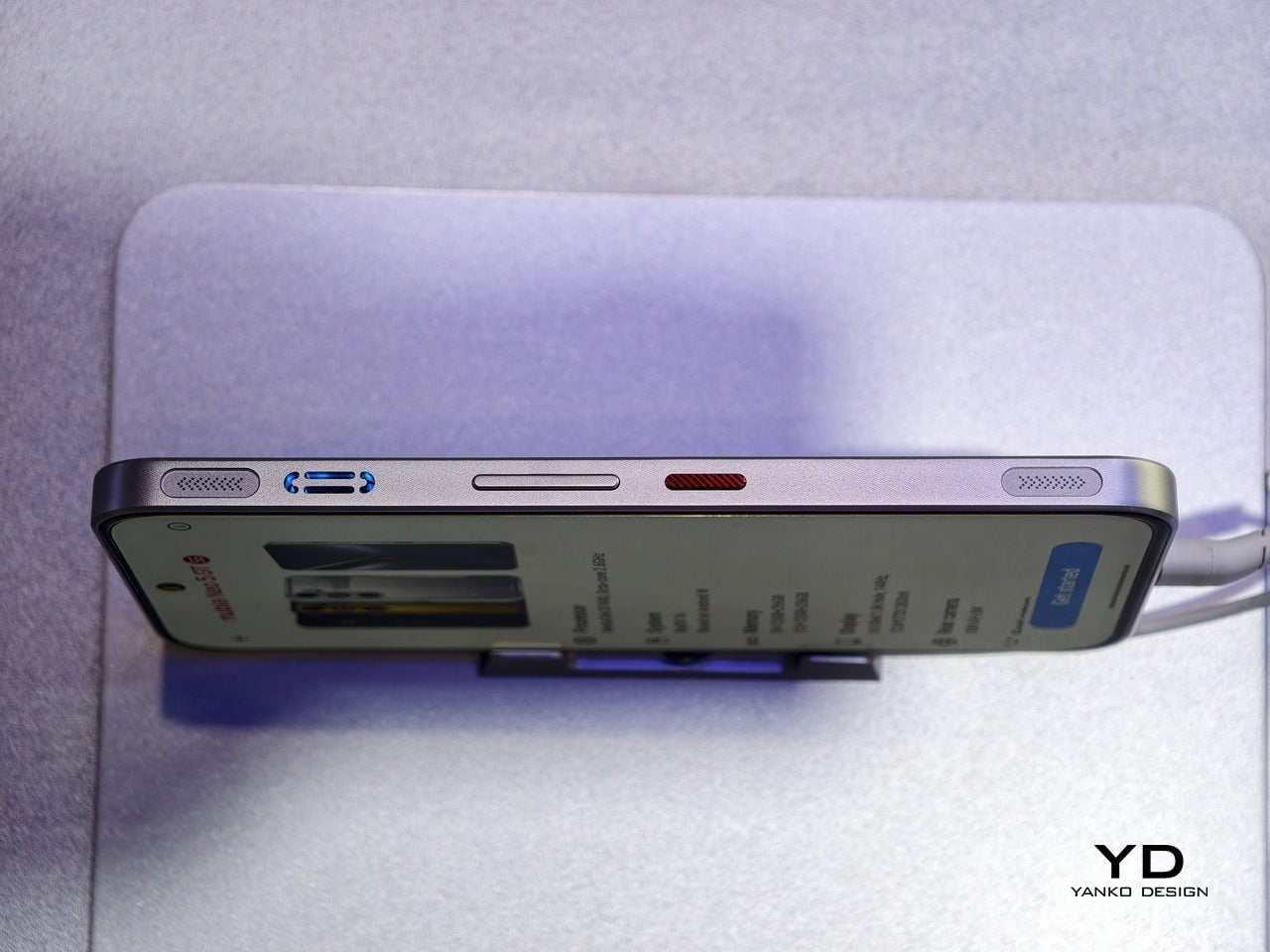
Unihertz Titan 2 Elite fuels the physical QWERTY smartphone revival

The release of the iPhone in 2007 marked the beginning of the end of the BlackBerry era. The prospect of on-screen keys was undeniable, and the trend of having a pocket PC left everyone dazed over the years as smartphones evolved into their best version, year after year, for decades. However, things then go full circle, and we are plateauing with what bezelless smartphones can offer.

That tactile feel of typing with the physical buttons is reviving for good reason, and Unihertz brought back nostalgic memories of the Passport for good. The full QWERTY keyboard of the phone with a 1:1 aspect ratio was a refreshing introduction to the stale smartphone market dominated by phones that more or less look and feel the same, with few incremental hardware updates that one can hardly drool over.

Designer: Unihertz

Riding on the momentum of the Titan 2 released in the summer last year, the Shanghai-based brand has revealed the Titan 2 Elite. Unlike the Clicks QWERTY case or the Ikko MindOne Snap-In Case, which are extensions of the phone itself, the Titan line of devices is the real deal. Productivity and ease of use are the focal points with the Unihertz phones, and that element remains constant with the new release. Titan Elite 2 is an improvement over the predecessor with the thin bezel curved display having a punch-hole front camera in one corner. The function keys on the new version take the same layout, while the navigation keys are now placed alongside the spacebar. This results in a decrease in overall size while retaining the same function.

The phone will come powered by the MediaTek Dimensity 7300 processor, have 12GB of RAM, and 512GB of internal storage. There is no word on the display or the battery, but going by the previous release, it should be an AMOLED screen, and the battery should be 5,000mAh. Neither is there any word about the release timeline, pricing, or other features of the device right now. The sole official render of the phone suggests a sleeker-looking body, erringly similar to the Clicks Communicator. The only differentiator is the more squared form of the Titan 2 Elite vs the portrait-dominated aesthetic of the Communicator case.

It’ll be interesting to see what Elite elements the device brings for the users, to consider the niche device over other options. One thing is clear, though the tactile keyboard era is reviving in a big way, and we’re excited to see what will be on offer in the future as more manufacturers find the segment lucrative.

The post Unihertz Titan 2 Elite fuels the physical QWERTY smartphone revival first appeared on Yanko Design.
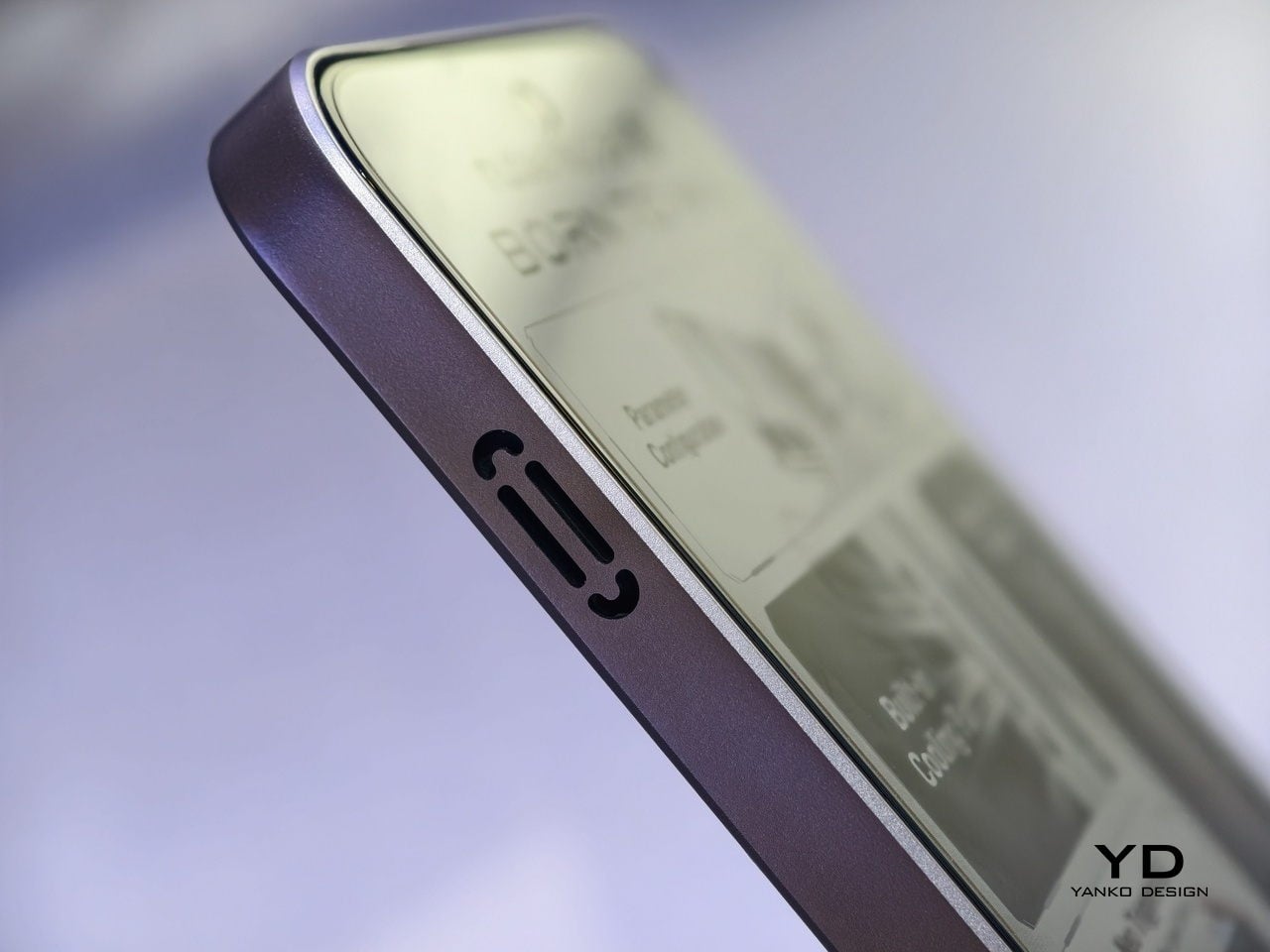
Mudita Minimalist Phone and Alarm Clocks Design a Calmer Day at CES 2026

The day often begins and ends with a smartphone, from checking notifications before getting out of bed to scrolling in the dark when you should be asleep. Even people who care about design and well-being end up with glowing rectangles on every surface, and that constant presence quietly shapes attention, sleep, and mood more than most of us like to admit. The usual fix is another app that promises to help you use your phone less, which is like asking the problem to solve itself.

Mudita has been quietly building devices meant to step in where traditional smartphones can cause the most trouble. At CES 2026, that takes the form of three products: Mudita Kompakt, a minimalist E Ink phone, Mudita Harmony 2, a mindful alarm clock with an E Ink display, and Mudita Bell 2, an analog-style alarm clock with a few carefully chosen digital tricks. Together, they sketch out a different way to move through a day, keeping connections and routines intact while pushing screens out of the moments where you may choose to be “disconnected.”

Designer: Mudita

Mudita Kompakt: A Phone That Does Less on Purpose

Kompakt looks more like a small e-reader than a slab of glass, built around a 4.3-inch E Ink screen that is paper-like, glare-free, and easy on the eyes. It runs MuditaOS K, a de-Googled operating system based on AOSP, with only essential tools on board: calls, SMS, offline maps, calendar, up-to-date weather forecasts, music, notes, a meditation timer, and an e-reader. There is no app store by design, keeping the interface focused on what you planned to do instead of what a feed wants to show you next. But if you do need some very specific functionality, your favorite apps are just a sideload away.

Offline+ Mode physically disconnects the GSM modem and microphones, while also disabling Wi-Fi, Bluetooth, and the camera, turning Kompakt into a sealed, offline device when needed. That hardware-level privacy goes beyond airplane mode, which matters when you want verifiable disconnection. Long battery life, up to six days on a charge, and both USB-C and wireless charging mean it can live on a desk or in a bag without constant topping up.
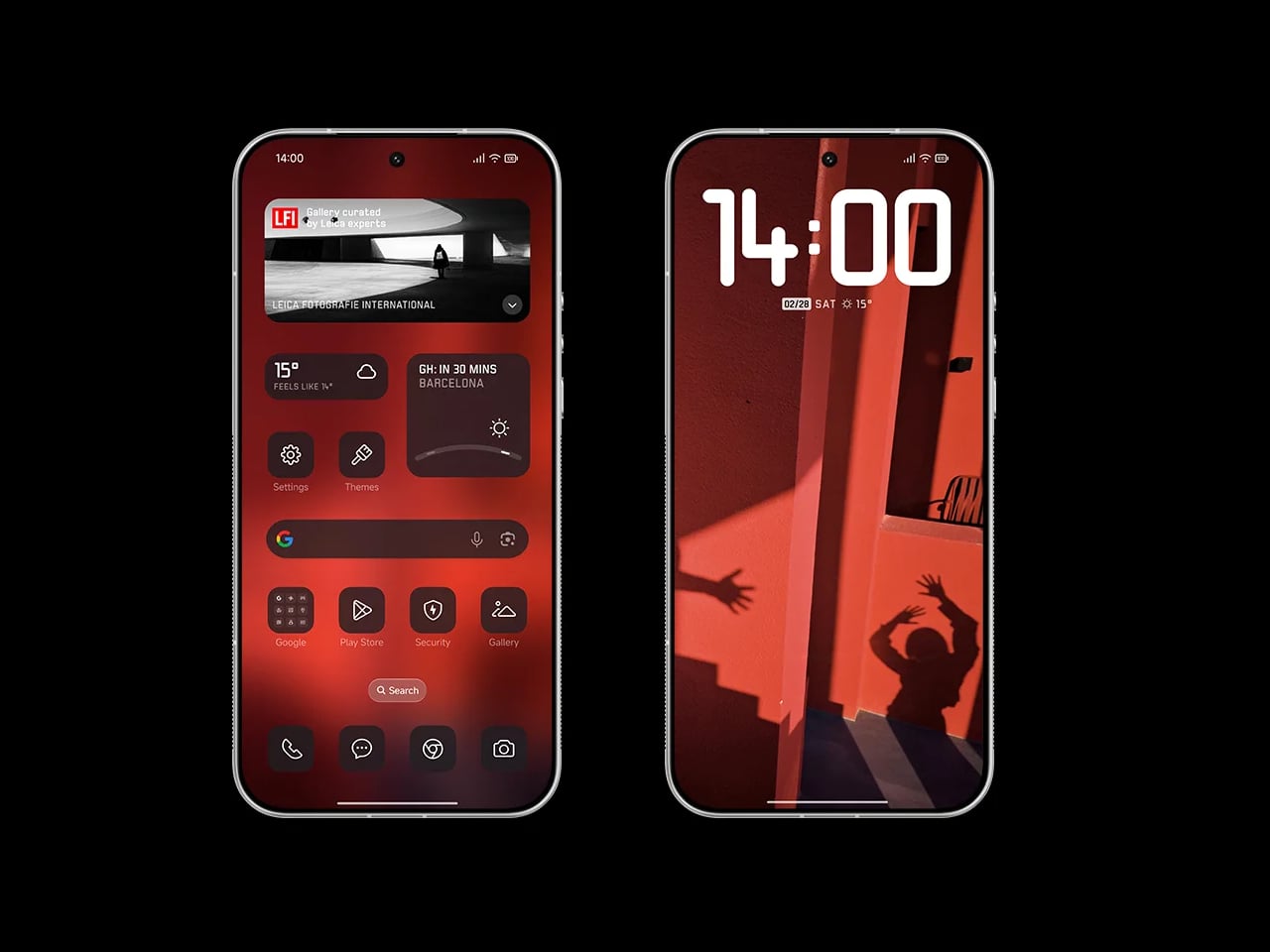
A dedicated Mudita Center desktop app handles contact syncing, music, and file transfers from a laptop, keeping the phone itself simple and uncluttered, its user experience reflecting its mission. As a primary phone for someone stepping away from feeds, it keeps communication and navigation intact while stripping away most reasons to pick it up mindlessly. As a secondary focus phone for anyone who wants to disconnect from the hustle of a smartphone, it can handle calls and texts without the usual app notifications to help nurture balance and peace of mind.

Mudita Harmony 2: A Bedroom Without a Smartphone Glow

Harmony 2 is an E Ink alarm clock with three physical knobs on top for light, volume, and alarm settings, designed to live where a phone usually sits on a nightstand. The E Ink display is easy to read and uses an adjustable warm backlight that minimizes blue light, so you can check the time at night without a blast of white light or the temptation to swipe through notifications that make it harder to fall back asleep.

The wake-up experience is built around a gradual, ascending alarm that starts softly and increases in volume, paired with a pre-wake-up light that mimics a sunrise by slowly brightening five to fifteen minutes before the main alarm. Harmony 2 offers seventeen melodies, including real nature sounds, and lets you enhance alarms with light or upload custom audio via the Mudita Center app. The goal is to make waking feel less like an interruption and more like a natural transition.

Extra features support a phone-free bedtime, Relaxation mode with customizable sounds and white noise, a Bedtime Reminder to nudge you into a consistent routine, a Meditation Timer with gong sounds, and a Power Nap Mode. With over forty days of battery life and USB-C charging, Harmony 2 can stay on a nightstand without becoming another device you plug in every night, reinforcing the idea that the bedroom can be a low-tech space.

Mudita Bell 2: Analog Mornings with a Few Smart Tricks

Bell 2 is the more analog-leaning sibling, an alarm clock with a clear, minimalist dial and an internal quartz mechanism, but also an E Ink display and a light-enhanced gradual alarm. It offers nine gentle melodies and a pure-tone alarm that starts quietly and grows to a set volume, plus a warm wake-up light that can be activated before the alarm to mimic sunrise, easing you out of sleep without a harsh jolt.

A built-in meditation timer starts and ends sessions with a gong, and the deliberate absence of Wi-Fi or Bluetooth means Bell 2 does not compete for attention or add to the ambient connectivity load in the room. It runs on a 2,600 mAh rechargeable battery that can last up to six months on a full charge, with USB-C for the rare times it needs topping up. It is designed to be set and then mostly forgotten.

Bell 2 has been awarded a Platinum Calm Technology Certification, recognizing products that respect attention and promote well-being. Available in charcoal black and pebble gray, it is meant to blend into different interiors while still feeling like a considered object. In a home shaped by Kompakt and Harmony 2, Bell 2 completes the picture: a simple, focused object that reflects Mudita’s belief that technology can be present without being intrusive.

Mudita at CES 2026: Technology for Mindful Living

Together, Kompakt, Harmony 2, and Bell 2 create intentional, screen-free moments throughout the day; focused time on the go with Kompakt, a calmer evening and wake-up routine with Harmony 2, and a simple, analog-leaning start to the morning with Bell 2. None of these is meant to replace a smartphone entirely. Instead, they offer a considered alternative for the moments when a screen adds little value. This is an approach that stands out at CES, where innovation is often defined by more features, rather than more thoughtful use.

The post Mudita Minimalist Phone and Alarm Clocks Design a Calmer Day at CES 2026 first appeared on Yanko Design.