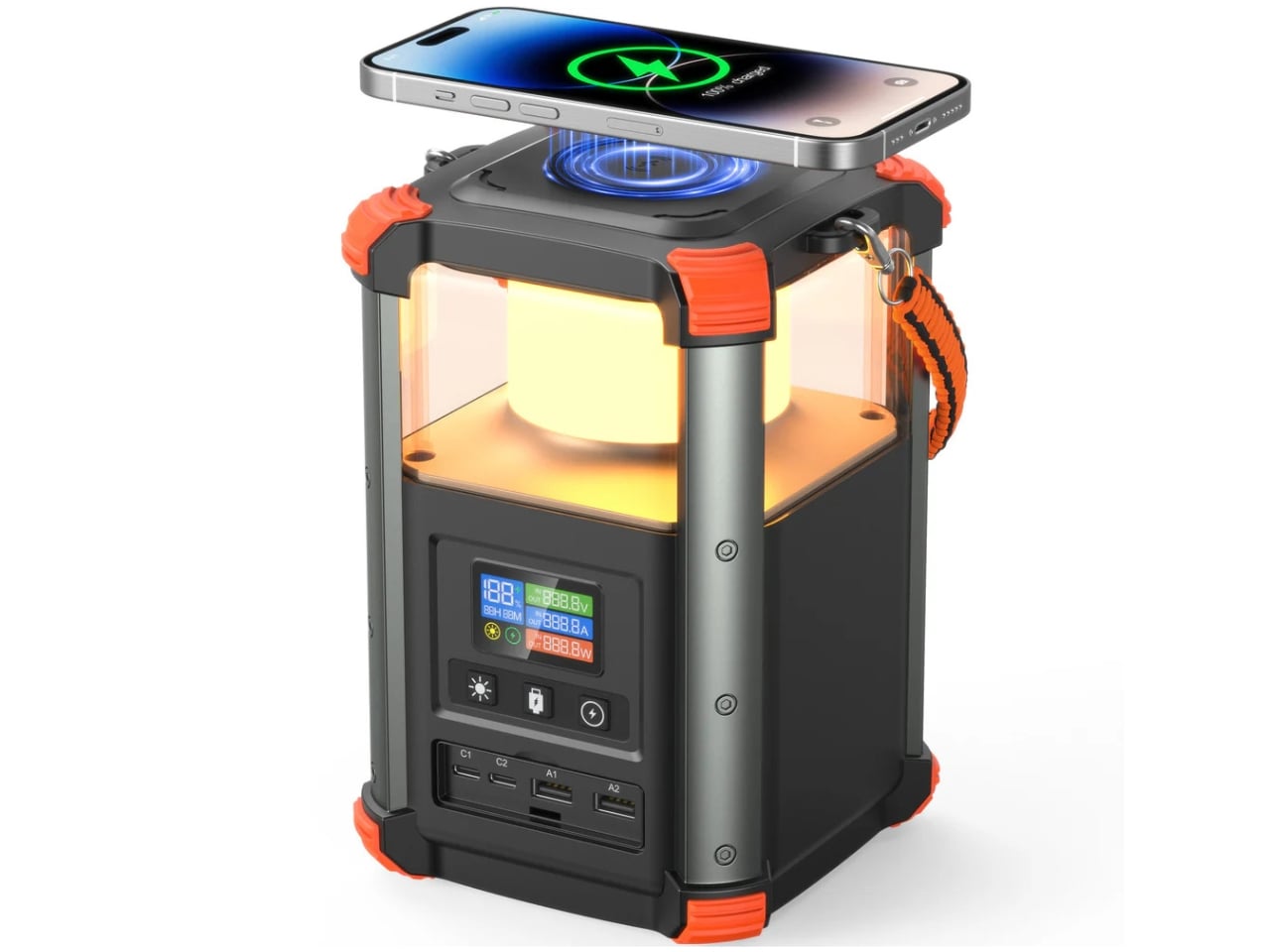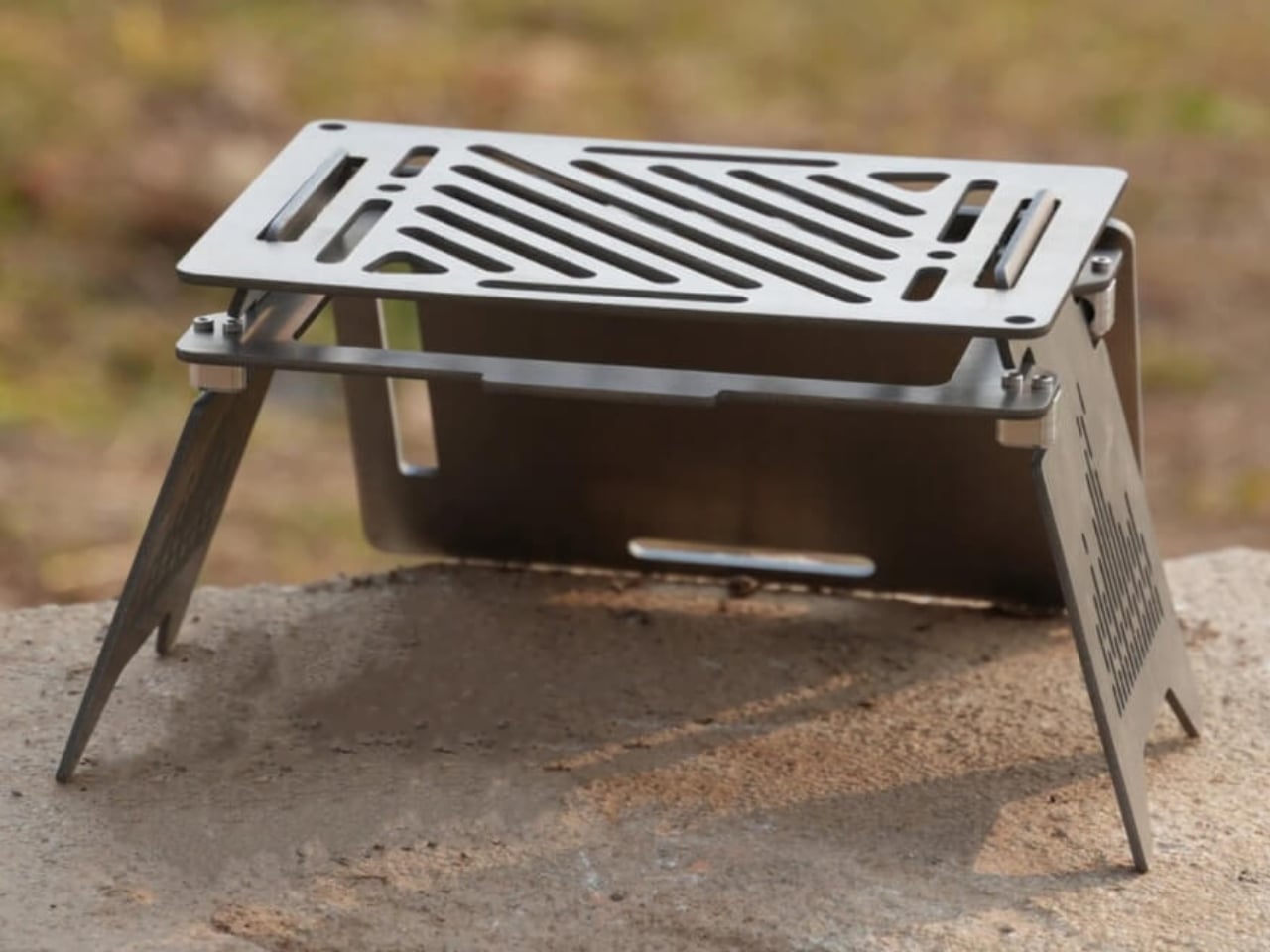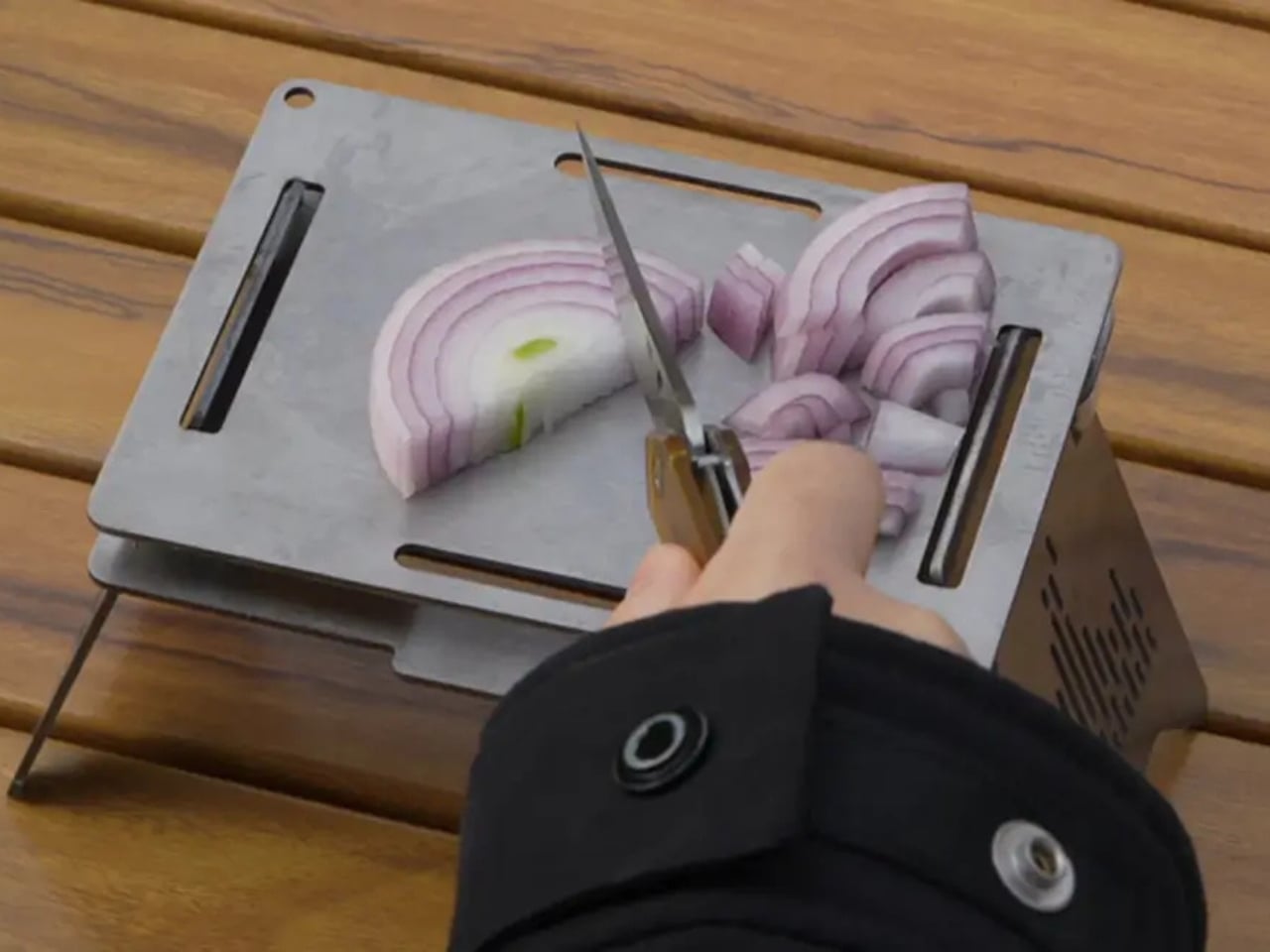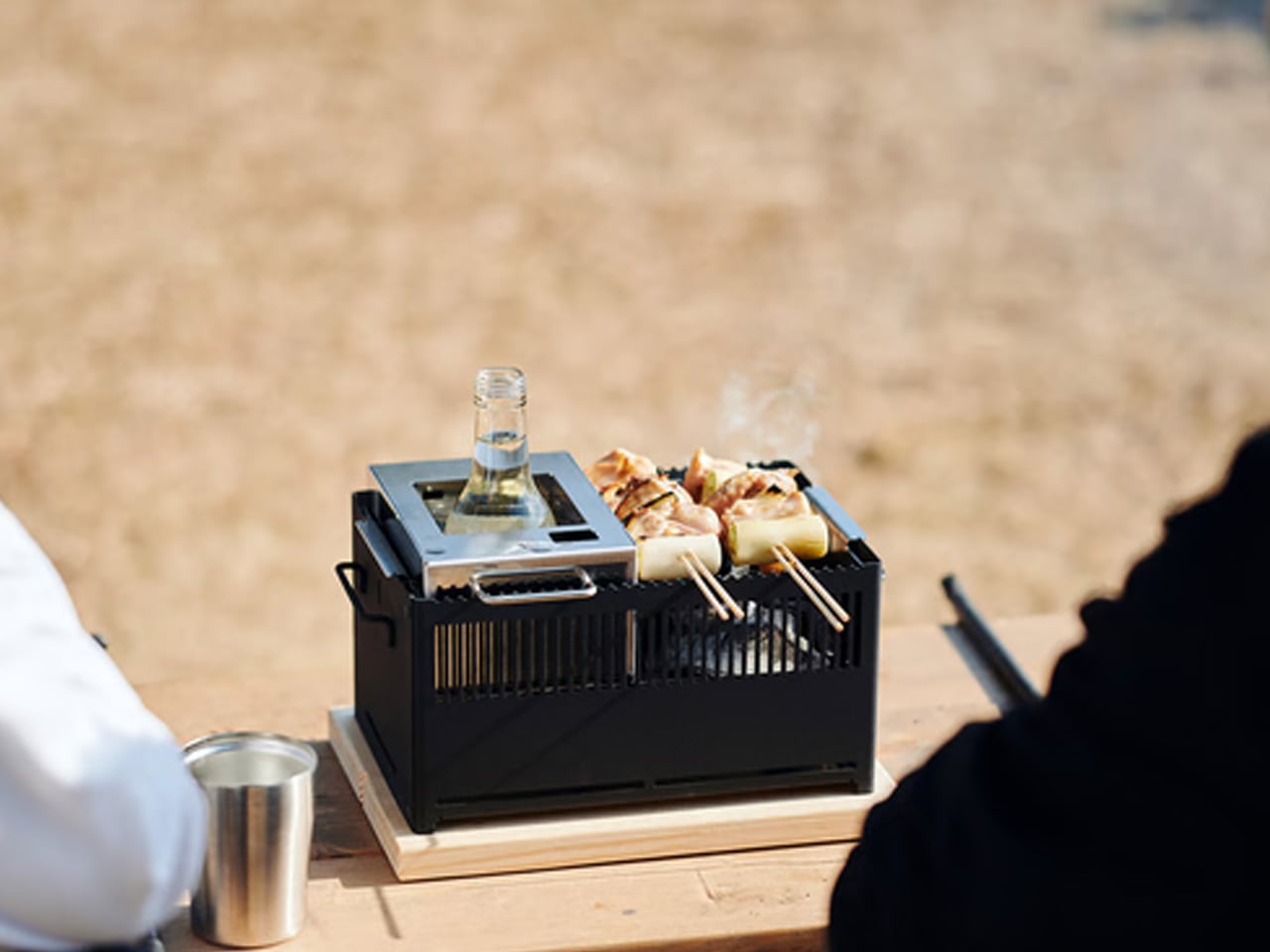
5 Best Camping Gadgets So Smartly Designed in 2026 They’re Making Your Old Gear Look Embarrassing

Most camping gear has a comfort zone. The headlamp that handles a calm evening walk but dims to nothing at 2 a.m. in a downpour. The multifunction knife that covers seven tasks adequately, but none of them particularly well. The tent that goes up in 20 minutes on a sunny afternoon and collapses when conditions escalate. This gear doesn’t fail dramatically. It fails quietly, exactly when you need it most.

What’s shifted in 2026 is the quality of the design questions being asked before a prototype gets built. Why does satellite communication still require a brick-sized device? Why does a camp light force you to choose between functional and atmospheric? Why does a rooftop tent feel like flat-pack furniture after a long drive? These five designs answer those questions—and make everything you’ve been carrying feel like last year’s problem.

1. O-Boy Satellite Smartwatch

The smartwatch category has spent years optimizing for convenience—step counts, sleep scores, app notifications. What it hasn’t done particularly well is keep you alive when you’re three ridgelines deep with no signal and no backup plan. Developed by Brussels-based design studio Futurewave, O-Boy is a satellite-connected smartwatch built for emergencies in places where mobile networks simply don’t exist. Mountains, open ocean, remote job sites. In those environments, O-Boy transmits an emergency alert directly through satellite communication, bypassing terrestrial infrastructure entirely.

Getting satellite communication hardware into a wearable form factor is not a simple engineering problem. Futurewave brought together product designers, electronics engineers, and antenna specialists, rethinking the assembly process from how conventional wearables are built. The result reads as deliberate and utilitarian without veering into tactical-for-tactical’s sake territory. A large red button on the case transmits the SOS signal. O-Boy strips out heart rate sensors, notifications, and fitness tracking entirely, showing only the time. Everything else exists to save your life when nothing else can.

What we like

  • Works via satellite when phones, GPS beacons, and radios all fail
  • One clear purpose: SOS button, time display, water and impact resistance — nothing more, nothing less

What we dislike

  • Still a concept with no confirmed pricing, timeline, or availability
  • No health tracking or notifications — a safety device, not a daily smartwatch

2. RetroWave 7-in-1 Radio

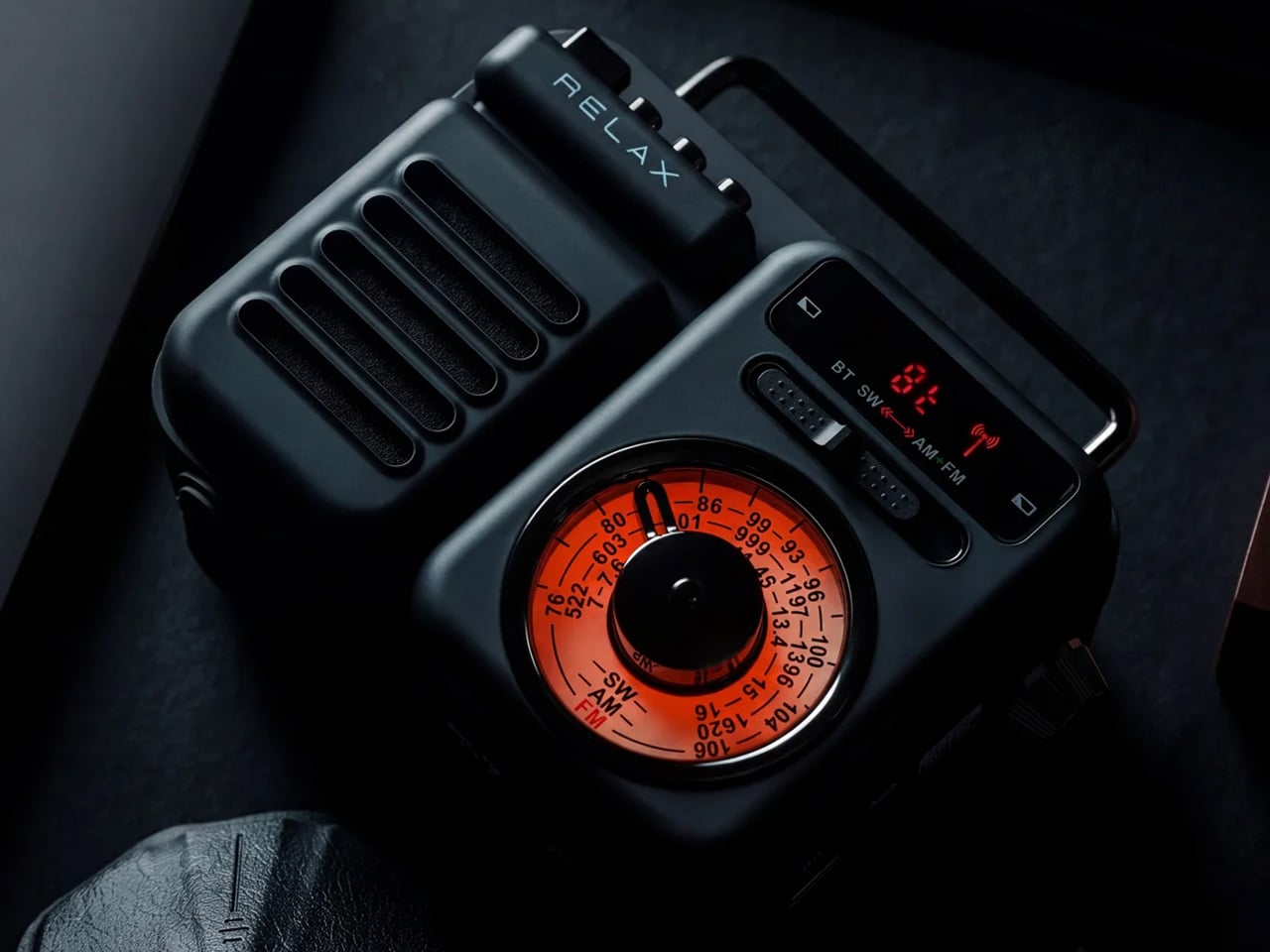
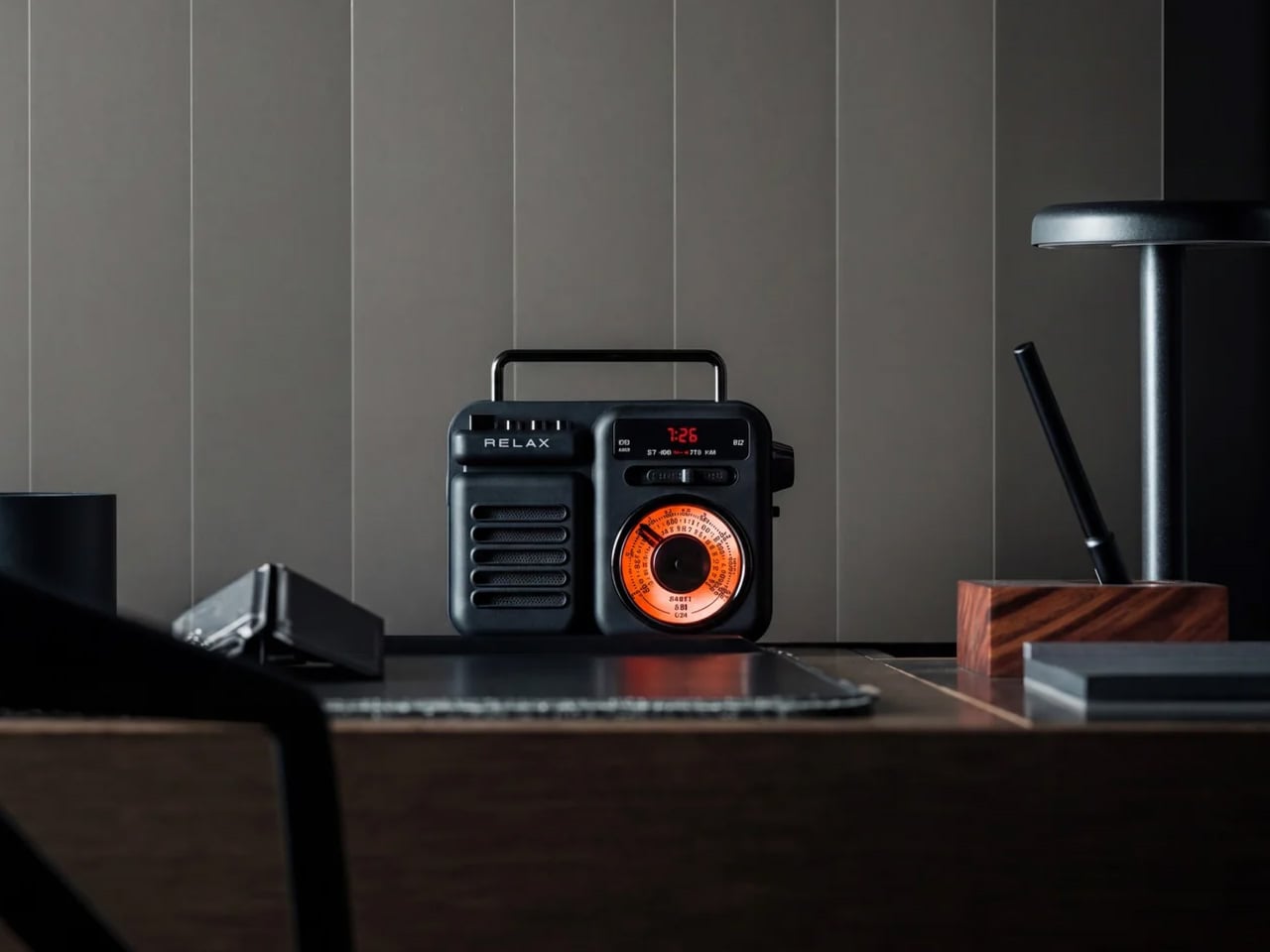
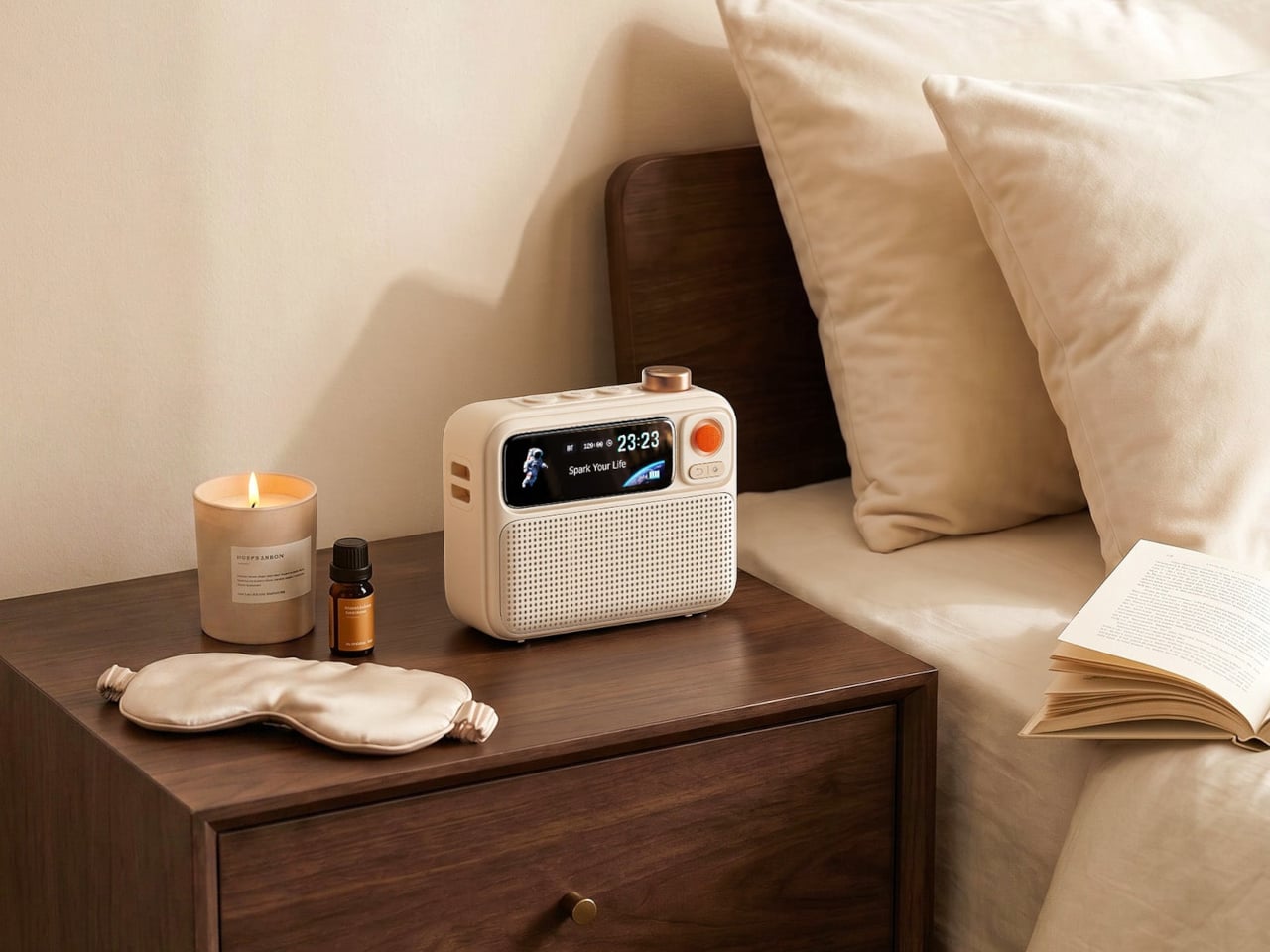
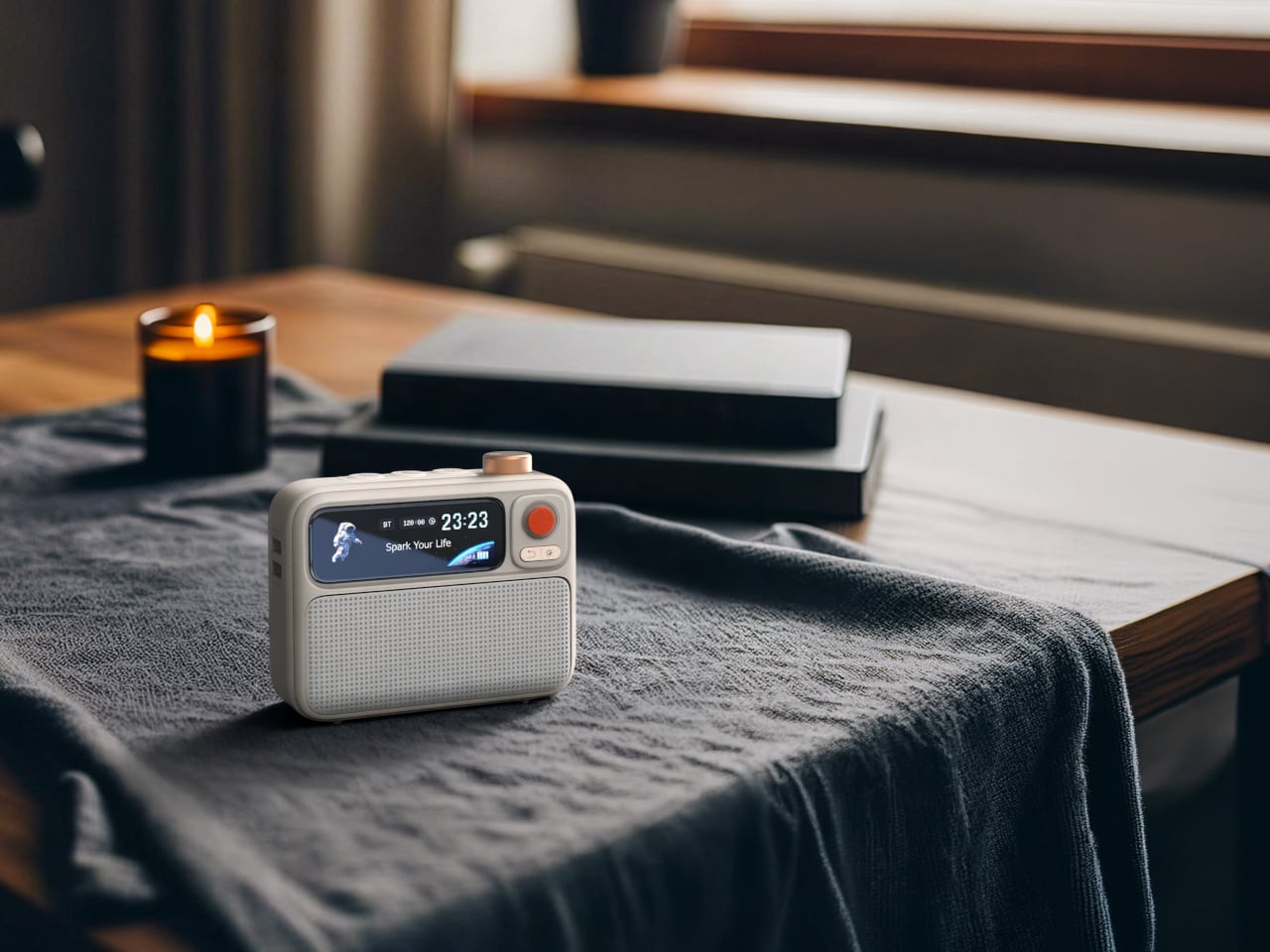
There was a time when all a radio needed was a solid signal and a satisfying click of the dial. No apps. No algorithms. The RetroWave 7-in-1 Radio arrives with that same energy, wrapped in retro Japanese-inspired design and a tactile tuning dial that recalls the best of analog broadcasting. Beneath the aesthetic, it covers seven functions: FM, AM, and shortwave reception, Bluetooth streaming, MP3 playback via USB or microSD, a built-in LED flashlight, an SOS alarm, and a power bank.

When the power cuts, the apps glitch, or you simply want music without the algorithm deciding what plays next, this is the device that still works. Hand-crank charging and a solar panel keep it running when outlets disappear. The clock and alarm give you one more reason to leave your phone in the bag. At $89, the RetroWave replaces four separate devices in a single, beautifully considered package. For a campsite, an emergency kit, or a kitchen windowsill, it simply does the job.

Click Here to Buy Now: $89.00

What we like

  • Seven functions at $89 replace a speaker, flashlight, emergency radio, and power bank in one device
  • Hand-crank and solar charging work with zero outlets, zero connectivity required

What we dislike

  • Larger footprint than a modern portable speaker — noticeable on weight-conscious carriers
  • Hand-crank charging demands real effort exactly when your energy reserves are lowest

3. Delacour Multi-Use Axe Machete

The Woodman’s Pal has been clearing trails and supplying soldiers since 1941, when the US Army adopted it almost immediately after its introduction. The Delacour machete multitool takes that foundational geometry—hook blade paired with a primary cutting edge—and delivers it at $56 in 3Cr13 stainless steel at 4mm. For light clearing, campsite work, and trail use, that steel is a reasonable trade. Corrosion resistance is prioritized over edge retention, a sensible call for a tool that regularly lives in wet, demanding conditions.

The visual language diverges from austere utility. An aggressively textured red nylon grip reads more as a consumer outdoor product than a working tool, and lightening holes punched through the blade add visual complexity without a clear balance rationale. The kit includes camo wrap tape, a paracord coil, and a dual-sided whetstone, rounding the Delacour out as an entry-level survival package rather than a single, precisely considered implement. For campers who want capability and a full kit without the premium price, it delivers exactly that.

What we like

  • Hook-plus-blade geometry handles clearing, chopping, and campsite work without a separate axe
  • Complete kit at $56 — whetstone, paracord, and wrap tape all included

What we dislike

  • 3Cr13 steel struggles under the heavy chopping loads its blade geometry invites
  • Consumer aesthetic undercuts its credibility as a long-term, serious-use tool

4. TriBeam Camplight

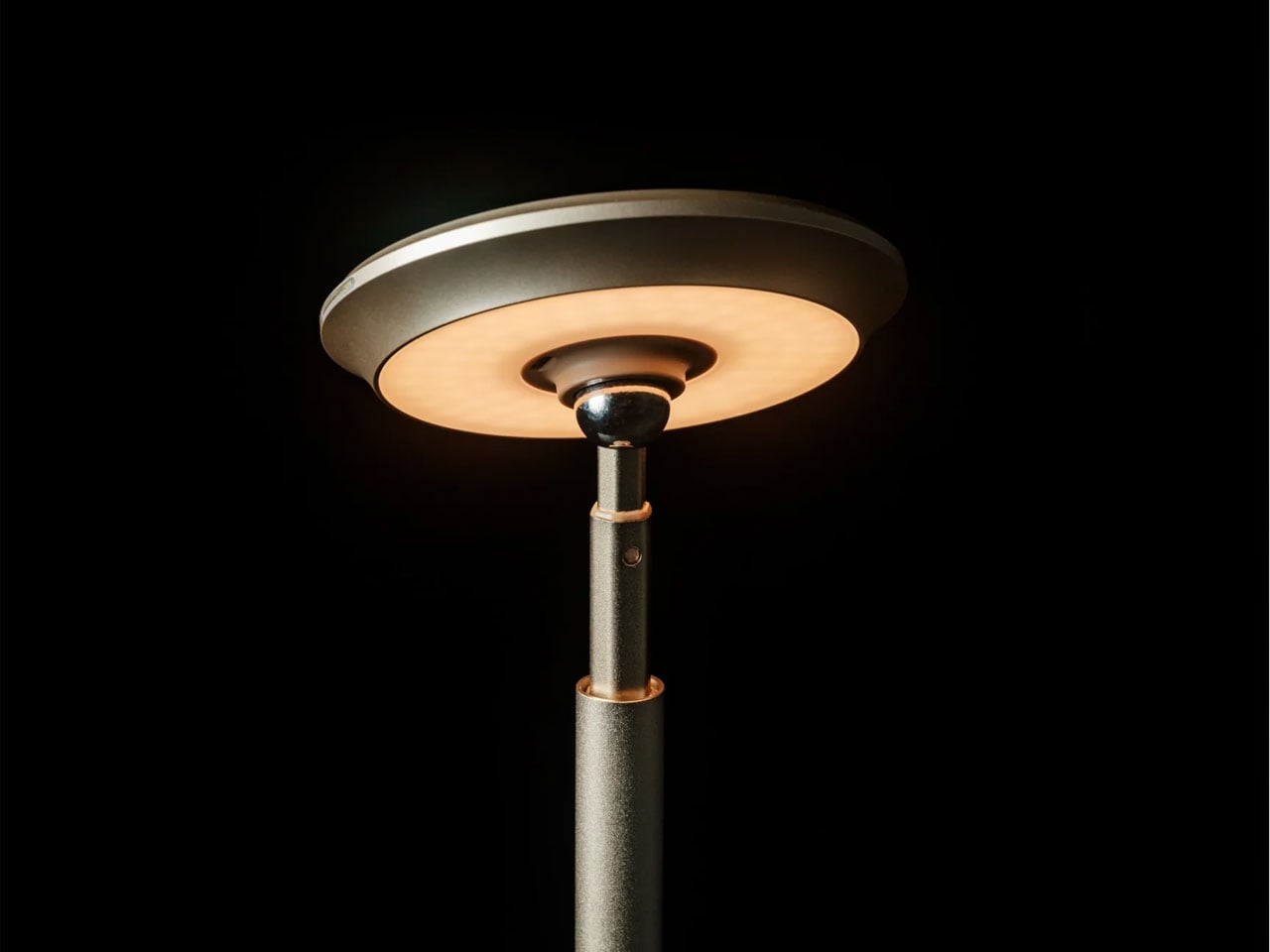
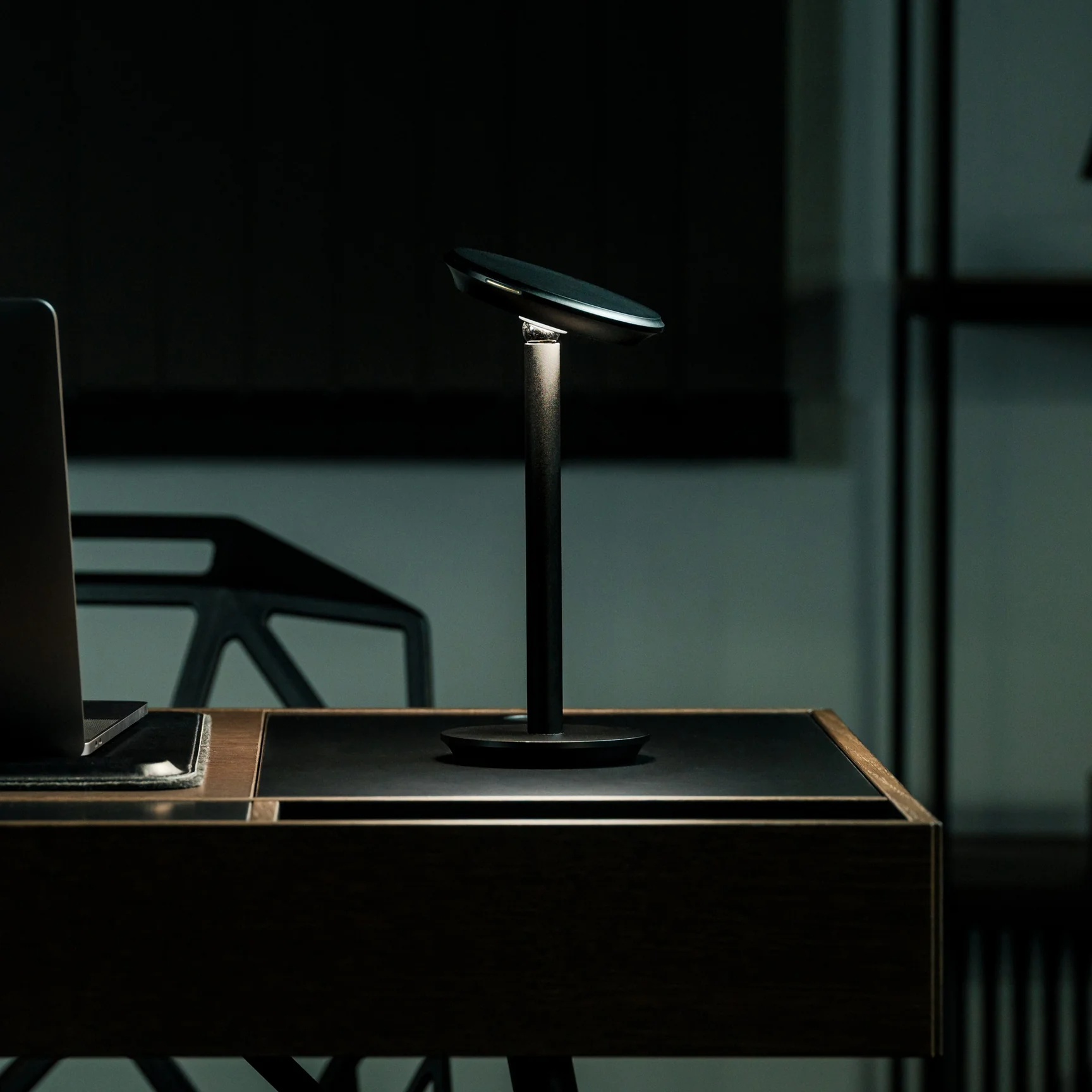
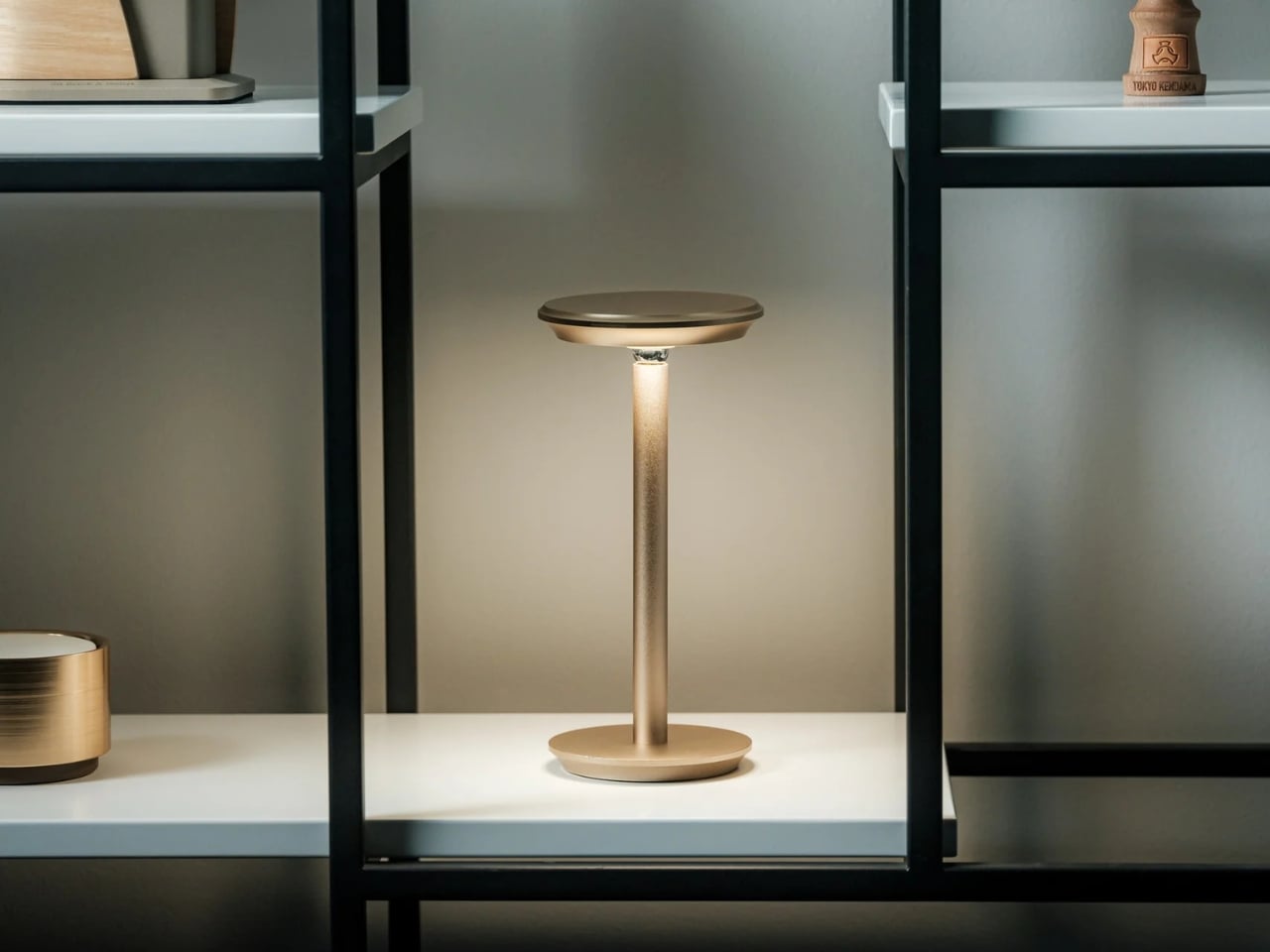
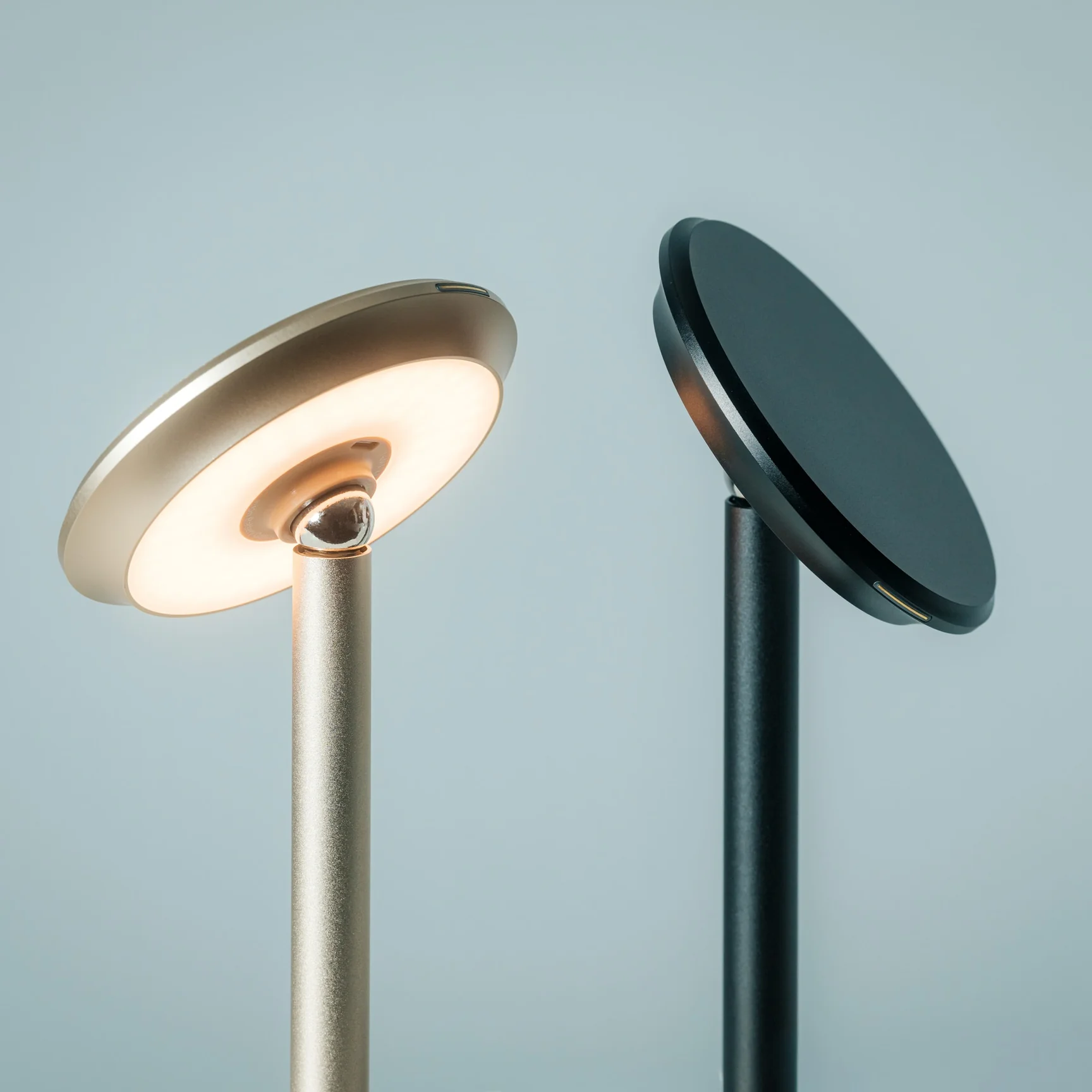
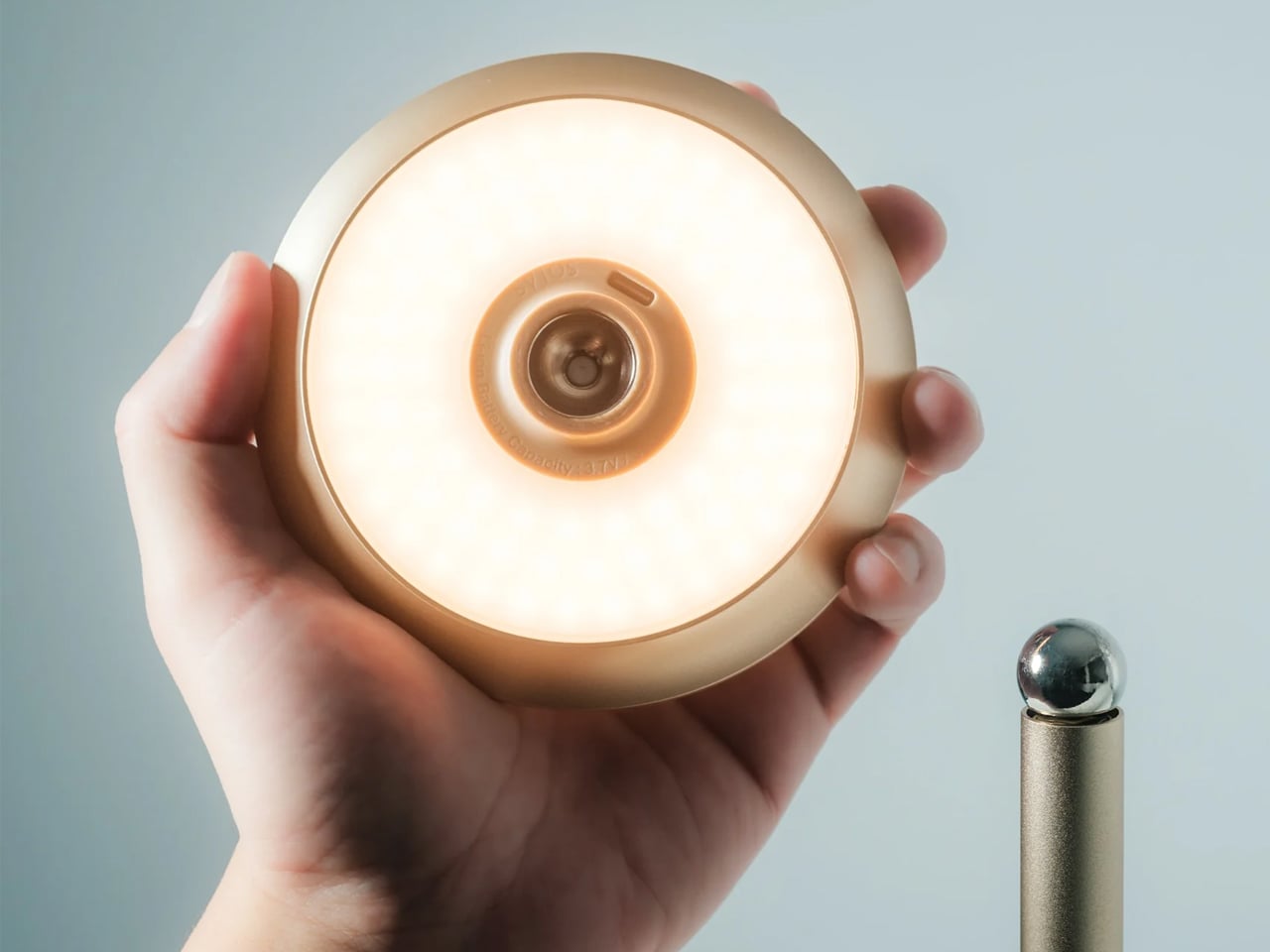
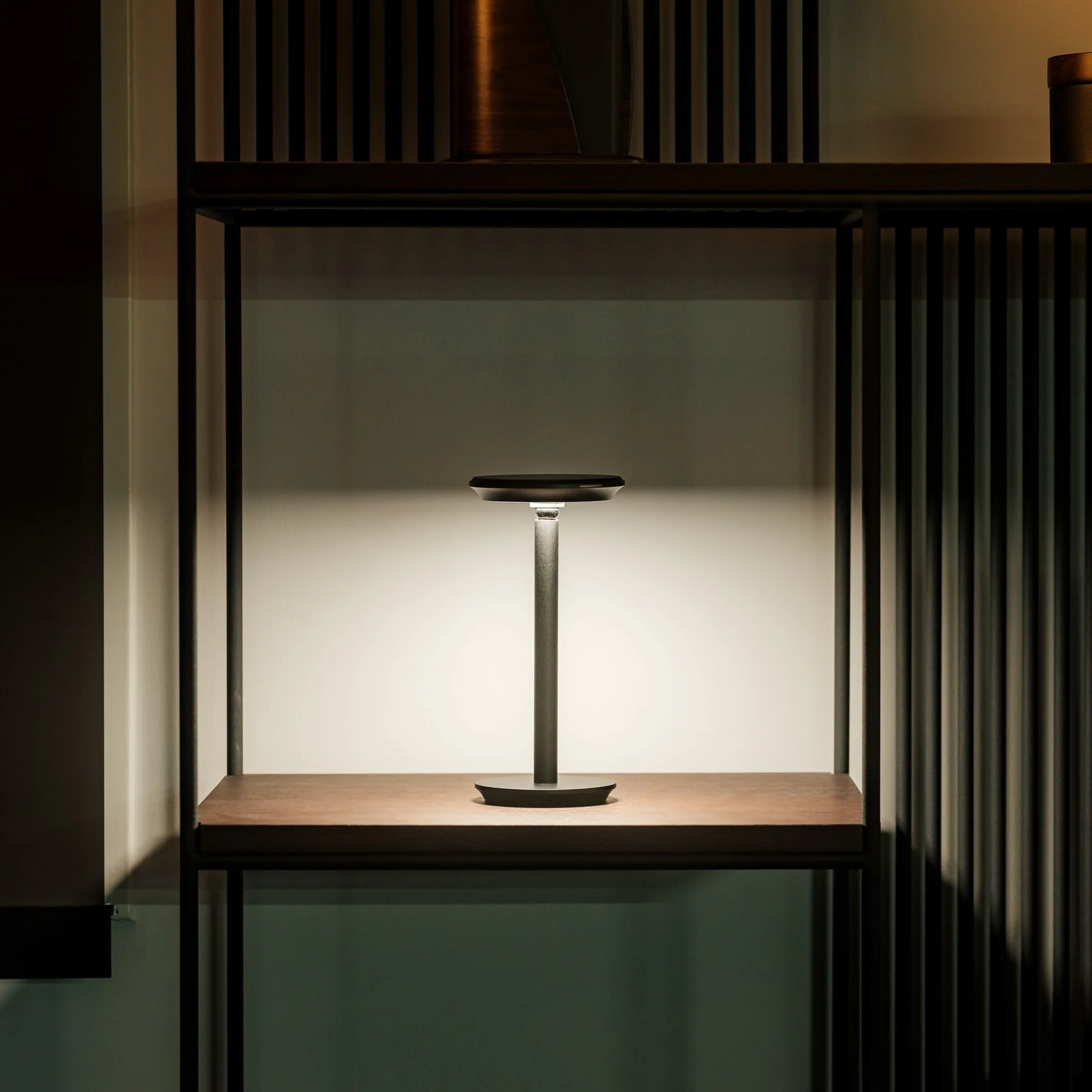
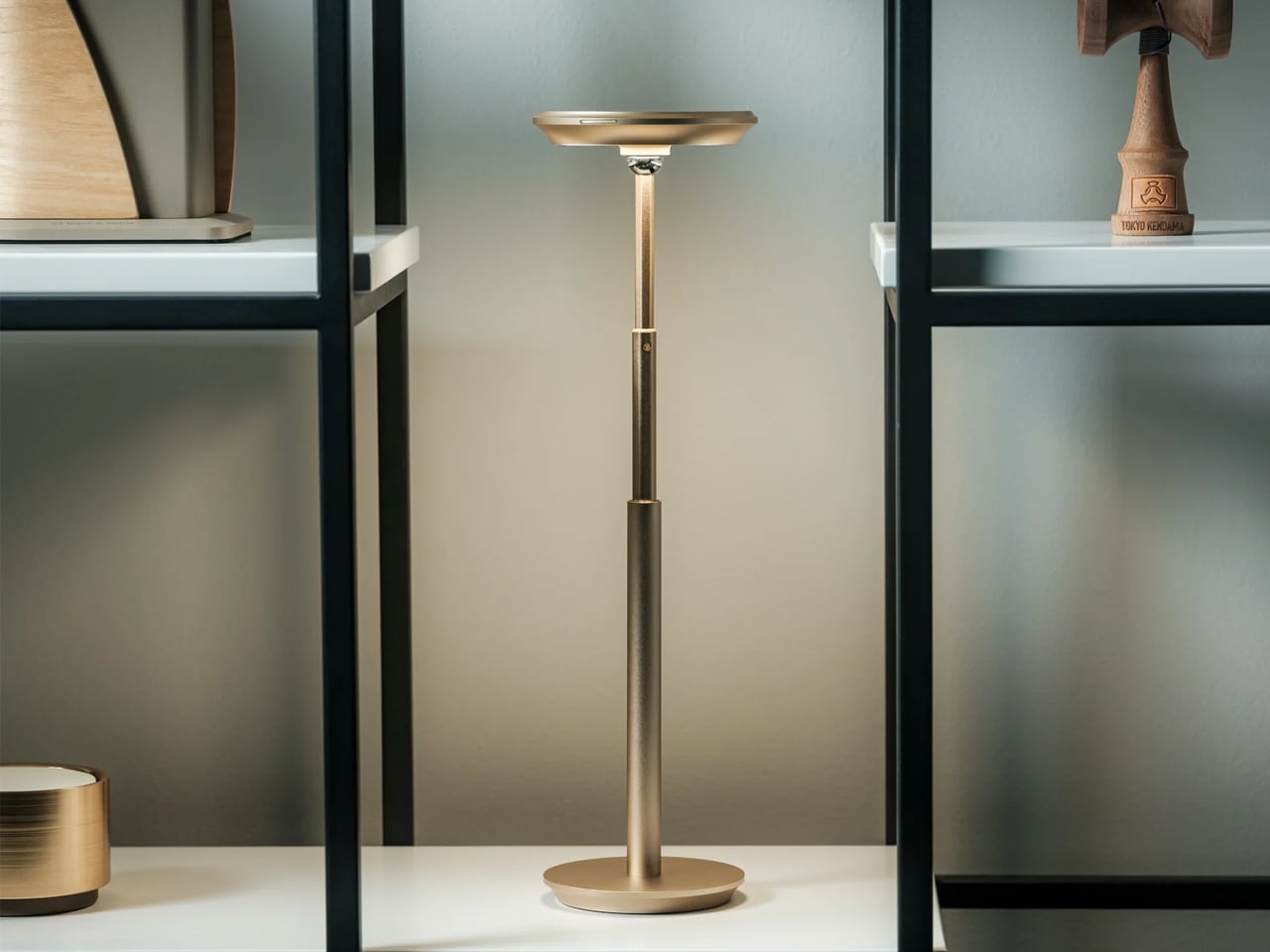
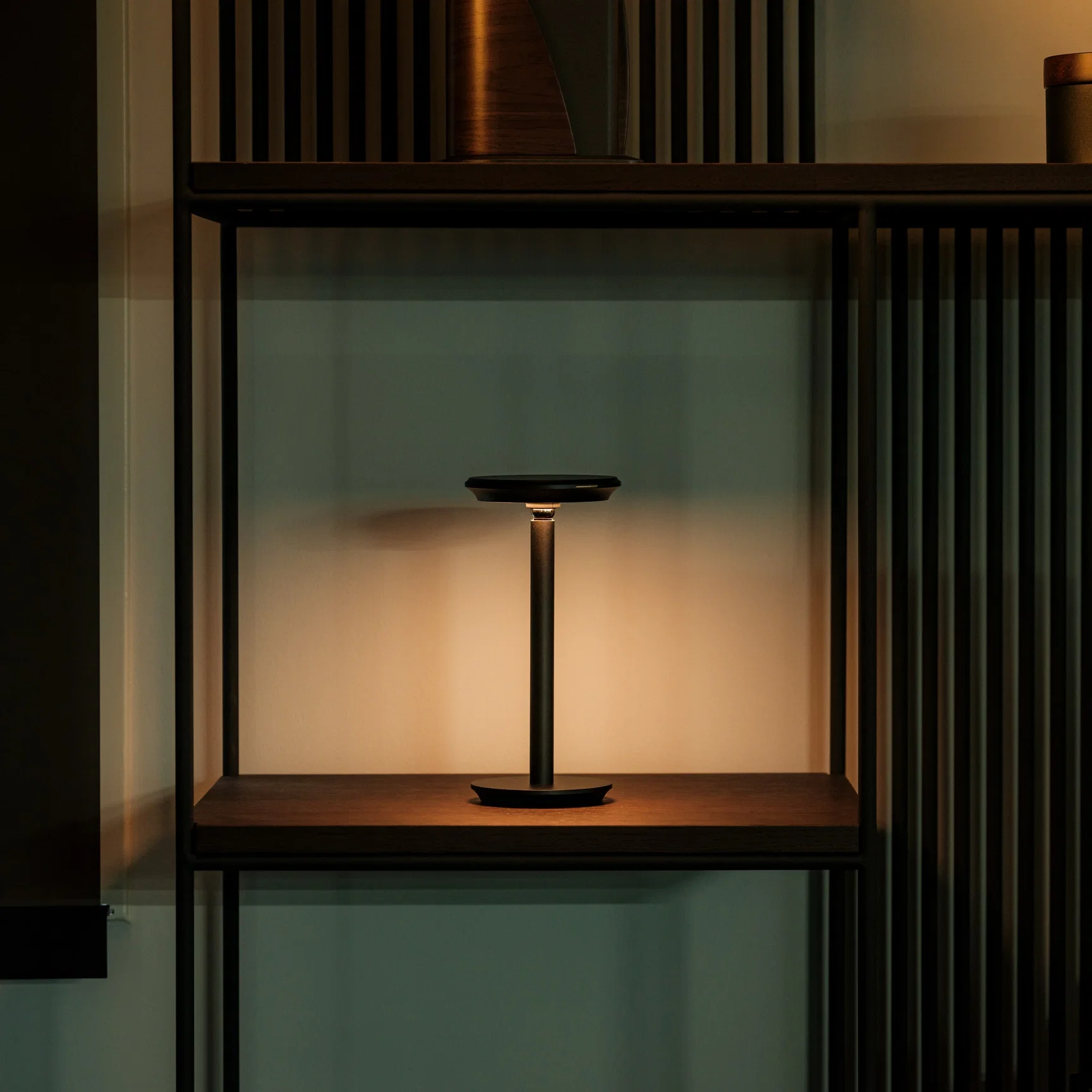
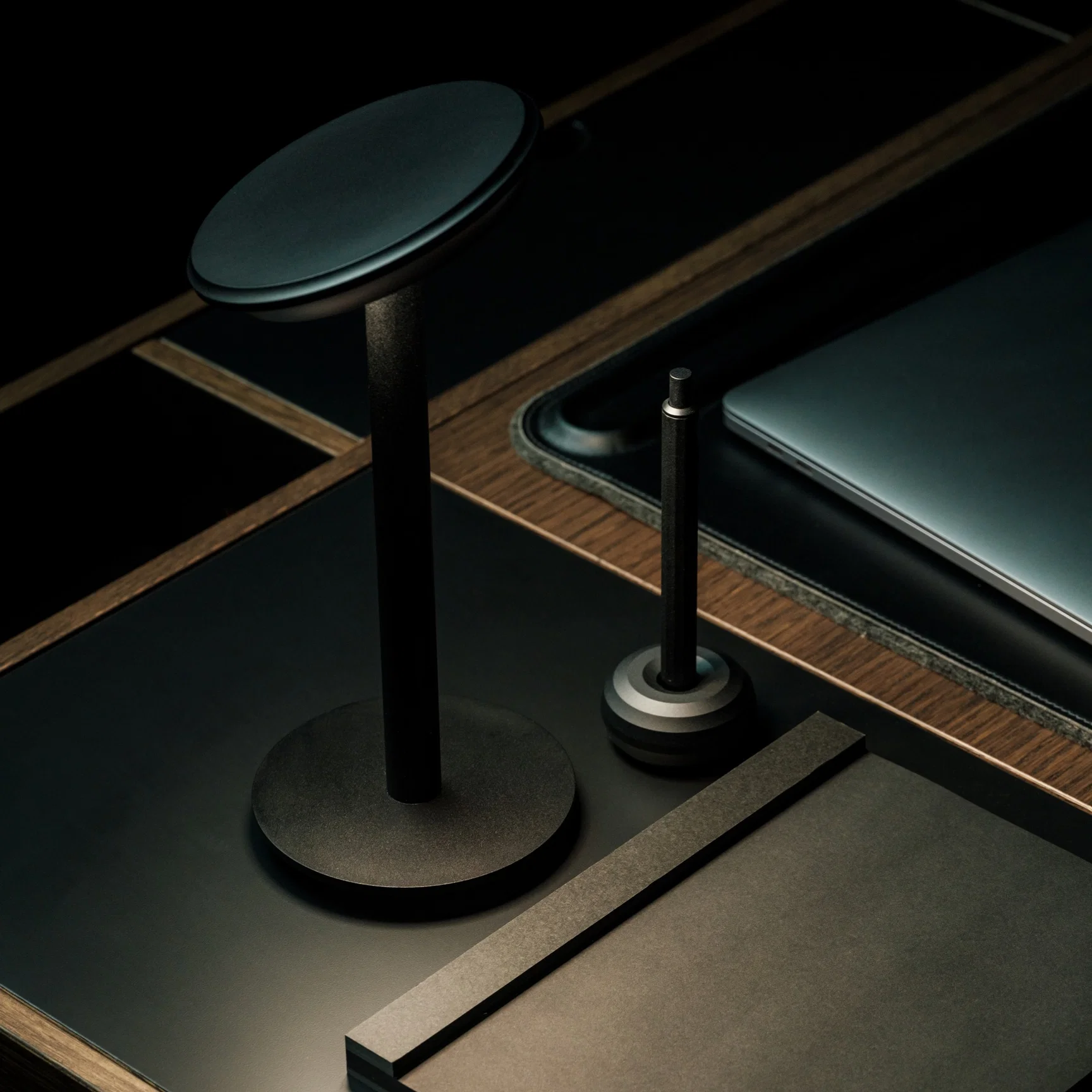
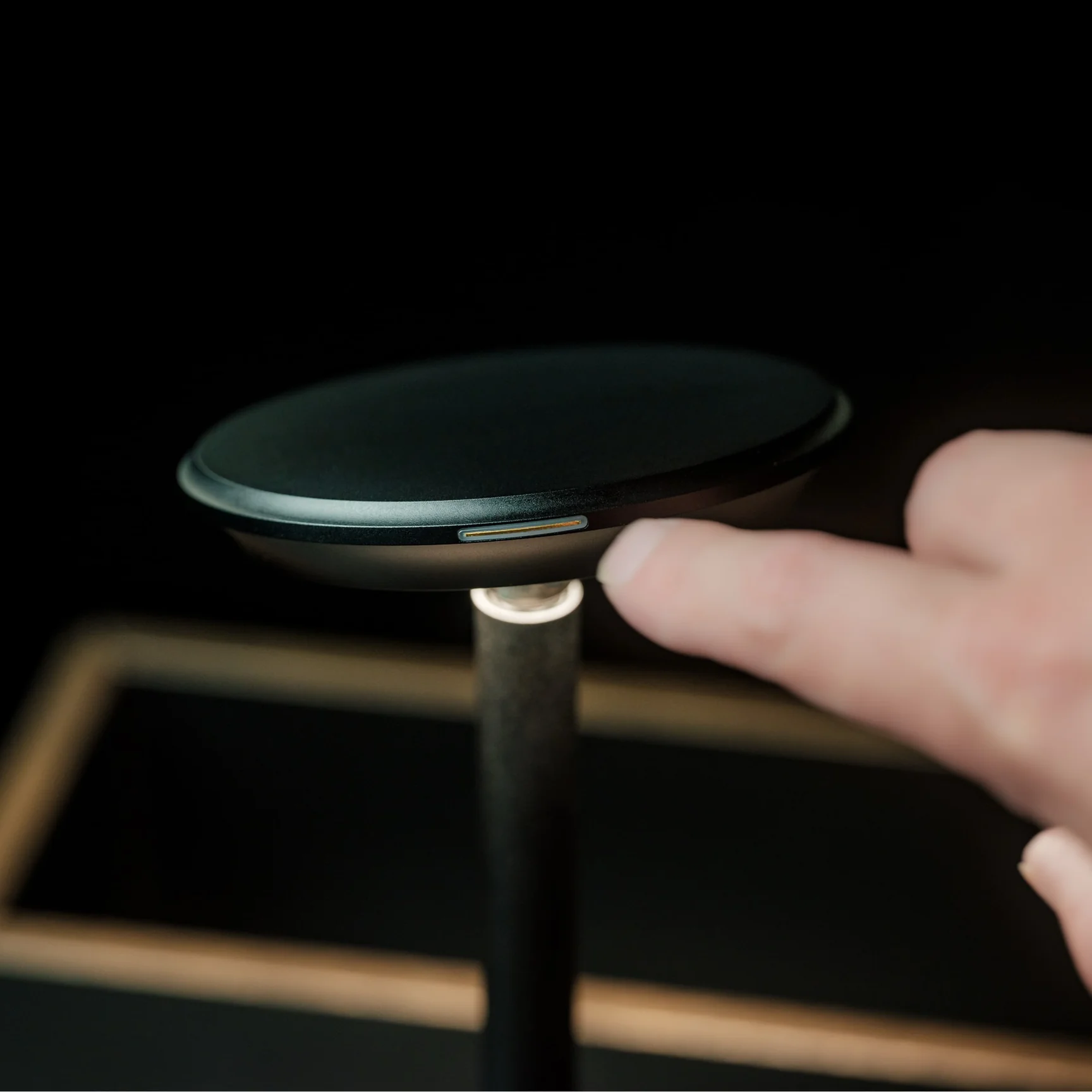
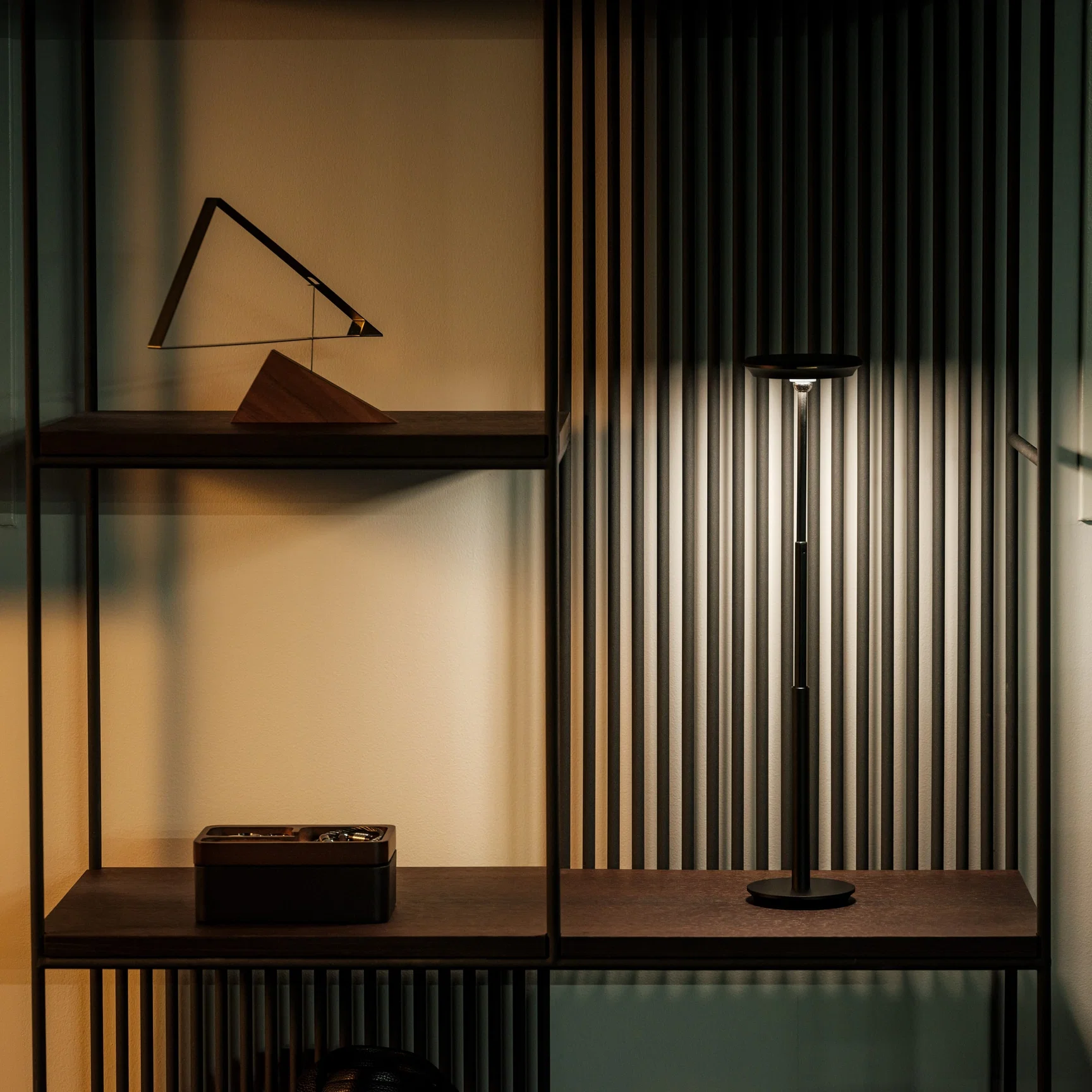
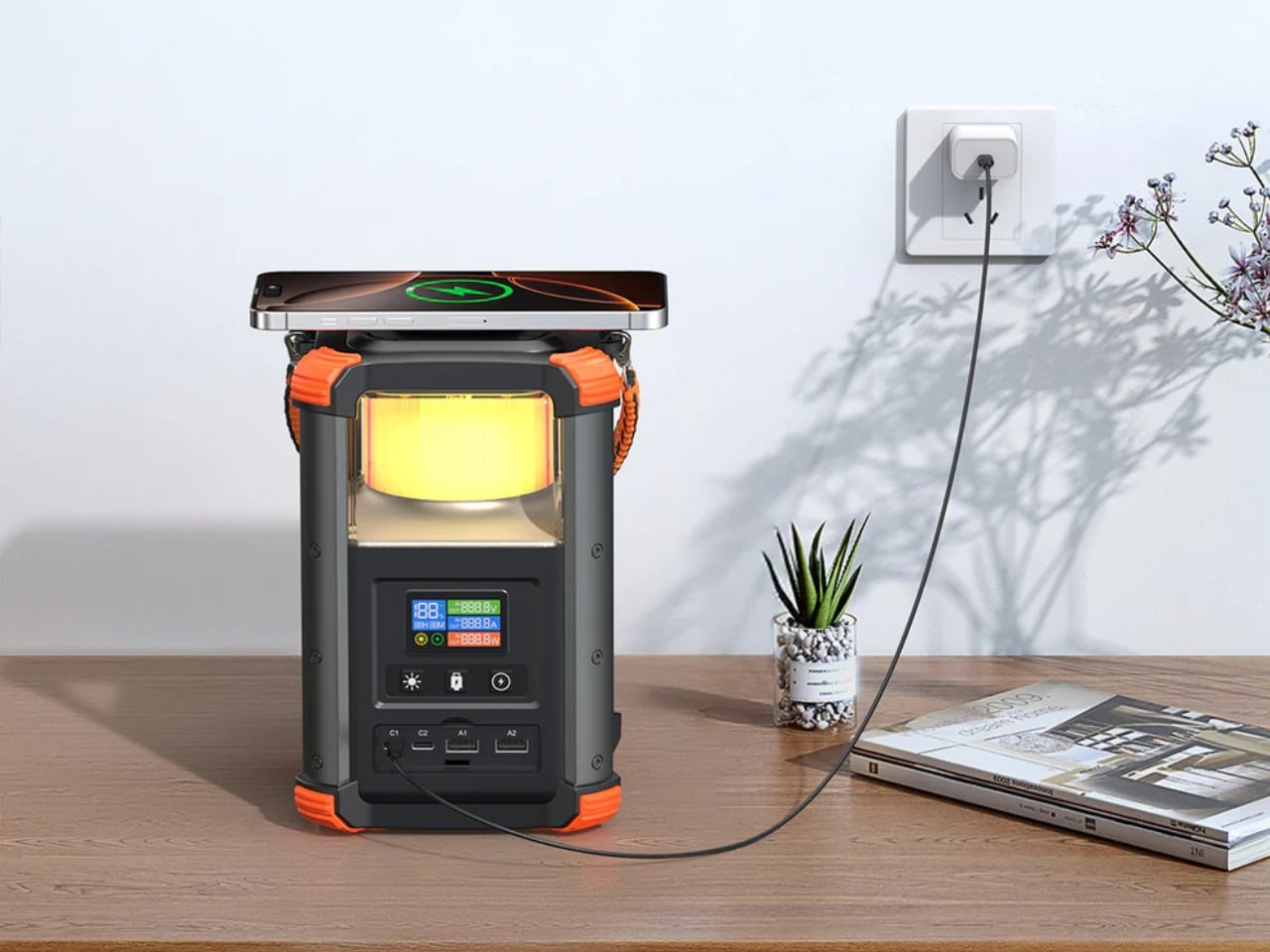
Most camping lights make you choose. Functional or atmospheric — rarely both, and rarely from the same device. The TriBeam Camplight refuses that trade-off. This award-winning design delivers three distinct modes — camping, ambient, and flashlight — controlled by a single intuitive button. Brightness adjusts from a gentle 5 lumens for reading inside a tent to a focused 180-lumen beam for trail navigation. At 135 grams and 12.8 centimeters tall, it disappears into pockets and packs until the exact moment you need it.

The TriBeam runs up to 50 hours on a single charge at its lowest setting, covering most weekend trips without needing to recharge. A detachable magnetic lampshade converts direct light into diffused warmth, and a hidden handle tucks away until you need to hang it from a tent loop, branch, or pack strap. IPX6 water resistance handles rain without complaint. USB-C charging keeps it compatible with power banks already in the kit. At $65, it earns back its price by replacing multiple single-purpose lights entirely.

Click Here to Buy Now: $65.00

What we like

  • Three modes in 135 grams — no need for a separate task and ambient lights
  • 50-hour runtime on low eliminates recharging anxiety on most multi-day trips

What we dislike

  • Single-button cycling forces you through unwanted modes to reach the right one
  • A magnetic lampshade can detach unexpectedly without careful packing

5. Air Cruiser

Traditional rooftop tents carry a hidden time tax. Arrive at the site, unfold the shell, thread the poles, stake the perimeter — half the evening is gone before you’re actually settled in and looking at stars. The Air Cruiser removes that entirely. Built around Air Frame technology by Cinch, this self-assembling tent inflates without a single pole in the system. Open size reaches 83 by 51 by 57 inches, delivering record-breaking headroom and 360-degree views that no pole-supported rooftop structure can replicate.

The cover is heavy-duty 600D polyoxford with PVC coating and PU5000mm waterproofing, meaning it handles serious weather without compromise. The 2-inch high-density foam mattress includes a detachable peachskin thermal cover for colder conditions. Any-car compatibility removes the locked-in roof rack constraint most rooftop tents impose. Closed, it packs to 55 by 38 by 10 inches — compact enough to clear most parking structures. For anyone who camps regularly and has run out of patience with the setup ritual, every arrival finally feels like an arrival.

What we like

  • Air Frame setup eliminates poles — faster and simpler than any traditional rooftop tent
  • Pole-free structure delivers 360-degree views that no conventional rooftop tent can match

What we dislike

  • Inflatable frame carries a puncture risk that a solid pole system simply doesn’t have
  • Combined mattress and ladder weight over 18 lbs requires careful vehicle load compatibility checks

Good Gear Changes the Trip Before It Starts

The best camping gear earns its keep before you leave the driveway — in how it packs, in what it removes from the problem list, in how little you have to think about it when conditions shift. What these five designs share is that quality of intention. Each one took a familiar category, asked a harder question about what it should actually do, and built something that genuinely answers it well.

Whether it’s a watch that works when your phone can’t, a light that handles both the practical and the atmospheric, or a tent that sets itself up before you’ve unloaded the cooler, the common thread is design that truly earns its weight. 2026’s best camping gear is quiet in its confidence. It doesn’t announce itself. It simply works, exactly when and how you need it to. The bar has moved.

The post 5 Best Camping Gadgets So Smartly Designed in 2026 They’re Making Your Old Gear Look Embarrassing first appeared on Yanko Design.
5 Best Design Tools That Take You From the First Sketch to the Finished Prototype

The design process has always lived between two worlds: the rough immediacy of a hand-drawn line and the precision of a finished object you can hold. What changes the game is not having more tools, but having the right ones at each stage. The five picks here form a complete creative pipeline, moving from the first mark on paper to a physical object that exists in the world, one you can turn over in your hands, show to a client, or give to a manufacturer with confidence.

What makes this lineup unusual is its range. A fidget-friendly pen sits alongside a crowdfunded filament recycler. A magnetic clipboard shares editorial space with a professional OLED drawing tablet. That breadth is intentional. Great design does not happen at one point in the process; it accumulates across all of them. These are the tools that make every stage worth showing up for, and worth doing well. Each one earns its place at the desk.

1. SPINNX Magnetic Modular Pen

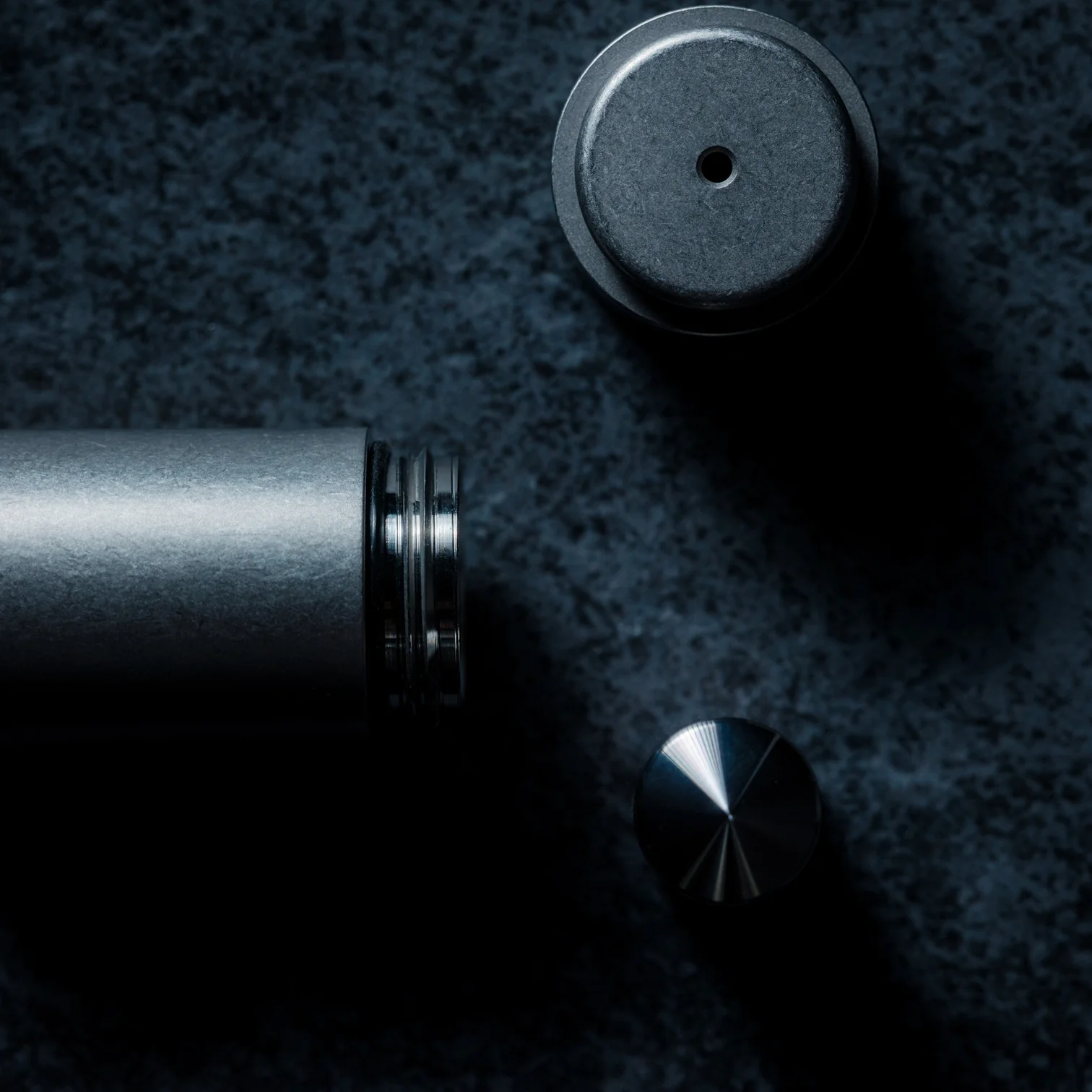
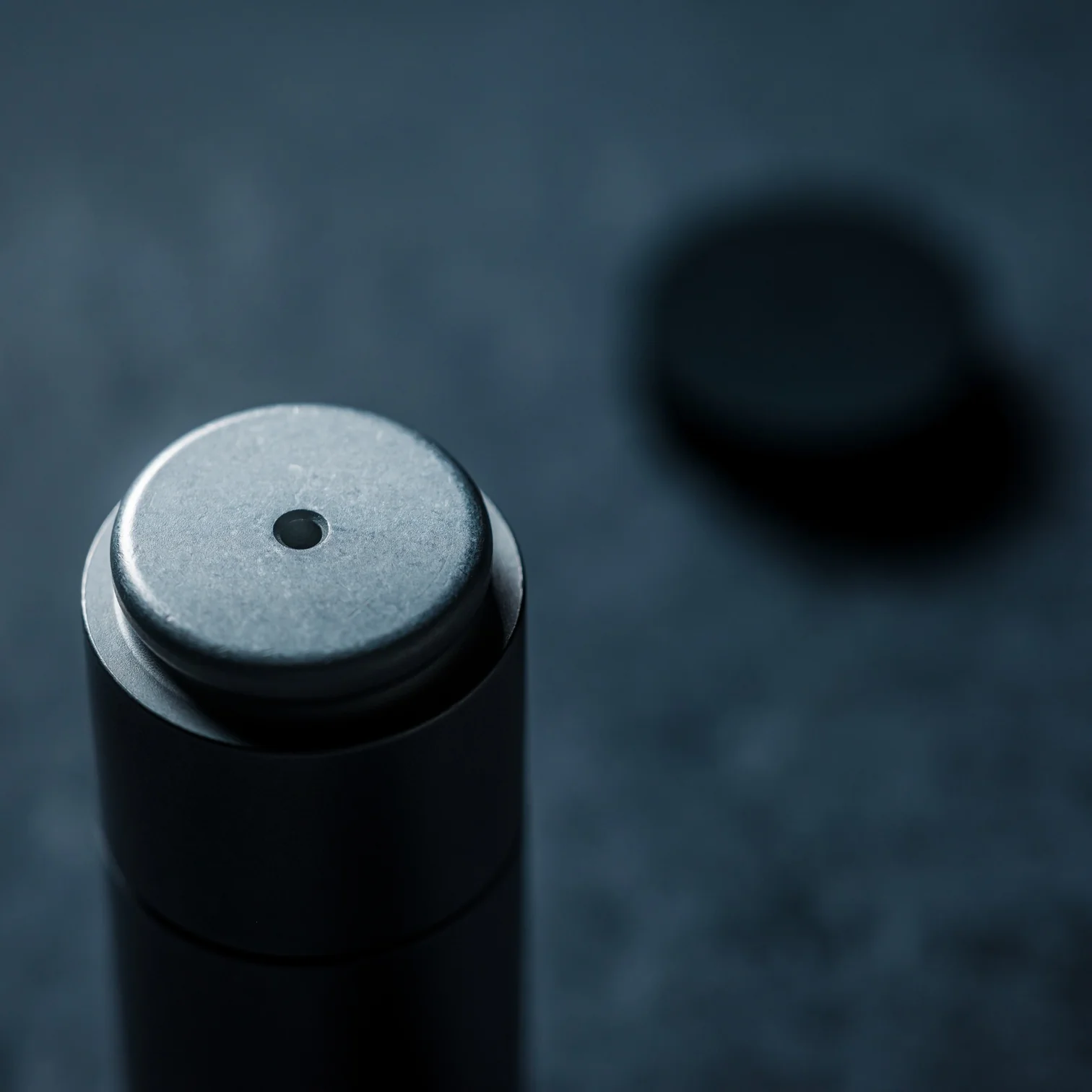
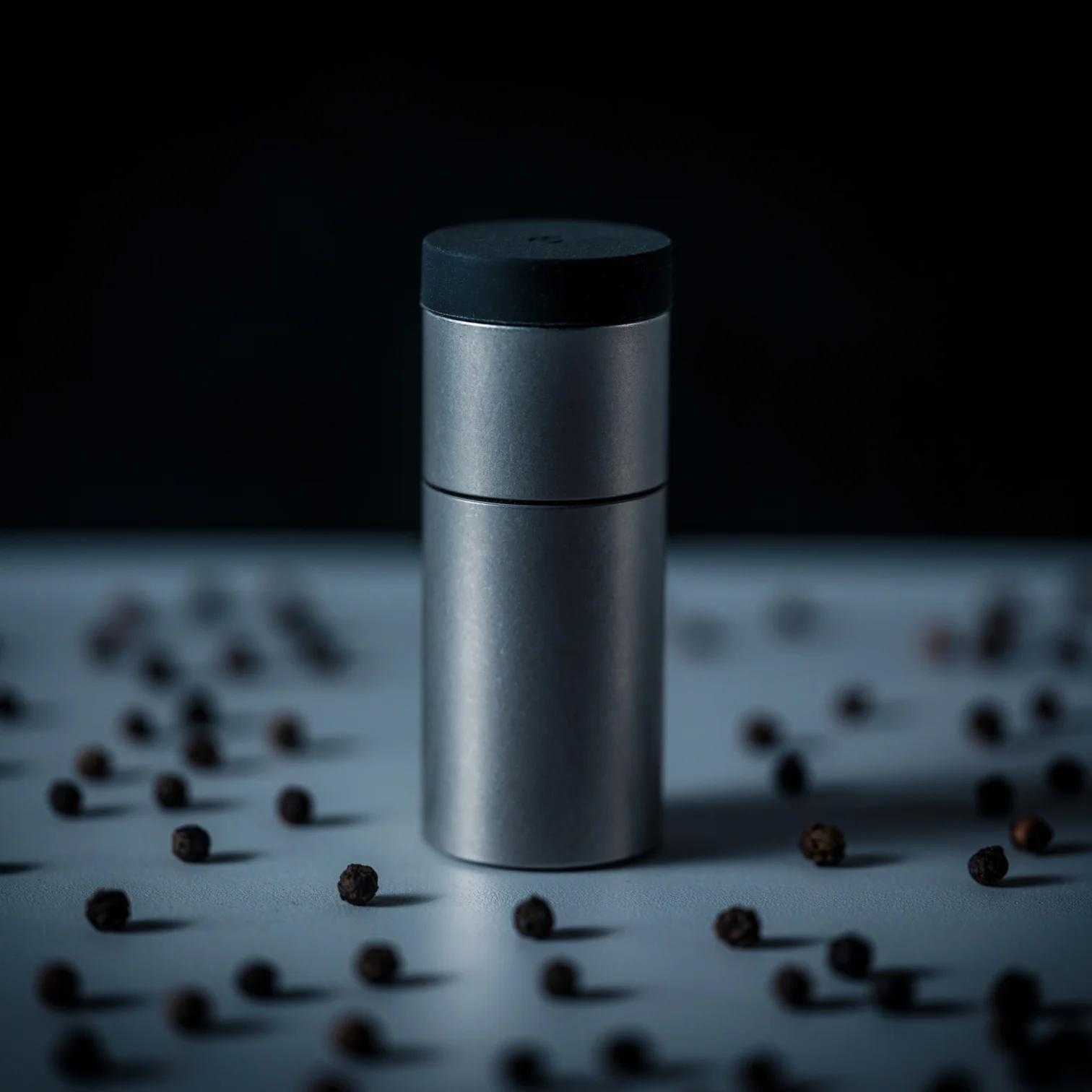
Every designer knows the restless hands that accompany deep thinking – the pen rolling between knuckles, the cap snapping and unsnapping, the absent-minded clicking that somehow keeps ideas moving. SPINNX, built by WEIWIN from aerospace-grade titanium, takes that instinct seriously and turns it into a fully engineered creative tool. The pen separates into three magnetic modules, each delivering a distinct tactile sensation: a crisp snap when the modules connect, a spring-loaded ball click in the middle, and a dice-style spinner top that rotates through rhythmic mechanical detents with ceramic bearing smoothness. With over fifty claimed configurations, the pen offers a whole palette of physical feedback, letting a designer find the specific sensation their brain needs to stay locked in and keep the ideas flowing. When it is time to actually put something on paper, the pen tip deploys through a smooth twist mechanism, and WEIWIN’s proprietary Super Refill offers up to six times the writing life of a standard refill – meaning the tool that sparks the idea is equally capable of capturing it.

For designers who spend long hours at a desk moving between sketching and problem-solving, the SPINNX functions less like a novelty and more like a cognitive companion. The acoustic and tactile response of each magnetic separation was engineered as an intentional product feature, treated with the same design attention as the geometry itself – similar to how luxury car designers obsess over the sound of a closing door. The optional Maglev Pen Stand extends this philosophy further, using magnetic levitation to hold the pen upright as a kinetic desk sculpture, turning even a moment of pause into an engaging physical interaction. Available in four finishes, SPINNX makes a compelling case that the best design tool is one that works with a designer’s restless, creative mind rather than against it.

What We Like

  • The fidget experience is genuinely intentional – the acoustic response, the weight distribution across modules, the ceramic bearing in the dice spinner – every tactile detail makes it one of the rare tools that genuinely supports the restless, nonlinear way creative thinking actually works.
  • It earns its place at a designer’s desk as both a sketching tool and a thinking tool and the twist-deploy pen tip and the high-endurance proprietary refill ensure it never compromises on its core function.

What We Dislike

  • The proprietary refill is a closed-system gamble, which is a real long-term reliability concern for a product positioned as a premium daily carry.
  • A three-part pen is a three-part losing opportunity – lose one module on a busy studio desk or in a bag, and the entire fidget system feels incomplete.

2. Creality Filament Maker M1 and Shredder R1

The Creality Filament Maker M1 and Shredder R1 sit at the end of the design pipeline and change what the end of the pipeline actually means. The R1 takes failed prints, support structures, and material scraps and breaks them down into reusable fragments. The M1 then takes those fragments or fresh virgin pellets and extrudes them into new filament with precise temperature control, stable extrusion performance, and a consistent diameter output. Every part of this happens on a single desktop system, without sending material waste anywhere else. The loop closes on the desk, which is where design has always worked best.

What makes the M1 and R1 specifically relevant to designers rather than makers alone is the degree of material authorship the system opens up. Custom color blending, scent additives, and texture variations move filament from a commodity you order to a creative variable you control. A studio working on sensory design, branded packaging prototypes, or experimental material research now has a desktop tool that matches that level of ambition. The system currently supports PLA and PETG, with ABS, ASA, and PC compatibility in development. It is available to back on Indiegogo now, with shipping expected in June 2026. For designers who have always wanted to own the full process, the M1 and R1 are the closest that ownership has ever been to a desk.

Click Here to Buy Now

What We Like

  • The closed-loop system converts failed prints and material scraps into fresh filament, directly reducing both studio waste and material cost
  • Custom color and additive blending give designers creative authority over the material itself, not just the form it produces

What We Dislike

  • Material support is currently limited to PLA and PETG, with broader compatibility still in development

3. Wacom MovinkPad Pro 14

The Wacom MovinkPad Pro 14 is the bridge between a physical sketch and a refined digital file, and it treats that role with genuine seriousness. Built on Android 15 OS, it operates as a fully self-contained creative workstation with no laptop, no cables, and no setup required beyond picking it up. The 14-inch OLED display delivers the color accuracy and contrast that design work actually demands, and the Wacom Pro Pen 3 brings the line quality and pressure sensitivity that feels continuous with the analog tools earlier in the process. It does not feel like a compromise between precision and portability. It feels like both are resolved into a single object.

For designers who move between studio, site, and client-facing environments, the portability argument is real rather than aspirational. Being able to sketch a revision in a meeting room, render a concept on a flight, or present live work from a single device without a cable in sight changes how quickly creative decisions can be made and acted on. It runs on Android 15, which means the software you use needs to be compatible with that ecosystem. For designers whose workflow is already built around compatible applications, that is a non-issue. For those whose toolkit lives entirely in desktop environments, it is worth checking before committing.

What We Like

  • Android 15 OS makes it a fully standalone device with no laptop dependency, built for designers who work across multiple locations
  • The 14-inch OLED display delivers the color accuracy and contrast that professional design work requires, not just adequate screen performance

What We Dislike

  • Android ecosystem compatibility means not all desktop-first professional design software will be available or optimally supported
  • At the premium price point, it is a significant investment for designers who already own a dedicated drawing setup

4. Bambu Lab A1 Mini Combo

The Bambu Lab A1 Mini Combo is where the design moves off the screen and becomes something you can hold. Its full-auto calibration system removes the manual tuning that used to make 3D printing feel like a separate technical skill set, letting designers focus entirely on what they are making rather than how the machine is behaving. The Combo version adds AMS-powered multi-color material handling, supporting up to four filament colors in a single print run. That capability meaningfully expands what a prototype can communicate, covering not just form but material differentiation, color intent, and spatial relationships between components.

Noise output sits below 49 decibels in silent mode, quiet enough to run in a shared studio without drawing attention to itself. The compact footprint integrates into a desk setup without claiming its own corner of the room, and one-click MakerWorld integration streamlines going from a digital file to a running print without a technical detour. The A1 Mini Combo occupies the specific moment in the design pipeline where intent becomes form, and it handles that transition with the kind of efficiency that makes iteration feel fast rather than laborious. For a designer prototyping regularly, fast iteration is the whole point.

What We Like

  • Full-auto calibration removes the technical barrier to producing a physical prototype quickly and without manual intervention
  • Multi-color AMS printing expands what a prototype can communicate well beyond form alone

What We Dislike

  • Build volume is smaller than full-size Bambu Lab models, which limits the scale of what can be prototyped in a single print run
  • The AMS hub accessory required to connect additional material units is sold separately, adding to the effective total cost

5. MagBoard Clipboard

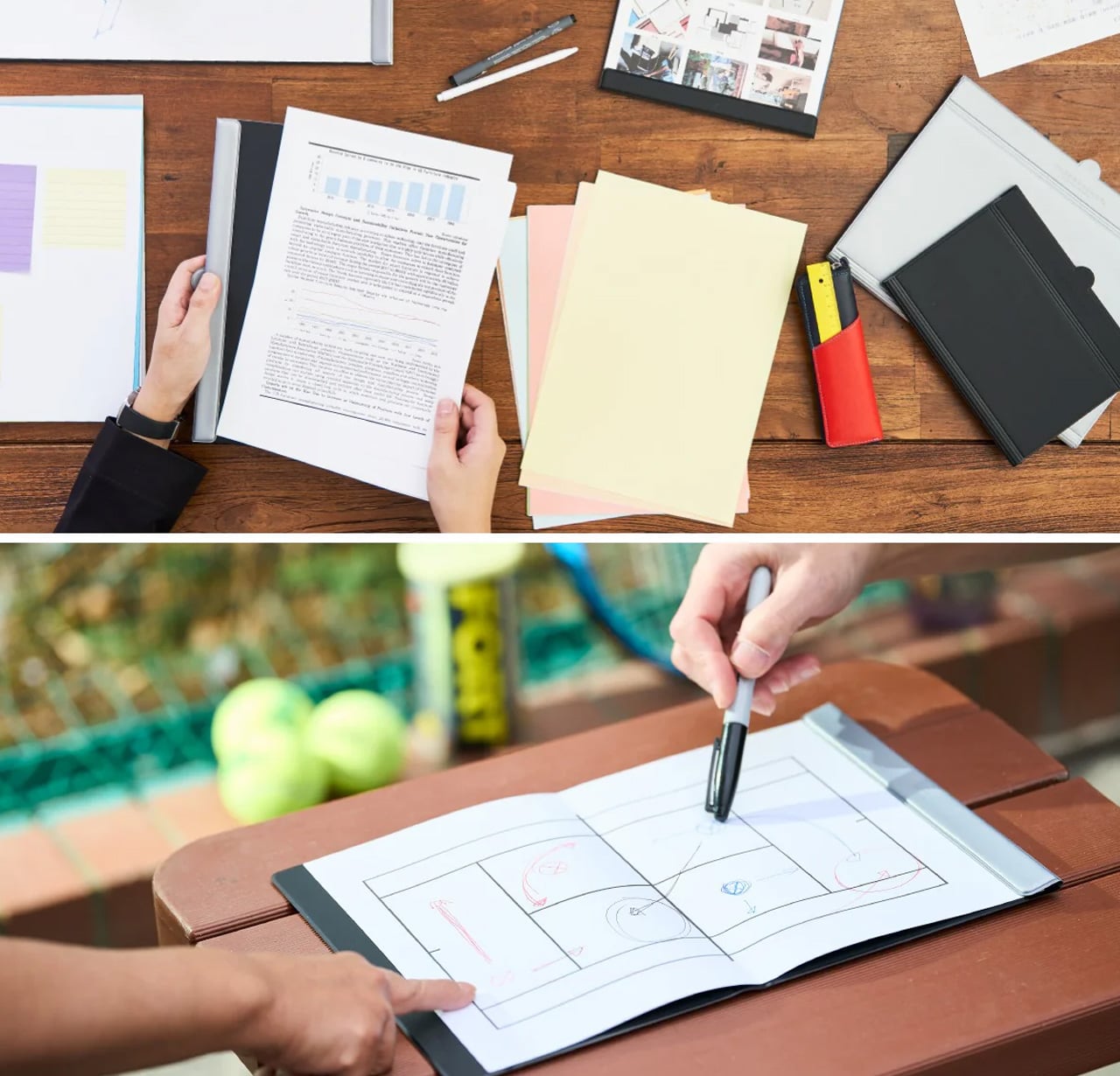
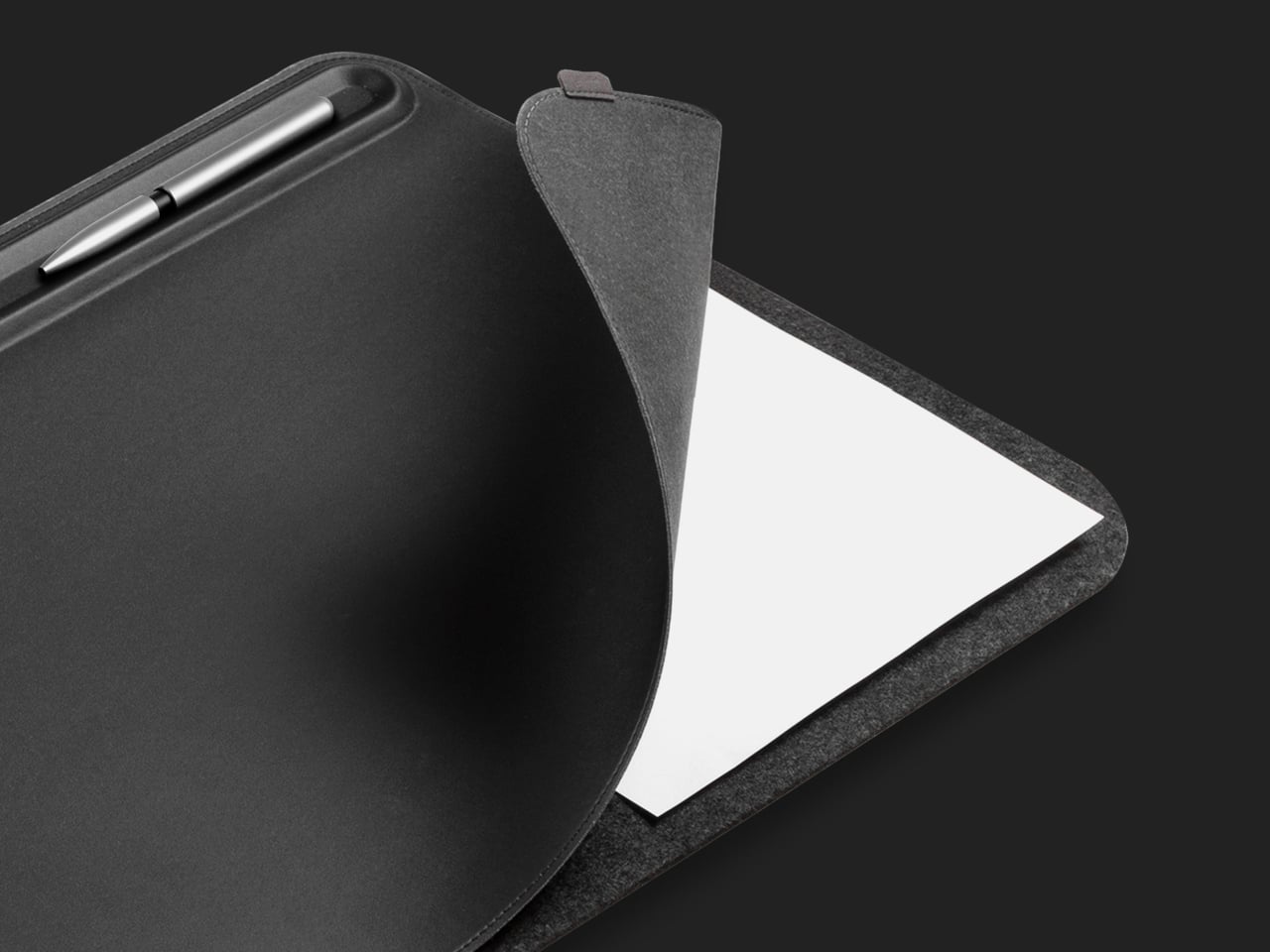
The MagBoard Clipboard is what a notebook looks like when a designer strips away everything that gets in the way of thinking. A hardcover body paired with a magnet and lever mechanism binds up to 30 loose sheets of paper with no ruling, no margins, and no fixed format to work around. You add pages when you need them, remove them when you do not, and reorder them entirely when the thinking shifts. That structural neutrality is genuinely rare in stationery, and it turns out to be the most useful quality a tool at this stage of the process can offer.

Its hardcover construction means it works while you are standing. In a client meeting, on a site visit, mid-conversation with a collaborator, wherever the information is, the MagBoard can be there with you. The surface resists water and cleans easily, which matters in the kind of environments where actual work gets done rather than where it is presented. At $45, it sits at a price point that feels considered: low enough to use without treating it like a precious object, high enough to signal that the design itself was taken seriously. It is the kind of tool that disappears into the process, which is exactly what it should do.

Click Here to Buy Now: $45.00

What We Like

  • The magnet and lever mechanism binds up to 30 loose sheets with no imposed format, ruling, or sequence to work around
  • Hardcover construction makes it fully usable while standing, wherever the work demands you to be

What We Dislike

  • Thirty sheets exhaust faster than a bound notebook during intensive ideation or research sessions
  • No integrated storage for pens or accessories, so they travel separately

The Best Design Process Is the One You Can See All the Way Through

What connects these five tools is not a shared product category but a shared philosophy. Each one removes a specific friction from the design process: disorganized color, a rigid notebook format, studio dependency, manual calibration overhead, and disposable materials. Taken together, they describe a workflow as considered as the work it produces. No tool here asks you to compromise on the stage it owns. That consistency across the full pipeline is what makes them work as a set rather than a random assortment.

The best design tools do not make design easier in a way that simplifies it. They make the hard parts worth doing. From the first mark with the Pen Fan to the closed material loop of the Creality M1 and R1, every tool here earns its position in the process. The gap between the first sketch and the finished prototype has always been where the real design work happens. These five tools close it.

The post 5 Best Design Tools That Take You From the First Sketch to the Finished Prototype first appeared on Yanko Design.
5 Best Design Tools That Take You From the First Sketch to the Finished Prototype

The design process has always lived between two worlds: the rough immediacy of a hand-drawn line and the precision of a finished object you can hold. What changes the game is not having more tools, but having the right ones at each stage. The five picks here form a complete creative pipeline, moving from the first mark on paper to a physical object that exists in the world, one you can turn over in your hands, show to a client, or give to a manufacturer with confidence.

What makes this lineup unusual is its range. A fidget-friendly pen sits alongside a crowdfunded filament recycler. A magnetic clipboard shares editorial space with a professional OLED drawing tablet. That breadth is intentional. Great design does not happen at one point in the process; it accumulates across all of them. These are the tools that make every stage worth showing up for, and worth doing well. Each one earns its place at the desk.

1. SPINNX Magnetic Modular Pen

Every designer knows the restless hands that accompany deep thinking – the pen rolling between knuckles, the cap snapping and unsnapping, the absent-minded clicking that somehow keeps ideas moving. SPINNX, built by WEIWIN from aerospace-grade titanium, takes that instinct seriously and turns it into a fully engineered creative tool. The pen separates into three magnetic modules, each delivering a distinct tactile sensation: a crisp snap when the modules connect, a spring-loaded ball click in the middle, and a dice-style spinner top that rotates through rhythmic mechanical detents with ceramic bearing smoothness. With over fifty claimed configurations, the pen offers a whole palette of physical feedback, letting a designer find the specific sensation their brain needs to stay locked in and keep the ideas flowing. When it is time to actually put something on paper, the pen tip deploys through a smooth twist mechanism, and WEIWIN’s proprietary Super Refill offers up to six times the writing life of a standard refill – meaning the tool that sparks the idea is equally capable of capturing it.

For designers who spend long hours at a desk moving between sketching and problem-solving, the SPINNX functions less like a novelty and more like a cognitive companion. The acoustic and tactile response of each magnetic separation was engineered as an intentional product feature, treated with the same design attention as the geometry itself – similar to how luxury car designers obsess over the sound of a closing door. The optional Maglev Pen Stand extends this philosophy further, using magnetic levitation to hold the pen upright as a kinetic desk sculpture, turning even a moment of pause into an engaging physical interaction. Available in four finishes, SPINNX makes a compelling case that the best design tool is one that works with a designer’s restless, creative mind rather than against it.

What We Like

  • The fidget experience is genuinely intentional – the acoustic response, the weight distribution across modules, the ceramic bearing in the dice spinner – every tactile detail makes it one of the rare tools that genuinely supports the restless, nonlinear way creative thinking actually works.
  • It earns its place at a designer’s desk as both a sketching tool and a thinking tool and the twist-deploy pen tip and the high-endurance proprietary refill ensure it never compromises on its core function.

What We Dislike

  • The proprietary refill is a closed-system gamble, which is a real long-term reliability concern for a product positioned as a premium daily carry.
  • A three-part pen is a three-part losing opportunity – lose one module on a busy studio desk or in a bag, and the entire fidget system feels incomplete.

2. Creality Filament Maker M1 and Shredder R1

The Creality Filament Maker M1 and Shredder R1 sit at the end of the design pipeline and change what the end of the pipeline actually means. The R1 takes failed prints, support structures, and material scraps and breaks them down into reusable fragments. The M1 then takes those fragments or fresh virgin pellets and extrudes them into new filament with precise temperature control, stable extrusion performance, and a consistent diameter output. Every part of this happens on a single desktop system, without sending material waste anywhere else. The loop closes on the desk, which is where design has always worked best.

What makes the M1 and R1 specifically relevant to designers rather than makers alone is the degree of material authorship the system opens up. Custom color blending, scent additives, and texture variations move filament from a commodity you order to a creative variable you control. A studio working on sensory design, branded packaging prototypes, or experimental material research now has a desktop tool that matches that level of ambition. The system currently supports PLA and PETG, with ABS, ASA, and PC compatibility in development. It is available to back on Indiegogo now, with shipping expected in June 2026. For designers who have always wanted to own the full process, the M1 and R1 are the closest that ownership has ever been to a desk.

Click Here to Buy Now

What We Like

  • The closed-loop system converts failed prints and material scraps into fresh filament, directly reducing both studio waste and material cost
  • Custom color and additive blending give designers creative authority over the material itself, not just the form it produces

What We Dislike

  • Material support is currently limited to PLA and PETG, with broader compatibility still in development

3. Wacom MovinkPad Pro 14

The Wacom MovinkPad Pro 14 is the bridge between a physical sketch and a refined digital file, and it treats that role with genuine seriousness. Built on Android 15 OS, it operates as a fully self-contained creative workstation with no laptop, no cables, and no setup required beyond picking it up. The 14-inch OLED display delivers the color accuracy and contrast that design work actually demands, and the Wacom Pro Pen 3 brings the line quality and pressure sensitivity that feels continuous with the analog tools earlier in the process. It does not feel like a compromise between precision and portability. It feels like both are resolved into a single object.

For designers who move between studio, site, and client-facing environments, the portability argument is real rather than aspirational. Being able to sketch a revision in a meeting room, render a concept on a flight, or present live work from a single device without a cable in sight changes how quickly creative decisions can be made and acted on. It runs on Android 15, which means the software you use needs to be compatible with that ecosystem. For designers whose workflow is already built around compatible applications, that is a non-issue. For those whose toolkit lives entirely in desktop environments, it is worth checking before committing.

What We Like

  • Android 15 OS makes it a fully standalone device with no laptop dependency, built for designers who work across multiple locations
  • The 14-inch OLED display delivers the color accuracy and contrast that professional design work requires, not just adequate screen performance

What We Dislike

  • Android ecosystem compatibility means not all desktop-first professional design software will be available or optimally supported
  • At the premium price point, it is a significant investment for designers who already own a dedicated drawing setup

4. Bambu Lab A1 Mini Combo

The Bambu Lab A1 Mini Combo is where the design moves off the screen and becomes something you can hold. Its full-auto calibration system removes the manual tuning that used to make 3D printing feel like a separate technical skill set, letting designers focus entirely on what they are making rather than how the machine is behaving. The Combo version adds AMS-powered multi-color material handling, supporting up to four filament colors in a single print run. That capability meaningfully expands what a prototype can communicate, covering not just form but material differentiation, color intent, and spatial relationships between components.

Noise output sits below 49 decibels in silent mode, quiet enough to run in a shared studio without drawing attention to itself. The compact footprint integrates into a desk setup without claiming its own corner of the room, and one-click MakerWorld integration streamlines going from a digital file to a running print without a technical detour. The A1 Mini Combo occupies the specific moment in the design pipeline where intent becomes form, and it handles that transition with the kind of efficiency that makes iteration feel fast rather than laborious. For a designer prototyping regularly, fast iteration is the whole point.

What We Like

  • Full-auto calibration removes the technical barrier to producing a physical prototype quickly and without manual intervention
  • Multi-color AMS printing expands what a prototype can communicate well beyond form alone

What We Dislike

  • Build volume is smaller than full-size Bambu Lab models, which limits the scale of what can be prototyped in a single print run
  • The AMS hub accessory required to connect additional material units is sold separately, adding to the effective total cost

5. MagBoard Clipboard

The MagBoard Clipboard is what a notebook looks like when a designer strips away everything that gets in the way of thinking. A hardcover body paired with a magnet and lever mechanism binds up to 30 loose sheets of paper with no ruling, no margins, and no fixed format to work around. You add pages when you need them, remove them when you do not, and reorder them entirely when the thinking shifts. That structural neutrality is genuinely rare in stationery, and it turns out to be the most useful quality a tool at this stage of the process can offer.

Its hardcover construction means it works while you are standing. In a client meeting, on a site visit, mid-conversation with a collaborator, wherever the information is, the MagBoard can be there with you. The surface resists water and cleans easily, which matters in the kind of environments where actual work gets done rather than where it is presented. At $45, it sits at a price point that feels considered: low enough to use without treating it like a precious object, high enough to signal that the design itself was taken seriously. It is the kind of tool that disappears into the process, which is exactly what it should do.

Click Here to Buy Now: $45.00

What We Like

  • The magnet and lever mechanism binds up to 30 loose sheets with no imposed format, ruling, or sequence to work around
  • Hardcover construction makes it fully usable while standing, wherever the work demands you to be

What We Dislike

  • Thirty sheets exhaust faster than a bound notebook during intensive ideation or research sessions
  • No integrated storage for pens or accessories, so they travel separately

The Best Design Process Is the One You Can See All the Way Through

What connects these five tools is not a shared product category but a shared philosophy. Each one removes a specific friction from the design process: disorganized color, a rigid notebook format, studio dependency, manual calibration overhead, and disposable materials. Taken together, they describe a workflow as considered as the work it produces. No tool here asks you to compromise on the stage it owns. That consistency across the full pipeline is what makes them work as a set rather than a random assortment.

The best design tools do not make design easier in a way that simplifies it. They make the hard parts worth doing. From the first mark with the Pen Fan to the closed material loop of the Creality M1 and R1, every tool here earns its position in the process. The gap between the first sketch and the finished prototype has always been where the real design work happens. These five tools close it.

The post 5 Best Design Tools That Take You From the First Sketch to the Finished Prototype first appeared on Yanko Design.

7 Best Eco-Friendly Designs That Celebrate Earth Day Better Than Any Campaign Ever Could

Earth Day has always had a visibility problem. It falls on 22nd April, and every April the campaigns are loud, the graphics are reliably green, and the sentiment fades well before the month comes to an end. Real change lives somewhere quieter; in the materials a designer chooses, in the lifecycle of an object, in the exact moment a product earns a permanent place in your life rather than a landfill. The seven designs here do more for the planet in daily use than most campaigns ever will.

Each one proves that sustainability is not a compromise; it is a design brief. The most honest form of environmentalism isn’t a hashtag or a product badge. It’s a cutlery set that removes the temptation of a plastic fork, a lamp that burns clean. These are objects built around ecological thinking, not layered over it. And on a day the world pauses to consider the planet, they make the most compelling case of all.

1. Wasteland Nomads: Bionic Tumbleweed Sower System – The Wind-Powered Desert Healer

Designer Guo, a graduate of Central Saint Martins’ Material Futures program and a former collaborator with Google DeepMind, developed Wasteland Nomads alongside Daheng Chu through the University of the Arts London and Imperial College London. The premise is rooted in one simple observation: the tumbleweed has always worked with the desert, not against it. Her question was whether a designed object could do the same. The answer took the form of a biomimetic seeding device built entirely on passive robotics, with no batteries, no circuits, and no external power source required.

The structure is a lightweight biodegradable sphere of tensile support rods, with an outer skin of moisture-responsive biodegradable composite that houses seeds. When the device rolls into an environment where the humidity is right, the skin begins to break down, releasing seeds directly into the soil. It boosts soil oxygen, supports carbon sequestration, and by the end of its journey, the entire device has merged with the earth it traveled across. No waste, no remnants. Just restored land.

What We Like

  • Fully passive design requires zero energy input or an external power source
  • Completely biodegradable and leaves no trace after its journey ends

What We Dislike

  • Dependent on wind conditions, limiting use to specific arid environments
  • Still a design concept rather than a widely deployed practical solution

2. Earth-Friendly Stacking Cup – Sipping Without the Guilt

Most eco-friendly drinkware performs its sustainability too loudly or sacrifices aesthetics entirely in the process. The Earth-Friendly Stacking Cup does neither. Made from plant-derived biodegradable resin, it delivers a tactile experience closer to ceramic or wood than anything associated with conventional plastic. A harmless urethane coating adds matte black texture and water resistance, giving the cup a finish that feels genuinely premium. It’s the kind of object you keep on the counter, not buried at the back of a cabinet.

The material biodegrades through natural microbial action into water and CO2, meaning its end-of-life story is as clean as its visual identity. It’s safe for warm drinks and entirely free from plastic, making each use a quiet departure from the disposable cycle. For anyone who wants their daily rituals to carry a little more intention, this cup delivers that feeling without demanding any sacrifice in experience or design quality.

Click Here to Buy Now: $25.00

What We Like

  • Fully plastic-free and biodegrades naturally into water and CO2
  • Matte tactile finish rivals ceramic and wood in sensory quality

What We Dislike

  • Biodegradable resin may have durability limitations with prolonged heat exposure
  • Urethane coating requires gentle care to maintain its finish over time

3. Manu Matters Homeware – Waste Elevated Into Objects Worth Keeping

Swedish studio Manu Matters has earned recognition as a leading innovator in eco-friendly design by doing something most studios won’t attempt: making waste beautiful enough to keep. Using 3D printing, the studio transforms lemon peels, PET bottles, and cornstarch into durable, aesthetically striking home accessories. Each piece isn’t sold as a product but adopted, a deliberate shift in framing that encourages owners to form an emotional attachment, extending the object’s lifespan through connection rather than obligation.

The collection includes table lamps and vases, among them the “Teen Betty” in Klein Blue, Mustard, and Olive, and the “Lady Betty” in Peach and Eggshell. Both are priced at $250 USD and produced to order, reinforcing a small-batch, low-impact production model. Transparency labels on each piece detail the local production, upcycled materials, and independent-artist ethos behind the work. It is Scandinavian minimalism filtered through ecological conscience, resulting in objects that feel considered rather than compromised.

What We Like

  • Made-to-order production model eliminates overproduction and excess inventory entirely
  • Transparency labels provide full material and production process disclosure

What We Dislike

  • A $250 price point limits accessibility for a wider everyday audience
  • Made-to-order timelines may not suit buyers seeking immediate delivery

4. ARLT Paper Cleaner – The Lint Roller Redesigned From Scratch

Nobody redesigns the lint roller. It works, so it stays. ARLT looked at that logic and disagreed. The Paper Cleaner is built entirely from molded pulp and bonded with a water-based adhesive, replacing conventional plastic tape with something fully recyclable and zero-waste. The cleaning surface is gentle enough for delicate fabrics and effective enough to handle the kind of lint situation that surfaces right before an important meeting. It does its job quietly and leaves nothing behind.

The design carries none of the apologetic quality that tends to follow eco-friendly alternatives. Sleek and minimal, the ARLT Paper Cleaner positions itself as a “Green High-End Brand for Life,” and it earns that positioning through both its material choices and its visual identity. It is the kind of everyday object that quietly raises expectations for what sustainable design can look like in the most ordinary corners of daily life.

What We Like

  • 100% paper-based and fully recyclable with a zero-waste end-of-life story
  • Gentle on delicate fabrics while remaining effective on dark clothing

What We Dislike

  • Paper construction may perform less reliably in humid or damp environments
  • Adhesive surface may vary in strength compared to traditional plastic tape rollers

5. Harmony Flame Fireplace – Sustainable Fire, Real Atmosphere

There is no good substitute for a real flame. Electric simulations flicker unconvincingly, and candles burn out, but the Harmony Flame Lamp delivers the genuine article through a brass body crafted by artisans who make musical instruments. That construction heritage lends the piece a precision and resonance that mass-produced alternatives simply cannot replicate. Whether on a dining table or a patio, it transforms the mood of a space the moment it catches light and begins its play of shadow.

The fuel is bioethanol, a clean-burning option that produces no odor, no smoke, and no harmful emissions, removing the air quality concerns that come with traditional open flames indoors. No installation is required. The reflective brass surface amplifies the flame’s movement, turning light and shadow into a feature worth watching long after the meal is over. For anyone who values atmosphere without environmental compromise, the Harmony Flame Lamp makes fire a genuinely sustainable choice.

Click Here to Buy Now: $240.00

What We Like

  • Bioethanol fuel burns cleanly with no odor, smoke, or harmful indoor emissions
  • Handcrafted by instrument artisans for exceptional material quality and precision

What We Dislike

  • Bioethanol fuel is a recurring purchase that adds to the ongoing cost of use
  • Open flame requires careful placement and consistent supervision at all times

6. Da Vinci Pencil

The most sustainable object is always the one you never have to replace. The Da Vinci Pencil builds its entire identity around that idea, using 3D printing technology to form a minimalist writing tool from PLA-CF, a composite of Polylactic Acid and Carbon Fiber that delivers strength and featherlight performance in equal measure. Under normal use, it lasts seven to ten years, quietly replacing dozens of conventional pencils over its lifespan without sharpening, refilling, or any of the routine waste that traditional writing tools generate.

The high-performance metal alloy nib writes with the smoothness of graphite, while the thin ergonomic profile doubles as a bookmark, sitting cleanly between pages without stretching the spine or preventing the cover from closing. It is the kind of dual-purpose thinking that makes a product feel genuinely considered rather than cleverly marketed. The Da Vinci Pencil doesn’t ask you to compromise on the writing experience in exchange for its environmental credentials. It makes the case that the two have never needed to be in conflict.

What We Like

  • Metal alloy nib lasts 7-10 years without sharpening or refilling, eliminating ongoing waste
  • Dual function as a writing tool and a bookmark maximizes utility in a single, minimal form

What We Dislike

  • Higher upfront cost compared to conventional pencils may be an initial barrier, despite the long-term value
  • PLA-CF construction lacks the familiar wood texture that many associate with a quality pencil feel

7. Lollo – The Cutlery Set That Actually Lives in Your Bag

Lollo addresses the most consistent failure point in sustainable eating on the move: the moment when a plastic fork is the only available option, and you take it anyway. The set houses a spoon, fork, and knife in durable stainless steel, each with a subtly concave handle that allows all three pieces to nest into one compact, stackable unit. It’s a travel cutlery set that functions as a genuine daily carry item rather than a well-intentioned purchase gathering dust in a drawer.

A circular silicone cap made from recycled materials keeps the set clean between meals and contains mess after eating. The design makes no demands beyond the simple ask of being carried. In doing so, it removes one of the most common sources of single-use plastic waste from daily life, one meal at a time. Nothing about Lollo requires a lifestyle overhaul. It just works, quietly and consistently, every time you reach for it.

What We Like

  • Silicone cap made from recycled materials extends the set’s eco-friendly credentials
  • Stainless steel construction ensures durability across years of daily use

What We Dislike

  • A three-piece set may not cover every utensil need across all meal occasions
  • The silicone cap requires thorough cleaning to prevent residue buildup over time

Design Is the Most Honest Form of Earth Day Activism

Earth Day names the problem. Design addresses it. Each of the seven products featured here does something campaigns rarely achieve: it changes behavior without demanding awareness. The choice of a paper lint roller over a plastic one, a bioethanol flame over a synthetic glow, a stainless steel cutlery set over a disposable fork. These aren’t symbolic gestures. They are durable, daily decisions made possible by designers who treated the planet as a material constraint, not a marketing opportunity.

The most powerful shift in sustainable living isn’t ideological. It’s object-level. When the things you use every day are built with ecological thinking embedded into their design, the environmental impact accumulates quietly and consistently. These seven objects make that kind of living feel less like a discipline and more like a preference. That is what great eco-friendly design actually does. It removes the effort from the right choice and makes it the obvious one.

The post 7 Best Eco-Friendly Designs That Celebrate Earth Day Better Than Any Campaign Ever Could first appeared on Yanko Design.
5 Best Stationery Pieces That Turn Any Desk Into a Minimalist’s Dream Workspace

A good desk doesn’t happen by accident. Not one loaded with gadgets or overrun with branded accessories, but a workspace where every object earns its place. The stationery you choose sets the tone for how you think, write, and create. When a pen, tray, or ruler is designed with real intention, it stops being background noise and starts becoming an active part of the process itself.

The five pieces collected here share a common thread: they solve real problems without announcing themselves. Each one sits at the intersection of craft, function, and restraint. Whether you’re sketching, drafting, or writing longhand, these objects won’t compete for your attention. They’ll quietly make you better at whatever you’re doing. That’s the standard every great piece of stationery should meet, and these five clear it with ease.

1. Inseparable Notebook Pen

A pen that stays with its notebook sounds like a small idea, but the execution here is anything but minor. Built around a magnetic clip that secures directly to the cover, this piece eliminates the quiet, persistent frustration of reaching for a pen that isn’t there. The minimalist form is unobtrusive, the grip comfortable, and the ink flow smooth enough that writing feels less like a task and more like a reflex you’ve always had.

What makes this pen genuinely useful for daily writing is the built-in silencer, a detail that turns something mechanical into something refined. When you attach or detach it from the notebook, there’s no sharp click, just a quiet, satisfying motion. For anyone who writes regularly, that kind of sensory attention matters more than it should. The pen becomes an extension of the notebook rather than a companion to it, which means your ideas and the tool to capture them are always in the same place.

Click Here to Buy Now: $19.95

What We Like

  • The magnetic clip keeps the pen fixed to the notebook cover at all times, so losing your writing tool mid-session is no longer a possibility
  • The built-in silencer makes attaching and detaching feel considered and refined rather than mechanical

What We Dislike

  • The design works best when paired with its intended notebook, which limits its versatility as a standalone pen
  • The minimalist form may reduce compatibility with notebooks of varying cover thickness or material

2. Solid Copper & Brass EDC Clutch Pencils

Nicholas Hemingway’s clutch pencils are machined from solid metal bar stock, not hollow tubes or plastic wrapped in metallic finishes, and that distinction matters from the first time you hold one. Copper weighs 8.96 grams per cubic centimeter, and brass sits at around 8.5. Hemingway has built his entire design philosophy around those densities. The mass of the metal body reduces the pressure you need to apply to the page, a concept he calls gravity-feed, making longer creative sessions far less fatiguing on the hand.

The 10th anniversary collection includes three pencils: the 5.6mm Copper and Brass Hybrid at 58 grams for shading and life drawing, with a built-in lead sharpener in the push button, and the 2mm Precision series in both brass and copper at around 30 grams each for technical drafting and fine-line illustration. Hemingway ships each version with a specific lead grade matched to its intended use, so you’re never mid-workflow having to swap. Both formats are fully compatible with any lead brand, making them as practical as they are beautifully crafted.

Click Here to Buy Now: $79 $115 (31% off). Hurry, only 26/50 left!

What We Like

  • The gravity-feed approach uses the weight of the metal body to reduce hand fatigue across long drawing or writing sessions
  • Each pencil ships with a lead grade selected to match its intended use, removing the guesswork entirely from setup

What We Dislike

  • The solid metal construction makes these significantly heavier than standard options, which won’t suit every hand or working style
  • The price point of hand-machined tools will be a barrier for casual or occasional users

3. KNOB. Pen Tray

Changho Lee’s KNOB. Pen tray is one of those rare desk accessories that rewards both looking at and actually using. The form is clean and minimal with rounded edges, but the real story lives in the knobs, borrowed from the design language of gas burner controls and reimagined as adjustable dividers inside the tray. Those knobs let you reconfigure the interior space in any direction, depending on what you’re organizing and how you want to arrange it on a given day.

For anyone who cycles between different tools, the KNOB. tray removes the need for multiple organizers competing for desk space. One tray handles everything because you can reshape its interior for whatever you need at any given moment. That kind of adaptable functionality is genuinely rare in desk accessories, which tend to be fixed in their layouts and unforgiving when your needs shift. The visual result is a tray that always looks intentional, regardless of what’s inside it or how the internal dividers have been reconfigured.

What We Like

  • The adjustable knobs let you customize the internal layout in any direction without tools, additional parts, or a second organizer
  • The minimal aesthetic keeps the tray from visually cluttering the desk, no matter how it’s currently configured

What We Dislike

  • The knob-based adjustment mechanism may feel fiddly for users who reorganize their setup frequently throughout the day
  • The compact footprint may not comfortably accommodate larger or unusually shaped stationery items

4. Eco-Friendly Pencil Sharpener

Wang Cheng’s Eco-Friendly Pencil Sharpener is a Red Dot Design Concept Award winner built around one precise and clever observation: pencil stubs don’t need to be discarded. With three sharpening zones, the sharpener handles conventional sharpening but also threads and taps pencils, turning them into wooden screws that connect end to end. A stub that would otherwise be thrown away becomes usable again the moment you screw it into a larger pencil, extending its life without any additional materials or waste.

That mechanism is genuinely satisfying to use, and it shifts how you think about pencils entirely. Threading one end and screwing two together feels intuitive after the first attempt, and the result is a longer, more comfortable writing instrument that has a second act built in from the start. For anyone who goes through pencils regularly, whether sketching, drafting, or writing by hand, this sharpener reframes the stub not as the end of something useful but as the beginning of another productive session.

What We Like

  • The threading and tapping mechanism extends the life of pencil stubs meaningfully, reducing material waste without requiring anything extra
  • Winning the Red Dot Design Concept Award confirms that the idea is executed as well as it is inventive

What We Dislike

  • The three-zone sharpening system introduces more complexity than most casual users will need or ever explore
  • Screw-together pencils may feel slightly uneven in the hand compared to a single, uniform pencil body

5. Quiver Ruler

Tunir Maity’s Quiver is an anodized aluminum ruler built for people who actually cut with one, not just measure. It has a clip mechanism that holds paper in place, a blade slit that guides your cut in a straight line, and a weight distribution that favors the cutting end so you don’t have to press down as hard. Made for over 300 cuts with recyclable plastic components, Quiver doesn’t treat shaky hands or imprecise cuts as user failures. It treats them as design problems worth solving properly.

Beyond its cutting functionality, Quiver includes a carabiner attachment for clipping to a bag, which makes it genuinely portable rather than just theoretically so. The anodized aluminum finish gives it a premium presence on any desk, and the minimal profile means it stores flat without consuming unnecessary space. For designers, architects, or anyone who works regularly with physical materials, Quiver is the kind of tool that makes you quietly wonder why rulers weren’t designed this way from the very beginning.

What We Like

  • The blade channel and clip mechanism make precise, straight cuts achievable without pressing hard or manually holding paper in place
  • The carabiner attachment makes it easy to carry wherever the work actually happens, rather than leaving it behind on the desk

What We Dislike

  • Quiver is currently a concept, so availability for purchase has not been confirmed
  • The emphasis on cutting functionality may feel overbuilt for users who only need a ruler for basic measuring

The Desk You Actually Want

Minimalism isn’t about owning less. It’s about owning better. Each piece on this list earns its place not through novelty or surface-level aesthetics alone, but through how well it understands the person using it. A pen that stays with your notebook, a ruler that guides your blade, a tray that reorganizes itself around your tools. These are objects designed around behavior, not the other way around.

The best stationery doesn’t ask for your attention. It earns your trust slowly, through repeated use, through a grip that feels right after the third session, through a cut that lands exactly where you planned it. The five pieces here share that quality. They’re not trying to be beautiful. They are beautiful because they work, and that’s a distinction worth remembering the next time you’re building a workspace from scratch.

The post 5 Best Stationery Pieces That Turn Any Desk Into a Minimalist’s Dream Workspace first appeared on Yanko Design.
10 Best Gadgets of April 2026 Every Tech-Savvy Gen Z Is Obsessed With (And We Get Why)

Gen Z isn’t chasing spec sheets or benchmark scores. They’re chasing objects that fit the way they actually live: portable, intentional, and quietly smart. April 2026 delivered a lineup that genuinely gets that energy. From satellite-connected wearables to battery-free speakers, these ten gadgets are doing something harder than simply being powerful. They’re being useful, and in a market saturated with noise and empty promise, that distinction is becoming genuinely rare.

The gadgets on this list aren’t competing for attention. They’re designed around how people actually behave: working from cafés, traveling between cities, tuning out distractions, or surviving in places where infrastructure doesn’t reach. Some rethink materials, some rethink interfaces, and some rethink habits entirely. What they share is a design sensibility that respects the user’s time and intelligence. That’s the standard Gen Z holds, and this month, these ten deliver.

1. O-Boy Satellite Smartwatch

The O-Boy is built for the places where your phone gives up. Brussels-based studio Futurewave designed this satellite-connected smartwatch for emergencies in environments where mobile networks simply don’t exist: open ocean, mountain terrain, remote job sites. No bars, no Wi-Fi, no backup signal required. The watch transmits an emergency alert directly via satellite, making it one of the few wearables that actually keeps its promise when conditions are worst.

What makes the O-Boy genuinely impressive isn’t just the satellite capability; it’s how it was achieved. Futurewave pulled together product designers, electronics engineers, and antenna specialists and rethought the assembly process from the ground up. Getting satellite hardware into a compact, wearable form factor is not a small engineering feat. The result is a device that pushes the category forward rather than iterating on what already exists, and that distinction matters.

What We Like

  • Satellite communication works completely off the grid
  • Cross-disciplinary engineering produced a genuinely compact wearable form factor

What We Dislike

  • Designed primarily for emergencies, limiting everyday lifestyle appeal
  • Satellite connectivity may come with additional subscription costs

2. Minimal Laptop UI Concept

Inspired by the design philosophy of Teenage Engineering, the Minimal Laptop UI concept imagines what a laptop would look like if hardware and software were built around the same principle: less friction, more focus. The interface relies on strong visual hierarchy, generous spacing, and elements that appear only when necessary. Toolbars, panels, and persistent notifications are stripped away entirely, leaving a workspace that feels calm rather than cluttered.

For a generation that grew up multitasking across four open tabs and a split screen, this concept offers something surprisingly radical: a single surface to think on. Typography is clean and deliberate, icons are reduced to their most recognizable forms, and content stays at the center. It’s not about doing less. It’s about designing a machine that doesn’t compete with the work you’re trying to do on it, and that’s a harder problem than it sounds.

What We Like

  • Interface is designed around focus rather than feature density
  • Aesthetic language is distinctive and quietly confident

What We Dislike

  • Remains a concept with no confirmed production timeline
  • Minimal UI may not suit users who rely on multi-panel workflows

3. Battery-Free Amplifying iSpeakers

No power outlet, no battery, no Bluetooth pairing. Place your phone in the iSpeakers, and the sound amplifies. Built from Duralumin, the aluminum alloy used in aircraft construction, this passive speaker uses the golden ratio in its geometry to enhance resonance naturally. The result is an amplifier that genuinely improves your phone’s audio without asking anything of your power strip or your patience, which is a more elegant solution than most audio hardware manages.

The iSpeakers work anywhere, which makes them useful in a way that over-engineered audio gear often isn’t. A desk speaker that never needs charging is always ready. The aesthetic is understated and precise, the kind of object that improves a space by being in it rather than demanding attention. For anyone tired of hunting for cables and waiting for Bluetooth to pair, this is a refreshingly simple alternative that earns its place on any desk.

Click Here to Buy Now: $179.00

What We Like

  • Zero power requirement means zero limitations on where it works
  • Duralumin construction gives it both durability and a premium, clean look

What We Dislike

  • Audio output depends entirely on the quality of the phone’s built-in speaker
  • Sound-directing mods are sold separately, adding to the total cost

4. Xiaomi UltraThin Magnetic Power Bank 5000 15W

At 6mm thick, the Xiaomi UltraThin Magnetic Power Bank is thinner than any smartphone currently on the market. Using silicon-carbon battery chemistry with 16% silicon content, Xiaomi managed to pack 5,000mAh into something that looks and feels like a metal business card. The aluminum alloy shell has a smooth, understated finish, and a photolithographically etched logo on the back signals a product designed with care rather than simply manufactured to a spec sheet.

Available in Glacier Silver, Graphite Black, and Radiant Orange, this power bank debuted in Japan, expanded across Australia, Singapore, South Korea, and Europe, and made its global appearance at MWC 2026 in Barcelona. European pricing sits around €60, which is reasonable for what it delivers. The phone-facing surface uses fire-resistant fiberglass with an excimer coating for heat management, a detail that matters when you’re charging magnetically and want the hardware to stay cool.

What We Like

  • Silicon-carbon battery achieves 5,000mAh in a 6mm profile
  • Premium materials and finish at an accessible price point

What We Dislike

  • 15W wireless charging is modest compared to faster wired alternatives
  • The ultra-slim design means no additional ports or USB-A pass-through

5. tinyBook Flip

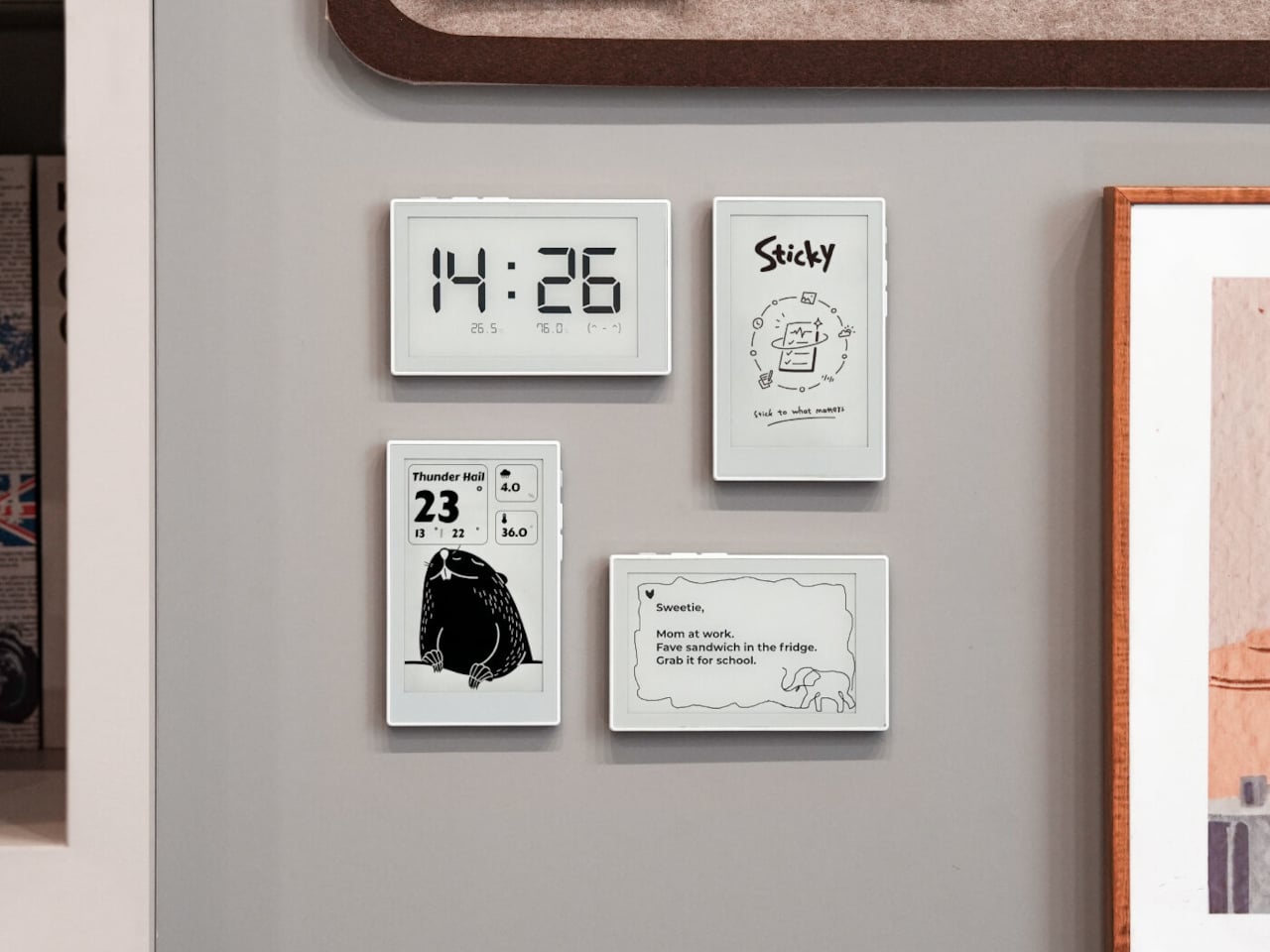
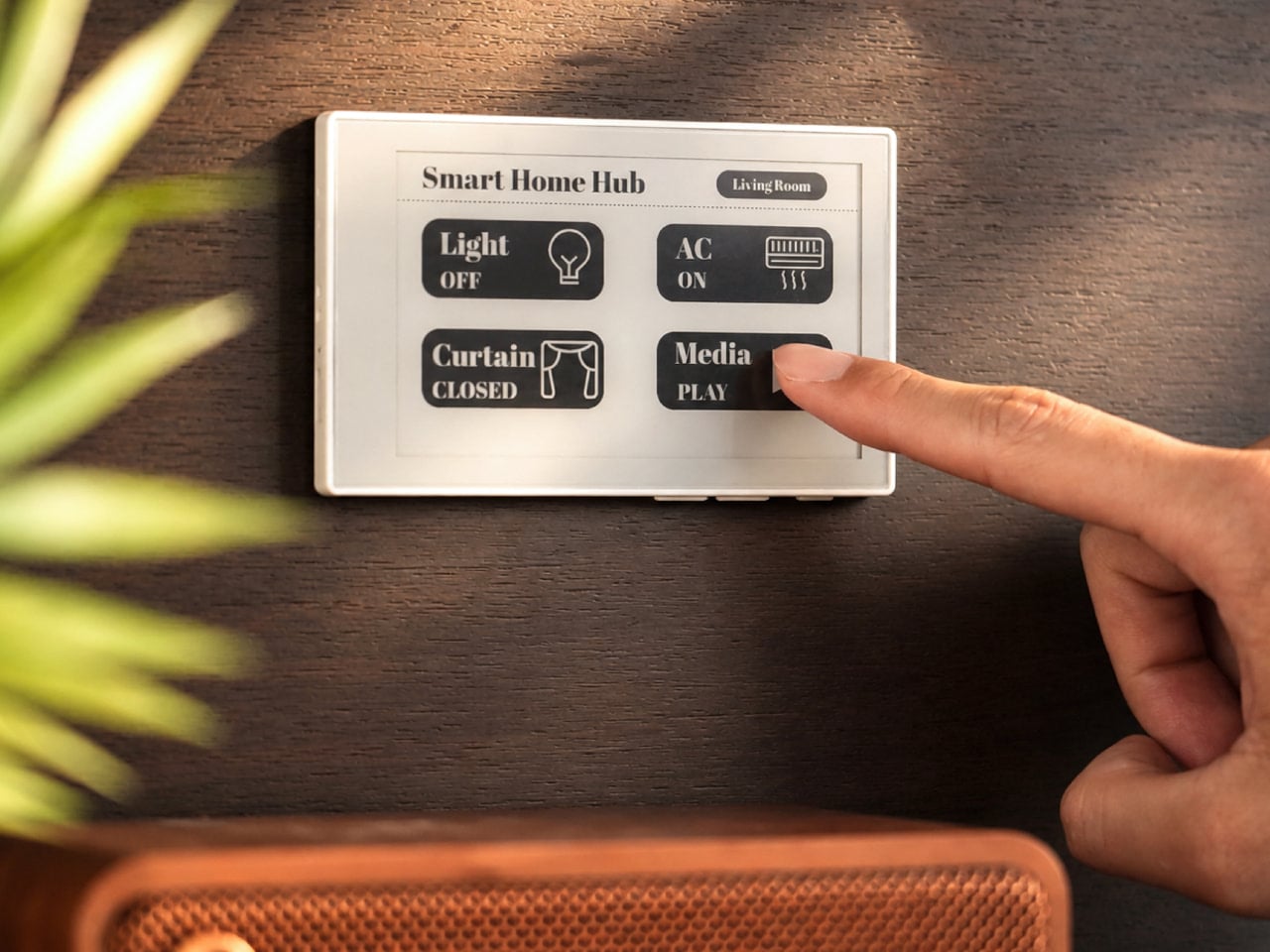
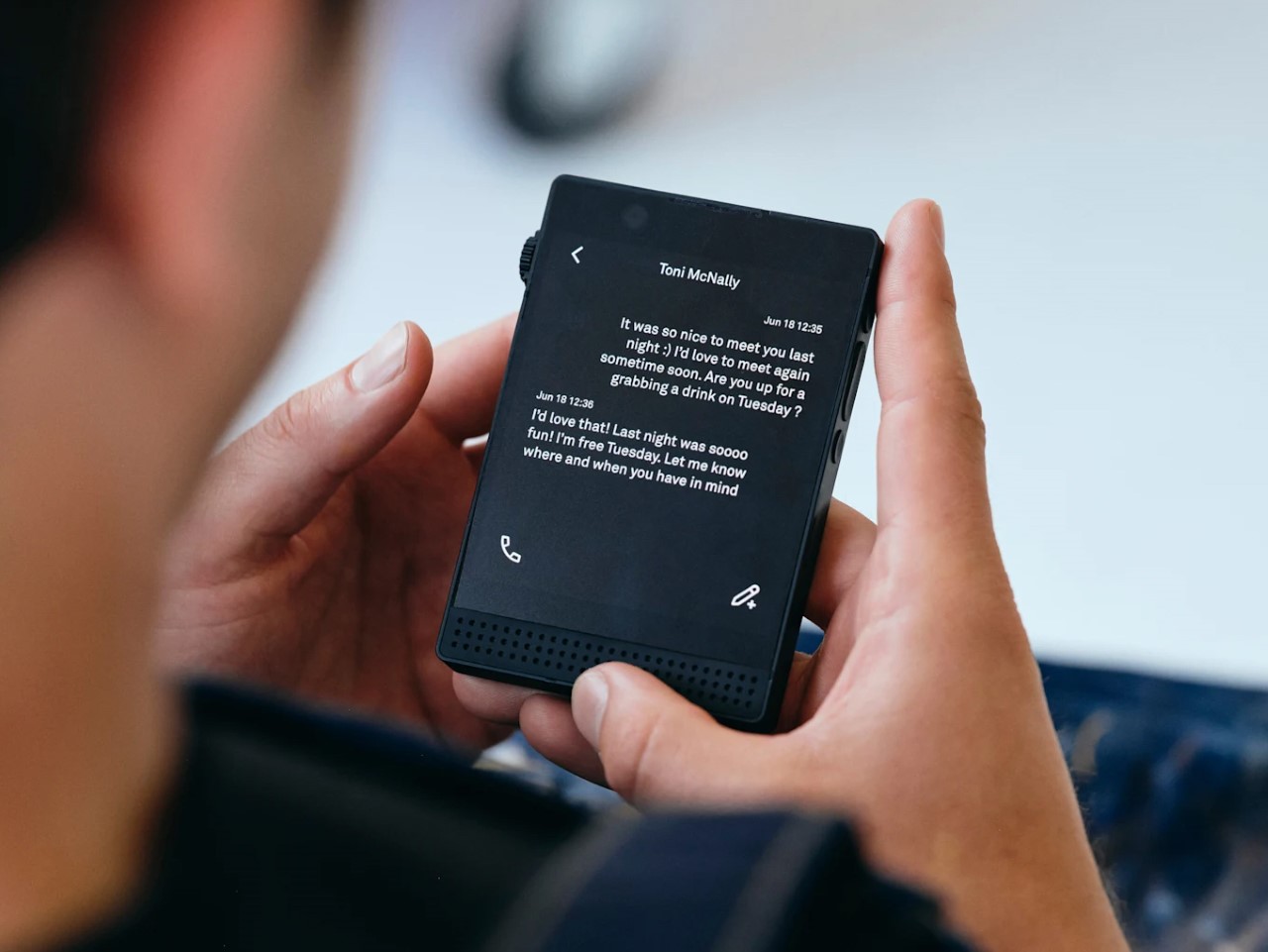
The tinyBook Flip is a foldable phone concept built around a 6.1-inch E Ink display. Closed, it collapses into a near-square form with a matte white finish and rounded corners, closer in proportion to a folded notecard than a smartphone. When shut, the screen disappears entirely. No glowing rectangle sitting face-up on the desk, no ambient reminder that there are things to check. Just a small, quiet object doing nothing at all.

That quietness is the design feature. Opening the phone requires a deliberate physical action, and that two-second pause changes the behavioral math around screen time. A reflexive grab becomes a conscious decision. The concept treats this friction as intentional, a design choice rather than an inconvenience. For anyone who has tried every screen time app and still reaches for their phone without thinking, the tinyBook Flip proposes something more honest: a phone that makes you choose to open it.

What We Like

  • Foldable form adds physical friction that genuinely interrupts mindless scrolling
  • Matte E Ink display avoids unnecessary glow and is easy on the eyes

What We Dislike

  • E Ink refresh rates remain too slow for video or fast-moving content
  • Currently a concept with no confirmed production or pricing information

6. OrigamiSwift Folding Mouse

The OrigamiSwift is a Bluetooth mouse that folds flat for travel and springs back to full size in under 0.5 seconds. Weighing 40 grams, it’s light enough to forget it’s in your bag until you need it. Inspired by origami, the foldable structure doesn’t sacrifice ergonomics for portability. It’s shaped to fit naturally in the hand during long work sessions, whether at a co-working space, a café, or an airport gate somewhere between time zones.

For digital nomads and students tired of trackpads and bulky peripherals, the OrigamiSwift makes a compelling case for carrying a full-sized experience in a pocket-sized package. The slim profile keeps it flat and unobtrusive in any bag, and the Bluetooth connection removes the need for a dongle. It’s the kind of product that solves a problem you’ve quietly accepted as unsolvable, and does it with a detail-first design sensibility that genuinely earns the attention it’s getting.

Click Here to Buy Now: $85.00

What We Like

  • Folds flat without compromising ergonomic performance when open
  • The 40-gram weight makes it genuinely unnoticeable in a bag

What We Dislike

  • No published DPI range or click precision specifications available
  • May not satisfy users who prefer a heavier, more substantial mouse feel

7. DuRobo Krono

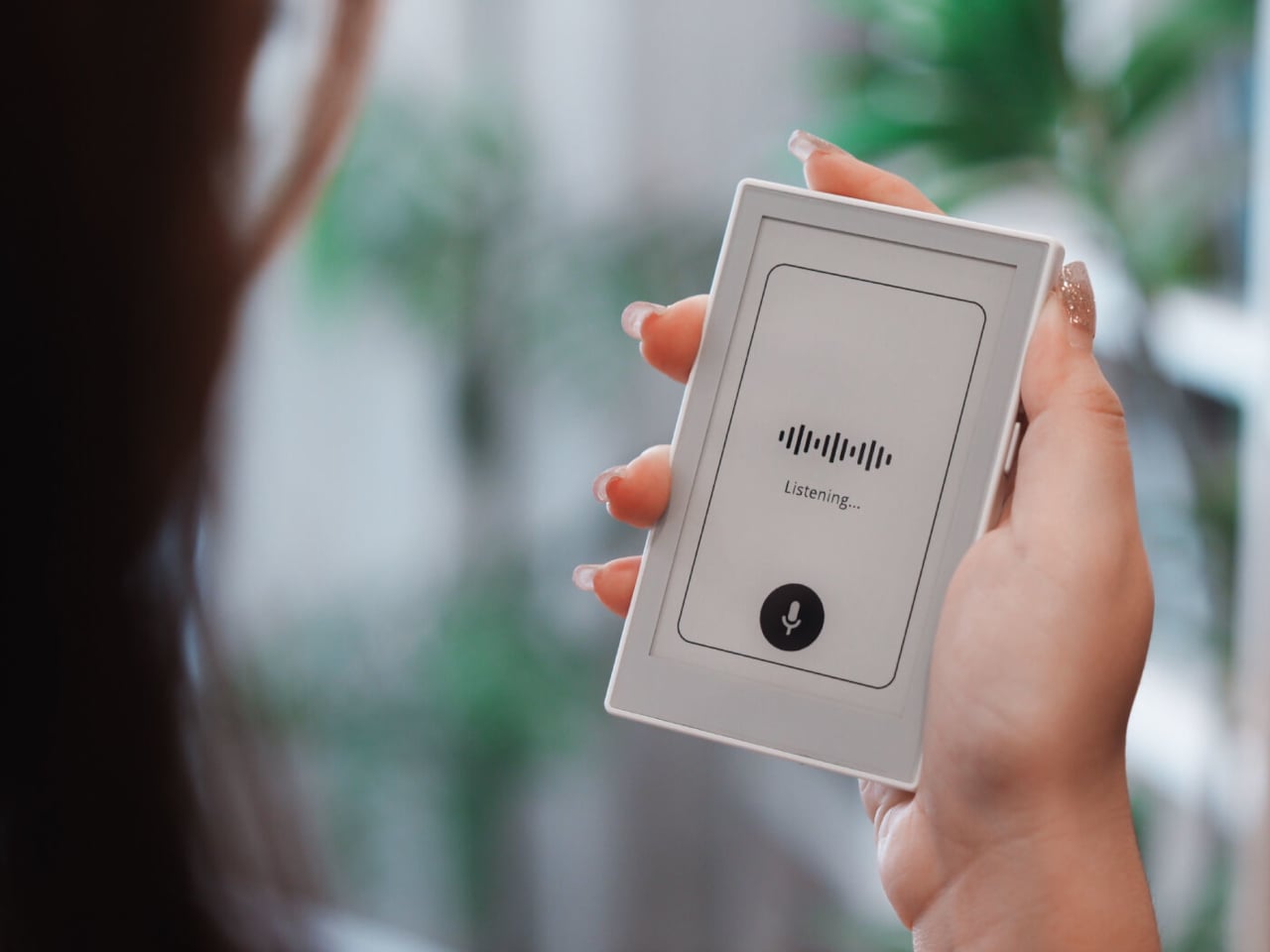
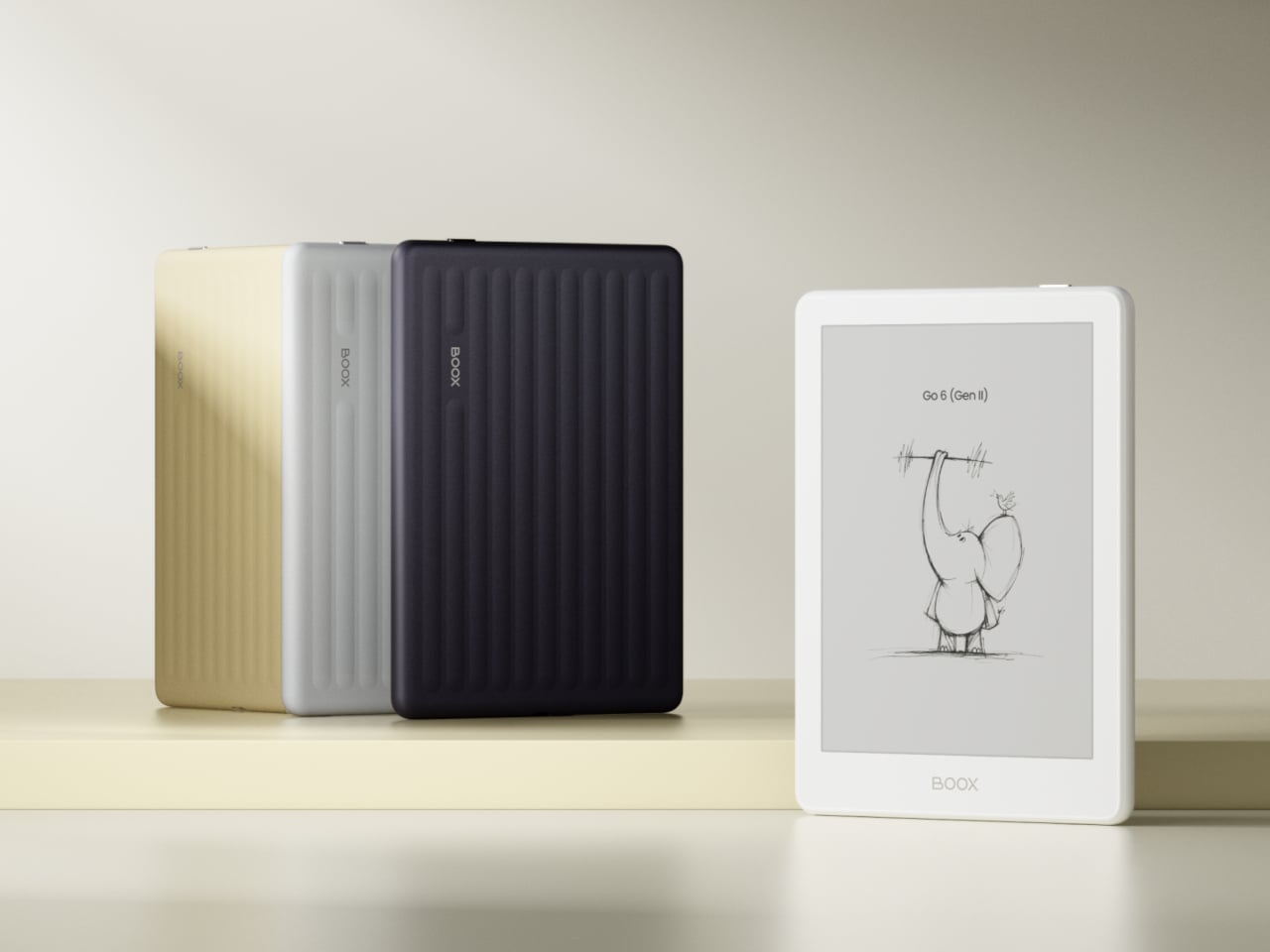
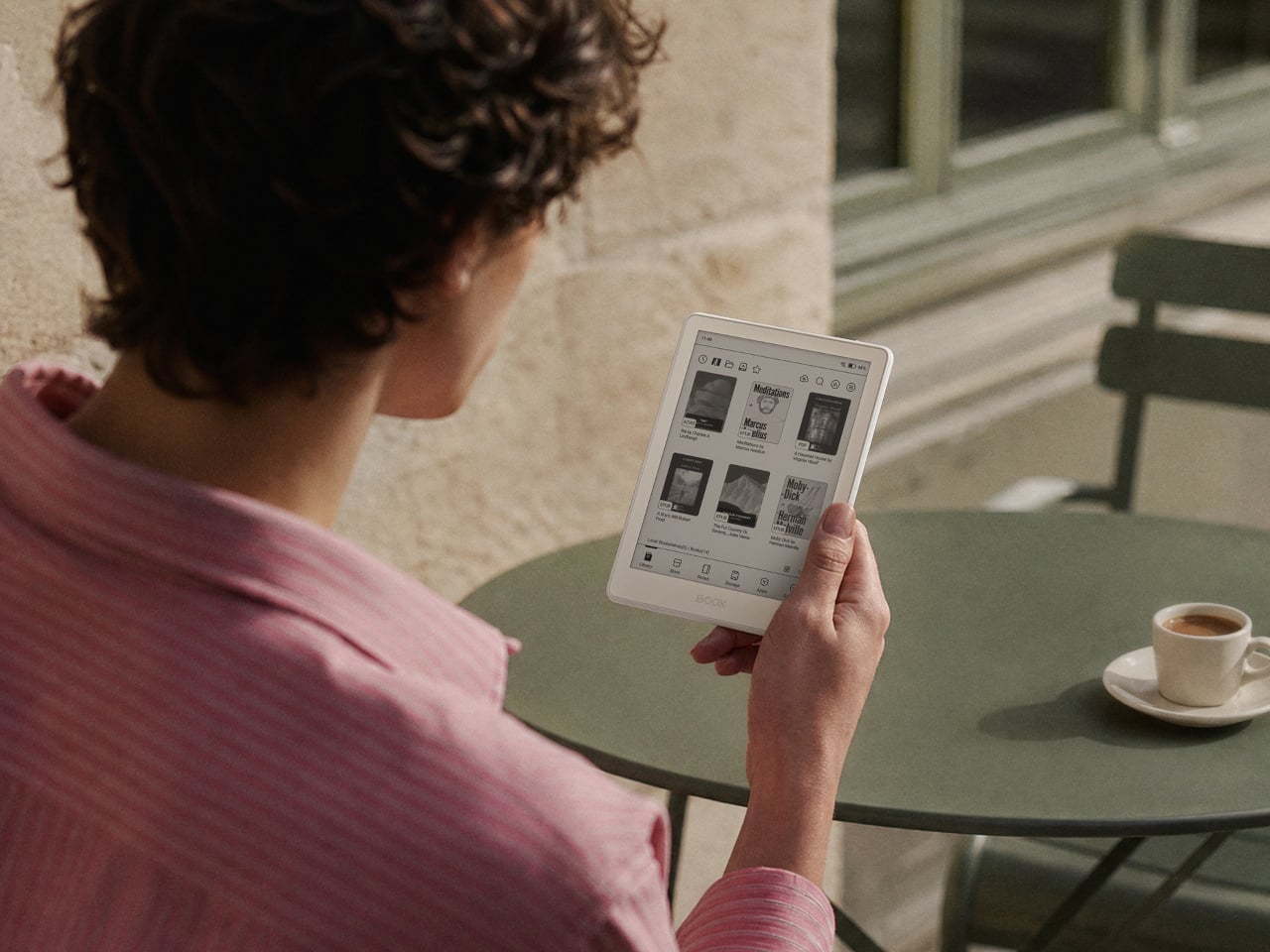
The DuRobo Krono puts a 6.13-inch E Ink Carta 1200 display in a form factor that fits a jacket pocket. At 300 PPI with an 18:9 aspect ratio and a weight of 173 grams, it reads more like a physical book than most dedicated e-readers manage. Eight subtle breathing lights run across the back panel, a quiet visual indicator during focused sessions that adds character without becoming a distraction. The matte finish and geometric build keep it composed in any setting.

The Krono’s standout feature is the smart dial on its left side. Press and hold to record voice notes, and the onboard AI transcribes your words into searchable text, generating summaries of longer recordings automatically. For readers who take notes in the margins or thinkers who process ideas out loud, that combination of reading tool and voice capture is genuinely useful. It positions the Krono somewhere between a dedicated e-reader and a thinking device, which is a more interesting category entirely.

What We Like

  • AI voice recording and transcription work directly on the device
  • 300 PPI display and pocket-friendly form factor rival premium reading devices

What We Dislike

  • The 18:9 aspect ratio may feel narrow for reading PDFs or documents
  • Breathing lights, while subtle, may distract in dark reading environments

8. StillFrame Headphones

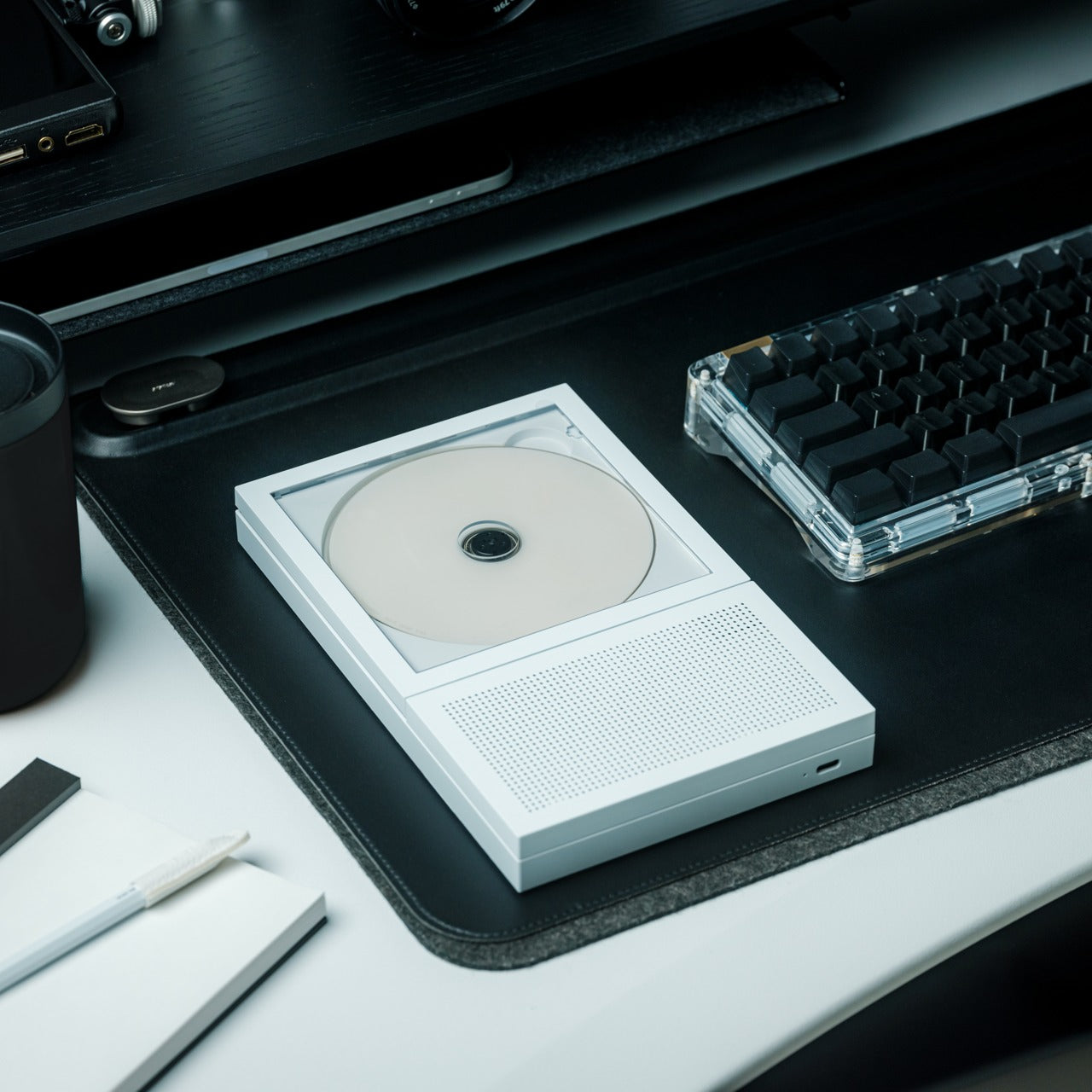
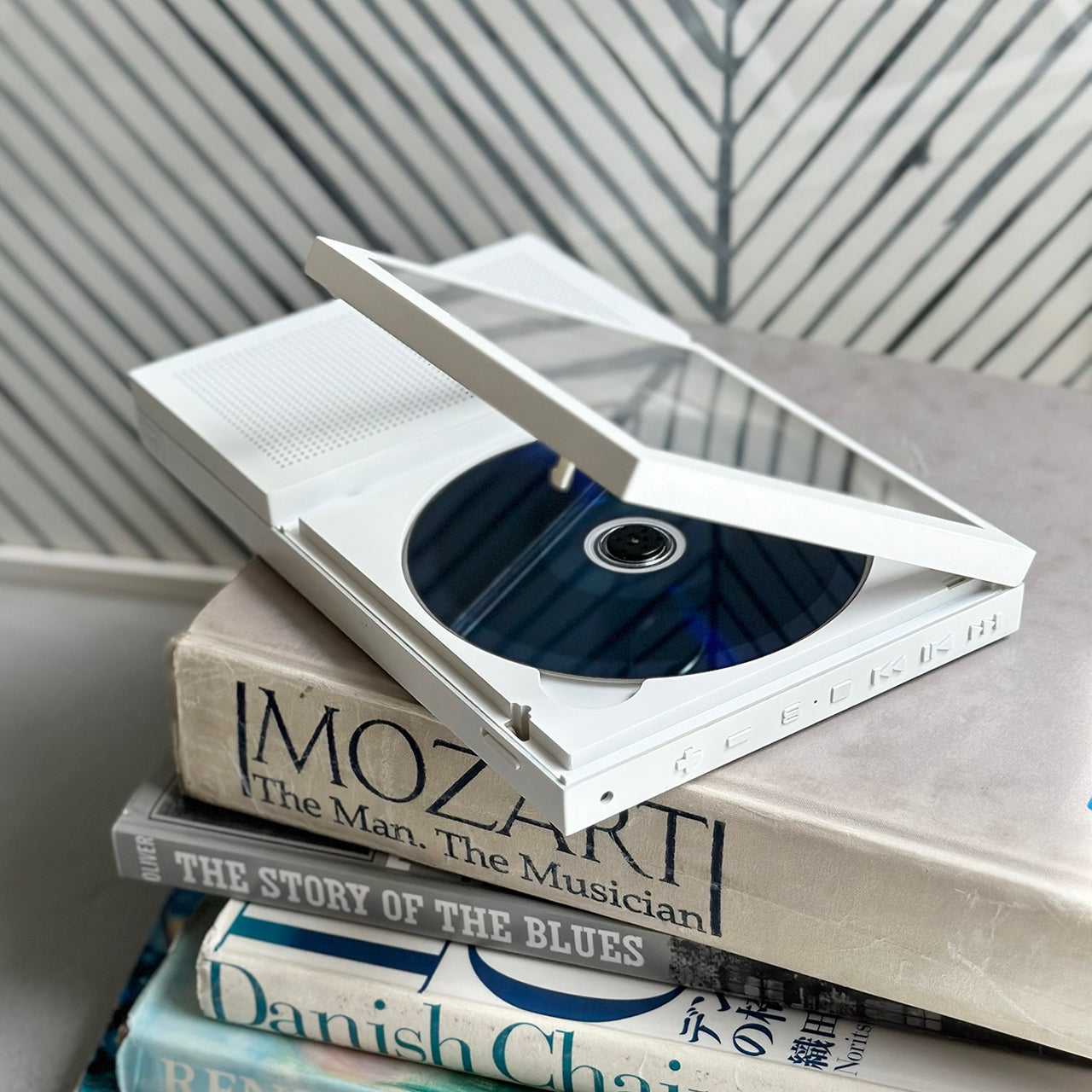
StillFrame headphones are built around a quieter philosophy: slow listening, deliberate sound, the kind that rewards attention. The 40mm drivers deliver a wide, open soundstage that turns quiet tracks into something textured and spatial. The form references the geometry of ’80s and ’90s CDs and sits in quiet visual dialogue with the ClearFrame CD Player, a nod to an era when music had physical weight, and the act of listening was its own ritual worth showing up for.

The StillFrame sits between in-ears and over-ears in both feel and philosophy: more open than the former, more relaxed than the latter. Noise-cancelling and transparency mode let you shift between solitude and awareness with a single tap, making them genuinely adaptable across environments. They’re featherlight without feeling hollow, and the overall build is measured and considered. For a generation rediscovering vinyl and physical media, StillFrame offers that same intentional energy in a wireless headphone.

Click Here to Buy Now: $245.00

What We Like

  • Wide soundstage from 40mm drivers gives music genuine spatial depth
  • Noise-cancelling and transparency modes make it adaptable across daily environments

What We Dislike

  • An on-ear fit may cause discomfort during extended listening sessions
  • Retro aesthetic is distinctive but may not appeal to all personal tastes

9. HubKey Gen2

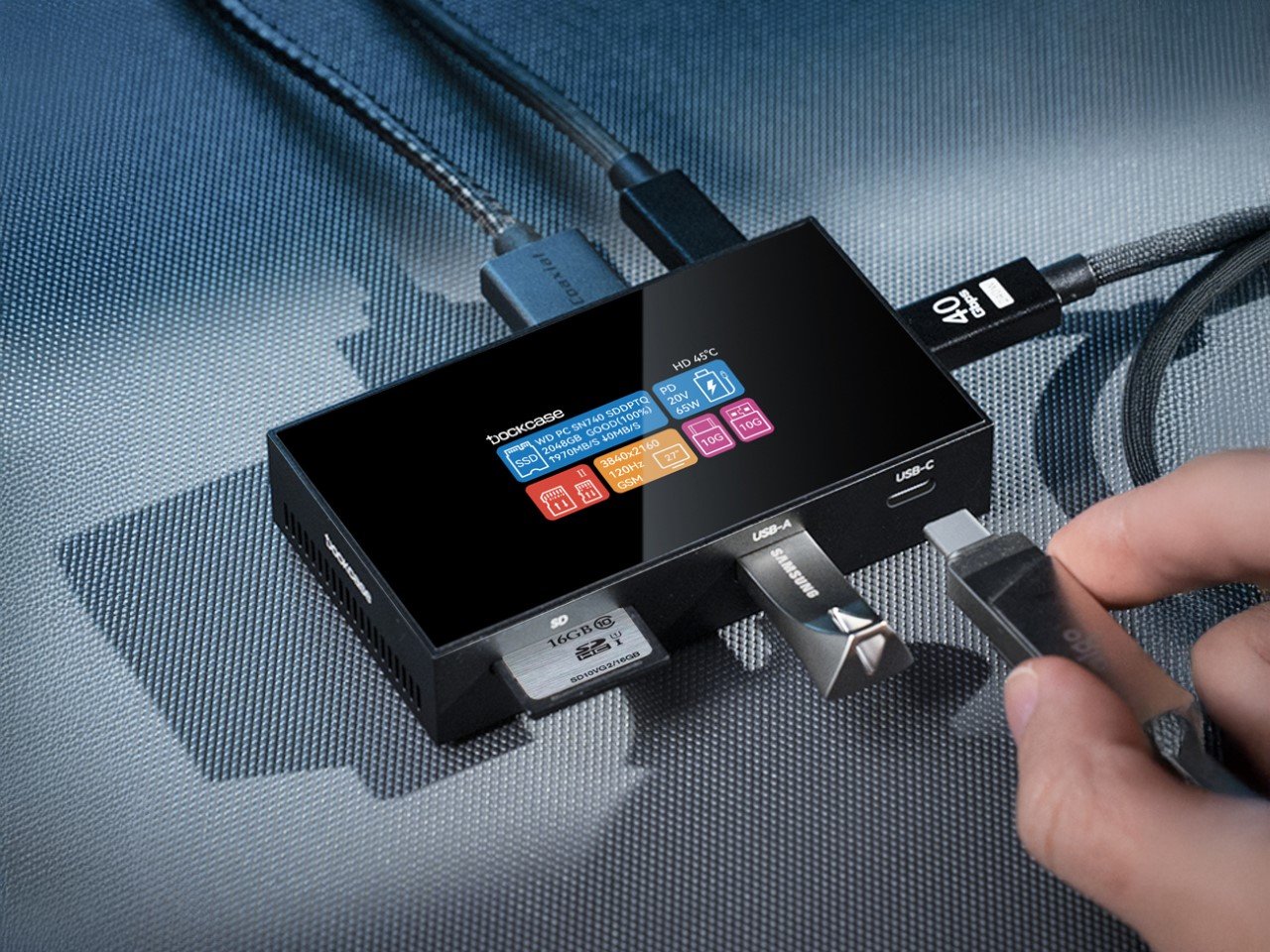
The HubKey Gen2 solves the dongle problem that every ultrabook user has quietly accepted as part of working life. Eleven connections are consolidated into a palm-sized cube: dual 4K display support, Ethernet, USB-A and USB-C, and power pass-through included. For anyone working across monitors and peripherals from a laptop with two USB-C ports, this is the kind of product that makes the workspace actually functional without turning the desk into a cable graveyard piled with adapters.

Four programmable keys and a central control knob are what separate the HubKey Gen2 from a standard hub. Muting a microphone, adjusting volume, toggling camera privacy: these are actions that get buried in menus and keyboard shortcuts during live calls. The Gen2 makes them physical, tactile, and immediate. For remote workers, creators, and students who live on video calls, having media controls within arm’s reach rather than three clicks deep is a quality-of-life upgrade that’s hard to give back.

What We Like

  • Eleven connections in one compact cube eliminate dongle accumulation entirely
  • Programmable keys and control knob bring commonly buried actions to the surface

What We Dislike

  • Cables from all eleven ports could still create desk clutter around the hub
  • Programmable keys may require setup time and dedicated software to configure properly

10. Razer Raiju V3 Pro

The Razer Raiju V3 Pro takes the sensor thinking behind high-performance gaming mice and applies it to a PlayStation-compatible controller. Tunnel Magnetoresistance thumbsticks use weak electromagnetic waves to detect movement with higher resolution than standard Hall Effect sensors. Drift is addressed at the hardware level, not patched in software. Hall Effect triggers cover the remaining high-wear inputs. At 258 grams, it sits lighter than the DualSense Edge without feeling insubstantial in the hand.

Six additional inputs are distributed across the frame: four removable back buttons in the rubberized handles and two claw-grip bumpers flanking the triggers, all fully remappable. Razer’s HyperSpeed 2.4GHz wireless reaches a 2,000Hz polling rate on PC. Battery life is rated at 36 hours, nearly triple the DualSense standard. Officially licensed for PlayStation 5, it requires no adapters and connects as a native peripheral. For competitive players who want every hardware advantage in one place, the Raiju V3 Pro sets the current ceiling.

What We Like

  • TMR thumbsticks offer finer movement resolution with hardware-level drift prevention
  • 36-hour battery life and 2,000Hz polling rate on PC are best-in-class figures

What We Dislike

  • At 258 grams, it may feel heavy for players accustomed to lighter controllers
  • Six extra inputs and full remapping may overwhelm casual or new users

The Gadgets That Actually Deserve the Hype

April 2026’s best gadgets share a common thread: they were designed around how people actually behave, not how manufacturers hope they will. Whether it’s a satellite smartwatch that works when nothing else does or a foldable phone that makes you pause before opening it, the most interesting tech this month isn’t louder or flashier. It’s more considered, and that’s a harder thing to consistently get right.

Gen Z has always been quick to call out products that look useful but don’t deliver. This list holds up to that standard. From a power bank thinner than any phone to an AI e-reader that captures your thoughts out loud, these are gadgets that earn their place on a desk or in a bag, and that’s a harder standard to meet than it might seem to anyone designing in this space.

The post 10 Best Gadgets of April 2026 Every Tech-Savvy Gen Z Is Obsessed With (And We Get Why) first appeared on Yanko Design.
5 Best Japanese Designs of April 2026 That Make Everything Else Look Like It’s Trying Too Hard

The Japanese Grand Prix is underway this weekend at Suzuka, and it has done what it always does: pulled attention back toward Japan with a kind of quiet, inevitable force. There’s something about watching a sport built on engineering precision staged in a country that has made precision its cultural identity that makes you want to look beyond the circuit. Japan’s design culture runs on the same engine as its racing teams. Nothing is wasted. Nothing is performed. Every decision earns its place, and every object that comes out of that sensibility carries a particular weight.

Japanese design has always understood something the rest of the world is still working out. Restraint is not a lack of ambition. It is the hardest expression of it. The five objects below range from a razor to a kitchen knife to a bath towel, but they all speak the same language. They each solve one problem completely, and they look like nothing else needs to be added. That is the thing about great Japanese design. It doesn’t just make a good product. It makes everything else in the room look like it’s trying too hard.

1. The Paper Razor

There’s something almost provocative about the Paper Razor. Designed by Japan’s Kai Group, it is a single-use disposable razor built almost entirely from paper, reducing plastic use by 98% without compromising function. The origami-inspired body folds completely flat for shipping, then snaps into a rigid, ergonomic handle in seconds. At just 4 grams and 5mm thick when flat-packed, it ships across five colorways: ocean blue, botanical red, jade green, sunny yellow, and sand beige.

The obvious question is water, and the Kai Group answered it practically. The paper body is made from a water-resistant grade similar to milk carton stock, holding up to temperatures of 104°F. The metal blade head features a notched channel on top for easy rinsing between strokes. Designed primarily for travelers, the Paper Razor is the kind of product that feels less like a shaving tool and more like a position statement on what disposable objects are capable of being when someone takes the design seriously.

What We Like:

  • The origami-fold construction assembles in seconds and ships as a 5mm flat-pack, making it one of the most logistically elegant disposables ever designed
  • Reduces plastic use by 98% while maintaining the ergonomics and shave quality of a standard disposable

What We Dislike:

  • Single-use by design, which limits its appeal for anyone building a more sustainable long-term shaving routine
  • Water resistance caps at 104°F, meaning it isn’t suited for anyone who prefers very hot water while shaving

2. Levitating Pen 2.0: Cosmic Meteorite Edition

The Levitating Pen 2.0 Cosmic Meteorite Edition is the kind of desk object that stops a conversation the moment someone notices it. It suspends at a precise 23.5-degree angle, creating a floating illusion that is genuinely difficult to look away from. The design draws its visual language from spacecraft aesthetics, referencing silhouettes like the USS Enterprise, bringing a sci-fi sensibility to something as familiar and grounded as a ballpoint pen sitting on a work surface.

The detail that separates this edition from the standard series is the meteorite tip. The pen incorporates a genuine Muonionalusta meteorite, a fragment older than Earth by 20 million years, shifting this object from clever desk accessory to something rare and worth owning on its own terms. A simple twist sets it spinning for up to 20 seconds. It is a fidget-worthy, collector-grade piece that makes a compelling case that good design doesn’t always need to justify its existence through usefulness alone.

Click Here to Buy Now: $399.00

What We Like:

  • The genuine Muonionalusta meteorite tip gives this pen a provenance no other writing instrument on any desk can match
  • The floating 23.5-degree angle creates an immediate visual anchor on a desk surface without taking up meaningful real estate

What We Dislike:

  • The limited edition nature makes availability unpredictable, and the pricing reflects exclusivity as much as it does materials
  • The spacecraft-inspired aesthetic is deliberate and specific, meaning it will feel out of place on a desk that skews quieter or more minimal

3. Kuroi Hana Knife Collection

The Kuroi Hana knives begin with Japanese AUS-10 steel sourced from Aichi Steel Corporation, rated between 58 and 60 HRC for hardness and chosen specifically for its combination of toughness, sharpness, and corrosion resistance. Each blade is built from 67 layers of high-carbon steel, producing the Damascus layered structure that defines the collection’s character. Kuroi Hana translates to “black flower,” and the dark floral pattern that emerges across each blade makes that name feel entirely earned rather than marketed.

The pattern isn’t applied to the surface. It is drawn out from within. Skilled artisans manually submerge each blade into an etching solution that penetrates the steel layers and reveals the Damascus patterning in a deep, dark floral form. Because the process is done by hand and each blade’s steel structure is unique, no two knives carry the same pattern. This is a kitchen tool that respects the cook enough to make the knife itself a considered, genuinely beautiful object worth picking up before you even start cooking.

What We Like:

  • Every blade carries a unique dark floral pattern drawn from the steel itself, making each knife a one-of-a-kind object rather than a manufactured product
  • AUS-10 steel at 58–60 HRC delivers professional-grade sharpness and toughness that performs as well as it looks, sitting on a magnetic strip

What We Dislike:

  • The artisanal Damascus etching process makes these a premium investment that sits well outside casual kitchen knife territory in terms of price
  • The distinctive dark floral aesthetic is polarizing for cooks who prefer clean, unmarked blades in a working kitchen environment

4. The Invisible Shoehorn

The Invisible Shoehorn is the kind of product that earns its place by solving something so specific and so quietly that you find yourself wondering why every shoehorn hasn’t been designed this way. The long stainless steel body eliminates the need to hunch over, protecting your lower back from the kind of daily accumulated strain that nobody tracks until it’s a problem. The smooth, polished surface slides cleanly against socks and stockings without snagging. It performs one job with a material confidence that feels entirely Japanese.

The transparent stand is the decision that lifts this from a functional object to something worth displaying. Mounted in its clear acrylic holder, the shoehorn practically disappears into its surroundings, reading less like a bathroom utility and more like a considered piece of interior design. In a category full of objects people hide at the back of a closet, this one earns a place on the shelf. That shift from something concealed to something displayed is precisely what separates a good tool from a genuinely designed one.

Click Here to Buy Now: $299.00

What We Like:

  • The transparent acrylic stand transforms a purely utilitarian object into something display-worthy that holds its own in a well-designed home
  • The long stainless steel handle removes real daily lower back strain without requiring any change in how you put your shoes on

What We Dislike:

  • Polished stainless steel and a transparent stand both attract fingerprints readily, requiring consistent upkeep to maintain the invisible aesthetic the design promises
  • The extreme restraint of the form may feel underwhelming to people who expect more visual personality from their home accessories

5. Sento 2 Towel

Most towels are made by twisting cotton fibers into dense, rope-like loops, a production method that prioritizes speed and cost over softness or absorbency. The Sento 2 goes the other way entirely. Using a zero-twist design developed through specialized manufacturing techniques refined in Japan, the natural cotton fibers are left loose and uncompressed, producing a towel that is softer, more absorbent, and faster-drying than standard terry cloth. The process is slower, more demanding, and the finished result communicates every bit of that effort on first contact.

The zero-twist construction leaves natural cotton in a state that feels fundamentally different from anything mass-produced. The towel is light enough to feel like almost nothing in your hands, and absorbent enough that the job is done before you’ve consciously started it. There is an effortless quality to the whole experience that is harder to explain than it is to feel. It is a towel. It is also a quiet argument for buying fewer things, buying them properly, and understanding that the best version of an everyday object is worth far more than the cheapest one.

What We Like:

  • Zero-twist construction produces a softness and absorbency level that standard terry cloth towels genuinely cannot replicate, and the difference is apparent immediately
  • The quick-drying design makes it practical enough for daily rotation, not just a display-shelf luxury that performs better as a photograph

What We Dislike:

  • Zero-twist fibers are more delicate than standard loops and require careful laundering to preserve their structure and softness over repeated washing
  • The premium construction comes at a price that becomes harder to justify when buying multiples to fully outfit a bathroom

Japan Has Been Designing This Way Forever. The Rest of the World Is Still Catching Up.

What these five objects share is not a visual style. It is a philosophy. Japanese design has always understood that the most powerful thing a product can do is remove everything that shouldn’t be there. The Paper Razor removes plastic. The Invisible Shoehorn removes visual noise. The Sento 2 removes the compromise built into every standard terry loop. What remains in each case is an object that works so cleanly it feels inevitable, as though no other version was ever possible.

The Japanese Grand Prix reminds us every year that Japan operates at a level of precision most cultures aim for and fall short of. Its design culture runs on the same engine. These five products are proof that restraint is not a limitation. It is the hardest discipline to master and the most rewarding thing to live with. Every one of them earns its place, whether on a shelf, in a kitchen drawer, mounted by the door, on a desk at a 23.5-degree angle, or wrapped around you right after a shower.

The post 5 Best Japanese Designs of April 2026 That Make Everything Else Look Like It’s Trying Too Hard first appeared on Yanko Design.

7 Best Tiny Home Outdoor Accessories That Turn a 300-Square-Foot Yard Into an Actual Living Room

Small outdoor spaces have a way of revealing exactly how much thought went into the objects inside them. When every square foot counts, the things you choose to bring outside need to earn their place — not just functionally, but visually. The best tiny backyard accessories fold away when you’re done, grow upward instead of outward, and look like they were designed rather than assembled. These seven picks do exactly that.

The difference between a cramped yard and a considered one rarely comes down to square footage. It comes down to objects that understand their role — a fire pit that manages its own smoke, a dining set that lives inside a cylinder, a herb garden that climbs the wall instead of spreading across the ground. Each of these seven accessories solves a real outdoor living problem without creating a new one, which is the baseline requirement for anything going into a space this deliberate.

1. All-in-One Grill

The first question any small outdoor space asks of a grill is whether it can disappear when not in use. This modular tabletop grill answers that cleanly. Its parts separate and stack to support barbecuing, frying, grilling, steaming, smoking, or slow-cooking a stew — all on a surface small enough to sit on any patio table. The design doesn’t try to be everything at once; it brings exactly what you need for the style of cooking you’re doing that evening, then gets out of the way.

There’s also a bottle-warming module in the mix, which sounds like a novelty until the first cold autumn evening when mulled wine becomes the plan. Cleanup is as thorough as cooking; every modular part disassembles for washing, and nothing requires more effort than it should. For a compact yard where a full outdoor kitchen isn’t on the table, this is the kind of object that makes the limitation feel like a deliberate choice rather than a compromise.

Click Here to Buy Now: $449

What we like:

  • Modular design covers six styles of cooking without occupying a permanent outdoor space
  • Parts disassemble quickly, keeping cleanup as easy as the setup

What we dislike:

  • Multiple components mean multiple things to keep organized between uses
  • Better suited for cooking for two or four than for a larger gathering

2. porTable

At rest, porTable looks like a bold geometric container — yellow lid, charcoal body, the kind of object you’d leave on a shelf without apology. In use, it becomes a complete outdoor dining setup for four: fold-out seats, a sturdy tabletop, no tools required, no leftover parts. The transformation from container to furniture takes under a minute, which means the decision to eat outside is never more than sixty seconds away from actually happening.

The yellow and charcoal palette is doing real design work here — friendly without being childish, modern without being cold. More importantly, the concept solves the core tension of tiny outdoor living: you want furniture, but you don’t want furniture taking up space when it’s not in use. porTable collapses that contradiction entirely. It lives as a single compact cylinder until the moment it’s needed, then opens into something genuinely functional and good-looking. That kind of thinking is exactly what a small yard rewards.

What we like:

  • An entire four-person dining set stores as a single portable object
  • No tools or assembly knowledge needed to set up or break down

What we dislike:

  • As a concept design, long-term durability in real outdoor conditions is still unproven
  • The bold yellow colorway is a personality commitment that won’t suit every space

3. Birdbuddy Pro Solar

A bird feeder is, in most hands, a lump of plastic with seeds in it. The Birdbuddy Pro Solar is something else entirely — a solar-powered AI camera system that identifies visiting birds, captures slow-motion HD video, and delivers it to your phone via a free app. The expanded field of view and improved sensor handled dappled backyard light without washing out the image. What you get isn’t just a feeder. It’s a front-row seat to the wildlife that was already there.

For a tiny outdoor space, this might be the most meaningful addition on this list. It doesn’t take up floor area. It hangs from a fence or mounts to a wall, taking up exactly zero square footage. And it changes the character of the yard in a way that furniture simply can’t — from static backdrop to living environment. The AI identification runs automatically, building a personal record of every species that visits over time. It’s the rare outdoor product that gets better the longer it sits there.

What we like:

  • Solar-powered design means no cables crossing the yard
  • AI species identification works passively — no effort required from the user

What we dislike:

  • Full camera functionality depends on a consistent Wi-Fi signal reaching the yard
  • Ongoing seed refills add a small but real maintenance commitment

4. Slim Fold Dish Rack

Most dish racks are compromises — too large for small spaces, too flimsy for daily use, too visually noisy to leave out. The Slim Fold Dish Rack collapses this problem with a patent-pending spring mechanism that shrinks a full 14-inch rack to 1.2 inches in under a second. That’s the difference between a dish rack that permanently occupies counter space and one that lives in a bag or a pocket. For outdoor cooking situations where surface area is already borrowed, that distinction is significant.

The ventilation geometry is engineered for real airflow — plates, utensils, and cookware of any size dry properly without needing to be repositioned or fanned out. The design is minimal enough that leaving it out doesn’t create visual clutter; storing it away feels almost like a trick. It’s also dishwasher-safe, which closes the loop on a product that exists to make cleaning easier. In a space where every object has to justify its presence, this one earns it quietly and completely.

Click Here to Buy Now: $75.00

What we like:

  • Collapses to 1.2 inches — genuinely pocketable when not in use
  • Dishwasher-safe, so the cleaning tool is easy to clean

What we dislike:

  • The spring mechanism’s long-term durability across daily use remains to be tested
  • At full extension, very large pots and baking trays will likely overhang the edges

5. Stack & Sprout

A 1×1 square-foot footprint for a full working herb garden is not a compromise — it is the point. Stack & Sprout’s modular tower stacks as high as the wall and ambition allow, with each module holding individual growing pods loaded with smart soil capsules. Fill the water tank, add seeds, and the system manages hydration from there. The result is a vertical column of living herbs that climbs the fence instead of spreading across the ground, leaving every inch of floor space exactly where it was.

What makes this work for a small outdoor space is how little it asks of the person using it. No specialized knowledge, no guesswork about watering schedules, no particular green thumb required. The modular format means you can start with three modules — basil, mint, rosemary — and add more as confidence grows. Fresh herbs picked ten seconds before they go into a dish taste genuinely different from ones that have spent a week in a grocery bag. Stack & Sprout makes that difference accessible to anyone.

What we like:

  • Modular height adapts to any wall space, from a single tier to a full vertical installation
  • Self-watering system removes the most common reason home herb gardens fail

What we dislike:

  • Proprietary smart soil capsules create an ongoing replacement cost
  • Taller configurations may need wall anchoring to stay stable in the wind

6. Forest Cooperage Cedar Soaking Tub

The Forest Cooperage cedar soaking tub is handcrafted on Vancouver Island from clear vertical grain Western Red Cedar, secured with stainless steel hoops. It sits directly on any level surface, fills from a garden hose, and heats with a wood-fired or electric immersion heater — no plumber, no electrician, no permanent installation required. The stave-and-hoop construction is the same method used in barrel-making for centuries, which is why it looks entirely at home outdoors next to bamboo, stone, and weathered wood.

What a cedar tub does to a small outdoor space is harder to explain than it sounds. It gives the space a reason to exist — not as a passageway or storage area, but as a genuine destination. An evening soak in a backyard cedar tub, surrounded by the natural scent of the wood and the quiet of a well-arranged small yard, is a genuinely different experience from anything else available at this price. In 300 square feet, this is the object that makes everything else around it feel intentional.

What we like:

  • No permanent installation — fills from a hose and heats without any plumbing
  • Cedar weathers beautifully outdoors, developing character rather than deteriorating

What we dislike:

  • Regular maintenance is needed to keep the cedar properly hydrated and sealed
  • Wood-fired heating requires planning ahead — this is not a spontaneous soak situation

7. Airflow 8-Panel Fire Pit

The Airflow fire pit is built around a single engineering insight: clean combustion requires oxygen at the base and a secondary combustion loop at the top. The eight removable panels form an octagonal cylinder with holes positioned precisely to channel fresh air to the base as the primary feed, then up through a double-walled cavity to the top vents as secondary combustion. The fire burns hotter, produces significantly less smoke, and leaves far less ash than a conventional open pit.

The eight-panel removable design does more than manage airflow — it gives you direct control over intensity. Remove panels to widen the burn; keep them assembled for a focused and efficient fire. For a small outdoor space where heavy smoke would ruin the evening entirely, this is the detail that separates a fire you can actually sit around from one that keeps everyone constantly repositioning their chairs.

Click Here to Buy Now: $325.00

What we like:

  • Eight removable panels allow direct, intuitive control over fire intensity
  • Secondary combustion system dramatically reduces smoke output in compact spaces

What we dislike:

  • Eight separate panels add to the number of components to store between uses
  • Steel construction will need occasional treatment to stay ahead of rust in wet climates

Small Space, Considered Objects

A well-used 300-square-foot yard doesn’t need more things in it. It needs the right things — objects that fold away cleanly, grow upward rather than outward, and look like someone thought carefully before placing them there. Each of these seven picks solves a real outdoor living problem without creating a new one, which is the baseline requirement for anything going into a space this small and this deliberately arranged.

The best version of a tiny outdoor space isn’t a smaller version of a large one. It’s something more deliberate — a set of objects that each do their job beautifully and step back when they’re not needed. Get these seven right, and a 300-square-foot yard stops feeling like a constraint entirely. It starts feeling like a choice you made on purpose.

The post 7 Best Tiny Home Outdoor Accessories That Turn a 300-Square-Foot Yard Into an Actual Living Room first appeared on Yanko Design.

5 Cool Desk Clocks That Actually Deserve a Spot on Your Desk in 2026

Your desk says a lot about the way you think. The objects you deliberately choose for it, rather than the ones that simply accumulate, reflect your values, your taste, and the kind of environment you want to work in. A great desk clock earns its place twice over: as a functional tool and as something genuinely worth looking at every day. The market is full of forgettable options, but the most interesting clocks right now are rethinking what a clock even needs to be, questioning material, interaction, and presence in equal measure.

Whether you work from a home studio, a shared office, or somewhere between the two, the right clock changes the feeling of an entire space. These five designs prove that telling time is still a conversation worth having, and that choosing a clock carefully is an act worth taking seriously.

1. Rolling World Clock

For anyone who regularly works across time zones, converting time in your head is a small but persistent irritation. The Rolling World Clock removes that friction with an approach so intuitive it almost feels obvious: a 12-sided form with a major city on each face, from London and Paris to Tokyo, Sydney, and New York, read by a single hand. Roll the clock until your desired city faces upward and the hand tells you exactly where things stand. No screen, no calculation, no second device needed.

What keeps this clock compelling beyond its core function is the physicality of using it. Rolling a 12-sided object to check the time in Cape Town or Karachi is a tactile experience that no phone interface can replicate; it turns a routine check into something deliberate and satisfying. The minimalist form, available in both black and white, sits cleanly on any desk without visual competition, and the single hand keeps everything honest and uncluttered. It is a rare thing: a genuine conversation piece with a practical reason to exist.

Click Here to Buy Now: $49.00

What We Like

  • The rolling interaction gives checking global time a tactile quality that feels intentional rather than reflexive, adding a small moment of satisfaction to an everyday action.
  • The minimal form in black or white works across almost any desk aesthetic, functioning equally well as a decorative object and a practical timekeeping tool.

What We Dislike

  • Only 12 cities are represented, which means time zones outside those locations will still require some mental conversion on your part.
  • As an analog clock, precision is limited to the nearest quarter-hour, which may not suit those who need exact time readings at a glance.

2. Minimalist Desk Clock

Products that combine two functions usually compromise on both. This desk clock concept draws inspiration from Dieter Rams’ legendary Braun DN40, channeling the same visual restraint while placing a wireless charging pad on the top surface in a way that actually makes sense for daily use. The digital time display sits off to one side of the matte face, balanced by a date readout on the opposite end. Both are embedded flush into the surface, creating a presence that is visible when needed but never demanding your attention when you do not.

The placement of the wireless charger on top is obvious in the best possible way: your phone charges exactly where you can still see it, and the clock keeps doing its job without either function disrupting the other. The asymmetrical display layout reflects genuine compositional thinking, creating deliberate visual balance rather than defaulting to center alignment. For a desk already holding a notebook, a coffee cup, and a tangle of cables, this clock earns its spot by doing double duty without making a scene about it.

What We Like

  • The wireless charging surface sits intuitively on top, keeping your phone visible and accessible while it charges, without requiring a separate pad taking up additional desk space.
  • The asymmetrical display arrangement shows real compositional intention, making the object feel considered and specific rather than generically functional.

What We Dislike

  • This is currently a concept design and is not available to purchase, which limits it to an aspirational reference rather than a practical recommendation right now.
  • The matte embedded displays may lose legibility in dim environments without a backlight or ambient brightness adjustment, which the concept does not appear to address.

3. CAST

Meetings lose things. Good ideas get spoken into the room and never make it to a document, and most tools designed to fix that problem are more intrusive than the problem itself. CAST, a concept by designer Minseo Lee, takes a different approach entirely. Drawing its form from the Braun BC22, the device arrives as an arch-shaped tabletop companion with a circular display, tactile buttons, and a neutral finish that reads as a clock before it reads as anything else. It sits on the conference table and quietly gets to work.

During a meeting, CAST listens, identifies key points, and generates a concise summary when the session ends. A QR code appears on the display, and participants scan it to access their notes instantly, with no app download or login required. Outside of meetings, it functions as a standard clock, maintaining its understated presence without demanding attention. The dotted graphic details and calm proportions mean it suits an open-plan office as naturally as a private home studio. The best AI tools do not announce themselves; they simply make the room function a little more smoothly, and CAST embodies that idea completely.

What We Like

  • The QR code summary system is a genuinely clever solution, distributing meeting notes to every participant instantly without requiring anyone to install a specific app or create an account.
  • The Braun-inspired design ensures CAST reads as a clock first, which meaningfully reduces the psychological discomfort of having a recording device present during a conversation.

What We Dislike

  • As a concept, CAST is not yet available for purchase, meaning its real-world performance in noisy or complex meeting environments remains completely untested.
  • The quality of the AI-generated summaries will depend on microphone sensitivity and processing power, which are factors the industrial design itself ultimately cannot control.

4. Wooden Desk Clock

There is something quietly refreshing about a clock that does not try to do anything beyond telling the time beautifully. This wooden desk clock, developed in collaboration with Shapr3D, is exactly that kind of object. CNC-machined from walnut, cherry, or maple, each version uses the natural contrast of warm wood tones and smooth curved surfaces to create something that belongs on a desk the way a well-chosen book or a ceramic cup does. The analog face reads the hour in the most satisfying way possible, without apology.

The clock comprises two parts: a clock head that displays the time and a supportive frame that serves as both a base and a functional handle for adjusting the vertical viewing angle. It is a small detail, but one that shows genuine thought about how the object actually gets used on a real desk by a real person. In an era dominated by aluminum, glass, and screens, a clock machined from actual wood makes a quiet but firm statement about material honesty and the pleasure of things that simply do what they are supposed to do.

What We Like

  • Three wood type options, walnut, cherry, and maple, give the clock a material warmth and versatility that suits a genuinely wide range of desk setups and personal aesthetics.
  • The adjustable vertical viewing angle through the supportive frame reflects thoughtful, user-centered design that considers how the object will actually be used day to day.

What We Dislike

  • Natural wood requires more care than synthetic materials and may be susceptible to scratches or moisture damage over time without proper surface treatment or regular maintenance.
  • The purely analog format offers no smart features, which will not appeal to anyone who expects additional functionality beyond time-telling from a desk object in this category.

5. Moon Rocket Clock

A note upfront: this is not a typical desk clock. It is larger than everything else on this list, more visually assertive, and designed to occupy space rather than disappear into it. Made from specially polished stainless steel, the Moon Rocket Clock is a circular timepiece where printed numbers appear to float and gradually fade around the edges of the face, echoing the visual rhythm of the moon’s phases. The second hand carries a small rocket ship on its tip, which sounds ornamental until you watch it move and recognize the emotional charge the detail actually carries.

This clock works best where it has room to be itself, on a wide desk, a generous shelf, or a statement surface in a home studio. The polished stainless steel construction is durable and catches light in ways that cheaper materials simply do not, giving it a presence that reads as genuinely considered rather than simply bold. More than any other clock on this list, this one carries emotional meaning: a daily reminder to take your ambitions seriously, framed through the imagery of space travel and lunar exploration. It is bigger than usual, demands more visual real estate than a standard timepiece, and earns every bit of space it claims.

Click Here to Buy Now: $325.00

What We Like

  • The specially polished stainless steel construction gives the clock a premium material quality that holds up to daily visual scrutiny and looks better the more closely you examine it.
  • The rocket ship, second-hand, transforms an ordinary glance at the time into a small, recurring moment of inspiration that does not wear out with repetition.

What We Dislike

  • The larger footprint demands more desk space than a standard clock and may feel visually overwhelming on smaller or more tightly curated setups.
  • The bold, distinctive aesthetic is strong enough to require a specific kind of environment to land well, meaning it will not suit every desk or room it is placed in.

The Best Desk Objects Ask Nothing Back

A desk clock was never supposed to disappear. It got displaced gradually by phones and computers, and the slow collapse of single-purpose objects into multipurpose screens. But these five designs are a reminder of what that displacement costs. A clock sitting on your desk is a fundamentally different presence than a clock on your phone. It exists only to mark time, without asking you to respond to anything, check a message, or make a decision. That kind of quiet object has a value that is easy to underestimate and harder to replace.

Good design does not need to solve every problem at once. Sometimes it is about doing one thing well and doing it in a way that earns a permanent place in a room. Whether it is a rolling 12-sided clock that translates time zones through touch or a stainless steel moon keeping a rocket on its seconds hand, each of these clocks has earned its spot. The best desk objects are the ones that make you glad they are there each morning, and every single one of these is exactly that kind of thing.

The post 5 Cool Desk Clocks That Actually Deserve a Spot on Your Desk in 2026 first appeared on Yanko Design.

8 Best Desk Gadgets Every Digital Nomad Quietly Keeps in Their Bag & Finally Deserves a Permanent Home

Most desk setups are inherited. The nomad’s is earned. Everything that makes it into the bag has already passed a strict and largely unconscious test — weight, versatility, the ability to make a stranger’s table feel like a place worth working from. Over months and years of moving between cities, time zones, and co-working spaces, the digital nomad ends up with a carefully curated set of tools that are small by necessity but thoughtful by design.
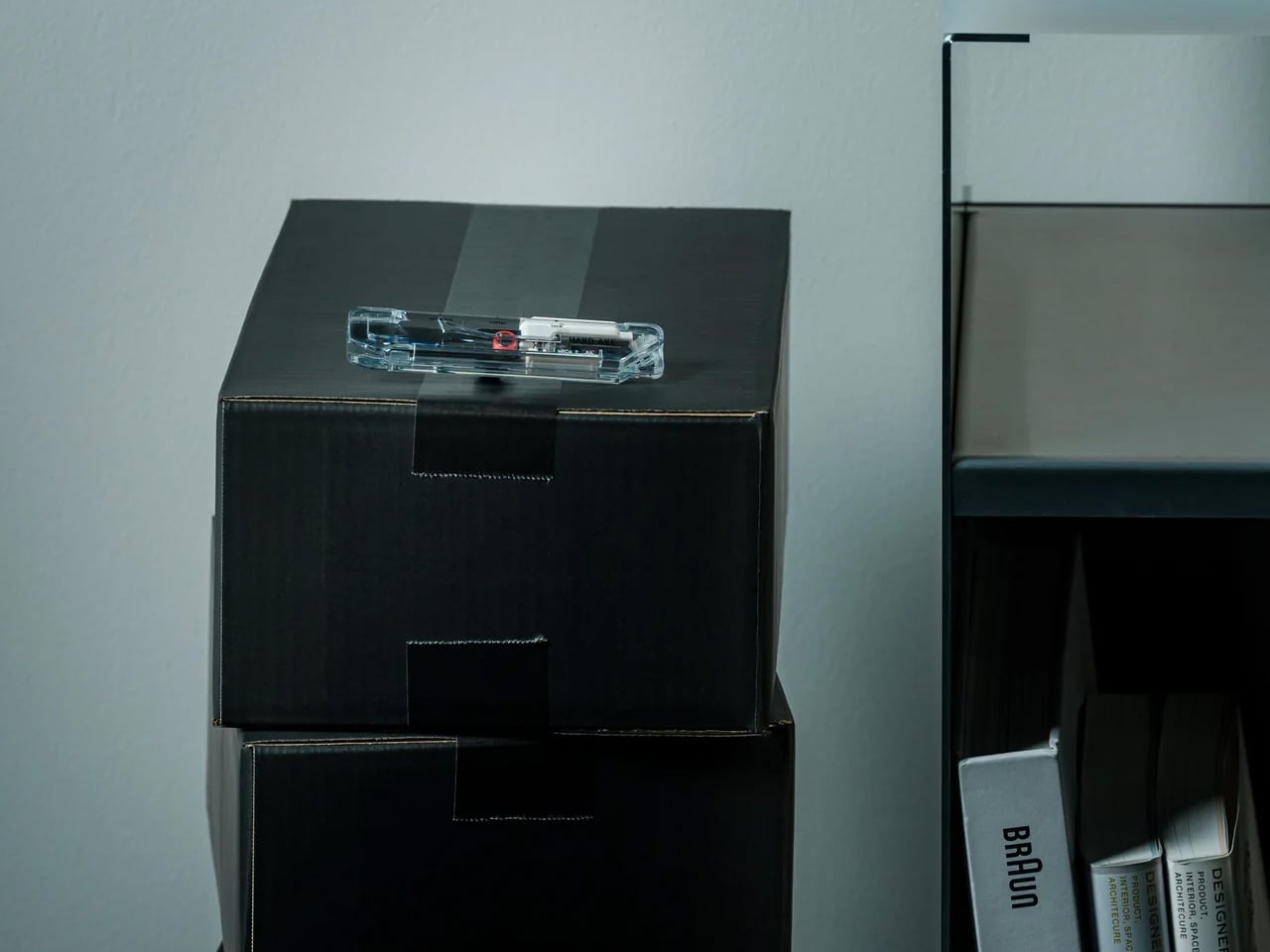
The interesting thing about these objects is what happens when the travel slows down. When a lease gets signed, a proper desk arrives, and the bag starts being unpacked with more intention. The tools that survived the road do not lose their relevance on a permanent surface. Many of them were built with the kind of considered design that rewards exactly this kind of scrutiny. They look better than most things bought specifically for a home office, hold up longer, and carry the kind of personal history that makes a workspace feel genuinely inhabited. This is for that moment. Eight objects that lived in the bag for a reason, and deserve a permanent home for the same one.
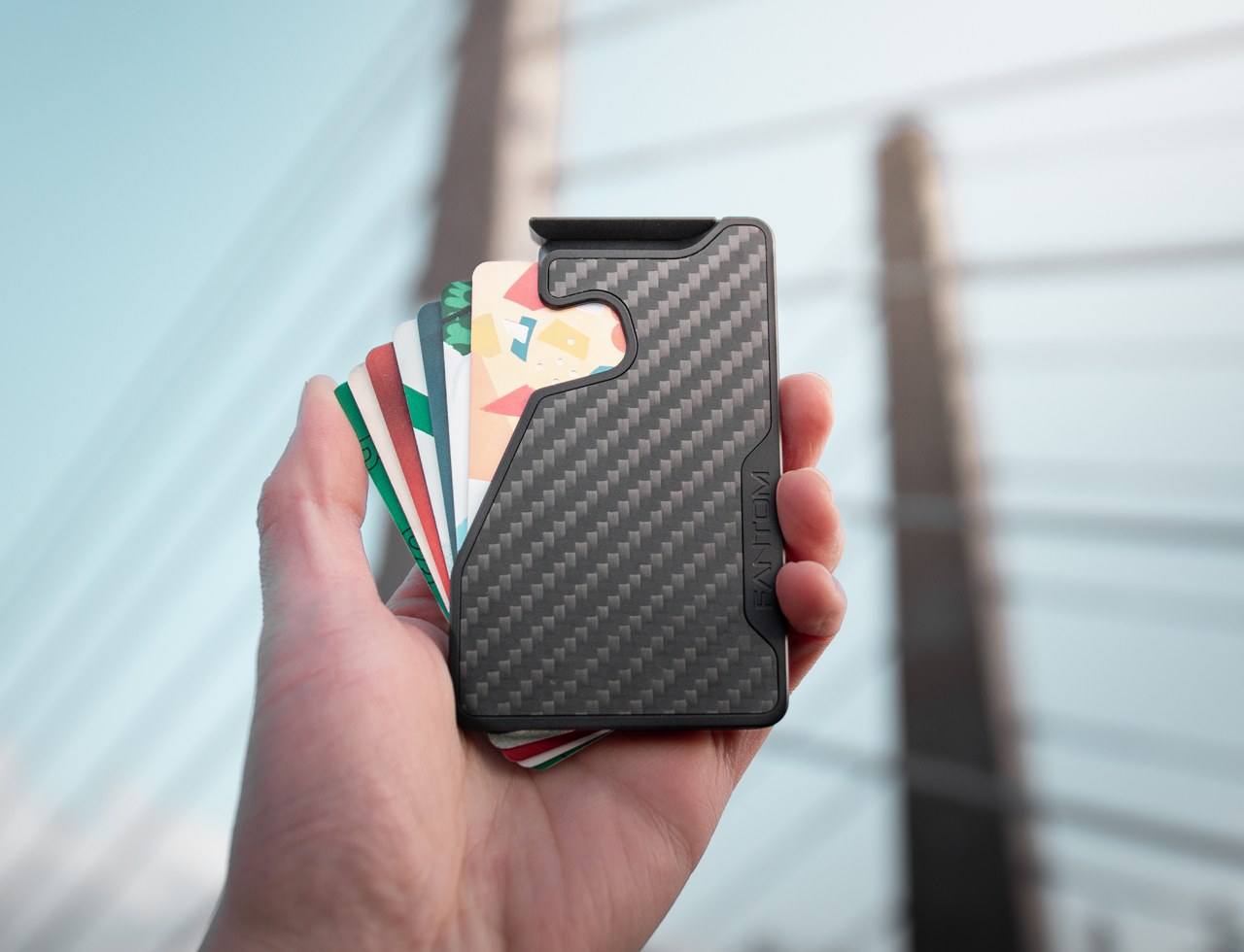
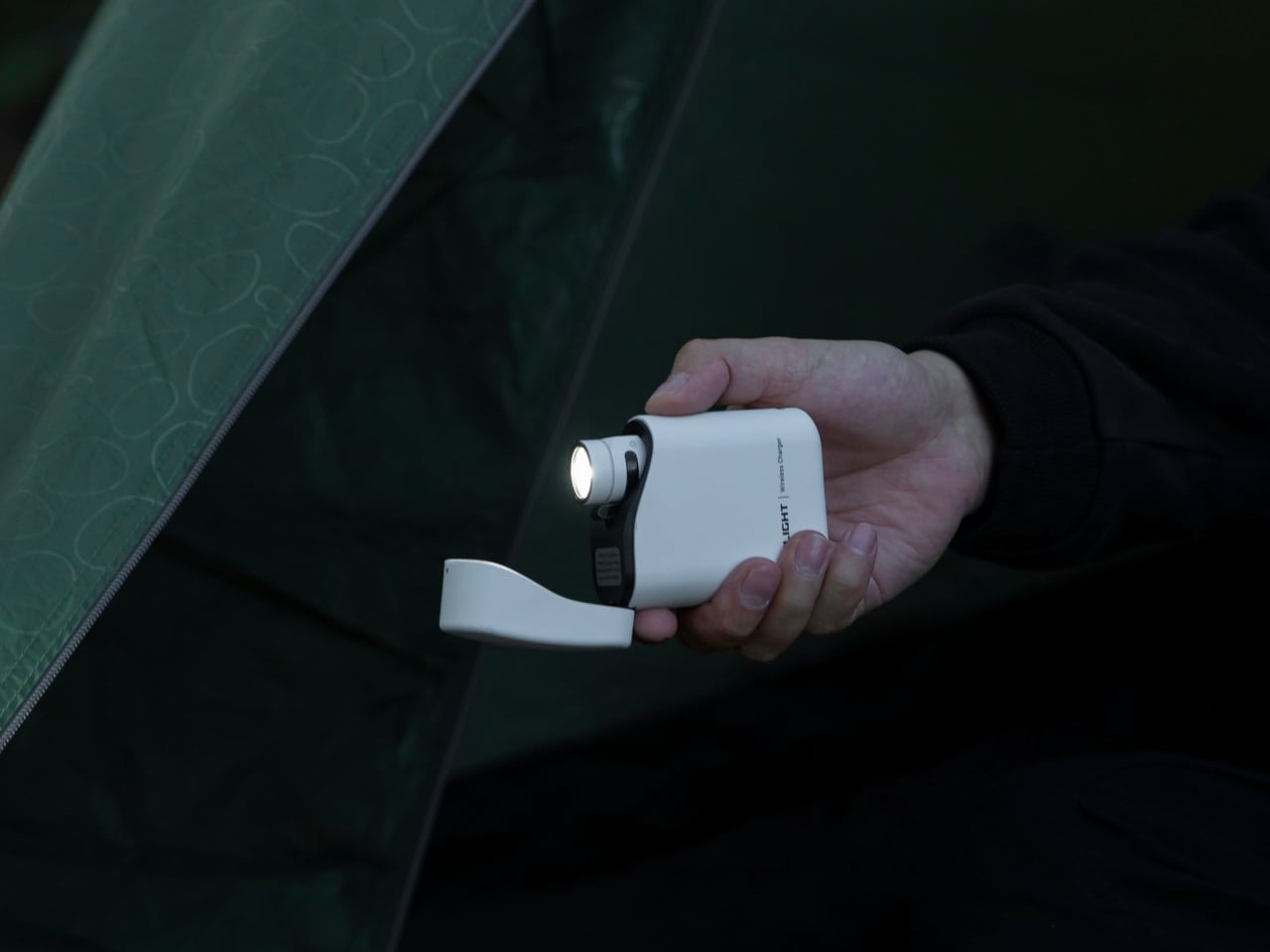
1. OrigamiSwift Folding Mouse

The OrigamiSwift is what happens when industrial design takes portability seriously. Weighing just 40 grams and folding flat to a profile thin enough to slip between notebook pages, it removes the usual tension between compact and comfortable. On a desk, it unfolds in under half a second, snapping into a full-sized ergonomic shape that sits naturally in the hand. For anyone who has suffered through the cramped mechanics of a standard travel mouse, this feels like a genuine upgrade.

The Bluetooth connectivity is quick, and the origami-inspired fold keeps the mechanism tactile enough that using it becomes a small ritual rather than a chore. At the desk, it earns a permanent spot not because it compensates for a lack of options, but because the transformation itself is satisfying. It is the kind of tool that makes you reconsider how you work, and then makes the work feel slightly more considered. Portable by design, permanent by choice.

Click Here to Buy Now: $85.00

What we like

  • Folds to near-invisible thinness at just 4.5mm, making it one of the most carry-friendly mice ever built without compromising on ergonomic full-size comfort
  • Activates in under half a second with a single flip, making the transition from travel bag to working mouse feel immediate and effortless

What we dislike

  • At 40 grams, the lightweight build may feel insubstantial for users accustomed to the heft and resistance of a traditional full-sized mouse
  • Bluetooth-only connectivity means no wired fallback for tasks where even minor wireless latency becomes a frustration

2. Fidget Cube

The Fidget Cube arrived at a time when open-plan offices made visible restlessness a liability and invisible anxiety a norm. Antsy Labs built something straightforward in response: a small cube with six distinct tactile surfaces, each mapped to a different kind of fidget. Click. Glide. Flip. Breathe. Roll. Spin. The vocabulary is simple, the execution is precise, and the result is a desk object that earns its keep without demanding attention from anyone but you.
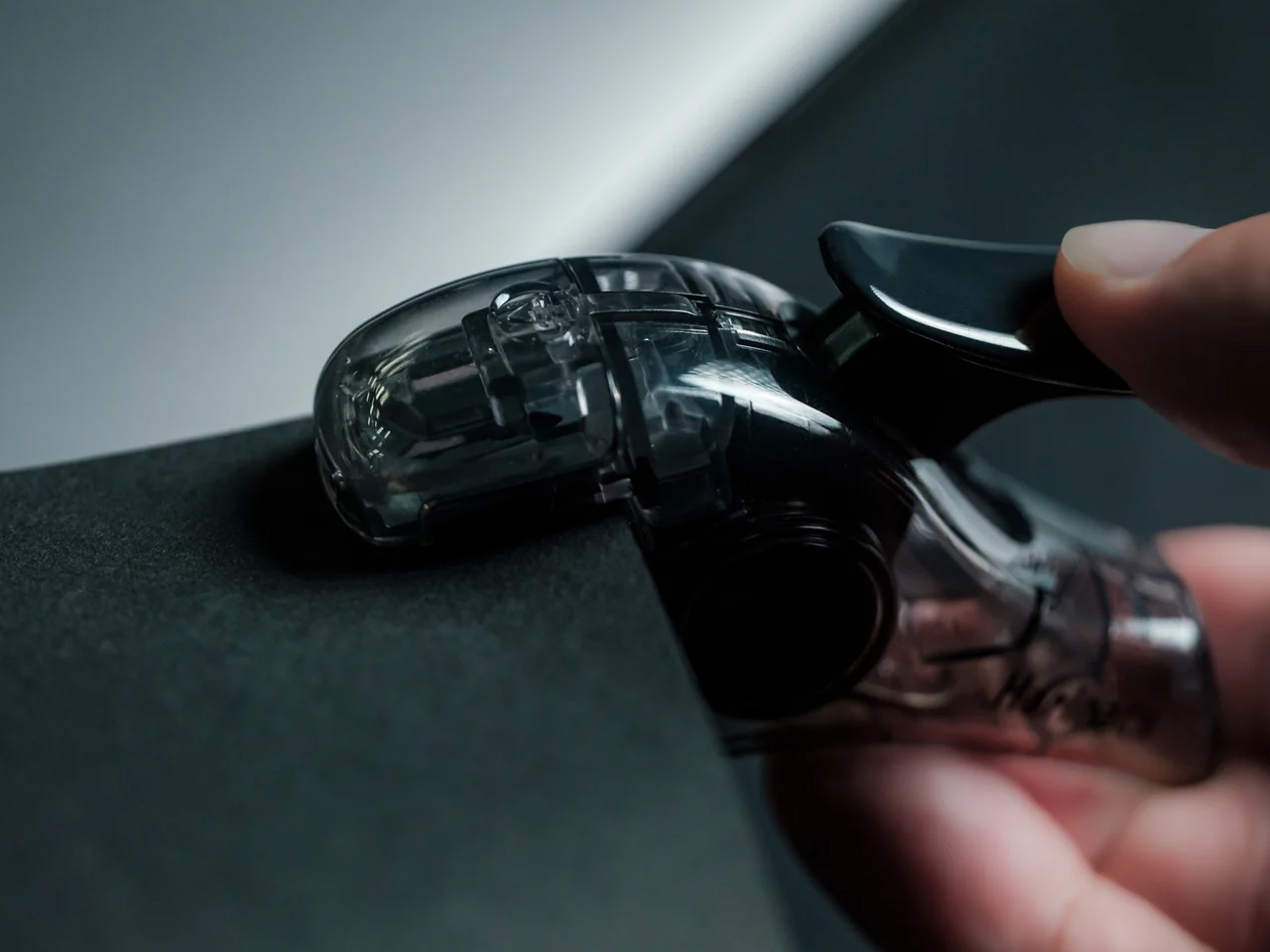
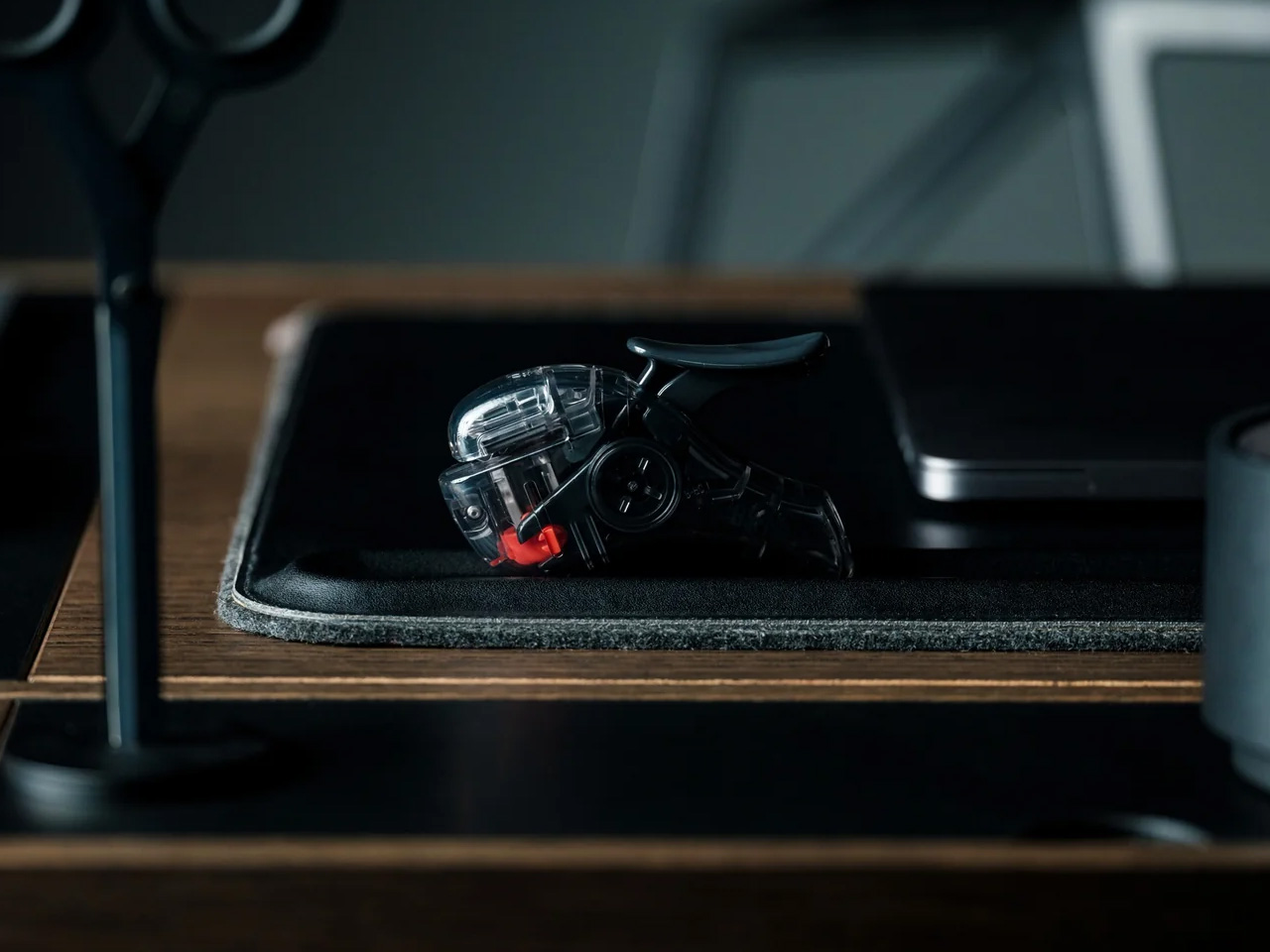
For digital nomads who have spent years suppressing the impulse to tap or spin something through a long layover or tense client call, the Fidget Cube offers quiet permission. On a permanent desk, it sits within reach without asking for attention. The black and graphite colorways blend cleanly into most setups, looking less like a toy and more like a considered detail. It is not a gimmick. It is self-awareness shaped into an object.

What we like

  • Six distinct tactile surfaces cover a wide range of fidgeting behaviors in a single pocket-sized cube, making it genuinely versatile across different stress responses and focus modes
  • Discreet colorways like Midnight Black and Graphite blend seamlessly into professional setups without drawing unwanted attention in shared or client-facing workspaces

What we dislike

  • The clicking surfaces can produce audible sounds that may distract colleagues in quiet, open-plan, or library-style work environments
  • The cube format offers no digital or productivity-tracking integration for users who want data on their focus habits or stress patterns

3. Nothing Power (1) Battery Bank

Nothing built its reputation on the Glyph interface, a grid of LED lights that turned the back of a phone into a notification display and a design statement. The Power (1) carries that language into a battery bank, using transparent layers, bold light paths, and illuminated interactions to make a utilitarian object feel worth looking at. The design philosophy is direct: good design is not just about appearance, it is about how an object makes you feel when you reach for it.

For a nomad who has charged devices from airport benches and café stools, a power bank is rarely a display piece. The Nothing Power (1) challenges that. Sitting on a desk, the Glyph illumination gives charging status a visual presence that feels more like an ambient display than a simple indicator light. It treats the desk as a stage and every object on it as a conscious choice. Few battery banks have ever earned that kind of consideration.

What we like

  • The Glyph interface turns a charging indicator into a visual experience, making it arguably the only power bank designed to look genuinely intentional, sitting on a desk permanently
  • Transparent design layers reflect Nothing’s ethos of honest, open construction, giving the object a premium quality that stands apart from every other battery bank on the market

What we dislike

  • The Nothing Power (1) is currently a concept design and is not yet available as a finished commercial product
  • Exact battery capacity, output wattage, and pricing remain unconfirmed, making direct comparison with available alternatives difficult at this stage

4. HubKey Gen2

Desk clutter tends to accumulate in layers: a dock for the monitor, an adapter for the second screen, a hub for storage. Somewhere between them sits a tangle of cables that each solves a single problem in isolation. The HubKey Gen2 treats that as a design problem worth solving from the inside out. It is an 11-in-1 USB-C hub with a hardware control surface on top, offering programmable shortcut keys, a central dial, 100W power delivery, and 2.5Gbps Ethernet in a compact cube footprint.

The display support is what separates it from a standard hub. Two HDMI ports, each running a 4K display at 60Hz, mean a laptop becomes a proper dual-monitor workstation without extra adapters. For a nomad settling in, that shift from single-screen café work to a dual-screen editing setup is significant. The shortcut keys and central dial bring a physical control layer to software-heavy workflows, keeping hands on the desk rather than hunting through menus on a trackpad.

What we like

  • Dual 4K HDMI outputs at 60Hz eliminate the need for a separate display dock when transitioning from a travel setup to a full home workstation
  • The programmable shortcut keys and central knob return a satisfying physical dimension to digital workflows, reducing time spent navigating software menus

What we dislike

  • The compact cube form factor may feel crowded once all 11 ports are simultaneously in active use, which limits clean cable management around the unit
  • Fully customizing the shortcut keys requires additional software configuration, adding a setup investment before the productivity benefit becomes fully apparent

5. Rolling World Clock

Keeping track of time zones is one of the quieter friction points of nomadic life. The Rolling World Clock solves it most physically: you roll it. A 12-sided form with each face representing a major timezone city, a single hand reads the local time wherever it lands. London. Tokyo. New York. The gesture is intuitive, and the result is a genuinely useful desk object without trying to be more.

Available in black and white, this is the kind of object that earns its place through curiosity rather than scale. Guests pick it up. Colleagues ask about it. It turns a functional necessity into a small conversation. For the nomad who has lived across time zones and built relationships across continents, there is something quietly satisfying about having those cities represented not on a screen, but held in your hand.

Click Here to Buy Now: $49.00

What we like

  • The tactile rolling interaction makes checking international time a deliberate, physical gesture rather than a reflexive phone unlock
  • Covers 12 major timezone cities in a clean, minimalist form that works equally well as a functional desk piece or a shelf object

What we dislike

  • Limited to 12 preset cities, which may not include every timezone relevant to users with contacts in less commonly represented regions
  • The single analog hand offers general time orientation rather than precise minute-level accuracy, which may not suit users with tight cross-timezone scheduling needs

6. Orbitkey Desk Mat Slim

A desk mat either disappears into the background or it becomes the visual anchor of the entire setup. The Orbitkey Desk Mat Slim is built for the second outcome, designed with the restraint of the first. Made from premium vegan leather on top and 100% recycled PET felt underneath, it layers material integrity with practical function. The anti-slip backing holds the mat planted, while the magnetic cable holder keeps wires from drifting toward the edges, where they become a distraction.

Notes, receipts, and napkin sketches are the inevitable artifacts of nomadic work, and they tend to pile up without a clear home. The document hideaway is the detail that tips this mat from surface to organizer. The slim front pocket keeps loose papers horizontal, accessible, and out of sight. For someone accustomed to a shared café counter or a hotel tray table, this level of surface order feels less like a feature and more like a quiet exhale.

What we like

  • The document hideaway pocket reduces visible desk clutter without adding bulk, making it one of the more intelligent storage details found on any desk mat
  • Vegan leather and recycled PET felt construction deliver both a refined visual quality and a material responsibility that most desk accessories still lack

What we dislike

  • The slim format may feel too narrow for users with wide multi-monitor setups who need significant horizontal coverage across their full desk surface
  • The magnetic cable holder works best with a small number of cables and may become less effective in more heavily wired configurations

7. Flow Timer

The Pomodoro method has been around since the late 1980s, and most people who use it rely on a phone timer or a browser tab. Neither is ideal. The Flow Timer replaces that with something solid. Cast in metal, with dual customizable presets for focus and break intervals, it lives on the desk as a functional timer and an object of intention. The visual arc tells you where you are in the session without a notification or a screen unlock.

For nomads who have long been their own productivity managers, a physical timer brings a different quality of commitment than a screen-based one. The act of setting it is deliberate. The focus-to-break transition is automatic. Sitting in a permanent spot, it becomes a small anchor for the rhythm of the day. Available in three colorways, the Flow Timer is one of those rare accessories that improves both how you work and how the desk looks while you do it.

What we like

  • Automatic switching between focus and break intervals removes the friction of resetting a timer mid-session, keeping the workflow continuous and uninterrupted
  • Solid metal construction and three considered colorways make it an aesthetic desk object as much as a productivity tool

What we dislike

  • The absence of a digital display means reading the visual arc requires a brief adjustment period before the feedback becomes truly instinctive
  • As a dedicated single-function device, it competes for surface space against multi-purpose tools in more minimal or compact desk setups

8. Memento Business Card Log

There is a specific quality to the business cards that collect at the bottom of a travel bag. Each one marks a moment, a conversation, a person worth remembering. The Memento Business Card Log was made for exactly this. Designed by Re+g, a Japanese brand with roots in thoughtful stationery craft, it holds up to 120 cards with a dedicated handwriting space beside each one for a characteristic, a date, or a detail that brings the memory back clearly.

The two-point slit system keeps cards secure without sleeves or adhesive, and the special binding allows pages to be easily reordered as professional relationships evolve. For a nomad building a network across cities and industries, this is the kind of object that earns its desk placement not through technology but through intention. It is a record of everywhere you have been and everyone who mattered enough to keep. That is rare, and the design knows it.

Click Here to Buy Now: $35.00

What we like

  • The two-point slit system and reorderable binding make the organization genuinely flexible, allowing the log to grow and shift alongside a professional network over time
  • Handwritten note spaces beside each card transform a simple storage product into a meaningful personal archive of the conversations that shaped a career on the road

What we dislike

  • A maximum of 120 cards may feel limiting for high-volume networkers who accumulate contacts rapidly across multiple cities, conferences, and industries
  • The analog format, while entirely intentional, offers no digital sync or search capability for users who need to cross-reference contacts across devices

These Gadgets Were Never Just for the Bag

There is a moment in every nomad’s life when the bag starts feeling less like freedom and more like a deadline. When the tools that carried you through airports and co-working spaces deserve something more settled. These eight objects were always portable by design, but built with the kind of intention that reads just as well on a permanent desk. Good design does not ask where it is. It just works.

The idea here is not to stop moving. It is to stop treating permanence as a downgrade. A folding mouse, a tactile timer, a rolling clock, a mat that holds your cables and your notes — taken together, they form a desk that feels chosen rather than assembled. The nomad who gives these a home is not giving anything up. They are just finally working somewhere worthy of the tools they already carry.

The post 8 Best Desk Gadgets Every Digital Nomad Quietly Keeps in Their Bag & Finally Deserves a Permanent Home first appeared on Yanko Design.