Daniel Arsham and Hublot Reinvent the Pocket Watch with the Arsham Droplet

In a bold departure from traditional watch design, Daniel Arsham and Hublot have collaborated to create a timepiece that is as much a piece of art as it is a functional object. The Arsham Droplet, a pocket watch that defies convention, pushes the boundaries of horological innovation. This creation captures the convergence of past, present, and future, encapsulated in a form inspired by the fluidity of water and the precision of modern engineering.

Designer: Arsham Droplet +

Daniel Arsham

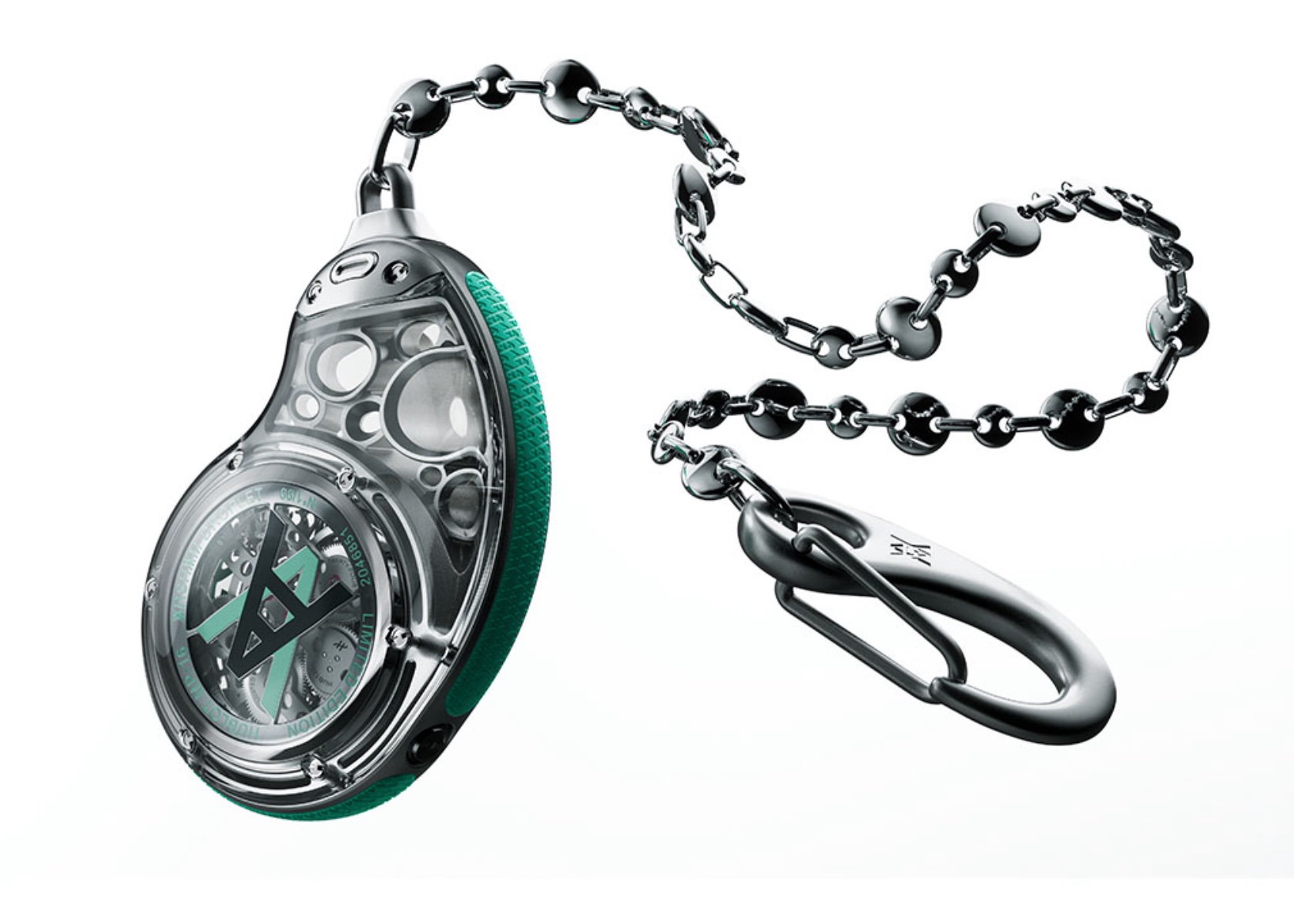
From the first glance, the Arsham Droplet captivates with its organic, droplet shape, setting the stage for a tactile and visual experience that is unique and mesmerizing. The watch’s sapphire crystal body showcases material innovation, providing a window into the intricate mechanics within. Unlike the solid, opaque cases of traditional pocket watches, this transparency invites the wearer to engage with the movement of time on a deeper level.

The vibrant Arsham Green accents break the monochrome norm, adding a splash of color that is both striking and playful. This bold choice enhances the aesthetic appeal and underscores the watch’s modern, innovative identity. The incorporation of titanium and rubber elements further distinguishes the Arsham Droplet from its predecessors, emphasizing durability and contemporary design sensibilities.

This limited-edition masterpiece, restricted to just 99 pieces, is a collector’s dream. The collaboration between Daniel Arsham and Hublot challenges the status quo, presenting a pocket watch that is anything but ordinary. It is a daring exploration of form, function, and artistry, set to redefine the future of watchmaking.

Design, Craftsmanship, and Functionality

The Arsham Droplet diverges from traditional pocket watches with its unique drop shape, reminiscent of fluid droplets. This form is not only visually striking but also ergonomic, ensuring a comfortable fit in the hand. The design reflects Daniel Arsham’s fascination with organic, fluid forms found in nature, creating a seamless blend between natural aesthetics and technological precision.

The use of sapphire crystal as the primary material enhances the tactile and visual appeal. It offers exceptional clarity and durability, allowing an unobstructed view of the intricate mechanics within. This choice of material ensures that the watch maintains its pristine appearance over time, resisting scratches and wear. The sapphire crystal’s transparency also highlights the inner workings of the watch, making the movement a central visual element. Traditional pocket watches often utilize materials such as gold, silver, or stainless steel, which, while luxurious and durable, do not offer the same level of transparency or modern aesthetic as sapphire crystal.

Titanium is used for the case and chains, lending the watch a modern, industrial aesthetic. Its lightweight yet strong properties enhance the overall durability of the watch, ensuring it can withstand daily use. The addition of Arsham Green rubber bumpers adds a contemporary touch, providing extra protection against impacts and a striking visual contrast. The vibrant green color pops against the metallic and clear elements, drawing the eye and adding a playful element to the design. In contrast, traditional pocket watches typically use more classic materials like leather for the chain or fob, which offers a different, more vintage aesthetic.

The craftsmanship involved in creating the Arsham Droplet is meticulous. The open-worked titanium case resembles delicate lace, showcasing Hublot’s expertise in detailed metalwork. This intricate design is not only a realization of technical skill but also of artistic vision. The delicate, almost skeletal structure of the case allows light to pass through, creating dynamic shadows and reflections that change with movement. Traditional pocket watches tend to have solid cases with engraved or polished surfaces, offering a more static visual appeal.
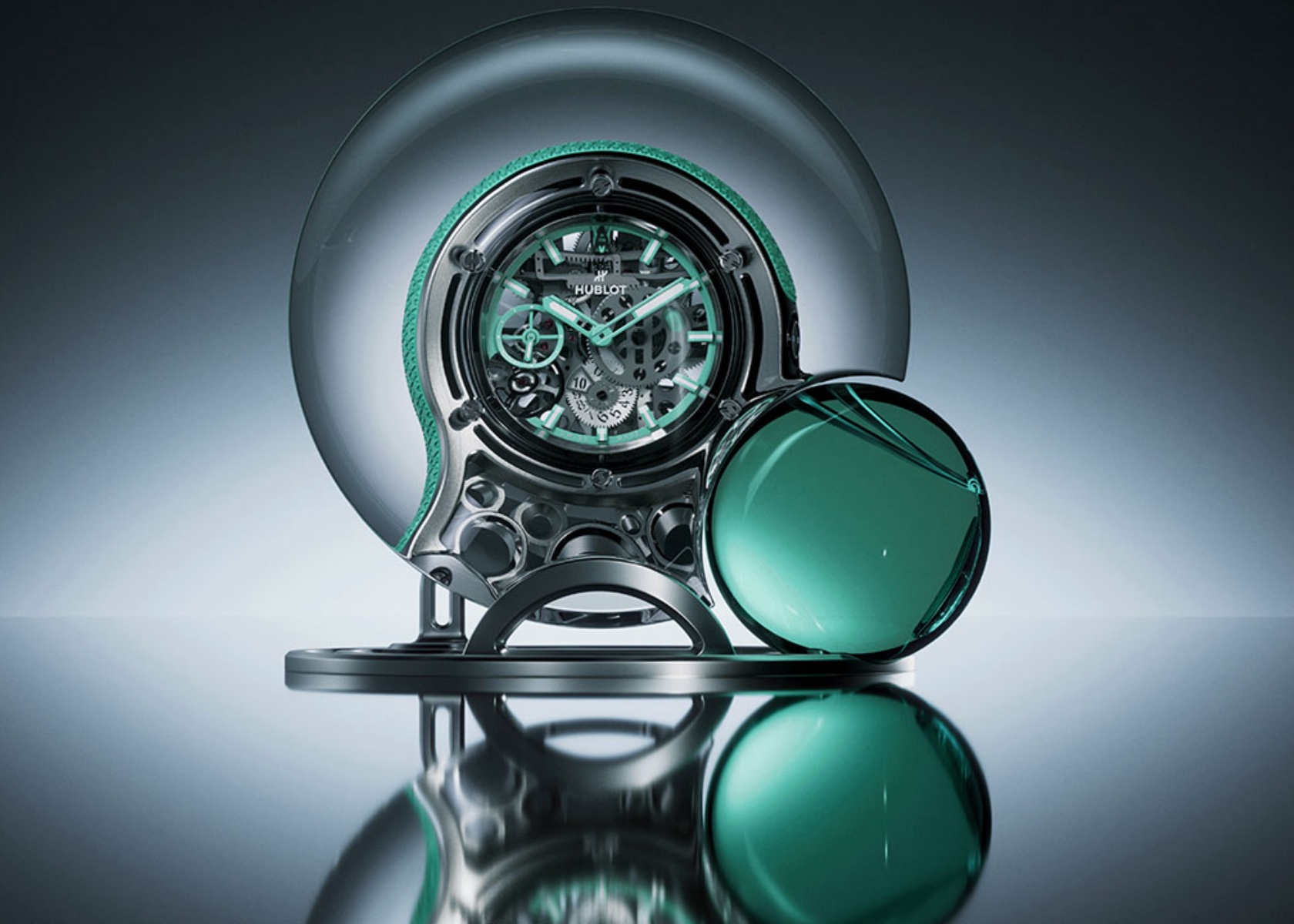
Arsham Droplet on a stand

The watch can be worn in three different variations: as a pocket watch, a pendant, or an eye-catching table clock. This versatility allows users to adapt the timepiece to various settings and personal styles. The titanium chains and decorative stand provide additional options for display and wear, emphasizing the watch’s multifunctionality. The stand itself is a work of art, complementing the watch with its smooth curves and reflective surfaces. Traditional pocket watches are primarily designed for pocket wear and occasionally come with chains or fobs but rarely offer the same level of versatility in wear and display.

Technical Specifications, Artistic Vision, and Collaboration

Measuring 73.2 mm by 52.6 mm by 22.5 mm, the Arsham Droplet is substantial yet manageable in size. The ergonomic design ensures it fits comfortably in the hand, while the smooth, rounded edges enhance its tactile appeal. At its heart lies Hublot’s Meca-10 manufacture movement, which boasts a 10-day power reserve. This enhances the user’s connection with the timepiece, offering a prolonged period of uninterrupted use. The exposed gears and mechanical components are functional and add to the watch’s aesthetic allure, showcasing the complexity and precision of its inner workings. Traditional pocket watches often feature mechanical movements as well, but the extended power reserve and visible mechanics of the Arsham Droplet provide a more interactive and engaging experience.

The double-sealing system and 30-meter water resistance ensure the watch is durable and capable of withstanding everyday wear. These features make the Arsham Droplet both a beautiful object and practical, suitable for various environments and activities. In contrast, many traditional pocket watches lack significant water resistance, making them more susceptible to damage from moisture.

Arsham is celebrated for transforming everyday objects into “future relics.” The Arsham Droplet reflects this vision, blending the past, present, and future in a captivating and unexpected way. As Arsham notes, “The Arsham Droplet is a true realization of the power of collaboration. By combining Hublot’s technical expertise with my own artistic vision, we have created a timepiece that transcends the traditional pocket watch.” This collaboration is a fusion of art and horology, pushing the boundaries of what a timepiece can be. Traditional designs tend to adhere to more established aesthetic and functional norms, focusing on heritage and classical elegance.

Hublot’s commitment to innovation and material mastery is evident in this collaboration. The seamless integration of advanced materials and technical precision showcases Hublot’s dedication to pushing the boundaries of horology. Their expertise in crafting complex, high-performance watches is perfectly matched with Arsham’s creative vision, resulting in a product that is both a functional timepiece and a piece of art.

Limited Edition and Collectibility, Visual and Aesthetic Details

Limited to just 99 pieces, the Arsham Droplet is a true collector’s item. Its distinctive design and exclusive production run make it highly desirable among watch enthusiasts and art collectors alike. Ricardo Guadalupe, Hublot CEO, emphasizes the unique nature of this collaboration: “Together with Arsham, we made the impossible possible! The Arsham Droplet is a realization of Hublot’s unwavering dedication to pushing the boundaries of both form and function.”

The Arsham Droplet’s color scheme features a harmonious blend of clear sapphire crystal and Arsham Green accents. The open-worked titanium case and custom rubber bumpers add visual interest, while the artist’s monogram is a subtle nod to Arsham’s signature style. The green accents are strategically placed to highlight key design elements, such as the edges of the case and the tips of the hands, ensuring they stand out against the more muted metallic tones.

The overall aesthetic is both futuristic and timeless, challenging conventional notions of pocket watches. The combination of transparent, reflective, and matte surfaces creates a dynamic visual experience, with each angle revealing new details and interactions between light and shadow. The design invites viewers to explore it from multiple perspectives, appreciating the interplay of form, color, and material.

By integrating advanced materials, meticulous craftsmanship, and a visionary artistic approach, the Arsham Droplet redefines the boundaries of watchmaking. This limited-edition pocket watch stands as a realization of the power of collaboration and the endless possibilities of horological design.

The post Daniel Arsham and Hublot Reinvent the Pocket Watch with the Arsham Droplet first appeared on Yanko Design.
Microsoft moves to resolve privacy concerns over its Recall feature

Microsoft has attempted to soothe privacy concerns regarding Recall, an upcoming Windows feature that’s said to help users resurface just about anything they’ve previously done or looked at on a Copilot+ PC. That naturally involves keeping tabs on how you use your computer in one way or another, which has raised privacy concerns over data storage and access. In an attempt to resolve those, Microsoft is making changes before it starts rolling out Recall later this month.

Recall will be opt-in, meaning that the feature won’t take snapshots (i.e. screenshots) of what you’re doing every few seconds or log your activity without your explicit permission. Microsoft will ask whether you want to enable Recall when you set up a Copilot+ PC, which is a positive move.

In addition, those who want to use Recall will need to use a Windows Hello authentication method such as facial recognition or a fingerprint scan. Authentication will be required before Recall allows a user to scroll through or search the activity timeline. But this measure won't necessarily make Recall super secure — all it takes is for someone to know your PIN and they can access it.

On top of that, Microsoft is adding more protections to the Recall snapshots. It will employ “just in time” decryption protected by Windows Hello Enhanced Sign-in Security. Snapshots will only be decrypted and available after user authentication. The search index database is encrypted too.

Microsoft says snapshots will remain on-device (locked to a user account) and won’t be used to train AI models. You can block Recall from snapshotting specific apps, and pause or delete snapshots. The AI processing that powers Recall takes place on-device too.

Recall was designed to help users find something they've done on their Copilot+ PC based on whatever they can remember. So if they remember a shirt they looked at a few weeks earlier and now think they might want to buy, they can describe the item. Recall might do a better job of finding the shirt than you can by scrolling through your the web browser history. 

Recall will be able to unearth details from chats, productivity apps, emails and so on. Microsoft has described it as effectively a photographic memory for your PC. A preview of Recall will be available on Copilot+ PCs, which will start shipping on June 18.

This article originally appeared on Engadget at https://www.engadget.com/microsoft-moves-to-resolve-privacy-concerns-over-its-recall-feature-170318905.html?src=rss

One of our favorite pairs of wireless earbuds for running is on sale for only $78

The Jabra Elite 4 Active earbuds are on sale via Amazon for just $78, which is a discount of 35 percent. This isn’t a record-low price for the earbuds, but it’s dang close. Unfortunately, this major discount only applies to the black version, though many of the other colorways are still on sale.

These earbuds easily made our list of the best headphones for runners, and it’s not just because the word “active” is in the name. We appreciated the comfortable fit and IP57 water and dust protection, which includes protection from sweat. They’ll do fine with your daily exercise routine.

Of course, earbuds live and die by their sound quality and the Elite 4 is no slouch in that department. It boasts a fantastic sound profile right out of the box, but you can tweak the EQ via the company’s proprietary app. This app also lets you save profile presets. Sometimes you just need a bit more bass when running, to account for all of that exterior noise.

Speaking of exterior noise, these earbuds feature decent ANC. The battery life is solid, thanks to the included charging case, and the multipoint connectivity is useful when switching audio sources. The case also includes the option for wireless charging, which is always a nice bonus.

These aren’t perfect, but what is? The company’s HearThrough transparency mode isn’t as natural-sounding as tech found with rival products like the Beat Fits Pro. The Elite 4 Active earbuds also lack the ability to play spatial sound with Dolby Audio. 

Follow @EngadgetDeals on Twitter and subscribe to the Engadget Deals newsletter for the latest tech deals and buying advice.

This article originally appeared on Engadget at https://www.engadget.com/one-of-our-favorite-pairs-of-wireless-earbuds-for-running-is-on-sale-for-only-78-163046935.html?src=rss

Blink Mini two-packs drop to only $30 at Amazon

Blink Mini security cameras are on sale via Amazon. You can scoop up a two-pack for just $30, which is 40 percent off and a record-low price. The sale extends to single packs, which are 33 percent off, and triple-packs.

The Blink Mini is not the most recent model, thanks to Amazon's release of the Blink Mini 2, but it's still a fantastic way to keep an eye on your home. These cameras are easy to set up, connect via Wi-Fi and capture 1080p video. They also capture infrared signals and send security alerts directly to your phone anytime the sensor detects movement.

There’s also two-way audio and an affiliated app, so you can yell “who’s the cutest in the world? It’s you the cutest in the world” at a pet while at work. Blink is owned by Amazon, so there’s full Alexa voice control, which is always nice. Finally, the Mini comes with a free 30-day trial of the company’s subscription plan, which lets you save and share video clips.

Follow @EngadgetDeals on Twitter and subscribe to the Engadget Deals newsletter for the latest tech deals and buying advice.

This article originally appeared on Engadget at https://www.engadget.com/blink-mini-two-packs-drop-to-only-30-at-amazon-155700282.html?src=rss

ASUS ROG Mjolnir power station promises uninterrupted gaming for an hour

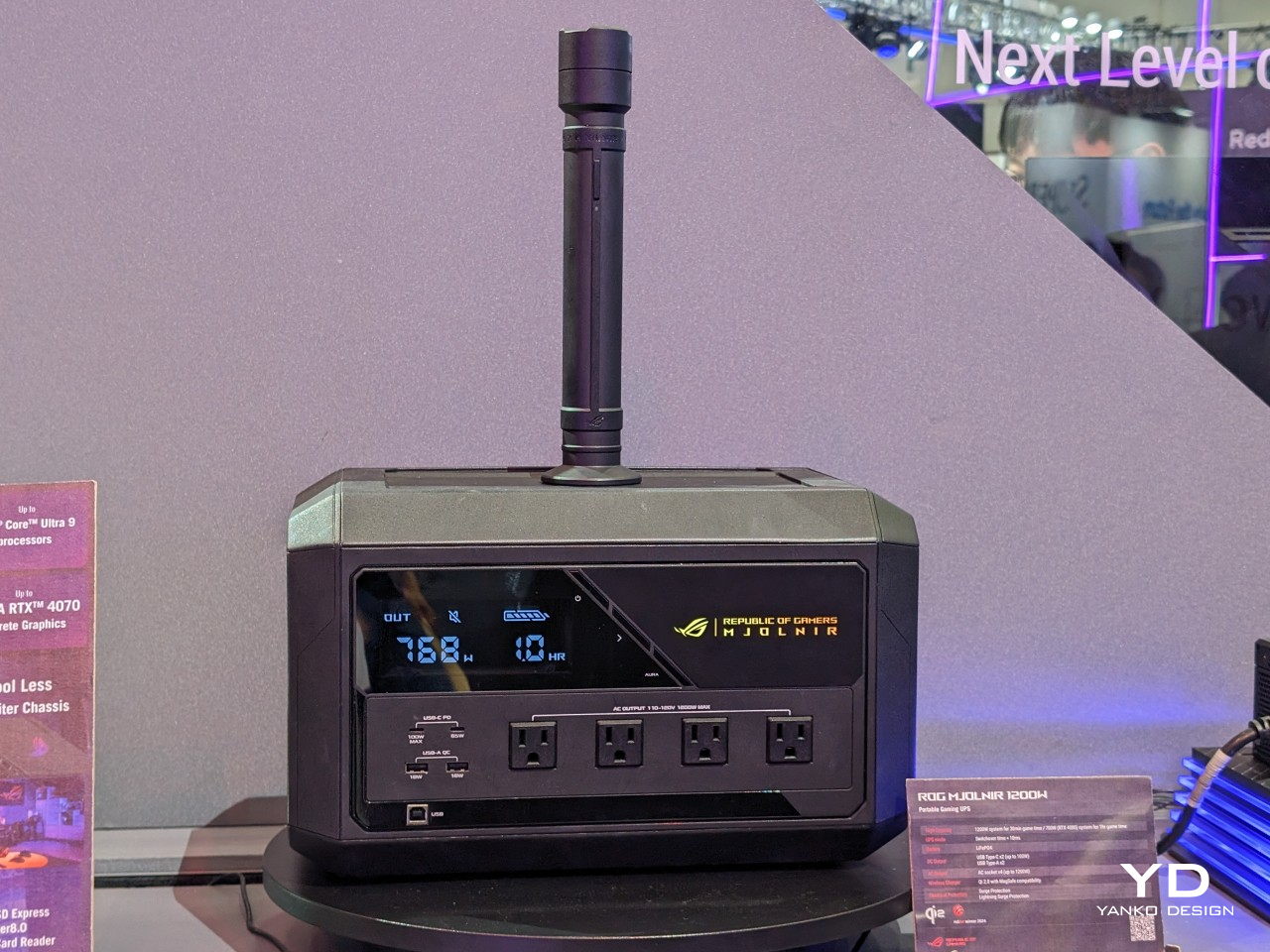
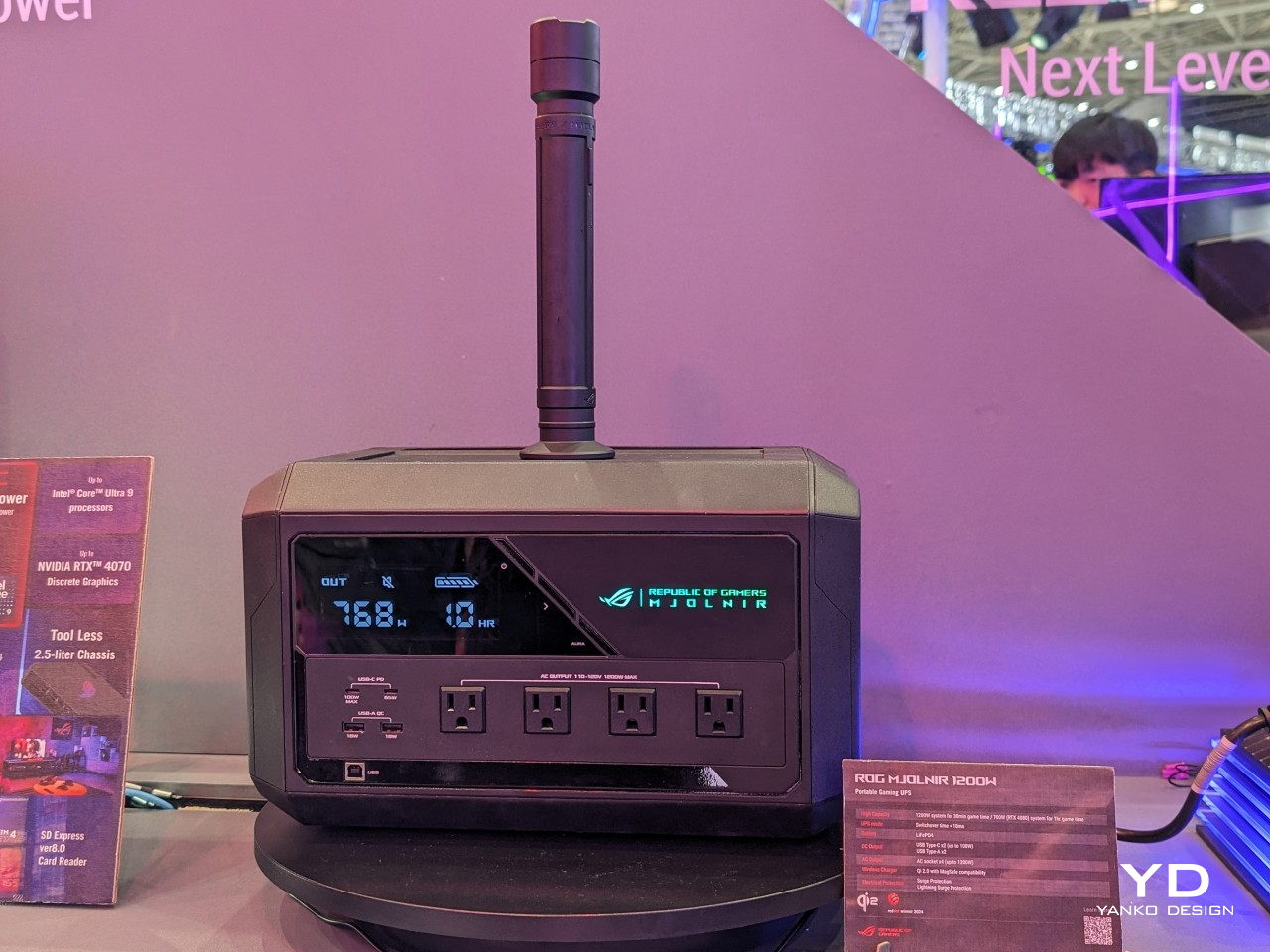
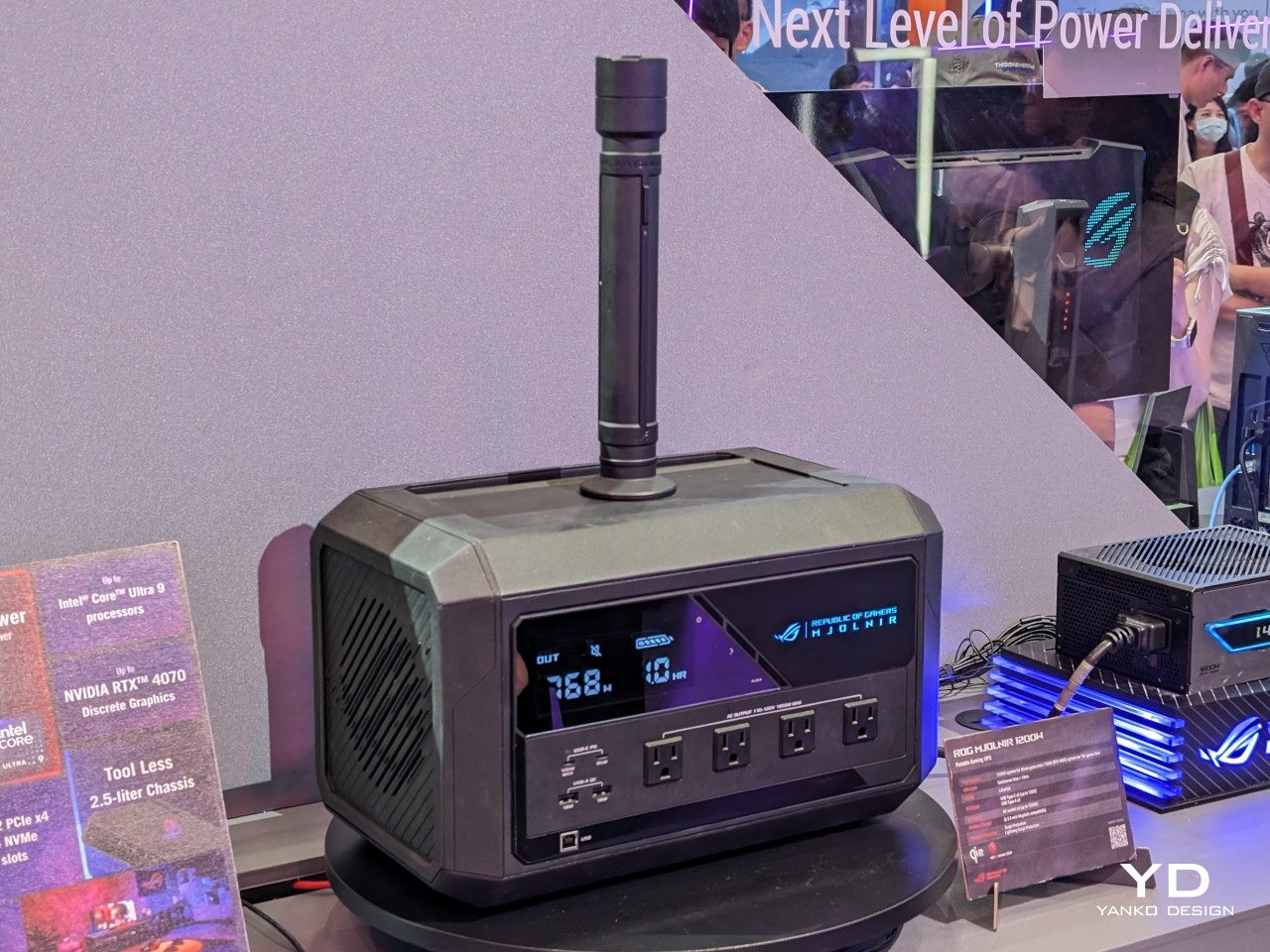
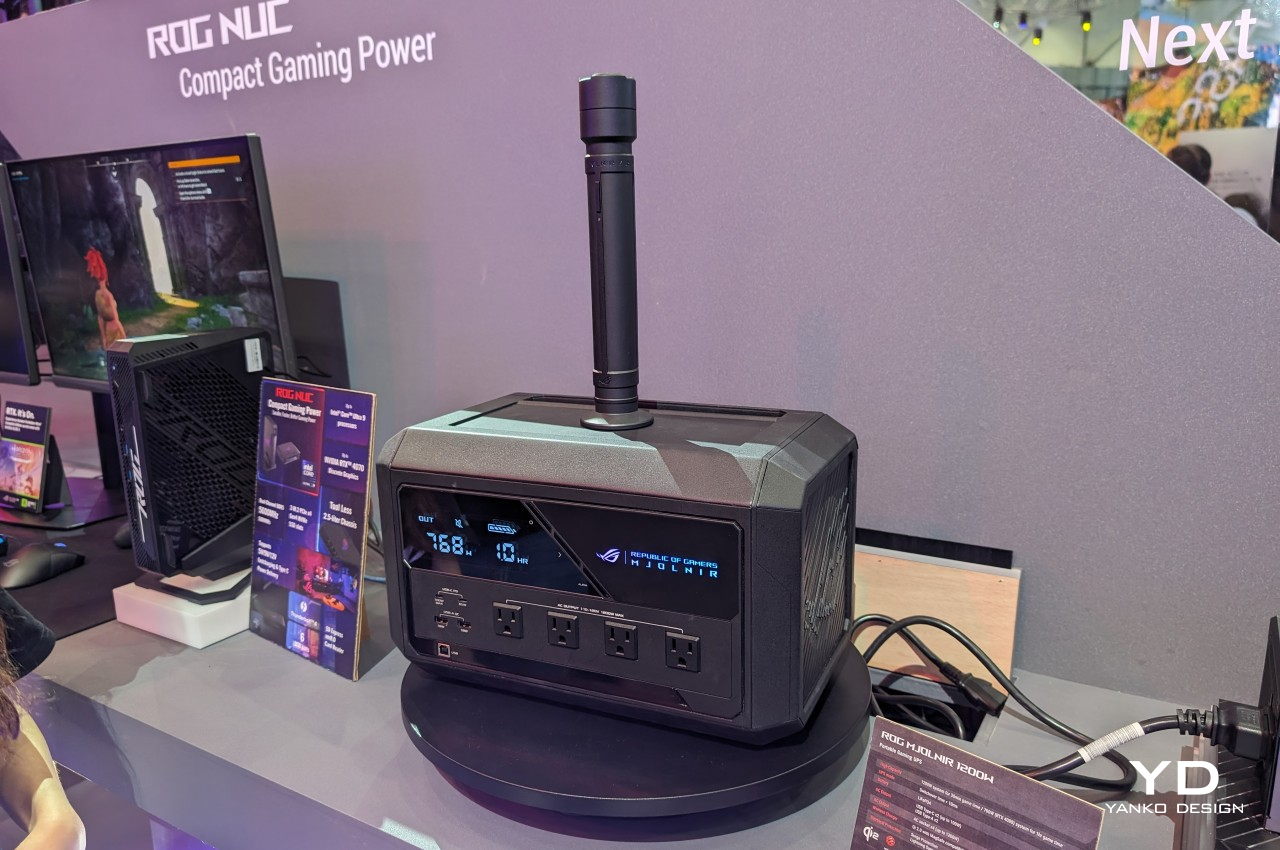
It seems that the gods of Asgard are truly smiling on brave digital warriors. After two months of debate and speculation on whether they’re just pulling a long hoax, ROG has proven that there is, indeed, a real Mjolnir power station, or at least one working unit shown off to the public at Computex 2024. And it is as massive as you might have expected, but also had a few surprises we didn’t see coming. It probably won’t satisfy outdoor adventurers, but for the avid collector, comics fan, and loyal ROG gamer, the ROG Mjolnir will definitely be one to keep an eye on, at least when ASUS finally spills all the beans.

Designer: ASUS Republic of Gamers

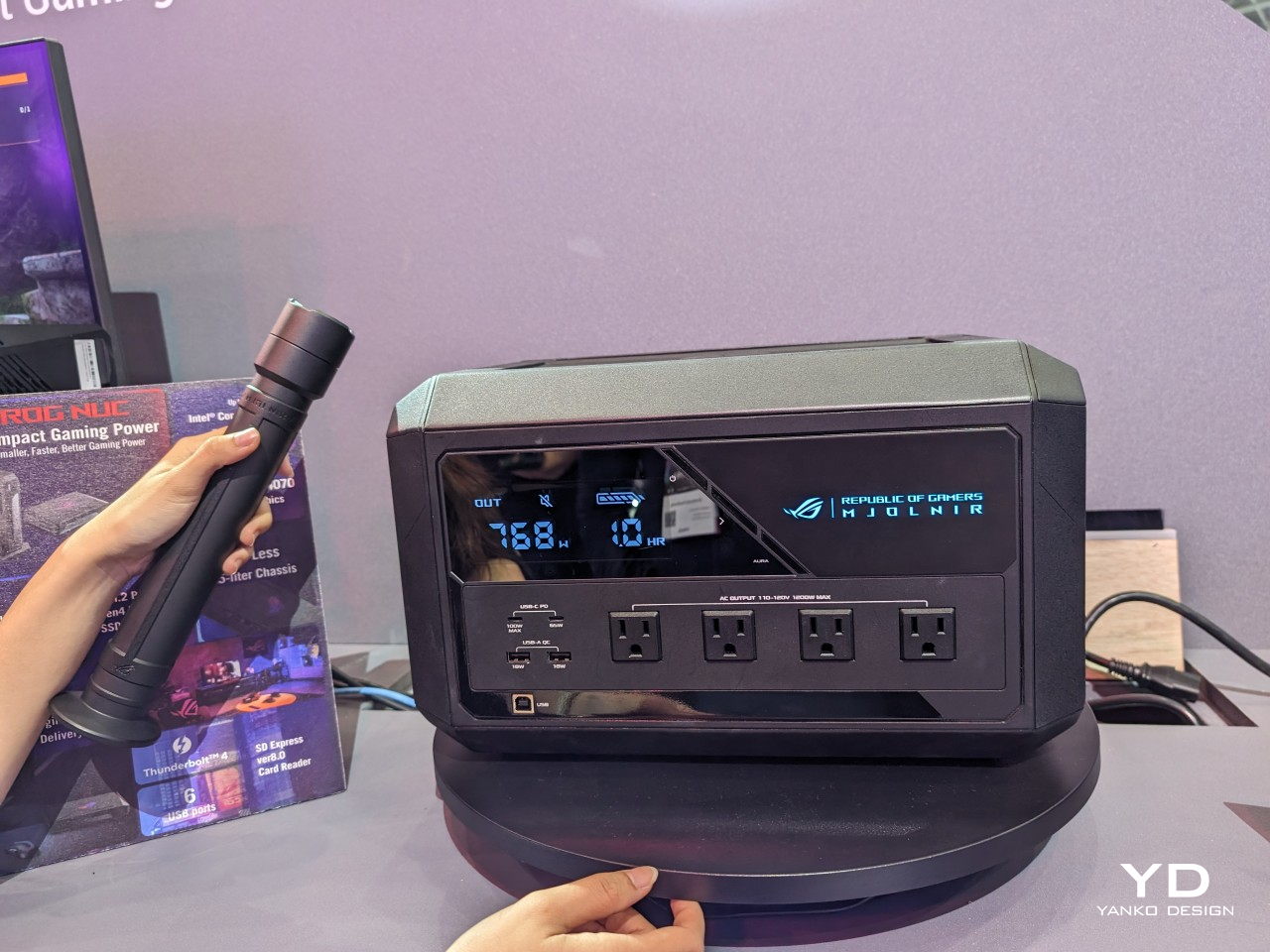
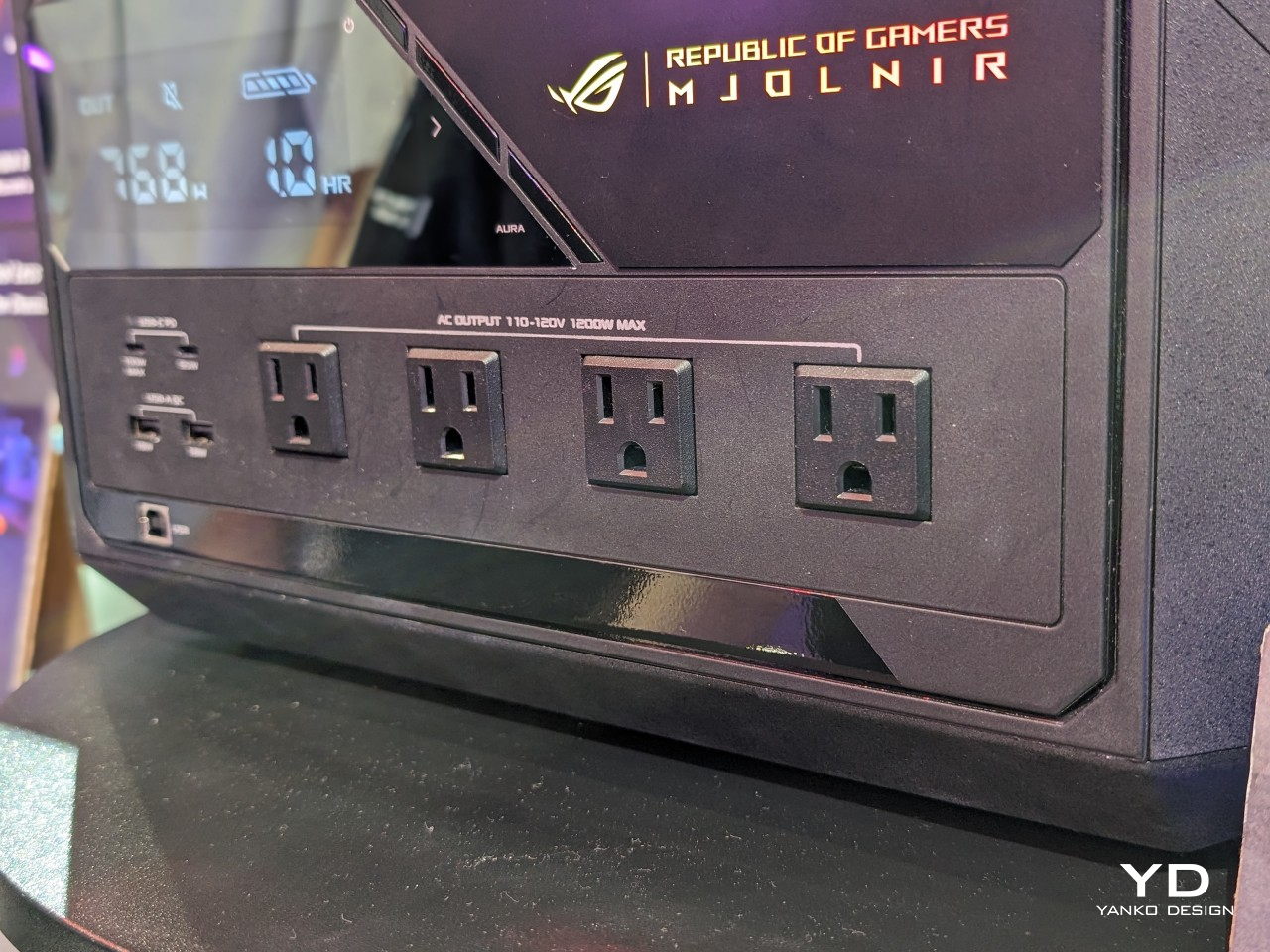
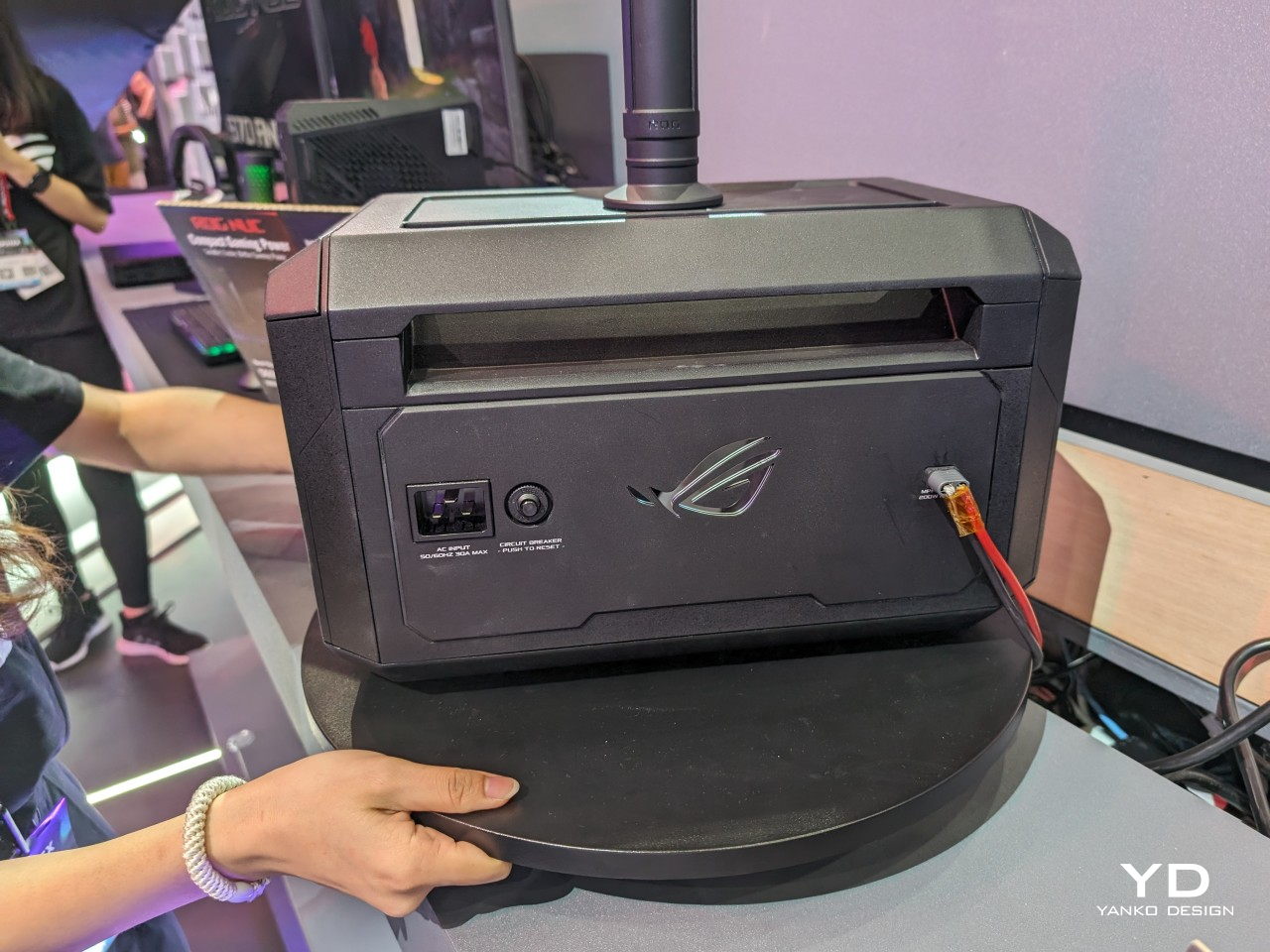
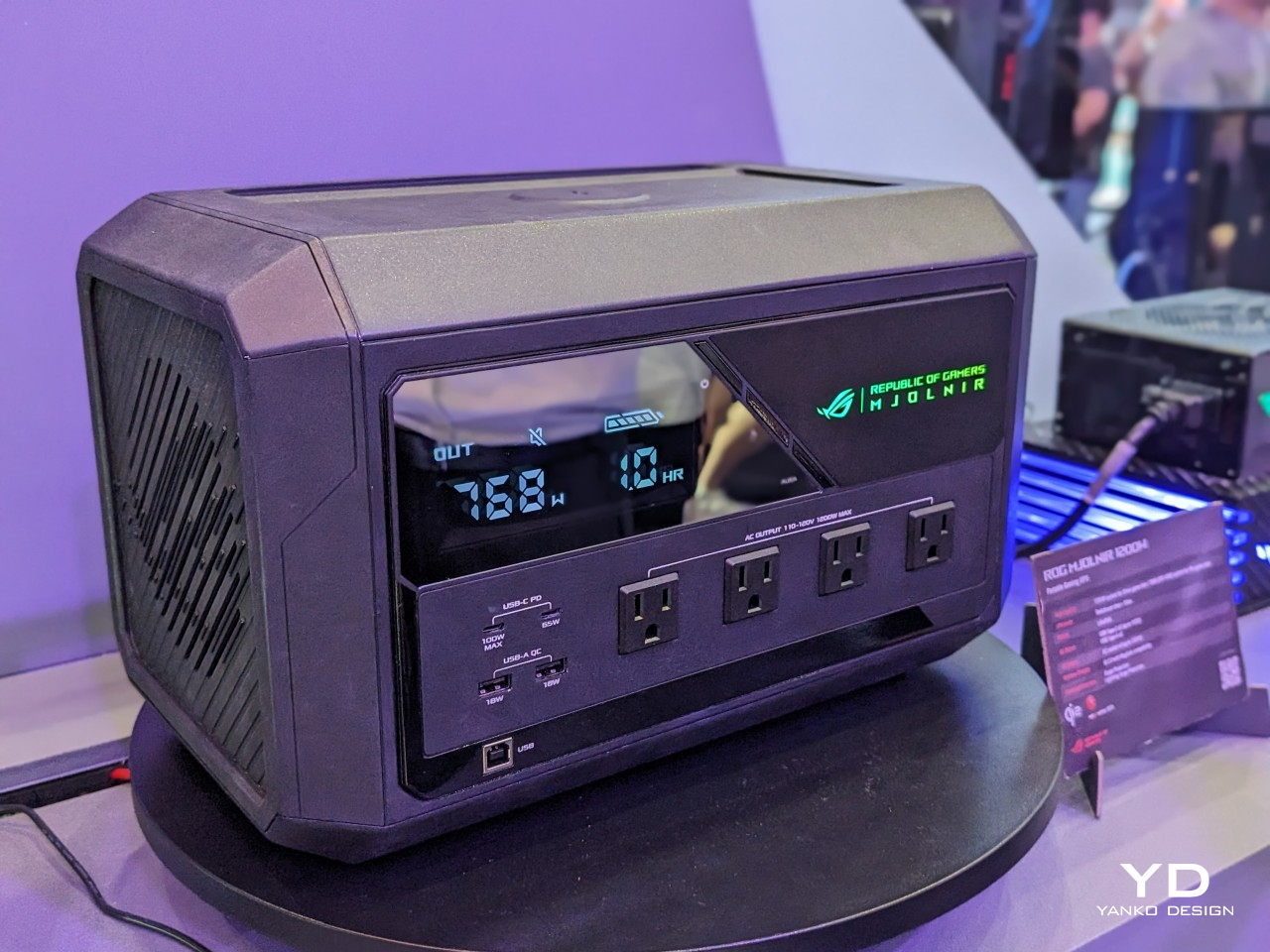
The ROG Mjolnir is a huge box, perhaps too big for the 768Wh battery it packs inside. Exact dimensions and weight aren’t available yet, but it’s definitely not something you’ll be carrying around a lot despite the “portable” in its name. And you’ll definitely not want to lift it by that handle sticking out from the top because you won’t be able to. And it’s not because you’ve been deemed unworthy.

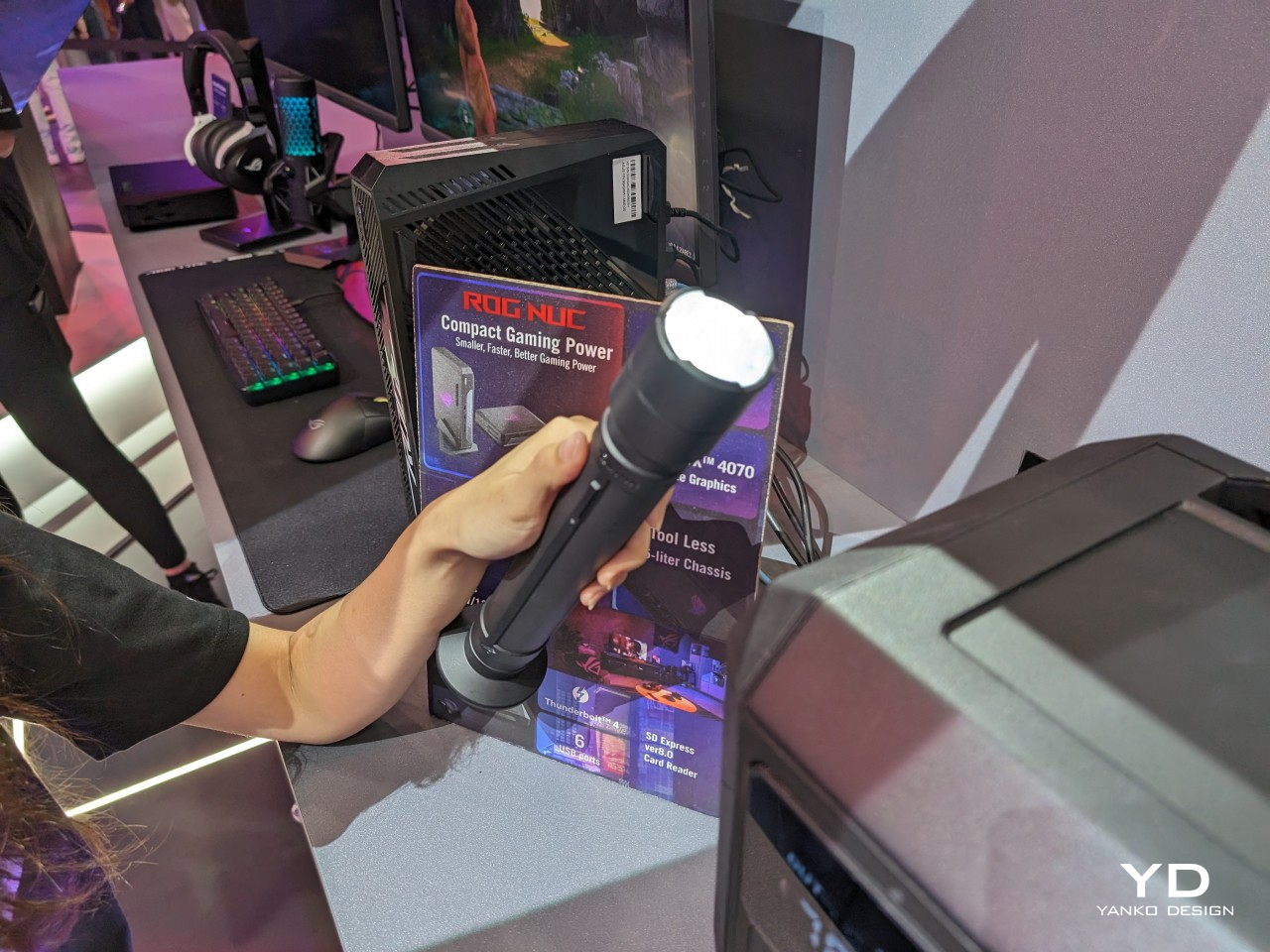
As speculated, that stick is actually the torch that ASUS teased in April, but it doesn’t work the way you might expect it to. The light is actually on the top end of the stick, so you have to lift it rather than pull it up like you would when trying to pick up a hammer. The opposite end that has a flat disc is actually a magnetic connector that attaches to the magnetic wireless charger on the top of the box.

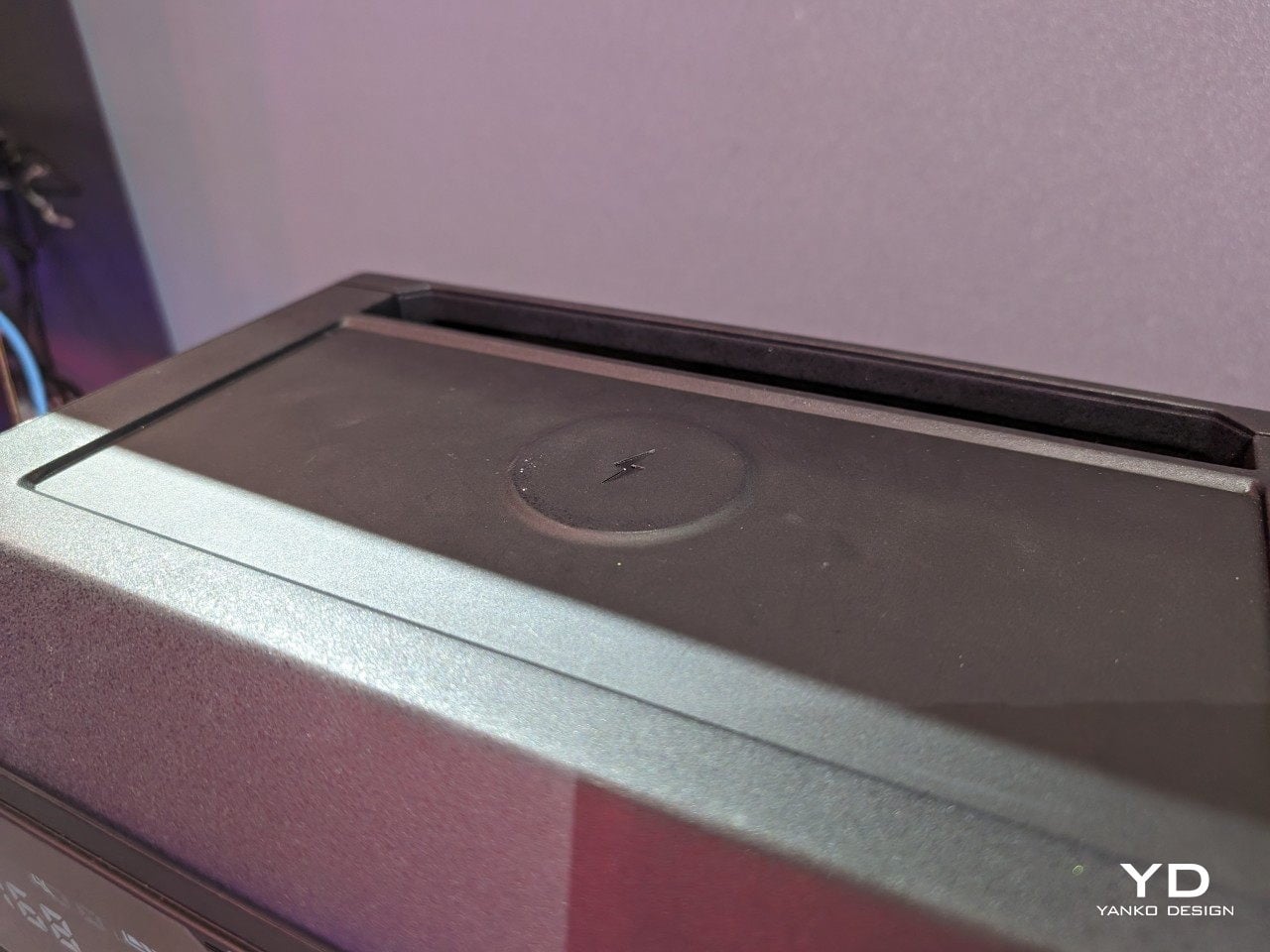
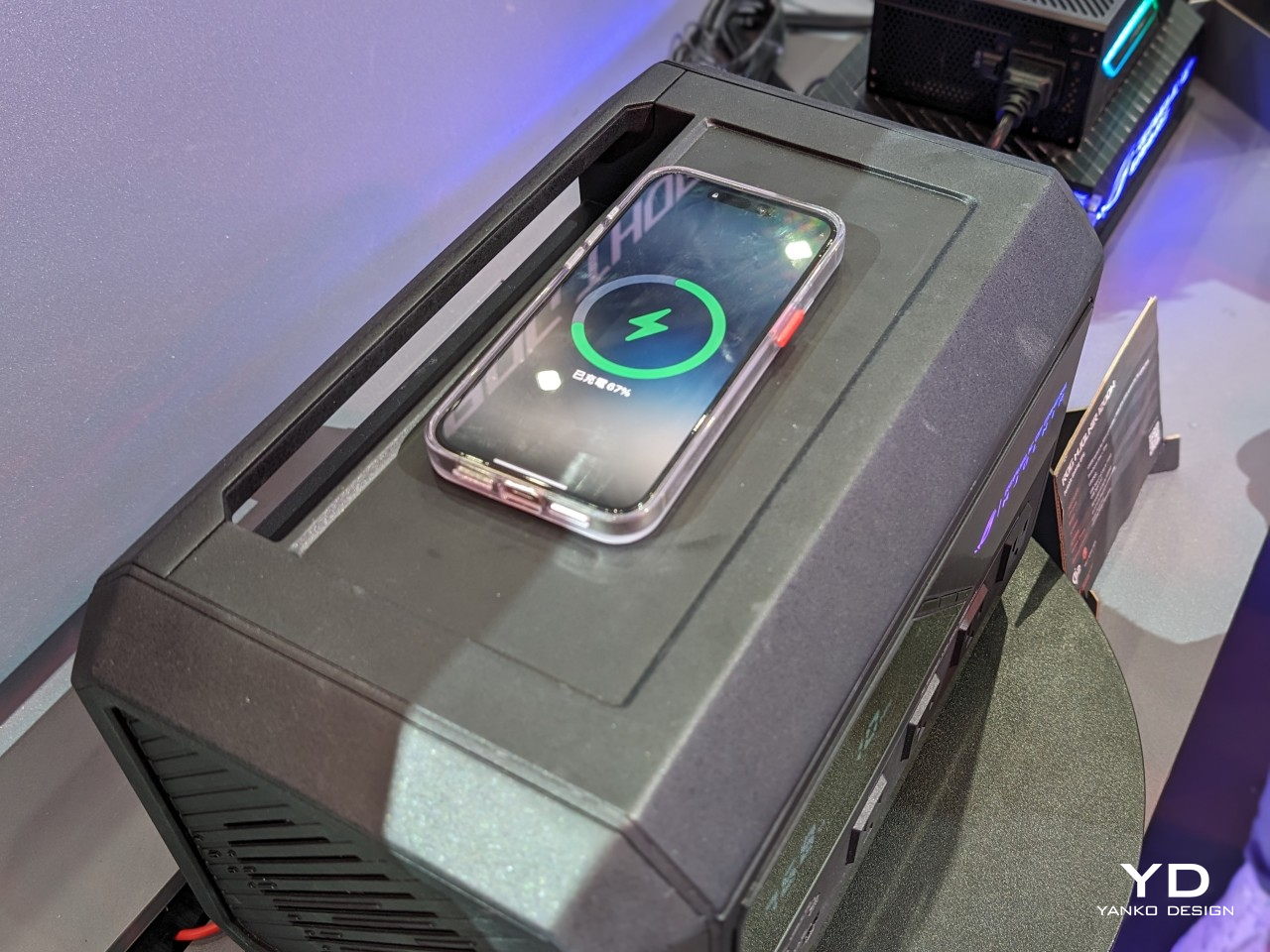
Yes, there is a 16W wireless charger and it’s compatible with both MagSafe and Qi 2.0. There’s a telltale sign of a charging coil smack in the middle of the Mjolnir’s top, and it’s a bit raised so you can feel the spot with your hand if it’s too dark to see. Of course, you could just use the torch handle to light up the space since you’ll be removing it from its spot anyway. One design oversight, however, is that there doesn’t seem to be any other way to attach the handle so you’ll have to make sure it doesn’t roll off or get lost while you’re charging your smartphone.

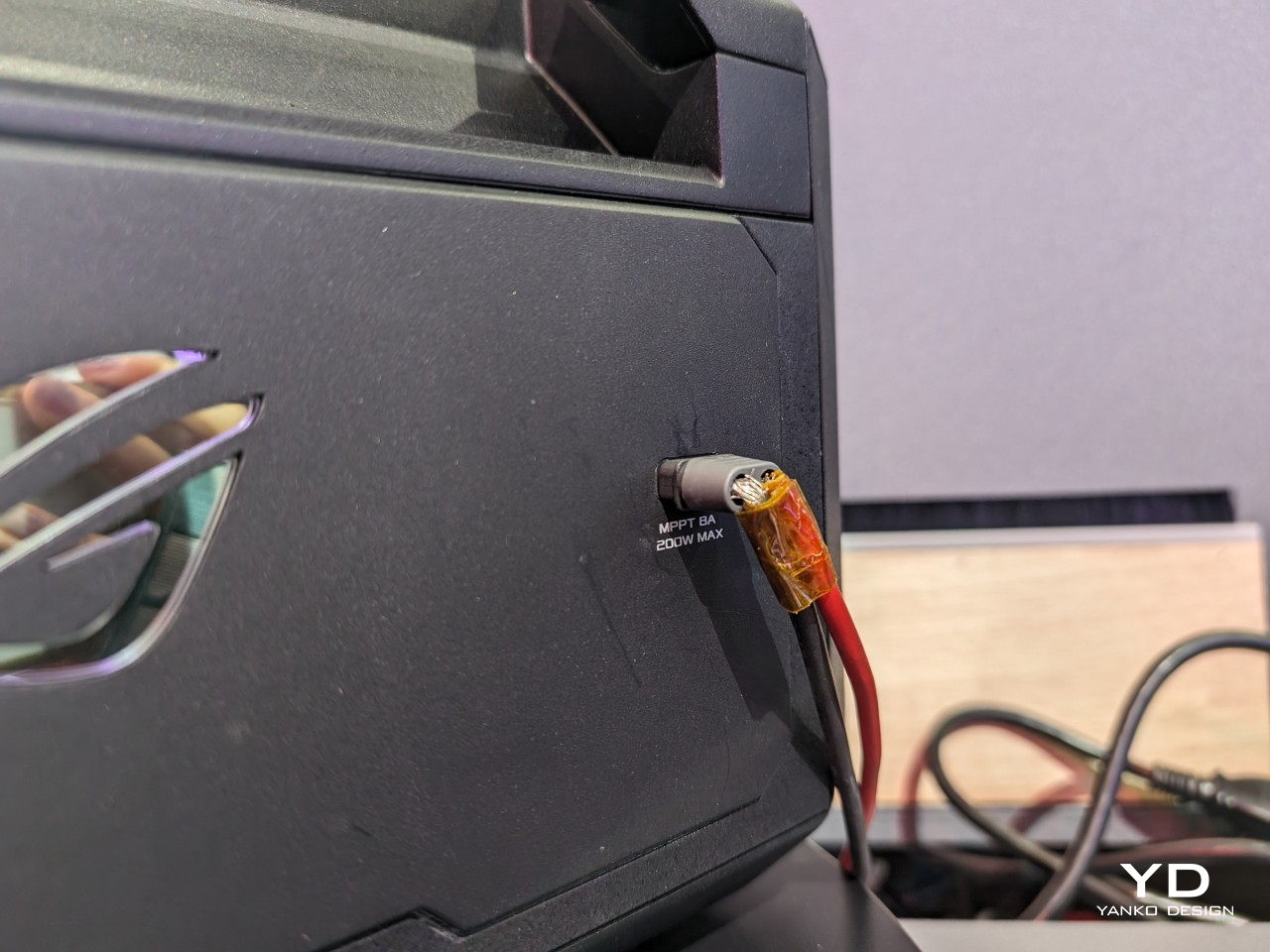
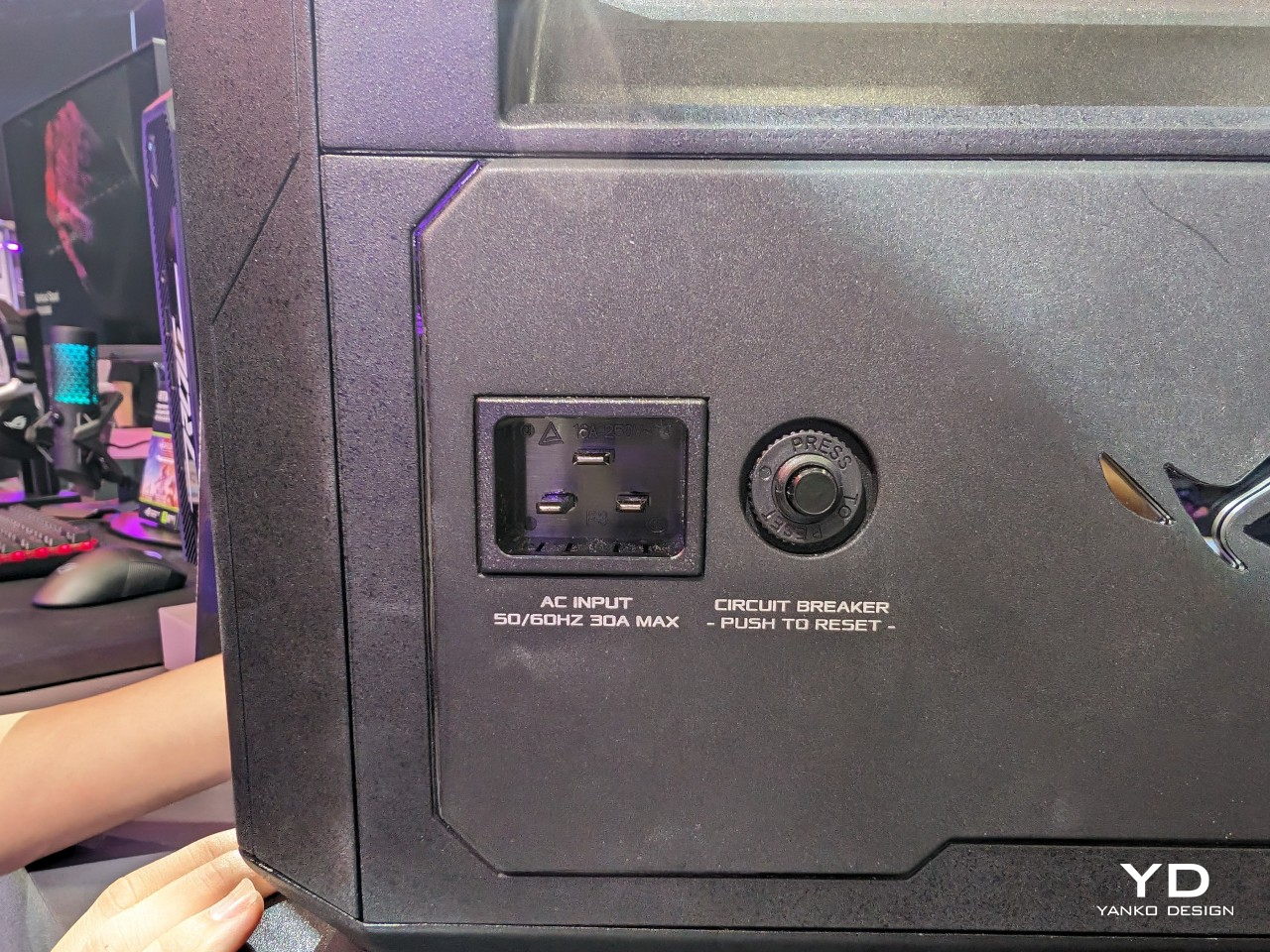
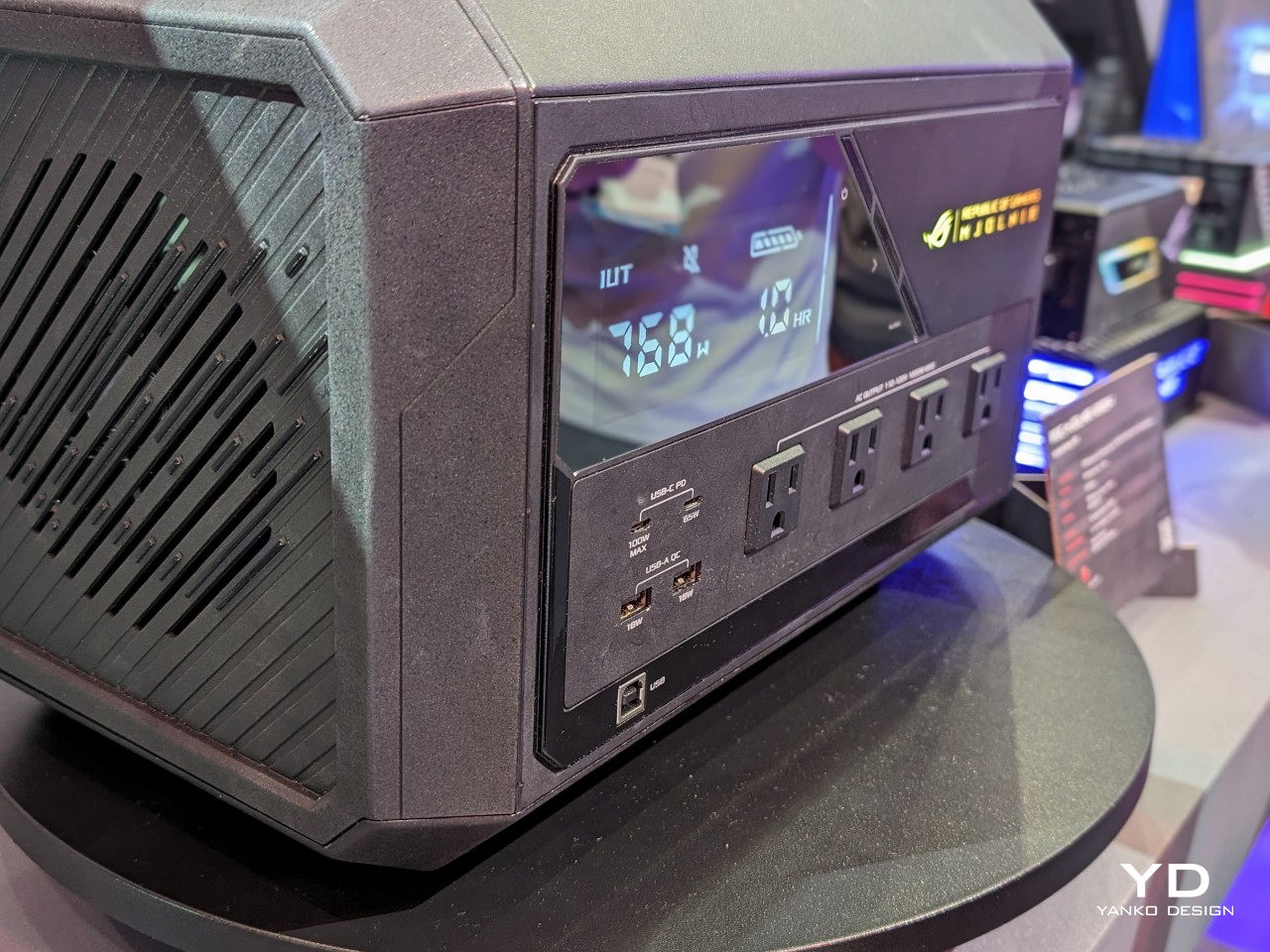
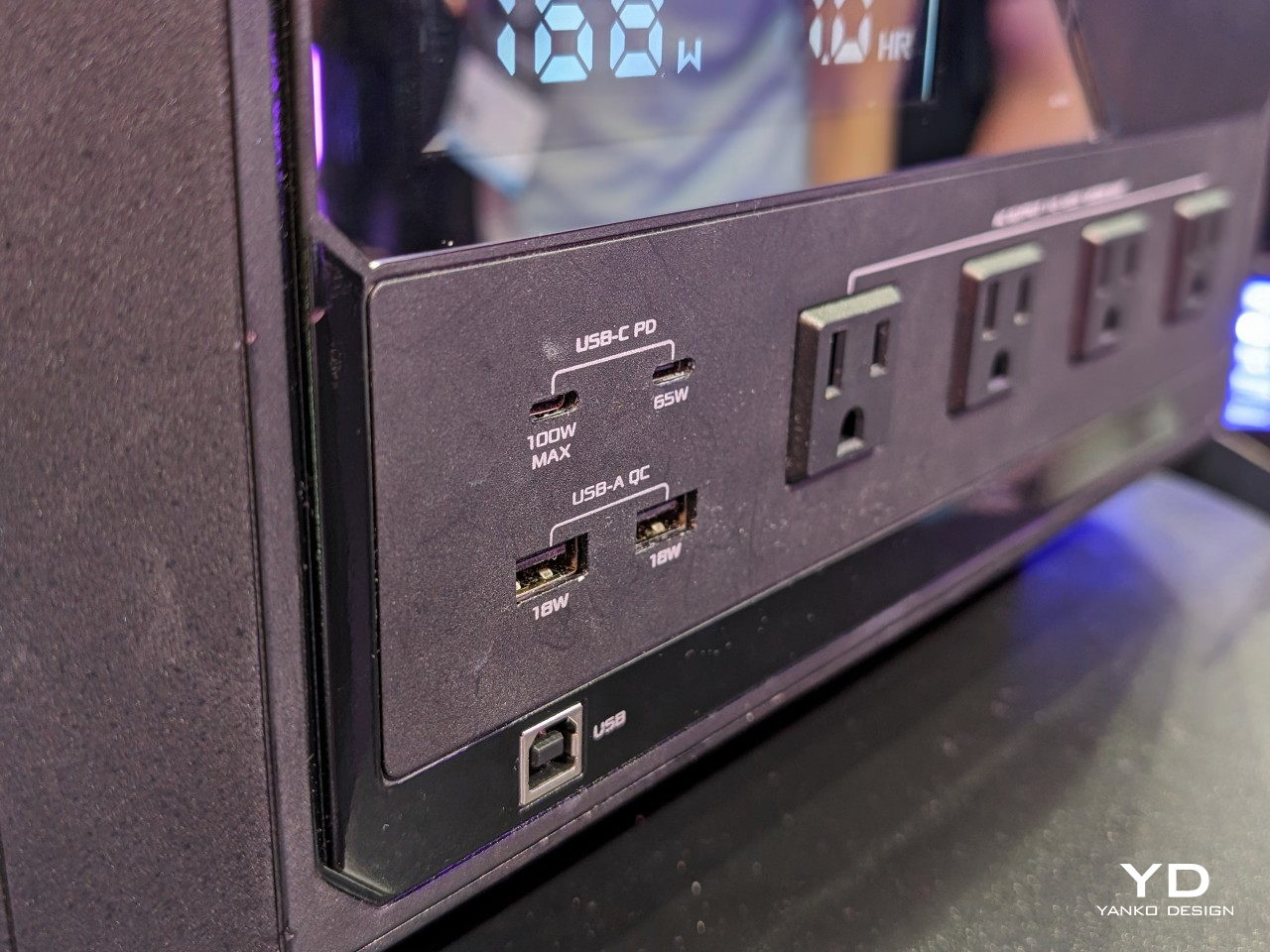
Apart from its majestic design, the ROG Mjolnir is pretty average as a power station and is clearly aimed at computer users more than travelers. There are two USB-C ports capable of 65W and 100W of output, two USB-A ports, and four AC outlets with a total maximum load of 1200W. There are no DC barrels or car chargers, it can be charged via solar panels if a direct power source is unavailable.

That’s pretty much a standard for portable power stations but its main purpose is really to provide an uninterruptible power supply in a sudden power outage that should last one hour at 700W or 30 minutes with the max 1200W load. With a fast switchover of 10ms, you’ll have enough time to safely shut down your PC or, better yet, finish your battle before finally going down with the power. There is no word yet on when the ASUS ROG Mjolnir will descend on stores, but expect it to have a price tag worthy of a god when it does.

The post ASUS ROG Mjolnir power station promises uninterrupted gaming for an hour first appeared on Yanko Design.
Apple Vision Pro features we’d love to see at WWDC 2024

A year since Apple unveiled the Vision Pro, and about four months since its muted launch, the spatial computing headset still feels surprisingly undercooked. Simple features, like the ability to organize icons in the visionOS home screen, are nowhere to be found. Content that truly shows off the Vision Pro's immersive capabilities is still rare (the recent Marvel experience was just a glimpse of what's possible).

According to the latest report from Bloomberg's Mark Gurman, the company will show off visionOS 2 at its Worldwide Developers Conference ((WWDC 2024), but the update will mostly focus on polishing the Vision Pro experience. We can expect native Vision Pro versions of Apple software (right now the headset uses iPad versions of many apps), as well as a Passwords app and new environments. Apple's major AI push will also reportedly be called "Apple Intelligence," a cheeky way of colonizing the term "AI."

Beyond minor polishing and bug fixes, here's what I'd like to see on the Vision Pro at WWDC 2024 (or really, anytime in the next year, Apple!).

Perhaps the most baffling aspect of the Vision Pro is how it refuses to play well with the iPhone. If you ever need to unlock your phone to use an authentication app, or quickly peep a Slack message, you'll either have to remove the Vision Pro to use FaceID, or type in your PIN and squint through the headset's middling cameras. Why?!

If Apple can already deliver sharp and lag-free macOS mirroring, it's not a huge leap to give us something similar for iPhones and iPads. Sure, ideally you'd be able to manage your text messages and other tasks in the Vision Pro without relying on other devices. Realistically, though, the Messages app doesn't always receive texts as quickly as your iPhone, and its history of texts and contacts often differs too.

Offering a quick pop-up of your iPhone's screen would erase those issues, and it would keep you within the flow of whatever you're working on in the Vision Pro. As for the lack of FaceID, Apple could tie authentication of your iPhone together with your Apple ID. You already have to sign into your Vision Pro with a PIN or Optic ID scan, as well as log into your ID itself, so Apple already knows who you are.

A Mac desktop on the Vision Pro
Mirror my MacBook Air's screen inside the Vision Pro.
Photo by Devindra Hardawar/Engadget

When it comes to iPads, screen mirroring could be just as useful as it is on Macs. If you were typing away on a document on an iPad Pro with a Magic Keyboard, why shouldn't you be able to continue doing that on the Vision Pro? Supporting less powerful iPads could also be useful, since they could mirror downloaded media or games. Why burden the headset's M2 processor when you could tap into an M2 chip on an iPad Air?

Taking this concept a step further, it would also be nice to have Apple Watch mirroring eventually. Imagine lifting up your wrist and having a glanceable view of notifications or media controls while using the Vision Pro. What if you could immediately see a 300-inch version of your Apple TV's home screen as soon as you sit down on your couch. Apple has the potential to shape reality itself while using its headset, so why not lean into that for its own devices?

Barbie on the Vision Pro
Apple

Recent rumors suggest we'll see native versions of Apple's apps on the Vision Pro (many are just repackaged iPad apps right now), but I'm hoping to see more developers jump on the platform. There still aren't any Vision Pro apps for Netflix, YouTube or Spotify. If you want to use those services, you'll have to log into a web browser, or rely on a third-party app like Supercut. This isn't the seamless spatial computing future I was promised, Apple.

Now I'm sure it'll be tough for Apple to get YouTube to play nice with the Vision Pro, especially as Google just recently struck a mysterious partnership with the AR headset company Magic Leap. But not being able to get Netflix and Spotify on the headset remains a huge problem for Apple. Without the apps we live with every day, Vision Pro will always seem undercooked.

Apple Vision Pro
Photo by Devindra Hardawar/Engadget

The Vision Pro's built-in speakers are fine, but they lack the depth of a proper pair of bookshelf speakers or Apple's own HomePod. And they certainly don't have the low-end kick you'd get from a complete home theater system and subwoofer. So why can't we just send audio easily to those devices?

Let us AirPlay to HomePods on a whim! Let me sit in my home theater and enjoy the massive speakers surrounding me, while watching Fury Road at near-IMAX scale on the Vision Pro! While I enjoy using AirPod Pros for immersive audio on the go, they can't hold a candle to the Dolby Atmos-equipped towers in my basement.

I'm sure home theater users aren't a high-priority consideration for Apple, but at the moment, who else is known for spending way too much money on hardware that isn't meant for everyone?

This article originally appeared on Engadget at https://www.engadget.com/apple-vision-pro-features-wed-love-to-see-at-wwdc-2024-151822925.html?src=rss

A four-pack of Samsung SmartTag 2 trackers is back on sale for $70

Bluetooth trackers are handy little devices that can help you keep track of items you're worried about losing. Which model you opt for depends on several factors, such as the physical form factor and the phone operating system or brand you use. In any case, a few of our favorite Bluetooth trackers are on sale, including Samsung's Galaxy SmartTag 2. A four-pack is currently $70, which is $30 off and matches a record low. A single tag has dropped from $30 to $21 — just $1 more than the lowest price we've seen for it.

The Galaxy SmartTag 2 is our pick for the best Bluetooth tracker for folks with Samsung phones. While Samsung perhaps doesn't have as many smartphones out there as Apple (the Find My network uses every iPhone in the vicinity to track AirTags), it has an extensive enough number of devices in the wild to make its own finding network fairly robust. Unfortunately, the Galaxy SmartTag 2 does not yet work with Google's Find My Device network, which would allow any compatible Android device to help hunt for a misplaced tag.

That quibble aside, we quite like the SmartTag 2. Setup is a cinch, for one thing. In our testing we were able to quickly find items tagged with one, while the left-behind alerts worked well when a Samsung phone detected that we were moving away from a SmartTag 2. The design is useful, since it's easy to attach the tracker to a set of keys. It has a louder ring than an AirTag or Tile Pro as well.

The battery will run for about 16 months, according to Samsung, and it's replaceable. The SmartTag 2 is also IP67 rated for water and dust resistance. While the SmartTag 2 may not be quite as precise as an AirTag for finding a misplaced or stolen item, it's still a solid Bluetooth tracker option for Samsung users.

If you're looking for an option that both iPhones and Android devices can help track down, it's worth considering the Tile Mate. A single tag in white is available for $18, which is $7 off the regular price. This has a Bluetooth range of up to 250 feet and can be easily attached to keys as well thanks to a small hole in one of the corners. The battery is not replaceable, unfortunately, but it will power the tracker for up to three years, Tile says.

Follow @EngadgetDeals on Twitter and subscribe to the Engadget Deals newsletter for the latest tech deals and buying advice.

This article originally appeared on Engadget at https://www.engadget.com/a-four-pack-of-samsung-smarttag-2-trackers-is-back-on-sale-for-70-145444036.html?src=rss

Acer Wave 7 Wi-Fi 7 Mesh Router brings a less stressful design to your desk

As our Internet needs grow, so do the power and complexity of the networking devices we have at home. Strangely, however, the more powerful routers become, the more intimidating they seem to be. Many seem to have fully embraced the tech and gamer culture that would put futuristic-looking designs on a pedestal, whether they look like spaceships or alien mechanical monstrosities. That, unfortunately, forces many homeowners to choose between these powerful yet menacing designs and minimalist yet outdated hardware. Fortunately, manufacturers are also beginning to take note of the gap between these two extremes and are producing designs like the Acer Wave 7 that blends the latest technologies with an almost Zen-like aesthetic.

Designer: Acer

The spec sheet of the Acer Wave 7 definitely looks formidable, employing the latest Wi-Fi 7 standard to support the demands of modern Internet-connected devices, be they Smart TVs for streaming, laptops for work, or smartphones for gaming. Those capabilities include support for super-fast and super-wide 6GHz bandwidth with support for older 2.4GHz and 5GHz bands for older devices. It also utilizes 320 MHz lanes for double the transmission rates, which, along with Multi-Link Operation (MLO), ensures all connected devices get the Internet data they need quickly and reliably.

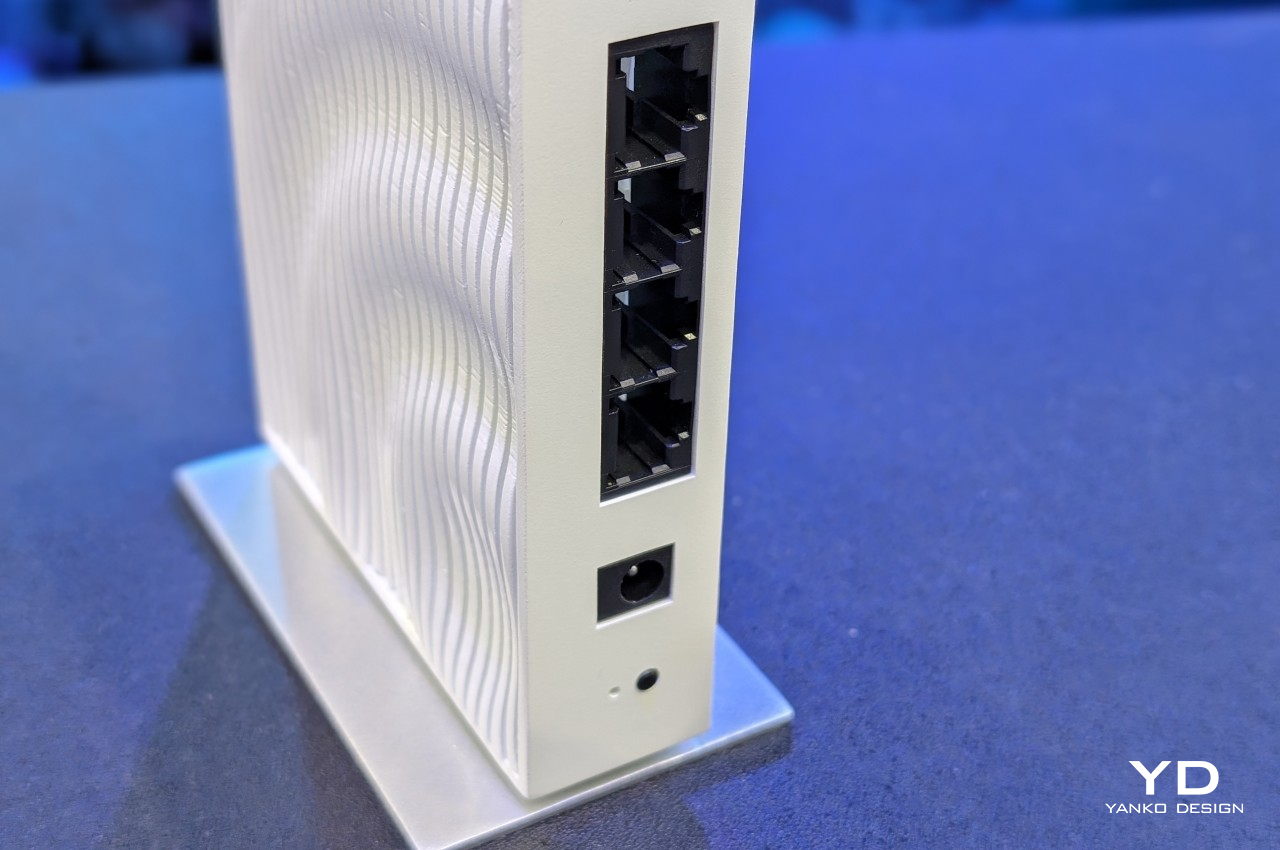
It also has not just one or two Ethernet ports but four, giving the ability to support multiple high-speed wired connections to computers, TVs, and smart home appliances. Of course, not all devices are created equal and need the same amount of data at a rapid speed, so the Wave 7’s smart Hybrid QoS bandwidth management makes sure that data-hungry services like games and video conferencing are prioritized over social media scrolling.

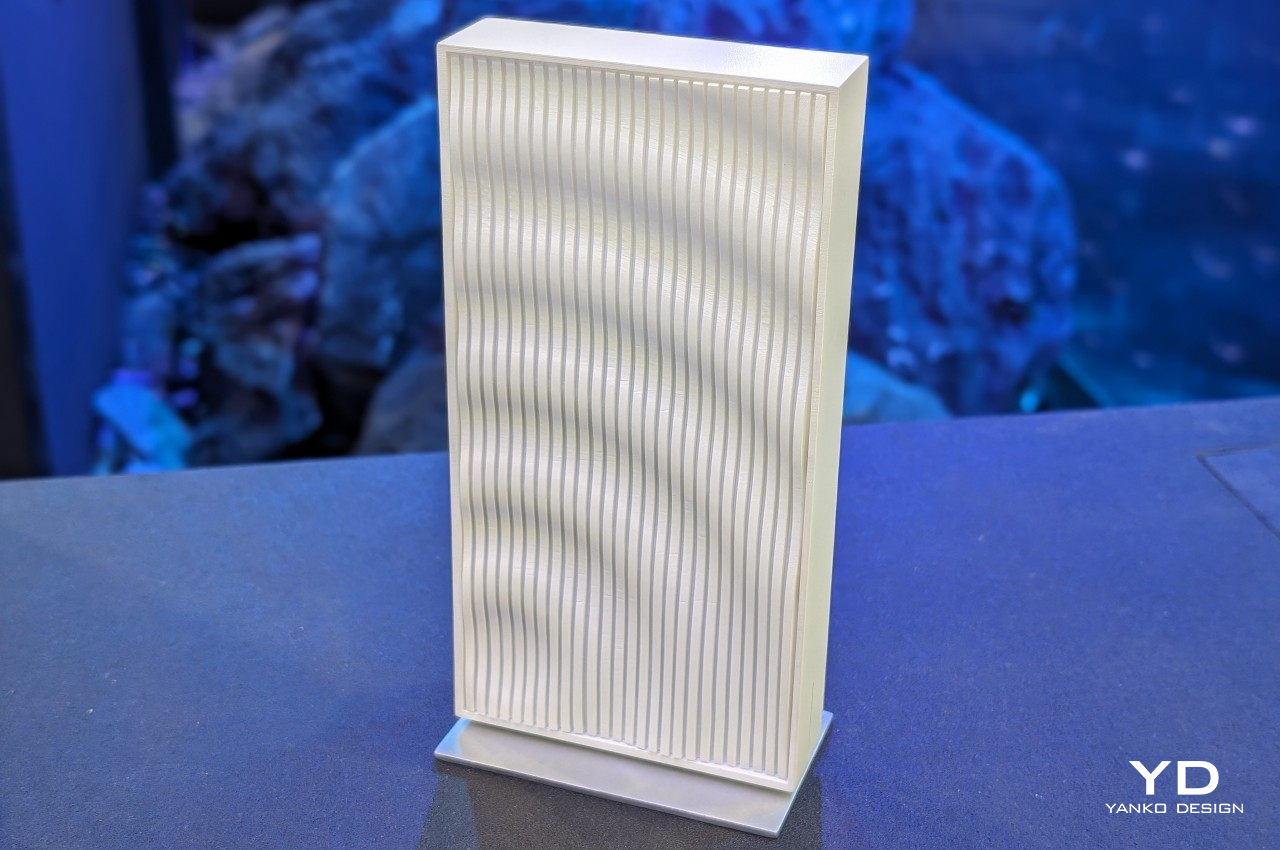
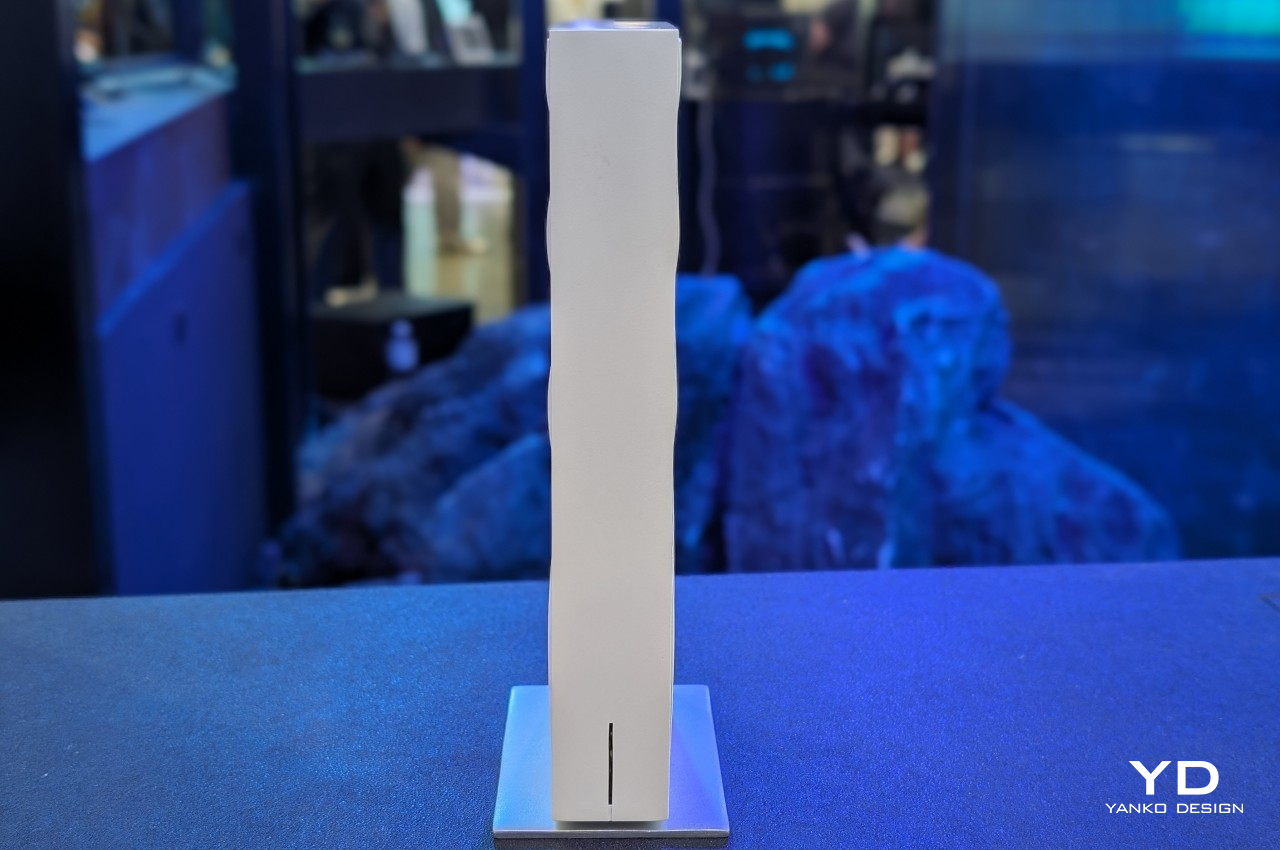
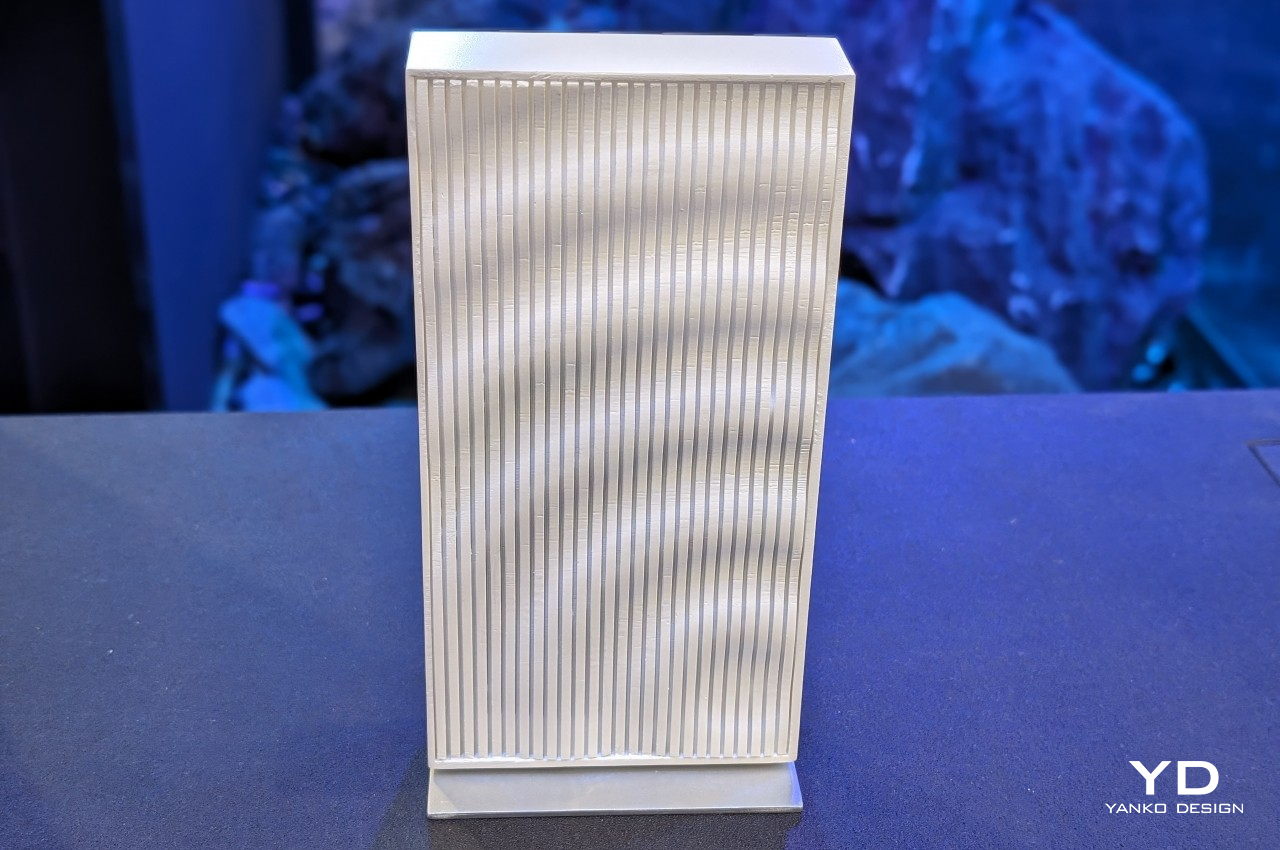
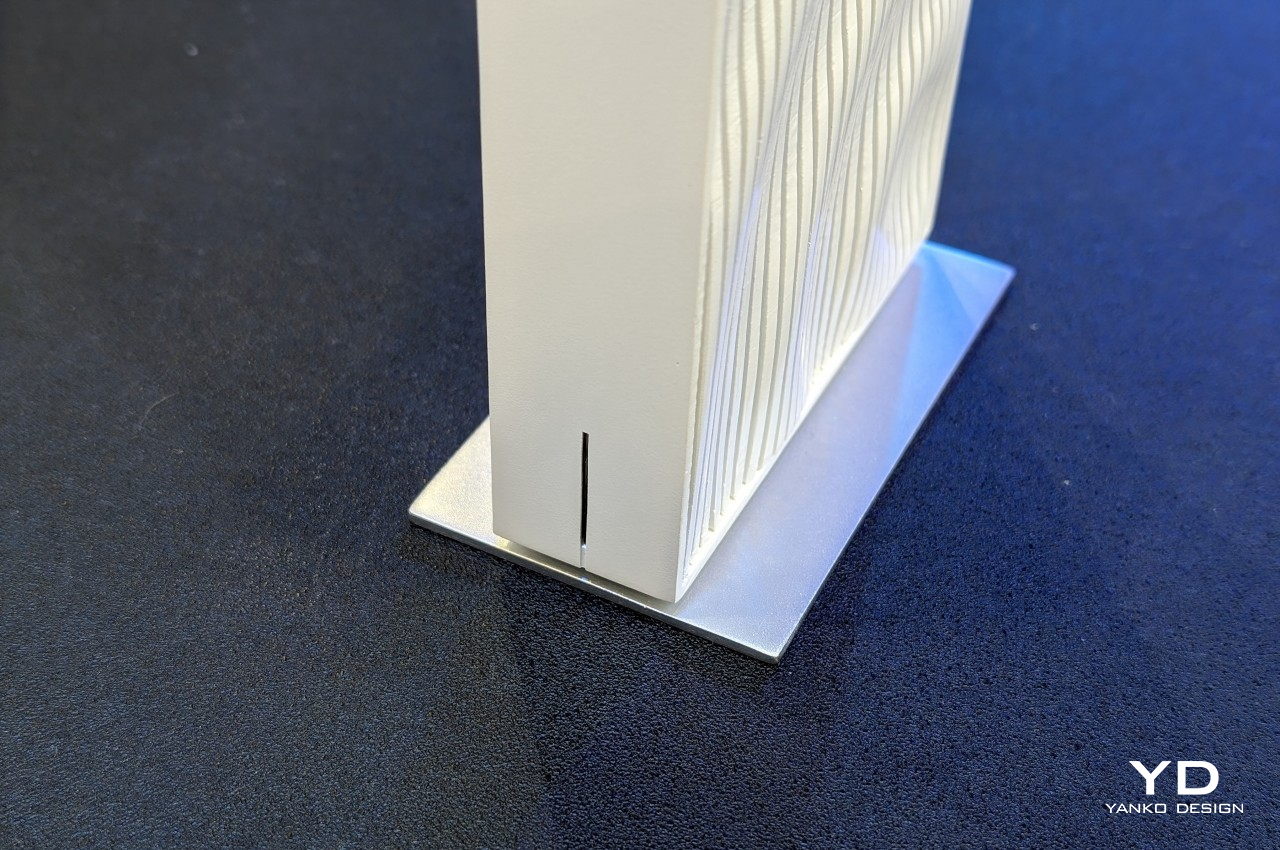
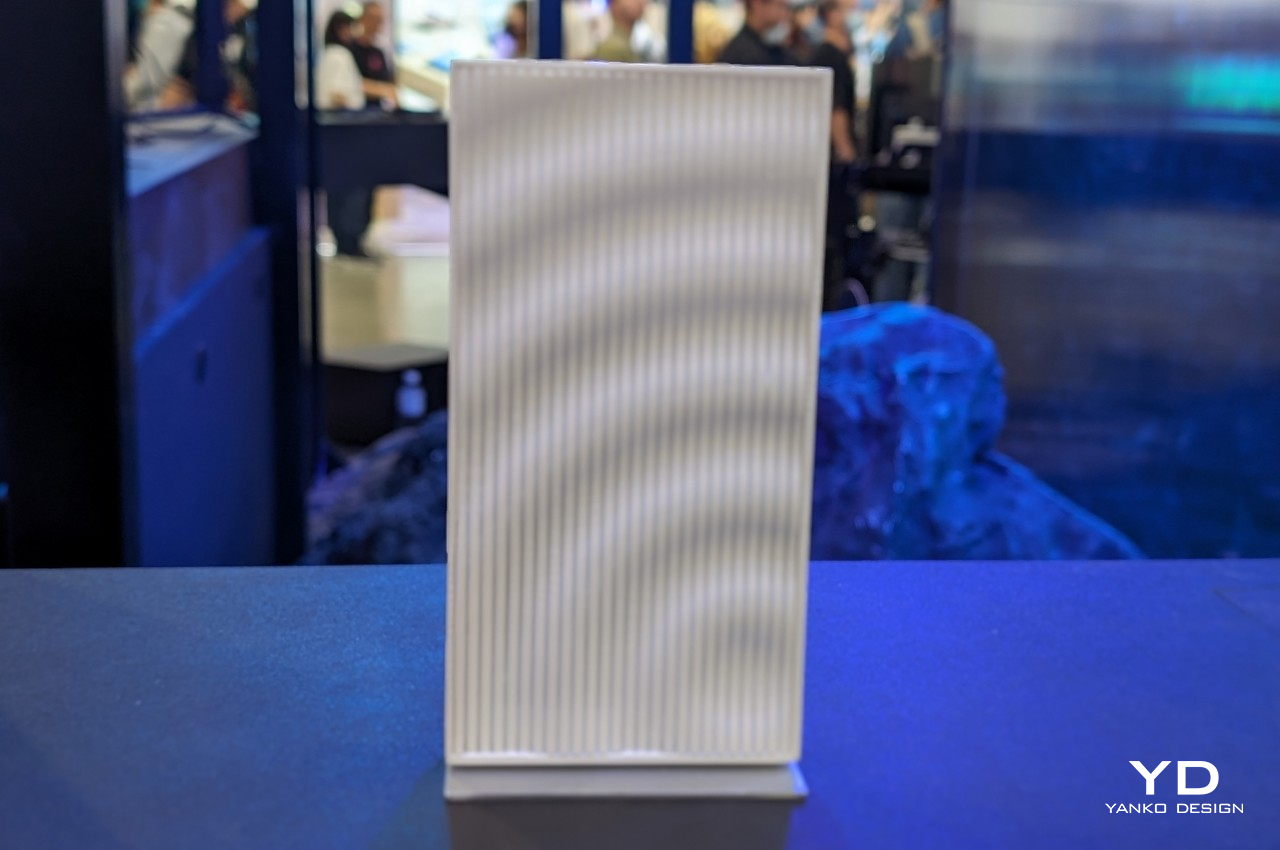
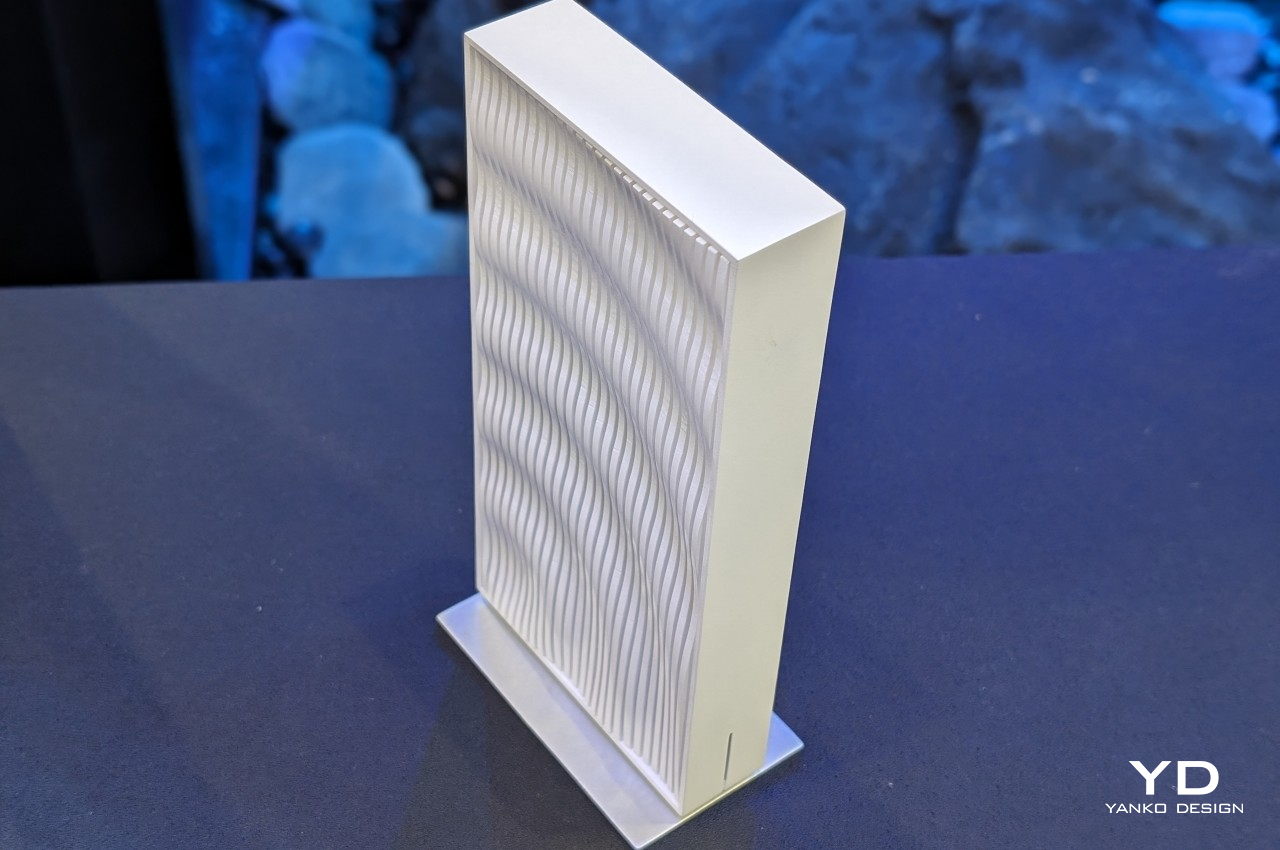
These are features that many routers these days support, but what makes the Acer Wave 7 distinctive is its design. Instead of a black horizontal box with many sharp-looking antennas sticking up from it, this router is tall, slim, and white. And it isn’t a boring minimalist design either. The grilles on its side stay true to its name with their undulating lines, creating what looks like a rippling water not unlike what you’d see in Zen gardens.

It’s admittedly a simple and subtle design cue, but one that immediately changes the atmosphere in a given space. The imagery it triggers has a psychological calming effect, giving your eyes and brain a visual respite from all the cold and impersonal designs you might have in your home or office.

The post Acer Wave 7 Wi-Fi 7 Mesh Router brings a less stressful design to your desk first appeared on Yanko Design.
Finally, I can make my iPhone look like total crap

Apple has been holding its Worldwide Developer Conference (WWDC) for over 30 years and frankly — other than no one calling them out for abbreviating it with two Ws in that span of time — I don't have strong feelings about them. Launch a new thing. Shovel AI bloatware into whatever. It's big tech's world and I'm just as trapped in it as anyone else. Imagine thinking iterative updates to a goddamn computer are a core part of your identity. Couldn't be me! 

But my world-weary ears perked up when I saw this little tidbit from Bloomberg's Mark Gurman ahead of Monday's keynote: 

In the latest iPhone operating system — iOS 18, codenamed Crystal — app icons will no longer have to remain in a neat grid. Instead, users will be able to place icons wherever they choose on their home screen. Moreover, icon colors will be customizable for the first time.

Reader, it's time to make your home screen look like a complete disaster. 

Sure, there's a version of this new freedom where someone could really maximize their productivity on Apple devices (ew) or achieve a unique aesthetic that spits in the face of Apple's sanitized design language (closer, but still no). Instead, lets bask in the glory of letting our apps resemble a teenager's bedroom. Give me an overstuffed closet of defunct weather software. An unfinished homework pile of workout trackers. An unmade bed of Temple Run clones pressed uncomfortably close to a junk drawer of ad-laden Maps alternatives. 

Of course you could "make all [your] social media apps blue or finance-related icons green" as Gurman suggests. Or you could turn ever app the same shape and color, rename them all to 'Gmail' and spend part of every day trying to solve the awful puzzle you've turned your user experience into. 

I'm told this is the sort of functionality Android users have had for a while. If so, why haven't you people been taking advantage of this?? None of us enjoy using these horrible things. Let disarray delight you.

Why do we climb mountains? For the same reason we stick the cup under every single spout in the soda machine and see what they taste like together. The purest of human instinct guides them both.

This article originally appeared on Engadget at https://www.engadget.com/finally-i-can-make-my-iphone-look-like-total-crap-141038012.html?src=rss

Apple’s AI push will reportedly be called Apple Intelligence, of course

Just a few days before Apple's Worldwide Developer's Conference (WWDC 2024) kicks off, Bloomberg's Mark Gurman has delivered his final round of party-spoiling details. The biggest takeaway: Apple will call its long-rumored artificial intelligence play "Apple Intelligence." (Leave it up to Apple to find some way to redefine the term "AI.") Don't expect the company to lean into generative AI features as much as competitors. According to Gurman, Apple's AI capabilities will focus on features with "broad appeal" — something I read as being more practical than creating psychedelic images on demand.

Apple Intelligence will be powered by a combination of the company's technology, as well as OpenAI's. Bloomberg also notes the AI capabilities will be mostly opt-in, and we can expect Apple to tout its security capabilities since it will also rely on a combination of on-device and cloud connectivity. Previously, Apple has bragged about the iPhone's on-device security being more effective than competitors like Android. 

As previously rumor, Gurman says that Siri will be able to control apps more directly using Apple Intelligence. You could potentially tell the assistant to summarize an article or edit a photo in a certain way. Notably, Apple reportedly plans to open up this capability to third-parties, and allow you to string together multiple commands — but those features won't be available until next year. 

As for other features, it sounds like Apple is trying to bake in AI smarts where it can. You'll reportedly be able to create AI emojis that you can customize with text strings, and you can expect to see AI transcriptions in Voice Memos and more AI photo editing capabilities.

This article originally appeared on Engadget at https://www.engadget.com/apples-ai-push-will-reportedly-be-called-apple-intelligence-of-course-134840050.html?src=rss