Sony pulls fabricated ‘interview’ with Naughty Dog head Neil Druckmann

Last week, Sony published a seemingly innocuous bit of fluff, touting its long-term "creative entertainment vision" in broad terms, along with some interviews of key employees. Neil Druckmann, studio head of Sony's Naughty Dog, was one of those — and his interview made waves in the game world. According to the interview, Druckmann said AI could "create nuanced dialogues and characters" and also said that the new game Naughty Dog was developing (but hasn't officially announced) "could redefine mainstream perceptions of gaming." Some mighty strong and potentially controversial statements from the head of a studio beloved for its The Last of Us and Uncharted franchises. 

Problem is, Druckmann was wildly misquoted by his own employers. A few days after Sony published its interview, Druckmann took to X and said "this is not quite what I said." He then went full Ellie-in-revenge-mode on Sony, posting a section of the original interview transcript. (He was actually pretty polite if we're being honest — even the powerful can only bite the hand that feeds so hard.) Regardless, things here do not add up.

Gaming reporter Stephen Totilo shared his own comparison of what Druckmann said and what Sony published, bolding the words in Sony's answer that Druckmann never said — and those words were the majority of the quote. Sony basically put words in his mouth and published them, kicking off a classic gamer freakout. 

To be fair, if I was Druckmann, I'd be pretty pissed too. Look at this butchery!

Now, five days later, Sony has removed the interview from its site entirely. However, they didn't just delete the page — they left it up with an apology to Neil and the Naughty Dog team "for any negative impact this interview might have caused." 

My favorite bit is easily this: 

In re-reviewing our recent interview with Naughty Dog's Neil Druckmann, we have found several significant errors and inaccuracies that don't represent his perspective and values (including topics such as animation, writing, technology, AI, and future projects).Sony

So everything he said about animation, writing, technology, AI and future projects had errors. Hey, at least they nailed his name and title.

For the morbidly curious, you can still read the "interview" on archive.org.

This article originally appeared on Engadget at https://www.engadget.com/sony-pulls-fabricated-interview-with-naughty-dog-head-neil-druckmann-210340146.html?src=rss

8BitDo Unveils Retro-Style Mechanical Numpad With Built-In Calculator Functionality

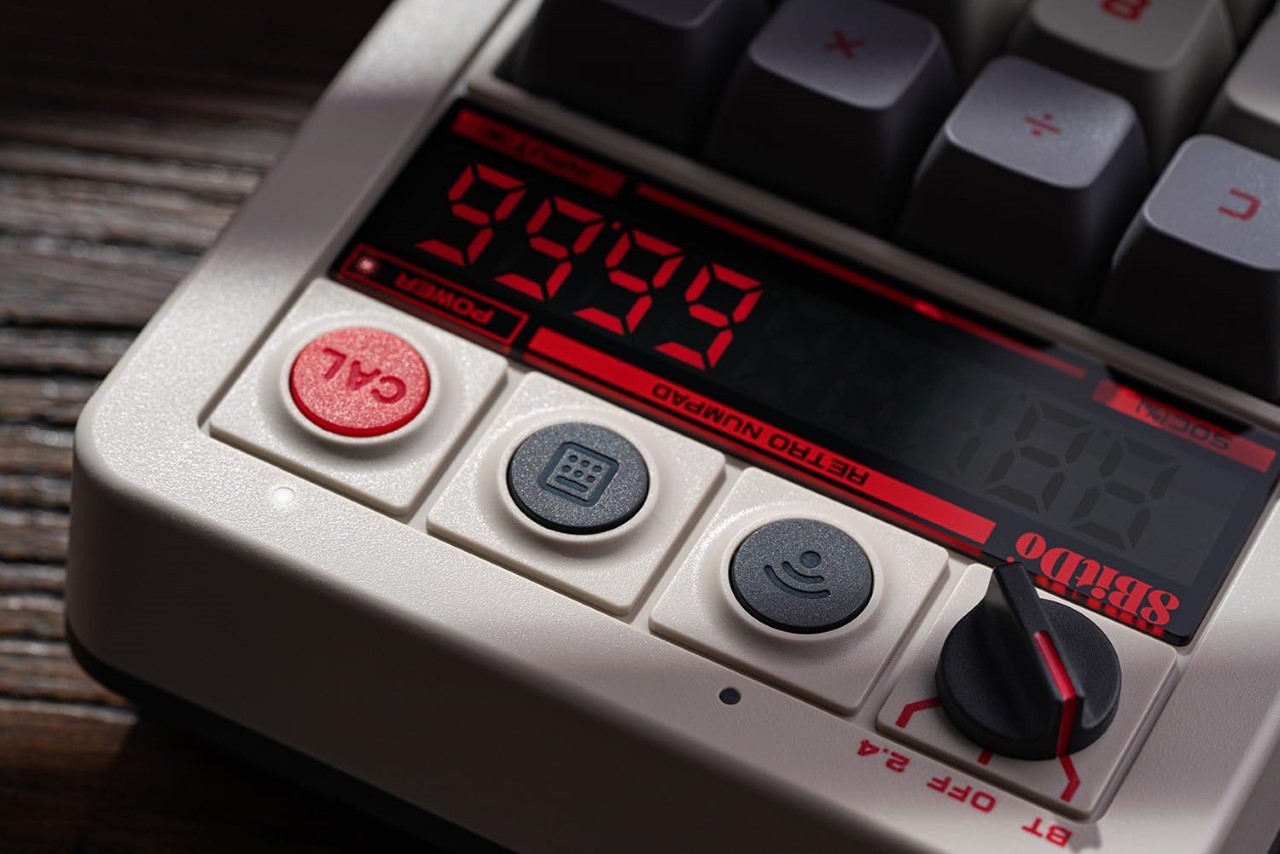
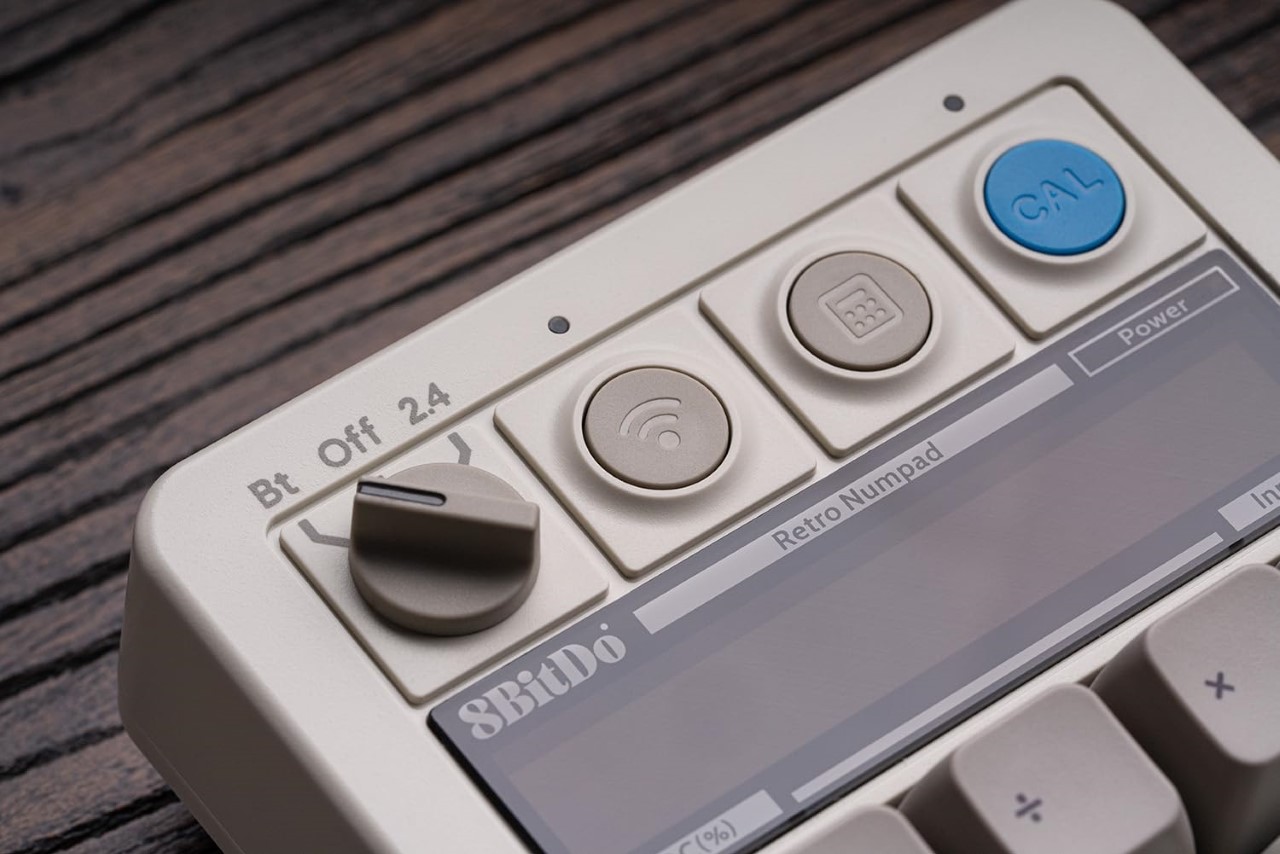
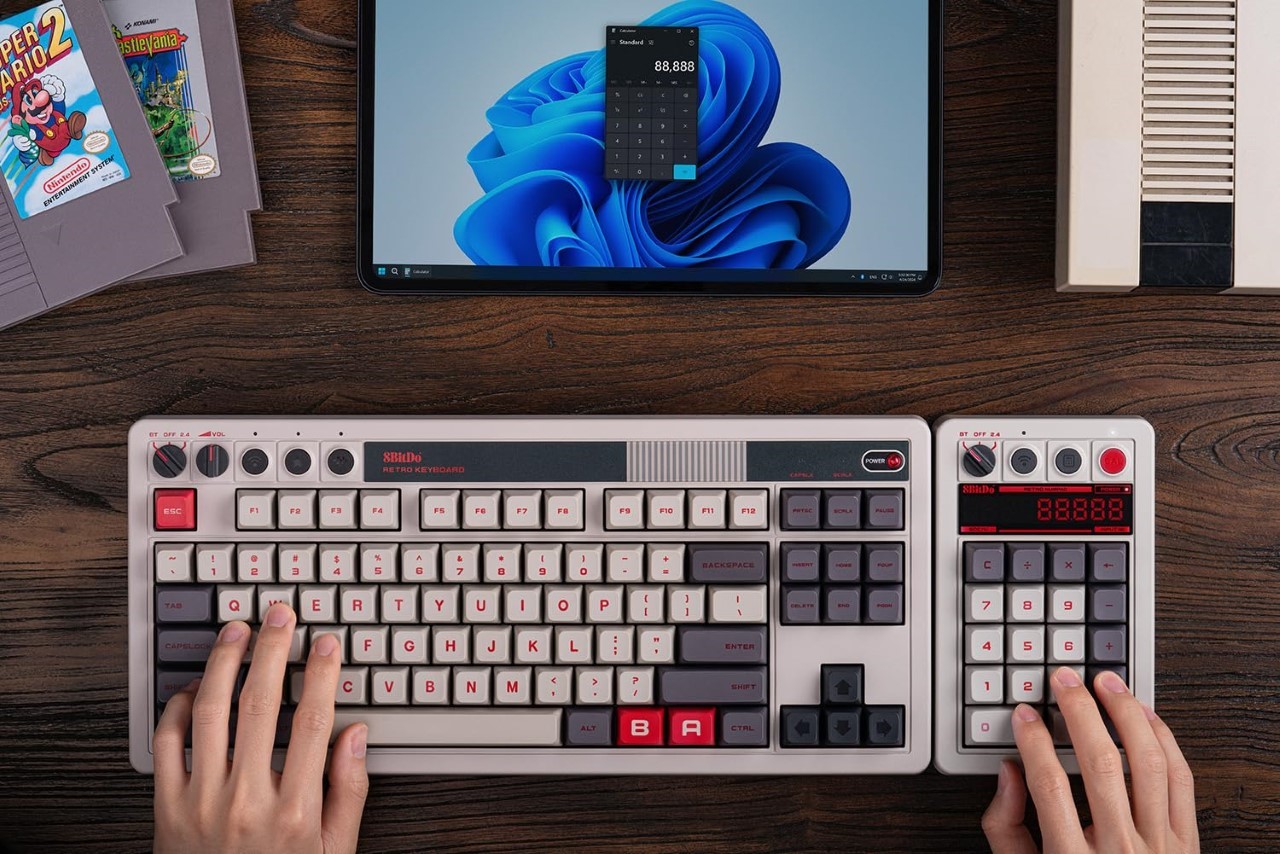
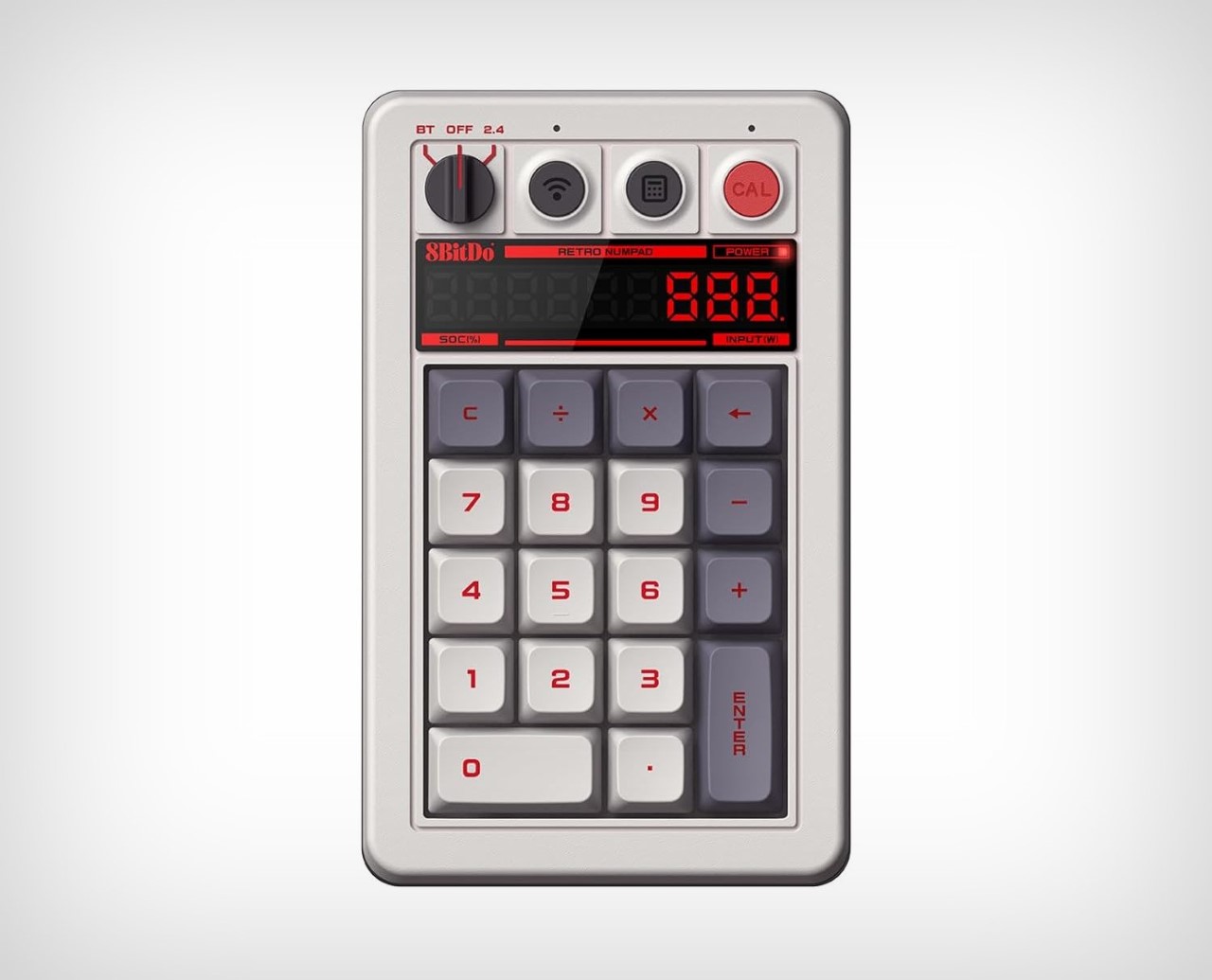
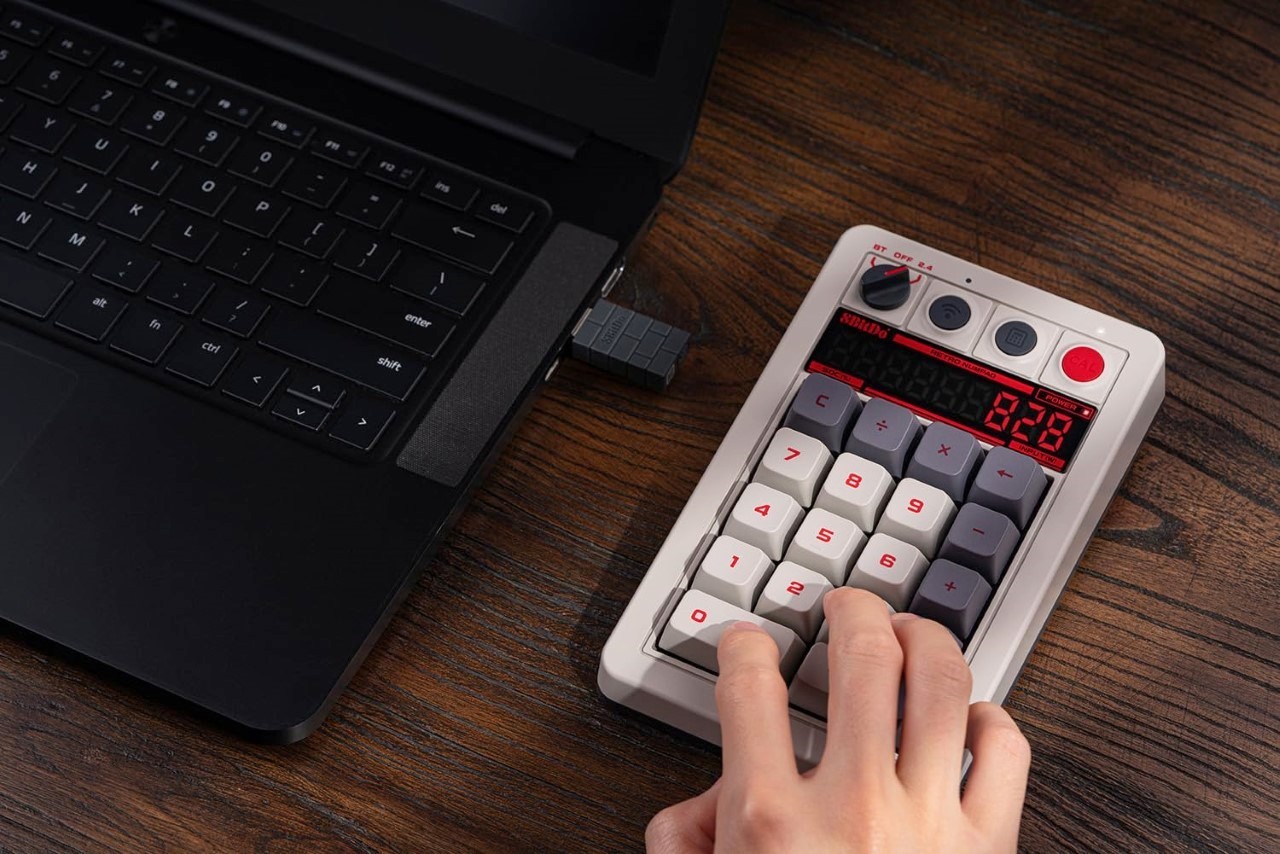
Following the release of last year’s Retro Mechanical Keyboard, 8bitdo decided to give the keyboard the one good thing it was missing – a gorgeous numpad. Inspired by the retro aesthetic of tech from the 80s and 90s, the Retro 18 Mechanical Numpad exists as an independent peripheral device that can either pair up with its companion keyboard, or be used independently like an old-school calculator. A red and black seven-segment display on the top feels like retro-perfection to the eyes, and those clacky keys are sure to get your fingers crunching numbers every day because of how wonderfully tactile they are.

Designer: 8bitdo

Click Here to Pre-Order

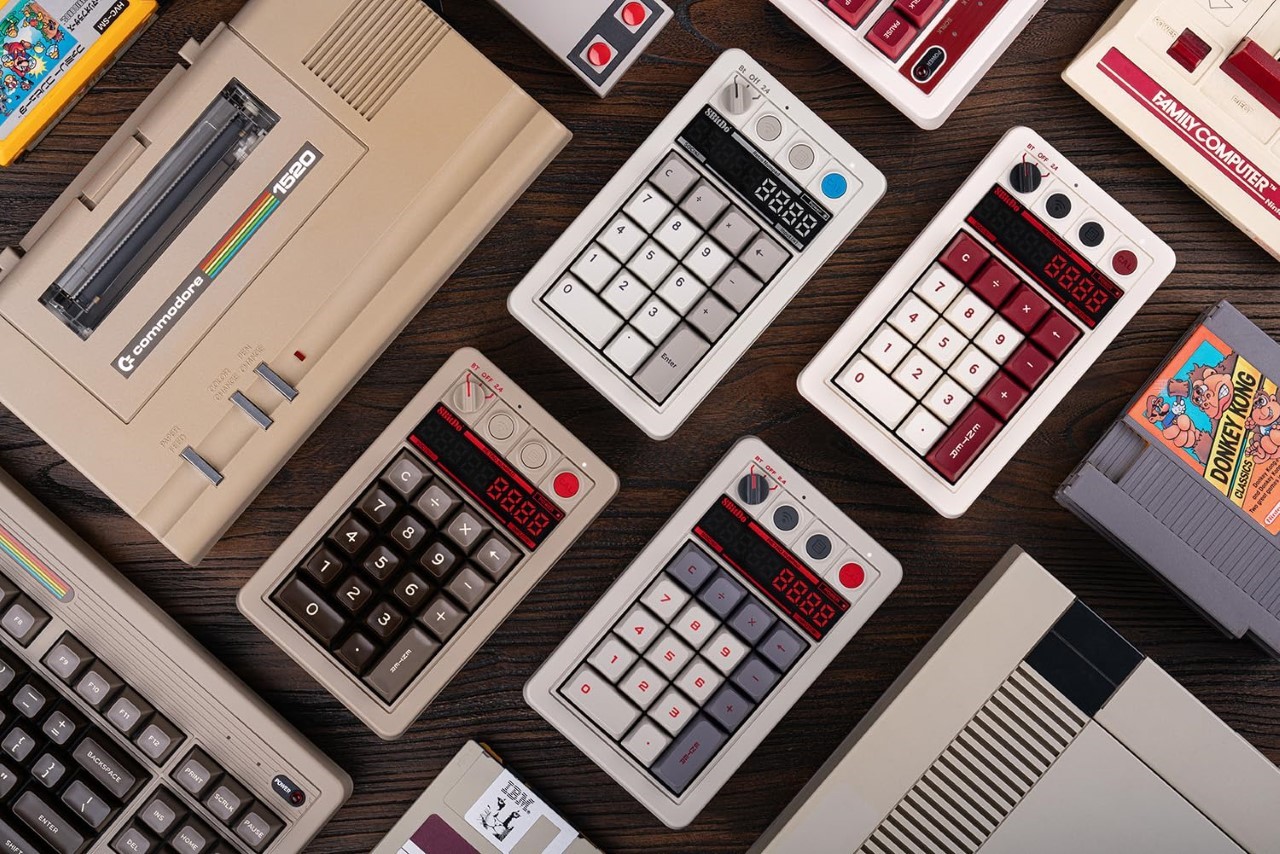
The Numpad comes in four delightful flavors, ahem colors, each inspired by iconic gaming systems: the M edition, the Famicom edition, the C64 model, and the N edition reminiscent of the NES. These draw inspiration from the design language of those classic consoles, offering a delightful dose of retro charm for your desk setup. The M Edition is the only one to sport a black and white display, while all the others have a black-red screen that is literal eye-candy.

Beyond aesthetics, the Numpad boasts functionality in the form of two modes: a standard calculator mode with an integrated display and a PC numpad mode for entering numbers on your computer. This versatility allows it to seamlessly switch between basic calculations and data entry tasks. Buttons on the top let you alternate between modes and even explore connectivity options.

For connectivity, the Numpad offers a variety of options. It includes a USB cable, Bluetooth 5.0 for wireless freedom, and a 2.4GHz USB adapter for a lag-free connection. The rechargeable 1000mAh Li-on battery offers a solid 160 hours of use on a single charge, ensuring it can keep up with your workflow.

The Numpad’s quality matches 8bitdo’s high standards, featuring dye-PBT or double-shot ABS keycaps (depending on the edition) for a comfortable typing experience. It utilizes Kalih Box White V2 switches, known for their satisfying tactility and durability. Additionally, the hot-swappable PCB allows for easy switch customization to personalize your typing feel.

A dongle at the bottom allows easy 2.4Ghz pairing with any laptop or desktop

Priced at $44.99 and available for pre-order now, the 8BitDo Retro 18 Mechanical Numpad is a niche product, but one that caters to a specific audience. It injects a shot of retro charm into your workspace while offering a functional and well-built numpad experience. Besides, if you’ve got a keyboard with a layout that’s either 80% or smaller, chances are you’ll need a numpad to match – this one’s perfect to complement your mechanical setup or your retro sensibilities. I also appreciate the fact that you’ll never have to open your phone’s calculator app again.

Click Here to Pre-Order

The post 8BitDo Unveils Retro-Style Mechanical Numpad With Built-In Calculator Functionality first appeared on Yanko Design.

Fitbit Ace LTE hands-on: Wearable gaming to make exercise fun (but not too fun)

Google is crossing genres with its latest wearable for kids, combining a gaming system and an activity tracker in the Fitbit Ace LTE. The company is pitching this as a “first-of-its-kind connected smartwatch that transforms exercise into play and safely helps kids lead more active, independent lives.” Basically, think of it as a Nintendo Switch pared down into an activity tracker for children aged 7 and up, with a few safety and connectivity features built in.

The main idea here is to get kids up and moving, in exchange for progress on the Ace LTE’s onboard games. But there are also basic tools that let parents (and trusted contacts) stay in touch with the wearer. Through the new Fitbit Ace app (that adults can install on iOS or Android), guardians can set play time, monitor activity progress and send calls or messages. On the watch itself, kids can also use the onscreen keyboard or microphone to type or dictate texts or choose an emoji.

Since the Fitbit Ace LTE uses a simplified version of the hardware on the Pixel Watch 2, it’s pretty responsive. One major difference, though, is that the kid-friendly tracker uses Gorilla Glass 3 on its cover, in addition to the 5 ATMs of water-resistance that both models share. Google does include a protective case with each Ace LTE, and it doesn’t add much weight.

There are also other obvious differences because the Pixel Watch 2 has a circular face while the Fitbit Ace LTE has a “squircle” (square with rounded corners) OLED with two large buttons on the right side. The latter’s band is also a lot narrower, and it comes “with technology built in,” according to Google’s vice president of product management Anil Sabharwal. That's just a fancy way to say that the Ace LTE recognizes when you swap in a new strap and each accessory comes with unique content.

The Fitbit Ace LTE on a wrist held in mid-air, with a cartoon room on the screen.
Cherlynn Low for Engadget


 The company is calling these straps “Cartridges” — another reminder of how the Fitbit Ace LTE is a gaming console wannabe. When you snap a new one on, you’ll see an animation of all the bonus material you just got. They include new backgrounds and items for your Tamagotchi-esque pet called “eejie.” Separate bands also add unique cartoony strips, called Noodles, that make their way around the edges of the watch's display every day which chart the wearer’s progress towards daily goals, similar to Apple's activity rings.

I’m dancing around the main part of the Fitbit Ace LTE’s proposition, because I wanted to get the hardware out of the way. The most interesting concept here is the idea of a wearable gaming system. The Ace LTE’s home screen looks fairly typical. It shows you the time and the Noodle activity ring around it, as well as some small font at the very bottom showing the number of points collected.

To the left of this page is what Sabharwal called a “playlist” — a collection of daily quests. Like on other iOS or Android games, this is a bunch of targets to hit within a dictated time frame to ensure you’re engaged, and achieving these goals leads to rewards.

Most of these rewards are things you can use to jazz up your digital pet’s home over on the right of the home screen. Google calls these things “eejies” — that name doesn’t actually mean anything. Some engineers in a room looked at the letters “I” “J” and “I” and sounded them out and thought sure, why not. (No, those letters don't actually stand for anything, either.)

The Fitbit Ace LTE on a wrist held in mid-air, with a digital character inside a pink bedroom on the screen. At the top is the word
Cherlynn Low for Engadget

According to Google, “Eejies are customizable creatures that feed off daily activity — the more kids reach their movement goals, the more healthy and happy their eejie gets.” When daily activities are completed and each child earns arcade tickets (or when a new watch strap is attached), they can exchange them for new outfit or furniture items for their eejies.

Even though they’re supposed to be “customizable creatures,” the eejies are anthropomorphic and look like… well, kids. Depending on how you style them, they sort of look like sullen teenagers, even. Don’t expect a cute Pikachu or Digimon to play with, these eejie are two-legged beings with heads, arms and necks. I’d prefer something cuter, but perhaps the target demographic likes feeding and playing with a strange avatar of themselves.

When multiple Ace LTE wearers meet up, their eejie can visit each other and leave emoji messages. Of course, how fun that is depends on how many of your (kid’s) friends have Ace LTEs.

Even without that social component though, the Ace LTE can be quite a lot of fun. It is the home of Fitbit Arcade, a new library of games built specifically for this wearable. So far, I’ve only seen about six games in the collection, including a room escape game, a fishing simulator and a Mario Kart-like racer.

The first game I tried at Google’s briefing was Smoky Lake, the fishing game. After a quick intro, I tapped on a shadow of a fish in the water, and flung my arm out. I waited till the Ace LTE buzzed, then pulled my wrist in. I was told that I had caught a puffer fish, and swiped through to see more information about past catches. I earned five arcade tickets with this catch. 

I gleefully tried again and caught what I was told was the “biggest pineapple gillfish” acquired that day. Other hauls the Ace LTE I was wearing had acquired included a “ramen squid” and a “blob fish,” and tapping an icon on the upper left brought up my library of things that had been caught.

The Fitbit Ace LTE on a wrist held in mid-air, with the words
Cherlynn Low for Engadget

I then played a round of Pollo 13, a racing game where I played as a chicken in a bathtub competing in an intergalactic space match against my arch nemesis. There, I tilted my wrist in all directions to steer, keeping my vehicle on track or swerving to collect items that sped me up. Just as I expected based on my prior Mario Kart experience (and also my general lack of skill at driving in real life), I sucked at this game and came in last. Sabharwal gently informed me that this was the poorest result they had seen all day.

I didn’t get to check out other titles installed, like Galaxy Rangers, Jelly Jam or Sproutlings but I was most intrigued by a room escape game, which is my favorite genre.

Google doesn’t want to encourage obsession or addiction to the Ace LTE’s games, though. “We don’t want kids to overexercise. We don’t want kids to feel like they have a streak and if they miss a day, ‘Oh my God, the world is over!’” Sabharwal said.

To that end, progress in each game is built around encouraging the wearer to meet movement goals to advance to new stages. Every two to three minutes, you’ll be prompted to get up and move. In Smokey Lake, for instance, you’ll be told that you’ve run out of bait and have to walk a few hundred steps to go to the bait shop. This can be achieved by walking a number of steps or doing any activity that meets similar requirements. Google is calling this “interval-based gaming,” playing on the idea of “interval-based training.” After about five to 10 sessions, the company thinks each wearer will hit the 60 to 90 minutes of daily required activity recommended by the World Health Organization.

The Fitbit Ace LTE on a wrist held in mid-air, with two game titles on a carousel in view:
Cherlynn Low for Engadget

The idea of activity as currency for games isn’t exactly novel, but Google’s being quite careful in its approach. Not only is it trying to avoid addiction, which for the target age group is a real concern, but the company also says it built the Ace LTE “responsibly from the ground up” by working with “experts in child psychology, public health, privacy and digital wellbeing.” It added that the device was “built with privacy in mind, front and center,” and that only parents will ever be shown a child’s location or activity data in their apps. Location data is deleted after 24 hours, while activity data is deleted after a maximum of 35 days. Google also said “there are no third-party apps or ads on the device.”

While activity is the main goal at launch, there is potential for the Ace LTE to track sleep and other aspects of health to count towards goals. Parts of the Ace LTE interface appeared similar to other Fitbit trackers, with movement reminders and a Today-esque dashboard. But from my brief hands-on, it was hard to fully explore and compare.

Though I like the idea of the Ace LTE and was definitely entertained by some of the games, I still have some reservations. I was concerned that the device I tried on felt warm, although Sabharwal explained it was likely because the demo units had been charging on and off all day. I also didn’t care for the thick bezels around the screen, though that didn’t really adversely impact my experience. What did seem more of a problem was the occasional lag I encountered waiting for games to load or to go to the home screen. I’m not sure if that was a product of early software or if the final retail units will have similar delays, and will likely need to run a full review to find out.

The Fitbit Ace LTE is available for pre-order today for $230 on the Google Store or Amazon and it arrives on June 5. You’ll need to pay an extra $10 a month for the Ace Pass plan, which includes LTE service (on Google’s Fi) and access to Fitbit Arcade and regular content updates. If you spring for an annual subscription, you’ll get a collectable Ace Band (six are available at launch) and from now till August 31, the yearly fee is discounted at 50 percent off, making it about $5 a month.

Update, May 29, 3:15PM ET: This story has been edited to clarify that the Fitbit Ace LTE's hardware is a simplified version of the Pixel Watch 2. It is not capable of sleep or stress tracking.

This article originally appeared on Engadget at https://www.engadget.com/fitbit-ace-lte-hands-on-wearable-gaming-to-make-exercise-fun-but-not-too-fun-140059054.html?src=rss

LEGO launches first-ever Zelda Playset for fans and enthusiasts priced at $300

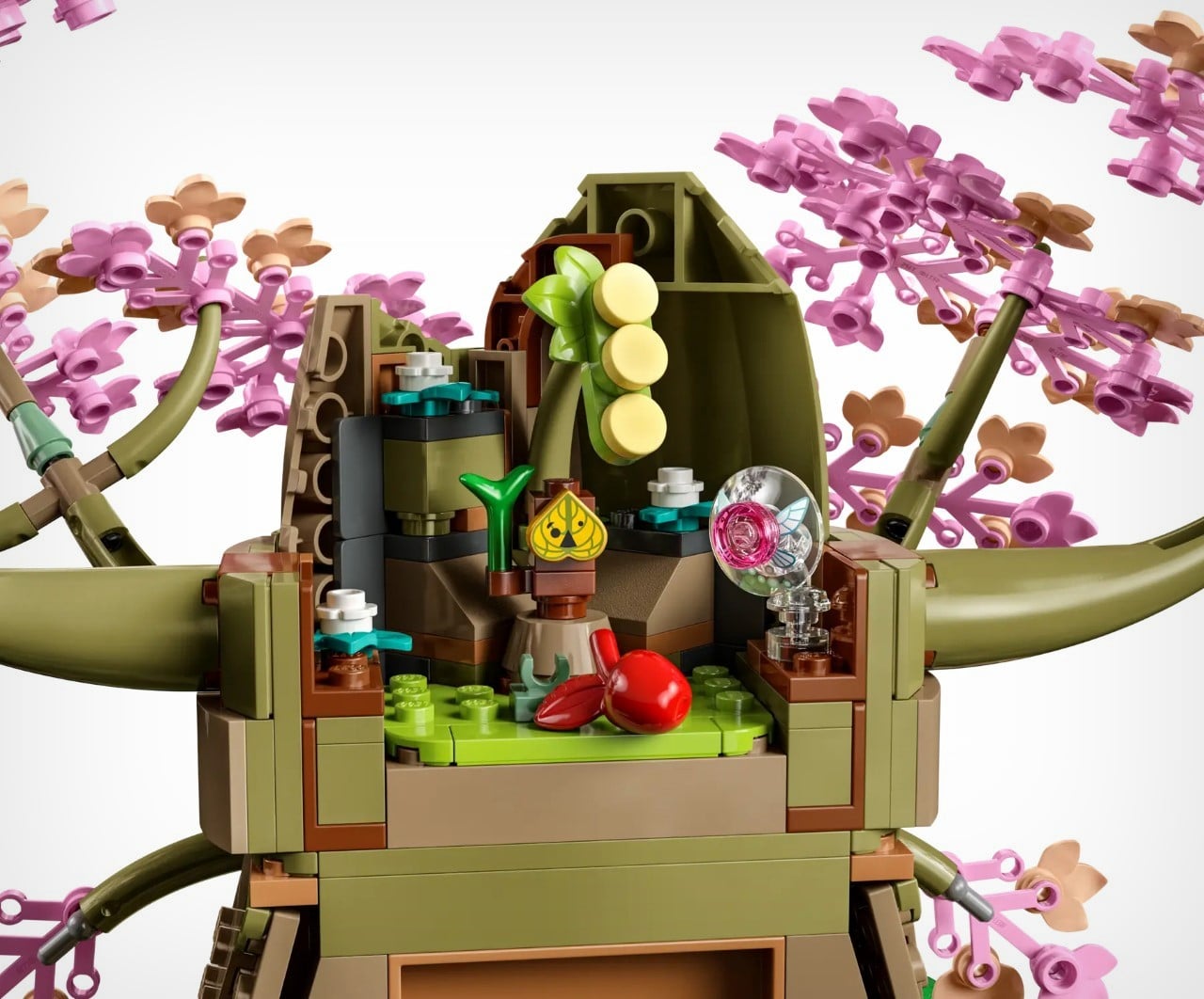
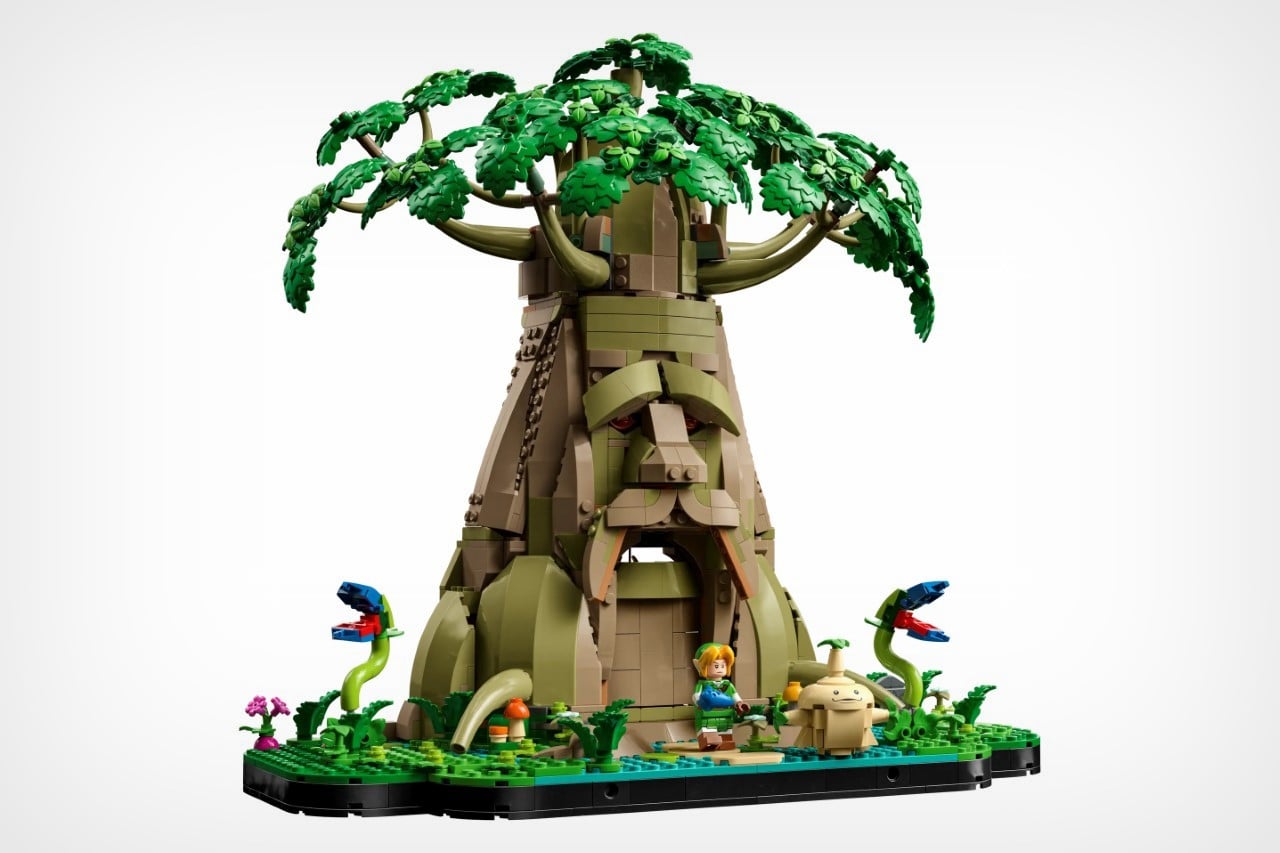
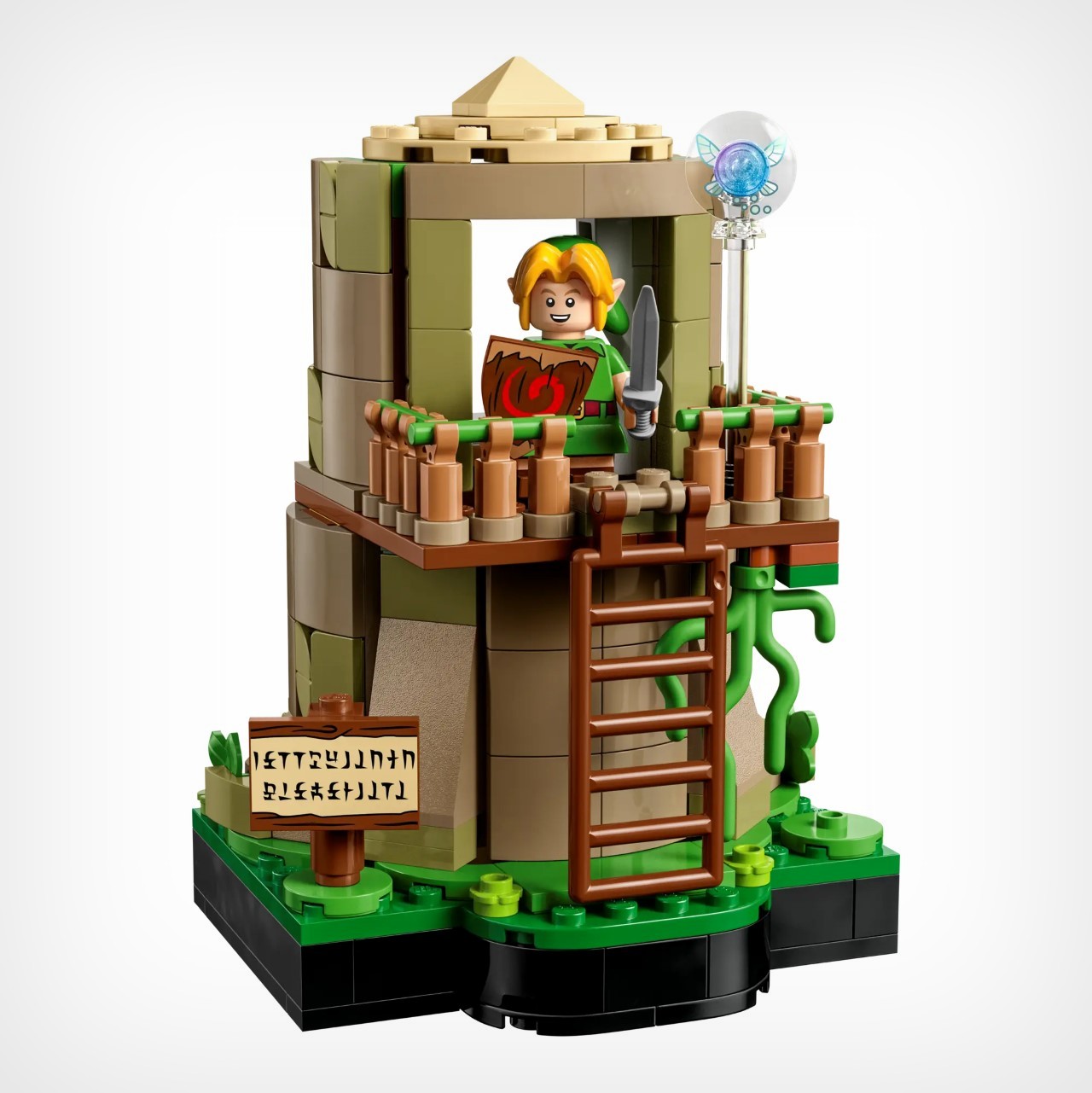
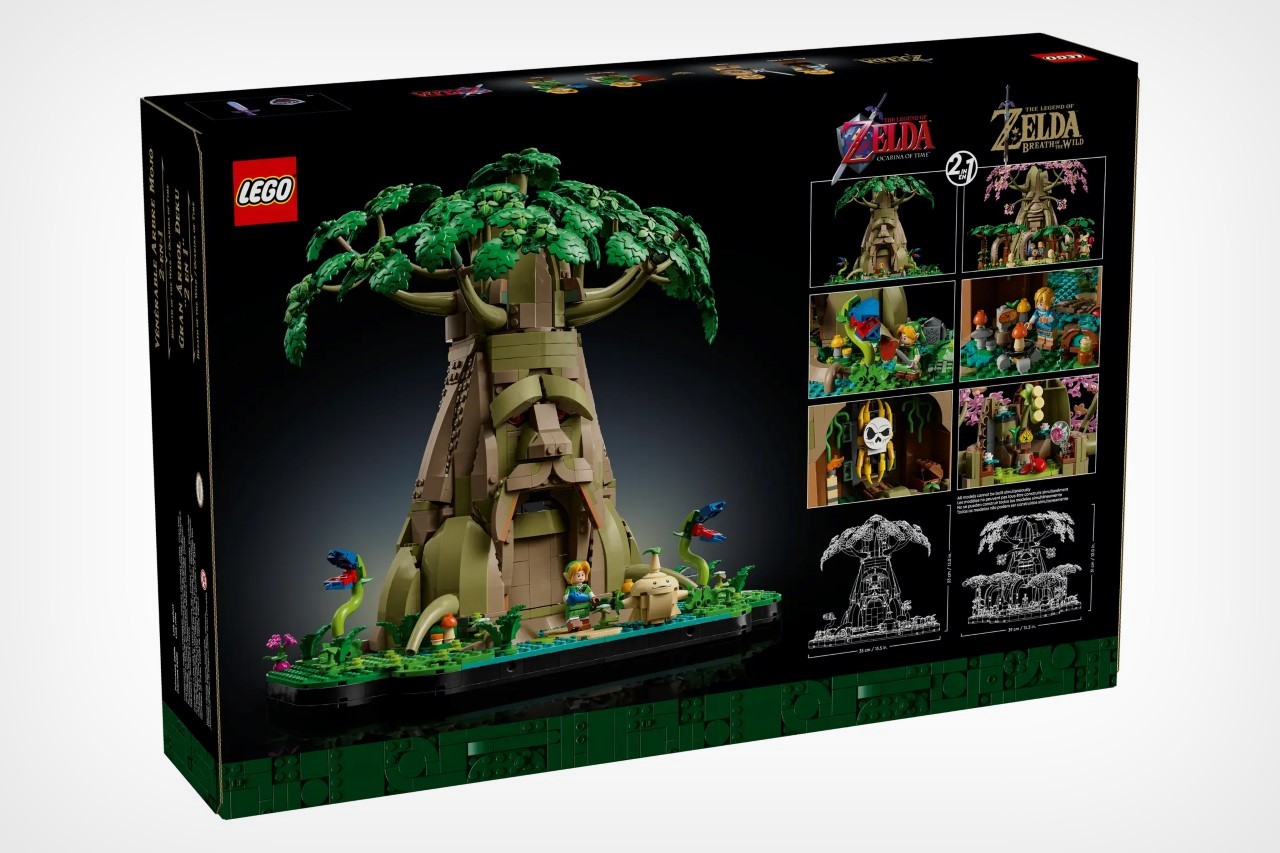
While LEGO’s released quite a few game-themed playsets in the past few years (the Super Mario and Animal Crossing ones immediately come to mind), they’ve notably missed one title that’s arguably had just as big an impact (if not bigger) on the gaming community as Mario and Animal Crossing. I’m sure Zelda fans have waited with bated breath for the day LEGO dropped a Zelda-themed playset and looks like that wait finally paid off. LEGO’s first official Zelda Playset captures the Great Deku Tree in a 2-in-1 build that lets you either make a variant of the tree shown in its early stages, or in full-bloom as shown in the franchise’s 2017 game, Breath of the Wild. The set also includes a whole slew of familiar characters like Zelda, Link, and many more!

Designer: LEGO

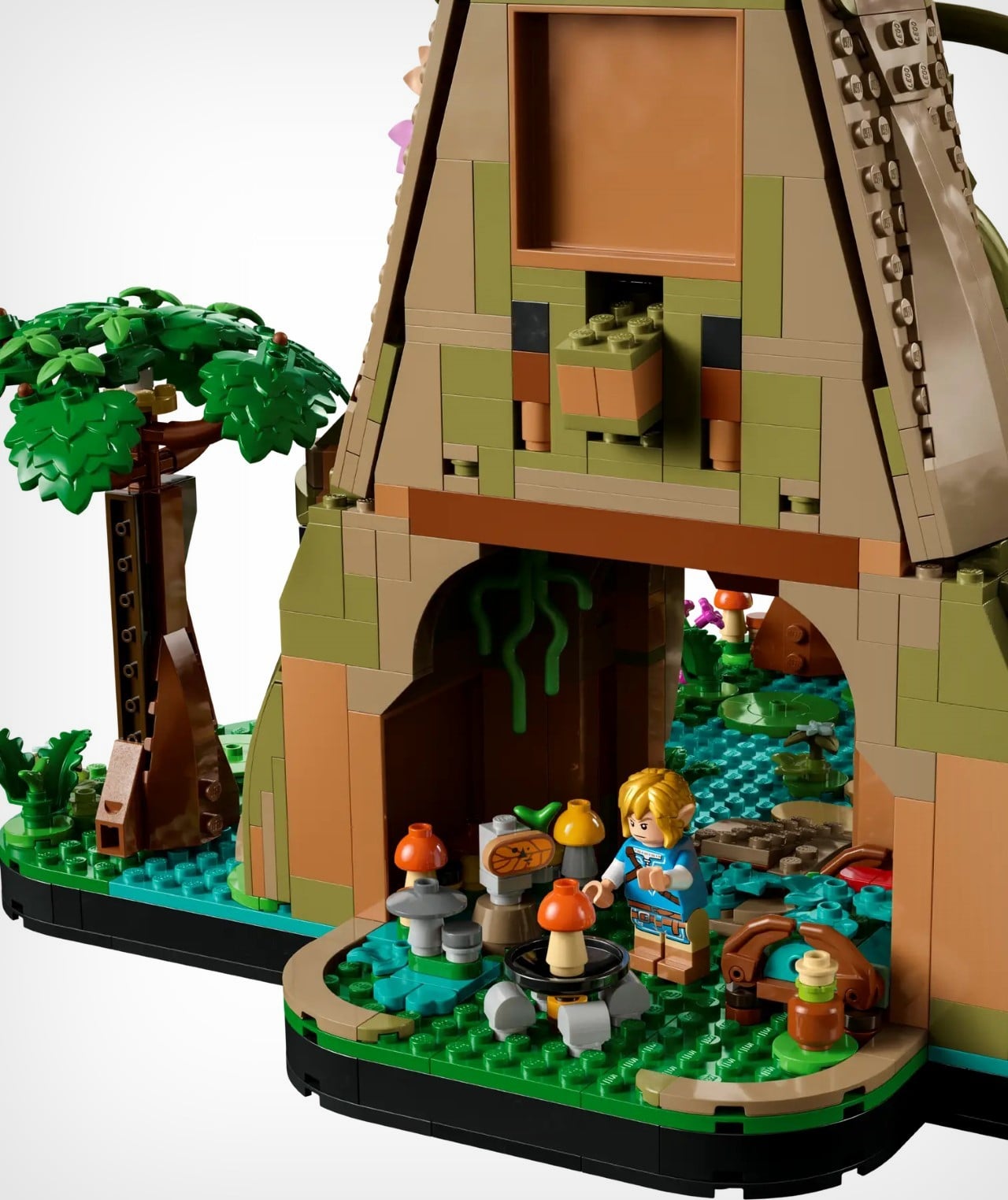
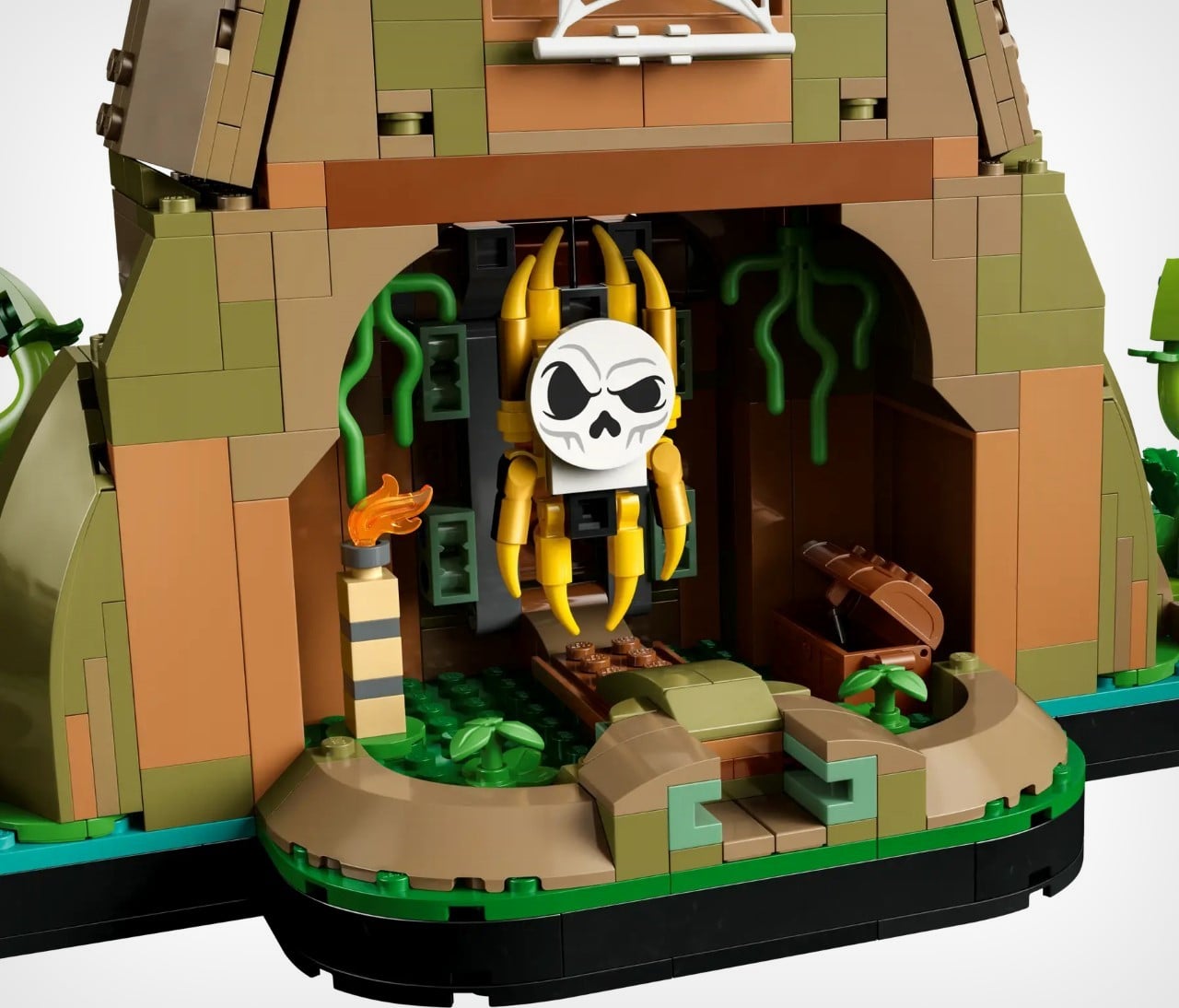
Clocking in at a hefty 2,500 pieces, The Great Deku Tree offers a unique two-in-one build experience. Zelda veterans can choose to construct the iconic tree as it appears in the opening chapter of The Legend of Zelda: The Ocarina of Time, complete with a section inspired by the Deku Tree Dungeon and a miniature replica of Link’s house in Kokiri Village. Feeling a touch more recent? The set also allows you to build the weathered and majestic Great Deku Tree from Breath of the Wild, complete with hidden Koroks.

Beyond the impressive tree itself, the set boasts a treasure trove of characters and accessories to bring Hyrule to life. We’re talking buildable figures of Link (both his classic and Breath of the Wild incarnations), Zelda, and even a creepy-crawly Skulltula. The set also includes iconic items like the Deku Shield, the Sheikah Slate, and the legendary Master Sword, nestled snugly in its pedestal.

With intricate details, playable features, and a whopping piece count, The Great Deku Tree promises an immersive building experience for Zelda fans of all ages. Whether you yearn for the nostalgia of Ocarina of Time or prefer the open-world adventure of Breath of the Wild, this Lego set caters to both sides of the Hyrulean coin.

The Legend of Zelda Great Deku Tree set is available for pre-order now for $300, with a release date set for September 1st. So grab your rupees, dust off your Master Sword replica (safety first!), and get ready to embark on a Lego brick adventure through the beloved world of Zelda.

The post LEGO launches first-ever Zelda Playset for fans and enthusiasts priced at $300 first appeared on Yanko Design.

The new Framework 13 laptops include Intel Core Ultra Series 1 processors

Framework, the company known for making unique modular laptops, just announced the latest iteration of its Laptop 13. The big news here is that these computers now come equipped with Intel Core Ultra Series 1 processors, which should offer a serious boost in power along with improved efficiency and battery life. These processors also support up to 96GB of DDR5 RAM, so you can make sure your model is relatively future-proof.

A laptop isn’t just a processor, however, so the Laptop 13 features all kinds of iterative improvements over previous models. There are multiple display options, and the best one features a resolution of 2880x1920 and a refresh rate of 120Hz. That’ll certainly be quite handy for gaming.

There’s a new 9.2MP webcam that steals a bit of tech from modern smartphone cameras to deliver “amazing 1080p performance, especially in low-light conditions.” Framework has also moved to lower-noise microphones for audio clarity.

Of course, this is Framework, so the Laptop 13 is modular. The company offers an array of customization options, including new expansion cards and system modules. There are some new multi-colored USB-C expansion cards and a forthcoming SD expansion card for easy flash storage. It also offers pre-configured models to suit different consumers. For instance, there’s a business version that comes with a 3-year warranty and pre-installed Windows 11 Pro with Autopilot support.

Preorders are available right now, with deliveries starting next month. The Laptop 13 starts at $1,100.

This article originally appeared on Engadget at https://www.engadget.com/the-new-framework-13-laptops-includee-intel-core-ultra-series-1-processors-190323014.html?src=rss

Why I Regret Selling My Rolex Submariner 5512: Lessons in Watch Collecting

I regret selling three particular watches over the years: the Rolex 5512, Rolex Submariner 50th Anniversary Edition (known as the Kermit), and the Audemars Piguet 1998 Nagano Olympic Edition. Each piece has a unique story of how I acquired it, primarily through sheer luck. This is the first of three features where I’ll share my experiences with these treasured timepieces.

The Rolex 5512 was the first watch that sparked my interest in vintage timepieces, with its timeless design and rich history drawing me in. The Submariner 50th Anniversary Edition, fondly known as the Kermit, was another piece I deeply regret parting with due to its vibrant green bezel and its significance in Rolex’s journey. Lastly, the Audemars Piguet 1998 Nagano Olympic Edition was a watch I acquired purely by chance, and its rarity and connection to a momentous event made it a cherished part of my collection.
Rolex 5512 circa 1977

Despite the regret, each of these sales taught me valuable lessons about appreciation, patience, and the delicate balance between emotional attachment and practicality in collecting watches. I hope my experiences serve as a cautionary tale, helping you make wiser decisions in managing your collection.

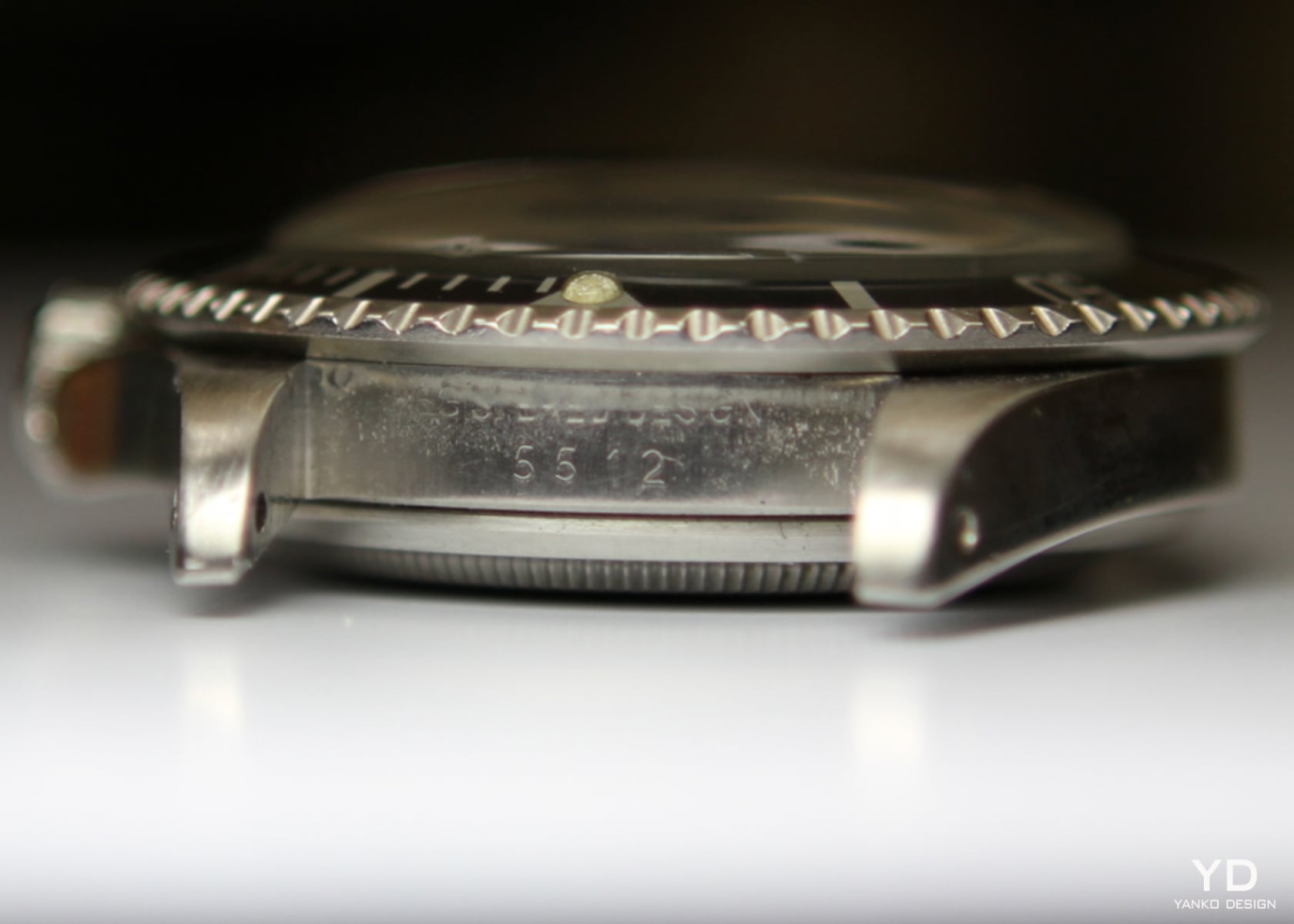
Let’s jump straight into the Rolex 5512, but first, let’s discuss its significance. Introduced in 1959, the Rolex 5512 quickly became a legend in the world of vintage watches. This pioneering model set the gold standard for modern dive watches. Its production spanned two decades, from 1959 to about 1980, making it one of the longest-running references in Rolex’s storied catalog. Mine had the serial number 5002060, which puts it right between 1977 and 1978.

History and Production Timeline: Rolex 5512

The Rolex 5512 rolled off the production line in 1959 and embarked on a remarkable journey over its twenty-year run. It saw numerous tweaks and upgrades, each reflecting Rolex’s relentless pursuit of perfection. This model marked a leap forward in the Submariner series, featuring an oversized crown and newly introduced crown guards to shield it from harsh underwater conditions. These continuous improvements made the 5512 a favorite among professional divers and watch enthusiasts alike.

The 5512 underwent several modifications during its production to enhance its functionality and durability. These changes were part of Rolex’s commitment to maintaining the 5512’s status as a top-tier dive watch, making it a reliable tool for underwater adventures and a sought-after piece for collectors.

Design and Features

The Rolex 5512’s design represents practical elegance and functional details. Its stainless steel case, at 40mm, was notably large for its time, making it a bold choice. This watch was built to handle demanding conditions, balancing aesthetics with functionality.

Designer: Rolex

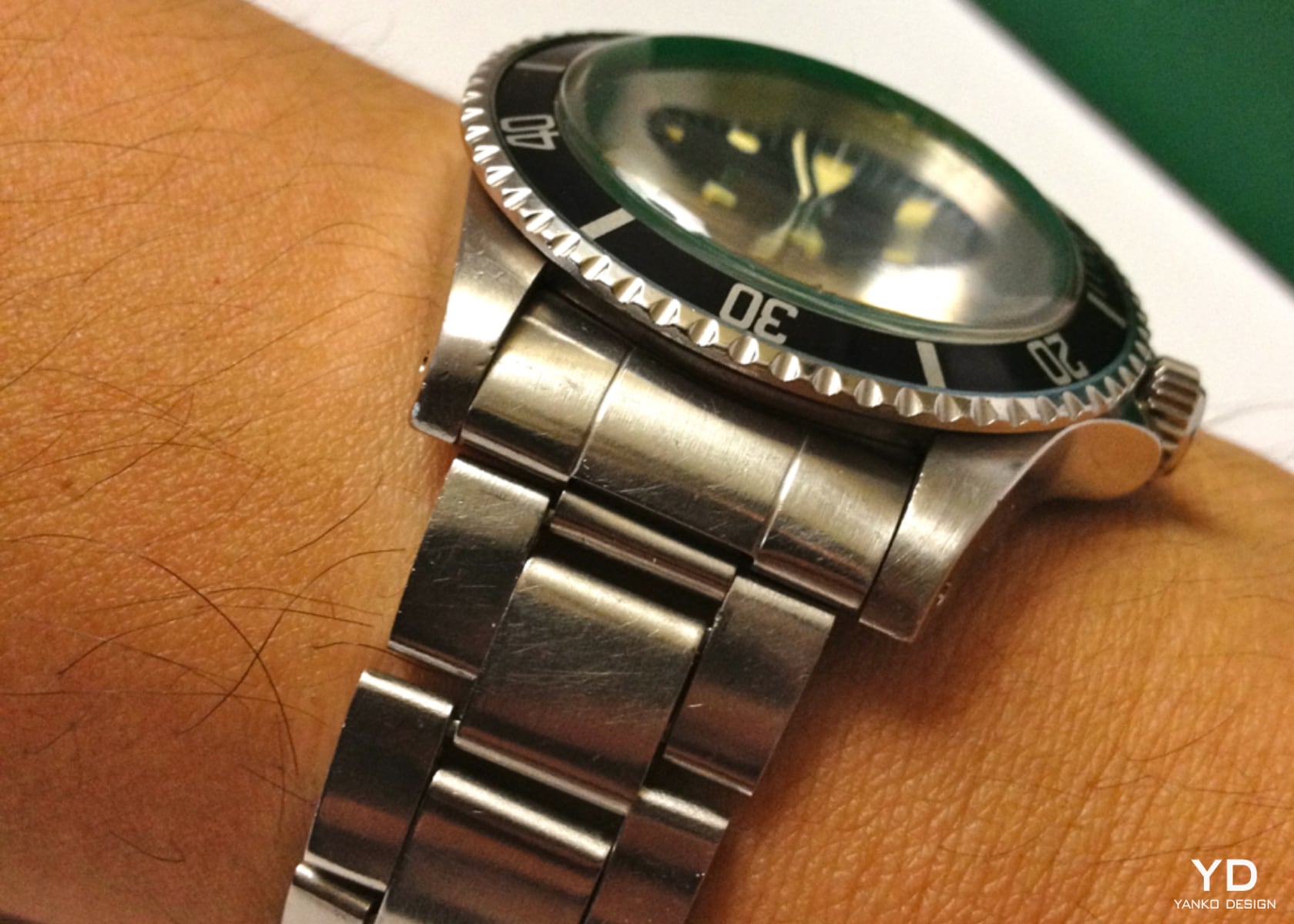
The rotating bezel, a key feature of the Submariner line, included minute markers for the first fifteen minutes, which is crucial for divers to track their underwater time. The bezel’s knurled edge allowed for a secure grip, even when wet or wearing gloves. Over the years, this bezel design remained largely unchanged, maintaining its practical utility.
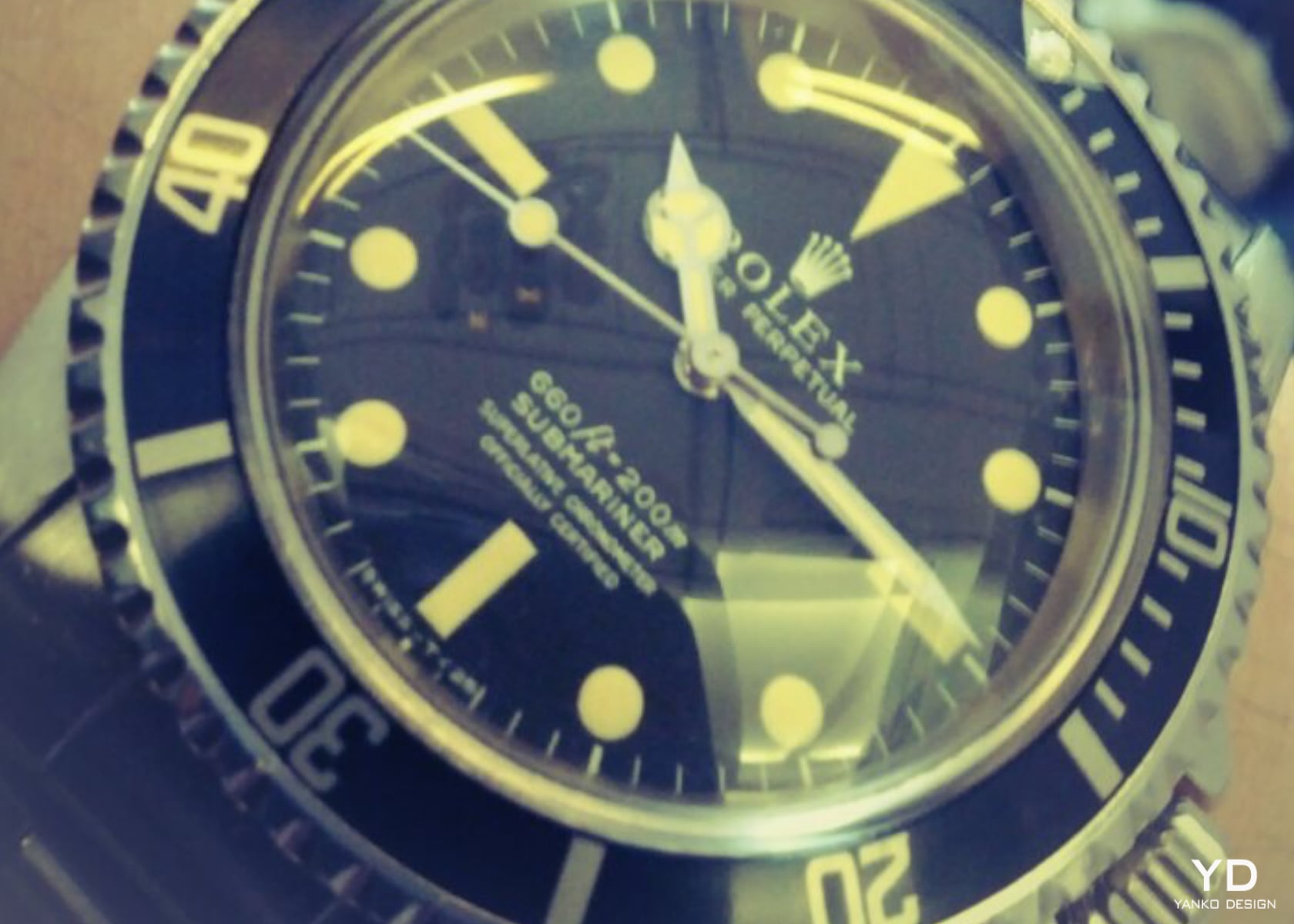
The dial of the 5512 saw several changes over its production run. Early models had a gilt finish with gilt hands, giving them a distinctive, warm look. These early gilt dials, with their glossy black background and gold-colored text and markers, are highly sought after by collectors for their vintage charm. Around the mid-1960s, the dial transitioned to a matte finish with white text and markers. This change improved readability, a crucial feature for divers. The matte dials, paired with white markers and hands, provided a clear, easy-to-read display under various lighting conditions.

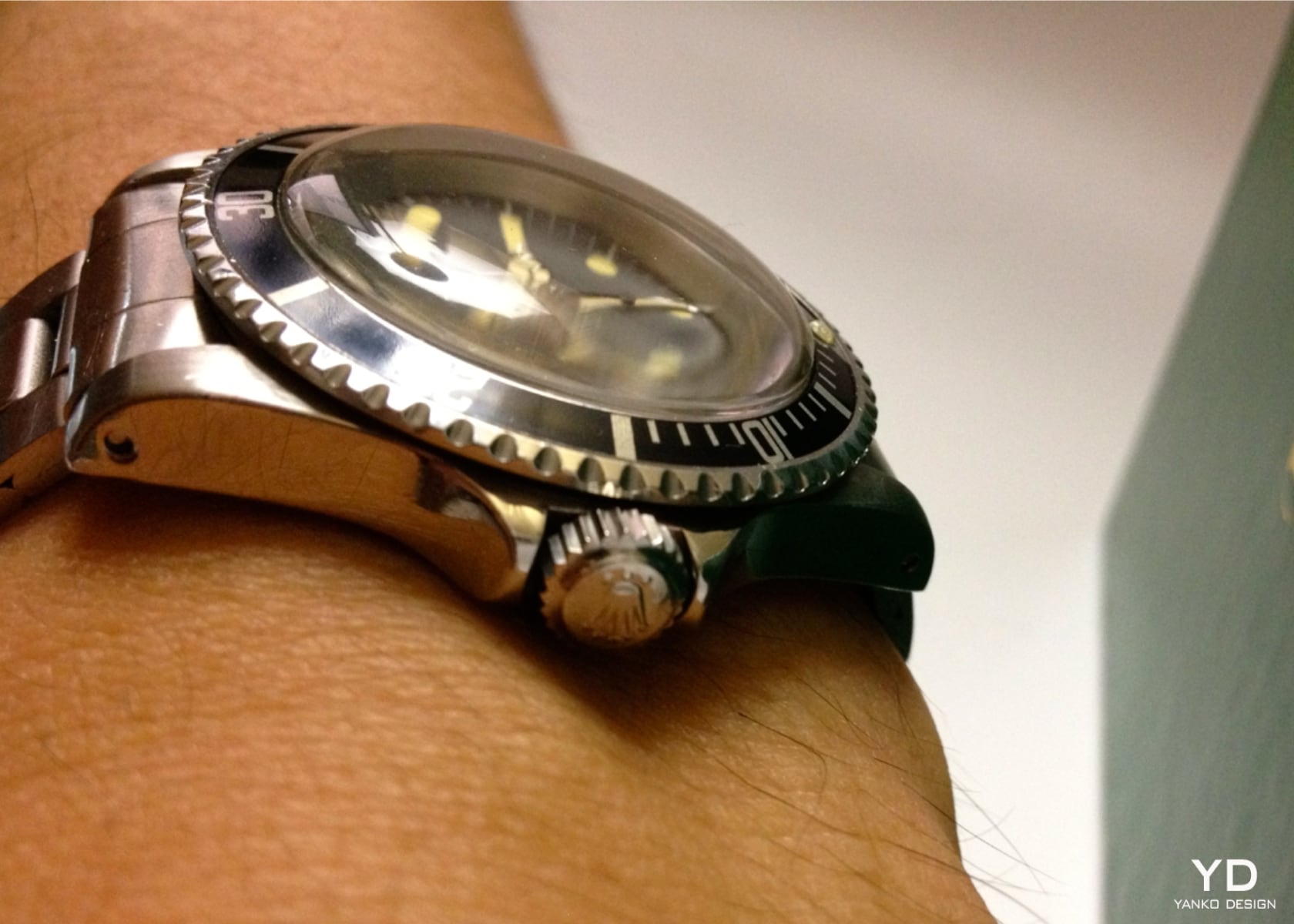
One of the most significant design changes of the 5512 was the introduction and refinement of crown guards. This was the first Submariner model to sport crown guards, revolutionizing the watch’s durability and functionality. Initially, the 5512 featured square crown guards, which were soon modified to pointed crown guards. These early pointed guards, often called “cornino” (little horns) by collectors, provided increased protection to the winding crown from impacts and damage. However, they were prone to snagging and were eventually rounded for a smoother, more streamlined profile. This final rounded design struck the perfect balance between protection and comfort, becoming a defining characteristic of the Submariner series.
The Rolex 5512 also featured an Oyster bracelet, initially with riveted links and later with folded and solid links. These bracelet design updates improved the watch’s durability and comfort, ensuring it could withstand the harsh conditions of deep-sea diving while remaining secure on the wrist.
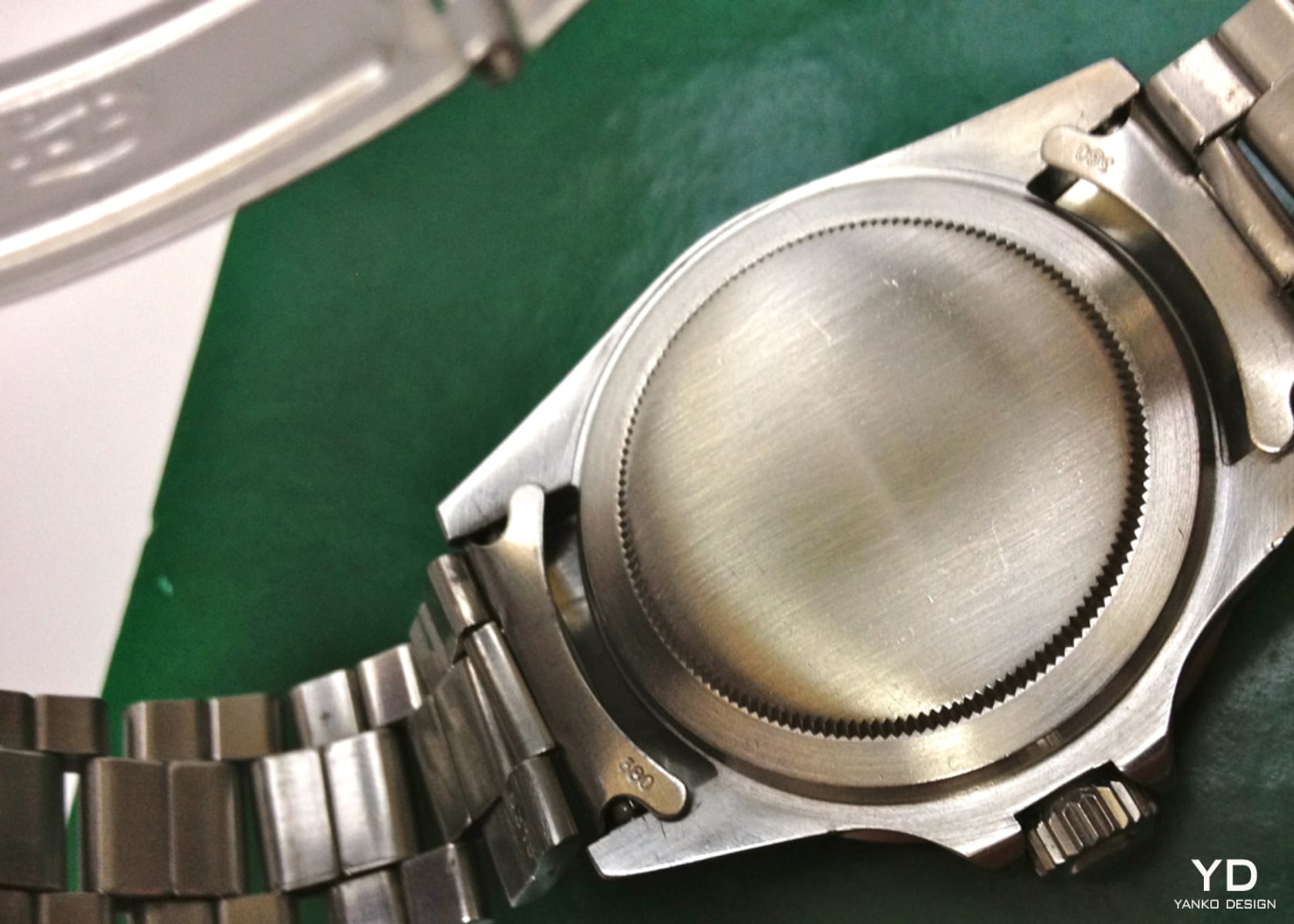
Additionally, the 5512’s caseback had a slightly domed profile, which, combined with the domed acrylic crystal, allowed for greater water resistance. This design ensured the watch could perform reliably at depths up to 200 meters (660 feet), a significant capability for its time.
The progression of the Rolex 5512’s design is a journey of continuous improvement and practical innovations. Each change, whether in the dial, bezel, crown guards, or bracelet, was driven by a desire to enhance functionality, durability, and readability. This attention to detail makes the 5512 a remarkable dive watch and a cherished piece of horological history.

Movement and Certification

Under the hood, the 5512 was a marvel of engineering. Early versions housed the reliable Rolex Caliber 1530, which later gave way to the Caliber 1560 and 1570. These upgrades brought with them chronometer certification, a badge of honor that highlighted the 5512’s exceptional accuracy and Rolex’s unwavering commitment to quality. The chronometer certification set the 5512 apart from many other dive watches of its era, emphasizing its precision and reliability.
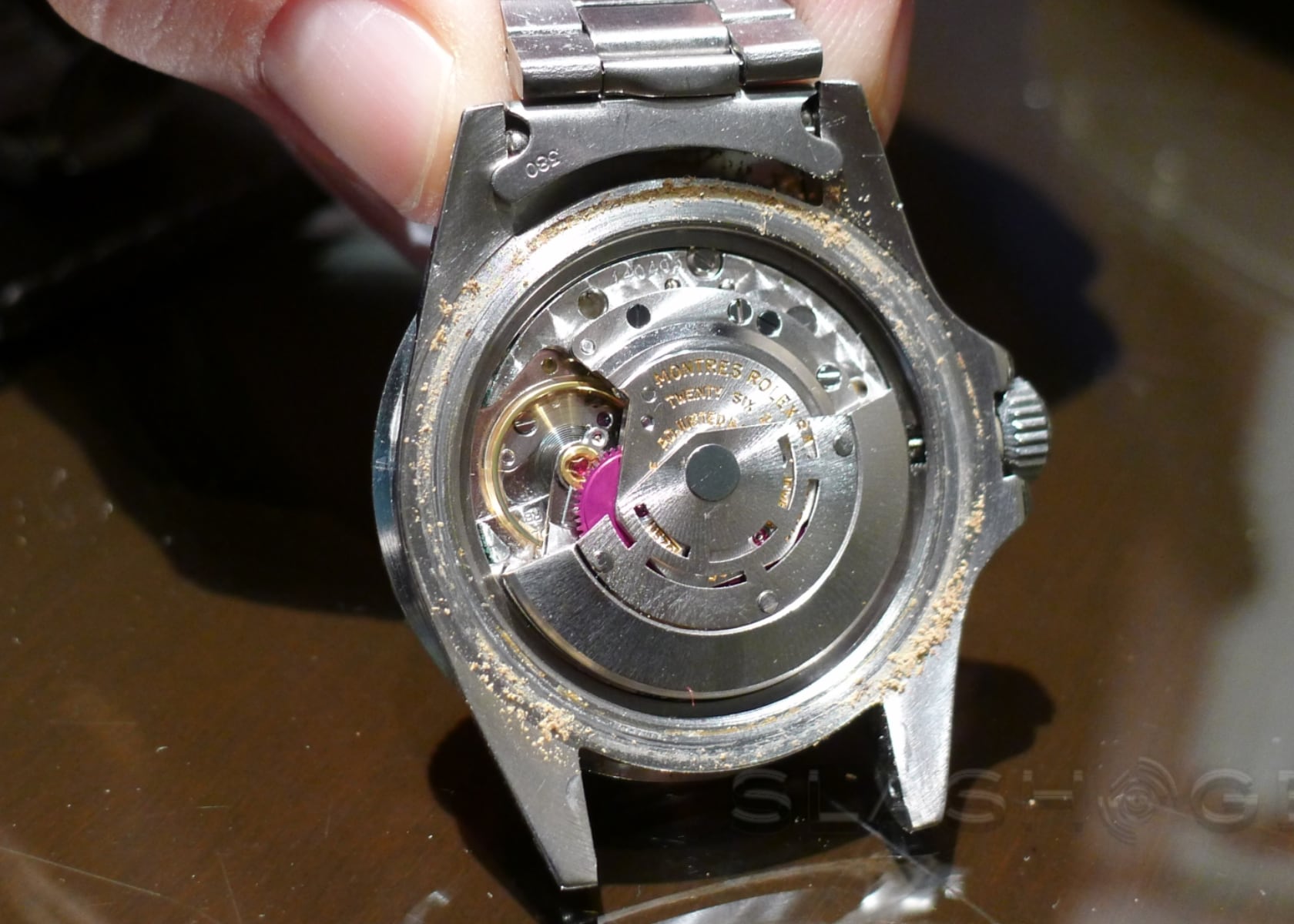
The first time the back was opened in over 20+ years.

The advancements in movement technology ensured that the 5512 could meet the demands of professional divers and watch enthusiasts. This blend of technical innovation and rugged design made the 5512 a distinguished model in the Rolex lineup, reinforcing the brand’s reputation for excellence in watchmaking.

Cultural Significance

The Rolex Submariner 5512 is a cultural icon. Known for its rugged durability and timeless design, it was a favorite among many, including Hollywood legend Steve McQueen. Despite the “Steve McQueen” nickname being mistakenly associated with the Rolex Explorer II ref. 1655, McQueen’s actual watch of choice was the Submariner 5512. In 2009, McQueen’s personal Submariner 5512 was auctioned for $234,000, highlighting its cultural significance and enduring appeal.

The Rolex 5512 is much more than a timepiece — especially to me. It symbolizes Rolex’s innovative spirit and dedication to precision. Its introduction marked a pivotal moment in the evolution of dive watches, and its enduring legacy continues to be celebrated by watch enthusiasts and collectors worldwide. The lessons learned from owning and parting with such an iconic piece highlight the importance of appreciation, patience, and making informed decisions in watch collecting.

How I found my Rolex Submariner 5512

It was a Saturday morning, like any other, except for an unrelenting itch that drove me to scour every pawn shop and antique watch dealer within a 100-mile radius of Phoenix. Despite seeing a few samples, the quality or prices were outrageous, ranging from $10,000 to $15,000, even back in 2012. Frustrated, I decided to head home. On a whim, I took a detour to a McDonald’s I had driven past for years but never stopped in. As I navigated through a strip mall to get there, I noticed a small, unassuming jewelry store. Intrigued, I decided to stop in. I asked the clerk if they had any vintage Rolex watches for sale. The store mostly carried inexpensive pieces, with the most expensive being a Timex. The clerk replied that she believed Paul had one in the case and went to check with him.

As I stood there, my anticipation growing, Paul, the store owner, emerged, holding a box that immediately caught my eye.

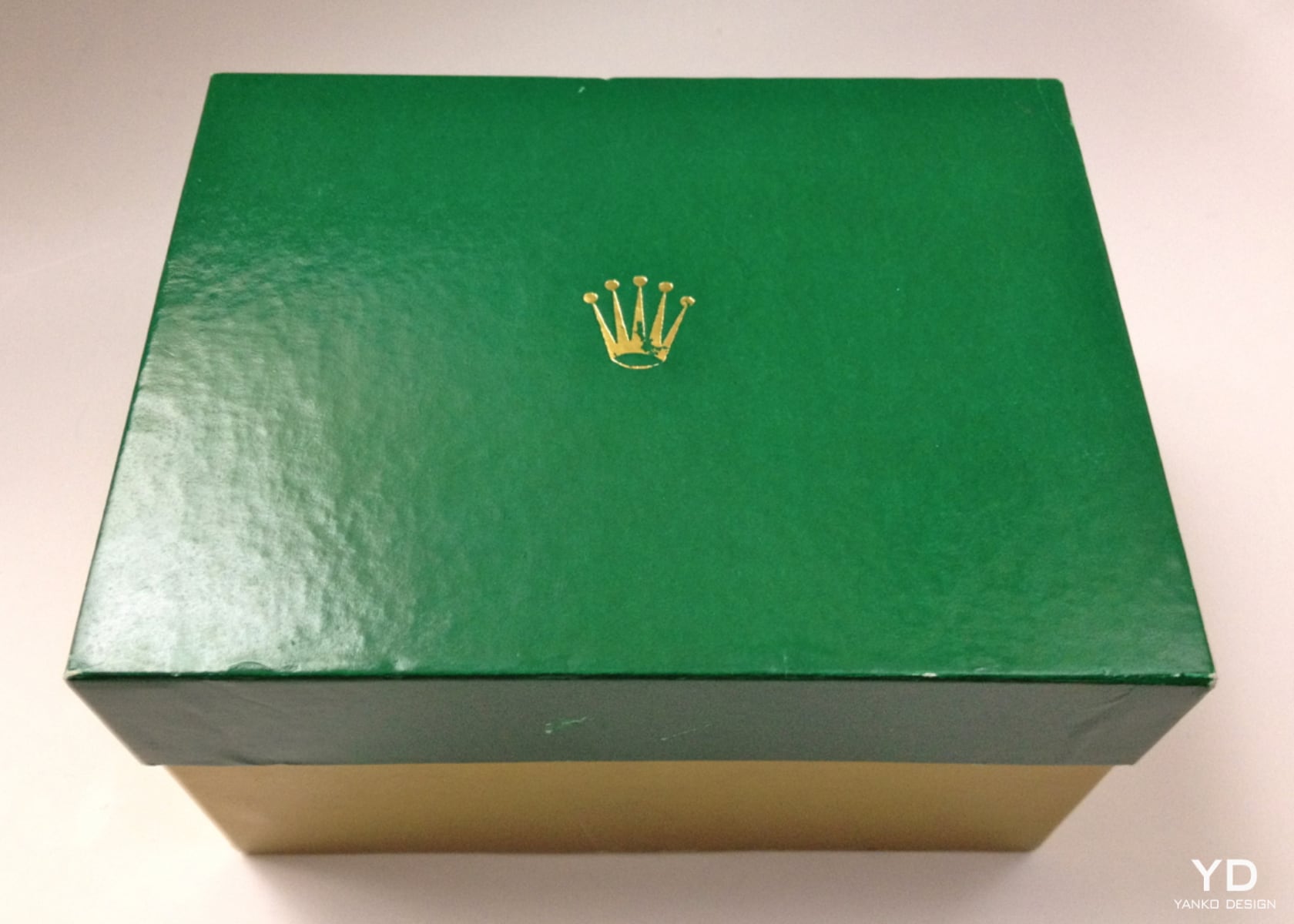
The vivid green box was topped with the iconic Rolex crown in gold. Its exterior was impeccably finished, with a glossy surface that exuded elegance and promise. The green lid contrasted beautifully with the gold base, a hallmark of the luxury brand’s presentation. The sticker on the side confirmed my hopes: “Rolex, Style #5512, Stainless Steel.”

The design of the box itself spoke volumes about what lay inside. The green symbolizes Rolex’s heritage and prestige, a color that has become synonymous with the brand’s identity. The gold crown on the lid is a simple yet powerful emblem of the watchmaker’s commitment to excellence. The gold base provided a striking foundation, grounding the box in a sense of luxury and tradition.
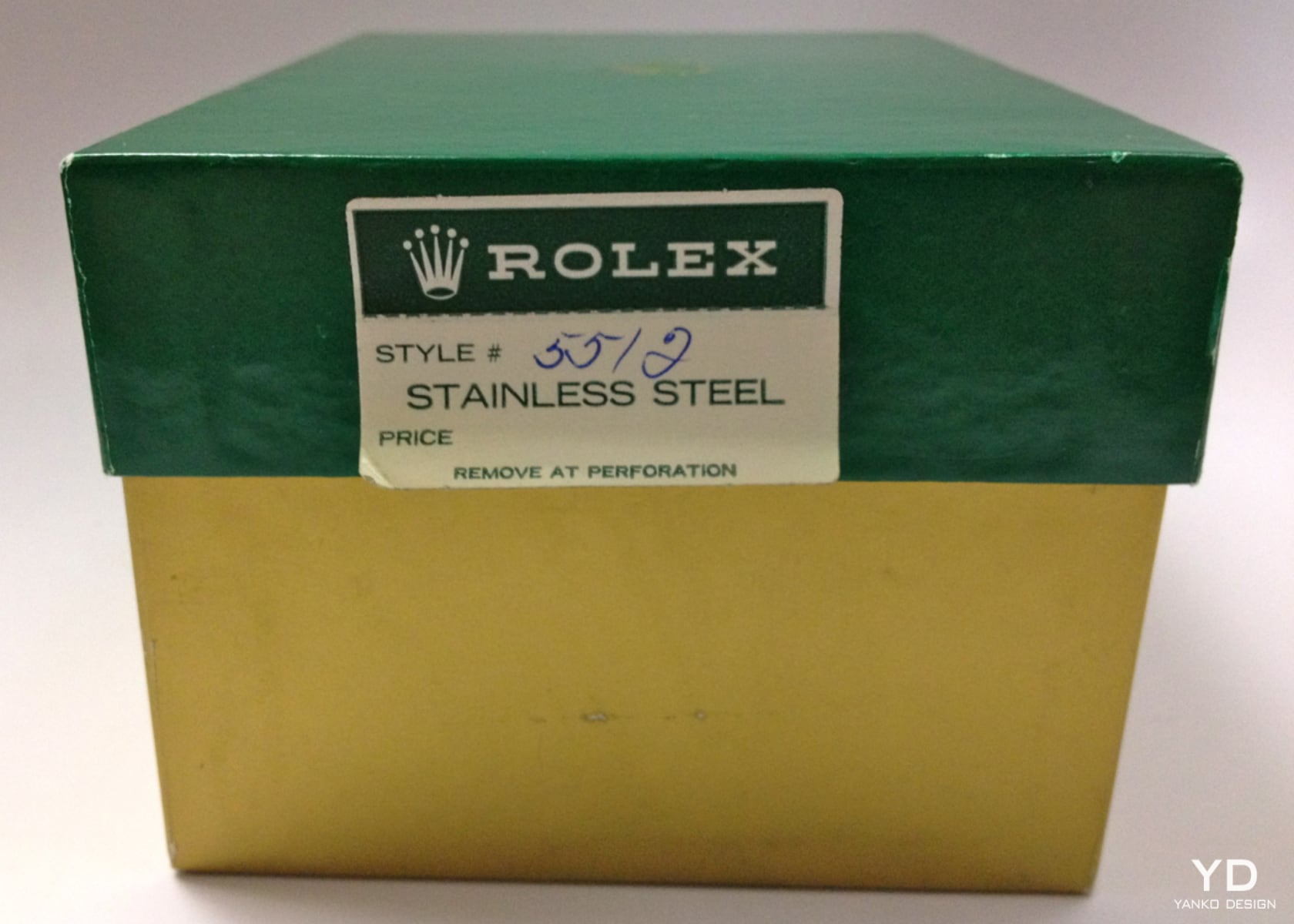
This box was more than a watch holder; it was a piece of art, encapsulating Rolex’s legacy in every detail. The moment Paul opened the box, I knew I had stumbled upon something extraordinary—a find that any vintage Rolex enthusiast would dream of.

As Paul opened the box, I was greeted by an interior that was equally as impressive as the exterior. The lid revealed a green leather case embossed with the iconic Rolex crown in gold. This inner case, with its textured leather finish, was a testament to the brand’s attention to detail and commitment to luxury.
The leather case’s rich green hue matched the outer box perfectly, creating a cohesive and elegant presentation. The gold Rolex crown emblem stood out against the green background, symbolizing the brand’s prestige and heritage. The case’s sturdy construction hinted at the quality and care that went into protecting the timepiece within.

This box was more than the packaging. It was a prelude to the treasure inside. As Paul carefully opened the leather case, my excitement grew. The craftsmanship and design hinted that what lay inside was truly special—a Rolex Submariner 5512, carefully preserved and presented in its original, luxurious packaging.

At that moment, I realized I had found the watch of a lifetime, hidden away in an unassuming jewelry store, presented in a box that reflected the Rolex brand’s timeless elegance and exceptional quality.

Before getting into the details of the watch and its contents, Paul shared the rich history of this timepiece with me. He mentioned that Gary, the original owner, had purchased this watch from him on March 26, 1977. Gary hadn’t worn it in a long while, and since he was on a fixed income, Paul had just repurchased the watch from him and wasn’t planning on selling it, but since I asked, he was willing to make an exception.
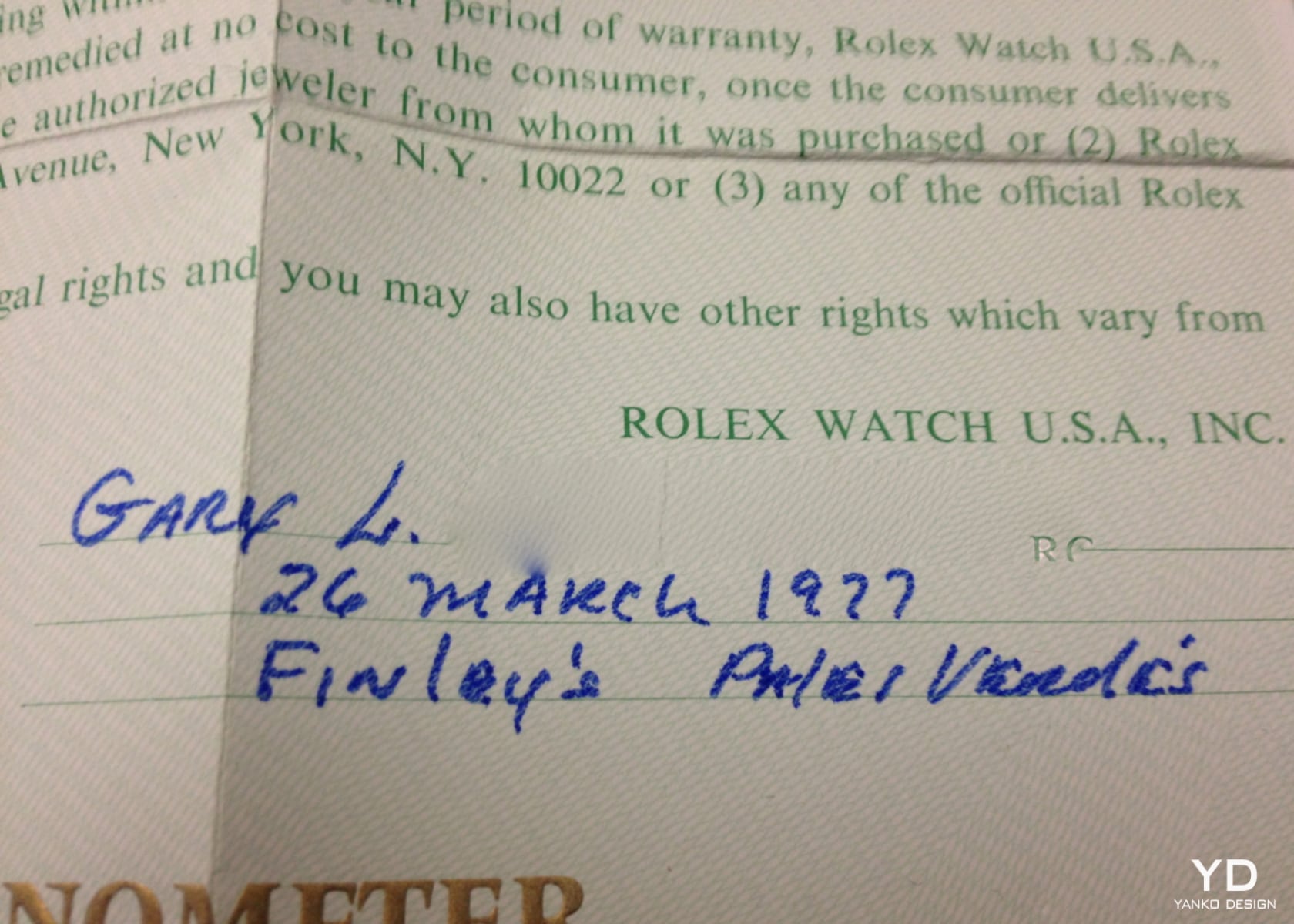
Even before examining the watch and everything inside, I was trembling with excitement, my mind racing. This piece of history, in mint condition, would most likely cost me back $15,000 or more. That amount was more than my old beat-up pickup truck and the $2,000 cash stashed in the glove compartment. The stakes were high, and I could hardly contain my anticipation. But before I get into the price, let’s jump back to the contents inside the green box.

Contents of the Magical Green Box

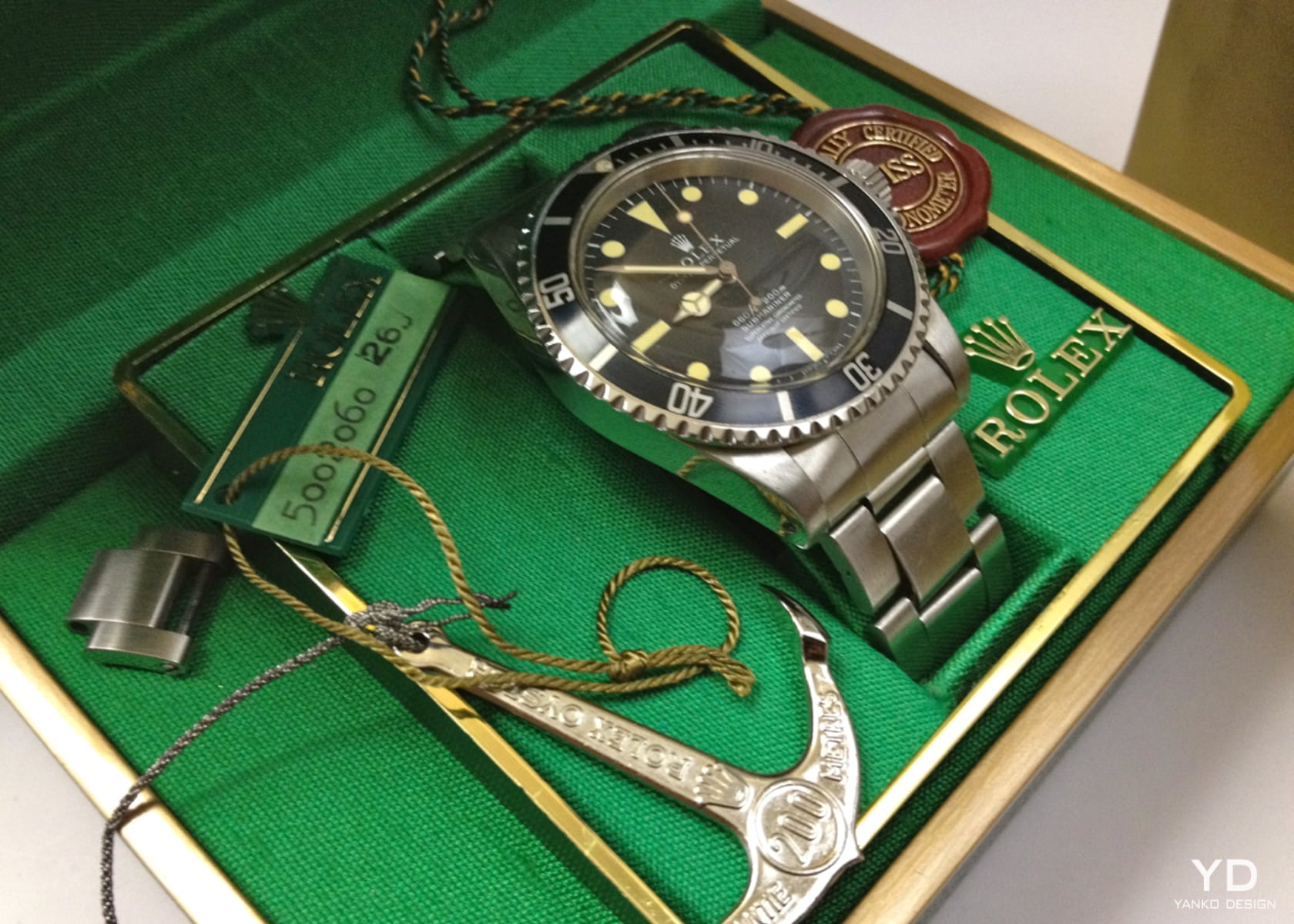
Upon opening the green leather case, I was greeted by the sight of the Rolex Submariner 5512, nestled securely in its compartment. The watch itself was pristine, but there was more to discover. It was everything a watch collector could ever dream of—a complete set as if it were purchased brand new today.
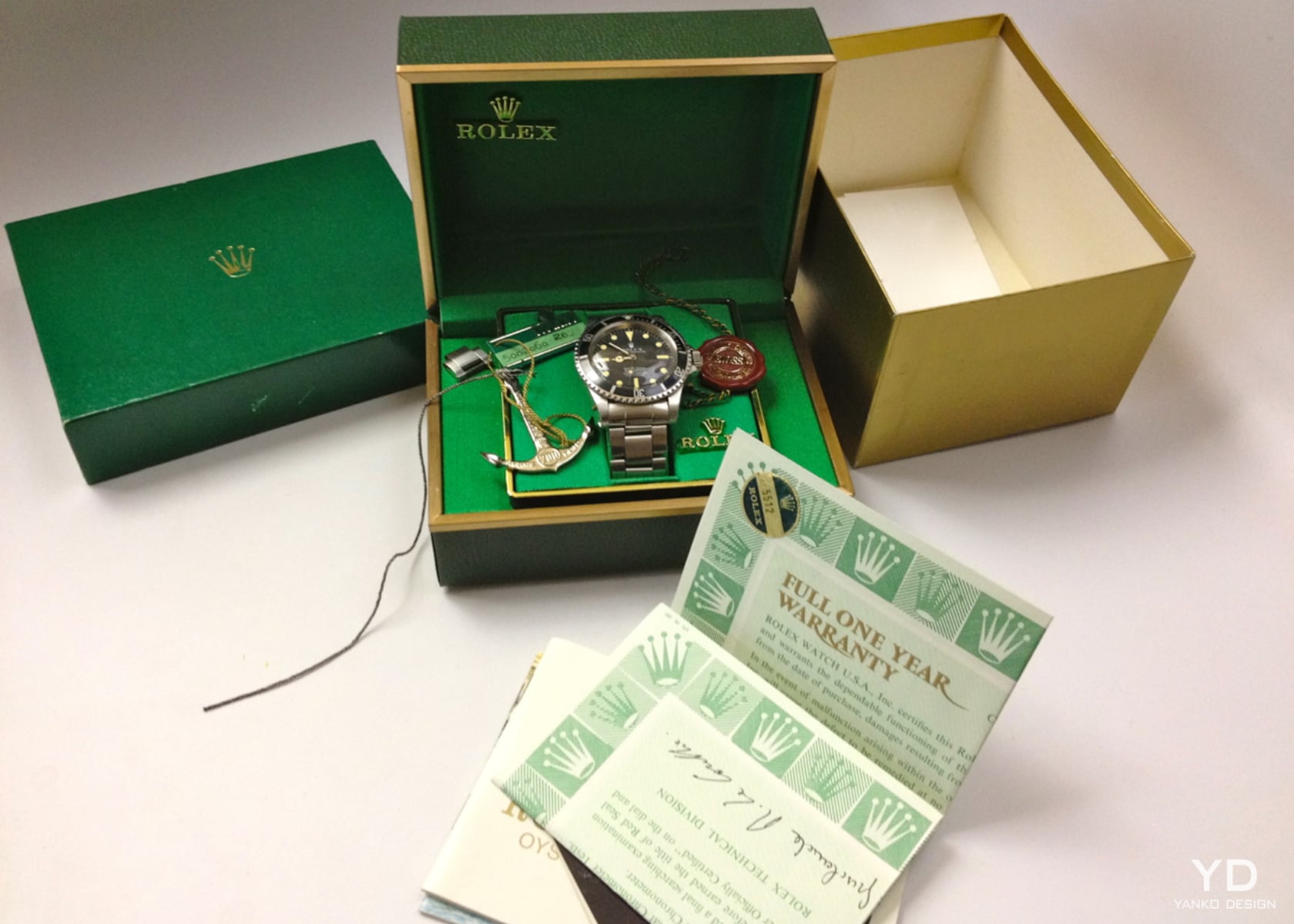
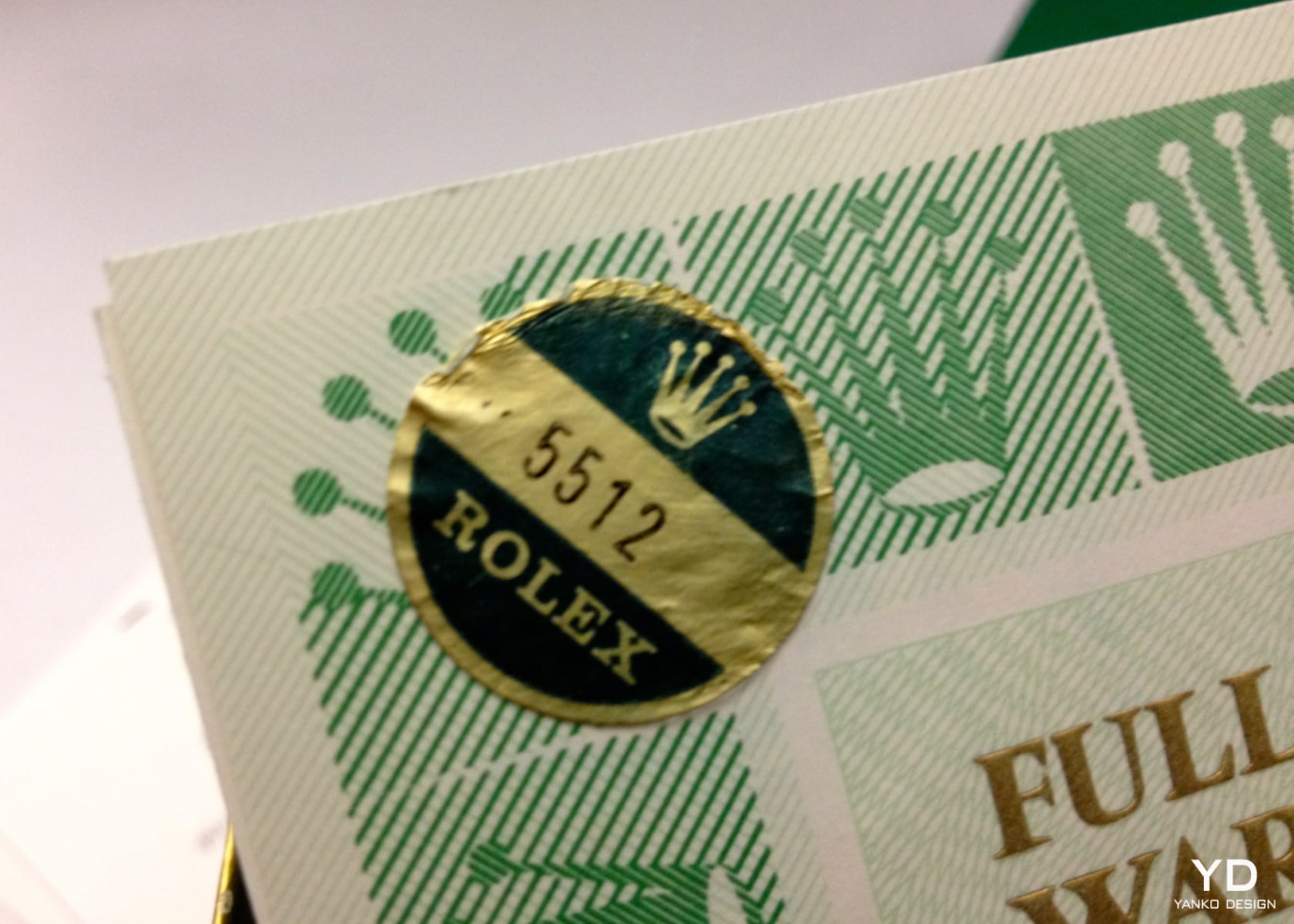
Several important documents and accessories were inside the box. The full one-year warranty card, dated March 26, 1977, confirmed the purchase date. This card, adorned with the iconic Rolex crown, detailed the terms of the warranty. A notable feature was the punched serial number, a practice Rolex no longer employs, adding to the card’s authenticity and historical value.
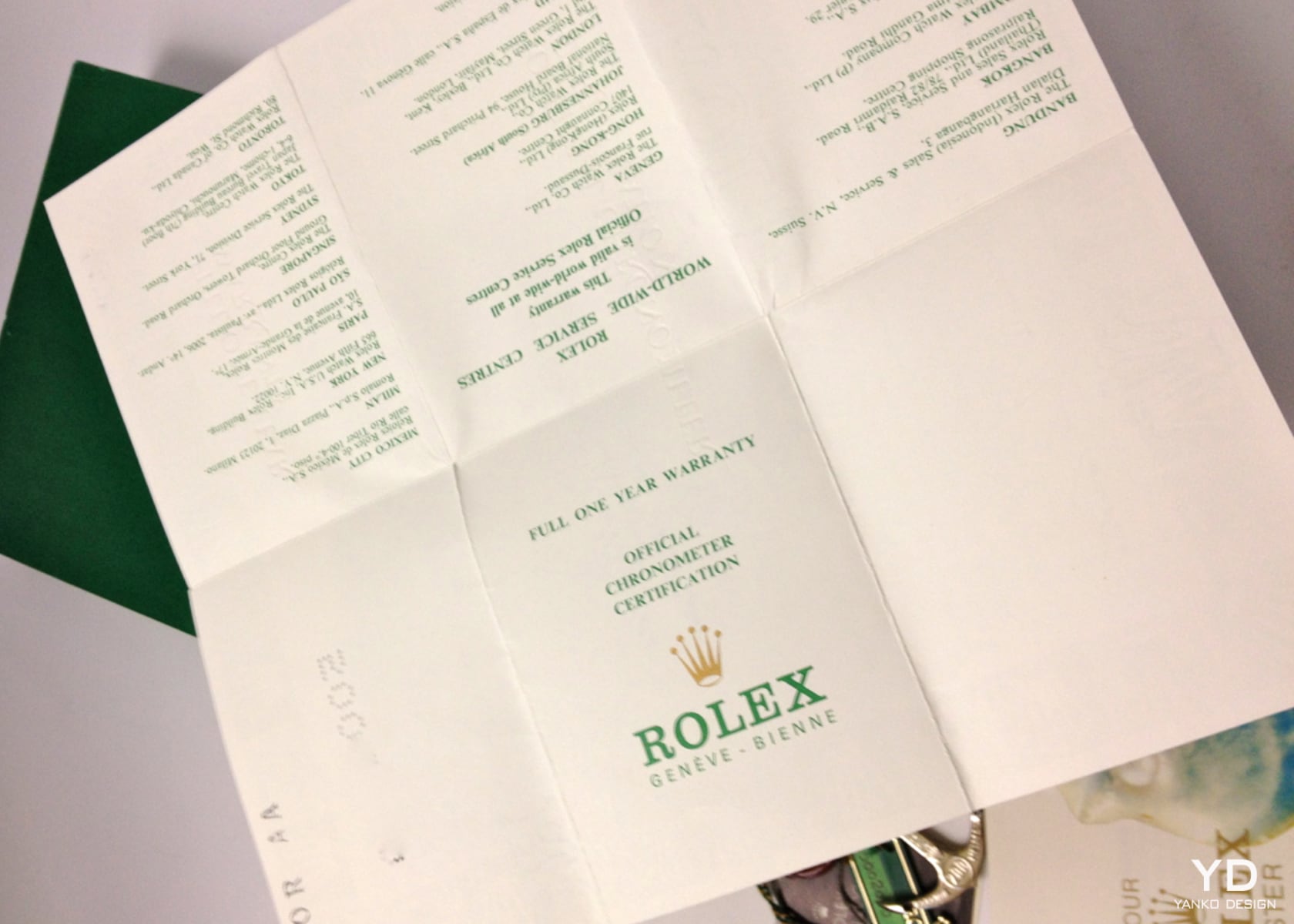
The official chronometer certification, next to the warranty card, assured the watch’s accuracy and performance. Each piece of documentation was meticulously preserved, enhancing the watch’s provenance and making it a true collector’s treasure.

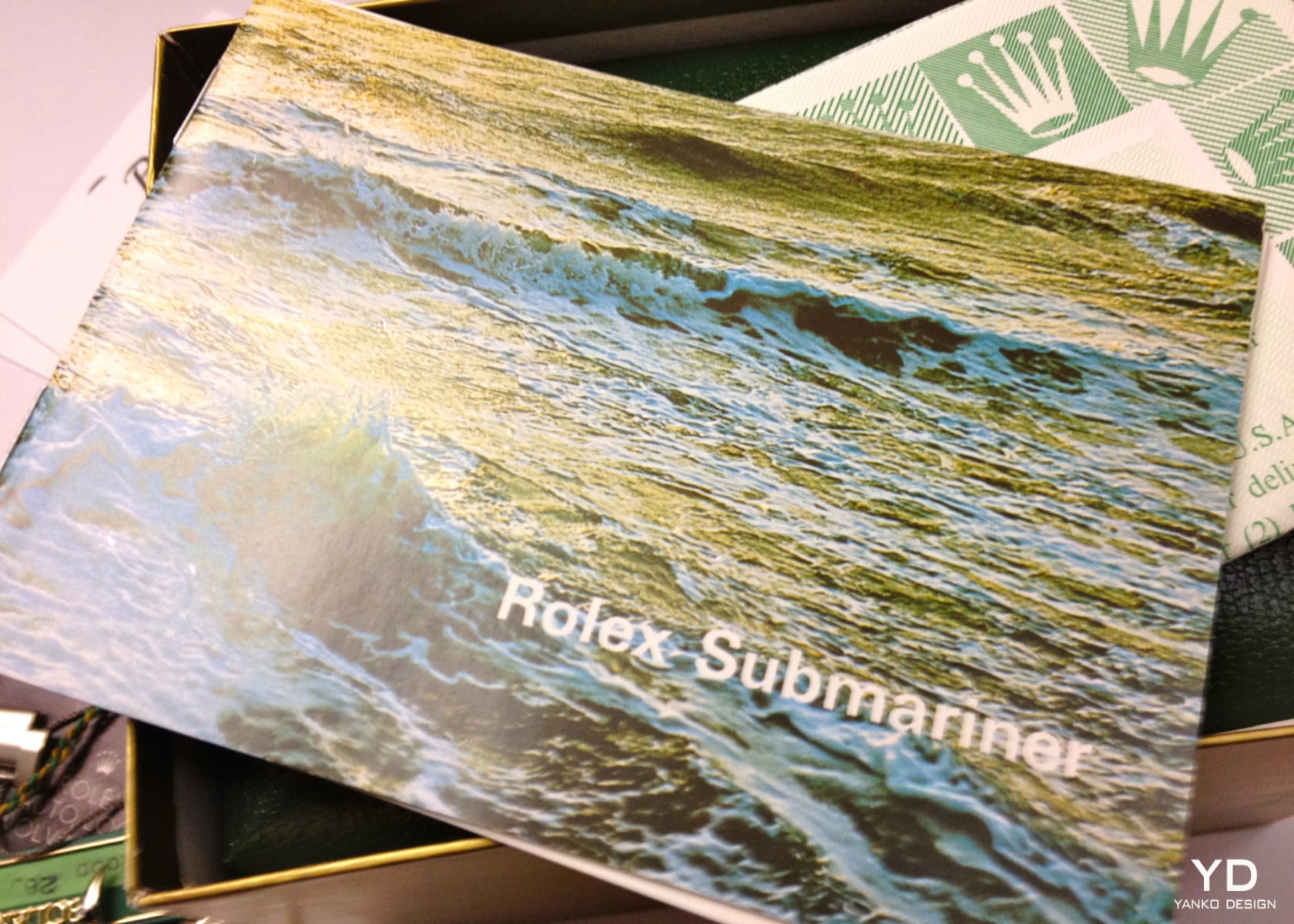
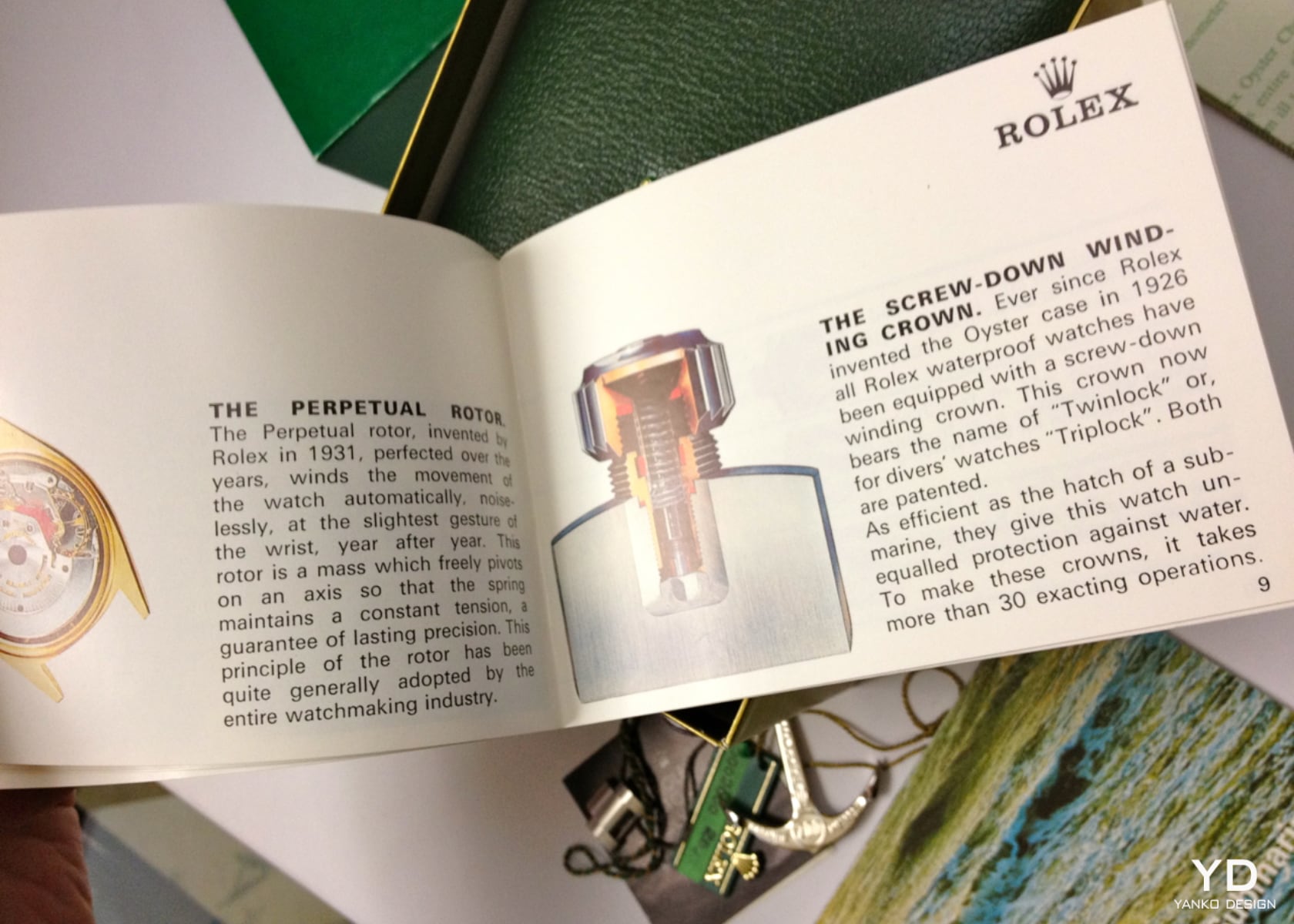
A small booklet provided information on the Perpetual Rotor and the screw-down winding crown, innovations that Rolex had perfected over the years. The illustrations and descriptions highlighted the technical prowess behind the Submariner 5512, emphasizing its reliability and precision.
There was also a green Rolex tag with the serial number 5002060, matching the number on the warranty card. This tag indicated the watch’s authenticity and its place in the lineage of Rolex timepieces.
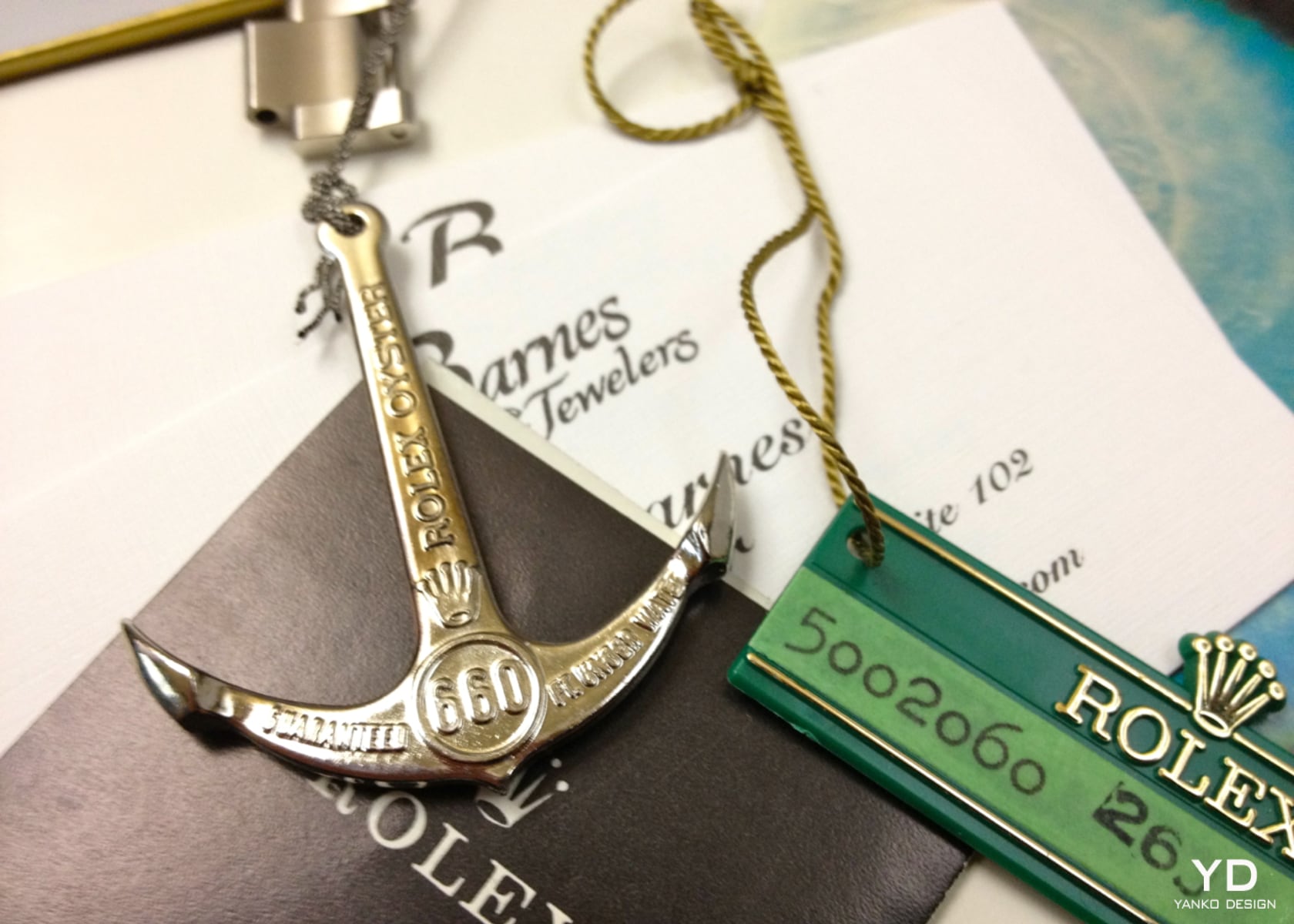
Additionally, a silver anchor with “660” engraved on it, representing the watch’s water resistance in feet, was included. This anchor was a unique and symbolic accessory, underscoring the watch’s capabilities as a professional dive instrument.

Lastly, the box contained a black Rolex booklet printed in 1973 that provided further information on the brand’s history and technical innovations. The booklet added another layer of historical context to this already fascinating find.

As I examined each item, my excitement grew. The meticulous attention to detail and the completeness of the set were astounding. This wasn’t just a purchase but an acquisition of a carefully preserved piece of horological history.
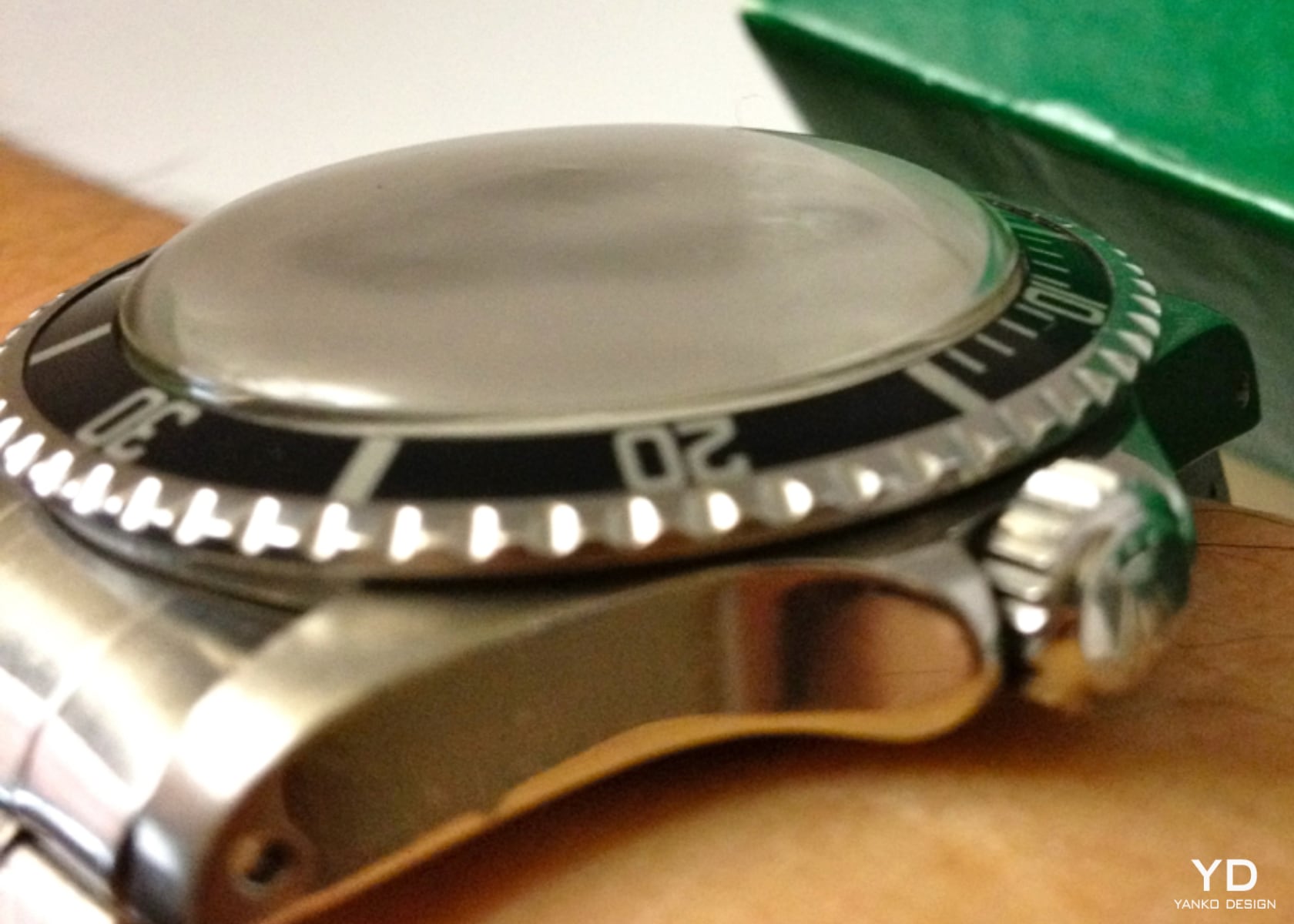
The only issue with the watch was the stuck bezel. Of course, if Gary hadn’t worn it in many years, it made sense, so I knew it would be an easy fix. I discussed it with Paul, who knew a local watchsmith who specialized in servicing vintage Rolex.

Thank you for sticking with me through this incredible journey. Now, it’s time to reveal the cost of this treasure. I nervously asked Paul about the price. He mentioned that Gary had originally purchased the watch from him in 1977 for $1,200. Goosebumps began to rise as anticipation surged through my body. Then, Paul dropped the bomb: “How about $1,800 all in, since the bezel doesn’t work?”
I was ready to fall over but managed to hold my composure. I shook Paul’s hand and agreed, “Perfect, let’s do it.” In my mind, I was ready to hand over my truck, the $2,000 in the glove compartment, and possibly my firstborn (just kidding, Allie, if you ever read this). It felt like the stars, moon, and earth had aligned perfectly at that moment. It was an exhilarating and unforgettable experience.

My Foolish Decision to Sell the Rolex Submariner 5512
The service costs an additional $300 to clean the bezel and check the movement. I declined the movement cleaning because many things can go wrong. I loved this watch and wore it for years until another itch emerged—the kind you should never scratch. That, my friends, is the itch to sell your Rolex for another brand. Sadly, this was during the rise of Panerai, and yes, I ended up selling the 5512 for $12,000, which was a handsome profit, but for a foolish Panerai Luminor 1950 8 Days GMT.
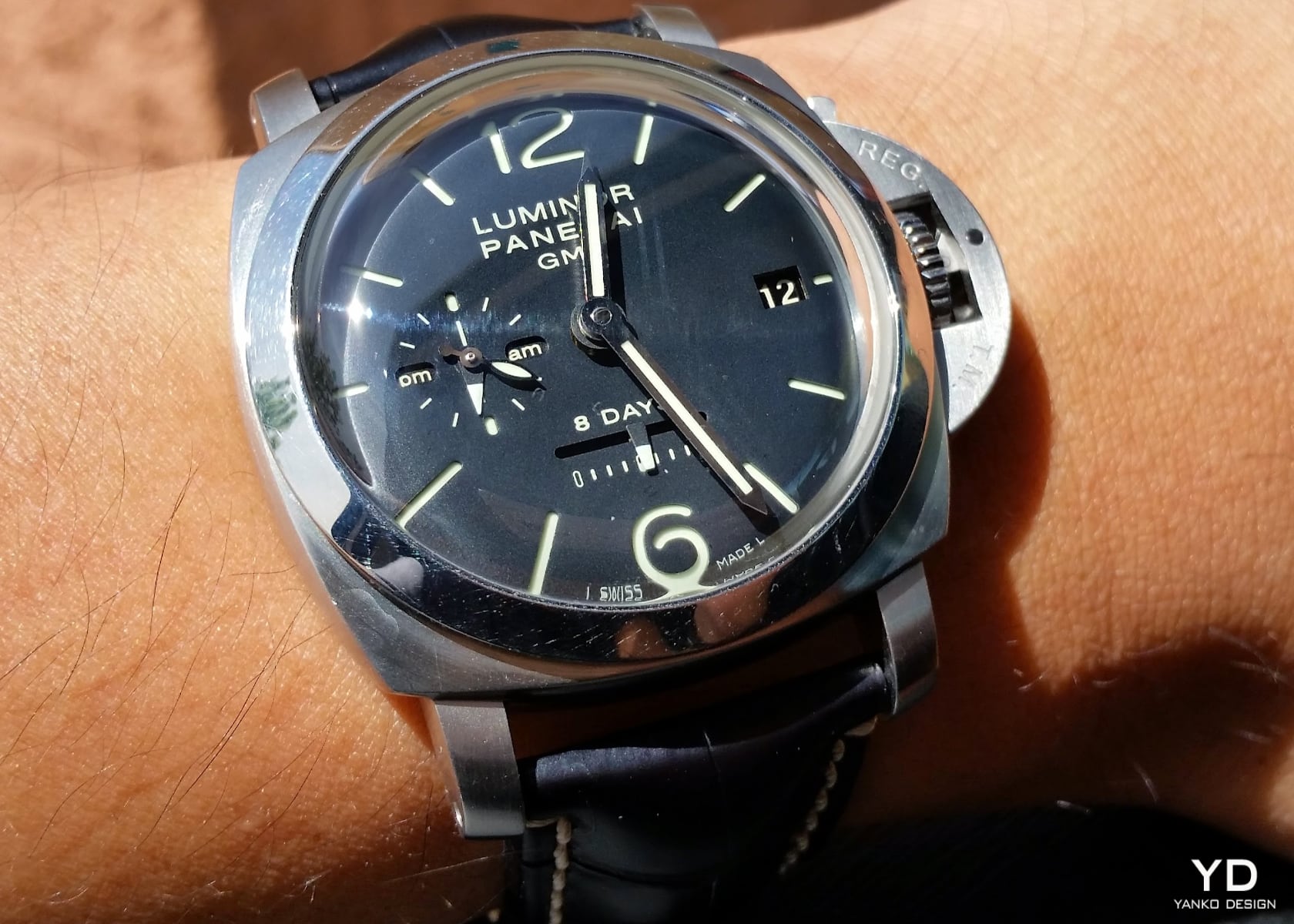
I still wake up in a sweat with regret at least once every few months, haunted by that decision. This is one of my top three regrets in watch collecting. In the following two articles of my Wristwatch Wednesday feature, I’ll share the stories of my other two regrets—the Rolex Submariner “Kermit” and the Audemars Piguet 1998 Nagano Olympic Edition. Stay tuned.
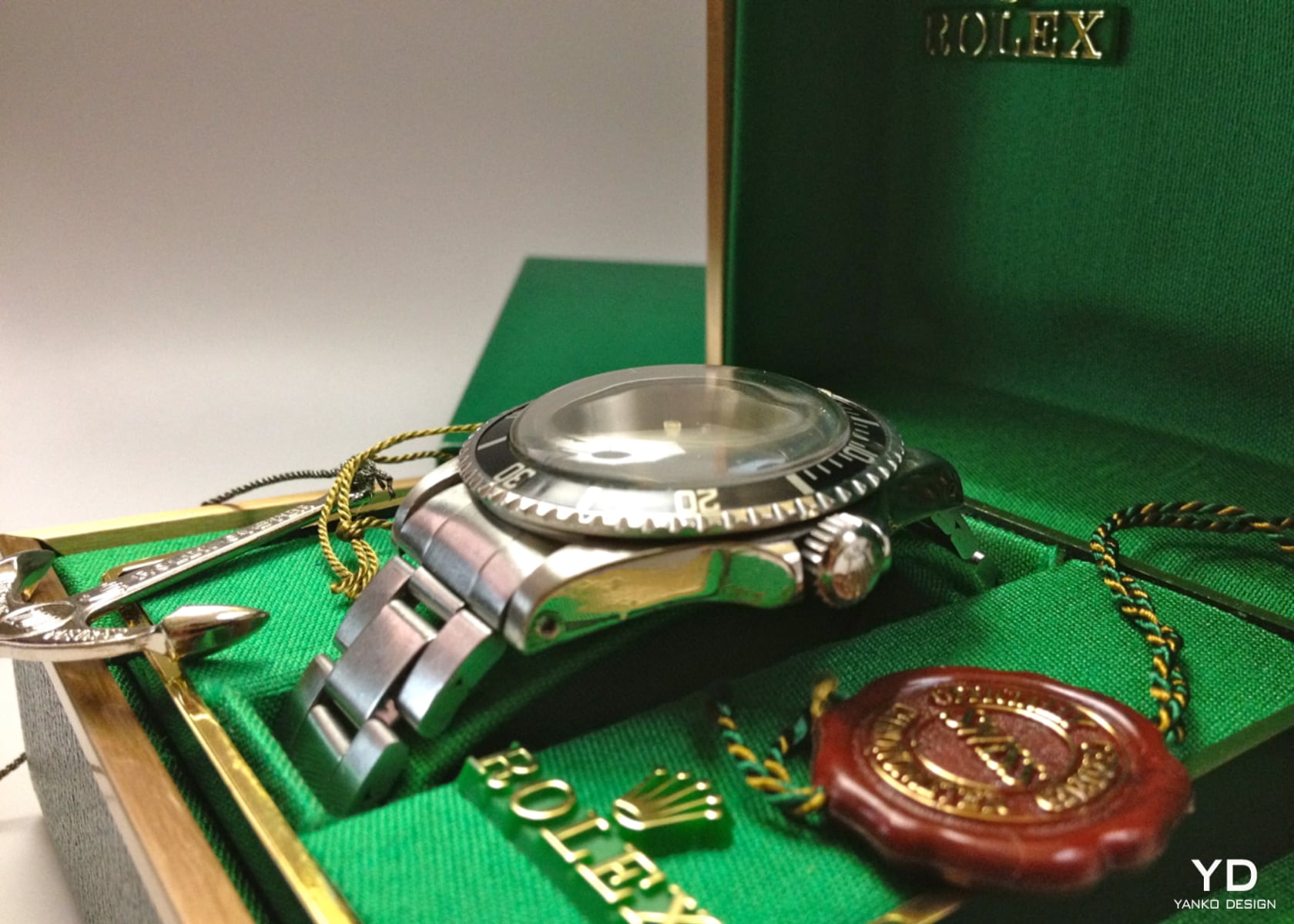
What is the moral of watch collecting? It’s about the journey, the stories, and the connections you make with each piece. Selling a treasured watch for something new might seem exciting, but it can lead to lasting regret. Cherish your collection and think twice before letting go of something irreplaceable. The irony of all this? I bought it from a seller named Paul and ended up selling it to a middleman named Paul.

The post Why I Regret Selling My Rolex Submariner 5512: Lessons in Watch Collecting first appeared on Yanko Design.
The Atlantic and Vox Media made their own deal with the AI Devil

In the last few months, news organizations have leapt into bed with OpenAI, hatching Faustian bargains where the cash-strapped media industry exchanges a monetary pittance for OpenAI's right to scrape and integrate their content into things like ChatGPT. Those that have signed in blood include News Corp (publisher of the Wall Street Journal), the Financial Times, People magazine publisher Dotdash Meredith, the AP, and now, The Atlantic and Vox Media.

The Atlantic and Vox Media quickly confirmed these new deals shortly after Axios first published the news. 

The Atlantic says that it'll be a "premium news source" in OpenAI and that all its citations will be clearly attributed to The Atlantic with links back to the original content. There are concerns from publishers that users of AI chatbots don't actually need to go to the original sources; perhaps the calculus is that, for an industry in the twilight of its lifespan, some inbound link traffic is better than none. Then again, by agreeing to be scraped at all, perhaps The Atlantic is effectively wading directly into the tarpit of its own extinction (and of media as a whole). There will also be an experimental "microsite" called Atlantic Labs that'll showcase "new products and features to better serve its journalism and readers." 

Vox Media (publisher of its flagship news site Vox, tech site The Verge, the network of sports blogs under the SB Nation banner and many more) says it'll have a similar style of attribution and linking out to its content. 

Vox Media will also use OpenAI data both internally and in public-facing content. Specifically, it'll "enhance" Vox's The Strategist Gift Scout tool that helps visitors find stuff to buy (and helps Vox Media earn affiliate revenue). It'll also be built into the publisher's in-house advertising platform, so expect ads that are even better at following you around the internet and learning about what you want to buy.

There's no indication yet that that either company will publish anything created directly by AI, as sites like CNET and Sports Illustrated have tried with disastrous results, though neither company said anything about keeping AI out of its content either. Over at The Atlantic, it seems likely that any such experiments will be kept to the new Atlantic Labs section, at least for starters.

While a number of publishers have been quick to embrace AI, not everyone is so enthused. The New York Times sued both OpenAI and Microsoft for copyright infringement in December, saying that both companies use its material without permission to train their models. More recently, eight publications owned by the Alden Capital Group, including the Chicago Tribune and New York Daily News, sued both companies with a similar complaint. At this point, it seems like it's either spend time and money in a lawsuit to go after OpenAI's rampant intellectual theft or cut a deal that'll make you some spending cash in a dire media market. 

It was only last week The Atlantic published its own screed decrying media organizations which had taken petty cash from AI interlopers in exchange for something of significantly greater value. The odds unfortunately suggest this story (and my moral high ground) will age just as poorly in the near future.

Update, May 29, 2024, 12:20 PM ET: This story has been updated to include details from Vox Media's official statement on the deal.

This article originally appeared on Engadget at https://www.engadget.com/the-atlantic-and-vox-media-made-their-own-deal-with-the-ai-devil-161017636.html?src=rss