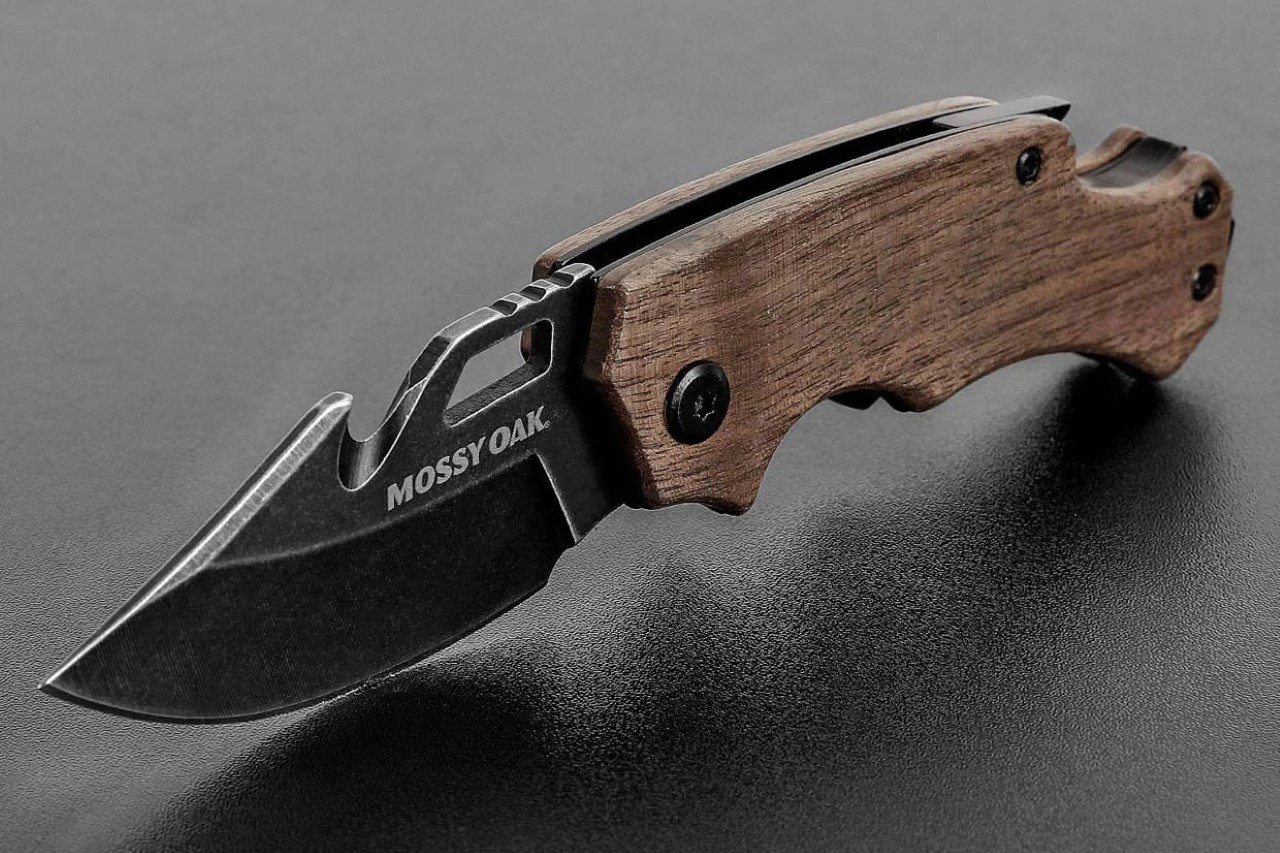
I assure you you’ve never seen a tactical knife so beautifully rustic as this.
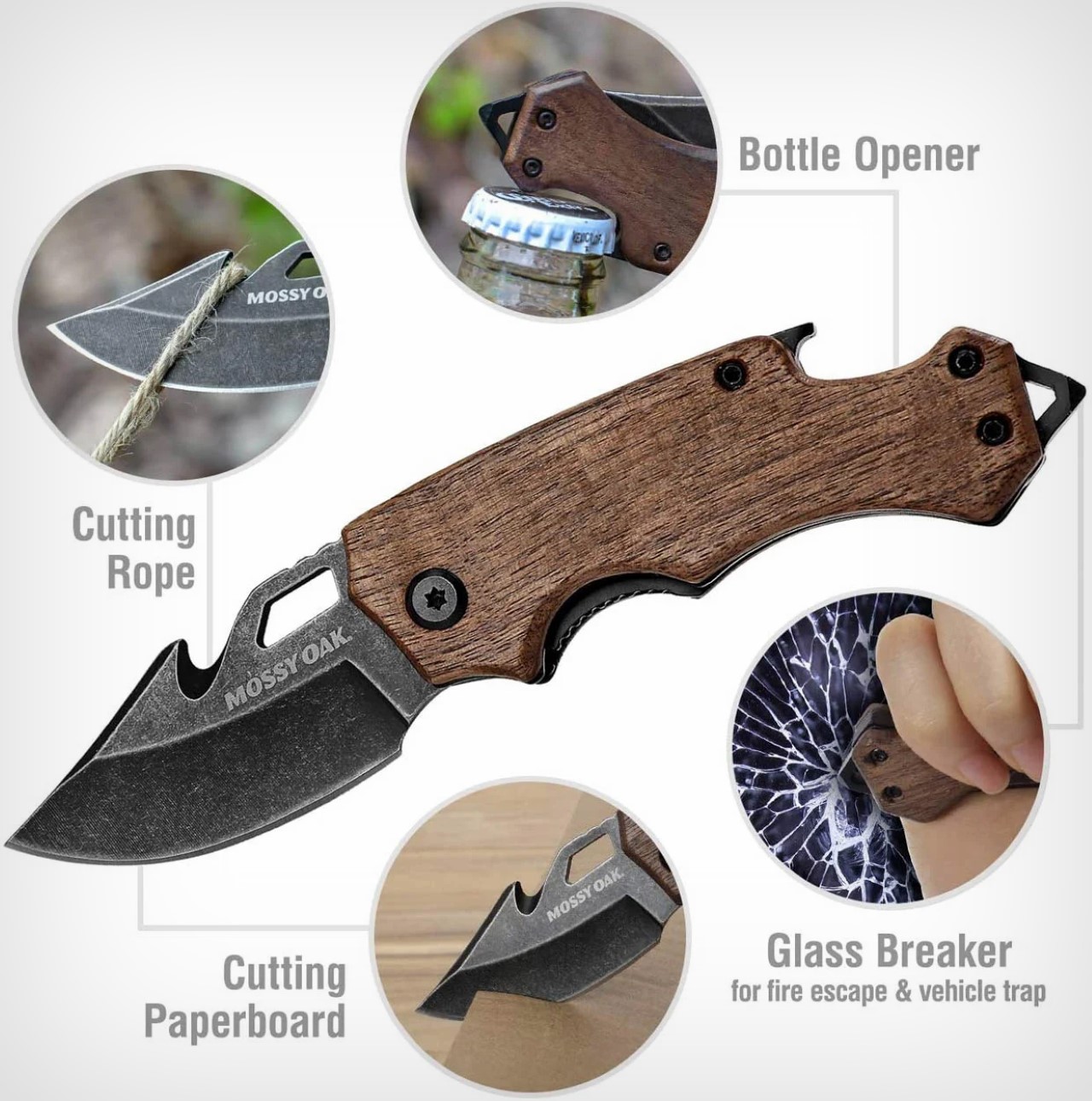
Most tactical EDC tend to go for either a minimalist design with slick surfaces, a cutting-edge all-metal design that’s made to intimidate, or a gentlemanly design with prim details and classic materials. The Mossy Oak Mini Folding Pocket Knife is none of those. With an aesthetic that looks like nature took over the design process somewhere down the middle, the Mossy Oak Mini is an EDC knife that looks rough around the edges, but is a sophisticated flipper that packs a deadly punch. Aside from being a folding knife, the Mossy Oak Mini also has a bottle opener, a seatbelt cutter, and a glass breaker, all woven into its salt-of-the-earth homespun-ish aesthetic.
The knife’s beauty lies in its imperfections. It doesn’t opt for glossy handles and polished blades. The blade sports a gorgeous stonewashed finish, while the handle itself is hand-made from walnut wood, with its gorgeous wood-grain that shines through beautifully thanks to the lack of a polish or varnish coating. The result is a knife that FEELS natural to the touch. Your eyes fall in love first, then your hands, resulting in an EDC whose appeal lies on a multisensorial level.
The blade itself comes with a clip-point style, sporting an edge with a curved belly and a pronounced tip that makes the Mossy Oak Mini great for cutting, piercing, slashing, scraping, whittling, etc. The curved edge allows you to rock your knife while you cut, making it easier to chop items against a surface. A groove at the rear end of the edge lets you comfortably rest your index finger, while jimping on the top gives you a place to rest your thumb.
However, that isn’t all that the Mossy Oak Mini is good for. A scalloped edge on top of the blade gives you the perfect detail to cut ropes, tough paracord, or even a car seatbelt, making the Mossy Oak Mini great for emergencies. Need to get out of a pickle, the base of the handle also has a glass-breaker tip, allowing you to strike your Mossy Oak against any glass surface, causing it to shatter – a feature that, when combined with the seatbelt cutter, makes the Mossy Oak quite the life-saver. When all’s said and done, you can celebrate your new lease on life with a drink by using the knife’s built-in bottle opener.
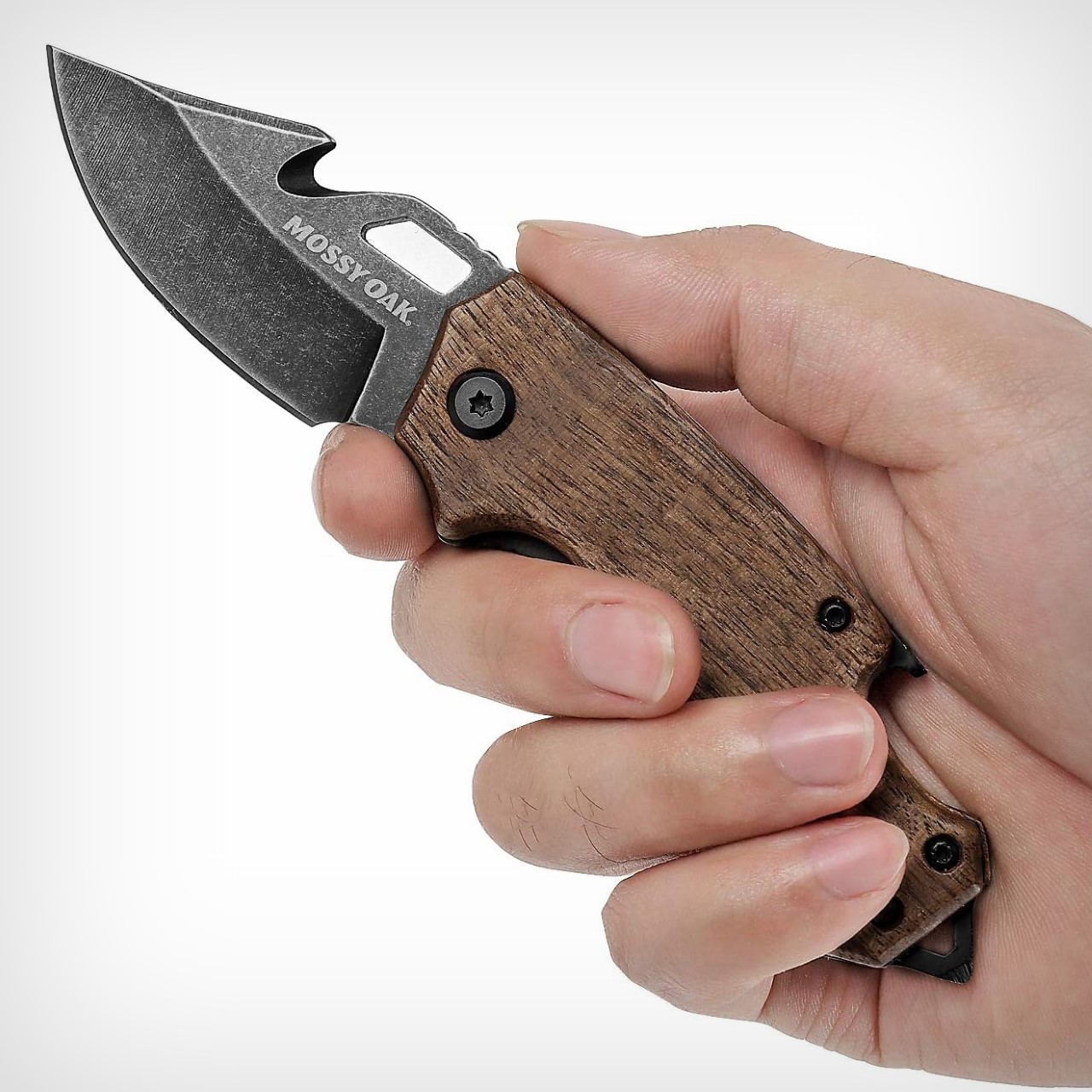
The knife comes with an ergonomic walnut handle that feels wonderfully grippy during use, but the ergonomic details also allow you to easily open the knife by using your nails or fingertips to pry the blade open. Once open, the blade gets locked in place using a liner-lock, so that it doesn’t ever accidentally shut on you during use.
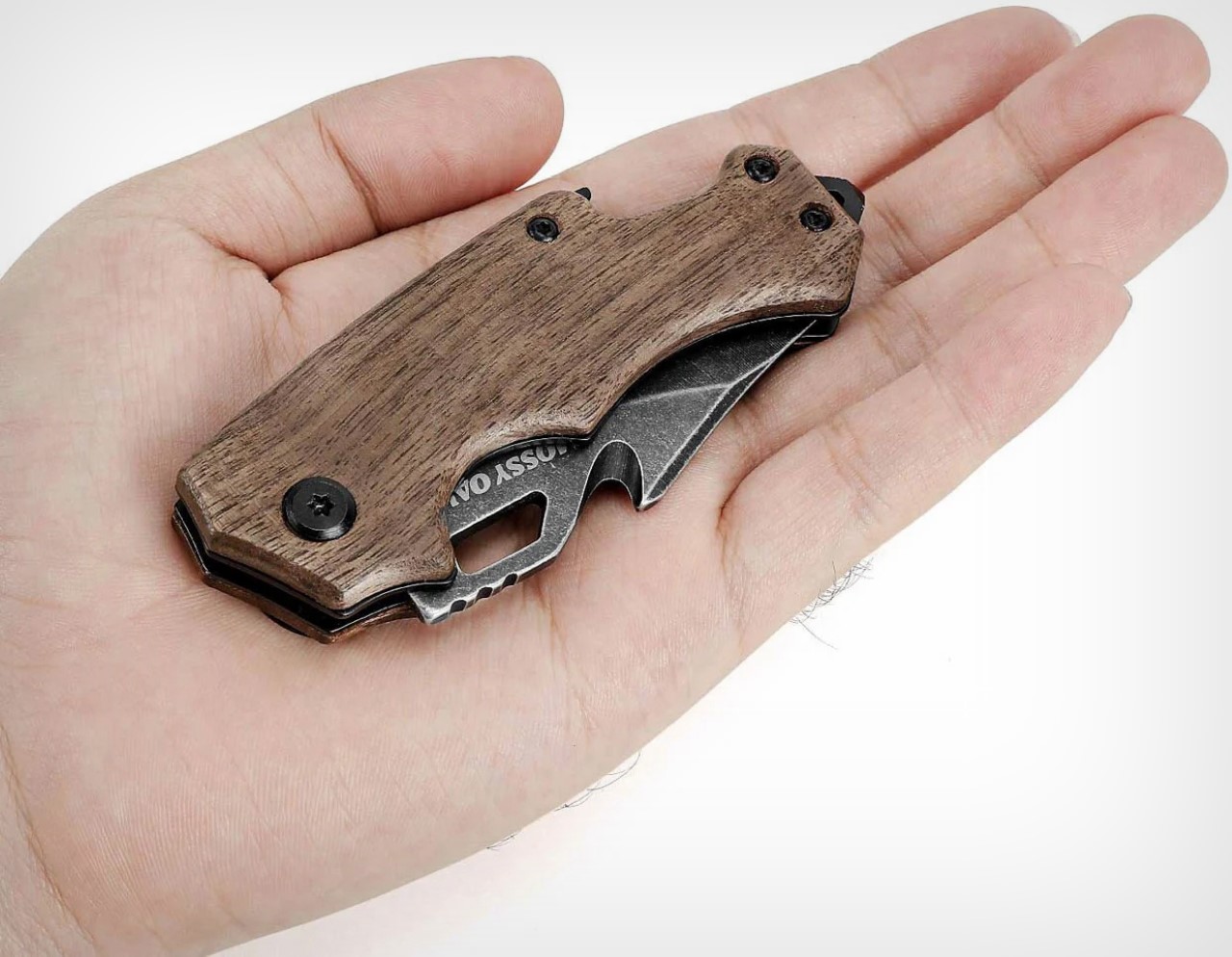
The Mossy Oak Mini’s blade measures just 2.5 inches, putting it in the small-blade category but not by a lot. A medium-length blade is said to start around the 3-inch mark, so the Mossy Oak Mini’s blade still feels usable with zero compromise (in fact, the inclusion of the rope/cord cutter on the top makes it even more functional). The blade sits inside the knife’s 3.5-inch handle, which is the perfect balance between compact and ergonomic. The entire knife weighs just 3.1 ounces (87 grams), and despite its pleasantly low $12.99 price tag, also packs a pocket clip along with a lanyard hole located within the glass-breaker detail.
The BMW Concept Skytop highlights the blend of heritage and innovation, pushing the boundaries of contemporary automotive design. This concept vehicle features the distinctive shark-nose grille, which is illuminated to emphasize its assertive presence, and incorporates ultra-slim LED headlights mounted on milled aluminum carriers. Its side profile reveals an athletic stance with sculpted surfaces and sharp lines, further enhanced by unique gill-inspired wheels. The rear design, characterized by a prominent spline and a gradient transitioning from reddish-brown to muted silver, illustrates exceptional craftsmanship and painstaking attention to detail. Let’s explore the various aspects of this design in greater detail, focusing particularly on the interior from a top-down perspective.
Designer: BMW
Front and Side Design
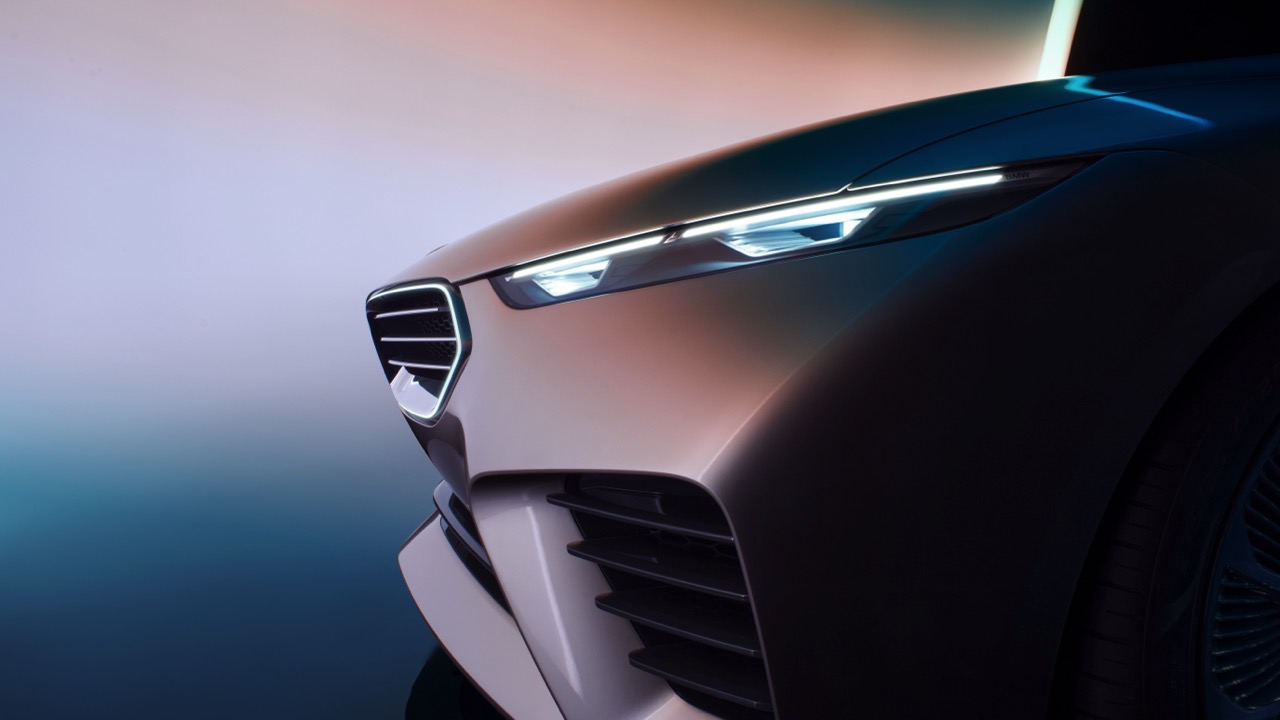
The BMW Concept Skytop’s front design is dominated by the signature shark-nose grille, illuminated to emphasize the vehicle’s sleek and aggressive stance. This design choice reflects BMW’s rich heritage while seamlessly integrating with the contemporary LED headlights on milled aluminum carriers. The headlights’ slim profile contributes to the car’s aerodynamic efficiency and modern aesthetic.
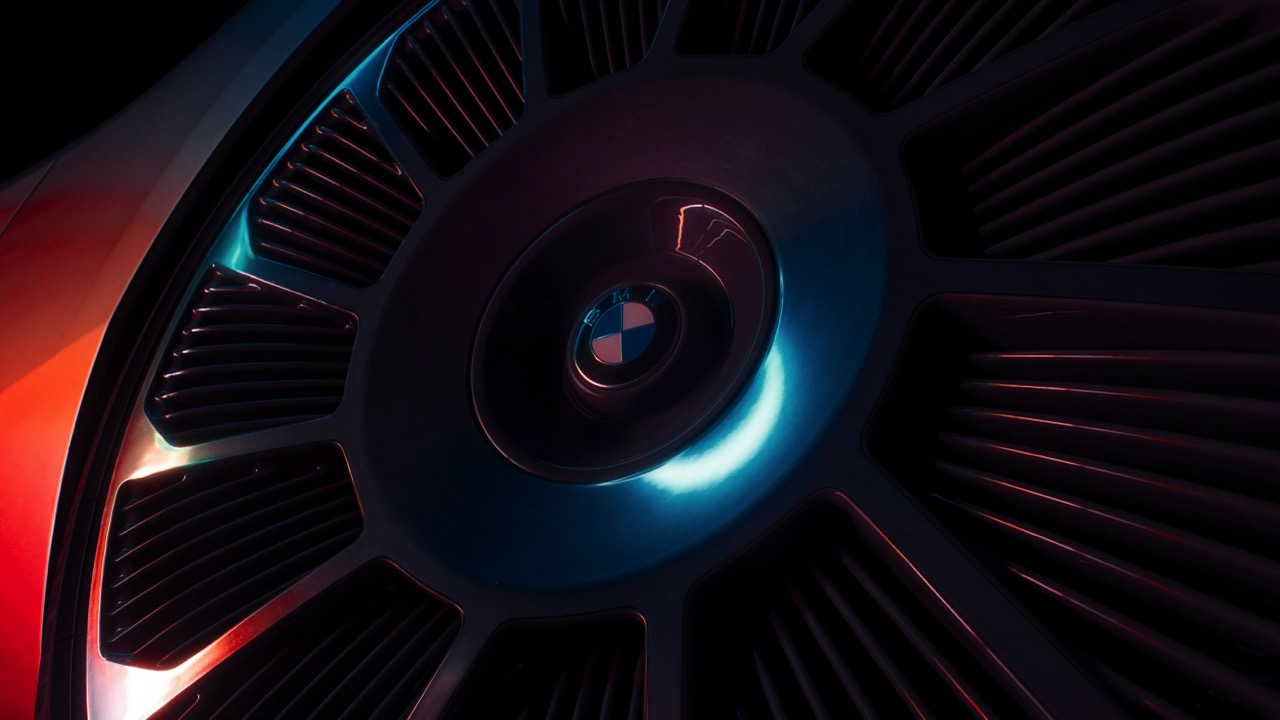
The side profile reveals an athletic and muscular form, with taut surfaces defined by precise lines that draw attention towards the rear. The absence of conventional door handles, replaced by discreet winglets integrated into the door shoulders, enhances the car’s streamlined look. With their gill-like features, the wheels add a unique touch to the car’s silhouette, further enhancing its dynamic appearance.
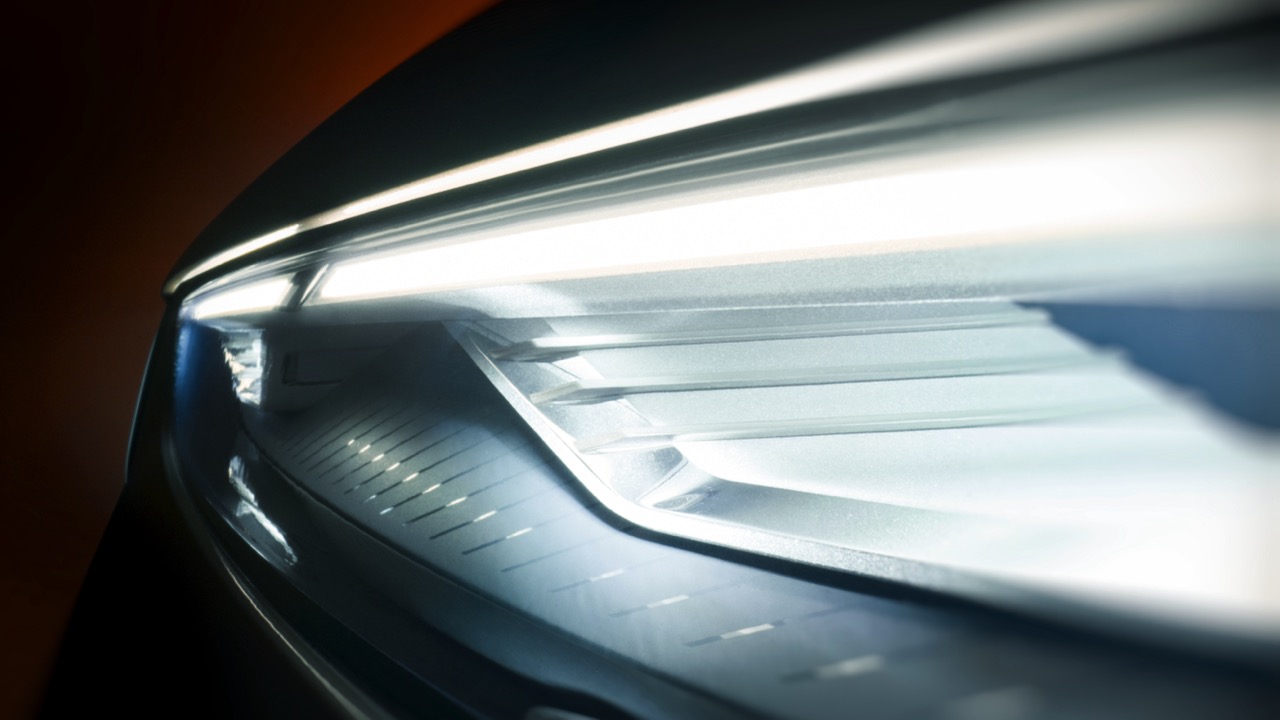
The shark-nose grille, a signature BMW element, evokes a sense of heritage while integrating modern technology. The illuminated grille adds a high-tech aura to the vehicle, immediately recognizable even in low-light conditions. This illumination emphasizes the grille’s contours, adding depth and enhancing the car’s aggressive stance. Flanking the shark-nose grille are the ultra-slim LED headlights, custom-developed for the BMW Concept Skytop. Featuring a sleek design with milled aluminum carriers, the slim profile of the headlights contributes to the car’s aerodynamic efficiency and gives the front end a sharp, precise look. The headlights blend seamlessly into the bodywork, highlighting the design’s clean lines and uninterrupted flow.
The Skytop’s hood is another key element of the front end, featuring a pronounced central spine that extends from the grille towards the windshield. This spine directs airflow over the car, enhancing its aerodynamic properties. The hood’s tight and muscular surfaces reflect the vehicle’s performance capabilities, adding to its sporty character. Below the grille, the front bumper incorporates large air intakes essential for cooling the engine and brakes. These intakes also enhance the vehicle’s aggressive look, framed by sharp lines that give the front bumper a dynamic and purposeful appearance. Complementing the prominent grille is a lower grille that spans the width of the front bumper. This lower grille balances the visual weight of the front end and integrates with the overall aerodynamic design. Its mesh pattern adds a sporty touch to the front fascia.
The front end of the BMW Concept Skytop is distinguished by the seamless integration of its various elements. The illuminated shark-nose grille, slim LED headlights, and pronounced hood spine work together to create a cohesive and harmonious design. The sharp lines and precise detailing ensure that each component enhances the others, contributing to the vehicle’s overall aesthetic and functional performance.
Rear Design
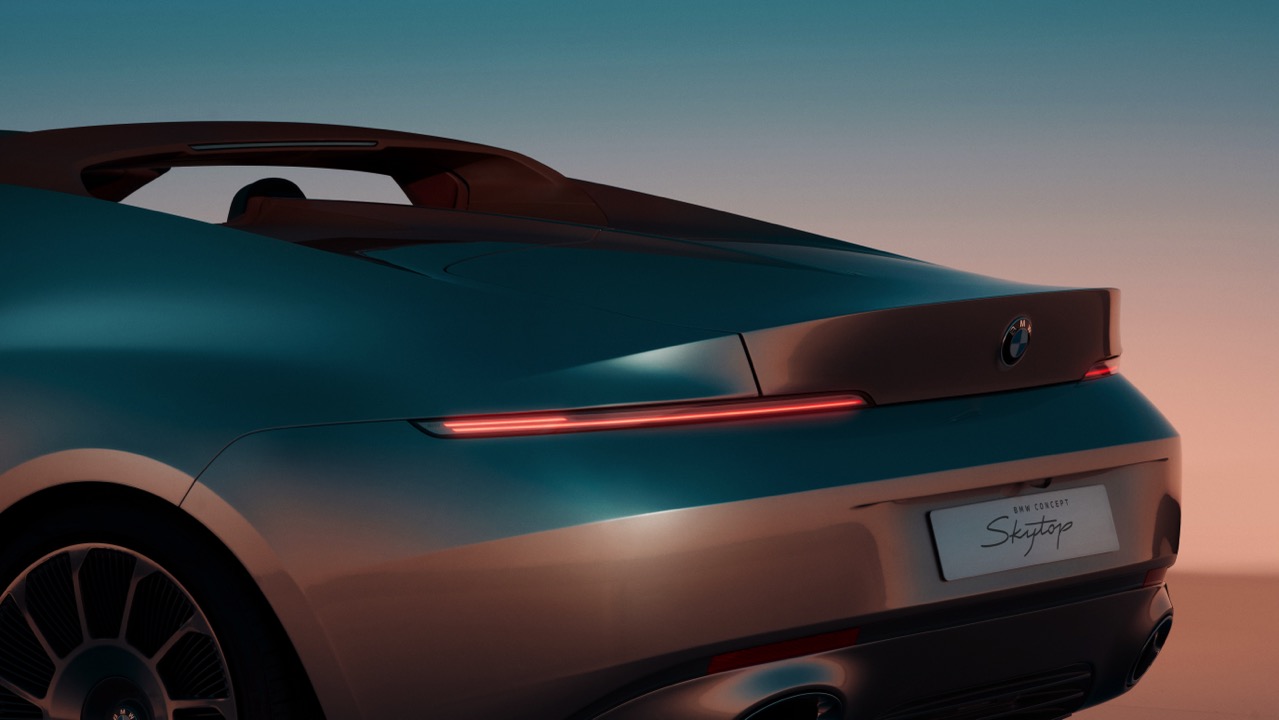
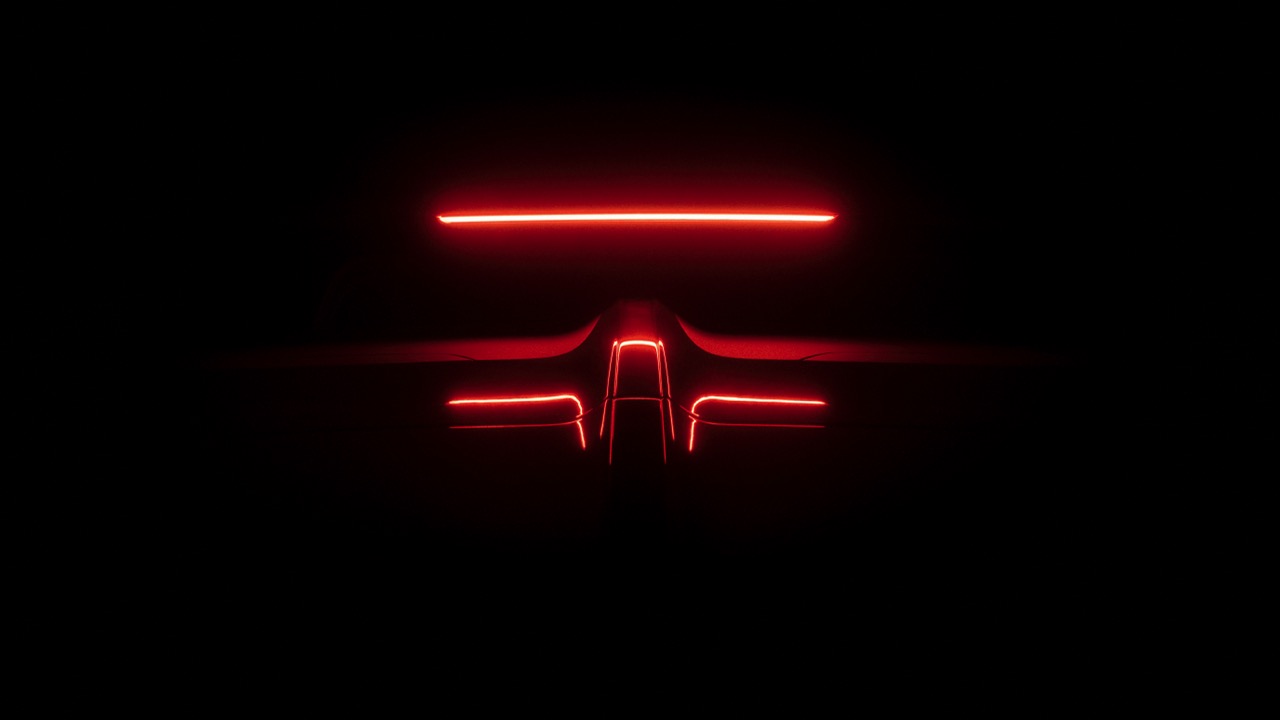
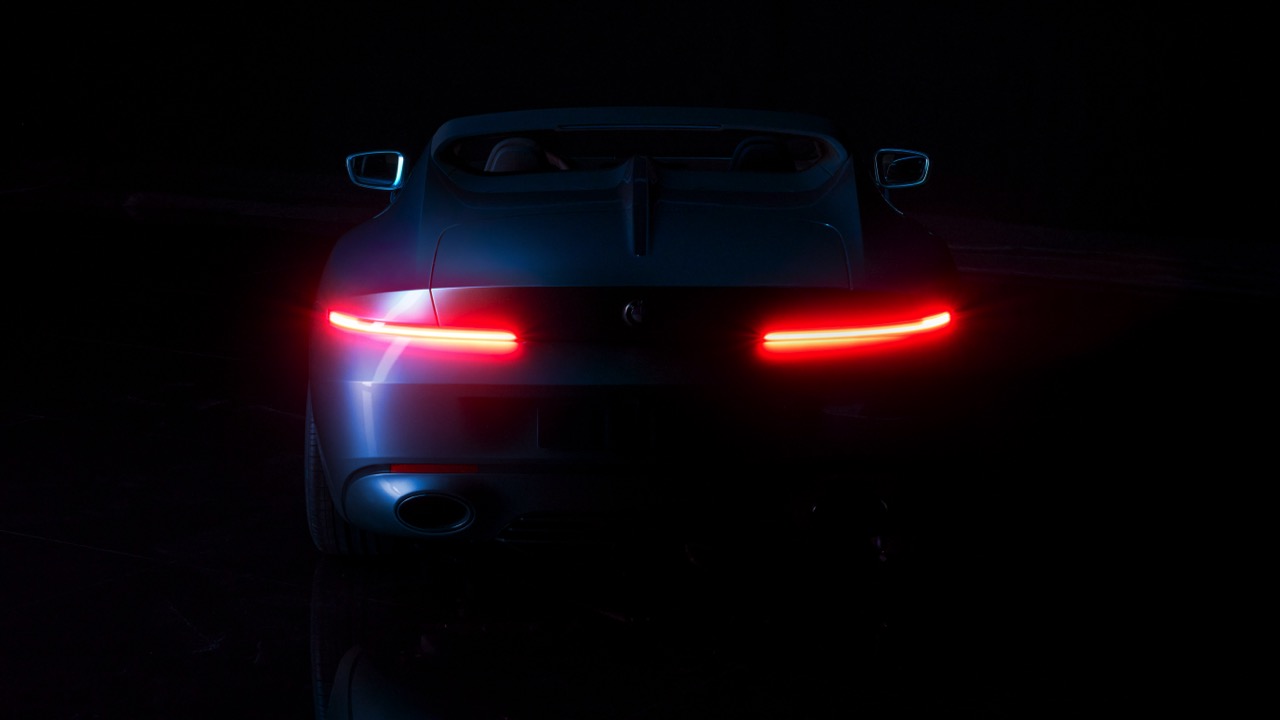
The rear of the BMW Concept Skytop continues the theme of sculpted elegance, blending form and function to define the car’s overall aesthetic. Clean, sculpted lines emphasize the car’s wide and stable stance. The slim, horizontal rear lights extend across the vehicle’s width, creating a visual connection that enhances the perception of width and stability. These lights seamlessly integrate with the bodywork, maintaining the clean, uninterrupted lines that define the car’s design.
The pronounced spline running from the hood through the interior and onto the trunk lid emphasizes the car’s dynamic flow, creating visual continuity and guiding the eye smoothly along the vehicle’s length. The rear quarter panels extend the athletic and muscular form in the side profile. They flow smoothly from the front, tapering towards the rear while maintaining the car’s tight surfaces and precise lines. This continuity ensures the design remains cohesive, with the rear quarter panels contributing to the overall dynamic look.
The rear quarter panels extend the athletic and muscular form in the side profile. They flow smoothly from the front, tapering towards the rear while maintaining the car’s tight surfaces and precise lines. This continuity ensures the design remains cohesive, with the rear quarter panels contributing to the overall dynamic look. The subtle lip on the trunk lid and the integrated rear spoiler add sporty touches and improve aerodynamics, ensuring optimal performance. The color gradient from a reddish-brown roof to a muted silver exterior with a chrome shadow effect showcases meticulous craftsmanship and intricate paintwork, enhancing the car’s luxurious feel. Every detail, from the lighting elements to the color transitions, is thoughtfully executed to create a cohesive and harmonious design that complements the BMW Concept Skytop’s dynamic character.
Interior and Top-Down Perspective
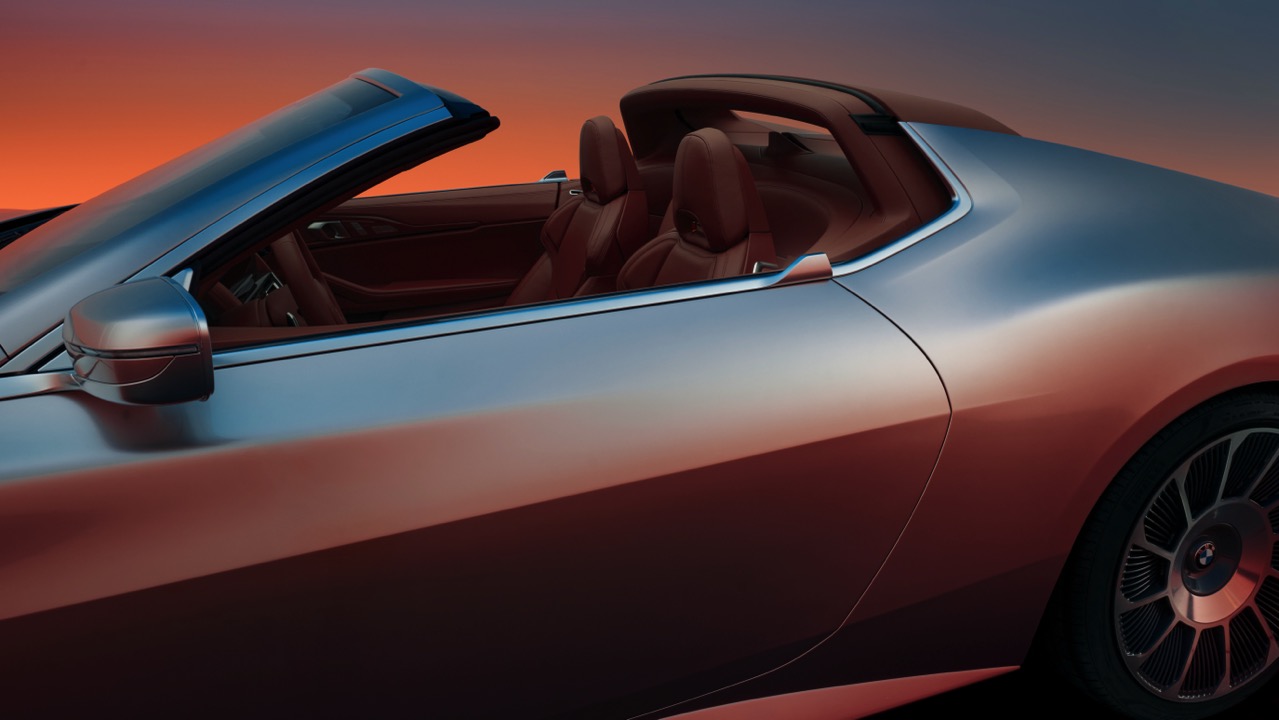
The BMW Concept Skytop’s interior meticulously combines luxury and functionality. Its reddish-brown leather surfaces, adorned with brogue-style accents, create a unified and luxurious atmosphere. The leather-finished sports bar behind the seats, the side fins on the B-pillar, and a fully retractable rear window contribute to the car’s sporty and elegant aura.
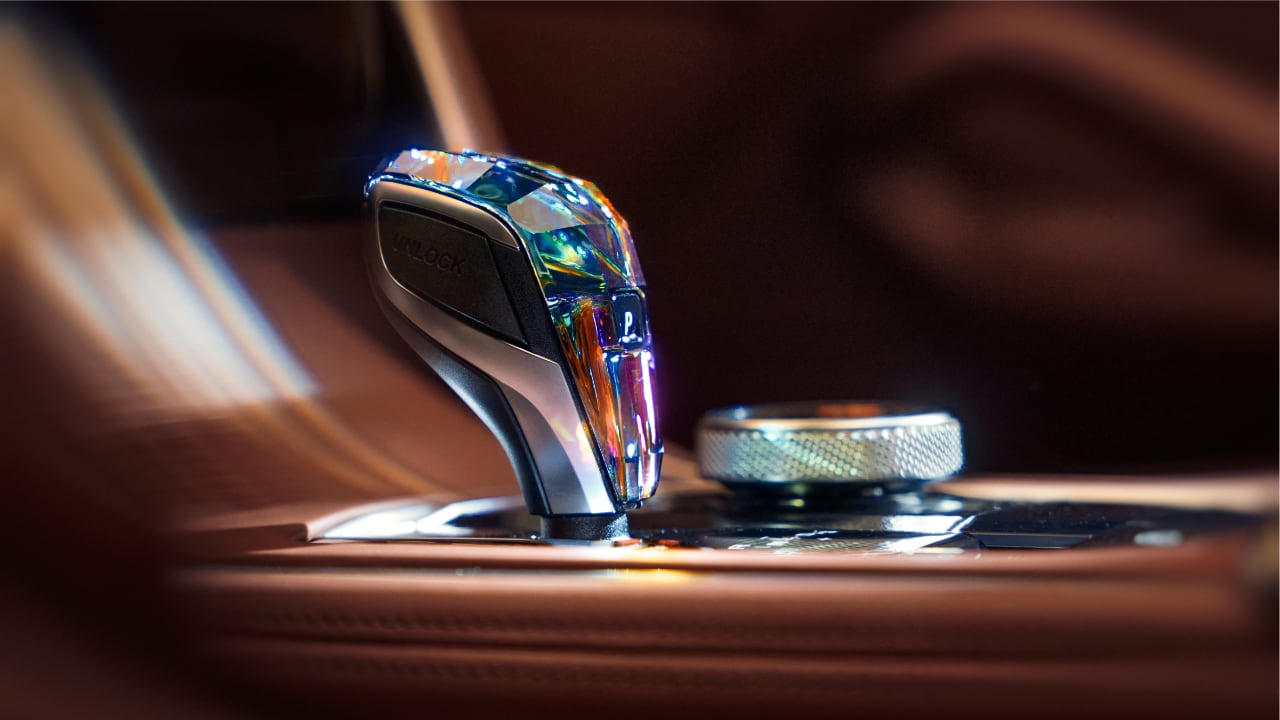
The dashboard exemplifies modern automotive design, featuring crystal applications seamlessly embedded into the cockpit. These elements enhance the overall aesthetic appeal and showcase BMW’s craftsmanship in blending contemporary design elements. The center console, with its sleek design and intuitive layout, ensures all controls are easily accessible to the driver, further enhancing the driving experience. The steering wheel, wrapped in the same reddish-brown leather as the seats, features a modern design that integrates seamlessly with the rest of the interior. The digital display behind the wheel provides the driver with all necessary information clearly and concisely, ensuring that the focus remains on the road.
Viewing the BMW Concept Skytop from a top-down perspective offers a clear insight into the car’s cohesive design. This perspective showcases the seamless integration of exterior and interior elements, with the pronounced spline running the length of the vehicle, reinforcing the unified and continuous design language. The two removable roof parts, finished in leather, can be stored in a special compartment in the luggage space, showcasing BMW’s attention to practicality without compromising style. The retractable rear window further enhances the open-air experience, allowing for an unobstructed view of the surroundings.
Roof Design
The roof of the BMW Concept Skytop is a crucial element in its design, both when on and off. When the roof is on, it maintains the car’s sleek silhouette, with the reddish-brown tone flowing into the muted silver of the body. This color gradient, crafted by BMW’s master painters, ensures a smooth transition that enhances the vehicle’s visual appeal. The roof’s design also includes a central spine that aligns with the hood’s spine, maintaining the design’s continuity from front to back.
When the roof is off, the BMW Concept Skytop transforms into an open-top roadster, emphasizing its luxurious and sporty nature. The interior’s reddish-brown leather, visible with the roof off, complements the exterior color scheme, ensuring that the car remains visually appealing from all angles. The fully retractable rear window and the storage compartment for the roof parts are designed for practicality without compromising the car’s aesthetic.
Design Cohesion and Final Thoughts
Integrating the rear design elements with the rest of the BMW Concept Skytop is masterful. The rear lights, quarter panels, and roof design all contribute to the car’s overall aesthetic, creating a harmonious blend of traditional and modern elements. The design ensures that the Skytop maintains its elegant and dynamic appearance, whether the roof is on or off.
My final thought of the BMW Concept Skytop is that it’s a vision of the future that honors the past. With every detail precisely crafted, from the illuminated shark-nose grille to the brogue-style leather accents in the interior, BMW demonstrates its dedication to superior design and craftsmanship. The Skytop’s seamless blend of aesthetics and functionality makes it a remarkable example of automotive design. Whether admired for its innovative engineering or luxurious finishes, the BMW Concept Skytop is a realization of the brand’s enduring legacy and forward-thinking approach.
It’s like if a Game Boy Classic and an iPad had a baby…
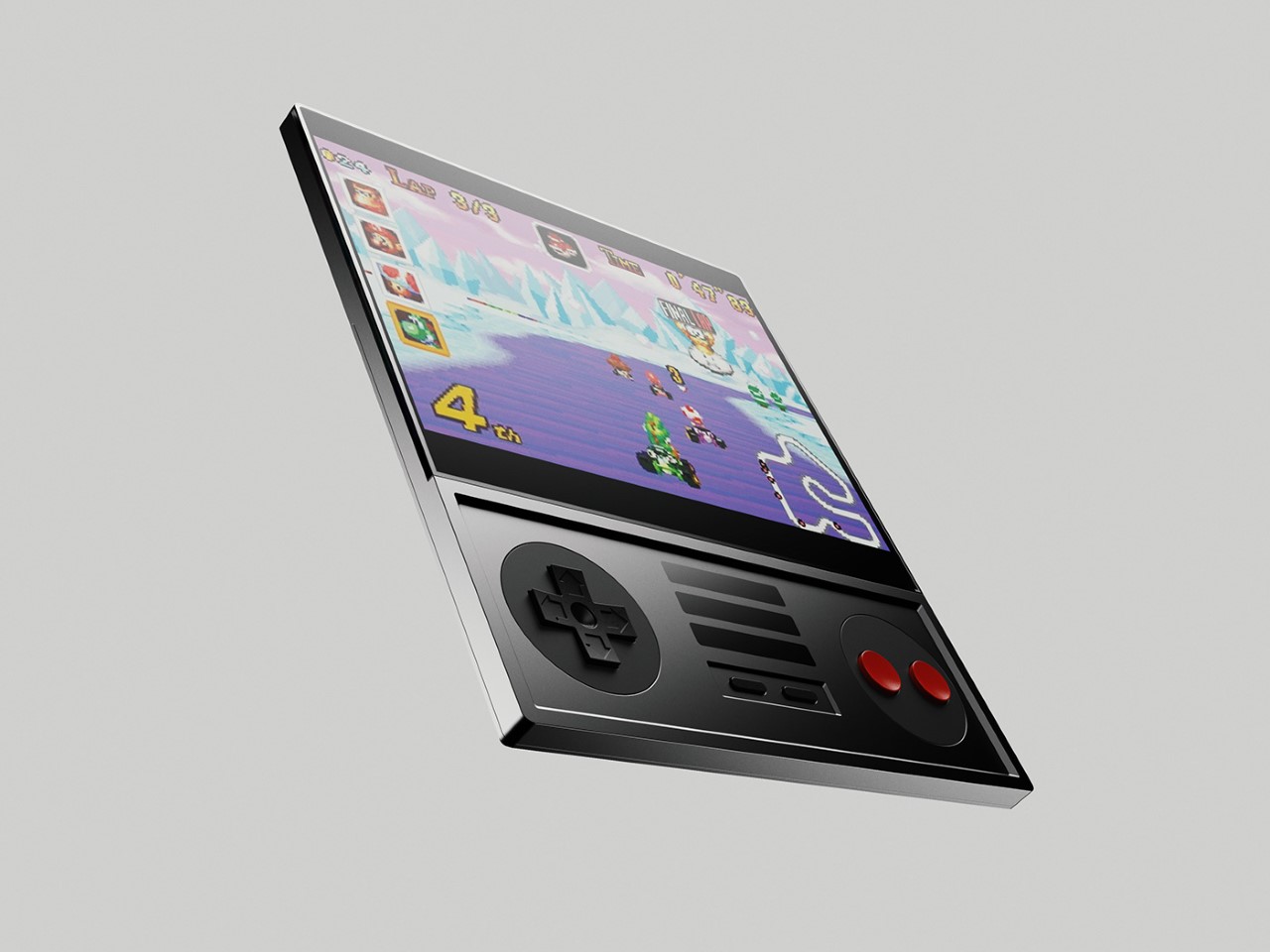
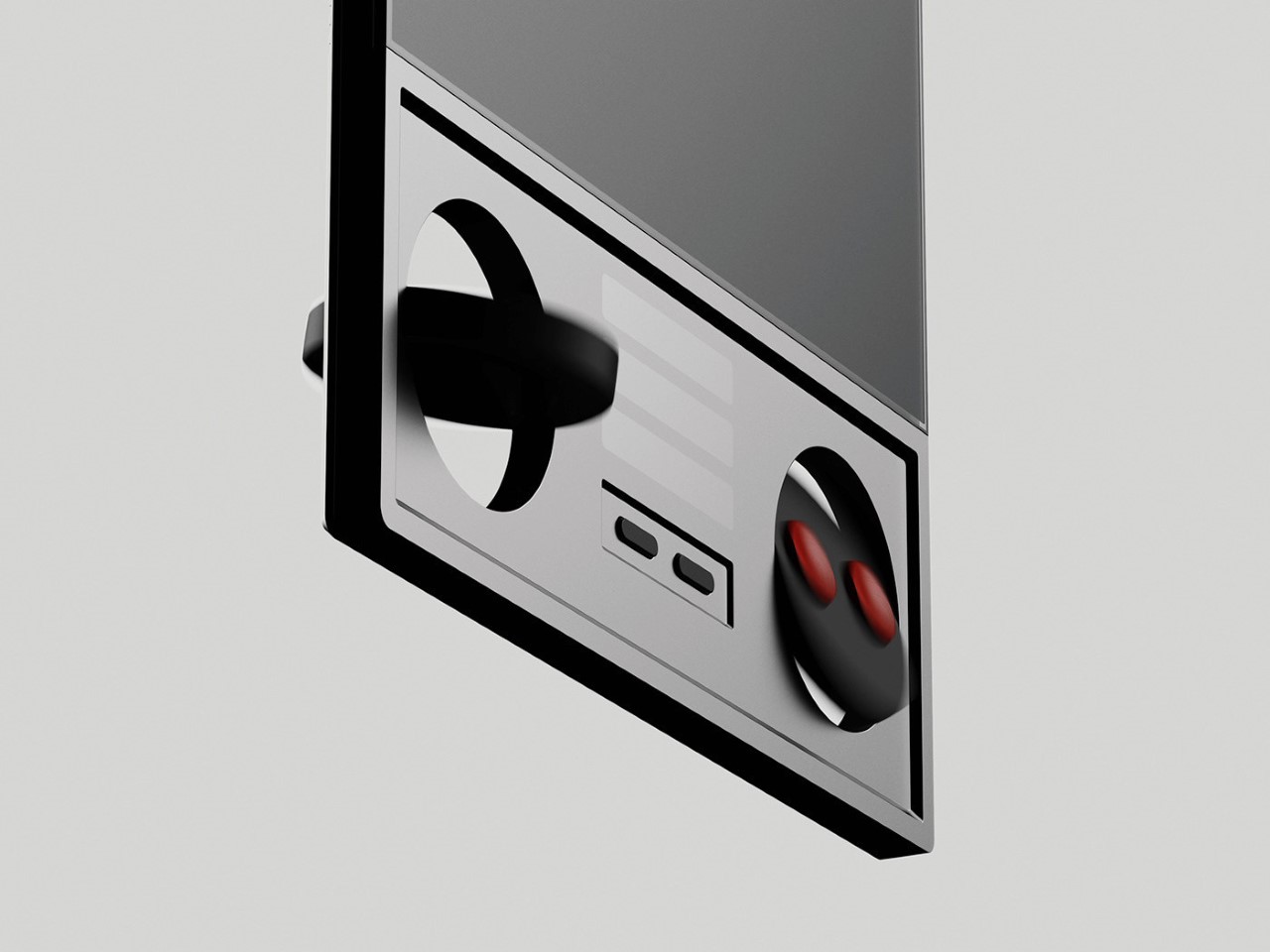
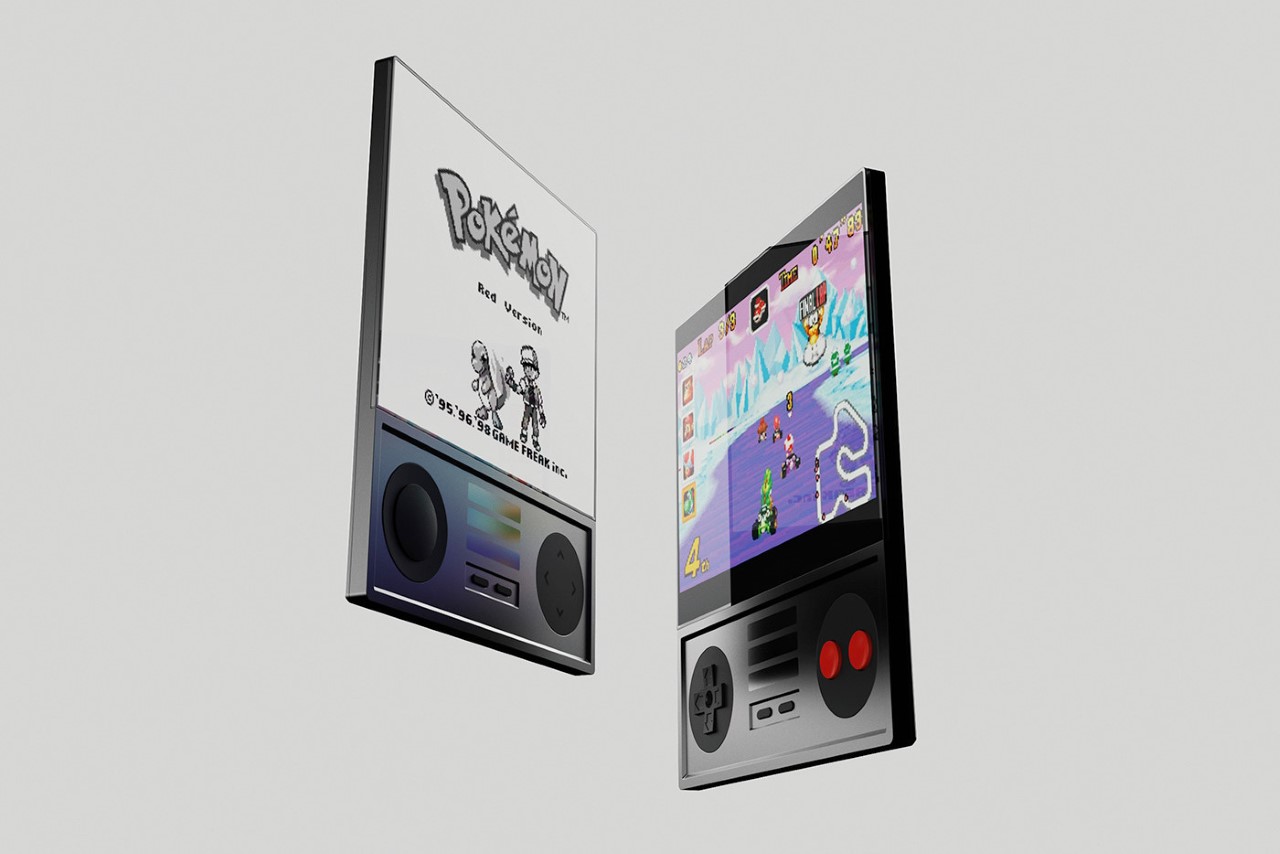
In the 80s, the Game Boy changed how we saw gaming. It condensed an entire gaming setup down into something small enough to fit in your hands – remember that game consoles and TVs were massive back then. However, 40 years later, not much has changed. The Nintendo Switch is still a small game console, albeit with better graphics. Designed to bring a more immersive gaming experience to those 90s kids who loved the Game Boy era, the PlayFusion is a concept handheld that offers a larger iPad-esque format with a bigger display and some interesting controls. Embodying an aesthetic that is retro yet minimalist, the PlayFusion is slick, evocative of a golden gaming era, and instead of conventional buttons and joysticks, has rotating controller modules that you can flip to choose between analog buttons, touch surfaces, and joypads.
Designer: Alex Casabo
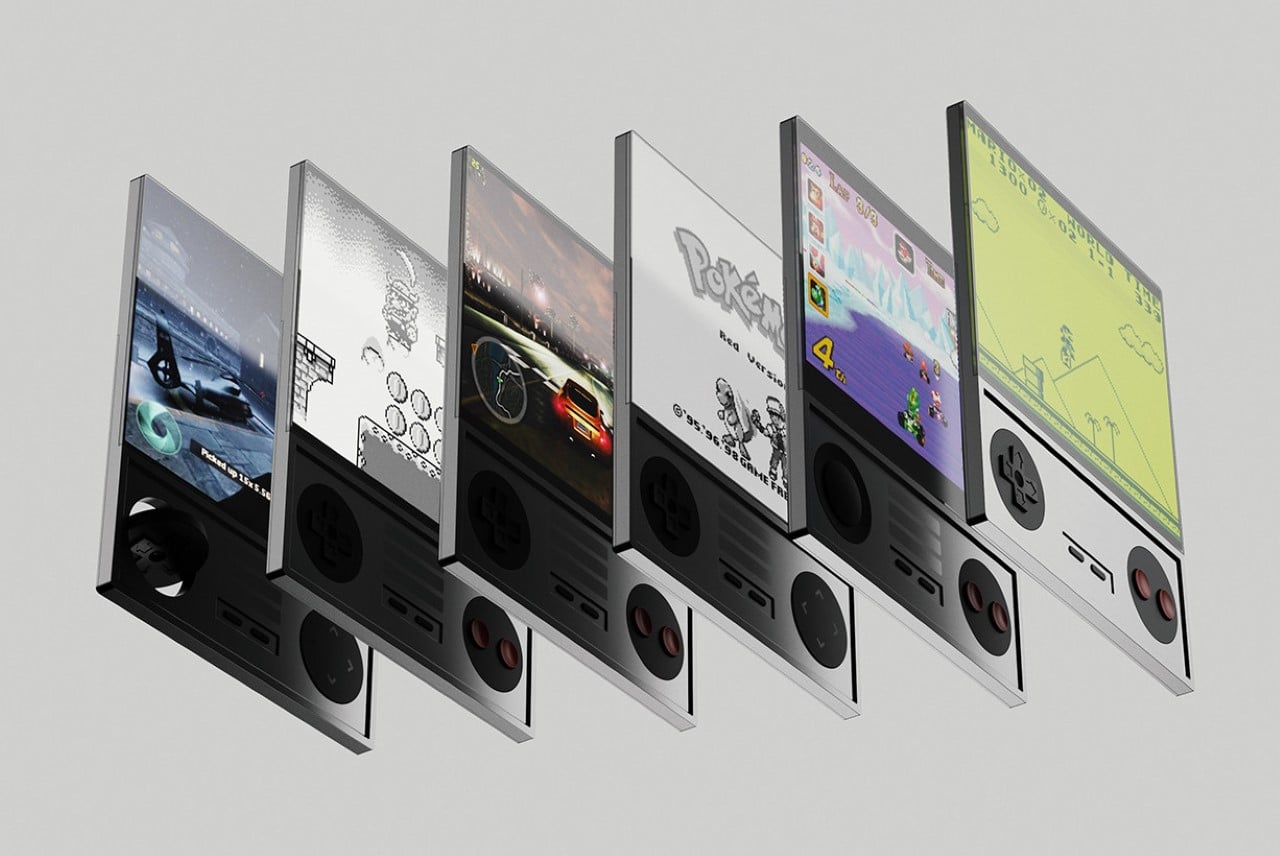
The PlayFusion, as its name suggests, is a combination of old and new, classic and revolutionary. Designed for 90s kids who pretty much saw some of the best games life could offer, from Super Mario and Pokemon to NFS and Maro Kart, the PlayFusion is a console meant to revisit that glorious past, in the format of a device that also lets you explore the future of games. It’s a gaming-console way of saying “look how far we’ve come.”
The large display is quite a welcome change, with a 4:3 aspect ratio reminiscent of handheld consoles from the past, but also a hat-tip to the iPad, which Apple has been positioning as a great gaming-ready device. The large display is housed within a slim body (although not as slim as the iPad Pro) that feels great to hold and use, but by far the most interesting part of the PlayFusion is its controls.
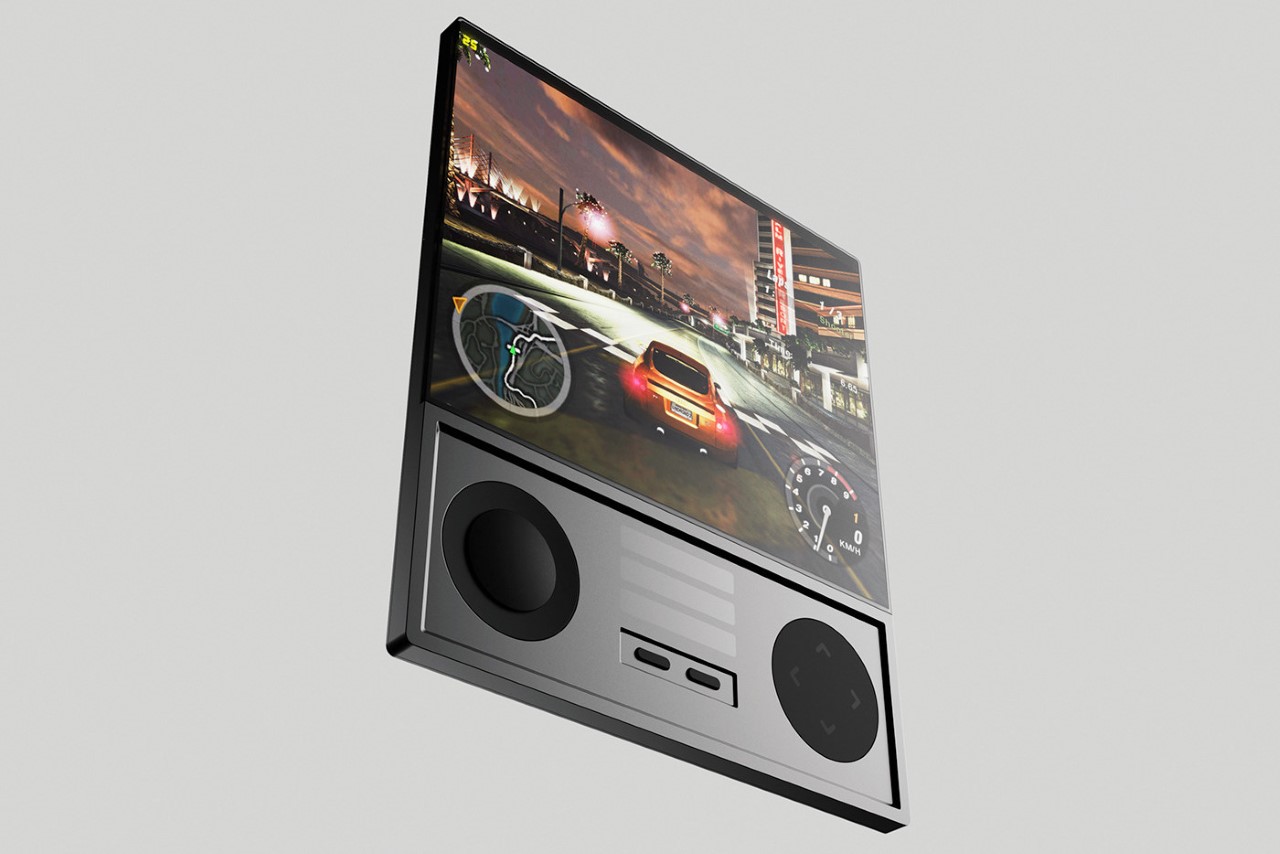
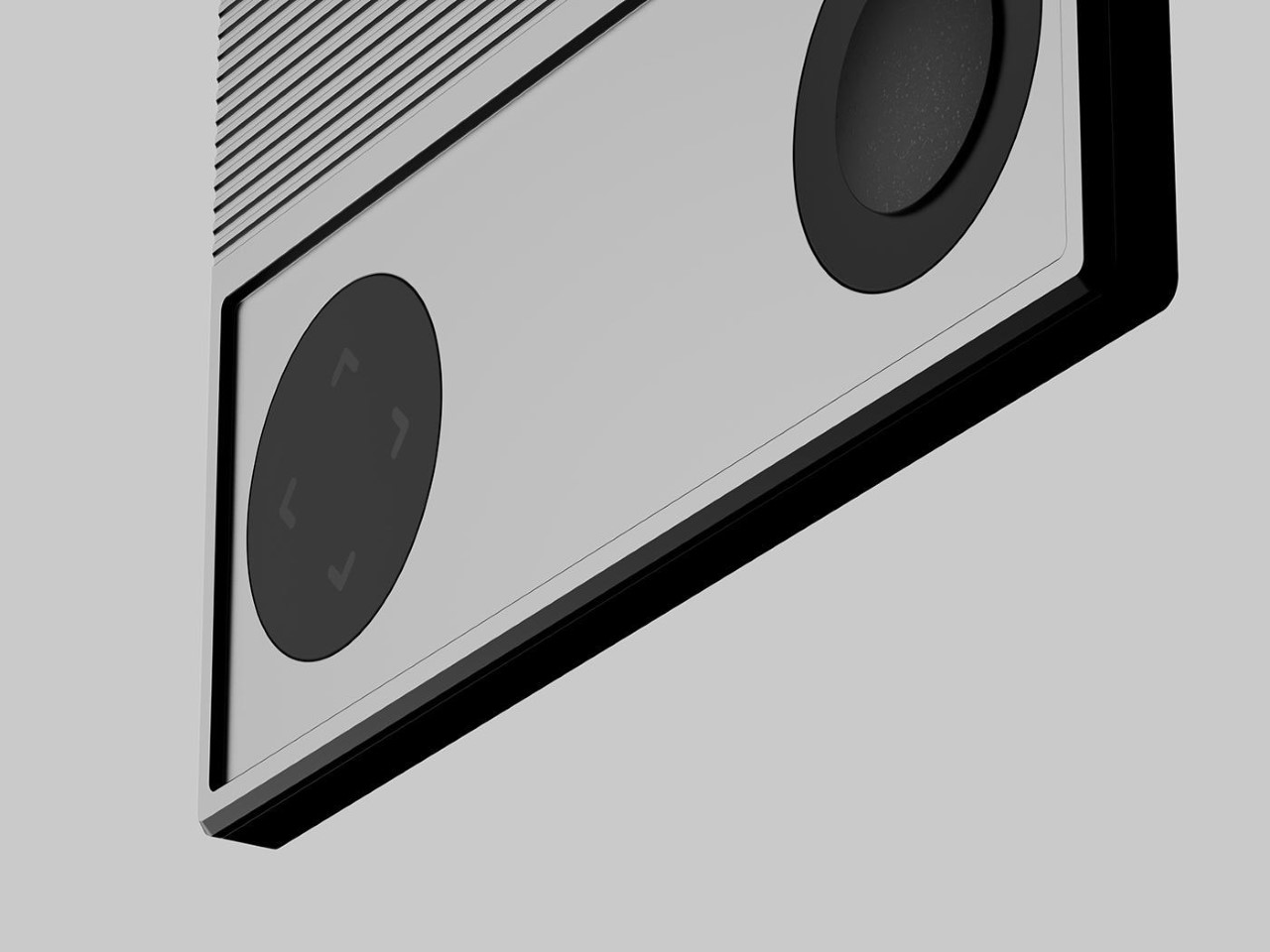
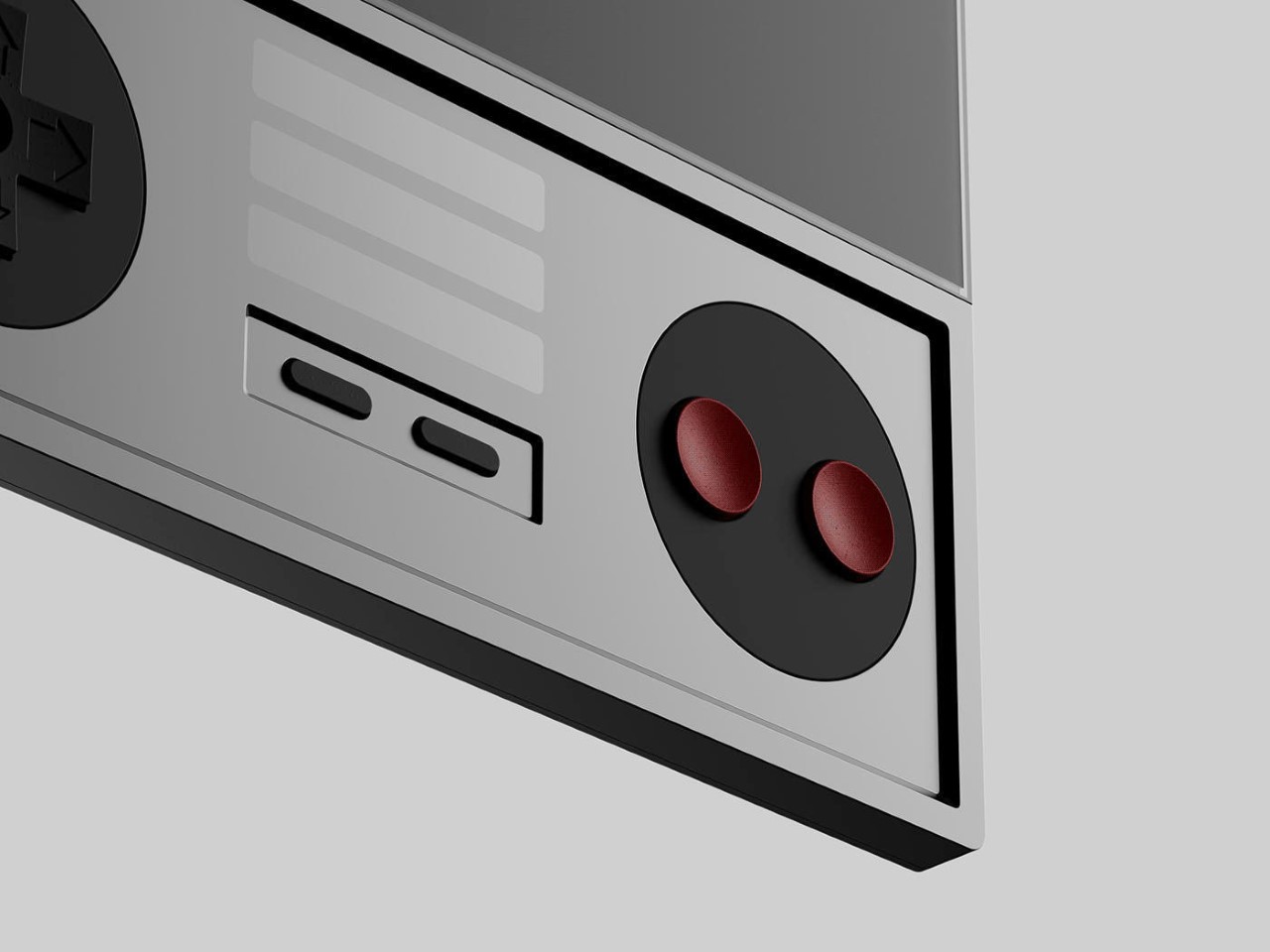
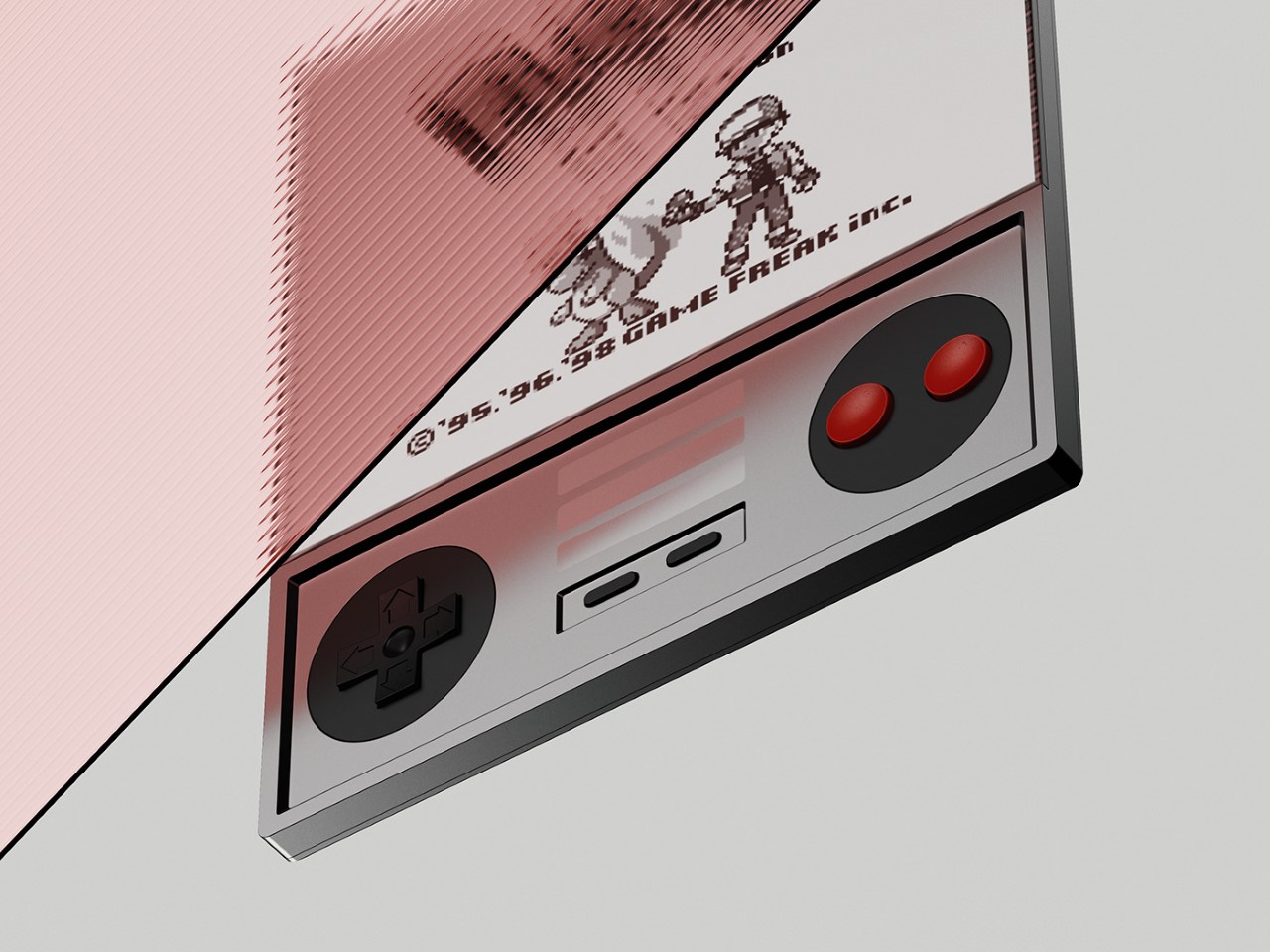
Nothing captures the essence of ‘fusion’ more than the shapeshifting controllers on the PlayFusion console. Casabo’s attempt with the PlayFusion was to provide an experience that is simultaneously futuristic yet classic. The controllers exist as two discs on the base of the PlayFusion, that rotate on a horizontal axis. On one side, you’ve got cutting-edge touch-sensitive backlit controls. On the other, however, you’ve got NES-inspired red action buttons and a D-pad that gives you the old-school gaming experience.
The modern controls are sleek and reminiscent of the on-screen controls you’d find on mobile or tablet games.
The retro controls, on the other hand, are as NES as they get, with the familiar shape and color associated with the famed gaming console.
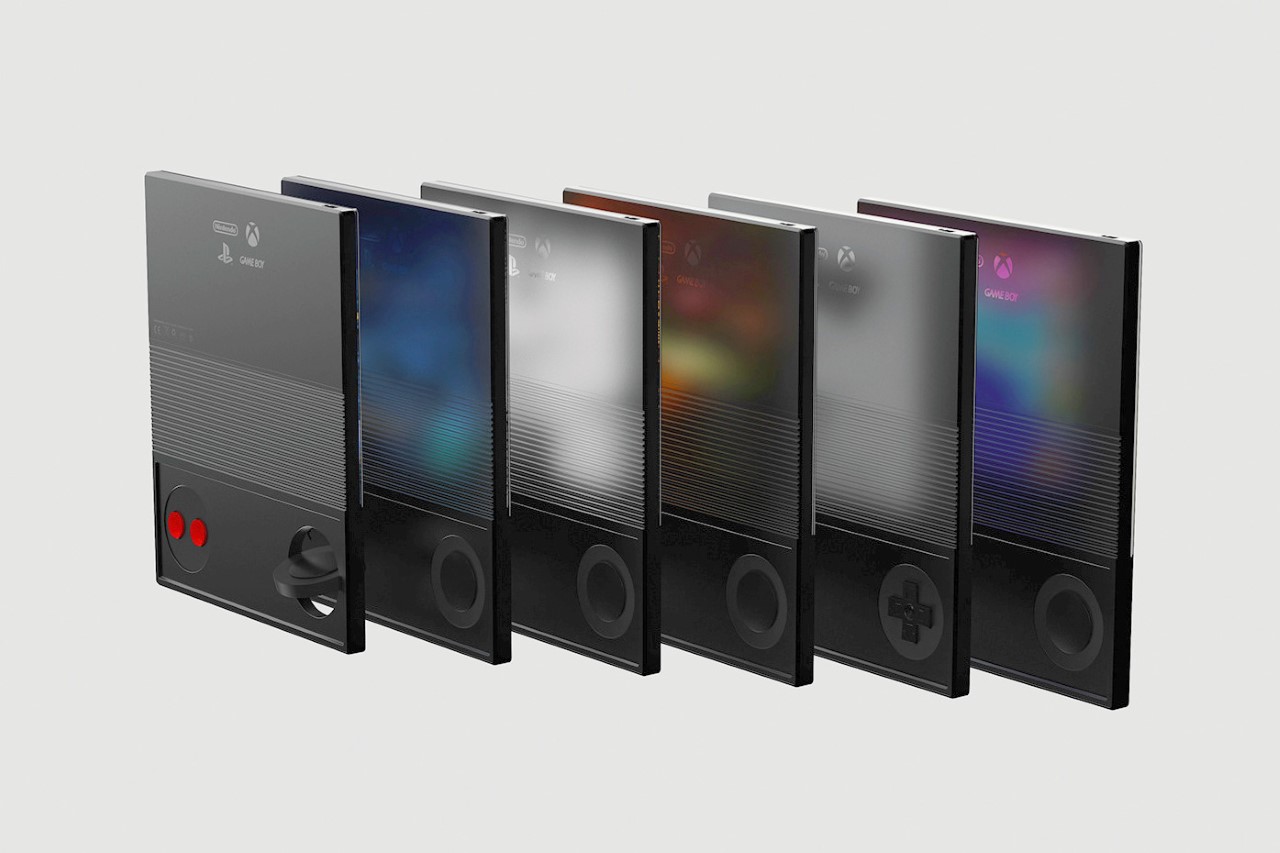
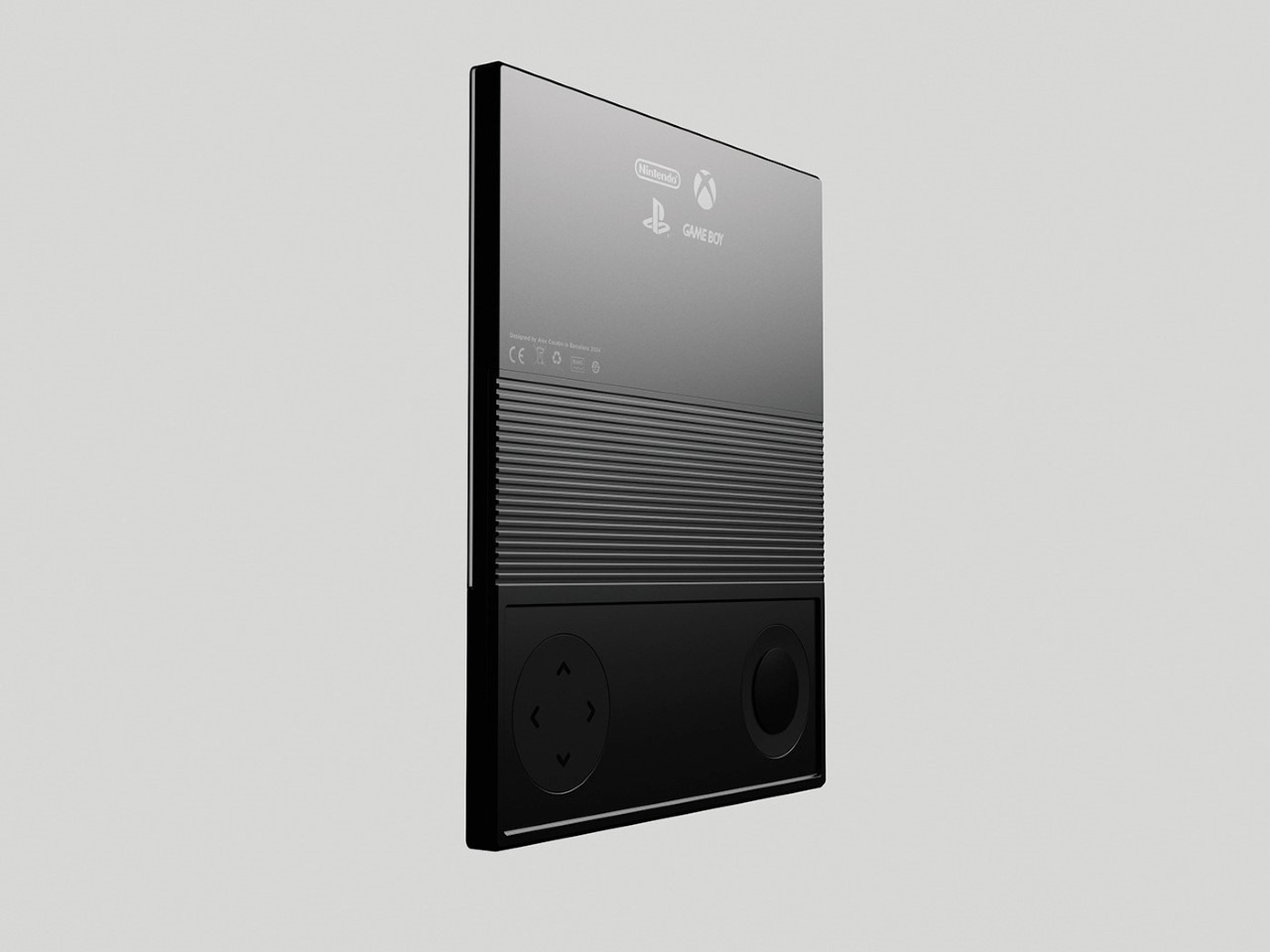
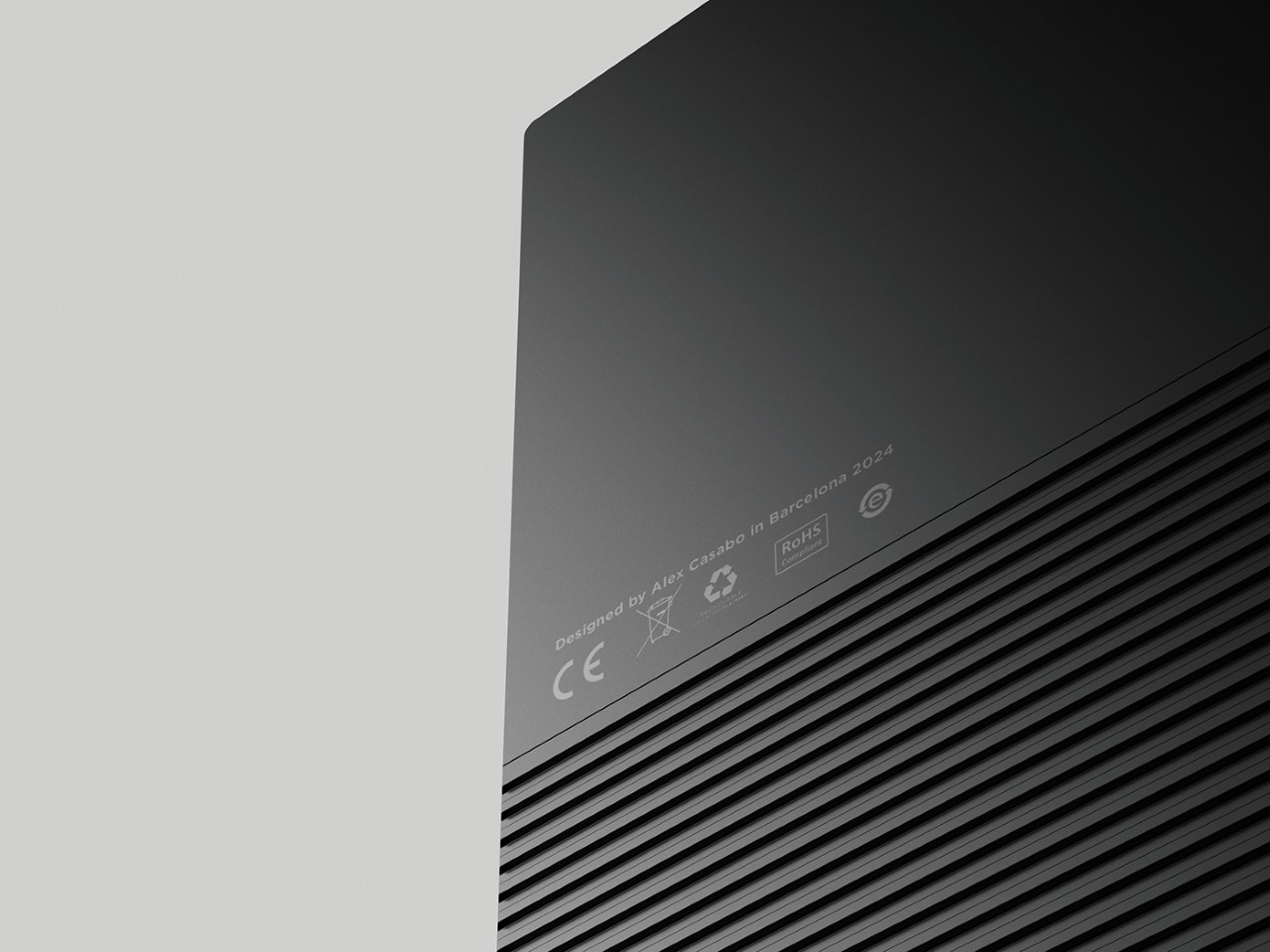
The overall PlayFusion concept is a slick, rectangular number that has a distinct Atari-ish aesthetic when you see the back. The front is dominated by that screen of course, which evokes the sense of a larger-than-life Game Boy with how the controllers are located right below the screen. The name PlayFusion feels almost like a call-out to Sony’s PlayStation, but I assure you that’s purely coincidental at this point.
The best part of the PlayFusion lies probably in its wishful thinking. It’s designed as an all-in-one device that features the best of gaming companies like Nintendo, Sony, and Xbox, all combined in one singular device (you can even see the various logos on the back). There’s really no way such a device could exist with the blessings of Nintendo, Sony, and Microsoft (given how trigger-happy their legal departments are), so the only hope is of a PlayFusion that runs an emulator, bringing nostalgia to gamers across the world… with a touch of whimsy and a massive immersive screen!
Arc Search, my go-to app for all search needs on macOS and iOS, from The Browser Company, has introduced its latest feature, Call Arc, designed to make voice-activated search fun and useful. Released on May 23, 2024, as part of the V1.13.0 update, Call Arc offers a new way for users to interact with their search queries using voice commands. This feature adds a neat twist to the traditional “phone a friend” concept, turning your phone into an instant answer provider.
Designer: The Browser Company
The new feature enables users to activate voice search by simply holding their iPhone to their ear, simulating a phone call. This method enhances the user experience by making it feel more natural while also aiming to provide faster and more convenient responses. The app responds nearly instantly with search results, accompanied by an animated smiley face, adding a touch of personality to the interaction.
The Browser Company aims to create a more conversational and accessible search experience with Call Arc. This feature builds on the existing voice search capabilities of Arc Search, which were previously made available via the iPhone 15 Pro’s Action button. With Call Arc, initiating a search becomes as intuitive as making a phone call, tapping into a deeply ingrained habit in human behavior.
However, the feature is not without its challenges. In my experience, using Call Arc is seamless; simply opening the app and raising the iPhone to my ear triggers the call automatically. There were instances where the app asked for confirmation to connect, which was a minor inconvenience. While single queries were handled well, more complex requests, such as asking Arc to summarize articles into bullet points, led to the app going blank and failing to respond to subsequent queries. This indicates that the feature is still buggy, and user experiences may vary.
In addition, Arc Call can’t open links or show results directly within the app. Instead, it explained in detail how I could search for the information myself. When I asked which browser I should use, it named all the competitors except for Arc Browser.
Arc Call recommends Chrome or Firefox for search and doesn’t mention Arc Browser
Arc Search has made significant strides since its launch in January, with features like “Browse for me,” which compiles information from multiple web pages into a single, user-friendly page. Powered by models from OpenAI and other sources, this feature provides comprehensive responses to user queries.
Regular and meaningful updates are crucial in distinguishing Arc Search from competitors like Safari, Chrome, and other AI assistants. As Apple prepares to roll out its AI-infused updates for Safari and Siri, it will be interesting to see how Arc continues to innovate and improve its core offerings throughout the year.
An intriguing aspect of Arc’s new feature is its choice of a female voice, which aligns with a broader trend in AI voice assistants. Siri, Alexa, Cortana, Google Voice, and even ChatGPT’s voice models have predominantly female voices. This phenomenon is not coincidental but rooted in historical, cultural, and psychological factors. Female voices are often perceived as more soothing, approachable, and helpful, aligning with the roles these assistants are designed to play.
In 2014, Alex Garland’s Ex Machina showed how a lifelike female robot passed the Turing Test and won the heart of a young engineer
The history of female voices in technology can be traced back to early telephone operators and IVR systems, setting a precedent for modern AI assistants. Pop culture, too, has played a significant role, with characters like Samantha from the film “Her” and JARVIS from “Iron Man” shaping our perceptions of AI voices. Studies have shown that users generally find female voices more likable and comforting, which can enhance the user experience and engagement.
Sarang, a colleague who conducted a deep dive analysis, highlighted the importance of recognizing the gender biases present in AI voice assistants. “Why do most AI voice assistants have female voices? How do humans perceive these voices? Why don’t you see that many male AI voice assistants?” he asked. Sarang emphasized that while female AI voices can help normalize female authority and challenge stereotypes, they also risk reinforcing existing biases if not designed and managed carefully. The training data and algorithms behind these voices must be diverse and inclusive to avoid perpetuating harmful stereotypes.
Regarding UI/UX design, the Arc Search app’s Call Arc feature presents a clean and intuitive interface, enhancing user interaction through simplicity and visual appeal. The interface is minimalistic, focusing primarily on essential functions, which reduces cognitive load and allows users to engage with the app effortlessly. This design approach ensures that users can easily navigate the feature without being overwhelmed by unnecessary elements.
A notable UI aspect is the animated smiley face, which adds a friendly and engaging element to the user experience. Similar to Amazon’s Prime smiley logo, this visual indicator conveys a sense of friendliness and approachability. It shows that the app actively listens and responds, creating a more interactive and human-like interaction. The smiley face makes the experience more enjoyable while providing a clear signal that the app is processing user queries.
The call interface is designed to resemble a typical phone call screen, making it familiar and easy to use. A timer at the top of the screen indicates the duration of the interaction, reinforcing the phone call analogy. This familiar design helps users feel comfortable using the feature as it closely mimics the standard phone functions they are already accustomed to.
Key functional buttons like “Speaker” and “End Call” are prominently displayed and easily accessible, mirroring a standard phone call UI. This design choice ensures that users can quickly manage the call without confusion. Additionally, the inclusion of a “Read More” button allows users to access detailed information from the “Browse for me” feature, providing a seamless transition between voice responses and in-depth content.
The background has a gradient of vibrant colors, creating a visually appealing backdrop that enhances the app’s overall aesthetic without distracting from the functional elements. This use of color adds to the app’s modern look and feel, making it attractive and user-friendly.
The design also leverages intuitive gestures, such as raising the phone to the ear to initiate a call. This gesture aligns with natural user behavior, making the feature more seamless and integrated into everyday actions. By incorporating these intuitive interactions, The Browser Company has created a feature that feels innovative and inherently easy to use.
So far, the new Call Arc feature in Arc Search is pretty sleek. Will I use it? I don’t know because, at the moment, it’s a party trick to me, although its true purpose is to provide a more engaging and natural search experience. Despite some bugs, the feature shows promise and reflects The Browser Company’s commitment to pushing the boundaries of AI-powered tools. As AI voice assistants evolve, it is crucial to consider their broader social implications and strive for a balanced and fair representation in their design and implementation.
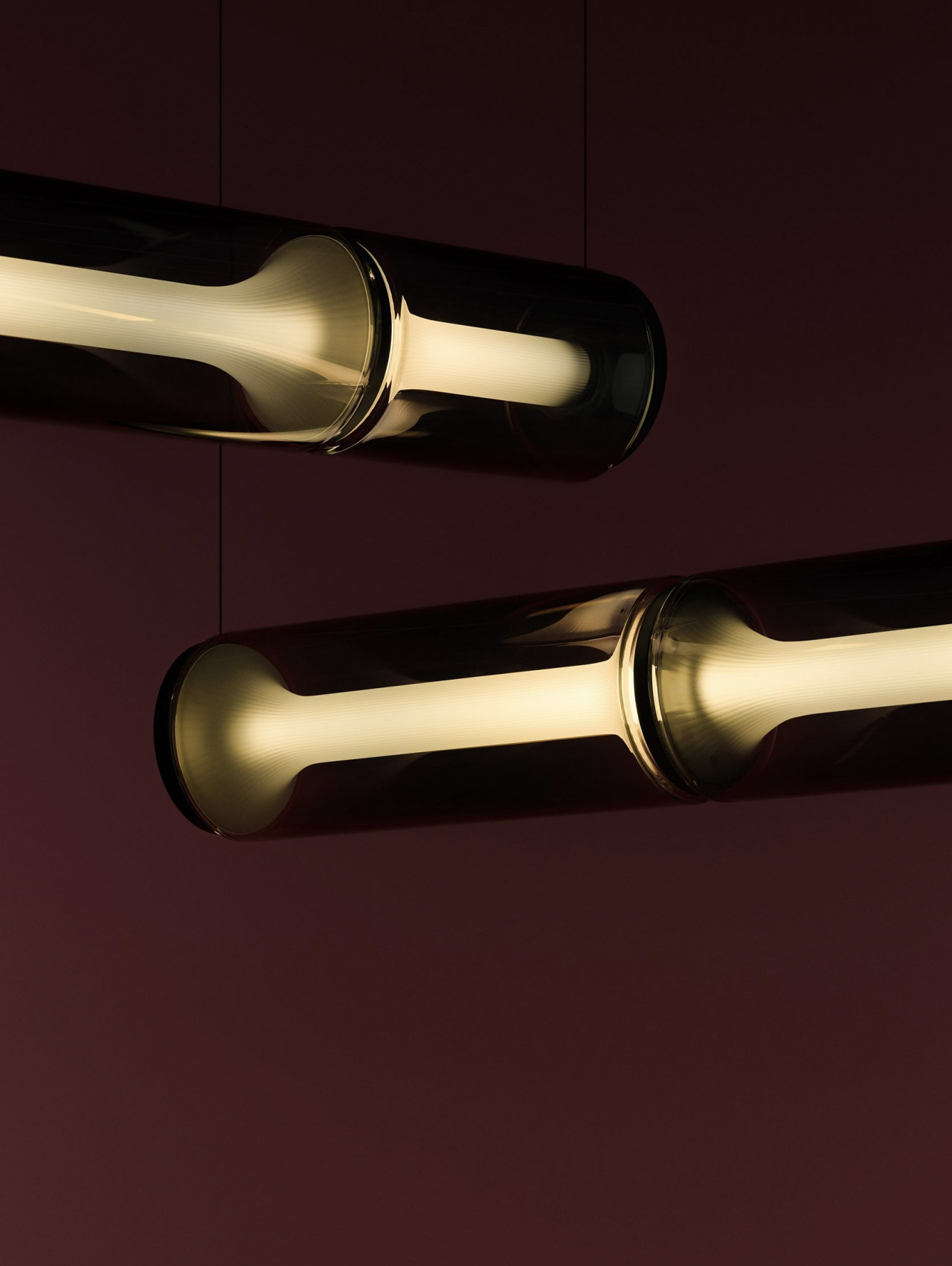
When you’re doing up your living room, you spend a substantial amount of time picking the perfect sofa or the ideal coffee table, but we don’t really dedicate much time to picking the right lighting design! Today, lighting designs are total works of art – they’re unique and innovative, elevating a space with their mere presence. Nowadays, designers are creating unique, functional, and powerful pieces that not only light up a living space but also add an extra oomph factor! These lighting designs not only help you see in the dark, but they also function as an attractive and visually appealing piece. And a lighting design I recently loved is the Miles Pendant Lamp by Yabu Pushelberg for Lasvit.
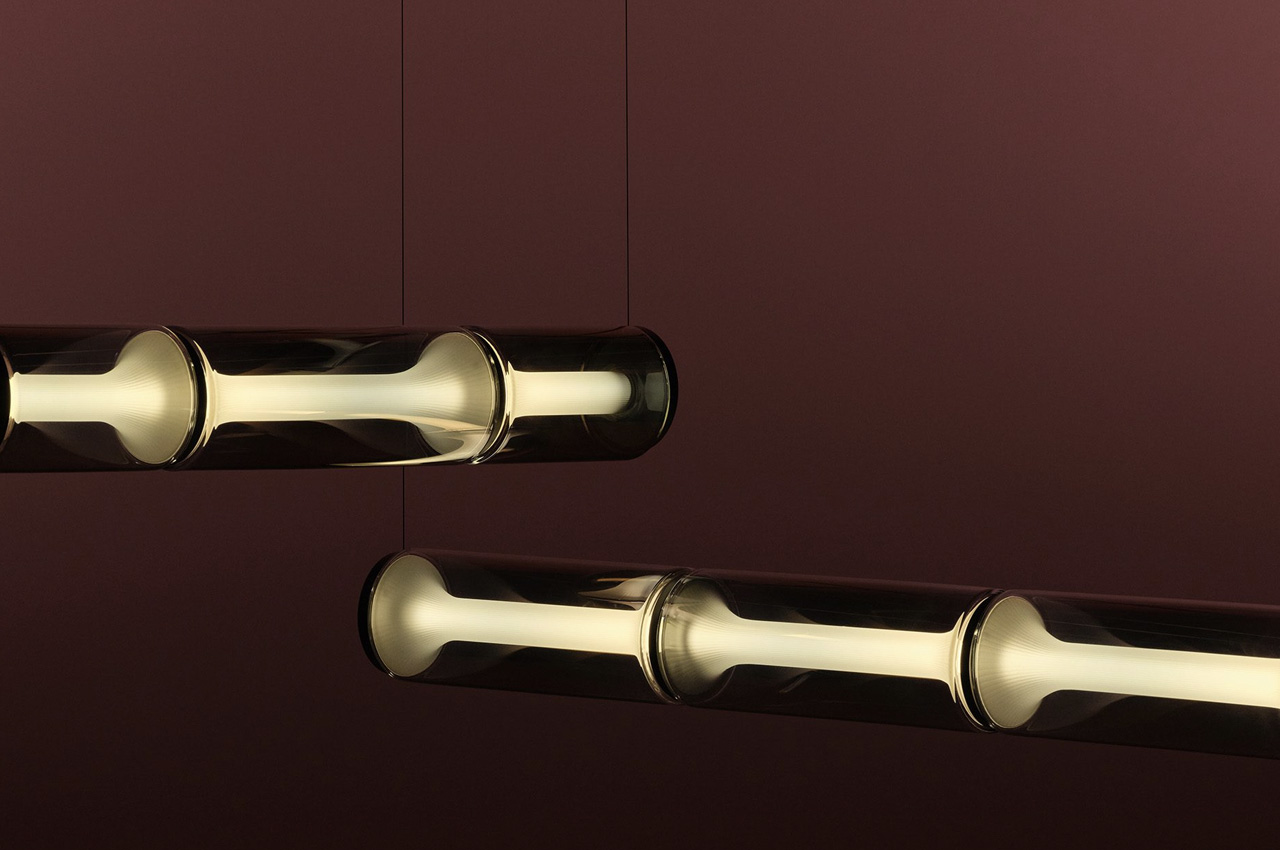
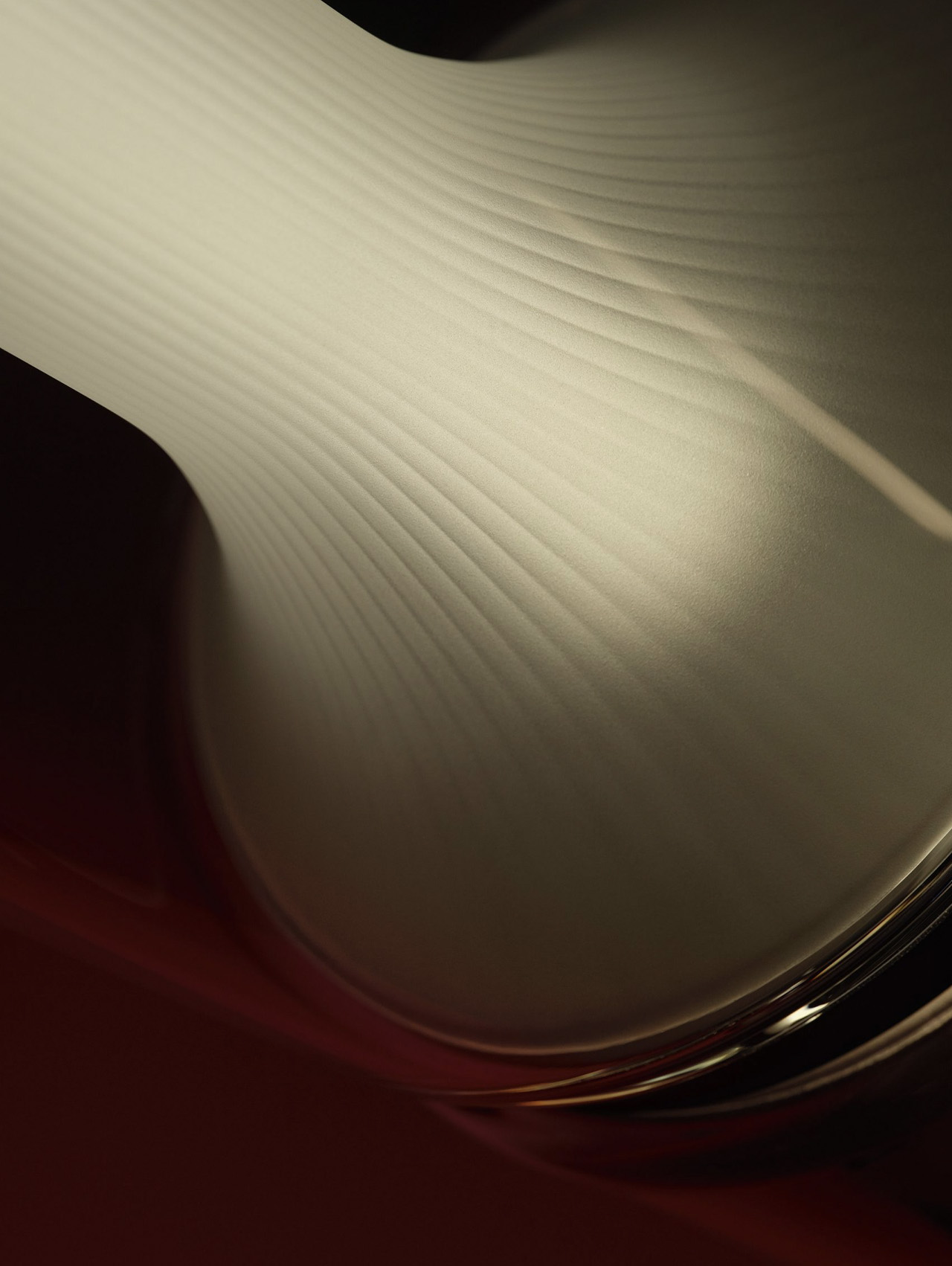
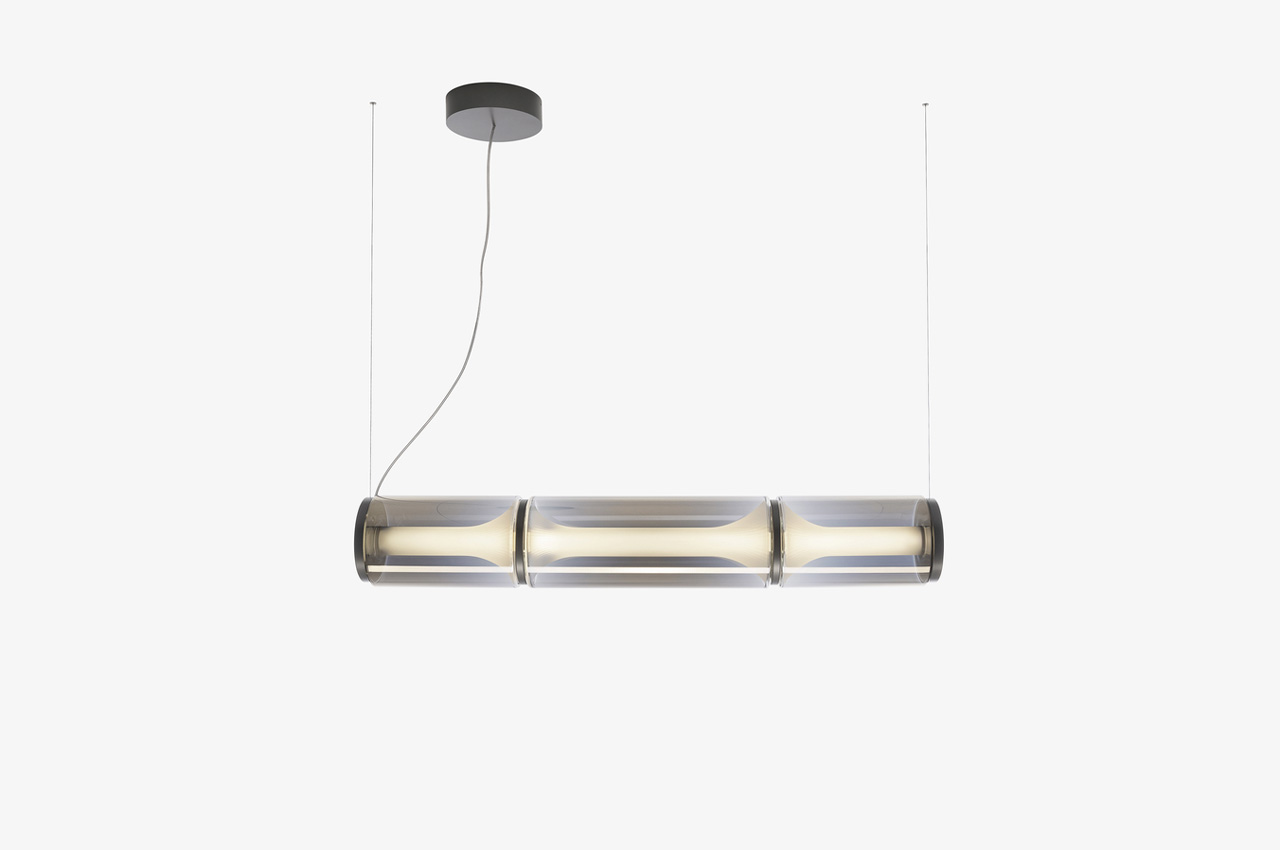
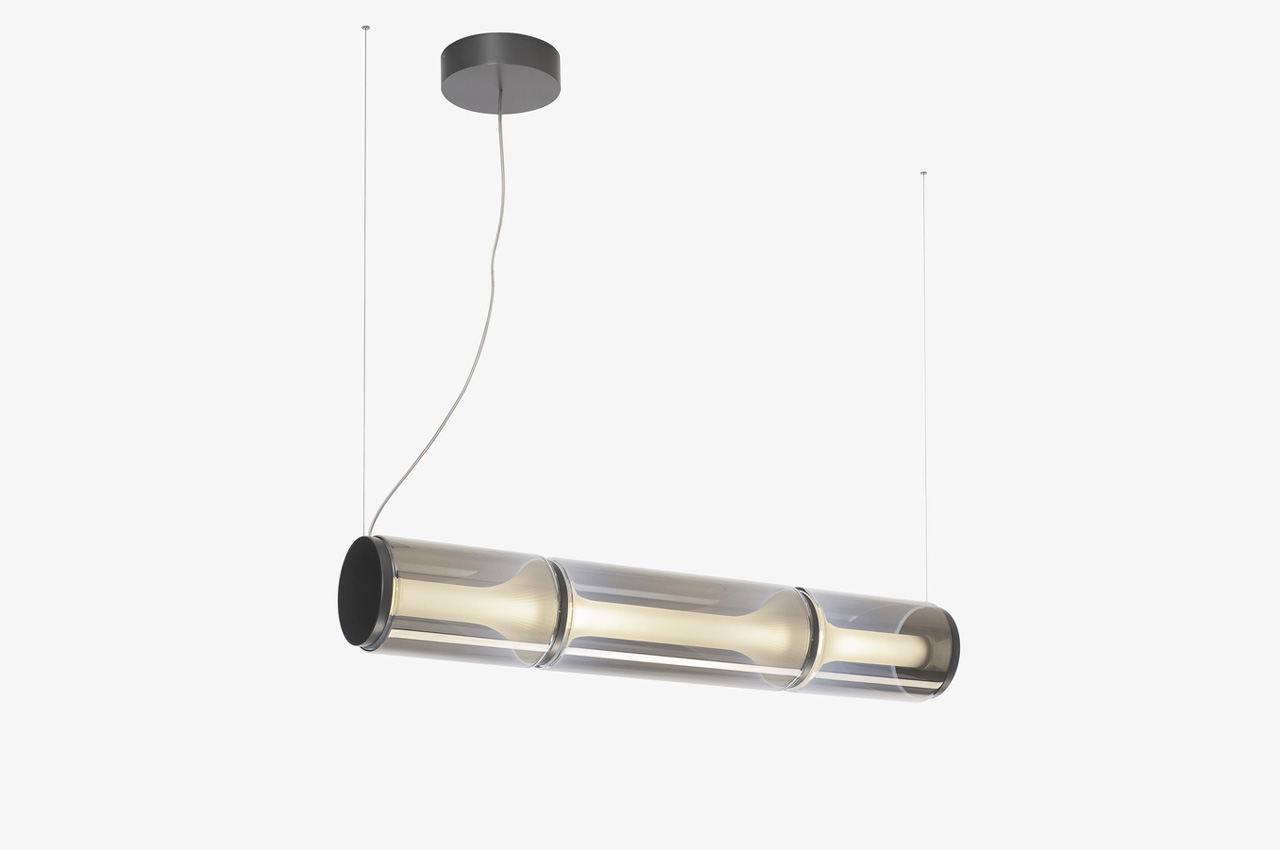
Designed by Yabu Pushleberg for the Czech brand Lasvit, the Miles Pendant light is a beautiful lighting piece. Through this lighting design, the designer wanted to concoct a poetic connection between music and glass blowing, resulting in this rather mesmerizing lighting solution. It is made up of multiple segments of double-walled glass. It features a simple outer layer, which perfectly contrasts with the complex yet subtle fluted inner diffuser, creating a surreal and pleasing contradiction.
As you take a look at the shape of the lighting fixture, you are instantly reminded of brass instruments, which Lasvit also says is similar to the process of craftspeople blowing glass. The lighting piece is created to deep dive into the connection between music and glass-making, with the gentle design emphasizing the balance between innovation and the physical limitation of materials and techniques that must be tended to.
According to Lasvit, the making of double-walled glass objects is quite a task for glassblowers, as it needs high levels of control and accuracy to be maintained. The light features a finish with a metal coating technology, which provides the pendant with quite an aesthetically pleasing look even when it is switched off. The end result is a premium lighting design with a sophisticated allure that allows it to merge with modern living spaces.
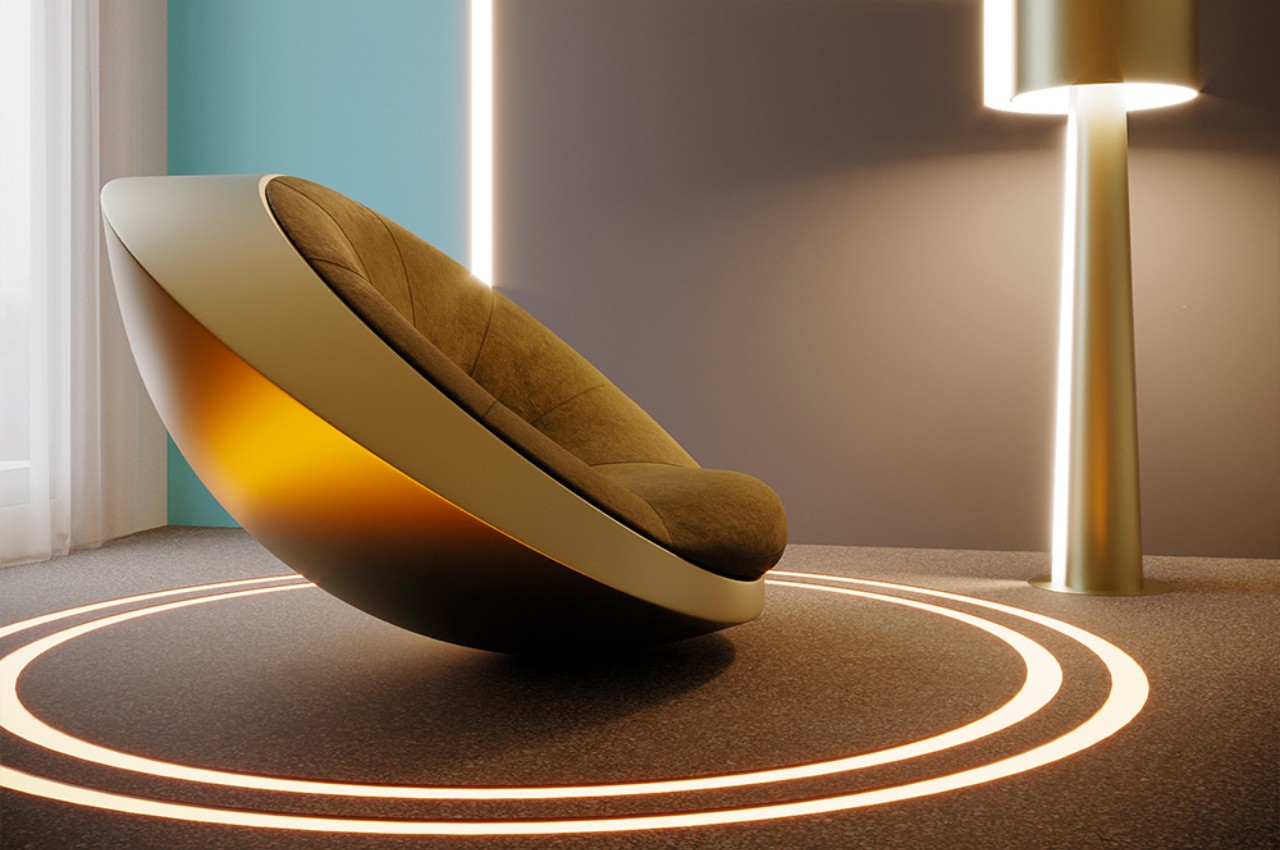
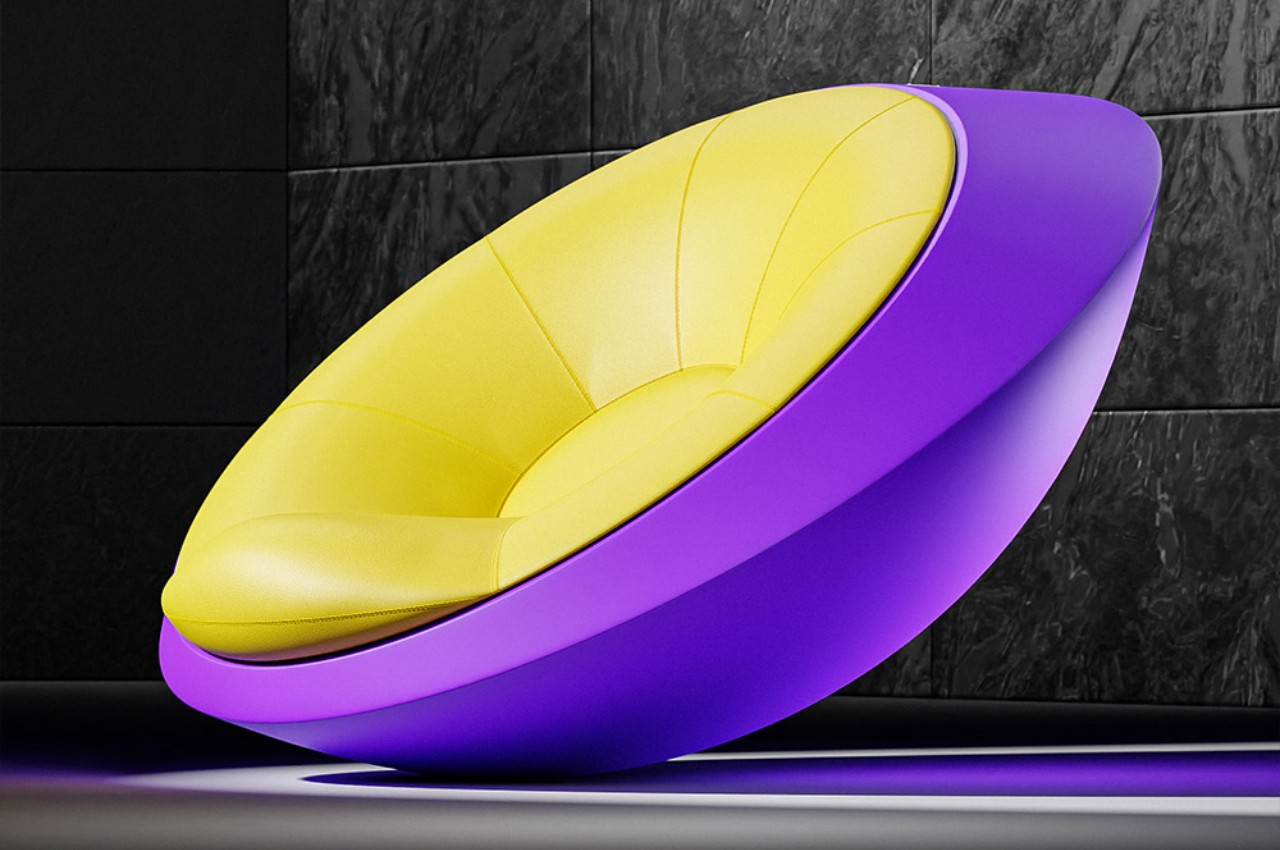
Humanity has always had a fascination with the heavens, including the possibility of other intelligent life out there in the stars. Of course, there is no definite proof yet, but there is definitely no shortage of reports claiming to have seen UFOs or unidentified flying objects. Popular media have made the flying saucer the most iconic form of UFO, even though there’s probably no logical reason why they’d take that shape. Nonetheless, that form has inspired many an Earthly design, including this distinctive chair that looks like a lopsided UFO from afar and a majestic, almost futuristic throne up close.
A rocking chair more often than not conjures up images of an antiquated wooden chair with arcs for legs that make it swing back and forth. Even among chairs, this design is already peculiar, mostly because it is far from the stable and unmoving concept that most people have for seating furniture, and this UFO-inspired treatment takes it to the next level, going beyond the stars, figuratively speaking. Beyond the initial shock factor, however, the design carries an air of class that will actually surprise you when you sit on it for the first time and discover, to your delight, that it can actually rock back and forth or even spin on its bottom.
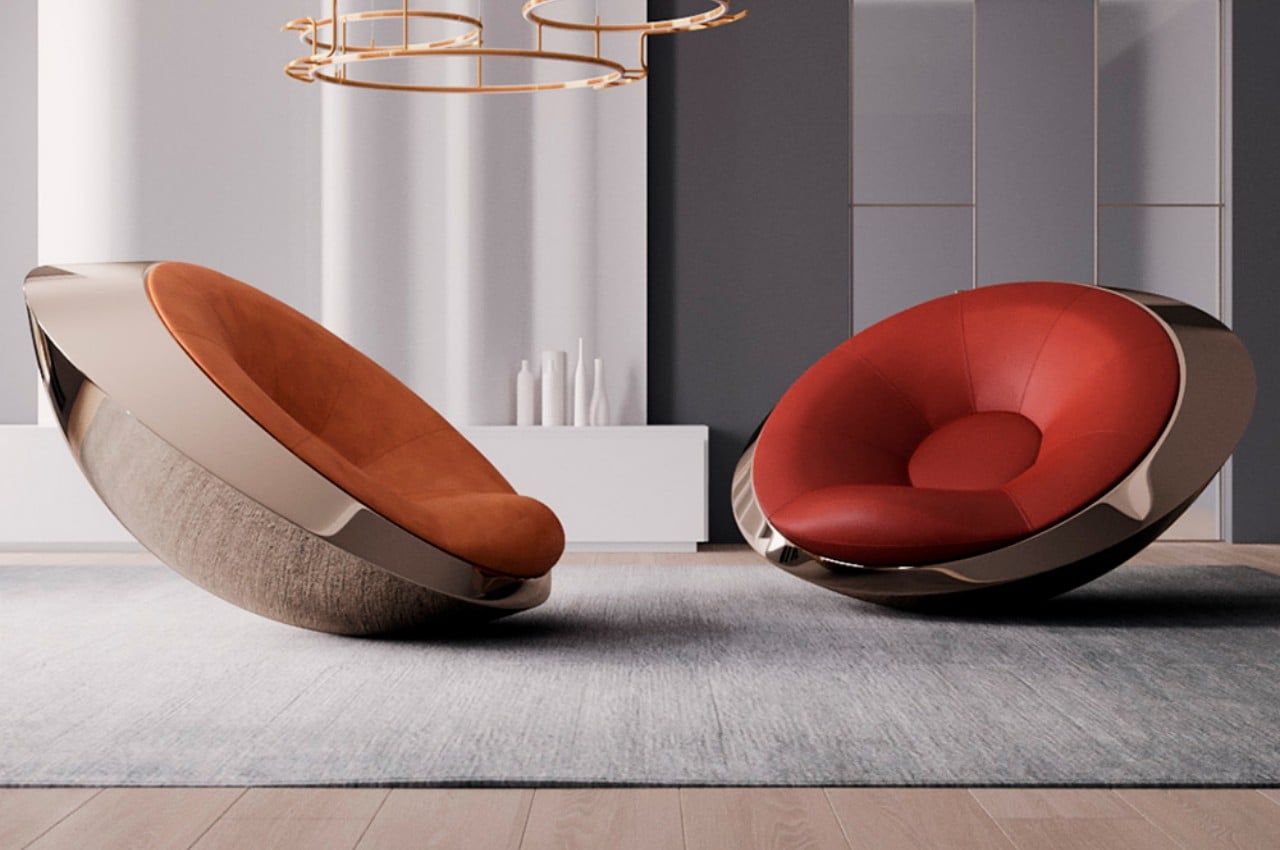
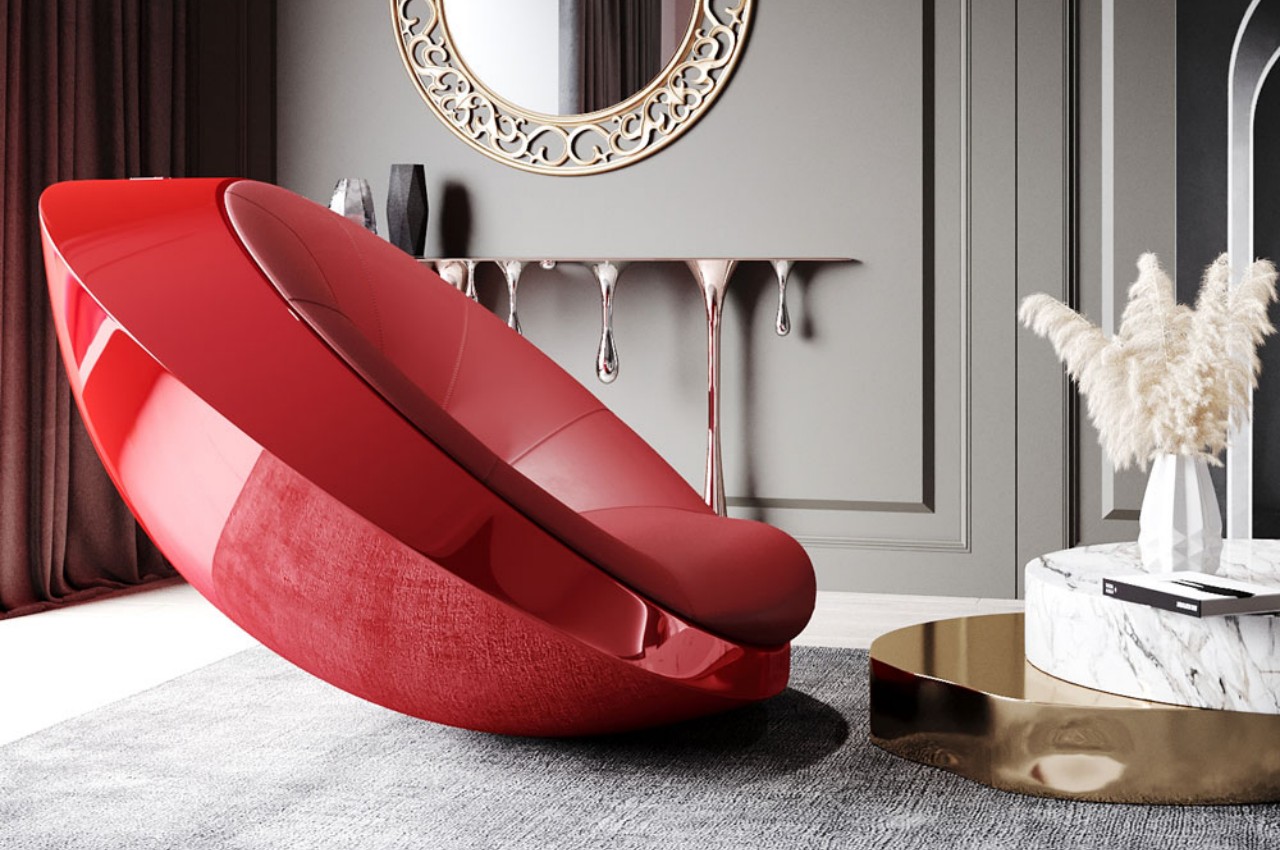
The bowl-shaped exterior of this unusual rocking chair isn’t exactly a perfect curve, which allows the form to move without tipping over. Viewed from the side, it looks like a UFO that is either in sharp descent or has already crashed on the ground, denting its front and causing the rear to stick up and out. Made from fiberglass or carbon fiber, the structure of the chair is as strong as you’d expect from a spacecraft, or at least a piece of furniture inspired by one.
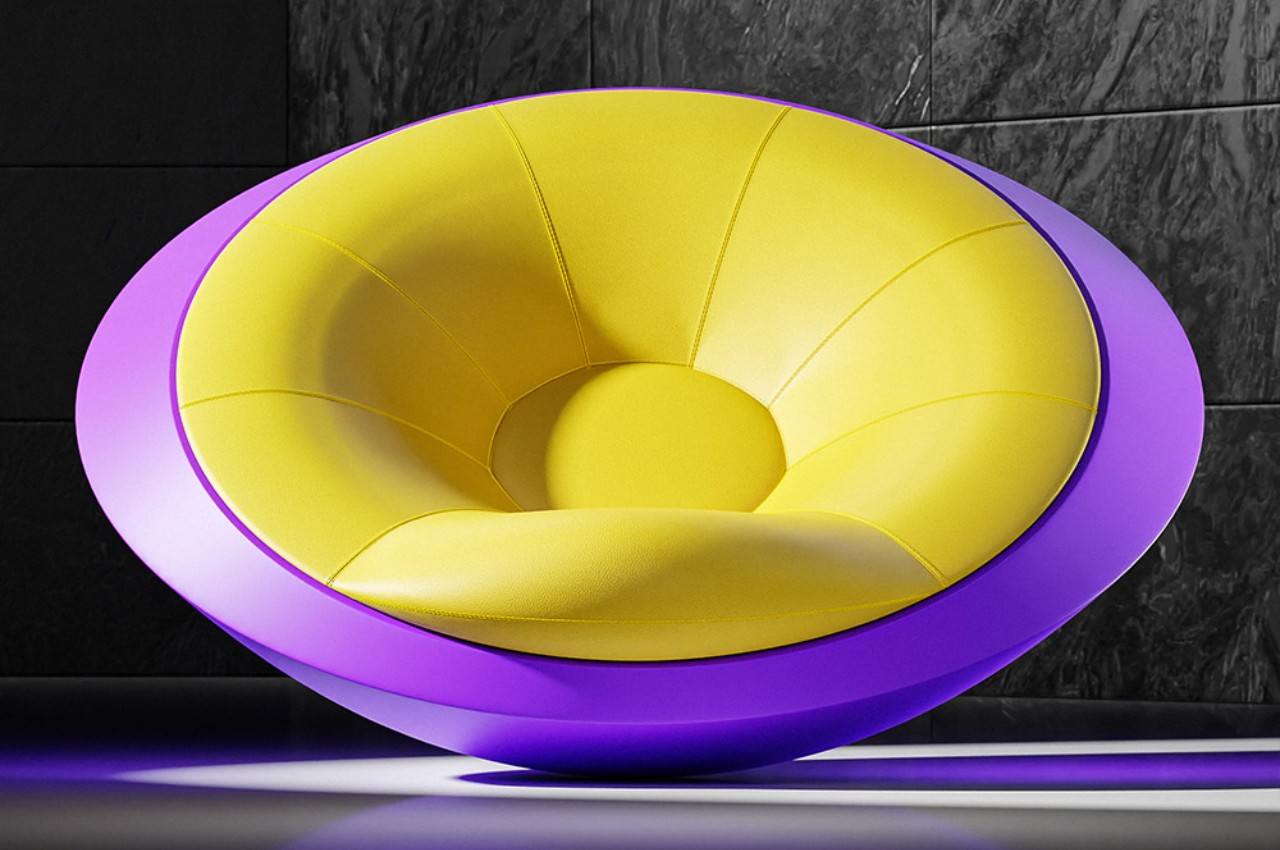
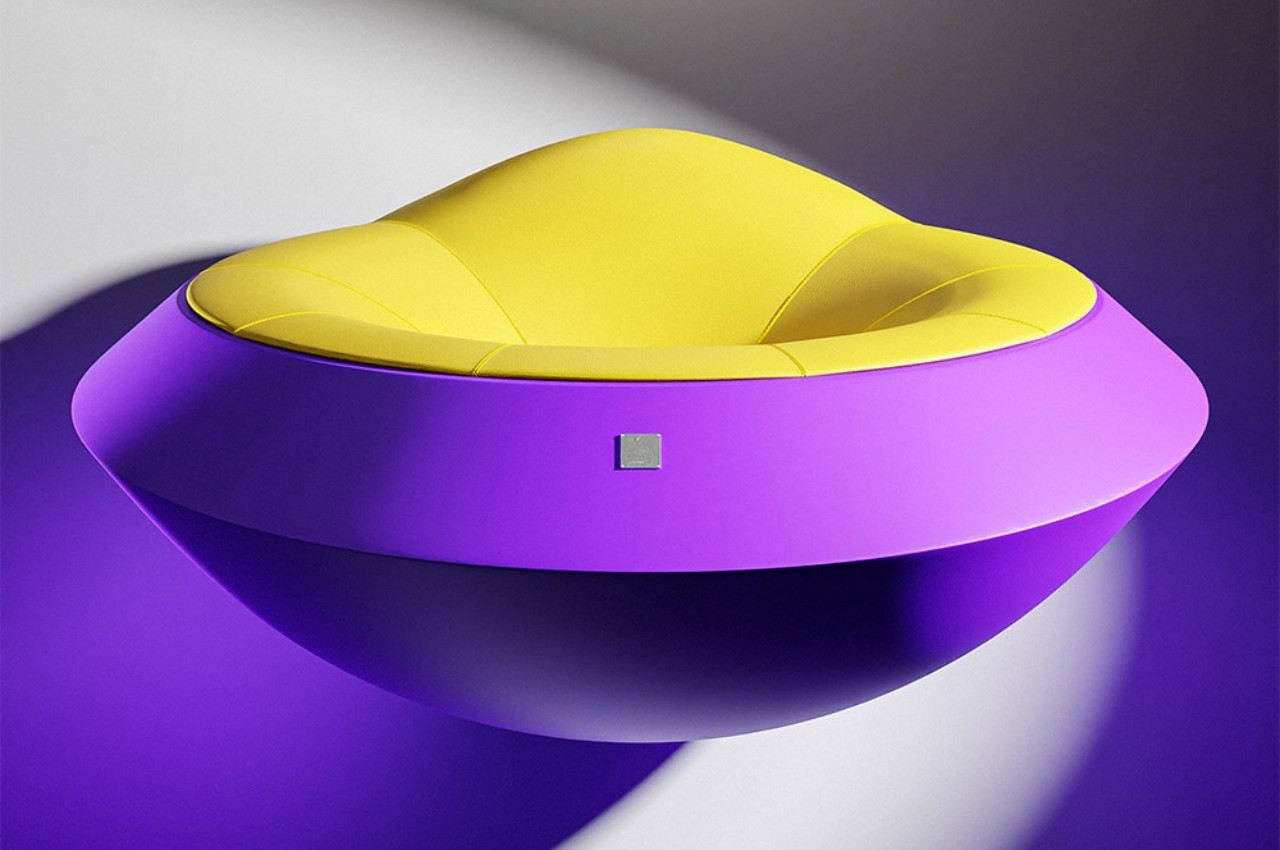
Viewed from the front, however, the chair looks less alien and more regal, almost like a throne from some futuristic civilization. There are no formal armrests for the chair, but the inner seat foam’s shape and material easily adapt to the body of the person, giving proper and comfortable support all the time. The radiating design of the seat puts the person right in the middle and emphasizes their presence, making them the visual center of the composition. Italian primofiore leather or fine fabrics are used for the upholstery, giving the chair a luxurious appearance and texture truly fit for monarchs or alien overlords.
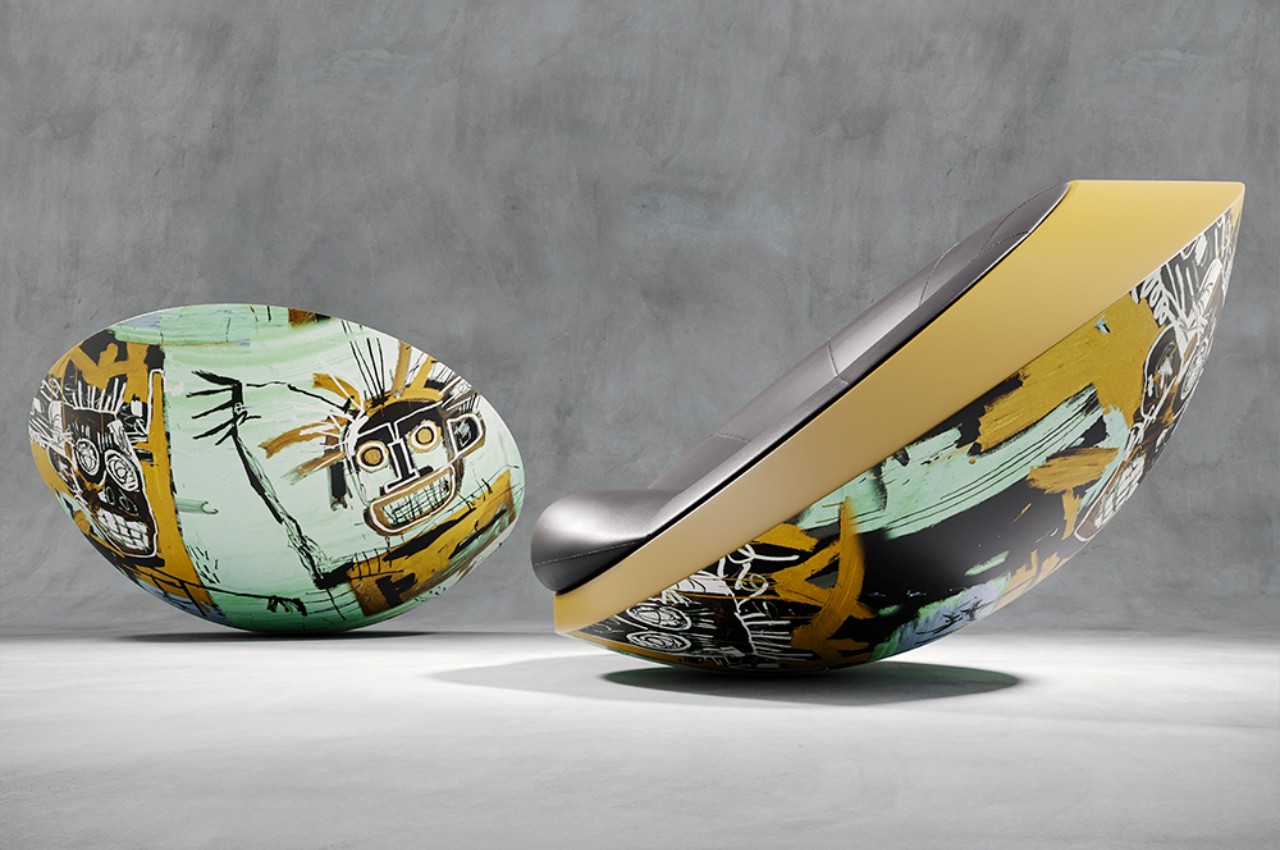
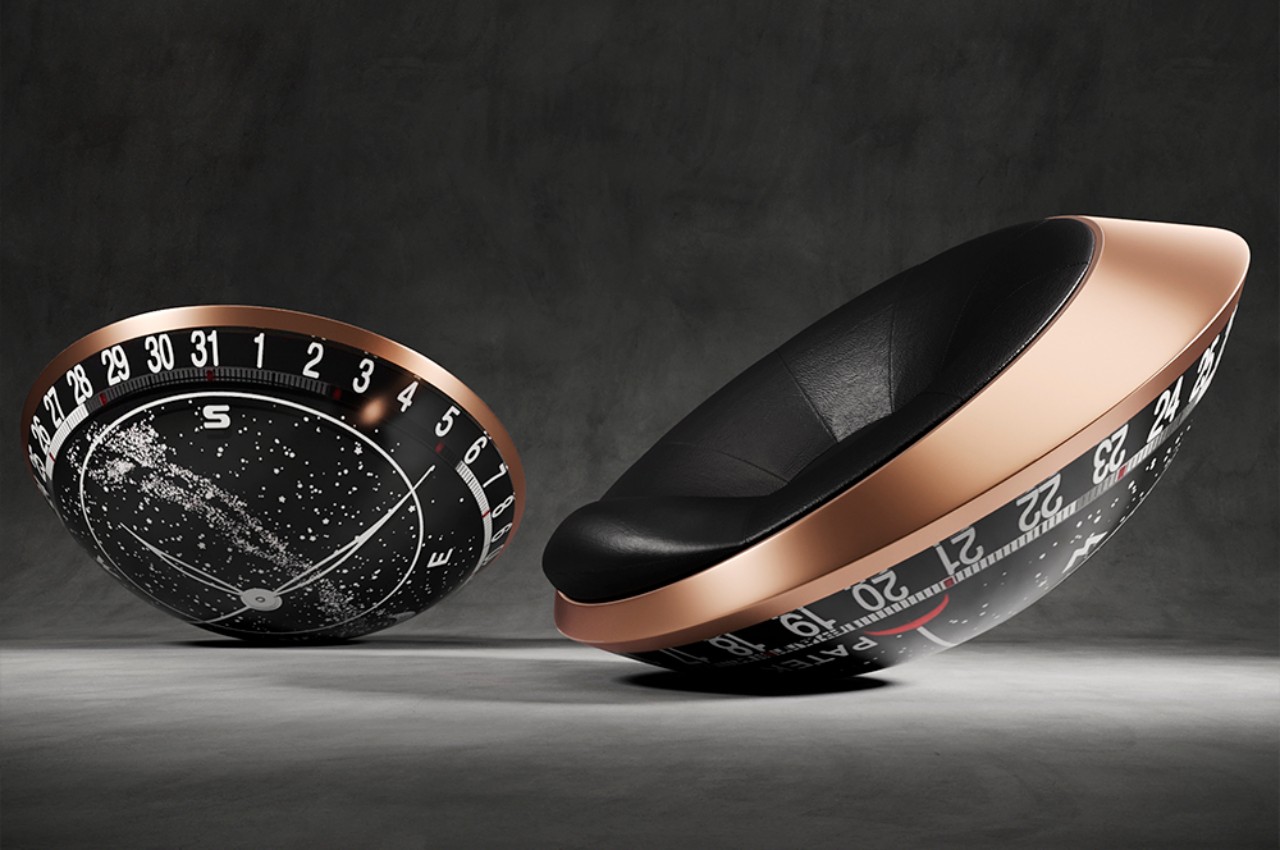
Rather than simply sticking to the stereotypical appearance of a UFO, which would have meant glossy metal textures and colors, this UFO rocking chair opens the possibility of a wide number of designs, turning the shell of the chair into a canvas for display art, characters, or even the nighttime sky. Whether you associate it with a flying saucer or not, this Unidentified Furniture Object will surely capture anyone’s attention with its otherworldly beauty and give them the experience of their lives, sitting on a majestic chair that moves as if it were floating on air.
Humanity has always had a fascination with the heavens, including the possibility of other intelligent life out there in the stars. Of course, there is no definite proof yet, but there is definitely no shortage of reports claiming to have seen UFOs or unidentified flying objects. Popular media have made the flying saucer the most iconic form of UFO, even though there’s probably no logical reason why they’d take that shape. Nonetheless, that form has inspired many an Earthly design, including this distinctive chair that looks like a lopsided UFO from afar and a majestic, almost futuristic throne up close.
A rocking chair more often than not conjures up images of an antiquated wooden chair with arcs for legs that make it swing back and forth. Even among chairs, this design is already peculiar, mostly because it is far from the stable and unmoving concept that most people have for seating furniture, and this UFO-inspired treatment takes it to the next level, going beyond the stars, figuratively speaking. Beyond the initial shock factor, however, the design carries an air of class that will actually surprise you when you sit on it for the first time and discover, to your delight, that it can actually rock back and forth or even spin on its bottom.
The bowl-shaped exterior of this unusual rocking chair isn’t exactly a perfect curve, which allows the form to move without tipping over. Viewed from the side, it looks like a UFO that is either in sharp descent or has already crashed on the ground, denting its front and causing the rear to stick up and out. Made from fiberglass or carbon fiber, the structure of the chair is as strong as you’d expect from a spacecraft, or at least a piece of furniture inspired by one.
Viewed from the front, however, the chair looks less alien and more regal, almost like a throne from some futuristic civilization. There are no formal armrests for the chair, but the inner seat foam’s shape and material easily adapt to the body of the person, giving proper and comfortable support all the time. The radiating design of the seat puts the person right in the middle and emphasizes their presence, making them the visual center of the composition. Italian primofiore leather or fine fabrics are used for the upholstery, giving the chair a luxurious appearance and texture truly fit for monarchs or alien overlords.
Rather than simply sticking to the stereotypical appearance of a UFO, which would have meant glossy metal textures and colors, this UFO rocking chair opens the possibility of a wide number of designs, turning the shell of the chair into a canvas for display art, characters, or even the nighttime sky. Whether you associate it with a flying saucer or not, this Unidentified Furniture Object will surely capture anyone’s attention with its otherworldly beauty and give them the experience of their lives, sitting on a majestic chair that moves as if it were floating on air.
The lives of influencers and content creators can be extremely chaotic and busy. Content creation, capturing engaging moments, creating proposals, attending meetings, and making themselves and their lives seem interesting and entertaining at all times seem like a handful. The pros have got these tasks underway, whereas the newbies are still stumbling through. But it doesn’t matter if you’ve been in the social media game for long or you’re a novice, everyone needs a couple of handy and trusty product designs to help them through their influencer life. So we’ve curated a collection of designs that influencers would swear by! From a battery-free amplifying iSpeaker to DJI’s latest pocketable microphone system – these products will upgrade your content creation routine and even the quality of your content! Because when your process is smooth and hurdle-free, it reflects in your work.
1. The Huawei Mate 50 Pro
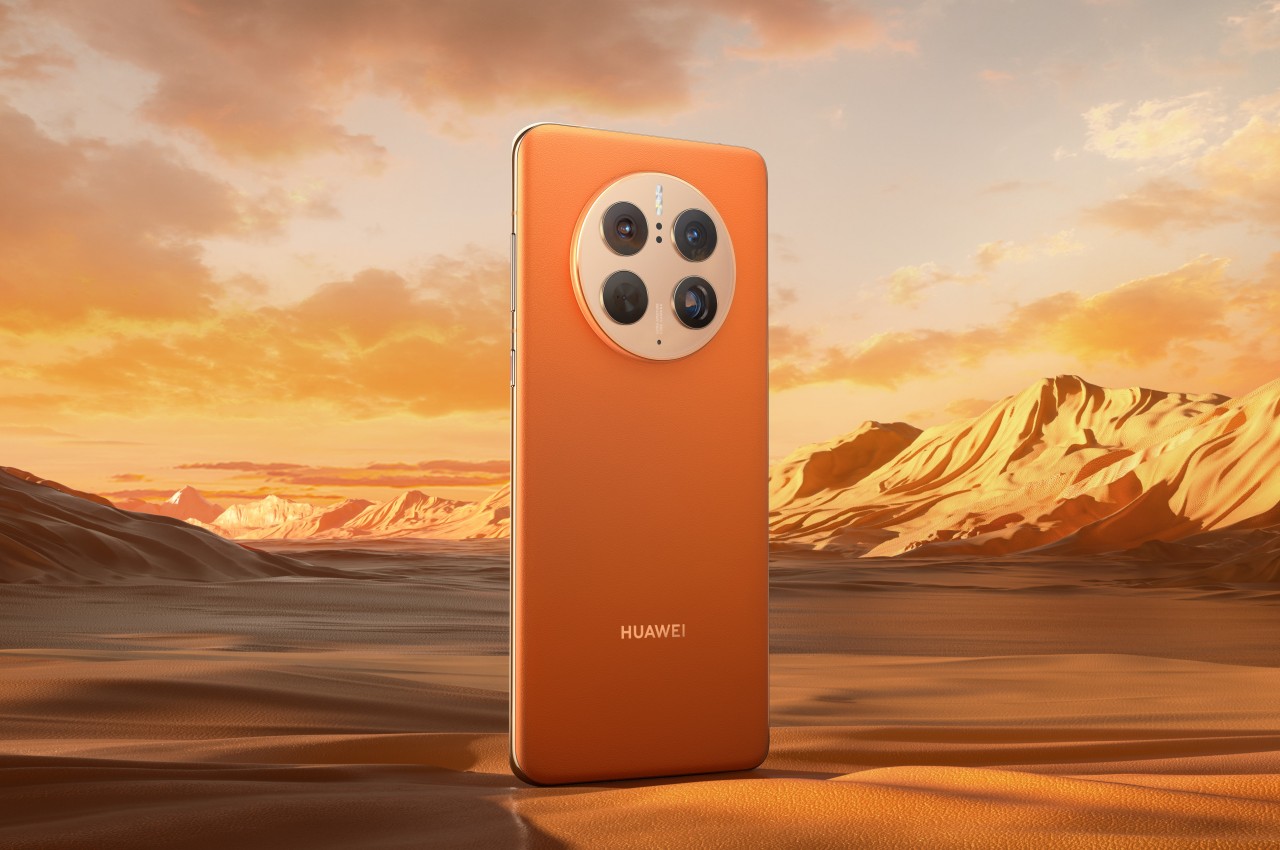
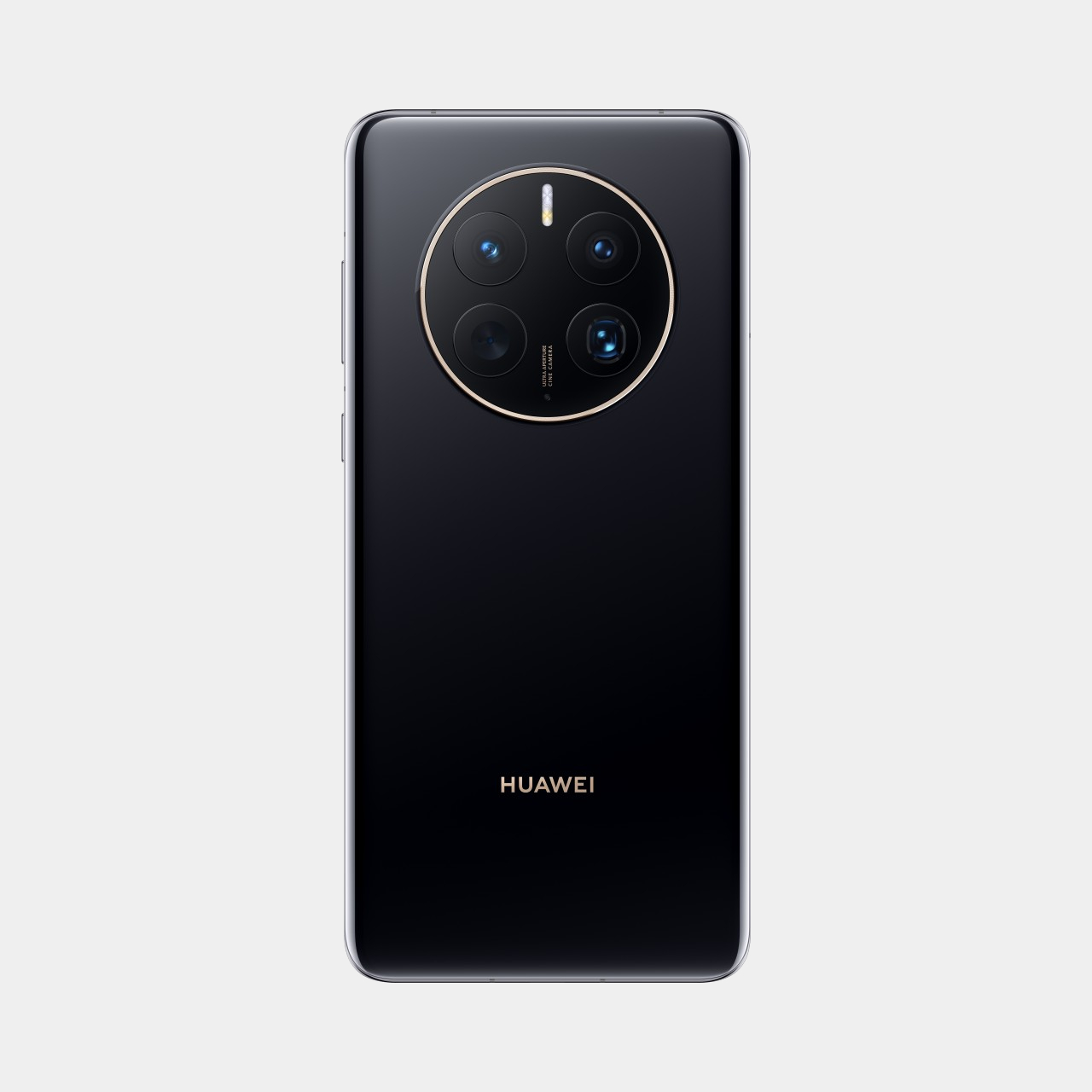
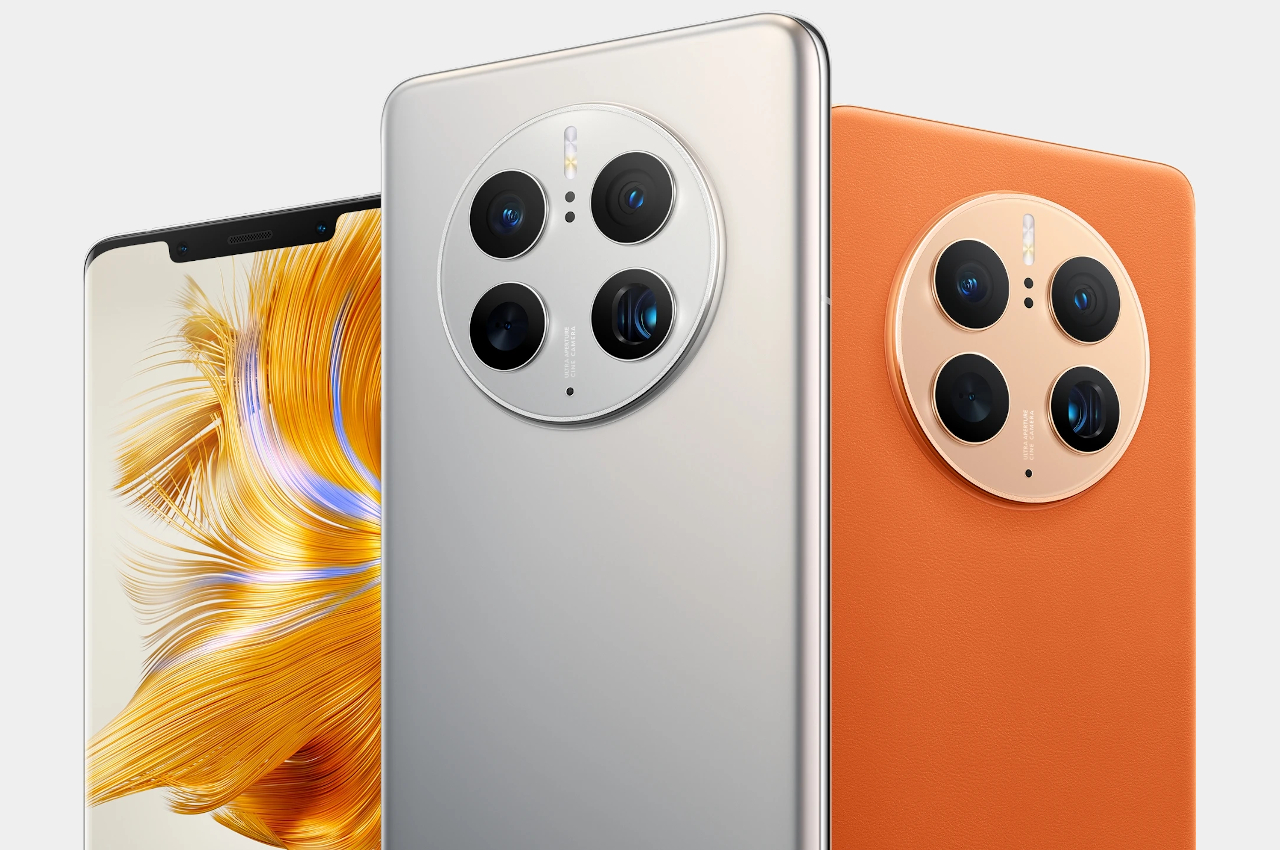
Called the Huawei Mate 50 Pro, this smartphone design adopts bold aesthetics, while being quite powerful. It functions as a content creation powerhouse allowing influencers to shoot the content of their dreams. The hardware and looks perfectly complement one another, creating a smartphone that is quite aesthetic to carry around.
Why is it noteworthy?
It adopts a symmetrical design throughout the phone, with a large camera placed in the middle. Four circles are placed in a uniform 2.2 grid, with the cameras enclosed in a Space Ring with an embossed Clous de Paris pattern, which is what we find on luxury watches quite often.
What we like
Features an orange vegan leather which adds a unique touch to the smartphone
It features Kunlun Glass materials which provide 10x better protection to the phone’s screen
What we dislike
The screen brightness isn’t too great in outdoor conditions
There is a shutter lag in challenging conditions, so you may miss the perfect picture-worthy moment
2. Exocope DT1
Called the Excope DT1, this camera system offers photography lovers the ability to take super-telephoto images effortlessly and without any hassle. The Excope DT1 weighs 1.32 pounds, and it is portable and quite easy to use. It is amped with one-touch shooting and recording. The power and shutter buttons are placed on the right side of the grip, ensuring convenient and quick access.
Why is it noteworthy?
It is powered by a pretty big, non-removable 3,000 mAh battery which offers fast charging using a Type-C connection, and it functions for 2.5 hours on a full charge. You can connect a power bank for longer shoots, which facilitates extended use without any hassle. The camera also includes a nifty phone holder and a grip to adjust the camera angle and height according to your requirements.
What we like
Equipped with two interchangeable lenses—40mm and 400mm
Quite lightweight for its capabilities
What we dislike
It has a limited focal length range
3. AirPods/AirPods Pro Neck Strap
If you’re out and about creating content, then you will need your AirPods by your side- whether to receive work calls, to match the content visuals with the audio, or to listen to some calming music to relax those creative nerves. And if you’re someone who loses their earbuds while working, then this AirPods/AirPods Pro Neck Strap is the design for you! They keep your precious AirPods close to your heart.
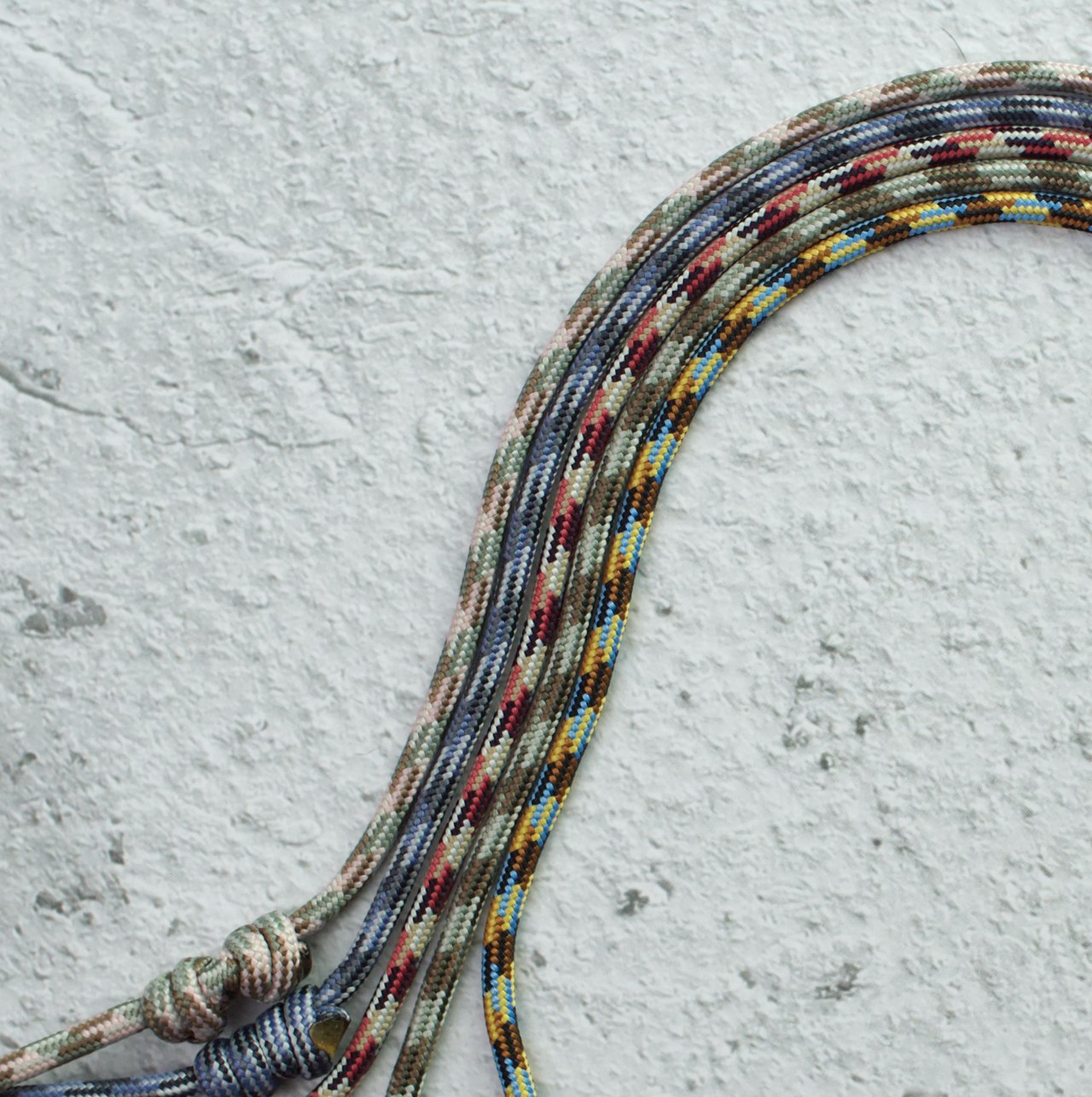
The neck strap includes a cute woven necklace, which you wear around your neck, holding your AirPods close to you. The neck strap is a fine mix of fashion, functionality, and clean aesthetics, resulting in a unique Apple accessory. The accessory features the One-Click Magnetic Lock, keeping your AirPods pretty safe.
What we like
Keeps your AirPods safe and secure, so you never lose them
Doubles up as a simple yet stylish fashion accessory around your neck
What we dislike
The AirPods are attached to a strap, making them exposed to dirt, damage, and weather factors
4. MagSafe Origami Grip Stand
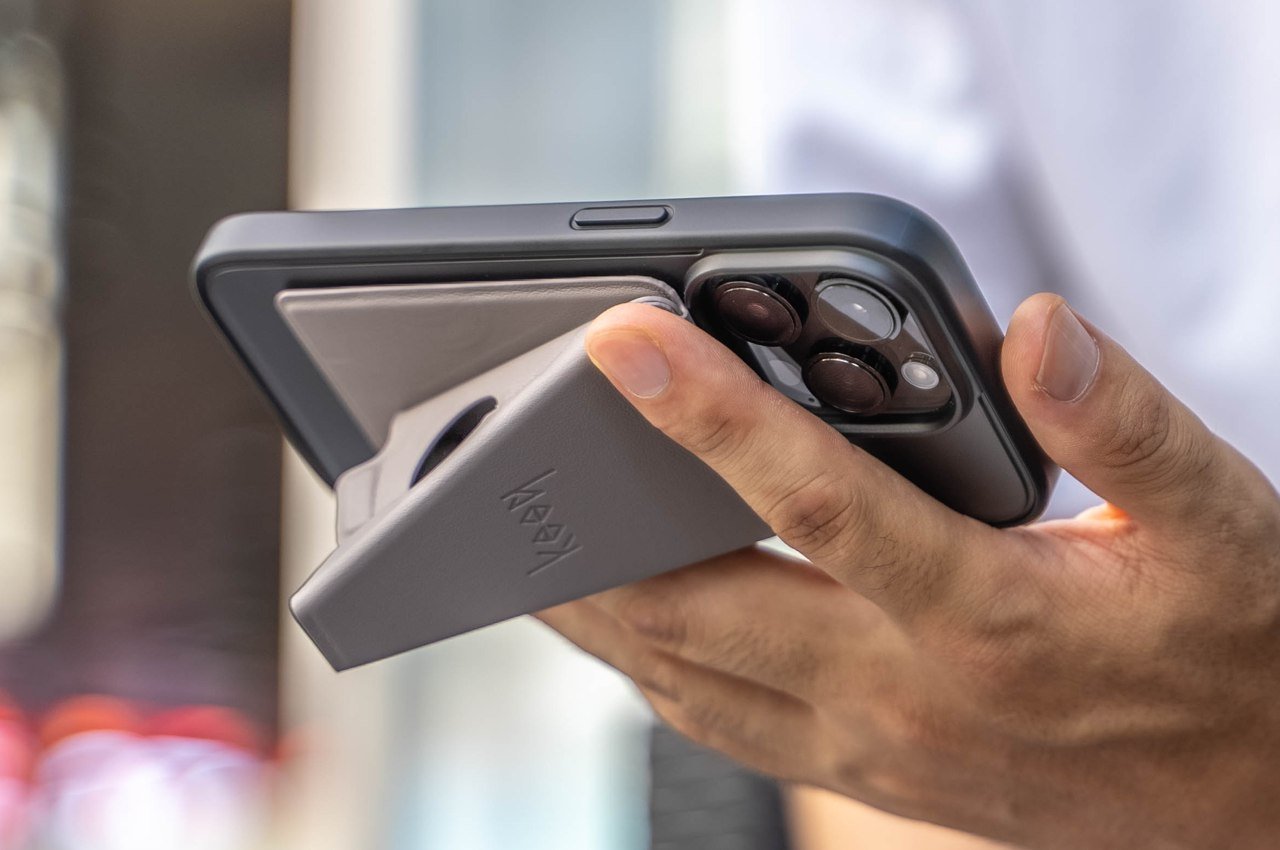
Meet the MagSafe Origami Grip Stand – a sleek and nifty stand inspired by the Japanese art of paper folding. This iPhone accessory can be folded flat and vice versa, completely eliminating the hassle of assembly and disassembly. The stand provides optimum support to your phone, without causing any harm to it. It is great to hold your phone, while you shoot content, and prance about!
The MagSafe Origami Grip Stand is a card-size, lightweight, and thin design. You can quickly attach it to your phone, or slip it into your pocket, without fear of it looking weird or awkward in your pocket. The stand is securely attached to your phone, ensuring it won’t dislocate, even if you move around a lot.
What we like
Inspired by the Japanese art of Origami
It doesn’t separate from your phone at all, it stays securely attached
What we dislike
It only works with iPhone 12 and later models, excluding the iPhone SE, making it a limited product
5. DJI Mic
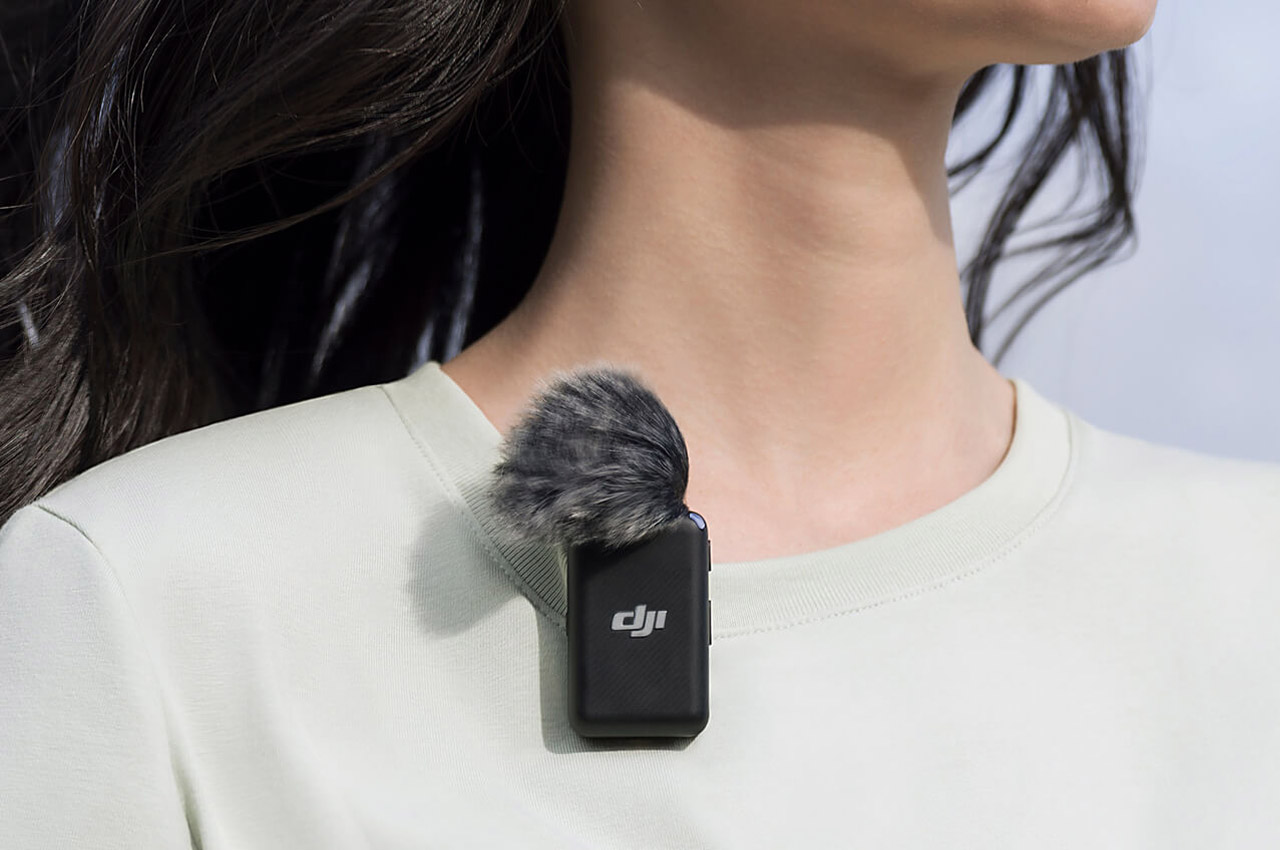
Dubbed the DJI Mic, this unique design is intended for vlogging, podcasting, and other content creation activities. The microphone system is placed in a wireless charging case, which is in fact quite similar to AirPods or other wireless earbuds available today. This similarity creates a subtle Apple association in our minds.
Why is it noteworthy?
The DJI Mic is compatible with USB-C, Lighting, and even the 3.5mm jack. The mic weighs 30 grams and features a battery life of 5.5 hours. The battery life can be extended to 25 hours, which is truly impressive, so you can use it for long shoots without the constant worry of it dying down.
What we like
It features 8GB of built-in storage, which leads to 14 hours of recording
Has a range of 250 meters in direct line of sight
What we dislike
There is no low-latency monitoring mode
6. Battery-free Amplifying iSpeakers
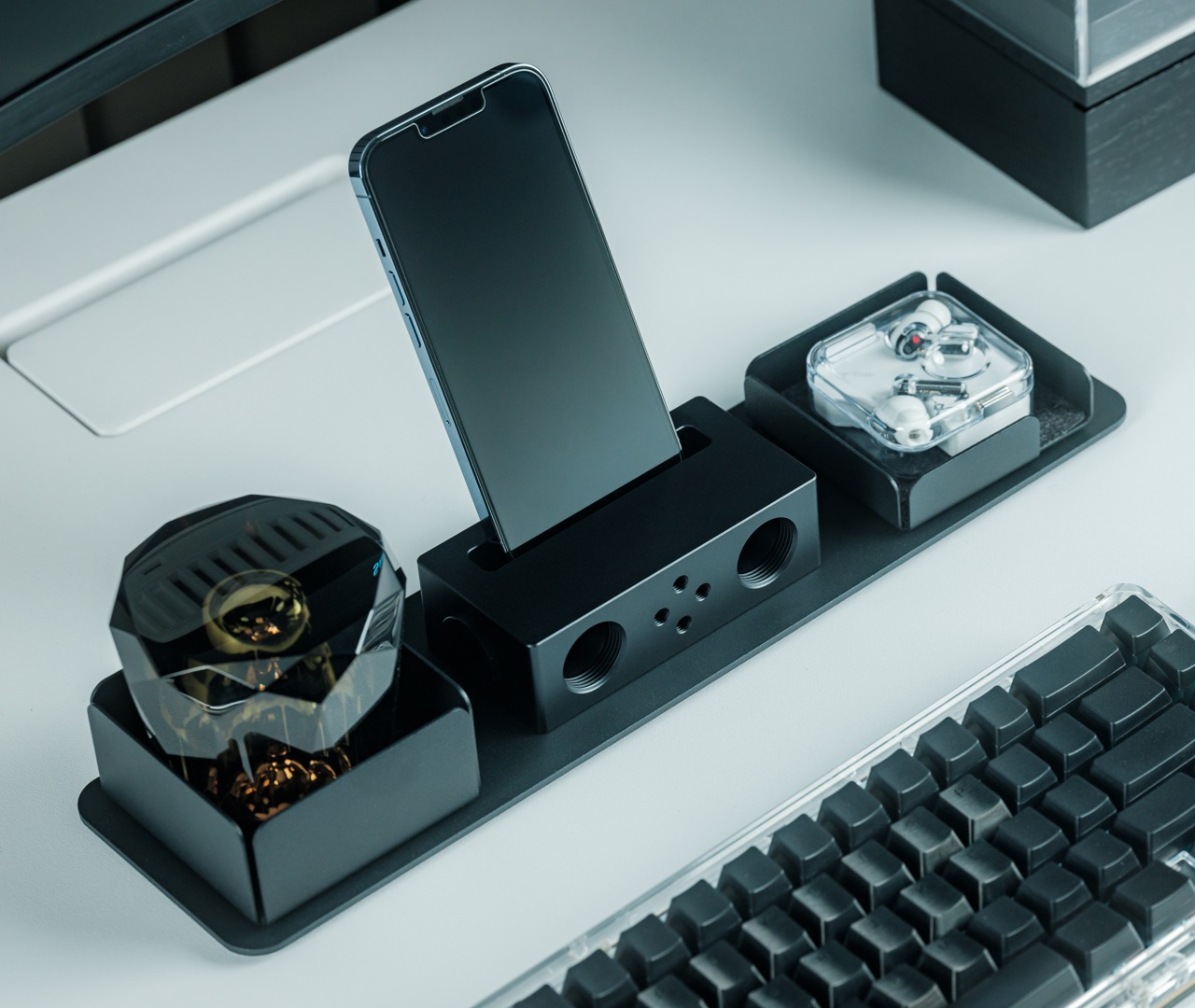
These are the Battery-Free Amplifying iSpeakers, and they’re essentially portable battery-free iPhone speakers. The speakers are a unique and refreshing version of the conventional no-power smartphone speakers. Crafted from metal, the speakers feature heightened functionality and value. Since they’re battery-free, you can easily carry them around with you, and use them for your shoots.
The iSpeakers are built using duralumin, which is a special kind of aluminum alloy used in aviation and aerospace industries. The alloy has vibration-resistant properties, making it a great choice of material for speakers. You simply need to place your smartphone into the speaker and let the amazing sound flow through.
What we like
Electricity-free design which doesn’t require any power
Has a unique and minimalist aesthetic which is quite soothing to look at
What we dislike
Will not fit with bulky smartphone cases
7. ISHO-X5
Called the ISHO-X5, this all-purpose sling bag can be adapted to meet your demands. The bag is designed to store and organize your work gear – cameras, lenses, drones, gaming tech, and even EDC. Besides providing versatile storage, it also provides versatile access in the form of a clamshell ingress, side access, and an X-Wing divider.
Why is it noteworthy?
The bag has a sling form, which is pretty unique, allowing it to be carried in various ways. You can wear the bag across the front, allowing you to quickly pull out your photography gear. It has a rectangular design which can easily be fit into larger backpacks or travel bags.
What we like
Compact design with a spacious 5.5L interior
Space-efficient, and ensures your belongings don’t bump with each other
What we dislike
There seem to be no options for color
8. Earbugs
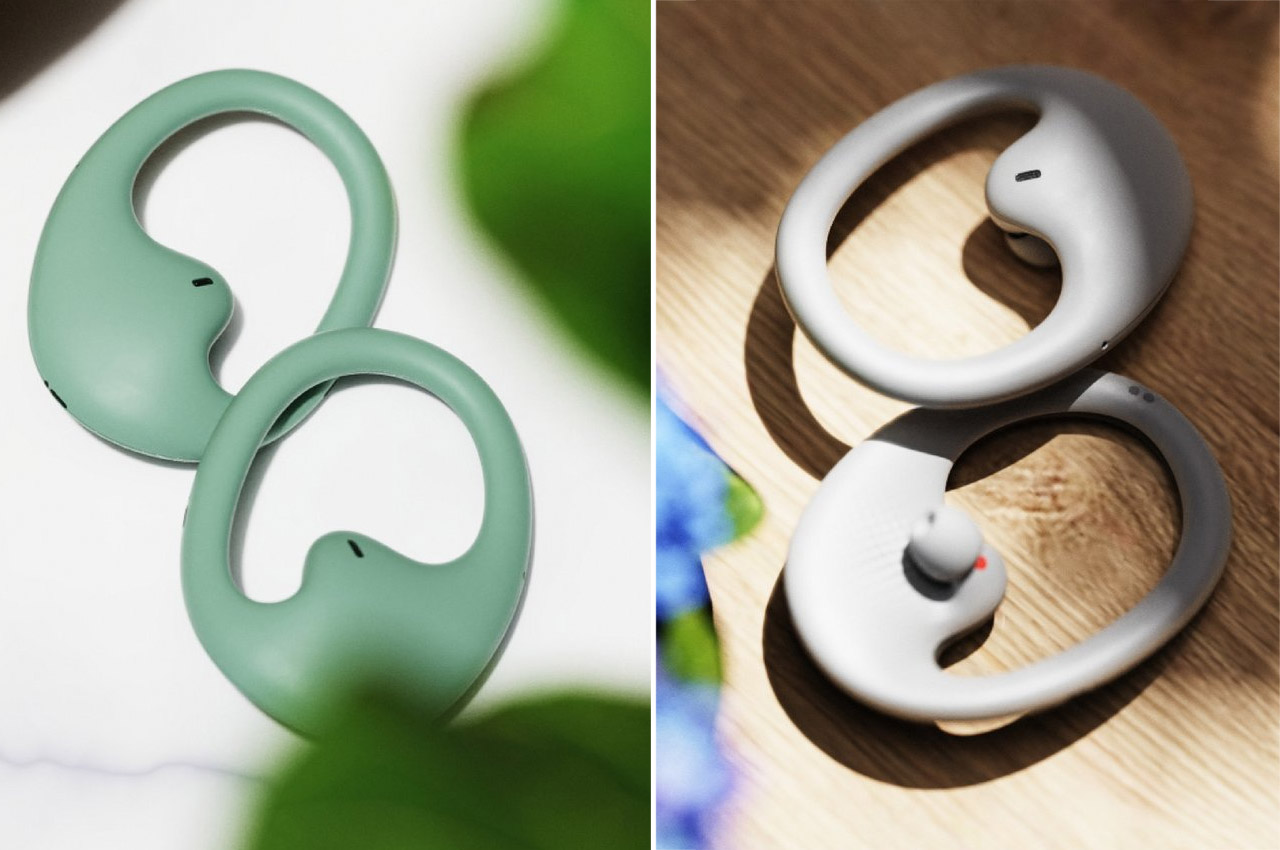
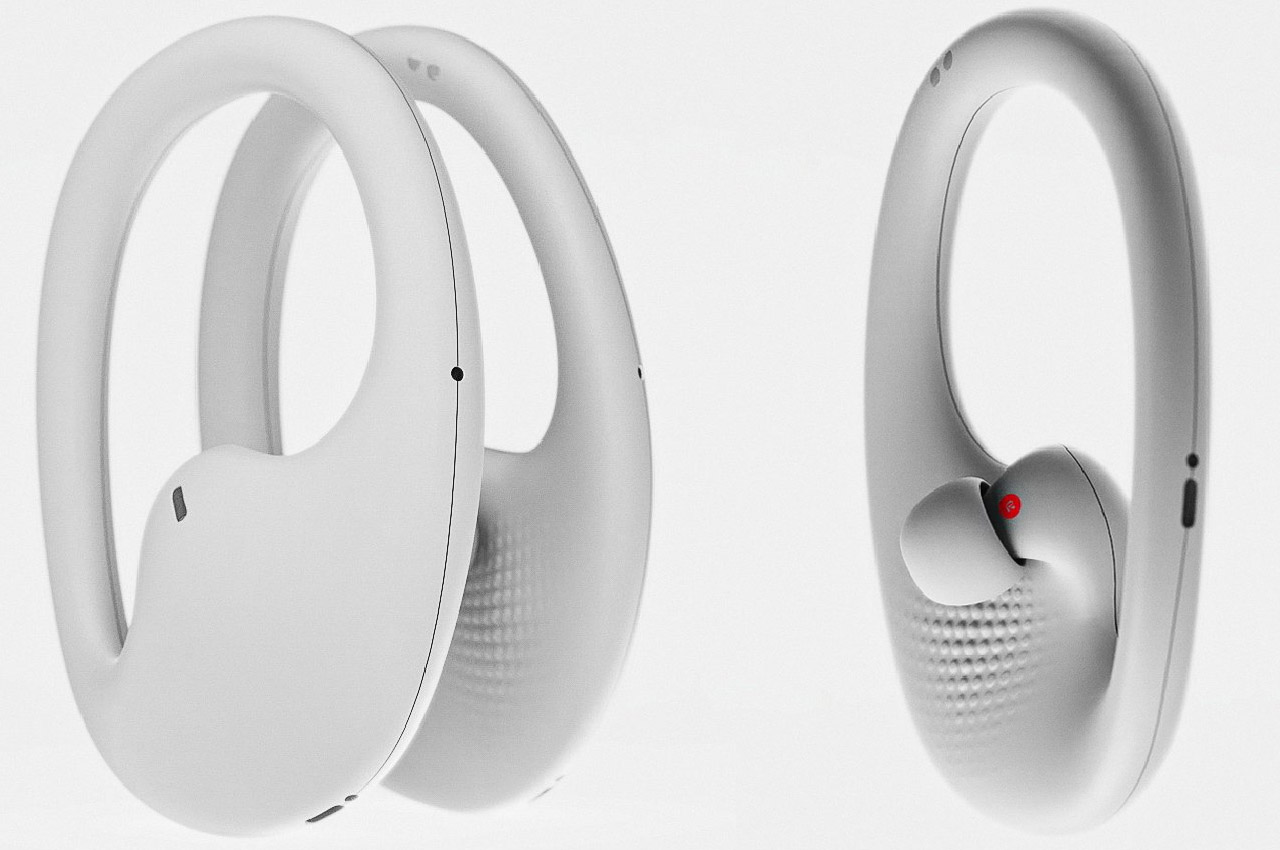
Dubbed the Earbugs, this unique audio design provides a one-of-a-kind audio experience. The brilliantness of in-ear sound isolation of wireless earbuds is combined with the abilities of bone conduction technology to build a listening experience that is comfortable and premium.
Why is it noteworthy?
The earbuds have pretty dynamic drivers that pair up with bone conduction to create a 3D soundscape that provides a never-before audio delivery. The earbuds are quite ergonomically shaped, and they’re a great option for fitness and outdoor enthusiasts. They also have a decent water-resistant rating.
What we like
Features bone conducting technology, which delivers superior transparency mode
What we dislike
They don’t make a good option for bedtime listening, as they will be uncomfortable to use while sleeping or lying on your side
9. MagStick
Called the MagStick, this unique selfie stick doubles up as a tripod too. It has an innovative feature, which sets it apart from other designs on the market. The MagStick has a MagSafe mount which lets you instantly snap your iPhone in place, helping you get shooting quickly and instantly.
Why is it noteworthy?
The MagStick extends 63.5 inches when it is used as a selfie stick, and in tripod mode, it lets you utilize your iPhone like a professional camera. You simply need to snap your iPhone into place, and snap the shutter button – it just takes two snaps!
What we like
The stick stretches five feet over in length
It has a 3-axis adjustment system that allows you to rotate, swivel, and tilt your phone
What we dislike
Looks a bit flimsy and easily breakable
10. The Chargepuck
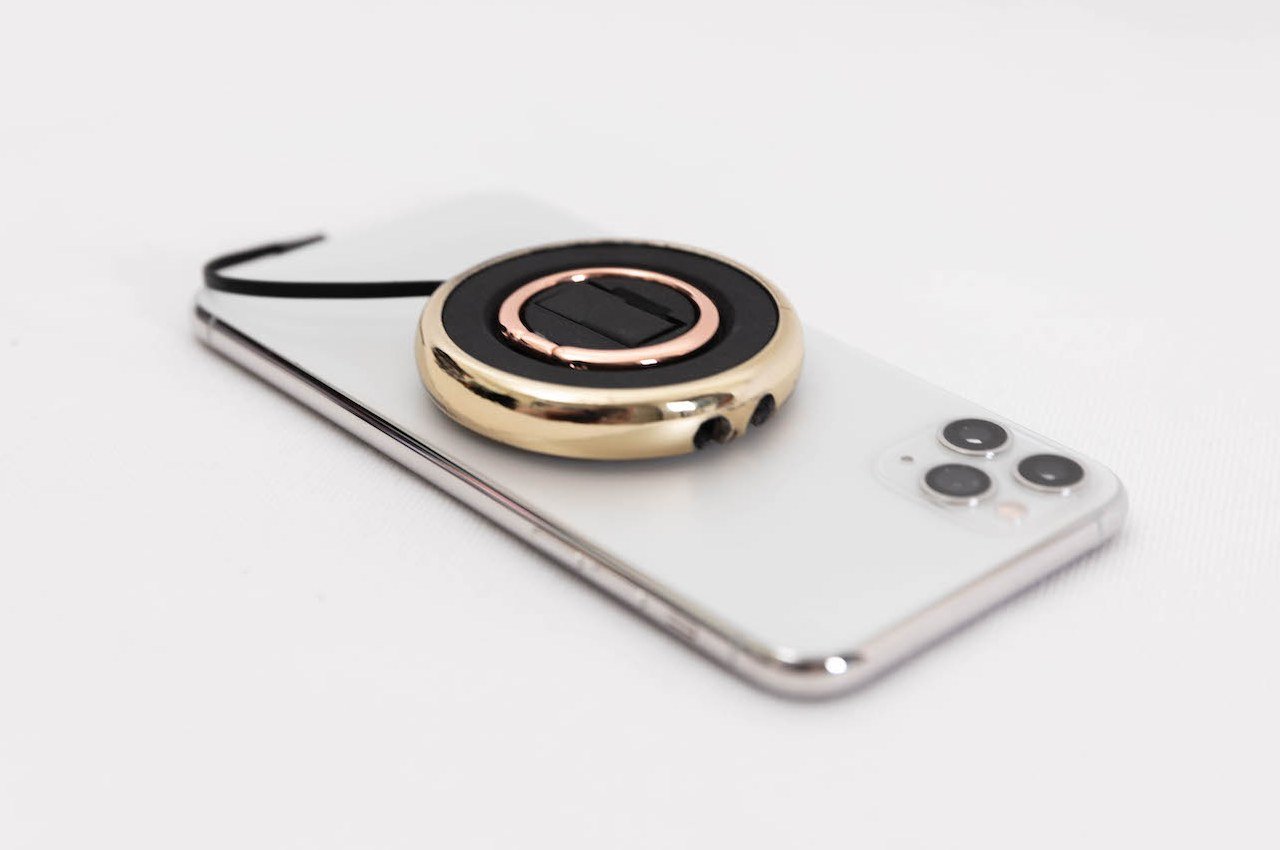
The Chargepuck is a unique innovation that serves as a replacement for your wireless charging dock or mat. The little puck can be attached to your iPhone, and it has its own retractable cable which lets you plug it wherever you like. However, the Chargepuck isn’t a battery pack, and it doesn’t have its own battery inside it. It is a charging apparatus that is attached to your iPhone, letting you charge three devices in one go.
Why is it noteworthy?
It functions as a replacement for a wireless charging dock or mat. The little puck is connected to your iPhone and has its own retractable cable. It is easy to use, and also quite easy to carry, so you can take it on all your shoots.
Working from home has become a norm post Covid-19. Most of us would agree that working from home leaves people with more time to sleep and exercise. Reality is strikingly different! People are more confined to their systems; bedrooms have turned into cubicles; and the idea and time for physical activity has gone for a toss.
For someone like me, who has been working from home long before the pandemic made it the new normal, managing time for exercising has always been a challenge. Whether you like it or not, we do not have defined work hours. Lack of routine means, no scheduled time for anything except nature’s call that comes back at the same time every morning beating the alarm by a couple of minutes.
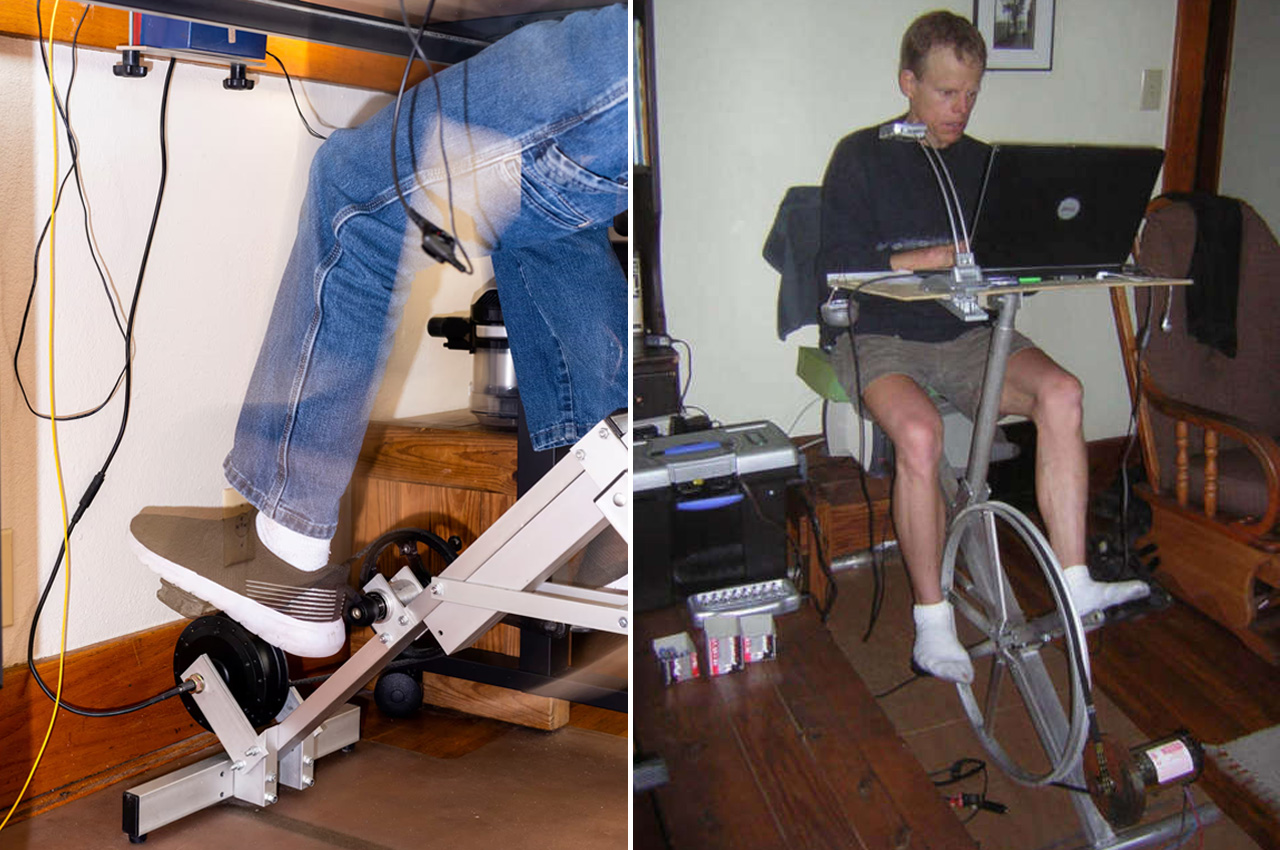
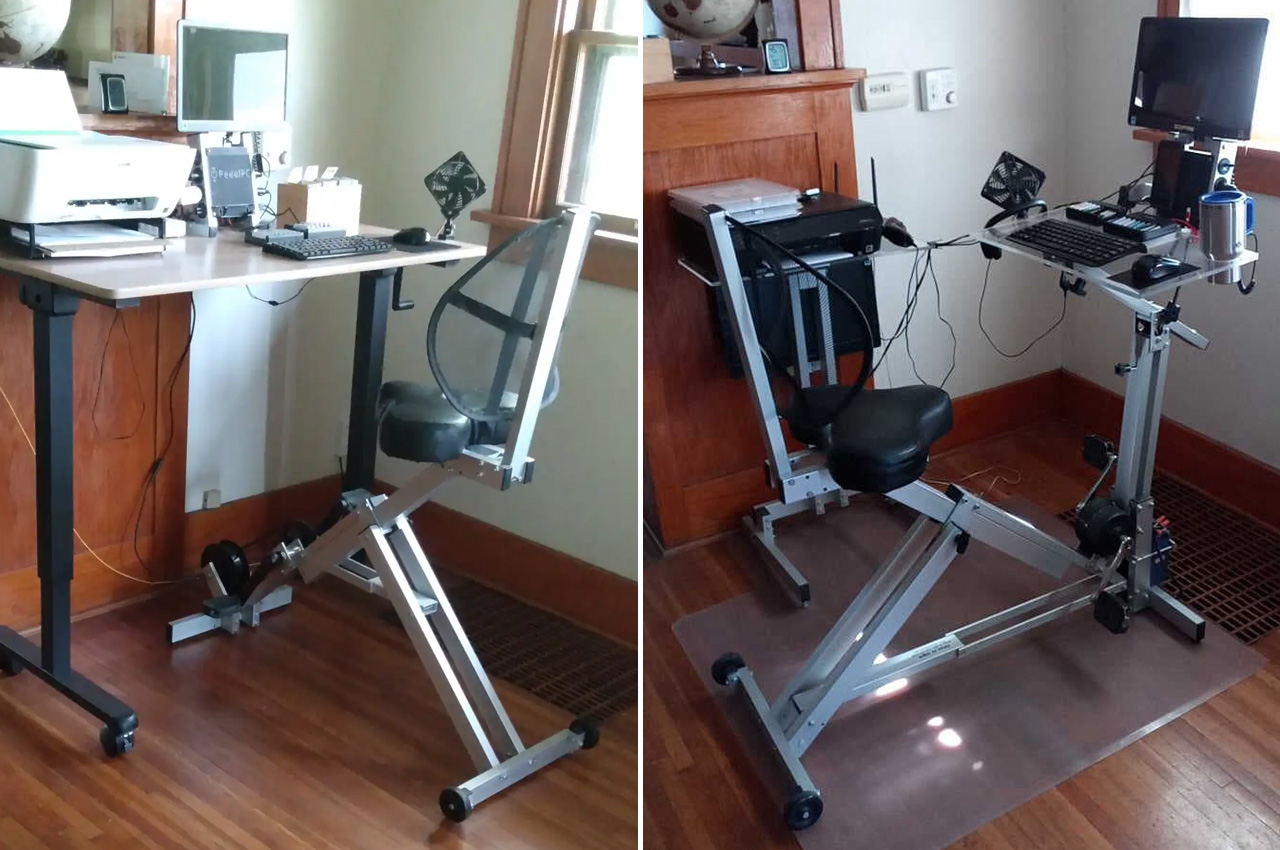
In this purposeless regime, where typing is the only physical activity you can imagine, PedalPC is a godsent solution born from an individual’s willingness to counter the lack of physical activity mustered into his routine by having to work from home. How to stay active while spending so much time in front of the computer, you ask? 59-year-young Jim Gregory will tell you to pedal while you work and, in the process also power up the system, connected devices, and more with clean renewable energy.
By combining the ‘fun of cycling with his desire to reduce energy consumption,’ bicycle trailer-builder Gregory created the PedalPC back in 2010. Over the years he has perfected several prototypes and now what he uses is a repurposed bicycle trailer that can generate enough power to run his computer, home wi-fi, printer, LED bulbs, and even juice up his phone. “I pedal about four hours a day and generate between 200 and 250 watt-hours a day.”
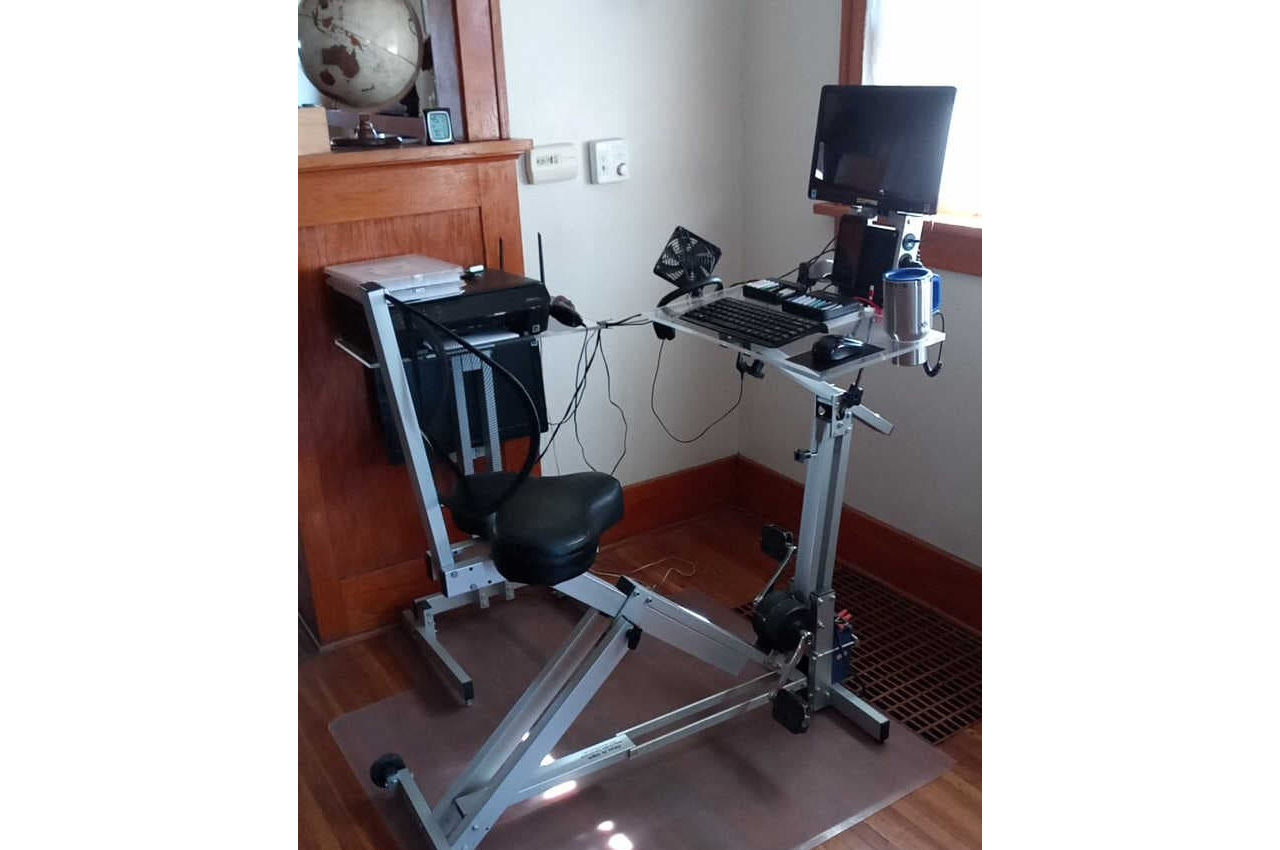
When faced with the question of how to get adequate physical activity while working from home, Gregory considered getting a treadmill desk or bike desk, but the idea was too straightforward to his liking. A little more back and forth in search of solutions, he arrived at the idea of designing a pedal-powered generator. This would allow “plenty of exercise each day while making a positive impact on the environment,” he confirms. And thus the PedalPC, a human-powered computer desk, that lets the user exercise and generate electricity simultaneously came into being.
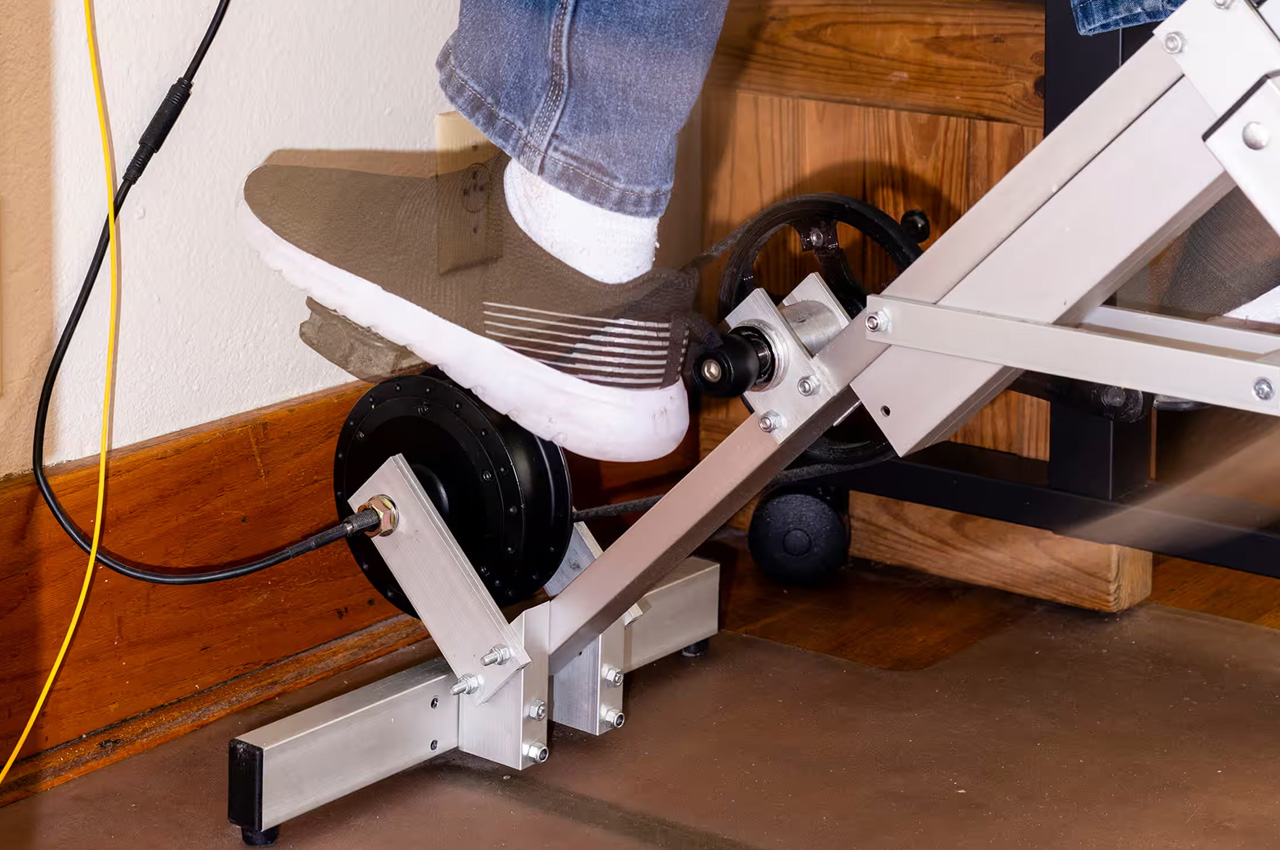
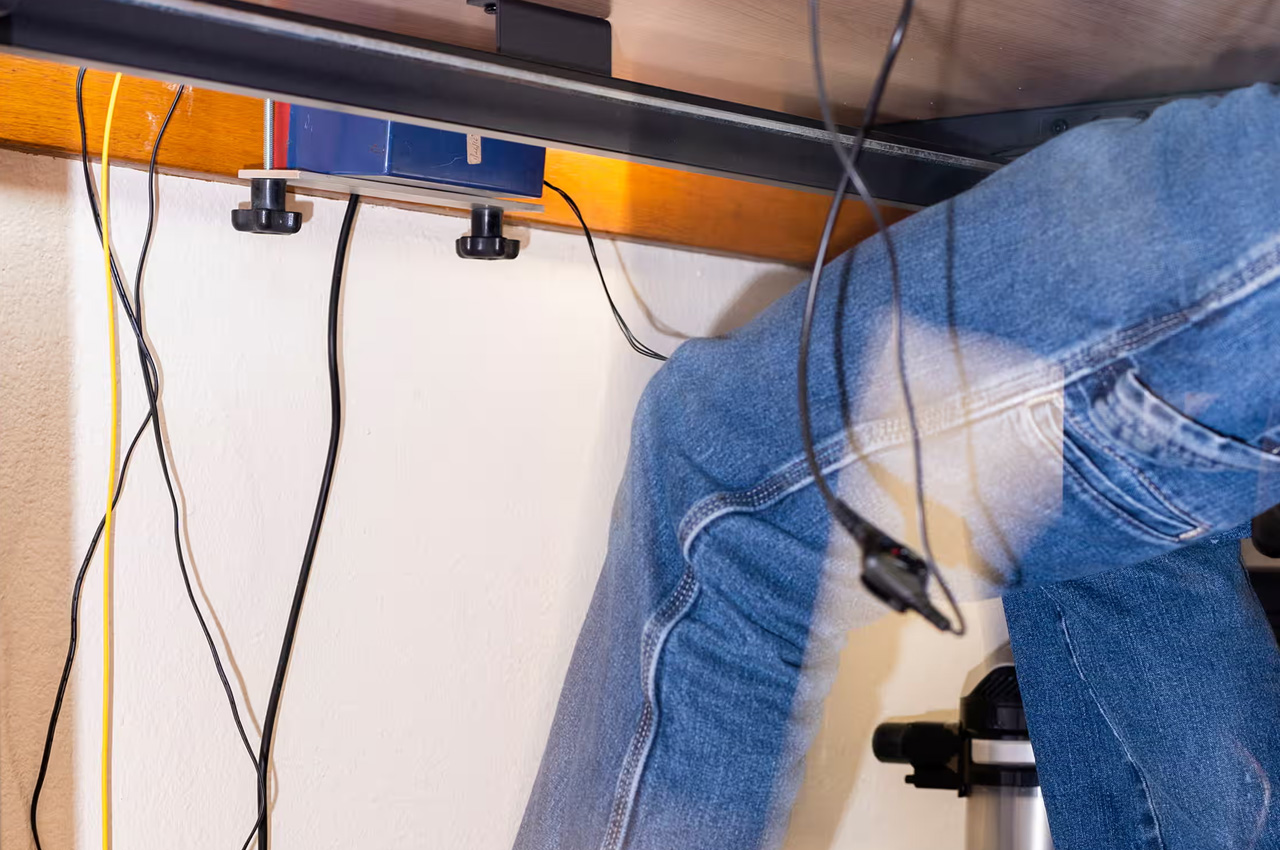
With an exercise bicycle-style form factor, the Pedal PC allows Gregory to pedal and generate electricity. The connected control box then channels this power out through USB and 12V outlets to the connected devices. A little computer in the back keeps track of the electricity produced and can also be seen on the webpage associated with the PedalPC. The access electricity that he ends up generating can be stored in the battery on board to work off the grid or when not in the mood to pedal.
Discussing the usefulness of his creation, Jim believes he could soon be deviating from his main business of building bicycle trailers to creating and selling the PedalPC. Not only because it’s a way to exercise but in Jim’s own words a “way to keep warm in the winter… lower thermostat, and save some energy.”
Think about it, what’s more effective, gargling or a water-flosser? One just casually has water swirling in your mouth, another targets food and plaque, actually cleaning your teeth. The Razor Rinser applies the same principle to your shaving razor. Unlike running your razor under a tap to clean the hair out, the Razor Rinser fires tiny jets of water between your razor blades, pushing the hair out and cleaning your razor without wasting water. It’s simple, runs without electricity, and uses an ingenious water-saving design that lets you effectively clean hair off your razor… with just 4 ounces of water.
Designed by two US Navy veterans, the Razor Rinser is just one of those designs that makes you go “Why didn’t anyone think of that before?” Most people who shave do one of two things – they either periodically rinse their razor under running tap water, getting their sink dirty while just superficially cleaning the razor, or they dip their razor in a cup of water, using less water in the process, but making a mess. Both methods have their flaws, the biggest being that they don’t do a good job of actually cleaning your razor efficiently.
Realizing that water wastage and dirty razors were a significant problem (after all, the average male shaves at least once every 2-3 days resulting in a lot of running tap water getting wasted), Navy vets Matt and Andy decided to develop the Razor Rinser, a device no larger than a soap tray, but with a big impact. The Razor Rinser keeps your sink mess-free, uses a fraction of the water you’d otherwise use, and does a much better job of cleaning your razor by actually forcing water through the blades to push the hair out.
The way the Razor Rinser works is exceptionally clever. Fill the Rinser’s container with water before you begin to shave. Once you need to clean your razor, simply press the razor head into the Rinser’s ‘island’. The island presses downwards, pumping water through it like a bellow. The water passes through a stainless steel spray manifold, turning into high-pressure jets that shoot through the razor’s blades. The dirty water flows outwards into the Razor Rinser’s moat, and 150-micron stainless steel filters trap the hair outside, allowing fresh water to get recycled back into the bellow island – ensuring your razor gets cleaned with clean water. The entire thing works without cords, batteries, or electricity – just good old physics.
All you effectively need is 4 ounces of water, as compared to the 1 gallon you’d otherwise waste running your razor under a tap every other minute. The water (with the hair and shaving cream) stays collected in the Rinser’s outer channel or moat, allowing you to simply dump it out (in the toilet) once you’re done. No dirty sinks, no dirty razors, and no wasted water. The rinser works with any brand or kind of cartridge razor, whether you’re using it to shave your jaw stubble, body, head, or legs.
Andy and Matt developed the Razor Rinser soon after being deployed to the Red Sea on a Guided Missile Destroyer in 2022. As a part of their uniform, Navy personnel are required to shave every day – multiply that by the 100’s of sailors on the destroyer, and the fact that there were just a handful of bathrooms. These bathrooms got very crowded and dirty very fast, and Andy and Matt also realized exactly how much water they were wasting. A year and a few prototypes later, the Razor Rinser was born. The rinser starts at a discounted $29 and ships internationally… but more importantly, Andy and Matt are also committed to donating Razor Rinsers to homeless veterans, allowing them the dignity of a clean shave without needing a bathroom sink.