Steve Jobs would be absolutely proud of how far the new iPad Pro M4 has come

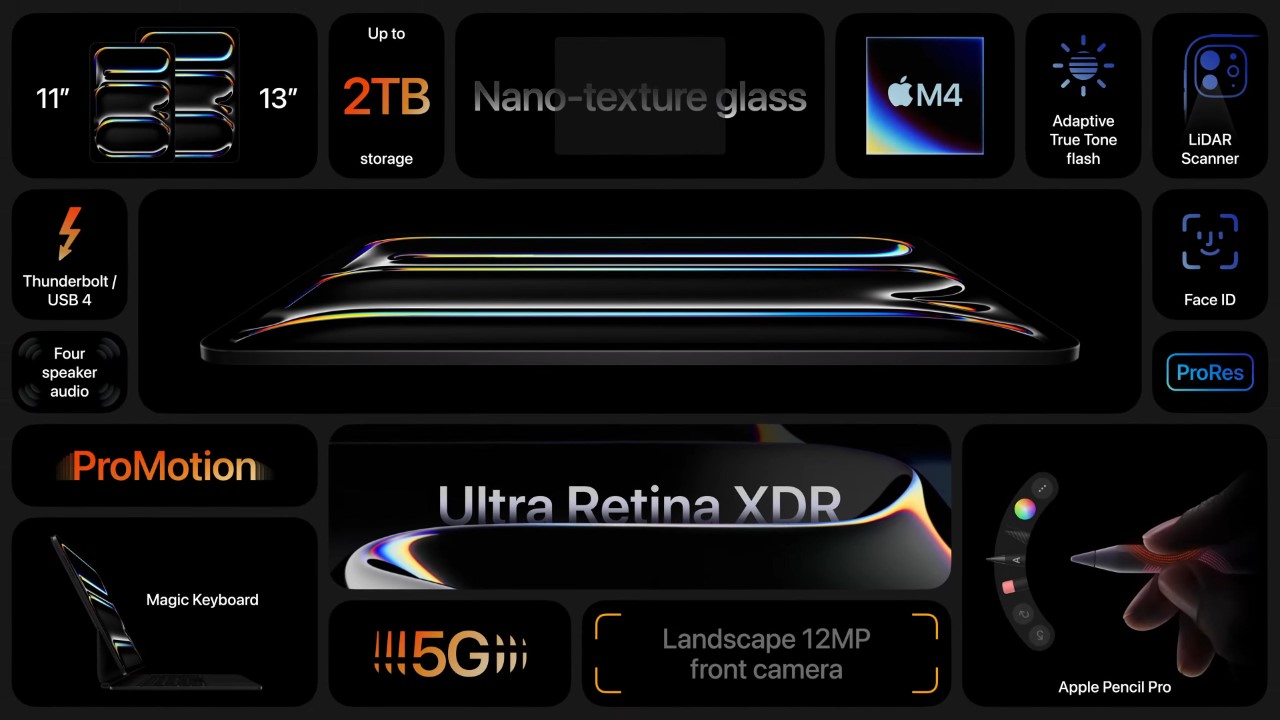
Here’s a snapshot of the new iPad Pro – an industry-leading M4 Chipset, Tandem OLED screen technology, a design thinner than any other Apple device ever made, nano-textured glass, studio-quality mics, graphite-sheet-infused hardware and copper-infused logo for better thermals, and an absolutely game-changing Apple Pencil Pro. It’s almost as if Apple is operating with alien technology.
I’ve mentioned this in the past that the iPad Pro really has no true competitor. It’s left Android tablets so far behind that almost every Galaxy, Pixel, or OnePlus tablet is just a budget competitor with Apple’s regular iPad. The iPad Pro has always been in a league of its own, and truth be told, I entered the Apple event thinking we’d get an incremental iPad Pro M3 update… because why does Apple really have to blow minds any more than it already has? Turns out I was absolutely wrong, because the more-than-one-year wait for a new iPad Pro was absolutely worth it.
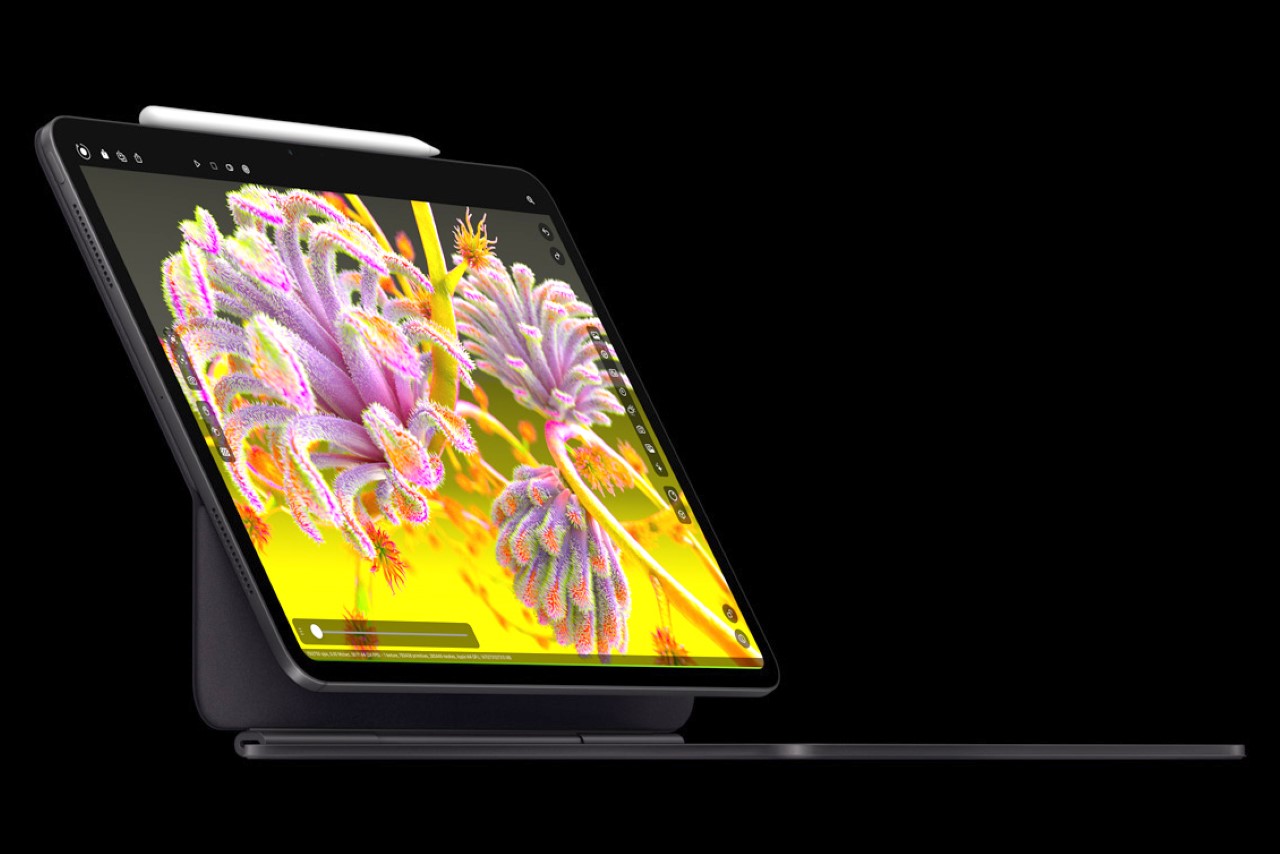
The tablet PC itself was a category that Jobs pioneered, ushering in a new era of handheld devices that would go on to become the intermediary between a phone and a laptop. Jobs introduced the iPad as a multimedia device back in the day, but today the iPad Pro is much more. In fact, it’s so ridiculously powerful that it could dethrone even Apple’s own MacBook. The landscape camera and Magic Keyboard with the function row are just two small updates that put the iPad Pro more and more in MacBook territory… except with an XDR touchscreen, a brilliant stylus, a flawless front-facing camera with LiDAR, and with FaceID – all features that the MacBook currently lacks.
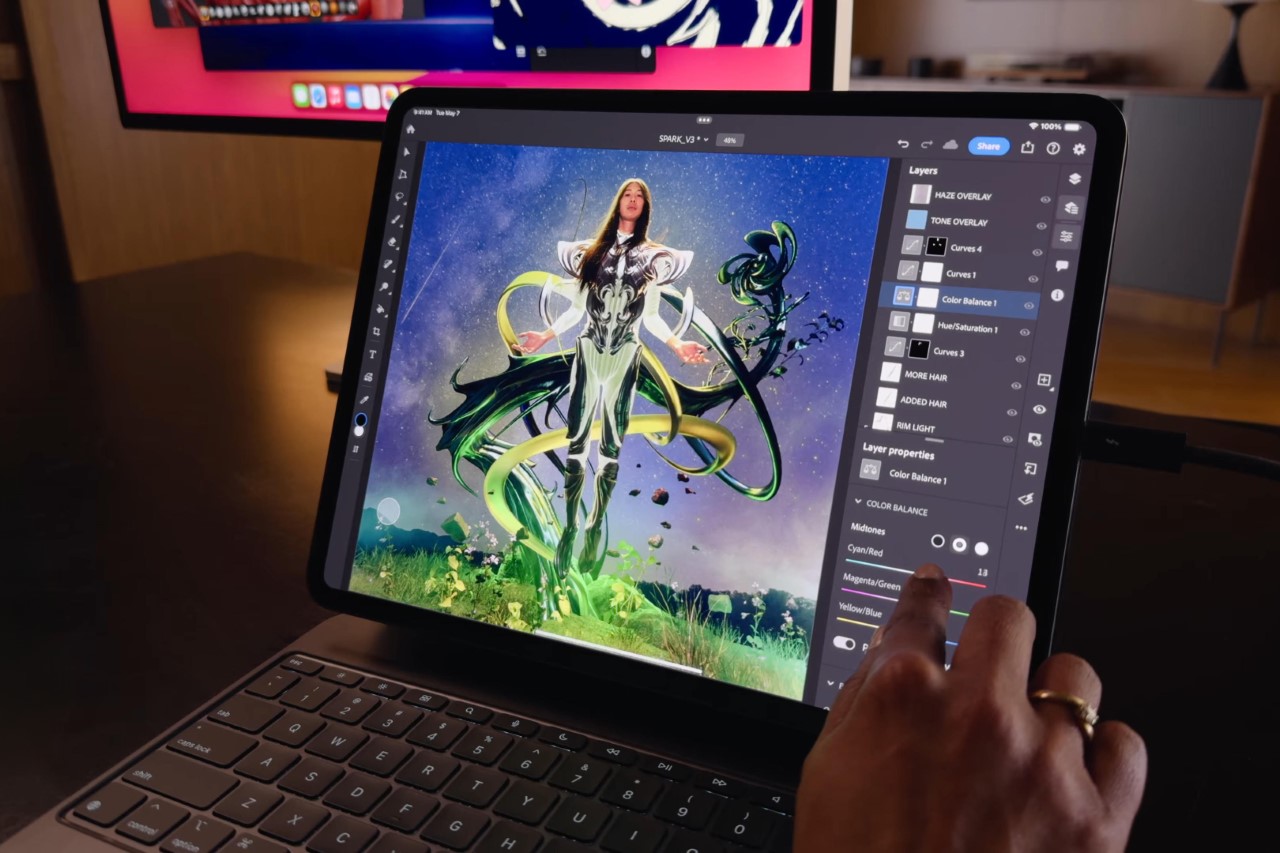
Yes, I sincerely believe that if Jobs were around today, the iPad Pro M4 would have blown his mind because I’m pretty sure the CEOs of Samsung, Google, OnePlus, Huawei, and Microsoft are all mighty pissed at how much Apple has leapfrogged their own tablet efforts. There’s really no comparison between tablets the way there is between phones and even to some extent between smartwatches. No Qualcomm chipset matches the M4’s capabilities, neural engines (NPUs) on tablet chipsets aren’t that common or powerful (to our knowledge, only Microsoft’s Surface Pro has them), and the fact that the iPad is so good it could potentially eat into Chromebook sales is probably really irking some companies right now.
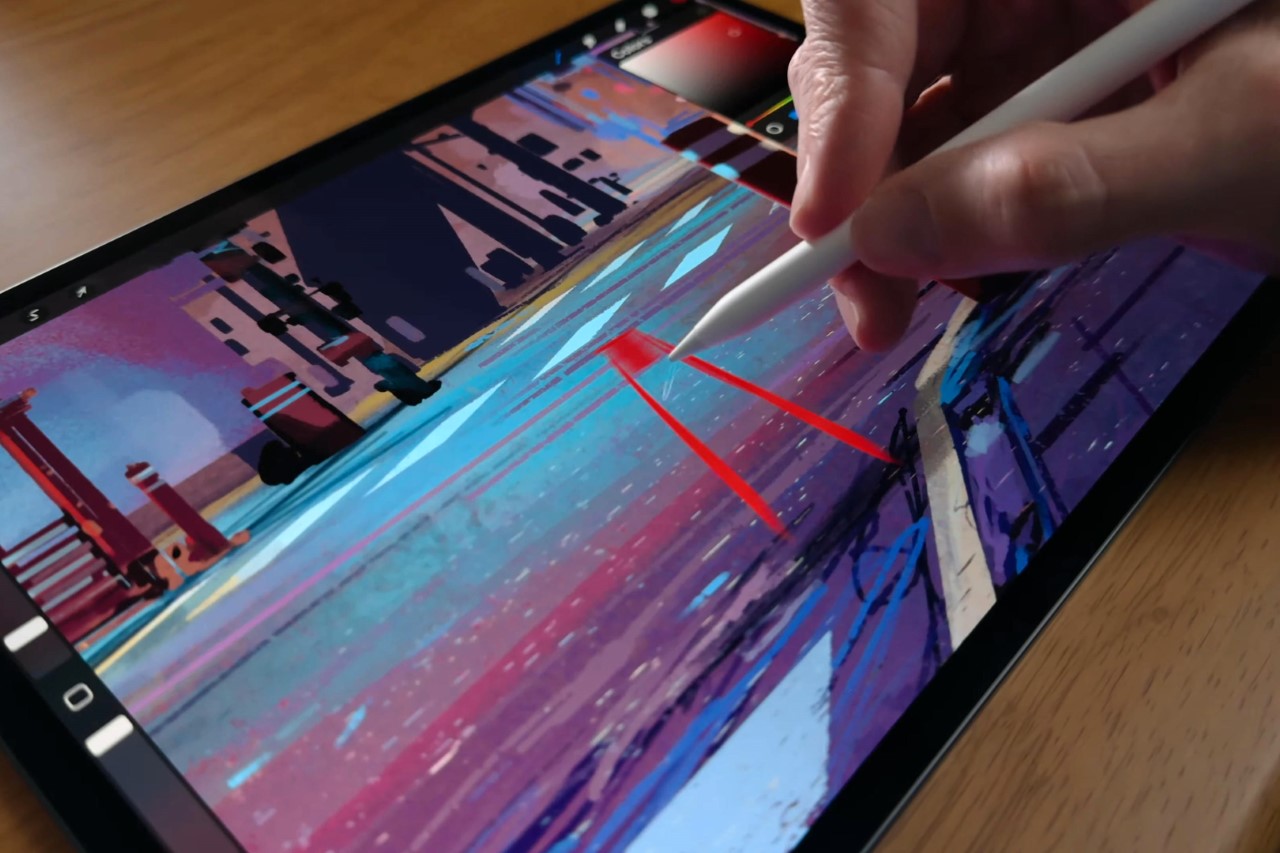
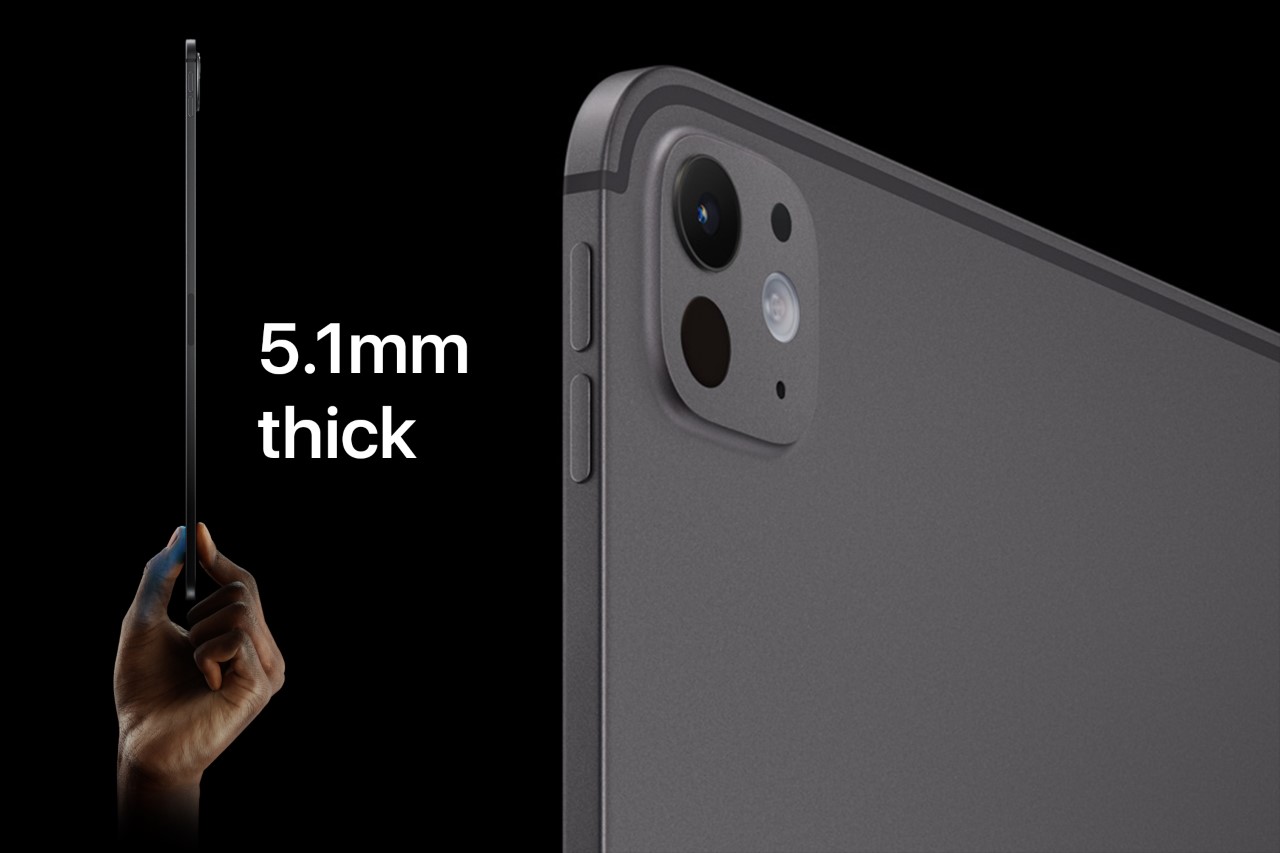
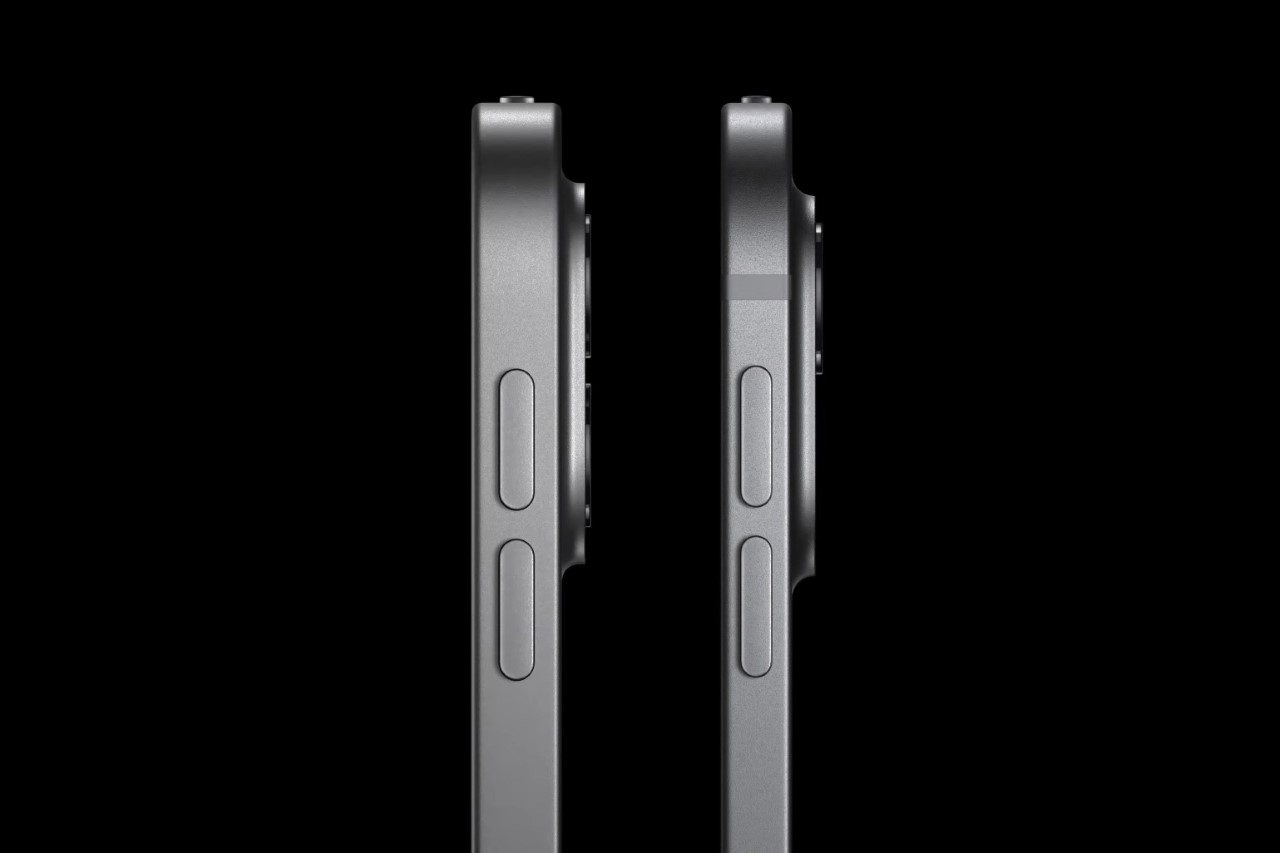
So what makes this iPad so ground-breaking? Well, for starters, pretty much all of us entered into this keynote expecting the usual – a chip upgrade, the shifting of the camera module, and maybe some Pencil tweaks. However, what Apple served up instead was miles ahead of what anyone could think. The first iPad Pro was touted as a magical piece of glass, given how thin and compact it was – this new iPad Pro, even with its new almighty M4 chip, is thinner than any iPad ever made. At 5.3 and 5.1 millimeters respectively (the 11 and 13-inch models), the new iPads are thinner than the thinnest iPod. Heck, they’re a full 40% thinner than an AirTag. AN AIRTAG.
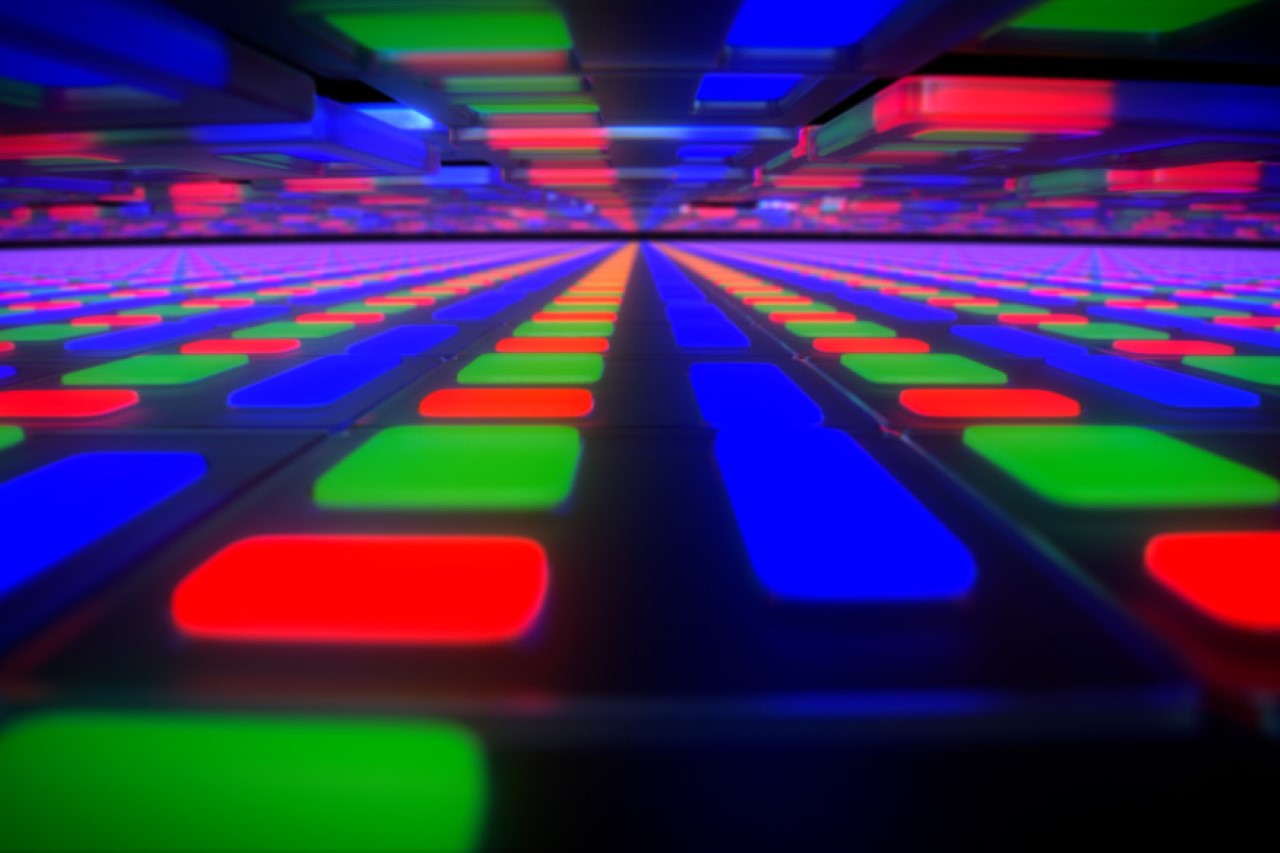
That isn’t all, Apple’s new design is a combination of incredible engineering and borderline futuristic material sciences. The new screen gets bumped up from Retina to Tandem OLED, a technology that Apple developed in-house, merging two OLED panels together to bring screen brightness up to a peak of a whopping 1600 nits. Meanwhile, a nano-textured glass helps cut glare while refracting ambient light perfectly without causing any clarity issues. A better screen, an M4 chipset, and a radically thinner design obviously means the iPad Pro is prone to immense heating (it doesn’t have a fan the way laptops do either), but that’s where Apple’s ingenuity shines again. Instead of simply relying on machined aluminum, the new iPad Pro’s housing has graphite sheets incorporated into it… and that Apple logo on the back, that also has copper infused into it too, helping turn the iPad’s body into a much more efficient heat sink to dissipate heat.
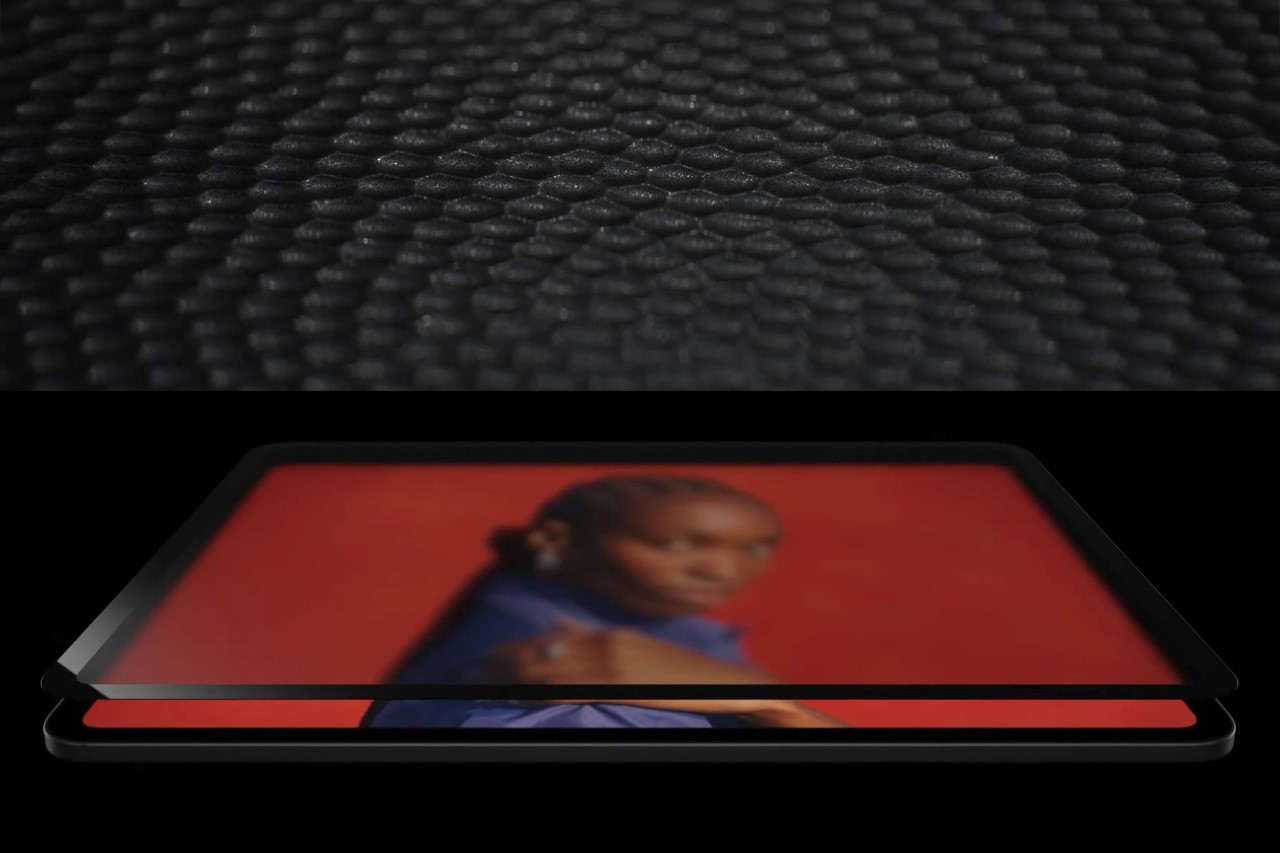
The iPad Pro’s nano-textured glass

The new iPad Pros also have better speakers, a set of studio-grade microphones, and a repositioned landscape camera that manages FaceID as well as functions as the perfect video-conferencing camera with CenterStage capabilities. The camera sits right where the wireless charging coil for the Apple Pencil would otherwise sit, so the fact that Apple’s managed to squeeze both of those in, while still making the iPad Pro thinner than before seems like a borderline miracle.
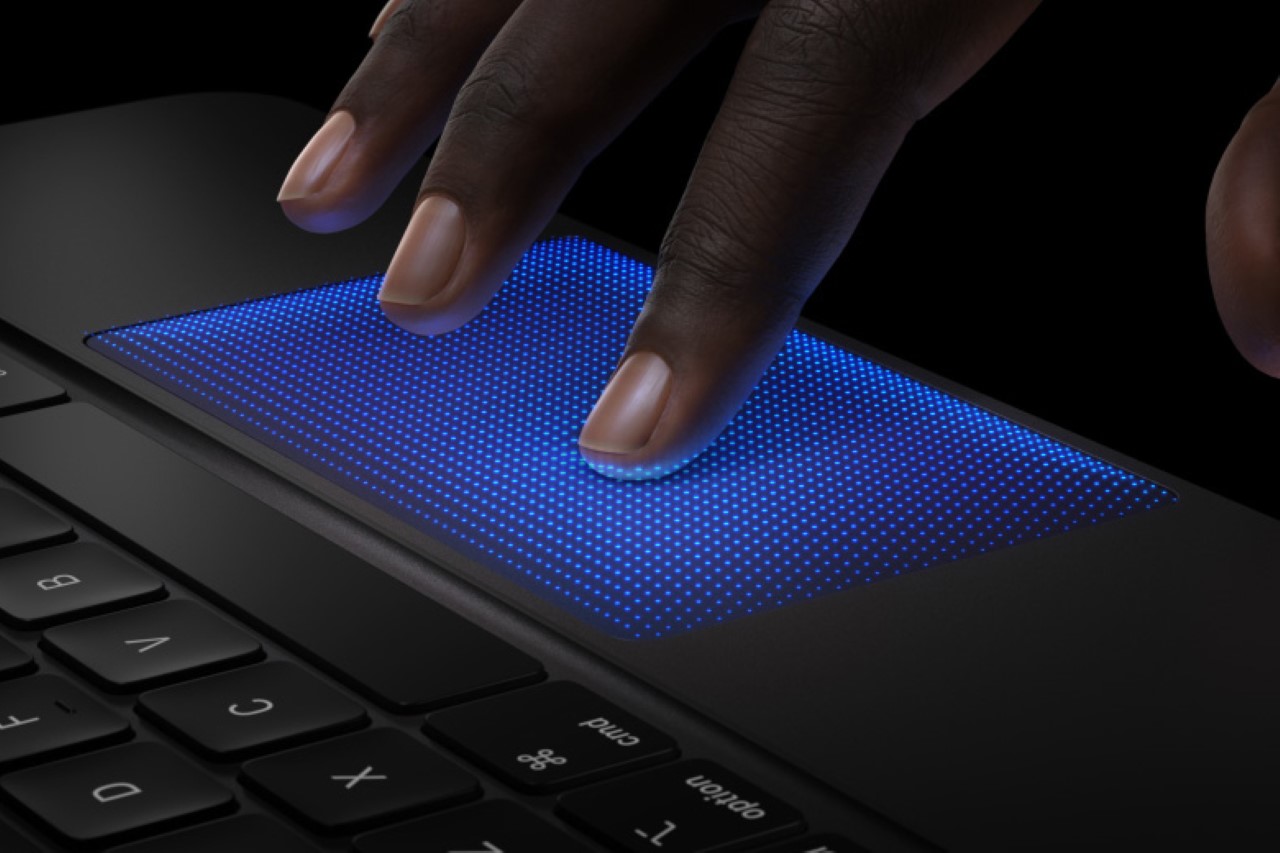
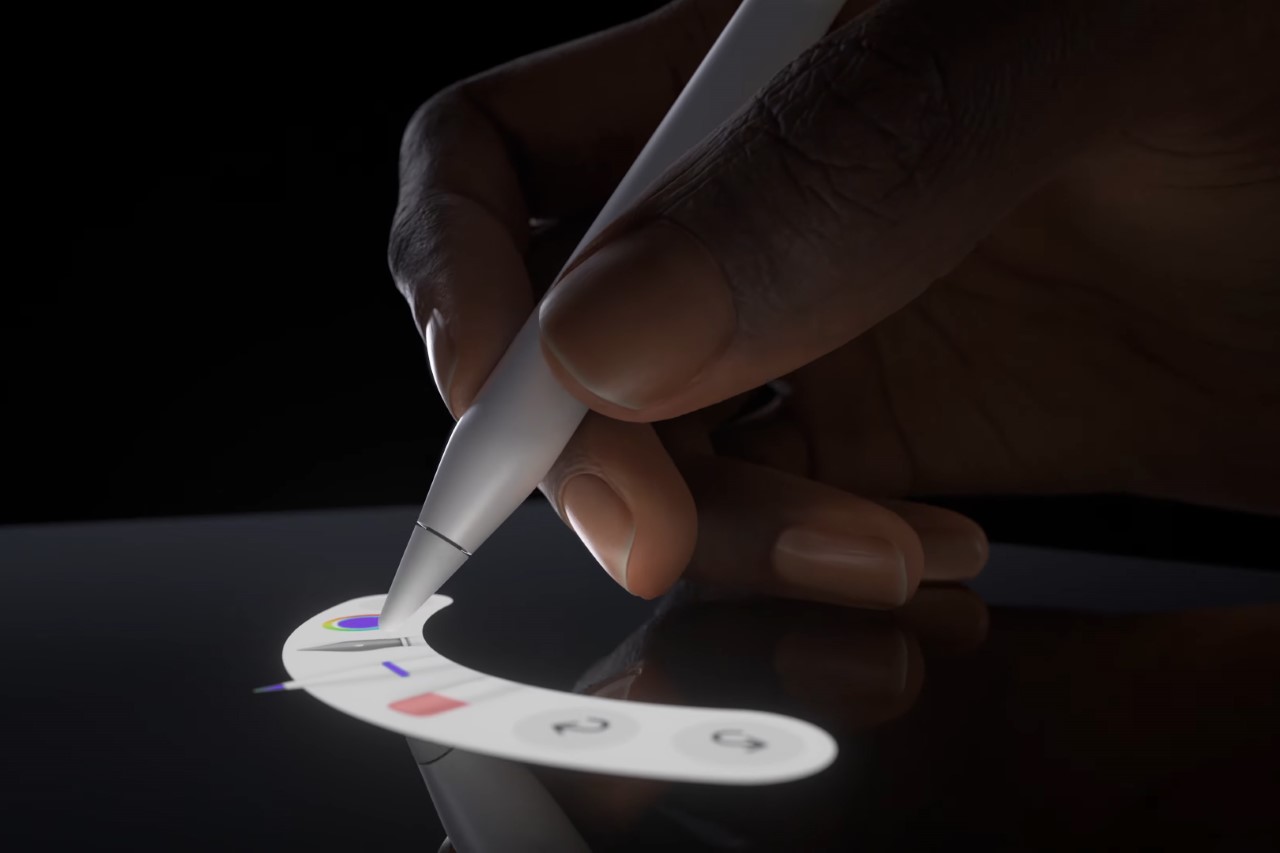
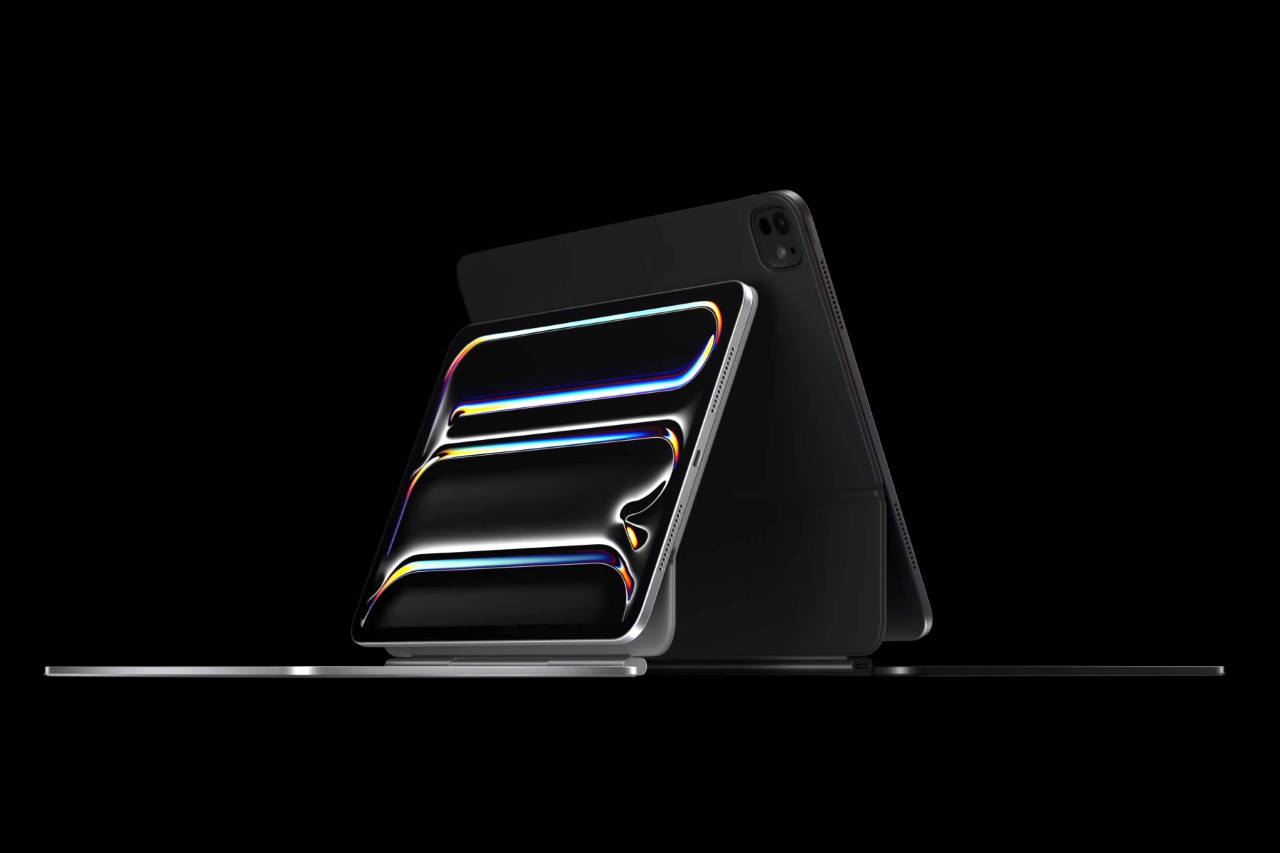
The new iPad Pro is also complemented by a redesigned Magic Keyboard that’s slimmer, and has an all-new function key row and a pressure-sensitive trackpad… and a Pencil Pro that’s so ground-breaking it puts other styluses to shame (fun fact, the Pencil Pro got 5 full minutes of coverage in a 44 minute keynote, including an in-depth breakdown by Procreate CEO, James Cuda), but more on that in a separate article. Despite its radical redesign, the iPad Pro doesn’t get a price-bump. Instead, it still starts at $999 for the 256Gb model (the 128Gb model is now discontinued), and $129 for the Pencil Pro. Even by Apple’s own standards, that’s a massive technological leap for the same price each year. Like I said, Jobs would be absolutely chuffed.
The post Steve Jobs would be absolutely proud of how far the new iPad Pro M4 has come first appeared on Yanko Design.
The Beats Fit Pro wireless earbuds are on sale for $160 right now

Beats might have some new audio gear to blab about, but its older models are nothing to sniff at, especially when you can score solid deals on them. Take, for instance, the Beats Fit Pro. Those true wireless earbuds have dropped by $40 to $160. That matches the Black Friday price and it's just $10 more than the all-time low.

The Beats Fit Pro are our pick for the best workout headphones as well as our top choice for headphones for running. They're rated for IPX4 water resistance, which is always welcome to have while you're working up a sweat. They're comfortable to wear and have solid battery life (six hours plus an extra 21 hours from the charging case).

None of that would matter if the Beats Fit Pro sounded terrible, but they deliver great sound quality with the help of Adaptive EQ. Spatial audio is always a nice feature to have, while the active noise cancellation and transparency modes are solid. Multipoint connectivity is a plus too.

On the downside, we thought that the charging case felt cheap with a poor build quality. We also found it too easy to accidentally press the onboard controls. Still, if you're looking for a pair of earbuds for your workouts, you can't get much better than the Beats Fit Pro right now.

Elsewhere, the Beats Studio Pro are also on sale. At $180, they're effectively half off and just $10 more than the record low of $170.

Follow @EngadgetDeals on Twitter and subscribe to the Engadget Deals newsletter for the latest tech deals and buying advice.

This article originally appeared on Engadget at https://www.engadget.com/the-beats-fit-pro-wireless-earbuds-are-on-sale-for-160-right-now-190035110.html?src=rss

You can now buy a Pixel Tablet without a dock for $400, if that’s your bag

Google has made the 128GB Pixel Tablet available as a standalone device, without the charging dock. It costs $400, as compared to around $500 at most outlets with the dock. This is a great deal on paper, but there’s one elephant-sized caveat. We had some issues with the tablet on its own and were mostly enamored by that dock.

You can’t cast streaming content to the device without the dock, which is one major negative. We also found the camera placement to be slightly awkward, particularly when participating in video calls. The 2,560 x 1,600 LCD panel isn’t as vibrant as an OLED panel, but it gets the job done. All of the specs of this device are “just fine” but, at $400, that’s probably to be expected.

The dock brings some nifty stuff to the table, like a durable stand, fantastic speakers and, of course, charging. However, there are some things that the Pixel Tablet excels at, even without that charging dock. The battery life is superb, lasting well over 21 hours per charge at 50 percent brightness. That’ll handle even the longest international flight. We also found the tablet to be useful as a smart display, particularly if you’ve fully bought into the Google smart home ecosystem.

This price drop is part of a larger announcement that includes a brand new smartphone. The Pixel 8a is a budget-friendly way to get involved with Google’s robust suite of AI tools, like Gemini, Best Take and Audio Magic Eraser.

This article originally appeared on Engadget at https://www.engadget.com/you-can-now-buy-a-pixel-tablet-without-a-dock-for-400-if-thats-your-bag-185329549.html?src=rss

Arkane Austin and Tango Gameworks have been shut down

Microsoft has shuttered three ZeniMax teams: Arkane Austin, Tango Gameworks and Alpha Dog Studios. The company is also folding Roundhouse Games into Zenimax Online Studios. Arkane Austin is the home of Prey and Redfall, while Tango is responsible for The Evil Within, Ghostwire Tokyo and Hi-Fi Rush. Alpha Dog is the creator of Mighty Doom and Roundhouse was a support studio for ZeniMax projects.

In an email to employees, Xbox Game Studios head Matt Booty outlined the upheaval, stating that some workers would transition to other teams under ZeniMax's purview. Most employees, however, will be let go. Here's Booty's breakdown of the layoffs for each affected studio:

Arkane Austin – This studio will close with some members of the team joining other studios to work on projects across Bethesda. Arkane Austin has a history of making impactful and innovative games and it is a pedigree that everyone should be proud of. Redfall’s previous update will be its last as we end all development on the game. The game and its servers will remain online for players to enjoy and we will provide make-good offers to players who purchased the Hero DLC.

Alpha Dog Studios – This studio will also close. We appreciate the team’s creativity in bringing Doom to new players. Mighty Doom will be sunset on August 7 and we will be turning off the ability for players to make any purchases in the game.

Tango Gameworks – Tango Gameworks will also close. We are thankful for their contributions to Bethesda and players around the world. Hi-Fi Rush will continue to be available to players on the platforms it is today.

Roundhouse Games – The team at Roundhouse Games will be joining ZeniMax Online Studios (ZOS). Roundhouse has played a key role in many of our recent game launches and bringing them into ZOS to work on The Elder Scrolls Online will mean we can do even more to grow the world that millions of players call home.

Additionally, "a small number of roles across select Bethesda publishing and corporate teams will also be eliminated," Booty's email says.

In summary, at least when it comes to the games: Redfall development has been stopped completely and people who spent $100 on the game's Bite Back edition will be eligible for a partial refund to compensate for the DLC they never received. Sign ups for the refund are right here. Hi-Fi Rush will remain playable. Mighty Doom will shut down on August 7.

The remaining studios under ZeniMax Media, which is owned by Microsoft, are Arkane Lyon, Bethesda Game Studios, id Software, MachineGames, ZeniMax Online Studios, and the Bethesda publishing and corporate teams. Arkane Lyon is currently building Marvel's Blade and it's the home of Deathloop and the Dishonored franchise.

The co-creative director of Arkane Lyon, Dinga Bakaba, shared his reaction to the layoffs on X with the following thread:

This is absolutely terrible. Permission to be human : to any executive reading this, friendly reminder that video games are an entertainment/cultural industry, and your business as a corporation is to take care of your artists/entertainers and help them create value for you.

Don't throw us into gold fever gambits, don't use us as strawmen for miscalculations/blind spots, don't make our work environments darwinist jungles. You say we make you proud when we make a good game. Make us proud when times are tough. We know you can, we seen it before.

For now, great teams are sunsetting before our eyes again, and it's a fucking gut stab. Lyon is safe, but please be tactful and discerning about all this, and respect affected folks' voice and leave it room to be heard, it's their story to tell, their feelings to express.

Microsoft purchased ZeniMax Media — including Bethesda, id Software, Arkane and Tango — in 2021 for $7.5 billion. The acquisition marked an escalation of Microsoft's efforts to eat the entire industry: The company acquired five mid-size teams in 2018, including Compulsion Games and Ninja Theory, and by February 2019, there were 13 studios under the Xbox Game Studios banner. The ZeniMax purchase cleared regulators in 2021, setting the stage for Microsoft to buy Activision Blizzard, one of the largest game producers in the world. The Activision Blizzard acquisition was the most expensive in Microsoft's history, costing around $69 billion. After nearly two years of regulatory negotiations, the purchase was cleared in February 2023.

It's not just Microsoft making the video game industry smaller. Sony, Take-Two Interactive, Tencent, Epic Games and publishers of all sizes have been gobbling up talent in a rash of post-pandemic corporate consolidation, and this has led to an avalanche of mass layoffs in the industry. In 2023, an estimated 10,500 people in video games lost their jobs, breaking previous annual layoff records. Prior to today's studio closures, roughly 9,400 video game workers had been fired in 2024, setting a pace that should outstrip last year's figures. 

This article originally appeared on Engadget at https://www.engadget.com/arkane-austin-and-tango-gameworks-have-been-shut-down-183913558.html?src=rss

Apple Pencil Pro vs. the Apple Pencil 2nd Generation: A Detailed Features Comparison

Apple Pencil Pro vs. Apple Pencil 2nd Generation

Apple’s unveiling of the Apple Pencil Pro, together with the 2nd gen Apple Pencil, is likely to captivate the creative and professional communities. While both styluses have impressive features, the Pro version offers new capabilities that distinguish it. This article breaks down what the Apple Pencil Pro and the 2nd generation pencil have in common and dives into the cool new upgrades that make the Apple Pencil Pro stand out.

Designer: Apple

Common Features between Apple Pencil Pro vs. Apple Pencil (2nd generation)

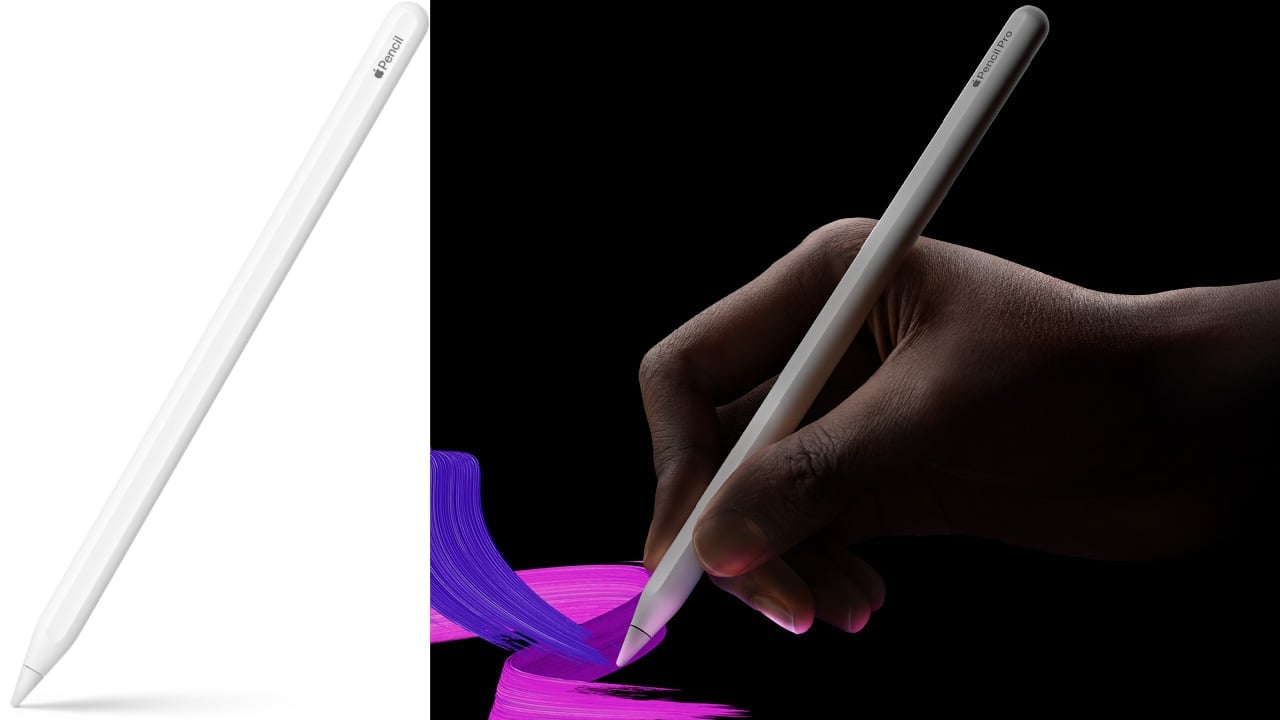
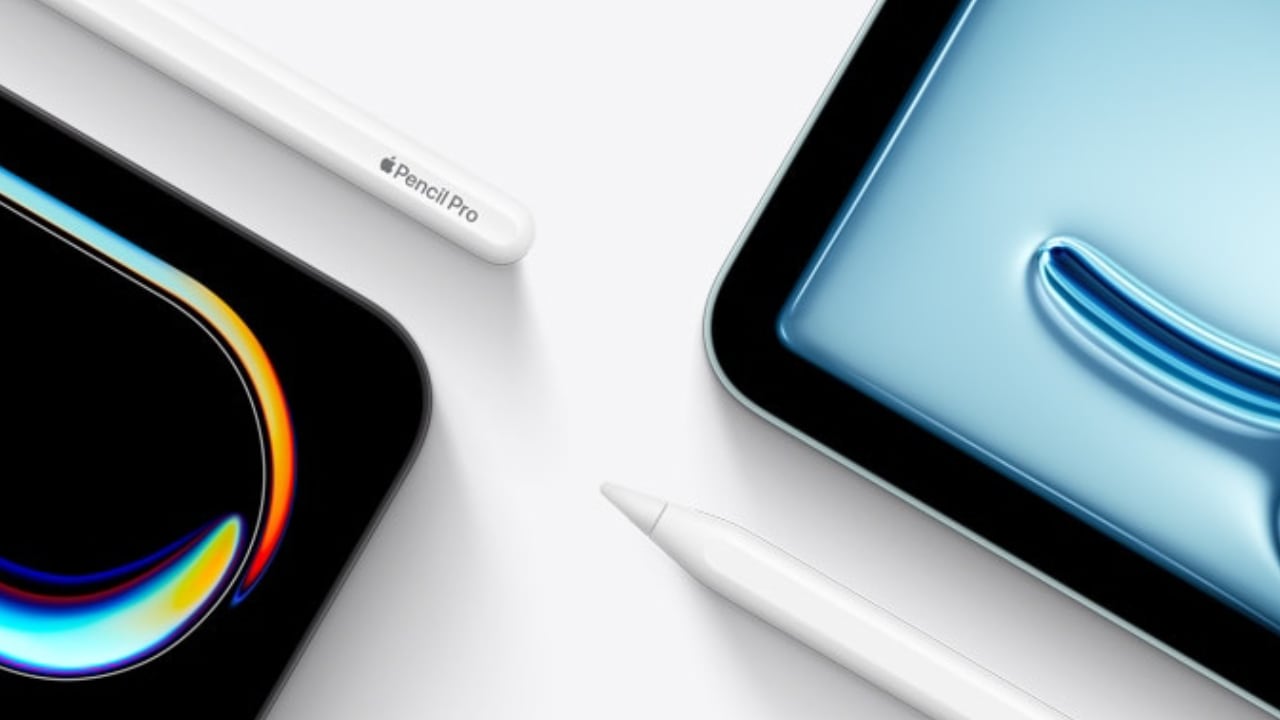
Apple Pencil Pro and Pencil 2nd Generation

Precision and Responsiveness:

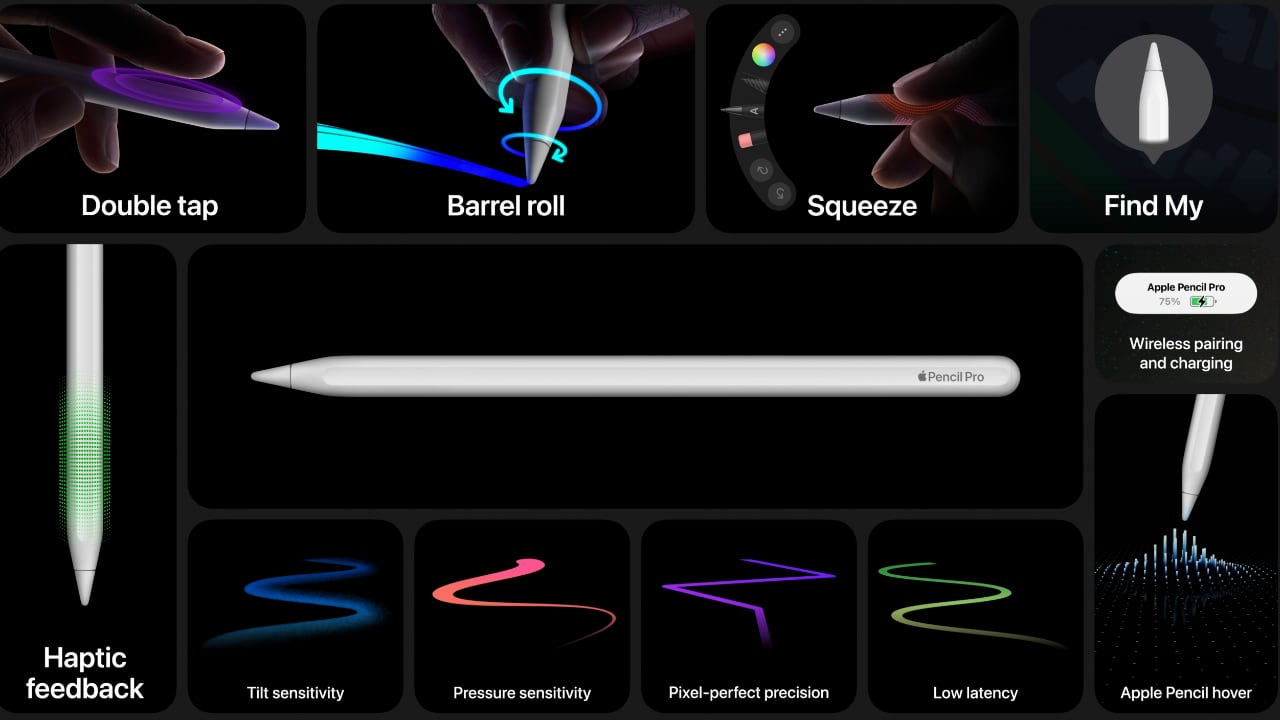
Both the Apple Pencil Pro and the 2nd generation Apple Pencil offer pixel-perfect precision, making them ideal for writing, sketching, and drawing on an iPad. They’re designed to feel as natural and responsive as a traditional pencil on paper, thanks to their low latency.

Tilt Sensitivity:

Artists and designers will appreciate that both models support tilt sensitivity, which allows users to shade and create effects just like they would with a real pencil.

Magnetic Attachment and Wireless Charging:

Both pencils magnetically attach to the side of compatible iPads, which not only keeps them securely in place but also charges them wirelessly, ensuring they’re always ready when inspiration strikes.

Double-tap to Change Tools:

This convenient feature allows users to quickly switch between tools (like pencil to eraser) with a simple double-tap on the body of the pencil.

Free Engraving:

Adding a personal touch is possible with both models, but it’s worth noting as a nice extra perk for both the Pro and 2nd generation models.

Exclusive to Apple Pencil Pro

Apple Pencil Pro Features

Barrel Roll Control:

The Apple Pencil Pro introduces a gyroscope that allows users to change the orientation of the shaped pen and brush tools by simply rotating the barrel. This provides an added layer of control that mimics the experience of using traditional art tools.

Squeeze Interaction:

One of the more useful features of the Pro model is the ability to squeeze the pencil to quickly access different tools, line weights, and colors. This feature enhances workflow efficiency and is perfect for professionals who need quick changes during intensive creative sessions.

Haptic Feedback:

The Pro model is also equipped with a custom haptic engine that provides tactile feedback during use. This enhances user interaction by confirming actions like double-taps or squeezes with subtle vibrations.

Find My Integration:

Losing an Apple Pencil can be frustrating, especially for professionals who rely on it daily. The Apple Pencil Pro can be easily located through the Find My app, thanks to its built-in support for Apple’s location network.

The Apple Pencil Pro clearly pushes the boundaries of what digital styluses can do, catering especially to the needs of professionals and power users who may find these advanced features conducive to their workflows. Meanwhile, the 2nd generation Apple Pencil remains a powerful tool for everyday users and professionals alike, offering essential features without the bells and whistles of the Pro model. The choice between them depends largely on the user’s specific needs and compatibility of their iPad, with the Pro model offering cutting-edge enhancements for those who need the highest level of precision and versatility. Both the Pencil Pro and the Apple Pencil 2nd gen are priced at $129. The Apple Pencil Pro will be available starting May 15.

Here’s a breakdown of the compatibility and pricing for the Apple Pencil Pro and Pencil 2nd generation:

Apple Pencil Pro Compatibility:

  • iPad Pro 13-inch (M4)
  • iPad Pro 11-inch (M4)
  • iPad Air 13-inch (M2)
  • iPad Air 11-inch (M2)

Apple Pencil (2nd Generation) Compatibility:

  • iPad Pro 12.9-inch (3rd, 4th, 5th, and 6th generation)
  • iPad Pro 11-inch (1st, 2nd, 3rd, and 4th generation)
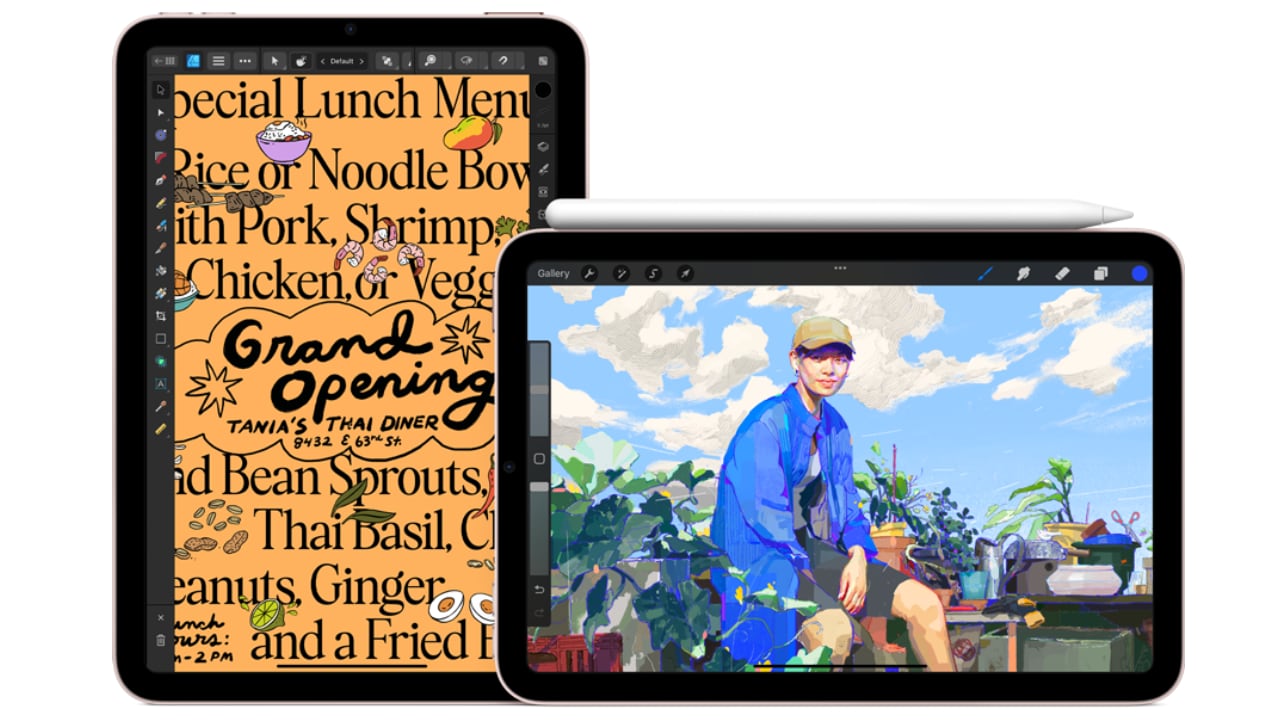
  • iPad Air (4th and 5th generation)
  • iPad mini (6th generation)

The post Apple Pencil Pro vs. the Apple Pencil 2nd Generation: A Detailed Features Comparison first appeared on Yanko Design.

Pre-order the Google Pixel 8a from Amazon or Best Buy and get a free $100 gift card

Just moments after Google announced its latest smartphone, both Amazon and Best Buy swooped in with deals to convince you to get yours from one of them. Right now, the Pixel 8a is open for pre-orders at Google's storefront, but if you go through Amazon, you'll get a physical $100 Amazon gift card once the phone ships. Purchase through Best Buy and you'll get a$100 gift card for its store, plus a one-month membership to Xbox Game Pass Ultimate. Whichever way you go, your new phone will ship May 14, the same day as Google's I/O developer conference. 

On both Amazon and Best Buy, the offer apples to the 128GB model in any of the four colorways, including the new Aloe hue. The model with a larger 256GB capacity, a first for A-series Pixel phones, goes for $559 and also includes the $100 gift card, but only if you order it in Obsidian. 

New for this latest generation of Google's most affordable smartphone is a screen that's a little brighter and smoother thanks to a higher peak brightness and a 120Hz refresh rate. The battery is slightly larger than it was on the Pixel 7a and software improvements should help it last longer. The camera array stayed the same as with the previous generation, but a few more of Google's AI tricks, like Best Take and Magic Editor should help you get more out of what the lenses pick up.

Engadget's Sam Rutherford had a chance to check out the new Pixel 8a ahead of its release and, while a full review is still forthcoming, he said the new handset is "shaping up to once again be the mid-range Android phone to beat." And if a $100 gift card sweetens the deal for you at all, now might be a good time to pre-order. Amazon says its deal will run through 5/19 or until supplies run out, so if you want to wait to see what we think, you may have some time. 

Follow @EngadgetDeals on Twitter and subscribe to the Engadget Deals newsletter for the latest tech deals and buying advice.

This article originally appeared on Engadget at https://www.engadget.com/pre-order-the-google-pixel-8a-from-amazon-or-best-buy-and-get-a-free-100-gift-card-181519020.html?src=rss

Michelle Yeoh just got cast to lead Amazon’s Blade Runner show

It’s been a while since we’ve had an update on Blade Runner 2099, the sequel series heading to Amazon Prime Video. The cast list is starting to take shape, as Oscar-winner and all-around icon Michelle Yeoh is set to play a lead role, as reported by Variety.

Plot details are being kept under wraps, but Variety has a source that says Yeoh will play a character named Olwen, who has been described as a replicant near the end of her life. That’s pretty much all we know about the story, aside from the fact that it's set 50 years after Denis Villeneuve’s critically acclaimed Blade Runner 2049. This is likely due to the fact that we’ll be nowhere near the level of tech shown in that film when we actually hit the year 2049. The original Blade Runner, after all, was set in 2019.

Franchise creator Ridley Scott is involved in some capacity, but not as showrunner. That duty falls to TV writer Silka Luisa, who recently ran the Apple TV+ adaptation of the book Shining Girls. The show was great, so color me optimistic.

As for Yeoh, what more can be said? She won a long-deserved Oscar for her work in Everything, Everywhere, All at Once and has been involved with classic films like Crouching Tiger, Hidden Dragon, Sunshine and Tomorrow Never Dies, among many others. She spent a few seasons hamming it up on Star Trek: Discovery, and her character is getting a spinoff film that will likely release later this year. The actress also just received the Presidential Medal of Freedom, the nation's highest civilian honor, so this has been a big month. 

This article originally appeared on Engadget at https://www.engadget.com/michelle-yeoh-just-got-cast-to-lead-amazons-blade-runner-show-180312046.html?src=rss

Disney+ will start showing some live sports from ESPN this year

Some live sports and studio shows from ESPN will start appearing on Disney+ this year. Disney CEO Bob Iger told investors on an earnings call that this follows an encouraging start for Hulu programming on the company's namesake streaming service. 

"By the end of this calendar year, we will be adding an ESPN tile to Disney+, giving all US subscribers access to select live games and studio programming within the Disney+ app," Iger said. "We see this as a first step to bringing ESPN to Disney+ viewers, as we ready the launch of our enhanced standalone ESPN streaming service in the fall of 2025." Iger also noted that ESPN+ subscribers will also be able to access content from that service through the new Disney+ tile, so Disney bundle subscribers will more or less have everything in one app.

Iger didn't reveal exactly what sports Disney would make available to everyone on Disney+, but made it clear that it would only bring a “modest” amount of programming over from ESPN. The company is also working with Fox Sports and Warner Bros. Discovery on another sports streaming service that's slated to arrive later this year and will include games from the NFL, MLB, NHL and NBA. 

Meanwhile, Disney+ just had its first profitable quarter in its four and a half years of existence. The service had been expected to lose $100 million in the first three months of 2024, but it actually posted a $47 million profit — surely aided by Taylor Swift's Eras Tour concert film debuting on the platform in March.

However, Disney's streaming business as a whole (which also includes Hulu and ESPN+) lost $18 million during the quarter. That's still a vast improvement over the $659 million that side of the business lost a year earlier as Disney edges toward overall profitability in streaming.

This article originally appeared on Engadget at https://www.engadget.com/disney-will-start-showing-some-live-sports-from-espn-this-year-173524610.html?src=rss

Adobe’s full Creative Cloud suite is 40 percent off in a rare deal

Designers, photographers and other creators may want to check out this deal from Adobe. From now through May 13, first-time subscribers can save 40 percent on the monthly cost of the Creative Cloud All Apps plan for a full year. That brings the price down from a hefty $60 per month to a slightly more palatable $36. To get the deal, you'll need to agree to a 12-month subscription commitment. After the year is up, the plan will automatically renew at the regular price, unless you cancel. If you want to pay for the whole year at once, it'll run you $396, which is also 40 percent of the standard $660. 

Creative Cloud All Apps includes online access to Adobe stalwarts like Photoshop, Adobe Premiere Pro, Illustrator, and InDesign, plus about 20 additional apps — including Firefly, the text-to-image generative AI tool and the social-content-focused Adobe Express. The plan also comes with 100GB of cloud storage, tutorials, Adobe Fonts and 1,000 credits per month to use towards generative AI creation in Firefly and others.  

Adobe doesn't often run discounts on their service, so this is a rare opportunity to catch a break on the tools that, for some creative pursuits, are tough to replace. The $36 monthly price tag is likely the closest most of us will get to the enviable student and teacher pricing of $20 per month.

Follow @EngadgetDeals on Twitter and subscribe to the Engadget Deals newsletter for the latest tech deals and buying advice.

This article originally appeared on Engadget at https://www.engadget.com/adobes-full-creative-cloud-suite-is-40-percent-off-in-a-rare-deal-170847284.html?src=rss

OpenAI says it can detect images made by its own software… mostly

We all think we’re pretty good at identifying images made by AI. It’s the weird alien text in the background. It’s the bizarre inaccuracies that seem to break the laws of physics. Most of all, it’s those gruesome hands and fingers. However, the technology is constantly evolving and it won’t be too long until we won’t be able to tell what’s real or not. Industry leader OpenAI is trying to get ahead of the problem by creating a toolset that detects images created by its own DALL-E 3 generator. The results are a mixed bag.

The tool in action.
OpenAI

The company says it can accurately detect pictures whipped up by DALL-3 98 percent of the time, which is great. There are, though, some fairly big caveats. First of all, the image has to be created by DALL-E and, well, it’s not the only image generator on the block. The internet overfloweth with them. According to data provided by OpenAI, the system only managed to successfully classify five to ten percent of images made by other AI models.

Also, it runs into trouble if the image has been modified in any way. This didn’t seem to be a huge deal in the case of minor modifications, like cropping, compression and changes in saturation. In these cases, the success rate was lower but still within acceptable range at around 95 to 97 percent. Adjusting the hue, however, dropped the success rate down to 82 percent.

Results from the test.
OpenAI

Now here’s where things get really sticky. The toolset struggled when used to classify images that underwent more extensive changes. OpenAI didn’t even publish the success rate in these cases, stating simply that "other modifications, however, can reduce performance.”

This is a bummer because, well, it’s an election year and the vast majority of AI-generated images are going to be modified after the fact so as to better enrage people. In other words, the tool will likely recognize an image of Joe Biden asleep in the Oval Office surrounded by baggies of white powder, but not after the creator slaps on a bunch of angry text and Photoshops in a crying bald eagle or whatever.

At least OpenAI is being transparent regarding the limitations of its detection technology. It’s also giving external testers access to the aforementioned tools to help fix these issues, as reported by The Wall Street Journal. The company, along with bestie Microsoft, has poured $2 million into something called the Societal Resilience Fund, which hopes to expand AI education and literacy.

Unfortunately, the idea of AI mucking up an election is not some faraway concept. It’s happening right now. There have already been AI-generated election ads and disingenuous images used this cycle, and there’s likely much more to come as we slowly, slowly, slowly (slowly) crawl toward November.

This article originally appeared on Engadget at https://www.engadget.com/openai-says-it-can-detect-images-made-by-its-own-software-mostly-170012976.html?src=rss