Vertical car concept is designed for narrow lanes and cramped spaces

The majority of concept designs that we see for future automobiles seem to revolve around self-driving vehicles cruising along wide and nearly empty highways. Given our present reality, however, the future might not be as idyllic as those images try to conjure up, at least in terms of traffic volume. There is a higher probability that there will be even more cars in the future, self-driving or otherwise, and people will be competing for even less space on roads. This concept, in contrast, bucks the trend and imagines a car that not only has to be driven manually, it is also tall and narrow enough that clearance doesn’t become a problem, allowing it to deftly navigate through traffic and tight spaces, today and tomorrow.

Designer: Rishav Kumar

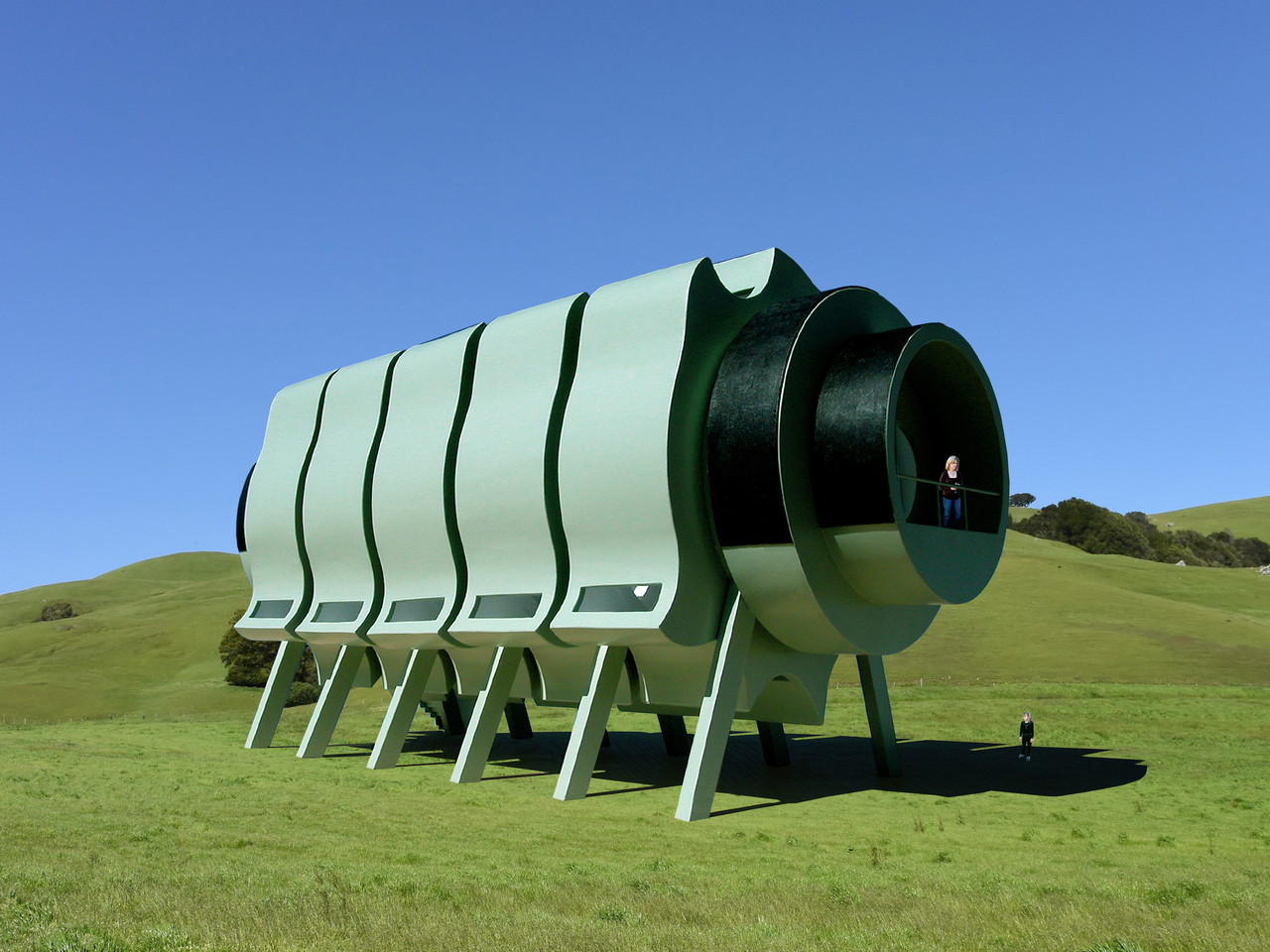
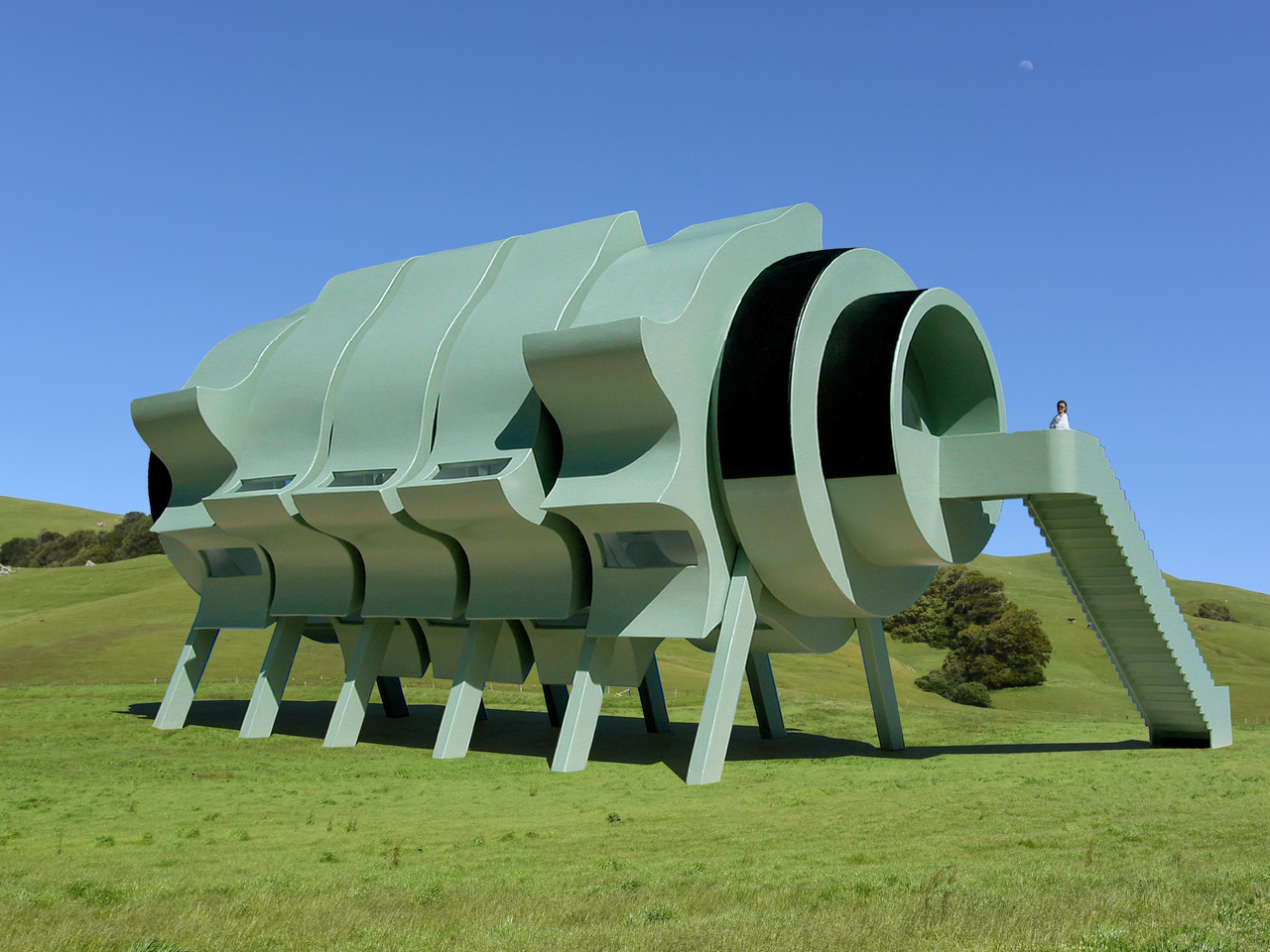
The Project OVAL concept is actually made of two parts, both embracing the idea of a more vertically oriented design. On the one hand, there is a vertical oval for the steering wheel which, along with matching the general shape of the vehicle itself, also saves space inside the cabin. The steering mechanism is attached to the side of the car, almost as if it’s floating, since the vehicle practically has no front, let alone a dashboard for the steering wheel to connect to.

The car, on the other hand, is a rather unique spin on a two-person vehicle that prioritizes the economy of space over anything else. There is practically nothing in front of the driver and side passenger save for that oval steering wheel and two pedals. There is space behind the seats for baggage and, presumably everything else that makes the car run. Save for the pillars, the sides and roof of the vehicle are transparent, as is the front, giving passengers a panoramic view of the world around them.

This ultra-minimalist car is designed to easily navigate narrow city roads which will presumably be even more packed in the future. The slim and narrow body is also a boon for parking spaces which are already a rare commodity today. By also removing everything in front of the passengers, the car also gives more freedom of movement and comfort, even though it might feel a bit cramped as far as the width goes.

Project OVAL doesn’t preclude some self-driving mechanism, especially given how there’s no instrumentation panel to inform drivers of the car’s current state. It is entirely possible that the front glass will have a transparent display that makes all that visible as well, creating a rather dramatic futuristic visual. An autonomous system will definitely help save even more space if you remove the steering wheel and pedals, but such manual controls might be even more necessary if highways become even more congested in the future.

The post Vertical car concept is designed for narrow lanes and cramped spaces first appeared on Yanko Design.
Remote control redesign lets you use the device without even looking

Even with the advent of smart TVs and streaming, remote controls are still an indispensable part of that user experience, imperfect as it may be. The basic design of remote controls has changed very little, save for the extra minimalist variants that, in exchange for simplicity, sometimes make you crawl through menus and options just to get to the function you need. More importantly, however, the complexity of these electronic accessories has made them too stressful to use, and their tendency to get stuck in the corners of couches was a meme even before there were memes. This concept tries to revolutionize the remote control design to deliver a more tactile experience that lets you operate or even pick it up without looking at it at all.

Designer: Gisung Han

The traditional remote control design has always been one of practical convenience rather than comfort or enjoyment. It’s meant to let you quickly change channels or the volume, but the irony is that it often takes more time to look for the right button or, worse, look for the remote itself. Even with more minimal designs that reduce the buttons to half a dozen or so, the rectangular shape of the device itself lends it to being lost too easily.

The Sightless Remote Control proposes a rather drastic change to the standard design in order to address these issues. Instead of a flat rectangle, the remote has a T-shaped form that ensures it won’t slip through the gaps in couches and chairs. It also makes it easy to pick up the remote, whether from those corners or from the top of a table, all without even looking at the remote and just using our sense of touch instead.

The same is true for the buttons themselves, which are no longer distinct circles or ovals. Instead, there’s a single column in the middle of the remote’s top surface with wedge-like shapes rising on opposite sides almost like waves in the ocean. Instead of using printed icons, text representing the functions are instead embossed, again allowing for “blind” use by letting your fingers do the seeing. It will still require a bit of muscle memory to help place that finger in the right area, but it won’t be as tedious as on a typical remote with very smooth buttons.

More than just enabling sightless use of the device, this design tries to bring back the joy of using an analog device in an age of smartphones and touchscreens. It makes entertainment not just a pleasure for our eyes and ears but also for our sense of touch, all while helping reduce the cognitive overload that multi-functional screens and phone apps bring to our brains.

The post Remote control redesign lets you use the device without even looking first appeared on Yanko Design.
Lightweight stroller concept transforms into a backpack when not in use

When I go to amusement parks, this single woman sometimes feels pity seeing parents lugging around heavy duty strollers for their kids who decided they prefer running around the area then later on deciding they’re too tired to walk. Most of the strollers are bulky and heavy, adding to back problems and joint problems for the parents (aside from the back pain from carrying the child around). This new concept says that it’s the most compact and lightest baby stroller even as the mechanism is still patent pending.

Designers: Mick Beliaev and David Popkov

Iva is a stroller that can be stored into a backpack when not in use. It is 1.6 inches slim and 4.4 lbs light, which apparently is lighter than the 16-inch Macbook Pro. It is also pretty easy to assemble and pack, once you get the hang of the mechanism which seems a bit complicated at first. But once you’ve mastered it, it should only take around 60 seconds for you to fold and unfold.

The stroller itself has an Aviation Aluminum 7075 frame-enclosure and includes four pipe-shaped legs with soft rubber wheels. It is designed according to the US Safety Standard F833 for carriages and strollers. You can also detach the backpack so if you want to get a new color or design, you can just buy a new backpack part. The video showing the designer’s 7-year old kid riding the stroller seems to show that it’s pretty durable and as comfortable as a stroller can get.

The Iva stroller isn’t as cushy or enclosed as most of the strollers we see in the market but those are probably some of the things you have to give up to create what is supposedly the lightest one. They said they are selling the project to a larger brand or it may also go on Kickstarter in the summer.

The post Lightweight stroller concept transforms into a backpack when not in use first appeared on Yanko Design.
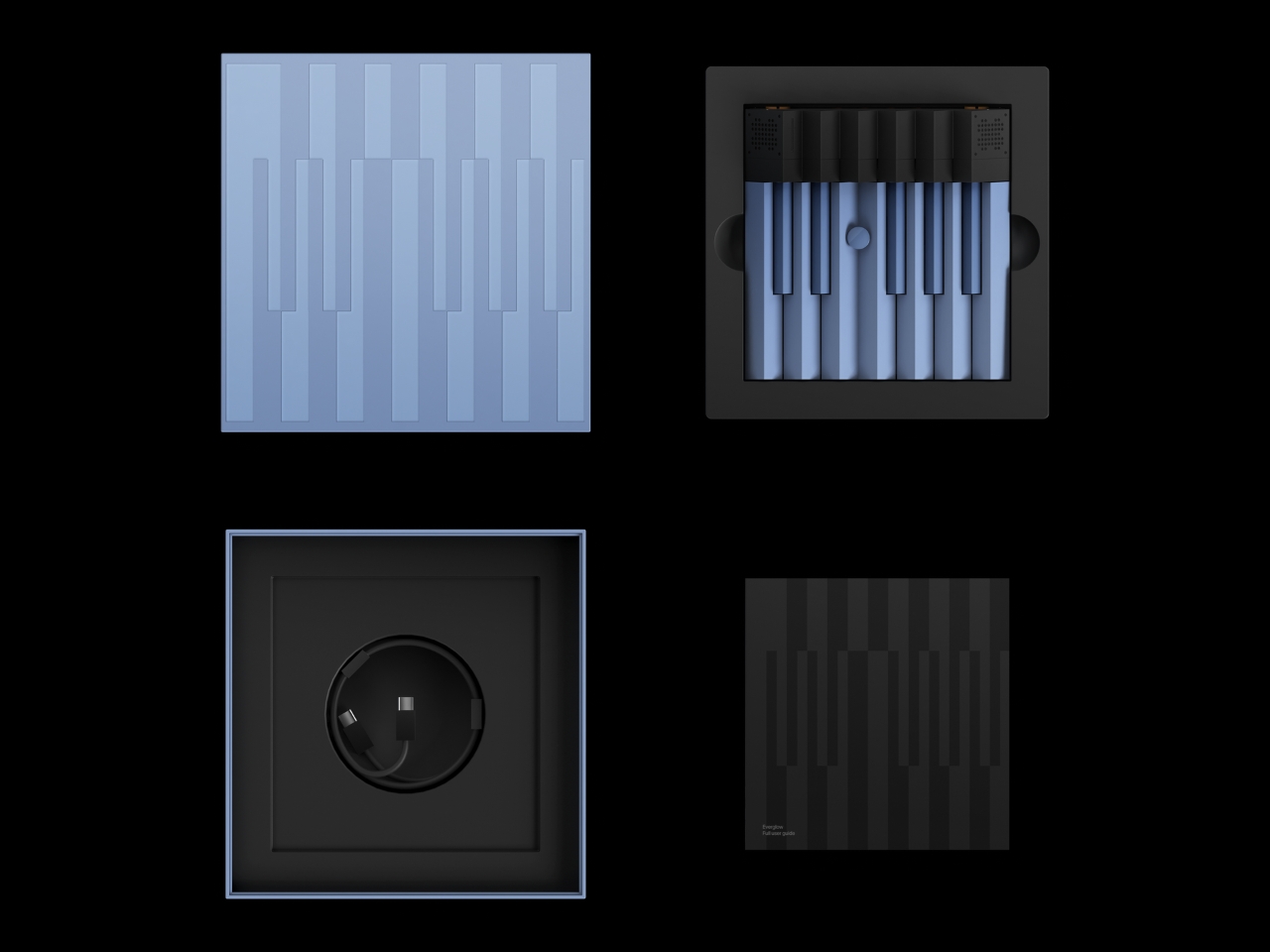
Music analysis device lets you learn songs by ear more conveniently

Those who are trying to learn how to play their favorite songs on their musical instruments have it a little easier now. They can just search for chords and arrangements or if they’re lucky, there might even be YouTube tutorials out there. But there are still those who prefer to play it by ear while playing the piano, guitar, or other instruments but playing the song from their phone or computer while learning is a bit of a hassle.

Designer: Hélène Bert

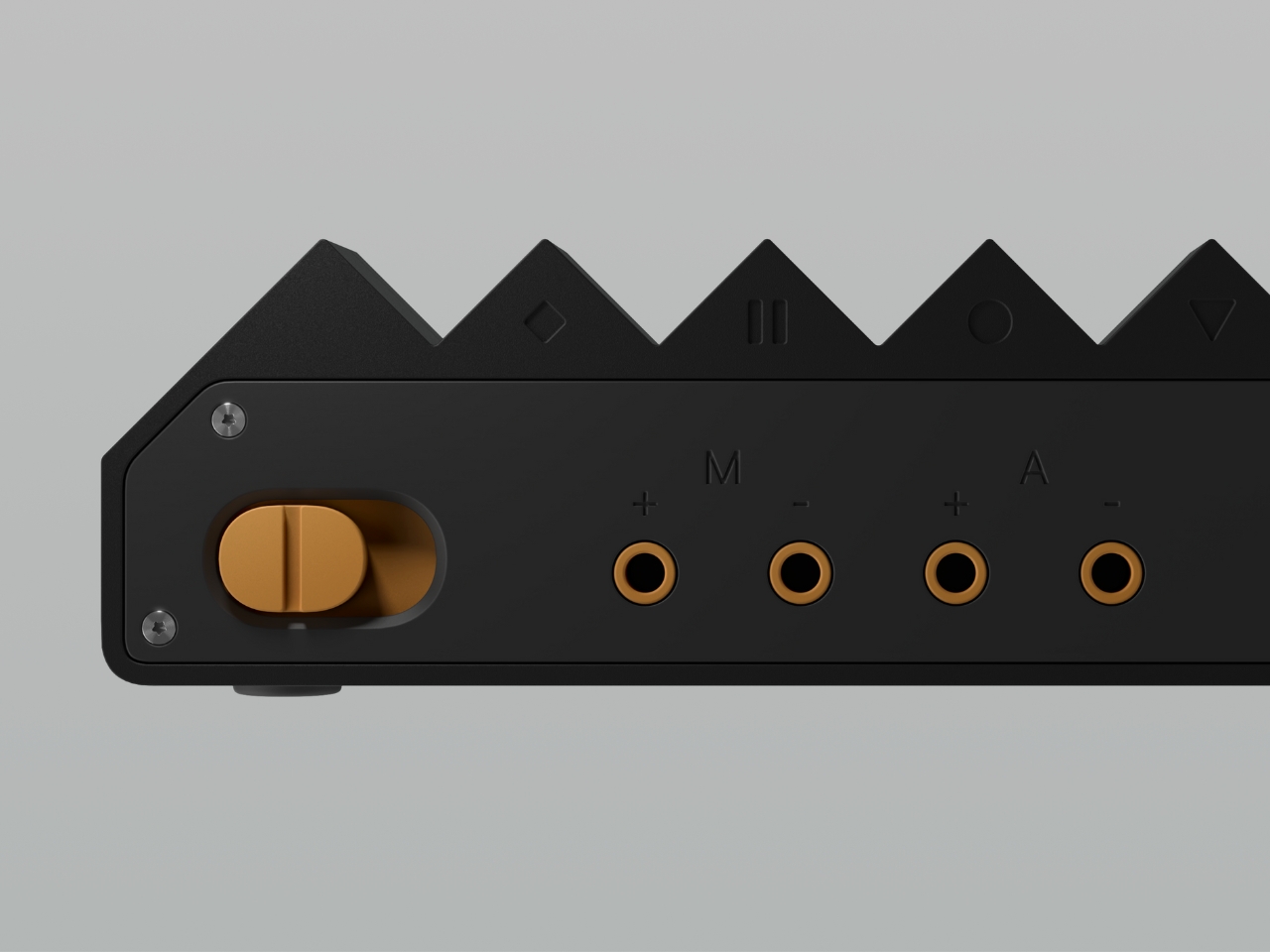
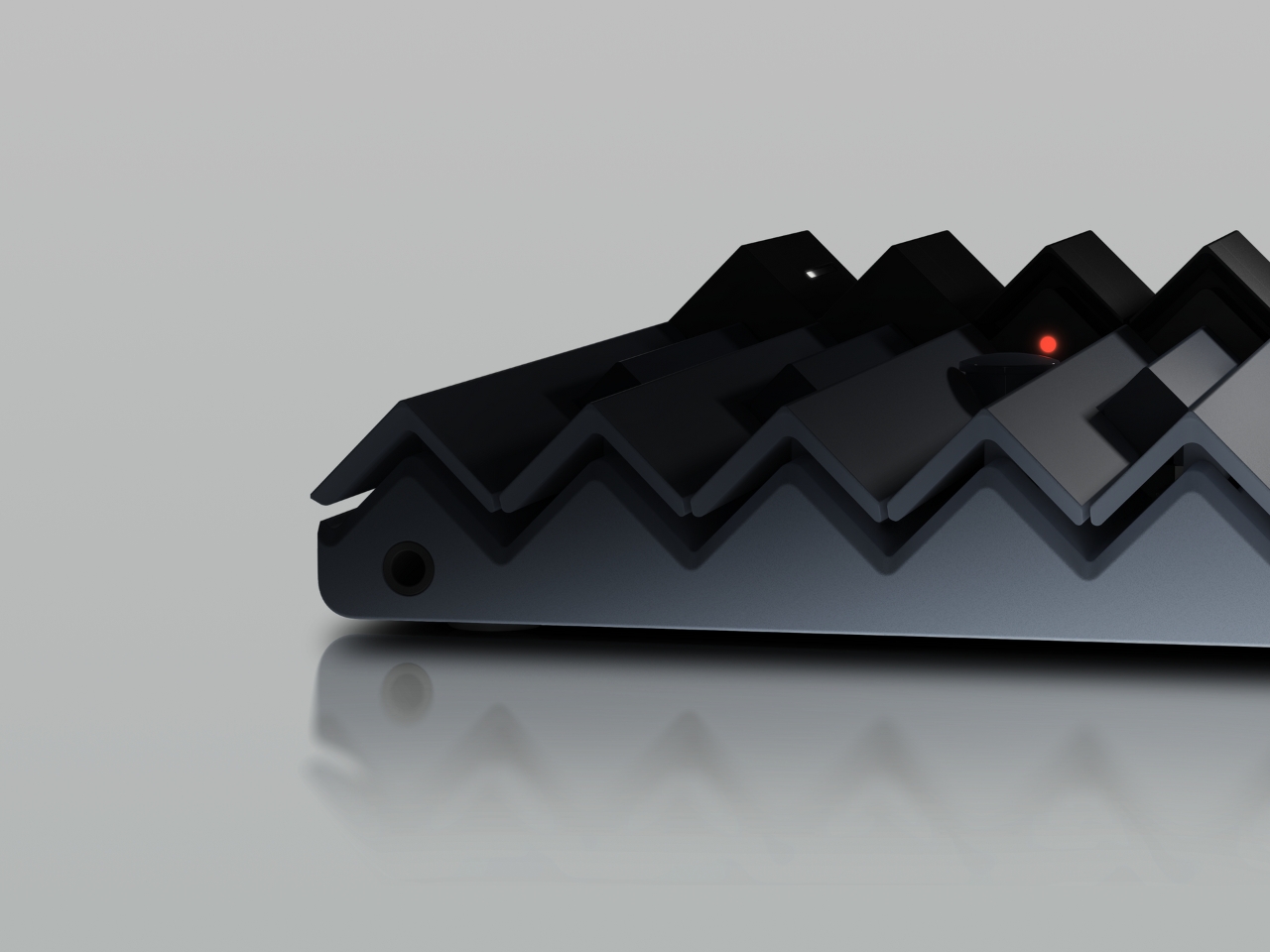
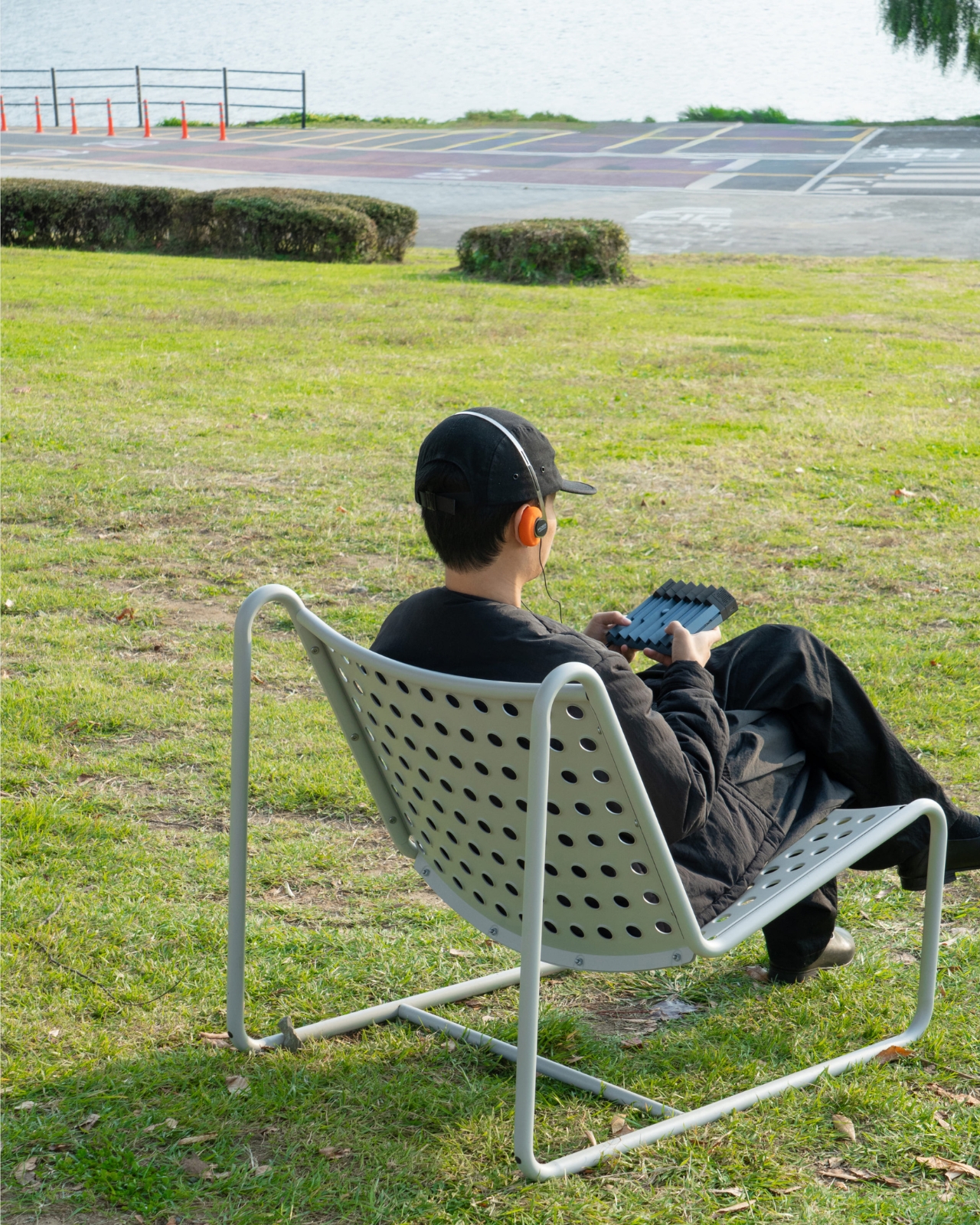
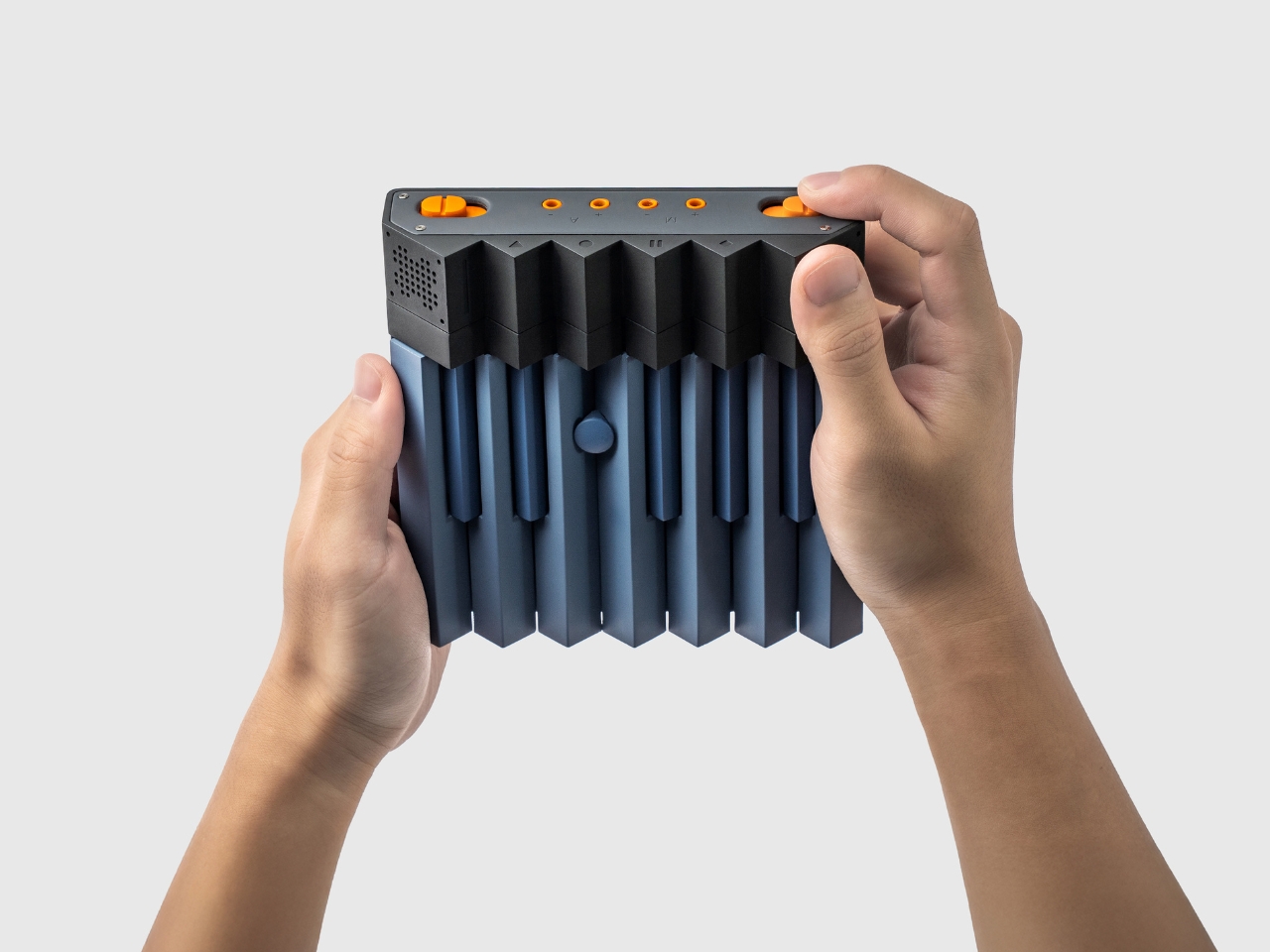
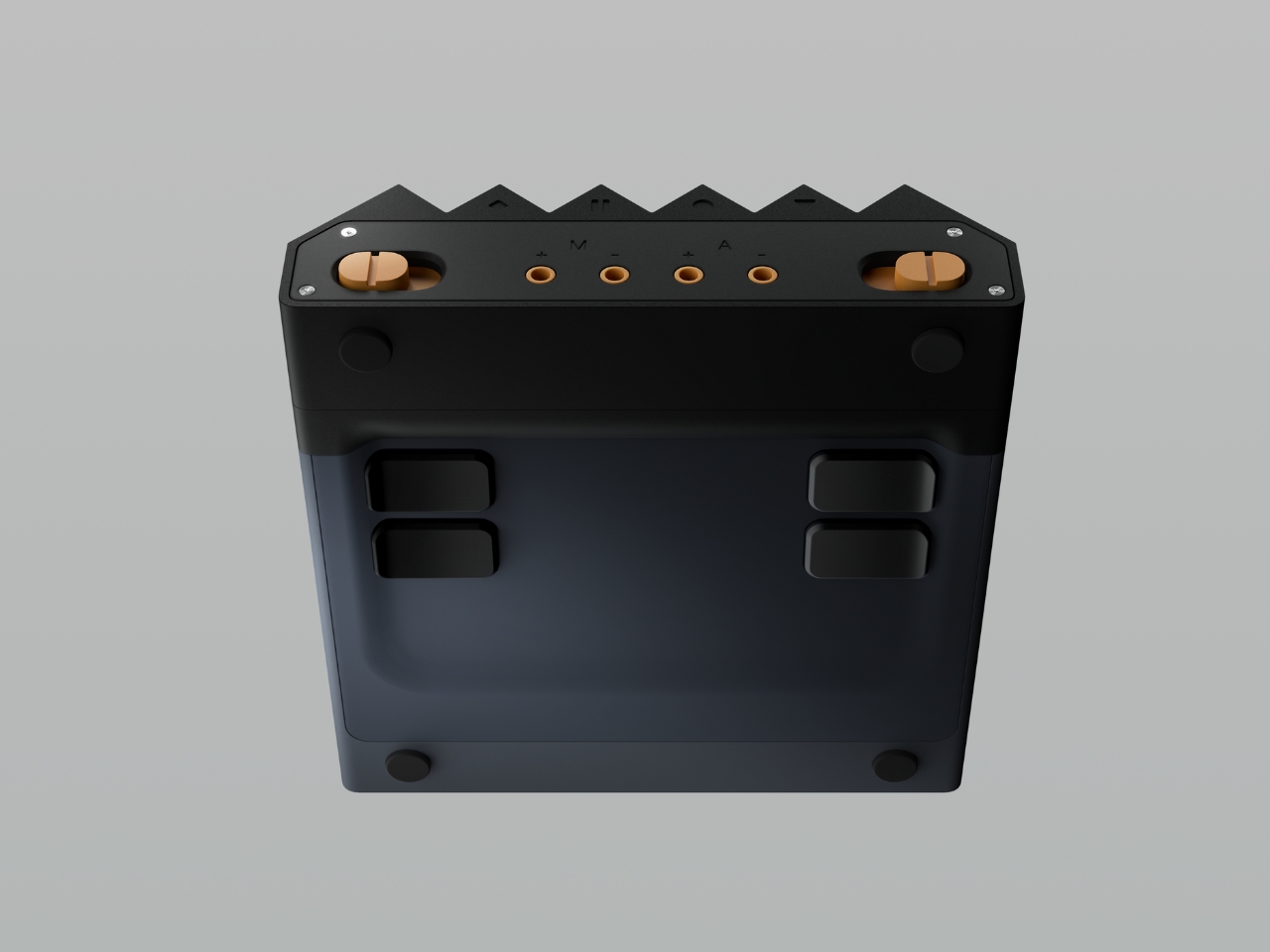
Analist is a tool that can be used by those trying to learn songs by playing it by ear. Unlike phones and computers where controls and precision are a bit hard, this gadget allows you to optimize your workflow when trying to play your instrument as you listen to the song you’re trying to learn. You will be able to control things pause and play, speed, repetition, and other things you may need to adjust while you’re playing it by ear.

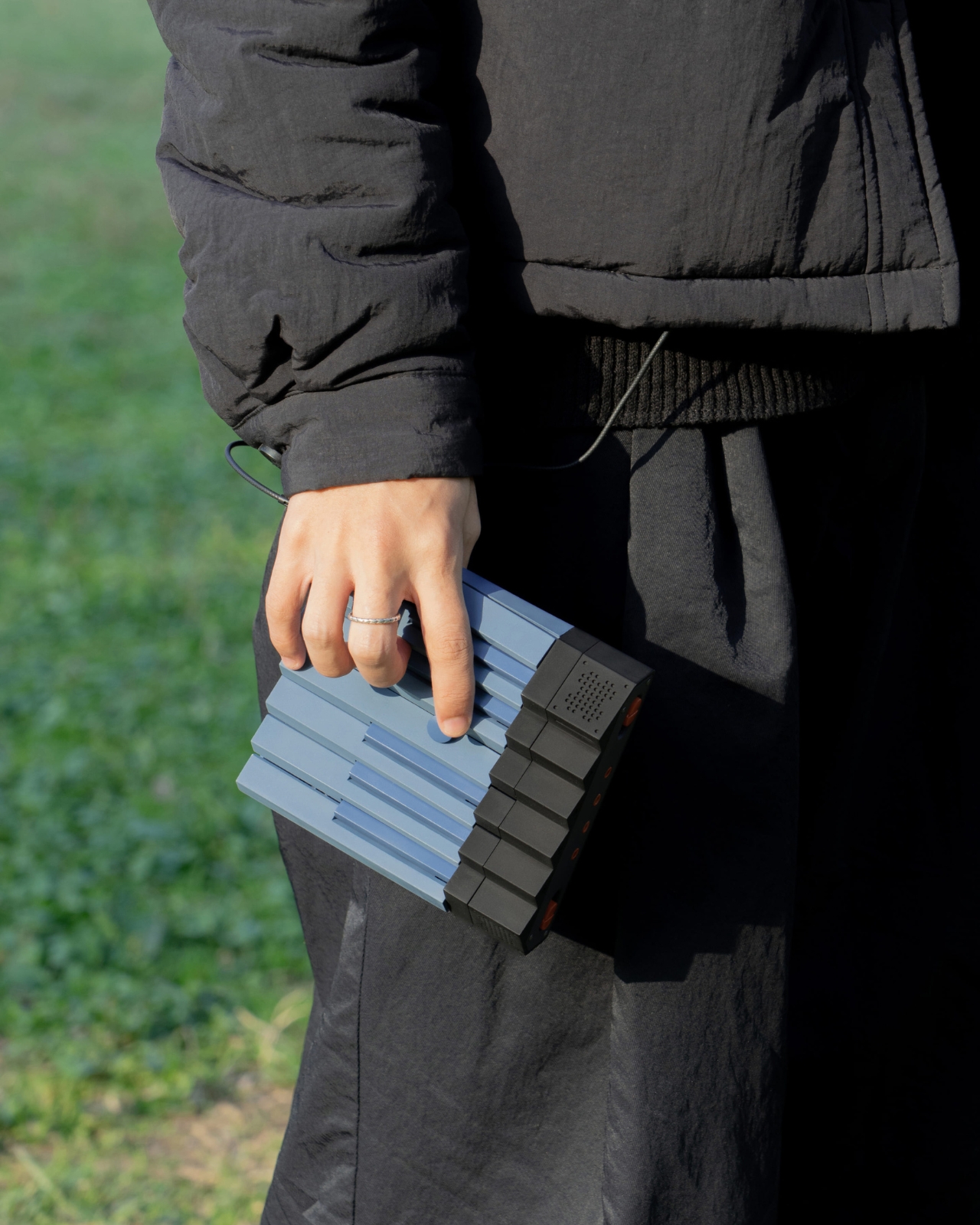
Based on the product renders, this is how it works. You add a song onto the device, edit the parts that you need to learn if needed, and then save it. You can adjust it according to your preference (speed, pitch, equalizer, volume, etc). You hold it in one hand while playing the song on it and playing your instrument on the other. The device has easy to access controls that lets you pause and play, speed up or slow down, volume up and down, etc. You also get to play it in loop so you can master the song.

You can even do more if you connect it to the app, although what this “more” is wasn’t really specified. You might be forgiven for mistaking the Analist for your aircon’s remote control but on paper, the functionality of the device will be pretty helpful for those who are learning to play songs.

The post Music analysis device lets you learn songs by ear more conveniently first appeared on Yanko Design.
Beeper-inspired power bank concept mixes vintage design with modern tech

You can easily determine the historical setting of a TV show or piece of fiction by the technologies used in it. The presence of beepers, for example, puts the timeline in the 90s, though some modern hospitals still use this limited and straightforward communication gadget because of their simplicity. Of course, today’s messaging culture leaves very little room for a pager and some younger people might not even know what it is. To keep that nostalgic design alive and give it a more contemporary function, this concept design wraps a power bank in a beeper aesthetic while also giving it one fun feature reminiscent of its original purpose.

Designer: PTPC

The beeper or pager was a small black box that would show a message as a single line of scrolling text. The very first cell phones capable of SMS inherited this trait until they got screens capable of displaying multiple lines at once. It might seem archaic by today’s standards, but it also enforced a certain simplicity and terseness to the messages sent. You only sent important messages and got straight to the point without dropping vowels or letters.

This portable battery concept embraces the retro aesthetic of a beeper but also puts a few modern twists, like using a translucent shell or adopting colors other than black and gray. It still inherits the simplistic interface of a pager, however, with very few buttons and ports. Despite the minimalism, the concept boasts of a 10,000 mAh battery that’s more than enough power to juice up phones or even tablets.

The beeper power bank does have a two-line monochrome display with a font similar to that of those old-school gadgets. While it does show battery information as you might expect, it does also have a secondary function. It can show messages sent from phones via Bluetooth, mimicking the duty of the original device. You still have a limited viewing space, but you can at least now use emojis and special characters more easily, allowing you to express your message more effectively with fewer letters.

That messaging feature is, of course, just a whimsical add-on that isn’t critical to the product’s charging function. It is, however, also a fun addition, one that would make such a design more memorable and appealing, especially to a younger generation who might not even know what a beeper is.

The post Beeper-inspired power bank concept mixes vintage design with modern tech first appeared on Yanko Design.
Zen-like music player concept is inspired by vinyl design and ancient Chinese poetry

Vinyl players are having a resurgence as the younger generation has discovered the joys of listening to analog music. There are also some music players and even gadgets that have adapted the vinyl player aesthetic even though they don’t actually play LPs. It’s all about the nostalgic vibes that come with it since it seems we’re all about reliving the “classic” days even for those who were not even alive at that time.

Designers: Ziqiang He, Hao Zhang, Yunan Lin, Sihong Chen, and Yue Gao

The Musipple music player is one such device but it adds another dimension to its design: ancient Chinese poetry. Its inspiration is from a poem written by Wei Yingwu during the Tang Dynasty. Basically the idea is that trees create ripples when they touch the water and the birds on these trees are singing. So adapting both the idea of the poem and the vinyl player aesthetic, we get a unique looking Bluetooth music player that brings together Chinese culture and modern technology.

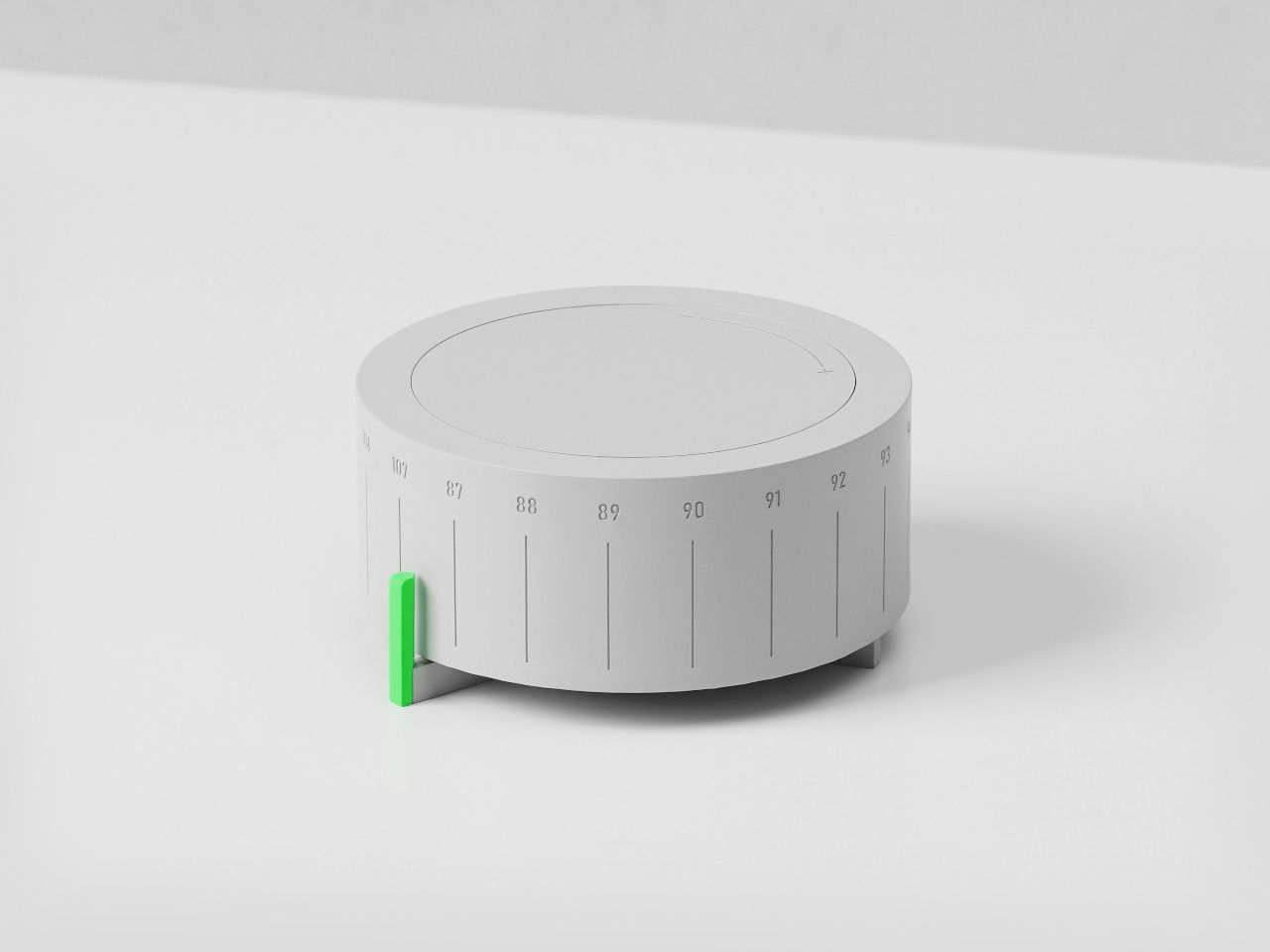
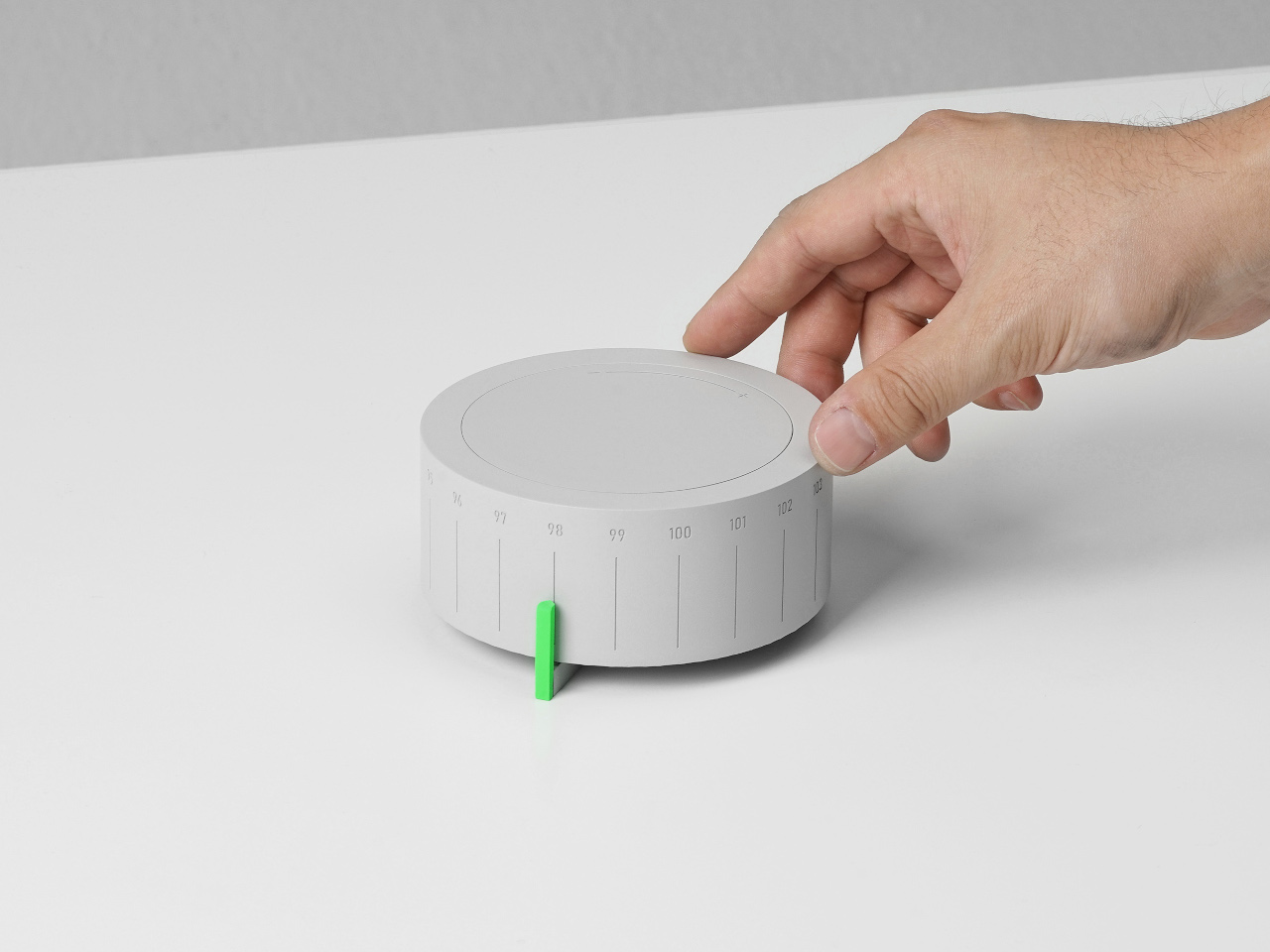
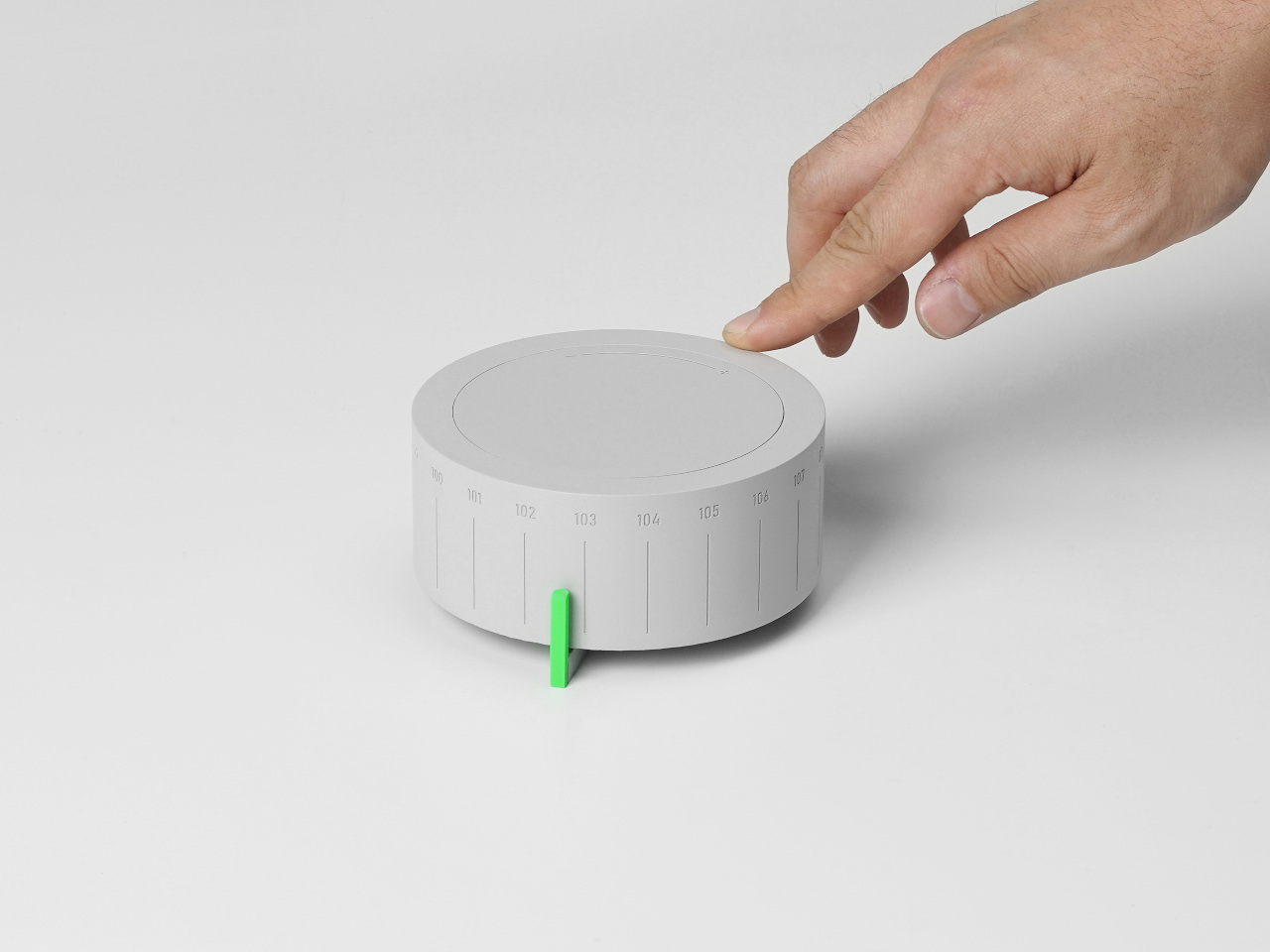
The music player has ripples in the center with a pole on the side. To turn on the player, you need to place the pole into the center of the ripples just like you would a vinyl player. In this case however, it’s a Bluetooth music player rather than an actual vinyl. There are controls for volume and bass on the side which lets you turn a dial to adjust, adding to the analog aspect of this digital player.

It would have been nicer if it was an actual vinyl player though, rather than just a music player since as mentioned, this kind of nostalgic devices are making a comeback. If it becomes a commercial product, it would be interesting to see if there’s a market for such faux vinyl players.

The post Zen-like music player concept is inspired by vinyl design and ancient Chinese poetry first appeared on Yanko Design.
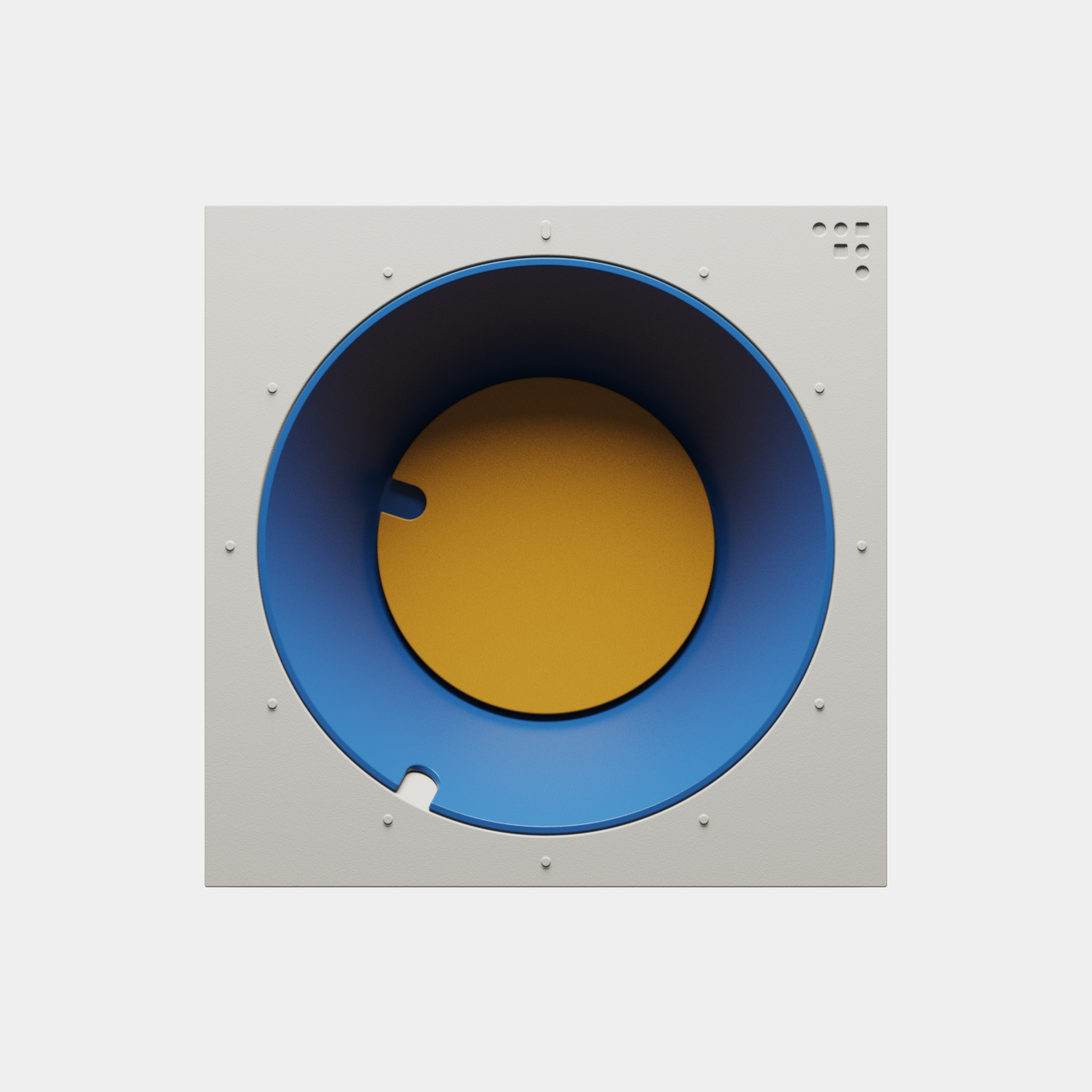
Biophilic smart humidifier concept also functions as a plant pot

It isn’t just outdoors that air quality can be a problem. The recent years have made us acutely aware that even indoors, the air we breathe isn’t always in its best state. Even disregarding pollutants, the air inside our houses or rooms can be bereft of moisture, leading not only to discomfort but also respiratory issues. That’s why not only air purifiers but also humidifiers have become so popular of late, though most of their designs leave a lot to be desired. Fortunately, there seems to be a wave of creativity washing over this market, producing designs that blend better into living spaces or push the boundaries of what an appliance can do, like this minimalist humidifier concept that also gives a home to nature’s own purifiers: plants.

Designer: NOI Creative Design Studio

There’s a reason why interior designers always recommend placing plants in living areas, and not just because they look good. They have the natural ability to clean the air around us, purifying and releasing just the right amount of moisture. Of course, just a few plants can no longer handle our poor air quality by themselves, and they’ll definitely need a little help to ensure the quality of life of the humans they’re living with. That’s the core concept of the ACQUAIR design, a smart humidifier and air purifier that tries to combine technology and nature in an aesthetic design.

ACQUAIR is actually two products in one, a smart humidifier and a pot for a single-stem plant. These two parts share the same water tank that both nourishes the plant and sprays moisturized mist to meet the required humidity in the air. The latter is determined using sensors, intelligently adjusting the mist depending on the temperature and amount of humidity already present. There’s very little human intervention needed other than refilling the tank once in a while.

With this system, both the plant and the smart appliance can work together to ensure the comfort and health of the people living inside the space. The small plant can utilize its own natural abilities to purify the air while also living on the same water used to humidify the air. It also serves an aesthetic value, displaying a symbol of life and health in a simple yet elegant pot. Unfortunately, the concept doesn’t go deep enough to detail the device’s features for helping keep the plant alive beyond just water. It definitely has room for improvement, like utilizing sensors to also monitor the health of the plant itself.

The post Biophilic smart humidifier concept also functions as a plant pot first appeared on Yanko Design.

Give your creativity and convenience an unconventional approach with the fresh perspective of Village projector

If you’re living by yourself in a studio apartment, studying or working by the day only to return home to spend time in solitude, – at max with your smartphone – Village projector is designed to give you company. The vibrant home entertainment system, is unlike any usual projector you come by for three reasons: it’s essentially made for single-person households; it’s immensely portable for user requirements; and it can be used in multiple orientations to project on the floor, wall, or ceiling, as and when required.

A catalyst for harmonious experience, productivity, and creativity; the Village gives a fresh perspective to your solitude at home. Built-in with sensors, cameras and a high-end projection lens, it can be your friend in everything you intend to do from creating murals to doing a craft project. It has the ability to become your artistic and information companion, fostering an environment where creativity knows no bounds.

Designer: Seunghyun Ko, Seohyun Park, Minji Kang and YE JIN LEE

If you’re brimming with creativity and want a contemporary way to bring it to life; employ the Village at home for a fresh perspective. Installed in the curtain rail the projector follows the curtain when you draw it open in the morning to sense the weather outside and project details for you on the floor or in the ceiling – depending on how you have positioned it – so you wake up with complete information of how to plan the day.

During the day, you can remove the portable Village projector from the curtain rail and use it where you like in your tiny apartment. Project inspiring text, news, captivating art, or use it to display guides to your DIY endeavors. After working or studying, when you feel tired and want to relax, the projector can let you play your favorite video game on a sizable display.

Sitting on the desk can help you create your private sanctuary, free from distractions while working, projecting your calendar for the day on the desk. By the evening, you can project the screen on the wall and share unforgettable moments with loved ones. Of course, you can do that on the phone, however, screen on the smartphone is too small. Using it for long durations can hurt your eyes. The portable projector can connect to the smartphone and project what you want to see or learn on a bigger screen, so it’s convenient and less straining.

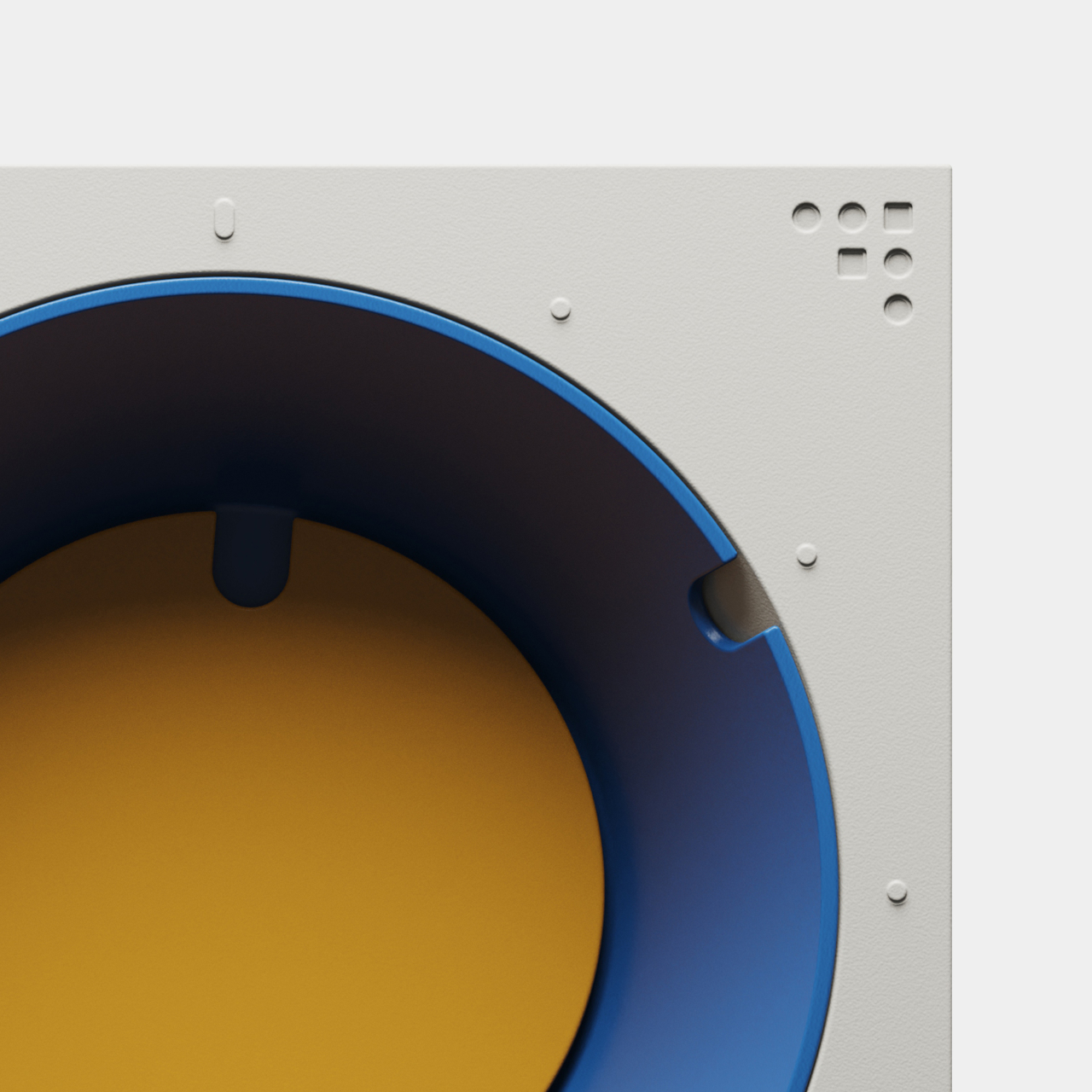
Made in vibrant color options, in what seems – from images – a plasticky body, the Village features a projection lens in the center with an external recognition sensor and a LiDAR camera on either side. A pair of cameras sit to the right of the sensor and a microphone to the left of the LiDAR cam. On the top – when positioned upright – you get the sliding touch control for volume.  There’s no word on the availability of the conceptual Village projector, but we can say it has versatile use cases. You can transform your workout routine by using it to project fitness or exercise instructions in front of you or on the wall and create an engaging exercise session, or carry the projector into the kitchen to project the intricacies of a dish you’re preparing so it’s cooked well enough to tantalize your taste buds.

The post Give your creativity and convenience an unconventional approach with the fresh perspective of Village projector first appeared on Yanko Design.
Give your creativity and convenience an unconventional approach with the fresh perspective of Village projector

If you’re living by yourself in a studio apartment, studying or working by the day only to return home to spend time in solitude, – at max with your smartphone – Village projector is designed to give you company. The vibrant home entertainment system, is unlike any usual projector you come by for three reasons: it’s essentially made for single-person households; it’s immensely portable for user requirements; and it can be used in multiple orientations to project on the floor, wall, or ceiling, as and when required.

A catalyst for harmonious experience, productivity, and creativity; the Village gives a fresh perspective to your solitude at home. Built-in with sensors, cameras and a high-end projection lens, it can be your friend in everything you intend to do from creating murals to doing a craft project. It has the ability to become your artistic and information companion, fostering an environment where creativity knows no bounds.

Designer: Seunghyun Ko, Seohyun Park, Minji Kang and YE JIN LEE

If you’re brimming with creativity and want a contemporary way to bring it to life; employ the Village at home for a fresh perspective. Installed in the curtain rail the projector follows the curtain when you draw it open in the morning to sense the weather outside and project details for you on the floor or in the ceiling – depending on how you have positioned it – so you wake up with complete information of how to plan the day.

During the day, you can remove the portable Village projector from the curtain rail and use it where you like in your tiny apartment. Project inspiring text, news, captivating art, or use it to display guides to your DIY endeavors. After working or studying, when you feel tired and want to relax, the projector can let you play your favorite video game on a sizable display.

Sitting on the desk can help you create your private sanctuary, free from distractions while working, projecting your calendar for the day on the desk. By the evening, you can project the screen on the wall and share unforgettable moments with loved ones. Of course, you can do that on the phone, however, screen on the smartphone is too small. Using it for long durations can hurt your eyes. The portable projector can connect to the smartphone and project what you want to see or learn on a bigger screen, so it’s convenient and less straining.

Made in vibrant color options, in what seems – from images – a plasticky body, the Village features a projection lens in the center with an external recognition sensor and a LiDAR camera on either side. A pair of cameras sit to the right of the sensor and a microphone to the left of the LiDAR cam. On the top – when positioned upright – you get the sliding touch control for volume.  There’s no word on the availability of the conceptual Village projector, but we can say it has versatile use cases. You can transform your workout routine by using it to project fitness or exercise instructions in front of you or on the wall and create an engaging exercise session, or carry the projector into the kitchen to project the intricacies of a dish you’re preparing so it’s cooked well enough to tantalize your taste buds.

The post Give your creativity and convenience an unconventional approach with the fresh perspective of Village projector first appeared on Yanko Design.

This vacuum cleaner gets a display uplift to sit with the other appliances at home

Vacuum cleaners have come of age. They have evolved to be noiseless, automatic, and big dust and grime gobblers that can clean our homes, removing all possible allergens. Irrespective of all the interesting form factors, choice of materials, and functionalities they come with, vacuums still remain in one corner of the house, preferably away from sight, sitting there for longer than being used. This is essential because vacuum cleaners lack decorative usability, which can put them into the mainframe of the living area.
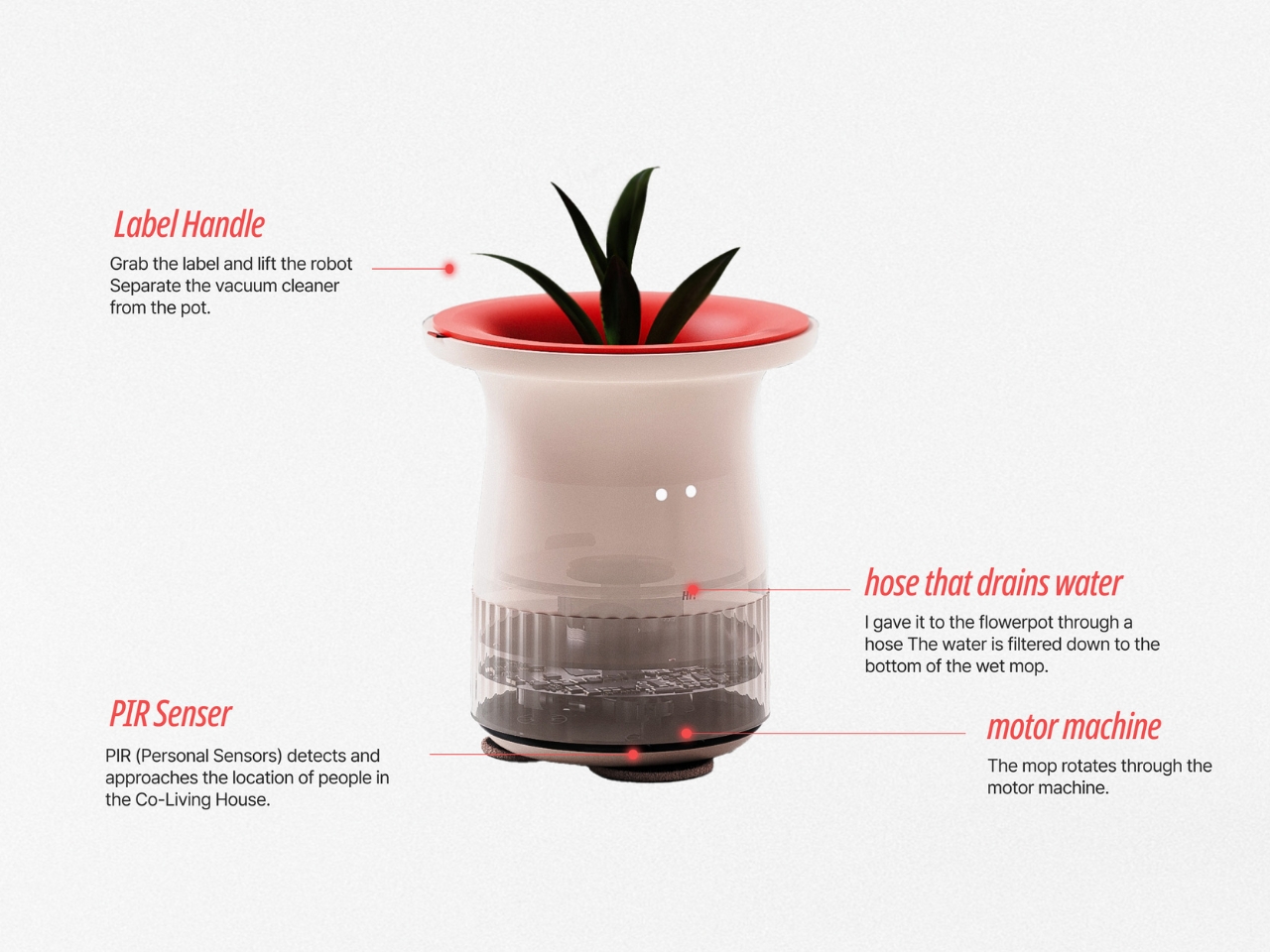
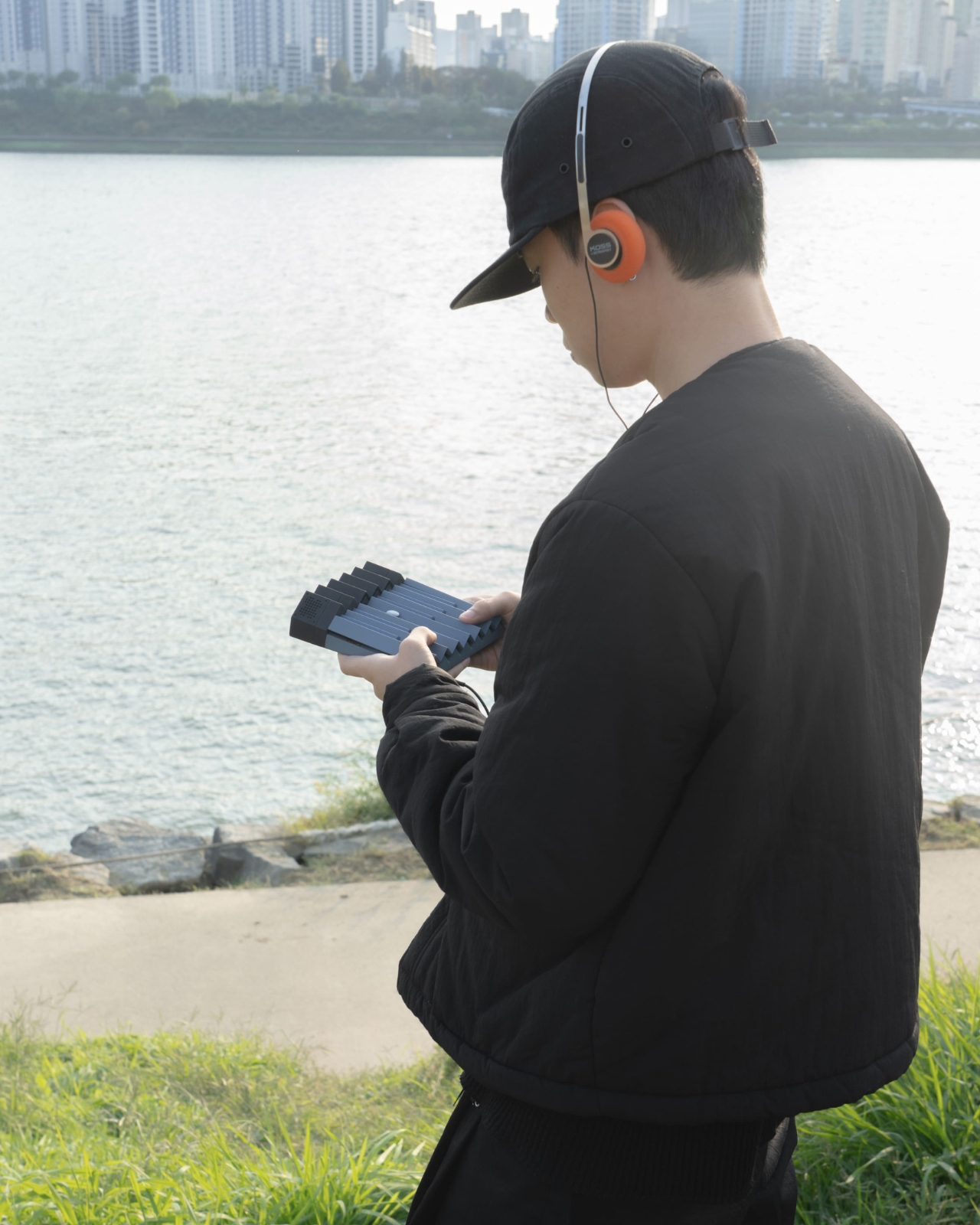
Vacuum cleaners are an everyday requirement we cannot do without on a daily basis now. Since their necessity, work is being done in shaping them to come out of the hiding to sit amid the other appliances in the house. But an appealing vac is yet to make the mainstream. Leaving scope for something like the BLEND I Vacuum Cleaner, which adds an interactive display to the vacuum cleaner’s stand.

Designer: Wootae Kim

The display brings usability to the otherwise idle-lying appliance between uses. The display can be used to show information such as the time, temperature, notifications and more, along with giving the vacuum cleaner a better space in the interior décor.

Drawing some design inspiration from a Dyson, the vacuum cleaner is conceived in metal, featuring harmonious curved and straight lines to create a luxurious body that can complement the novelty of the screen to gel with the interior like never before with a vacuum cleaner. The handle – with a curved finish at the top – has a conveniently angled design, which permits easy handling without straining the user’s wrist.

The display of the standing vacuum cleaner spans the entire height and width of its stand. Standalone it looks like a long thin screen with a steel body and round base. The vac when docked back into the stand for charging and security, becomes an interesting element of décor that you won’t mind placing alongside other essential appliances at home or in the office.

The post This vacuum cleaner gets a display uplift to sit with the other appliances at home first appeared on Yanko Design.