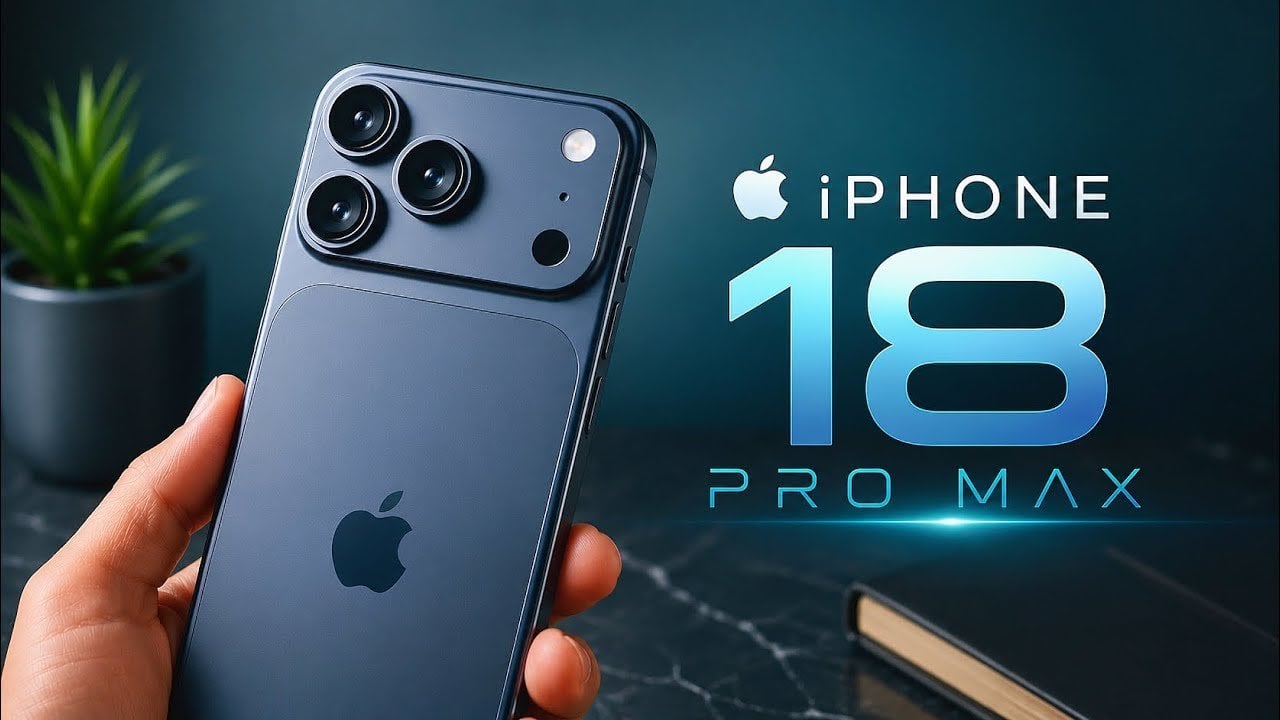
The iPhone 18 Pro is poised to be a significant milestone in Apple’s product lineup, showcasing advancements in camera technology, processing power and artificial intelligence. A recent cybersecurity breach at Tata Electronics, a critical Apple supplier, has unveiled key details about the device, including its launch date and new features. Here’s an in-depth look at […]
Valve’s Steam Machine has carved out a niche in the gaming market, offering a distinctive option for PC enthusiasts who value integration with the Steam ecosystem. According to Deck Ready, sales estimates suggest a steady annual figure of approximately 760,000 units, with weekly sales ranging between 12,000 and 15,000. While these numbers may seem modest […]
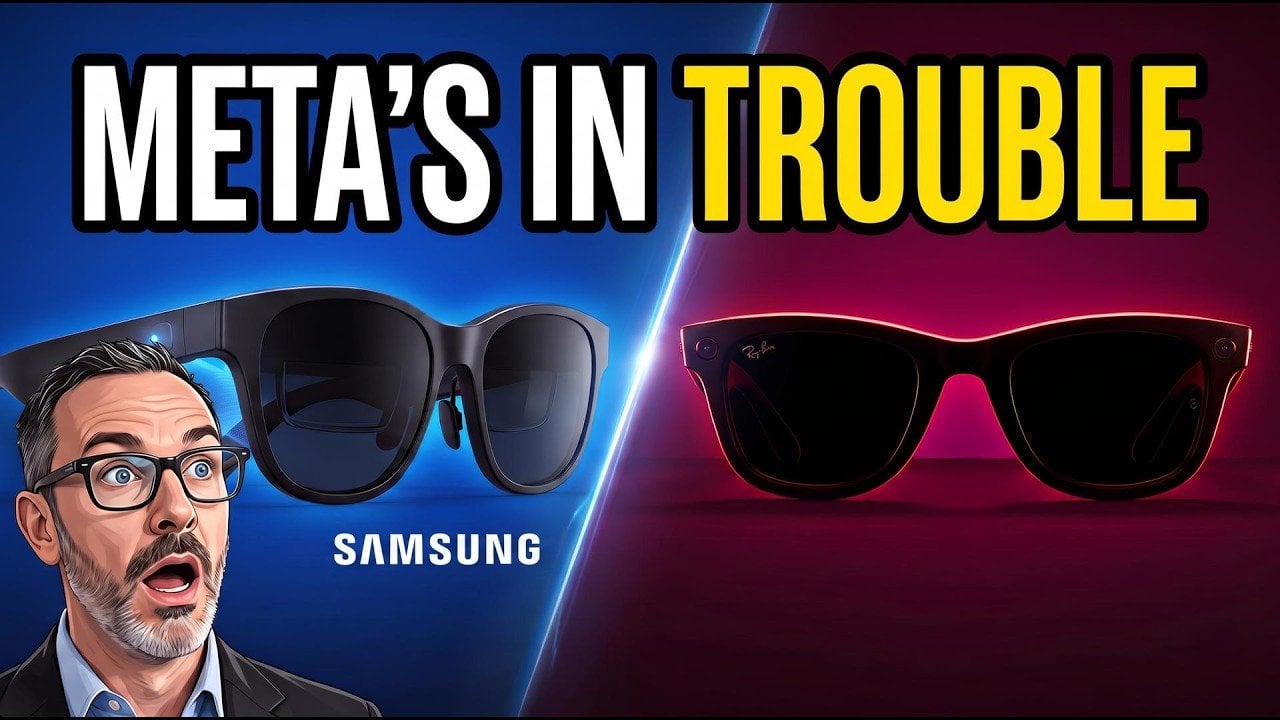
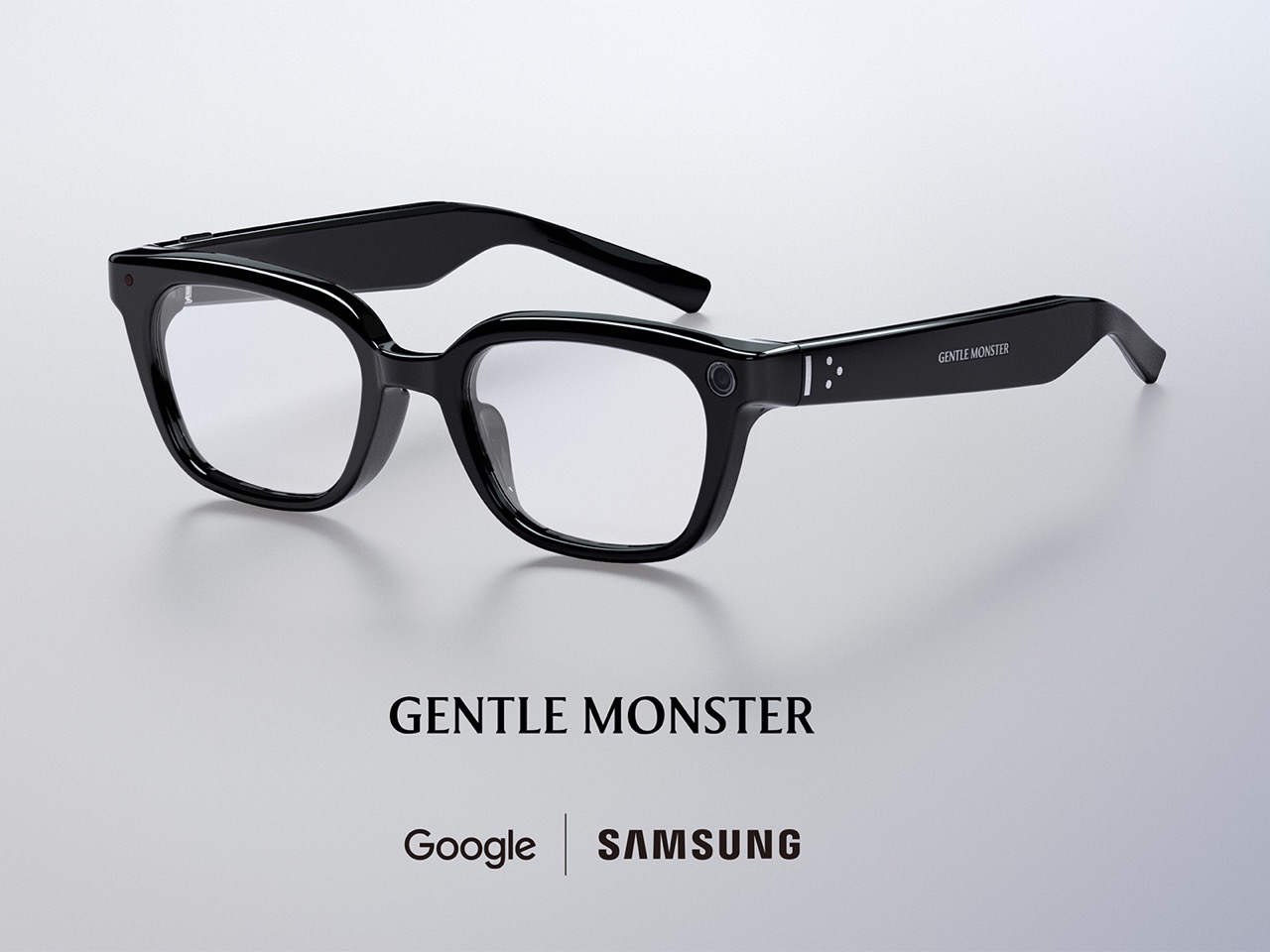
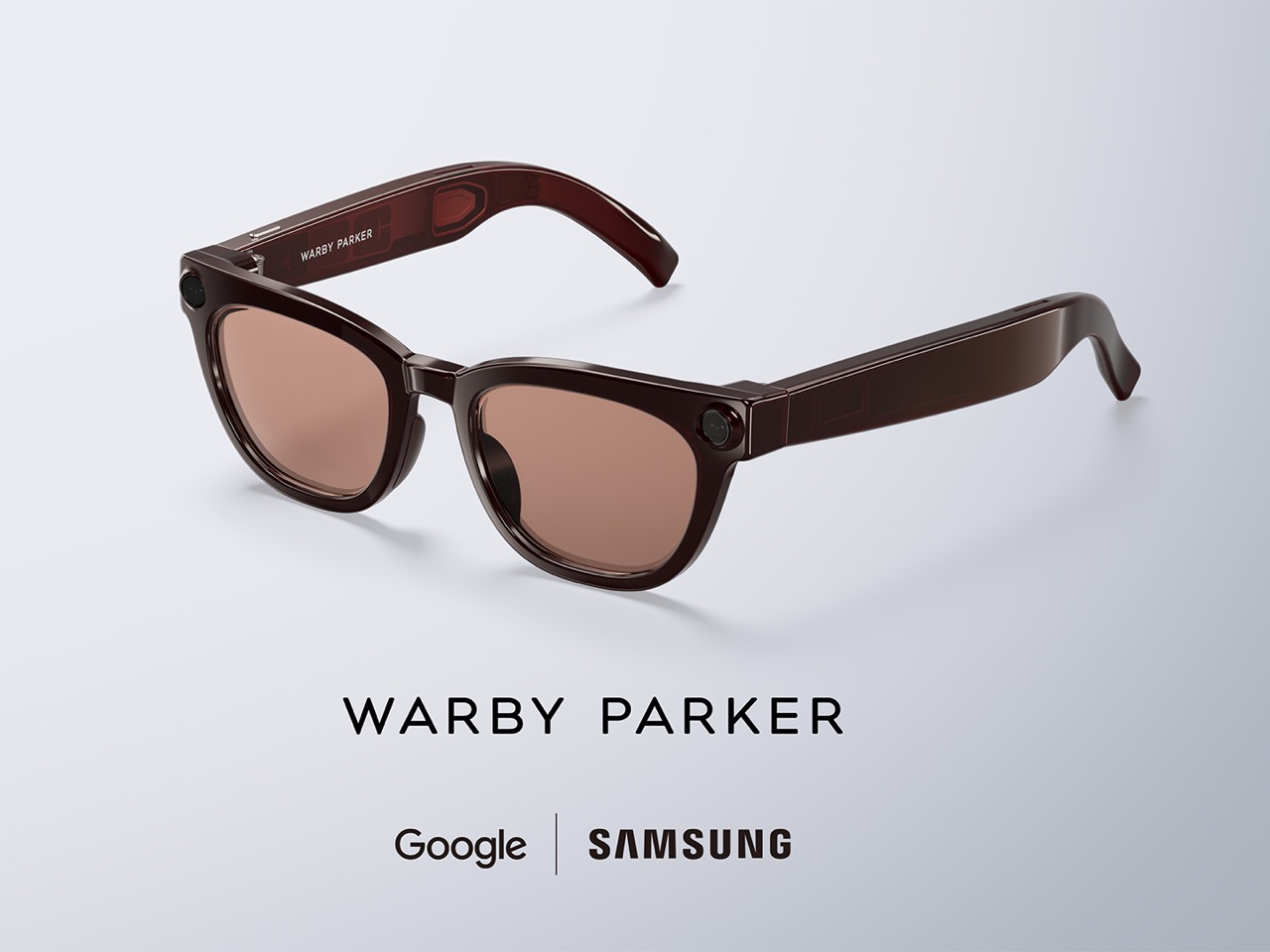
Samsung’s latest Galaxy Unpacked event unveiled AI-powered smart glasses developed in collaboration with Gentle Monster and Warby Parker. These glasses incorporate the Gemini Intelligence system, which supports hands-free tasks such as managing schedules and making reservations. According to The Smart Glasses Guy, Samsung’s focus on lightweight design and seamless integration with its ecosystem signals a […]
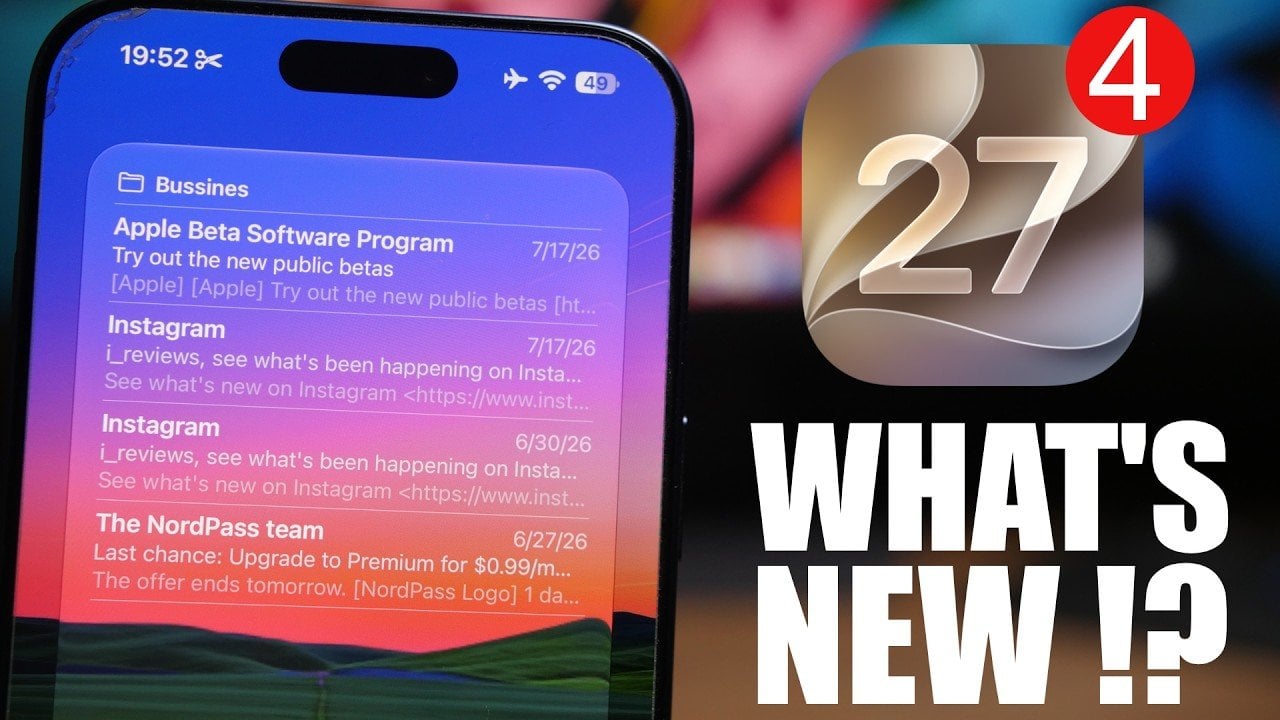
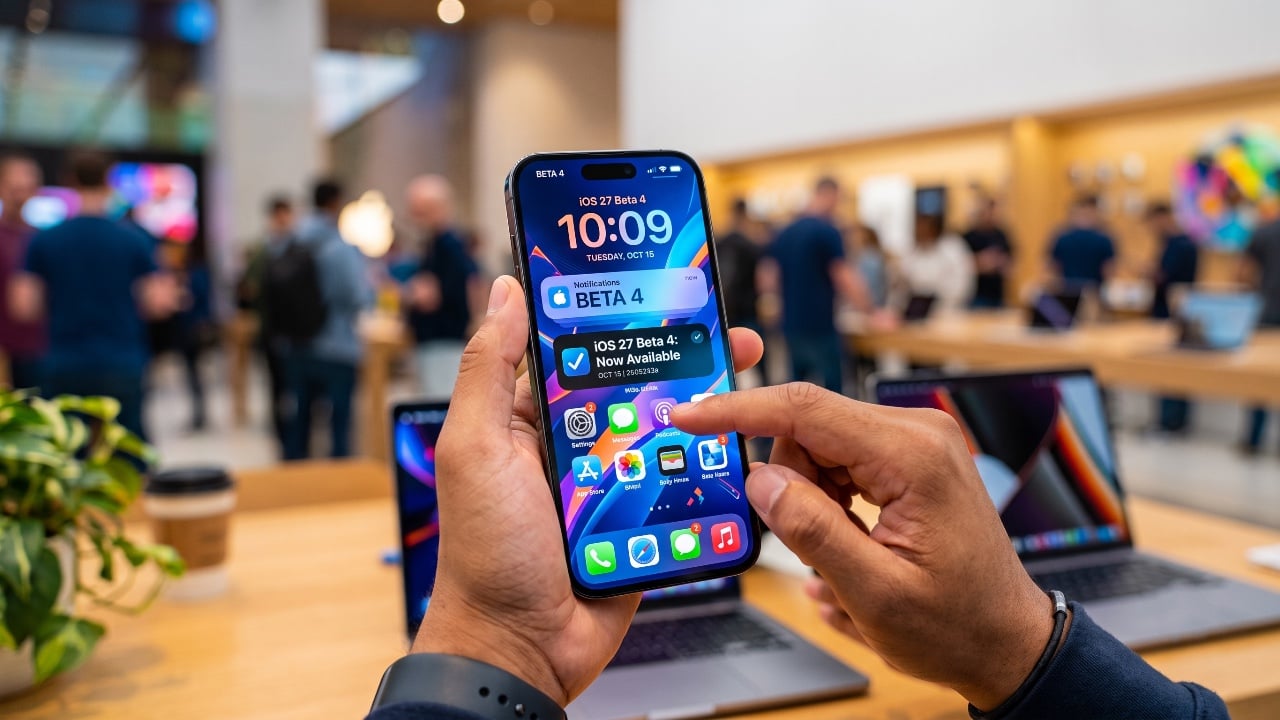
Apple has unveiled iOS 27 Beta 4, offering a glimpse into the upcoming features, design refinements and performance improvements as the software nears its official release. With a download size of approximately 5 GB, depending on your device, this beta version provides valuable insights into what users can expect in the final iteration. Whether you […]
Apple has officially released iOS 27 Beta 4 for developers, marking another important step in the evolution of its operating system. This update brings a variety of features and refinements aimed at improving usability, security, and overall performance. Whether you’re a developer testing the latest tools or a user eagerly awaiting the public beta, this […]
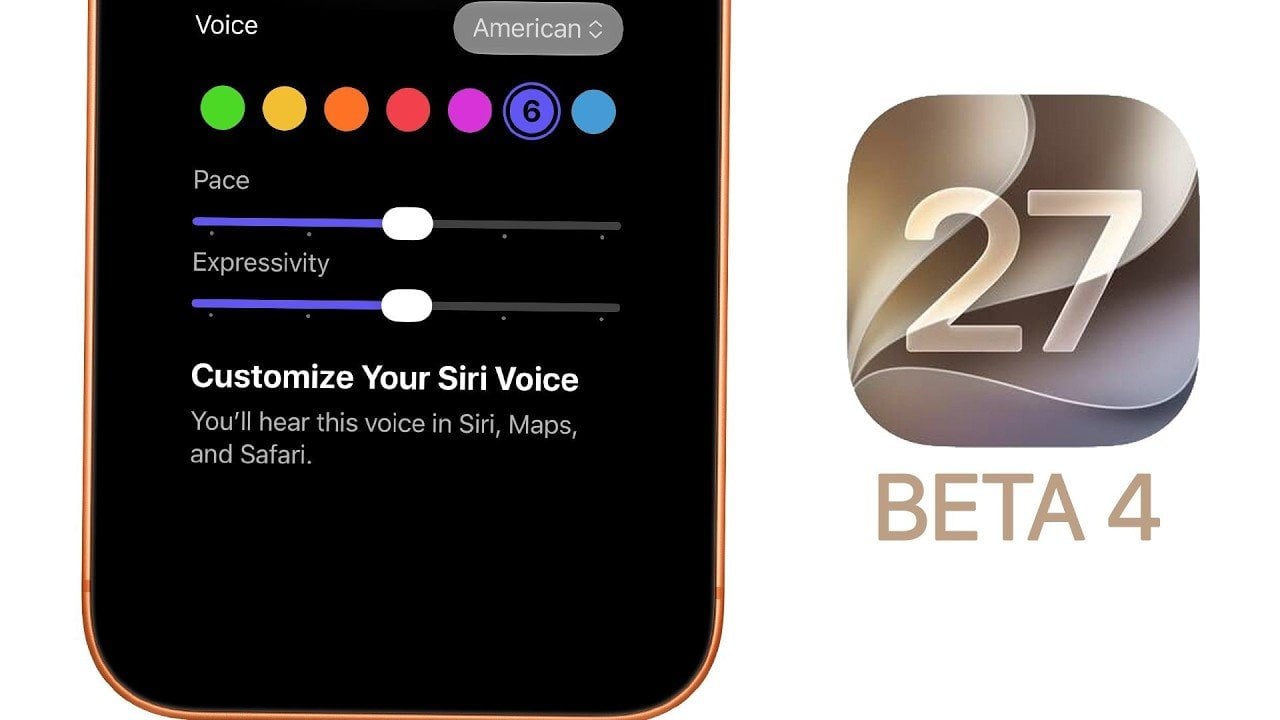
Apple has rolled out iOS 27 developer beta 4, bringing a host of updates aimed at refining the user experience. This release focuses on enhancing Siri’s capabilities, improving system stability, and introducing subtle yet impactful user interface (UI) changes. While the beta demonstrates significant progress, some testers have noted concerns about battery performance. A public […]
Anyone who’s deep in the Apple ecosystem knows the charging problem all too well. There’s an iPhone that needs its MagSafe puck, an Apple Watch on its magnetic disc, and AirPods waiting for their wireless spot. Before long, the desk or bedside table has turned into a tangle of cables and pads, and that’s without thinking about what happens when you need to travel.
The wireless charging accessory market has responded with a wave of multi-device stands, but most of them tend to pick a lane. Either fast and capable or foldable and portable, premium-looking or compact, but rarely all of the above. ADAM elements is trying to change that with the Mag 3 Ultra, a foldable 3-in-1 charging station designed to cover all those bases without asking you to give something up.
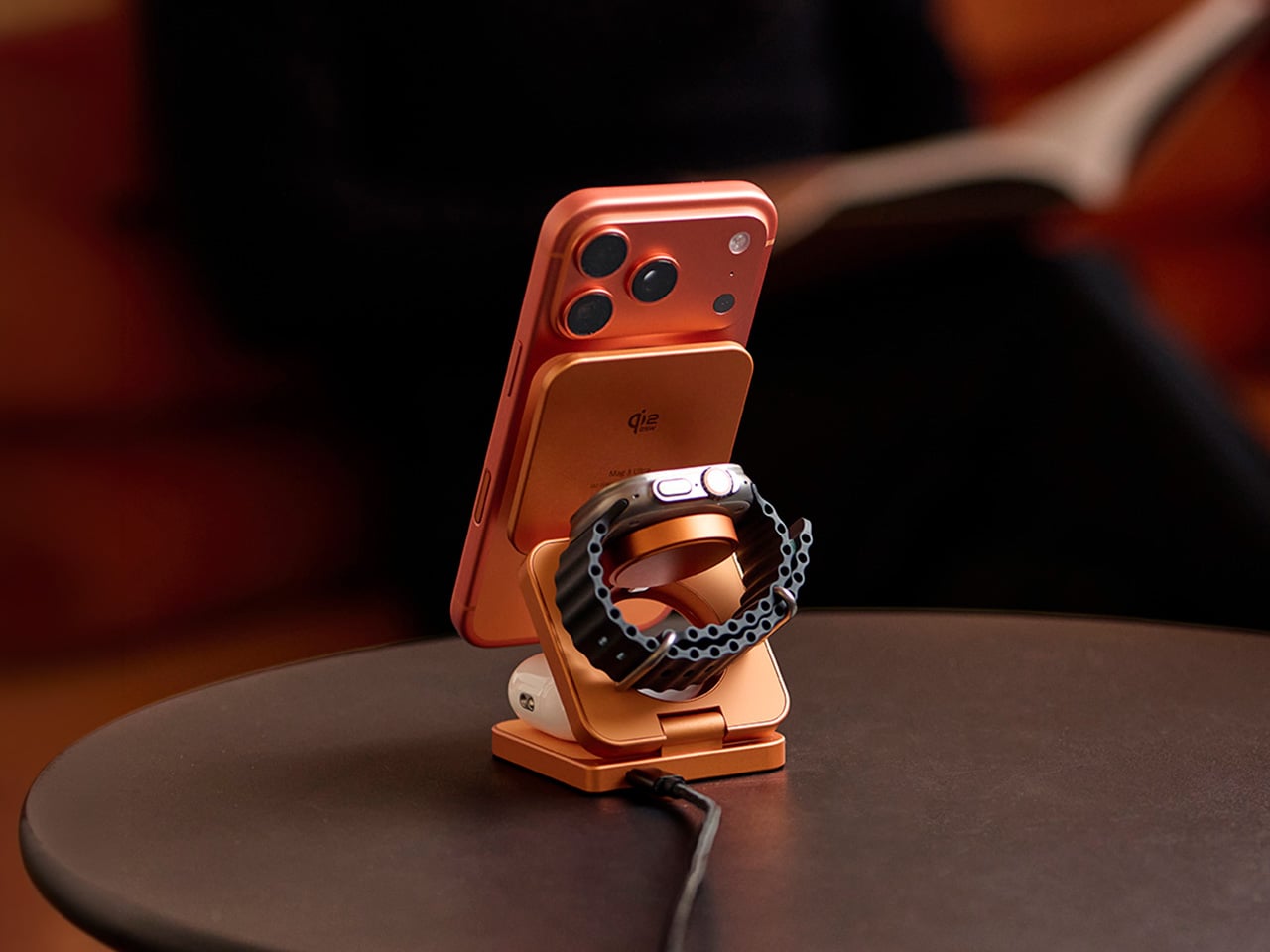
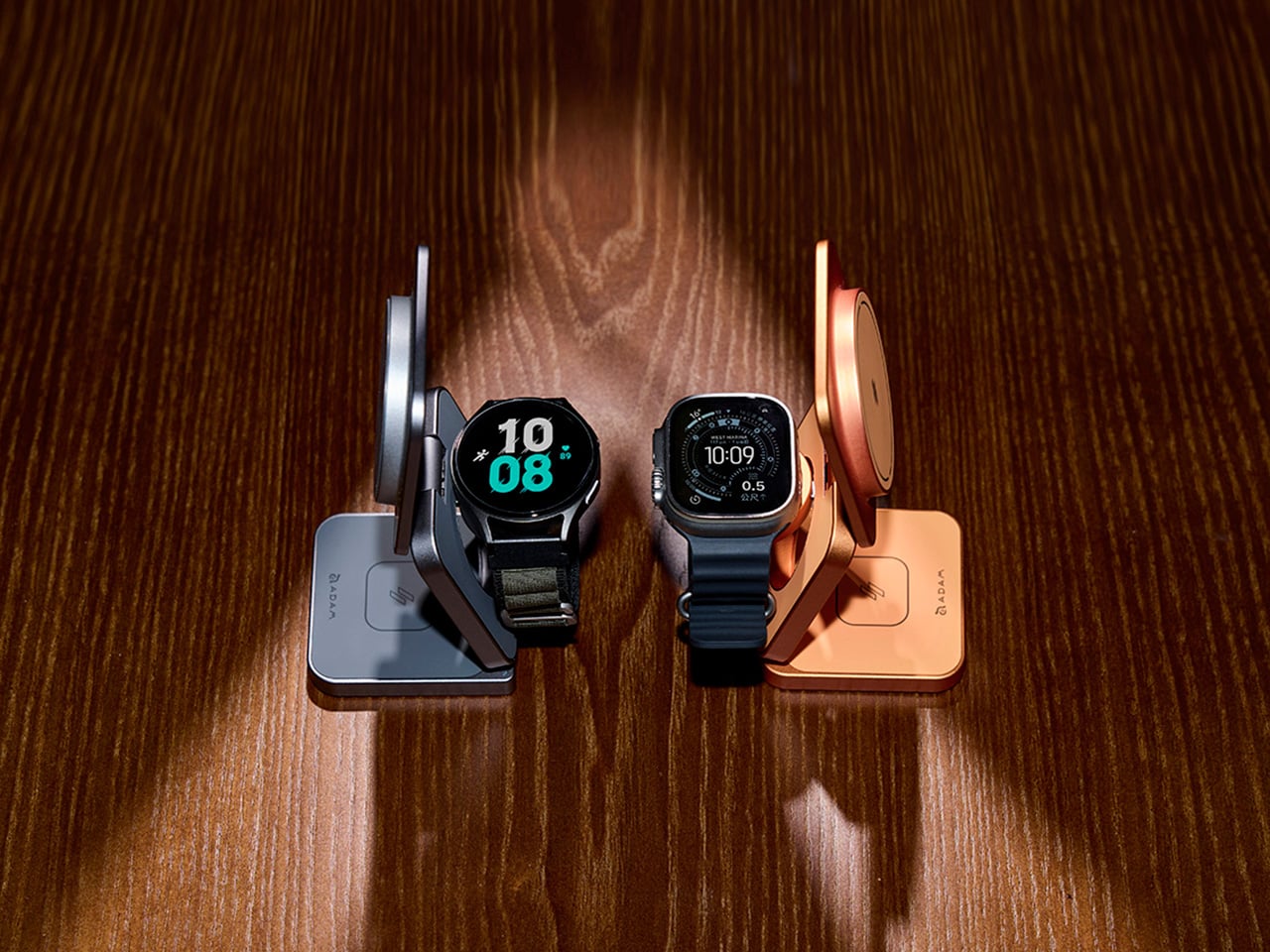
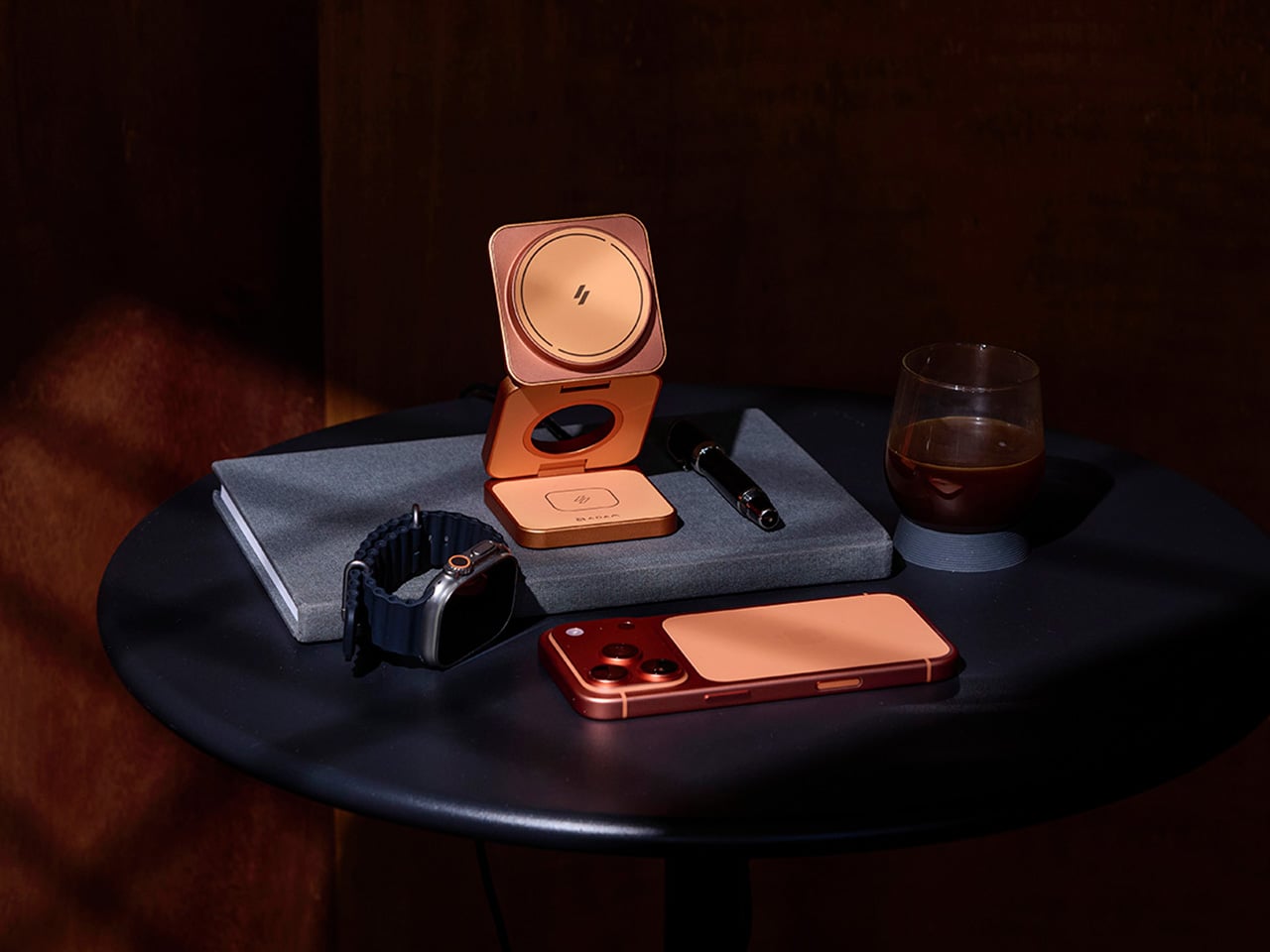
The first thing you notice about the Mag 3 Ultra is that it doesn’t look like most charging accessories. It’s made from precision CNC-machined aluminum alloy with a sandblasted texture and anodized finish, so it sits well alongside the premium devices it’s designed to power. It comes in three colorways: Titanium, Gray, and Orange, with Orange being the most visually striking of the three.
On the performance side, the Mag 3 Ultra’s main phone module is certified under the WPC Qi2 25W standard, which ADAM elements says delivers notably faster charging efficiency than 15W-class Qi2 chargers. The 25W output works best on the iPhone 16 and 17 series, while MagSafe-compatible iPhones from the 12 through 15 series still get Qi2 15W. Either way, it’s well ahead of older wireless charging speeds.
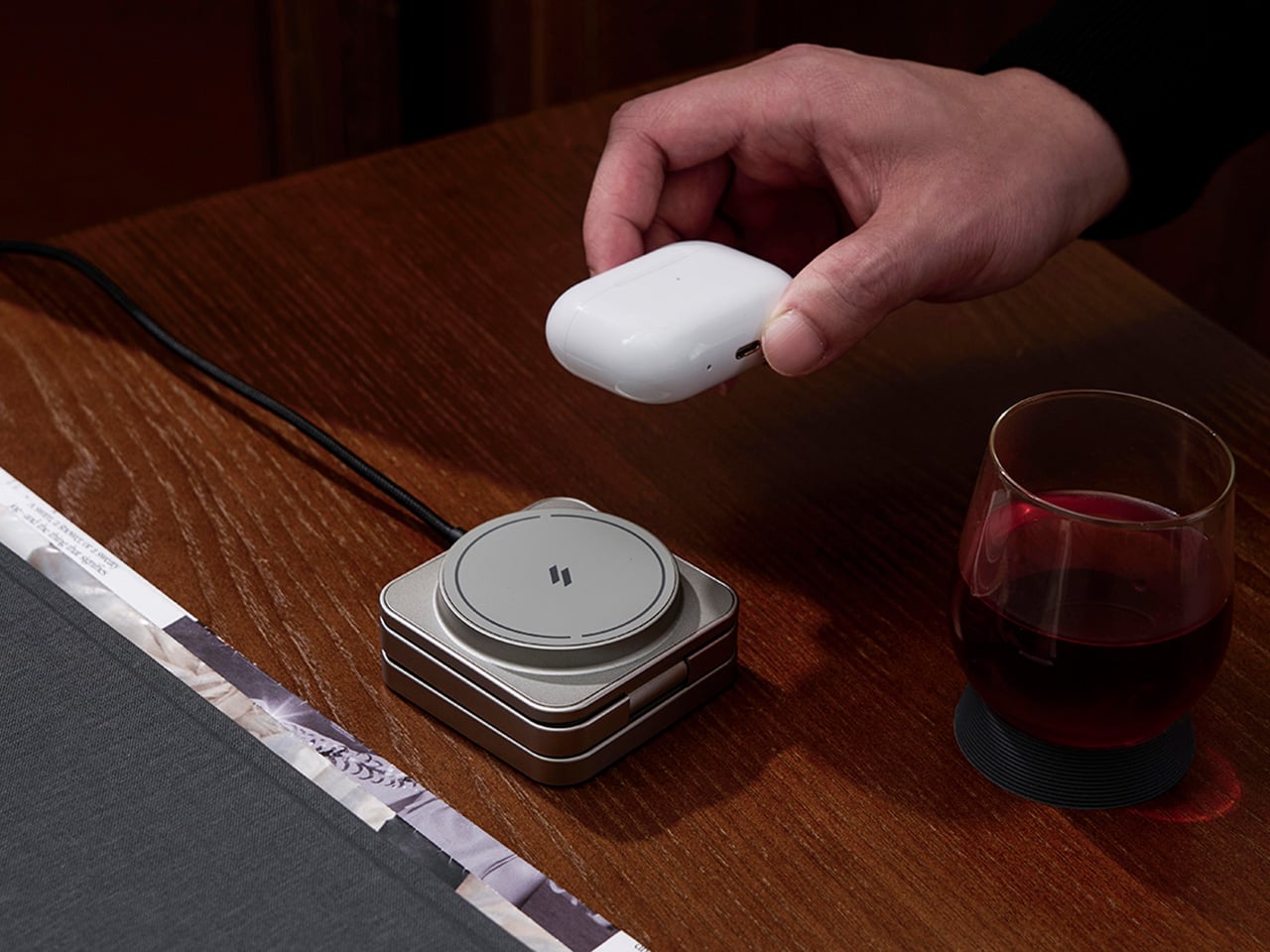
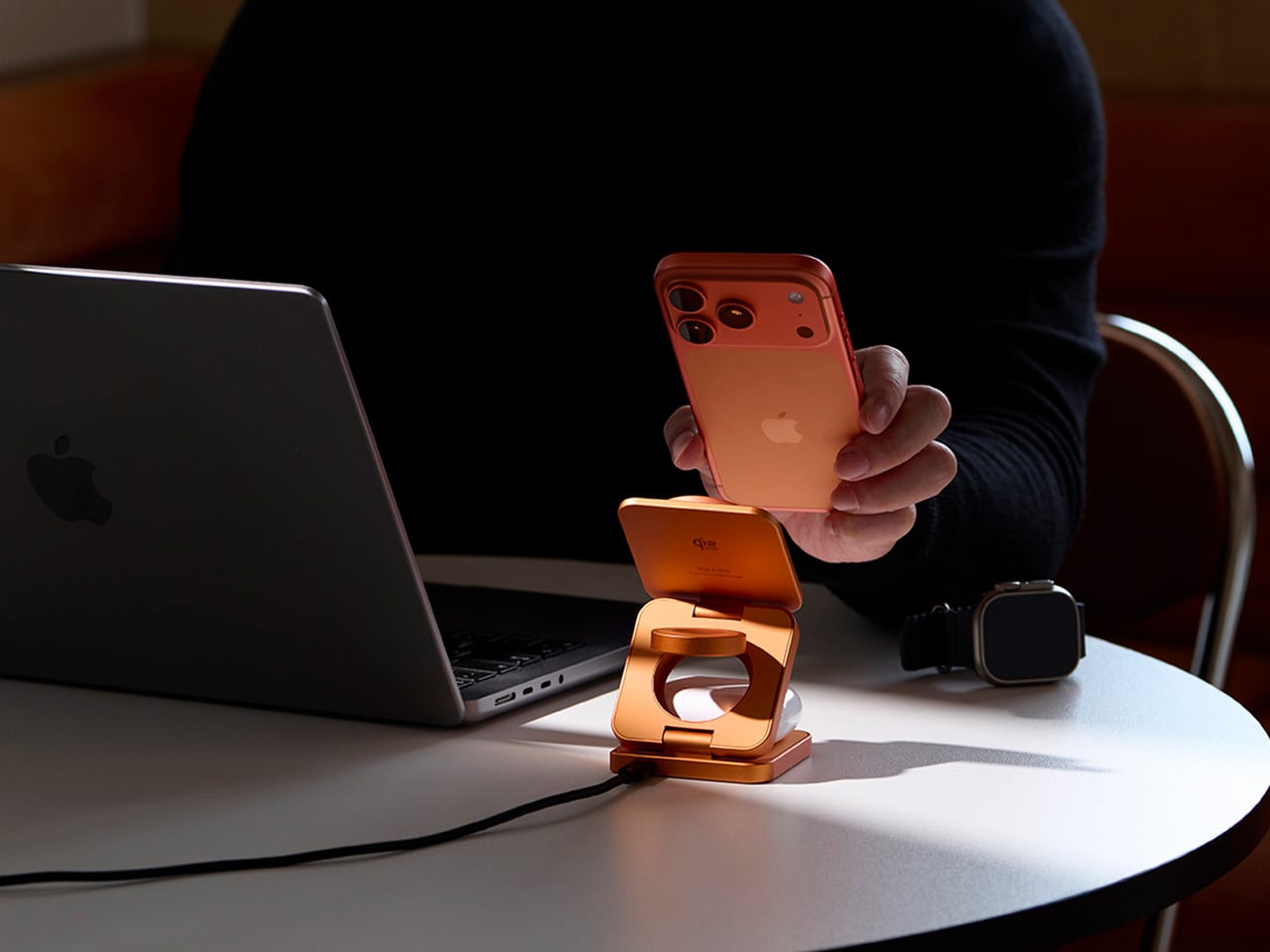
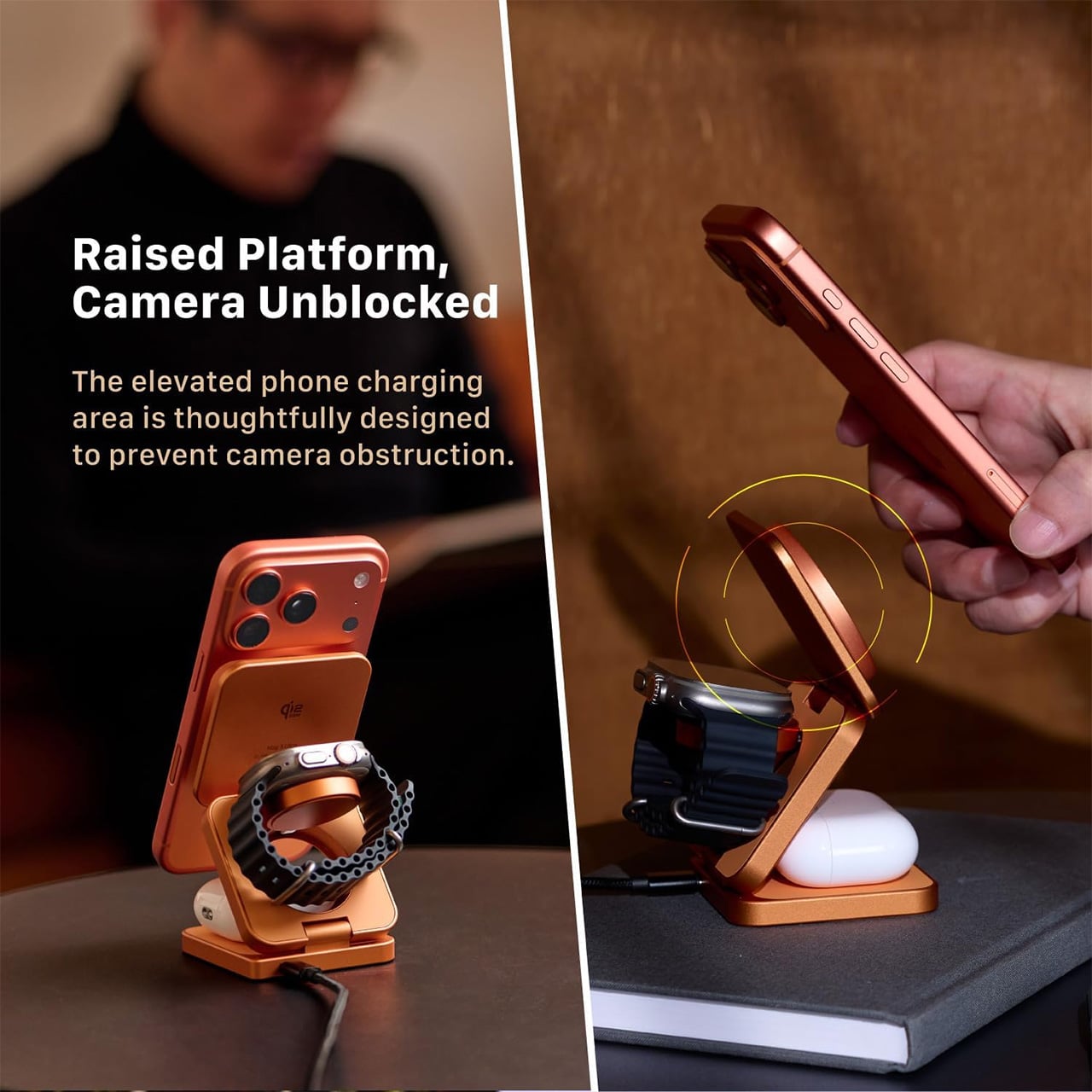
What makes the Mag 3 Ultra genuinely convenient is how it handles all three devices at once. Your phone snaps magnetically onto the main pad, your Apple Watch or Samsung Galaxy Watch sits on the dedicated watch dock, and your AirPods rest on the base charging area. It all happens concurrently, and the whole setup takes up a small footprint with just one USB-C cable.
The phone charging pad sits raised above the base, which keeps the camera bump clear and unobstructed. It’s a small but thoughtful design choice that makes the charger genuinely usable while it’s working. The magnetic connection holds the phone in both portrait and landscape orientations, so you can catch up on messages, follow a tutorial, or stream something while your battery climbs.
The watch module is worth noting for its dual-system compatibility. It supports both Apple Watch and Samsung Galaxy Watch via magnetic charging, which makes the Mag 3 Ultra a practical option for households where not everyone is on the same wearable platform. It’s a sensible call that broadens the charger’s appeal well beyond the strictly Apple-only crowd that most competitors in this category target.
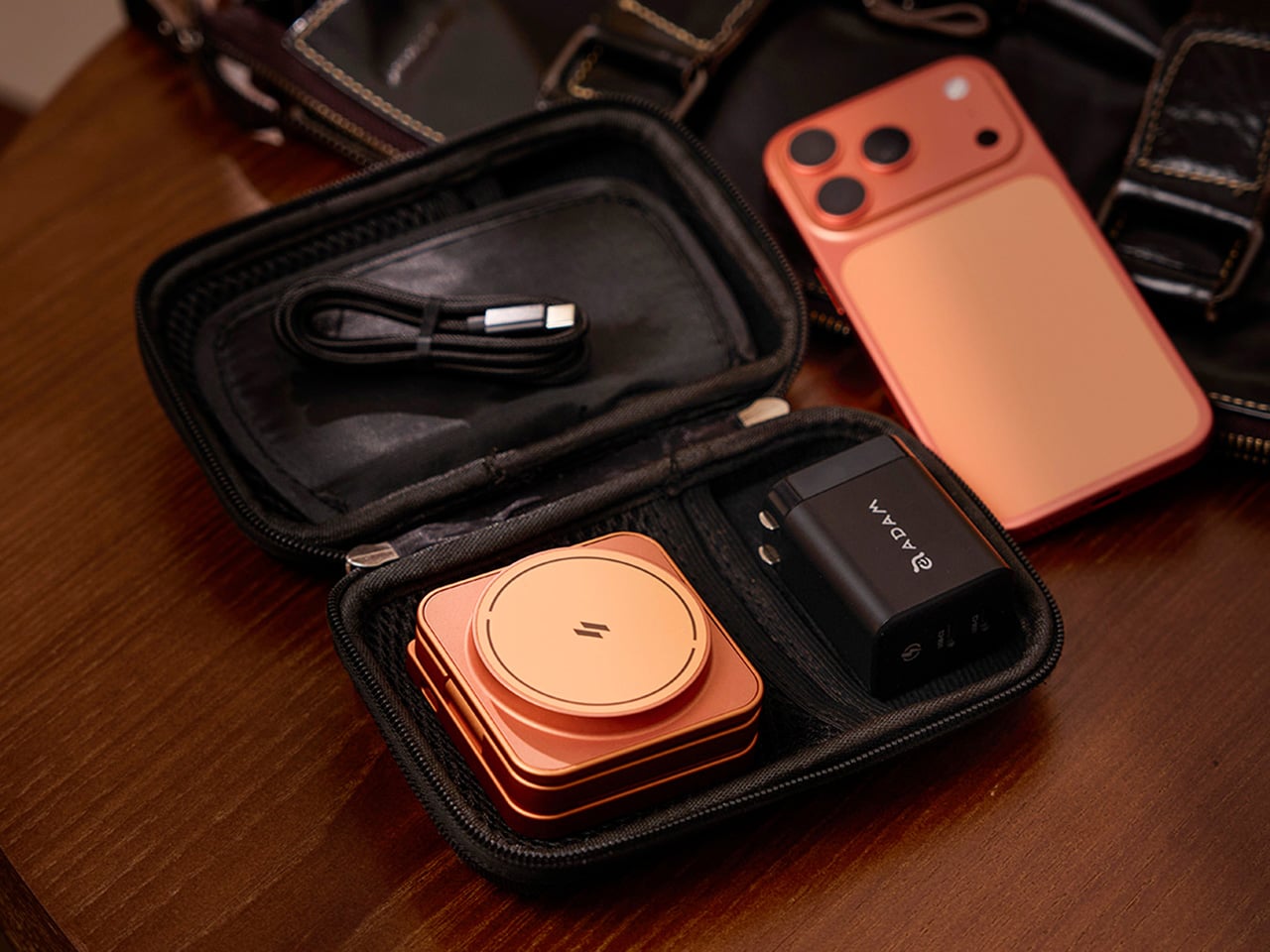
The foldable design is arguably where the Mag 3 Ultra makes its strongest case. It collapses to 66mm x 66mm x 29.5mm and weighs 205.5g, small enough to slip into a bag pocket or carry-on. A 100cm USB-C cable and protective fabric pouch are included, so the same station that lives on your desk can just as easily go on the road.
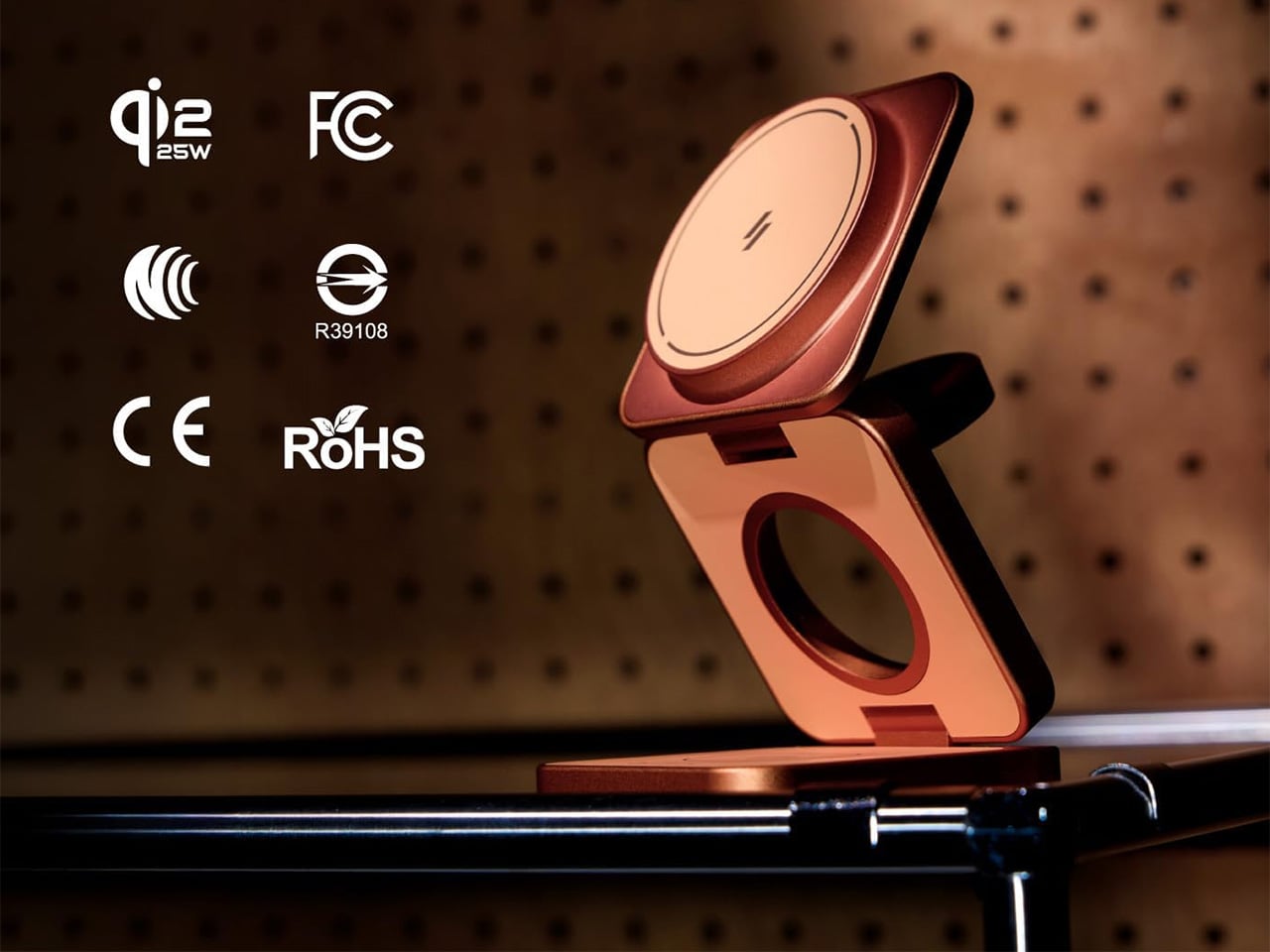
There’s also a solid set of safety protections built in, including Foreign Object Detection to prevent metal interference during charging, along with overcharge, overheat, and short-circuit safeguards. It carries Qi2, CE, FCC, RoHS, BSMI, and NCC certifications. For peak simultaneous three-device performance, ADAM elements recommends pairing it with a 45W or higher USB-C PD adapter, and it comes backed by a three-year limited warranty.
Wireless charging accessories rarely get talked about the same way a well-designed product would, but the Mag 3 Ultra is a good reason to start. The three colorways it comes in, especially that bold Orange, are a clear sign that ADAM elements wants this sitting on your desk where people can actually see it, not tucked behind your laptop where most chargers tend to end up.
During the mid-’90s to the early 2000s, all my friends knew that you couldn’t disturb me on Thursday nights because I was glued to my television set, watching The X-Files. I was so absorbed in the series’ mythology, the strange cases of the week, and all things alien during those years, even though I lived in a country where those monsters didn’t really exist (we had our own monsters, of course). Thinking about that era brings a certain sense of nostalgia and a longing for those kinds of TV series in this age of streaming.
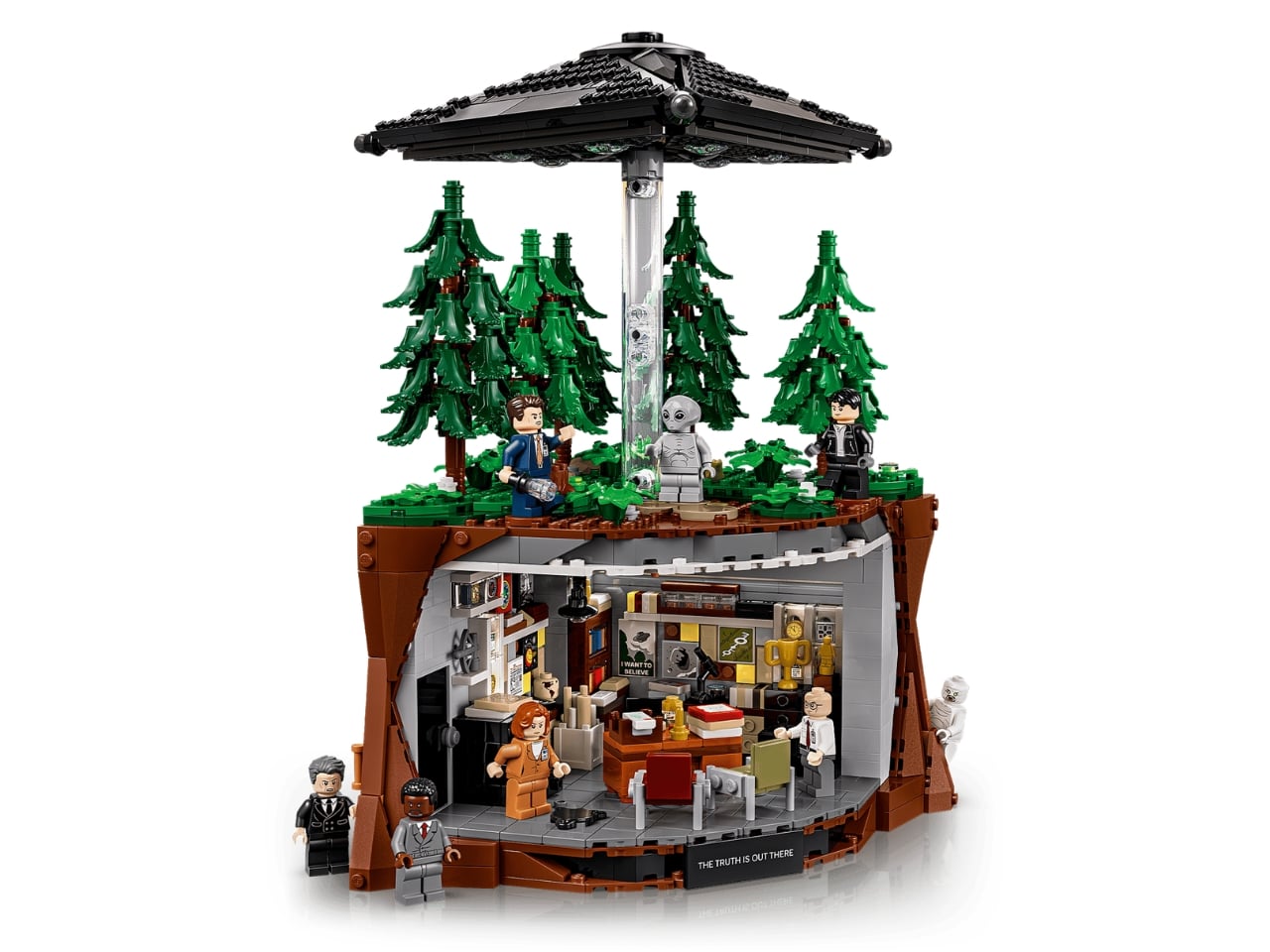
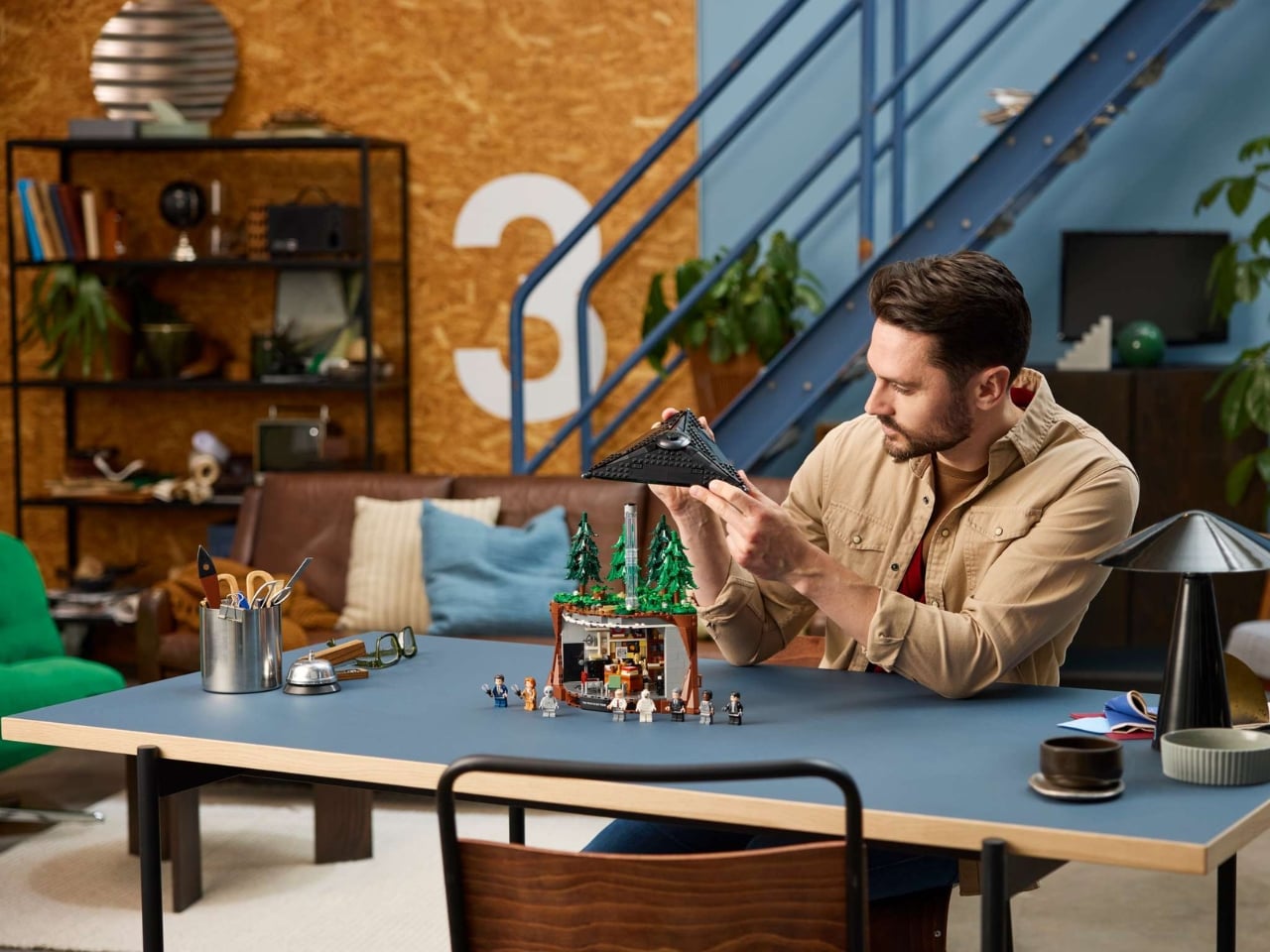
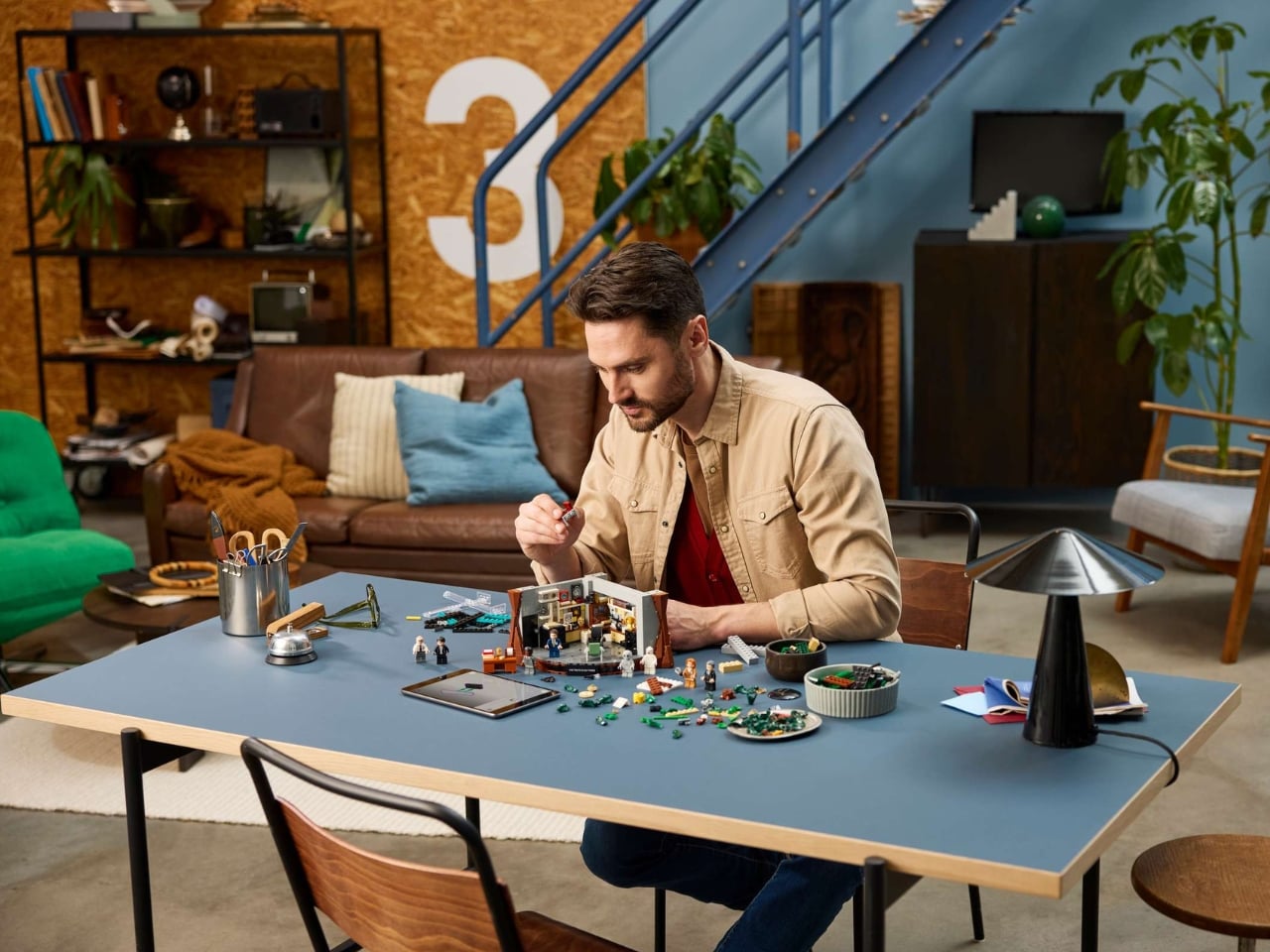
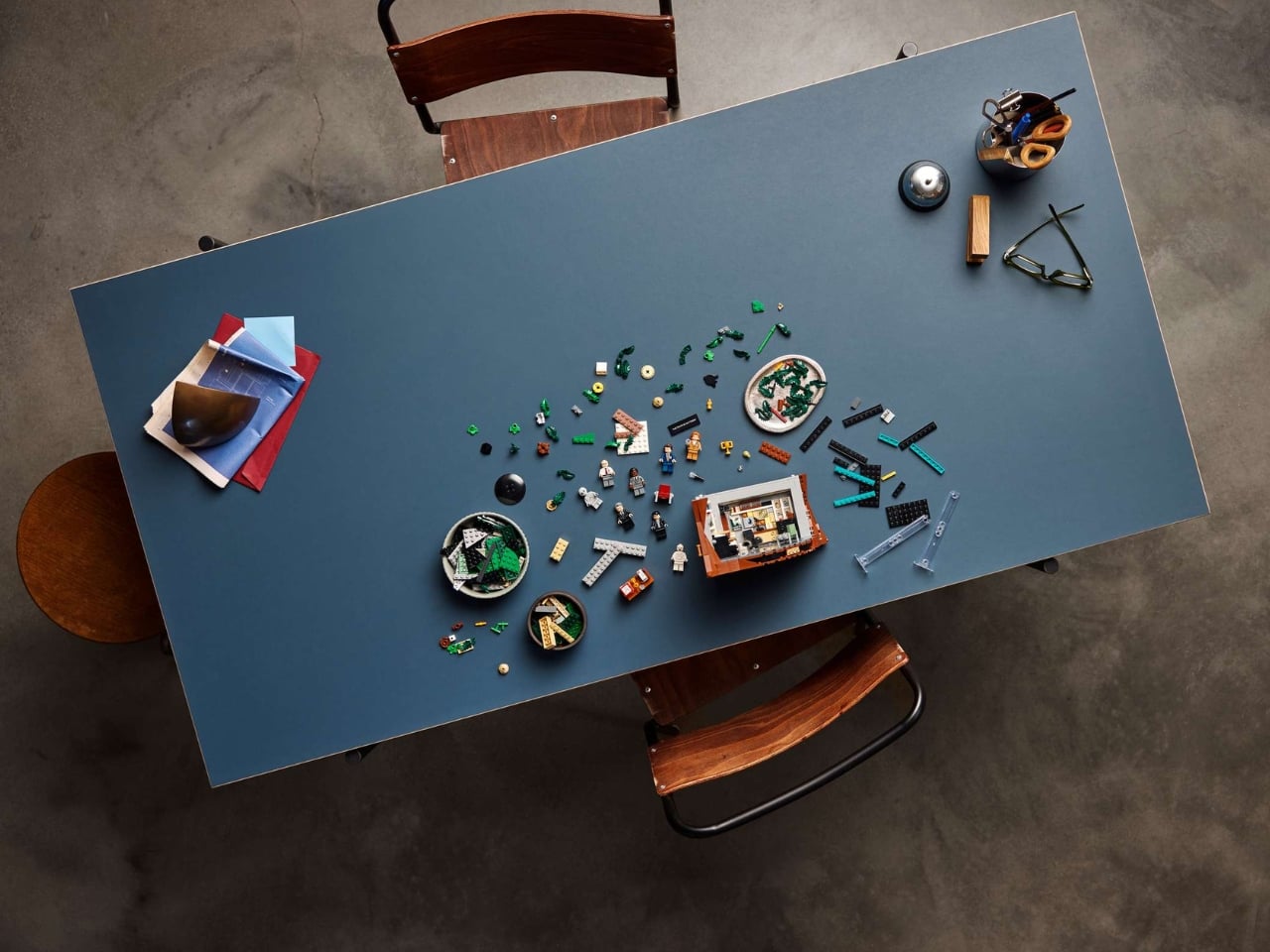
If you’re of that certain generation, then this newest LEGO build birthed from the Ideas factory would make you absolutely delirious. For those unfamiliar, LEGO Ideas is a fan-first initiative where enthusiasts submit concepts that, once they gain enough votes and approval, become officially produced sets, and The X-Files Set #21369 is one that clearly earned its place. This almost 1,500-piece set lets you relive those days when we went on vicarious adventures with the unconventional FBI Agent Fox Mulder and the smart but skeptical Dr. Dana Scully, and all the aliens and monsters they encountered along the way.
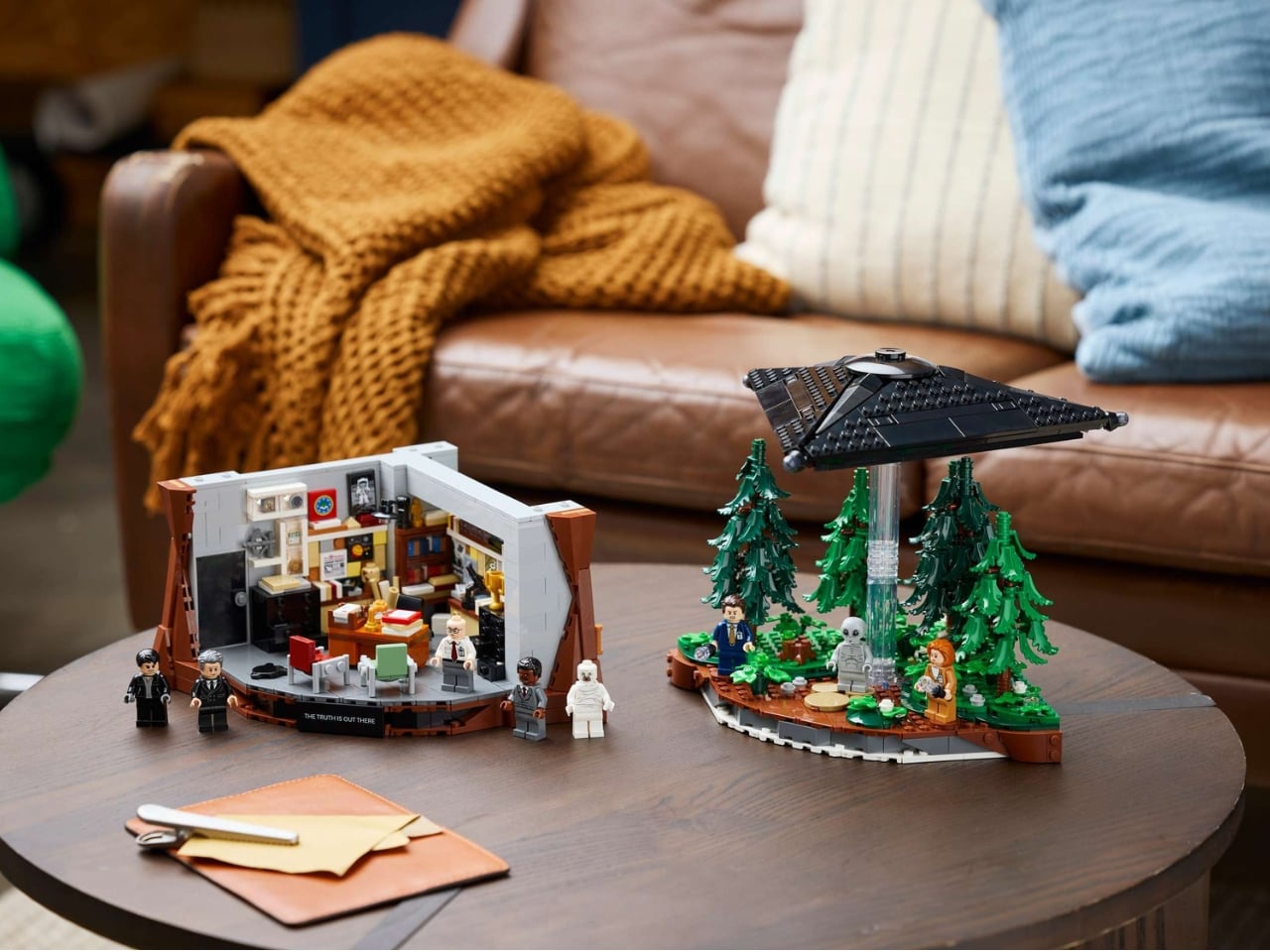
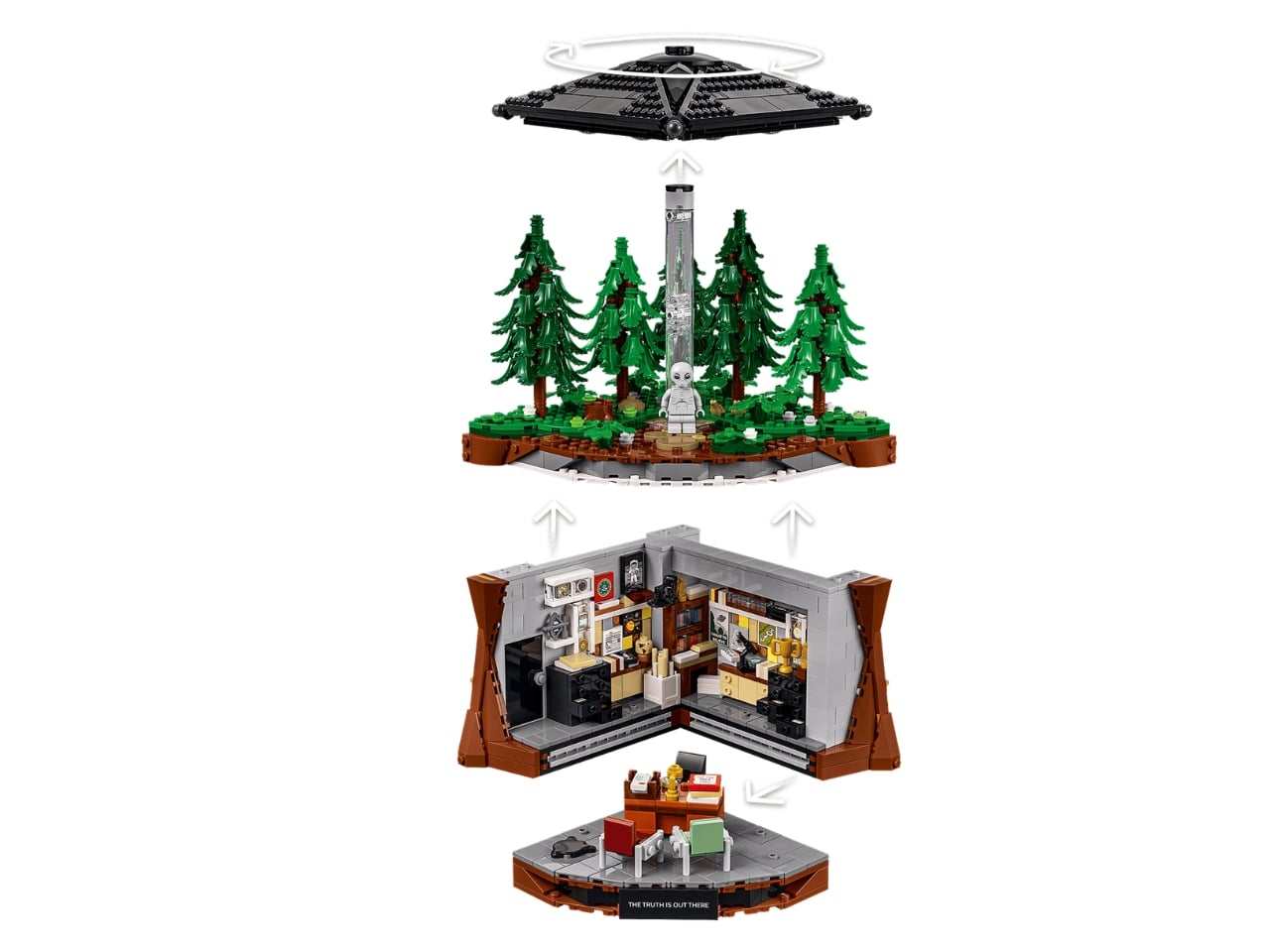
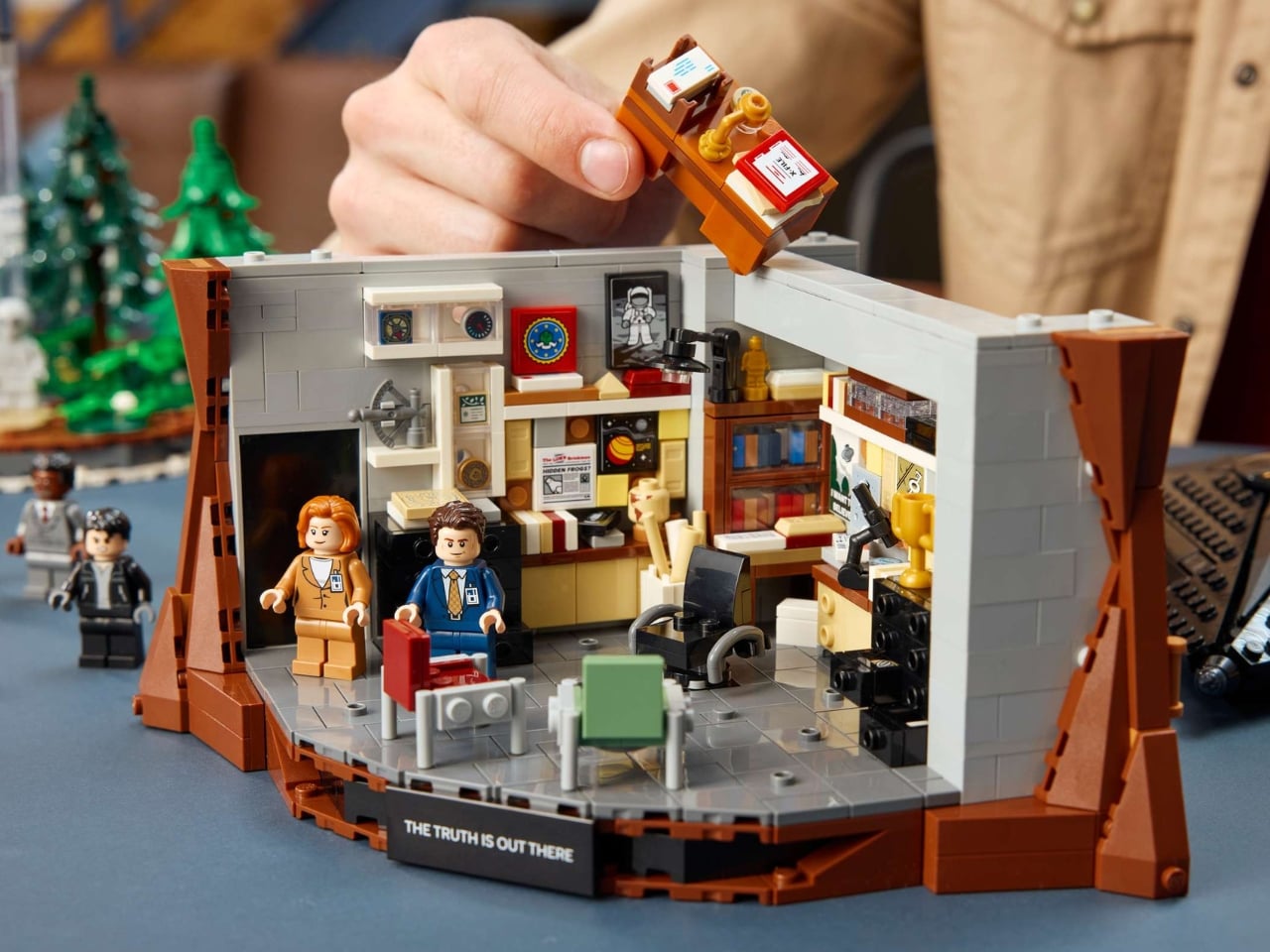
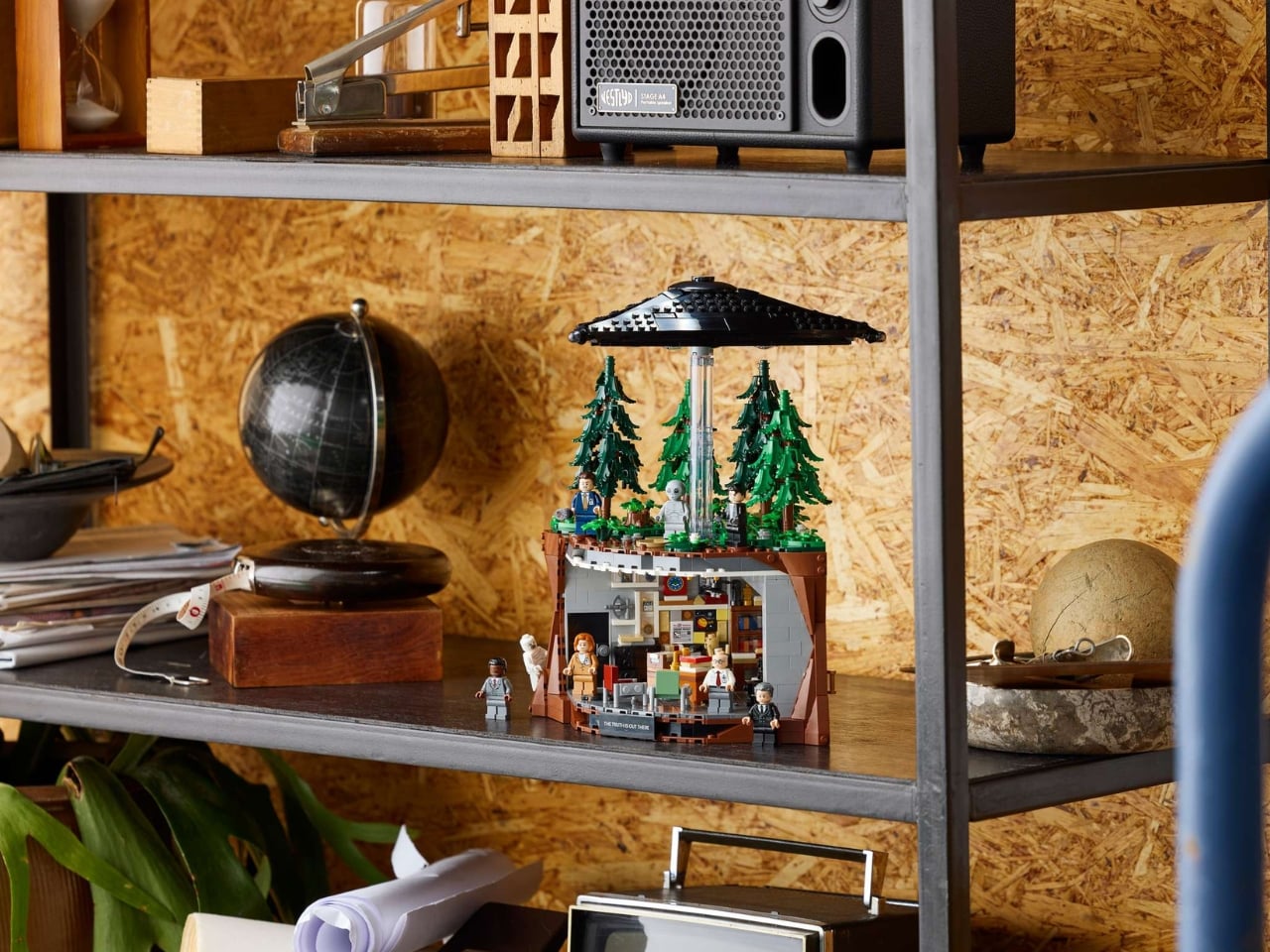
This set, which is obviously meant for grown-ups given its scale and subject matter, features three distinct scenes. You have a detailed replica of Mulder’s iconic basement office, a forest clearing scene straight out of one of their paranormal investigations, and a hovering UFO to complete the eerie atmosphere of the build. You can display the office and the forest separately, or put all of them together as one grand set. And if you act quickly, purchasing the set between August 1–10, 2026 will also net you a bonus Scully’s Lab set, a recreation of the classroom lab at the FBI National Academy, complete with a Scully minifigure in her lab coat and scrubs.
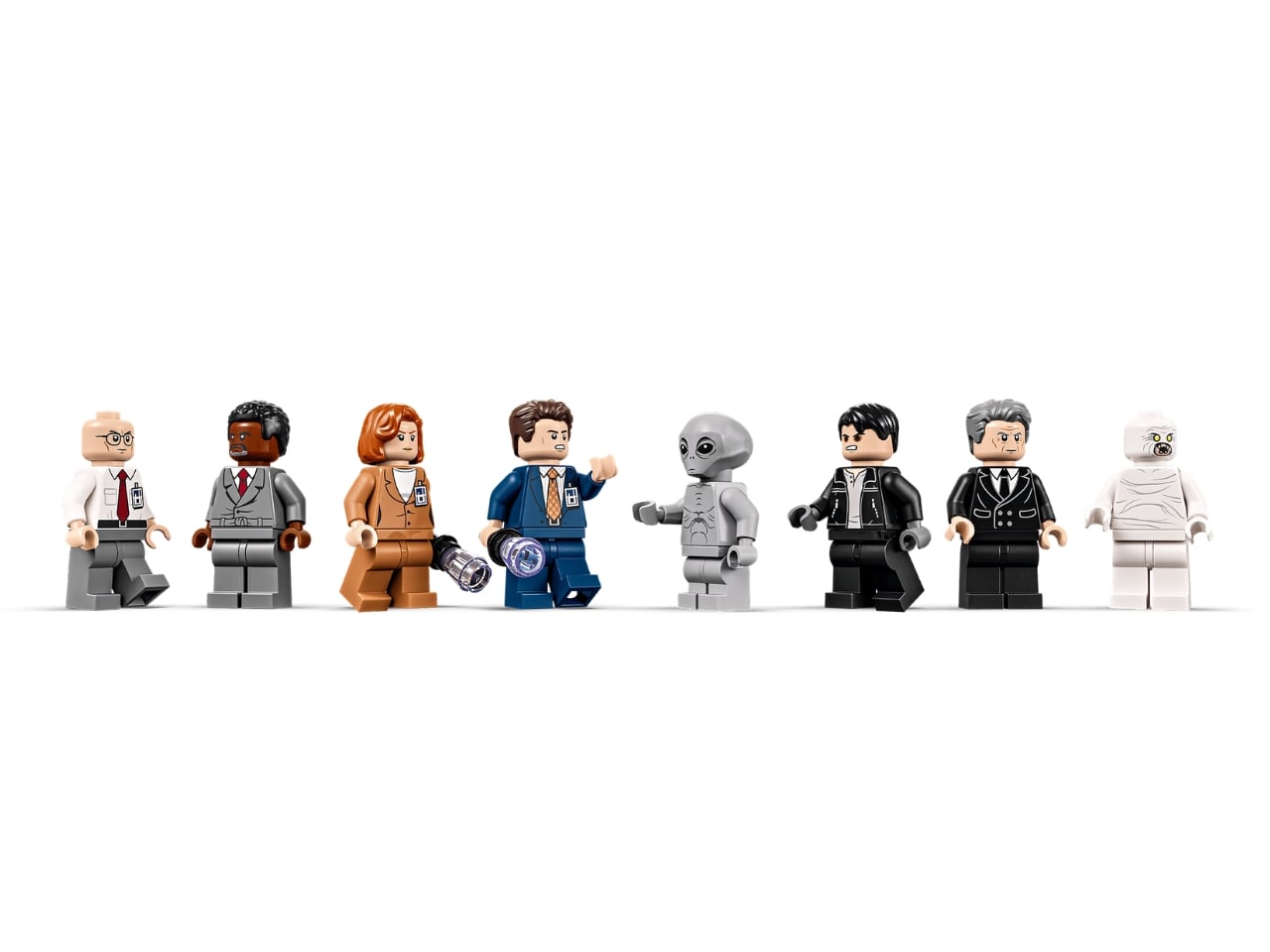
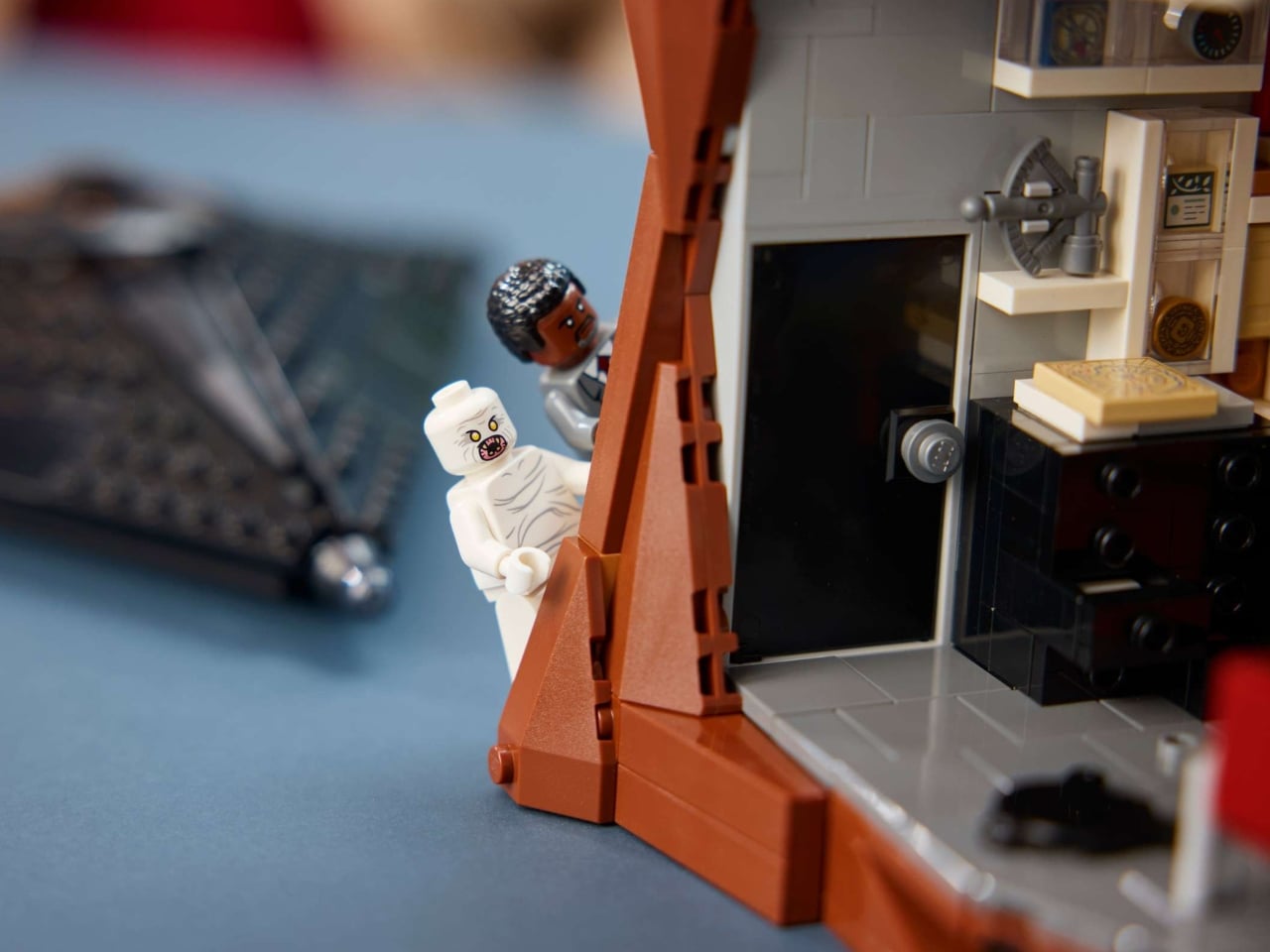
The set includes eight minifigures that will be instantly familiar to faithful viewers of The X-Files. Aside from Mulder and Scully, of course, you have their beleaguered boss Assistant Director Walter Skinner, the infamous Cigarette-Smoking Man, the mysterious informant Mr. X, villainous henchman Alex Krycek, one of their classic monsters-of-the-week The Flukeman, and a grey alien. There are also several Easter eggs and authentic details packed into the build, including the “I Want to Believe” poster, a “The Truth Is Out There” tile, pencils stuck in the ceiling and sunflower seeds (two of Mulder’s most iconic habits), and an X-Files dossier.
What makes this set even more special is its origin story. The X-Files (21369) was chosen as the winner of LEGO’s “Build Your Nostalgia – 90s Throwback!” fan design challenge, meaning this build began as a dream submitted by a devoted fan before making its way to store shelves. It’s a love letter from one generation of fans to another, and that passion clearly shows in every carefully crafted detail. Even Gillian Anderson herself got in on the fun, starring in a cinematic mini-film reveal where she essentially steps into Scully’s shoes one more time, uncovering the LEGO set brick by brick.
Just thinking about building such a set brings me back to the days when I would eagerly devour everything I could about The X-Files universe, the fan sites, the collectibles, the episode guides dog-eared from obsessive rereading. This LEGO Ideas build would definitely appeal to big nerds (and I mean that lovingly) and anyone who appreciates the insane attention to detail given to this trip down nostalgia lane. At $199.99, it’s an investment, but for a set of this caliber, packed with character, memory, and the kind of Easter eggs only true fans will catch, it feels absolutely worth every cent. Whether you’re building it solo on a quiet weekend or proudly displaying it on a shelf, The X-Files LEGO set is a beautiful reminder that the best stories never really leave us. The truth is out there, and apparently, so are the bricks.
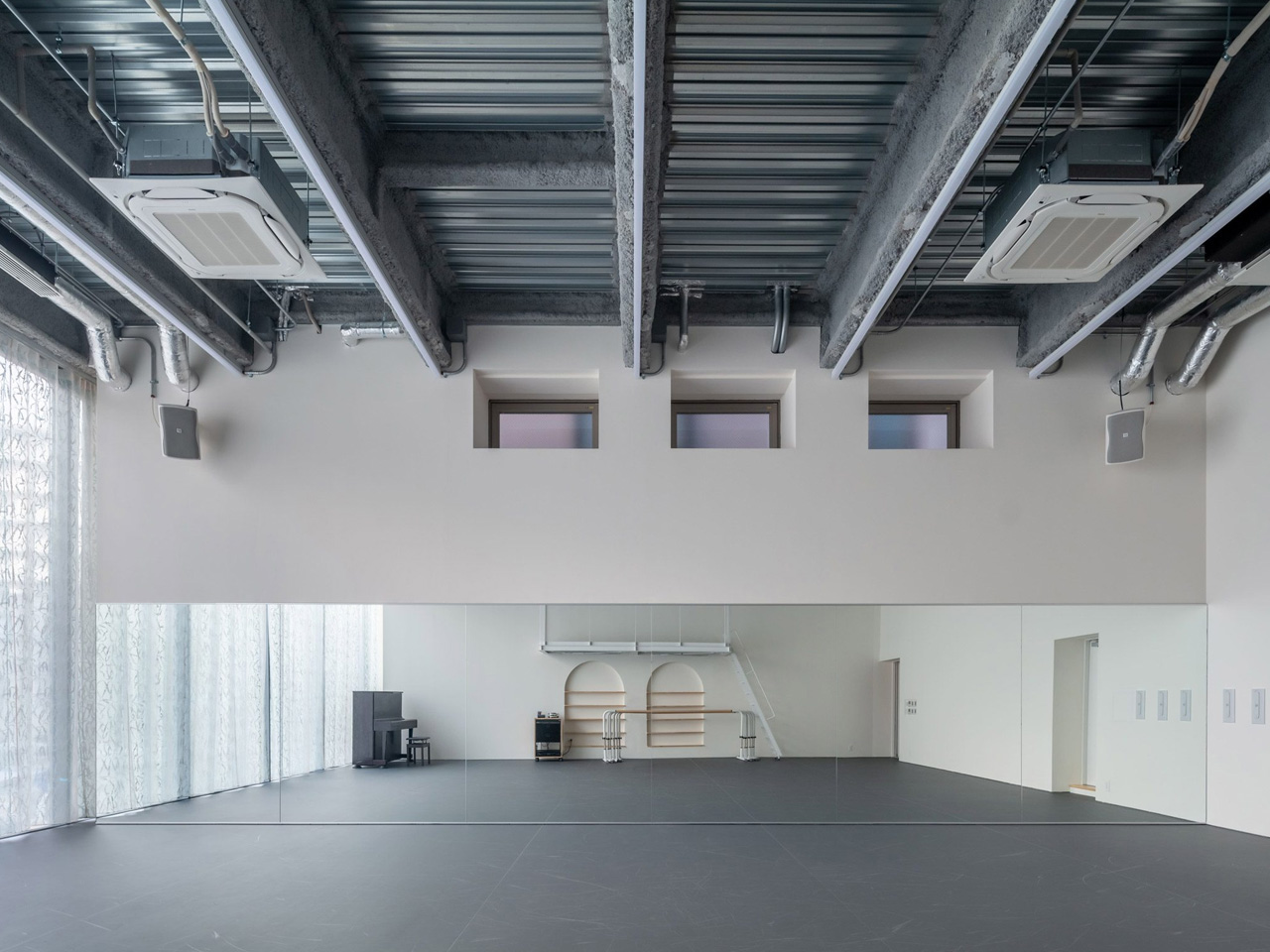
In the Komagome neighborhood of Tokyo’s Johoku district, tucked near Rikugien — one of the two great gardens of old Edo — a new building is quietly rewriting what a ballet studio can be. Completed in September 2024, the Tokyo Ballet House by Kenta SANO & Associates, Architects is a dwelling house combined with a ballet studio, and its most radical gesture is the one you don’t immediately see: the city outside is treated as the audience.
The project sits in a neighborhood that was once dense with plant merchants and samurai residences. That green legacy is fading fast. Mini-developments are eating into what was once one of Tokyo’s largest urban green belts, replacing mature trees with token landscaping planted just to satisfy ordinance requirements. SANO’s response was to design something that holds greenery rather than displaces it — a small act of repayment to a neighborhood the client was born and raised in.
The building is four stories of steel structure, and its massing reads as two separate volumes stacked with an intentional gap between them. The lower level holds the garage and the studio’s supporting functions — changing rooms, service spaces. The ballet studio itself sits above, its floor detached from the ground and its ceiling set at 4.2 meters, generous enough for the kind of large, airborne leaps that define the art form.
The upper level is a compact residence, penthouse-like in character, with a terrace that wraps the perimeter and connects seamlessly with the interior floor. The sloped roof, boldly cut to navigate Tokyo’s setback regulations, folds into the interior as a sloped ceiling, giving the one-room living space a sculptural quality the floor plan alone can’t convey. The void between the two volumes becomes the building’s lungs — open eaves and a terrace that pull greenery into the heart of the structure. What could have been wasted space becomes the reason the building breathes.
But the real conceptual weight belongs to the studio itself. The ballet school’s owner has always prioritized performance over practice — recitals over rehearsals — and SANO built that philosophy into the architecture. The north-facing glass screen becomes the proscenium. Full-height textiles hang like stage curtains.
The studio floor, kept close to street level by minimizing the garage ceiling height above, reaches toward the city rather than hiding from it. The neighborhood outside the glass is not an intrusion — it’s the audience. A structural engineer visiting from abroad looked out from the interior and called the view unmistakably Tokyo. SANO agreed, and the building’s name followed from that moment.
“Glasshole” entered Urban Dictionary as word of the day in March 2013, which tells you roughly how long it took society to make up its mind about face-mounted cameras. Google Glass had barely reached early users when bars, restaurants, and theaters started banning it. The device died from a social verdict so decisive it became a punchline. A decade later, Google is back. At Samsung’s Galaxy Unpacked in London today, the company helped reveal a new generation of AI-powered smart glasses, co-engineered with Samsung, dressed up in Warby Parker frames, and powered by Gemini. Same idea. Different fonts.
The climate into which these glasses arrive is not quiet. Meta spent the better part of 2026 trying to convince the public that AI glasses are aspirational, recruiting Kylie Jenner for the Meta Starfire Kylie Edition at $399 and positioning it as a style statement. What followed was a wave of coverage about covert recordings, a social media tutorial on disabling the LED light meant to prevent covert recording, and a protest campaign near Meta’s headquarters branding the glasses “fascist.” Some owners are reportedly now reluctant to wear them in public, having learned that the street name for their $399 fashion statement is “pervert glasses.” Google could not have picked a stranger moment to try again.
Designers: Samsung, Google, Warby Parker, and Gentle Monster
So what exactly did Samsung and Google show up with today? The glasses, branded Intelligent Eyewear, come in two designs: a slim black frame from Gentle Monster with a refined, fashion-forward silhouette, and a rich brown Warby Parker edition with a subtly upswept brow line meant for everyday wear. Under the hood, the Snapdragon AR1 Gen 1 chip handles the processing, the same silicon inside Ray-Ban Meta’s glasses, which is either reassuring or ironic depending on your mood. Gemini runs as the AI assistant on Android XR, the platform Samsung and Google co-developed, delivering information spoken into your ear rather than displayed on a screen. Battery life sits at nine hours, with a charging case that carries up to seven additional full charges. There is a built-in camera. There is always a built-in camera.
The positioning is reasonably clever and deliberate. By going audio-first with no display, Samsung sidesteps the cyborg-visor aesthetic that made Google Glass so alienating, and by partnering with Gentle Monster and Warby Parker, two brands with genuine fashion credibility, they are betting that good frames can do what celebrity endorsements and $400 price tags couldn’t for Meta. The glasses also pair with both Android and iOS, which removes the ecosystem friction that would otherwise halve the addressable market before a single unit ships. On paper, this is the most considered entry into smart glasses anyone has made.
The paper, unfortunately, has to reconcile with the sh*tstorm that is Meta and Kylie’s brand collab. Kylie Jenner’s job in the Meta Starfire campaign was to make AI glasses feel safe and aspirational, particularly for women. She wore them, posed with them, starred in content shot from the glasses’ own point of view. What nobody at Meta apparently modeled was the possibility that Jenner’s involvement would become the story, and the story would be unflattering. Lorde publicly called the glasses “not sexy.” Women across Brussels and beyond reported being filmed without consent by men wearing the exact product Jenner was paid to glamorize. Meta had to patch their own hardware to stop people from disabling the recording indicator light. The fact that a patch was required is its own headline.
Samsung and Google have built in visible recording indicators and user-controlled privacy settings, which they are smart to advertise loudly. But the problem Meta created for the entire category goes deeper than indicator lights. The public now has a fixed mental model of what a camera on someone’s face means, and it was not built by reading spec sheets. It was built by watching someone get filmed on the bus, by the NameTag story, by “pervert glasses” becoming the phrase that stuck when “Intelligent Eyewear” didn’t.
Google killed Glass in 2015 because society rejected the behaviour the device enabled before the technology even had a chance to mature. Everything Samsung unveiled today is genuinely more refined, more considered, and more fashionable than anything Glass ever was. The question is whether any of that is the actual problem. Going by recent evidence, the frames were never really the issue.