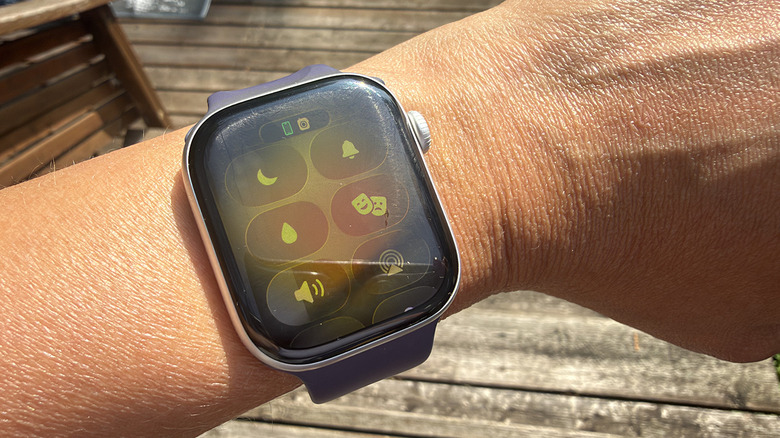
How does the Apple Watch water lock feature actually work?
The water lock feature on Apple Watches automatically activates when you're swimming, but what does it do?
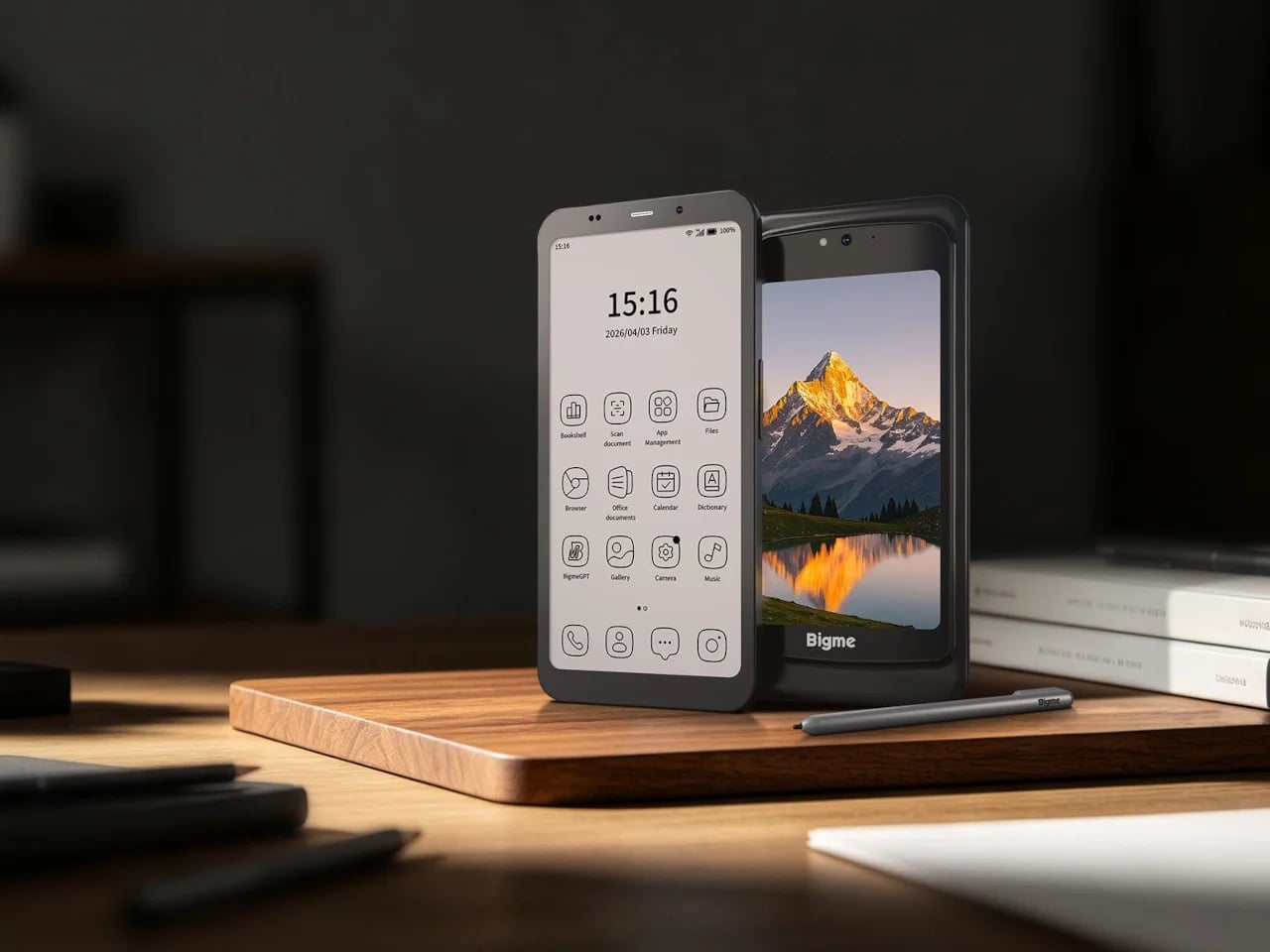
E Ink phones have spent years selling one idea: a calmer screen, a longer battery, and a slower relationship with your phone. That promise has almost always come with a catch. You’d get the paper-like display but lose the processing power. You’d get the focus-friendly software but sacrifice half the apps you actually need. The category thrived on convincing buyers that every compromise was worth making.
Bigme’s HiBreak Dual 2 doesn’t improve on the E Ink formula. It changes the question entirely. Pairing a 6.13-inch color E Ink front panel with a 5-inch LCD on the back and running Android 16 on a Dimensity 8300 chip, it removes the old forced choice between paper-like calm and normal smartphone capability. That shift forces every rival to explain what they’re still asking you to give up.
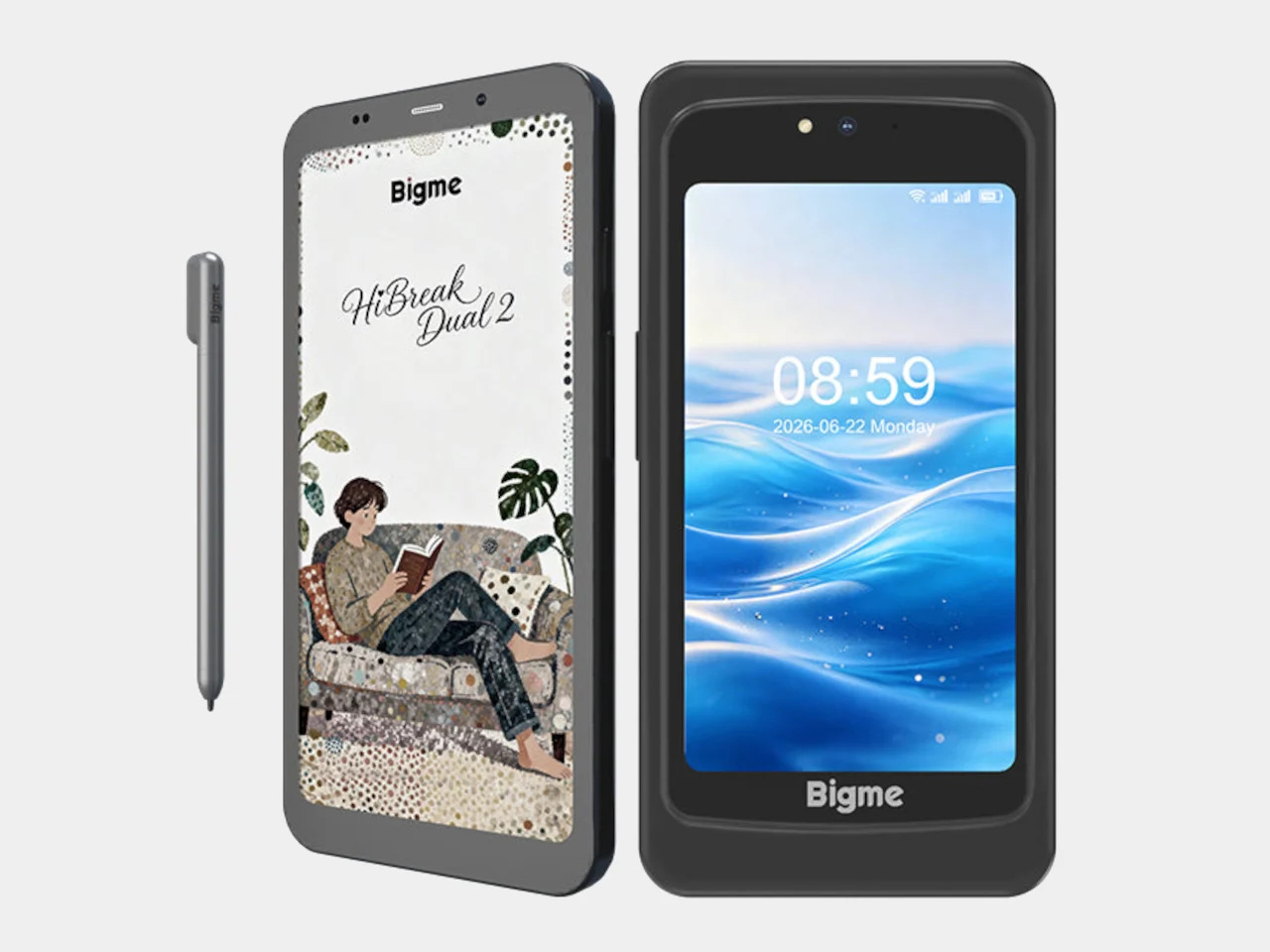

It’s a refreshingly practical premise. When E Ink handles the task, reading, taking notes with the optional stylus, or checking messages, the front panel does the work quietly. When it can’t, the 5-inch LCD on the back handles video calls, maps, or anything that moves too fast for a paper display. You’re not forced to pick a lane. The phone picks it based on what you’re actually doing.
Designer: Bigme
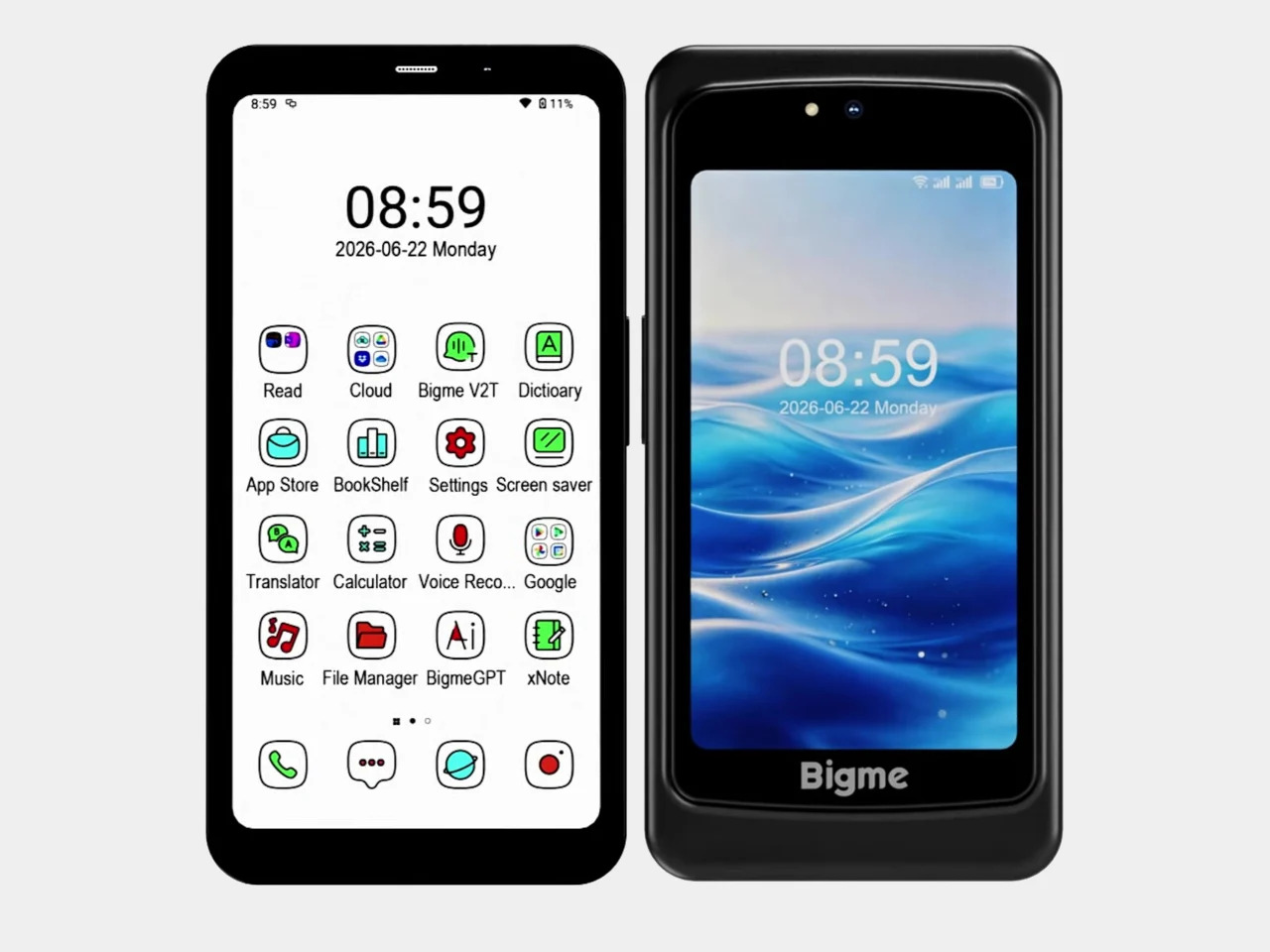
The familiar trade-offs don’t apply anymore. With 12GB of RAM, a 50MP camera, dual SIM 5G, NFC, and Google Play on Android 16, the Dual 2 closes every gap this category used to own. What it still costs is simplicity. A two-screen phone with an optional stylus isn’t a minimalist object, but that’s the honest bargain. The sacrifice shifted from capability to preference, and at $574, that’s an easier trade.
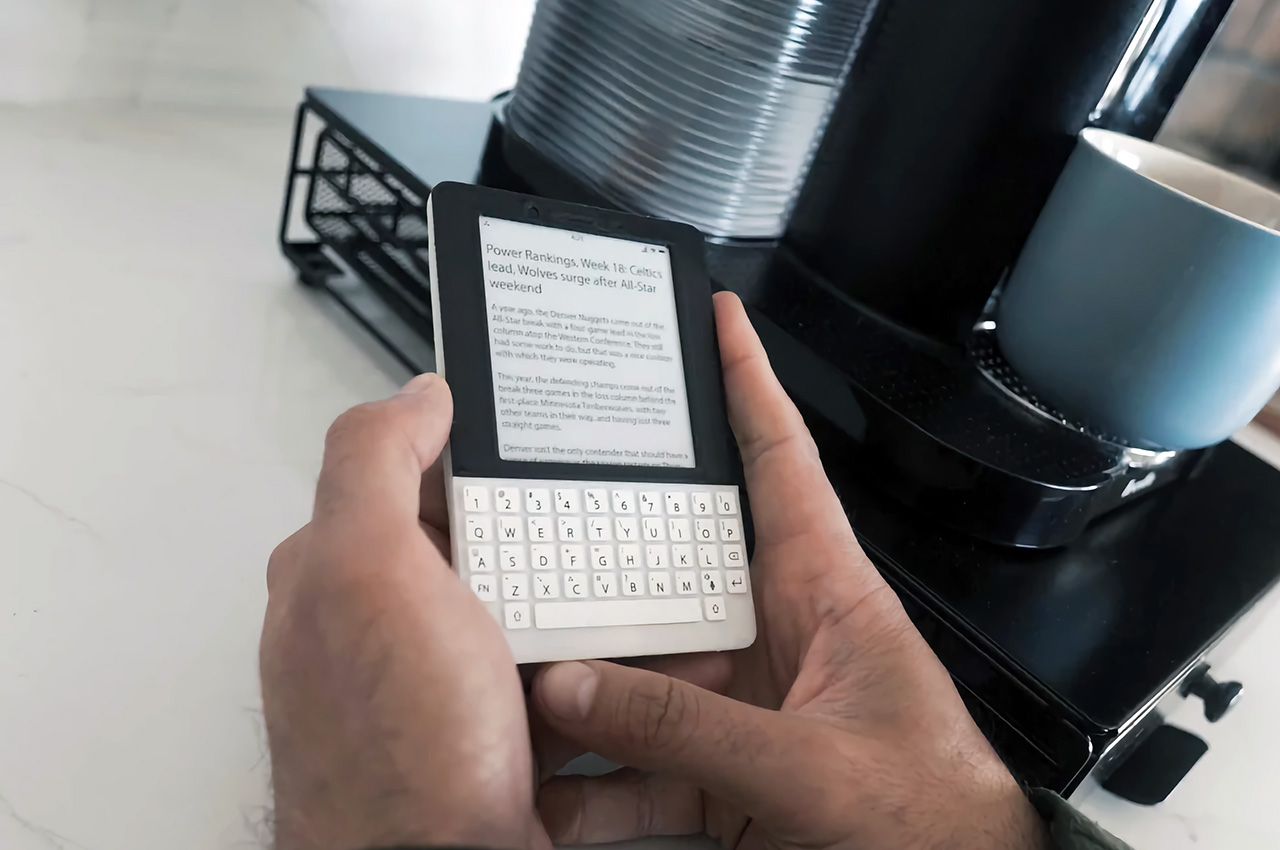
Before the HiBreak Dual 2, the Minimal Phone offered what felt like a reasonable compromise: a full Android 14 experience on a 4.3-inch E Ink touchscreen grounded by a physical QWERTY keyboard. Google Play works out of the box, NFC and wireless charging are onboard, and battery life is strong enough that charging feels less urgent. It starts at $499 for 6GB of RAM and 128GB of storage.
Designer: Minimal
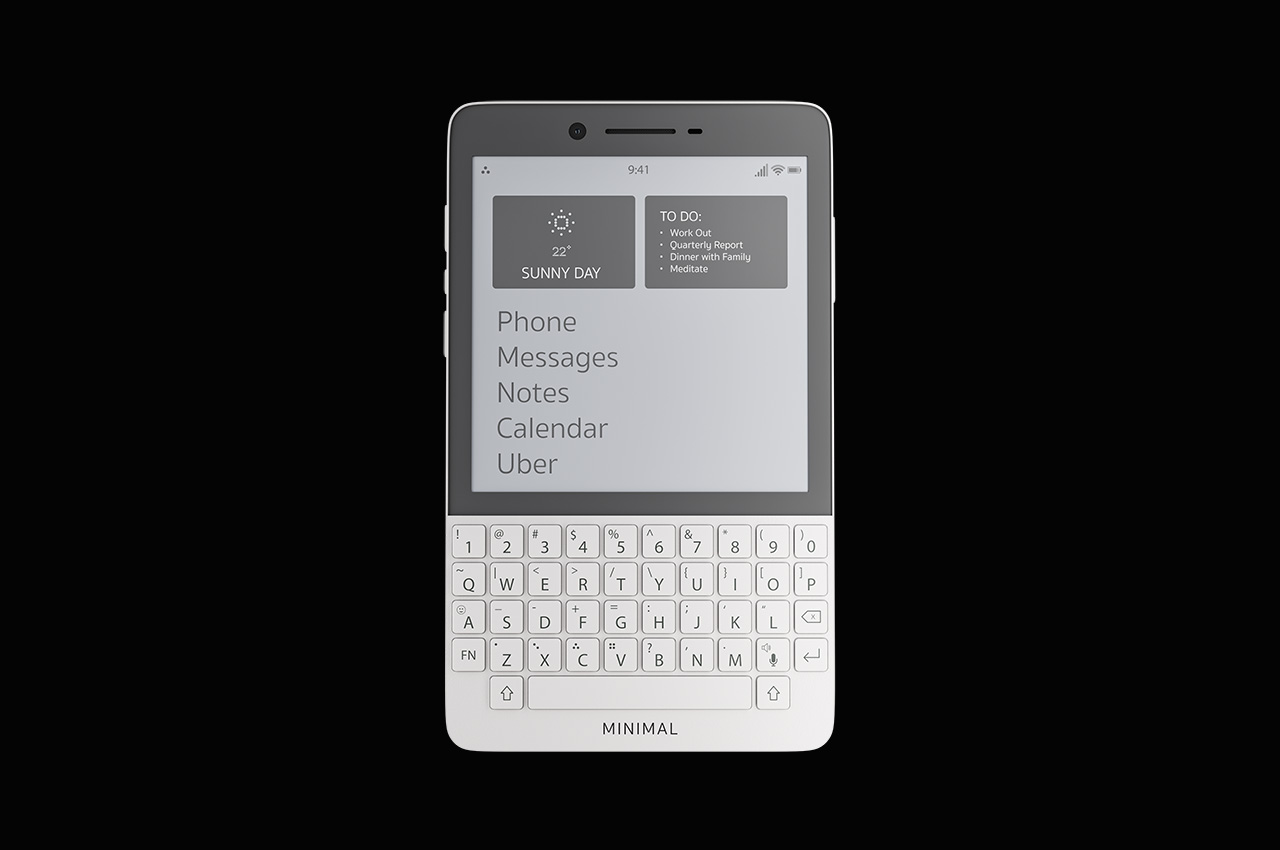
The keyboard is the whole identity, and that’s either the appeal or the limitation, depending on who you are. If you prefer typing with actual resistance, this phone still makes a strong case. But after Bigme, the keyboard has to work harder as a justification. It’s no longer the pragmatic path through the category. It’s a deliberate preference, which means it now belongs to a more specific kind of buyer.
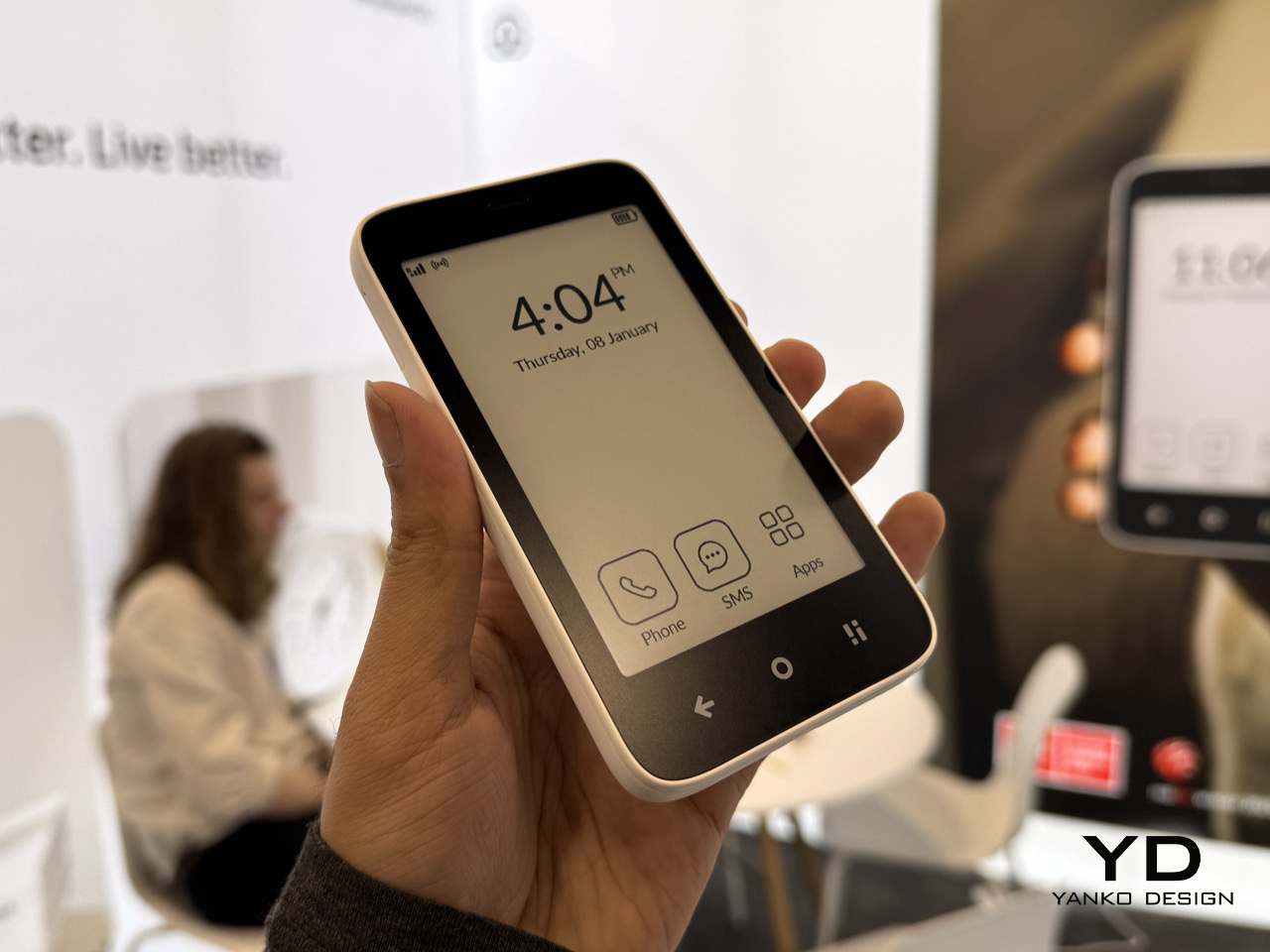
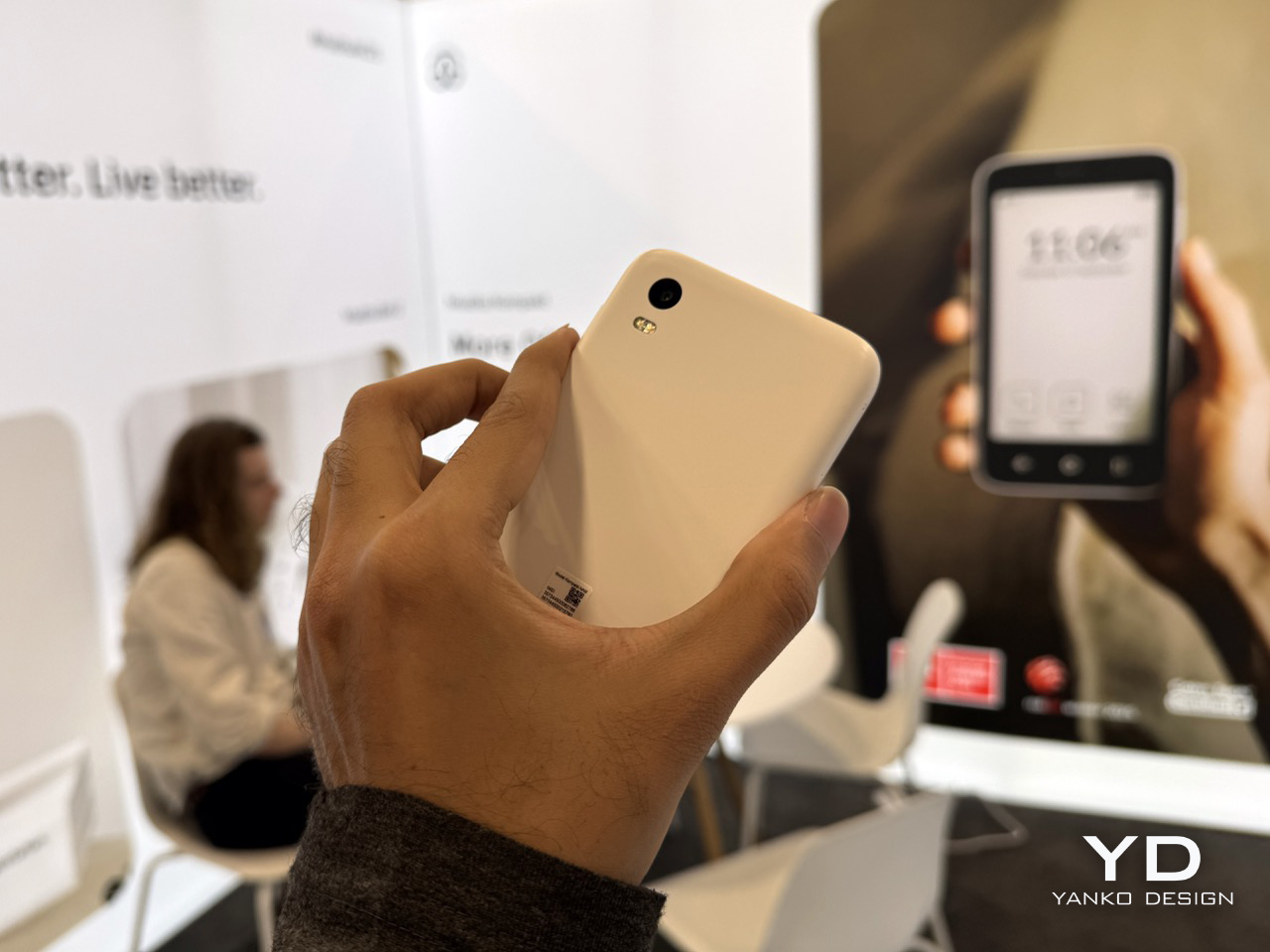
The Mudita Kompakt doesn’t compete on specs and isn’t trying to. It runs a custom OS stripped down to calls, texts, offline maps, music, and not much else. There’s no app store, no browser built for scrolling, just a 4.3-inch E Ink display, a 3,300 mAh battery with up to six days of life, and a phone that genuinely expects to be set down often. It’s available for $399.
Designer: Mudita
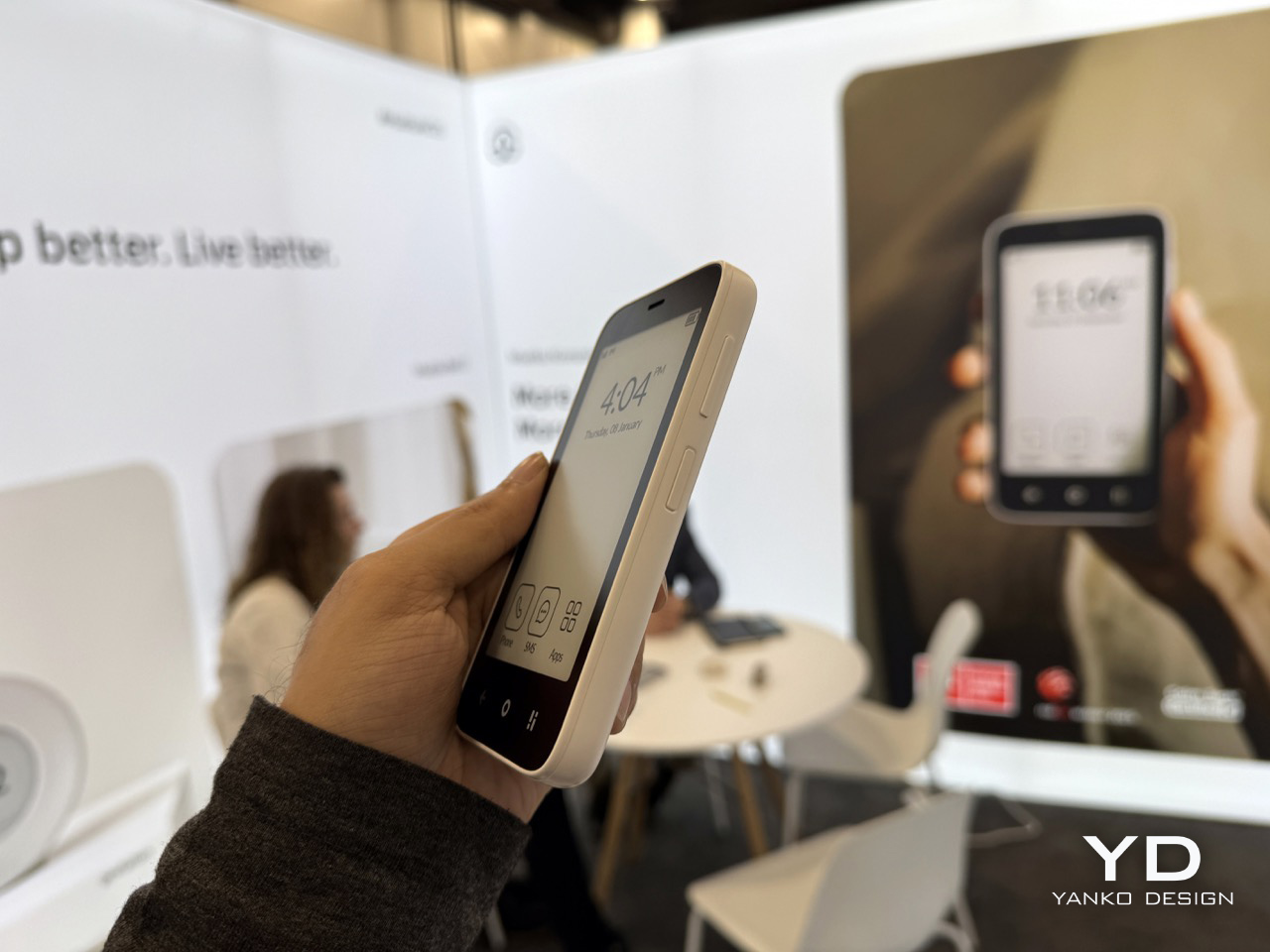
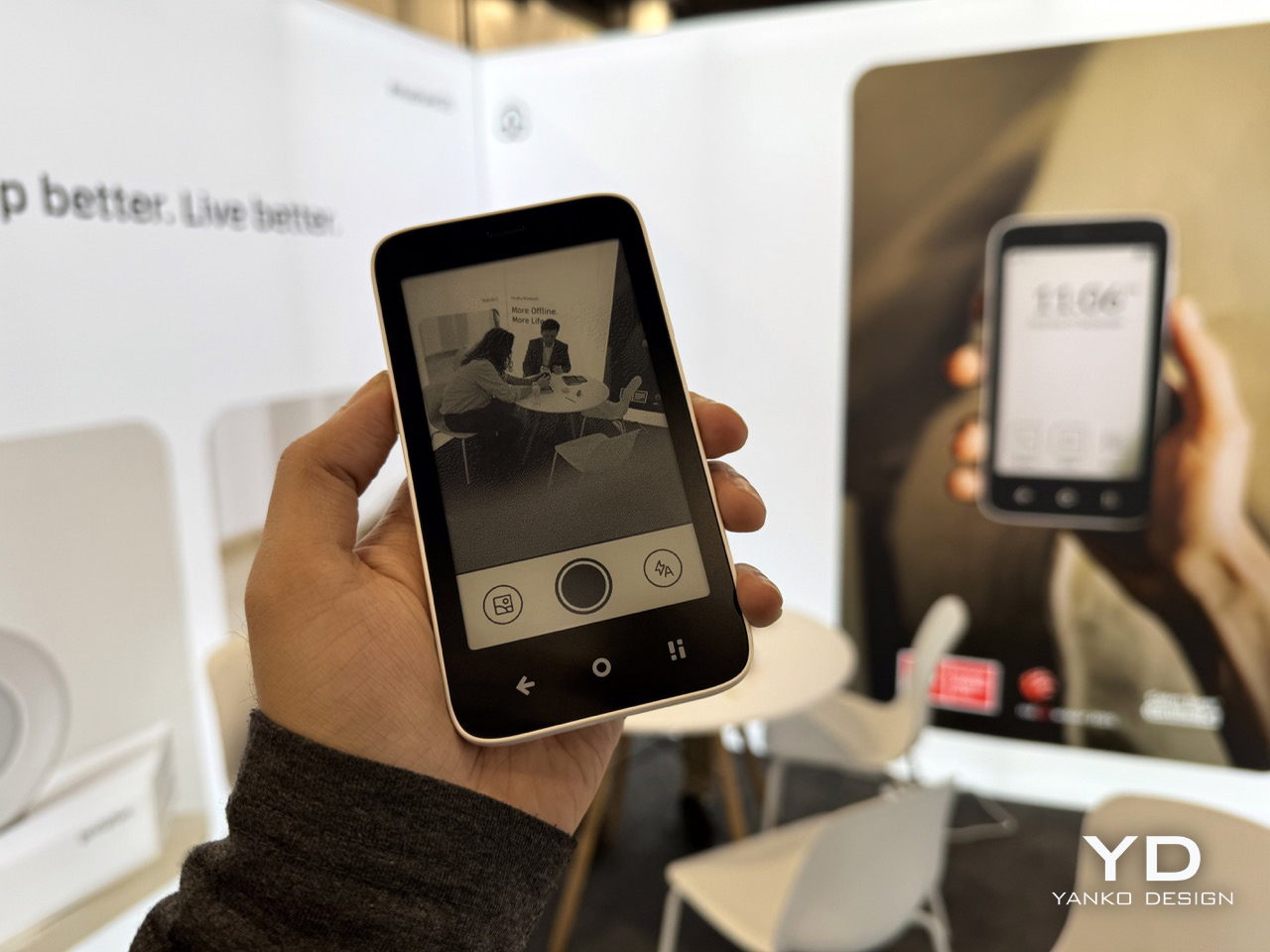
What Mudita charges you is breadth. The Offline+ Mode disables every signal at once, including GSM, Wi-Fi, Bluetooth, camera, and microphone, which sounds drastic until you realize that’s exactly the point. The trade-off goes beyond app access. It’s the assumption that a phone should keep expanding. For anyone exhausted by that expectation, the Kompakt feels less like a device with missing features and more like one that refused them deliberately.
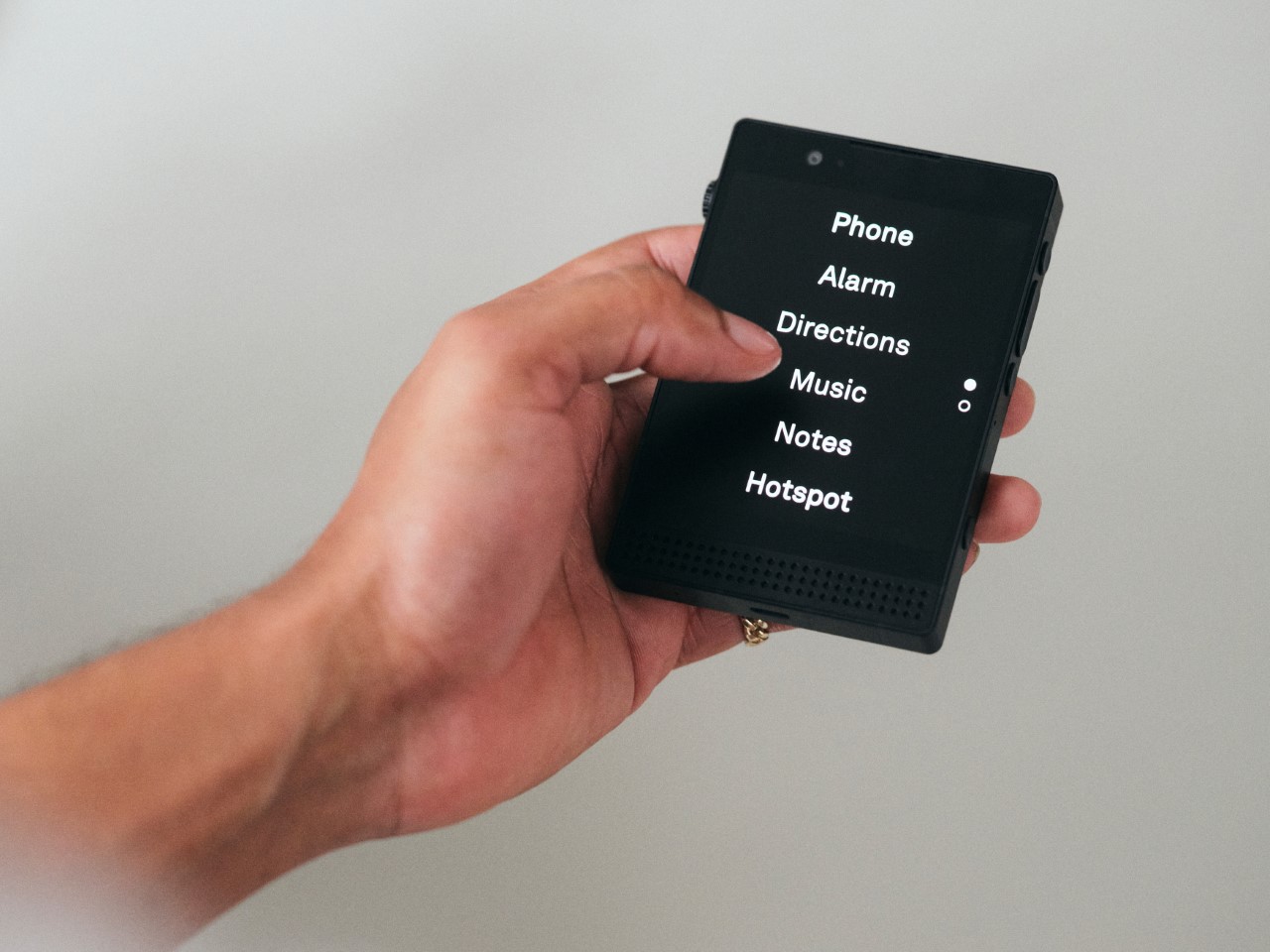
The Light Phone III is the most philosophically clear product here, and the only one without E Ink. It runs a 3.2-inch OLED in grayscale, no app store, no browser, and a proprietary OS with a short, curated list of tools. What it does carry is 5G, NFC, and the kind of calm that comes from removing things rather than restraining them. At $799, it’s priced like a considered commitment.
Designer: Light
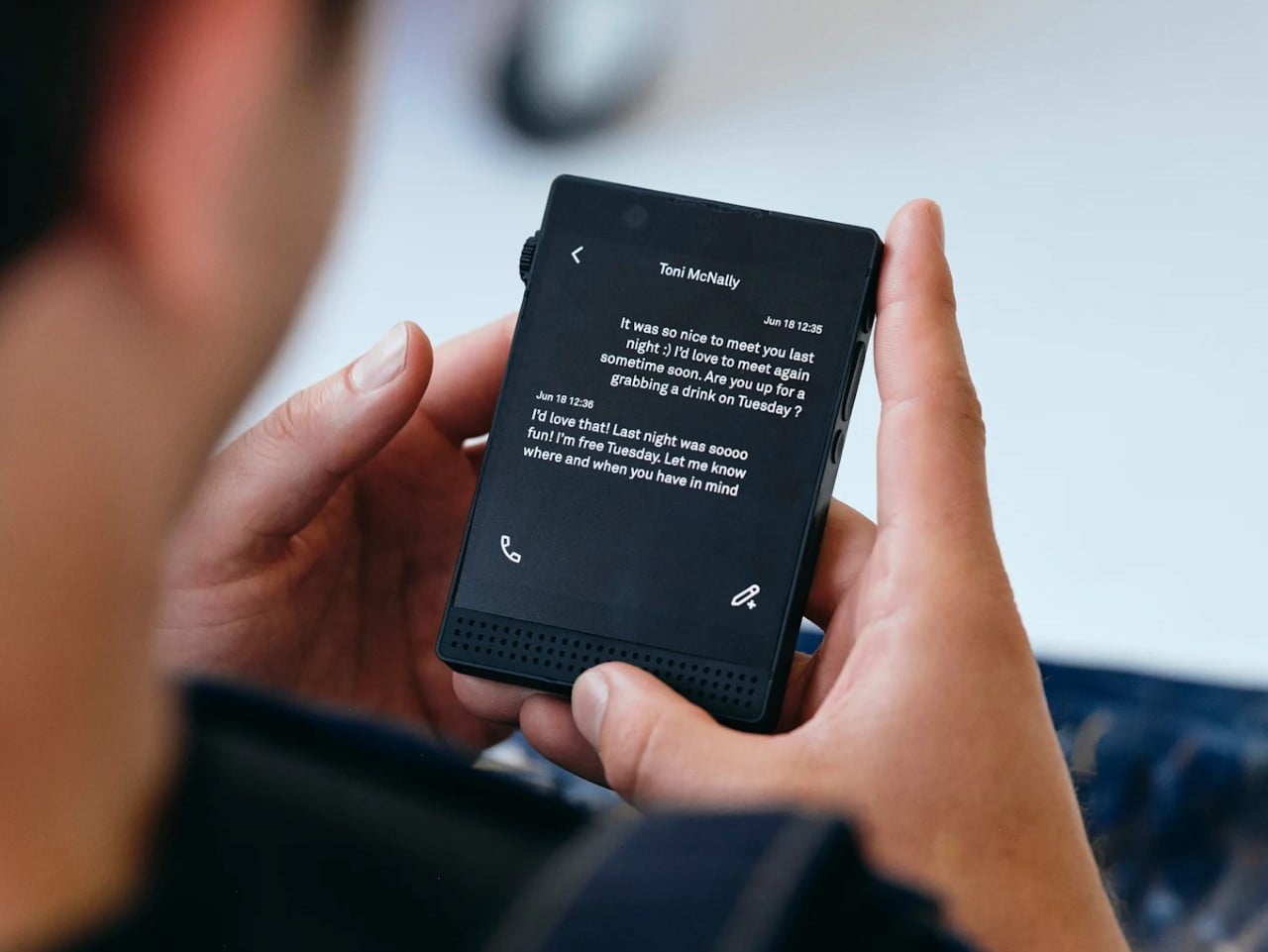
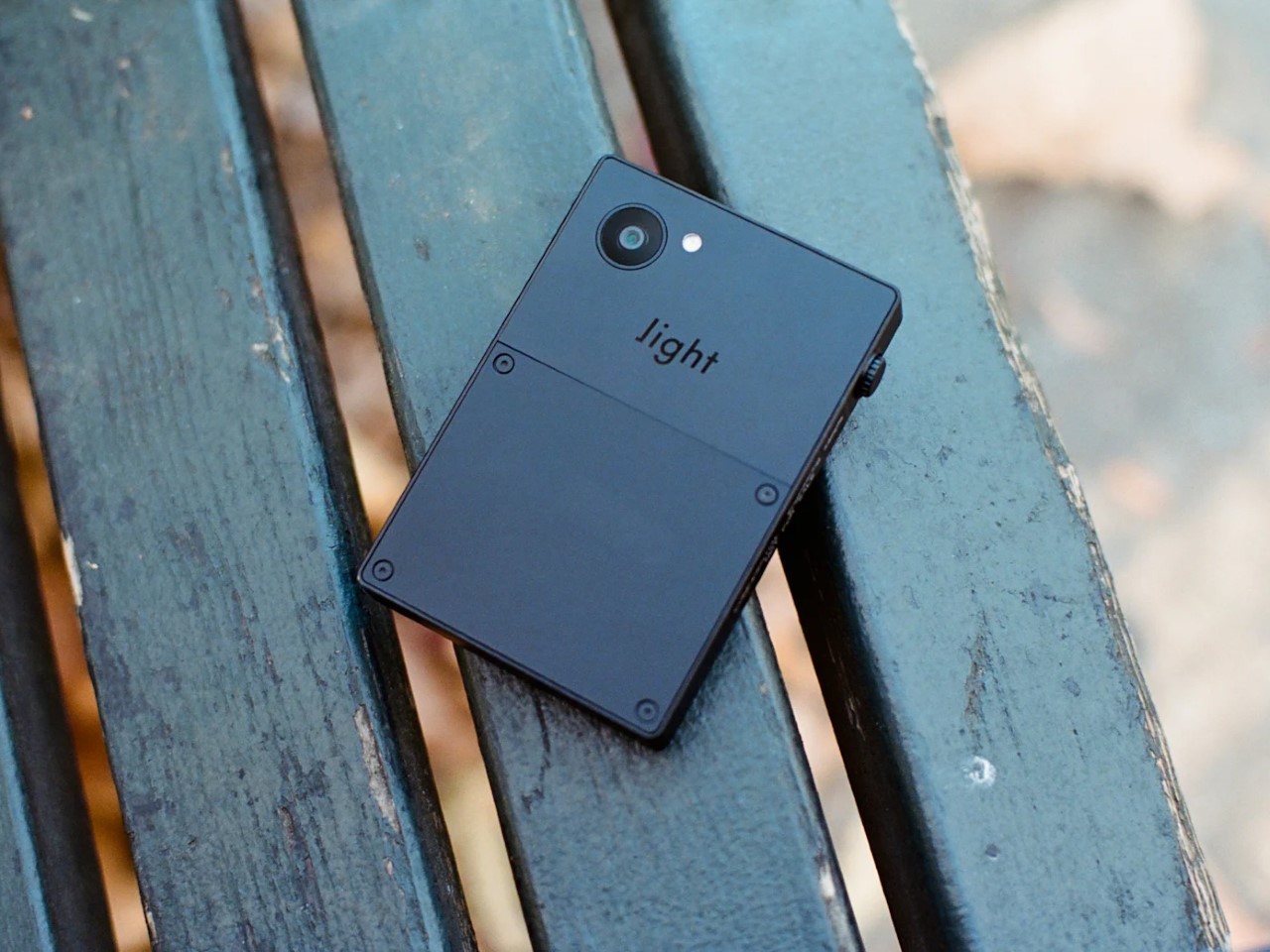
That clarity is also its challenge. After Bigme, the Light Phone III’s restrictions no longer read as a necessary cost of the category. They read as a position statement. You’re not settling for less because less is all that exists. You’re paying more for less because you’ve decided that’s the better way to live. That’s a meaningful shift, and it makes the Light Phone III a conviction purchase, nothing more.
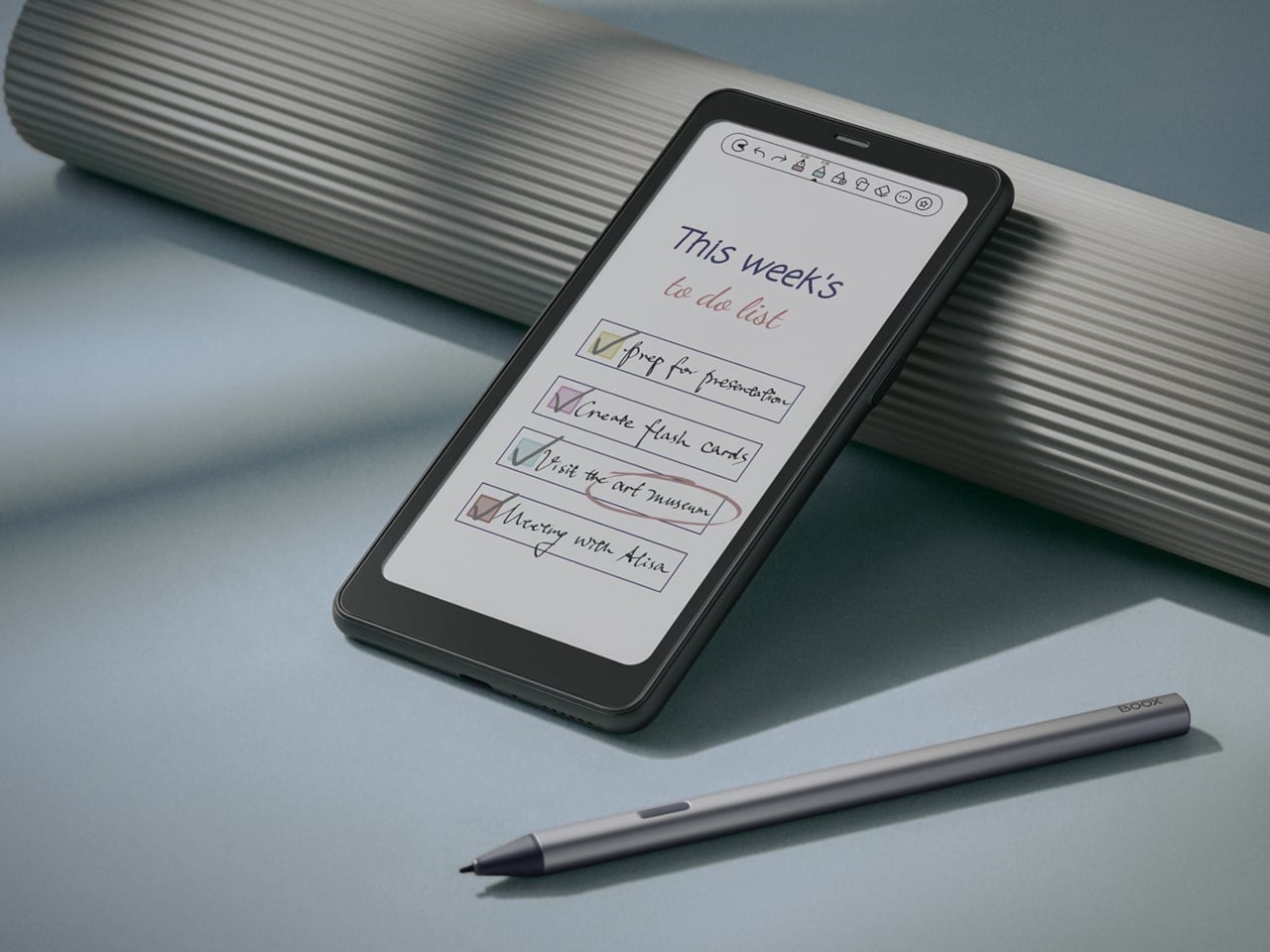
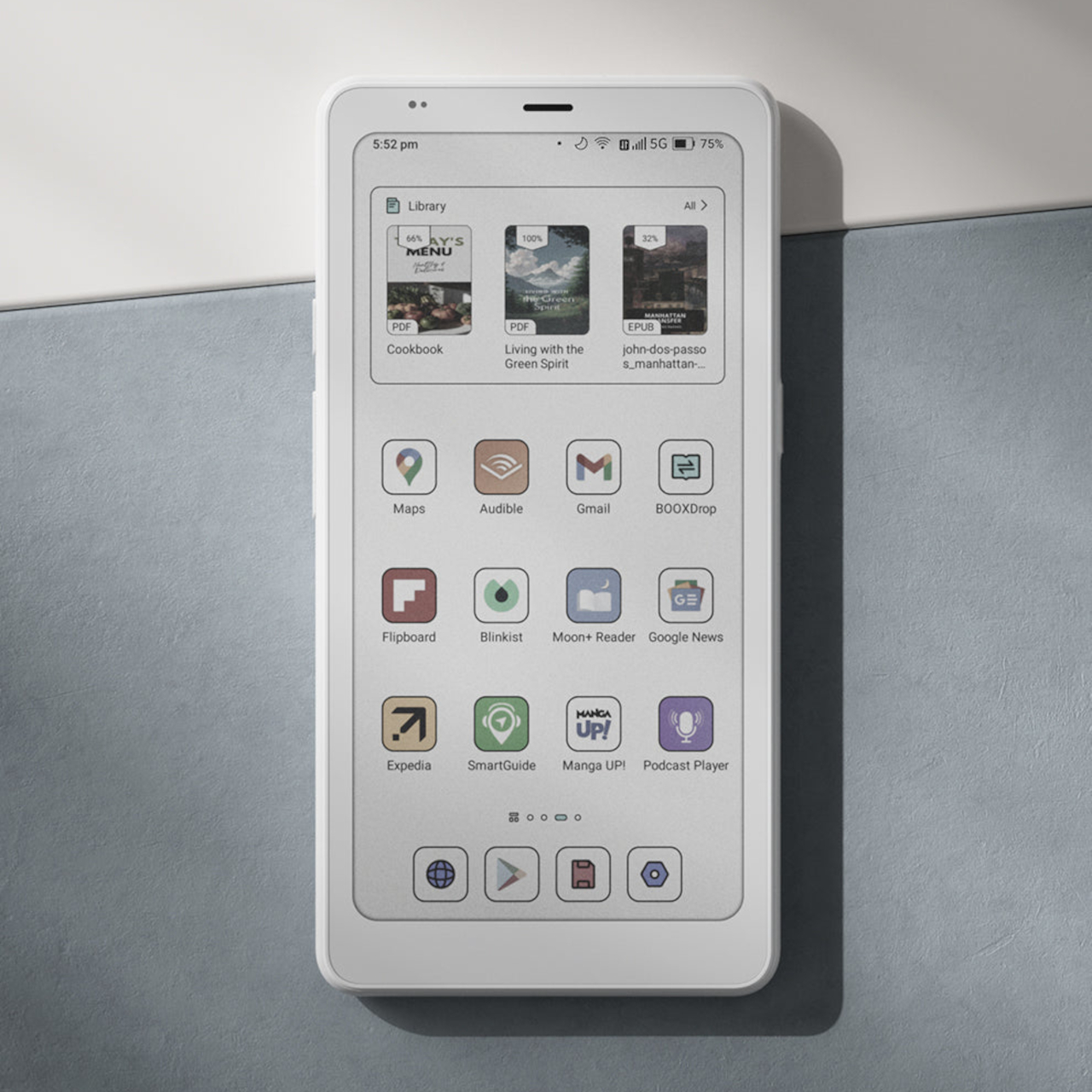
The BOOX Palma 2 Pro sits in its own corner of this category. It’s a 6.13-inch Kaleido 3 color E Ink device running Android 15 with full Google Play access and 8GB of RAM. A hybrid SIM provides 5G data, so you can run messaging apps, make VoIP calls, and browse freely. Native cellular calls and SMS aren’t officially supported, though some users have found workarounds that get reasonably close.
Designer: BOOX
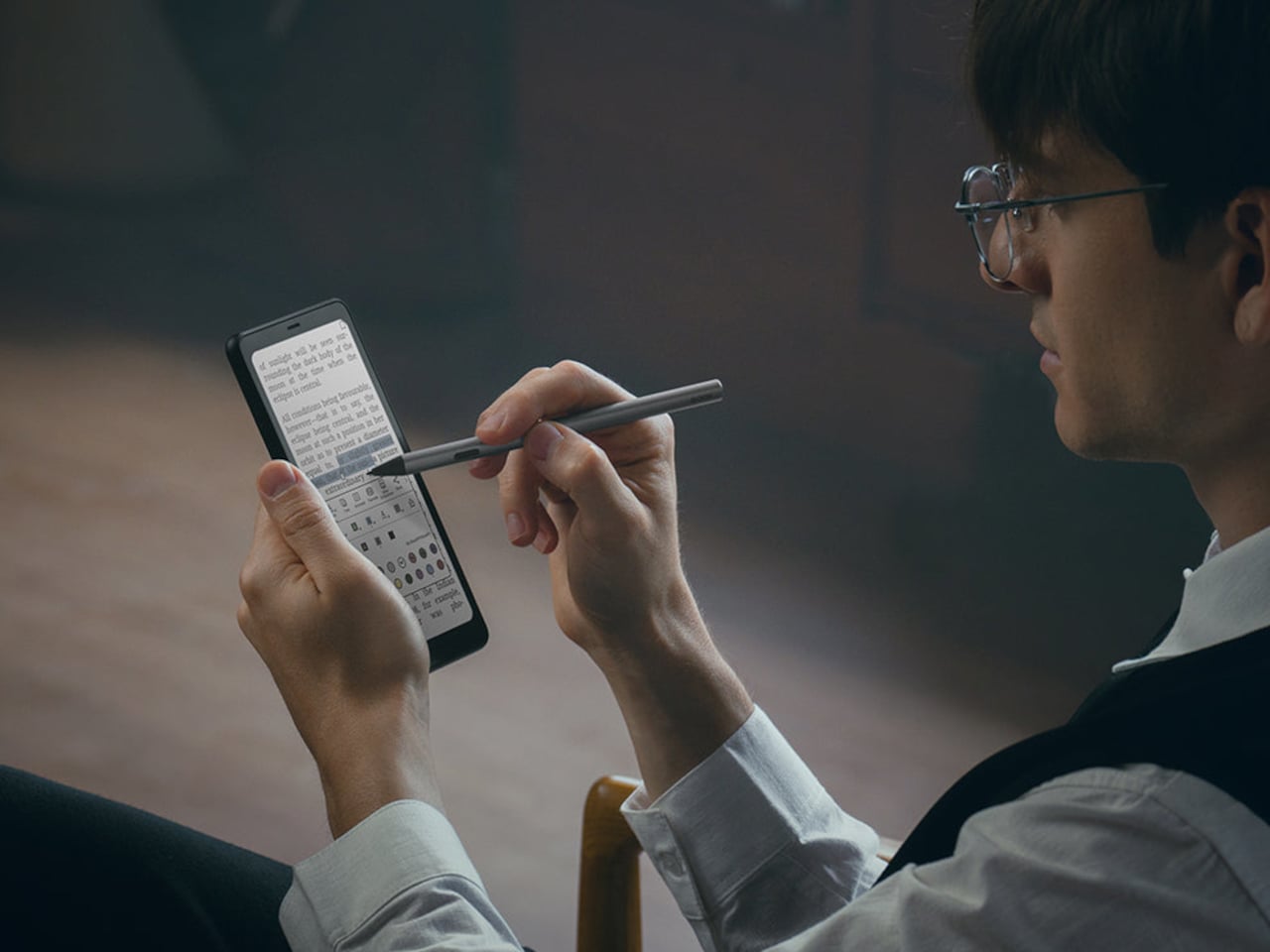
Phone legitimacy is the sacrifice here, which is a harder ask than anything else on this list. But the Palma 2 Pro delivers the best E Ink reading experience in a pocketable form right now. If your communication needs fit through apps like WhatsApp or Google Voice, and you’ve always wanted a reading device that travels independently, it’s a compelling choice at $399 that doesn’t fit any category neatly.
The post 5 E Ink Phones in 2026 Ranked by What They Still Ask You to Give Up first appeared on Yanko Design.
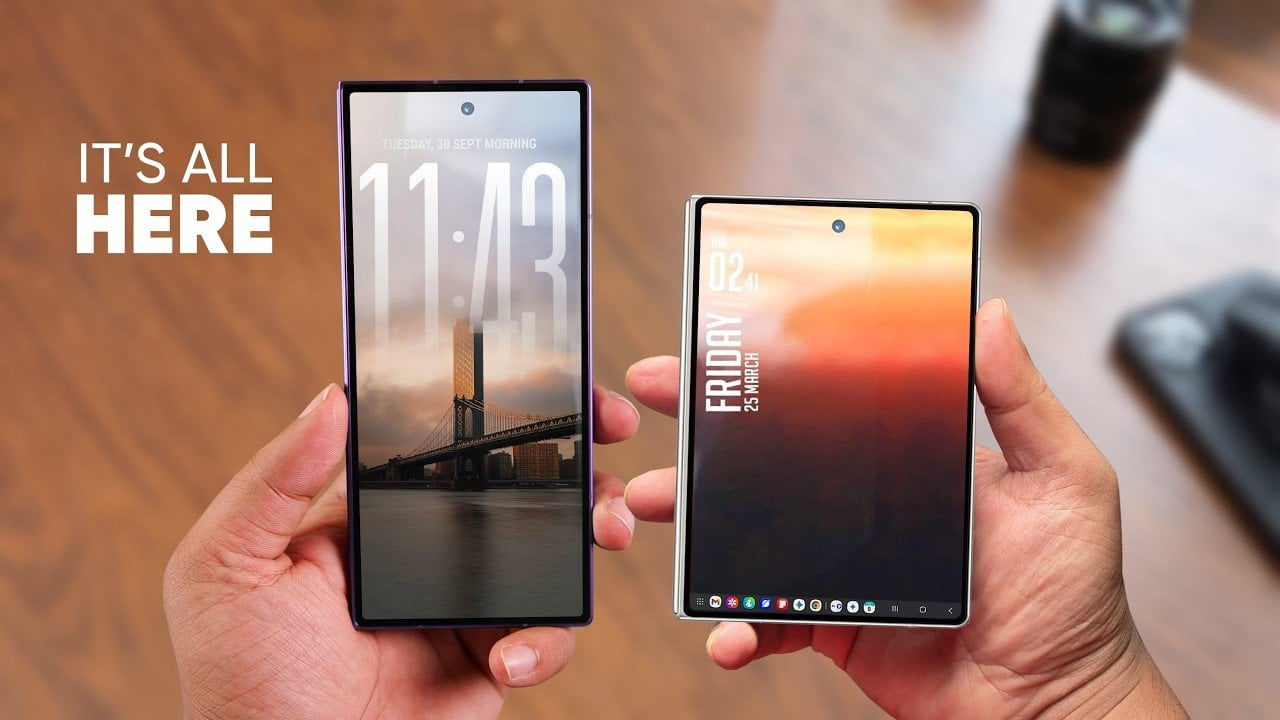
Samsung has officially launched its latest lineup of foldable smartphones and wearables, including the Galaxy Z Fold 8 Ultra, Z Fold 8, Z Flip 8 and Galaxy Watch Ultra 2. These devices bring notable advancements in durability, display technology, and battery performance, aiming to elevate user expectations in both the foldable and wearable markets. The […]
The post The Shocking Galaxy Z Fold 8 Ultra Design Details That Will Make Apple Nervous appeared first on Geeky Gadgets.

Apple has filed a lawsuit against OpenAI, alleging intellectual property theft and unethical recruitment practices. The legal filing claims that OpenAI hired over 400 Apple engineers, some of whom allegedly had access to proprietary information, including unreleased product designs and manufacturing techniques. Apple also accuses OpenAI of organizing sessions where sensitive materials, such as internal […]
The post Apple Sues OpenAI Over 400 Allegedly Poached Engineers appeared first on Geeky Gadgets.
Books tend to get stacked, shelved, and forgotten in most homes. They migrate from nightstand to floor to the corner of a couch, and the one you’re currently reading usually ends up spine-down on whatever surface is closest when you need both hands. Furniture design has solved almost every other interaction you have with objects in a room, but the relationship between people and the books they’re reading hasn’t received much considered attention.
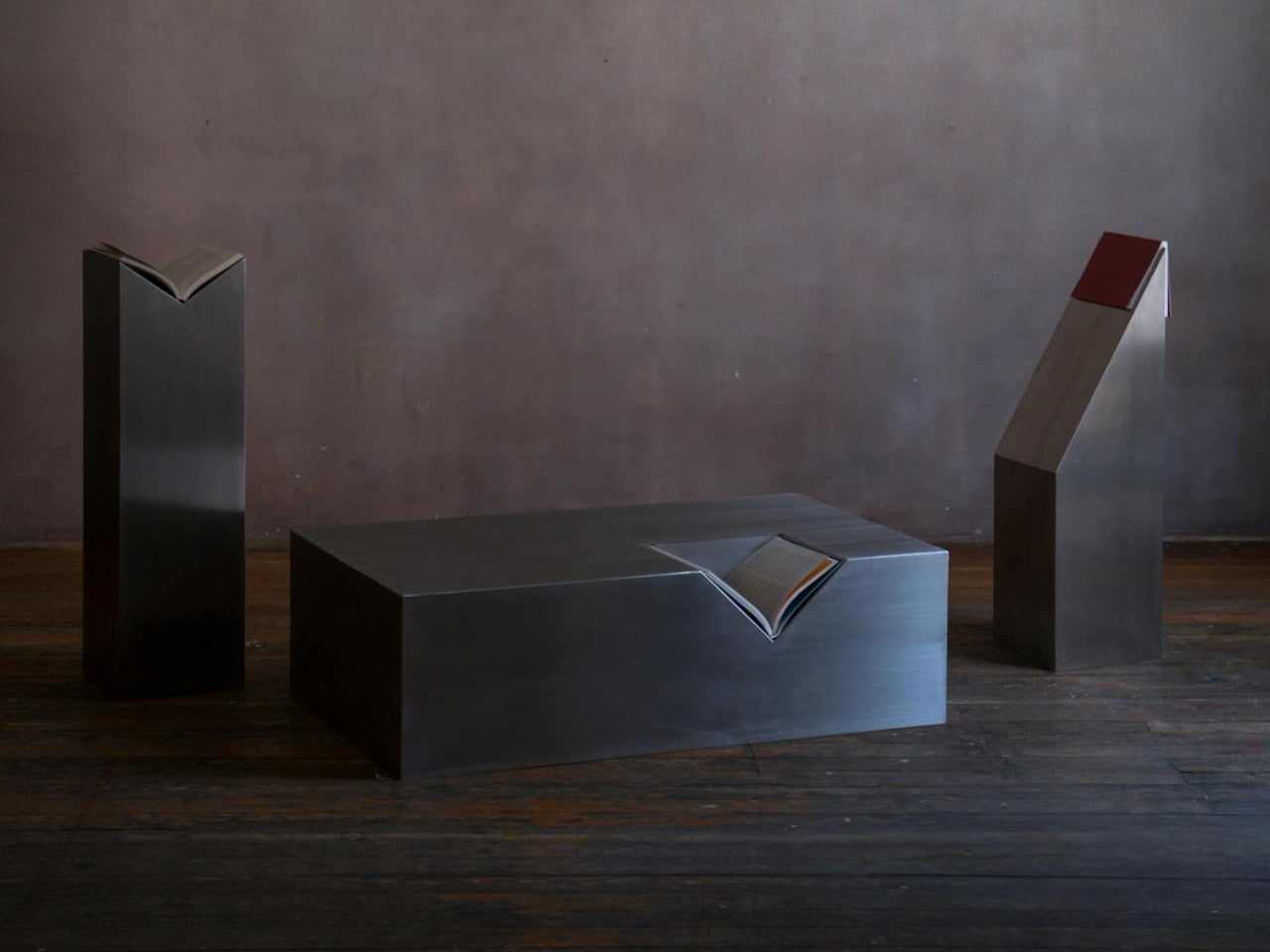
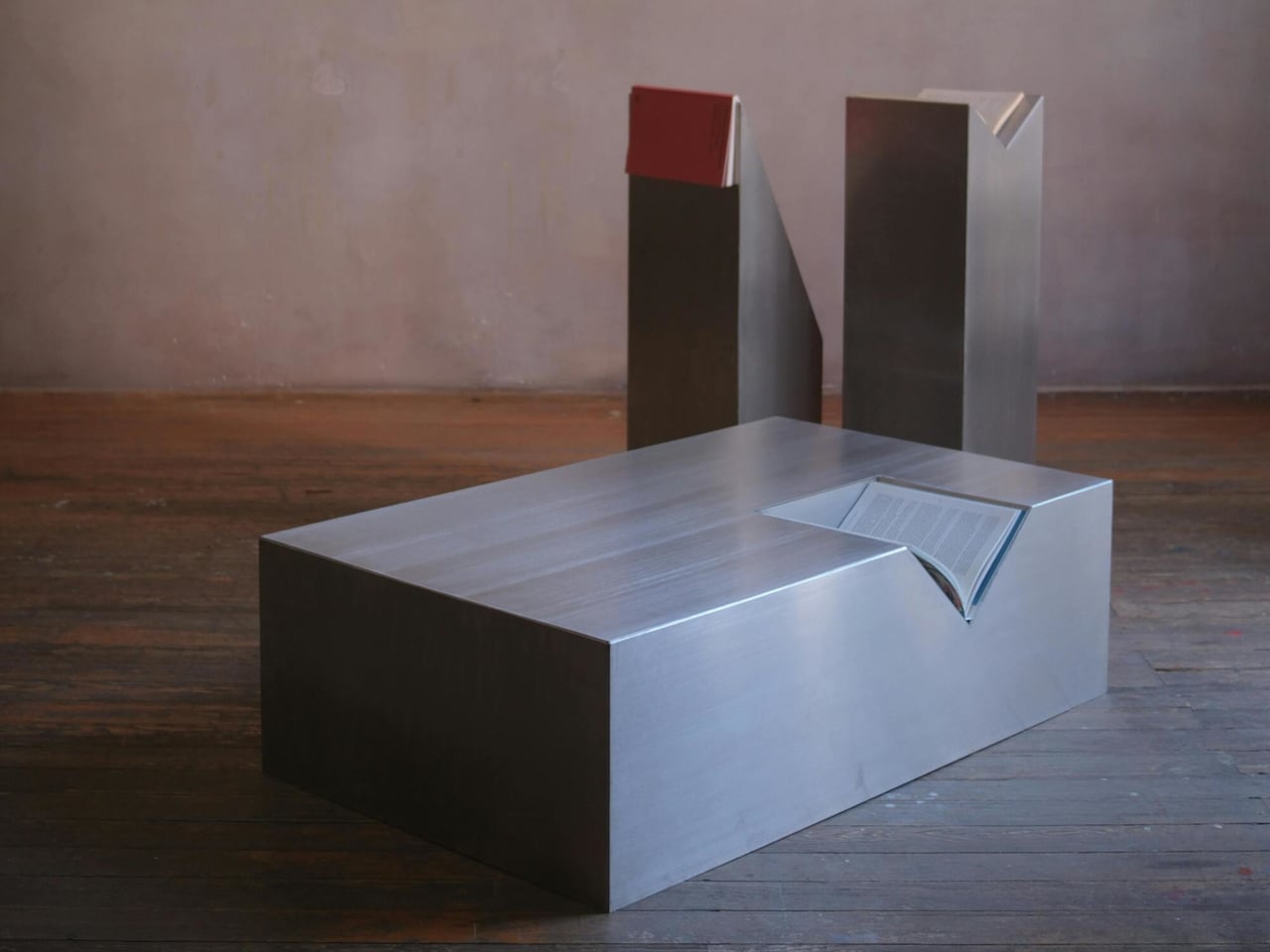
The Totem collection from Eran approaches that problem seriously. It’s a series of stainless steel furniture pieces that hold books as a primary function, not a secondary feature. Each piece has a precisely cut slot integrated into the steel that keeps a book in place, whether closed or open, at a specific height and angle. The slot isn’t decorative. It’s the whole point.
Designer: Fernanda Díaz Tijerina
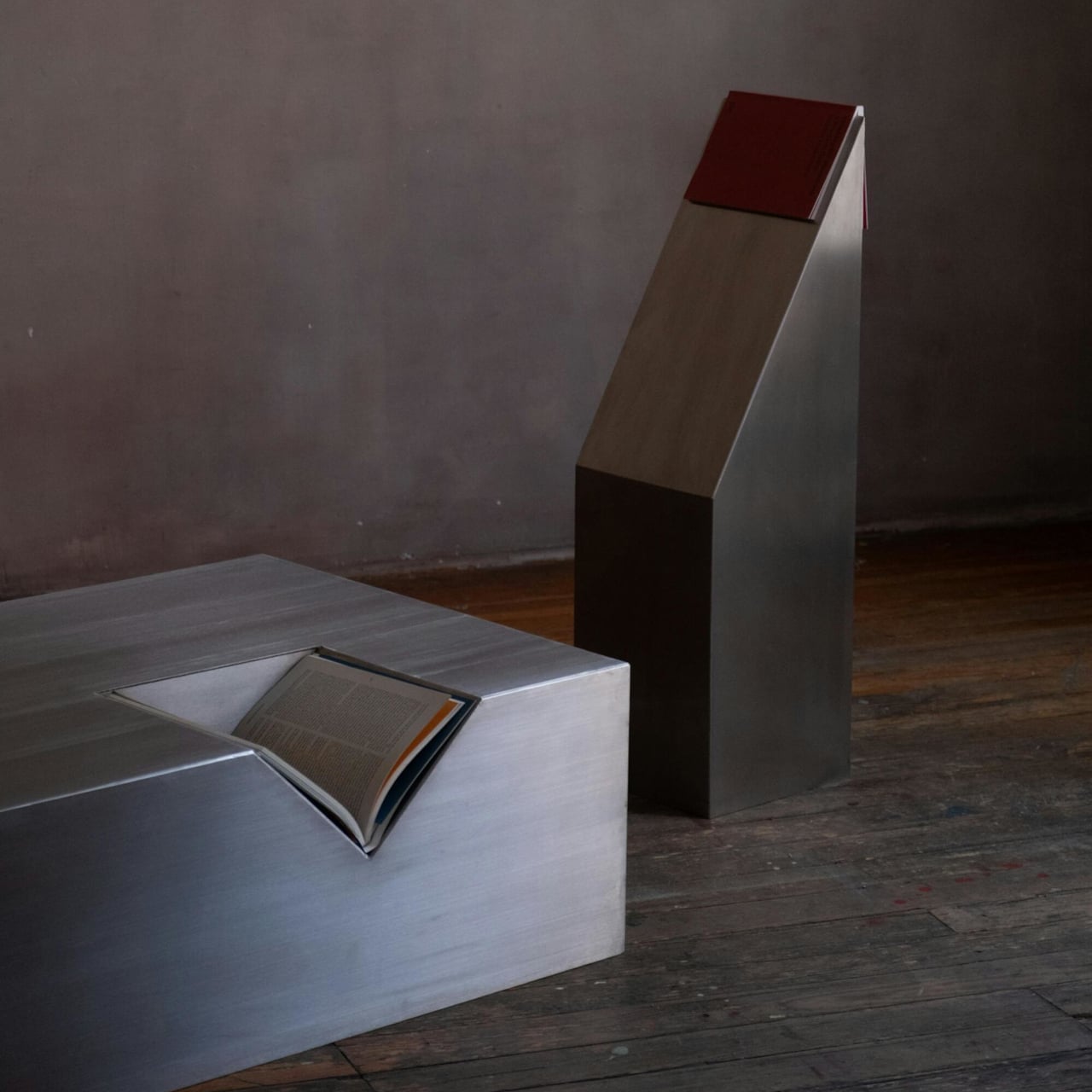
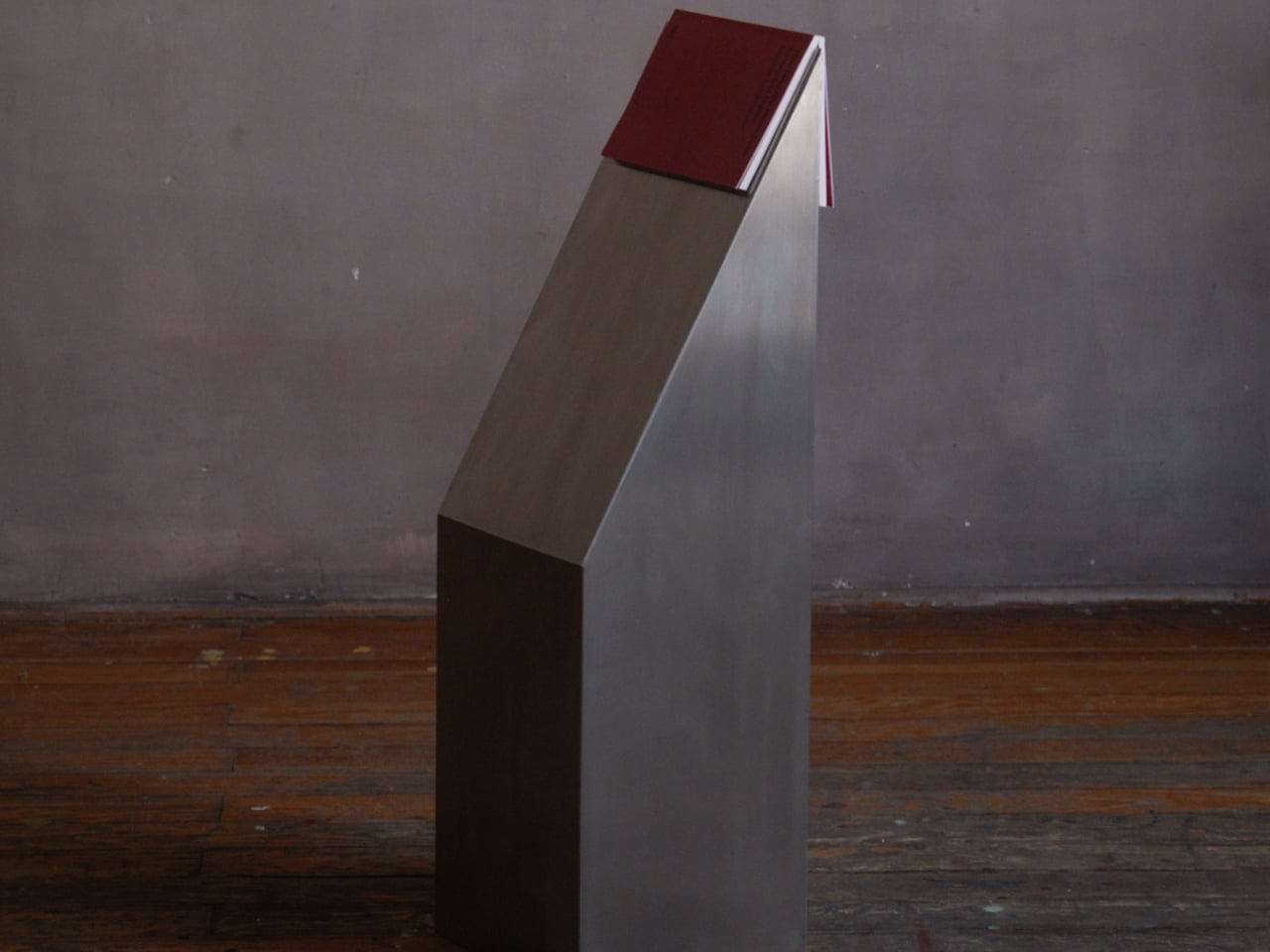
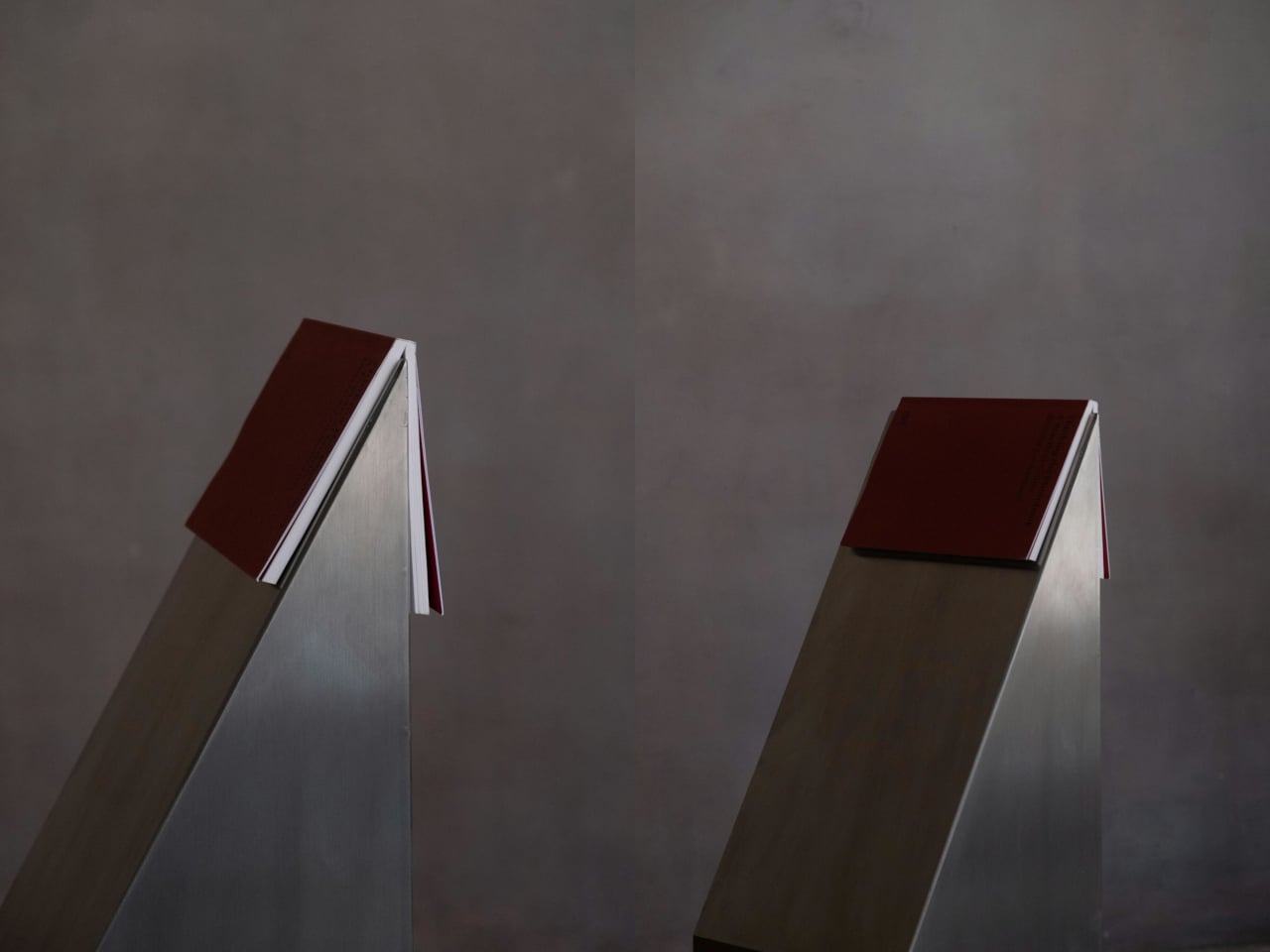
The collection includes two standing totems and a coffee table, all in brushed stainless steel with a matte finish. One totem is a tall rectangular column with a V-shaped notch cut into the flat top, wide enough to hold an open book by its spine with pages splayed upward like wings above the steel. The other has an angled face cut diagonally from the top, with a slot along that edge that tilts the book upward at a display angle.
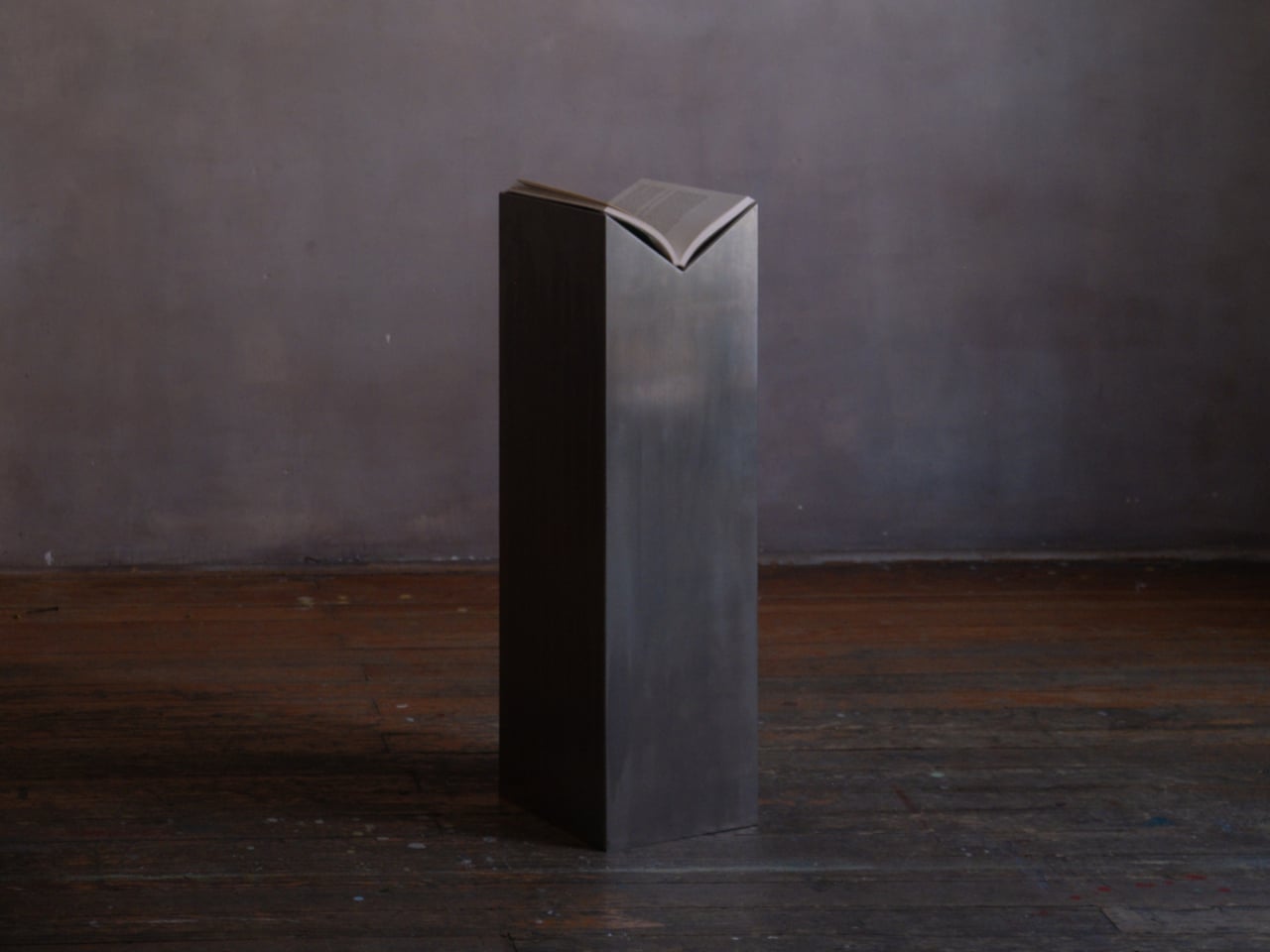
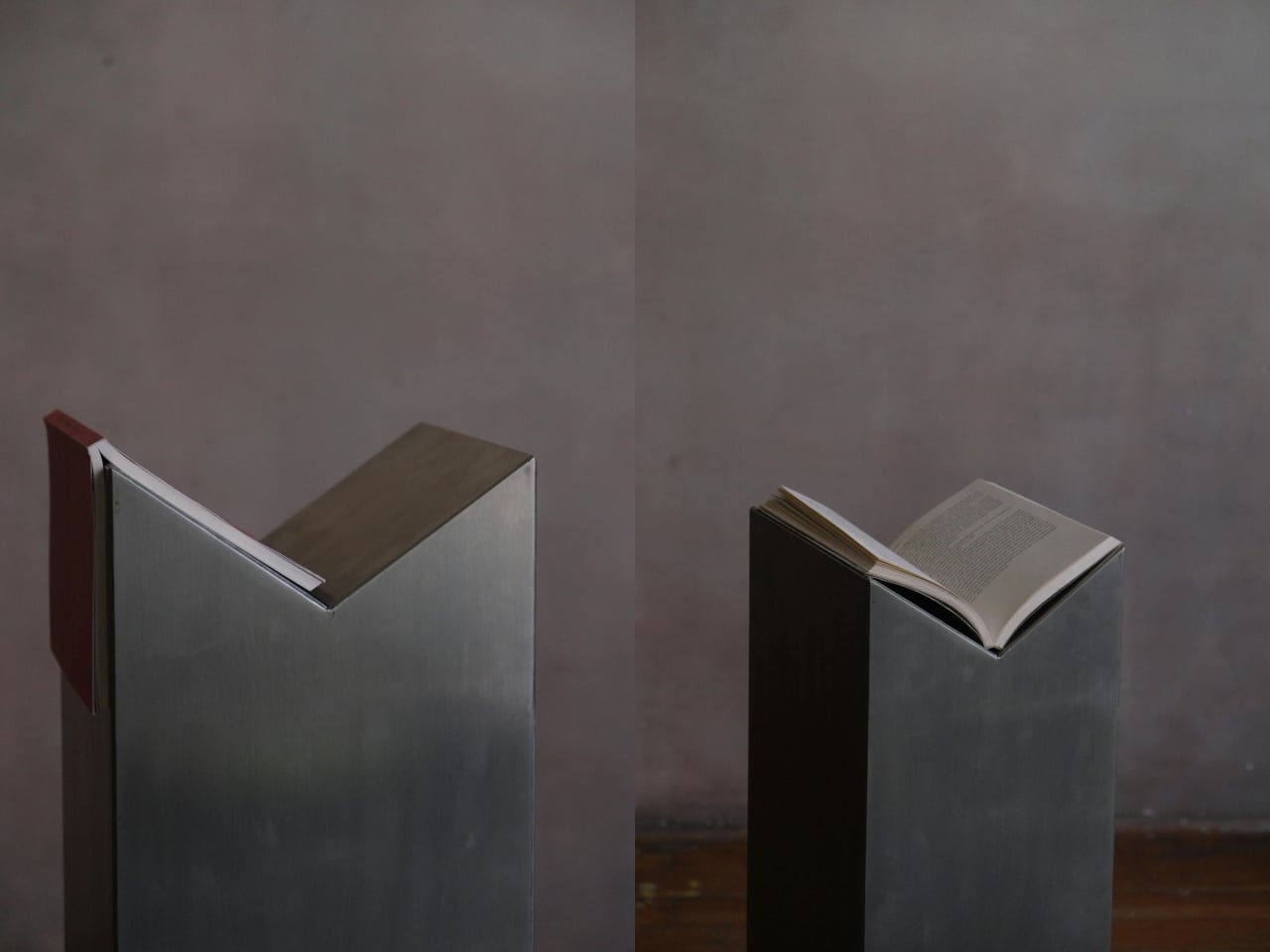
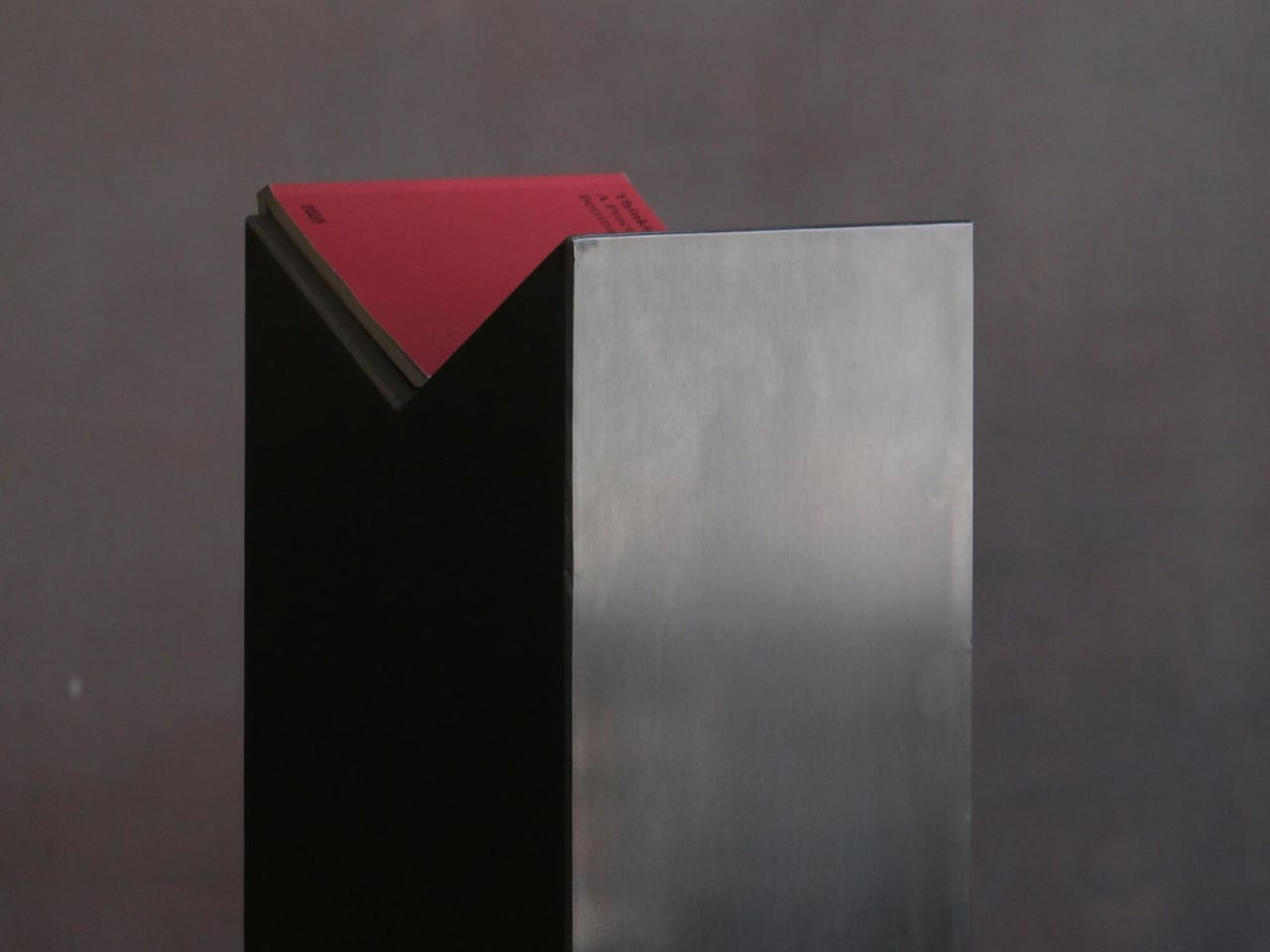
That’s a meaningful distinction from a bookend or a reading stand. The totems are floor-standing, placing a held book at roughly chest height, which makes picking it up feel more like choosing something from a collection than retrieving it from a pile. The sculptural quality holds whether a book is in the slot or not, but the slot gives each totem a reason to exist beyond decoration, and beyond what most furniture does with books at all.
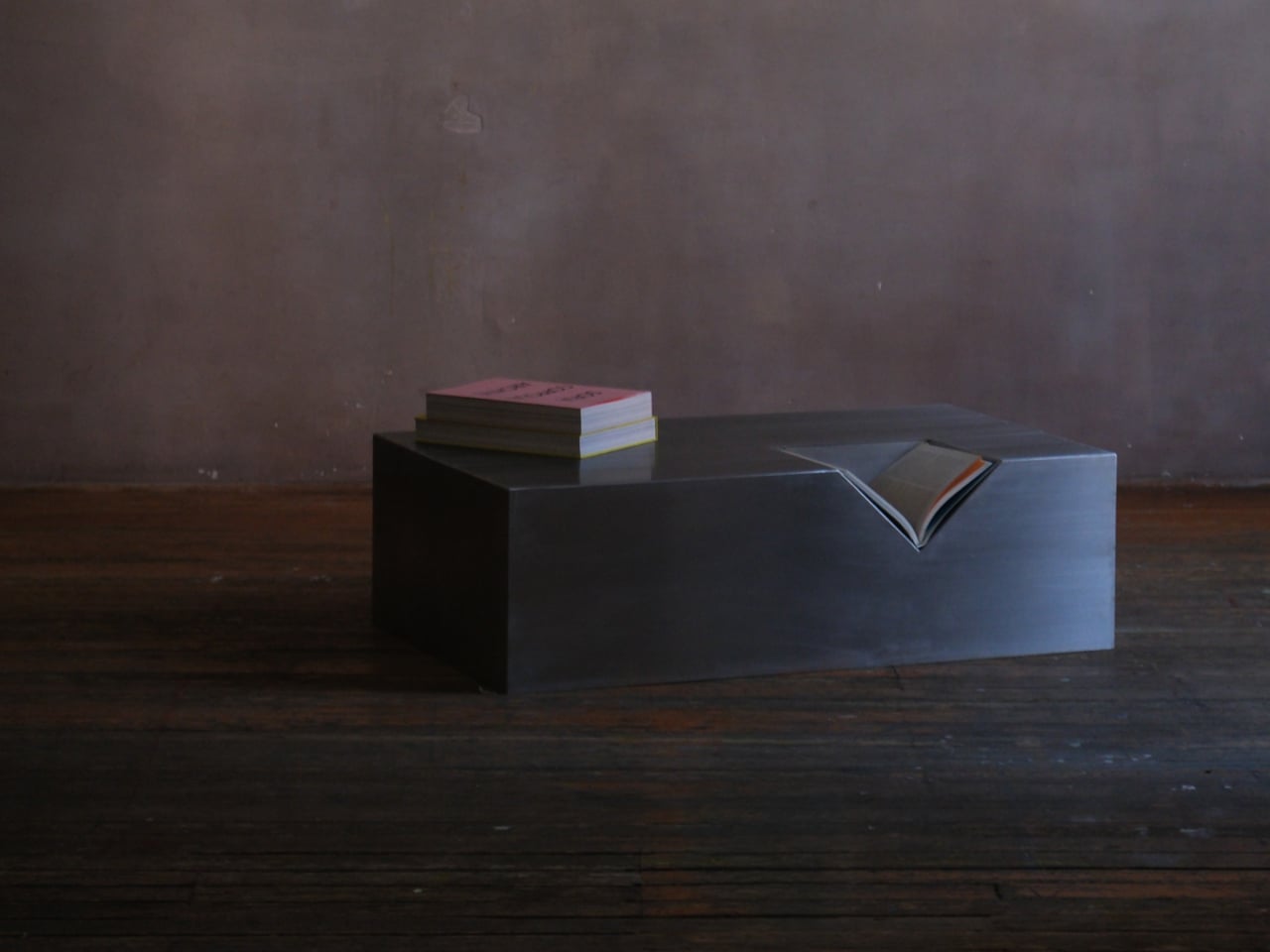
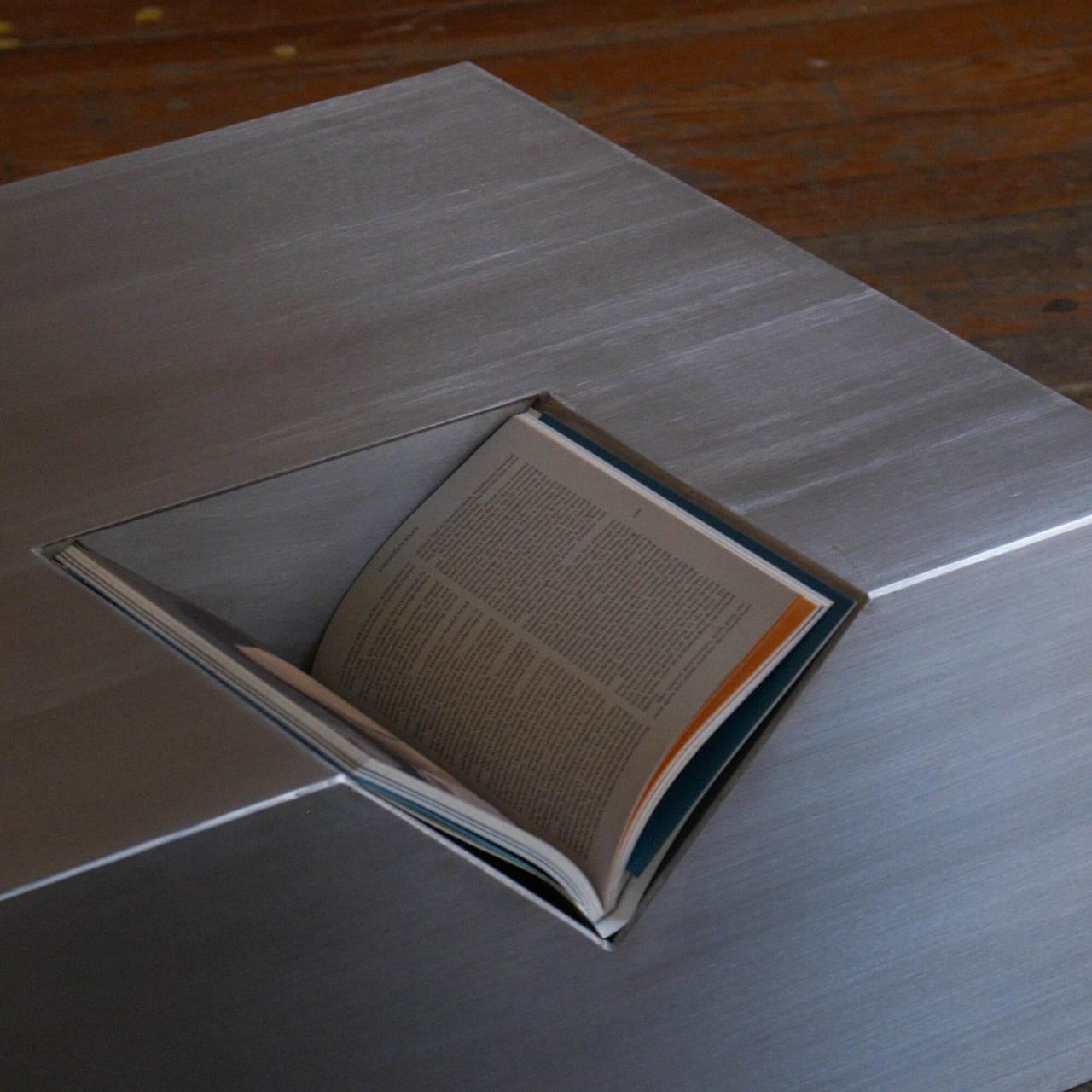
The coffee table operates on the same logic at a different scale. A diagonal slot runs across part of the steel surface, holding an open book at a shallow, readable angle while the flat area remains free for other objects. It’s a small structural decision that changes how you interact with the table. A book placed in the slot reads as intentionally parked rather than absentmindedly abandoned, which turns out to be a more significant distinction than it sounds.
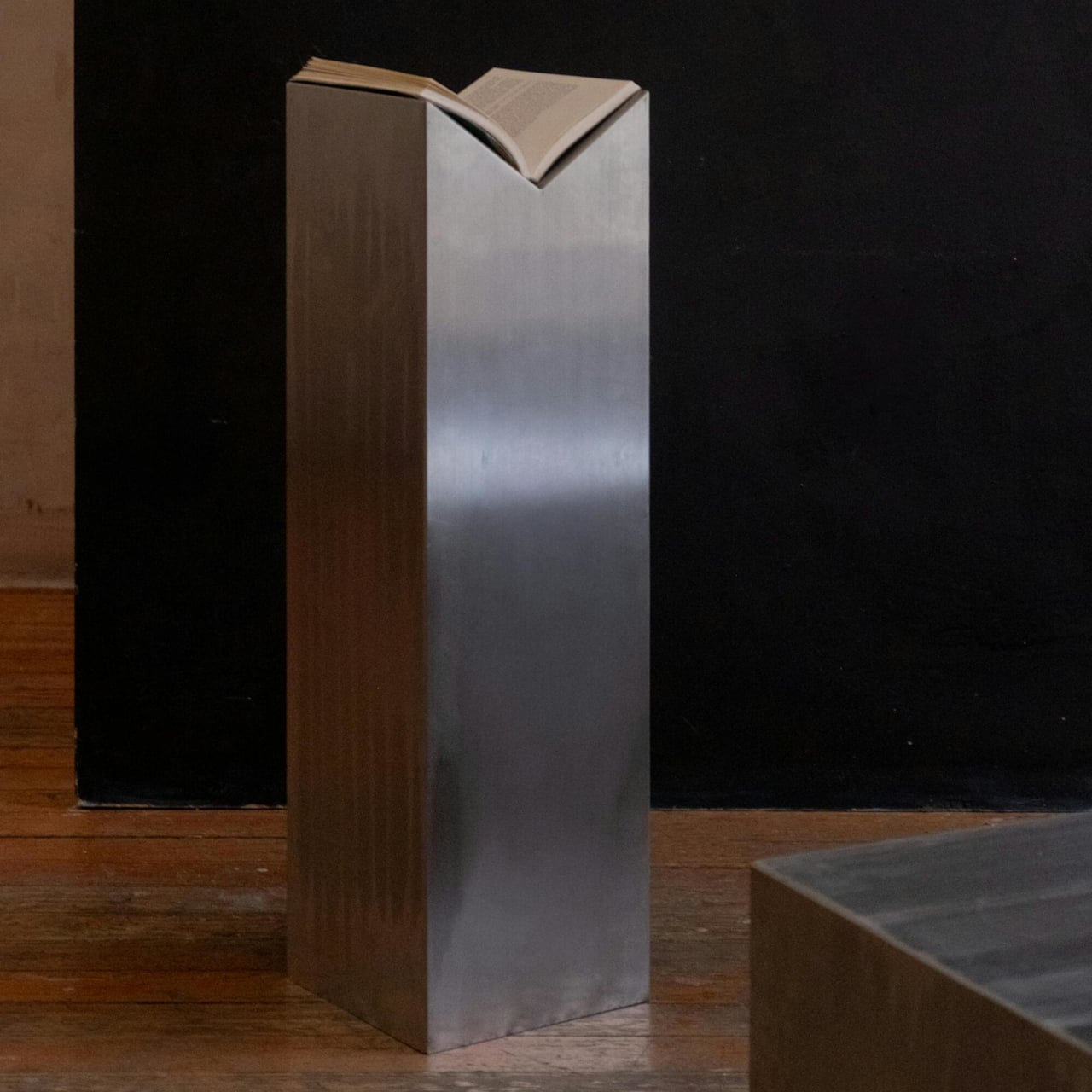
Eran’s studio philosophy fuses artisanal work with a vision that connects the past and present, and the Totem name draws on archaeological totemic sculptures found across Mexico. That framing does real work here. A totem holds something up, marks it as significant. Dedicating a piece of furniture specifically to keeping a book accessible and presented changes what the book means in a space, and the collection is made in Mexico, entirely in stainless steel, sitting at the intersection of furniture and sculpture with enough conviction that neither category alone quite covers it.
The post Eran’s Steel Furniture Displays Books Like Artifacts Worth Keeping first appeared on Yanko Design.
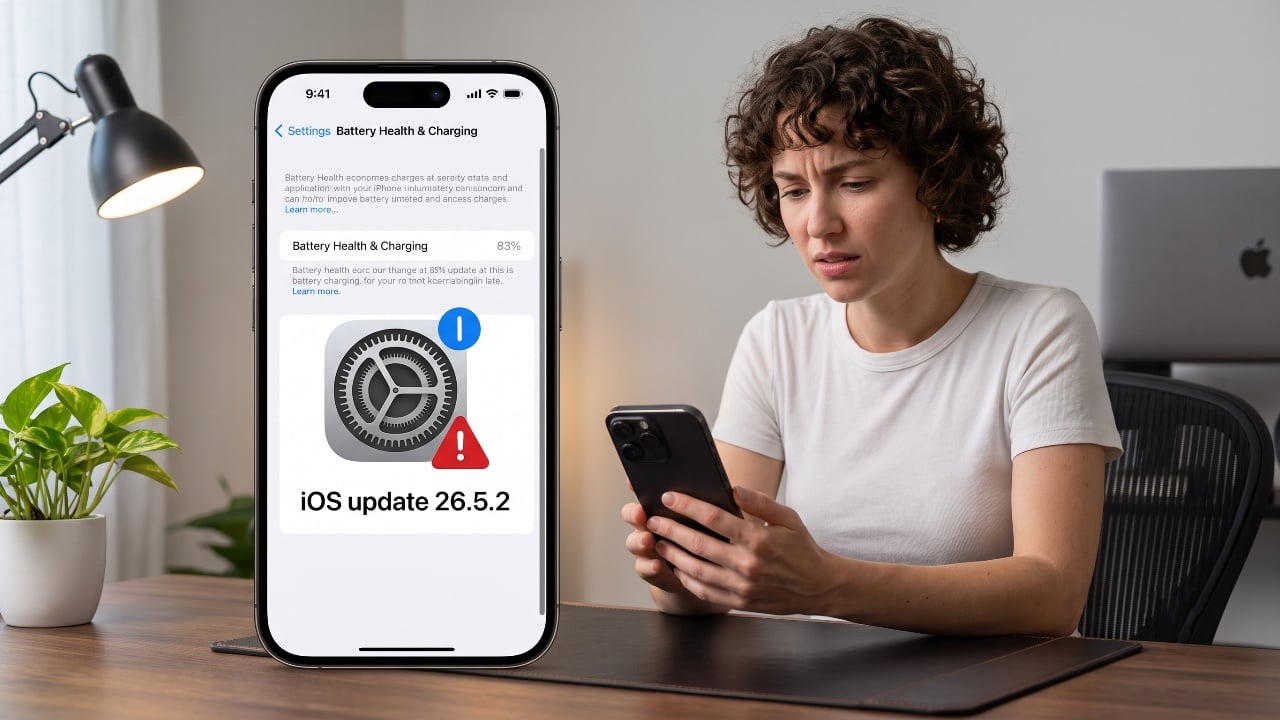
The release of iOS 26.5.2 has brought a mix of improvements and challenges for users. Among the most pressing concerns are persistent battery drain and overheating problems, which have persisted longer than the typical adjustment period following an update. While it’s common for devices to recalibrate and run background tasks after a major update, these […]
The post How to Instantly Stop iOS 26.5.2 Battery Drain and Overheating appeared first on Geeky Gadgets.
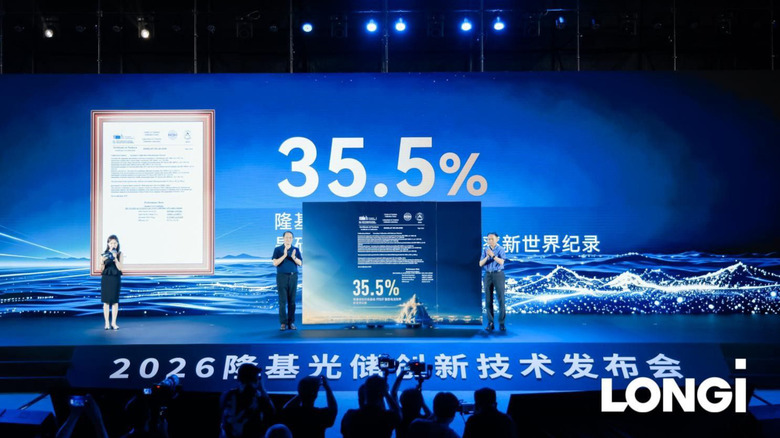

The Kimi K3, unveiled by Moonshot AI, has quickly drawn attention for its ability to outperform established models like Fable 5 and GPT-5.6 in key areas. With a staggering 2.88 trillion parameters and a 1 million token context window, it offers unmatched scalability and precision. Notably, its “Kimi Delta Attention” mechanism accelerates processing speeds by […]
The post New Moonshot Kimi K3 AI Challenges Fable 5 and ChatGPT 5.6 appeared first on Geeky Gadgets.
The World Cup Final happens once every four years. You’ve watched the group stages on your phone, followed the knockouts with one eye on a laptop, and somehow made it to Sunday without a setup that actually matches the occasion. This is the match worth doing properly. Not with a sports bar crowd and warm beer, but from your own couch, with everything exactly where it should be.
The difference between a good viewing setup and a great one isn’t the size of your TV — it’s the details around it. The glass you’re drinking from, the surface your snacks sit on, the sound filling the room. These eight picks are the things that turn three hours on a couch into something worth remembering.
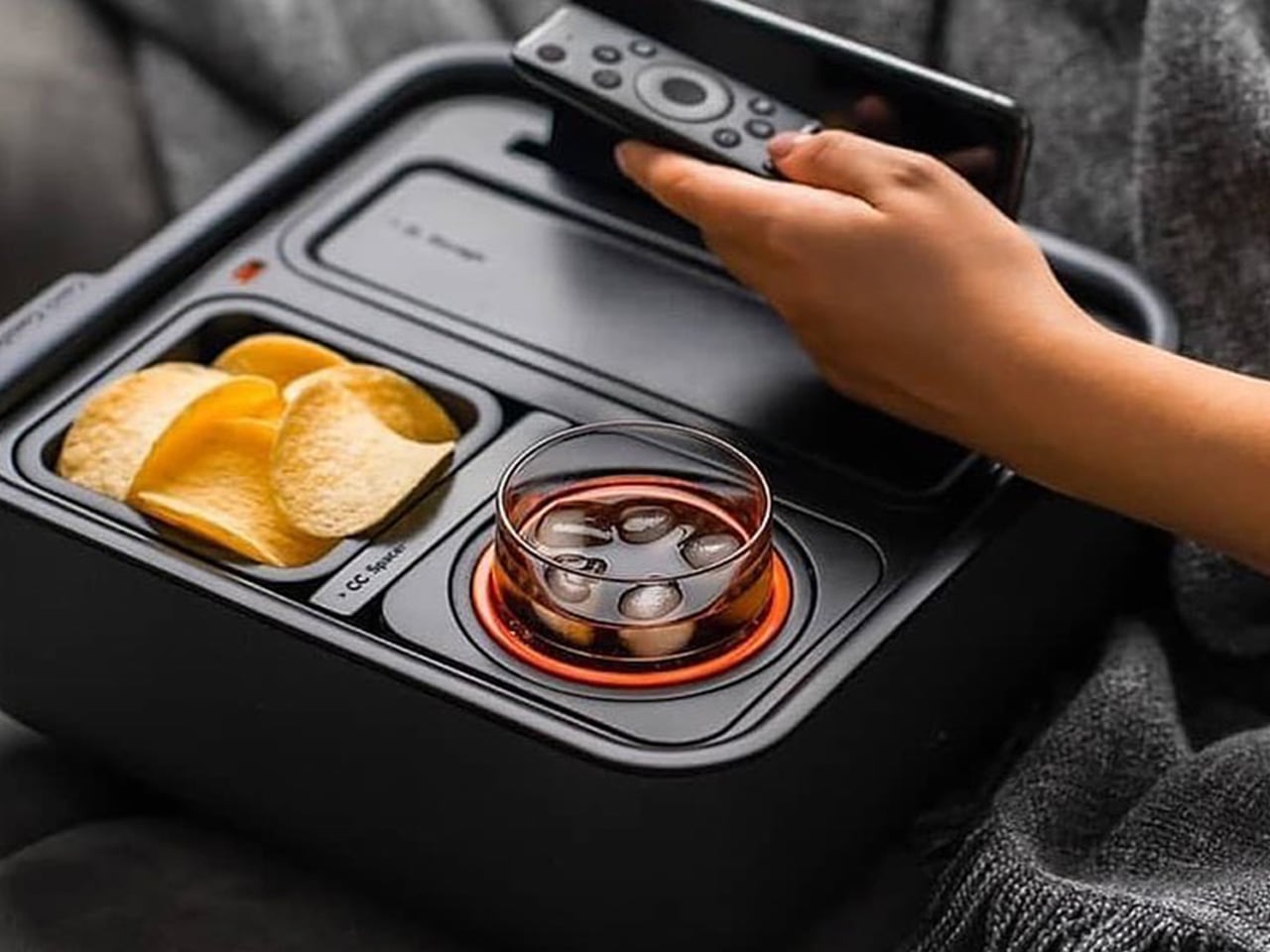
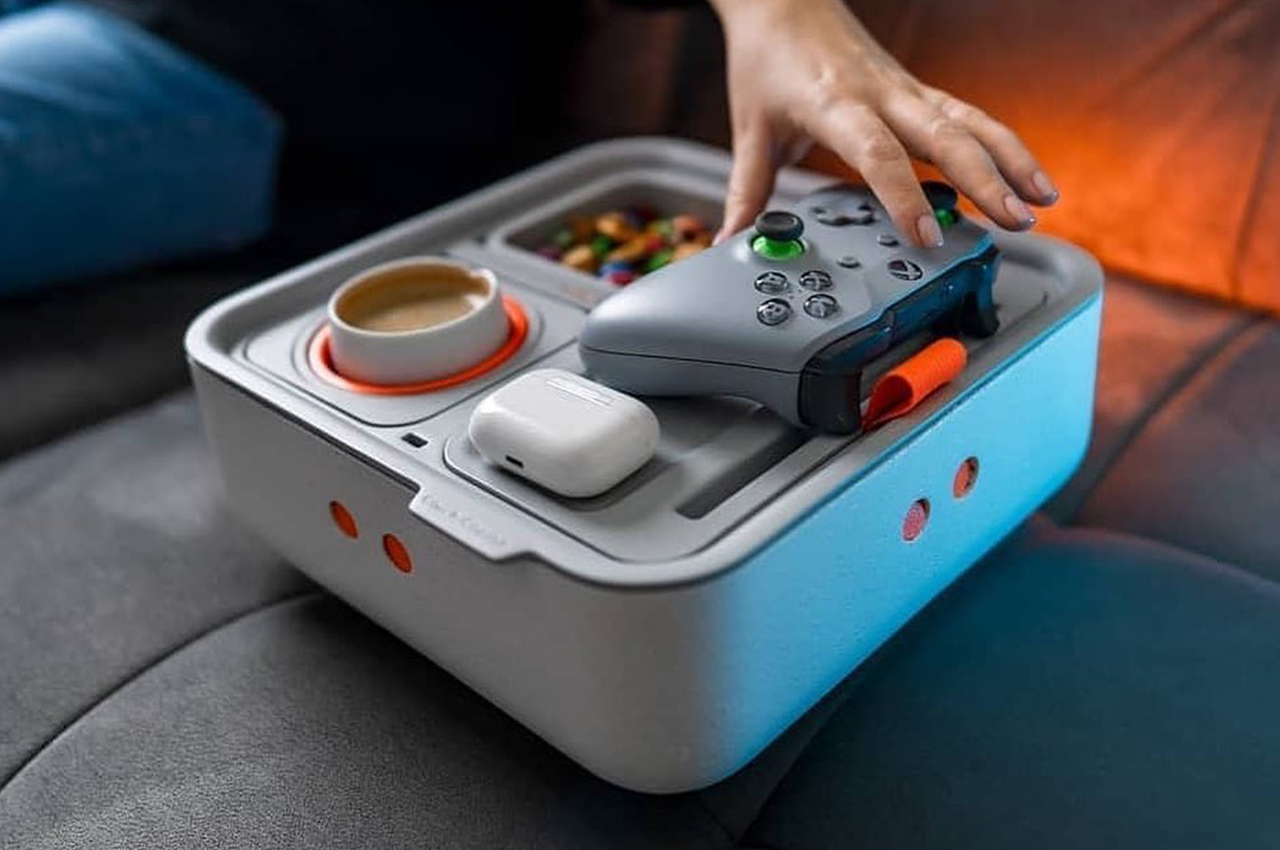
The Couch Console is the anchor of the whole setup. Built with a gyroscopic mechanism that keeps drinks level regardless of how you’re sitting, it solves the single most stressful problem of couch-based viewing — the spill. It clips onto your cushions, stays stable, and holds a drink, snacks, and your phone in one compact footprint. For a 90-minute match that goes to extra time and penalties, that reliability matters more than any individual feature.
Beyond the gyroscope, the Couch Console comes with a USB-C hub built into the top, which connects to whatever external battery you have tucked into its onboard storage space. That means your phone is charging while you watch, your snacks are within reach, and your drink is never in danger. It’s the kind of product that sounds like a novelty until the moment you actually use it, and then it seems obvious that this should have existed all along.
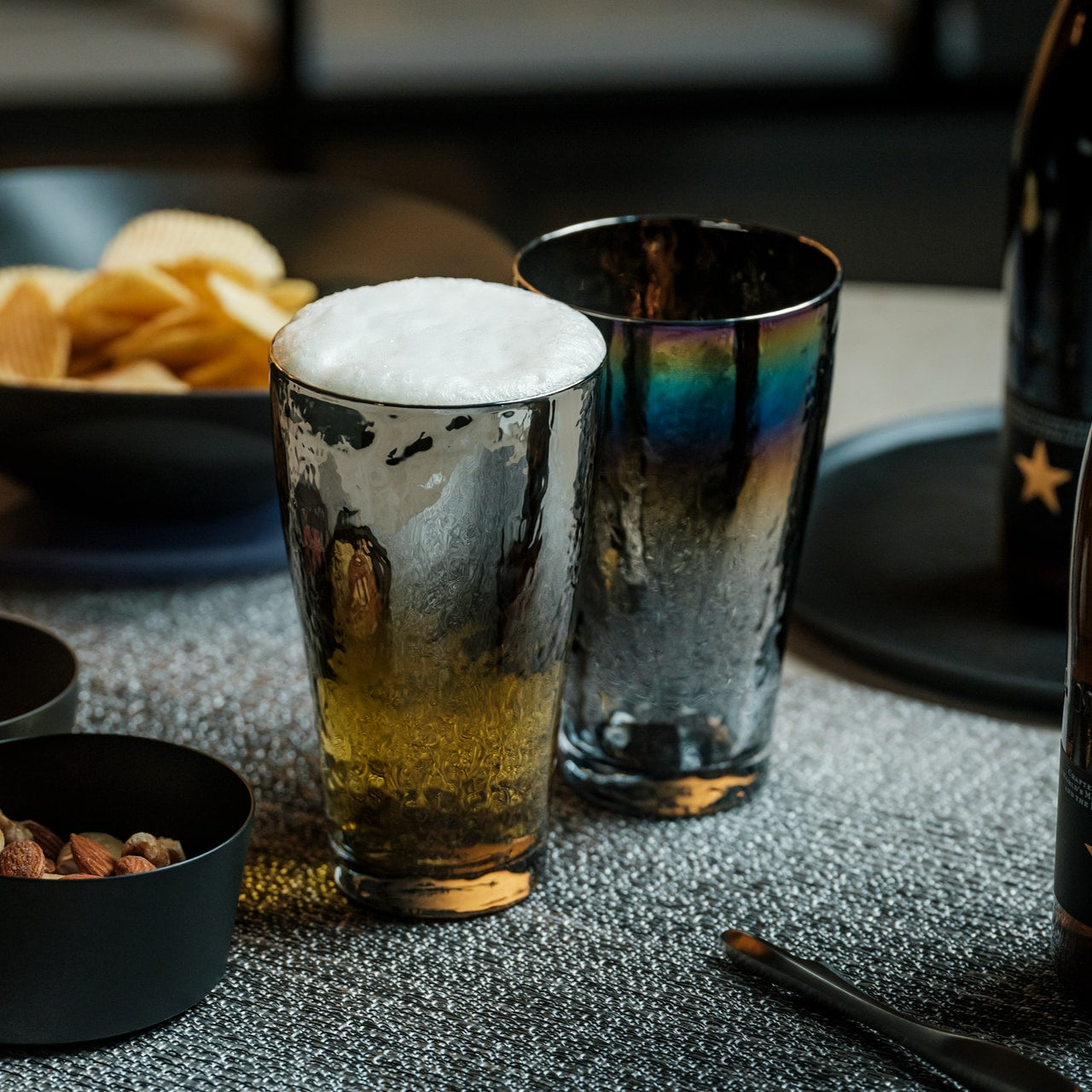
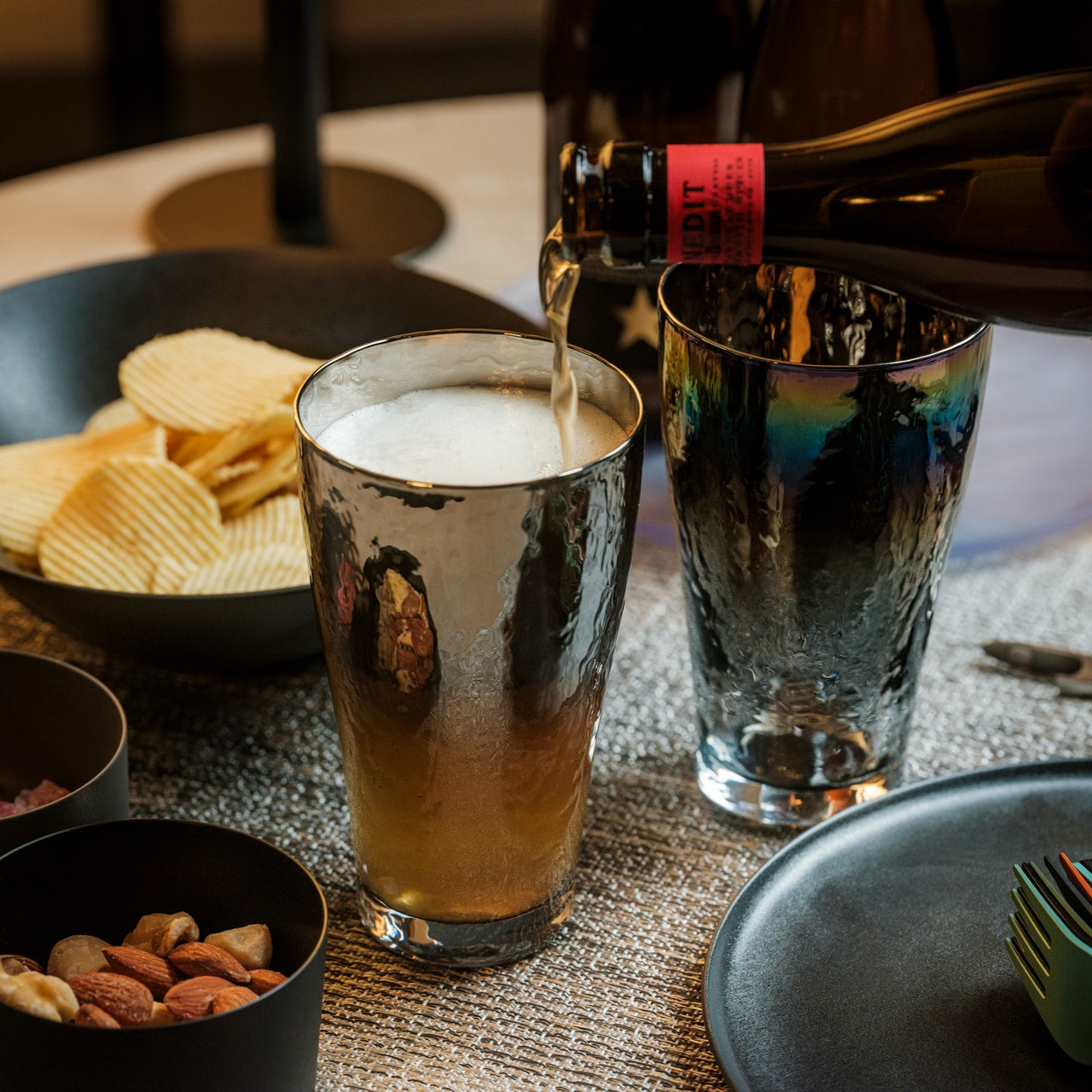
Titanium is not the obvious material for a beer glass, which is exactly what makes this interesting. The Prism glass is machined into a faceted form that catches light differently from every angle. It keeps cold drinks colder for longer than glass or ceramic, and at a fraction of the weight. For a match that runs close to three hours, the temperature retention moves from nice detail to genuinely practical specification.
The faceted prism geometry is the real story here. It gives you something to hold onto — the angles grip naturally in the hand — and visually, it elevates what you’re drinking without any effort on your part. Whether it’s beer, soda, or water during extra time, the experience of drinking from something this considered changes how the whole evening feels. It’s a small object that does a lot of quiet work sitting on the table beside you.
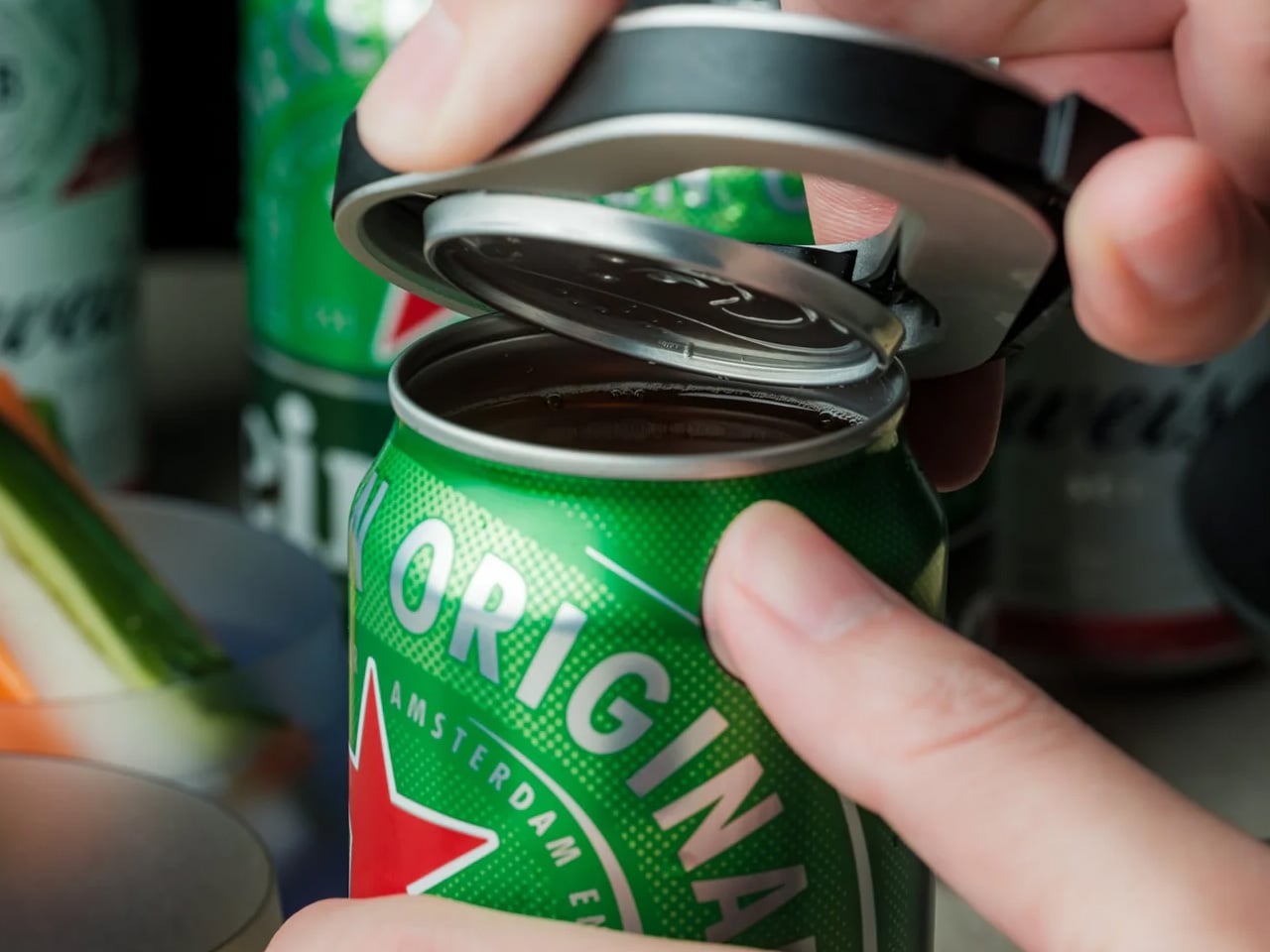
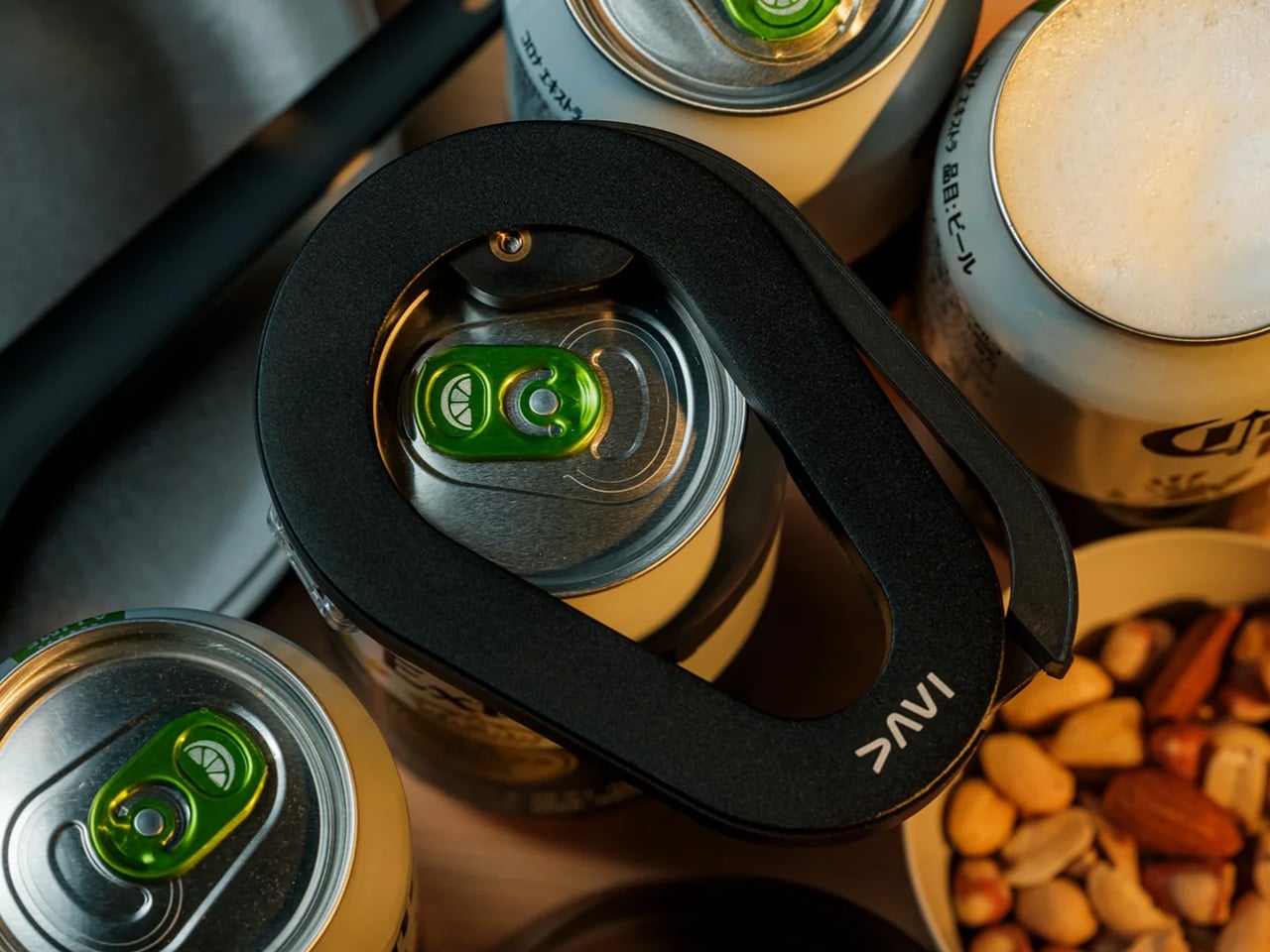
The DraftPro removes the entire top of a can rather than punching a small opening into it. The result is that your beer pours and drinks exactly like it would from a pint glass — full exposure, no restricted airflow, better foam, better aroma. For anyone who thinks canned beer is a compromise, this is the counterargument. It takes seconds to operate, works on standard-sized cans, and changes the experience of drinking from a can completely.
The design of the DraftPro is compact and considered. It doesn’t look like a kitchen tool — it looks like something you’d keep in an EDC kit. There’s no mechanical complexity to worry about, no blades to expose carelessly, and no learning curve. You place it, press, and the top comes away cleanly. For a viewing party with multiple people opening multiple cans across ninety minutes, that consistency and speed matter more than it might initially seem.


The GravaStar Mars Pro is described as a desktop sculpture that happens to deliver excellent audio performance. At 5.5 pounds, it doesn’t move around — it sits on your TV unit or side shelf and owns the space. For the World Cup Final, where the commentary, crowd noise, and the crack of a well-struck shot all deserve to be heard properly, having a speaker that takes audio seriously changes how the whole room feels during the match.
The industrial design is unapologetically dramatic. It looks like something from a science fiction prop department, which in a living room full of people watching the world’s biggest football match feels entirely appropriate. You’re not going for subtle on Sunday. The Mars Pro doesn’t disappear into the room — it adds to it, visually and sonically. For anyone whose TV speakers plateau at acceptable, this is the correction worth making before kickoff.
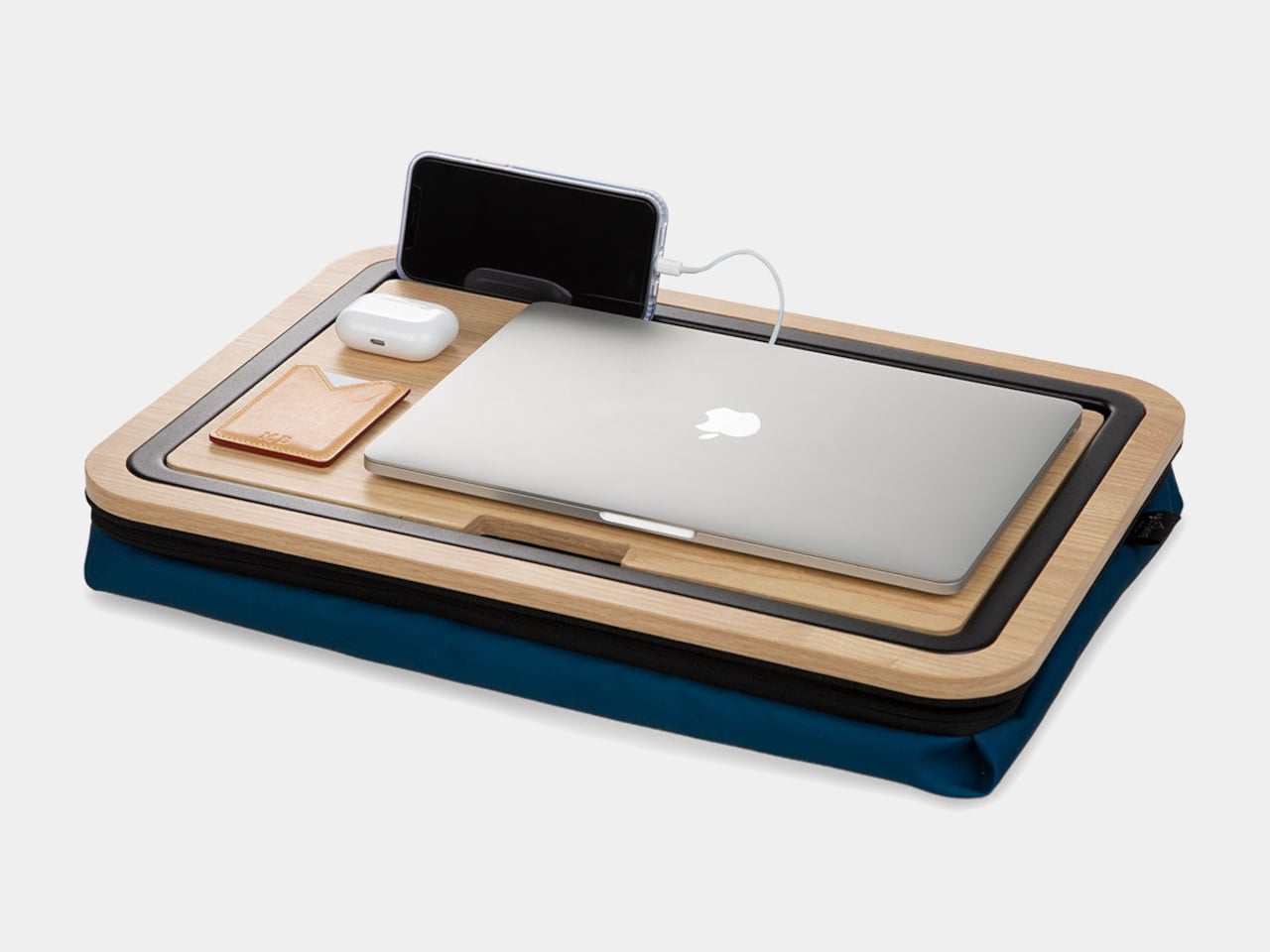
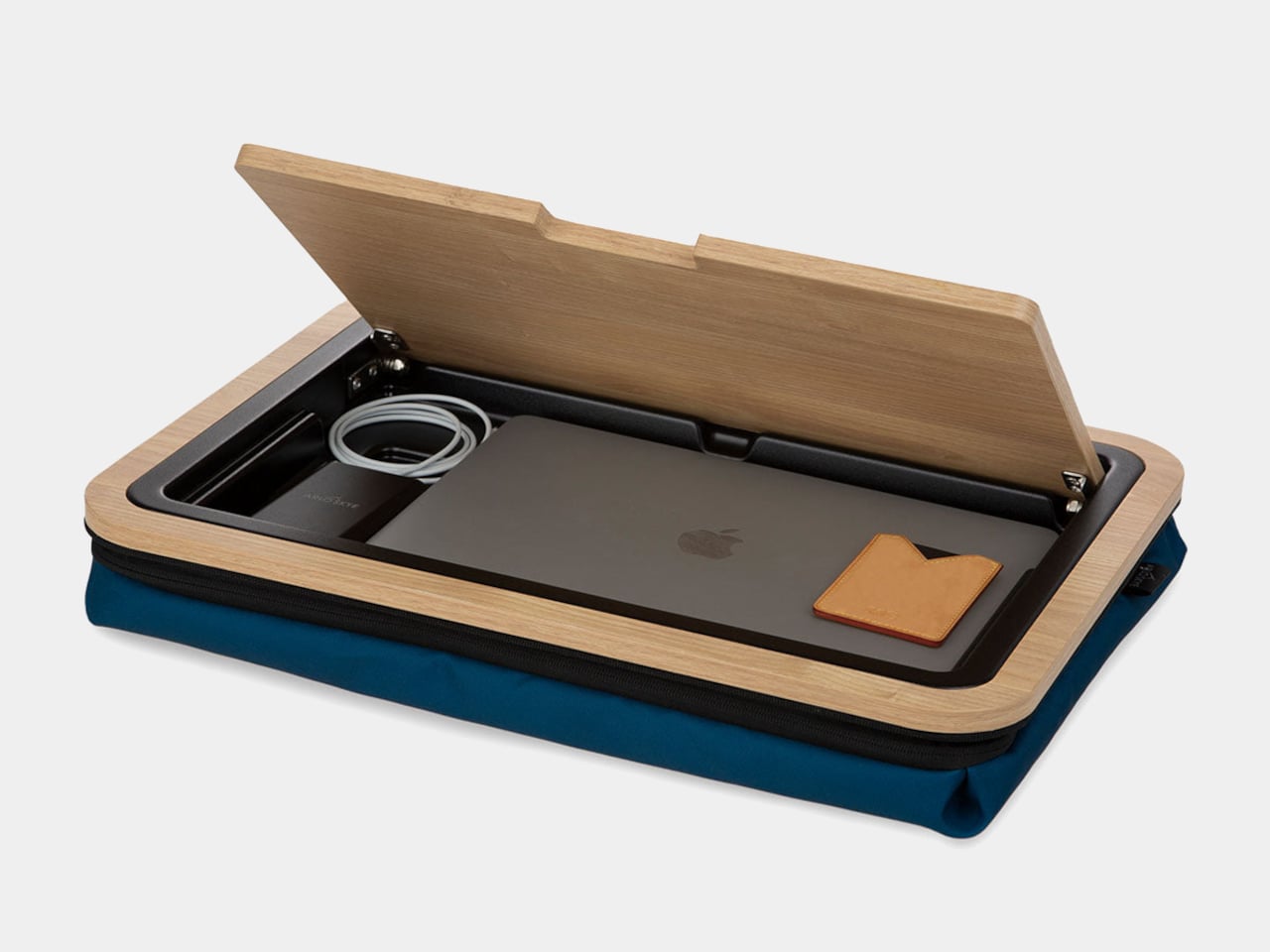
The Stowaway Lap Desk features an ability to hide a laptop inside when the workday ends. For the World Cup Final, the laptop stays out of it entirely — what you want is the desk’s secondary function, which the original article notes directly: it doubles as a side table or serving tray, holding snacks or drinks on the couch without requiring a separate surface. That’s the pitch, and it’s a good one.
The material and form of the Stowaway are designed to look intentional rather than improvised, which matters when you have people over. A lap tray that looks like a lap tray reads as an afterthought. This reads as furniture. It gives everyone on the couch a stable flat surface for the halftime spread without turning the room into a camping setup. It works on your lap, on the cushion beside you, or balanced across the armrest with equal confidence.
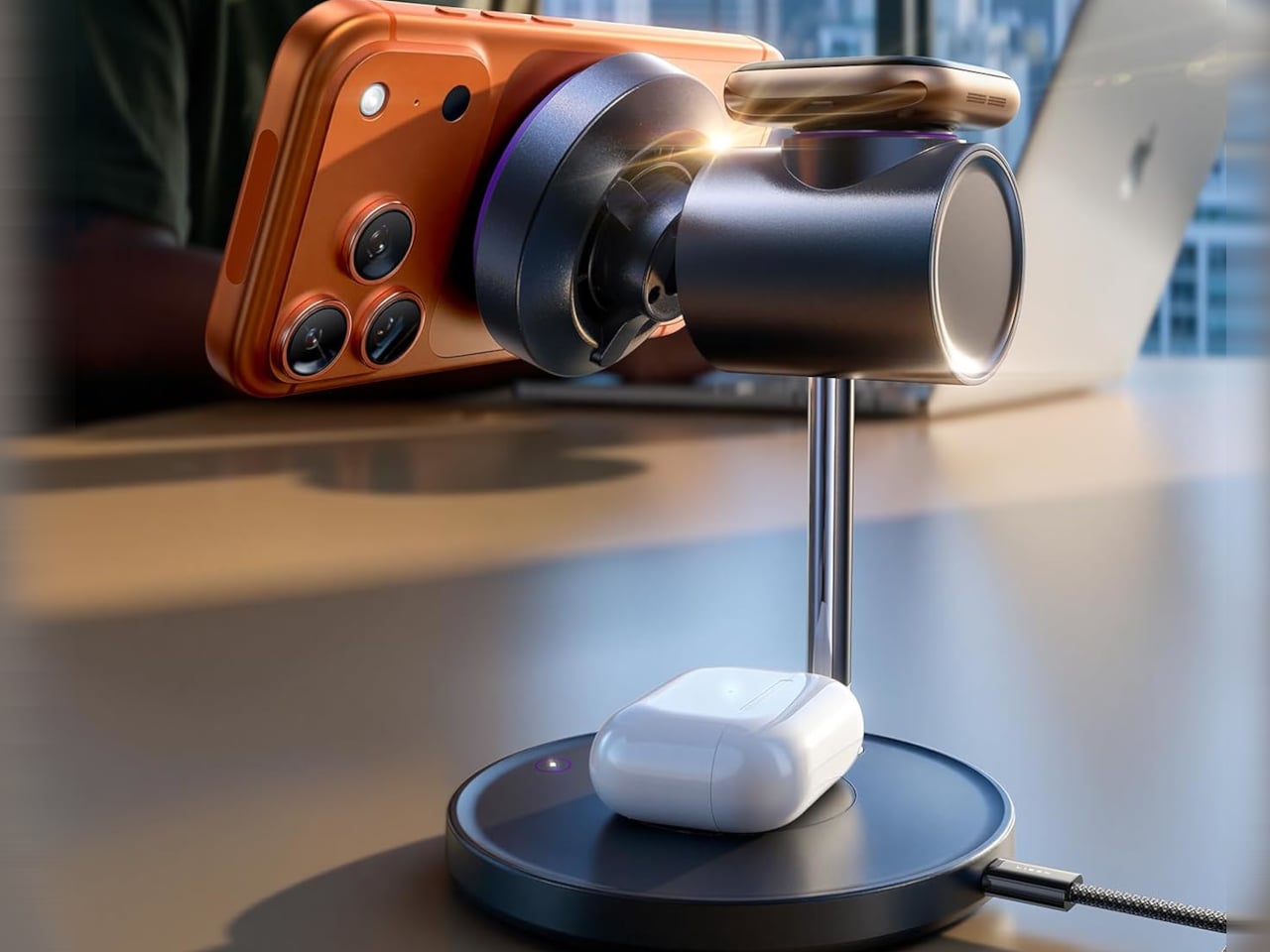
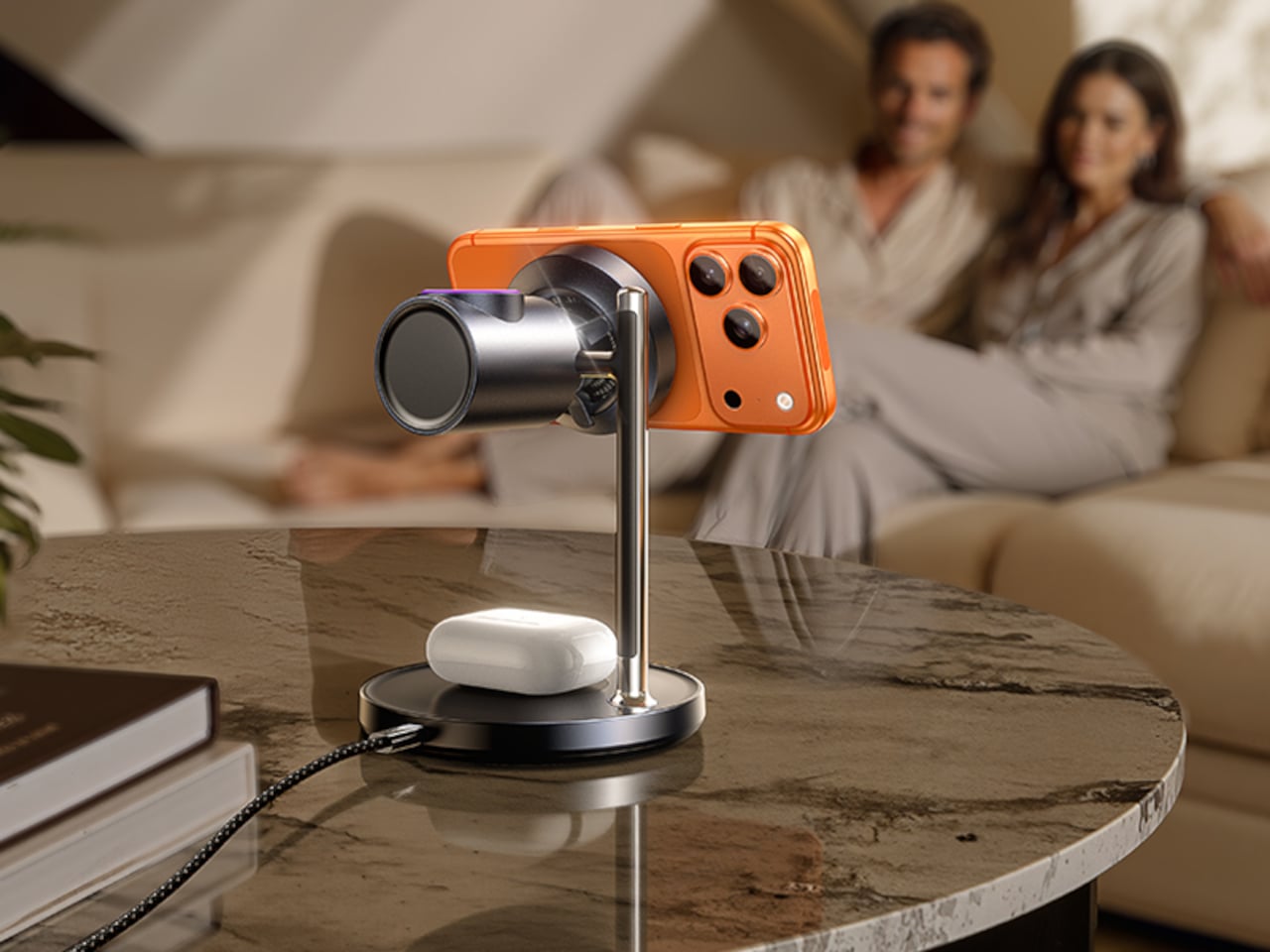
The $100 wireless charging stand fixes a specific problem: wireless charging that generates so much heat it throttles itself and stops working. The stand addresses this with an integrated fan that keeps the charging surface cool and the power delivery consistent. For ninety minutes of football that becomes two and a half hours with analysis and penalties, having a phone that’s actually charged at the end of it requires a charger that doesn’t quietly give up at halftime.
The Sleep Mode is the detail worth noting: a touch on the base switches the fan off at night, making the stand silent for overnight charging. For the match itself, the fan running means consistent, fast power delivery from kickoff to the final whistle. It keeps your phone upright and visible at the same time, so you catch messages from the group chat without picking the phone up every ten minutes during the action.
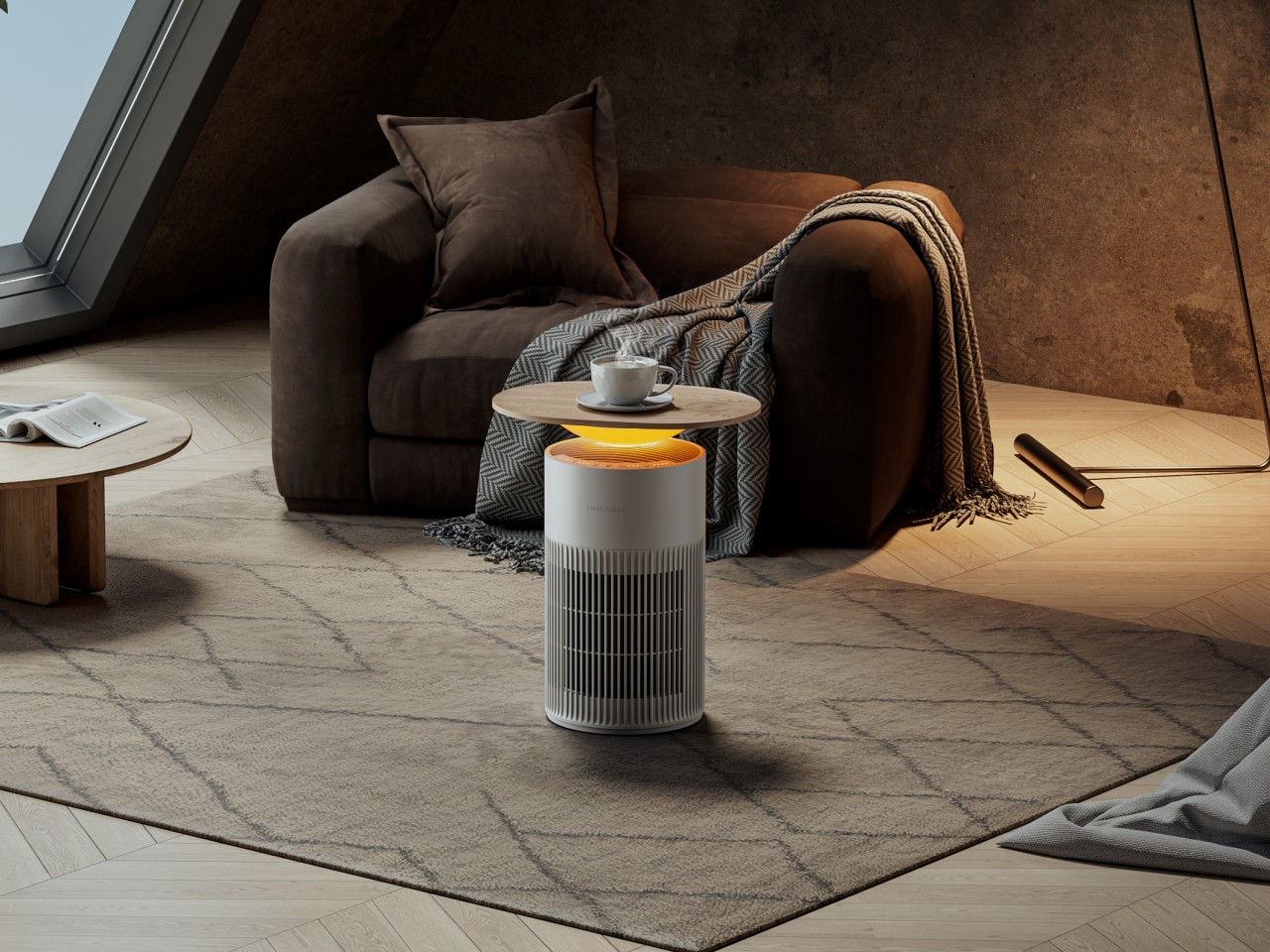
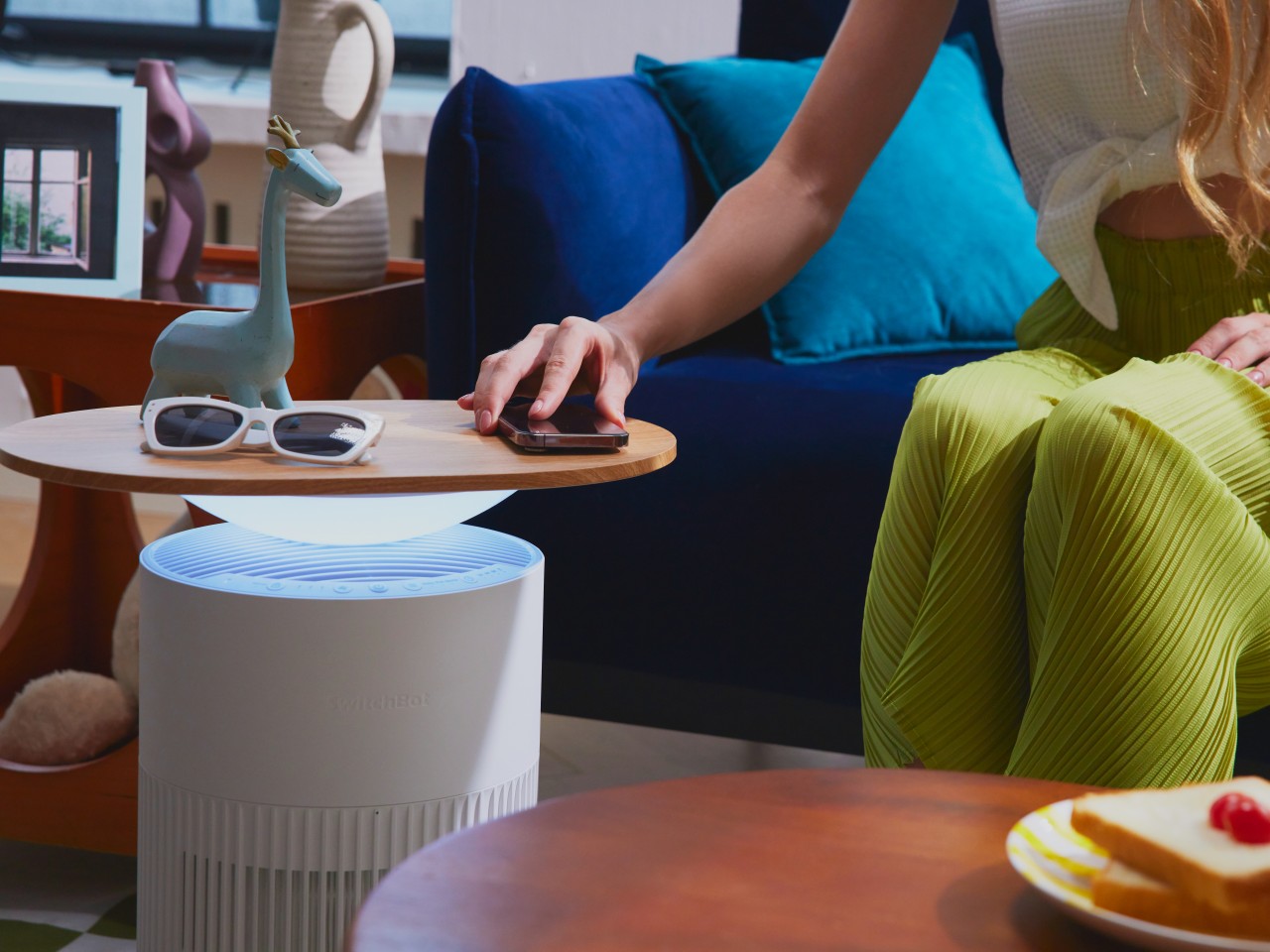
The SwitchBot Air Purifier Table is a side table, wireless charger, and air purifier sharing one footprint. At $269.99 — or $219.99 for the version without wireless charging — it costs more than a conventional side table, but it also replaces three separate objects. For a full room of people watching a three-hour broadcast, air quality becomes a legitimate consideration that most setups don’t acknowledge until it’s too late to do anything about it.
The design keeps all three functions invisible from above. It looks like a table. The purification and charging happen without any visual disruption to the surface or the room. For the Final, it holds a drink, charges a phone, and quietly manages the air in the room while everyone’s attention is on the pitch. That’s the definition of a setup that takes care of itself without requiring anything from you.
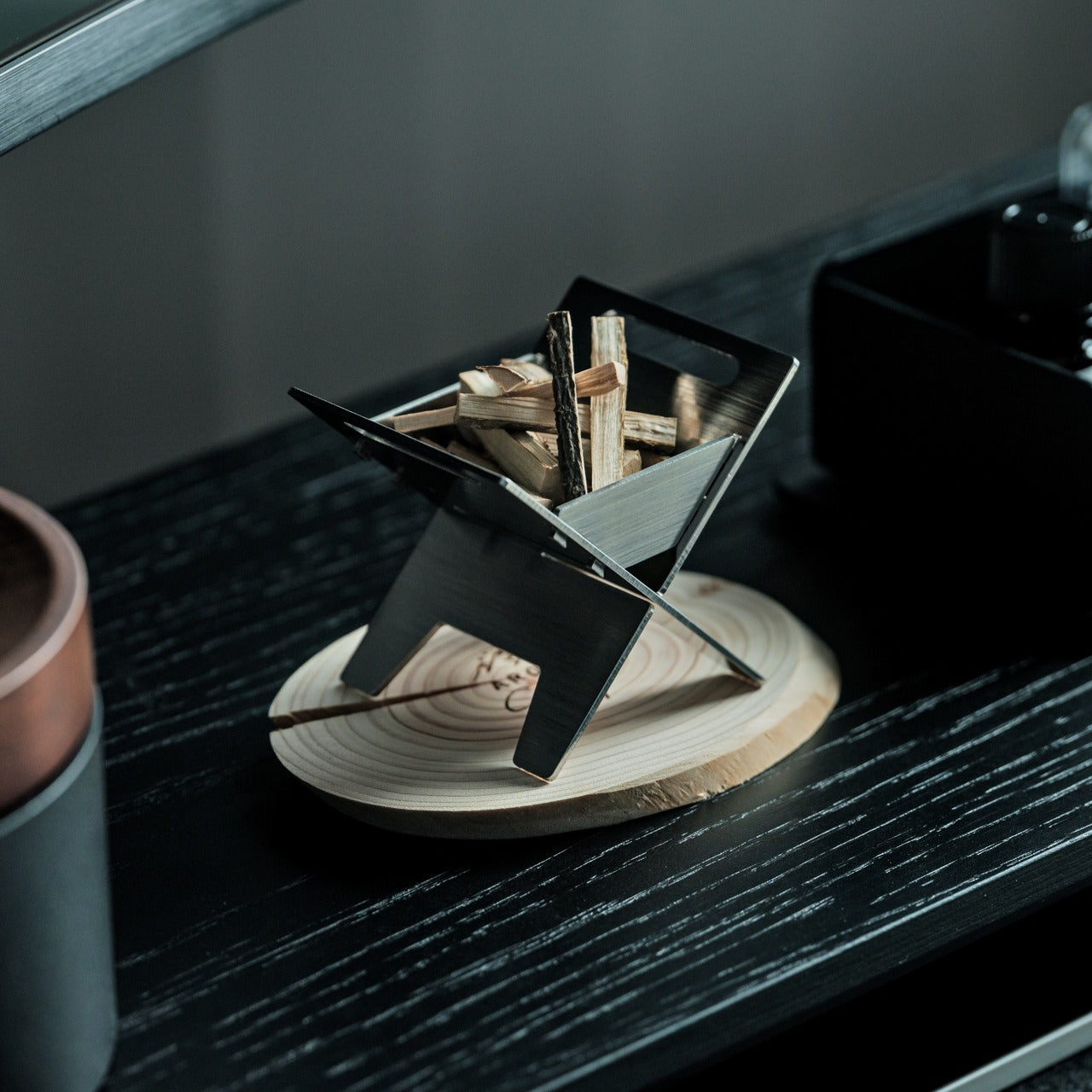
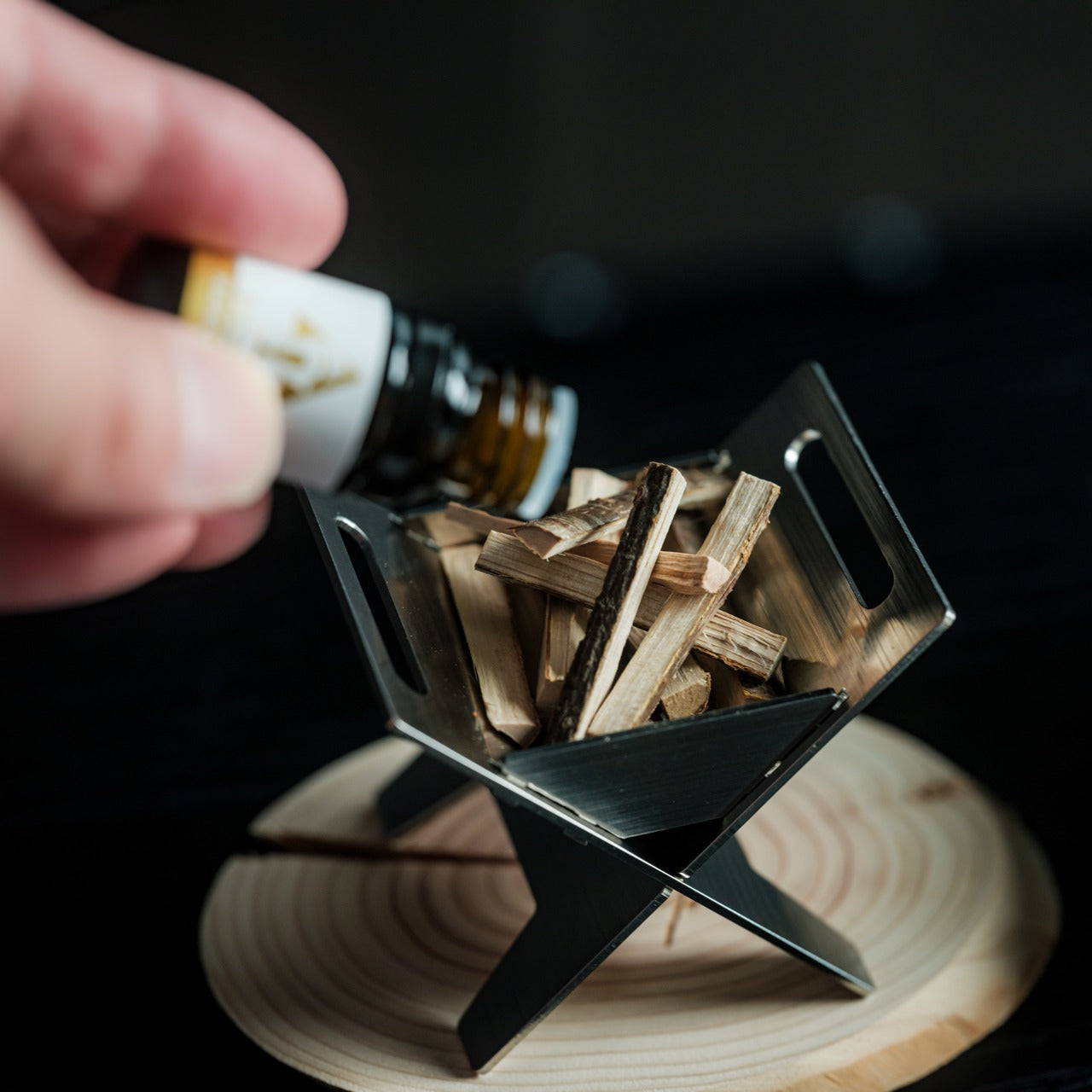
A room full of people watching a football final builds its own atmosphere quickly — and not always a good one. The Miniature Bonfire Wood Diffuser puts a controlled, campfire-adjacent scent into the room without overwhelming it. The design is a scaled-down bonfire rendered in wood, small enough to sit on a side table and interesting enough to generate conversation when someone notices it. Scent is the most underrated element of any room setup.
The wood material means the diffuser develops character over time, absorbing oils gradually and releasing them slowly into the space. It doesn’t require electricity, a reservoir, or any ongoing maintenance during the match — you set it before kickoff and let it work. For a viewing experience where every other element is considered, having the room smell intentional rather than incidental is the kind of detail that guests notice without knowing exactly what they’re responding to.
The World Cup Final is a once-in-four-years occasion. The football will take care of itself for ninety minutes — what you control is everything around it. A setup built from these eight products doesn’t ask you to think about your drink temperature, your phone battery, the air in the room, or where to put your glass during a corner kick. It removes those frictions so the match gets your full attention.
None of them require installation, a subscription, or a manual. They sit on your couch, your side table, or your shelf, and they do what good design always does: make something you were already going to do feel noticeably better than it did before.
The post The 8 Best Couch Essentials for the World Cup Final first appeared on Yanko Design.