Reddit will prompt some accounts to ‘verify humanness’ in latest bot crackdown

Reddit CEO Steve Huffman has detailed the company's latest plan to fight bots and it means that some accounts will need to "verify humanness," though the company is stopping short of widespread identity verification. In an update, Huffman said that in "rare" cases accounts that seem "fishy" will be prompted for additional verification.

Such prompts "will not apply to most users," according to Huffman, but will apply to accounts where Reddit detects signs of automated posting or bot-like behavior. If the account doesn't pass the verification test, it may be "restricted" from the platform. For now, verification will take the form of on-device methods, including FaceID and passkeys. But the company is considering alternative methods, including World ID, the face-scanning orb company run by Sam Altman. "I think the internet needs verification solutions like this, where your account information, usage data, and identity never mix," Huffman writes. 

As part of the new policy, Reddit is also adding an "[APP]" label to existing "good" bots on the platform and making it easier for users to report suspected "bad" bots. The company is also grappling with a growing number of age verification laws. Reddit is “exploring” ways to “comply with these regulations without compromising user privacy,” Huffmans said.

The company is clearly trying to walk a careful line in how it approaches verification. Huffman notes that Reddit intends to "confirm humanness" rather than verify users' actual identities, which would erode the anonymity that Reddit is known for. But the rise of agentic AI has meant that Reddit is contending with the same sorts of bot-driven spam that took down the short-lived reboot of Digg.

Of course, Reddit is also filled with AI-generated material that's shared by actual humans but may be considered spammy by other users. The company has no plans to crack down on such content, at least for now, according to Huffman. "For better or worse, using AI to write is part of how people will communicate in the future (albeit annoying), so our current focus is to ensure there is a real, live human behind the accounts you’re seeing."
This article originally appeared on Engadget at https://www.engadget.com/social-media/reddit-will-prompt-some-accounts-to-verify-humanness-in-latest-bot-crackdown-161000181.html?src=rss

Sony’s upcoming Bravia 3 II is a mid-range LED TV available in sizes up to 100 inches

Sony just revealed the upcoming Bravia 3 II mid-range LED TV. It'll be available in sizes all the way up to 100 inches, for those in need of a home theater centerpiece. It's considered a mid-range device, but is still outfitted with plenty of tech typically reserved for the company's high-end displays.

First of all, these TVs ship with Sony's XR processor. This grants access to the company's proprietary Clear Image algorithm, auto HDR tone mapping and more. It's nice to see these features expand beyond flagship products.

The 4K LED display supports Dolby Vision, Atmos and DTS:X, with refresh rates up to 120Hz. It also features four HDMI 2.1 ports, so you can hook up a Switch 2, a PS5 and an Xbox Series X all at the same time with a port to spare.

The software here is integrated with Google Gemini, allowing for all kinds of voice commands. Finally, the TVs ship with Sony's new Inclusive Remote Control, which has been designed for accessibility.

The Bravia 3 II line will start showing up at retailers this spring. Prices start at $600 for a 43-inch model and go all the way up to $3,100 for that 100-inch monstrosity.

This article originally appeared on Engadget at https://www.engadget.com/home/home-theater/sonys-upcoming-bravia-3-ii-is-a-mid-range-led-tv-available-in-sizes-up-to-100-inches-160002697.html?src=rss

Sony adds the Bravia Theater Bar 5 and Bar 7 to its soundbar lineup

Sony already has a robust collection of soundbars in its Bravia Theater lineup. Today, the company is adding two more, as well as new rear speakers and three new subwoofers. The Bar 7 will sit in Sony’s premium tier, alongside the existing (and larger) Bar 8 and Bar 9 models, while the Bar 5 will offer a more compact and more affordable solution just below the current Bar 6.

The Bravia Theater Bar 7 utilizes nine total drivers to produce Dolby Atmos, DTS:X and IMAX Enhanced sound. More specifically, that arrangement includes three woofers, two tweeters, two up-firing units and two side-firing drivers, in addition to four passive radiators. Compare that to the Bar 8 and Bar 9 which house 11 speakers and 13 speakers respectively. Sony says the Bar 7 has new two-way front speakers and the center, up-firing and side-firing drivers all have the company’s oval-shaped X-Balanced design. In terms of features, you get Sony’s 360 Spatial Sound Mapping and Sound Field Optimization for more immersive audio performance.

The Bar 7 will come bundled with Sony’s new Bravia Theater Sub 7 for $870, but you can also purchase it without the subwoofer (pricing TBA). For a more robust system, the Bar 7 can be paired with the company’s Bravia Theater Rear speakers.

Sony Bravia Theater Sub 7
Sony

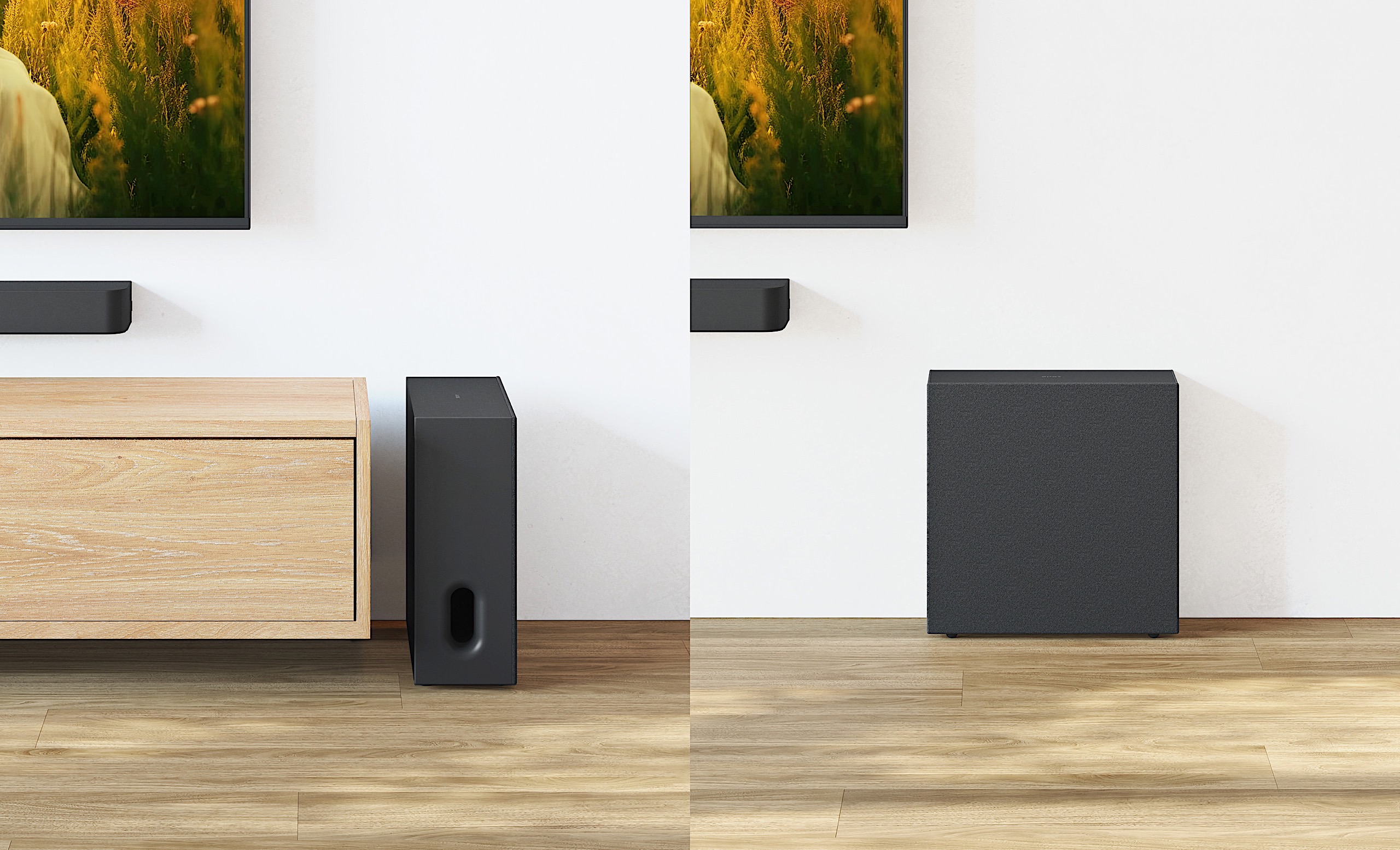
Speaking of subwoofers, Sony debuted three new models today. The aforementioned Sub 7 is the smallest, employing a 5.1-inch driver for the low-end tone. Move up to the new Sub 8 and you get a 7.9-inch driver for “enhanced atmosphere, clearer bass,” according to the company. The largest of the new options is the Sub 9 which has two opposing 7.9-inch drivers for “powerful, clean bass.” Unfortunately, these add-ons don’t come cheap: the Sub 7 is $330, the Sub 8 is $500 and the Sub 9 is $900.

Sony also touts dual subwoofer connectivity as part of the refreshed Bravia Theater lineup. All three of the new subs can be used as a pair, so long as you have a Theater Bar 7, Theater Bar 8 or Theater Bar 9. You can also use two subwoofers with some of Sony’s receivers (STR-AZ7000ES, STR-AZ5000ES, STR-AZ3000ES, STR-AZ1000ES and STR-AN1000). The company explains that opting for two subs provides “stronger, more balanced bass,” obviously, that fills the room for a more “cinematic effect.” Sony also says two subwoofers enable “richer, fuller bass” at lower volumes.

Rear speakers are something you’ll need if you truly want immersive audio, and the new Theater Rear 9 units are a big upgrade over the current Rear 8s. Most notably, you get an up-firing driver for enhanced overhead sounds along with two passive radiators, in addition to a tweeter and a woofer. The drivers all have aluminum diaphragms instead of paper, and the Rear 9s come with a swivel wall mounts that enable 60-degree movement. A pair of Theater Rear 9 speakers will set you back $750.

Sony Bravia Theater Bar 5
Sony

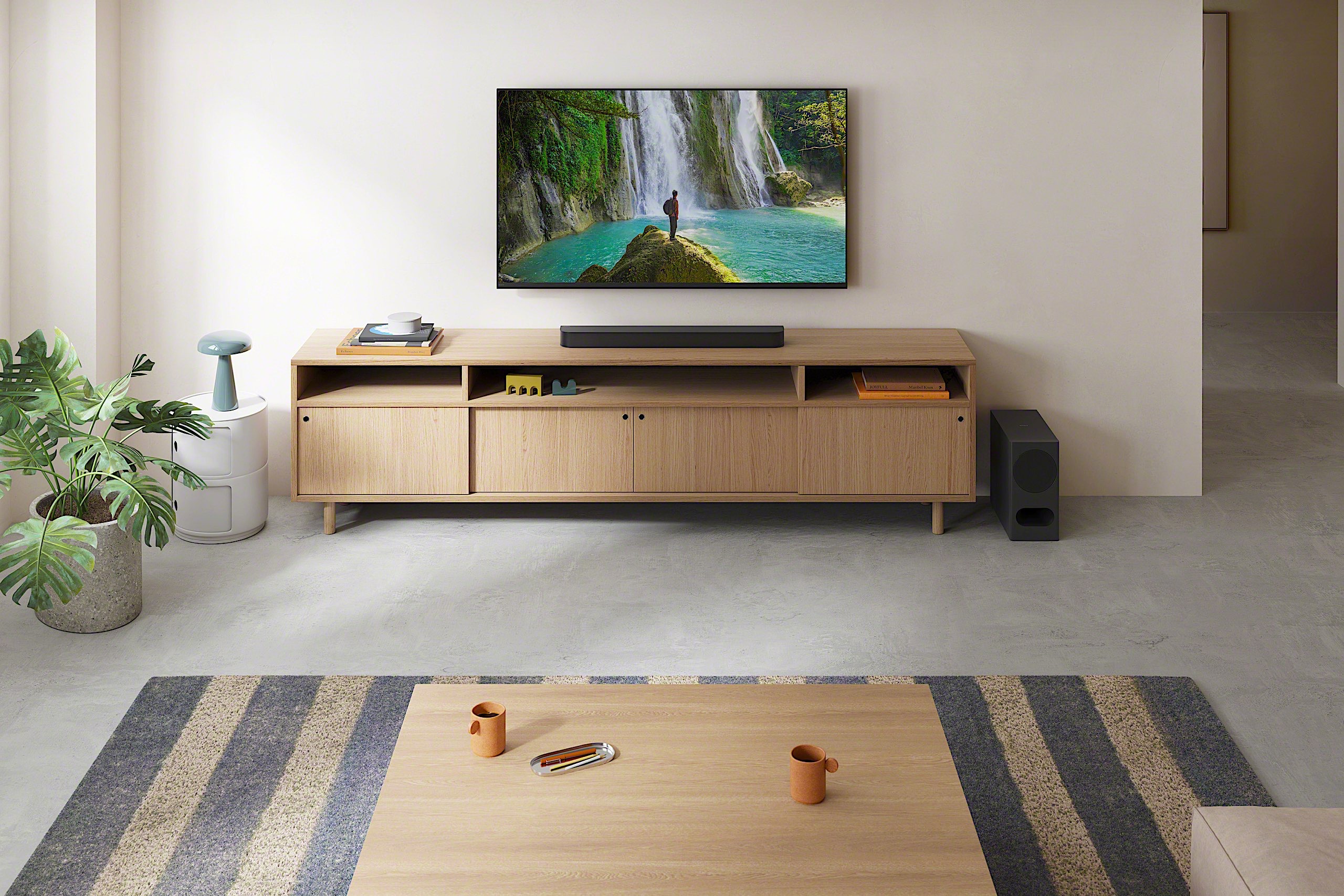
If all of that sounds too expensive for your living room, Sony has something more affordable in the midrange area. The Bravia Theater Bar 5 is just $350 and still offers Dolby Atmos and DTS:X audio. It doesn’t have up-firing drivers, it’s a 3.1-channel setup, so any overhead effects will be simulated. Still, that’s probably okay if you have a smaller space or live in an apartment as the upmixing tech (S-Force Pro Front Surround and Vertical Sound Engine) should provide ample immersion. The Bar 5 does come with a subwoofer though, and you can employ Sony’s Voice Zoom 3 feature for enhanced dialogue.

The Bravia Theater Bar 7, all three of the new subwoofers and the Rear 9 will be available for pre-order later this spring. The Bar 5 is up for pre-order starting today.

This article originally appeared on Engadget at https://www.engadget.com/audio/speakers/sony-adds-the-bravia-theater-bar-5-and-bar-7-to-its-soundbar-lineup-160000680.html?src=rss

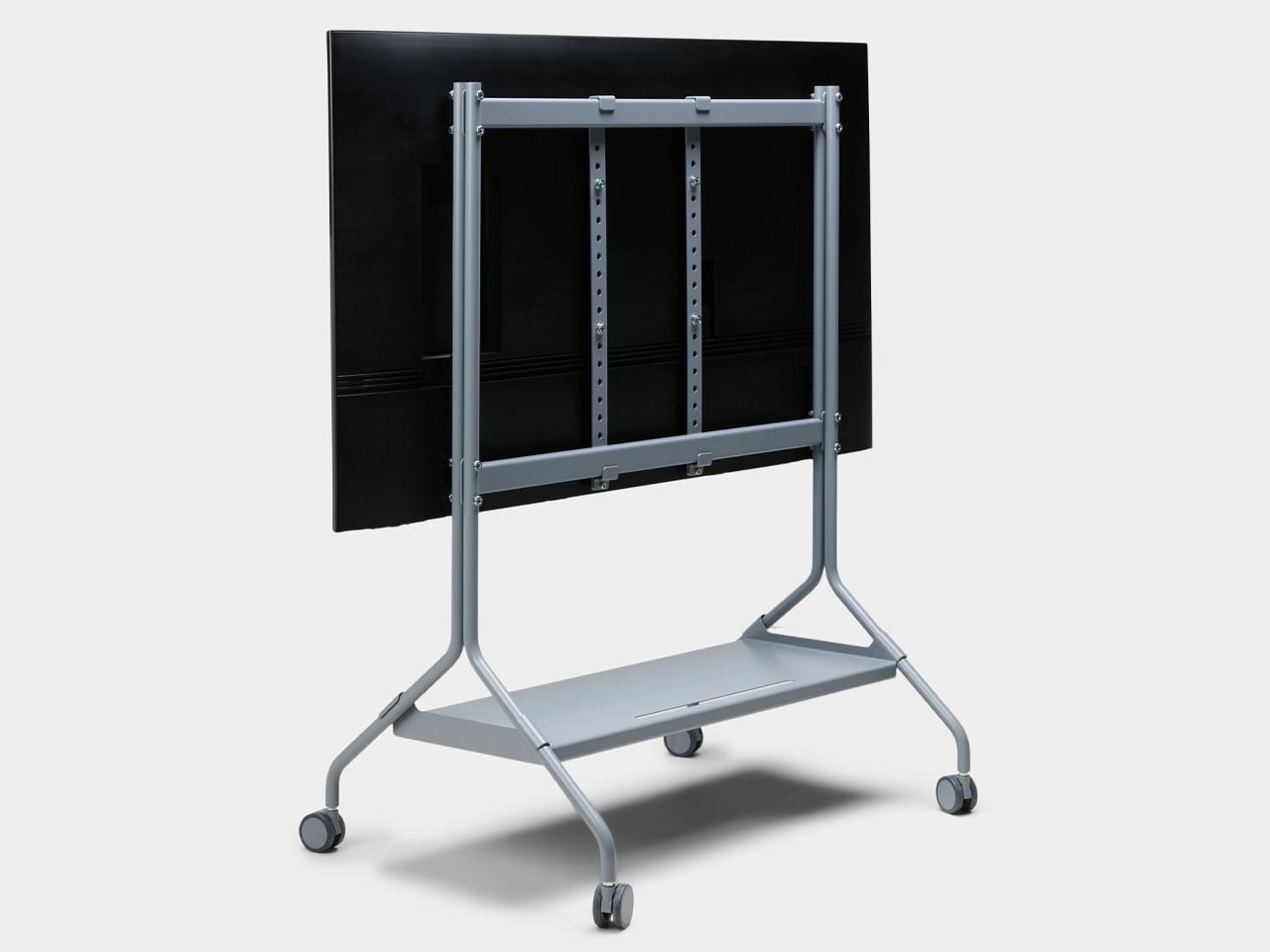
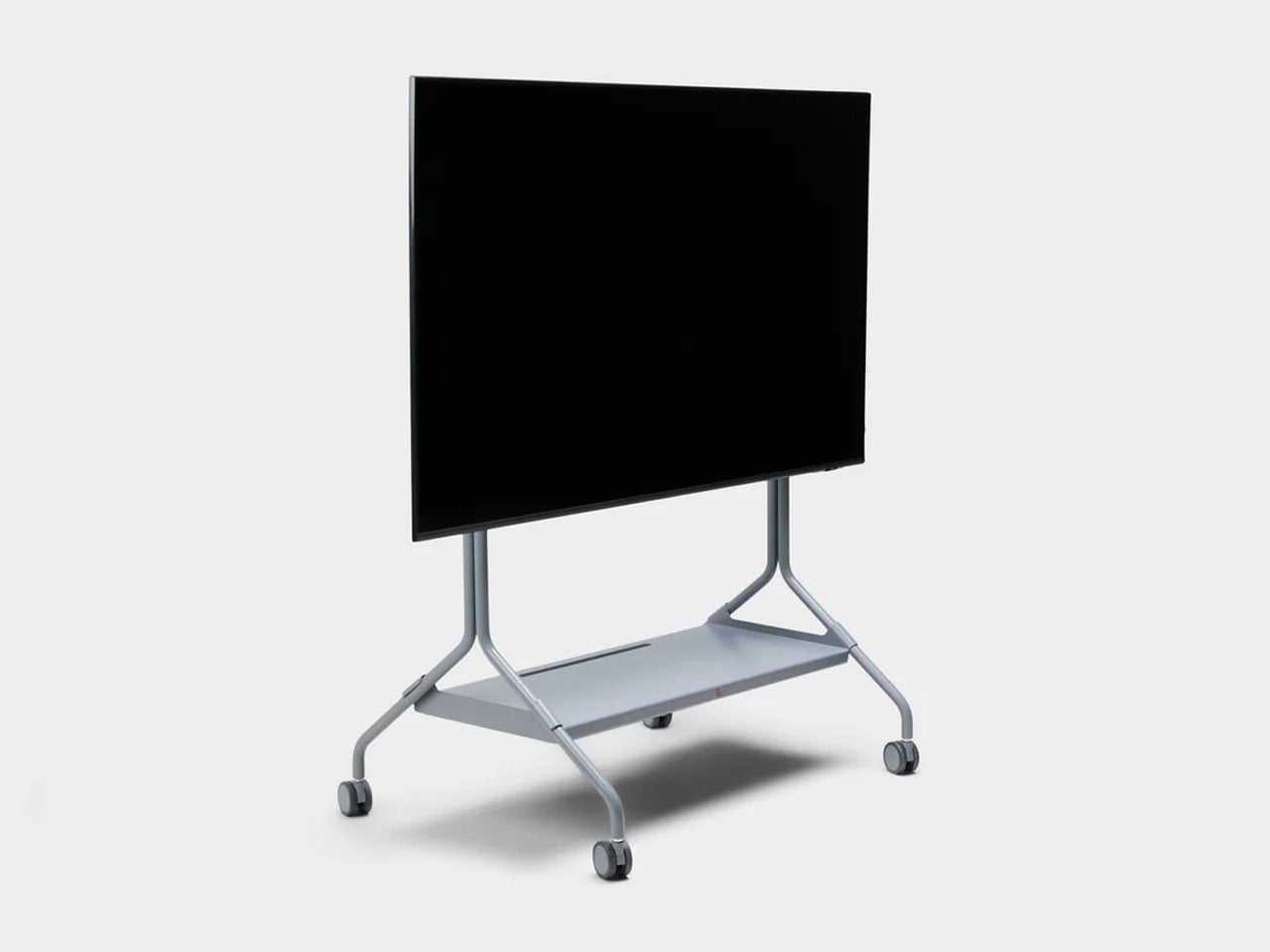
PlayStation Moon Legacy Edition TV Stand brings Retro PS1 style to your modern gaming setup

PlayStation turned 30 a couple of years ago, and milestones like this rarely pass quietly in the consumer electronics world. Sony marked the occasion with a special edition PlayStation 5 and accompanying accessories finished in a nostalgic gray tone inspired by the original PS1 console. If you were among the lucky few who managed to get hold of that anniversary edition styled after the classic PlayStation color scheme, there is now an equally themed piece of furniture designed to show it off in the living room.

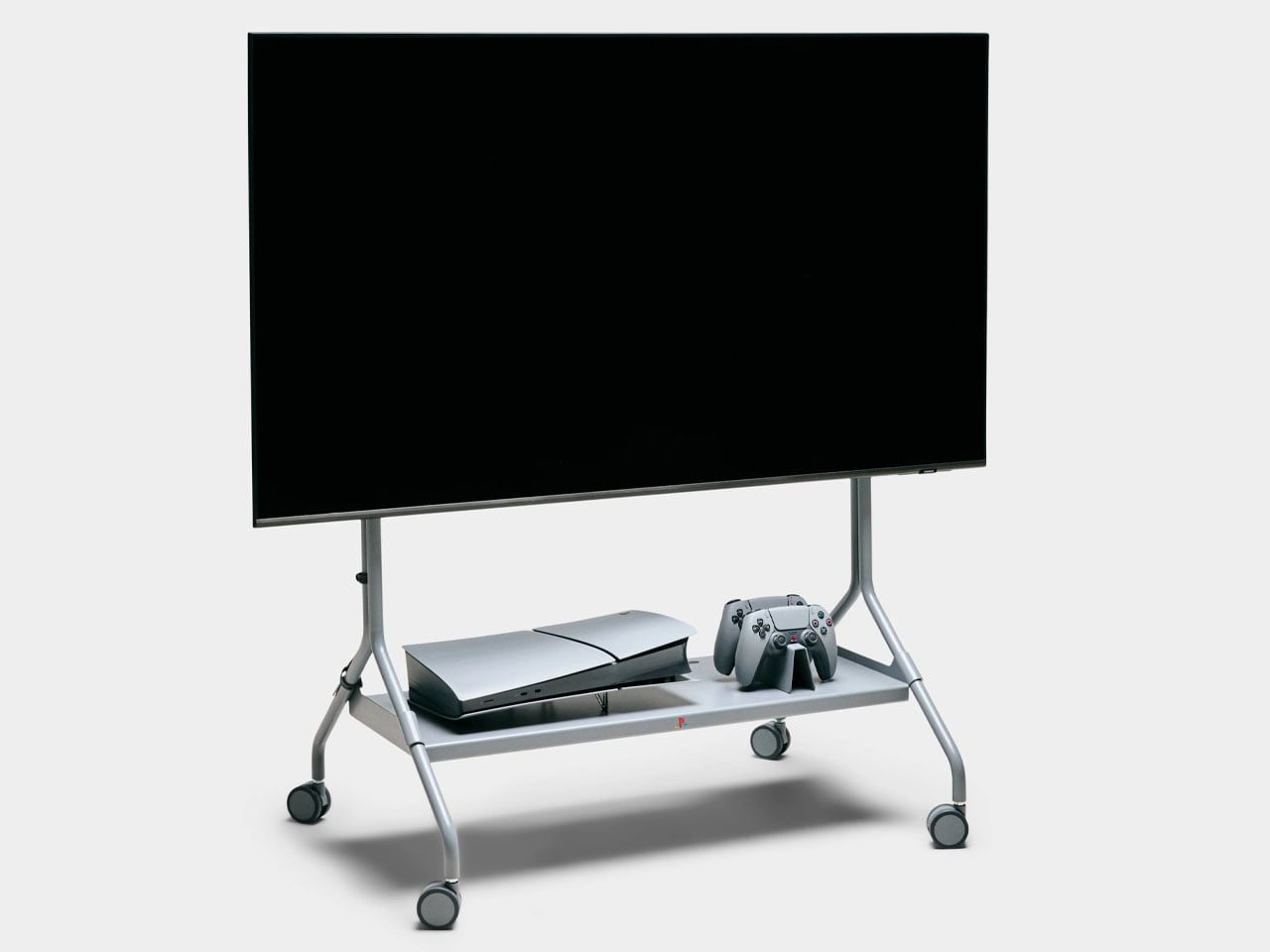
Designed in collaboration with Danish furniture maker Pedestal, PlayStation Norway has introduced a statement accessory that celebrates gaming culture as much as it serves a functional purpose. The Moon Legacy Edition TV stand arrives in a muted “Legacy Gray” finish that reflects the iconic tone of the original PlayStation console. The visual connection immediately creates a retro aesthetic, making it particularly appealing for collectors who appreciate the history of gaming as much as the hardware itself.

Designer: Pedestal and PlayStation Norway

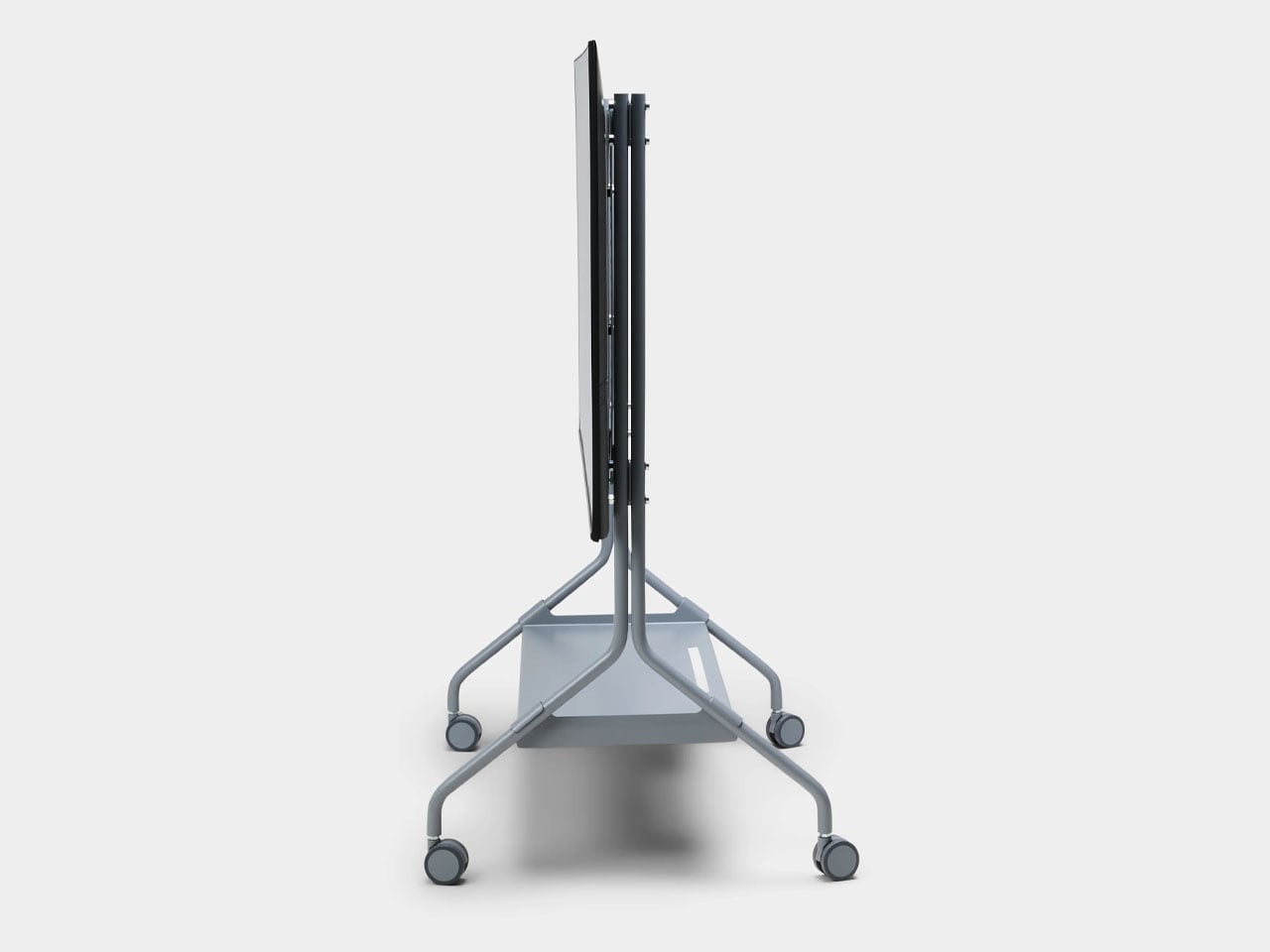
Beyond the nostalgic color palette, the stand follows Pedestal’s minimalist Scandinavian design philosophy. The frame is constructed from powder-coated steel with a satin finish, giving the structure a sturdy and refined appearance while maintaining a relatively lightweight build. Despite the industrial material choice, the design remains clean and understated, allowing the console and TV setup to remain the visual focus. The stand measures roughly 42 inches high, 31 inches wide, and 21 inches deep, and weighs just under 33 pounds, making it substantial enough for stability without feeling overly bulky. It supports flat-screen televisions between 40 and 70 inches and can handle loads of up to about 110 pounds, which comfortably covers most modern TVs and gaming setups.

The Moon Legacy Edition sits on premium furniture wheels with soft polyurethane coating, allowing the entire entertainment setup to move easily between spaces. For users who rearrange their living room or occasionally shift their gaming setup to different areas, the wheeled base offers flexibility that traditional TV cabinets often lack. The stand also adheres to the widely used VESA mounting standard, meaning it is compatible with most flat-screen television brands currently on the market.

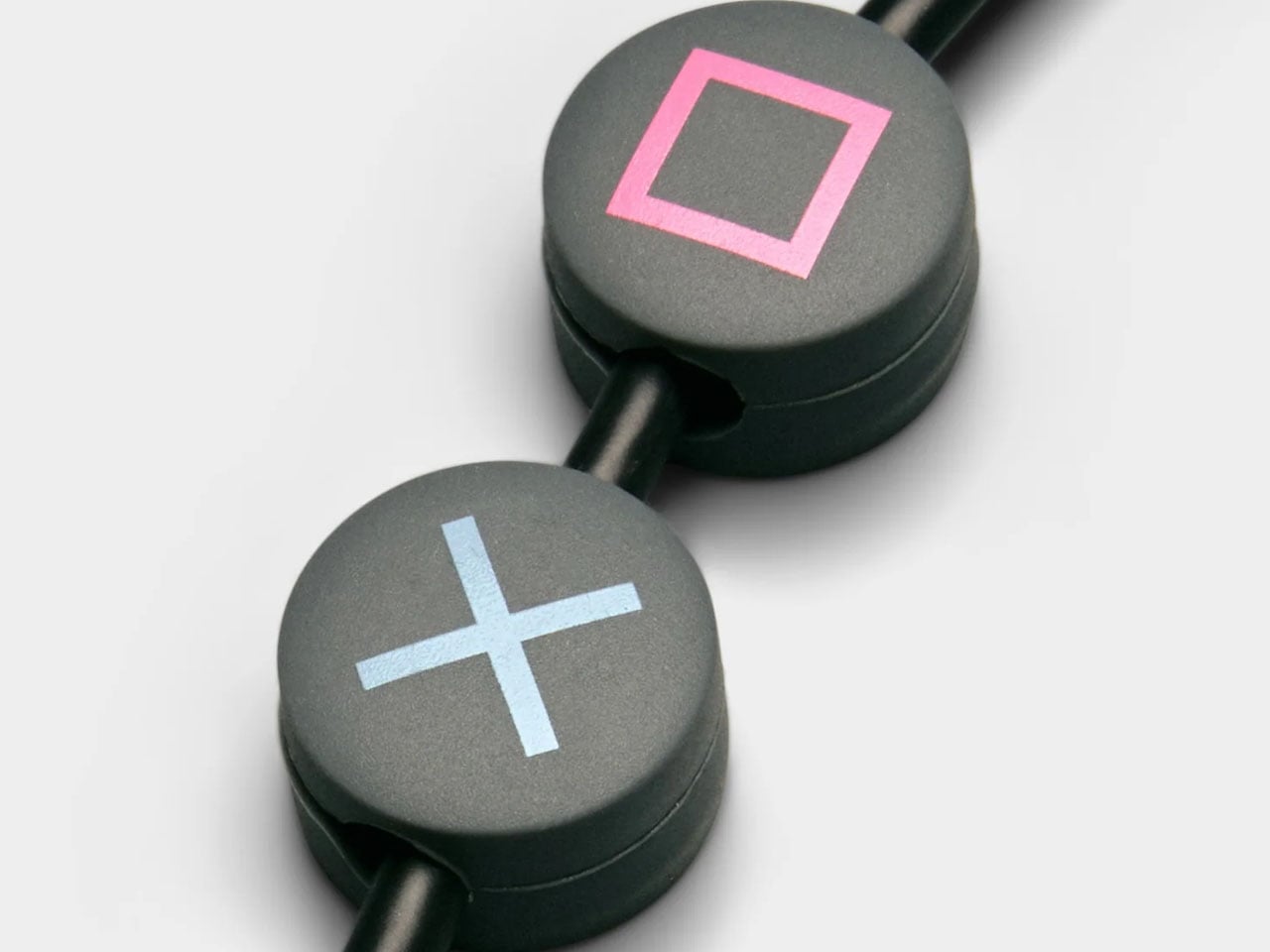
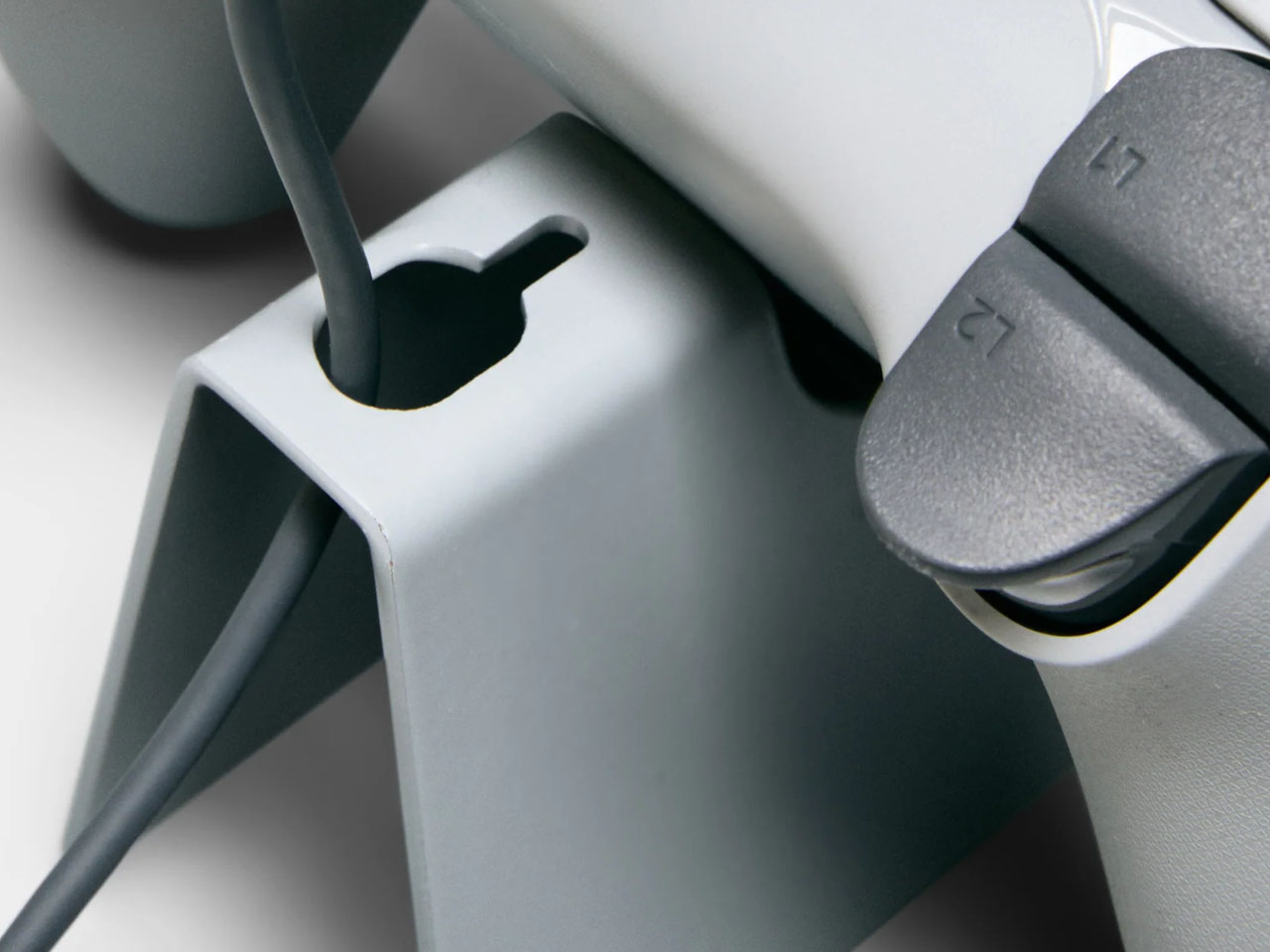
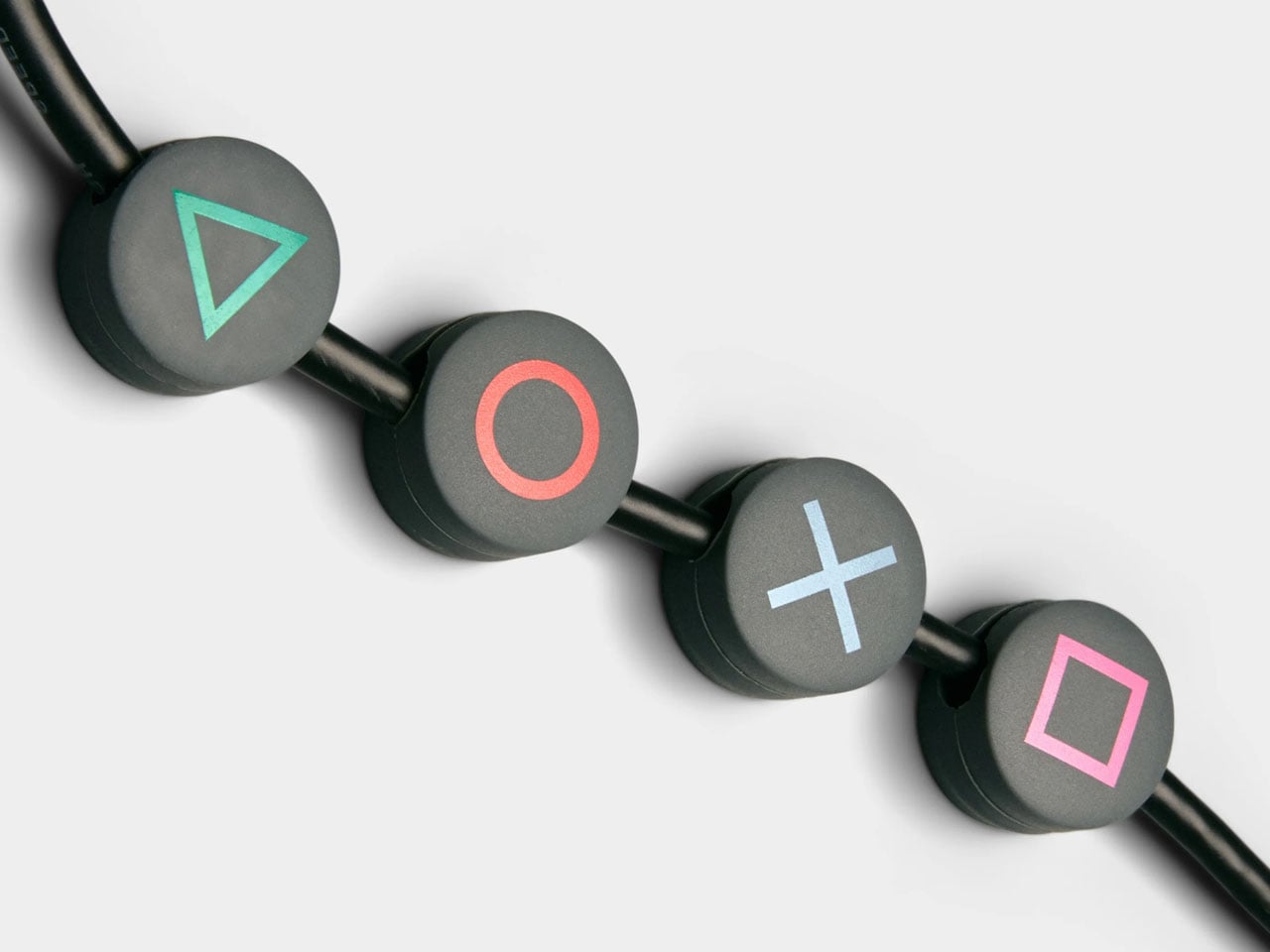
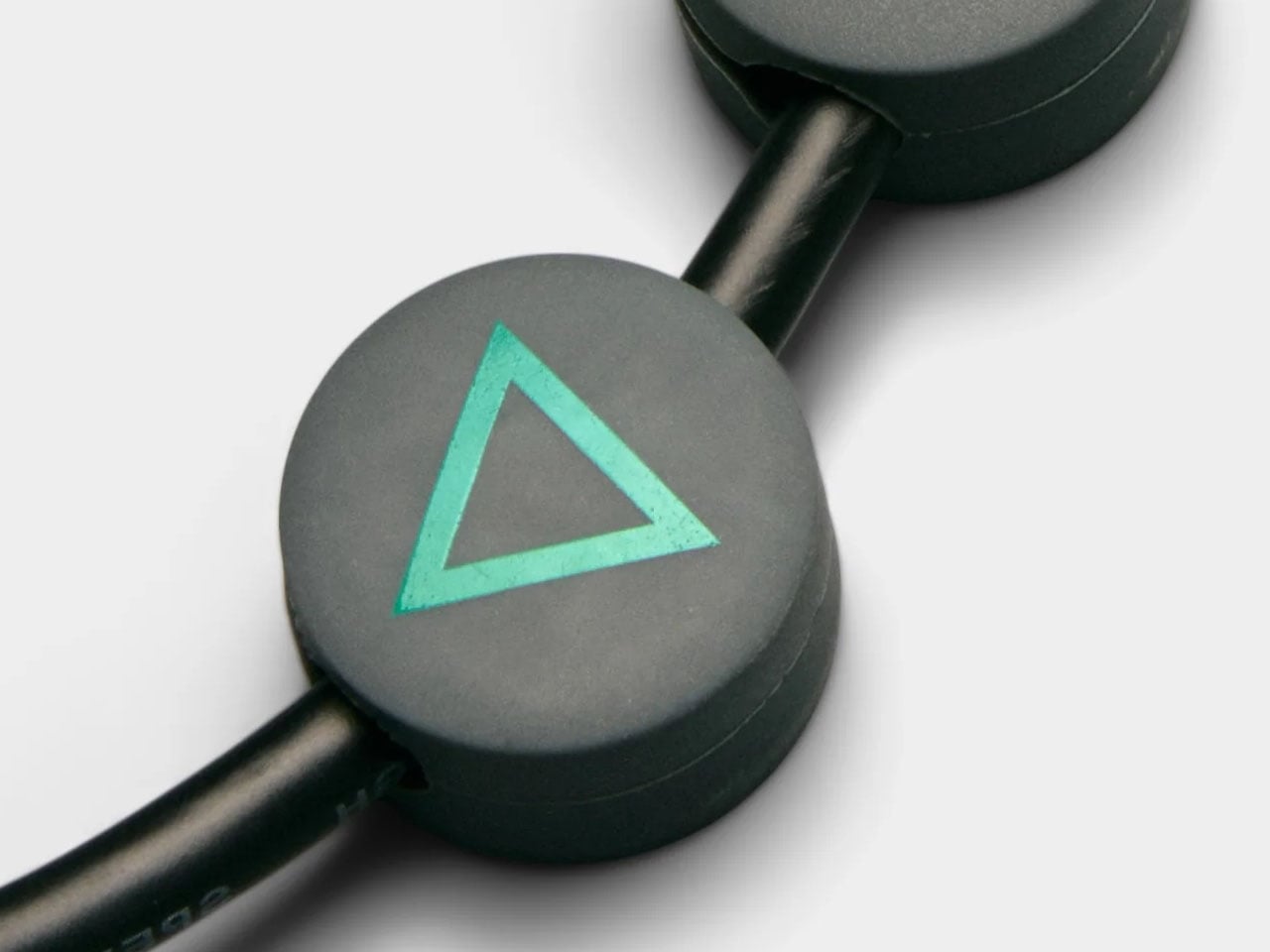
Functionality extends beyond simply holding a TV. The limited-edition package includes a matching Legacy Shelf and a controller stand, giving players a dedicated place to display a controller or store accessories. Additional cable management accessories, such as cable dots and cable ties, are also included to help keep wires organized and out of sight. The shelf adds a subtle display area that can hold game cases, collectibles, or other gaming gear without interrupting the stand’s minimal design language.

The Moon Legacy Edition TV stand is priced significantly higher (approximately $775) than the normal version, which costs $385, reflecting its limited-edition status. The price covers only the stand and included accessories; neither the television nor the PlayStation console is part of the package. As a result, the stand clearly targets dedicated fans and collectors who value the design connection to PlayStation history rather than simply looking for a functional TV stand.

The post PlayStation Moon Legacy Edition TV Stand brings Retro PS1 style to your modern gaming setup first appeared on Yanko Design.

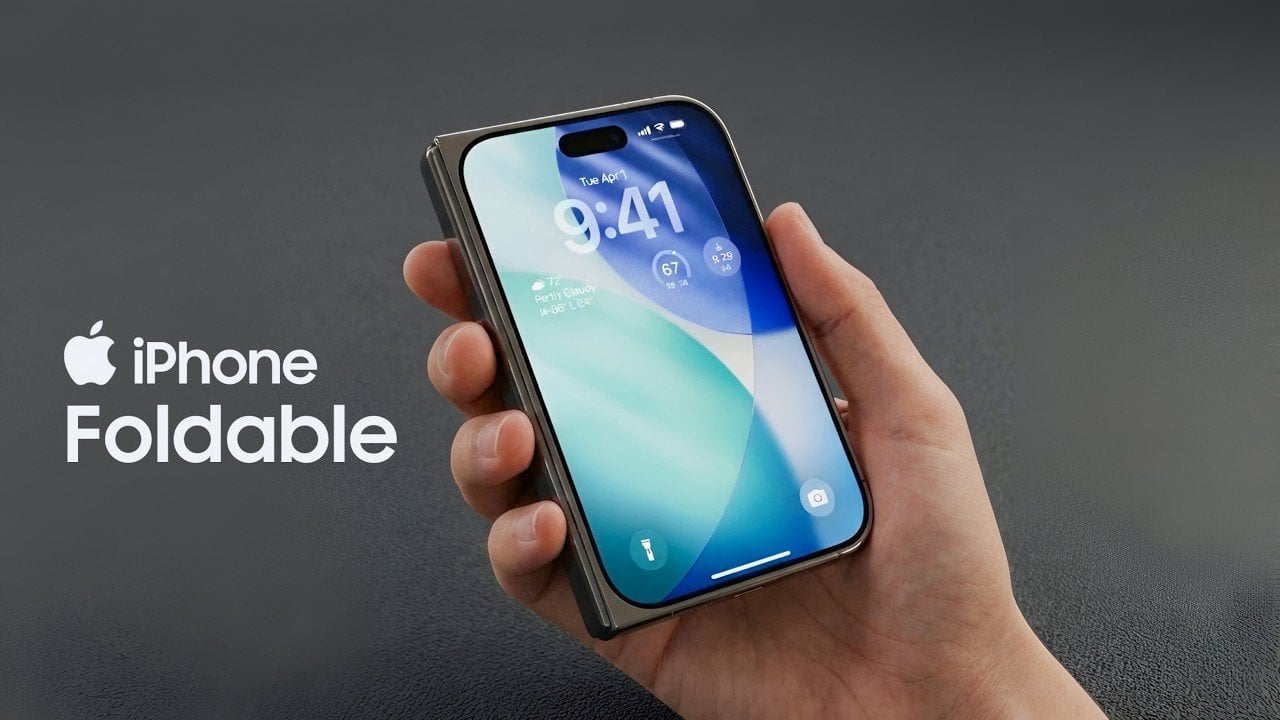
iPhone Fold – The 7.8-inch ‘iPad Mini’ in Your Pocket that Makes the Z Fold 8 Look Small

iPhone Fold – The 7.8-inch ‘iPad Mini’ in Your Pocket that Makes the Z Fold 8 Look Small Render of iPhone Fold open, showing a wider 4:3 inner display and reduced crease down the center.

Apple is reportedly preparing to launch its first foldable smartphone, the iPhone Fold, signaling its long-awaited entry into the foldable device market. With years of observation and refinement, Apple aims to address the limitations of current foldable technology while directly challenging Samsung’s Galaxy Z Fold 8. This strategic move could set new benchmarks for display […]

The post iPhone Fold – The 7.8-inch ‘iPad Mini’ in Your Pocket that Makes the Z Fold 8 Look Small appeared first on Geeky Gadgets.

Posted in Uncategorized

Mark Zuckerberg, Jensen Huang and Sergey Brin join Trump’s tech advisory panel

The leaders of several major tech companies will offer the White House their opinions on tech and science policy as part of an advisory council. Mark Zuckerberg, Jensen Huang, Michael Dell and Larry Ellison — the CEOs of Meta, NVIDIA, Dell and Oracle, respectively — are joining the panel alongside Google co-founder Sergey Brin and AMD CEO Lisa Su. Venture capitalist Marc Andreessen, who has donated to super PACs that support President Donald Trump, will serve on the panel too.

The latest iteration of the President’s Council of Advisors on Science and Technology (PCAST) has 13 members, though that could expand to 24. White House AI and cryptocurrency czar David Sacks co-chairs PCAST alongside Trump's science advisor, Michael Kratsios.

“Under President Trump, PCAST will focus on topics related to the opportunities and challenges that emerging technologies present to the American workforce, and ensuring all Americans thrive in the Golden Age of Innovation,” the White House told The Wall Street Journal in a statement. Zuckerberg said he was "honored to join the president’s council and work with other industry leaders" to help ensure the US is the world leader in AI.

George W. Bush established PCAST with a 2001 executive order, and some notable executives have been involved with the panel. Barack Obama's advisors included then-Google executive chairman Eric Schmidt and former Microsoft chief research and strategy officer Craig Mundie, while ex-Disney CEO Bob Iger served on PCAST during Trump's first term. Joe Biden's panel included Su.

The tech CEOs all have a personal and professional stake here, given the potential impact of federal rules on them and their businesses. It’s worth noting that Meta, Google and Huang all chipped in to help pay for the construction of Trump’s White House ballroom. Google, Meta and NVIDIA were among the companies that each donated $1 million to the committee for Trump's second inauguration.

Meanwhile, Ellison — whose family has spent much of the last couple of years building a media empire that includes Paramount and potentially Warner Bros. Discovery — has close ties to Trump. Oracle is also one of the companies that backed the takeover of the US version of TikTok, a deal that Trump approved with an executive order. It was reported this month that the Trump administration is receiving $10 billion for brokering the buyout.

This article originally appeared on Engadget at https://www.engadget.com/big-tech/mark-zuckerberg-jensen-huang-and-sergey-brin-join-trumps-tech-advisory-panel-144722797.html?src=rss

The $1,099 Bargain? Everything That Changed Inside the New M5 MacBook Air

The $1,099 Bargain? Everything That Changed Inside the New M5 MacBook Air M5 MacBook Air

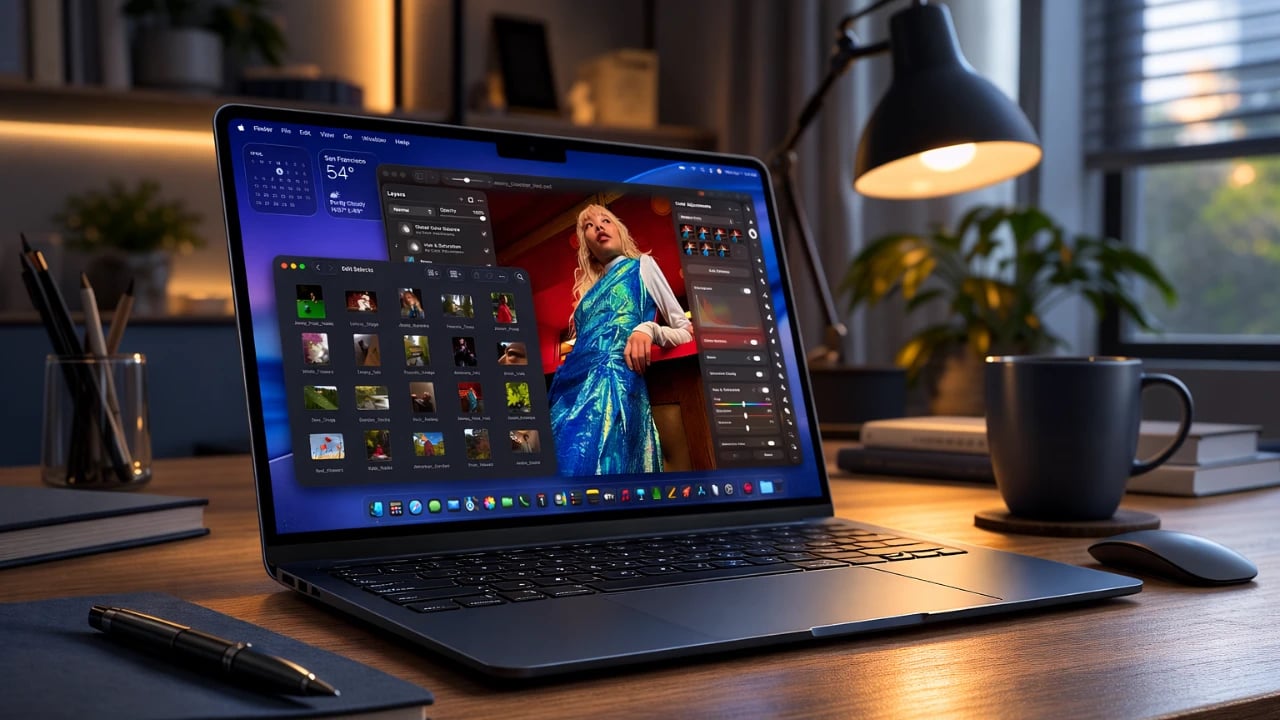
The M5 MacBook Air represents a pivotal step forward in Apple’s laptop lineup, blending portability with performance in a way that redefines expectations for lightweight devices. Historically seen as an entry-level option, the MacBook Air now features the power to rival older Pro models, thanks to the introduction of the M5 chip. While it excels […]

The post The $1,099 Bargain? Everything That Changed Inside the New M5 MacBook Air appeared first on Geeky Gadgets.

Posted in Uncategorized

Stephen Colbert is writing a new Lord of the Rings movie

It’s been quite a while since we visited Middle-Earth on the big screen (anime prequels aside), but it looks like Lord of the Rings fans have plenty to look forward to in the coming years. We already knew that Andy Serkis’ The Hunt for Gollum was in the works — and by all accounts is progressing nicely — but another Rings-related film is in development too, and it’s being co-written by none other than Stephen Colbert.

The announcement came from Peter Jackson himself, in a video posted by Warner Bros. to coincide with Tolkien Reading Day. The director of the Lord of the Rings trilogy provided a quick update on Serkis’ film (the British actor is both directing and reprising his role as Gollum), before introducing "very special partner" and diehard Tolkien fan Colbert on a video call.

With The Late Show nearing its end, its host was seemingly going to be out of work in the summer. Colbert is working with his son Peter as well as screenwriter Philippa Boyens (who co-wrote the original film trilogy). They'll adapt some early chapters of Fellowship of the Ring that never made it into Jackson’s 2001 film. The Lord of the Rings: Shadow of the Past is actually set 14 years after the events of Return of the King, and will see Sam, Merry and Pippin retrace the first steps of their famous adventure.

So while the new film is inspired specifically by Fellowship chapters III (‘Three is Company’) through VIII (‘Fog On The Barrow-Downs’), it sounds like we’re actually getting a sequel of sorts, in which we’ll also see Sam’s daughter Elanor make a huge discovery that puts her on her own quest.

Colbert and his son had been scribbling away at their idea for several years before plucking up the courage to show what they had come up with to Jackson, but the legendary 64-year-old filmmaker was clearly a fan. And given the timing of the announcement, Colbert will soon be able to commit all of his energy to the project, which has not yet named any cast members. Will Sean Astin, Billy Boyd and Dominic Monaghan be dusting off their hobbit attire? Only time will tell, but the time jump would presumably make it possible.

The Lord of the Rings: Shadow of the Past doesn’t have a release date, but its announcement coincides with the 25th anniversary of Fellowship of the Ring, which has already been marked by the whole trilogy returning to theaters earlier this year.

This article originally appeared on Engadget at https://www.engadget.com/entertainment/tv-movies/stephen-colbert-is-writing-a-new-lord-of-the-rings-movie-143004743.html?src=rss

Anthropic releases safer Claude Code ‘auto mode’ to avoid mass file deletions and other AI snafus

Anthropic has begun previewing "auto mode" inside of Claude Code. The company describes the new feature as a middle path between the app's default behavior, which sees Claude request approval for every file write and bash command, and the "dangerously-skip-premissions" command some coders use to make the chatbot function more autonomously. 

With auto mode enabled, a classifier system guides Claude, giving it permission to carry out actions it deems safe, while redirecting the chatbot to take a different approach when it determines Claude might do something risky. In designing the system, Anthropic's goal was to reduce the likelihood of Claude carrying out mass file deletions, extracting sensitive data or executing malicious code. 

Of course, no system is perfect, and Anthropic warns as such. "The classifier may still allow some risky actions: for example, if user intent is ambiguous, or if Claude doesn't have enough context about your environment to know an action might create additional risk," the company writes. 

Anthropic doesn't mention a specific incident as inspiration for auto mode, but the recent 13-hour AWS outage Amazon suffered after one of the company's AI tools reportedly deleted a hosting environment, was probably front of mind for the company. Amazon blamed that specific incident on human error, saying the staffer involved in the incident had "broader permissions than expected."

Team plan users can preview auto mode starting today, with the feature set to roll out to Enterprise and API users in the coming days.

This article originally appeared on Engadget at https://www.engadget.com/ai/anthropic-releases-safer-claude-code-auto-mode-to-avoid-mass-file-deletions-and-other-ai-snafus-142500615.html?src=rss

The Philosopher Wanted Silence. The Artist Built on Water.

In 1914, Ludwig Wittgenstein did something that, depending on your perspective, was either the most logical or the most eccentric thing a Cambridge-trained philosopher could do. He left England behind and built a tiny wooden cabin on the steep shoreline of Lake Eidsvatnet in Skjolden, Norway. The only way to reach it was by boat, or by walking across ice in winter. His mentor Bertrand Russell reportedly told him it would be lonely. Wittgenstein replied that he “prostituted his mind talking to intelligent people.” The anecdote is funny, but the philosophy behind it was completely serious.

What Wittgenstein found in that remote hut was the particular kind of quiet that forces real confrontation with your own thoughts. He was productive there in ways he couldn’t replicate anywhere else, later writing to a colleague that he “couldn’t imagine working anywhere as he did there,” and that the place had “a quiet seriousness” he found nowhere else. Some of his foundational thinking for Tractatus Logico-Philosophicus took shape in that small space, part of it on a boat his friend David Pinsent sailed across the Sognefjord. A philosopher doing his deepest work on open water, surrounded by mountains. That image stays with you.

Designer: Dionisio González

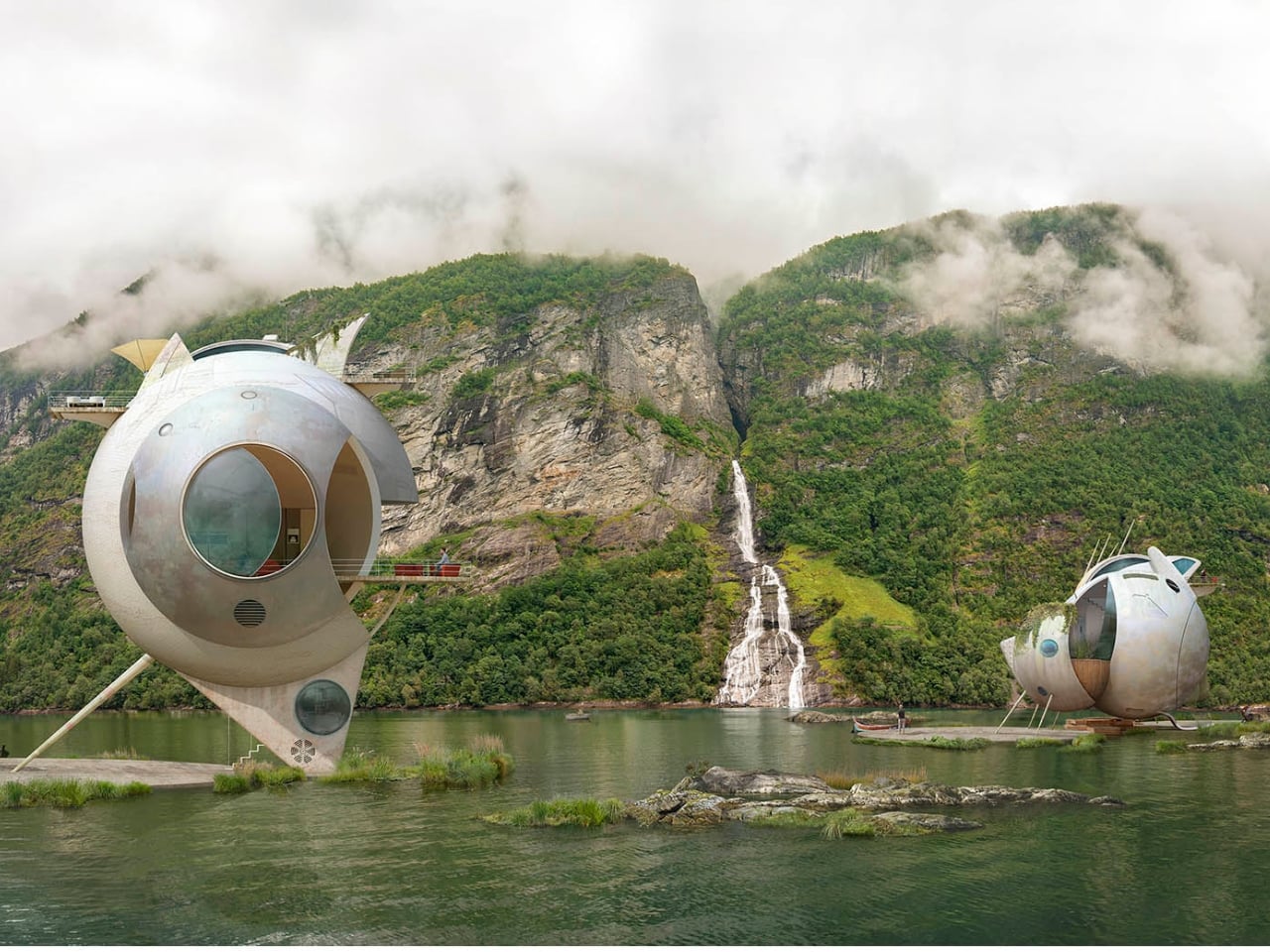
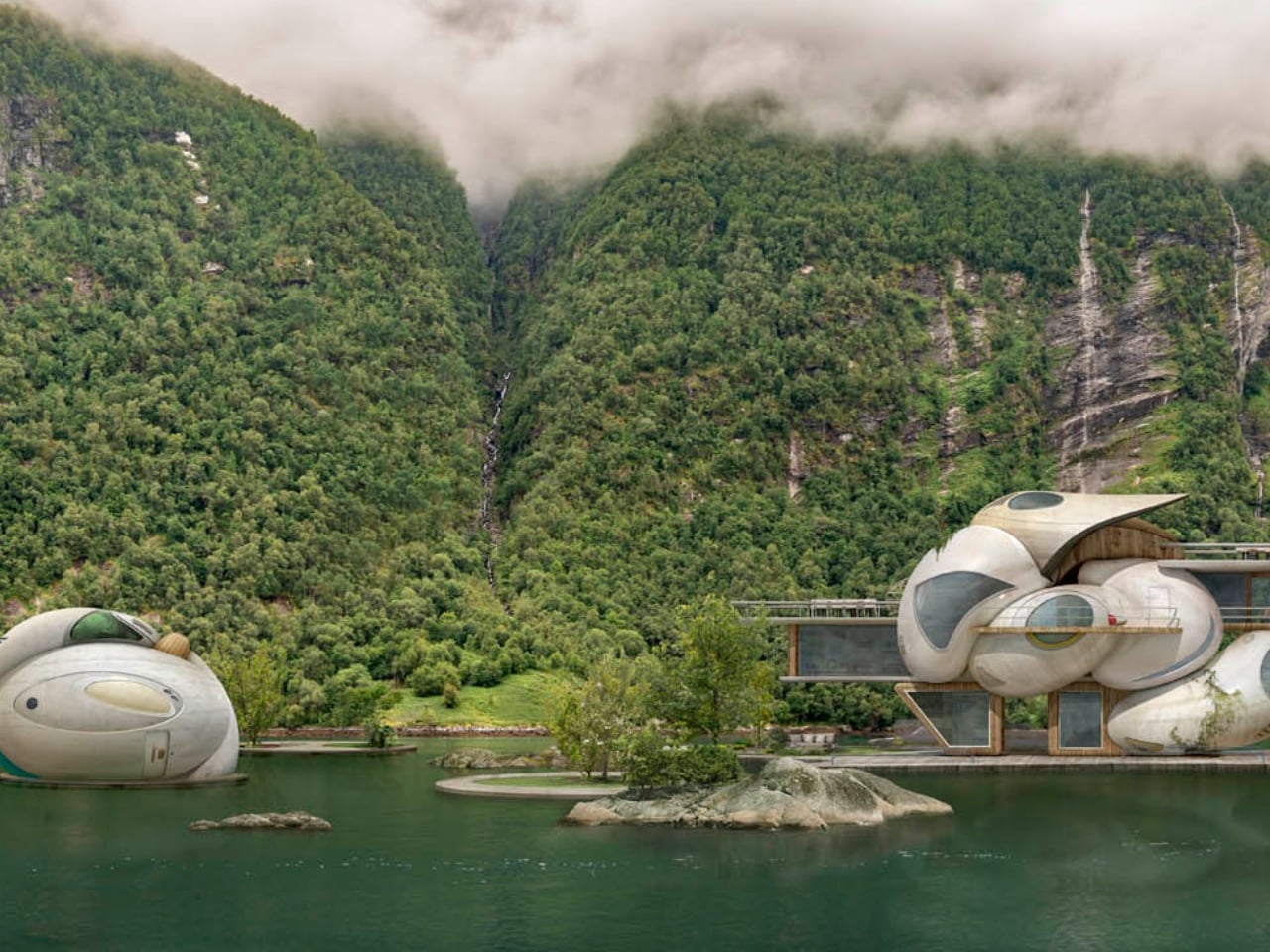
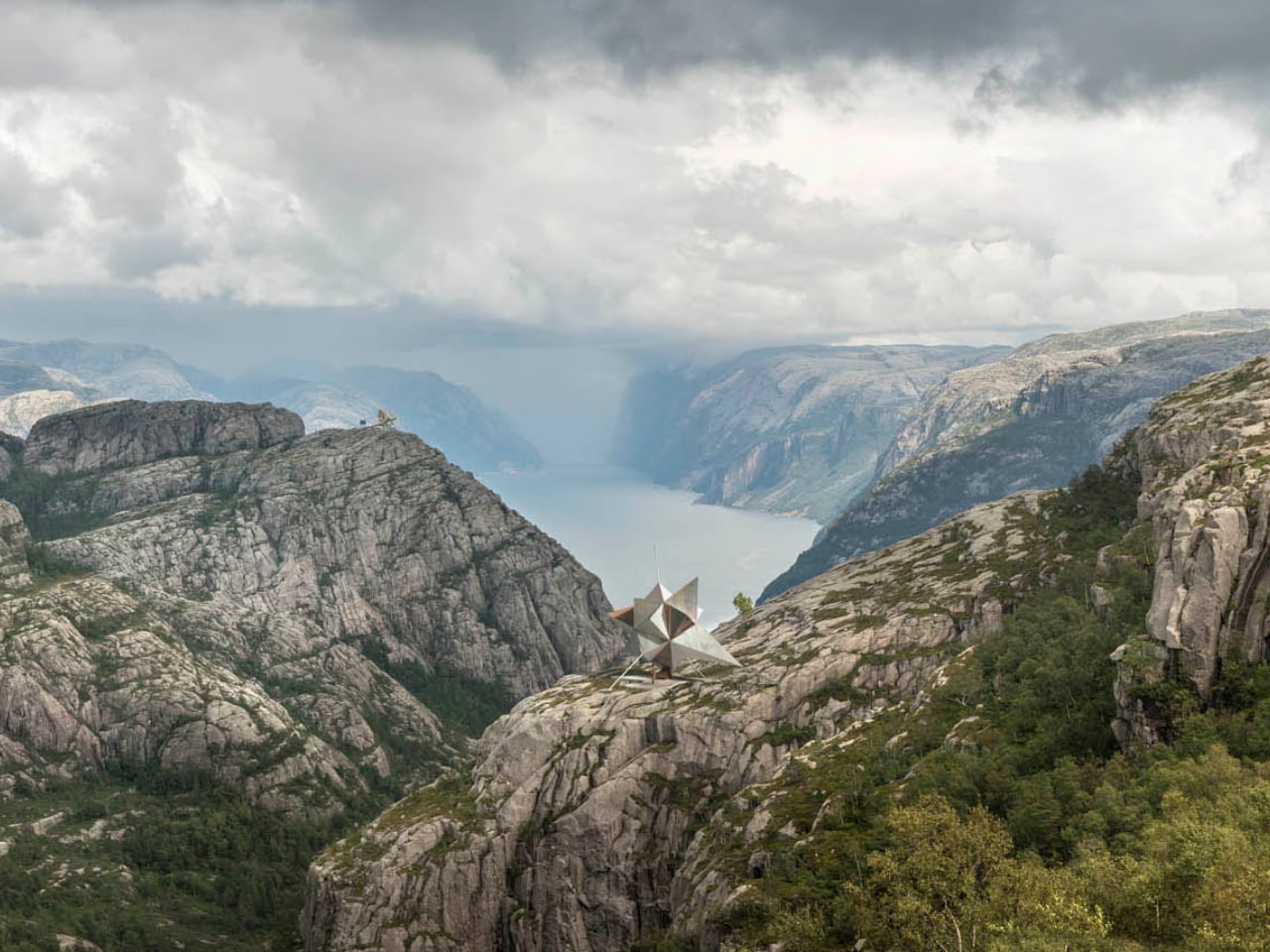
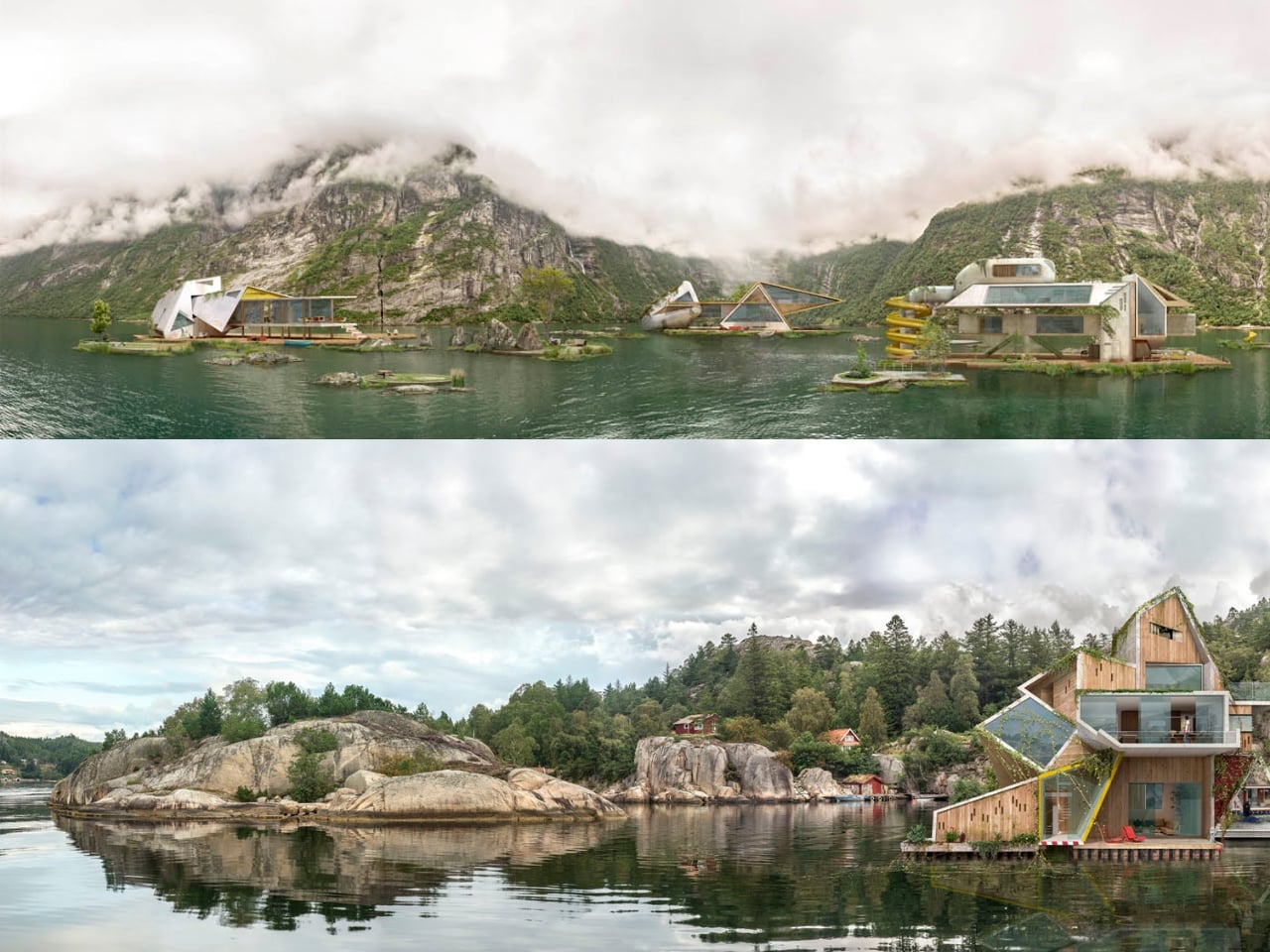
Spanish artist Dionisio González clearly felt it too. His series, Wittgenstein’s Cabin, takes that founding image as both premise and provocation. González works across photography, digital manipulation, and what you might call architectural fiction, and his practice has long focused on reimagining how people live in extreme or overlooked conditions. For this project, he envisioned a cluster of amphibious dwellings set directly on the Norwegian fjords, floating on artificial islands against the same vast and indifferent landscape that Wittgenstein once sought out. They are not proposals for construction. They are something closer to visual arguments.

The structures themselves are striking. Made primarily of weathered metal, they feel industrial and oddly organic at the same time. Each one has its own distinct form, but they share a visual family resemblance, like siblings built from the same strange blueprint. They sit on the water in ways that feel simultaneously precarious and deliberate. González has spoken about being drawn to “the confrontation, the frontality” of Wittgenstein’s original cabin with the fjord. For Wittgenstein, the water wasn’t backdrop. It was the actual condition of his solitude. González takes that thought and makes it architectural.

The project keeps pulling me back to one of the more persistent tensions in design conversation: the relationship between isolation and creative thought. The idea that you need to escape in order to think clearly is ancient, but it feels newly charged when genuine silence has become a luxury most people can’t really access. González frames philosophy itself as an “amphibian endeavour,” something that lives between the stable and the fluid, the settled and the speculative. His floating cabins give that metaphor a shape and a weight. They’re not quite houses. They’re more like habitable hypotheses.

None of these structures are intended to be built, and I think that’s precisely where their power lies. Architectural fiction as a practice asks you to sit with ideas rather than just objects. It creates room to think seriously about how we want to inhabit the world, even when the answer falls outside what’s commercially or technically possible. González’s designs carry a visual seriousness that separates them from pure fantasy, a quality that makes them feel genuinely worth spending time with.

Wittgenstein wanted to disappear from the world in order to think more clearly inside it. González takes that same instinct and places it on open water, wrapped in oxidized metal, asking what solitude actually looks like when landscape isn’t just a setting but a condition of being. The answer he offers is beautiful and strange, which feels entirely fitting for a project named after one of the twentieth century’s most beautiful and strange minds.

The post The Philosopher Wanted Silence. The Artist Built on Water. first appeared on Yanko Design.