LG xBoom Stage 501 Uses AI to Turn Any Song Into Instant Karaoke

CES 2026 is full of portable speakers that blur together until you find a pair built around specific moments in your week. Most promise bass and battery, but few commit to a clear identity beyond a spec sheet. LG’s xBoom Stage 501 and xBoom Blast are different, less about covering every scenario and more about owning the moments they were designed for with enough confidence to make those scenarios better.

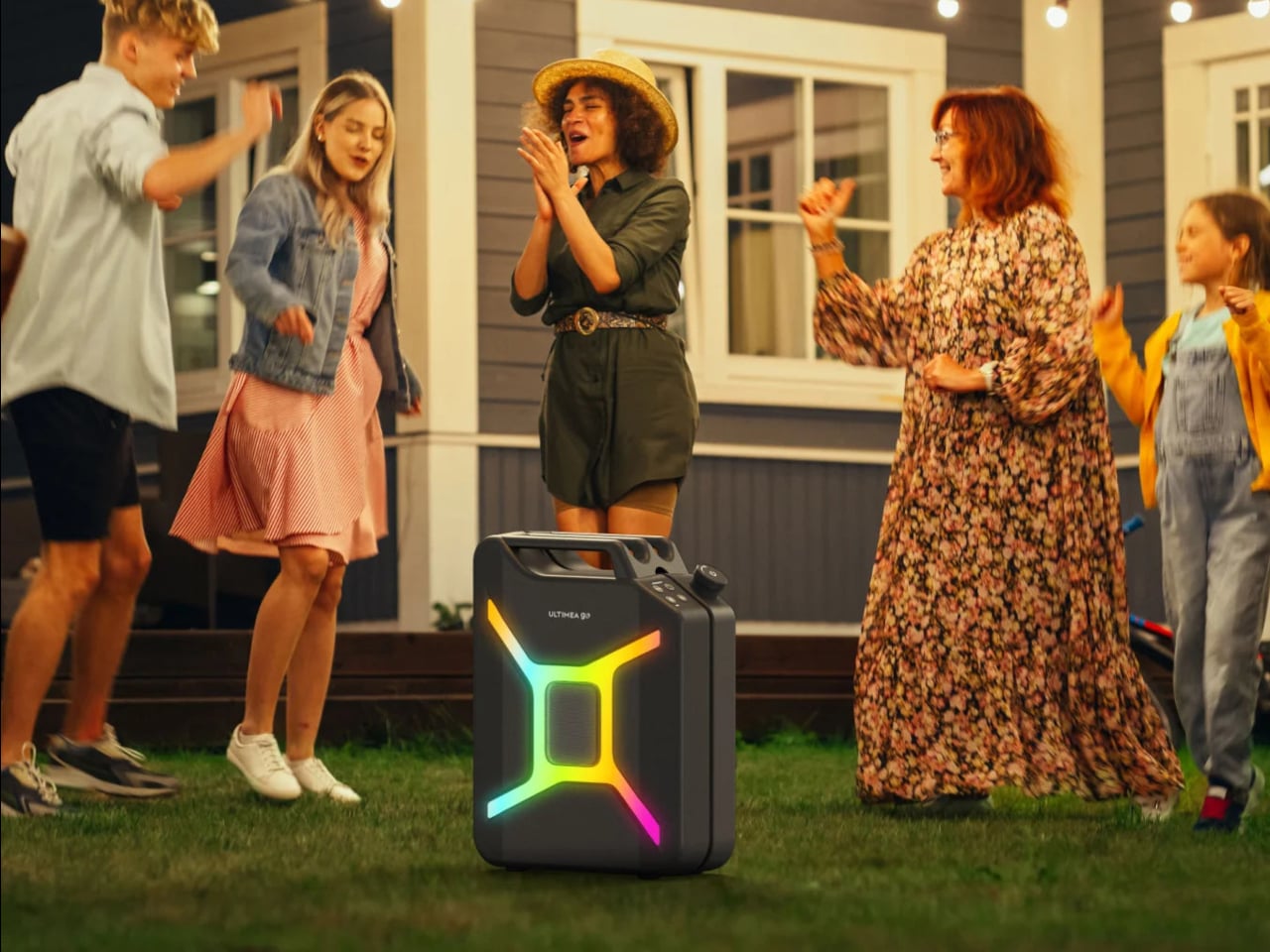
Stage 501 is tuned for late-night living-room chaos, karaoke marathons, and indoor parties that spill onto patios. Blast is built for long days outside, beach trips, camping weekends, and backyard gatherings that start in the afternoon and refuse to end until the sun comes back. Both run LG’s AI-driven xBoom platform with will.i.am’s signature sound, both pack 99 Wh batteries that outlast most playlists, and both treat lighting and sound as inseparable parts of the same vibe.

Designer: will.i.am x LG

xBoom Stage 501

A living room slowly turns into a karaoke bar as friends arrive, drinks appear, and someone inevitably reaches for a mic. Stage 501 is already in the corner, its wedge-shaped cabinet angled toward the room with LEDs pulsing in sync. It pushes up to 220 W when plugged in or 160 W on battery, with dual 2.5-inch woofers, full-range drivers, and Peerless tweeters handling everything from bass drops to high notes.

AI Karaoke Master turns any playlist into a karaoke queue, stripping or lowering vocals and even shifting pitch so people can sing solo or duet with the original artist without hunting for special tracks. It uses deep learning trained on over 10,000 songs, which means it works on virtually anything in your library. AI Sound and Space Calibration Pro analyze the room and the song, nudging EQ and output.

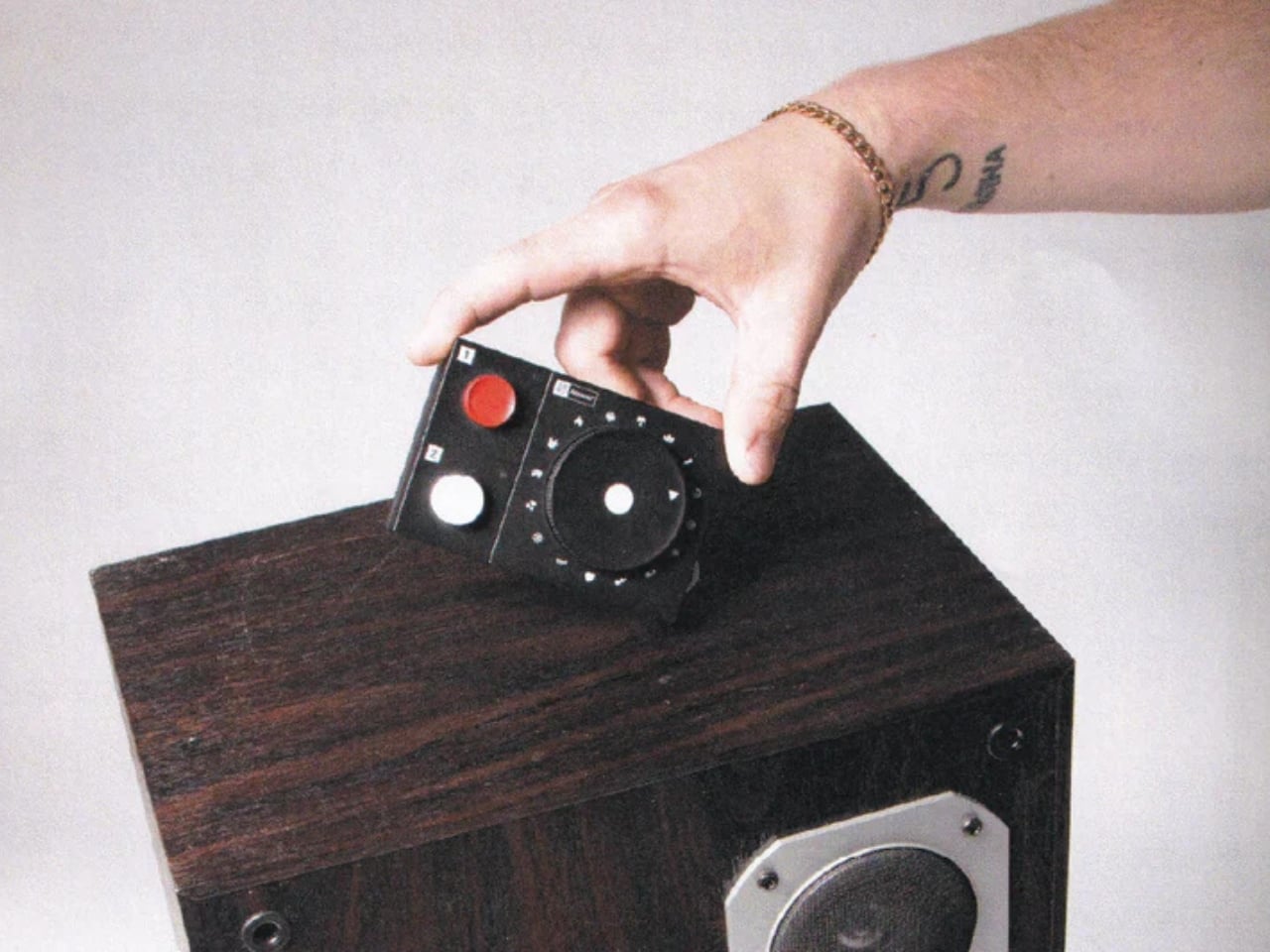
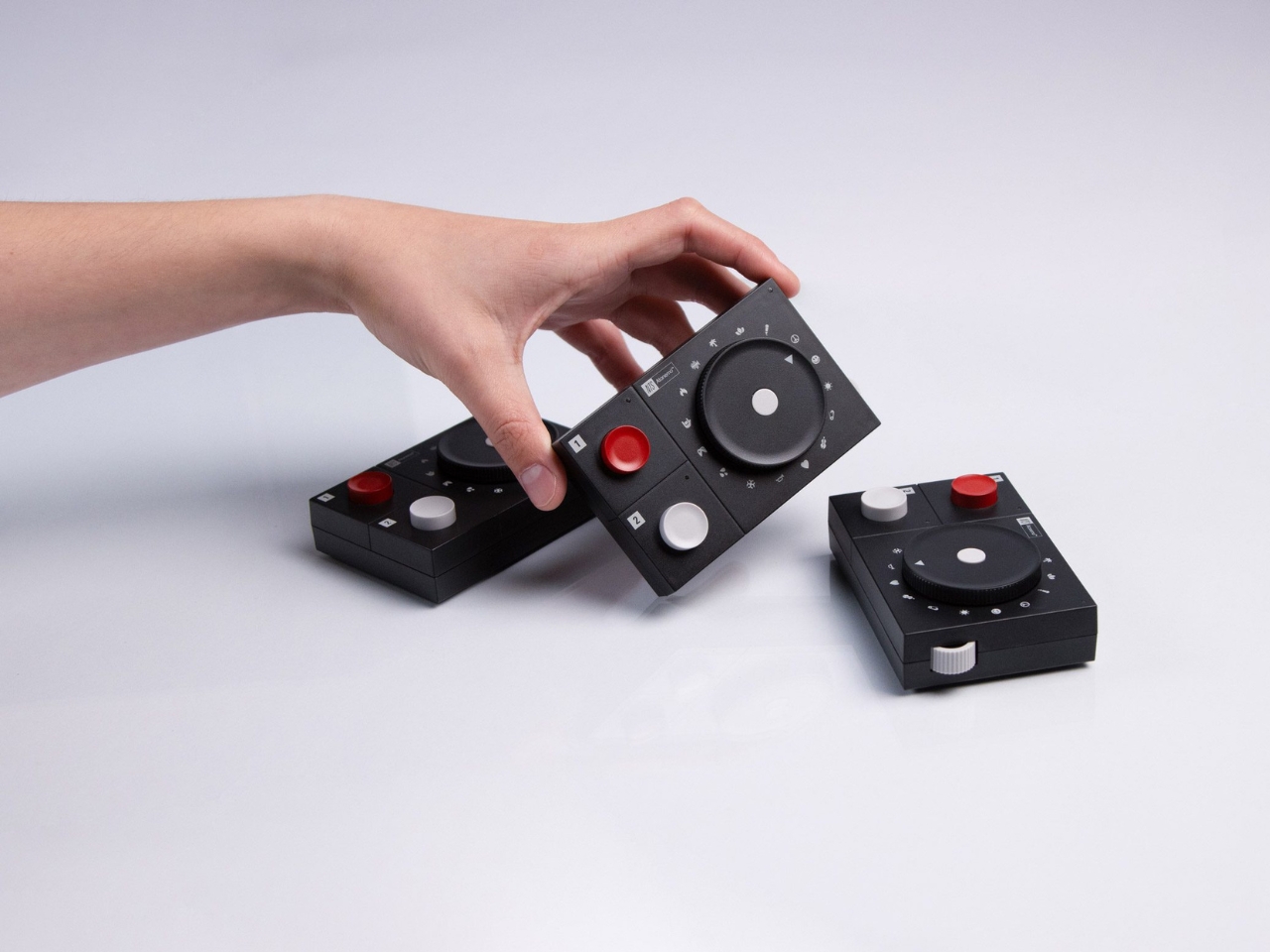
The top panel becomes a small control deck during the night, with a phone resting in the slot for lyrics, mics plugged in, and a big central dial handling volume and effects. The five-sided design can stand upright, lie horizontally, tilt, or even go on a tripod, so the same speaker that lives under a TV on weekdays can move to the patio or a rented hall when someone’s birthday rolls around.

xBoom Blast

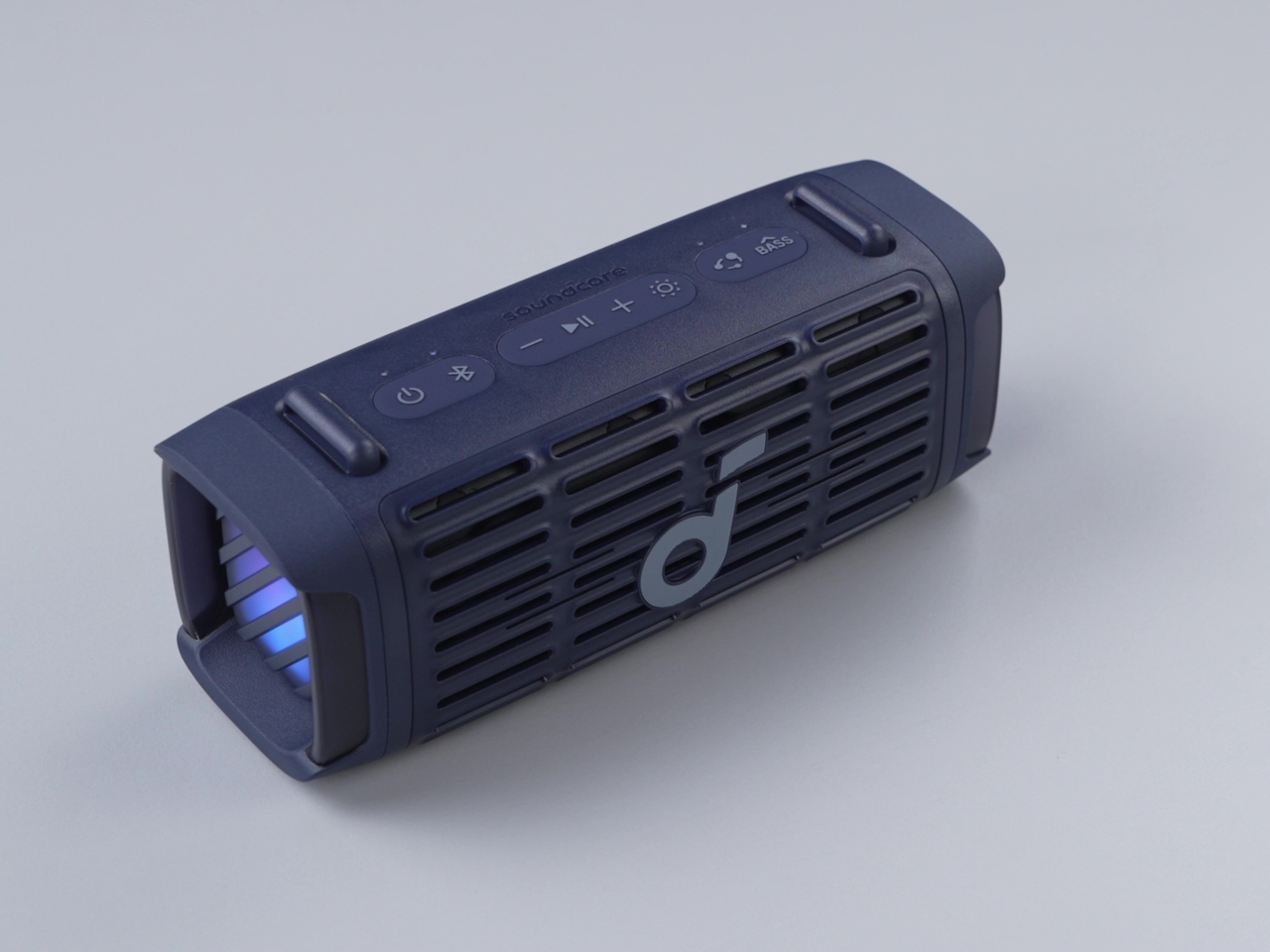
A beach day or campsite is different, power outlets are far away, and the playlist needs to last longer than the sun. Blast shows up as the tall, cylindrical speaker that gets dropped next to the cooler, its 99 Wh battery promising up to 35 hours of music. It still delivers 220 W of output with three 3.25-inch drivers and three passive radiators, so it does not sound like a compromise.

IP67 water- and dust-proofing, edge bumpers, and military-standard testing mean nobody panics when sand, spilled drinks, or sudden rain show up. The side rope handle makes it easy to carry vertically through crowds, while the top handle covers quick moves between spots. AI Lighting and AI Sound keep the LEDs and EQ in sync with whatever is playing, turning grass or sand into a small stage.

At 12 kg, Blast is not exactly light, but that weight holds the passive radiators and battery that get you through a full weekend outdoors. The dual-handle system and rugged shell acknowledge that party speakers live rougher lives than most tech, bouncing around trunks, getting set on uneven ground, and soaking up whatever the weather decides to do. Blast feels like it was designed for those realities.

LG at CES 2026

xBoom by will.i.am is less about one do-everything box and more about matching sound to the way people actually move through their week. Stage 501 anchors indoor parties and karaoke nights, while Blast follows you outdoors. Seeing them at CES 2026 hints at a future where portable speakers are defined as much by the nights and trips they are built for as by their wattage.

The post LG xBoom Stage 501 Uses AI to Turn Any Song Into Instant Karaoke first appeared on Yanko Design.
Samsung Taps Bouroullec to Design Speakers That Blend Into Rooms

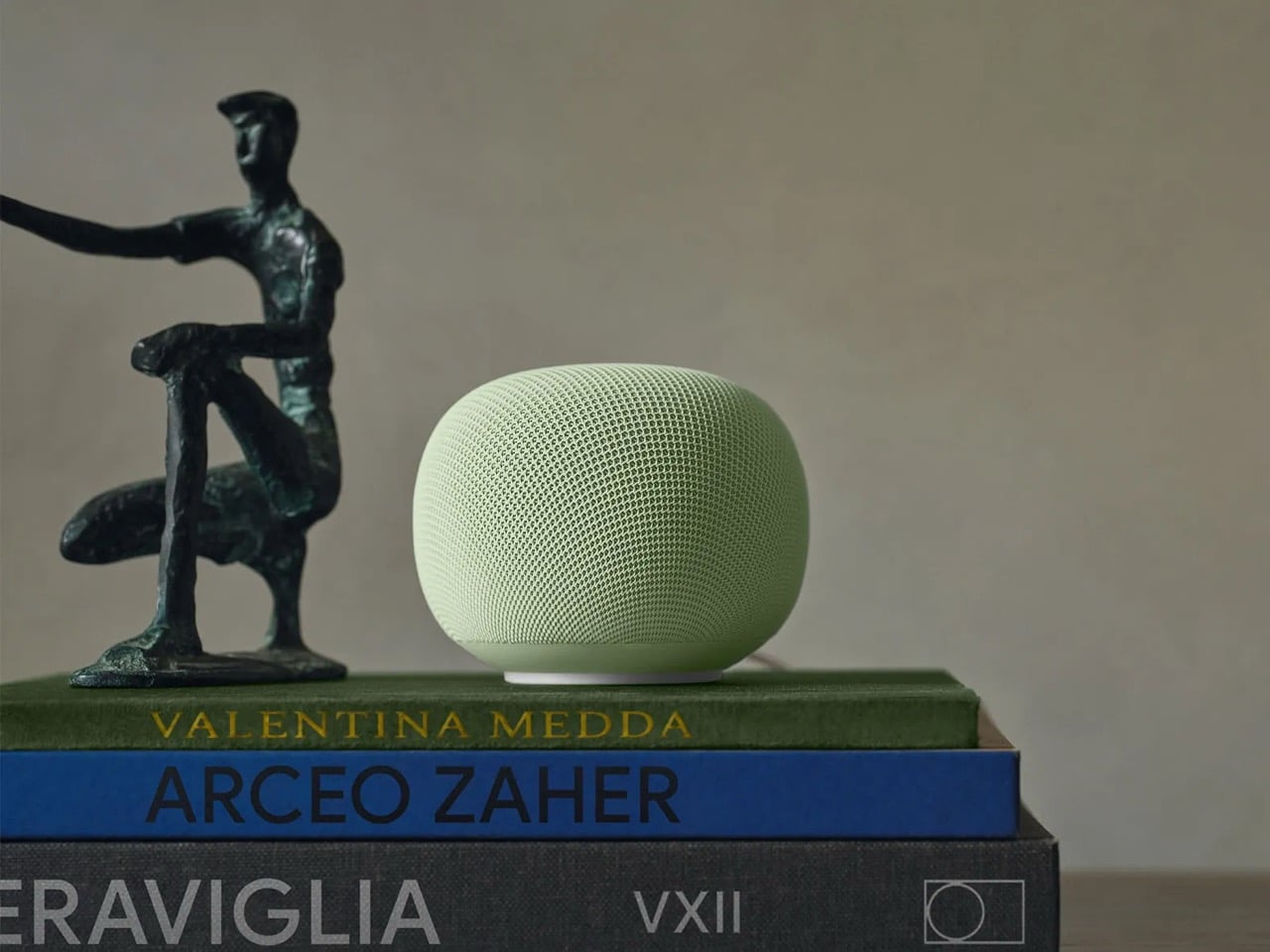
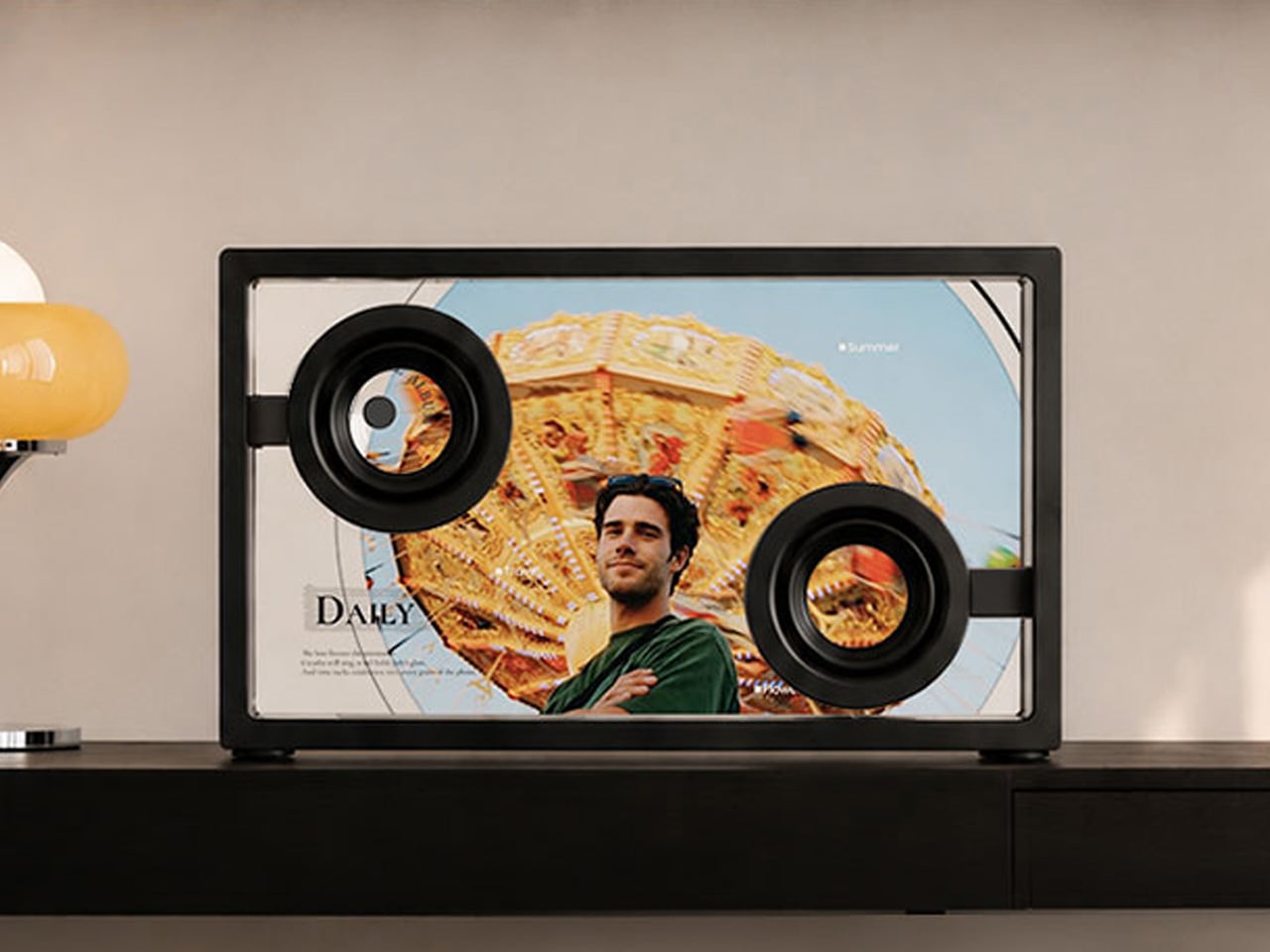
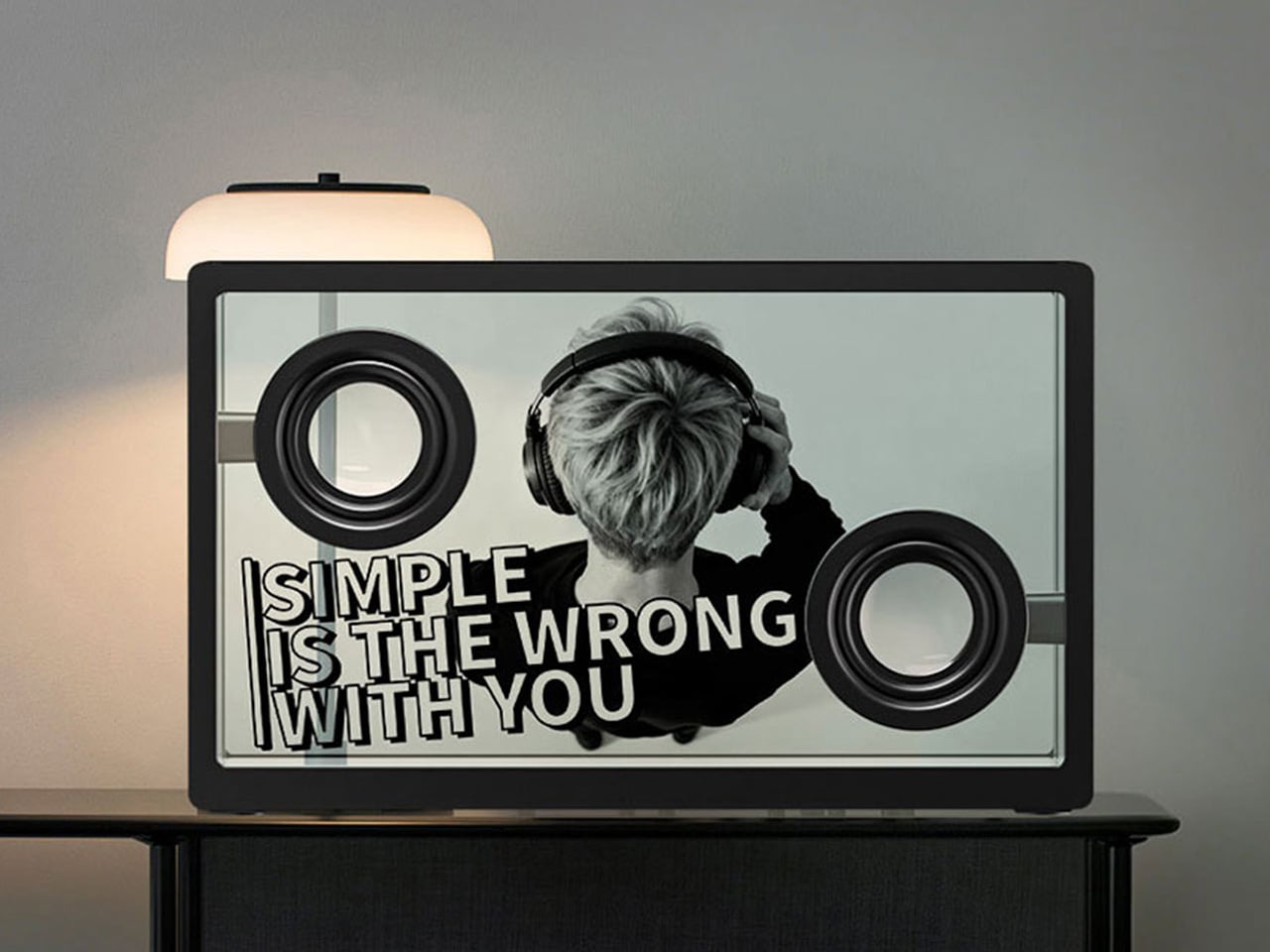
CES 2026 is full of screens and soundbars, but what stands out are speakers that look like they belong in a living room, even when they are silent. Samsung’s Music Studio 7 and Music Studio 5 are Wi-Fi speakers shaped around Erwan Bouroullec’s dot motif, designed to sit comfortably on shelves and consoles while quietly handling the serious audio work, from hi-resolution streaming to multi-device spatial sound.

Music Studio 7 (LS70H) is the tall, immersive one, and Music Studio 5 (LS50H) is the compact, gallery-friendly sibling. Both share the same circular eye on the front, a dot that hints at the origin of sound, but they play different roles at home. One anchors a room with 3.1.1-channel spatial audio, the other slips into smaller spaces without giving up clarity or presence.

Designer: Erwan Bouroullec

An evening where Music Studio 7 is handling everything, from a playlist to a late-night movie, makes the 3.1.1-channel architecture clear. Left, front, right, and top-firing drivers build a tall soundstage that wraps around the room, while Samsung’s pattern control and immersive waveguide keep effects and vocals precisely placed. AI Dynamic Bass Control keeps the low end deep but tidy, so the room feels full without the furniture rattling or neighbors complaining.

Quiet listening sessions bring hi-res playback into focus. The speaker processes up to 24-bit/96 kHz, so subtle details in acoustic tracks or film scores stay intact instead of getting smoothed over. Spotify lossless streaming and Spotify Tap over Wi-Fi let you move from phone to speaker with a tap, or start a recommendation directly on the device, which makes spontaneous listening feel less like managing gadgets and more like just pressing play.

Music Studio 5 lives in a different kind of space, on a shelf or sideboard where size matters. It uses a 4-inch woofer and dual tweeters with a built-in waveguide to keep sound balanced and crisp, even at lower volumes. AI Dynamic Bass Control deepens low frequencies without turning everything into a thump, so it works as well for background jazz while you cook as it does for focused listening at a desk.

A weekend movie where the speakers and a Samsung TV share the work shows how Q-Symphony handles multi-device sound. The TV and Music Studio units play together instead of one replacing the other, letting dialogue come from the screen while spatial effects spread to the speakers. Wi-Fi casting, streaming services, voice control, and Bluetooth via Samsung’s Seamless Codec sit in the background, making it easy to move sound between rooms or devices without thinking too hard about the path.

The dot-driven forms and soft colors make the speakers feel like part of the furniture, not gadgets that need to be hidden when guests arrive. Seeing them at CES 2026 hints at a direction where home audio is judged as much on how it shapes a room as on how it measures in a lab, and Music Studio 7 and 5 are built to live comfortably in both worlds, treating sound as something that belongs in a space rather than something you tolerate until you can afford to hide it.

The post Samsung Taps Bouroullec to Design Speakers That Blend Into Rooms first appeared on Yanko Design.

This Speaker Is Made From Sand (And It’s Actually Genius)

When you think of high-end speakers, your mind probably goes to sleek black boxes, glossy wood finishes, or maybe some minimalist Scandinavian design. But what if I told you the most interesting speaker I’ve seen lately is made from 3D-printed sand and hangs from steel cables like a piece of kinetic sculpture? Meet the Econik 1851, and trust me, it’s not your typical audio equipment.

Designer Anton Erbenich has created something that feels like it belongs in both a modern art museum and an audiophile’s listening room. The Econik 1851 is an active loudspeaker that throws convention out the window, starting with its most striking feature: the entire enclosure is 3D-printed from quartz sand. Yes, actual sand. The result is this gorgeous, rough-textured surface that looks almost ancient, like some kind of minimalist pottery that somehow ended up with speaker drivers embedded in it.

Designer: Anton Erbenich

But this isn’t just about aesthetics (though let’s be honest, it’s stunning to look at). The quartz sand construction serves a real purpose. That mineral texture you see? It’s not just for show. The material helps reduce micro-vibrations that can mess with sound quality. Audiophiles obsess over these tiny details because even the smallest vibrations can color the audio in ways you don’t want. By using this unconventional material, Erbenich found a way to solve a technical problem while creating something visually distinctive.

The shape itself is equally intentional. Look at those spherical forms, stacked like a quirky snowman with side protrusions that give it an almost organic, pod-like appearance. That nearly spherical interior volume isn’t random either. It’s designed to reduce standing waves, those annoying acoustic phenomena that happen when sound bounces around inside a speaker cabinet in ways that create peaks and nulls in the frequency response. Basically, the shape helps the sound stay cleaner and more accurate.

Then there’s the suspension system, which might be my favorite part of the whole design. The speakers hang from steel cables attached to an elegant curved stand that looks like a fishing rod crossed with a piece of modern sculpture. This isn’t just a cool visual trick. By suspending the speakers this way, Erbenich has essentially decoupled them from any surface vibrations. They float in space, isolated and free to do their acoustic thing without interference. Plus, it makes the whole setup feel weightless despite the solid, substantial nature of those sand-printed enclosures.

As an active speaker system, the Econik 1851 has all the amplification and signal processing built right in. This is increasingly common in high-end audio, but it’s still worth noting because it means setup is remarkably simple. You don’t need to match it with separate amplifiers or worry about speaker cable quality debates. Just plug in a power cable, send it your audio signal, and you’re ready to go. It’s the kind of thoughtful design decision that makes sophisticated technology more accessible.

What really gets me about this design is how it manages to be both bold and subtle at the same time. Yes, it’s a conversation piece. You’re not hiding these speakers in a cabinet or blending them into your décor. But that sandy, neutral tone and the organic shapes mean they don’t scream for attention the way some statement pieces do. They have presence without being loud about it (pun intended).

This feels like the kind of design that bridges multiple worlds. Tech enthusiasts will appreciate the engineering solutions. Design lovers will obsess over the form and material choices. And even people who just want their spaces to feel interesting will find something appealing about these sculptural objects that happen to play music. In a market saturated with either ultra-modern tech aesthetics or retro throwback designs, the Econik 1851 carves out its own territory. It feels timeless in a way that’s hard to achieve, like it could have been designed yesterday or decades from now. That’s the mark of really thoughtful design work: when function and form merge so seamlessly that you can’t imagine it any other way.

The post This Speaker Is Made From Sand (And It’s Actually Genius) first appeared on Yanko Design.
DIY Spotify-to-Cassette Player Adds Analog Warmth to Digital Streaming Audio

Most audio enthusiasts fall into one of two camps: the ones chasing perfect fidelity with lossless files and the ones who swear their vinyl sounds warmer. Julius decided to build a bridge between these worlds, and it looks like something Q would hand to James Bond if the mission involved a particularly groovy villain.

His cassette streaming device takes Bluetooth audio and runs it through an actual tape loop before playback, physically imprinting that analog character onto digital streams. The engineering journey was brutal. Turns out cassette decks from decades past have some deeply weird ideas about electrical grounding, and getting modern Bluetooth hardware to play nice with positive-rail-referenced vintage electronics required DC isolating voltage regulators and more than a few creative workarounds. The payoff is a device that looks incredible and introduces real tape saturation without any digital fakery.

Designer: Julius Makes

The concept is straightforward. Bluetooth audio arrives digitally, converts to analog, mixes from stereo to mono, records onto cassette tape, travels around the loop, hits a playback head, then reaches the speaker. That physical trip through magnetic tape creates the warmth people obsess over. The compression happens because ferric oxide particles on polyester film genuinely can’t capture digital audio’s full range. These are real physical limitations making the sound different, and somehow our ears prefer it that way. Julius made the tape loop visible on purpose, sitting outside the cassette with orange guide brackets so you watch it move while listening.

Getting everything to work required solving problems that shouldn’t exist anymore. Cassette decks connect their chassis to the positive power rail instead of ground. Julius only learned this after bolting his grounded metal case directly to the deck with screws, nearly shorting everything. The audio input shielding also runs to positive, which makes zero sense if you’re used to modern electronics. His Bluetooth module expected normal ground references, creating a fundamental incompatibility. An isolation transformer from AliExpress failed completely. He tried powering the Bluetooth at 12.5 volts while referencing it to 7.5 volts, but that rail wouldn’t sink current. Three months of debugging until DC isolating voltage regulators finally solved it.

The VU meter uses a fluorescent tube that works backward from what you’d expect. Silence keeps it fully lit, loud beats make it dim. Julius inverts the signal on purpose so the tube glows when the device sits idle, which looks better and extends the tube’s life. The circuit gains the audio signal 500 times, clips it hard to isolate peaks, then runs through a diode detector with a capacitor for smoothing. The power amp inverts everything again and boosts another five times to drive the tube. The lag you see in the meter’s response comes from that smoothing capacitor, which is a feature since nobody wants a seizure-inducing flicker.

He built five separate circuit modules. One auto-starts the Bluetooth by faking a long button press with an RC pulse generator. Another converts stereo to mono for the recorder. The playback preamp amplifies the tape signal and applies EQ compensation, splitting output between the speaker and the meter circuits. Everything lives on custom PCBs he designed in KiCad after a month of learning the software. The stainless steel case handles shielding and heat dissipation from the power amp. A laser-cut acrylic panel makes the front transparent. The big orange knob pushes record volume into distortion territory. The small knob controls speaker output. Input and output jacks mean you can use this as a tape delay or saturation processor for other gear, which honestly might be more useful than Bluetooth streaming through cassette tape. But useful was never really the point.

The post DIY Spotify-to-Cassette Player Adds Analog Warmth to Digital Streaming Audio first appeared on Yanko Design.
Retro-modern N200 desktop speaker has serious Teenage Engineering vibes

Desktop Bluetooth speakers are plentiful, and the one you choose for your desk setup purely depends on the desired audio signature and your design affinity. While the commercially available desktop speakers from numerous brands go for the tried and tested designs with some trendy innovations in the mix, some unique desk speaker designs do catch our attention.

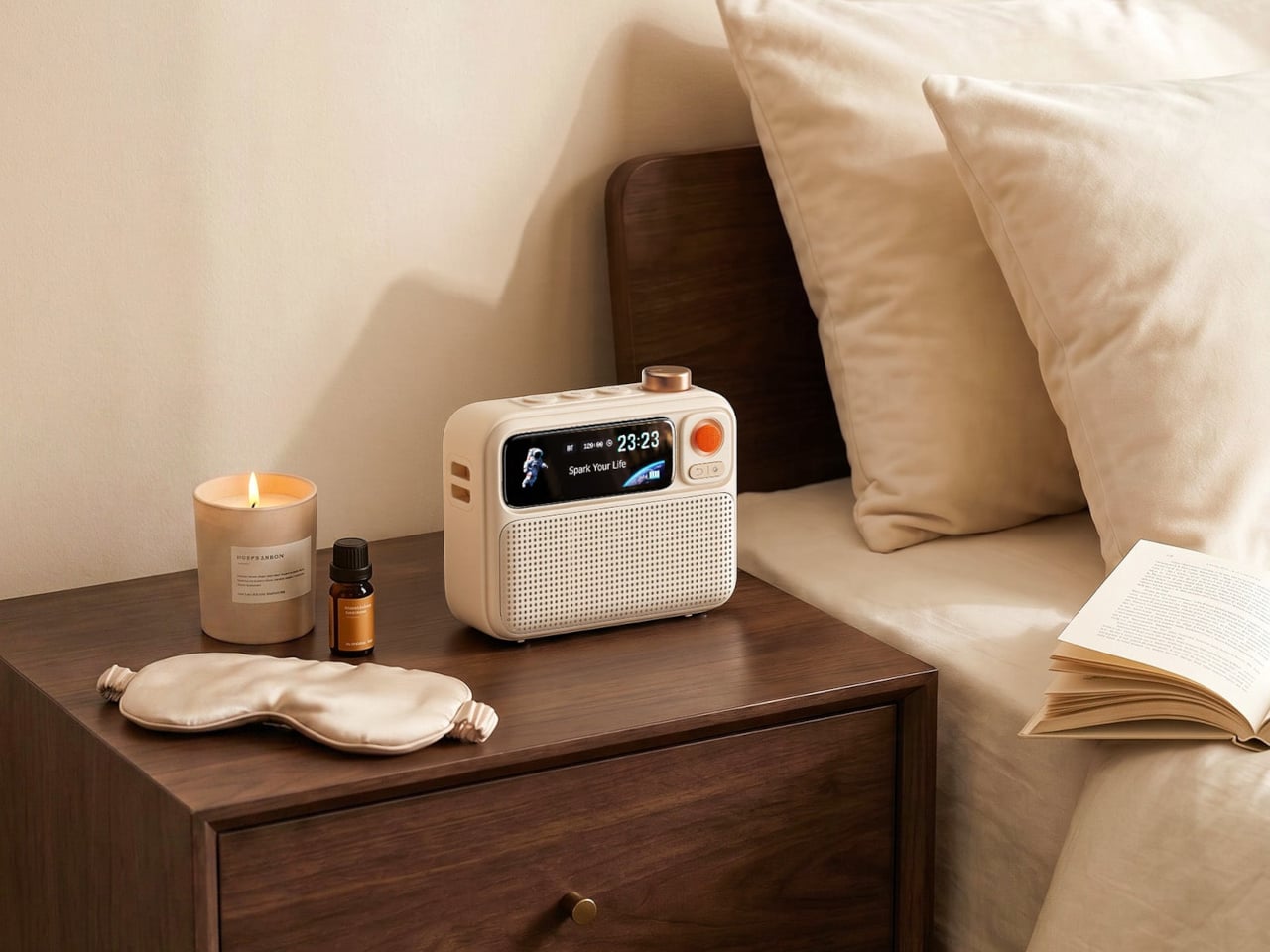
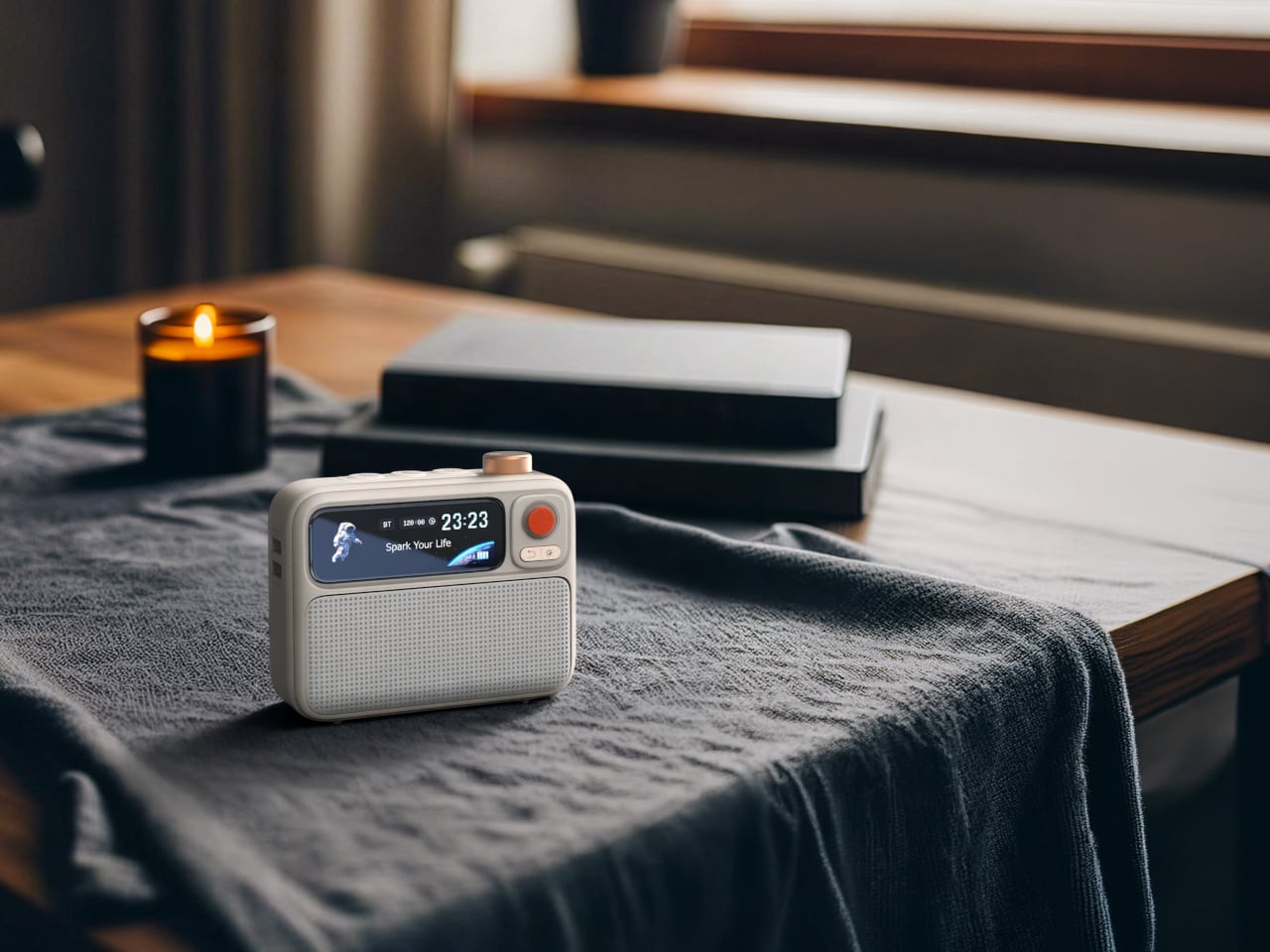
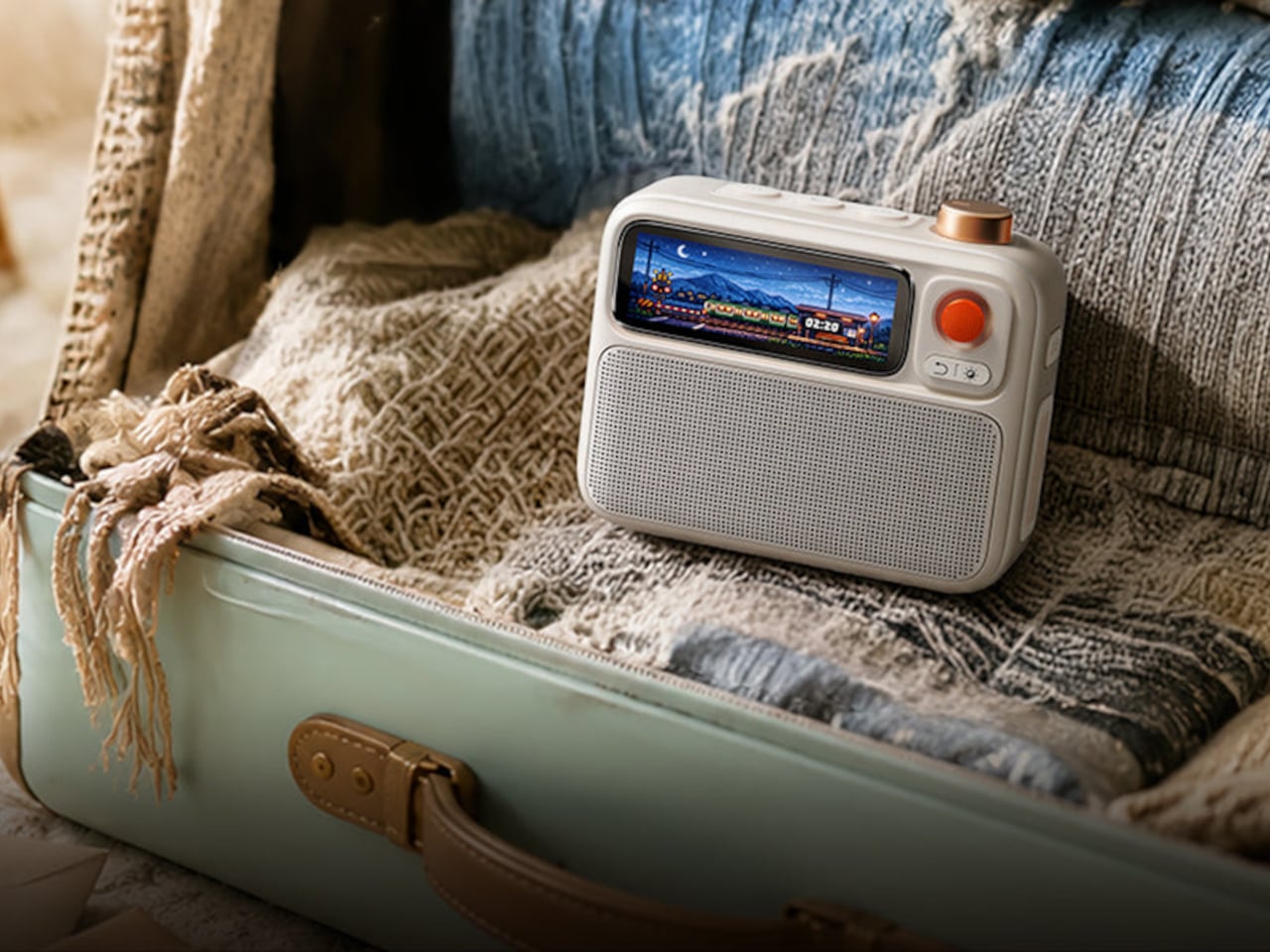
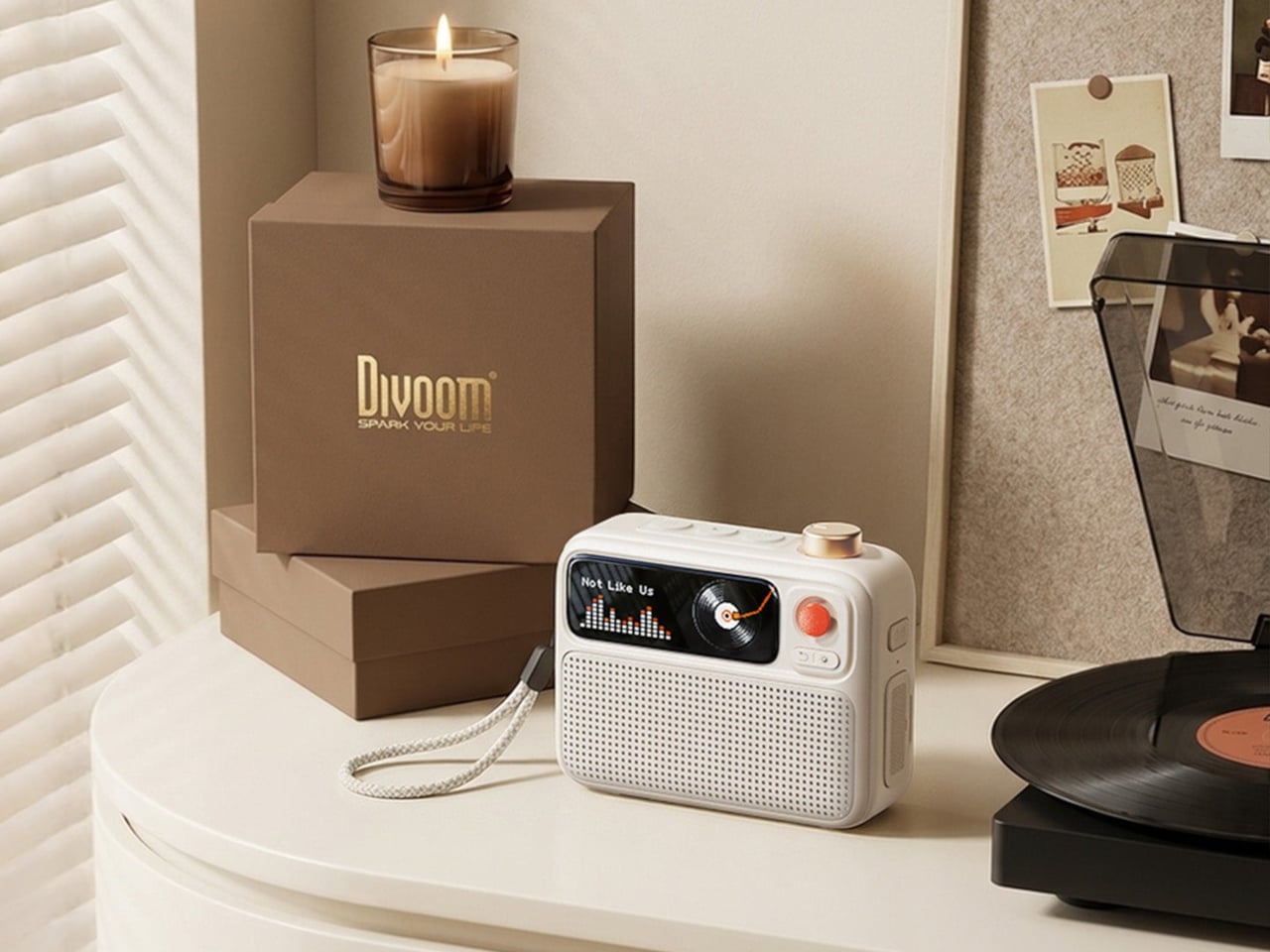
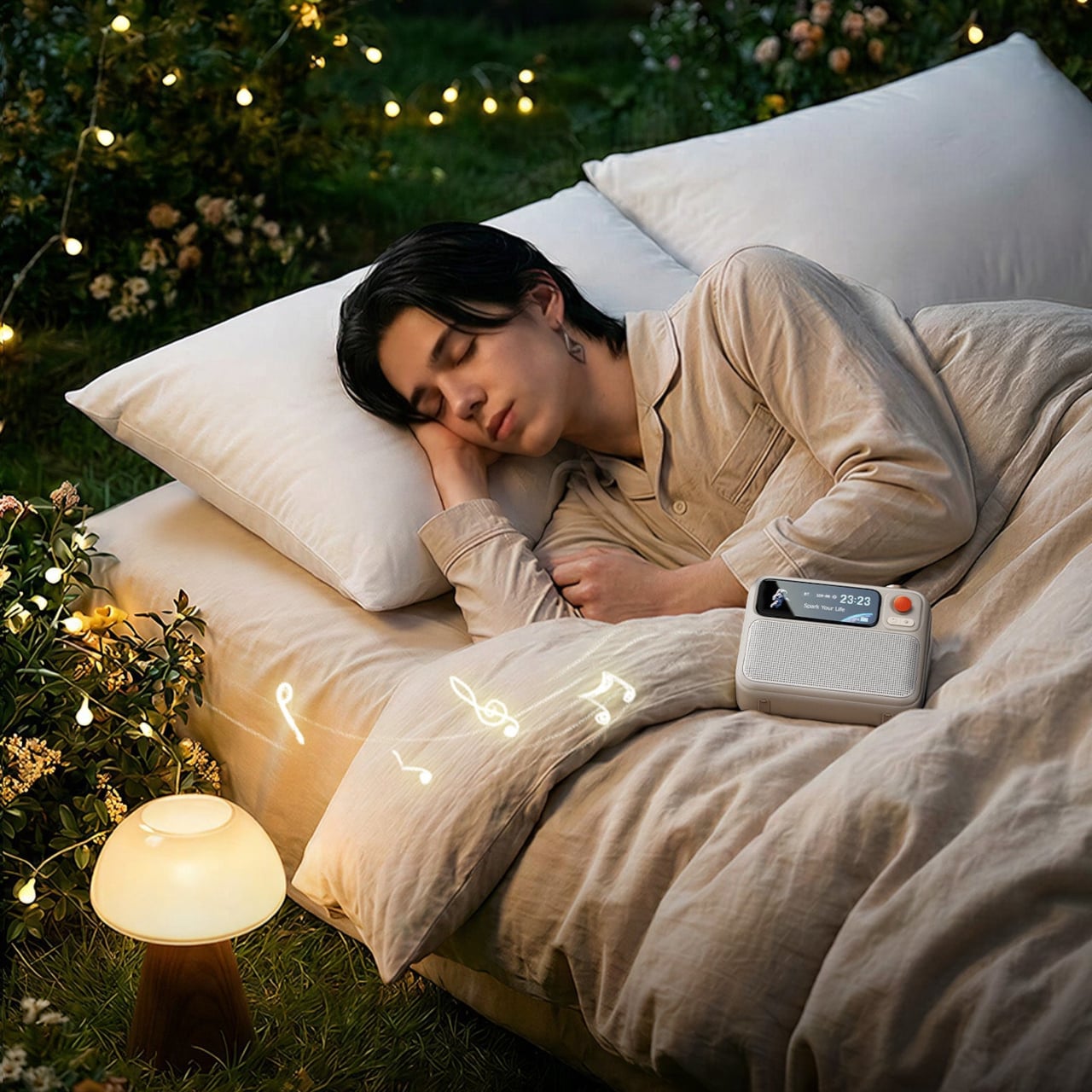
This is the Orgdot N200 Bluetooth desktop speaker that bears a tell-tale industrial design influence and a pinch of steampunk vibe. Designed by Shu Zhang and his team, the wireless speaker is mindful of the design sense of modern users. The primary motive is to create a relaxing and immersive atmosphere for the user, while keeping the practical functionality intact. The retro-modern form of the speaker takes you back in time when muted colors were beautifully fused with the vibrant hues to instantly pep up any desk space.

Designer: Shu Zhang and Orgdot

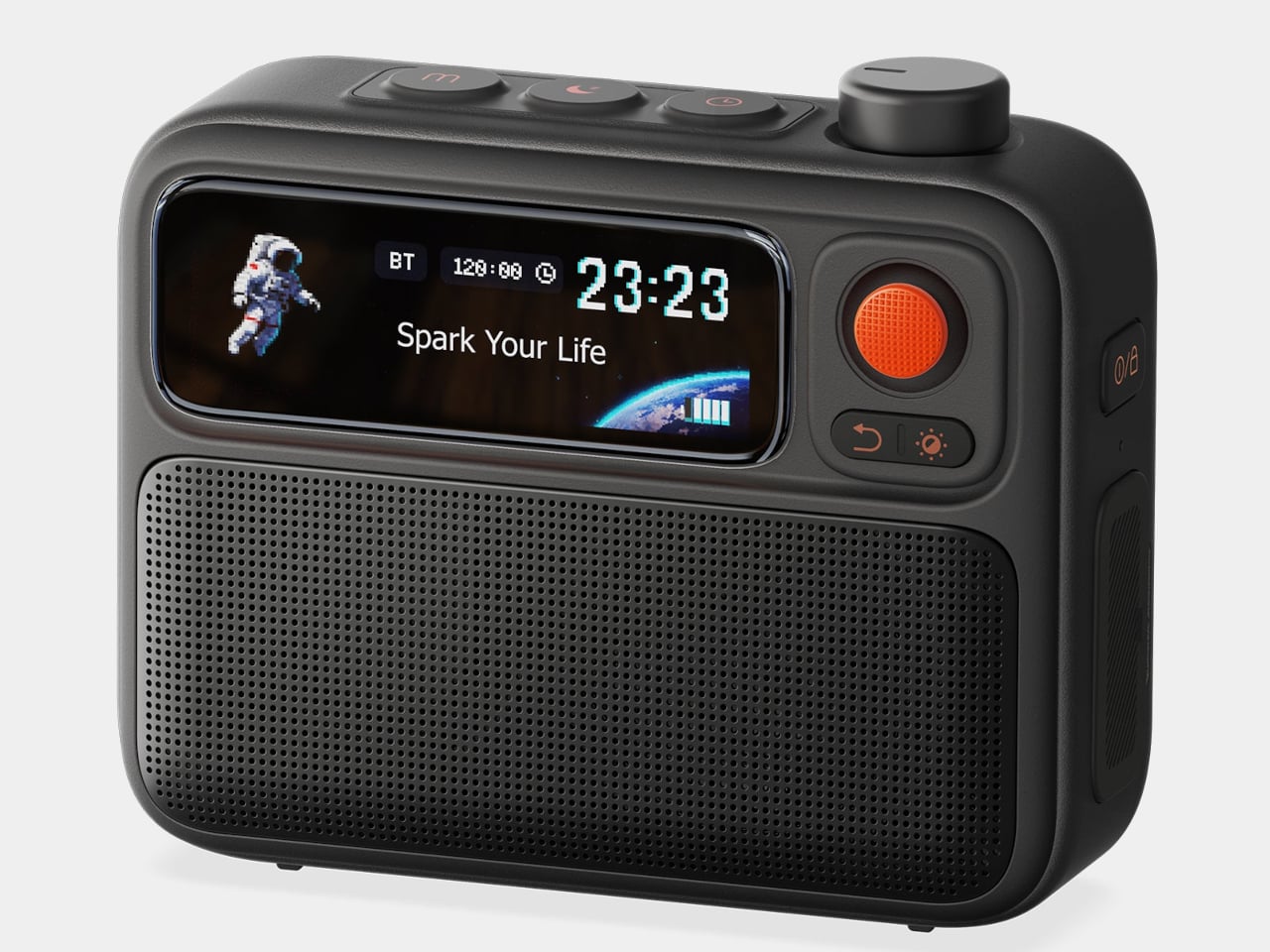
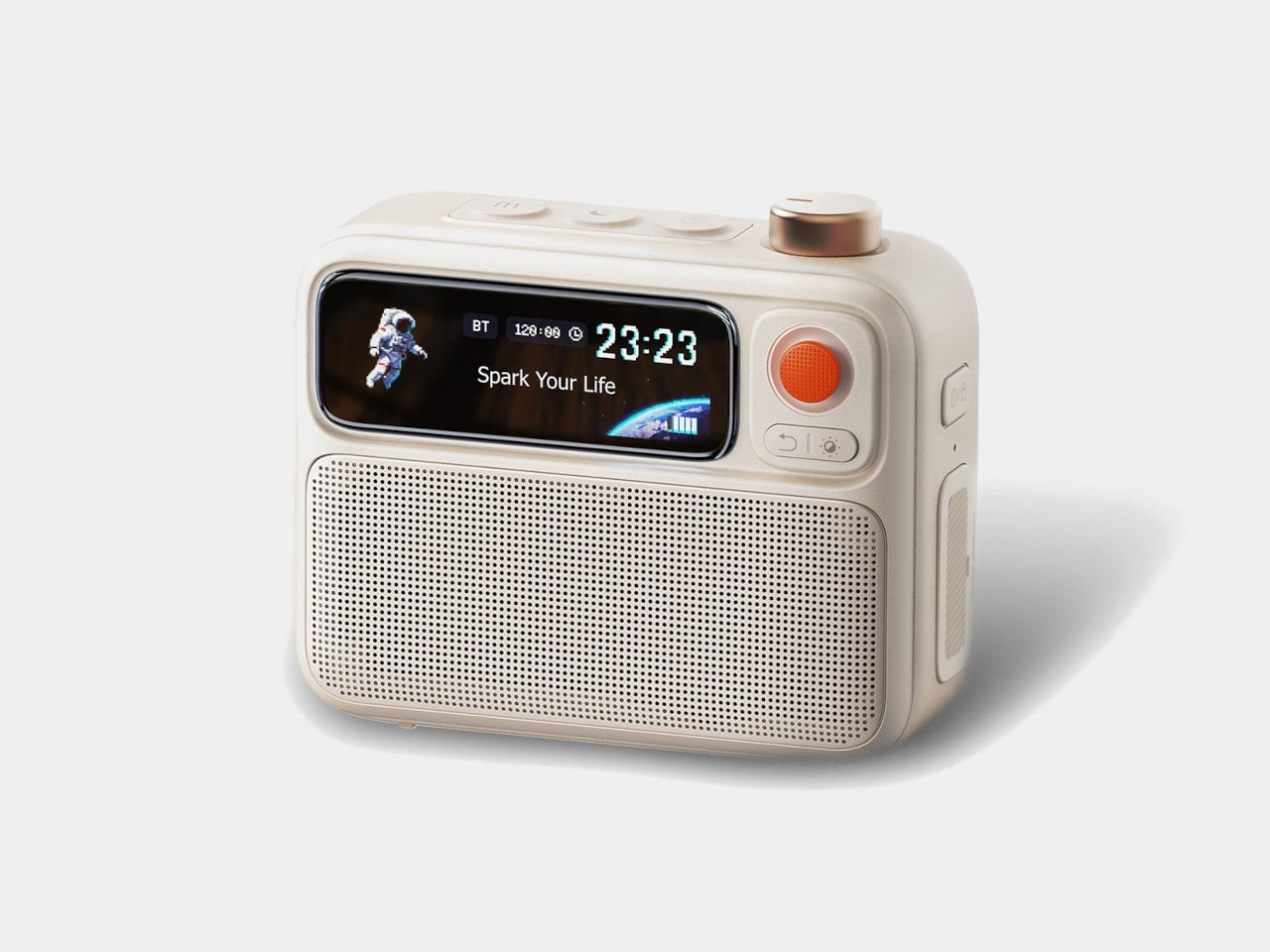
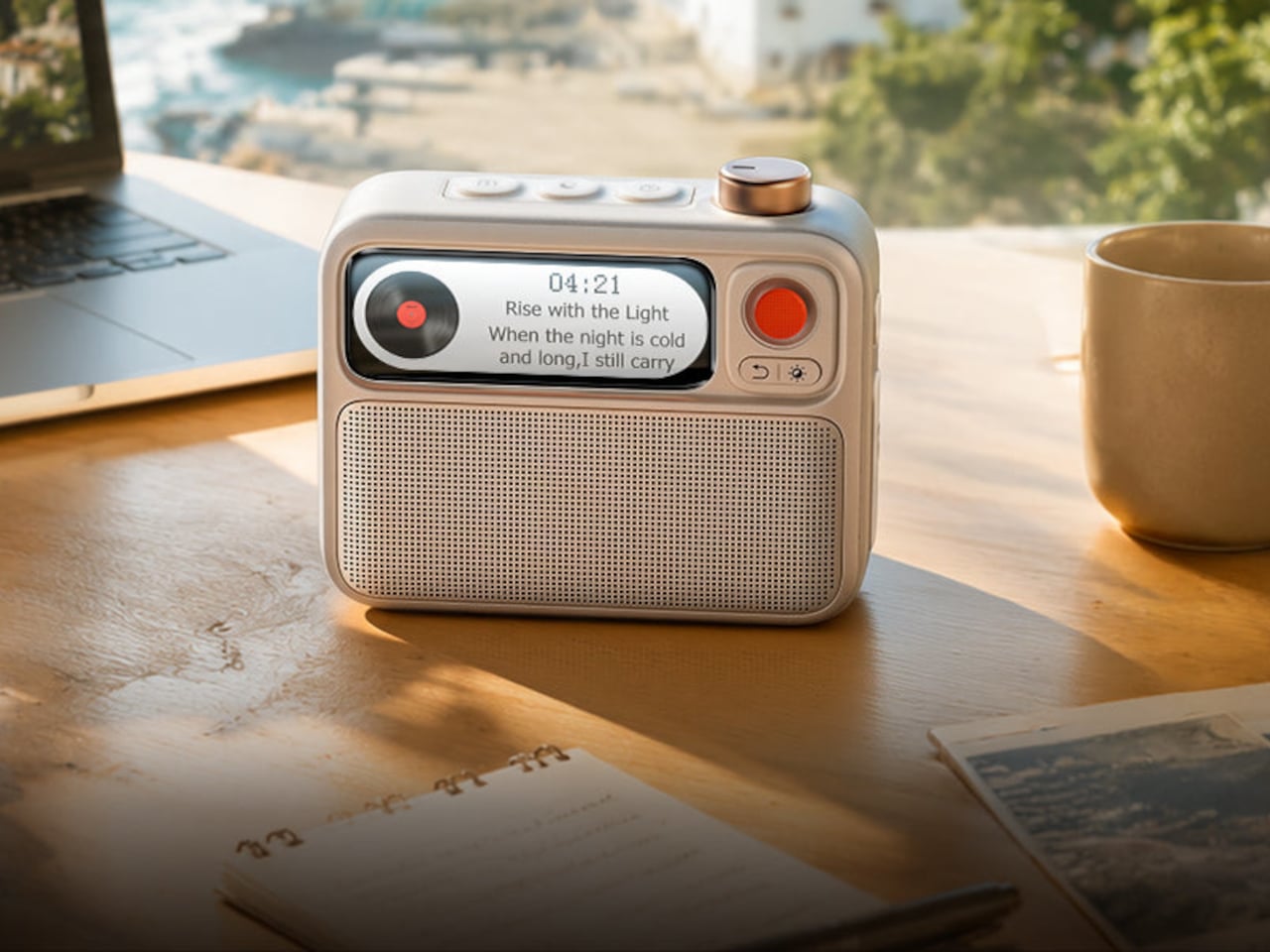
The Orgdot Bluetooth speaker draws inspiration from the modular design of the LEGO bricks, thereby having a swappable front panel, physical buttons, indicator lights, and a dot-matrix display. First look at this thing, and I presumed it was a Teenage Engineering-inspired product, but it turned out otherwise. This makes the audio accessory much more than just a possession to listen to your favorite tunes. It’s more like a playable and explorable sound companion for your desk. I can already imagine this one sitting on my geeky desk with the future garage or lo-fi tunes playing for hours on end as I dive deep into my productive sessions.

For Shu, the guiding principle in crafting the speaker is “Form Follows Function.” Keeping intact the brand’s signature design ethos, the portable speaker has a simple geometric shape for visual consistency. Coming back to the choice of colors, the low-saturation beige for the body frame brings an element of tranquil aesthetic, while the bright orange denotes the interactive components like the volume dial. To put stress to a minimum on the new users, the physical button colors correspond to the corresponding icons. To put the speaker on the desk sturdily and have a distinct appeal, the integrated metal stand adds to the nostalgic charm. The design of the stand enables multi-level adjustment to adjust the elevation depending on the desktop layout.

The 8Watt speaker is made out of plastic, metal, and rubber with strategically placed functional zones for the best tactile experience. It comes with support for TWS pairing, wherein you can connect two N200s for an even more immersive soundscape. The pixel display shows all the current playback vitals and the preloaded emoticons, which is cool. On the back, there are aux-in and USB-C connectivity options as well, so that you can connect the BT speaker to physical hardware.

The post Retro-modern N200 desktop speaker has serious Teenage Engineering vibes first appeared on Yanko Design.

Retro-modern N200 desktop speaker has serious Teenage Engineering vibes

Desktop Bluetooth speakers are plentiful, and the one you choose for your desk setup purely depends on the desired audio signature and your design affinity. While the commercially available desktop speakers from numerous brands go for the tried and tested designs with some trendy innovations in the mix, some unique desk speaker designs do catch our attention.

This is the Orgdot N200 Bluetooth desktop speaker that bears a tell-tale industrial design influence and a pinch of steampunk vibe. Designed by Shu Zhang and his team, the wireless speaker is mindful of the design sense of modern users. The primary motive is to create a relaxing and immersive atmosphere for the user, while keeping the practical functionality intact. The retro-modern form of the speaker takes you back in time when muted colors were beautifully fused with the vibrant hues to instantly pep up any desk space.

Designer: Shu Zhang and Orgdot

The Orgdot Bluetooth speaker draws inspiration from the modular design of the LEGO bricks, thereby having a swappable front panel, physical buttons, indicator lights, and a dot-matrix display. First look at this thing, and I presumed it was a Teenage Engineering-inspired product, but it turned out otherwise. This makes the audio accessory much more than just a possession to listen to your favorite tunes. It’s more like a playable and explorable sound companion for your desk. I can already imagine this one sitting on my geeky desk with the future garage or lo-fi tunes playing for hours on end as I dive deep into my productive sessions.

For Shu, the guiding principle in crafting the speaker is “Form Follows Function.” Keeping intact the brand’s signature design ethos, the portable speaker has a simple geometric shape for visual consistency. Coming back to the choice of colors, the low-saturation beige for the body frame brings an element of tranquil aesthetic, while the bright orange denotes the interactive components like the volume dial. To put stress to a minimum on the new users, the physical button colors correspond to the corresponding icons. To put the speaker on the desk sturdily and have a distinct appeal, the integrated metal stand adds to the nostalgic charm. The design of the stand enables multi-level adjustment to adjust the elevation depending on the desktop layout.

The 8Watt speaker is made out of plastic, metal, and rubber with strategically placed functional zones for the best tactile experience. It comes with support for TWS pairing, wherein you can connect two N200s for an even more immersive soundscape. The pixel display shows all the current playback vitals and the preloaded emoticons, which is cool. On the back, there are aux-in and USB-C connectivity options as well, so that you can connect the BT speaker to physical hardware.

The post Retro-modern N200 desktop speaker has serious Teenage Engineering vibes first appeared on Yanko Design.

This concentric turntable with a CD player is the ultimate Hi-Fi system for newbie audiophiles

Revival of the vinyl records and CD players was inevitable, as we’re seeing a swarm of physical media players that bring the invincible charm of analog music with the twist of modern design and technology. The rich and warm sound of record players is unmatchable, and the resurgence of physical audio is not going to tone down anytime soon.

Mixx Audio, known for their affordable turntables, wants to spice up the audio accessories market with a turntable that lets you have the best of both worlds – CDs and vinyl record players. Driven by the need to create a player that fits modern homes, the Analog Plus 2-in-1, fully automatic vinyl turntable has a built-in CD player. That means you don’t have to buy separate players for both to enjoy your vinyl records and CDs.

Designer: Mixx Audio

Design takes precedence here as the concentric turntable makes judicious use of the space below the platter for fitting in the CD player. The idea is to make it simple for listeners who want to enjoy both their vinyls and CDs with minimum fuss. Analog Plus is inspired by the industrial design of the 80s hi-fi components that weighed heavily into the sharp angular visuals. On the inside, it gets the Audio Technica AT3600L moving magnet cartridge, capable of playing 7-inch and 12-inch records at 33/45 rpm. Apart from this, you can enjoy your digital media as well, since there’s Bluetooth 5.3 and aux output. The included remote makes it convenient to toggle tracks, volume, or other player options.

The physical controls are mounted on the front for ease of use, alongside the small display that shows the current track progress and the mode selection buttons. The CD player of the turntable has a top-loading mechanism at the center. You can play normal CDs, or audio CDs, and RW discs as well. The audio quality output from these digital audio files is quite good, as it plays MP3 and WMA at up to 16-bit/44.1 kHz, and WAV files at 48kHz. Of course, the delivered audio will depend on the audio equipment you hook it to via the RCA audio outputs. That way, you can connect it to traditional hi-fi systems or modern speakers.

Mixx Audio has chosen the minimalist white and black color options for the record player that should go well with any interior. Analog Plus 2-in-1, priced at £299 (approximately $400), is a good starting point for budding audiophiles who want to ease into the hobby. The added convenience of loading your CD into the platter is another big advantage that goes a long way for music lovers.

The post This concentric turntable with a CD player is the ultimate Hi-Fi system for newbie audiophiles first appeared on Yanko Design.

Fiio Snowsky Disc is a compact audio player tailored for modern listeners

For audiophiles, nothing gets beyond their love for music and the audio gear they own. The exploration for the best headphone, IEM, or DAC never ends, given there is so much to discover and the different permutations of combining the gear for blissful audio output. This has consequently led to several brands trying to cater to this serious hobby while staying on a budget.

Fiio, as a Chi-Fi brand, has ensured that audiophiles don’t always have to invest in steeply priced gear to get the preferred sound without breaking the budget. The DM15 R2R Portable CD Player by the Chinese brand already demonstrated how serious they are about spreading the love for music in all forms and shapes. Now they’ve revealed the Snowsky Disc digital audio player, which is the perfect amalgam of modern audio technology and the unrelenting charm of the CD player.

Designer: Fiio

The compact DAP is designed with the needs of modern audiophiles in mind, who prioritize audio quality, intuitive operation, and a love for physical music libraries. Versatility is the key here as the audio player is compatible with all the devices you throw at it, and supports a wide array of file types. Connect it to your valued in-ear monitors or pair it with sensitive headphones; Snowsky Disc can handle it all without much fuss. The player is built on a dual DAC architecture that promises balanced, clean, and detailed audio, no matter what file type you are playing it through. This enhances the overall musical tonality for a more engaging listening experience.

The CD player-inspired design of this DAP is something anyone would appreciate. There’s a circular touch screen on the front to toggle all the on-screen controls. The inclusion of lyrics playback and album artwork adds to the engagement with your music listening sessions. The audio gadget can also be controlled via the compatible smartphone app for convenience. Along with support for 2TB memory expansion to carry your high-resolution music files, the player also supports audio streaming via apps. It has built-in Wi-Fi support for AirPlay streaming and installing firmware updates on the fly.

For wired connectivity, the player has a USB-C port, a 3.5mm single-ended jack, and a 4.4mm balanced output. The player can even be connected to external DACs, hi-fi systems, amplifiers, and other audio gear via the SPDIF output. If you want to enjoy music wirelessly, the LDAC high-res codec can be connected to supported headphones, IEMs, and earbuds. Snowsky Disc boasts 12 hours of playback, which is enough to get you through a day of work or travel. Priced at $80, the digital audio player will be available to buy in January.

The post Fiio Snowsky Disc is a compact audio player tailored for modern listeners first appeared on Yanko Design.
Thunder Duo Max Brings 5.1.2 Atmos to Your Desk With Just 4 Speakers

Most gaming setups lean on either a soundbar under the monitor or a headset clamped to your head. Soundbars are convenient but flatten the sense of space, especially when games and films are mixed for surround and height. Headsets can isolate better, but they get warm after a few hours and cut you off from the room entirely. Thunder Duo Max tries to bring full Dolby Atmos to a desk or living room without turning the space into a speaker warehouse.

Thunder Duo Max is the top configuration in a modular series, built around a pair of compact bookshelf speakers that handle the front channels and height effects. The system is a true 5.1.2-channel Dolby Atmos rig, not a virtual surround bar, and the bookshelf format unlocks larger drivers, fuller bass, and a flexible layout that can expand or tighten the soundstage depending on how you arrange it, making it comfortable on a desk or beside a TV.

Designer: OXS

Click Here to Buy Now: $569 $849 ($280 off). Hurry, only 105/200 left! Raised over $73,000.

The dual upward-firing Sky Channels built into each speaker send sound toward the ceiling to create a real overhead layer. That matters in games where helicopters, rain, or footsteps above you become easier to place, and it adds a vertical dimension to films and music that most desktop setups ignore. This is certified Dolby Atmos performance, with decoding handled by one of the system’s two dedicated DSPs, so height effects come from actual audio processing rather than software tricks.

1

The 5.1.2-channel layout breaks down into front left and right from the speakers, a phantom center between them, a low-frequency channel anchored by the main drivers and sub, and rear channels handled by a wireless satellite neck speaker. The neck speaker solves the usual problem of rear-speaker placement in small rooms, putting true rear channels on your shoulders instead of mounting boxes behind your chair or running cables across the floor.

1

The low end gets handled by the wireless Thunder Sub, using a 5.25-inch driver and 80 W RMS output to extend bass down to 35 Hz. The full Thunder Duo Max system delivers 110 W RMS and 270 W peak, with total harmonic distortion under 0.5 percent, so explosions, engines, and music cues hit hard without turning into muddy rumble. The goal is to feel weight and impact without sacrificing the clarity that makes dialogue and footsteps legible.

1

Thunder Duo Max plugs into different parts of a setup without picking favorites. HDMI 2.1 and HDMI eARC handle PS5, Xbox Series consoles, and high-frame-rate PC output at 4K 120 Hz. USB-C connects Switch, Steam Deck, and mobile devices. Bluetooth 5.3 adds low-latency wireless audio. Input switching happens on the system itself, so you can move between PC, console, and streaming without re-cabling every time you sit down or swap between desk and couch modes.

1

The system uses dual DSP architecture, combining Dolby Atmos decoding with OXS’s own Xspace spatial algorithm, and it has been tuned in a dedicated acoustic lab for a studio-level frequency response. The software side includes per-channel EQ, six-ring RGB lighting with multiple motions and 50 colors, and a desktop app that lets you dial in both sound and lighting, so the system fits the room rather than shouting over it with blinking lights you cannot turn off.

Living with a system like this changes how games, films, and music feel. Instead of sound sitting in a flat line in front of the screen, it wraps around you, with height, rear, and sub channels giving every explosion, ambient loop, and soundtrack a real sense of space. The neck speaker and wireless sub make full surround possible in spaces that could never handle a traditional 5.1.2-channel layout. For people who care about audio as much as frame rates, Thunder Duo Max reads less like a peripheral and more like a small, flexible sound studio that happens to sit next to a monitor.

Click Here to Buy Now: $569 $849 ($280 off). Hurry, only 105/200 left! Raised over $73,000.

The post Thunder Duo Max Brings 5.1.2 Atmos to Your Desk With Just 4 Speakers first appeared on Yanko Design.
Thunder Duo Max Brings 5.1.2 Atmos to Your Desk With Just 4 Speakers

Most gaming setups lean on either a soundbar under the monitor or a headset clamped to your head. Soundbars are convenient but flatten the sense of space, especially when games and films are mixed for surround and height. Headsets can isolate better, but they get warm after a few hours and cut you off from the room entirely. Thunder Duo Max tries to bring full Dolby Atmos to a desk or living room without turning the space into a speaker warehouse.

Thunder Duo Max is the top configuration in a modular series, built around a pair of compact bookshelf speakers that handle the front channels and height effects. The system is a true 5.1.2-channel Dolby Atmos rig, not a virtual surround bar, and the bookshelf format unlocks larger drivers, fuller bass, and a flexible layout that can expand or tighten the soundstage depending on how you arrange it, making it comfortable on a desk or beside a TV.

Designer: OXS

Click Here to Buy Now: $569 $849 ($280 off). Hurry, only 105/200 left! Raised over $73,000.

The dual upward-firing Sky Channels built into each speaker send sound toward the ceiling to create a real overhead layer. That matters in games where helicopters, rain, or footsteps above you become easier to place, and it adds a vertical dimension to films and music that most desktop setups ignore. This is certified Dolby Atmos performance, with decoding handled by one of the system’s two dedicated DSPs, so height effects come from actual audio processing rather than software tricks.

1

The 5.1.2-channel layout breaks down into front left and right from the speakers, a phantom center between them, a low-frequency channel anchored by the main drivers and sub, and rear channels handled by a wireless satellite neck speaker. The neck speaker solves the usual problem of rear-speaker placement in small rooms, putting true rear channels on your shoulders instead of mounting boxes behind your chair or running cables across the floor.

1

The low end gets handled by the wireless Thunder Sub, using a 5.25-inch driver and 80 W RMS output to extend bass down to 35 Hz. The full Thunder Duo Max system delivers 110 W RMS and 270 W peak, with total harmonic distortion under 0.5 percent, so explosions, engines, and music cues hit hard without turning into muddy rumble. The goal is to feel weight and impact without sacrificing the clarity that makes dialogue and footsteps legible.

1

Thunder Duo Max plugs into different parts of a setup without picking favorites. HDMI 2.1 and HDMI eARC handle PS5, Xbox Series consoles, and high-frame-rate PC output at 4K 120 Hz. USB-C connects Switch, Steam Deck, and mobile devices. Bluetooth 5.3 adds low-latency wireless audio. Input switching happens on the system itself, so you can move between PC, console, and streaming without re-cabling every time you sit down or swap between desk and couch modes.

1

The system uses dual DSP architecture, combining Dolby Atmos decoding with OXS’s own Xspace spatial algorithm, and it has been tuned in a dedicated acoustic lab for a studio-level frequency response. The software side includes per-channel EQ, six-ring RGB lighting with multiple motions and 50 colors, and a desktop app that lets you dial in both sound and lighting, so the system fits the room rather than shouting over it with blinking lights you cannot turn off.

Living with a system like this changes how games, films, and music feel. Instead of sound sitting in a flat line in front of the screen, it wraps around you, with height, rear, and sub channels giving every explosion, ambient loop, and soundtrack a real sense of space. The neck speaker and wireless sub make full surround possible in spaces that could never handle a traditional 5.1.2-channel layout. For people who care about audio as much as frame rates, Thunder Duo Max reads less like a peripheral and more like a small, flexible sound studio that happens to sit next to a monitor.

Click Here to Buy Now: $569 $849 ($280 off). Hurry, only 105/200 left! Raised over $73,000.

The post Thunder Duo Max Brings 5.1.2 Atmos to Your Desk With Just 4 Speakers first appeared on Yanko Design.