
Google must make it easier to install alternative app stores, judge orders
Google has a week to make it easier to find third-party app stores.

Nintendo’s “Funtastic” translucent plastic era tends to provoke a specific kind of nostalgia. The see-through consoles and controllers from the late 1990s made the hardware itself part of the aesthetic, and the ice blue variant of the N64 in particular developed a cult following that outlasted the console’s commercial run by several decades. The transparency wasn’t a gimmick then, and it still doesn’t feel like one now.
The 8BitDo Retro 87 Keyboard in Clear Blue arrives as part of the N64’s 30th anniversary and borrows that translucent blue finish directly. But the design doesn’t stop at the shell. Specific keys carry the actual color palette of the original N64 controller: yellow arrow keys for the C-buttons, blue and green A and B keys, and a red left Ctrl referencing the Start button. For anyone who logged enough hours with that particular controller, the color map reads immediately.
Designer: 8BitDo

The Clear Blue edition uses 8BitDo Cloud Gray Linear mechanical switches, co-developed with HUANO specifically for this version and distinct from the Kailh Box White switches in the Fami and N editions. The keycaps combine dye-sublimation PBT and ABS + PC double-shot construction with a matte UV coating, giving the legends both durability and a finish that suits the translucent shell better than a glossy alternative would.

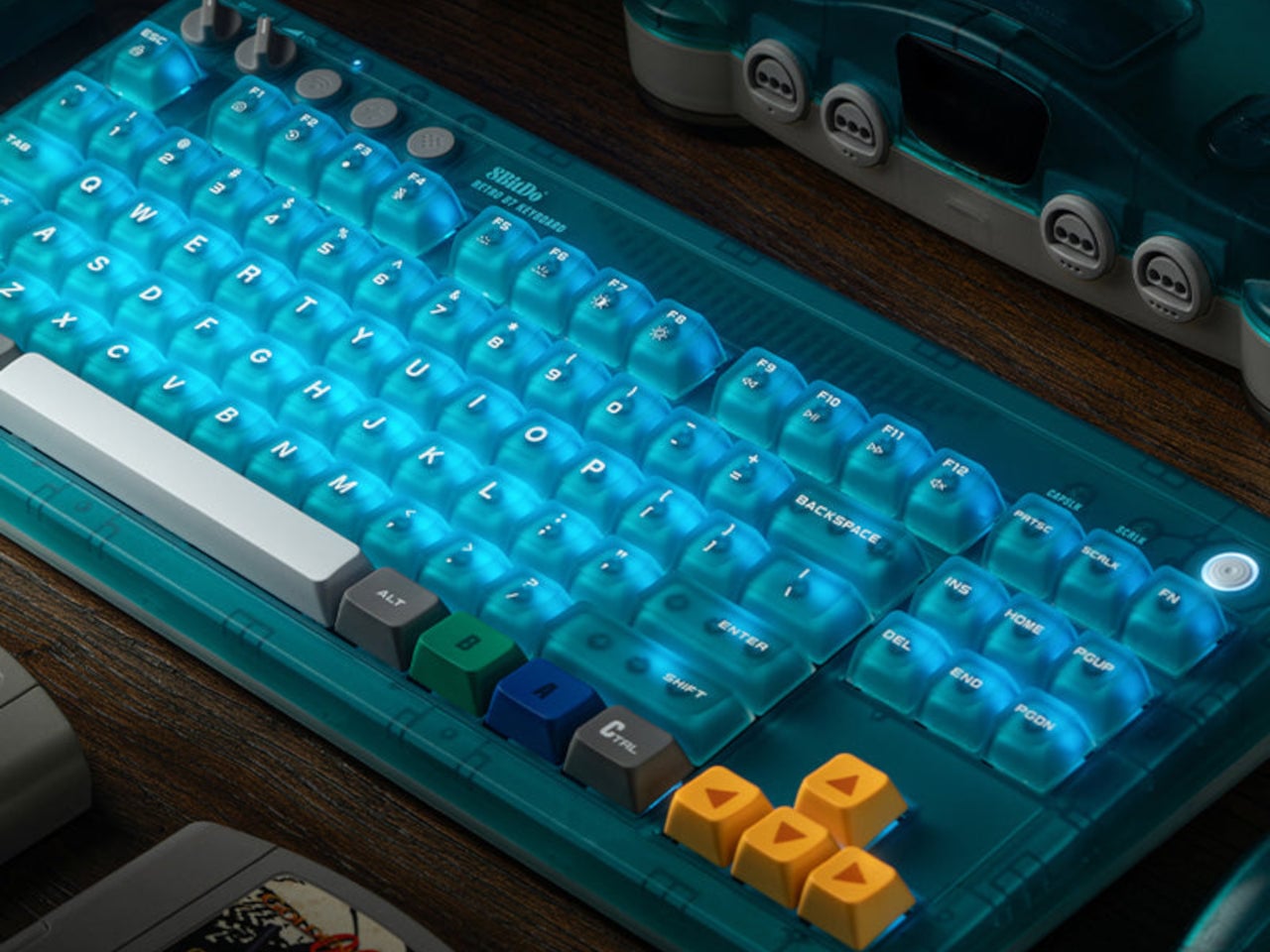
Underneath, the hot-swappable PCB sits in a top mount configuration, which is a construction choice that tends to provide a softer, more cushioned typing feel compared to bottom mount builds. N-key rollover handles simultaneous inputs without dropping keystrokes. Per-key RGB backlighting runs through the whole board, visible through the translucent shell in a way that a standard opaque case would never allow. The 200-hour wireless battery life on a 2,000 mAh cell is rated for the 2.4 GHz wireless mode, with the adapter included in the box.
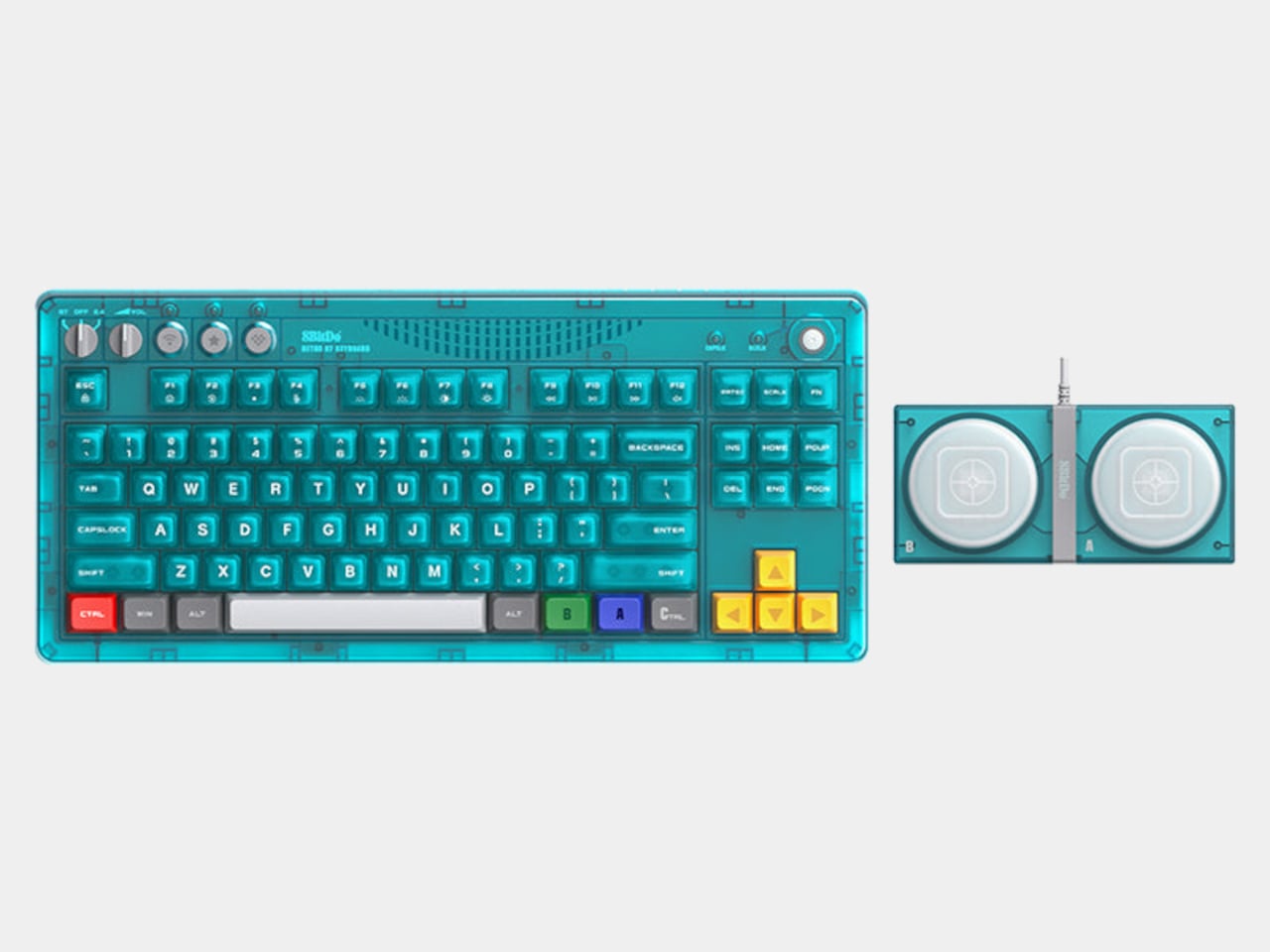

Connectivity covers three modes: Bluetooth, 2.4 GHz wireless, and wired USB, the standard trio for a modern keyboard that needs to move between devices and setups. A pair of programmable Super Buttons ships with the keyboard, matching the Clear Blue finish and assignable through 8BitDo Ultimate Software V2. They sit outside the main typing area and can take on whatever function is needed, from media controls to game inputs.

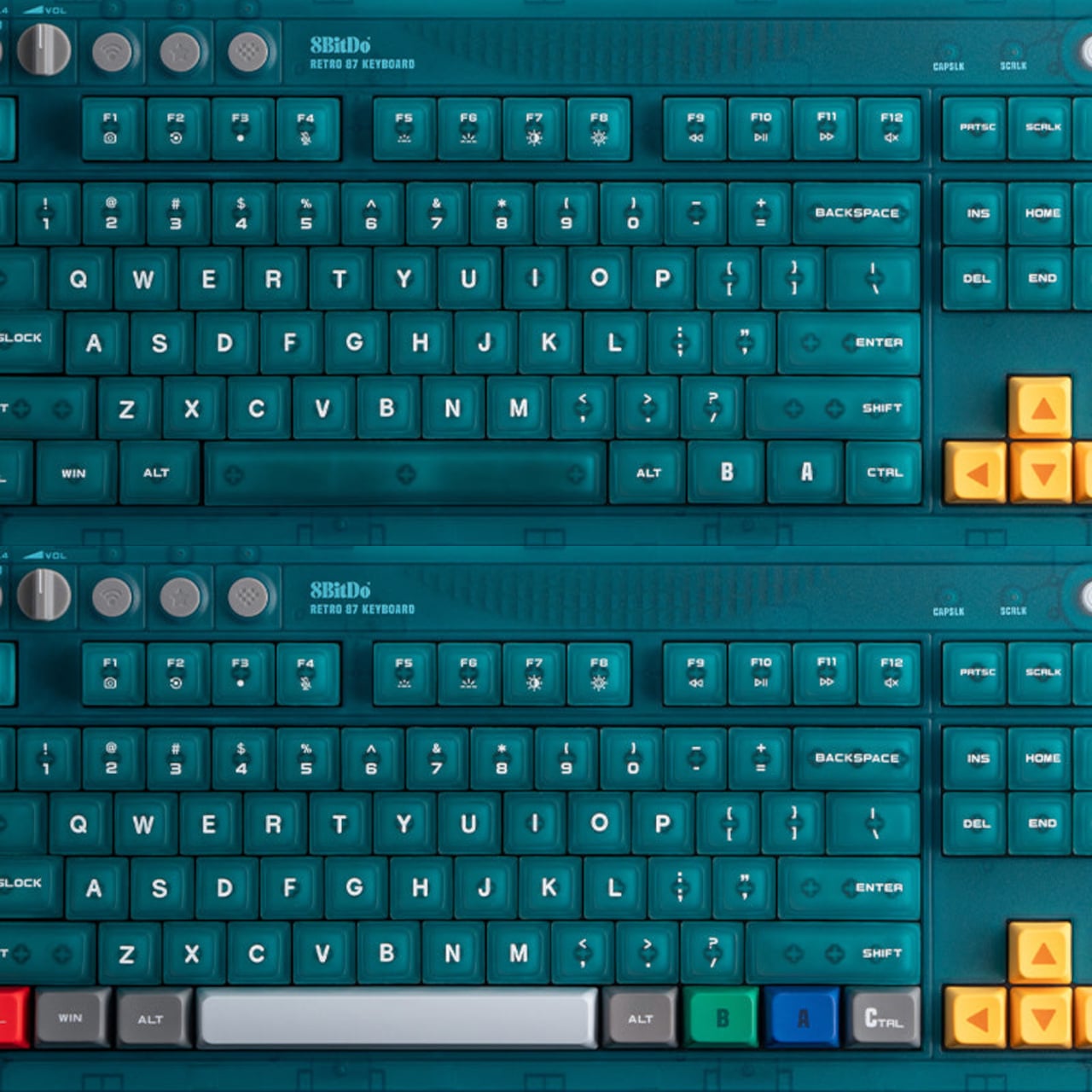
The 87-key tenkeyless layout drops the number pad but keeps the full navigation cluster, which is the practical choice for a keyboard meant to share desk space with other peripherals. The layout doesn’t commit to being purely a gaming board or purely a productivity tool, which suits a keyboard this visually distinctive rather well. Something that references a 30-year-old console doesn’t need to pretend it’s a neutral office accessory.
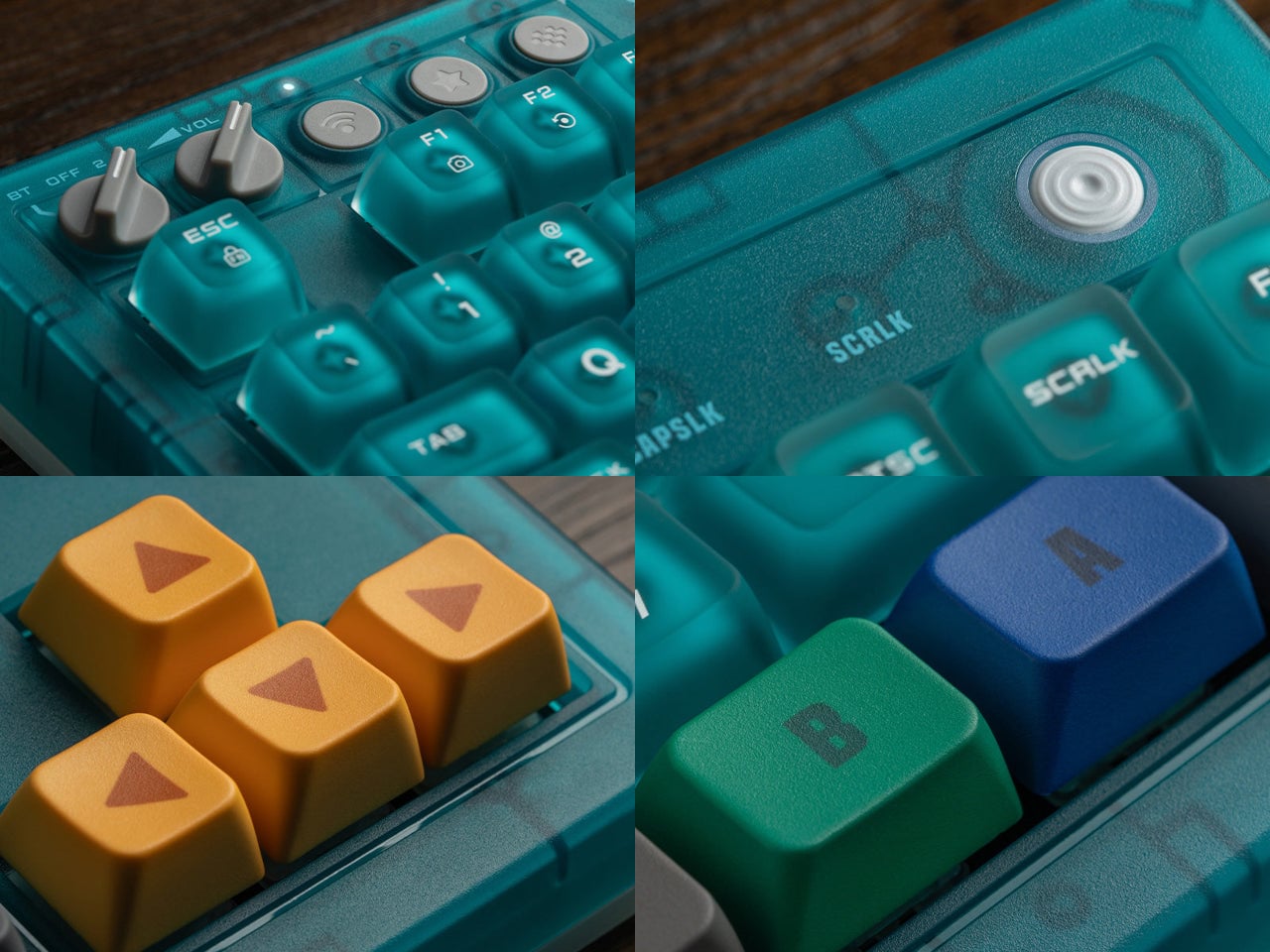
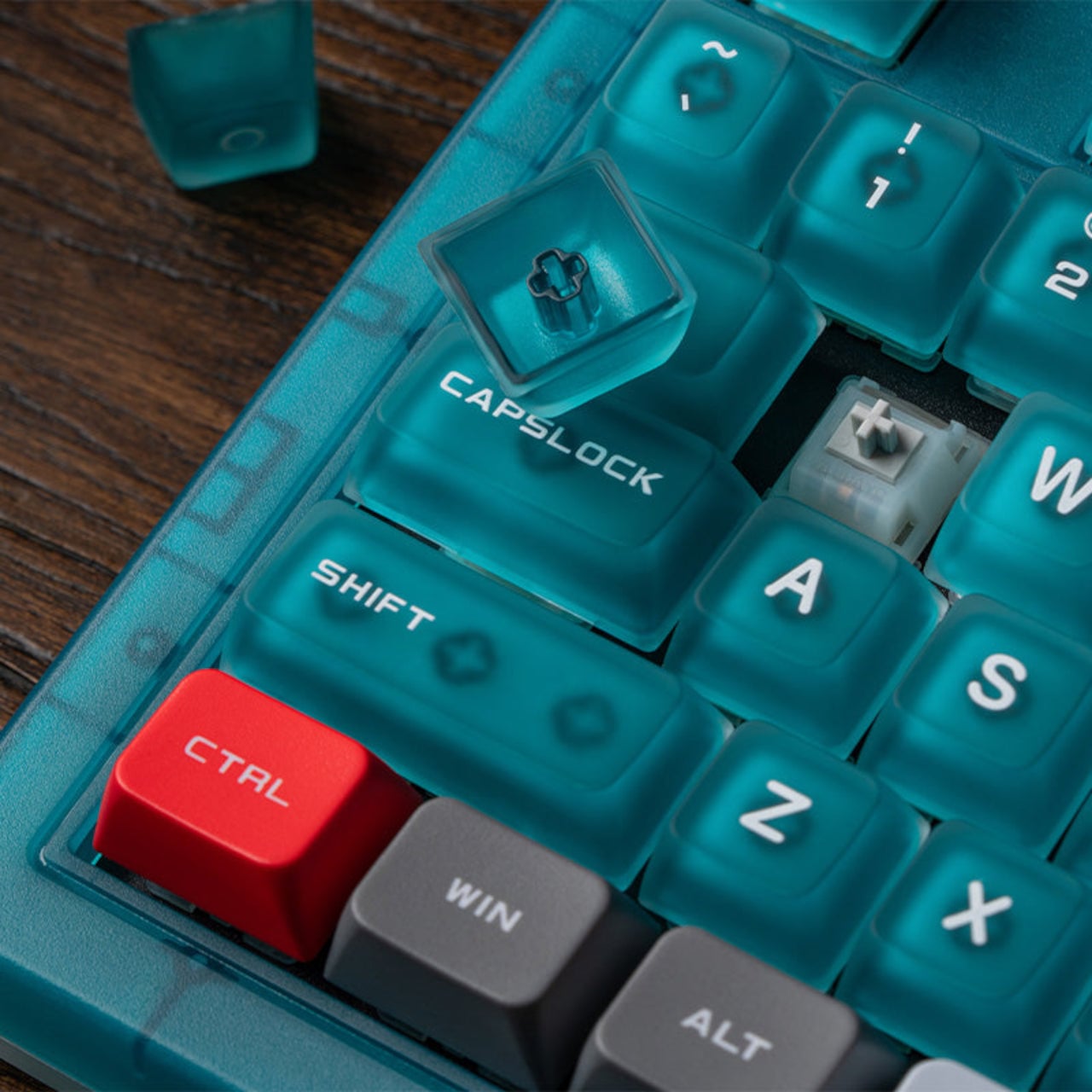
There’s a certain honesty to the approach here. The Clear Blue colorway isn’t a subtle nod or a distant reference; it’s an explicit callback to a specific era of hardware design that a generation of players grew up with. The translucent shell shows the PCB and internal components through the blue tint, carrying the same logic those original Funtastic consoles did: the inside of the hardware was worth looking at.

The post 8BitDo Made the N64’s 30th Anniversary Keyboard Every Millennial Wants first appeared on Yanko Design.


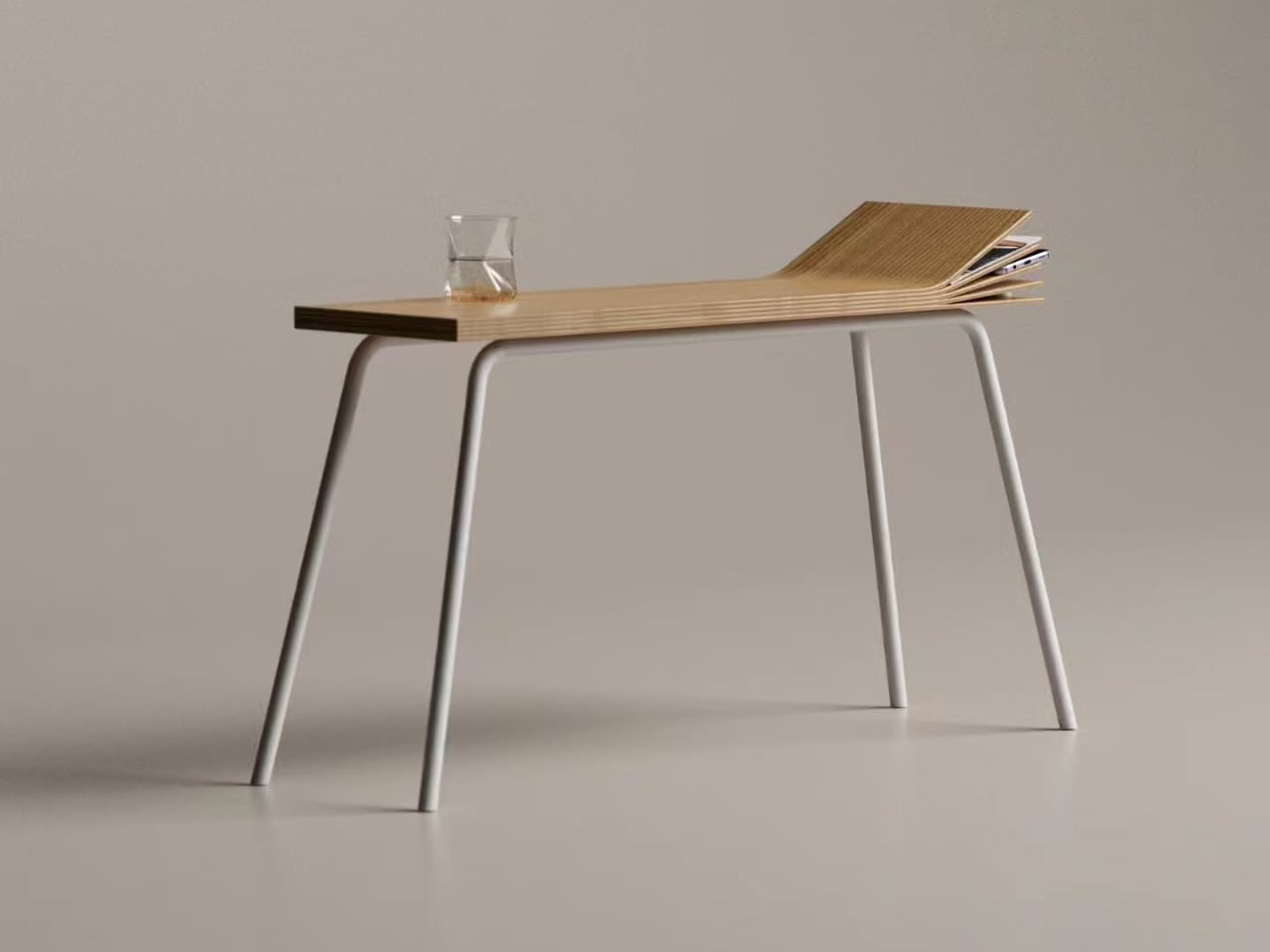
Most furniture is designed to stay put. It sits in a corner, holds your lamp, or supports your coffee cup, and asks nothing of you beyond basic acknowledgment. Console tables, in particular, tend to be the most ignored category in any room. They’re the utilitarian afterthought you dress up with a vase and a scented candle and then completely forget about. That’s why when a piece of furniture actually makes you stop mid-scroll and stare, it deserves a proper conversation. Deniz Aktay’s Flitter Console Table is worth that conversation.
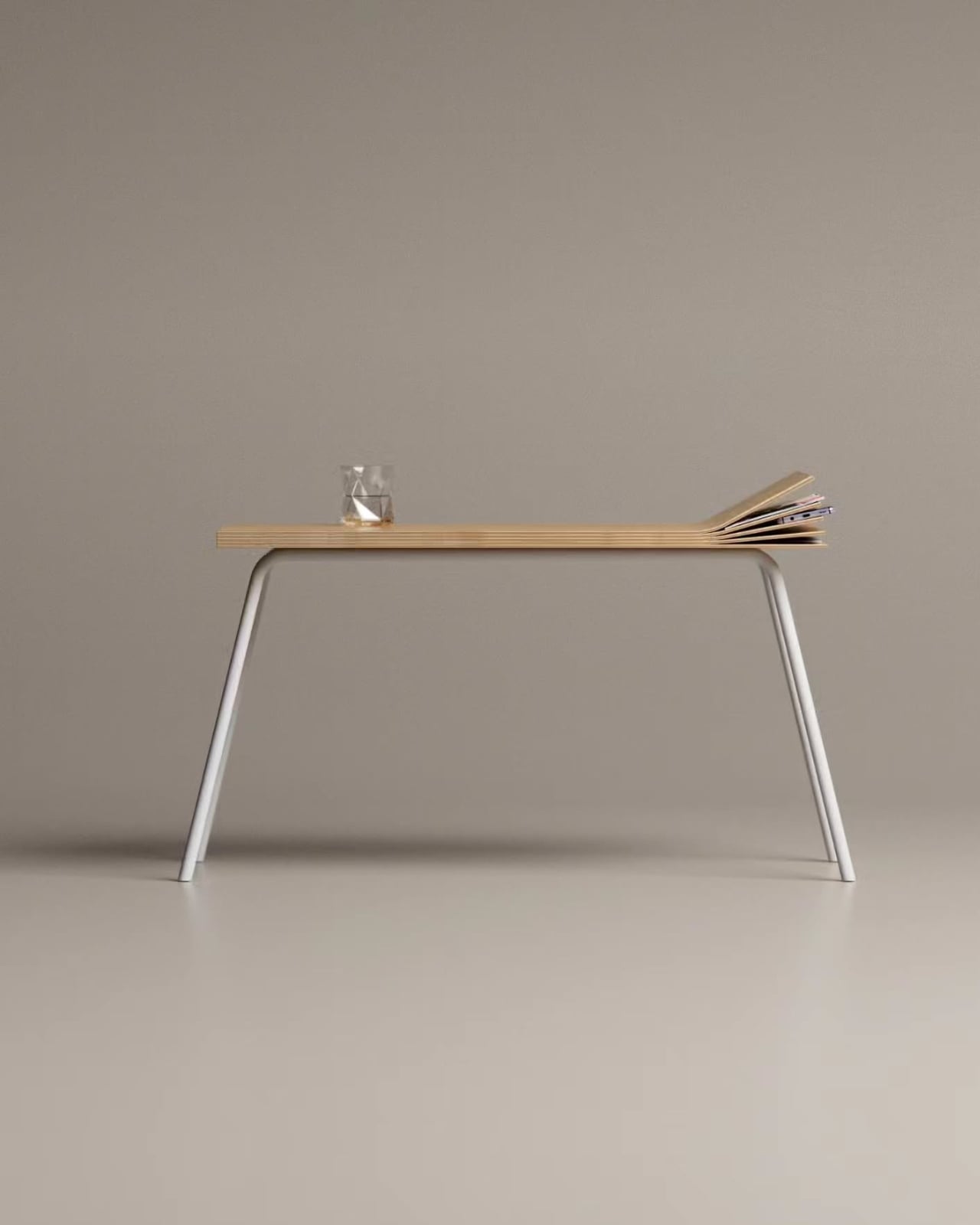
The first thing you notice is that the tabletop doesn’t behave the way a tabletop is supposed to. Rather than lying flat across its entire length, the surface fans out at one end into a spread of layered wooden sheets, fanning open like the pages of a book someone has just let go of, or like a hand of cards splayed mid-shuffle. It’s an image that takes a second to fully process, because your brain keeps trying to categorize it as something recognizable before giving up and just letting it be exactly what it is: a genuinely new idea.
Designer: Deniz Aktay
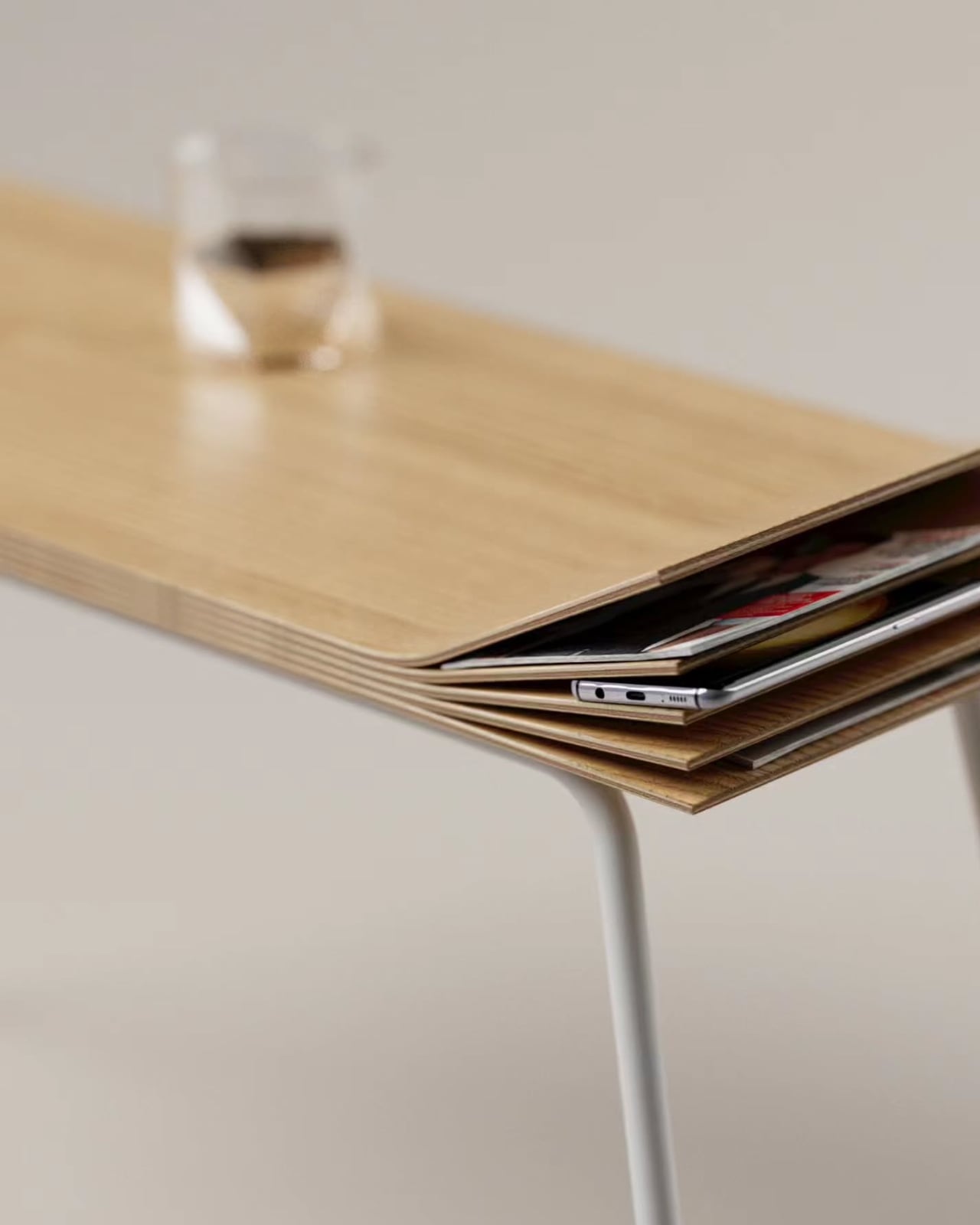
The construction is plywood, and Aktay uses it with clear intentionality. The visible edge layering, that characteristic striping you see in exposed plywood cross-sections, becomes a deliberate design feature along the fanned end. Each layer is distinct, readable, and beautifully warm against what appears to be a light oak or birch veneer on the surface. The material choice isn’t incidental. Plywood is what allows those individual sheets to fan and separate without the design collapsing into something clunky. The thinness of each layer is essential to how the whole thing reads visually, light and feathered rather than stacked and heavy.
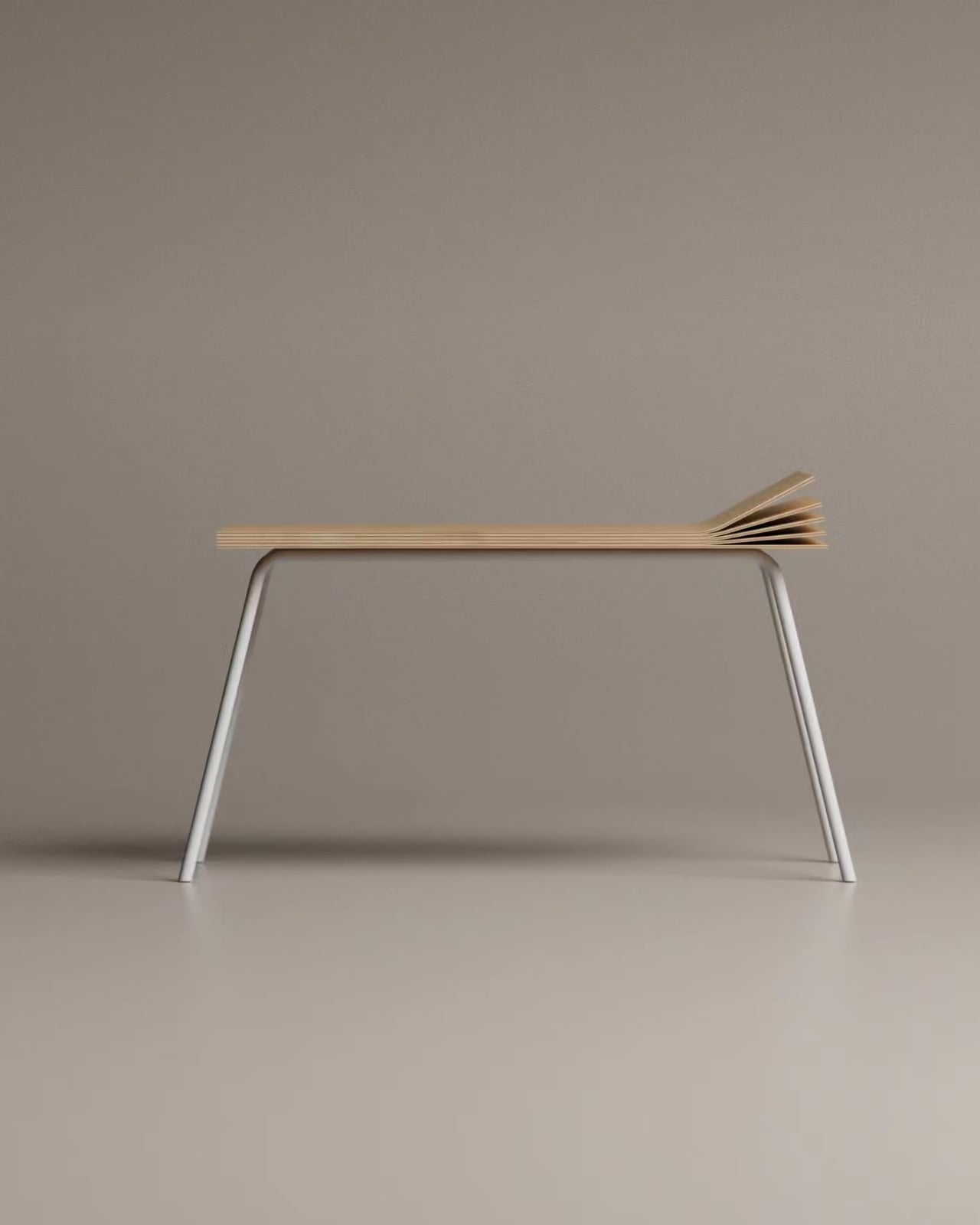
The base grounds all of this in a completely different register. Slim, white tubular metal legs splay outward at a slight angle, giving the table a stance that feels alert rather than static. They’re simple to the point of near-invisibility, which is exactly the right call. Any more visual weight in the base and the fanned top would lose its sense of lift. As it stands, the table seems to hover rather than sit, the warm wood floating above the pale floor with minimal interruption from the structure below.
The part that genuinely impressed me when I looked more closely at the images is that the fanned layers aren’t just decorative. The gaps between them are functional storage, wide enough to slot in magazines, books, or a tablet. The storage doesn’t announce itself. It’s worked into the structure so naturally that you might not even register it as a feature until you see a laptop tucked neatly between the sheets. That’s the kind of design thinking that separates a concept render from something that could actually live in a home. Aktay solved the console table’s eternal problem, that it holds things on top but rarely within, without adding bulk, drawers, or shelves. He just opened the surface up.
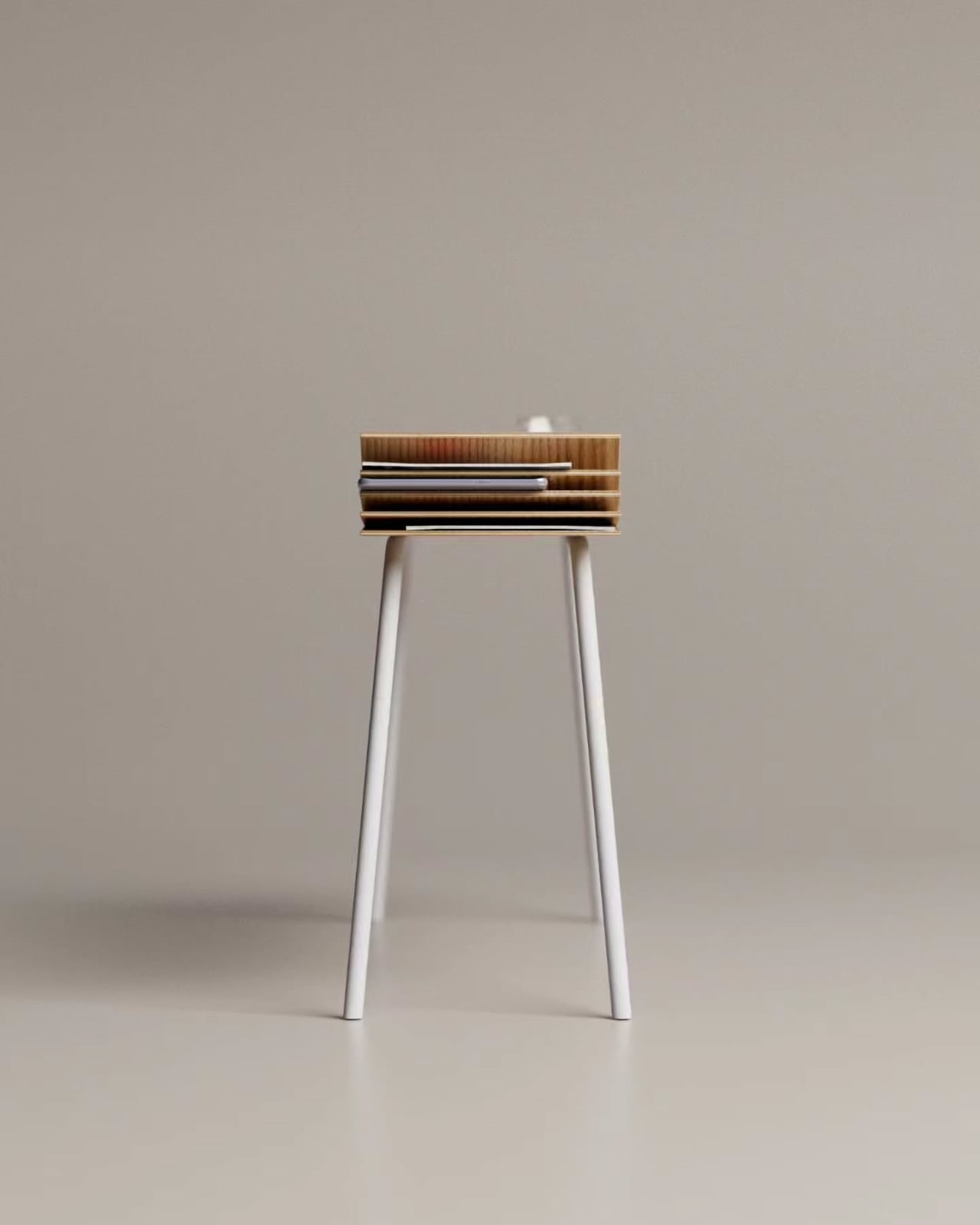
Seen from the end, the Flitter is almost unrecognizable as a console table. The fanned layers compress into what looks like a compact, striated block, geometric and architectural. Rotate your view to the side and it stretches out into something long and minimal with one quietly dramatic detail. The design rewards every angle differently, which is rare, and a little thrilling. Console tables as a category don’t usually excite me. They’re functional, they’re necessary, and occasionally they’re pretty, but very rarely are they surprising. The Flitter is surprising without being theatrical. It doesn’t shout. It just quietly does something no other table in the room is doing, and then sits there looking calm about it.
Deniz Aktay established his Stuttgart-based studio DEZIN in 2020 with a focus on pure lines and modern minimalism, often with a multifunctional purpose. The Flitter Console Table lands exactly on that brief, and then some. It’s the kind of piece that makes you reconsider what furniture is actually allowed to do.
The post A Console Table With Wooden Pages Built Into Its Surface first appeared on Yanko Design.

I’m not a huge fan of traveling or camping solo. That’s me. Many out there – if you’re reading it, you could be one of them – prefer to go solo. If you have the cash and the desire to go camping in a van designed just with your solitary adventures in mind, then this latest one from Wellhouse Leisure is worth your time. This is a Mitsubishi Delica D2, also badged as Suzuki Solio, which has been tuned into a micro camper van with a pop-up roof.
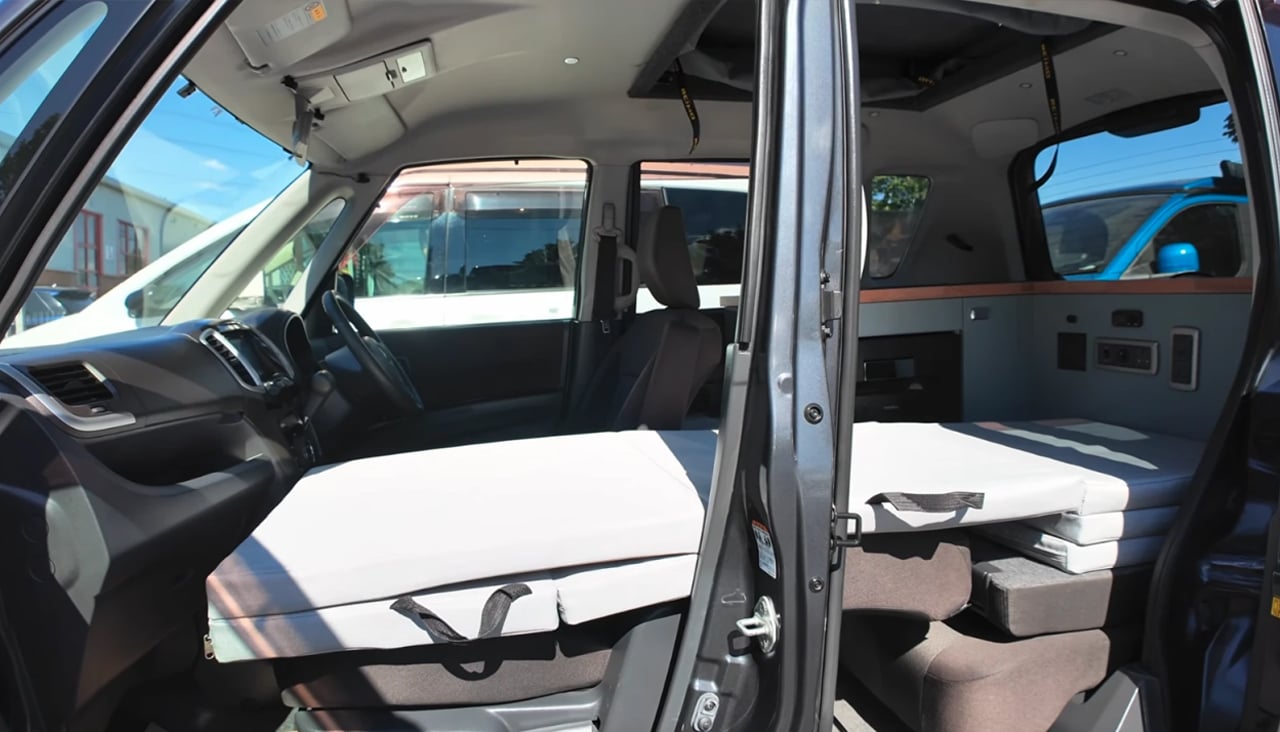
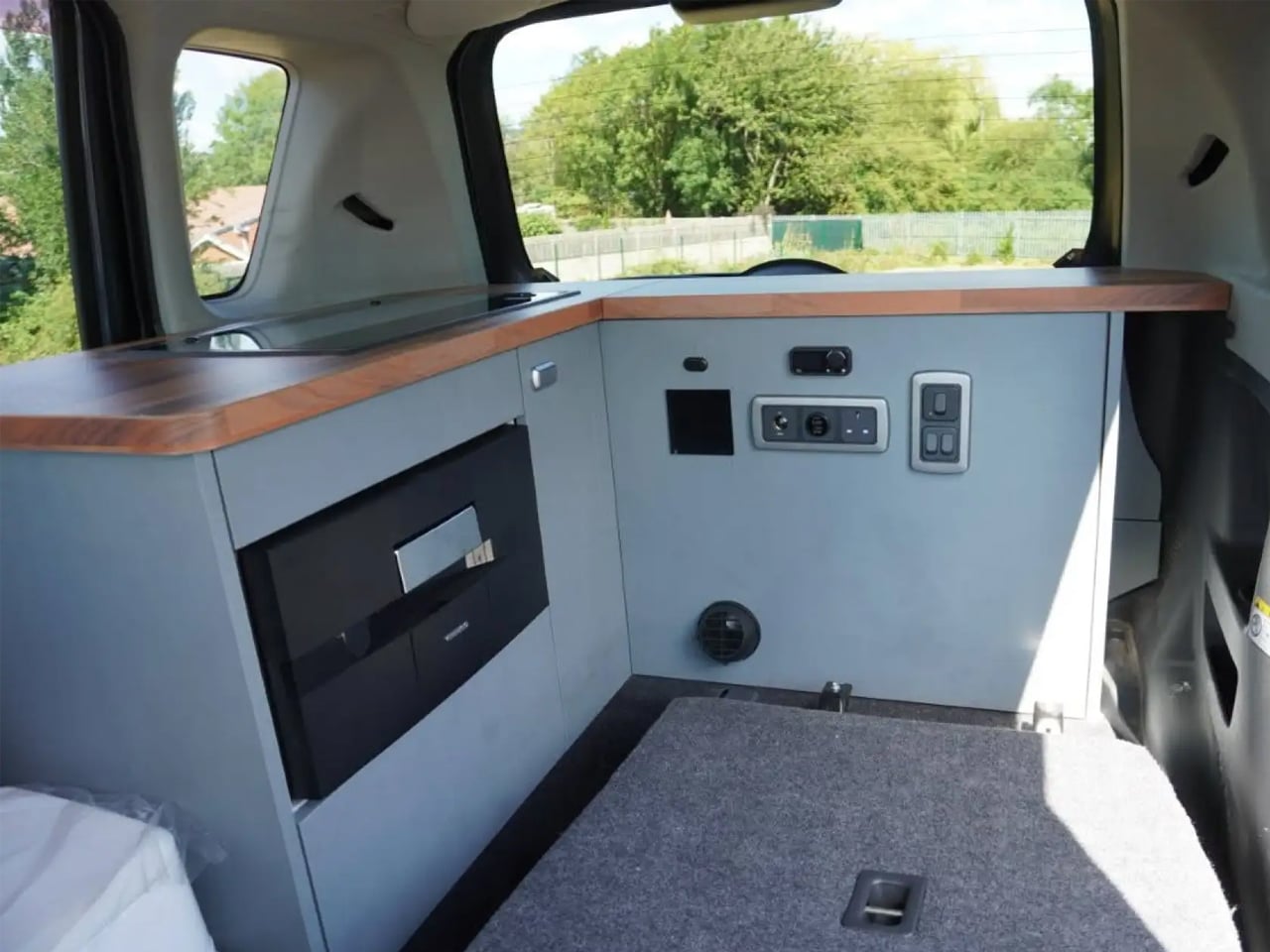
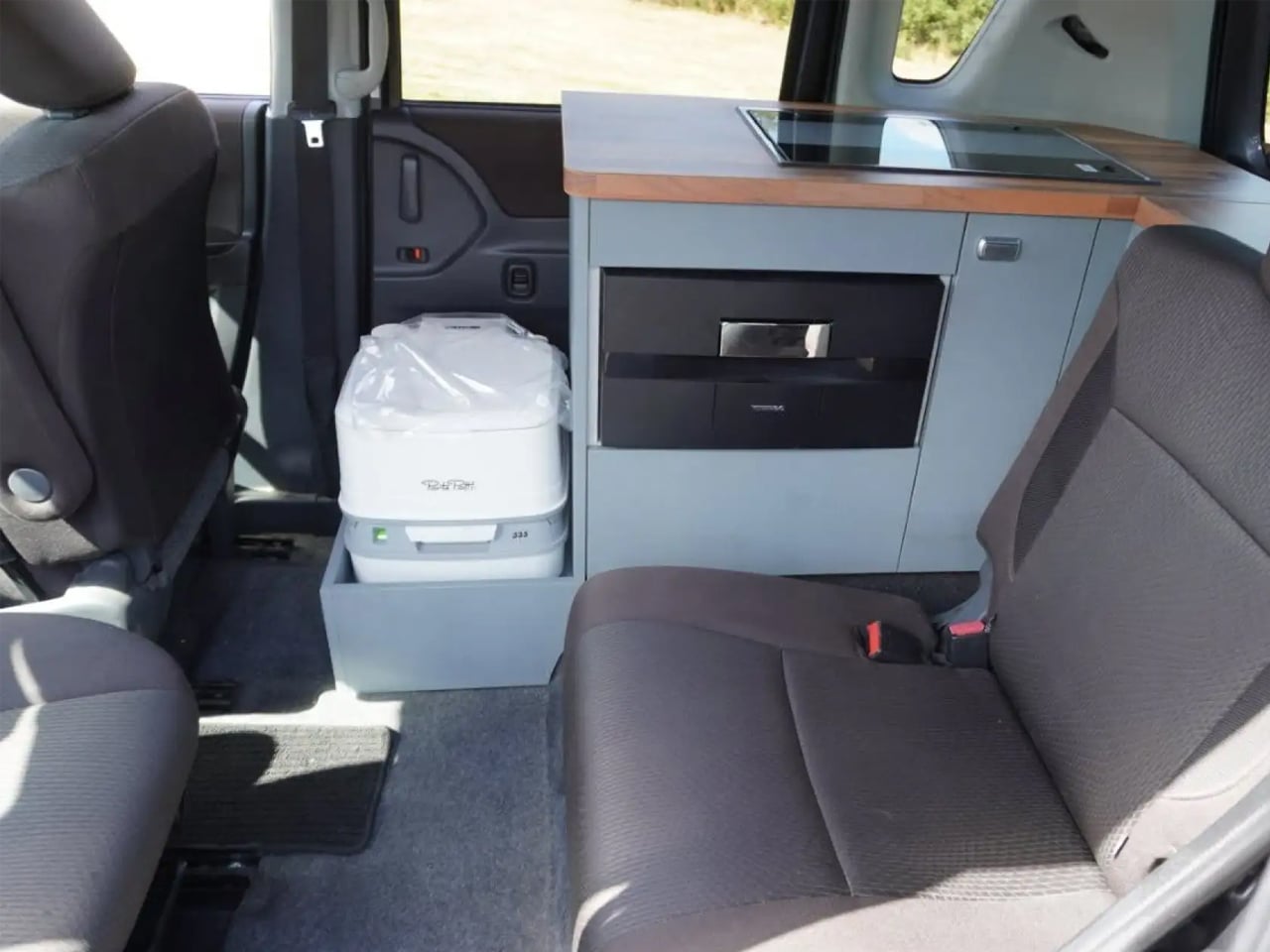
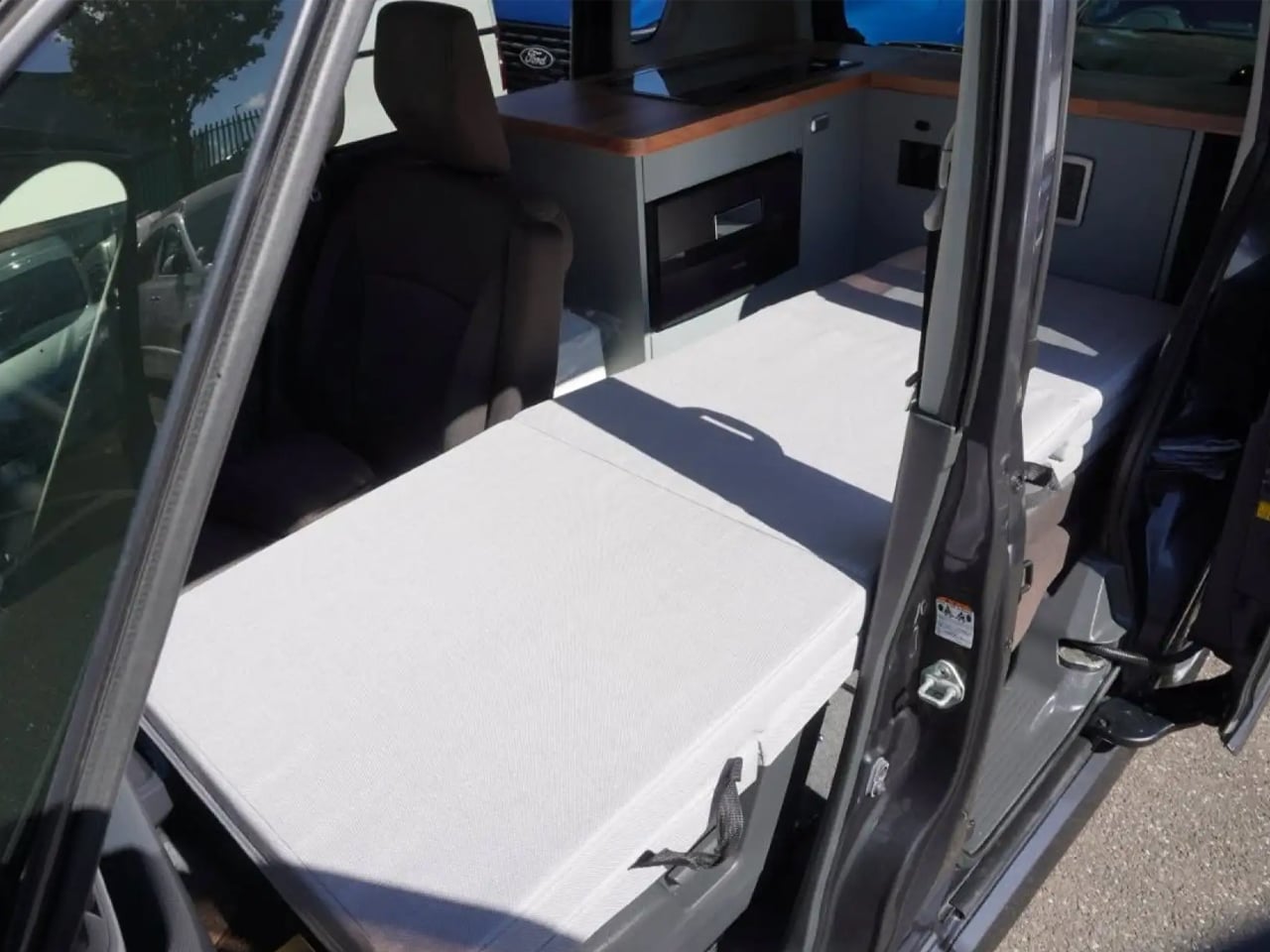
Measuring only 3.7 meters long, the van is a compact deception. From the outside, it gives out nothing. But when the doors are flung open, the versatile interior can leave you mesmerized. The van has been equipped with a swivel passenger seat and a solo, crash-tested seat at the back. The two can lie flat to combine into a bed when the night calls. The interior is complete with an L-shaped kitchen and a portable toilet; you can use it indoors.
Designer: Wellhouse Leisure


The vehicle itself is an affordable entry into mobile living space. Priced roughly around £19,500 (approximately $26,000), varying based on the model. According to Wellhouse Leisure, the camper van comes in 2WD and 4WD hybrid powertrain options and essential motorhome features to go with it. Prioritizing storage and functionality, the 3.7-foot-long van opens up significant headroom with the pop-top roof. Approximately 6.5 feet of headroom, allowing a tall adventurer to stand up comfortably to change clothes and stretch their legs.
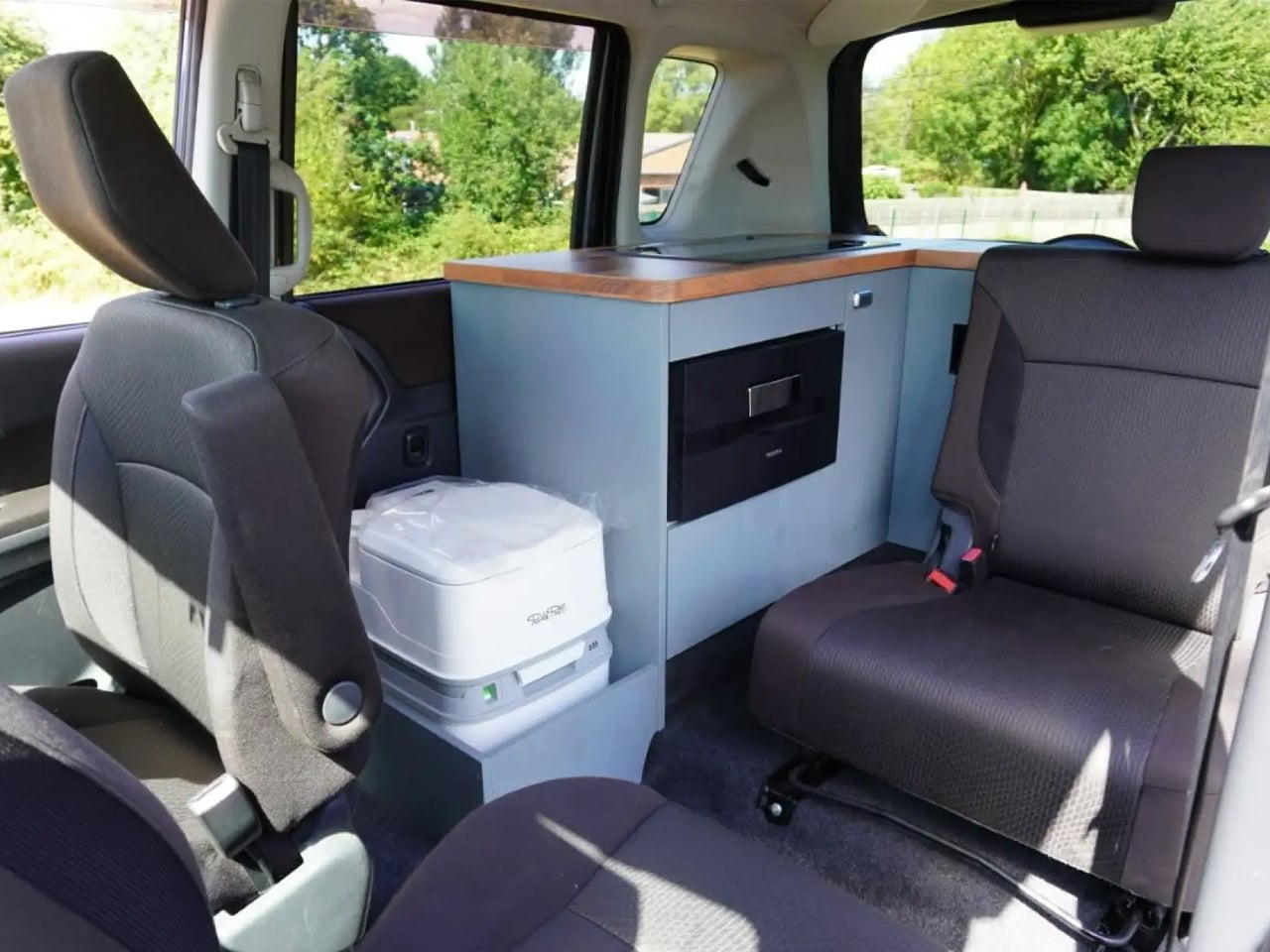
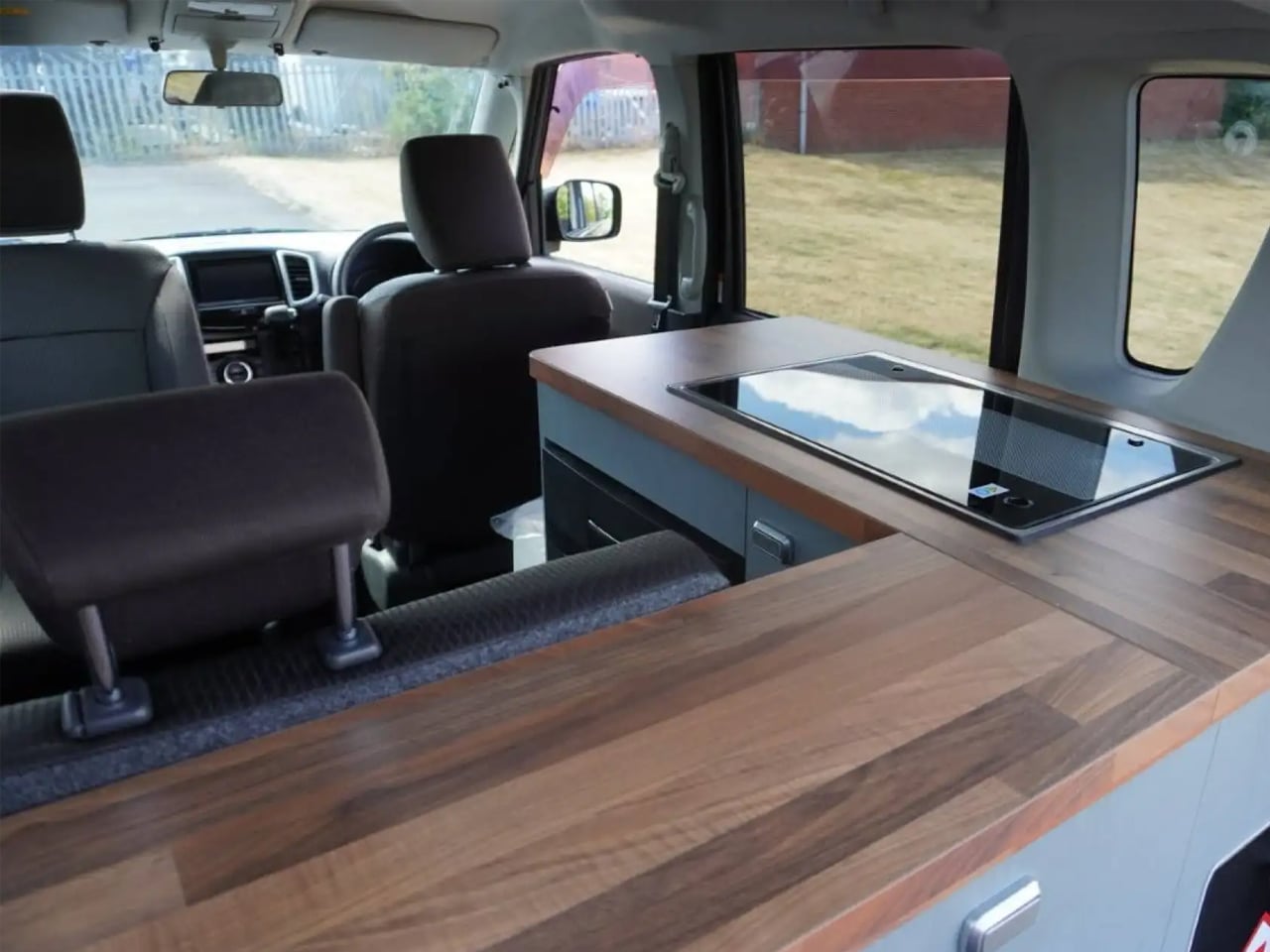
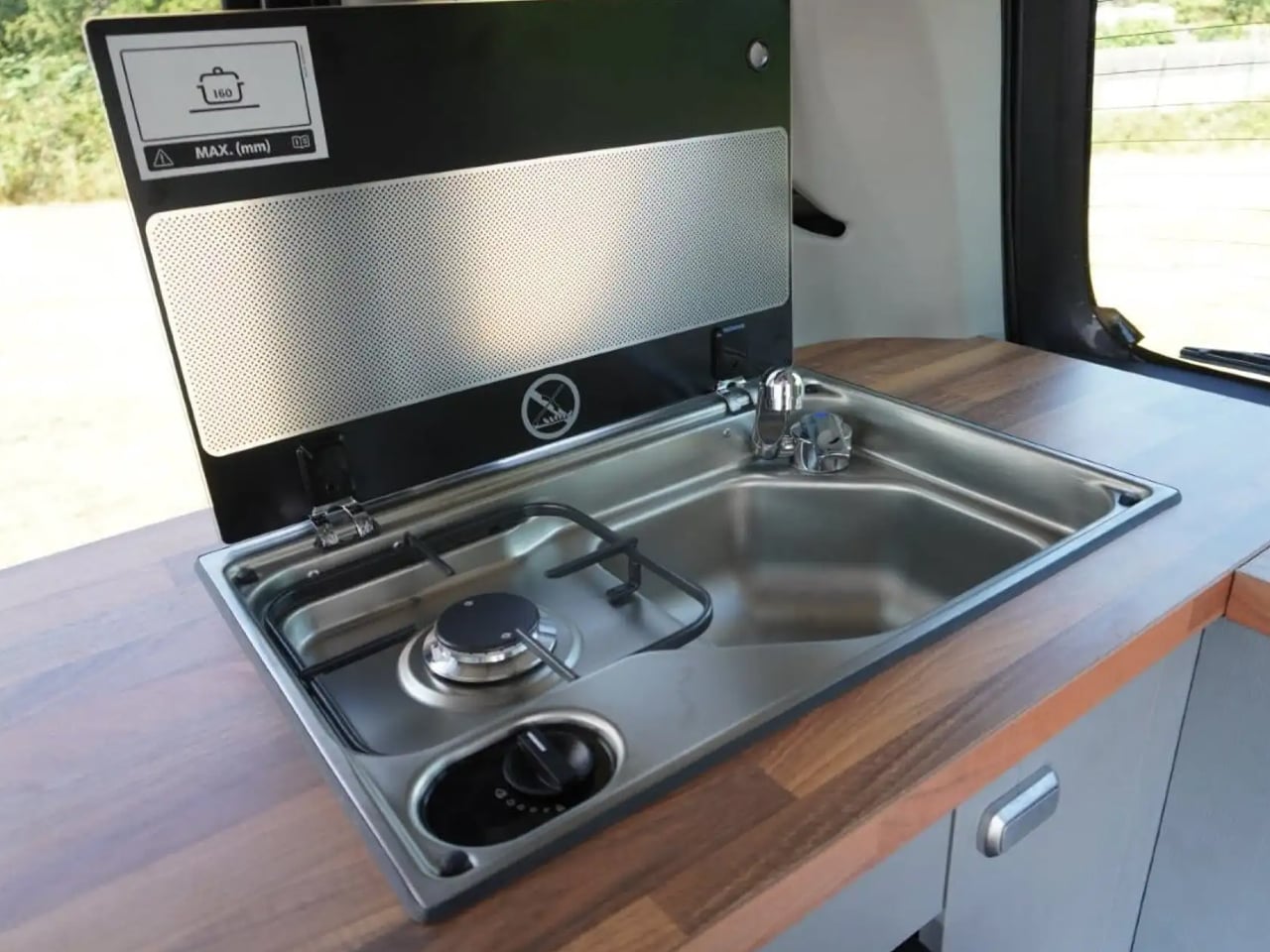
For safety and cross-ventilation without allowing bugs inside, the pop-up section includes mesh screens. This also permits natural light into the van, which houses an L-shaped rear kitchenette accessible with the open tailgate. To make it functional, it comes with a hob, sink, and a 20-liter drawer fridge is provided as well. The swiveling passenger seat and the rear chair can together be paired with a pop-up table to create a dining and lounging area. And when it’s time to sleep, the passenger seat and the rear seats fold flat, and the padded infill cushion creates a long single bed that can accommodate a 6-foot person with ease.
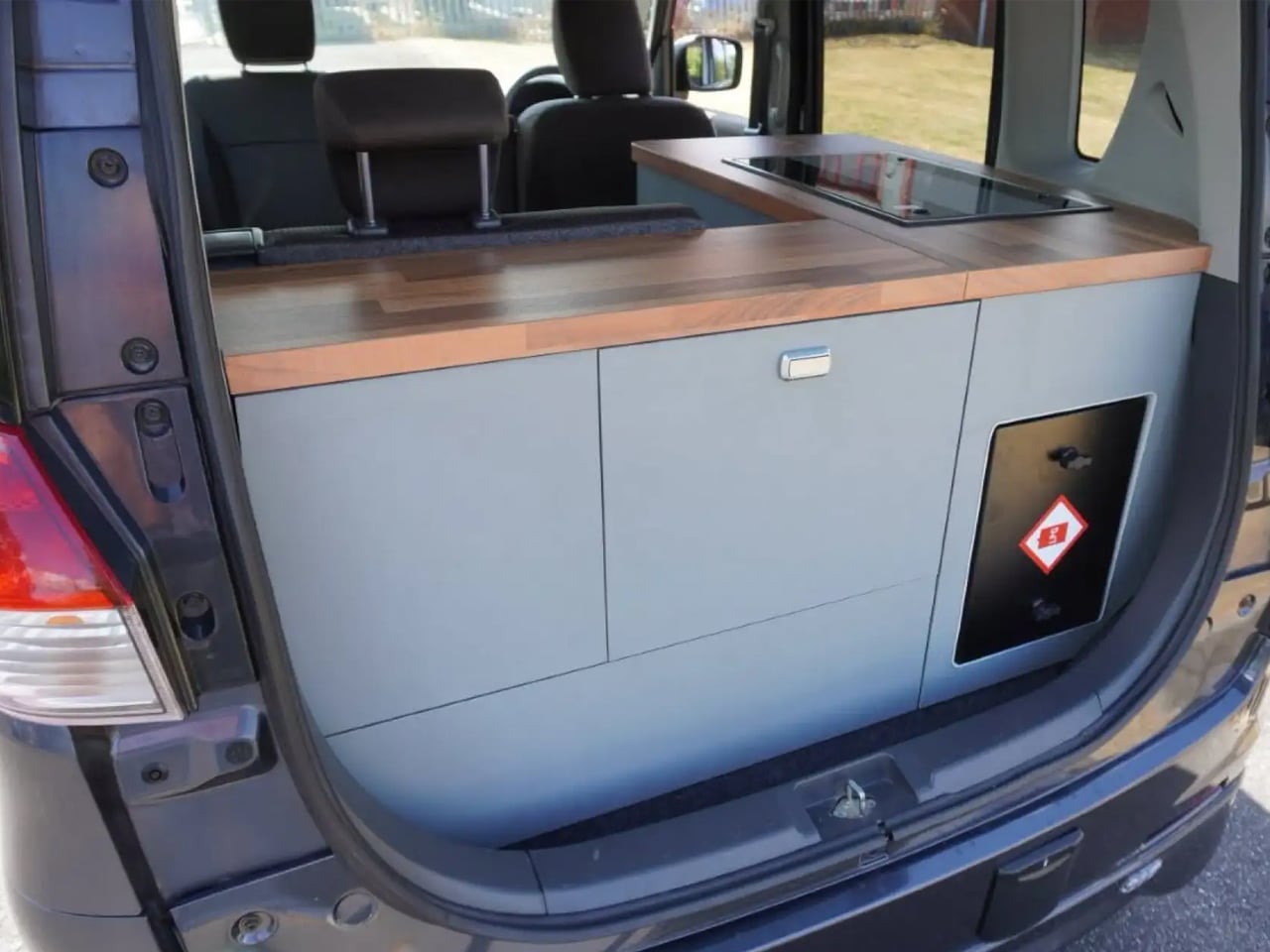
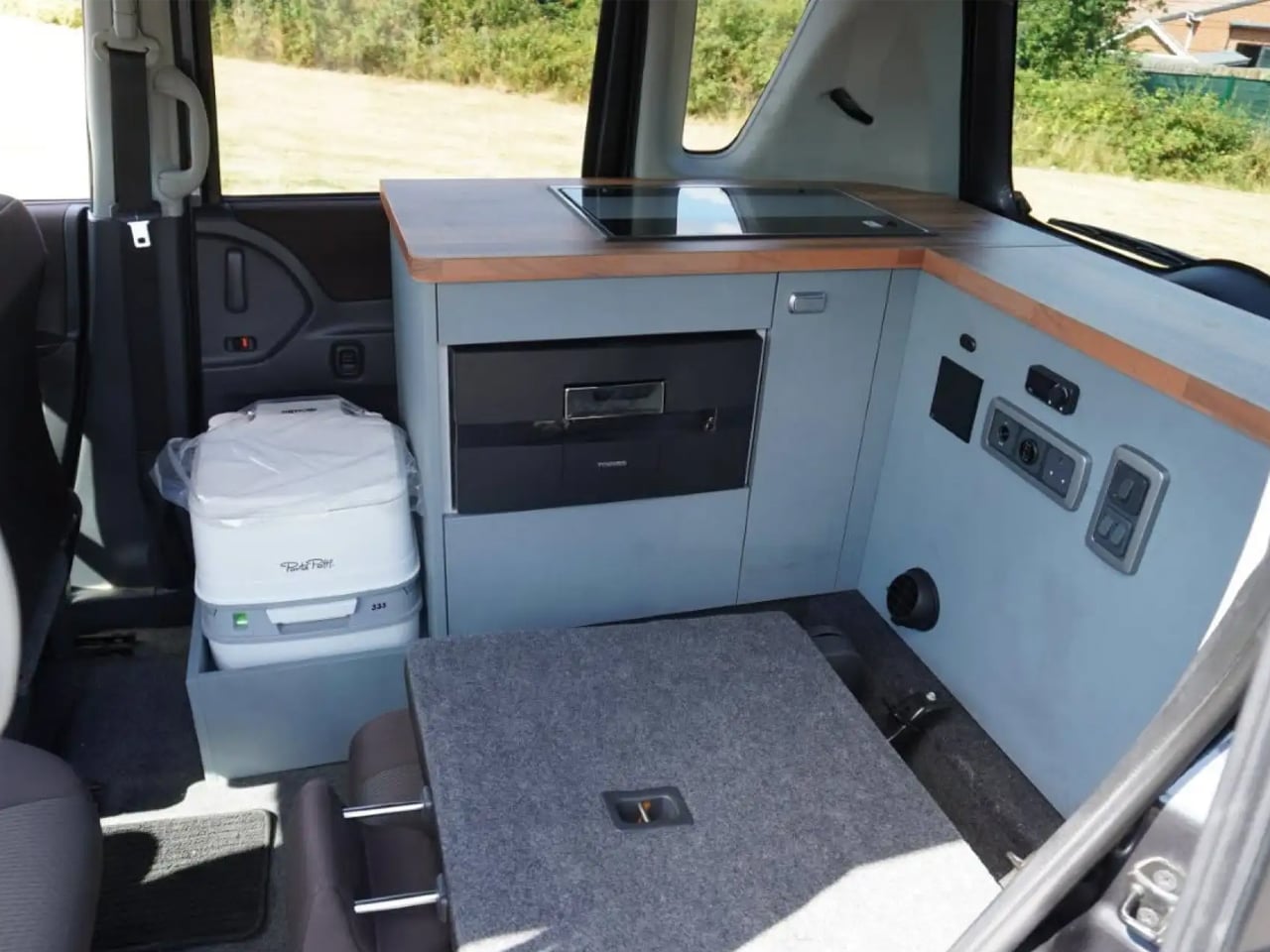
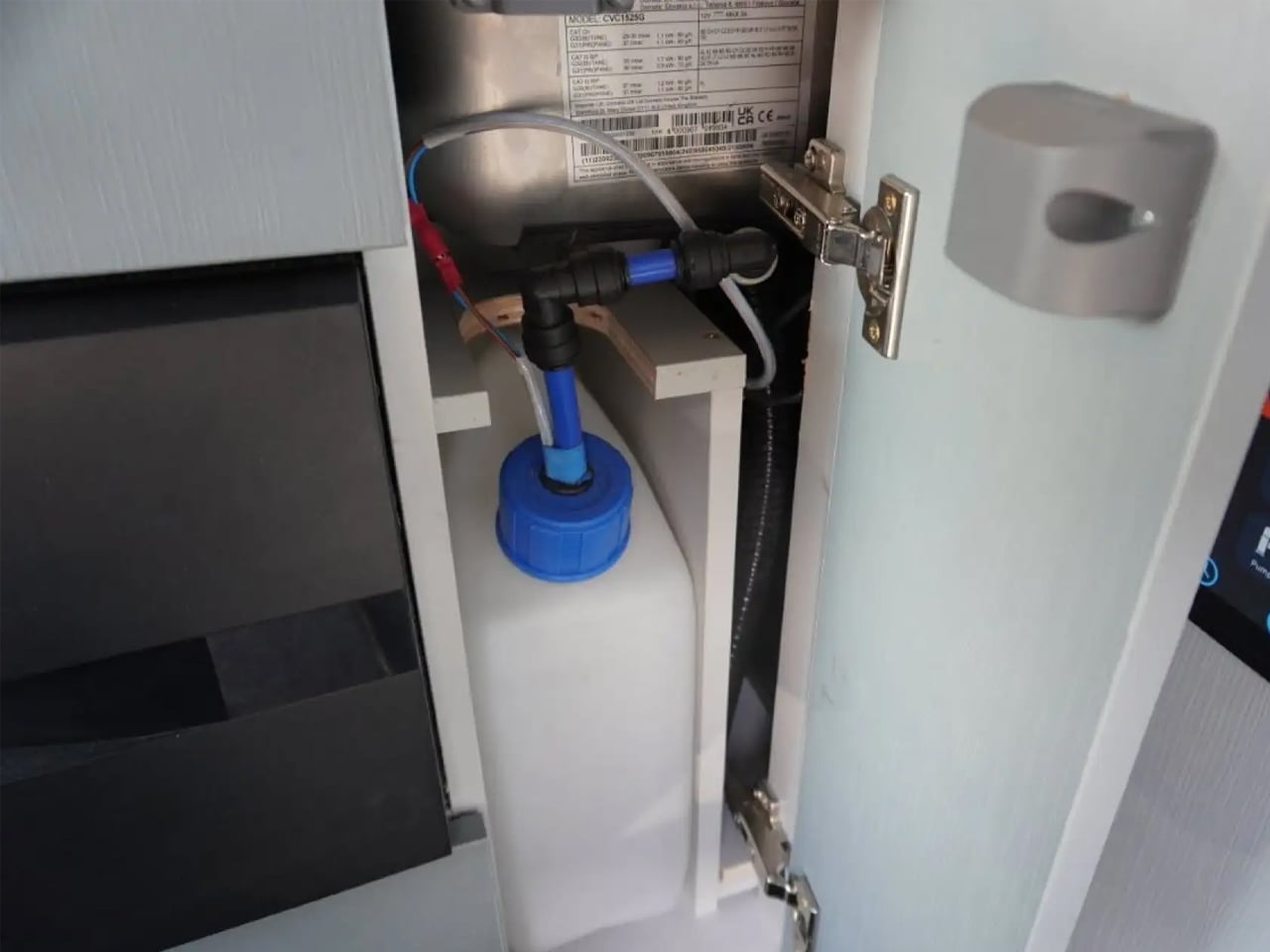
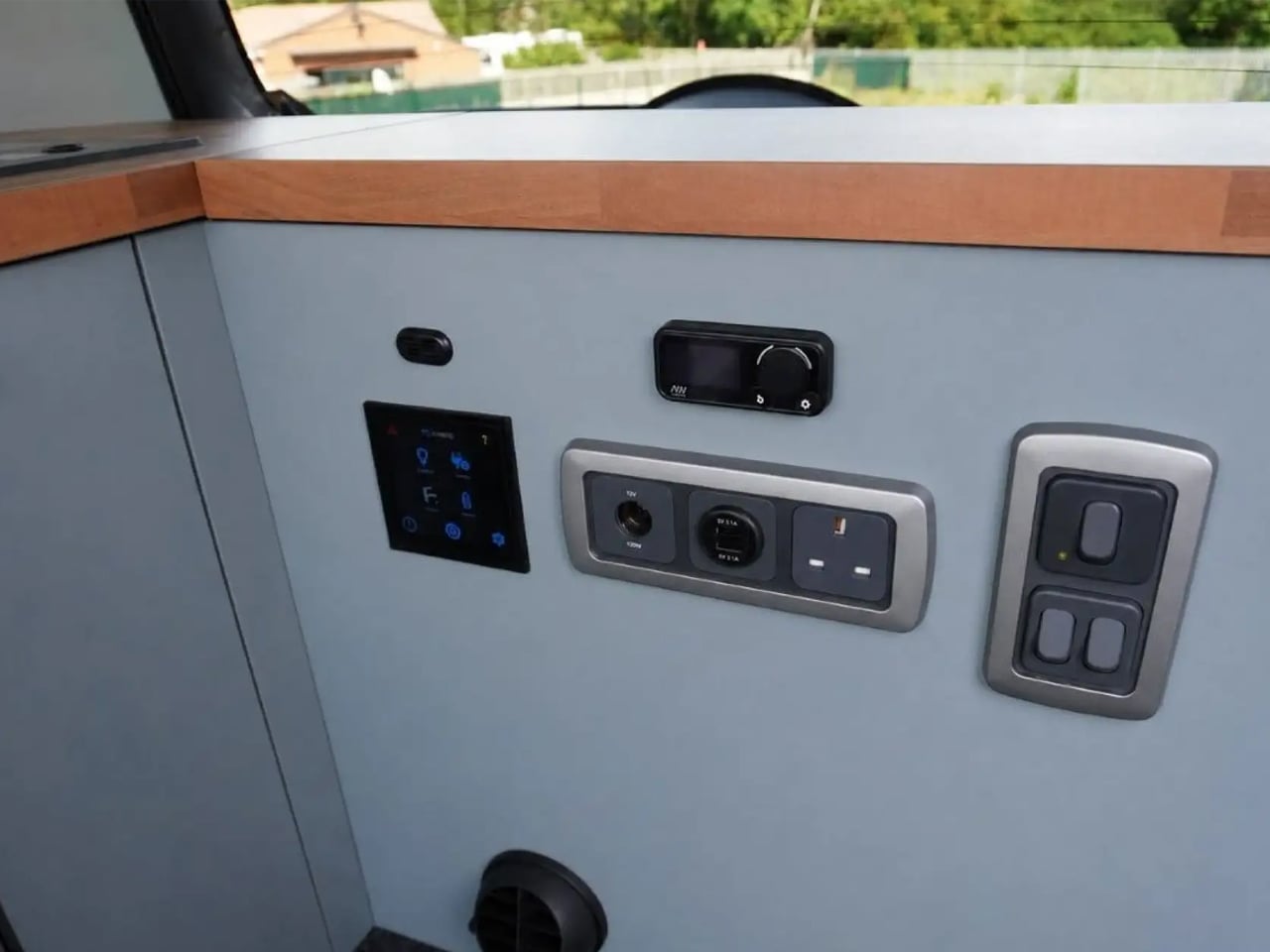
Just behind the driver seat is the chemical toilet seat. It can be used by slightly turning the driver’s seat forward even when the bed is laid out. It can be emptied after use from the outside of the vehicle; this nifty hack means you don’t have to carry it through the interior. The storage inside is taken care of with under-seat compartments and a special bedding storage section created above the portable toilet. For its ability to square up for more than a weekend, it features a removable water tank, solar panel regulator, and full electrical system.








The post Wellhouse Leisure’s Tiny Mitsubishi Delica is a Solo Camper With Pop-Up Roof and Full Kitchen first appeared on Yanko Design.
High-end audio amplifiers tend to get bigger, heavier, and more expensive in the pursuit of performance headroom that most recordings will never fully demand. The formula is familiar: more transformer capacity, larger capacitor banks, thicker panels, and bigger heat sinks, all folded into a single imposing chassis. It’s an engineering approach that works, but it also introduces a fundamental compromise that most manufacturers quietly accept rather than solve.
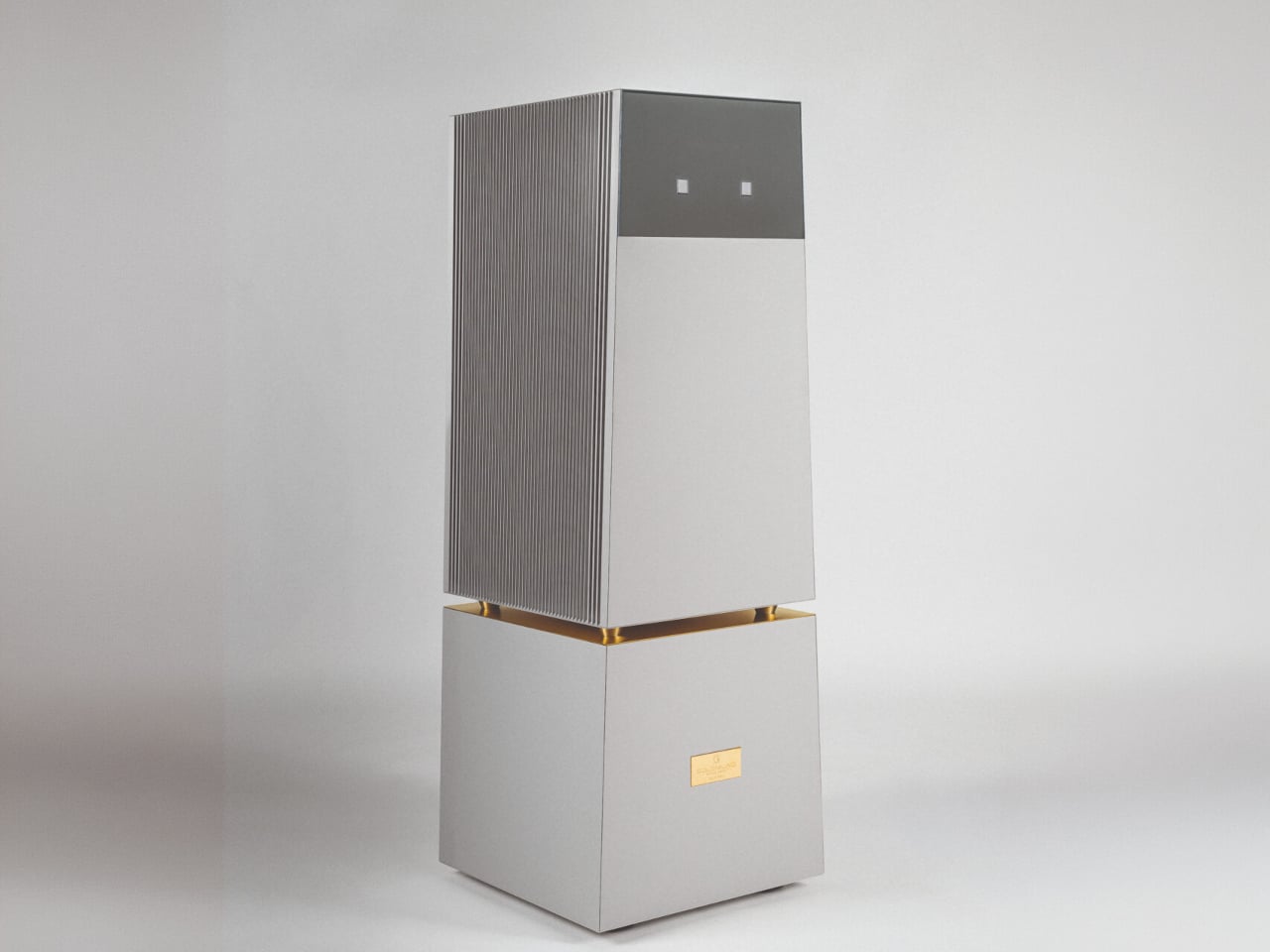
The Goldmund Telos 9800 doesn’t accept it. For the first time in the Telos line, the power supply and amplification stages occupy completely separate enclosures, each allowed to do its single job without the electrical and mechanical interference that sharing a chassis inevitably introduces. Two interconnected volumes, one devoted entirely to power supply and one to amplification, form what Goldmund describes as the most advanced amplifier the company has ever made.
Designer: Goldmund
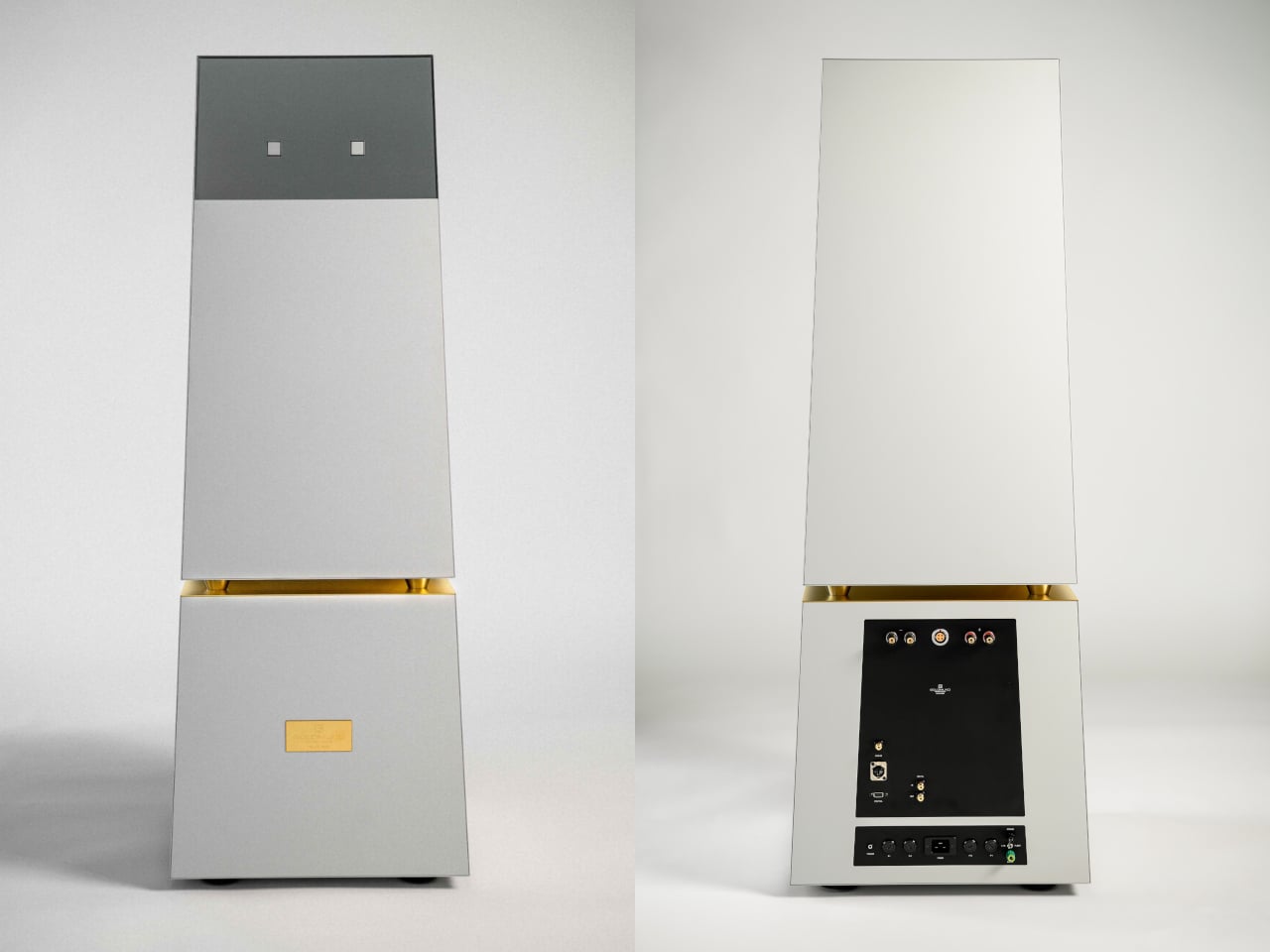
The power supply chassis is built around a 10 kVA transformer and a 648 mF capacitor bank, the largest Goldmund has ever engineered. That stored energy reserve exists not to push volume louder but to handle the sudden, intense current demands of complex musical passages and difficult loudspeaker loads without the amplifier flinching. The amplification stage draws from that reservoir freely, stable down to a 1-ohm load and fully galvanically isolated from its source.
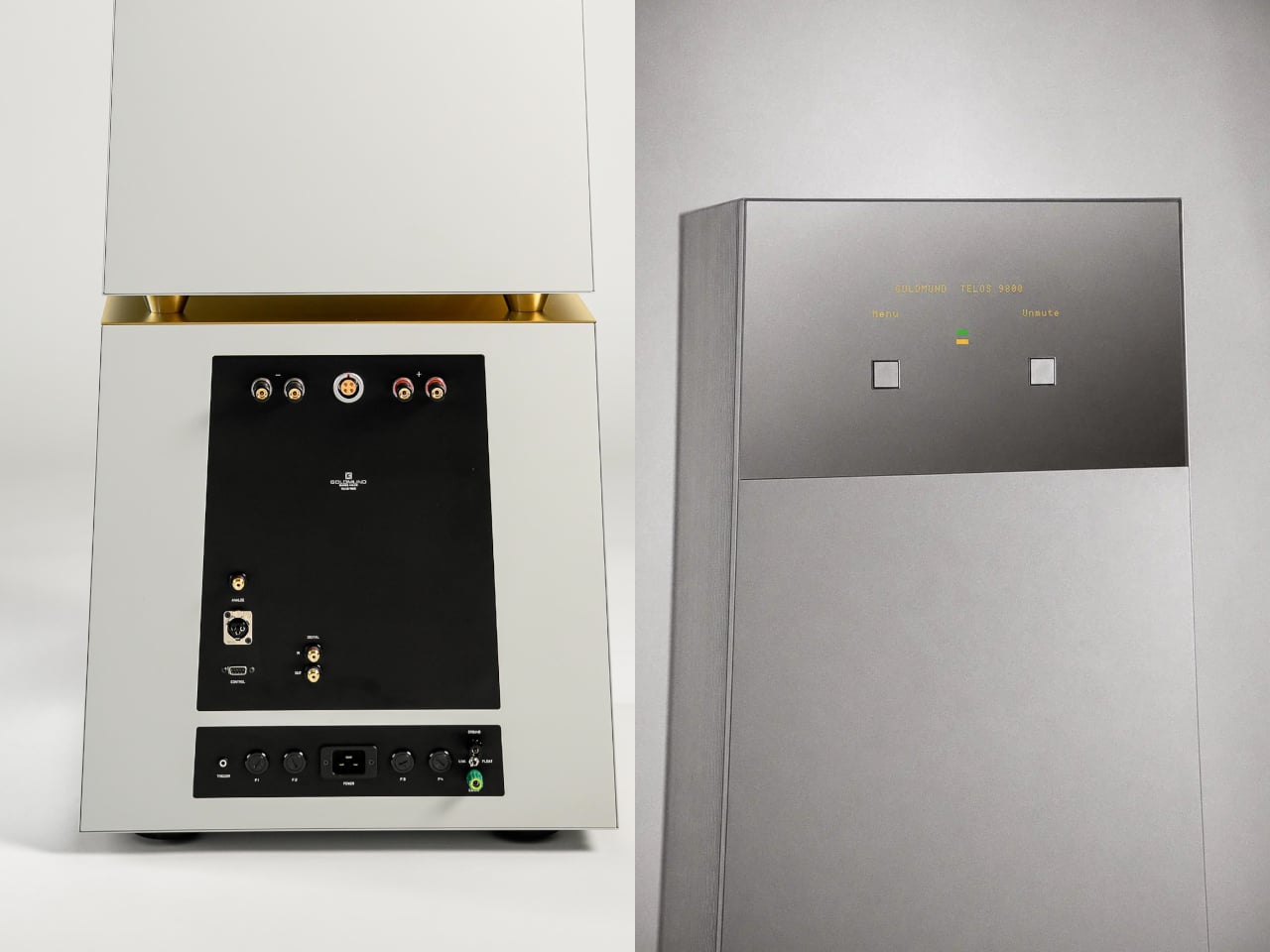
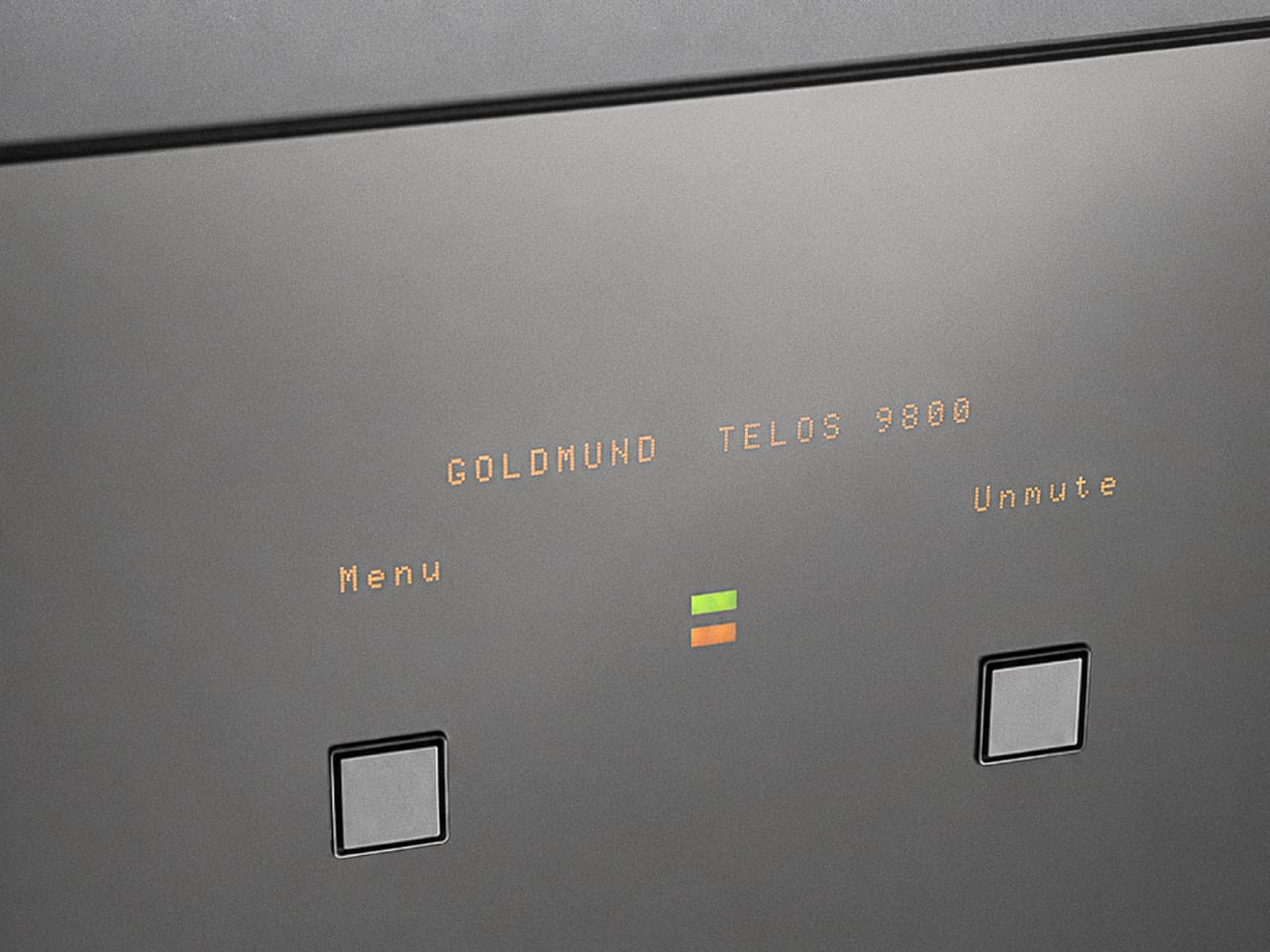
Both chassis are machined from micro-blasted aluminium with 15 mm thick side panels and 40 mm thick radiator sections that function as passive heatsinks through natural convection. There are no fans, no active cooling components. A single gold plate marks the junction between the two volumes, a discreet visual signal where one enclosure ends and the other begins. Gold-plated copper terminals and screws appear at connection points throughout. The construction is available in grey or black.
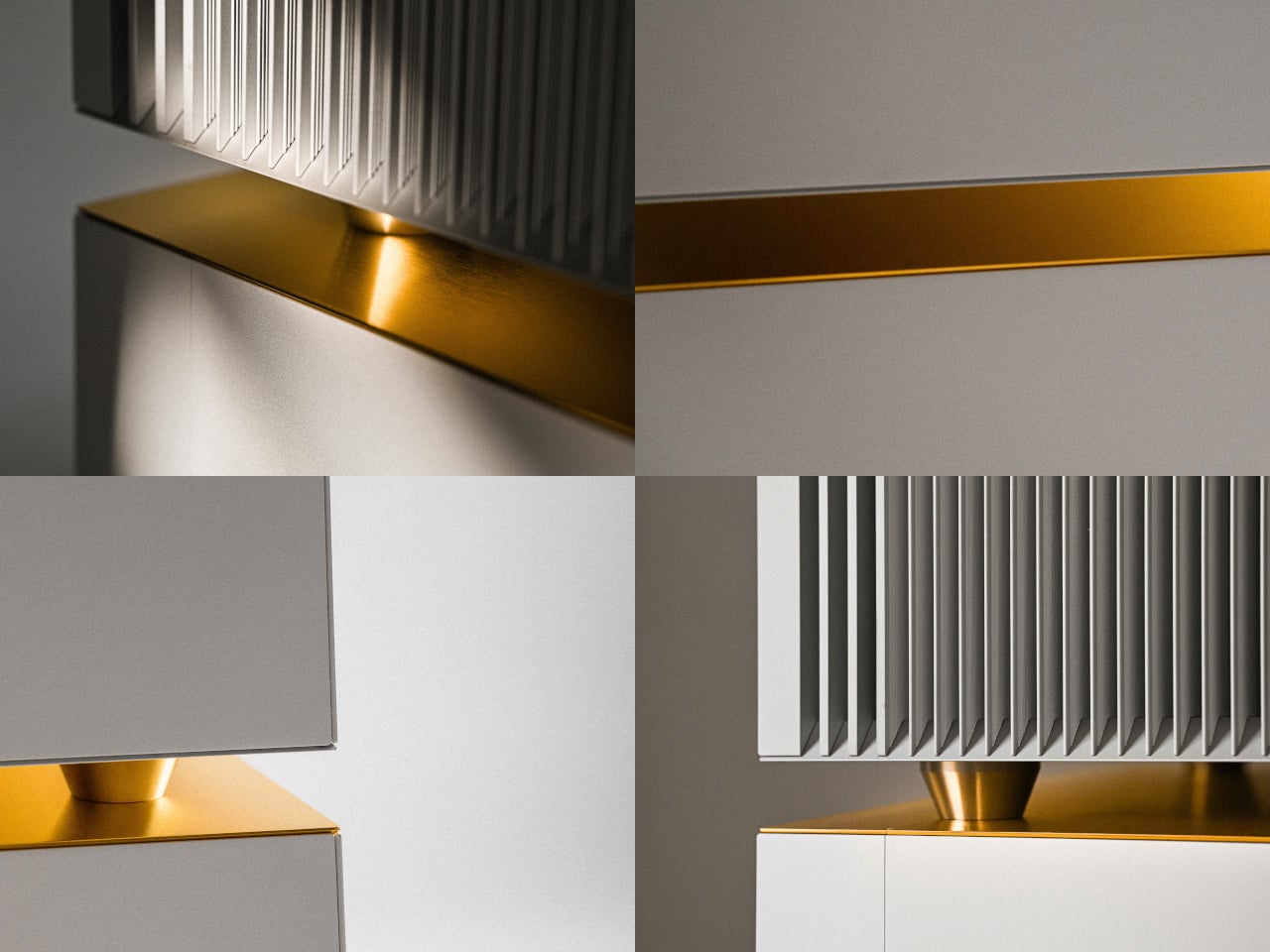
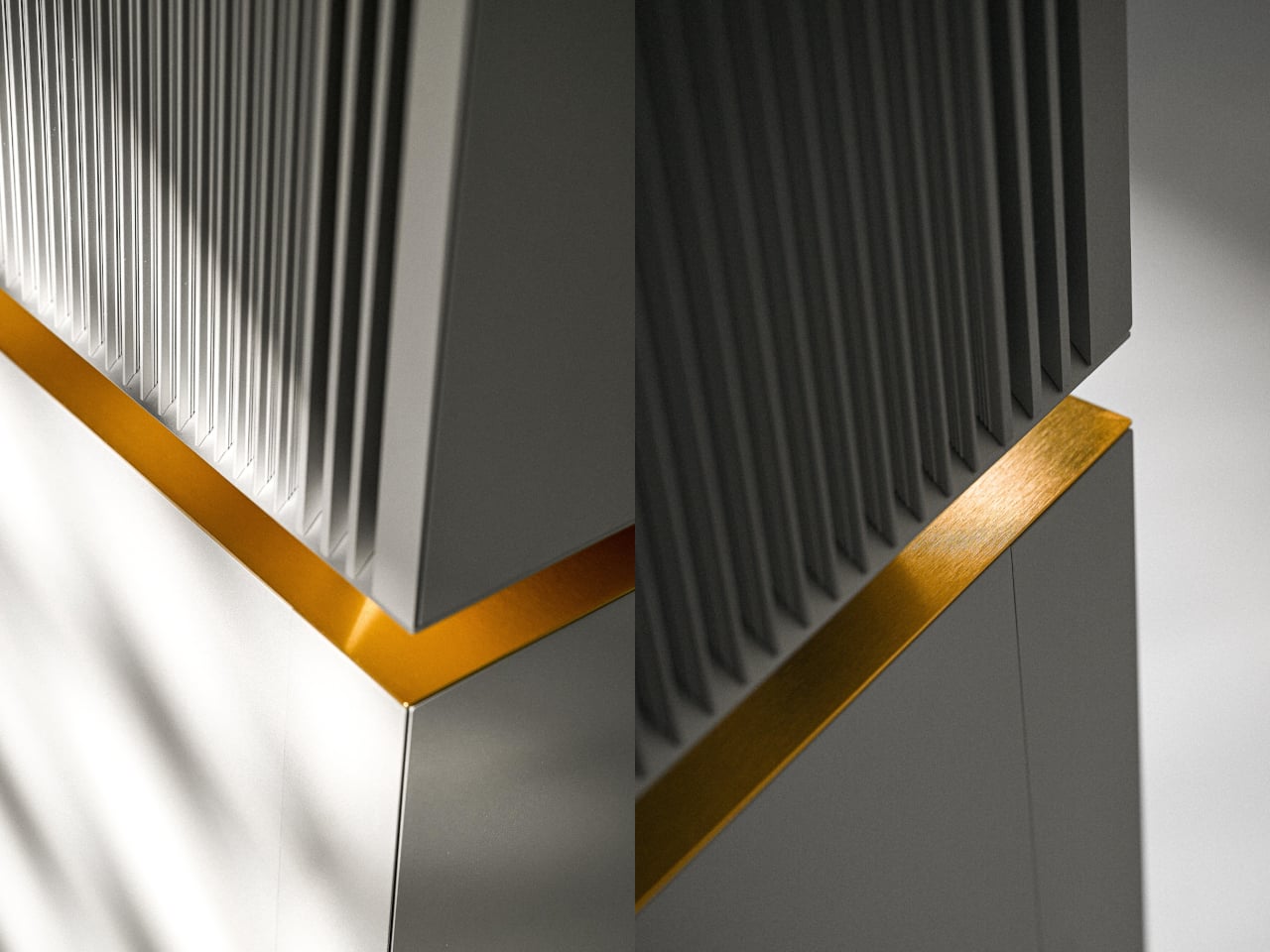
The Telos 9800 is a monoblock, meaning each unit drives a single channel. A stereo pair requires two of them, bringing the combined weight to 720kg and the combined cost to approximately $1 million USD. Goldmund specifies that installation requires at least two trained technicians with appropriate lifting equipment, which may be the most understated sentence in any modern audio product launch.
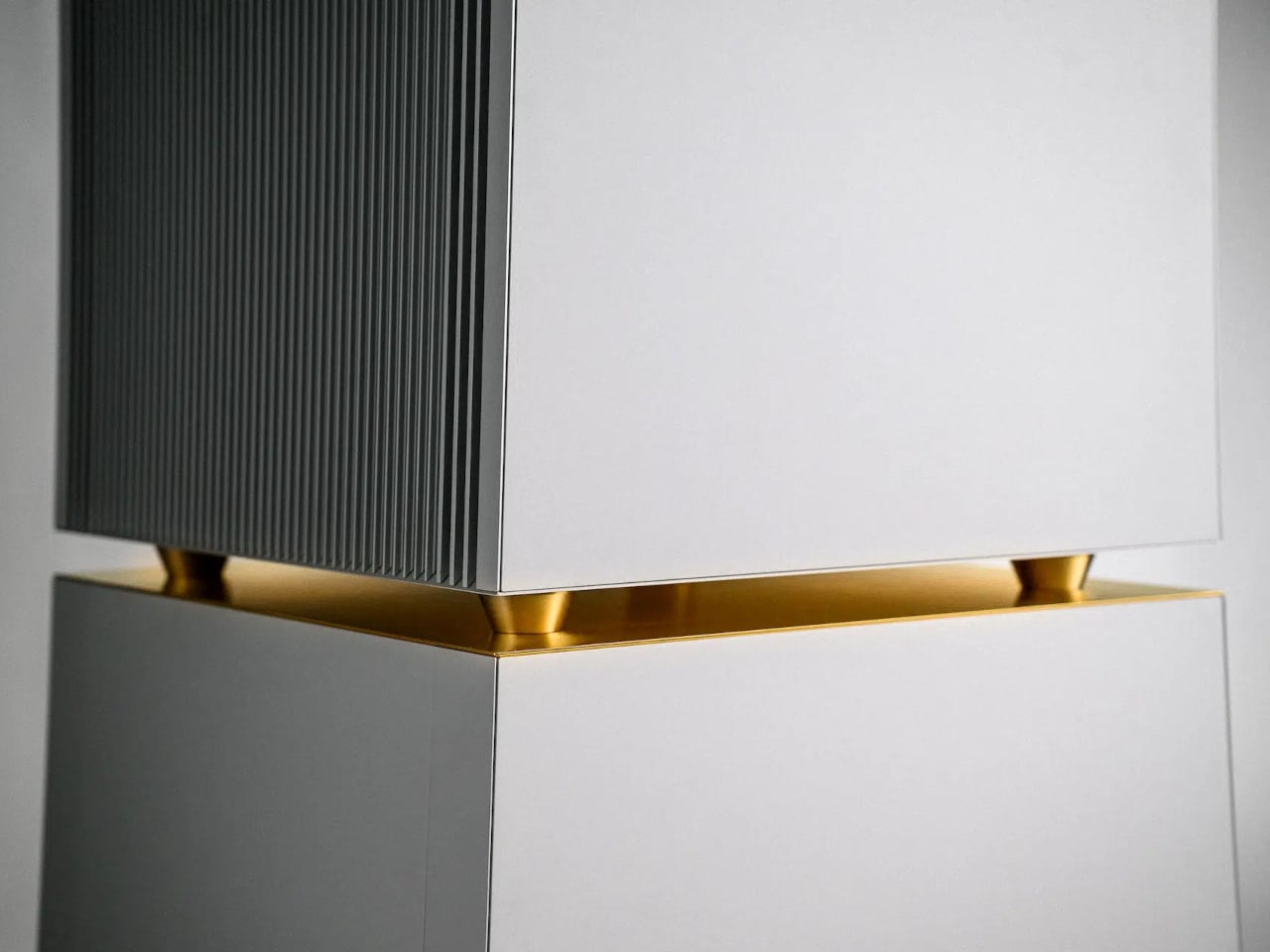
At 1,367mm tall, the Telos 9800 stands in a room rather than sitting in it. The separation of functions into two physically distinct objects transforms an engineering decision into something closer to sculpture. Most amplifiers hide their internal architecture behind a single front panel. The Telos 9800 makes the architecture the design.
The post Goldmund’s $500,000 Amp Is as Much a Sculpture as It Is a Machine first appeared on Yanko Design.

Apple’s rumored iPhone Ultra, its anticipated debut in the foldable phone market, has sparked widespread interest and debate. This device is expected to combine Apple’s renowned design philosophy and ecosystem with the flexibility of foldable technology. However, questions linger about Apple’s approach: will the company fully embrace the foldable form factor, or will it limit […]
The post Why Apple’s $2,000+ iPhone Ultra Might Be the Most Controversial Phone of the Year appeared first on Geeky Gadgets.