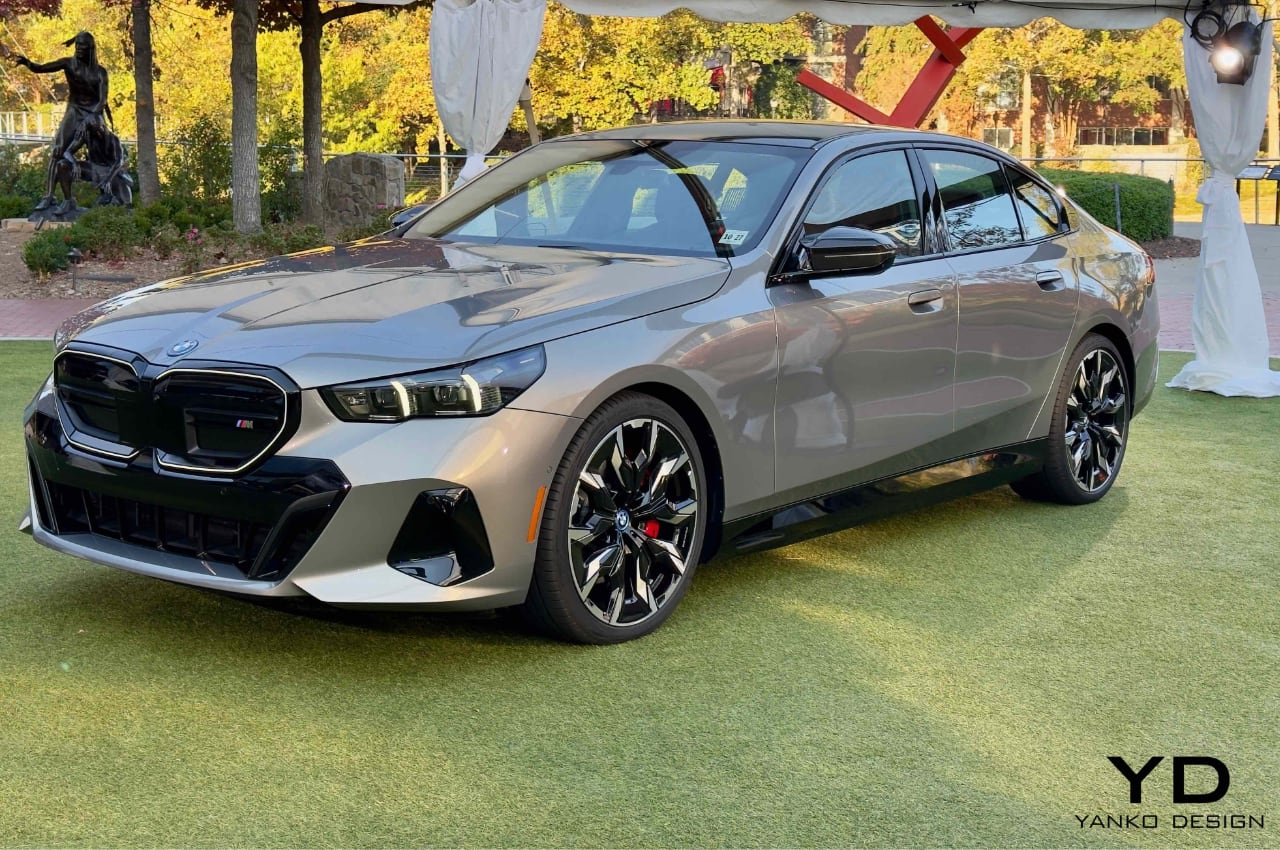
Driving the Thrilling Evolution of BMW with the Electrifying i5 M60 xDrive

The all-new, all-electric BMW i5 represents a pivotal moment in the evolution of the BMW 5 Series, introducing two electrified variants that masterfully combine speed, cutting-edge technology, and comfort into a compelling package. For those contemplating the fully electric 5-series sedan, the choices include the i5 M60 xDrive and the i5 eDrive40, each offering a distinctive mix of enjoyment, comfort, and luxury within the electric driving realm. The optimal selection hinges on your speed requirements and budget considerations. I had the opportunity to experience both models at BMW’s 2023 TestFest, and here are my initial impressions.

Designer: Christopher Weil, Head of Exterior Design for BMW
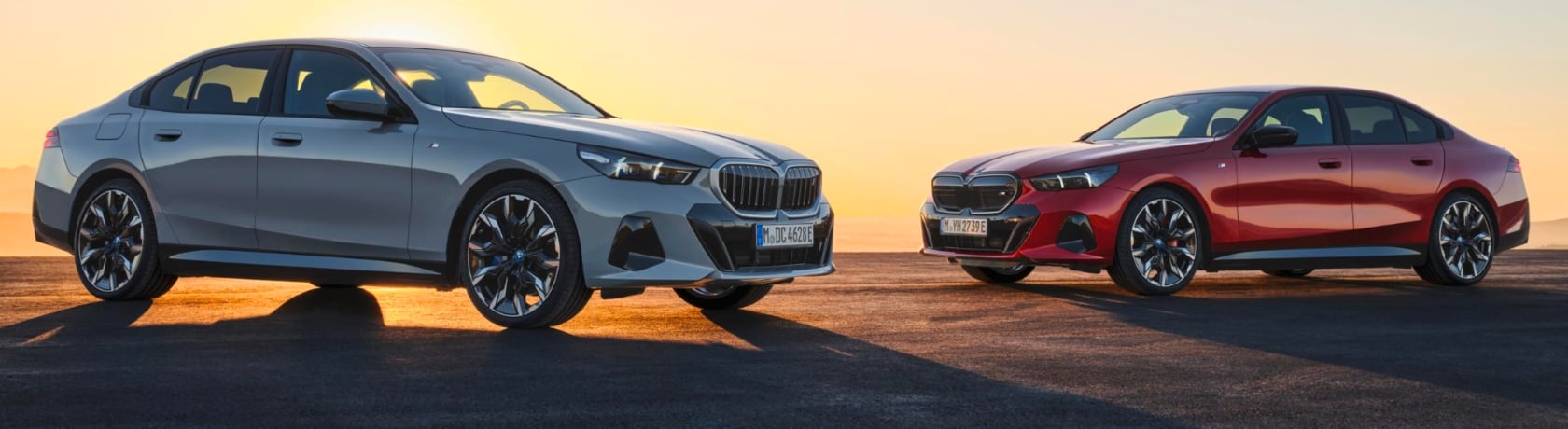
As the Head of Exterior Design for BMW, Christopher Weil has played a pivotal role in shaping these two new additions to the 5-Series EV lineup, complementing BMW’s existing electric vehicle range, including the i4, i7, and the stylish iX SUV. After testing the i4, i7, and iX SUV, I found that the 5 series strikes the perfect balance in size, driving dynamics, comfort, and both interior and exterior design aesthetics.
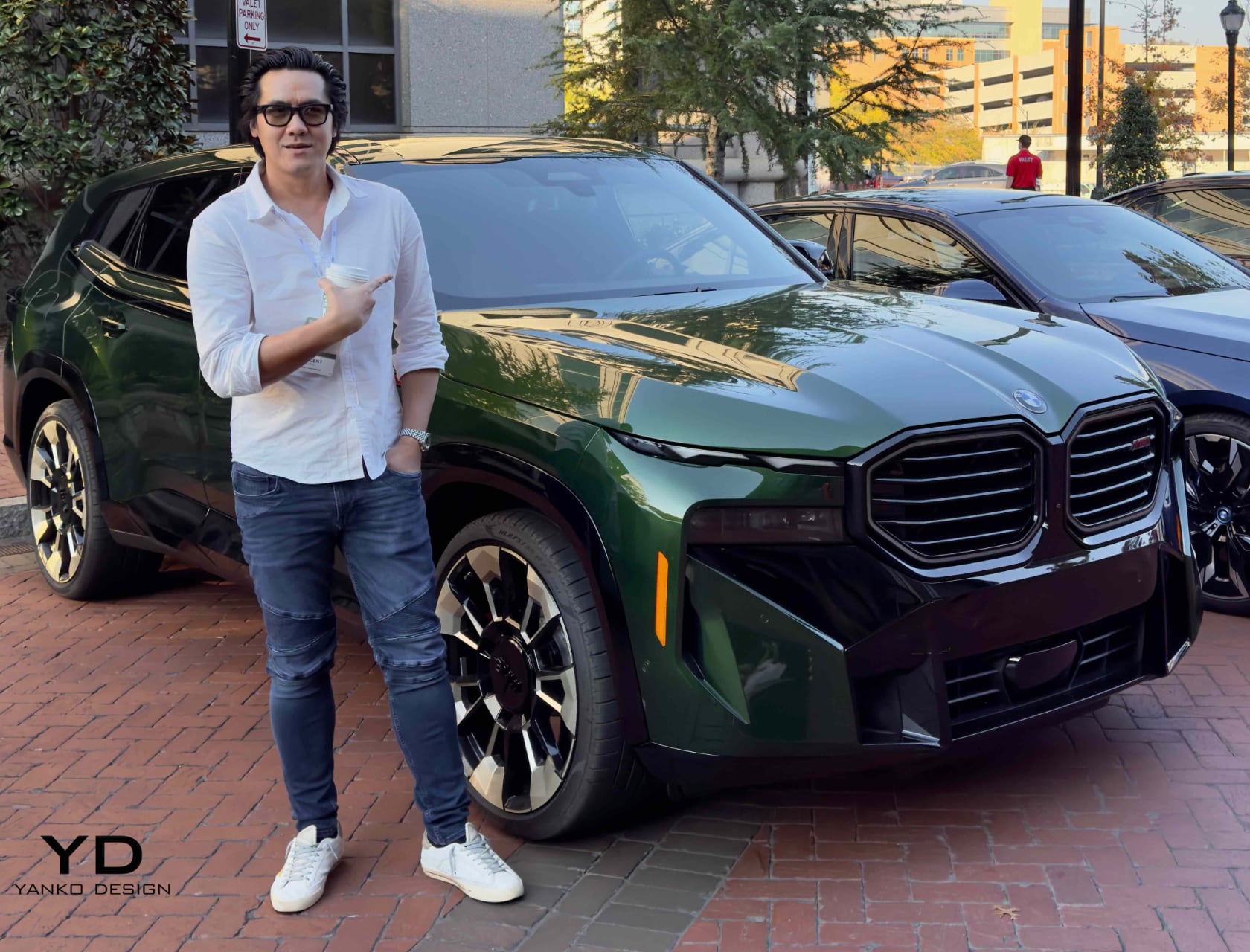
The BMW i5 M60 xDrive stands out as the more potent variant, showcasing BMW’s commitment to powerful electric mobility. Boasting an impressive 593 hp and 549 lb-ft of torque, it accelerates 0-60 mph in just 3.7 seconds. The torque can be temporarily boosted to 605 lb-ft via the Boost paddle on the steering wheel’s left side. This model fuses M Performance DNA with electric efficiency, featuring an all-wheel-drive system with a second electric motor on the front axle for superior handling and grip, thus delivering an exhilarating drive on any terrain. However, its high performance slightly compromises its range, with an estimated 256 miles on a single charge.

On the other hand, the BMW i5 eDrive40 emphasizes efficiency and elegance in electric driving. It boasts 335 horsepower and 295 pound-feet of torque. However, a paddle on the left-hand side of the steering wheel can increase this to 317 ft-lb by activating the Sport Boost or Launch Control functions. BMW asserts that the i5 eDrive40 can accelerate from zero to 60 mph in 5.7 seconds and has an electronically capped top speed of 120mph. Its rear-wheel-drive layout stays true to the brand’s heritage, offering a balanced and engaging drive. The eDrive40 shines in its range efficiency, boasting an estimated 295 miles. It makes it the perfect everyday car for commuting or shuttling the kids between school activities and longer drives to the office.
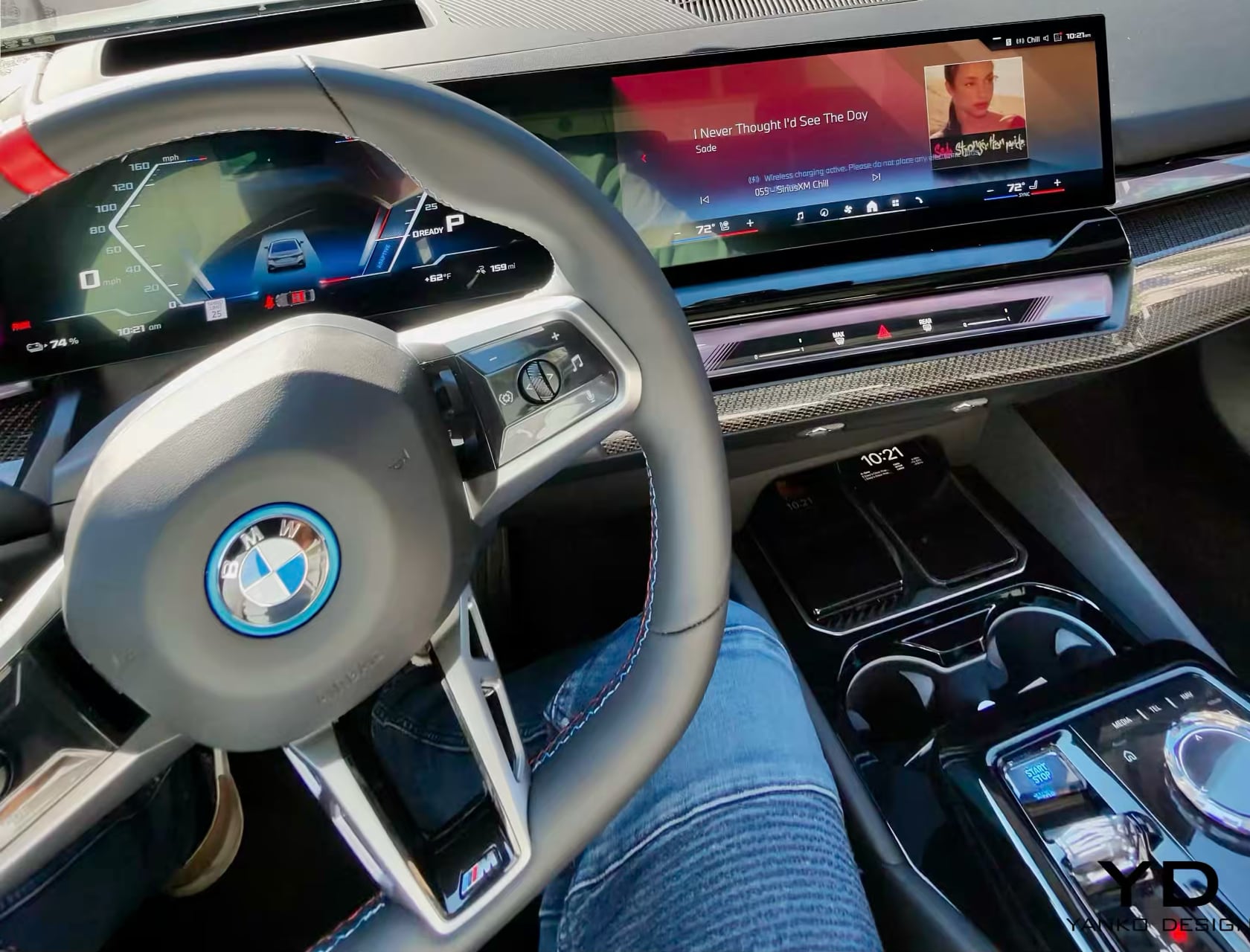
The two models come equipped with the BMW Curved Display and the latest version of the BMW iDrive system, which enhances the digital experience of the car. BMW continues to lead the way in automotive innovation with the introduction of advanced technologies such as the Highway Assistant that allows for hands-free driving up to 85 mph, and the first-ever Active Lane Change with eye activation.
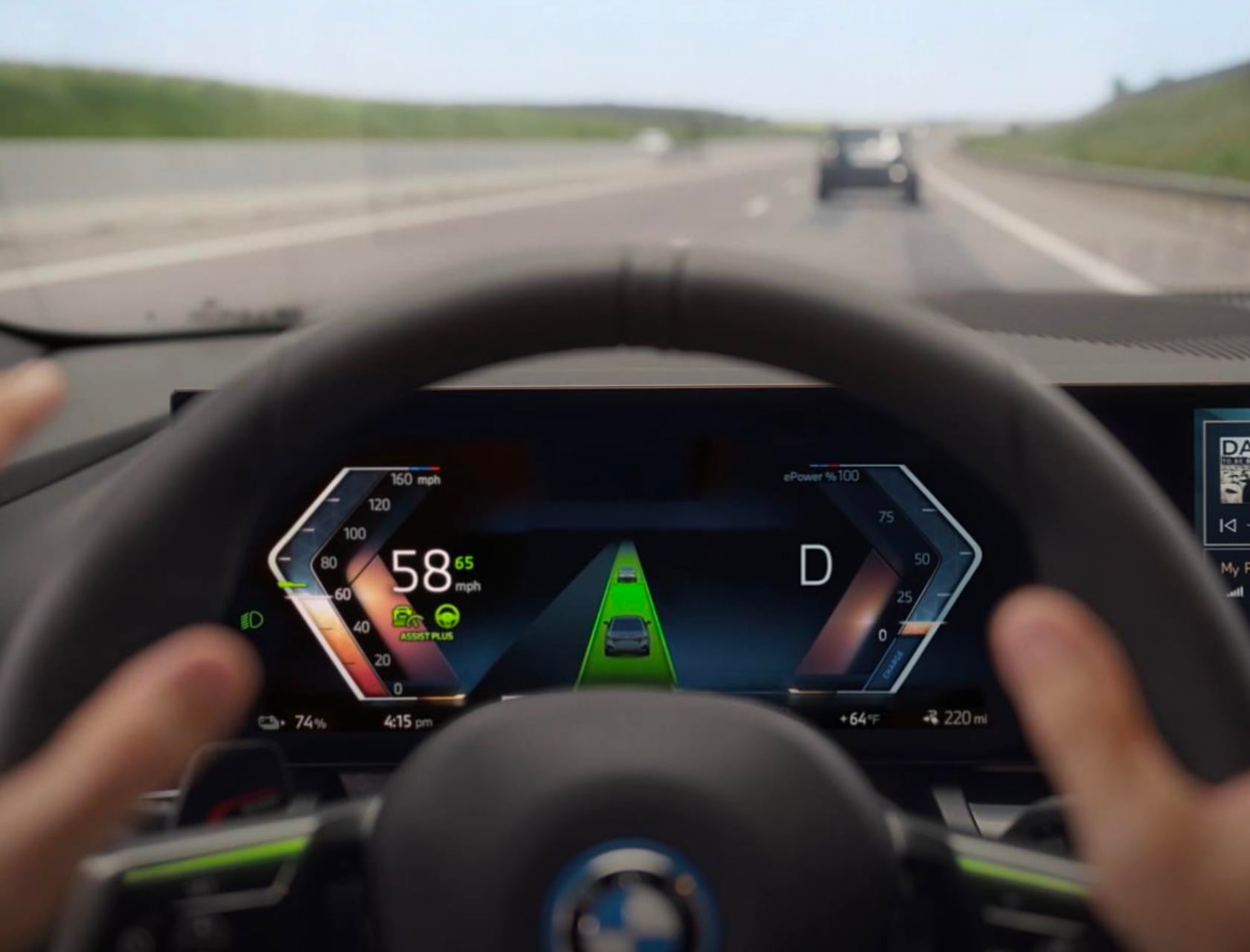
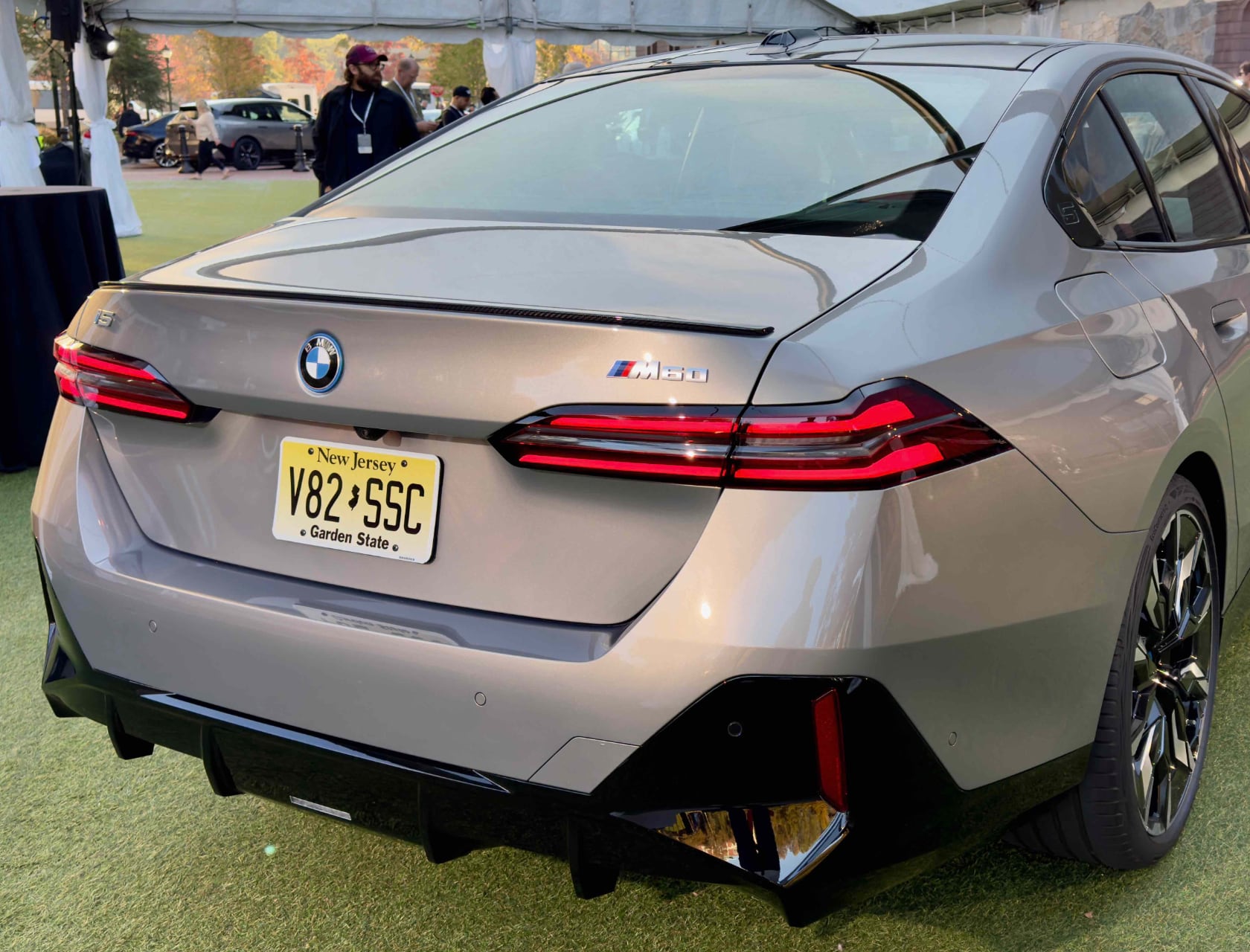
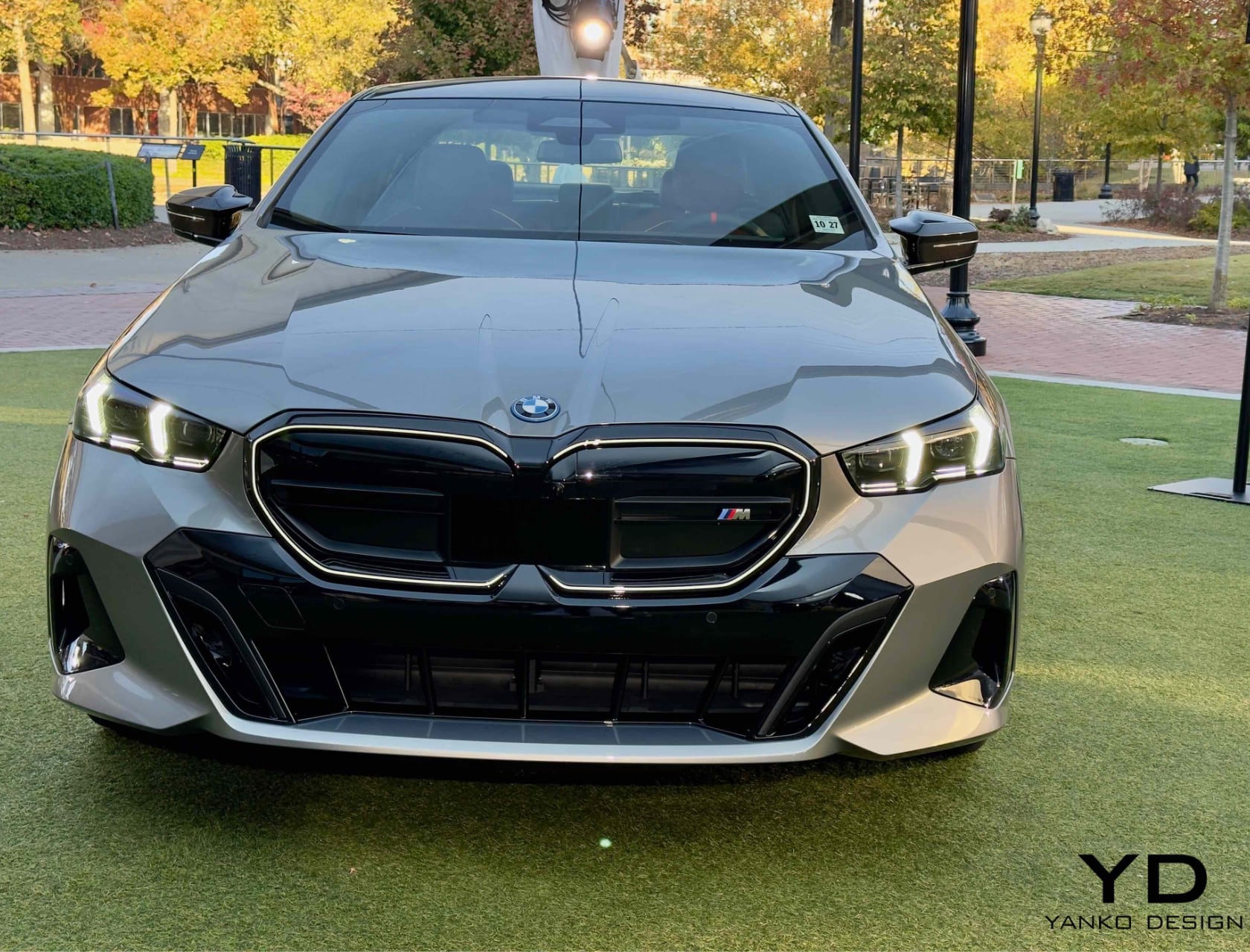
Both models maintain the sporty elegance of the 5 Series while showcasing unique features that underscore their electric character. The i5 M60 xDrive highlights its performance-driven nature with its specific design elements, like the black surfaces on the front apron and large air intakes. Conversely, the i5 eDrive40 emphasizes subtler elegance, prioritizing efficiency and grace.
The i5 is compatible with Level 2 and DC fast charging. BMW estimates that the battery can recharge from 10% to 80% in approximately 30 minutes due to a maximum charging rate of 205 kW. First-time BMW i5 owners are offered two years of free 30-minute charging sessions at Electrify America’s network of DC fast-charging stations.

Regarding pricing, the entry-level i5 eDrive40 begins at $66,800, providing an appealing entry point into luxury electric driving. With 21″ wheels, my test vehicle was priced at $77,645 due to a $650 paint job, a $3,000 M Sport Package, and a $2,850 Premium Package.
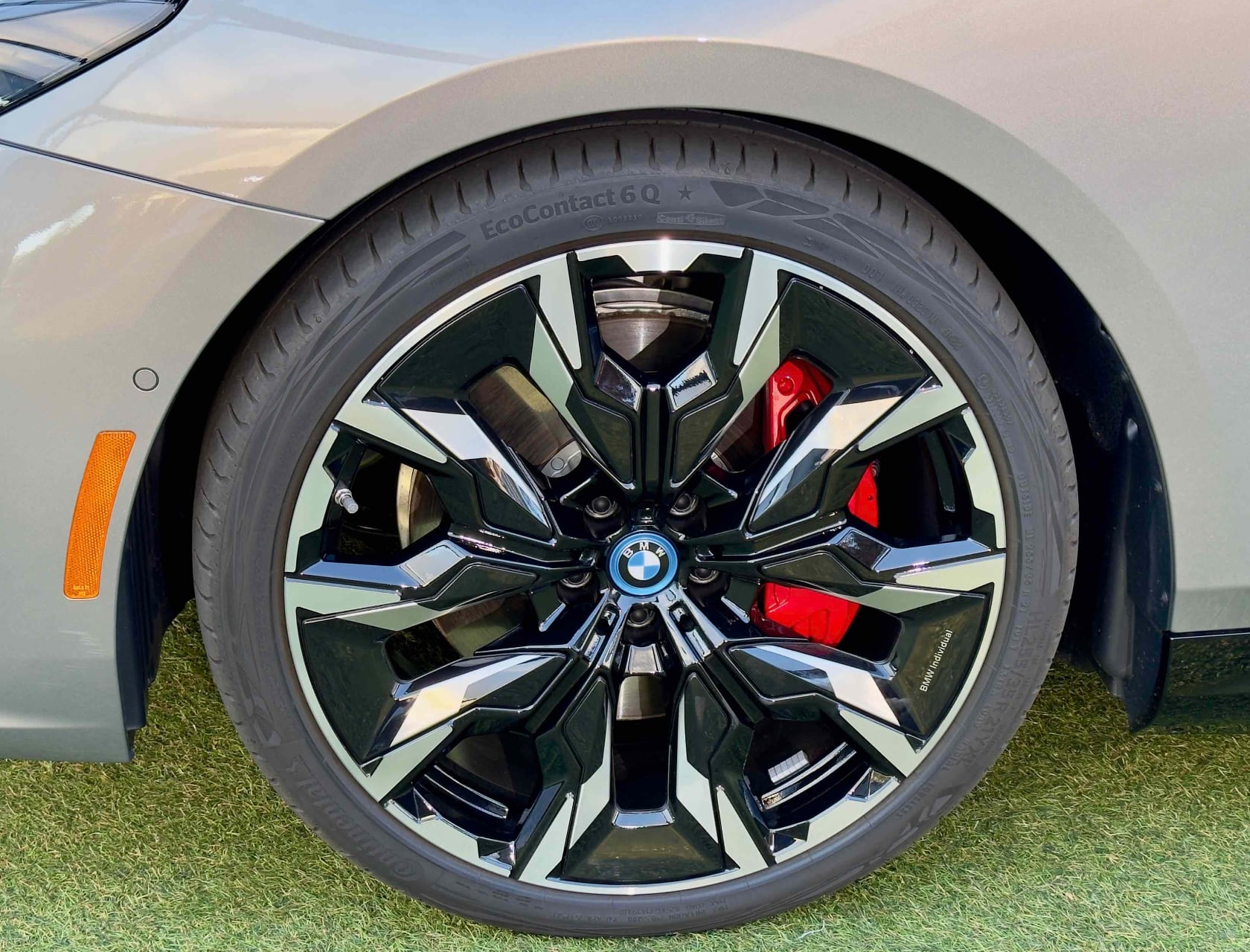
The i5 M60 xDrive starts at $84,100, appealing to those who desire high-end electric performance and the prestige of the BMW brand. However, the price can escalate quickly if you choose all the available features, reaching a maximum of $97,494. The priciest package is the Dynamic Handling, which costs $3,600. The Executive Package adds $3,350, and the Driving Assistance Pro package costs $2,000.

The BMW i5 M60 xDrive and the i5 eDrive40 represent a harmonious blend of BMW’s sporting heritage and forward-thinking approach to electric mobility. Whether it’s the exhilarating performance of the M60 or the balanced efficiency of the eDrive40, BMW offers a compelling electric option for a range of drivers in the luxury segment. With these additions, the BMW 5 Series continues to evolve, setting new benchmarks in premium electric sedans.
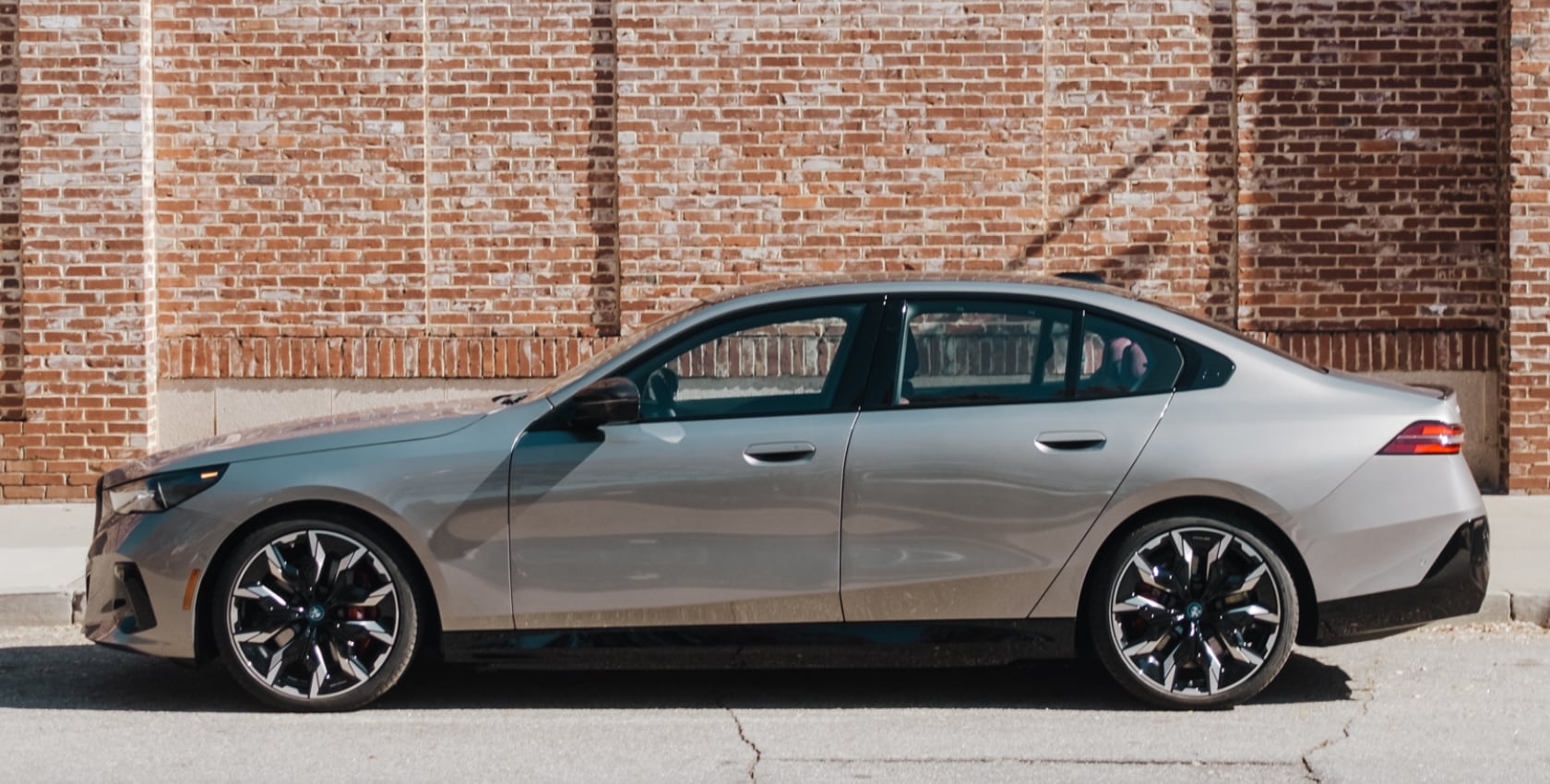
Regarding evolution, whether you choose an EV, a mild-hybrid internal combustion engine, or a plug-in hybrid, you’ll get the same sleek kidney grille, which looks good. It’s brilliant that BMW can manufacture all three variants on the same production line and adjust as necessary based on consumer demand. If you choose the Carbon exterior package, the i5 M60 exterior receives additional features. This package includes M High-gloss Shadowline, M Specific Diffuser, 19″ M Wheels, M Sport Exteriors, and M Side Mirrors.

The new 5 Series is more significant than its predecessor, being longer by 3.4 inches (199.2 inches total), wider by 1.3 inches (74.8 inches total), and taller by 1.4 inches (59.6 inches total). The wheelbase has also been extended by 0.8 inches, reaching 117.9 inches.

Its interior has been completely revamped, featuring a curved display screen with a 12.3-inch digital instrument panel behind the steering wheel and a 14.9-inch touchscreen above the center console. These displays utilize the new BMW Operating System 8.5, which enhances operational speed and graphics quality and introduces features like video streaming and gaming.

Additionally, the gaming platform app AirConsole enables you to use your smartphones as controllers and supports multiple players.

Electric Thrills: The i5 Drives Like a BMW

Without a doubt, both models provide a rapid response, thanks to the instant torque feature of electric vehicles. Everyday driving on surface streets and highways is stress-free and comfortable. The i5 felt stable and well-grounded during brief periods of acceleration.

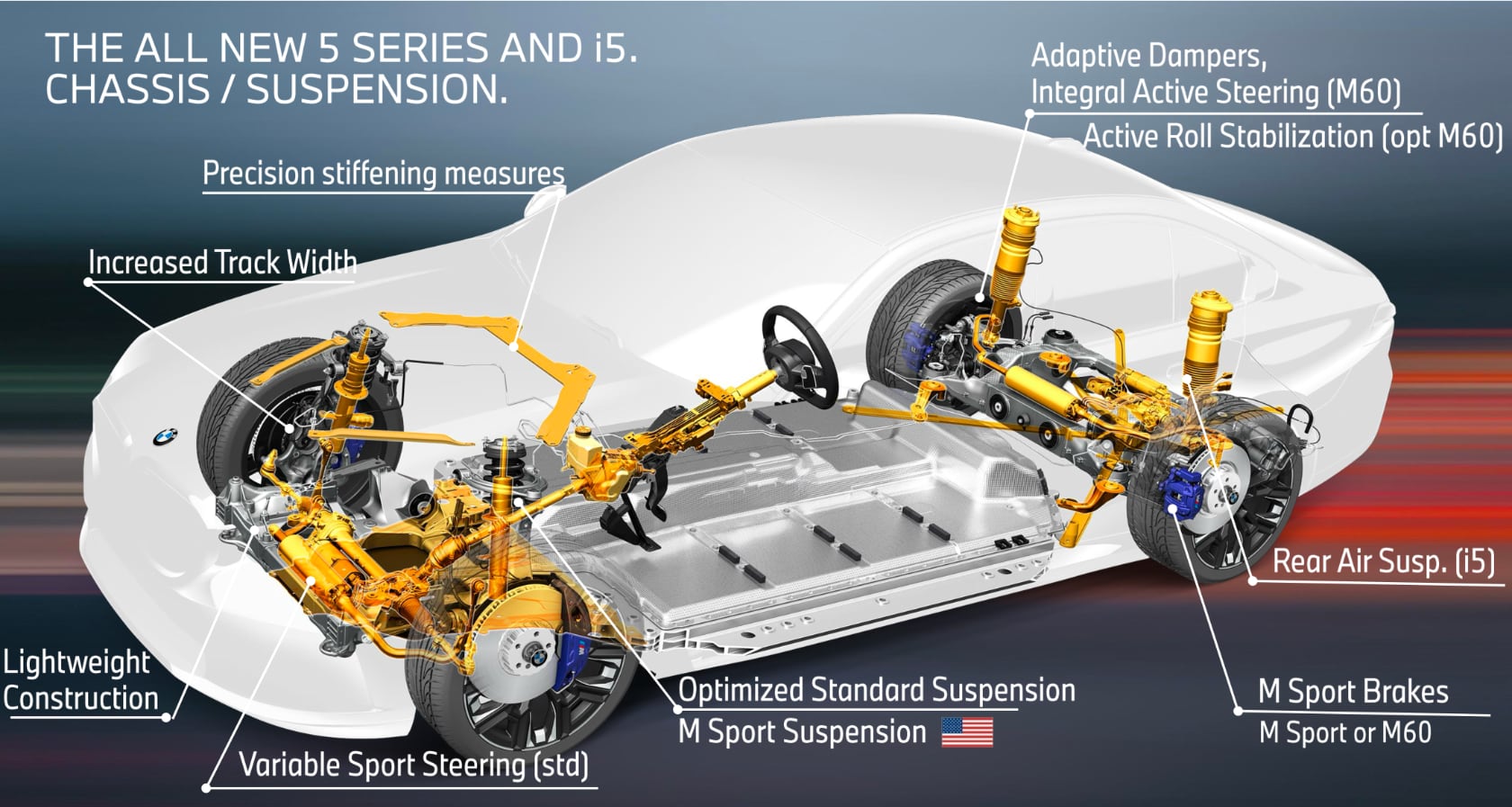
The BMW i5 M60 xDrive offers more than just an additional motor for the front axle. The Adaptive M Suspension Professional package includes several features to improve the car’s performance and the driver’s experience. One feature is the electronically controlled dampers. These automatically adjust the car’s suspension to the road conditions, providing a smoother ride and better handling. In addition, the M60 has a ride height that is 0.3 inches lower than the eDrive40, giving it a lower center of gravity and thus improving stability.
The M60 xDrive also includes rear-axle steering. This feature enhances stability at high speeds by aligning the rear and front wheels. At lower speeds, the rear wheels turn opposite the front wheels, reducing the car’s turning radius. This makes the M60 more agile, improving maneuverability in tight spaces. As with other BMW models, rear-axle steering has proved to be a beneficial feature.

Another benefit of the M60 is the inclusion of M Sport brakes. These high-performance brakes provide excellent stopping power, ensuring the car can handle the power its motors offer. Additionally, BMW’s active roll stabilization system is included. This system reduces body roll during cornering, enhancing comfort and providing more precise handling.
Thanks to these advanced features, the M60’s steering excels on tight, twisty roads along the test route. BMW was able to provide an abundant amount of track time, allowing me to push the car to the best of my driving ability. I was impressed with how light and easy it was to control through tight turns, providing more than adequate feedback and road feel. This allowed me to sense the road through the steering wheel, enhancing the connection between the car and the road.

Yanko Design’s take on the electrified BMW i5 sedans

With their performance, comfort, and advanced features, BMW’s recently launched electric vehicles, such as the compact i4 sedan and midsize iX SUV, have made a significant impression. After spending some time with the all-new i5, it seems to meet, and perhaps even exceed, the high standards set by competing brands.
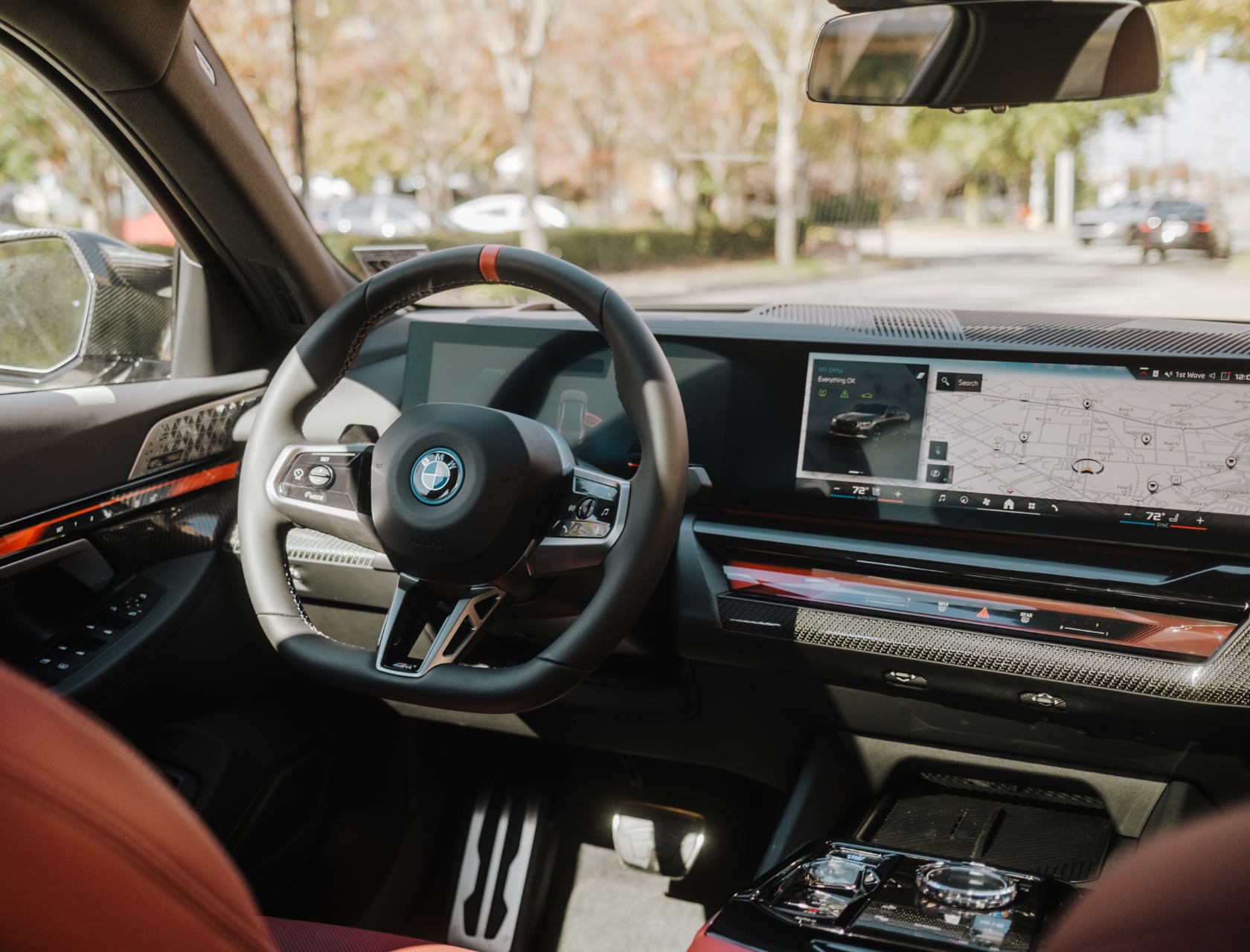
The i5, in line with our expectations of BMW’s renowned 5 Series, offers an unmatched combination of speed, comfort, and luxury. It seamlessly integrates these traits to deliver a driving experience that is both thrilling and comfortable. The car’s swift and responsive acceleration boosts the driver’s confidence on the road, while the plush interiors and cutting-edge features ensure a luxurious journey.

Adding to its impressive attributes, the i5 is quiet, creating a peaceful and serene driving environment. This quality is a defining trait of electric vehicles and is particularly prominent in the i5, setting it apart from its petrol-powered counterparts.

The post Driving the Thrilling Evolution of BMW with the Electrifying i5 M60 xDrive first appeared on Yanko Design.
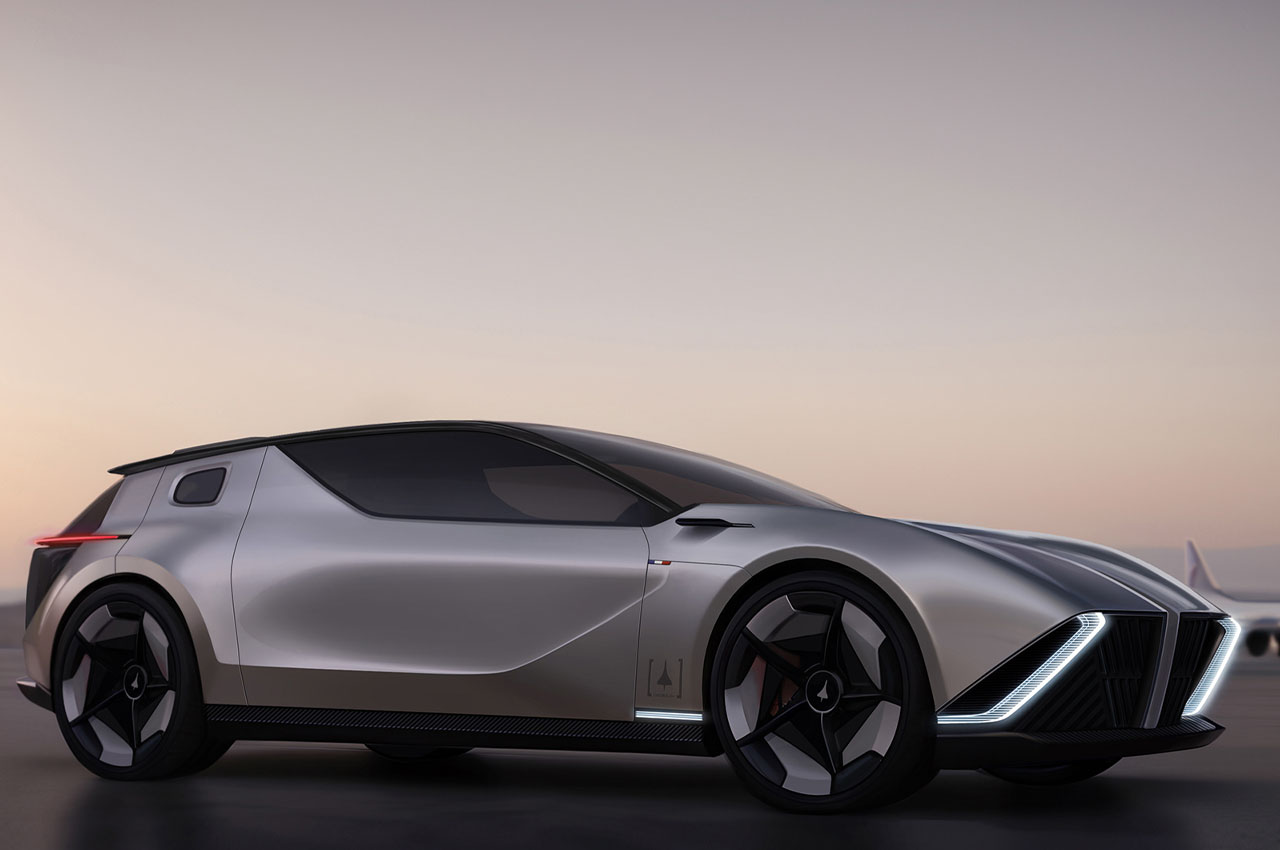
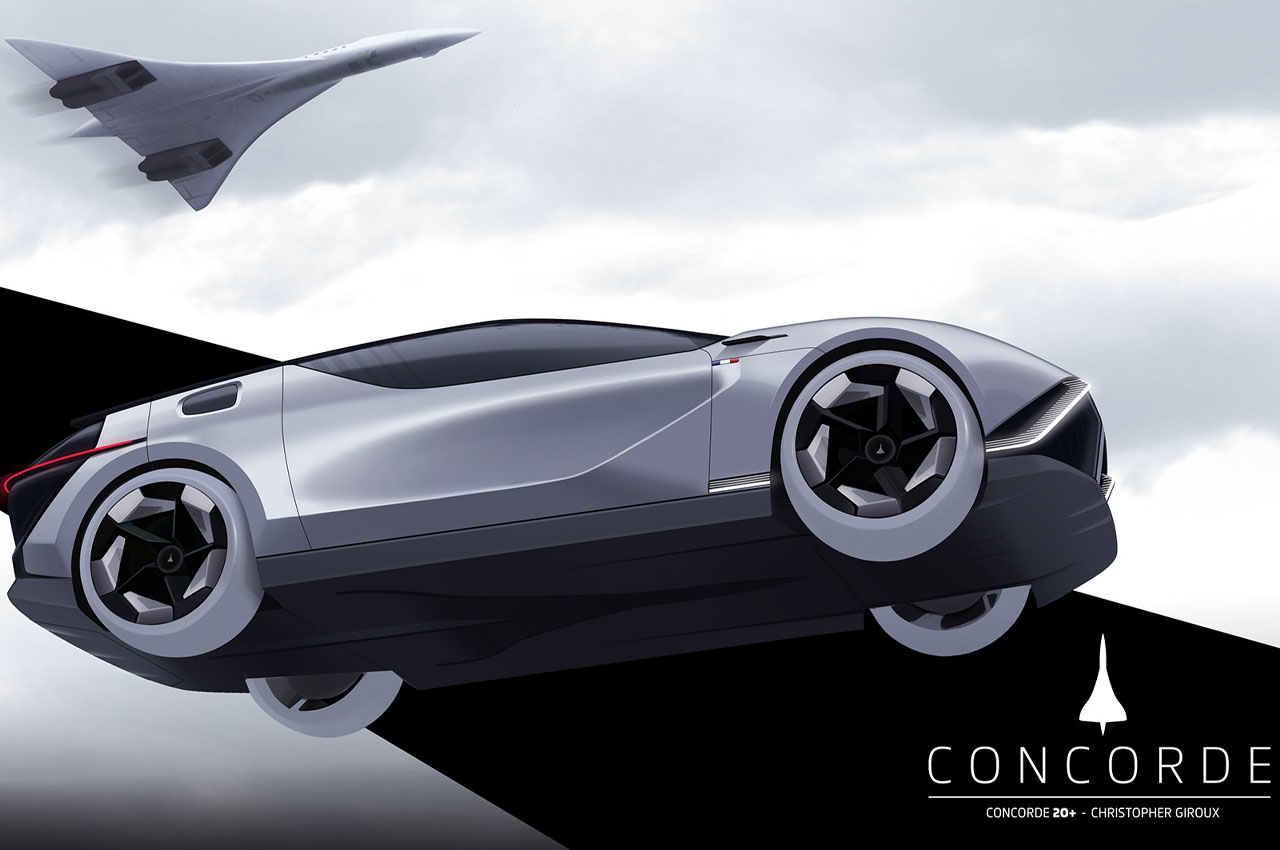
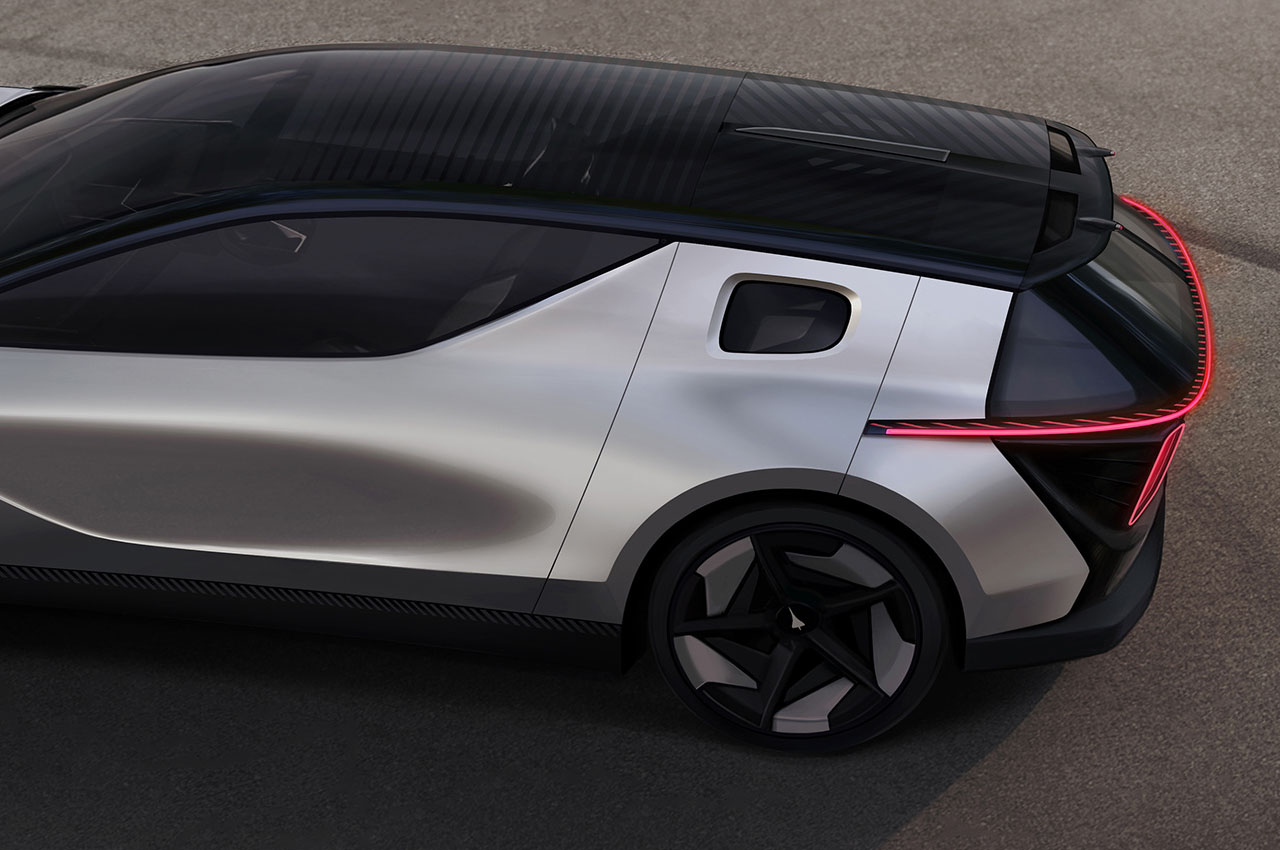
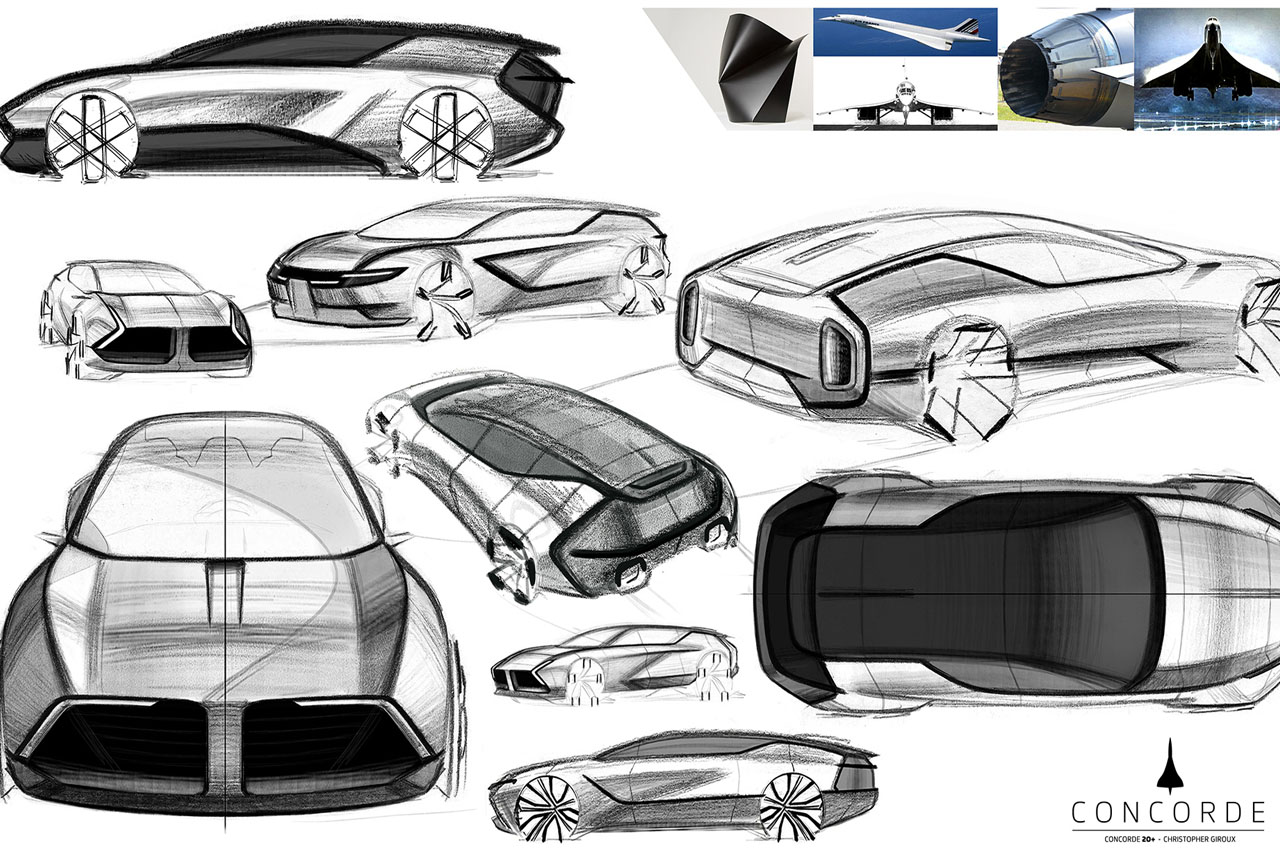
This Concorde aircraft inspired shooting brake EV boasts aerodynamic design for performance and good looks

Concorde passenger airliner shook up the aviation world when it burst into the scene in 1976. Developed and manufactured in collaboration between the United Kingdom and France, the commercial aircraft was at a level of its own with speeds 2x sound speed. Unfortunately, due to high operating and maintenance costs, the aircraft was finally retired in 2003.

Because you could zip across the Atlantic Ocean, to go from New York to London and vice versa in just three and a half hours, the Concorde deserved more than it got. But that’s a part of history now, and Concorde isn’t returning for supersonic commercial aviation. The next best thing is to take inspiration and design a four-wheeled electric speed monster to commemorate the legacy of the airliner.

Designer: Christopher Giroux

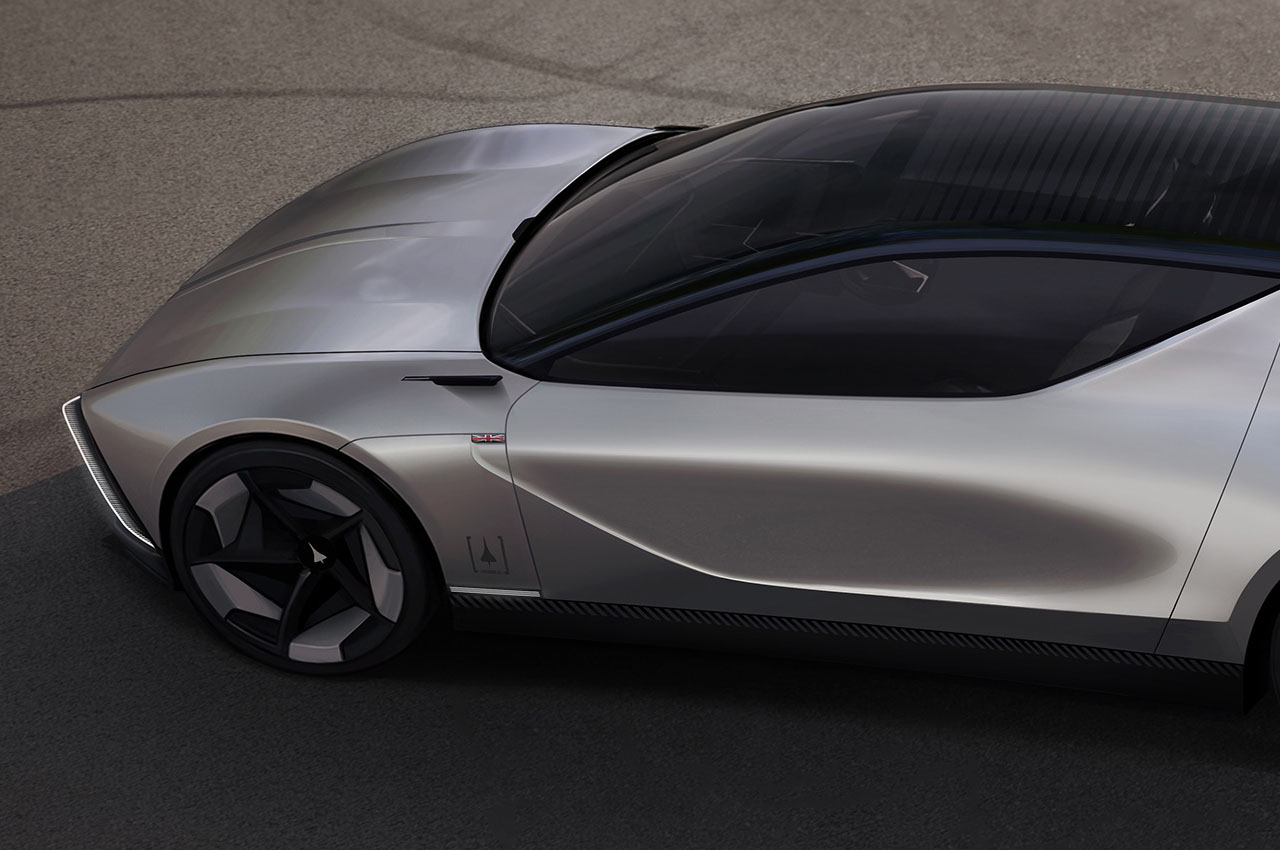
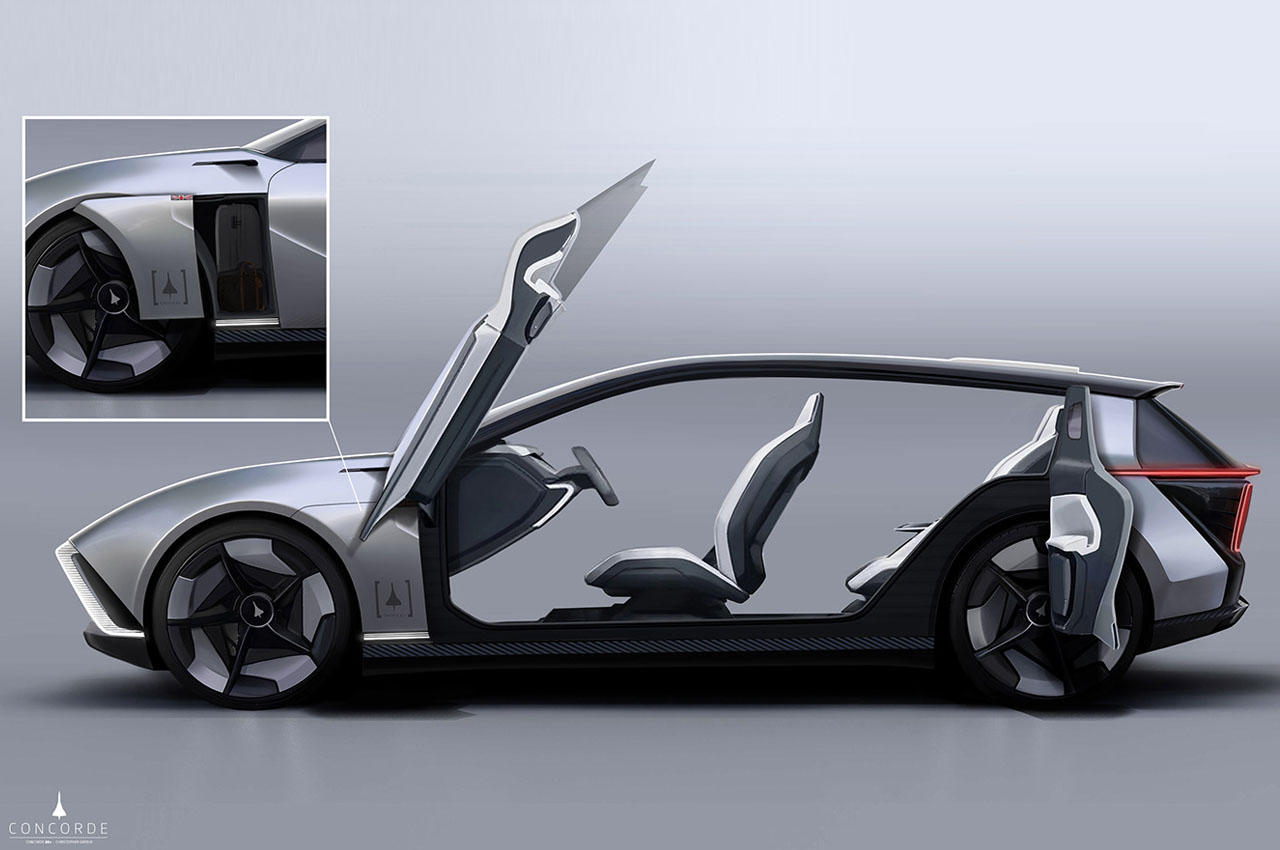
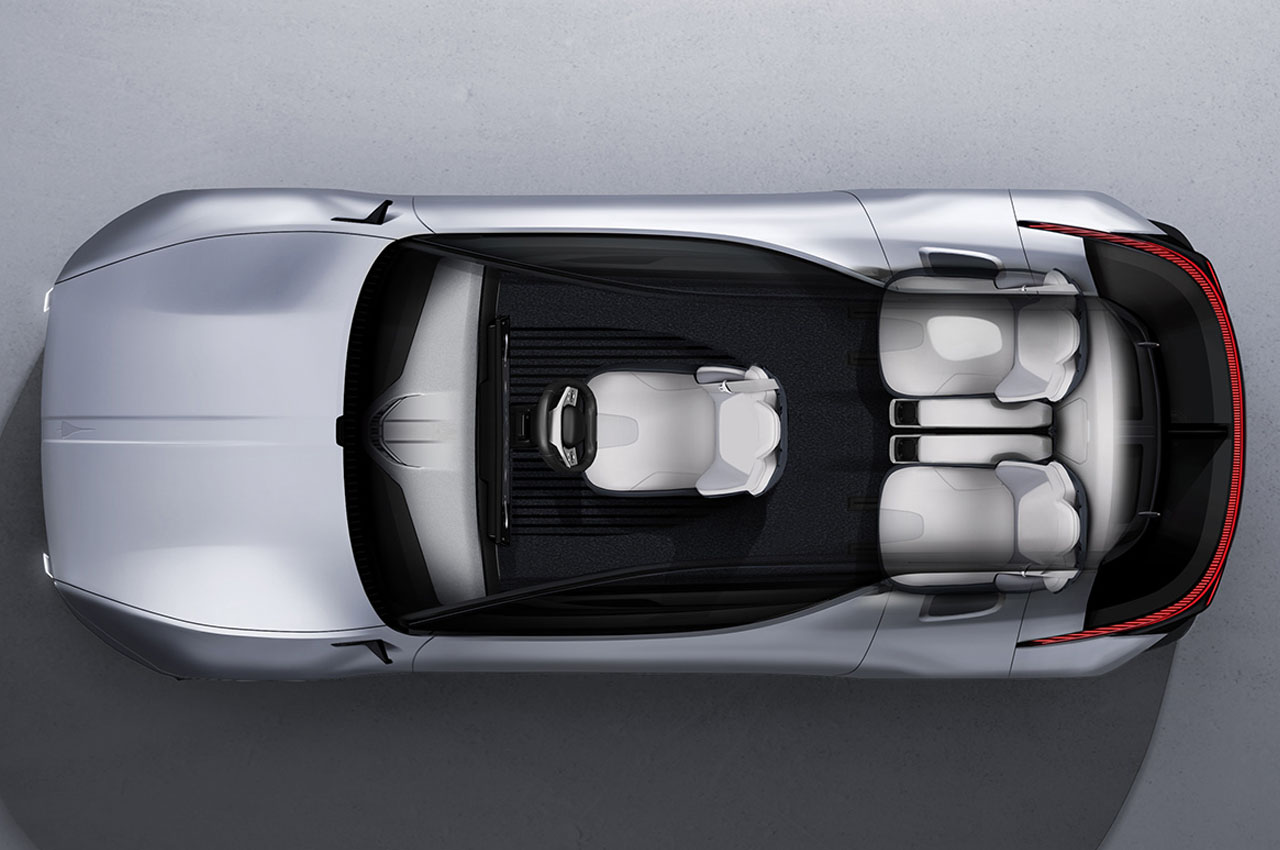
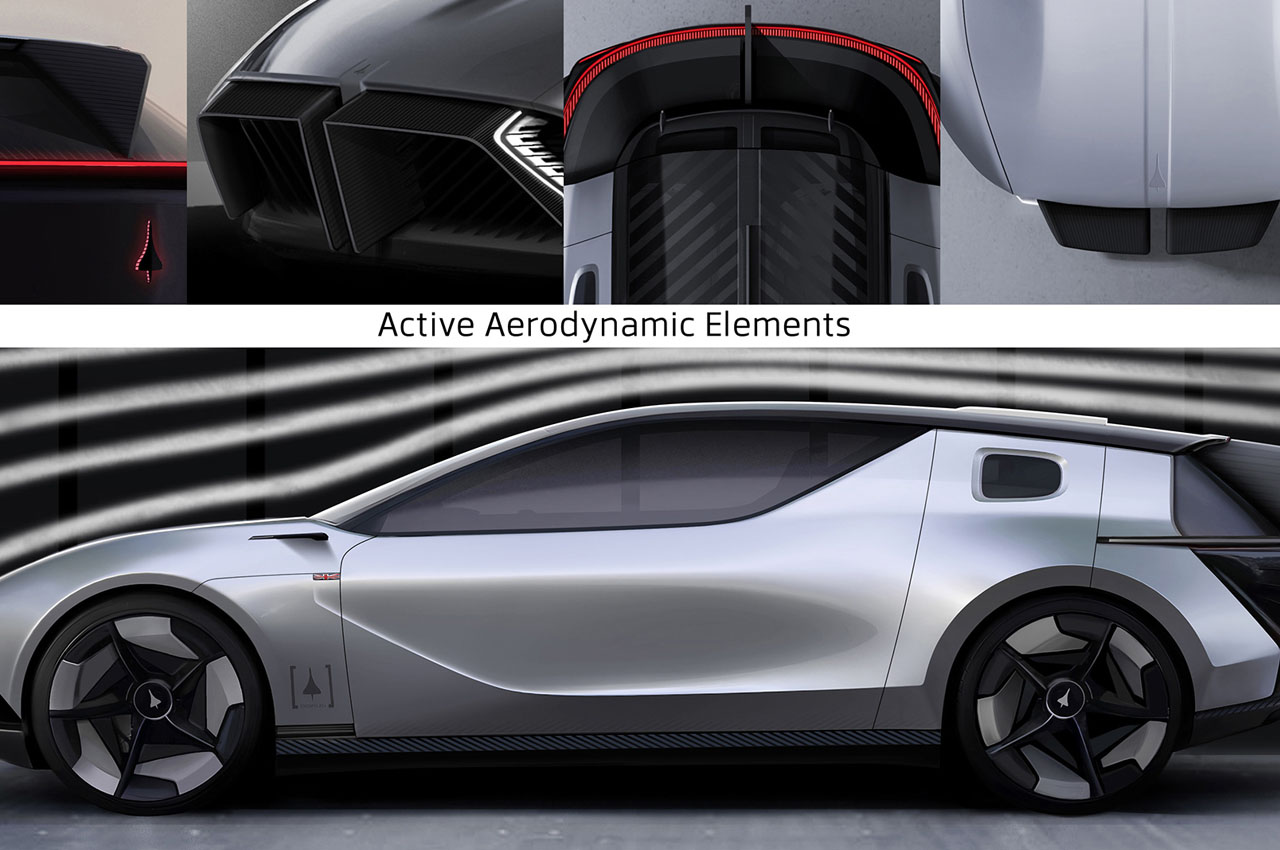
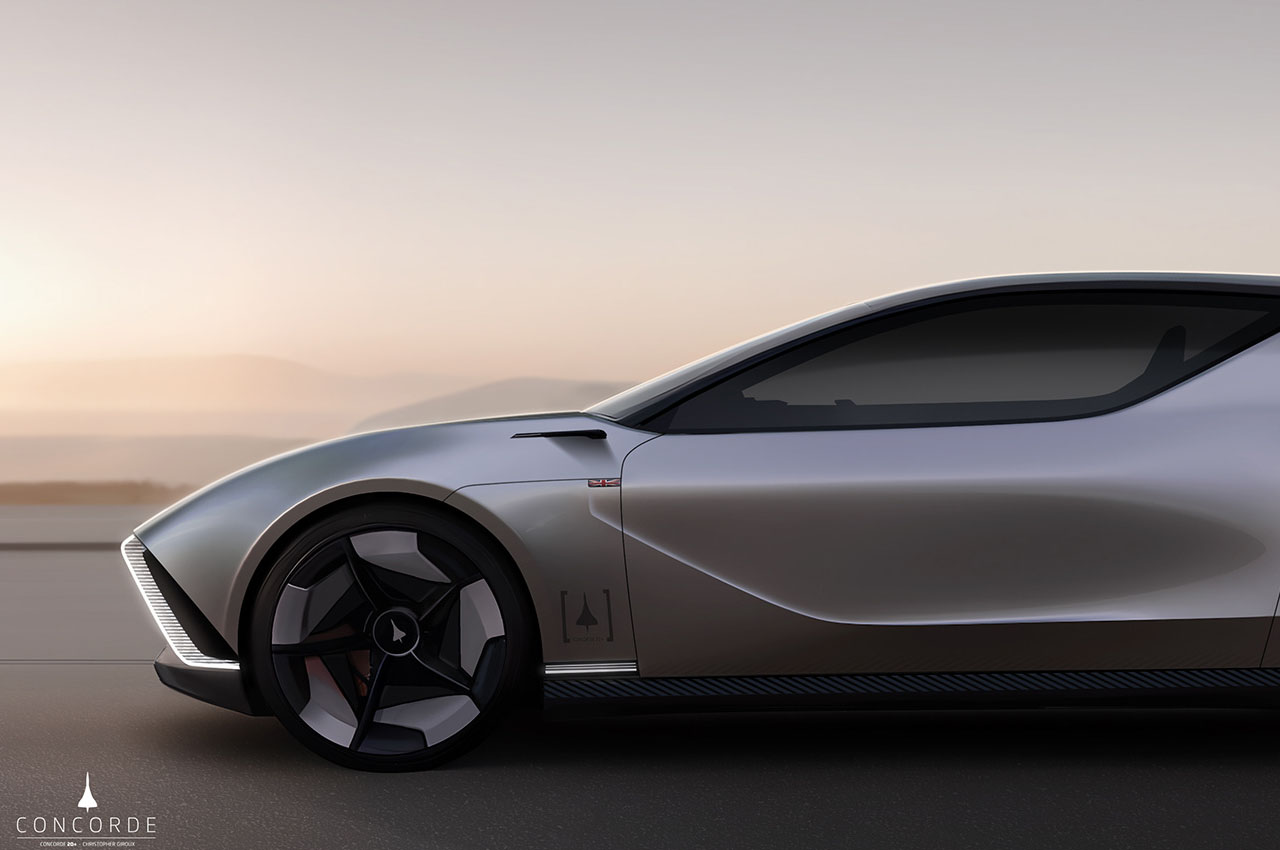
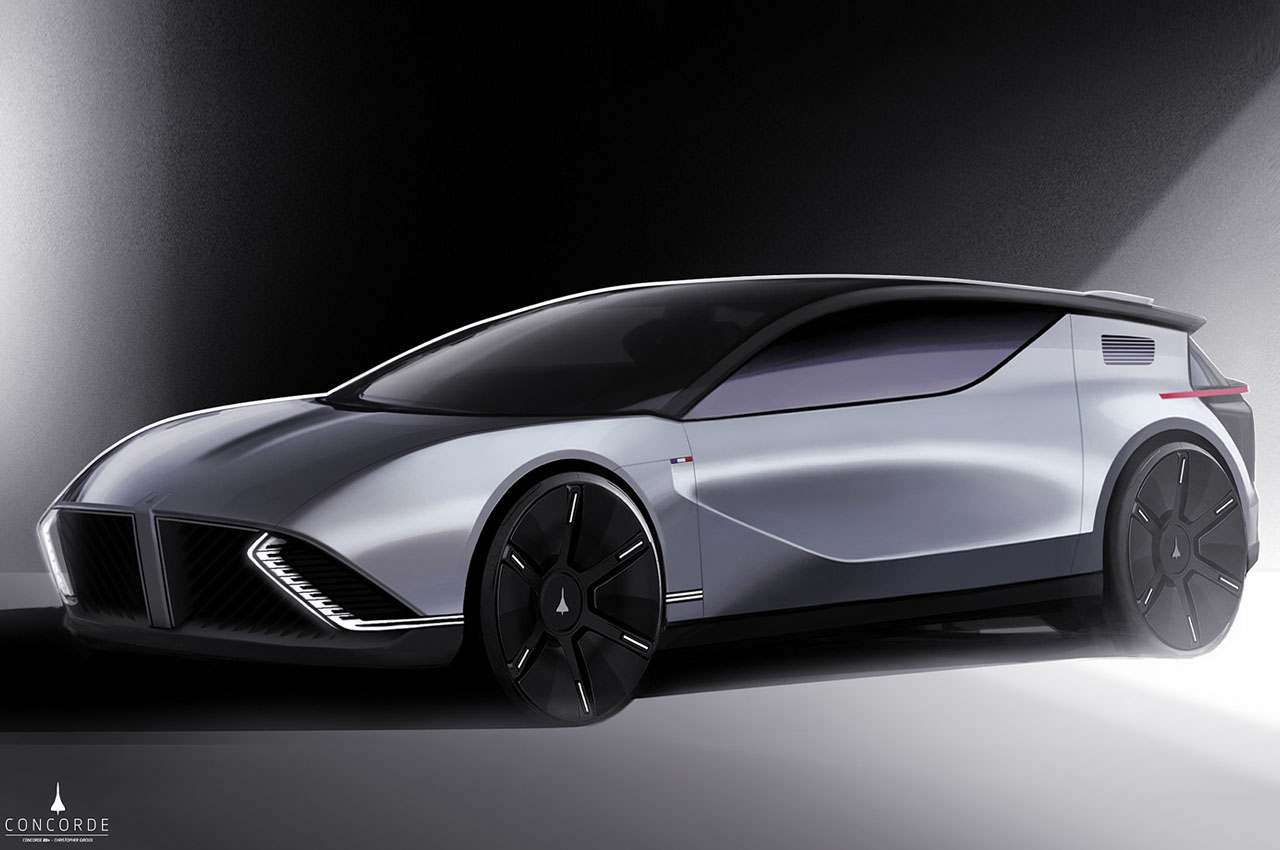
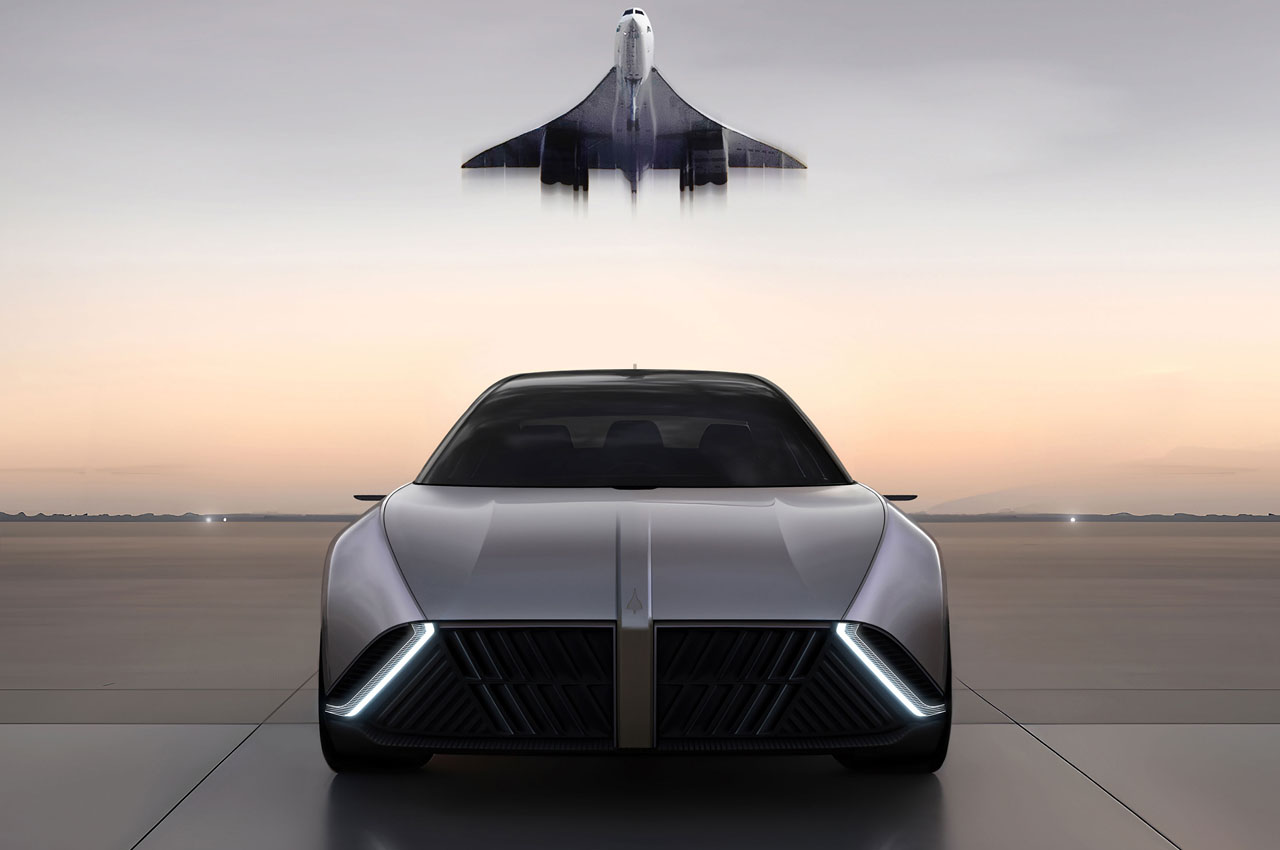
Inspired by the aircraft this shooting break concept is exactly what the usual world of automotive concept designs needed. The 3-seater performance electric car dubbed Concorde 20+ Celebrates the legacy of the sound speed barrier-breaking aircraft commissioned for commercial purposes. There’s just one seat on the front for the pilot and two rear seats for the rich owners who enjoy the luxury of a spacious cabin all to themselves.

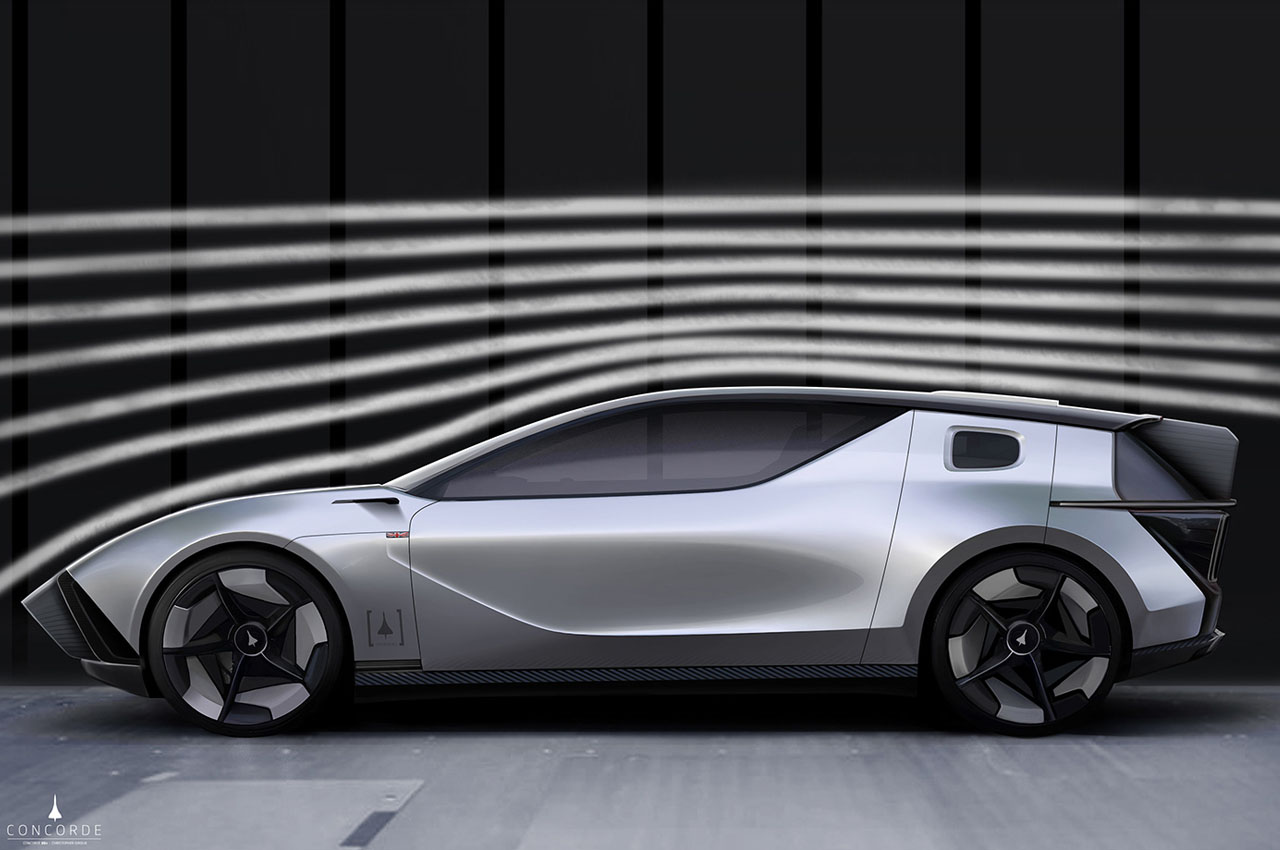
The active aero elements on the outside and the inside not only tweak the peak performance at high speeds but also bring a sense of fluid design to the vehicle. Just like the Concorde aircraft, the electric car is built for high-speed skirmishes on the freeway, letting the owners know it’s not meant to be driven in cruise mode.

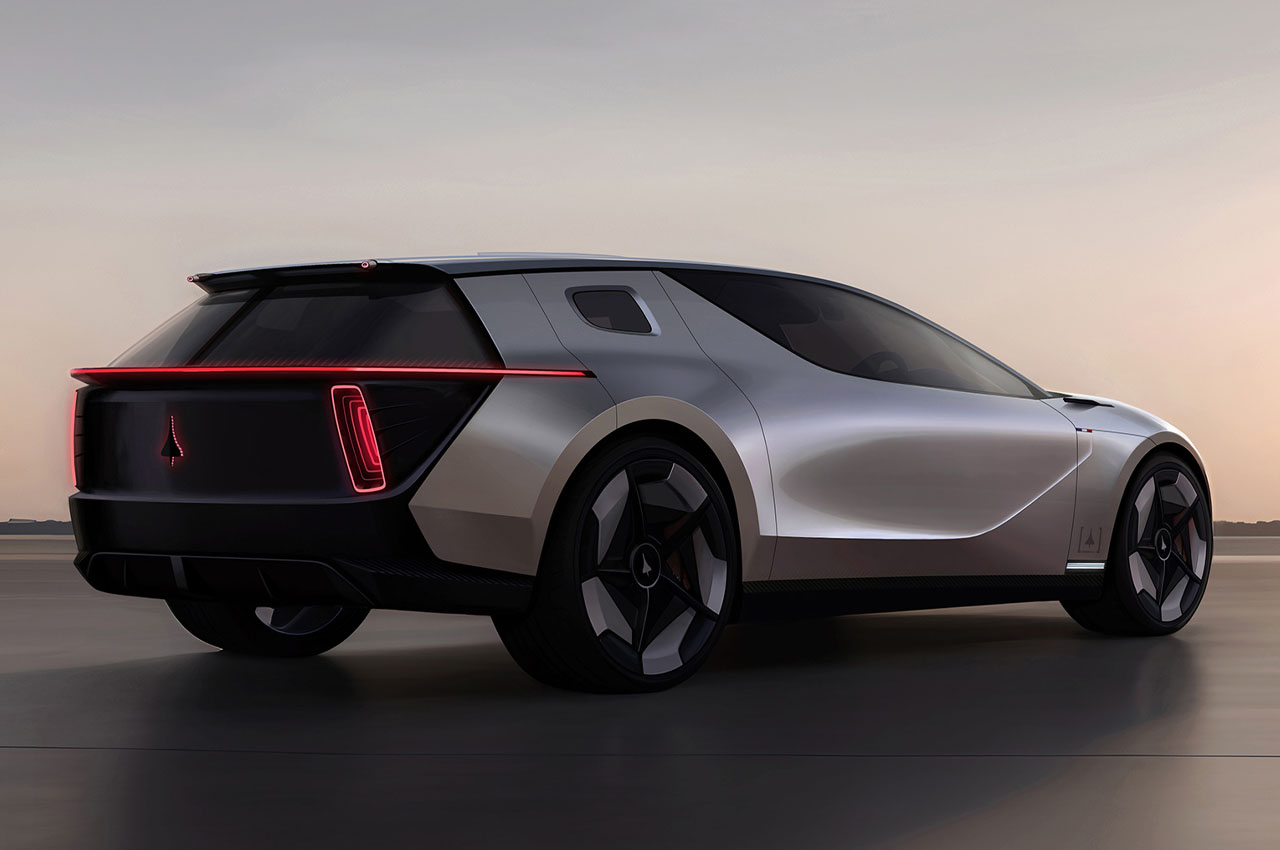
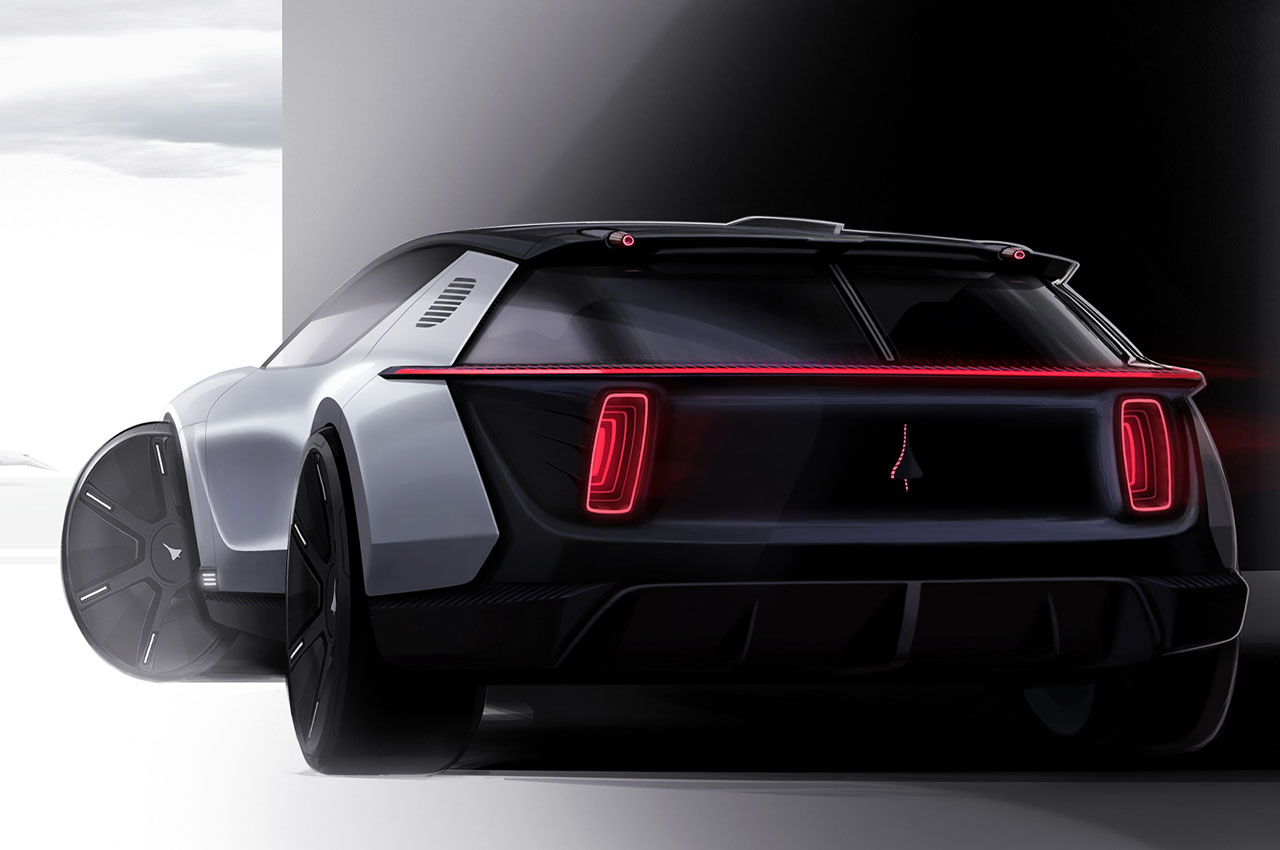
That front pointy section with the futuristic LED panel headlights has a close resemblance to the aircraft honed by the windshield wrapped over the hood. As you can see from some of the side profile renders, the resemblance in shape flowing from the front to the back is so Concorde-like. The long shooting brake design not only maximizes interior space but also adapts the airliner’s overall aero aesthetics. Jump to the rear profile and, the futuristic element is ever so present there too.

The post This Concorde aircraft inspired shooting brake EV boasts aerodynamic design for performance and good looks first appeared on Yanko Design.

Ultra luxurious superyacht doubles as a submersible capable of 820 feet deep underwater exploration for four weeks

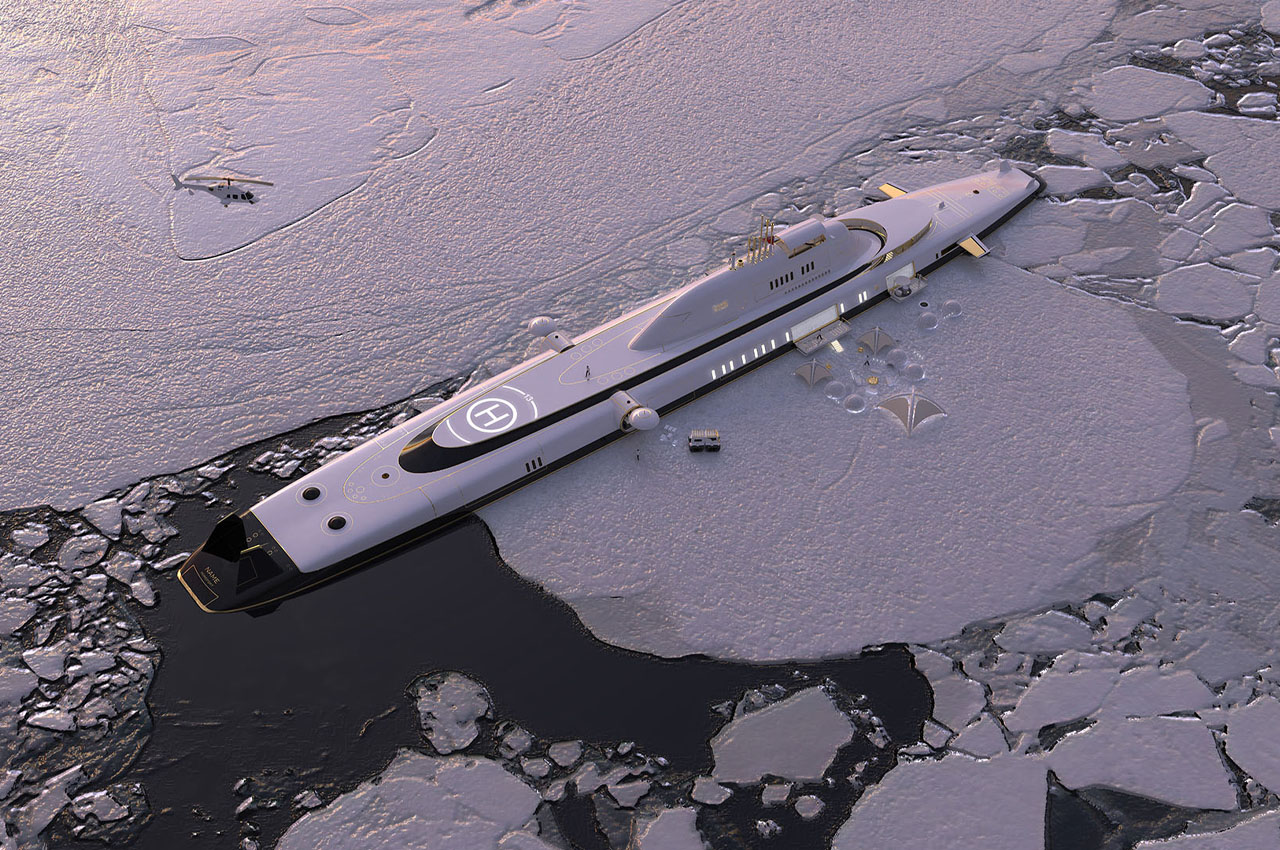
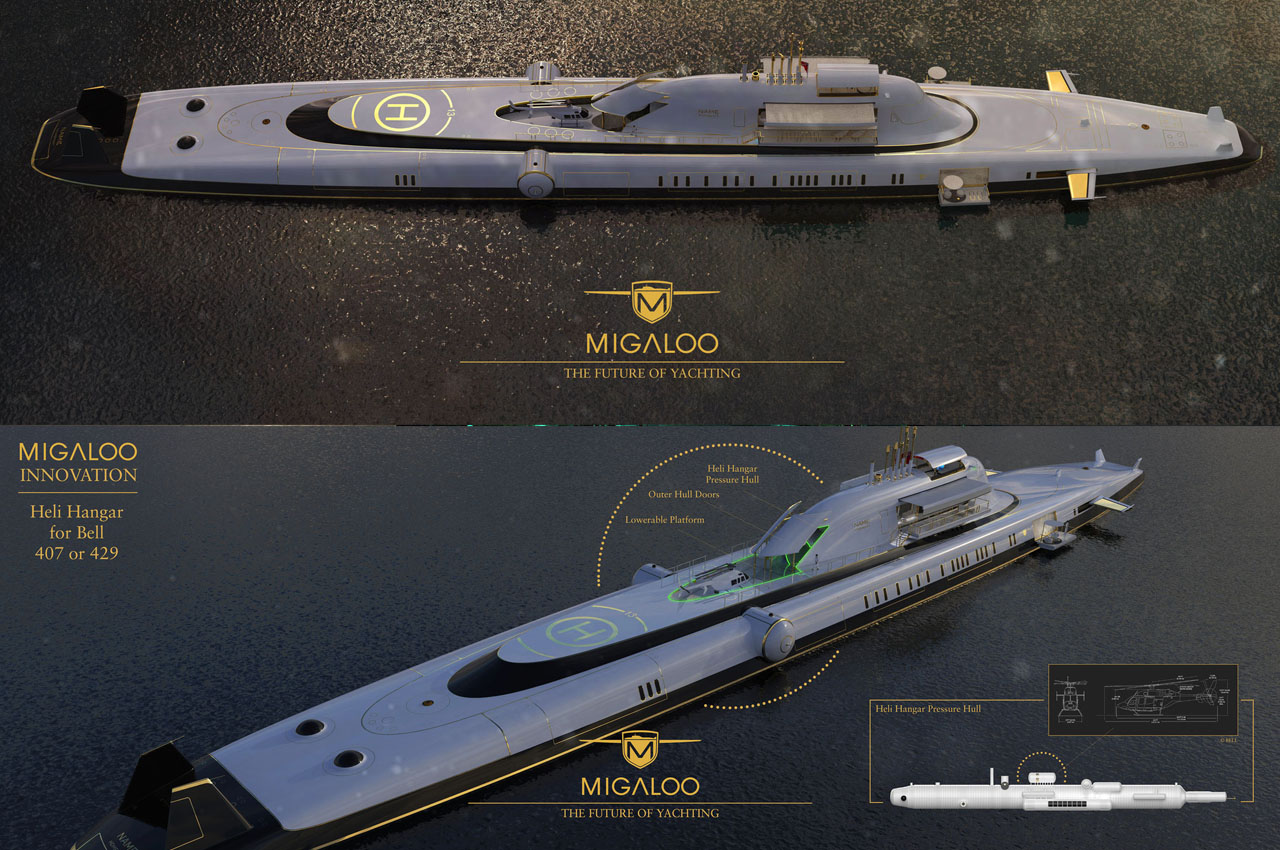
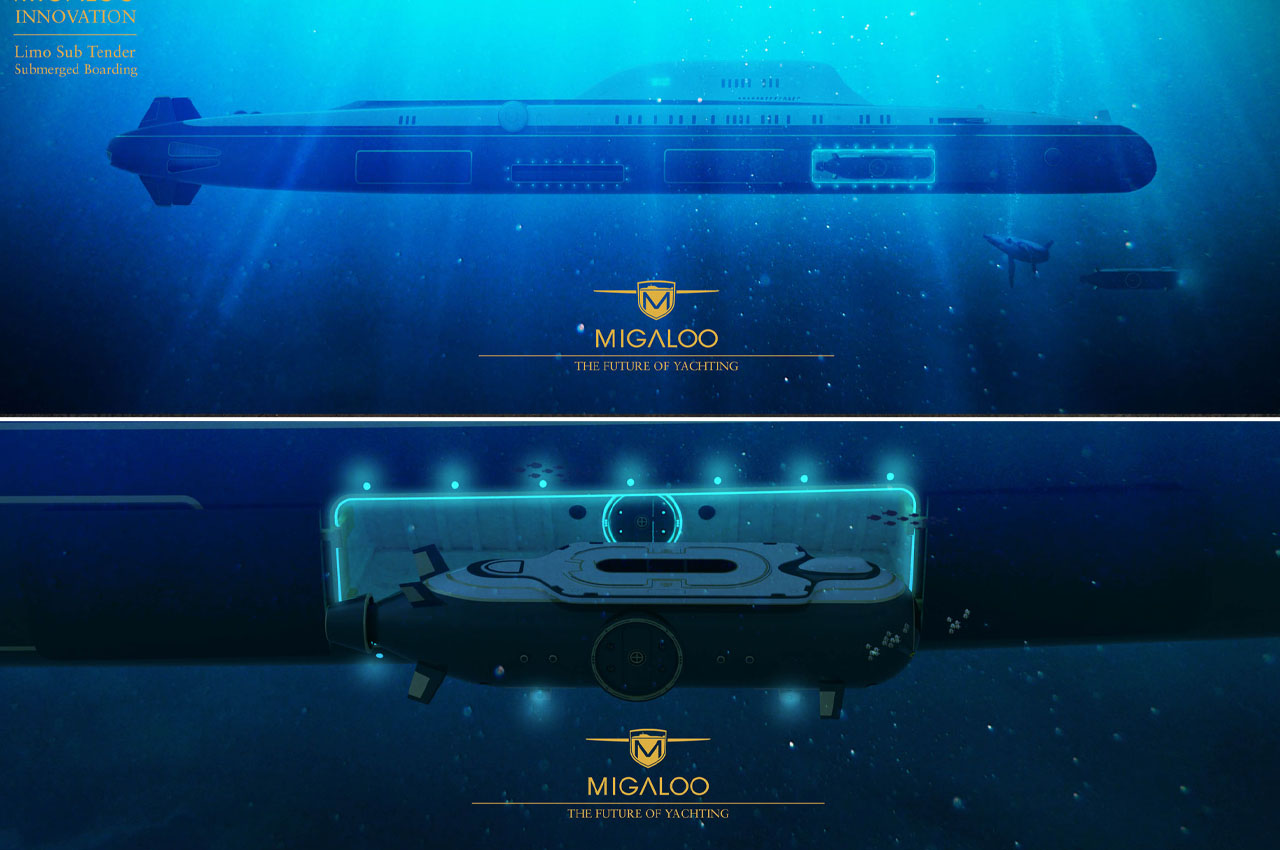
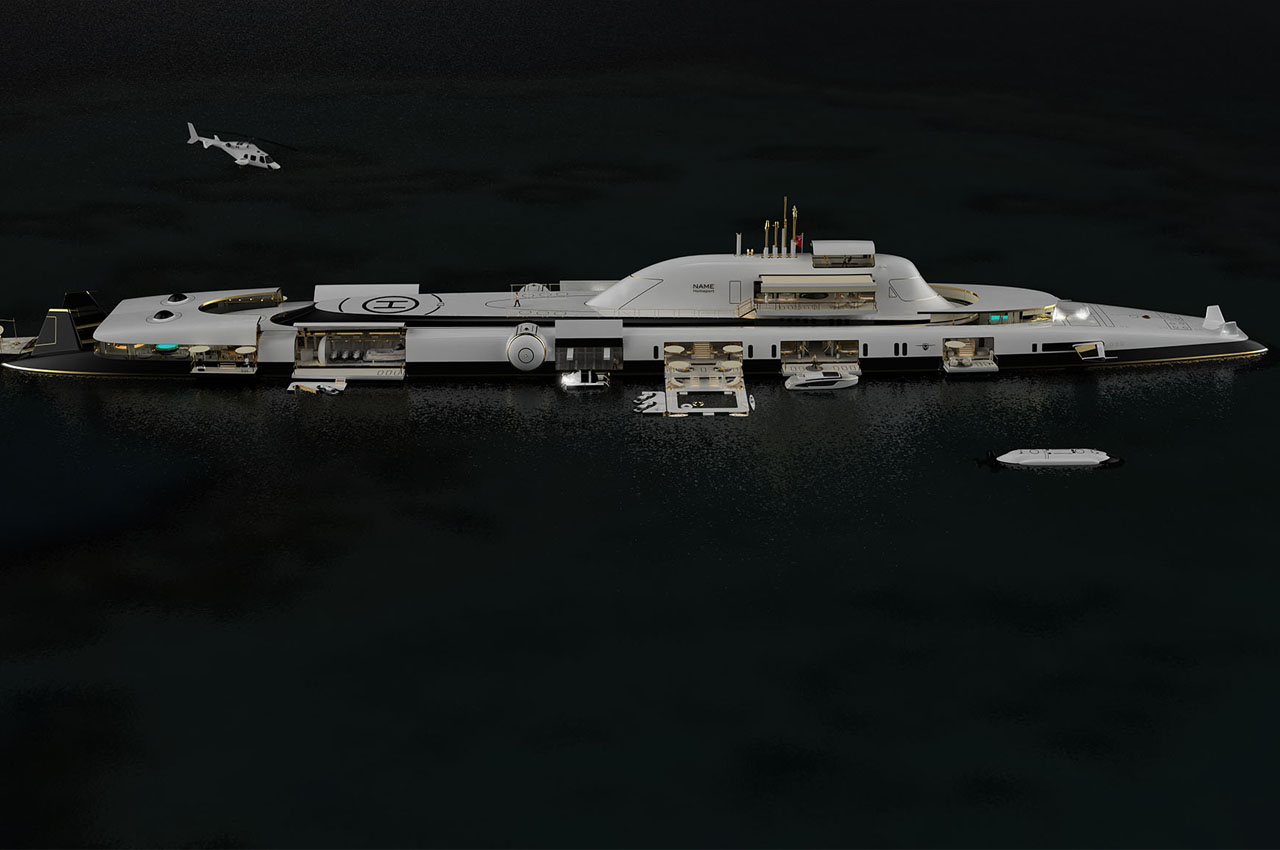
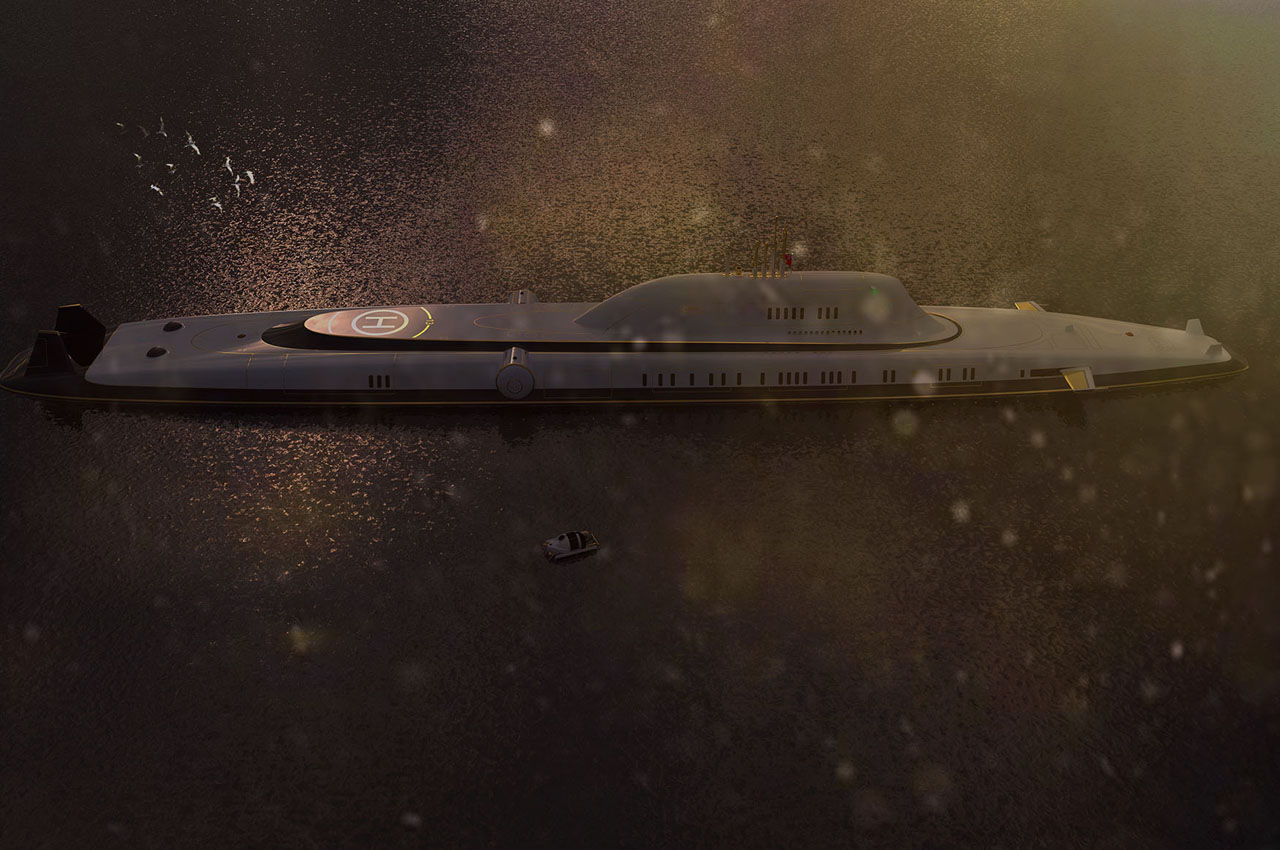
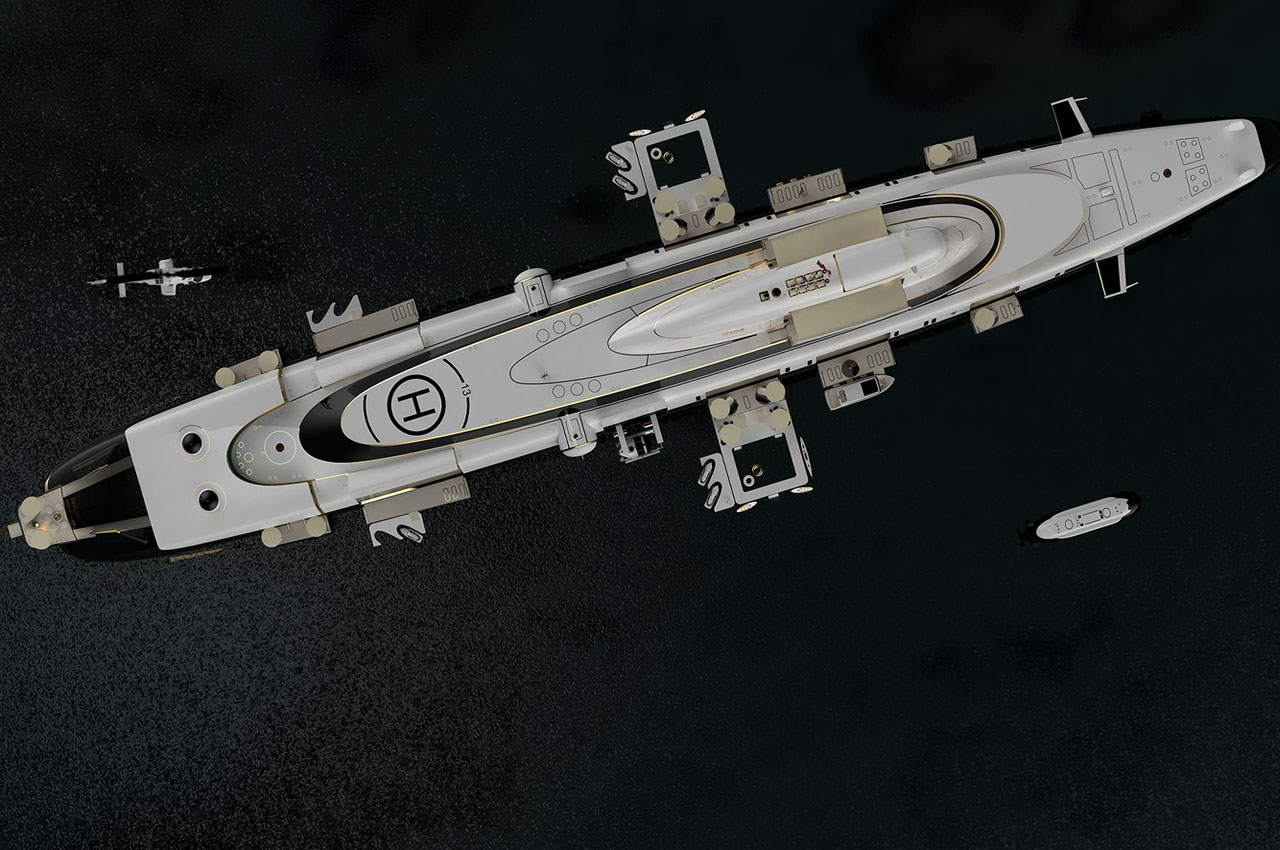
Discerning Billionaires who want to own the best super vessel to navigate the seas in style brace up for the Migaloo M5 superyacht. Labeled as the future of yachting, this $2 billion high-end vessel by the Austrian-based Migaloo is twice more expensive than the current costliest superyacht, the Lürssen Dilbar at $800 million.

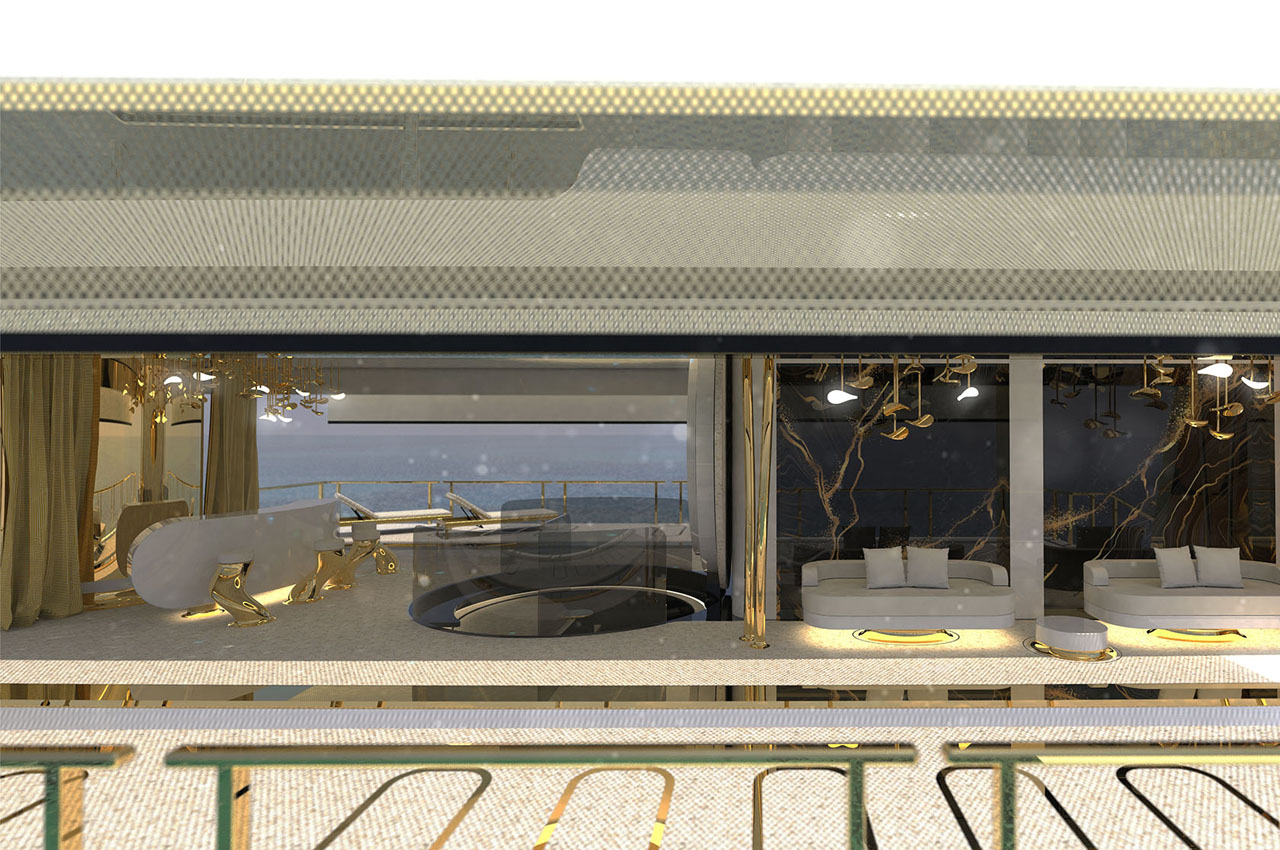
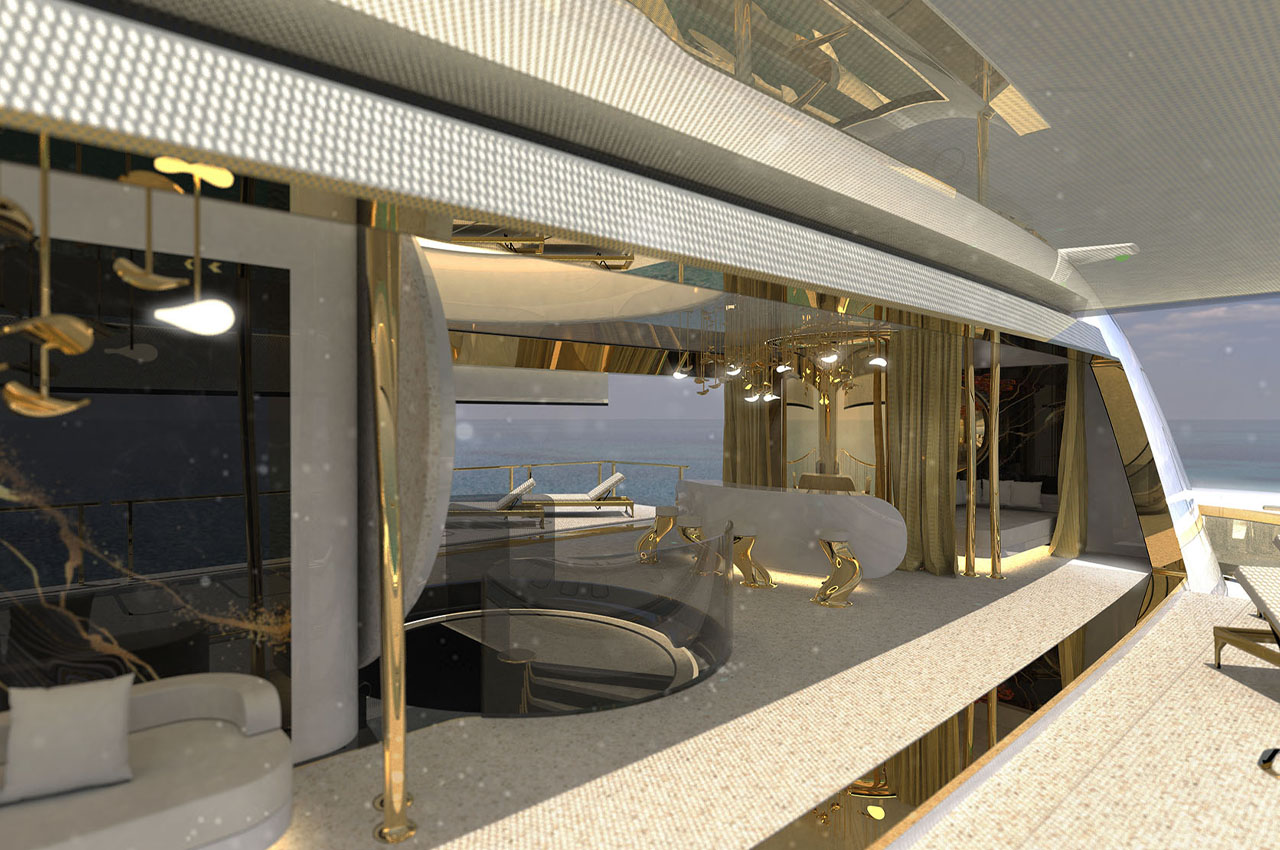
The hyper-luxurious seacraft would still be out of the reach of many billionaires even and that’s what makes it special. Measuring 544 feet long and 75 feet wide, the M5 is a heaven on water for the 20 guests and 40 crew members. But that’s not where the surprises stop, it is also capable of diving to a depth of 820 feet and making an underwater stay for four weeks!

Designer: Migaloo

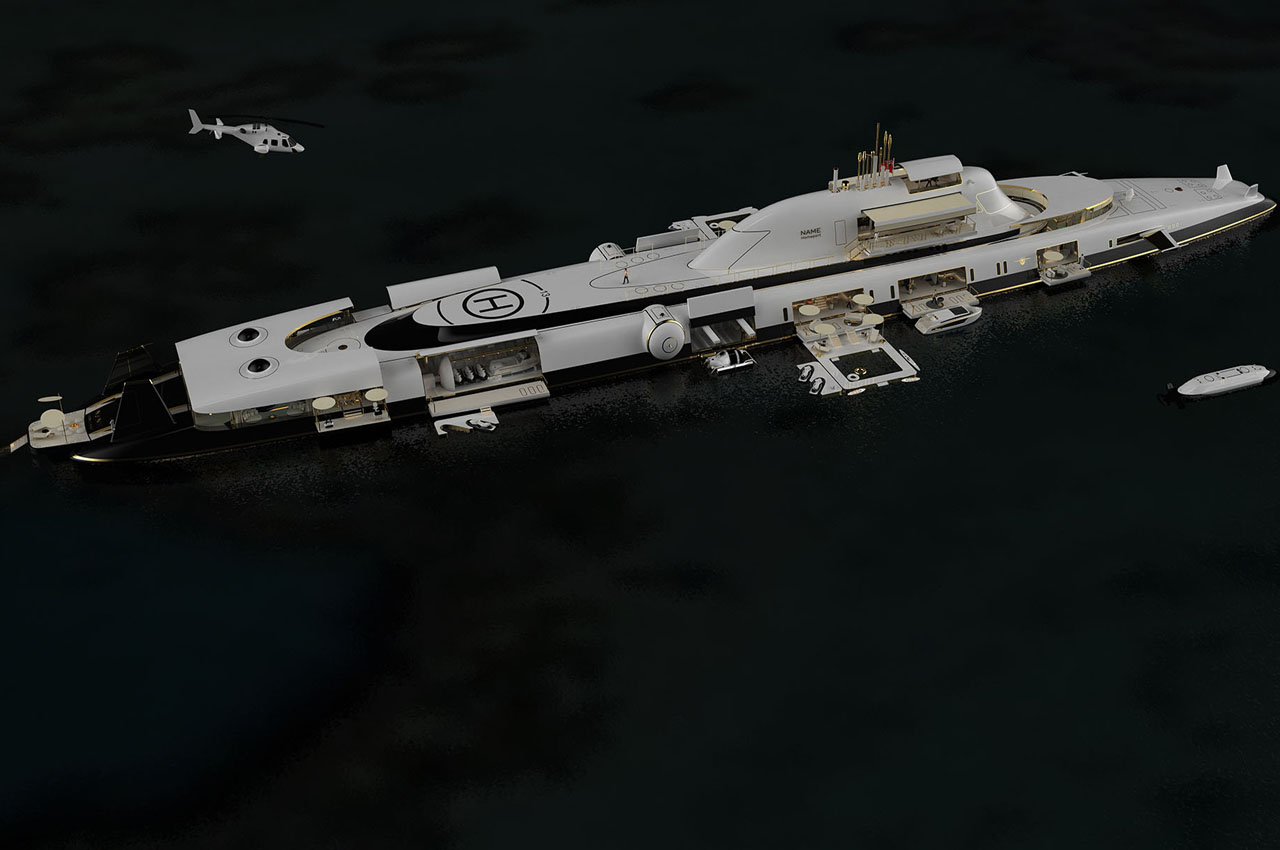
There’ll be more than anyone can bargain for to do on their extended holiday trips thanks to the two custom Midget submarines, two submersibles, a helicopter, jet skis, kite surfing and paddle boarding activities. This will be possible with the plethora of water toys that the superyacht will carry along including five Sea-Doo Jet-Skis, Seabobs, ROVs. UUVs, Zapata Racing flyboards, hoverboards, and everything else you need for paddleboarding, kitesurfing, and kayaking. Land expeditions when docked on shore are also not out of the question with the two expedition vehicles and pickup trucks.

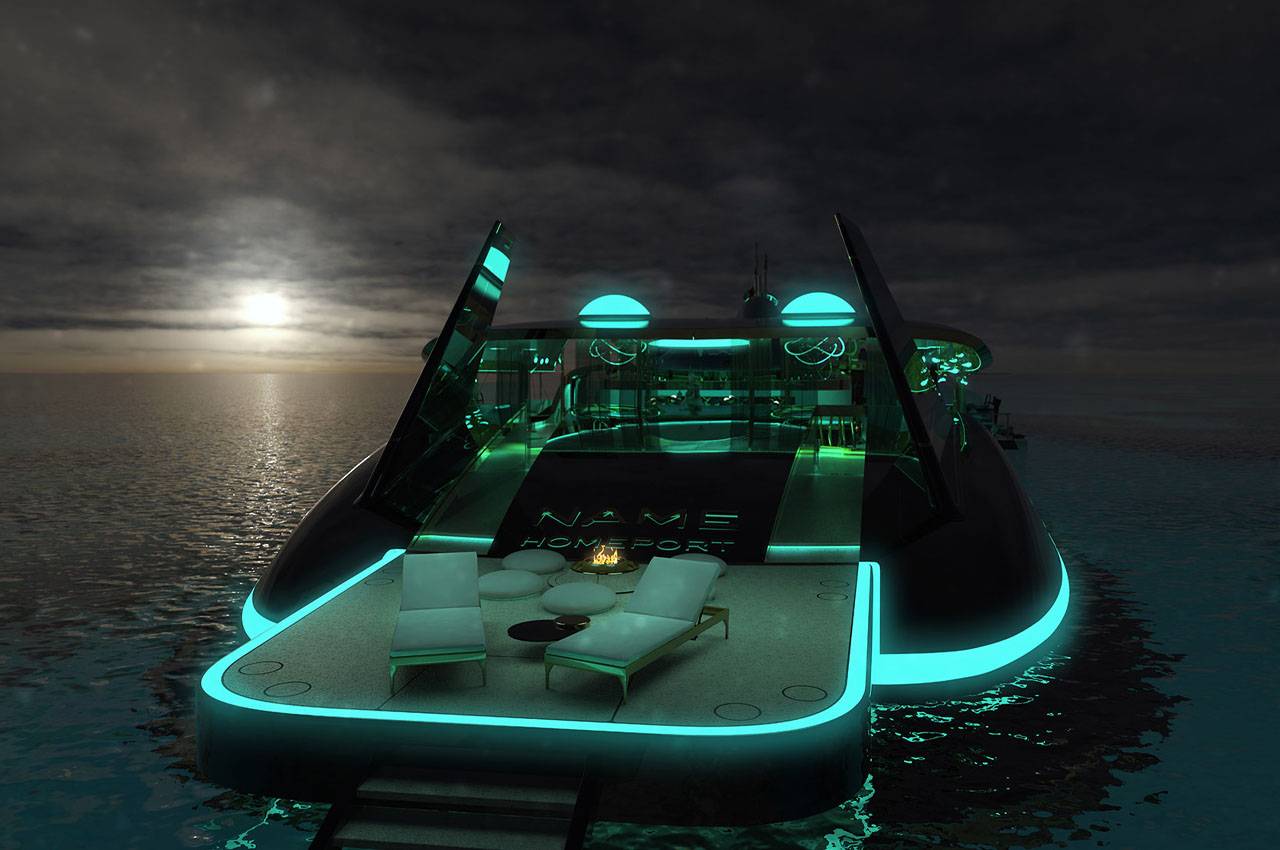
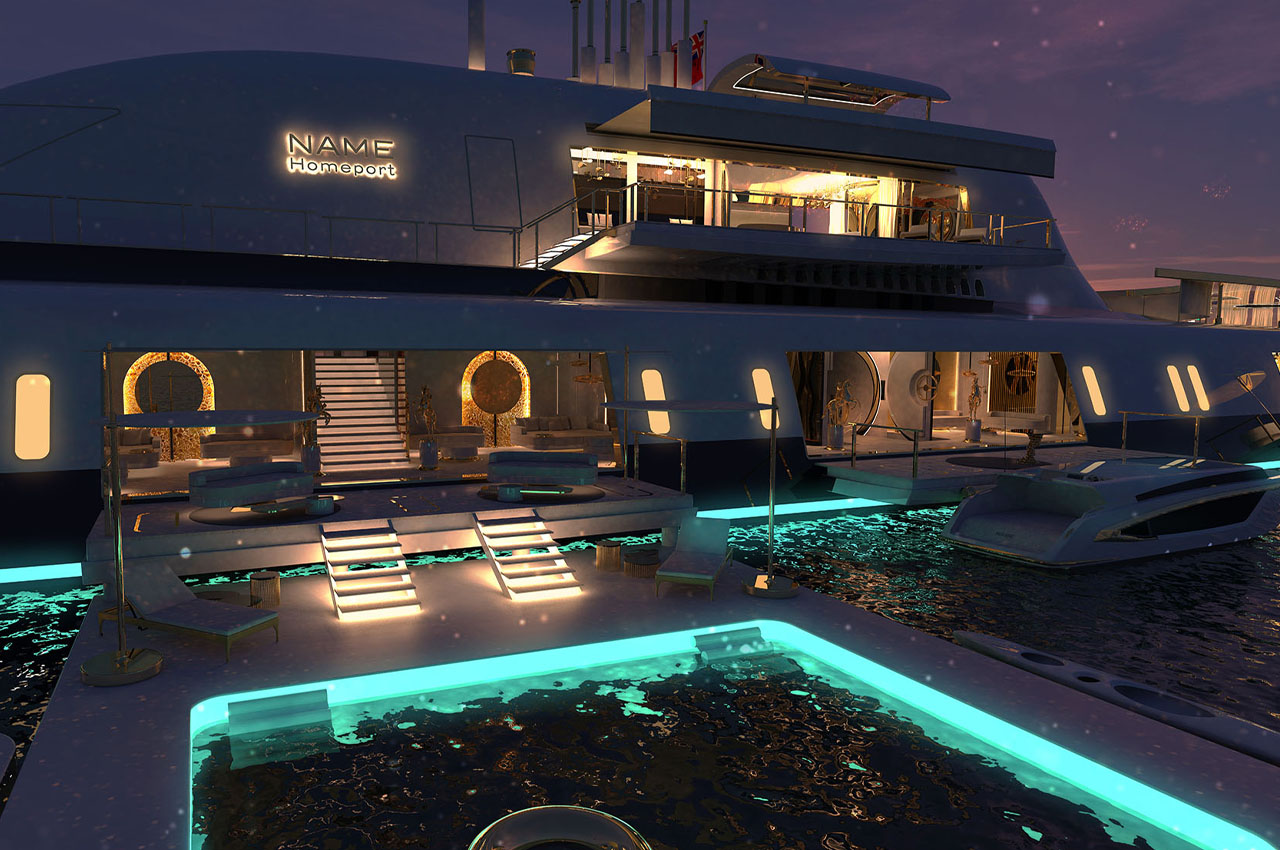
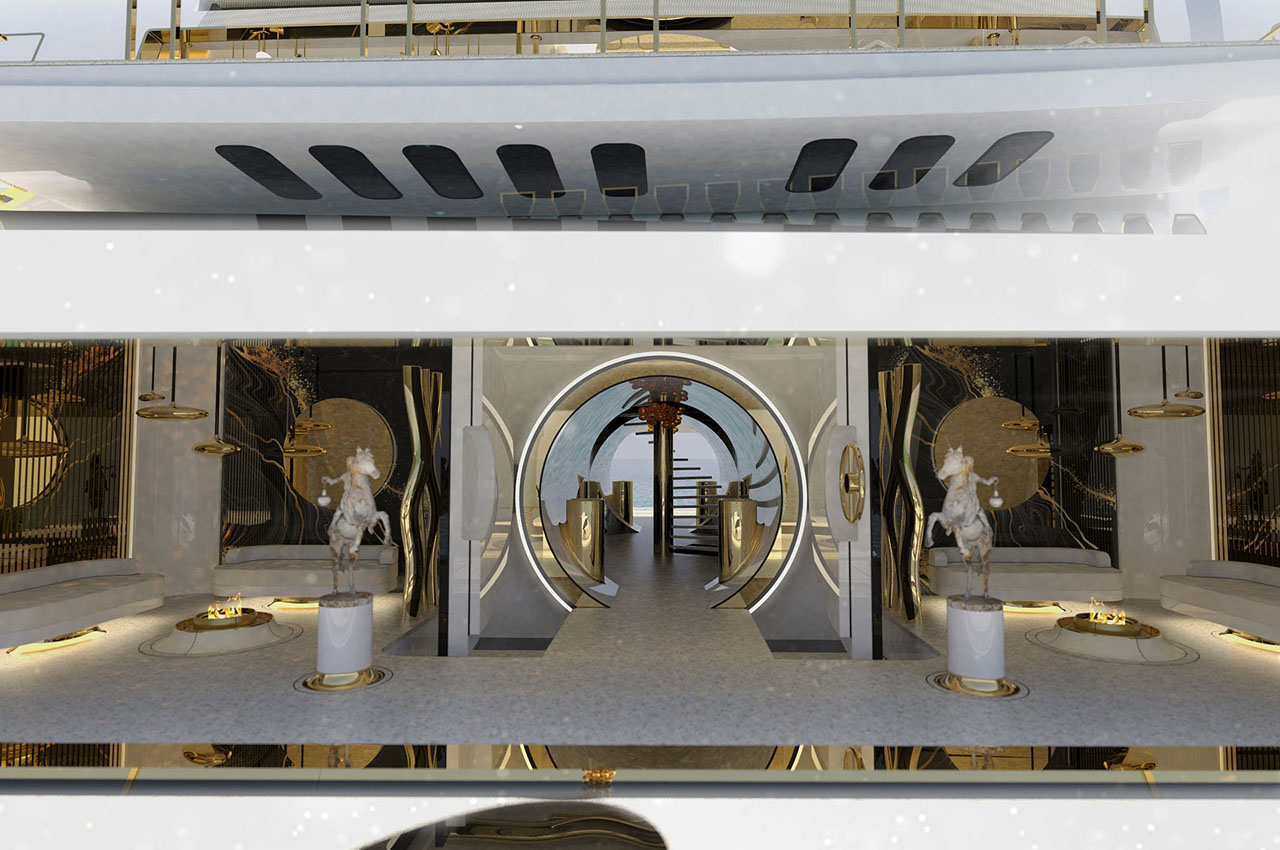
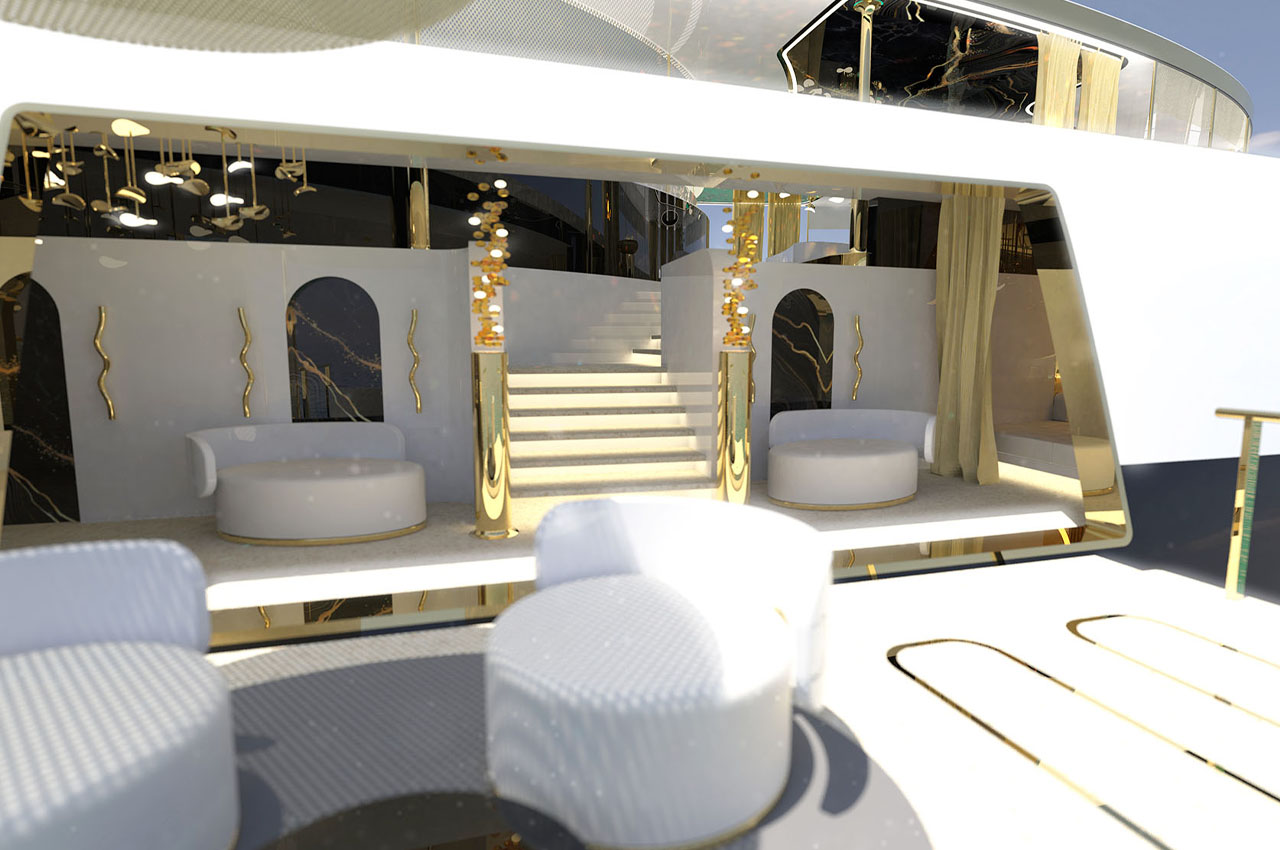
According to Migaloo, they are ready to deliver the kind of amenities and interiors depending on the client’s requirements and personal taste. To scratch the surface these include a jaw-dropping dining room that can accommodate a party of 36 people, a tech-savvy cinema hall, swimming pools, a jacuzzi, a curated wine cellar, panoramic glass walls for stunning views en route the journey, and the most eye-popping expandable beach club you’ll ever see.

M5 fitted with a hybrid propulsion engine (diesel and AIP) will have a range exceeding 9,300 miles with a surface speed of 20 knots and 12 knots underwater exploration. According to Migaloo CEO Christian Gumpold, safety is their major concern after the Titan submersible’s unfortunate tragedy. To this end, finding prospective buyers was a challenge and they are looking for visionary billionaires who have “extraordinary demands for exclusivity, safety, adventure.”

The post Ultra luxurious superyacht doubles as a submersible capable of 820 feet deep underwater exploration for four weeks first appeared on Yanko Design.

The Beeline Velo 2 is a gorgeously minimal bicycle GPS with a carbon-negative design and Strava support

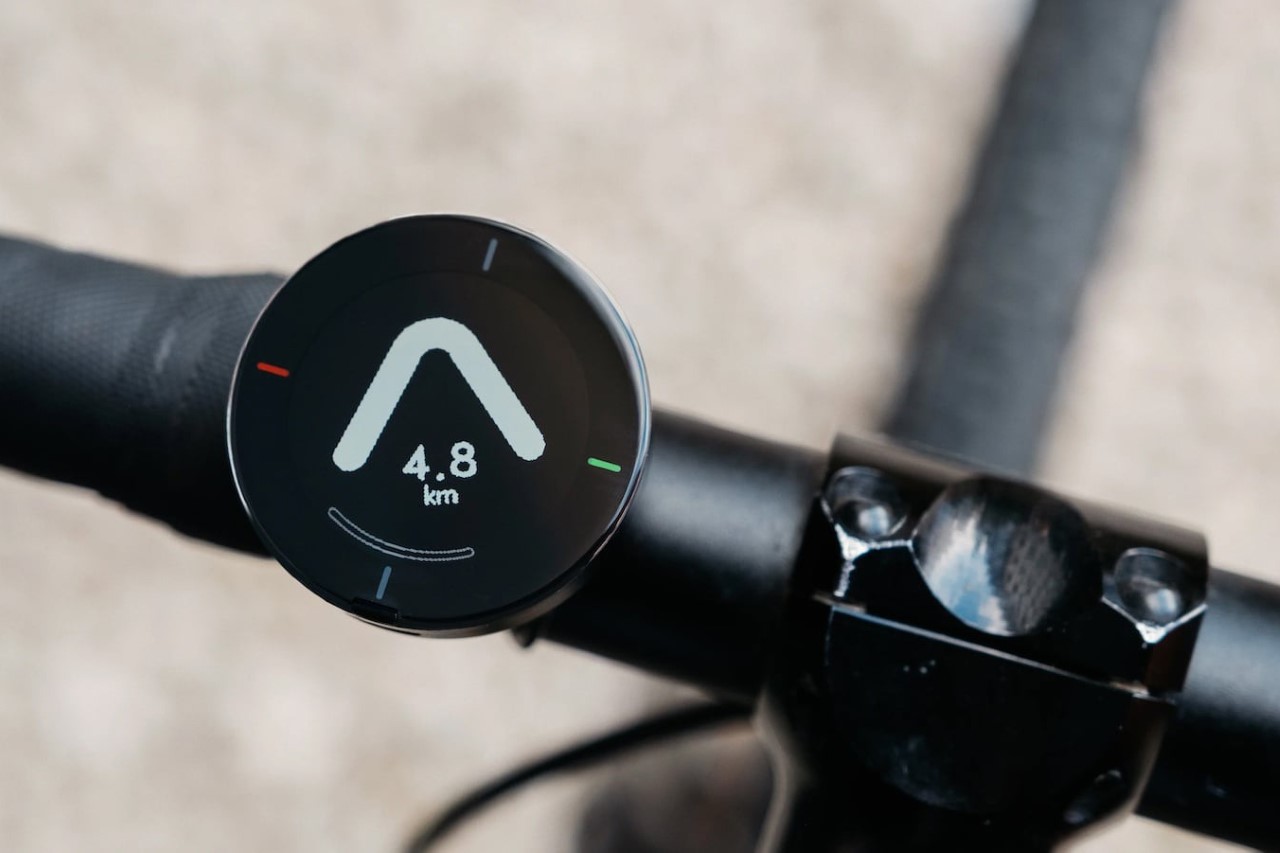
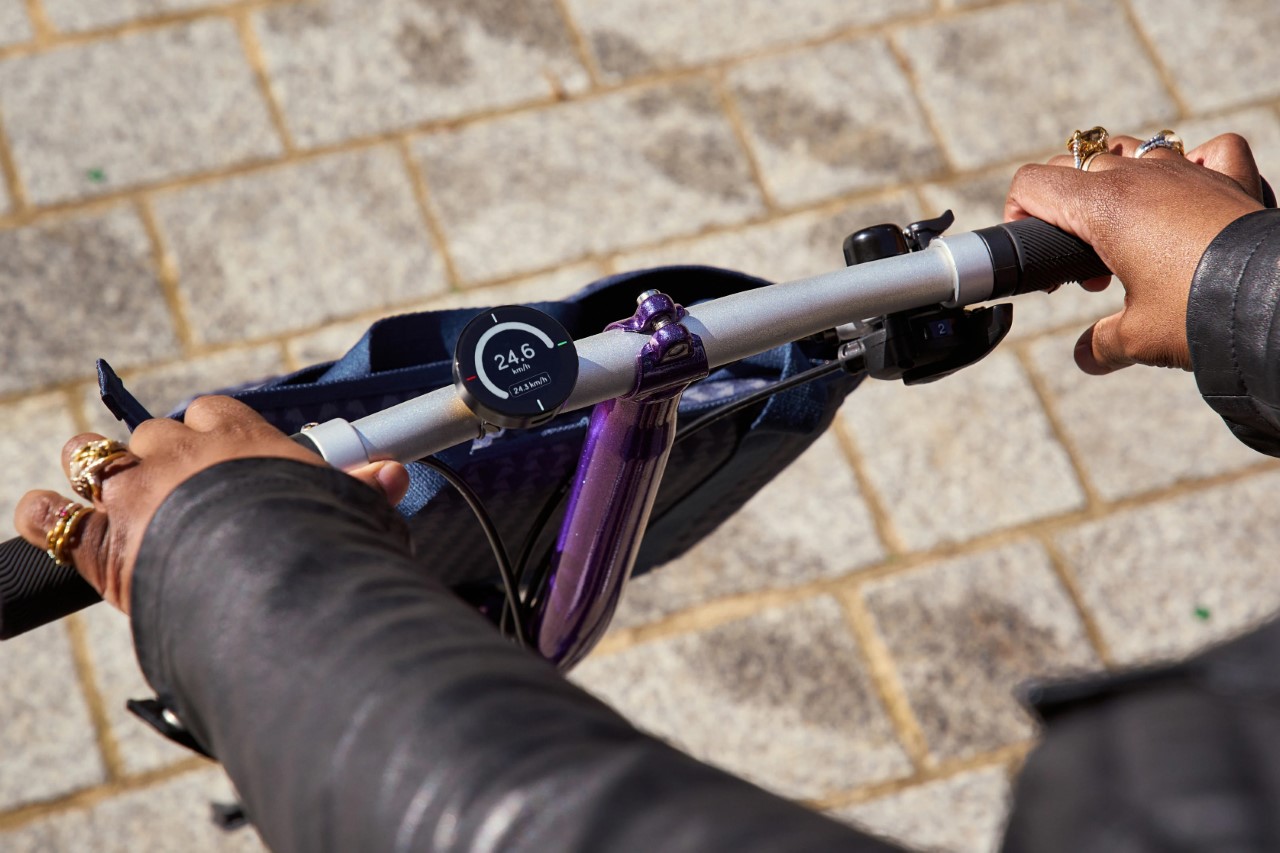
It’s difficult to believe that it’s been 7 years since the Beeline first launched back in 2017! A perfect accessory for any biker or two-wheeler rider, the Beeline instantly stood out as an incredibly simple, iconic accessory that helped you get from point A to B. Working in tandem with the navigation app on your phone, the Beeline was a simple, sophisticated, and sleek-looking accessory that basically pointed you in the direction that you needed to go. No fancy maps, no bloatware, no extra data. Just an arrow you could follow till you reached your destination. The Beeline’s simple design made it easy to keep your eyes on the road too, by offsetting the need to stare at your phone for directions and potentially get sidetracked by apps, notifications, and other distractions.

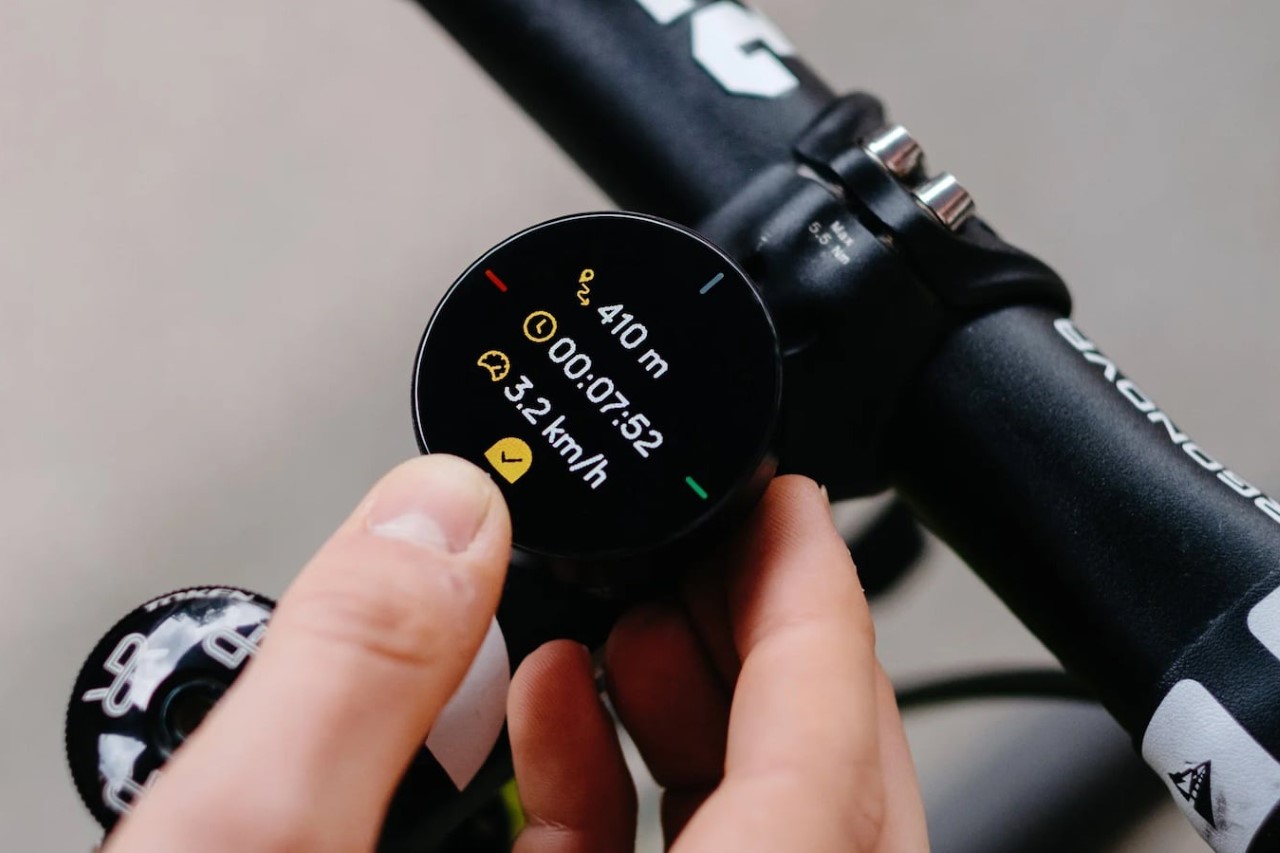
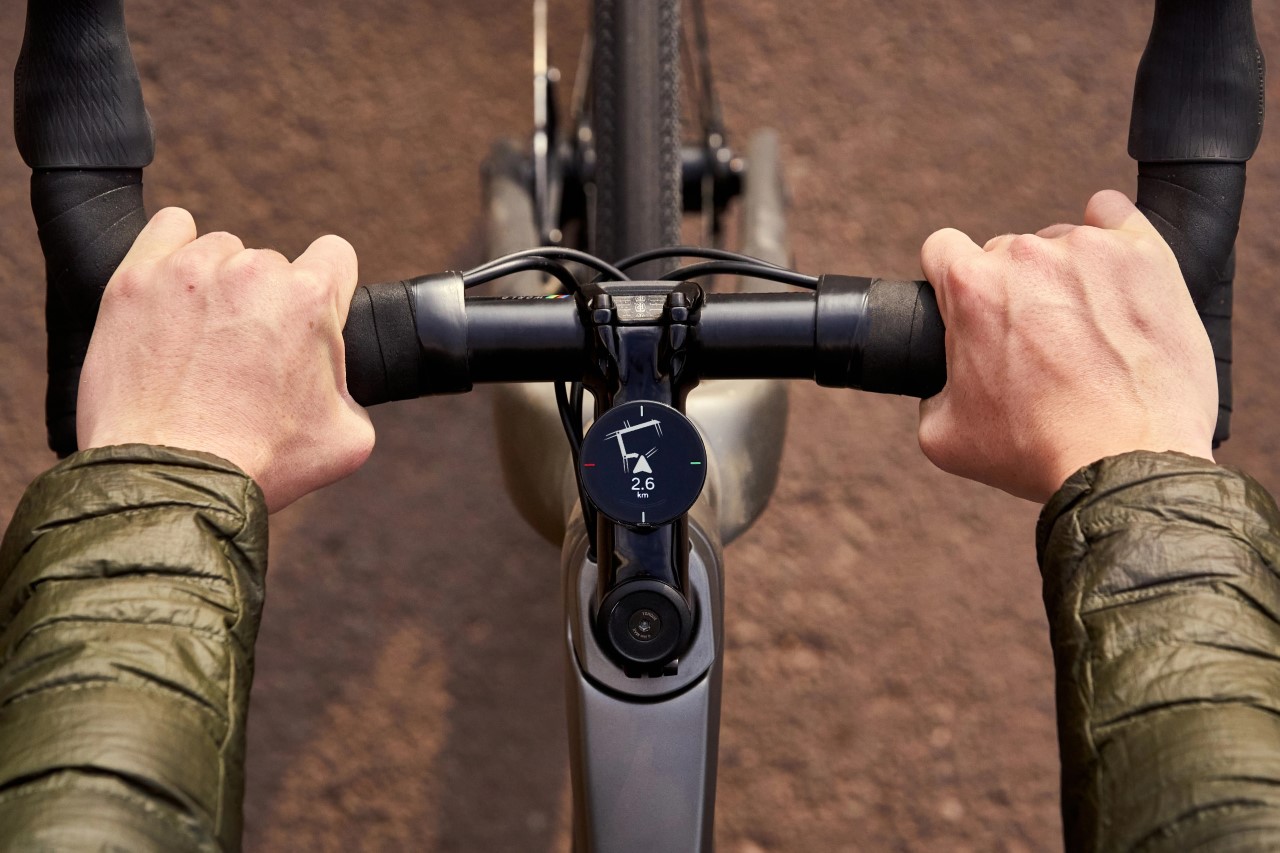
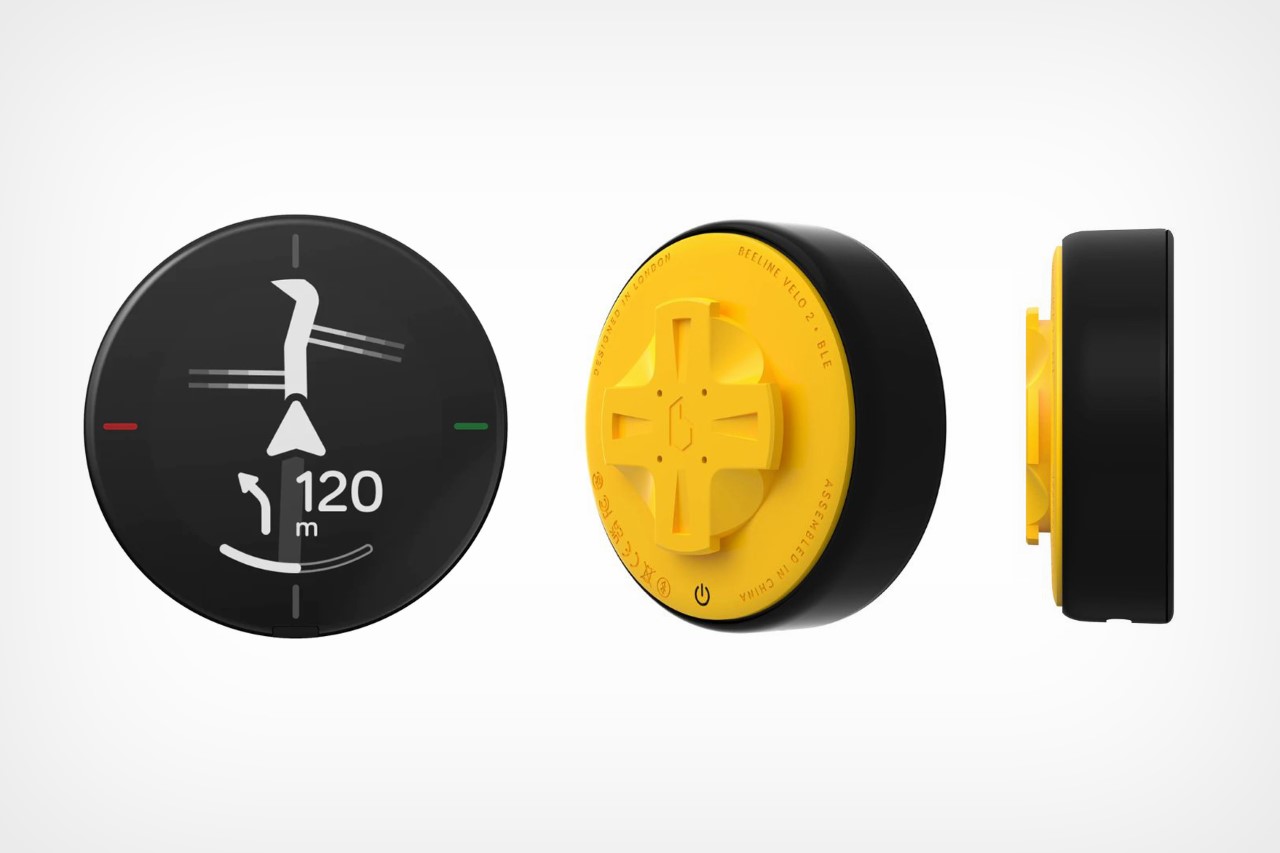
Seven years and multiple products later, Beeline just announced the Velo 2, a compact navigator for bike rides. Upgraded with an IPS LCD screen (as opposed to the original’s e-paper display), the Velo 2 retains the Beeline’s intuitive approach to wayfinding, while also giving riders access to basic metrics like distance covered, ride time, speed, ETA, and a compass, alongside the ability to plan routes, share them on apps like Strava, and even rate them in retrospect. Everything sits inside the Velo 2’s compact puck-shaped design that easily snaps on and off your bicycle, making every single step of your journey intuitive and comfortable.

Designer: Beeline

Click Here to Buy Now

The Velo 2 retains the beloved features of its predecessor, popularized on Kickstarter while introducing an updated user interface and additional navigation options. It’s housed in a compact, smartwatch-like round design with a 1.28-inch circular LCD IPS display, distinguishing itself visually from traditional GPS computers. The unique RockerTop interface replaces conventional buttons or touch screens, offering a distinct tactile feedback which is a notable advantage over touchscreen designs.

Unboxing reveals an eco-friendly package containing the GPS unit, a handlebar mount with two sets of O-rings, an instruction manual, and a USB-C charging cable. The Velo 2, Beeline mentions, is designed to be both carbon and plastic-negative, lining up well with the eco-friendly mode of travel that is bicycling. The device, aside from being healthy for the environment, is also designed to be entirely repairable via Beeline’s refurbishment scheme. The mounting system, though proprietary, is effective and secure, using o-rings to attach to various handlebar diameters.

The user interface emphasizes ease of use. It’s simple and intuitive, devoid of the multi-level menus and customization found in other GPS units. This simplicity extends to its functionality: the Velo 2 focuses on GPS navigation and basic ride data, foregoing connections to secondary sensors or display customizations. The main display shows an odometer, the time, battery status, and a playful bicycle graphic that moves with the computer’s orientation.

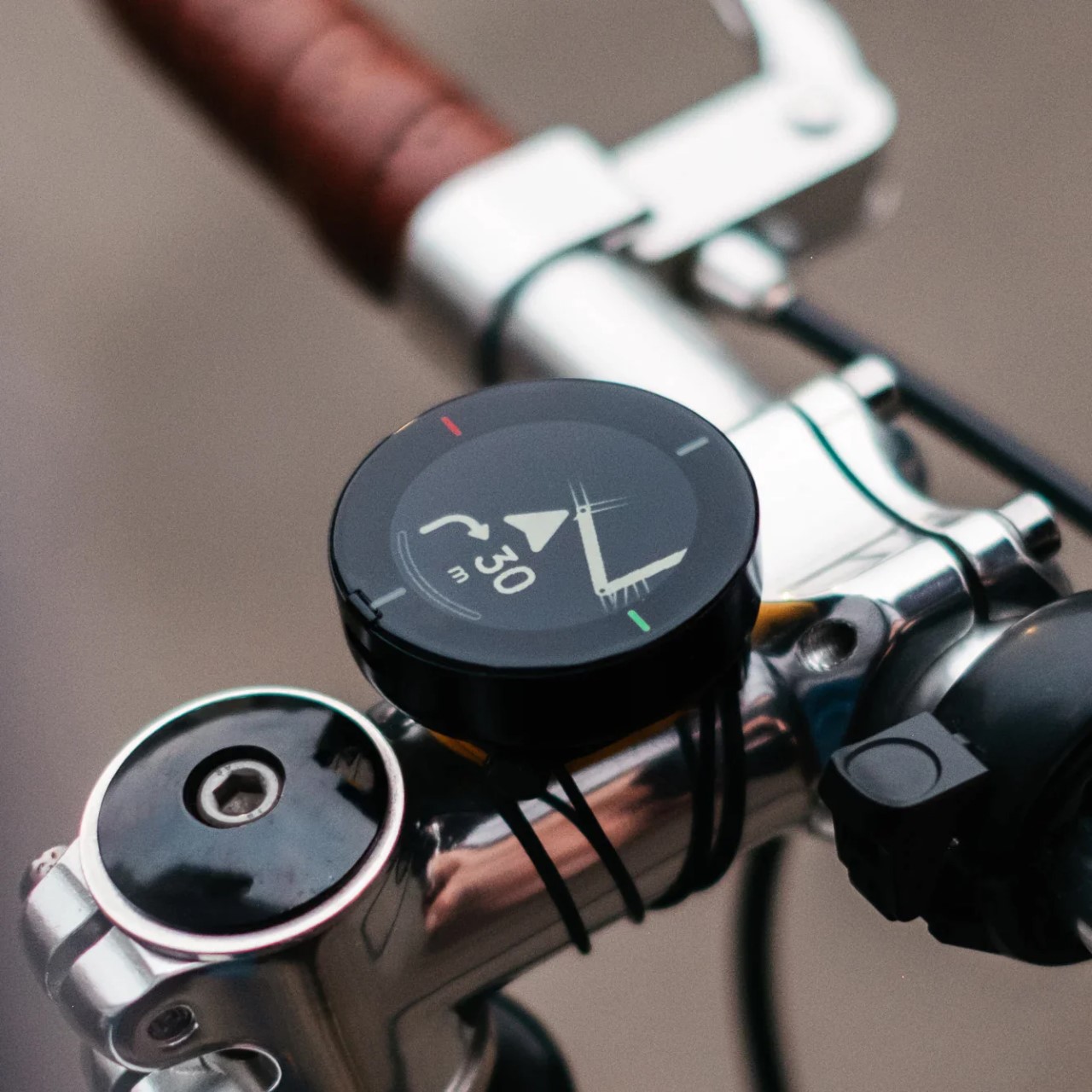
A key upgrade in the Velo 2 is its innovative approach to navigation. It leverages user feedback to refine routing, allowing cyclists to rate roads during their ride. This crowdsourced data helps Beeline incrementally improve cycling routes, avoiding poorly rated roads. The Velo 2 offers two navigation modes: a basic compass-style display pointing towards the destination and a more detailed turn-by-turn option. It also pairs directly with Strava, letting you upload rides easily, or even share them with friends and families via GPX.

While the Beeline Velo 2 might not cater to data-driven cyclists seeking extensive metrics and sensor integration, its minimalist design, intuitive interface, and innovative routing approach make it a compelling choice for those seeking a straightforward, enjoyable cycling experience.

Click Here to Buy Now

The post The Beeline Velo 2 is a gorgeously minimal bicycle GPS with a carbon-negative design and Strava support first appeared on Yanko Design.

The Real Reason behind those Black Dots on your Car’s Windshield

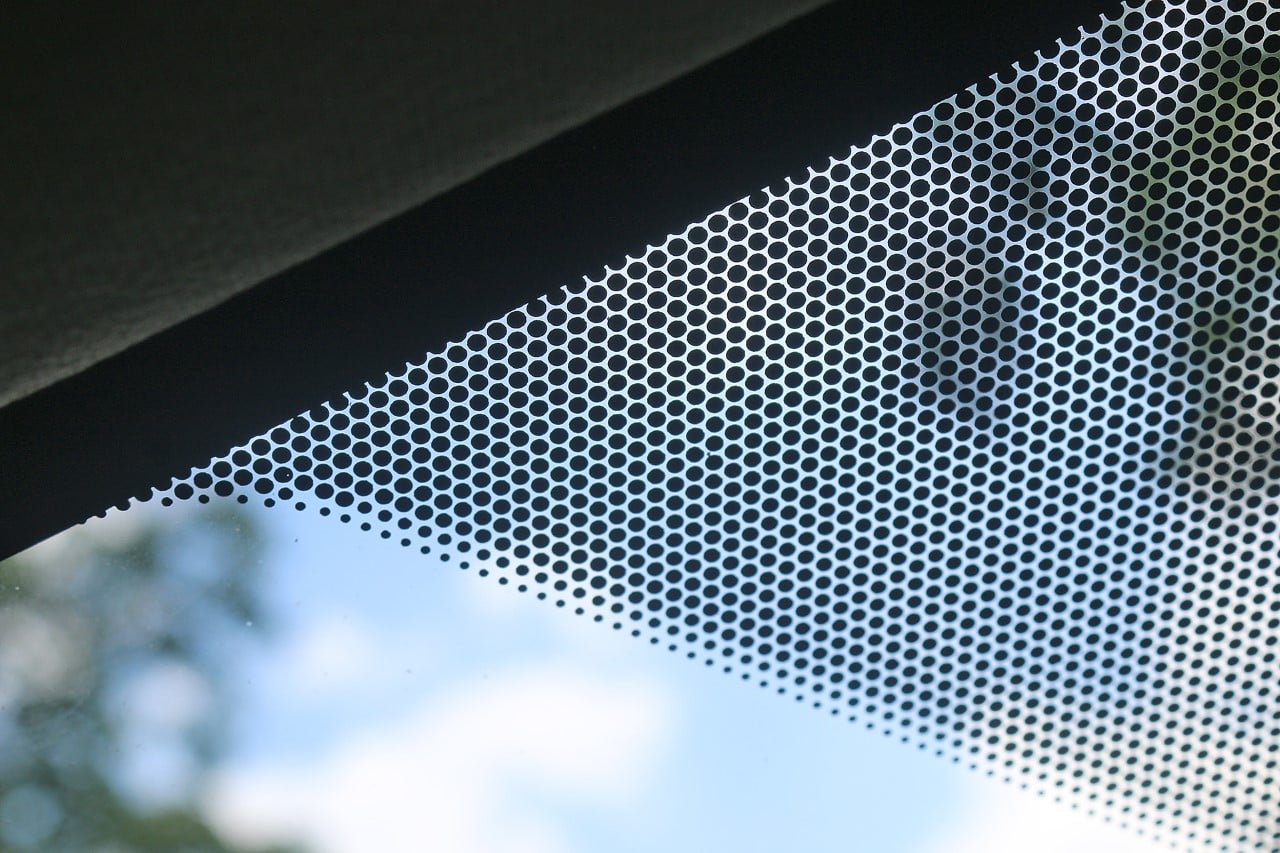
Do you ever wonder about those mysterious black dots and bands on your car’s windshield? You know, the ones around the edges, where the glass meets the metal frame of your car. I spent all my life assuming they were just a nifty graphic pattern that helped hide the glue marks of the glass being joined to the car frame, but turns out, they play a much larger and more important role than just being eye-candy. The black edges themselves and the dotted halftone pattern emerging from them both serve an incredibly technical purpose that helps prevent your windshield from coming apart or shattering under the wrong circumstances.

The Birth of the Frit

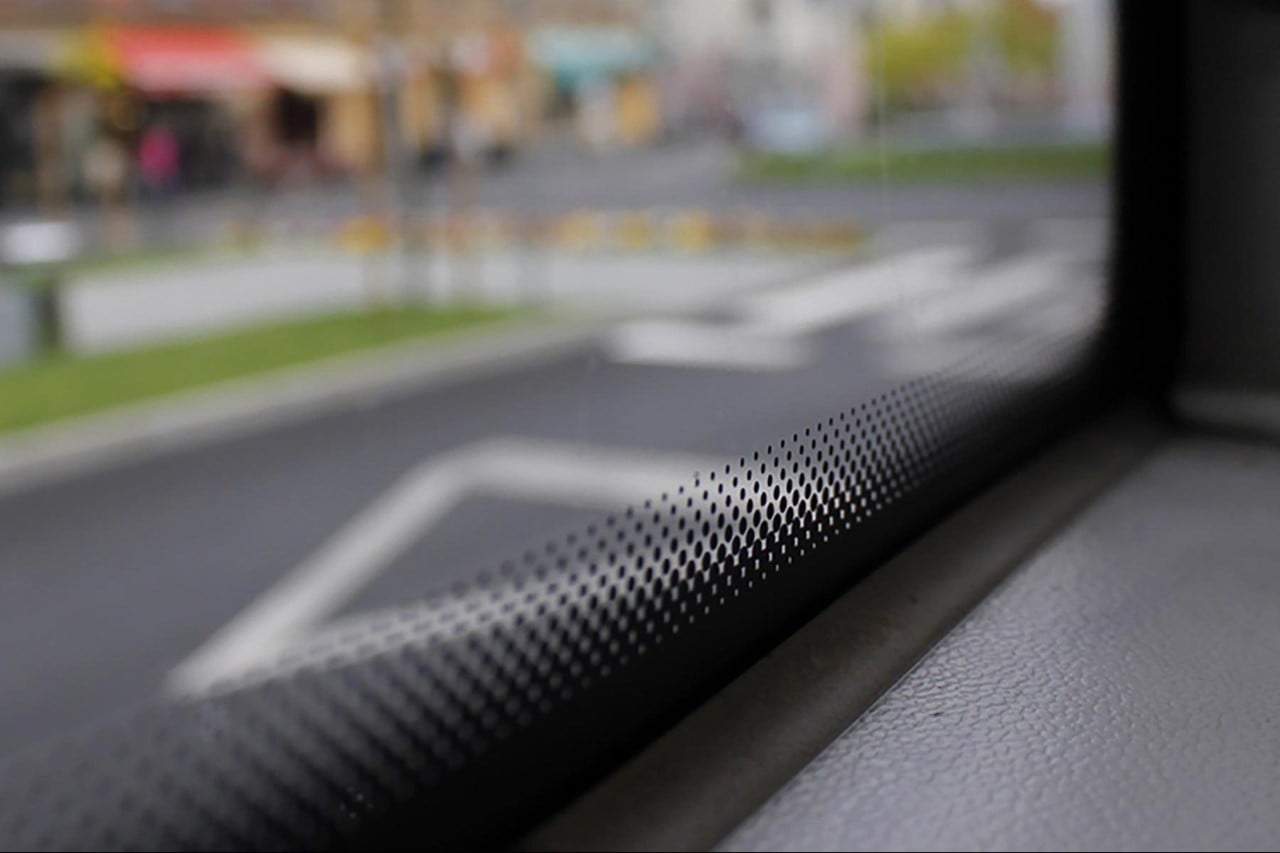
The frit, a term that might sound more at home in a sci-fi novel than in automotive jargon, refers to a black enamel band you’ve likely noticed lining the edges of your windshield The band surrounds the windshield on all sides, and comes with that signature halftone-inspired dotted gradient, disappearing gradually into the windshield. This particular element, which came into common use in the 1950s and 1960s, replaced the metal trim previously used to secure windshields. The purpose of this seemingly decorative feature is far more significant than meets the eye.

Why is it called a “Frit”?

The term “frit” in the context of windshields and glass production has a fascinating origin, rooted in the broader field of glass and ceramics manufacturing. The word “frit” historically refers to a type of fused, granulated glass that was used as a starting material for making glass, porcelain, and ceramic products. This material was created by melting a mixture of raw materials, such as sand and fluxes, which would then be rapidly cooled to form a granular substance.

When it comes to automotive glass, the term “frit” has been adopted to describe the enamel band applied to the periphery of the windshield. This enamel, which is essentially a type of glass that has been ground into a fine powder and mixed with various pigments and additives, is silk-screened onto the glass in a paste form. The glass is then heated in a furnace, causing the frit to fuse to the surface, forming a permanent bond. The name “frit” for this band on windshields likely stems from the similarity of this process to the traditional method of making glass frit for other purposes. In both cases, the material is initially in a granular or powdered form and is then fused onto a glass surface through a heating process.

What does the Frit do?

1. Enhancing Adhesion

The primary role of the frit is to provide a rough surface that enhances the adhesion of the windshield to the car’s frame. This is essential for keeping the windshield securely in place, particularly in the event of a collision.

2. Protection from UV Rays

Another critical function is protecting the urethane sealant, which bonds the windshield to the car, from ultraviolet rays. UV exposure can weaken this sealant over time, leading to potential safety hazards. The frit acts as a shield, absorbing and blocking these harmful rays.

3. Aesthetic Transition

Beyond its functional roles, the frit also plays a cosmetic part. It smoothly transitions from the black border to the transparent glass, thanks to the dot-matrix pattern. This not only creates a more visually appealing look but also serves to conceal the adhesive used in installing the windshield​.

4. Preventing Distortion

During the windshield manufacturing process, the glass is heated to be molded into a curved shape. The frit plays a role here too. The black band heats up faster than the clear glass, potentially leading to distortion. The gradual transition of the dot pattern from black to clear helps mitigate this risk by ensuring more even heating​.

The Third Visor Frit

Modern cars often feature a “third visor frit.” These dots, typically denser at the top and gradually fading out, extend downwards between the two main sun visors. This design helps to reduce sun glare, particularly during sunrise and sunset when the sun tends to be directly in drivers’ eyes. The third visor frit is especially useful in situations where the regular sun visors can’t block the sun effectively, like when it’s at a lower angle. In modern times, it also helps cut direct glare to your dashcam, which can often be mounted near the rear-view mirror in the extended frit zone. This feature demonstrates an innovative use of windshield real estate, turning what was once purely a structural component into a functional element that enhances the driving experience.

Contrary to popular belief, those seemingly inconspicuous black dots and bands on your car’s windshield play a much more crucial role than one might think. They enhance bond strength, protect against UV radiation, maintain temperature equilibrium, and contribute to the aesthetics of your vehicle. Additionally, the choice of adhesive, with hybrid polymer-based options being the superior choice, further influences the longevity and reliability of your windshield… So, the next time you gaze through your windshield, you’ll have a deeper appreciation for the science and functionality behind those tiny black dots.

The post The Real Reason behind those Black Dots on your Car’s Windshield first appeared on Yanko Design.

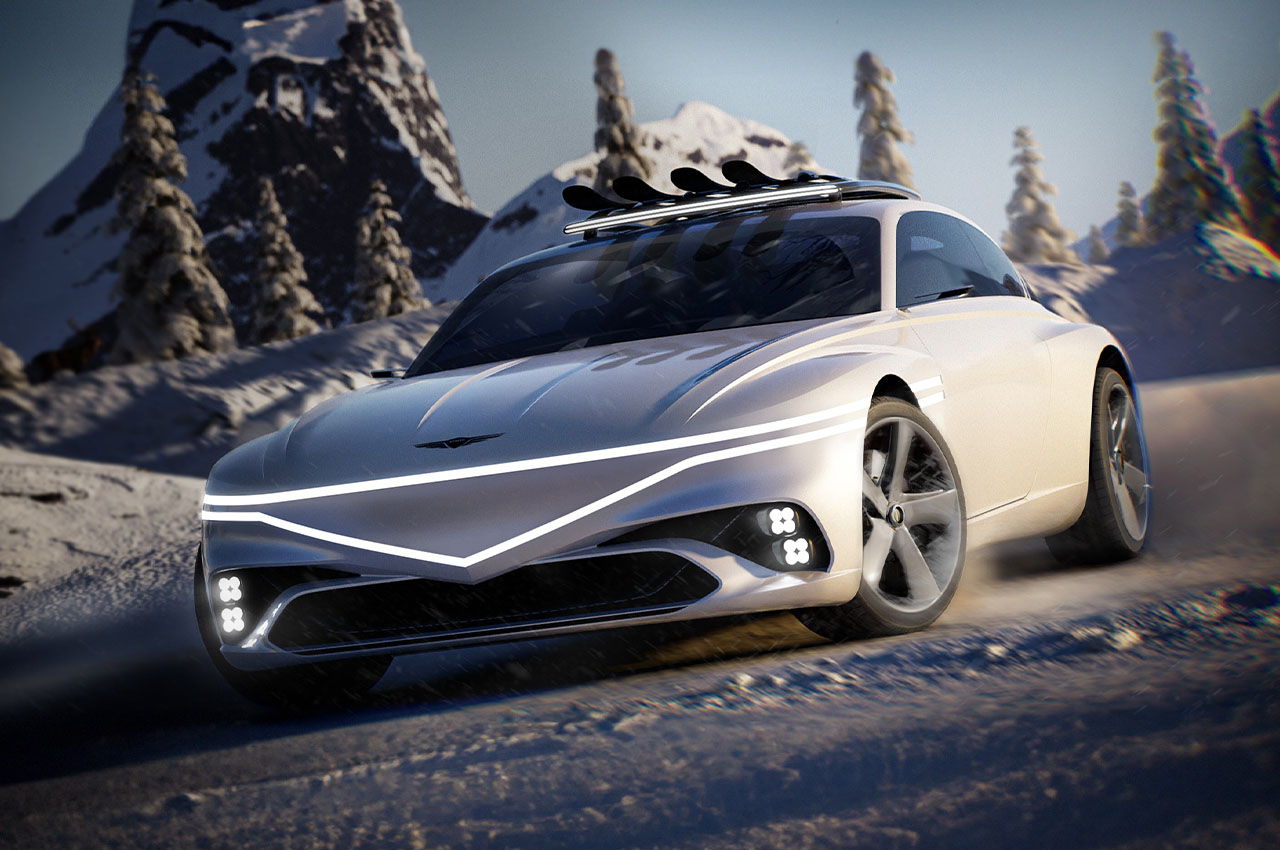
Genesis X Snow Speedium concept is a winter ready luxury electric coupe

Chicago’s freezing winds have turned out to be a nemesis for electric vehicle owners and exposed a chink in the armor of Elon’s arsenal. Not that other EVs are a breeze to maintain in cold weather conditions, as seen by the problems faced by owners in the winter months. Call it the perfect timing or a bad one by Genesis Motor to unveil the new X Snow Speedium concept, the EV is specifically designed for frigid weather conditions.

According to the South Korean luxury division of Hyundai, the car is a “symphony of strength and elegance, no matter the temperature.” The electric concept is based on the X Speedium Coupe and it’s not a coincidence that Nissan also recently released their X-Trail Mountain Rescue vehicle specifically designed for mountain expeditions and responder missions. The latter though is a real-world version ready for action.

Designer: Genesis

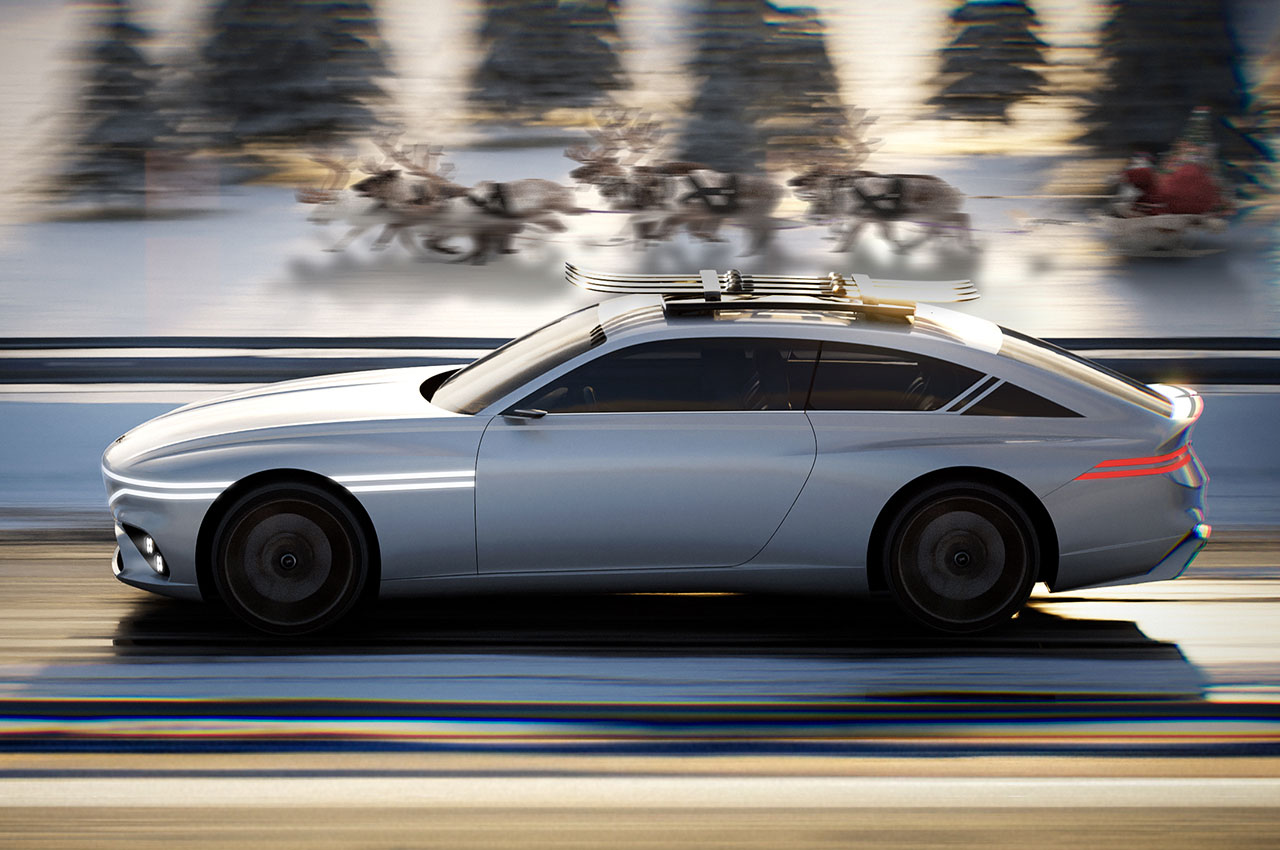
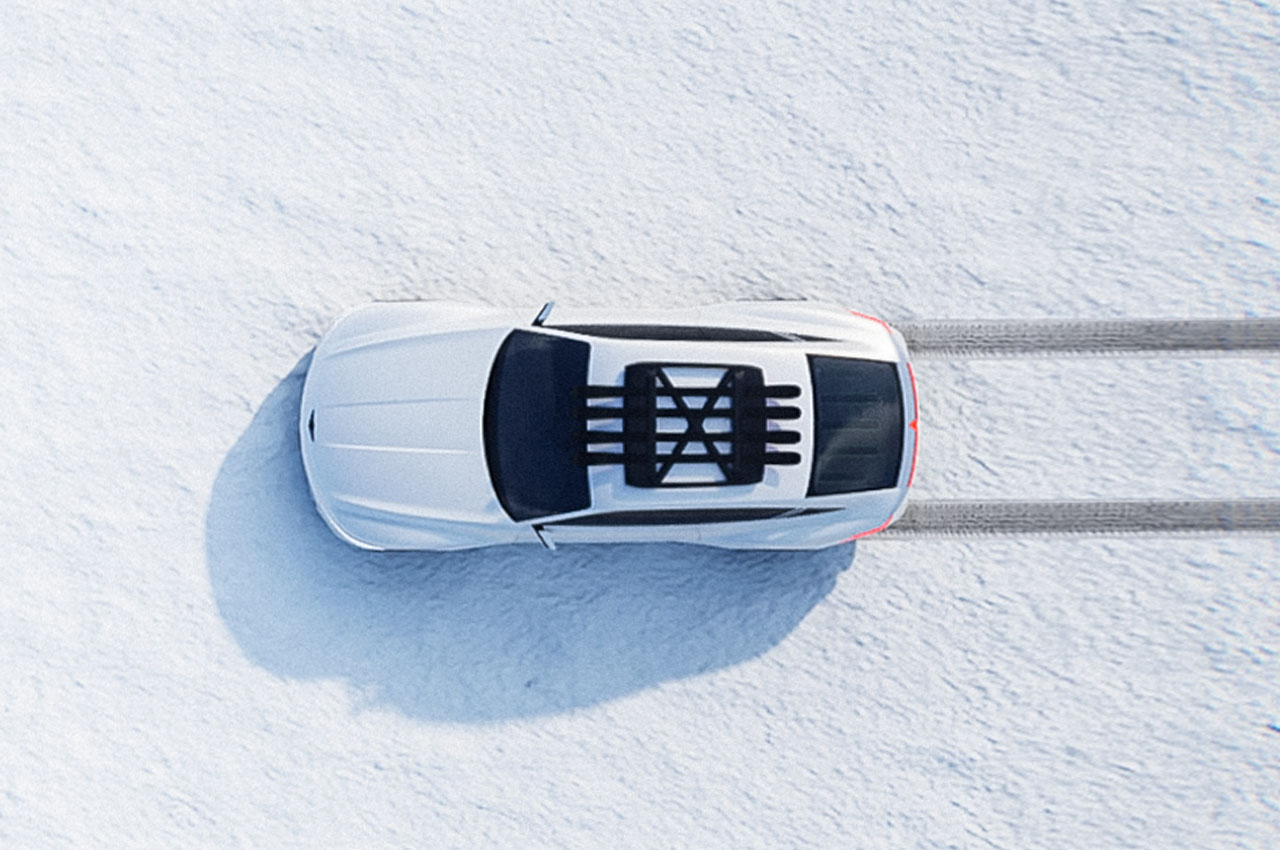
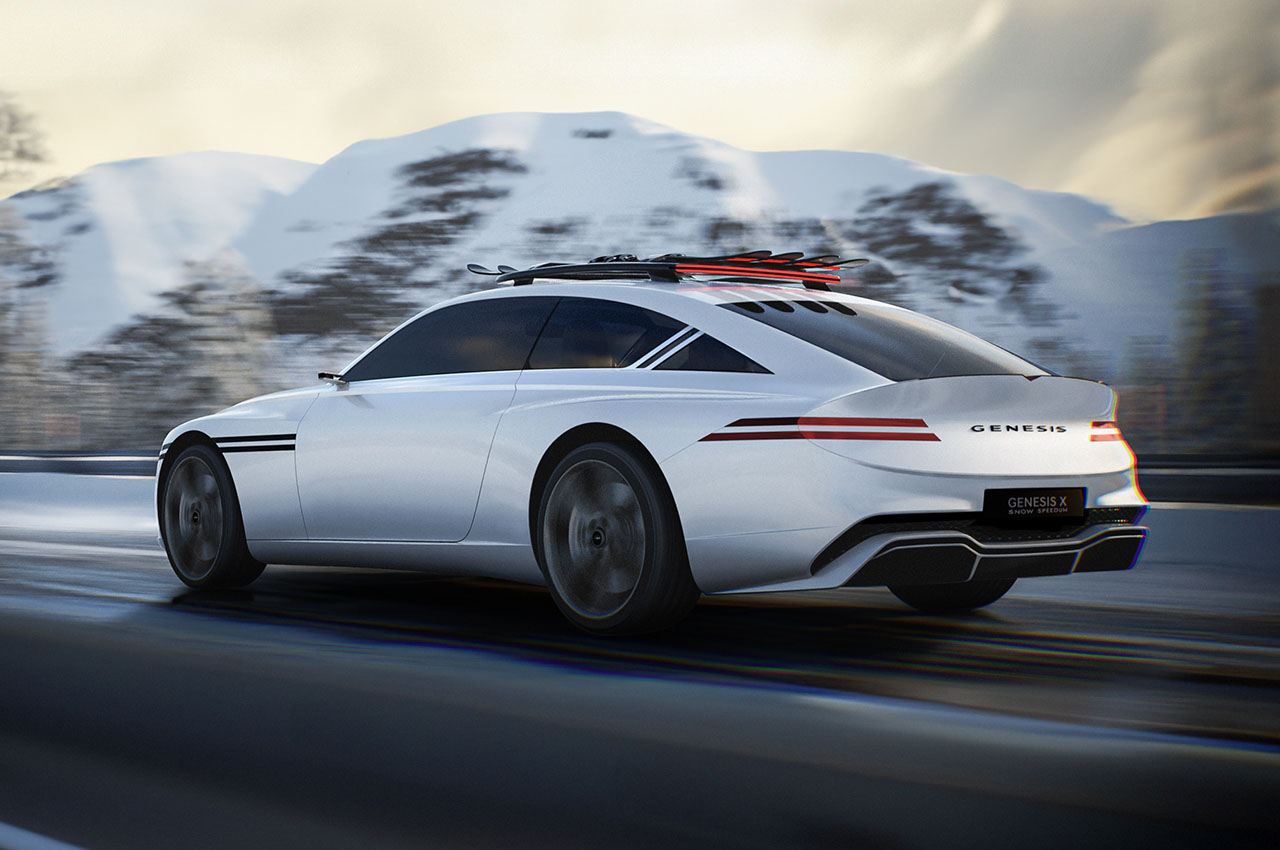
Aptly, the Genesis’ ride comes in winter white edition, virtually camouflaging in the wintery landscape. Like the X-Trail, the Genesis comes with a unique ski rack for adventures, designed in association with Anavon Ski AG. If you look closely, the resemblance of the front-aligned line lamps to the Speedium Coupe is there. Also, the signature “V-shaped” brake lights are so “Genesis.” The only parity is the selection of the sleek white hue, compared to the emerald green on the original coupe.

In a very strong statement, the brand representatives said the concept is a representation of the future and Genesis’ transformation toward becoming “an all-electric car brand.” Talking of the interiors the concept will likely be draped in white as well which draws inspiration from the minimalist Korean architecture. The floating center console will encapsulate the driver’s cockpit for a futuristic feel. All of this while keeping things simple yet modern.

For the foreseeable future, the EV concept isn’t headed toward the production lines but the possibility could also not be ruled out as Genesis has emission-free plans for the coming years.

The post Genesis X Snow Speedium concept is a winter ready luxury electric coupe first appeared on Yanko Design.
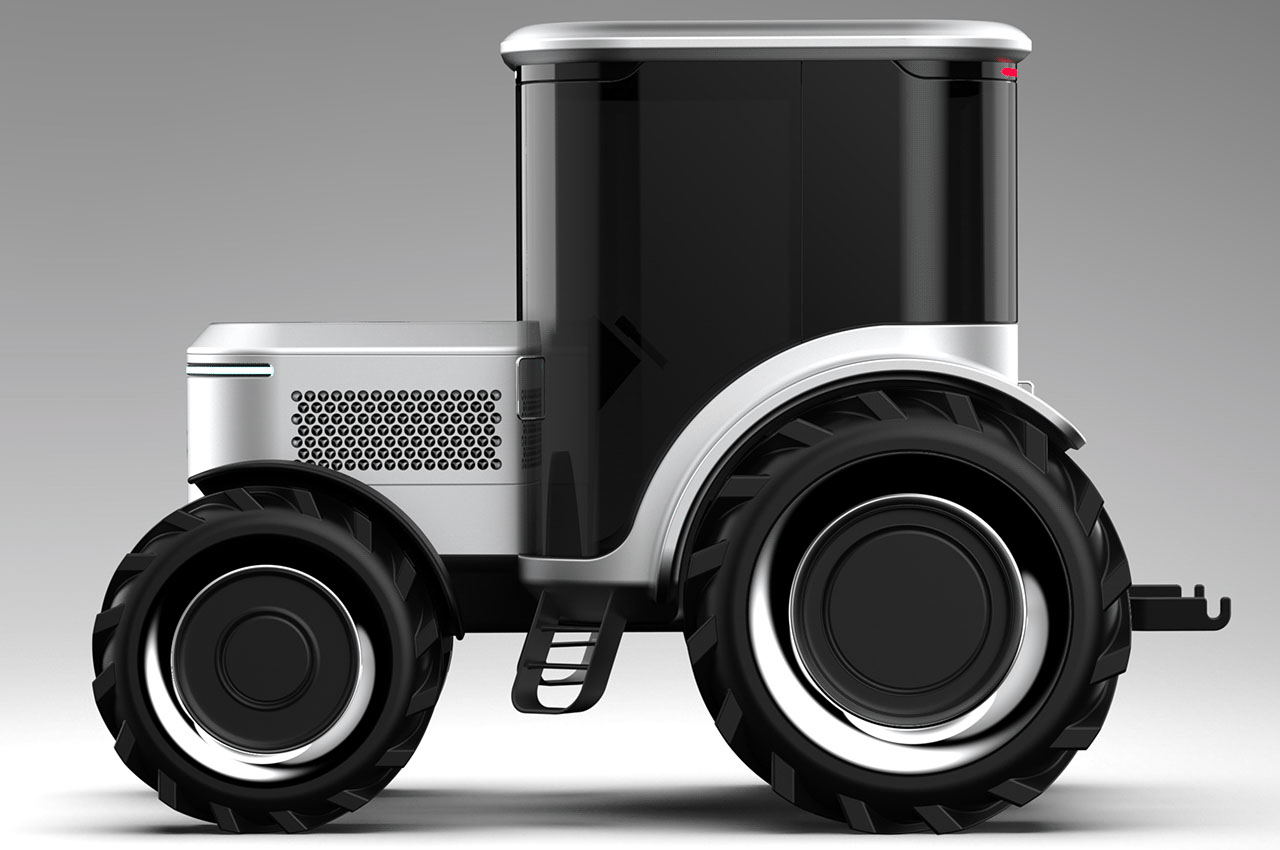
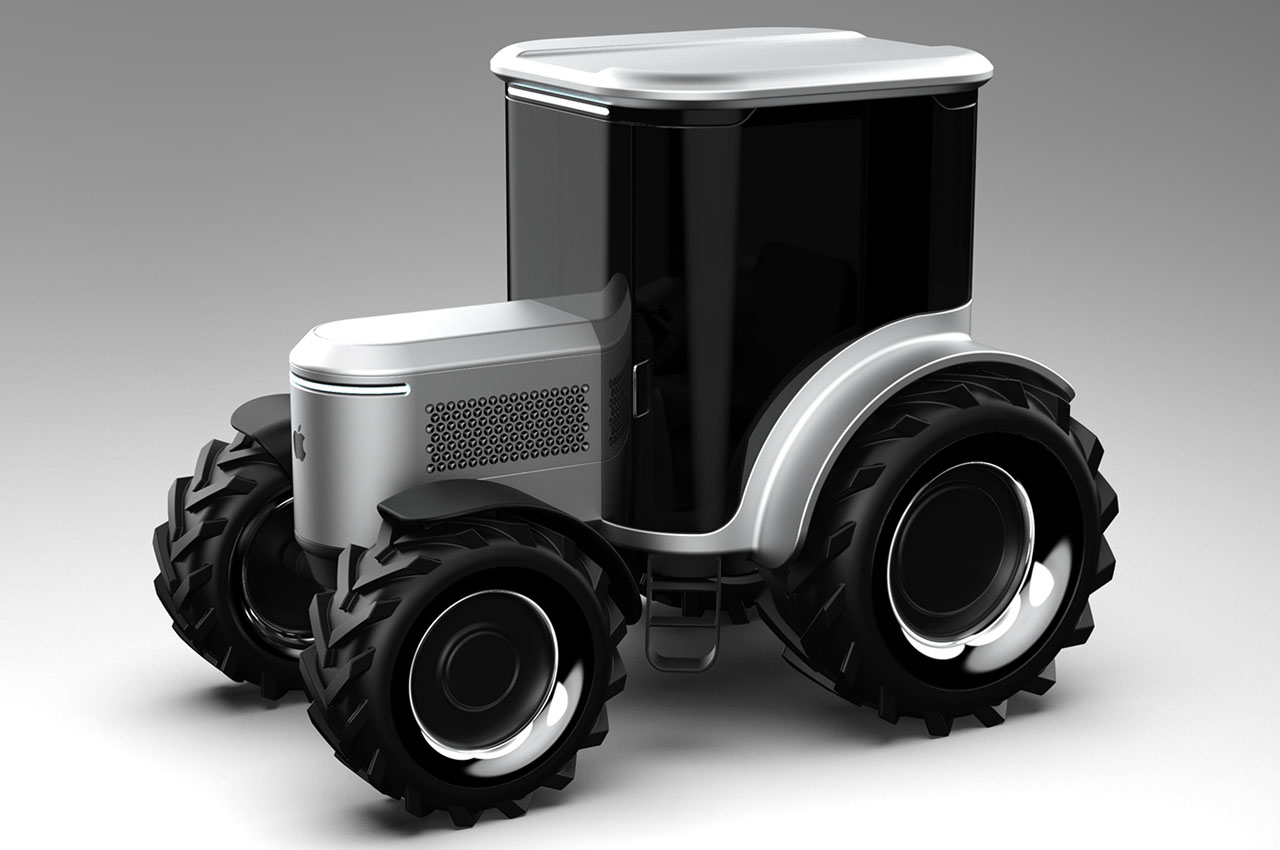
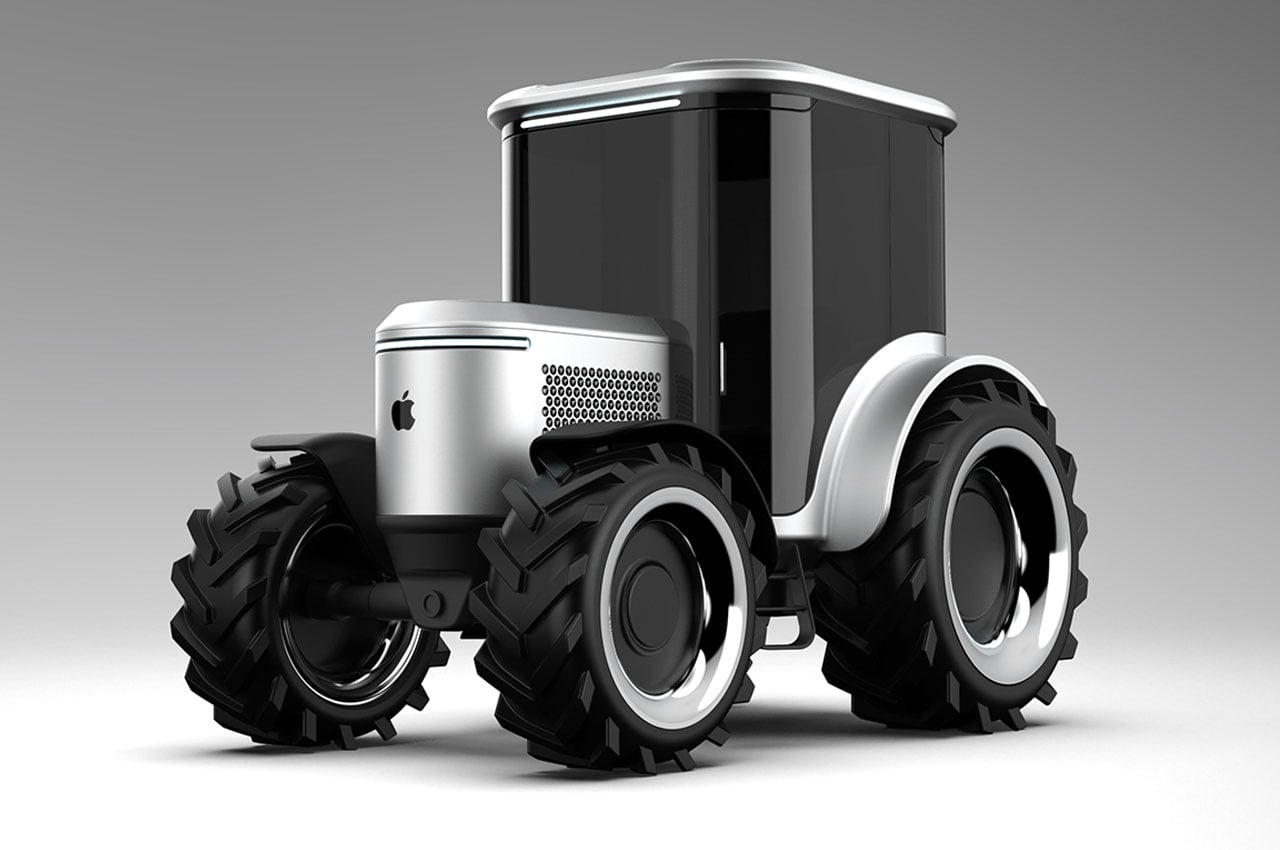
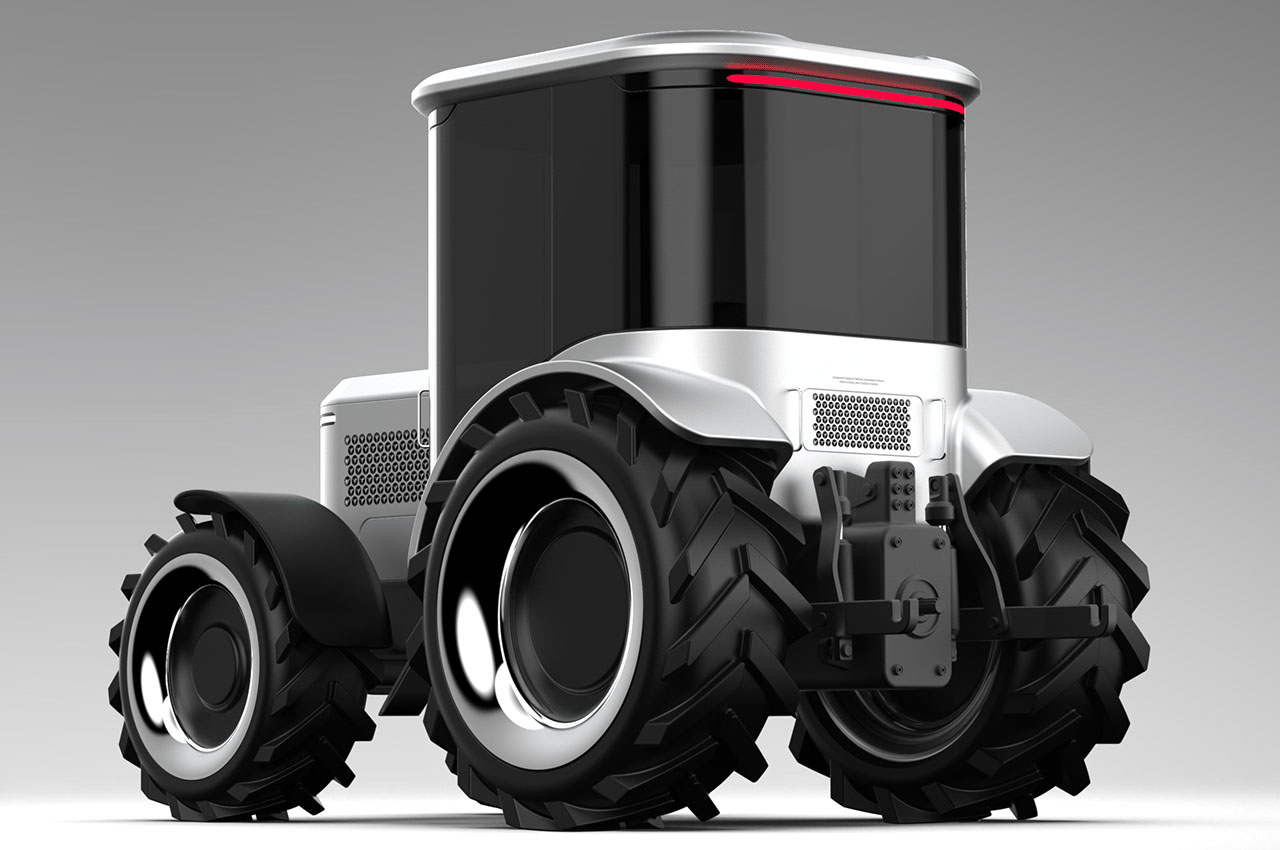
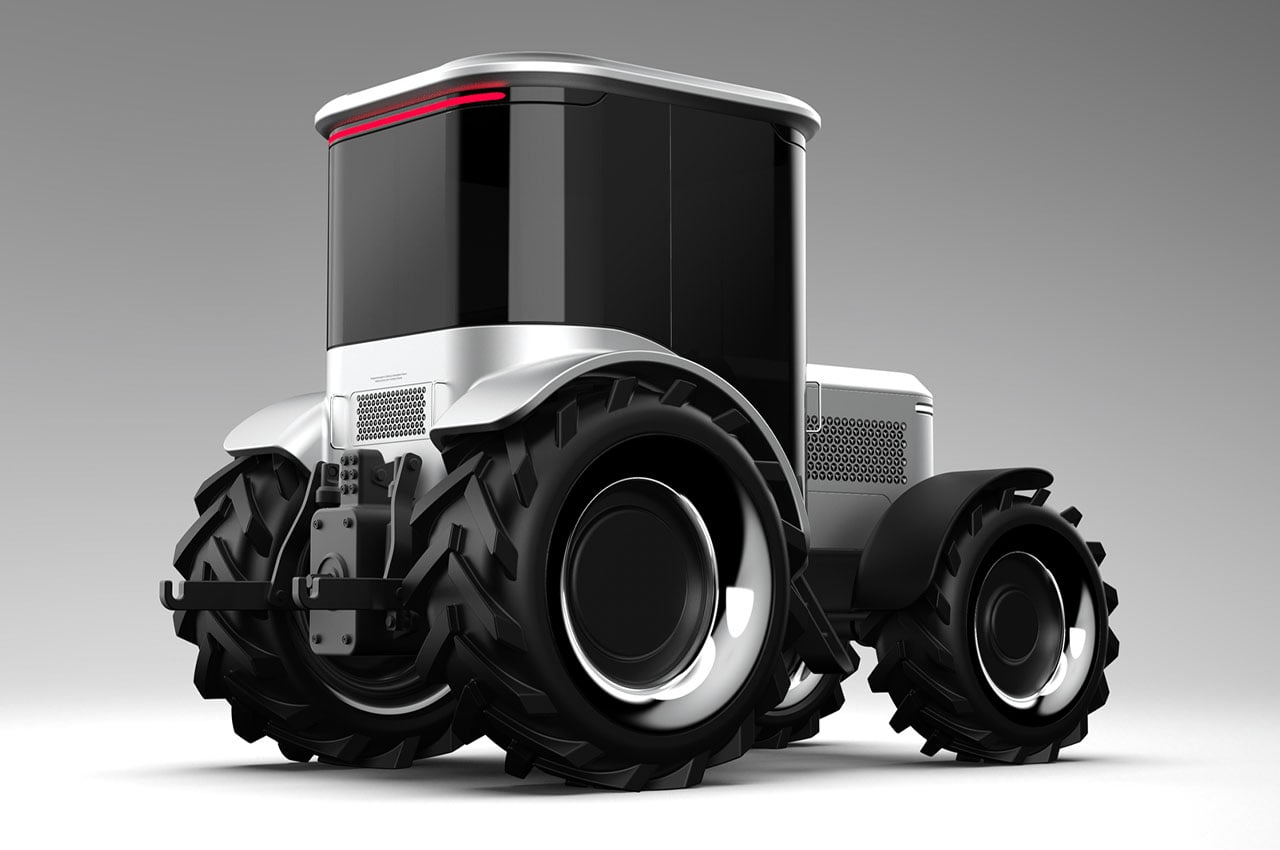
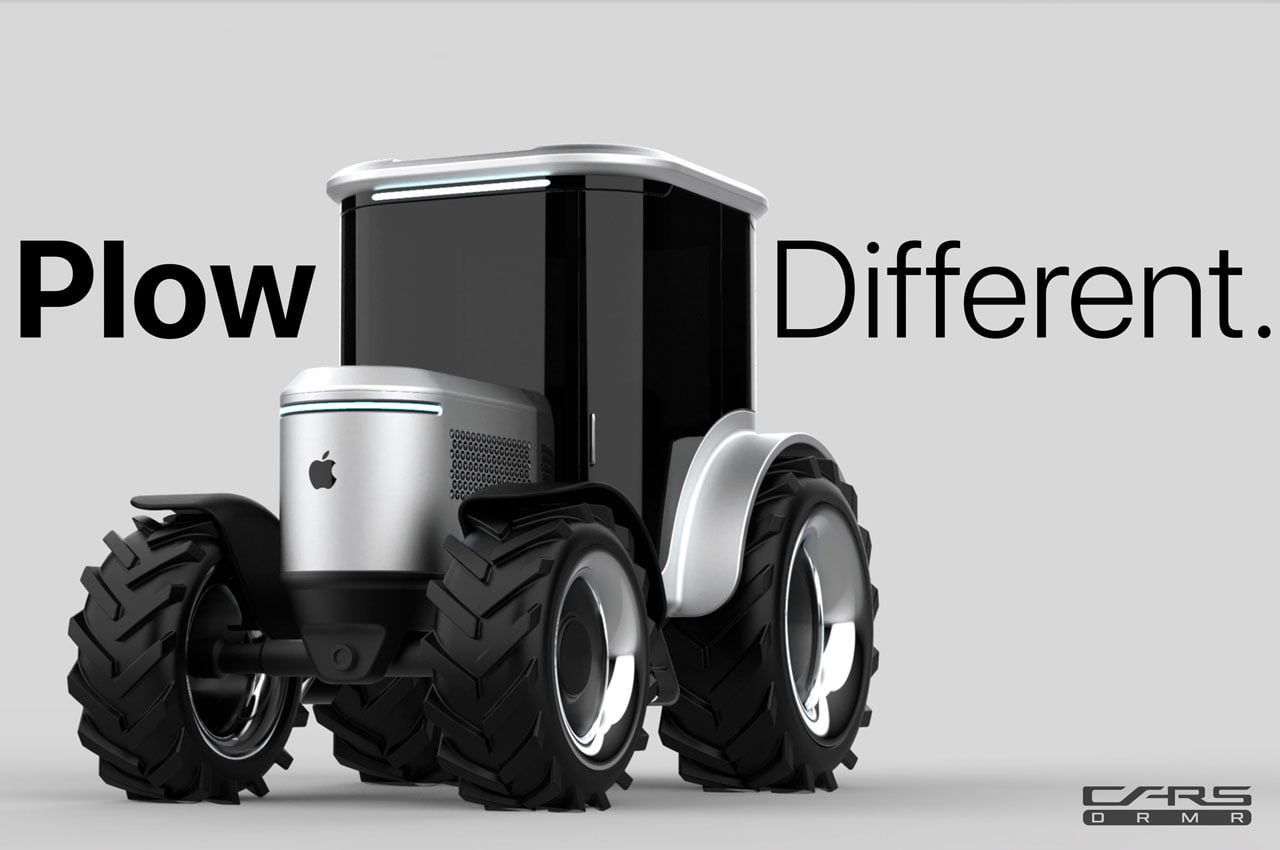
This absurd parody Apple Tractor concept heralds the future of agriculture!

People deep in the Apple ecosystem have a very good reason not to look elsewhere. So, what if it goes beyond the ecosystem of your nerdy world? Level 2 autonomy Apple Car might still be way beyond the horizon, having painstakingly waited for more than a decade, with another hope of a 2028 release. So, what else a set of wheels could you think of including in the Apple bandwagon?

How about an Apple Tractor Pro mowing down your golden fields during the golden hours? Created by a fan as a concept, this design imbibes the good bits of the MacBook and iPad. If you see those relatable elements of the Apple Vision Pro, then you are not alone. The contoured body is well complimented by those Macbook’ish wheels and the light bars at the front will for a moment make you forget about the Apple Car. Those light bars as well as the tinted black upper cabin are designed to automatically light up in low light environments.

Designer: Sergiy Dvornytskyy

Of course, the thing is powered by an electric powertrain developed in collaboration with Foxconn/Monarch who are renowned for their MK-V electric tractor. The lightweight body frame looks to be crafted from more robust titanium material, but I’d prefer it to be crafted out of stainless steel as the Cybertruck is a good example of how tough car body frames can be.

Not only on the looks part but the technology aspect is taken care of as well in this outlandish concept. The farmers can control and monitor the Apple Tractor Pro right from the comfort of their homes using their Apple devices. All this is done with advanced sensors and in-built AI that knows what tasks to do autonomously. So, would you actually want to see something like this crawling in the vast expanse of an Apple fanboy’s estate?

The post This absurd parody Apple Tractor concept heralds the future of agriculture! first appeared on Yanko Design.
10 Best Automotives That Automotive Fanatics Need To Take For A Spin In 2024

We’ve been seeing a torrential and exciting downpour of automotive designs at Yanko Design for the past few months. Each automotive was innovative, bringing to us something we had never seen nor experienced before. From killer speed to dashing good looks, to impenetrable safety standards, every automotive we featured at YD broke some design barrier for us, and hopefully, they did the same for you as well. Hence, we’ve curated a collection of automotive designs that we feel were the best of the lot. From a bicycle with square wheels to an eVTOL aircraft that doesn’t need a pilot’s license– each of these drool-worthy automobiles is mercilessly pushing the boundaries of the automotive industry. Automotive enthusiasts will be itching to get their hands on them, and take them for a spin on the streets!

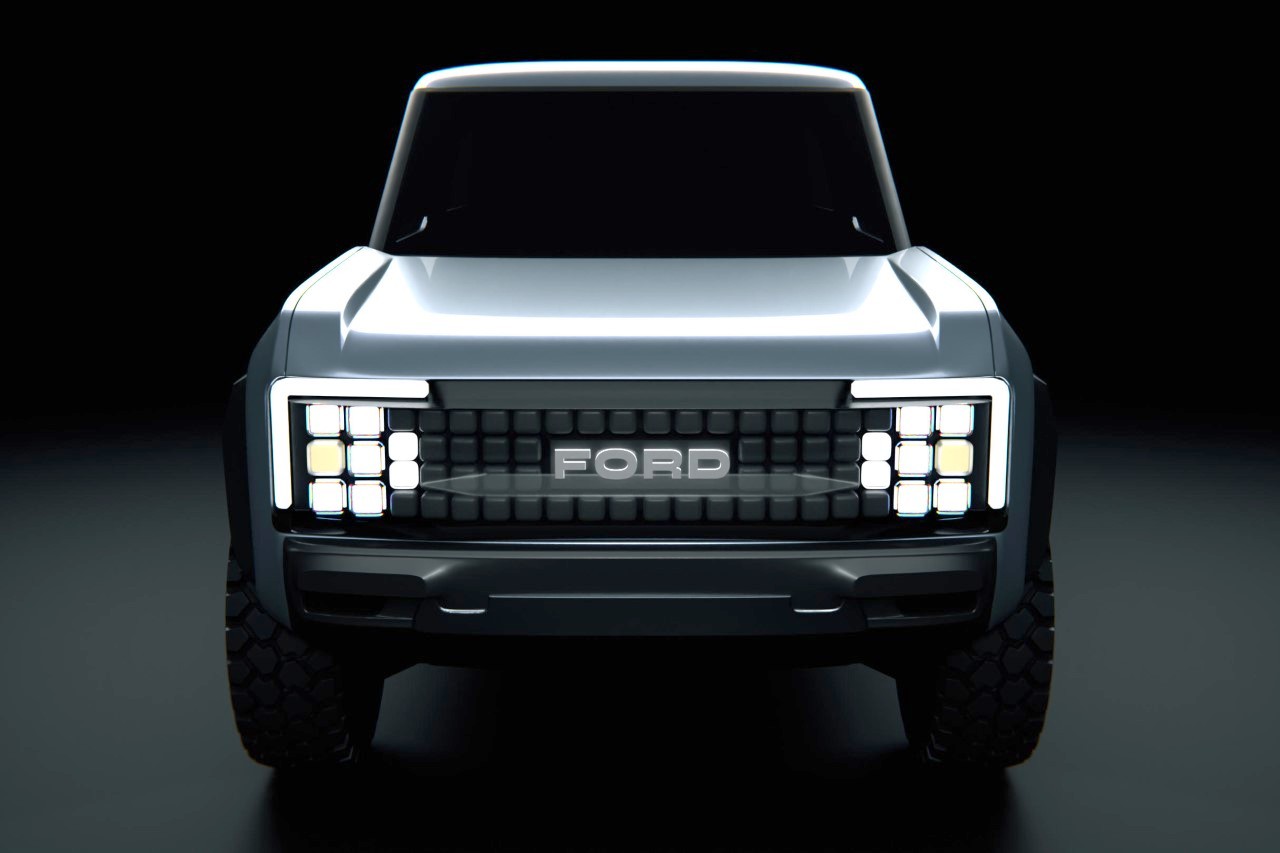
1. Ford Mini Bronco

Designed by Mexico-based Kobayashi, the Ford Mini Bronco gives us a thrilling glance into the year 2030 – the year which this unique and mindblowing car has been designed for. The Mini Bronco is equipped with modern elements, amped by a compact, two-door configuration, which brings to mind the Suzuki Jimny. The automotive is designed to redefine the off-road segment, by offering it with a refreshing and rather unique perspective.

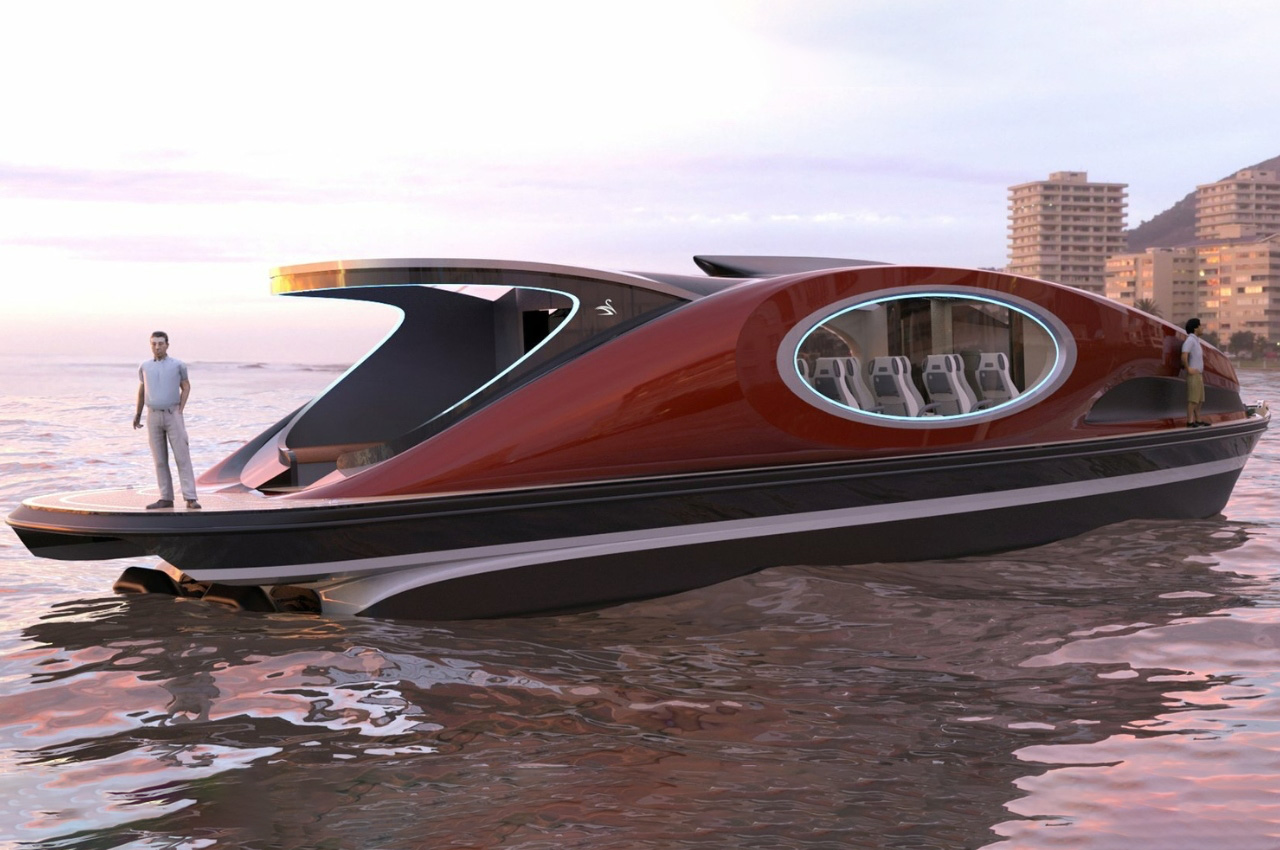
2. Palladio

Dubbed Palladio, this concept for a hybrid yacht is designed to be ultra-light and can speed up to 55 knots maximum. It looks straight out of a sci-fi movie set in water and features a futuristic, mouth-shaped, avant-garde design that gives the impression that a pod is cruising through the waters. The yacht is made from carbon fiber propelled via twin Castoldi jets, and powered by two FTP engines.

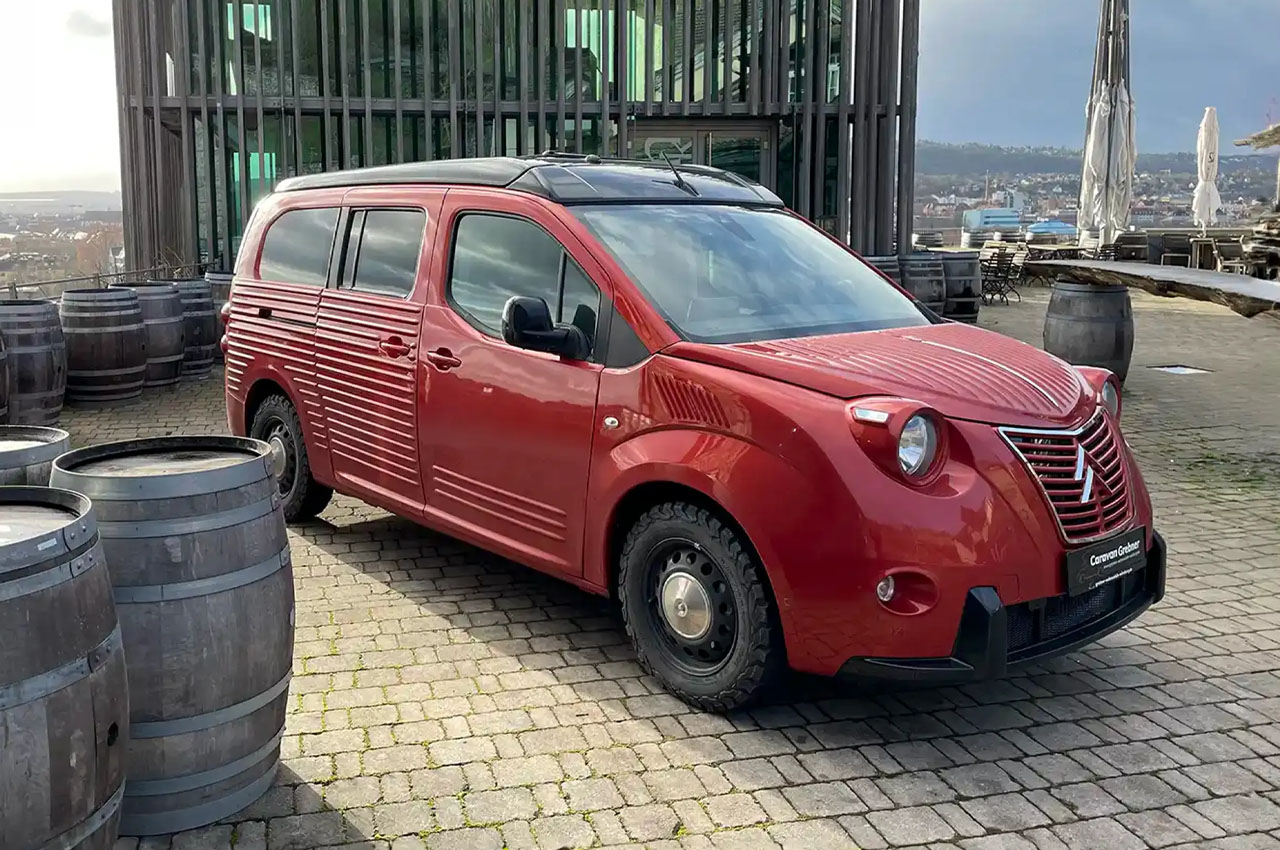
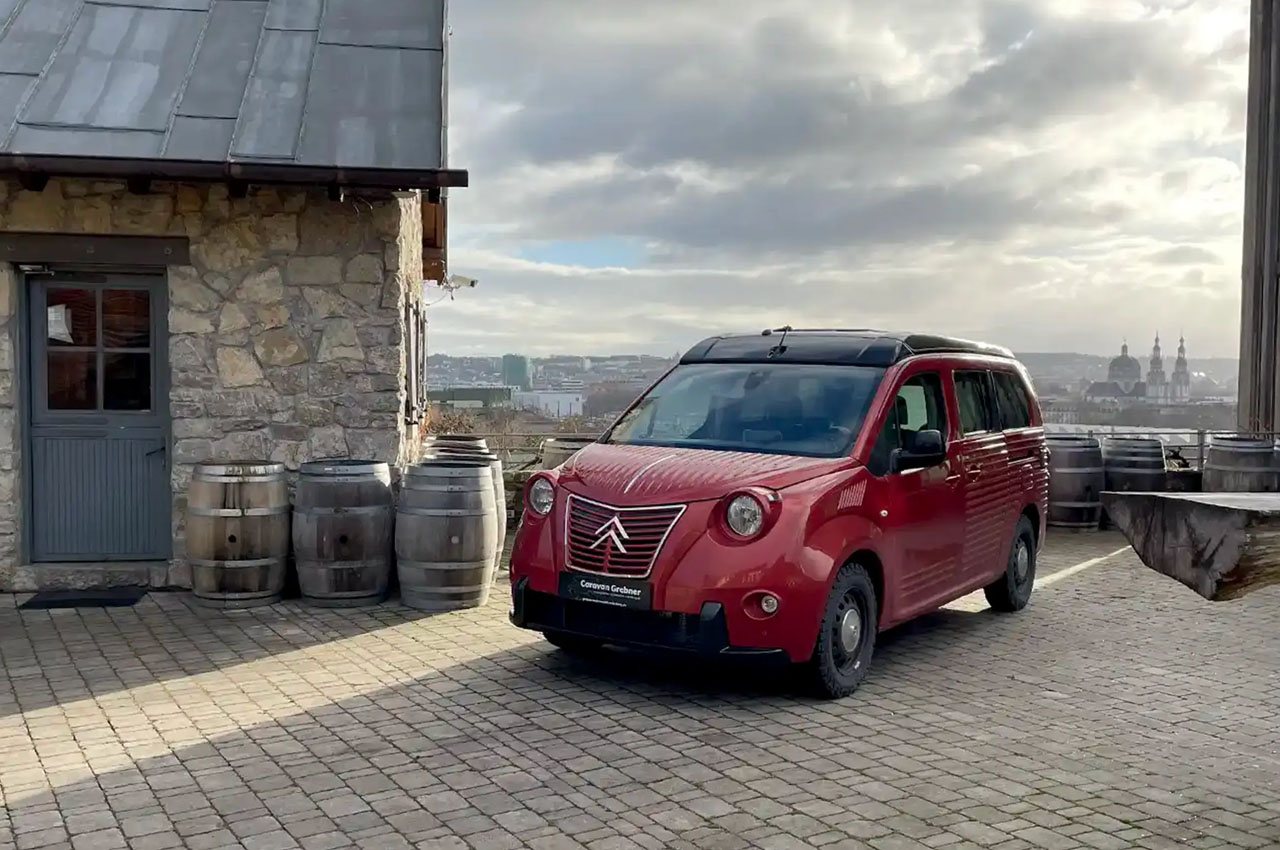
3. Vanderer Citroën 2CV Electric Mini Camper Van

Vanderer is a niche automotive design firm that recently designed a beautiful electric mini camper van inspired by the iconic Citroën 2CV. The classic 2CV was given a futuristic transformation, harmoniously merging the charm of the past with the sustainability of the present. It features an integrated electric powertrain and provides a clean and eco-friendly driving experience.

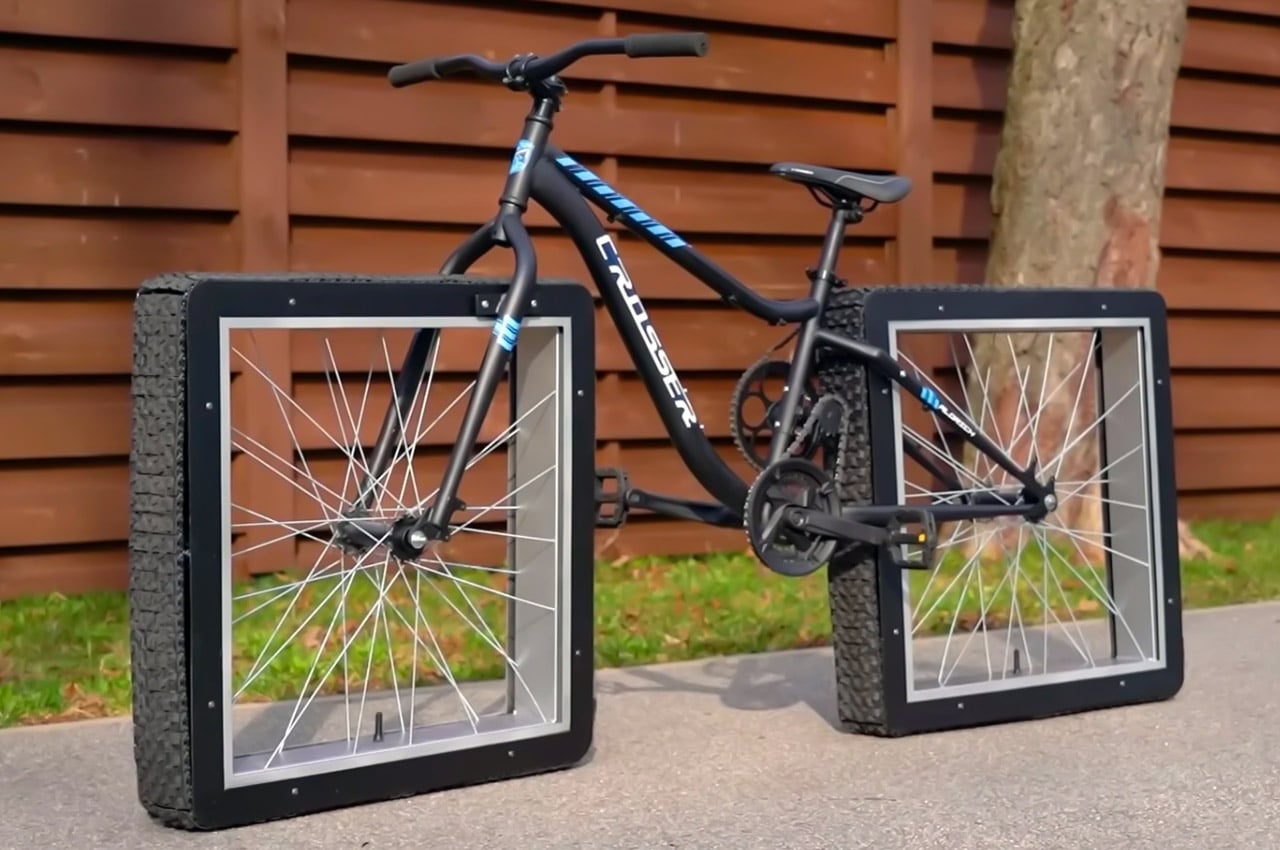
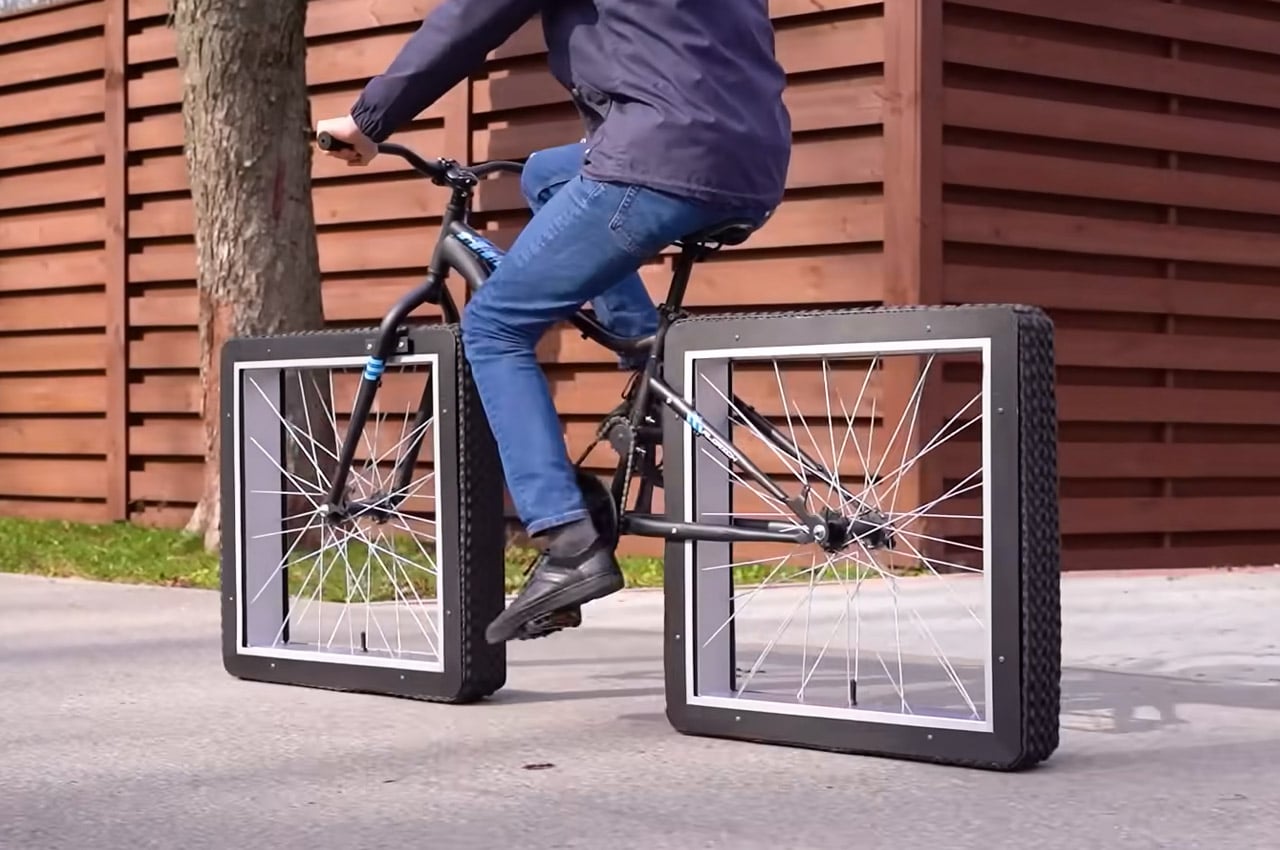
4. Gordieiev’s Bicycle with Square Wheels

Say hello to the bicycle with square wheels. Designed by Sergii Gordieiev, this innovative bicycle is like a war tank moving on its metal tracks without any wheels! The wheels on the bicycle don’t roll, but instead, the rubber on the conveyor belt-like platform rotates as soon as you hit your foot on the pedal. It is completely usable in a city, and you can take turns on it.

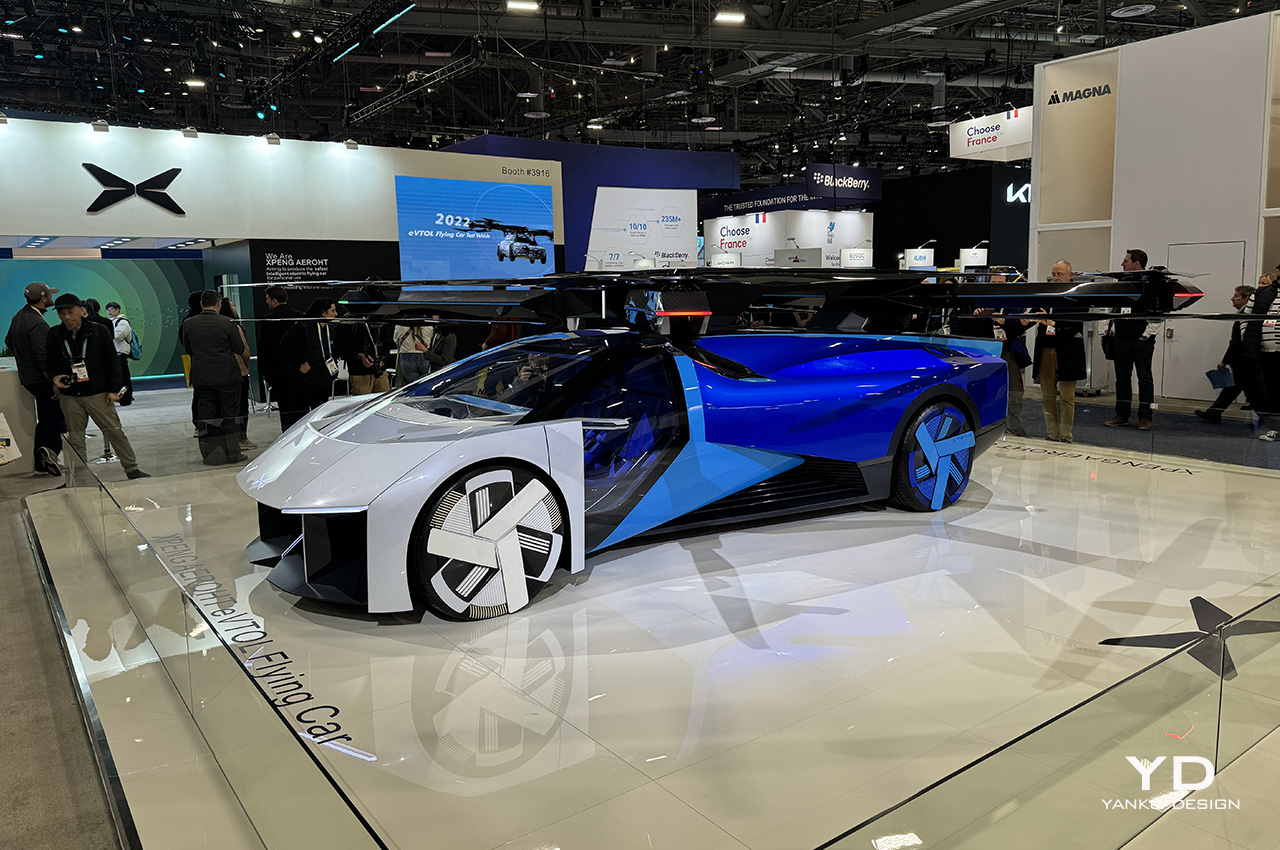
5. Xpeng AeroHT eVTOL Flying Car

Called the Xpeng AeroHT eVTOL Flying Car, this eVTOL flying car is designed and developed by AeroHT electric aviation wing of the Chinese auto company XPeng. Unlike most of the traditional ideas found on the market, this modular flying car has a unique and different approach, it features a two-part design – one part car, and the other an eVTOL, allowing it to seamlessly switch between land and aerial modes.

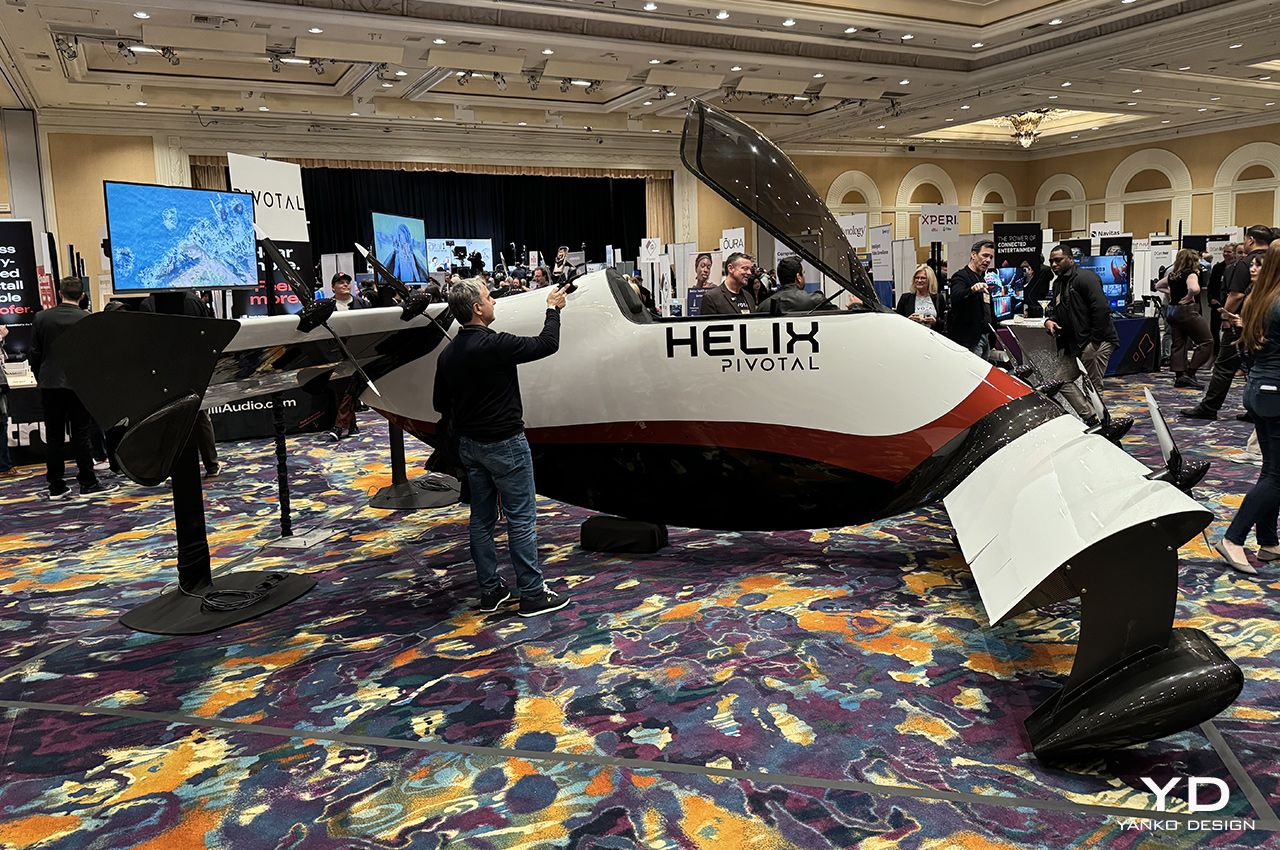
6. Helix

Dubbed Helix, this lightweight electric VTROL aircraft is designed by a Palo Alto, California-based company Pivotal, and it has been in the works for about a decade. It doesn’t need a runway or pilot’s license to go airborne! It features fixed rotors and tandem wings, and is a single-seat aircraft that can be flown without an FAA pilot certification!

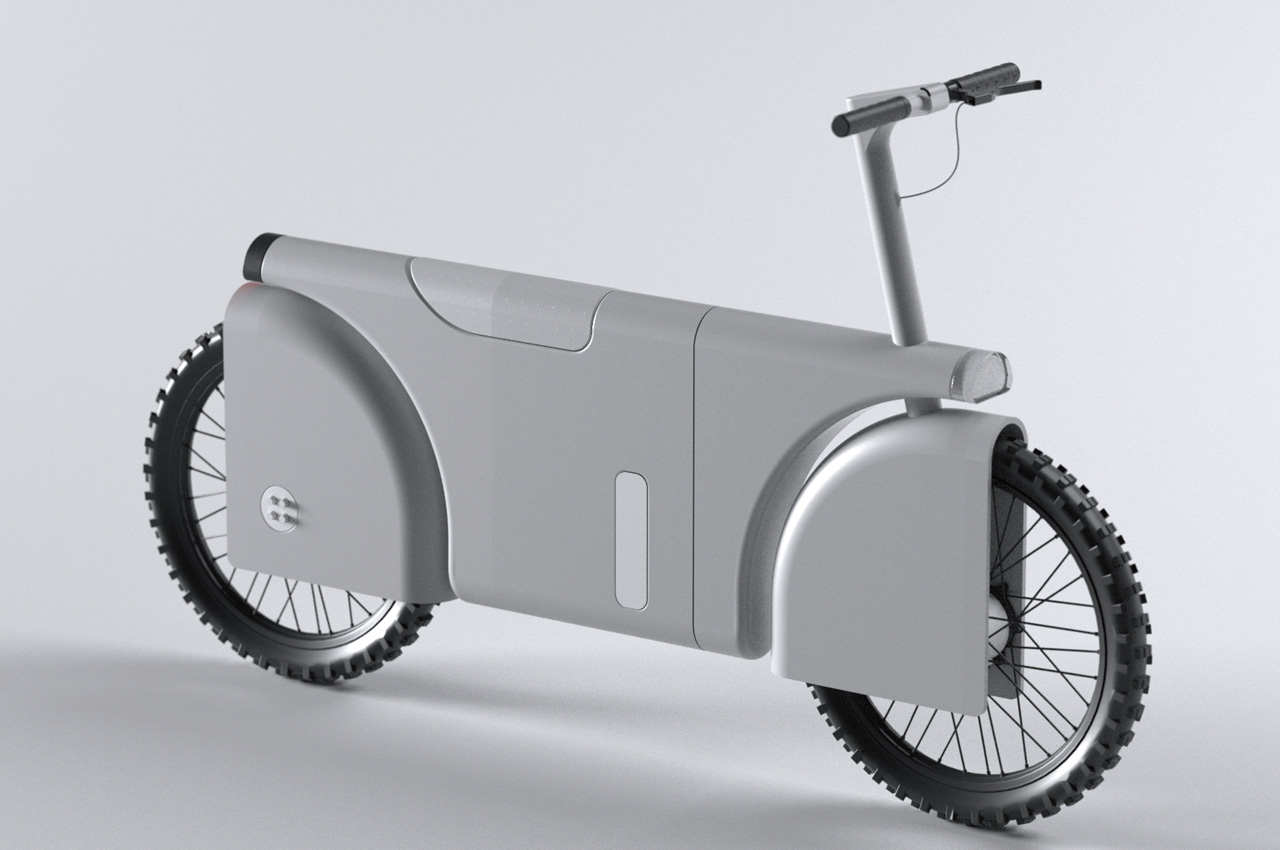
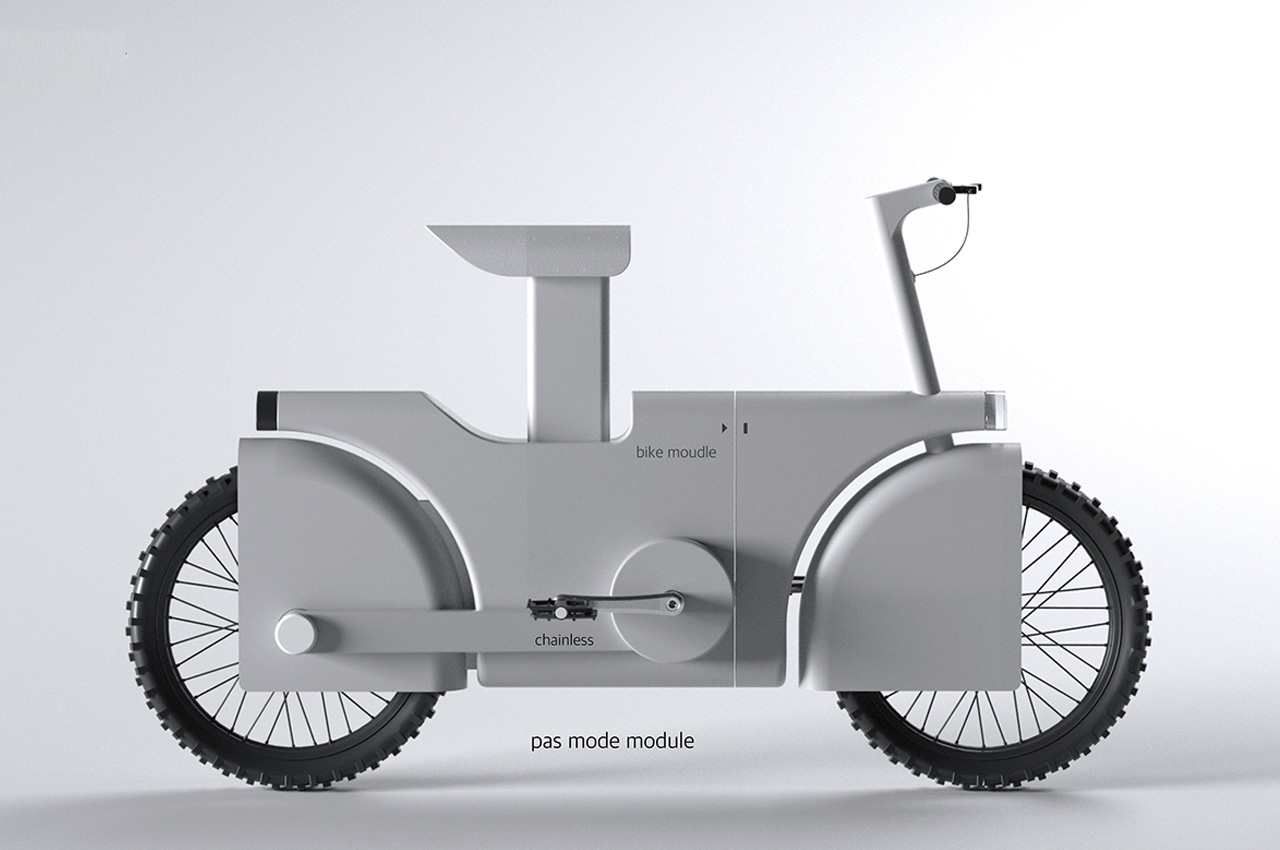
7. Electric Mobility Bicycle

This Cake bike-inspired electric bicycle takes the hybrid nature of personal commuters to a whole another level. The commuter has a modular nature that makes it ideal for different kinds of users. The bicycle takes inspiration from everyday gadgets, featuring a sleek form without compromising on the bike’s robust aesthetic at all. Although the saddle does have an awkward shape, that may not be comfy for the rider for long durations.

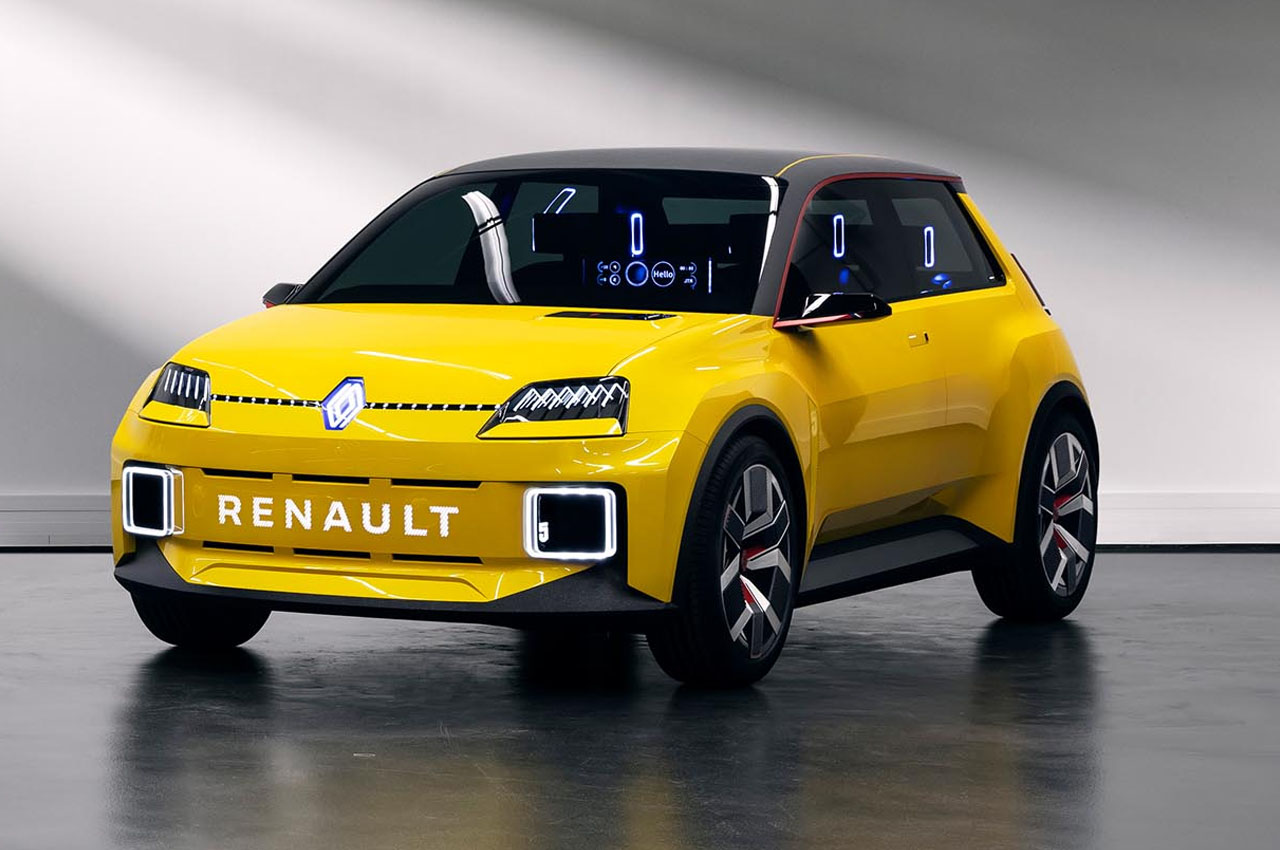
8. Renault 5 E-Tech

The French carmaker Renault debated its iconic sports car in a retro-modern avatar called the Renault 5 E-Tech. The modernized and cute version carries the same fun and styling in an eco-friendly version. It has more rugged wheel arches, as well as a boxier body frame and a flowing soft-top roof. The original bonnet air intake has been morphed into a charging port.

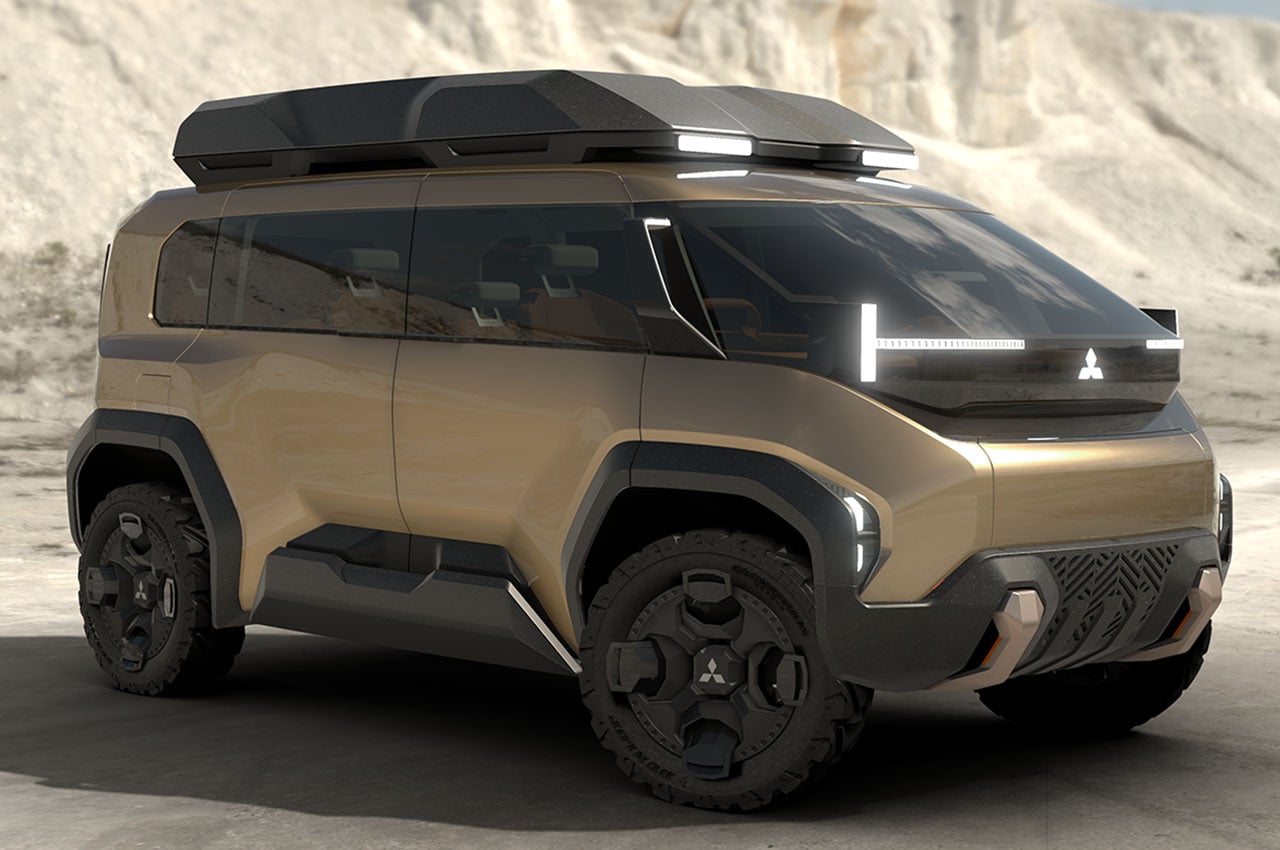
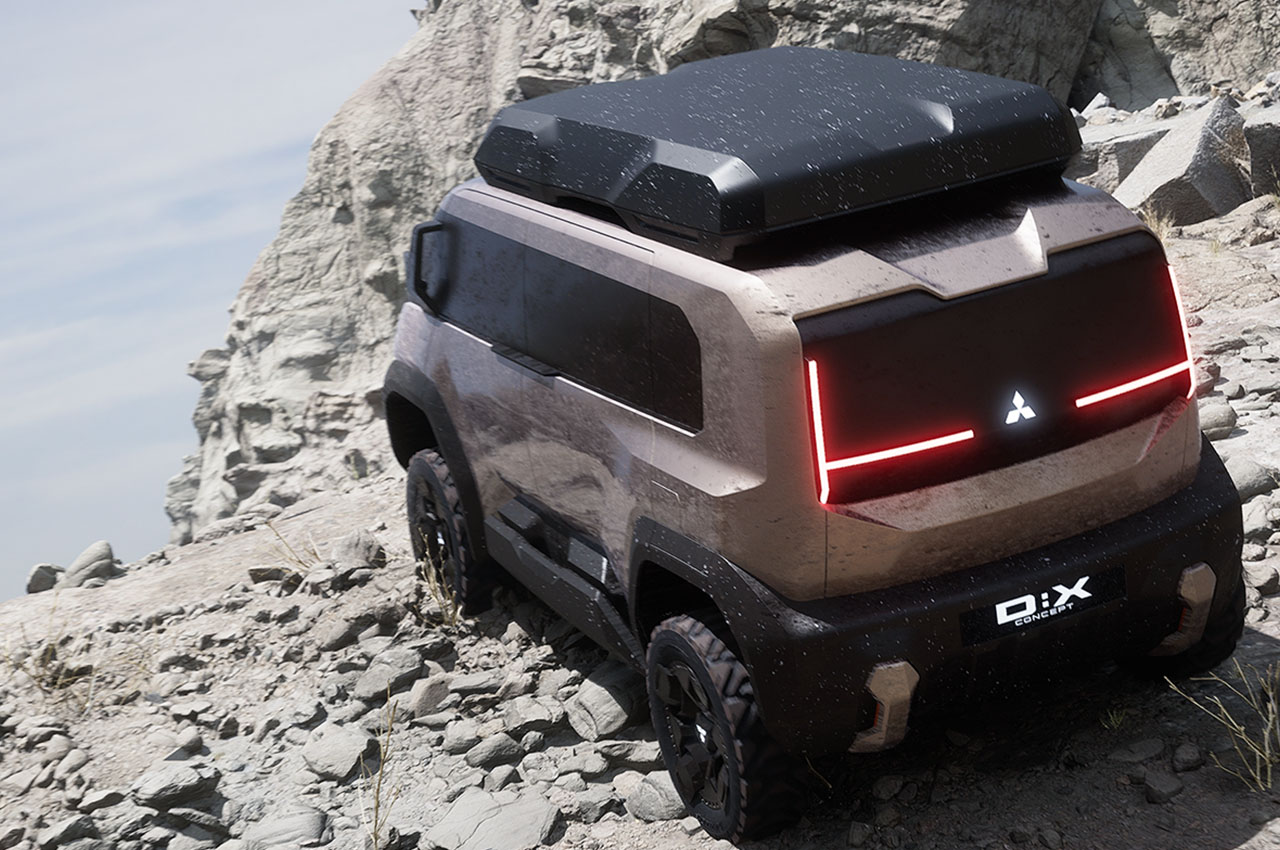
9. Mitsubishi DX Concept

Dubbed the Mitsubishi DX Concept, this compact and versatile lifestyle van is designed to perfectly portray the company’s commitment to boosting the arena of adventure travel. It is called the “tiny adventure van”, and has a rather futuristic and innovative design. It was presented at the Japanese Mobility Show, a show that focuses on awakening the “adventurous spirit within”.

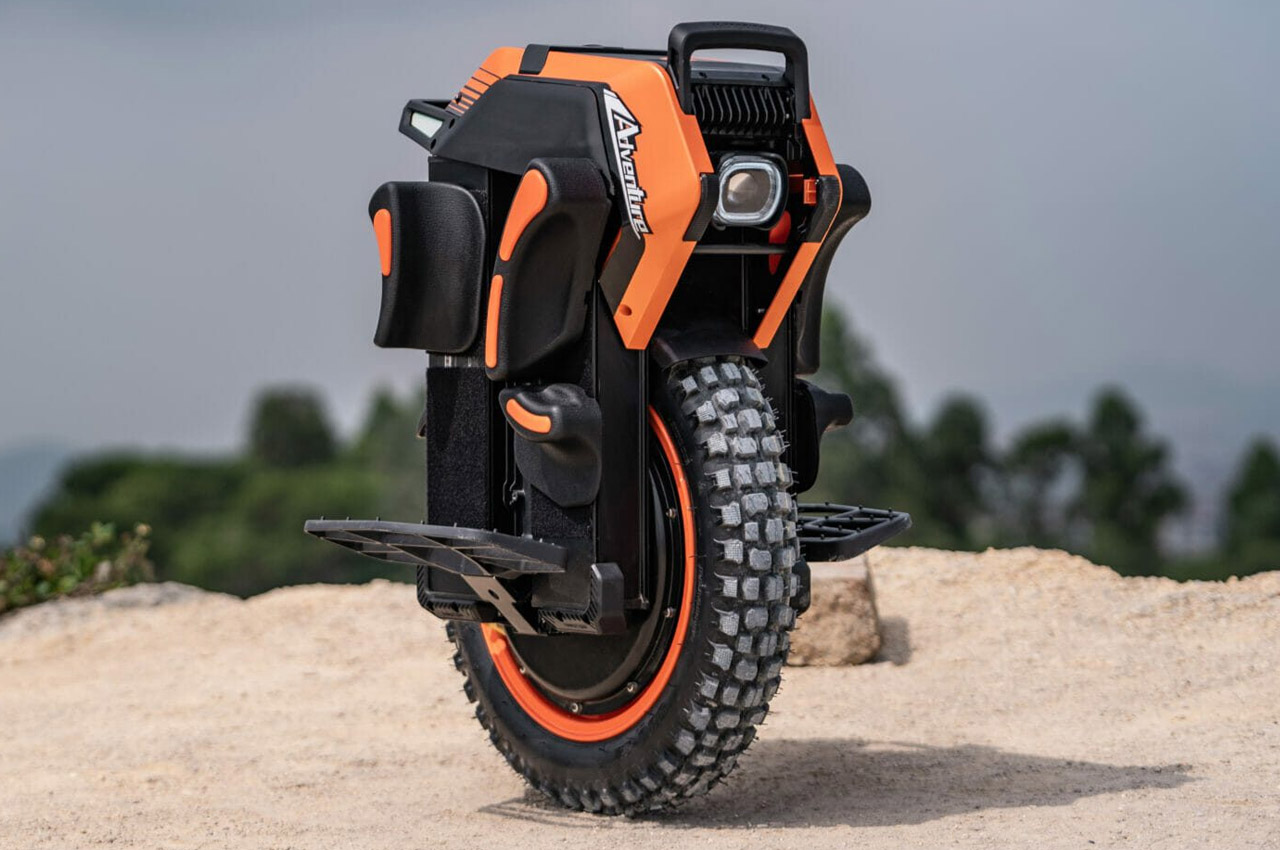
10. Adventure Electric Unicycle

The Adventure electric unicycle was truly designed to push the boundaries of exploration! It features a beefy 4000 W motor capable of producing 200 Nm (147.5 lb. ft) of torque and 850 N traction force. This converts it into a powerful commuter that is ready to conquer steep inclines and uneven terrain with the utmost ease and efficiency! It accelerates from 0 to 50 km/h in just 2.5 seconds and goes at a top speed of 110 km/h.

The post 10 Best Automotives That Automotive Fanatics Need To Take For A Spin In 2024 first appeared on Yanko Design.
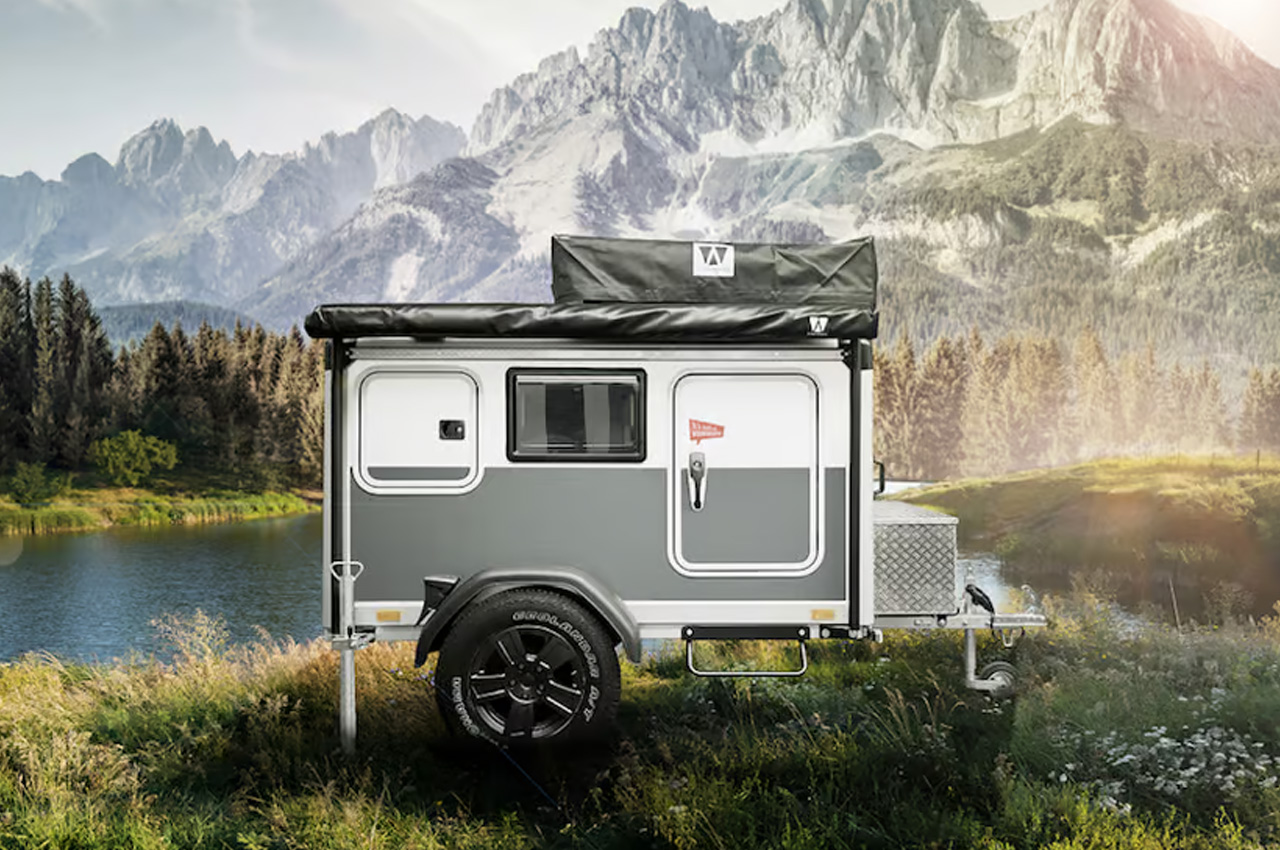
This versatile tiny camping trailer for your EV fits in a standard garage or an underground car park

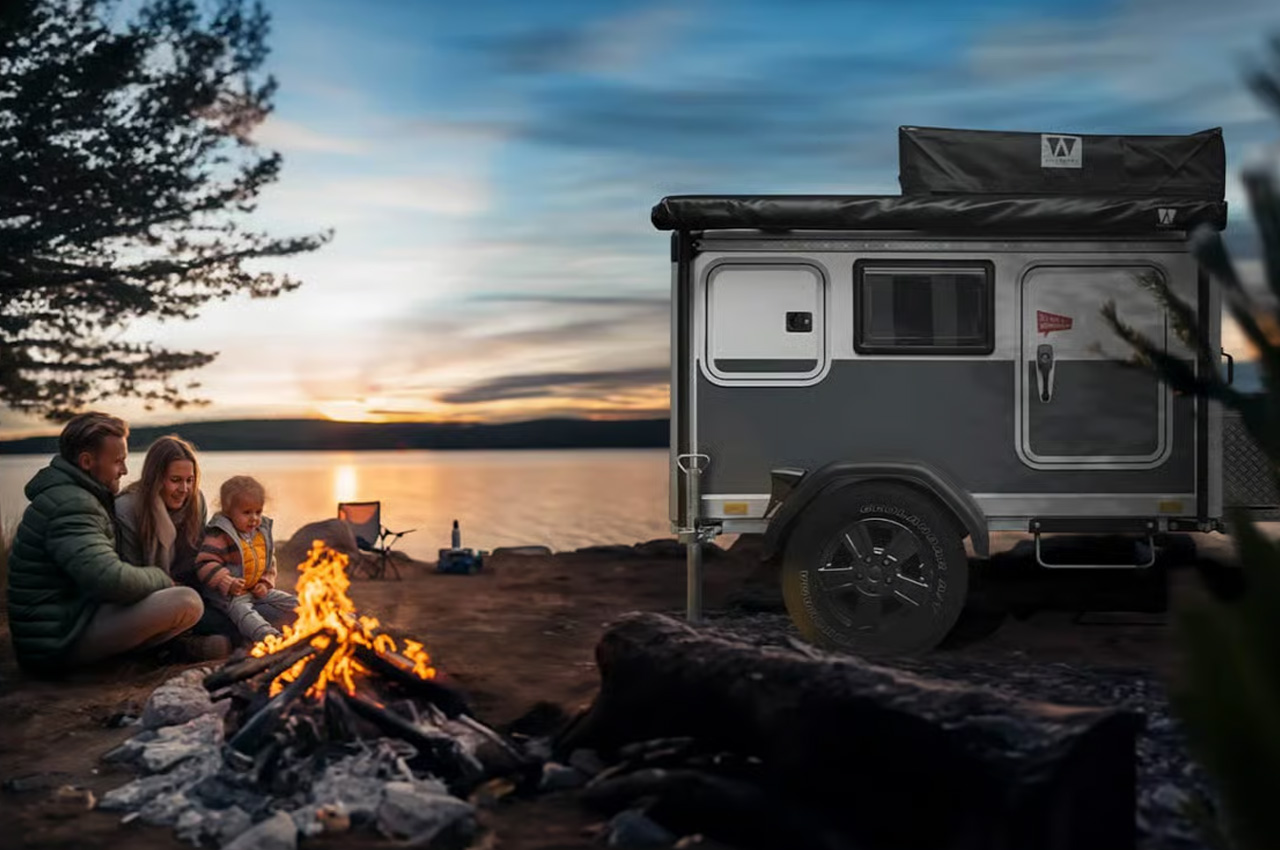
Every new camper trailer – mini, small, or large – breaths fresh air into the camping sector and the buzz it creates is bound to reach us sooner or later. The latest buzzing entry is the Cube 1, a micro-campervan that’s turning heads with its interesting boxy design.

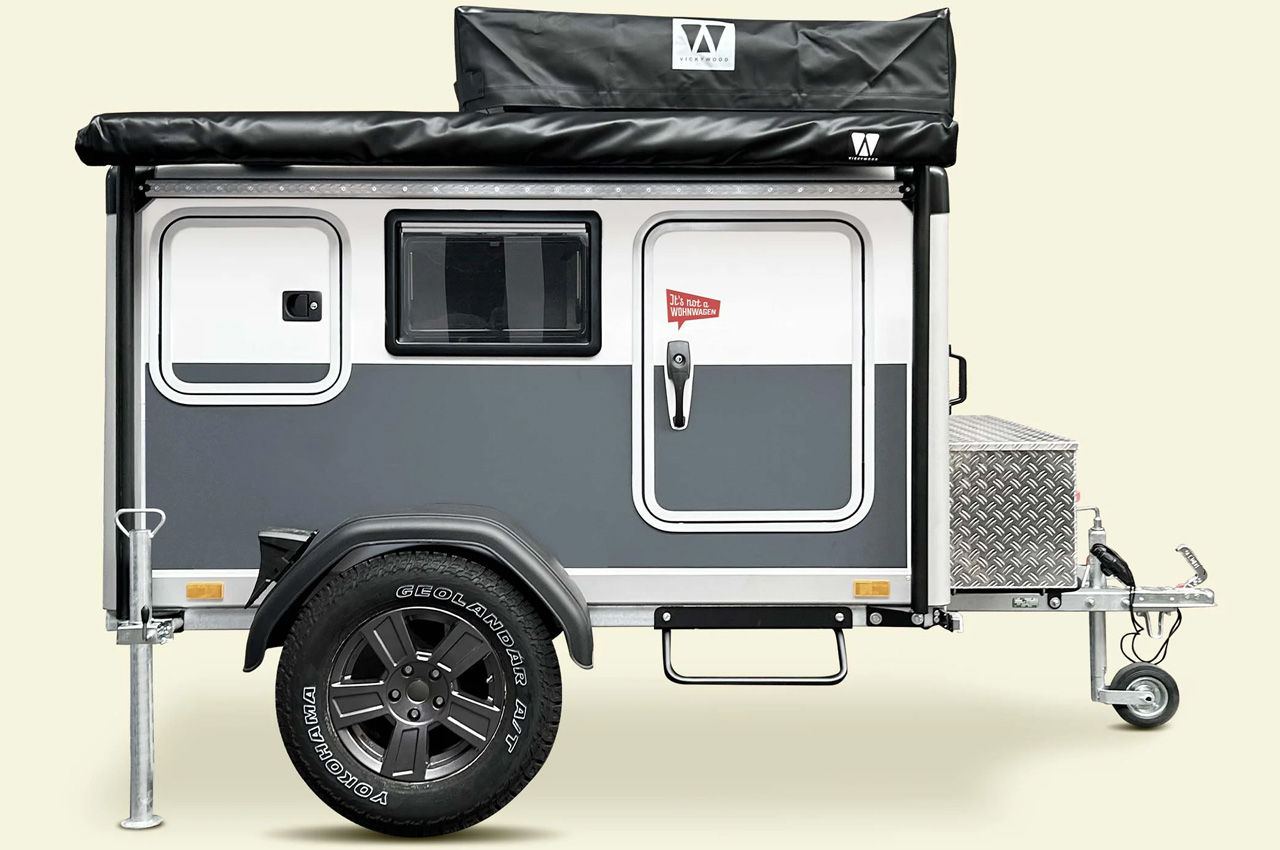
Conceived by the master crafters at the German outfit Sportcaravan, this is one of the tiniest trailers out there. Of course, some serious options have been scaled down to tow behind an e-bike; the Cube 1 with a 320-odd kg body may not be as small, but it is tiny enough to fit in a standard garage or an underground car park.

Designer: Sportcaravan

The Cube 1 measuring just 10.5 feet in length and 5.4 feet high breaks from the conventional micro-caravans and sets new standards with its compact dimensions and ease of use. As Sportcarvan mentions, it does not “require a trailer license and can easily be towed by a small car or an electric vehicle.”

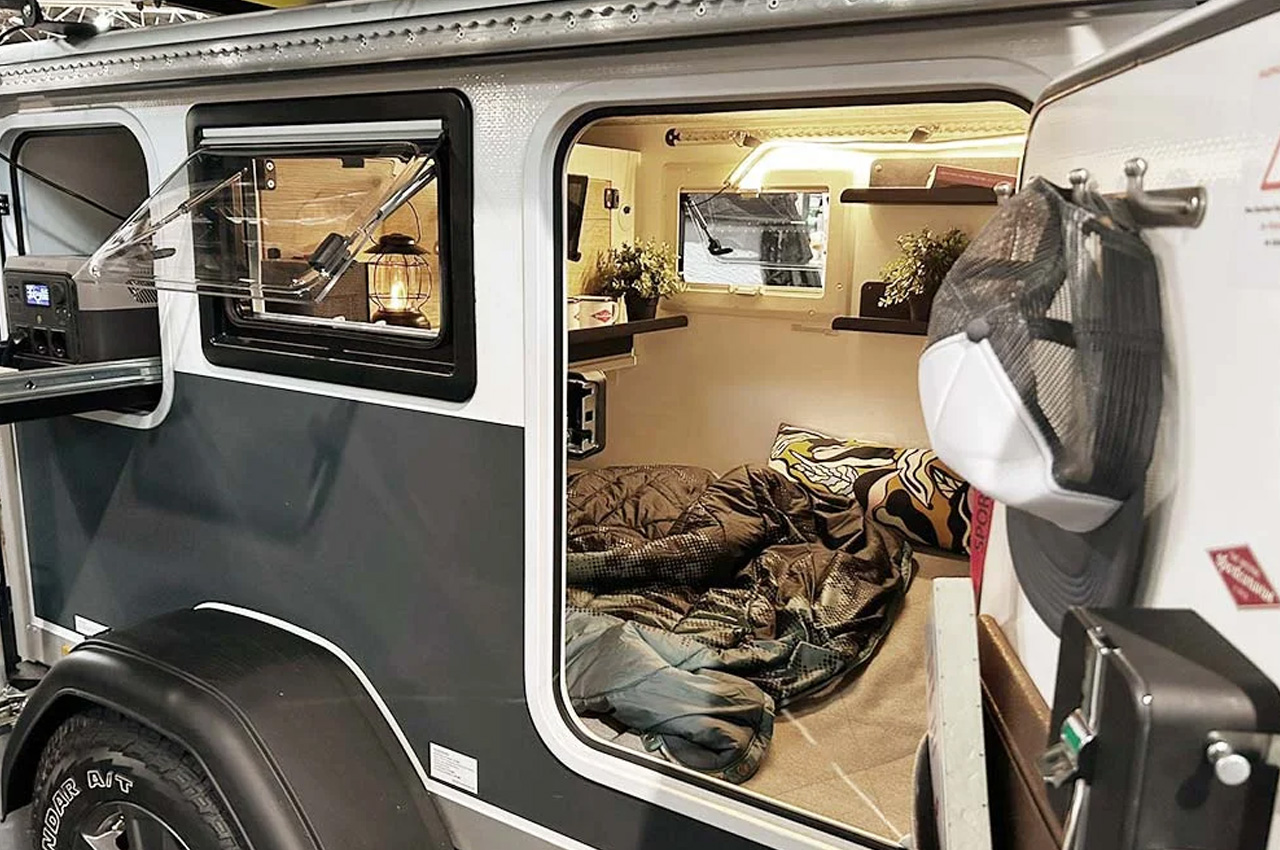
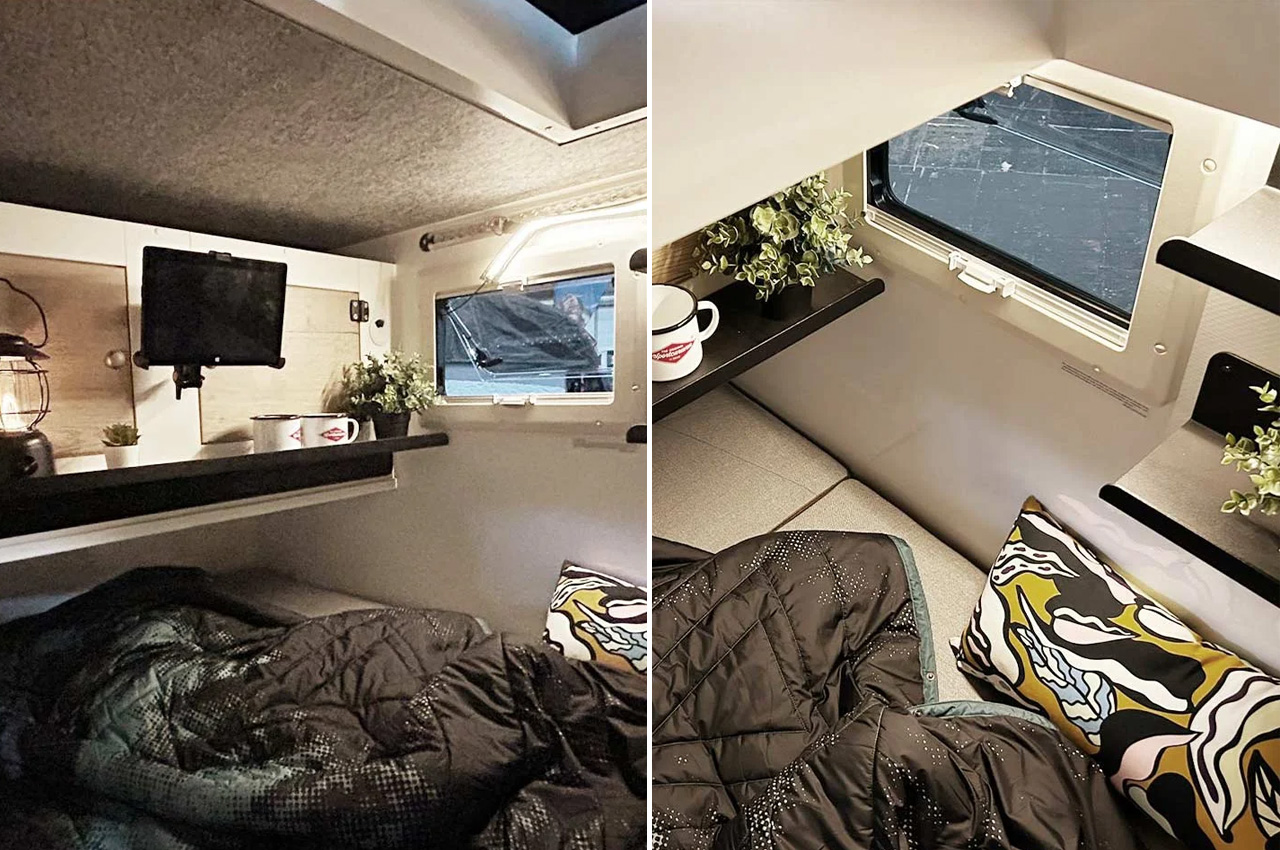
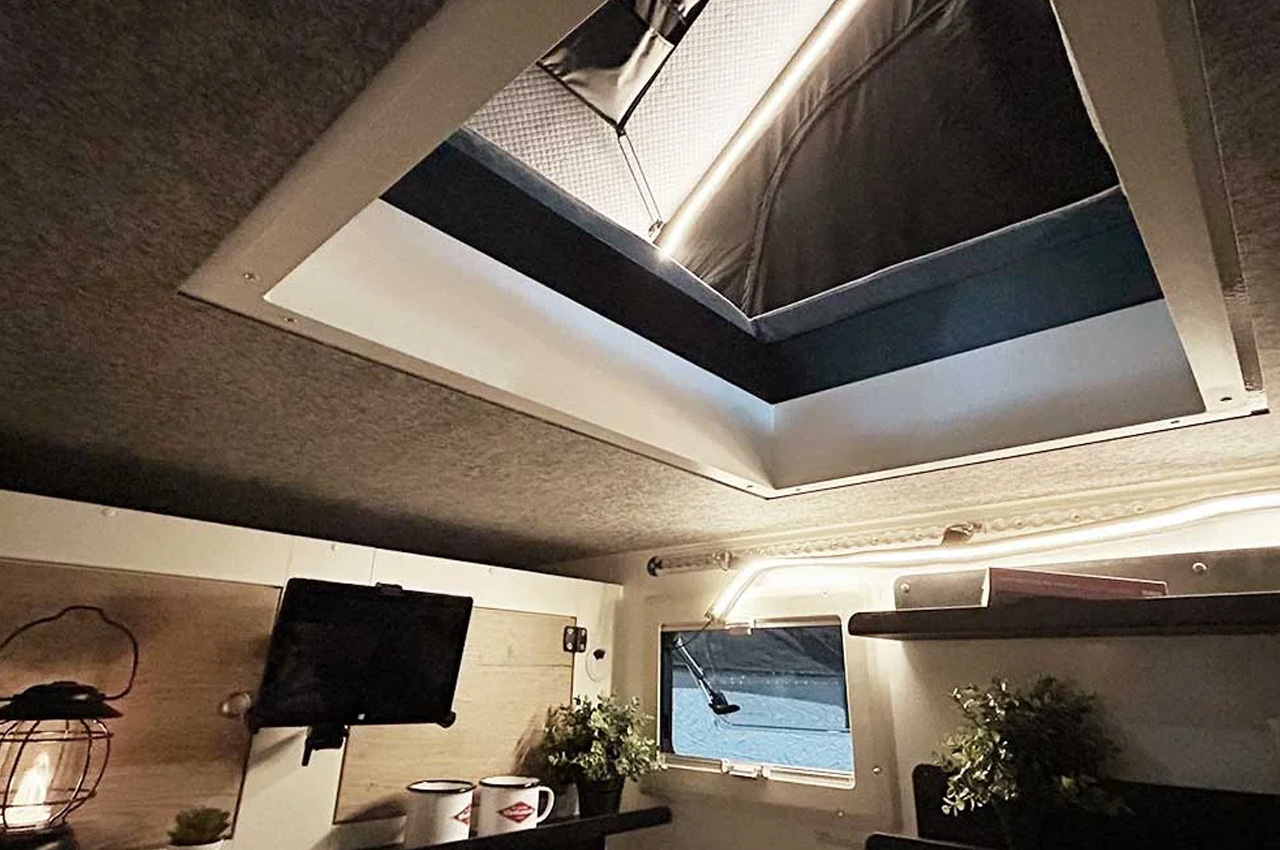
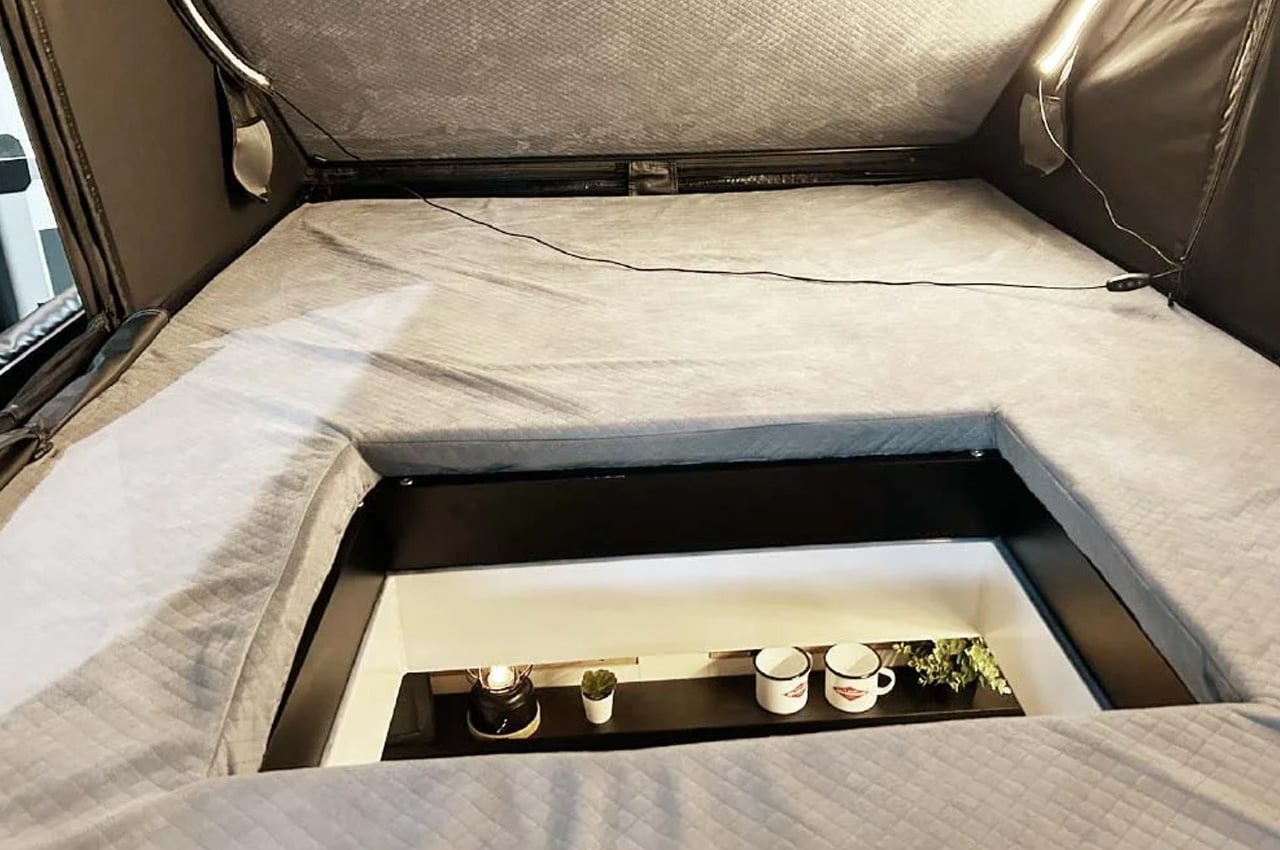
While compactness and comfort are the key takeaways, it’s the camper trailer’s flexibility that wins it the title of “transformer among the mini campers.” Cube 1 is like a usual tiny trailer with an 81 x 51-inch double bed until you pull out the rooftop tent and access it through a campervan-like hatch. This optional roof tent creates more space in the compact body making the trailer apt for sleeping up to four with ease.

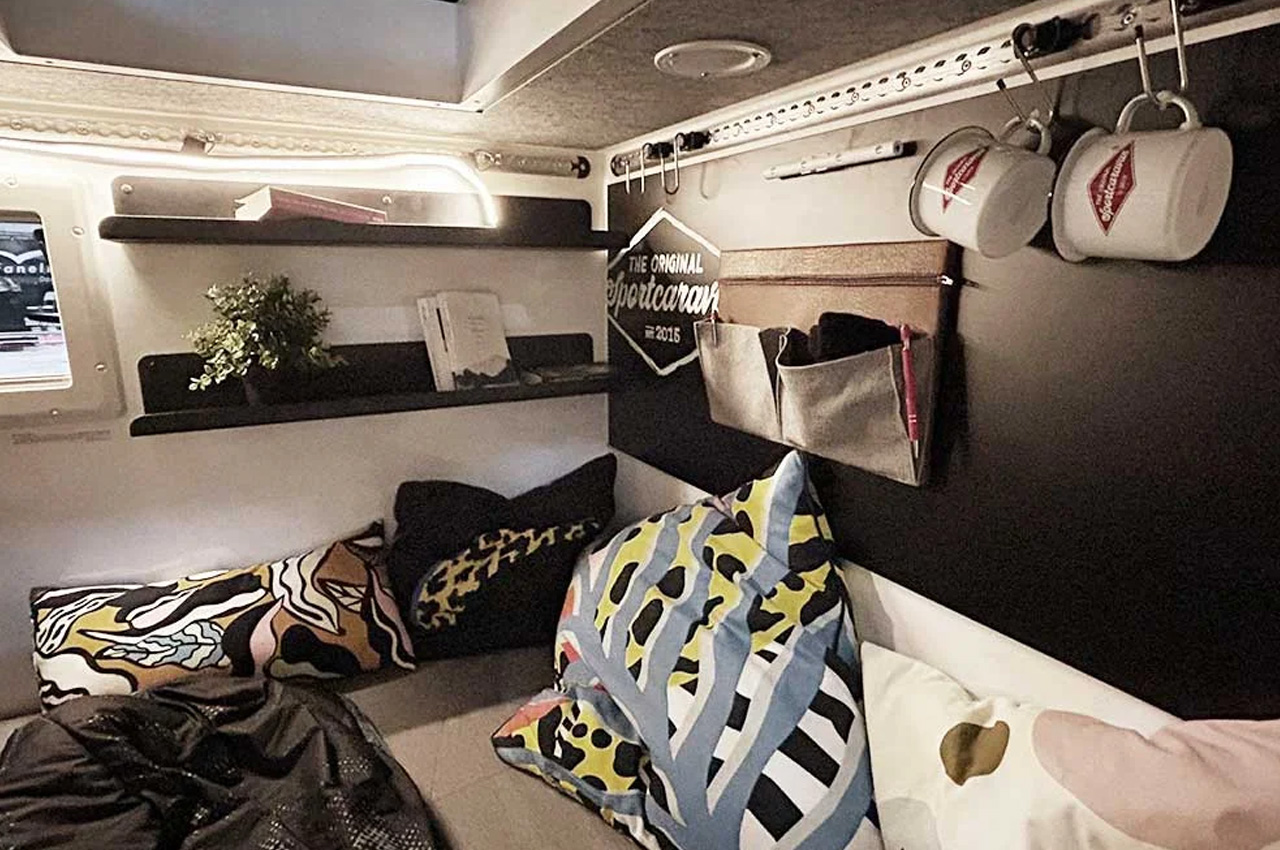
Cube 1 thrives on a fully insulated interior that renders it suitable for winter. It makes the trailer your camping companion for all year-round memorable experiences. But such an unforgettable experience is not possible without a kitchen. The Cube 1 thus has a slide-out shelf with a cutting board worktop and portable stove for outdoor cooking at the camp.

The trailer has a host of open shelves for storage, includes airline rails and a hook for holding cups and more. The capable trailer arrives in a basic shell for a starting price of €12,900 (approximately $14,000). The Cube 1 can be customized with an addon for a more capable adventure.

The post This versatile tiny camping trailer for your EV fits in a standard garage or an underground car park first appeared on Yanko Design.
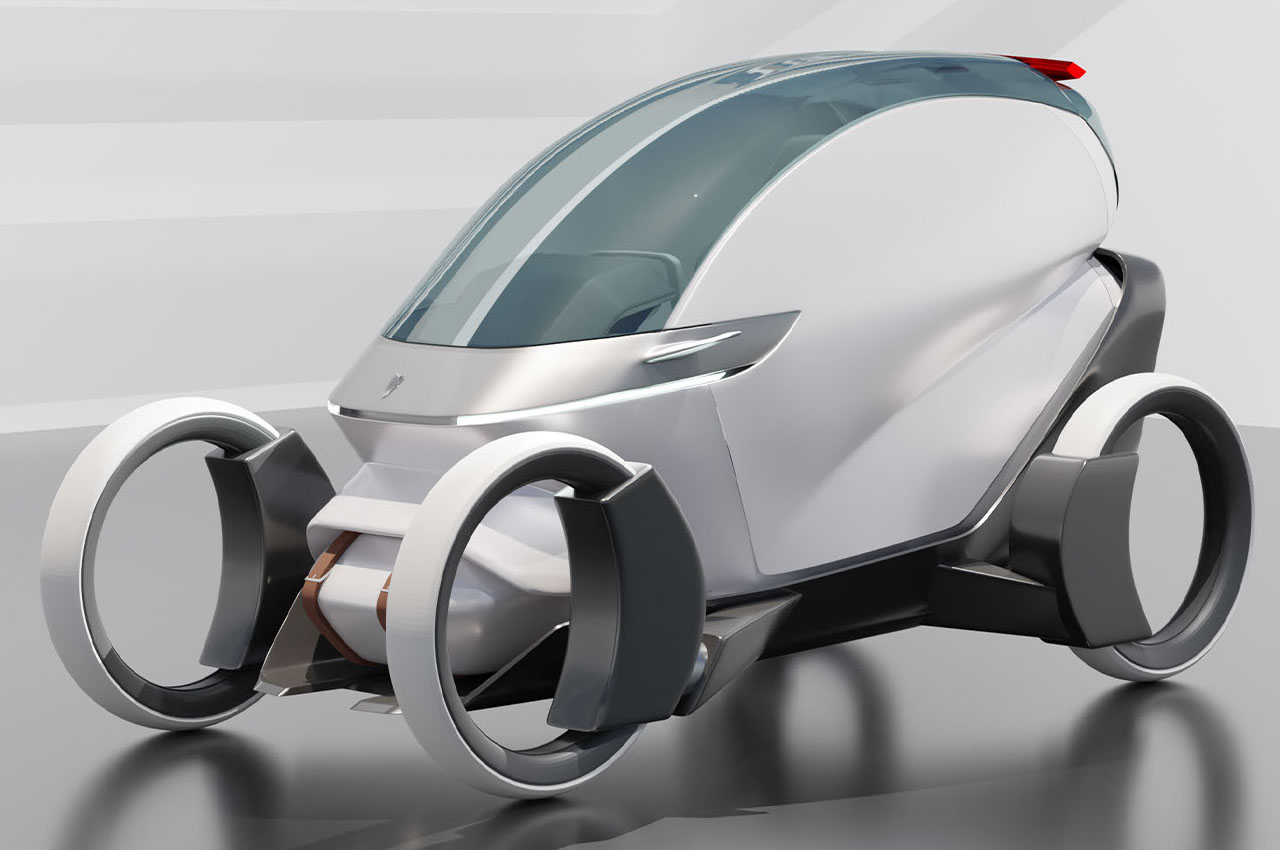
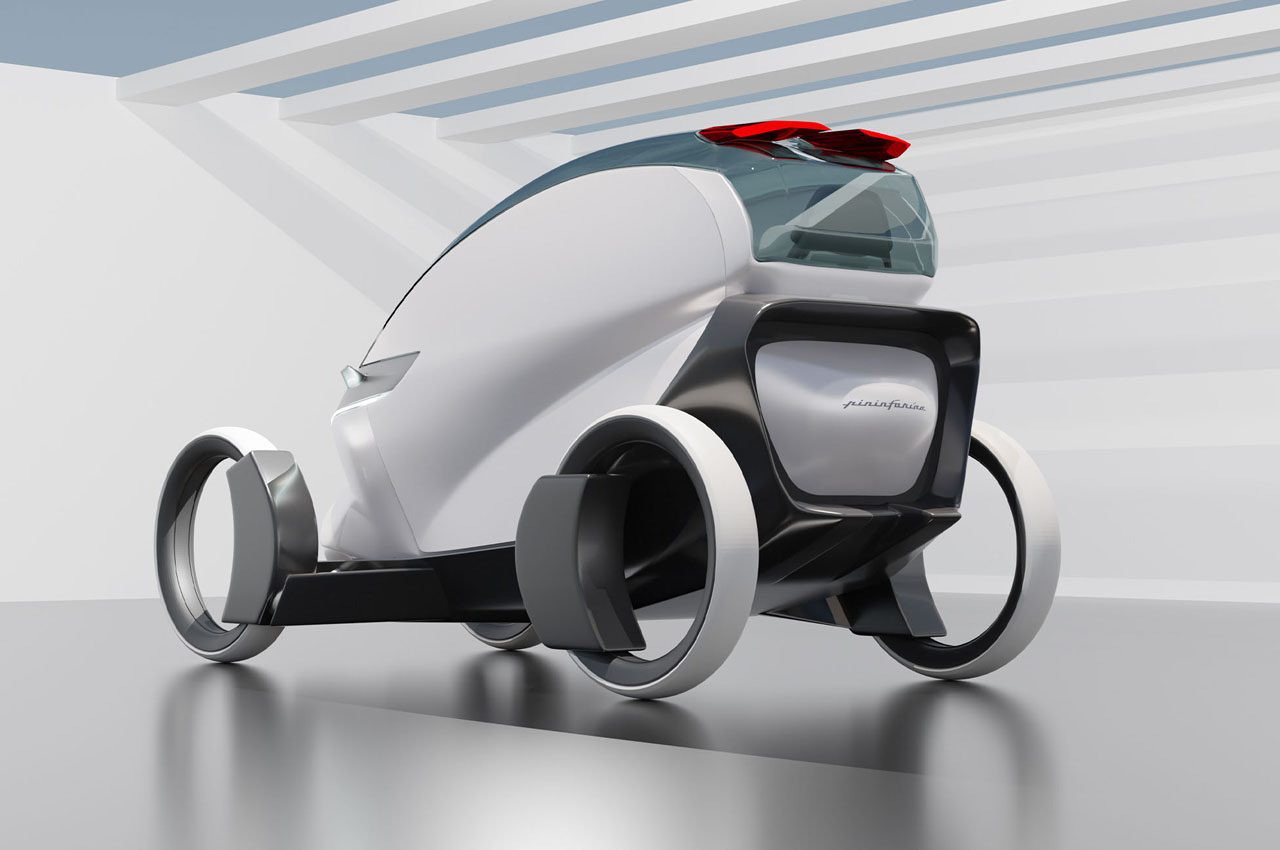
This electric Pinnifarina hot rod boasts hubless wheels and aerodynamic design

Pininfarina has been at the forefront of future automotive trends influencing the steady design evolution of brands Ferrari, Alpha Romeo, Maserati and Peugeot. Having its roots as a coachbuilder for prancing horses, the Italian marque has personified luxury and elegance with customization dating back to the 1930s.

The in-house developed electric hypercar Pinnifarina Batista (a tribute to the owner) is a testament to that fact. Now, yet another concept proposed for the brand caught our attention. It’s a compact urban microcar targeted for people who are tech-savvy, health conscious and prefer a minimal lifestyle.

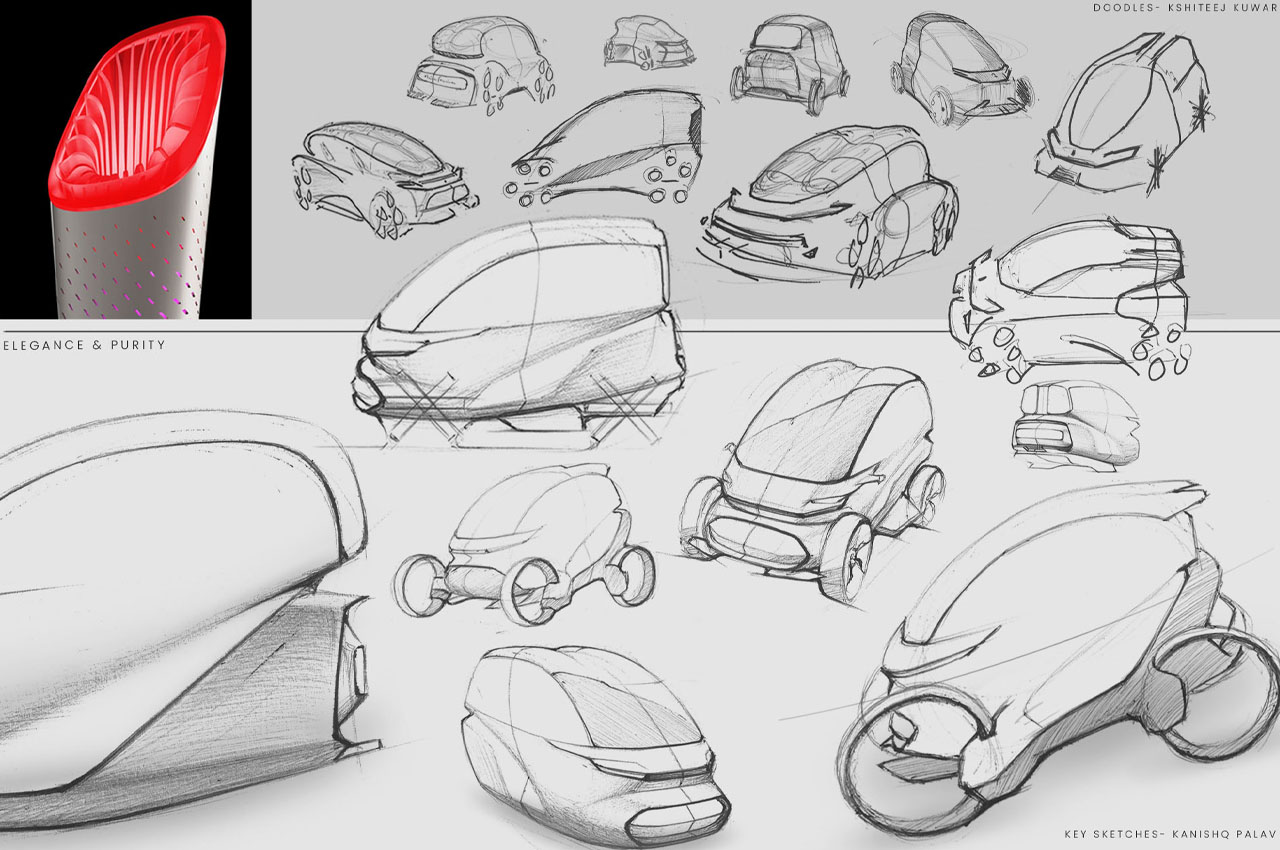
Designer: Kanishq Palav

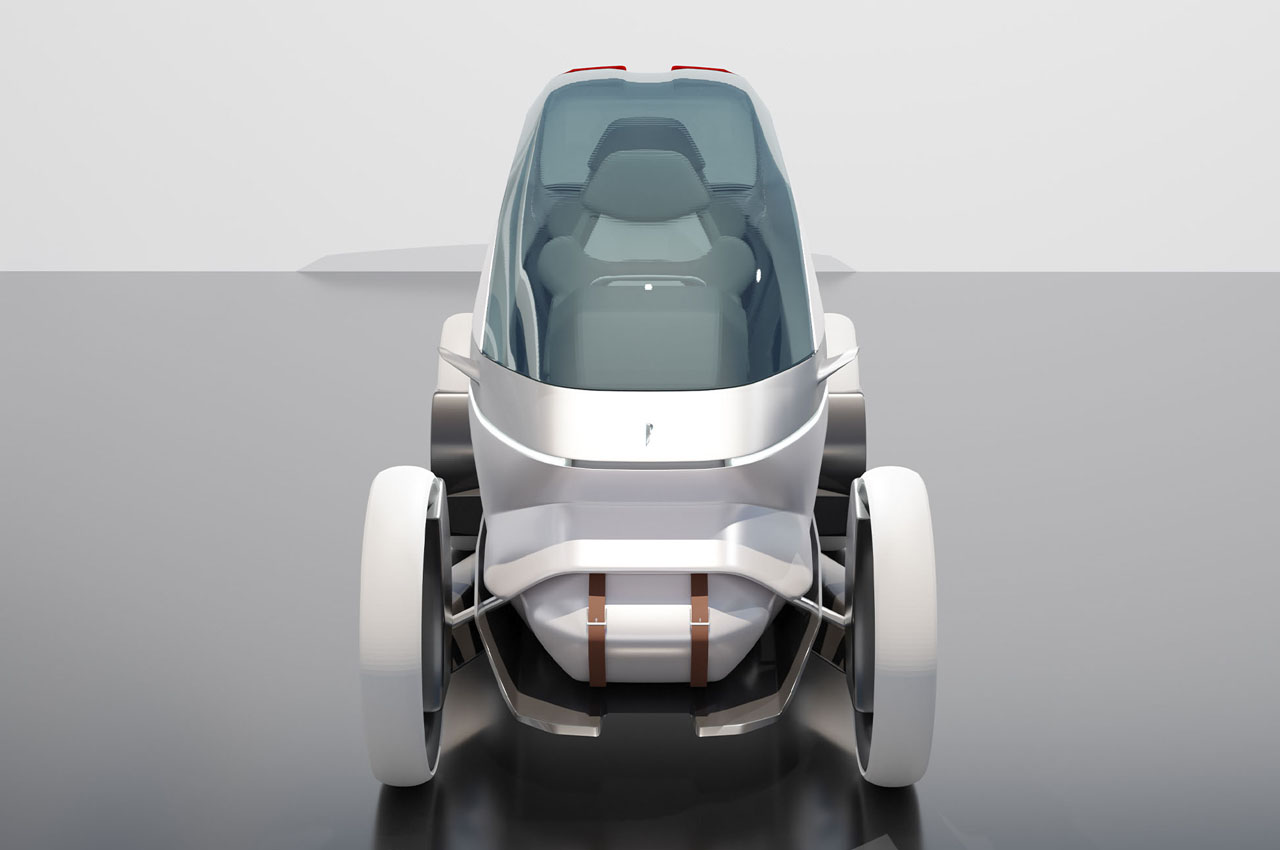
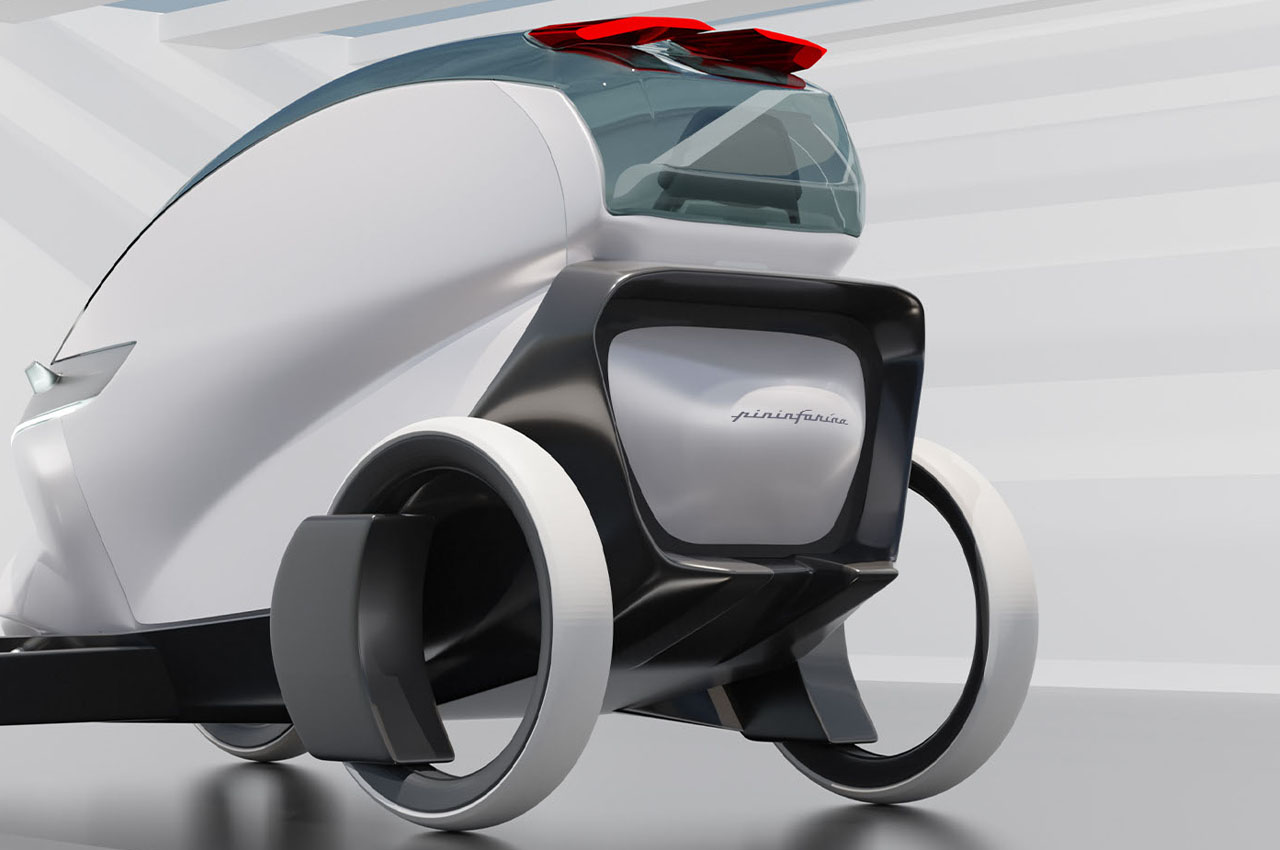
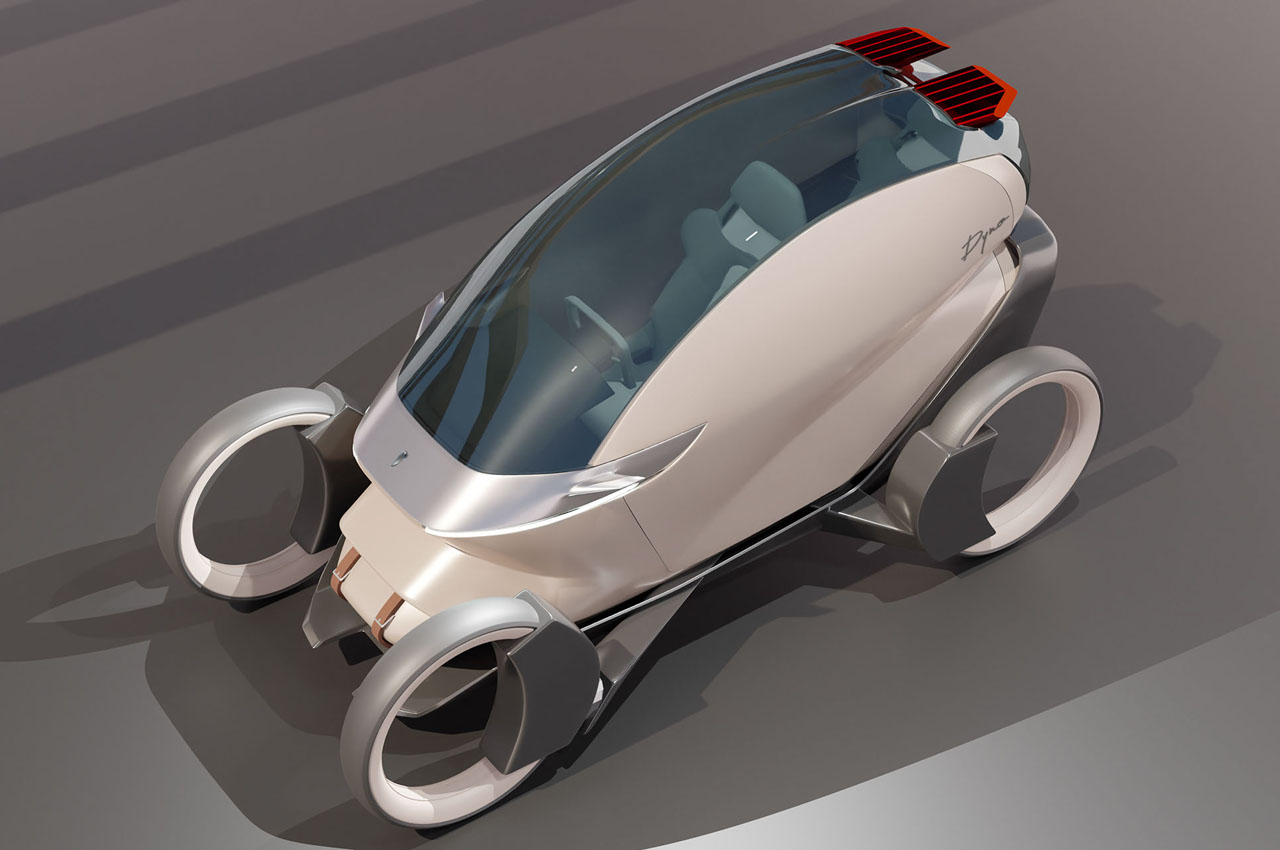
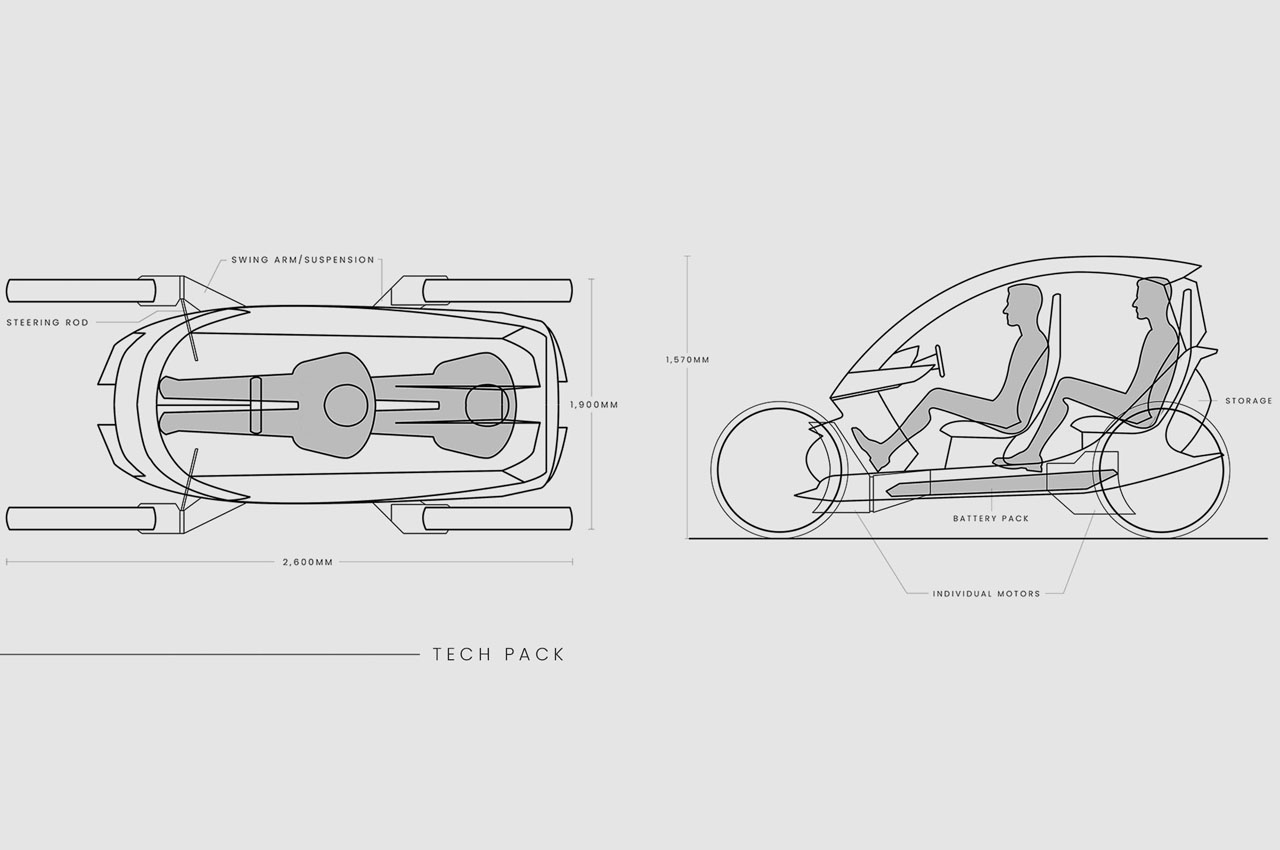
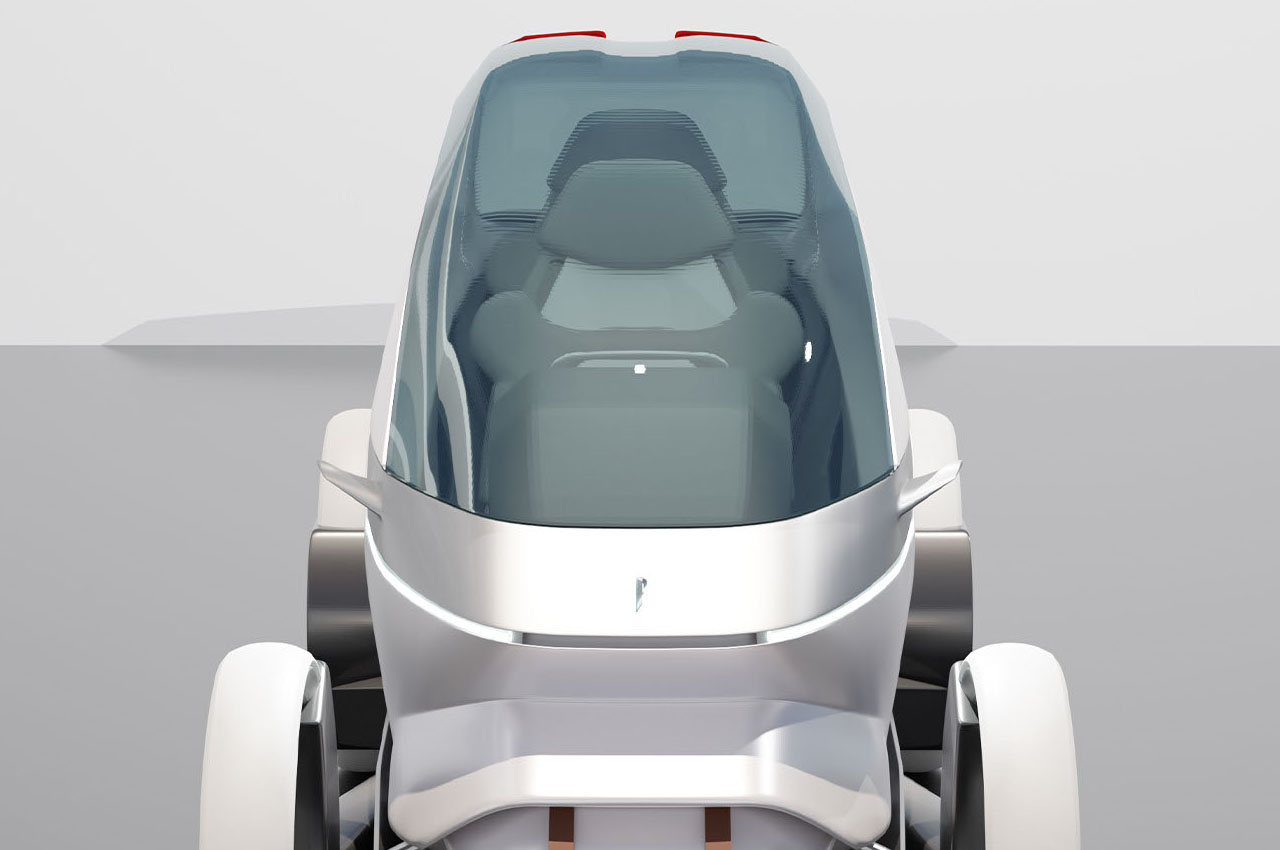
This two-seater electric vehicle riding on hubless wheels and a high ride height has a very compact footprint to navigate crowded city sections with ease. Unlike some similar previous designs, this concept pokes the realms of practicality. The riders are encapsulated within the cockpit-like compartment to have an aerodynamically optimized shape for minimum drag.
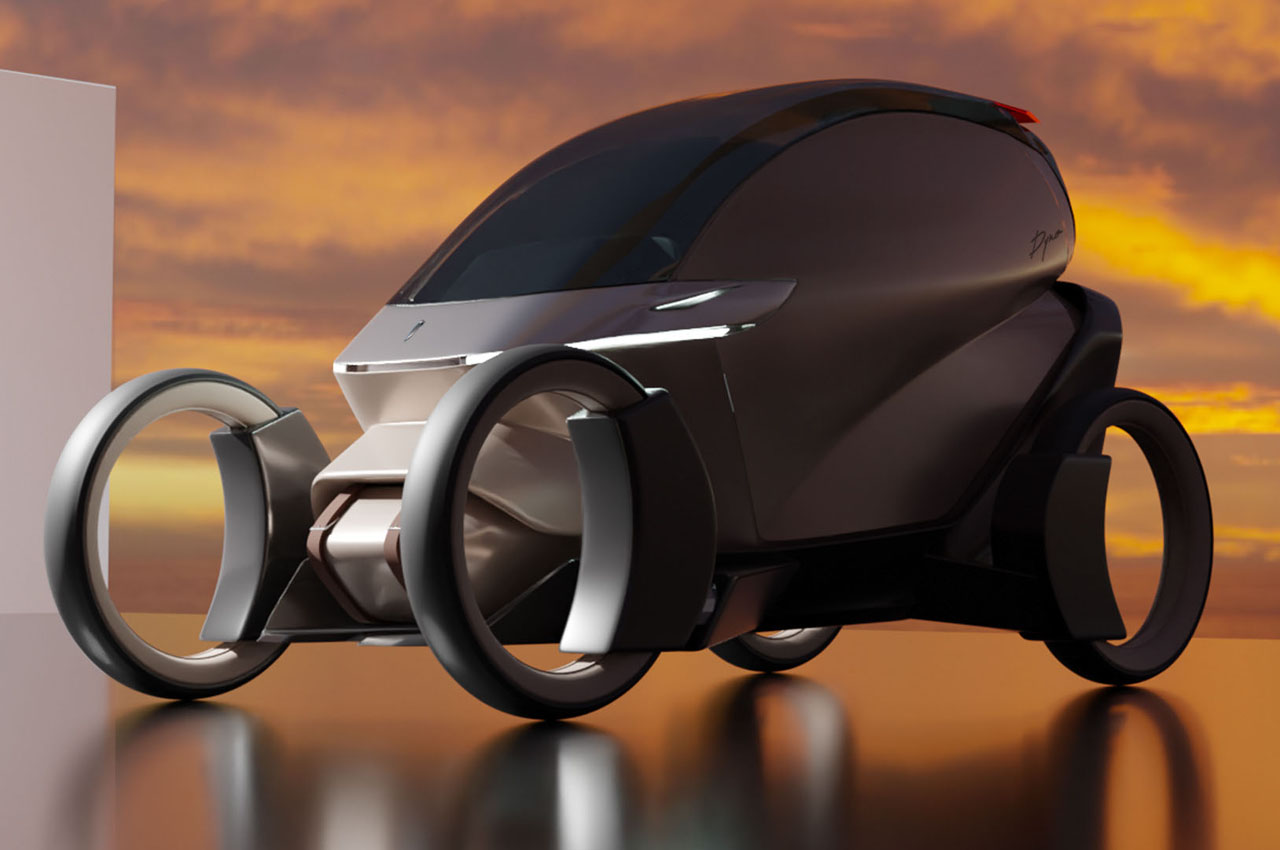
In more ways than not this Pininfarina concept seems like a modernized hot rod ready for any drag race challenges. Of course, the electric motor can provide the needed torque for short sprints but if think it’ll beat anyone on the Le Mans Circuit de la Sarthe track, you’ll be disappointed. Coming onto the swingarm suspension ensures easy turning and maneuverability at respectable speeds. The luxury compact mini car is made for short trips in the metropolis and the city limits.

That elevated rear section and the muted front section make it a treat to drive with a more than optimal view for the driver. This EV carries Pinnifarina’s signature design language in a clean hue that complements the aggressive yet classy stance, and it shows.

The post This electric Pinnifarina hot rod boasts hubless wheels and aerodynamic design first appeared on Yanko Design.