What is Interior Design?

Interior design involves crafting an indoor space that caters to the various requirements and needs of the occupants. It is the combination of artistic, creative, and practical interior solutions that simultaneously aligns with the structural framework of the space. This process prioritizes well-being, safety, and health, along with the integration of style and aesthetics.

Designer: AB Concept

Who is an interior designer?

An interior designer is a creative problem solver and professional who employs design principles that revolve around functionality, materiality, safety, and building codes. There has been a major transformation in the field of interior design since the 20th century where the design professional prioritizes client preferences, and their individual needs, and beautifies the space to improve the living conditions. Interior designers intentionally craft daily spaces, creating art for people to live, work, and play within. Their expertise spans across residential, commercial, hospitality, and healthcare spaces.

Designer: Wojtyczka Pracownia Projektowa

What does an interior designer do?

Interior designers are expected to possess proficiency in various areas including:

• Knowledge about textiles, materials, color, space planning, sustainability, and so on.

Designer: Alcro

• They should have knowledge about the software applications for 2D and 3D computer-aided design (CAD) along with building information modeling (BIM).
• Structural requirements, health and safety considerations, and building codes.
• Interior designers work in collaboration with contractors, architects, engineers, craftsmen, furniture dealers, and both businesses and homeowners.

Designer: Mel Boyden

• Interior designers need to understand how their work fits into a larger community and plan and complete practical design projects within set timelines.
• Their responsibilities include creating concepts to meet client needs, developing construction drawings, coordinating with engineering consultants, managing projects with contractors, and representing clients from start to finish.

Designer: Kim

• They also perform specific tasks like sketching plans, creating mood boards, space planning, setting budgets, and sourcing materials to prioritize space use and functionality in projects.

What is the difference between an interior designer and an interior decorator?

Designer: Kate Bonsels

Interior designers and architects create the spatial foundation, while decorators focus on filling the space. Despite distinct roles, they are all design professionals contributing to a project. Interior designers must understand their role in the broader context of architecture, engineering, and science. The main difference is that decorators prioritize the visual and tactile aspects of finishes and furnishings for their combined impact.

Designer: Nordiska Galleriet

What are the benefits of hiring an interior designer?

An interior designer optimizes space, creating a home that reflects the homeowner’s taste and lifestyle. They streamline the design process, offering long-term recommendations for lasting, aesthetically pleasing, and balanced decor. Here are the advantages of hiring a designer versus the DIY approach for your home’s interiors.

Efficient Space Management

Designer: Nordic Living

Interior designers specialize in space planning, maximizing space, and enhancing the functionality of the home by utilizing every available square inch. During the design phase, the interior designer takes precise measurements of the site and determines the furniture layout. When designing the interiors, their primary goal is to achieve optimal circulation space, maximize natural light, and establish a clutter-free and well-organized environment.

Coordination

Designer: Fox Homes and Realty

An interior designer acts as a liaison between the client and external entities like false-ceiling contractors, electricians, plumbers, and carpenters. Constant project supervision forms a part of the designer’s role. Additionally, the designer facilitates coordination among the family members, incorporating their individual needs into the design. Using technical expertise, interior designers provide detailed execution plans to various contractors, specifying dimensions, materials, and finishes for on-site implementation.

Beautification

Designer: Vojtek Morsztyn

Leveraging their professional expertise, interior designers enhance the aesthetics and infuse a designer’s touch into the overall home decor. A notable advantage is their creative thinking and ability to envision the comprehensive design style, color choices, and layout for the entire home. Serving as guides, they actively participate in material selection, ensuring a cohesive look for the interiors. By working closely with homeowners, interior designers assist in achieving the desired look for the home, considering both the available space and budgetary constraints.

Save Money

Designer: AX Interiors

While hiring a professional interior designer involves additional expenses in the form of consultation fees, it proves to be a cost-effective choice in the long run. Leveraging the designer’s expertise allows homeowners to make informed design decisions on-site, preventing potentially costly mistakes. Rectifying errors on-site incurs extra expenses and time, making the designer’s fee worthwhile in avoiding such complications. An interior designer assists homeowners in allocating their funds wisely, directing investments only where necessary. This approach minimizes unnecessary spending, ensuring that homeowners and clients stay within their budget constraints.

Designer: Base9 Studios

Save time

Considerable time is saved during project execution as homeowners are spared the task of researching various materials available in the market. An additional benefit is that an interior designer guides homeowners in making informed decisions regarding the sourcing and purchase of home decor items like light fixtures, flooring materials, and upholstery materials. The designer’s extensive and detailed knowledge about diverse products in the market eliminates the need for homeowners to spend days researching, and perhaps still not find suitable options. Moreover, an interior designer ensures a smooth workflow by comprehending the necessary steps for timely project completion.

Designer: M.Serhat Sezgin

What are the different types of interior design?

Designer: Marwa Tareq

The different types of interior design include:

Residential Design

Designer: Terreo Studio

Private home interior design can be done professionally or by homeowners. For projects like a new kitchen, some homeowners choose an interior designer to ensure practical use of space. The designer supports design choices and oversees the project from start to finish.

Commercial Interior Design

Commercial interior design plays a crucial role in the success of a business. The selection of materials, colors, and furnishings must align with the company’s brand image. Various types of commercial spaces exist within the interior design spectrum.

• In hospitality interior design, well-designed restaurants optimize space to increase seating capacity, the revenue, the design helps reduce the waiting time and enhances customer comfort and overall experience.

Designer: Elliott Barnes

• In retail interiors, the strategic use of commercial aesthetics can entice potential customers, fostering longer stays in the store and creating a unique in-store experience essential for competing with online retailers.

Designer: Emmanuel de Bayser

• The primary aim of sports interior design is to optimize the layout and design of facilities like cricket or football stadiums, changing rooms, and training facilities to enhance the experience for athletes and staff, while thoughtful arrangements in gym layouts can elevate workouts and boost memberships.

Designer: https://studio-93.co.uk/

• A well-planned office layout boosts productivity and communication in corporate interiors, while an attractive and functional design enhances visitor impressions, user experience, and overall staff comfort.

Designer: Studioninedots

What is an interior design concept?

Designer: Moein Allahyari

An interior design concept serves as the central theme guiding all design elements, originating as an idea and materializing through meticulous planning. Ideally, it is a visual theme that skillfully employs color, space, and style to evoke a specific mood, transforming an idea into reality. This concept functions as a base that influences the client’s decisions on design, aesthetics, color, material selection, and other details.

Designer: Juli Interiors

The inception of the design concept follows a discussion between the client and the interior designer regarding the space’s goals and objectives. This phase is where the interior designer unveils their creative ideas, providing clients with knowledgeable guidance to make informed design decisions as the project progresses.

The post What is Interior Design? first appeared on Yanko Design.

Office on wheels car concept lets you take your work anywhere

A large majority of future car concepts that we keep hearing about revolve around self-driving cars that seem to turn every ride into some sort of a party. You have people engaging with each other or at the very least kicking back to relax, idyllic situations that might not exactly match the priorities or needs. Rather than just chilling, some people might actually prefer to be able to work anywhere without having to race for an empty table or socket or, worse, bring a whole RV with them. This two-passenger car concept tries to envision a future where you can bring your office with you, including the comfortable furnishings that let you work productively. It even has room for a houseplant!

Designer: Amiparn Mudgal

This moving workspace is definitely not like any car concept you might have seen, even those that cater to having only two people inside. The body, or at least its bottom half, is more like an upside-down trapezoid and is very boxy and almost clinical in its shape. Of course, the chassis could be any form, including the smooth and sleek designs of luxury cars. That said, the core focus of the design is having enough space inside more than a fashionable style. After all, you are trying to fit an office inside.

The main mechanism that makes this possible is the sliding foldable seats. The passenger seat, for example, folds down and slides inside to get out of the way, while the driver’s seat can scoot over and turn around to face the front or the back of the car that are actually desks. This kind of design, unfortunately, means that only one person can actually be inside when the interior is in “office mode,” so your passenger might have to step out for a bit if they’re sticking around until after you’re done with your work.

Another key element to this rather unusual concept is the sliding tabletops that extend the working space that you have. There’s one in front on the opposite side of the steering wheel, while the one at the back transforms the rectangular desk into an L-shaped corner desk. Whichever way you turn, you’ll have all the table space you need for work, food, and maybe even playing.

One intriguing part of the concept is the idea of this moving workspace as a collaboration between a car manufacturer and a furniture company like IKEA, famed for its modular and flat-packed product. It applies accents and details that you’d rarely find in cars but are common in office furniture, like fabric-covered surfaces or wooden panels that act as tables. There will definitely be some who will scoff at the idea of bringing your work with you on your travels rather than taking a timeout, but there will also always be situations when you can’t afford that luxury and just need to park somewhere to get stuff done.

The post Office on wheels car concept lets you take your work anywhere first appeared on Yanko Design.
Paper saddlebag hangs over the edge to keep your desk organized

We only have a very finite desk space, constrained by the available area in our rooms or offices. We can always stack up desk organizers or have drawers beneath to make up for it, but those can only go so far. One underutilized area of our desks is often the sides, and there will always be at least two free edges even if you have a corner table. Taking advantage of that unused space, this rather unusual desk organizer hangs a saddlebag on the side of your table, providing not only a place to put pens and notebooks inside, but even a spot for your phone or drink on top. Best of all, it’s made of a sustainable material that looks more like luxurious leather than paper.

Designer: Tilla Goldberg for Richard Lampert

You’d normally hear of saddlebags only in relation to horses or even camels, but our work desks are just as much beasts of burden as these animals. And just like on those, the SALTO dangles off to the side to provide more storage than our overcrowded desks can already accommodate. It’s deep and spacious enough for notebooks, pens, cables, or even headphones, just about anything you want to keep out of sight but still within easy reach.

It even has enough room for a power strip, which is probably the last thing you’d think of putting inside. The bag’s design actually creates a simple loop at the bottom for the strip’s cable to pass through, becoming the only location where it snakes its way to a power outlet. It’s an unusual but effective cable management system, letting those wires all drop off to the side and disappear into the abyss that is the SALTO bag.

There is one odd and potentially problematic part of the saddlebag’s design, at least in the way it’s being advertised. The half-circle tray that sits on top becomes a place for more important items you’ll always want to have access to, like your phone or a glass of water. The latter, however, might be a cause for concern, considering how the weight of the bag’s contents could very well be heavy enough to pull that tray off the table. You can probably imagine the disaster if that drink spills inside, especially if there’s a power strip there as well.

The SALTO is also a very sustainable design that’s surprisingly made of paper. Technically, it’s a type of washable vegan paper that’s being used as a leather alternative, which explains its fabric-like texture and composition. It definitely looks elegant and stylish, especially when hanging from a minimalist desk that has all its clutter cleared and dumped into this bag.

The post Paper saddlebag hangs over the edge to keep your desk organized first appeared on Yanko Design.
Simple Sheet Metal Tool Rack lets you easily store and access Workshop Gear for DIY Projects

It has the elegance of a minimalist laptop stand, with the ability to hold practically any DIY or compact workshop tool. Say hello to the Screwdriver Rack from Metalter. It’s made of a grand total of 3 metal plates, held together using four screws. It’s visually simple, yet acts as a nifty organizer for your cluttered workshop. With slots to place your screwdrivers, pliers, cutters, Allen keys, files, and all your other tinkering paraphernalia, Metalter’s Screwdriver Rack keeps your desk clean while you work on all your technical and small-scale DIY projects. If you love to solder, fix watches, build circuits, repair gadgets, or fiddle around with EDC and other tools… this $25 bad boy is perfect.

Designer: Metalter

Click Here to Buy Now

The rack features a slick, sheet metal design made from anodized aluminum (sort of the same as your MacBook). It’s classy, lightweight, and does the job well. Different cutouts on the rack allow you to dock different tools in, although nothing’s set in stone. You can use the rack exactly however you want, depending on how many tools you have. Separate them by category or frequency, the system is a whole lot better than having a cluttered drawer cabinet filled with your tools that you then have to fish through.

Featuring 50 cutouts for organized storage, this tool organizer boasts a convenient 45-degree angle for effortless access to your equipment, and a non-slip base that prevents the rack from moving around. The double-layered design keeps tools upright and separated, while the platform at the bottom provides additional storage for hardware. For even greater convenience, consider adding a magnetic strip to the bottom platform so that your screws and bolts don’t go rolling around while you work.

Click Here to Buy Now

The post Simple Sheet Metal Tool Rack lets you easily store and access Workshop Gear for DIY Projects first appeared on Yanko Design.
Modular office furniture brings the freedom and flexibility of LEGO to the workplace

Gone are the days of uniform-looking office cubicles that feel designed to suck the soul out of employees. Although they have their own downsides, the so-called “open floor plans” bring a bit of customization to office spaces, letting people’s and companies’ characters shine. Of course, office space is never infinite, and workers have to make do with the sometimes cramped horizontal allowance they have. Maximizing every inch of that space requires not only being creative but also furniture that delivers the functionality that you need while being space-efficient as well. This office furniture collection offers exactly that with a modular system that you can mix and match to your needs, taking inspiration from one of the most popular modular designs in modern history: LEGO blocks.

Designer: Form Us With Love for String Furniture

OK, they might not connect to each other like LEGO bricks, which would be impractical and tedious to use anyway, but the way you can combine different “block” sizes in almost endless ways is reminiscent of the creative toy. There are six different sizes of components, ranging from cube storage to rectangular shelves, and you can arrange them in any way you see fit, as long as you have horizontal and vertical clearance. You can put them side by side like a long shelf, stack them on top of each other like a cabinet, in a straight line, or in an L-shaped corner configuration. Your creativity and space are the limits.

The pieces almost look like LEGO blocks, at least metal LEGO blocks. They are made from thin with a perforated grid pattern that is meant to give them an industrial aesthetic. Of course, these holes can serve functional purposes as well, allowing you to hang hooks, screw in handles, and maybe even decorate the surfaces with your personal photos and mementos. Presuming you or your company purchases different colored sets, you might even be able to mix up colors to add even more personality to your office space.

The concept of modular furniture is nothing new, but most of these designs tend to have a fixed appearance or mode of operation, allowing owners to only remove or add parts that are specifically designed for the system. With a minimalist design that adopts the simplest shapes of squares and rectangles, Center Center allows for maximum flexibility and, more importantly, encourages creativity and individuality that are easily lost in many work environments these days.

The post Modular office furniture brings the freedom and flexibility of LEGO to the workplace first appeared on Yanko Design.
Baluchon’s Tiny House Serves As An Office For A Health Professional Who Works On The Go

Acclaimed tiny home maker Baluchon recently created a tiny house that is intended to be a portable house for a health worker. Named the L’atelier de Saint-Joseph or Saint Joseph’s Workshop, it is founded on a double-axle trailer, measuring almost 13 ft in length. The home features a finishing of red cedar cladding and aluminum and is powered by a standard RV-style hookup. We aren’t sure what kind of healthcare the structure will be used for, but it is designed for a healthy professional who will be offering advice from there.

Designer: Baluchon

The interior of the structure is quite compact and features a finish of solid oak and spruce. It is filled with loads of natural light, due to the generous glazing. Curtains have been incorporated into the home to offer privacy.  As you enter the space, you are welcomed by a reception area. There is a generous amount of space near the large window, and it is occupied by a bed with loads of integrated storage. A work area with a desk is located nearby, and it includes some seating as well, including more storage space. A compact wood-burning stove has been incorporated as well to heat up the small office.

The structure doesn’t contain any sleeping lofts, as it isn’t going to be used as a home, but Baluchon did integrate some loft storage space above the bathroom. The bathroom seems to be quite compact, and it only includes a sink, shower, and toilet. The L’atelier de Saint-Joseph isn’t very well-equipped, but it does have all the essentials one would need to get their work done throughout the day. It isn’t intended to be utilized as a home, hence it doesnt feature a kitchen or sleeping loft, but it does include a workspace, as well as a comfy bed for rest.

We aren’t aware of what the L’atelier de Saint-Joseph is priced at, but Baluchon’s models and tiny homes usually start at around  US$85,000.

The post Baluchon’s Tiny House Serves As An Office For A Health Professional Who Works On The Go first appeared on Yanko Design.
Tulipan Pod lets you keep your privacy but still be connected to the outside world

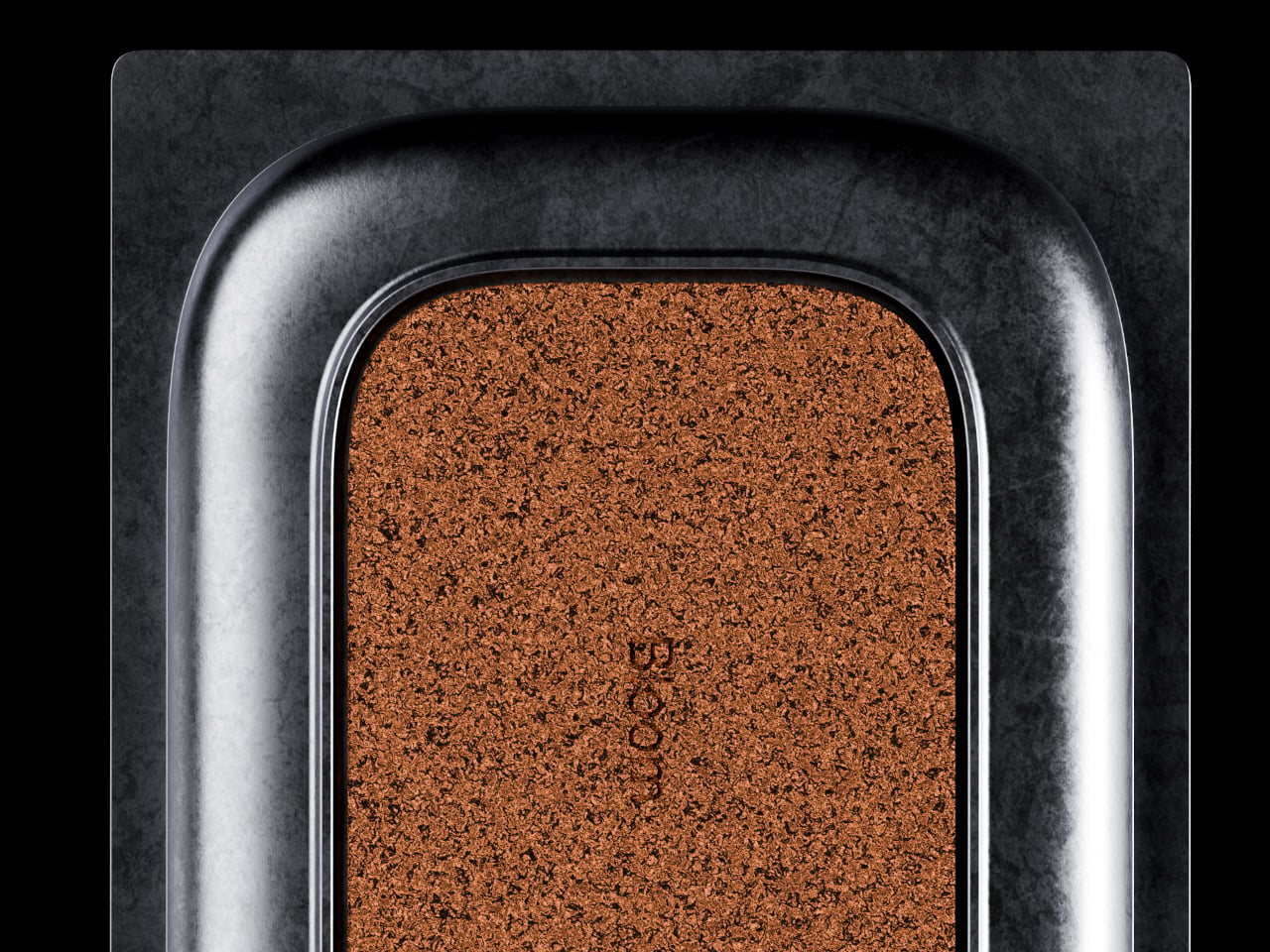
As much as I love working with my officemates, there are times when I wish my cubicle had a mute button so I could focus on whatever task I need to finish at the moment. But of course unless I had my own room where I could close the door or I step away from my space and hide somewhere, that cannot happen. Companies that have a more creative work space can use the more innovative open space layouts and furniture that we’re seeing lately.

Designer: Industrial Facility for +Halle

The Tulipan Pod is one such kind of furniture that was developed for +Halle by London design studio Industrial Facility. It’s basically an enclosed workspace that is not totally isolated but gives the user the option of temporarily shutting away other people in the office or still working in a private space but being a bit more “open”. It also has a softer look than other enclosed workspaces that we’re seeing as it gives off a plush texture.

The pod has a cylindrical shape with one half of it stable and immobile, featuring a small table where you can place your laptop and other small work tools. The other half swivels around and can serve as your door to close out the outside world. There’s a seat with a soft back so you’re comfortable even when enclosed. If you want to talk to other people or see your environment, you just swivel out. The top part is also open so you still get to be connected to your surroundings and you also get properly circulating air.

Of course if you’re claustrophobic, you probably will not want to swivel into the pod or use the pod at all. But for those who need a bit of privacy while still have the option to be connected to the rest of your office, then this is a pretty good alternative to keep out chatty officemates when you need to focus.

The post Tulipan Pod lets you keep your privacy but still be connected to the outside world first appeared on Yanko Design.
Toko Meeting Pod is a modular, flexible, beautiful office space

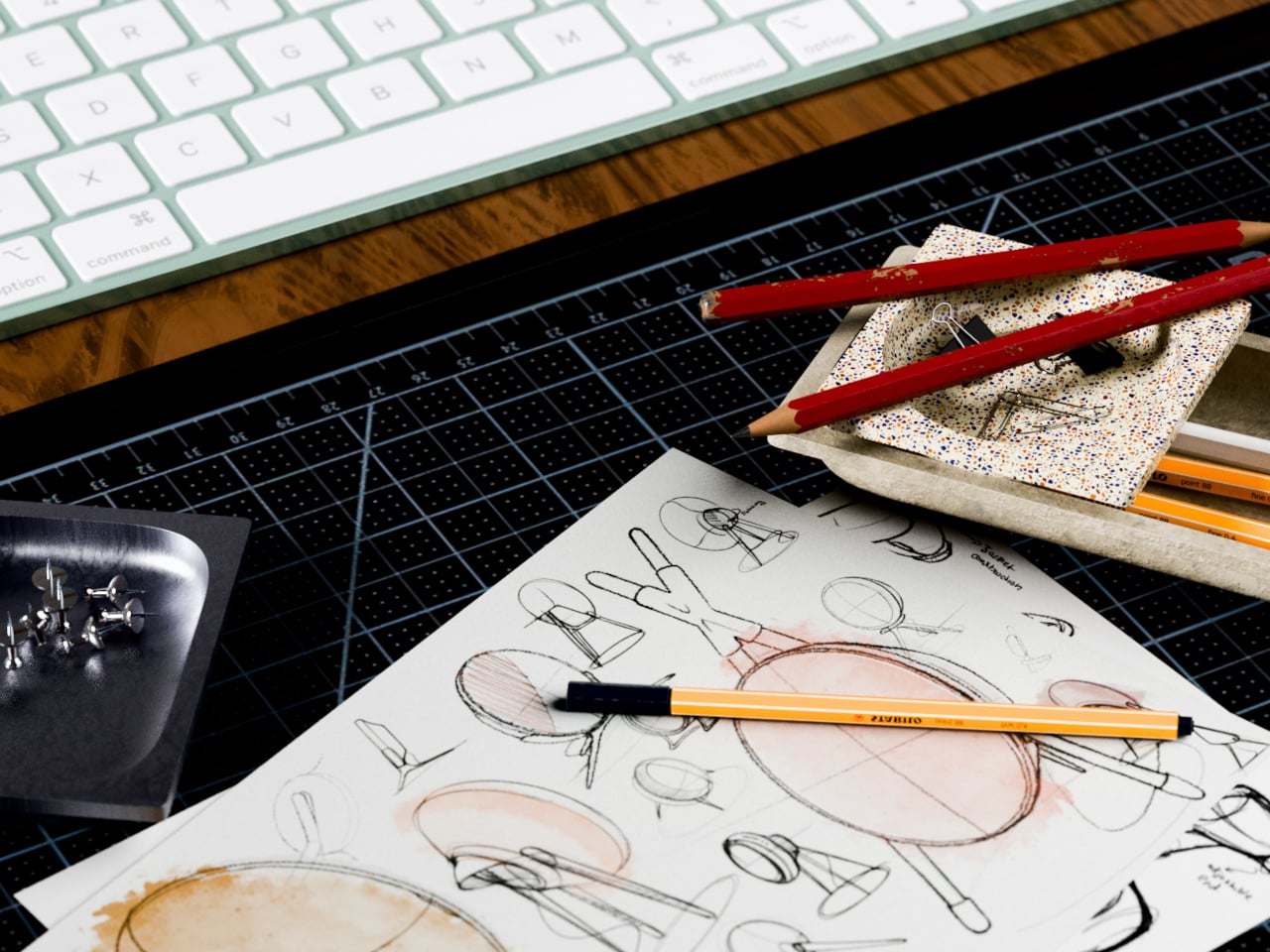
Most of my professional life has involved working in start-ups or small companies. And most of the time, our offices don’t have the regular cubicles and set-up you see in the corporate world. I’m thankful for that because just seeing those constricting environments already stifles my creativity. A lot of the smaller companies have learned to adapt more creative modular setups in their workspaces to give employees better working conditions.

Designer: Carl Gustav Magnusson

The Toko Meeting Pod is a modular system for offices that want to have a more unique and open space working environment. The way the basic structure is set up, it can become a regular working space for several people, a place where you can do meetings, a space where you can eat together, or maybe even all of the above at different times. It is also meant to be a freestanding design that you can relocate or reconfigure according to what you need at the moment.

The pod can be made from different combinations of materials like wood veneer, engineered wood, and wool felt panels. The wall structure also lets you have visual and acoustic separation while the textile-like properties lets light into the space and the acoustic panels also give you sound absorption for your meetings and conferences.

The Toko Meeting Pod also comes with integrated power and has build-in credenza storage and wall mounts so you can put monitors, whiteboards, shelving. The space can also accommodate tables and seating areas so it’s basically an affordable, sustainable, and flexible space that’s an alternative to the usual office design.

The post Toko Meeting Pod is a modular, flexible, beautiful office space first appeared on Yanko Design.
Toko Meeting Pod is a modular, flexible, beautiful office space

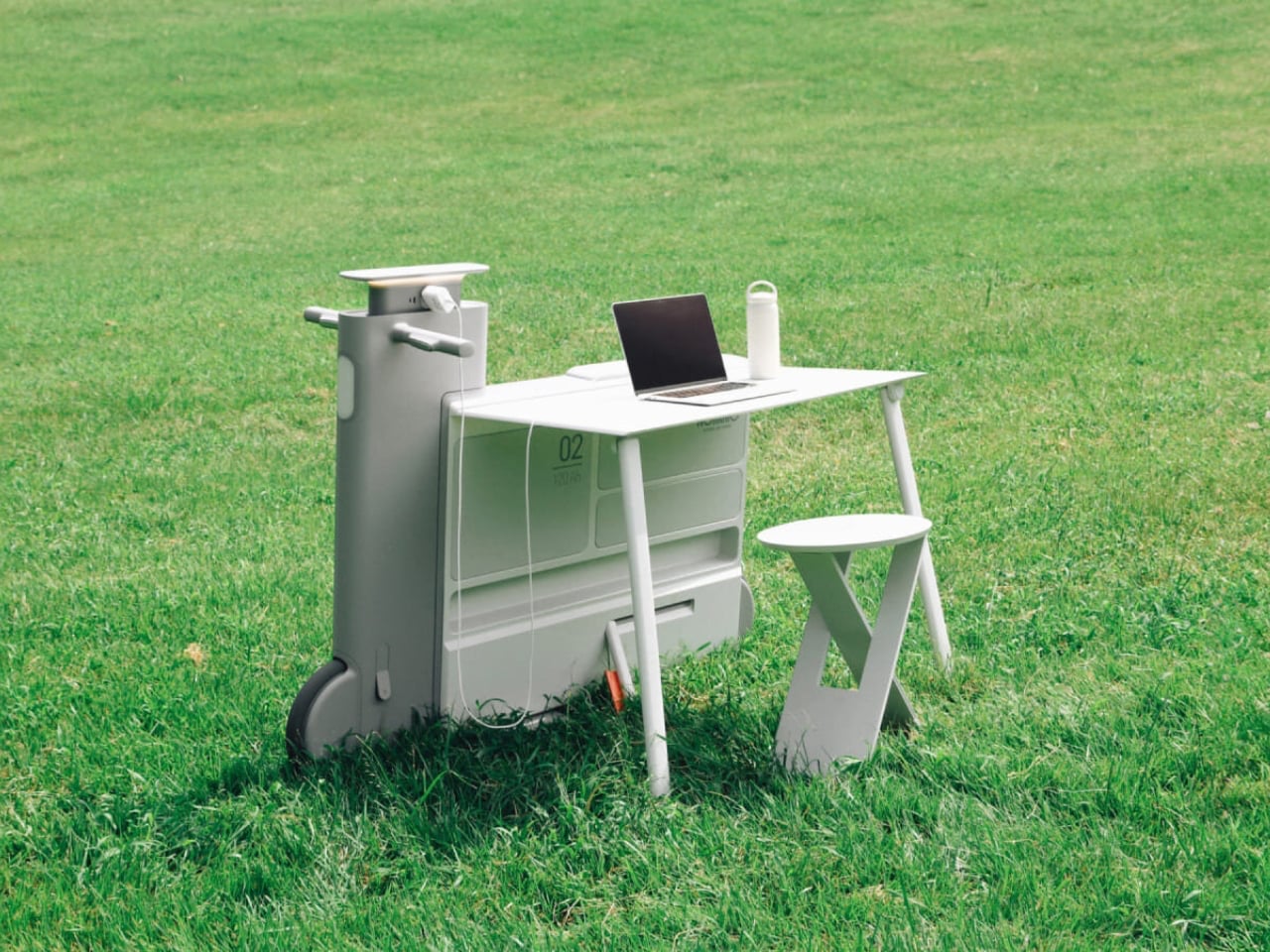
Most of my professional life has involved working in start-ups or small companies. And most of the time, our offices don’t have the regular cubicles and set-up you see in the corporate world. I’m thankful for that because just seeing those constricting environments already stifles my creativity. A lot of the smaller companies have learned to adapt more creative modular setups in their workspaces to give employees better working conditions.

Designer: Carl Gustav Magnusson

The Toko Meeting Pod is a modular system for offices that want to have a more unique and open space working environment. The way the basic structure is set up, it can become a regular working space for several people, a place where you can do meetings, a space where you can eat together, or maybe even all of the above at different times. It is also meant to be a freestanding design that you can relocate or reconfigure according to what you need at the moment.

The pod can be made from different combinations of materials like wood veneer, engineered wood, and wool felt panels. The wall structure also lets you have visual and acoustic separation while the textile-like properties lets light into the space and the acoustic panels also give you sound absorption for your meetings and conferences.

The Toko Meeting Pod also comes with integrated power and has build-in credenza storage and wall mounts so you can put monitors, whiteboards, shelving. The space can also accommodate tables and seating areas so it’s basically an affordable, sustainable, and flexible space that’s an alternative to the usual office design.

The post Toko Meeting Pod is a modular, flexible, beautiful office space first appeared on Yanko Design.
Eco-Friendly Design Concepts at NeoCon 2024: Transforming Workspaces

NeoCon 2024 is just around the corner, and this year’s event is set to significantly impact the world of commercial interior design. Taking place June 10-12 at The Mart in Chicago, this 55th edition is expected to attract around 50,000 attendees who will explore the latest trends and innovations in shared spaces. Let’s dive into what to expect, focusing on the themes of design, well-being and sustainability.
Design: Creating Spaces That Connect Us

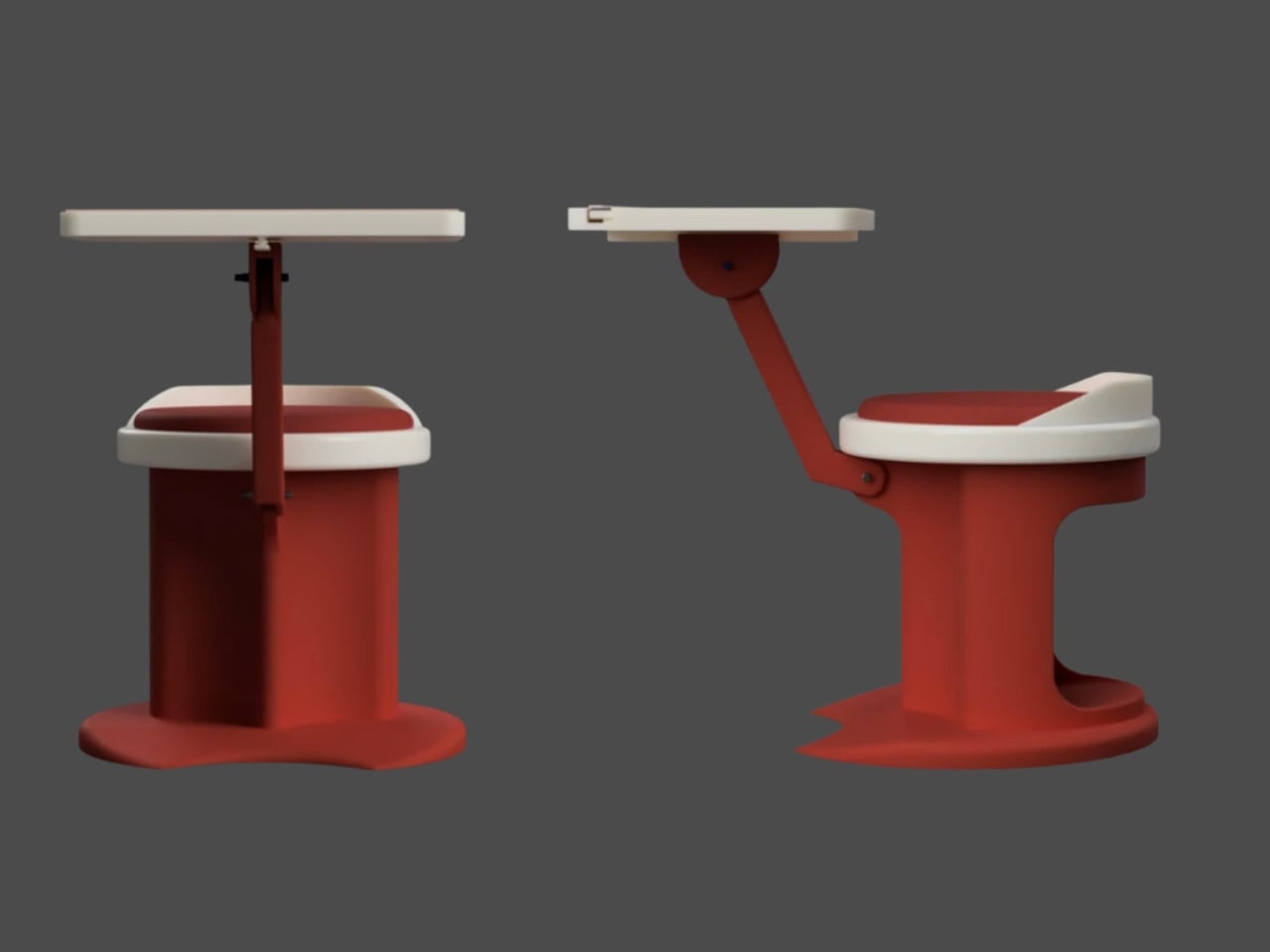
Design is at the heart of NeoCon, and this year’s event is about creating environments that foster community and collaboration. Gone are the days of bland, cubicle-filled offices. Today, it’s all about spaces that spark spontaneous interactions and genuine connections. Imagine walking into an office that feels more like a dynamic, buzzing café than a traditional workspace.

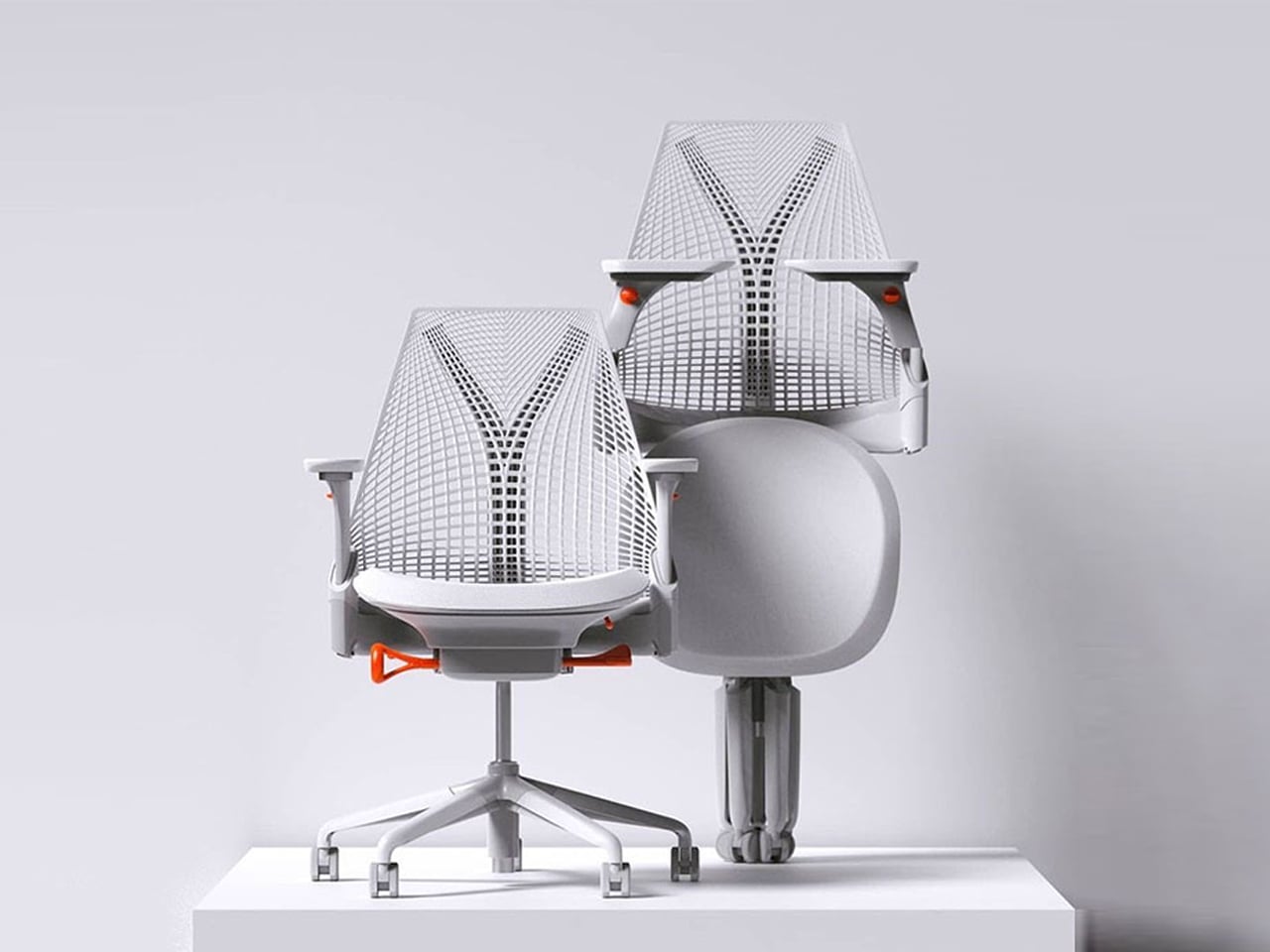
For instance, products like GRVT by Ghent and KI’s Sonrisa Lounge Furniture offer mobile, flexible solutions that can transform any environment into a collaborative hub at a moment’s notice. These designs cater to the ever-changing needs of modern workspaces. Spacestor’s Portals Huddle, with its easy-to-relocate collaboration spaces, exemplifies how versatile and responsive workplace design has become.

The overall layout also plays a huge role. Gensler’s Design Forecast for 2024 highlights the importance of human-centric workplaces that inspire purpose and reflect organizational values. This means creating spaces where people can casually bump into each other, sparking creativity and camaraderie. These little moments can make a big difference in fostering a positive company culture.

Well-Being: The Science of Feeling Good

One of the most fascinating trends at NeoCon 2024 is the rise of neuroaesthetics—designing spaces that make you feel good based on how your brain reacts to certain elements. Think colors, sounds and even the art on the walls. It’s all about creating environments that boost your mood, productivity and overall well-being.

The Immersive Biophilic Garden by Garden on the Wall, for example, features indoor preserved gardens and moss walls that elevate moods and stimulate minds. Similarly, Egan Visual’s Sculpt Walls blend art with acoustics to create a sensory-rich experience, and CECOCECO’s ArtMorph panels use lighting and textures to soothe and captivate.

Colors play a significant part too. Studies show that natural patterns and shapes are easier for our brains to process, leading to a sense of calm and clarity. Shaw Contract’s Arctic Escape collection and Bernhardt’s Ice Collection of cobalt blue tables are designed to evoke specific emotional responses. Warm colors like Pantone’s color of the year, Peach Fuzz, and cool blues highlighted in ASID’s 2024 Trends Outlook also contribute to environments that make us feel good.

Unexpected pops of color, engaging textures and artful patterns can act as positive distractions in stressful environments. Designtex’s Joy Collection, with its vibrant colors and stimulating designs, brings a sense of clarity and delight, especially to healthcare settings. Collaborations like Stylex and Carole Baijings’ new color palette show how creative use of color can enrich our daily experiences.

Sustainability: Designing for the Future

Sustainability has shifted from a trend to a non-negotiable element of modern design. With the built environment contributing significantly to global CO2 emissions, there’s a pressing need for eco-friendly practices. NeoCon 2024 showcases the leaders in sustainable design, highlighting materials and solutions that reduce environmental impact without sacrificing style or functionality.
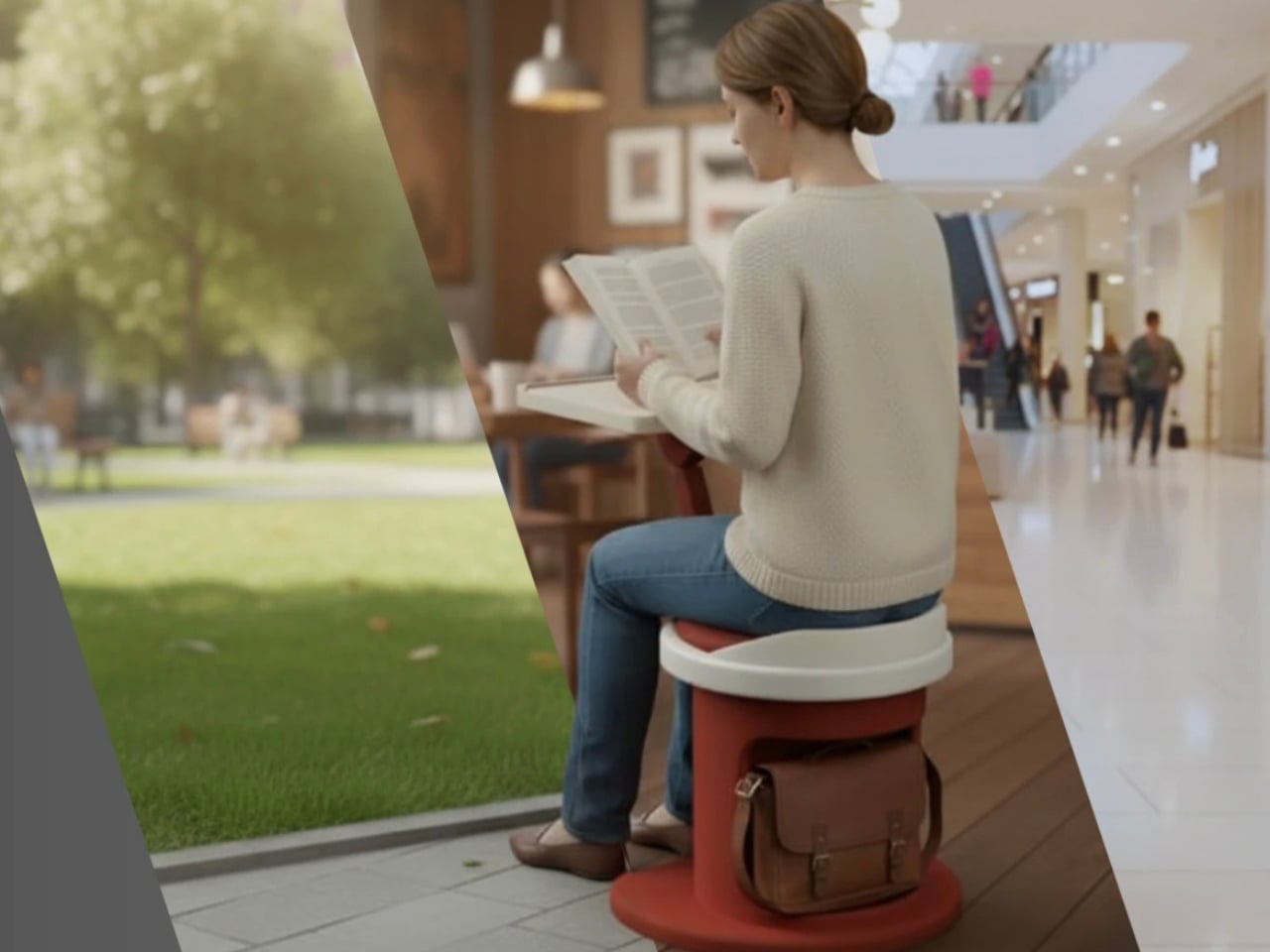
Haworth’s DesignLab emphasizes circular design—considering sustainability at every stage of a product’s life cycle. Andreu World’s Circular Design Challenge encourages industry professionals to embrace greener practices like eco-design, zero waste management and carbon neutrality.

Biophilic design, which integrates natural elements like plants and natural light into spaces, is also gaining traction. This approach reduces stress and fosters a deeper connection to nature. Scandinavian Spaces’ Tinnef, made from 100% recycled plastic, and Davis Furniture’s X50 collection, featuring components made of pre-consumer recycled content, are leading the charge in this space.
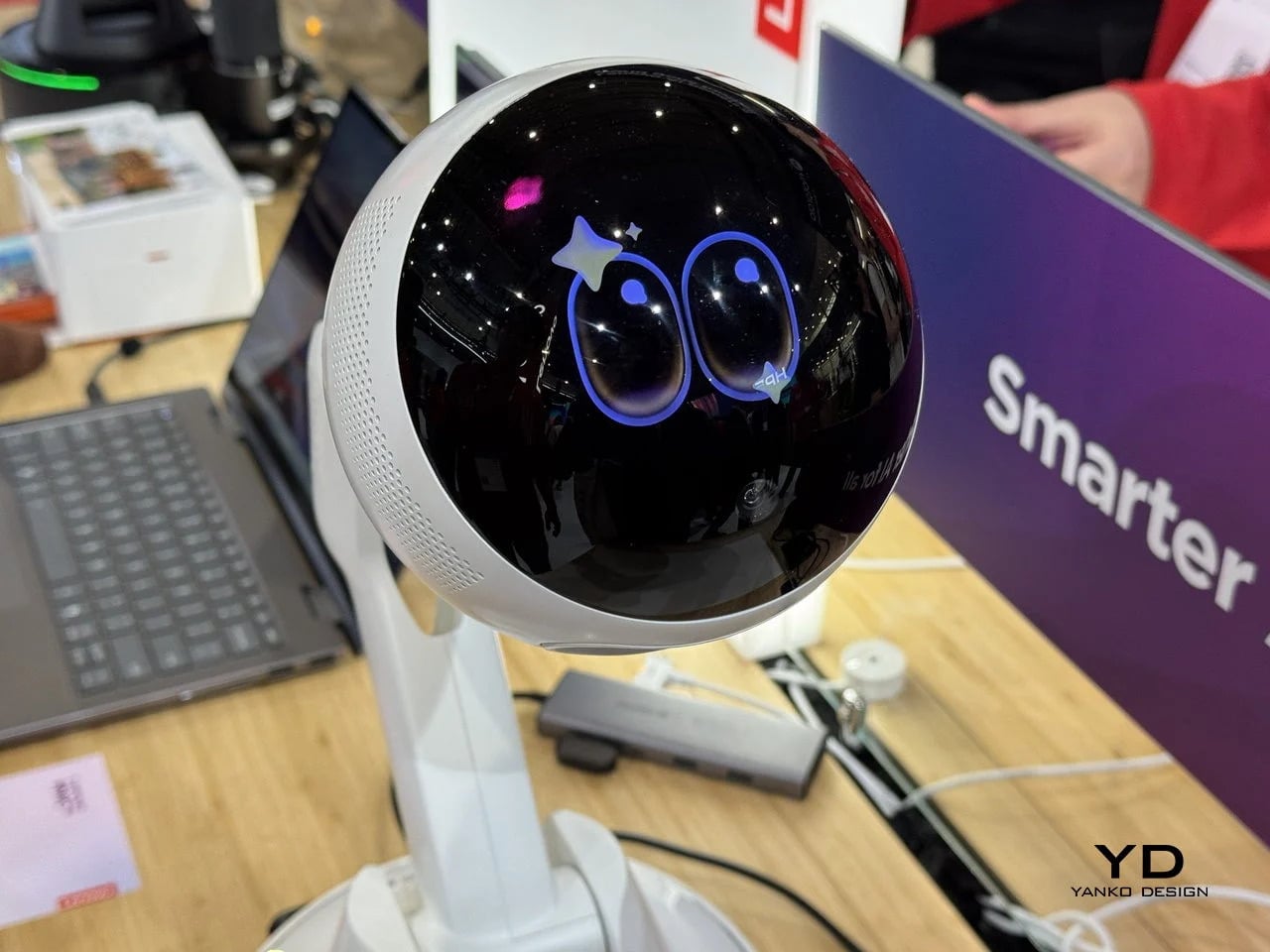
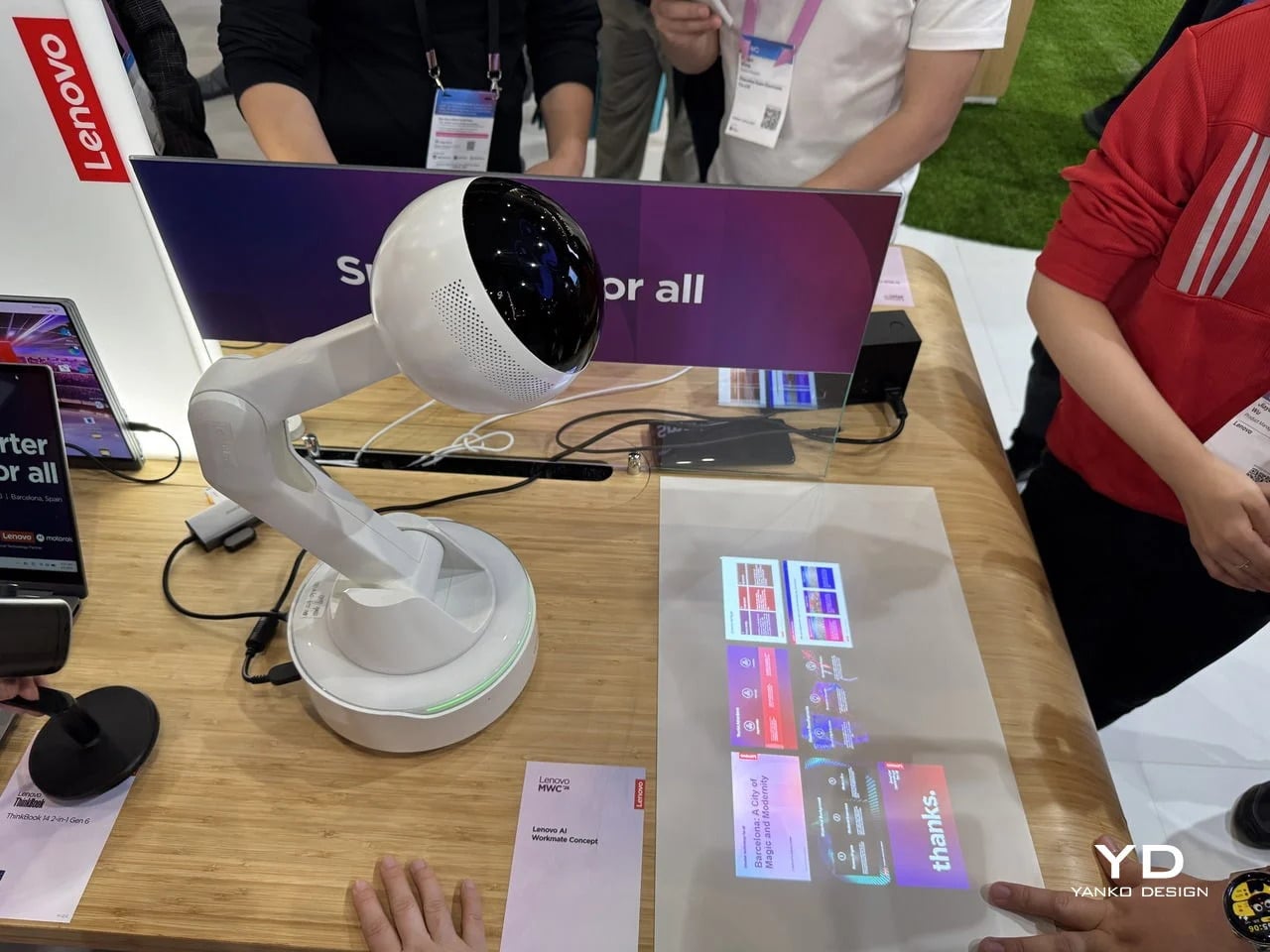
Noteworthy sustainable innovations include Ultrafabrics’ Volar Bio, which features a mix of recycled and bio-based content, and Turf’s Stone Textures, which emulate natural stone using eco-friendly materials. Slalom’s Bloom product emphasizes acoustic wellness using bio-based materials, while C.F. Stinson’s Sea Change textiles are crafted from post-consumer recycled polyester. Nienkamper’s Vox Tambour, using the eco-material Eelgrass, demonstrates how sustainable materials can offer excellent acoustic and thermal regulation properties.

NeoCon 2024 is set to showcase how thoughtful design can create environments that are functional, beautiful and supportive of human connections and environmental stewardship. As we look forward to the innovations on display, it’s clear that the future of design lies in creating spaces that are as good for people as they are for the planet. This holistic approach makes NeoCon 2024 an unmissable event for anyone interested in the future of our shared spaces.

The post Eco-Friendly Design Concepts at NeoCon 2024: Transforming Workspaces first appeared on Yanko Design.