
Affordable alternatives to DJI’s Osmo Pocket 4
The best options when DJI's gimbal camera is too expensive or unavailable.

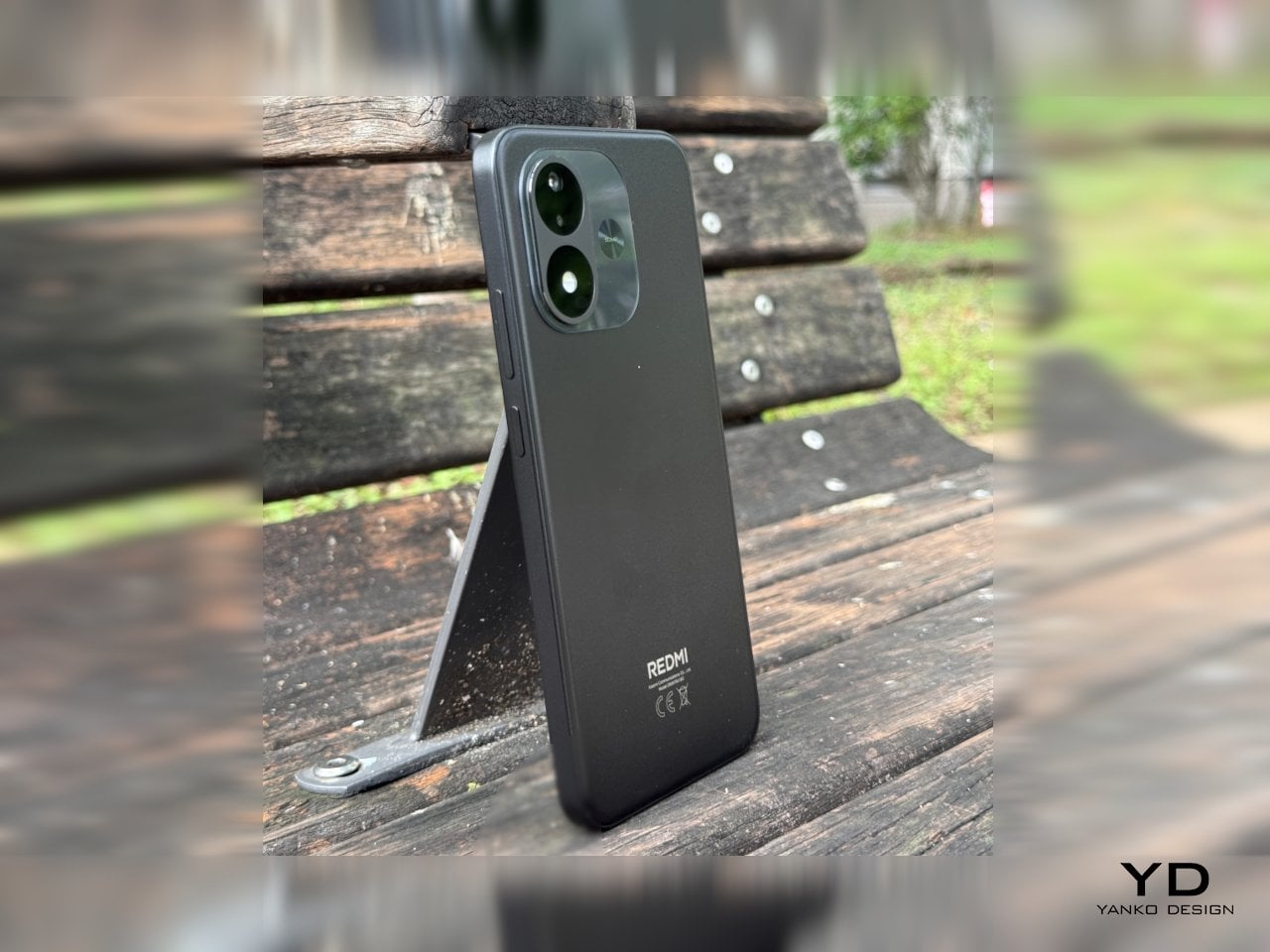
The Redmi Note 17 5G spends its budget on what people actually run out of, battery and years of support, and asks for a calmer chip in return.
Phone prices went up this year, and not because phones got dramatically better. Memory and storage cost more, so every brand had to decide what to keep and what to cut. Some raised the price. Others trimmed the camera or the chip to hold it. Xiaomi made a very clear choice with the Redmi Note 17 5G, and you can feel it the moment you pick the phone up.
On paper, the whole phone is built around one number: a 7,700mAh silicon-carbon battery. Around it sit a 6.99-inch AMOLED screen, a Snapdragon 4 Gen 4 chip, a single 50MP camera, IP65 protection, and security updates until 2032. I used the 6GB and 256GB version for about two weeks to see whether a phone designed for endurance is also a phone you actually enjoy using.
Designer: Xiaomi
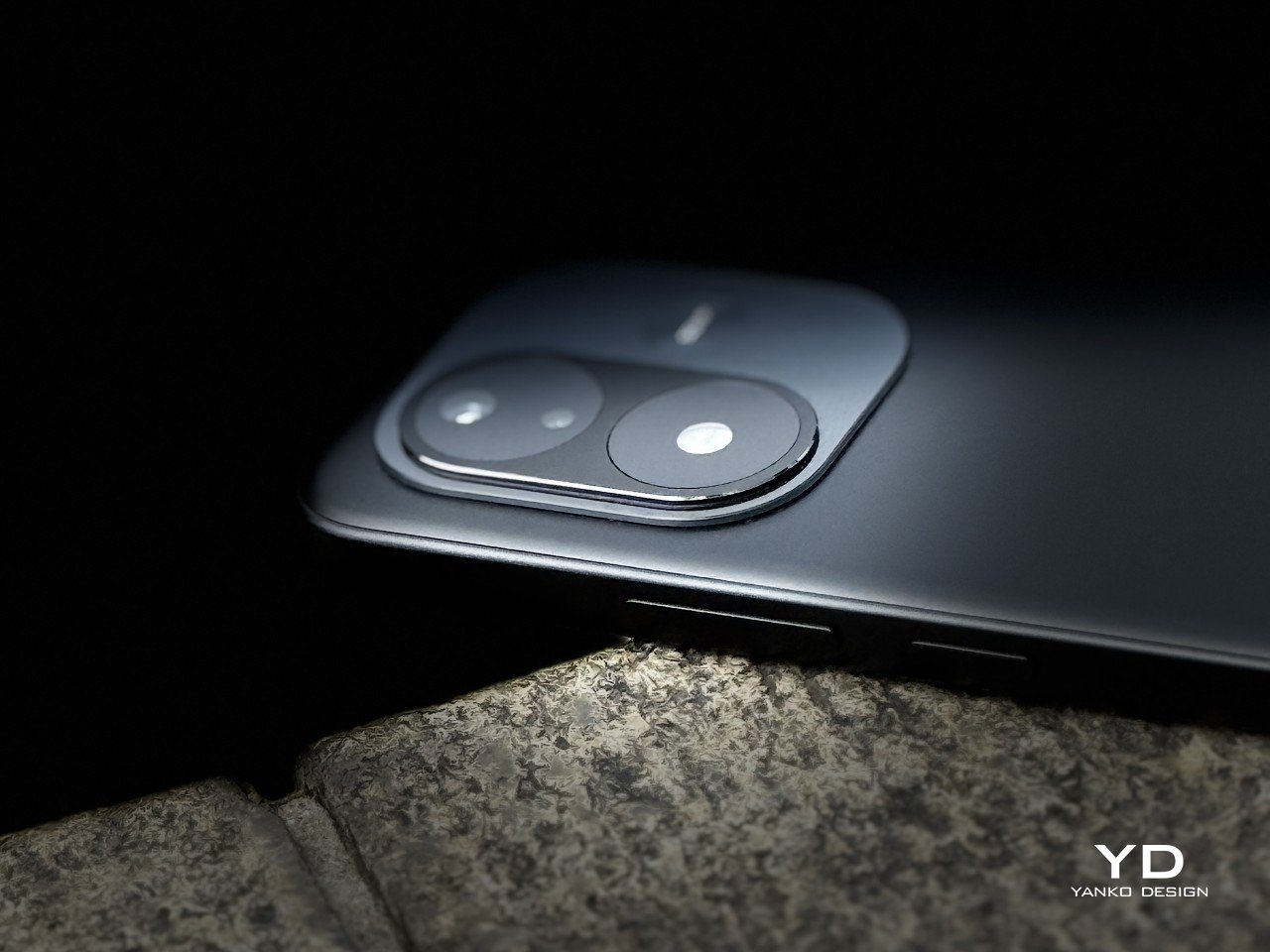
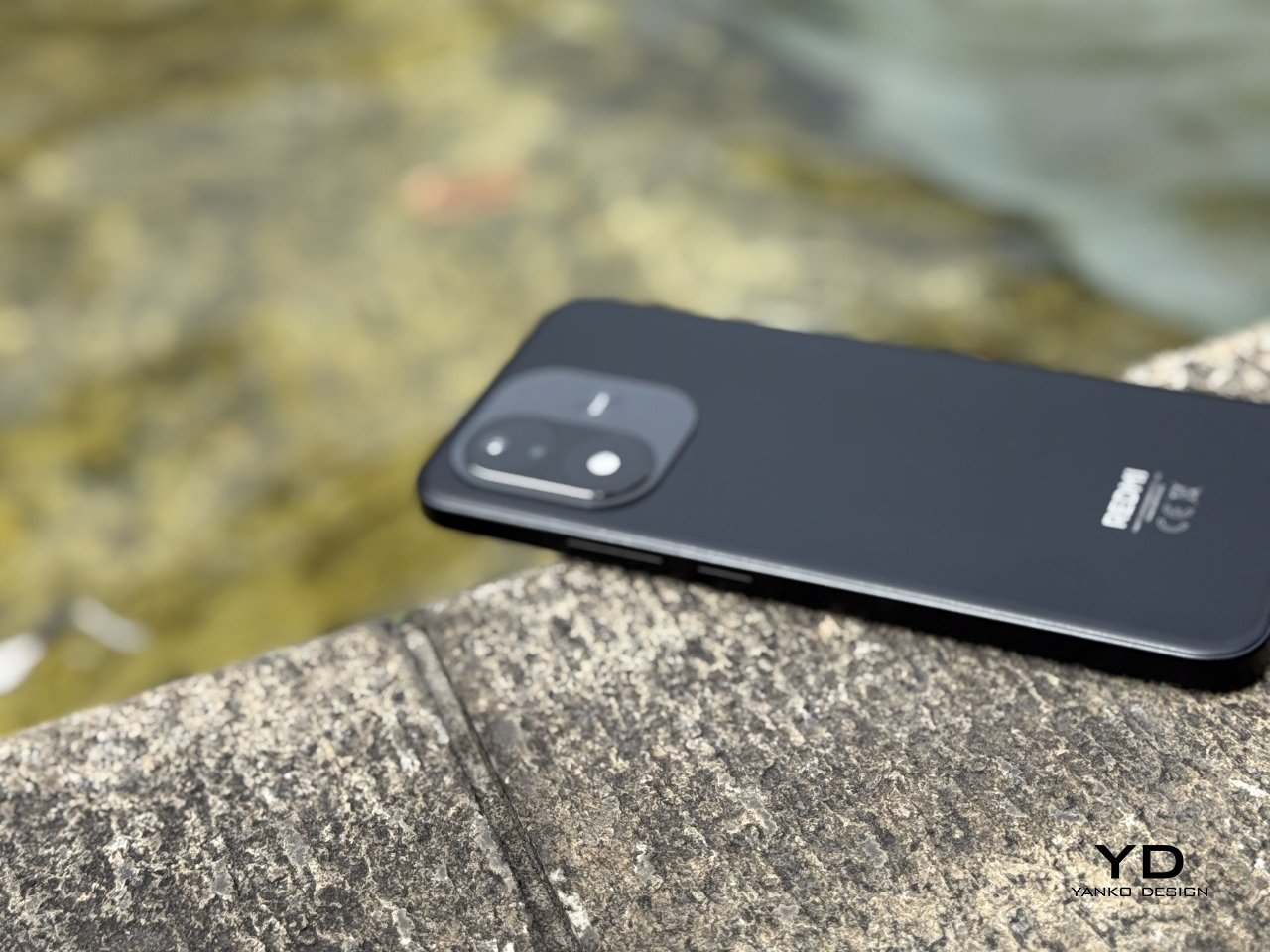
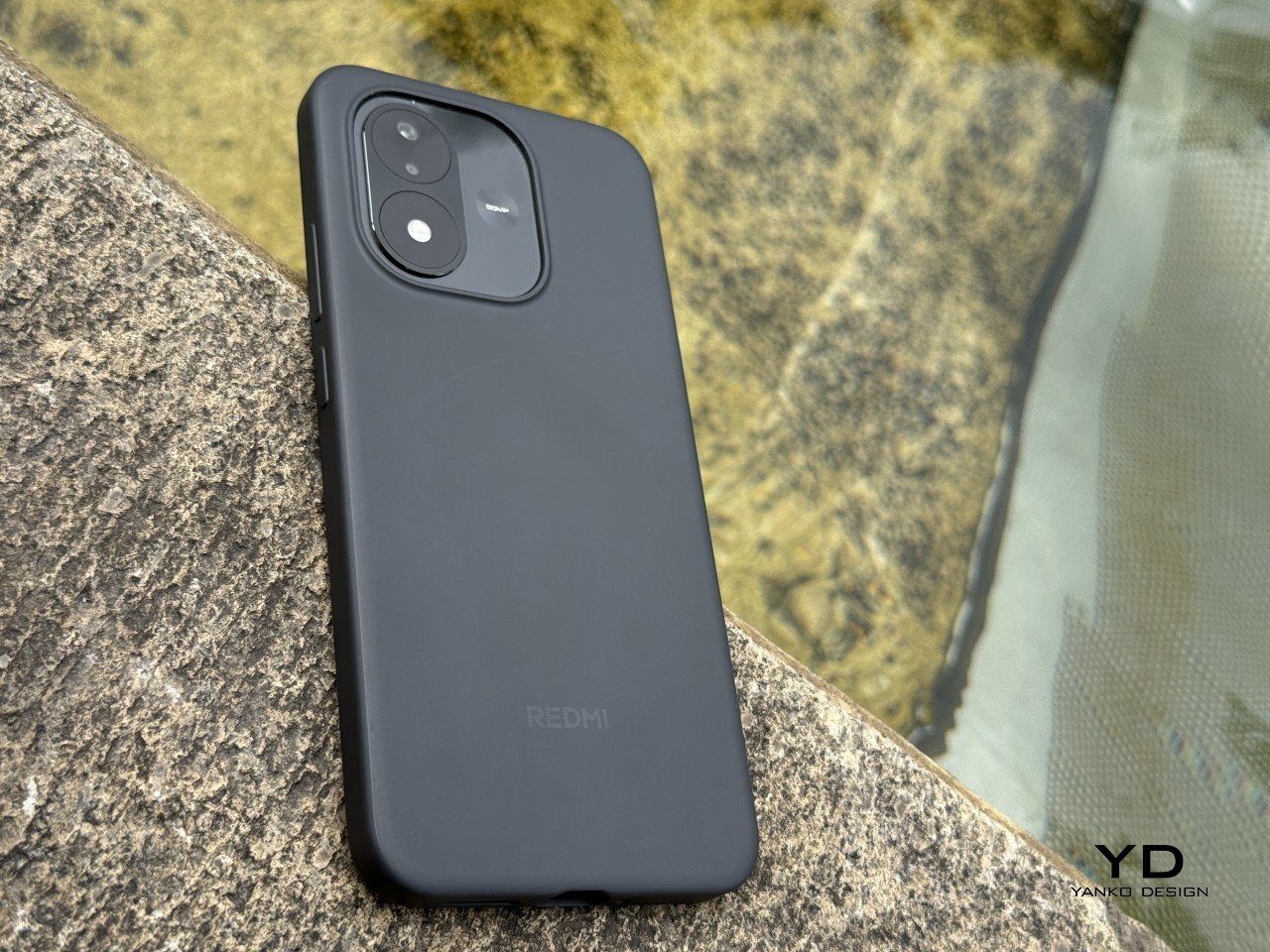
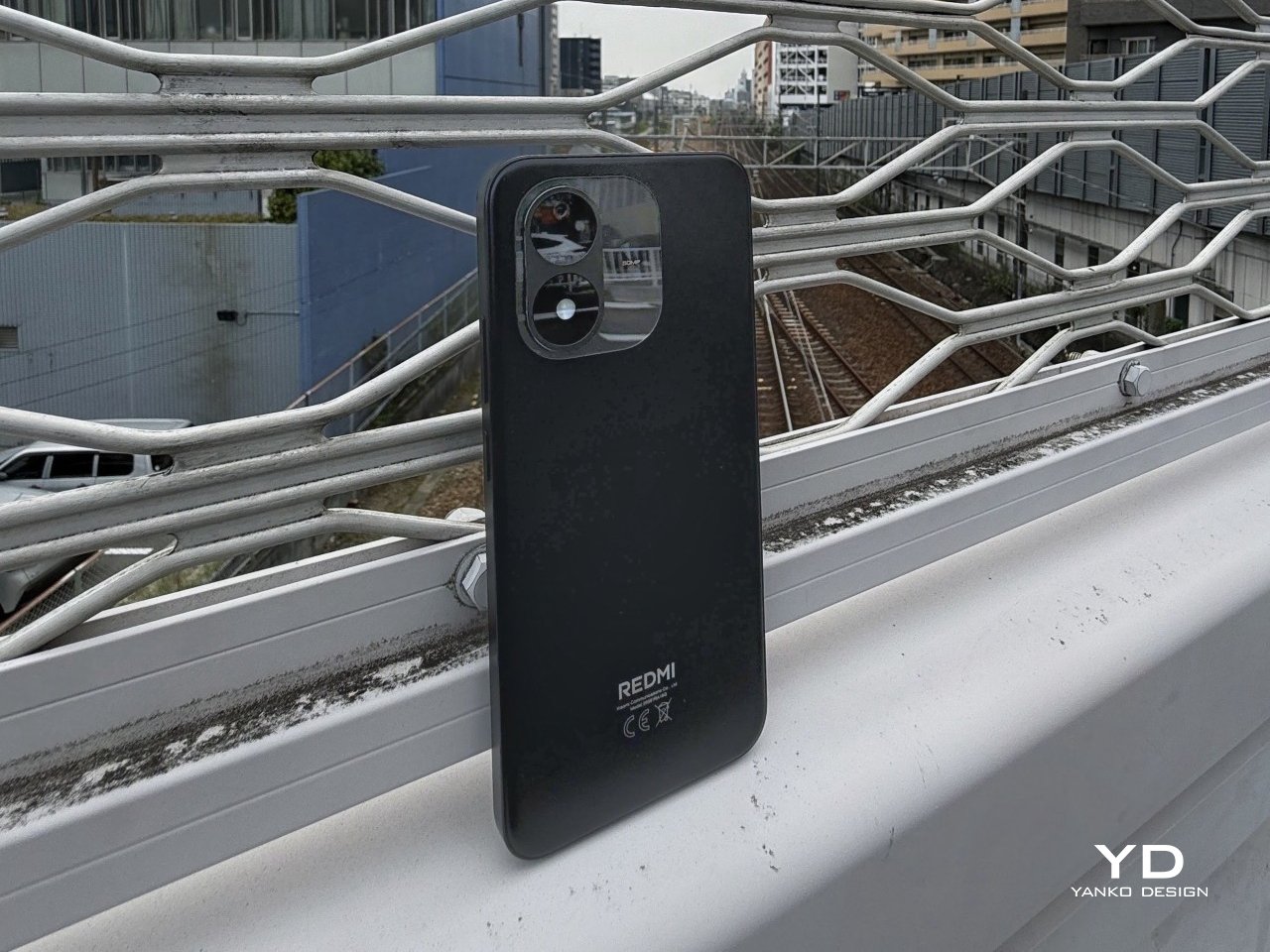
The Redmi Note 17 5G doesn’t try to shout, and that works in its favor. I received the Black version, and the interest is in the details. Xiaomi describes the back as a dual finish, which means the panel and the camera plate are treated very differently. The panel is a fine matte that turns almost graphite in low light, while the camera plate is glossy.
That plate is where the design gets its character. It’s a rounded square in the top left corner with a glossy, pill-shaped module holding two circles: the 50MP camera and a small second lens above and the flash below, plus a small brushed disc with “50MP” printed on it. The arrangement is balanced and calm, and it makes a single-camera phone look complete. The matte back stays clean through daily handling, and only the glossy plate picks up the odd fingerprint.
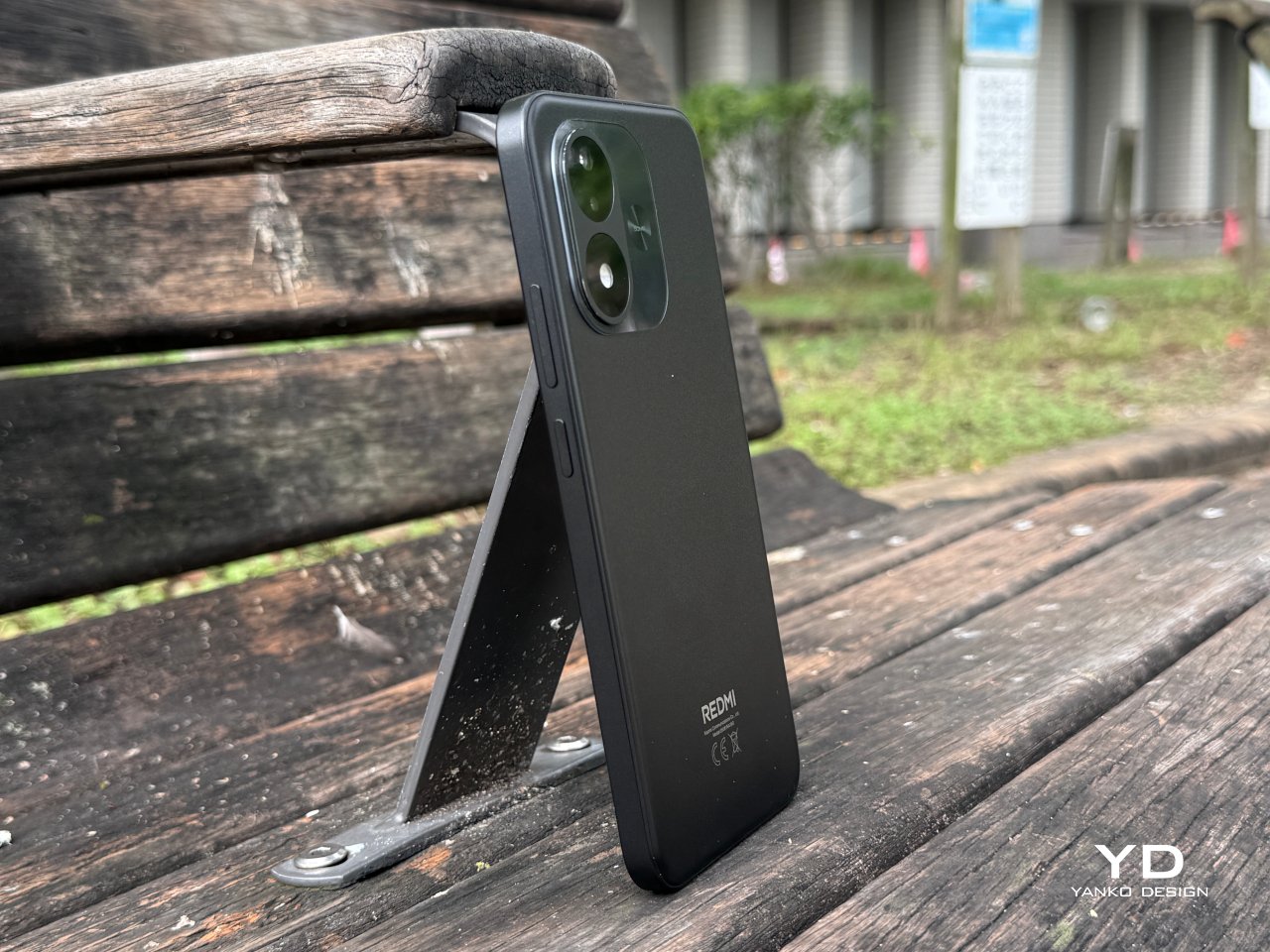
The frame is flat with rounded corners and a metallic-look finish, and the front is just as simple: a flat 6.99-inch screen with a small punch-hole camera. It’s a tidy, well-proportioned design that favors restraint over flash, and in black it keeps a low profile. If you want more personality, Xiaomi also sells it in Sky Teal and Celestial Purple.
The numbers tell most of the story. The Redmi Note 17 5G measures 169.7 x 79.14 x 8.45mm and weighs 225g. It’s a substantial phone, and the weight is the first thing you notice when you pick it up. That’s the fair price of fitting a 7,700mAh battery into a body under 9mm thick.
The flat sides and rounded corners make that size easy to live with, and the matte back isn’t slippery. The power button and volume rocker sit on the right edge, and the fingerprint reader is an optical one under the display. Xiaomi’s Wet Touch 2.0 keeps the screen usable with damp fingers, which is handy in humid weather. At almost 80mm wide, it’s most comfortable in two hands, which suits the large screen for reading and video.
Haptics are the one area where the price shows. The vibration motor’s feedback is softer and less precise than on flagship phones. It’s a small detail, yet it’s the kind that reminds you how much good haptics add to everyday use.
Xiaomi includes a case in the box, and it’s better than the usual clear plastic shell. It’s a soft, matte silicone case in dark gray with a raised lip around the camera, and it doesn’t pick up fingerprints either. On a phone of this weight, the extra grip is welcome, and the phone is protected from day one.
Inside is a Snapdragon 4 Gen 4, made on a 4nm process, with Adreno 613 graphics, 6GB of LPDDR4X memory and UFS 2.2 storage. It’s a chip built for efficiency over outright speed, and that efficiency is what lets such a large battery fit in a body this thin. Messaging, maps, browsing, streaming, and photos run comfortably, and demanding 3D games run best at lower settings.
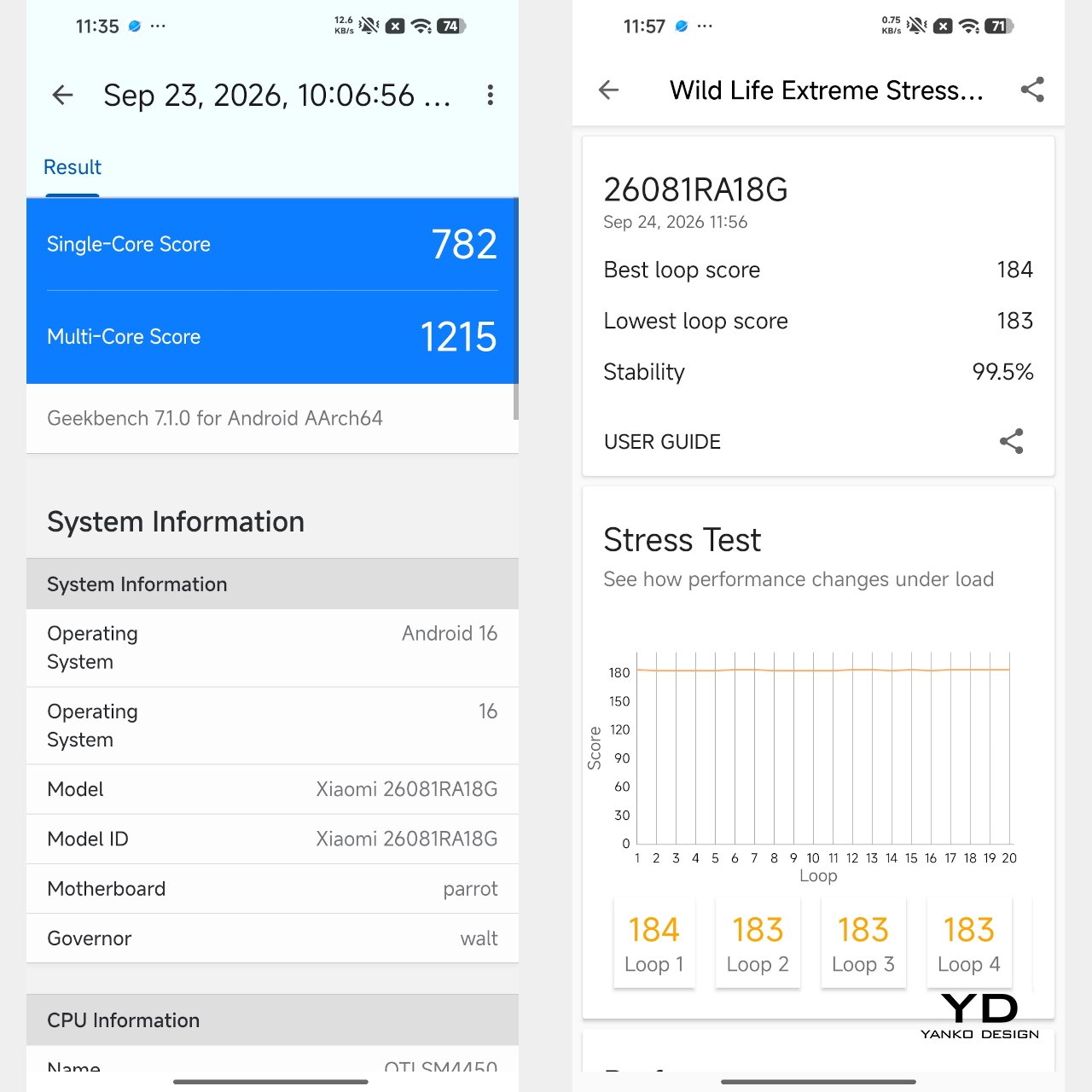
3DMark’s Wild Life Extreme stress test shows where the chip’s strength lies. The headline scores sit where you’d expect for this class, but the consistency stands out. Over 20 minutes of full graphics load, the phone held 99.5 percent stability across all 20 loops, and its temperature only rose from 33°C to 35°C. It stays cool and steady when pushed.
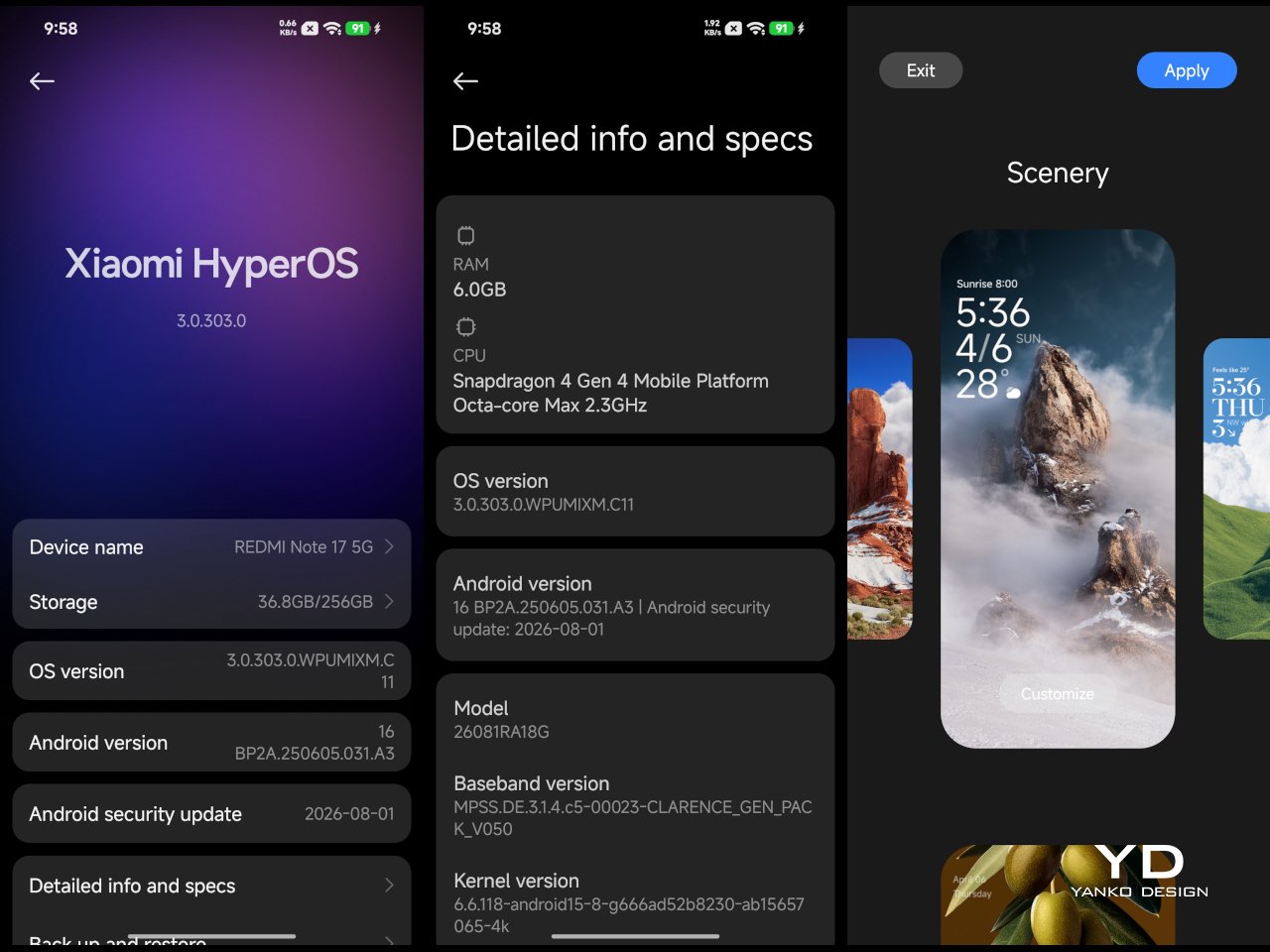
It runs Xiaomi HyperOS 3 on Android 16, with Google’s Circle to Search and Gemini, Xiaomi’s HyperIsland for live notifications, and AI Erase Pro promised in a later update. It’s pretty much Xiaomi’s whole UX experience, crammed into a lower mid-tier phone.
The 6.99-inch flat AMOLED has a 2,396 x 1,080 resolution and a 1,800-nit peak. There’s no option to lock the refresh rate. The panel adjusts itself up to 120Hz, so scrolling stays smooth and the phone saves power when the image is still. Indoors and in shade, it looks great, and TÜV Rheinland certifies it for low blue light and circadian-friendly viewing. Direct sunlight is the one condition where it struggles to keep up.
Audio comes from a single speaker on the bottom edge, tuned for calls, alarms, and spoken content. For music, earbuds bring out more, and since there’s no headphone jack, Bluetooth or USB-C is the way to go. Two useful extras round things out: an infrared blaster for TVs and air conditioners, and NFC for contactless payments.






The single 50MP main camera has an f/1.8 lens, and in good light it does a good job. Photos come out bright and clean, greens are punchy, and skies lean towards a deeper blue. Dynamic range holds up well too. Shooting up a dark underground stairway into a bright sky, it kept both the tiled mural and the clouds. The 2x option is a crop from the main sensor and stays sharp in daylight. Beyond that, the zoom is digital, and at 10x a group of turtles on a rock took on an almost watercolor softness, so 1x and 2x are where this camera does its best work.
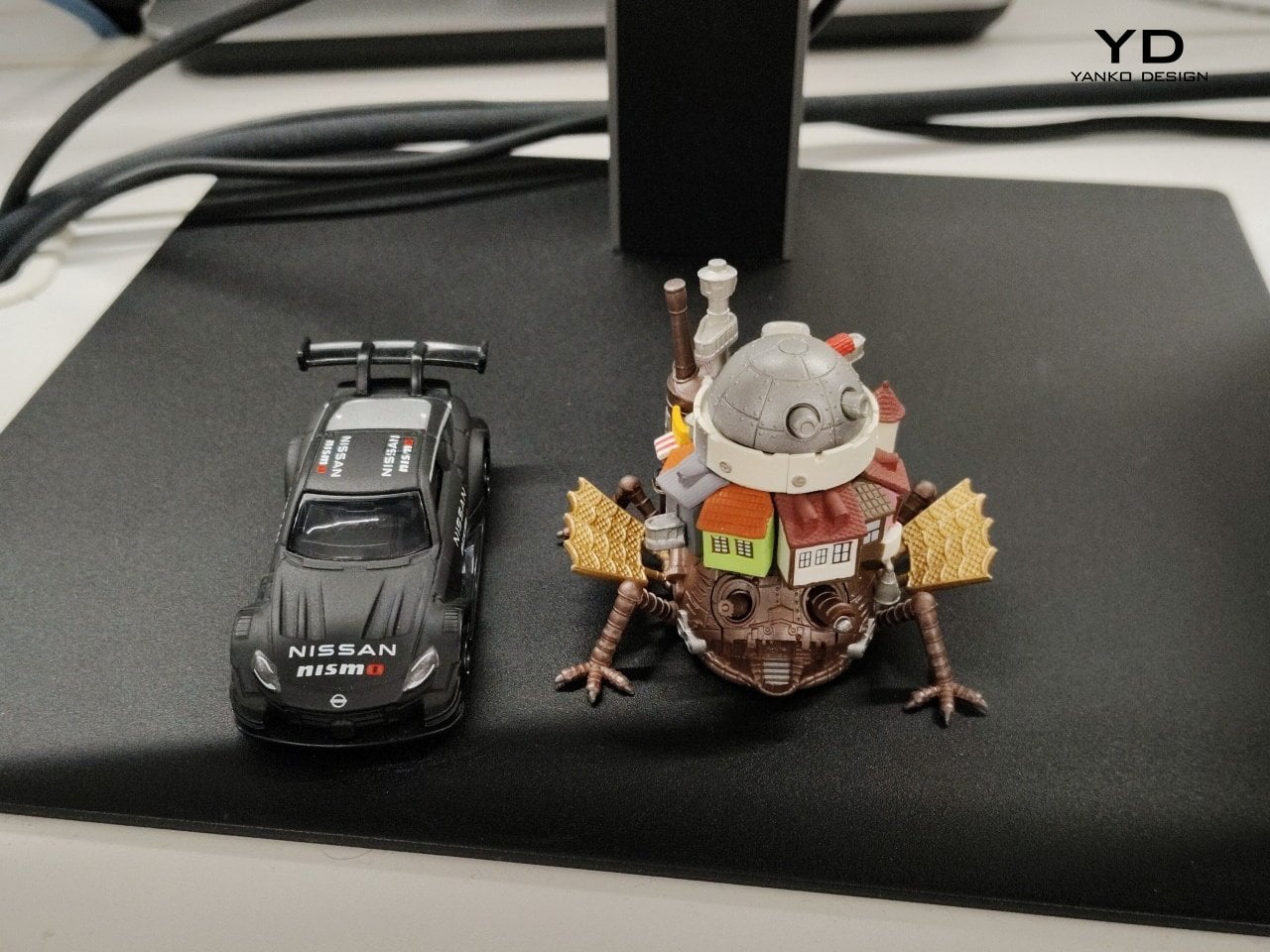
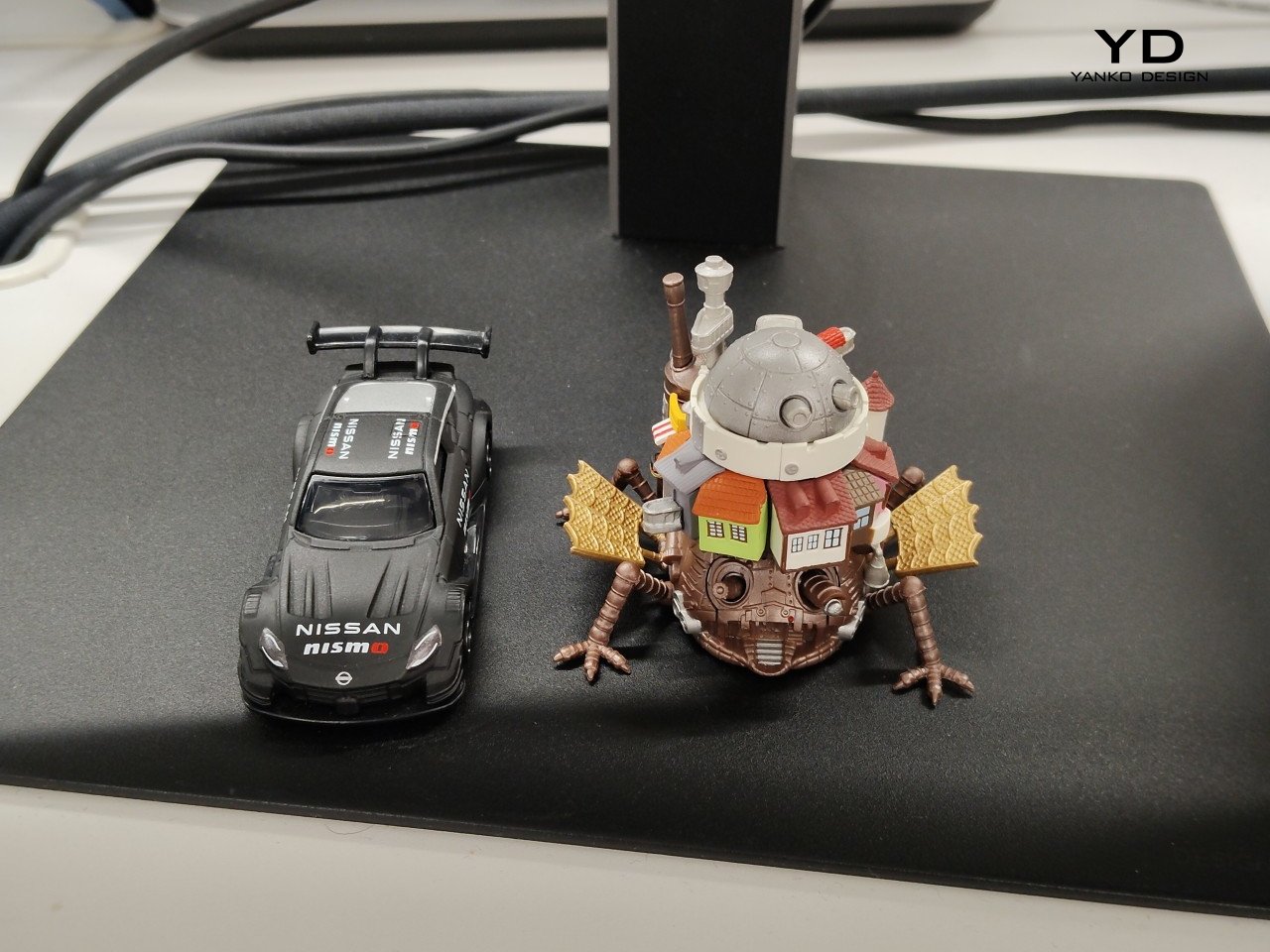
For designers, it’s a handy reference camera. The 50MP and Ultra HD modes save files of around 48 million pixels, which leaves room to crop into textures like bark, stone, or lacquered wood later. It won’t replace a proper camera, but for collecting material and color references, it does the job.



Night mode is worth using. On a street corner at night, the normal shot used ISO 250 at 1/100s, while Night mode chose ISO 400 at 1/50s and brought the lanterns and shopfronts out of the dark without blowing out the lights. In very dim restaurants, around ISO 2000, the processing leans on noise reduction for a cleaner image at the cost of some fine detail. The 16MP front camera gives natural skin tones in daylight, and both cameras record video at up to 1080p and 30fps.
This is where the design pays off. Xiaomi rates the battery for more than two days of moderate use, and the EU energy label’s standard test puts it at 68 and a half hours on a charge. My own testing points the same way. The 20-minute 3DMark stress run, with the graphics chip working flat out the whole time, used just 3 percent of the battery.
My unit came with a 45W charger in the box, though that varies by market. Independent tests put a full charge at about an hour and a half, which is reasonable for a battery this size. Charging is wired only, and wired reverse charging at up to 22.5W lets the phone top up earbuds, a watch, or a friend’s phone.

The strongest sustainability point is software support. Xiaomi promises four major Android upgrades, up to Android 20, and six years of security updates, which means patches until 2032. The updates are already arriving. During my time with the phone, it received a 295MB system update that moved its security patch from June to August 2026. A phone that stays safe to use for that long doesn’t need replacing after two years.
The EU energy label adds useful detail, because it uses the same tests for every brand. It rates the battery for at least 1,000 full cycles before it drops to 80 percent capacity, lists it as user-replaceable, and records 90 drops without a defect in its repeated fall test. Xiaomi’s own lab claims 1,600 cycles, or about six years of normal use.
iFixit hasn’t published a teardown of this model yet. In the meantime, where the program runs, Xiaomi offers one free screen replacement and one free back cover replacement within 24 months, plus one free battery replacement within 36 months. The phone is IP65 rated against dust and water jets, the screen uses Corning Gorilla Glass 7i, and the case covers the back from the start. Recycled materials aren’t part of Xiaomi’s story for this model yet, which leaves room for the next generation to go further.
In Europe, the Redmi Note 17 5G launched at 379.90 euros for the 6GB and 256GB version I tested. With the case, a USB-C cable and, in many markets, a 45W charger in the box, it’s a generous package for the price.
Its own predecessor is the most useful comparison. The Redmi Note 15 5G spread its budget across a faster chip, a 108MP camera and 4K video. The Note 17 5G concentrates on a much bigger battery and a longer support period. Most phones still carry batteries in the 5,000 to 6,000mAh range, so that focus gives it a clear identity in its class.
Xiaomi is betting that battery life and years of updates matter more, and for a lot of buyers, I think that’s the right bet. If 4K video, long zoom, and high-end gaming aren’t part of your routine, this phone gives you a lot for the money.
The Redmi Note 17 5G is easy to sum up with one number, but the battery is only the starting point. The weight, the flat and grippy frame, the case in the box, the efficient chip, and the self-adjusting refresh rate all follow from it. It feels like one clear decision carried through the whole product.
Speed seekers and heavy video shooters will find better matches elsewhere. But if you keep your phones for years and care more about something that lasts than something that wins spec comparisons, the Redmi Note 17 5G was made for you. Buy it for the battery, and keep it for the years of updates.
The post Redmi Note 17 5G Review: Built Around a Battery, Not a Benchmark first appeared on Yanko Design.

Polaroid has created the Mod point-and-shoot camera to replicate some of the most popular visual effects onto the analog film shooting capability. This is far more natural than applying any AI effects or software overlays during post-editing an image. The brand has preserved its unique style of capturing moments over all these decades, and their new Mod instant camera carries the legacy without giving up on modern requirements of the social butterflies.
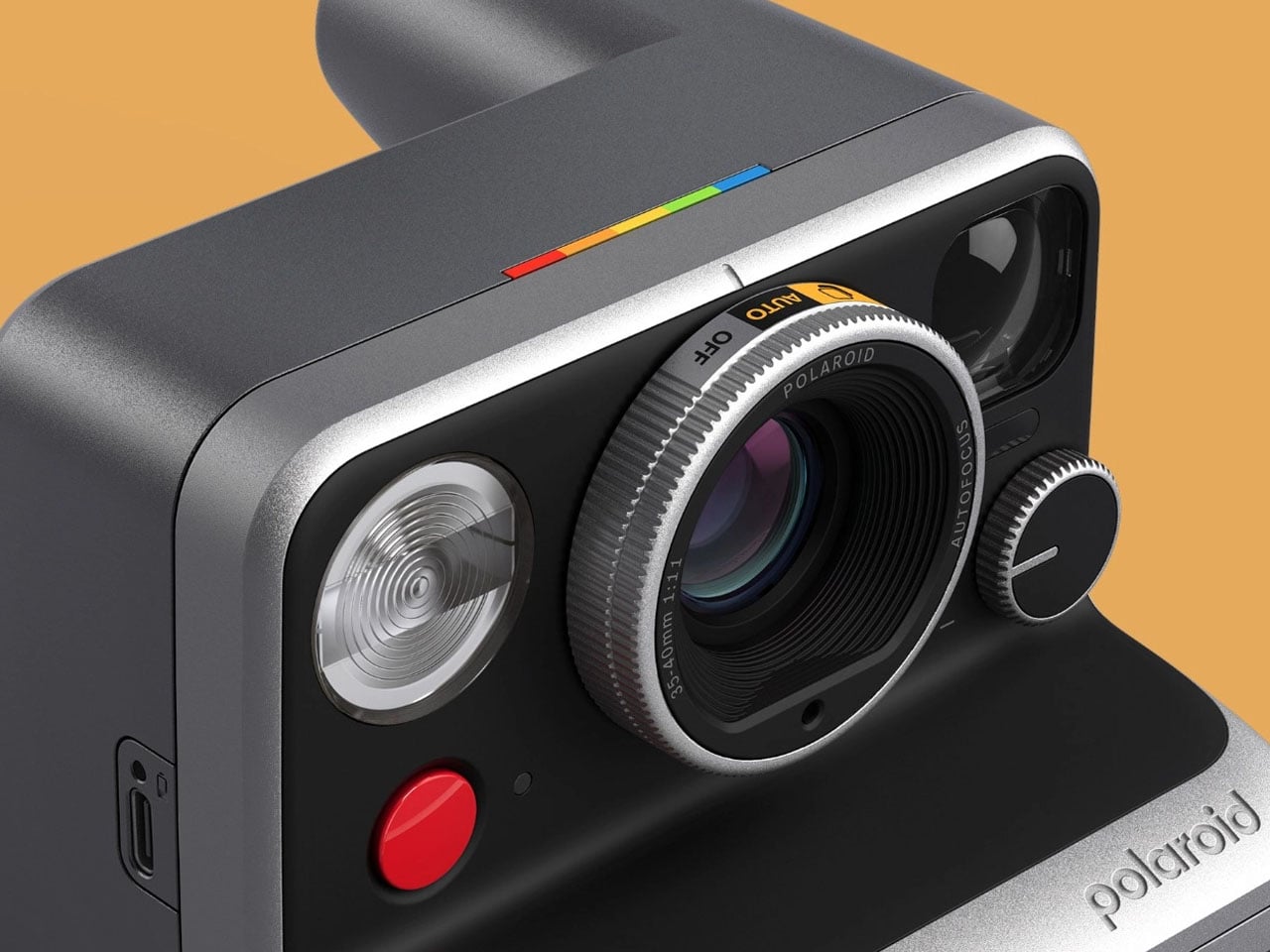
According to Stine Bauer Dahlberg, Chief Product Officer at Polaroid, “With Mod, we wanted the creative experience to be built into the physical design of the camera. That’s why the four shooting modes sit directly on the dial rather than behind menus or settings.”
Designer: Polaroid
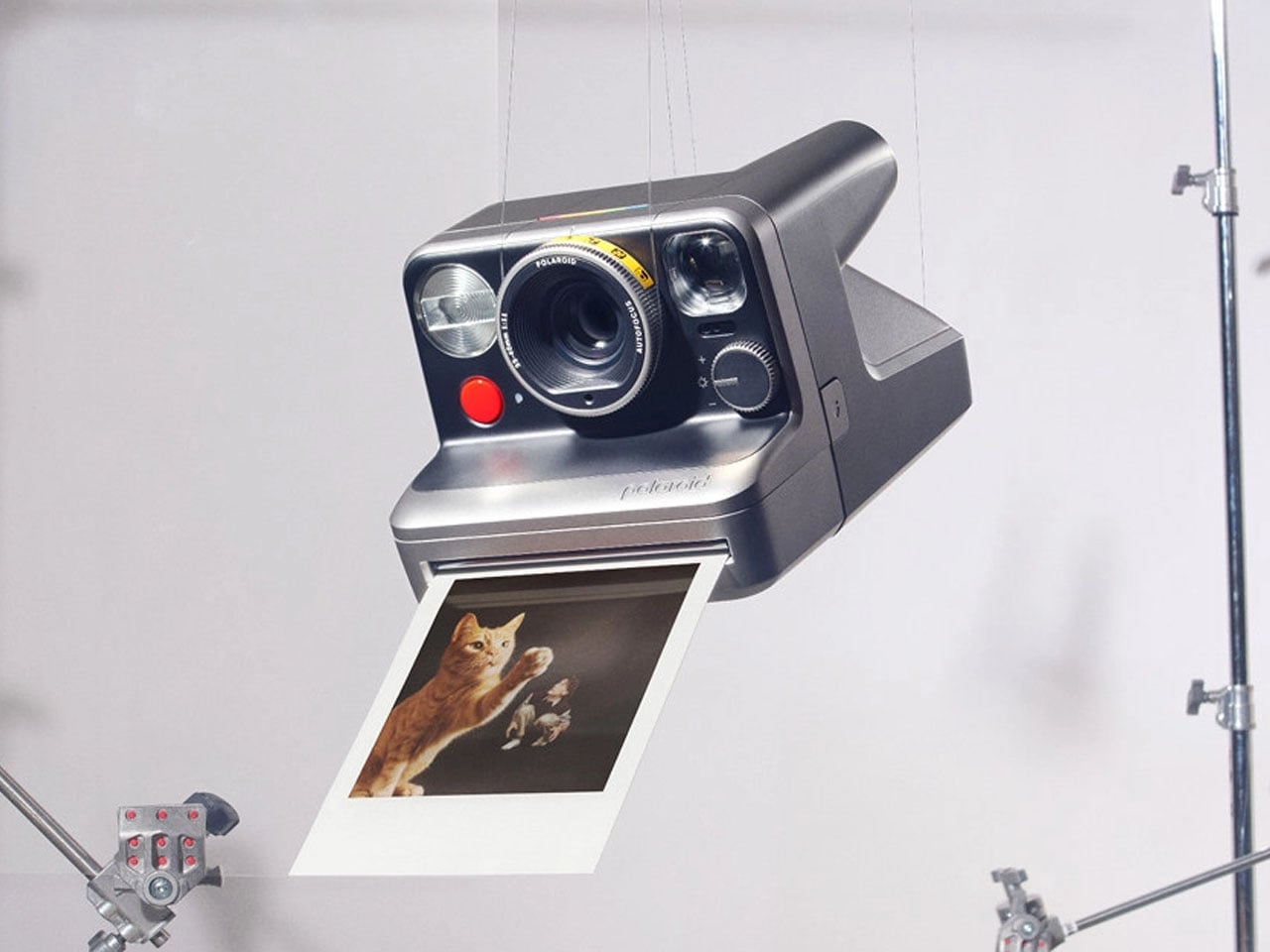
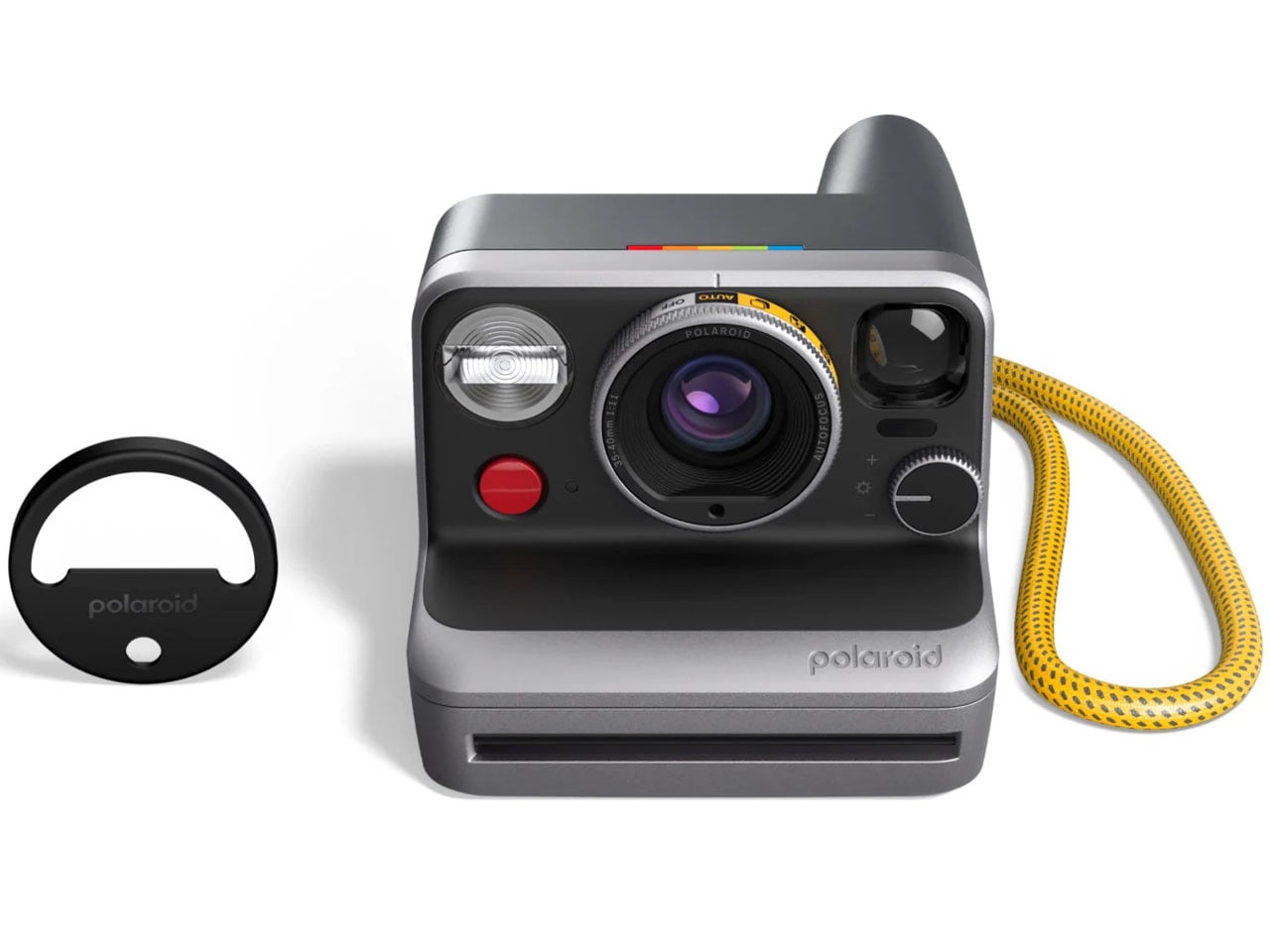
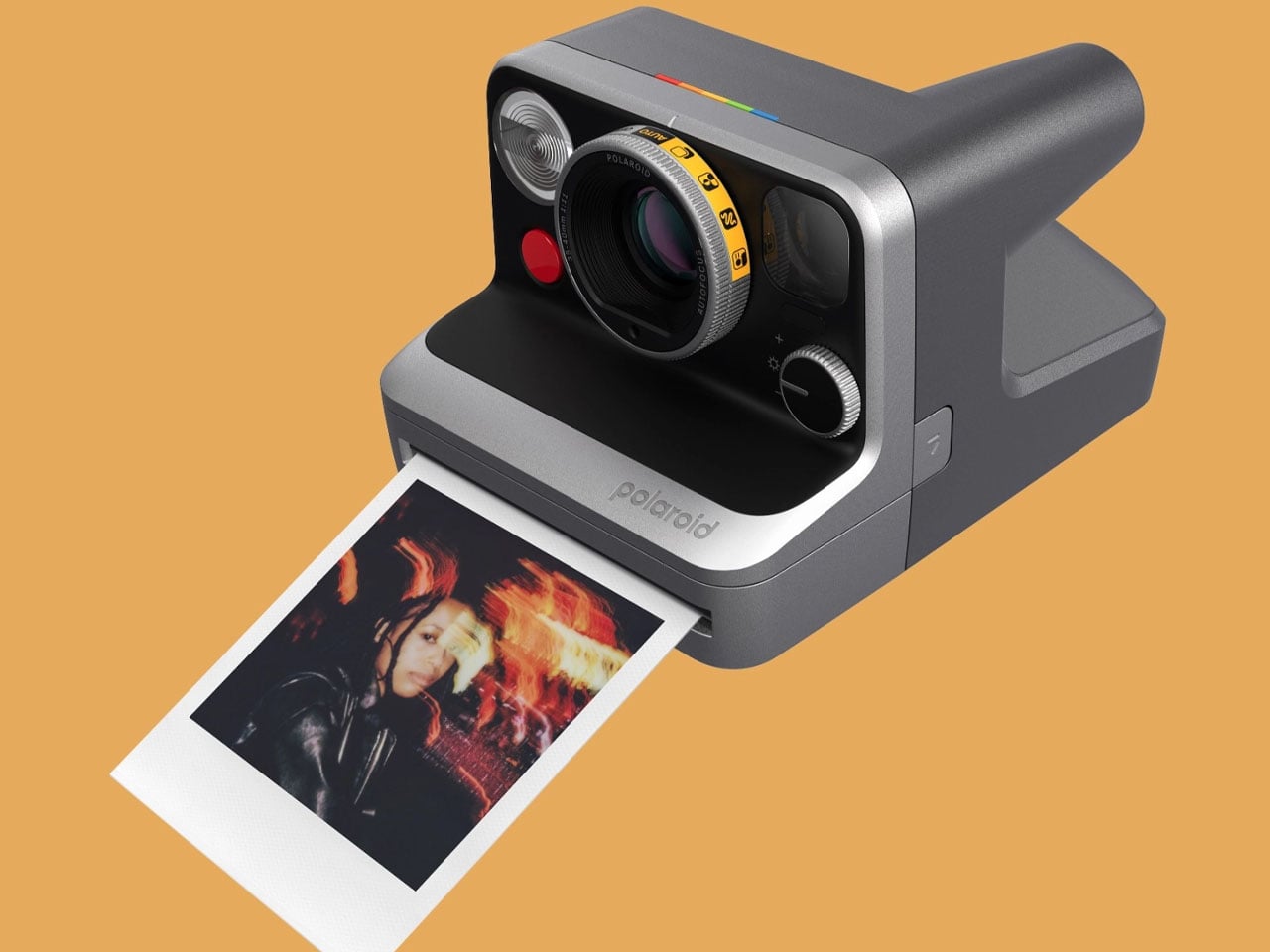
The instant camera adapts a flexible approach to shooting and the unpredictability of the final photograph with four creative modes. The point-and-shoot camera preserves the love of tangible input with the dedicated dial that toggles these modes for taking photographs. There’s the Split Shot mode, which divides the final image into two halves with separate exposures using an accessory that has to be rotated 180 degrees while taking two shots. This fuses two shots into one single Polaroid. The second mode is the Motion Freeze, which delays the flash for some time to let the lens capture motion at the end of a long exposure shot. The mode is best suited for dark environments to create a chaotic effect.
Rotate the dial more, and you get the Double Exposure mode, which layers two separate exposures onto a single photo. This lets you test your creative skills to blend two different subjects into one scene for a surreal effect that someone unassuming would definitely credit to some software trickery or app wizardry. The mode is excellent for experimentation and getting absolutely unpredictable results. The last notch on the dial lands on the Light Painting mode, which lets you take long exposure shots to capture light in motion for a final shot that looks like a trail of light painted onto the photograph. This one is for photographers who love abstract art or those who have experience with light painting characters.




Stine believes the instant camera lets you explore your creativity in random settings and environments. Each of the modes is very intuitive while giving users plenty of room for playing around with the variables. Stine adds that “Mod encourages photographers to slow down, experiment and embrace the curiosity, play and unpredictability that make analogue photography unique.” So, every time you pick up the camera, there is an unknown adventure awaiting you. Each of the modes has been taken directly from photographers who are pros at each one of them. Polaroid has just made them easier to curate, but the users will still have to go through a fair share of shots before perfecting them.
The camera comes with a 750mAh battery to last through 15 packs of shooting, and is easier to carry around since it weighs just 1.15 pounds, which is lighter than earlier models. Polaroid Mod instant camera is going to be available at select retailers in the US from October 6 for $169.99. Availability in other regions is going to commence in early 2027. You’ll have to keep in mind, though, that the single i-Type cartridge capable of taking eight shots costs $19.



The post Polaroid Mod point-and-shoot camera brings unpredictability back into play with four creatives modes first appeared on Yanko Design.

Apple is reportedly preparing to unveil the iPhone Air 2, the highly anticipated successor to its ultra-thin smartphone lineup, in early 2027. This second-generation device is expected to address the limitations of its predecessor by introducing substantial upgrades in key areas such as camera technology, battery performance, cooling systems, and overall processing power. By taking […]
The post Leaked iPhone Air 2 Details Show Apple Taking Time to Fix Flaws appeared first on Geeky Gadgets.


When I was young, a lot of my stuff was pink. Not just any pink. It had to be Barbie pink. I eventually grew into other colors, but those bright, familiar shades never lost their hold on me. They still remind me of afternoons spent inventing elaborate stories for dolls who, in my imagination, had unusually busy social calendars. Even now, a flash of that pink on an ordinary object makes me stop and look.
Gomi seems to understand that kind of attachment. Its Barbie x gomi Childhood Memories Collection incorporates recycled Barbie dolls and accessories into everyday electronics. The lineup includes Bluetooth speakers, power banks, wireless chargers, and tracker tags. These aren’t just devices dressed up in colors borrowed from a toy aisle. Actual doll materials go into them, alongside other recovered plastics, so the connection to childhood runs deeper than a coat of paint.
Designer: Gomi


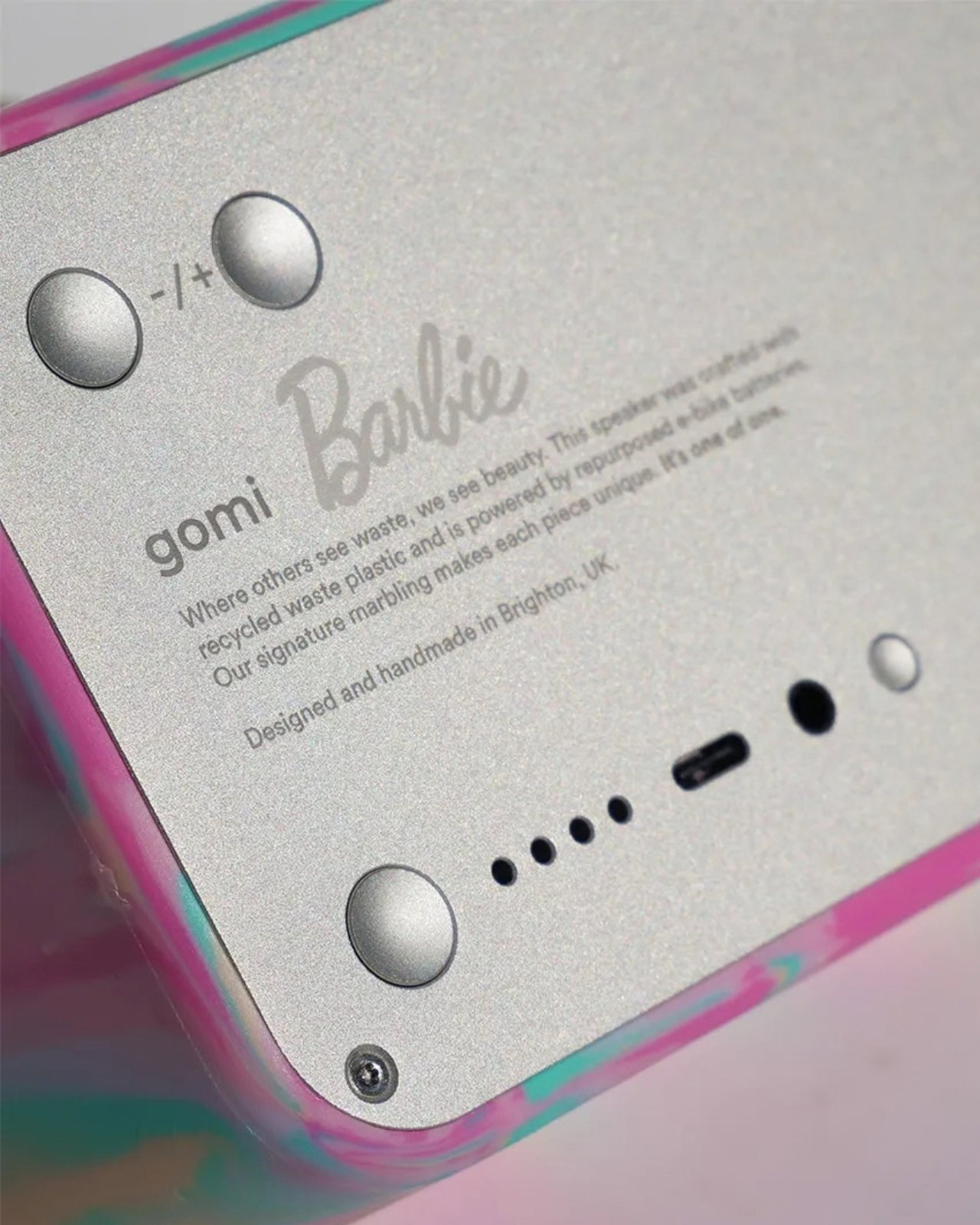
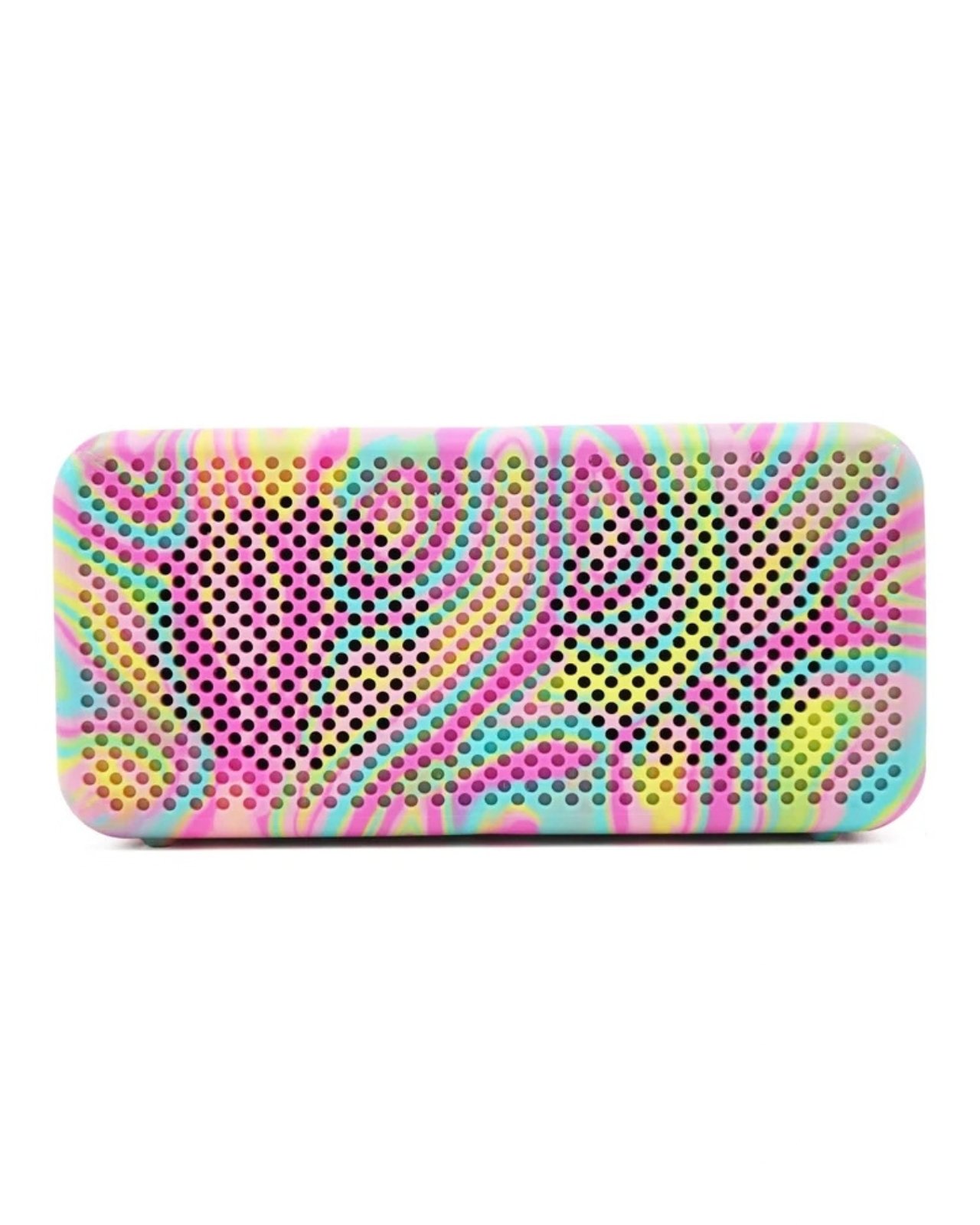
The Brighton, England-based studio makes the limited-edition products by hand. Reclaimed plastics form marbled surfaces with patterns that vary from piece to piece. Gomi describes each design as unique, which is part of the appeal if you like objects with a little individuality. The visual variety matters, too: it lets the source material feel transformed rather than hidden inside a new product. A childhood toy becomes something you can recognize in the tech you use now.
On the Bluetooth speaker, recycled doll material is paired with an aluminum back plate and buttons. The contrast gives its playful surface a more practical, finished look. Gomi also lists fast charging and a modular, repairable design for the speaker. Those details matter because color can catch your eye, but an electronic product still has to earn its place in your routine. Repairability suggests that Gomi intends the speaker to be kept and used, not treated as a short-lived novelty.
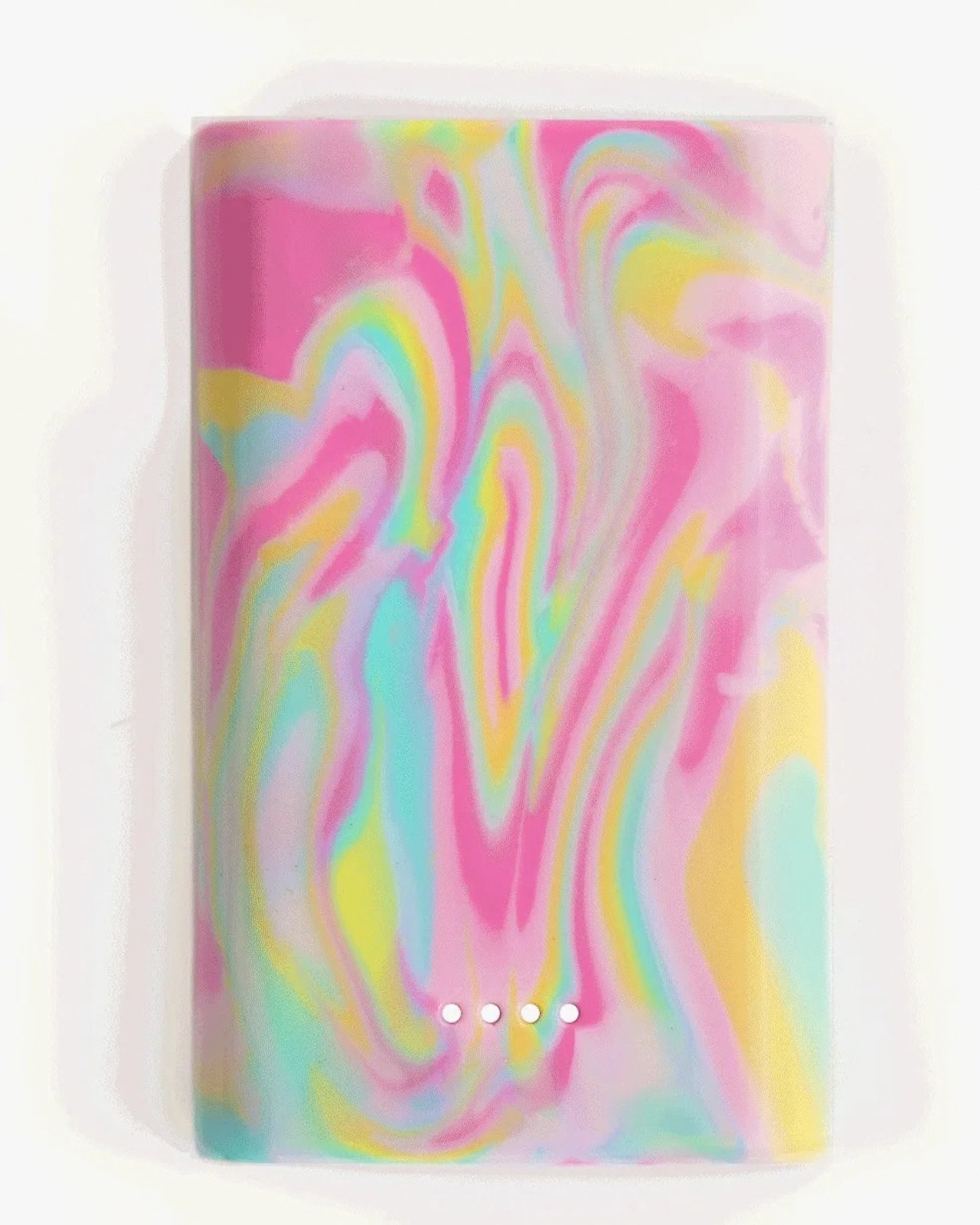
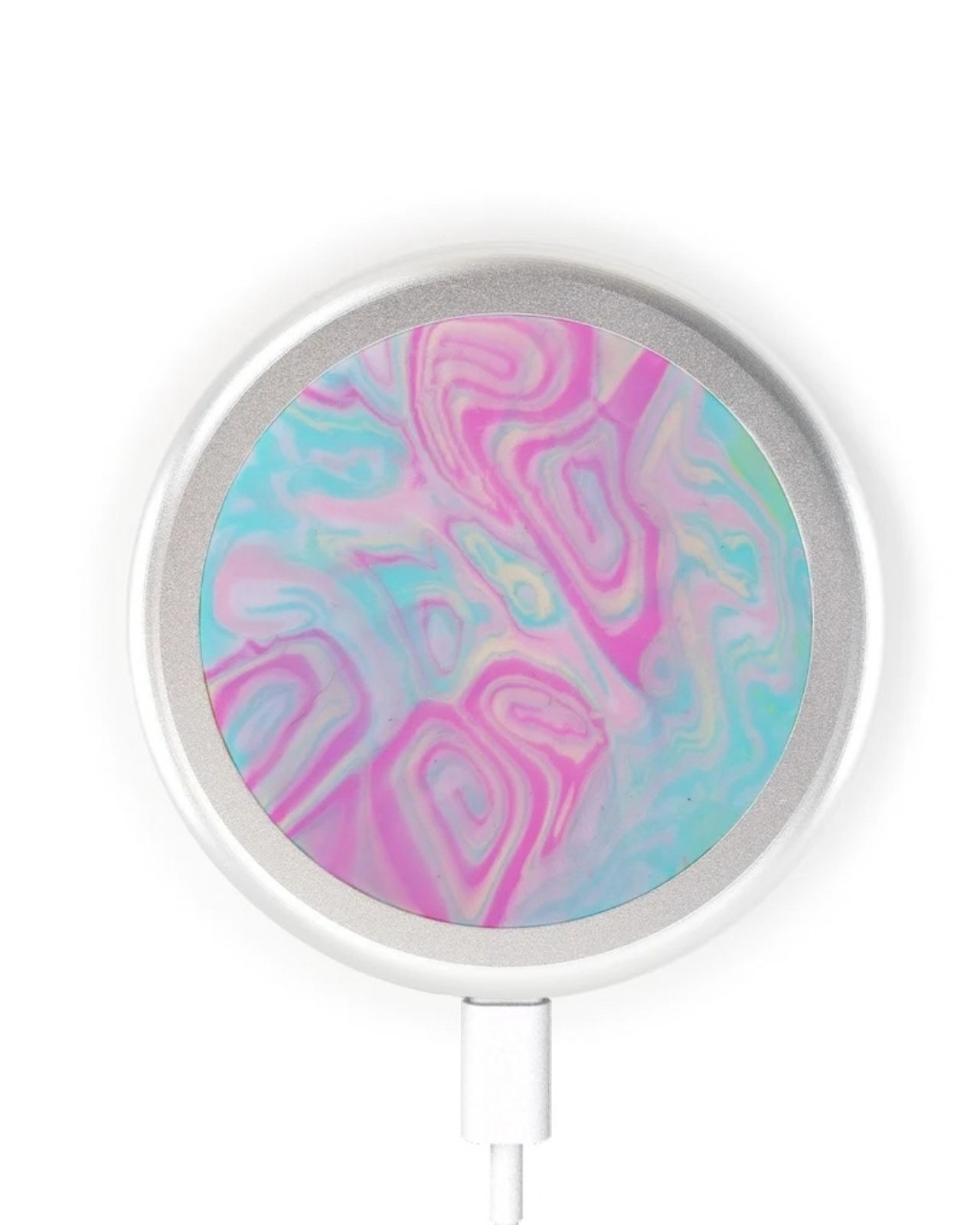
The power bank makes the collection’s practical side even clearer. It has a 10,000 mAh capacity, USB-A and USB-C ports, and fast charging, according to Gomi. The company says it uses repurposed e-bike batteries and has a modular design that allows repairs and battery replenishment. If your phone runs low while you’re away from an outlet, that’s a problem it can help solve. Its childhood references are a bonus, not a substitute for the job it needs to do.
Wireless chargers and tracker tags broaden the idea beyond audio and backup power. Together, the devices raise a simple design question: Why should accessories we carry or leave out on a desk all look interchangeable? A charger doesn’t have to disappear into its surroundings, and a speaker doesn’t have to resemble every other black box on a shelf. The collection invites people to choose useful tech partly because they enjoy looking at it.

The reuse angle deserves attention as well. Giving discarded dolls a role in new products offers another use for their plastic, while repairable construction may help owners keep their devices longer. That doesn’t mean the electronics are impact-free, and Barbie materials aren’t the only recovered plastics in the collection. The more precise story is also the more interesting one: Gomi has found a visible, functional use for old toy materials instead of relying on nostalgia alone.
Distinctive design does come with trade-offs. If you fall for a particular pattern, you may not be able to return later and find another just like it. Gomi says only one of each power bank design is available; its listings show a $95 price, though availability can change. Anyone shopping primarily for technical performance should still compare specifications. Here, the draw is the combination of everyday function, an individual finish, and a material story you can see.


For me, the appeal starts with that familiar pink but doesn’t end there. Childhood Memories takes a material associated with make-believe and gives it an adult errand: keeping a phone charged, playing music, or adding character to a daily accessory. It doesn’t ask anyone to outgrow their affection for Barbie, and it doesn’t pretend a fond memory is enough to make good tech. Instead, it gives those memories a useful new form, ready to sit on a desk or travel in a bag.
The post Your Old Barbie Dolls Actually Become Speakers and Power Banks first appeared on Yanko Design.

Efficient decision-making plays a vital role in agent harness workflows, where tasks like selecting skills, verifying safety protocols, or ranking outputs for quality are common. These processes often strain resources, particularly when large language models (LLMs) are heavily involved. According to Sam Witteveen, integrating Jev, a lightweight decision model, can streamline these workflows. For example, […]
The post Jev Drops LLM Token Usage in Agent Workflows to Save Costs appeared first on Geeky Gadgets.