6 Google Workspace Studio Automations : Transform Gmail, Docs & Forms into a Hands-Free Helper

6 Google Workspace Studio Automations : Transform Gmail, Docs & Forms into a Hands-Free Helper

Imagine cutting hours of tedious, repetitive work from your weekly routine, all with just a few clicks. That’s the promise of Google Workspace Studio, a platform that’s transforming how we manage tasks with the power of AI and automation. Below the Your AI Workflow team breaks down six ingenious automations you can create to streamline […]

The post 6 Google Workspace Studio Automations : Transform Gmail, Docs & Forms into a Hands-Free Helper appeared first on Geeky Gadgets.

Posted in Uncategorized

Samsung Galaxy S26 Ultra: The 2nm Powerhouse and 60W Charging Era

Samsung Galaxy S26 Ultra: The 2nm Powerhouse and 60W Charging Era

The smartphone landscape is shifting rapidly as we approach the first quarter of 2026. While our initial look at the Samsung Galaxy S26 Ultra highlighted the potential of 2nm silicon and a long-awaited bump in charging speeds, a wave of December 2025 regulatory filings and supply chain leaks has fundamentally changed the narrative. What was […]

The post Samsung Galaxy S26 Ultra: The 2nm Powerhouse and 60W Charging Era appeared first on Geeky Gadgets.

Posted in Uncategorized

Gemini 3 Tips : Make Responses Sharper, Faster & More Personal

Gemini 3 Tips : Make Responses Sharper, Faster & More Personal

Imagine having an AI assistant that doesn’t just respond to your queries but actively transforms how you work, streamlining your tasks, personalizing your workflows, and saving you hours every week. That’s the promise of Google Gemini, a innovative platform designed to redefine productivity. AI Advantage breaks down how to unlock Gemini’s full potential, offering actionable […]

The post Gemini 3 Tips : Make Responses Sharper, Faster & More Personal appeared first on Geeky Gadgets.

Posted in Uncategorized

This $89 Planter Grows Plants in Mid-Air Without Soil or Water

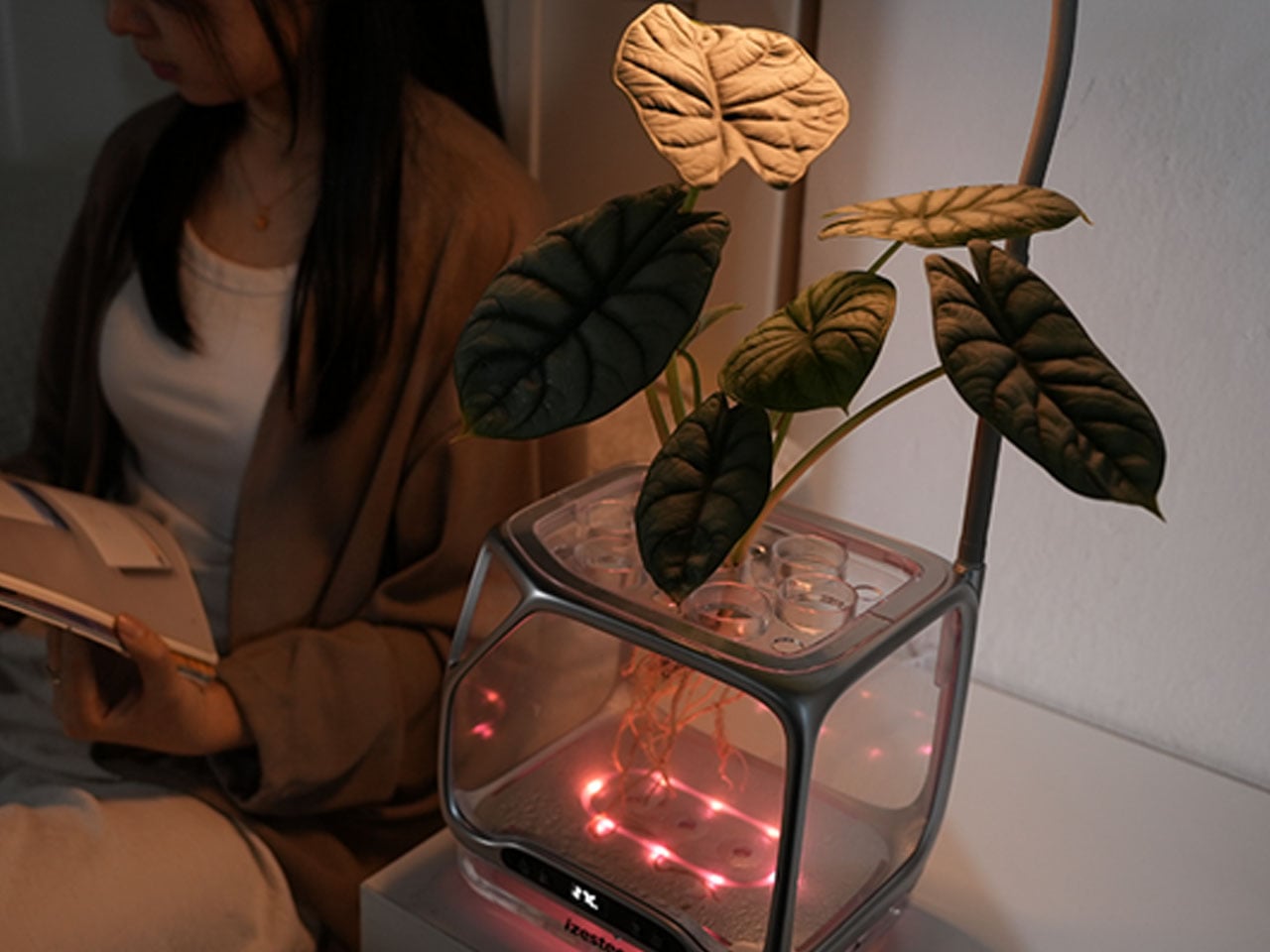
Biophilic interiors, where people are more connected to nature, are becoming really popular. Just everyone wants plants on the work desk and leafy green sprouting out right in their kitchen. I haven’t really jumped onto the bandwagon primarily for two reasons: The mess of dealing with mud and fertilizers and the constant need for watering. Now, with the world’s first desktop aeroponic plant ecosystem that could stand to change for me, and for many like me, who have been holding themselves back for some reason, err… laziness.

With the new smart mist planter, growing plants becomes something you can constantly see, touch, and truly enjoy day in a day out, while the plants grow right in front for your eyes. The system comprises a transparent chamber, a planting panel, and an adjustable light. It permits the plant to grow floating in mid-air, without soil or water; just with nutrient-rich mist, keeping the roots hydrated to grow life beautifully, right at your desk, without you having to even move a muscle.

Designer: Yunyi Zheng

Click Here to Buy Now: $89 $150 (41% off) Raised over $97,789 already!

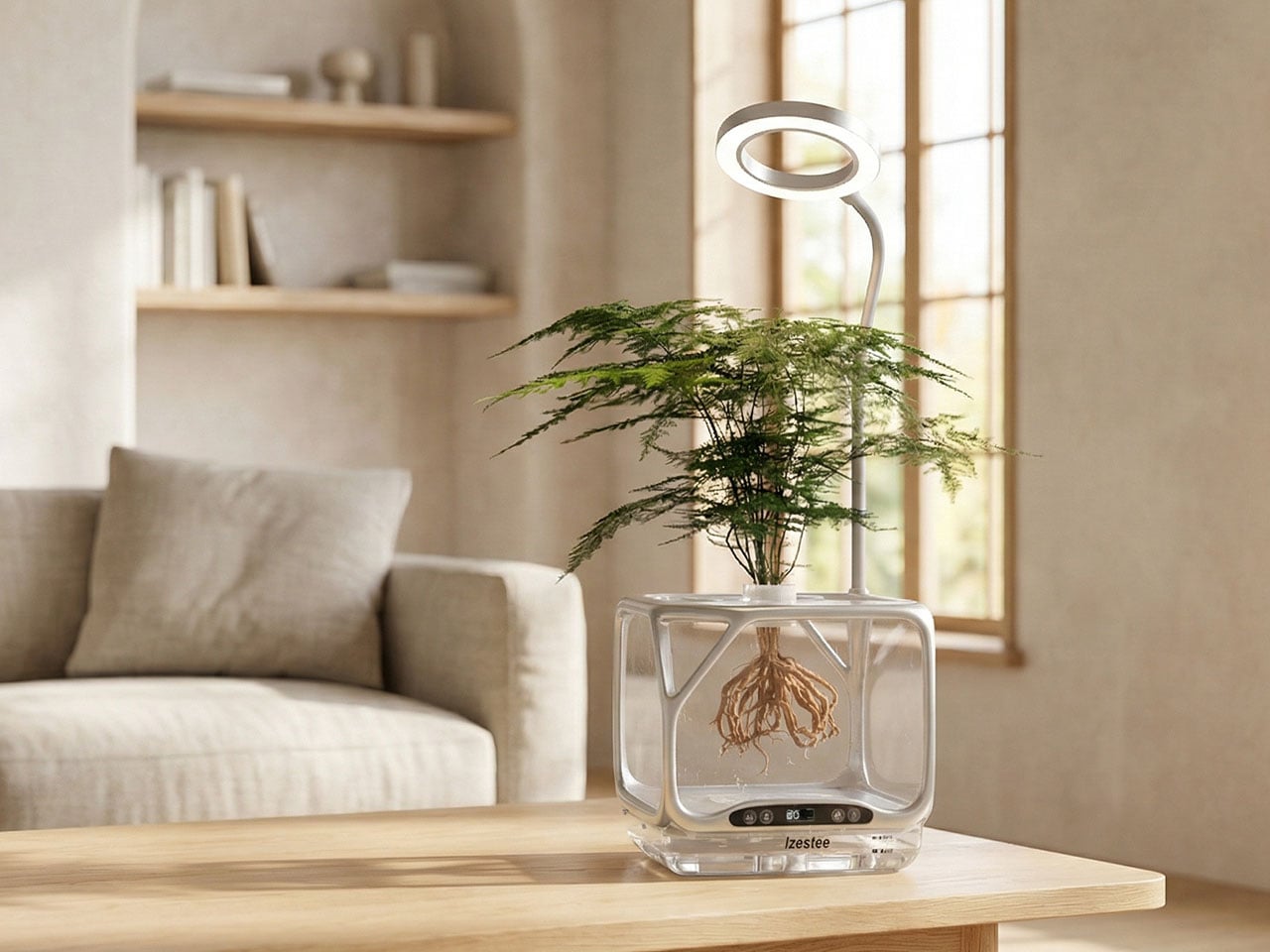
Dubbed the Izestee, this is a no-soil, no-pest, no-mess planter which grows plants, works as a passive humidifier, and functions as a desktop lamp. The 3-in-one desktop aeroponic plant cultivator is designed to use ultra-fine mist instead of soil and automatically control every stage of growth – from seed to bloom – as it happens with its smart and automatic scheduling.

Each Izestee comes with seven planting baskets, designed to seed and provide a structured place for germination. Beneath, a see-through chamber provides a nice view of the roots growing in real time. It’s here that the roots are hydrated with mist and they grow dramatically healthier. The mist, along with nurturing the roots gently, escapes the unit and humidifies the room it’s placed in.

The system comprises three lighting modes, with different brightness levels, which can adapt to the different moods, moments and spaces. The lights can change color and brightness levels from a rotating effect during the day to a single color by night. The different light modes inside the chamber are controlled using a tactile button on the façade of the Izestee, just above its base.

In addition to nutrients and light, the chamber of the planter is also provided with a built-in heating system, which has a maximum temperature of 45 degrees. The heating system maintains a constant temperature, which is visible on the LED display for real-time temperature monitoring. The small digital display sits in the middle of the control panel and features the temperature controller to its left.

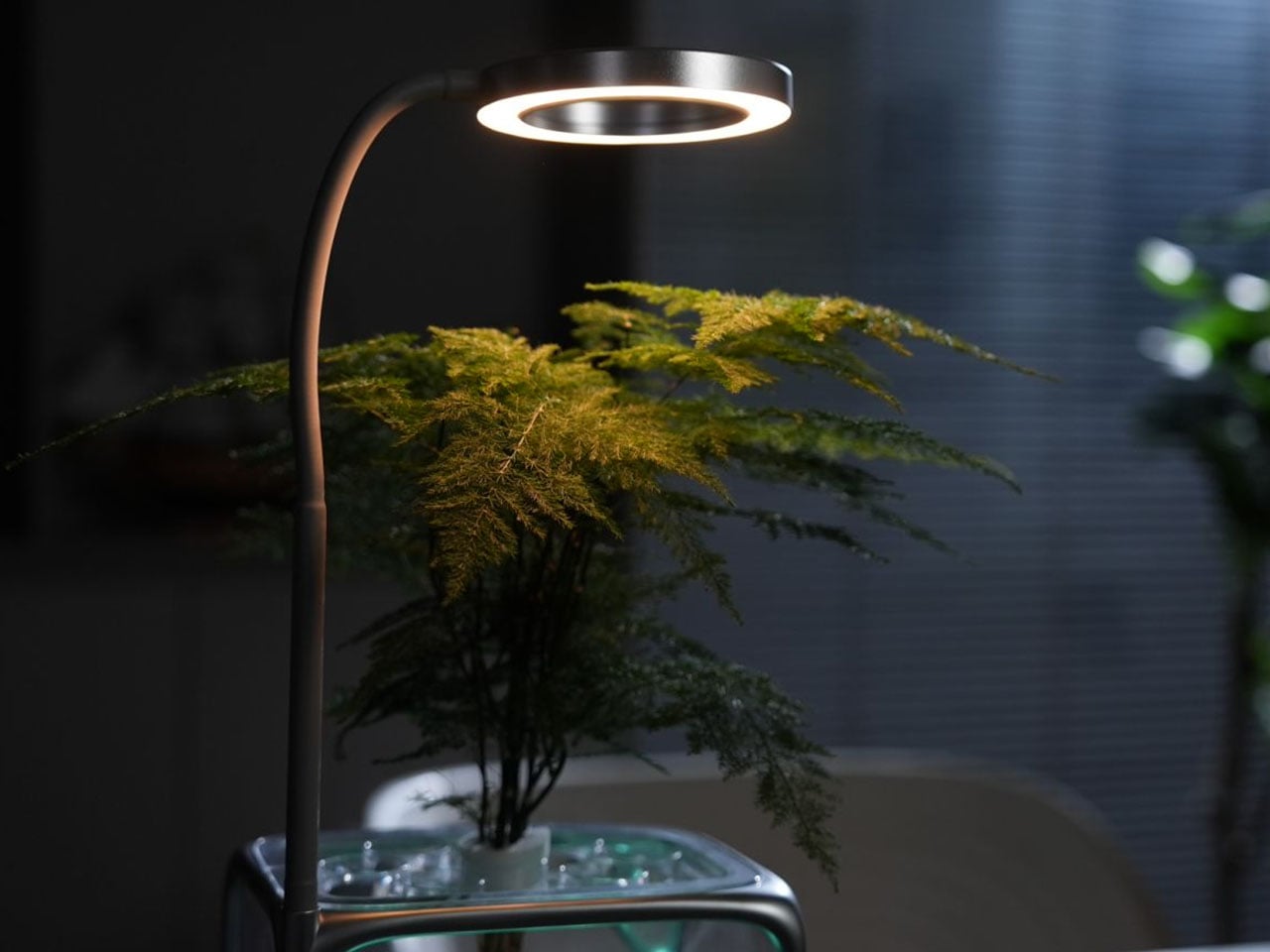
When the plant has grown above the planting panels, the adjustable light takes over. The full-spectrum light can bend and tilt at any angle or height required and mimics the sun’s light for indoor growth of the plants. In addition to plant lighting, this adjustable light with adjustable brightness levels can be used as a desk lamp or night light.

Click Here to Buy Now: $89 $150 (41% off) Raised over $97,789 already!

The post This $89 Planter Grows Plants in Mid-Air Without Soil or Water first appeared on Yanko Design.

Hand-Built Through Nine Storms: Remote Scottish Home Wins RIBA House of the Year 2025

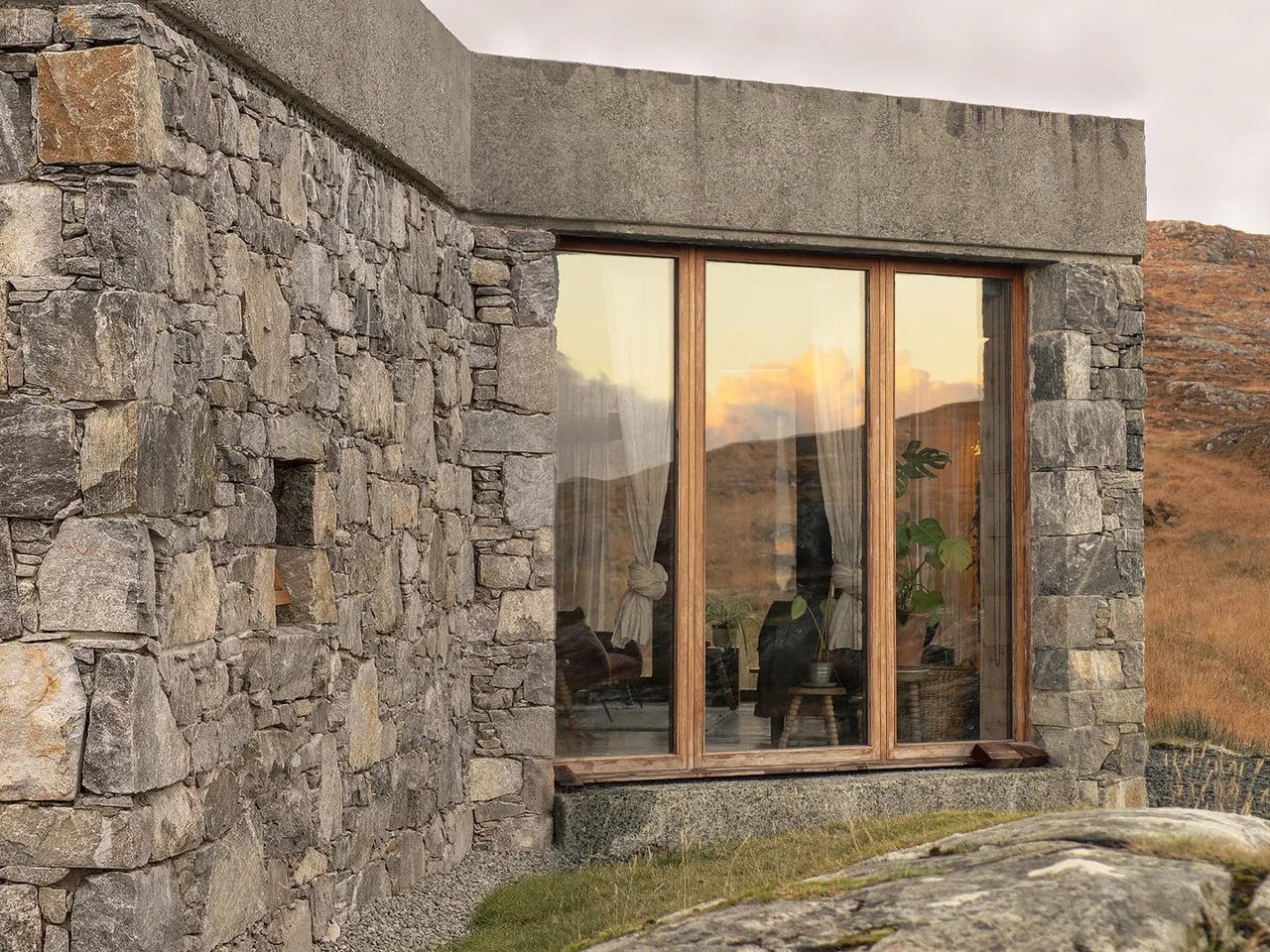
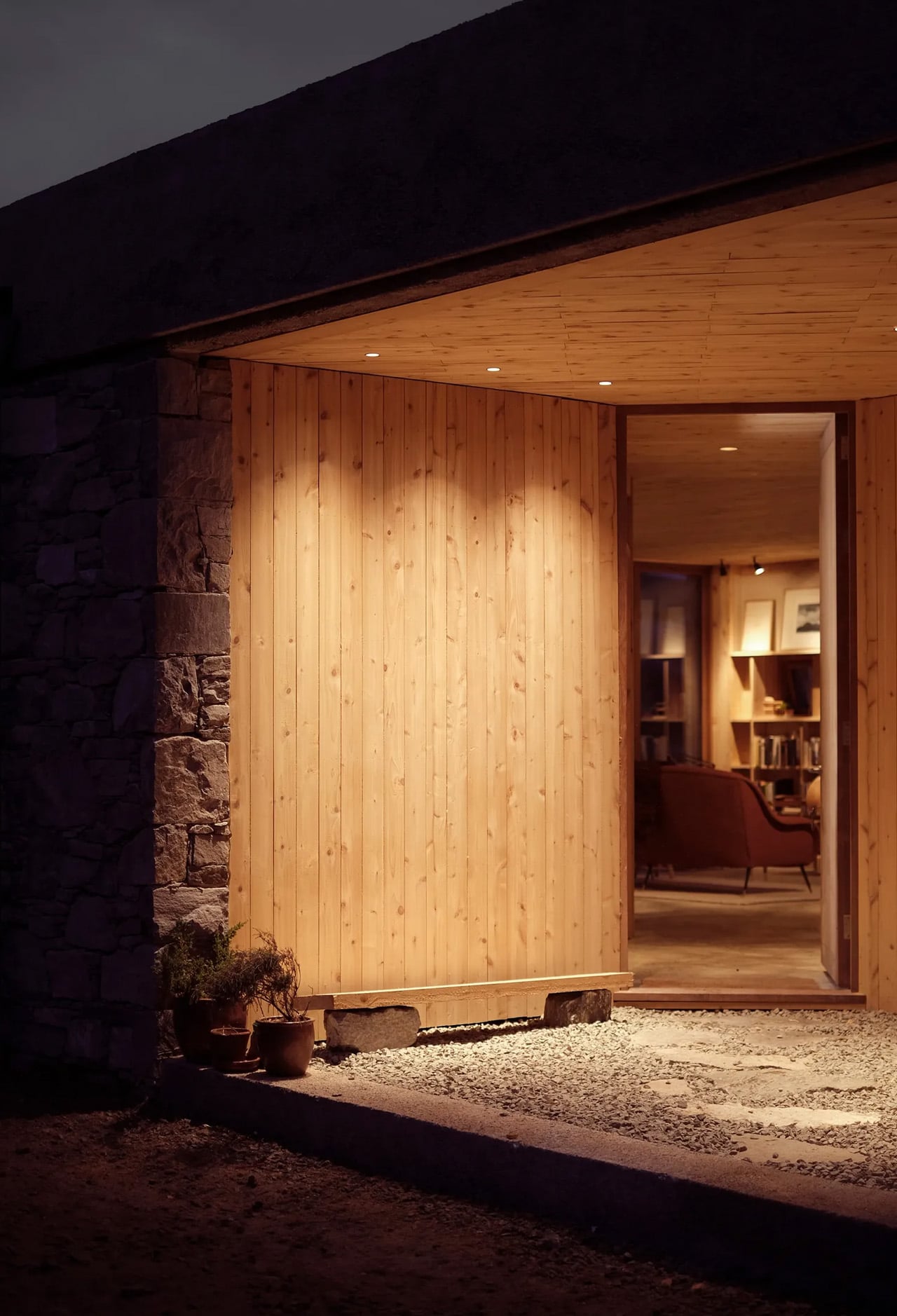
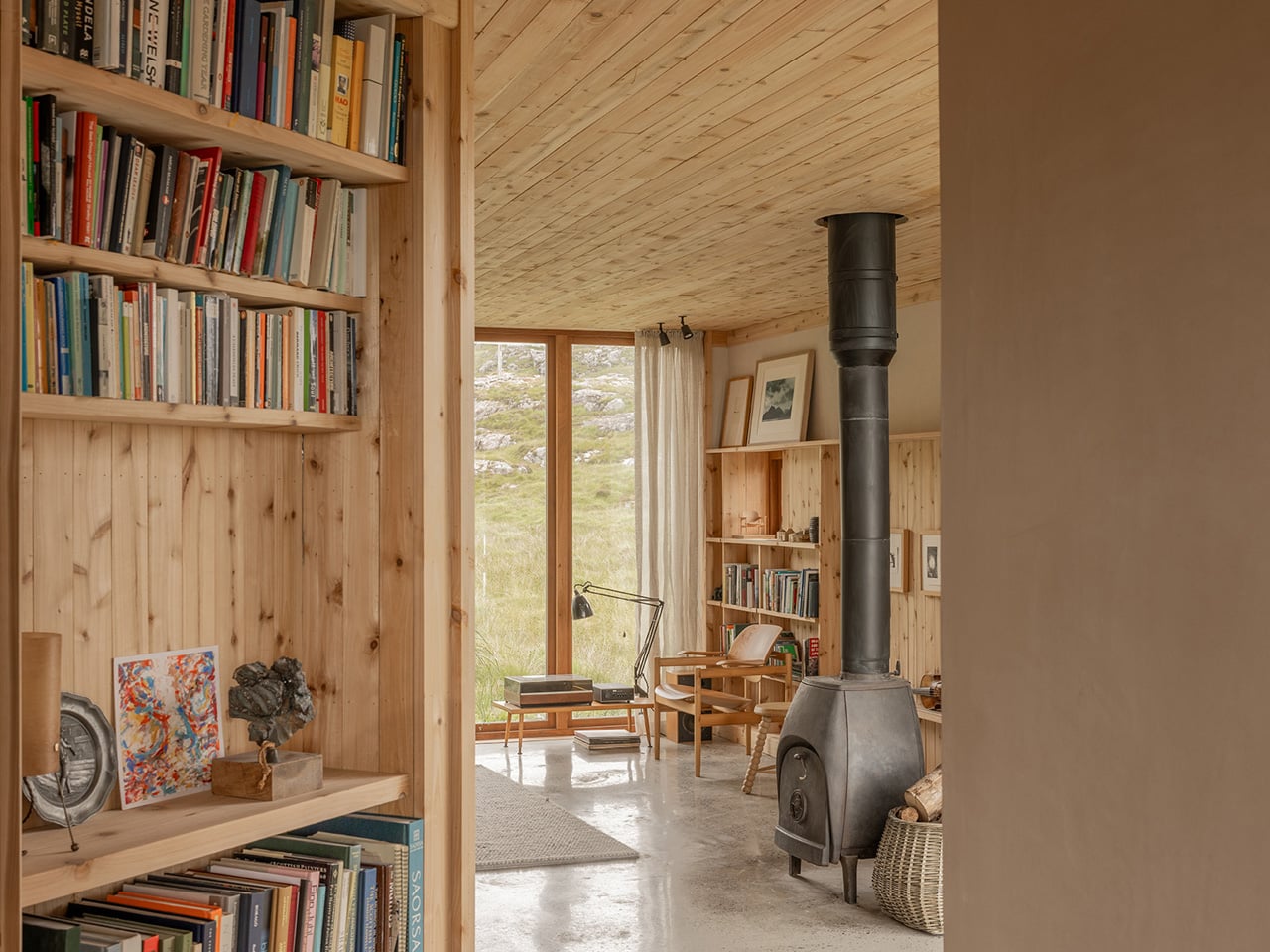
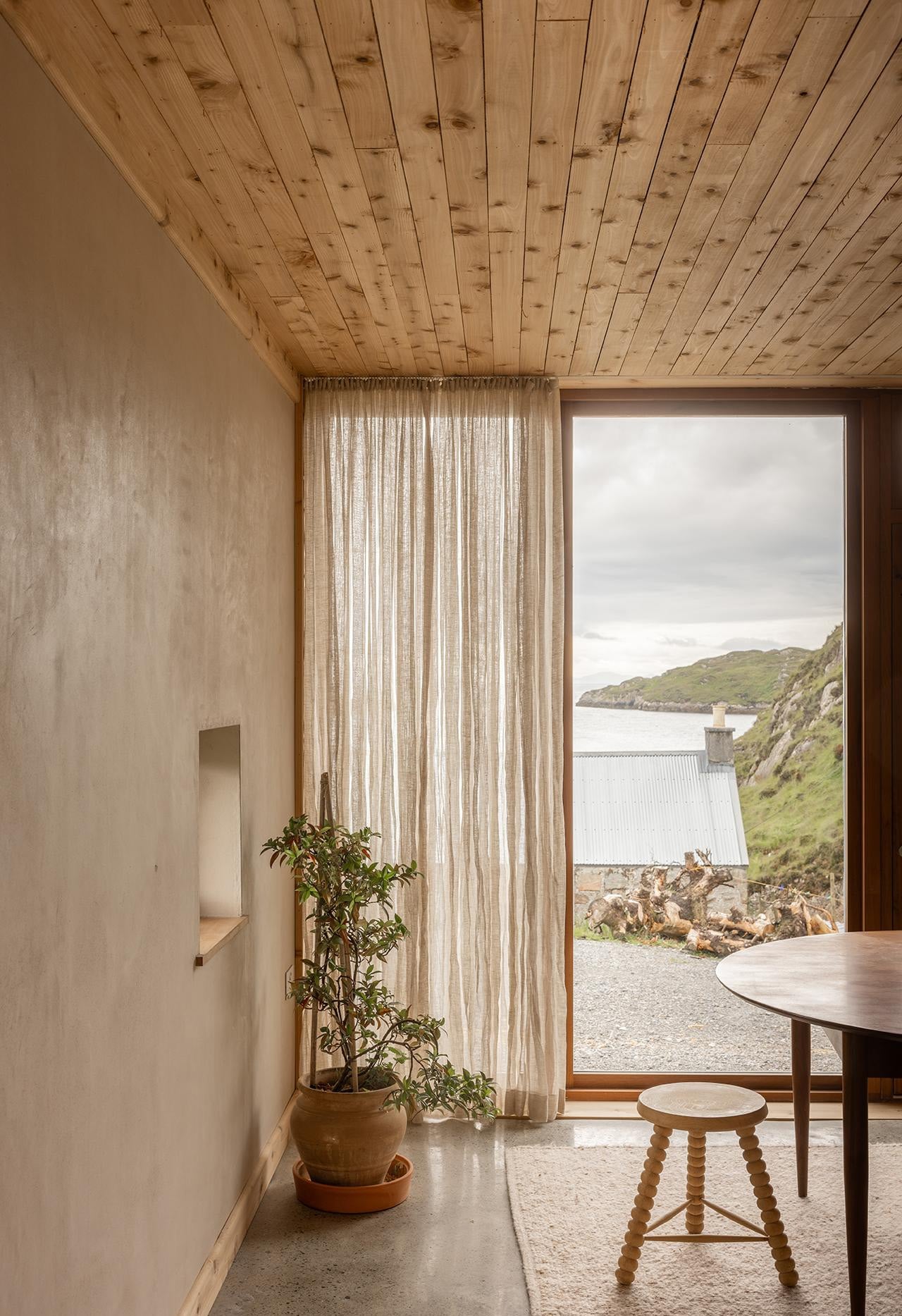
On a rocky outcrop in Scotland’s Outer Hebrides, where Atlantic winds batter the coastline and ancient Lewisian Gneiss stone shapes the landscape, sits Caochan na Creige. This modest one-bedroom home has just been crowned RIBA House of the Year 2025, Britain’s most prestigious residential architecture award. Perched in a sheltered inlet in the Bay of Harris with panoramic views across the Minch to Skye, the house represents a remarkable achievement in contemporary residential design, celebrated for its sensitivity to place, exceptional craftsmanship, and resilience in one of Europe’s most challenging environments.

The name translates as “little quiet one by the rock,” a poetic description developed with landscape architect John Murray, author of ‘Reading The Gaelic Landscape.’ It’s a fitting moniker for a house that seems to grow organically from its surroundings. The house’s irregular, angled plan emerged from a philosophy of “working with the landscape rather than against it.” The foundations carefully avoided areas of incredibly hard rock, allowing the building to settle naturally into its site. This approach created a sculptural form that appears to be part of the landscape itself, with an enigmatic presence that recalls defensive structures and castles while maintaining an intimate scale.

Designer: Izat Arundell

Eilidh Izat and Jack Arundell, co-founders of architectural practice Izat Arundell, designed and built their own home entirely by hand. Working alongside Eilidh’s brother Alasdair Izat, a furniture maker, and their friend Dan Macaulay, a stonemason, they broke ground in January 2022. The build took 18 months, during which the small team battled through nine named storms in one of Europe’s most unforgiving environments. This extraordinary feat of ambition and resilience transformed a tight budget and challenging conditions into opportunities for innovation and craftsmanship.

The sculptural form is clad in the same Lewisian Gneiss rock on which it sits, sourced from a quarry less than five miles away. This ancient stone, billions of years old, gives the house a timeless quality that connects it deeply to its surroundings. A concrete parapet with exposed Lewisian Gneiss aggregate caps the stone walls, creating a contemporary counterpoint to the traditional material. The stone is used full thickness as exterior cladding, demonstrating a commitment to authenticity and durability. Together with hardwood windows, these material choices create a contemporary air to the design while respecting the vernacular traditions of the island.

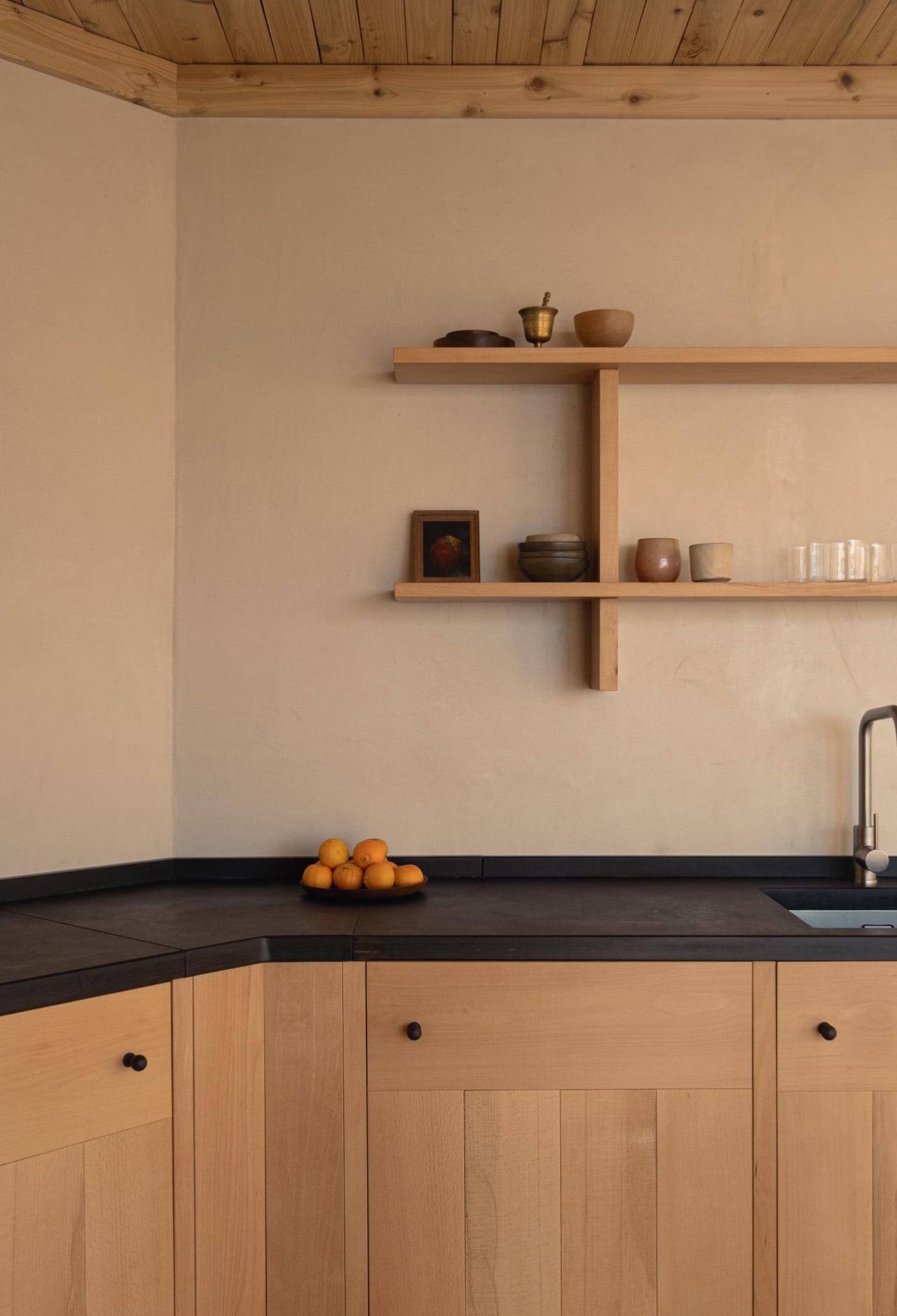
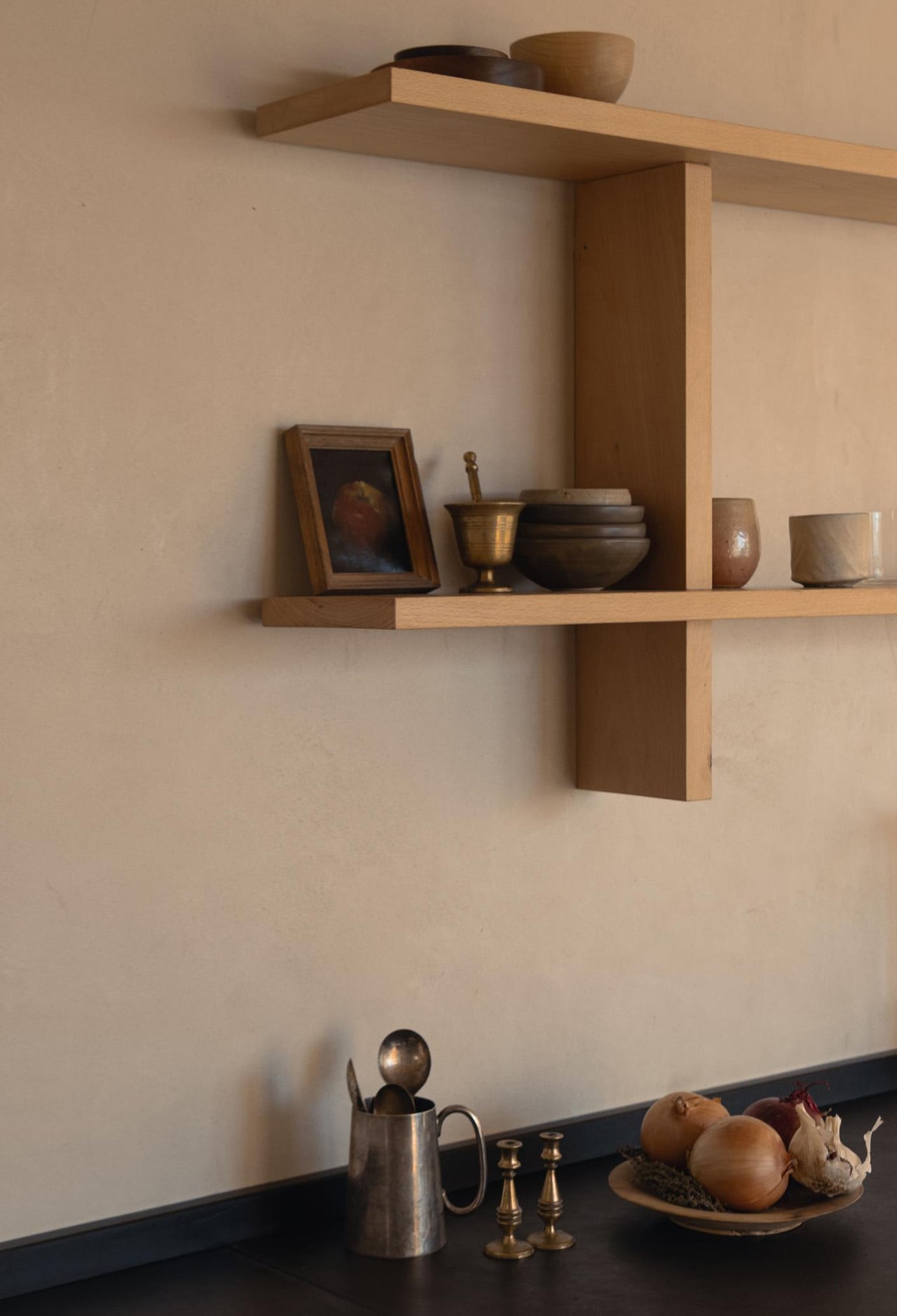
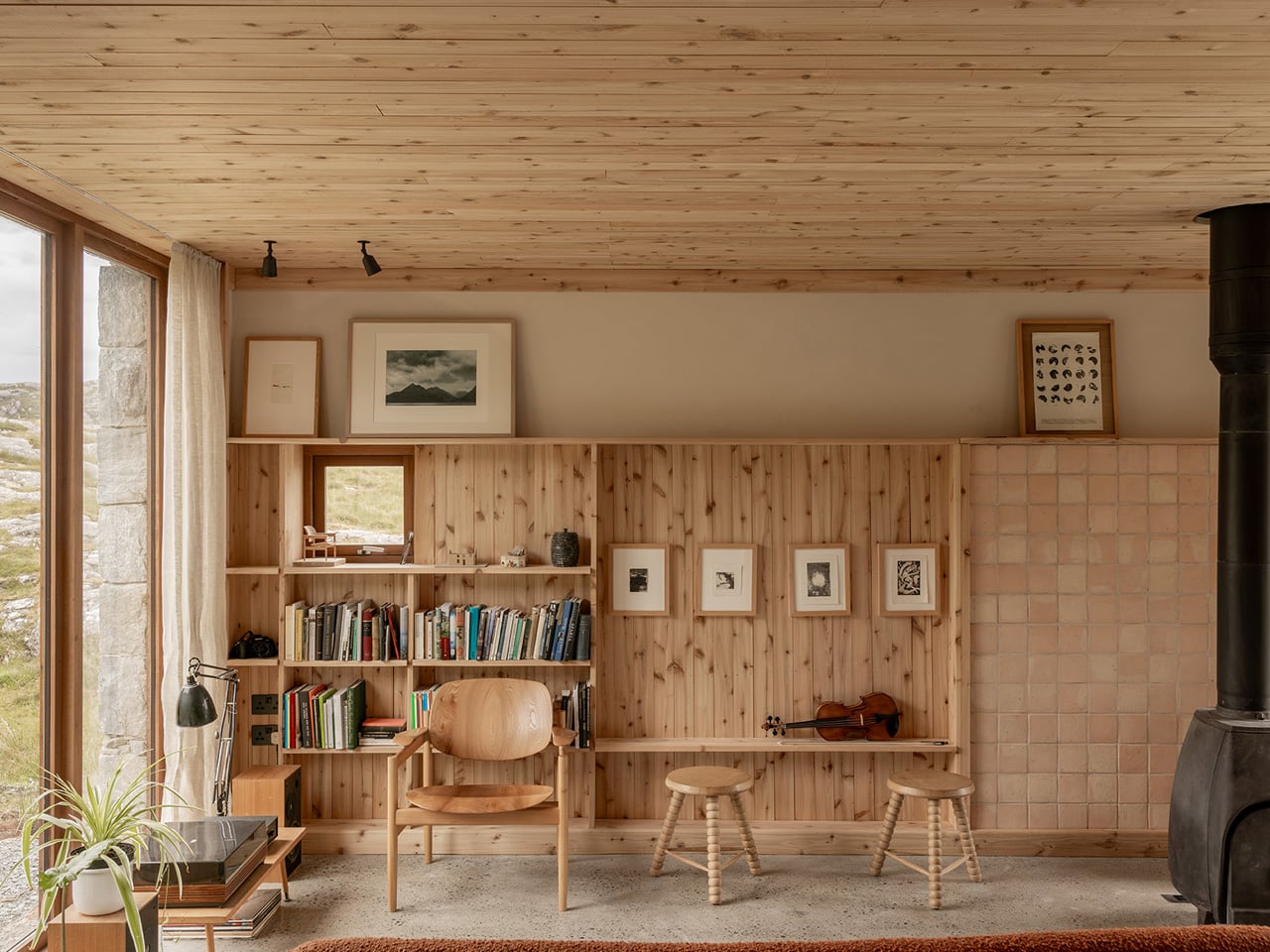
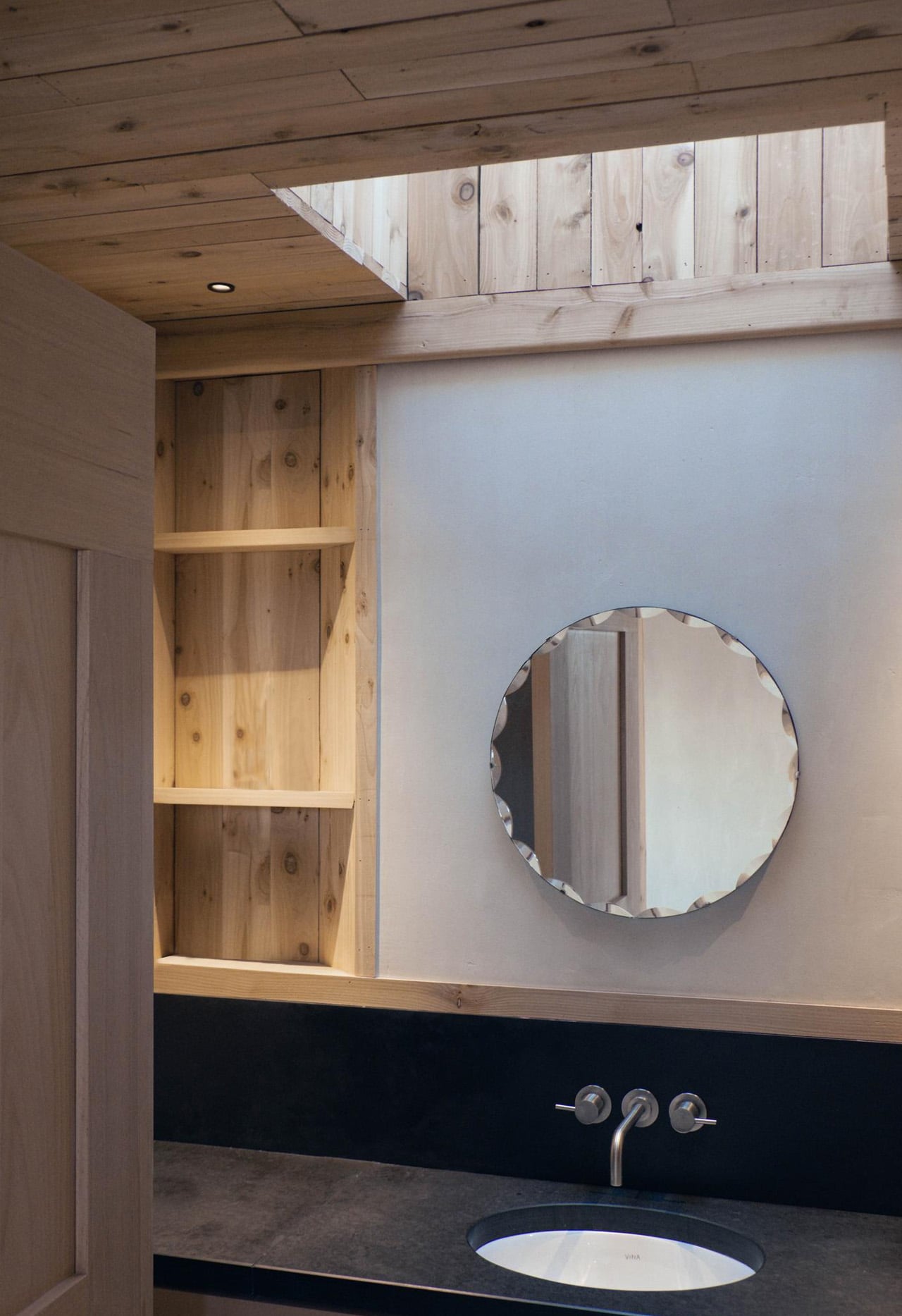
Inside, soft angles weave throughout the home, creating spaces that flow into one another while remaining defined, inspired by the gently shaped blackhouses’ vernacular to the island. An entrance porch, utility area, and skylit bathroom occupy the center of the plan, with a bedroom protruding to the northwest and a living room and kitchen filling the eastern half, maximizing those dramatic sea views. Despite its modest size, the house feels luxurious in its connection to the surrounding landscape, with every spatial decision carefully considered to enhance the experience of living in this remote and spectacular location.

The project represents a growing movement of ultra-contemporary homes in Scotland’s remote landscapes, following RIBA House of the Year 2018 winner Lochside House and the RIAS Andrew Doolan Best Building in Scotland Award winner Cuddymoss. David Kohn, chair of the RIBA House of the Year Award 2025 jury, praised the unanimous decision: “It addressed every issue – challenging climatic conditions, the relationship to vernacular architecture and a tight budget – with a rare mixture of sensitivity and boldness.” Caochan na Creige has also won the Laurence McIntosh Interior Design Award at the 2025 RIAS ceremony and features on the cover of ‘New Scottish Houses: Contemporary Architecture and Living in the Landscape’ by Isabelle Priest. It proves that exceptional architecture doesn’t require vast resources, just vision, determination, and a deep respect for place.

The post Hand-Built Through Nine Storms: Remote Scottish Home Wins RIBA House of the Year 2025 first appeared on Yanko Design.

This Intelligent Pet Exoskeleton Helps Injured Dogs Relearn Movement on Their Own Terms

Watching a dog struggle to walk is quietly heartbreaking. Movement, for animals, is not just mobility. It is freedom, confidence, and joy. The Pet Power Assistive Exoskeleton was born from this understanding, blending emotional insight with advanced engineering to create a rehabilitation solution that truly listens to the animal it supports.

The project’s inspiration traces back to a news report on prosthetic limbs designed for disabled pets. While well-intentioned, many of these solutions revealed clear shortcomings. They were passive, rigid, and often uncomfortable, offering limited support beyond basic mobility. This realization became deeply personal when the designer cared for their own dog after a hindlimb injury. Seeing firsthand how difficult recovery could be for an animal exposed a larger issue. Modern rehabilitation technology has evolved rapidly for humans, yet animal care continues to rely on simplified, often outdated aids. This gap sparked a mission to extend intelligent, humane rehabilitation into veterinary practice.

Designer: Leijing Zhou

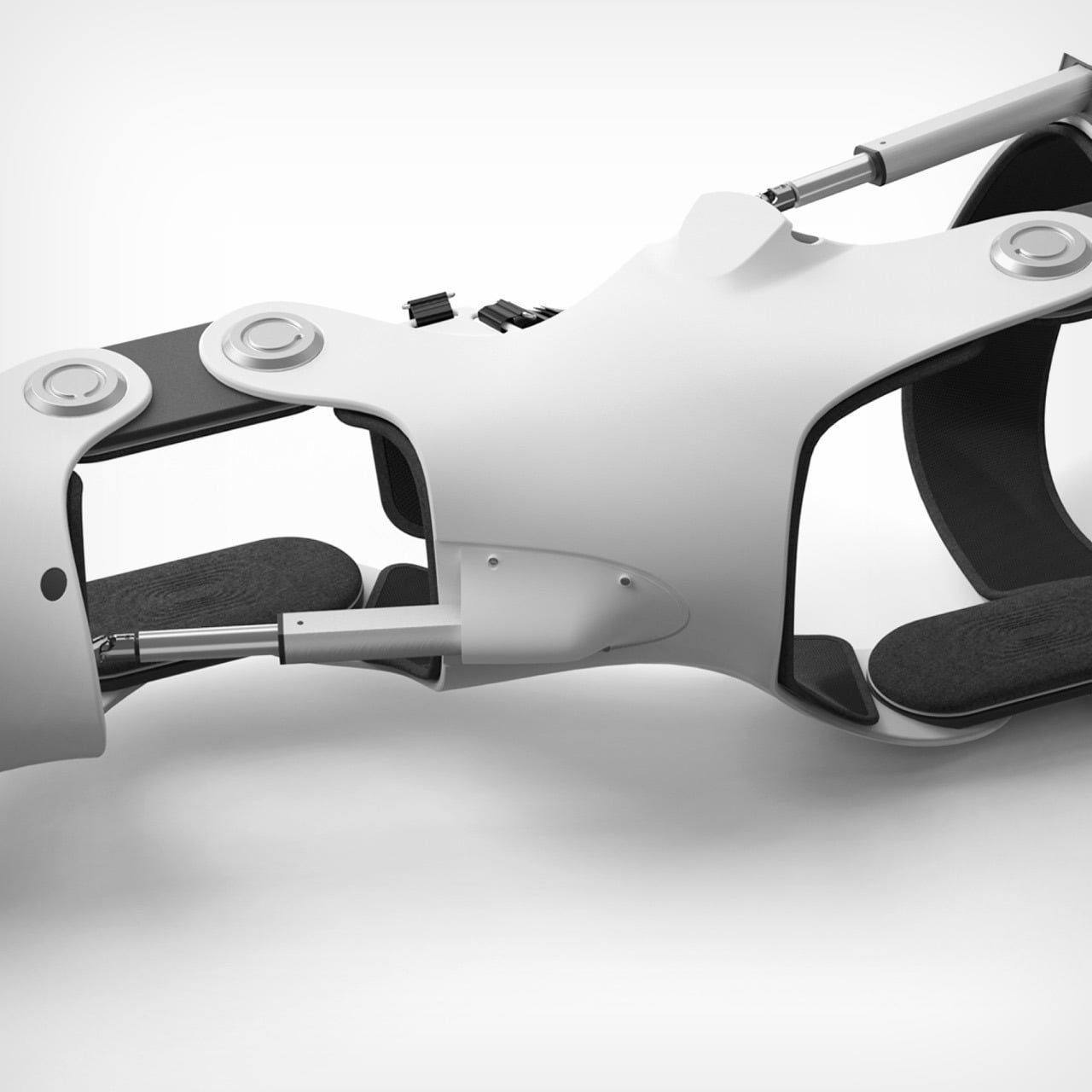
Instead of forcing movement, the Pet Power Assistive Exoskeleton focuses on understanding intention. Borrowing principles from active exoskeleton systems used in stroke rehabilitation, the device uses surface electromyographic sensors to read muscle signals from a dog’s healthy forelimb. As the dog initiates movement, these signals are analyzed in real time to predict how the impaired hindlimb should move. The system then activates precise mechanical assistance, synchronizing the injured leg with the dog’s natural gait.

This approach transforms rehabilitation into a cooperative process rather than a mechanical correction. The dog leads, and the technology follows, creating movement that feels natural, fluid, and instinctive. By aligning assistance with intention, the exoskeleton reduces strain, encourages correct gait patterns, and supports faster, more confident recovery.

Personalization is central to the design philosophy. Every dog has a unique body, posture, and injury profile, so the exoskeleton is created using advanced 3D printing based on individual body scans. This ensures a tailored fit that distributes weight evenly and avoids discomfort. Carefully selected materials such as lightweight structural components, soft memory foam padding, and non slip contact surfaces prioritize comfort, stability, and long term wearability. This makes the device suitable not only for clinical rehabilitation but also for everyday use.

Developed between 2023 and March 2025 in Hangzhou, the project required extensive research and experimentation. One of the greatest challenges was interpreting muscle signals in animals, an area with little existing data or standardized methods. Translating raw biological signals into reliable movement predictions demanded repeated field testing, iterative modeling, and close observation of real canine behavior. Equally complex was balancing strength and comfort, designing a structure robust enough to assist movement while remaining gentle and non restrictive.

Ultimately, the Pet Power Assistive Exoskeleton represents more than a technical innovation. It reflects a shift in how we think about animal care, recognizing pets not as passive recipients of aid, but as active participants in their own recovery. By merging empathy with intelligent technology, this project restores more than mobility. It protects dignity, independence, and the simple joy of movement.
The post This Intelligent Pet Exoskeleton Helps Injured Dogs Relearn Movement on Their Own Terms first appeared on Yanko Design.


This Yacht is actually powered by a Detachable Jet-ski

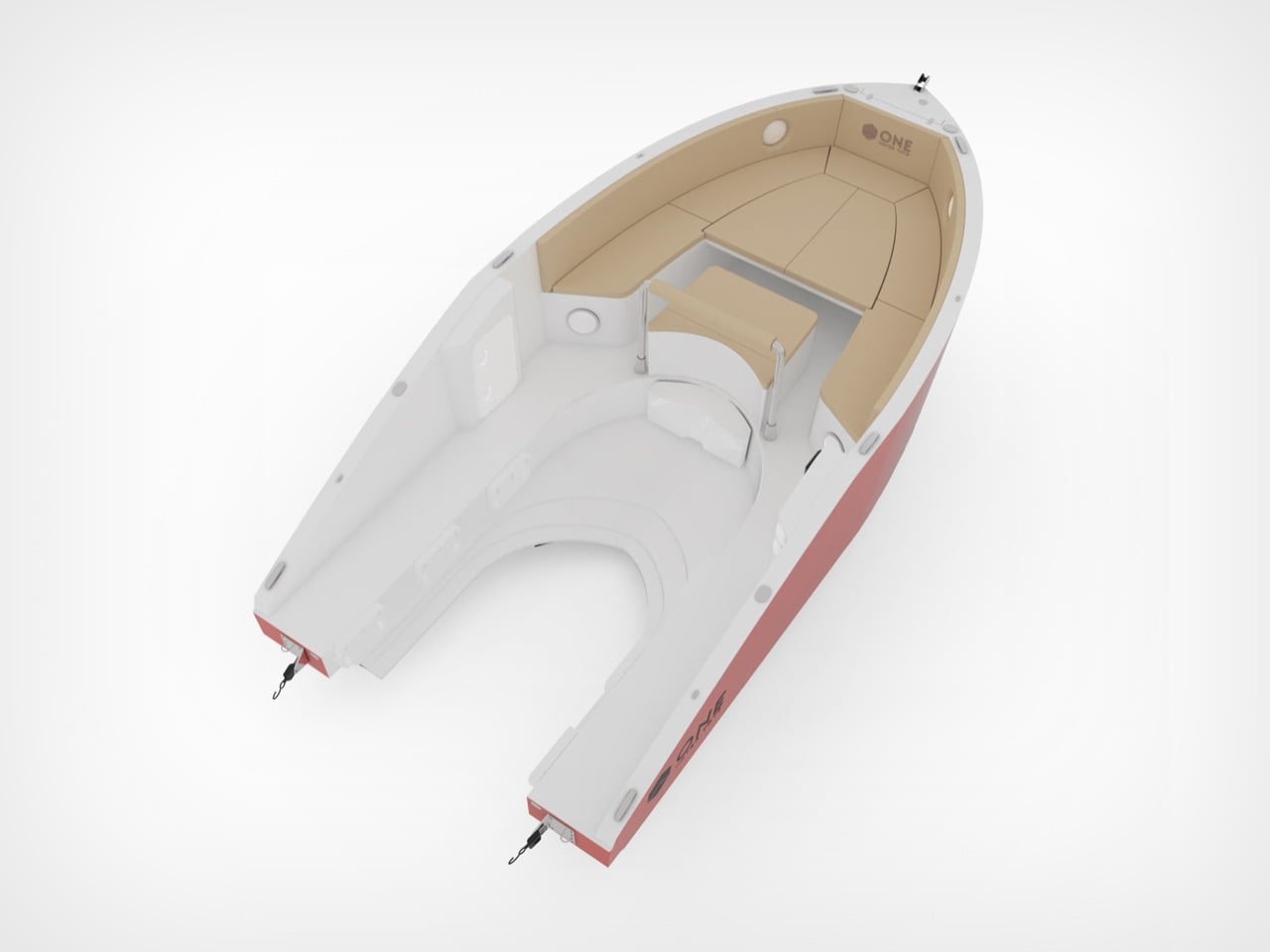
Jet skis rip through water with ridiculous speed and agility. They’re also terrible at everything else. Try bringing friends along for the ride, or packing anything beyond a phone in a waterproof case. Yachts fix the space issue completely, but they cost a small fortune and require actual skills to operate. Spanish designer Amor Jimenez Chito created the One 16 to split the difference: it’s a six-meter boat powered by a jet ski that detaches when you want to go full throttle solo. The design won the Golden A’ Design Award for 2025, which apparently goes to projects that solve problems nobody else bothered to address.

The engineering is surprisingly straightforward. Your jet ski slots into the hull and becomes the propulsion system for the entire boat. The plug-and-play setup works with major jet ski brands, so you can use whatever you already own or prefer. Six people fit comfortably on deck, where a convertible bow switches between table mode and sunbathing platform depending on the vibe. The hull keeps weight distributed properly so the whole thing stays stable instead of feeling like you strapped a picnic table to a rocket. You get two vehicles in one without paying marina fees for two vehicles. That’s the entire pitch, and it actually makes sense.

Designer: Amor Jimenez Chito

This kind of modularity has been tried before, usually with clunky results that looked like a science fair project gone wrong. The reason the One 16 works, at least conceptually, is that it doesn’t try to hide what it is. The jet ski integration is a core feature, not an afterthought. Chito’s background in industrial design engineering clearly shows in the execution, where the docking mechanism appears both robust and user-friendly. Making it compatible with Sea-Doo, Yamaha, and Kawasaki from the get-go is the smartest decision they could have made. It bypasses the proprietary ecosystem trap and opens the concept up to the entire existing PWC market, which is a massive advantage.

Of course, the real test is how it handles chop with a 300-horsepower jet ski bolted into its spine. The weight distribution is supposedly optimized, but there’s a big difference between a CAD rendering and a windy afternoon on the water. Aesthetically, it’s clean and inoffensive, which is probably the right call for a product aiming for broad appeal. It won’t turn heads like a Wally tender, but it’s not supposed to. The One 16 is a clever piece of problem-solving that prioritizes function over form. It’s a utility player, a waterborne multitool for people who want more options without owning an entire fleet.

The post This Yacht is actually powered by a Detachable Jet-ski first appeared on Yanko Design.

Apple escalates its appeal of a $2 billion fine from a UK antitrust lawsuit

Apple isn't ready to pay a several billion-dollar fine to UK App Store users and is filing an appeal over a major antitrust lawsuit. As first reported by The Guardian, Apple has requested to appeal to the UK's Court of Appeal, which would escalate the case beyond the Competition Appeal Tribunal (CAT). 

The latest appeal attempt follows an October decision from the CAT, where the court found that Apple engaged in anticompetitive practices by exploiting its dominant market position with the App Store to charge higher fees. The CAT's ruling established a £1.5 billion, or roughly $2 billion, fine, but Apple said it planned to appeal and that the court "takes a flawed view of the thriving and competitive app economy." The CAT didn't grant Apple the appeal, leading the iPhone maker to seek a higher court to overturn the ruling.

Apple hasn't made any official statements about its latest appeal application, but it's likely that it will argue against the CAT's proposed App Store developer fee rate of between 15 and 20 percent, which it reached through "informed guesswork," instead of the existing 30 percent. If the fine does ultimately stick, the $2 billion fine would be split amongst any App Store user in the UK who made purchases between 2015 and 2024, according to The Guardian.

This article originally appeared on Engadget at https://www.engadget.com/big-tech/apple-escalates-its-appeal-of-a-2-billion-fine-from-a-uk-antitrust-lawsuit-201922558.html?src=rss

This CMF Phone Mini Concept Is The Compact Android Fans Have Been Begging For

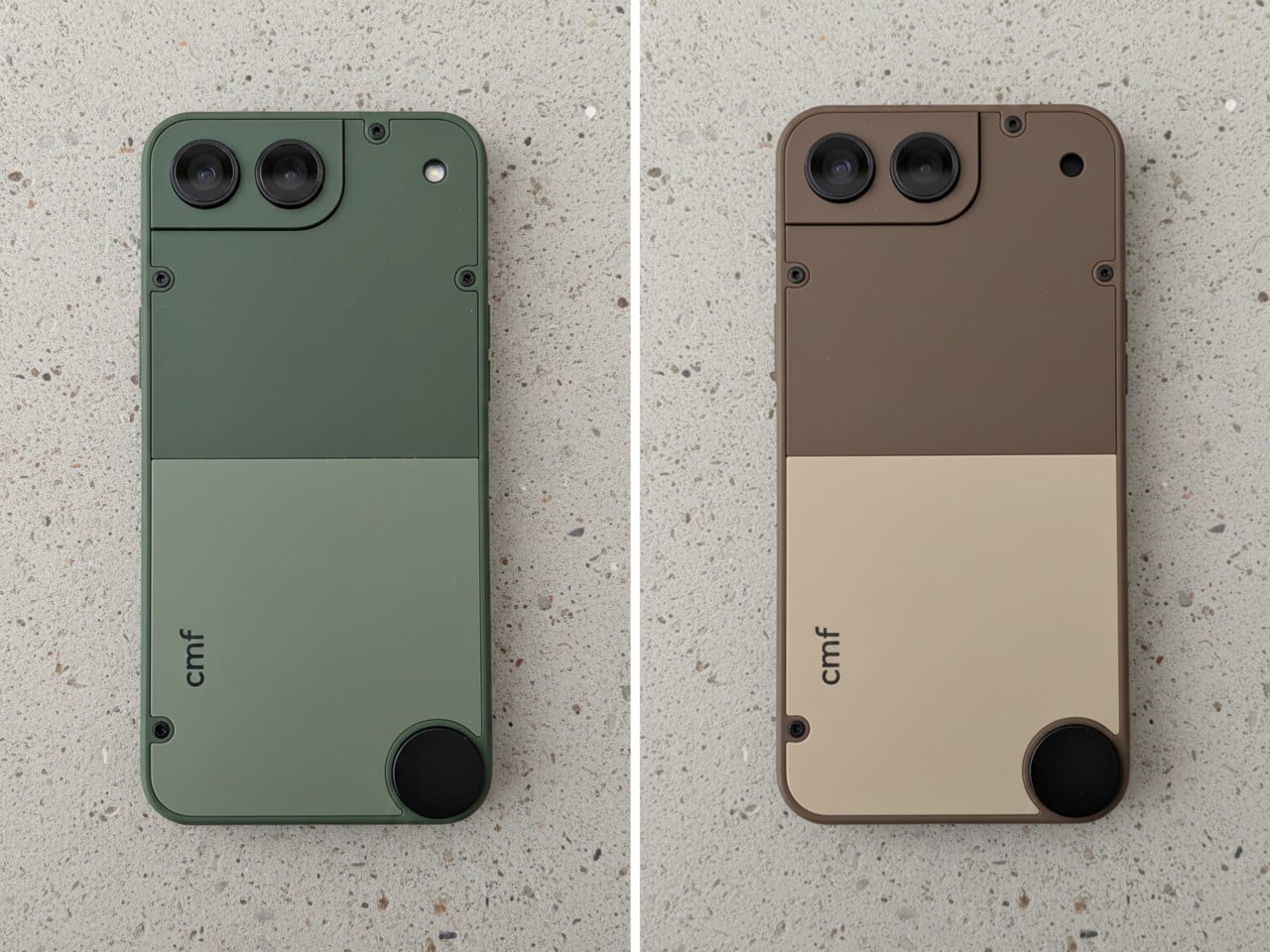
The market for compact smartphones didn’t disappear because people stopped wanting them; manufacturers simply decided the economics didn’t justify the engineering. The iPhone 13 mini was the last great holdout, and its discontinuation left a void that has been filled with nothing but silence. That makes this CMF Phone Mini concept, posted by designer Preet Ajmeri on the Nothing Community forum, feel less like a flight of fancy and more like a genuine market opportunity. It suggests a smarter middle path for small phones, one built around accessibility and modularity rather than specs-sheet maximalism. This isn’t just another shrunken flagship render; it’s a thoughtful take on what a small phone in 2025 ought to be.

What makes Ajmeri’s concept work is its complete lack of flagship pretension. The design has a satisfying, tool-like quality, with an aesthetic that leans closer to a Braun appliance than a miniaturized glass sandwich. The two-tone back panels, secured by exposed screws, are a direct nod to the modularity of the CMF Phone 1 and 2 Pro. That little circular element in the lower corner is a brilliant touch, practically begging for a lanyard or a clever magnetic accessory. The camera housing is integrated into a stepped corner plate, making it feel like a distinct, functional component rather than a generic camera island. It’s an honest object, designed to be held and used without demanding reverence.

Designer: Preet Ajmeri

The colorways Ajmeri mocked up are subtle, and a deviation from the flagship phones’ vibrant color schemes. The sage green has a distinct, almost military-grade feel, while the slate blue is more of a classic tech color. But that brown and cream version is the real standout; it feels like something Braun would have designed in 1975, a perfect piece of retro-futurism. The hard split between the two tones gives it a clear visual hierarchy, and the presumed matte texture looks like it would feel fantastic in the hand. That aside, the modularity is still retained, with the screw-in design, and the knob on the bottom for fixing accessories.

This thing would live or die in the sub-$300 space, and that’s exactly where it belongs. You wouldn’t expect a top-tier Snapdragon processor here; a power-efficient MediaTek Dimensity 7000-series chip would be more than enough to drive a 5.4-inch OLED display without destroying the battery. And battery life would be the biggest engineering challenge, as it always is with small devices. But the appeal isn’t raw performance. The appeal is ergonomics, a one-handed user experience, and a design that has more personality than anything five times its price. CMF has already proven it can deliver a thoughtful software experience on a budget, and that’s all a device like this would need.

So, will Nothing ever actually build it? Almost certainly not, and that’s the real shame. The big players are too risk-averse to cater to a niche they’ve already declared dead. But this concept proves the desire for a well-designed, affordable, and genuinely compact phone is very much alive. It’s a perfect fit for a brand like CMF, which has built its identity on challenging the assumption that budget-friendly has to mean boring. The first company to take a chance on a design with this much character and common sense won’t just sell a phone; they’ll create a cult classic.

The post This CMF Phone Mini Concept Is The Compact Android Fans Have Been Begging For first appeared on Yanko Design.