The Samsung Galaxy Watch Ultra 2 Battery Upgrade Changes Everything

The Samsung Galaxy Watch Ultra 2 Battery Upgrade Changes Everything Samsung Galaxy Watch Ultra 2 displaying the new smartwatch design

The Samsung Galaxy Watch Ultra 2 represents a significant evolution in the realm of smartwatches, offering notable advancements in battery life, performance, and connectivity options. Designed to appeal to both tech enthusiasts and everyday users, this latest addition to Samsung’s Galaxy Watch lineup delivers a versatile and reliable experience. Here’s an in-depth look at what […]

The post The Samsung Galaxy Watch Ultra 2 Battery Upgrade Changes Everything appeared first on Geeky Gadgets.

Posted in Uncategorized

AEKE’s "Strength In Numbers” Event Showed How AI Fitness Is Becoming More Personalized, Data-Driven, and Surprisingly Human

AEKE’s

The next phase of connected fitness may not be about streaming another workout class onto a screen. After spending an afternoon at AEKE’s “Strength In Numbers” influencer experience event in New York City, it became clear that the category is shifting toward something much more adaptive and personal: intelligent systems that analyze movement, assess the […]

The post AEKE’s “Strength In Numbers” Event Showed How AI Fitness Is Becoming More Personalized, Data-Driven, and Surprisingly Human appeared first on Geeky Gadgets.

Posted in Uncategorized

The Real Reason Google Sold Boston Dynamics to SoftBank

The Real Reason Google Sold Boston Dynamics to SoftBank Boston Dynamics Atlas robot performing factory labor tasks

Google’s decision to sell Boston Dynamics in 2017 underscored the tension between research-driven robotics and the demands of commercial viability. As Chromeborne explains, the sale stemmed from a mismatch between Boston Dynamics’ emphasis on experimental advancements, such as the humanoid robot Atlas and Google’s focus on creating products with clear and immediate market applications. This […]

The post The Real Reason Google Sold Boston Dynamics to SoftBank appeared first on Geeky Gadgets.

Posted in Uncategorized

Why Google’s New Fitbit Air is Making Apple and Whoop Sweat

Why Google’s New Fitbit Air is Making Apple and Whoop Sweat Fitbit Air

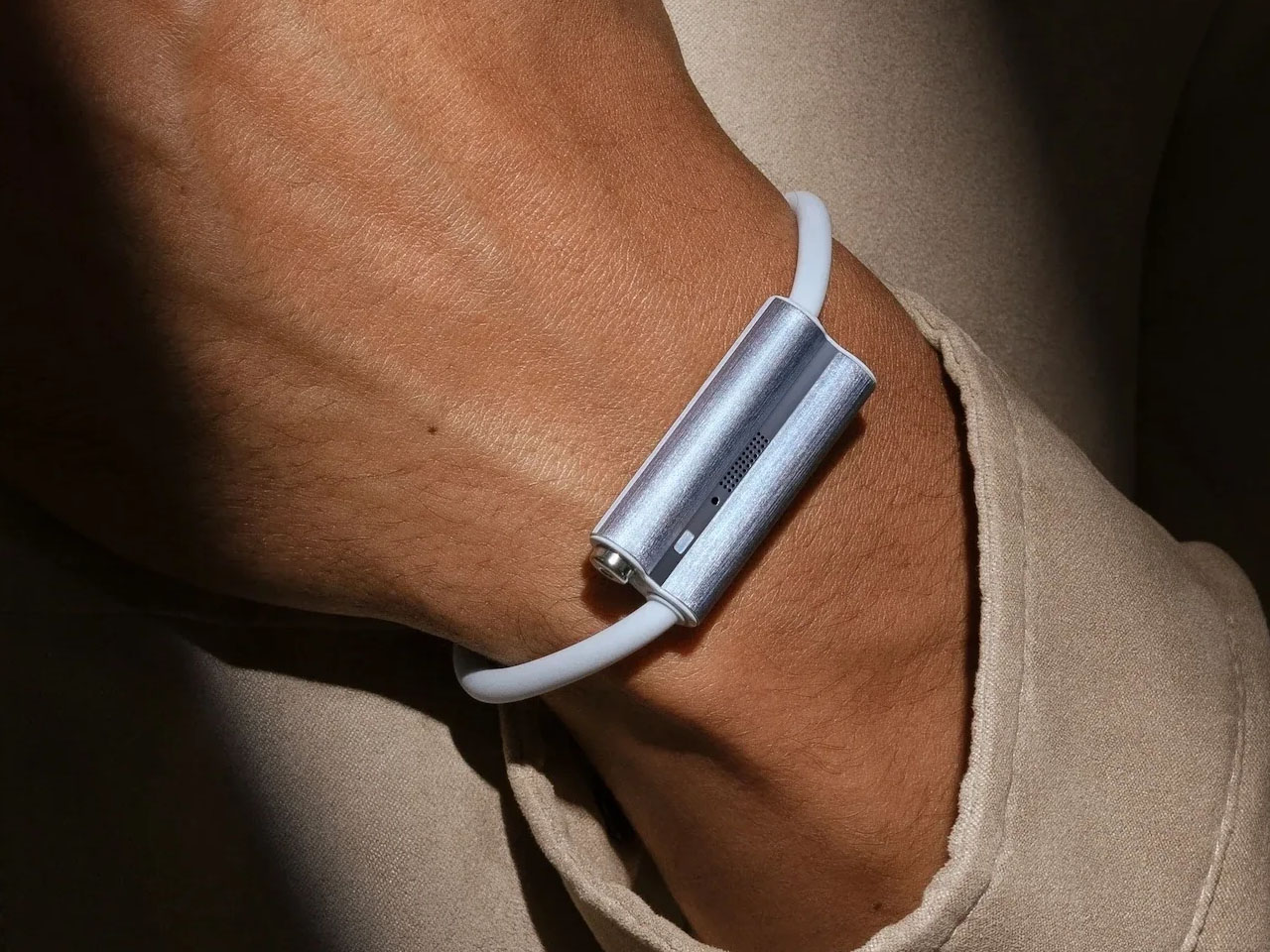
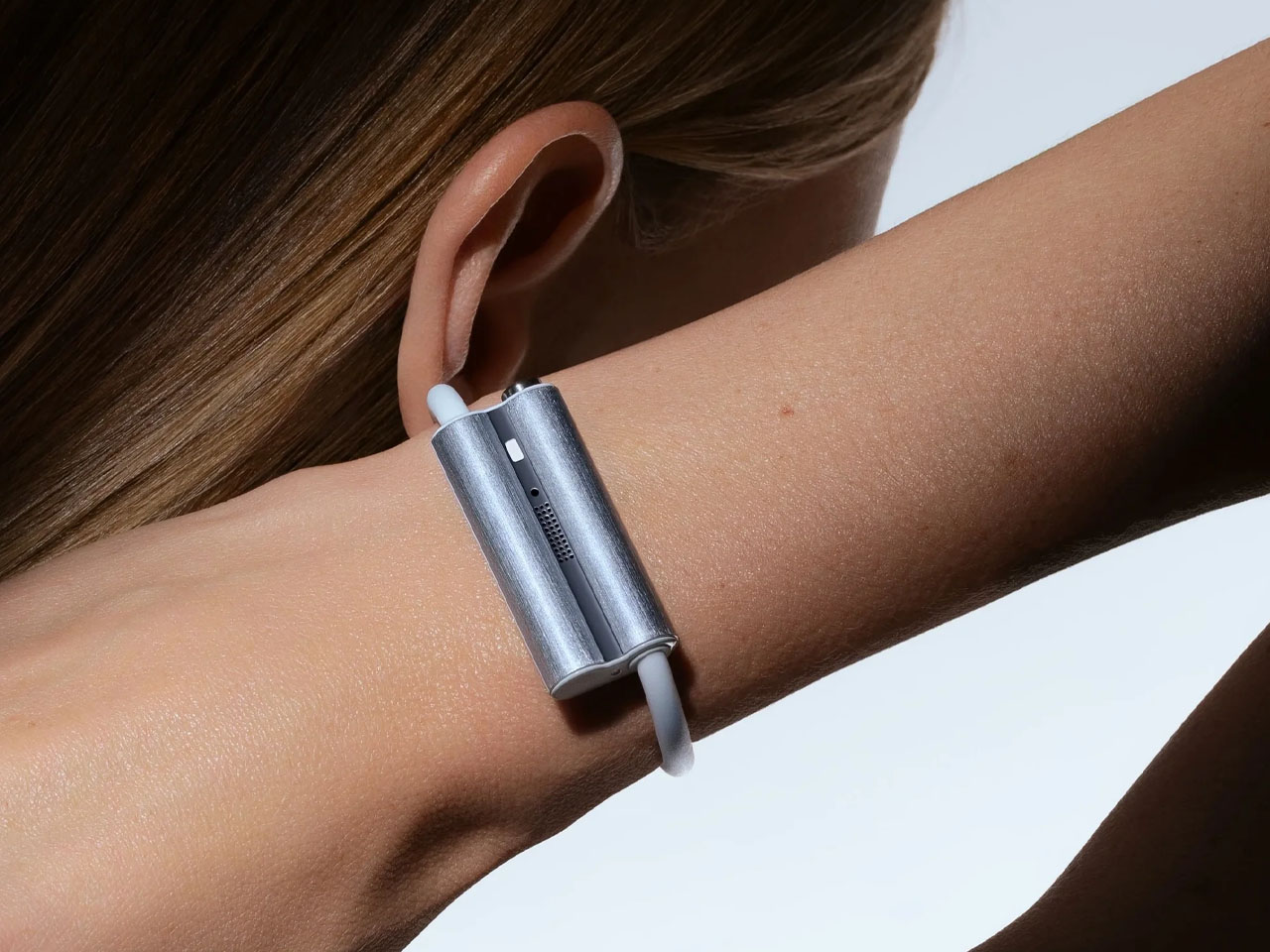
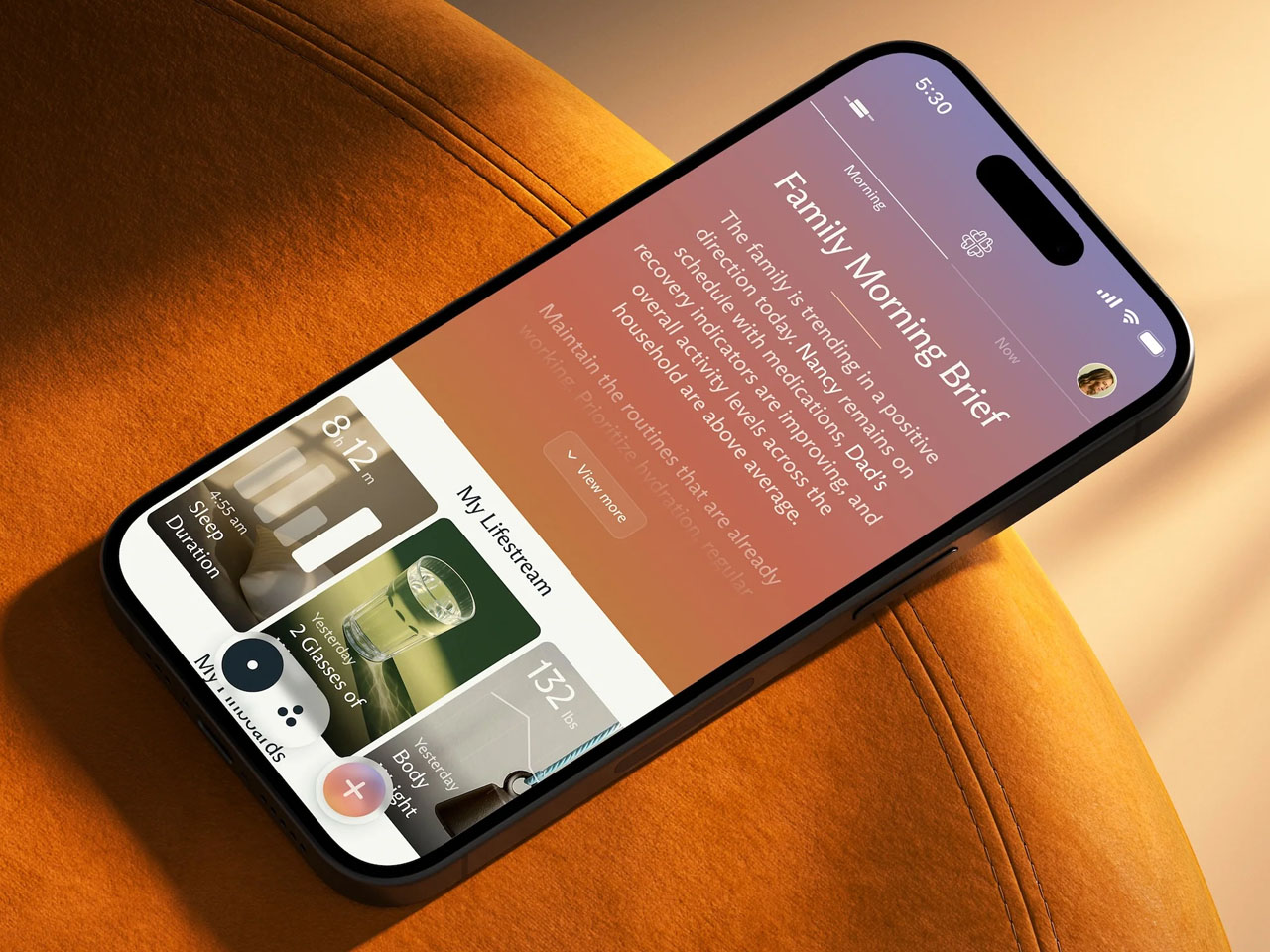
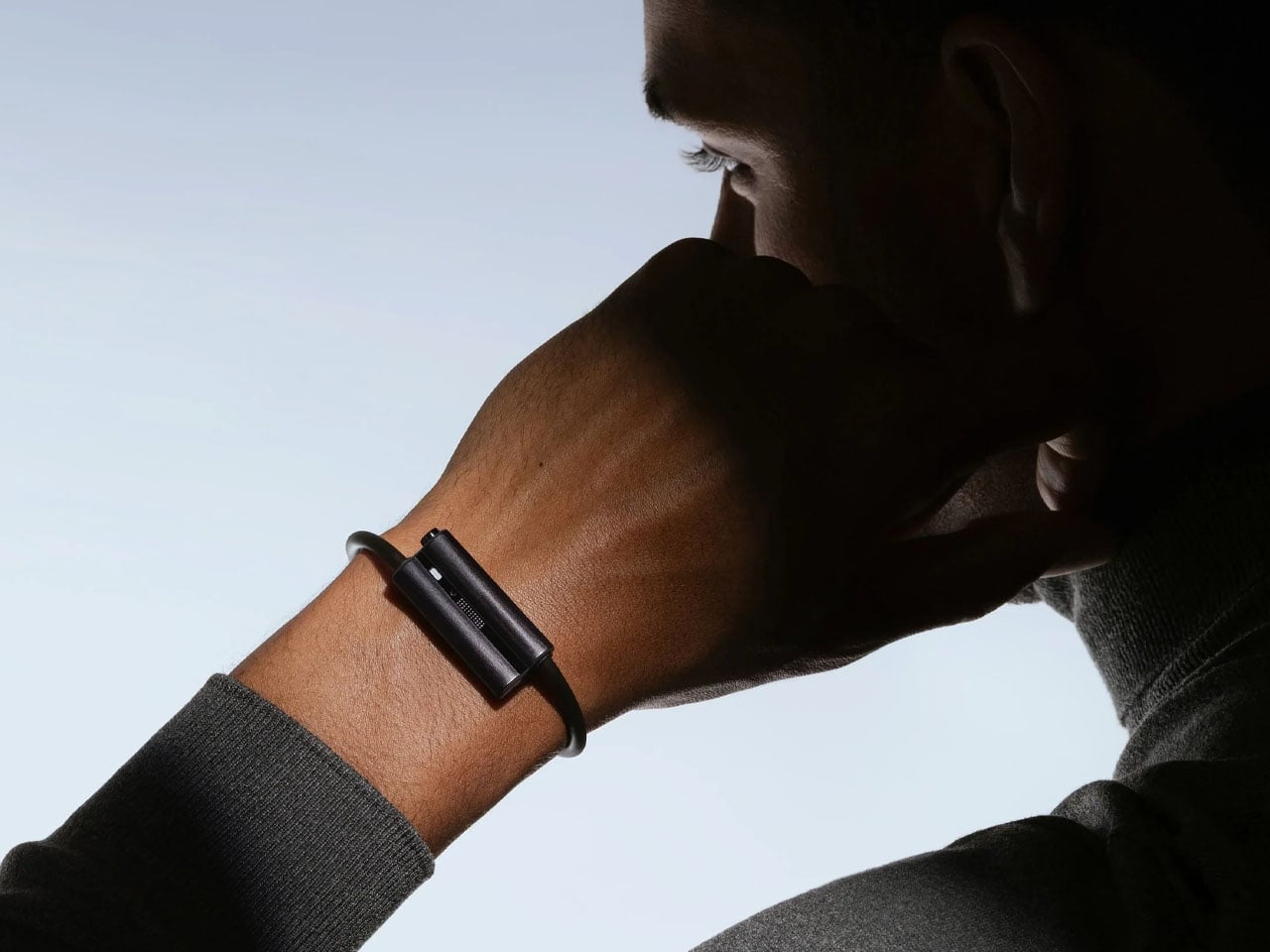
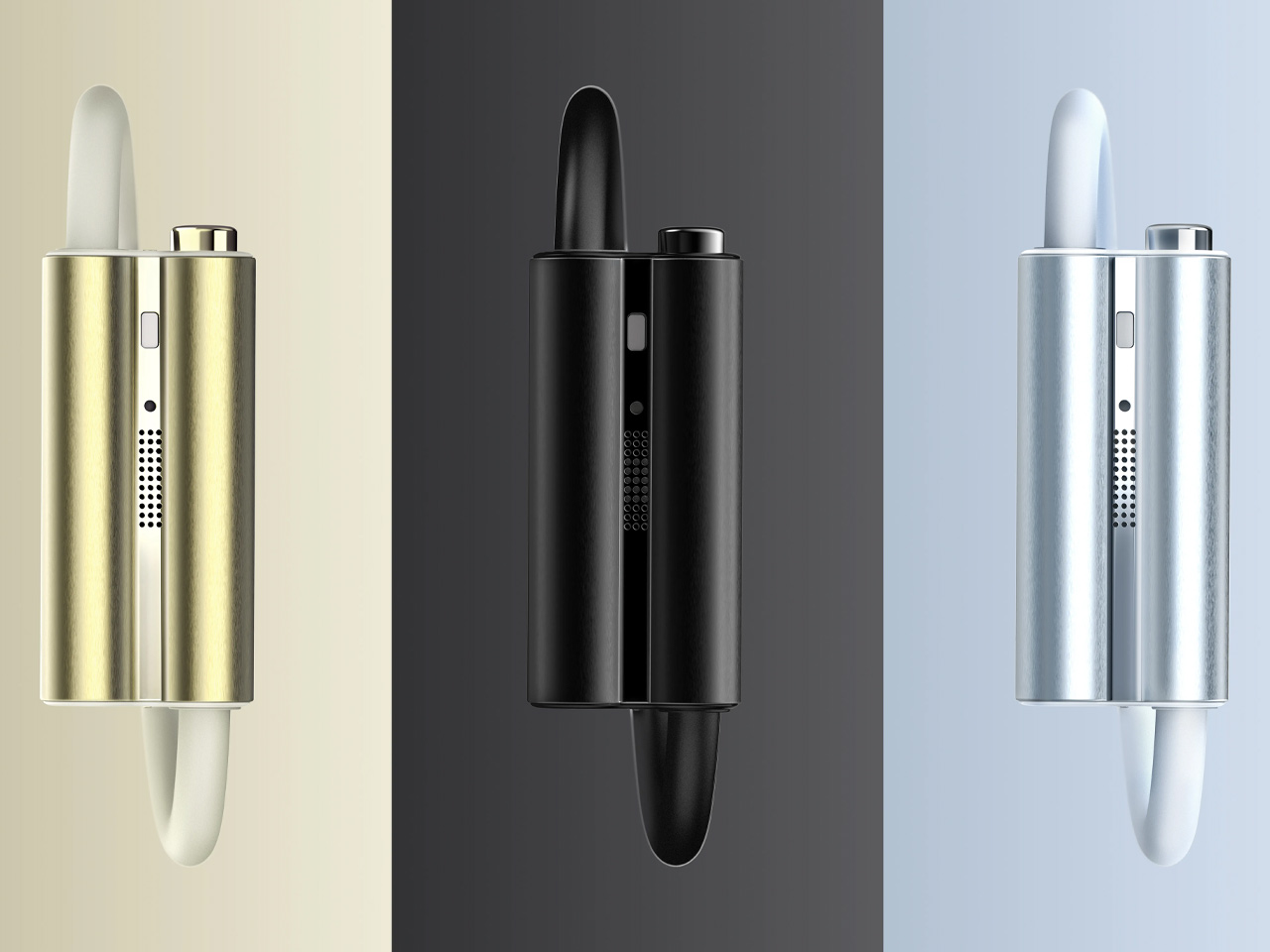
Google has unveiled the Fitbit Air, a screenless and lightweight fitness tracker designed to offer essential health monitoring at an accessible price point. At just $99, the Fitbit Air provides a robust suite of features without requiring a subscription for its core functionalities. This strategic move positions the Fitbit Air as a strong competitor to […]

The post Why Google’s New Fitbit Air is Making Apple and Whoop Sweat appeared first on Geeky Gadgets.

Posted in Uncategorized

This $39 Titanium Knife Weighs Less Than An AirPods Case And Is Built To Last Forever (Literally)

A phone does a bunch of things – it clicks photos, it sends/receives emails, it tells you the weather, it also plays music. There’s a case to be made that a phone is worth owning for how multifaceted it is. Similarly, there’s also a case to be made for owning a vinyl player. A vinyl player doesn’t give you weather updates, doesn’t let you access ChatGPT, all it does is plays music, and does it well to the point of being a ritual. These two spectrums exist in almost every industry, but more so in the EDC world. You’ve got multitools thumping their chest for how multi and how tool they are. And you’ve got specialized EDC that’s made to do one job but do it with pleasure. The TiArc falls into the latter camp.

No bottle-opener, no pry-bar, no complications. The TiArc is built like a tank, and it’s built to be three things – reliable, robust, and for the most part, repairable. The thing’s tiny enough to fit on a keychain, in your palm, or your pocket. It measures 4.16″ when open, and 2.34″ when closed, weighing in at 30 grams or just above an ounce (that’s as much as an AirPods case). As unassuming those specs sound, the TiArc packs a Grade 5 titanium body and a D2 steel shell, making it the EDC equivalent of a ninja, invisible most of the time, but lethal when wielded.

Designer: XEdge

Click Here to Buy Now: $39 $50 (22% off) Hurry! Only 4 Days Left!

The tiny knife category is more vast than I originally imagined. While anyone will agree that bigger is (for the most part) better, sometimes you don’t need a 4-inch fixed blade. Sometimes even a cutter under 2 inches actually gets the job done, whether it’s opening boxes, slicing through paracord, whittling wood, starting fires, or even working on craft projects. The TiArc’s 1.82 blade gets the job done, whatever the task may be. The D2 steel has a HRC rating of 60, which means it won’t dull easy, even with rough usage.

That sheepsfoot blade profile is a classic in the EDC world. Also known as the ‘wharncliffe’ design, it features a curved belly blade that you can slice with running motions or even rock the way a chef rocks their knife while finely cutting something. The blade’s tip is pointy enough for piercing actions, making it fairly versatile no matter the task. You could be opening rations in the outdoors, defending yourself from danger, or doing something as benign as cutting open a lime to make yourself a margarita. The TiArc’s compact design means it’s on your person all the time, and the reliable build lends itself to almost every activity that would require a cutting edge.

TiArc’s makers iterate that the knife’s made with simplicity – but that doesn’t mean ‘basic’. It’s fairly capable the same way a Kalashnikov from the 40s still happens to be the gold standard for rifles, even after nearly 8 decades. The tiny knife packs an all-metal design that can be disassembled in a jiffy using two screws integrated into the body. A cutout in the blade lets you open meticulously, or just use the flipper on the back to flip open with panache. Once open, it holds its positions with stern resolve, and you can literally chuck the blade tip-first into hardwood and the knife won’t buckle. A frame-lock holds the blade in place, and to close your TiArc, simply coax the frame lock open to have the blade glide right back smoothly into its sheathe.

The Grade-5 titanium body is cool to the touch, practically destruction-proof, hypoallergenic, and comes with a stone-wash finish that genuinely feels great when you hold it, providing just enough friction while in use. Titanium has become a bit of a mainstay in the EDC world, but it’s always a mark of a premium tool given that you won’t find cheap knives made from titanium. You’re paying for the craftsmanship, the material, and the fact that this thing is built forever. I’ve long said that if you’ve got yourself a titanium EDC, chances are it doesn’t even need to come with a warranty because it’ll last long enough to pass down to your great grandkids. The TiArc, to that end, comes with a lifetime warranty.

At just 1.06 ounces, the TiArc is really made for everyday carry. Clip it to a carabiner, string it on your keyring, secure it on your outdoor backpack, or even stash it on your pocket. It goes where you go, doesn’t announce itself, but steals the show once you need to use it. No extra features adding any complexity, not even as much as a pocket clip – the thing is designed with the same minimalist mentality of a MacBook Air, which famously cut down on ports to keep things focused and still managed to become one of the most popular laptops out there. I’m writing this article on one as we speak.

The TiArc starts at $39 USD, discounted from its original $50 price tag. For that, you get the TiArc itself, a titanium split keyring to match, free global delivery, and a lifetime warranty. For an extra $14.6 USD, you can grab either one of the following – a custom engraving on the blade, a PVD black coating to give your knife a stealthy look, or a special quick-release keyring with a single-piece carabiner machined from titanium. The TiArc begins shipping as early as September 2026.

Click Here to Buy Now: $39 $50 (22% off) Hurry! Only 4 Days Left!

The post This $39 Titanium Knife Weighs Less Than An AirPods Case And Is Built To Last Forever (Literally) first appeared on Yanko Design.

The World’s Longest Single-Mast Bridge Has Arrived

At the mouth of Taiwan’s Tamsui River, a new landmark has quietly redrawn the skyline. The Danjiang Bridge, designed by Zaha Hadid Architects, has opened as the world’s longest single-mast, asymmetric cable-stayed bridge — a record-breaking piece of infrastructure that manages to feel more like a gesture than an imposition on its surroundings.

The project stretches 920 meters between New Taipei City’s districts of Tamsui and Bali, held aloft by a single concrete mast rising 200 meters above the estuary. That restraint is intentional. Where most bridges of this scale rely on a sequence of towers or supports planted through the riverbed, ZHA stripped the structure down to one vertical element — tall and slim enough to leave the horizon largely intact. The main span reaches 450 meters to the west of the mast, with a 175-meter span to the east, and cables fan outward asymmetrically from the tower in a sweeping, almost calligraphic arrangement.

Designer: Zaha Hadid Architects

The 71-meter-wide deck is built for a full range of movement. It carries motor traffic, dedicated pedestrian paths, cycle routes, and has been designed to accommodate a future extension of the Danhai Light Rail network — making it less a single-purpose crossing and more a layered piece of public infrastructure. ZHA director Patrik Schumacher described the design as one that would “make a conspicuous landmark against the backdrop of Tamsui’s famous sunsets,” and the placement of the mast against open water at dusk delivers exactly that.

Getting the form right required careful environmental modeling. The original competition brief placed significant weight on protecting views of the river’s famously photogenic sunsets, and ZHA used detailed mapping to ensure the mast’s silhouette — tall and linear — would read as a marker rather than a barrier in the landscape.

Engineering had to match Taiwan’s seismic reality. The support system is built to withstand earthquakes of magnitude 7 or above, combining pier supports, cable stays, hydraulic dampers, friction pendulum bearings, and synthetic rubber pads that work together to absorb both vertical and horizontal force. The structure is doing considerable technical work beneath its clean exterior.

ZHA won the Danjiang Bridge International Competition in 2015, and construction ran from that year through to 2025. For a firm whose identity is closely tied to cultural buildings and interior spaces, the bridge represents something different — a piece of civic infrastructure where the signature fluid language has been channeled into cable geometry, seismic engineering, and a view that already mattered deeply to the city it now connects.

The post The World’s Longest Single-Mast Bridge Has Arrived first appeared on Yanko Design.

Ovios and Studio F. A. Porsche Just Made Their First Furniture Collection Together

Ovios introduced Aero Evo at the launch event in California, a new outdoor furniture collection created with Studio F. A. Porsche. The line includes a sofa, lounge chairs, and a coffee table, and it marks the studio’s first outdoor furniture project. The collaboration brings together Ovios’s experience in premium furniture manufacturing and Studio F. A. Porsche’s minimalist, performance-led design approach, with comfort and function treated as part of the design rather than an afterthought.

Seen in person, Aero Evo feels softer and more sculptural than the Porsche connection might suggest. The woven side and back panel give the pieces presence, while the exposed metal frame and open structure keeps them visually open. It does not read like furniture trying to imitate a car. The link is more understated than that, showing up in the control of the lines and the clarity of the structure.

Designer: Ovios x Studio F.A. Porsche

Henning Rieseler, Design Director at Studio F. A. Porsche, said the collection was developed with the American market in mind, particularly California. That lighter, more relaxed mood comes through, but the collection stops short of the usual resort furniture look. The forms are cleaner and more restrained, which gives the pieces a stronger identity.

The woven rope is central to that. It is not there simply to soften the frame. It shapes the way the sofa and chairs are read, giving them texture and volume, while the visible frame keeps the overall profile open. That contrast is where much of the collection’s appeal lies.

Aero Evo works best when the frame and weave are read together. The stainless steel frame gives the collection its outline and support, while the woven rope adds warmth and softness. The raised base and open structure create a sense of airflow that keeps the furniture from feeling too solid. The pieces have enough presence to anchor a space, but they do not feel heavy.

Rieseler said the collection went through several iterations, including adjustments to the height of the back panel and the size of the cushions. The goal was to keep the metal frame and woven back visible while maintaining comfort. That helps explain why the final proportions feel so controlled. The cushions are generous, but they do not cover up the structure or blur the silhouette.

The collection comes in three woven rope colors, charcoal, brown, and beige, along with four cushion color options. The charcoal version brings out a more graphic side of the design, while the brown and beige versions feel warmer and more relaxed. The lighter combinations suit open terraces and poolside settings especially well, while the darker option gives the collection a sharper presence.

Seen together, the sofa, lounge chairs, and coffee table read as a complete outdoor setting rather than a group of separate products. The seating carries most of the visual identity, and the coffee table sits more quietly within the arrangement. That feels right for a collection aimed at terraces, patios, garden lounges, and hospitality spaces, where the atmosphere matters as much as the individual pieces.

Ovios is releasing Aero Evo as a limited collection of 919 pieces worldwide, a nod to the Porsche 919 Evo that informed the project. Even so, the most convincing part of the collection is not the automotive reference on its own. It is the way the design handles structure, texture, and comfort without pushing any one idea too hard. For Studio F. A. Porsche, it is a confident first move into furniture. For Ovios, it is a collaboration that feels well matched. The result is a collection that feels considered, distinctive, and easy to imagine in use.

Click Here to Know More!

The post Ovios and Studio F. A. Porsche Just Made Their First Furniture Collection Together first appeared on Yanko Design.

Oberhauserer’s Balloon Lamp Makes Concrete Feel Surprisingly Weightless

Outdoor lighting is usually seen as something practical. It lights up a pathway, softens a garden, marks an entrance, or creates a mood after dark. Oberhauserer’s Balloon takes that familiar idea and pushes it into a more experimental space. Designed by Martin Oberhauser, the lamp brings together concrete, light, and digital manufacturing in a way that feels surprisingly poetic. It has the presence of a sculptural object, but it still belongs naturally in outdoor spaces.

The most interesting part of the lamp begins with its production method. Oberhauserer’s Balloon is made using powder bed concrete 3D printing, also known as Selective Paste Intrusion, or SPI. In this process, cement paste is injected into a powder bed only where the structure needs to form. The lamp is built gradually, layer by layer, allowing the final shape to emerge with a level of detail and complexity that would be difficult to achieve through traditional concrete casting.

Designer: Oberhauser’s Ballon

This process removes the need for conventional formwork, which is one of the biggest limitations in concrete design. Traditional molds can restrict the shape of an object, especially when the geometry becomes more detailed or organic. SPI gives the designer more freedom to explore curved forms, softer surfaces, and intricate details without being limited by the mold-making process. This freedom is what gives Oberhauserer’s Balloon its distinctive character.

The lamp plays with a beautiful contradiction. Concrete is usually associated with heaviness, buildings, and permanence. A balloon suggests lightness, air, and softness. Bringing those two ideas together makes the object feel unexpected. The form looks rounded and almost inflated, even though it is made from cement. That contrast gives the lamp a quiet charm. It does not try to disguise the material. Instead, it shows how concrete can feel softer, more atmospheric, and more expressive than we usually expect.

Oberhauserer’s Balloon is available in three sizes: 30 cm, 70 cm, and 100 cm in diameter. Each size changes how the lamp interacts with a space. The 30 cm version can work as a small accent in a garden, terrace, or along a walkway. The 70 cm version has a stronger visual presence and can suit courtyards, hospitality spaces, and residential landscapes. The 100 cm version becomes a bold installation piece, shaping the atmosphere around it while still functioning as a source of light.

The largest version is especially impressive. With a diameter of 100 cm, it is described as the largest known 3D-printed lamp made from cement. This makes the project more than a beautiful outdoor luminaire. It becomes an example of how far 3D concrete printing can be pushed. What could have remained a small material experiment has been developed into a durable, full-scale lighting product.

The material itself is designed for outdoor use, with high weather resistance that allows the lamp to withstand changing environmental conditions. This durability makes Oberhauserer’s Balloon suitable for gardens, terraces, public landscapes, and architectural outdoor settings. Its strength does not take away from its visual softness. Instead, the lamp balances permanence with atmosphere, making it feel grounded during the day and quietly luminous at night.

The production method also supports a more sustainable approach to manufacturing. Since 3D concrete printing places material only where it is needed, it helps reduce waste and makes material use more efficient. The absence of traditional formwork also cuts down on excess production materials. This gives the lamp a smaller ecological footprint while still allowing for a high level of design detail.

Oberhauserer’s Balloon feels like a glimpse into where lighting design is heading. It shows how technology can create forms that feel warmer, more expressive, and more human when handled with sensitivity. The lamp carries the strength of concrete, the precision of digital fabrication, and the softness of glowing light. In outdoor spaces, it becomes less like an object placed in the landscape and more like a calm presence within it.

The post Oberhauserer’s Balloon Lamp Makes Concrete Feel Surprisingly Weightless first appeared on Yanko Design.

No Vision Pro 2 Before 2028. Apple’s Focusing On Smart-Glasses Instead, says Gurman

Meta’s Ray-Ban smart glasses sold over 7 million units in 2025, a number that would have seemed improbable two years earlier when the category barely existed outside enterprise pilots and conference demos. Google confirmed its own entry at I/O 2026, with Gemini-powered frames and eyewear partnerships with Warby Parker and Gentle Monster already in place. The market Apple is entering has already been legitimized by its competitors, which is an unusual position for a company that typically defines the categories it enters. All of that makes the N50, Apple’s first smart glasses, feel like a response to a race that started without it. The honest version of that story includes the fact that Apple’s engineers were busy building something else entirely.

The N50 is the product that absorbed the engineering resources originally aimed at a Vision Pro sequel. Bloomberg’s Mark Gurman confirmed in May that no headset successor is in active development, and that the Vision Air, a cheaper model codenamed N100, was canceled last year to redirect talent toward smart glasses. Apple restructured the Vision Products Group, splitting engineers across hardware and software divisions, with many redeployed to the glasses program, to Siri, and to camera-equipped AirPods. The glasses carry cameras, microphones, speakers, and Apple Intelligence inside a conventional eyeglass frame with no display, no pass-through video, and no external battery, functioning as an iPhone accessory in the same way AirPods or Apple Watch do. A late 2026 reveal and 2027 commercial launch is the expected window, with analyst Ming-Chi Kuo projecting 3 to 5 million units shipped in the first year.

Designer: Oleh Koval

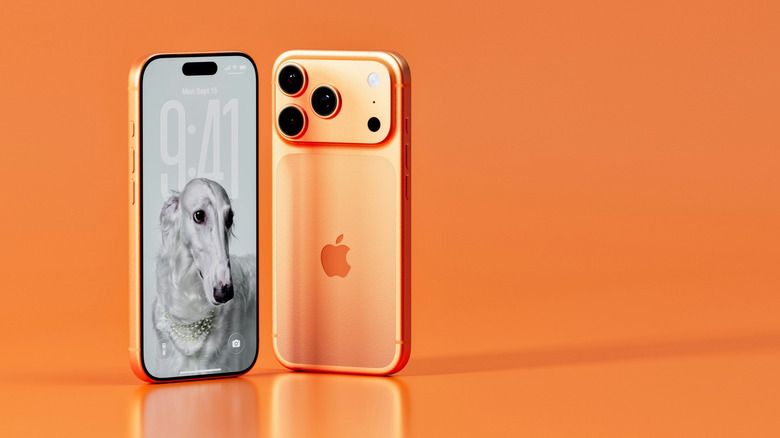
Four frame styles are in testing, two rectangular and two oval, built in premium acetate with colorways including black, ocean blue, and light brown (the images shown here are just a concept mocked up by designer Oleh Koval back in 2018). Apple initially experimented with embedding electronics into established eyewear brand frames, similar to Meta’s EssilorLuxottica arrangement for the Ray-Ban lineup, before moving toward designing its own frames in multiple sizes. Meta’s partnership gave the smart glasses category immediate cultural legitimacy because Wayfarers were already objects people wanted on their faces before any chip was inside them. Apple is betting its own design language in premium acetate can carry the same weight without borrowed heritage. Whether that holds against consumers who have already spent two years wearing Ray-Ban Metas is the sharpest design question the N50 faces at launch.

Two cameras are planned inside the frame: a high-resolution sensor for photos and video, and a second dedicated to computer vision tasks, helping the device read its environment and measure spatial relationships between objects. The N401, a custom chip derived from Apple Watch silicon, handles the compute with a design emphasis on ultra-low power draw, targeting a total frame weight below 50 grams. That weight target is the industrial design achievement the whole product depends on. A sub-50 gram device sits within the weight range of premium optical frames, which means the person wearing it makes a fashion decision first and a technology decision second. That ordering is exactly what the smart glasses category has needed to move beyond enthusiast territory into genuine everyday carry.

The M5 Vision Pro that arrived in October 2025 reads now as a holding action rather than a product commitment. The chip swap kept the SKU alive but left the device’s foundational problems untouched: 650 grams of front-heavy glass and aluminum, a mandatory external battery, and a $3,499 entry point that stranded it between developer hardware and enterprise curiosity. The Vision Air was supposed to address the weight and price simultaneously, and its cancellation signals that those two problems couldn’t be reconciled inside an enclosed headset on any timeline Apple found workable. A Vision Pro sequel won’t arrive before 2028, meaning it enters a market the N50 will have already spent a year conditioning. That sequencing is either very deliberate or very revealing, and I’d argue it’s both.

Pricing estimates cluster between $299 and $499, placing the N50 directly against the Meta Ray-Ban Gen 2. Privacy is a genuine competitive lever here: nearly 47% of potential smart glasses buyers cite data concerns, and neither Meta nor Google carries credible on-device processing as a core value proposition. Apple’s Apple Intelligence architecture, built around local compute rather than cloud offload, gives the company a story neither competitor can cleanly replicate. A second-generation model with an in-lens display is reportedly expected as early as 2028, which is also the window when enclosed headset technology might finally be miniaturized enough to make a Vision Pro sequel viable. The N50, by that reading, is the product Apple had to build before it could build the one it always imagined.

The post No Vision Pro 2 Before 2028. Apple’s Focusing On Smart-Glasses Instead, says Gurman first appeared on Yanko Design.