A $420 Phone Just Proved BlackBerry Fans Have Been Right All Along

Physical keyboard phones have been largely absent from the mainstream market for the better part of a decade. The touchscreen revolution swept them away so completely that finding a new phone with actual keys now means wading through a very short list of niche products. That’s fine for touchscreen loyalists, but for those who still swear by tactile typing, the options have been frustratingly limited.

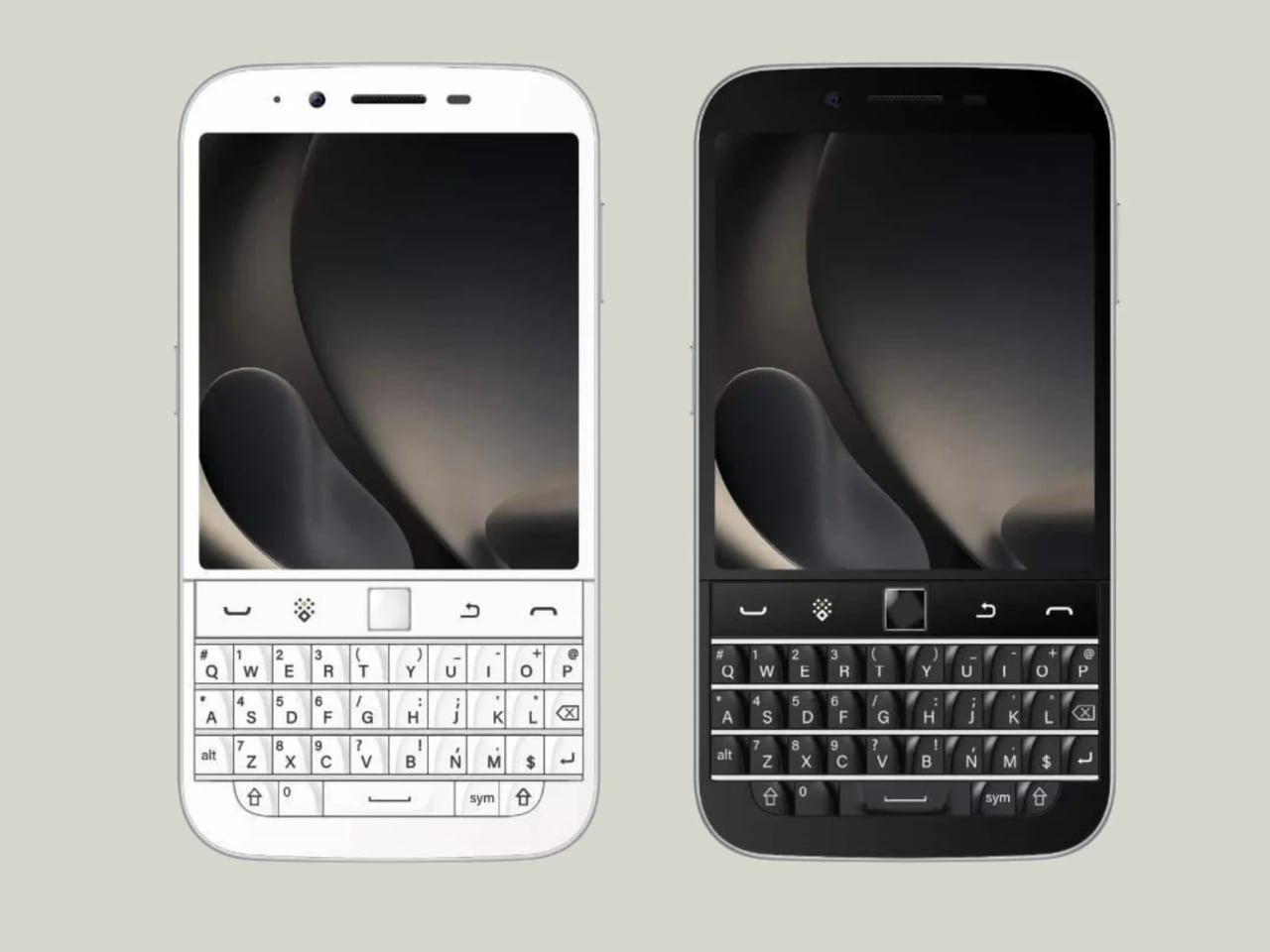
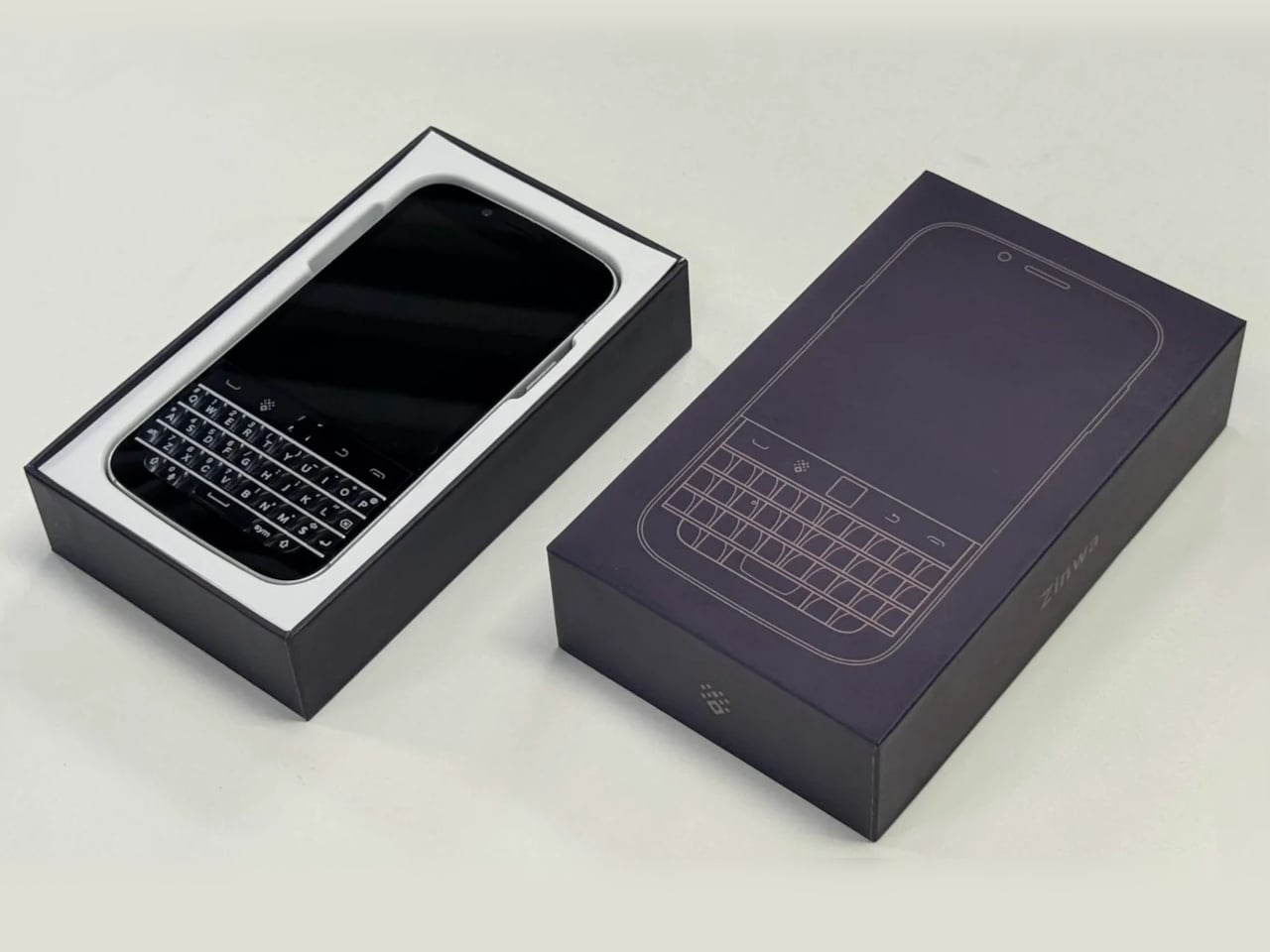
The Zinwa Q27 addresses that shortage head-on, arriving as a 5G Android smartphone built entirely from scratch with a physical QWERTY keyboard at its center. It isn’t a renovation of old hardware and doesn’t recycle any components from existing devices. The Q27 is an original design, and it channels the spirit of the BlackBerry Classic openly, as if daring you to forget how satisfying real keys felt.

Designer: Zinwa
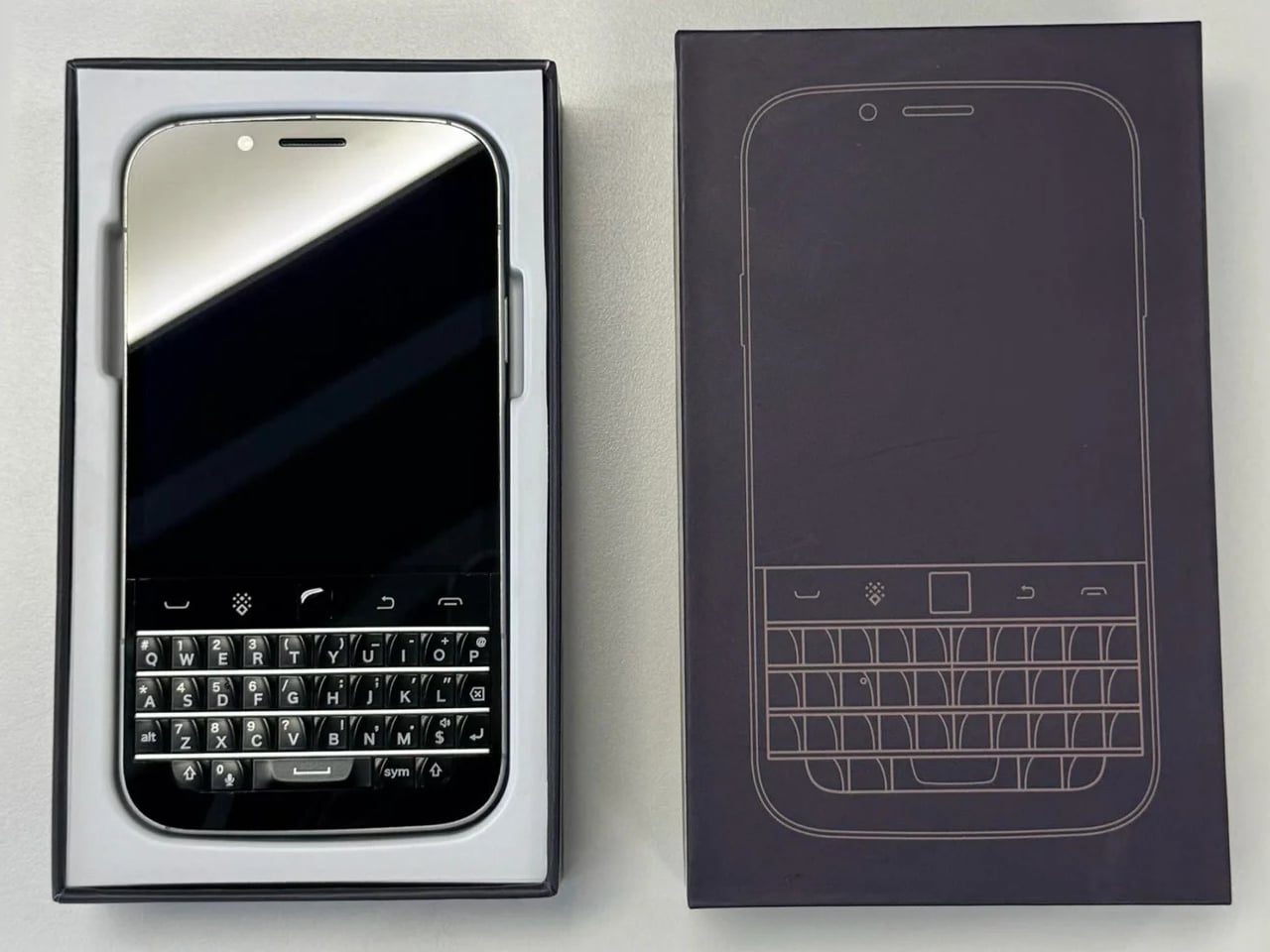
The layout places a 4-inch, 1080×1240 pixel AMOLED display above the thumb keyboard, keeping everything reachable in a single hand. At 140mm x 74mm x 11mm and 192 grams, the footprint is compact by today’s phablet-dominated standards. Anyone who once fired off emails on a BlackBerry will recognize this form factor instantly, and probably won’t need long to feel at home with it.
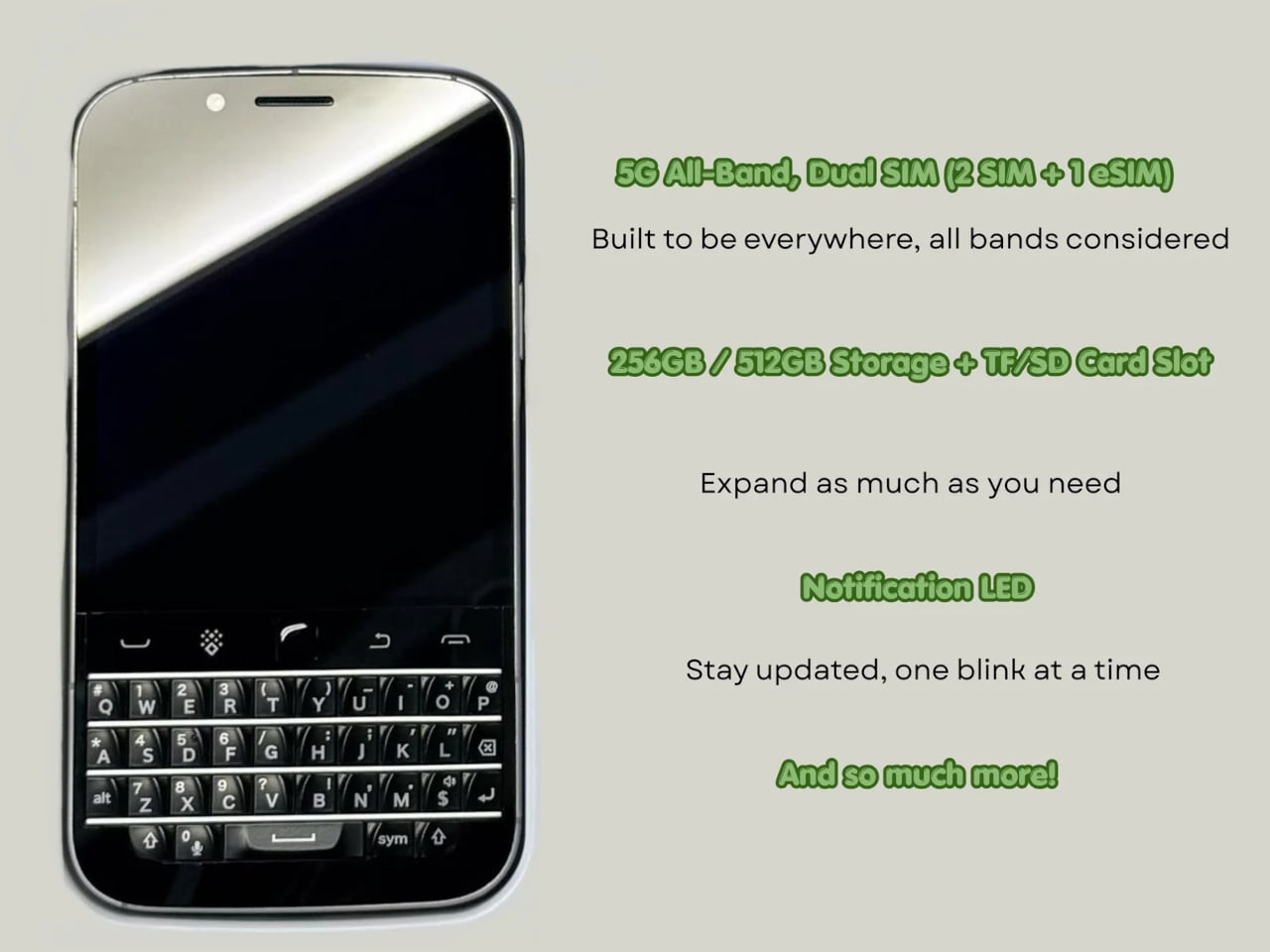
A MediaTek Dimensity 7300 chip and 12GB of RAM give the Q27 enough processing headroom for a full day of heavy multitasking. Storage options cover 256GB and 512GB, with microSD expansion available on both. It’s a configuration that suits the kind of user who lives in productivity apps, keeps a dozen conversations going at once, and can’t afford to babysit a slow phone between tasks.

Photography comes via a 50MP rear camera and a 16MP front-facing camera, while the 4,000mAh battery handles daily endurance with both 33W wired fast charging and 15W Qi wireless charging available. NFC, dual-SIM support alongside eSIM compatibility, and 5G connectivity round out the hardware, making the Q27 a surprisingly complete package for a phone designed to scratch such a specific itch.
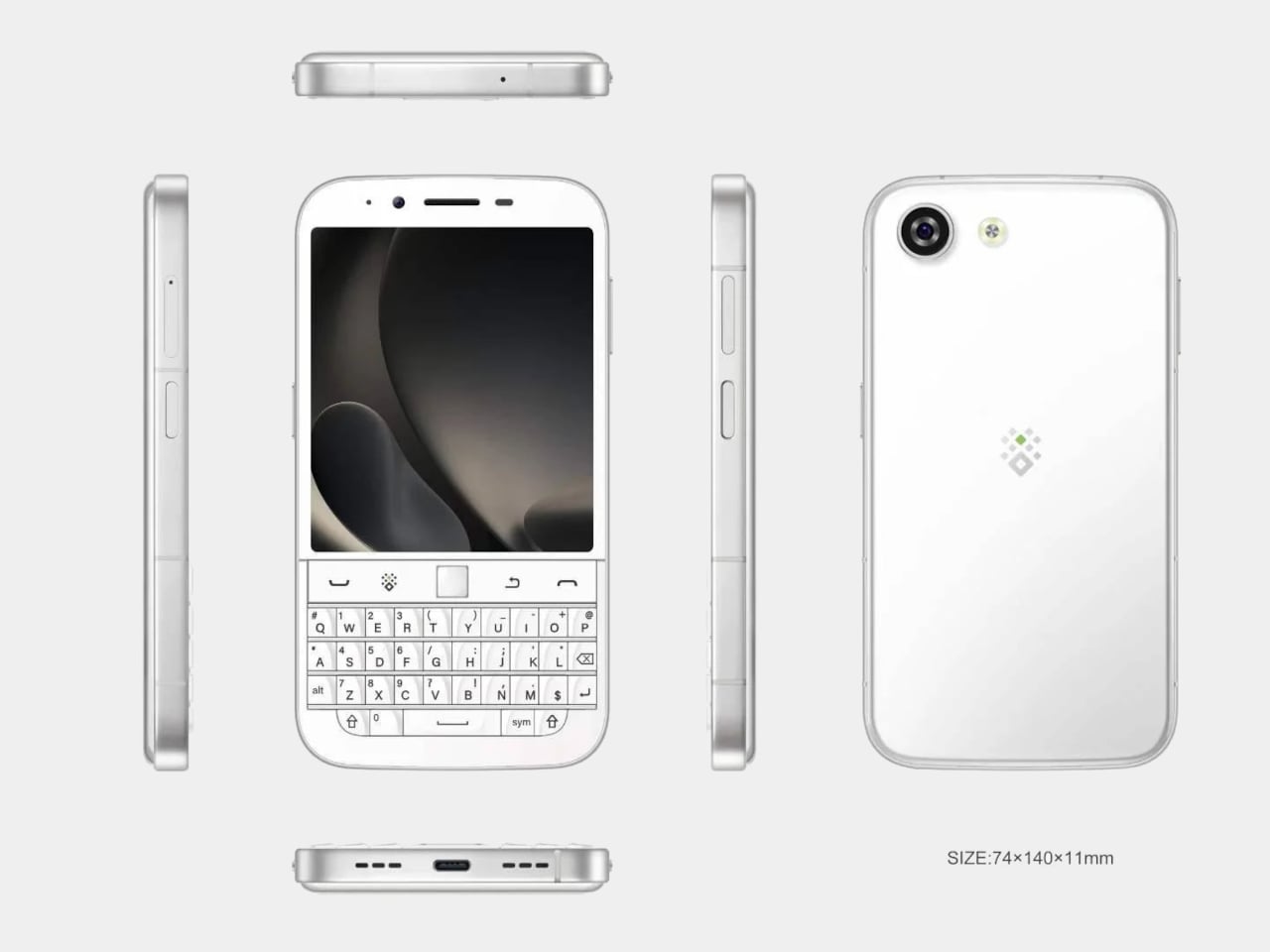
Smaller details add to the overall impression. An X-axis linear motor delivers a crisper, more lateral haptic feel than the basic rumble of typical budget devices, while a dedicated notification LED and a Hi-Fi speaker bring back features that most modern phones quietly retired. There’s no headphone jack, which some will take issue with, but the USB Type-C port covers both charging and wired audio without trouble.

It ships with Android 16 and full Google Mobile Services, and comes in black or white, each unit with a pre-applied screen protector and protective case included. A charger isn’t in the box. Pricing starts at $420 for the 256 GB model and $480 for the 512 GB version, and because production will match pre-order quantity, there’s no confirmed ship date yet.
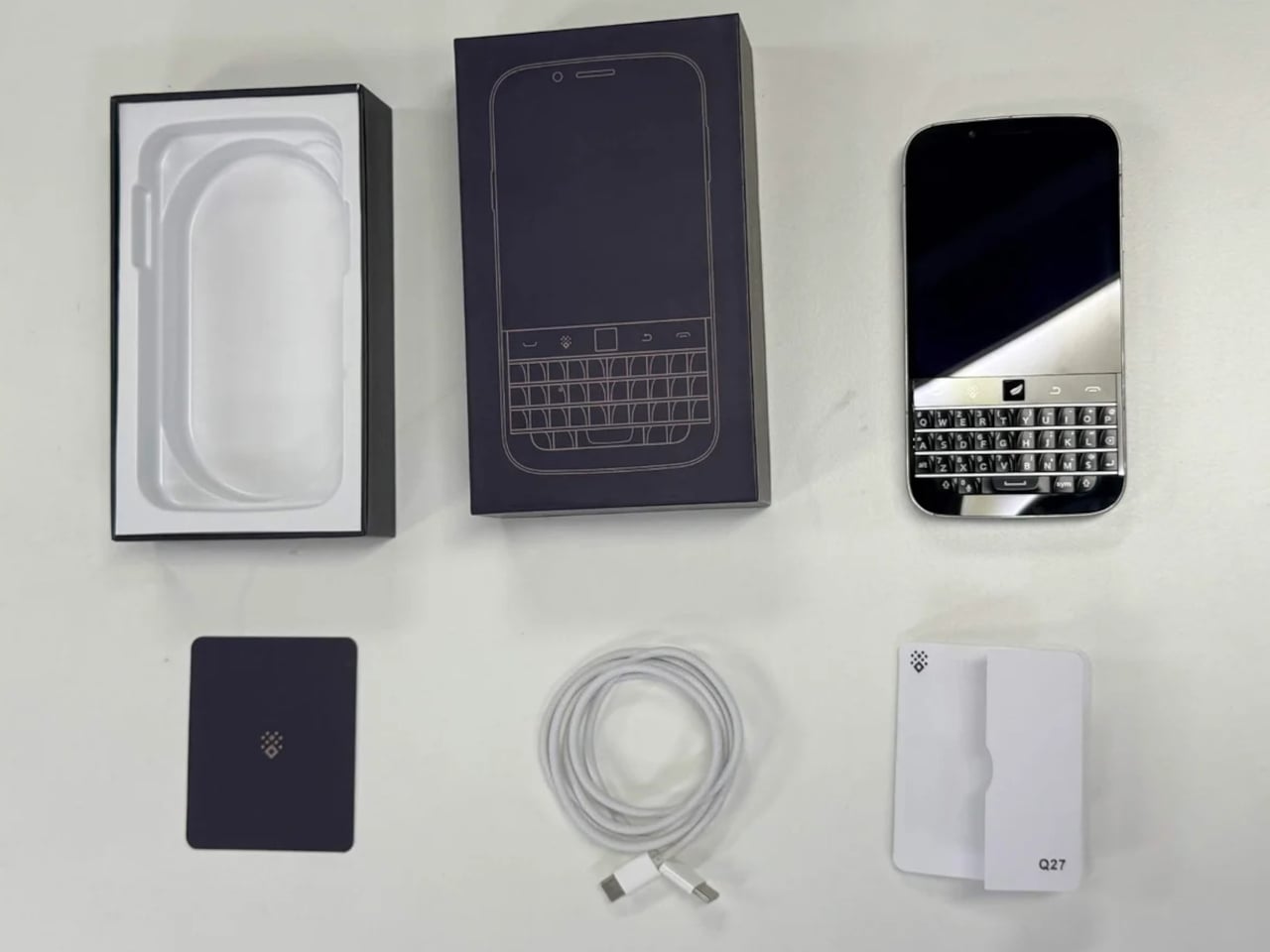
The Q27 also marks a shift in Zinwa’s approach. Previous models from the company involved transplanting modern internals into refurbished BlackBerry shells, but the Q27 is a wholly new design with no borrowed chassis. For a small outfit trying to keep the physical keyboard phone alive, that’s a significant step, and it shows the kind of commitment this particular corner of the market genuinely needs right now.
The post A $420 Phone Just Proved BlackBerry Fans Have Been Right All Along first appeared on Yanko Design.


A Designer Just Answered Facial Recognition With a Medieval Visor

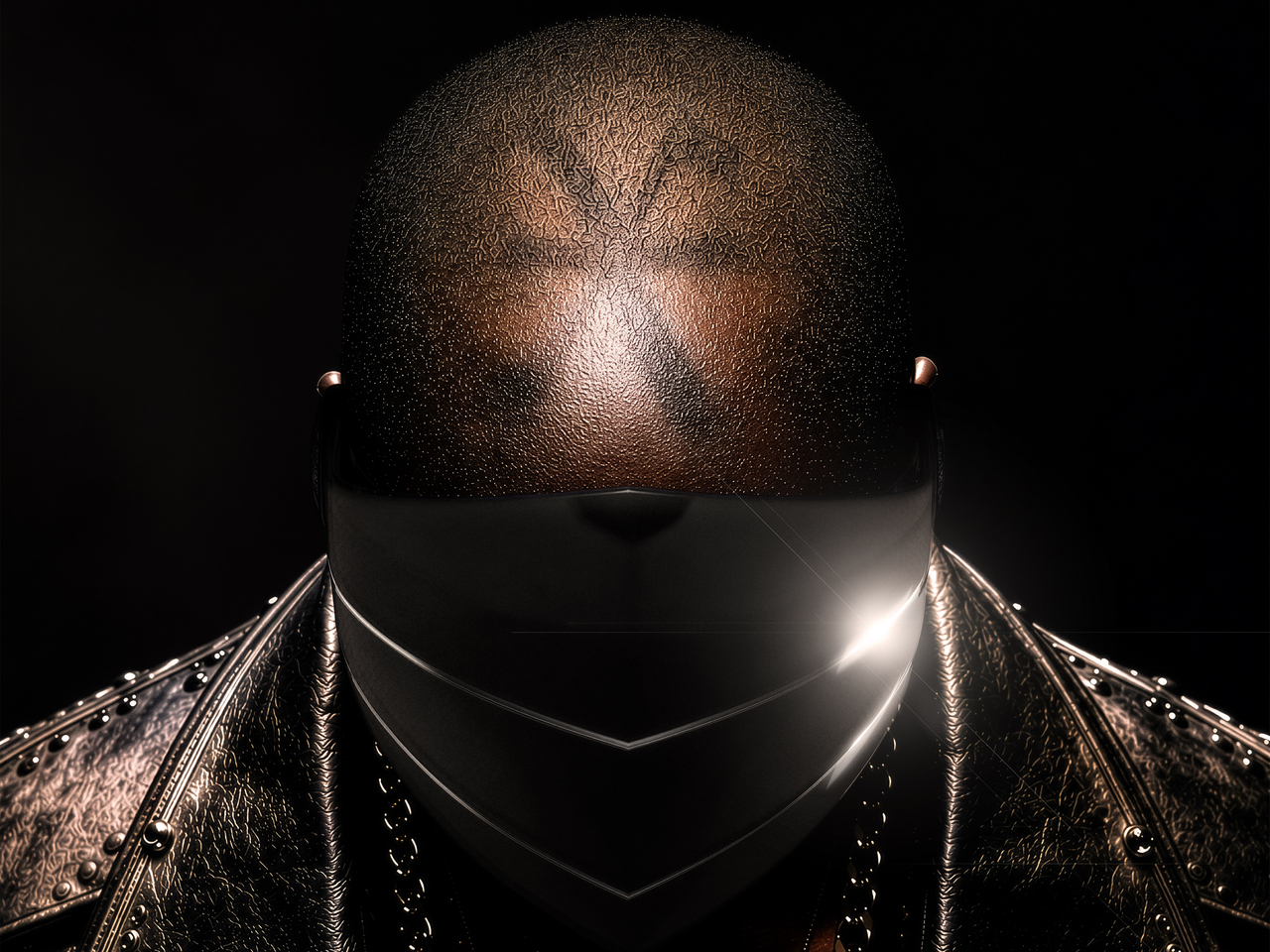
Facial recognition has become one of the fastest-growing forms of infrastructure in public life. Cameras in airports, transit systems, retail spaces, and city streets capture biometric data routinely, often without the awareness of the people being scanned. The face has gradually become something closer to a credential, an identifier read by systems that process it instantly against databases that are constantly growing.

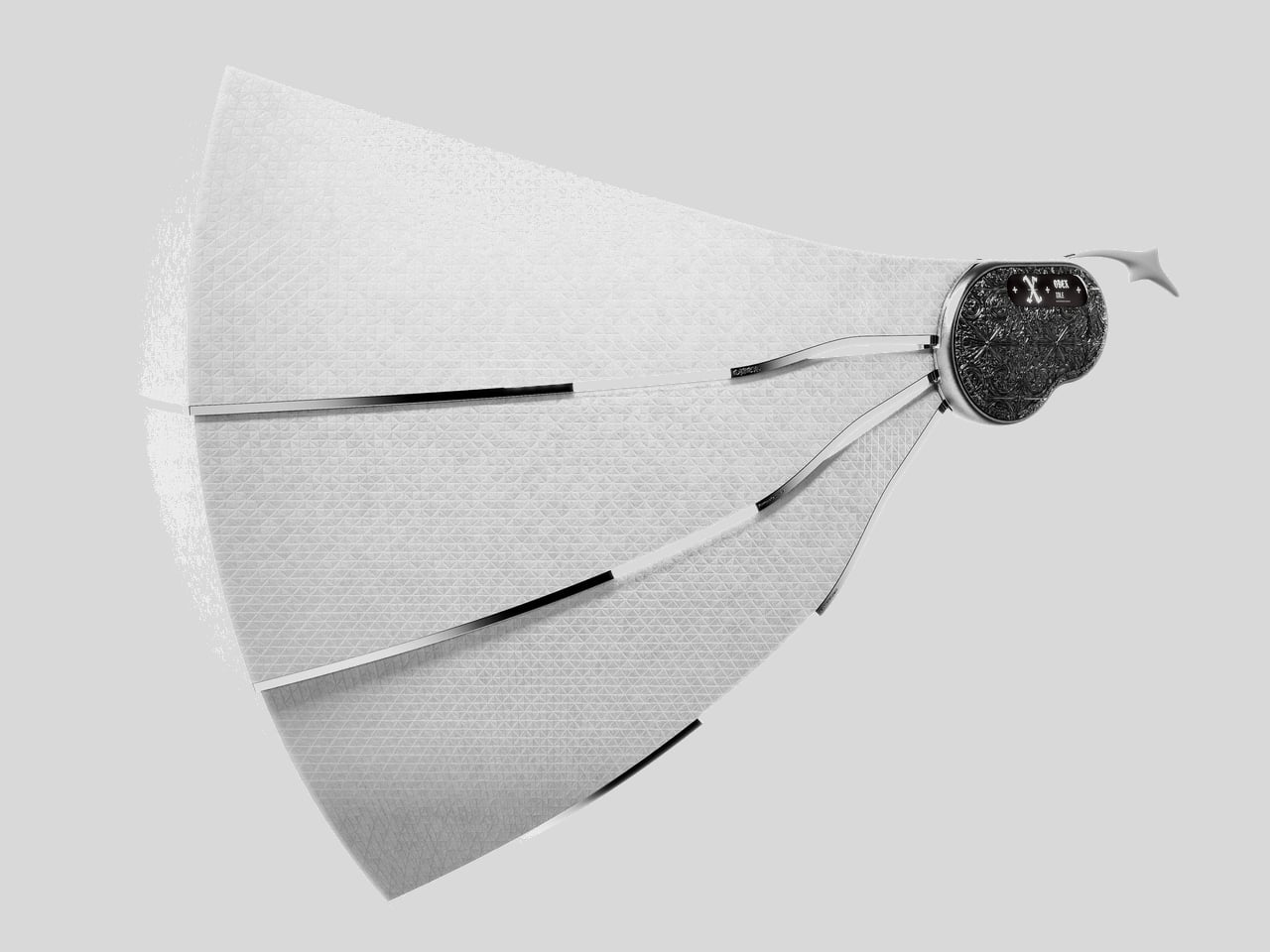
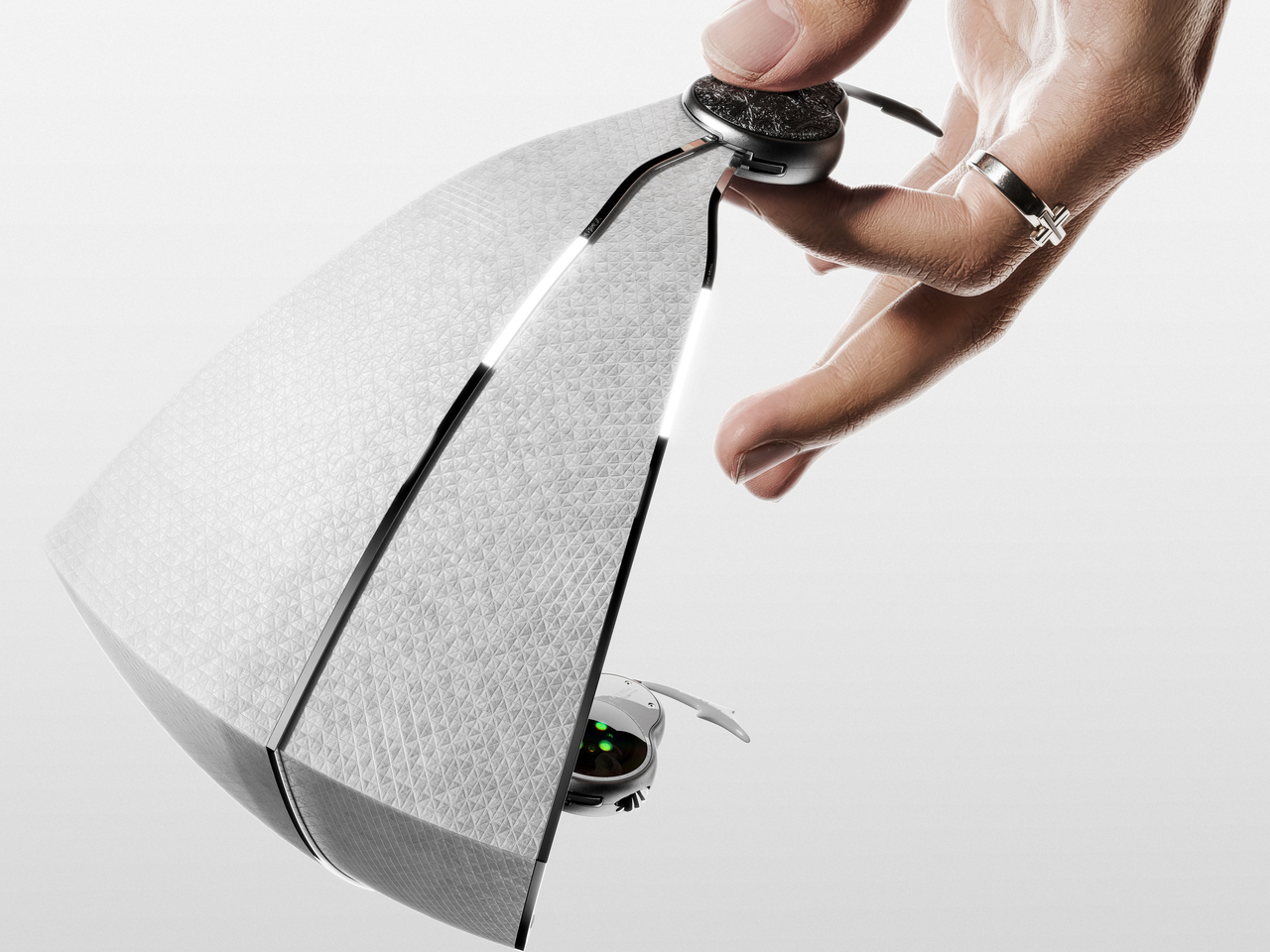
OBEX is a conceptual wearable that treats this shift as a design problem worth addressing through physical form. Rather than responding to surveillance with software or policy, it proposes a new category called “privacy armor,” a tangible boundary between the wearer and systems of biometric recognition. Its form language doesn’t come from consumer electronics but from something much older, the medieval visor.

Designer: Haechan Ryu

In medieval warfare, a knight’s visor concealed identity while creating distance between the person and the world beyond the armor. The logic behind OBEX borrows that idea and applies it to a different kind of threat, one that’s less physical and more informational. As surveillance systems continuously collect and analyze biometric data, the face becomes a vulnerable interface, and OBEX imagines what it would mean to shield it.

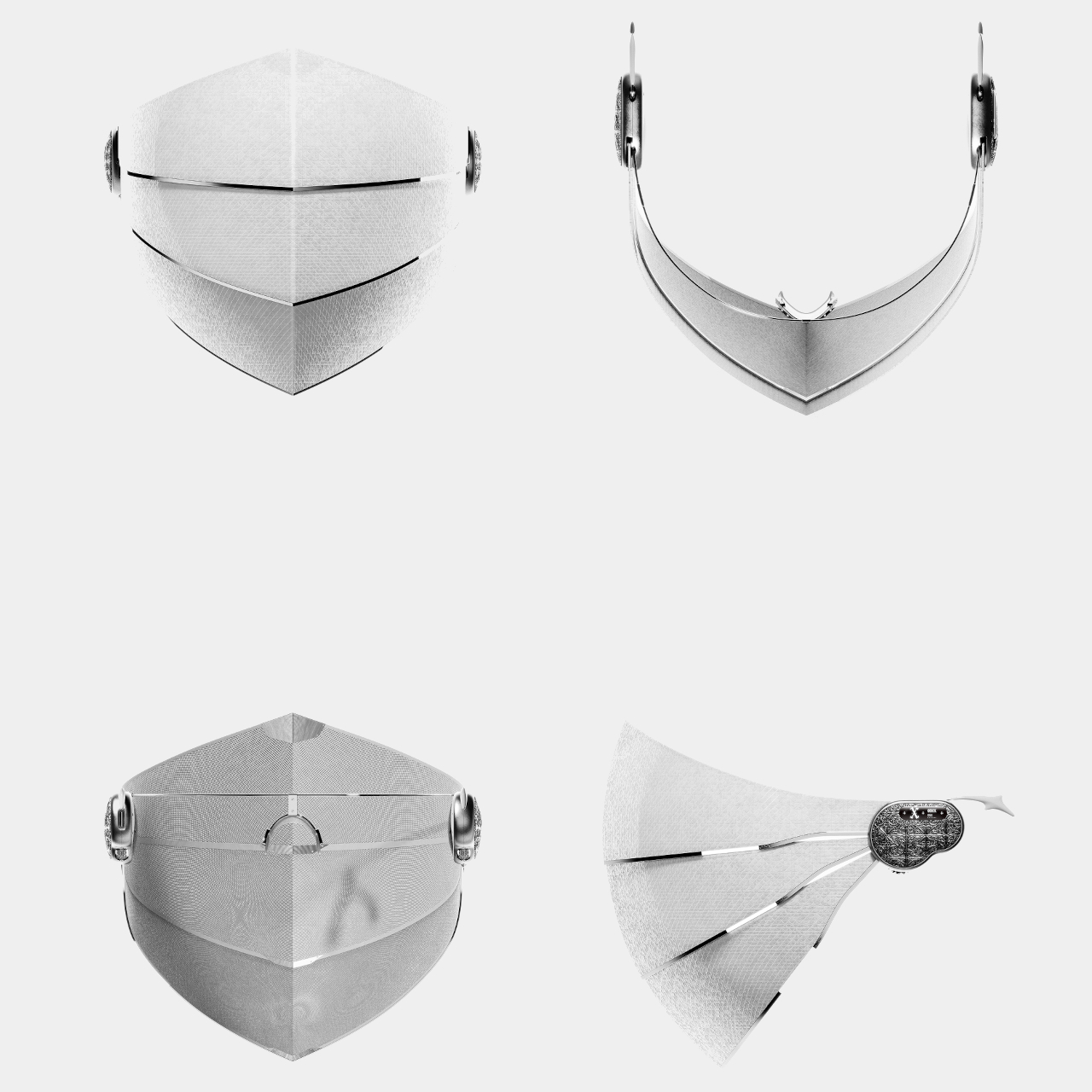
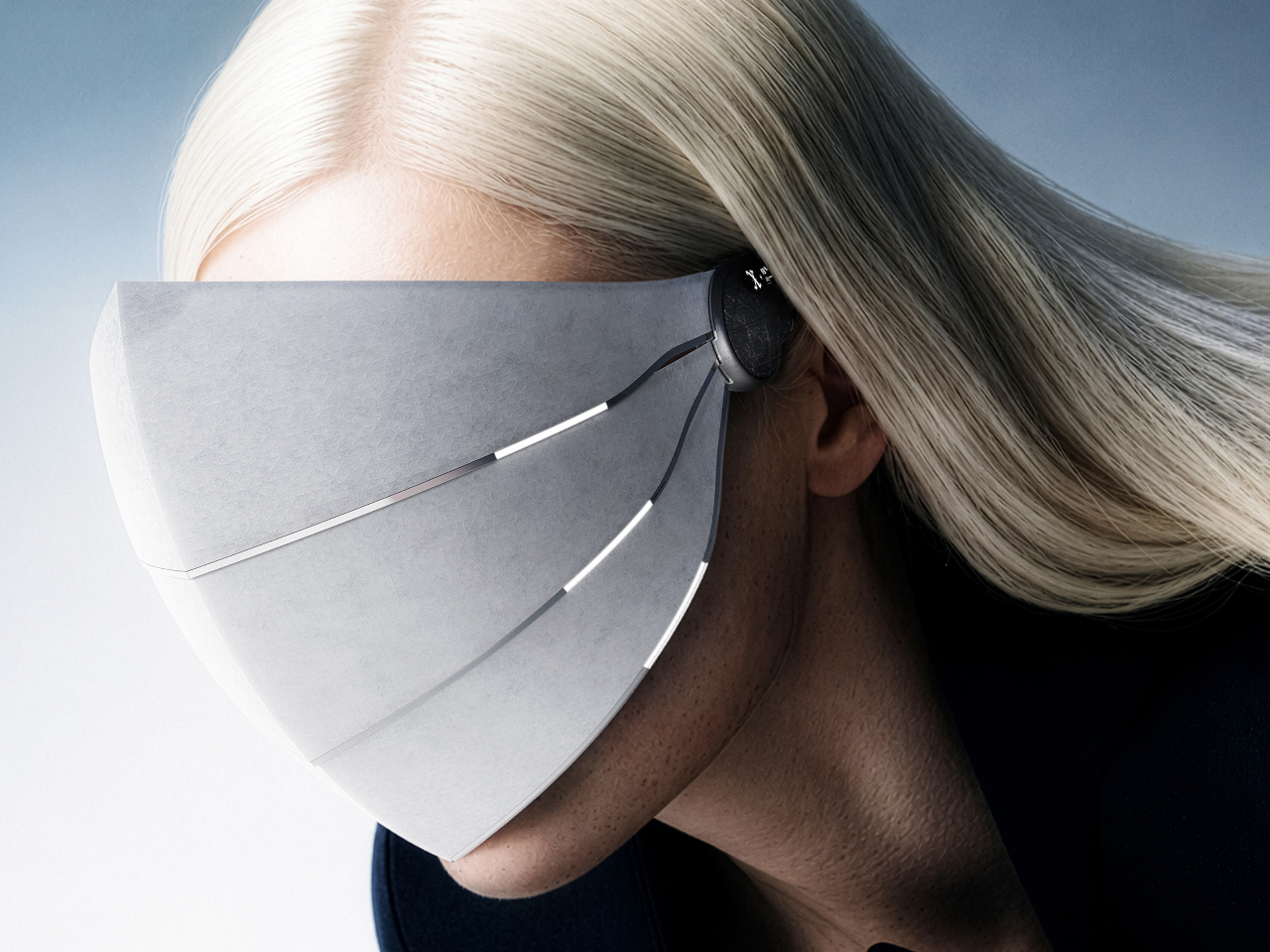
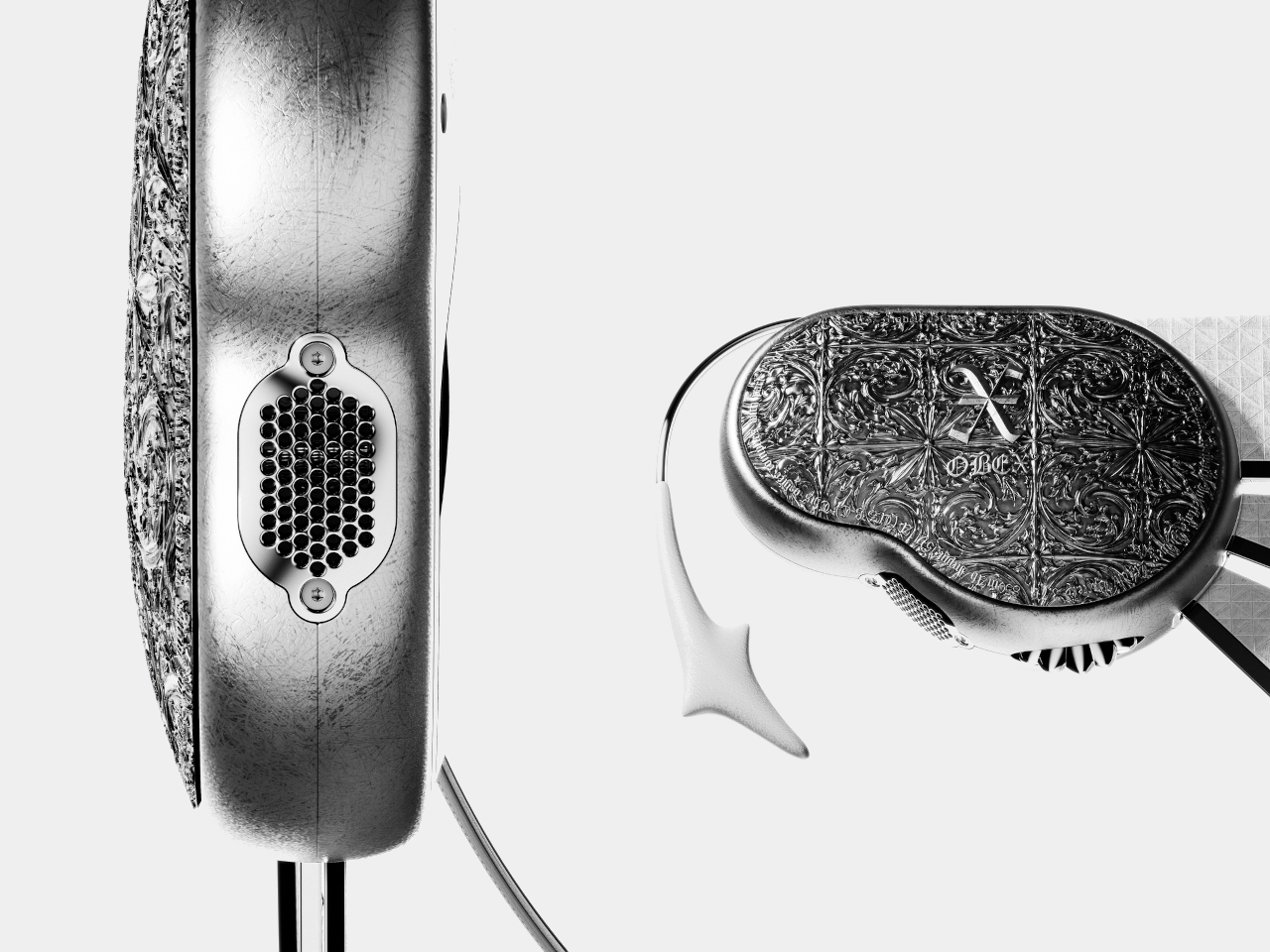
The visor itself is made from a micro-perforated optical film that allows the wearer to see out clearly while appearing opaque from the outside. It’s a deliberate asymmetry, the kind that surveillance systems rely on, reversed and put in the hands of the individual. The shielding motion references the sliding visors of historical armor, and the weight distribution is engineered to reduce strain across the head during long wear.

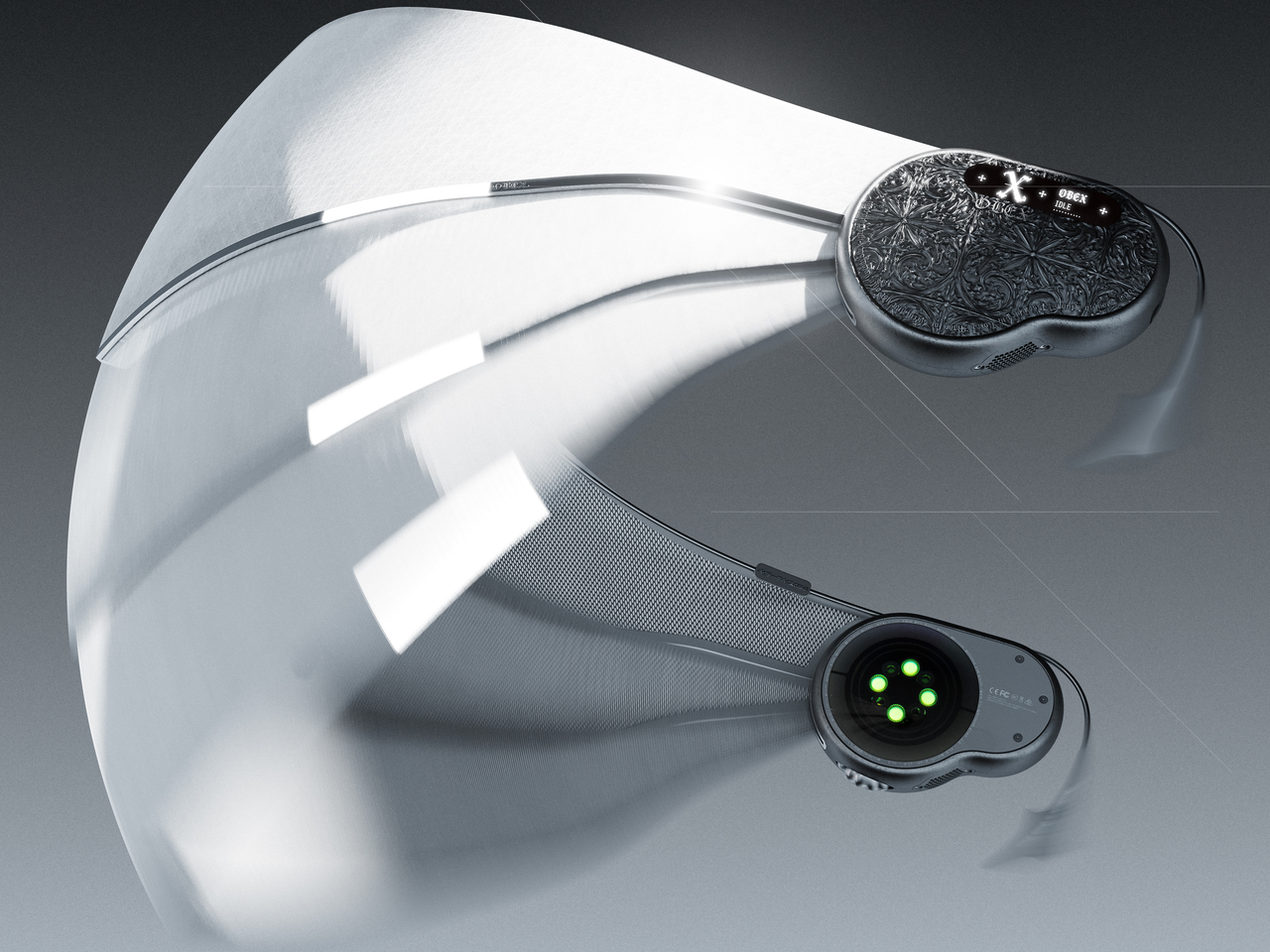
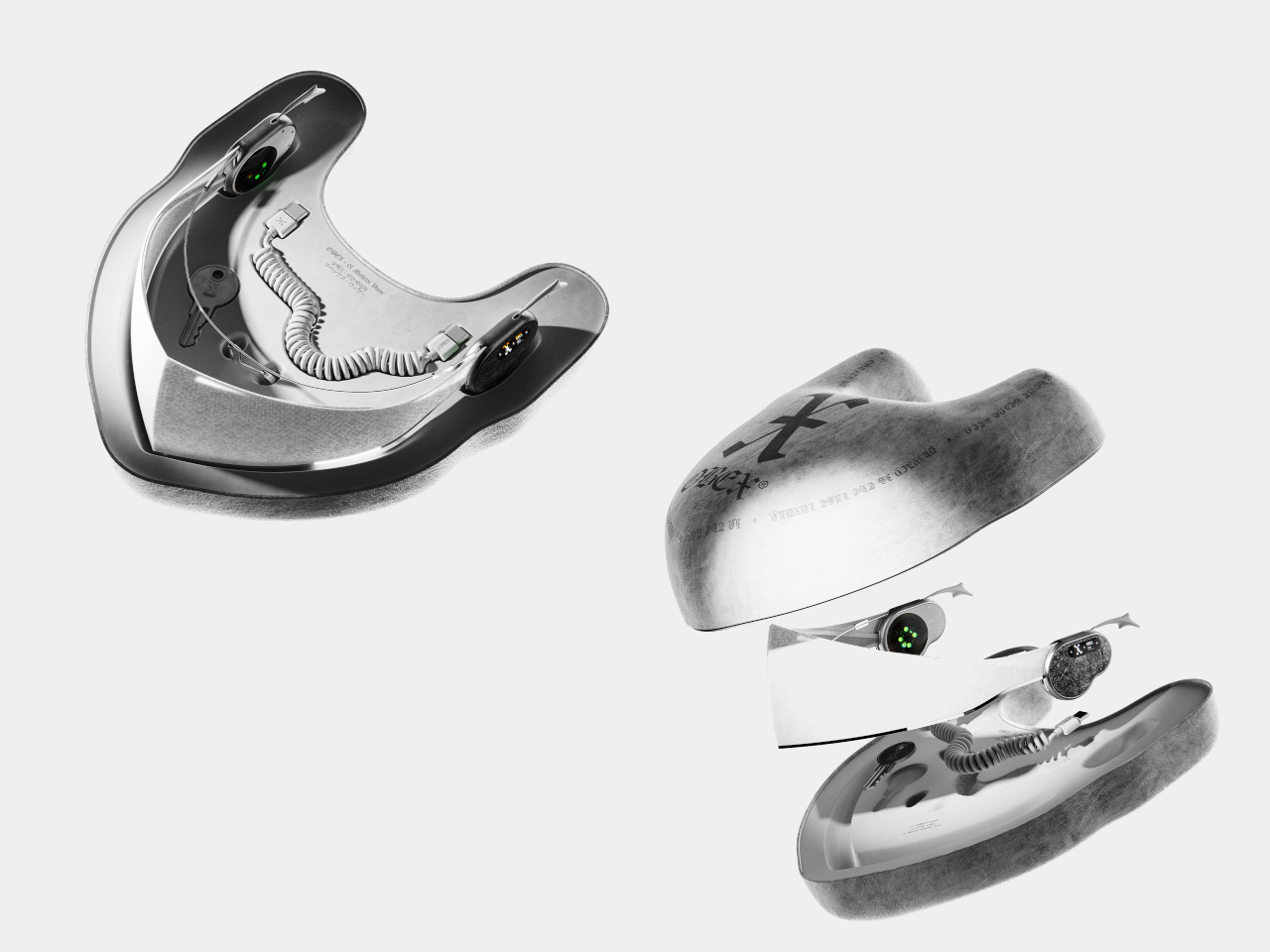
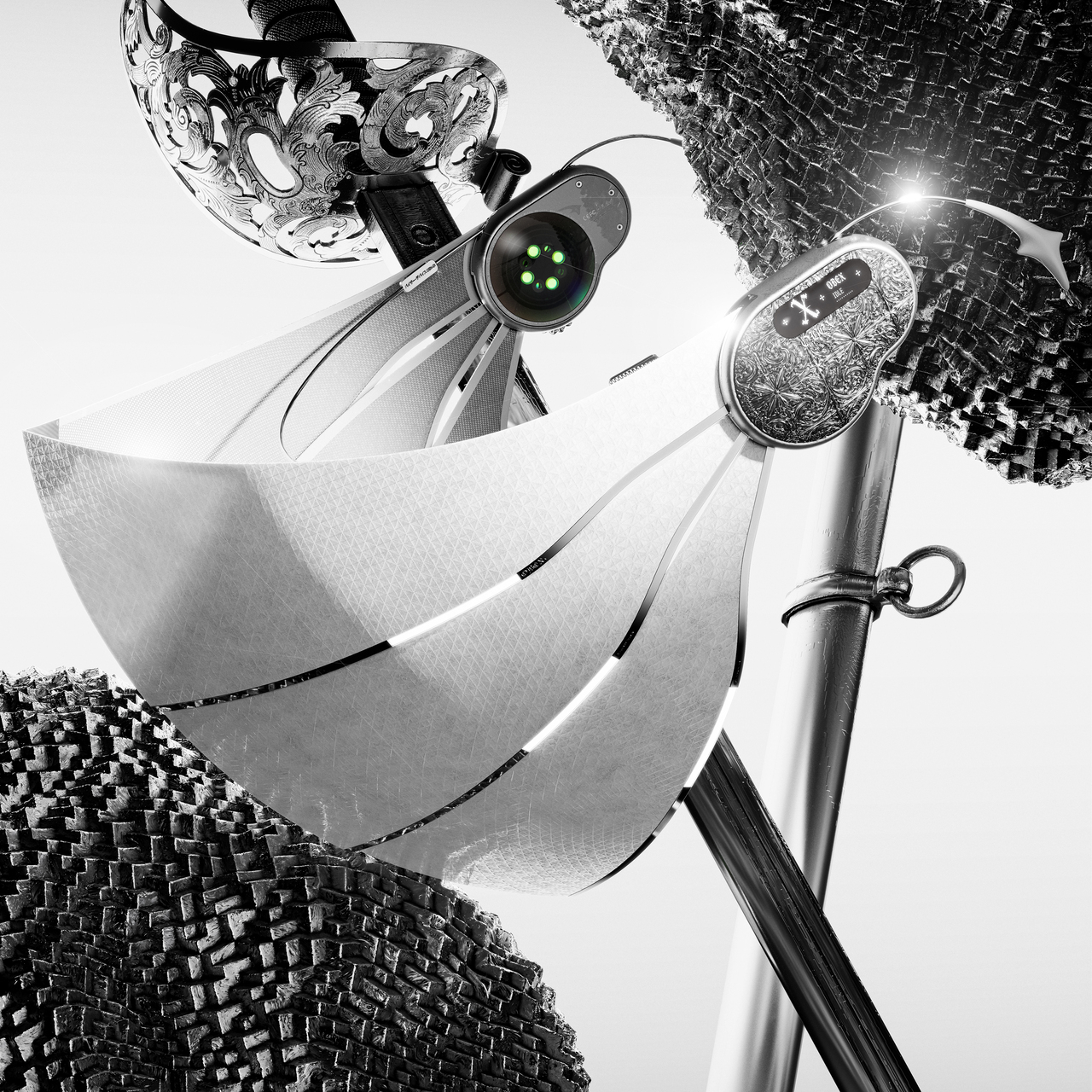
The temple module anchors the visor to the head and holds most of the active technology. Embedded PPG sensors monitor physiological data in real time, enabling continuous biometric monitoring through the wearer’s own biological signature. Dual directional speakers deliver audio feedback without cutting the wearer off from surrounding sounds, and a small bitmap display on the side communicates system status and shield activation modes at a glance.

The frame is precision-engineered titanium, chosen for its balance of strength and low weight. The outer surface carries a refined micro-texture that improves grip while minimizing visible wear over time. The ornamental detailing on the temple module draws from the craftsmanship traditions of medieval armor, with intricate surface patterns that make the component read more as a personal artifact than as a piece of hardware.

OBEX isn’t proposing that everyone should walk around in a visor. It’s asking what protection means when the thing being protected isn’t the body but the face’s function as an identity signal. The concept sits at the edge of speculative design and industrial practice, using grounded materials and structural logic to imagine an object that doesn’t quite exist yet, but one that feels increasingly necessary.

The post A Designer Just Answered Facial Recognition With a Medieval Visor first appeared on Yanko Design.
The Hidden Part of Every Book Just Became a Sculpture

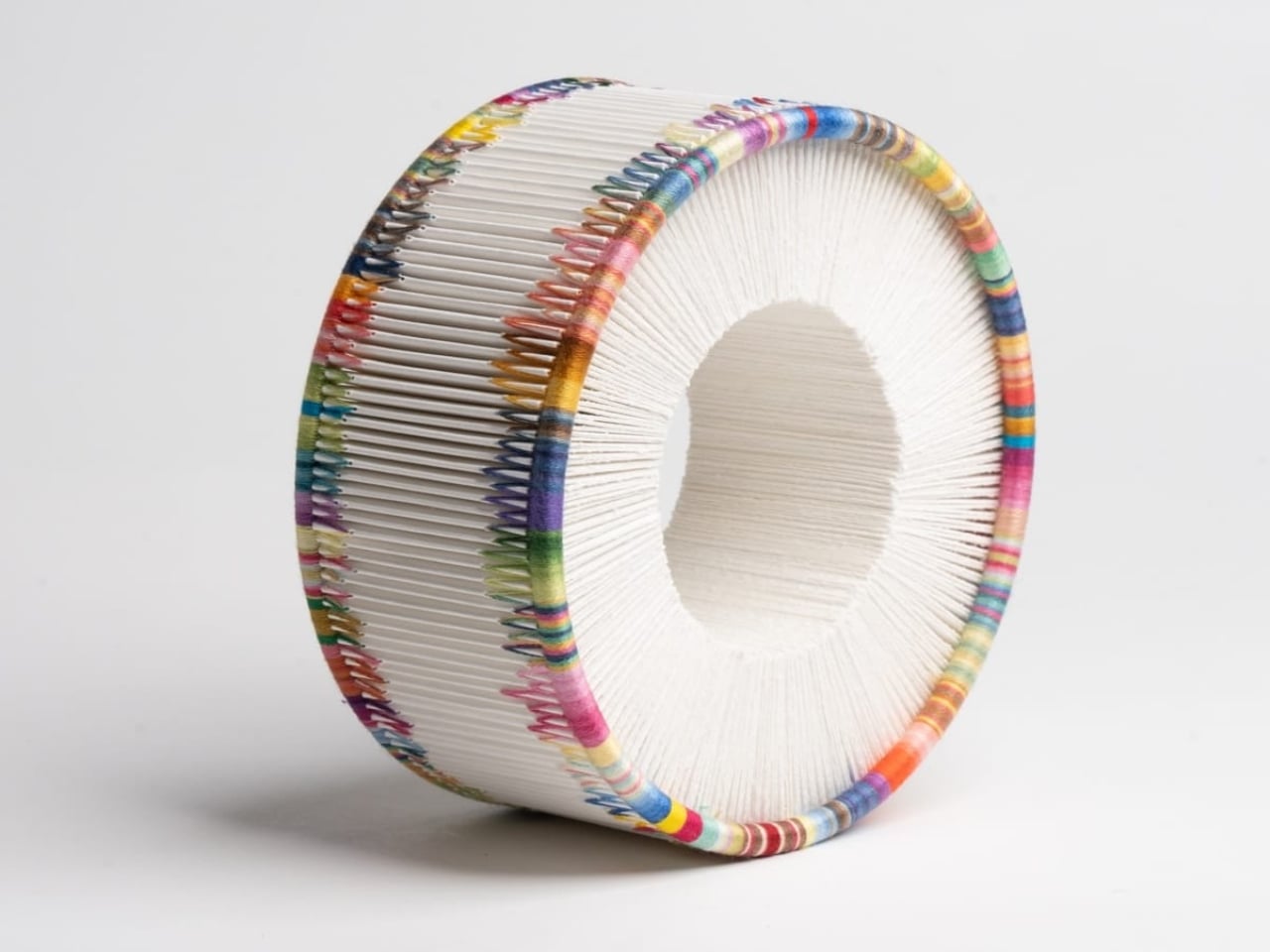
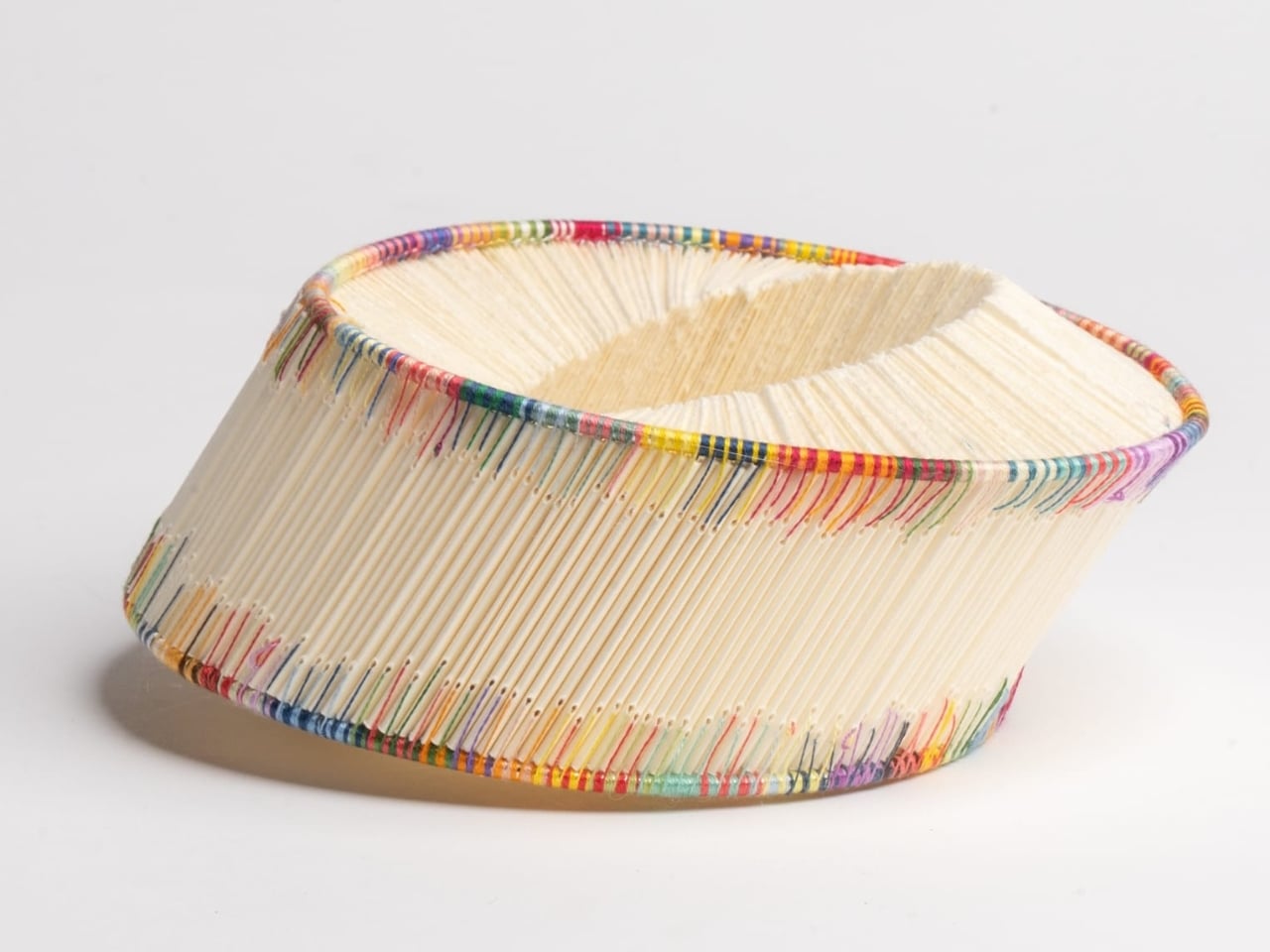
Every book you have ever held has a secret. Not a story buried between its pages, but a structural one, a quiet piece of craftsmanship stitched along the spine that most people never think to look for. A new work by Singaporean artist Adelene Koh not only knows about it. It makes it the entire point.

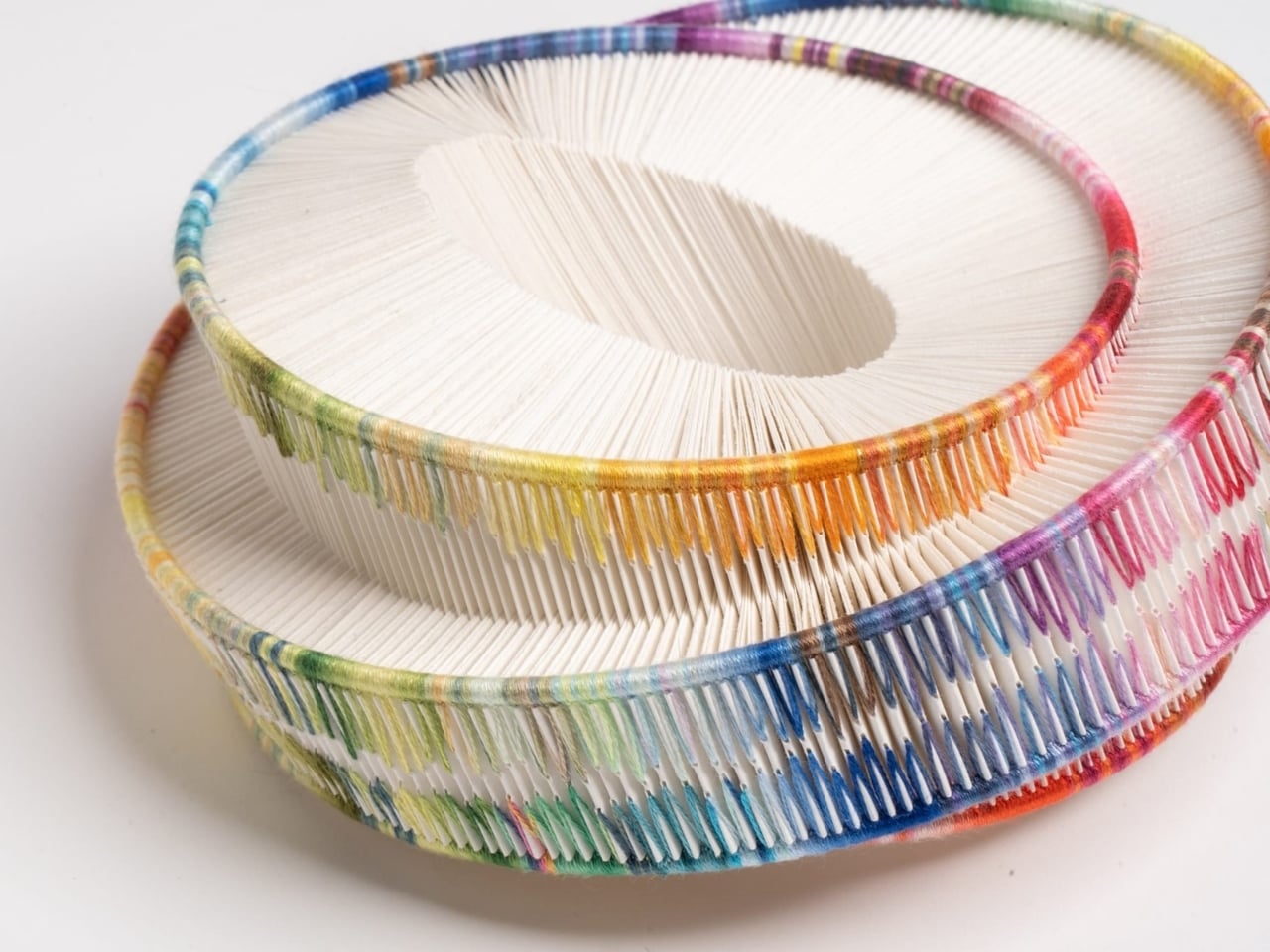
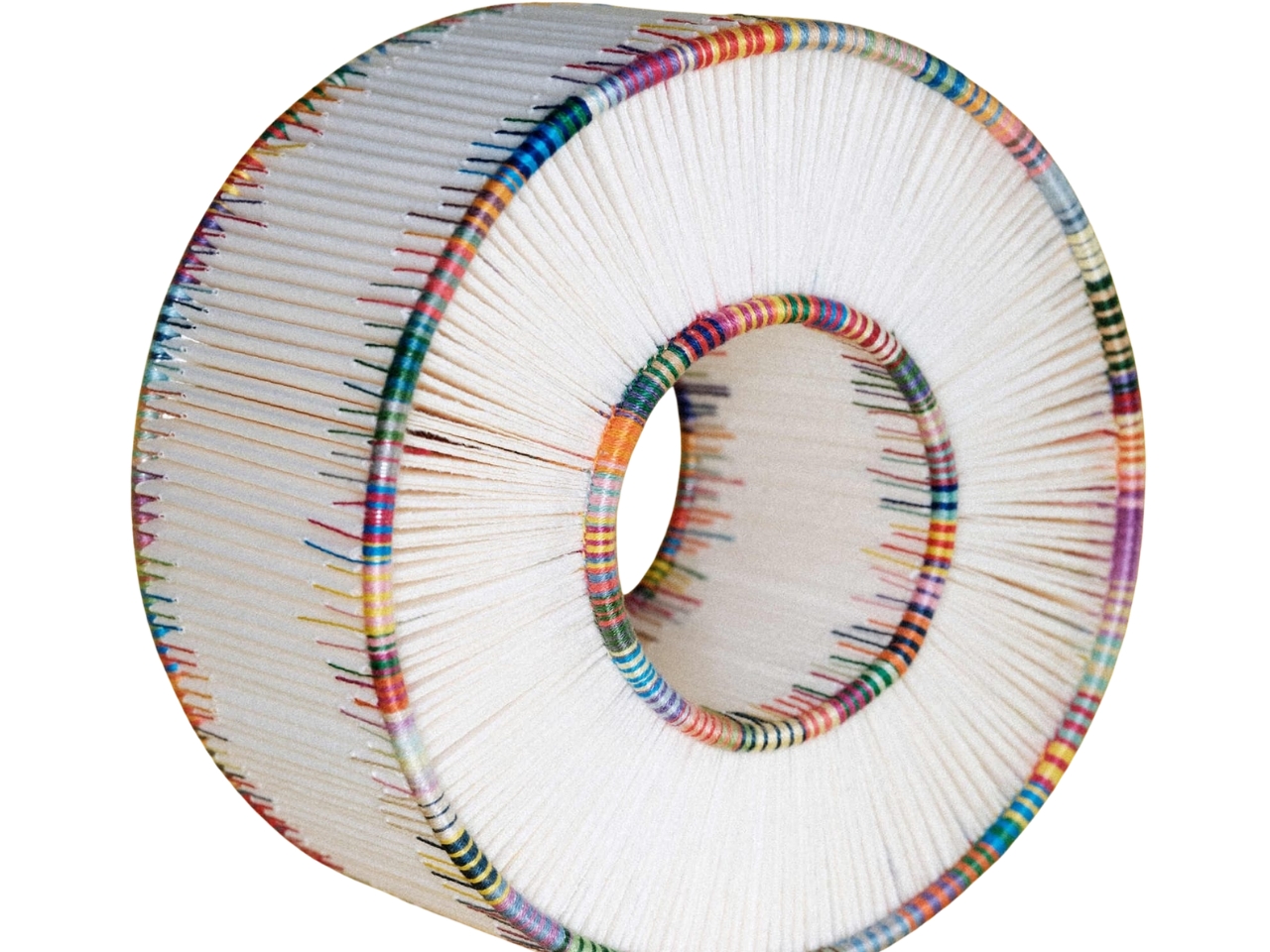
“Endless” (2025) is a large, ring-like sculpture built from paper, embroidery threads, and aluminum wire. It is meditative in form, circular in structure, and resembles a torus. It is also, depending on how much you know about bookbinding, either immediately legible or completely mysterious. Either way, it stops you. The scale of it, the density of color, the almost compulsive repetition of its construction, all of it registers before you even begin to understand what you are looking at.

Designer: Adelene Koh

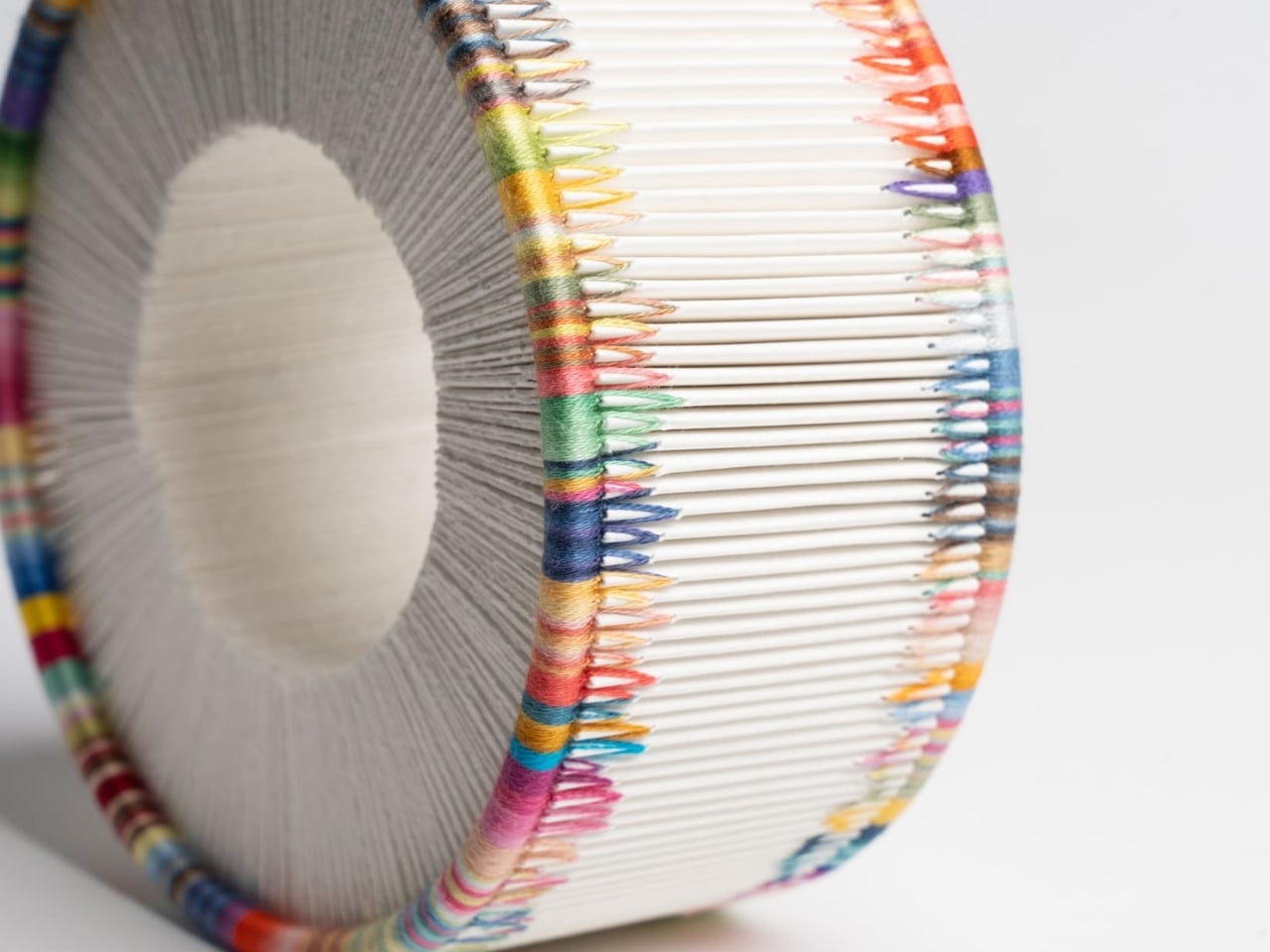
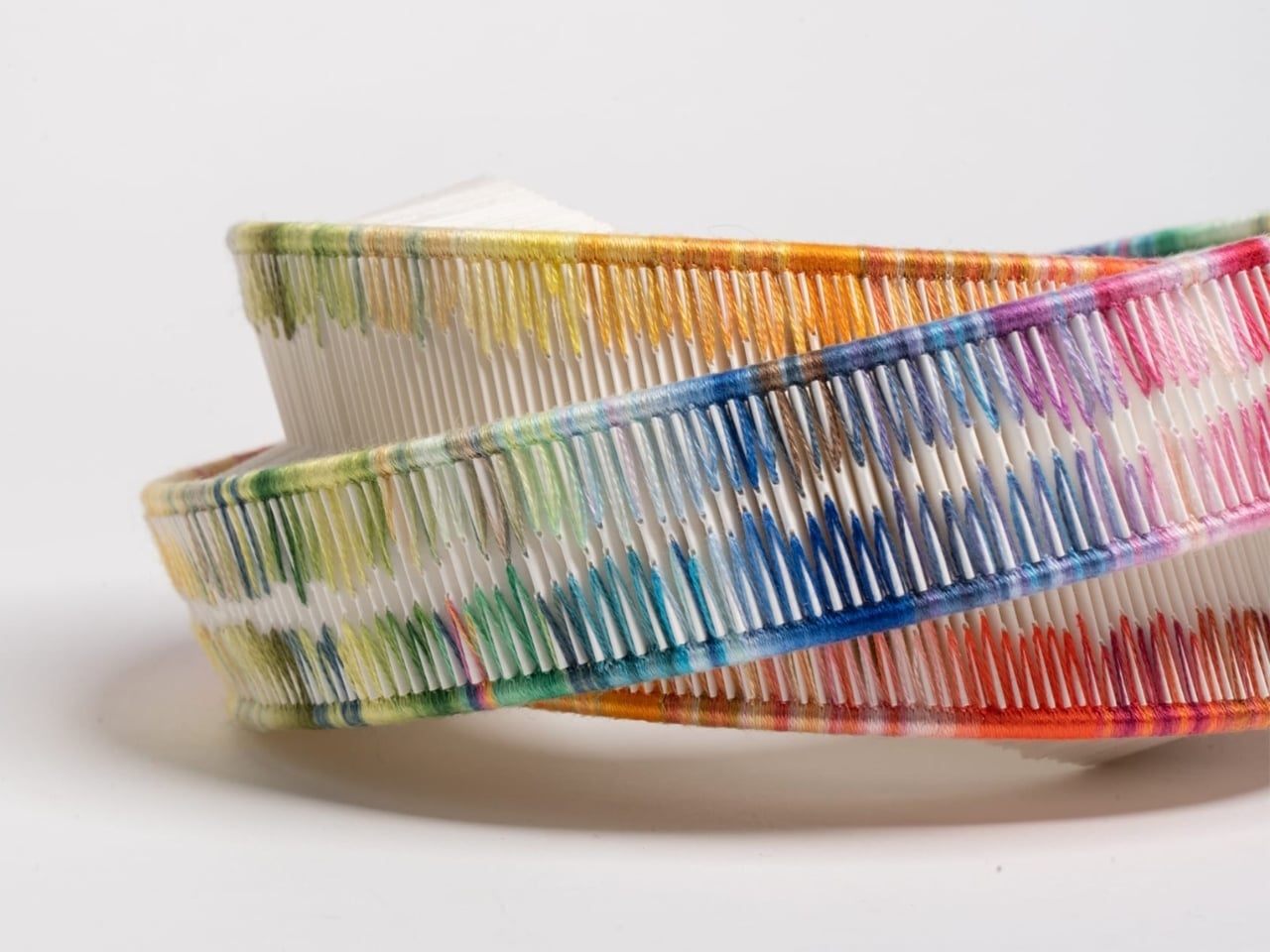
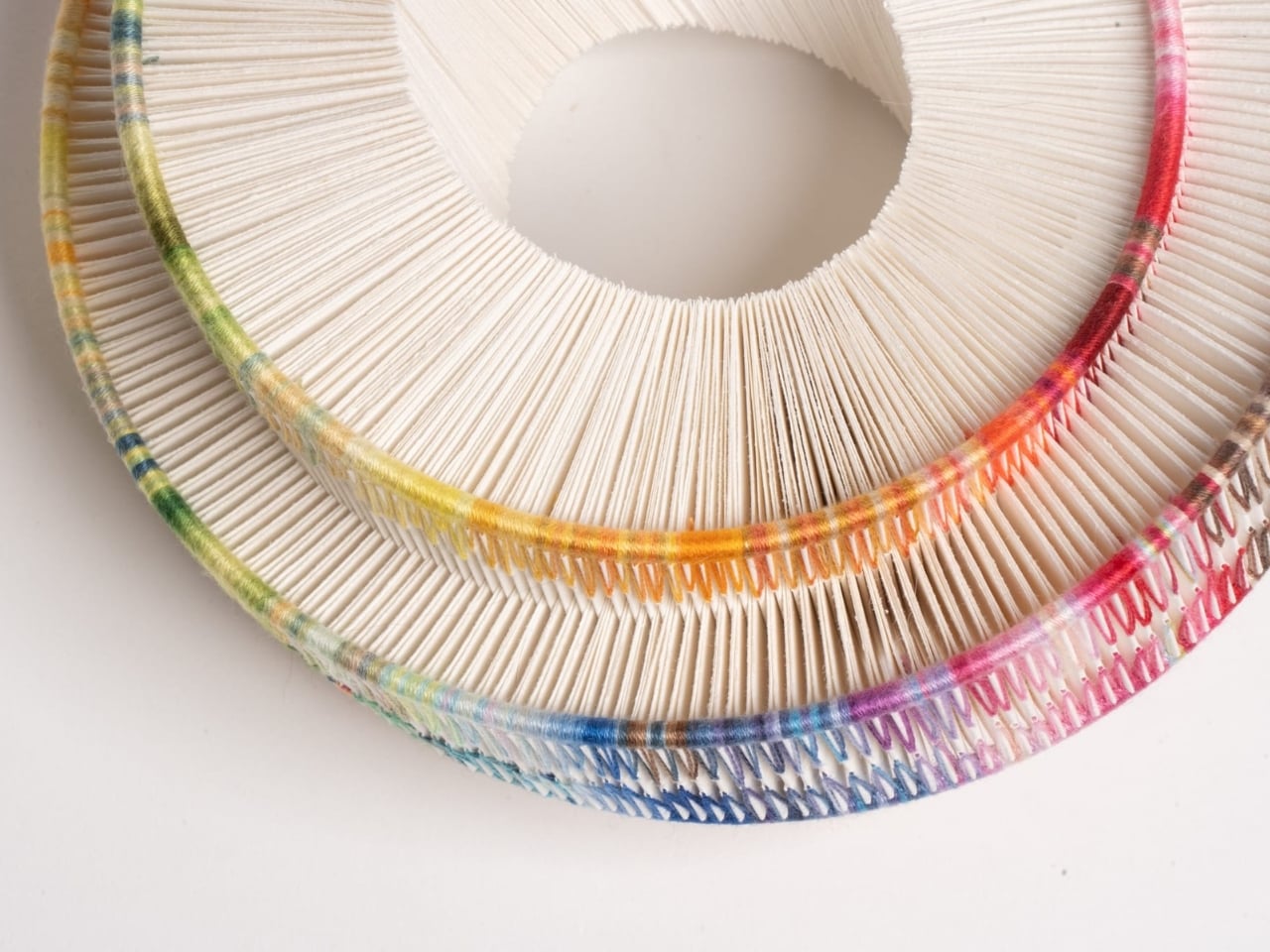
What you are looking at is an endband. Or rather, what an endband becomes when it is freed from the book it was always meant to serve. If you have never heard that word, you are in good company. The endband is a structural and decorative element sewn along the head and tail of a book’s spine, a strip of colored thread that adds reinforcement and a quiet finishing touch. It is the part that usually disappears the moment a cover is glued on. Most readers never see it. Most of us never think to ask what is actually holding a book together. “Endless” takes that hidden element and builds an entire object around it, blowing the endband up into something that can finally be seen on its own terms.

The construction method is as considered as the concept. Koh used the front bead method, an 18th and 19th century English sewing technique, worked around a single aluminum wire core. Into that structure she integrated hand-folded and hand-cut pages formed into quires, with additional folds along the fore-edge. The result is not just visually striking but physically demanding to comprehend. The labor embedded in the piece is immense, and the closer you look, the more apparent that becomes. It is the kind of object that rewards slowness and punishes a quick glance.

The material choice deserves its own attention. Paper is usually the fragile thing in the room, the thing that tears, yellows, and eventually dissolves. Here, it becomes the structural backbone. It holds the entire form in place. That inversion feels intentional, a kind of material optimism that refuses to accept the obvious hierarchy between what is precious and what is expendable. Thread, wire, and paper, three materials associated with impermanence, come together to produce something that feels permanent and resolved.

“Endless” was shortlisted for the 2026 Loewe Foundation Craft Prize, one of the more prestigious recognitions in contemporary craftsmanship, and the piece carries the weight of that context well. The prize consistently spotlights work that sits at the intersection of tradition and innovation, and this fits squarely in that space. It is technically rooted in centuries-old bookbinding practice while producing something that looks entirely contemporary. That balance is genuinely difficult to achieve, and rarer than it should be.

I keep thinking about what the design is actually arguing. We tend to celebrate the surface of things: the cover, the finish, the outer form. The integrity of any well-made object usually lives in the parts nobody shows you. “Endless” makes that invisible infrastructure visible, and in doing so, asks a quiet but pointed question about what we choose to hide and what we choose to show.

The 2026 prize was ultimately awarded to South Korean artist Jongjin Park for “Strata of Illusion,” selected by a jury that included architect Frida Escobedo, designer Patricia Urquiola, and curator Abraham Thomas. But the shortlist carries its own weight, and the presence of “Endless” on it feels like a signal worth paying attention to. Bookbinding rarely gets the cultural spotlight it deserves. As a design object, “Endless” makes the strongest possible case for why it should.

The post The Hidden Part of Every Book Just Became a Sculpture first appeared on Yanko Design.
Tablets Sound Bad, So Motorola Just Put 9 JBL Speakers in One

Entertainment tablets have come a long way in terms of screen quality, but audio often tells a different story. Most of them ship with a pair of speakers that merely get the job done, leaving users reaching for headphones or a separate Bluetooth speaker the moment things need to get louder. The gap between how tablets look and how they actually sound has never been more apparent.

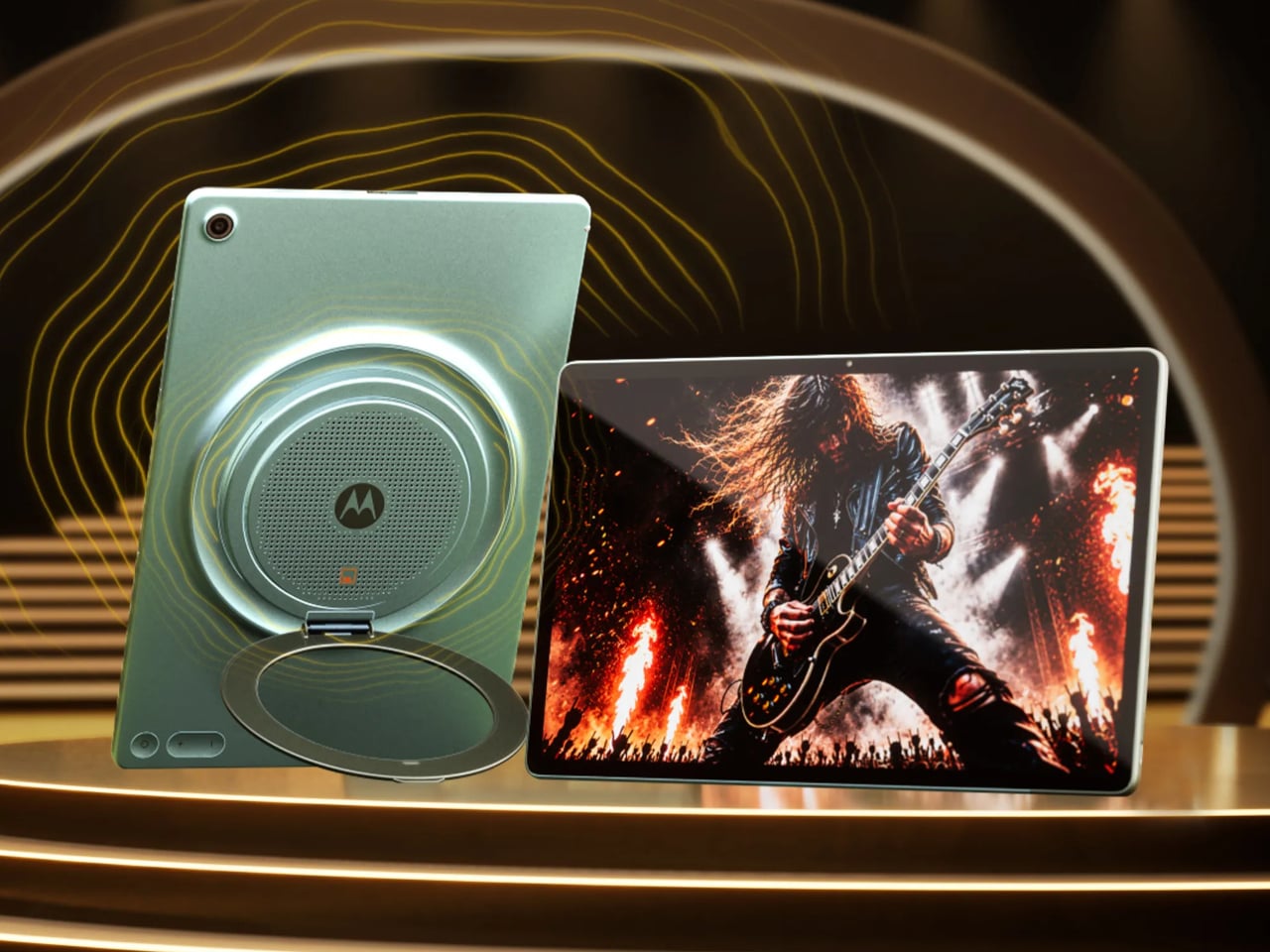
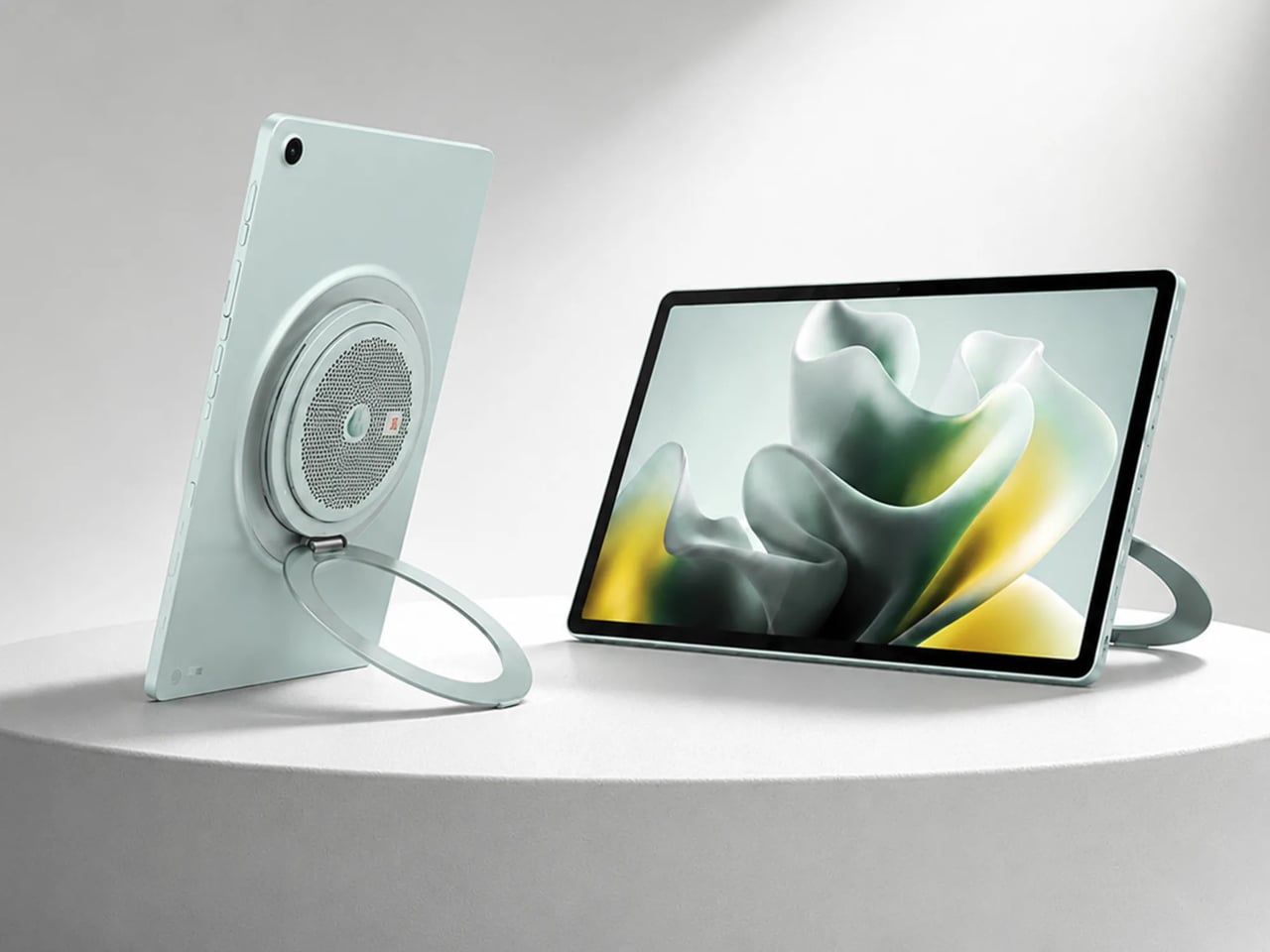
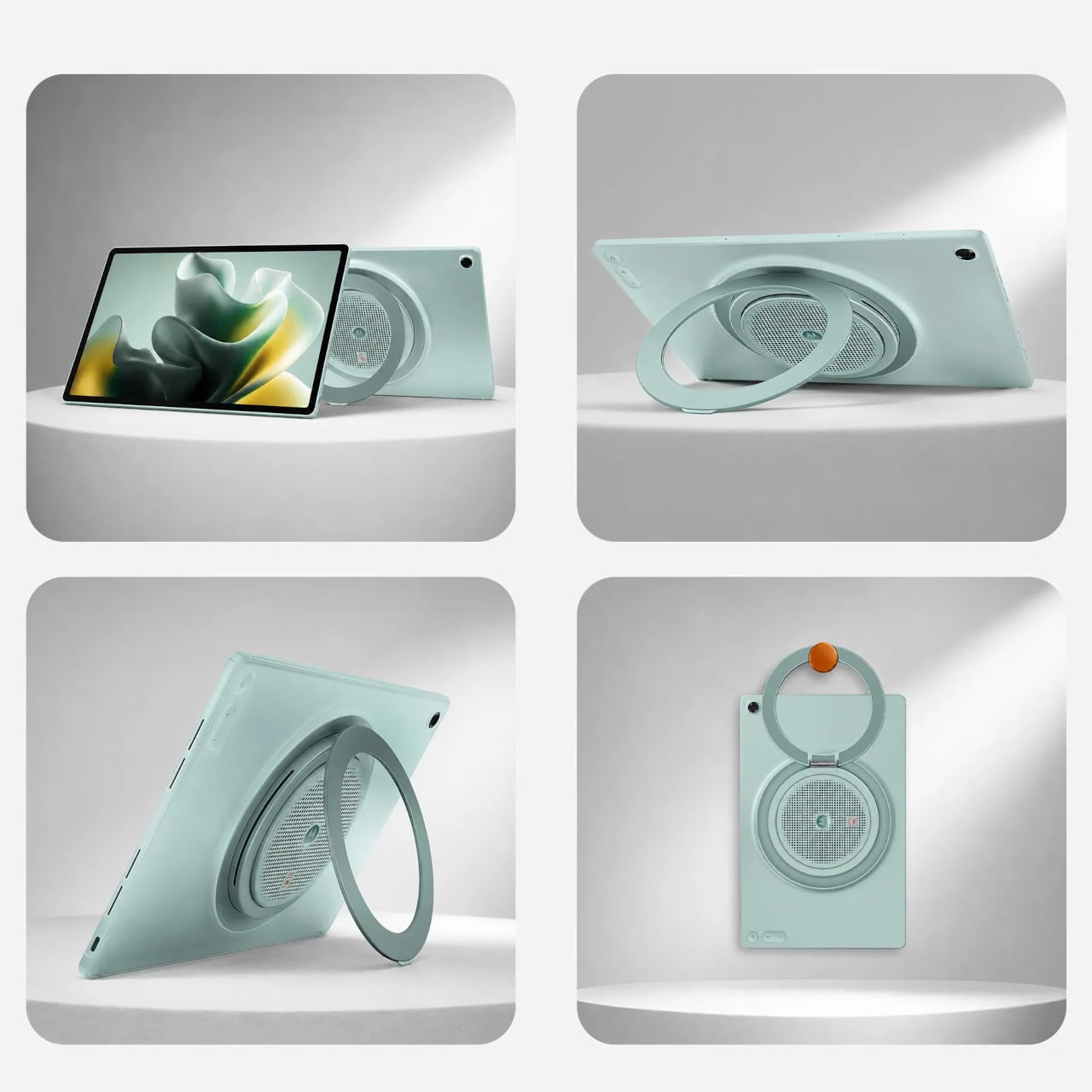
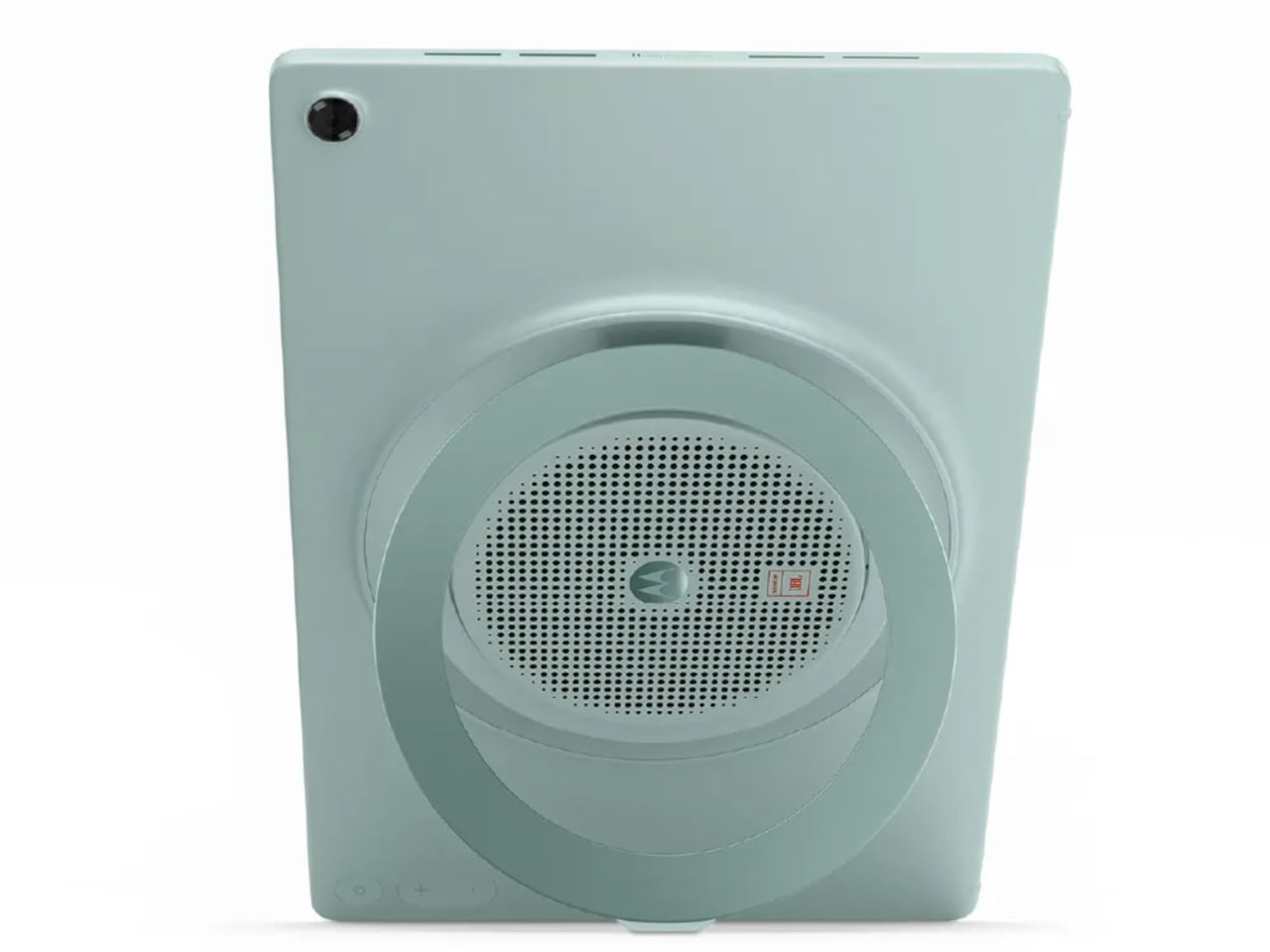
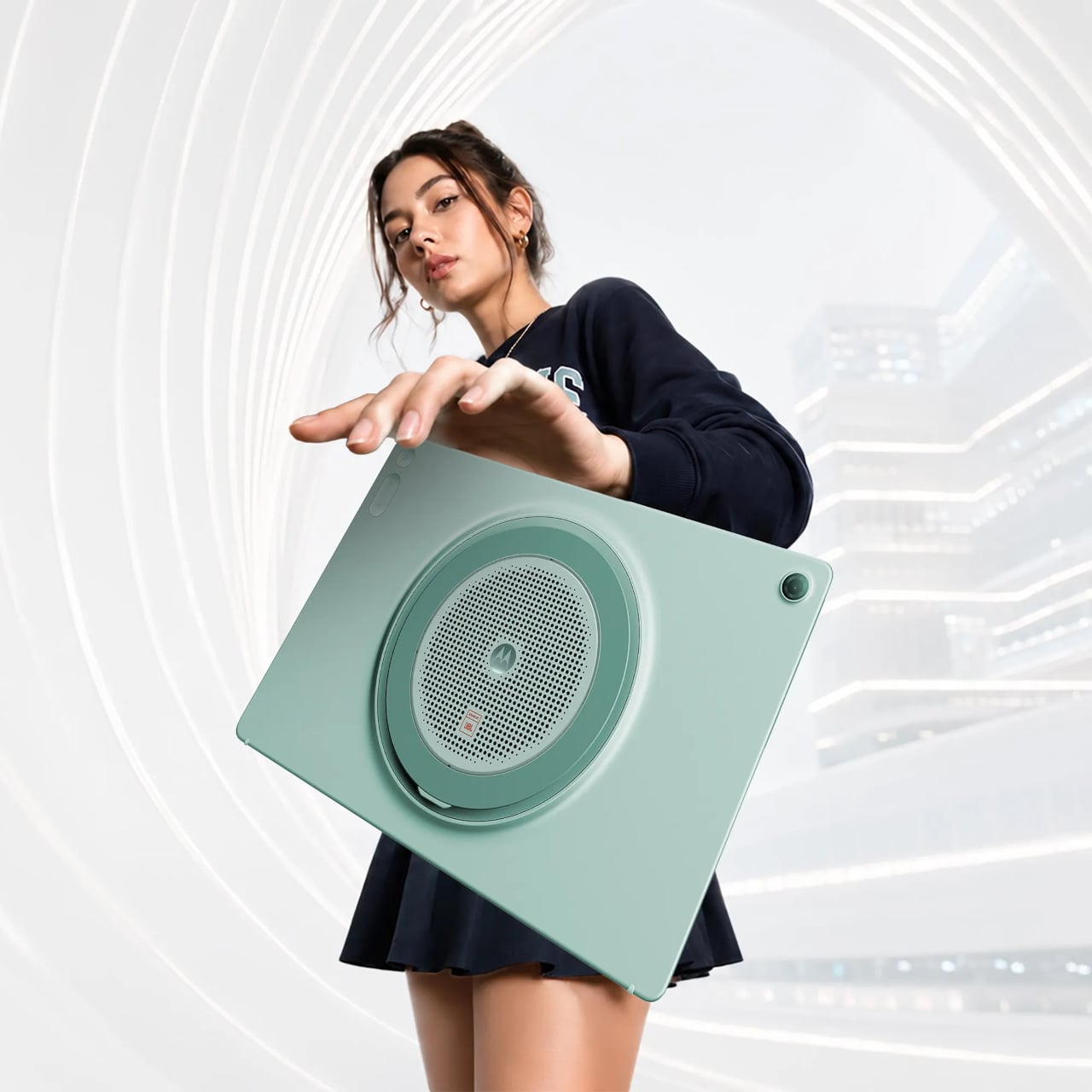
The Motorola Moto Pad 70 Groove is built around a premise that most tablets don’t dare fully commit to: making audio the centerpiece, not an afterthought. It arrives loaded with a nine-unit JBL Pro speaker system, a 12.1-inch 2.5K display, and a 360-degree built-in kickstand, addressing the kind of everyday entertainment scenarios where a standard tablet simply wouldn’t be enough.

Designer: Motorola

The display is well suited for this audio-first identity. The 12.1-inch IPS LCD panel runs at 120 Hz with a 2560×1600 resolution, HDR10 and Dolby Vision certification, and a peak brightness of 800 nits. It’s a smooth, vivid canvas for streaming content, though the real draw is what’s happening on the edges of that screen, where all those speakers live.

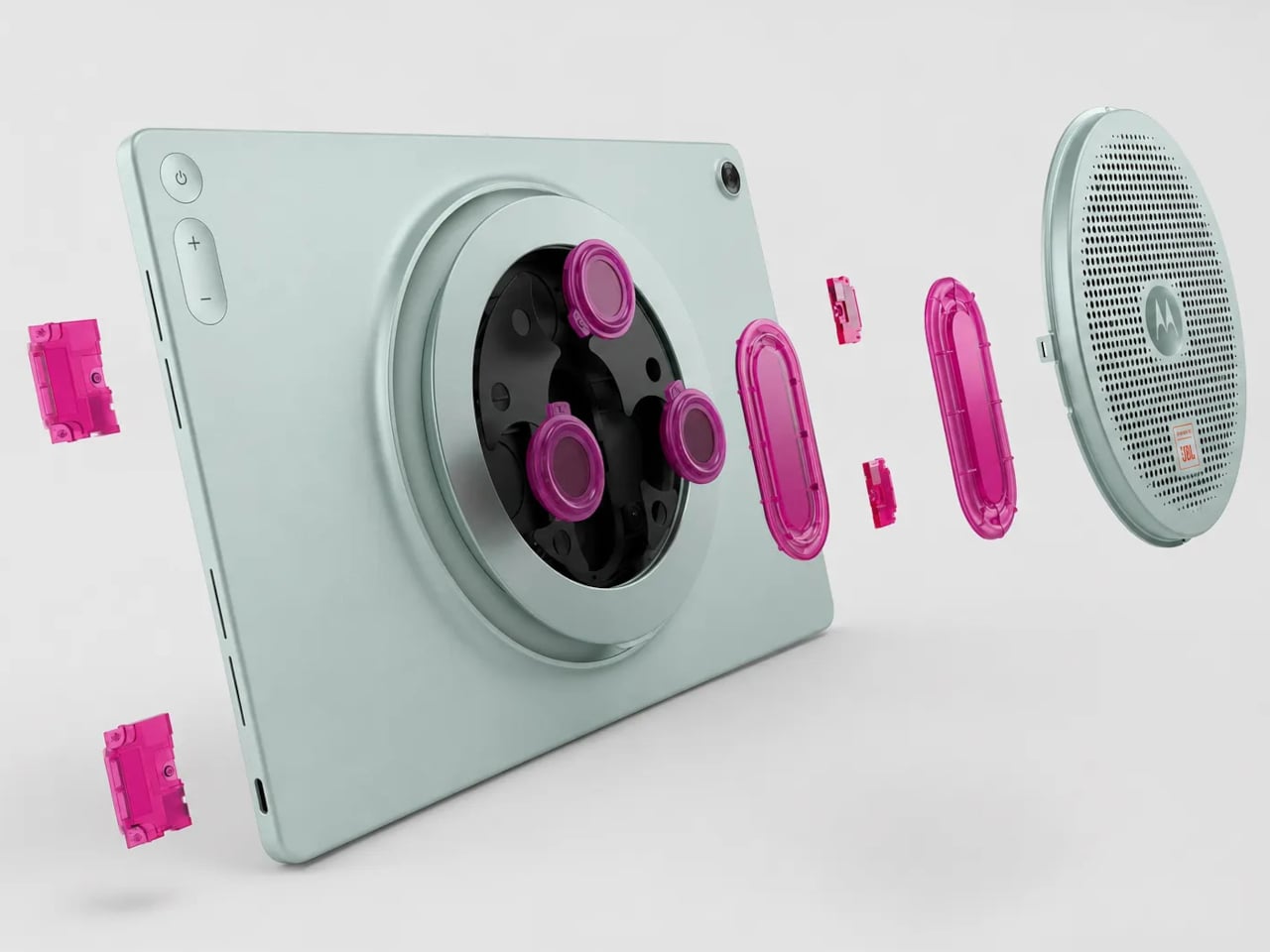
Nine speakers sound like a gimmick until you see what they’re actually made of: four tweeters, three woofers, and two passive radiators, all tuned by JBL and backed by Dolby Atmos. Together, they’re rated to push up to 48W of audio output, which is a lot to ask from a tablet-sized device. It’s the kind of setup that makes you rethink whether you actually need a separate soundbar.

What makes the audio system more interesting is the built-in Bluetooth speaker mode, which turns the Groove into a standalone speaker your phone can control wirelessly. It’s a clever trick for situations where you want music filling a kitchen or a living room during a gathering, without having to keep the tablet actively streaming the content. Dolby Audio further adds Dynamic, Movie, and Music modes for more tailored listening.

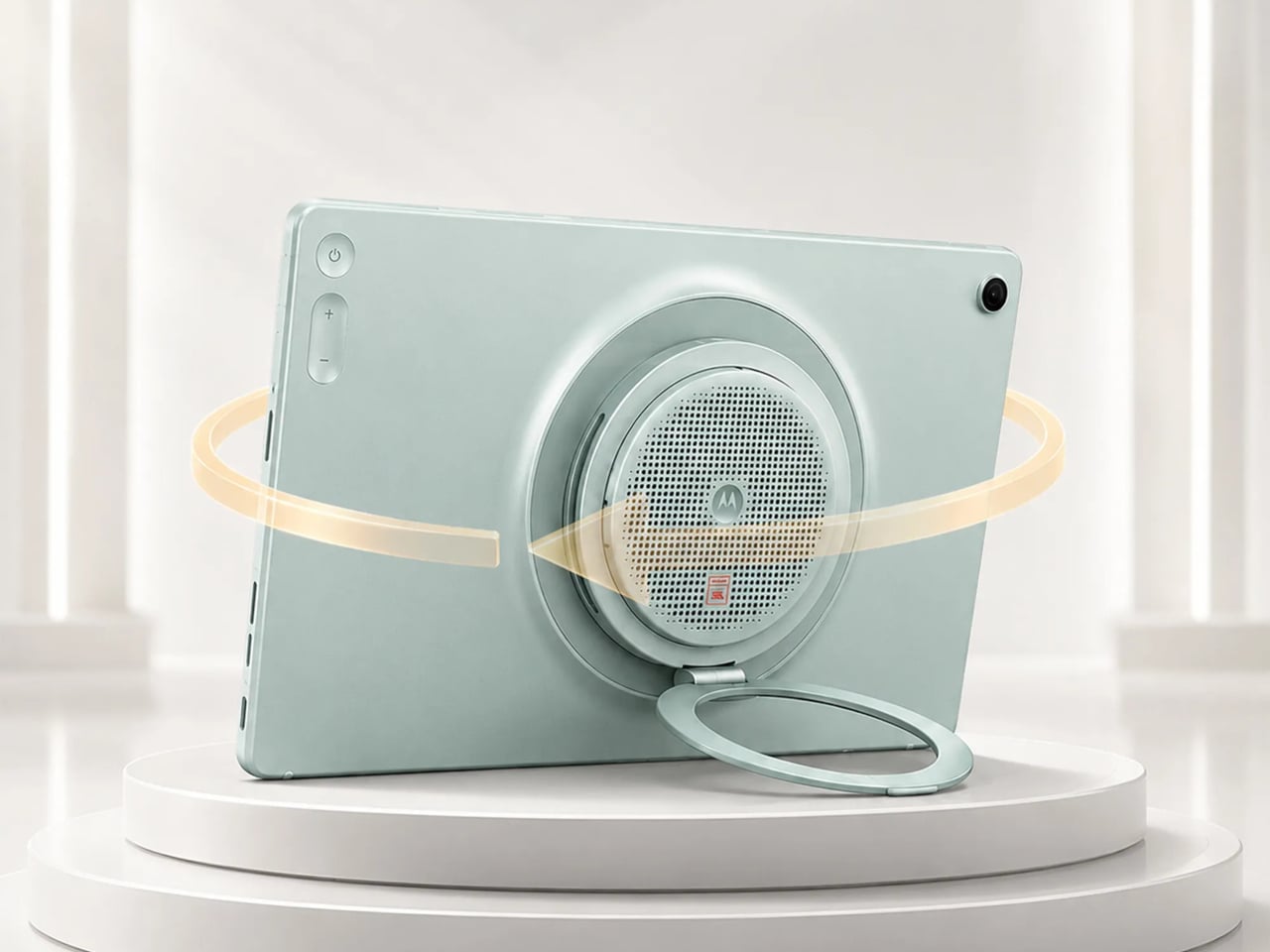
The 360° Kickstand 2.0 adds another layer of flexibility. It supports four positions named Lean, Stand, Theatre, and Hanging, each suited for a different viewing situation. Prop it up on a desk for a video call, tilt it back for a movie in bed, or hang it from a hook when counter space runs out. It’s a practical piece of engineering that doesn’t feel like an afterthought.

Under the hood, a MediaTek Dimensity 7400 chip handles daily tasks alongside 8GB of RAM and 256GB of storage. The 10,200mAh battery keeps extended streaming sessions going, and the 45W TurboPower charging keeps downtime short. The all-metal body in Pantone Blue Surf measures 6.8 mm at its thinnest, though the speaker array at the back raises that to 22.7 mm, creating a distinctive ridge. The Groove ships with Android 16 and Google Gemini out of the box, with Motorola committing to updates through Android 18 and security patches through 2030.

The post Tablets Sound Bad, So Motorola Just Put 9 JBL Speakers in One first appeared on Yanko Design.