Why Huawei’s Former PR Leader Says Most Brands Get Global Marketing Completely Wrong

Every week, Yanko Design’s podcast Design Mindset powered by KeyShot brings you conversations with design leaders who are shaping how products, brands, and experiences connect with people around the world. Hosted by Radhika, the show explores the intersection of design thinking, strategic communication, and the human stories behind successful brands. Whether you’re a designer, entrepreneur, or simply curious about how intentional design shapes our world, this weekly series offers insights you won’t find anywhere else.

In episode 12, Radhika sits down with Chris Pereira, founder and CEO of iMpact, a China-Western communications and go-to-market firm based in Shenzhen. With nearly two decades in China, fluency in Mandarin, and a notable stint as a Huawei PR leader, Chris brings a rare perspective to the table. Named one of Forbes India’s Top 30 Globalization Innovators, he’s spent his career helping brands navigate the treacherous waters between cultural intention and reception. What emerges from this conversation is a masterclass in how design decisions carry meaning, whether you intend them to or not.

Download your Free Trial of KeyShot Here

When “On Brand” Goes Off the Rails

Chris opens with a stark reality check: “Design isn’t neutral, especially across cultures. A font, a color, a slogan that wins in New York can really backfire in Nanshan in Shenzhen, China.” The challenge isn’t just about translation in the linguistic sense, it’s about making intention travel across borders intact. Every design choice tells a story about your values, and Chris emphasizes this with a striking insight: “The question isn’t if your design will tell a story, but what story you’re telling. So it’s whether you’ll own that narrative or let it own you.”

When brands think they’re “on brand” with a global strategy, that’s often exactly when things break down in local markets. Chris shares a personal anecdote that illustrates the stakes: “I had a friend a few years ago in China and he always liked to wear a green hat… But in China, there’s a specific phrase. If you’re wearing a green hat, it means your partner is cheating on you in the relationship.” What’s an innocuous fashion choice elsewhere becomes a cultural faux pas in China. For brands, this translates directly to sales, green hats simply don’t sell in Chinese markets, regardless of how well they perform globally.

Why Respect Can Look Like Disrespect (and Vice Versa)

Cultural landmines extend far beyond color choices. Chris recounts a dinner meeting where cultural respect signals completely misfired: “The Chinese host used chopsticks and before he ate he put food onto my client’s plate… But my business partner, my client, he got very angry all of a sudden. He said, I know how to use chopsticks. I’m not a kid.” The Chinese host was showing respect; the Western guest felt insulted. Both sides wanted to build trust, but the trust was actually eroded by the interaction.

These seemingly small details matter enormously for visual communication too. Sticking chopsticks upright in rice is a cultural taboo in China associated with funeral rites, an advertising image showing this would be deeply inappropriate, yet a Western creative team might not know to avoid it. Chris’s firm uses a systematic 10-item pre-mortem checklist that expands into roughly 100 specific considerations, covering everything from brand names and color schemes to who appears in imagery and what scenarios are shown. The goal should be consistent across markets, Chris explains, but the methods must adapt: “The result or what we want to convey in every country is the same. We care about the local community… How we get there is very different.”

Stop Saying You’re Great (Get Someone Else to Say It)

Perhaps the most critical insight Chris offers is about trust-building through third-party endorsement. “If I sit here and tell you, Radhika, I’m really great. I’m amazing… Honestly, that’s not a good way to convince the other person. The better way is to say, this professor has given me a letter of introduction. I was on TV last week on that media.” From a brand perspective, advertising says “I’m great,” while third-party endorsement says “he’s great” or “she’s really trustworthy.” Chris’s advice is direct: “If you don’t have the third-party endorsement, you shouldn’t do advertising.”

He encourages brands to “stand on the shoulders of giants,” pointing to the “Intel Inside” label on laptops as a perfect example. Industry awards, professional association endorsements (like dental associations for toothpaste), and partnerships with established entities all build the trust foundation necessary before spending on advertising. For product launches, Chris advocates showcasing customer success stories: “Maybe we can donate some of our products while we’re doing our announcement. And they can come and say how much that means to them for their community.” This provides powerful, authentic validation that no amount of paid advertising can replicate.

What Huawei’s Crisis Taught About Winning Together

Chris’s time at Huawei during one of the most challenging periods in the company’s history taught him invaluable lessons about resilience and messaging. When he joined in 2016, the message was all about dominance: “We’re number one in this industry. We’re number two in this industry. We have a huge end to end supply chain.” That message made employees proud but scared competitors. “If you’re in the United States at your Apple or Google, you’re like, oh, crap, this is kind of scary. Right. And they’re going to take our business,” Chris recalls.

The lesson? “The importance of win win or finding ways to work together in a way that’s good for everyone in the community is important.” Huawei eventually shifted its messaging toward building an open ecosystem, helping everyone in the supply chain succeed together. Chris also learned about the long-term mindset necessary for trust-building. When the Meng Wanzhou crisis hit in 2018-2019, many questioned whether Huawei would survive. Yet the company had a record year recently, expanding into new sectors like automotive. This taught Chris the importance of resilience and “thick skin” for both brands and individuals, and that trust requires time and consistency to build properly.

Redefining Speed: Why “Shenzhen Speed” Isn’t What You Think

The concept of “Shenzhen Speed” came up multiple times, but Chris is careful to define it properly. It’s not about rushing business relationships or pushing for quick deals. Rather, “when we say Shenzhen speed, we’re not talking about the speed of your business development… the speed is response. So if you send me a message and I respond quickly, we close the loop quickly.” Trust, conversely, needs time.

As Chris puts it, quoting a German friend: “Going in the wrong direction very quickly is not efficient. So in other words, if you’re going in the right direction slowly, that’s actually maybe better than going super fast and going in circles.” This is especially true for Chinese companies going overseas. Chris identifies cross-cultural communication as the primary challenge: “They all have great products, but they still lack a ability to communicate in a cross-cultural setting.” And crucially, human connection matters more than technology: “Get on an airplane and be on site at a trade event, visit your clients in person, have coffee with them. So none of that can be done by AI, interestingly.”

The Three Non-Negotiables Every Brand Needs

When asked about his non-negotiables, Chris identifies three foundational principles. First, compliance, “You need to follow the law anywhere you go,” he states simply. Second, authenticity: “If you’re not authentic, you will lose the trust of the local market.” Chris shares what he calls the 20-60-20 rule: 20% of people will always love you, 60% don’t really care either way, and 20% will actively dislike you. “When we’re doing our design work and business work, it’s important to bring your true self to the table because then you’ll attract the consumers, your customers, your partners, your friends who are like minded.”

Third, purpose beyond profit. “We’re not just doing business and doing design work and doing PR for money. I think we want to make the world a better place,” Chris reflects. For him, this is personal: “I have a nine year old son who’s half Chinese. So what we’re doing is helping Chinese companies and helping China tell their story in a more effective way overseas and building more trust and friendship.” In the rapid-fire segment, Chris crystallizes several key insights. His quickest litmus test for international success? “The team, the team behind the product.” The most underused asset in cross-border launches? “The actual relationships… in the local market.” And what beats beautiful design every time? “A brand mission. So a mission, a worthwhile cause to do something.”

Making Intention Travel

What emerges from this conversation is a fundamental truth: design is never neutral. Every choice, from fonts to colors to the people you feature in your imagery, communicates values. The challenge is ensuring those values translate as intended across cultural boundaries. Chris’s approach is both systematic and deeply human: use checklists and structured processes, but never forget that trust is built person to person, through authentic relationships and genuine commitment to local communities.

For designers and brand strategists working in an increasingly global marketplace, the message is clear: you can’t afford to be culturally naive. What “works” in your home market may actively harm you elsewhere. But with the right approach, thoughtful localization, authentic partnership, and patience, brands can successfully make their intention travel across borders. Chris Pereira can be found on LinkedIn, and Design Mindset releases new episodes every week, bringing you more conversations with leaders who understand that great design isn’t just beautiful, it’s meaningful.


Listen to the full conversation on Design Mindset (powered by KeyShot), available every week, to hear more insights from one of the industry’s most decorated design leaders.

Download your Free Trial of KeyShot Here

The post Why Huawei’s Former PR Leader Says Most Brands Get Global Marketing Completely Wrong first appeared on Yanko Design.
No Hour Hand, No Minute Hand: The $299 Triarch Watch Tells Time With Magnets

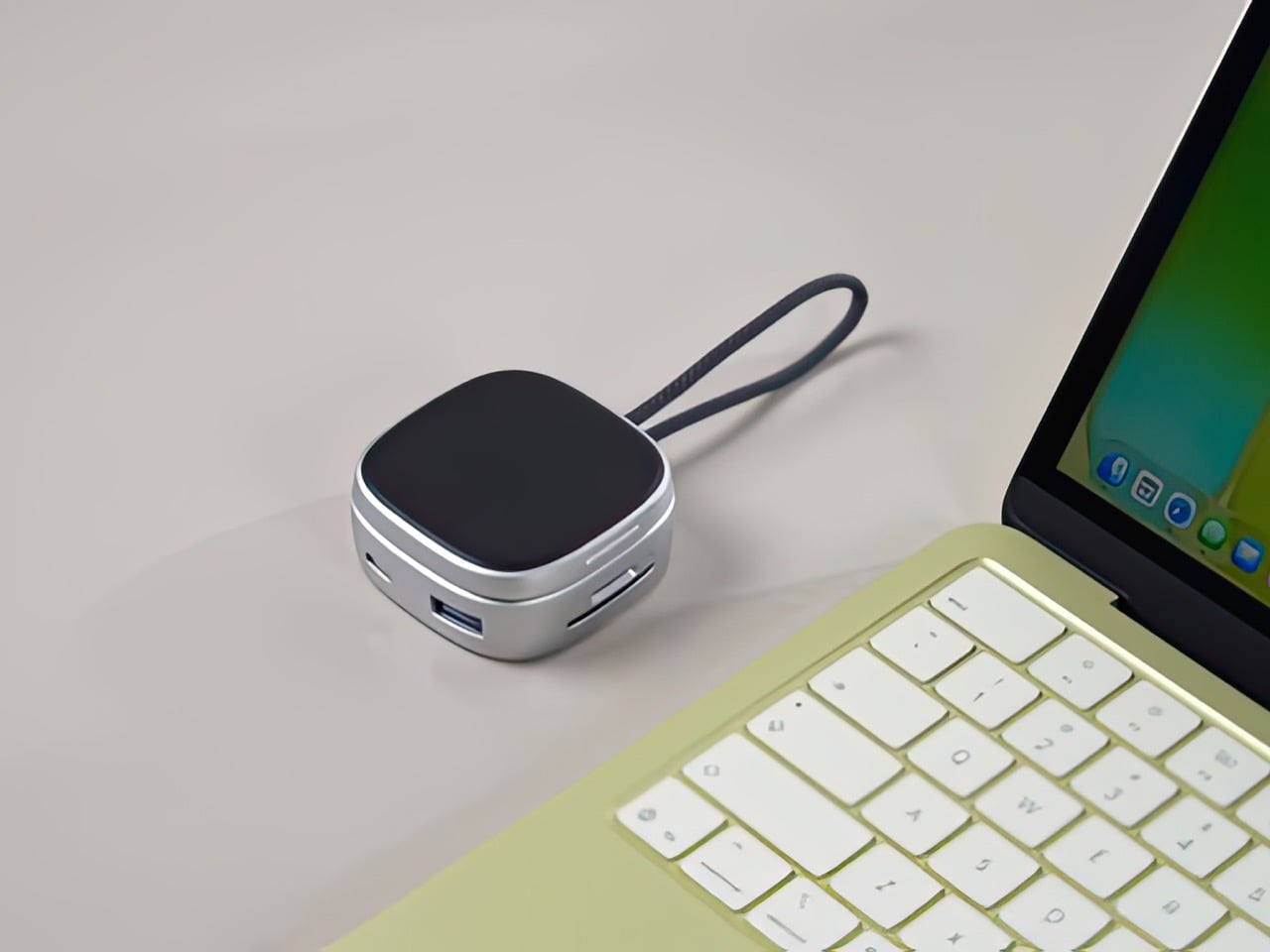
Time is usually measured in straight lines and sweeping hands, but Triarch bends that rule into a triangle. Instead of conventional hands, its custom movement drives a rotating minute dial while a tiny ball traces a precise triangular path. Every glance becomes a small discovery, as the orbiting ball and shifting dial transform timekeeping into a kinetic sculpture on the wrist.

The design leans fully into the symbolism of the triangle, a shape long associated with stability, harmony, and eternity. From ancient pyramids to sacred geometry, the triangle has stood for structure and balance, and Triarch pulls that mythology straight onto the dial. The result is a watch that does not just show the time; it frames time inside a geometric icon that feels both timeless and futuristic.

Designer: Ken

Click Here to Buy Now: $299 Hurry! Only limited units left.

Reading the Triarch takes a second to learn but makes sense quickly. Hours are tracked on a rotating outer dial marked from 1 to 12, spinning continuously beneath a fixed reference point. Meanwhile, the minutes are indicated by a small ball that travels along a triangular track, moving in sync with the passage of time. At the center sits an exposed golden gear, visible through a triangular window, acting as the mechanical heart that drives the entire system. This gear does not just function; it performs, turning the dial into a stage where mechanics and motion are always on display.

Triarch exists in two distinct variants, each interpreting the core concept differently. Triarch I is the more refined, dress-oriented expression. It features the original mechanical rotating dial with the triangle window prominently framing the golden gear and the hour module. The dial designs lean toward classical watchmaking aesthetics, with radiating guilloché-style patterns that catch light beautifully. Available in three colors, including teal, grey-black, and blue, Triarch I pairs its mechanical theater with a premium Italian leather strap and a polished stainless steel case. It is aimed at collectors who appreciate mechanical artistry wrapped in a quieter, more sophisticated package.

Triarch II takes the same foundation and pushes it into bolder, more experimental territory. This upgraded version adds an extra layer to the dial structure, creating more visual depth and making the internal architecture more visible. The most significant upgrade is the magnetic minute hand innovation. Instead of a traditional pointer, the minute indication on Triarch II jumps with magnetic force, creating a floating, almost sci-fi effect that sets it apart from conventional watches and even from Triarch I. Lume coverage is significantly expanded on Triarch II, with larger areas of Swiss Super-LumiNova applied across the dial, making it far brighter and more legible in the dark. Available in six colorways, including black with orange accents, teal, lime green, and others, Triarch II leans hard into a modern, almost cyberpunk vibe. It ships with a rugged Crazy Horse leather strap, a material known for its matte finish and ability to develop character over time.

Both models share the same mechanical platform and case architecture. The movement is a Miyota 9039 automatic, a 24-jewel Japanese caliber running at 28,800 beats per hour with a 36-hour power reserve and accuracy rated to around plus or minus 10 seconds per day. Mounted on top is the in-house rotating hour module, the complication that makes the entire display possible. The case is 316L stainless steel, measuring 42mm wide and 14.16mm thick, with a double-domed sapphire crystal up front treated with multi-layer anti-reflective coating. The caseback is also sapphire, offering a view of the Miyota movement and parts of the custom module. Water resistance is rated to 5 ATM, or 50 meters, suitable for daily wear but not serious water sports. Both versions use 20mm lugs with quick-release spring bars, making strap swaps effortless.

Triarch positions itself somewhere between horology and wearable art, offering a genuinely different way to interact with time. The $299 Triarch I appeals to those who want mechanical poetry in a relatively subdued form, while the $359 Triarch II targets enthusiasts chasing visual boldness and technical novelty. Either way, the triangle is not just decoration here; it is the entire logic of the watch. Both the Triarch I and Triarch II ship free globally, with an extra strap included in the box.

Click Here to Buy Now: $299 Hurry! Only limited units left.

The post No Hour Hand, No Minute Hand: The $299 Triarch Watch Tells Time With Magnets first appeared on Yanko Design.
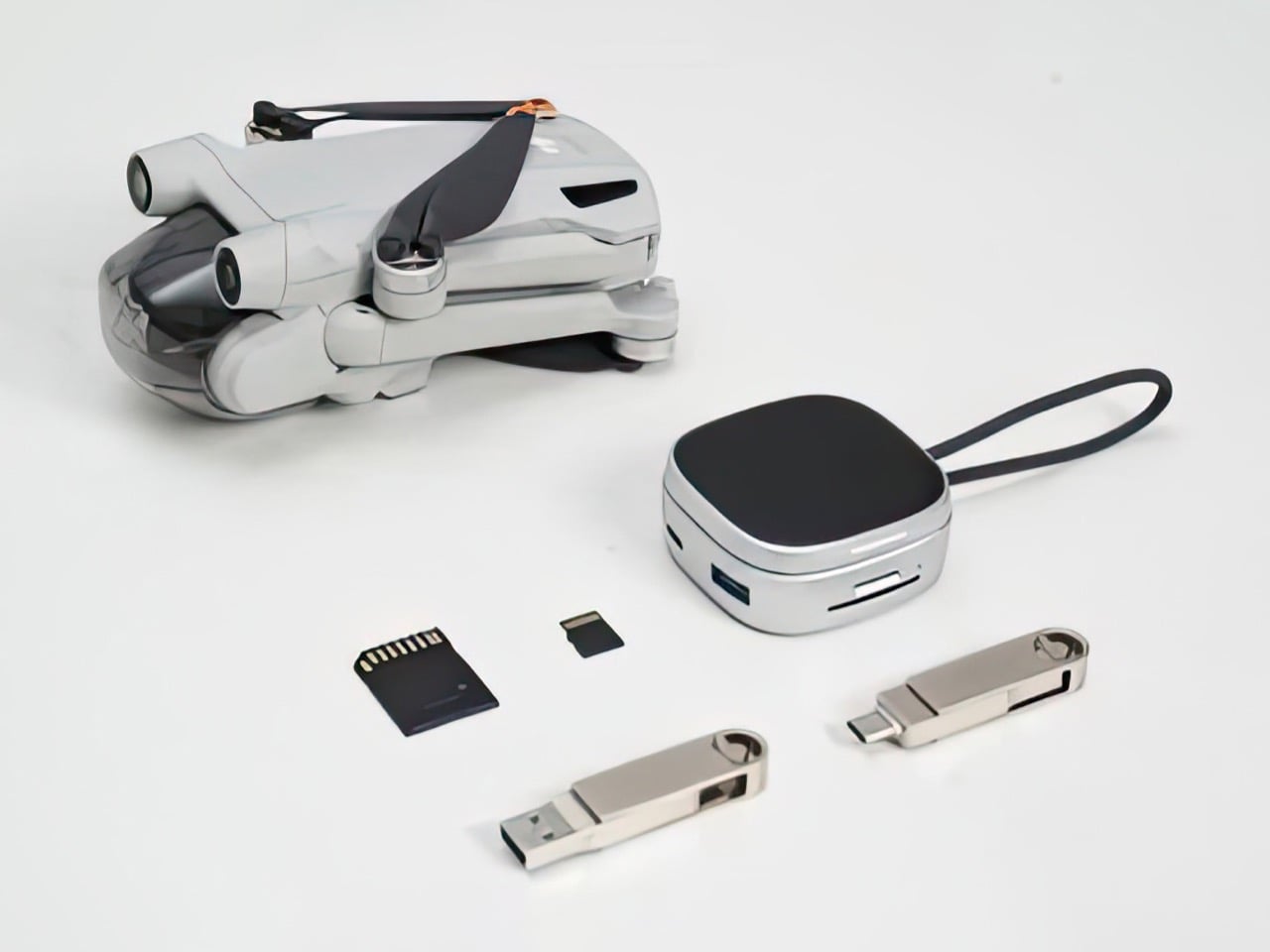
These LEGO Snow Globes Are The Perfect Stocking Stuffer For Brick-Lovers!

Three globes, three distinct Christmas visuals, three absolute vibes. Made with a total of just 385 pieces, this MOC (My Own Creation) from LEGO builer ItzEthqn captures the holiday spirit perfectly, and for anyone who wants to customize the globes with something of their own, these designs seem absolutely modular, allowing you to replace the inner scene with anything of your choice for a more custom/bespoke snow globe!

“Now I know what you may be thinking, ‘Isn’t it a bit early for Christmas?’ and the answer is absolutely not its never too early for Christmas,” says ItzEthqn (who probably goes by the name Ethan. The globes – two large and one small – are the perfect way to usher in the holiday spirit… especially if you’re a LEGO lover like I am.

Designer: ItzEthqn

The globes come in 3 distinct variants, the smallest of which features a tiny little snowman, top hat, scarf, carrot, branches and all. The snowman sits within a fairly comfy 3-piece ‘glass’ orb. The orb sits on a gold, green, and red banded base, quite like the kind you find in novelty shops and Hallmark outlets.

The other two snow globes are a tad bit larger, featuring slightly more elaborate scenes. The first, a Christmas tree, complete with a star topper as well as gifts at the bottom. The larger glass orb now features a 2-part design, and the slightly larger base also has a snowflake brick embedded on the front for extra holiday flair. The other snow globe features our old friend Nicholas (also known world over as Santa) on his trusty sled, with gifts in the boot. ItzEthqn does mention that he wanted to bejewel the globes with stickers too, but that detail kept crashing his computer as he added stickers to the globe.

That being said, there’s a lot that you can do with this framework. Upgrade it with minifigures of your own, make tiny versions with different designs and themes, or even use it to display your Hot Wheels collection, the cars might be a tight fit but I’m sure you can figure it out! The other tiny caveat here is that these snow globes don’t actually have any snow in them, so feel free to chuck in some tiny confetti to make these globes feel like the real deal!

ItzEthqn’s fan-made snow globe design is currently gathering votes on the LEGO Ideas website, an online forum where LEGO enthusiasts share their own creations and vote for their favorites. With well over 2,600 votes, this MOC is slowly but surely inching towards the coveted 10K vote mark, following which it’ll be reviewed by LEGO’s internal team and ‘hopefully’ turned into a retail kit that all of us can buy. Until then, just head down to the LEGO Ideas website and give this build your vote!

The post These LEGO Snow Globes Are The Perfect Stocking Stuffer For Brick-Lovers! first appeared on Yanko Design.

Urwerk and Ulysse Nardin’s $122K UR-Freak Watch Might Be The Most Interesting Collab Of 2025

The Ulysse Nardin Freak has always been more of a horological platform than a static model. Since its debut, it has served as a canvas for the brand’s most forward-thinking ideas, from pioneering silicon components to its signature “movement as the hand” display. It was the watch that proved a piece of high watchmaking could look and function like nothing that came before it. Now, for the first time, Ulysse Nardin has opened that platform to an outside collaborator.

It is fitting that the partner is Urwerk, another independent force that has consistently challenged the conventions of time display. Instead of a simple cosmetic update, the two brands co-developed a new caliber that integrates Urwerk’s wandering hour satellites into the Freak’s rotating carousel. The watch is still fundamentally a Freak, using its entire movement to indicate the time, but the language it speaks is now filtered through Urwerk’s sci-fi, dashboard-inspired lens.

Designers: Urwerk & Ulysse Nardin

What makes this partnership click is the deep mechanical fusion they achieved. The purpose-built UN-241 caliber is proof of this, a movement born from over 150 new components designed to get these two very different systems to play nice. You can see Ulysse Nardin’s massive silicon oscillator beating right in the middle, the technical heart of the machine. But orbiting around it is an assembly that is pure Urwerk. The three satellite arms, each carrying a rotating hour block, are mounted directly onto the Freak’s carousel, creating a layered, kinetic sculpture. You are looking at a Ulysse Nardin movement carrying an Urwerk complication like a backpack, all rotating as one cohesive unit.

Even with all that movement, reading the time is surprisingly straightforward. Your eye is drawn to the right side of the watch, where a single active satellite points a bright yellow arrow toward a linear minute track. The number on the corresponding hour block gives you the hour. It is an intuitive system, a classic Urwerk touch, but it’s made more dynamic by the constant, slow rotation of the Freak platform underneath. It feels like Urwerk’s dashboard display has been mounted on a revolving space station.

The 44 mm silhouette is clearly from the Freak ONE, with its crownless architecture and smooth, sandblasted titanium. But you can see Urwerk’s influence in the fluted, notched sections of the bezel, which add an industrial texture that feels different from the Freak’s usually sleek profile. You still set the time by rotating this bezel, secured by a locking tab at six o’clock that now reads “UR-FREAK.” It is a clear signal that this is a Freak that has been properly Urwerk-ified. The electric yellow strap, Urwerk’s calling card, drives the point home, a splash of aggressive color against the muted gray case.

Getting one will not be easy, or cheap. The UR-Freak is a limited run of just 100 pieces, and with a price tag of around 122,200 USD, it is aimed squarely at serious collectors in the independent scene. For those looking to acquire one, inquiries will have to be made directly to either brand. The UR-Freak is the kind of watch that makes you wonder why it did not happen sooner, and at the same time, be amazed that it happened at all.

The post Urwerk and Ulysse Nardin’s $122K UR-Freak Watch Might Be The Most Interesting Collab Of 2025 first appeared on Yanko Design.

This Open-Source Retropunk Computer Solves Distraction by Removing Everything Except Writing

Your laptop can do anything, which increasingly means it’s optimized for nothing. This isn’t a new observation, but the solutions have mostly been software-based: distraction-blocking apps, focus modes, website blockers that you can disable the moment willpower falters. The Typeframe project takes a more permanent approach – build a computer that literally cannot do anything except let you write.

Jeff Merrick’s open-source writerdeck designs come in two flavors. The PX-88 is a desktop-style portable with a full keyboard and integrated screen, styled after the 1985 Epson PX-4 that inspired it. The PS-85 shrinks down to a 40% keyboard layout while maintaining that same retro-futuristic aesthetic. Both use Raspberry Pi boards as their brains, and both are documented with the kind of step-by-step detail that assumes you’ve never touched CAD software or soldered components together.

Designer: Jeff Merrick

For the uninitiated, the Epson PX-4 was a chunky CP/M portable that field engineers actually carried into the field, with swappable keyboards and modular components that could turn it into different tools for different jobs. It ran on batteries and had a tiny 40×8 character display that virtually expanded to 80×25. The appeal wasn’t raw computing power – it was that the thing did exactly what you needed and nothing more. Merrick’s designs capture that purposefulness while swapping in modern components that are actually available and affordable.

The community around writerdecks has been growing quietly alongside the broader cyberdeck movement. Where cyberdecks lean into the hacker aesthetic with exposed electronics and tactical mounting points, writerdecks prioritize the writing experience itself. There’s active discussion on Reddit’s r/cyberDeck forum, open-source software projects like WareWoolf and ZeroWriter built specifically for distraction-free writing, and a thriving market for vintage AlphaSmart Neo devices – basically the original writerdecks from the early 2000s that are still beloved for their springy keyboards and complete lack of internet connectivity.

Merrick freely admits this is his first project at this scale, and he’s documented it with that beginner perspective intact. The full documentation lives at typeframe.net, with all the CAD files and electronics details on GitHub. It’s the kind of project that invites participation rather than demanding expertise, which feels increasingly rare in maker spaces that sometimes forget not everyone solders for fun.

The broader question is whether dedicated writing devices actually help people write more. The answer seems to be yes, but not because of any technical magic. Sitting down at a machine that only does one thing creates a kind of ritual commitment. You’re not just opening a document – you’re physically moving to a different device that exists solely for this purpose. It’s closer to the experience of sitting down at a typewriter or picking up a pen, except what you write is instantly digital, searchable, and portable. The AlphaSmart Neo proved there’s real demand for this experience, and projects like Typeframe are making it accessible to anyone willing to spend a weekend with a soldering iron and some determination.

The post This Open-Source Retropunk Computer Solves Distraction by Removing Everything Except Writing first appeared on Yanko Design.

Roborock’s Flagship Robot Vacuum Just Hit $849 for Black Friday (It Was $1,500)

Most robot vacuums ask you to choose between brains and beauty, performance and polish. They either look like something you’d tuck away in a utility closet or they clean with all the conviction of a demo unit at a trade show. Roborock’s Qrevo CurvX has been one of the rare exceptions since launch, which explains why it commanded $1,499.99. That’s flagship territory, the kind of pricing reserved for products that are supposed to solve problems rather than create new ones. The question for Black Friday is what happens when that same robot drops to $849.99, because suddenly you’re not comparing it to other flagship models anymore.

The 43% discount would be noteworthy on any robot vacuum, but this isn’t any average robot vacuum being purposely cleared from stock for Black Friday. The CurvX is genuinely Roborock’s current top offering, complete with 22,000Pa suction that actually makes a difference on carpets, a chassis that physically lifts itself over thresholds up to 4cm high (which sounds gimmicky until you live in a house with transitions between rooms), and a 3.14-inch profile slim enough to navigate under most furniture without getting wedged. For anyone who’s spent the past few years watching robot vacuum tech inch forward while waiting for one that doesn’t require you to compromise on either capability or how it looks sitting in your living room, this is the kind of pricing shift that’s worth paying attention to.

Designer: Roborock

Click Here to Buy Now: $849.99 $1499.99 ($650 off). Hurry, deal ends in 48-hours!

The slim profile is a bigger deal than it sounds. At just under 8cm tall, the CurvX glides under sofas, beds, and cabinets where dust bunnies breed because most vacuums can’t reach. Roborock made this possible with RetractSense navigation, featuring a LiDAR sensor that retracts into the body when it isn’t needed. Most LiDAR robots have a permanent turret on top, an extra bit of height that forces them to avoid low-clearance furniture entirely. This is a thoughtful piece of engineering that addresses a real-world frustration, ensuring a truly comprehensive clean in the spaces that are often missed. It’s a design choice that reflects a deeper understanding of how modern homes are actually furnished.

Even more impressive is the AdaptiLift chassis. This is Roborock’s system for lifting the entire robot body to clear obstacles, and it transforms how autonomous the cleaning actually becomes. Thick rugs, raised thresholds between rooms, or even the slight lip where tile meets hardwood are handled with ease. Lesser robot vacuums will attempt these crossings, fail, and get stuck. The CurvX lifts itself up to 1.57 inches and just drives over the obstacle. In real-world use, this means your robot isn’t getting trapped on a daily basis, which sounds basic but genuinely improves the whole ownership experience.

For pet owners, the holy grail has always been a robot vacuum that doesn’t choke on hair. Roborock built the Dual Anti-Tangle System specifically to address hair wrapping, pairing it with what they call a DuoDivide main brush that splits the roller to prevent tangling at the source. Combined with FlexiArm technology that extends the side brush and mop pad out to reach baseboards and corners, this robot actually handles pet households well. Most robot vacuums leave visible gaps along edges because their circular design can’t physically get close enough. The CurvX extends past those limitations, meaning you’re not manually cleaning baseboards after the robot runs.

The CurvX also packs a pretty advanced mopping system that ties in with the vacuum’s dock. The Multifunctional Dock 3.0 Thermo+ is far more than an auto-empty bin. It washes the robot’s dual spinning mop pads with 80°C (176°F) water, hot enough to dissolve greasy kitchen spills and sanitize floors effectively. After washing, it dries the mops with 45°C warm air, preventing the mildew and sour odors that can plague other robot mops. The dock also refills the robot’s water tank and empties its dustbin into a large 2.5-liter bag that can go for up to 65 days between changes. This level of automation means the robot is always ready for the next job, providing a consistently clean and hygienic experience with minimal human oversight.

Underpinning all of this is the Reactive AI obstacle avoidance, which uses structured light and an RGB camera to see and interpret the world around it. With the ability to recognize 108 different object types, the system is remarkably adept at navigating a lived-in home. This gives you the confidence to run a cleaning cycle without having to tidy up beforehand; it will intelligently steer around charging cables, shoes, and pet toys instead of trying to consume them. It’s a system designed for real-world messiness, which is a refreshing change of pace.

Roborock also clearly understood that for a device to live in your main space, its design matters. The CurvX’s dock is sleek and rounded, with a smooth, dust-resistant top cover. Most of the robot tucks away inside the base when docked, so it maintains a low profile. It’s a functional appliance that doesn’t look like one, actively complementing a modern home’s aesthetic rather than detracting from it. It’s a small touch, but it’s one that speaks to a user-centric design philosophy that considers the entire ownership experience.

At $849.99, the value proposition shifts significantly. You’re getting flagship performance and capability at a price point that suddenly feels accessible. Most robot vacuums in this range offer either strong suction or competent mopping, rarely both with the kind of dock automation that makes daily use genuinely hands-off. The CurvX delivers on all three, and the timing matters because Roborock is extending serious discounts across its lineup. The Saros 10R, another ultra-slim flagship with 22,000Pa suction and industry-first 3D ToF navigation, is getting cut from $1,599.99 to $1,049.99. The Qrevo Edge S5A (18,500Pa suction with DuoDivide brush and FlexiArm technology) drops from $999.99 to $549.99, making it a compelling mid-range option for those who want solid performance without the ultra-premium price. The Q10 S5+ (10,000Pa suction, 70-day auto-empty, VibraRise 2.0 mopping) offers even more accessible pricing with its $249.99 price tag for budget-conscious buyers who still want auto-empty convenience. If you’re someone who prefers cordless cleaning, the Flexi F25GT wet-dry vacuum (20,000Pa suction, self-washing at 194°F, lie-flat design) is dropping from $299.99 to $199.99. The CurvX still represents the apex of what Roborock offers, but having this many capable options discounted simultaneously means there’s genuinely something for different household needs and budgets.

If you’ve got a multi-surface home, pet hair to contend with, or you’ve simply gotten tired of manually maintaining a robot vacuum every week, the CurvX actually solves those problems. The slim design means it cleans spaces other robots miss. The suction power handles both carpet and tile effectively. The dock system means mop maintenance is genuinely hands-off. These aren’t theoretical benefits. They’re practical improvements to how the robot actually functions in real homes. At $849.99 during this Black Friday window, you’re looking at a product that’s genuinely capable of delivering on what robot vacuums have been promising for years. That’s worth paying attention to.

Click Here to Buy Now: $849.99 $1499.99 ($650 off). Hurry, deal ends in 48-hours!

The post Roborock’s Flagship Robot Vacuum Just Hit $849 for Black Friday (It Was $1,500) first appeared on Yanko Design.
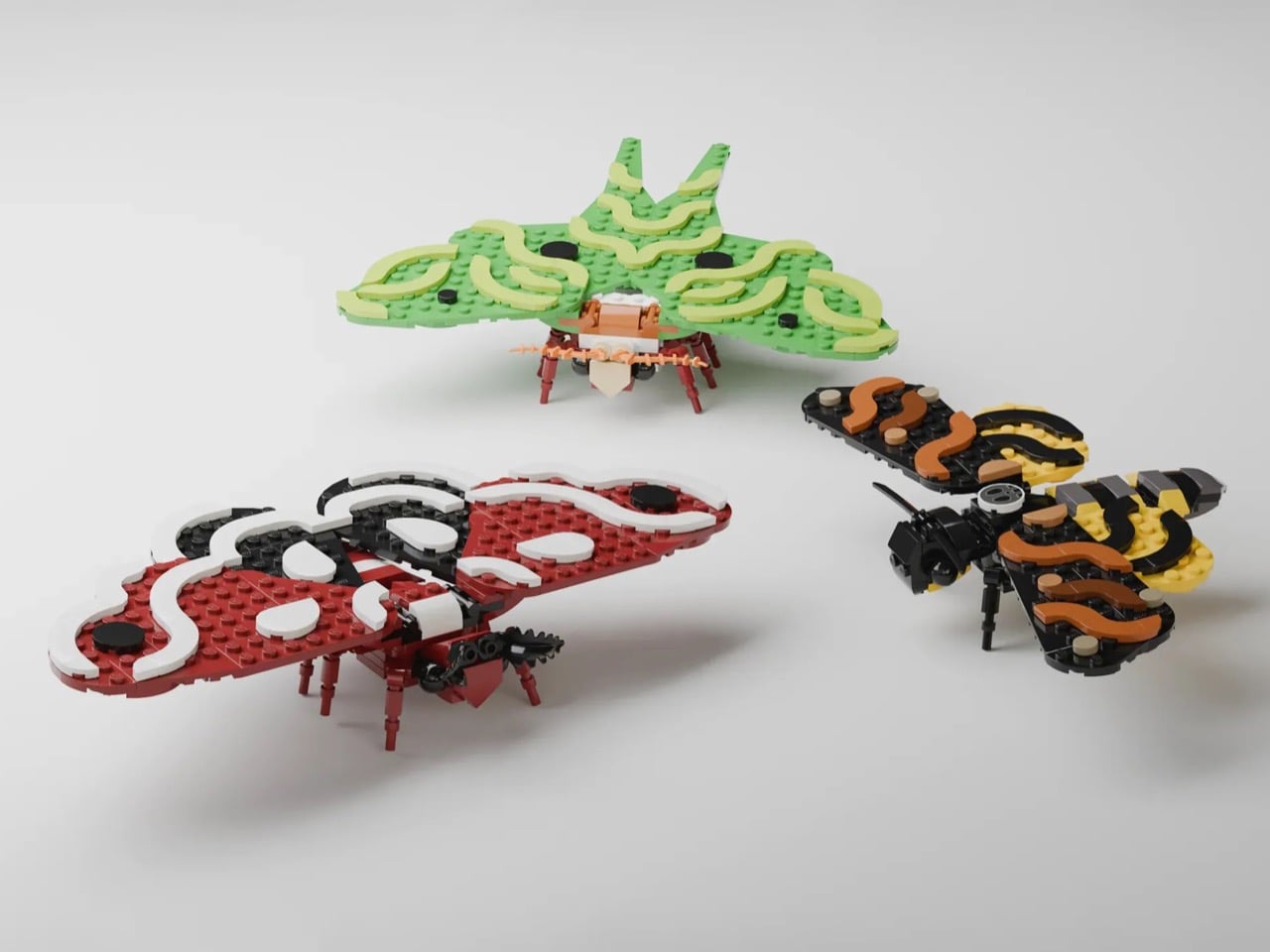
Roborock’s Flagship Robot Vacuum Just Hit $849 for Black Friday (It Was $1,500)

Most robot vacuums ask you to choose between brains and beauty, performance and polish. They either look like something you’d tuck away in a utility closet or they clean with all the conviction of a demo unit at a trade show. Roborock’s Qrevo CurvX has been one of the rare exceptions since launch, which explains why it commanded $1,499.99. That’s flagship territory, the kind of pricing reserved for products that are supposed to solve problems rather than create new ones. The question for Black Friday is what happens when that same robot drops to $849.99, because suddenly you’re not comparing it to other flagship models anymore.

The 43% discount would be noteworthy on any robot vacuum, but this isn’t any average robot vacuum being purposely cleared from stock for Black Friday. The CurvX is genuinely Roborock’s current top offering, complete with 22,000Pa suction that actually makes a difference on carpets, a chassis that physically lifts itself over thresholds up to 4cm high (which sounds gimmicky until you live in a house with transitions between rooms), and a 3.14-inch profile slim enough to navigate under most furniture without getting wedged. For anyone who’s spent the past few years watching robot vacuum tech inch forward while waiting for one that doesn’t require you to compromise on either capability or how it looks sitting in your living room, this is the kind of pricing shift that’s worth paying attention to.

Designer: Roborock

Click Here to Buy Now: $849.99 $1499.99 ($650 off). Hurry, deal ends in 48-hours!

The slim profile is a bigger deal than it sounds. At just under 8cm tall, the CurvX glides under sofas, beds, and cabinets where dust bunnies breed because most vacuums can’t reach. Roborock made this possible with RetractSense navigation, featuring a LiDAR sensor that retracts into the body when it isn’t needed. Most LiDAR robots have a permanent turret on top, an extra bit of height that forces them to avoid low-clearance furniture entirely. This is a thoughtful piece of engineering that addresses a real-world frustration, ensuring a truly comprehensive clean in the spaces that are often missed. It’s a design choice that reflects a deeper understanding of how modern homes are actually furnished.

Even more impressive is the AdaptiLift chassis. This is Roborock’s system for lifting the entire robot body to clear obstacles, and it transforms how autonomous the cleaning actually becomes. Thick rugs, raised thresholds between rooms, or even the slight lip where tile meets hardwood are handled with ease. Lesser robot vacuums will attempt these crossings, fail, and get stuck. The CurvX lifts itself up to 1.57 inches and just drives over the obstacle. In real-world use, this means your robot isn’t getting trapped on a daily basis, which sounds basic but genuinely improves the whole ownership experience.

For pet owners, the holy grail has always been a robot vacuum that doesn’t choke on hair. Roborock built the Dual Anti-Tangle System specifically to address hair wrapping, pairing it with what they call a DuoDivide main brush that splits the roller to prevent tangling at the source. Combined with FlexiArm technology that extends the side brush and mop pad out to reach baseboards and corners, this robot actually handles pet households well. Most robot vacuums leave visible gaps along edges because their circular design can’t physically get close enough. The CurvX extends past those limitations, meaning you’re not manually cleaning baseboards after the robot runs.

The CurvX also packs a pretty advanced mopping system that ties in with the vacuum’s dock. The Multifunctional Dock 3.0 Thermo+ is far more than an auto-empty bin. It washes the robot’s dual spinning mop pads with 80°C (176°F) water, hot enough to dissolve greasy kitchen spills and sanitize floors effectively. After washing, it dries the mops with 45°C warm air, preventing the mildew and sour odors that can plague other robot mops. The dock also refills the robot’s water tank and empties its dustbin into a large 2.5-liter bag that can go for up to 65 days between changes. This level of automation means the robot is always ready for the next job, providing a consistently clean and hygienic experience with minimal human oversight.

Underpinning all of this is the Reactive AI obstacle avoidance, which uses structured light and an RGB camera to see and interpret the world around it. With the ability to recognize 108 different object types, the system is remarkably adept at navigating a lived-in home. This gives you the confidence to run a cleaning cycle without having to tidy up beforehand; it will intelligently steer around charging cables, shoes, and pet toys instead of trying to consume them. It’s a system designed for real-world messiness, which is a refreshing change of pace.

Roborock also clearly understood that for a device to live in your main space, its design matters. The CurvX’s dock is sleek and rounded, with a smooth, dust-resistant top cover. Most of the robot tucks away inside the base when docked, so it maintains a low profile. It’s a functional appliance that doesn’t look like one, actively complementing a modern home’s aesthetic rather than detracting from it. It’s a small touch, but it’s one that speaks to a user-centric design philosophy that considers the entire ownership experience.

At $849.99, the value proposition shifts significantly. You’re getting flagship performance and capability at a price point that suddenly feels accessible. Most robot vacuums in this range offer either strong suction or competent mopping, rarely both with the kind of dock automation that makes daily use genuinely hands-off. The CurvX delivers on all three, and the timing matters because Roborock is extending serious discounts across its lineup. The Saros 10R, another ultra-slim flagship with 22,000Pa suction and industry-first 3D ToF navigation, is getting cut from $1,599.99 to $1,049.99. The Qrevo Edge S5A (18,500Pa suction with DuoDivide brush and FlexiArm technology) drops from $999.99 to $549.99, making it a compelling mid-range option for those who want solid performance without the ultra-premium price. The Q10 S5+ (10,000Pa suction, 70-day auto-empty, VibraRise 2.0 mopping) offers even more accessible pricing with its $249.99 price tag for budget-conscious buyers who still want auto-empty convenience. If you’re someone who prefers cordless cleaning, the Flexi F25GT wet-dry vacuum (20,000Pa suction, self-washing at 194°F, lie-flat design) is dropping from $299.99 to $199.99. The CurvX still represents the apex of what Roborock offers, but having this many capable options discounted simultaneously means there’s genuinely something for different household needs and budgets.

If you’ve got a multi-surface home, pet hair to contend with, or you’ve simply gotten tired of manually maintaining a robot vacuum every week, the CurvX actually solves those problems. The slim design means it cleans spaces other robots miss. The suction power handles both carpet and tile effectively. The dock system means mop maintenance is genuinely hands-off. These aren’t theoretical benefits. They’re practical improvements to how the robot actually functions in real homes. At $849.99 during this Black Friday window, you’re looking at a product that’s genuinely capable of delivering on what robot vacuums have been promising for years. That’s worth paying attention to.

Click Here to Buy Now: $849.99 $1499.99 ($650 off). Hurry, deal ends in 48-hours!

The post Roborock’s Flagship Robot Vacuum Just Hit $849 for Black Friday (It Was $1,500) first appeared on Yanko Design.
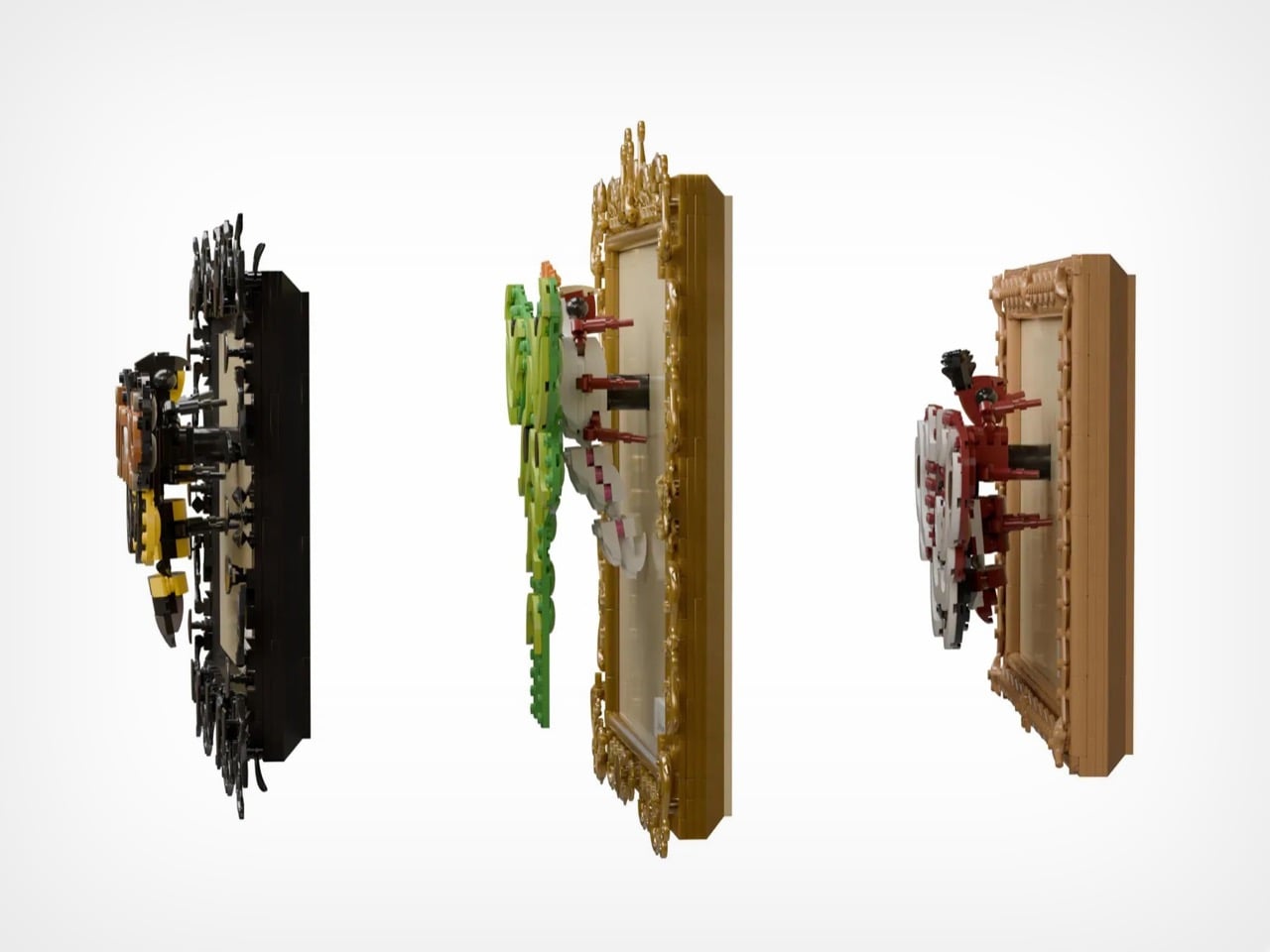
This 690 Sq.Ft. Bus Station Cuts Carbon Emissions by 70% Using Recycled Steel

Waiting for a bus shouldn’t feel like purgatory, but in the intense heat and frequent downpours of Brazil’s Amazon region, it often does. Fernando Andrade understood this intimately when he began designing the Amazon Bus Station in Belém, a project born not from architectural ego but from genuine public consultation with the people who would actually use it. They asked for four things: protection from the weather, environmental comfort, durability, and reasonable cost. What they got exceeded every expectation: a soaring, sculptural shelter that treats public transit users as deserving of the same design attention typically reserved for museums and corporate headquarters.

The 16-meter structure, completed in February 2024, wraps passengers in a protective envelope of triangulated steel and reflective glass, its organic curves creating an embracing interior space that feels both sheltering and expansive. Yellow accessibility ramps guide users through a barrier-free environment where natural ventilation, achieved through traditional Amazonian roof fins, keeps air moving without mechanical systems. Shadows from the geometric framework dance across metal benches as daylight filters through the glass skin, creating an ever-changing interior atmosphere that connects occupants to the rhythms of weather and time. The design accommodates everyone, including those with mobility challenges, while pushing what architectural beauty can achieve in public infrastructure.

Designer:

The structural approach here is basically what happens when parametric design actually solves problems instead of just generating Instagram bait. The whole thing is built from 600mm triangular modules, each assembled from 75x3mm quadrangular steel tubes. That triangulation distributes loads efficiently enough that the entire 16-meter span rests on just four support points, which means minimal ground disruption and maximum flexibility for street-level circulation. And they used recycled steel throughout, dropping carbon emissions by 70% compared to conventional construction methods. The numbers matter because this approach could scale. Belém gets this one station, but the fabrication methodology, the material choices, the whole industrial-to-site assembly process translates to other locations dealing with similar climate challenges and budget constraints.

The 8mm laminated glass blocks 99.8% of direct solar radiation, which in equatorial conditions isn’t a nice-to-have feature, it’s the difference between a functional space and a greenhouse. But the clever bit is those ventilation fins at the roof ridge. They’re angled glass louvers that let hot air escape while keeping rain out, basically a stack effect ventilator with zero moving parts and zero maintenance requirements beyond occasional cleaning. No motors failing, no electronics corroding in humidity, no ongoing energy costs. Just heated air rising and escaping through geometry that works with local wind patterns. It’s the kind of solution that feels obvious in hindsight but requires serious environmental modeling to get right.

Nine months from concept to completion, with fabrication happening in a controlled industrial environment using local shipbuilders who know how to work with complex curves and weather-resistant assemblies. They pre-built the structure in three major sections, transported them to site, and only finished the connection joints on location. That level of prefabrication ensures tolerances stay tight and quality control doesn’t depend on field conditions, which matters when you’re dealing with structural silicone joints and precise glass panel alignments. The client, Centro Integrado de Inclusão e Reabilitação, specializes in accessibility infrastructure, so the barrier-free circulation wasn’t an afterthought added to satisfy code. It shaped the entire spatial concept from the beginning.

The real test of any transit infrastructure is whether it changes behavior. A better bus station doesn’t just shelter existing riders, it potentially converts people who currently drive because the bus experience feels too degrading or uncomfortable. Belém’s new station won’t single-handedly transform modal split numbers, but it signals that public transit users deserve environments worth occupying. These details accumulate into an experience that respects users enough to think through their actual needs rather than just checking regulatory boxes. That respect, rendered in recycled steel and high-performance glass, might be the most radical thing about the whole project.

The post This 690 Sq.Ft. Bus Station Cuts Carbon Emissions by 70% Using Recycled Steel first appeared on Yanko Design.
Monocoque Drone with Hubless Rotors is designed to withstand any extreme flying conditions

Ask any experienced drone pilot about their worst crash, and you’ll likely hear a story that ends with a collection of fragmented parts. The conventional quadcopter design, while effective at flying, is notoriously poor at surviving the unexpected kinetic events that come with operating in the real world. Whether it’s a sudden gust of wind, a GPS error near a structure, or a simple pilot miscalculation, the result is often the same: a compromised frame and a costly repair.

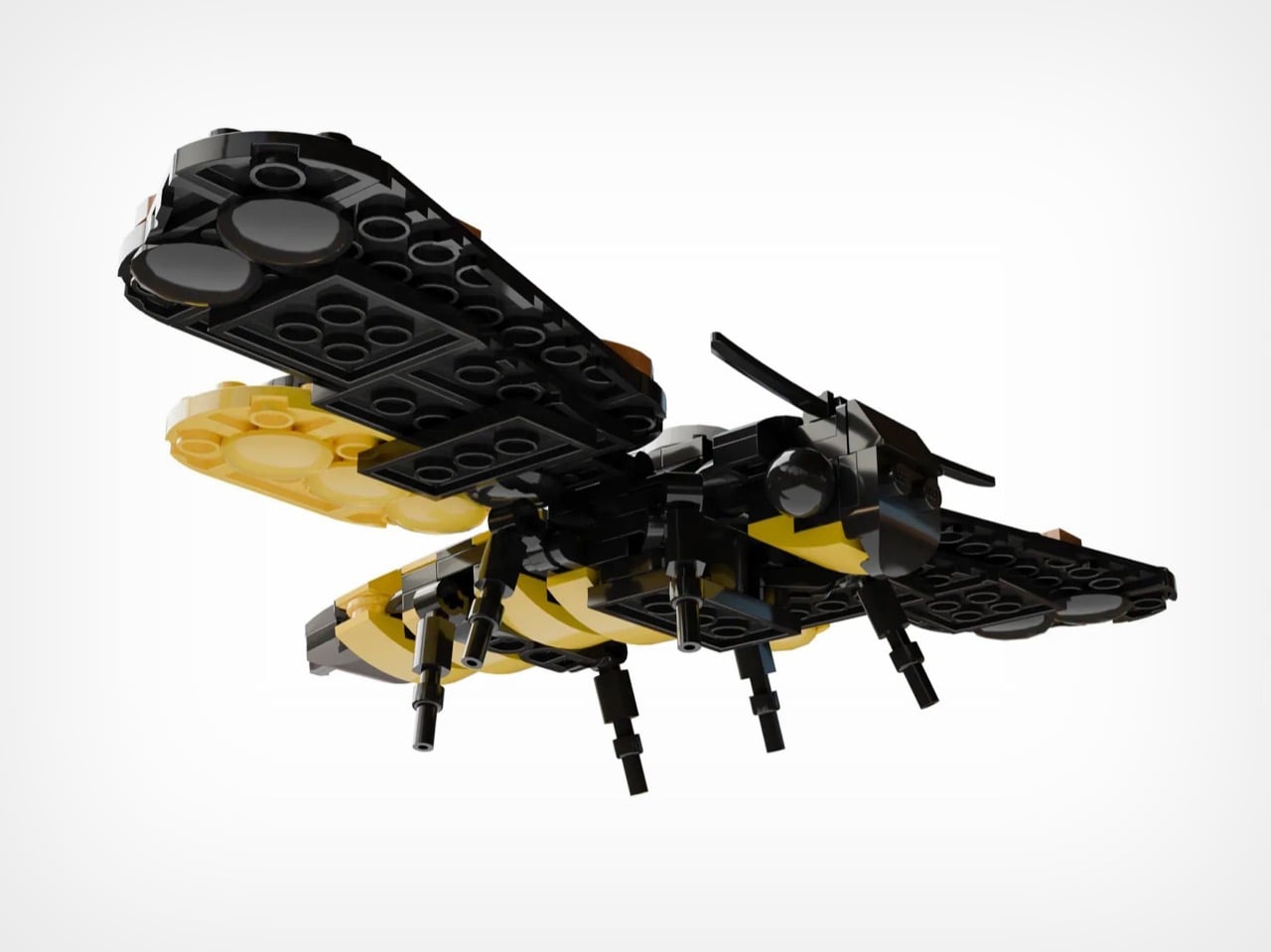
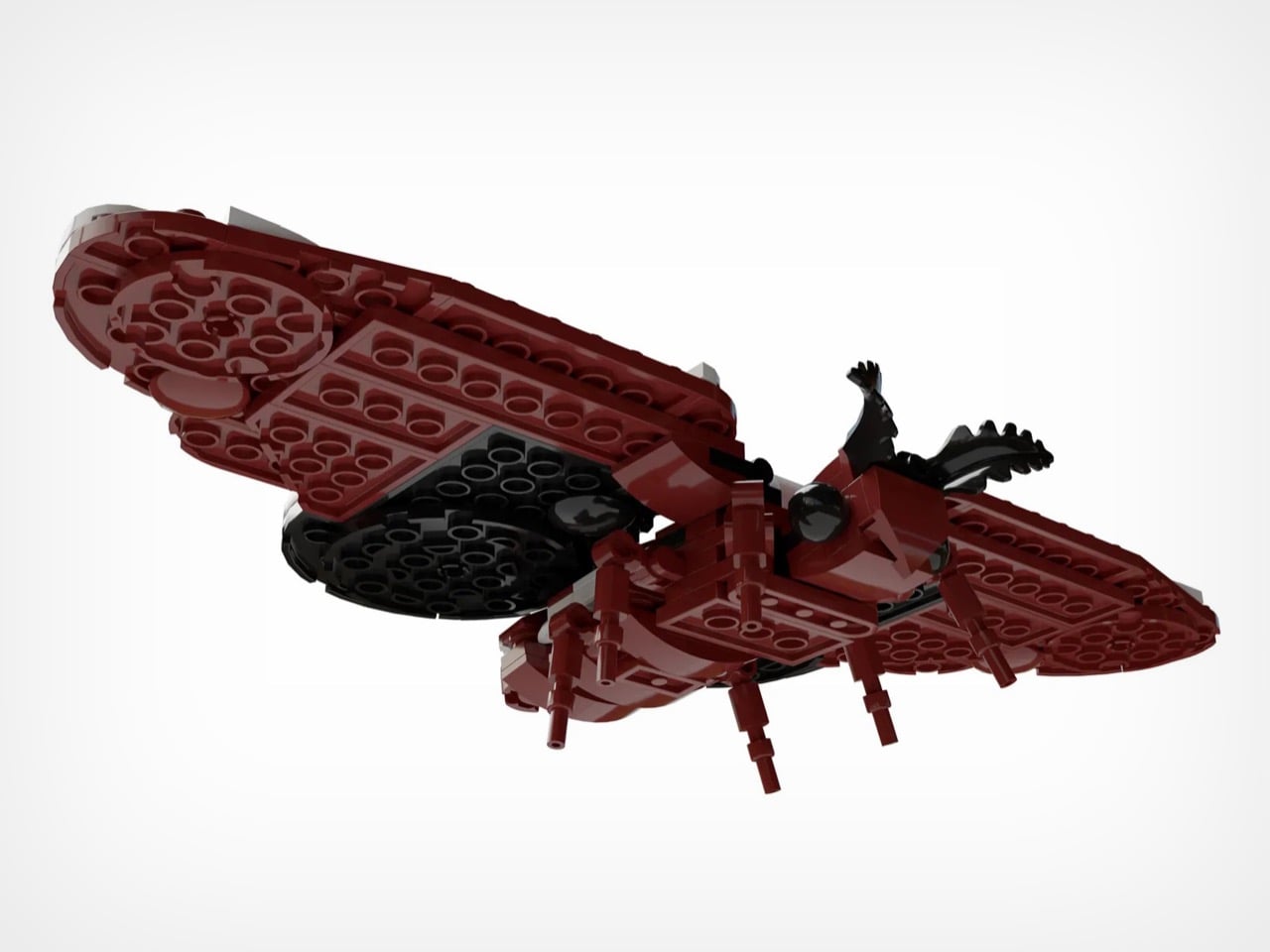
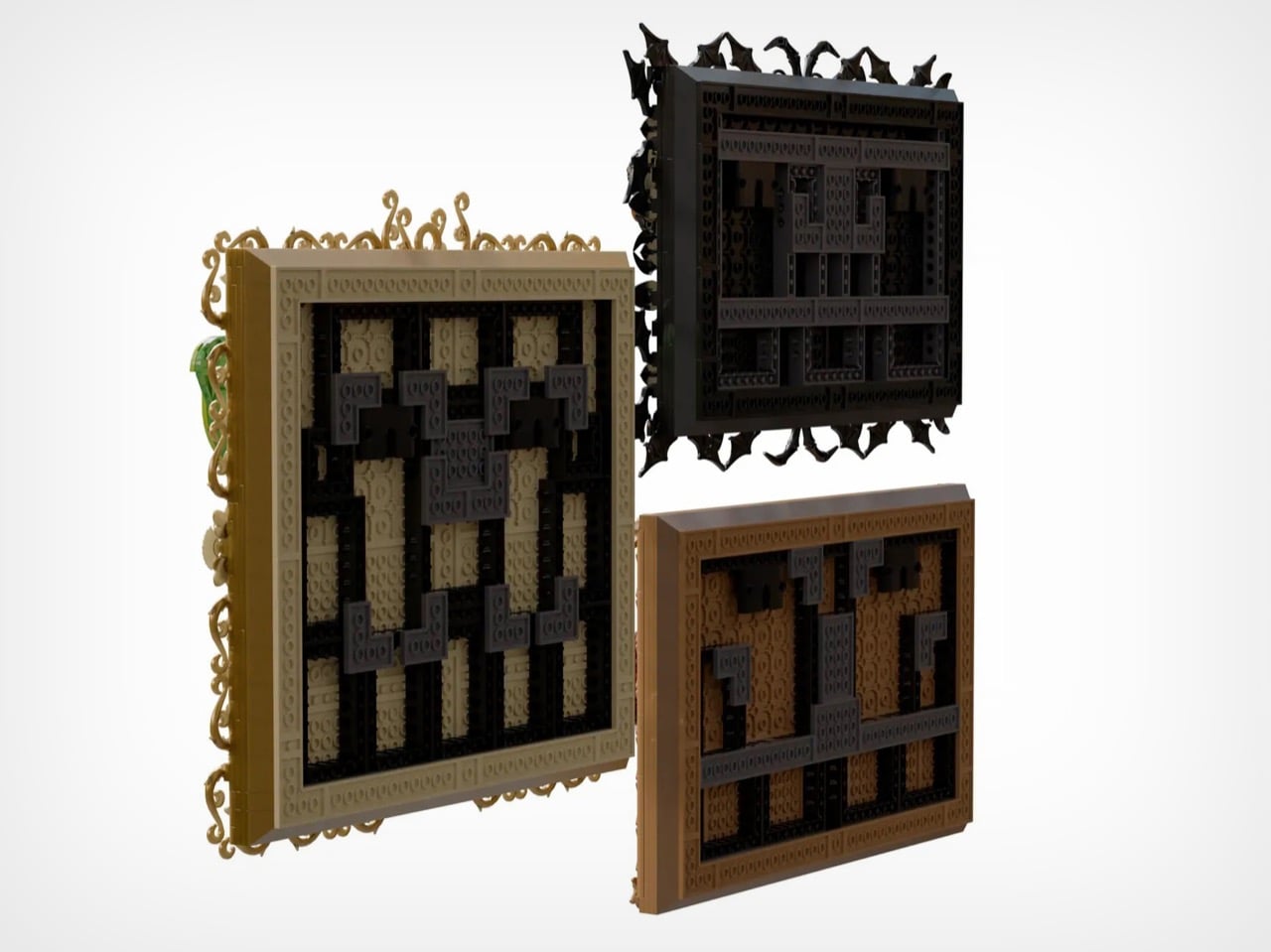
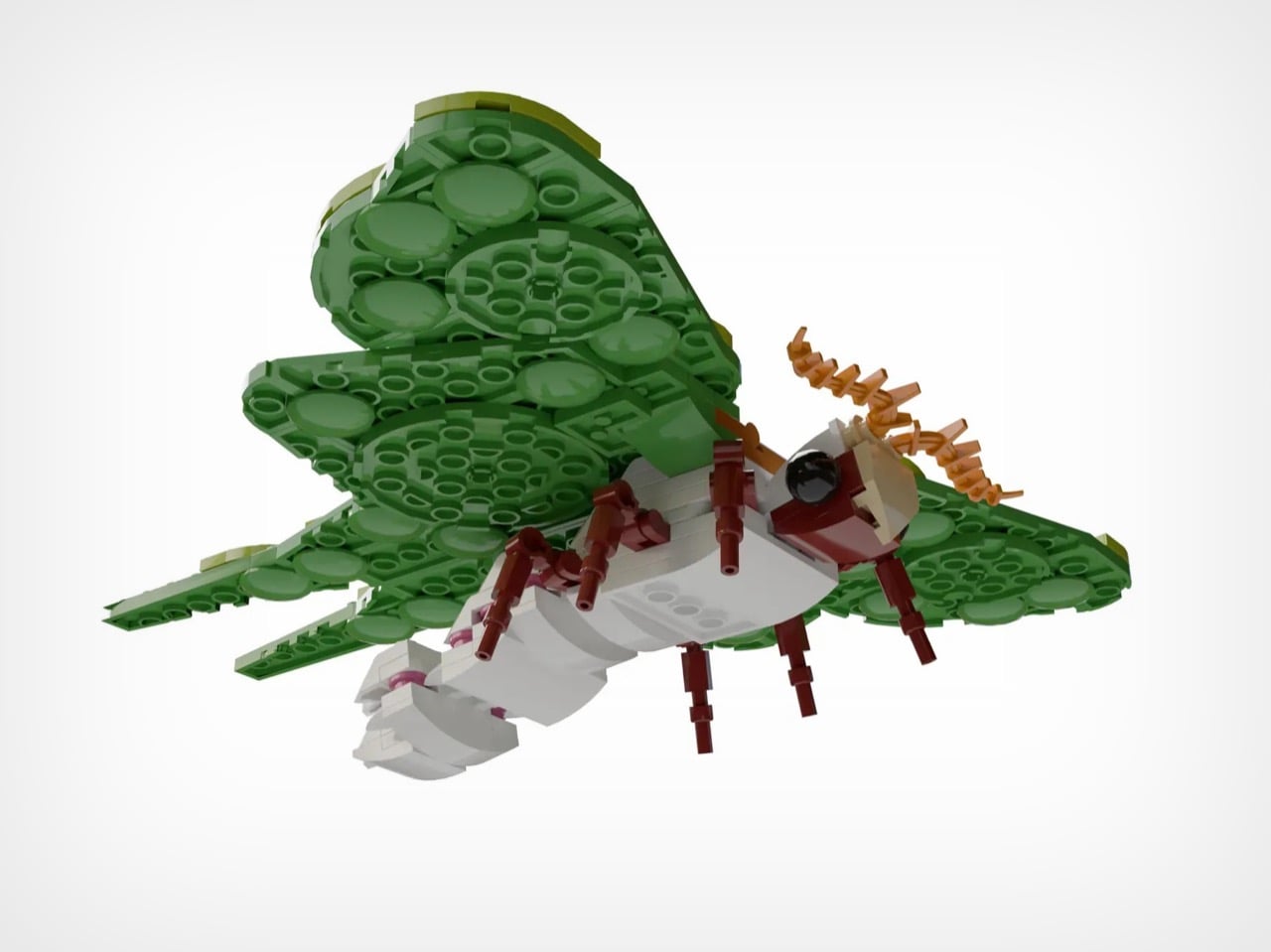
With the Mono Mothra, we see a design that fundamentally rethinks this vulnerability. The concept’s strength lies in its two core principles: a load-bearing monocoque shell and protected, ducted rotors. Instead of discrete arms that can snap and motors that can be damaged, the entire structure is designed to absorb and distribute impact forces. It’s a “what if” exploration into a different kind of aerial platform, one where resilience isn’t an afterthought but the very cornerstone of its design philosophy.

Designers: Rify Studio® & Martunis

Unlike the familiar bolted-together cross-frame of most drones, the Mono Mothra is conceived as a single, continuous unibody. This monocoque approach, common in automotive and aerospace applications, means the outer skin is the primary structure. There are no joints between the central body and the rotor housings to act as fracture points. An impact on the outer ring doesn’t concentrate stress on a single screw or plastic weld; the force is spread across the entire continuous surface. This not only creates a far more durable machine but also allows for a cleaner, more holistic form where every curve is both aesthetic and structural.

This philosophy of integration extends directly to the propulsion system. The outer ring of the monocoque doubles as a set of four substantial propeller guards, completely enclosing the rotors. This ducting provides an obvious and immediate layer of protection against side impacts with walls, branches, or the ground. The renders hint at a clever mechanical solution for the hubless look, with a gear-driven system hidden beneath the rotors. While a gear-driven system introduces complexity compared to a direct-drive motor, it allows the design to maintain its clean top profile and fully protected rotors, reinforcing the drone’s identity as a ruggedized tool.

The camera module itself rejects the fragile, exposed gimbal common on consumer and prosumer drones. Instead, the lens is bunkered within a solid, purpose-built housing that appears to be just as robust as the main body. Whether the ribbed side panels are functional heat sinks for a high-performance sensor or purely an aesthetic choice, they communicate a sense of durability. The entire unit is mounted securely to the forward section of the frame, suggesting it is an integral part of the drone’s hardened structure rather than a delicate payload that has been simply attached.

What a concept like Mono Mothra truly demonstrates is the necessary evolution for drones to mature beyond their hobbyist origins. The industry’s current focus on modularity has created a landscape of capable but delicate machines. This design, by contrast, argues for a future built on structural integrity, where a drone’s ability to withstand the environment is as important as its ability to fly. It’s a shift from disposable components to a resilient, unified whole – a critical step if these devices are to become the indispensable, all-weather tools promised to professionals.

The post Monocoque Drone with Hubless Rotors is designed to withstand any extreme flying conditions first appeared on Yanko Design.
UNO x Formula 1 Card Game Features Exciting New Gameplay With All 10 Teams And 1000+ Collectible Cards

Most licensed UNO decks are basically souvenirs; you play the same game you always have, only this time with movie stills or cartoon faces staring back at you. UNO Elite Formula 1 is aiming for something more ambitious. Mattel is taking the basic UNO framework and wrapping it in a light collectible shell, with Elite Action cards that feature F1 drivers, cars, team principals, circuits, and helmets, and then selling those cards in starter packs and boosters like a stripped down trading card game.
That shift changes what an “UNO edition” even is. Instead of a one and done deck, you get a product you can tune, expand, and personalize around your favorite teams and drivers. It is still approachable enough to throw on the table at a family gathering, but there is a clear nudge toward collecting, tinkering, and even house ruling your way into race weekend formats and team championships. In other words, this is UNO stepping closer to F1’s world of strategy and fandom, without asking players to learn an entirely new game.

Designer: Mattel

On paper, UNO and Formula 1 do not look like natural teammates. One is a simple, almost universal card game you can teach in under a minute; the other is a hyper technical, data obsessed motorsport with a rulebook thick enough to choke a diffuser. UNO Elite Formula 1 is Mattel’s attempt to bridge that gap, not by turning UNO into a simulation, but by layering F1’s personalities and drama onto a ruleset that practically everyone already knows. The result is a deck that plays like classic UNO at its core, but arrives packaged with Elite Action cards and boosters that push it into collectible territory.

The Core Edition Starter Pack gives you a 112 card deck that functions just like the one you already own, but it also includes four booster packs to get you started. Those packs contain a random assortment of the set’s 100 plus unique Elite Action cards. From there, you can buy separate Booster Sets to keep hunting for your favorite drivers or to find rare foil variations, which bring the total number of unique cards in the line to over 1,000. It is a clever way to add the thrill of the chase from trading card games without the intimidating barrier of complex deckbuilding rules.

What this does at the table is make the game modular. You can keep the Elite cards out and play a pure, classic game of UNO. Or you can shuffle in a handful of them to add a little F1 flavor, introducing new actions tied to drivers, teams, or circuits. For dedicated fans, the real fun will be in curating the experience, perhaps creating a deck where only cards from rival teams are included, or running a “constructors championship” where players team up and score points over a whole evening. The game provides the pieces; the players provide the narrative.


This is a smart play from both Mattel and Formula 1, who both acknowledge that their fanbases are passionate and ready for new ways to engage. It is a low friction entry point for F1 fans who might not touch a traditional hobby board game, and it gives UNO a much needed shot of strategic depth and collectibility that could keep it on the table for longer. The success of UNO Elite Formula 1 will ultimately depend on whether players embrace that potential. It is one thing to provide the tools for a deeper experience, but it is another for the community to pick them up and build something truly exciting with them.

The post UNO x Formula 1 Card Game Features Exciting New Gameplay With All 10 Teams And 1000+ Collectible Cards first appeared on Yanko Design.