This Oak Sideboard Has Doors You Can’t Stop Touching

You know that feeling when you run your fingers across something and the texture makes you stop in your tracks? That’s exactly the vibe British furniture maker Nick James is going for with his sideboard featuring sculpted doors. And honestly, it’s the kind of piece that makes you rethink what furniture can be.

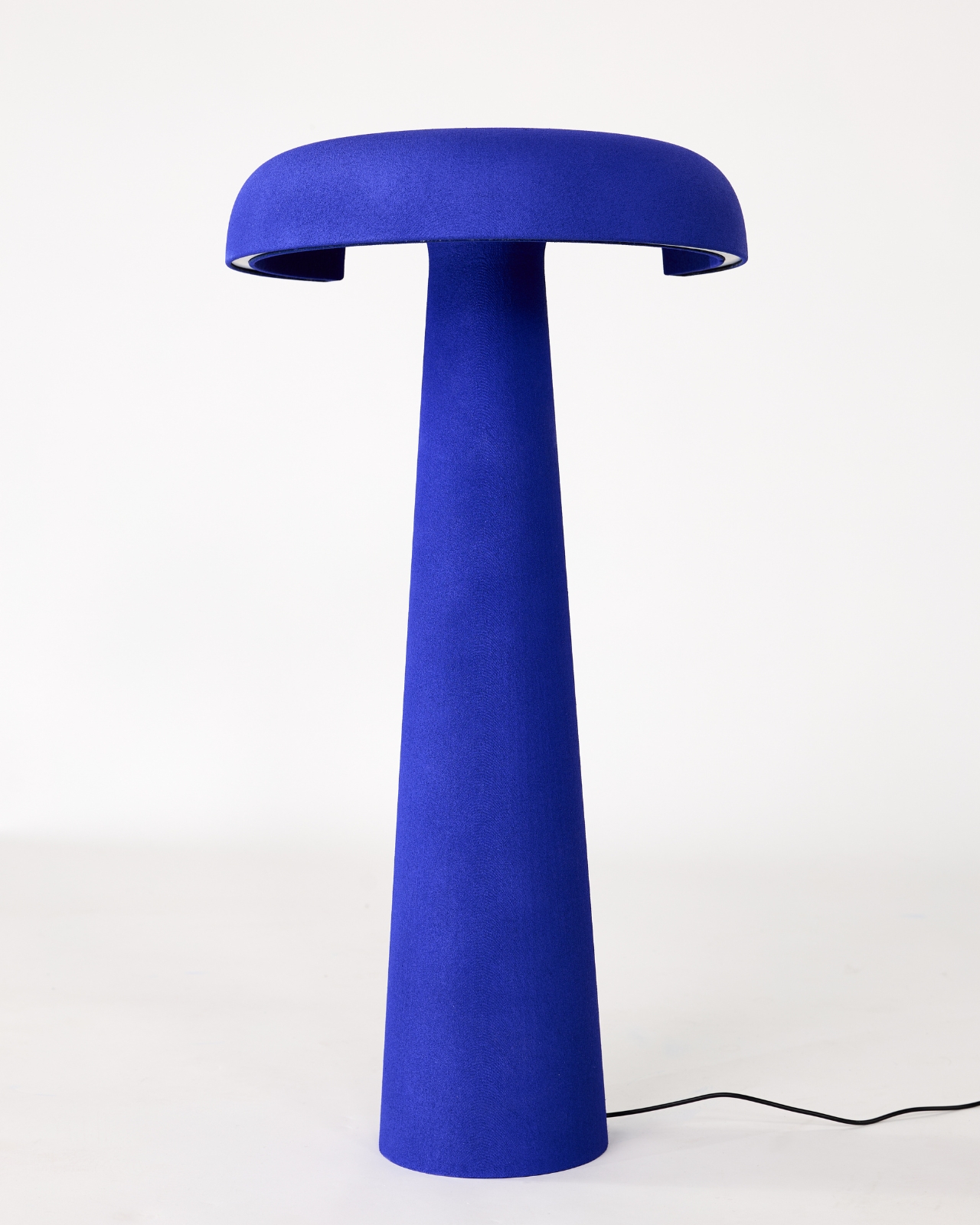
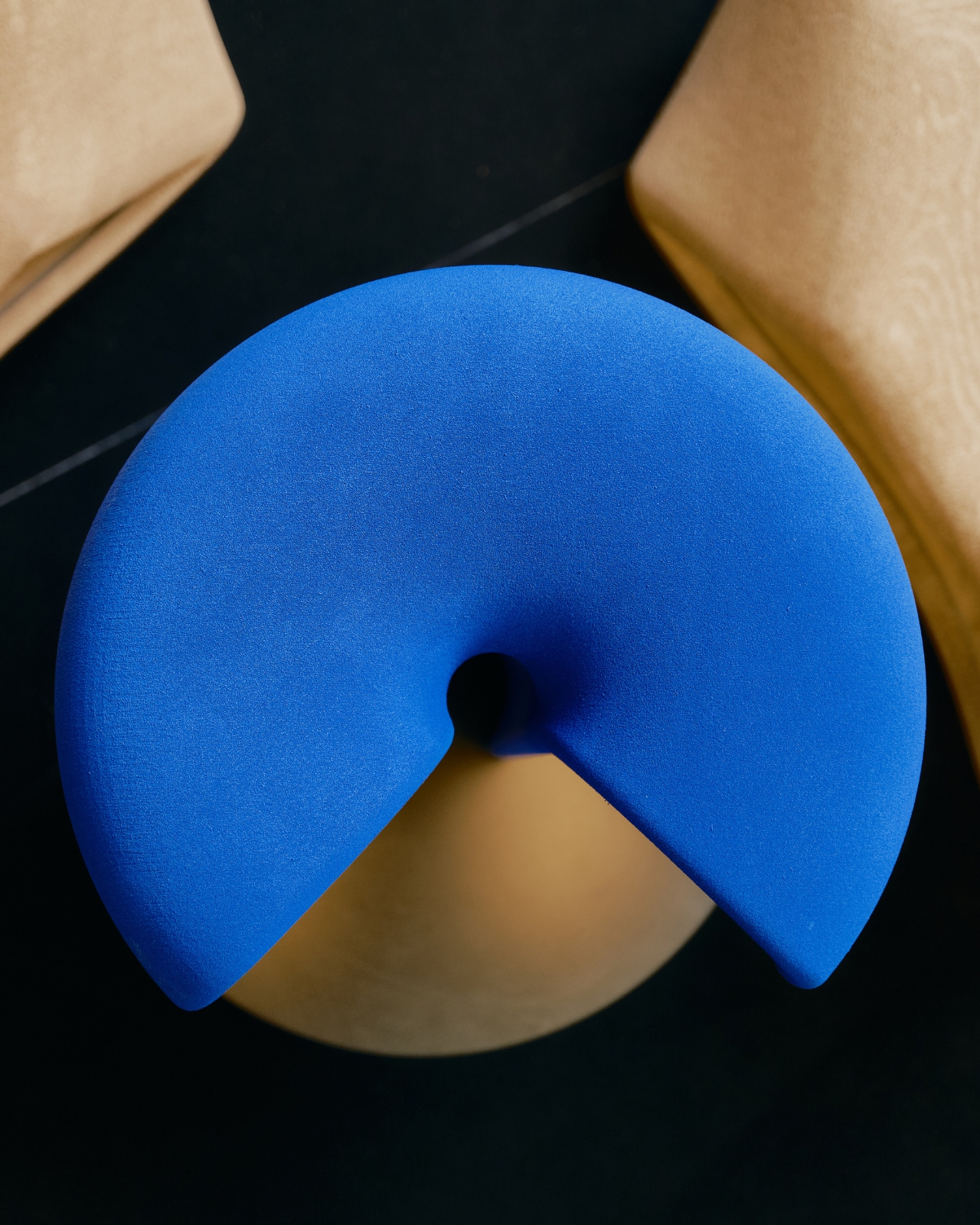
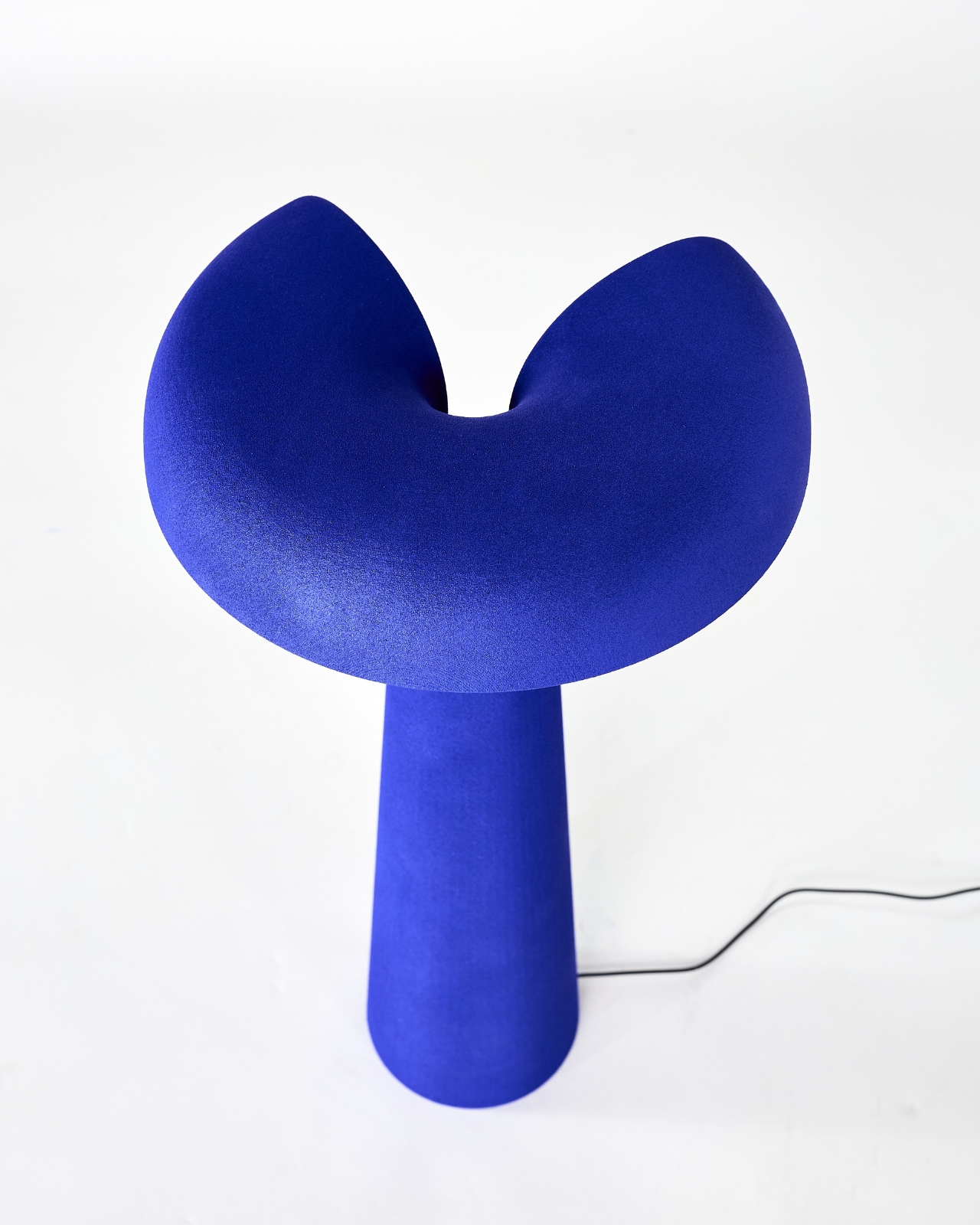
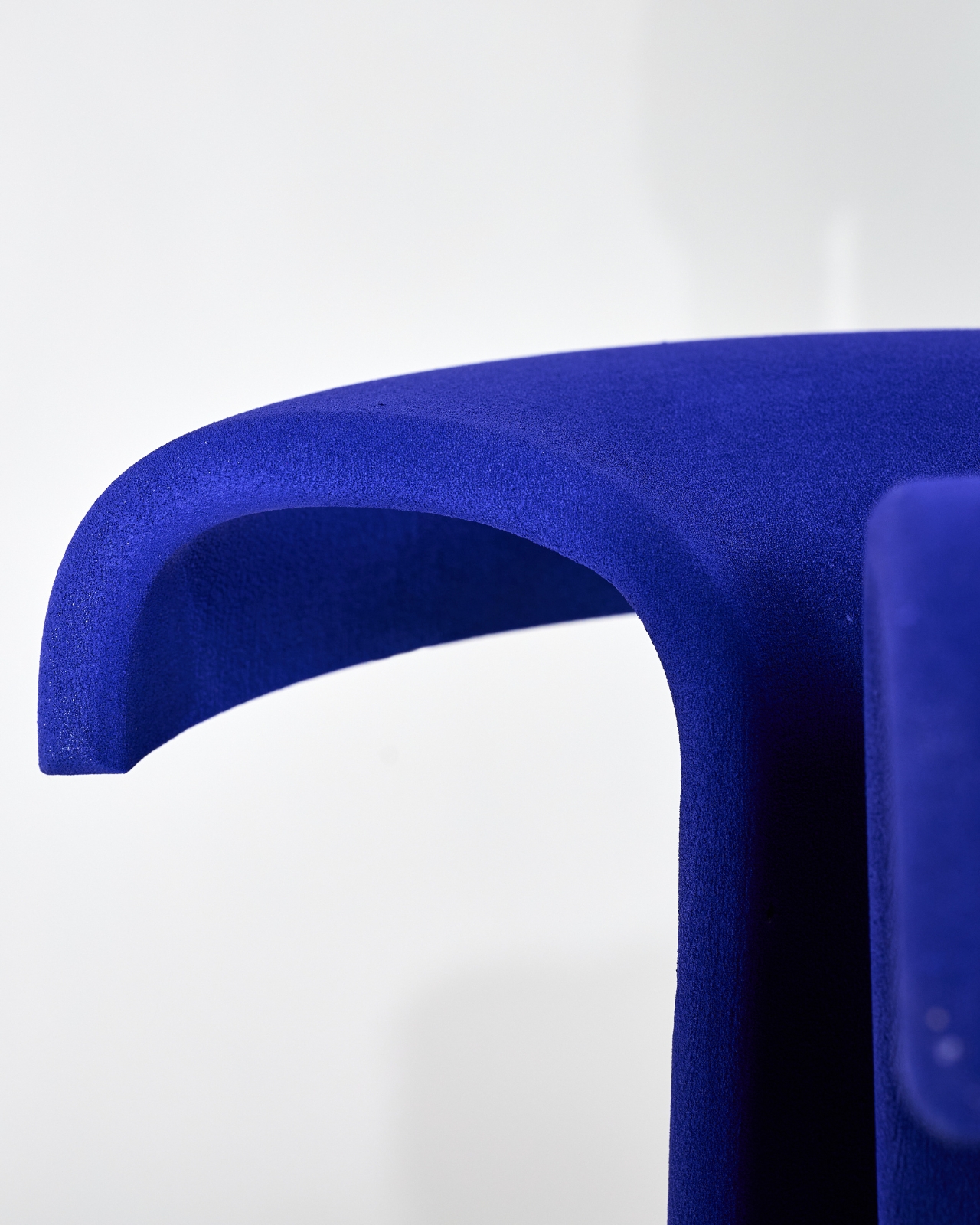
At first glance, it looks like a solid oak sideboard. Clean lines, classic proportions, nothing too flashy. But then you get closer and realize those doors aren’t just doors. They’re carved with flowing, wave-like patterns that transform the flat surface into something that feels almost alive. The sculpting reveals the oak’s grain in ways you’d never see otherwise, creating shadows and depth that shift as you move around the piece.

Designer: Nick James

This isn’t Nick James’s first dance with texture. The British designer has built a reputation for bringing tactile interest to traditional furniture forms. His approach is about celebrating the material itself, letting the wood grain become the star of the show rather than hiding it under layers of paint or veneer. In a world where so much furniture feels mass-produced and anonymous, there’s something refreshing about a piece that proudly shows off its origins.

The sideboard itself is practical in all the ways you’d want. It measures a generous size, perfect for dining room storage or as a living room statement piece. Inside, you’ll find a height-adjustable shelf, so whether you’re storing wine bottles or board games, you can configure it to fit your life. The hardware is minimal, keeping the focus on those sculptural doors that really deserve center stage.

What makes this piece particularly interesting is how it straddles different design worlds. There’s a mid-century modern sensibility to the proportions and the floating quality of the case. But the textured doors feel almost Art Deco, with their geometric repetition and emphasis on craftsmanship. And then there’s an undeniably contemporary edge to the whole thing, because let’s face it, most traditional furniture makers aren’t carving wave patterns into cabinet doors.

The price point sits at £2,950, which puts it firmly in the investment furniture category. But here’s the thing about pieces like this: they’re made to order from solid oak, hand-finished, and designed to last decades. In an era when we’re all supposed to be buying less but buying better, a sideboard like this makes the case for choosing quality over quantity. Plus, it’s the kind of furniture that only gets better with age as the oak develops its patina and character.

Some design purists might argue about the use of CNC technology to create the repetitive carved pattern. There was even a comment on Core77 suggesting that precision CNC texturing lacks soul. But I’d push back on that. The technology is just a tool, like a chisel or a lathe. What matters is the design vision behind it and the quality of execution. James uses the precision to reveal something beautiful about the material itself, not to disguise it as something it’s not.

The sideboard also speaks to a broader trend we’re seeing in contemporary design: texture is having a major moment. Whether it’s fluted glass, ribbed wood, scalloped tiles, or carved surfaces, designers are moving away from the ultra-minimalist smooth finishes that dominated the 2010s. People want furniture that invites touch, that creates visual interest through shadow and form, that makes you want to get up close and really look.

What I love most about this piece is that it doesn’t shout for attention. It’s not trying to be the loudest thing in the room. Instead, it rewards the people who take time to notice the details. The way the light catches the carved surface. How the grain pattern emerges from the sculpting. The contrast between the textured doors and the smooth frame. These are the kinds of subtle pleasures that make living with good design so satisfying.

The post This Oak Sideboard Has Doors You Can’t Stop Touching first appeared on Yanko Design.
The AI Tennis Robot That Plays 3 Sports Better Than Your Friends

You know that feeling when you want to practice your serve but no one’s available to hit with you? Or when you’re playing a casual match with friends and everyone’s arguing about whether that ball was in or out? Designer Jaehong Jeon has created something that might just solve both problems, and it happens to look like the friendliest little robot you’ve ever seen.

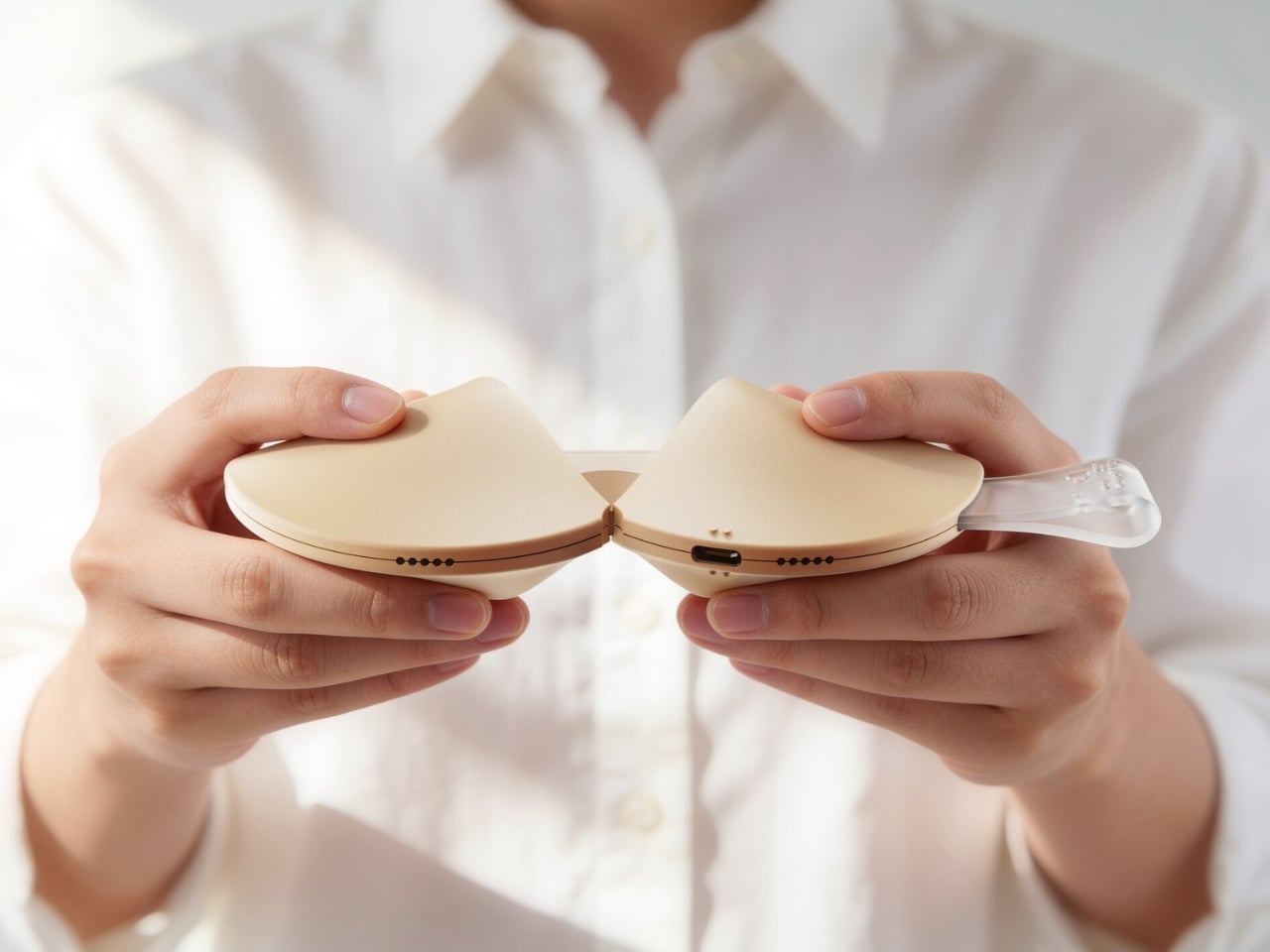
ORVY is a court-centered companion robot that’s basically the Swiss Army knife of racket sports. This isn’t some clunky, industrial-looking machine that screams “future dystopia.” Instead, it’s got this adorable, minimalist design that looks like a friendly elephant decided to become a sports assistant. The rounded white body sits low to the ground on wheels, with what almost looks like a trunk extending forward. It’s the kind of design that makes you want to pat it on the head and say “good robot.”

Designer: Jaehong Jeon

Create your own Aesthetic Render: Download KeyShot Studio Right Now!

But here’s where it gets really interesting. We’re living in a moment where tennis courts are becoming increasingly flexible spaces. Pickleball is exploding in popularity across North America and Europe, and padel is gaining serious traction too. Courts that used to be dedicated solely to tennis are now being repurposed and shared among multiple sports. ORVY was designed specifically for this new reality of multi-use sports venues.

The robot operates in three different modes, each addressing a specific need. In “Following” mode, ORVY acts like that friend who’s always down to hang out. It tracks players around the court during pickleball and padel games, moving quietly along the sidelines without getting in the way. Think of it as your personal sports documentarian, except instead of just recording, it’s gathering data and learning your playing style.

Switch it to “AI Referee” mode, and ORVY becomes the neutral third party every friendly match needs. Using vision sensing technology, it tracks scores and makes accurate calls about whether balls are in or out. No more disputes, no more “I’m pretty sure that was on the line” arguments. The robot watches, learns the movements of both players, and can even simulate their playing styles for later analysis. It’s like having Hawk-Eye technology, but for your weekend games.

The “AI Coach” mode is where ORVY really shines for solo practitioners. When you’re training alone, it delivers balls and analyzes your movements in real time, providing feedback on your technique. You can select your desired opponent type and playing style, and ORVY adjusts accordingly. Want to practice against someone who hits with heavy topspin? ORVY’s got you. Need to work on your response to a serve-and-volley player? It can simulate that too.

What’s brilliant about the design is how Jeon drew inspiration from Wimbledon’s famous all-white dress code. Just as that tradition maintains visual focus during play, ORVY’s clean white exterior allows it to blend into the court environment without becoming a distraction. It’s there when you need it, but it doesn’t demand attention. The neutral color scheme also conveys a sense of reliability and trustworthiness, which is exactly what you want from equipment making judgment calls in your games.

This isn’t just about having a cool gadget on the court. ORVY represents a shift in how we think about sports technology and AI assistance. Rather than replacing human interaction, it’s designed to enhance solo practice and casual play. It fills the gaps when you can’t find a hitting partner or when you want objective feedback without hiring a coach. The timing couldn’t be better. As courts become shared spaces and new racket sports continue to grow, having adaptive technology that can serve multiple functions across different games makes perfect sense. ORVY isn’t locked into serving just one sport or one purpose. It’s flexible, which is exactly what modern sports facilities need.

Looking at this design, you get the sense that the future of sports technology doesn’t have to be intimidating or exclusive. It can be approachable, versatile, and yes, even kind of cute. ORVY manages to pack sophisticated AI capabilities into a form that feels more like a helpful companion than a complicated machine. And in a world where technology often feels like it’s racing ahead of us, that’s a refreshing change of pace.

The post The AI Tennis Robot That Plays 3 Sports Better Than Your Friends first appeared on Yanko Design.
The Pen That Went to the Moon Just Got a Tactical Upgrade

Remember when you were a kid and someone told you about the space pen? You know, the one that writes upside down, underwater, and in basically any condition imaginable because NASA needed something reliable for astronauts? Well, Fisher Space Pen just dropped a new version that makes their legendary writing instrument even more ridiculously practical, and honestly, I’m kind of obsessed.

Meet the Measure Twice, a bolt-action tactical pen that’s basically the Swiss Army knife of writing instruments. At $69, it’s not your average drugstore pen, but hear me out because this thing is genuinely clever.

Designer: Fisher Space Pen

First, let’s talk about that bolt-action mechanism. If you’ve ever fidgeted with a pen during a long meeting or phone call, you know the appeal of a good click. But this takes it to another level. The bolt-action deployment is smooth, satisfying, and way more robust than a standard clicker. It’s the kind of tactile experience that makes you actually want to use a physical pen in our increasingly digital world. Plus, it just looks cool. There’s something inherently appealing about that tactical aesthetic without it being over the top or trying too hard.

But here’s where it gets interesting. Fisher etched precision ruler markings right into the barrel of the pen. We’re talking both imperial measurements up to 3.5 inches and metric up to 9 centimeters. Think about how many times you’ve needed to measure something small and had to hunt around for a ruler or tape measure. Shopping for furniture online and need to visualize how big something is? Got it. Working on a craft project? Covered. Trying to figure out if that vintage frame will fit your photo? Done. It’s one of those features that seems almost too simple, but once you have it, you realize how often you actually need it.

The construction is pretty impressive too. Fisher switched from their traditional chrome-plated brass to anodized aluminum for this model. That means it’s lighter and more comfortable to carry all day, but still incredibly durable. The anodizing makes it resistant to scratches, corrosion, and impacts, so you can toss it in your bag or pocket without babying it. It’s designed to be used, not displayed on a shelf.

Now for the feature that really sets this apart: there’s a tungsten carbide glass breaker tip on the opposite end from the writing point. Yes, you read that right. This pen doubles as an emergency escape tool. In a car accident or emergency situation where you need to break a window, this could genuinely save your life. It’s the kind of thing you hope you never need, but knowing it’s there provides a weird sense of security. Plus, it speaks to the thoughtful design philosophy behind this pen. It’s not just about looking tactical or cool, it’s about actual functionality.

Of course, it still has all the legendary Space Pen technology that made the original famous. The pressurized ink cartridge writes upside down, works in extreme temperatures, functions underwater, and has a shelf life of over 100 years. That’s not marketing hype, that’s actual tested performance. These pens literally went to space and performed flawlessly in zero gravity.

What I really appreciate about the Measure Twice is how it represents a shift in how we think about everyday carry items. We’re constantly looking for ways to simplify what we carry, to have fewer, better things that do more. This pen nails that philosophy. It’s a precision writing instrument, a measuring tool, and an emergency device all in one sleek package that’s just over 5.5 inches long.

Fisher Space Pen took an icon and made it more relevant for 2026. The Measure Twice isn’t trying to replace your smartphone or be something it’s not. It’s just a really, really well-designed pen that happens to do a few extra things exceptionally well. And in a world of increasingly disposable products, there’s something genuinely appealing about a tool that’s built to last decades and actually earns its place in your pocket.

The post The Pen That Went to the Moon Just Got a Tactical Upgrade first appeared on Yanko Design.
An Artist Carved His Dead Oak Into Records That Play Bird Songs

One thing that the world has been learning the past few years is that people deal with grief differently. That’s why we can never judge how people react to death of loved ones, beloved pets, other living creatures, and even life changes. Artists and creative people in particular sometimes have profound ways of honoring whatever it is that they have lost.

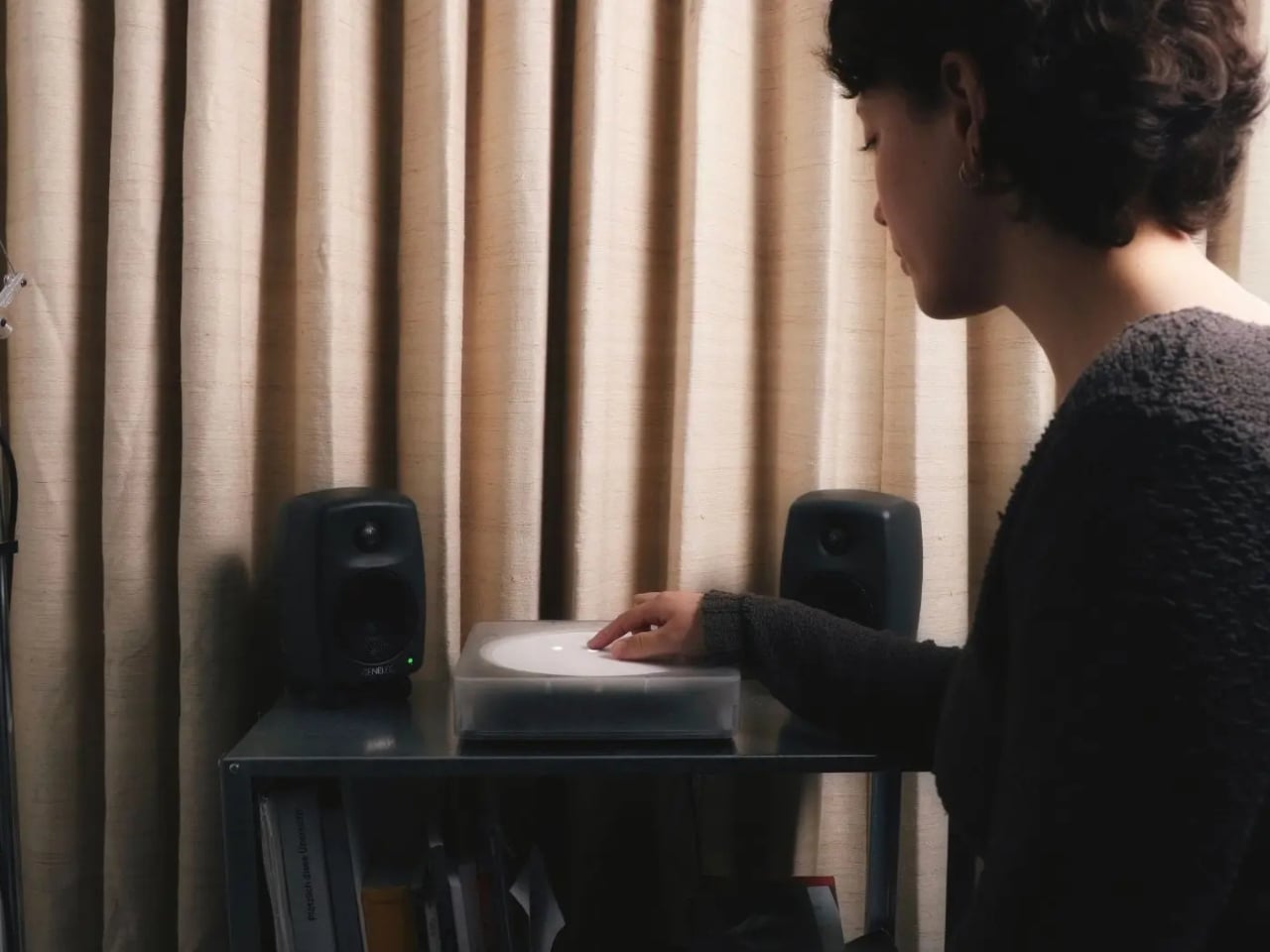
When a 65-year-old oak tree in Steve Parker’s front yard died from a fungal disease called oak wilt, he wanted to create a tribute to this tree that served as a refuge for migratory birds in their area. What he created was a sound sculpture, a record player that could play actual discs with bird songs, a fitting honor to the life and legacy of the tree.

Designer: Steve Parker

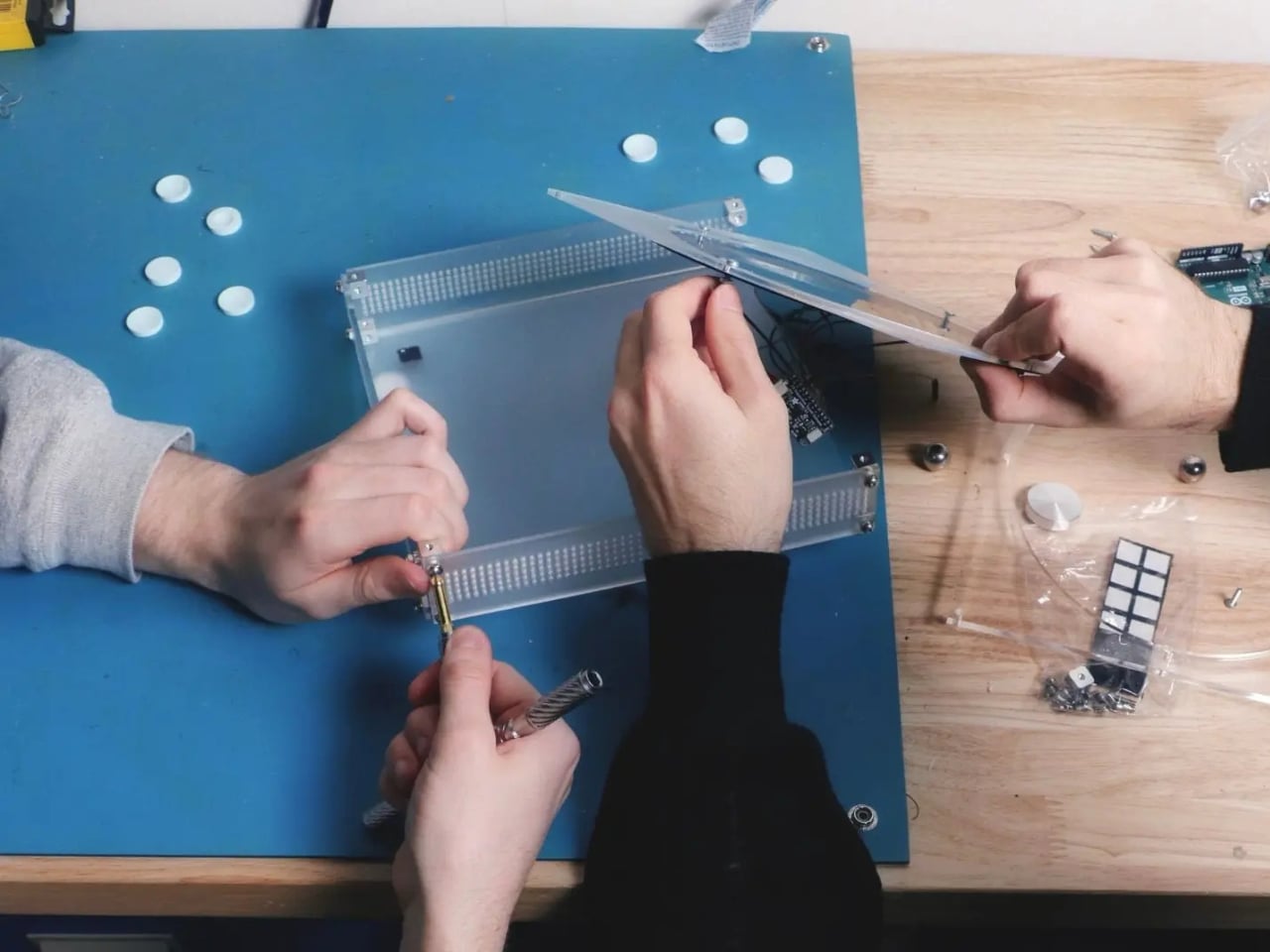
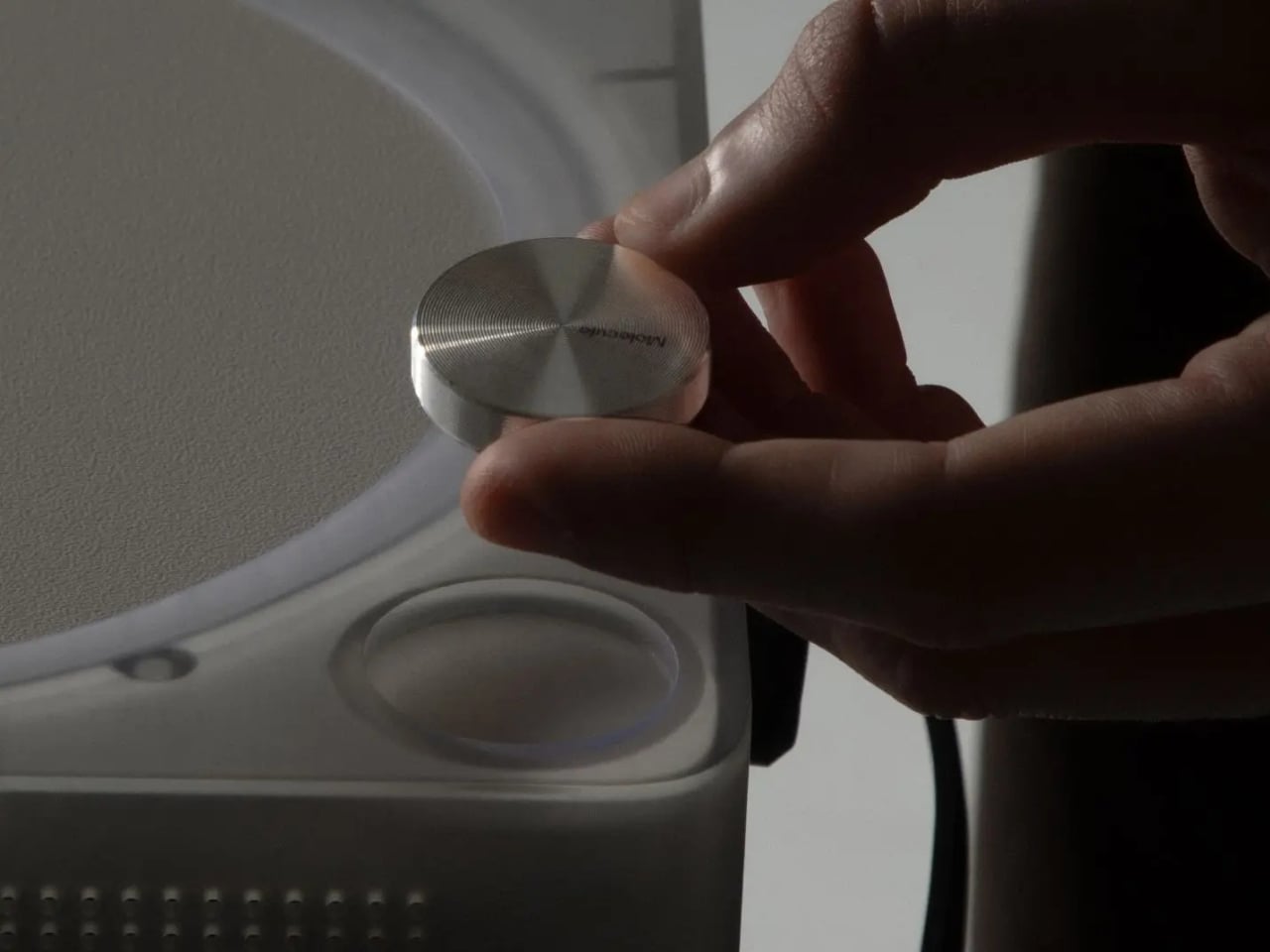
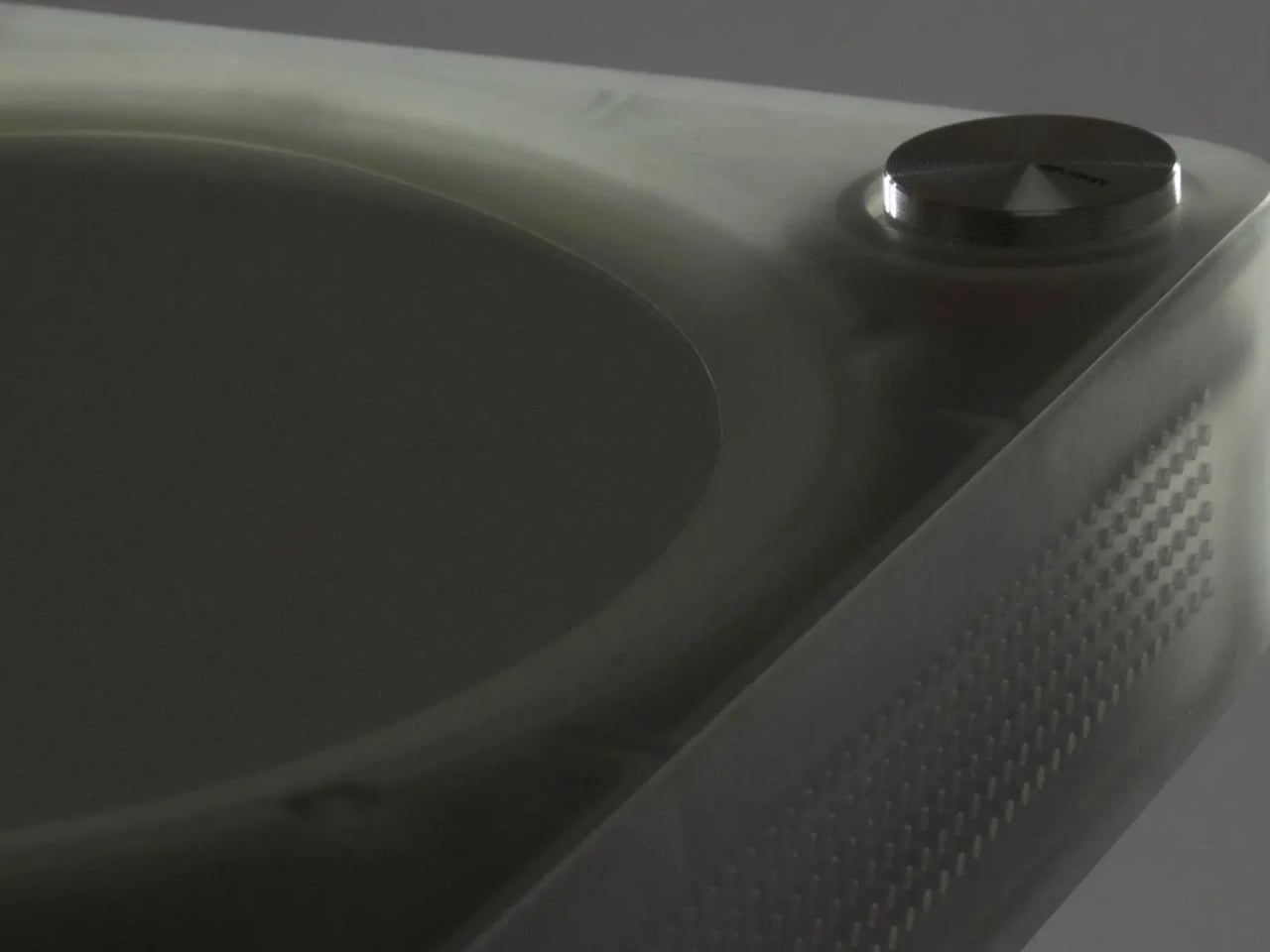
Parker cut the trunk of the diseased tree into “wood cookies” or cross-sectional slices. He then carved grooves directly into the discs to create playable records. He then built a victrola or record player that is specifically designed to play the wooden records. This player is placed on a pedestal and the round tree slices are displayed on the walls behind it.

What plays on the wooden records is equally special. He etched the songs of migratory birds that once nested in the oak tree. You hear a scratchy, wooden sound which actually reminds you of that branch that would hit the side of an old farm house, which can be nostalgic or creepy depending on your experience of it.

Creating these wooden records wasn’t easy. Live oak is notoriously difficult to work with because it cracks as it dries, and many woodworkers avoid it entirely. But Parker saw those imperfections as part of the piece’s authenticity. Those cracks and warps in the sound aren’t flaws, they’re features that honor the tree’s natural character even in death.

But the wooden records are only part of “Funeral for a Tree.” Parker also created a companion sculpture called “Sheng Shrine”: a plant-like, valve-driven instrument built from salvaged brass valves from euphoniums and trumpets, copper tubing, and breathing bags. What makes this piece particularly moving is what animates it: CPAP machines and ventilators, the same medical equipment used to help people breathe when they’re ill.

These breathing machines give life to discarded Chinese shengs (mouth organs). The sheng is traditionally associated with the phoenix, and the word itself means life, voice, and sound in Mandarin. Parker collaborated with sheng virtuoso Jipo Yang, who interpreted the bird calls and performed short compositions around them. The sounds you hear include the clicks of tiny relays, the grunts of air pumps that almost sound like snores, and the wheezing as air pushes through the reeds. It’s mechanical yet deeply emotional.

There’s another layer to this work that makes it even more poignant. Parker realized that his grief for the tree echoed the loss of his father to cancer. Both were slow, inevitable declines where care could not prevent loss. When his father was really sick, Parker’s family monitored his breathing to assess his comfort and sense where his body was going. Those CPAP machines and ventilators in “Sheng Shrine” carry those memories. They’re devices associated with life support, transformed into instruments that give breath to dead instruments playing songs for a dead tree.

What makes “Funeral for a Tree” so powerful is that it’s not Steve Parker performing a requiem for the tree. It’s the tree performing its own memorial service. The wood itself becomes the instrument, the bird songs it once sheltered become the music, and the breath that once rustled through its leaves is replaced by mechanical breathing that keeps the dirge alive.

In transforming something most people would haul away as waste into a functioning musical instrument, Parker reminds us that grief doesn’t have to be silent or passive. Sometimes the most profound way to honor a loss is to let it speak for itself, to give it voice and breath and let it tell its own story. In doing so, he’s created something that transcends the personal: a meditation on memory, loss, and the ways we try to hold onto what’s gone.

The post An Artist Carved His Dead Oak Into Records That Play Bird Songs first appeared on Yanko Design.
This Pencil Sharpener Spins Like a Top and It’s Pure Genius

You know that moment when you find a perfectly ordinary object that someone has completely reimagined? That’s exactly what happened when I stumbled across Ferfereh, a pencil sharpener designed by Maryam Fallah that’s basically a spinning top in disguise. And honestly, it’s the kind of design that makes you wonder why no one thought of this before.

Let’s be real for a second. Pencil sharpeners are usually the most boring things on your desk. They sit there, doing their one job, looking completely utilitarian and forgettable. But Fallah decided to flip that script entirely. What if your pencil sharpener could also be a desk toy? What if the simple act of sharpening your pencil could bring a little joy to your workspace?

Designer: Maryam Fallah

The design itself is pretty striking. Picture a spinning top with those gorgeous, swooping curves that make you want to reach out and give it a whirl. The body comes in eye-catching color combinations like a deep blue that fades into vibrant orange, or sleek all-black and white versions. It’s the kind of object that doesn’t hide in your desk drawer but sits proudly on display, adding a pop of personality to your space.

But here’s where it gets really interesting. This wasn’t just a “wouldn’t it be cool if” kind of concept. Fallah spent six months developing this as a student project at Haute École Arc in Switzerland, studying industrial design engineering. And the process? It’s honestly fascinating. She explored tons of different shapes, from what looks like traditional spinning tops to more abstract forms, even some that resembled swans and other playful figures. The sketches show just how many directions this could have gone.

The final design landed on that iconic top shape for good reason. It had to work as both a functional pencil sharpener and an actual spinning toy. That meant getting the engineering just right. The sharpener is made of two main pieces that screw together, with a reservoir inside to catch all those pencil shavings. Simple enough, right? But the tricky part was making sure it could actually spin properly.

Through 3D printing prototypes and testing, Fallah discovered that the weight of the metal sharpening mechanism and its position affected how well the top would rotate. The pencil and sharpener weren’t symmetrically placed inside, which threw off the balance. Even the slope and overall shape had a major impact on performance. So she dove into actual engineering equations used for spinning tops to optimize the design. After multiple rounds of prototypes, she landed on a form that spins beautifully.

What I love about this project is how it challenges our assumptions about everyday objects. We’ve been conditioned to think that tools should look like tools, that function and fun are separate categories. But why? Your desk is your creative space, your thinking zone. Why shouldn’t the objects on it spark a little delight?

There’s something refreshing about seeing a designer take a mundane object seriously enough to give it this much attention. The photos show Ferfereh sitting on a clean, modern desk next to notebooks and glasses, looking completely at home. You can imagine giving it a spin while you’re thinking through a problem or just taking a mental break. It transforms a routine task into a moment of play.

This kind of thoughtful design speaks to a larger trend we’re seeing in contemporary product design. People want objects that do more than just function. They want things that feel good to use, that have personality, that make their spaces more interesting. Ferfereh delivers on all fronts. It sharpens your pencils effectively while also serving as a kinetic desk sculpture that invites interaction. Whether you’re a designer, a student, someone who still loves the analog pleasure of writing with actual pencils, or just a person who appreciates clever design, Ferfereh hits that sweet spot. It’s practical without being boring, playful without sacrificing function, and beautiful enough to make you rethink what a simple desk accessory can be.

The post This Pencil Sharpener Spins Like a Top and It’s Pure Genius first appeared on Yanko Design.
Airline Meal Trays Are Broken: This Korean Design Fixes Them

There’s something deeply satisfying about opening a Korean meal to find those little side dishes, each in their own small bowl, arranged just so. The banchan tradition turns eating into a kind of visual feast before you even take a bite. Now, imagine bringing that same thoughtful, modular approach to one of the most notoriously cramped dining experiences: airplane meals.

That’s exactly what BKID co has done with their System Tray design, and honestly, it’s one of those ideas that makes you wonder why we didn’t think of this sooner. The project takes the organizational genius behind Korean side dish service and reimagines it for the narrow, tray-table constrained world of in-flight dining.

Designer: BKID co

Anyone who’s flown recently knows the struggle. You get your meal tray, and it’s this precarious balancing act of overlapping plastic containers, a wobbly cup threatening to spill, and utensils that somehow always end up on the floor. There’s no elegance to it, no sense that anyone actually thought about the experience beyond “how do we get food from point A to point B?” The System Tray flips that script entirely. Drawing inspiration from traditional Korean wooden trays that hold multiple small dishes, the design creates a modular system where individual plates nest together like a puzzle. Each piece has those beautiful organic, flowing shapes that lock into each other or fit perfectly within the main tray. It’s functional geometry that doesn’t look robotic or cold.

What makes this particularly clever is how it addresses real constraints. Airlines aren’t going to adopt anything that doesn’t meet strict safety standards or adds significant weight. So BKID co worked with lightweight materials like durable plastics and lightweight ceramics, keeping things practical while maintaining that elevated aesthetic. The pieces can stack when not in use, which means they take up less storage space in the galley. For airlines constantly trying to maximize every square inch of cabin space, that’s a huge selling point.

But let’s talk about the visual appeal, because this is where the design really shines. The color palette is subtle and sophisticated: soft creams, muted blues, warm beiges, and earthy browns. These aren’t the harsh primary colors or industrial grays we’re used to seeing on planes. The shapes themselves are organic and almost playful, with curved edges that interlock in unexpected ways. Laid out, they look more like modern art than airline serviceware.

There’s something almost meditative about the way the pieces fit together. You can configure them in different arrangements depending on the meal, whether it’s a full dinner service with multiple courses or a lighter snack. That flexibility is key because not every flight or passenger needs the same setup. The modular approach means the system can adapt rather than forcing one rigid solution.

This design also taps into a broader trend we’re seeing in travel and hospitality: the push to make utilitarian experiences feel special. We’ve watched airport lounges transform into design showcases. We’ve seen hotel rooms become Instagram-worthy destinations. Even train stations are getting architectural makeovers. Why should airplane meals be any different? The banchan tradition isn’t just about having multiple dishes. It’s about balance, variety, and presentation. It turns a meal into something communal and considered, where each element has its place and purpose. That philosophy translates surprisingly well to the challenge of airline food service, where space is limited but the desire for a pleasant dining experience remains.

What BKID co has created here isn’t just a better tray. It’s a rethinking of how we approach one of travel’s most mundane moments. It suggests that even in a space as constrained as an airplane cabin, there’s room for thoughtfulness and beauty. The design proves that solving practical problems doesn’t mean sacrificing aesthetics.

Will we see these trays on flights anytime soon? That’s the real question. Airlines move slowly, and switching out serviceware across an entire fleet isn’t a small undertaking. But as more carriers compete on experience rather than just price, innovations like this become more attractive. Passengers increasingly expect more, even in economy. A meal served on a thoughtfully designed tray system could become a differentiator.

For now, the System Tray stands as a brilliant example of cross-cultural design thinking, where a traditional dining practice inspires a modern solution to a very contemporary problem. It reminds us that good design often comes from looking at how people have solved similar challenges in different contexts, then adapting those insights with fresh eyes.

The post Airline Meal Trays Are Broken: This Korean Design Fixes Them first appeared on Yanko Design.

This Modular Webcam Lets You Physically Disconnect for Privacy

You know that little piece of tape covering your laptop camera? Or that awkward moment when you frantically check if your microphone is really muted before talking about your coworker? We’ve all been there. The problem is that webcams have become permanent fixtures in our lives, but trusting whether they’re actually off means squinting at tiny icons buried in software menus. Designer Bhavesh Sharma thinks there’s a better way, and honestly, it’s kind of brilliant.

NODE is a conceptual modular webcam system that tackles privacy by making it physical instead of digital. The core idea is refreshingly simple: if you want your camera or microphone truly off, you just remove it. Like, actually detach it from the device. No more wondering if that green light really means what you think it means.

Designer: Bhavesh Sharma

The system centers around a clean, minimal camera module that attaches to a shared backplate along with other components. Think of it like building blocks for your workspace. Need just a camera for quick video calls? Done. Want to add a microphone module for podcasting? Snap it on. Curious about that optional screen module? Add it to the mix. The beauty is that you’re not locked into one bulky all-in-one device that does everything poorly.

Here’s where it gets really interesting. Each module connects magnetically with pogo-pin contacts, so everything feels seamless and looks clean. But when you pop a module off the backplate, it’s completely disconnected from power and data. Not “software off” or “privacy mode enabled.” Actually off. Privacy becomes something you can feel in your hands rather than a setting you hope is working correctly.

That optional screen module deserves its own moment. Instead of cramming in yet another interface demanding your attention, it acts as what Sharma calls a “confidence display.” It surfaces only the essentials: camera status, microphone status, whether you’re recording, upcoming meetings, weather, select notifications. The whole point is to read it at a glance without pulling your focus from your actual work. In a world where every device screams for attention, this kind of restraint feels almost radical.

The design language communicates all of this beautifully. NODE keeps a restrained rectangular geometry that blends into your workspace rather than trying to be the star of your desk setup. The backplate uses smooth matte plastic as a neutral foundation, while the modules themselves feature a subtly textured matte finish. That contrast isn’t just aesthetic; it helps you visually and tactilely understand what’s fixed and what’s removable. The system comes in black as the default, with blue, orange, and white options if you want a bit more personality.

Setup is mercifully simple. Everything runs through a single USB-C connection, so you’re not drowning in cables. The magnetic alignment means modules snap into place without fussing, and the whole thing just works.

Now, let’s be clear about what NODE isn’t trying to do. This isn’t about revolutionizing image quality or replacing all your software controls. Sharma isn’t promising the crispest 4K video or AI-powered background removal. Instead, NODE focuses on something we’ve lost in our rush toward smarter, more connected devices: trust, awareness, and physical agency.

We’ve become so accustomed to abstract digital interfaces that we’ve forgotten how reassuring it is to actually control something with our hands. To see a component sitting on your desk and know, without doubt, that it’s not active. To build a workspace setup that matches how you actually work instead of adapting to what some company decided you need.

NODE is still a concept, which means you can’t buy it yet. But as a design exploration, it asks important questions about how we interact with the technology that’s constantly watching and listening. In a landscape where privacy feels increasingly theoretical, NODE offers something wonderfully tangible. It suggests that maybe the solution to our complicated relationship with always-on devices isn’t more software or better encryption. Maybe it’s just letting us unplug the parts we’re not using.

The post This Modular Webcam Lets You Physically Disconnect for Privacy first appeared on Yanko Design.

Students Just Built a Pavilion That Robots Can Rebuild Forever

Here’s what I love about architecture that makes you stop and think: it’s not just about creating beautiful spaces anymore. It’s about imagining how we can build better, smarter, and in ways that don’t treat our planet like a disposable resource. That’s exactly what’s happening with Arkhive, a fascinating timber pavilion that’s part building project, part robotic experiment, and entirely rethinking how we approach construction.

Picture this: a wooden structure that looks like it could be straight out of a sci-fi movie, assembled entirely by industrial robotic arms with precision that human hands simply can’t match. But here’s the kicker. This isn’t just another flashy tech demo. Arkhive was created by students from University College London’s Design for Manufacture program, and it’s tackling one of construction’s biggest problems: waste.

Designers: Design for Manufacture, Bartlett School of Architecture, University College London

Think about how we typically build things. We design them, construct them, use them for a while, and then when we’re done, we tear them down and haul the debris to a landfill. It’s a pretty wasteful cycle when you actually stop to consider it. Arkhive flips that script entirely. Every single component of this pavilion can be taken apart and reassembled into completely different configurations without losing any material. It’s like architectural Lego blocks, but way more sophisticated.

The magic happens through something called reversible joinery. Instead of nails, screws, or adhesives that permanently bind materials together, these connections can be undone and redone as many times as needed. The timber components fit together in a modular system that prioritizes adaptability over permanence. So when the structure has served its purpose in one location or configuration, it doesn’t become yesterday’s trash. It becomes tomorrow’s building material for something entirely new.

What really sets this project apart is the marriage of sustainable design thinking with cutting-edge robotics. UCL recently invested over £400,000 in developing robotics facilities specifically focused on low-carbon construction materials and innovative building practices. The Arkhive project is part of this larger movement where architecture schools aren’t just teaching students to draw pretty buildings. They’re teaching them to wrestle with real-world problems using technology that’s reshaping entire industries.

The pavilion itself was installed at St Andrews Botanic Garden in Scotland during summer 2025, where it served as a venue for public events. Imagine attending a lecture or community gathering inside a space that represents a fundamentally different approach to building. It’s not just a conversation starter; it’s a working prototype of what circular construction could look like at scale.

This kind of project matters because it addresses something crucial in our current moment. The construction industry is responsible for a massive chunk of global carbon emissions and waste production. If we’re serious about tackling climate change and resource depletion, we need to completely reimagine how we build. Not just what we build with, but how we think about the entire lifecycle of structures.

The students behind Arkhive aren’t just learning architectural theory in classrooms. They’re getting hands-on experience with industrial robotic systems, working through the messy reality of taking ambitious ideas from concept to full-scale construction. That’s the kind of education that actually prepares people to transform industries rather than just perpetuate existing practices.

What excites me most about projects like this is how they make sustainable construction feel less like sacrifice and more like innovation. We’re not talking about settling for less sophisticated buildings in the name of sustainability. We’re talking about using advanced technology to create structures that are more adaptable, more efficient, and ultimately more intelligent than what we’ve been building for centuries. The future Arkhive points toward is one where buildings aren’t static monuments but dynamic systems that can evolve alongside our changing needs.

The post Students Just Built a Pavilion That Robots Can Rebuild Forever first appeared on Yanko Design.

This Art Deco Watch Looks Like a City on Your Wrist

You know that feeling when you spot something so unexpected it makes you stop mid-scroll? That’s exactly what happened when I saw MB&F’s latest creation. The HM11 Art Deco doesn’t just tell time, it looks like someone shrunk an entire 1930s metropolis and strapped it to your wrist. And honestly, I’m here for it.

Let’s talk about what makes this thing so wild. MB&F introduced their HM11 series back in 2023 with the Architect edition, which already pushed boundaries with its architectural inspiration. But the new Art Deco versions, released in 2025, take that concept and run it through a time machine straight to the Jazz Age. Instead of the organic, humanist forms of the original, these new editions embrace the geometric vocabulary of 1930s design, complete with vertical lines, stepped profiles, and those signature sunburst graphics that defined the era.

Designer: MB&F

The case itself is a masterclass in three-dimensional thinking. Picture this: a central atrium surrounded by four peripheral pods, each covered with its own sapphire crystal window. The whole thing sits under a double-domed sapphire roof that creates this incredible play of light and shadow. It’s like looking down at a miniature cityscape from above, which is exactly what MB&F intended. The titanium construction keeps it surprisingly wearable at 42mm wide, though at 23mm tall, this isn’t exactly a watch that’s going to slip under your shirt cuff.

What really gets me excited are the details. MB&F released two versions, and each one has its own personality. The blue dial version features 3N yellow-gold-toned bridges that catch the light beautifully, while the green edition goes for 5N rose-gold-toned bridges. The display markers aren’t your typical hour indexes either. They’re laser-cut with a circular grain finish that echoes Art Deco’s obsession with geometric patterns. And those hands? They’re white gold skeletons with transparent red enamel inserts that create this stunning stained-glass effect when light passes through.

Here’s where things get really interesting from a mechanical standpoint. The movement inside is a fully in-house creation that’s basically a three-dimensional sculpture. It features a flying tourbillon (that’s the fancy spinning cage that helps with accuracy) and uses bevel gears to distribute the mechanics throughout those four pods. The power reserve clocks in at 96 hours, which means you can take it off Friday night and it’ll still be running Monday morning.

But my favorite quirk? You don’t wind this watch with a crown. Instead, you wind it by rotating the entire case clockwise. It’s such a tactile, engaging way to interact with your timepiece, and it completely fits the architectural theme. You’re literally turning a building to power it up. The straps deserve a mention too. The blue version comes on a white lizard leather strap, while the green gets a beige lizard strap, both with titanium folding buckles. They’re textured and refined, adding another layer of 1930s luxury to the whole package.

Now, let’s address the elephant in the room: the price. At CHF 198,000 (or about EUR 215,000), this is firmly in “if you have to ask” territory. But for that price, you’re getting one of only 10 pieces per color. Twenty watches total for MB&F’s 20th anniversary. This is wearable art that happens to tell time, not just another luxury watch.

What makes the HM11 Art Deco so compelling is how it refuses to play by conventional rules. In a world where most high-end watches still look fundamentally like, well, watches, MB&F went ahead and created something that challenges every assumption about what can sit on your wrist. It’s bold without being gaudy, complex without being cluttered, and somehow manages to be both a tribute to 1930s design and utterly futuristic at the same time.

Whether you’re into horology, design history, or just appreciate objects that make you think differently about everyday things, the HM11 Art Deco is worth paying attention to. It’s the kind of piece that sparks conversations and makes people question what’s possible. And in a market saturated with safe choices and heritage reruns, that’s pretty refreshing.

The post This Art Deco Watch Looks Like a City on Your Wrist first appeared on Yanko Design.

Barbie’s Autistic Doll Is a Design Masterclass in Inclusion

Sometimes the smallest design details can make the biggest statement. Mattel just dropped its first autistic Barbie, and honestly? It’s one of those moments that makes you realize how much power thoughtful design really has. This isn’t just about adding another doll to the lineup. It’s about fundamentally rethinking what representation looks like in the toy aisle and getting every tiny detail right.

The doll, which joins Barbie’s Fashionistas collection, took over 18 months to develop in partnership with the Autistic Self Advocacy Network, and you can tell. Every single design choice was intentional, from the way the doll’s eyes gaze slightly to the side (reflecting how some autistic people may avoid direct eye contact) to the articulated elbows and wrists that allow for stimming, hand flapping, and other movements that help some autistic individuals process sensory information or express excitement.

Designer: Mattel

Let’s talk about those accessories, because this is where Mattel really showed up. The doll comes with noise-canceling headphones in bright pink, a finger clip fidget spinner that actually spins, and a tablet displaying augmentative and alternative communication apps. These aren’t random props thrown in for fun. They’re tools that many autistic people rely on every day to navigate a world that isn’t always designed with their sensory needs in mind.


Even the clothing got the thoughtful treatment. The doll wears a loose-fitting purple pinstripe dress with short sleeves and a carefully designed skirt that reduces fabric-to-skin contact, paired with flat purple shoes. For anyone who’s experienced sensory sensitivities, this detail hits differently. It’s a recognition that comfort isn’t one-size-fits-all, and that design should accommodate different ways of experiencing the world.

Jamie Cygielman, Mattel’s Global Head of Dolls, explained that Barbie has always tried to reflect the world kids see and the possibilities they imagine. Working with the Autistic Self Advocacy Network helped expand what inclusion actually looks like beyond the usual box-checking exercise. This wasn’t about designing for autistic kids. It was about designing with the autistic community, and that distinction matters enormously.

What makes this launch even more significant is that it joins other inclusive Barbie dolls representing people with Type 1 diabetes, Down syndrome, and blindness. The Fashionistas collection now spans more than 175 diverse looks, body types, and representations of various medical conditions, proving that Mattel is committed to this beyond a one-off PR moment.

The response from the autistic community has been powerful. The executive director of the Autistic Self Advocacy Network emphasized how important it is for young autistic people to see authentic, joyful representations of themselves, and that’s exactly what this doll delivers. It’s not about making autism look cute or palatable. It’s about validation and visibility. Of course, there’s been some pushback along with the support, because internet, but the overwhelming sentiment seems to be one of appreciation for getting these details right. Research shows that representation in toys genuinely matters for how kids develop their sense of self and understand the world around them. When a child sees themselves reflected in their playthings, it sends a message that they belong, that their experience is valid, that they’re part of the story too.

Mattel is also donating more than 1,000 autistic Barbie dolls to pediatric hospitals that provide specialized services for children on the autism spectrum, which extends the impact beyond retail shelves and into spaces where kids might need that representation most. What strikes me about this whole launch is how it demonstrates that inclusive design doesn’t have to mean bland or boring. This doll is stylish, colorful, and fun while still being authentic. The pink accessories, the purple dress, the overall aesthetic is pure Barbie while the functionality and thoughtfulness honor the autistic experience. That balance is hard to achieve, but Mattel and ASAN nailed it.

The autistic Barbie is available now on Mattel Shop and at major retailers. Whether you’re a collector, a parent, or someone who appreciates good design that pushes culture forward, this one’s worth paying attention to. It’s proof that when brands take the time to listen, collaborate with communities, and sweat the details, they can create something that’s both culturally significant and genuinely delightful. And in a world that still has so much work to do around accessibility and inclusion, that feels like the kind of progress worth celebrating.

The post Barbie’s Autistic Doll Is a Design Masterclass in Inclusion first appeared on Yanko Design.