Bring The Sunlight Into Your Homes Even Through The Night

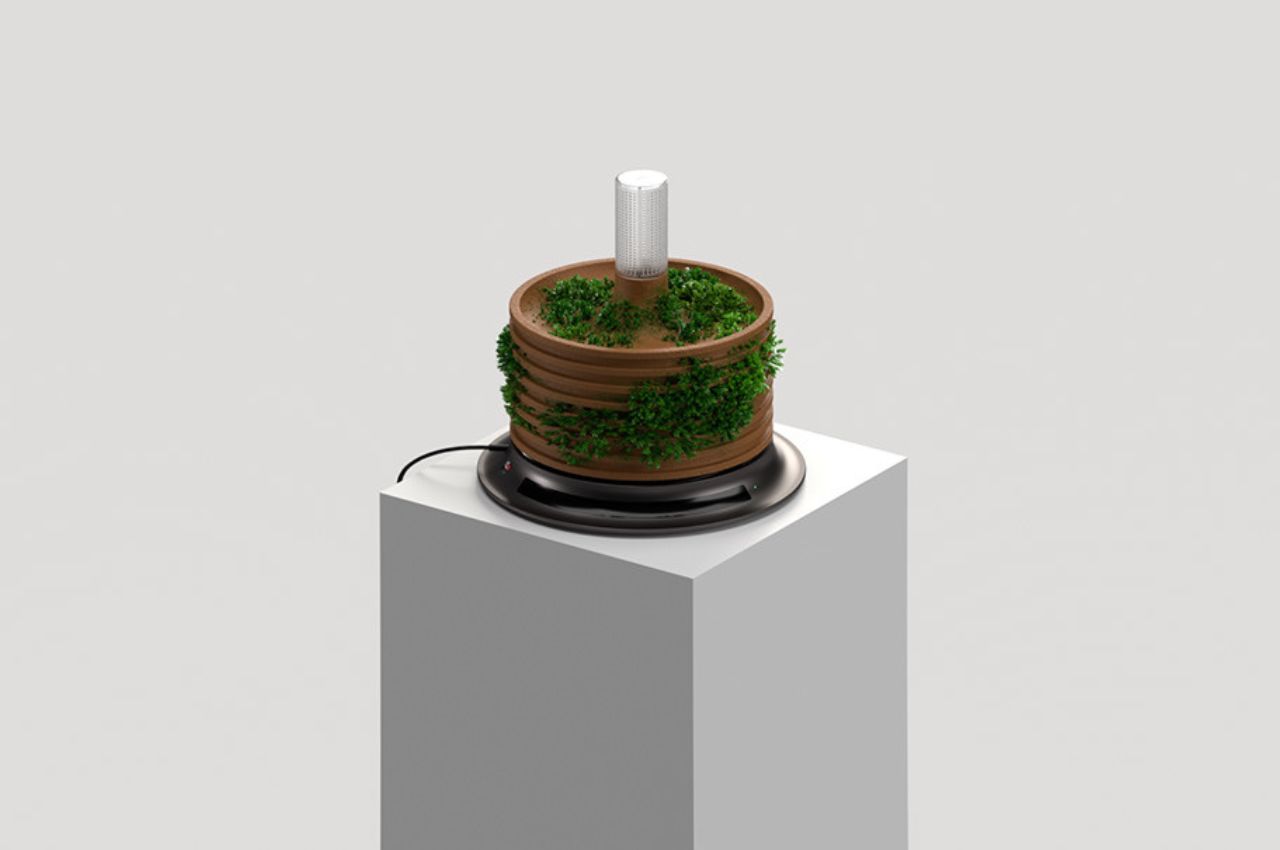
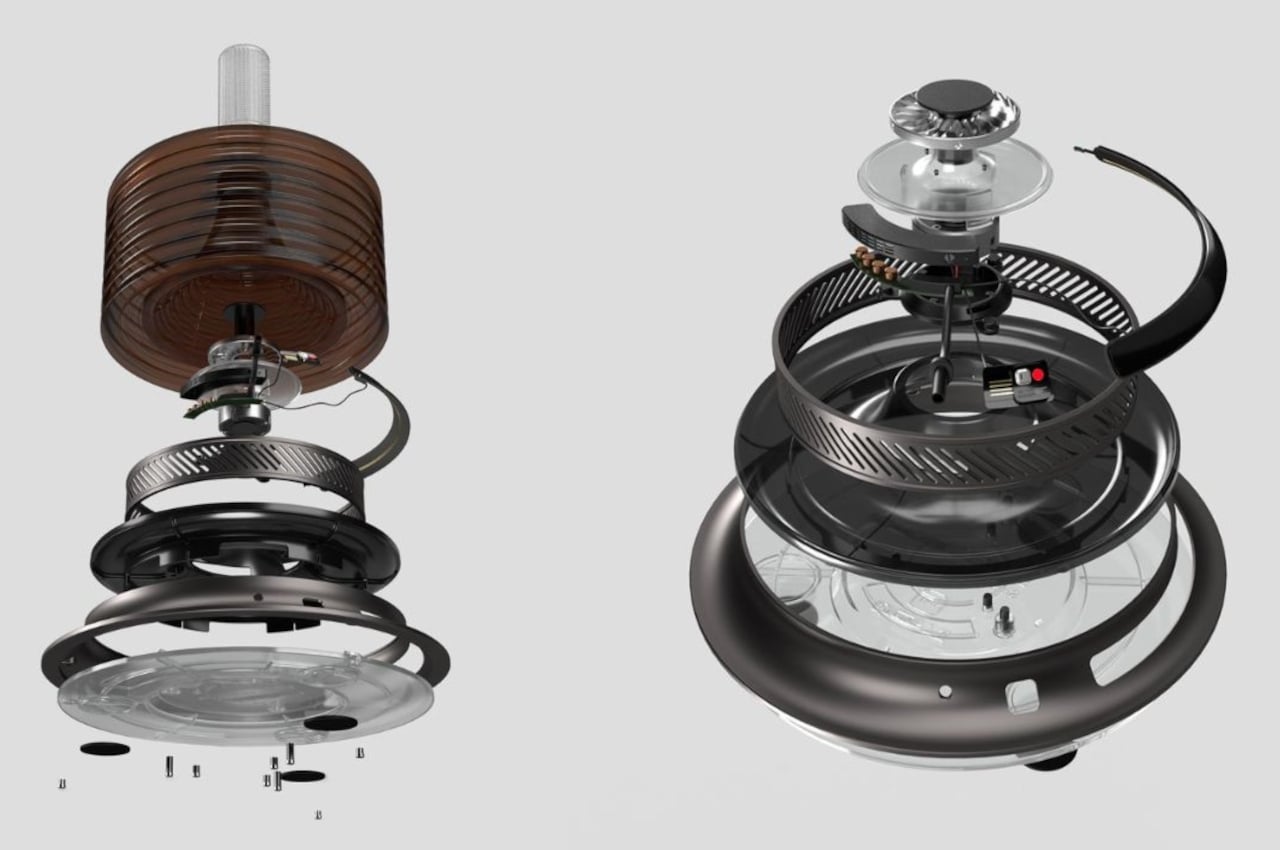
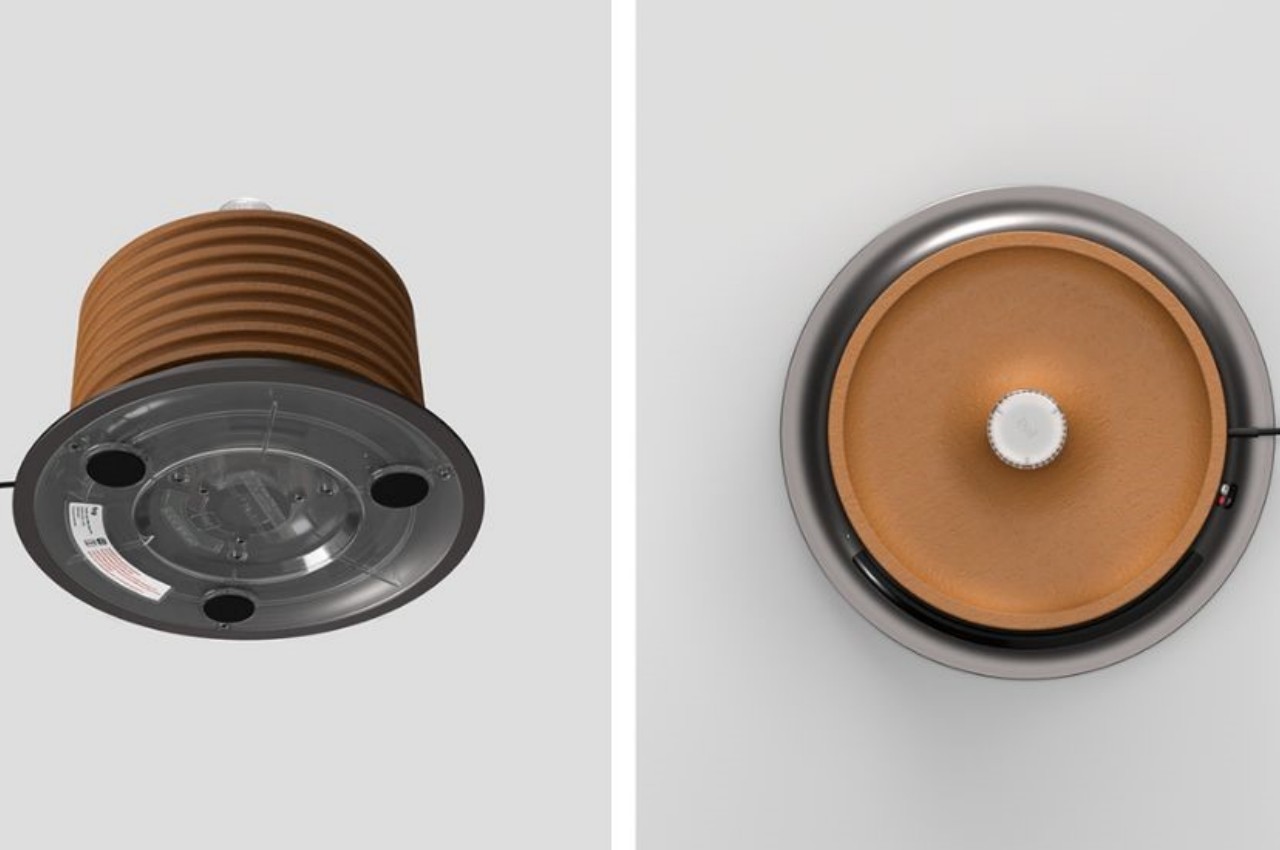
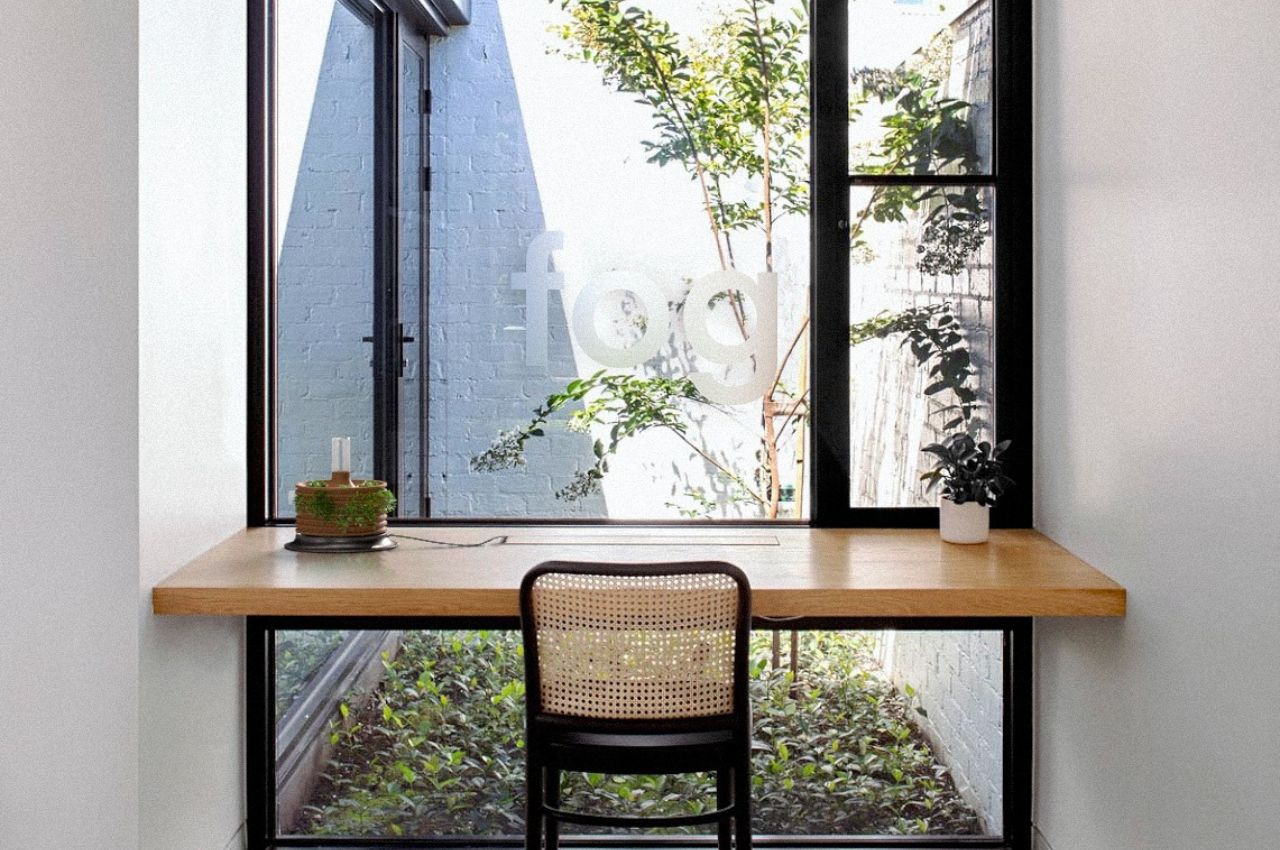
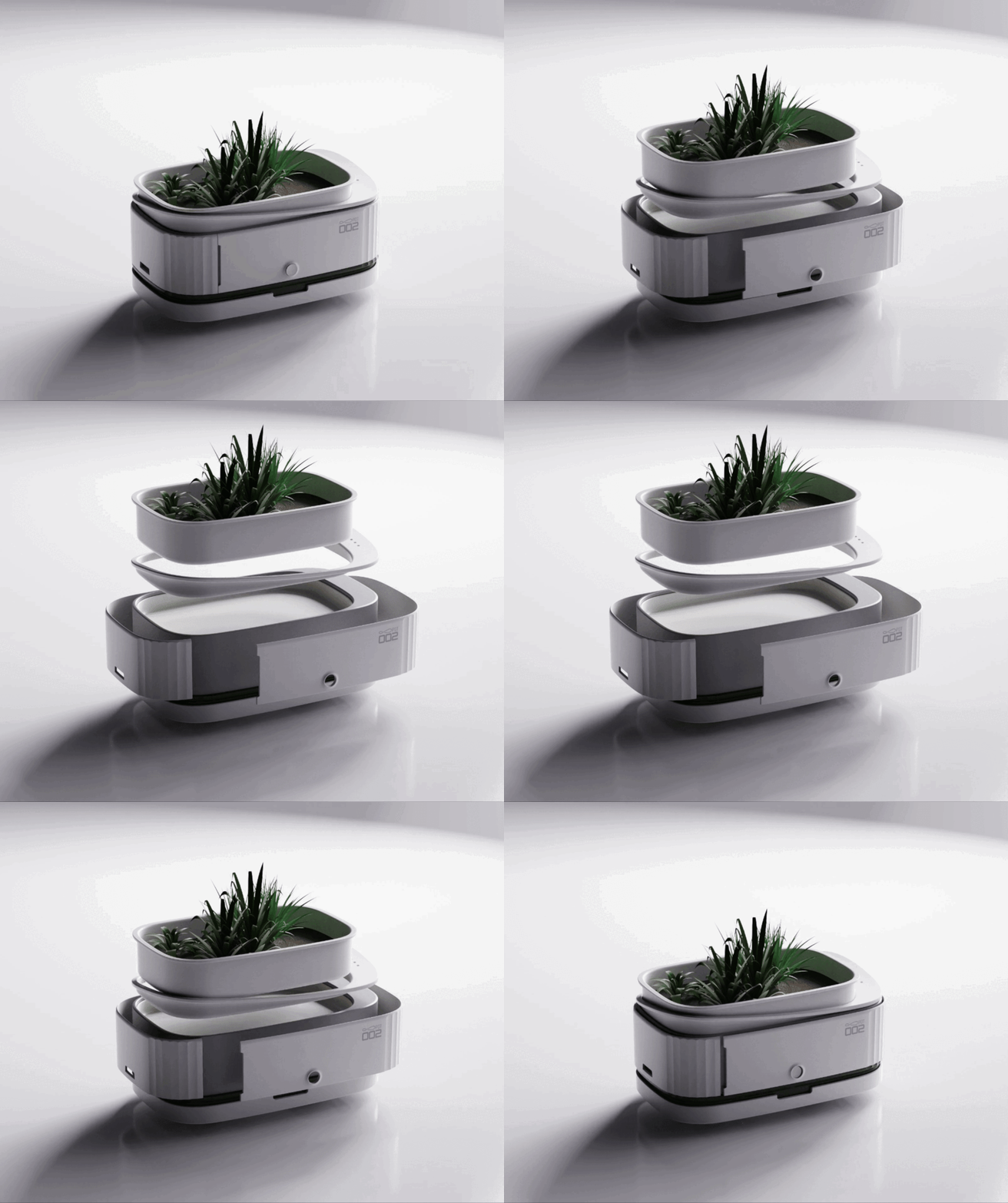
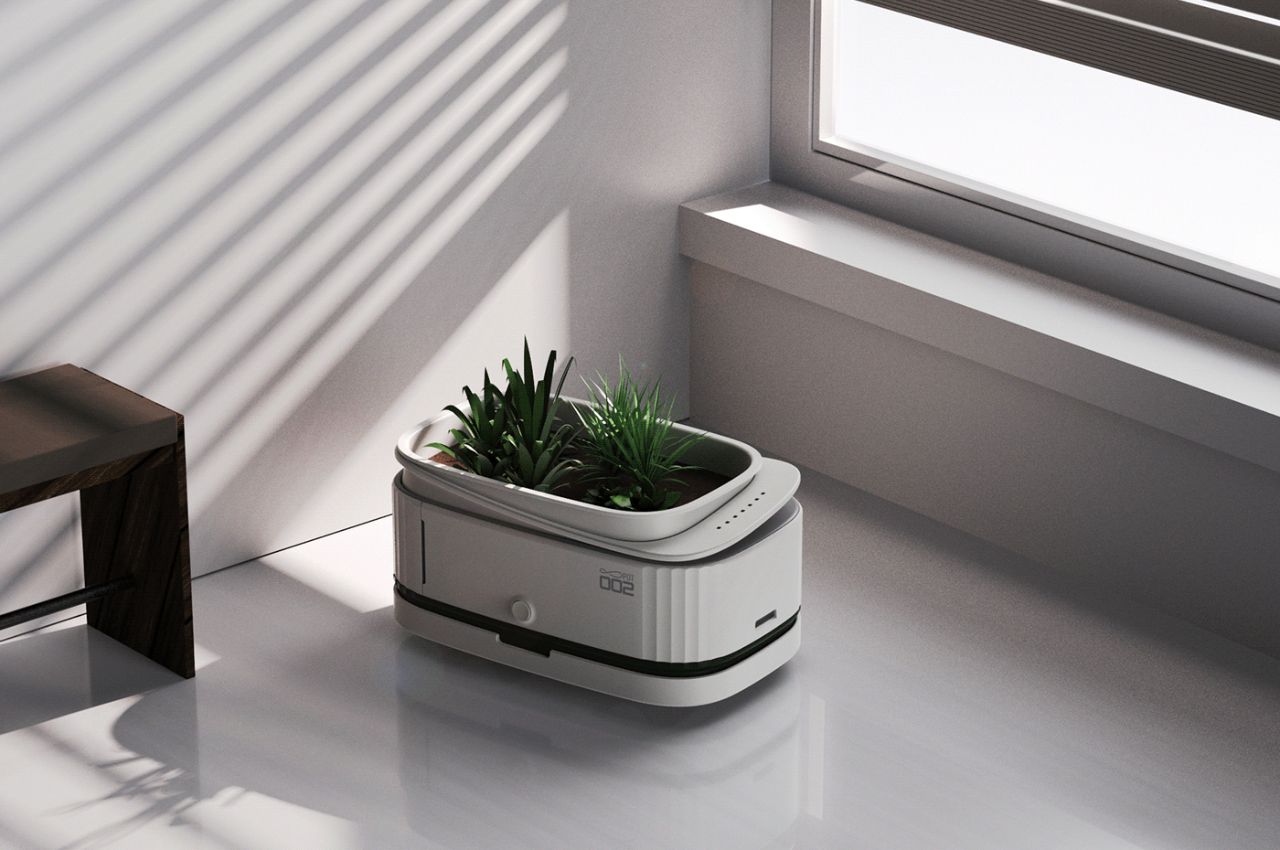
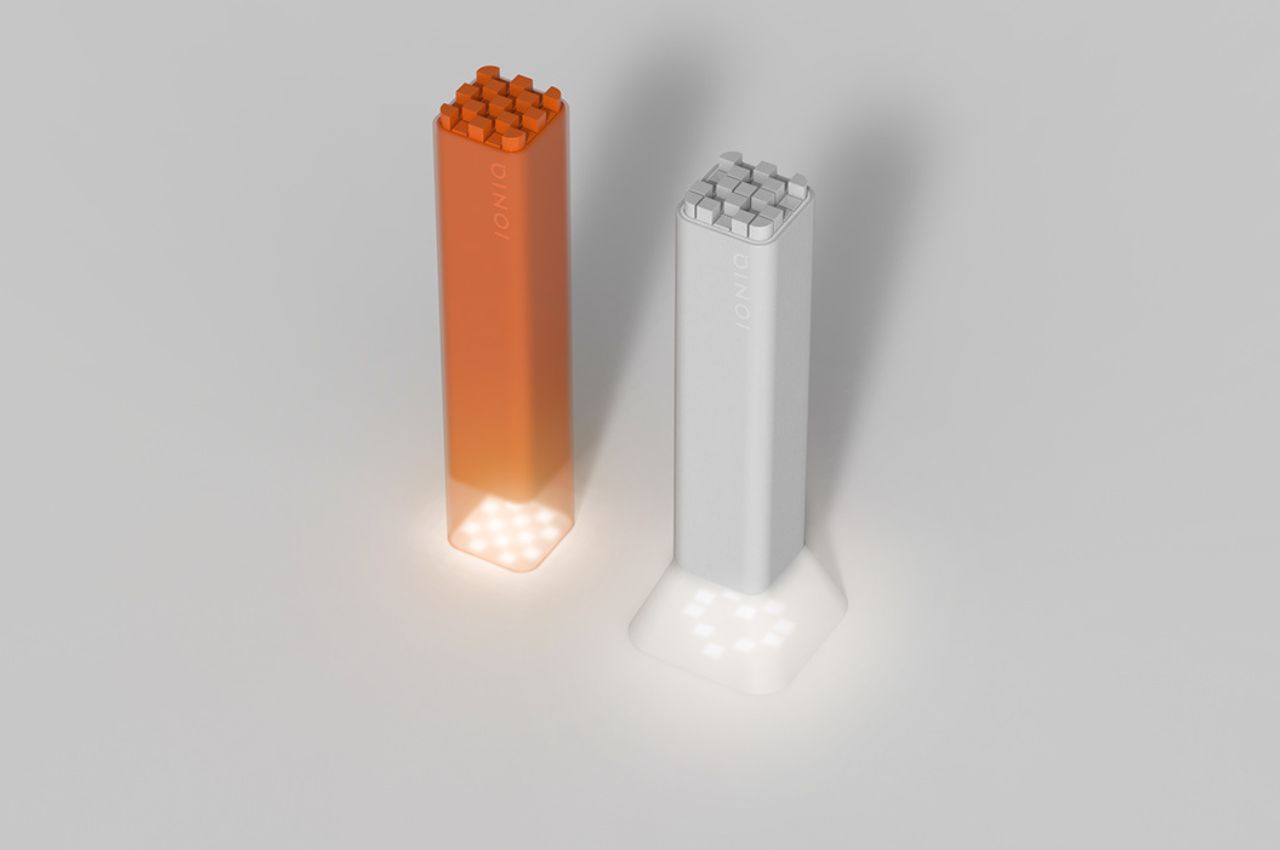
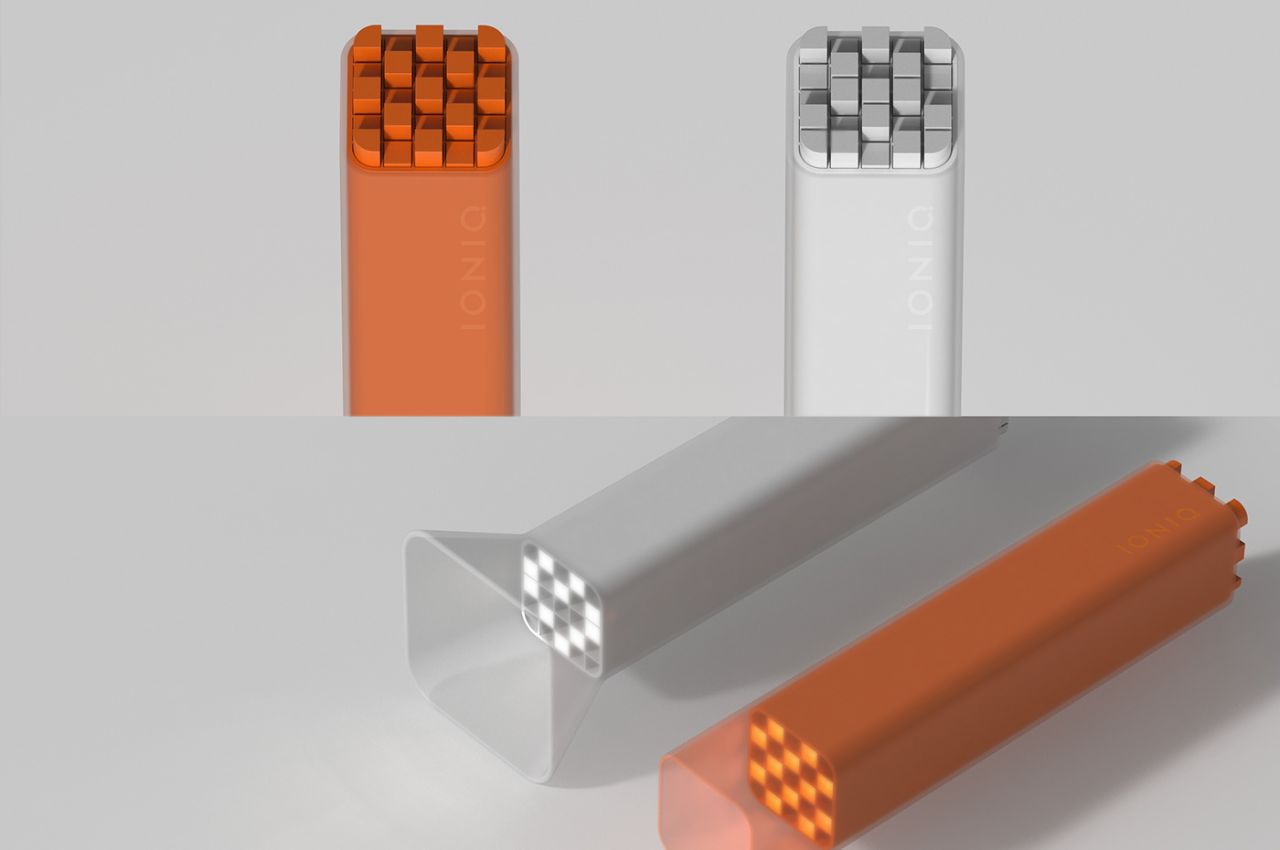
Don’t get enough sunlight at home to grow your plants? This one is for you! In the ever-evolving world of smart technology, there’s a new contender that’s set to revolutionize the way we care for our indoor plants – Equinox. More than just a grow light, Equinox is a meticulously designed product that mimics the natural orbit of the sun, ensuring your pet plants receive the optimal light they need for robust growth and vitality.

Designer: Yechan Choi (Yekki)

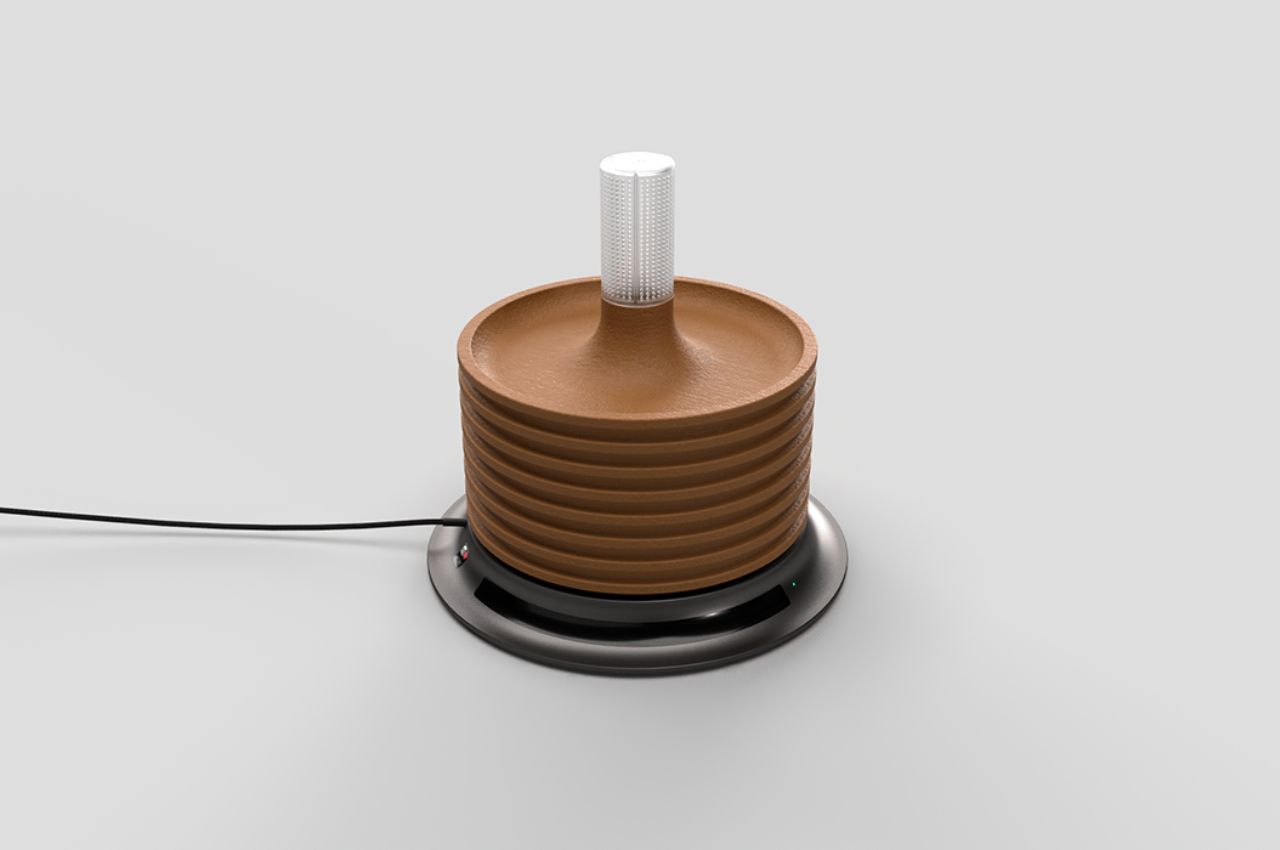
Equinox takes its inspiration from the celestial dance of the sun around the Earth, specifically designed to replicate the sun’s position in the sky. The name itself, Equinox, signifies the time when day and night are of equal length, a crucial period in the natural world. This smart grow light is engineered to provide your plants with the same quality and intensity of light they would receive outdoors.

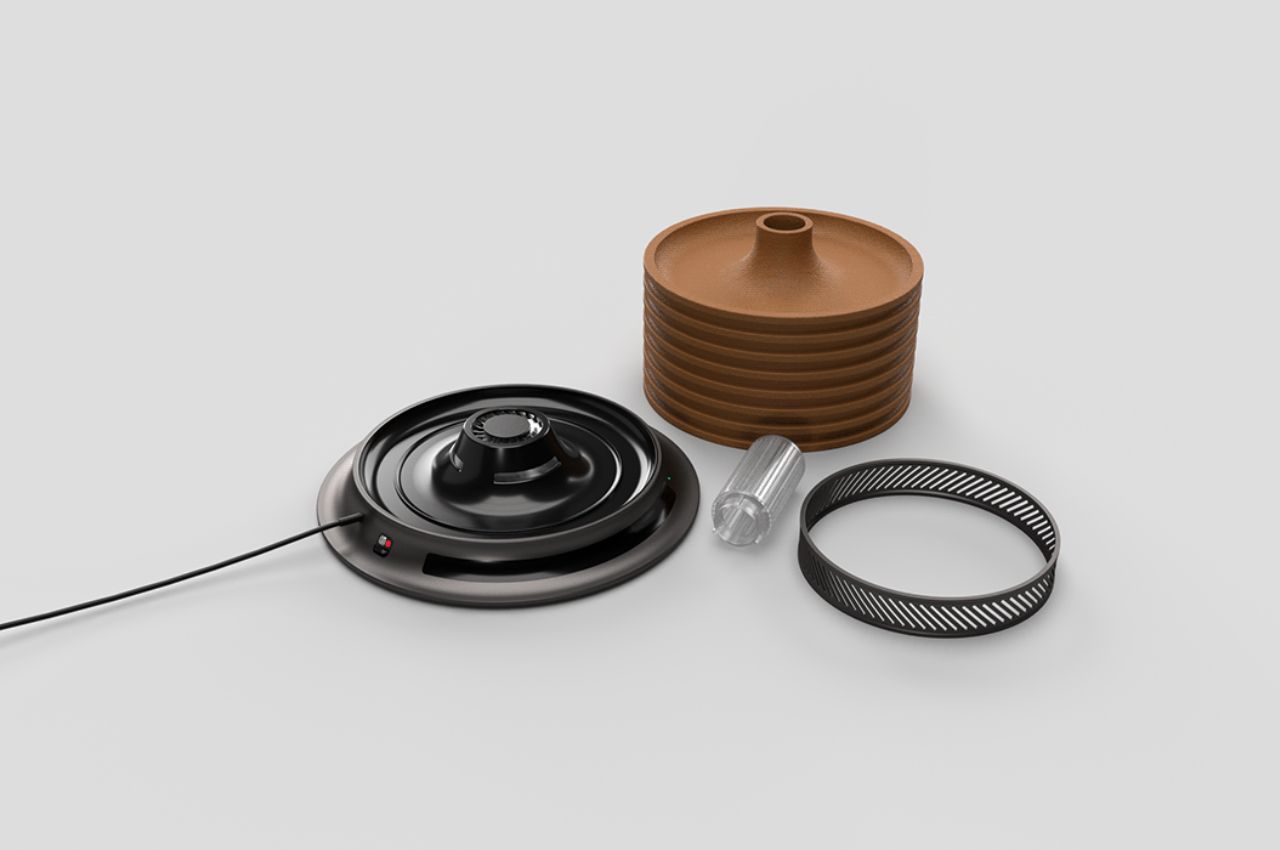
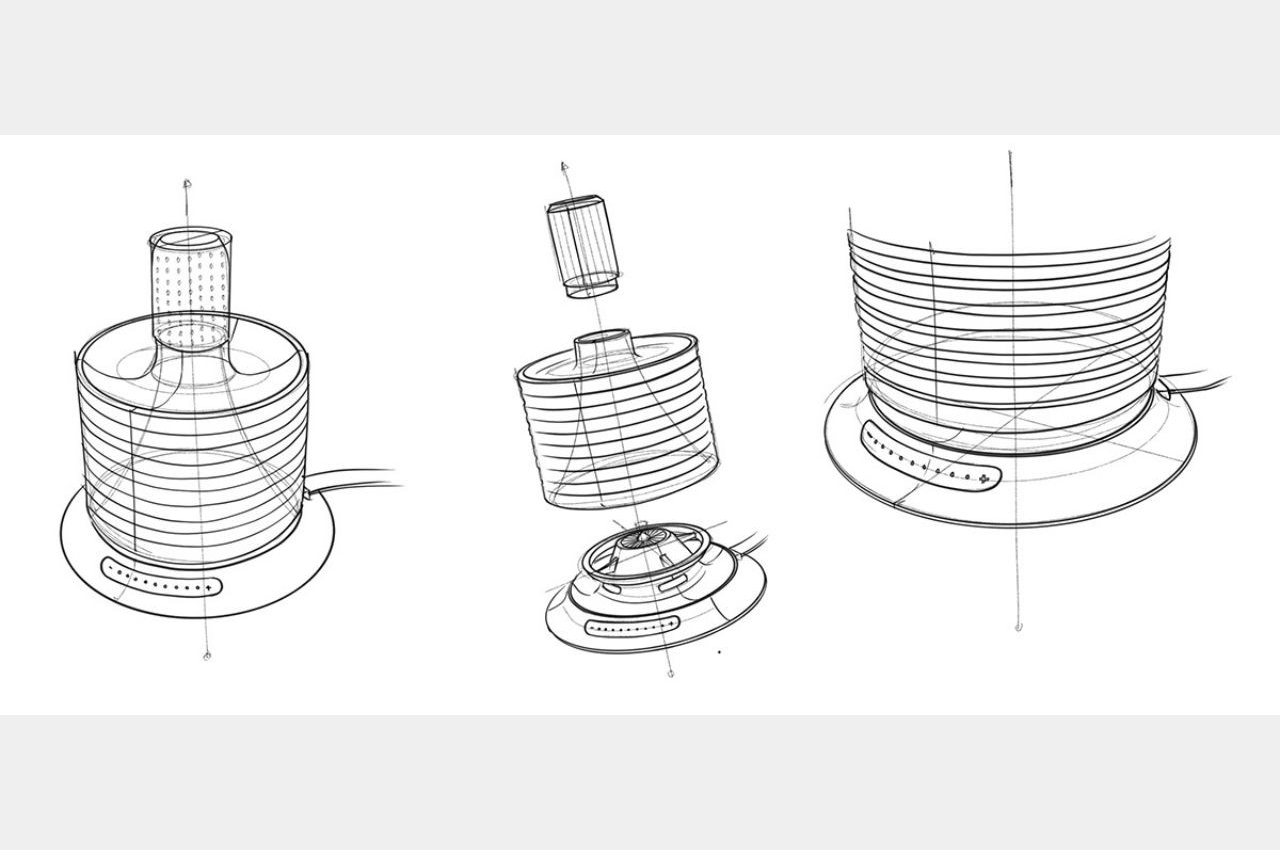
One of the standout features of Equinox is its ability to provide light at the same angle as the sun. This is achieved through a sophisticated system of LEDs that move in calculated angles over time. By utilizing sunrise and sunset time data, Equinox ensures that your plants receive the right spectrum of light throughout the day, promoting photosynthesis and fostering healthy growth.

Equinox goes beyond traditional grow lights by integrating Internet of Things (IoT) technology. With built-in Wi-Fi capabilities, you can effortlessly control the brightness and color temperature of the lights using a dedicated app on your smartphone. The app allows for easy customization, ensuring that your plants receive the perfect amount of light at any given time.

Adding an extra layer of convenience, physical dials on the Equinox device itself offer a tactile and intuitive way to adjust settings. This combination of high-tech connectivity and user-friendly controls makes Equinox accessible to all, from seasoned plant enthusiasts to those new to indoor gardening.

Equinox recognizes that your plants have different needs during the day and night. During the daytime, you can simulate the vibrancy of the outdoors with bright, clear light that encourages active photosynthesis. As night falls, you have the option to create a cozy and comfortable atmosphere for both you and your plants by switching to warmer-colored light.

This adaptability ensures that your indoor space remains both functional and aesthetically pleasing, with Equinox seamlessly integrating into your daily routine. Equinox not only benefits your plants but also contributes to a more sustainable future. By providing the right amount of light precisely when needed, it minimizes energy waste, making it an eco-friendly choice for conscientious consumers.

Equinox is more than just a grow light; it’s a technological marvel that brings the beauty and precision of nature into your home. From its celestial design to its intelligent programming and user-friendly controls, Equinox sets a new standard for indoor plant care. Embrace the future of gardening with Equinox, and watch your plants thrive under its nurturing light.

The post Bring The Sunlight Into Your Homes Even Through The Night first appeared on Yanko Design.

The Little Toy is an Eames-inspired Ticket To Some Retro Fun and Creativity

For everyone who loves DIY and spaces, this one’s for you! The Eames Office just pulled off the ultimate nostalgia move by resurrecting The Little Toy, a blast from the past that hasn’t seen the light of day since 1961. Charles and Ray Eames, the dynamic design duo, cooked up this gem in 1952 as a tabletop spin-off of their iconic creation, The Toy. And trust me, it’s not just a reissue; it’s a time-traveling invitation to creativity for both the OG fans and the newbies.

Designer: Eames Office

The Toy was for playing “in,” but The Little Toy is all about playing “with.” It’s like they miniaturized the fun, letting you build tiny sets, tents, and houses to jazz up your toy collection. Unlike its flexible predecessor, The Little Toy uses sturdier cardboard panels. It is a DIY dreamland for kids and grown-ups.

The Eames magic remains intact – freedom to build whatever your creative heart desires. The Little Toy consists of colored cardboard panels that are tougher than ever, replacing the old plastic-coated paper which is also a gesture towards sustainability. And forget the dowel rods; they’ve jazzed up the assembly with wireframes, making it a breeze to dive into the creative process.

Back in the day (1952-1961 to be exact), The Toy was the answer to space issues and a game-changer when paired with other toys. Tigrett Enterprises of Kansas made sure this mini marvel was a hit. It’s a testament to the Eameses’ knack for turning everyday materials into something extraordinary.

Fast forward to now, and The Little Toy is back, sporting a retro price tag of $79. This reissue isn’t just about reliving the good ol’ days; it’s an open invitation to explore prefab architecture and modular magic. With its vibrant panels and snazzy wireframes, you can go wildcrafting toy houses, funky sculptures, or even desktop architectural wonders.

This revived Little Toy isn’t just a relic; it’s your golden ticket to unlocking creativity, just like it did over fifty years ago. The Eames Office has not only resurrected a classic but handed you a chance to embrace that timeless spirit of play and innovation. So, what are you waiting for? Dive into the past and let your creativity run wild!

The post The Little Toy is an Eames-inspired Ticket To Some Retro Fun and Creativity first appeared on Yanko Design.

How Robots Are Expanding Their Fields of Work By Attaining Emotional Designs

Robots have long captured our imaginations, from the helpful household robots of science fiction to the industrial machines that streamline manufacturing processes. However, the integration of robots into our daily lives has often been hampered by the challenges they face when navigating complex human environments. These limitations have confined their utility to controlled spaces in industries such as logistics and manufacturing. But now, a groundbreaking design concept known as “Turing” is poised to change the game, bringing a fresh perspective on robotic technology.

Designer: Cambridge Consultants (Tom ShirleyAnya Pivčuka)

1

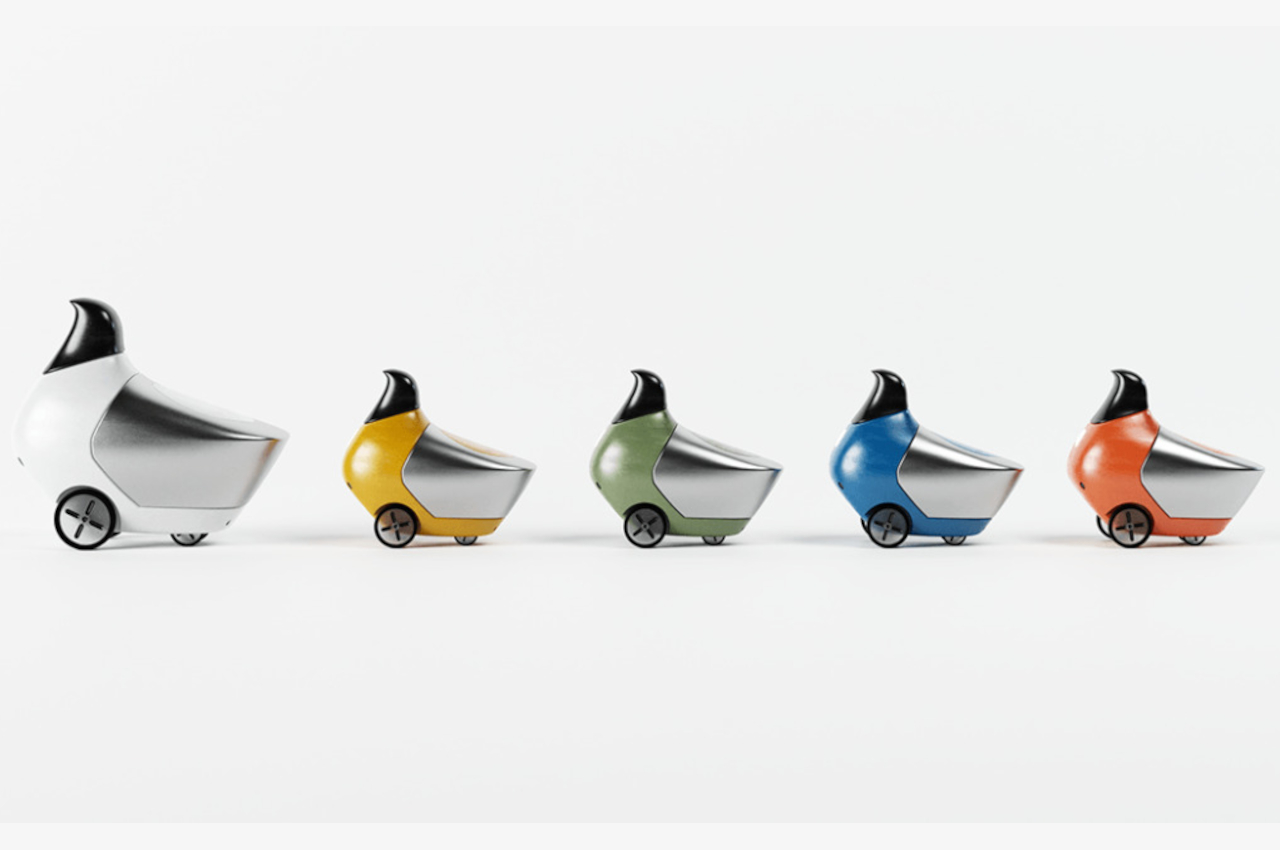
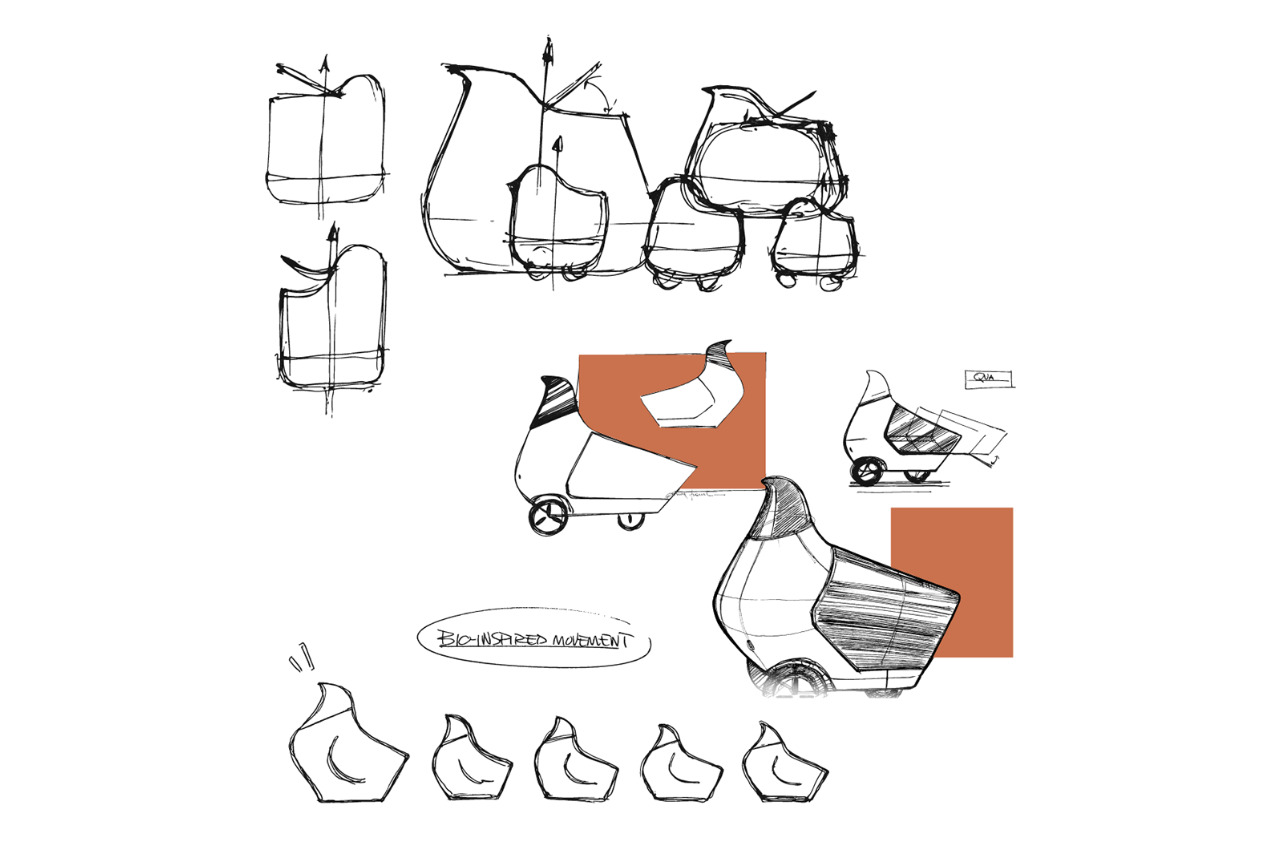
Turing is not just another robot; it’s a robotic platform with an emotional design at its core. It was developed by a team of multi-disciplinary experts, including designers, engineers, and researchers, to address a significant challenge in robotics: enabling robots to work in complex human environments while fostering collaboration between humans and machines. Turing’s approach seeks to unlock the untapped potential of human-robot interaction, one of the last remaining barriers to a future where robots become our everyday companions.

In the early stages of UX testing, the team behind Turing discovered that mimicking human emotion was a highly effective means of communicating the robot’s movements and intentions. They employed journey mapping to craft a coherent set of thoughts and emotions for the robot, resulting in a personality and behavior that users could relate to and engage with. By drawing inspiration from well-known characters in animation and film, they could identify the most appropriate personality for a given environment. This adaptability allows Turing to modify its behavior based on the specific context, ensuring it doesn’t seem out of place in various settings.

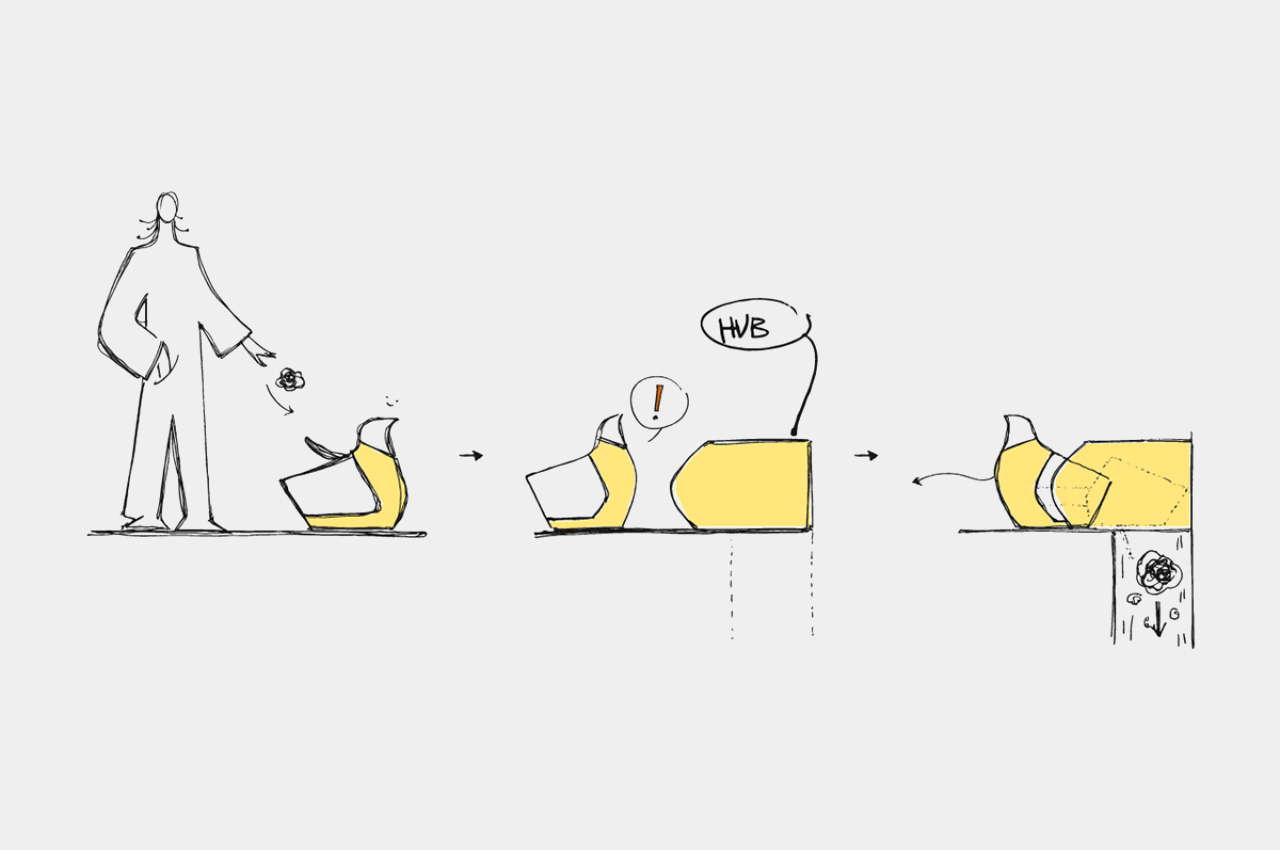
Turing is designed to work in collaboration with people, capable of navigating through crowded environments using body language, gestures, and emotional cues to communicate with our subconscious. This non-verbal, intuitive communication is significantly faster than traditional speech, enabling the sub-second reaction times necessary to avoid collisions in crowded areas. Moreover, Turing’s modular nature allows it to be adapted to a wide range of industries and customized to address diverse business needs.

1

The versatility of Turing makes it a game-changer in various industries:

1. Retail: In retail, Turing can assist shoppers with tasks ranging from providing general information to guiding them through the store and even carrying their shopping bags. The emotional and charming personality it displays creates a memorable shopping experience that can be tailored to each venue’s ambiance.

2. Service Industry: Turing comes to the rescue of businesses in the service industry, such as bars and restaurants, which often struggle to recruit enough staff. It can efficiently take orders and deliver food and drinks to customers, enhancing their overall experience. Its adaptability ensures it can seamlessly blend into different restaurant environments, from casual to fine dining.

3. Medical Environments: Turing plays a crucial role in medical settings by reducing the burden on healthcare professionals. It can perform repetitive, time-consuming tasks, such as dispensing medication in low-risk hospital wards. This not only frees up staff to focus on patient care but also helps maintain consistent medication schedules. However, the acceptance of robots like Turing in healthcare settings may take time, as people need to build trust in the accuracy of the tasks performed.

Turing is a groundbreaking development in the world of robotics. By embracing emotional design and a highly adaptable, modular nature, it is pushing the boundaries of human-robot interaction and addressing the limitations that have confined robots to specific industries. With Turing, the future of robotics looks promising, as it promises to bring robots out of controlled environments and into our everyday lives, as social, collaborative, and empathetic companions.

The post How Robots Are Expanding Their Fields of Work By Attaining Emotional Designs first appeared on Yanko Design.

This Tea Machine Makes The Classic Indian Chai Easier To Prepare

Chai, a beloved staple in Indian households, holds a special place in the hearts of many. It’s more than just a beverage; it’s a symbol of hospitality, warmth, and tradition. A group of three Indian friends living in London, who happened to be accounting and finance experts, recognized the significance of chai in their lives and sought to create a product that would make the preparation of this beloved drink easier and more convenient for working professionals. The result is the Dostea Tea Machine, a groundbreaking innovation that combines technology with tradition to deliver an authentic and hassle-free chai experience. Why not have tea machines just like those for coffee?

Designers: Arun KumarMVyasateja RaoAnil Ramesh (Analogy Design)

Crafting a traditional chai can be a laborious endeavor, often involving the use of various utensils and resulting in a messy process. The Dostea Tea Machine, designed with the UK market in mind, aims to address these challenges. With a simple press of a button, it provides a fresh, home-brewed cup of chai, eliminating the usual hassle and mess associated with the traditional method.

Dostea’s collaboration with Analogy was driven by a shared goal: to capture the authentic experience of homemade chai, including its unique taste, aroma, flavor, and vibrant color. To achieve this, they embarked on an extensive exploration process, conducting multiple rounds of experimentation to uncover the ideal design.

Taking inspiration from both UK and Indian design excellence in industrial design, the team conceptualized a unique body and mechanism for the tea machine. The goal was to craft a visually appealing and functionally efficient device that not only brewed exceptional chai but also provided a delightful aesthetic experience for users.

The Dostea Tea Machine features patent-worthy engineering, blending British and Indian design elements seamlessly. Its sleek curves, elegant lines, and carefully selected materials evoke sophistication and cultural fusion. The machine’s form was meticulously crafted to emulate the warmth of a sunrise, infusing every cup of tea with a touch of magic and the promise of a new day.

The Dostea Tea Machine has reached its prototype stage, undergoing intensive testing to ensure ideal brewing conditions for perfect flavor extraction. Externally, it boasts a user-friendly design, sleek appearance, and strategically placed controls for ease of use. The machine also includes thoughtful accessories such as a removable kettle and milk frother to enhance the homemade chai experience. This prototype embodies the careful balance of art and science in chai brewing, demonstrating the commitment of the Dostea and Analogy teams to delivering an unmatched chai experience worldwide.

The Dostea Tea Machine prioritizes a simple and convenient user experience. From the product’s shape and form to the interface design, it aims to facilitate the creation of that perfect cup of chai, customized to each user’s liking. The intuitive interface empowers users to enjoy their chai just the way they prefer, without the fuss and mess associated with traditional methods.

The Dostea Tea Machine is more than just a kitchen appliance; it’s a testament to the fusion of tradition and technology and an embodiment of the love for chai that transcends borders. For busy professionals who cherish a quick cup of authentic chai, this innovative product is set to revolutionize their daily routines, offering an authentic chai experience without the usual hassles. With its elegant design and engineering, the Dostea Tea Machine ensures that the essence and emotion of a handmade cup of chai remain intact while making chai preparation as simple as the press of a button.

The post This Tea Machine Makes The Classic Indian Chai Easier To Prepare first appeared on Yanko Design.
Find Your Therapy in Home Farming and Consuming Your Own Produce

In today’s fast-paced world, where life is often synonymous with perpetual motion, the desire to reconnect with nature and savor the fruits of one’s labor is stronger than ever. The concept of home farming, often romanticized for its therapeutic qualities and the satisfaction of producing your food, appeals to many. However, the hurdles of time and resources have long kept this dream at bay for most. But with Regrow, a groundbreaking innovation, the dream of home farming has been brought closer to reality.

Designer: Haneul kim (Designer dot)

Regrow offers a revolutionary experience for those who are intrigued by the idea of home farming but find it challenging to manage the daily responsibilities and investments it typically demands. This innovative system automatically transforms food scraps into fertile soil and showcases your bountiful crops, all while providing a rewarding, environmentally friendly hobby.

In a society where people yearn for the soothing embrace of home farming, the daily grind often obstructs their path. The daily chores of tending to plants, adjusting soil, and monitoring water levels according to the seasons can be burdensome. It’s no wonder that around 60% of those who initially embark on the journey of home farming give up, with the top two reasons being difficulty managing time and the cost of supplies.

Regrow, recognizing the unique place it occupies in the kitchen, draws inspiration from various kitchen appliances. It brings a new dimension to the concept of home farming. With Regrow, users no longer have to fret over the time constraints of home farming in their busy lives. Instead, they can efficiently care for their plants with an array of features designed for convenient operation.

gif 1

The soil used for cultivating edible plants is primarily recycled compost from food processors. The snug fit of the lid and body keeps unwanted odors from escaping, while the powerful rotation function effectively processes various food scraps. This synergy of recycling and sustainability sets Regrow apart.

Regrow is designed to be user-friendly with just five simple buttons. Users can schedule tasks via the dedicated mobile application for quick use or even operate it remotely. The glass door on the front can be easily opened for harvesting edible plants, making the whole process incredibly convenient.

gif 2

One of Regrow’s unique features is its hole bottoms, which facilitate the flow of soil and compost. The compost generated by the top food processor automatically moves to the bottom through a rotary grinder. If users prefer to use water instead of compost, they can open the top lid to add water. This combination of features ensures that users can effortlessly maintain their edible plants, promoting their health and sustainability with minimal effort.

Regrow incorporates a bottom LED bar that provides users with invaluable insights into the needs of their edible plants. It changes color to indicate when watering is required, when soil adjustments are necessary when it’s time to clean food waste, or when the system is circulating. This intuitive feedback mechanism ensures that users can take timely and appropriate actions to ensure their plants thrive, enhancing the overall home farming experience.

In conclusion, Regrow offers an all-in-one solution to the common barriers of home farming, making it accessible and enjoyable for everyone. With its innovative technology, sustainable practices, and user-friendly design, it not only simplifies the process of home farming but also promotes a greener, more self-sufficient lifestyle. Regrow brings the joy and fulfillment of home farming within the reach of all, revolutionizing the way we connect with the earth and harvest the goodness it provides.

The post Find Your Therapy in Home Farming and Consuming Your Own Produce first appeared on Yanko Design.
This Japanese Quirky Bag Designer Created these Stylish Leather Backpack To Amp Up Your Dog’s Style

For many of us, our dogs are not just pets; they are cherished members of our families. We love taking them along on our adventures, but it can be a bit of a hassle carrying all their essentials like treats, toys, and poop bags. Imagine if your beloved furry friend could carry their stuff stylishly and practically. Well, Japanese brand Tsuchiya Kaban has come up with a creative solution – a leather dog backpack that allows your dog to tote around their essentials with panache.

Designer: Tsuchiya Kaban

Tsuchiya Kaban is known for its quirky and innovative bag designs, such as ones meant for holding snowmen or watermelons. Now, they’ve turned their attention to a different type of companion – our dogs. The design of this miniature carry-on backpack draws inspiration from Japan’s iconic ‘randoseru,’ the traditional school backpack commonly worn by students. It’s a thoughtful nod to Japanese culture and a perfect fusion of tradition and modern pet accessory design.

The history of the randoseru, the traditional Japanese school backpack, is a fascinating tale rooted in both culture and fashion. Its origins date back to a significant moment in Japanese history when the crown prince of the time received a distinctive backpack upon entering elementary school at Gakushūin. In tribute to the country’s soldiers, this backpack was designed to resemble the military’s rugged and sturdy backpacks. This noble gesture soon captured the imagination of the public, and the backpack’s unique shape swiftly became a fashionable statement. Over time, the design has evolved and adapted, but the essence of honoring Japan’s military heritage remains embedded in the modern randoseru, inspiring Tsuchiya Kaban’s innovative leather dog backpack, which pays homage to this iconic Japanese tradition while catering to our beloved four-legged friends.

What makes Tsuchiya Kaban’s leather dog backpack truly special is the choice of material. The high-quality leather used in crafting the backpack matures beautifully over time. This maturation process symbolizes the growing bond between a pet and its owner, making it a sentimental and meaningful accessory for any dog lover.

Tsuchiya Kaban understands that your dog’s comfort is paramount. The backpack is attached to an adjustable leather harness designed to fit snugly on your dog’s back. The straps, made of durable nylon, ensure that neither your dog nor you will experience any strain during walks or adventures. The cleverly designed buckle allows for easy adjustment, ensuring a perfect fit every time, regardless of your dog’s size or shape.

For those leisurely walks or spontaneous runs with your furry friend, an optional leash can be directly attached to the backpack. This feature ensures that your dog stays safe and secure while still enjoying the freedom of movement.

The stylish leather dog backpack by Tsuchiya Kaban launched on December 14, 2023, and is available online.

Tsuchiya Kaban’s leather dog backpack is not just a practical solution to carrying your dog’s essentials; it’s a statement of style, tradition, and the unbreakable bond between you and your furry friend. With its thoughtful design and high-quality materials, this backpack ensures both your comfort and your dog’s happiness. So, if you want to add a touch of elegance to your dog’s outings while making life a bit easier for yourself, consider investing in this unique pet accessory. Your dog will undoubtedly appreciate the extra attention and care you’re showing them, and you’ll enjoy the convenience and style this innovative backpack provides.


The post This Japanese Quirky Bag Designer Created these Stylish Leather Backpack To Amp Up Your Dog’s Style first appeared on Yanko Design.
Introducing Your New Kitchen Buddy To Help And Accompany You Through Your Cooking Time

In the fast-paced world of today, where time is a precious commodity, the desire to cook wholesome meals at home often takes a backseat. Many millennials express the wish to cook more frequently, but their busy lifestyles and lack of culinary expertise frequently obstruct their path. The availability of pre-prepared convenience foods and the allure of dining out as a social experience often leaves little motivation to change one’s cooking habits. However, a revolutionary solution is on the horizon: Chao, an AI-powered social cooking platform designed to minimize the hassle of meal planning and eliminate the uncertainty of cooking, making the experience more accessible and enjoyable.

Designer: Tom Shirley (Cambridge Consultants)

Chao recognizes the struggle that many millennials face when attempting to embrace home cooking. The product acknowledges that the pain points of cooking commence long before one even steps foot in the kitchen. As someone who lived through the trials of university life, I can personally relate to this challenge. The lack of culinary instincts and the tedious, often boring nature of cooking made it difficult to muster the motivation to prepare meals at home, especially when you’re a student on a budget. Chao’s mission is to change this narrative.

Chao is not just another recipe app; it’s a comprehensive solution that redefines home cooking in the modern era. Here are some key features that make Chao unique:

1. Machine Vision:

Chao employs intelligent machine vision to ensure the correct usage of all utensils, making it the perfect companion for novice cooks.

2. Social Collaboration:

Chao fosters user interaction, promoting social collaboration around a common goal – preparing and enjoying delicious meals together.

3. Remote Participation:

Chao breaks geographical boundaries, allowing users from all corners of the globe to actively participate in the creation of meals, thereby creating a global culinary community.

Chao has been meticulously designed to address the genuine concerns of its target users. The team behind this innovation took the time to understand and empathize with users, pinpointing and resolving key pain points to ensure that the final product seamlessly integrates into their daily lives. Co-creating the concept with users at various stages of development ensured that the user experience (UX) and feature set remained perfectly aligned with their needs and expectations.

How Chao Works

Chao simplifies the entire cooking process with a seamless user experience:

1. Planning: Chao recommends tailored recipes. Once a recipe is selected, the necessary ingredients are ordered and delivered right to your door, saving you the hassle of grocery shopping.

2. Prep: Chao divides the preparation into manageable tasks, whether for one person or a group, offering advice and time management tips.

3. Cooking: The AI chef utilizes computer vision and various sensors to provide context-based advice, making it easy to tackle advanced cooking techniques in a fun and approachable way.

4. Eat & Enjoy: Chao helps capture and share meal times and dinner parties with friends and family, turning every meal into a memorable experience.

Chao guides users through the cooking process, sharing their progress and key statistics on a dedicated social media platform. With a deep understanding of user behavior, Chao provides easy-to-follow recipe steps along with tailored tips, thereby eliminating the uncertainty that often plagues home cooking.

Chao seamlessly blends the physical and digital worlds of cooking. The charging dock also serves as a home for the physical components of the system, seamlessly fitting into the kitchen environment.

A collaborative approach played a pivotal role in bringing Chao to life. Designers worked hand-in-hand with software engineers, electronic experts, and culinary enthusiasts. They tackled technical challenges such as person identification through computer vision, constructing a robust cloud-based infrastructure, and tracking utensils, whether actively or passively tagged.

In conclusion, Chao represents a pivotal step towards redefining the way we cook at home. It empowers millennials and anyone with a desire to cook healthier, more delicious meals, providing a solution to the time and knowledge constraints that often get in the way. With its innovative features and user-centric design, Chao promises to make home cooking more accessible, enjoyable, and social. It’s a product that’s not just about food; it’s about creating experiences and memories around the dinner table.

The post Introducing Your New Kitchen Buddy To Help And Accompany You Through Your Cooking Time first appeared on Yanko Design.
Reminisce Your Childhood Crafting Memories With This Night Lamp

Childhood memories often have the power to transport us back to a simpler, more innocent time, when life was full of wonder and curiosity. One particular memory that many of us share is the joy of crafting paper cones, transforming a simple sheet into a fascinating geometric form. The Handmaid Table Lamp or Night Light captures the essence of this cherished childhood pastime and transforms it into a practical and aesthetically pleasing household item.

Designer: Sergey Buldygin

gif 1

At first glance, this lamp conjures up images of those paper cones we used to craft as children. With two cones curled up at different angles and gracefully stacked, the lamp takes on a unique form that reminds us of a Japanese monk. This resemblance adds a layer of cultural and artistic significance to this otherwise simple yet striking design.

The Handmaid Table Lamp is not just an eye-catching decor piece; it’s also a fun DIY project waiting to happen. Its assembly is a breeze, taking just a few seconds to complete. The clever clip-on mechanism makes folding and assembling the lamp a straightforward task. This ingenious design encourages users to engage with the product on a more personal level, fostering a sense of connection and ownership.

gif 2

What sets this lamp apart is the cleverly designed “hat of the monk,” which serves as the lampshade. This unique feature allows for precision lighting as the angle of the “hat” is perfect for casting light over a larger surface area. Whether you’re working on a task or need a cozy ambiance in the room, the Handmaid Table Lamp can adapt to your lighting needs with ease.

The choice of translucent materials for the lampshade is a thoughtful design element. This quality not only allows the lamp to function as a task light but also transforms it into an ambient light source. When illuminated, the soft glow it emits creates a warm and inviting atmosphere, perfect for relaxing or setting the mood in any room.

gif 3

The Handmaid Table Lamp’s minimalistic design makes it a versatile addition to any room in your home. However, its charming and playful appearance makes it particularly well-suited for children’s rooms. Placed on study tables or bedside tables, it can act as a source of inspiration for young minds. Its unique design encourages creativity and imagination, reminding children of the simple joys of crafting and play.

In conclusion, the Handmaid Table Lamp is more than just a source of illumination; it’s a delightful blend of childhood nostalgia, artful design, and practicality. Its ease of assembly and versatile functionality make it an ideal addition to your home, while its clever design evokes memories of crafting paper cones in your younger days. This lamp is a testament to the idea that everyday objects can bring a touch of whimsy and wonder into our lives, making our homes more inviting and our memories all the more precious.

The post Reminisce Your Childhood Crafting Memories With This Night Lamp first appeared on Yanko Design.
Spirituality and Sustainable Innovation Unite in Architectural Splendor at the MycoTemple

In a world marked by rapid urbanization and the relentless march of concrete and steel, a unique sanctuary has emerged, standing as a testament to the power of spirituality and sustainable innovation. Côme Di Meglio’s MycoTemple is a transformative living structure that harnesses the astonishing capabilities of mycelium, creating a biodegradable domed space for physical and spiritual transformation.

Designer: Côme Di Meglio

At first glance, MycoTemple is a marvel of art and architecture, a five-meter-wide domed structure that seems to rise from the Earth itself. However, what truly sets it apart is its construction material: mycelium, the intricate underground network of fungi that has the remarkable ability to grow structures. Concealed within this mycelium marvel is a hand-carved wooden structure, hidden from view and only revealed as the mycelium gradually biodegrades over time, returning to the soil from where it came.

Stepping into MycoTemple is like stepping into another realm. Its thick, mycelium-based walls insulate visitors from the clamor of the outside world, creating a serene cocoon of tranquility. Within the semi-darkness, one becomes enveloped by an intriguing material, rich in textures and colors. Some areas feel rough, reminiscent of minerals, while others are soft and velvety, akin to the gentle touch of skin. Every square centimeter is a microscopic landscape meant to be explored, contemplated, and caressed. The immersive scent of the underwood establishes an intimate connection between visitors and the environment, enhancing the sensory experience.

The sensory immersion within this living organism, crafted into an architectural wonder, triggers a heightened state of awareness and a profound sense of presence. MycoTemple invites us to delve deep within ourselves, tapping into something primal and ancient that resides within each of us.

Beyond its artistic and architectural allure, MycoTemple serves a higher purpose as a space designed to foster a diverse range of collective experiences and communal events. It is a place for gatherings, concerts, and quiet moments of contemplation. Di Meglio envisions the dome as a vessel for emotions and dreams, and he notes, “All the emotions and dreams birthed in the dome will nurture this porous material.”

More than just a space for individual introspection, MycoTemple is designed to nurture our essential connection to the living world. It also serves as a place to strengthen our bonds with others. The shape of the dome itself harks back to ancestral dwellings, reminiscent of the caves where early humans sought shelter from external dangers. It’s a form that has been embraced by countless cultures around the world in sacred architecture—places where communities would gather in circles to share stories, ignite shared imaginations, and weave narratives that solidify their sense of belonging to a greater whole.

The gradual biodegradation of MycoTemple is an integral part of its aesthetic experience. It invites visitors to return throughout the seasons, providing an opportunity to witness the passage of time and the organic process of decay and renewal. It’s a reminder that all things are in a constant state of change, and it invites us to reflect on our transient existence.

The entire process of cultivating the mycelium, from its inception to the completion of MycoTemple, unfolded in Di Meglio’s artist studio in Marseille. Utilizing a low-tech approach and repurposed industrial waste, particularly sawdust, the design team grew the architectural-sized dome segments. This exploration of bio-material innovation showcases the potential of sustainable materials and practices in architecture.

MycoTemple is a testament to the power of innovation, sustainability, and spirituality coming together in harmony. It challenges our preconceptions about the permanence of structures and encourages us to reconnect with nature. As we stand in awe of this living sanctuary, we are reminded of the transformative potential that lies at the intersection of art, architecture, and the natural world. MycoTemple is not just a physical structure; it’s a journey of self-discovery and a celebration of the Earth’s remarkable regenerative capabilities.

The post Spirituality and Sustainable Innovation Unite in Architectural Splendor at the MycoTemple first appeared on Yanko Design.