Fashionable Designer Earplugs that Prioritize Style and Hearing Protection

Noise is a constant companion no matter where we go, and it poses a potential threat to our hearing whether we are conscious of it or not. We encounter potentially harmful sounds in various scenarios, from roaring cheers at concerts and live music events to the loud hum of machines at construction sites. Everyday activities like air travel or a day at work in a busy office or factory can pose a risk to our hearing health, while internal tranquility can be disrupted by noise during study sessions, nights spent beside a snoring partner, or leisure activities such as attending motorsport events or visiting shooting ranges. Amid all these scenarios, ear protection becomes a crucial health necessity. JING Earplugs presents a groundbreaking solution, blending style and utility in this context.

Designer: Carol Chen

Click Here to Buy Now: $32 $40 (20% off). Hurry! Only a few days left!

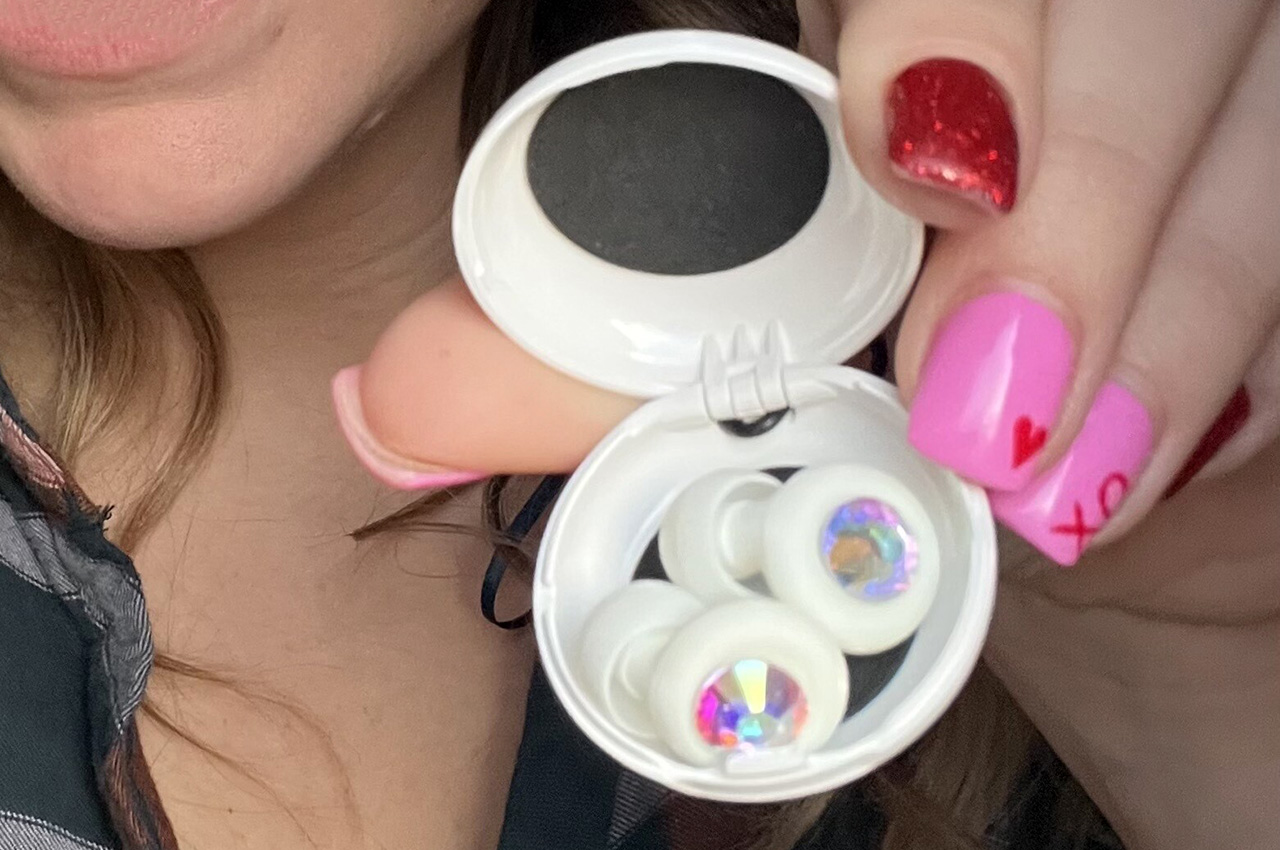
These designer earplugs double as fashionable earrings, revolutionizing our perception of personal audio protection. They seamlessly blend sound reduction capabilities, effectively reducing noise by up to 28 decibels (NRR 14), with aesthetic appeal. Unwanted noise is effectively blocked without sacrificing style. Meeting the modern need for noise reduction without compromising on fashion, JING Earplugs transform ear protection from a functional necessity to a fashionable accessory. They provide significant protection in noisy environments while still allowing for the enjoyment of the ambiance.

Interchangeable Gemstones

JING’s earplugs, designed by an award-winning fashion designer, feature interchangeable gemstones. This allows users to tailor their look based on their outfit, mood, or occasion. Made from high-quality, flexible silicone, the earplugs effectively block out unwanted noise while ensuring comfort and durability for prolonged wear. The ear tips are available in three sizes to best fit each individual’s unique ear canal shape. Additionally, the ear tips are washable and reusable, adding to their sustainability.

Hearing loss is a growing concern, with around 466 million people, or 5% of the world’s population, experiencing disabling hearing loss. It can occur at any age but is most common in those over 60. Exposure to excessive noise is one of the leading causes, underscoring the importance of ear protection for all ages. As a passionate advocate for hearing health, I strongly champion the use of ear protection to preserve our hearing and improve our quality of life.

The need for adequate ear protection grows as the world becomes increasingly noisy. JING Earplugs offer a stylish and practical solution to this issue. Their innovation lies in their design and function, reducing noise without compromising style and comfort. With the rising concern of hearing loss, it’s crucial to prioritize our hearing health. Products like JING Earplugs serve as effective protective gear and challenge the conventional perception of ear protection, making it a fashionable accessory. There are two color options available: Midnight Black and Glacier White. For enhanced portability, it comes with a protective carrying case, which makes it easy to carry and use as needed.

Click Here to Buy Now: $32 $40 (20% off). Hurry! Only a few days left!

The post Fashionable Designer Earplugs that Prioritize Style and Hearing Protection first appeared on Yanko Design.
Some Apple Vision Pros are cracking down the center. To understand why, look at the shape of the KitKat bar.

Feel free to call it the “Spatial KitKat Hypothesis”…

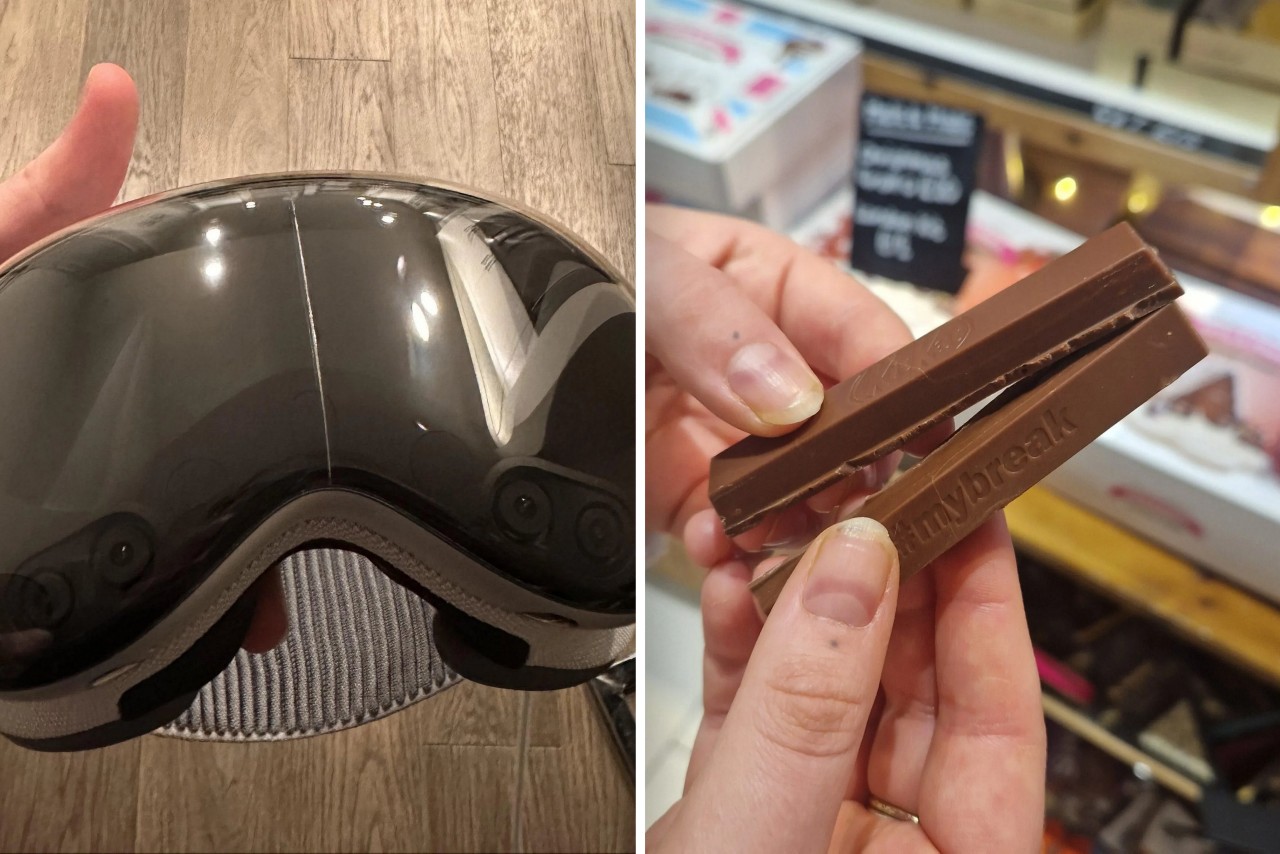
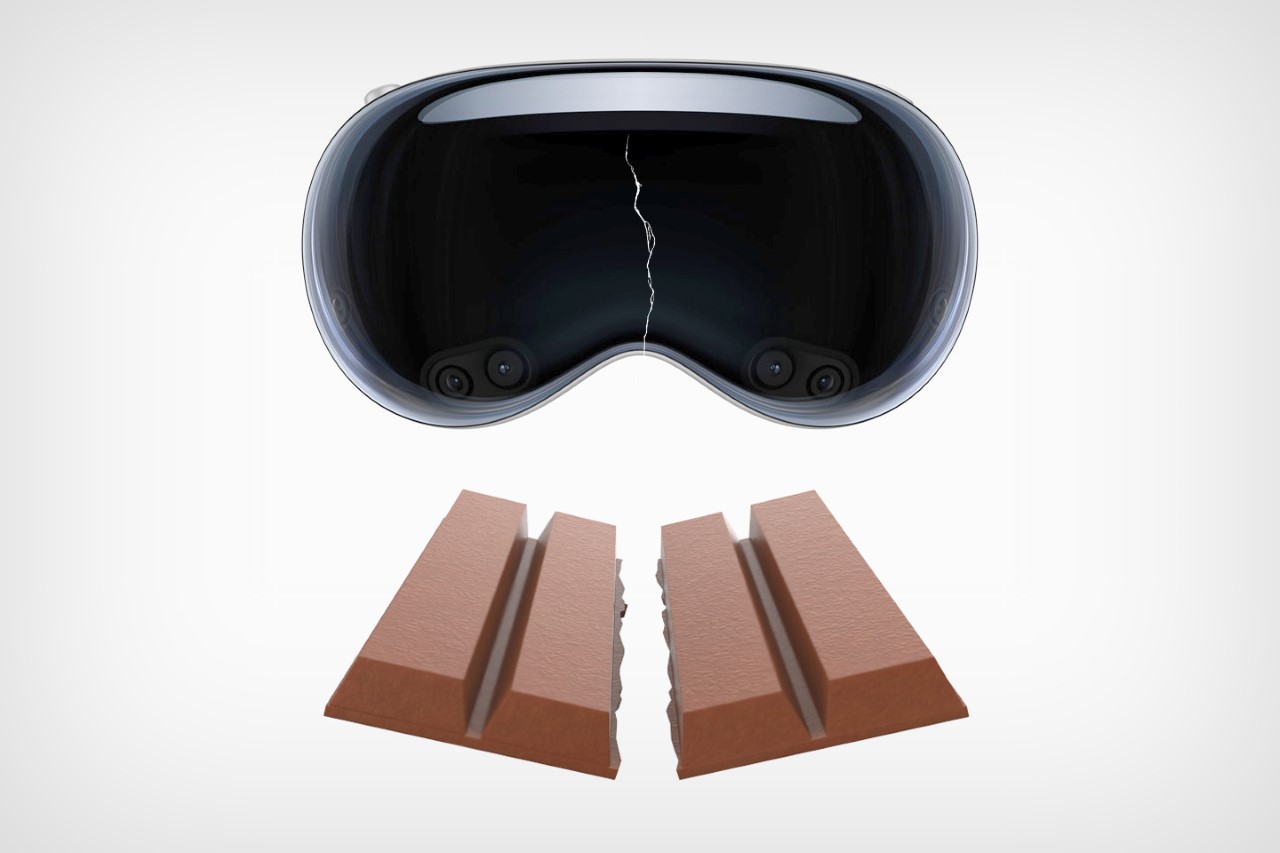
The Apple Vision Pro wasn’t designed to bend, but when you’ve got two straps pulling on the massive headset from either side with a human head in the middle acting as a wedge of sorts, the headset’s bound to feel some stress at its weakest point. Theoretically, that weakest point lies at the nose bridge, or the narrowest part of the Vision Pro’s design. If you imagine the Vision Pro to be a massive KitKat, or a Toblerone, or any bar of chocolate for that matter, it’s usually the narrowest part that’s designed to snap, resulting in a perfectly broken piece of chocolate. The problem here, however, is that this particular ‘chocolate’ is a cutting-edge spatial computer that costs upwards of $3500.

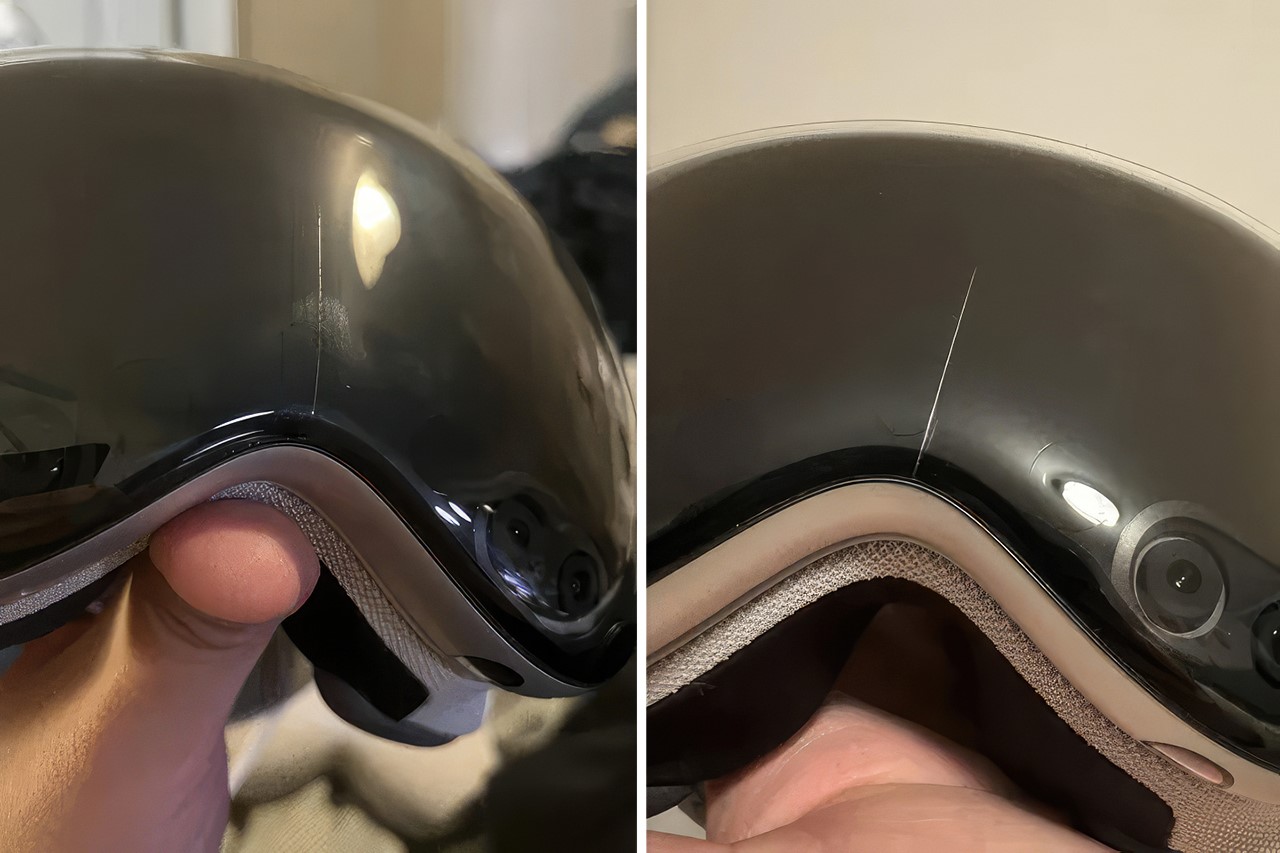
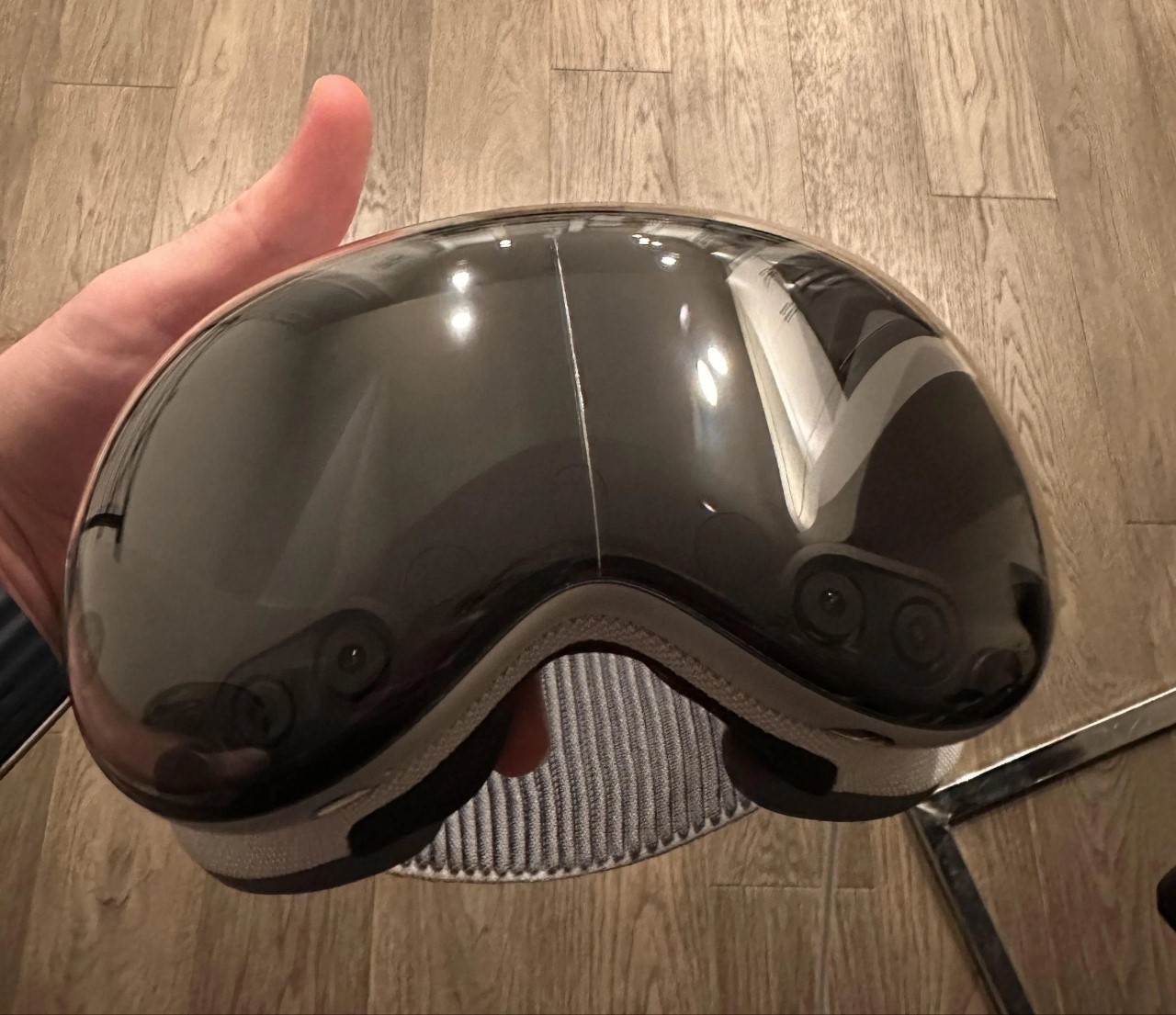
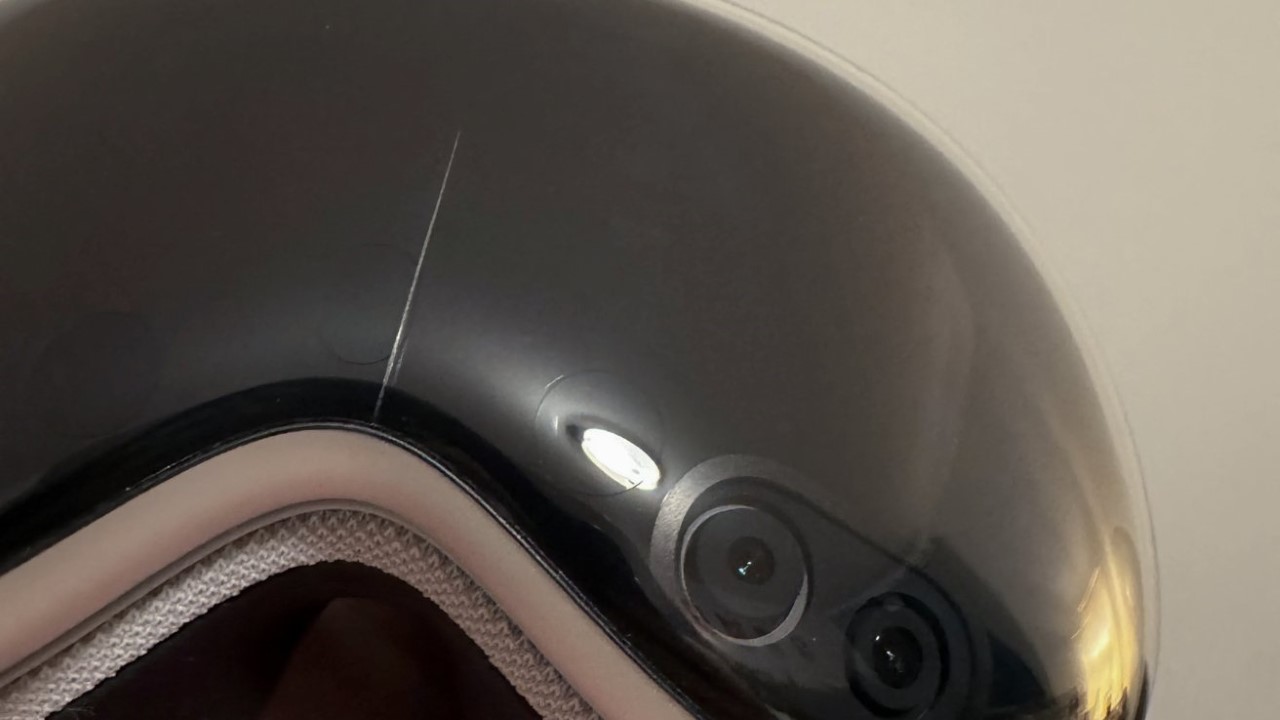
It seems like Apple products don’t really have great luck when it comes to structural soundness. If you remember exactly 10 years ago, #BendGate was plaguing the 2014 iPhone 6, a scandal that arose after people found their iPhones bending in their pockets when they sat down. Sure, Apple worked hard to fix the iPhone 6’s flimsy design (in part because people were just walking into Apple Stores and folding iPhones in half), but #bendgate still lives on in infamy, especially through its latest avatar, or what people are calling #CrackGate. Multiple users are reporting that the Vision Pro’s glass is cracking almost perfectly down the center, for no apparent reason. The crack runs almost perfectly symmetrically, going from the nose upwards, causing an extremely visible fault line right down the center. While it doesn’t seem to affect the Vision Pro’s actual functionality, it’s just like getting a scratch right down the side of your Lamborghini, emotionally gut-wrenching.

The reason, however, isn’t really clear (in part because Apple hasn’t officially addressed the issue or offered repairs), but multiple users have their own theories. Some sleuths noticed that the crack almost always emerges right near the LiDAR sensor, causing speculations that the invisible light from the sensor may be weakening the glass. Others claim it’s a heat-related issue, caused by the fact that most people don’t turn their Vision Pros off after using it for the day, causing it to heat up and the aluminum frame to expand, cracking the glass. The latter theory makes much more sense than the former, but there’s yet another issue that could just contribute to the glass’ structural weakness, and its most simple explanation lies in the shape of a KitKat bar.

Unless you’re an absolute psychopath who chomps right into the KitKat bar, chances are you follow the protocol of breaking it down its linear ridge, creating individual KitKat fingers that you can easily eat. The bar’s practically designed for this interaction, allowing you to snap off individual ‘batons’ that you can either share or eat on your own. The physics behind this design is as simple as it gets. The individual fingers are connected by a small valley of chocolate, which can easily be snapped with little pressure. The reason the KitKat always breaks at this ridge is because it’s easily the most vulnerable part of the chocolate bar. Similarly, the Vision Pro has the same problem. The ‘nose bridge’ on the front is where the Vision Pro’s glass panel is at its narrowest. Apply enough stress to the area and chances are, just like a KitKat bar, it’ll break there first.

Heat could be a contributing factor to this structural weakness, but let’s not forget, the Vision Pro comes with a headband that’s secured to its sides. Wear the Vision Pro on your face, and the headbands tug on the headset from the left and right, while your face being the solid mass it is, applies forward pressure. The rest of the Vision Pro is made from Aluminum, a material famous for being able to bend easily (no points for guessing what the iPhone 6 was made of), but glass – especially curved and hardened glass like the one on the front of the Vision Pro – isn’t really susceptible to bending. The result? A crack at its weakest point, caused by people wearing the headset too tight, coupled with the obvious heat issues because people don’t turn their Vision Pro off every night.

There are two solutions to this problem – the first comes from MKBHD and a bunch of other tech experts, who recommend turning the Vision Pro off after use and disconnecting the battery pack every night so the headset doesn’t keep running and heat up. The second solution is much more obvious, and is an indication of Apple’s hubris. In the pursuit of creating ‘the greatest spatial device ever seen’, Apple’s premium choice of materials is biting them in their backside. The Vision Pro’s aluminum structure is notoriously heavy, causing neck fatigue for people wearing it for long hours… but more importantly, the use of glass on the front seemed highly unnecessary. A well-polished plastic facade on the front would have worked just as fine, even if it didn’t line up with Apple’s ‘luxury’ image. It would have been stronger, easier to produce, and would probably have helped Apple cut costs and boost profits – to the benefit of the consumer. Instead, Apple’s being predictably silent while multiple users are fuming at the prospect of having a difficult-to-ignore crack on their rather expensive $3500 headset.

The post Some Apple Vision Pros are cracking down the center. To understand why, look at the shape of the KitKat bar. first appeared on Yanko Design.
This Electric Delivery Scooter’s base-mounted batteries can be automatically changed by robots

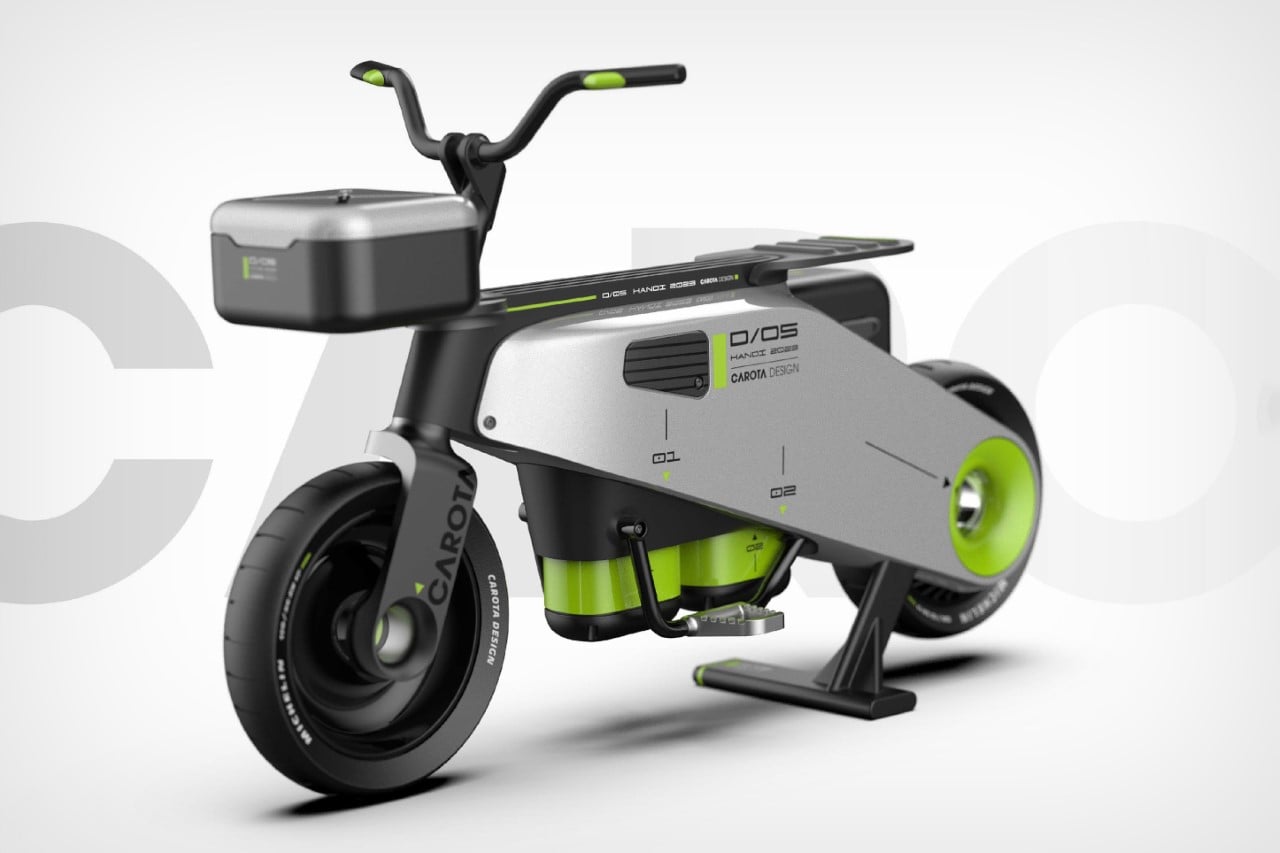
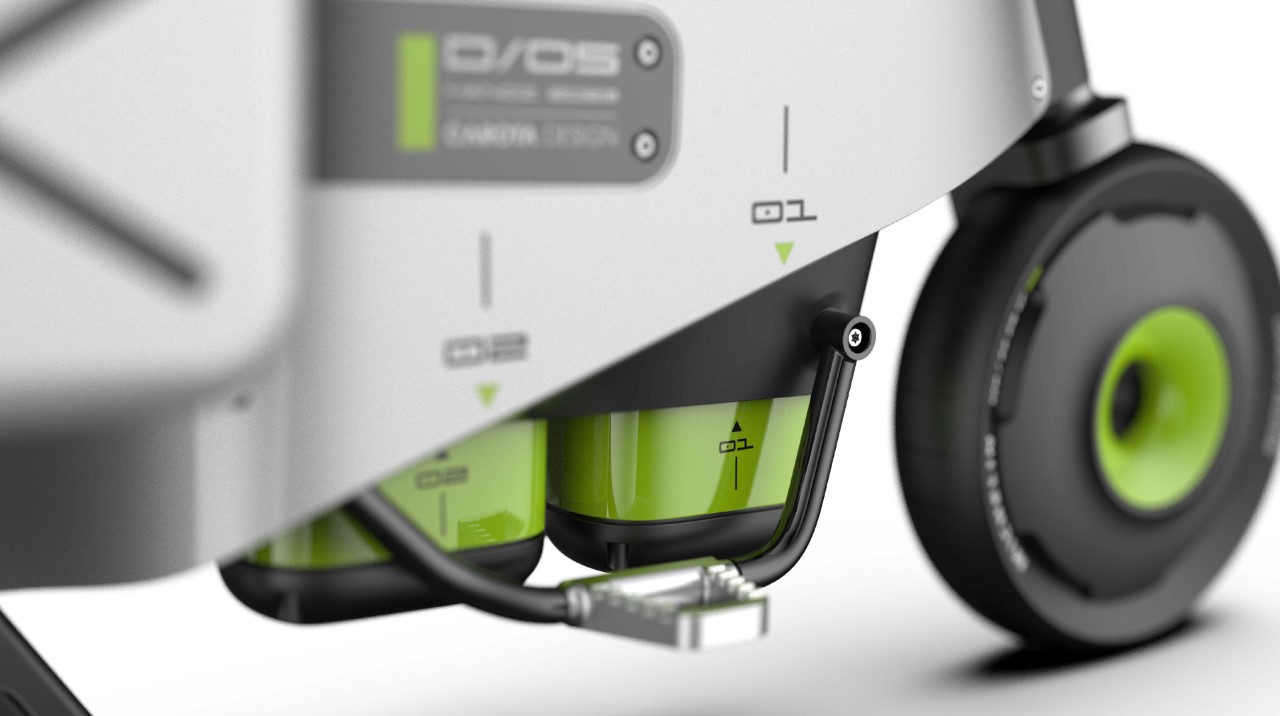
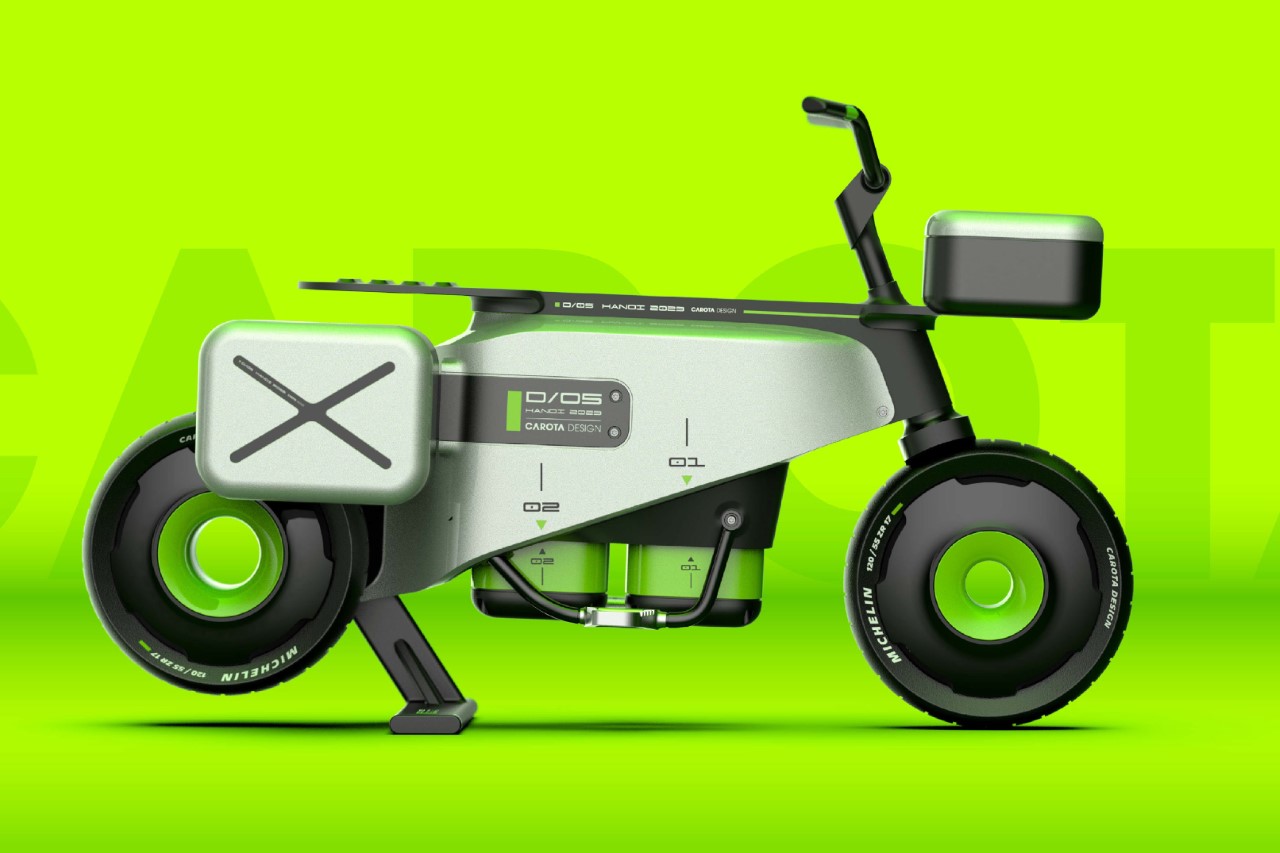
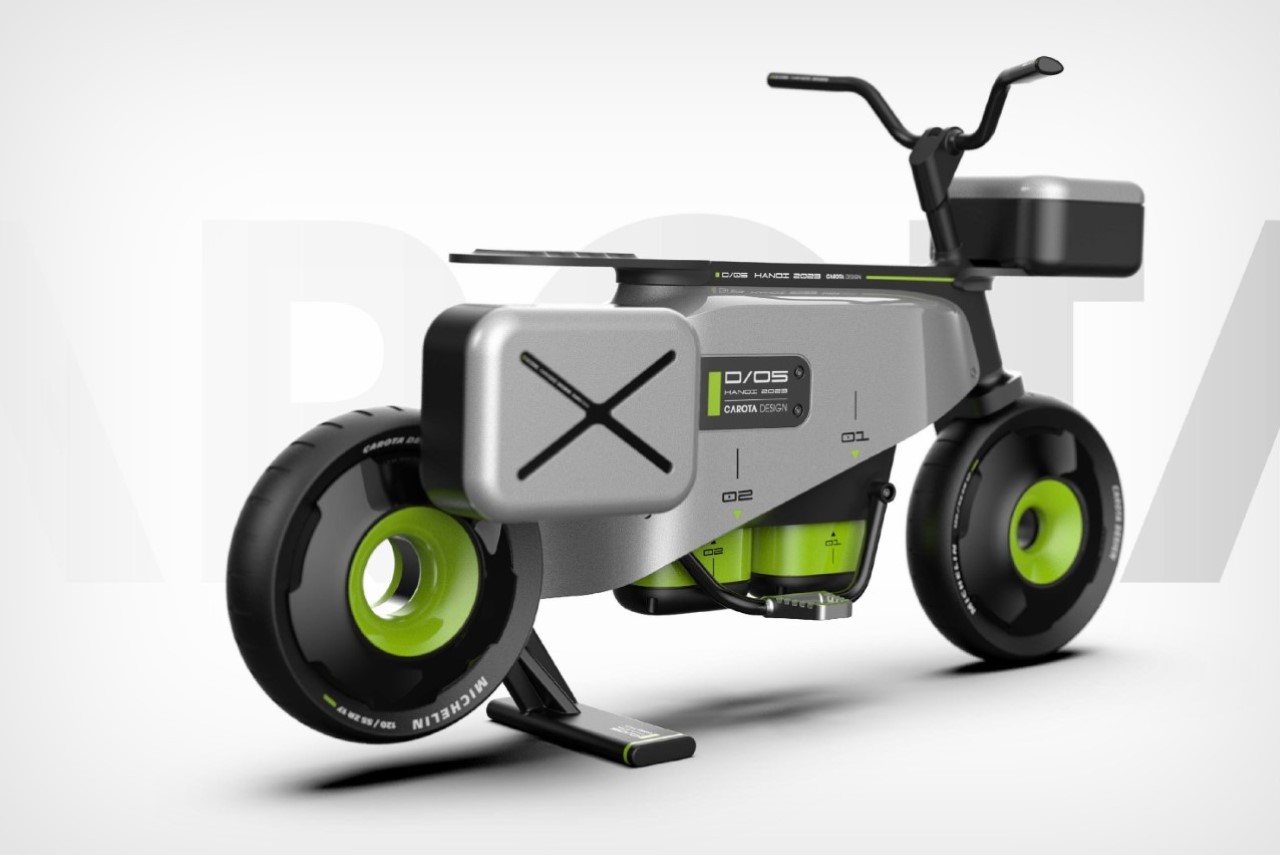
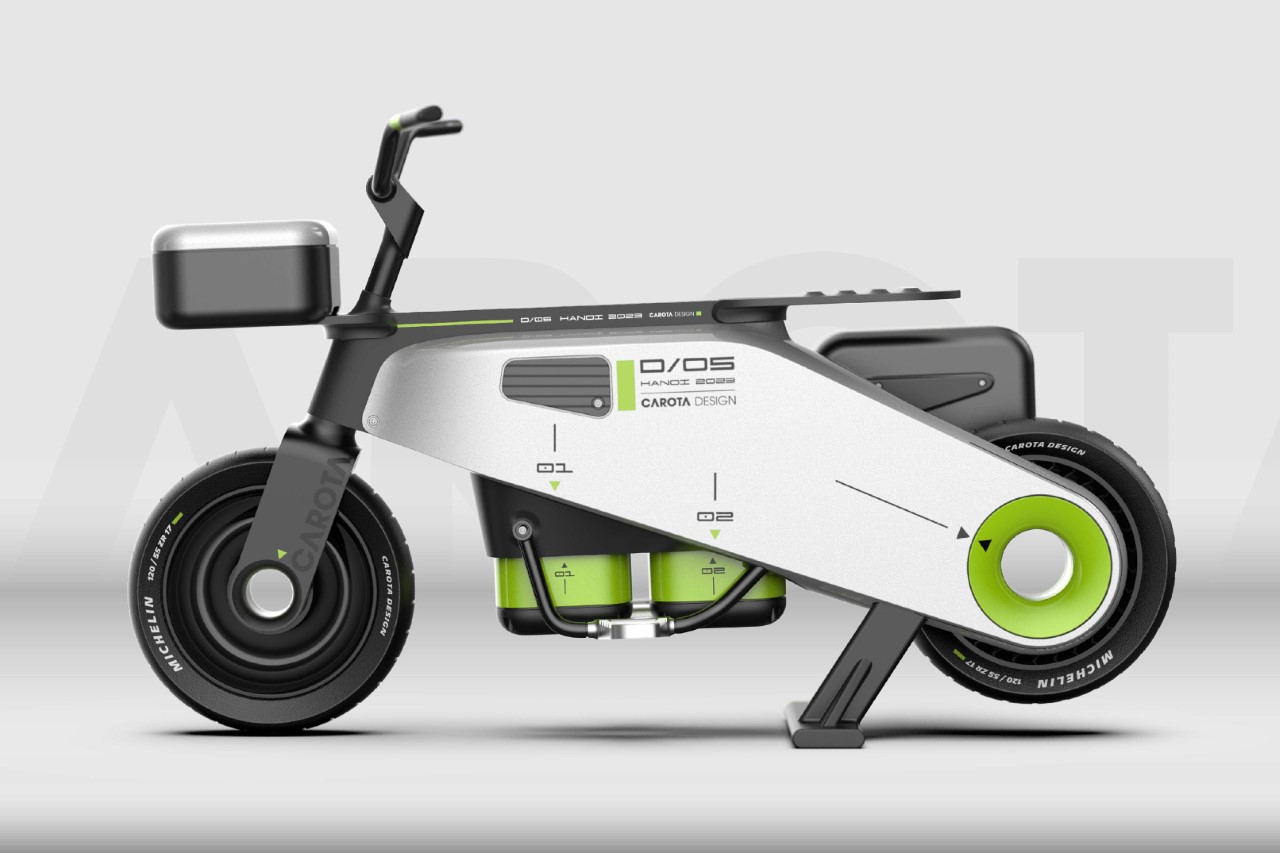
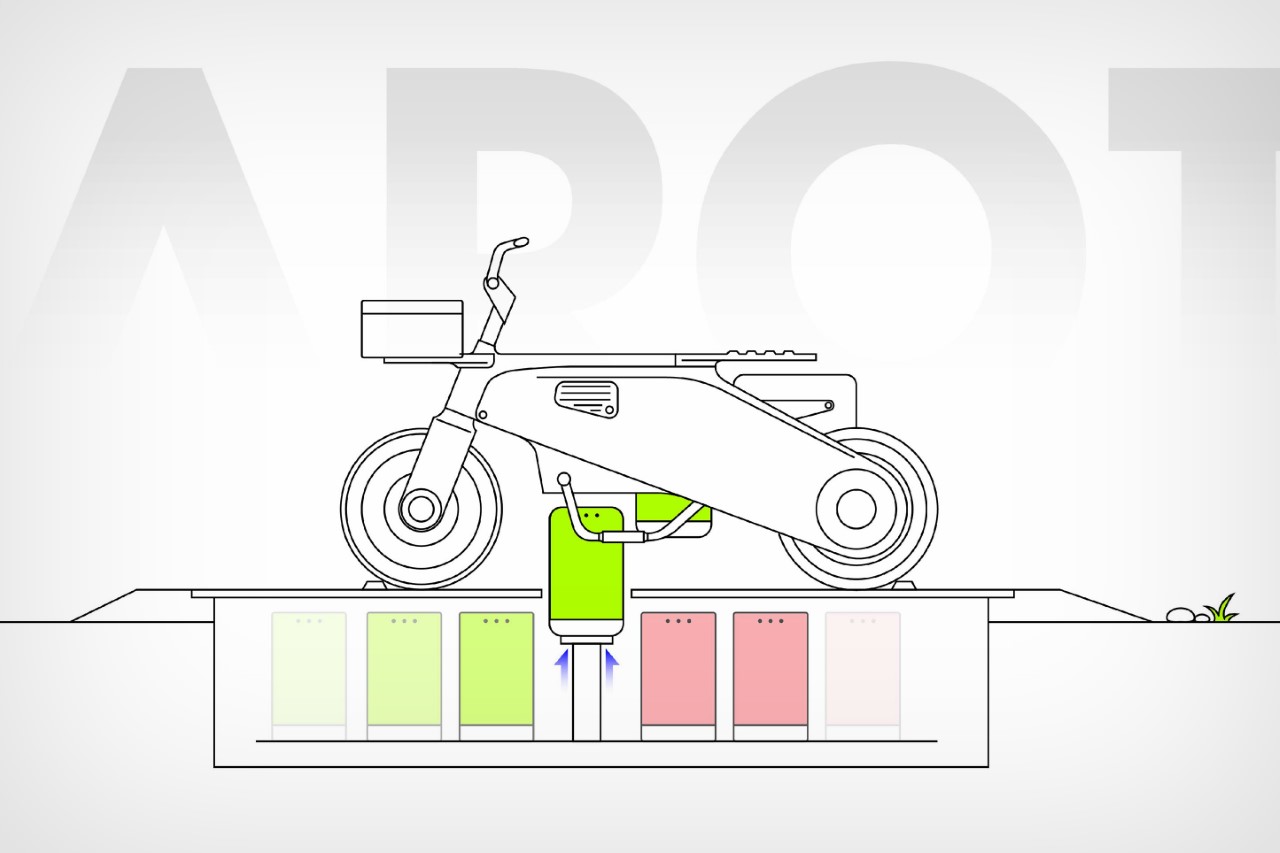
Electric vehicles are increasingly becoming preferred over gas-driven vehicles, but that doesn’t take away from the fact that EVs still have two psychological barriers they need to overcome – range anxiety, and long charging periods. Even with supercharging networks, you still need to wait multiple minutes to boost your batteries as compared to a gas station where you’ve filled your tank in probably under a minute. Electric cars and bikes are still working around trying to find a more tenable solution, but Hanoi-based Carota Design has a clever alternative. The D05 Electric Delivery Scooter concept comes with batteries located in the bottom, but what’s interesting is that they’re only detachable from the bottom too (you can’t lift them out through the top). As a result, the D05 also comes with a unique servicing platform that automatically detaches and replaces battery packs. All you need to do is drive onto the platform and park your electric scooter and an automated setup in the platform takes over the rest, detaching your old battery and inputting a new one, quite like a factory line. The process takes under a minute, is much safer than having humans remove and replace batteries, and is virtually theft and tamper-proof too, since you’d have to tip the entire scooter over onto its side if you wanted to manually take the battery out yourself. Sure, it’s just a concept for the time-being, but even on paper, it completely checks out.

Designer: Carota Design

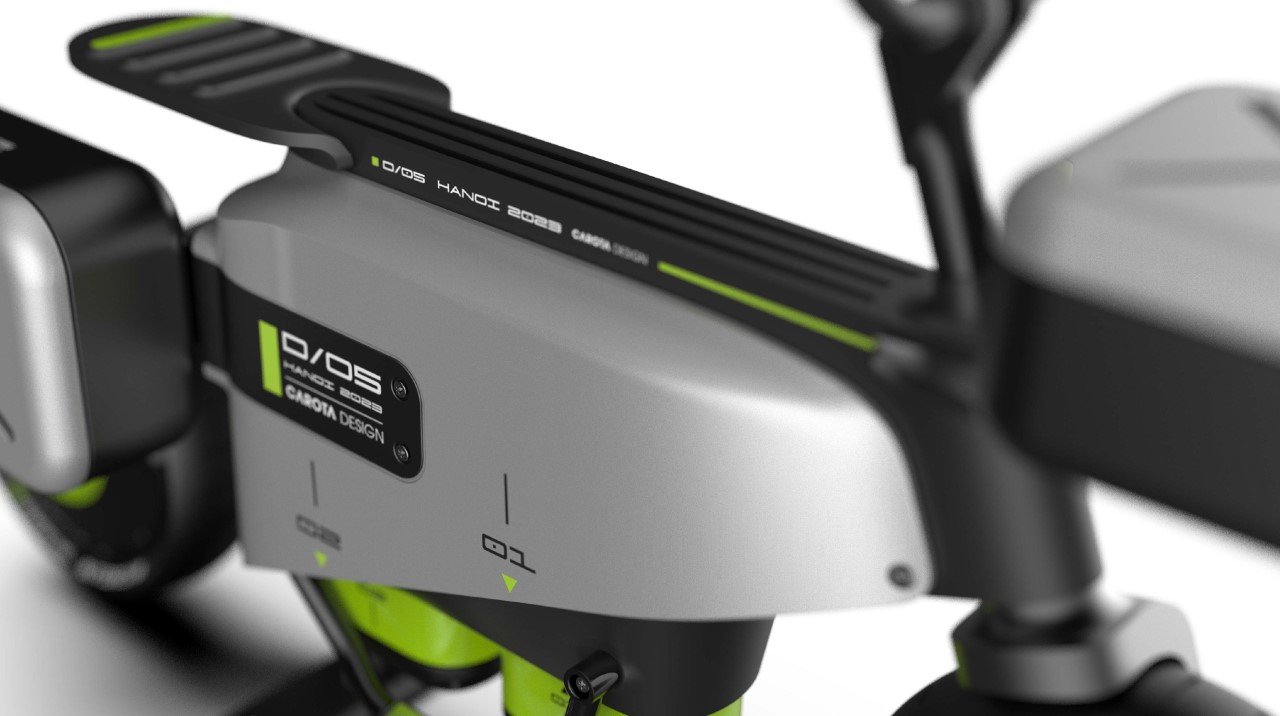
The e-scooter has a rather utilitarian design, given its function. Made for last-mile commutes for deliveries, the scooter adopts a blockish form factor, highlighting its inner components and the two storage areas (one on the front, and one on the side). The D05 seats just one, has a low-hanging form factor that’s made further stable by the base-mounted heavy Li-ion batteries, and even though it’s fairly utilitarian, comes with a rather slick design featuring an interplay between silver and black parts, a clever use of lime green giving the e-scooter a splash of color, and hubless wheels that contribute to the D05’s future-forward design.

The battery-changing platform is pretty simple schematically, but does require a fair bit of technical expertise. The scooter needs to be parked perfectly on the platform for the arm to extend outwards, grab the old battery, disengage it, and replace it with a new battery. It’s rather similar to Tesla’s self-plugging charging snake from nearly a decade ago (2015 to be precise) but doesn’t require to be that calibrated. The battery modules move upwards and downwards, and one single platform can store as many as 7 battery packs (as per the schematic shown above), or even more if you detail it further. The process takes roughly a minute, quite like changing batteries on a TV remote, and once your new batteries are in, the scooter is ready to go.

That being said, having a replaceable battery system, no matter how convenient, does have its concerns. For starters, you need to produce MANY more batteries than EVs, since your battery network will have to account for availability, shortages, etc. That itself is a strain on the environment, but more so, the consumer faces a unique problem too – you don’t know whether the new, charged battery being put in your EV has 100% battery health. The freshly charged battery being added to your e-scooter at the charging platform could be 5-10 years old and therefore offer less range than a brand-new one. Moreover, older batteries could offer vulnerabilities, making the overall system slightly unsafe if they’re not monitored and taken out of circulation. In the broader scheme of things, having a charging network makes more sense because you can simply plug your e-scooter into any power outlet to be on the safe side instead of swapping out your batteries. Hopefully, EV companies could design a hybrid system of charging and battery replacement, making the adoption of EVs much smoother. Older batteries could eventually be recycled too, reducing strain on the environment in the longer run.

The post This Electric Delivery Scooter’s base-mounted batteries can be automatically changed by robots first appeared on Yanko Design.
Activision Blizzard’s ex-CEO Bobby Kotick reportedly wants to buy TikTok

Bobby Kotick, the former CEO of Activision Blizzard who stepped down at the end of last year, is apparently interested in buying TikTok as a new bill in the US threatens to ban the app or force its sale. According to a report by The Wall Street Journal, Kotick mentioned the idea of partnering on such a purchase to OpenAI CEO Sam Altman and others seated with him at a conference dinner last week, and brought it up with ByteDance Executive Chair Zhang Yiming. If TikTok is sold, the WSJ notes, it would likely go for hundreds of billions of dollars.

Kotick led Activision for over 30 years but didn’t exactly leave on a good note. The company has faced multiple lawsuits in recent years, including one it settled with the California Civil Rights Department over alleged pay discrimination in December. In 2021, Activision Blizzard employees staged a walkout and demanded Kotick resign, but that didn’t happen. Kotick ultimately stayed on as head of Activision Blizzard until the completion of Microsoft’s acquisition in 2023.

Kotick’s alleged interest in TikTok comes at a tumultuous moment for the immensely popular platform after lawmakers introduced the “Protecting Americans from Foreign Adversary Controlled Applications Act” last week, which President Biden said he would sign, if it passes. Under the bill, which goes to the House floor on Wednesday for a vote, TikTok’s China-based parent company, ByteDance, would have to sell the app within six months. Otherwise, it’ll be banned from US app stores.

TikTok has been trying to get its millions of US users to rally behind it in wake of the bill’s sudden momentum, and sent out push notifications last week asking users to call their representatives. After the House vote, where it’s expected to be approved after clearing the Energy and Commerce Committee in a unanimous vote last week, the bill would move on to the Senate. While lawmakers’ concerns about TikTok center on fears of data privacy and its connection to China, WSJ notes that involving Altman in its purchase could open the app up to the possibility of being used by OpenAI to train its AI models, which doesn't exactly sound ideal for users, either.

Update, March 22 2024, 12:59PM ET: This article has been updated to clarify the nature of Activision’s settlement with the CRD, and to remove a reference to an unrelated allegation about former CEO Bobby Kotick. While the CRD lawsuit initially included allegations that Activision fostered sexual harassment, the CRD in January filed an amendment withdrawing these claims, and the publicly-filed settlement agreement stated: “No court or any independent investigation has substantiated any allegations that: there has been systemic or widespread sexual harassment at Activision Blizzard; … or that Activision Blizzard’s Board of Directors, including its Chief Executive Officer, Robert Kotick, acted improperly with regard to the handling of any instances of workplace misconduct.”

This article originally appeared on Engadget at https://www.engadget.com/activision-blizzards-ex-ceo-bobby-kotick-reportedly-wants-to-buy-tiktok-210826589.html?src=rss

Teenage Engineering-inspired Nintendo Switch feels like the minimalist handheld console we deserve

Teenage Engineering has created a niche in the music tech market with rule-defiying products that tap into the inquisitive nature of things. No matter if it’s a field system, wireless audio, or synthesizers; if it’s from Teenage Engineering, it’s got to be worth talking about. That’s the sole reason we just love everything from the Stockholm-based audio wizard.

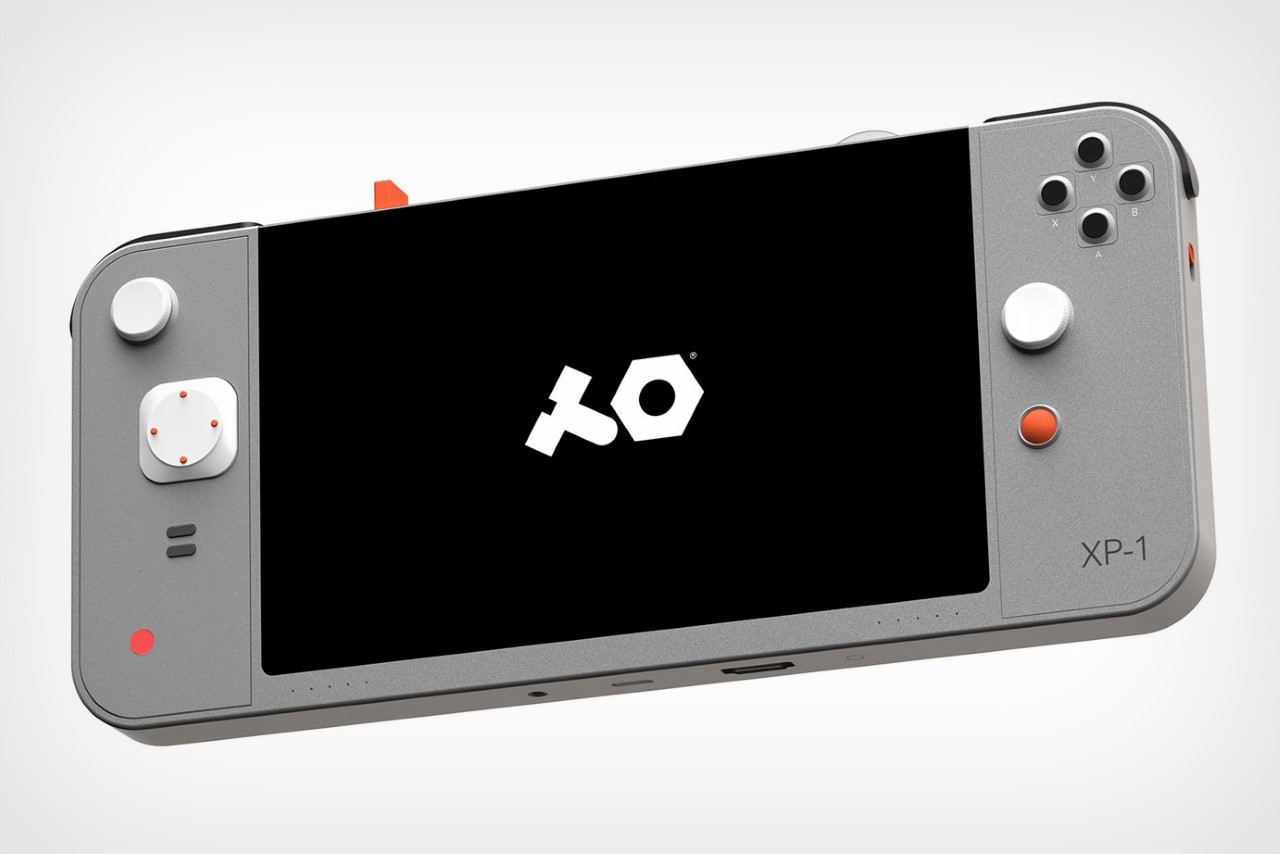
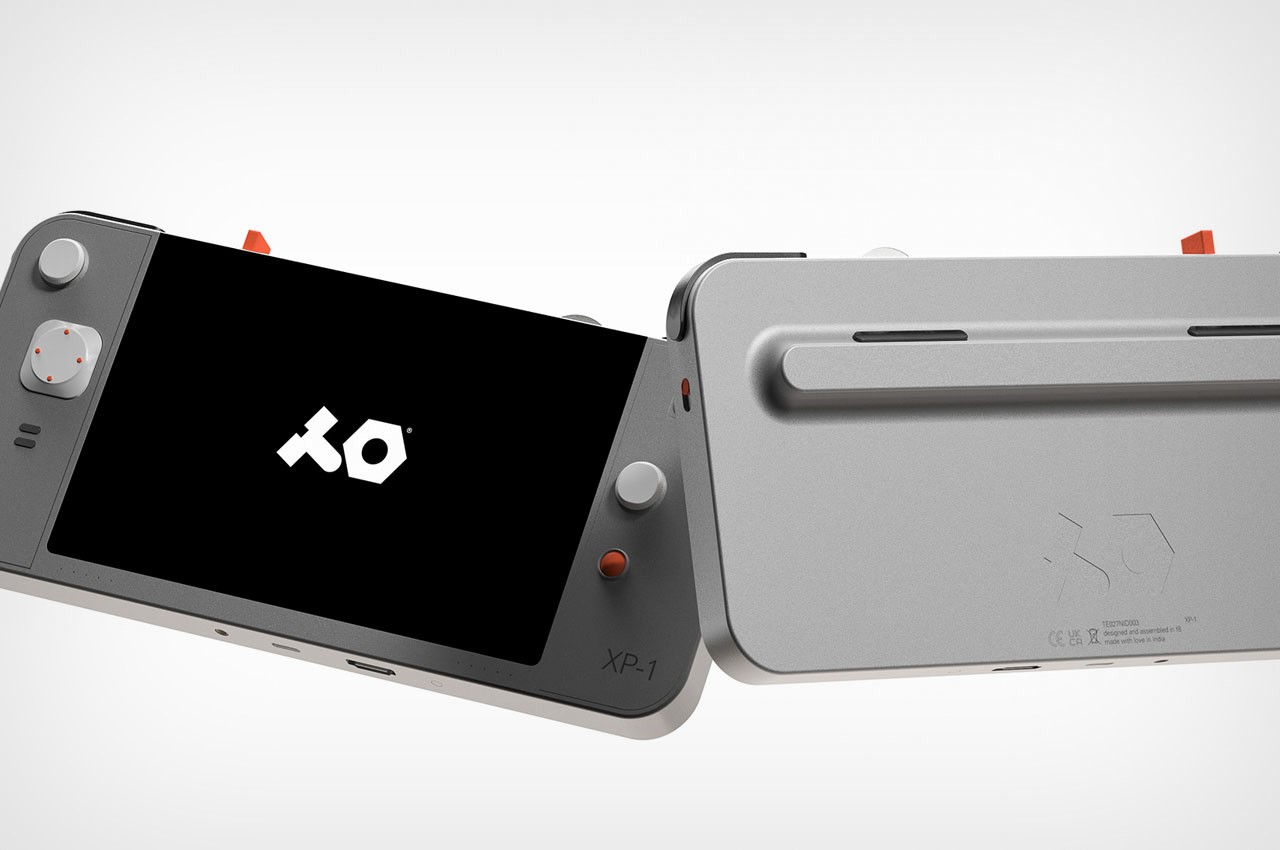
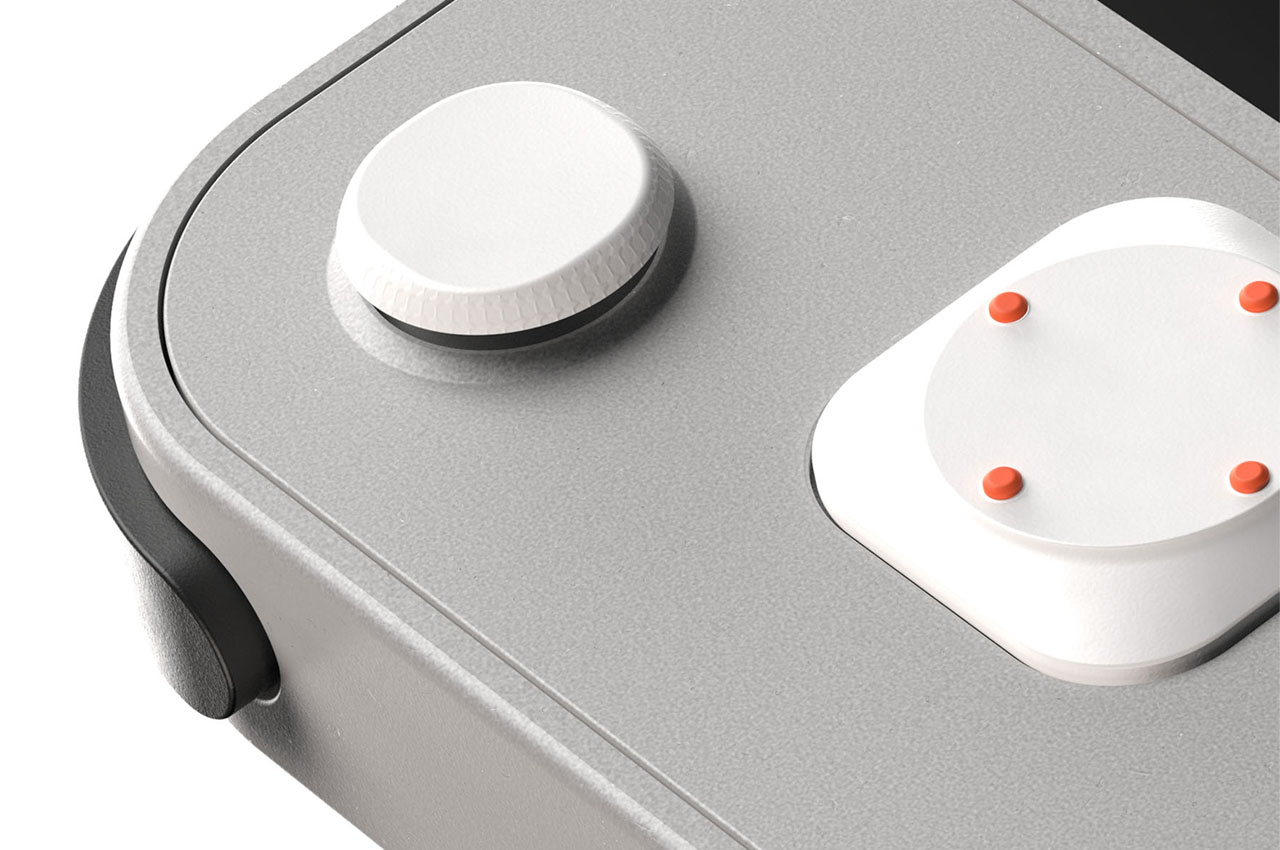
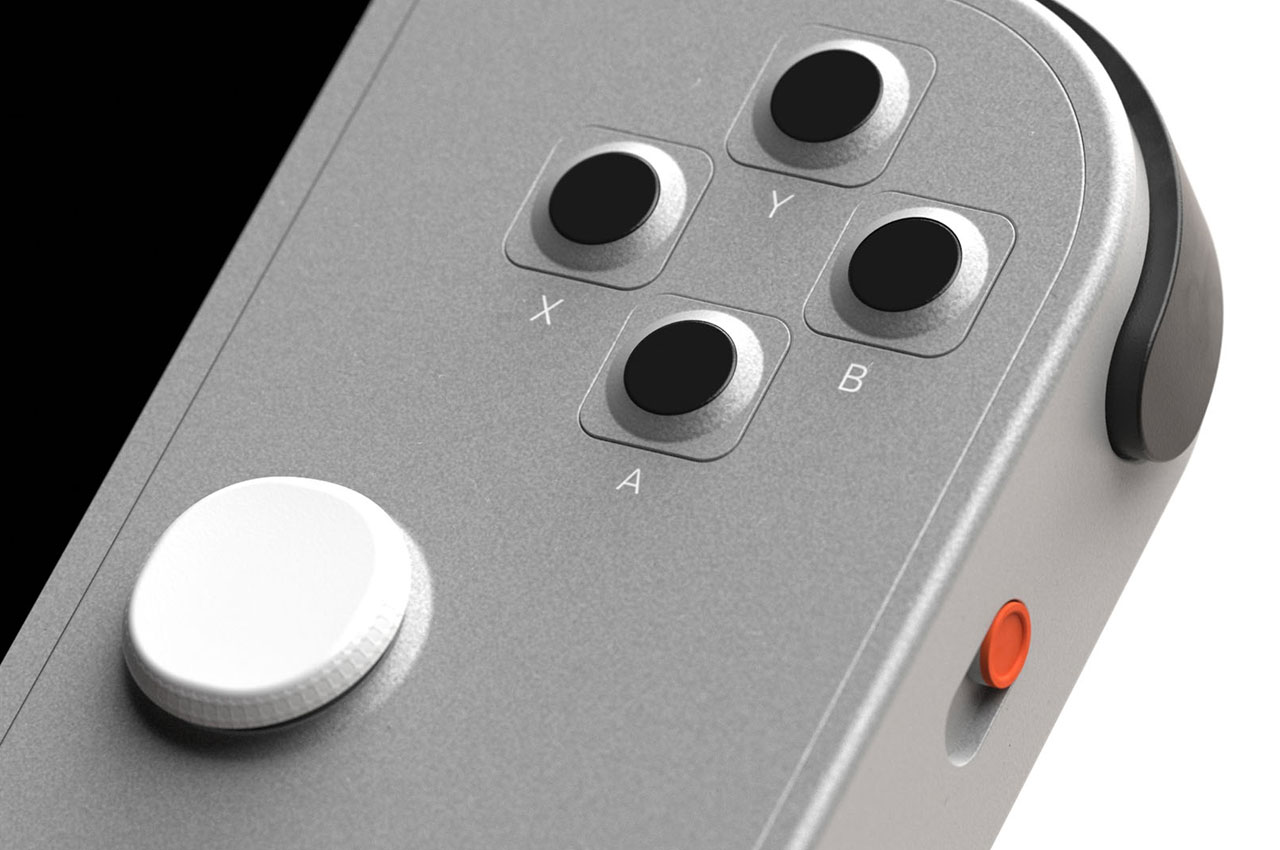
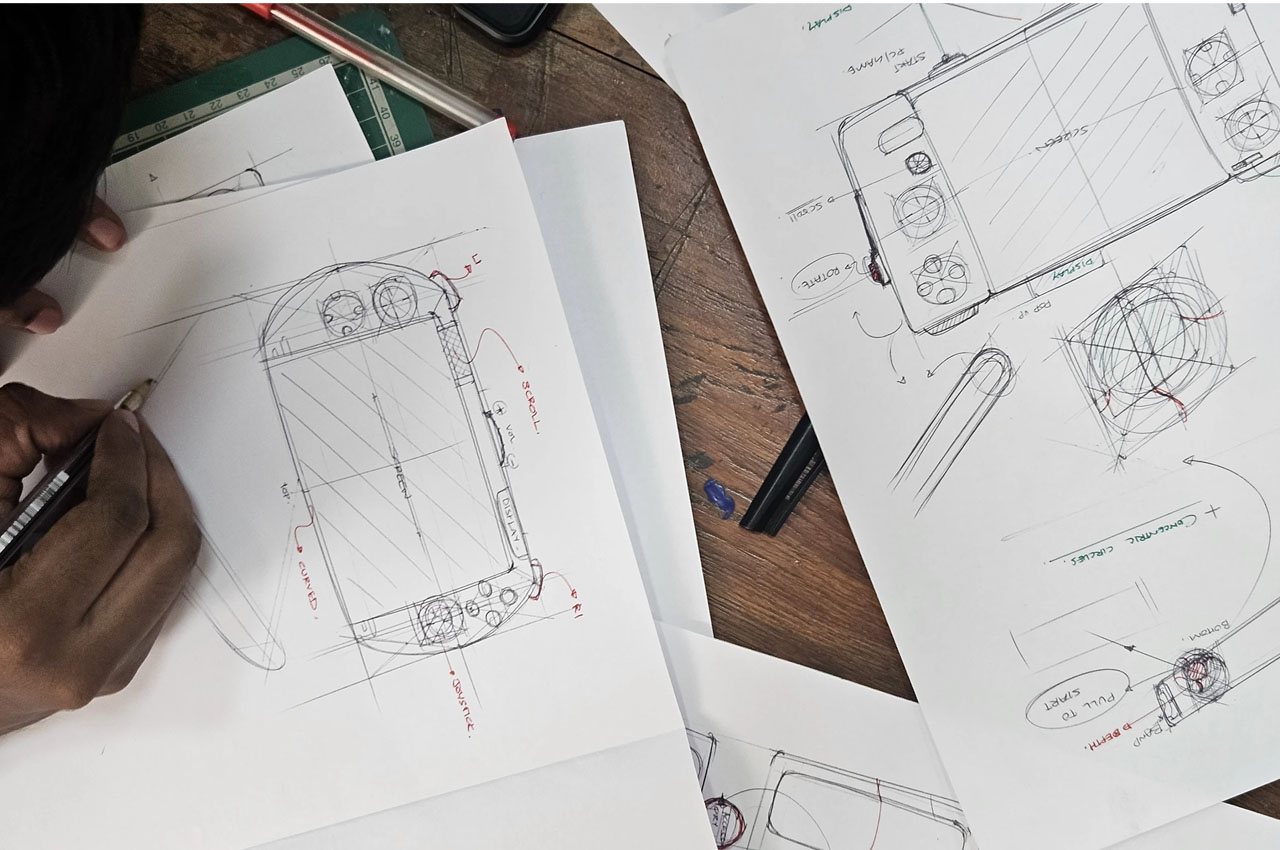
This time around though, it’s not something coming out of their creative factory, but rather a culmination of creative thoughts from a designer to muster up a winning product envisioned for TE. A handheld gaming console that’s fun to play around with and also one that doesn’t deviate from the core ethos of the brand. According to the designer the handheld blends into any environment, “triggering the nostalgic feeling and providing fun to the users.”

Designer: Nidharshan Suresh

The primary motivation behind this concept gaming console carrying the DNA of Teenage Engineering is to break the monotony in the design of current handheld consoles and refresh the market with a product that’s a delight to savor. The initial research identified the reason for playing games as an escape from the daily stresses of life. Another couple of motivators are the ability to boost problem-solving capabilities and live a story in pseudo-reality. One fact that was clear from the data was the end-users who are either on-the-go gamers, tech geeks, softcore gamers, or socializers.

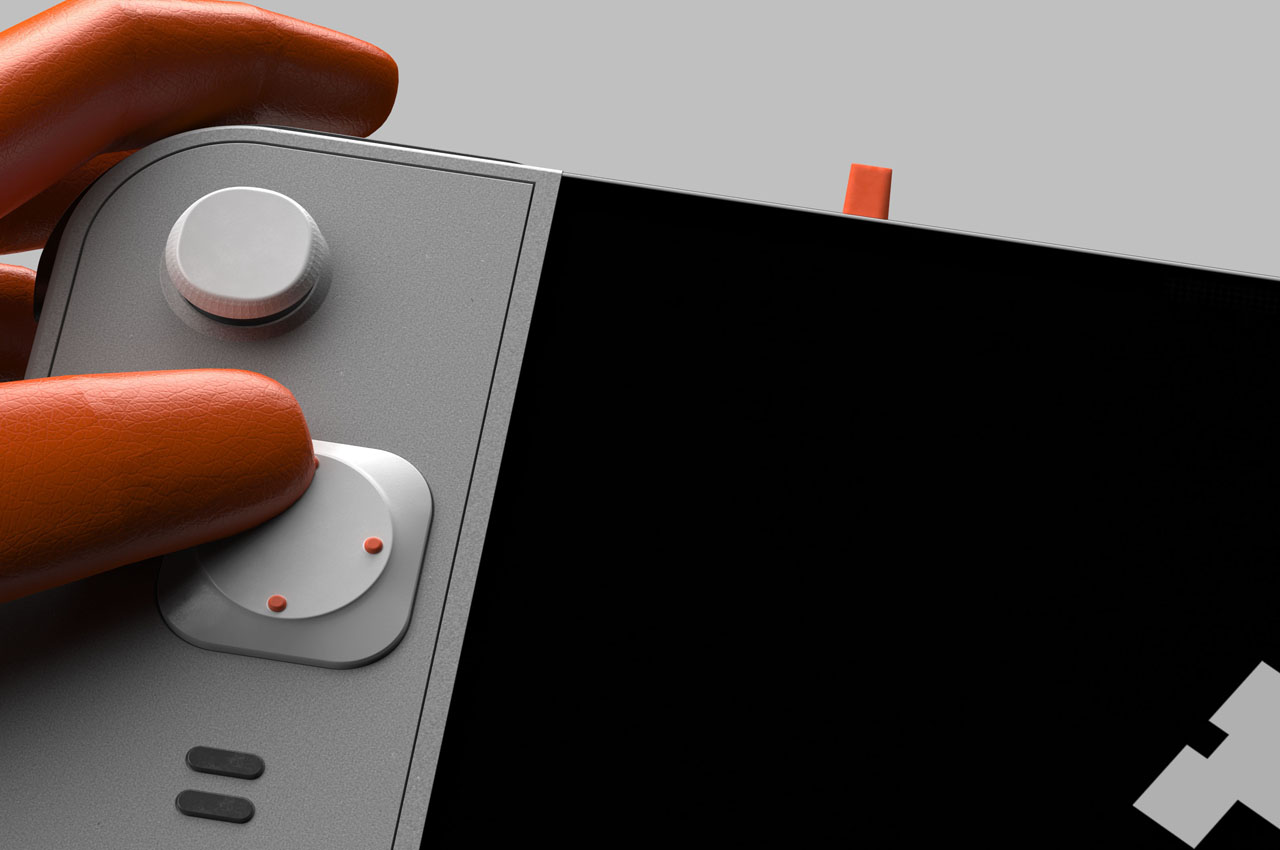
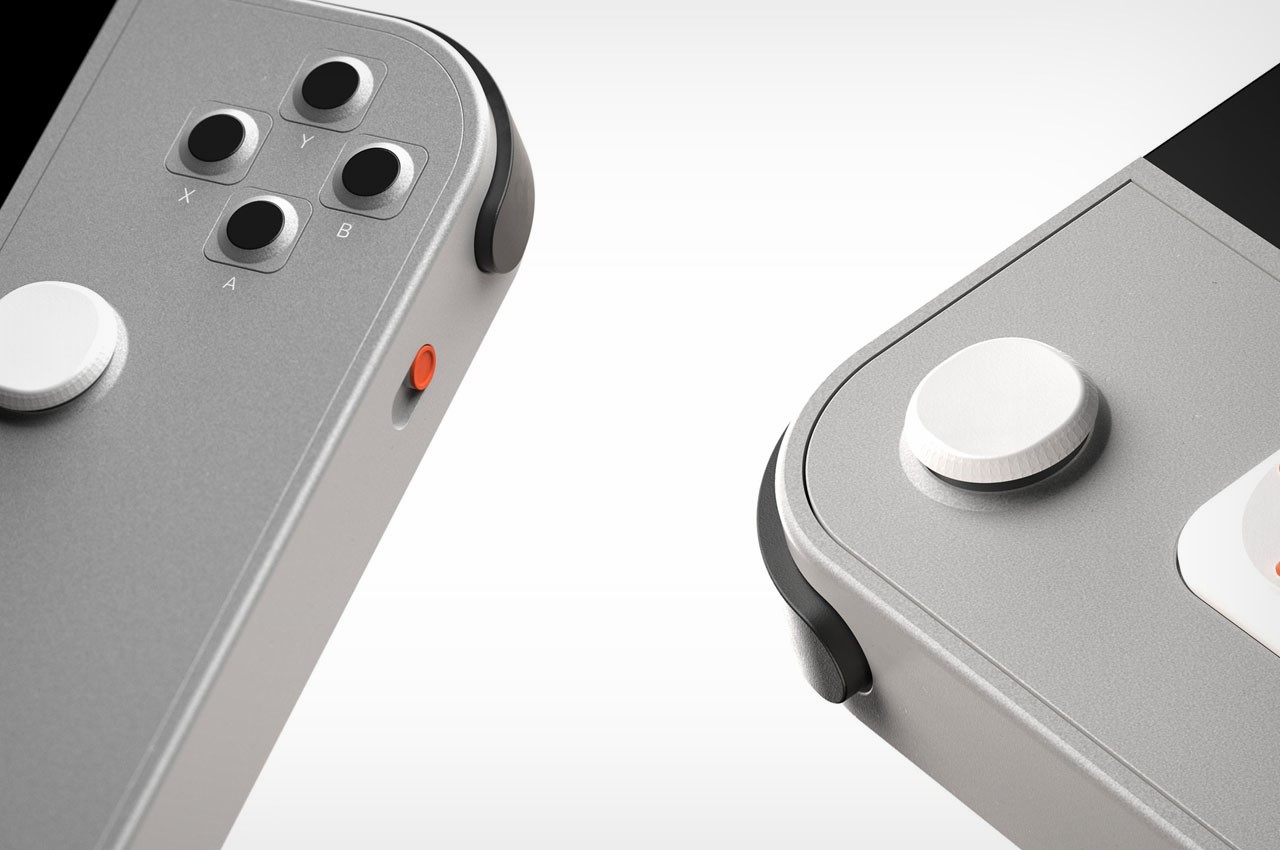
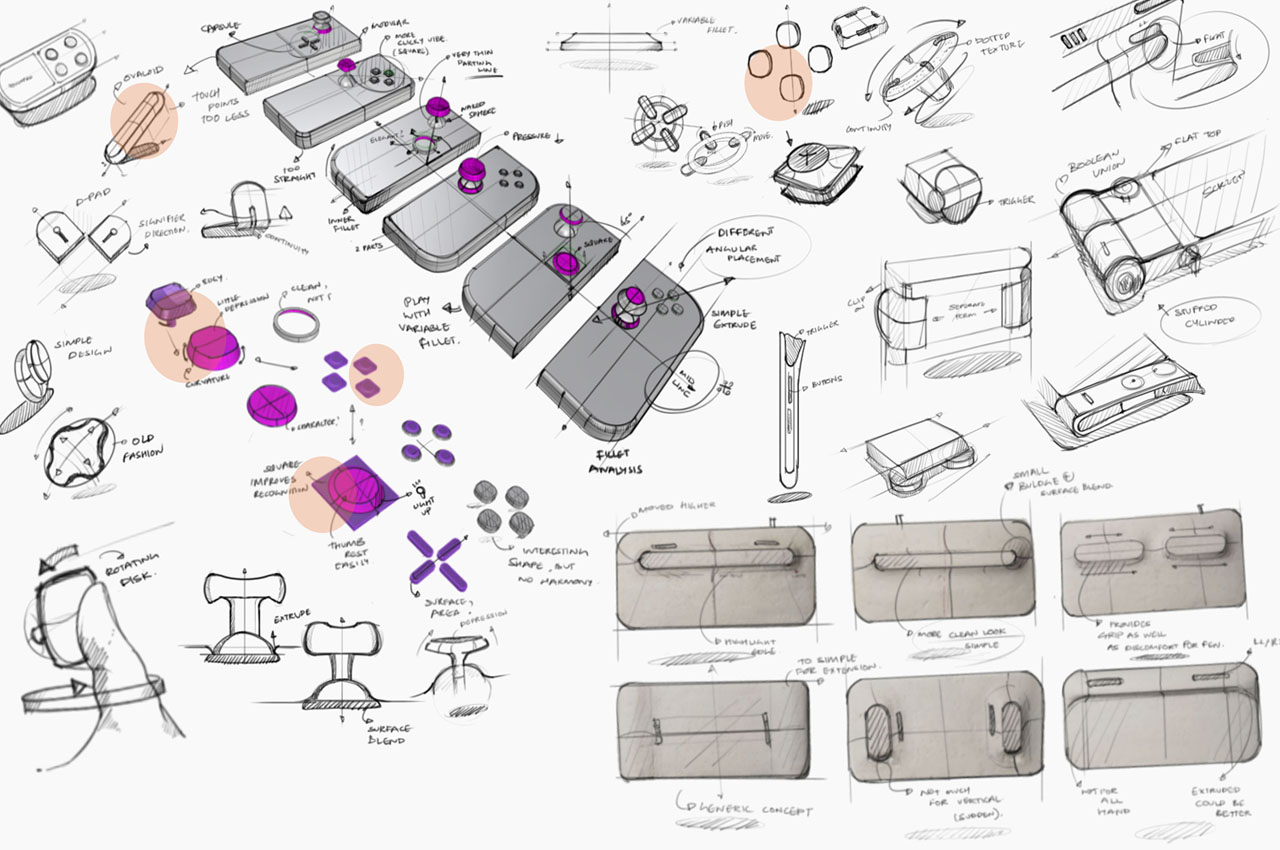
Nidarshan employed parallel prototyping using thermocol models to fine-tune the final handheld design that falls right into place. As a TE fan, I immediately found a connection between two different worlds of audiophile bliss and gaming frenzy in this product. A cohesive form that’s minimal while retaining the ergonomic comfort of playing games for extended sessions. The color theme also piques interest in the form of orange, black and white buttons for the joystick and D-pad buttons.

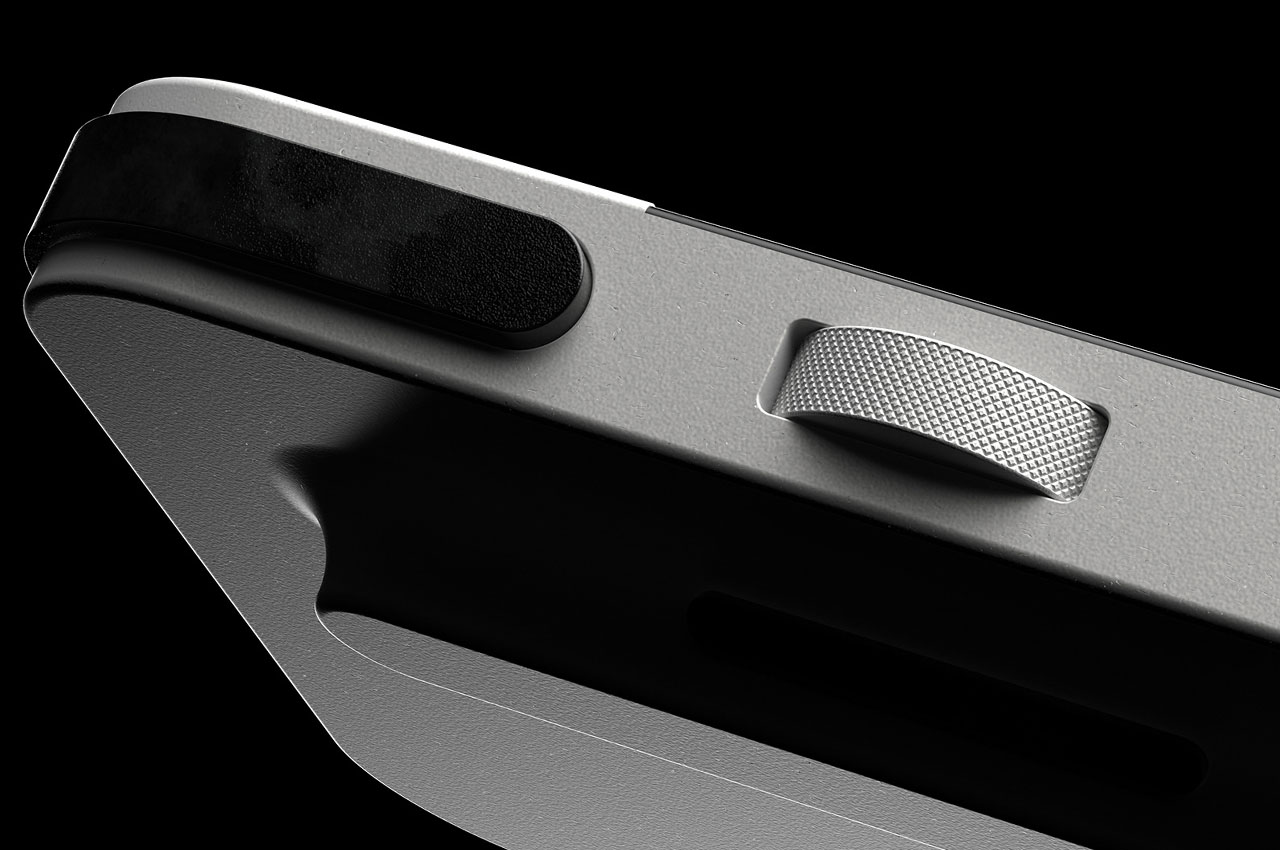
The slim form factor ensures your fingers never get fatigued from constantly hitting the trigger buttons on the top. From what’s apparent this handheld gaming console is quite compact compared to the current market leaders like Steam Deck, Asus ROG Ally, or Nintendo Switch. That alone is a win for someone like me with small hands.

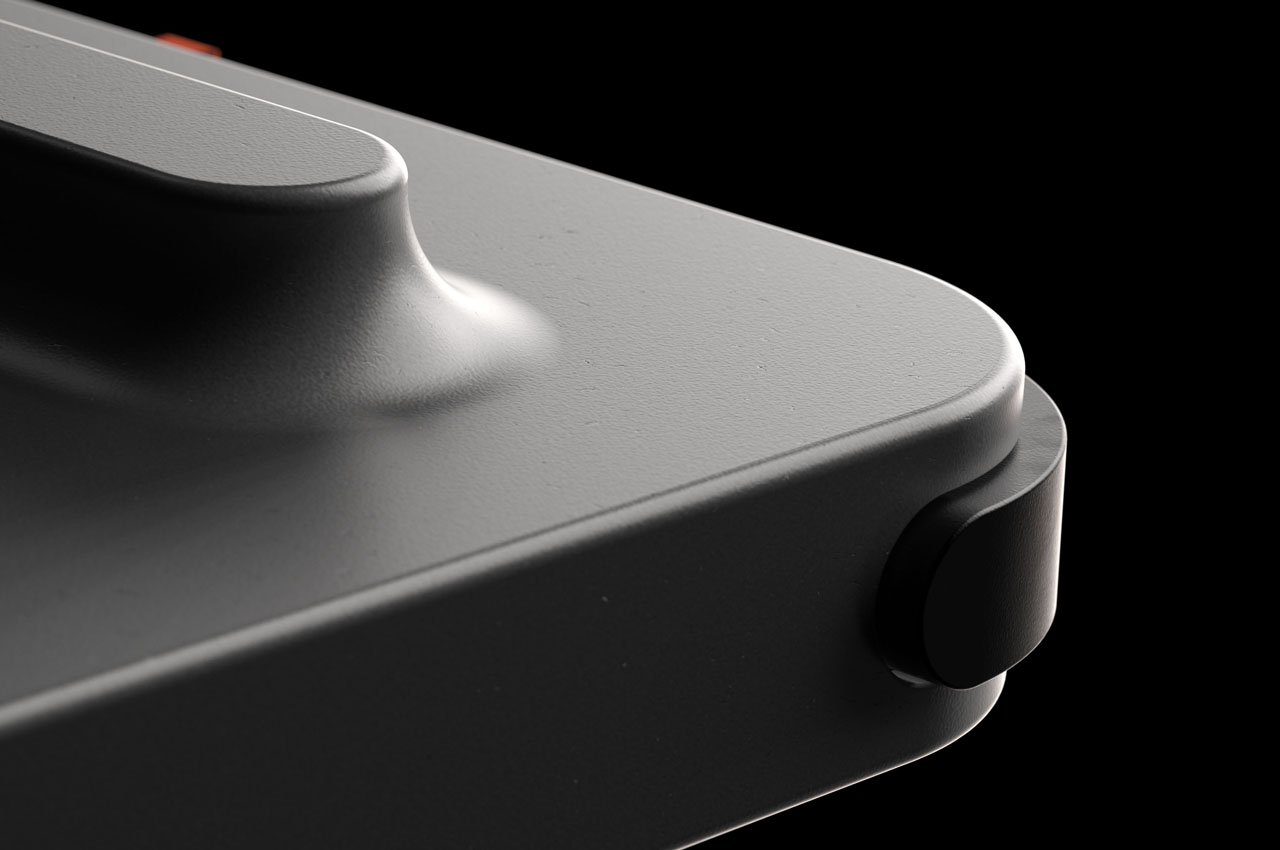
The titanium silver grey finish brings a new look to the arena which I absolutely love. Whether or not such a handheld is going to disrupt the market, only time will tell, that is if, Teenage Engineering ever designs a handheld gaming console in the near future!

The post Teenage Engineering-inspired Nintendo Switch feels like the minimalist handheld console we deserve first appeared on Yanko Design.
This gorgeous Umbrella-inspired lampshade can be opened or closed to adjust brightness

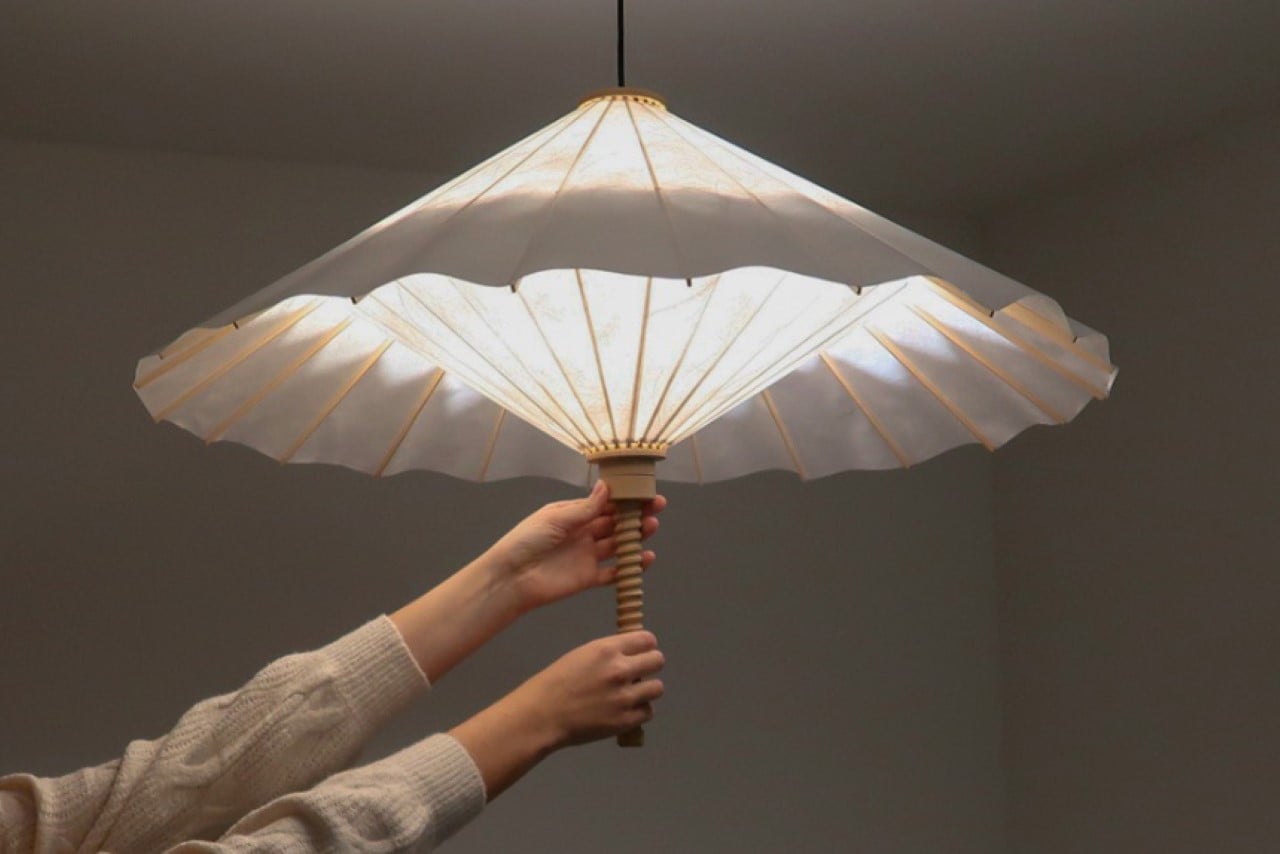
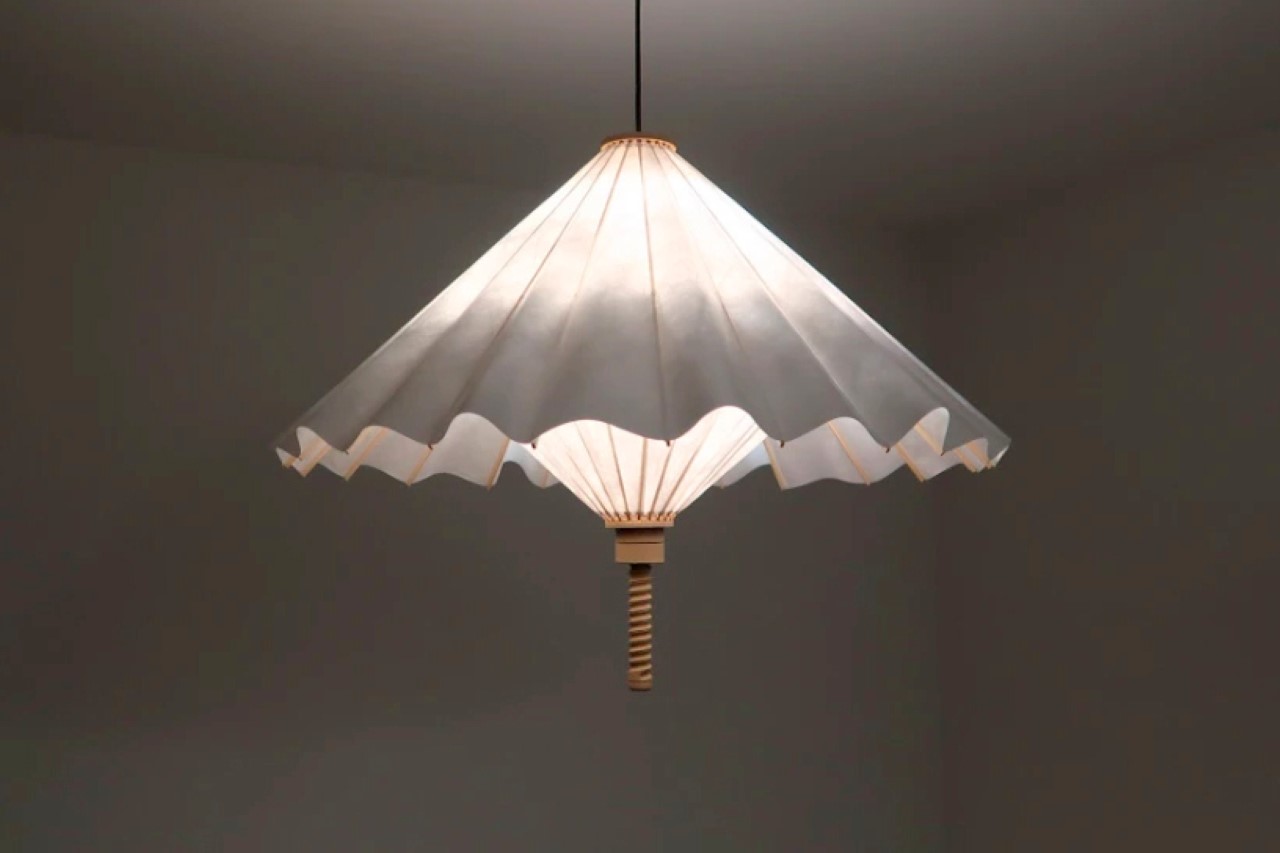
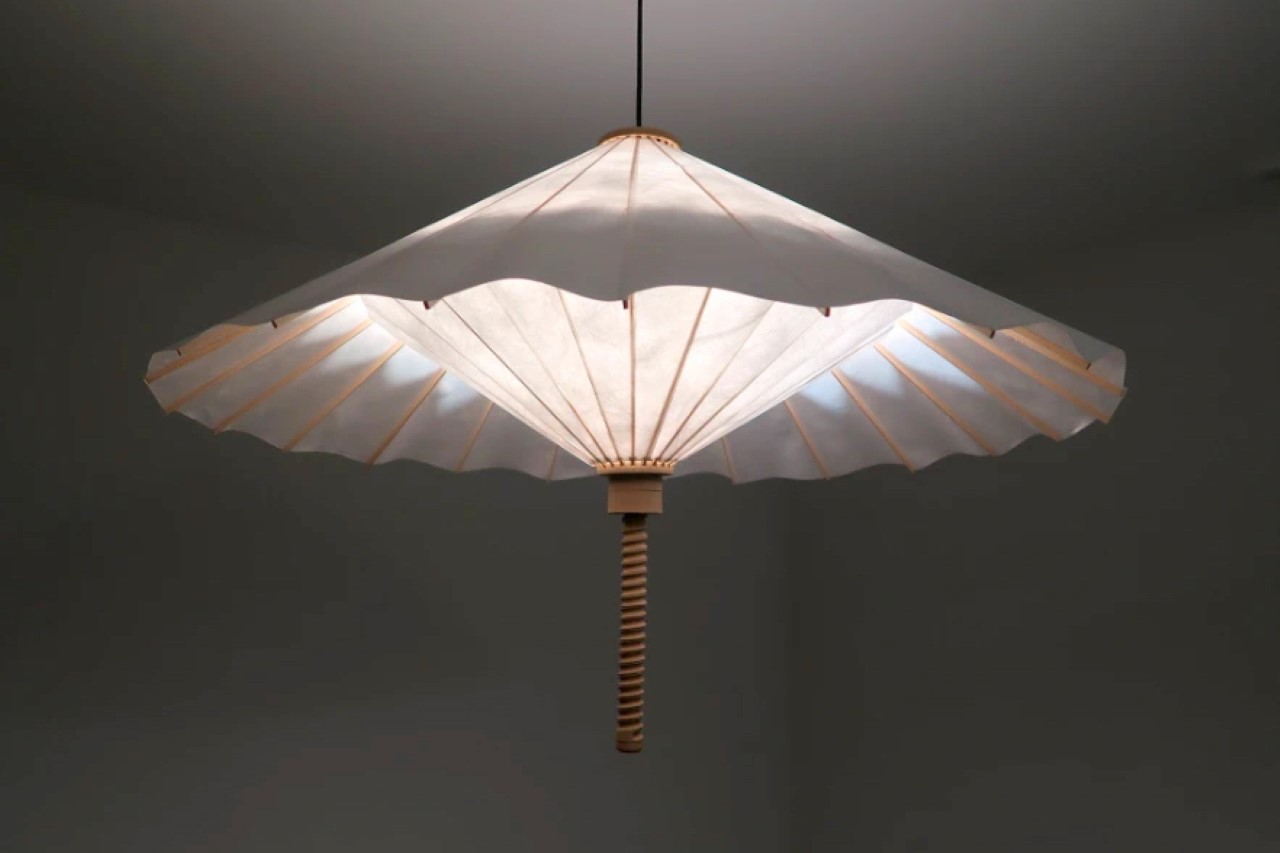
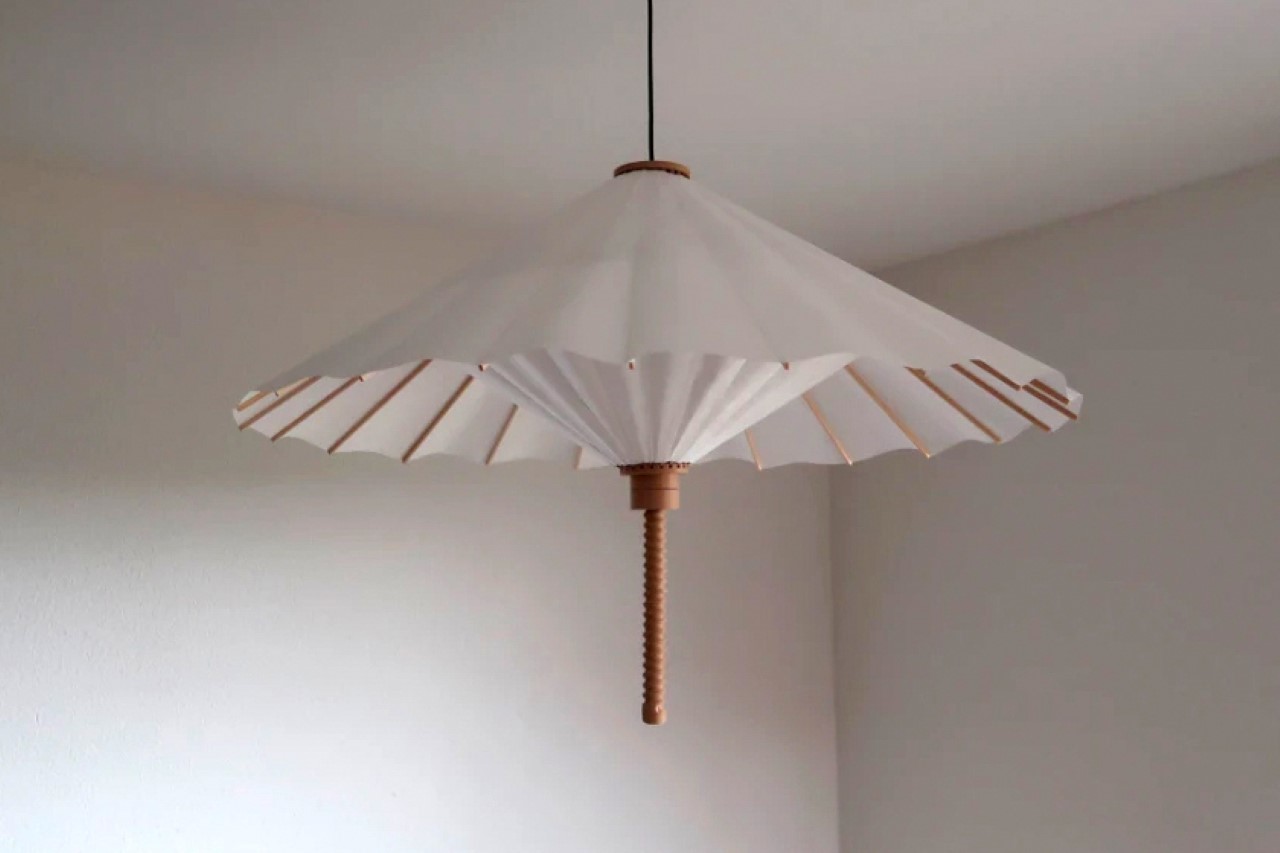
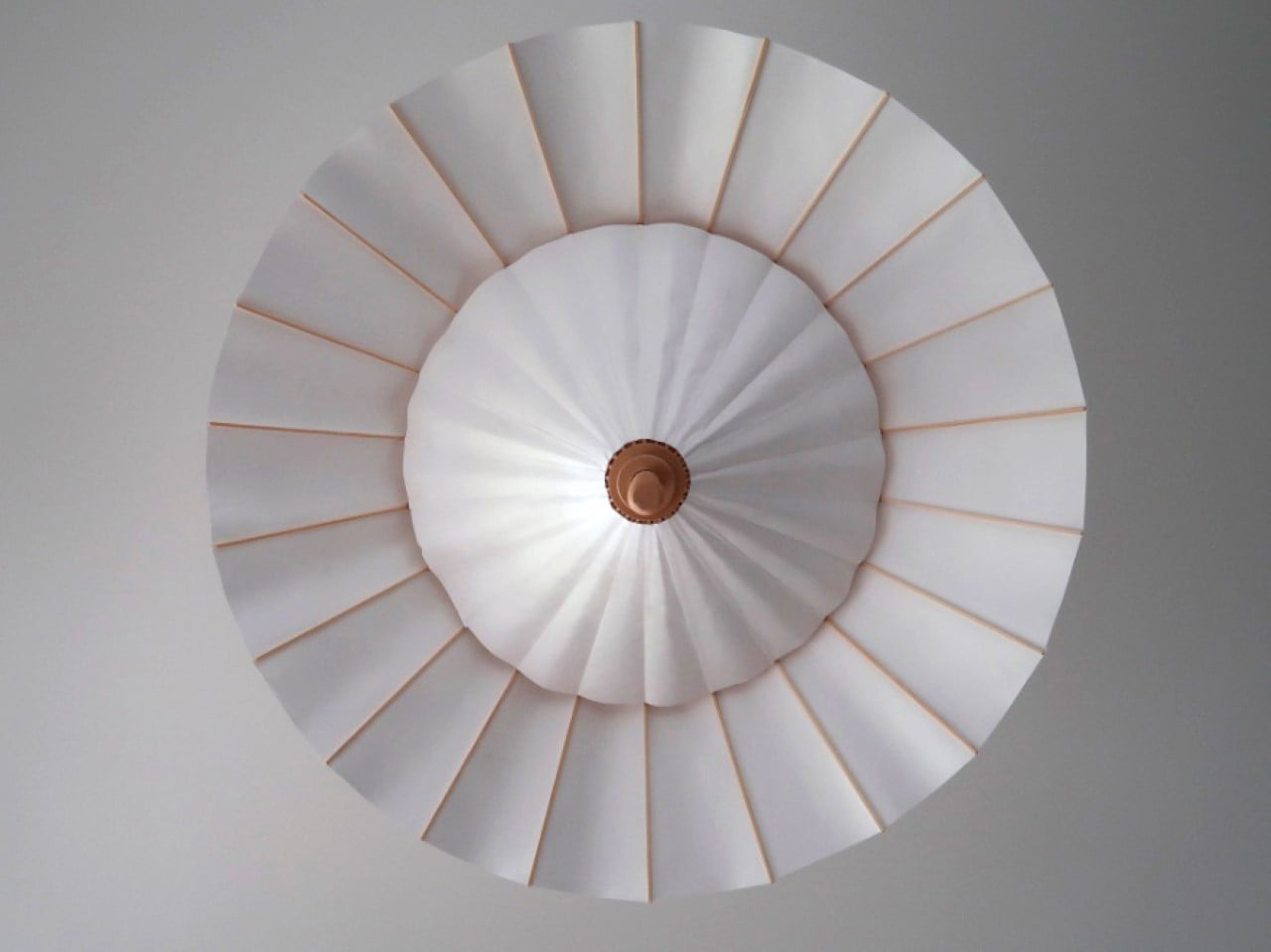
A worthy winner of last year’s Tyvek Design Awards, the Wagasa Lamp has a beautiful design and an even more alluring interaction that lets you adjust the lamp’s brightness. Taking inspiration from the shape of an umbrella or parasol, the lamp comes with a shade made from flexible Tyvek fabric (developed by DuPont) attached to wooden rods. The lamp can be unfurled or shut like an umbrella, exposing or enclosing the empty space within, which increases or decreases the amount of light that makes its way out of the lamp. This unique interaction gives the Wagasa Lamp just one of those beautiful user experiences that makes it an instant crowd favorite – but even more importantly, the lamp’s innately Asian/Japanese aesthetic makes it a wonderful inclusion in any minimalist or oriental-themed home!

Designer: Solenn Roch

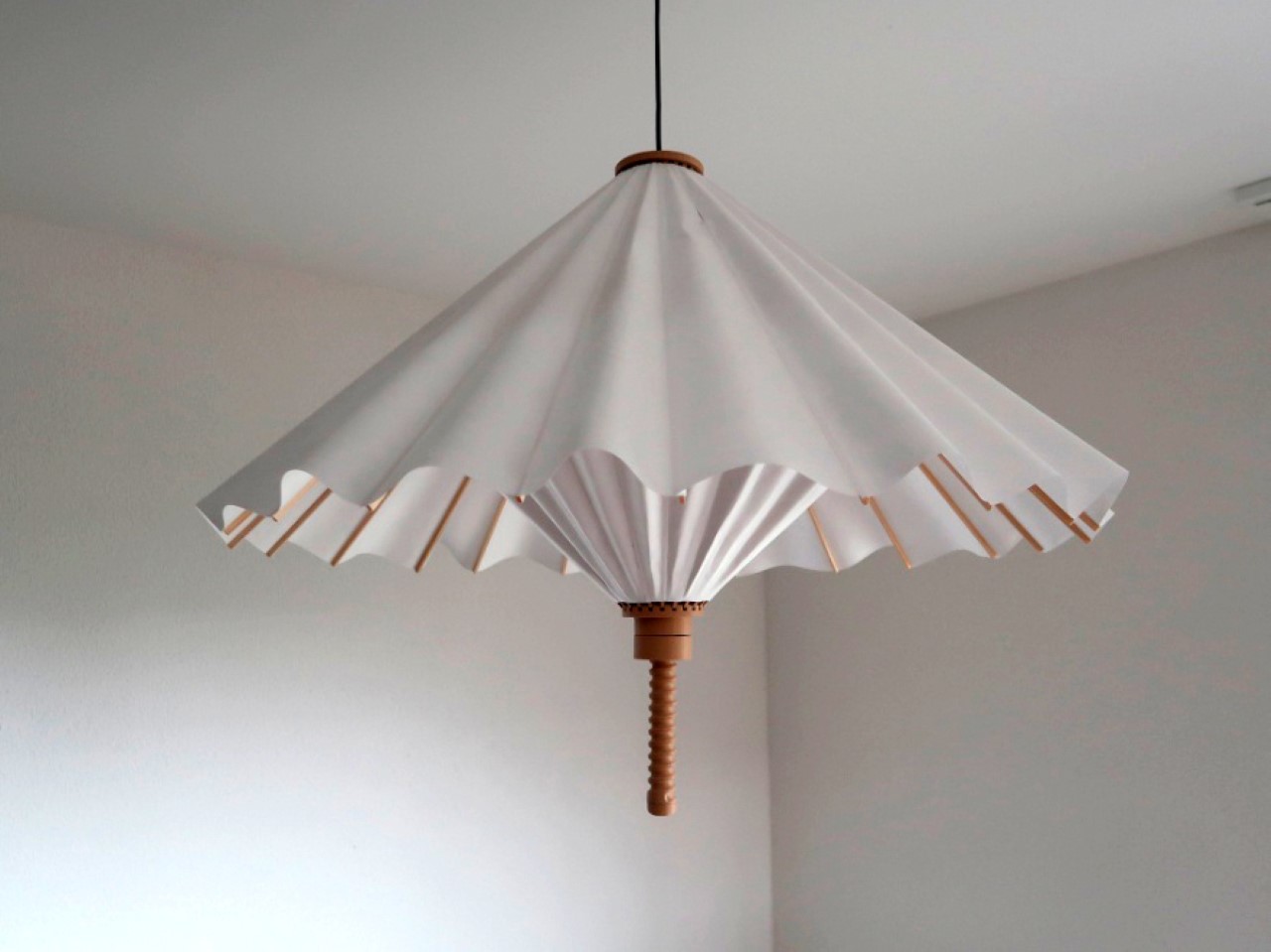
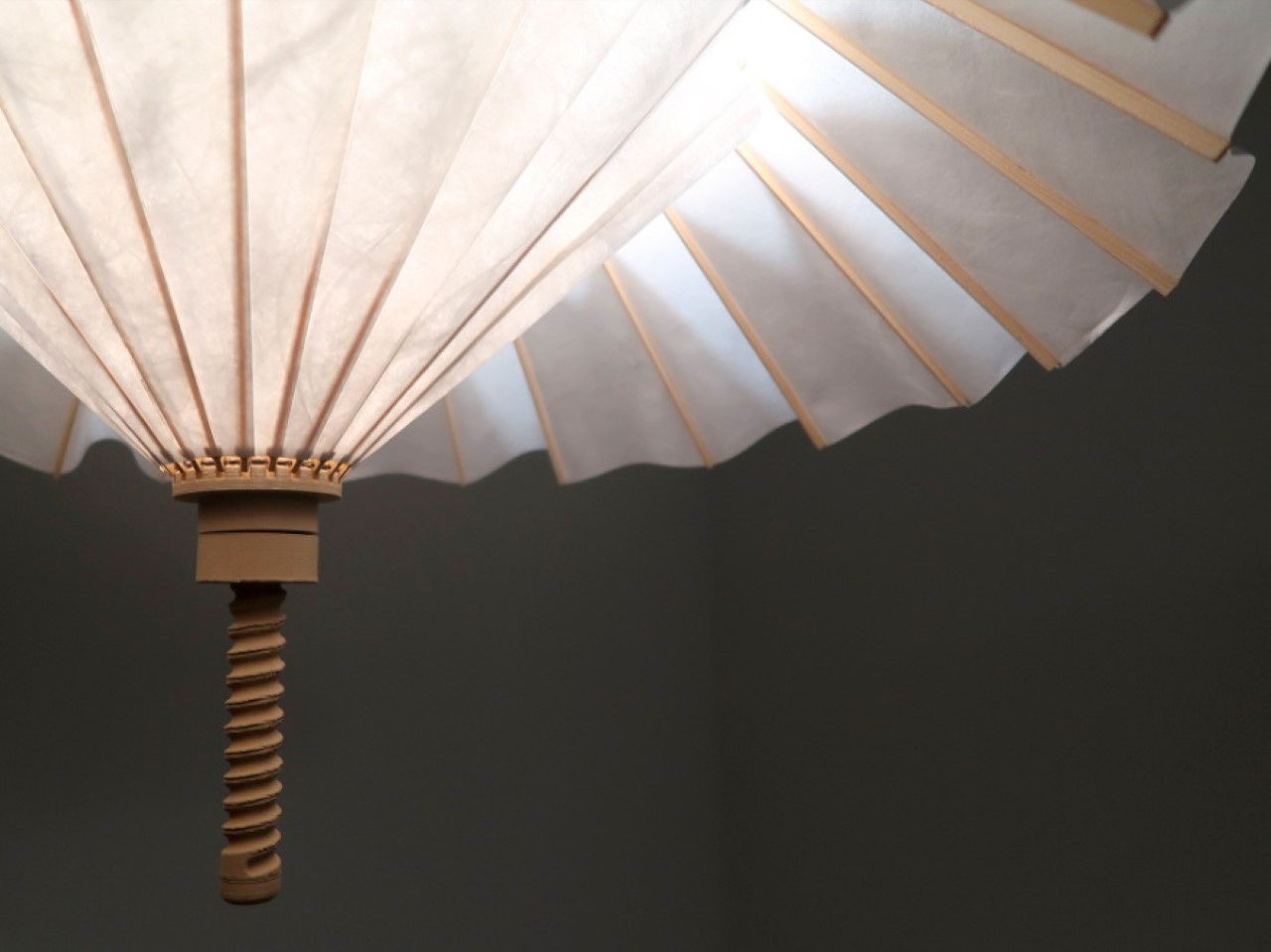
The Wagasa lamp’s design comprises just two materials outside the lamp’s bulb and electrical housing. You’ve got the Tyvek shade, made of two sheets of the synthetic paper-like material, and a wooden structure that holds the Tyvek shades up, allowing you to adjust their position. “The translucent Dupont Tyvek material diffuses light softly, creating a warm atmosphere,” mentions Swiss-based Solenn Roch.

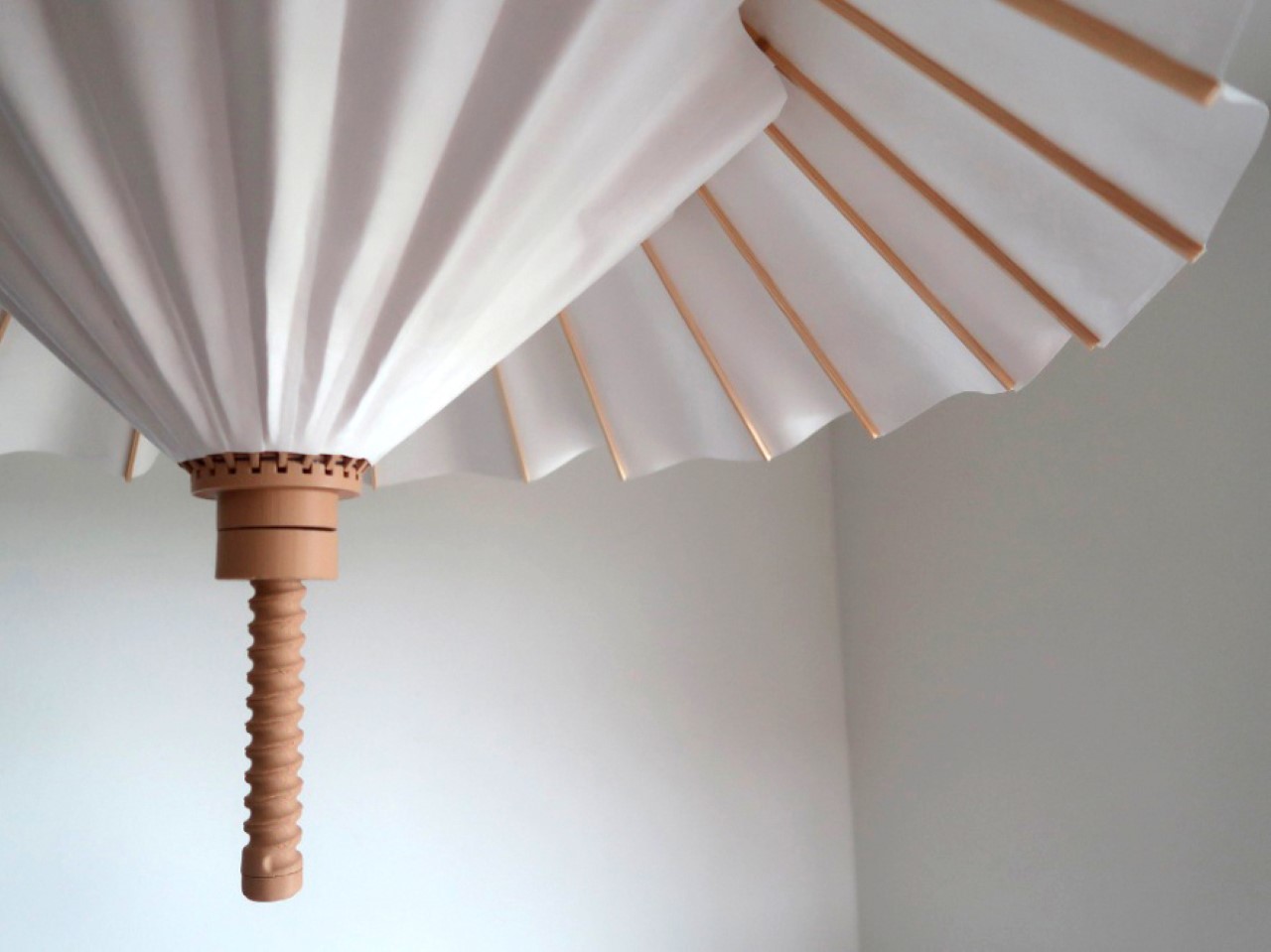
The design is almost identical to the kind of umbrellas found in cocktails and drinks, and operates the same way too. Here, a threaded base lets you rotate a knob to adjust the open-ness or closed-ness of the umbrella, while the outer umbrella cone’s width helps determine the lamp’s brightness. When completely opened/horizontal, the lamp allows much more light to filter outwards from the top and bottom, diffusing wonderfully through the Tyvek shade. Close it, however, and the conical area decreases, also closing the empty space inside the lamp to create a smaller illuminating area. The controls aren’t precise, but they’re fun as heck, and you’ll find yourself constantly reaching for the rotating knob to show off the lamp to your guests!

The current prototype is made out of 3D-printed plastic parts, although Solenn hopes to make a version out of natural wood soon.

The beauty of the Wagasa lamp lies entirely in its simplicity and playfulness. In a lot of ways, principally, it works quite similar to the IKEA PS 2014 Pendant Lamp, but while that lamp allures with its uniquely faceted pattern, this one is just a call-back to a simpler time, coupled with a wonderfully Eastern-themed minimalist aesthetic.

The post This gorgeous Umbrella-inspired lampshade can be opened or closed to adjust brightness first appeared on Yanko Design.
Paper Mario: The Thousand-Year Door and Luigi’s Mansion 2 HD get Switch release dates

Nintendo packed a whole bunch of news into Mario Day this year, including the announcement of release dates for two classics that have been modernized for the Switch: Paper Mario: The Thousand-Year Door and Luigi’s Mansion 2 HD. Both titles were announced last fall during Nintendo Direct. Paper Mario will drop first, on May 23, followed by Luigi’s Mansion on June 27, but both are available for pre-order now on the Nintendo Switch store for $60.

Paper Mario: The Thousand-Year Door was first released for the GameCube (deep breath) 20 years ago, and Nintendo says the new Switch version will have “revamped graphics, and a suite of additional changes that make the game easier than ever to enjoy.” Luigi’s Mansion 2 HD, which you may remember as Luigi's Mansion: Dark Moon, originally came out for the 3DS in 2013. Now that just leaves the first Luigi’s Mansion that we’re still waiting on for Switch...

Alongside the games’ release dates, Nintendo also announced that it’s working on a followup to last year’s The Super Mario Bros. Movie. That’s set to come out in 2026. Lego and Nintendo also announced three new Mario-themed Lego sets that will be released this year — the Bowser Express Train, King Boo’s Haunted Mansion and Battle with Roy at Peach’s Castle — and a Mario Kart set that will drop in 2025.

This article originally appeared on Engadget at https://www.engadget.com/paper-mario-the-thousand-year-door-and-luigis-mansion-2-hd-get-switch-release-dates-172653147.html?src=rss

We’re officially getting another Super Mario Bros. movie in 2026

Riding the success of 2023’s The Super Mario Bros. Movie, Nintendo and Illumination are releasing a second animated film in the franchise that’s expected to come out April 3, 2026. The news comes from series creator Shigeru Miyamoto himself, who tweeted it from the Nintendo of America X account on Sunday as part of the ongoing Mario Day celebrations. Details are so far scant, but Miyamoto says the team is “thinking about broadening Mario's world further, and it'll have a bright and fun story.”

Based on his description, it doesn’t seem like it will be a direct sequel to the first, though that remains to be seen. In an announcement video also featuring Miyamoto, Chris Meledandri from Illumination said the team is already “storyboarding scenes and developing set designs for new environments.” Animations are due to begin soon. The next movie set in the Super Mario Bros. world will be released in the US and other areas on April 3, 2026 before coming to other regions later that month.

The Super Mario Bros. Movie absolutely crushed at the box office when it was released last April, becoming the highest-grossing video game movie at opening. It hit $1.3 billion worldwide by the beginning of June, Variety reported. If you didn’t get a chance to catch it in theaters then — or you’re just dying to see it on the big screen again — AMC Theaters is bringing The Super Mario Bros. Movie back to theaters this year on June 28, as spotted by GoNintendo.

This article originally appeared on Engadget at https://www.engadget.com/were-officially-getting-a-second-super-mario-bros-movie-in-2026-152430999.html?src=rss

Zapier Central Beta advanced AI automate workflow builder links over 6,000 apps

It’s amazing just how many different and individual applications we use on a daily basis. However thanks to the explosion of artificial intelligence (AI) over the last 18 months we can now harness the power of AI to help us automate workflows. Zapier a no code automation platform allows you to quickly connect and transfer […]

The post Zapier Central Beta advanced AI automate workflow builder links over 6,000 apps appeared first on Geeky Gadgets.

The Dyson V15 Detect cordless vacuum is $180 off today only

Dyson’s higher-end vacuums might normally feel like a bit too much of a splurge, but a deal for today only brings the V15 Detect down to a more manageable price. The Dyson V15 Detect is $180 off in a deal from QVC. Normally $750, the V15 Detect is going for just $570 right now — almost as low as we saw it go during Black Friday, when it dropped to $550. But the deal will only last until the end of the day, so don’t take too long mulling it over. Dyson’s V15 Detect is a cordless, stick vacuum with an LED light on its head to expose all the unseen dirt hanging around your floors.

The Dyson V15 Detect doesn’t just suck up the dirt in your home, but it analyzes it to give you a report on what it cleaned, too. It has a LCD display on the back end that will show you a particle count and a breakdown of the different particle size groupings. The display will also let you know how much run time it has left before it needs to be recharged. Dyson says it runs on average for up to 60 minutes, and optimizes the suction and run time based on the level of mess it’s tasked with cleaning.

Fancy extra features aside, it’s a real powerhouse when it comes down to the cleaning. Engadget’s Mat Smith reviewed the Dyson V15 Detect and said it was the most powerful vacuum he’d ever used, even rivaling heavier plug-in vacuums. It has three cleaning modes to choose from: Eco, Auto and Boost. The vacuum’s brush bar has an anti-tangling design to better cope with things like hair that tend to get caught up. There’s also a separate hair screw tool that’s included with the V15’s accessories for those households that need to tackle the problem with more muscle.

The Dyson V15 Detect comes with a crevice tool to help you get into hard-to-reach areas, and it can be converted to a handheld vacuum for smaller jobs. In the box, it also comes with a wall dock, combination tool and charging adapter.

Follow @EngadgetDeals on Twitter and subscribe to the Engadget Deals newsletter for the latest tech deals and buying advice.

This article originally appeared on Engadget at https://www.engadget.com/the-dyson-v15-detect-cordless-vacuum-is-180-off-today-only-143614486.html?src=rss