Google Pixel Fold 2: News, Rumors, Price, and Release Date

Despite developing an operating system that’s used on a variety of devices and computers, Google has practically snubbed anything other than a smartphone. It’s notorious for having a love-hate relationship with tablets, for example, so it was a bit of a surprise that Google would launch its own foldable device. Perhaps even more surprising is how it might actually release a second-gen foldable phone. Given its pedigree, the next Google foldable is definitely going to pique people’s curiosity, whether it will be called the Pixel Fold 2 or the Pixel 9 Pro Fold. Judging from what we’ve been hearing so far, this foldable phone will be undergoing several significant changes, though not all of them might appeal to Pixel fans and onlookers alike.

Designer: Google (renders courtesy of Smartprix, @OnLeaks)
Google Pixel Fold 2: Design

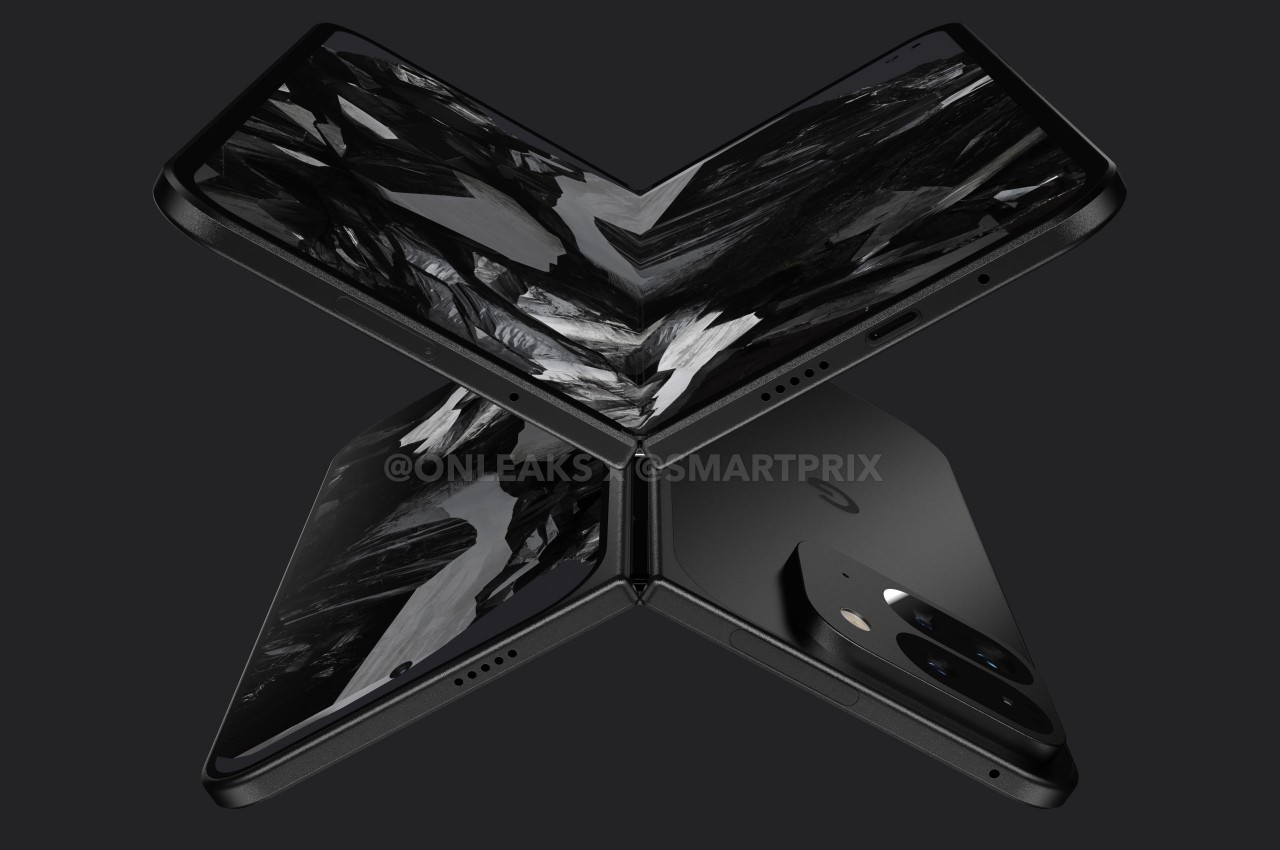
For three generations since the Pixel 6 in 2021, Google seemed to have settled on a signature design that, unusual as it may have been, gave its phones a unique personality. It seems, however, that Google has gotten tired of that look and will be moving to a different design for the Pixel 9 series. For better or for worse, that change is apparently happening to the foldable version of the Pixel as well, but not in the same way as leaks and renders would have it.
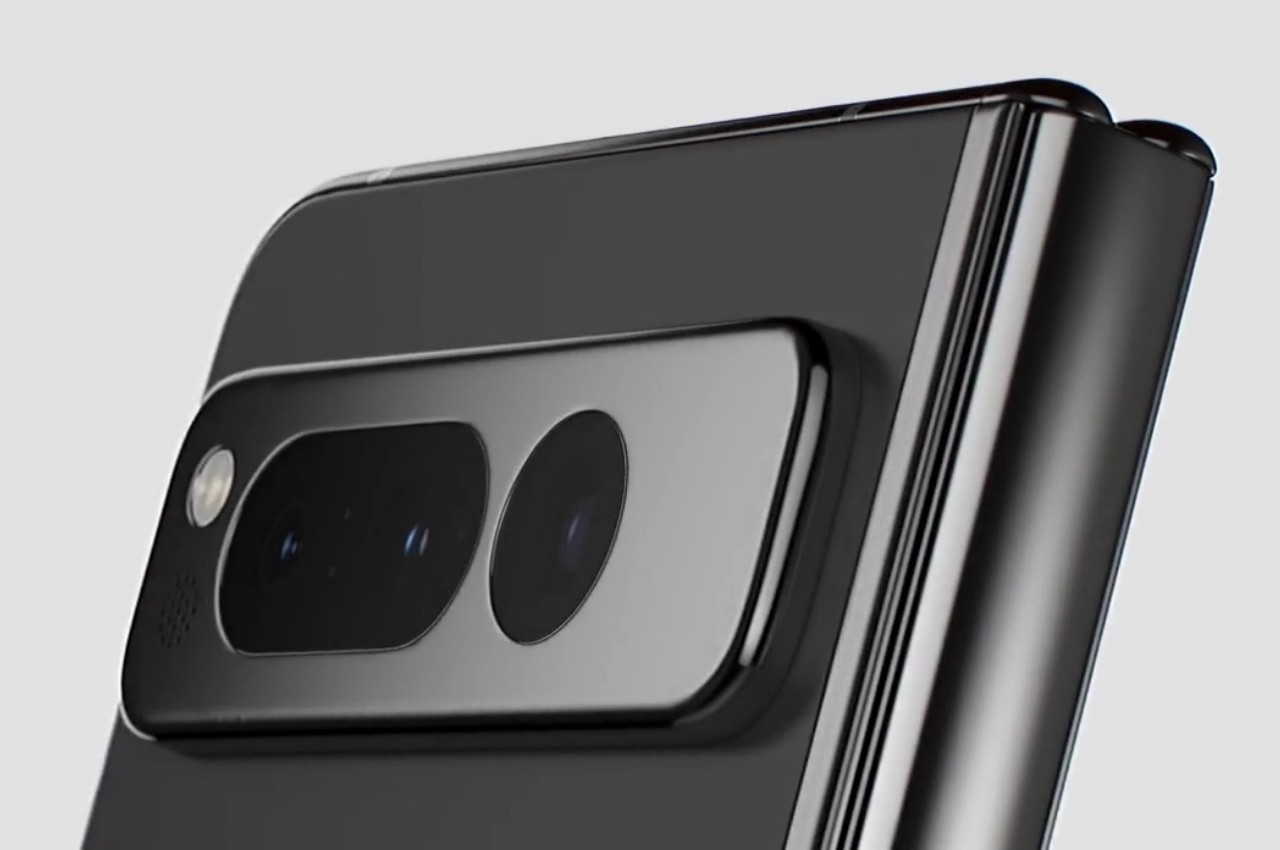
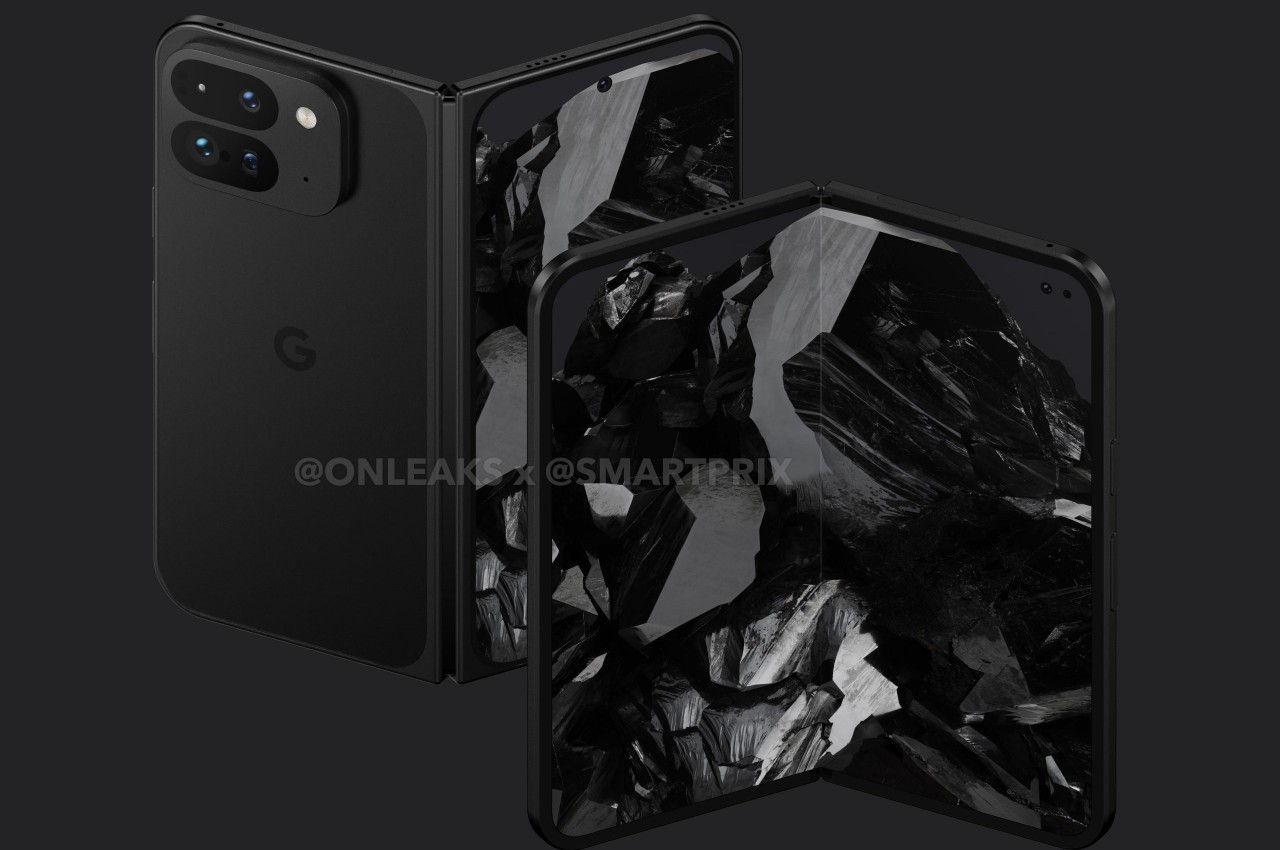
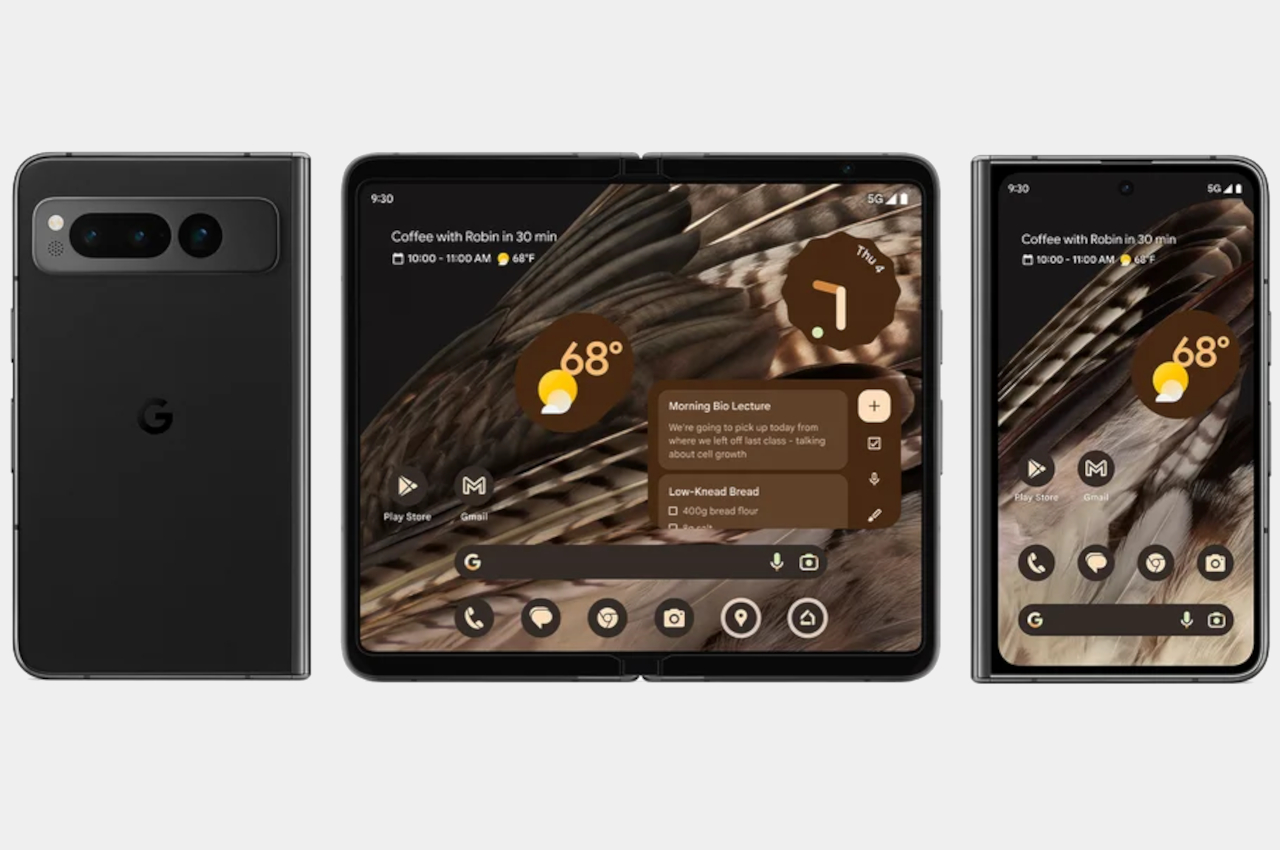
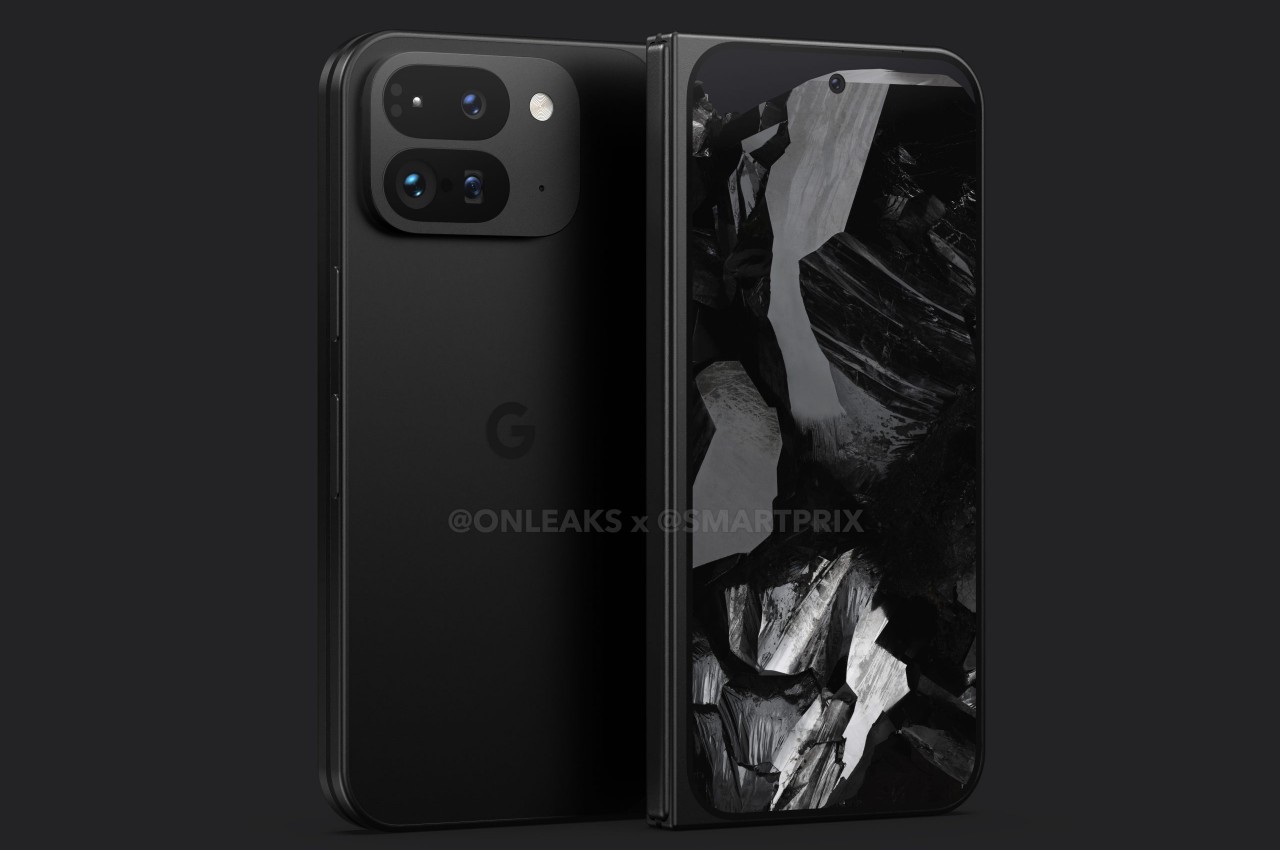
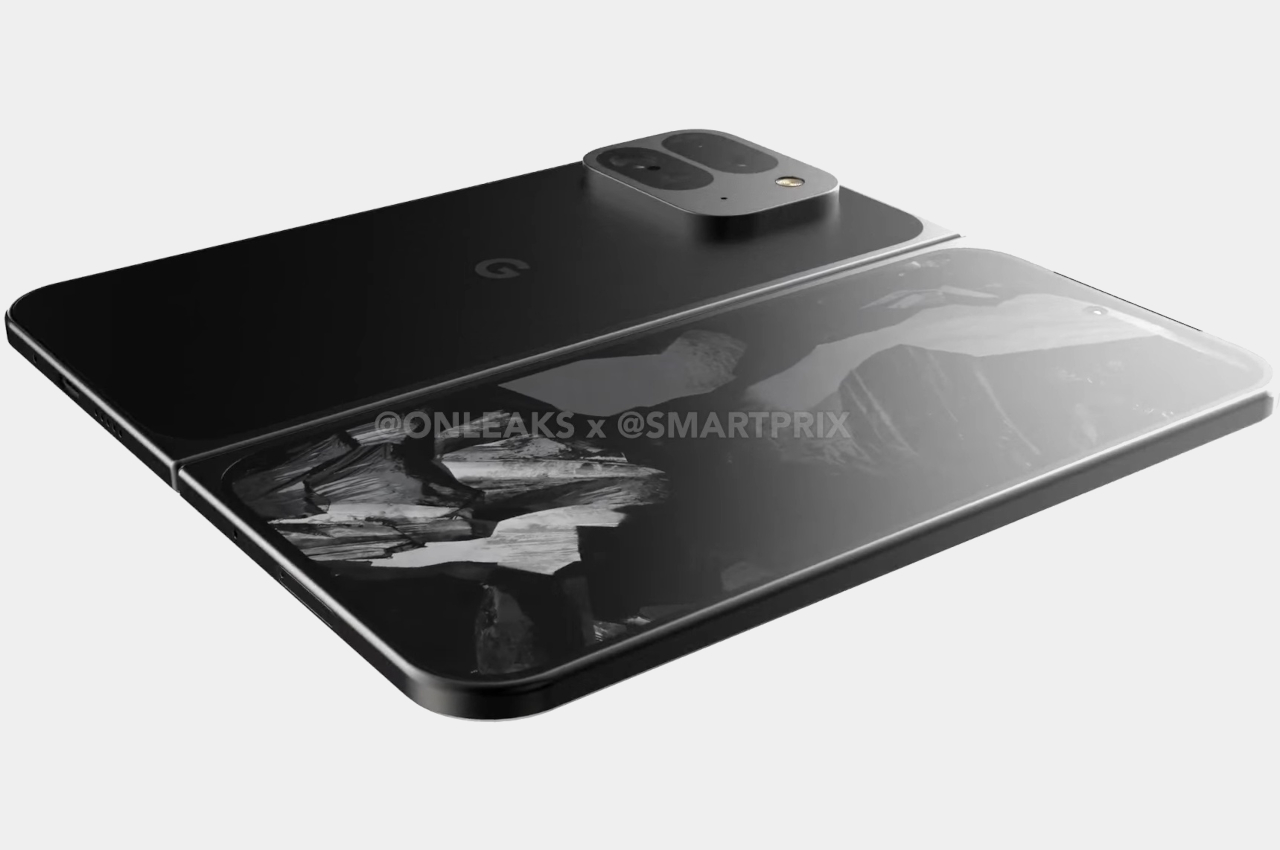
The camera bump, which was a horizontal bar across the width of the Pixel Fold’s “back,” has now been reduced to a more conventional rectangle. But unlike the ones you’d see on other smartphones, Google opted for an odd horizontal layout, with black pill-shaped markings that hold the actual camera lenses. It’s definitely an unusual design, but unlike the current “visor” shape, many might find it visually unappealing.
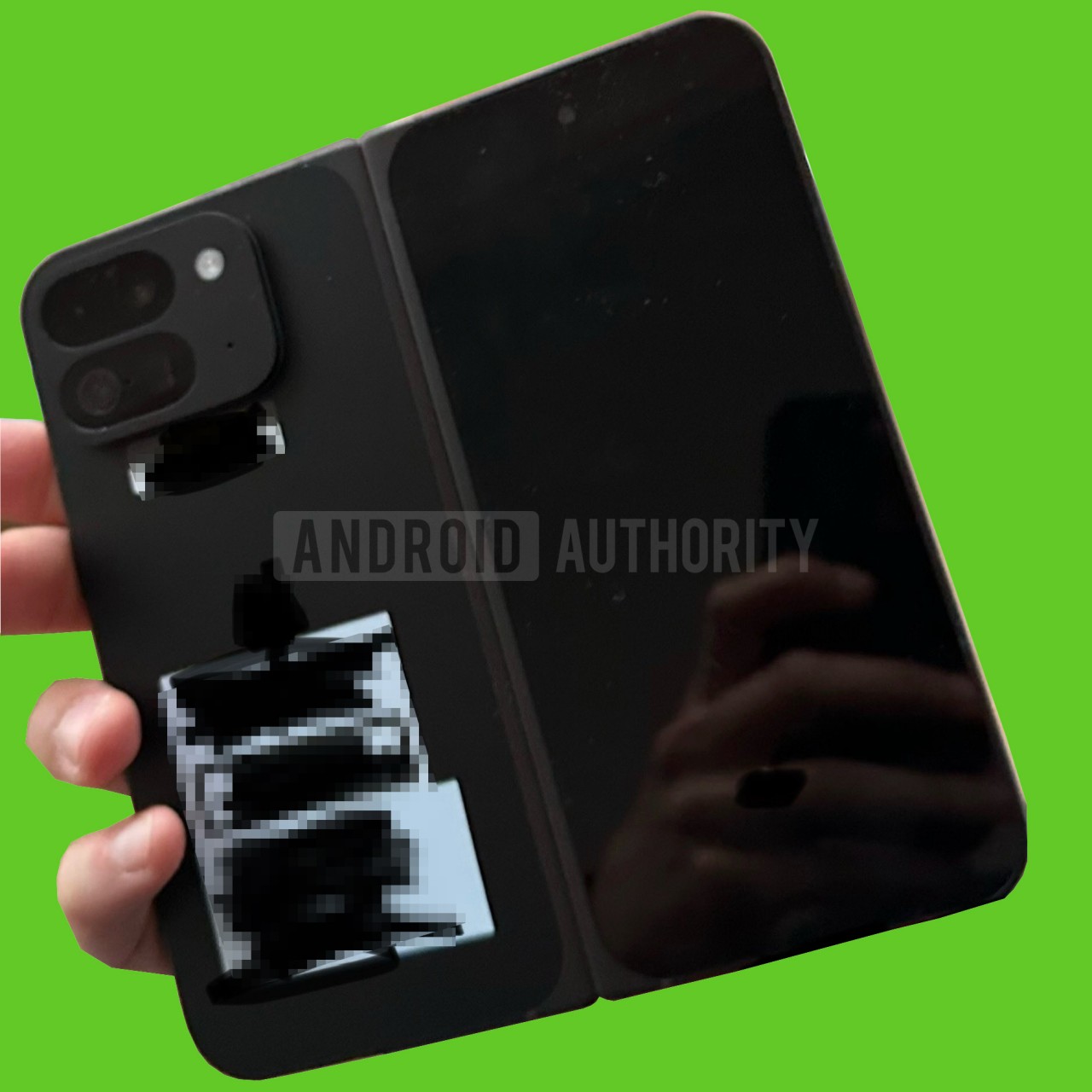
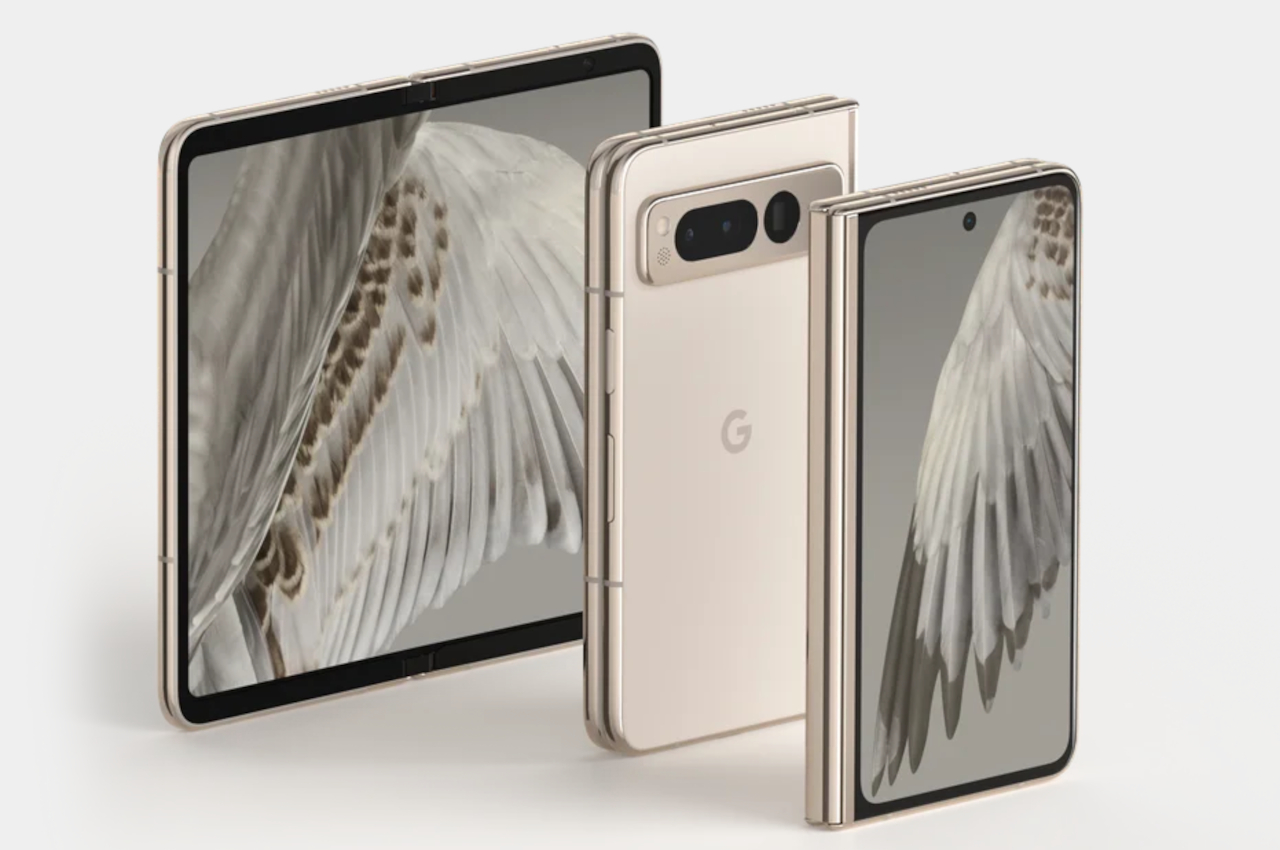
Fortunately, there will be even more important design changes in store for the Pixel Fold 2 (or Pixel 9 Pro Fold), though they might be a bit more subtle. According to rumors and at least one leaked prototype, the next Google foldable will have an outer screen that is taller than its predecessor, yielding an unfolded shape that is more square than the first Pixel Fold as well. Whereas the Pixel Fold had a rectangular shape that resembled a small notebook, the Pixel Fold 2 could be more like a minuscule iPad mini.
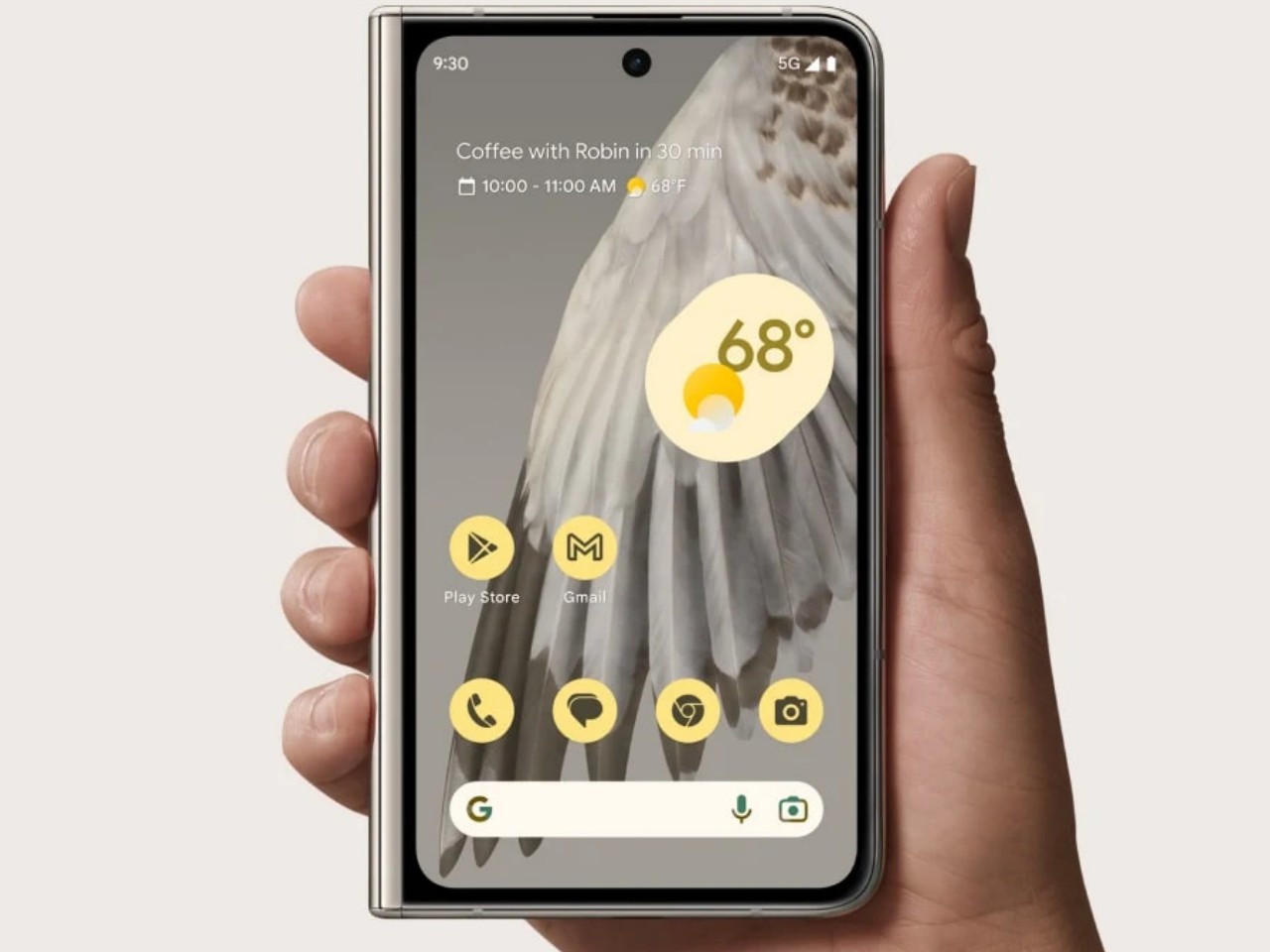
This change in screen aspect ratios isn’t just cosmetic and will have important usability implications. It won’t be as tall and narrow as the Samsung Galaxy Z Fold 5, which is notorious for being almost unusable as a regular phone, but it could make it a bit more awkward to use the Pixel Fold 2 in folded form, at least with a single hand. Those who loved the current wider design of the Pixel Fold might be disappointed, but those who missed using a 16:9 phone will welcome this change.
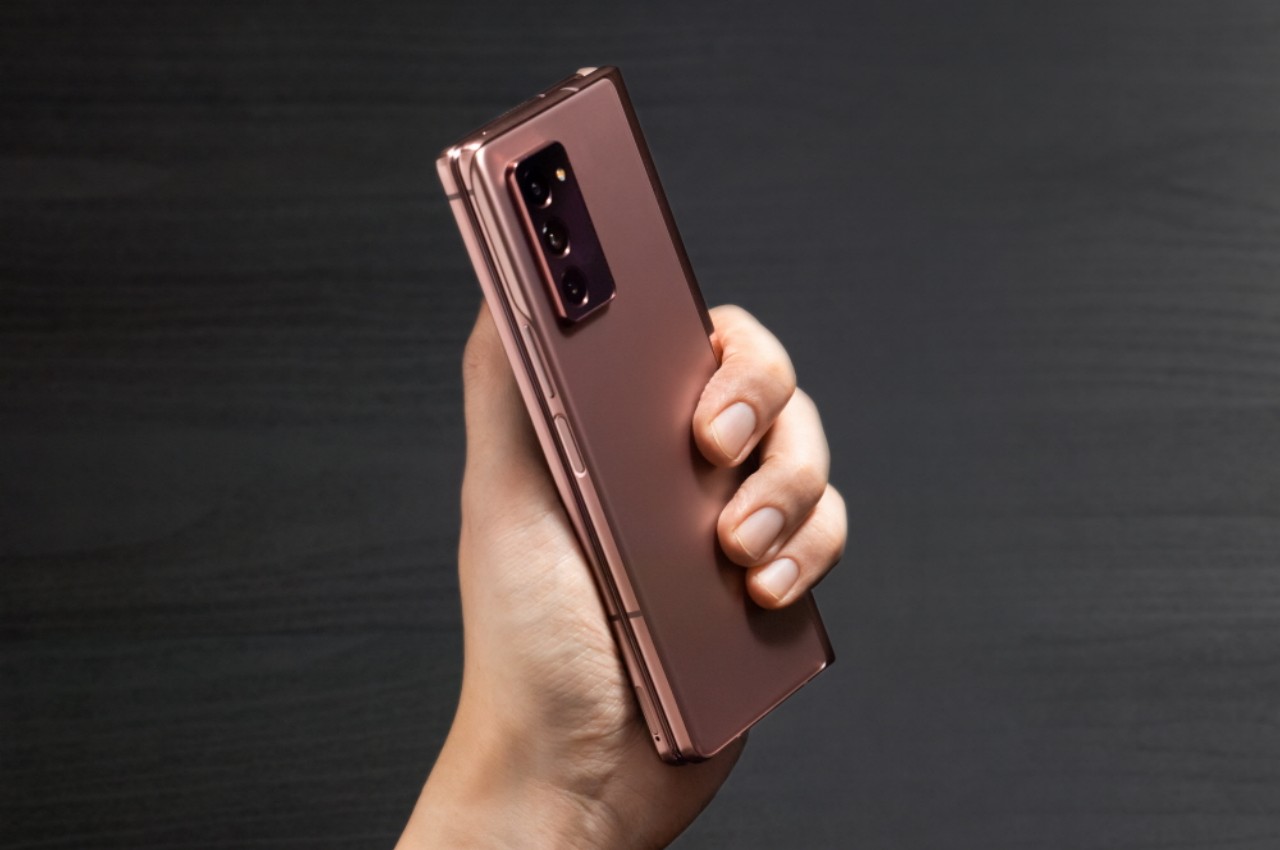
Samsung Galaxy Z Fold 2
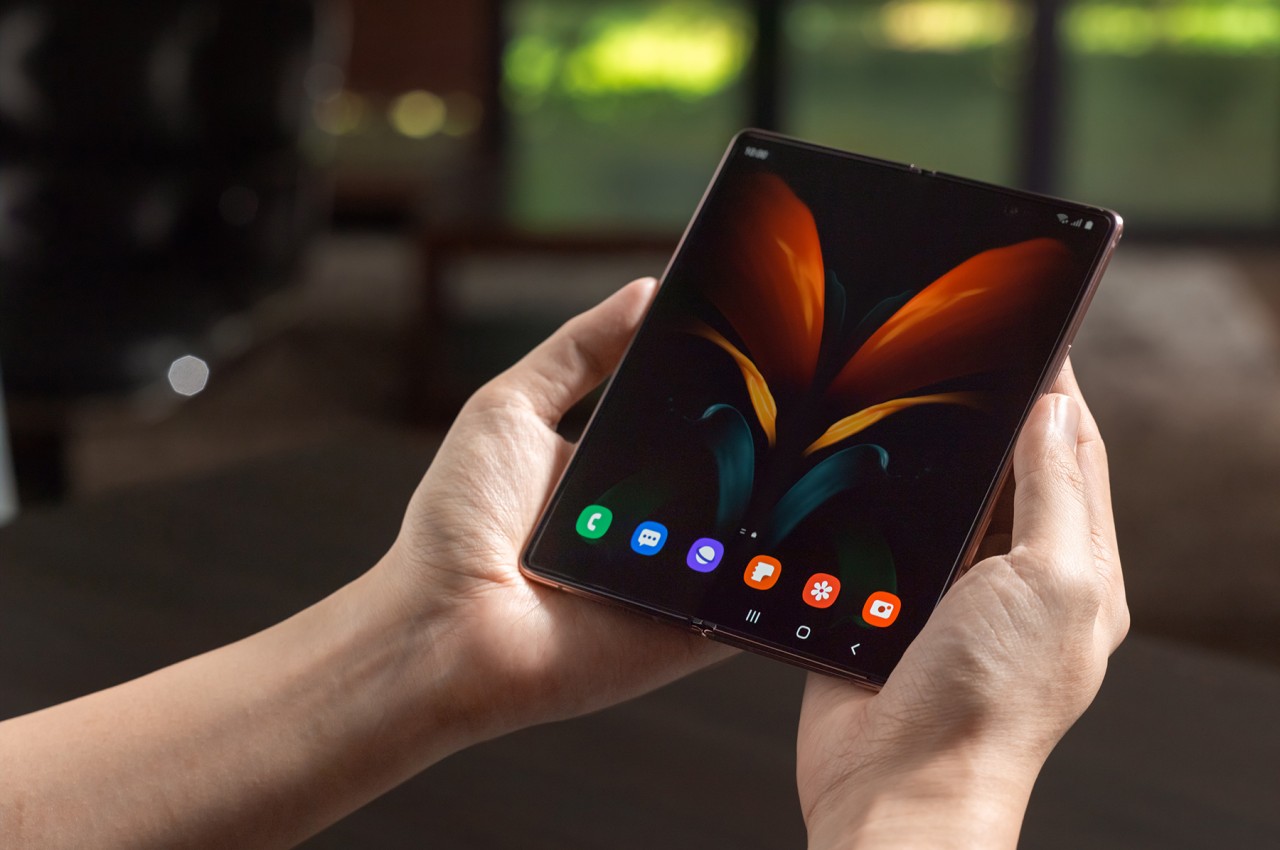
Samsung Galaxy Z Fold 2
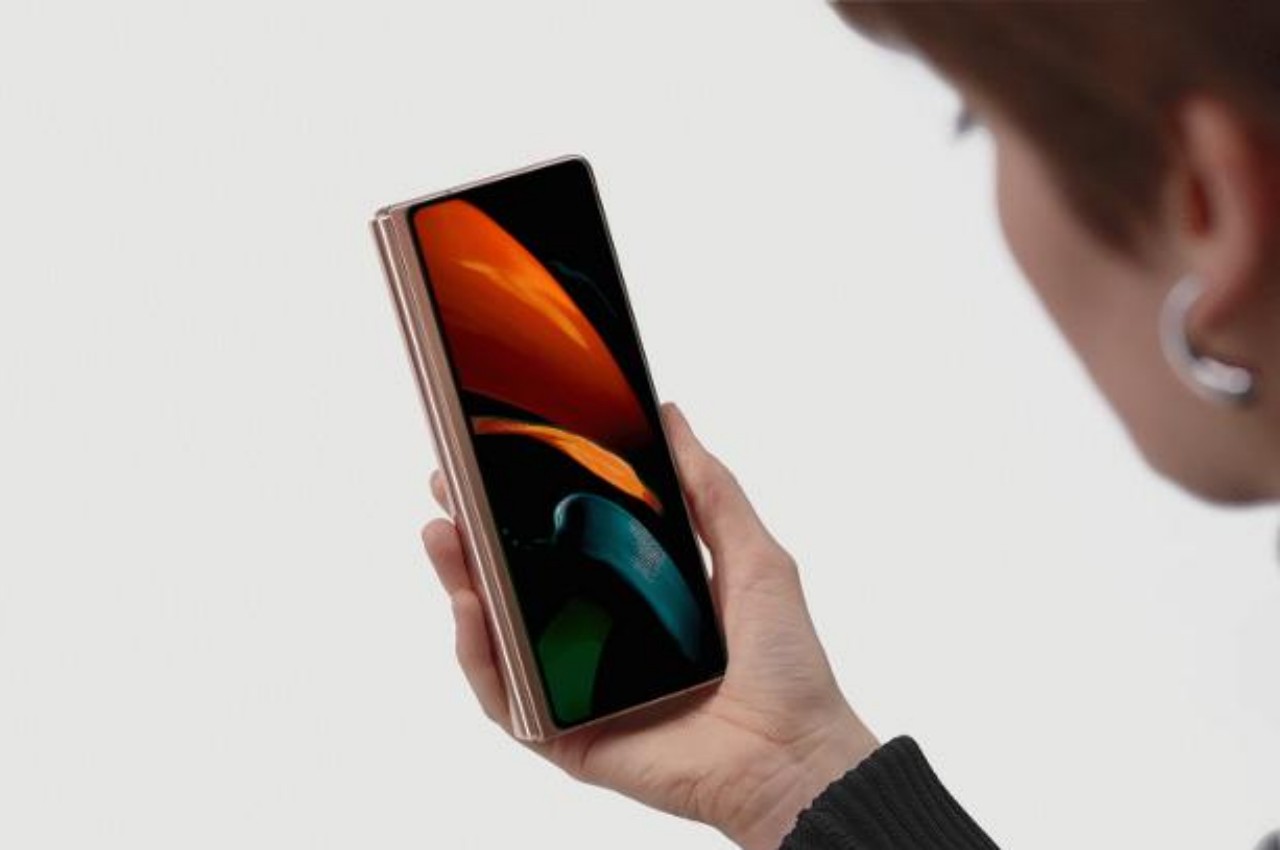
Samsung Galaxy Z Fold 2

Google Pixel Fold 2: Specs and Software

With the change in screen aspect ratios come changes in screen sizes as well, and everyone will probably love what’s rumored so far. The Pixel Fold 2/Pixel 9 Pro Fold is expected to have bigger screens on both sides, though there is some agreement on the exact sizes. Some claim that the external Cover Screen will be 6.4 inches and the main foldable screen will be 7.9 inches, while another source uses 6.29 inches and 8.02 inches for those same screens, respectively. Either way, it will still be a significant size boost compared to the current Pixel Fold’s 5.8-inch exterior and 7.6-inch interior displays.

As far as the hardware is concerned, Google might debut a new Tensor G4 on the Pixel Fold 2, a very big leap from the Tensor G2 on the OG Pixel Fold. Details on this new processor are still extremely slim at this point, but you can expect significant performance improvements, especially on Google’s favorite AI features. Uncharacteristically, Google might also be extra generous and give the Pixel Fold 2 as much as 16GB of RAM, something that even the Galaxy Z Fold 6 isn’t expected to have.

There seems to be some disagreement on which version of Android the Pixel Fold 2 will ship with, but that mostly depends on when the foldable device will actually launch. It could go with Android 14, which is the current version in circulation, or it could delay it to coincide with the release of Android 15. Pushing the Pixel 9 Pro Fold’s launch to the end of the year might sound unreasonable, but there might be one very good reason for doing so. Android 15 betas have revealed that Google implemented improvements to the behavior of apps on foldable phones, something that its Pixel Fold badly needed.

Google Pixel Fold 2: Cameras

It’s a bit surprising that there hasn’t been any news on the kind of cameras that the Pixel Fold 2 will bear. The new camera design on the back may look like Google was making room for an additional camera, but the lack of news in that department suggests otherwise. In short, the new Pixel Fold may still be using the exact same three sensors as the current model, with some additional lenses for focusing or maybe a thermal sensor for taking temperatures. It wouldn’t be unheard of for Google, since it prefers to rely on software solutions to improve image quality.
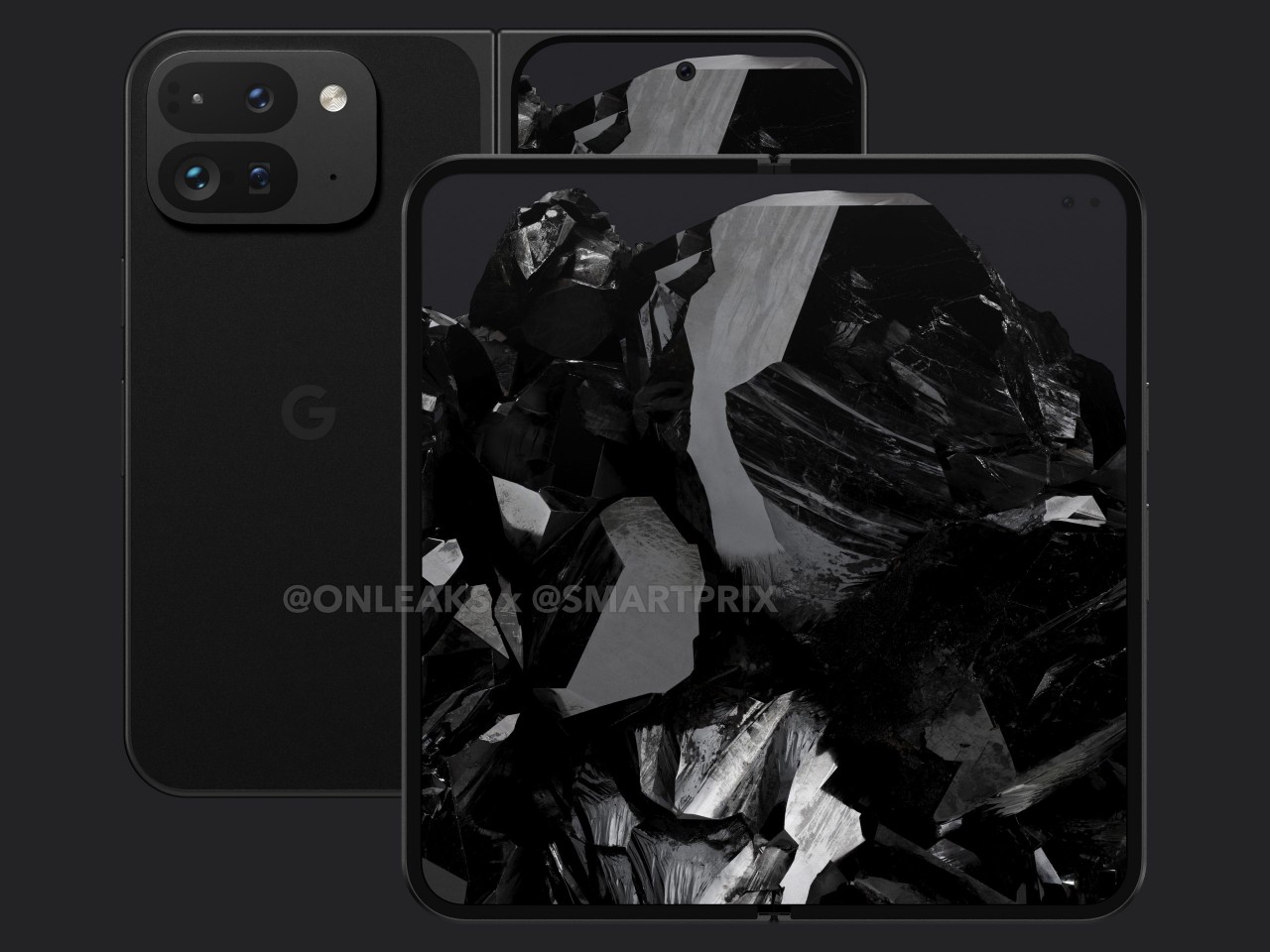
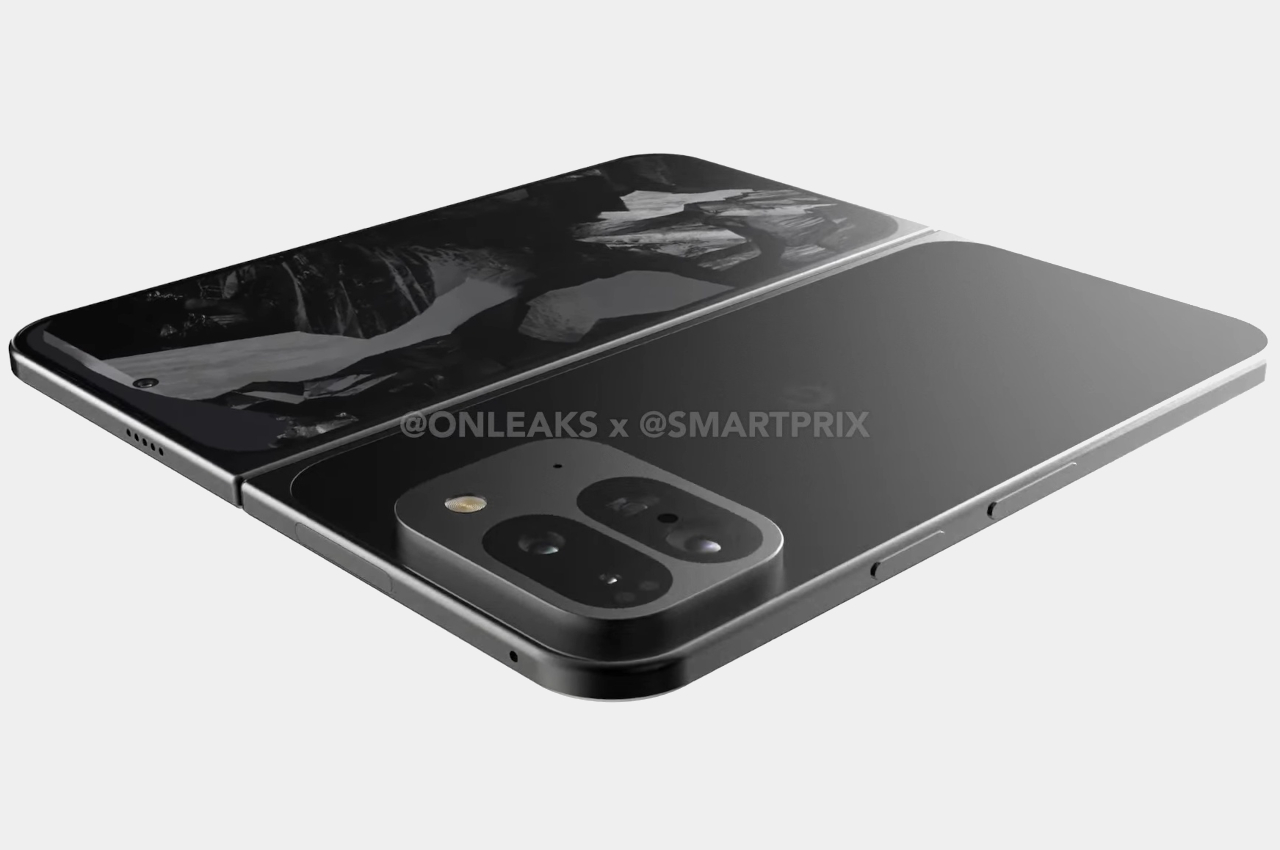
Another big camera design change will be the internal selfie camera which used to sit on the Pixel Fold’s ugly thick bezels. According to leaks and renders, the Pixel Fold 2 will do away with those atrocities, which means there’s a need to move the camera to a different place. The consensus is that it will take the form of an under-display camera similar to the Galaxy Z Fold, but it’s also possible Google will opt for a simpler solution that has a traditional punch-hole cutout for the camera.

Google Pixel Fold 2: Price and Release Date

Although the Pixel Fold 2, or Pixel 9 Pro Fold, will be advertised as an upgrade, it doesn’t seem like a huge generational leap if not for the difference in design and the new Tensor G4 processor. As such, it’s probably only reasonable to expect that the price tag won’t go higher than the $1,800 that the first Pixel Fold launched with. At the same time, it’s also not expected to go lower than that either.

As for its launch date, that could depend on whether Google wants to delay it to sync with Android 15’s release. If it’s fine with having it run Android 14 out of the box, it could follow the same schedule last year that saw the Pixel Fold hit shelves in June. Otherwise, we might be looking at an October date after Android 15 goes gold. Either way, we’ll definitely find out more next month when Google reveals the real deal at I/O 2024.

Google Pixel Fold 2: Final Thoughts

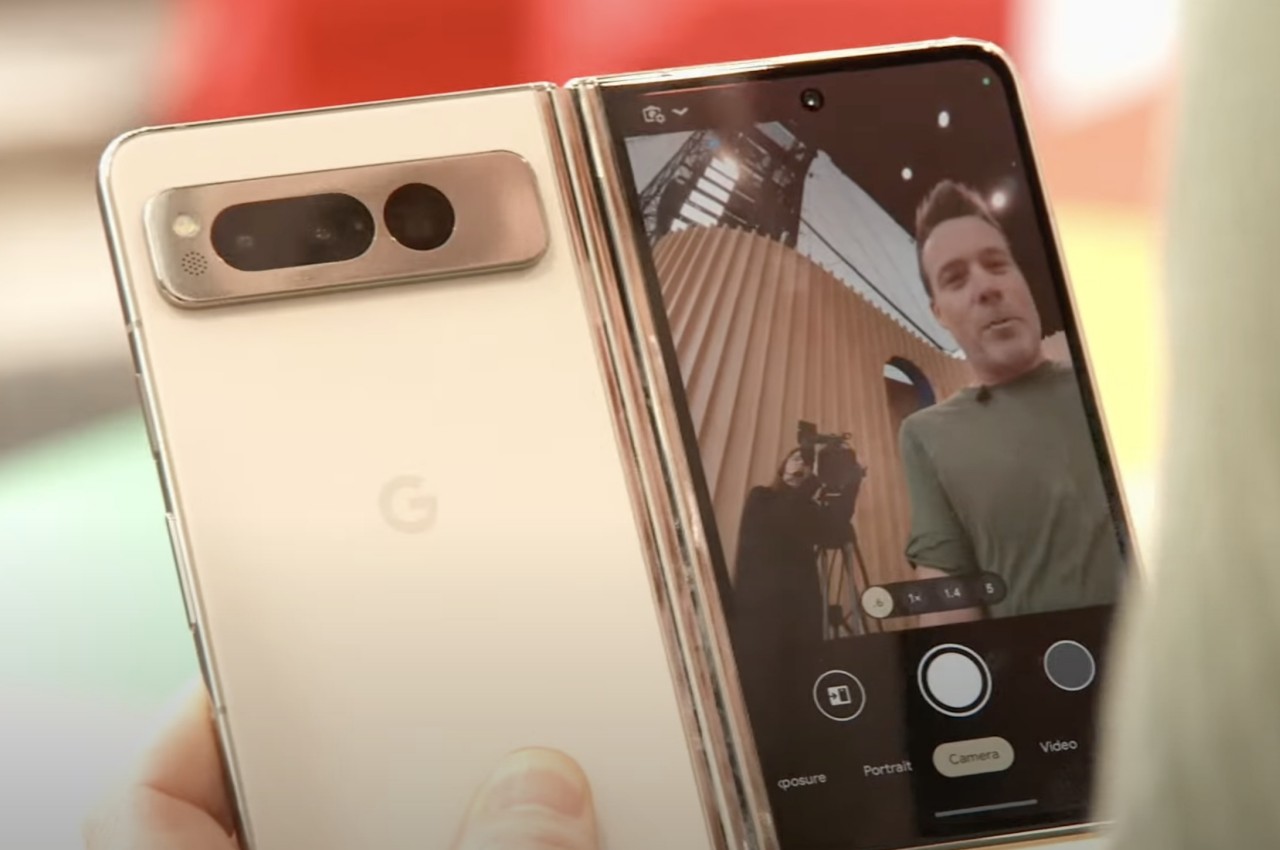
The first Pixel Fold was definitely a surprise for Google fans. It managed to carry some of the personality of the Pixel design language to a foldable phone, along with Google’s blessed flavor of the Android user experience. At the same time, however, it really failed to stand up to other options in the market, and its very thick bezels were a big turn-off for more design-conscious consumers.

Fortunately, the Pixel Fold 2 will be improving on those pain points, but it raises the question of whether it’s actually enough or if they’re the right changes to make. The screens will be larger and have thinner bezels, but Google is also moving away from an aspect ratio that was praised by some reviewers as one of its winning traits. The camera design will definitely be divisive, especially if it doesn’t bring significant improvements to the camera system anyway. While the Pixel Fold 2, or Pixel 9 Pro Fold, will catch the attention of Pixel fans and market watchers, it might not end up being the big hit that Google wants it to be, creating a self-fulfilling prophecy of low sales that will lead to the early demise of Google’s foldable phone line.
The post Google Pixel Fold 2: News, Rumors, Price, and Release Date first appeared on Yanko Design.

Steam closes an early-access loophole in its refund policy

Valve has closed a loophole in Steam's refund policy that effectively allowed players to beat a game before its official release date and get their money back. The company has long had a policy in place whereby users could refund a game, no questions asked, as long as they haven’t played for more than two hours within 14 days. Until now, the refund policy was far more lenient for games in early access or advanced access, but Valve has nipped that in the bud.

"When you purchase a title on Steam prior to the release date, the two hour playtime limit for refunds will apply (except for beta testing), but the 14-day period for refunds will not start until the release date," Valve's updated policy reads, as noted by IGN. "For example, if you purchase a game that is in Early Access or Advanced Access, any playtime will count against the two-hour refund limit. If you pre-purchase a title which is not playable prior to the release date, you can request a refund at any time prior to release of that title, and the standard 14-day/two-hour refund period will apply starting on the game’s release date."

Early access enables players to try an incomplete version of a game. It’s helpful for developers as they can take feedback from players and use that to improve their project before ramping up the marketing campaign ahead of the official release. Supergiant famously used this strategy to tremendous success with Hades (and is perhaps looking to repeat that trick with the sequel). But a game can remain in early access for years. Under the previous policy, players could put many hours into an early access game and still claim a refund on Steam.

As for advanced access, that relates to playing a full version of a game before its proper debut. It's pretty common for publishers to sell a deluxe edition of a game that lets players dive in a few days early. However, Steam made it possible for someone to beat a game in advanced access and get their money back before the standard version was available to everyone.

Now, the two-hour time limit applies to games in early access and advanced access. There's also a new advanced access label to make it clear when a game offers that.

There is one other key issue with the otherwise generous two-hour refund policy that Steam hasn't fully addressed, however. It's not uncommon for players to roll credits on very short games, typically indie titles, and then get their money back. That leaves the game's developer and publisher out of pocket.

This article originally appeared on Engadget at https://www.engadget.com/steam-closes-an-early-access-loophole-in-its-refund-policy-150003143.html?src=rss

Tesla Model 3 Performance EV Launched in the UK

Tesla Model 3 Performance

The Tesla Model 3 Performance EV is a testament to the company’s unwavering commitment to pushing the boundaries of electric vehicle technology and design. This groundbreaking model incorporates a host of advanced features and innovations that set it apart from its predecessors and competitors alike. From its innovative Noise, Vibration, and Harshness (NVH) improvements to […]

The post Tesla Model 3 Performance EV Launched in the UK appeared first on Geeky Gadgets.

The Beginners Guide to Microsoft To Do

Microsoft To Do

Are you seeking to simplify your daily routines and boost your overall productivity? If you find yourself pondering the best ways to efficiently manage your array of personal and professional duties, look no further than Microsoft To Do. This powerful task management application provides a comprehensive solution tailored for both Windows and Mac users, ensuring […]

The post The Beginners Guide to Microsoft To Do appeared first on Geeky Gadgets.

Posted in Uncategorized | Tagged

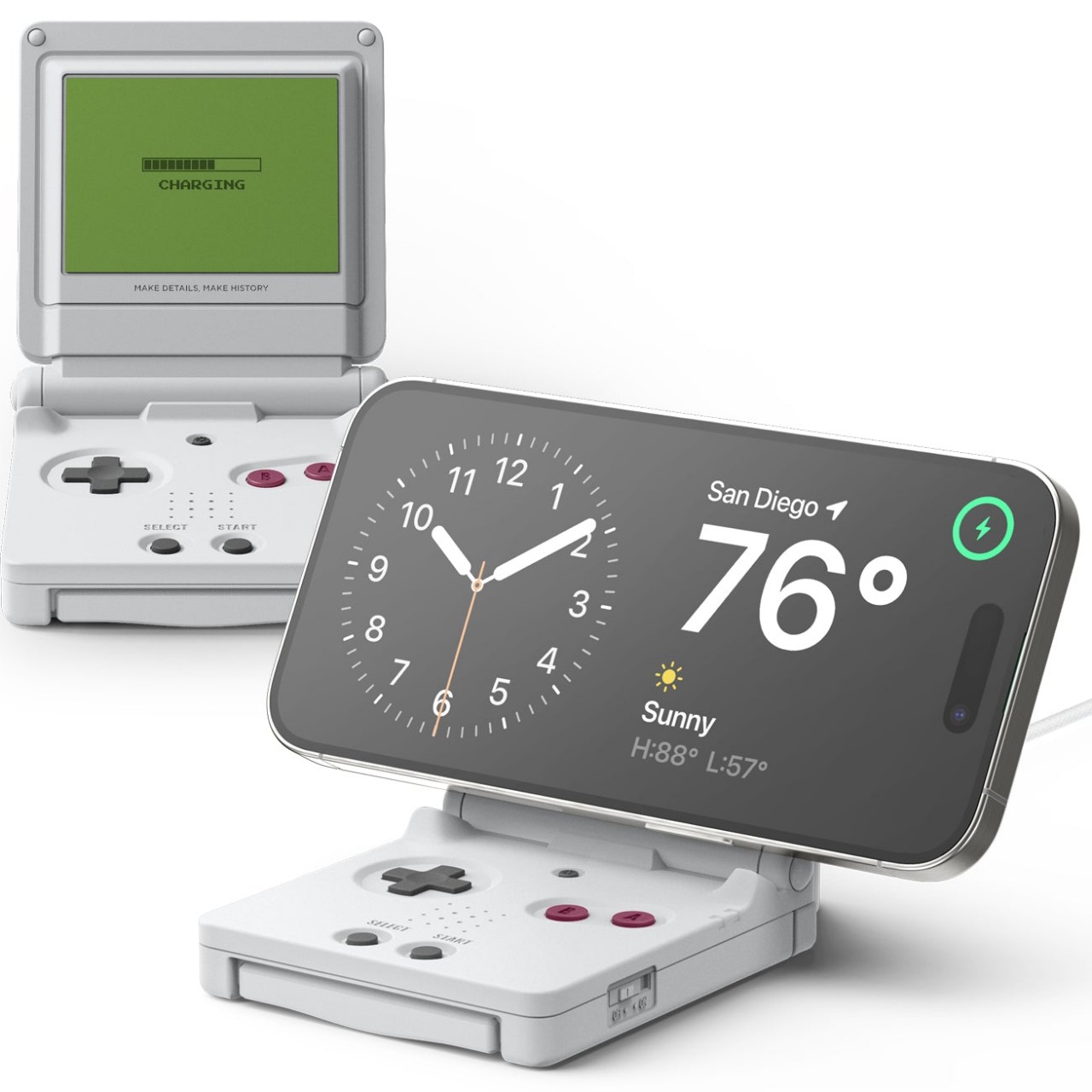
Elago Game Boy style MagSafe iPhone charger looks fun but comes up short

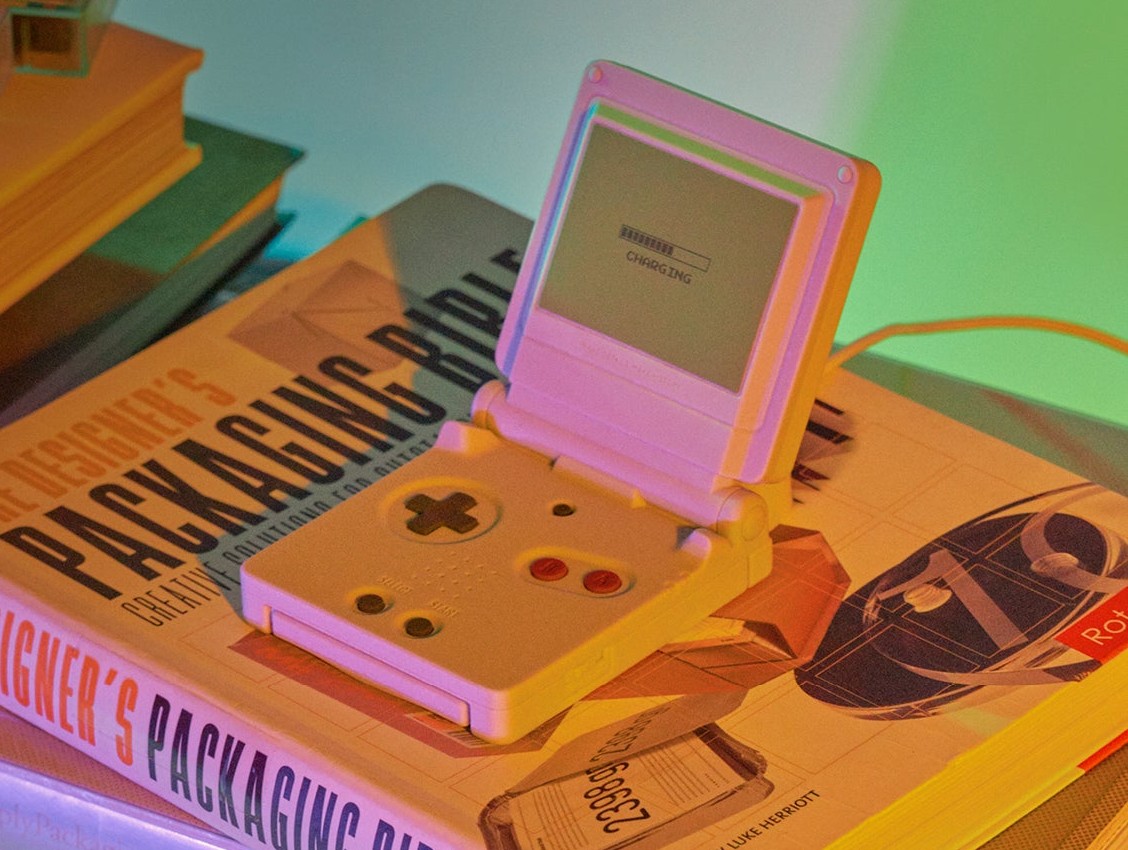
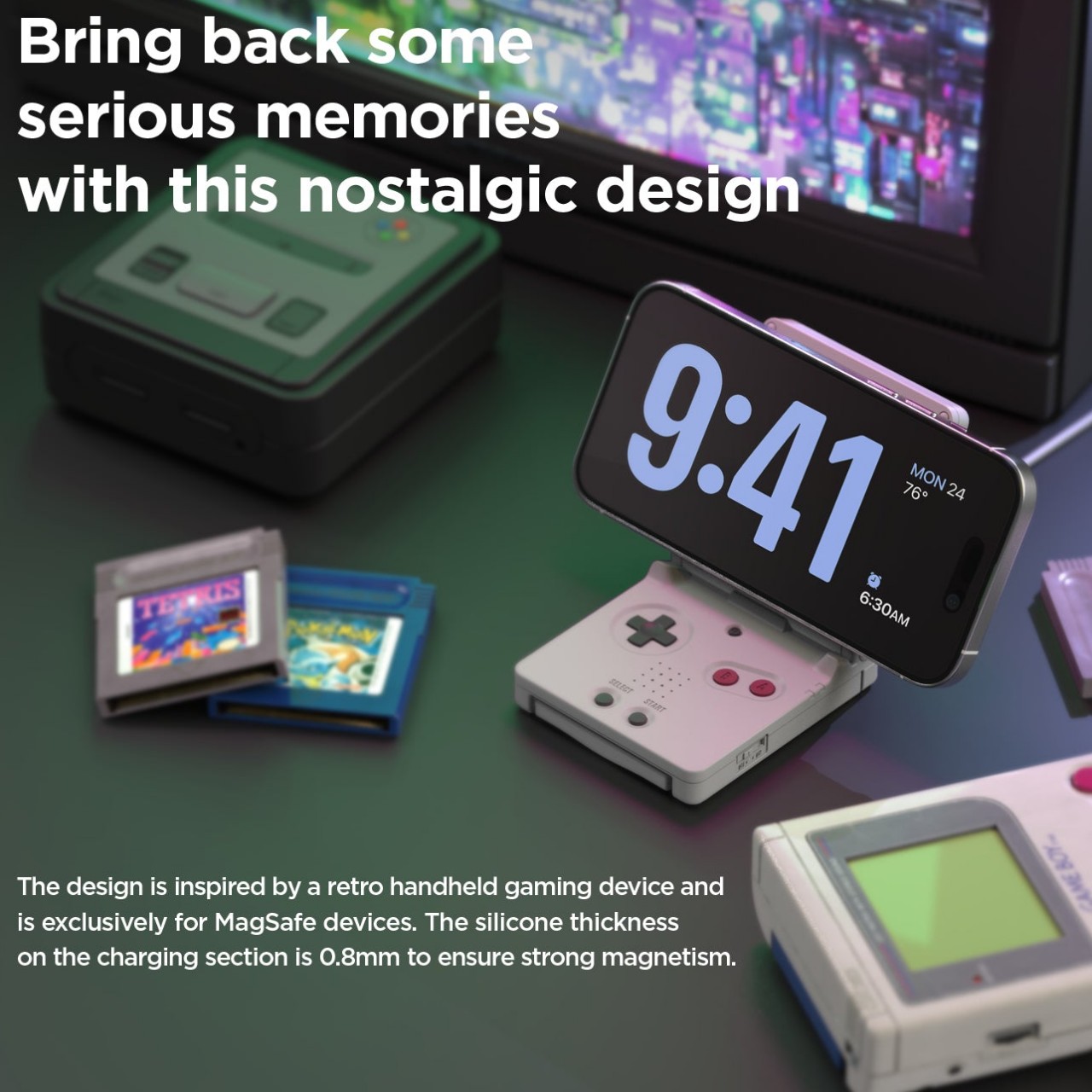
Nostalgia is a powerful emotion, as proven by the number of successful crowdfunded projects and launched products that try to capitalize on this ongoing retro trend, especially in the gaming industry. Vintage designs of the past are today’s quirky oddities, and there are many who are quick to jump on the bandwagon. While many of these retro designs try to also recreate the experience of holding a real gaming console or turntable with some modern features and conveniences, others are just content to copy the aesthetics of old-school products and leave it at that. This MagSafe iPhone charger might be in that latter category, and while it is charming in the way it brings back fun, playful memories, it could have probably gone further if it really wanted to.

Designer: Elago

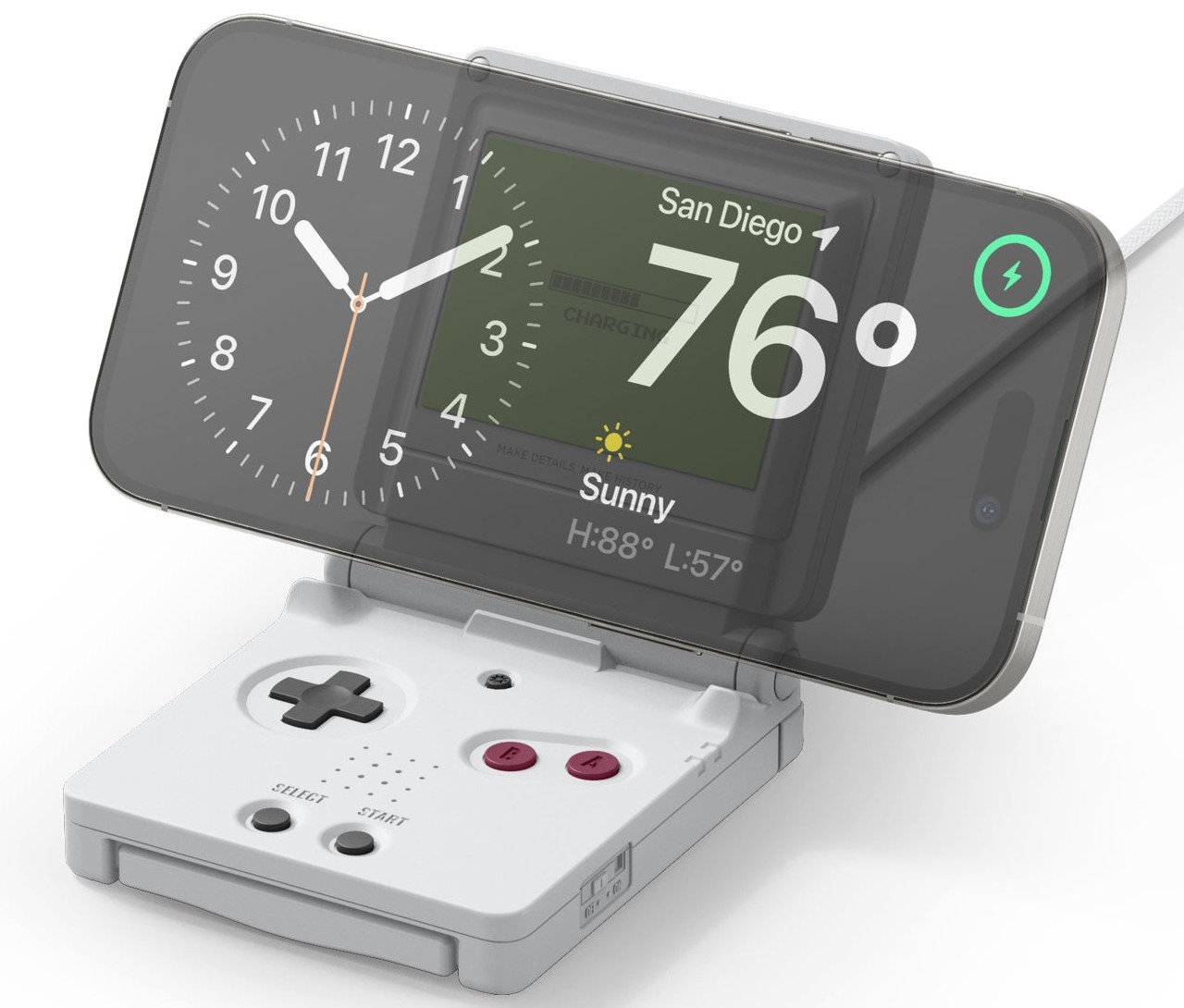
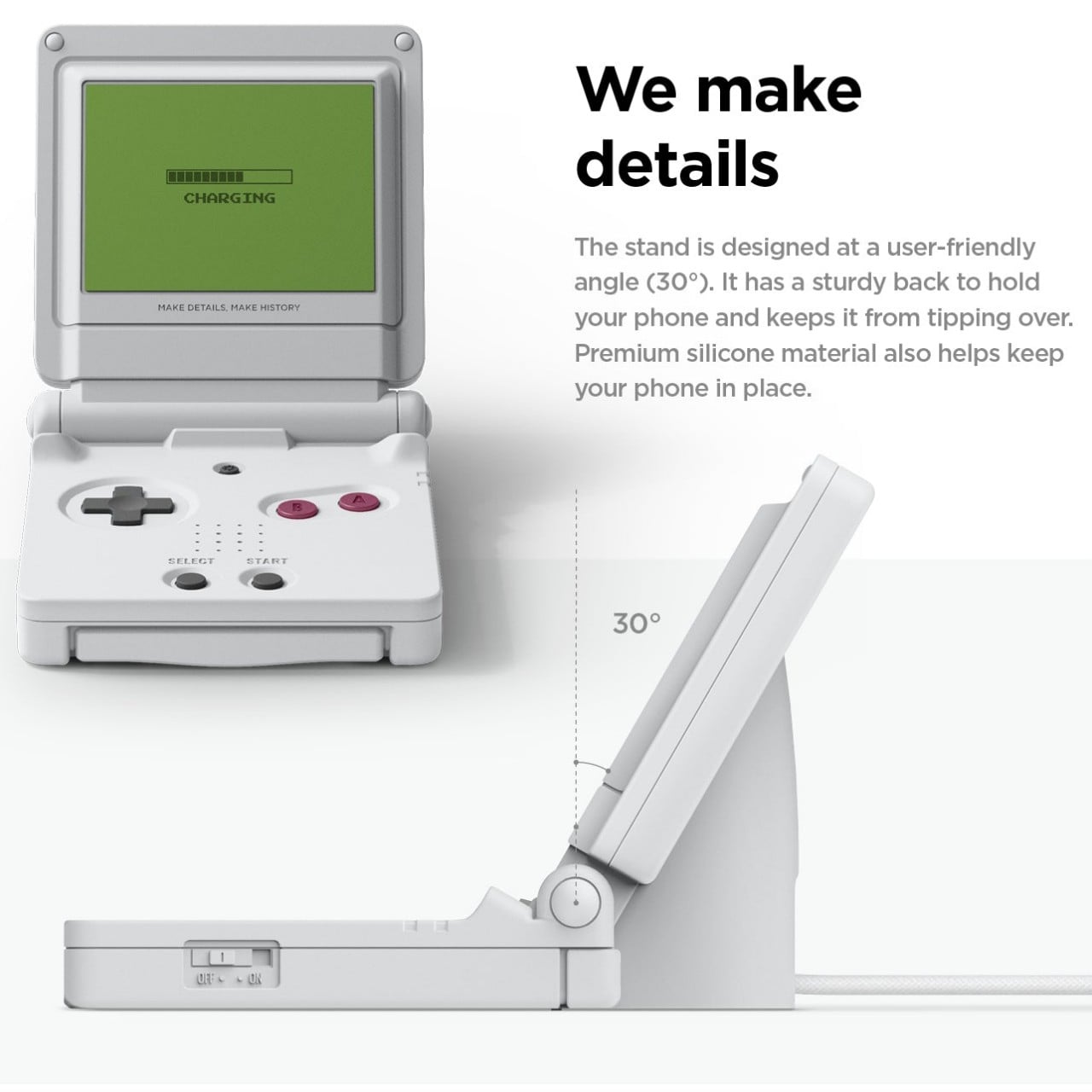
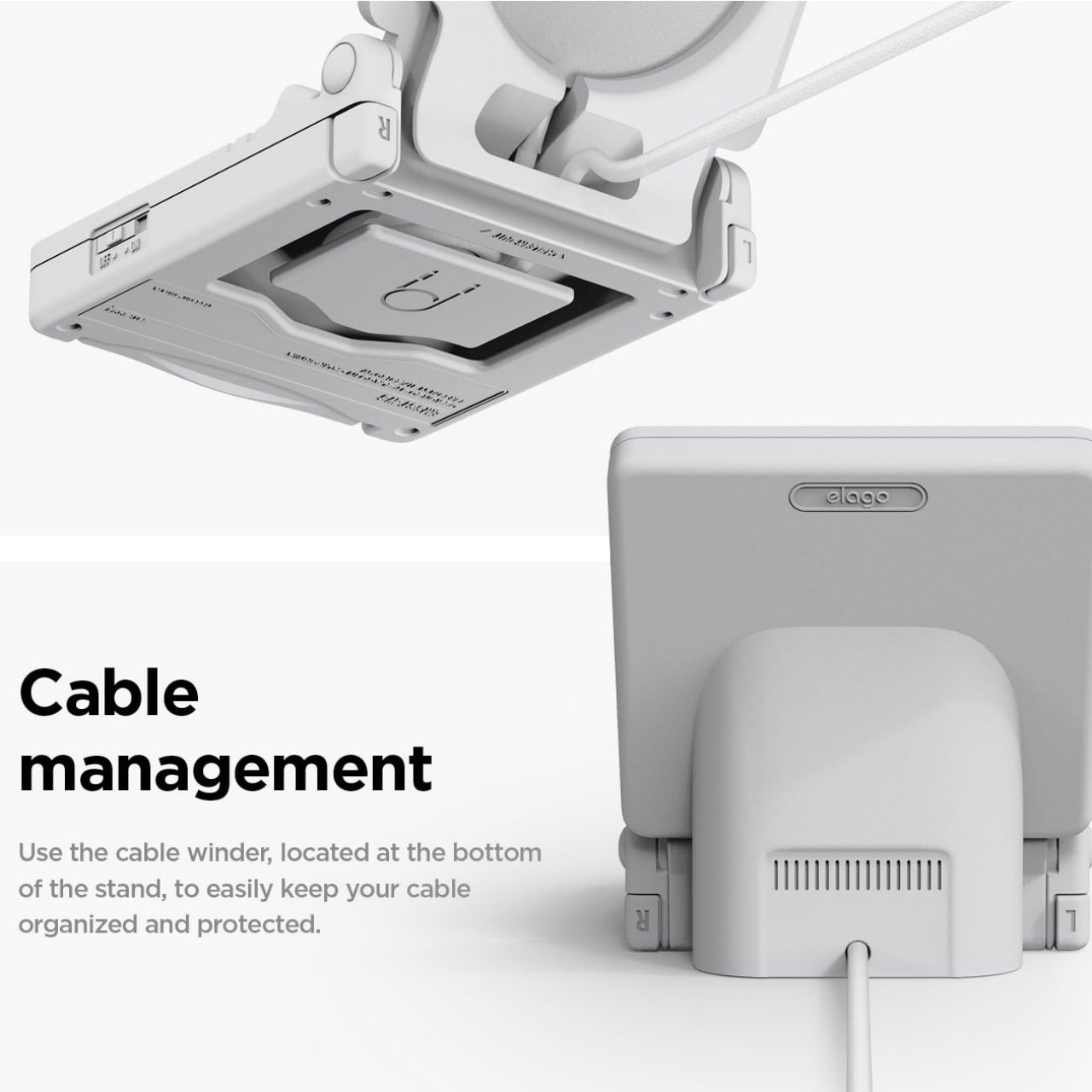
To be fair, the Elago WS M5 Charging Stand does exactly what it says it does, which is to offer a fun MagSafe charger in the design of the Nintendo Game Boy Advance SP. In that regard, it does its job well, providing a stable and useful stand for charging the phone. The fixed 30-degree angle, for example, is claimed to be perfect for watching videos or using iOS Standby Mode at night. It even has helpful support on its back to prevent the charger from tipping backward from the weight of the phone.

Elago never claimed that the stand was a functional gaming device, despite all visual indicators. It’s simply meant to inspire a trip down memory lane and nothing more. The buttons do nothing and you can’t fold the charger close like the original handheld it was based on. For a $25 MagSafe charging stand, that’s a bit disappointing. It sort of raises expectations and then dashes them quickly, making those good old days really feel more like a distant memory.

It’s also a missed opportunity for innovation and distinction. Sure, it won’t make much sense to turn it into a makeshift game controller, but having the buttons trigger some action on the phone or do anything at all is significantly better than making you feel like an idiot for expecting that a button press would actually result in something. A clamshell design would have also made this charging stand a bit more portable while relying on a kickstand mechanism to provide that same stability and support.

What this Game Boy-like MagSafe charger really accomplishes is to demonstrate the biggest benefit of this magnetic wireless charging technology. Sure, charging without cables is convenient, but its speed still leaves a lot to be desired. Instead, it’s the freedom to design a wider variety of accessories, from chargers to stands to docks, that MagSafe really shines, and this Elago WS M5, underwhelming as it might be, is just the tip of the iceberg of what’s possible.

The post Elago Game Boy style MagSafe iPhone charger looks fun but comes up short first appeared on Yanko Design.
iPhone 16 and 16 Pro: What to Expect From the 2024 iPhones

iPhone 16 Pro

The 2024 iPhones will include the iPhone 16, 16 Plus, 16 Pro and 16 Pro Max and Apple is rumored to be focusing heavily on AI on this years iPhones. The upcoming iPhone 16 and 16 Plus, along with their Pro counterparts, are poised to set a new standard in mobile technology. With a range […]

The post iPhone 16 and 16 Pro: What to Expect From the 2024 iPhones appeared first on Geeky Gadgets.

Qualcomm is expanding its next-gen laptop chip line with the Snapdragon X Plus

Last fall, Qualcomm revealed a major upgrade for its laptop chips with the Snapdragon X Elite. And while we’re still waiting for those processors to make their way into retail devices, today Qualcomm is expanding the line with the Snapdragon X Plus, which I had a chance to test out ahead of its arrival on gadgets later this year.

Similar to the X Elite, the X Plus is based on the same 4nm process and Arm-based Oryon CPU architecture as its sibling. The difference is that the new chip is meant to be used in slightly more affordable mainstream laptops, and as such it only has 10 CPU cores (vs 12 for the X Elite) and reduced clock speeds (3.4Ghz vs 3.8Ghz for the X Elite). This positioning is a lot like what Qualcomm’s rivals have been doing for a while, with the X Elite serving as the flagship chip (like Intel’s Core Ultra 9 series) and the X Plus sitting just below that (which would be equivalent to the Core Ultra 7 line).

the Qualcomm Snapdragon X Plus supports features including a 10-core Oryon CPU, a Hexagon NPU with up to 45 TOPS of performance, 42MB of total cache and more.
Qualcomm

However, one thing that hasn’t changed is that just like the X Elite, the X Plus’ Hexagon NPU puts out the same 45 TOPS of machine learning performance. This is particularly notable as Microsoft recently suggested that laptops would require at least 40 TOPS in order to run various elements of its Copilot AI service on-device. Qualcomm is also making some big claims regarding power efficiency, with the X Plus chip said to deliver 37 percent faster CPU performance compared to an Intel Core Ultra 7 155H when both chips are running at the same wattage. And when put up against other Arm-based chips, Qualcomm says the X Plus is 10 percent faster than Apple’s M3 processor in multi-threaded CPU tasks.

A photo of the Snapdragon X Plus hitting single-core and multi-core scores of 2,340 and 12,905 on a Qualcomm reference device.
Photo by Sam Rutherford

Unfortunately, the X Plus is not expected to show up in retail devices until sometime in the second half of 2024. That said, at a hands-on event, I was able to run a few benchmarks on some early Qualcomm-built reference devices. And to my pleasant surprise, the X Plus performed as expected with multi-core scores in Geekbench of 12,905 and multi-thread performance in Cinebench 2024 of 852. (Note: Because the processor has not been released yet, there’s an error in Cinebench that results in the chip’s GPU incorrectly being listed as from the X Elite instead of the X Plus.)

This is a promising showing for Qualcomm’s second and less expensive chip featuring its Oryon architecture. Though as always, the real test will come when the X Plus starts showing up in proper retail hardware. That’s because even if it boasts impressive benchmark figures, these processors will still need to play nicely with Windows, which has not had nearly as smooth a transition to Arm-based silicon as Apple’s macOS.

A photo of the Snapdragon X Plus hitting 852 on Cinebench 2024's multi-core CPU test.
Photo by Sam Rutherford/Engadget

But with renewed support for Windows on Snapdragon PCs and Qualcomm recently working with major players like Google to bring “dramatic performance improvements” in Chrome for devices running its laptop chips, things may be smoother this time.

This article originally appeared on Engadget at https://www.engadget.com/qualcomm-is-expanding-its-next-gen-laptop-chip-line-with-the-snapdragon-x-plus-130018288.html?src=rss

Windows 11 now comes with its own adware

It used to be that you could pay for a retail version of Windows 11 and expect it to be ad-free, but those days are apparently finito. The latest update to Windows 11 (KB5036980) comes out this week and includes ads for apps in the "recommended" section of the Start Menu, one of the most oft-used parts of the OS.

"The Recommended section of the Start menu will show some Microsoft Store apps," according to the release notes. "These apps come from a small set of curated developers." 

The app suggestions are enabled by default, but you can restore your previously pristine Windows experience if you've installed the update, fortunately. To do so, go into Settings and select Personalization > Start and switch the "Show recommendations for tips, app promotions and more" toggle to "off."

The new "feature" arrives just weeks after it appeared as an Insider beta, showing how quickly Microsoft can implement things when it wants to. It certainly wasn't enough time to receive the kind of user feedback the Insider program is designed for.

The update is bound to rub customers the wrong way, considering that Windows 11 starts at $139 for the Home version. While removing it isn't a huge deal, it may also remind folks of the needless time they spent stripping bloatware from OEM Windows installations. Microsoft previously tested ads in the Windows 11 File Explorer, but ended the experiment shortly afterward.

This article originally appeared on Engadget at https://www.engadget.com/windows-11-now-comes-with-its-own-adware-124531977.html?src=rss

FTC bans employers from using noncompete clauses

The US Federal Trade Commission (FTC) has banned noncompete clauses in a move to "drive innovation" and protect workers' rights and wages, the regulator said in a press release. The new rule will free most new and current employees from such agreements, with the exception of "policy-making" executives earning more than $151,164 per year. 

"Noncompete clauses keep wages low, suppress new ideas, and rob the American economy of dynamism," said FTC Chair Lina M. Khan. The agency estimated that the new rule will allow the creation of 8,500 new businesses each year, increase worker earnings by $524 per year and lower health care costs by $194 billion over the next decade. 

Noncompete clauses, widely used in the tech industry, keep employers from freely changing to similar jobs or starting a business in the same field. The result is that workers must often stay in jobs they don't want, switch to a lower-paid position, relocate, or defend against costly litigation. "An estimated 30 million workers — nearly one in five Americans [in the workforce] —are subject to a noncompete," according to the FTC.

The Commission found that noncompetes tend to negatively affect competitive conditions in labor markets by inhibiting efficient matching between workers and employers. There is also evidence that noncompetes lead to increased market concentration and higher prices for consumers.

Companies must now cancel existing noncompete clauses and notify employees about the change. The ruling applies to most employees and future hires, but current deals with senior executives still apply on the grounds that such agreements are likely to have been agreed upon by both parties. 

Tech companies ostensibly use noncompetes as a way to protect IP, but they function in reality to lock in workers. The FTC said that trade secret laws and non-disclosure agreements (NDAs) are a better way to protect IP, and "employers that wish to retain employees can compete on the merits for the worker's labor services by improving wages and working conditions."  

Microsoft, the third largest tech industry employer in the US, eliminated such clauses back in 2022. "While our existing employee agreements have noncompete obligations, we do not endorse the use of such provisions as a retention tool," the company said at the time. 

The FTC vote went 3 to 2 along party lines. Republican commissioner Melissa Holyoke said the Commission "overstepped the boundaries of its power" and estimated the ruling would be challenged in court and struck down. 

This article originally appeared on Engadget at https://www.engadget.com/ftc-bans-employers-from-using-noncompete-clauses-123045777.html?src=rss

New Phi-3 AI small language models (SLM) released by Microsoft

Microsoft Phi-3 SLM AI models

Microsoft has introduced a new series of language models named Phi-3, which includes the Phi-3-Mini, Phi-3-Small, and Phi-3-Medium. These models are state-of-the-art in their respective weight classes and are designed to be highly efficient and capable, with the Phi-3-Mini being small enough for mobile deployment. The Phi-3-Mini packs an impressive 3.8 billion parameters into a […]

The post New Phi-3 AI small language models (SLM) released by Microsoft appeared first on Geeky Gadgets.

Posted in Uncategorized | Tagged