Dubbed the Orb, this fascinating structure was designed by the computational design experts of New York’s The Very Many. Located in Google’s Charleston East Campus, and perched at the entrance of Google’s Mountain View complex in California, the structure is designed to be a truly captivating junction, where you witness a convergence of public and private spaces. The Orb has a height of 10 meters, and it features an impressive curved shape that instantly grabs your attention. It is built using a lightweight aluminum shell, with an elegant white shade. The structure features sophisticated folds and intricate perforations which create a mesmerizing play of light and shadows.
The Orb was constructed during the pandemic, and there were several issues that needed to be dealt with. The ‘puzzle structure’ is made up of delicate pieces which were laser cut and powder coated in Europe, and then shipped to California. Even though there were certain logistical issues, the Orb was built perfectly according to the vision the team had in mind. The Orb was placed in the open plaza, and it intends to offer a moment of ” productive distraction”.
The Orb serves as a place of rest from the fast-paced hectic world we live in. It allows visitors to slow down, and relax for a minute, putting aside their devices and gadgets. The interior of the orb features interesting surfaces and a non-linear environment which distract the visitors from their phones and encourage them to gaze at the detailed work.
The Orb was also described as a “visual wandering” by the studio. It is a fascinating challenge that encourages the viewer to understand and dive into an unfamiliar yet super interesting world. As visitors revisit the Orb, they notice newer details and refreshing perspectives, which builds a sense of wonder in them. The mesmerizing building shows how art and design can be utilized to inspire onlookers, captivating them, and helping them disconnect from technology. Placed in Google’s Charleston East Campus, the Orb elevates the space by adding elegance, a creative touch, and intricate beauty to it.
The Honda Navi is designed for riders seeking simplicity, style, and practicality. With urban commuters in mind, this compact motorcycle offers a unique combination of user-friendly features and economical value. Whether you’re a beginner or a seasoned rider, the Navi promises a fun and hassle-free riding experience. Here’s why the Honda Navi’s the perfect choice for navigating city streets and beyond.
Designer: Honda
User-Friendly Design
The Honda Navi is engineered to make riding as effortless as possible. At the heart of its user-friendly design is the automatic CVT transmission, which means no more dealing with clutches or gear shifts. This feature alone makes the Navi an excellent choice for those new to motorcycling. Simply start the engine, twist the throttle, and you’re on your way. The absence of a clutch and gear shift not only simplifies the learning curve but also enhances the overall riding experience by focusing on the joy of the ride itself.
Adding to its appeal, the Navi’s electric starter ensures that getting underway is as simple as pushing a button. This feature is particularly beneficial for new riders who may find traditional kick-start mechanisms challenging. The Navi’s design philosophy centers around making every aspect of riding straightforward and enjoyable, removing common barriers that might deter potential riders.
The compact and lightweight nature of the Honda Navi makes it an ideal choice for urban commuting. Weighing in at 234 pounds and featuring a low 30-inch seat height, the Navi is easy to maneuver through traffic and fit into tight parking spaces. This makes it perfect for city dwellers who need a reliable and agile mode of transportation for their daily commute. The low seat height also means that riders of various heights can comfortably manage the bike, enhancing confidence at stops and in congested areas.
Beyond city streets, the Navi is also well-suited for casual weekend rides. Its small footprint and nimble handling make exploring back roads and scenic routes a delightful experience. The fuel-efficient 109cc four-stroke engine ensures that riders can enjoy extended rides without frequent refueling stops, making the Navi a versatile choice for both daily commutes and leisurely rides.
Exceptional Value
Affordability is a key selling point of the Honda Navi, making it an attractive option for budget-conscious riders. With a base MSRP of just $1,807 and an additional destination charge of $300, the Navi is one of the brand’s most economically priced motorcycles. Despite its economical price tag, the Navi doesn’t skimp on quality or performance. The 109cc air-cooled engine provides excellent fuel efficiency and requires minimal maintenance, reducing overall ownership costs. This makes the Navi a practical choice for students, young professionals, and anyone seeking to minimize transportation expenses without compromising reliability or enjoyment.
Moreover, the Honda Navi’s outstanding fuel efficiency further minimizes its running costs. Riders can travel longer distances on a single tank, which is especially beneficial given the rising cost of fuel. This combination of low purchase price, minimal maintenance, and high fuel efficiency delivers exceptional value, ensuring that the Navi remains an economical choice long after the initial purchase.
Versatile Use Cases
The Honda Navi offers versatility that extends beyond just being a daily commuter. It’s compact size and light weight make riding on narrow streets, and crowded city centers a pleasure. The easy maneuverability also means parking in tight spots is never a hassle. This versatility makes the Navi suitable for various riders, from students navigating campus paths to urban professionals weaving through city traffic.
The Navi also boasts various features designed to enhance the riding experience. The integrated storage area provides a convenient space for carrying essentials, and the optional windscreen and rear cargo rack offer additional comfort and utility. These features make the Navi a commuter bike and a practical option for running errands and short trips.
The Honda Navi is the perfect motorcycle for a wide range of riders. Its user-friendly design makes it accessible to beginners, while its compact and lightweight build is ideal for navigating urban environments. Coupled with its economical and reliable engine, the Navi offers exceptional value, making it a smart investment for anyone looking for a fun, practical, and cost-effective mode of transportation. Whether you’re commuting to work or enjoying a leisurely ride, the Honda Navi promises a hassle-free and enjoyable experience every time you hit the road.
Newly proposed Congressional legislation would require the US to conduct security reviews for connected vehicles built by automakers from China and “other countries of concern.” Rep. Elissa Slotkin (D-MI), a former CIA analyst and Pentagon official who has championed the issue, introduced the bill on Wednesday.
If passed by Congress (a tall order these days), the Connected Vehicle National Security Review Act would establish a formal review process for connected autos from Chinese companies. It would also allow the Department of Commerce to limit or ban these cars and other vehicles before they reach US consumers.
“Today’s vehicles are more sophisticated than ever, carrying cameras, radars and other sophisticated sensors, plus the ability to process, transmit and store the data they gather from the United States,” said Slotkin. “If allowed into our markets, Chinese connected vehicles offer the Chinese government a treasure trove of valuable intelligence on the United States, including the potential to collect information on our military bases, critical infrastructure like the power grid and traffic systems, and even locate specific U.S leaders should they so choose.”
Rep. Elissa Slotkin
In a speech on the House floor earlier this month, Slotkin noted that Chinese EVs, often sold much cheaper than their US and European counterparts, could quickly gain a significant share of the American market. She cited how Chinese vehicles, first sold in Europe in 2019, now make up almost a quarter of its market. The representative also recently pushed Secretary of the Army Christine Wormuth and Secretary of Defense Lloyd Austin on the security gap.
Alternatively (and perhaps ideally), legislators could pass a comprehensive data privacy law rather than dealing with these issues piecemeal.
The bill’s introduction follows the Biden Administration’s quadrupling of import tariffs on Chinese EVs. The White House’s new EV levies grew from 25 percent to 100 percent, following China’s EV exports rising 70 percent between 2022 and 2023.
In February, the White House also ordered the Department of Commerce to investigate the risks of connected vehicles from China and other adversaries. However, that action was conducted through an executive order and could be undone by future administrations. Slotkin’s legislation would close those loopholes if it makes it through Congress — rarely a safe bet in today’s highly obstructed and contentious political environment.
This article originally appeared on Engadget at https://www.engadget.com/us-house-bill-would-require-national-security-reviews-on-connected-vehicles-from-china-211505179.html?src=rss
Newly proposed Congressional legislation would require the US to conduct security reviews for connected vehicles built by automakers from China and “other countries of concern.” Rep. Elissa Slotkin (D-MI), a former CIA analyst and Pentagon official who has championed the issue, introduced the bill on Wednesday.
If passed by Congress (a tall order these days), the Connected Vehicle National Security Review Act would establish a formal review process for connected autos from Chinese companies. It would also allow the Department of Commerce to limit or ban these cars and other vehicles before they reach US consumers.
“Today’s vehicles are more sophisticated than ever, carrying cameras, radars and other sophisticated sensors, plus the ability to process, transmit and store the data they gather from the United States,” said Slotkin. “If allowed into our markets, Chinese connected vehicles offer the Chinese government a treasure trove of valuable intelligence on the United States, including the potential to collect information on our military bases, critical infrastructure like the power grid and traffic systems, and even locate specific U.S leaders should they so choose.”
Rep. Elissa Slotkin
In a speech on the House floor earlier this month, Slotkin noted that Chinese EVs, often sold much cheaper than their US and European counterparts, could quickly gain a significant share of the American market. She cited how Chinese vehicles, first sold in Europe in 2019, now make up almost a quarter of its market. The representative also recently pushed Secretary of the Army Christine Wormuth and Secretary of Defense Lloyd Austin on the security gap.
Alternatively (and perhaps ideally), legislators could pass a comprehensive data privacy law rather than dealing with these issues piecemeal.
The bill’s introduction follows the Biden Administration’s quadrupling of import tariffs on Chinese EVs. The White House’s new EV levies grew from 25 percent to 100 percent, following China’s EV exports rising 70 percent between 2022 and 2023.
In February, the White House also ordered the Department of Commerce to investigate the risks of connected vehicles from China and other adversaries. However, that action was conducted through an executive order and could be undone by future administrations. Slotkin’s legislation would close those loopholes if it makes it through Congress — rarely a safe bet in today’s highly obstructed and contentious political environment.
This article originally appeared on Engadget at https://www.engadget.com/us-house-bill-would-require-national-security-reviews-on-connected-vehicles-from-china-211505179.html?src=rss
Last week, Sony published a seemingly innocuous bit of fluff, touting its long-term "creative entertainment vision" in broad terms, along with some interviews of key employees. Neil Druckmann, studio head of Sony's Naughty Dog, was one of those — and his interview made waves in the game world. According to the interview, Druckmann said AI could "create nuanced dialogues and characters" and also said that the new game Naughty Dog was developing (but hasn't officially announced) "could redefine mainstream perceptions of gaming." Some mighty strong and potentially controversial statements from the head of a studio beloved for its The Last of Us and Uncharted franchises.
Problem is, Druckmann was wildly misquoted by his own employers. A few days after Sony published its interview, Druckmann took to X and said "this is not quite what I said." He then went full Ellie-in-revenge-mode on Sony, posting a section of the original interview transcript. (He was actually pretty polite if we're being honest — even the powerful can only bite the hand that feeds so hard.) Regardless, things here do not add up.
In editing my rambling answers in my recent interview with SONY, some of my words, context, and intent were unfortunately lost. Well, here's the full long rambling answer for the final question about our future game... pic.twitter.com/tVuxX3LYJF
Gaming reporter Stephen Totilo shared his own comparison of what Druckmann said and what Sony published, bolding the words in Sony's answer that Druckmann never said — and those words were the majority of the quote. Sony basically put words in his mouth and published them, kicking off a classic gamer freakout.
To be fair, if I was Druckmann, I'd be pretty pissed too. Look at this butchery!
If you're curious (about what he said; and how I spend a Friday night when my wife and kids are away), here's a comparison of the original answer and the edited one.
Many changes
No surprise, this was cut: "Not because games need to be movies, or they need to be TV shows" pic.twitter.com/FkxNkqQPY2
Now, five days later, Sony has removed the interview from its site entirely. However, they didn't just delete the page — they left it up with an apology to Neil and the Naughty Dog team "for any negative impact this interview might have caused."
My favorite bit is easily this:
In re-reviewing our recent interview with Naughty Dog's Neil Druckmann, we have found several significant errors and inaccuracies that don't represent his perspective and values (including topics such as animation, writing, technology, AI, and future projects).Sony
So everything he said about animation, writing, technology, AI and future projects had errors. Hey, at least they nailed his name and title.
For the morbidly curious, you can still read the "interview" on archive.org.
This article originally appeared on Engadget at https://www.engadget.com/sony-pulls-fabricated-interview-with-naughty-dog-head-neil-druckmann-210340146.html?src=rss
Last week, Sony published a seemingly innocuous bit of fluff, touting its long-term "creative entertainment vision" in broad terms, along with some interviews of key employees. Neil Druckmann, studio head of Sony's Naughty Dog, was one of those — and his interview made waves in the game world. According to the interview, Druckmann said AI could "create nuanced dialogues and characters" and also said that the new game Naughty Dog was developing (but hasn't officially announced) "could redefine mainstream perceptions of gaming." Some mighty strong and potentially controversial statements from the head of a studio beloved for its The Last of Us and Uncharted franchises.
Problem is, Druckmann was wildly misquoted by his own employers. A few days after Sony published its interview, Druckmann took to X and said "this is not quite what I said." He then went full Ellie-in-revenge-mode on Sony, posting a section of the original interview transcript. (He was actually pretty polite if we're being honest — even the powerful can only bite the hand that feeds so hard.) Regardless, things here do not add up.
In editing my rambling answers in my recent interview with SONY, some of my words, context, and intent were unfortunately lost. Well, here's the full long rambling answer for the final question about our future game... pic.twitter.com/tVuxX3LYJF
Gaming reporter Stephen Totilo shared his own comparison of what Druckmann said and what Sony published, bolding the words in Sony's answer that Druckmann never said — and those words were the majority of the quote. Sony basically put words in his mouth and published them, kicking off a classic gamer freakout.
To be fair, if I was Druckmann, I'd be pretty pissed too. Look at this butchery!
If you're curious (about what he said; and how I spend a Friday night when my wife and kids are away), here's a comparison of the original answer and the edited one.
Many changes
No surprise, this was cut: "Not because games need to be movies, or they need to be TV shows" pic.twitter.com/FkxNkqQPY2
Now, five days later, Sony has removed the interview from its site entirely. However, they didn't just delete the page — they left it up with an apology to Neil and the Naughty Dog team "for any negative impact this interview might have caused."
My favorite bit is easily this:
In re-reviewing our recent interview with Naughty Dog's Neil Druckmann, we have found several significant errors and inaccuracies that don't represent his perspective and values (including topics such as animation, writing, technology, AI, and future projects).Sony
So everything he said about animation, writing, technology, AI and future projects had errors. Hey, at least they nailed his name and title.
For the morbidly curious, you can still read the "interview" on archive.org.
This article originally appeared on Engadget at https://www.engadget.com/sony-pulls-fabricated-interview-with-naughty-dog-head-neil-druckmann-210340146.html?src=rss
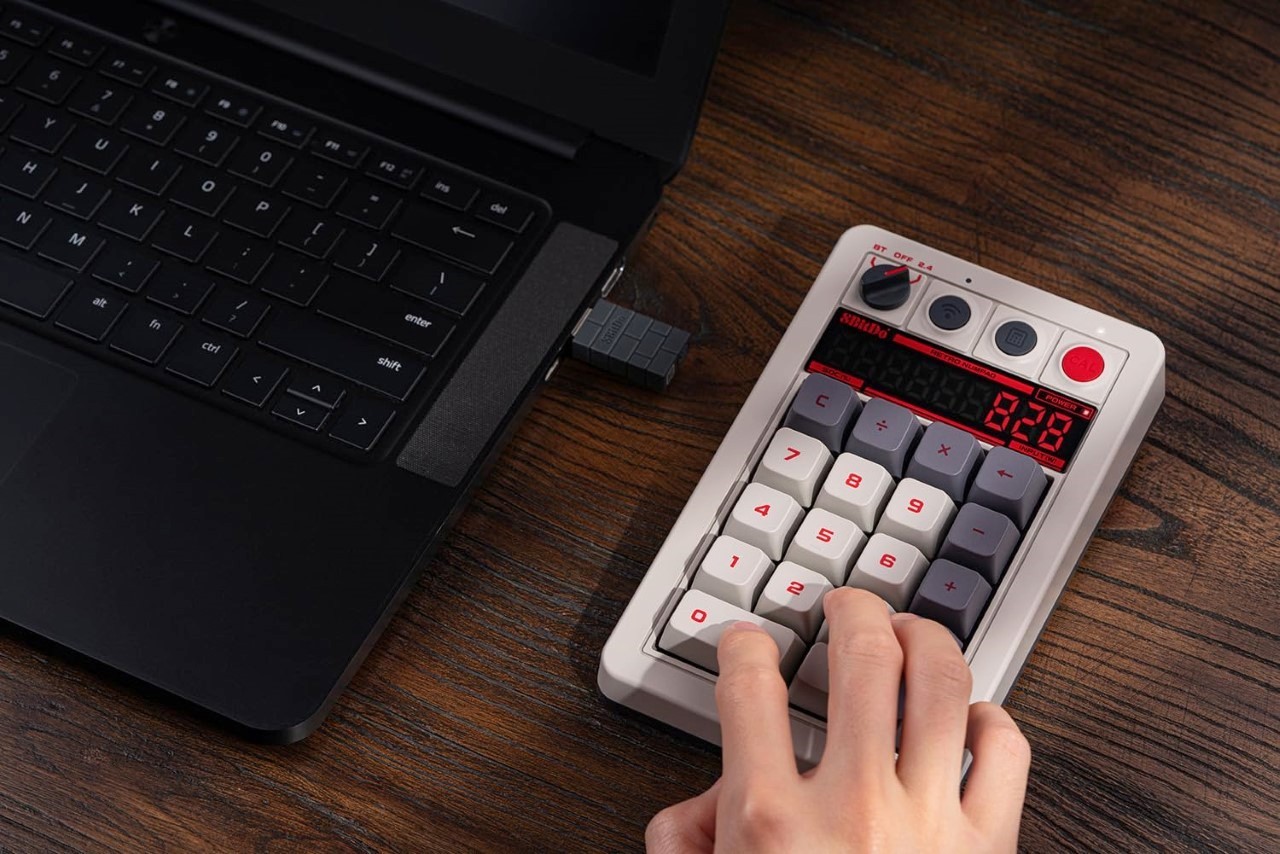
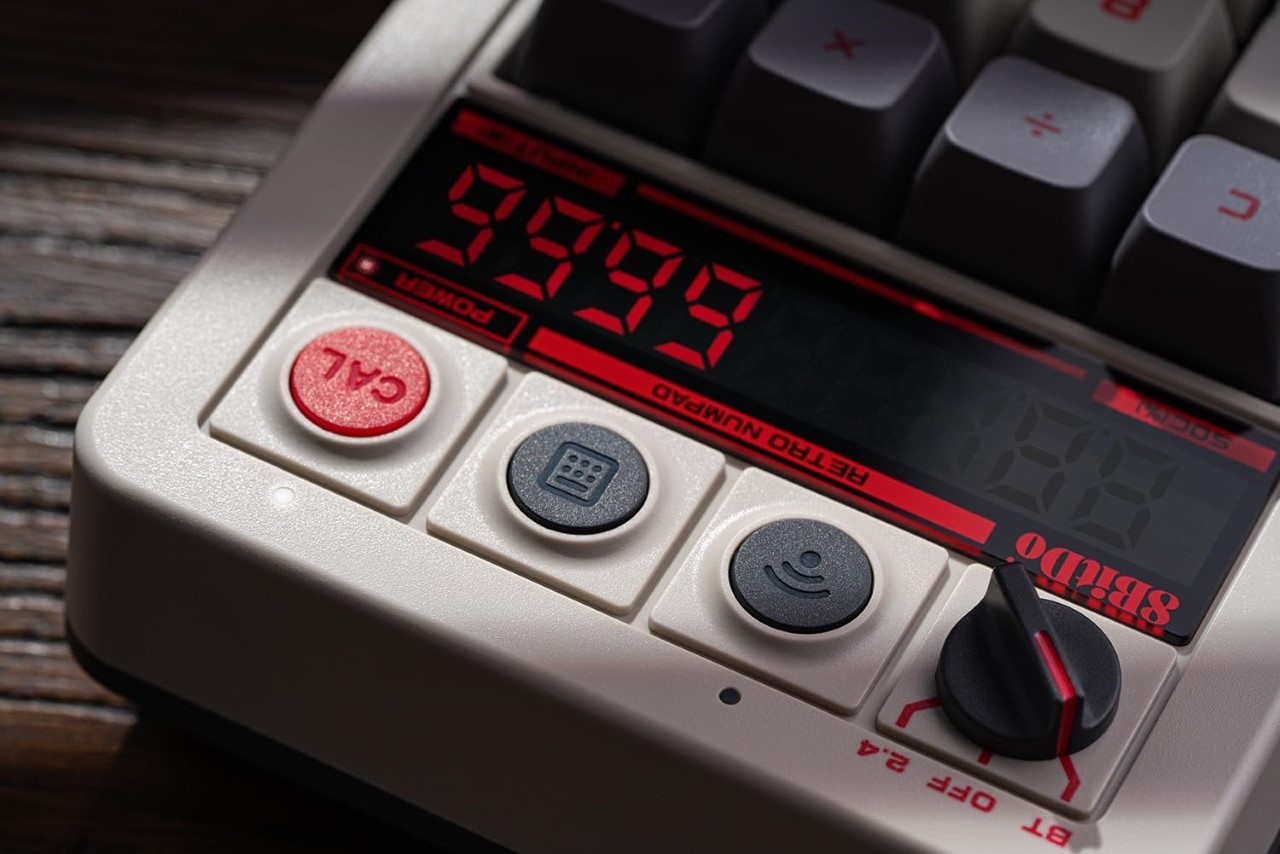
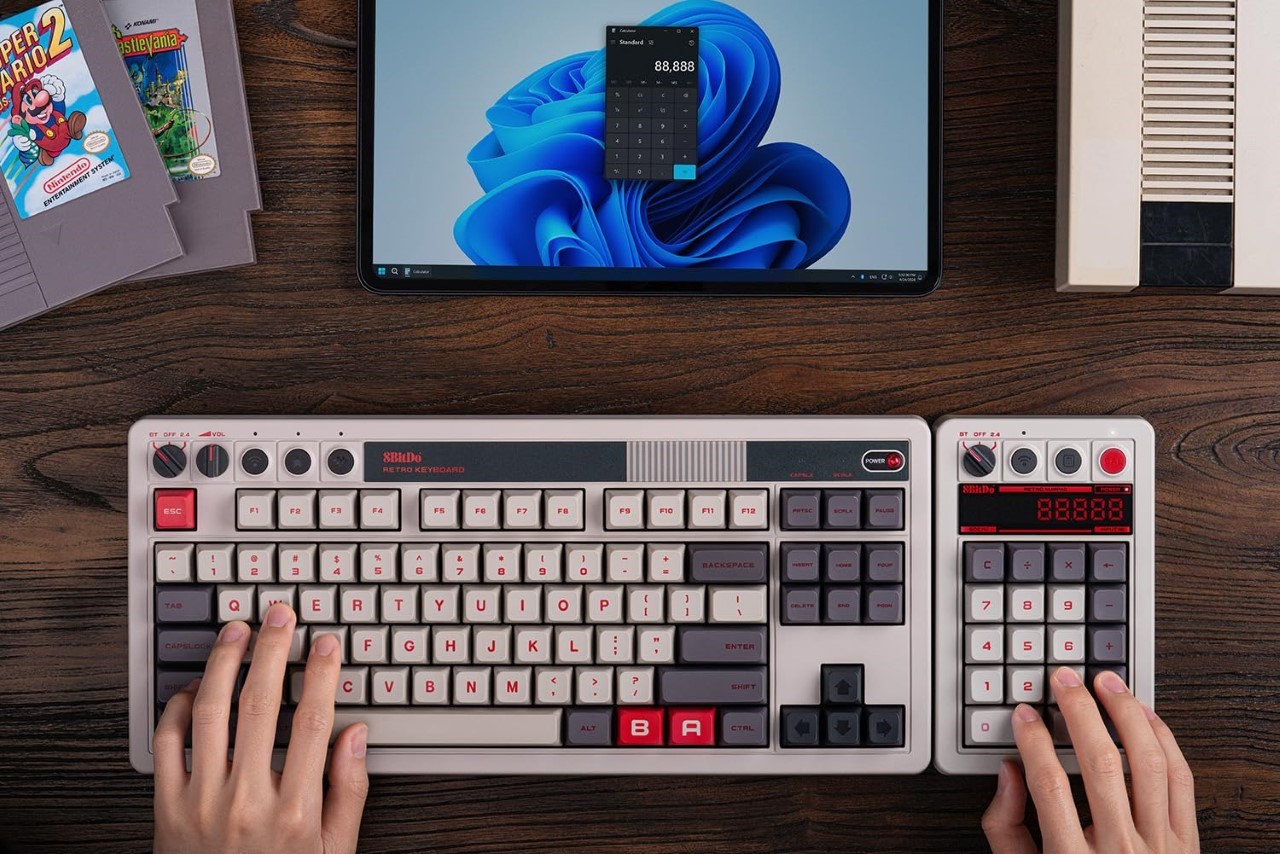
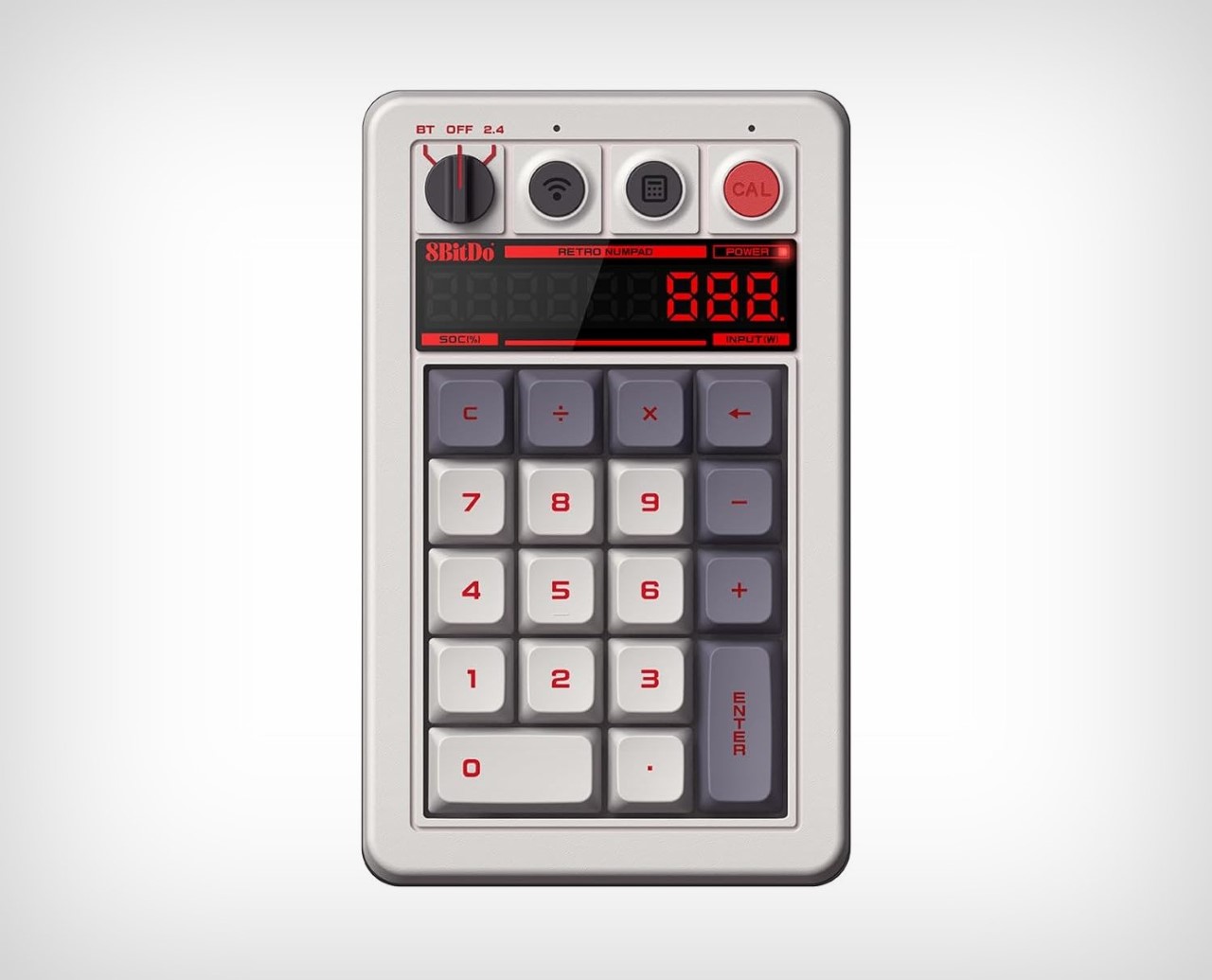
Following the release of last year’s Retro Mechanical Keyboard, 8bitdo decided to give the keyboard the one good thing it was missing – a gorgeous numpad. Inspired by the retro aesthetic of tech from the 80s and 90s, the Retro 18 Mechanical Numpad exists as an independent peripheral device that can either pair up with its companion keyboard, or be used independently like an old-school calculator. A red and black seven-segment display on the top feels like retro-perfection to the eyes, and those clacky keys are sure to get your fingers crunching numbers every day because of how wonderfully tactile they are.
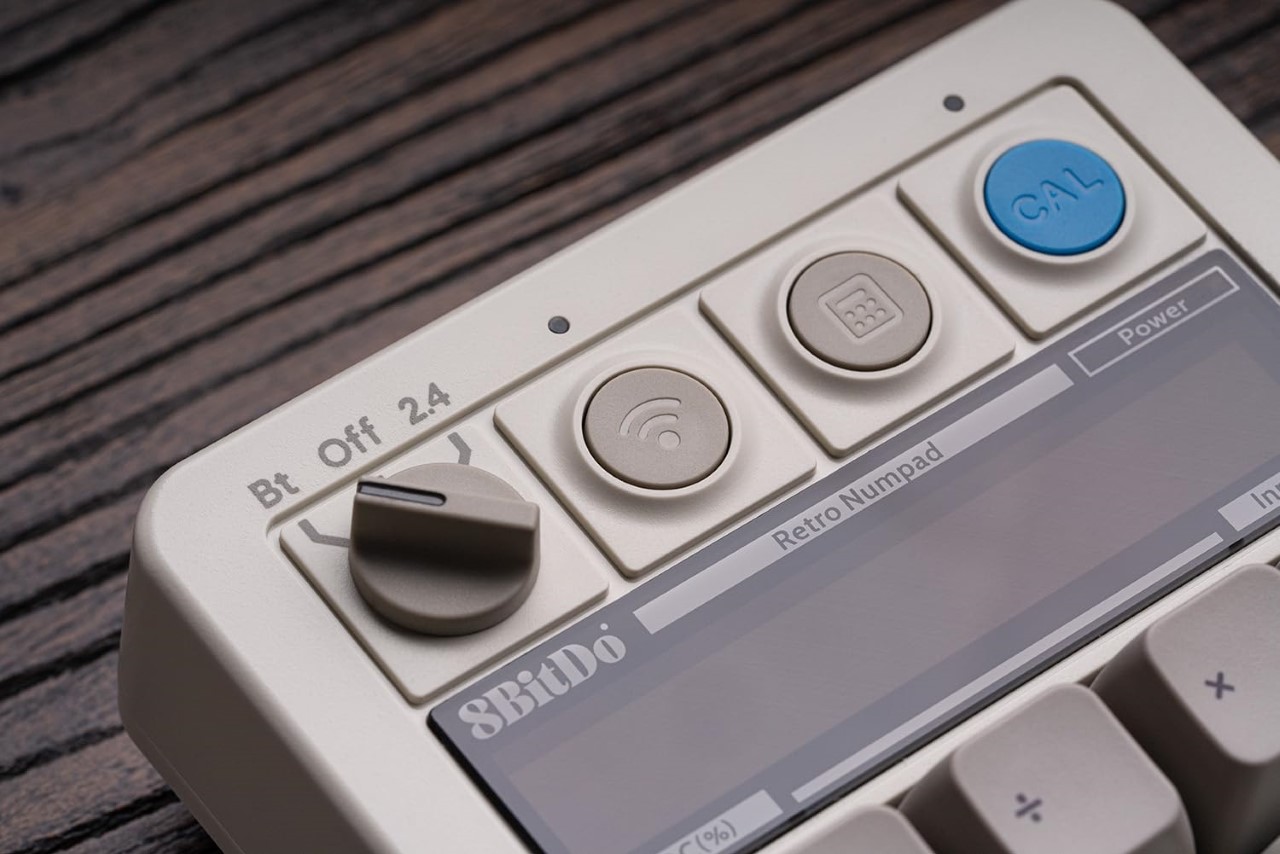
The Numpad comes in four delightful flavors, ahem colors, each inspired by iconic gaming systems: the M edition, the Famicom edition, the C64 model, and the N edition reminiscent of the NES. These draw inspiration from the design language of those classic consoles, offering a delightful dose of retro charm for your desk setup. The M Edition is the only one to sport a black and white display, while all the others have a black-red screen that is literal eye-candy.
Beyond aesthetics, the Numpad boasts functionality in the form of two modes: a standard calculator mode with an integrated display and a PC numpad mode for entering numbers on your computer. This versatility allows it to seamlessly switch between basic calculations and data entry tasks. Buttons on the top let you alternate between modes and even explore connectivity options.
For connectivity, the Numpad offers a variety of options. It includes a USB cable, Bluetooth 5.0 for wireless freedom, and a 2.4GHz USB adapter for a lag-free connection. The rechargeable 1000mAh Li-on battery offers a solid 160 hours of use on a single charge, ensuring it can keep up with your workflow.
The Numpad’s quality matches 8bitdo’s high standards, featuring dye-PBT or double-shot ABS keycaps (depending on the edition) for a comfortable typing experience. It utilizes Kalih Box White V2 switches, known for their satisfying tactility and durability. Additionally, the hot-swappable PCB allows for easy switch customization to personalize your typing feel.
A dongle at the bottom allows easy 2.4Ghz pairing with any laptop or desktop
Priced at $44.99 and available for pre-order now, the 8BitDo Retro 18 Mechanical Numpad is a niche product, but one that caters to a specific audience. It injects a shot of retro charm into your workspace while offering a functional and well-built numpad experience. Besides, if you’ve got a keyboard with a layout that’s either 80% or smaller, chances are you’ll need a numpad to match – this one’s perfect to complement your mechanical setup or your retro sensibilities. I also appreciate the fact that you’ll never have to open your phone’s calculator app again.
Google is crossing genres with its latest wearable for kids, combining a gaming system and an activity tracker in the Fitbit Ace LTE. The company is pitching this as a “first-of-its-kind connected smartwatch that transforms exercise into play and safely helps kids lead more active, independent lives.” Basically, think of it as a Nintendo Switch pared down into an activity tracker for children aged 7 and up, with a few safety and connectivity features built in.
The main idea here is to get kids up and moving, in exchange for progress on the Ace LTE’s onboard games. But there are also basic tools that let parents (and trusted contacts) stay in touch with the wearer. Through the new Fitbit Ace app (that adults can install on iOS or Android), guardians can set play time, monitor activity progress and send calls or messages. On the watch itself, kids can also use the onscreen keyboard or microphone to type or dictate texts or choose an emoji.
The Fitbit Ace LTE’s hardware: Basically a Pixel Watch 2
Since the Fitbit Ace LTE uses a simplified version of the hardware on the Pixel Watch 2, it’s pretty responsive. One major difference, though, is that the kid-friendly tracker uses Gorilla Glass 3 on its cover, in addition to the 5 ATMs of water-resistance that both models share. Google does include a protective case with each Ace LTE, and it doesn’t add much weight.
There are also other obvious differences because the Pixel Watch 2 has a circular face while the Fitbit Ace LTE has a “squircle” (square with rounded corners) OLED with two large buttons on the right side. The latter’s band is also a lot narrower, and it comes “with technology built in,” according to Google’s vice president of product management Anil Sabharwal. That's just a fancy way to say that the Ace LTE recognizes when you swap in a new strap and each accessory comes with unique content.
Cherlynn Low for Engadget
The company is calling these straps “Cartridges” — another reminder of how the Fitbit Ace LTE is a gaming console wannabe. When you snap a new one on, you’ll see an animation of all the bonus material you just got. They include new backgrounds and items for your Tamagotchi-esque pet called “eejie.” Separate bands also add unique cartoony strips, called Noodles, that make their way around the edges of the watch's display every day which chart the wearer’s progress towards daily goals, similar to Apple's activity rings.
I’m dancing around the main part of the Fitbit Ace LTE’s proposition, because I wanted to get the hardware out of the way. The most interesting concept here is the idea of a wearable gaming system. The Ace LTE’s home screen looks fairly typical. It shows you the time and the Noodle activity ring around it, as well as some small font at the very bottom showing the number of points collected.
To the left of this page is what Sabharwal called a “playlist” — a collection of daily quests. Like on other iOS or Android games, this is a bunch of targets to hit within a dictated time frame to ensure you’re engaged, and achieving these goals leads to rewards.
Eejie: Like Tamagotchi but less cute
Most of these rewards are things you can use to jazz up your digital pet’s home over on the right of the home screen. Google calls these things “eejies” — that name doesn’t actually mean anything. Some engineers in a room looked at the letters “I” “J” and “I” and sounded them out and thought sure, why not. (No, those letters don't actually stand for anything, either.)
Cherlynn Low for Engadget
According to Google, “Eejies are customizable creatures that feed off daily activity — the more kids reach their movement goals, the more healthy and happy their eejie gets.” When daily activities are completed and each child earns arcade tickets (or when a new watch strap is attached), they can exchange them for new outfit or furniture items for their eejies.
Even though they’re supposed to be “customizable creatures,” the eejies are anthropomorphic and look like… well, kids. Depending on how you style them, they sort of look like sullen teenagers, even. Don’t expect a cute Pikachu or Digimon to play with, these eejie are two-legged beings with heads, arms and necks. I’d prefer something cuter, but perhaps the target demographic likes feeding and playing with a strange avatar of themselves.
When multiple Ace LTE wearers meet up, their eejie can visit each other and leave emoji messages. Of course, how fun that is depends on how many of your (kid’s) friends have Ace LTEs.
Gaming on the Fitbit Ace LTE
Even without that social component though, the Ace LTE can be quite a lot of fun. It is the home of Fitbit Arcade, a new library of games built specifically for this wearable. So far, I’ve only seen about six games in the collection, including a room escape game, a fishing simulator and a Mario Kart-like racer.
The first game I tried at Google’s briefing was Smoky Lake, the fishing game. After a quick intro, I tapped on a shadow of a fish in the water, and flung my arm out. I waited till the Ace LTE buzzed, then pulled my wrist in. I was told that I had caught a puffer fish, and swiped through to see more information about past catches. I earned five arcade tickets with this catch.
I gleefully tried again and caught what I was told was the “biggest pineapple gillfish” acquired that day. Other hauls the Ace LTE I was wearing had acquired included a “ramen squid” and a “blob fish,” and tapping an icon on the upper left brought up my library of things that had been caught.
Cherlynn Low for Engadget
I then played a round of Pollo 13, a racing game where I played as a chicken in a bathtub competing in an intergalactic space match against my arch nemesis. There, I tilted my wrist in all directions to steer, keeping my vehicle on track or swerving to collect items that sped me up. Just as I expected based on my prior Mario Kart experience (and also my general lack of skill at driving in real life), I sucked at this game and came in last. Sabharwal gently informed me that this was the poorest result they had seen all day.
I didn’t get to check out other titles installed, like Galaxy Rangers, Jelly Jam or Sproutlings but I was most intrigued by a room escape game, which is my favorite genre.
Google doesn’t want to encourage obsession or addiction to the Ace LTE’s games, though. “We don’t want kids to overexercise. We don’t want kids to feel like they have a streak and if they miss a day, ‘Oh my God, the world is over!’” Sabharwal said.
To that end, progress in each game is built around encouraging the wearer to meet movement goals to advance to new stages. Every two to three minutes, you’ll be prompted to get up and move. In Smokey Lake, for instance, you’ll be told that you’ve run out of bait and have to walk a few hundred steps to go to the bait shop. This can be achieved by walking a number of steps or doing any activity that meets similar requirements. Google is calling this “interval-based gaming,” playing on the idea of “interval-based training.” After about five to 10 sessions, the company thinks each wearer will hit the 60 to 90 minutes of daily required activity recommended by the World Health Organization.
Cherlynn Low for Engadget
The idea of activity as currency for games isn’t exactly novel, but Google’s being quite careful in its approach. Not only is it trying to avoid addiction, which for the target age group is a real concern, but the company also says it built the Ace LTE “responsibly from the ground up” by working with “experts in child psychology, public health, privacy and digital wellbeing.” It added that the device was “built with privacy in mind, front and center,” and that only parents will ever be shown a child’s location or activity data in their apps. Location data is deleted after 24 hours, while activity data is deleted after a maximum of 35 days. Google also said “there are no third-party apps or ads on the device.”
While activity is the main goal at launch, there is potential for the Ace LTE to track sleep and other aspects of health to count towards goals. Parts of the Ace LTE interface appeared similar to other Fitbit trackers, with movement reminders and a Today-esque dashboard. But from my brief hands-on, it was hard to fully explore and compare.
Though I like the idea of the Ace LTE and was definitely entertained by some of the games, I still have some reservations. I was concerned that the device I tried on felt warm, although Sabharwal explained it was likely because the demo units had been charging on and off all day. I also didn’t care for the thick bezels around the screen, though that didn’t really adversely impact my experience. What did seem more of a problem was the occasional lag I encountered waiting for games to load or to go to the home screen. I’m not sure if that was a product of early software or if the final retail units will have similar delays, and will likely need to run a full review to find out.
The Fitbit Ace LTE is available for pre-order today for $230 on the Google Store or Amazon and it arrives on June 5. You’ll need to pay an extra $10 a month for the Ace Pass plan, which includes LTE service (on Google’s Fi) and access to Fitbit Arcade and regular content updates. If you spring for an annual subscription, you’ll get a collectable Ace Band (six are available at launch) and from now till August 31, the yearly fee is discounted at 50 percent off, making it about $5 a month.
Update, May 29, 3:15PM ET: This story has been edited to clarify that the Fitbit Ace LTE's hardware is a simplified version of the Pixel Watch 2. It is not capable of sleep or stress tracking.
This article originally appeared on Engadget at https://www.engadget.com/fitbit-ace-lte-hands-on-wearable-gaming-to-make-exercise-fun-but-not-too-fun-140059054.html?src=rss
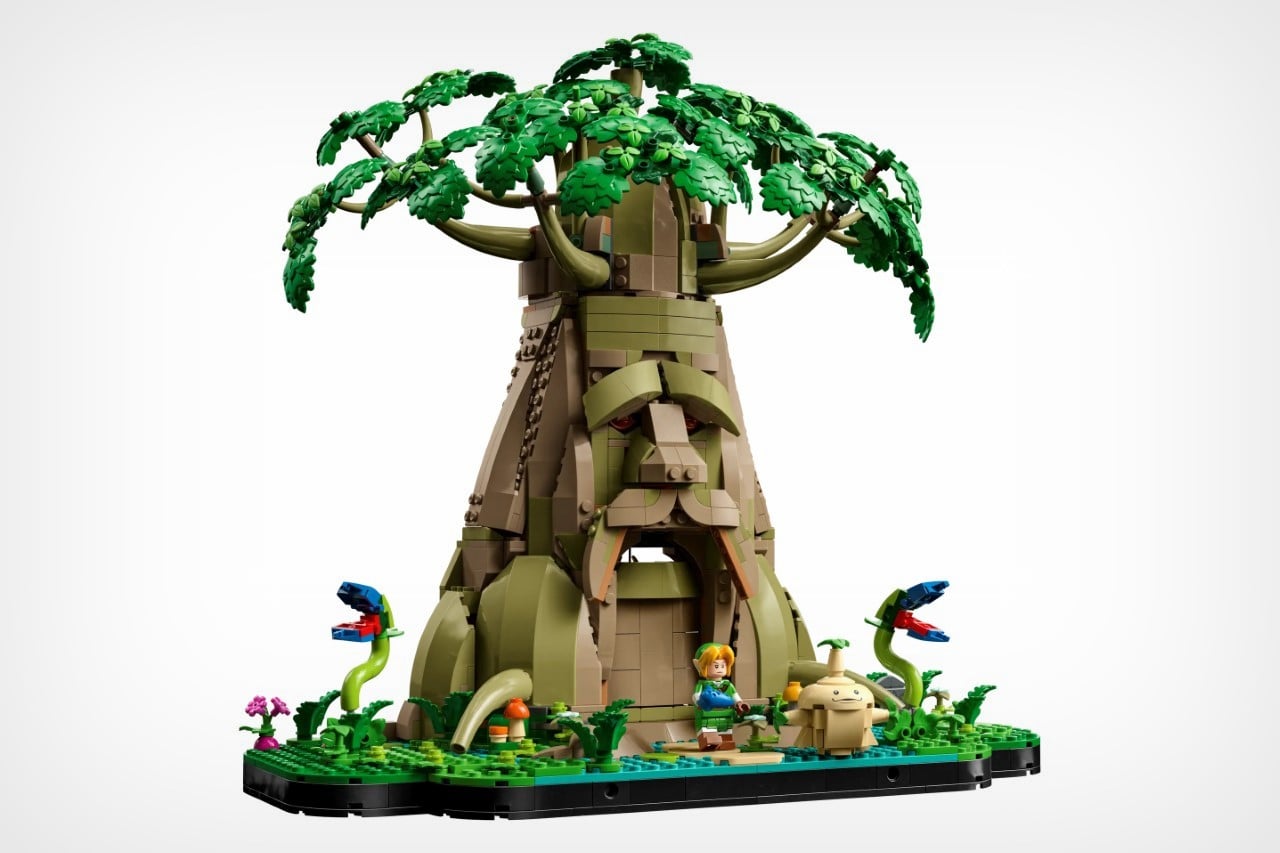
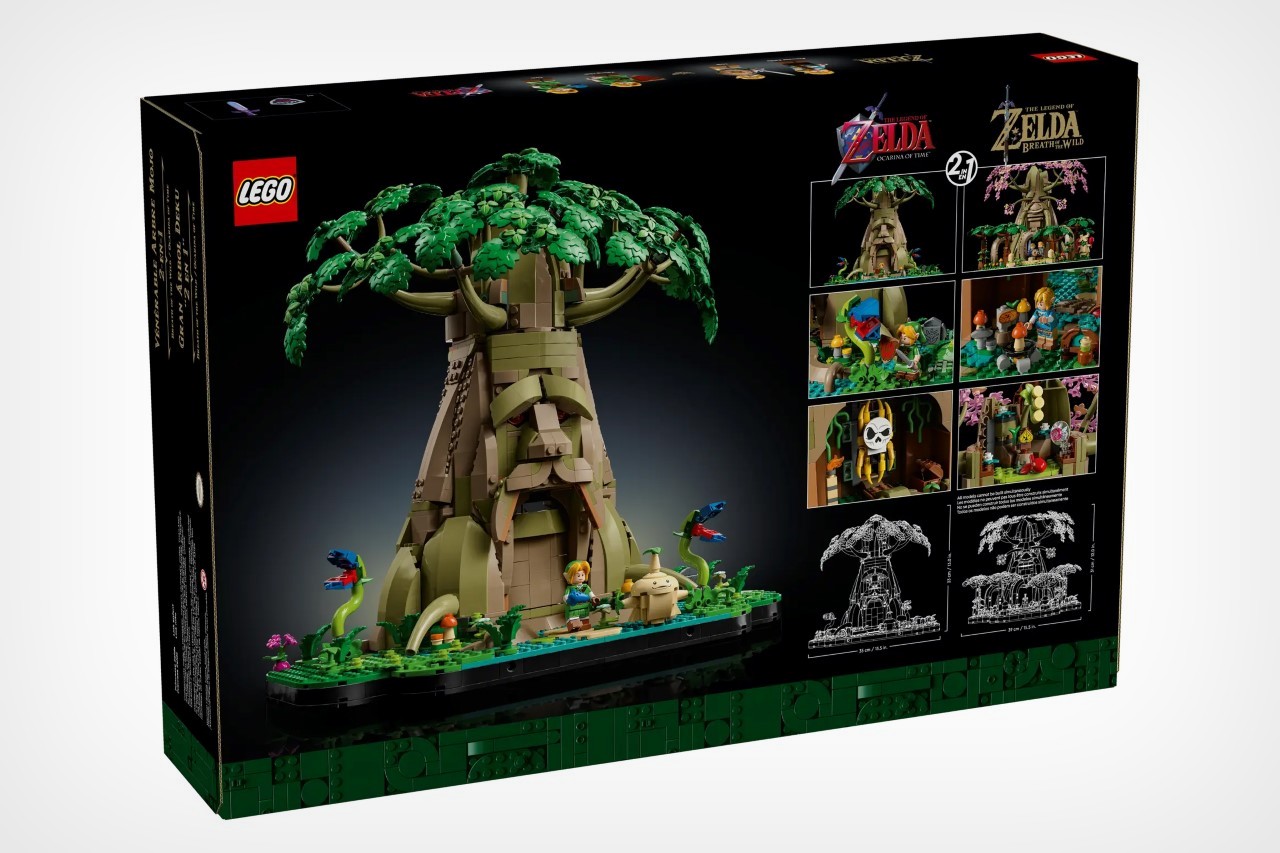
While LEGO’s released quite a few game-themed playsets in the past few years (the Super Mario and Animal Crossing ones immediately come to mind), they’ve notably missed one title that’s arguably had just as big an impact (if not bigger) on the gaming community as Mario and Animal Crossing. I’m sure Zelda fans have waited with bated breath for the day LEGO dropped a Zelda-themed playset and looks like that wait finally paid off. LEGO’s first official Zelda Playset captures the Great Deku Tree in a 2-in-1 build that lets you either make a variant of the tree shown in its early stages, or in full-bloom as shown in the franchise’s 2017 game, Breath of the Wild. The set also includes a whole slew of familiar characters like Zelda, Link, and many more!
Clocking in at a hefty 2,500 pieces, The Great Deku Tree offers a unique two-in-one build experience. Zelda veterans can choose to construct the iconic tree as it appears in the opening chapter of The Legend of Zelda: The Ocarina of Time, complete with a section inspired by the Deku Tree Dungeon and a miniature replica of Link’s house in Kokiri Village. Feeling a touch more recent? The set also allows you to build the weathered and majestic Great Deku Tree from Breath of the Wild, complete with hidden Koroks.
Beyond the impressive tree itself, the set boasts a treasure trove of characters and accessories to bring Hyrule to life. We’re talking buildable figures of Link (both his classic and Breath of the Wild incarnations), Zelda, and even a creepy-crawly Skulltula. The set also includes iconic items like the Deku Shield, the Sheikah Slate, and the legendary Master Sword, nestled snugly in its pedestal.
With intricate details, playable features, and a whopping piece count, The Great Deku Tree promises an immersive building experience for Zelda fans of all ages. Whether you yearn for the nostalgia of Ocarina of Time or prefer the open-world adventure of Breath of the Wild, this Lego set caters to both sides of the Hyrulean coin.
The Legend of Zelda Great Deku Tree set is available for pre-order now for $300, with a release date set for September 1st. So grab your rupees, dust off your Master Sword replica (safety first!), and get ready to embark on a Lego brick adventure through the beloved world of Zelda.
Framework, the company known for making unique modular laptops, just announced the latest iteration of its Laptop 13. The big news here is that these computers now come equipped with Intel Core Ultra Series 1 processors, which should offer a serious boost in power along with improved efficiency and battery life. These processors also support up to 96GB of DDR5 RAM, so you can make sure your model is relatively future-proof.
A laptop isn’t just a processor, however, so the Laptop 13 features all kinds of iterative improvements over previous models. There are multiple display options, and the best one features a resolution of 2880x1920 and a refresh rate of 120Hz. That’ll certainly be quite handy for gaming.
There’s a new 9.2MP webcam that steals a bit of tech from modern smartphone cameras to deliver “amazing 1080p performance, especially in low-light conditions.” Framework has also moved to lower-noise microphones for audio clarity.
Of course, this is Framework, so the Laptop 13 is modular. The company offers an array of customization options, including new expansion cards and system modules. There are some new multi-colored USB-C expansion cards and a forthcoming SD expansion card for easy flash storage. It also offers pre-configured models to suit different consumers. For instance, there’s a business version that comes with a 3-year warranty and pre-installed Windows 11 Pro with Autopilot support.
Preorders are available right now, with deliveries starting next month. The Laptop 13 starts at $1,100.
This article originally appeared on Engadget at https://www.engadget.com/the-new-framework-13-laptops-includee-intel-core-ultra-series-1-processors-190323014.html?src=rss