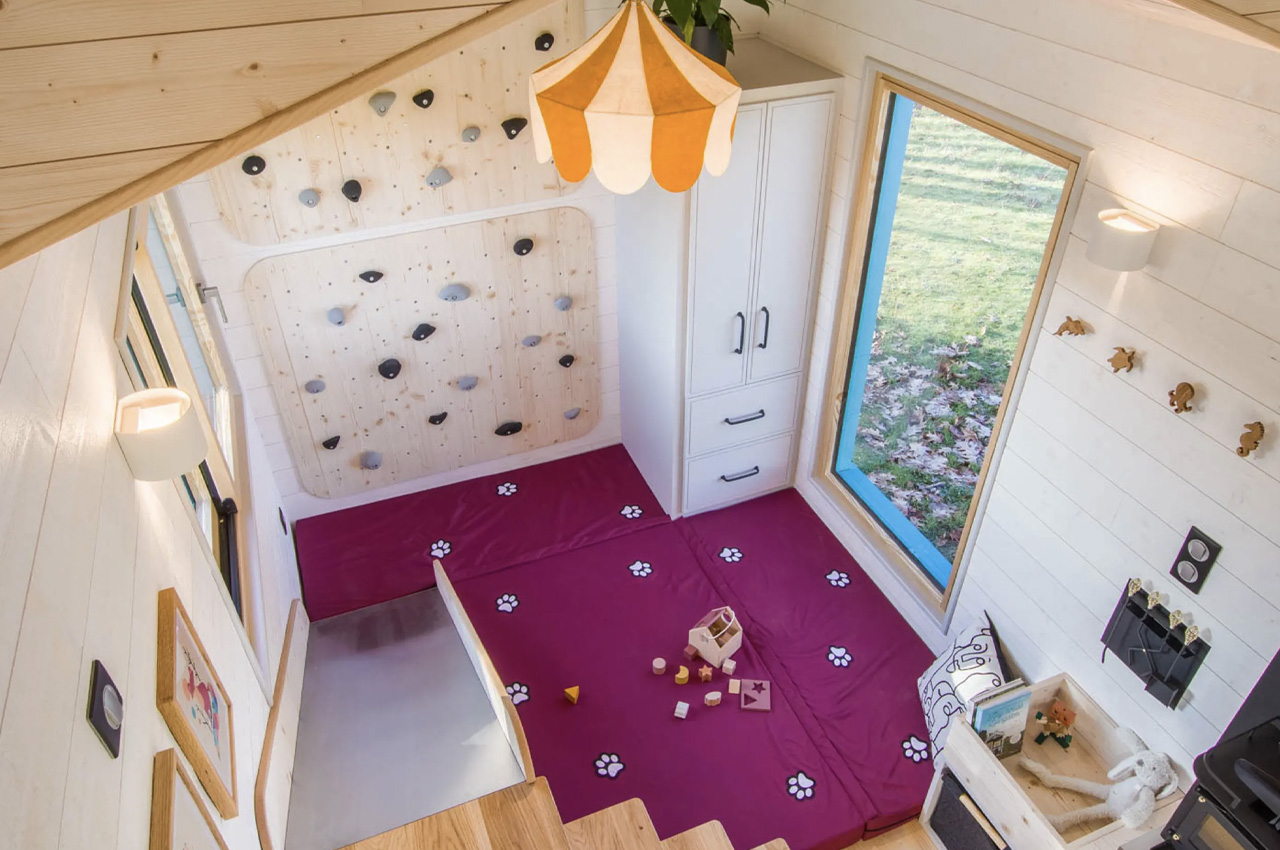
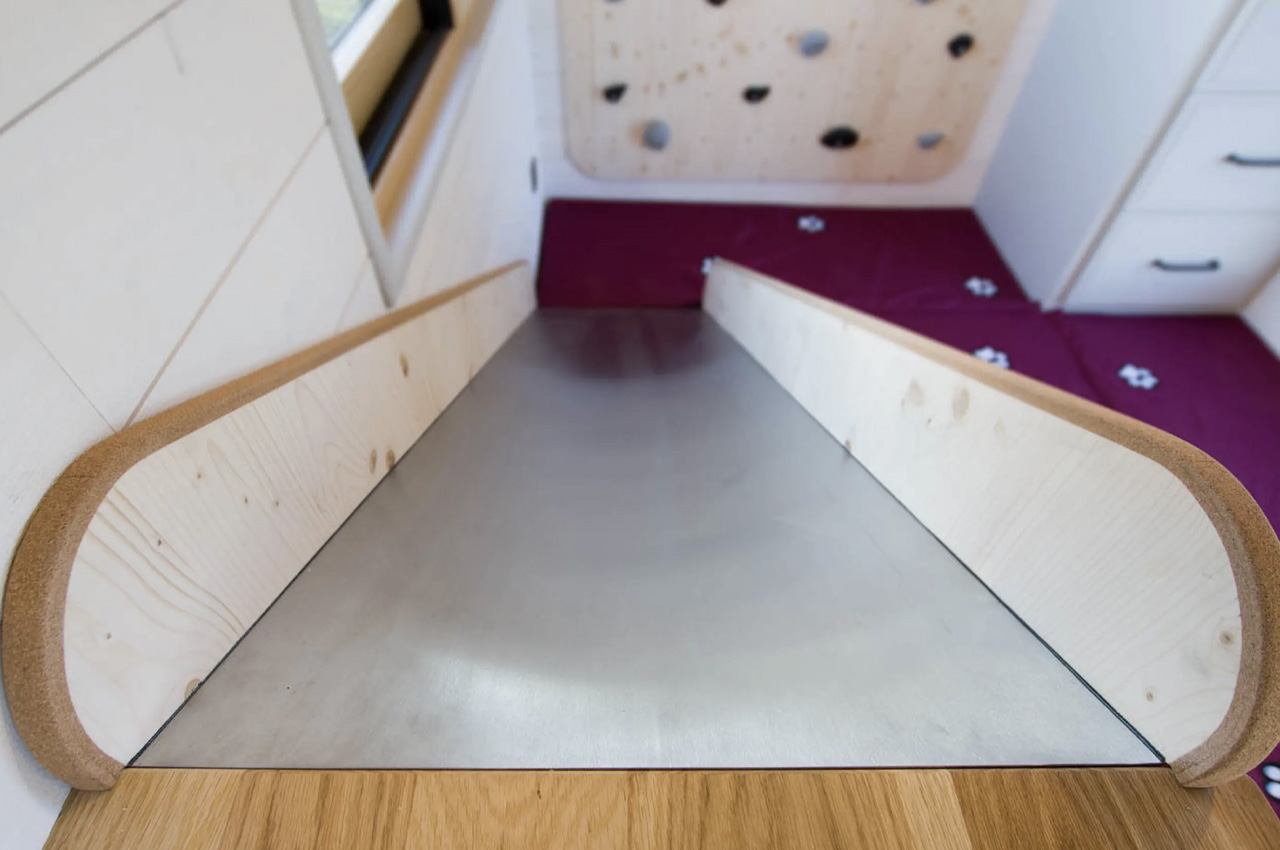
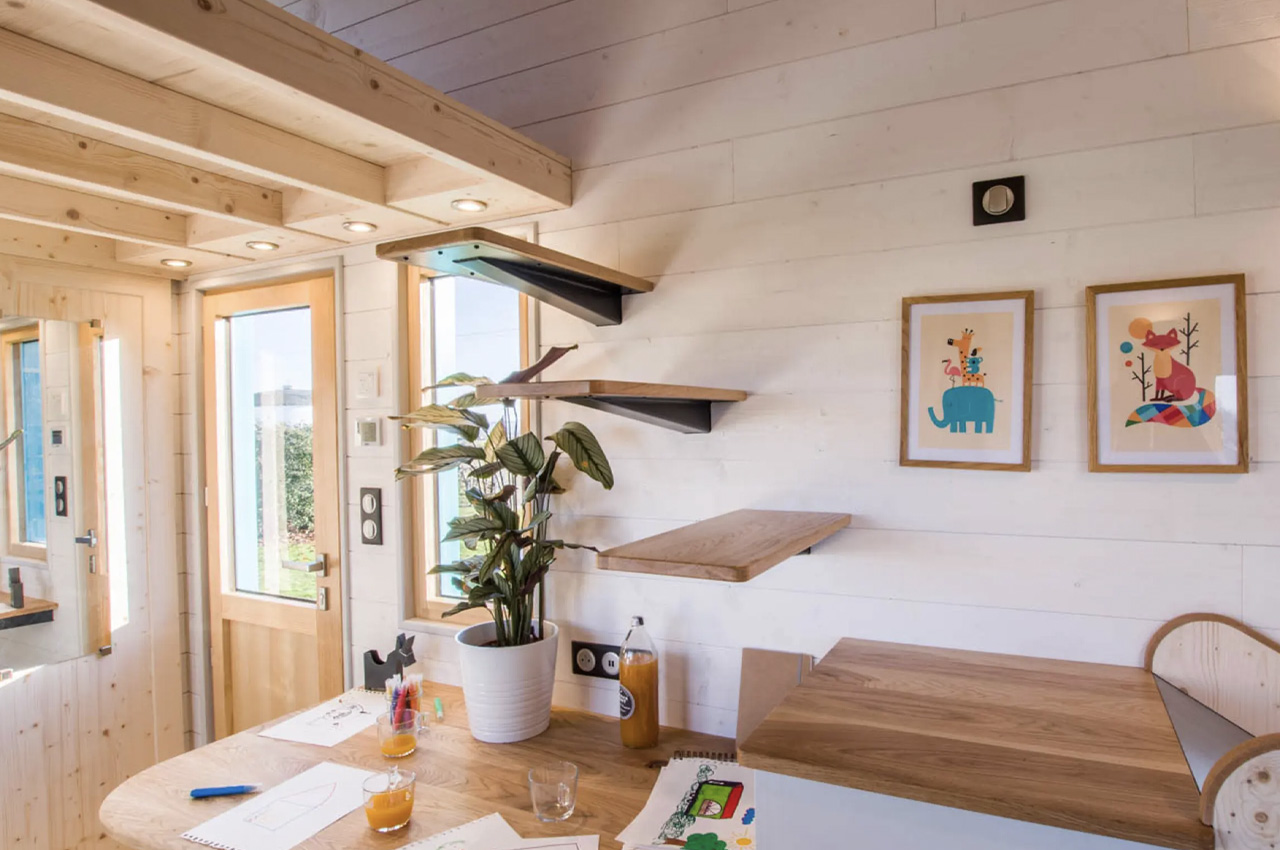
Named La Maison du Bonheur or House of Happiness, this charming little home is designed by Baluchon. It is unique, and a little different from the typical tiny homes, as it not only serves as a wholly functional house but also as a fascinating play area. This play area is amped with a slide and climbing wall. The tiny home was commissioned by the homeowner Siana as she wanted a playroom for her daughter and her friends, that could be converted into a traditional tiny home once she grew up.
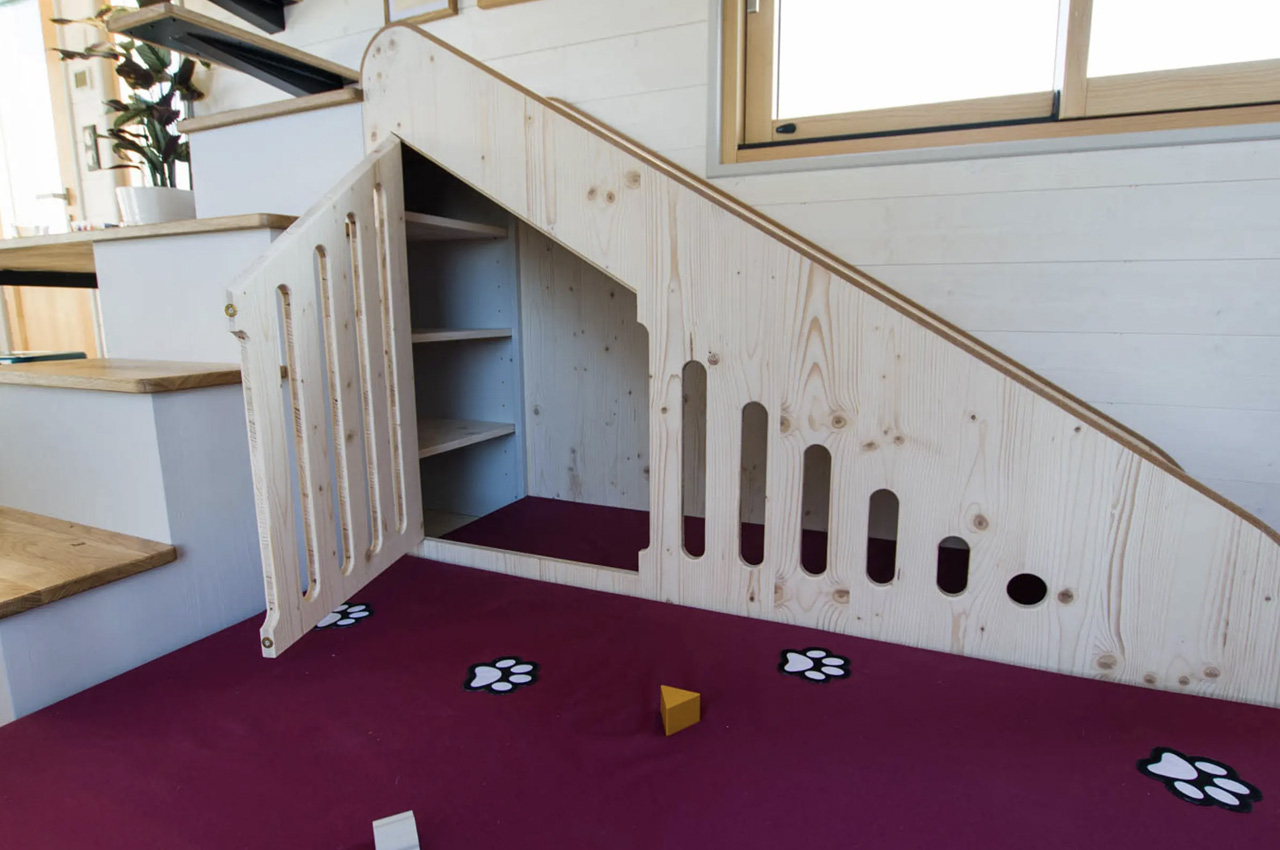
Measuring 20 feet in length, and based on a double-axle trailer, La Maison du Bonheur has a finishing of red cedar with aluminum cladding. It is powered by a standard RV-style hookup. What would have typically been the living room of the home series functions as the play area? It includes a slide, a small playhouse, a climbing wall as well as a mat. There is also some space to store toys and books. The room is amped with generous glazing to ensure it is light-filled and serves as a spacious and fun space for young kids.
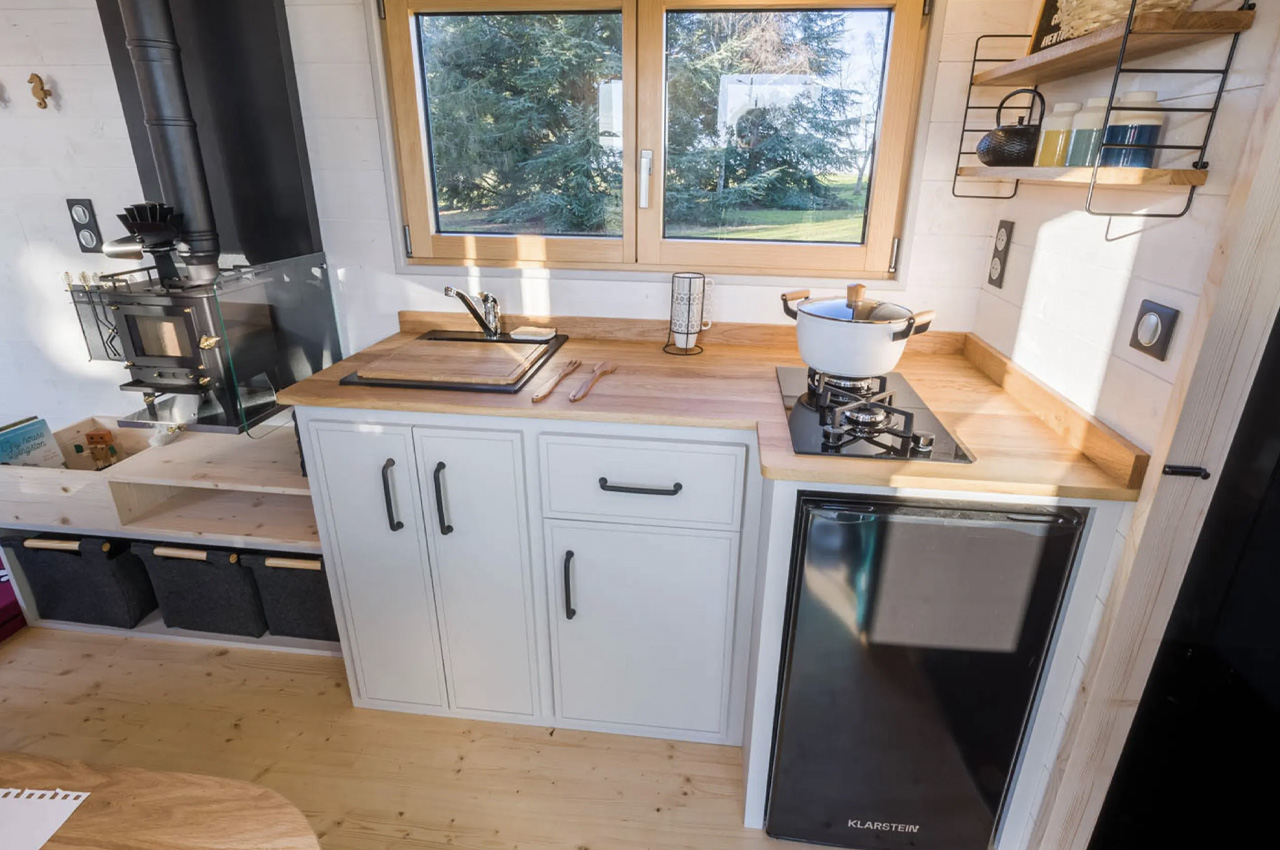
The rest of the home functions as a typical tiny house. It includes a dining table with seating space for three people and a small wood-burning stove. The kitchen is pretty compact, and it includes a two-burner propane-powered stove, sink, fridge, and cabinetry. This space is connected to the bathroom which also includes a shower and a toilet.
La Maison du Bonheur contains one bedroom which can be accessed via a staircase, that is integrated into the slide and dining area. The bedroom is a traditional loft-style bedroom which is typically seen in tiny homes. It contains a low ceiling, storage space, and a bed. The home has been delivered to its owner, and it is located in southeast France. We aren’t sure of the pricing of the home, but Baluchon tiny homes usually start at around US$85,000.
The Osier Lounge Chair stands as a testament to refined design, embodying an essence of lightness and grace that captivates at first glance. Its sleek, aerodynamic form evokes a sense of effortless elegance, inviting users to experience unparalleled relaxation and tranquility. Perfectly suited for various settings, this lounge chair seamlessly integrates into cozy garden ensembles, stylish terraces, and poolside retreats, enhancing the ambiance with its sophisticated charm.
The Lounge Chair is crafted to mesmerize with its unique design. The chair’s leg construction, reminiscent of intricately woven wicker, is not only visually appealing but also robust and reliable. This design element marries the allure of traditional craftsmanship with contemporary aesthetics, creating a piece that is both timeless and modern. The woven pattern of the legs adds an organic touch, evoking a sense of nature while maintaining a sleek industrial charm.
At the core of this lounge chair is a commitment to comfort. The chair’s ergonomic design supports the body in a way that encourages relaxation, making it an ideal addition to any space dedicated to leisure. Whether placed in a serene garden nook or a chic urban terrace, the chair adapts effortlessly, enhancing the surroundings with its versatile elegance. Its presence by the poolside creates an inviting spot for lounging, adding a touch of sophistication to outdoor living spaces.
Osier Lounge Chair’s design philosophy is rooted in the harmonious blend of industrial and natural elements. The sleek lines and contemporary form are complemented by the organic texture of the woven wicker legs, resulting in a piece that is both alluring and grounded. This combination allows the chair to exude a sense of tranquility while maintaining a modern edge, making it a perfect choice for those who appreciate both comfort and style.
Beyond its aesthetic allure, the chair is engineered for durability and stability. The intricate leg construction, though delicate in appearance, is built to provide steadfast support. This ensures that the chair is not only a beautiful addition to any space but also a practical one, capable of withstanding the rigors of regular use while maintaining its elegance and charm.
Govee has launched its new Outdoor Wall Light, designed to bring advanced lighting options to your porch. This smart light offers customizable effects, Wi-Fi control, and robust durability, making it a standout choice for outdoor lighting.
The Govee Outdoor Wall Light uses RGBIC technology, allowing you to select from millions of colors and various dynamic modes. Whether you want vibrant party lighting or a subtle, calming ambiance, this light adapts to your needs. With the Govee Home app, you can control the light remotely. Adjust settings, schedule timings, and create lighting scenes all from your smartphone. It’s also compatible with Amazon Alexa and Google Assistant, enabling voice control for hands-free operation. Built to endure the elements, this light is weather-resistant, ensuring it remains functional and looking good in various outdoor conditions.
The ability to control your lighting via a mobile app or voice assistant sets this product apart from traditional outdoor lighting solutions. The Govee Outdoor Wall Light is ideal for a range of outdoor spaces, from porches and patios to garden paths and driveways. Its customizable lighting effects make it suitable for both everyday use and special occasions.
The Govee Outdoor Wall Light is available for purchase here. With its blend of functionality, smart features, and durability, it offers a modern solution for enhancing your outdoor spaces.
Apple plans to build a password management app right into the next versions of iPhone and Mac operating systems, reportedBloomberg’s Mark Gurman on Thursday. The new app, simply called Passwords, will compete against existing password managers like 1Password and LastPass, which typically charge people a monthly fee for generating and storing unique passwords. Apple plans to reveal the app at the company’s annual Worldwide Developers Conference on June 10.
Apple already generates and stores unique passwords through iCloud Keychain, a feature that syncs passwords across all Apple devices you own as well as Windows PCs through a browser extension. But passwords stored in iCloud Keychain live — weirdly — in the Settings app, often making them cumbersome to find or change. Having a dedicated app for passwords built into Apple devices would not only make this easier but also give people one more reason to stay in the Apple ecosystem.
Just like its rivals, Apple’s Passwords app will reportedly split passwords into different categories like accounts, WiFi networks, and Passkeys (here’s our deep dive explaining how they work). It will also allow you to import passwords from rival apps and will fill them in automatically when your device detects you’re logging into a website or an app. Passwords will also work on Apple’s $4,000 Vision Pro headset, and, just like Google Authenticator and Authy, will support two-factor verification codes. What is still unclear is whether the Passwords app will let you securely store files and images in addition to passwords, something that both 1Password and LastPass offer.
In addition to Passwords, Apple is expected to reveal the next versions of iOS, iPadOS, MacOS, WatchOS and VisionOS on Monday. The new versions of the software will reportedly be infused with brand new AI features.
This article originally appeared on Engadget at https://www.engadget.com/apple-will-reportedly-build-a-dedicated-passwords-app-for-the-iphone-and-mac-211812245.html?src=rss
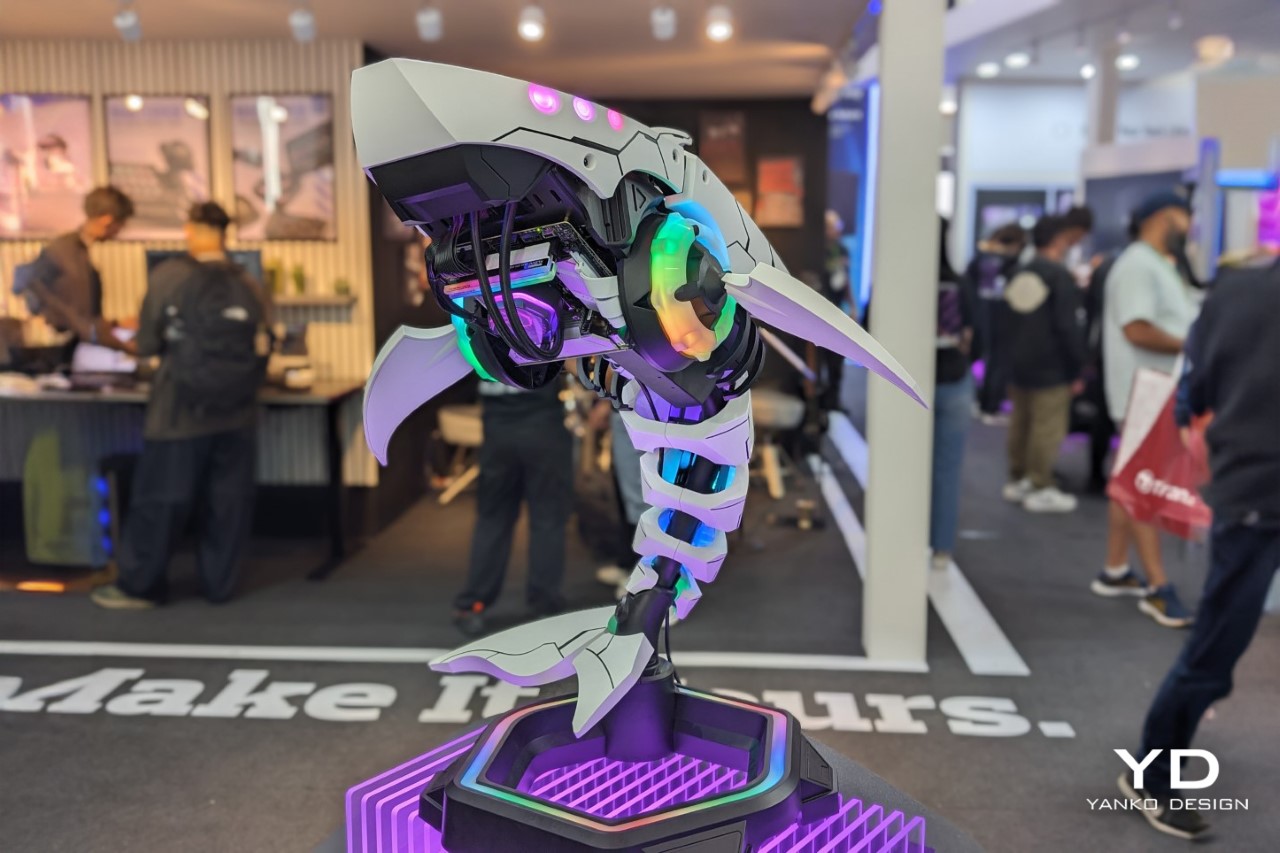
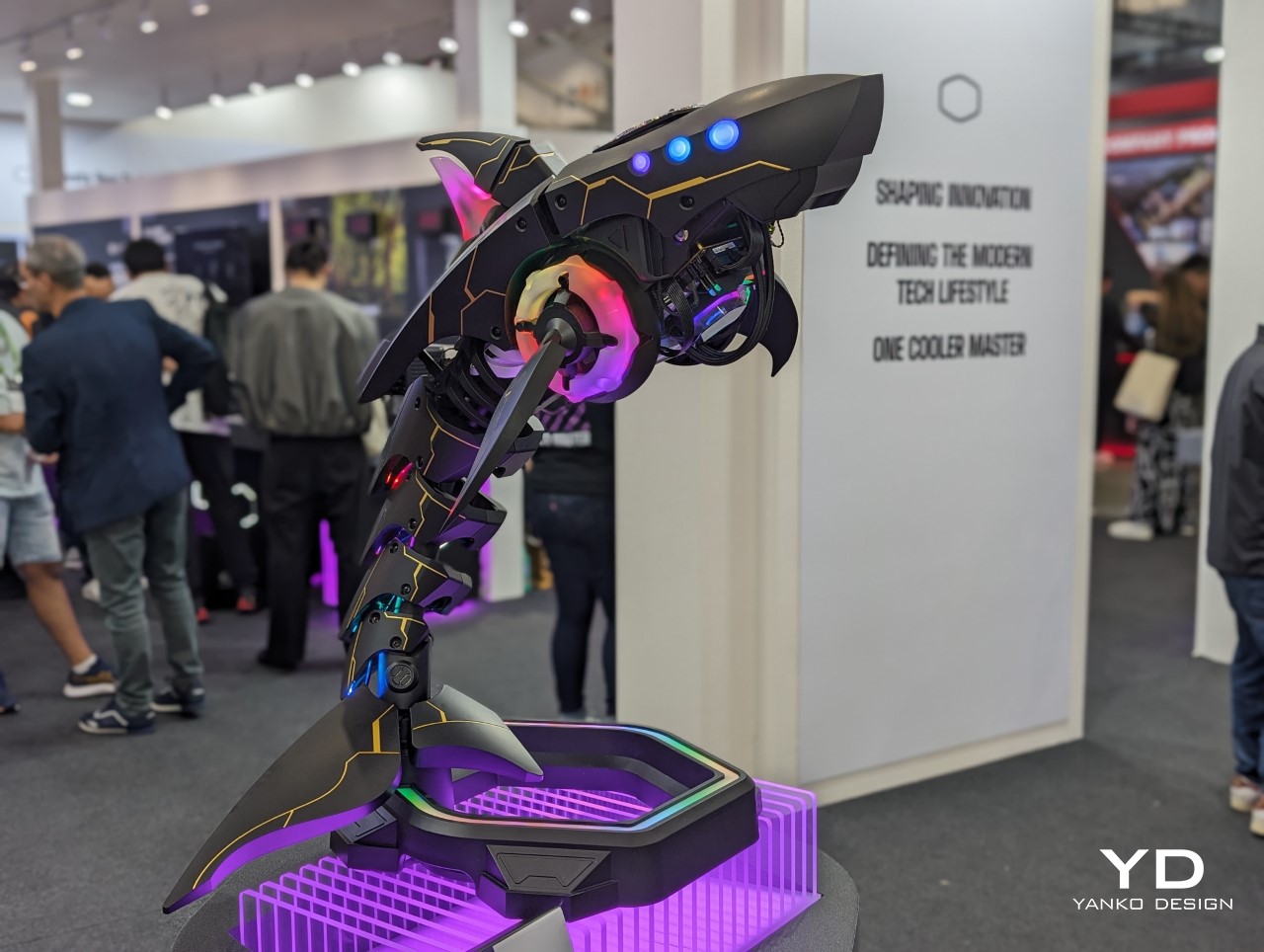
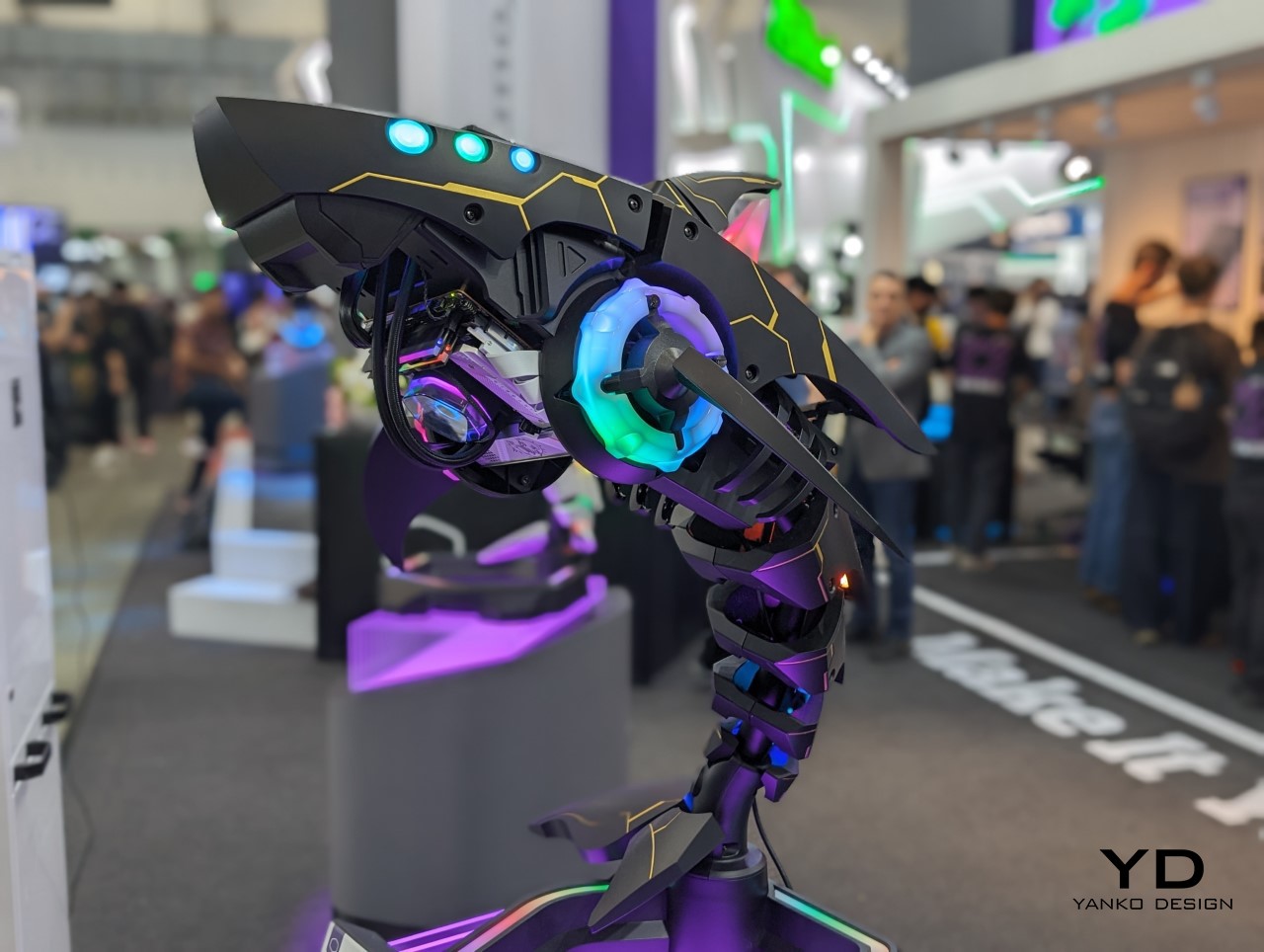
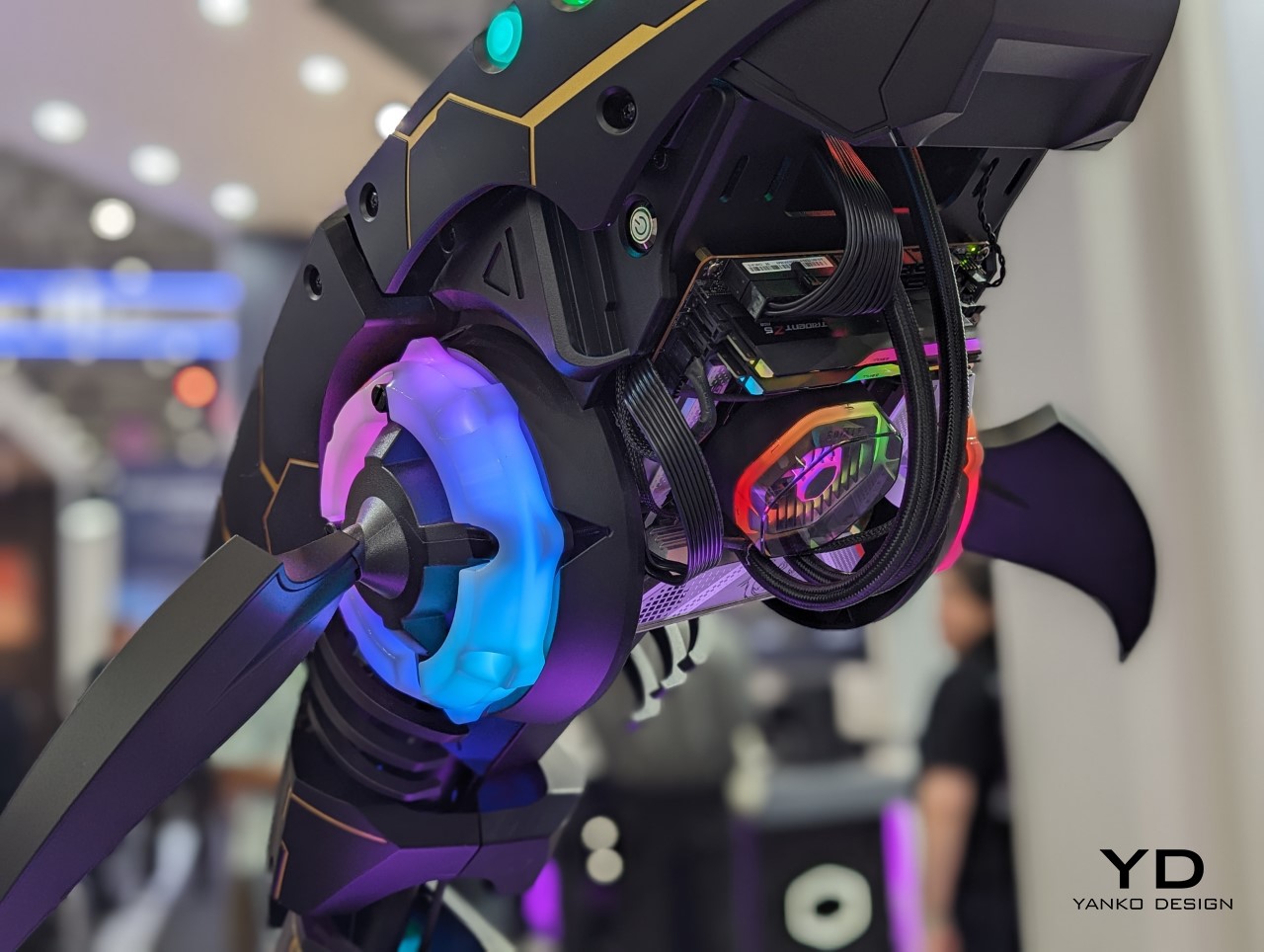
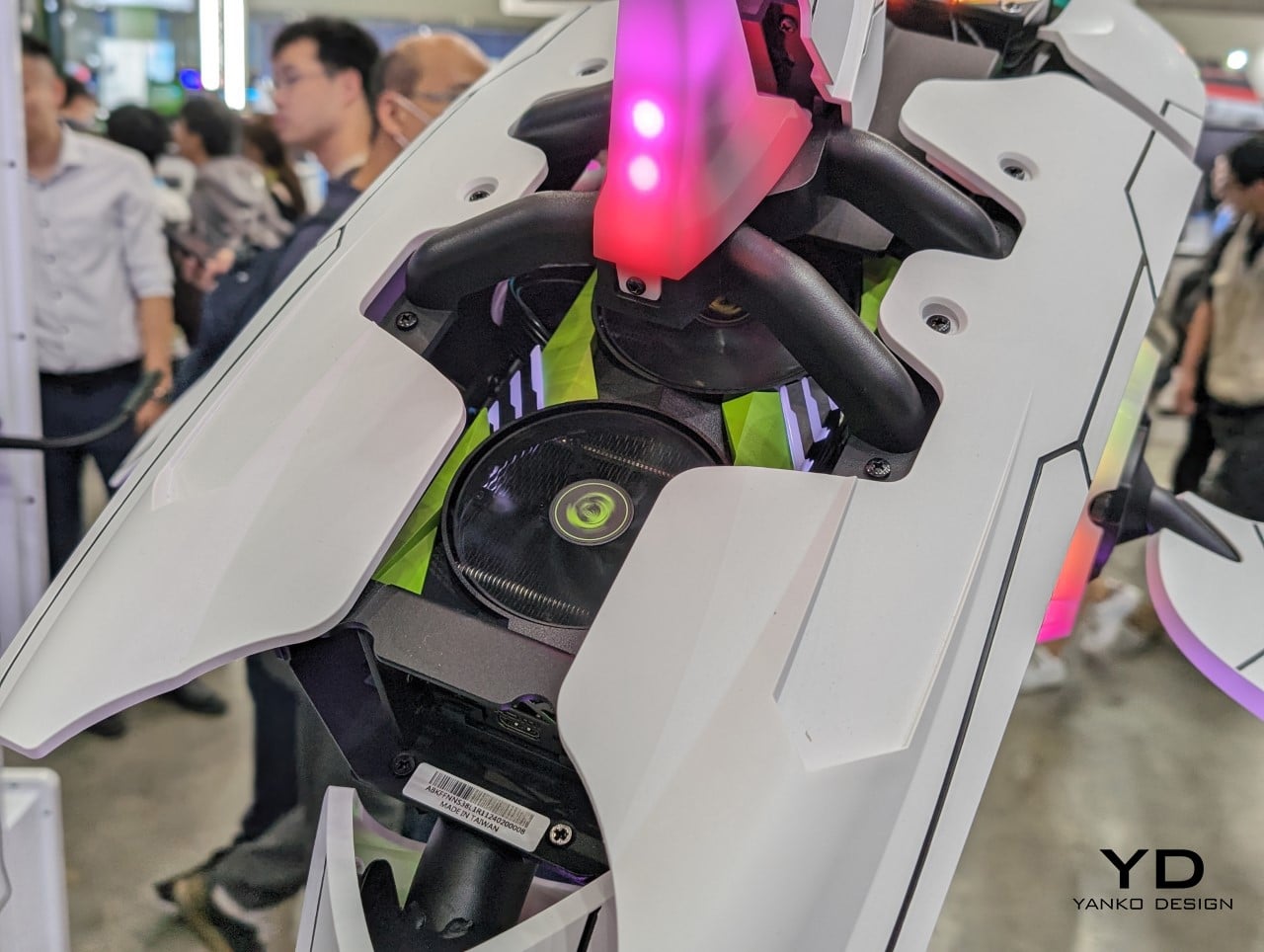
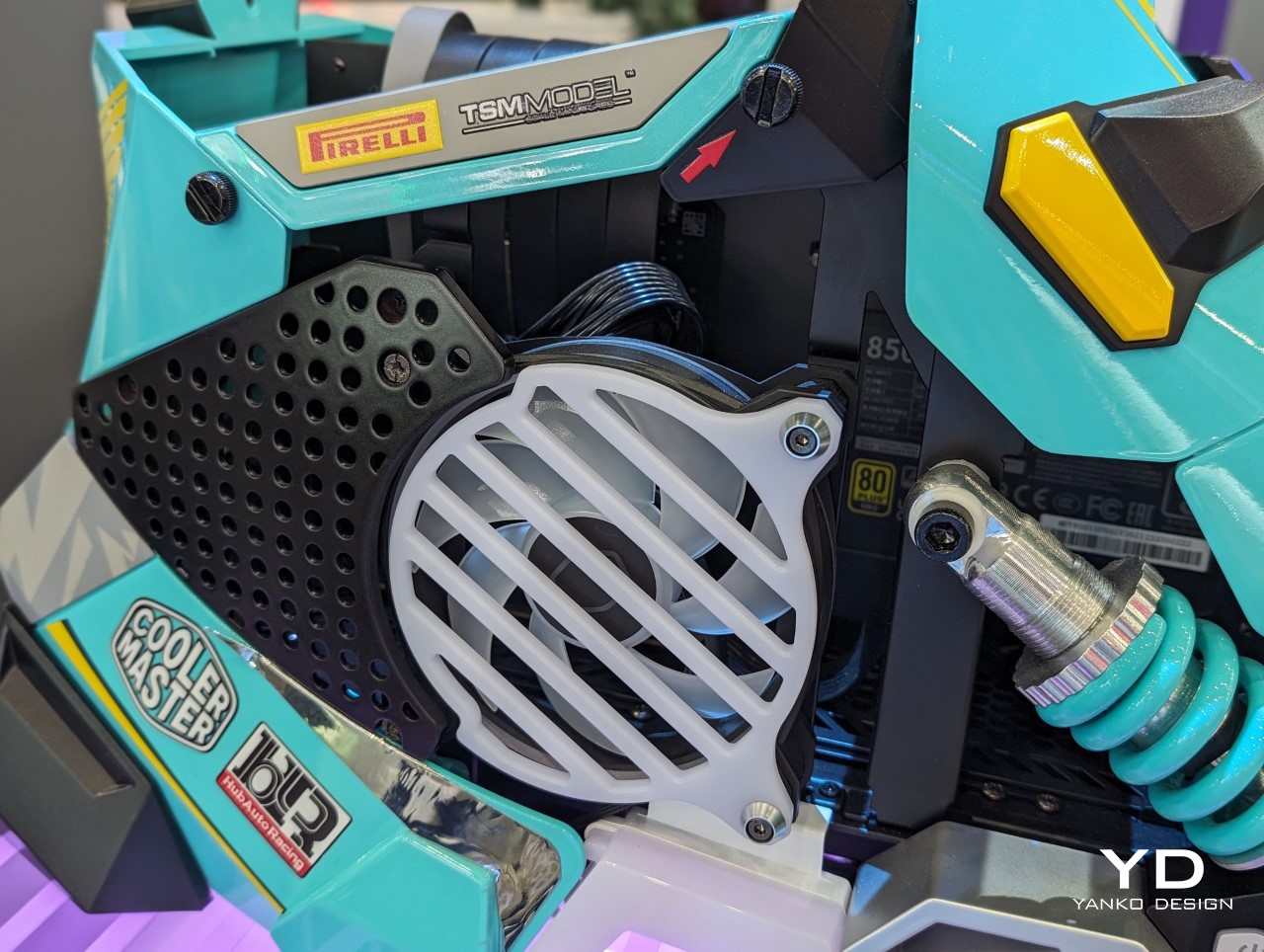
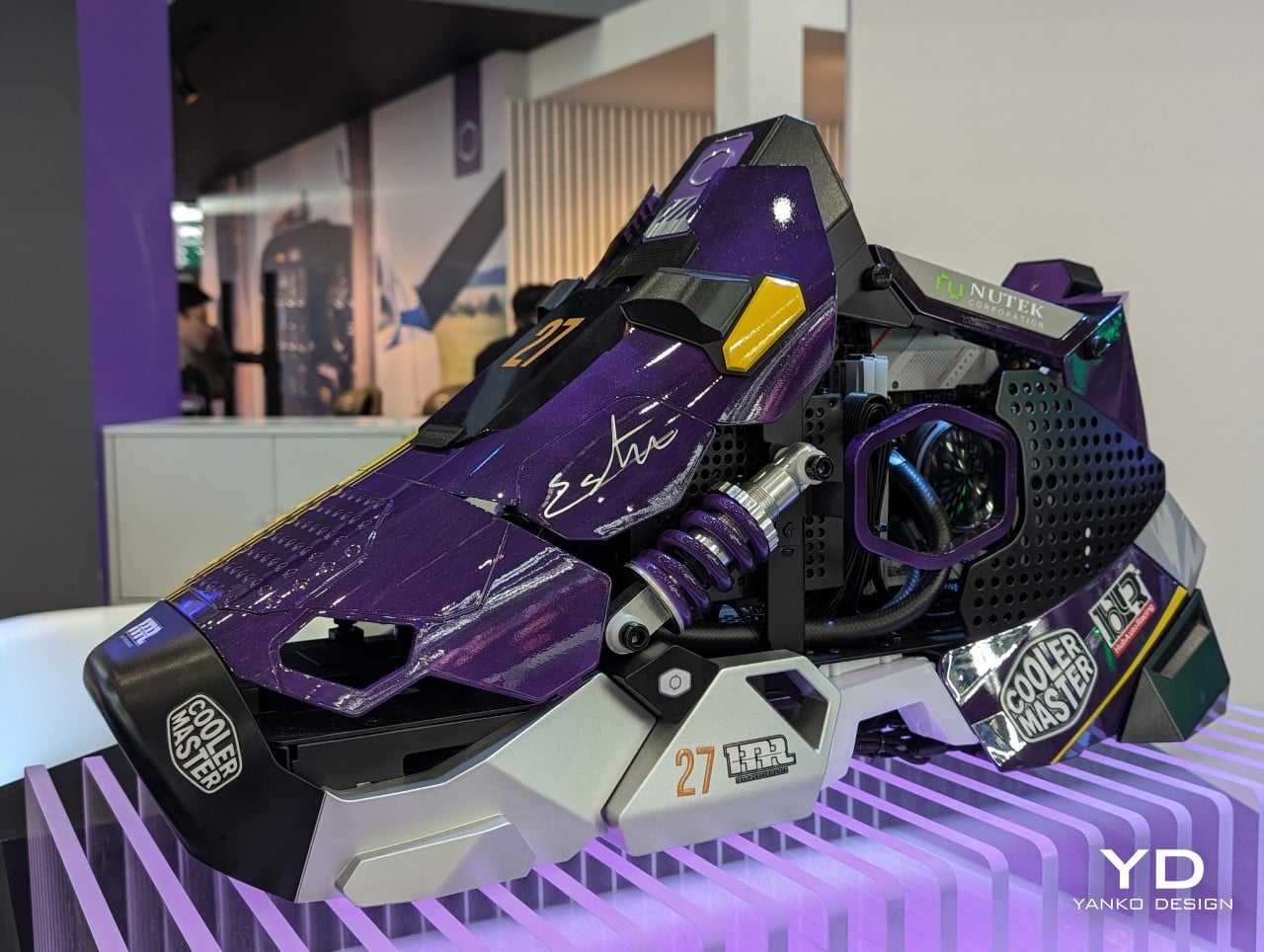
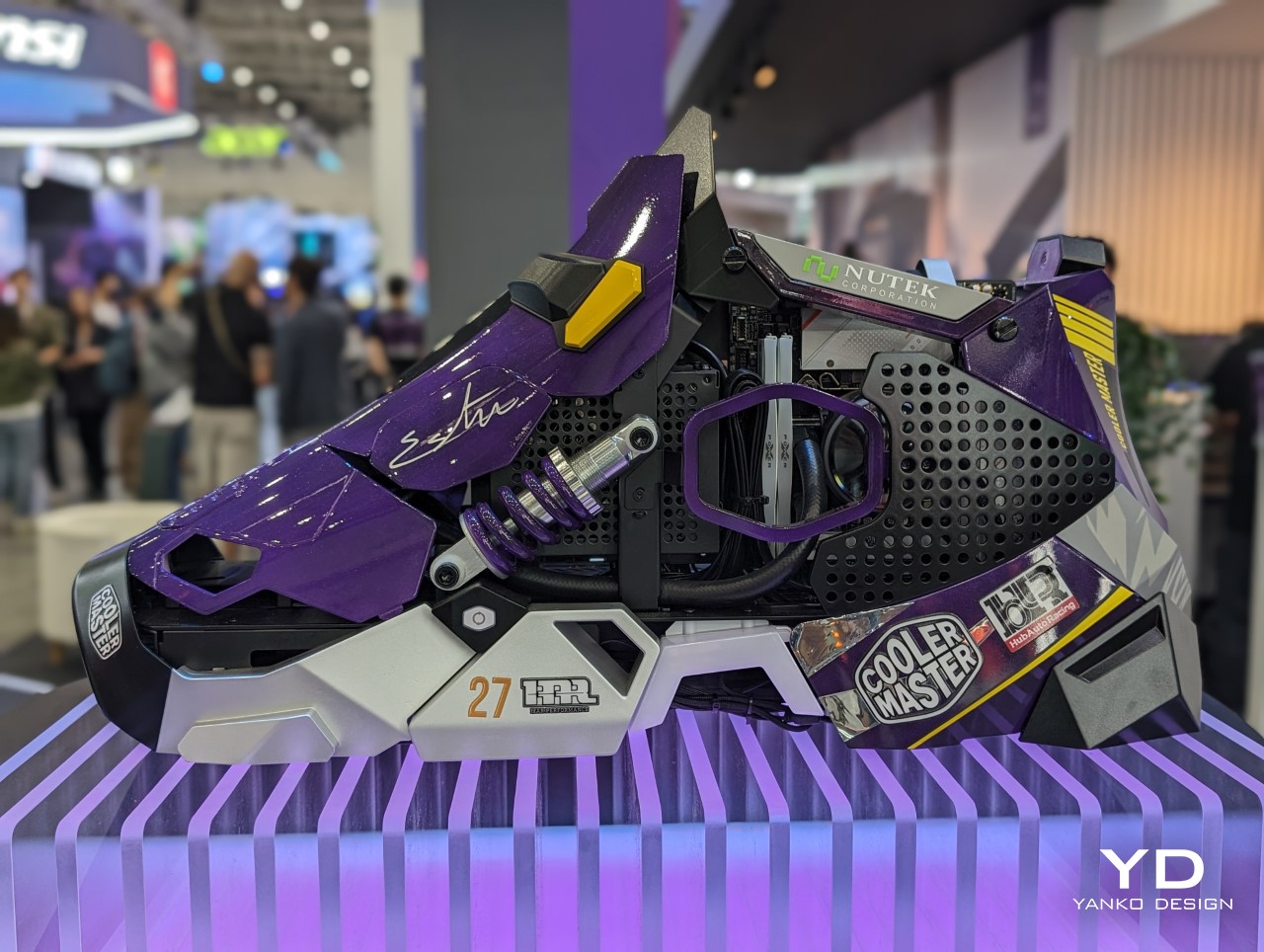
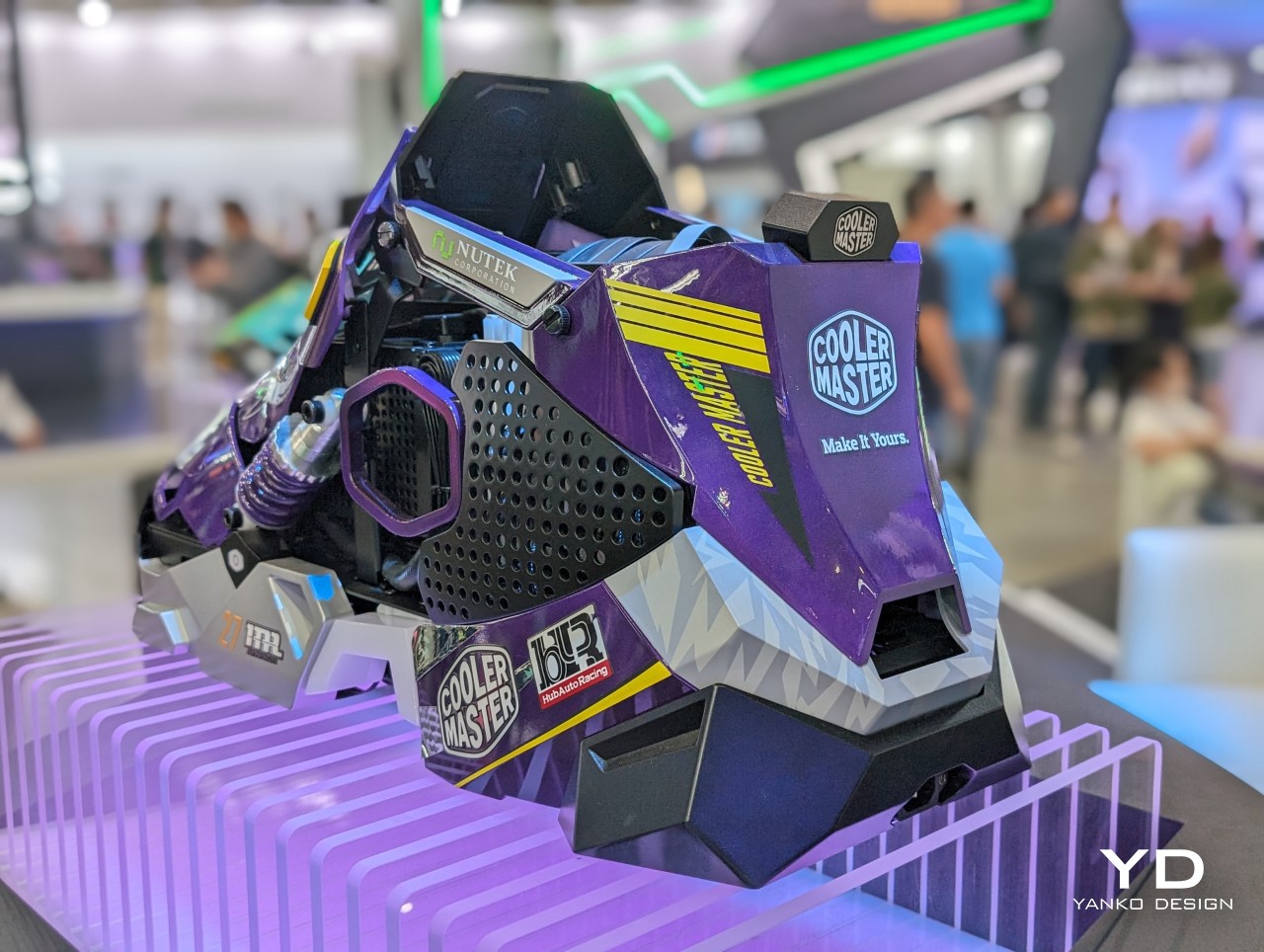
No that isn’t the latest prop or collectible from the obscure film franchise Mega Shark vs. Mecha Shark. It is, in fact, a high-end PC from the folks at Cooler Master. With a mission of wanting to build some of the world’s literally and slangily coolest PCs ever, Cooler Master’s latest showcases at Computex 2024 has us wondering if anything can be a PC (no, sometimes things are also cakes). The company brought out the Shark X and their sneaker-shaped PC designs, which should be available later this year. Standing at anywhere up to 3 feet tall, these PCs aren’t for making spreadsheets, they’re the sportscars of the PC world, designed to dominate both visually as well as in performance. Oh, and they cost upwards of $7000 as per sources, so maybe we’re better off relegated to more budget-friendly PCs, even though they may look boring.
Designer: Cooler Master
The Shark X is advertised as a “fully upgradeable” gaming PC. While the final specifications might change slightly, the current iteration boasts a powerful core: an Intel Core i9-14900KF processor and an MSI Gaming GeForce RTX 4070 Ti graphics card. That’s paired with 32GB of DDR5-5600 memory and a 1TB M.2 PCIe 4.0 SSD for speedy storage. Cooling is handled by a Cooler Master MasterLiquid 120 ATMOS liquid cooler, ensuring the system stays frosty during intense gaming sessions. The power supply is a Cooler Master SFX 850W Gold PSU, providing ample wattage for the hardware.
The price tag? Brace yourself – the Shark X is expected to cost upwards of $7,000. Let’s be honest, at that price point, raw performance upgrades become secondary. The Shark X is for those who prioritize an unforgettable conversation starter and a unique centerpiece for their battle station.
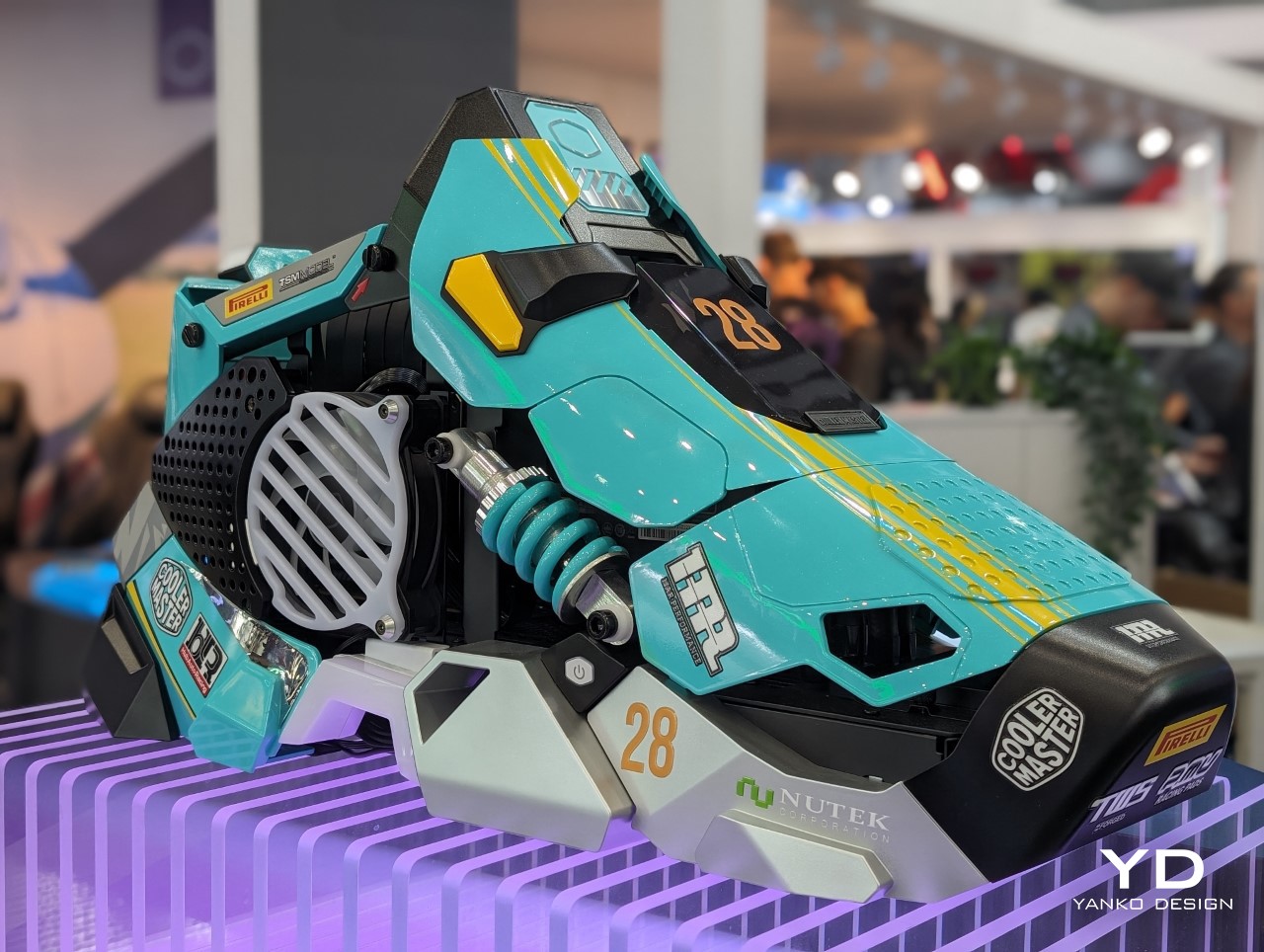
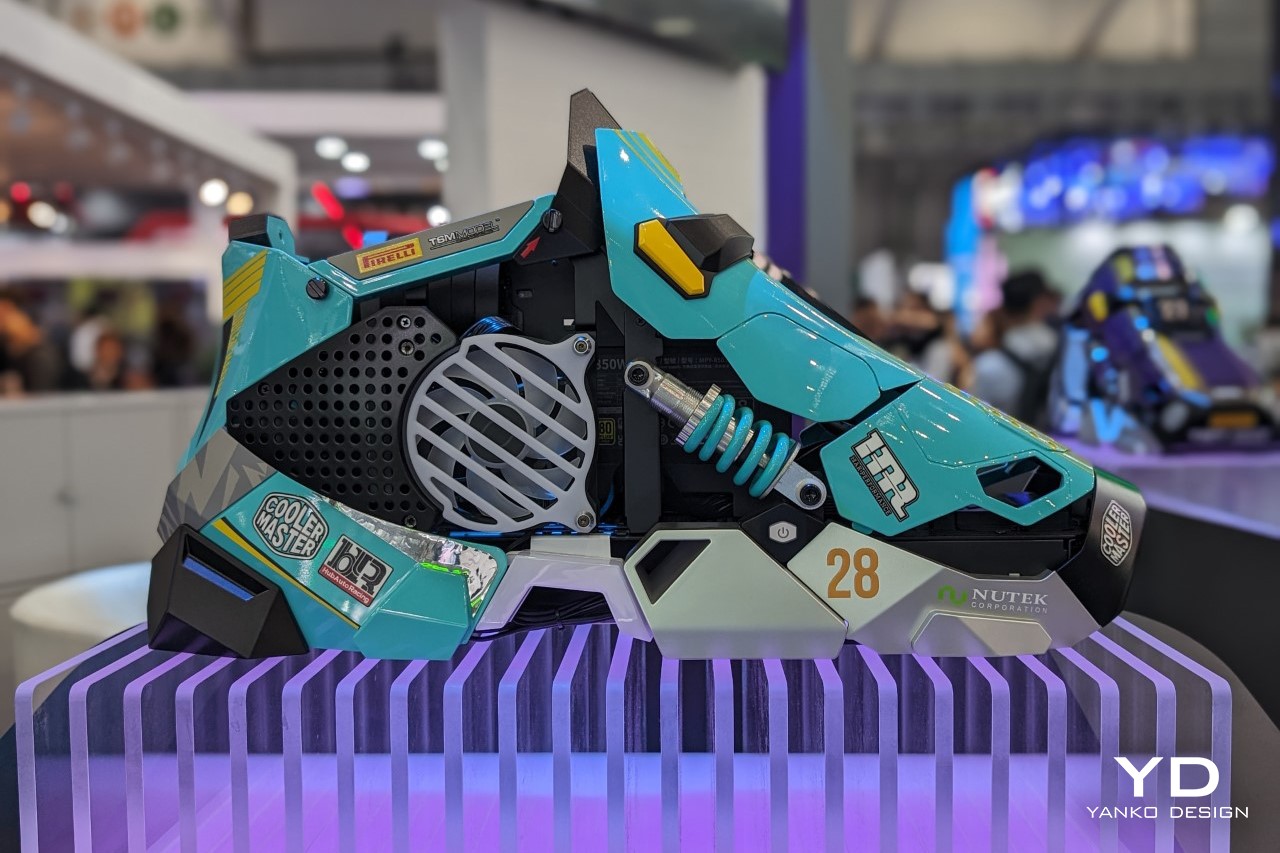
The Shark X was also accompanied by the Sneaker X, a more footwear-enthusiast-focused PC that comes with unique panels, stickers, and even a suspension spring giving the PC an over-the-top futuristic look. Both the Shark X and Sneaker X made appearances at CES in 2023, although it seems like Cooler Master’s refining them to a point of an eventual sale.
Cooler Master debuted the Sneaker X in a red variant last year, but this year sees the addition of newer colors. Word on the CPU is vague (the pamphlet says “latest high-end CPU”), but the PC also packs ITX motherboards, and supports Nvidia GeForce RTX 4090 GPUs. Cooling comes courtesy the Cooler Master PL360 FLUX 360mm AIO liquid CPU cooler. The Sneaker X also has a much more manageable price tag that starts at $3,500 as compared to the Shark X which is double the price. I can understand the appeal, though. A dynamic mecha shark leaping in mid-air does have more eye-catching appeal than a sneaker with suspension springs and a fan. You can’t deny that they’re both pretty gorgeous though…
Boeing’s Starliner has successfully docked with the ISS — but not without some last-minute problems. The company’s first crewed test flight to the space station linked up at 1:34 PM ET after missing its first shot due to several thrusters malfunctioning. Astronauts Barry “Butch” Wilmore and Sunita “Suni” Williams plan to spend the next eight days onboard the ISS before returning to Earth.
The capsule docked with the ISS in an orbit about 260 miles over the Indian Ocean. The pair is now circling the planet at around 17,500 mph.
“Nice to be attached to the big city in the sky,” Wilmore spoke over comms to mission control in Houston after the successful docking. The capsule carries 760 pounds of cargo, including about 300 pounds of food and other supplies requested by the four US astronauts and three Russian cosmonauts onboard.
NASA TV
Initially scheduled for 12:15 PM ET, the link-up was delayed after five of Starliner’s 28 reaction control thrusters went down. Several were lost due to a helium propulsion leak. NASA and Boeing concluded that the loss didn’t compromise the mission, and Wilmore and Williams restarted three of them, providing enough redundancy to move forward.
On Wednesday, a small helium leak was detected during liftoff and ascent. Later, two more leaks appeared.
The problems are emblematic of Boeing’s struggles to get its capsules certified for regular flights. Various problems and delays, including orbital flight test issues, valve problems, software glitches and a bum parachute system, have plagued Starliner. Boeing's rival, SpaceX, reached the ISS for the first time in 2020, approximately when this Starliner mission was originally slated to launch.
Boeing is seeking NASA certification to join SpaceX as a regular ride to the ISS. The government agency wanted to have multiple private-sector ferries make routine trips to the space station. Despite Boeing’s troubles, it may get there in the end.
This article originally appeared on Engadget at https://www.engadget.com/boeings-starliner-overcomes-last-second-problems-to-dock-with-the-iss-194801249.html?src=rss
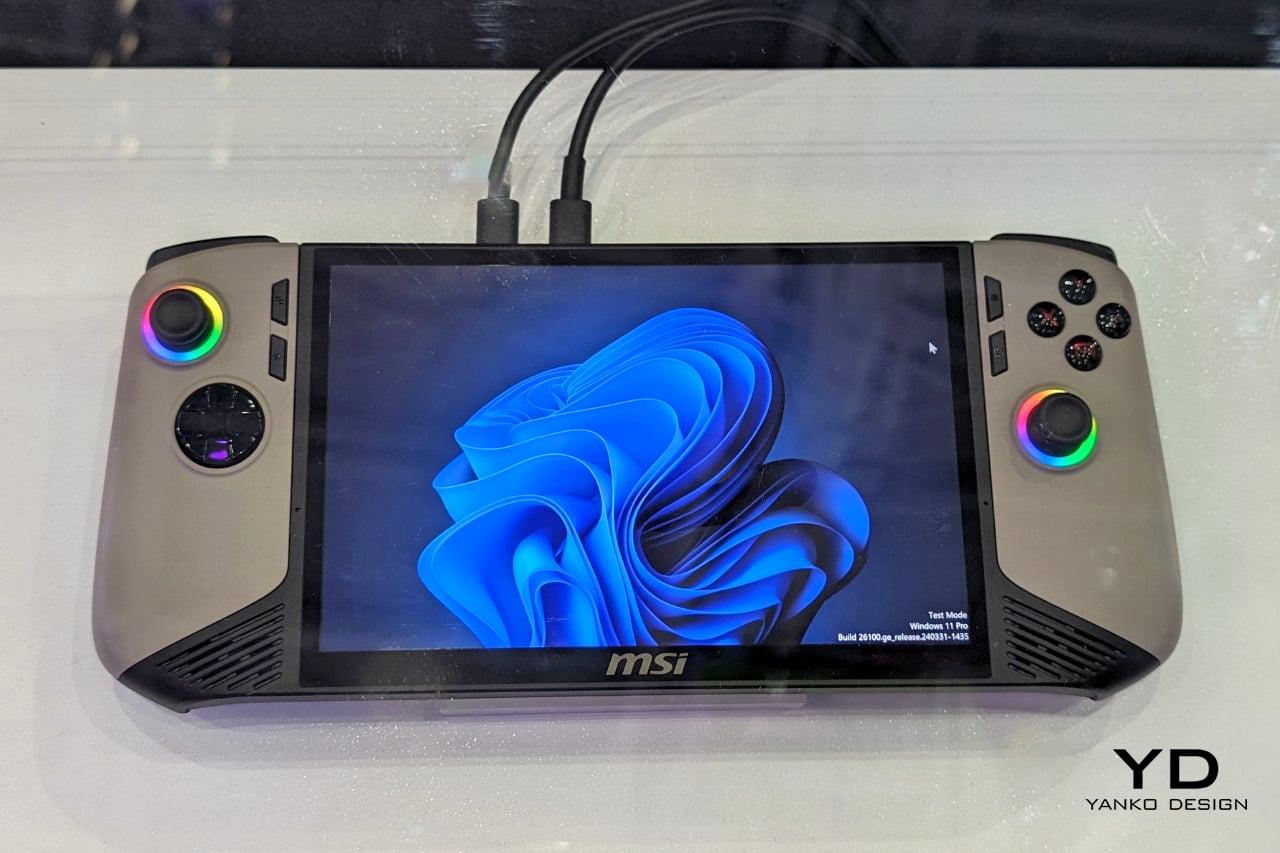
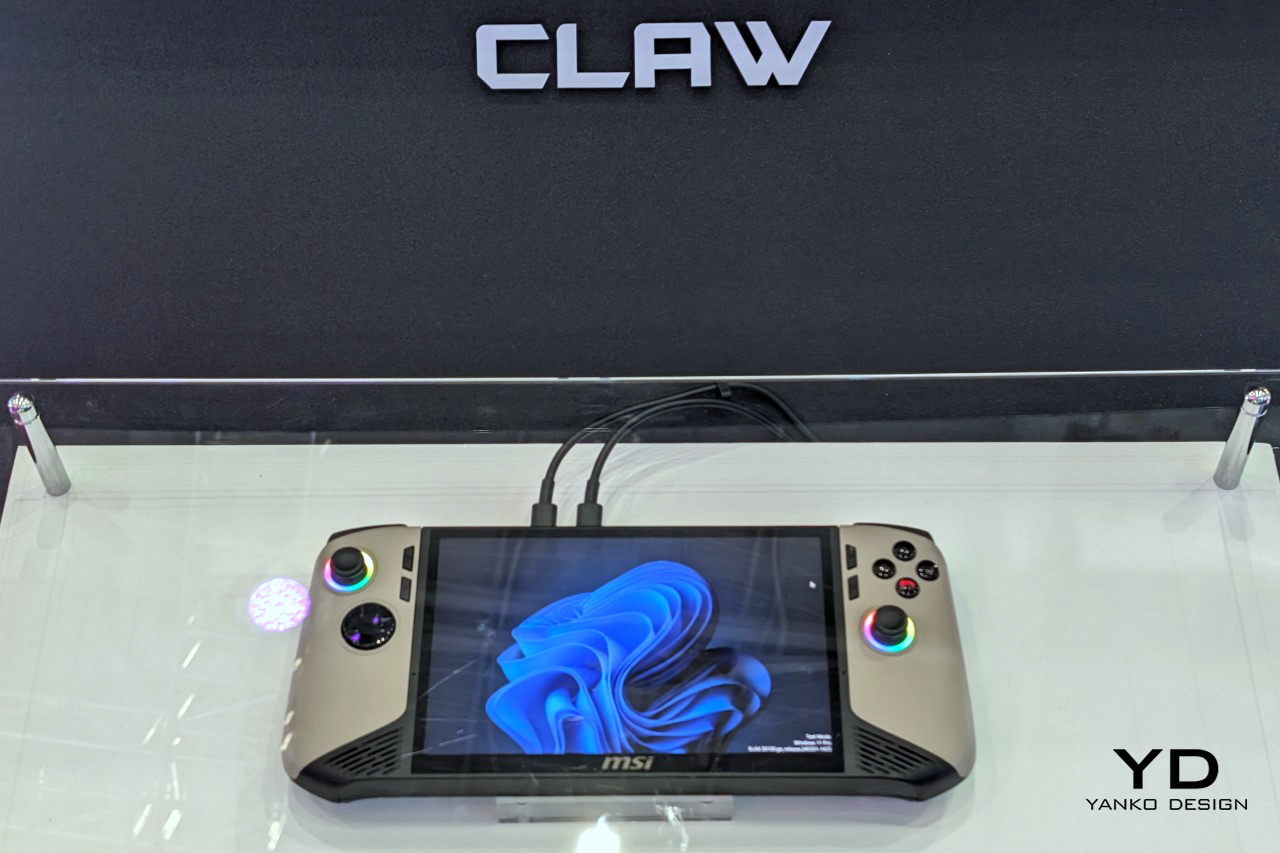
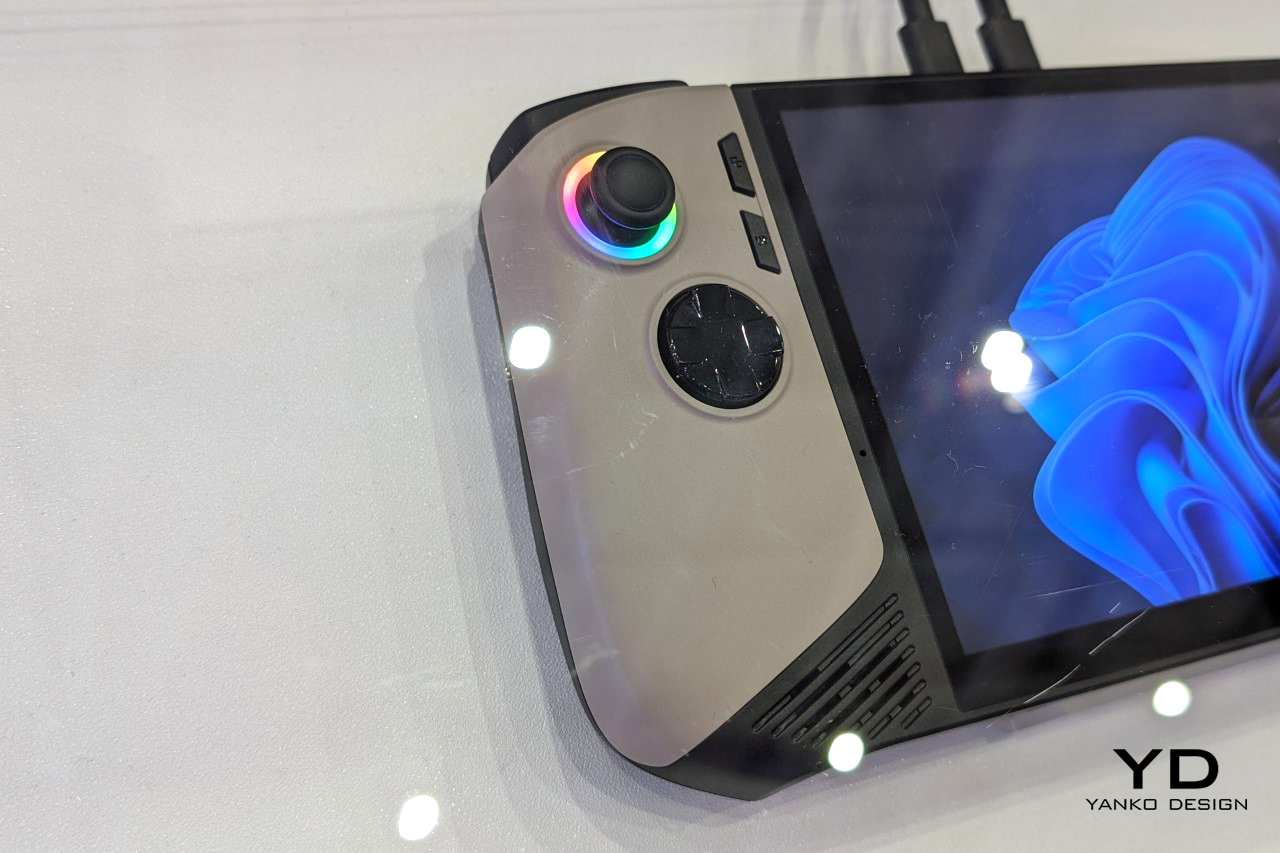
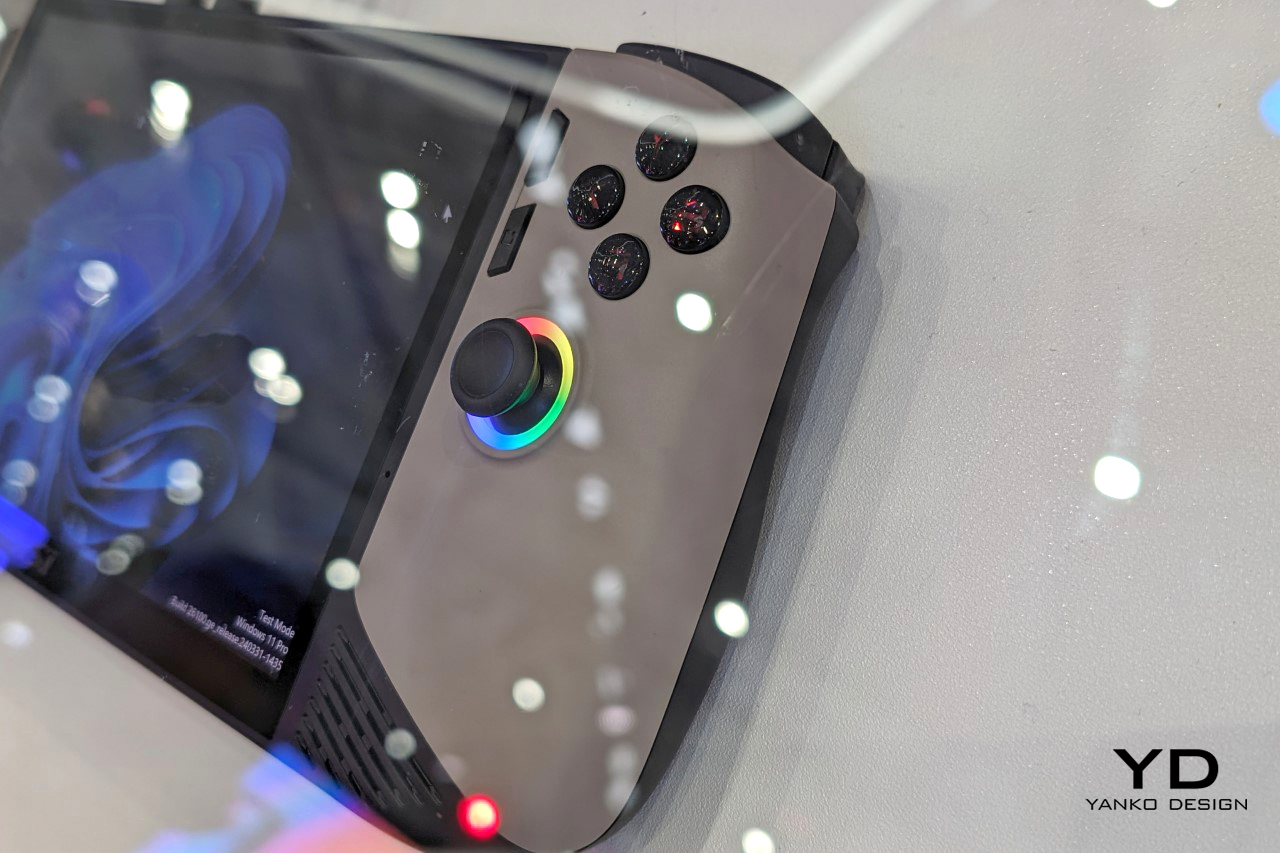
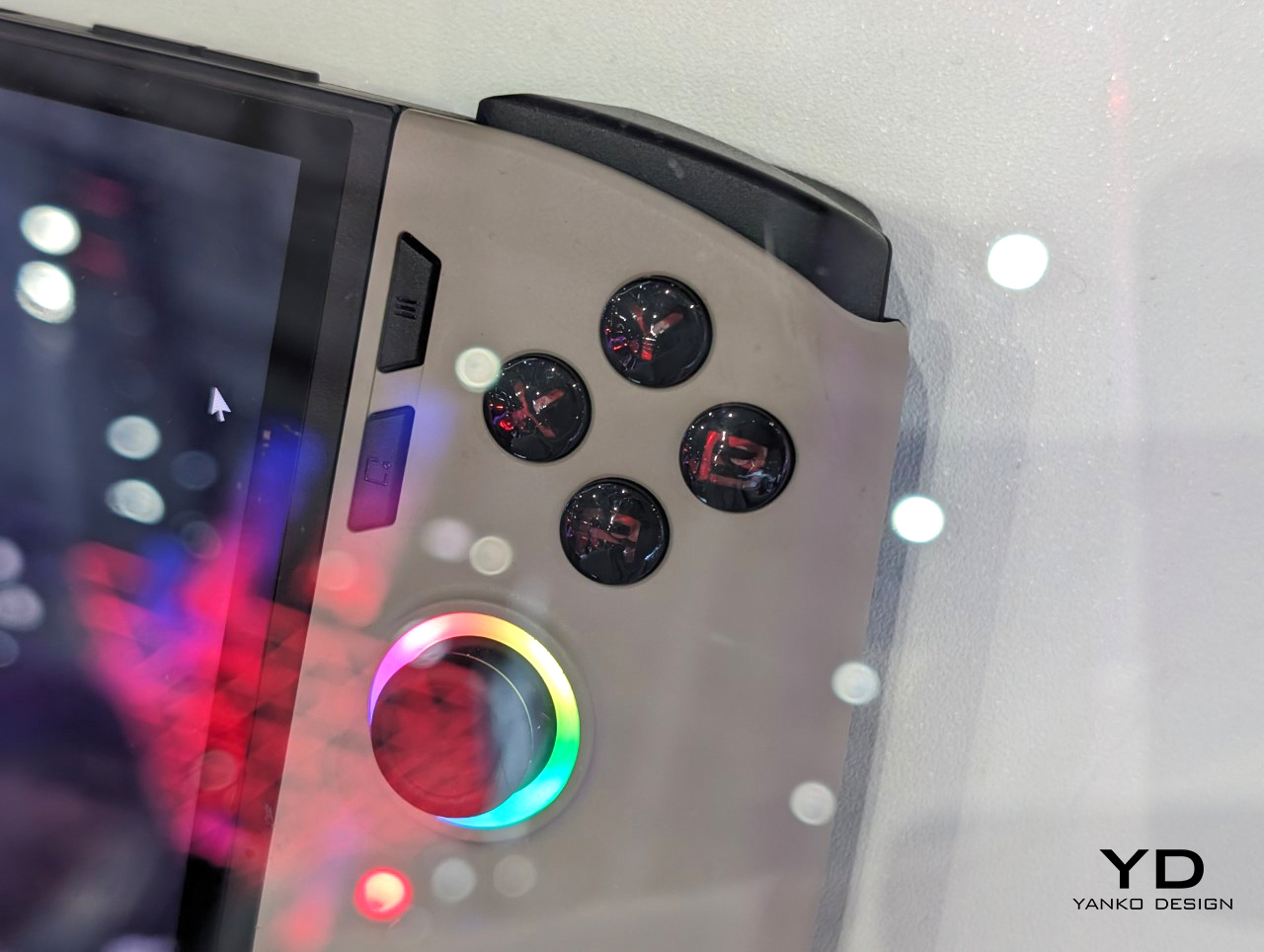
Just months after its initial launch, MSI is showcasing the next version of its handheld gaming PC, the Claw, at Computex 2024. The new iteration, dubbed the Claw 8 AI+, boasts a complete hardware overhaul and aims to address the shortcomings of its predecessor. Although the design language remains arguably the same, the Claw 8 AI+ now comes with a gray body that helps highlight the controls better, a larger screen, and a much more comfortable ergonomic design.
MSI isn’t revealing the specific Lunar Lake CPU model powering the Claw 8 AI+, but it confirms the presence of this next-generation Intel chip. This is coupled with up to 32GB of speedy LPDDR5x RAM and a 1TB SSD. The storage solution is an M.2 2280 SSD, mirroring the ASUS ROG Ally X, potentially allowing for easier upgrades in the future.
Designer: MSI
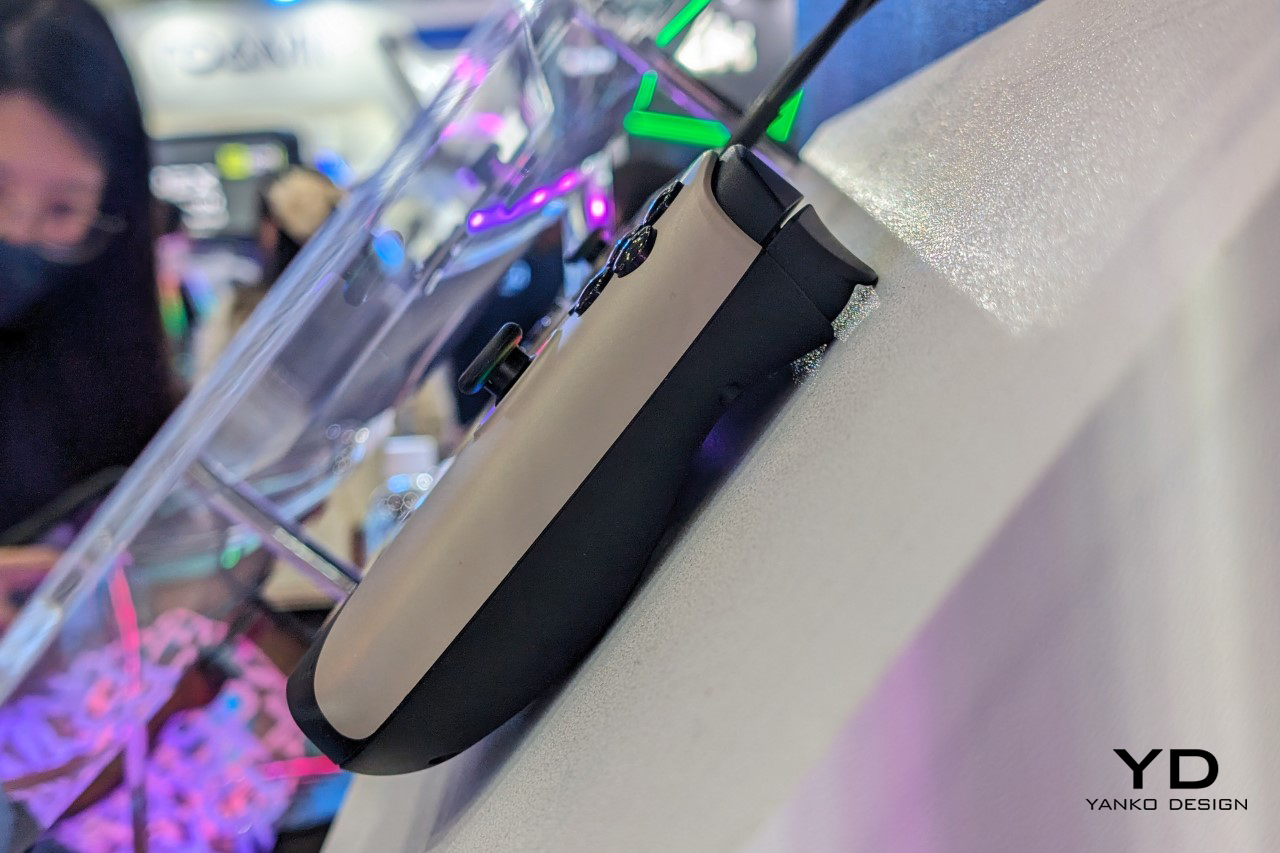
Beyond internals, the Claw 8 AI+ sports a redesigned chassis that appears more comfortable to hold compared to the original Claw. The device was kept under a glass display so we couldn’t get a handheld experience. It accommodates a larger 8-inch display, though the resolution remains 1080p with a smooth 120Hz refresh rate. Dual Thunderbolt ports are a welcome addition, offering versatility for connecting external displays or high-speed peripherals.
Battery life was a major pain point for the original Claw. MSI is rectifying this with a substantial leap in capacity for the 8 AI+. The new model boasts an 80-watt-hour battery, matching the ROG Ally X and offering a significant improvement over the original’s disappointing 53-watt-hour unit. This rapid turnaround from MSI highlights their determination to carve a space in the competitive handheld gaming market. They assure continued support for the original Claw with ongoing driver updates, including one released recently.
The success of the Claw 8 AI+ hinges heavily on the capabilities of the Lunar Lake CPU. Intel boasts a “radical low-power architecture” ideal for handheld devices, alongside improved integrated graphics powered by their Battlemage architecture. While details are scarce, the potential for efficient performance and impressive visuals is promising.
However, past experiences with the original Claw, hampered by the Meteor Lake CPU, serve as a cautionary tale. While other manufacturers opted for AMD processors, MSI’s choice limited performance. Here’s hoping the pairing of Lunar Lake and the Claw 8 AI+ proves fruitful.
Pricing details remain under wraps, but a September launch window is expected. While the final design might differ slightly from the prototype showcased at Computex, a potential price drop for the original Claw is also hinted at.
Twitch has entered into a first-of-its-kind partnership with all of the major record labels that will force DJs who monetize to pay a fee to use songs in livestream sets. The actual percentage being paid out to these labels is being kept under wraps and varies according to the chosen monetization method, but the DJs and Twitch will reportedly split these fees 50/50. The company also says that it'll cover more than 50 percent at first, but didn't get into numbers.
Twitch will also be offering a one-year subsidy to select DJs to help cover the difference between earnings and money paid to labels. The company didn’t announce how it would award these subsidies or if it would cover all of the required licensing fees. It did say that the subsidy amount would reduce over time as the program increases in popularity. There are thousands upon thousands of DJs on Twitch, so it’d be nice to get a little bit of clarification here. We’ve reached out to the company and will update this post when we hear back.
🎉 Attention DJs on Twitch! 🎉
We're launching a new DJ Program that will let you stream the vast majority of popular music in a new DJ Category launching later this summer.
🎧 Made possible by a first-of-its-kind partnership with hundreds of companies, including all major… pic.twitter.com/qblcnS7BTR
There’s a sliver of good news here. This move is only for DJs who monetize their streams. If you’re an amateur record spinner, you won’t have to pay out of pocket. The labels will still get money from these streams, because non-partnered channels still contain ads, but Twitch will cover the costs. It remains to be seen just how long the company will continue this act of altruism.
Why did Twitch do this in the first place? The company says the previous model, which didn’t pay out to labels or artists, was “not sustainable,” calling out a “variety of copyright issues that need to be considered that vary across regions.” Twitch says it's trying to avoid DMCA takedown notifications and copyright penalties. Up until this point, DJs have been personally responsible for dealing with these issues.
The program officially goes live this summer, along with a new DJ category for streamers. As a note, the aforementioned deal is with the record labels and not the actual artists. I’m sure these labels will fairly distribute funds to the creators in a timely fashion. That was sarcasm.
This article originally appeared on Engadget at https://www.engadget.com/record-labels-will-start-reaching-into-the-pockets-of-twitch-djs-180621639.html?src=rss
If you have one of Apple's non-iMac desktops or a MacBook you’d like to plug into a monitor, perhaps it’s time for an upgrade (or to buy a dedicated display in the first place). As it happens, Apple’s Studio Display is on sale right now. The price has dropped by $300 to $1,300 for the VESA mount and tilt-adjustable models, marking a record low for both. It's worth noting that the discount applies to the variants with standard glass, not nano-texture glass.
We gave the Apple Studio Monitor a score of 80 in our review in 2022. We appreciated the quality of the build and the audio, as well as the bright and color-accurate screen. On the downside, restricting the monitor to single-zone backlighting was a disappointment, as were the 60Hz refresh rate (which is becoming increasingly paltry) and the lackluster webcam. The lack of HDR in such an expensive monitor is a bummer too.
Still, for those heavily invested in the Apple ecosystem, this is a solid 5K LCD monitor. The 27-inch, 2,880p display supports 1 billion colors and the P3 wide gamut. The six-speaker array supports spatial audio and there's a triple-mic setup for calls and voice recordings. On the connectivity front, there's a Thunderbolt 3 port and three USB-C slots. The Studio Monitor can also deliver a 96W charge to your MacBook.
The US has banned companies like Nvidia from selling their most advanced AI chips to China since 2022. But if loopholes exist, profit-hungry corporations will find and exploit them. The Informationpublished a bombshell report on Thursday detailing how Oracle allows TikTok owner ByteDance to rent Nvidia’s most advanced chips to train AI models on US soil.
ByteDance, which many US lawmakers believe has direct ties to the Chinese government, is reportedly renting US-based servers containing Nvidia’s coveted H100 chips from US cloud computing company Oracle to train AI models. The practice, which runs against the spirit of the US government’s chip regulations, is technically allowed because Oracle is merely renting out the chips on American soil, not selling them to companies in China.
The US government has cracked down on exporting the chips to China as an extension of the tensions between the two nations. The Biden Administration fears the nation could use advanced AI for military or surveillance purposes or to gain an economic upper hand. The US government passed bipartisan legislation in April that will force ByteDance to either sell its US operations or face a ban. But ByteDance still has until early next year to close a deal, and it’s suing the US government, which could delay enforcement.
Although ByteDance is training its models in the US, “it could be difficult to stop them from sending the models they produced back to their headquarters in China,” according to US-based cloud providers and a former Nvidia employee who spoke to The Information. Quite the loophole, indeed.
ByteDance’s Project Texas initiative, which the company claims siloes off TikTok’s US operations from its Chinese leadership to allay US fears, is at the heart of the arrangement. However, former ByteDance employees have described Project Texas as “largely cosmetic,” as they claim the company’s US wing regularly works closely with its Beijing-based leadership.
ByteDance isn’t the only Chinese company looking to game the rules. The Information says Alibaba and Tencent are discussing similar arrangements to gain access to the sought-after chips. Those deals could be harder to squash because they have their own US-based data centers and wouldn’t have to rent servers from American companies.
US cloud computing company Oracle reportedly enables ByteDance’s training of AI models in the US.
Oracle
Not every company has been as willing as Oracle to skirt the law’s intent. “Two small American cloud providers” reportedly turned down offers to rent servers with Nvidia’s H100 chips to ByteDance and China Telecom because “they seemed to go against the spirit of U.S. chip restrictions.” However, Oracle, cofounded by American businessman Larry Ellison and run by current CEO Safra Catz, apparently found the opportunity for profit through technically legal workarounds too tempting to pass up.
The US Commerce Department, the bureau that could close the loophole, may already be aware of the practices. Earlier this year, the department proposed a rule that would require US cloud providers to verify foreign customers’ identities and notify the US if any of them were training AI models that “could be used in malicious cyber-enabled activity.” However, the Commerce Department recently said most cloud providers disapproved of the proposal, claiming “the burden of additional requirements might outweigh the intended benefit.” In the meantime, the proposed rule, which could theoretically plug the loophole, remains in limbo.
But even if the US manages to shut down that exploit, The Information says it wouldn’t cover Chinese cloud providers like Tencent and Alibaba from buying Nvidia’s chips and using them to train AI models in their own US-based data centers. The Commerce Department will have its hands full figuring this one out as business and defense interests wrestle for control.
This article originally appeared on Engadget at https://www.engadget.com/tiktoks-ai-efforts-reportedly-exploit-loopholes-to-use-premium-nvidia-chips-173432988.html?src=rss