The Acer Nitro XV240 F6 offers 600 Hz refresh rate, 0.1 ms response time, and AMD FreeSync Premium, making it ideal for smooth and immersive gaming experiences.
Starting next week, Meta will no longer put an easy-to-see label on Facebook images that were edited using AI tools, and it will make it much harder to determine if they appear in their original state or had been doctored. To be clear, the company will still add a note to AI-edited images, but you'll have to tap on the three-dot menu at the upper right corner of a Facebook post and then scroll down to find "AI Info" among the many other options. Only then will you see the note saying that the content in the post may have been modified with AI.
Images generated using AI tools, however, will still be marked with an "AI Info" label that can be seen right on the post. Clicking on it will show a note that will say whether it's been labeled because of industry-shared signals or because somebody self-disclosed that it was an AI-generated image. Meta started applying AI-generated content labels to a broader range of videos, audio and images earlier this year. But after widespread complaints from photographers that the company was flagging even non-AI-generated content by mistake, Meta changed the "Made with AI" label wording into "AI Info" by July.
The social network said it worked with companies across the industry to improve its labeling process and that it's making these changes to "better reflect the extent of AI used in content." Still, doctored images are being widely used these days to spread misinformation, and this development could make it trickier to identify false news, which typically pop up more during election season.
This article originally appeared on Engadget at https://www.engadget.com/social-media/meta-hides-warning-labels-for-ai-edited-images-143004313.html?src=rss
Uh oh, it appears that The Legend of Zelda: Echoes of Wisdom has leaked online a couple of weeks ahead of the game’s release date. Some new images and clips from the Nintendo Switch title are circulating online, per Nintendo Life.
YouTubers Nintendo Prime and Zelda Lore sounded the alarm, claiming that a ROM file of the game is already available and that some people are playing it via emulators. For what it’s worth, some of the more popular sites from which people obtain pirated Switch games don’t yet offer download links for the Echoes of Wisdom ROM, but it might take a little time for the leaked file to propagate on those.
Unfortunately, this isn’t a rare occurrence. The Legend of Zelda: Tears of the Kingdomleaked before its debut last year, with boss battles and other spoiler-laden footage popping up within a similar timeframe, around two weeks ahead of the release date.
As for how this latest leak happened, Echoes of Wisdom is set to arrive on September 26, so this is right around the time that Nintendo is likely to be sending out review copies. As such, someone with early access may have ripped the game and shared it online. In any case, it’s worth exercising some caution and maybe muting some keywords on the social media platforms you frequent if you don't want any of the game's surprises to be ruined.
It would be a real shame for fans to accidentally be spoiled on Echoes of Wisdom, since it marks the first time Zelda herself will be the main playable character in the series that carries her name. Any leak could also result in Nintendo being even more selective when it comes to providing review copies of games.
This article originally appeared on Engadget at https://www.engadget.com/gaming/nintendo/the-legend-of-zelda-echoes-of-wisdom-may-have-leaked-already-142334680.html?src=rss
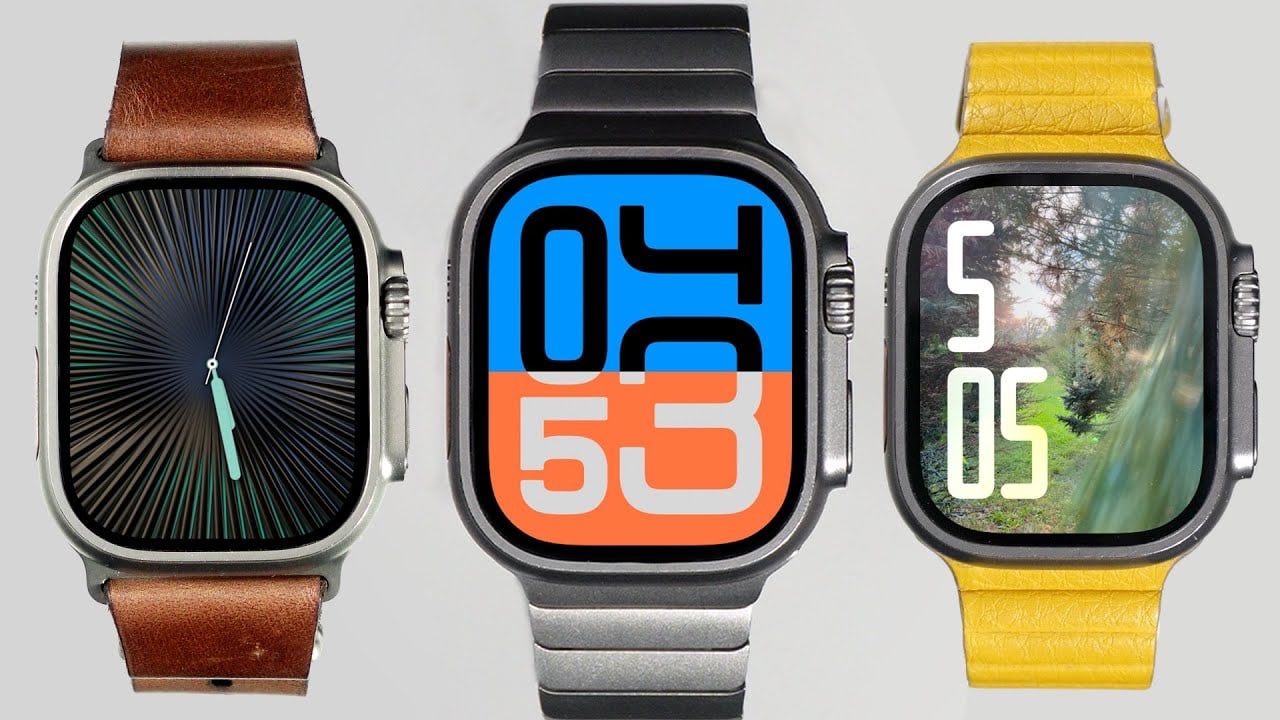
Apple’s watchOS 11 introduces a range of new watch faces, each offering unique features and extensive customization options. The video below delves into these watch faces, focusing on their functionality, personalization capabilities, and overall user experience, let’s find out what Apple has planned for watch faces in watchOS 11. Flux Watch Face: Dynamic Colors and […]
A European consumer watchdog has filed a complaint against Epic Games, Electronic Arts, Roblox and other game publishers over deceptive in-game currency practices, Reuters reported. The European Consumer Organization (BEUC) said it has "identified numerous cases where gamers are misled into spending money" and called on authorities "to provide consumers with safe gaming environments."
The BEUC pointed out that consumers are unable to see the real cost of digital items price using in-game currencies, saying that in-game purchases should always be displayed in real money. It added that companies' claims that gamers prefer in-game premium currencies are wrong; consumers are often denied their rights when using such currencies; and that children are particularly vulnerable to these "manipulative tactics."
"Regulators must act, making it clear that even though the gaming world is virtual, it still needs to abide by real-world rules," said BEUC director general Augustin Reyna in a statement. "Premium in-game currencies are purposefully tricking consumers and take a big toll on children. Companies are well aware of children's vulnerability and use tricks to lure younger consumers into spending more."
Also named in the complaint is Microsoft's Activision Blizzard, Mojang Studios, Tencent-owned Supercell and Ubisoft.
In a separate statement, Video Games Europe, which counts members including Epic Games, Roblox, Activision Blizzard, Electronic Arts, Supercell and and Ubisoft, said that consumers are already well-informed around in-game currencies. "The PEGI (Pan-European Game information) Code of Conduct requires developers to ensure that the real-world cost is clear and unambiguous at the point of purchase of the in-game currency," it told Reuters. "Our members always respect European consumer laws in how they offer these purchases."
The use of premium currencies purchased with real money has been controversial, especially around young players. In 2022, Epic was hit by a record FTC fine, in part for making it possible for children to purchase Fortnite's V-Bucks in-game currency without parental consent until 2018. The regulator said that Epic ignored more than a million user complaints and employee concerns over wrongful charges.
This article originally appeared on Engadget at https://www.engadget.com/gaming/eu-complaint-urges-action-on-confusing-in-game-currencies-140028212.html?src=rss
Last year, I experienced my first iPhone launch cycle at Engadget and the fanfare got to me. It seemed I couldn’t call myself a respectable member of the tech world if I didn’t own any of the shiny new tech. So I headed to the Apple store on the iPhone 15’s opening weekend and put my name in to buy one. As I waited my turn, I idly played with the display model. Holding it up to my iPhone 11, my enthusiasm dimmed. A bright grid of apps, softly rounded corners, one button on the right, two buttons and a toggle on the left… These two phones were the same. Sure, the pill-shaped thing on the screen was new, but, so what?
Instead of splurging, I left the store with my old phone. One year later, as this week’s iPhone 16 event approached, the thought of upgrading my phone hadn’t really crossed my mind. I was more concerned with the real-time transcription abilities I’d need to help cover the event.
But then Apple went and announced a brand new feature for the iPhone 16. While rumors suggested the DSLR-like focus button (now known as the Camera Control) would grace only the Pro models, every iPhone announced this year actually got the fancy new thing. And the Action button from the 15 Pro would now be on the base model as well. Additionally, there’s a new “fusion camera” that combines a 48MP sensor with a 2x telephoto lens. I may not know what that really means, but anything that might help me take better pictures of cityscapes is a plus.
Of course, the new button was likely added because it’ll serve as the interface for October’s upcoming Visual Intelligence, Apple’s AI-fueled feature that interprets the real world through the lens of Apple Intelligence. Given that shareholders insist AI’s buzz be shoved into everything, it’s not surprising that Apple’s best selling product would have all the tools it needs to embrace the tech fully. AI isn’t something I need, but two new buttons? And one that seems potentially pretty cool? It’s enough to lure me to upgrade.
I’m not much of a shopper. I wear six-year old t-shirts, own seven pairs of shoes and still carry an iPhone 11. I’m not necessarily proud of these facts; the experience of buying A New Thing often just leaves me cold, particularly when the stuff I have still works just fine.
Up until now, every iPhone I’ve replaced was for a good reason: Three years in, the battery on my iPhone 3GS stopped holding a charge. After the same amount of time, my iPhone 7 got so slow I’d forget what I was trying to do before an app would open.
Conspiracy theories once abounded that Apple purposely built planned obsolescence into their handsets, but I think a saner reason was that battery and chip technology just weren’t where they are now. With the release of iOS 17, Apple dropped feature update support for the iPhone 8, but a security update went out as recently as last month. That’s nearly seven years of reasonable use (and I have family members with iPhone 8s who have no plans to upgrade anytime soon).
My iPhone 11 outside its case. Still quite shiny.
Photo by Amy Skorheim / Engadget
I got my iPhone 11 in early 2020 and, four and a half years later, it’s still an entirely serviceable device. I can play my daily games, waste time on Reddit, keep in contact with friends and family using their various preferred methods and take pictures of tall buildings and overhead wires that turn out pretty decent. The battery won’t last through a whole day if I’m relying heavily on navigation, though that’s not a huge problem for me — I have far too many power banks laying around to ever end up with a dead phone. But it won’t last forever.
The new iPhone 16 costs $799 — the same price as the iPhone 15 went for — and it comes in a new ultramarine color. It’s sort of a purply royal blue that I’m very drawn to and represents just the sort of superfluous, consumerist frivolity that provokes post-shopping dejection. But it’s so pretty! Granted, I'll never really see that deep, blue-hour shade. The moment I get this new phone, it’s going directly into a case, where it will stay until the next time I upgrade — maybe around 2030 or so.
This article originally appeared on Engadget at https://www.engadget.com/mobile/smartphones/my-iphone-11-is-perfectly-fine-but-the-new-buttons-on-the-iphone-16-are-compelling-133045569.html?src=rss
The Apple Watch Series 10 marks a significant milestone in the evolution of Apple’s smartwatch lineup. With a focus on refinement and innovation, the Series 10 introduces a range of updates that enhance the device’s design, functionality, and user experience. From a sleeker form factor to advanced health and fitness features, the Series 10 aims […]
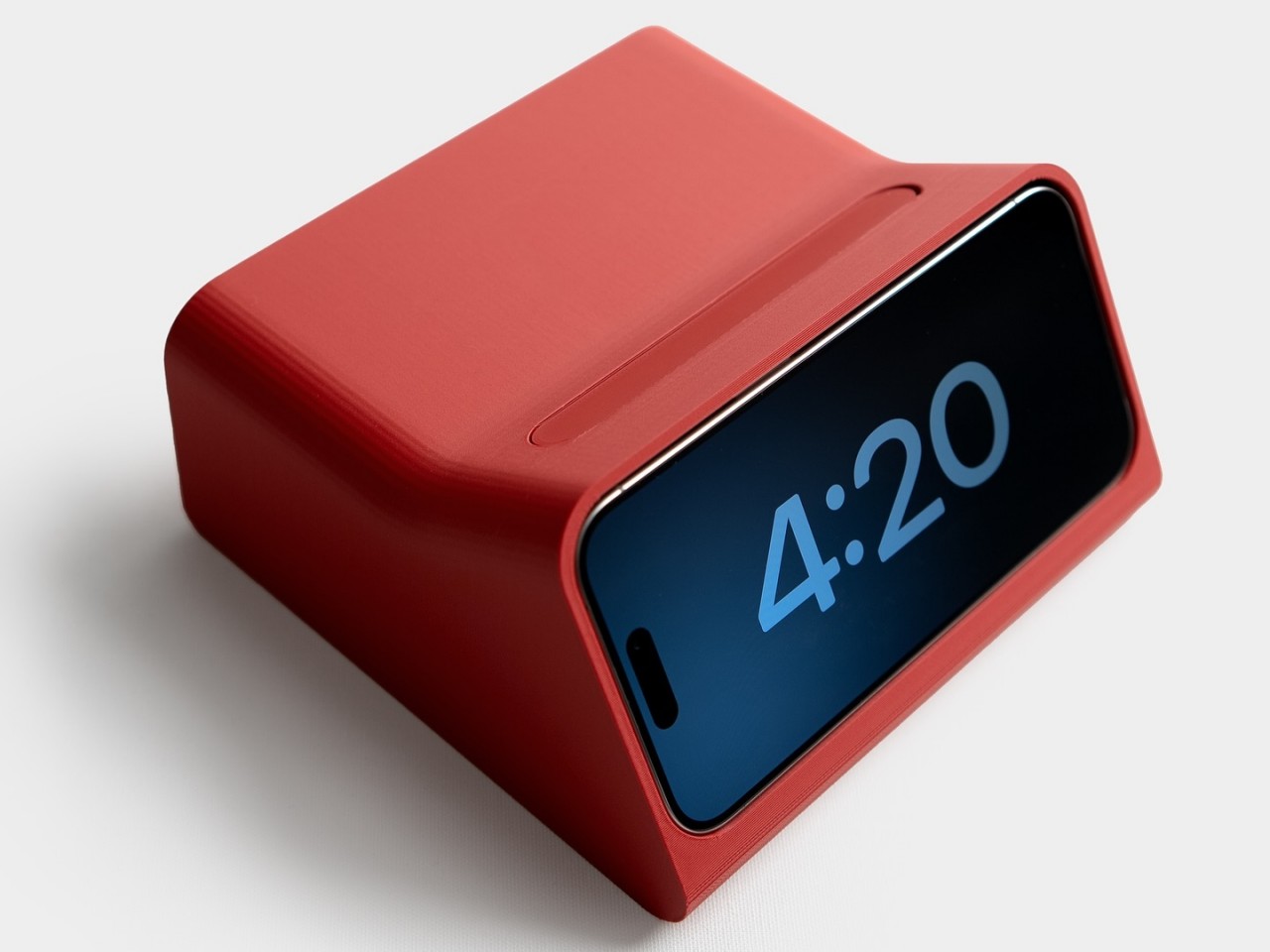
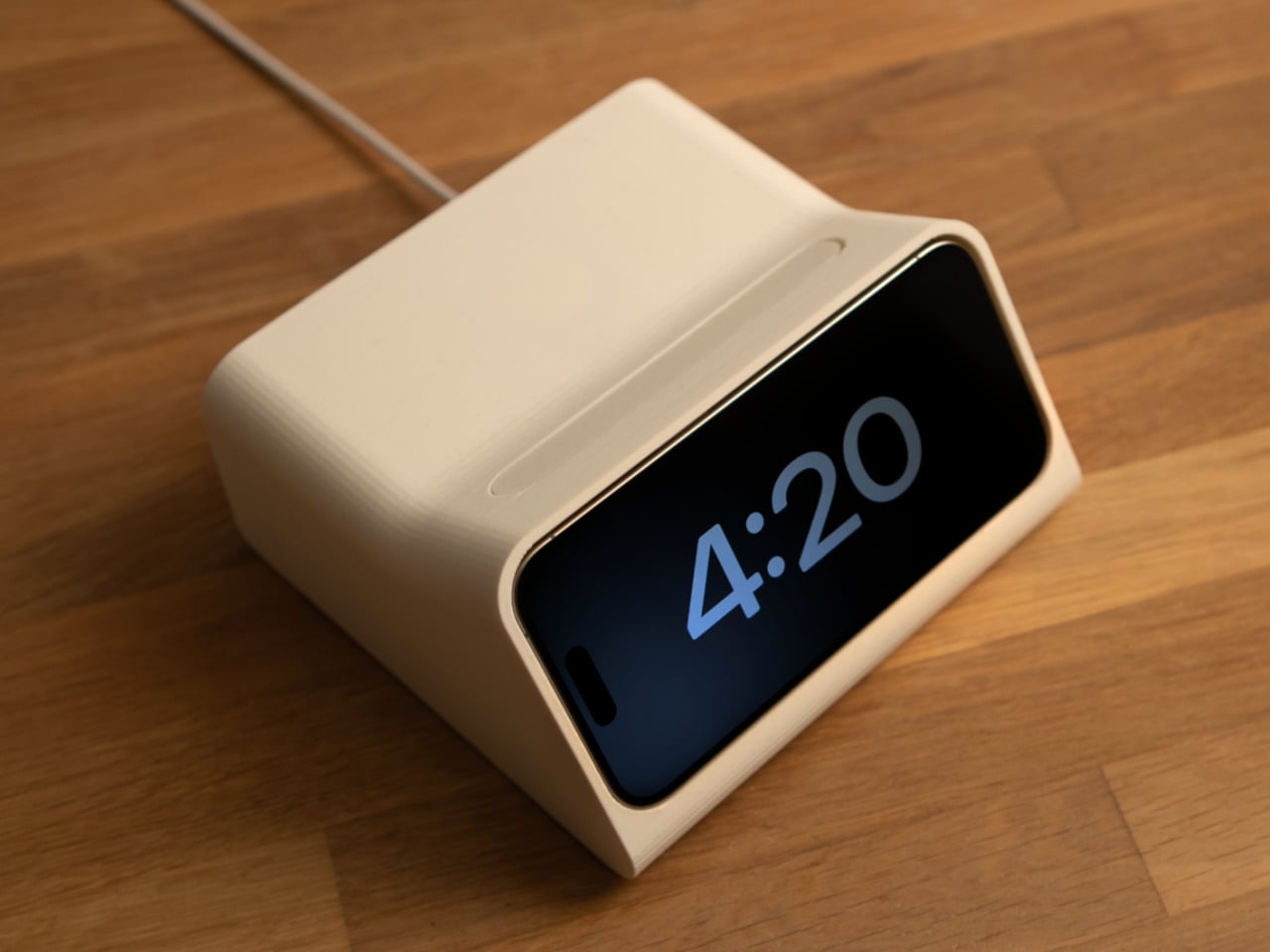
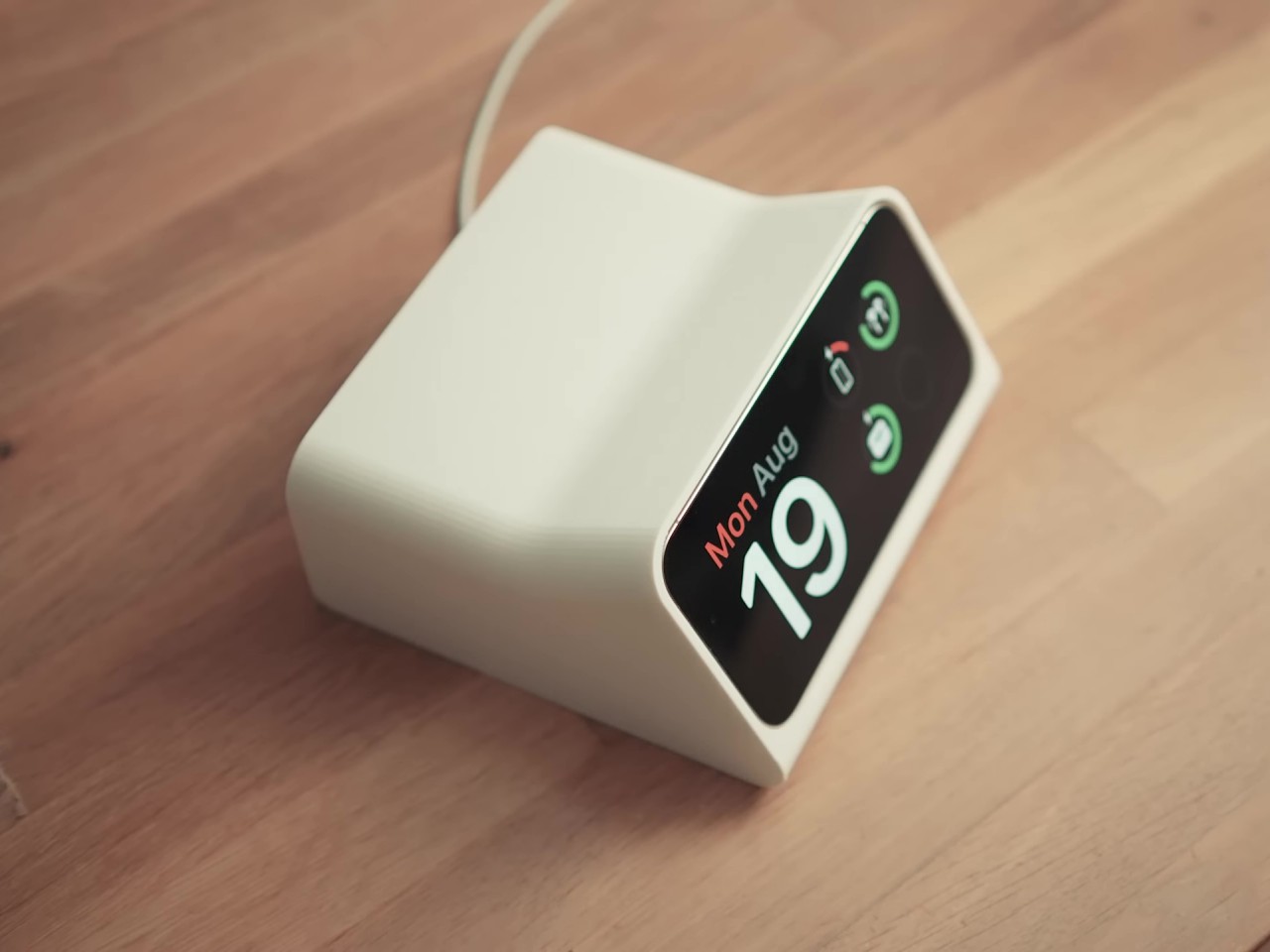
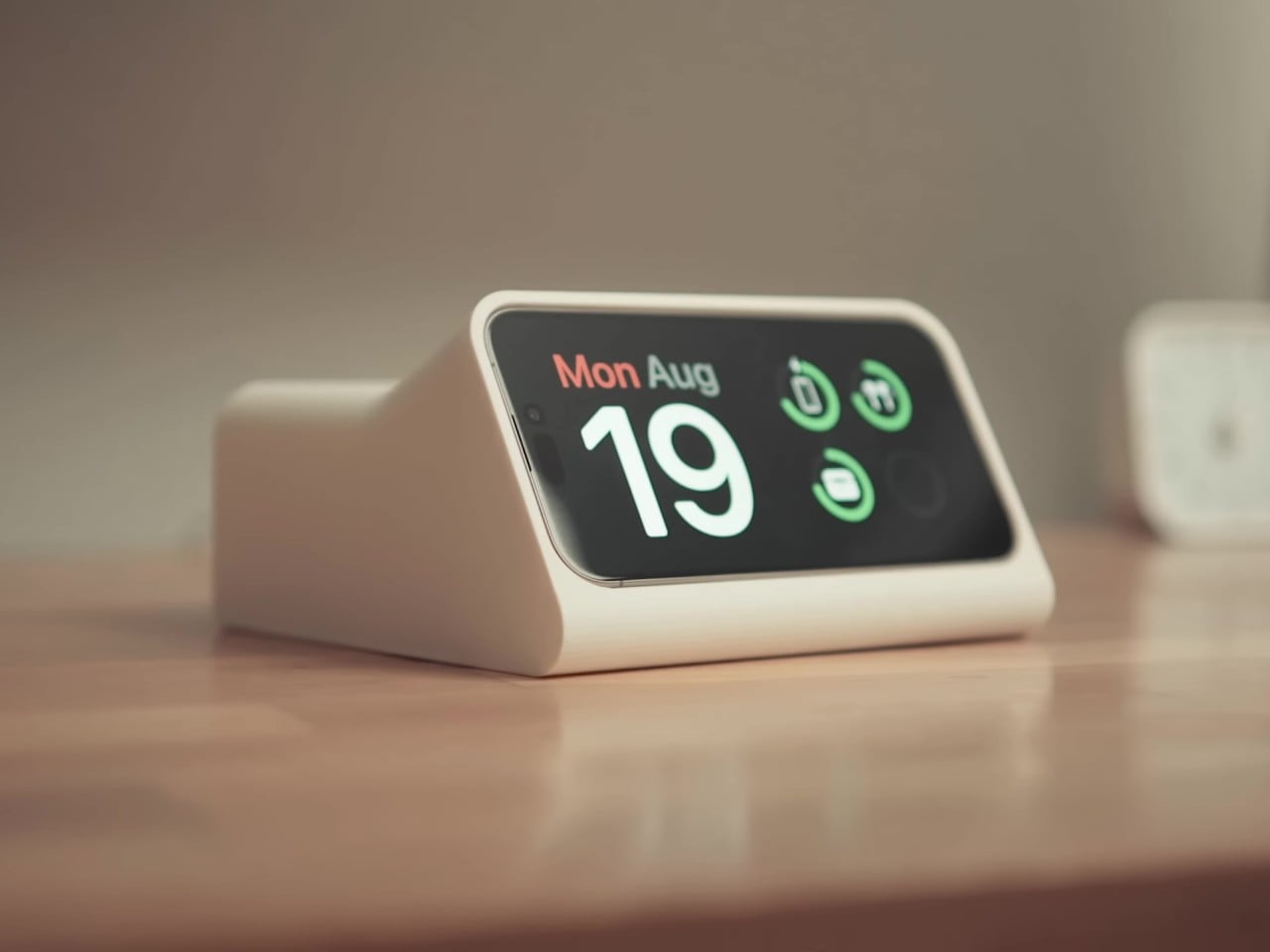
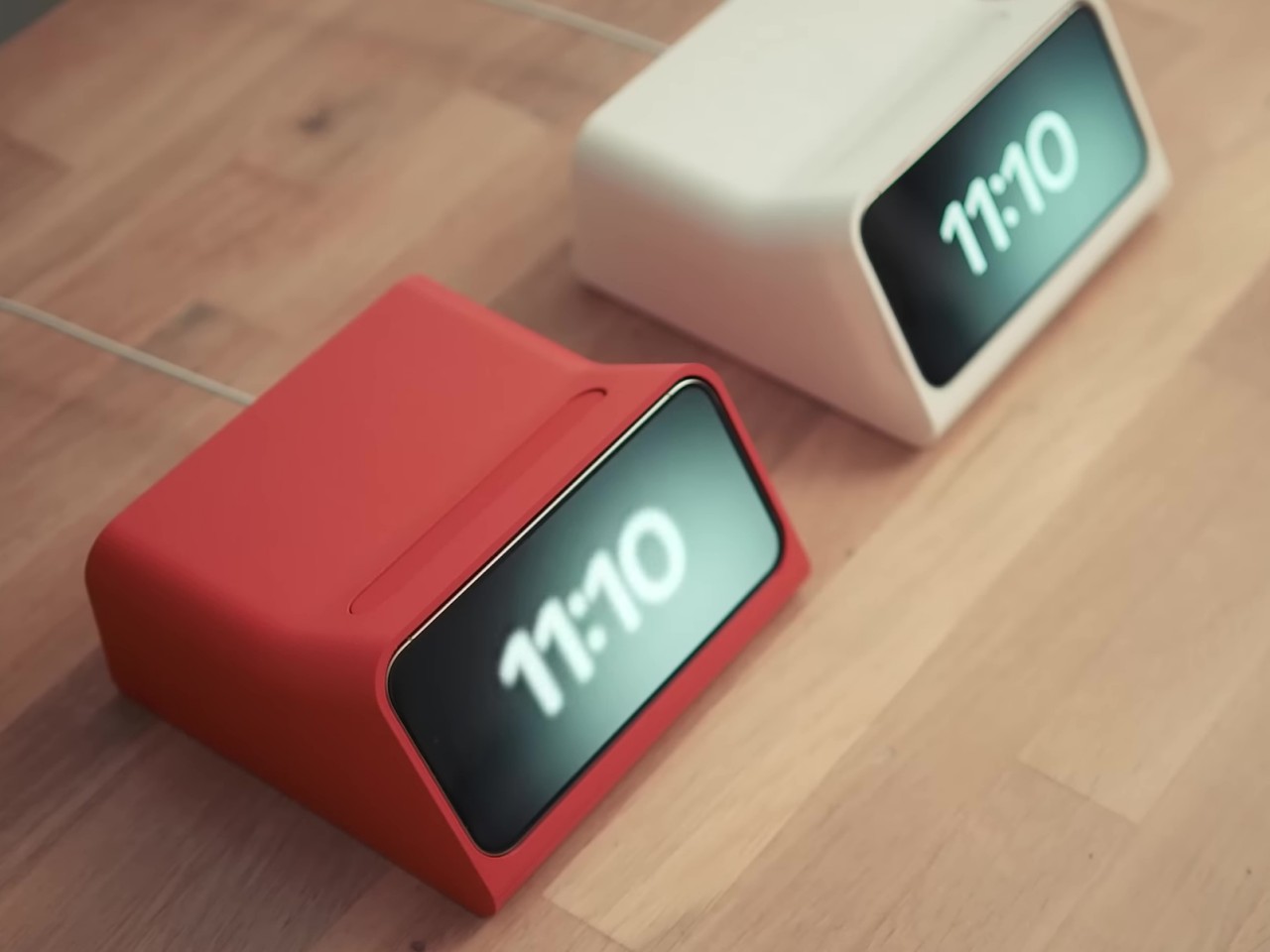
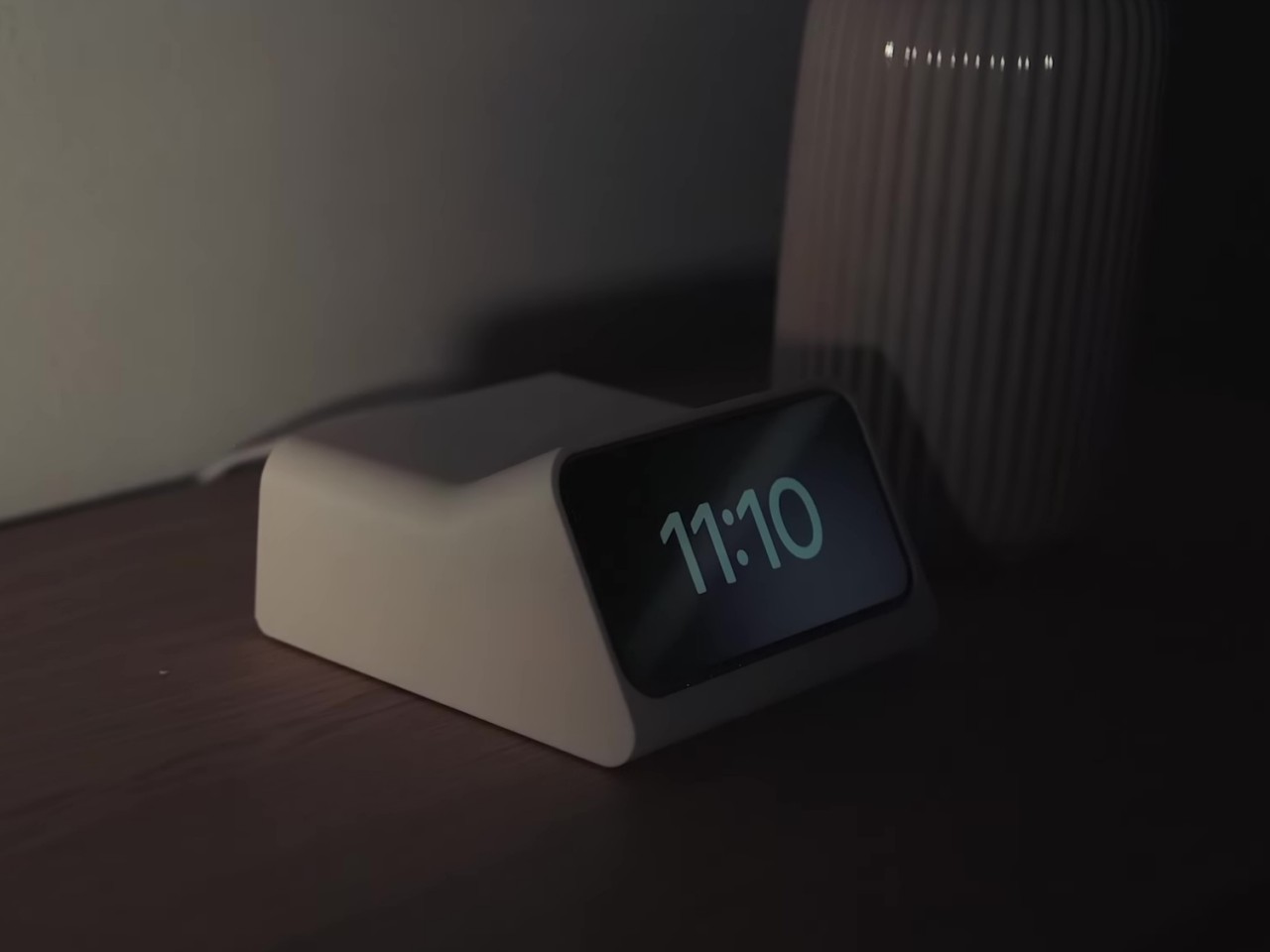
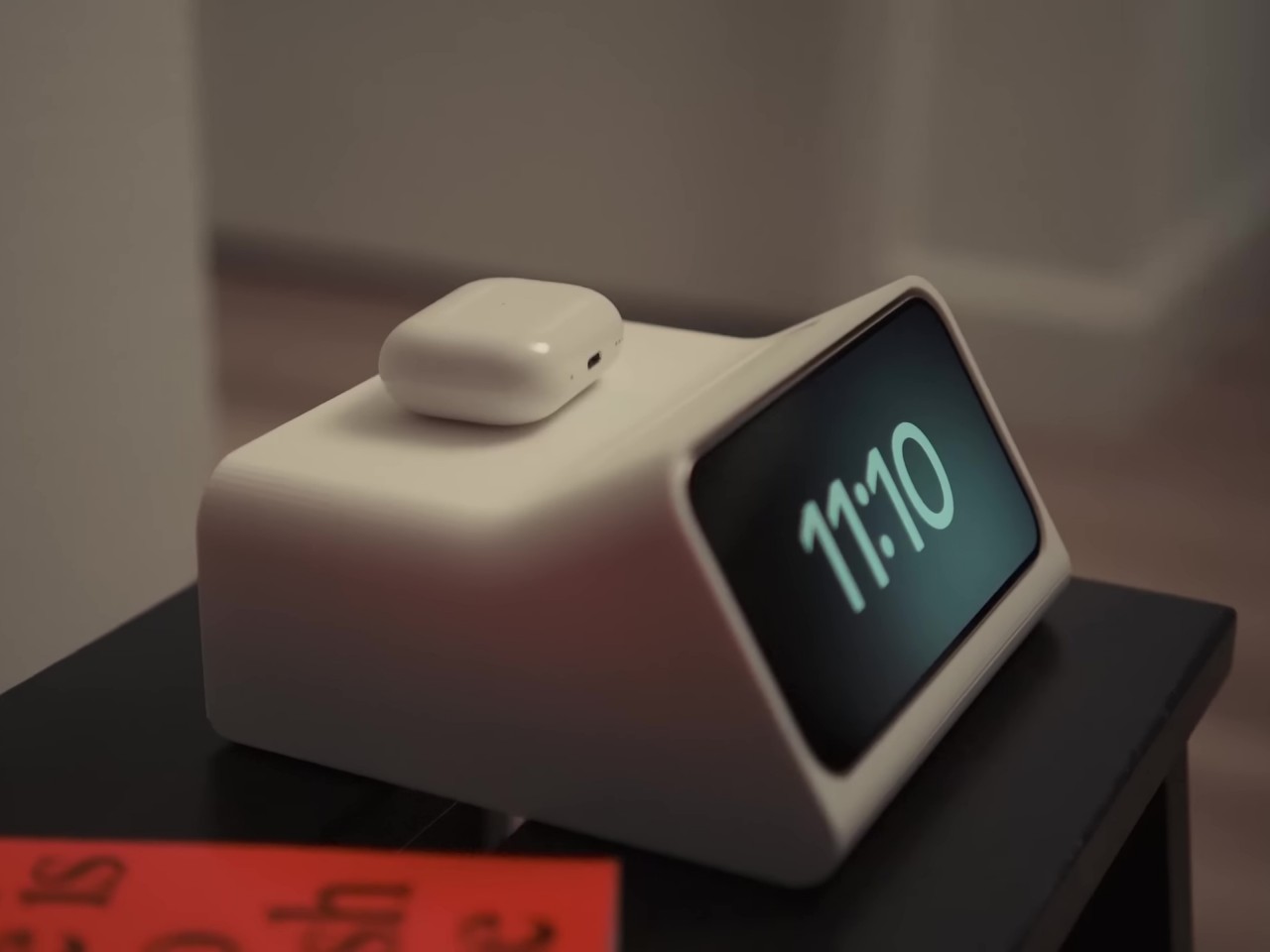
Have you ever wondered what would happen if two people from different time periods or locations met and worked together? Short of breaking the laws of time and space, we can only take a guess based on the works and ideas they left behind, though some “what if” collaborations feel more natural than others. The legendary industrial designer Dieter Rams, for example, has influenced generations of designers, some of whom became legends themselves and even carried on the spirit of his design philosophy. Perhaps nowhere is this association more pronounced than in the Ive-era Apple designs, particularly those that embraced minimalism to their very core. We might not need to imagine what a Rams-Ive collab would look like based on this rather simple yet intriguing iPhone dock that utilizes Standby Mode to become a modern version of the Braun DN 40 alarm clock that Rams designed.
Although probably best known for his Ten Principles of Good Design, Dieter Rams’ industrial designs not only became Braun products but also served as the inspiration for the likes of the original Apple iPod or the first Sony Walkman. His designs espoused a “less but better” philosophy, a foundation of modern minimalism, and among them was the DN 40 electronic, a funnel-shaped alarm clock that, as you might have guessed, did that and only that. There are dozens of alarm clocks today, of course, including an iPhone if you charge it horizontally to activate Standby Mode.
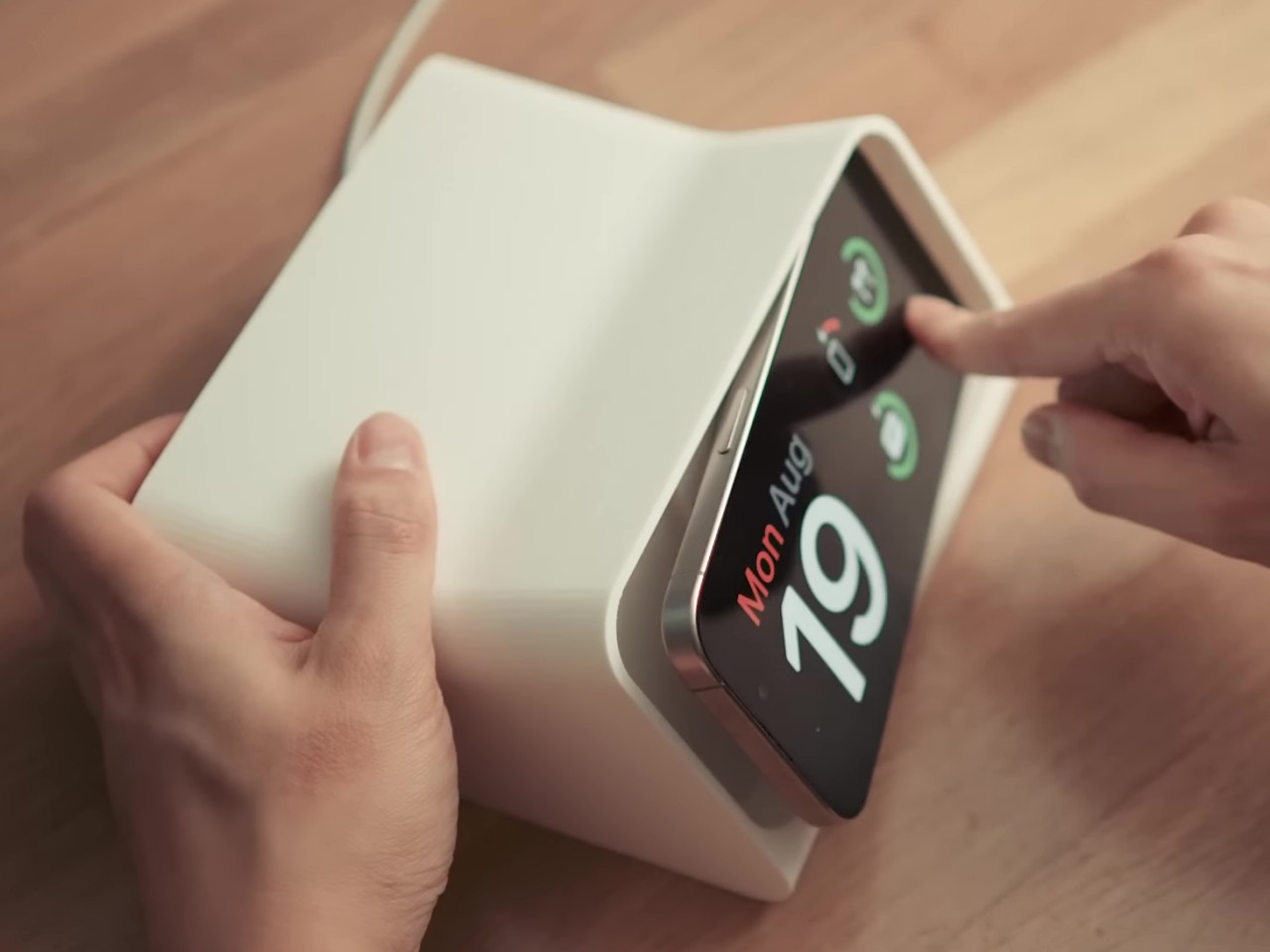
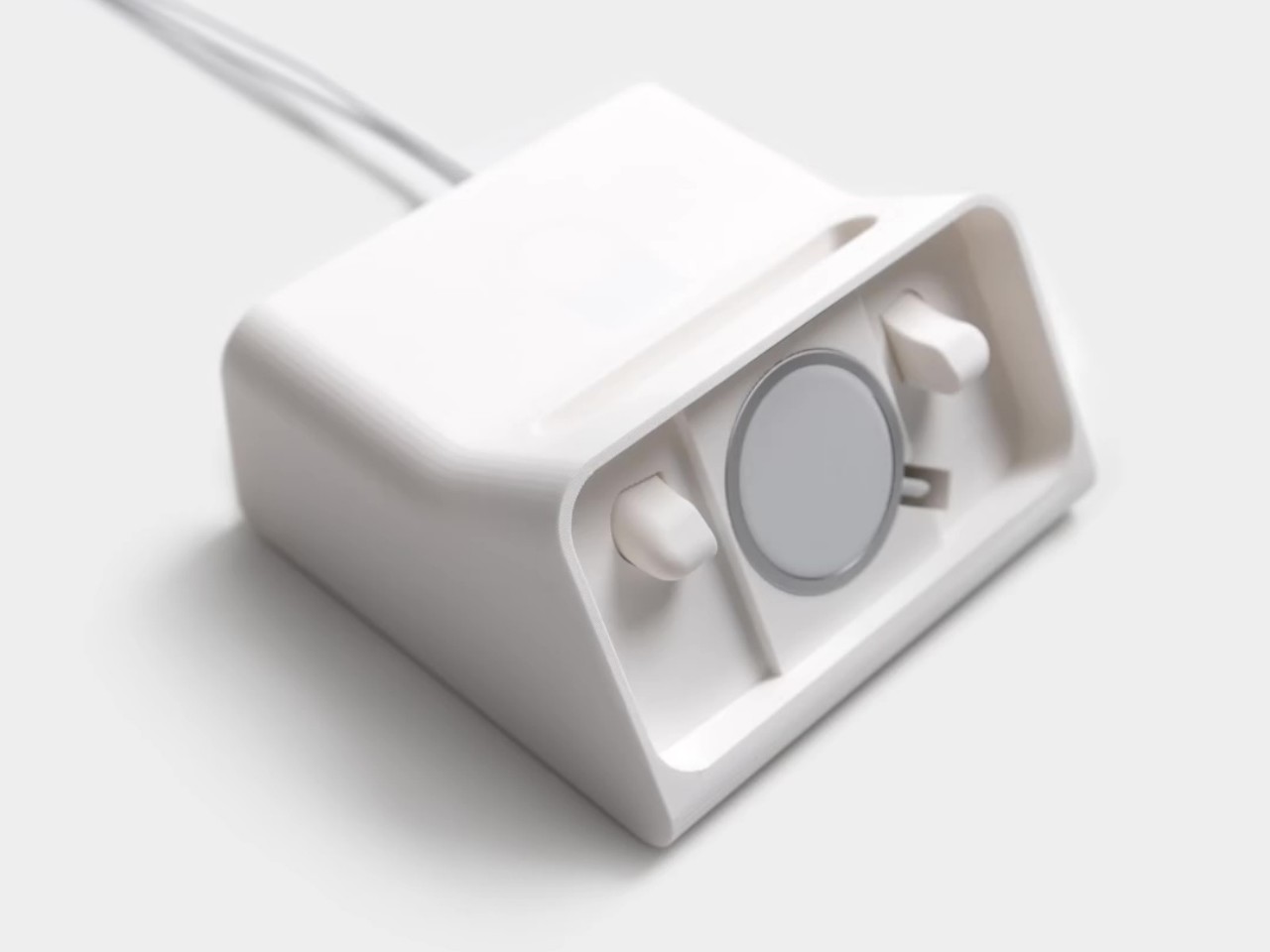
Inspired by this concept, musician OVERWERK created an initial prototype that simply housed a circular iPhone MagSafe charger to hold the phone at a specific angle similar to Rams’ design. It was basic, functional, and a bit cumbersome and wasteful. To take out the iPhone that sits flush inside the body, you have to press on one end of the phone to raise the opposite end and then pry it out. The rest of the clock’s chassis also held no purpose since there were no electronics to put in there as well.
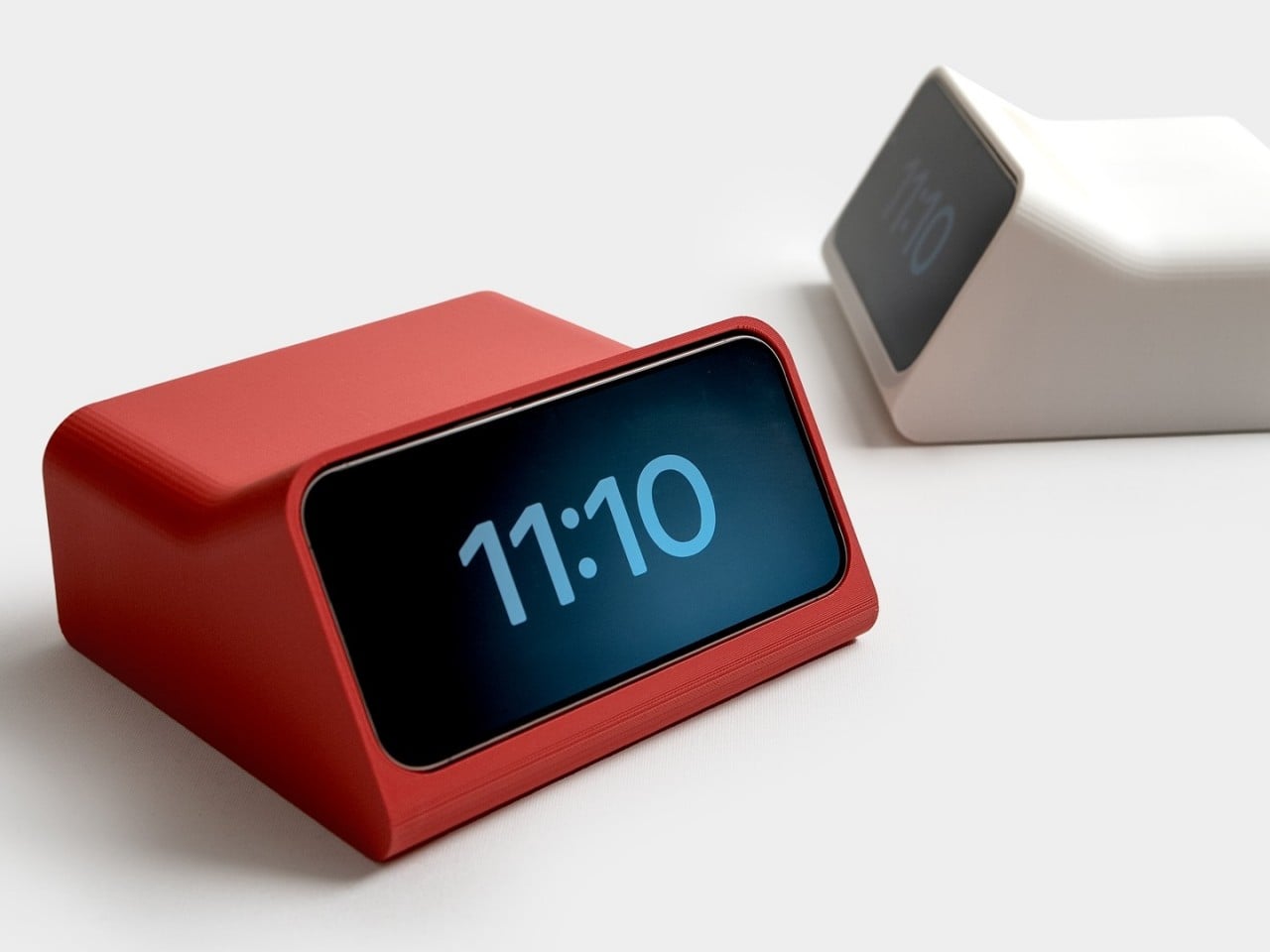
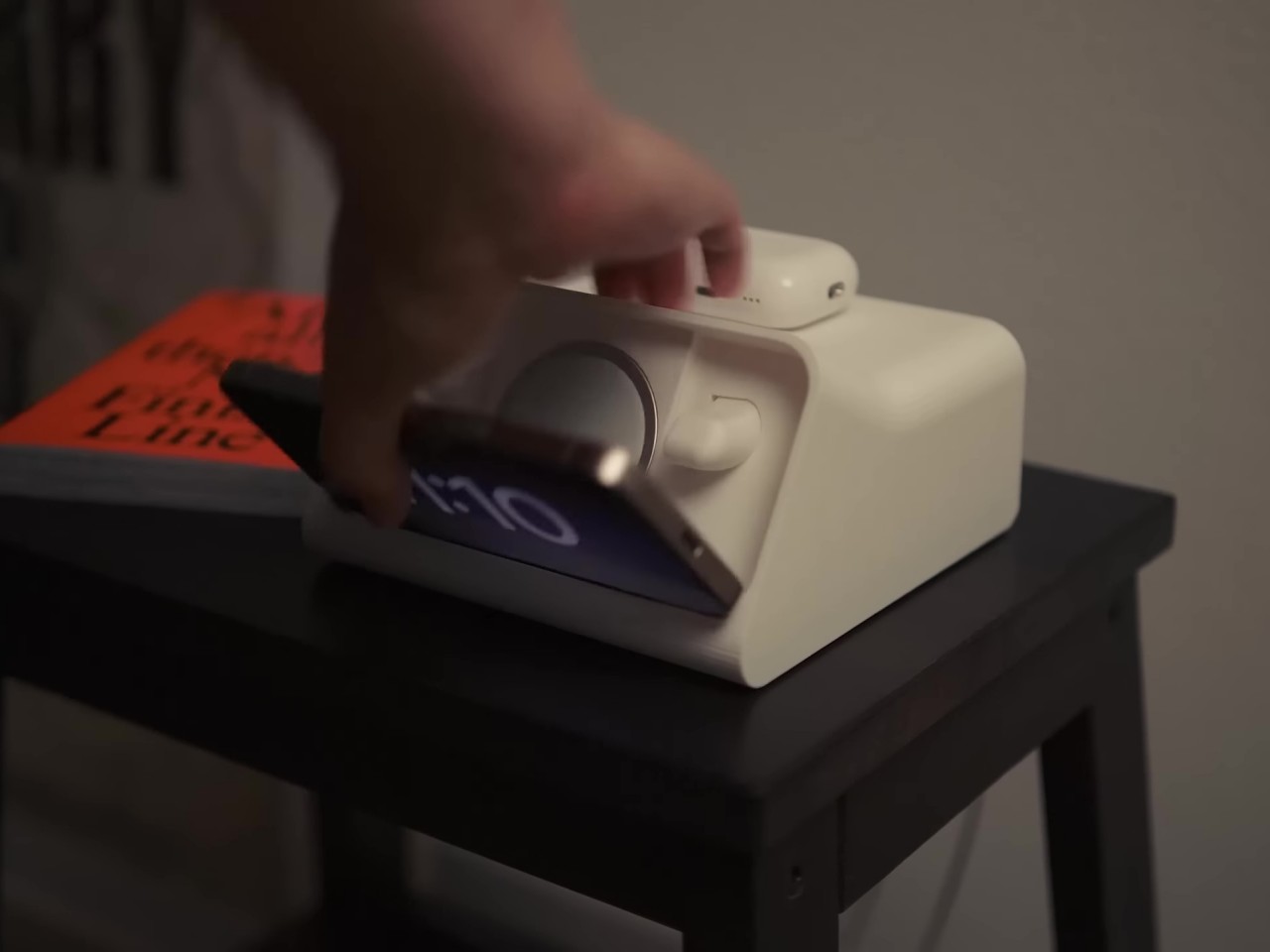
Working together with designer and YouTuber Scott Yu-Jan, the design took an interesting turn and, thus, the iPhone DN 40 Dock was born. Two simple yet crucial changes were made to the original design, including adding an ejection button at the top that pushes the iPhone forward, detaching it from the MagSafe charger. Yu-Jan also added a space for the small Apple Watch MagSafe charger underneath the top cover at the back, allowing you to charge your AirPods on top. As a bonus, charging the AirPods case has a satisfying feeling when you simply put it down on top of the clock and it slides into place thanks to the power of magnets.
The result of this collaboration between two modern-day designers is a design object that feels like a collaboration between Rams and Ive, two designers with great respect for one another but never got the chance to work together. It has the minimalism of the original DN 40 clock but is made even simpler because you only need an iPhone and MagSafe chargers. You do need a 3D printer to make your own, though, and you might need to modify the design since this was made specifically for an iPhone 15 Pro. Fortunately, the design files are freely available so anyone can now have their own Rams-inspired iPhone Alarm Clock by their bed or desk.
Roomba robot vacuums are up to $620 off right now via Wellbots. These are some real-deal discounts, so if you’ve been saving up for a robovac, it might be time to take the plunge.
The best deal of the bunch is for the iRobot Roomba Combo j9+, which is down to $780. The standard asking price is a whopping $1,400, so this is a savings of $620 on the hybrid vacuum/mop. All you have to do is jot down “ENGAD620” in the checkout field.
We loved this robovac in our official review, calling it “the ideal robot vacuum and mop.” The vacuuming performance is top-tier and can even suction up stubborn cat hair. The obstacle detection is also on point, so it won’t get tripped up by the actual cat. The battery life is good and the base is well-designed and easy to use/empty.
The j9+ also found a place on our list of the best robot vacuums. It won the award for best combo model, as the mopping element is nearly as refined as the vacuum. It can struggle with extremely sticky messes, however, but will easily handle regular floor maintenance.
The only real downside with this device is the price. It’s hard to recommend any vacuum at $1,400, even if it helps save tons of time. This isn’t quite the case at $780.
Wellbots is also selling the Roomba Combo j5+ model for just $440 instead of $730, which is a savings of $290. Just pop the code “ENGAD290” in the checkout field. The regular j9+, without the mop, is on sale for $580 instead of $900 with the coupon code "ENGAD320."
Samsung Electronics has once again demonstrated its unparalleled expertise in design by securing an impressive 45 awards at the prestigious International Design Excellence Awards (IDEA) 2024. This remarkable achievement serves as a testament to Samsung’s unwavering commitment to creating innovative and user-centric designs that captivate consumers worldwide. The awards encompass a wide range of categories, […]