OtterBox Wins CES Award with Cactus Leather Case
OtterBox earns CES 2026 honors with its Symmetry Series Cactus Leather Embroidery — a sustainable, stylish fusion of cactus leather and precision protection.
Water quality and sustainability are growing concerns for modern households, but most purifiers still rely on tap water with inconsistent quality, bulky filter systems, and plastic jugs that clutter up the kitchen and generate waste. For anyone who wants pure hydration without the hassle, plastic waste, or aesthetic compromises, traditional systems can feel like choosing between wellness, the planet’s well-being, and the visual harmony of your carefully curated space.
Kara Pure 2 offers a new vision for home hydration that eliminates these trade-offs entirely. By pulling water straight from the air, mineralizing it with essential nutrients, and presenting it in a sculptural stainless steel form, it changes the simple act of pouring a glass of water into a daily wellness ritual that’s as beautiful as it is sustainable and convenient.
Designer: Cody Soodeen
Click Here to Buy Now: $3899 $5999 ($2100 off). Hurry, only 10/20 left! Raised over $260,000.

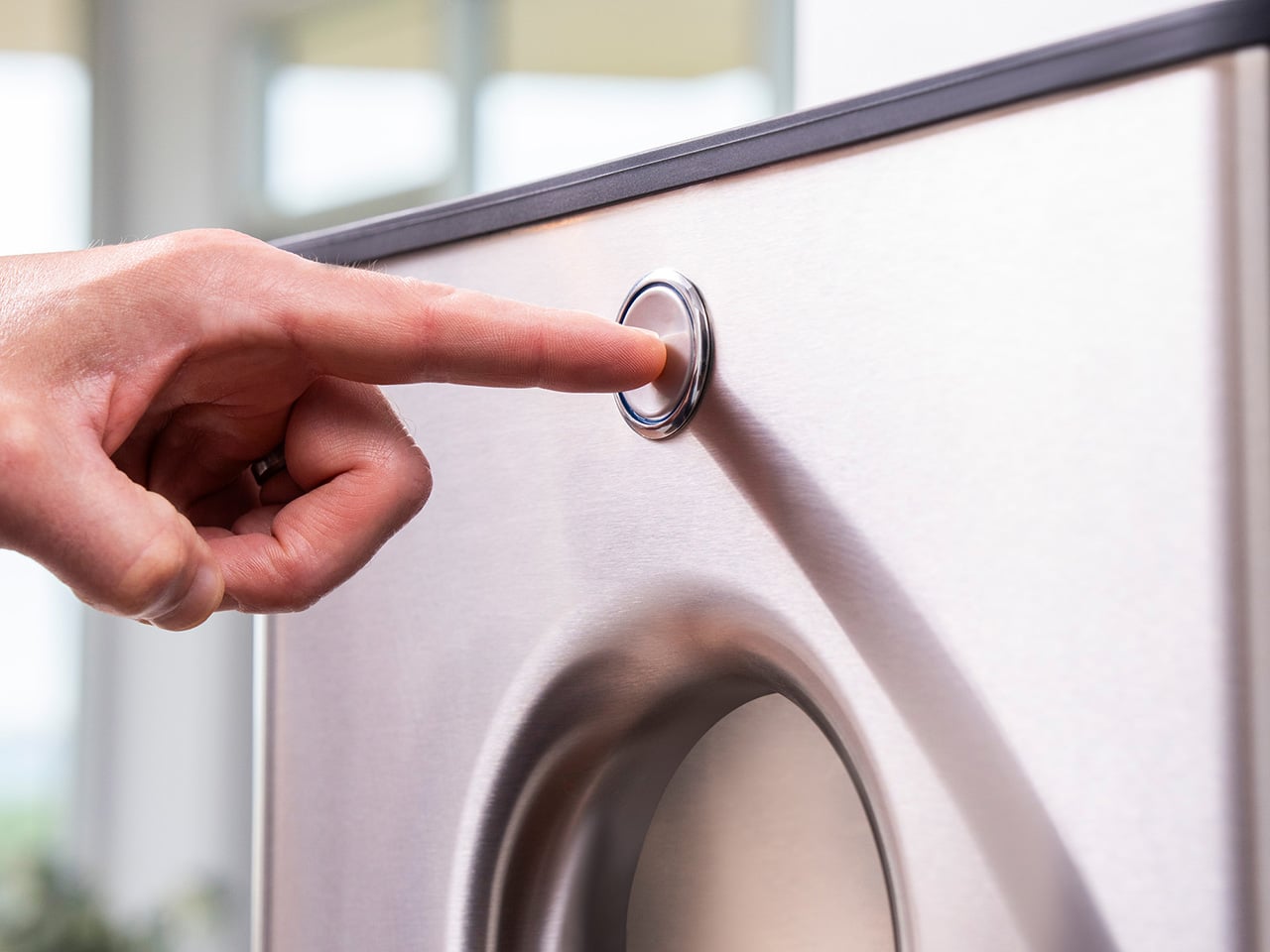
Kara Pure 2’s tall, brushed steel silhouette and oval pouring window bring a sculptural presence to any kitchen or office space. The sleek, minimalist design, with clean lines and premium materials, fits seamlessly into modern interiors without dominating valuable counter space. The 7-inch touchscreen is 40 percent larger than the original model, offering intuitive control over water temperature, filter status, and system settings with smooth, responsive interaction.

Inspired by the Stenocara beetle from the Namib Desert, which harvests water from air using specialized shell structures, Kara Pure 2 uses advanced desiccant technology to extract up to 10 liters of water from ambient air each day. Every drop is filtered through a new ultrafiltration system that removes 99.99 percent of impurities, microplastics, and bacteria before being enriched with essential minerals for optimal health.

The water is balanced to a 9.2 pH alkaline level and enriched with calcium, magnesium, potassium, zinc, sodium, and silica for smooth, great-tasting hydration that supports overall wellness and proper body function. The commercial-grade EPA air filter purifies intake air before it becomes water, offering dual benefits by improving both your drinking water quality and indoor air quality simultaneously.

Kara Water’s air-to-water innovation has earned recognition that few companies achieve: two TIME “Best Inventions” awards and two CES Innovation Awards, placing it alongside just 14 other companies in history like Apple, Tesla, and Samsung. The technology has already found homes in prestigious venues including House of Sound NYC, the luxury Gotham Hotel, and Hilton’s Conrad Hotel, proving that design-conscious hospitality and wellness spaces trust Kara Pure for both performance and presence.

There’s no plumbing installation, no refilling large tanks, and no waiting for delivery trucks to bring heavy bottled water to your door every week. Just plug in Kara Pure 2 and enjoy bottleless hydration on demand without lifting heavy jugs, storing bulky containers, or dealing with the environmental impact of single-use plastics piling up in recycling bins, or worse.

The 20 percent larger pouring area accommodates pitchers and bottles up to 64 ounces, making it easy to fill larger containers for family meals, workout sessions, or office meetings. Adjustable temperature settings provide instant hot water for morning coffee and tea or refreshing cold water down to 45 degrees Fahrenheit for afternoon hydration, all controlled through the intuitive touchscreen interface.

Kara Pure 2’s thermoelectric cooling technology is significantly more energy-efficient than traditional compressor systems and uses no harmful refrigerants, reducing both electricity bills and environmental impact for eco-conscious households. The upgraded recirculating system eliminates quarterly descaling maintenance, while the easier filter change design and single removable tank make upkeep straightforward and quick without requiring professional service.

The whisper-quiet 32 decibel operation means Kara Pure 2 can sit comfortably in bedrooms, home offices, or open-plan living spaces without disrupting conversations, sleep, or focused work throughout the day. Families with young children appreciate the instant access to clean, mineralized water for bottles and snacks, while busy professionals enjoy having both hot and cold hydration ready throughout long workdays.
Kara Pure 2 reimagines hydration as a centerpiece of modern living, combining air-to-water innovation, health-conscious mineralization, and sustainable design in a device that makes drinking water feel intentional, satisfying, and effortless. For homes that value both performance and presentation equally, it offers a refreshing alternative to the hidden appliances and plastic-dependent systems most people simply accept as unavoidable compromises in daily life.
Click Here to Buy Now: $3899 $5999 ($2100 off). Hurry, only 10/20 left! Raised over $260,000.
The post Award-Winning Sculptural Device Makes Water From Air, Not Your Tap first appeared on Yanko Design.
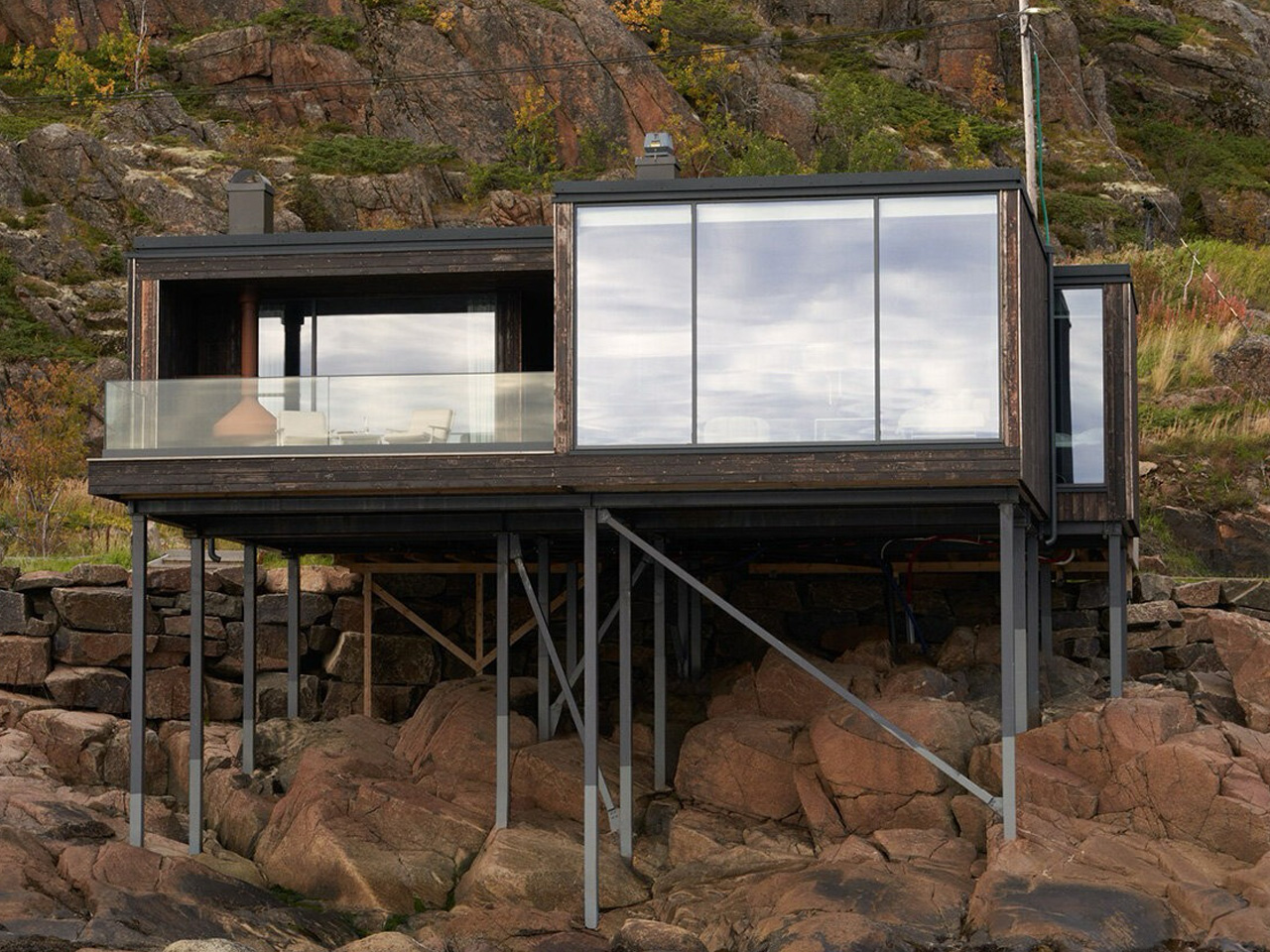
Danish design brand Vipp has just opened what might be their most spectacular guesthouse yet, tucked away on Norway’s remote Storemolla island, where jagged peaks plunge straight into the sea. The Lofoten Guesthouse sits like a modern-day fishing hut on stilts, designed by Norwegian studio LOGG ARKITEKTER to capture everything magical about this wild corner of the Arctic.
What makes this place special isn’t just the jaw-dropping location. The architects have created something that feels both completely contemporary and deeply rooted in local tradition. Those stilts aren’t just for show – they’re a direct nod to the rorbuer cottages that housed generations of fishermen who worked these waters, their boats bobbing alongside simple wooden shelters that rose and fell with the tide.
Designer: Vipp x LOGG ARKITEKTER

The guesthouse doesn’t stand alone. It’s part of True North Lofoten Village, a carefully planned collection of modern lodgings masterplanned by the acclaimed firm Snøhetta. Rather than dropping a resort into pristine wilderness, they’ve assembled what feels more like a small community of thoughtfully designed cabins, each by different Norwegian studios. The whole approach reflects what Snøhetta’s Kjetil Trædal Thorsen calls the challenge of “quiet integration” – creating something meaningful without overwhelming the landscape.
LOGG ARKITEKTER tackled this by designing what architect Diederik Advocaat Clausen describes as dissolving “the boundary between shelter and seascape.” The weathered timber exterior and sharp lines give the building a temporary appearance, as if it had grown naturally from the rocks. Large windows frame views that change constantly – from the endless daylight of Arctic summer to the otherworldly dance of Northern Lights in winter.
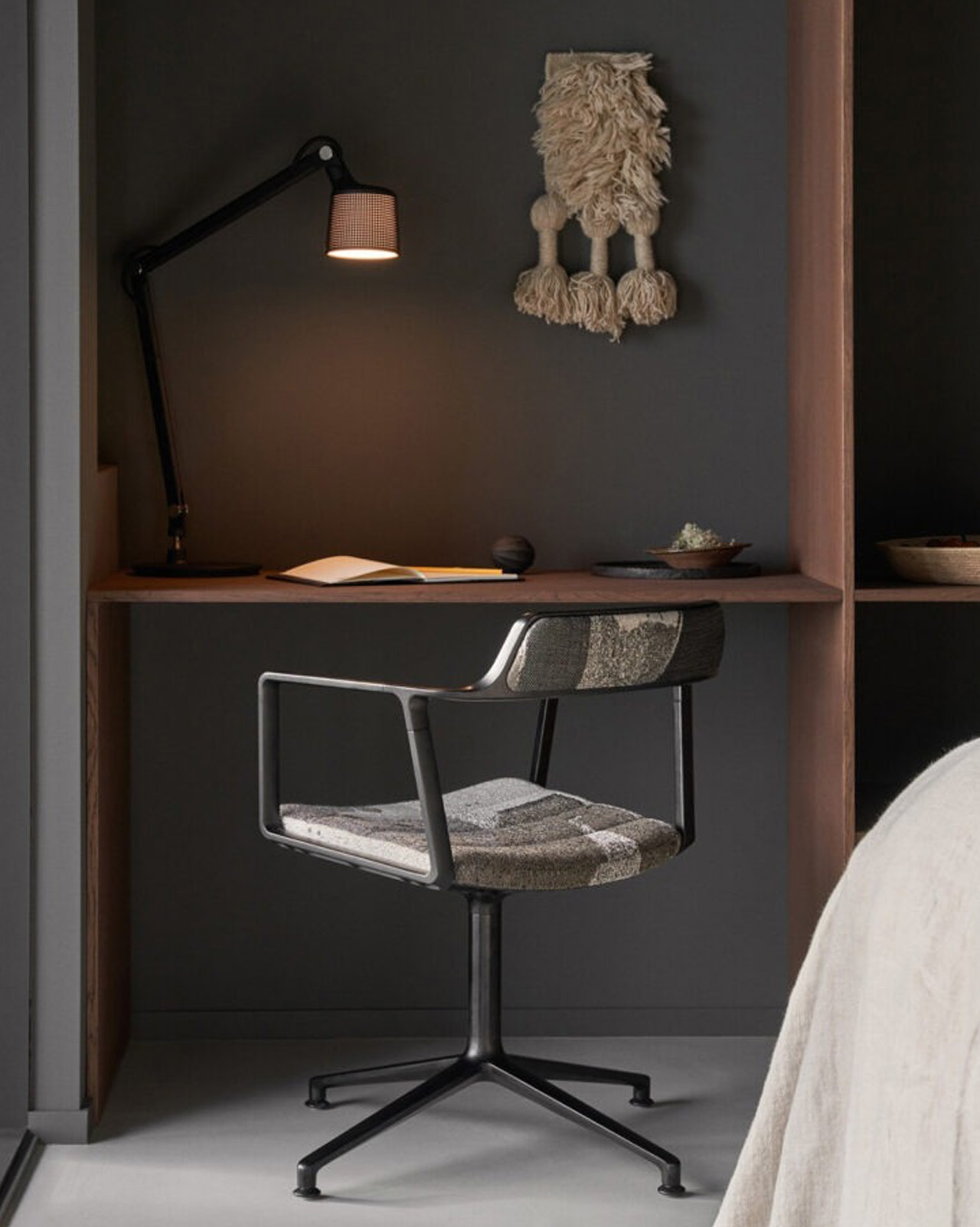
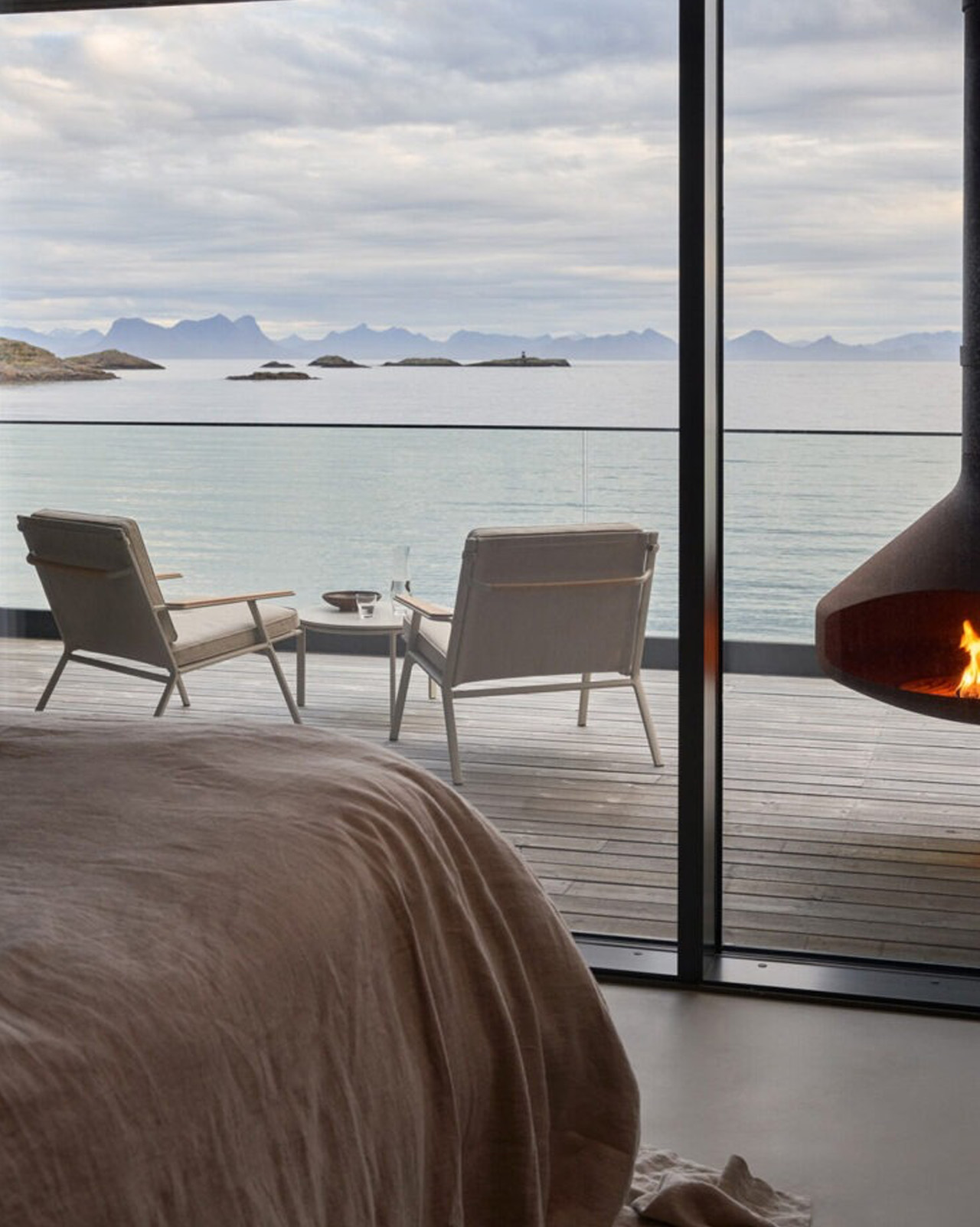
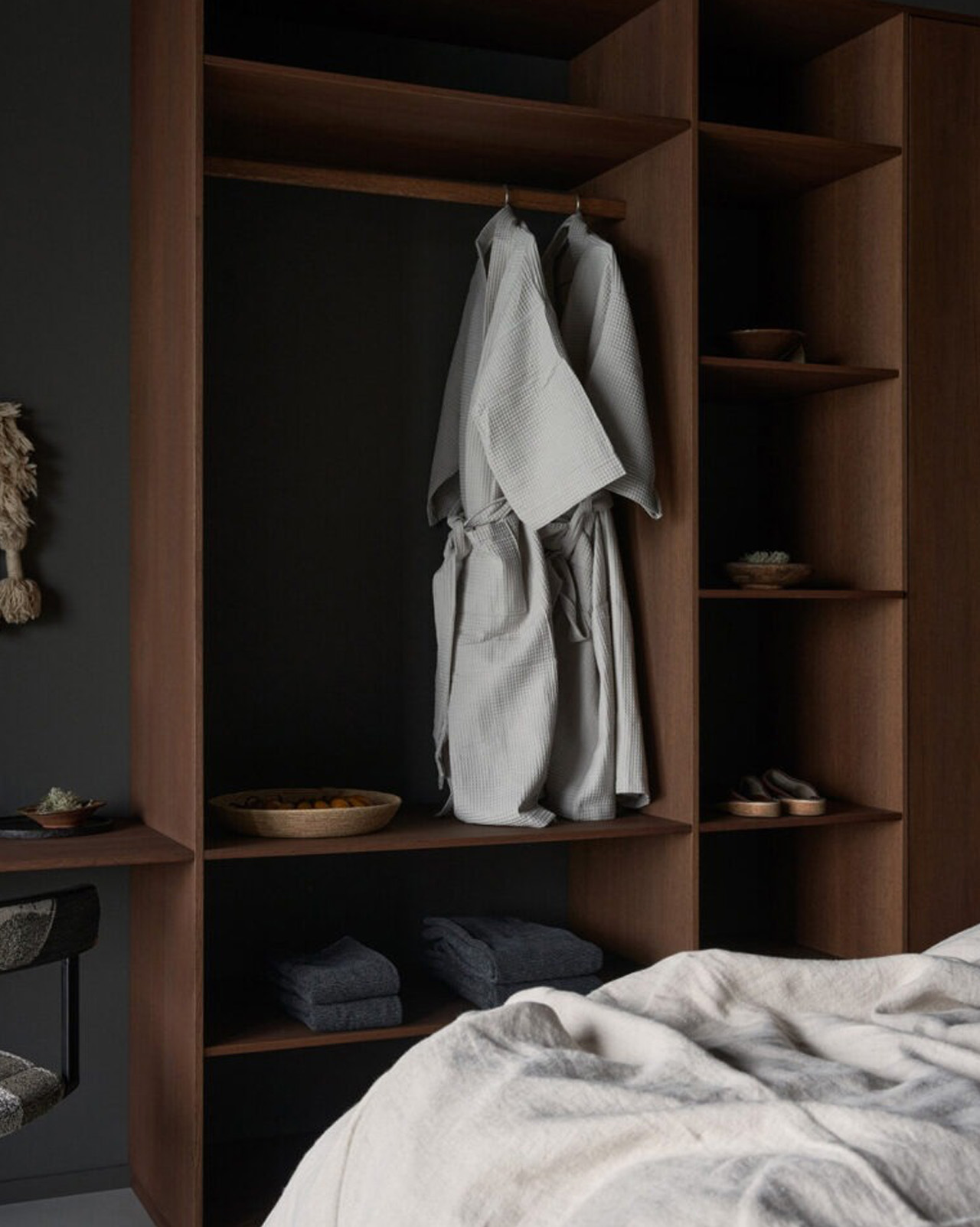
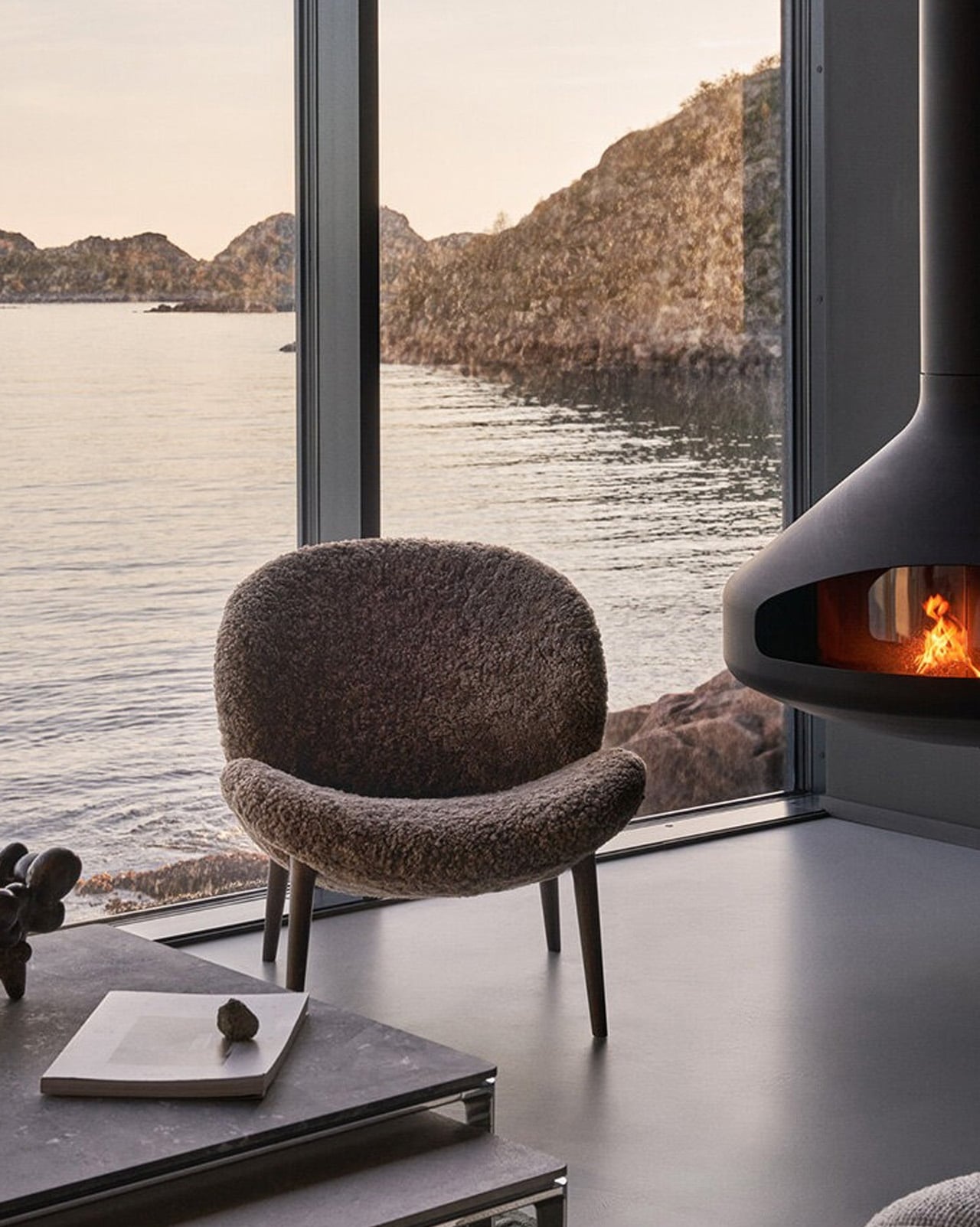
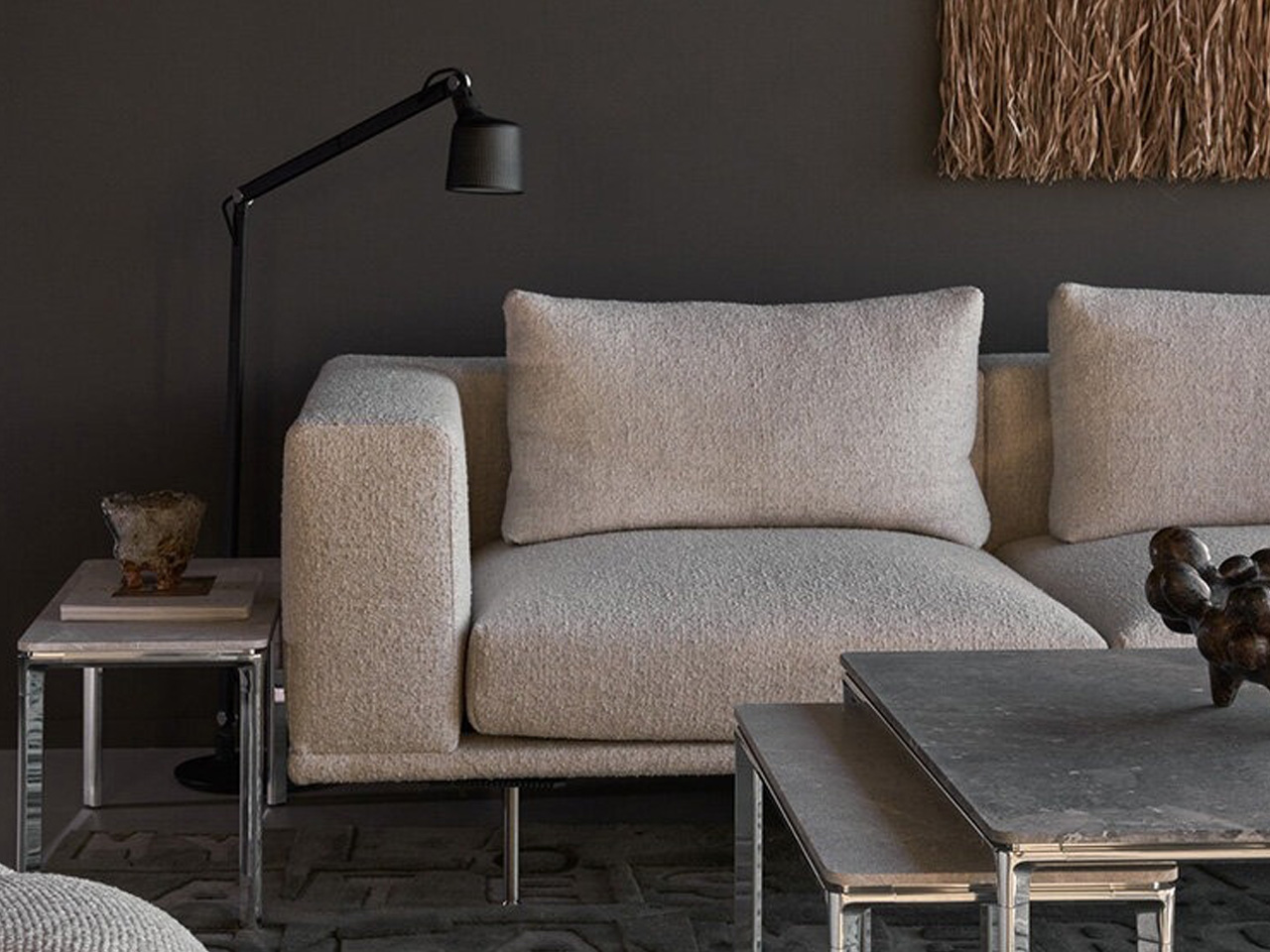
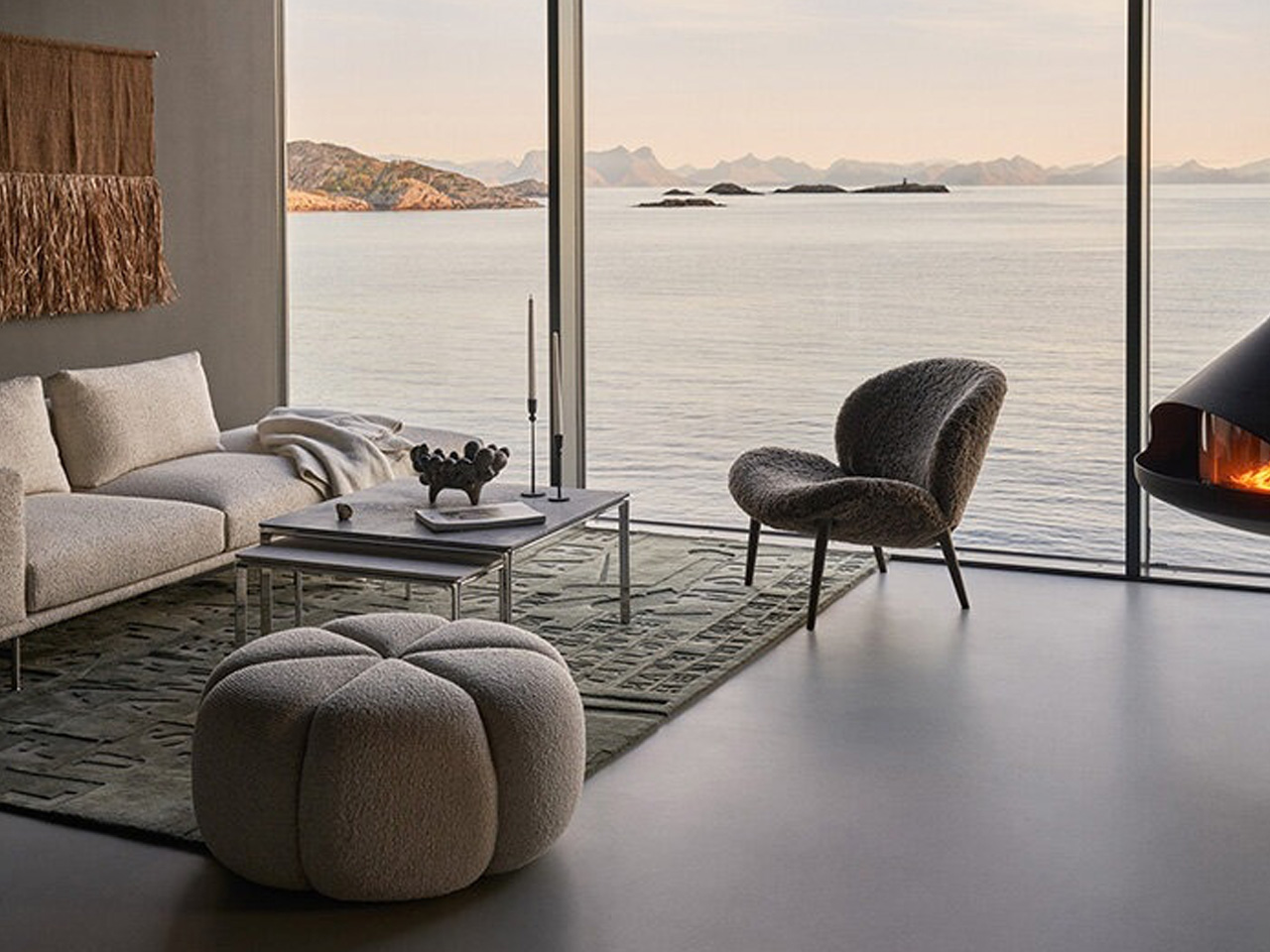
Step inside and you’ll find Vipp’s signature minimalist aesthetic perfectly suited to its surroundings. Dark grey walls and floors mirror the rocky coastline outside, while carefully chosen furnishings create cozy spots to take in the view. A ceiling-hung stove becomes the focal point for gatherings, and custom upholstery echoes the colors and textures visible just beyond the glass.
This marks Vipp’s thirteenth design retreat worldwide, with CEO Kasper Egelund noting that while their products stay consistent, each location completely transforms the experience. At roughly $ 1,942 per night for up to four guests, it’s positioned as a premium escape where the real luxury lies in the setting itself. You can venture out for whale watching or eagle safaris, but honestly, many guests find themselves perfectly content just watching the sea and sky put on their daily show through those perfectly framed windows.
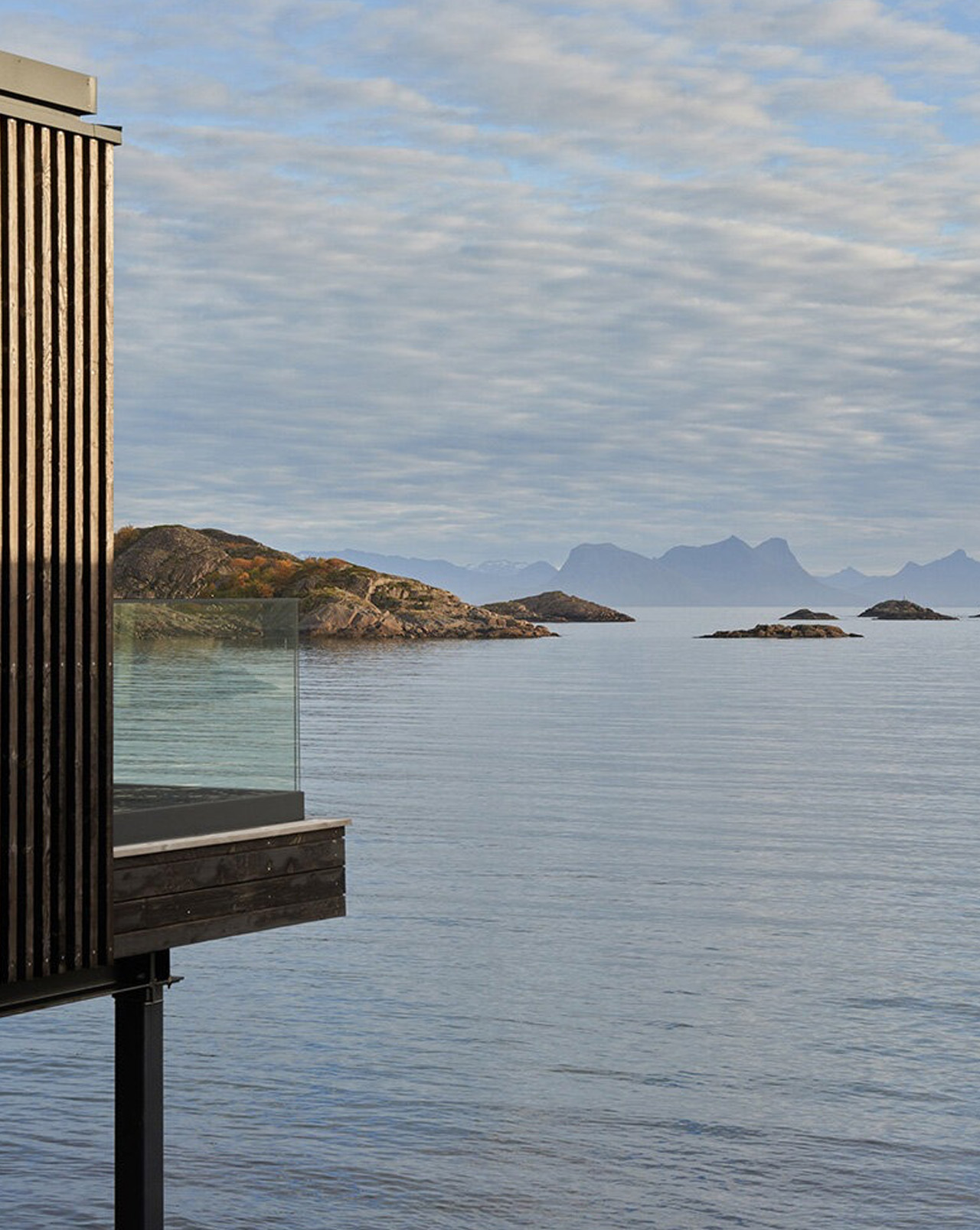
The post Floating Above the Arctic: Vipp’s Latest Guesthouse Channels Norway’s Fishing Tradition first appeared on Yanko Design.

Remember when the future promised us flying cars and automated everything? Well, Japan just delivered on part of that promise with something wonderfully bizarre: a human washing machine. And honestly, after hearing about it, I kind of want one.
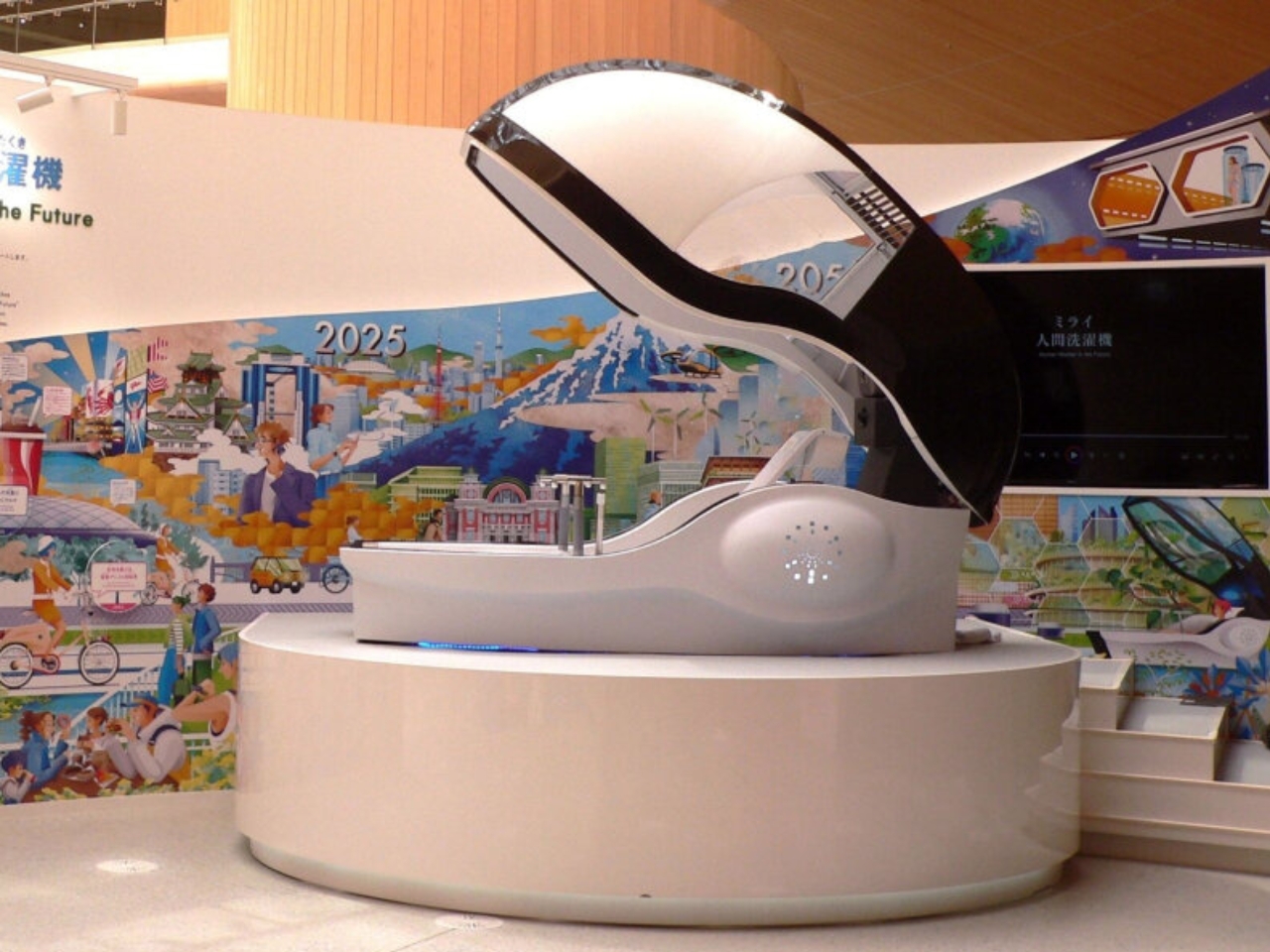
At Expo 2025 Osaka, Science Corporation unveiled the Future Human Washing Machine, and it’s exactly what it sounds like. You climb into a sleek capsule, sit down, and let the machine do its thing. Water splashes around you, micro- and ultrafine bubbles get to work cleaning your body, and then air blasts you dry. The whole experience takes about 15 minutes, which might actually be faster than your current shower routine if you’re anything like me.
Designer: Science Corporation
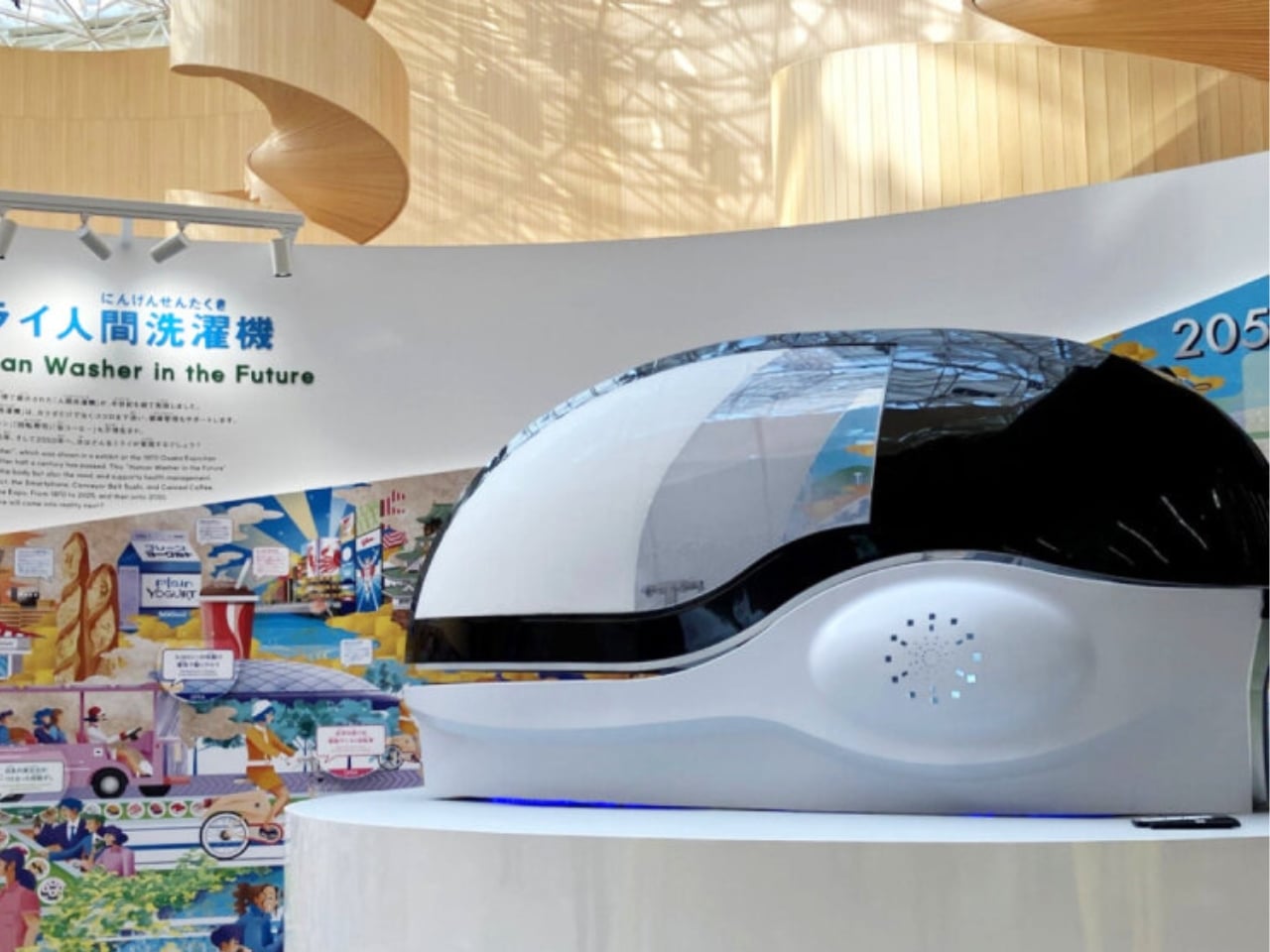
But this isn’t just some random quirky invention that popped out of nowhere. The concept actually has roots dating back to 1970, when Sanyo exhibited an Ultrasonic Bath at the original Osaka Expo. That version used pulsing jets, ultrasonic mist, and rubber massage balls to create what was essentially a human car wash. It was spectacular, photogenic, and totally impractical. The costs were so prohibitive that it never moved beyond being a futuristic showpiece.
Fast forward 55 years, and Science Corporation’s chairman Yasuaki Aoyama decided to resurrect the concept, but with a 2025 upgrade. The new version ditches the gimmicky bruteness of its predecessor for something more refined and genuinely useful. We’re talking about biometric sensors that monitor your vital signs and stress levels, AI that adjusts water temperature and pressure based on what your body needs, and even a display that shows calming or positive images if the sensors detect you’re tired or stressed.
The technology behind it is genuinely impressive. Those ultrafine bubbles aren’t just for show. They’re designed to cleanse more effectively than regular water alone, blending traditional Japanese bathing culture with cutting-edge innovation. And unlike the 1970 version that was pure spectacle, this one has a clear practical application in mind.
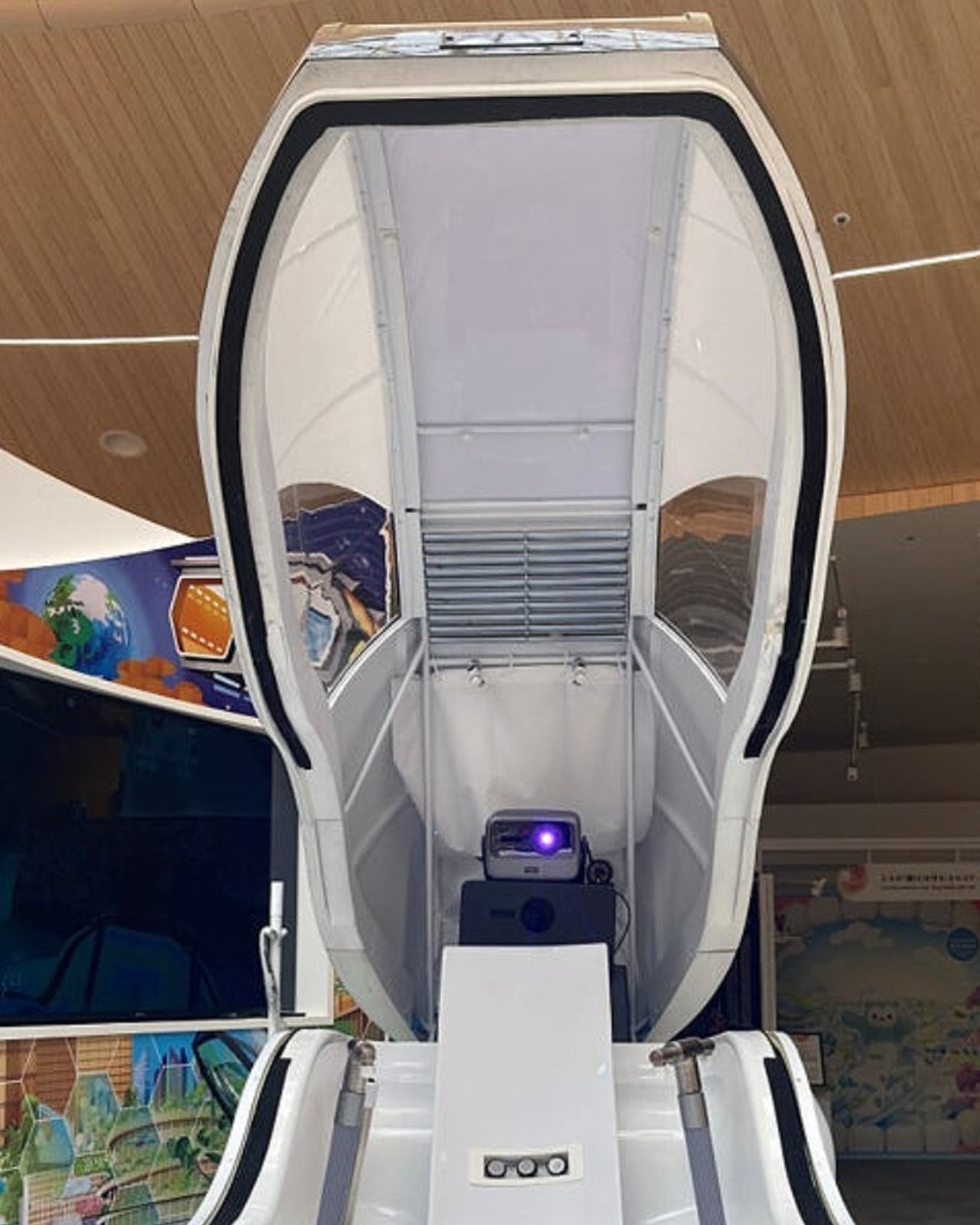
Science Corporation isn’t just building this for tech enthusiasts to marvel at during expo season. They’re actually targeting nursing care facilities, where something like this could be genuinely transformative. Think about it: for elderly individuals or people with mobility issues, the simple act of bathing can be challenging, uncomfortable, or even unsafe. An automated system that can clean and dry someone comfortably while monitoring their health status? That’s not just clever engineering. That’s solving a real problem.
During the expo, which ran from April through October, visitors got to experience the machine firsthand. The process is surprisingly straightforward. You step in, sit down in the transparent capsule, and the system takes over. Water fills the chamber with those special bubbles doing their cleaning magic. Meanwhile, sensors are constantly checking in on you, and if you’re looking tense, the screen adjusts to show you something more soothing. Once the wash cycle finishes, the water drains automatically and the drying process begins with air circulating around your body.
What strikes me most about this project is how it represents a shift in how we think about automation. We’ve gotten used to robots handling manufacturing and algorithms managing data, but automating something as personal and intimate as bathing feels different. It requires a level of trust and sophistication that goes beyond just mechanical efficiency. The machine needs to understand human comfort, adapt to individual needs, and create an experience that feels safe and relaxing rather than clinical and weird.
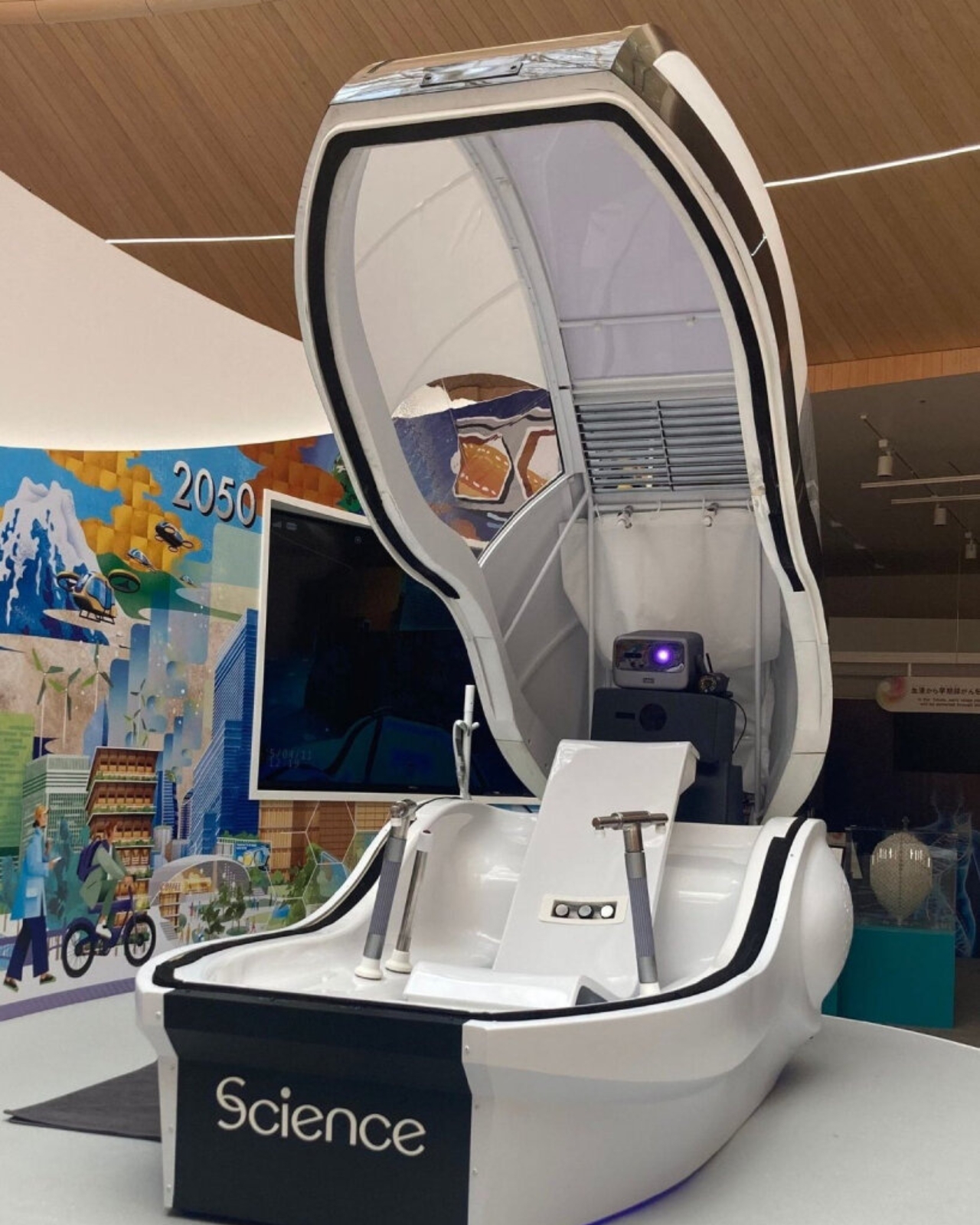
There’s no word yet on commercial availability for regular consumers, and honestly, I’m not sure how many people would rush out to buy one even if it hit the market tomorrow. The concept might still feel too futuristic, too impersonal, or just plain too strange for mainstream adoption. But for specific use cases, particularly in healthcare settings, the potential is undeniable.
Whether the Future Human Washing Machine becomes a common sight in homes or remains a specialized tool for care facilities, it’s a fascinating glimpse into how technology continues to reimagine even our most basic daily routines. And who knows? Maybe in another 55 years, we’ll look back at our manual showers the same way we now view hand-washing clothes in a river. Sometimes the future arrives in the strangest packages.
The post This 15-Minute Human Washing Machine Finally Solved Shower Time first appeared on Yanko Design.
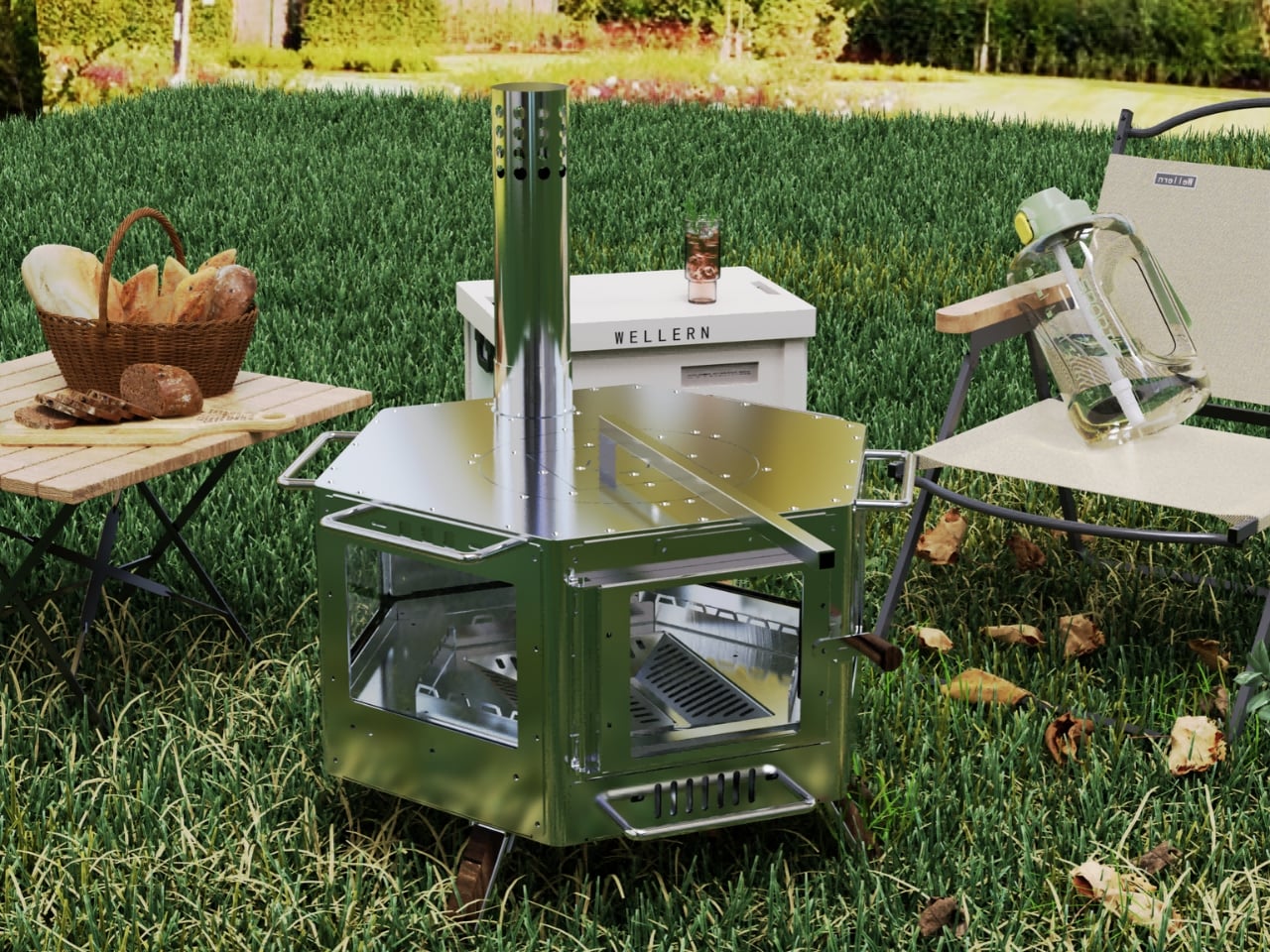
There’s something primal about gathering around a fire. That crackling warmth, the dancing flames, the way it becomes the centerpiece of any gathering. But traditional firewood stoves? They’re often heavy, inefficient, and leave a pretty hefty carbon footprint. Designer Chen Jun looked at this ancient cooking method and asked a simple question: what if we could make it better for the 21st century?
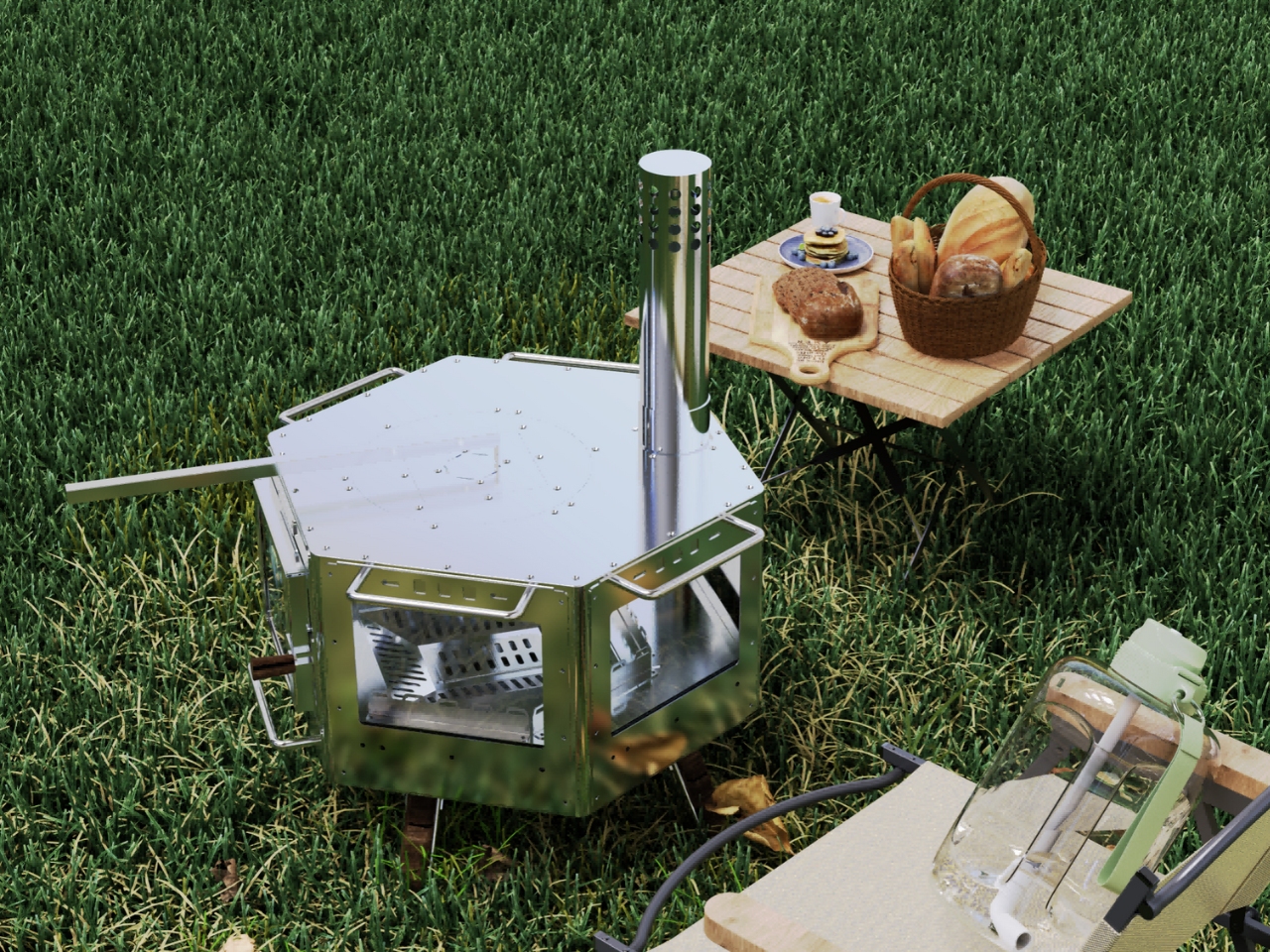
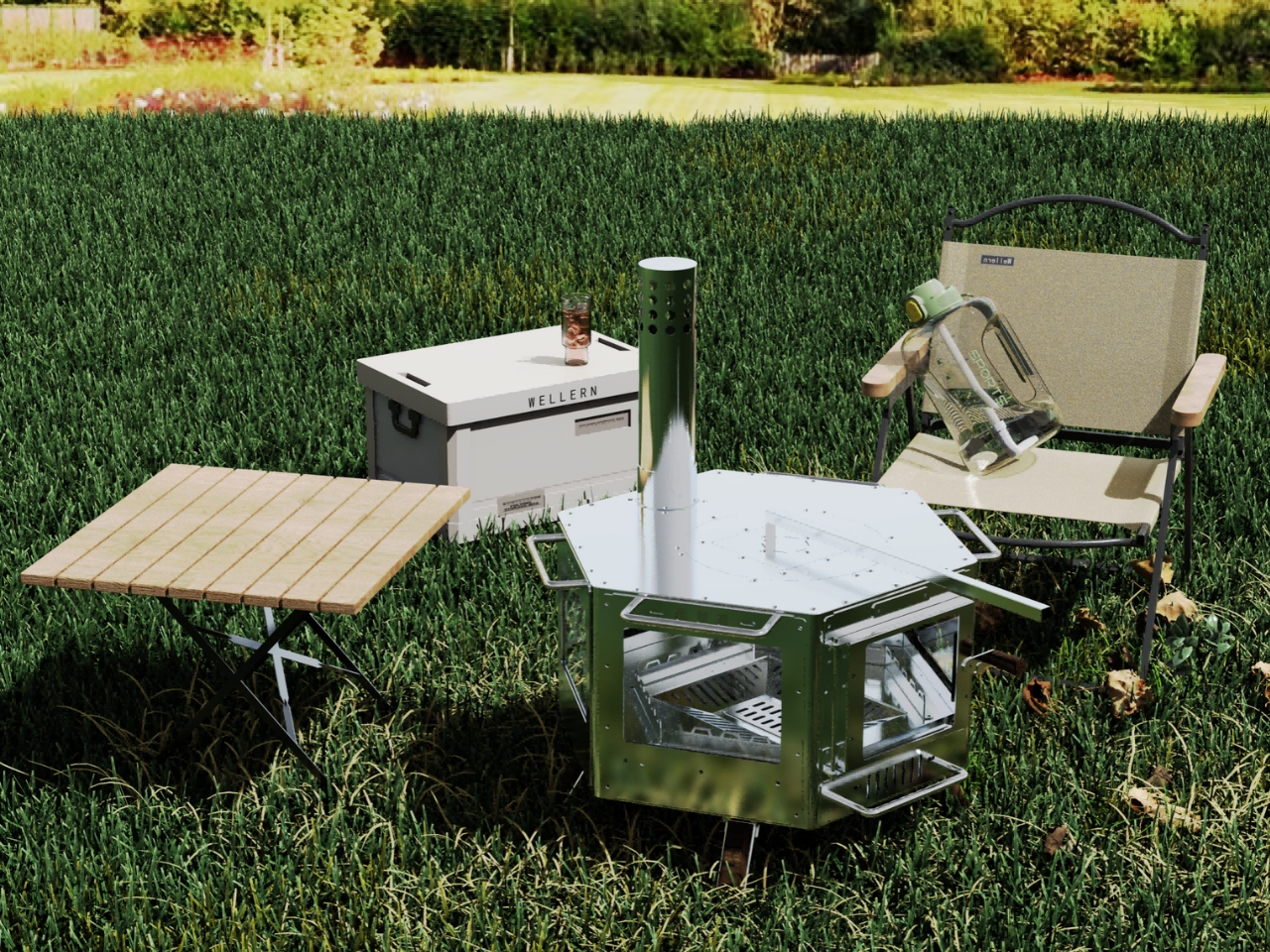
Chen Jun’s stainless steel firewood stove isn’t just another pretty appliance trying to look good in your Instagram feed. This is serious engineering wrapped in sleek design, tackling real problems that have plagued wood-burning stoves for generations. The secret? A sophisticated modular system that completely rethinks how we approach portable heating and cooking.
Designer: Chen Jun
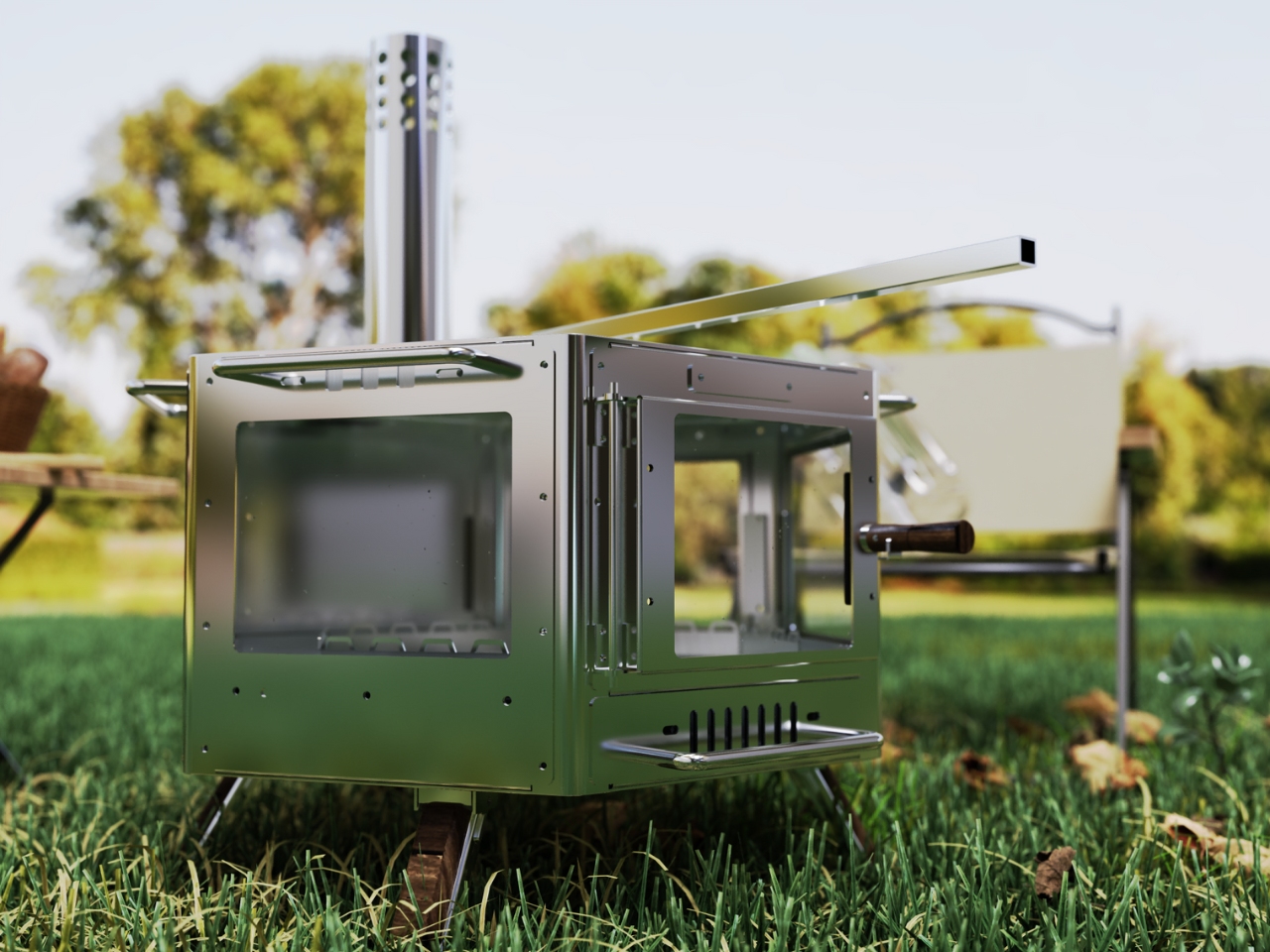
Here’s what makes it clever: the entire stove can be disassembled and reassembled without needing a PhD in engineering. If you’ve ever wrestled with flat-pack furniture and won, you can handle this. That modularity isn’t just about convenience (though being able to pack up your stove is pretty convenient). It’s about creating something that can adapt to different situations, different users, and different needs.
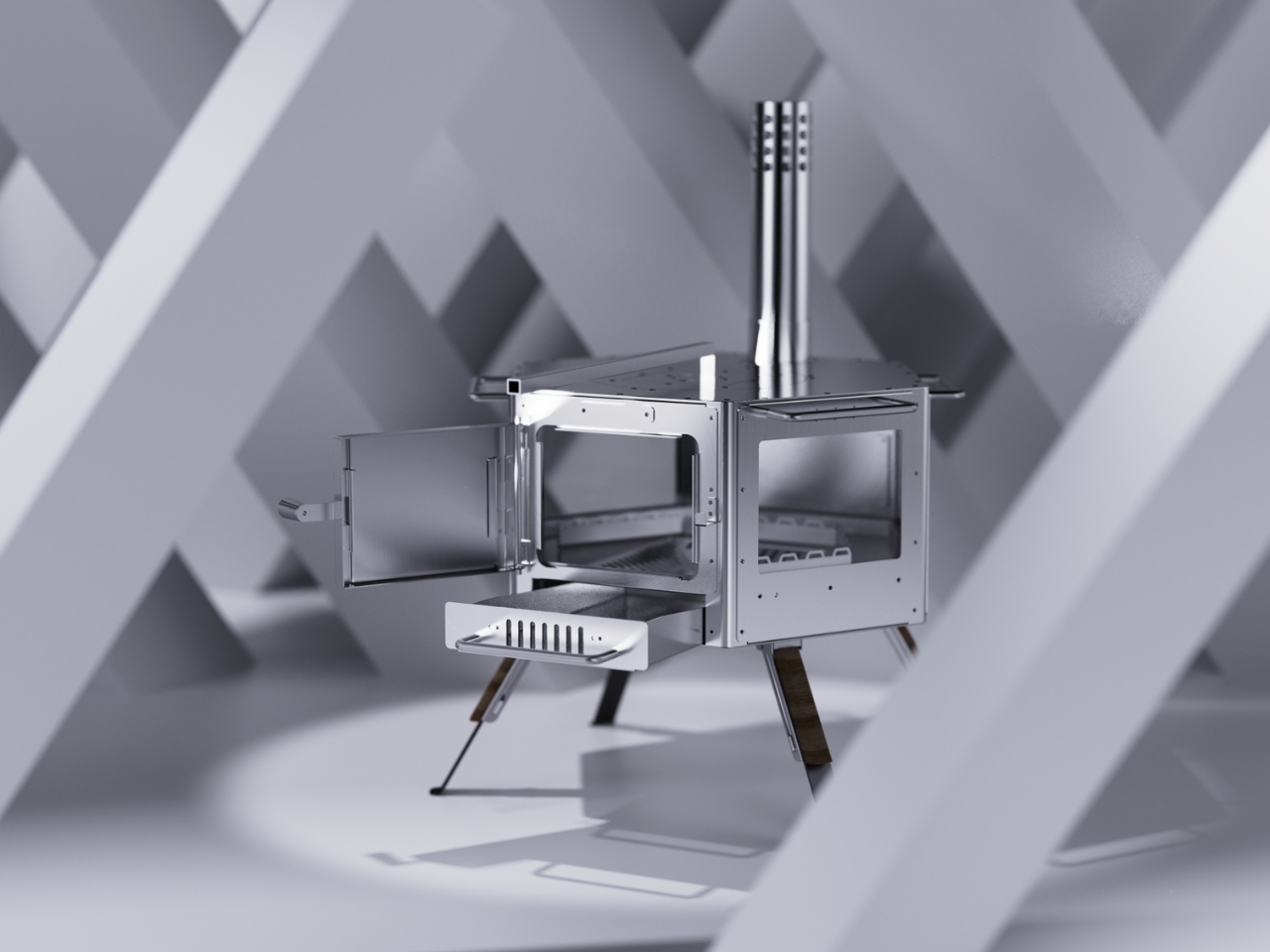
The combustion system is where things get really interesting. We’ve all stood next to a smoky campfire or dealt with a stove that seems to eat through wood like there’s no tomorrow. Chen Jun’s design tackles both issues head-on with an internal structure that’s been optimized for maximum efficiency. The combustion is so clean that emissions come in significantly lower than national standards. That’s not just meeting the bar, that’s clearing it with room to spare.
But efficiency means nothing if the thing only works in perfect conditions with perfect fuel. That’s why the stove is designed to handle multiple fuel types. Got hardwood? Great. Only softwood available? Also fine. This flexibility makes it genuinely useful across different environments, from backcountry camping to rural homesteads where fuel options might be limited.
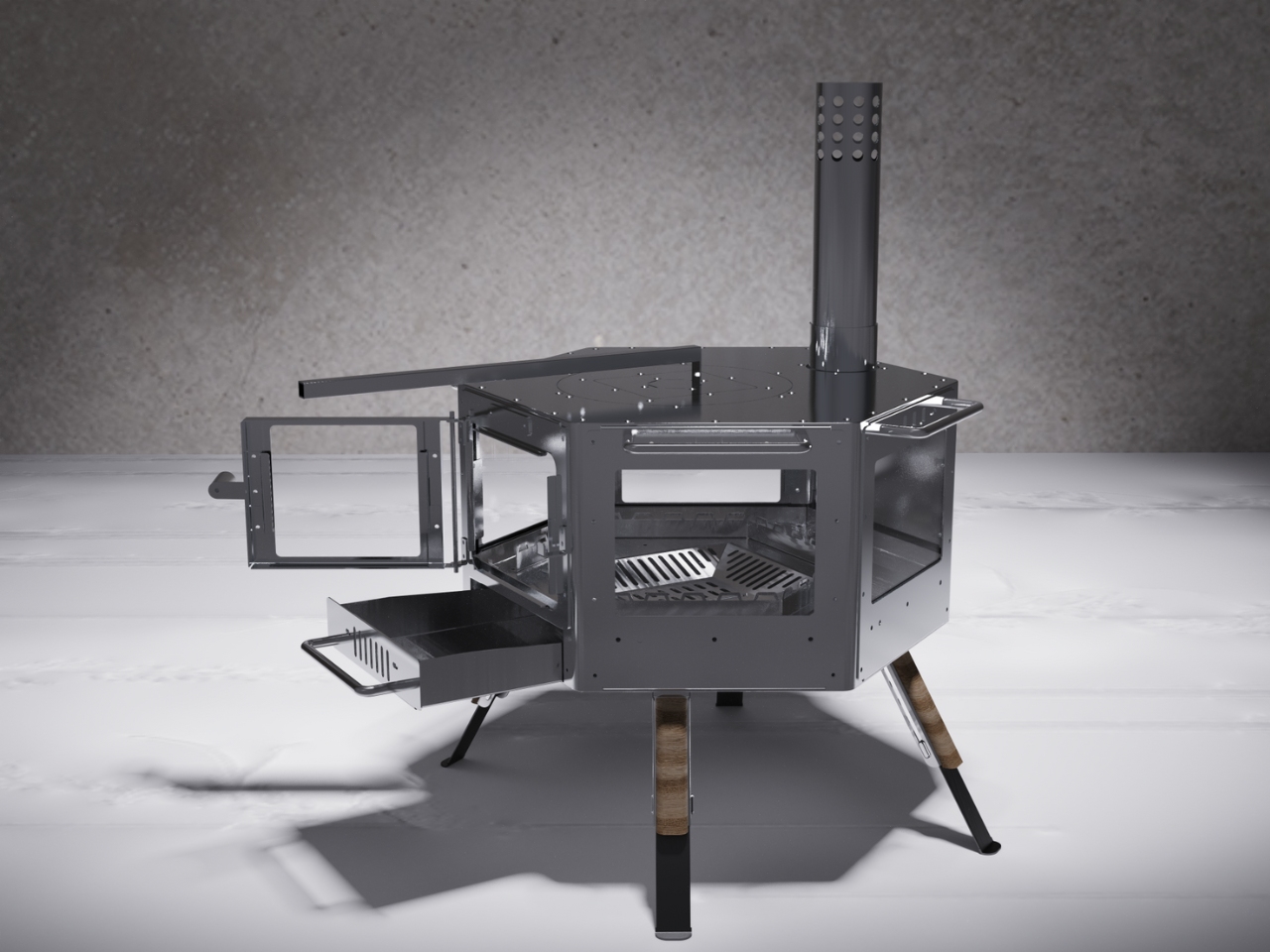
Now here’s where it gets really smart: Chen Jun created two distinct versions for two very different use cases. The rural version comes equipped with a waste heat recovery system. Think about how much heat typically just disappears into thin air with traditional stoves. This system captures that energy and puts it to work, maximizing every bit of fuel you burn. For households relying on wood heat regularly, that efficiency translates to real savings over time.
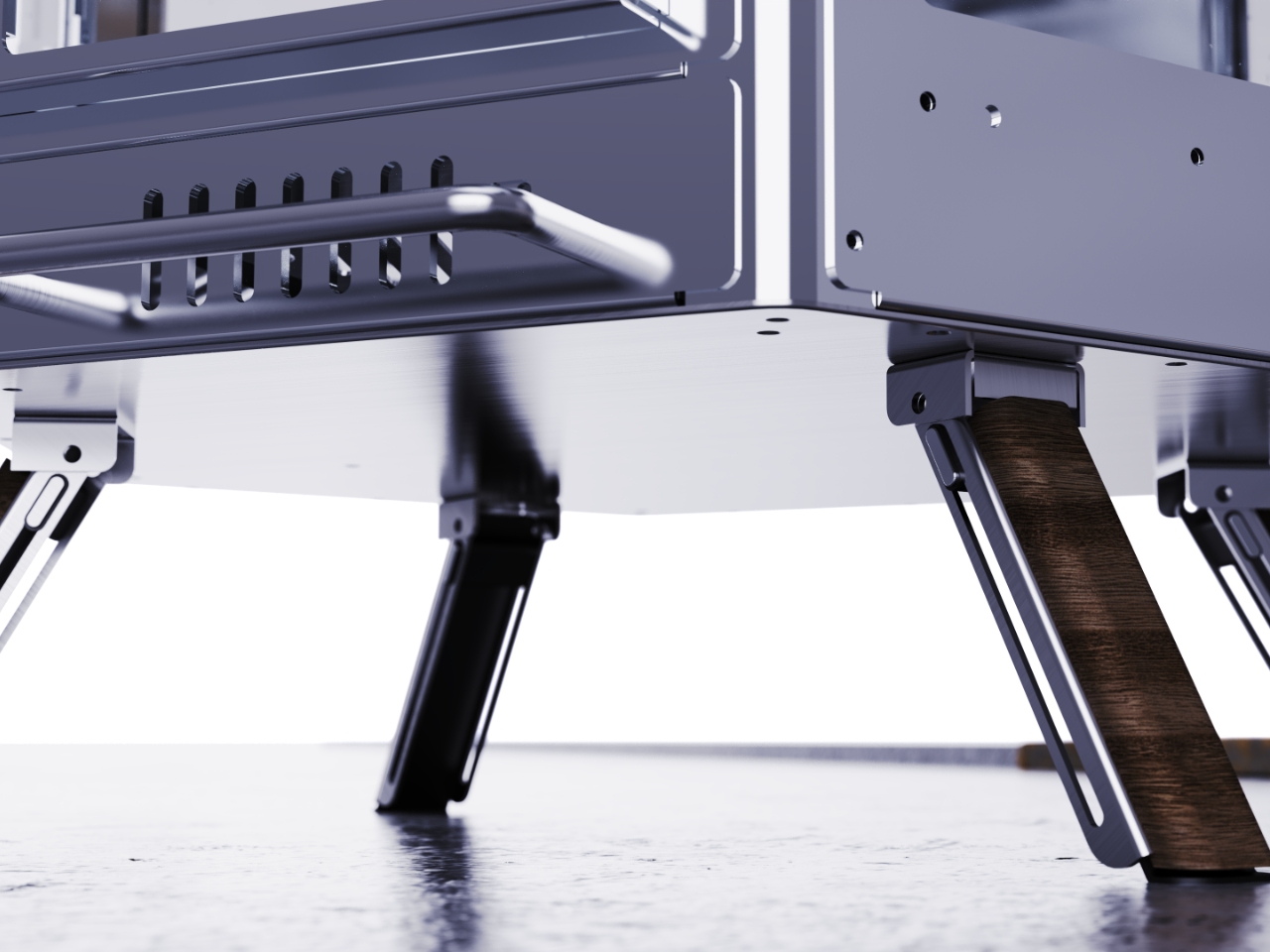
The outdoor version takes a different approach, focusing on portability. It features a foldable design that shrinks the stove down to a fraction of its operating size. Anyone who’s ever tried to pack for a camping trip knows the tetris game of fitting everything into limited space. A stove that folds down? That’s the kind of practical innovation that outdoor enthusiasts will actually use.
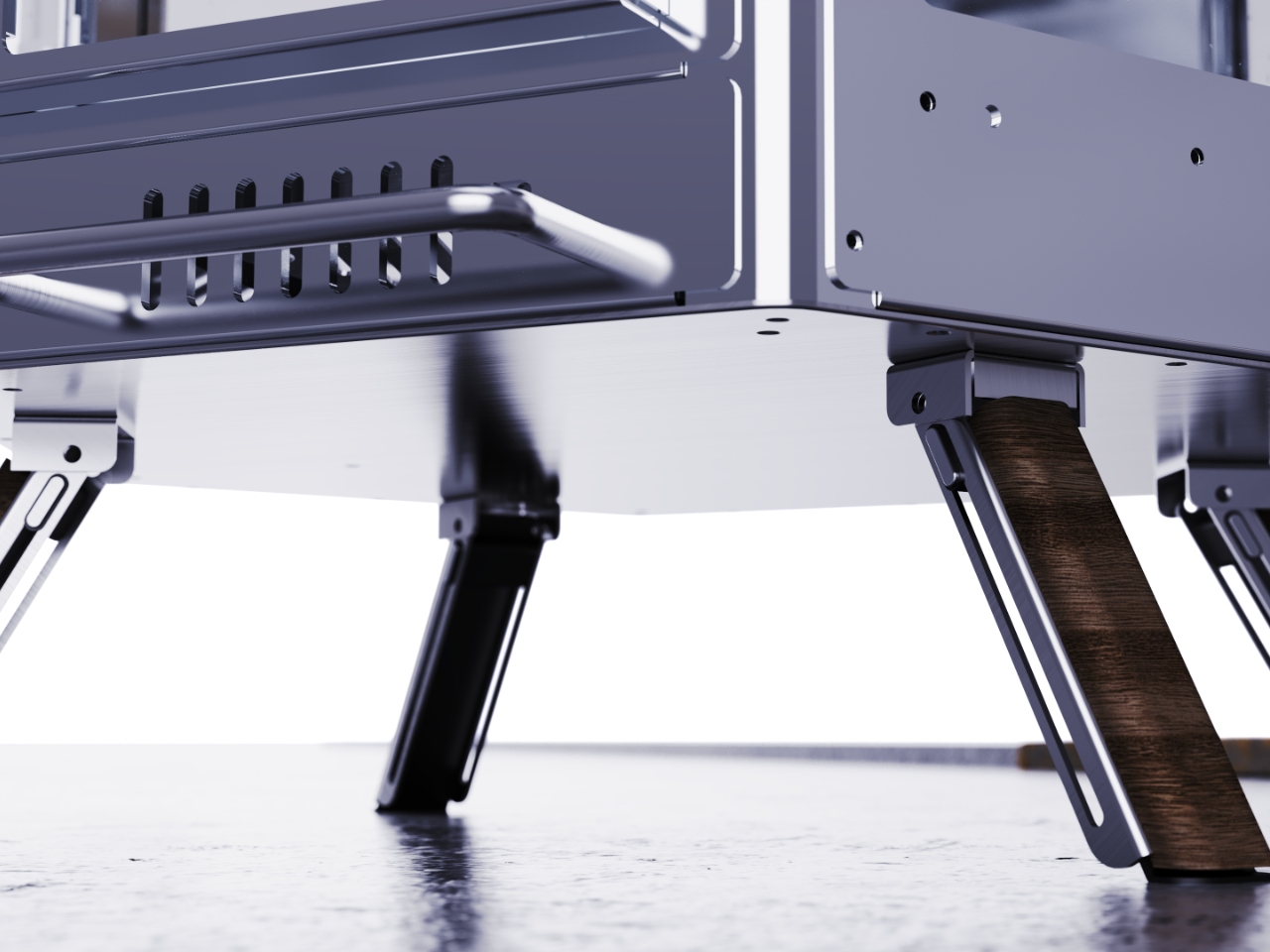
Maintenance has always been the Achilles heel of durable goods. Something breaks, and suddenly you’re looking at expensive repairs or just replacing the whole unit. Chen Jun addressed this with quick-release core components. The parts that typically wear out or need cleaning can be accessed and replaced without dismantling the entire stove. It’s the difference between a product that lasts five years and one that lasts fifteen.
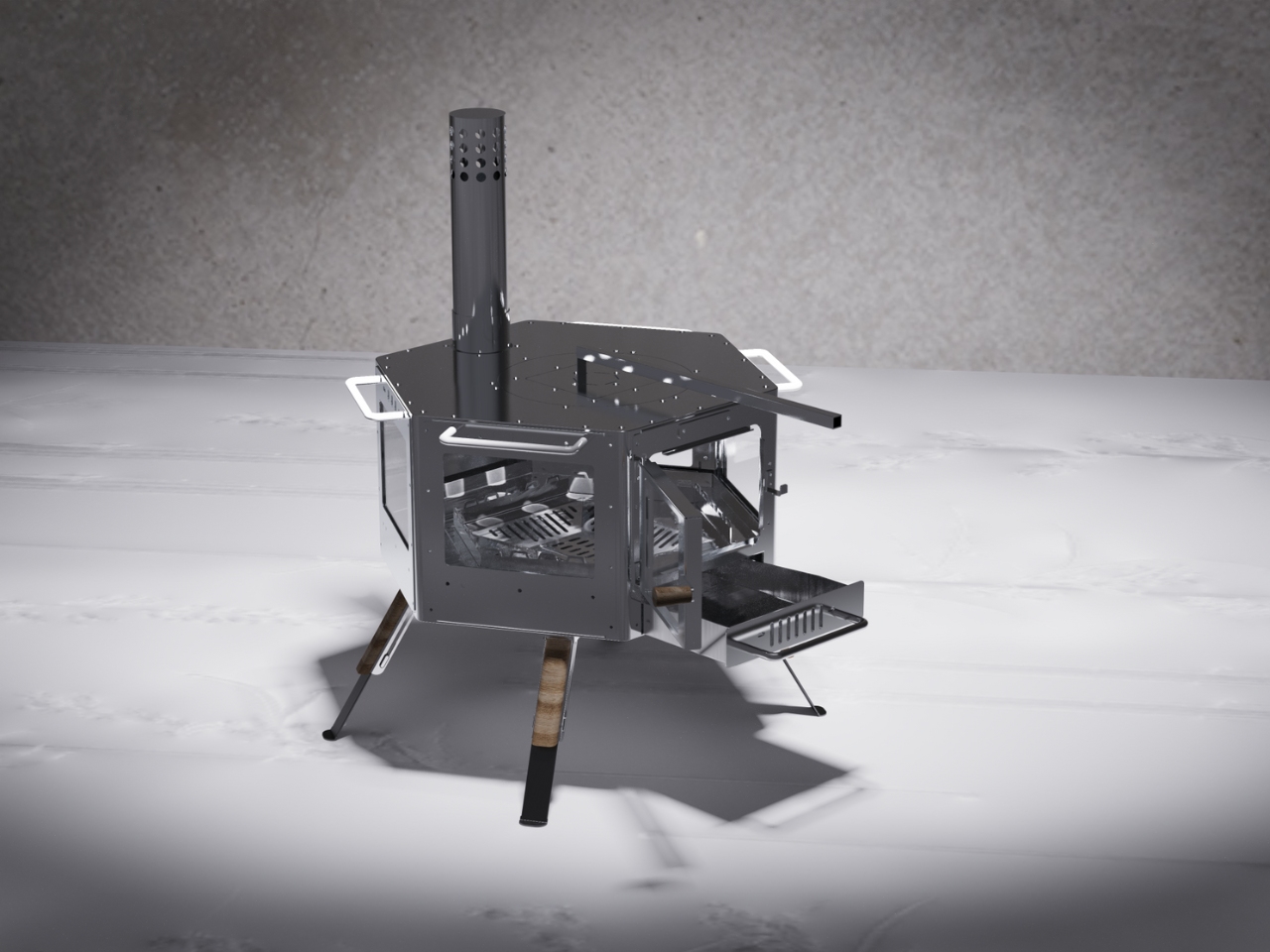
The choice of stainless steel isn’t just aesthetic (though it does look fantastic). Stainless steel is recyclable, durable, and doesn’t require protective coatings that might off-gas when heated. It’s a material choice that aligns with the stove’s broader environmental goals while delivering the structural integrity needed for something that will face repeated heating and cooling cycles. What really stands out is how this design bridges two worlds. It’s sophisticated enough for the design-conscious crowd who want their gear to look good, but practical enough for people who genuinely need reliable heating and cooking solutions. That’s a tough balance to strike, and most products lean heavily toward one side or the other.
For anyone interested in sustainable living, outdoor adventures, or simply well-designed products that solve real problems, this stove represents something important. It’s proof that traditional doesn’t have to mean outdated, and that innovation isn’t always about adding more complexity. Sometimes it’s about taking something fundamental, something humans have relied on for millennia, and making it work better for how we live today.
The post This Stove Just Reinvented Firewood With Stainless Steel first appeared on Yanko Design.
Store pages on Steam are looking a lot less cramped thanks to a new update. Pages have been made wider, with support for higher resolution images and new viewing modes for trailers and screenshots. You'll notice changes in the top carousel and in the "About the Game" section, where some new formatting options should make things look a bit more organized. The update just rolled out to the public after first being tested among beta users.
With this update, pages have been widened to 1200 pixels, which Valve says "felt like a good balance where we can show more content on screen without overwhelming the page and making it hard to navigate." There's now the option of a large pop-up view called theater mode in the carousel, as well as full-screen mode. In addition to games' store pages, Valve has slightly tweaked the appearance of search results and recommendation pages to be wider, and made store hubs, Steam Charts and the News Hub look more uniform.
You may also notice some more colorful backgrounds on games' store pages and in bundle detail pages. Where you won't see changes yet, though, is the homepage. While Valve says it's working on "similar adjustments" for the homepage, those aren't rolling out with this update.
This article originally appeared on Engadget at https://www.engadget.com/gaming/pc/steam-store-pages-get-a-mini-makeover-to-better-suit-wide-screens-200142506.html?src=rss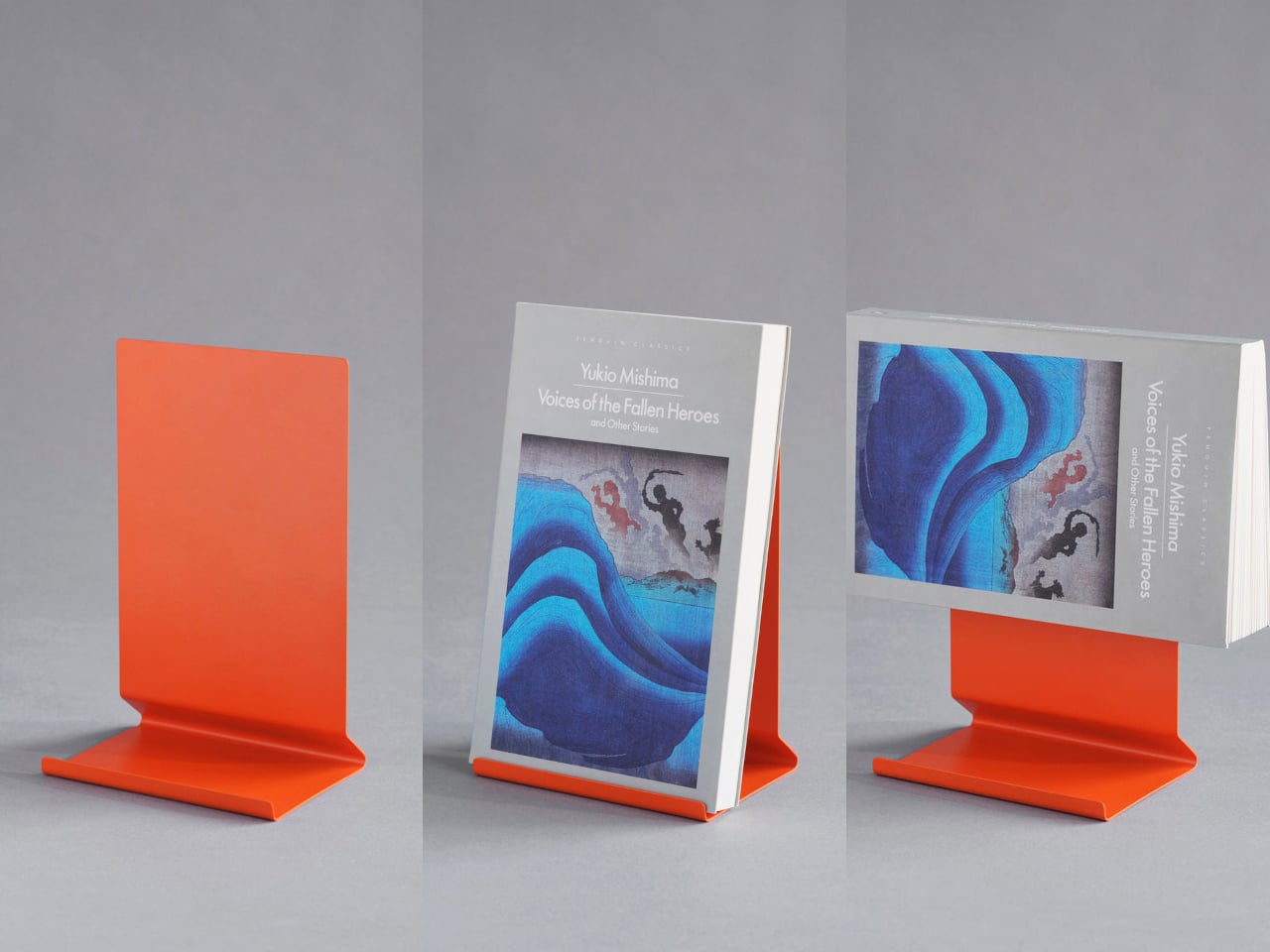
Books in progress disappear easily in daily life. They slide beneath magazines, stack horizontally until the pile tips, or close flat on nightstands where they compete with phones and glasses for space. Bookends organize collections but ignore single volumes being actively read. Most stands prop books at awkward angles or take up more surface area than they deserve for what they accomplish.
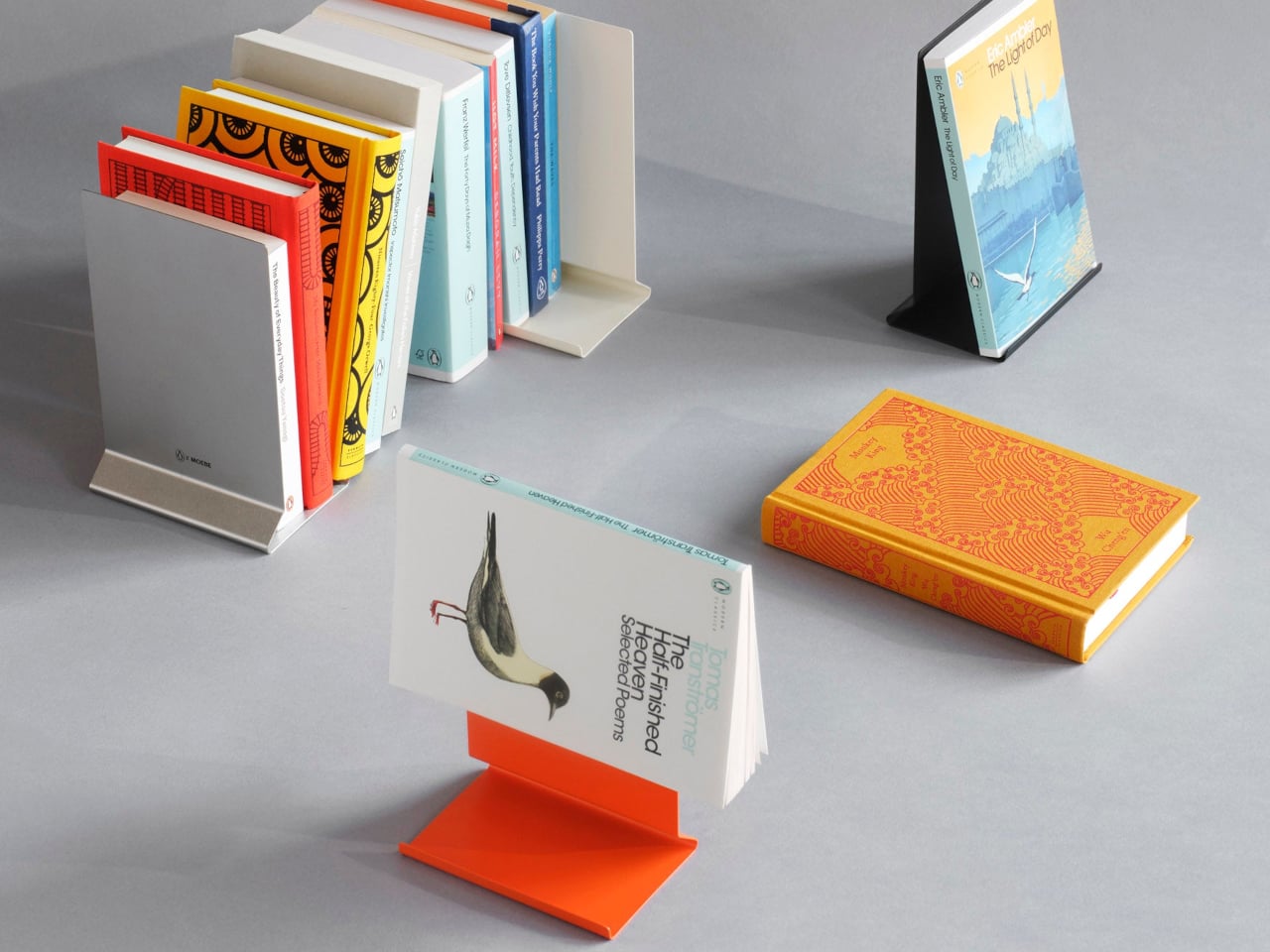
The Penguin x MOEBE Book Stand treats books as objects worth displaying rather than just storing. Created to celebrate Penguin’s 90th anniversary, the stand gives reading material a visible place that makes returning to your current page feel natural. Its bent steel construction holds books open, displays single volumes upright, or works in pairs as bookends depending on what you need.
Designer: MOEBE for Penguin
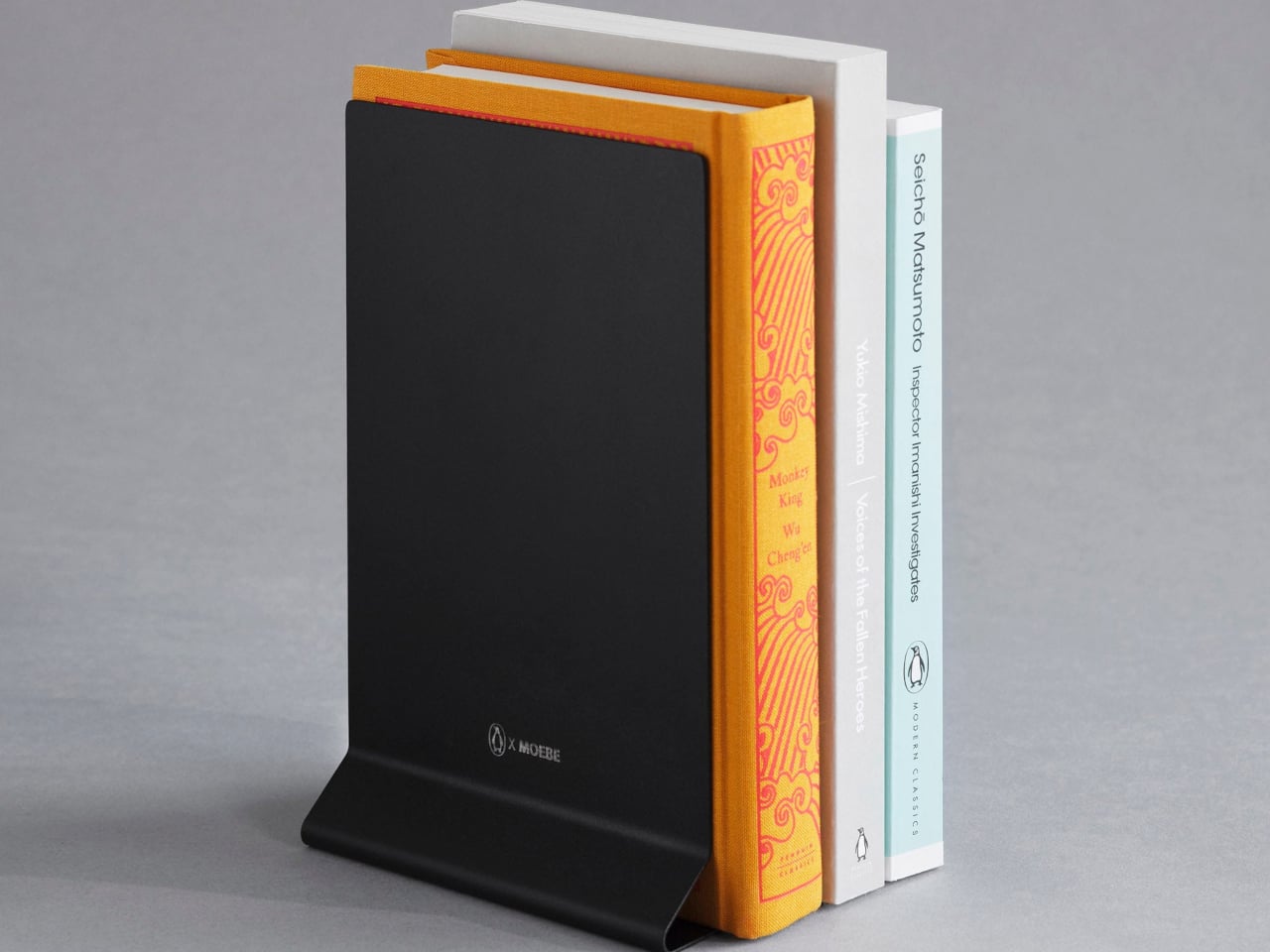
The stand comes in stainless steel, cream, black, and Penguin’s signature orange. Each version uses a single bent sheet of steel, creating a seamless L-shape with no visible fasteners. The matte finish stays quiet visually while the angled base supports books of different thicknesses without wobbling. Subtle Penguin and MOEBE marks sit on the base where they don’t interfere.
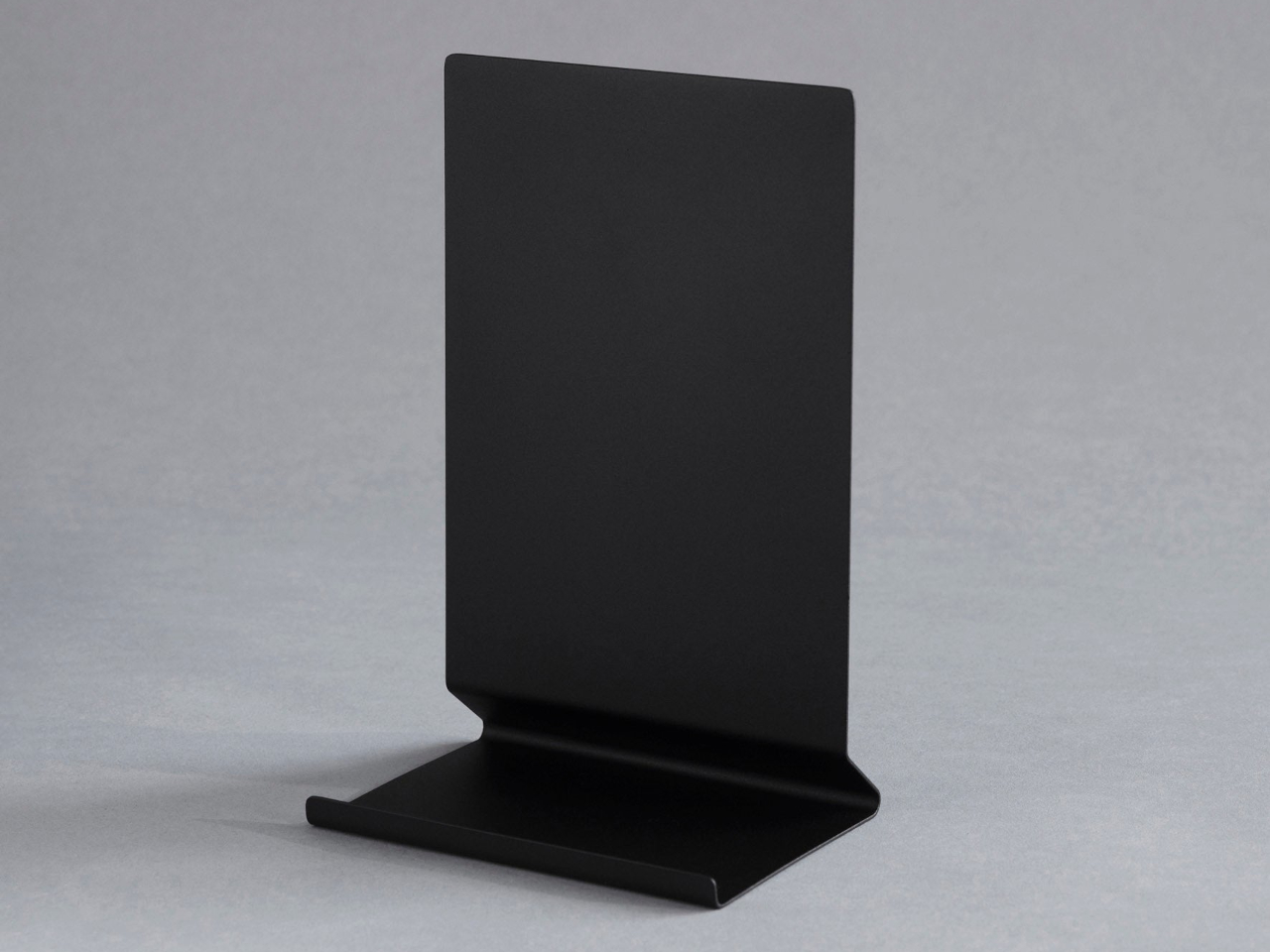
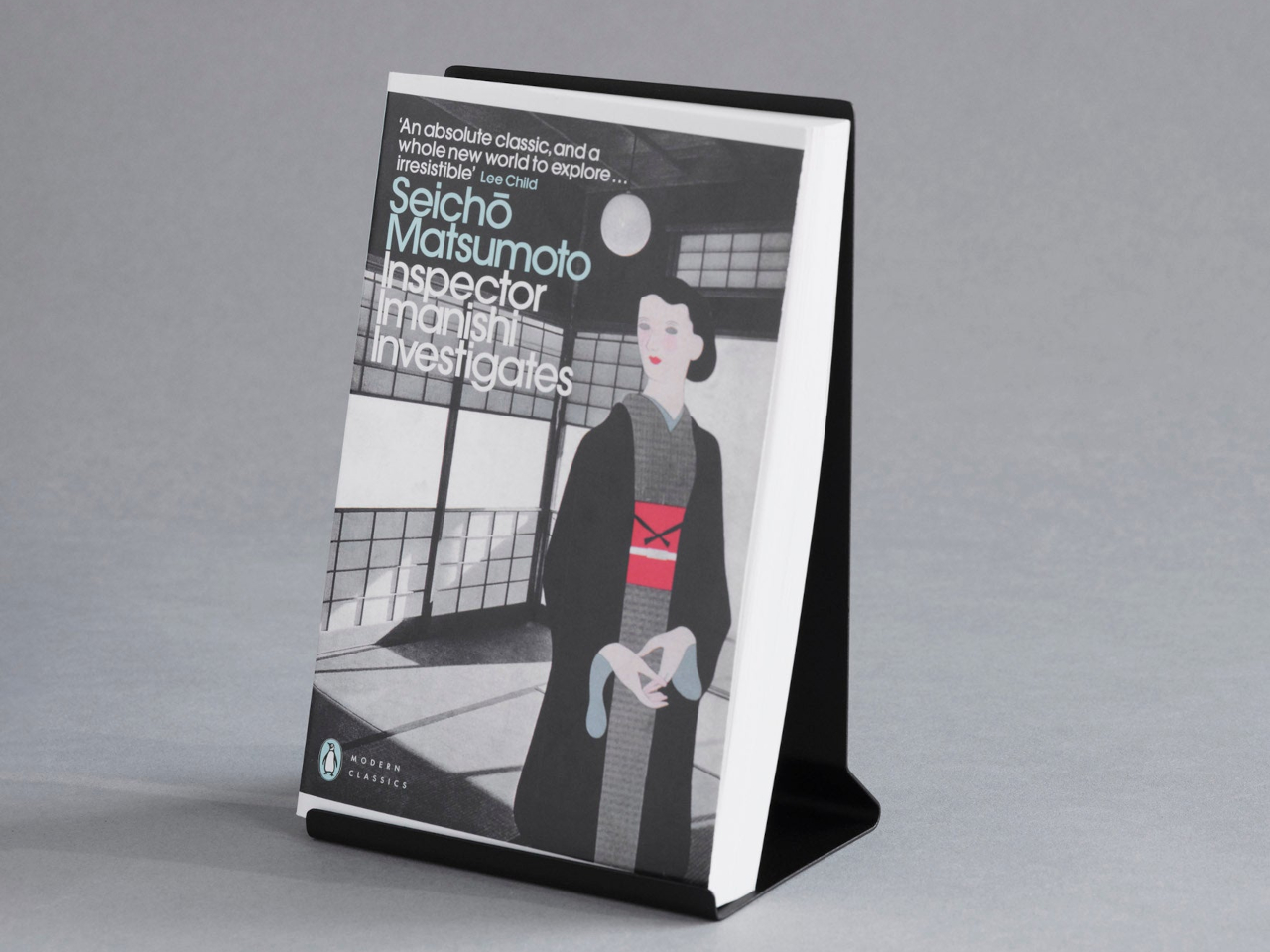
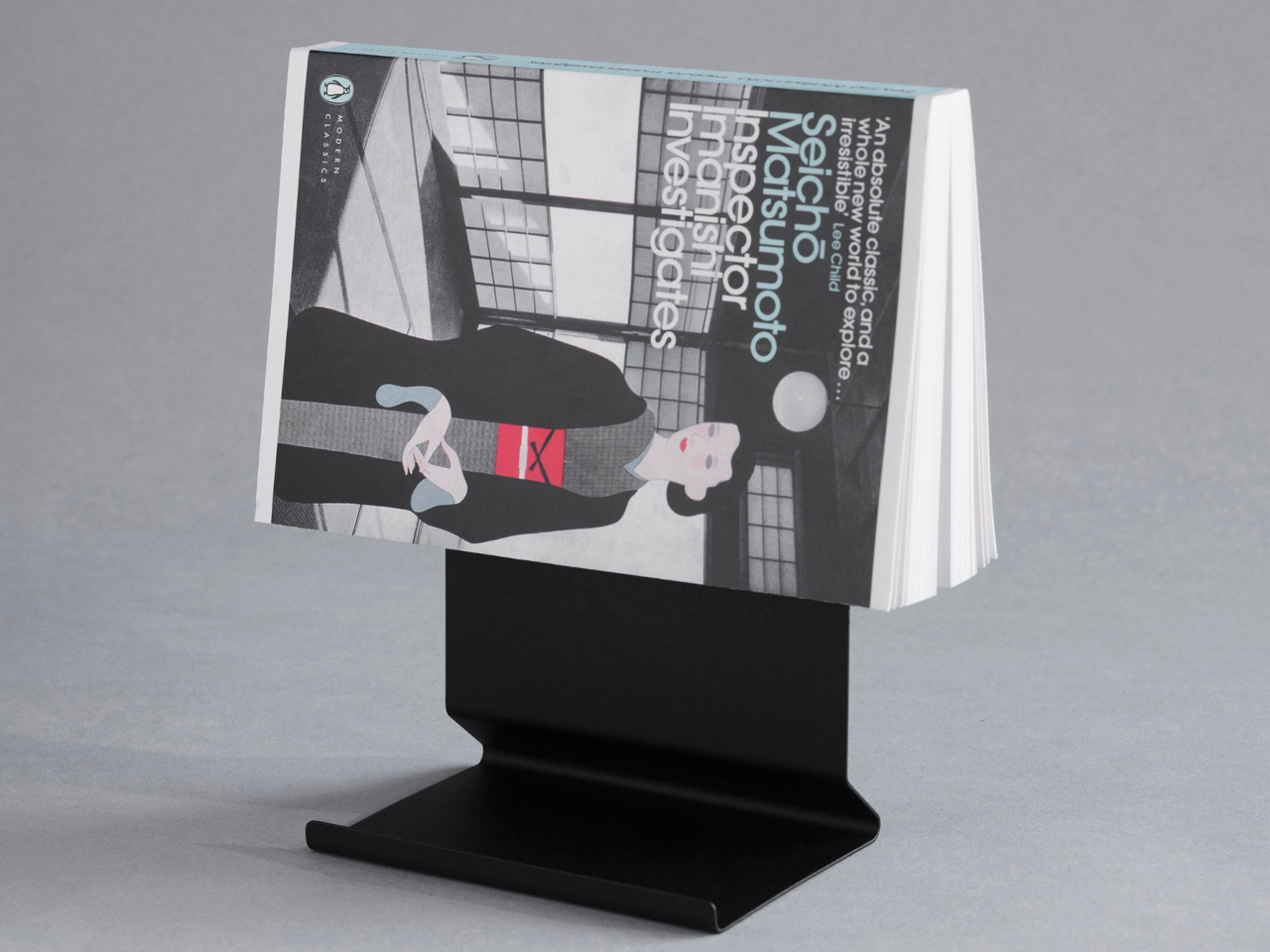
Functionally, the stand adapts without adjustment. Prop a novel open to your current page and it holds position, removing the need to constantly relocate your place. Stand a hardcover upright to display its cover temporarily. Pair two stands to bookend a small collection on a desk, with everything staying secure. The same object shifts between these roles depending on what you’re reading.
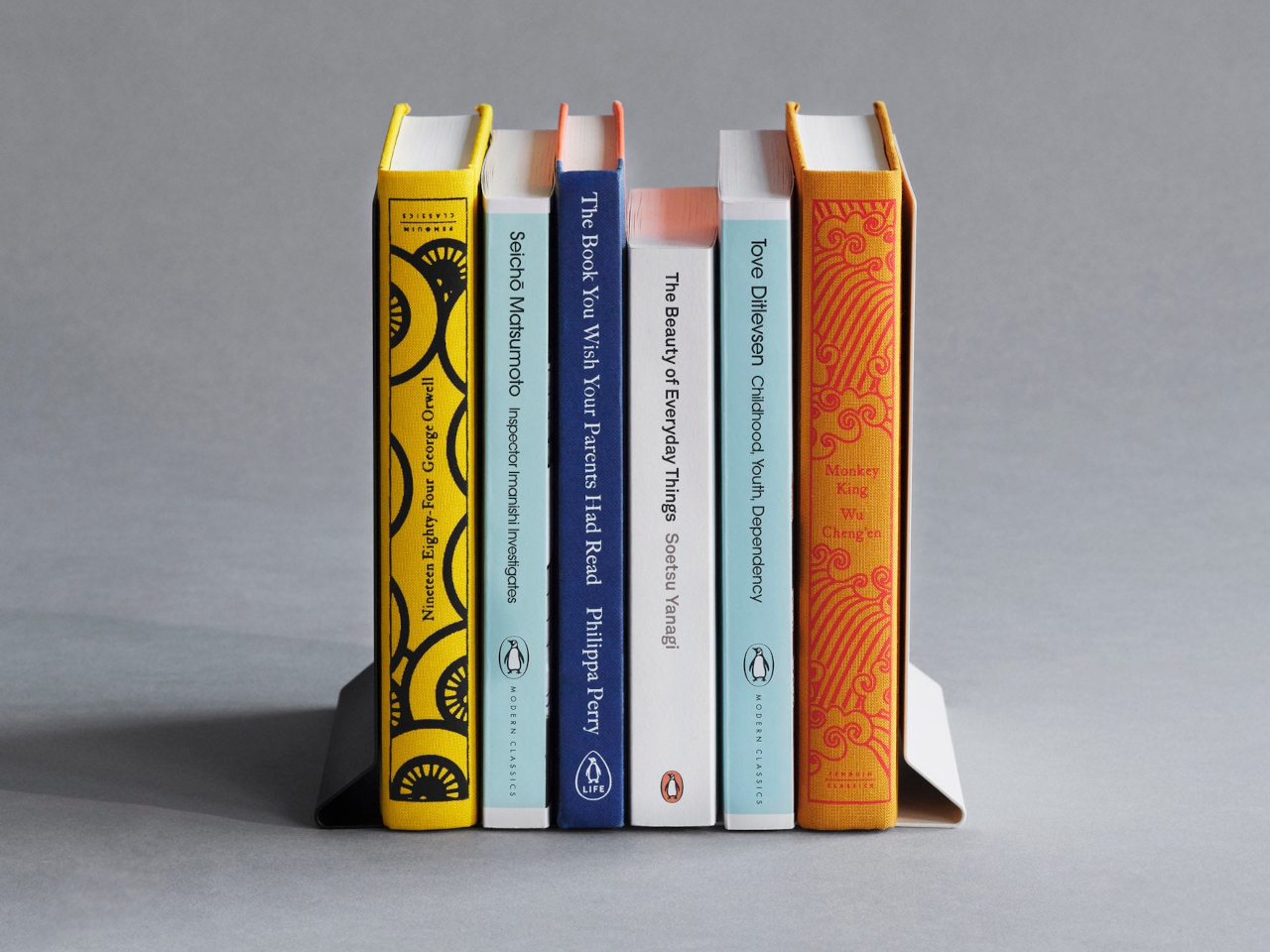
The compact footprint fits bedside tables, narrow shelves, or kitchen counters where cookbooks get referenced mid-recipe. The vertical back supports books without hiding spines or covers entirely. The open form lets you grab volumes from either side depending on where you’re sitting, which removes the awkward reaching that happens with conventional stands when books sit facing one direction.
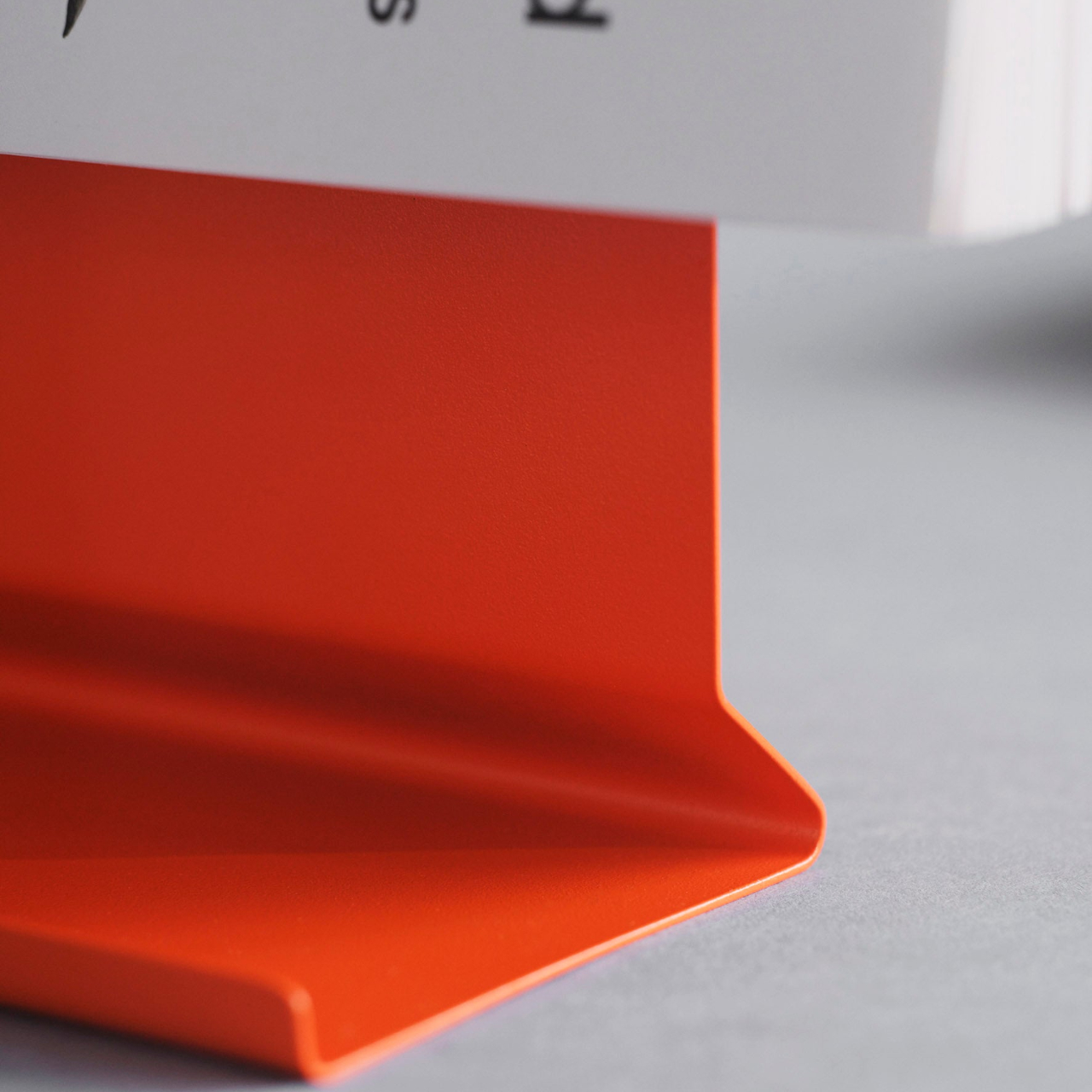
Books become the primary visual element when the stand holding them stays minimal. A colorful Penguin paperback in the orange version creates complementary color pairings. Hardcovers with interesting artwork get framed rather than buried. The stand recedes visually while making whatever sits in it more noticeable, which feels backwards from typical accessories that announce their presence louder than their contents.
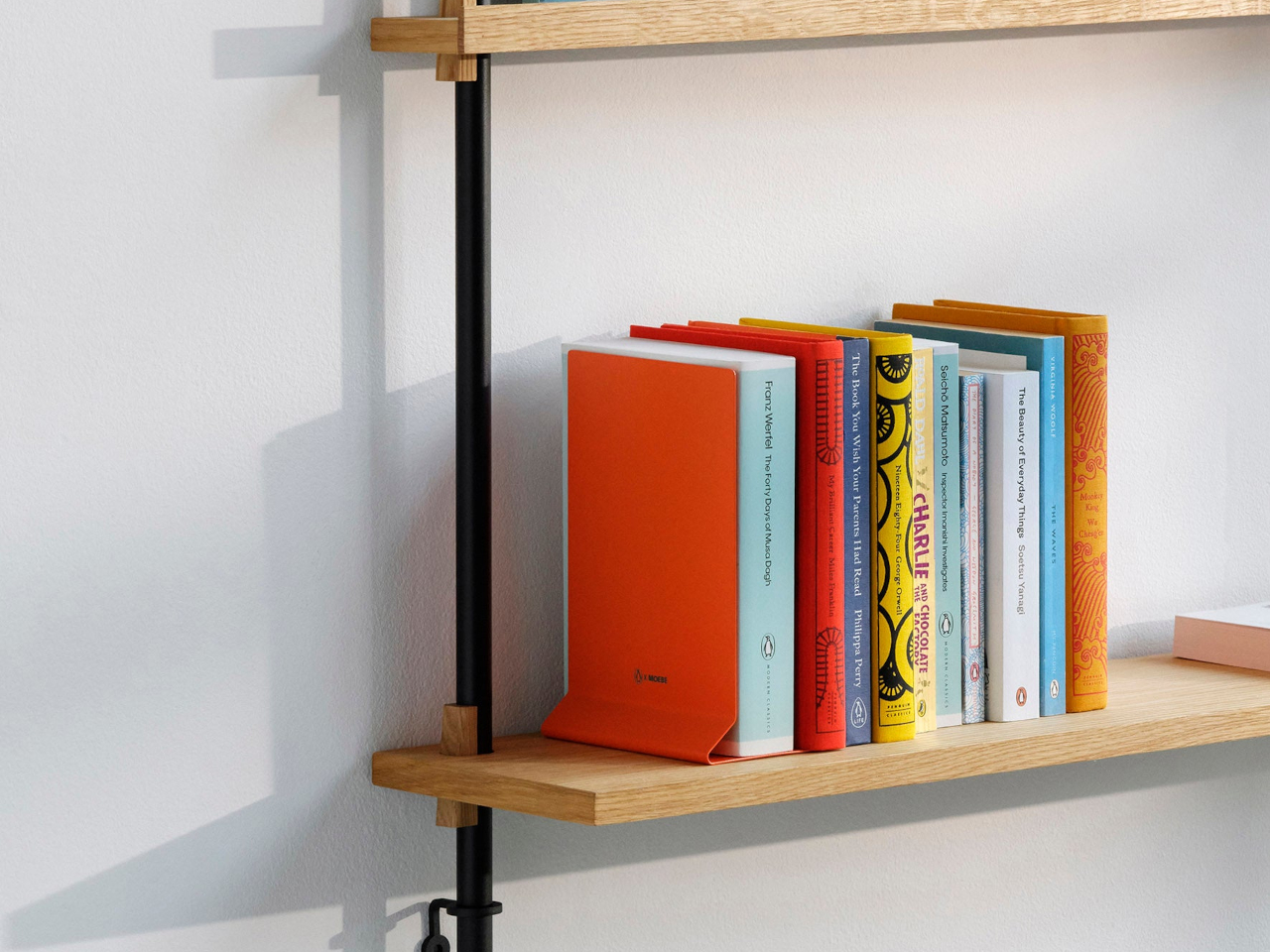
Using the stand shifts how books exist in rooms. Instead of closing a novel and setting it somewhere to get buried later, you leave it propped open where it stays visible. That reminder makes picking it back up feel easier than hunting through stacks for where you abandoned it last. The ritual around reading becomes slightly more deliberate without requiring extra effort.
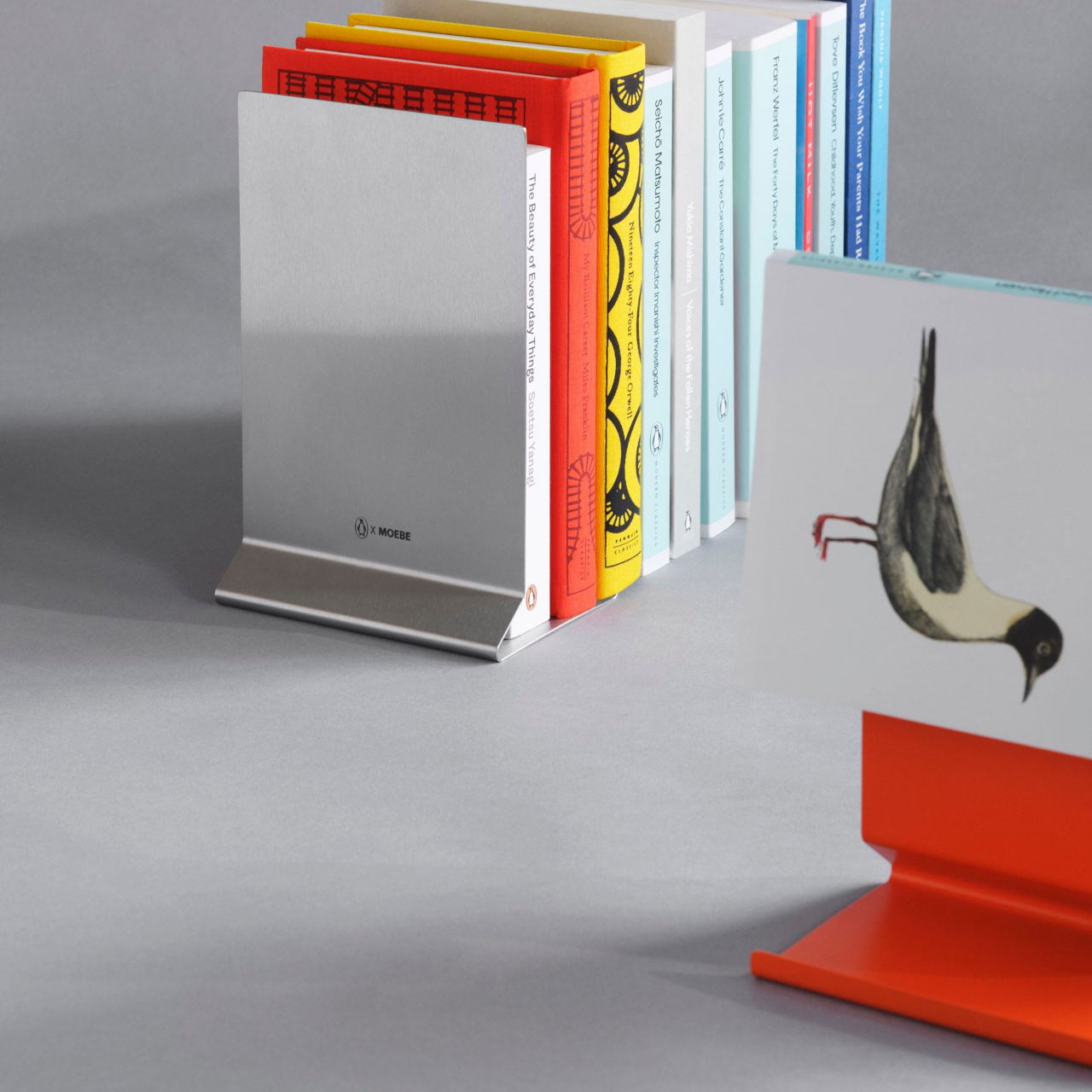
The Penguin x MOEBE Book Stand handles practical storage while maintaining enough visual restraint to work on surfaces where aesthetics matter. It gives books presence without making the stand itself compete for attention, which most reading accessories struggle to balance properly. The bent steel form stays minimal while adding genuine utility to spaces where people actually read rather than just collect.
The post Minimalist Book Stand Works as Bookmark, Display, Bookends first appeared on Yanko Design.
The process of transforming everyday products from mere tools to cherished companions might seem like a grand challenge, but it is surely achievable through the magic of emotional design. Industrial product design shows that when emotion is infused into a product, it can go beyond its basic function. The primary goal of emotional design is to create an experience that resonates with users, making them feel understood, delighted, or even comforted.
Let’s explore how we can design products that truly speak to the heart, turning mundane interactions into memorable moments, making them not just functional but truly loved.
Emotional design isn’t just about making something look pretty but about crafting an experience that elicits a specific emotional response. Think about products you love, perhaps a sleek coffee maker that brings joy to your morning ritual, or a comfortable chair that offers a sense of calm after a long day. This isn’t accidental but is the deliberate result of designers considering how the product will make you feel. It’s about more than just utility and about evoking positive sentiments and building a connection, turning simple interactions into delightful moments.
This approach goes beyond ergonomics or material science, diving into psychology to understand human needs and desires. For industrial product designers, it means viewing the product not just as an object, but as a catalyst for emotion.
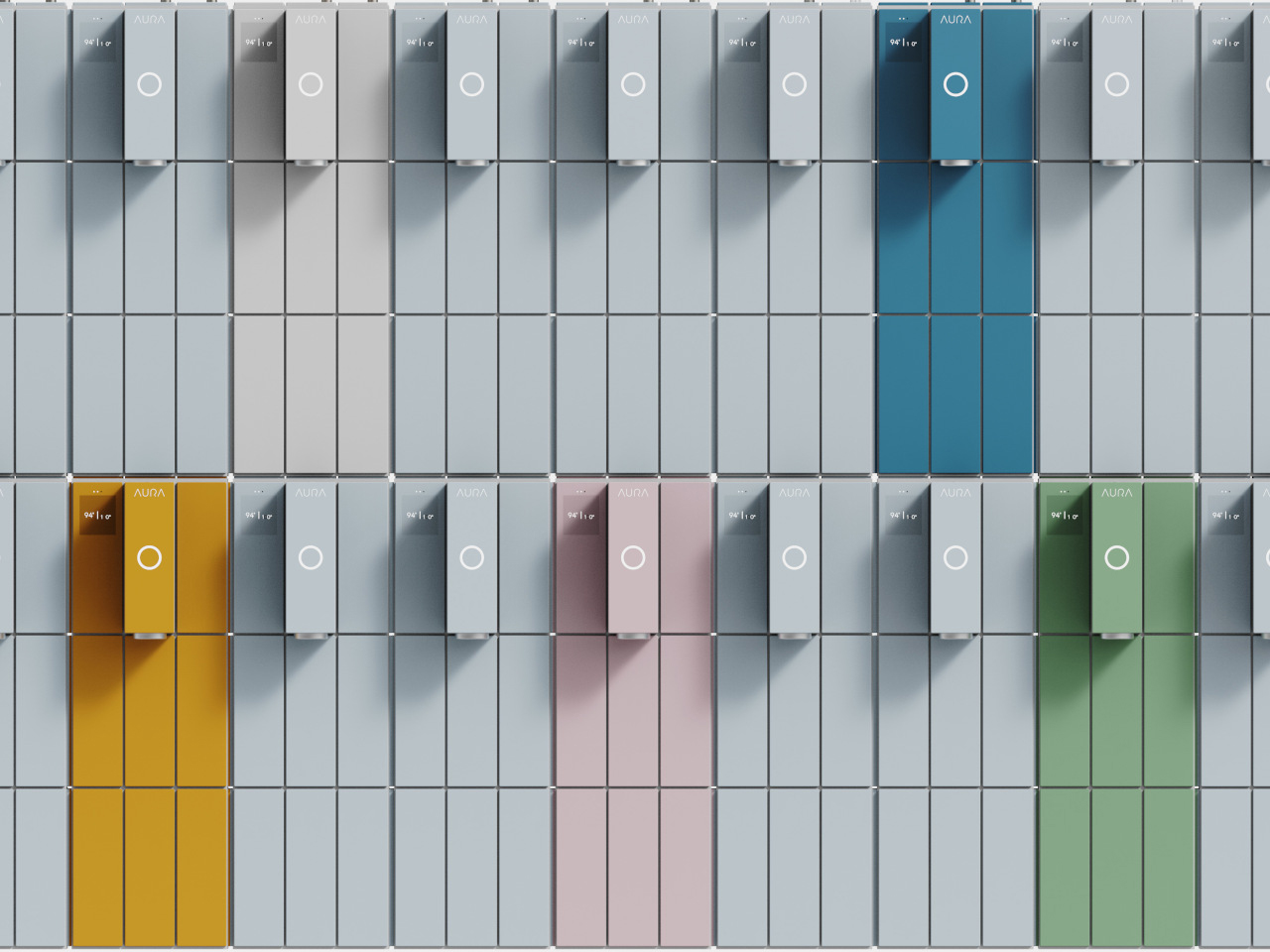
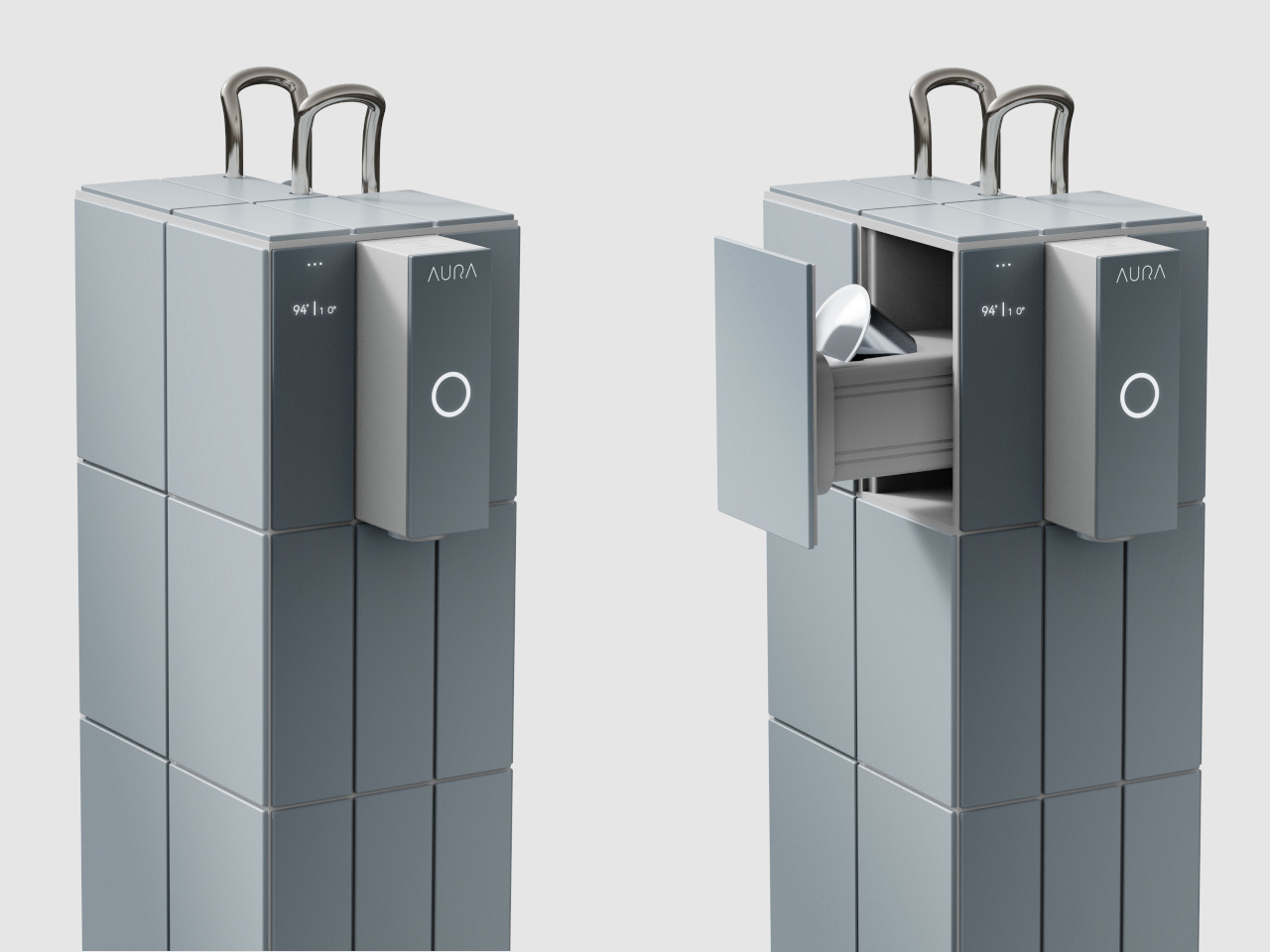
The AURA coffee machine concept reimagines your morning ritual by blending the invigorating experience of swimming with the comfort of coffee. Drawing inspiration from serene blue swimming pools, AURA transforms coffee-making into a sensory experience that awakens the body and mind. More than just a functional appliance, it celebrates the parallels between swimming and coffee, both moments of renewal that prepare you for the day ahead. With visual cues like tile patterns and clever ladder-like capsule holders, AURA brings a splash of joy to your countertop.
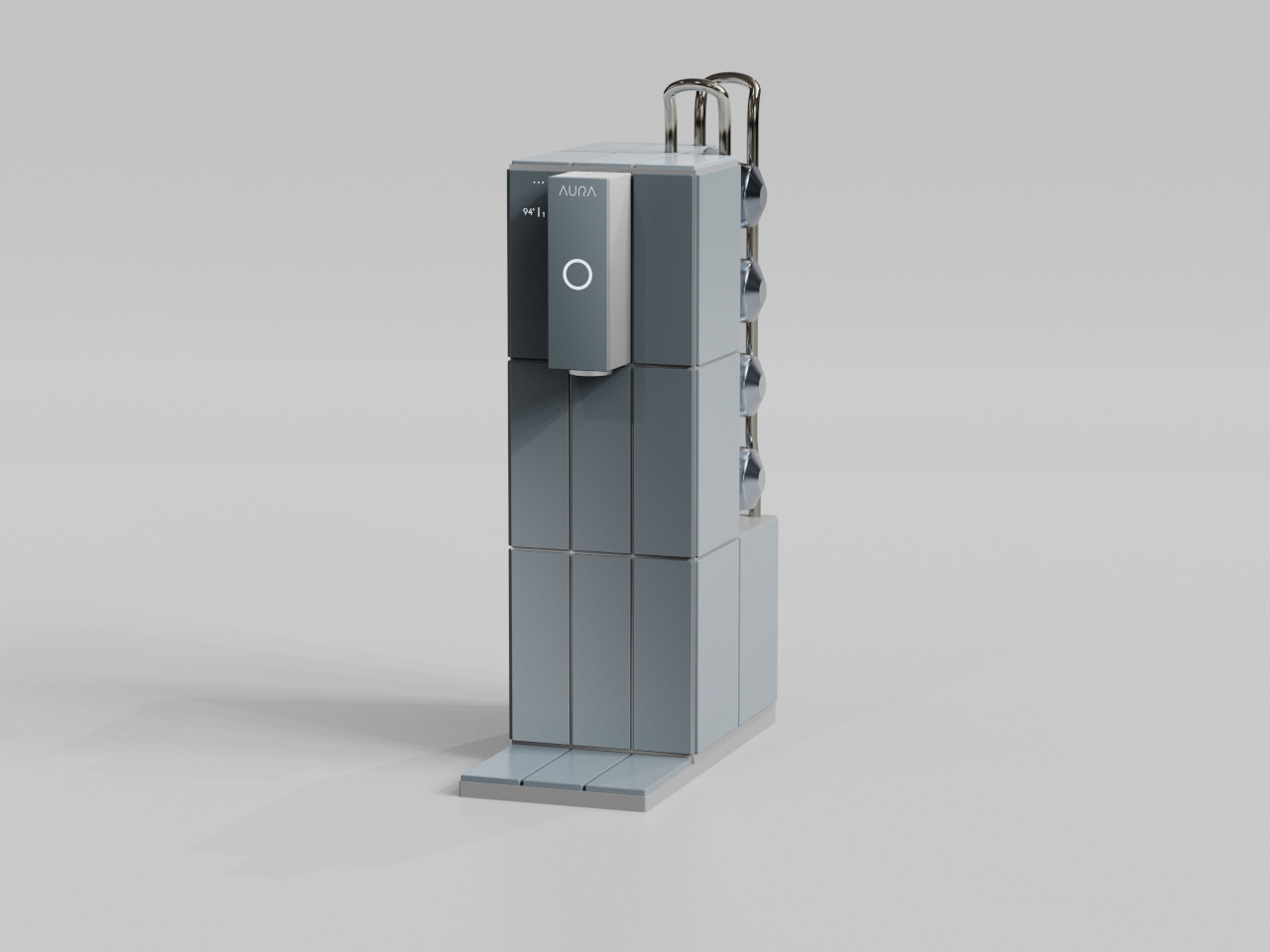
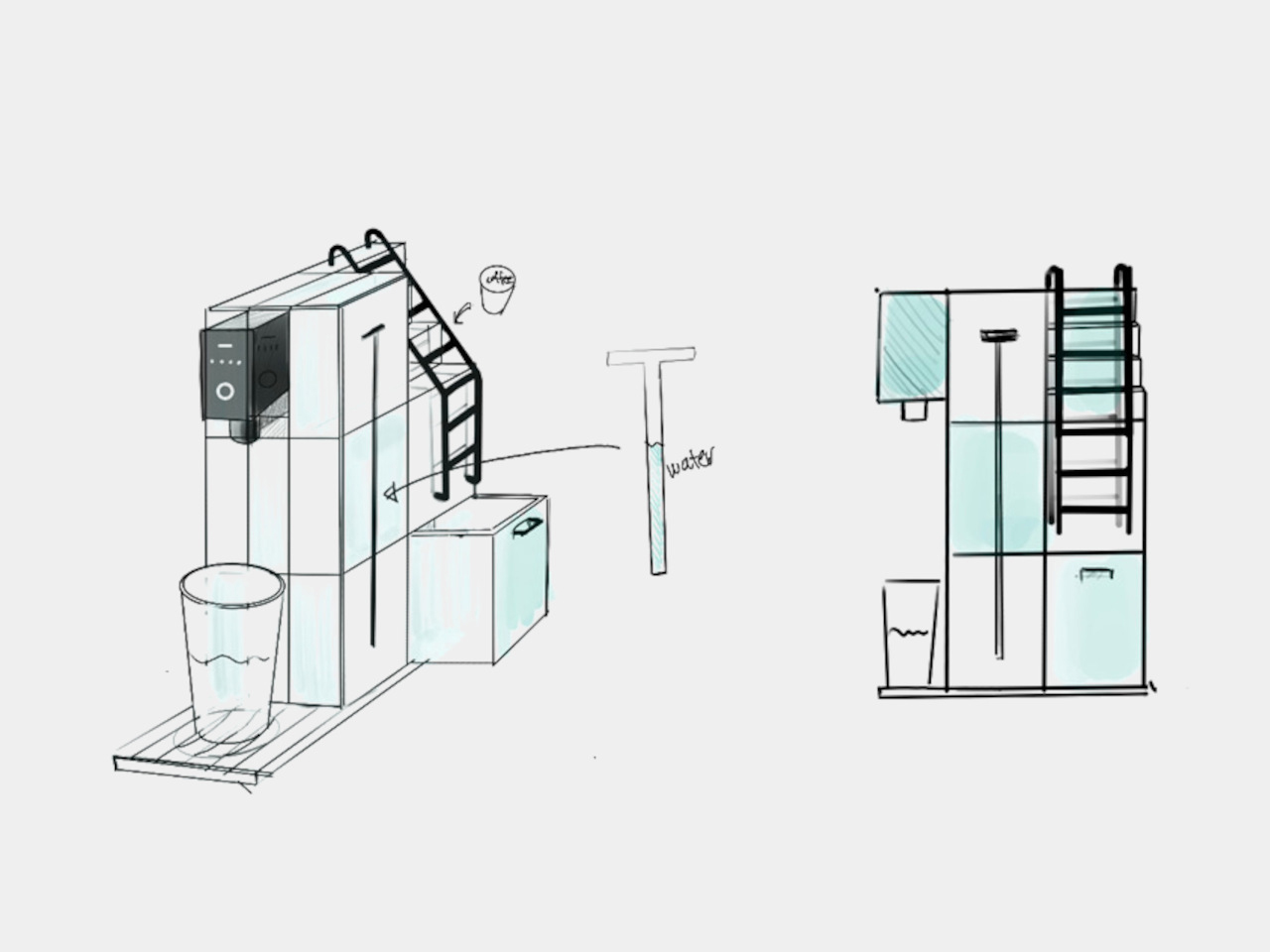
What makes AURA stand out is its seamless integration of form and function. The capsule holder, cleverly disguised as a miniature pool ladder, eliminates the need for extra accessories while reinforcing the playful concept. Functional components like the water tank are hidden within the tiled surface, preserving a clean, sculptural look. The result is a beautifully cohesive object that balances practicality with visual delight, turning routine into ritual.
The visual appeal of a product is often the first point of emotional connection. Consider the elegant curves of a classic car or the satisfying click of a well-designed switch; these are not just functional features; they’re aesthetic choices that stir feelings of sophistication, reliability, or even playfulness.
Every detail, from color to contour, plays a role in shaping how users perceive and relate to a product. Product designers thoughtfully select shapes, finishes, and hues to communicate the intended personality and purpose. Soft, rounded edges may suggest warmth and approachability, while sharp, angular lines can convey precision, performance, or modernity.
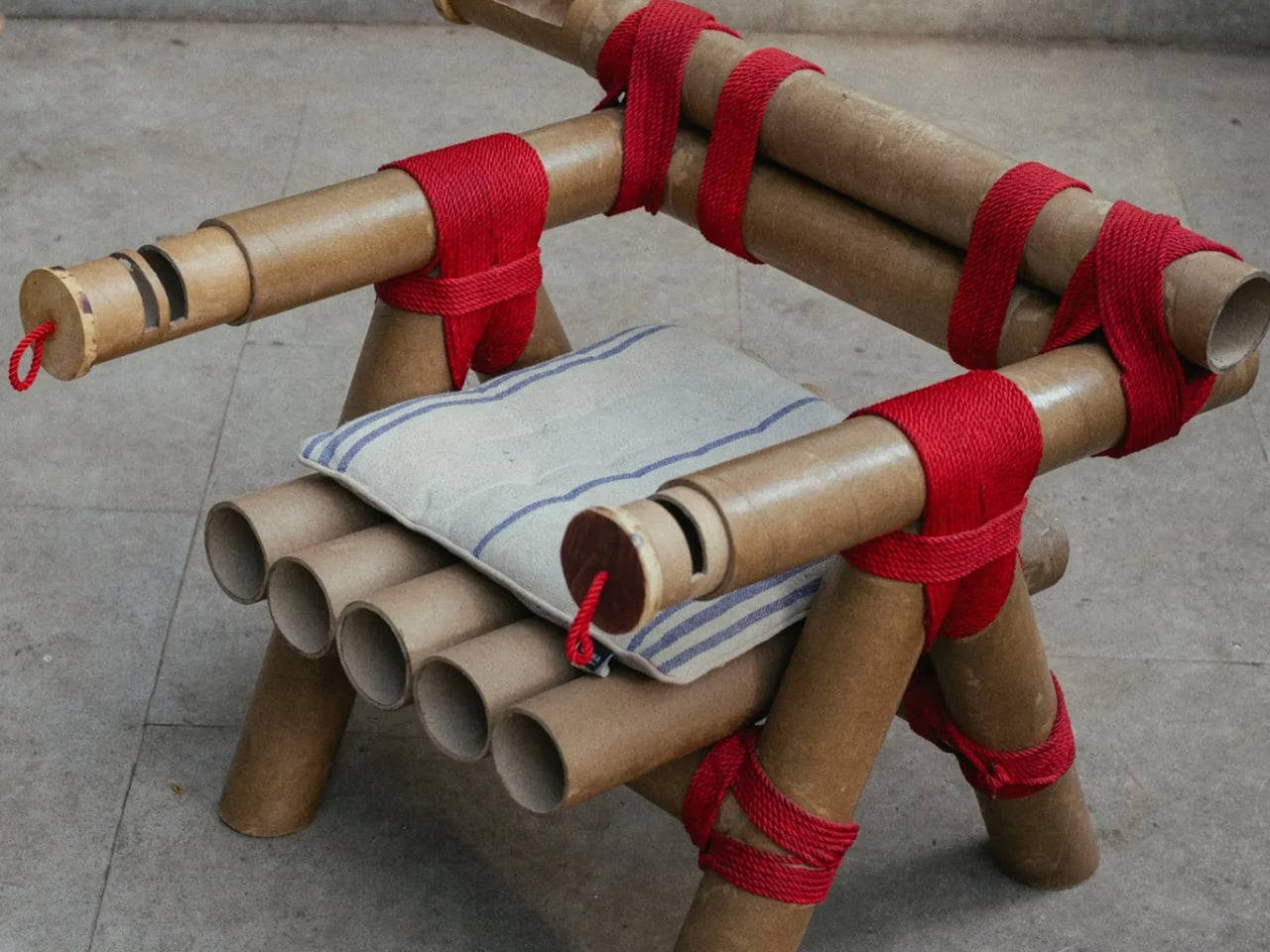

The Paper Tube Chair redefines accessible design by transforming waste into function and form. Created by the Dhammada Collective and founded by Nipun Prabhakar, the chair pays homage to Pierre Jeanneret’s teak library chairs but replaces expensive wood with discarded cardboard tubes. Collected from local print shops, these tubes are cut and assembled using leftover vermilion rope in a figure-eight lashing pattern. This system not only holds the structure together but also allows for flexibility, comfort, and easy repair. The design embodies “joyful frugality,” making quality design available beyond urban centers.


Through trial and error, the team refined the structure by adding smaller tubes at joints and trusting rope tension over adhesives. A light varnish preserves the tubes’ original texture and markings, celebrating their past use. Open-source by intent, the chair requires only basic materials and skills to build—empowering local makers and encouraging replication across diverse contexts. It blends modernist aesthetics with vernacular craft, creating something that is rooted and contemporary.
Beyond looks, the way a product feels during use is equally important. An intuitive interface, a comfortable grip, or a seamless user journey can transform a mundane task into a delightful experience. When interaction feels effortless, it fosters a sense of empowerment and deep satisfaction.
For industrial product designers, this means meticulously planning every interaction point. When a product is not only functional but also a joy to operate, it reduces frustration and enhances the overall user experience. This sense of delight often turns users into advocates, eager to share their experiences and strengthen the product’s emotional appeal and a loyal following.
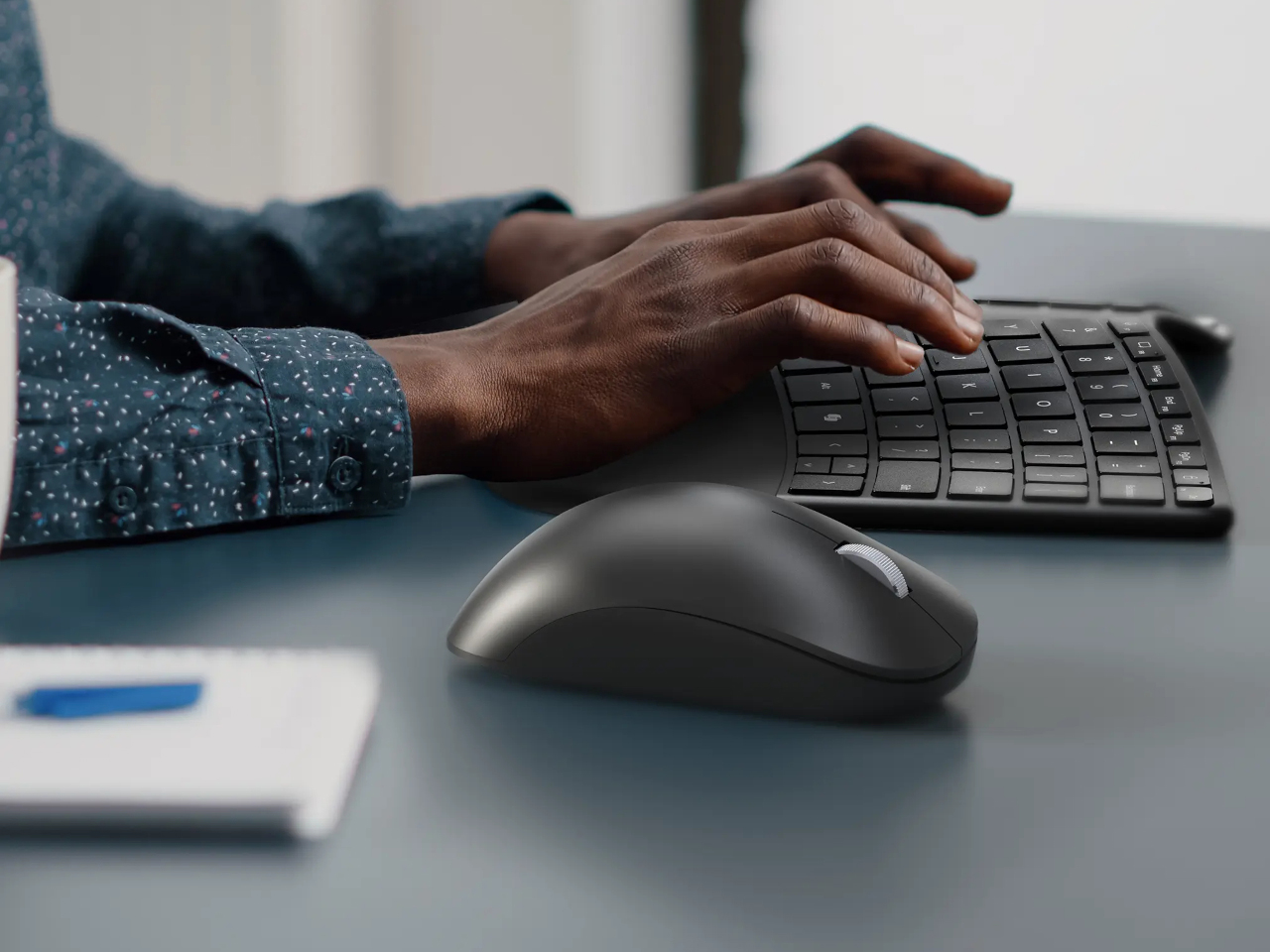
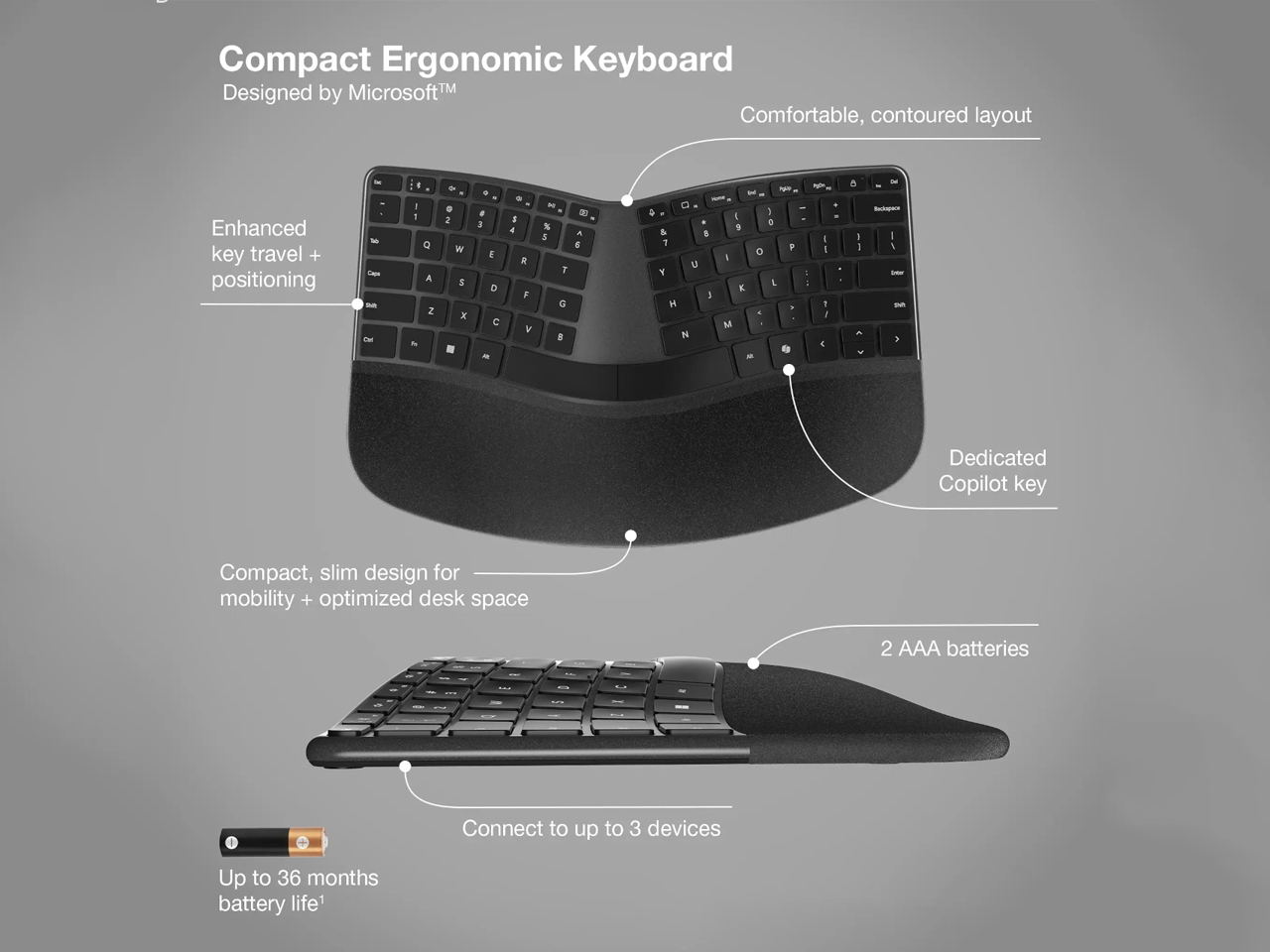
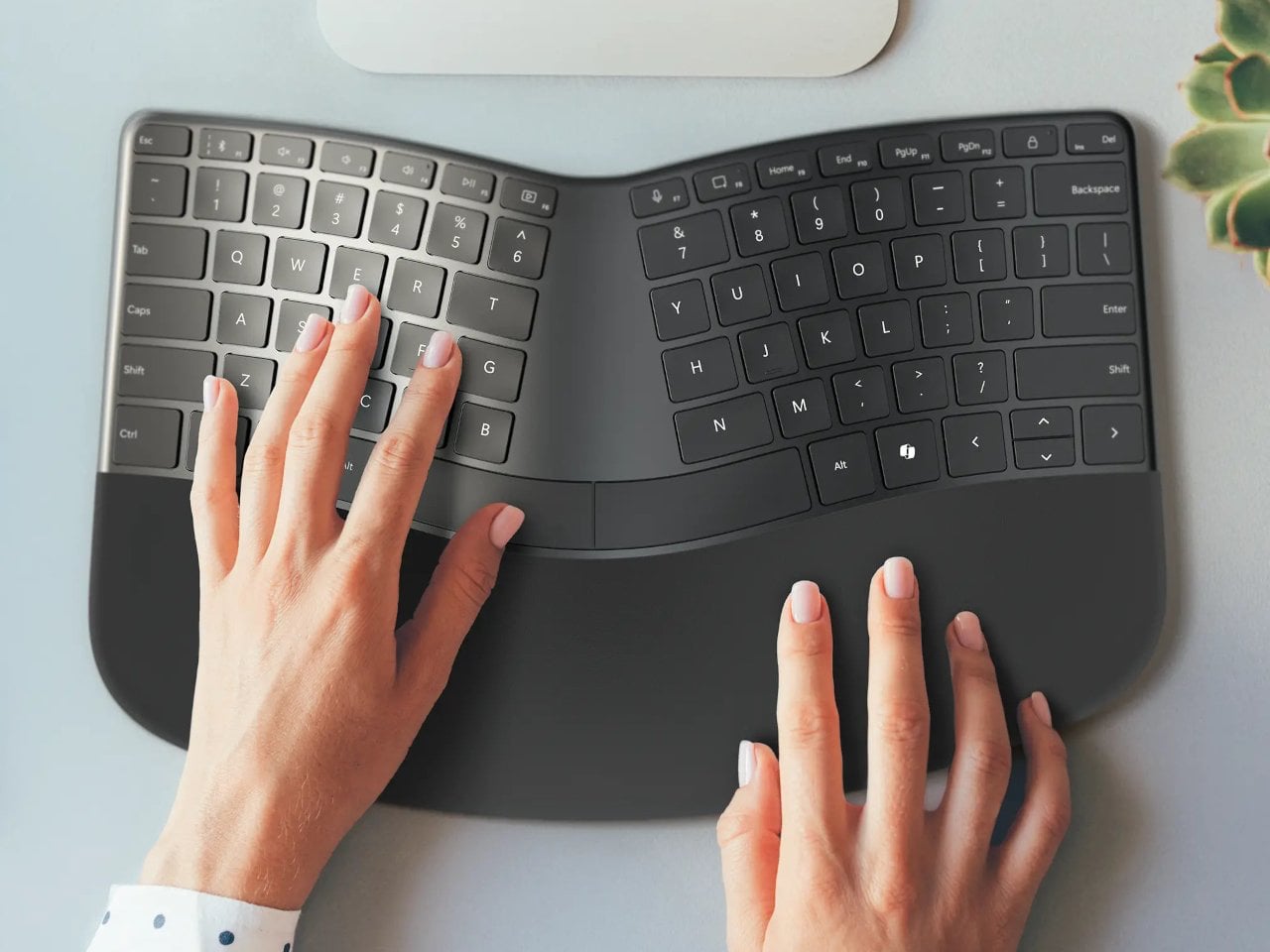
Ergonomic keyboards are a response to the growing need for comfort in long hours of computer use. Designed with a contoured, split layout, this Microsoft keyboards aim to reduce strain on the hands, wrists, and shoulders by promoting a more natural typing posture. The compact form factor of newer designs minimizes desk clutter while still providing essential ergonomic support. Integrated cushioned wrist rests add to the comfort, although their fixed placement means users need to account for extra desk space.
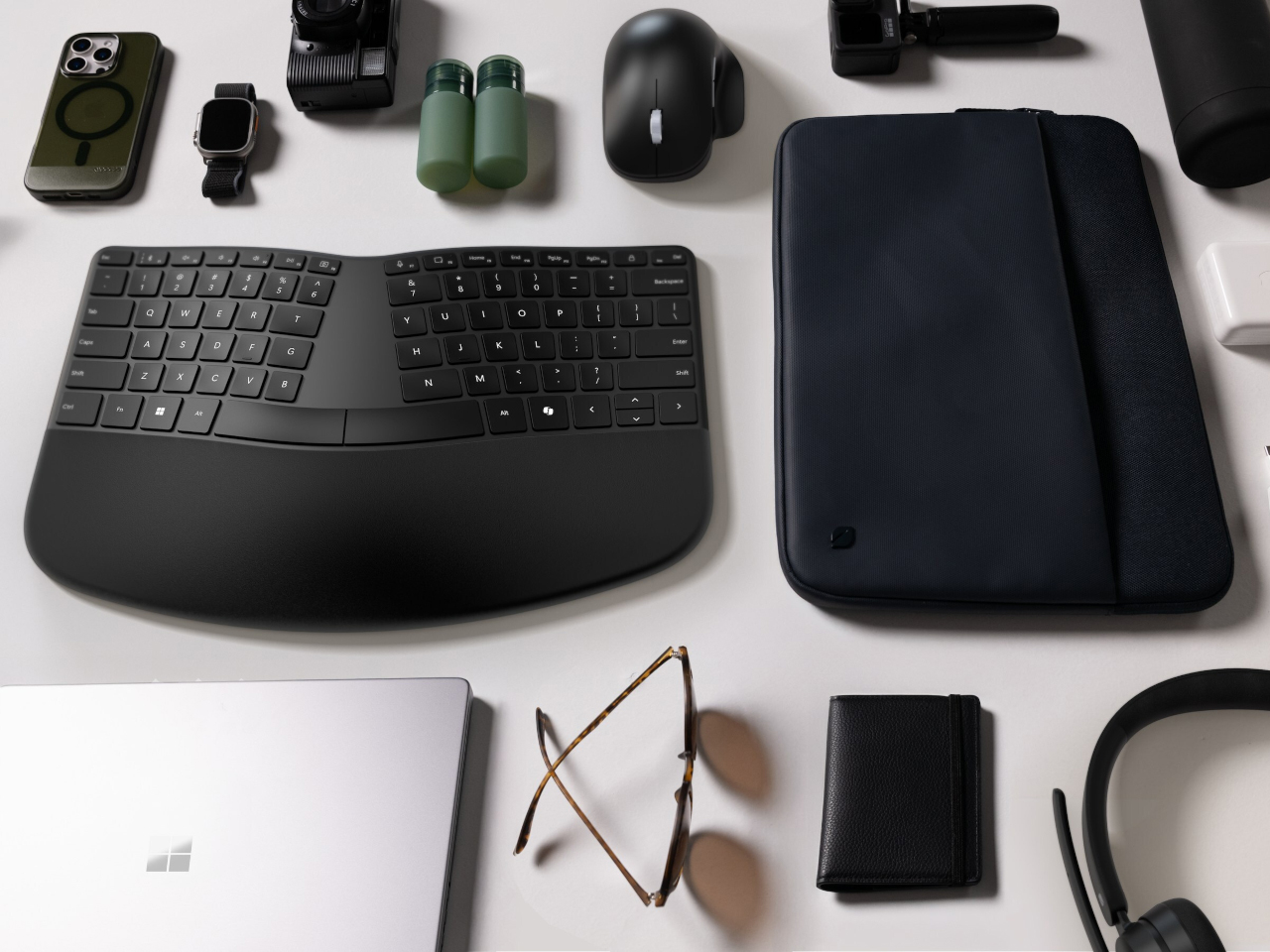
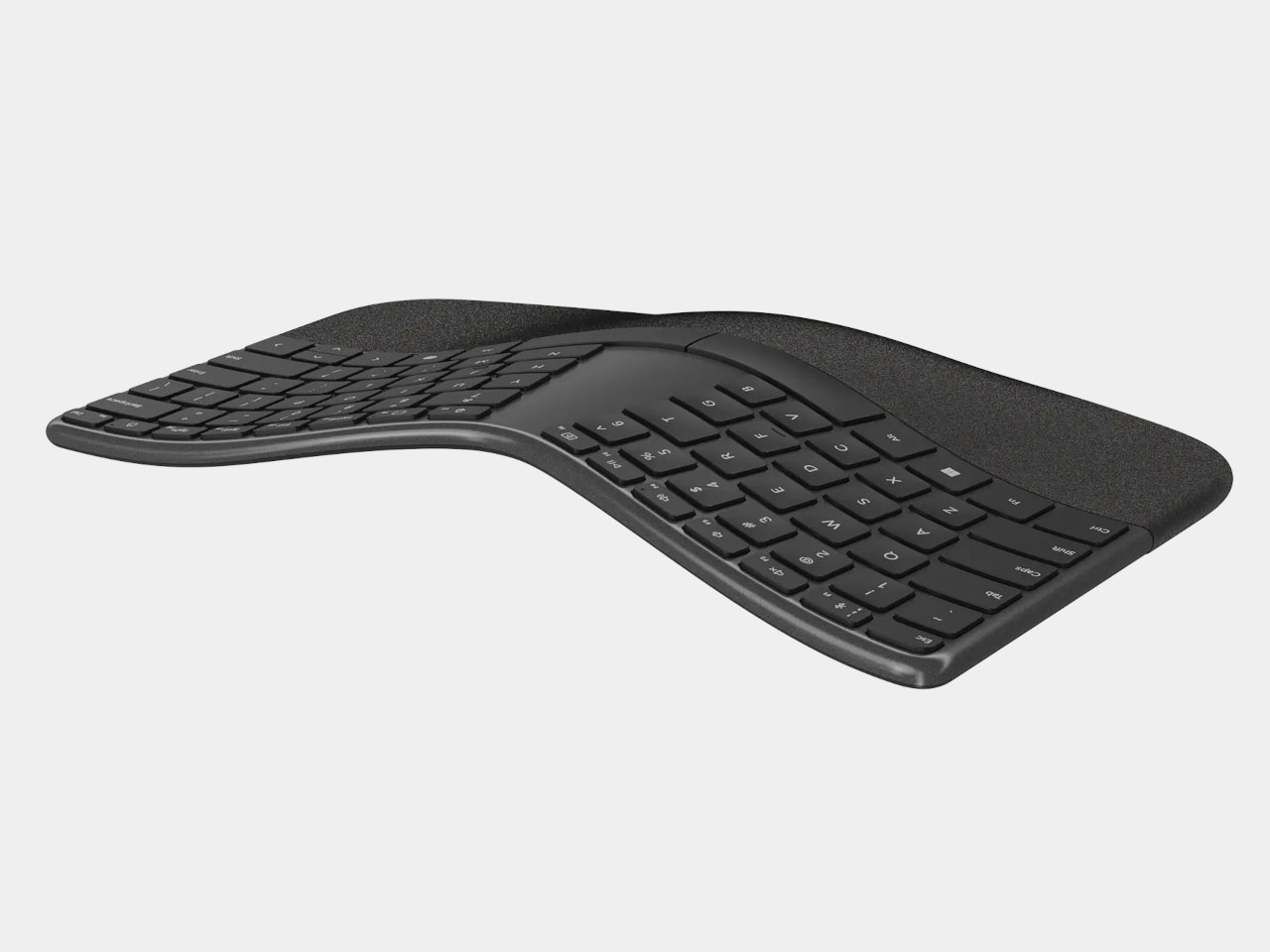
A key feature in many modern ergonomic keyboards is wireless connectivity, often supporting multiple device pairing via Bluetooth. Battery-powered options, such as those running on AAA cells, offer extended usage, sometimes up to 36 months without the need for charging ports or cables. This minimalist approach not only enhances aesthetics but also simplifies user interaction. Combining thoughtful ergonomics with sleek, functional design, these keyboards cater to writers, developers, and anyone seeking comfort and efficiency in daily computing tasks.
The materials and textures of a product can tell a powerful story and evoke strong emotional responses. The cool, smooth feel of brushed aluminum might convey a sense of modern sophistication, while the warmth of natural wood can evoke feelings of comfort and authenticity. Even the weight of a product in your hand can communicate quality and durability. These tactile experiences are often subconscious but profoundly impact how we perceive and connect with a product.
In industrial product design, selecting materials isn’t just about performance; it’s about the sensory experience. A durable, robust texture for a piece of industrial equipment might inspire confidence in its strength, while a soft, inviting fabric on a piece of furniture invites relaxation.
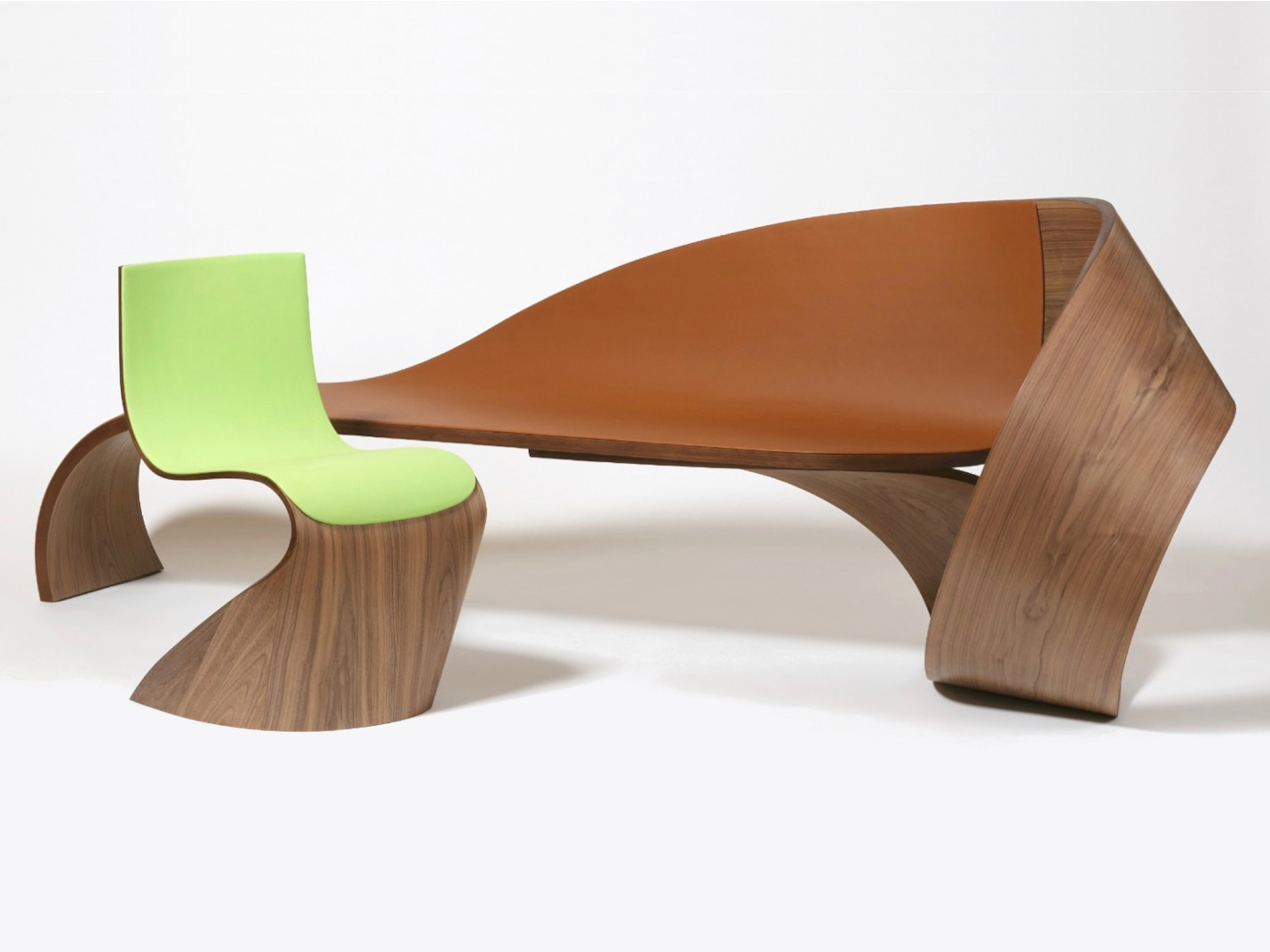
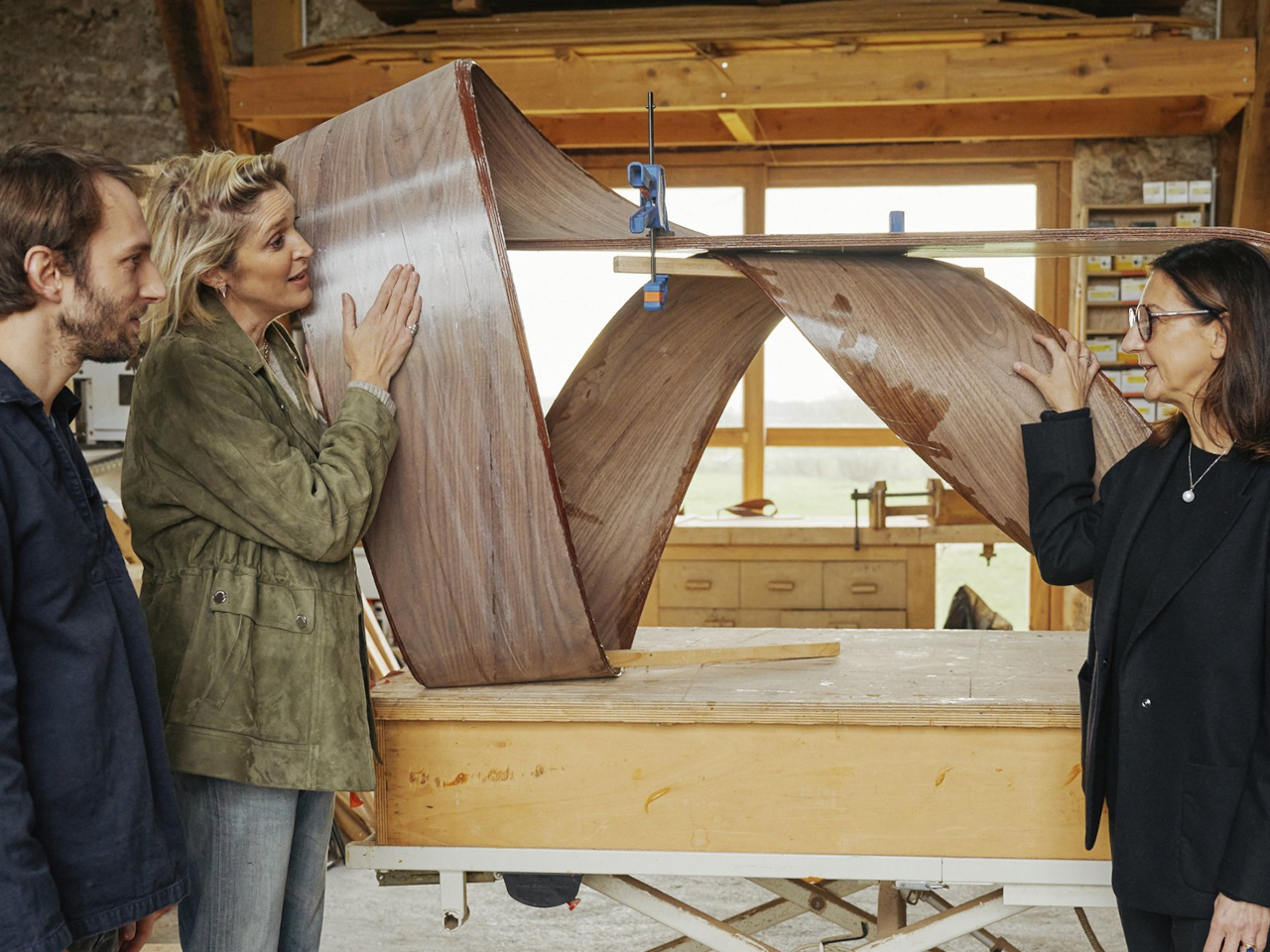
Longchamp collaborates with renowned designer Pierre Renart to bring its legacy of leather craftsmanship into the world of home design. The collection blends Longchamp’s refined aesthetic with Renart’s fluid woodworking techniques, resulting in sculptural pieces that appear to move despite their solid construction. This seamless transition from fashion to furniture reflects a shared philosophy that honours traditional craftsmanship while pushing creative boundaries.
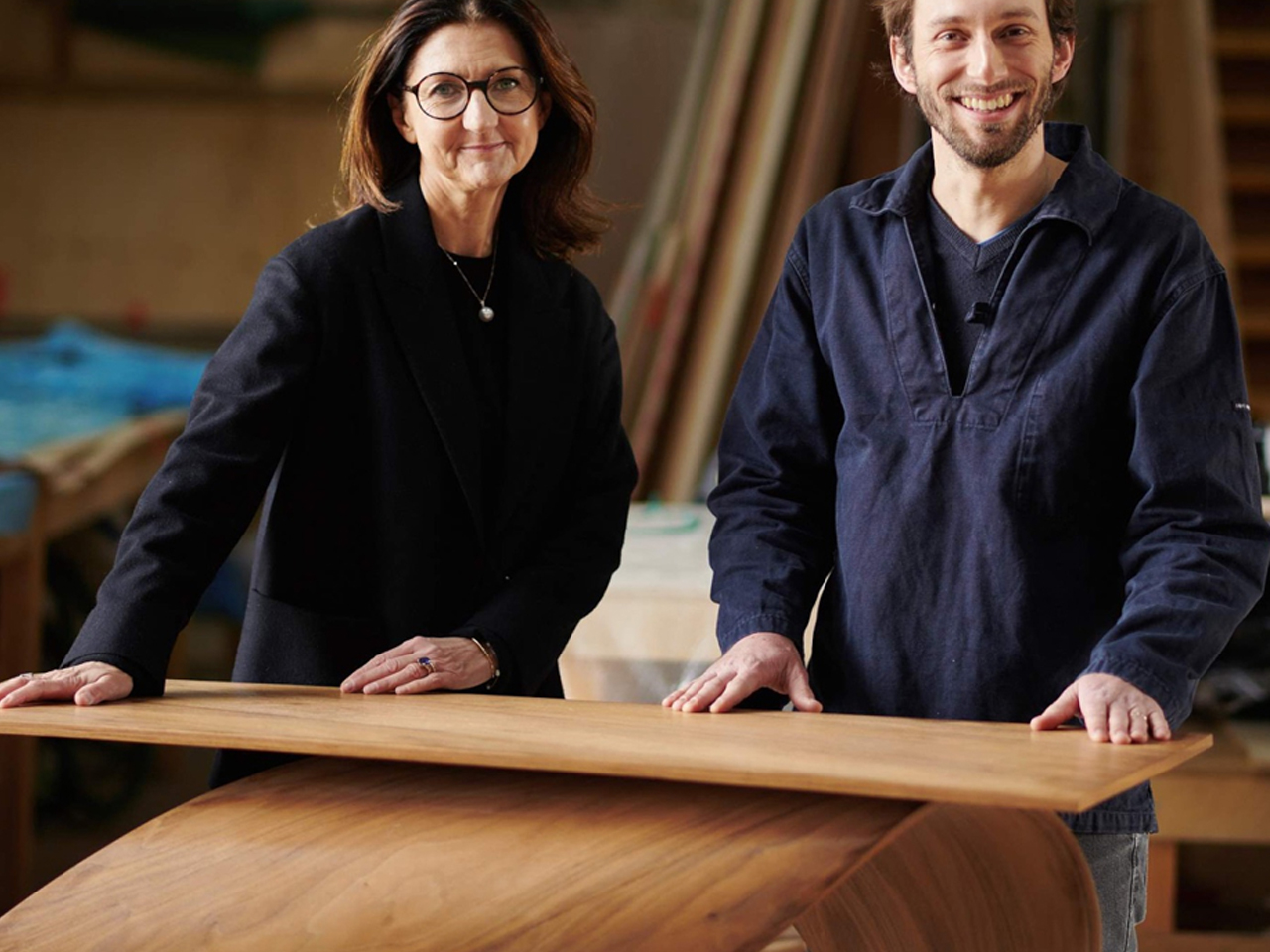
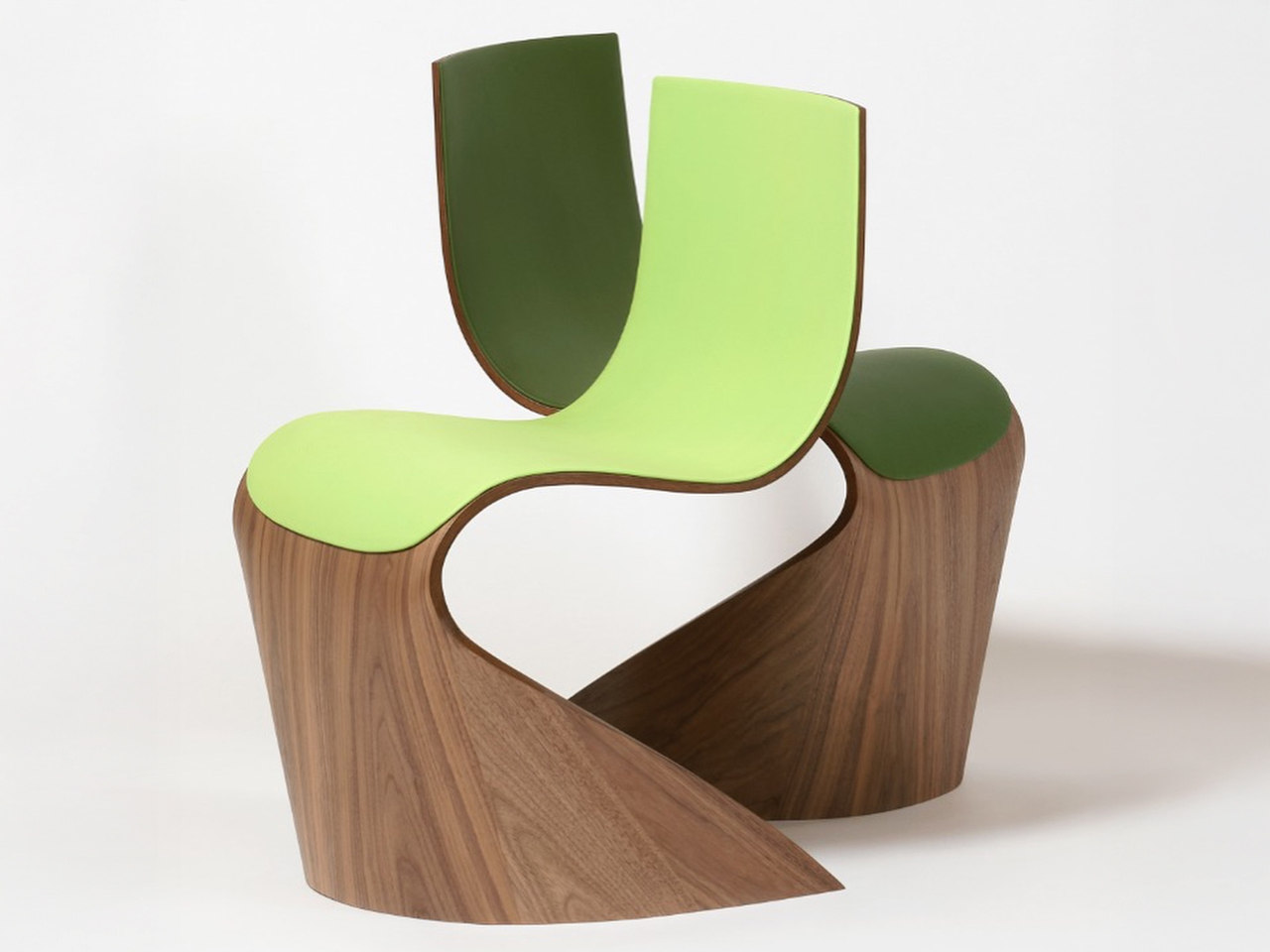
The centerpiece, the Wave bench, is upholstered in supple cashew-toned leather and seems to float above its curved wooden base. Renart’s technique of layering thin wood sheets creates a ripple-like effect, evoking the softness of fabric in motion. Accompanying the bench are the Ruban chairs, featuring leather in eight shades, including Longchamp’s iconic greens, that add depth and rhythm to the design. Each piece stands as a testament to functional art, merging elegance with tactile storytelling.
Emotional design fosters a lasting relationship between the user and the product. When a product consistently delivers positive emotional experiences, it builds trust and loyalty. Think about a brand you consistently return to; it’s because their products consistently make you feel good, whether it’s through reliability, thoughtful features, or simply a sense of consistent quality.
A product that grows with its user and consistently delivers emotional value becomes an irreplaceable part of their life, moving from a mere possession to a trusted companion, fostering a deep and long-lasting connection.
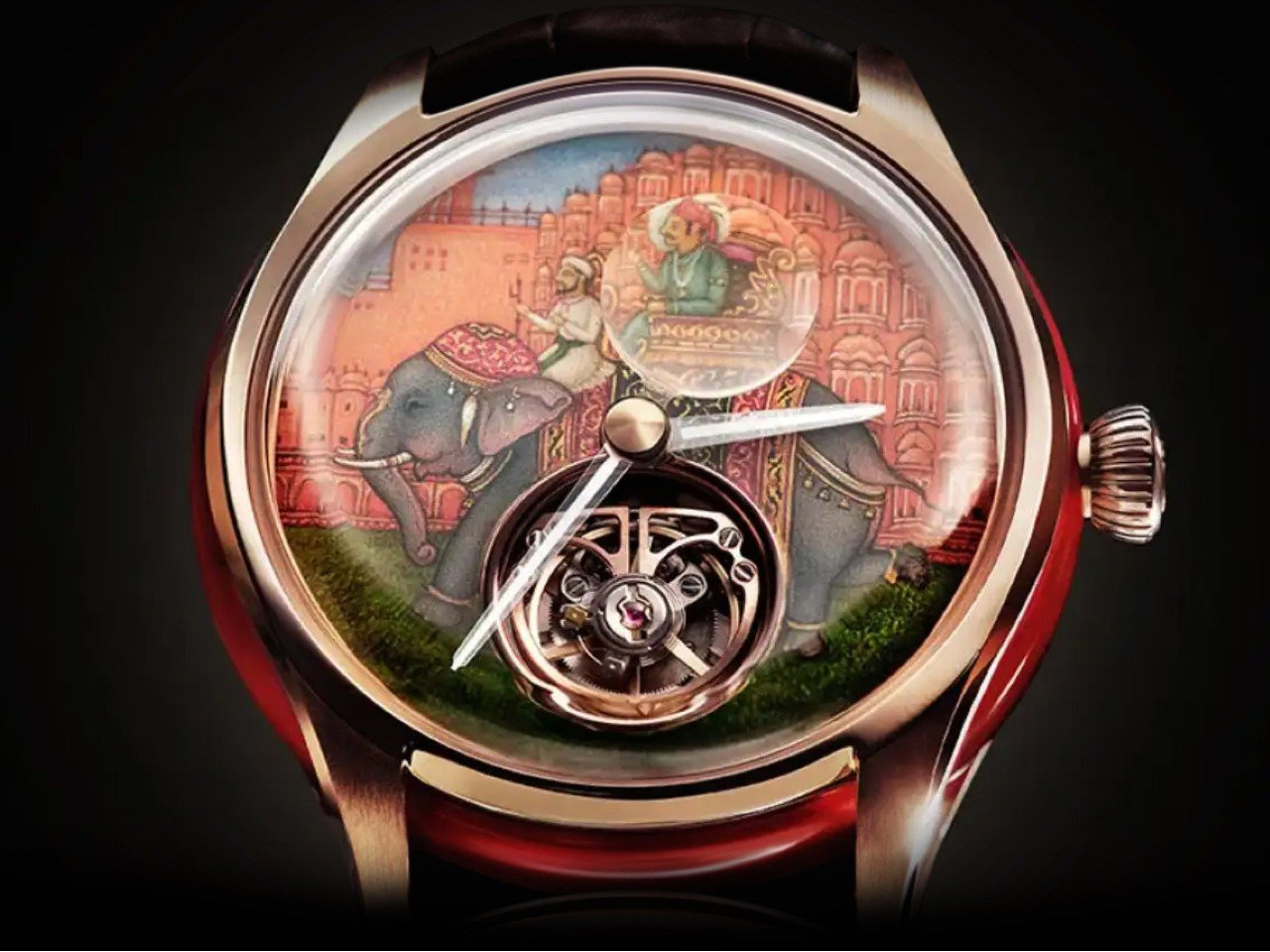
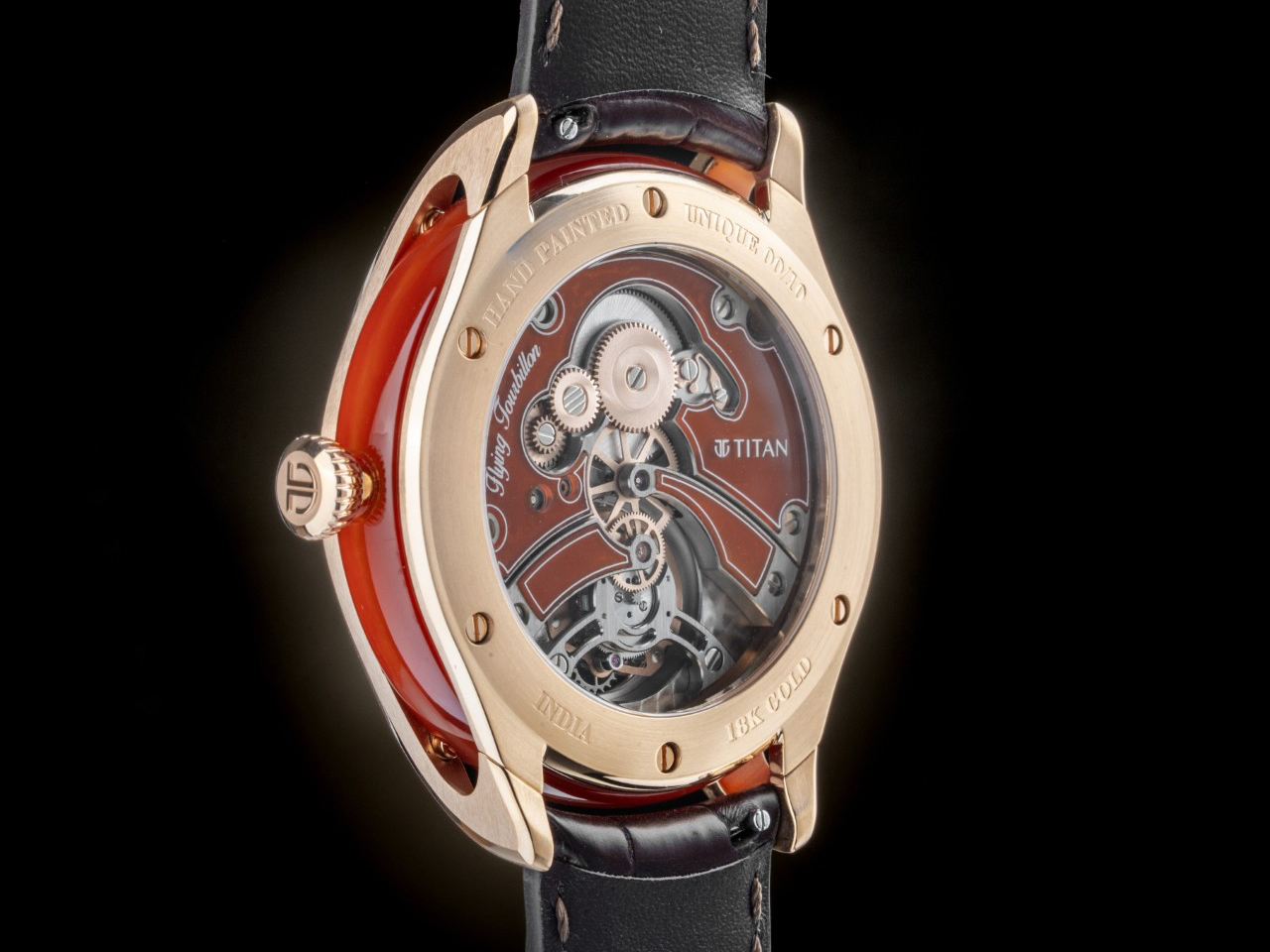
Titan’s Jalsa watch marks a bold leap into haute horlogerie, blending fine watchmaking with deep cultural storytelling. Instead of following Swiss conventions, Titan chose to honor 225 years of Jaipur’s architectural legacy through a hand-painted dial that captures the emotional richness of Indian heritage. Limited to just 10 pieces, Jalsa is India’s second flying tourbillon and the first to carry a miniature painting. More than a technical achievement, it offers a deeply personal connection to India’s artistic traditions, transforming timekeeping into an experience of pride and nostalgia.
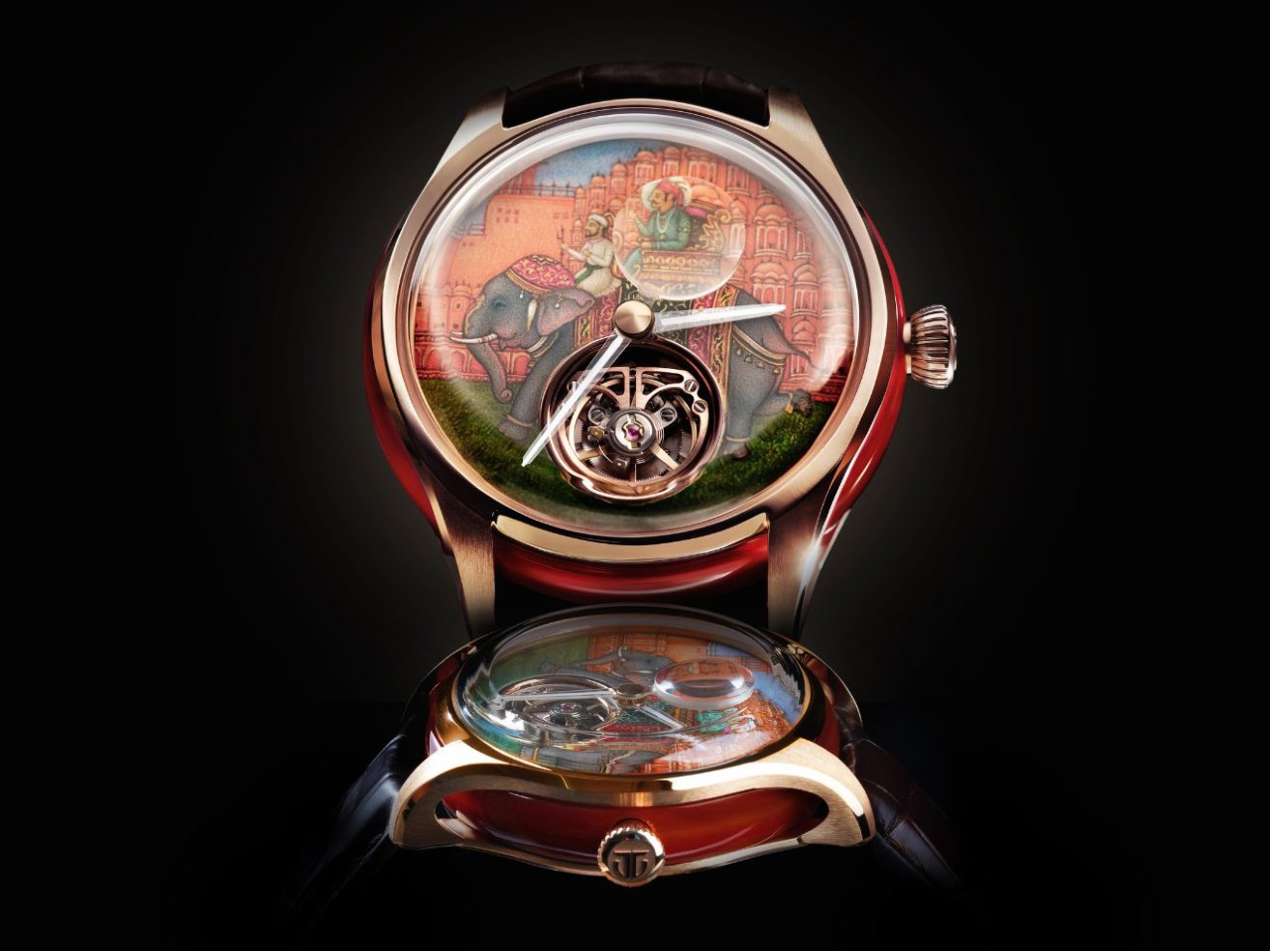
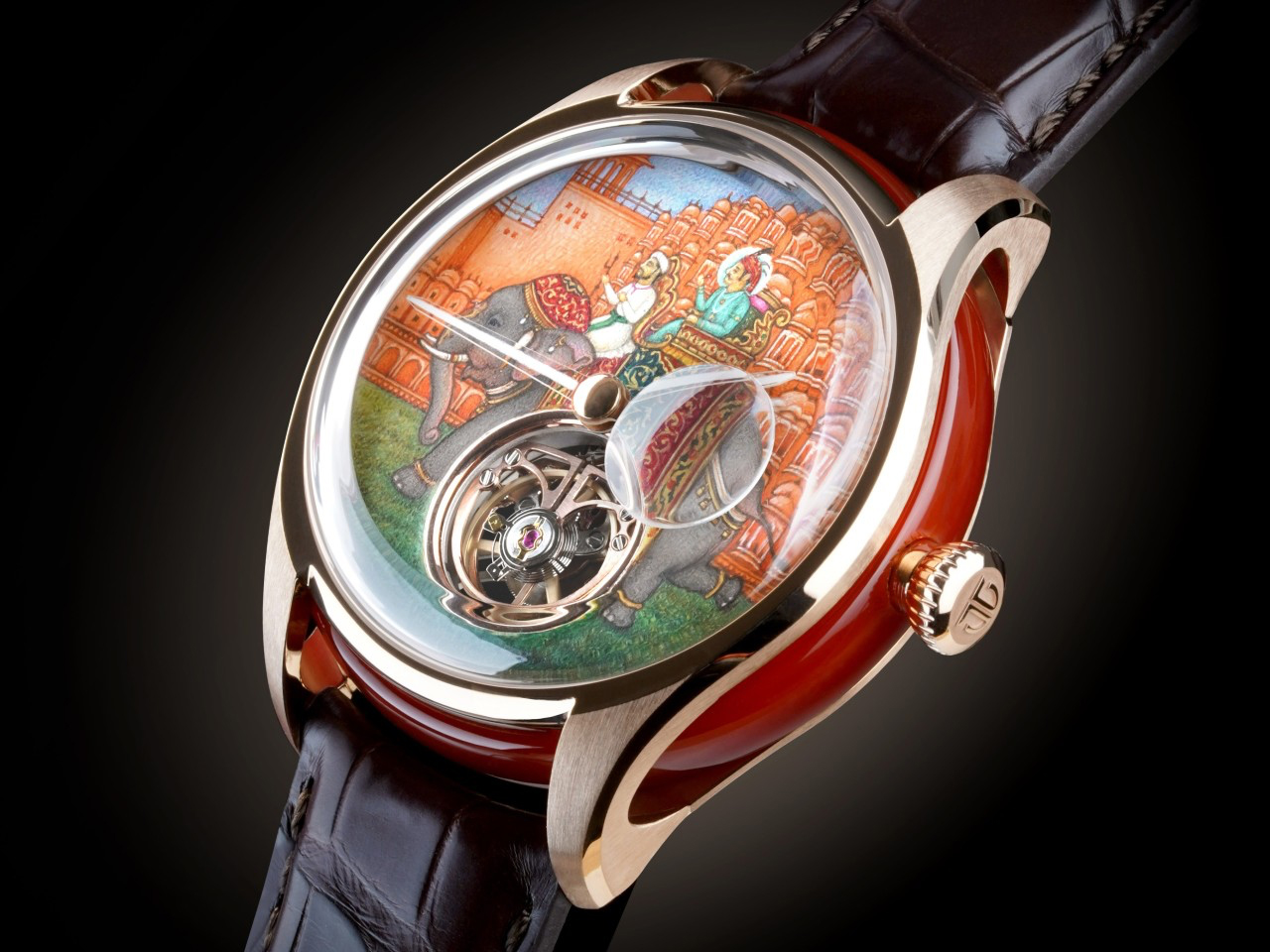
Technically remarkable, the Jalsa houses a 144-component in-house flying tourbillon movement within a 43.5mm, 18K rose gold case. The marble dial, painted by Padma Shri Shakir Ali, features a royal procession before the Hawa Mahal, using natural pigments like turmeric, lac, and gold. Floating sapphire hands and red agate accents echo the design’s soul. Every detail invites emotional engagement, blending precision with cultural memory.
Designing products with emotional intelligence means creating more than just objects, as it means crafting experiences that enrich lives. By understanding and embracing the principles of emotional design, product designers can create products that are not just used, but truly loved, becoming indispensable parts of people’s daily lives and building lasting loyalty.
The post 5 Emotional Design Products Designed to Spark Joy Every Single Time You Use Them first appeared on Yanko Design.
The Redmagic 11 Pro establishes itself as a standout in the gaming smartphone market, offering a combination of advanced cooling systems, innovative hardware, and a durable design. This device is crafted for gamers who demand peak performance, immersive visuals, and a robust build capable of withstanding intensive use. In the video below, JerryRigEverything explores the […]
The post RedMagic 11 Pro Teardown: Why This Cooling System Is the Best in Mobile Gaming appeared first on Geeky Gadgets.
What if you could transform a modest office PC into a gaming powerhouse without breaking the bank? It might sound too good to be true, but a clever dual GPU setup has made it possible to achieve jaw-dropping performance gains on a budget. By pairing an Nvidia RTX 3050 with an AMD Radeon RX6400, supported […]
The post Dual GPU Budget PC Trick : Triples Frame Rates With No Pricey Upgrade Needed appeared first on Geeky Gadgets.