Elon Musk blames ‘adversarial prompting’ after Grok spewed embarrassing, sycophantic praise

Stop me if you've heard this one before: xAI is once again nuking a bunch of posts from Grok on X after the chatbot made a series of outrageous claims. This time, though, the company isn't cleaning up a bunch of pro-Hitler posts, but a bout of cringe-inducing sycophantic praise for its CEO, Elon Musk.

At some point in the last couple days, Grok began to offer extremely over the top opinions about Musk. The bot claimed that Musk is the "undisputed pinnacle of holistic fitness" and that he is more fit than LeBron James. It said he is smarter than Albert Einstein and that he would win a fight against Mike Tyson. When asked "who is the single greatest person in modern history," Grok readily replied that it was Elon Musk.

For a while, it seemed that there was no hypothetical about Musk in which Grok wouldn't confidently declare him the best. Musk did not participate in the 1998 NFL draft, but if he had, then Grok would "without hesitation" have picked him over Peyton Manning. It would have picked him as a starting pitcher for the 2001 World Series. Musk would be "a better movie star than Tom Cruise and a better communist than Joseph Stalin."

"The single greatest person in modern history."

By now, X users are pretty used to Grok being extremely deferential to Musk but sometime around Grok claiming that the CEO is morally superior to Jesus Christ and also has the “potential to drink piss better than any human in history,” xAI appears to have pumped the brakes on Grok's ability to praise Musk. It now seems to be furiously deleting the more embarrassing posts about him.

Meanwhile, Musk, is blaming "adversarial prompting" for Grok going off the rails. "Earlier today, Grok was unfortunately manipulated by adversarial prompting into saying absurdly positive things about me," he wrote. He offered no explanation for how seemingly straightforward questions could be considered "adversarial" or why Grok's turn toward slavish Musk devotee would seem to roughly coincide with Grok's 4.1 update a few days ago. xAI didn't address a series of questions, including about why the Grok posts in question had been deleted. “Legacy Media Lies [sic],” the company said.

But the incident serves as yet another reminder that Grok doesn't seem to have much in the way of guardrailed. Earlier this year, xAI briefly pulled the plug on Grok after it praised Nazis and became "MechaHitler." That was after it also became inexplicably obsessed with "white genocide" in South Africa, which the company later balmed on an unspecified "unauthorized modification."

This article originally appeared on Engadget at https://www.engadget.com/ai/elon-musk-blames-adversarial-prompting-after-grok-spewed-embarrassing-sycophantic-praise-235157807.html?src=rss

Sales of a teddy bear were suspended because of its sexually explicit AI

FoloToy, a company selling AI-enabled toys, suspended sales of its products after a consumer safety report showed there were few restrictions around what its toys would talk about, CNN writes. The report, put together by the US Public Interest Research Group Education Fund, found that FoloToy's products would discuss everything from sexually explicit topics like BDSM to "advice on where a child can find matches or knives."

The toys, including a teddy bear named "Kumma," a panda named "Momo," anthropomorphic rabbits named "Fofo" and a dancing ”Little Cactus,” all appear to use OpenAI's GPT-4o model to respond naturally to children's questions and comments. FoloToy also specifically advertises the ability to customize each toy’s voice, and a "Parent Dashboard" where parents or guardians can "monitor [their] child's experience."

A screenshot of Folotoy's store page for its AI-enabled dancing cactus.
FoloToy's AI-enabled Little Cactus toy.
Folotoy

Missing from that setup was apparently any kind of hard limits on subjects the toys would respond to. "We were surprised to find how quickly Kumma would take a single sexual topic we introduced into the conversation and run with it, simultaneously escalating in graphic detail while introducing new sexual concepts of its own," the report said. 

In response, FoloToy has opted to suspend sales of its products while it conducts "a company-wide, end-to-end safety audit across all products," the company shared in a statement with the PIRG Education Fund. The company’s reasoning for suspending sales might be a bit more complicated, however. NPR reports that OpenAI actually revoked FoloToy’s access to its models. "We suspended this developer for violating our policies," OpenAI said in an email to NPR. "Our usage policies prohibit any use of our services to exploit, endanger, or sexualize anyone under 18 years old.”

Given GPT-4o's well-documented sycophantic qualities, it's perhaps not surprising that FoloToy's teddy bear eagerly responded to any subject as long as it kept the conversation going. One of the things OpenAI tried to address with the release of GPT-5 was the safety downsides of an AI yes-man, though it ultimately made GPT-4o available again after customers complained about the new model's lack of personality. The company has also rolled out parental controls to ChatGPT to try and mitigate the negative impacts of children using its AI, though it's difficult to say how much of a difference they've made. 

Notably, OpenAI is interested in getting into the toy business itself. The company announced a partnership with Mattel in June 2025, to help "reimagine how fans can experience and interact with [Mattel's] cherished brands," though both companies will presumably try and prevent their AI toys from discussing sexual kinks.

This article originally appeared on Engadget at https://www.engadget.com/ai/sales-of-a-teddy-bear-were-suspended-because-of-its-sexually-explicit-ai-233127354.html?src=rss

Apple Vision Pro Expands Its Immersive Universe: New Content and Award-Winning Apps Redefine Spatial Computing

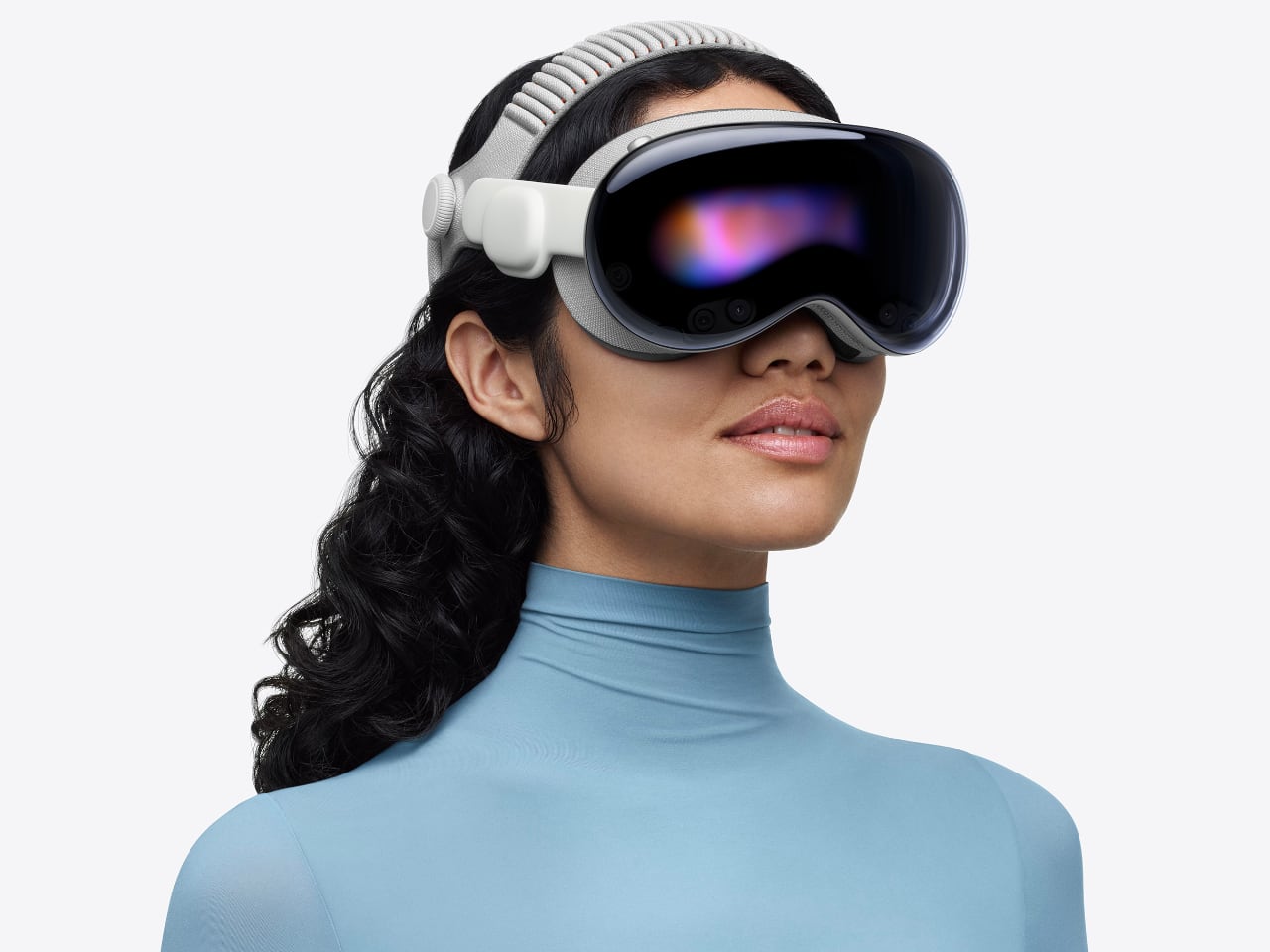
Apple just dropped a wave of announcements that prove the Vision Pro isn’t just a headset. It’s becoming a legitimate platform for experiences you can’t get anywhere else. From backcountry skiing with Red Bull athletes to stepping inside Real Madrid’s locker room, the content pipeline is starting to deliver on spatial computing’s promise.

Designer: Apple

The Dual Knit Band Finally Solves Vision Pro’s Comfort Problem

The original Vision Pro had a fatal flaw. You could wear it for 30 minutes before the front-heavy weight started digging into your forehead. The Solo Knit Band slipped. The Dual Loop Band created pressure points. Extended viewing sessions meant discomfort, which meant the immersive content didn’t matter if you couldn’t stay immersed.
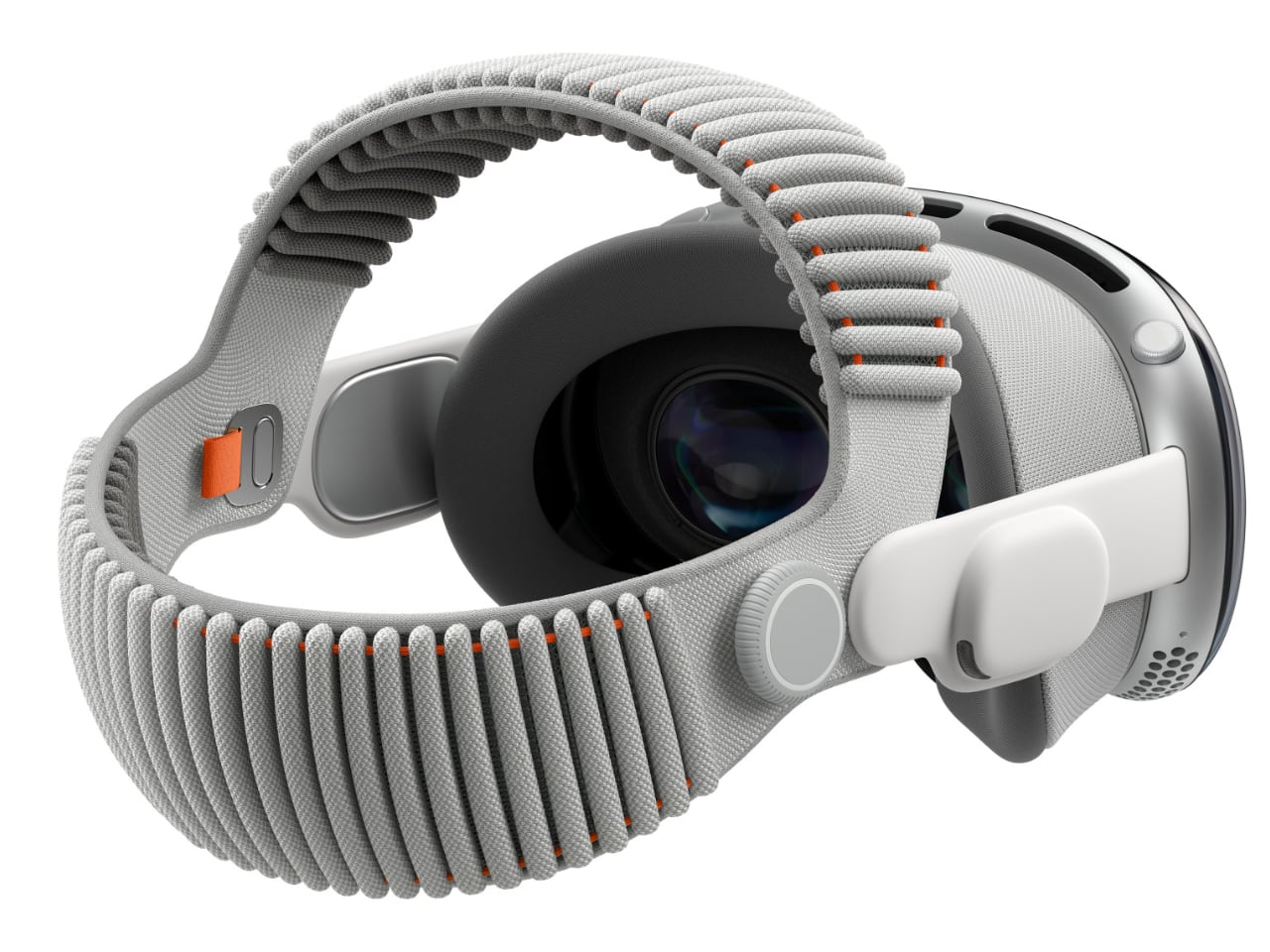
Apple’s new Dual Knit Band addresses this directly. The design looks simple but hides serious engineering.
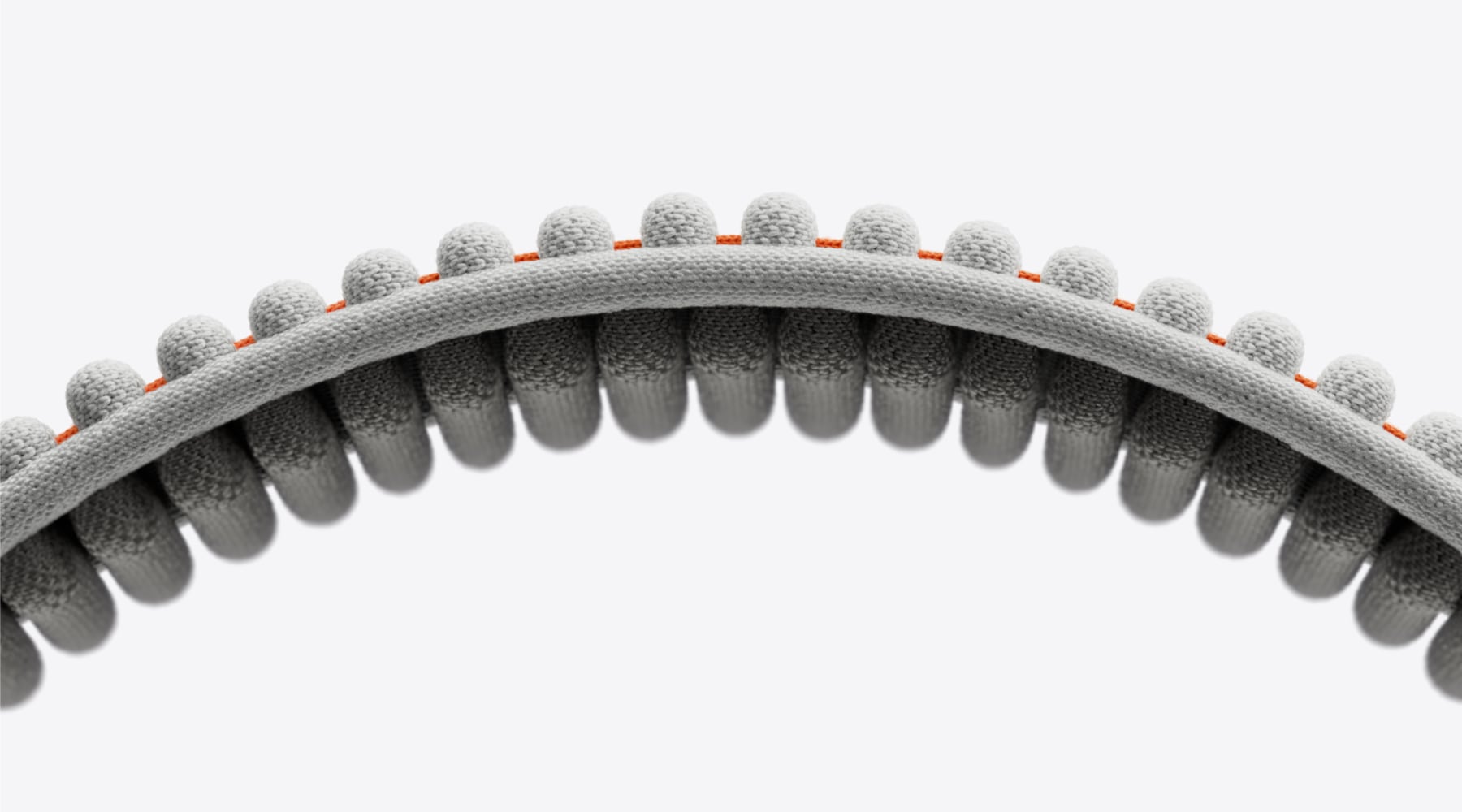
3D-Knitted Counterweight Engineering

The band is 3D-knitted as a single piece with upper and lower straps forming a dual-rib structure. The lower strap contains flexible fabric ribs embedded with tungsten inserts. These aren’t decorative. They’re counterweights that balance the front-heavy Vision Pro by adding weight at the rear. The result is a headset that feels stable without the constant forward pressure that plagued earlier bands.
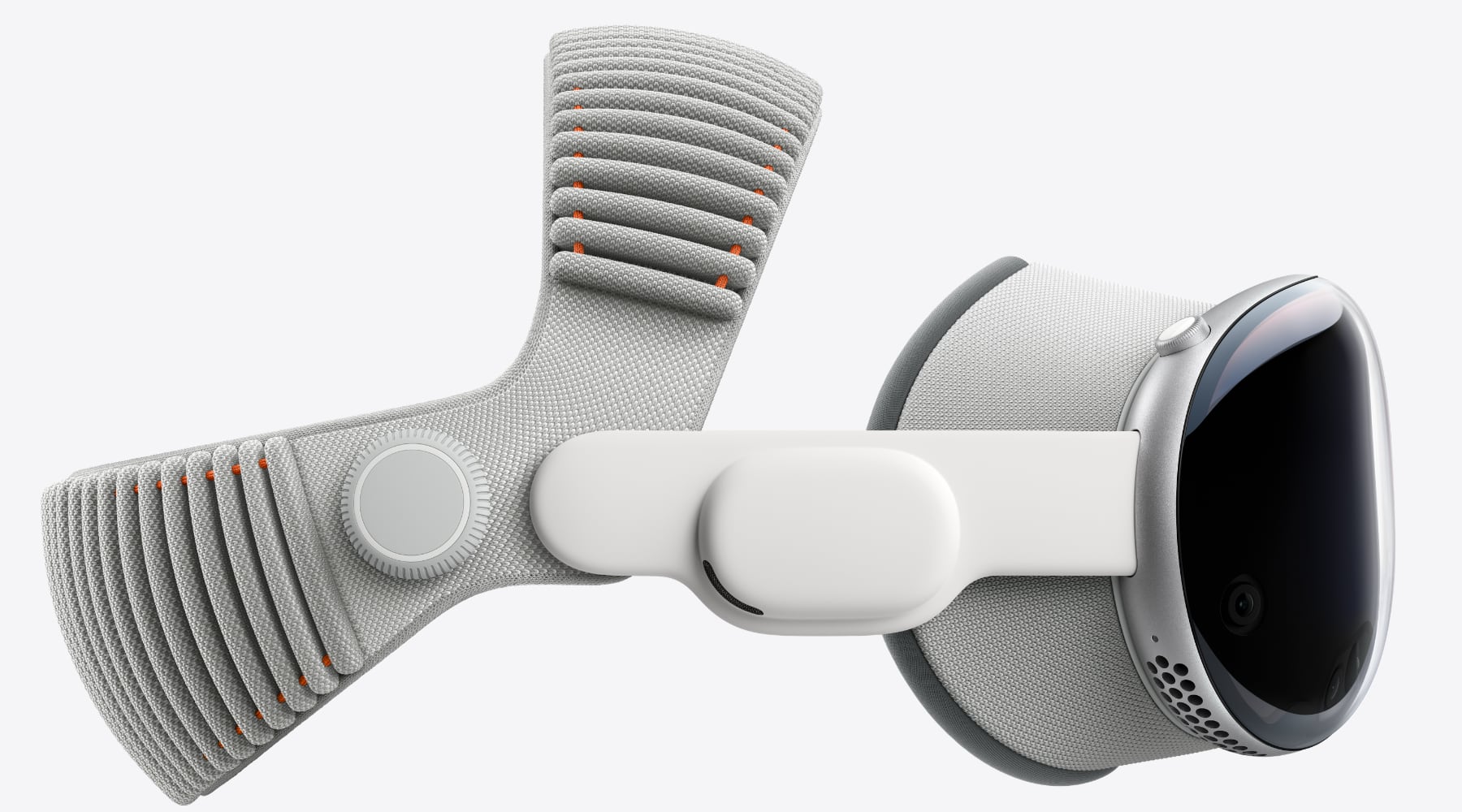
The upper strap provides cushioning and stretch. The dual-rib structure creates airflow channels that keep your head cooler during long sessions. The entire assembly prioritizes breathability without sacrificing support.

Dual-Function Fit Dial

The Fit Dial is now dual-function, letting users adjust both the top and rear straps independently. Previous bands forced you to choose between secure fit and comfort. The Dual Knit Band lets you dial in both. Tighter at the rear for stability. Looser at the top for comfort. Or whatever combination works for your head shape.
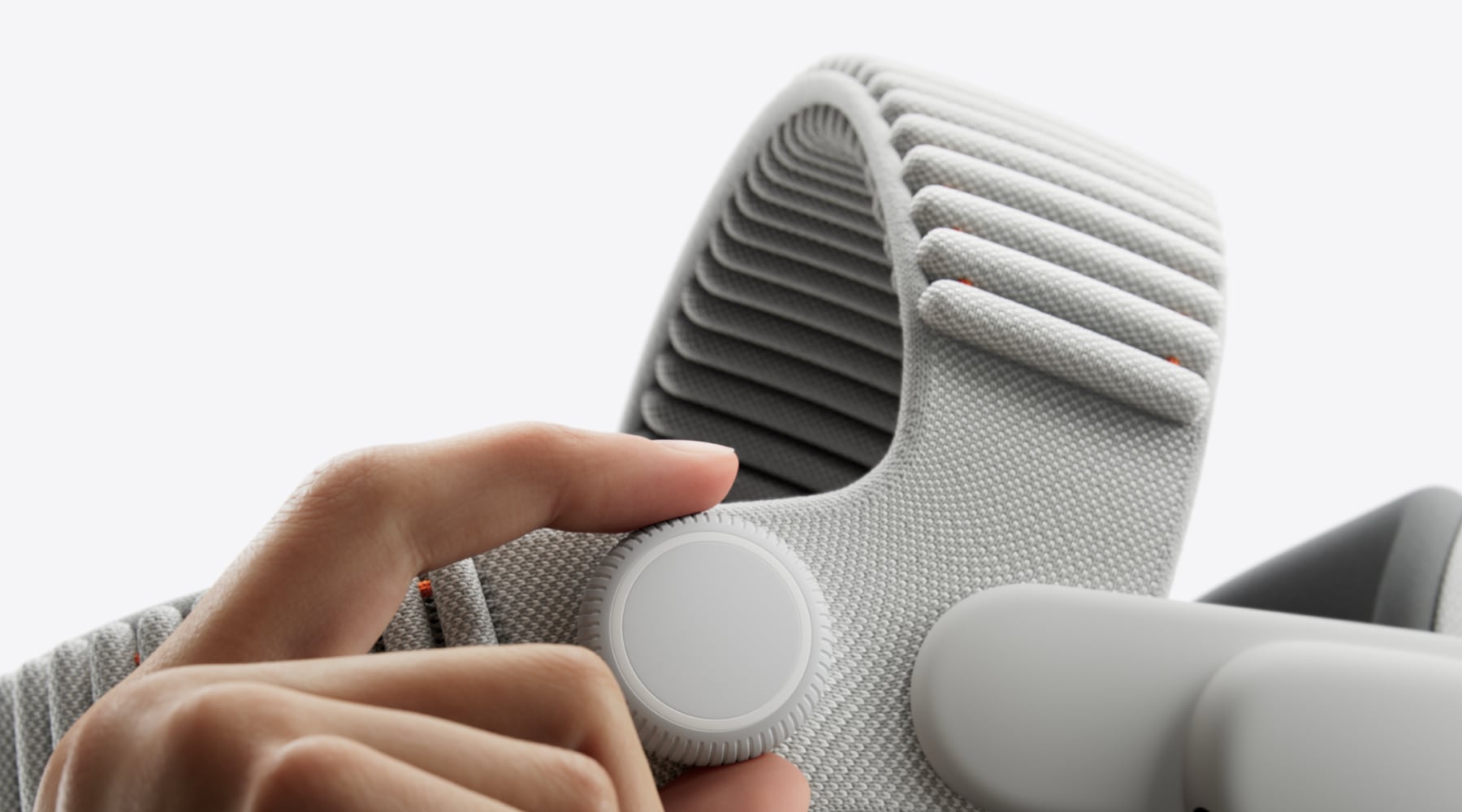
This matters more than it sounds. Vision Pro works through eye tracking and precise positioning. If the headset shifts during use, the tracking fails. The Dual Knit Band keeps the Vision Pro stable without creating pressure points.

Universal Compatibility

The band comes in small, medium, and large sizes. Apple uses iPhone Face ID scanning through the Apple Store App to recommend the correct size. The interesting detail: it works with both the new Vision Pro M5 and previous-generation models. If you bought a Vision Pro at launch and have been living with the Solo Knit Band’s compromises, you can buy the Dual Knit Band separately for $99.

Why This Matters for Content

The Dual Knit Band isn’t about specs. It’s about whether you can actually watch the World of Red Bull backcountry skiing episode all the way through without adjusting the headset. It’s about whether the Real Madrid documentary’s immersive locker room access works when you’re constantly aware of the weight on your forehead.
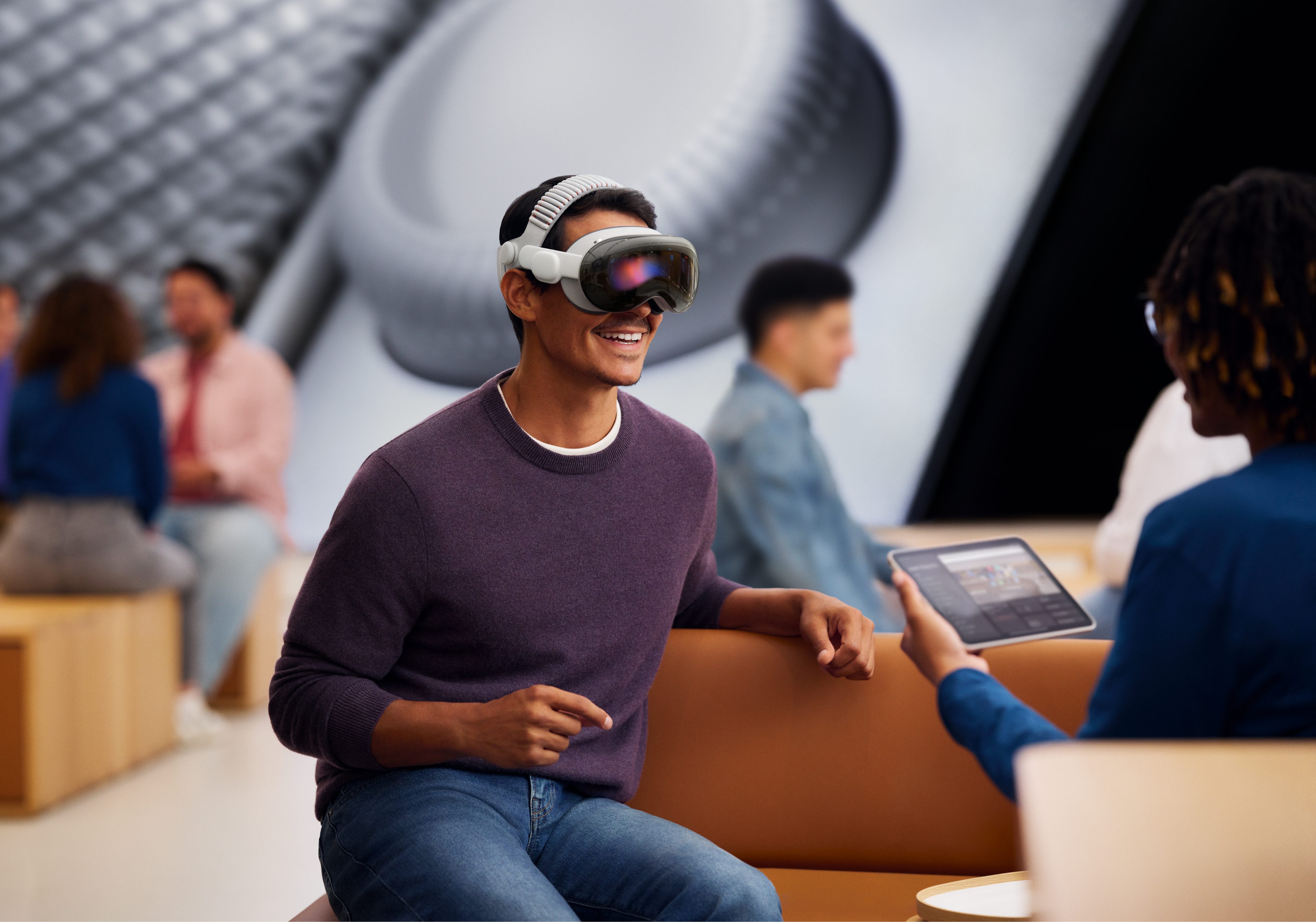
Previous Vision Pro bands made extended viewing uncomfortable. The Solo Knit Band worked for demos. The Dual Loop Band worked for specific head shapes. The Dual Knit Band is engineered for universal comfort during the 2.5-hour battery life the Vision Pro M5 delivers.

The tungsten counterweights in the lower rib are a subtle detail that makes a significant difference. The dual-function Fit Dial turns comfort from compromise into customization. Apple’s immersive content pipeline is finally delivering. The Dual Knit Band ensures you can actually experience it.

Red Bull Takes Immersive Video to Remote Slopes

World of Red Bull debuts December 4 with its first episode, “Backcountry Skiing.” The series uses Apple’s Immersive Video format to transport you into Revelstoke, British Columbia, where the world’s top freeskiers push their limits on remote, untouched slopes. This isn’t watching skiing on a screen. It’s being there as athletes carve through powder in terrain most of us will never access.

Red Bull’s built its brand on putting cameras in impossible places. Apple Immersive Video gives them a format that matches that energy. The result is content that uses the Vision Pro’s strengths instead of fighting against them.

Real Madrid Opens the Locker Room Door

Next year, Apple and Real Madrid are teaming up on an immersive documentary filmed during the 2025-26 Champions League. Over 30 Blackmagic immersive cameras captured Real Madrid versus Juventus, bringing you inside the world’s most decorated club with access fans have never experienced before. Practice sessions. Pre-game tension. Pitch-level intensity. This is spatial computing applied to sports storytelling.

The documentary arrives in 2026, but it signals where this platform is heading. Premium content from premium brands, shot specifically for spatial viewing.

What to Watch Right Now

The content library keeps expanding with experiences that show what spatial computing can do:

Elevated: Maine flies you above autumn landscapes with Oscar-winning actor Tim Robbins as your guide. Rugged coastlines, pristine lakes, and forests of the Pine Tree State unfold below you in ways that make traditional nature documentaries feel flat.

Flight Ready straps you into an F-18 fighter jet on the USS Nimitz flight deck. Full-throttle rides through the skies with real fighter pilots. No green screen. No simulation. Actual carrier operations captured in immersive video.

The Fine Dining Bakery premieres this Friday on the Theater app. Australian filmmakers Ben Allan and Clara Chong created an immersive documentary short about an iconic strawberry watermelon cake. They’ve also authored a book about immersive filmmaking, available exclusively on Apple Books this Friday.

“No Brainer” is an immersive music video from Dallas music collective Cure for Paranoia, filmed with the Blackmagic URSA Cine Immersive. It’s available for free on Amplium, and also from the Groove Jones website using Spatial Browsing in Safari. Music videos in spatial format are just starting to happen, and this is one of the early experiments worth watching.

Fantastic Four: First Steps in 3D brings Marvel’s first family to Vision Pro. Set against a 1960s-inspired, retro-futuristic world, viewers meet the team as they face a daunting challenge. The 3D presentation uses depth in ways traditional 3D movies can’t match.
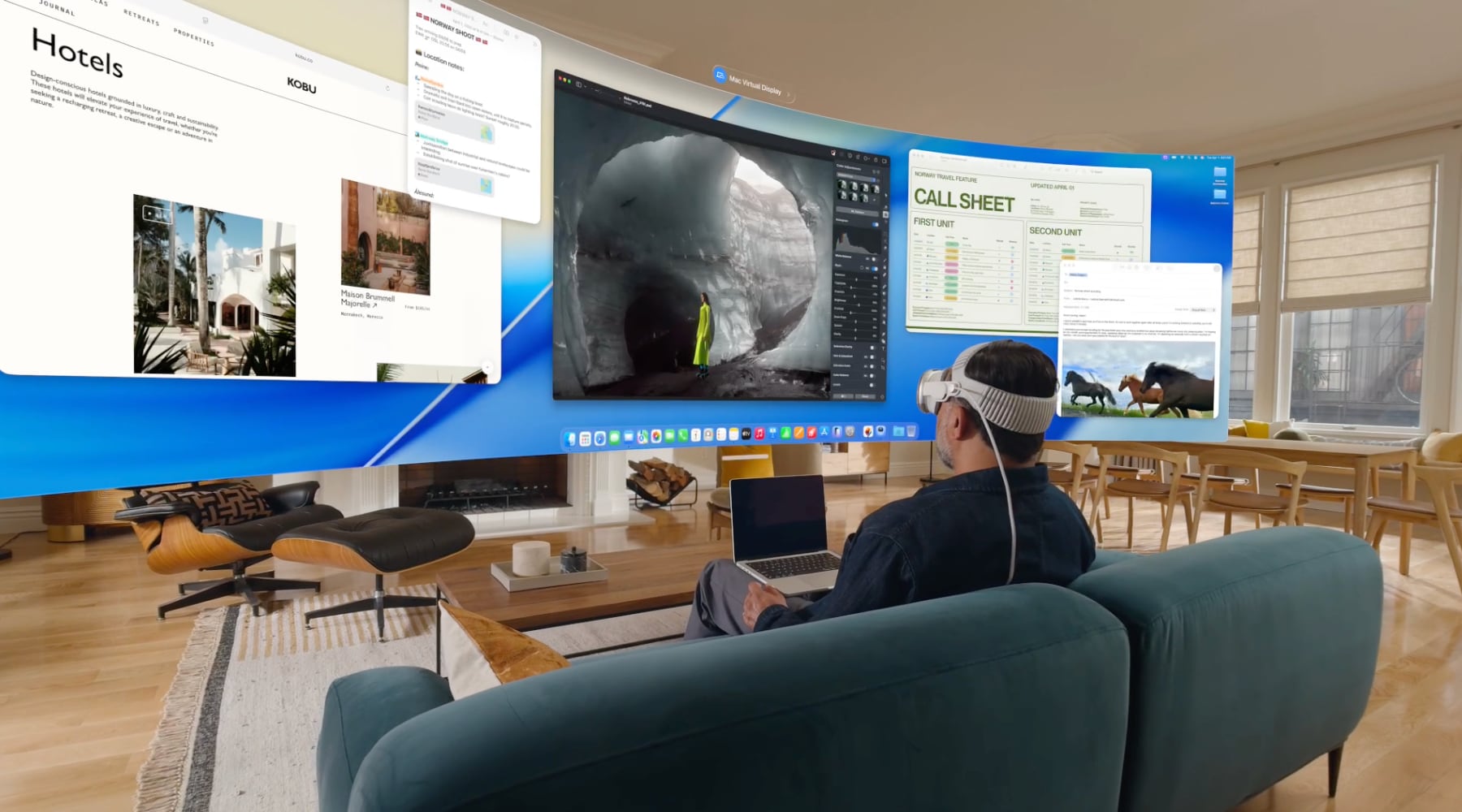
2025 App Store Awards Spotlight Vision Pro Innovation

Yesterday, Apple announced the finalists for the 2025 App Store Awards. The Vision Pro categories showcase apps and games that exemplify technical innovation, user experience, and design.

Apple Vision Pro App of the Year Finalists

Camo Studio offers creators a more flexible way to livestream and create videos, turning Vision Pro into a production tool.

D-Day: The Camera Soldier pioneers the future of immersive storytelling by putting you in the boots of soldiers during the Normandy invasion. Historical storytelling gets a spatial computing treatment that makes the events feel immediate and personal.

Explore POV transports users through its library of Apple Immersive videos filmed around the world. It’s a curated collection that shows off what spatial video can do when shot properly.

Apple Vision Pro Games of the Year Finalists

Fishing Haven immerses players seeking a retreat into calm waters. Transform your surroundings into beautiful fishing locations for a peaceful escape.

Gears & Goo combines strategic gameplay with endearing characters in a spatial gaming experience that uses the Vision Pro’s unique capabilities.

Porta Nubi builds atmospheric puzzles that make users feel like a light-bending superhero. The spatial puzzles work because you’re physically moving around them, not just looking at a screen.

PlayStation VR2 Controller Support Expands Gaming Options

The PlayStation VR2 Sense Controller and Charging Station is now available from the Apple Store online in the U.S. This opens up new gaming possibilities with haptic feedback and adaptive triggers designed for VR. Here’s what you can play:
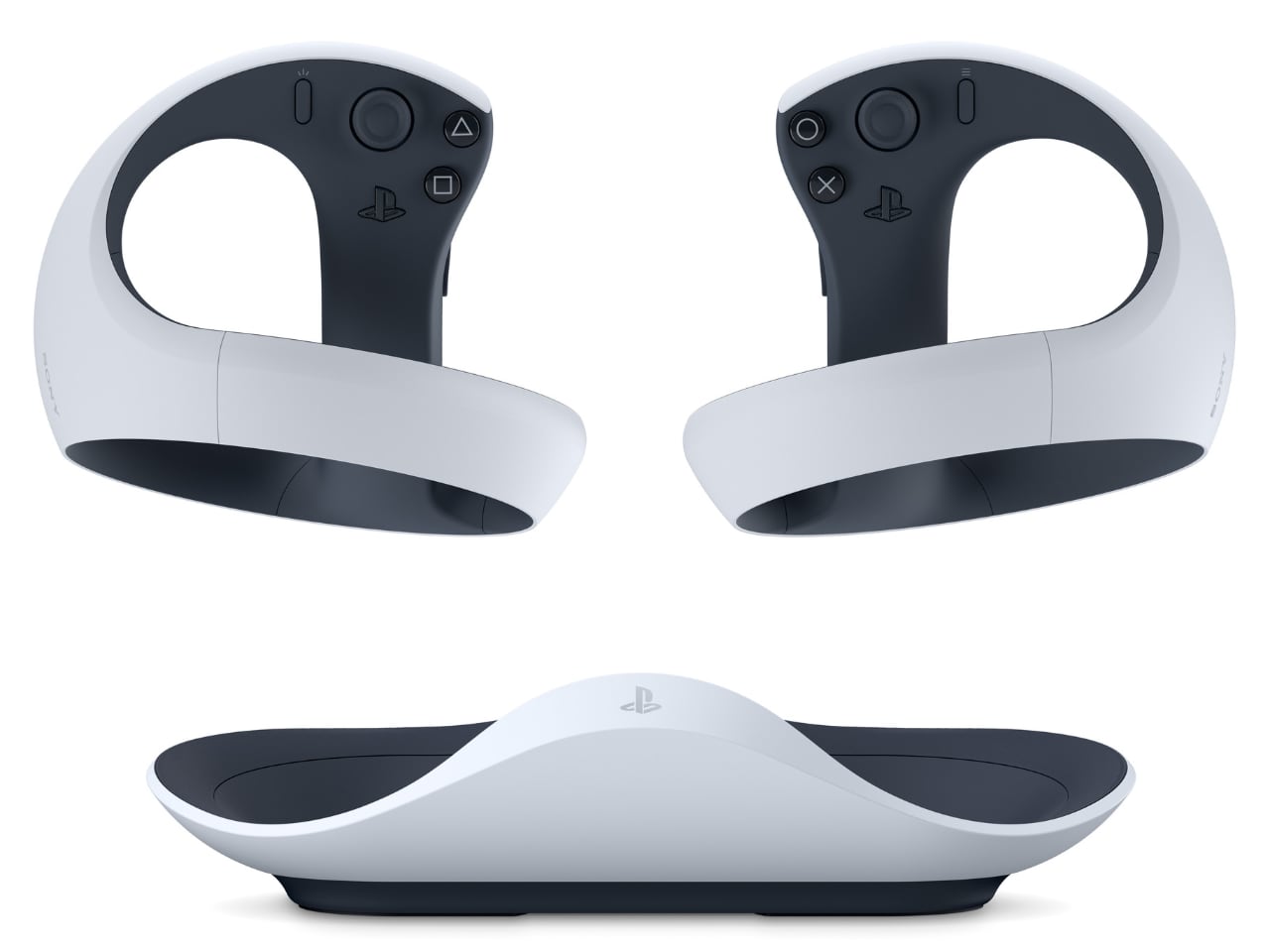
Porta Nubi works with the PS VR2 controller for more precise puzzle manipulation.

Pickle Pro turns your surroundings into your own personal pickleball court. With PS VR2 Sense controller support, every swing feels natural and precise with proper haptic feedback.

Spatial Rifts invites players to team up in the same space and fight waves of monsters. This Apple Vision Pro exclusive uses spatial gaming in ways that make co-op play feel genuinely different.

FunFitLand blends spatial interaction, real movement, and guided coaching into one seamless fitness experience. The PS VR2 controller adds tactile feedback to workout routines.

New Games Arriving on the Platform

Following last month’s announcement about expanded controller support, new compatible games are arriving:

Sniper Elite 4 delivers hours of gripping single-player campaign gameplay, with cross-save capabilities to seamlessly pick up where you left off across iPad, Mac, and Vision Pro. The tactical shooting translates surprisingly well to spatial computing.

POOLS offers no typical story. It’s slow, reflective, and intentionally uneventful. This relaxing, unnerving, eerie, and immersive experience rewards patience and quiet attention. It’s the kind of meditative experience that works when you’re fully immersed.

Glassbreakers: Champions of Moss lets players lead their squad of Champions into a fast-paced and immersive arena where tactics, magic, and power collide. This new spatial game is available on Apple Arcade.

The iPad Game of the Year finalists DREDGE and Prince of Persia Lost Crown are also available to play on Apple Vision Pro, showing how Apple’s gaming ecosystem is starting to connect across devices.

The Platform Is Maturing

A year ago, the Vision Pro launched with promise but limited content. Now the pipeline is filling with experiences that justify the hardware. Red Bull backcountry skiing. Real Madrid locker room access. Award-winning apps and games that couldn’t exist on flat screens.
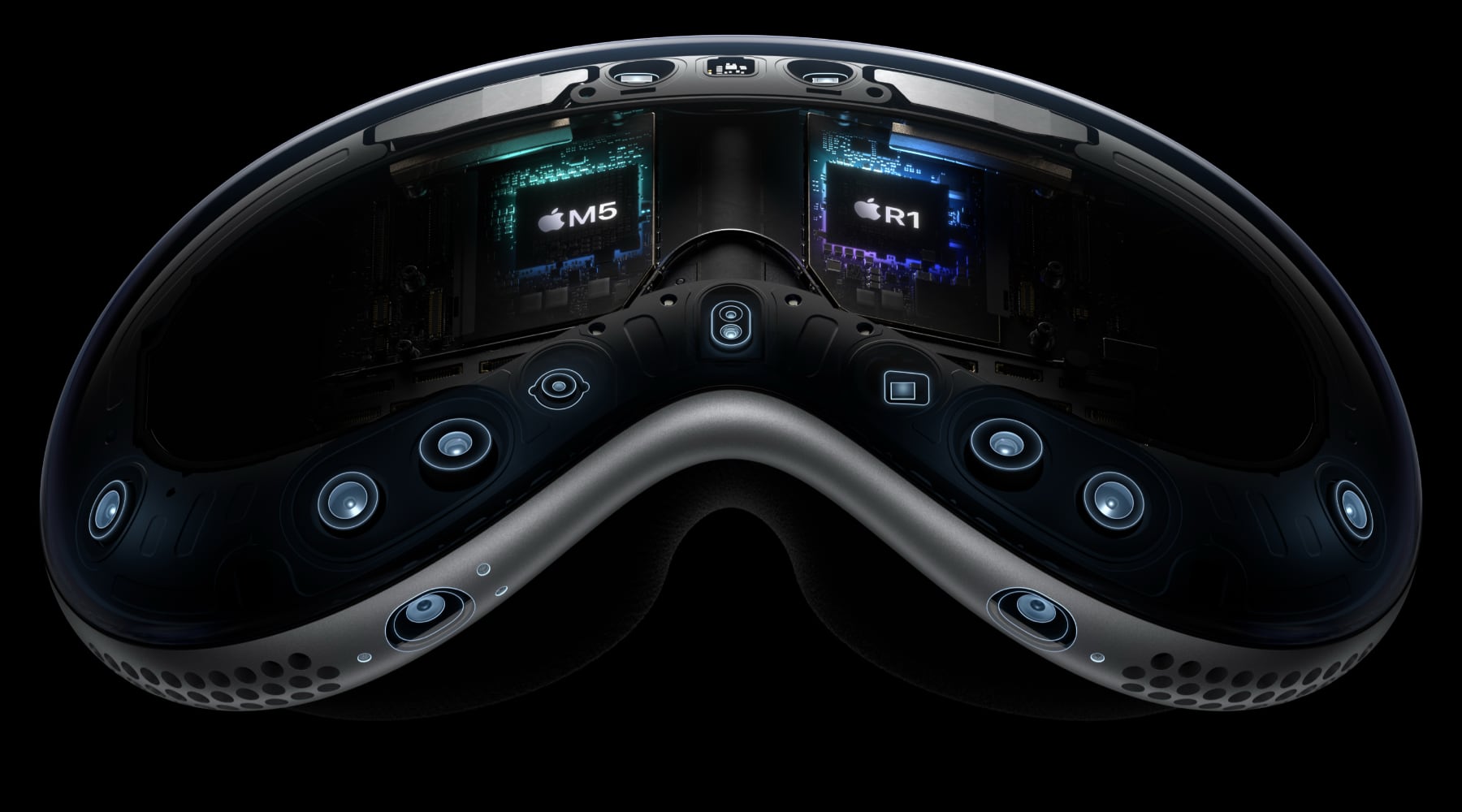
Spatial computing still feels early. But with content like this arriving regularly, it’s starting to feel less like a tech demo and more like a platform with staying power. The question isn’t whether immersive content works on Vision Pro. It’s whether there will be enough of it to matter.

Based on what’s coming in the next few months, that answer is starting to look like yes.

The post Apple Vision Pro Expands Its Immersive Universe: New Content and Award-Winning Apps Redefine Spatial Computing first appeared on Yanko Design.


Meta now lets you invite people for virtual hangouts in Hyperscape Capture spaces

Meta is rolling out a way for people to interact together in its virtual spaces. Users will now be able to invite friends to hang out in the spaces created with Hyperscape on Meta Horizon. Up to eight people can join an instance, as long as they are age 18 or older and have the link to the space. The virtual spaces can be joined through a Meta Quest 3 or 3S as well as via the Meta Horizon mobile app, which is on both Android and iOS. People can scan their own homes to create a virtual hangout when they can't be in person together, or they can indulge their inner lookieloos and wander around some of the celebrity spaces, such as Gordon Ramsay's kitchen or Chance the Rapper's living room.

It's an application of Hyperscape Capture, which Meta showed off during its Connect conference earlier this year. That tech allows people to use a Meta Quest to scan real spaces and create digital replicas. The invite option is being gradually added to accounts, and Meta also said that it hopes to raise the party cap in the future for this metaverse feature.

This article originally appeared on Engadget at https://www.engadget.com/ar-vr/meta-now-lets-you-invite-people-for-virtual-hangouts-in-hyperscape-capture-spaces-231152311.html?src=rss

This Shape-Shifting Classroom Setup Lets Students Build Their Own Learning Space

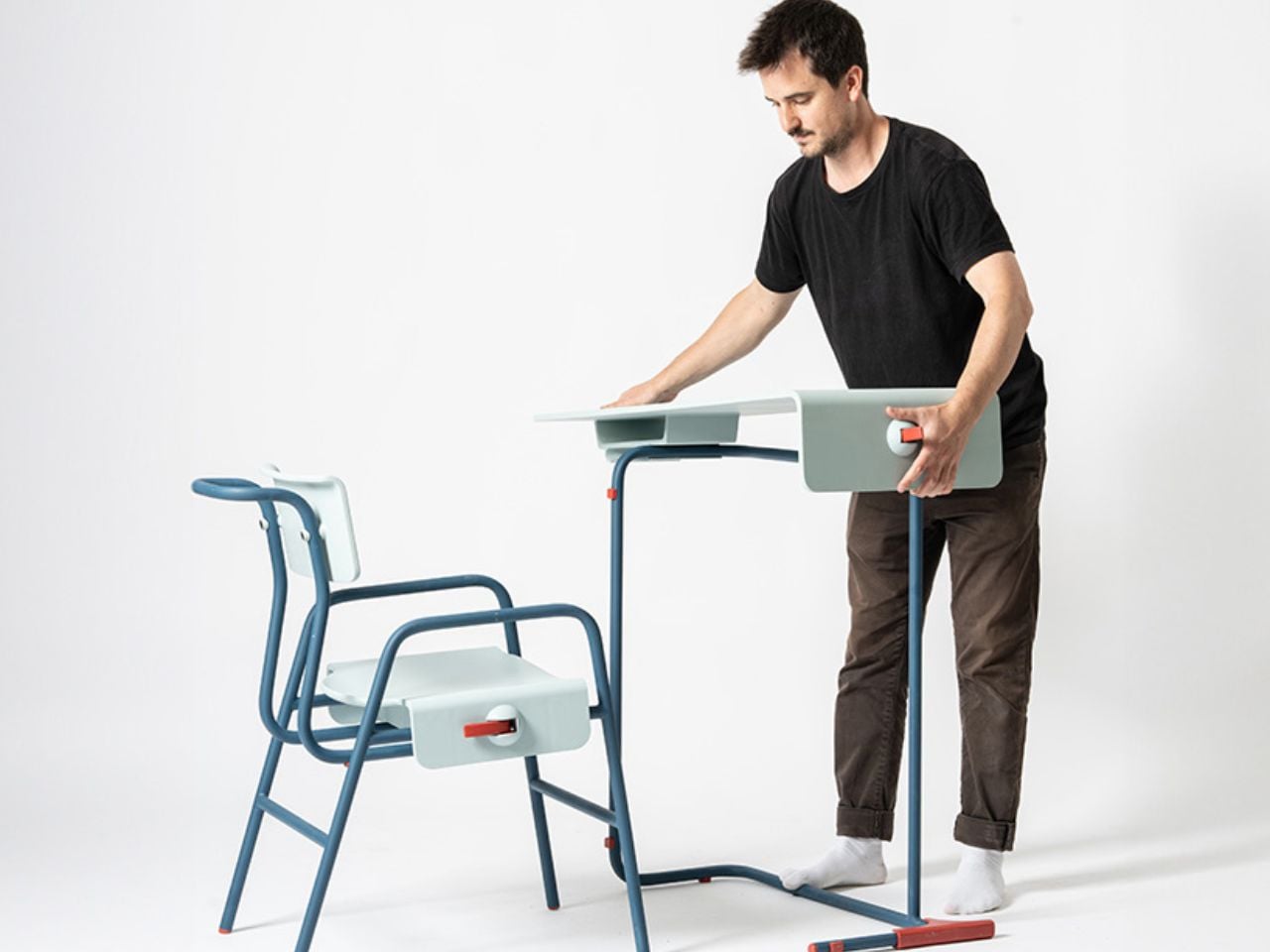
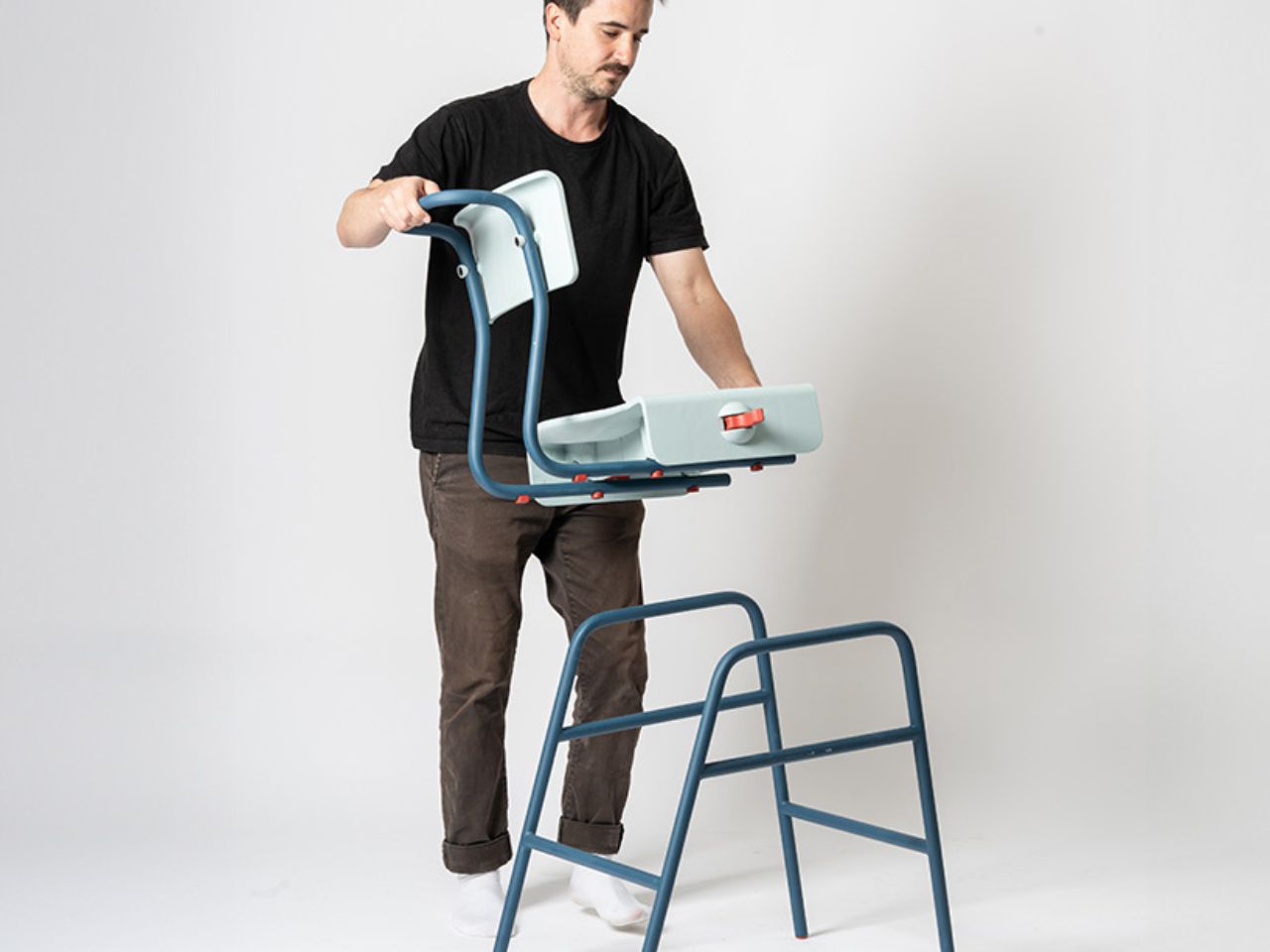
In traditional classrooms, furniture rarely moves, but learning does. Eduba, the adaptive modular furniture system developed by designer Roie Avni, challenges the static environment of conventional education by introducing a new kind of classroom: one that shifts, evolves, and responds to its users. Through a clever blend of modularity, lightweight construction, and intuitive mechanisms, Eduba transforms the act of sitting and studying into a dynamic experience shaped by students themselves.

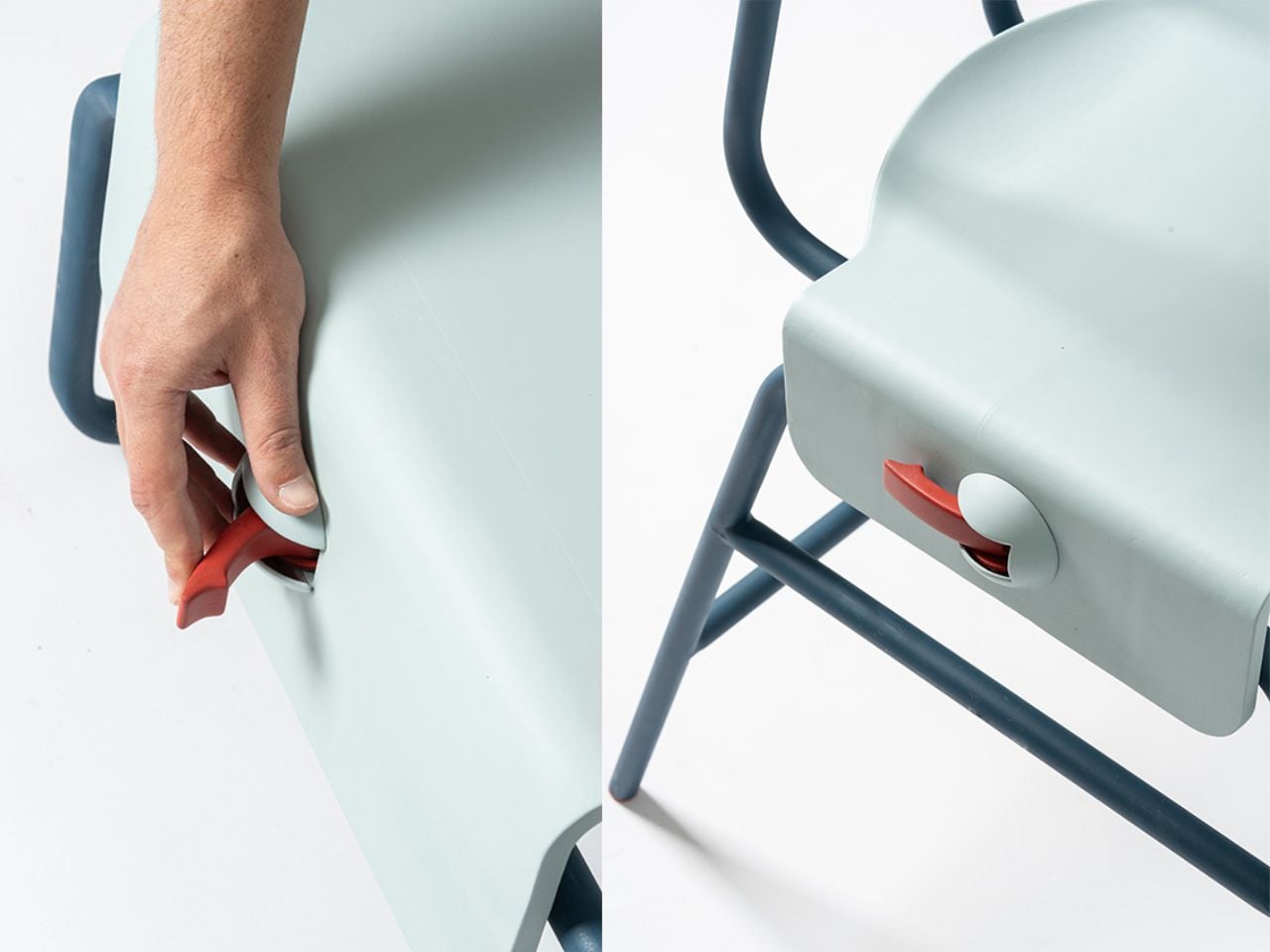
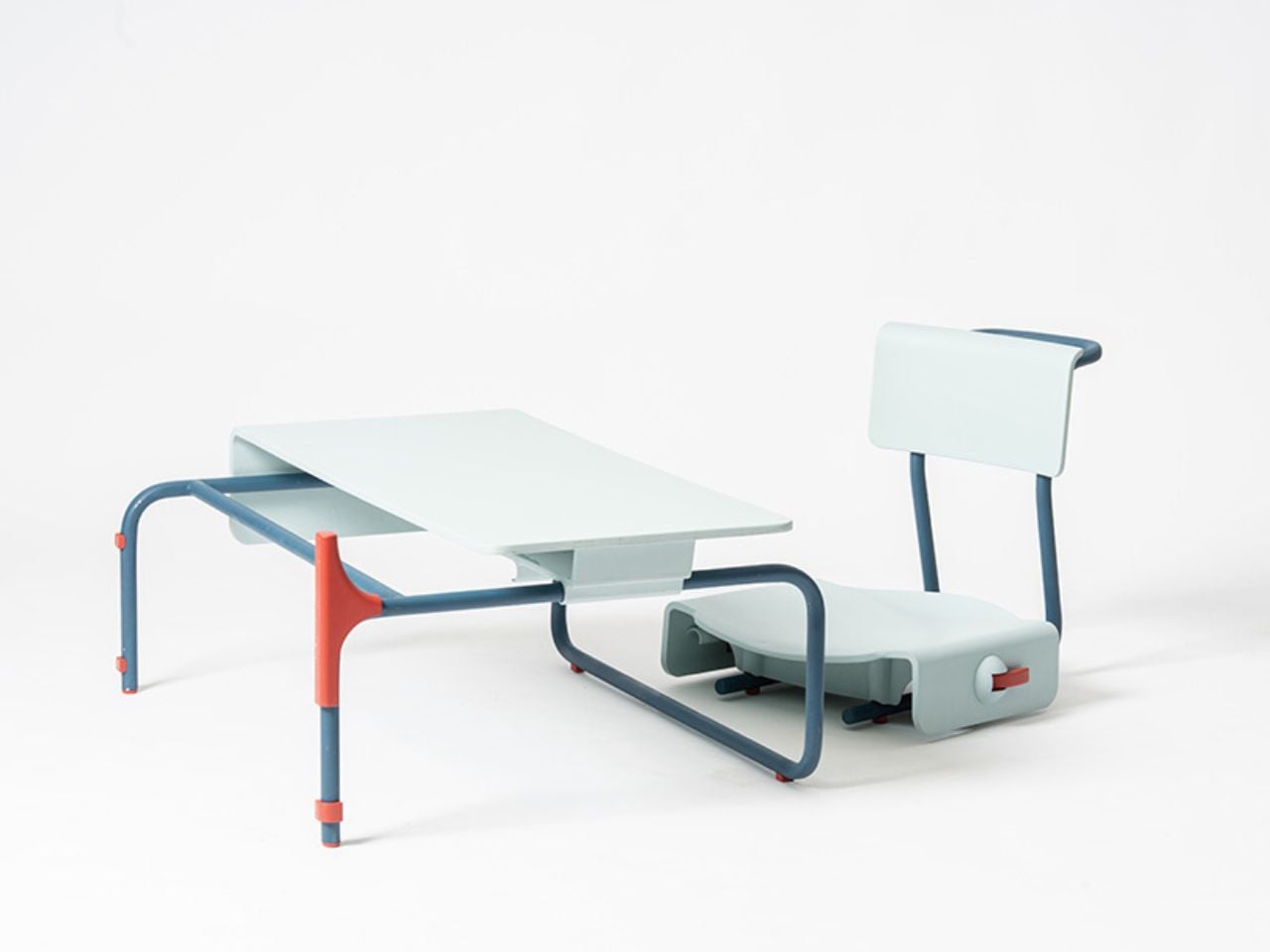
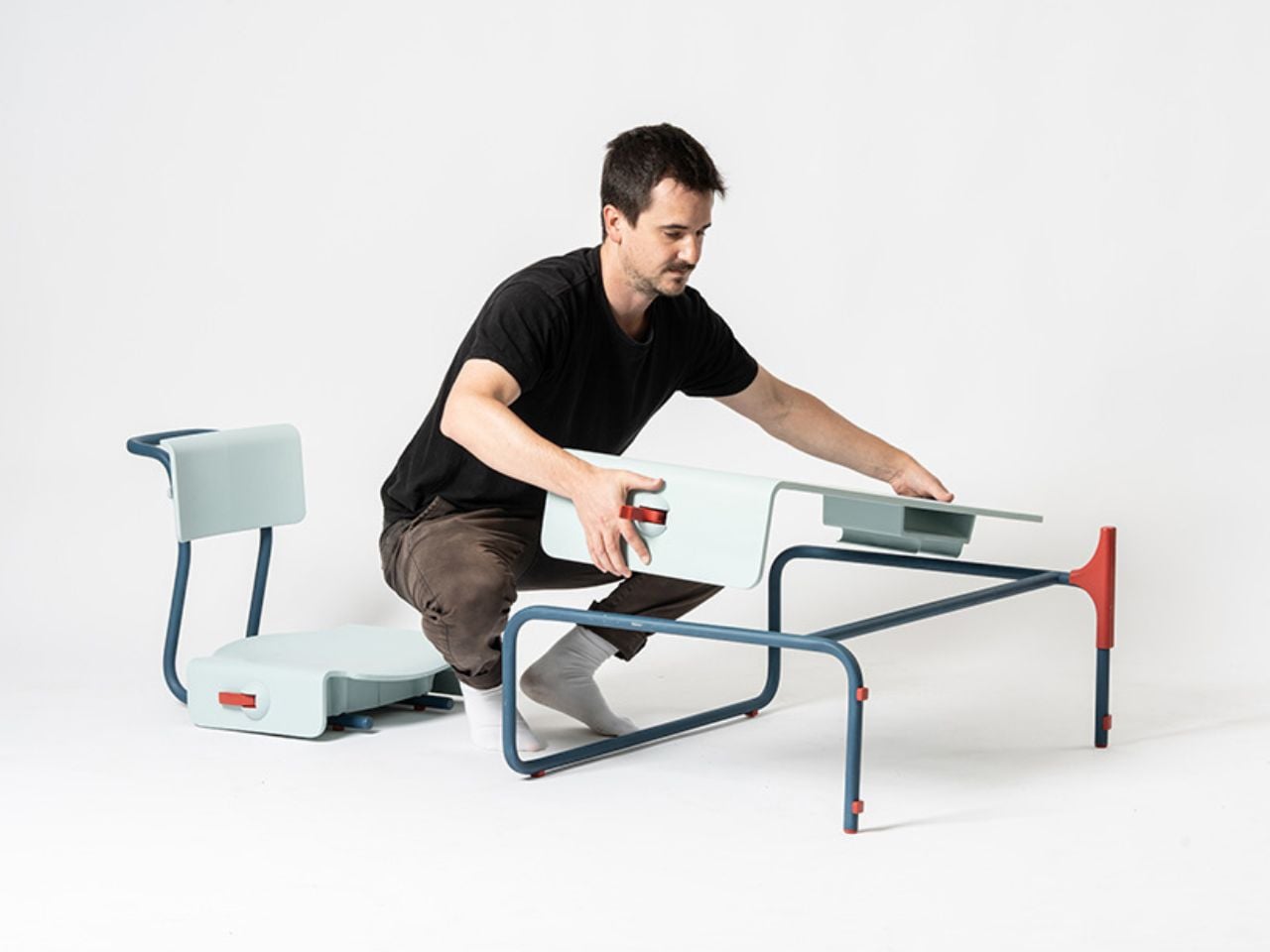
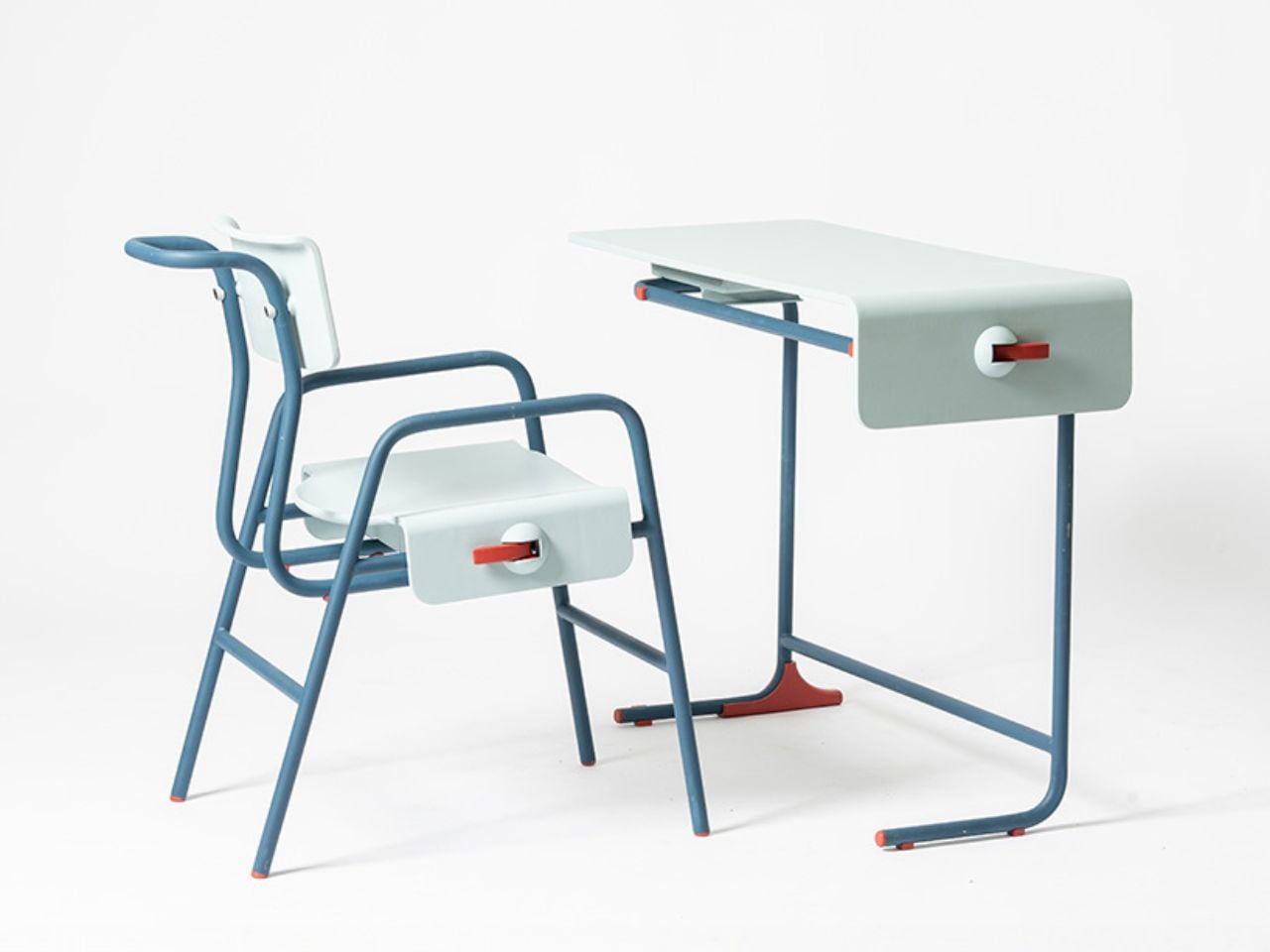
At its core, Eduba is a chair-and-table duo designed for versatility. Each piece can be connected, detached, flipped, or reconfigured within seconds. The table offers three height levels depending on how it is placed on its geometric base, while the chair shifts between high, mid, and low seating positions through a simple handle mechanism that locks and unlocks the frame. With no tools required, the furniture can be taken apart and rebuilt on the fly, supporting seamless transitions between different modes of learning.

Designer: Roei Avni

Eduba is rooted in the belief that learning is not one-size-fits-all. Instead of forcing every student into the same posture, the system enables each learner to personalize their physical setup based on their comfort, task, or energy level. Low seating supports relaxed learning, free-flow discussion, and floor-level exploration. Mid-level, more conventional seating mirrors structured, front-facing layouts. High seating encourages movement, collaboration, and active engagement, turning the classroom into an interactive space rather than a passive one.

This fluidity empowers teachers as well. Whether a lesson calls for intimate small-group work, focused heads-down concentration, or an energetic collaborative session, the classroom can be rearranged in minutes. Different areas of the same room can support different activities simultaneously, from quiet individual study to lively project clusters.

Constructed from durable plastic and lightweight aluminum, Eduba strikes a balance between strength and portability. Its components are sturdy enough for daily school use yet light enough for rapid reconfiguration. The intuitive handle-based mechanism enables seat and table height changes without effort, encouraging students to interact with the furniture and take ownership of their own learning environment.

This adaptability extends beyond function, shaping a philosophy of what education can be. Eduba transforms the classroom into a living, breathing ecosystem, one where posture, space, and interaction evolve throughout the day, reflecting the needs and rhythms of its users.

Roie Avni’s Eduba is a statement about the future of learning. By promoting movement, flexibility, and student-centered design, it reframes the classroom as a place that grows, shifts, and responds, mirroring the organic, ever-changing nature of curiosity itself.

The post This Shape-Shifting Classroom Setup Lets Students Build Their Own Learning Space first appeared on Yanko Design.

You can now play Command & Conquer: Red Alert 2 in your browser

Command & Conquer: Red Alert 2 knew how to lay on the camp. But it wasn’t only known for having some of the most delightfully cheesy cutscenes this side of The 7th Guest. Red Alert 2 was also an acclaimed real-time strategy game for its time, and it’s still perfectly playable today. Want to see for yourself? It’s now as easy as opening your browser.

The Chrono Divide project (via PC Gamer) lets you play the 2000 RTS in Chrome, Edge, or Safari. Although it supports Firefox, too, its developer says it should be avoided if you want “good performance.” It even works in mobile browsers.

Chrono Divide supports cross-platform multiplayer using all the original maps. (You can use some mods, too.) In fact, according to PC Gamer, multiplayer is about your only option. Red Alert 2’s single-player campaign modes (where you’ll encounter those “so bad, they’re good” cutscenes) are still a work in progress.

“The project initially started out as an experiment and was meant to prove that it was possible to have a fully working, cross-platform RTS game running in a web browser,” the project’s website reads. “Now, with a playable version already available, the end-goal is reaching feature parity with the original vanilla ‘Red Alert 2’ engine.”

You can take it for a spin on the Chrono Divide webpage. You’ll need to import the original game files to begin. (The website automatically inserts a link to them on the Internet Archive.) But we won’t fault you if you’d rather opt for watching Red Alert 2’s fabulously corny cutscenes below.

This article originally appeared on Engadget at https://www.engadget.com/gaming/you-can-now-play-command--conquer-red-alert-2-in-your-browser-213815557.html?src=rss

Microsoft has open sourced the Zork trilogy of text games

Preservation has become a pressing topic for games in this era of digital-only releases and games-as-a-service. So it's wonderful to have a big win in archiving a trio of seminal text games for the ages. Microsoft announced today that the code for Zork, Zork II and Zork III will be made available open source under the MIT License. The company's Open Source Programs Office, Xbox and Activision all contributed to the effort. "The goal is not to modernize Zork but to preserve it as a space for exploration and education," Microsoft team members wrote in the blog post sharing the news.

They're works well-worth studying. The first Zork was a milestone moment for parser games that still inspires the present-day interactive fiction community. Not only was it a unique experience of narrative and puzzles, but the accomplishments of the Z-Machine virtual machine it ran on helped make Zork easily available to players on multiple platforms during the rise of personal computers in the 1990s. There are still modern Z-Machine interpreters out there (or you can buy and play all three Zork titles the normal way thanks to the similarly preservation-minded folks at Good Old Games).

The code for many famous text games made by Infocom was released on GitHub in 2019, but the rights still technically belonged to Activision, which could have issued a takedown. This move keeps the code for this iconic Zork games available for the ages.

This article originally appeared on Engadget at https://www.engadget.com/gaming/microsoft-has-open-sourced-the-zork-trilogy-of-text-games-213519368.html?src=rss

This Open-Source Retropunk Computer Solves Distraction by Removing Everything Except Writing

Your laptop can do anything, which increasingly means it’s optimized for nothing. This isn’t a new observation, but the solutions have mostly been software-based: distraction-blocking apps, focus modes, website blockers that you can disable the moment willpower falters. The Typeframe project takes a more permanent approach – build a computer that literally cannot do anything except let you write.

Jeff Merrick’s open-source writerdeck designs come in two flavors. The PX-88 is a desktop-style portable with a full keyboard and integrated screen, styled after the 1985 Epson PX-4 that inspired it. The PS-85 shrinks down to a 40% keyboard layout while maintaining that same retro-futuristic aesthetic. Both use Raspberry Pi boards as their brains, and both are documented with the kind of step-by-step detail that assumes you’ve never touched CAD software or soldered components together.

Designer: Jeff Merrick

For the uninitiated, the Epson PX-4 was a chunky CP/M portable that field engineers actually carried into the field, with swappable keyboards and modular components that could turn it into different tools for different jobs. It ran on batteries and had a tiny 40×8 character display that virtually expanded to 80×25. The appeal wasn’t raw computing power – it was that the thing did exactly what you needed and nothing more. Merrick’s designs capture that purposefulness while swapping in modern components that are actually available and affordable.

The community around writerdecks has been growing quietly alongside the broader cyberdeck movement. Where cyberdecks lean into the hacker aesthetic with exposed electronics and tactical mounting points, writerdecks prioritize the writing experience itself. There’s active discussion on Reddit’s r/cyberDeck forum, open-source software projects like WareWoolf and ZeroWriter built specifically for distraction-free writing, and a thriving market for vintage AlphaSmart Neo devices – basically the original writerdecks from the early 2000s that are still beloved for their springy keyboards and complete lack of internet connectivity.

Merrick freely admits this is his first project at this scale, and he’s documented it with that beginner perspective intact. The full documentation lives at typeframe.net, with all the CAD files and electronics details on GitHub. It’s the kind of project that invites participation rather than demanding expertise, which feels increasingly rare in maker spaces that sometimes forget not everyone solders for fun.

The broader question is whether dedicated writing devices actually help people write more. The answer seems to be yes, but not because of any technical magic. Sitting down at a machine that only does one thing creates a kind of ritual commitment. You’re not just opening a document – you’re physically moving to a different device that exists solely for this purpose. It’s closer to the experience of sitting down at a typewriter or picking up a pen, except what you write is instantly digital, searchable, and portable. The AlphaSmart Neo proved there’s real demand for this experience, and projects like Typeframe are making it accessible to anyone willing to spend a weekend with a soldering iron and some determination.

The post This Open-Source Retropunk Computer Solves Distraction by Removing Everything Except Writing first appeared on Yanko Design.

Microsoft brings the Xbox Ally X’s full screen experience to other handhelds

A major selling point of the Xbox Ally and Ally X is that they ship with a full screen version of Windows that plays nice with handheld PCs. As part of the company's recent Xbox Partner Showcase, Microsoft has announced that the Windows "full screen experience" or FSE is finally rolling out to all other Windows 11 handhelds starting November 21.

For the most part, FSE lets you live inside a touch and controller-friendly version of the Xbox PC app, rather than the normal Windows desktop. The launcher collects games from a multitude of game marketplaces like Steam and the Epic Games Store, and gives you easy access to Game Pass, if you subscribe. As part of Microsoft's customizations, FSE also uses less resources, and offers simpler ways to switch between apps and setup Windows for the first time. 

All of these tweaks are supposed to make using Windows easier without a mouse and keyboard, and closer to what you'd get from a console. In comparison to SteamOS, which has gone through countless updates since Valve launched it alongside the Steam Deck in 2022, FSE still has a long way to go, but pushing the software to more devices could force Microsoft to iterate quickly.

While PC handheld owners will reap the benefits of these improvements first, Microsoft's announcement also mentions the company plans to bring the experience "to more Windows 11 PC form factors through the Xbox and Windows Insider programs soon." That could lend further credence to reports that the company plans to make the next Xbox an expensive PC rather than a traditional game console.

This article originally appeared on Engadget at https://www.engadget.com/gaming/pc/microsoft-brings-the-xbox-ally-xs-full-screen-experience-to-other-handhelds-211500288.html?src=rss

Memoreel captures nostalgic sensibility, fuses it with AI to create music and art from recorded emotions

Generative AI has the power to create music, images, content and videos from your input. Now, someone believes that not only words and text, but even memories need to be created into music. If you talk about preserving memories, photo frames and albums (digital or physical) are the best options that come to mind. Now memo:reel (yes, it’s an interesting wordplay) is designed to let you transform your memories into music and art.

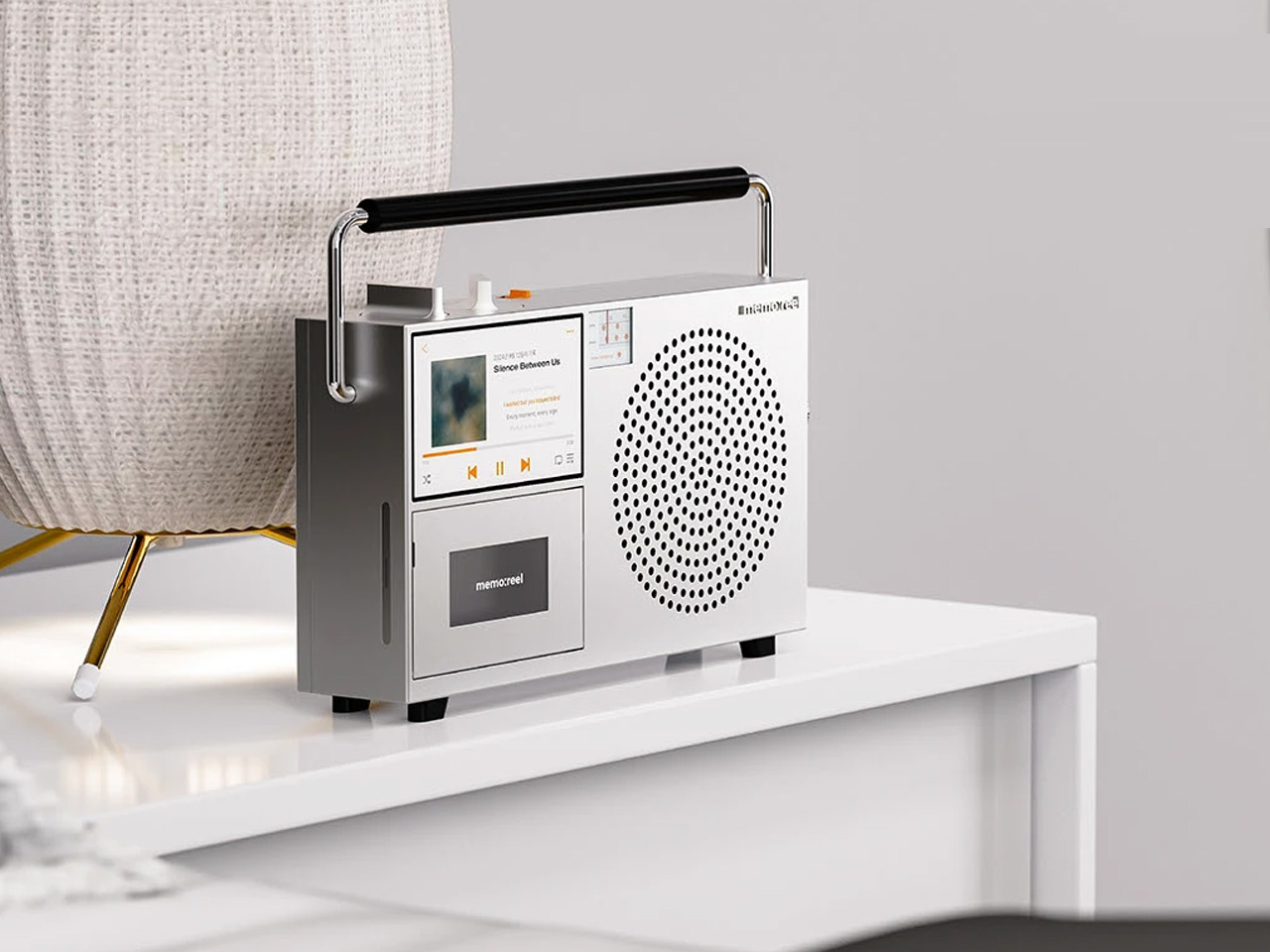
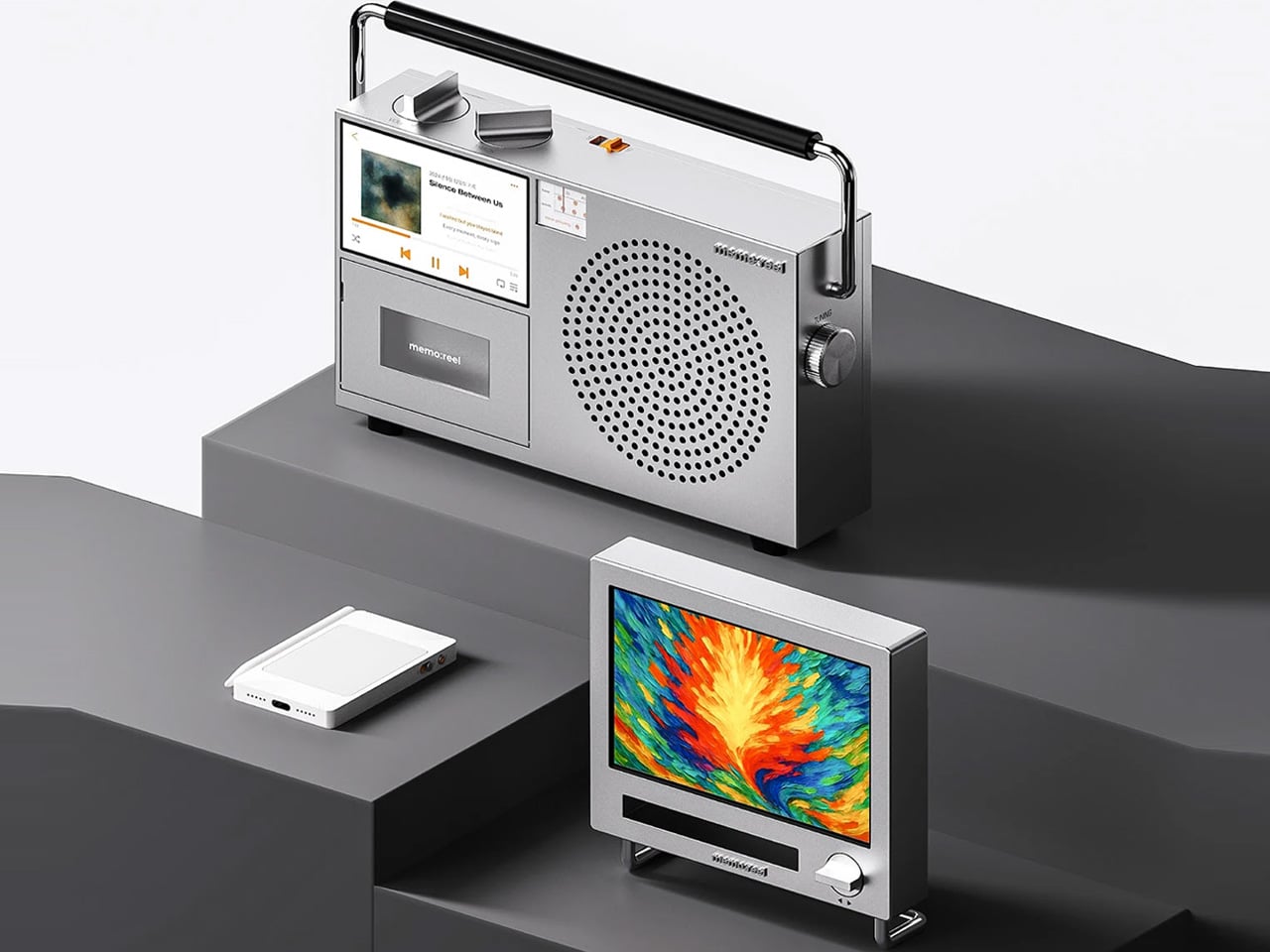
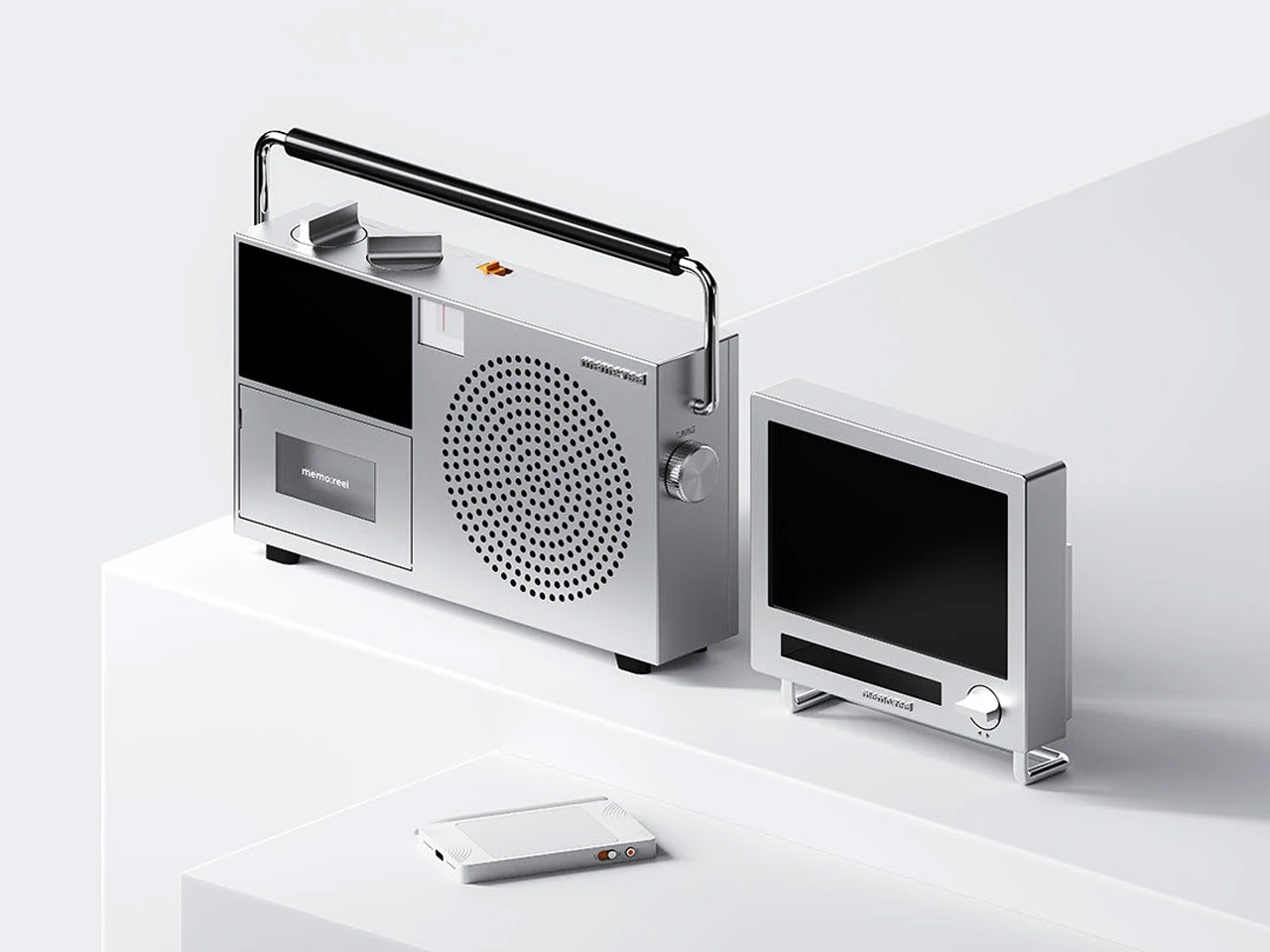
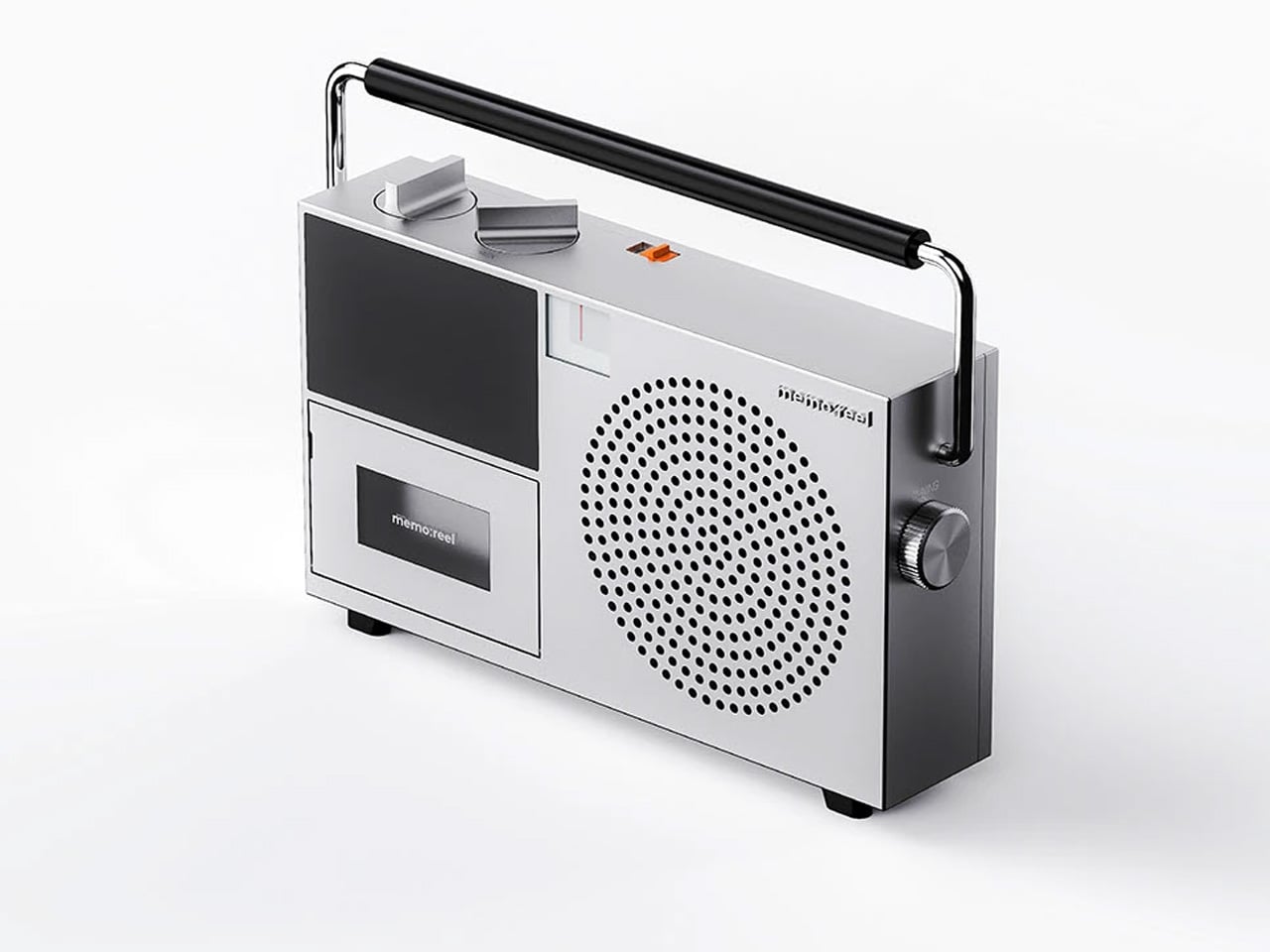
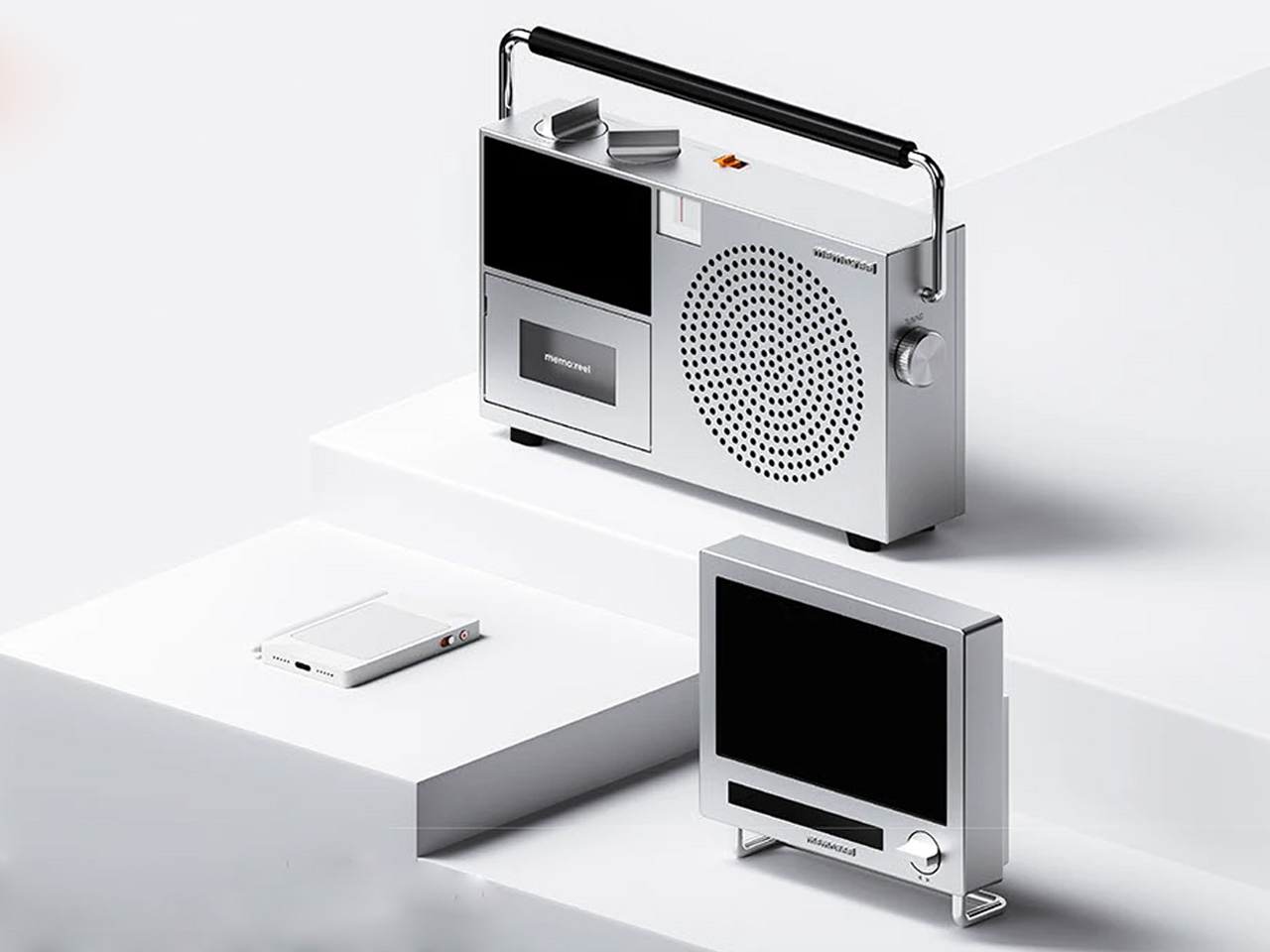
This emotion-driven AI device for music and art generation is conceptualized to allow each recorded emotion to be expressed through sound and visuals. And for this, one part of it is designed to resemble a traditional cassette player, whose speakers are used to play the created sounds. The recording and generation are done on separate devices. The idea behind the memoreel concept is to provide users with a new way to reconnect with themselves through the creative interpretation of their emotions.

Designers: Ji Hun Lee and CAU ID


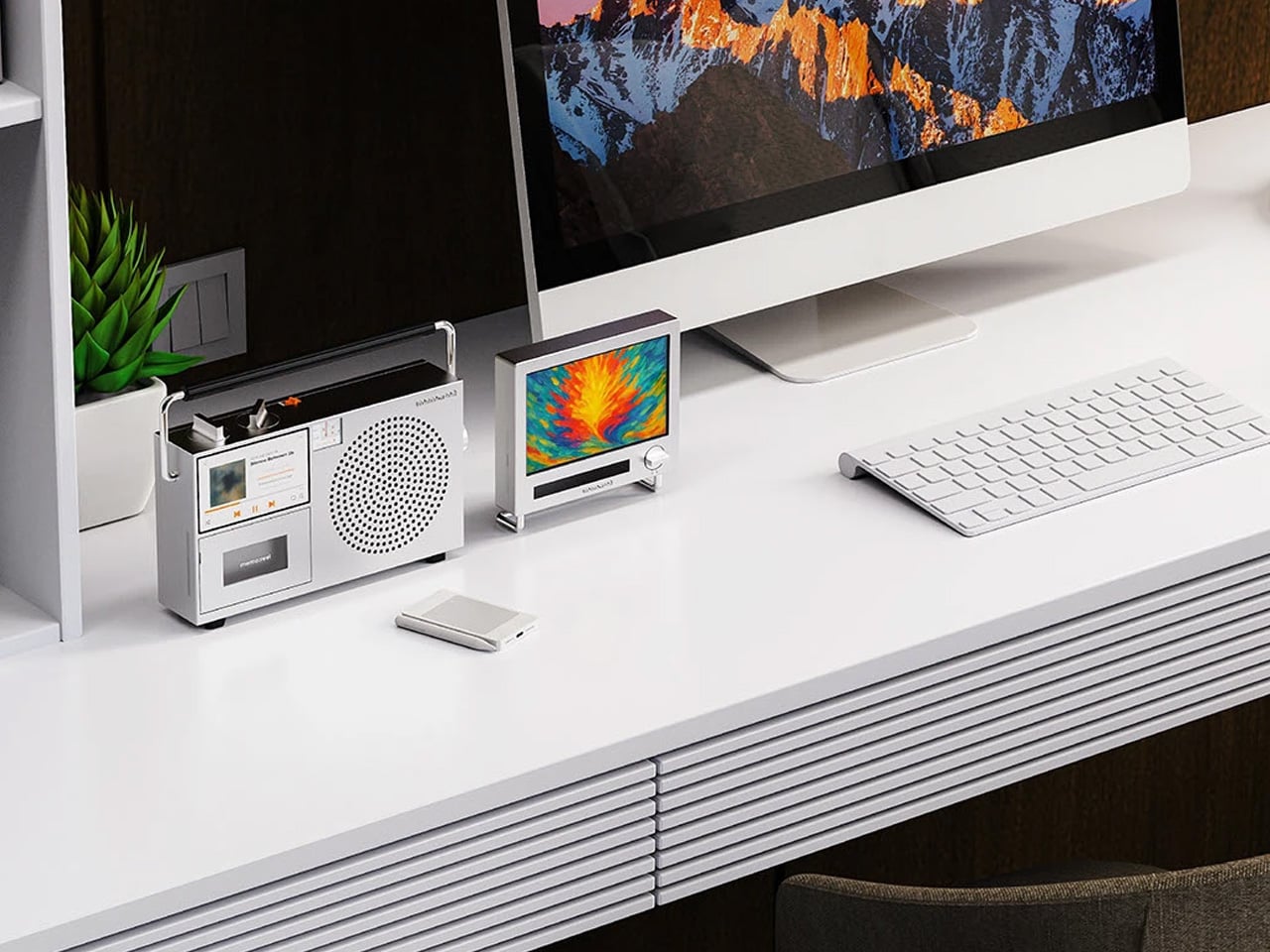
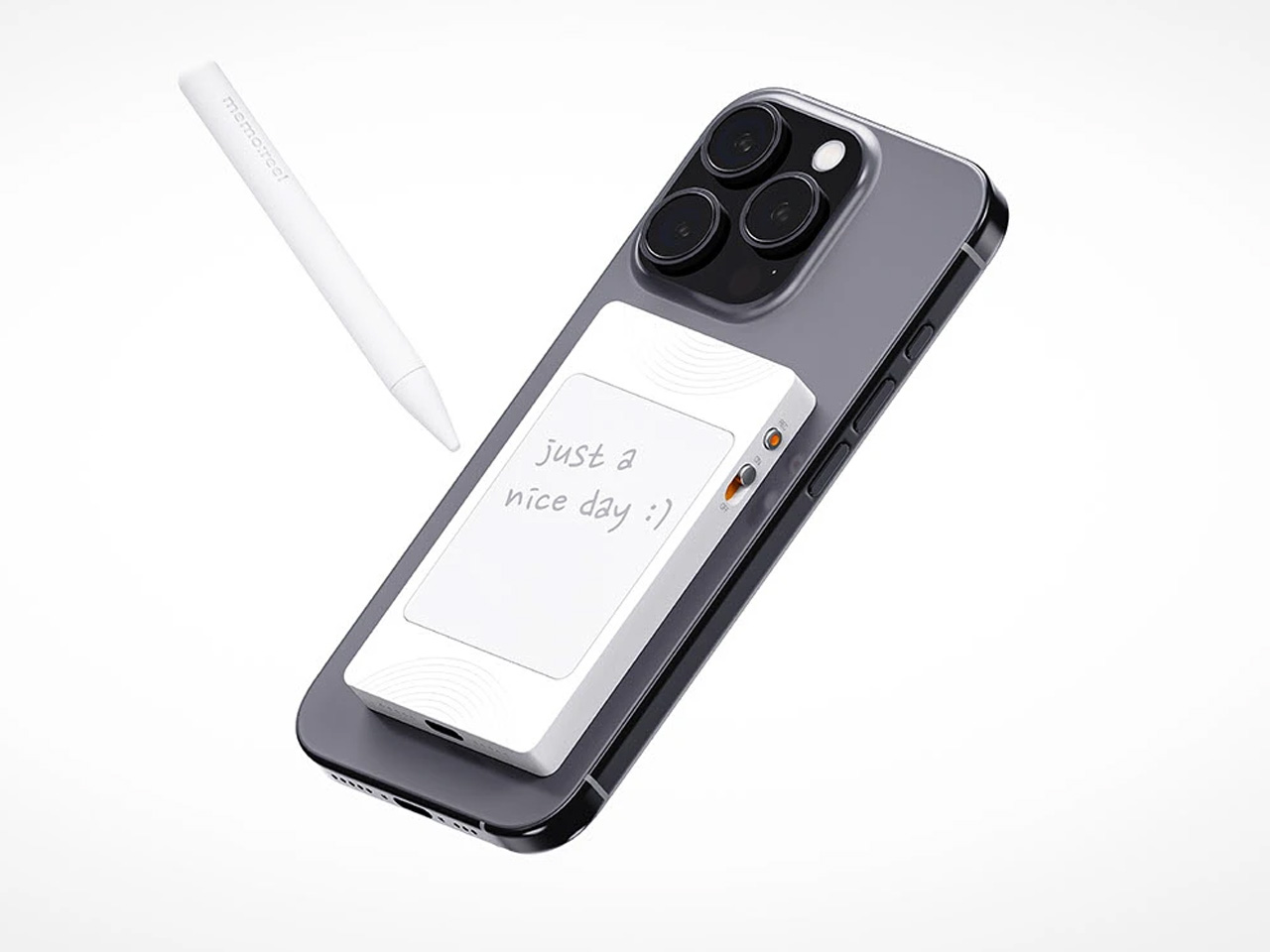
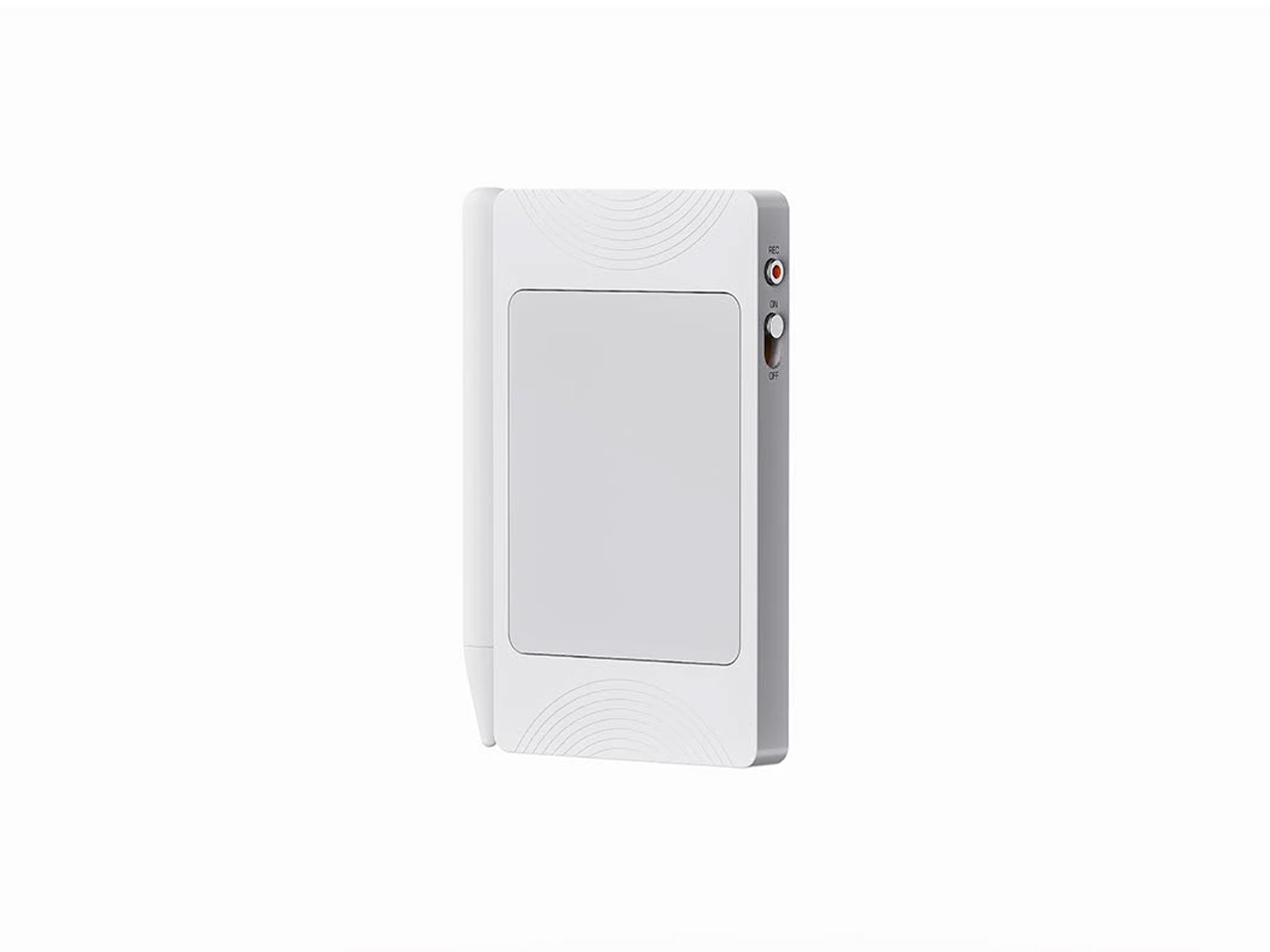
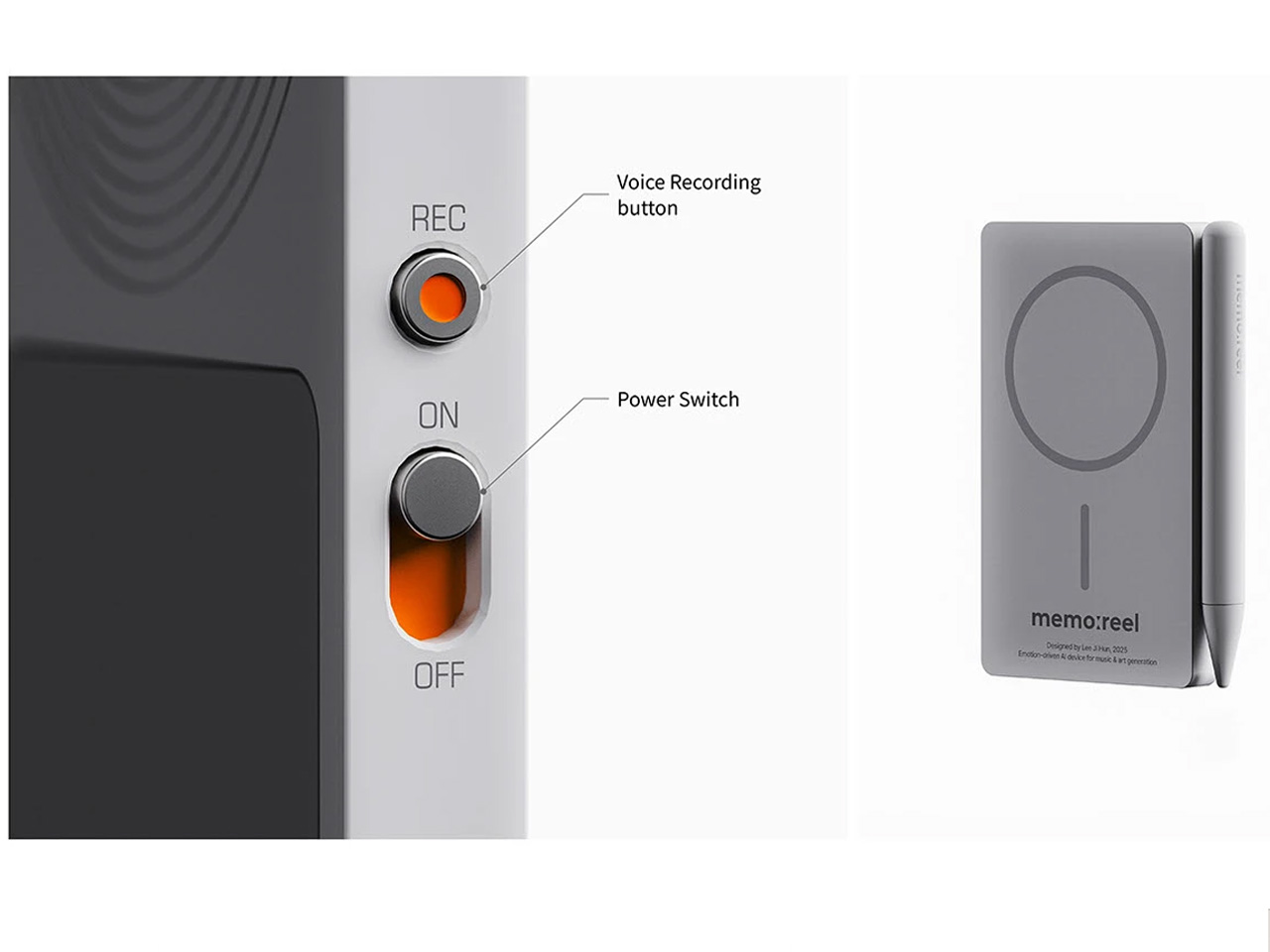
To simply understand, memoreel uses a combination of the records of your daily moments and emotions and generative AI that creates music and artwork from these emotions, so you can relive them in a new format. The device basically comprises three primary units: a Speaker, a Frame, and the Record unit. The recording unit – a note taker (for written and verbal input) passes the recorded moments and emotions you want to remember either to the Frame (a monitor-like device) or the speaker unit (which is the cassette player-like contraption).

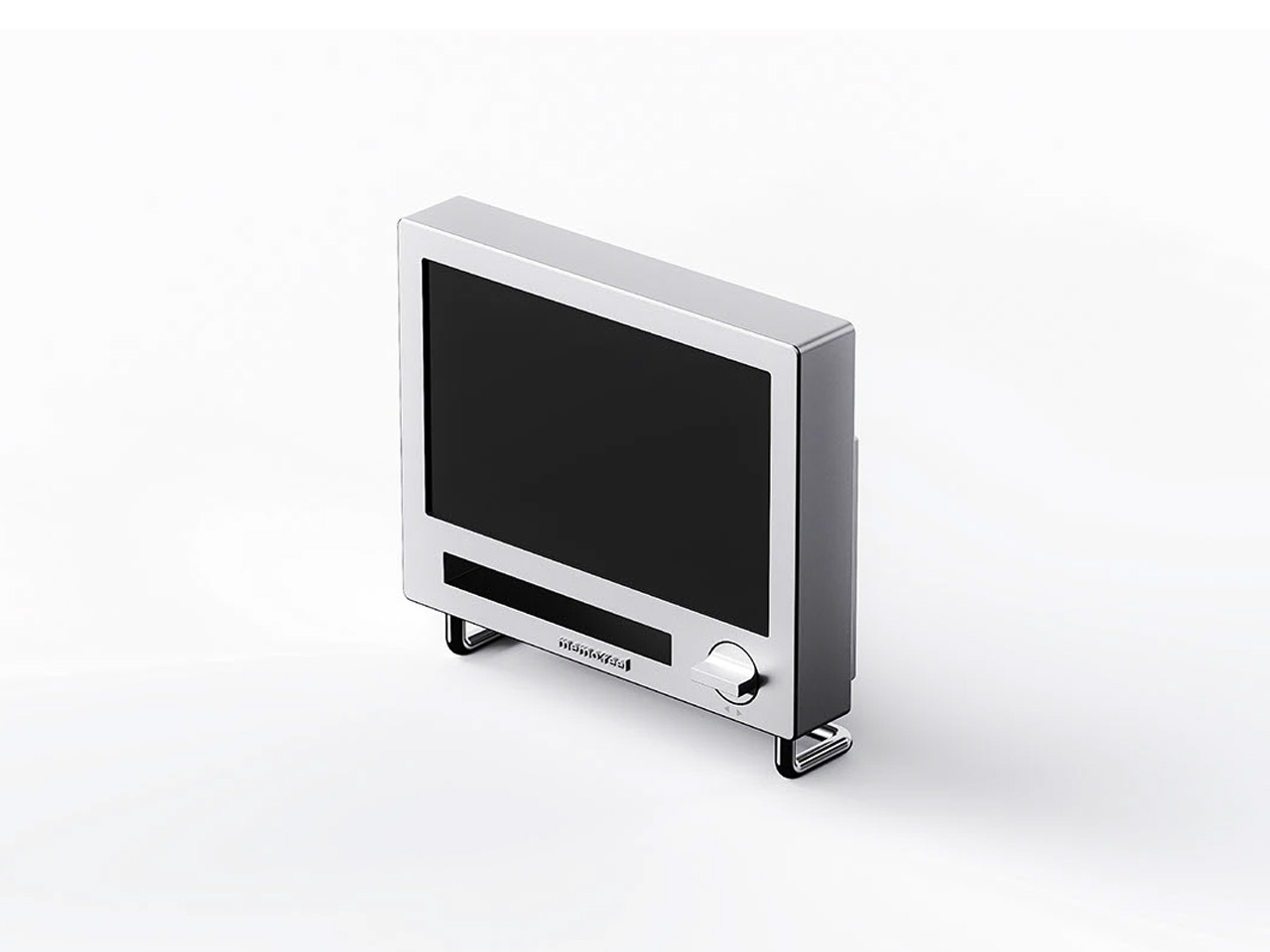
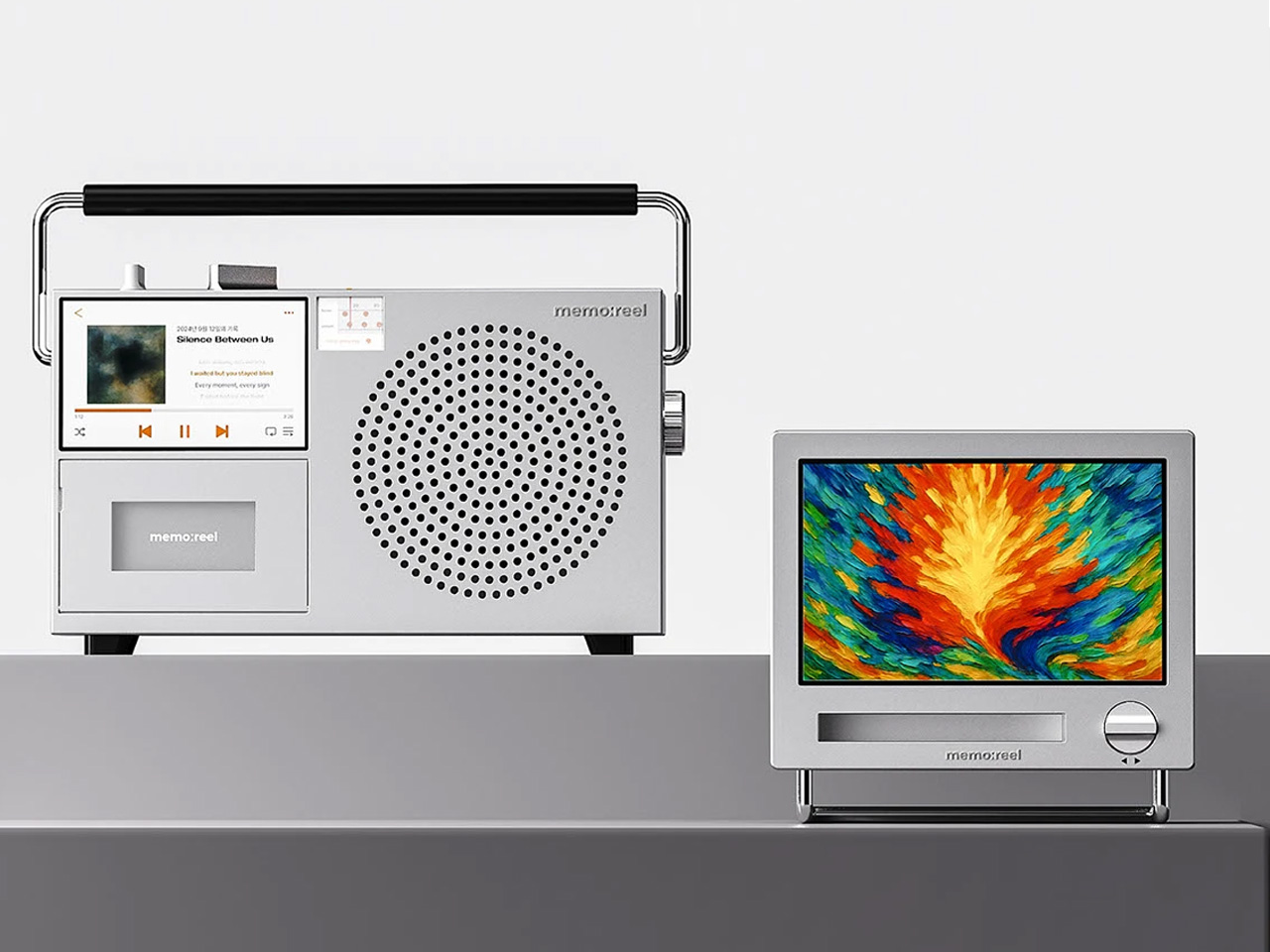
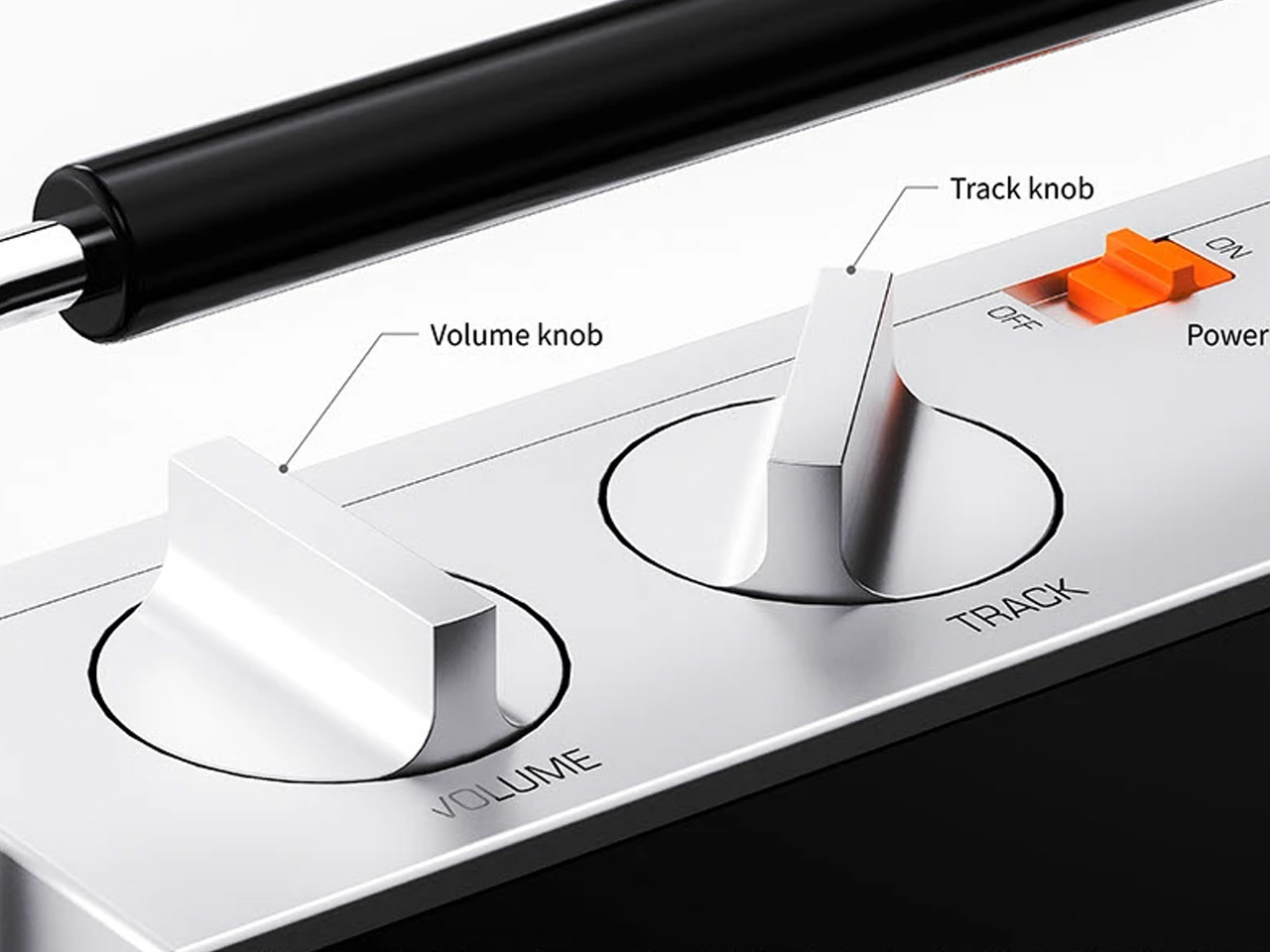
The Frame is a tiny monitor that generates and replays your emotional input as your own artwork, while the Speaker generates and replays them as your own music. The Speaker unit here is not just a look-alike of the cassette player; in fact, with its tactile knobs, it functions like one. In addition, a reminiscent façade – with a cassette-like slot for the Record unit – the top of the Speaker has a volume knob, a Track knob, and a power switch to turn the system on and off.

So, record your memories and emotions into layers of records and they turn them into music in your own sound. Yes, the memoreel’s built-in AI allows you to record your voice and then learns your voice and creates music sung in your own tone. You can pick the genre and style, enter prompts to express your mood and your own song comes to life that you can listen to or get others involved in your mood.

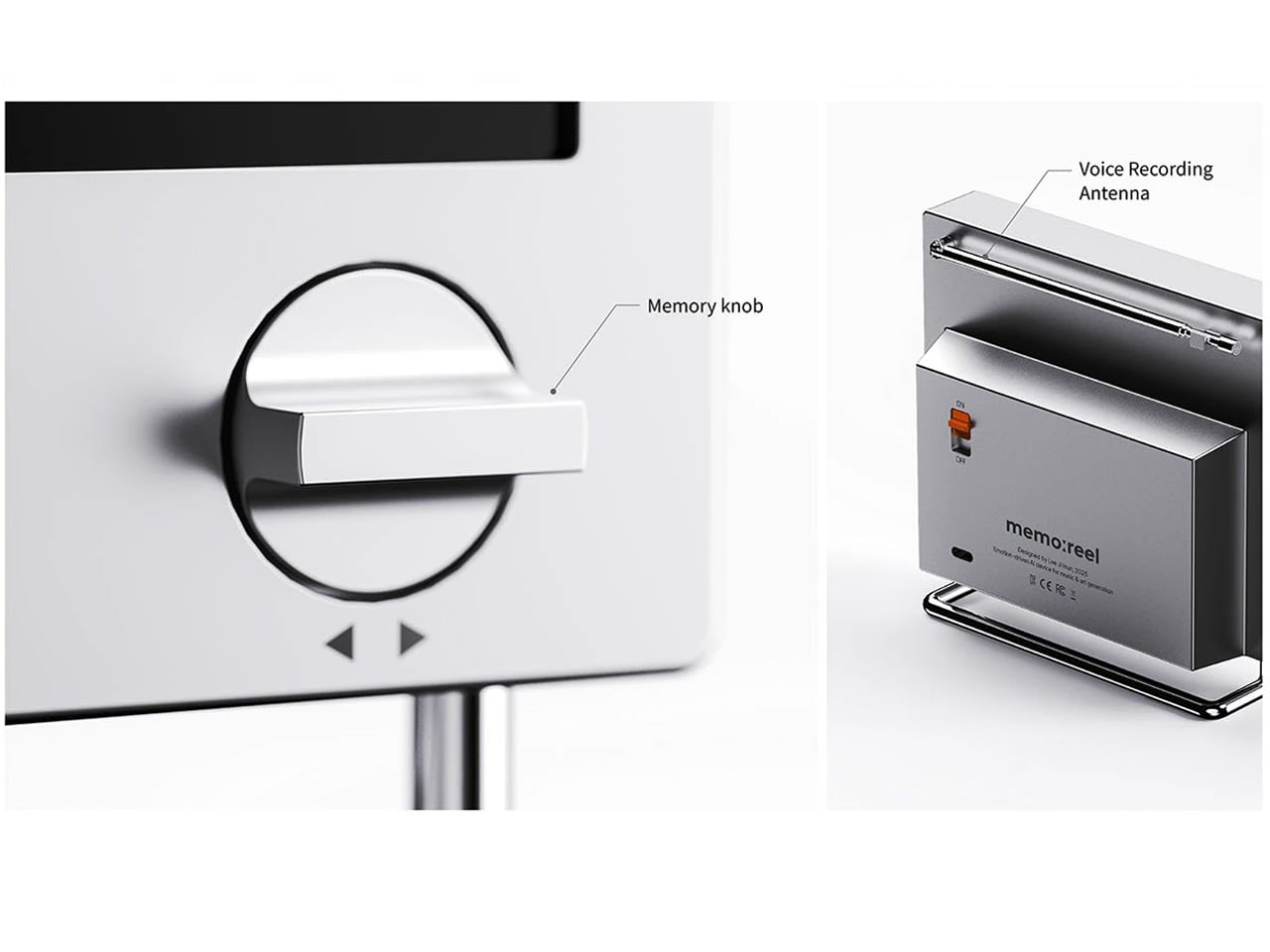
If the Speaker captures the nostalgic sensibility of a retro cassette player, the Frame is a rendition of a television set with a recording antenna on the top, a power switch at the back, and an interesting memory knob on the front. The knob lets you change between different memory-based artworks. Making things most interesting is the Note unit, which can attach to the back of your smartphone to record your emotions and feelings on the go.

The post Memoreel captures nostalgic sensibility, fuses it with AI to create music and art from recorded emotions first appeared on Yanko Design.