This Intelligent Pet Exoskeleton Helps Injured Dogs Relearn Movement on Their Own Terms

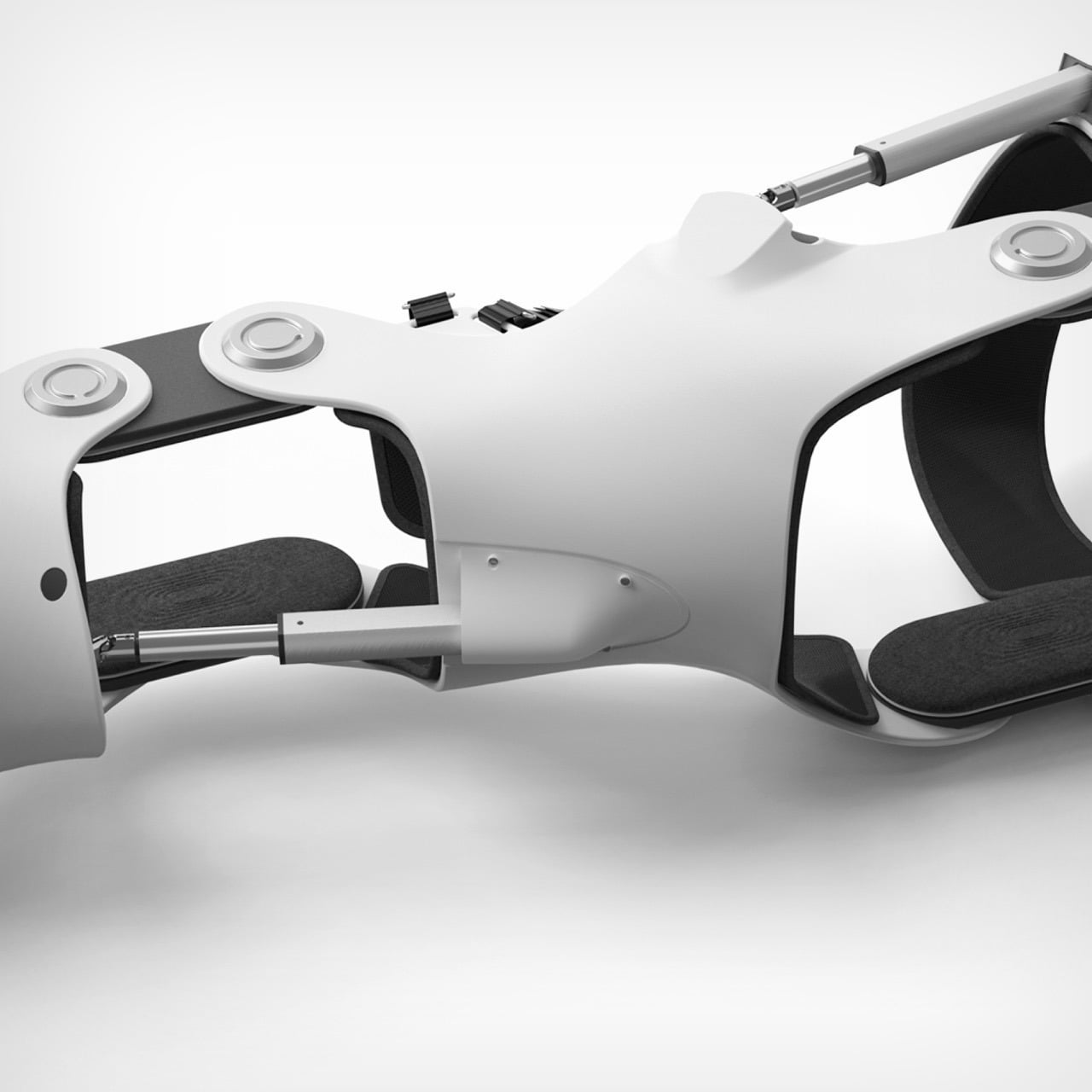
Watching a dog struggle to walk is quietly heartbreaking. Movement, for animals, is not just mobility. It is freedom, confidence, and joy. The Pet Power Assistive Exoskeleton was born from this understanding, blending emotional insight with advanced engineering to create a rehabilitation solution that truly listens to the animal it supports.

The project’s inspiration traces back to a news report on prosthetic limbs designed for disabled pets. While well-intentioned, many of these solutions revealed clear shortcomings. They were passive, rigid, and often uncomfortable, offering limited support beyond basic mobility. This realization became deeply personal when the designer cared for their own dog after a hindlimb injury. Seeing firsthand how difficult recovery could be for an animal exposed a larger issue. Modern rehabilitation technology has evolved rapidly for humans, yet animal care continues to rely on simplified, often outdated aids. This gap sparked a mission to extend intelligent, humane rehabilitation into veterinary practice.

Designer: Leijing Zhou

Instead of forcing movement, the Pet Power Assistive Exoskeleton focuses on understanding intention. Borrowing principles from active exoskeleton systems used in stroke rehabilitation, the device uses surface electromyographic sensors to read muscle signals from a dog’s healthy forelimb. As the dog initiates movement, these signals are analyzed in real time to predict how the impaired hindlimb should move. The system then activates precise mechanical assistance, synchronizing the injured leg with the dog’s natural gait.

This approach transforms rehabilitation into a cooperative process rather than a mechanical correction. The dog leads, and the technology follows, creating movement that feels natural, fluid, and instinctive. By aligning assistance with intention, the exoskeleton reduces strain, encourages correct gait patterns, and supports faster, more confident recovery.
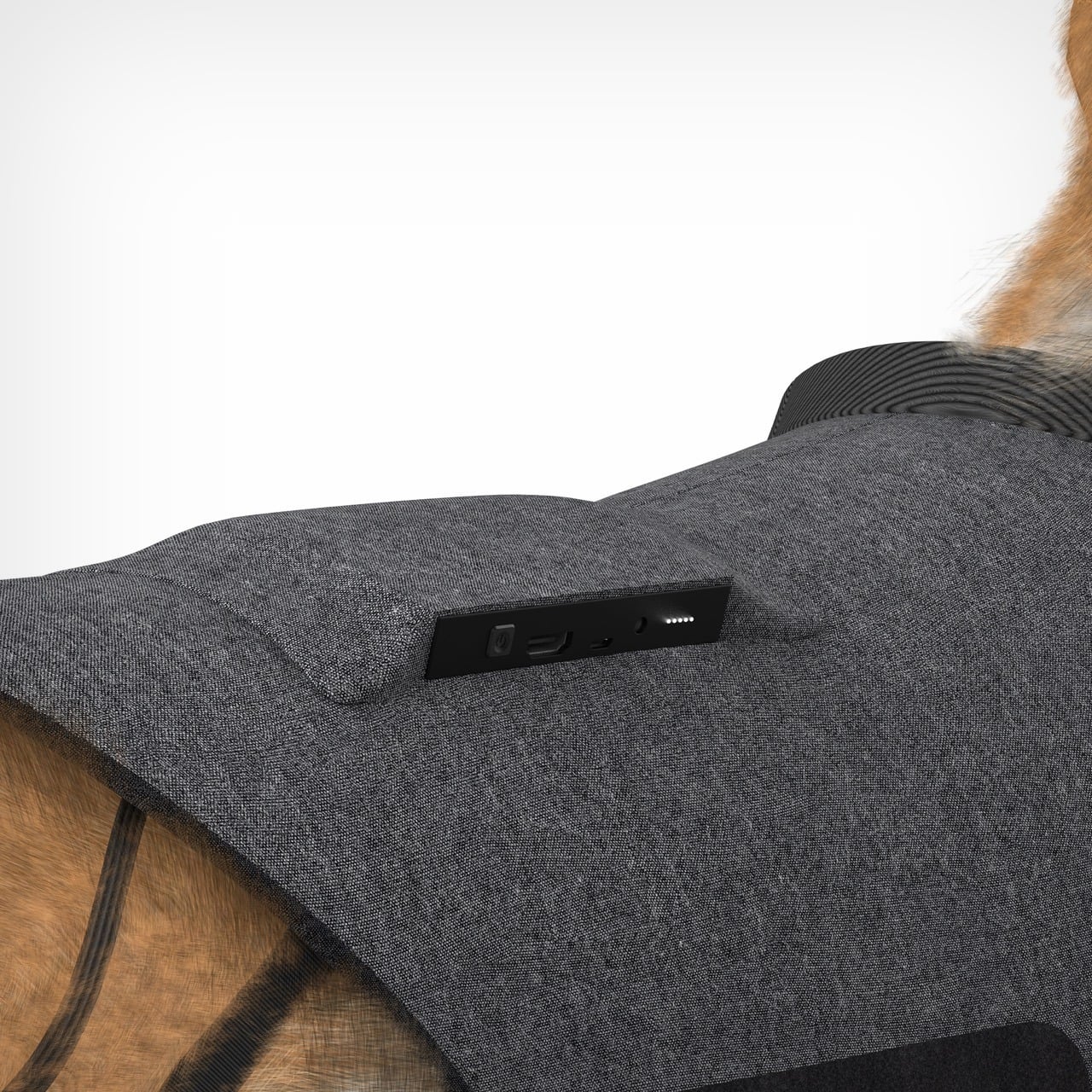
Personalization is central to the design philosophy. Every dog has a unique body, posture, and injury profile, so the exoskeleton is created using advanced 3D printing based on individual body scans. This ensures a tailored fit that distributes weight evenly and avoids discomfort. Carefully selected materials such as lightweight structural components, soft memory foam padding, and non slip contact surfaces prioritize comfort, stability, and long term wearability. This makes the device suitable not only for clinical rehabilitation but also for everyday use.

Developed between 2023 and March 2025 in Hangzhou, the project required extensive research and experimentation. One of the greatest challenges was interpreting muscle signals in animals, an area with little existing data or standardized methods. Translating raw biological signals into reliable movement predictions demanded repeated field testing, iterative modeling, and close observation of real canine behavior. Equally complex was balancing strength and comfort, designing a structure robust enough to assist movement while remaining gentle and non restrictive.

Ultimately, the Pet Power Assistive Exoskeleton represents more than a technical innovation. It reflects a shift in how we think about animal care, recognizing pets not as passive recipients of aid, but as active participants in their own recovery. By merging empathy with intelligent technology, this project restores more than mobility. It protects dignity, independence, and the simple joy of movement.
The post This Intelligent Pet Exoskeleton Helps Injured Dogs Relearn Movement on Their Own Terms first appeared on Yanko Design.

This Yacht is actually powered by a Detachable Jet-ski

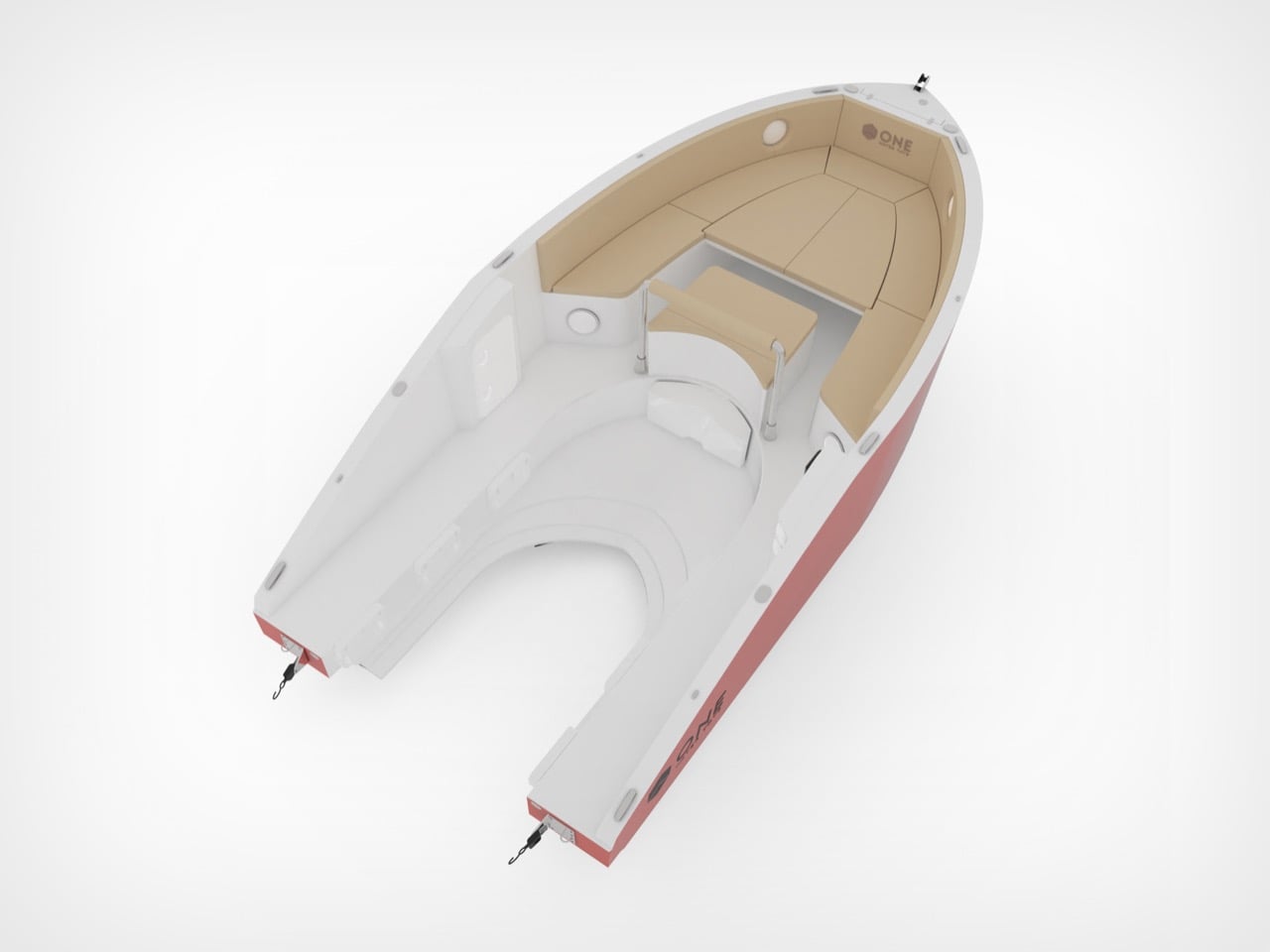
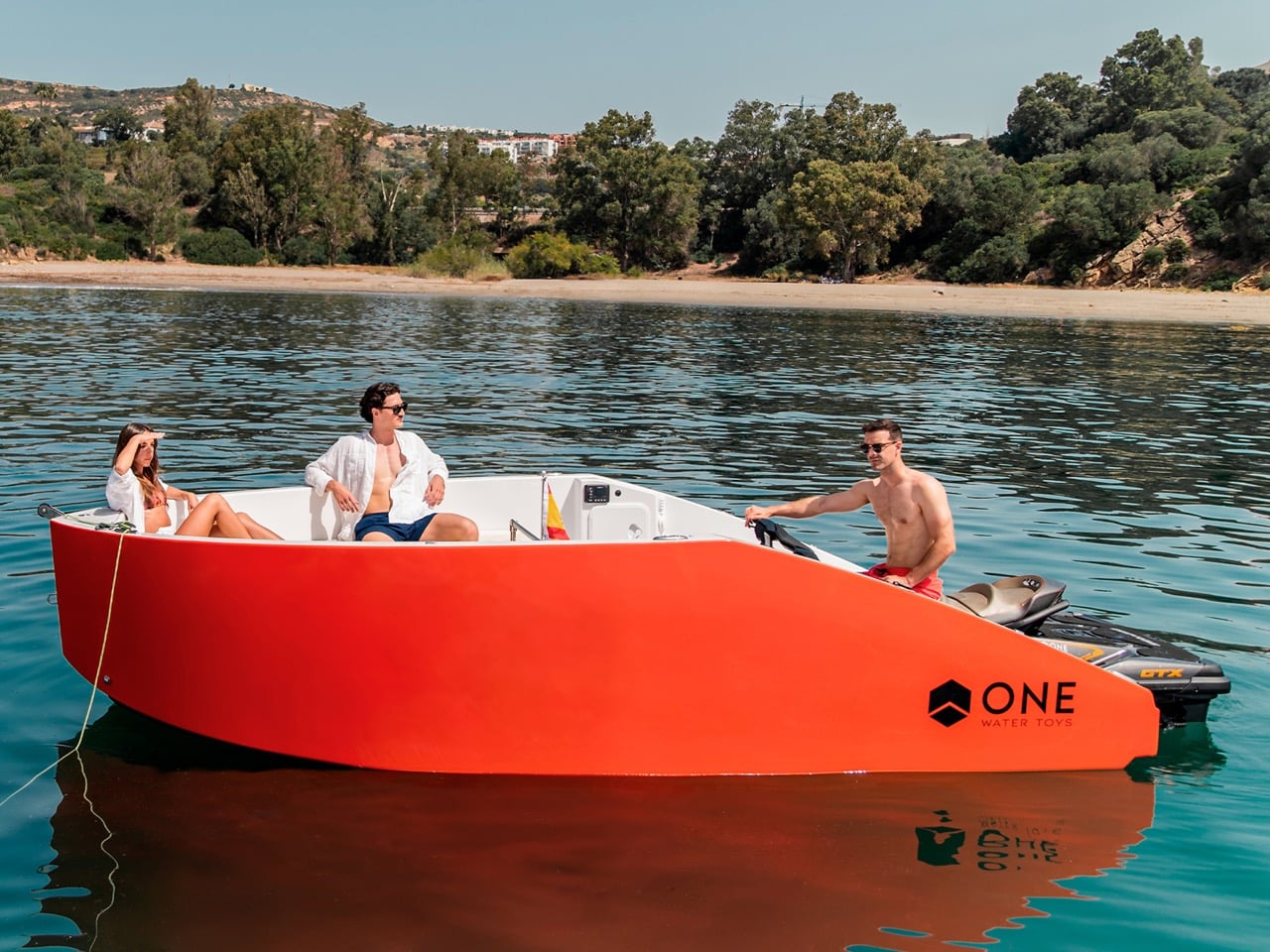
Jet skis rip through water with ridiculous speed and agility. They’re also terrible at everything else. Try bringing friends along for the ride, or packing anything beyond a phone in a waterproof case. Yachts fix the space issue completely, but they cost a small fortune and require actual skills to operate. Spanish designer Amor Jimenez Chito created the One 16 to split the difference: it’s a six-meter boat powered by a jet ski that detaches when you want to go full throttle solo. The design won the Golden A’ Design Award for 2025, which apparently goes to projects that solve problems nobody else bothered to address.

The engineering is surprisingly straightforward. Your jet ski slots into the hull and becomes the propulsion system for the entire boat. The plug-and-play setup works with major jet ski brands, so you can use whatever you already own or prefer. Six people fit comfortably on deck, where a convertible bow switches between table mode and sunbathing platform depending on the vibe. The hull keeps weight distributed properly so the whole thing stays stable instead of feeling like you strapped a picnic table to a rocket. You get two vehicles in one without paying marina fees for two vehicles. That’s the entire pitch, and it actually makes sense.

Designer: Amor Jimenez Chito

This kind of modularity has been tried before, usually with clunky results that looked like a science fair project gone wrong. The reason the One 16 works, at least conceptually, is that it doesn’t try to hide what it is. The jet ski integration is a core feature, not an afterthought. Chito’s background in industrial design engineering clearly shows in the execution, where the docking mechanism appears both robust and user-friendly. Making it compatible with Sea-Doo, Yamaha, and Kawasaki from the get-go is the smartest decision they could have made. It bypasses the proprietary ecosystem trap and opens the concept up to the entire existing PWC market, which is a massive advantage.

Of course, the real test is how it handles chop with a 300-horsepower jet ski bolted into its spine. The weight distribution is supposedly optimized, but there’s a big difference between a CAD rendering and a windy afternoon on the water. Aesthetically, it’s clean and inoffensive, which is probably the right call for a product aiming for broad appeal. It won’t turn heads like a Wally tender, but it’s not supposed to. The One 16 is a clever piece of problem-solving that prioritizes function over form. It’s a utility player, a waterborne multitool for people who want more options without owning an entire fleet.

The post This Yacht is actually powered by a Detachable Jet-ski first appeared on Yanko Design.
Apple escalates its appeal of a $2 billion fine from a UK antitrust lawsuit

Apple isn't ready to pay a several billion-dollar fine to UK App Store users and is filing an appeal over a major antitrust lawsuit. As first reported by The Guardian, Apple has requested to appeal to the UK's Court of Appeal, which would escalate the case beyond the Competition Appeal Tribunal (CAT). 

The latest appeal attempt follows an October decision from the CAT, where the court found that Apple engaged in anticompetitive practices by exploiting its dominant market position with the App Store to charge higher fees. The CAT's ruling established a £1.5 billion, or roughly $2 billion, fine, but Apple said it planned to appeal and that the court "takes a flawed view of the thriving and competitive app economy." The CAT didn't grant Apple the appeal, leading the iPhone maker to seek a higher court to overturn the ruling.

Apple hasn't made any official statements about its latest appeal application, but it's likely that it will argue against the CAT's proposed App Store developer fee rate of between 15 and 20 percent, which it reached through "informed guesswork," instead of the existing 30 percent. If the fine does ultimately stick, the $2 billion fine would be split amongst any App Store user in the UK who made purchases between 2015 and 2024, according to The Guardian.

This article originally appeared on Engadget at https://www.engadget.com/big-tech/apple-escalates-its-appeal-of-a-2-billion-fine-from-a-uk-antitrust-lawsuit-201922558.html?src=rss

This CMF Phone Mini Concept Is The Compact Android Fans Have Been Begging For

The market for compact smartphones didn’t disappear because people stopped wanting them; manufacturers simply decided the economics didn’t justify the engineering. The iPhone 13 mini was the last great holdout, and its discontinuation left a void that has been filled with nothing but silence. That makes this CMF Phone Mini concept, posted by designer Preet Ajmeri on the Nothing Community forum, feel less like a flight of fancy and more like a genuine market opportunity. It suggests a smarter middle path for small phones, one built around accessibility and modularity rather than specs-sheet maximalism. This isn’t just another shrunken flagship render; it’s a thoughtful take on what a small phone in 2025 ought to be.

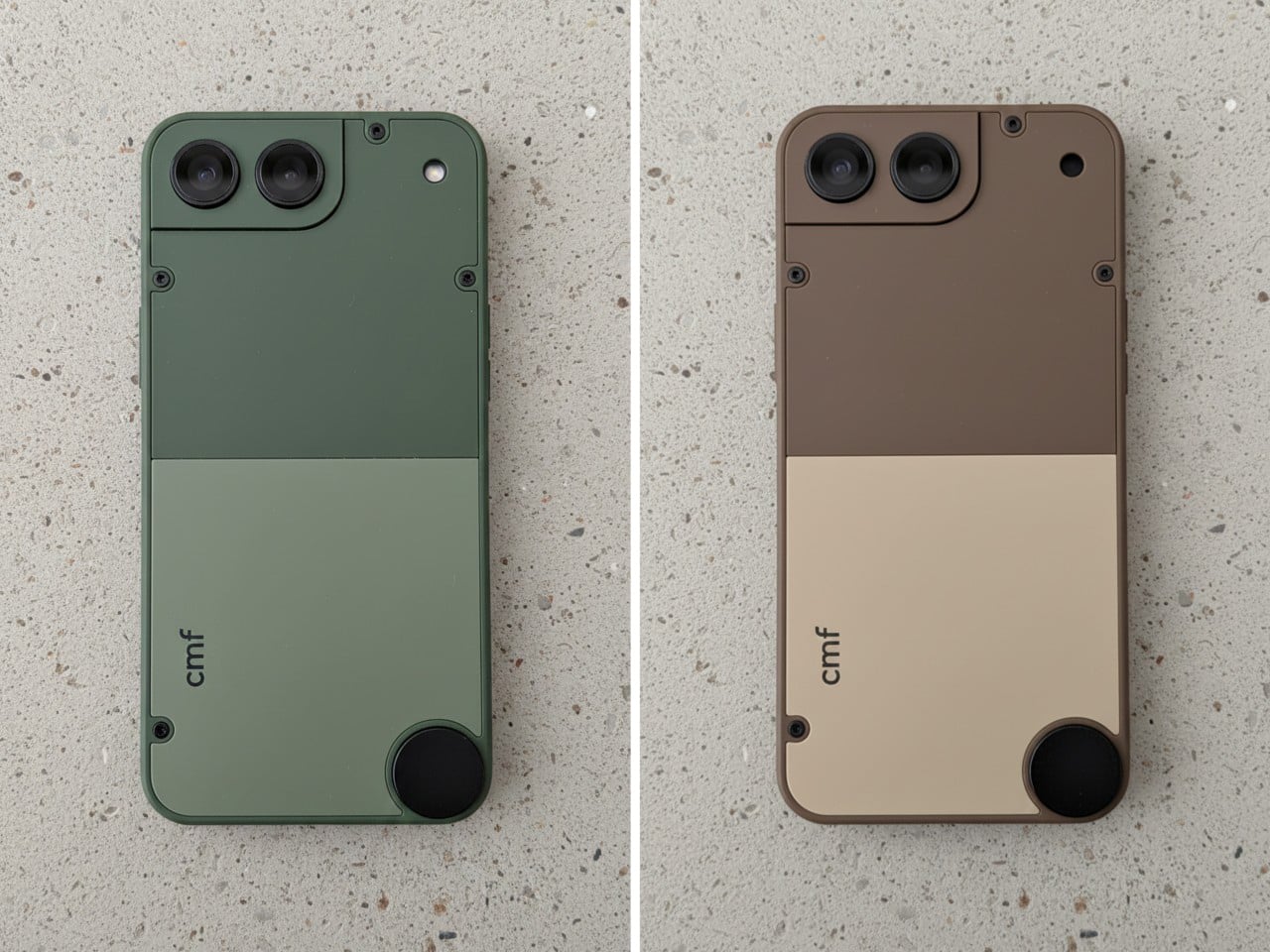
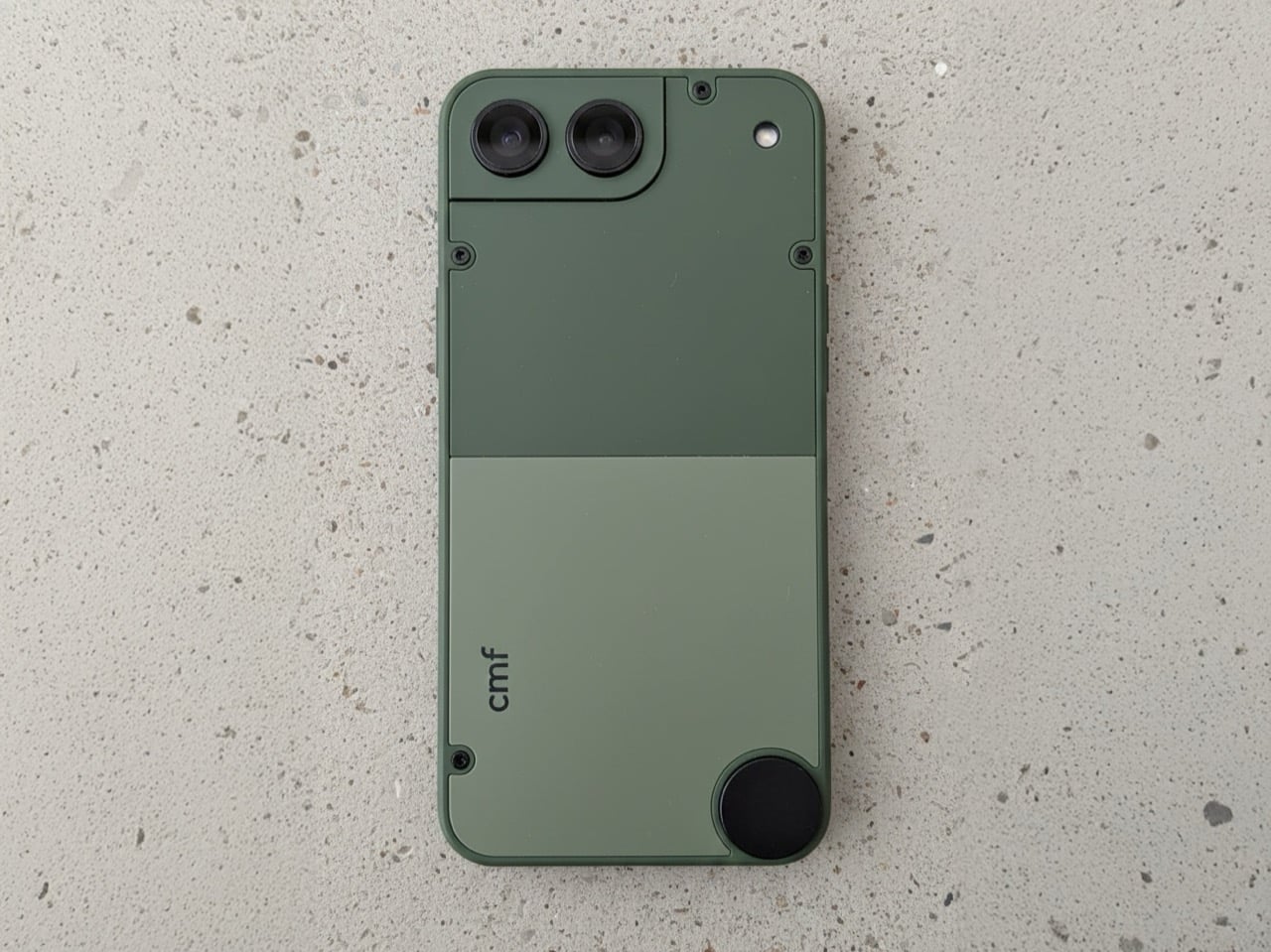
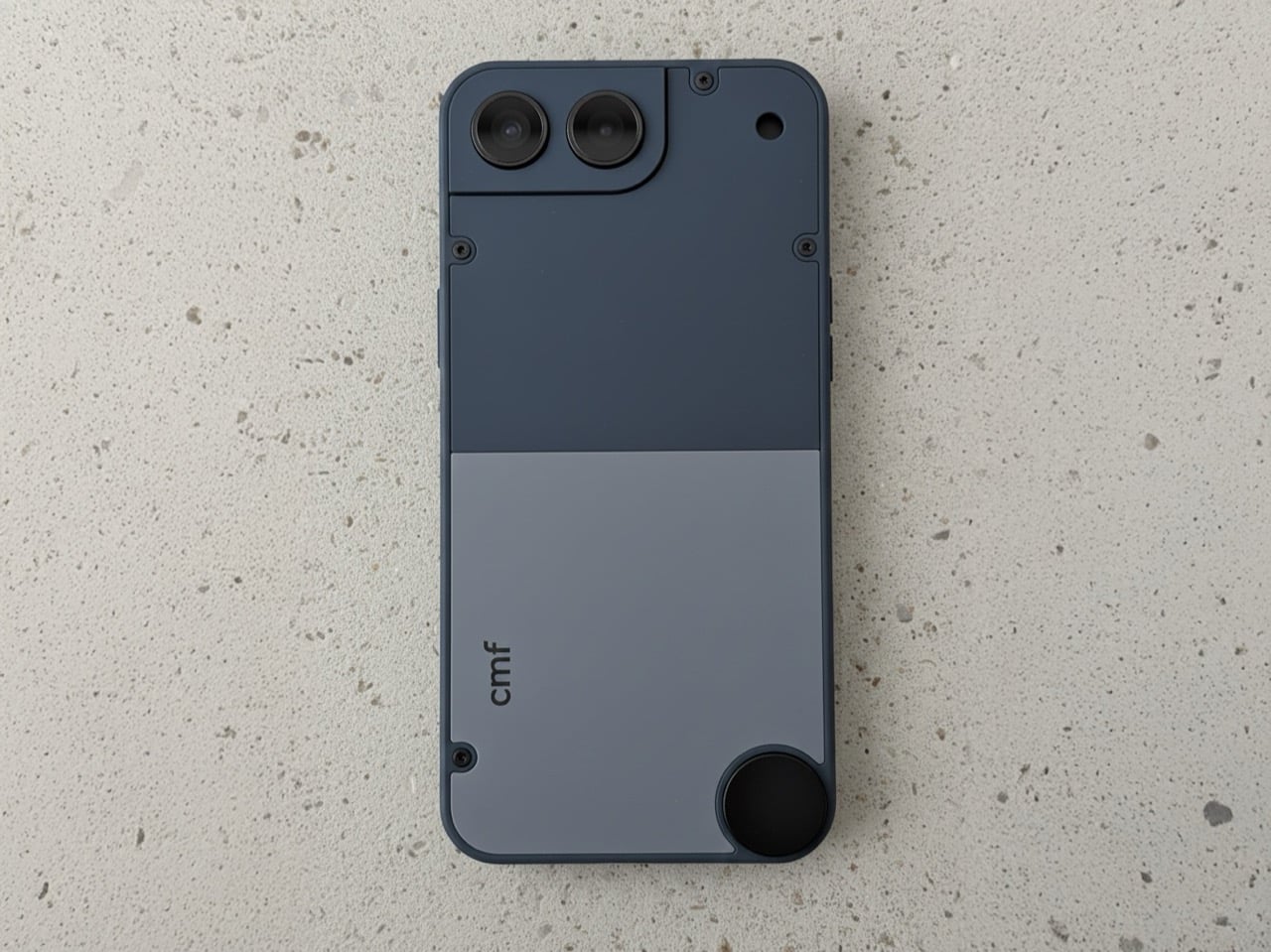
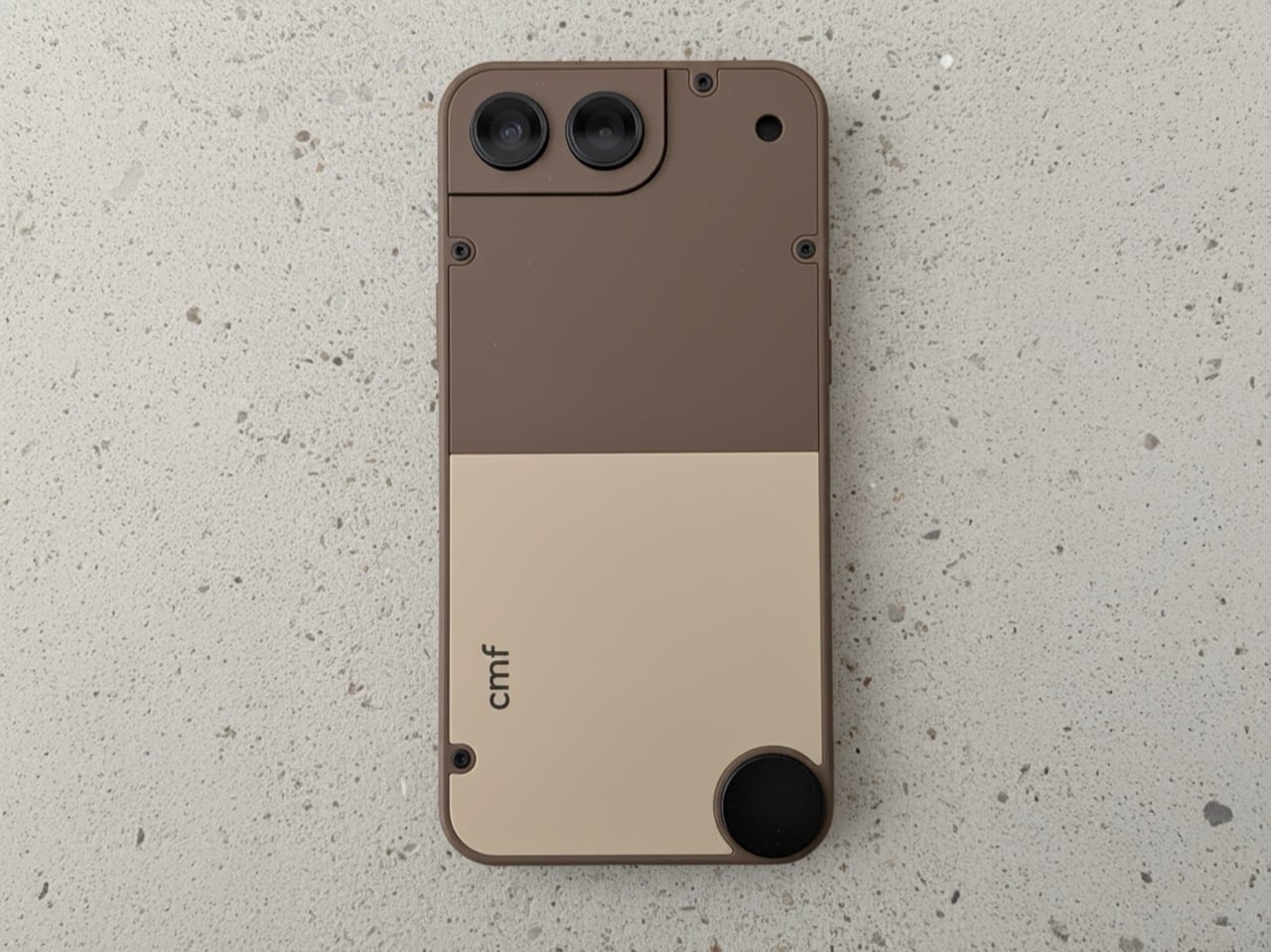
What makes Ajmeri’s concept work is its complete lack of flagship pretension. The design has a satisfying, tool-like quality, with an aesthetic that leans closer to a Braun appliance than a miniaturized glass sandwich. The two-tone back panels, secured by exposed screws, are a direct nod to the modularity of the CMF Phone 1 and 2 Pro. That little circular element in the lower corner is a brilliant touch, practically begging for a lanyard or a clever magnetic accessory. The camera housing is integrated into a stepped corner plate, making it feel like a distinct, functional component rather than a generic camera island. It’s an honest object, designed to be held and used without demanding reverence.

Designer: Preet Ajmeri

The colorways Ajmeri mocked up are subtle, and a deviation from the flagship phones’ vibrant color schemes. The sage green has a distinct, almost military-grade feel, while the slate blue is more of a classic tech color. But that brown and cream version is the real standout; it feels like something Braun would have designed in 1975, a perfect piece of retro-futurism. The hard split between the two tones gives it a clear visual hierarchy, and the presumed matte texture looks like it would feel fantastic in the hand. That aside, the modularity is still retained, with the screw-in design, and the knob on the bottom for fixing accessories.

This thing would live or die in the sub-$300 space, and that’s exactly where it belongs. You wouldn’t expect a top-tier Snapdragon processor here; a power-efficient MediaTek Dimensity 7000-series chip would be more than enough to drive a 5.4-inch OLED display without destroying the battery. And battery life would be the biggest engineering challenge, as it always is with small devices. But the appeal isn’t raw performance. The appeal is ergonomics, a one-handed user experience, and a design that has more personality than anything five times its price. CMF has already proven it can deliver a thoughtful software experience on a budget, and that’s all a device like this would need.

So, will Nothing ever actually build it? Almost certainly not, and that’s the real shame. The big players are too risk-averse to cater to a niche they’ve already declared dead. But this concept proves the desire for a well-designed, affordable, and genuinely compact phone is very much alive. It’s a perfect fit for a brand like CMF, which has built its identity on challenging the assumption that budget-friendly has to mean boring. The first company to take a chance on a design with this much character and common sense won’t just sell a phone; they’ll create a cult classic.

The post This CMF Phone Mini Concept Is The Compact Android Fans Have Been Begging For first appeared on Yanko Design.
Rainbow Six Siege servers are back online after shutting down in response to Marketplace hacks

Ubisoft had to shut down Rainbow Six Siege's servers and roll back transactions, a situation that came from a widespread breach that left various players with billions of in-game credits, ultra-rare skins of weapons, and banned accounts. As of Sunday, December 28, the status page on Rainbow Six Siege's website still shows "unplanned outage" on all servers across PC, PlayStation and Xbox.

Later that evening, though, the company confirmed that it was done testing on the update it pushed out and was opening the severs back up to players. It also said that the transaction rollback was complete, but that the Marketplace would remain closed for the time being.

The fiasco began Saturday morning when Ubisoft said on X that they were "aware of an incident currently affecting Rainbow Six Siege" and "working on a resolution." A couple of hours later, the Rainbow Six Siege servers were shut down, following plenty of user reports showing either zero or billions in R6 credits, rare skins in their lockers and either account bans or unbans. Ubisoft later clarified Saturday afternoon on X that nobody would be banned if they spent their ill-gotten credits, but that a rollback of all transactions starting from Saturday, 6AM ET would soon be underway.

On Sunday afternoon, Ubisoft informed the playerbase that they're currently performing a rollback, but that "extensive quality control tests will be executed to ensure the integrity of accounts and effectiveness of changes." The company added that "this matter is being handled with extreme care and therefore, timing cannot be guaranteed" and didn't provide an estimate for when servers would be back online.

Update, December 29, 2025, 10:22AM ET: This story and its headline have been updated with the details about Ubisoft re-opening the game’s servers.

This article originally appeared on Engadget at https://www.engadget.com/gaming/rainbow-six-siege-servers-are-back-online-after-shutting-down-in-response-to-marketplace-hacks-191049079.html?src=rss

This Award-Winning Swing Feeds Birds When Kids Aren’t Playing

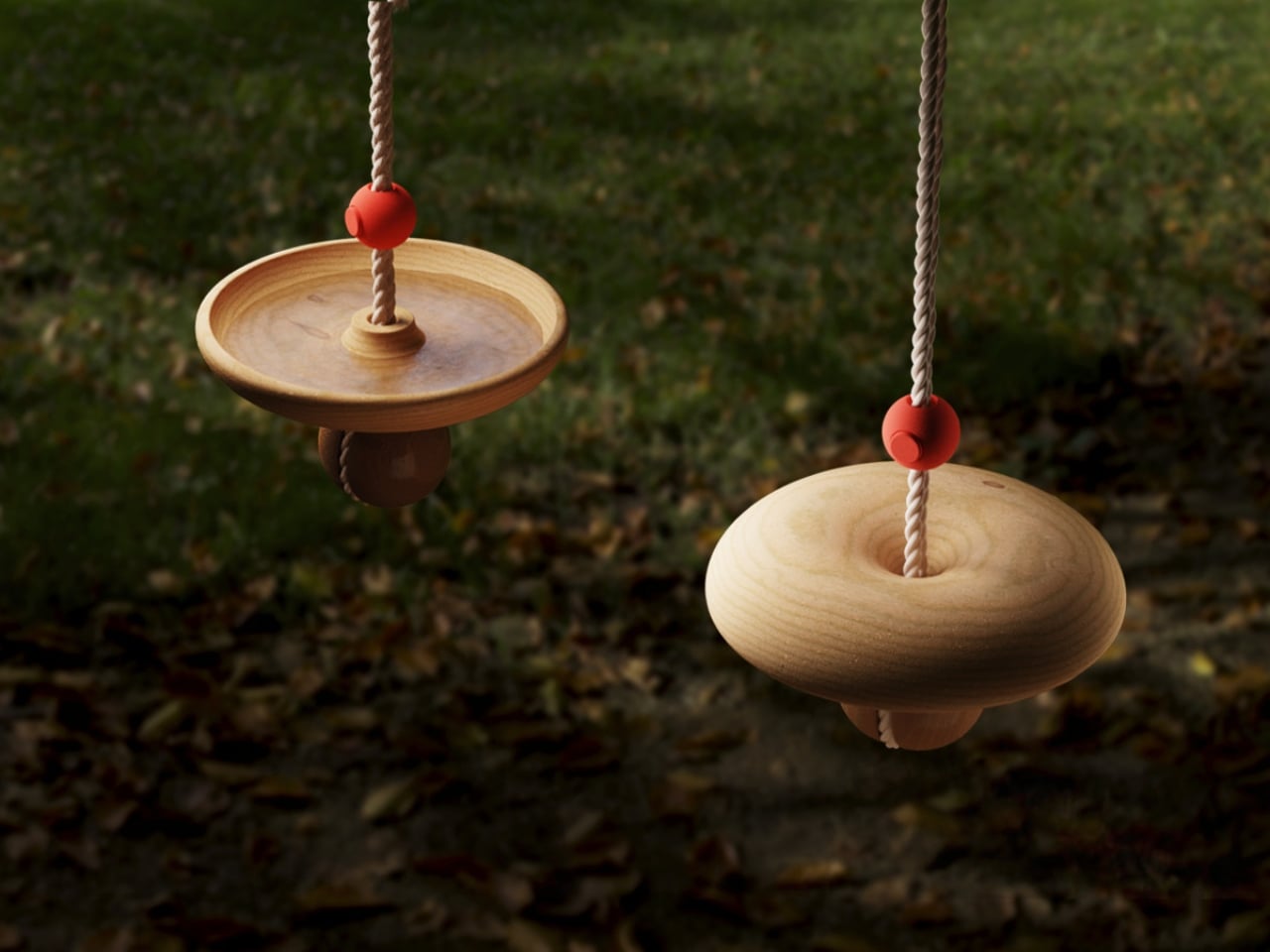
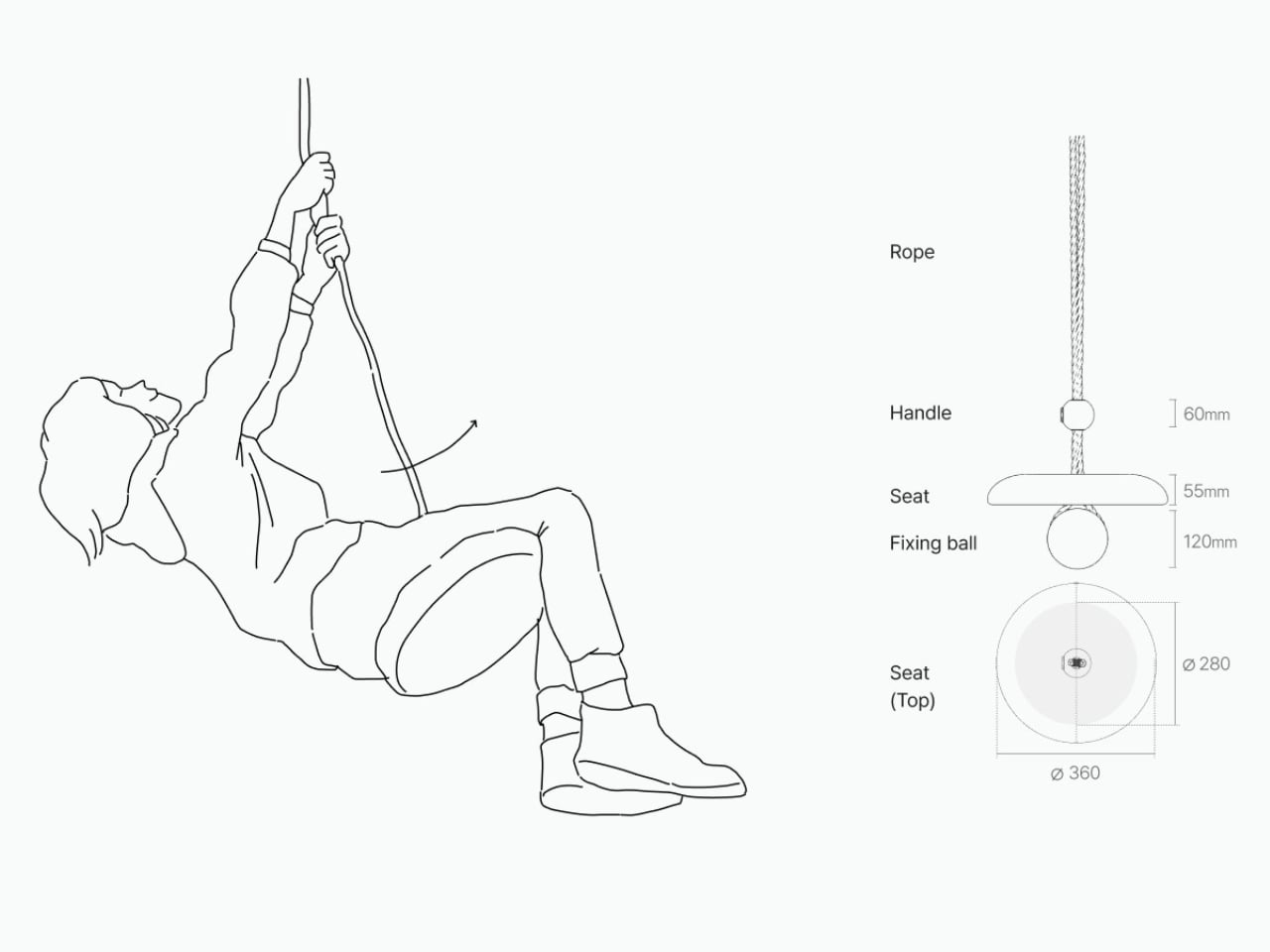
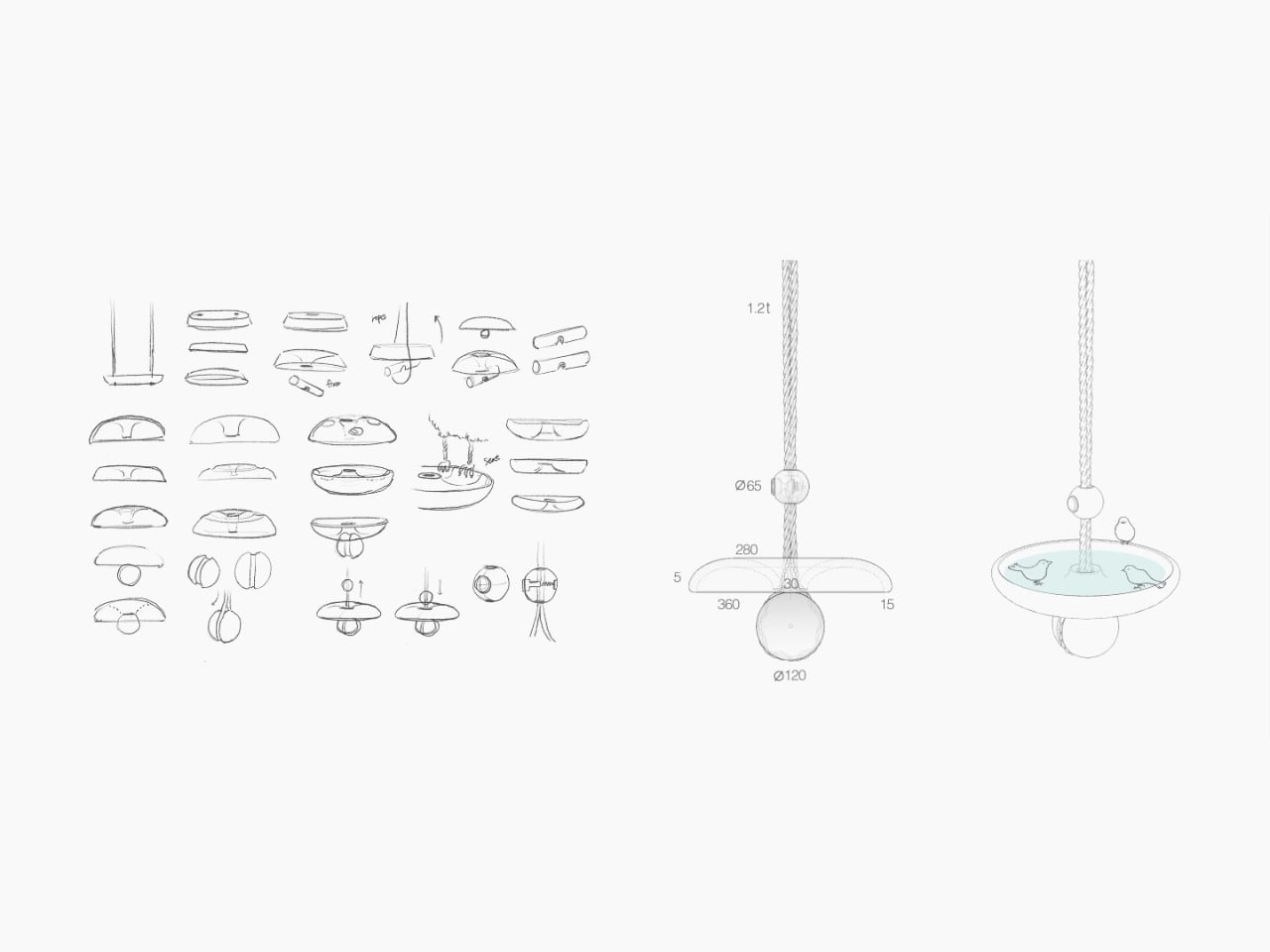
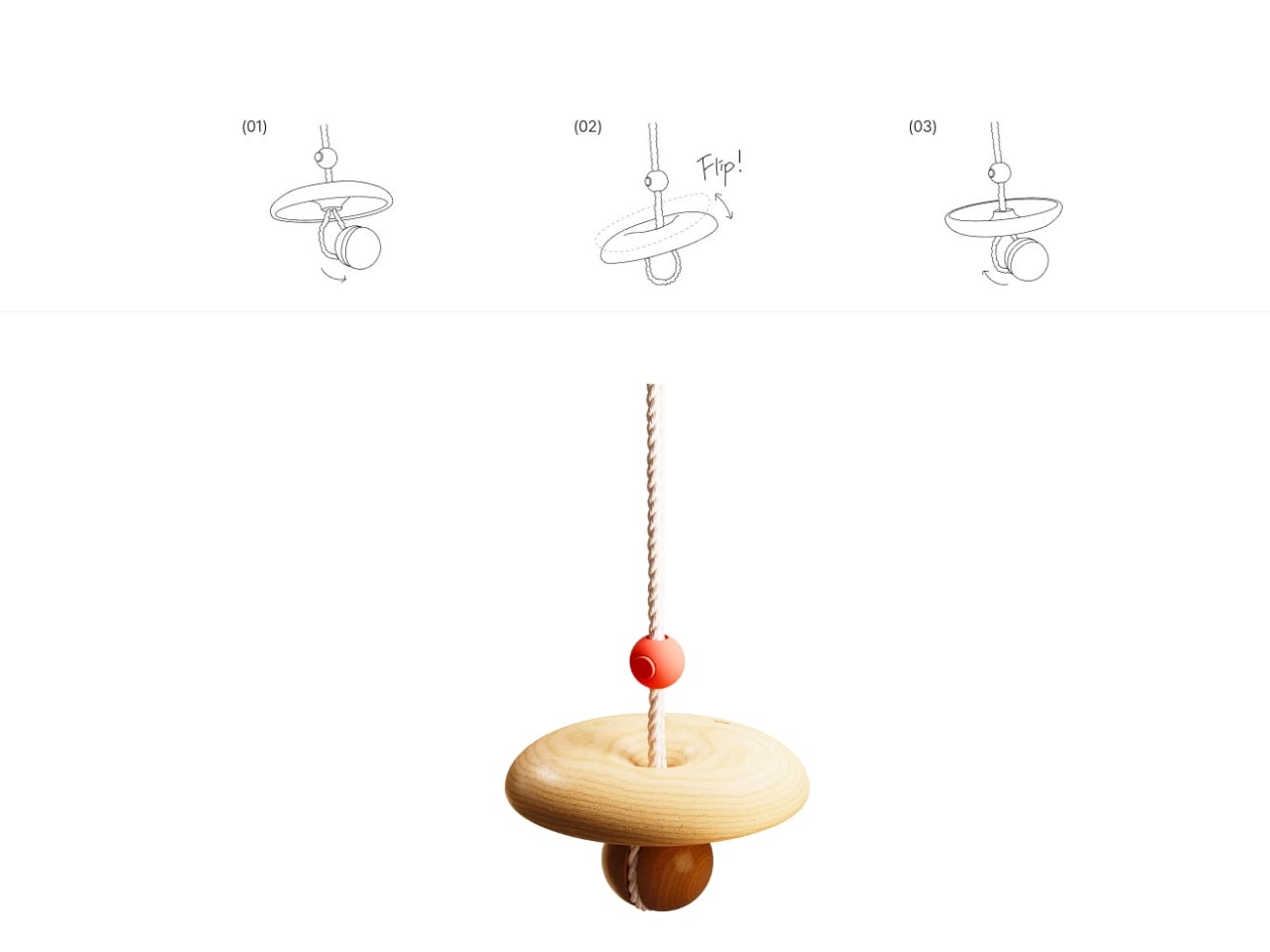
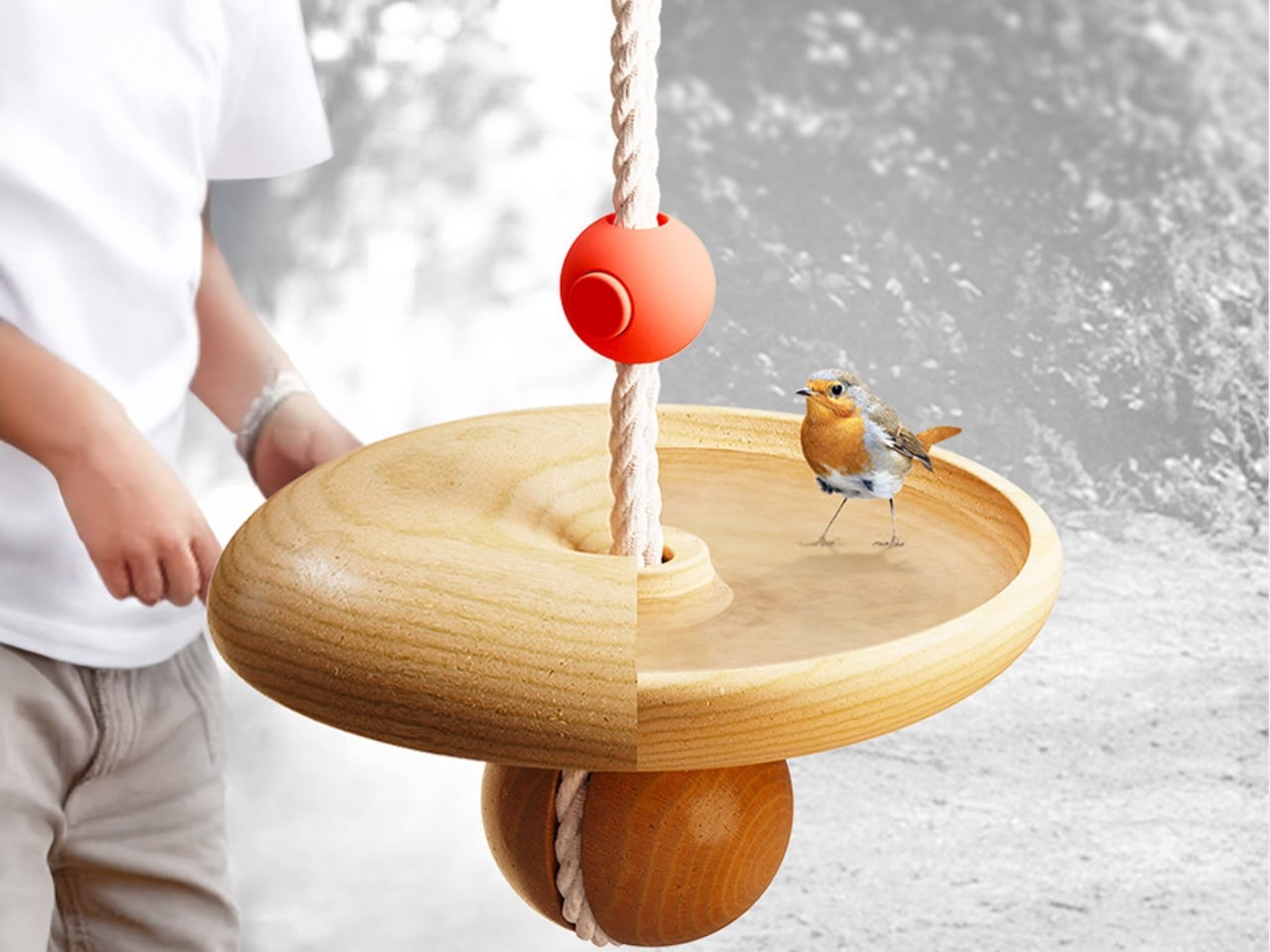
There’s something delightfully clever about design that refuses to pick just one job. You know what I’m talking about: those rare pieces that make you stop and think, “Wait, it does what?” Birddy, a recent award-winning furniture design by Korean designers Yejin Hong and Seyeon Park, is exactly that kind of creation. It’s a children’s swing when sunny days call for play, and a bird feeder when rain clouds roll in. Simple as that sounds, it’s the kind of thoughtful design that makes you wonder why we don’t see more of it.

The concept earned Hong and Park an Excellence Prize at the 2024 Kengo Kuma & Higashikawa KAGU Design Competition, and for good reason. The competition, known for championing furniture designs that bridge functionality with social awareness, found in Birddy exactly what contemporary design should aspire to be: useful, beautiful, and quietly compassionate.

Designers: Yejin Hong, Seyeon Park

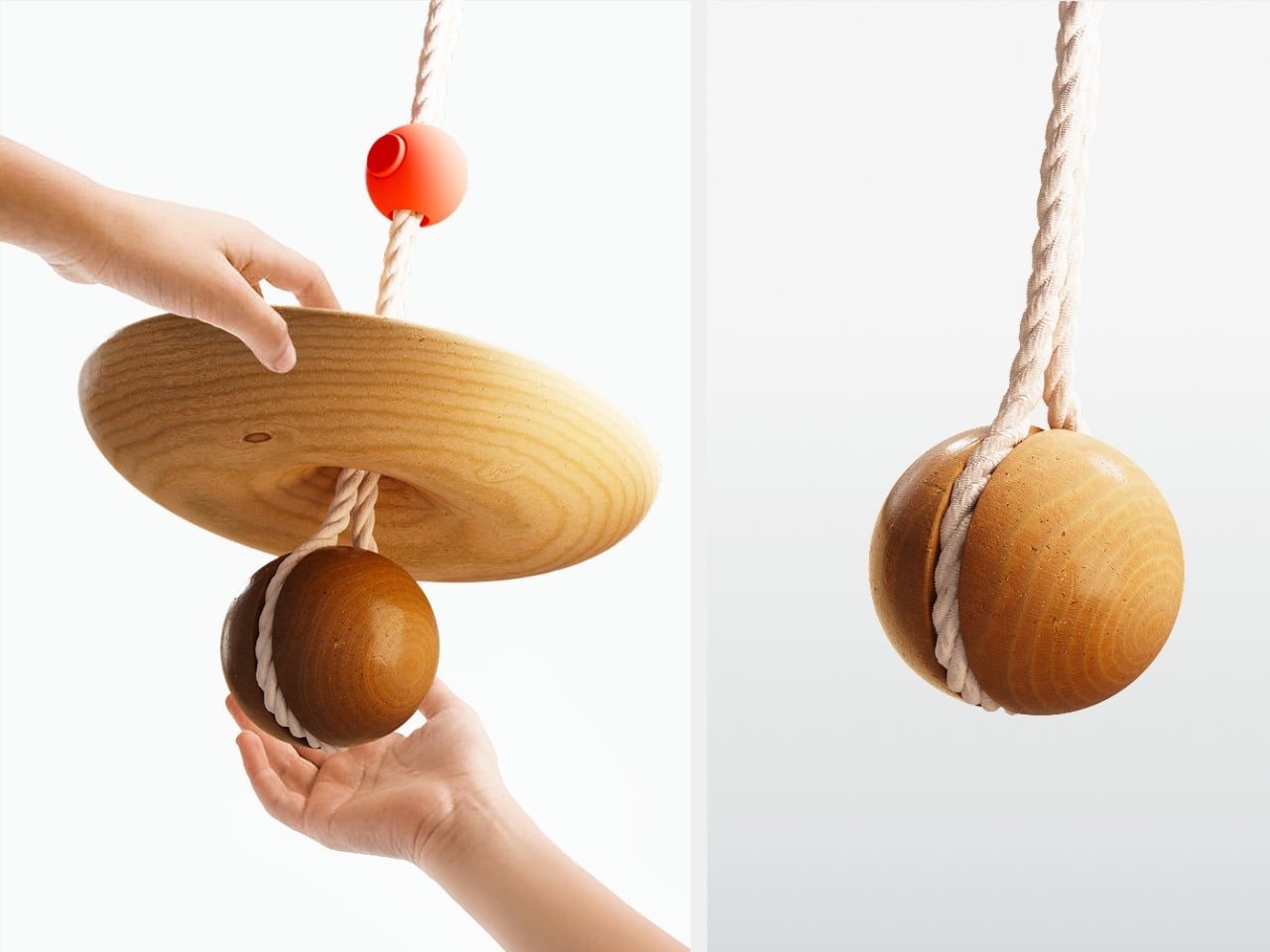
At first glance, Birddy looks like a refined wooden swing, the kind that would fit perfectly in a minimalist backyard or a community park. But flip it upside down on a rainy day, and suddenly you’ve got a protected feeding station for birds seeking refuge and sustenance when the weather turns harsh. It’s this elegant duality that makes the design so compelling. Rather than forcing two functions into an awkward compromise, the designers found a natural harmony between them.

What strikes me most about Birddy is how it normalizes empathy through everyday objects. We’re used to thinking about children’s play equipment and wildlife care as separate concerns, occupying different mental compartments in our design-thinking. Hong and Park challenge that separation. Their design suggests that caring for nature and creating joyful spaces for children aren’t competing priorities but complementary ones. When kids aren’t using the swing, why shouldn’t it serve another purpose? When birds need shelter and food, why can’t the solution be something that already exists in our yards?

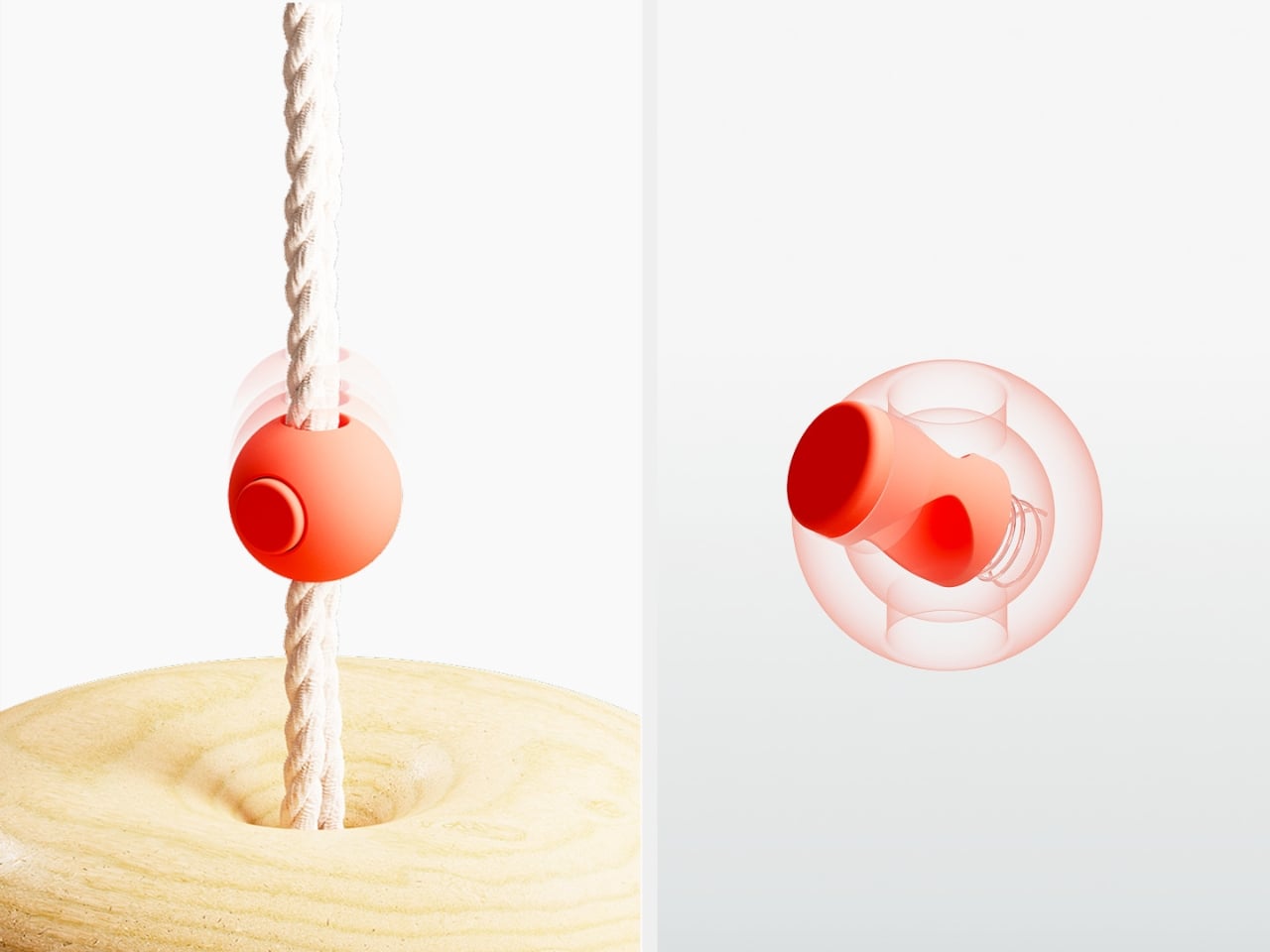
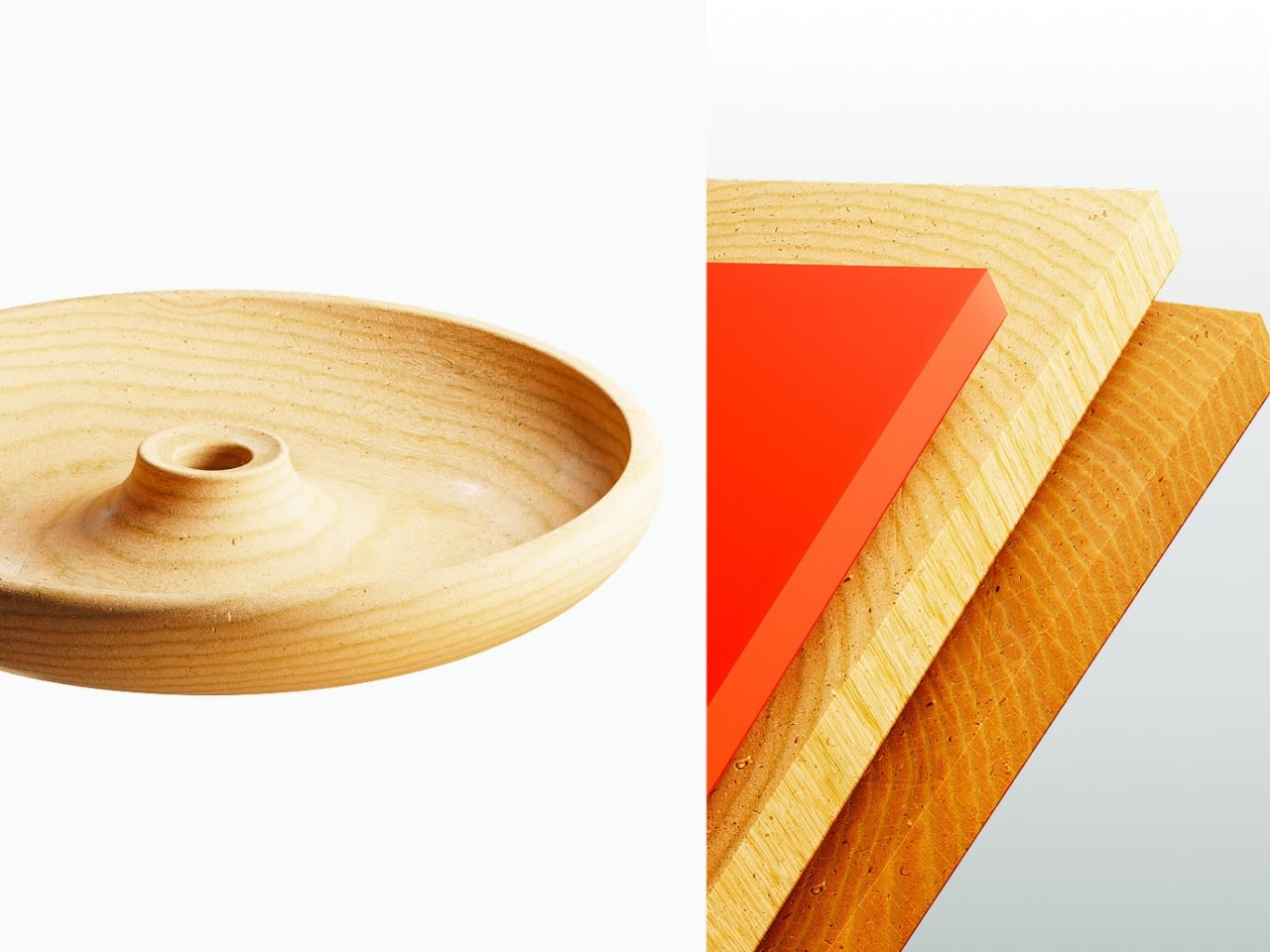
The execution shows restraint and respect for both users, human and avian. The wood construction feels appropriate for outdoor use while maintaining aesthetic appeal. There’s no garish attempt to make it “cute” or child-themed. Instead, the design trusts that good form works for everyone. This kind of confidence in simplicity is harder to achieve than it looks. Many designers would be tempted to add unnecessary flourishes or overcomplicate the transformation mechanism. Hong and Park resist that urge entirely.

From a practical standpoint, Birddy addresses real needs without requiring users to sacrifice space or budget for separate items. Urban and suburban dwellers increasingly want to support local wildlife, but bird feeders can feel like visual clutter. A swing is already part of many family landscapes. Combining them removes barriers to participation in backyard conservation. It’s environmental design through integration rather than addition.

The timing feels right too. We’re seeing a broader cultural shift toward multipurpose design as people become more conscious of consumption and space constraints. Furniture that pulls double or triple duty isn’t just trendy anymore, it’s becoming an expectation. But Birddy elevates the concept beyond mere space-saving. This isn’t about cramming more functionality into less area. It’s about finding poetic connections between different forms of care.

There’s also something wonderfully cyclical about the design. Children playing on the swing bring energy and life to a space during fair weather. Birds visiting the feeder bring that same vitality during storms. The object becomes a constant source of animation in the landscape, just with different performers depending on conditions. Parents watching kids swing on Tuesday might find themselves watching sparrows perch on Friday. That kind of continuous engagement with an object creates attachment and value beyond its material worth.

What Hong and Park have created isn’t revolutionary technology or groundbreaking engineering. Birddy succeeds precisely because it doesn’t try to be either. Instead, it represents something equally valuable: thoughtful observation of how we live and a willingness to imagine better arrangements. The best design often comes from asking simple questions like “What else could this do?” and “Who else could this serve?” Birddy answers both beautifully, proving that furniture can be generous in more ways than one.

The post This Award-Winning Swing Feeds Birds When Kids Aren’t Playing first appeared on Yanko Design.
Ayaneo’s latest Game Boy remake will have an early bird starting price of $269

After the high price tag of the Ayaneo Pocket DMG turned some retro handheld fans away, Ayaneo is working on another remake of the classic Game Boy with a slightly more affordable cost. Ayaneo revealed the pricing for the Pocket Vert, which starts at $269 for early bird orders.

Compared to the Pocket DMG that retails for $449, Ayaneo skipped the OLED and configurations that go up to 16GB of memory and 1TB of storage for the Pocket Vert. Instead, the handheld maker went with a fully metal CNC body and an ultra-minimalist design with engraving-free buttons that resemble the Analogue Pocket's look. Ayaneo built the Pocket Vert with a smaller 3.5-inch LCD screen that has a 1,600 x 1,440 resolution and a Snapdragon 8+ Gen 1 chip that should allow the handheld to handle anything up to PS2 and some Nintendo Switch games.

The Ayaneo Pocket Vert comes in Lava Red, Eternal Night Black and Lunar White
Ayaneo

To play more modern games, the Pocket Vert has a hidden touch pad below the buttons that acts as a makeshift joystick. Ayaneo also hid a fingerprint sensor in the power button and included a USB-C port, a 3.5mm headphone jack and a microSD slot for more storage capacity. The Indiegogo campaign for the Pocket Vert isn't open yet, but it will be the only place to snag the latest vertical handheld from Ayaneo at its lowest price before it reverts to the retail price of $339. You can even opt for the fully specced-out version that's only available in Lava Red and has 12GB of memory and 256GB of storage for an early bird price of $369 and a later standard price of $439.

This article originally appeared on Engadget at https://www.engadget.com/gaming/ayaneos-latest-game-boy-remake-will-have-an-early-bird-starting-price-of-269-174553644.html?src=rss

This LEGO Bobber Uses Ballpoint Pen Springs for Suspension and It Actually Fits Perfectly

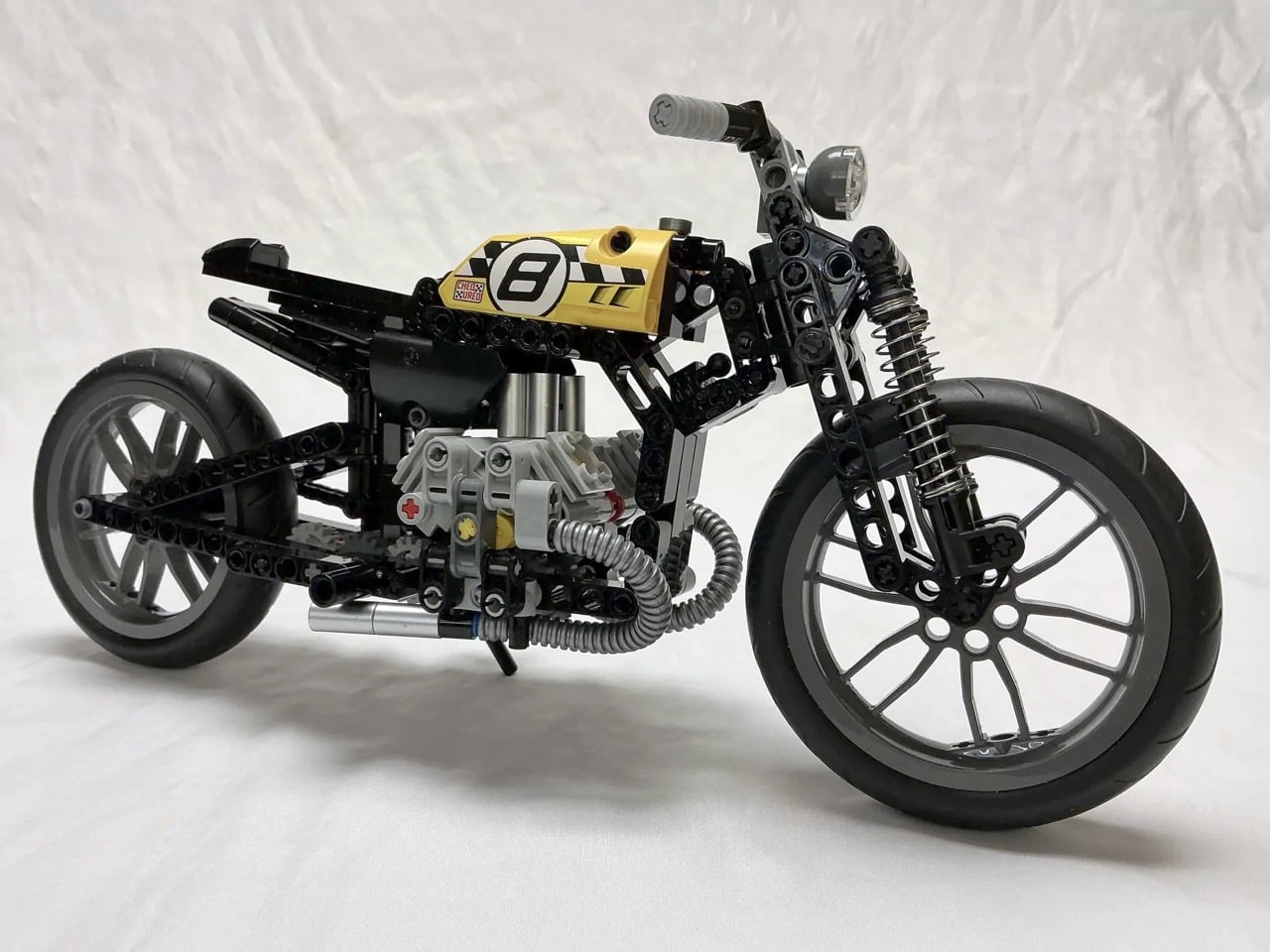
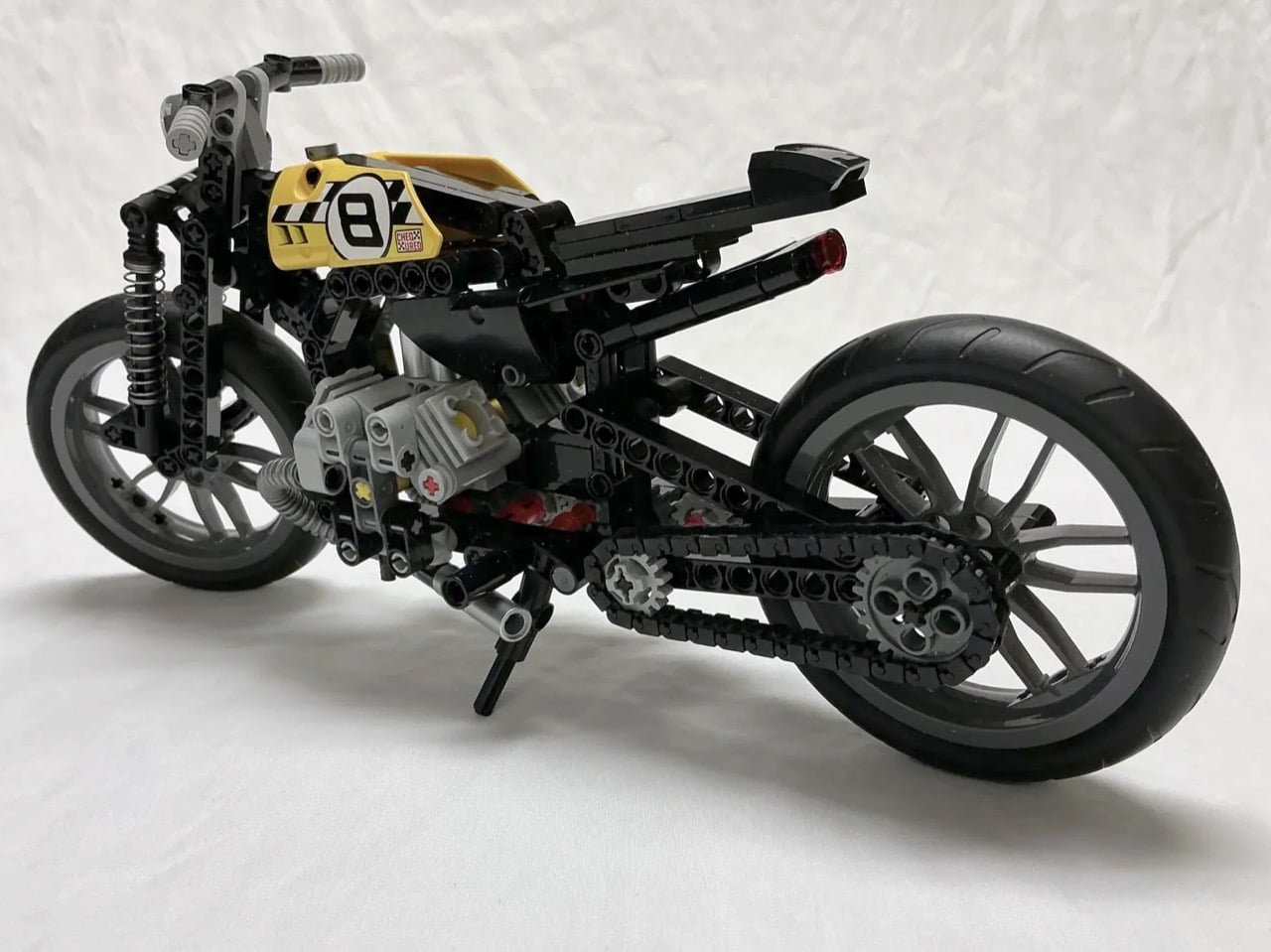
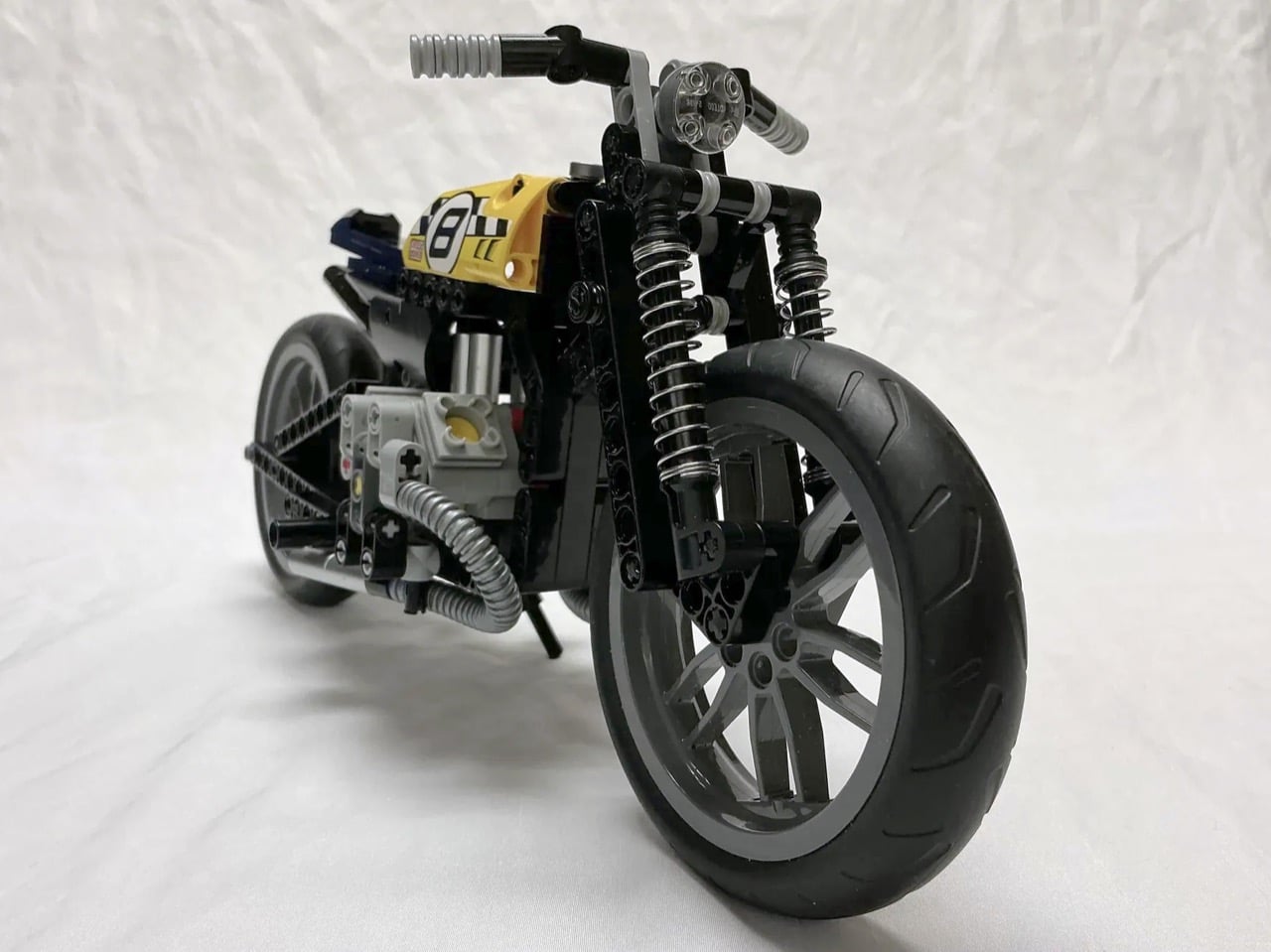
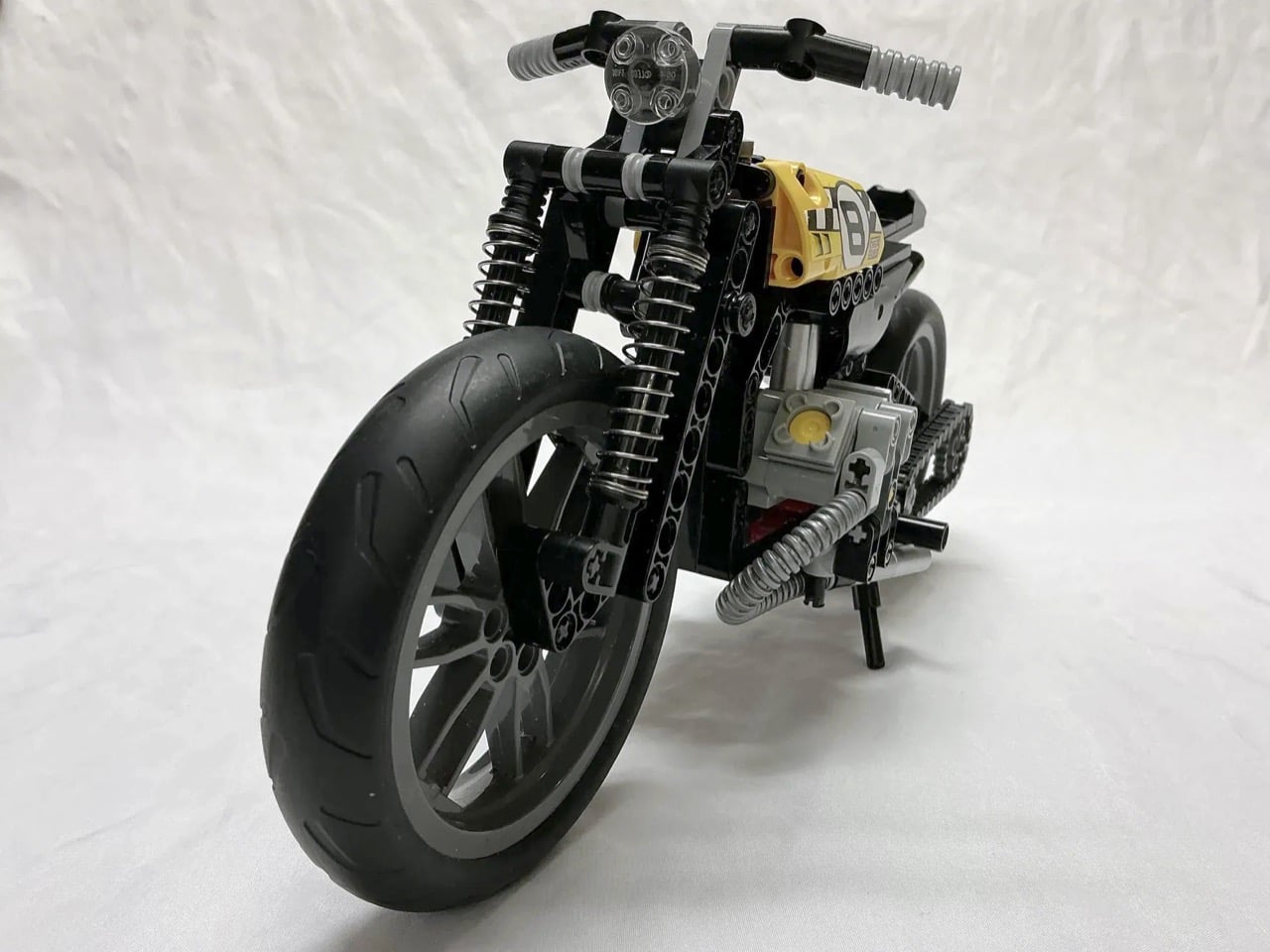
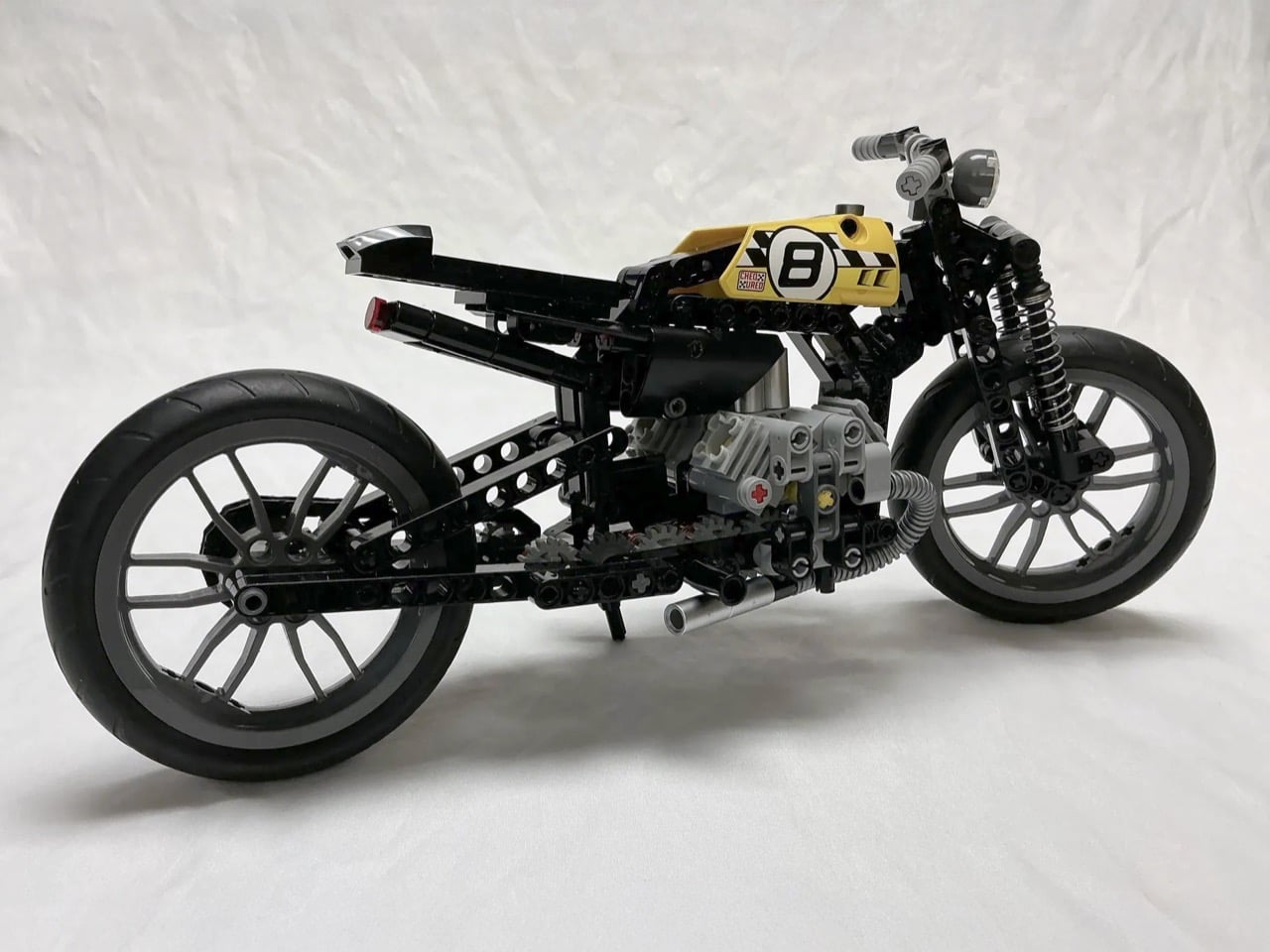
Ballpoint pen springs probably weren’t on your list of unofficial-yet-essential LEGO Technic parts, but this bobber MOC (My Own Creation) makes a compelling case for raiding your desk drawer. The twin coiled springs flanking the front forks and tucked behind the rear wheel handle suspension duties with surprising visual authenticity. They compress and extend just like real motorcycle shocks, adding functional movement to a build that already nails the stripped-down bobber aesthetic.

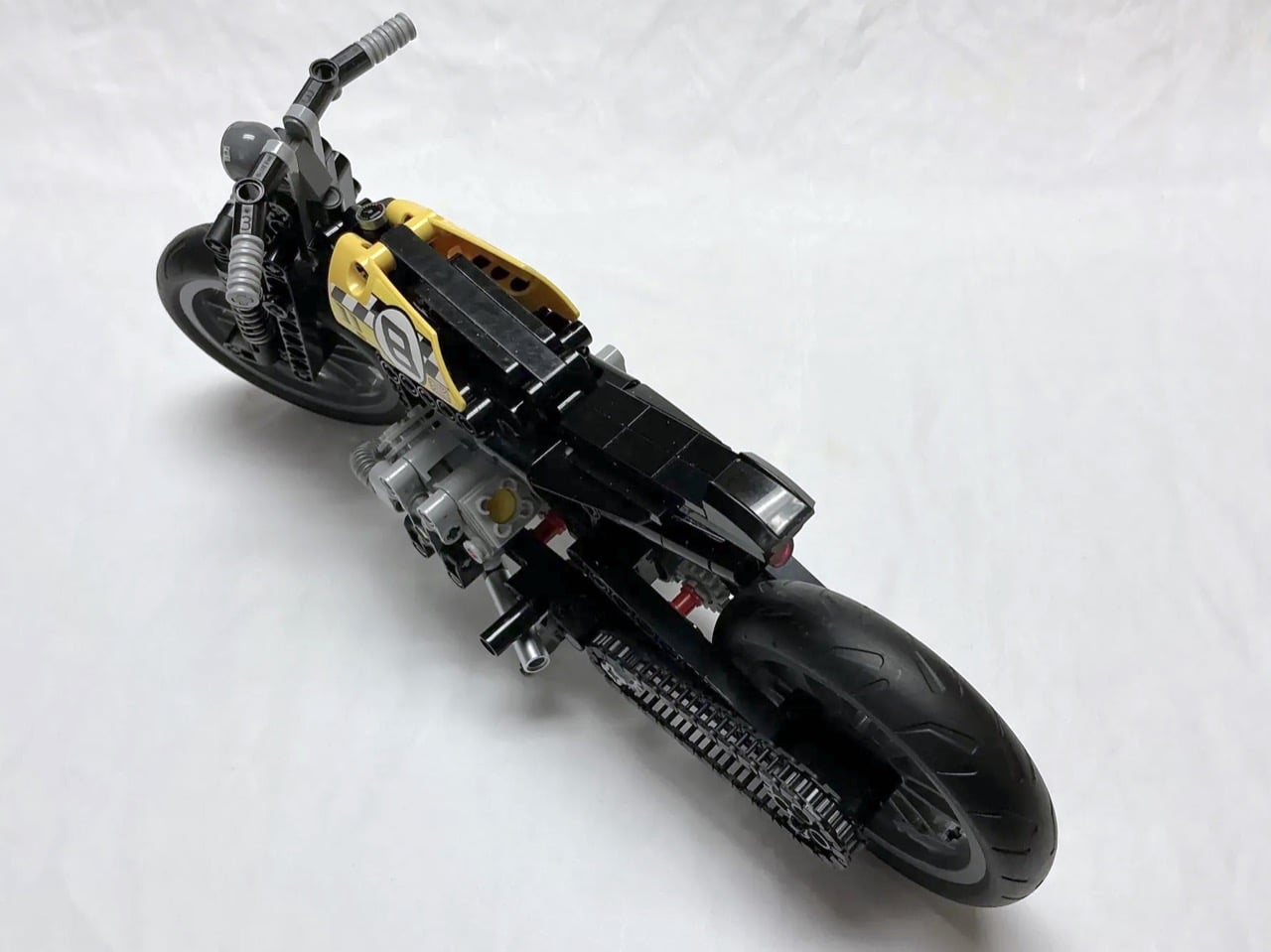
Bobbers emerged from post-war American garages when riders started cutting away everything unnecessary from their motorcycles. The philosophy was simple: lose the extra weight, keep what makes it run. This LEGO version channels that same spirit with its exposed twin-cylinder engine, bare-bones frame, and that yellow racing tank sporting a bold number 8. The builder modified LEGO Technic set 42036 into something far leaner and more specialized, swapping the original suspension components for those ingenious pen springs and repositioning elements to achieve proper bobber proportions.

Designer: MadamMelodicRaisin104

The pen spring hack solves a real problem in LEGO motorcycle builds. Technic sets come with their own suspension systems, sure, but they’re often bulky or visually clunky at this scale. Real bobber shocks are these long, exposed coil-over units that sit right out in the open, part of the bike’s visual language. Standard LEGO shock absorbers don’t quite capture that look. They function fine mechanically but lack the visual density and tight coil pattern you see on actual motorcycles. Pen springs nail the aesthetics, which works perfectly for this MOC because visuals are everything. The Bobber isn’t entirely functional, but the suspension (even if static) looks the part.

Set 42036, the donor bike here, originally builds into either a chopper or a street bike configuration. Both versions skew whimsical, which works for LEGO’s typical audience but doesn’t scratch the itch if you’re after something with genuine mechanical credibility. The builder kept the core engine assembly and frame geometry but ditched the fanciful proportions. Bobbers sit low, with the seat almost directly over the rear axle and minimal distance between components. This build compresses everything into that tight package, pulling the handlebars back into a more neutral position and mounting the foot pegs mid-frame rather than forward where cruisers typically place them. Mid-controls make sense for bobbers because the whole point was maneuverability and quick handling, not long highway cruises with your feet stretched out front.

The kickstand correction might seem minor but it speaks to the builder’s attention to detail. The original Technic chopper configuration puts the stand on the right side, which is wrong for actual motorcycles. Real bikes park on the left because that’s where the shifter lives and you need clear access when you’re mounting from the curb side. Swapping it over takes maybe five minutes but it shows someone who actually rides or at least understands how these machines work in the real world. Same logic applies to adding the foot pegs, which the kit omits entirely. You can’t have a rideable motorcycle without somewhere to put your feet, even in miniature form.

The yellow racing livery with that big number 8 pulls the aesthetic away from typical black-on-black bobber builds and into flat track racing territory. Flat trackers are bobbers’ dirt-slinging cousins, stripped down for speed on oval dirt tracks. The color choice keeps the build from looking too generic while the racing plate gives it a story beyond “stripped motorcycle.” The tail section stays minimal, just a small seat cowl and rear fender. Nothing to disturb the clean line running from tank to tail. The fat rear tire balances against that narrow front wheel, classic bobber proportions that suggest power and grip where it matters most. Those pen springs keep catching your eye though, because they’re so perfectly scaled and so absurdly obvious that you wonder why more builders haven’t figured it out.

The catch, however, is that this Bobber only exists in the metaverse… or rather LEGO’s own virtual verse, called the LEGO Ideas forum. Designed as an online platform for LEGO enthusiasts to share their own creations and vote for their favorites. MOCs that cross the 10,000 vote threshold get sent to LEGO’s internal team for review, and if successful, get turned into a box set that all of us can buy! I don’t see LEGO launching kits that require dismembering ballpoint pens for their springs (because that’s technically an ‘illegal’ form of building a brickset), but I’m sure there’s a pneumatic Technic part somewhere in LEGO’s arsenal that will work. If you want to see that happen, however, step 1 is to cast your vote for this gorgeous build on the LEGO Ideas website.

The post This LEGO Bobber Uses Ballpoint Pen Springs for Suspension and It Actually Fits Perfectly first appeared on Yanko Design.
iPad Ultra 2026: The New Release Timeline Just Leaked

iPad Ultra 2026: The New Release Timeline Just Leaked

The possibility of a 16-inch iPad Ultra has sparked significant interest among tech enthusiasts and professionals alike. This rumored device could represent a bold evolution in Apple’s iPad lineup, offering a larger display, innovative hardware, and enhanced multitasking capabilities. However, questions surrounding its market positioning, competition, and potential overlap with existing Apple products remain central […]

The post iPad Ultra 2026: The New Release Timeline Just Leaked appeared first on Geeky Gadgets.

Posted in Uncategorized