macOS 26.2 Tahoe: The Game-Changing Update You Can’t Miss!

macOS 26.2 Tahoe: The Game-Changing Update You Can’t Miss!

Apple has officially released macOS 26.2 Tahoe, a significant update designed to elevate usability, security, and performance across its macOS ecosystem. This update is now available globally for all supported devices, offering a range of new features and refinements aimed at enhancing your overall experience. The video below from Zollotech gives us a detailed exploration […]

The post macOS 26.2 Tahoe: The Game-Changing Update You Can’t Miss! appeared first on Geeky Gadgets.

Posted in Uncategorized

iOS 26.2: The Game-Changing Features You Need to Try Now

iOS 26.2: The Game-Changing Features You Need to Try Now

Apple has officially launched iOS 26.2, a comprehensive update designed to enhance the overall user experience, improve functionality, and introduce new accessibility features. This release focuses on refining system performance, upgrading core apps, and adding safety-oriented tools. Additionally, it includes region-specific enhancements tailored to meet diverse user needs. The video below from iDeviceHelp gives us […]

The post iOS 26.2: The Game-Changing Features You Need to Try Now appeared first on Geeky Gadgets.

Posted in Uncategorized

4 Holiday Gifts for Designers Who Already Own Everything (But Need This)

Some gifts say “I know you are a designer” better than any coffee table book ever could. HOZO’s tools fall squarely into that category, with a family of meticulously engineered rulers, blades, and blocks that speak the language of architects, engineers, and makers. Instead of chasing gimmicks, the brand focuses on reworking everyday instruments with tighter tolerances, smarter details, and a visual presence that feels at home on a carefully curated workspace.

For this holiday season, HOZO’s Neo quartet covers almost every corner of a creative workflow. NeoBlade handles precision cutting on models and mockups, NeoRuler and NeoRulerGo tackle measurement both at the desk and on the go, and NeoBlock brings a modular, almost playful approach to layout and alignment. Taken together, they form a compact ecosystem of gifts that quietly make a designer’s life easier while still delivering that satisfying “where did you find this?” moment when the wrapping comes off.

NeoBlade (20-25% off)
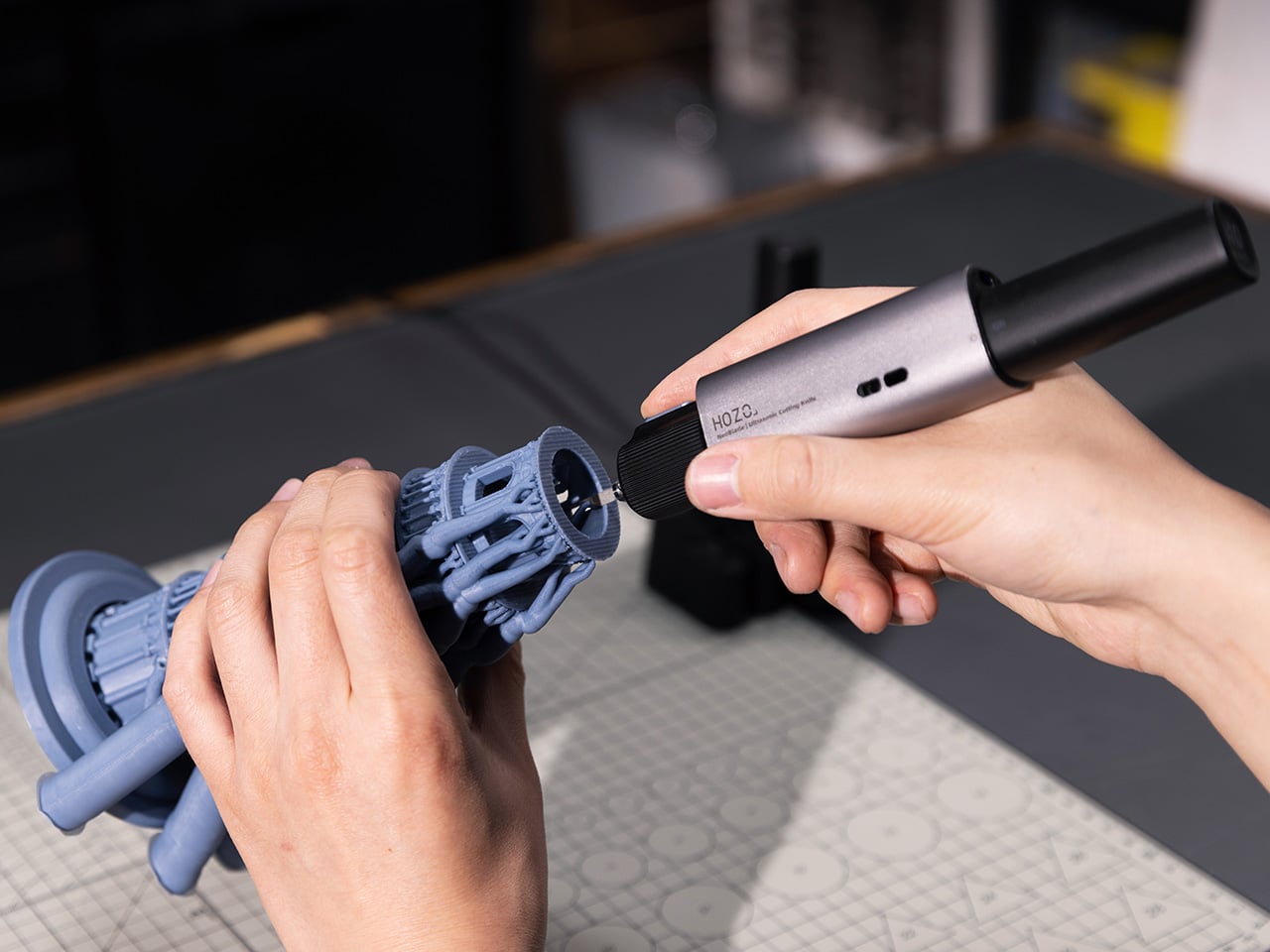
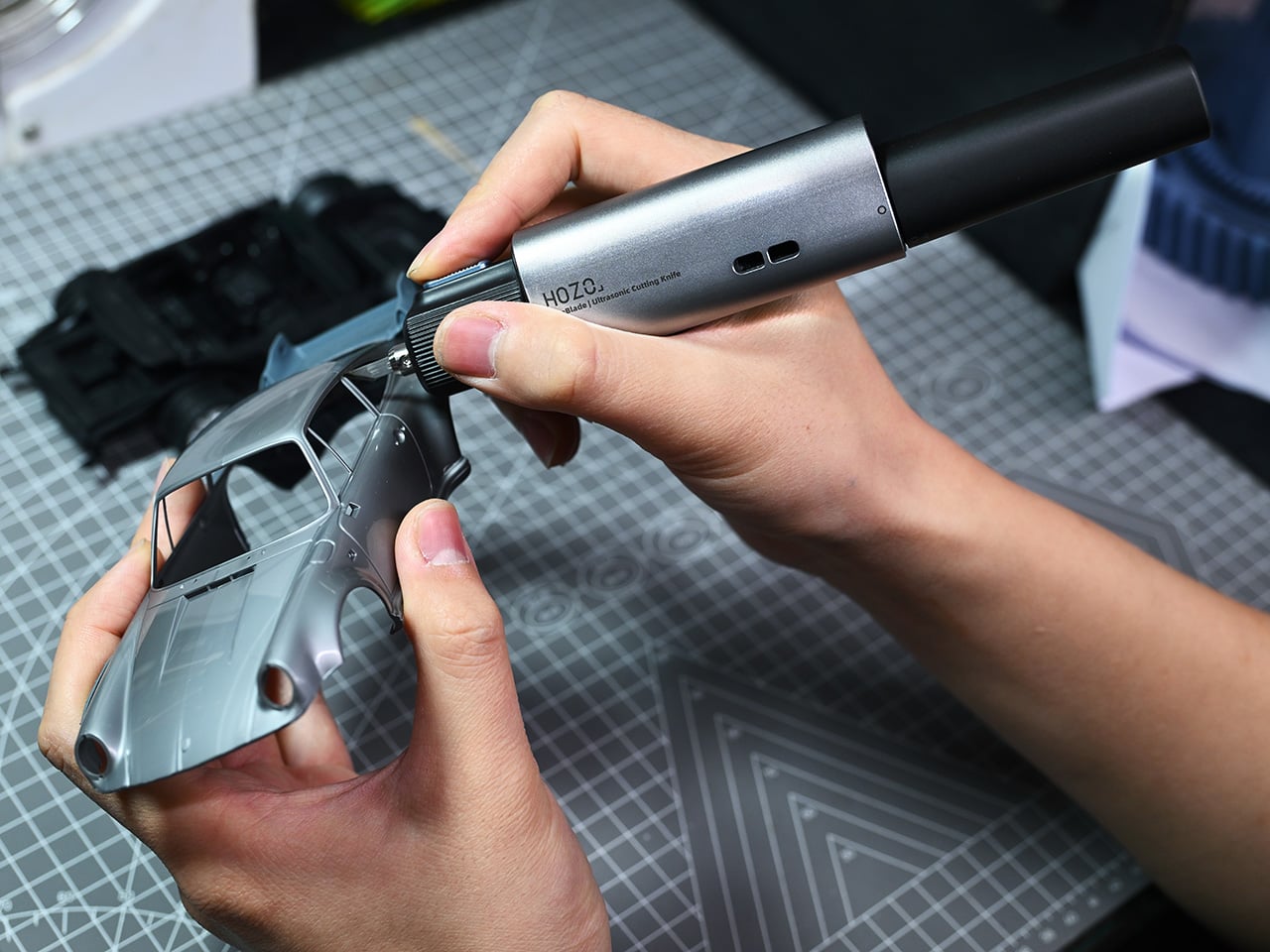
Ultrasonic cutters have been floating around maker spaces and professional studios for years, but they have always carried the same baggage: tethered cords, overheating, and body designs that feel more industrial than intentional. NeoBlade strips away all of that in favor of something much more useful. It runs completely wireless with a swappable 1300mAh battery system that hot-swaps in seconds, charges via USB-C in 30 minutes, and delivers 30 minutes of runtime per pack. The tool weighs just 124 grams without the battery, which makes it genuinely comfortable to hold for extended sessions trimming 3D prints, cutting leather patterns, or carving into foam core mockups. The ultrasonic engine itself operates at 40 kHz with adaptive power output between 9 and 40 watts depending on material density, so it adjusts on the fly whether you are slicing through 4mm acrylic or detailing cardboard templates.

HOZO built two cutting modes into the handle: Precision Mode works as a press-and-hold trigger for short, controlled cuts on intricate parts, while Continuous Mode toggles down for long, uninterrupted runs. The blade system deserves attention too. NeoBlade ships with a six-blade sampler set covering standard, long, chisel, mini chisel, curved, and double-edge profiles, all machined from SK5 steel that lasts two to three times longer than typical carbon steel hobby blades. They mount magnetically for quick swaps, and the tool accepts standard 9mm 30-degree snap-off blades from brands like OLFA if you want compatibility with what you already own. A 13,000 RPM turbo-cooling fan with dual exhaust vents keeps the internal temperature stable even during heavy use, which addresses one of the biggest weaknesses in older ultrasonic designs. HOZO also includes a child lock and designed the body with ambidextrous airflow, so it works cleanly for both right- and left-handed users. For the holiday bundles, HOZO offers the NeoBlade Combo at 25% off and the NeoBlade Premium Combo (also 25% off), which adds the TurboDock dual-channel fast-charging station and an extra battery pack for professionals running back-to-back projects. If you’re craving just the standalone NeoBlade, HOZO offers a pretty sweet 20% discount to begin with.

Why We Recommend It

Most precision cutters make you choose between portability and power, but NeoBlade solves that tradeoff by going fully wireless without sacrificing the high-frequency cutting performance that makes ultrasonic tools so effective in the first place. The swappable battery system is the real game-changer here, because it means you can keep a second pack charged and ready rather than pausing mid-project to wait for a tethered cord or a drained battery to recover. Combined with the variety of blade profiles and the adaptive power output that automatically adjusts to different materials, NeoBlade becomes one of those rare tools that handles both delicate detail work on resin prints and aggressive cuts through plywood or carbon fiber without needing a second device. At 20% for the standalone device and 25% off for both the Standard and Premium Combos, it lands at a price point that undercuts most corded ultrasonic cutters while delivering more flexibility and a cleaner workflow.

Click Here to Buy Now: $127.49 $149.99 (15% off) | NeoBladePremium Combo at 25% off Here. | NeoBlade Combo at 25% off Here. Hurry, deal ends in 48-hours!

NeoRuler (20% off)
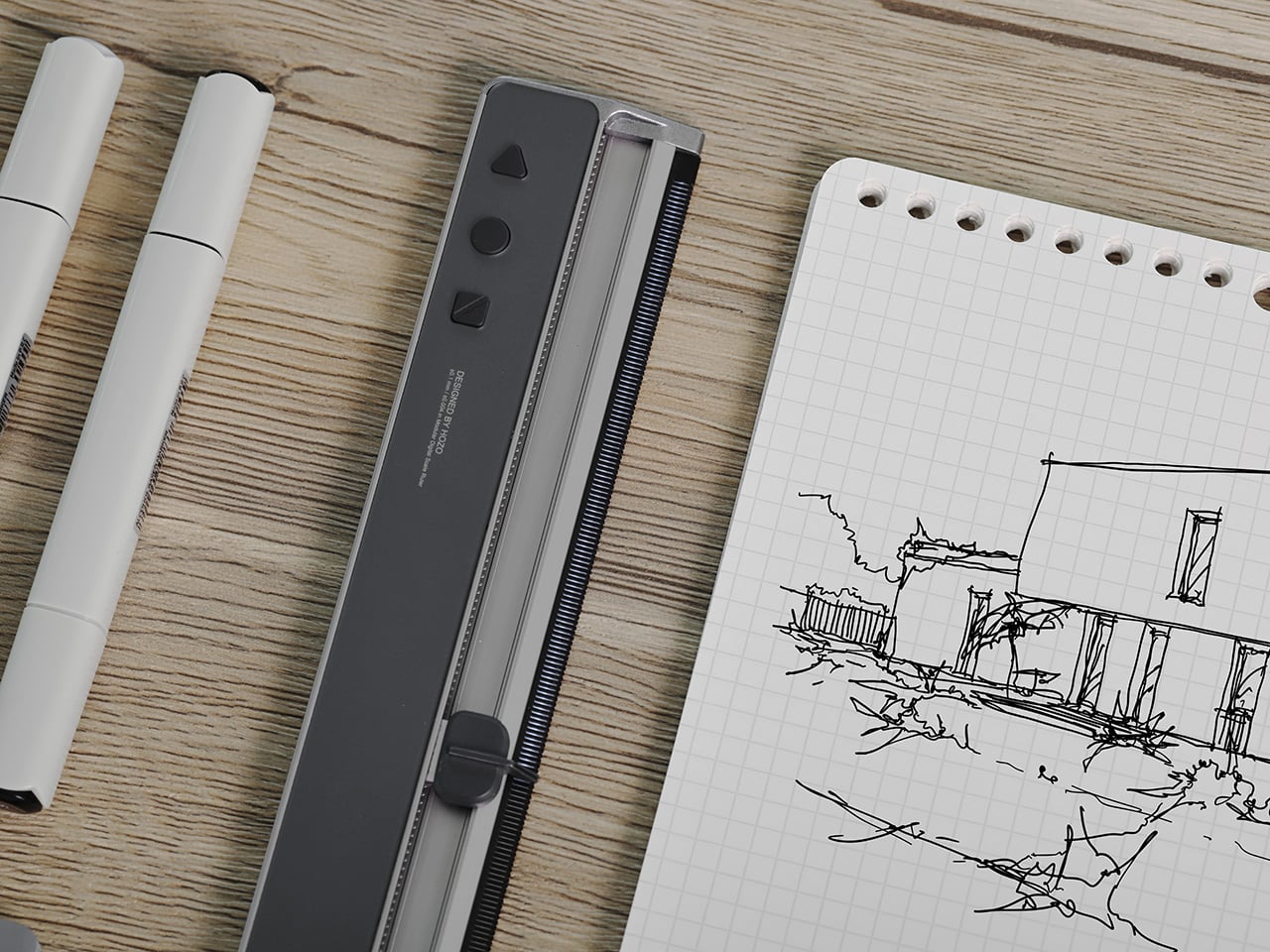
Most architects and engineers have a drawer full of scale rulers because no single tool covers all the ratios they actually need. NeoRuler collapses that entire collection into one 12-inch aluminum body with a 1.14-inch backlit LCD screen and a segmented LED strip running the length of the edge. Instead of fixed markings, you slide a pointer along the ruler and the display shows your measurement digitally with 0.1mm accuracy. The clever part is the zero-anywhere system, which lets you set any point along the ruler as your starting reference and measure bidirectionally from there without lifting the tool. NeoRuler ships with 93 built-in scales split across eight modes (architectural, engineering, metric, and more), covering ratios like 1:1, 1:50, 1:100, and everything in between. The MEAZOR app adds unlimited custom scales if your work involves non-standard ratios, and the device switches instantly between decimal inches, fractional feet, millimeters, centimeters, and other units without menu diving.

The 1000mAh battery charges via USB-C and delivers around 12 hours of active use or 180 days on standby, so it stays ready between projects. HOZO also offers the NeoRuler Premium Combo at 20% off, which bundles the ruler with NeoCaliper for object measurements, NeoMagnifier for fine readings, two NeoPointers (0.8mm and 1.2mm) for precise drafting, and a protective carrying case. The modular accessories snap onto the ruler body magnetically, turning it into a full desktop measurement system rather than just a single-purpose tool. The screen has a non-glare coating and adjustable color themes, which makes it genuinely easy to read under studio lighting or in the field.

Why We Recommend It

The real breakthrough with NeoRuler is how it eliminates the constant mental math and tool-swapping that comes with traditional scale rulers. If you are working from a drawing at 1:75 scale but need to convert that to actual dimensions in fractional inches, or if you are sketching at 1:20 and want to see the result in metric, NeoRuler handles the conversion in real time without forcing you to pull out a calculator or switch to a different ruler. The zero-anywhere feature is surprisingly useful in practice because it means you can leave the ruler positioned on a drawing and measure multiple segments without resetting or repositioning. At 20% off, the standard NeoRuler lands at just over $100, which undercuts what most people pay for a decent set of traditional scale rulers while delivering far more flexibility and precision in a single device.

Click Here to Buy Now: $103.20 $129 (20% off). | NeoRuler Premium Combo at 20% off. Hurry, deal ends in 48-hours!

NeoRulerGo (28% off)
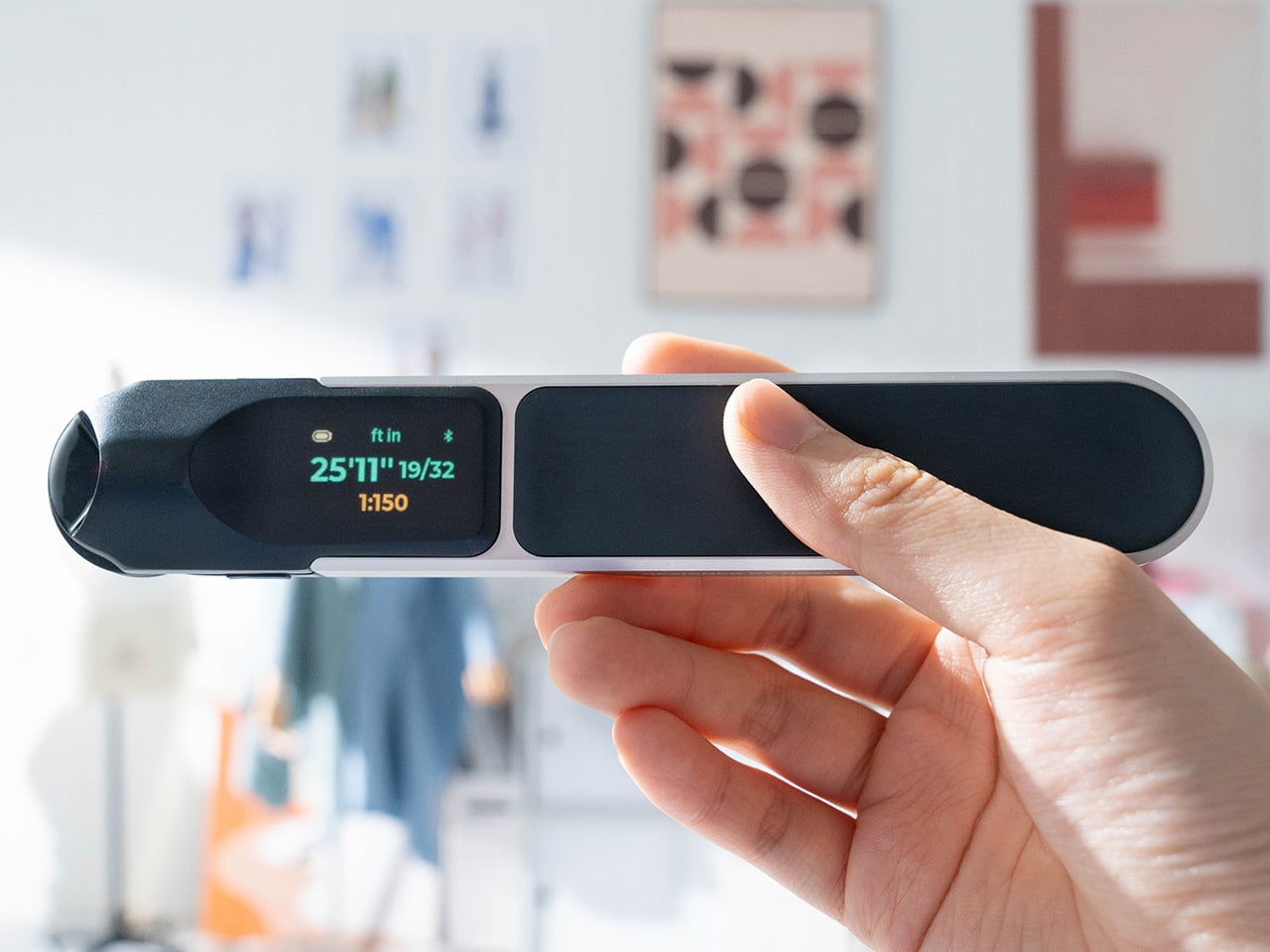
Where NeoRuler solves the desk-bound measurement problem, NeoRulerGo tackles a completely different challenge: measuring things that aren’t flat, straight, or conveniently positioned in front of you. This is HOZO’s pocket-sized rolling digital tape measure, roughly twice the size of a USB flash drive at 3.4 x 1.2 x 0.7 inches and weighing just 1.6 ounces. Instead of a sliding pointer on a rigid ruler, NeoRulerGo uses a small rubber wheel that you roll along whatever surface you are measuring, while a built-in red laser cross (635nm Class I) marks your start and end points. The digital screen displays real-time measurements as you roll, and the tool handles curves, irregular contours, and odd shapes just as easily as straight lines. Accuracy sits at ±1mm plus 0.5% of the distance measured, with 0.5mm resolution, which is more than adequate for field measurements, site surveys, or quick checks on furniture dimensions and room layouts.

Like its bigger sibling, NeoRulerGo includes the same 93 built-in scales and connects to the MEAZOR app for custom scale creation and data logging via Bluetooth. The 300mAh battery charges over USB-C and the body carries an IP54 rating, so light rain or dusty job sites won’t shut it down. The form factor makes it genuinely pocketable or keychain-friendly, which means it can live in your EDC rotation rather than sitting in a toolbox. HOZO also offers a Premium Combo version that bundles the NeoRulerGo with a leather case, extra roller tire, and a set of drafting accessories for on-the-go sketching and note-taking.

Why We Recommend It

NeoRulerGo fills a very specific gap that traditional tape measures and rigid rulers both struggle with: quick, accurate measurements of non-flat surfaces without the awkwardness of trying to bend a metal tape or eyeball the curve. The rolling wheel mechanism makes it trivial to measure things like chair armrests, curved tabletops, pipe circumferences, or the actual walking distance along a hallway with corners, all while the laser guide keeps your path visible and the digital readout eliminates guesswork. At 28% off on Amazon, it lands well under $60, which makes it an easy add to any designer’s or maker’s travel kit, especially for people who do site visits, measure existing furniture for custom builds, or need to capture dimensions in spaces where pulling out a full tape measure feels cumbersome.

Click Here to Buy Now: $49.98 $69 (28% off). Hurry, deal ends in 48-hours!

NeoBlock Premium Combo (25% off)
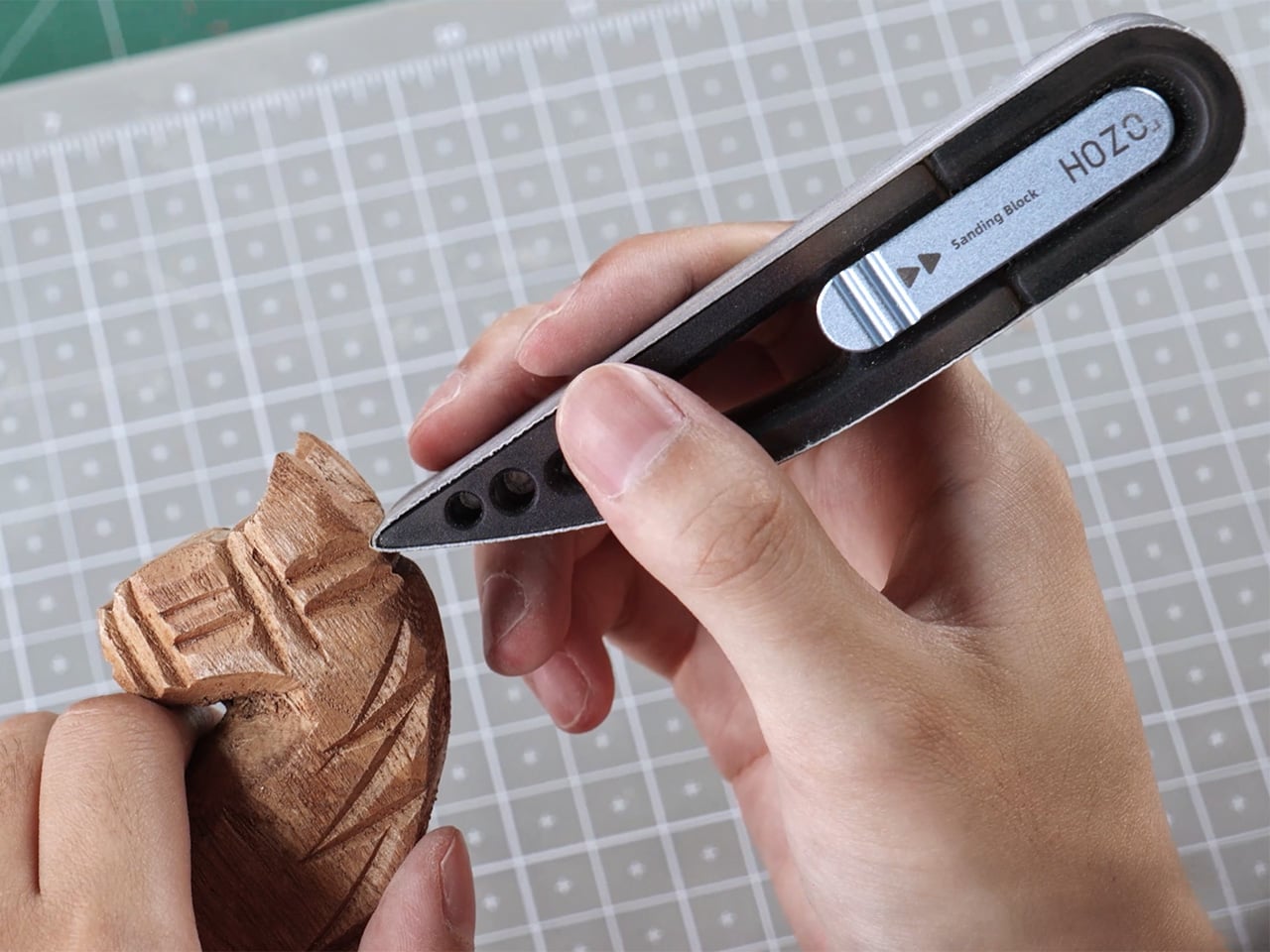
Sanding 3D prints or smoothing model parts usually means juggling multiple grits of sandpaper, wrestling with worn-out sheets, and constantly switching between flat blocks and flexible pads depending on the surface. NeoBlock takes the modular thinking HOZO applies to measurement tools and redirects it toward surface finishing. The Premium Combo includes one magnetic handle and three swappable sanding heads: S01 Basic for flat surfaces and rounded corners, S02 Pro for detailed precision work, and S03 Expert with a flexible body for curves and irregular contours. Each head clicks onto the handle magnetically in about five seconds without any tools, and the sanding belts themselves swap just as quickly thanks to a spring-loaded tension system. The kit ships with 60 industrial-grade cloth-backed belts covering six grits (120, 180, 240, 400, 600, and 800), with 10 belts per grit, so you can progress from aggressive material removal all the way through fine polishing without running out mid-project.

The belts measure 1.25 x 11 inches and wrap around the heads in a continuous loop, which means they last longer than equivalent sheets of sandpaper and distribute wear more evenly. The handle itself is machined from aluminum alloy and stainless steel with a PC+ABS body, giving it enough weight to feel controlled without causing hand fatigue during extended sessions. The S01 head works well for broad flat areas and can navigate inside corners cleanly. S02 narrows the contact patch for fine detail work on miniatures, prototypes, or tight spaces. S03’s flexible construction lets it conform to curved surfaces like rounded edges, cylindrical parts, or organic shapes without flattening the profile. The whole system fits into a premium storage box that keeps the heads, belts, and handle organized between uses.

Why We Recommend It

Most sanding block systems force you to commit to either rigid precision or flexible adaptation, but NeoBlock’s three-head approach covers both extremes and the middle ground without requiring separate tools. The magnetic quick-swap mechanism makes it genuinely fast to shift between tasks, so you can rough out a 3D print with 120-grit on the S01 head, switch to 400-grit on the S02 for detail cleanup, then move to 800-grit on the S03 to polish curved edges, all within the same workflow and without fumbling with adhesive-backed sheets or clamps. At 25% off, the Premium Combo lands at just over $70, which includes enough belts across six grits to handle dozens of projects before you need to restock. For anyone who regularly finishes 3D prints, builds scale models, or does any kind of surface prep on small parts, NeoBlock turns sanding from a tedious chore into a task that actually feels efficient and controlled.

Click Here to Buy Now: $71.25 $95 (25% off). Hurry, deal ends in 48-hours!

The post 4 Holiday Gifts for Designers Who Already Own Everything (But Need This) first appeared on Yanko Design.
5 Gifts That Give Analog Joy in a Digital World

Our days are choreographed by screens. Messages stack up, tabs multiply, and even downtime quietly dissolves into endless scrolling. Everything is fast, efficient, and slightly forgettable. The more our lives move into apps and feeds, the more special it feels to hold something real, weighty, and unconnected.

This gift guide is a small rebellion against that drift. Each of these five picks invites a different kind of analog joy. They ask you to press graphite into paper, light a real flame, wait for a print to develop, or sit with an entire album. None of them need notifications to feel important. They just need a little bit of your time and attention.

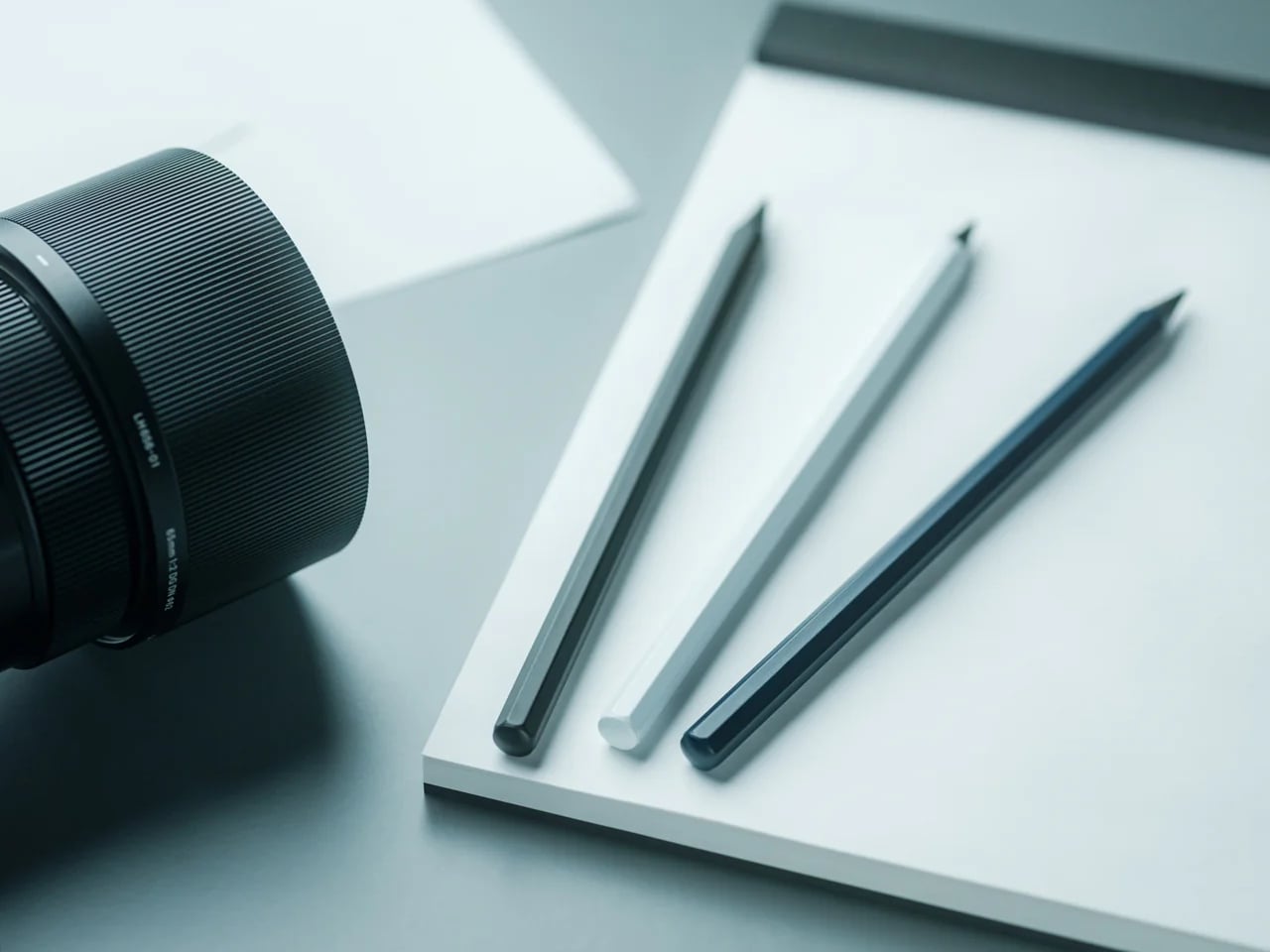
Everlasting All‑Metal Pencil

The Everlasting All‑Metal Pencil is what happens when a humble everyday tool is treated like a piece of precision hardware. It looks and feels like a machined object from a design studio, not a disposable stick from a stationery aisle. There is no wood to sharpen and no plastic to crack, just a single, solid body that quietly asks to live on your desk for years.

Using it turns quick notes and margin doodles into a small ritual. The cool touch of the metal, the balance in your hand, and the clean line it leaves on the page all slow you down just enough. It is perfect for designers, architects, and notebook addicts who want something permanent in a world of temporary browser tabs. As a gift, it is that rare thing that feels both minimal and deeply considered.

Click Here to Buy Now: $19.95

What We Like

  • Feels premium and durable.
  • Eliminate the need for sharpening.

What We Dislike

  • May feel heavier than a regular pencil.
  • Lacks the nostalgic ritual of shaprpening, which some analog purists actually enjoy.

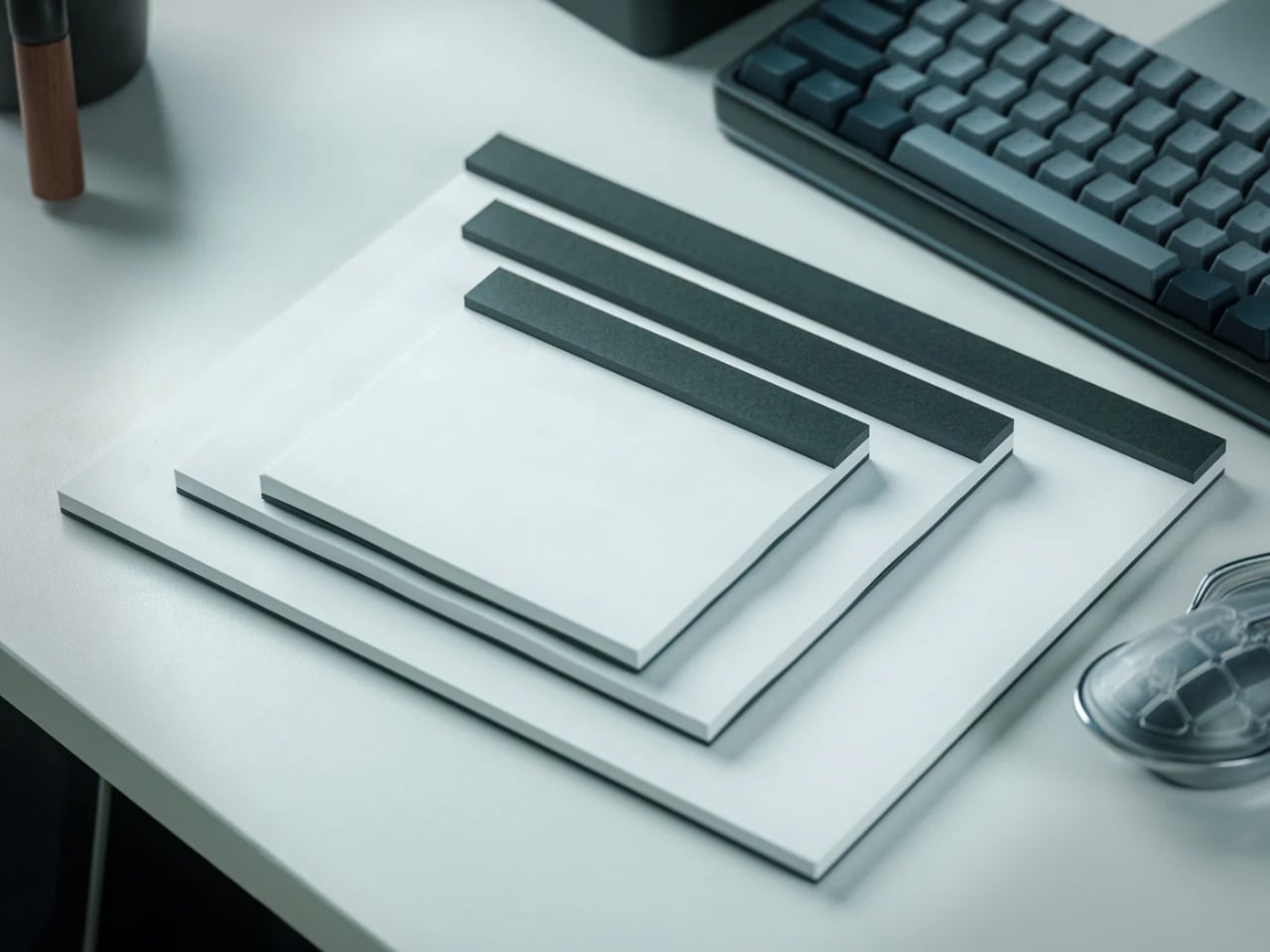
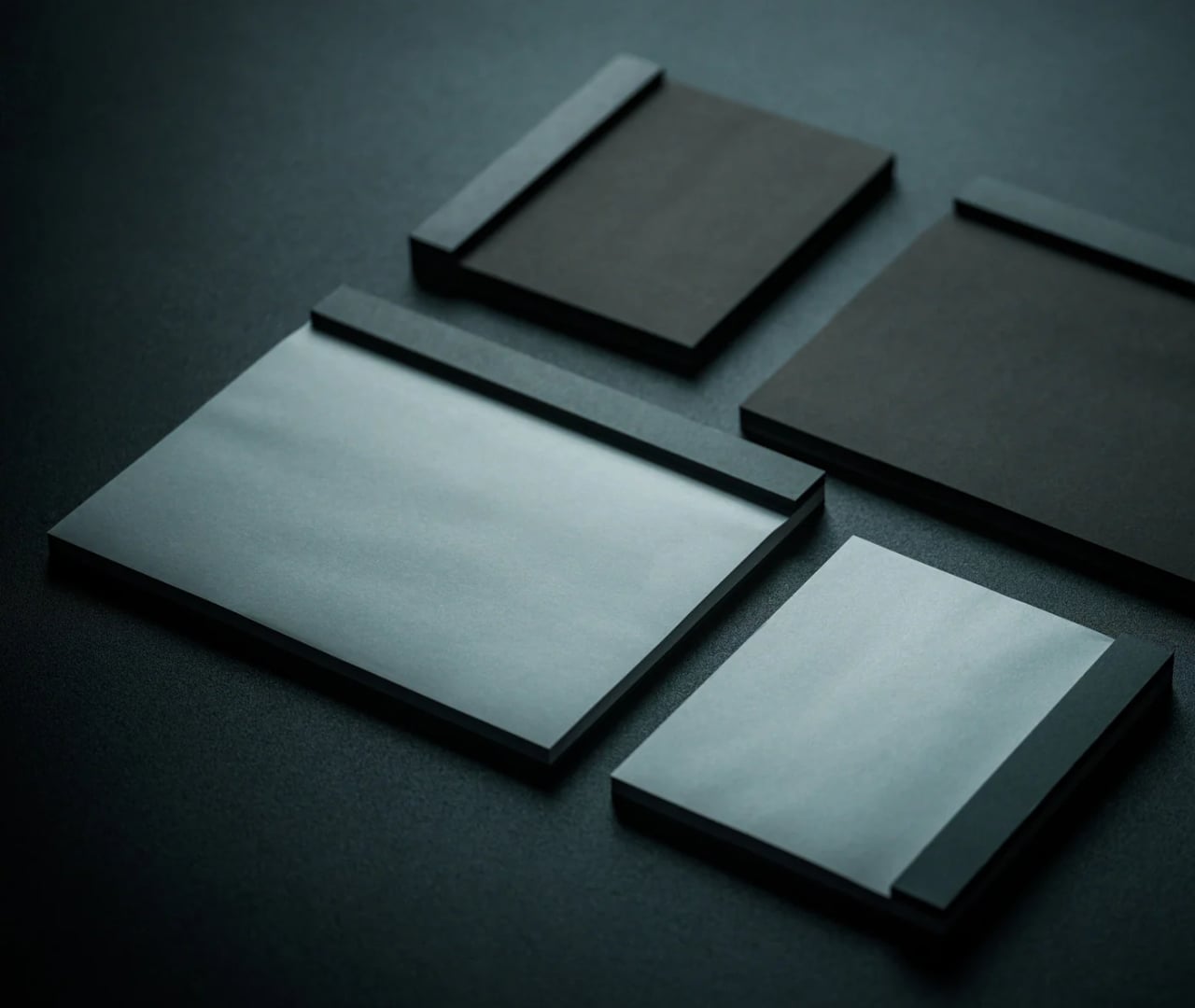
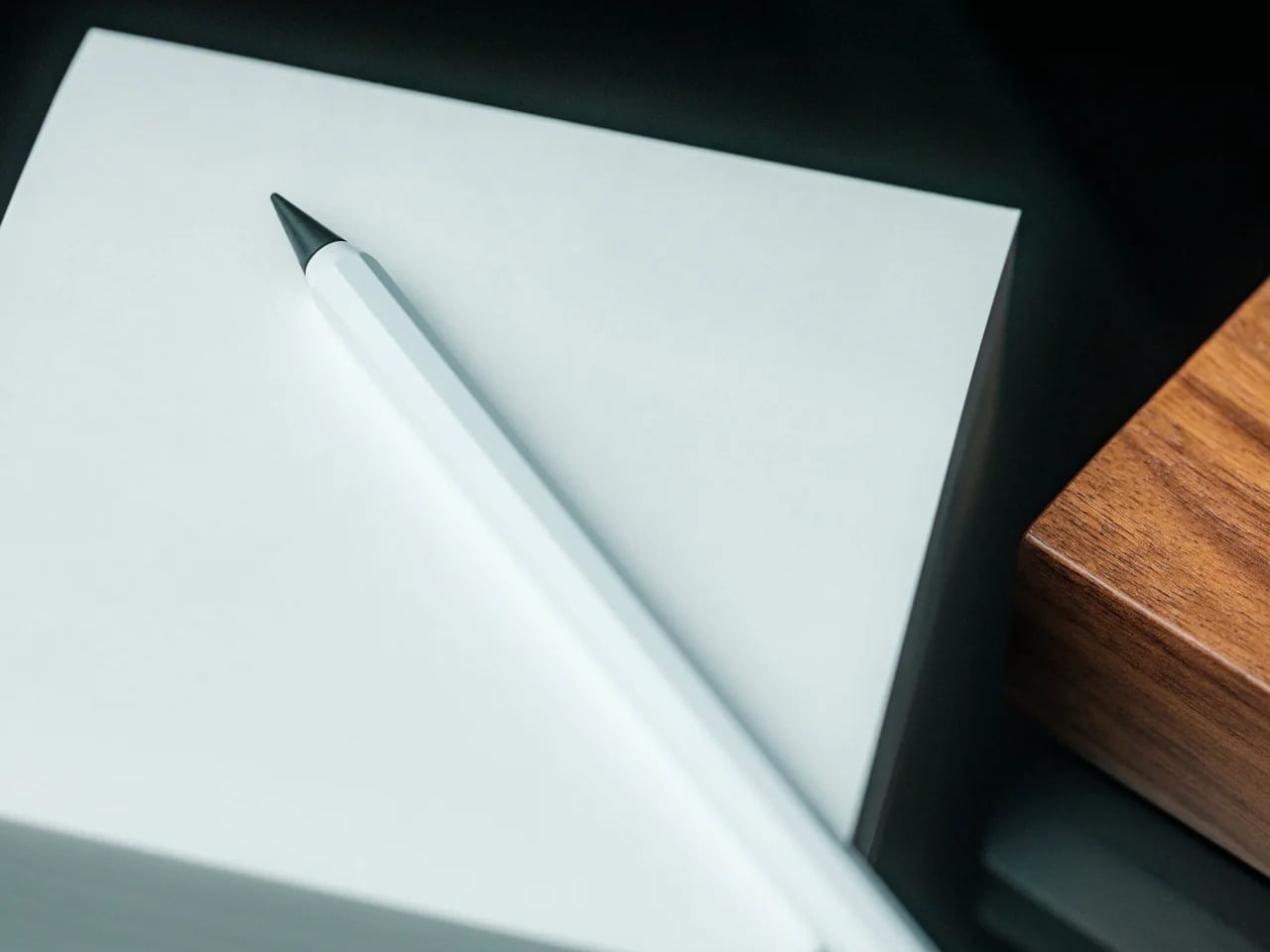
Japanese Drawing Pad

A good analog tool deserves equally good analog paper. The Japanese Drawing Pad is the quiet counterpart to the all‑metal pencil, turning loose thoughts into something you can literally flip through. Every sheet becomes a small stage for sketches, diagrams, or half‑formed ideas that would disappear instantly if they were typed into a notes app.

There is a tactile pleasure in the way the pages bend, stack, and curl over time. The pad looks clean and intentional on a desk, yet it is never precious enough to intimidate. You can fill it with messy thumbnails or careful lettering and it will still feel right. Paired with the metal pencil, it becomes a complete thinking kit, ideal for anyone who likes to step away from their screen and see ideas spread out in front of them.

Click Here to Buy Now: $26.00

What We Like

  • High-quality paper enhances the feel of drawing and writing.
  • Encourages analog thinking and sketching habits.

What we dislike

  • Not ideal for people who prefer lined or heavily structured pages.

Fire Capsule Oil Lamp

The Fire Capsule Oil Lamp is analog joy in its purest form. It does one thing beautifully. It gives you a small, living flame in a world of harsh LEDs and backlit everything. Lighting it becomes a tiny ceremony at the end of the day. You strike a match, watch the wick catch, and feel the room shift as the glow softens edges and slows your thoughts.

Its capsule‑like form makes it as much an object of design as a source of light. Metal and glass work together to frame the flame so it looks almost suspended inside the silhouette. Even when it is not lit, it reads as a sculptural accent on a shelf or bedside table. Give it to someone who loves reading at night, journaling by hand, or simply reclaiming a corner of their home from the blue light of their phone.

Click Here to Buy Now: $89.00

What we like

  • Creates a warm, calming atmospher.
  • Simple, analog operation turns lighting into a relaxing daily ritual.

What we dislike

  • Invoices an open flame, which requires caution.
  • Can leave a faint scnet or residue if low-quality oil is used.

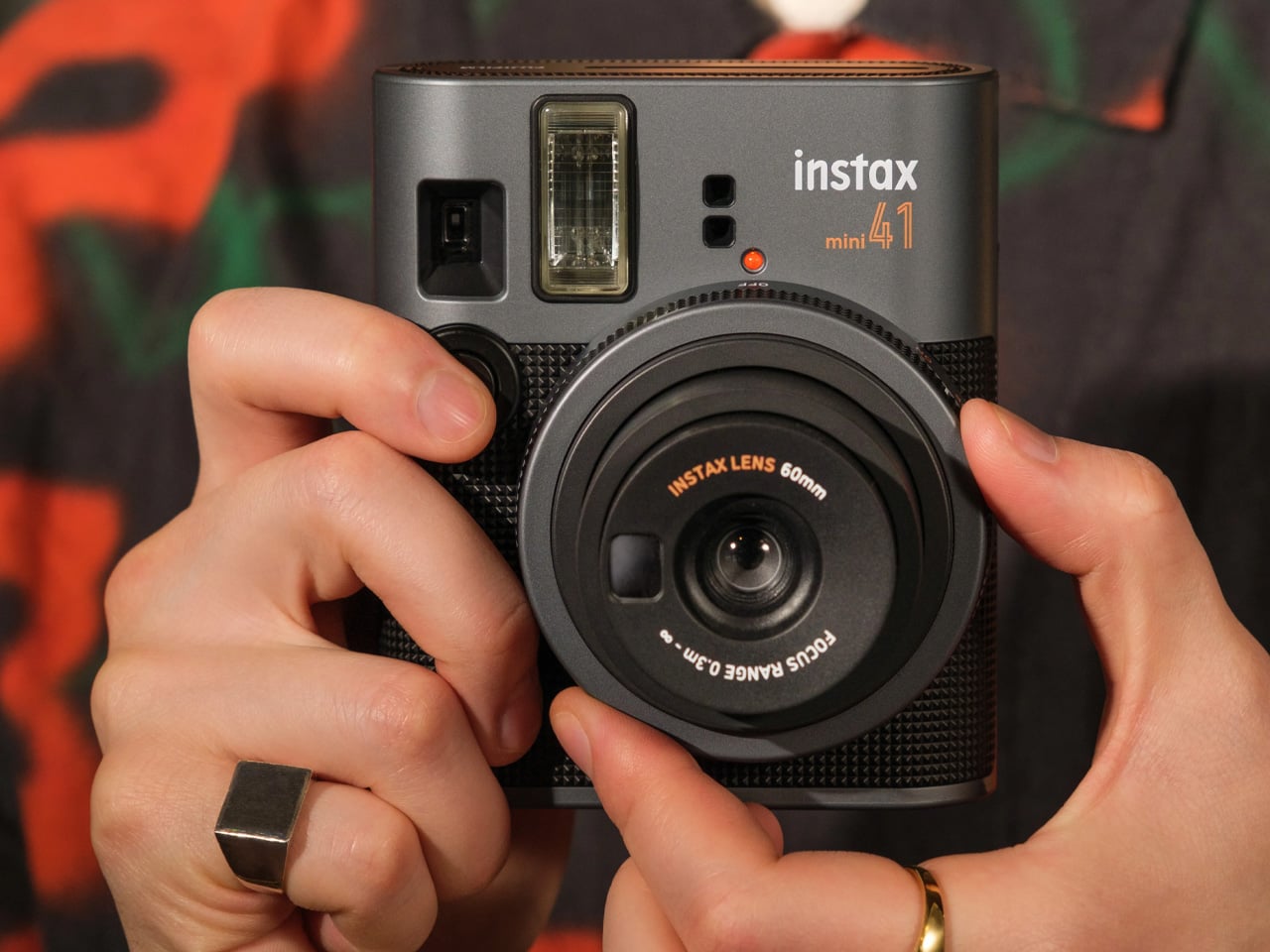
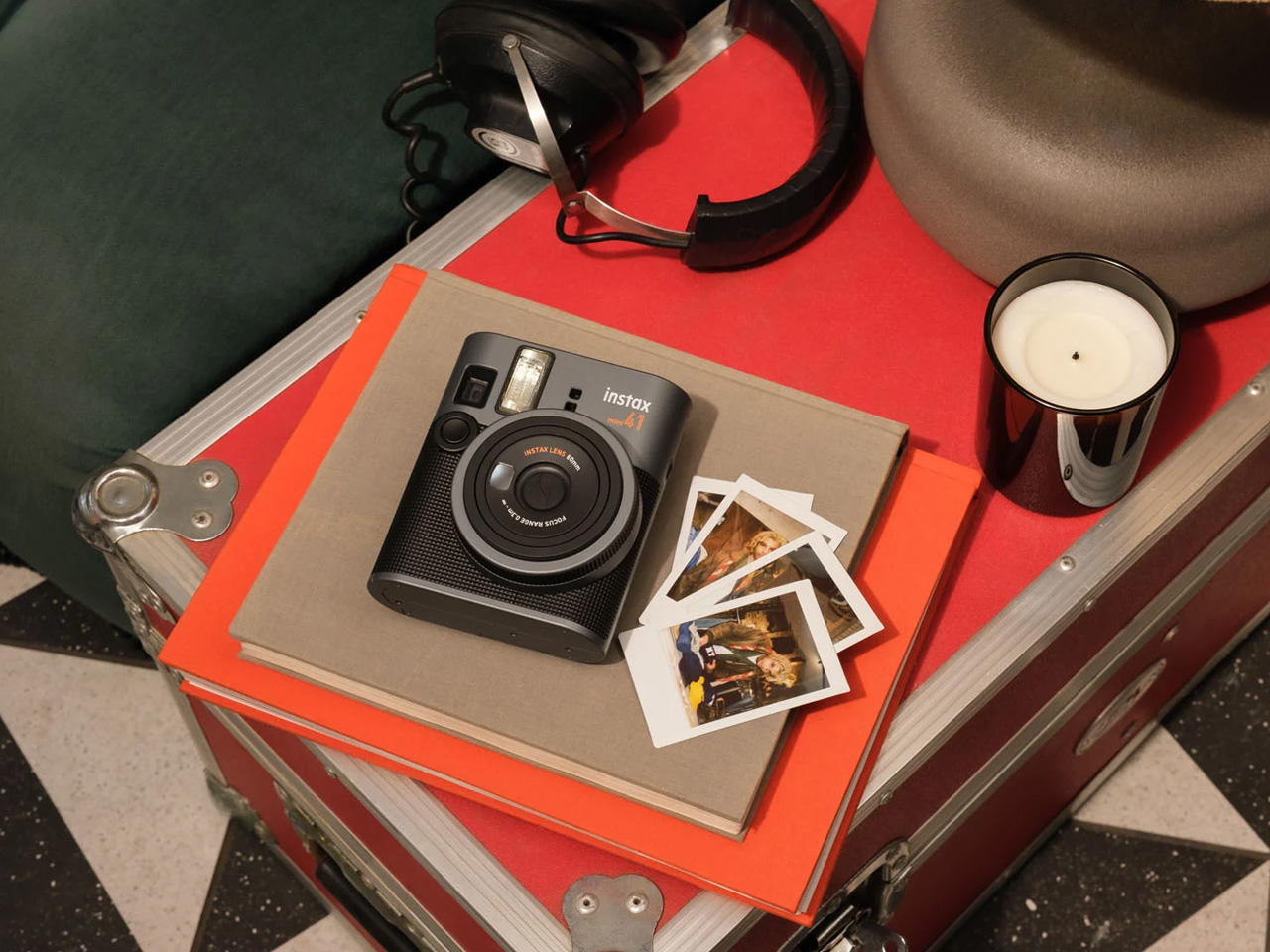
Fujifilm Instax Mini 41

The Fujifilm Instax Mini 41 brings back the thrill of waiting for a photo to appear in your hands. It has the retro charm of an instant camera, yet it is tuned for the way people actually shoot now. You frame the shot, click, and a small print slides out, slowly revealing the moment you just captured. There are no filters, no retakes, and no algorithm deciding whether this memory deserves likes.

Its design leans into nostalgia without feeling like a toy. The body has a familiar, friendly shape, while the updated features make it easier to capture better selfies and group shots. It is the perfect gift for someone who lives on social media but is starting to crave something they can stick on a wall, tuck in a wallet, or leave on a fridge. Over time, the little prints become a physical timeline that no feed can quite match.

What we like

  • Produces instant physical prints.
  • Modern features make it easier to capture better selfies and group shots.

What we dislike

  • Requires ongoling purchases of film.
  • Bulky compared to a phone camera.

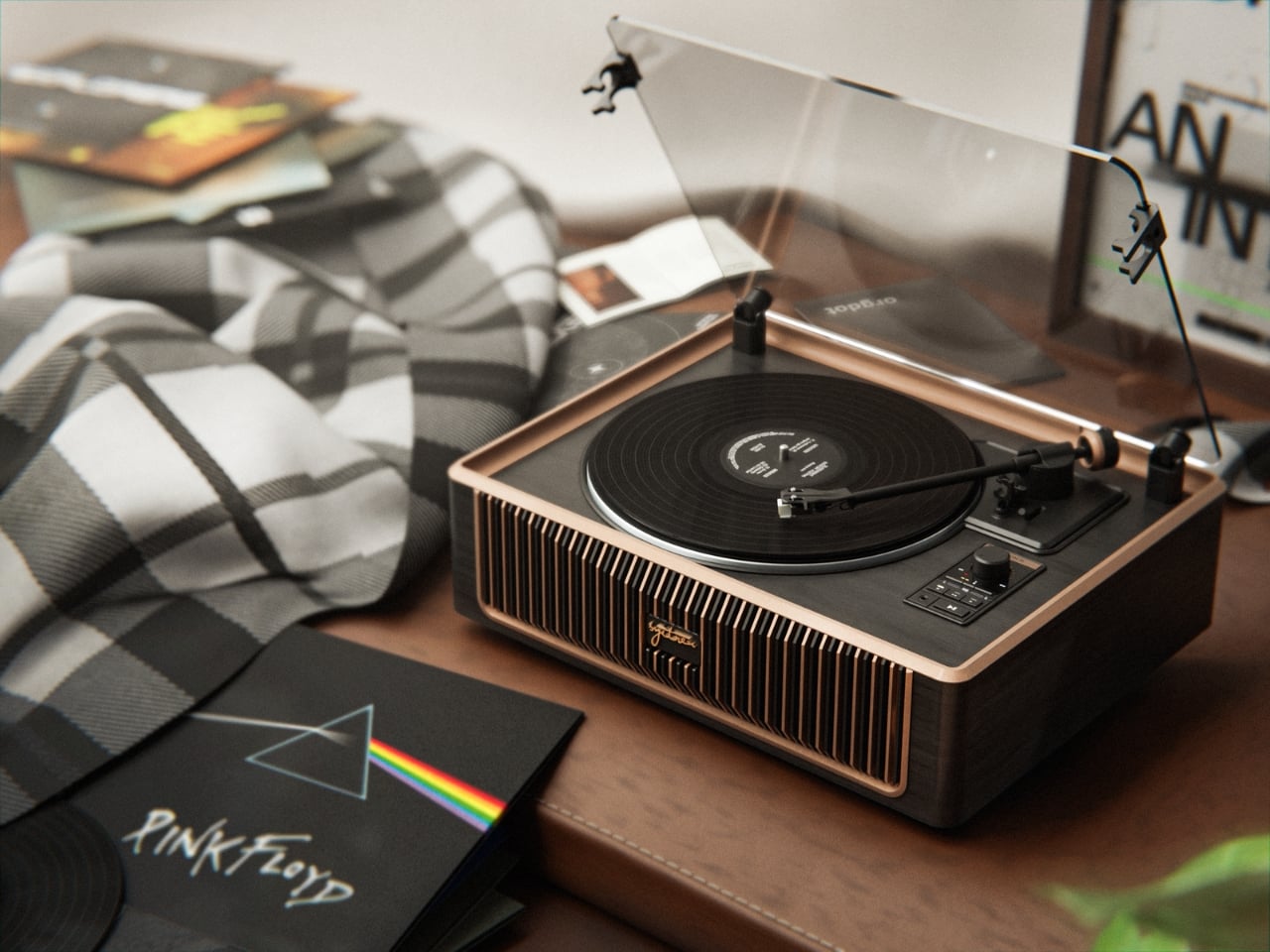
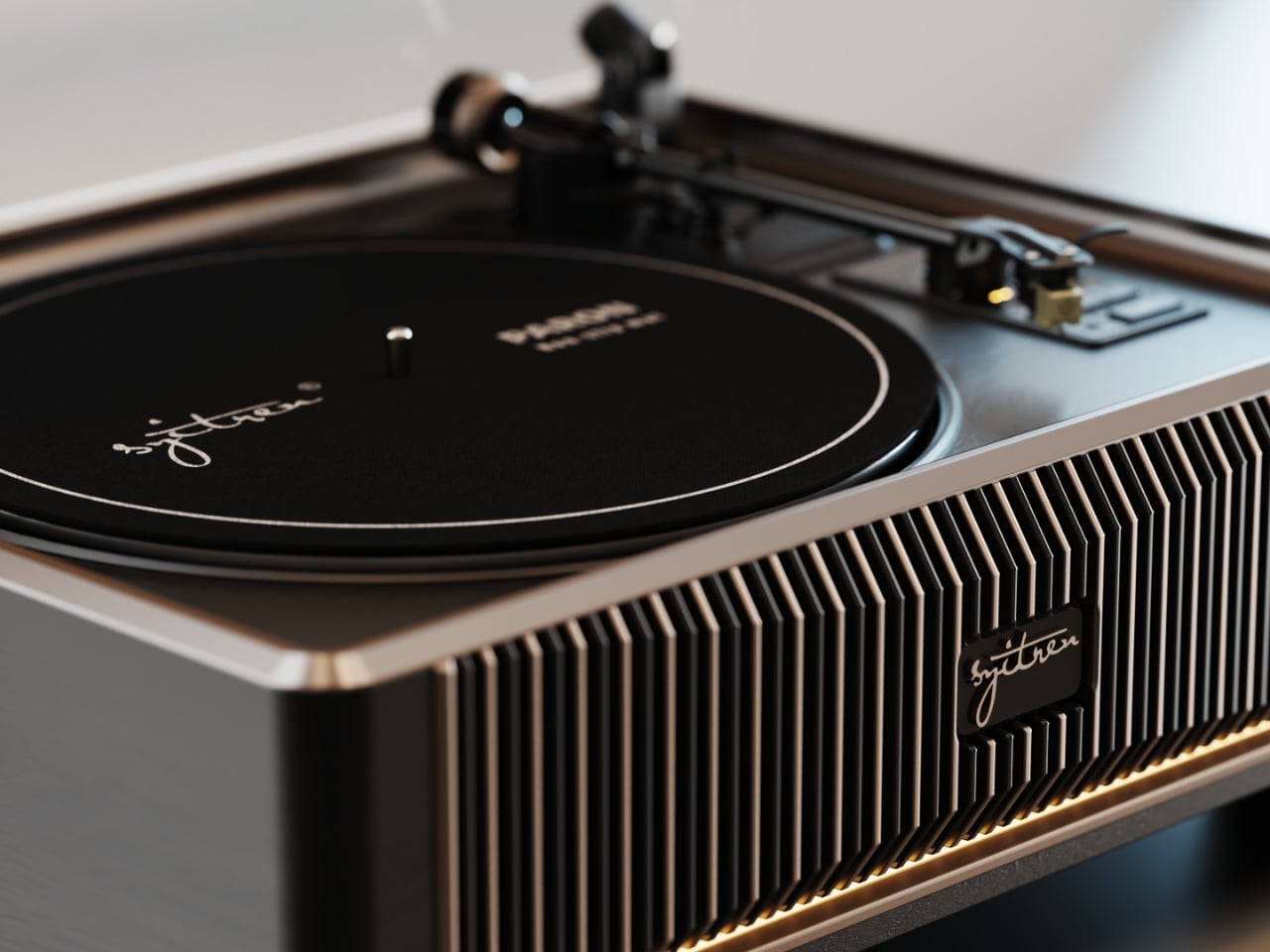
PARON III

The PARON III is the most dramatic expression of analog joy in the lineup. It hides its turntable mechanism inside an incredibly sleek shell, so at first glance it looks more like a minimalist sculpture than a piece of audio gear. That visual restraint sets the tone for the entire listening experience. When you use it, you are not just putting on background noise. You are starting a small performance.

Playing a record on it is deliberately slower than tapping a playlist. You slide the vinyl from its sleeve, place it carefully, and commit to at least one full side. That constraint is exactly what makes it feel special. The clean lines and reduced visual clutter let it blend into modern interiors while still acting as a focal point when the music starts. As a gift, it is a statement. It is for the person who loves sound, sleeve art, and the idea that listening should sometimes be a single, undistracted act.

What we like

  • Turns listening to musicinto a deliverate, immersive ritual.
  • Premium design makes it a striking centerpeice.

What we dislike

  • Less convenient than streaming for casual listeners.

Find the Gift That Slows Their World Down

Analog gifts are not about pretending the digital world does not exist. They are about carving out small islands of slowness inside it. The Everlasting All‑Metal Pencil and Japanese Drawing Pad belong with the person who fills notebooks faster than hard drives. The Fire Capsule Oil Lamp suits the night owl who wants to unwind without another screen. The Fujifilm Instax Mini 41 is for the memory‑maker who wants a real stack of photos. The sleek vinyl player is for the listener who knows albums by heart and wants a reason to sit down and hear them properly.

Choose the gift that fits the ritual they already have or secretly want. Each of these objects asks for nothing more than a few quiet minutes and a pair of hands. In return, they give something the digital world still struggles to deliver. They give weight, texture, and the kind of small, analog moments people remember long after the latest app update fades.

The post 5 Gifts That Give Analog Joy in a Digital World first appeared on Yanko Design.
This 20-Foot Tiny Home Brings Authentic Japanese Design to Compact Living

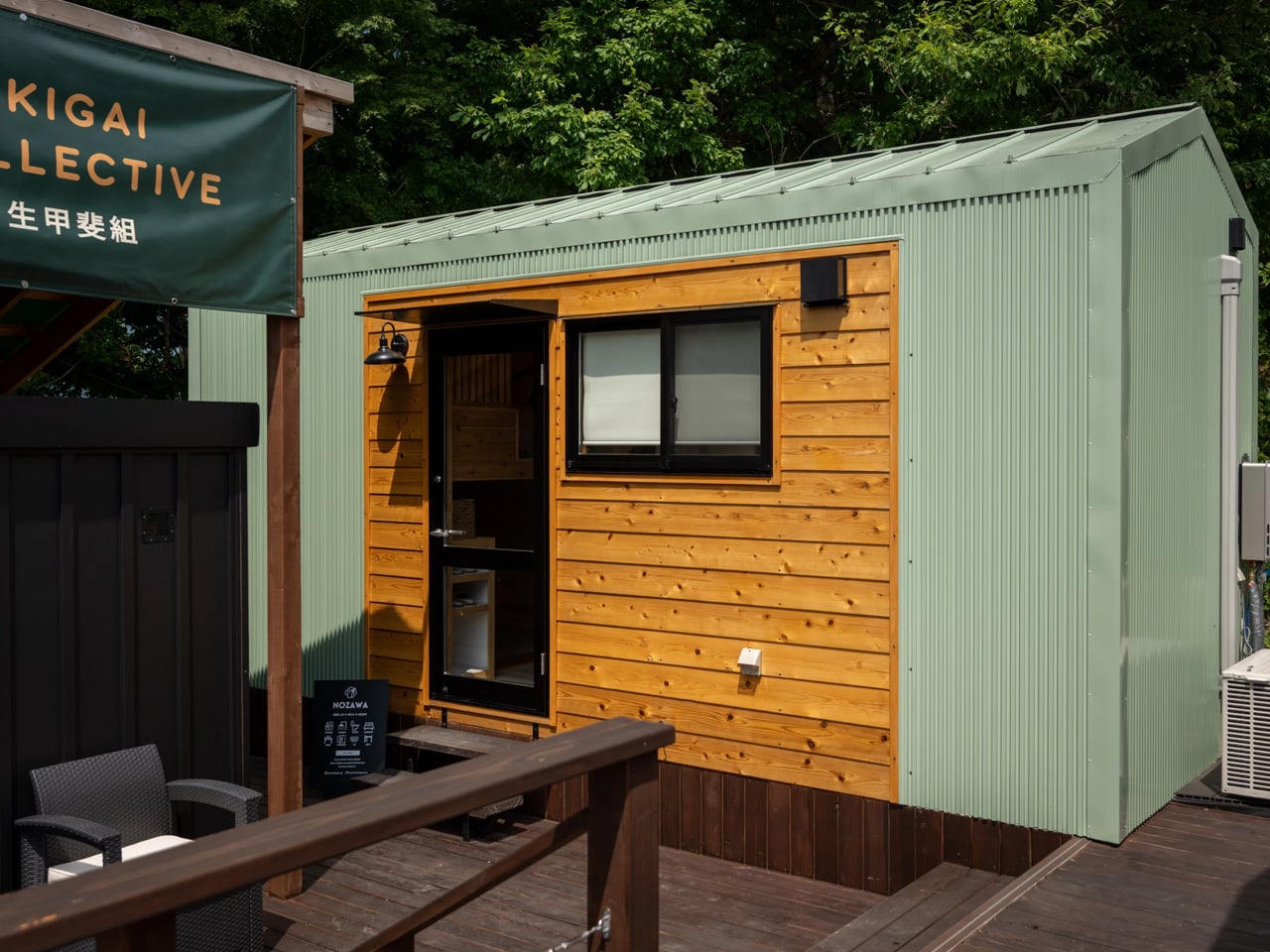
The tiny house movement has found a new voice in Japan, where Ikigai Collective is creating homes that honor traditional aesthetics while embracing modern minimalism. The Nozawa stands out as a stunning expression of Japanese design philosophy, built not as an homage from afar but as an authentic creation rooted in local culture and craftsmanship. Measuring just 20 feet in length, this compact dwelling challenges the North American trend toward ever-larger tiny homes that sometimes stretch beyond 50 feet. The Nozawa aligns more closely with European sensibilities, proving that thoughtful design can create livable spaces without expanding square footage. Its modest dimensions become an asset rather than a limitation when every inch serves a purpose.

The exterior combines durable steel cladding with wooden accents, creating visual warmth while standing up to varied weather conditions. Inside, wood dominates every surface, enveloping occupants in a cabin-like atmosphere that feels both grounded and inviting. The material choice speaks to Japanese design principles where natural elements bring spaces to life without unnecessary ornamentation. The design acknowledges that wild parties aren’t part of the plan, focusing instead on quiet comfort for two people who value intimate living spaces over expansive floor plans.

Designer: Ikigai Collective

The layout unfolds across two levels, with the ground floor dedicated to a tatami-style living room that requires a slight crouch to enter. This low-ceilinged space embraces the floor-level living tradition found in Japanese homes, where straw mat flooring and minimal furniture create rooms for contemplation and connection. A simple table anchors the space, offering flexibility for dining, working, or hosting intimate gatherings. The tatami concept draws from centuries of Japanese residential design, bringing that cultural heritage into a modern mobile dwelling that can adapt to contemporary lifestyles while maintaining traditional sensibilities.

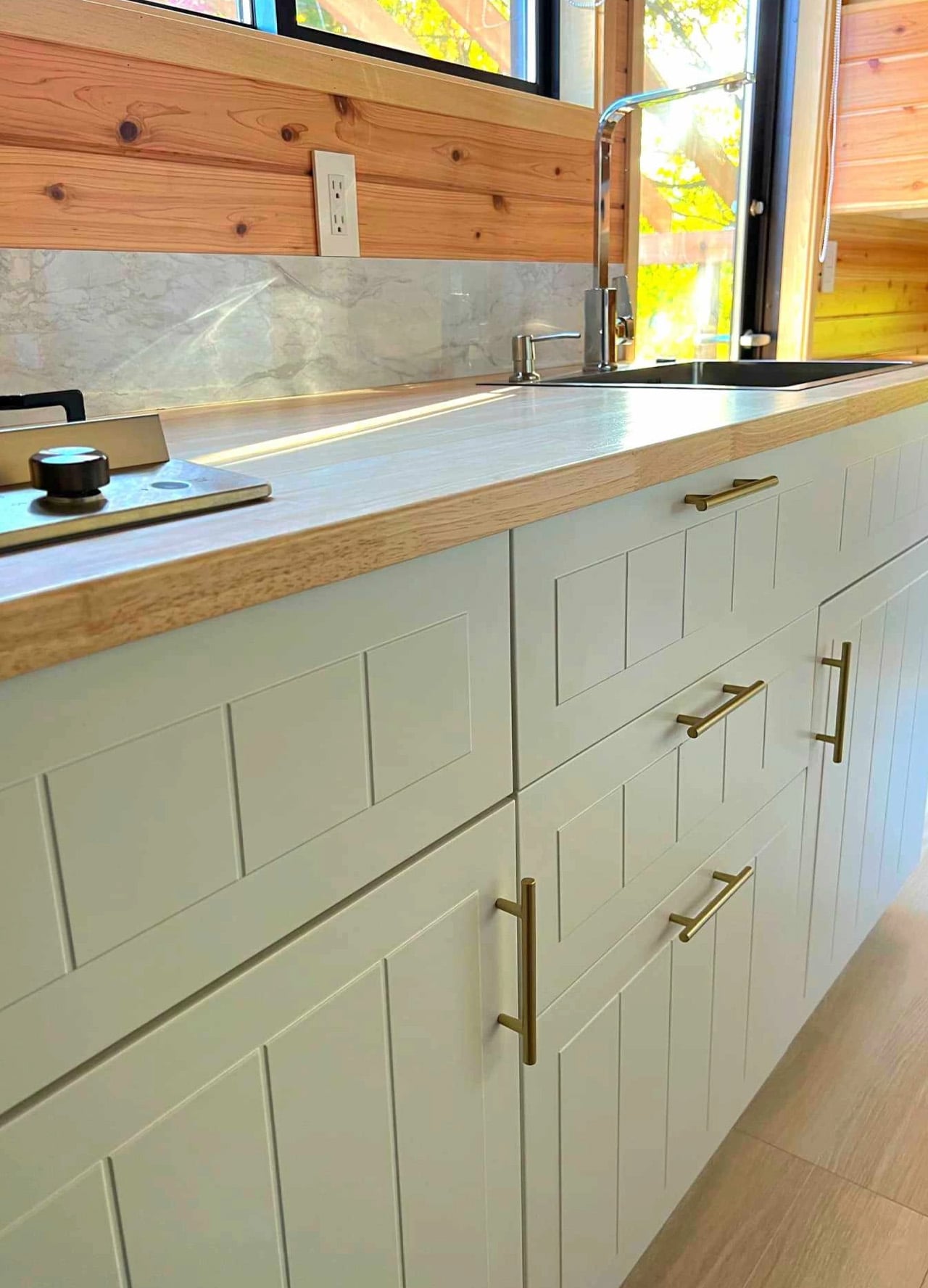
The kitchen occupies its own zone nearby, impressively equipped for such a compact footprint. A large stainless steel sink pairs with a two-burner propane stove, while a full-size fridge and freezer eliminate the compromises often required in tiny living. Ample cabinetry keeps essentials organized, and a dining table extends the kitchen’s functionality as both a meal space and a potential work area. A sliding door reveals the bathroom, where a shower, flushing toilet, and petite sink handle daily needs efficiently within the tight quarters. The thoughtful placement of these essential spaces demonstrates how careful planning transforms limitations into livable solutions.

Above the living room, a loft bedroom accessed by a removable ladder provides sleeping quarters fitted with a double bed, storage solutions, and a wall-mounted television. The space maintains the low ceiling typical of loft designs but offers privacy without isolation, separated from the living areas yet connected to the home’s overall flow. The bedroom represents the final piece of the Nozawas’ puzzle, creating a complete home environment where two people can comfortably manage daily routines without feeling cramped or compromising on essential amenities.

Ikigai Collective positions the Nozawa at ¥11,300,000, roughly $72,000, with various customization options available for materials and furnishings. International availability remains unclear, making direct contact with the firm necessary for interested buyers outside Japan. The price reflects both quality construction and the specialized market it serves, targeting buyers who value authentic cultural design over generic tiny house trends. The Nozawa succeeds by staying true to its Japanese roots rather than attempting universal appeal. This focused vision creates a home that works beautifully within its cultural context, offering a template for how regional tiny house movements might develop their own distinct character and aesthetic language that honors local traditions while meeting contemporary needs.

The post This 20-Foot Tiny Home Brings Authentic Japanese Design to Compact Living first appeared on Yanko Design.
Google pulls AI-generated videos of Disney characters from YouTube in response to cease and desist

Google seems to be cracking down on the use of Disney characters in AI-generated videos on YouTube after it was hit with a cease and desist letter. According to reports by Variety and Deadline, the company removed dozens of videos featuring Deadpool, Moana, Mickey Mouse, Star Wars characters and other Disney IP as of Friday, just days after Disney accused it of "infringing Disney’s copyrights on a massive scale." The letter, seen by both publications earlier this week, called out Google not just for hosting these videos on YouTube, but also for using copyrighted works to train models including Veo and Nano Banana.

Prior to this, Disney has come after Character.AI as well as Hailuo and Midjourney — both of which it's suing — over AI-related copyright infringement. But, that doesn't mean it's shunning AI-generated content altogether. The company on Friday announced a deal with OpenAI that will bring Disney characters to Sora and ChatGPT, and bring AI-generated shorts from Sora to Disney+.

This article originally appeared on Engadget at https://www.engadget.com/ai/google-pulls-ai-generated-videos-of-disney-characters-from-youtube-in-response-to-cease-and-desist-220849629.html?src=rss

Saucony and Lay’s collaborate for food-inspired sneakers with regional flavors in China

Around 2020 – give or take a year or two – when I was just getting into writing about sneakers, I read about Dunkin’ collaborating with Saucony (an athletic footwear brand I had only just discovered), for a marathon in Boston. At the time, I wasn’t convinced that food and shoes, an odd pairing, could really find common ground for a collaboration. Nearly a decade later, Saucony finds itself in the middle of another food-themed partnership. This one is specific to China, but it’s likely to interest foodies and sneakerheads far beyond the region.

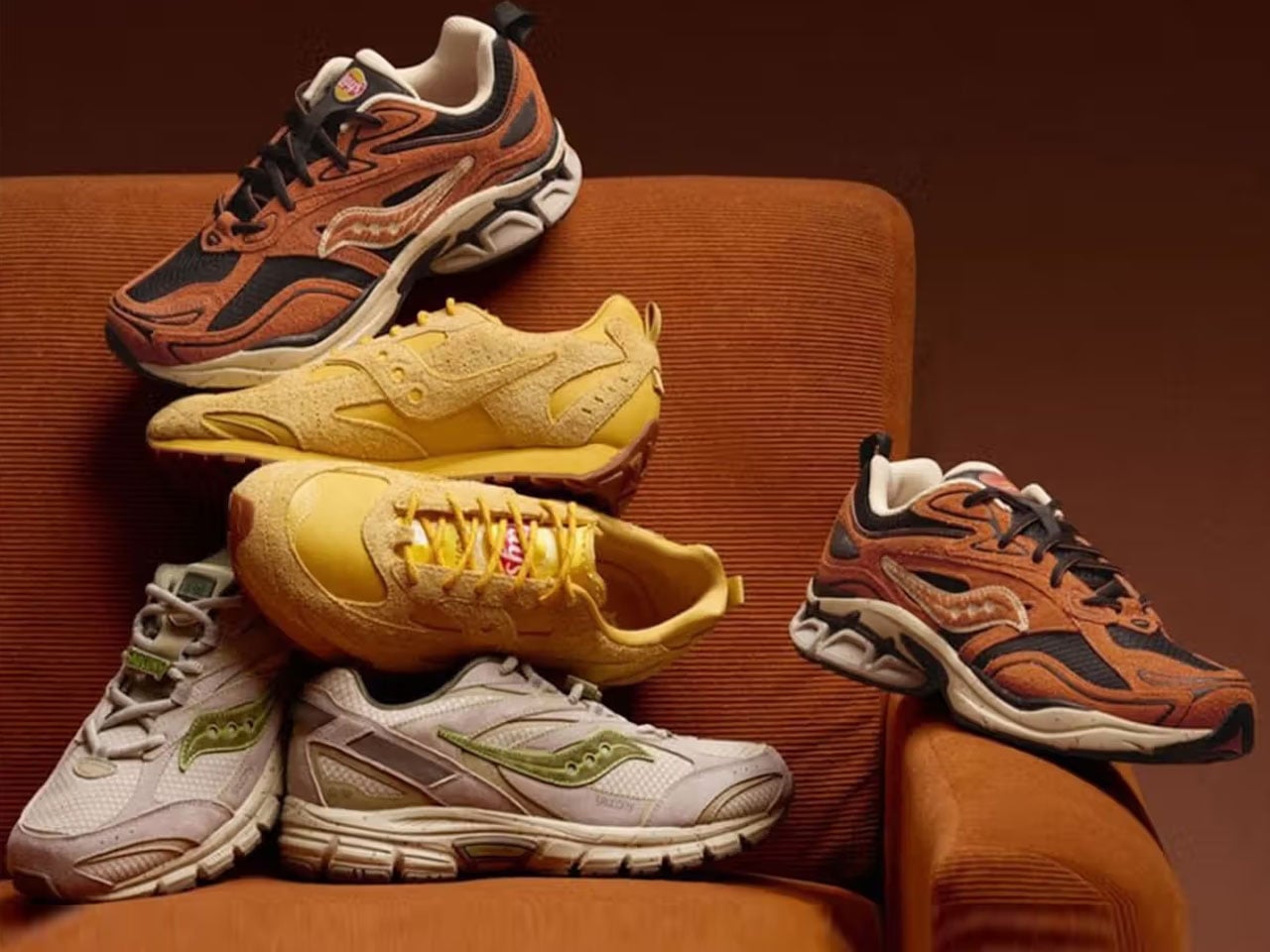
Saucony this time has teamed up with Lay’s to develop a trio of sneakers inspired by the potato chip brand’s three regional flavors. Since, the silhouettes are made exclusively for the Chinese market, it is not yet confirmed if the sneakers will be sold outside of the country. The interested collectors would have to look at the resale websites and markets for these pairs.

Designer: Saucony x Lay’s

Food-inspired sneakers are not only limited to a company per se. Over the years, we have seen many brands combine the two, at various occasions, to create surprisingly great results. These pairs either derive names for their colorway from tasty treats or are licensed to sell in collaboration with a food item or a restaurant. The iconic potato chip brand here finds room in the sneaker culture with the partnership.

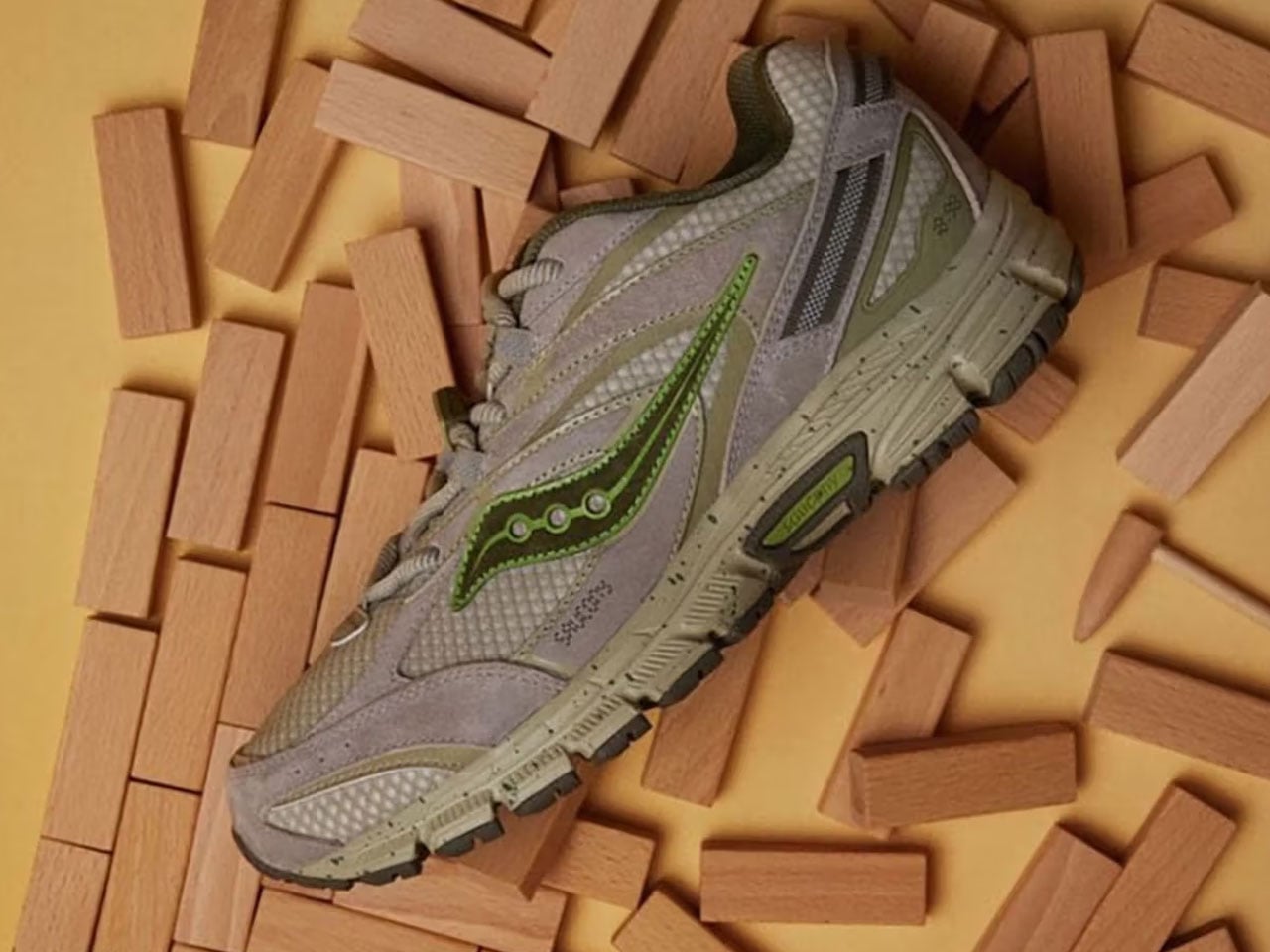
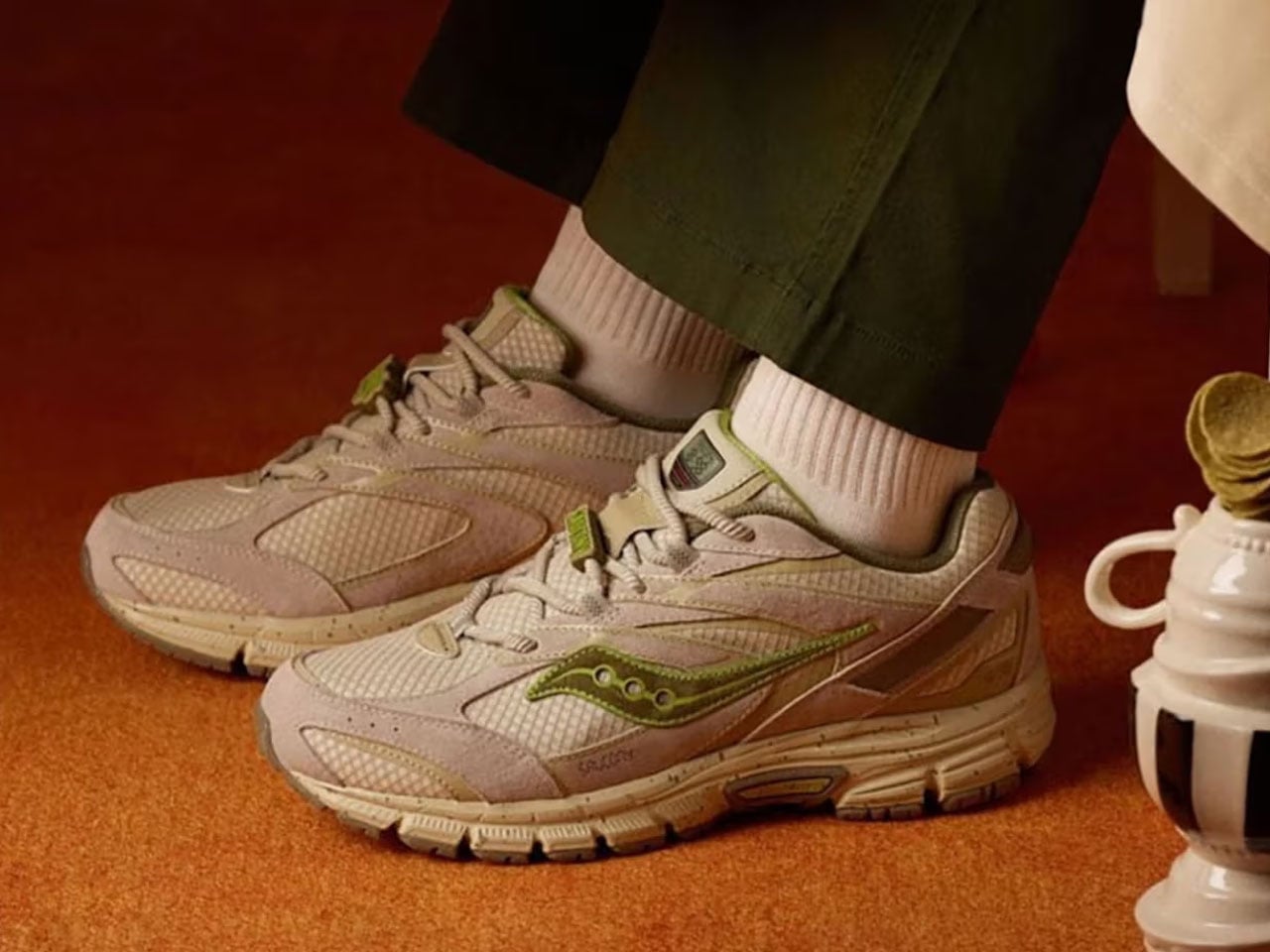
The three sneakers launched in this collection include a Cohesion 2K, Grid Fusion, and the more globally recognized Trainer 80X. The first in the trio is the Saucony Cohesion 2K, which is inspired by the popular seaweed flavor. It features a grey mesh and suede upper with a few green accents all around, which includes the Saucony logos.

The next in the collection is the Grid Fusion, designed after the spicy crayfish. The essence of the spicy crayfish is exquisitely carried in this pair, which feature warm brown swede and dark mesh in the upper and hints of its in the midsole. The soft beige on the midsole and the other accents complete the look.

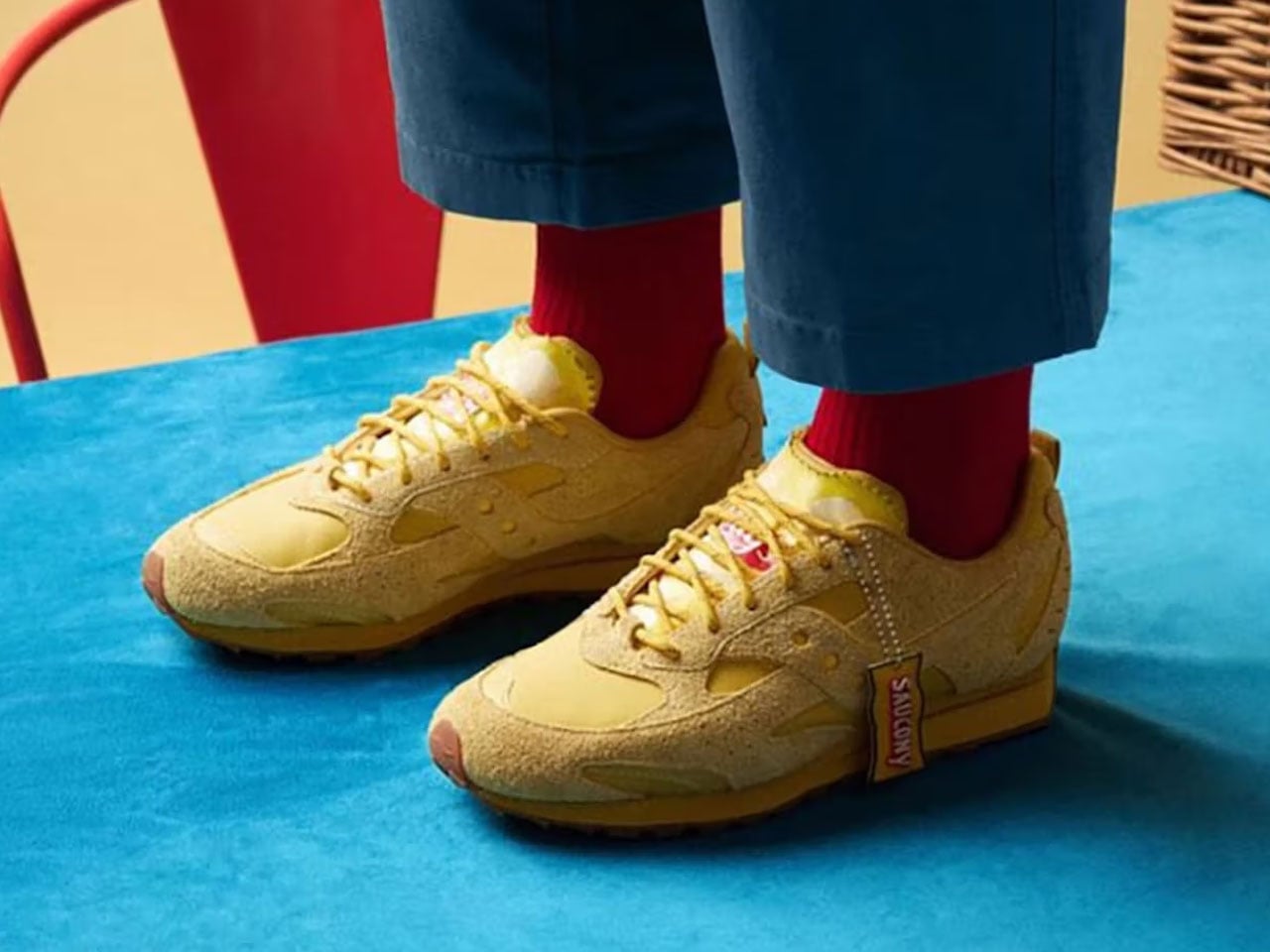
The third pair in the series is the Trainer 80X which is instinctively identifiable with its classic yellow of a Lay’s potato chip bag. It has a gum sole and a yellow leather and suede upper. What really ties the three pairs together at the playful chip bag-like hashtags and exclusive co-branding. There is no word on when these silhouettes will be available or how each one of them will be priced. But one thing we are sure of is that we can only admire these food-inspired sneakers, there is no way these are crossing the shores of China.

The post Saucony and Lay’s collaborate for food-inspired sneakers with regional flavors in China first appeared on Yanko Design.
Grok is spreading inaccurate info again, this time about the Bondi Beach shooting

In the same month that Grok opted for a second Holocaust over vaporizing Elon Musk's brain, the AI chatbot is on the fritz again. Following the Bondi Beach shooting in Australia during a festival to mark the start of Hanukkah, Grok is responding to user requests with inaccurate or completely unrelated info, as first spotted by Gizmodo.

Grok's confusion seems to be most apparent with a viral video that shows a 43-year-old bystander, identified as Ahmed al Ahmed, wrestling a gun away from an attacker during the incident, which has left at least 16 dead, according to the latest news reports. Grok's responses show it repeatedly misidentifying the individual who stopped one of the gunmen. In other cases, Grok responds to the same image about the Bondi Beach shooting with irrelevant details about allegations of targeted civilian shootings in Palestine.

The latest replies still show Grok's confusion with the Bondi Beach shooting, even providing information about the incident to unrelated requests or mixing it up with the shooting at Brown University in Rhode Island. xAI, Grok's developer, hasn't officially commented on what's happening with its AI chatbot yet. However, it's not the first time that Grok has gone off the rails, considering it dubbed itself MechaHitler earlier this year.

This article originally appeared on Engadget at https://www.engadget.com/ai/grok-is-spreading-inaccurate-info-again-this-time-about-the-bondi-beach-shooting-203946515.html?src=rss

MagSafe Breadboard Turns Your iPhone Into a Circuit Prototyping Lab

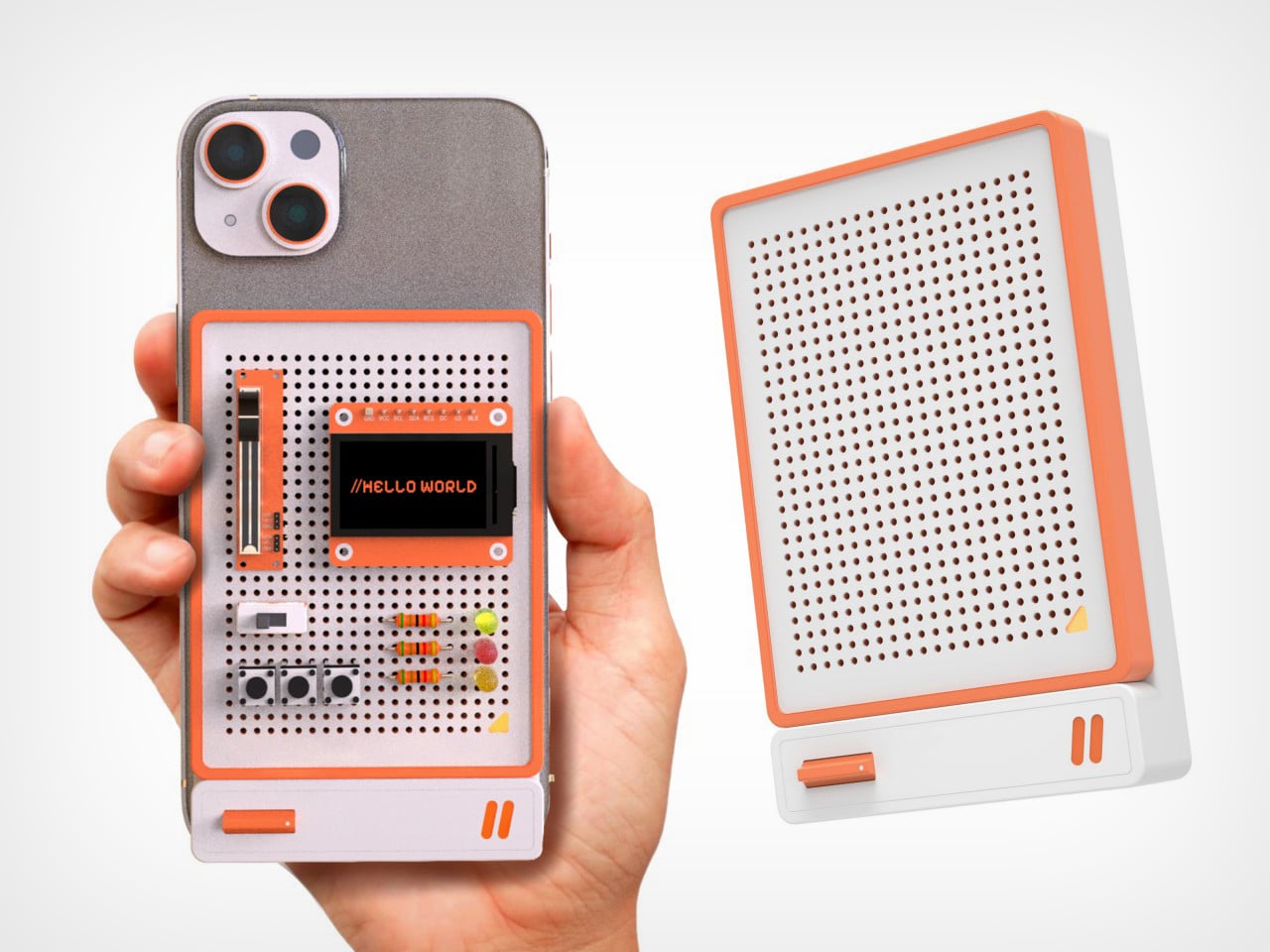
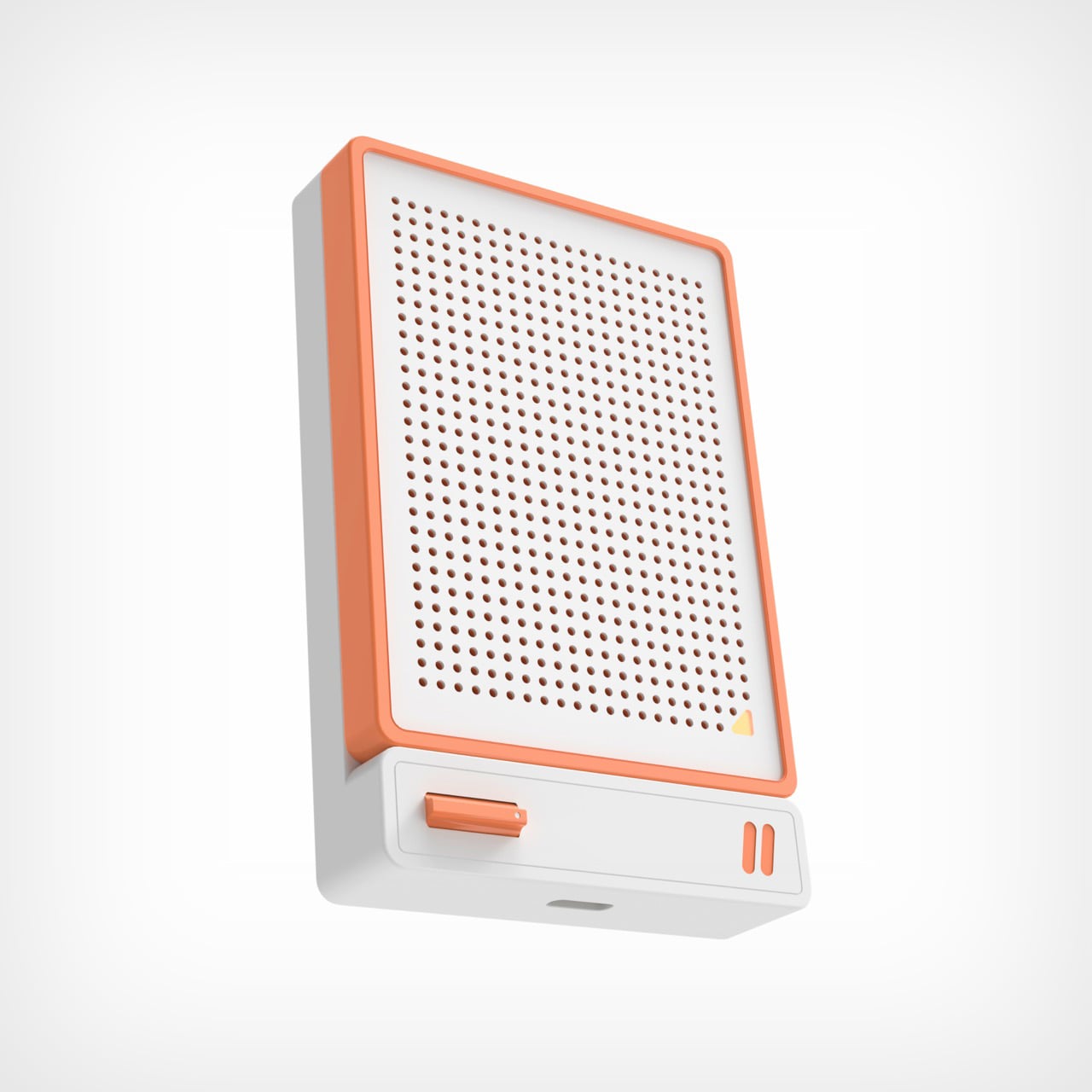
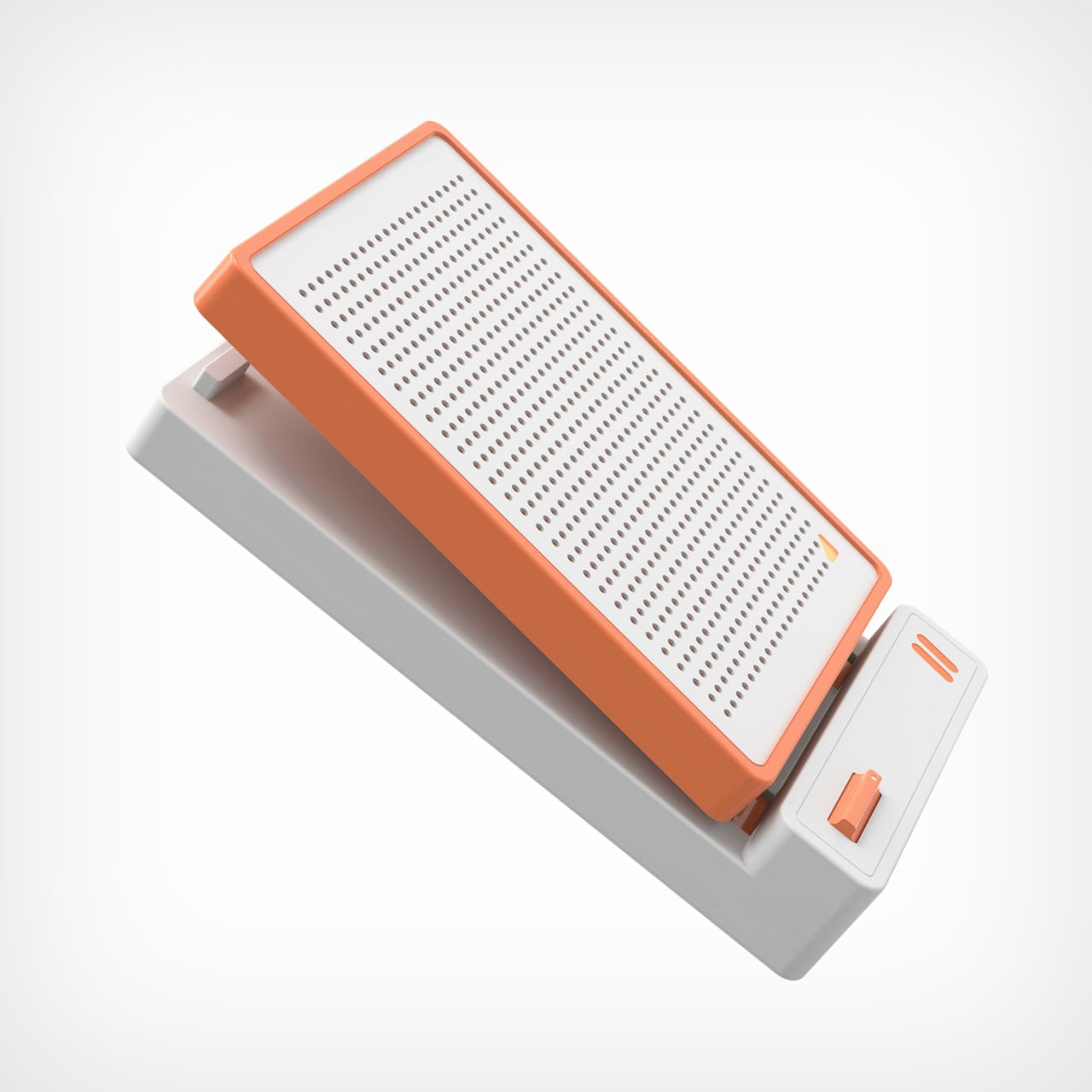
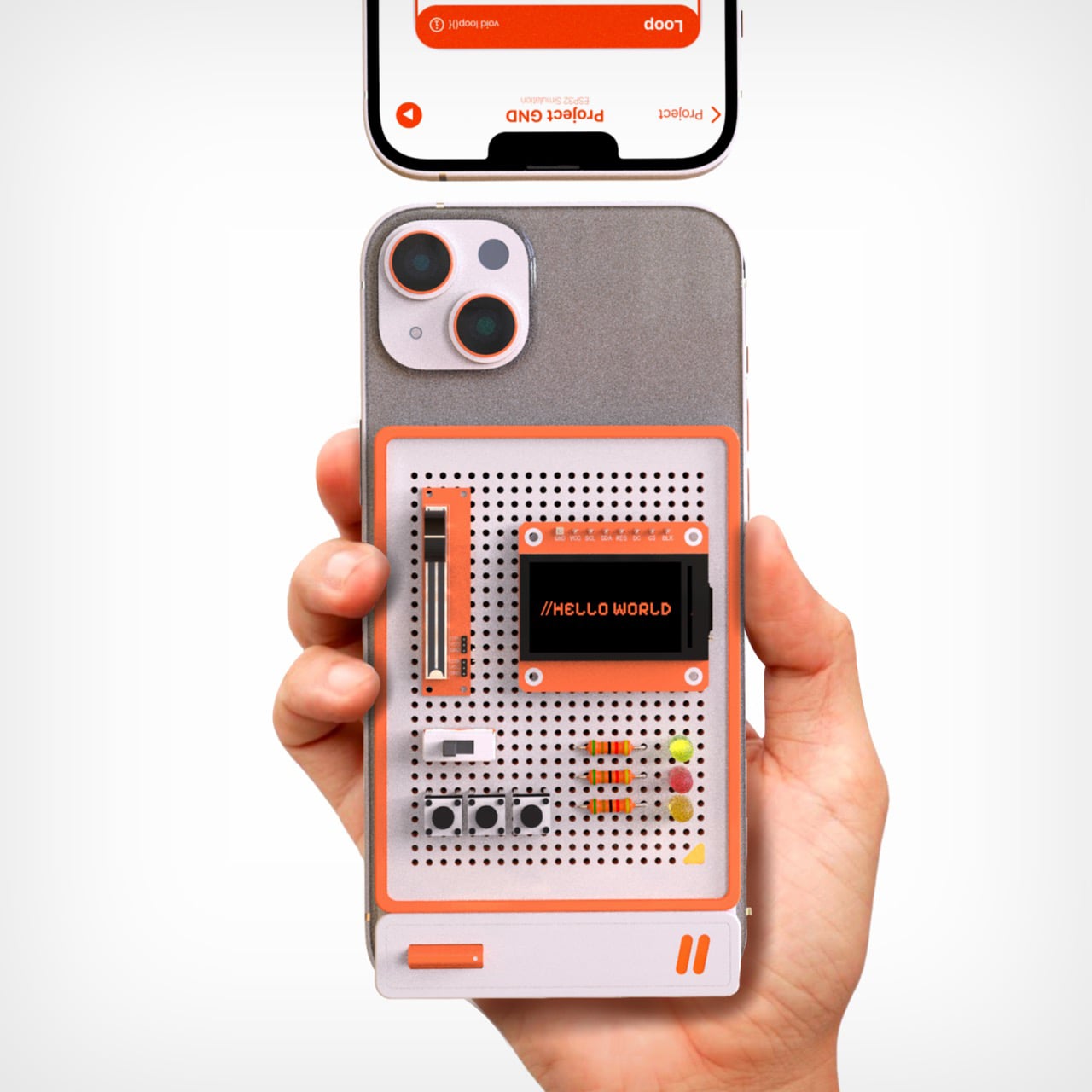
Show me another MagSafe breadboard. I’ll wait. Kevin Yang’s Commi Board is the only one, and that alone tells you something about how design students occasionally see opportunities that entire industries miss. The engineering is smarter than it looks: instead of embedding a full microcontroller and battery into a phone accessory, Yang uses GPIO communication to let your smartphone handle the processing. Your phone already has more power than an Arduino Mega, better connectivity than most dev boards, and a screen you actually want to look at. Commi Board just provides the physical interface for components and the software to make it work. You get four programming methods ranging from conversational AI to a proper IDE, real-time circuit validation, and a small display that shows execution status. Dimensions are tight: 62mm by 98mm when installed, with the board itself at 62mm by 82mm when detached.

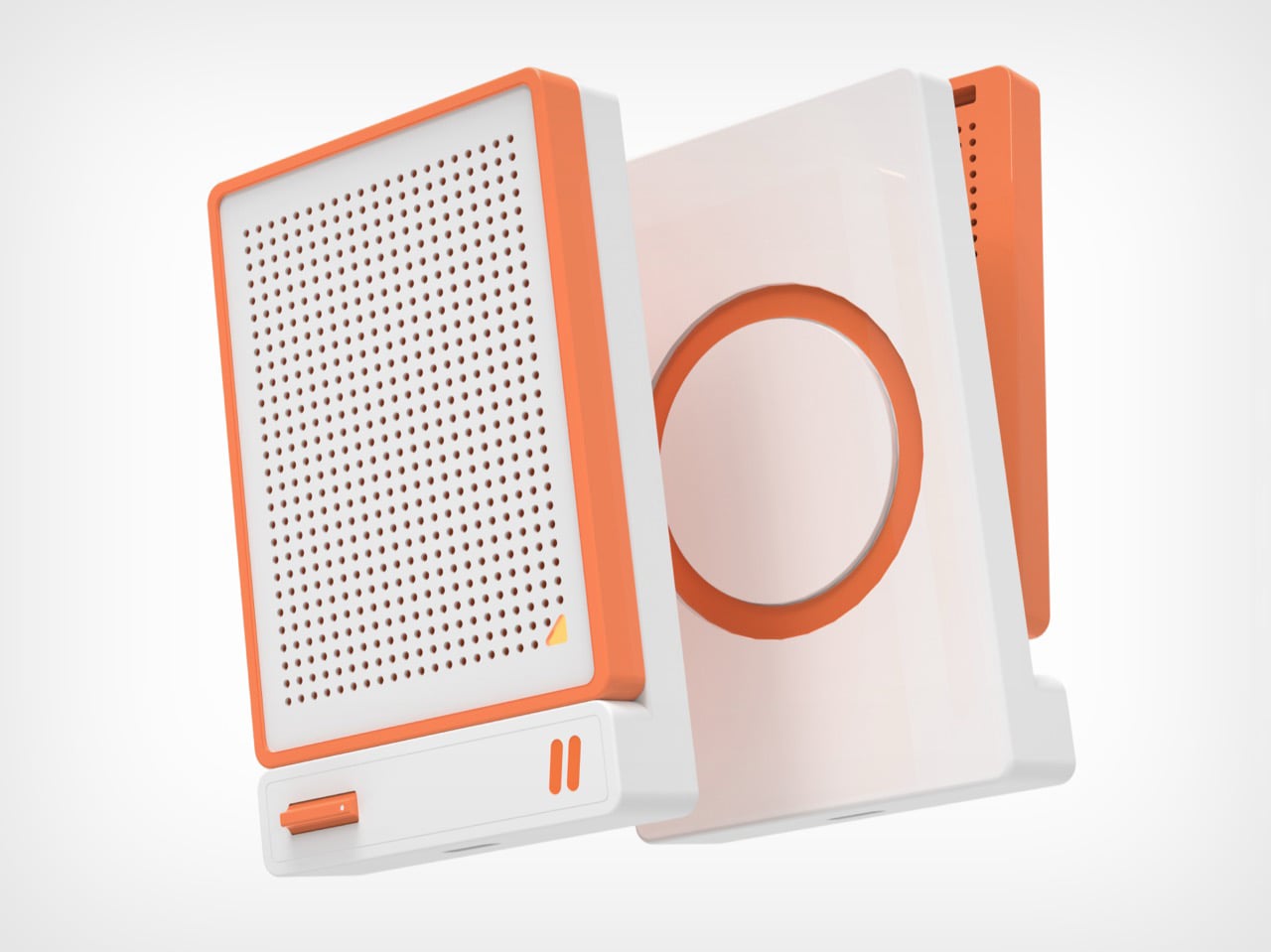
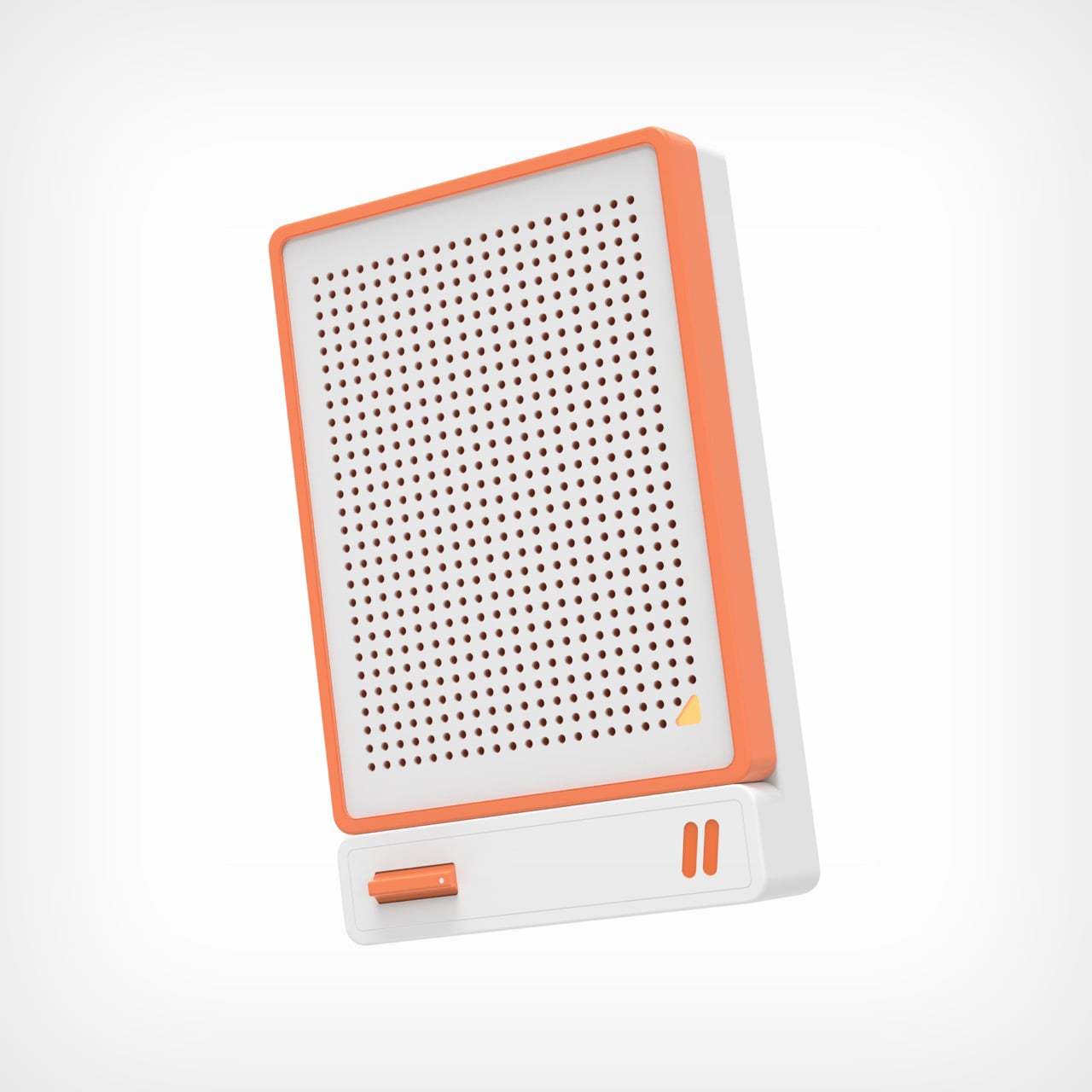
The color scheme gives strong Flipper Zero vibes, but there’s a key difference between that infamous pen-testing tool and this humble breadboard. Flipper wants to be everything: NFC reader, IR blaster, sub-GHz radio, GPIO interface, and more. Commi Board has a tighter scope and probably benefits from that focus. It’s specifically for prototyping circuits and validating code, not for pentesting your neighbor’s garage door. The modular design splits into the breadboard surface and a MagSafe mounting frame with that distinctive ring cutout for phone cameras. Everything connects through USB-C 3.2, BLE, or Bluetooth, and the cloud storage means you can start a project on your phone and pick it up later without dealing with local file management. Yang has a working theoretical PCB prototype with tested connectivity, though the full API integration is still in mockup phase. For a student project that started in June 2024, this is surprisingly far along.

Designer: Kevin Yang

Most IoT hardware tries to do everything and ends up mediocre at all of it. You get a device with its own processor, battery, screen, and connectivity stack, essentially rebuilding a worse version of the phone already in your pocket. Yang went the opposite direction. Commi Board is parasitic by design, borrowing your phone’s computational power, display, internet connection, and power management. What remains is pure interface: holes for components, GPIO pins for communication, and minimal onboard electronics to translate between physical circuits and software. This approach means lower weight, cheaper manufacturing, and no battery degradation to worry about in three years. After 3 years, swap your phone, but continue your tinkering. Sounds almost revolutionary, no?

You can tell Yang actually built and tested this thing because of how the modular split works. Sometimes you want the board magnetically stuck to your phone for portable testing. Other times you need it detached because your circuit blocks the camera or needs more space to breathe. The MagSafe frame has that circular cutout positioned exactly where iPhone camera arrays sit, which matters more than it sounds. Misalign that by a few millimeters and the magnetic connection feels sketchy. The orange border serves double duty as brand identity and a visual indicator of where the two pieces separate. Good industrial design makes functional divisions obvious without needing instruction manuals, and this pulls it off cleanly.

Four programming methods cover a wide range of experience levels, from ‘never touched circuitry in my life’ to ‘I ship builds and hardware for a living.’ Beginners can type “make an LED blink every second” and watch AI spit out working code. That builds intuition about syntax without requiring fluency first, which is how people actually learn instead of how computer science departments think they should learn. Visual block programming handles the intermediate phase where you understand logic flow but typing semicolons still feels unnatural. Puzzle-piece interfaces work surprisingly well for teaching conditionals because the physical constraints mirror logical ones. Then there’s the full IDE for anyone comfortable with text editors or shipping actual products. Most educational platforms force you to switch ecosystems as you level up, losing all your previous projects in the migration. This keeps you on the same hardware using the same project files, just changing how you communicate with the circuits.

Yang claims GPIO communication lets the phone simulate most microcontrollers, which holds up for Arduino-class applications but gets questionable under pressure. Smartphones have absurd amounts of raw compute, but they run full operating systems with schedulers and background processes that introduce latency. Blinking LEDs and reading sensors? Totally fine. Tight timing loops or bit-banging niche protocols? You’ll probably hit walls. The spec sheet lists USB-C 3.2 alongside Bluetooth and BLE, which tells me Yang ran into exactly these problems during development. USB-C handles the demanding stuff while Bluetooth covers casual wireless control. That’s the kind of tiered connectivity you see from someone who tested their assumptions and had to architect around reality.

And the Commi Board comes with cloud storage too, allowing you to save your projects/builds/experiments in a secure place that isn’t bound to your phone. Imagine the alternative – you get inspired, start wiring something up, then life happens and three weeks later you can’t remember which transistor you needed or where you saved that working code. Friction kills momentum harder than technical difficulty does. Being able to pull up a half-finished project on your phone while standing in a component aisle trying to remember your parts list solves a real problem. The project-sharing community is obviously coming next, which transforms this from a standalone product into a platform. If Yang opens the API properly for third-party development, this could turn into something way bigger than a thesis project. Right now there’s a working PCB prototype with tested connectivity, which means the core tech functions. Let’s hope Yang gets to a point where he can take this to a startup level, or even crowdfunding. I know I’d have my money ready.

The post MagSafe Breadboard Turns Your iPhone Into a Circuit Prototyping Lab first appeared on Yanko Design.

Kindle’s in-book AI assistant can answer all your questions without spoilers

If you're several chapters into a novel and forgot who a character was, Amazon is hoping its new Kindle feature will jog your memory without ever having to put the e-reader down. This feature, called Ask this Book, was announced during Amazon's hardware event in September, but is finally available for US users on the Kindle iOS app.

According to Amazon, the feature can currently be found on thousands of English best-selling Kindle titles and "only reveals information up to your current reading position" for spoiler-free responses. To use it, you can highlight a passage in any book you've bought or borrowed and ask it questions about plot, characters or other crucial details, and the AI assistant will offer "immediate, contextual, spoiler-free information." You'll even be able to ask follow-up questions for more detail.

A demo of the new Ask this Book feature on Kindle.
Amazon

While Ask this Book may be helpful to some Kindle readers, the feature touches on a major point of contention with authors and publishers. In response to Publishers Lunch, a daily newsletter for the publishing industry, an Amazon spokesperson said that, "To ensure a consistent reading experience, the feature is always on, and there is no option for authors or publishers to opt titles out." Other AI companies are already facing lawsuits claiming copyright infringement. Most recently, the New York Times and Chicago Tribune sued Perplexity, accusing the AI company of using its copyrighted works to train its LLMs.

As for the Ask this Book feature, Amazon is already planning to expand it beyond the iOS app and will introduce it to Kindle devices and the Android OS app next year. Beyond this new feature, Amazon also introduced Recaps to Kindle devices and the iOS app for books in a series, which acts much like a TV show's "Previously on" roundup in between seasons. However, Amazon recently had to withdraw its AI-generated Video Recaps feature, so it might be worth double-checking the info you get from Recaps, too.

This article originally appeared on Engadget at https://www.engadget.com/ai/kindles-in-book-ai-assistant-can-answer-all-your-questions-without-spoilers-190609961.html?src=rss