Google plans to invest even more money into Anthropic

Google plans to invest up to $40 billion into Anthropic in what could be viewed as a circular deal with the AI startup (and frequent competitor), Bloomberg reports. The search giant has invested in Anthropic at multiple points in the past, but this new investment comes after an announcement that the AI startup had signed a joint agreement with Google and Broadcom for "multiple gigawatts of next-generation TPU capacity."

According to Anthropic, Google is committing $10 billion now at the company's current valuation, with an additional $30 billion on offer if Anthropic meets specific performance milestones. Through Anthropic's existing commitment to use Google's TPUs (tensor processing units) and servers, Anthropic says Google will also provide 5 gigawatts of computing capacity in 2027.

If the structure of the deal and business relationship between Google and Anthropic sounds familiar, it might be because the AI startup recently announced something similar with Amazon. Earlier in April, Amazon announced that it would invest $5 billion in Anthropic, with an additional $20 billion in payments available if certain milestones were met. Anthropic also agreed to use Amazon's Trainium chips for its AI models.

The deals are another example of Anthropic's ability to burn through money — the company only just raised $30 billion in its most recent round of funding. They could also serve as an example of the AI industry's love of circular deals. Anthropic agreeing to use Google and Amazon's silicon and servers, receiving investment from both companies and then presumably spending some of that investment on more silicon and servers, is a pattern seen in the relationship between OpenAI, Nvidia, Microsoft and plenty of other players in the AI race.

This article originally appeared on Engadget at https://www.engadget.com/ai/google-plans-to-invest-even-more-money-into-anthropic-185000776.html?src=rss

Singapore police arrest alleged The Legend of Aang: The Last Airbender leaker

People aren't thrilled with Paramount these days. After all, corporate consolidation and the transformation of CBS News into state media tend to do that. But here's someone who may not have chosen the… wisest form of protest. The Straits Times reports (via Gizmodo) that Singapore police have arrested a 26-year-old man for leaking Paramount's The Legend of Aang: The Last Airbender.

The film, part of the Avatar: The Last Airbender franchise, was initially scheduled for a theatrical release. But after two delays, it was later moved to Paramount+, where it’s set to debut later this year. Naturally, hardcore fans of the franchise bristled at the prospect of the highly anticipated entry skipping theaters. Paramount's scant marketing apparently didn't help either.

However, many have already seen the movie, allegedly thanks to the unnamed 26-year-old in question. Singapore police said he gained remote access to a server and downloaded the film. He then posted parts of it online. After the leak, Paramount changed the movie's name to Avatar Aang: The Last Airbender — perhaps to try to prevent casual fans' searches from turning up info about the leak.

The man is being investigated for unauthorized access to computer material. He could face a maximum of seven years in prison, a fine of up to $50,000, or both.

Earlier this month, The Hollywood Reporter interviewed the X account holder @ImStillDissin, who posted the clips. (Although we can speculate that this may be the man currently in custody, that’s unconfirmed.) The interview revealed a rather, shall we say, blasé approach to the incident. He said he figured posting clips from the movie was no biggie since the film is a streaming-only release. "I saw it's just a Paramount+ thing, so I decided I'd troll a little bit," the leaker said.

The leaked clips spread rapidly. Despite pleas from 4Chan posters to share the entire film, @ImStillDissin resisted. However, someone else shared the full movie by April 13. Naturally, that file has since circulated far and wide.

So, good luck with that official October 9 streaming release, Paramount. You're gonna need it.

This article originally appeared on Engadget at https://www.engadget.com/entertainment/streaming/singapore-police-arrest-alleged-the-legend-of-aang-the-last-airbender-leaker-183954803.html?src=rss

Singapore police arrest alleged The Legend of Aang: The Last Airbender leaker

People aren't thrilled with Paramount these days. After all, corporate consolidation and the transformation of CBS News into state media tend to do that. But here's someone who may not have chosen the… wisest form of protest. The Straits Times reports (via Gizmodo) that Singapore police have arrested a 26-year-old man for leaking Paramount's The Legend of Aang: The Last Airbender.

The film, part of the Avatar: The Last Airbender franchise, was initially scheduled for a theatrical release. But after two delays, it was later moved to Paramount+, where it’s set to debut later this year. Naturally, hardcore fans of the franchise bristled at the prospect of the highly anticipated entry skipping theaters. Paramount's scant marketing apparently didn't help either.

However, many have already seen the movie, allegedly thanks to the unnamed 26-year-old in question. Singapore police said he gained remote access to a server and downloaded the film. He then posted parts of it online. After the leak, Paramount changed the movie's name to Avatar Aang: The Last Airbender — perhaps to try to prevent casual fans' searches from turning up info about the leak.

The man is being investigated for unauthorized access to computer material. He could face a maximum of seven years in prison, a fine of up to $50,000, or both.

Earlier this month, The Hollywood Reporter interviewed the X account holder @ImStillDissin, who posted the clips. (Although we can speculate that this may be the man currently in custody, that’s unconfirmed.) The interview revealed a rather, shall we say, blasé approach to the incident. He said he figured posting clips from the movie was no biggie since the film is a streaming-only release. "I saw it's just a Paramount+ thing, so I decided I'd troll a little bit," the leaker said.

The leaked clips spread rapidly. Despite pleas from 4Chan posters to share the entire film, @ImStillDissin resisted. However, someone else shared the full movie by April 13. Naturally, that file has since circulated far and wide.

So, good luck with that official October 9 streaming release, Paramount. You're gonna need it.

This article originally appeared on Engadget at https://www.engadget.com/entertainment/streaming/singapore-police-arrest-alleged-the-legend-of-aang-the-last-airbender-leaker-183954803.html?src=rss

The MacBook Neo is a glimpse into John Ternus’s Apple

John Ternus was unavoidable when Apple debuted the Macbook Neo. He kicked off an intimate media event for the Neo, introducing it as a transformative machine for Apple thanks to its low $599 cost ($499 for education customers) and premium build quality. He was interviewed on Good Morning America, the sort of prominent media feature CEO Tim Cook typically handles. And when I asked Apple workers about the Neo at its launch event, they almost always brought up Ternus’ vision of the laptop. 

For all intents and purposes, Ternus was Apple’s frontman for the MacBook Neo.

Ternus is slated for his coronation as Apple's CEO on September 1, and the Neo is not only a feather in his cap, but a likely indication of the company's approach to products going forward. It’s a sign that Apple is getting more comfortable taking risks. 

Apple lives and dies on its own premium image. It completely gave up on making cheap iPhones like the SE and 5C, and the $599 iPhone 16e and 17e are more expensive than typical mid-range Android phones (though the $249 Apple Watch SE is admittedly one of the cheaper smartwatches around.). It was risky to shove a mobile processor into a full-fledged computer, which could have made it too weak. And it was a gamble to stick with a meager 8GB of RAM, practically sacrilegious within the Apple pantheon. It's not breaking new ground for product categories, but the Neo, in being a budget laptop at all, is surprisingly un-Apple.

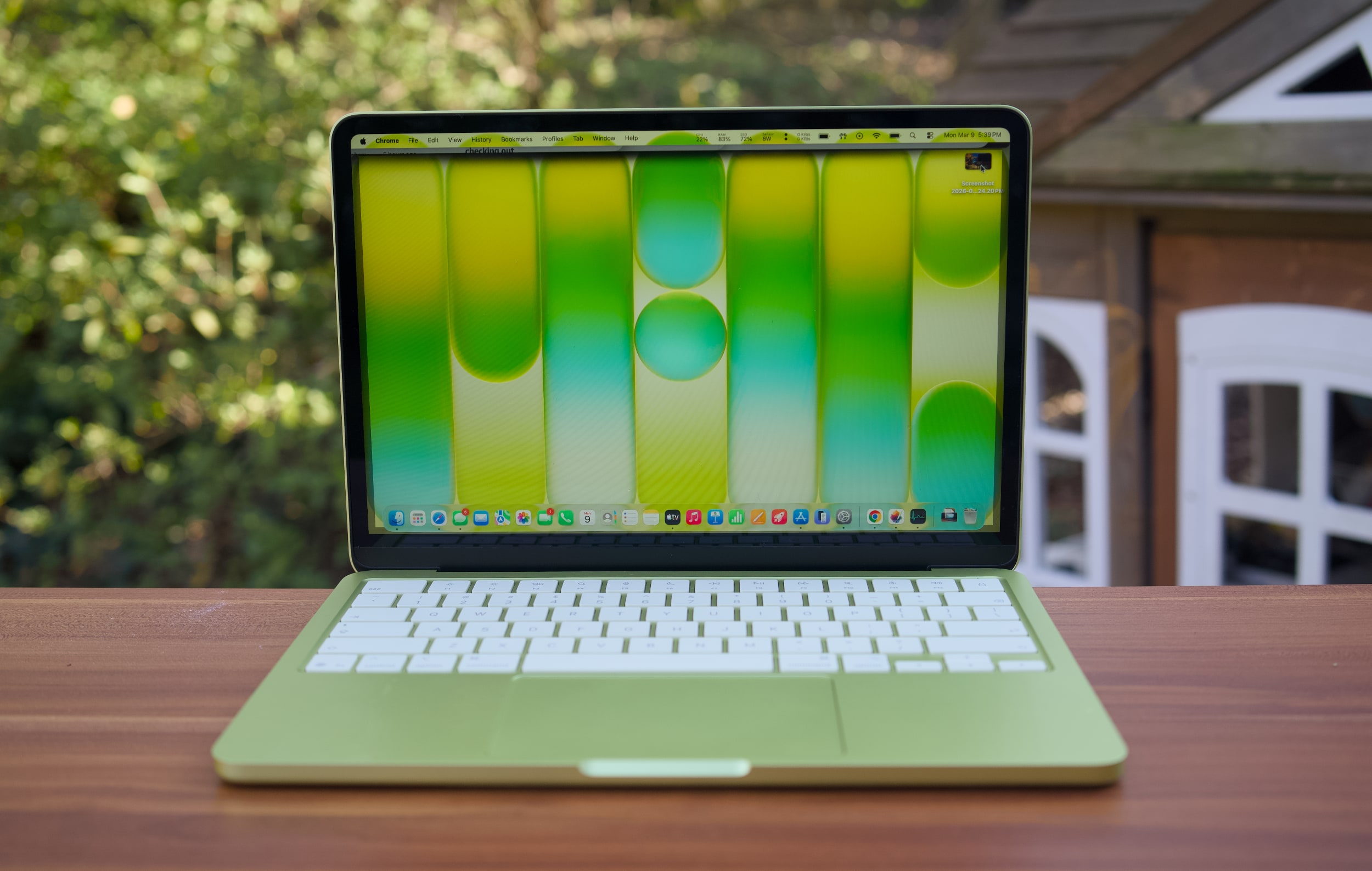
A citrus MacBook Neo on a table outside.
Devindra Hardawar for Engadget

And yet, thanks to Ternus's hardware leadership and Apple's command of its software, the MacBook Neo has been a resounding success. It has the best build quality, screen, keyboard, speakers and trackpad that I've ever seen in a $600 laptop. As I wrote in my review, "every Windows PC maker, including Microsoft, should be ashamed." 

While we don’t know the full build cost for the Neo, Apple’s margins for selling it will undoubtedly be far slimmer than the MacBook Air or Pro. But the Neo is more than a profit maker. It’s a device that can serve as a gateway to the Apple ecosystem for kids and students. Even better, it could easily tempt over Windows users.

We can't give Ternus all the credit for the Neo, of course, there's an entire team of product managers and engineers below him doing the actual design work. But it's hard to deny the flex of building a $600 laptop that doesn't feel like total garbage. The MacBook Neo surprised me, a jaded technology reporter, on practically every level. And its existence makes me wonder how a Ternus-led Apple could continue to iterate without compromising quality or Apple's signature attention to detail.

Ternus is the rare Apple engineer who has played a role in almost all of its existing products — in his 25 year tenure, he’s taken charge of building the Mac, iPad, iPhone and Apple Watch. That gives him a unique perspective of where the company could go next, as well as how Apple could stretch its own capabilities. And based on what I’ve seen of the MacBook Neo, it’ll be interesting to see how Apple reshapes itself for the future.

This article originally appeared on Engadget at https://www.engadget.com/computing/laptops/the-macbook-neo-is-a-glimpse-into-john-ternuss-apple-170000842.html?src=rss

moto g stylus 2026 Review: Accessible Pocket Productivity and Creativity

PROS:


  • Stylus with pressure and tilt sensitivity

  • Beautiful, minimalist design

  • Bright and vibrant screen

  • Headphone jack and microSD card slot

CONS:


  • Short software support period

  • Relatively higher price compared to peers

  • Not much hardware upgrades from last-gen

RATINGS:

AESTHETICS
ERGONOMICS
PERFORMANCE
SUSTAINABILITY / REPAIRABILITY
VALUE FOR MONEY

EDITOR'S QUOTE:

The moto g stylus - 2026 analog handwriting and digital freedom in a striking minimalist design that you can finally afford.

Despite and in spite of the growing number of screens and disembodied artificial voices around us, there remains a strong culture and argument for handwritten words. But while there might be plenty of benefits to putting ink to paper, there’s no denying that paper doesn’t provide the benefits of digital artifacts such as files, photos, and videos. For years, the stylus has been trying to bridge the best of both worlds, but it has so far been only within the reach of those who can afford it.

Since 2020, Motorola has been working to provide that kind of experience to more people through its Moto G Stylus line, but there have always been compromises. Ironically, most of those revolved around the very feature that gave the product line its name. With the moto g stylus – 2026, however, the brand is making its most daring leap forward yet, aiming for a title held only by the most luxurious of Samsung’s (non-foldable) handsets. So does it fly or does it fall? Read on to find out.

Designer: Motorola

Aesthetics
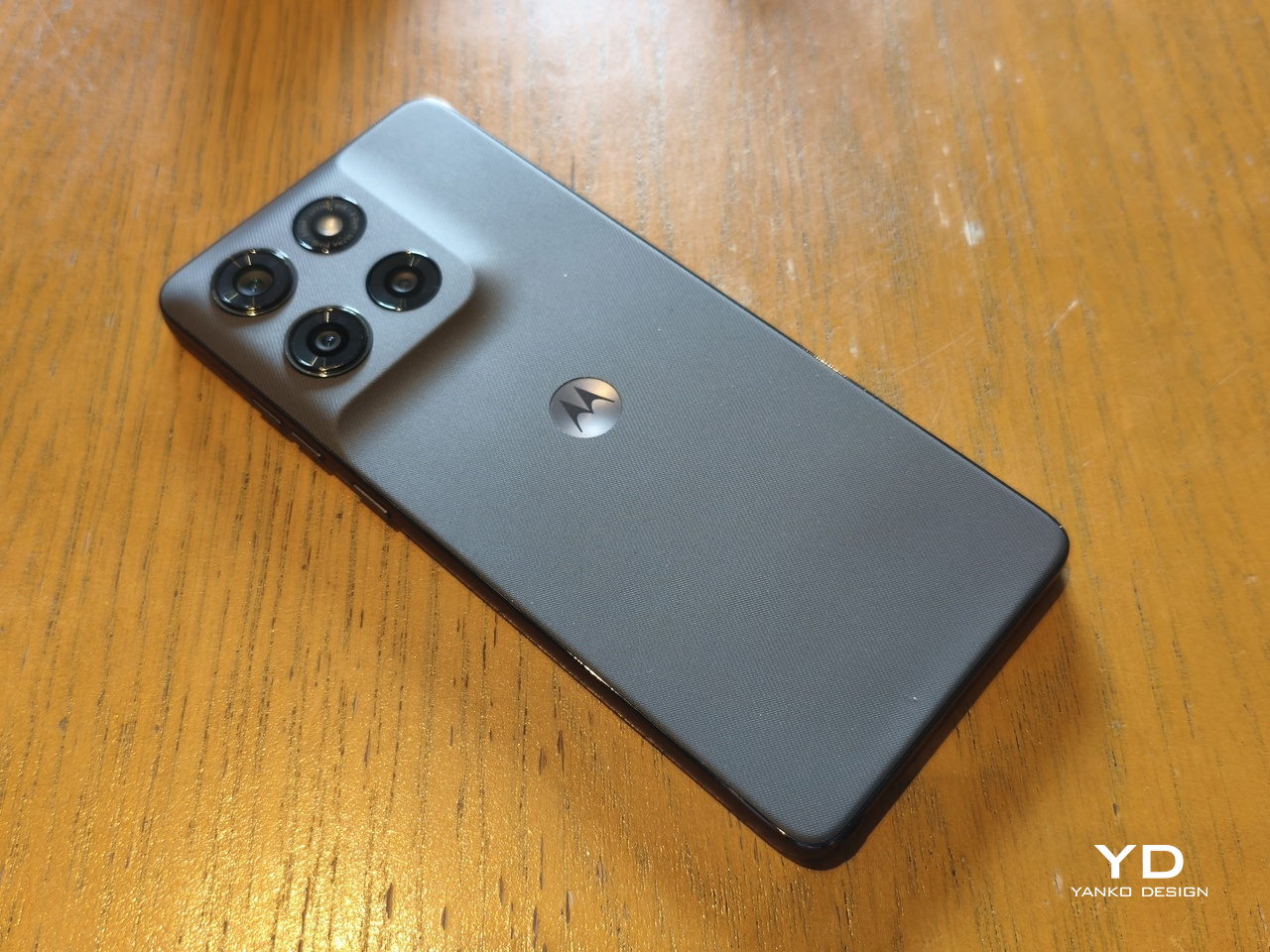
The moment you pull the moto g stylus – 2026 out of the box, you are immediately struck by how different it is from most phones of this generation. It doesn’t scream for attention with a ridiculously large camera module, nor does it attempt to dazzle your eyes with tricks of color and light. It is, in a nutshell, a minimalist lover’s dream.

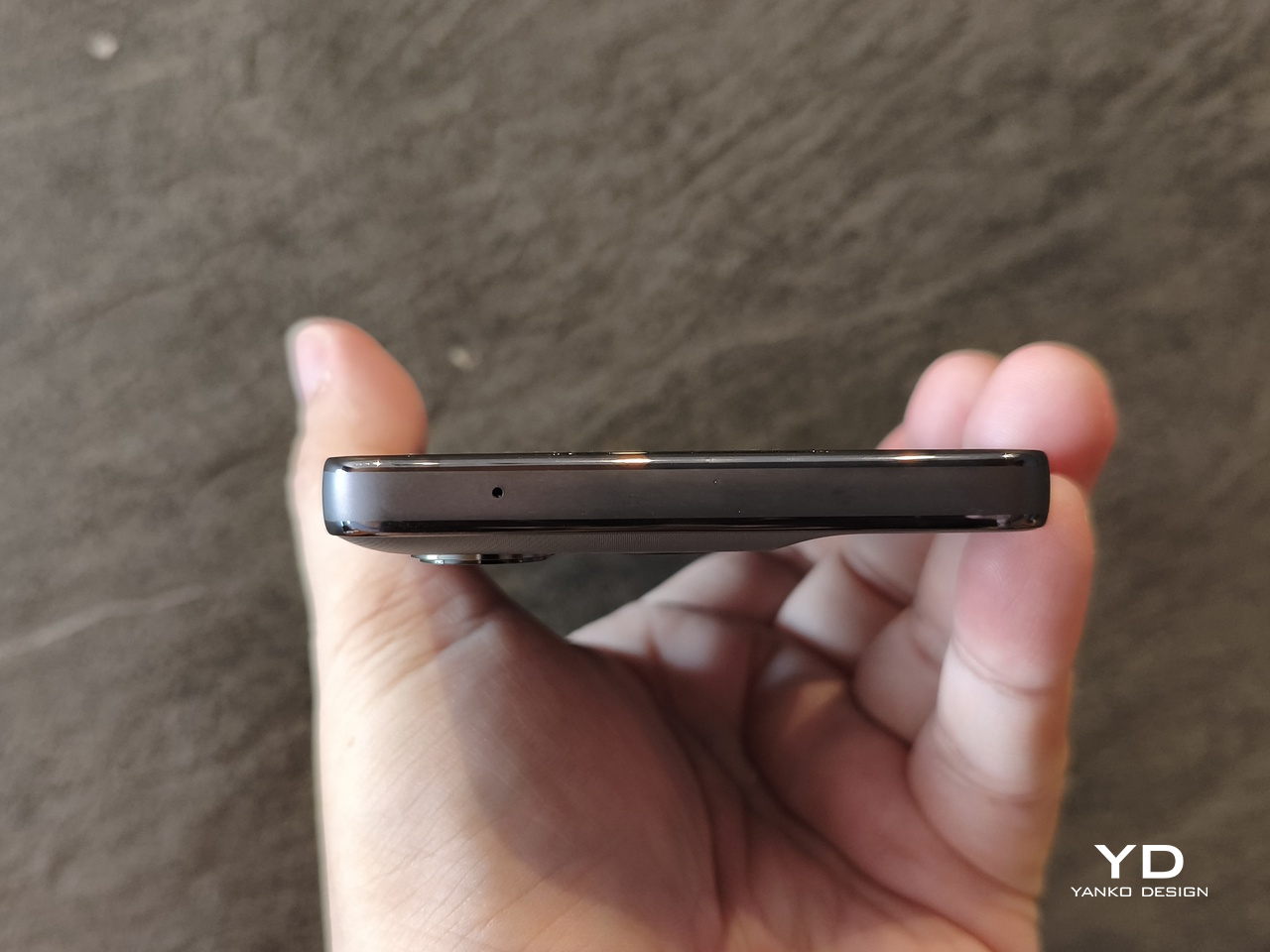
The back of the phone, which is always the most expressive side of the design, is covered with a vegan leather-inspired material that gives the phone both visual and tactile texture. Continuing its partnership with PANTONE, those covers are available in subtle Coal Smoke (our review unit) and Lavender Mist colors, with the flat edges matching the hue. Other than the iconic “Batwing” logo and minuscule markings around the LED flash, the design is bare and plain, a refreshing change from the active and noisy rears of most smartphones these days.
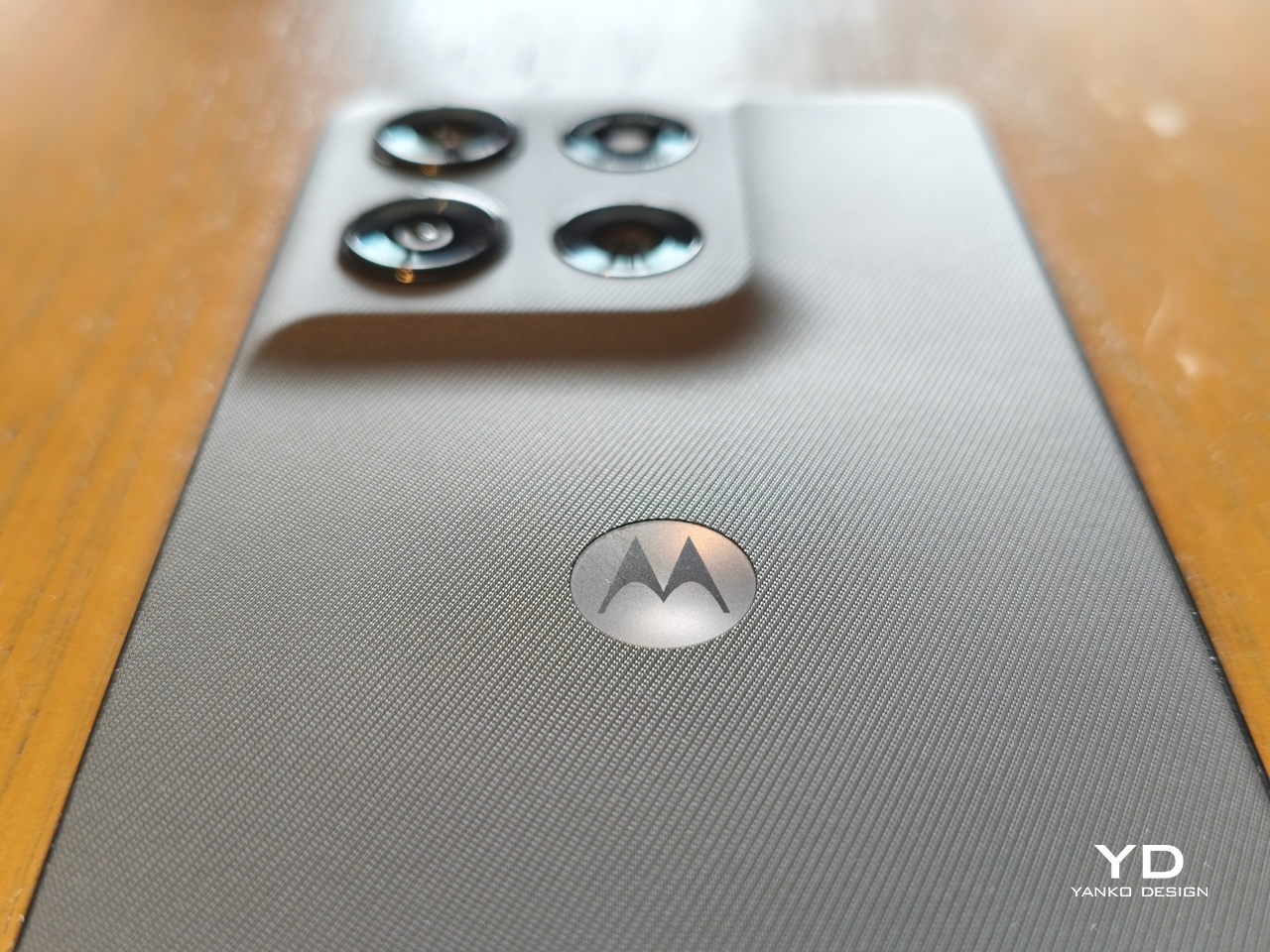
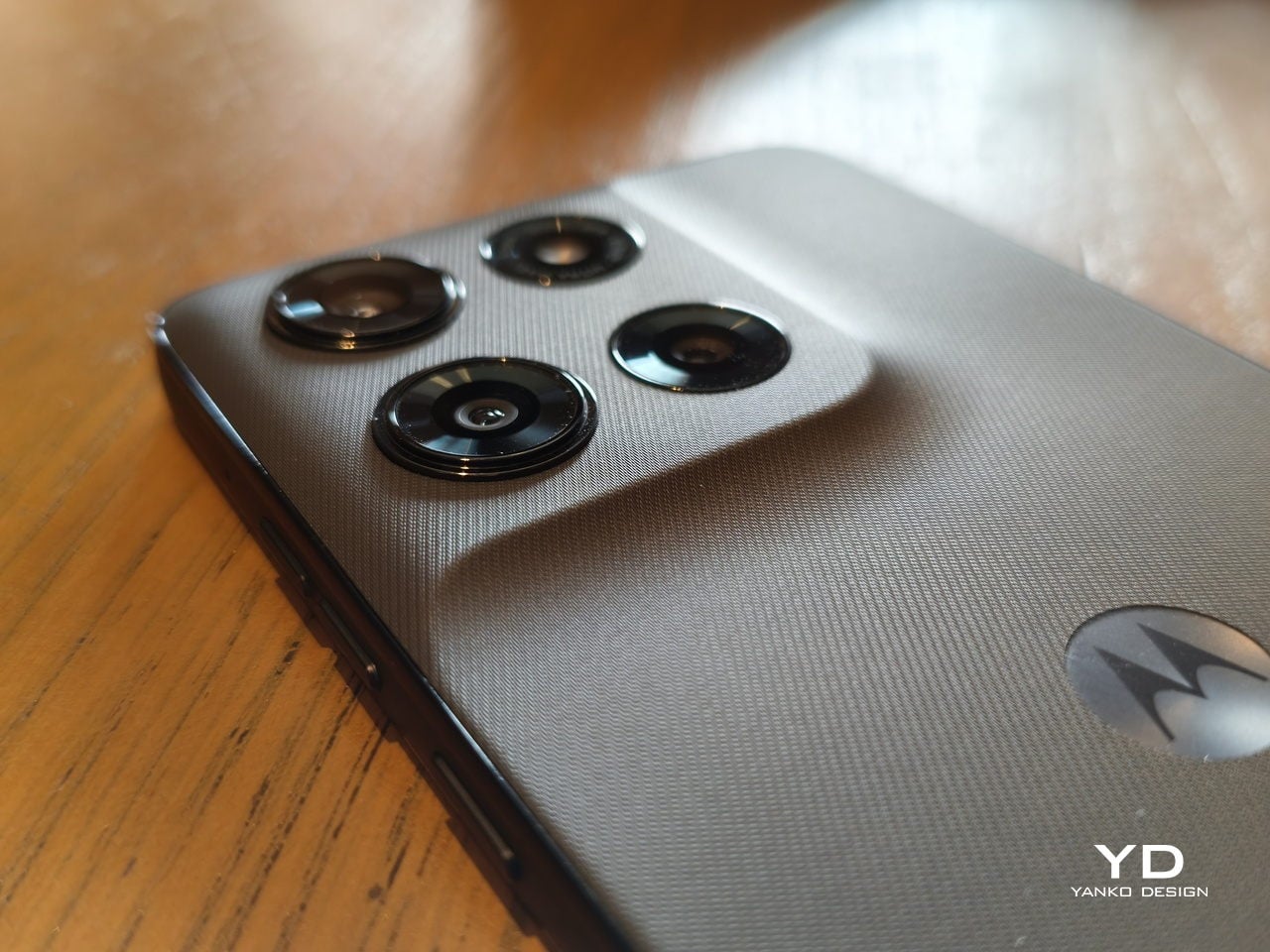
The camera bump follows that same pattern, rising from the back plate with a gentle slope. There’s no separate structure caging the lenses, creating a seamless and unbroken surface that almost has a calming effect, especially when your finger starts to glide over the textured surface. There’s almost a sense of Zen, so to speak, which is almost how many pen and paper lovers describe their favorite notebooks.
Of course, the front is the polar opposite, but only because of its bright and vibrant screen. The thin and almost symmetrical bezels and the flat glass, however, serve to provide balance that keeps that liveliness in check. All in all, the moto g stylus – 2026 is both simple and sublime. It doesn’t call attention to itself with some fancy visual or material gimmick, but you can’t help but pay close attention to its minimalism just the same.

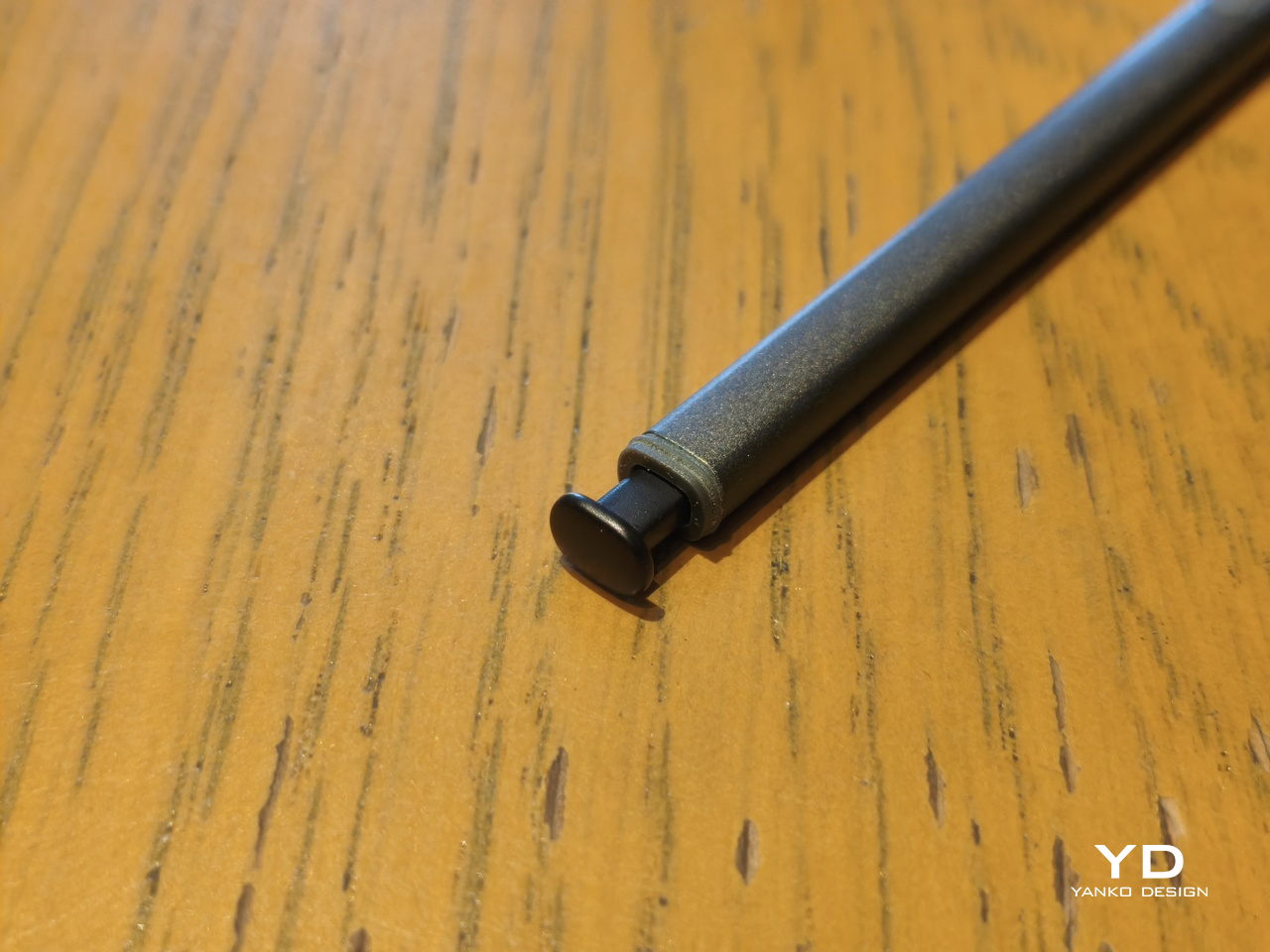
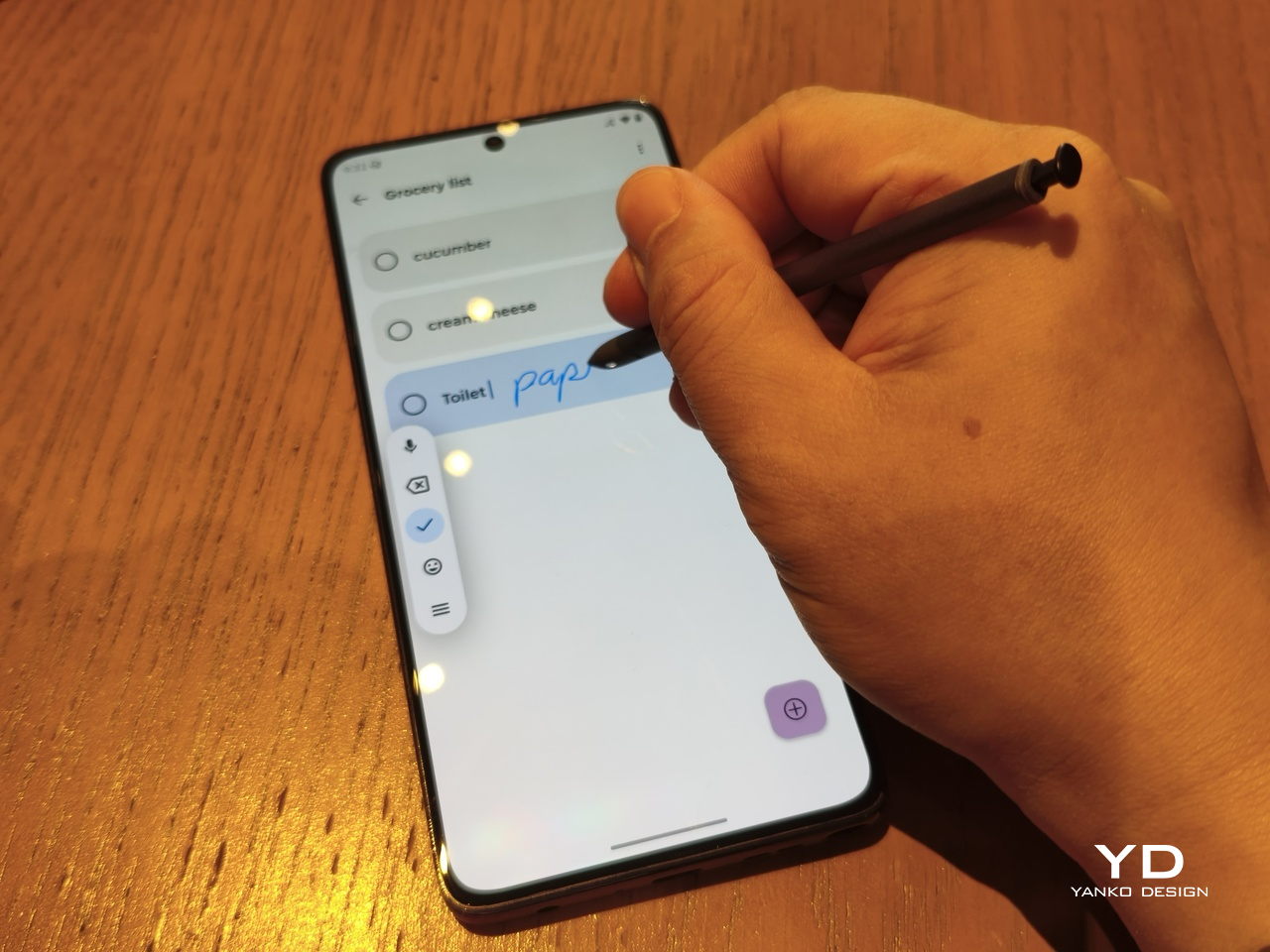
The stylus is cut from the same cloth, with a design that might be familiar to those who have held a Samsung “Ultra” flagship. It’s basically a somewhat flat stick, with a spring-loaded rear that easily resembles the (addictive) clicky ends of retractable pens. But unlike the small but stubby nibs of its predecessors, there is now a proper tapered, conical tip. Of course, it’s not just an aesthetic change, as we’ll get to in a bit.

Ergonomics

Another thing you’ll notice the moment you lift the moto g stylus – 2026 out of the box is how light it is. At only 192.3g, even with the 4.7g stylus inside, it’s easily one of the lightest phones in the market today. Given that it has a 6.7-inch screen and a large 5,200mAh battery, that’s even more surprising.

That lightness, however, is a double-edged blade. On the one hand, it might make the phone feel a little flimsy, almost like it could easily fly out of your hand. It almost makes the vibration haptics feel hollow, as if there’s not enough substance in there.

On the other hand, it strains your hand less when holding it for a long time, especially as you might find yourself constantly scribbling or doodling on it. The phone’s textured back and flat edges also help deliver a more confident hold. It just won’t accidentally slip from your hand that easily. A protective case almost feels redundant if grip is your only reason for putting one on.
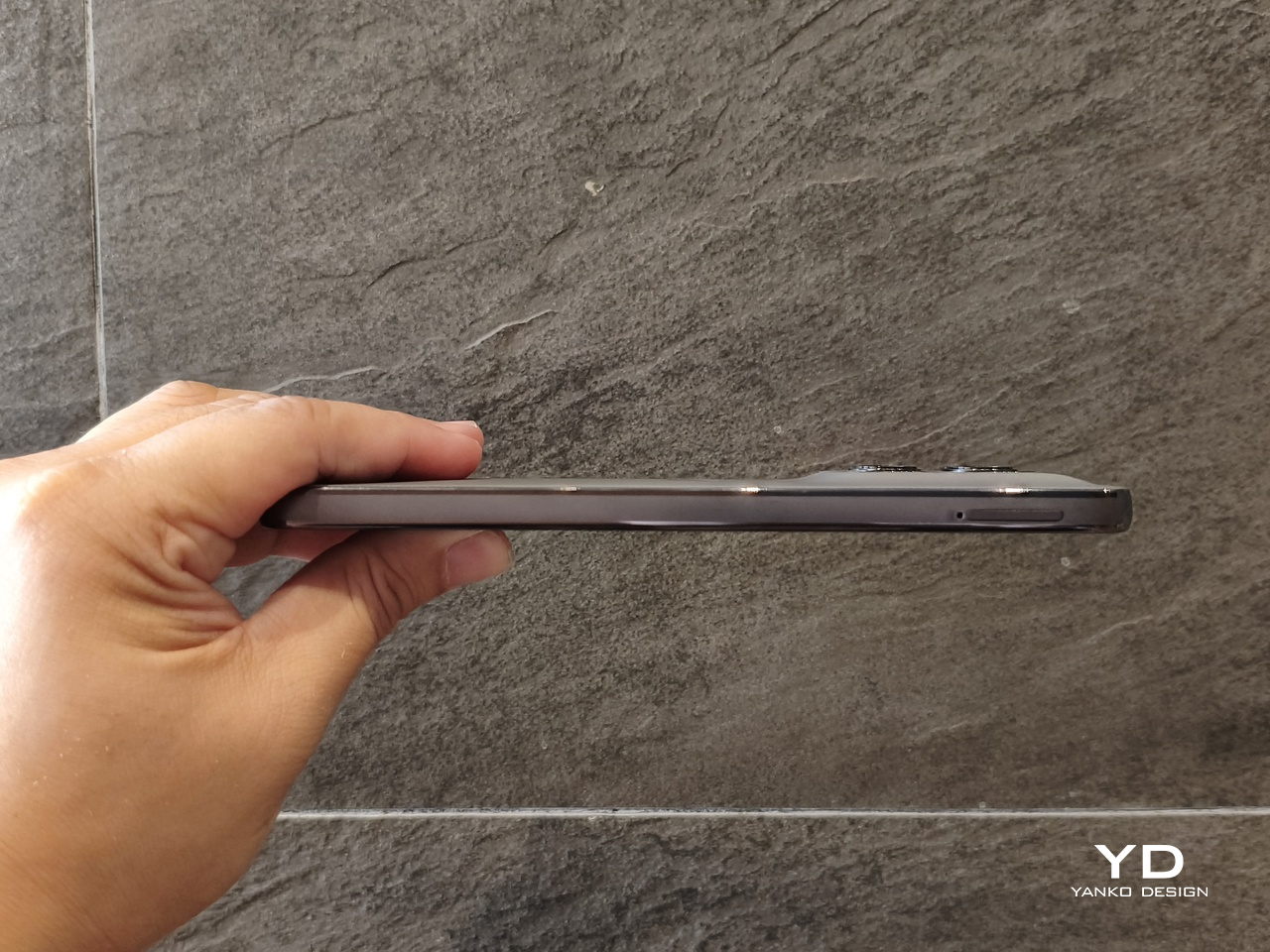
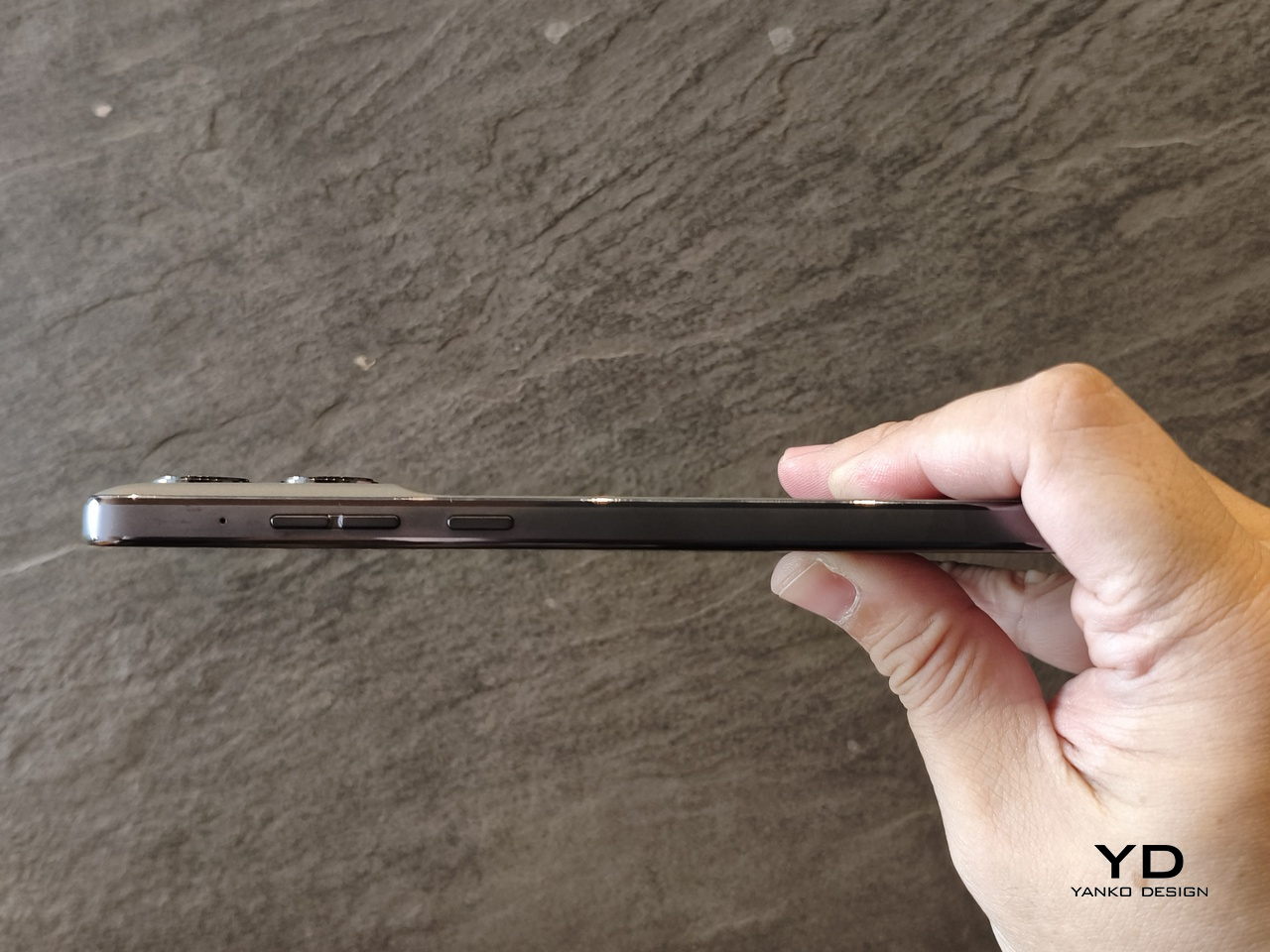
One thing to note about the camera module is that although it is thin and subtle, it still lifts a single corner of the phone when you put it on a flat surface. That means it will wobble, which can be pretty annoying when you’re writing with a stylus. Funnily enough, that might actually be a more pressing reason to put a case on, just to create a balance. Unfortunately, you do lose out on feeling the phone’s textured surface.

Performance

The Specs

The moto g stylus – 2026 makes no qualms about its specs, clearly marking it for the mid-range smartphone market. There’s only 8GB of RAM, which can be expanded up to 24GB with RAM Boost, which basically eats up some of the already modest 128GB or 256GB of storage. Thankfully, you can also expand that storage with a microSD card of up to 1TB capacity, definitely a rare sight these days, even among phones on the same tier.

The biggest disappointment is the Qualcomm Snapdragon 6 Gen 3 processor, which is a holdover from last year’s moto g stylus. In fact, if you look closer, you’ll see plenty of similarities between the 2025 and 2026 models, from processor to cameras. It’s not always a bad thing, but given the price hike, you’d be forgiven for expecting a bit more.

Make no mistake, though, the moto g stylus – 2026 is plenty capable. It won’t win trophies on benchmarks, but it does get the job done without breaking too much of a sweat. It’s even surprising how it can handle a game like Warframe on high settings. It doesn’t get too warm, either, and the vegan leather material probably helps make it feel a little less warm as well.


And that’s perfect because the moto g stylus – 2026 has such a gorgeous screen to play and watch on. The 6.7-inch 2712 x 1220 AMOLED display boasts a peak brightness of 5000 nits, definitely one of the brightest in the market, making it easily usable under sunlight. The rounded corners are also less curved, so UI elements are not obstructed, especially in games. Plus, the 3.5mm headphone jack, another rare sighting, can perfectly complement the visuals with hi-def wired audio.

The moto g stylus – 2026 runs the latest Android 16, and given Motorola’s history, the skin is pretty minimal and non-invasive. It’s probably the closest you can get to a Pixel experience outside of Google Pixel phones, which is light, fast, and probably barebones if you’re coming from other brands like Samsung and Xiaomi. There’s almost no bloatware, unless you count the dozen or so pre-installed Google apps, which would be the same situation on a Google Pixel phone anyway.

The Pen
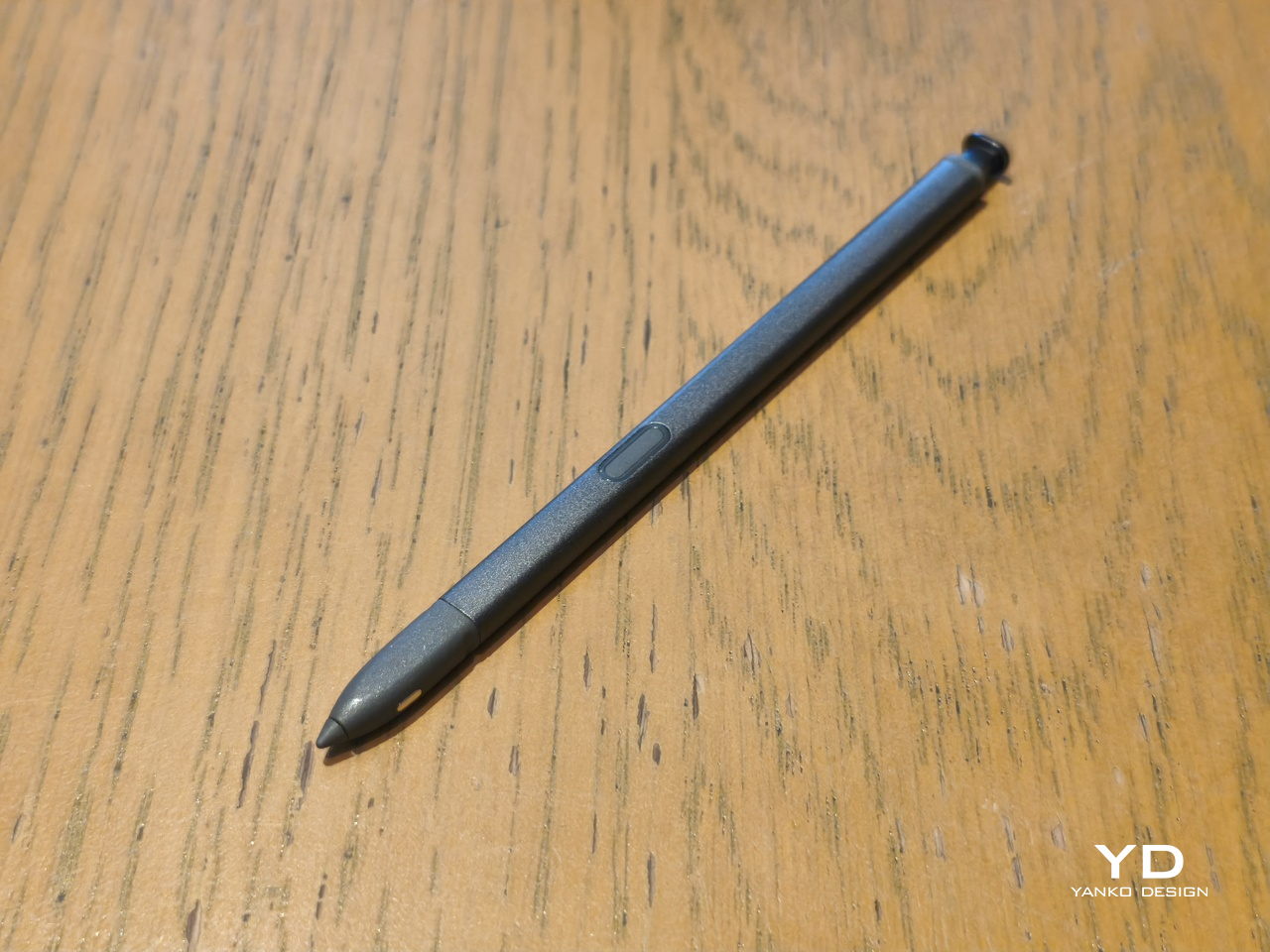
There’s no beating around the bush: the only reason you’d even give the moto g stylus – 2026 is because of its stylus. For the first time, that stylus is no longer just a very thin stub standing in for your finger tip. For the first time, it is supporting pressure and tilt sensitivity, features that only Samsung offers at nearly three times the price.
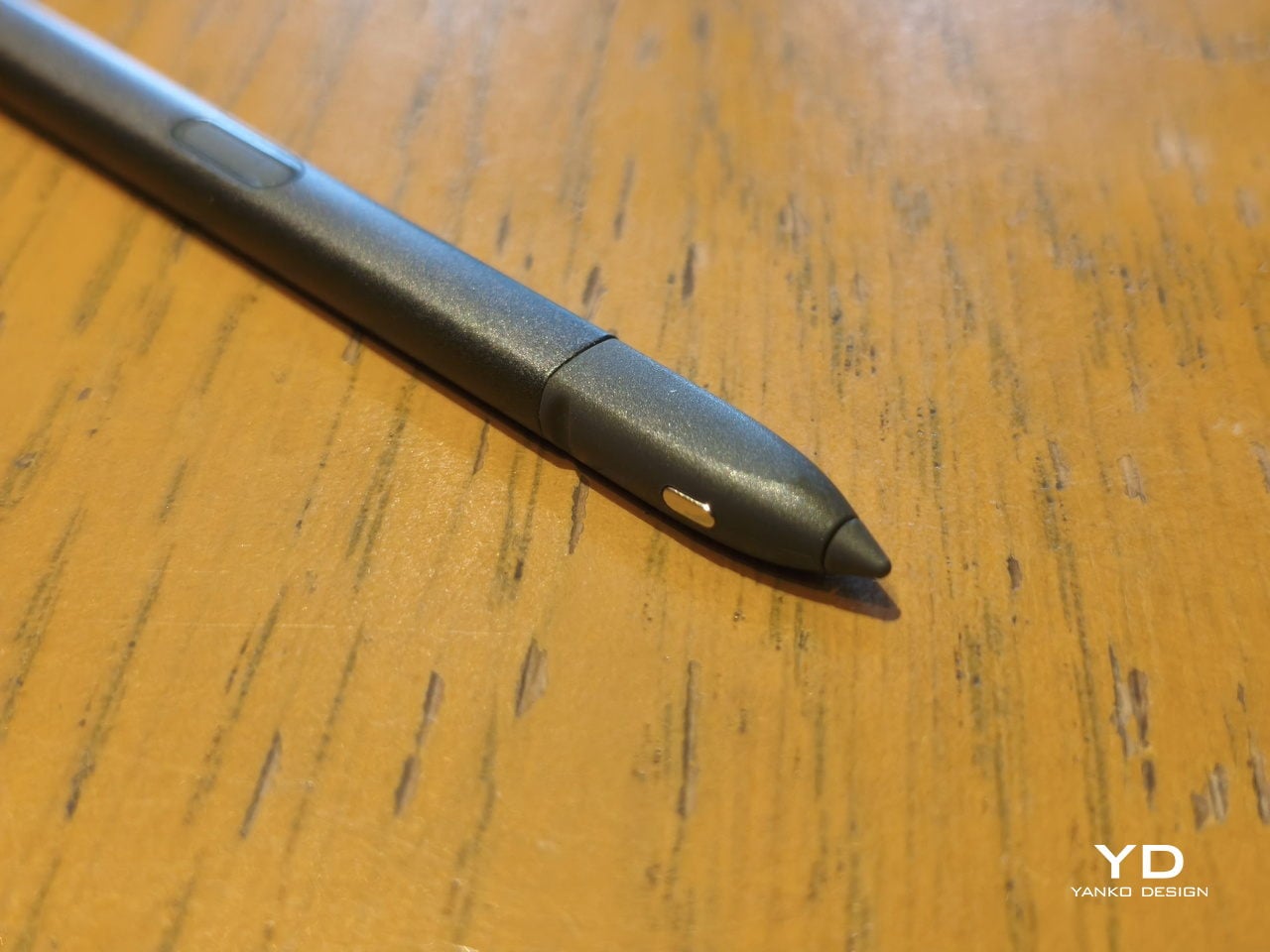
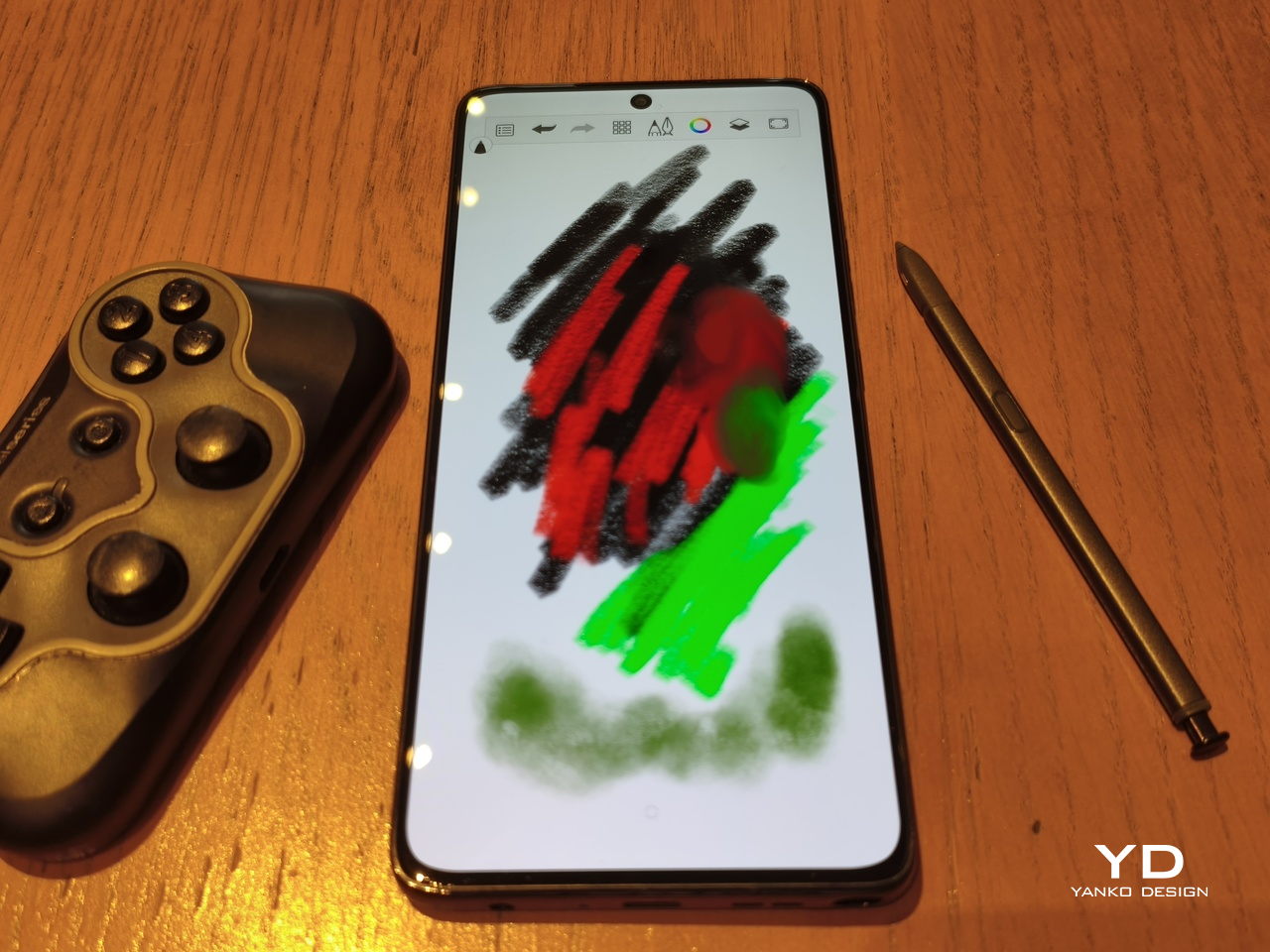
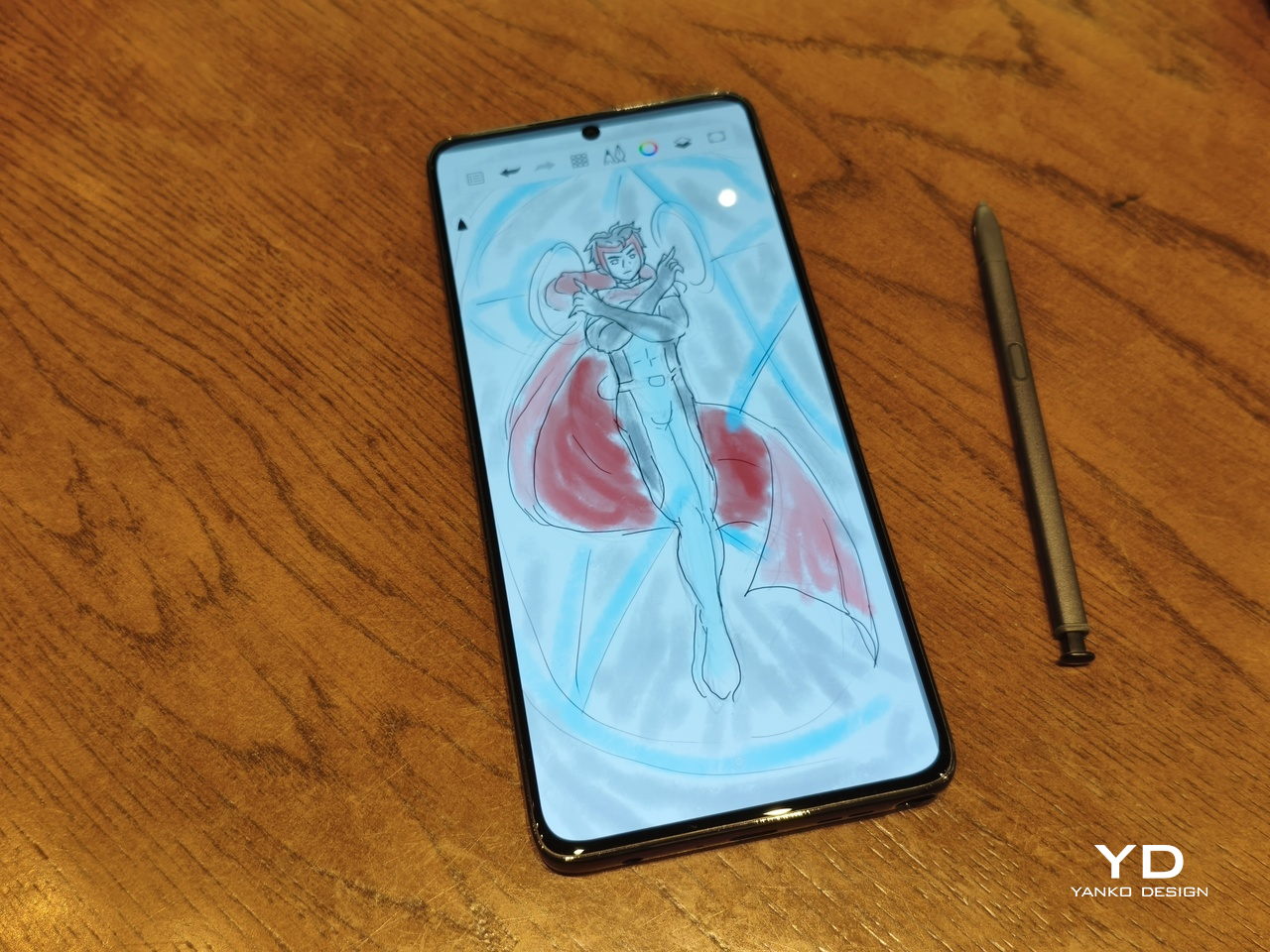
The older stylus designs were practical and usable, but this new pen opens the door to even more possibilities, especially when it comes to creative activities like drawing, designing, and editing photos. It gives you much better control and precision, while also offering more styles in terms of pen width, brushes, and the like.

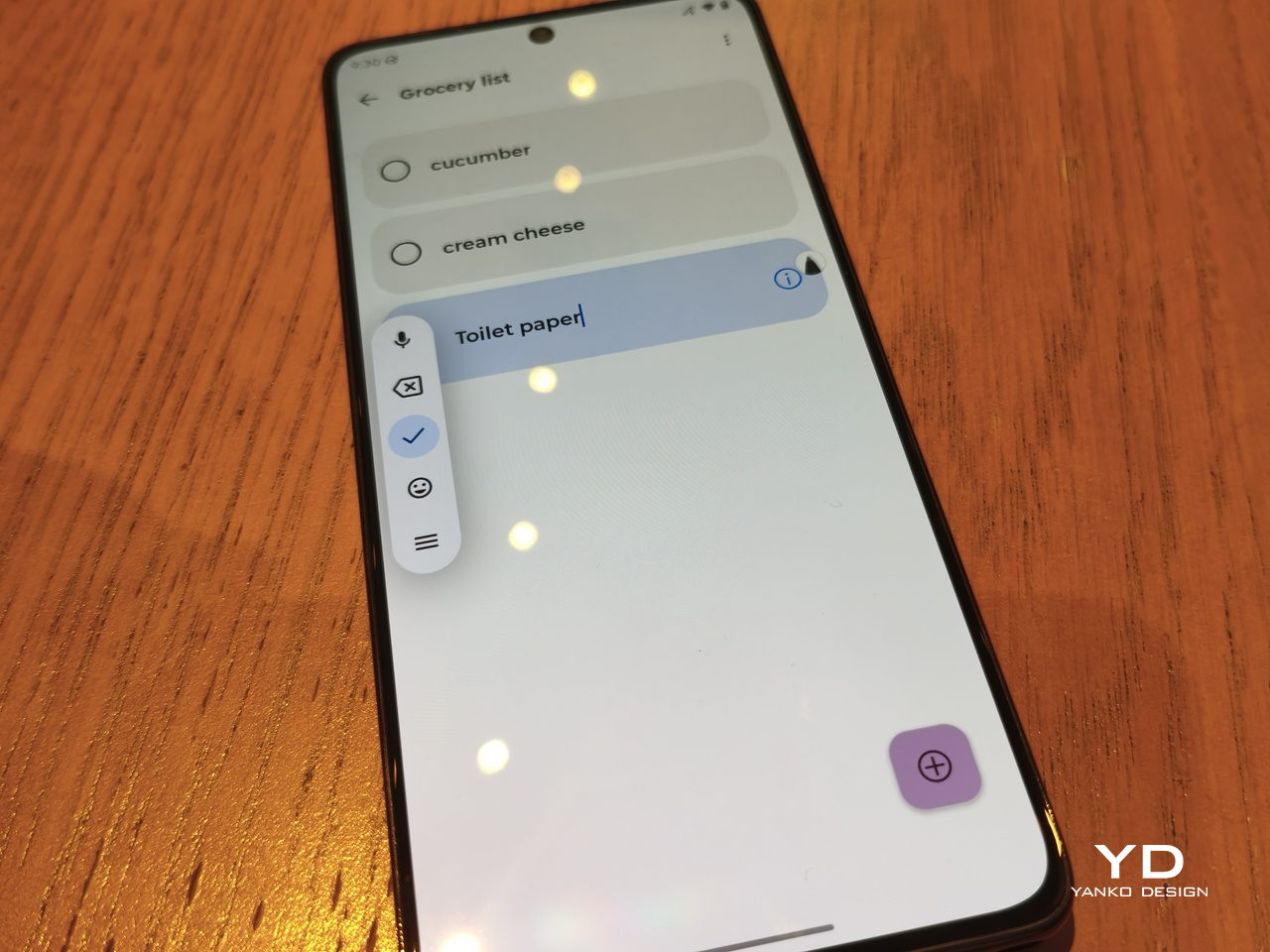
The stylus is also crucial in some productivity workflows, like when dragging images to a note in split-screen mode, highlighting and copying text to a note, or for sketching a crude representation of a cat and using AI to turn it into a photorealistic masterpiece. Part of this upgraded experience is made possible with the Moto Notes app, which supports drawing on an infinite canvas that can then be embedded into notes.

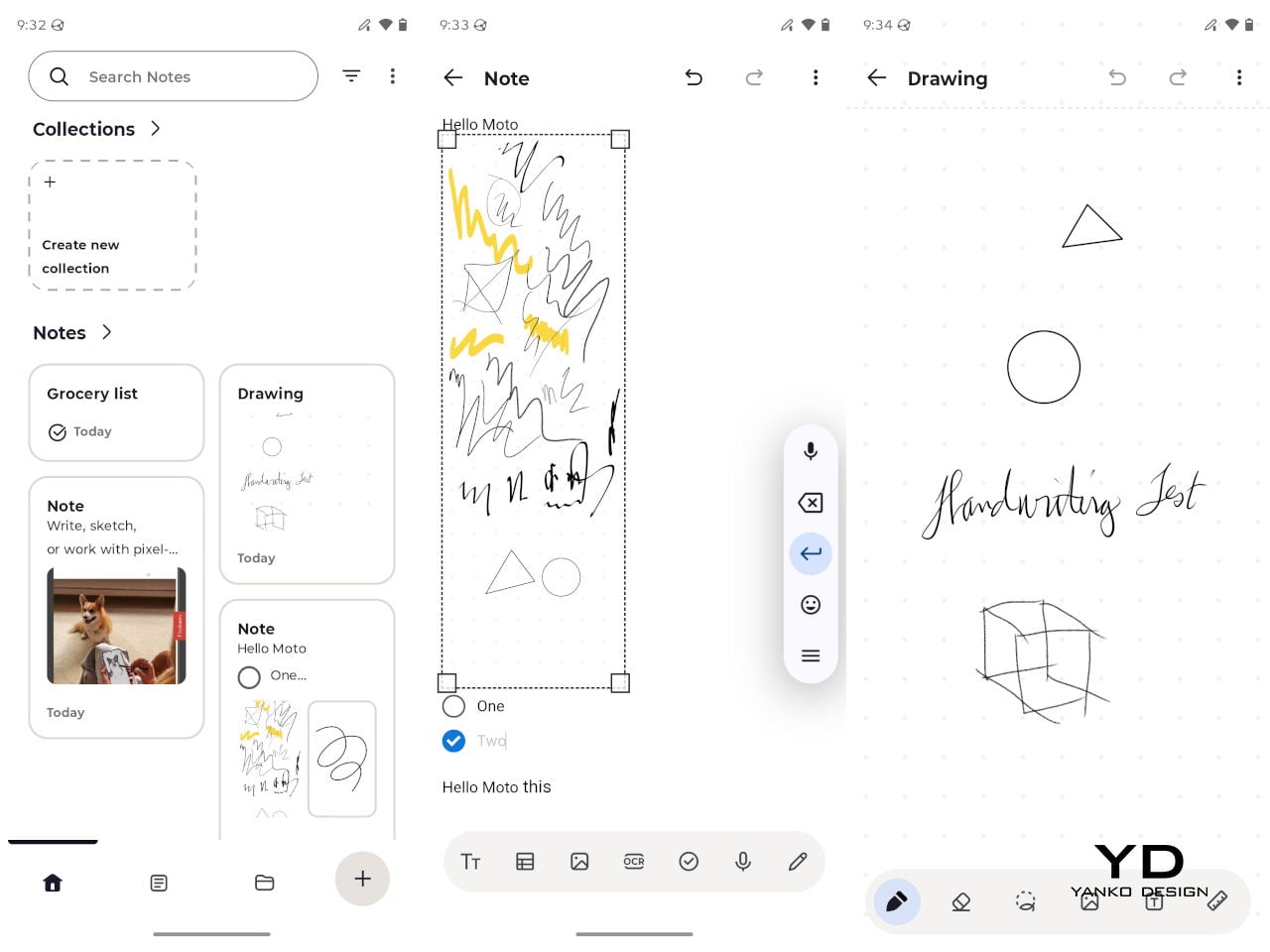
The new stylus also has a button that can be mapped to some actions depending on whether you press or long-press it, though the actions are not that varied. The pen now also has to be charged, which is how it’s able to pull off that pressure sensitivity stunt, and you can only charge it when it’s inside its silo.

The Cameras

The moto g stylus – 2026’s camera story is rather underwhelming. On the hardware side, it doesn’t exactly differ from last year’s cameras, which include a 50MP Sony LYTIA 700C sensor and a 13MP Ultra-wide shooter that doubles as the Macro camera. In a nutshell, these are serviceable and decent, but they wouldn’t be something you’d want to rely on if you were planning on being a professional shutter bug.


The main shooter does a pretty good job of capturing detail, but its dynamic range seems to be on the narrower side, making subjects look a little flat. The AI-enhanced Signature Style can try to compensate, but it also oversaturates the output.

Normal

Signature Style
Normal

Night Vision

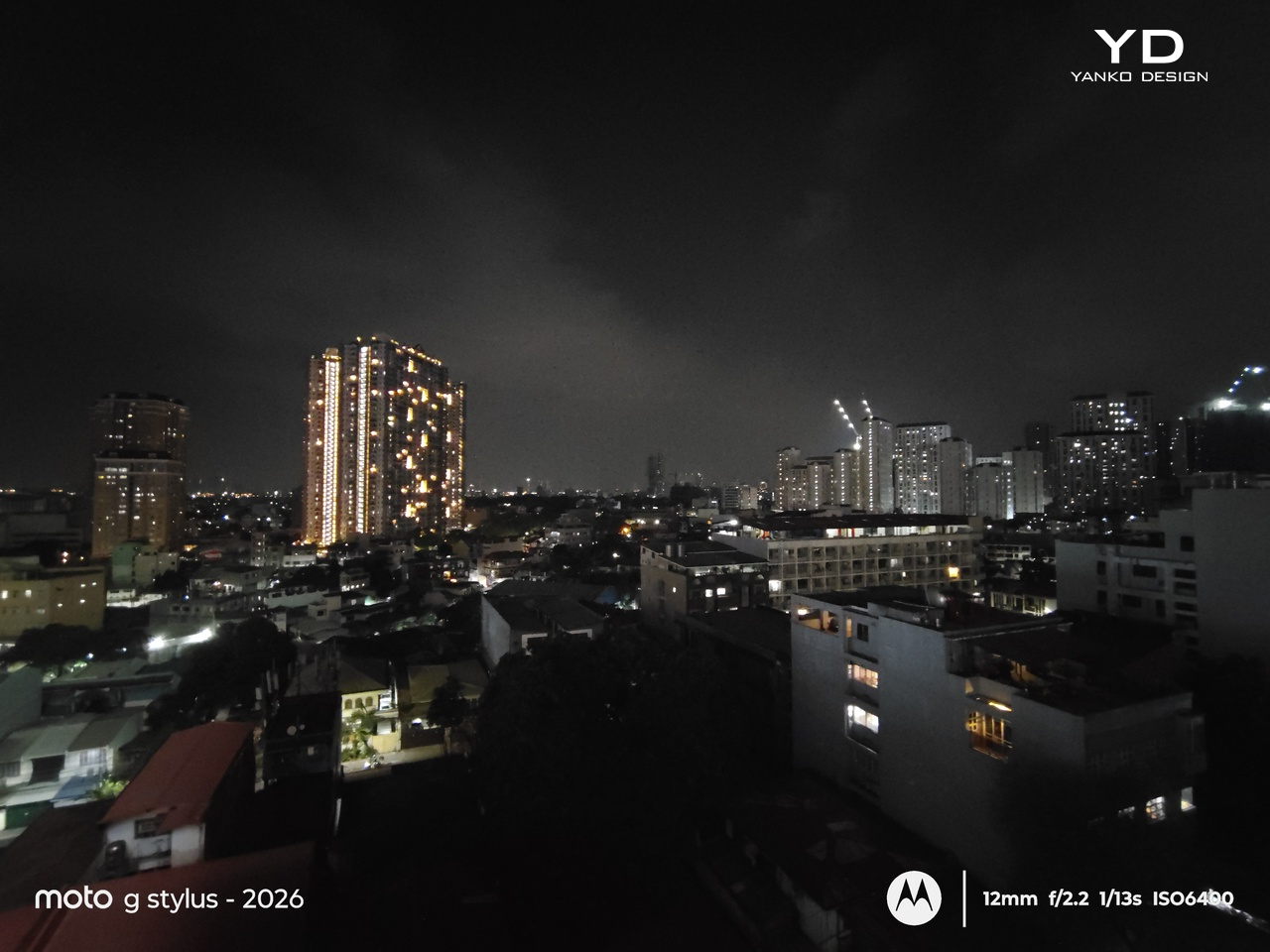
Nighttime photography is what you’d expect, as there wouldn’t be enough light information to work with. Night Vision Mode definitely kicks things up a notch, brightening things up enough to make out the details. This is one of those moments where the difference is, pardon the pun, night and day.


Ultrawide (0.5x)

Wide (1x)

Zoom (2x)

Given the hardware, ultra-wide shots are naturally less impressive but still get the job done for a quick panoramic picture. There’s no dedicated telephoto lens, so it does double duty as the macro camera. Unfortunately, it doesn’t make much of a difference. Portrait shots are pleasant and accurate, though, and you can select from 24mm, 35mm, and 50mm focal lengths.

Macro

Macro

The Battery

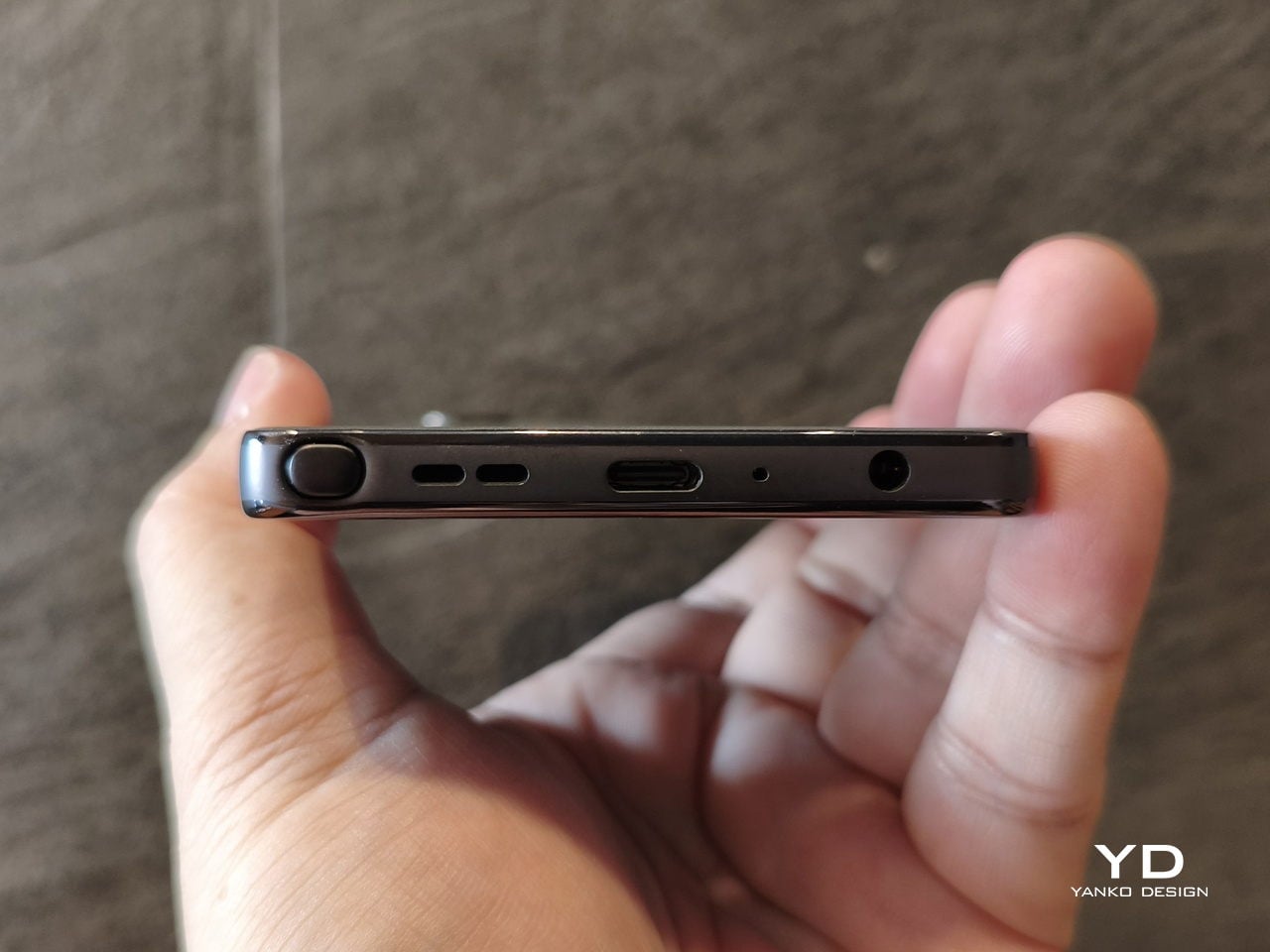
One of the few upgrades this year is the moto g stylus – 2026’s larger 5200mAh battery. It still supports 68W wire Turbo Charging and 15W wireless charging, the latter with no magnetic tricks. With the right power brick, you’re promised a full charge in just 44 minutes, but even a 65W charger managed to top the phone off in just a little over an hour.
That charging won’t happen frequently though, as the phone can last more than a day with normal use, including browsing the web, social media, and even watching videos on that bright, large screen. With less frequent use, it can actually extend to two days, though you’ll want to be on Wi-Fi rather than cellular to pull that off. Needless to say, it’s a reliable daily partner that won’t have you scrambling for a charger before you head home.

Sustainability

Motorola has been pretty vocal about its sustainability efforts, but the moto g stylus – 2026 is a bit of a hit and a little miss. The compact, plastic-free packaging is superb in that regard, ditching the redundant charging brick as well. Motorola also boasts about longevity, given the IP68, IP69, and MIL-STD-810H certifications.

Where the story takes a sad turn, however, is in the software upgrades. Only two years of Android upgrades and three years of security updates, figures that would have sounded generous almost a decade ago. This lags way behind the likes of Xiaomi, notorious for its short software support cycles, and is quite disappointing for an Android user experience that is almost as pure and unencumbered as the Google Pixel.

Value

There’s no going around the fact that the moto g stylus – 2026 has a price tag that’s a little difficult to swallow. It’s more than a $100 jump from last year’s model, and at $500 or $600, for 128GB and 256GB storage, respectively, other brands might give you better specs for the same price. Granted, Motorola often throws in bundles and discounts to sweeten the deal, but the initial price shock is unavoidable.
That said, that price could be a bit justifiable, especially if you factor in how electronics prices are going up these days anyway. For that amount, you get a solid, reliable, and beautiful phone that is almost literally a digital Field Notes notebook in your pocket. Considering that the closest competition is actually a $1,300 Samsung Galaxy S26 Ultra, then there’s almost no contest. Sure, it doesn’t have the glamorous bells and whistles, but neither would a trusty notebook.

Verdict

More than any mainstream smartphone in the market today, the moto g stylus – 2026 is clearly aimed at a particular audience: people who don’t want their productivity and creativity to be hampered by not having their notebook or their computer around. They say the best tool is the one that you have with you, and almost everyone has their smartphone in their pocket. And what better way to capture fleeting inspiration or sketch inspiring vistas than by whipping out your phone and pulling out the stylus?

By no means is the moto g stylus – 2026 perfect. In fact, you might even call it dated if you judged it by its specs alone. But with a talented stylus, a gorgeous screen, a reliable battery, and a beautiful minimalist design, it is definitely worth every penny. There is no perfect productivity tool or notebook, but the moto g stylus – 2026 comes pretty darn close.

The post moto g stylus 2026 Review: Accessible Pocket Productivity and Creativity first appeared on Yanko Design.

Mohab Altus quick-deploy hardshell rooftop tent turns any rugged truck into comfy, all-season camping rig

Clumsy extensions, flimsy fabrics, and cumbersome installation of rooftop tents have often marred the camping experience for many, including the creators of the Altus – a mobile habitat. This was essentially before the hardshell tents made it to the scene. These tents are growing in number, and their differences in functionality are just making the space more clustered with undeniable options.

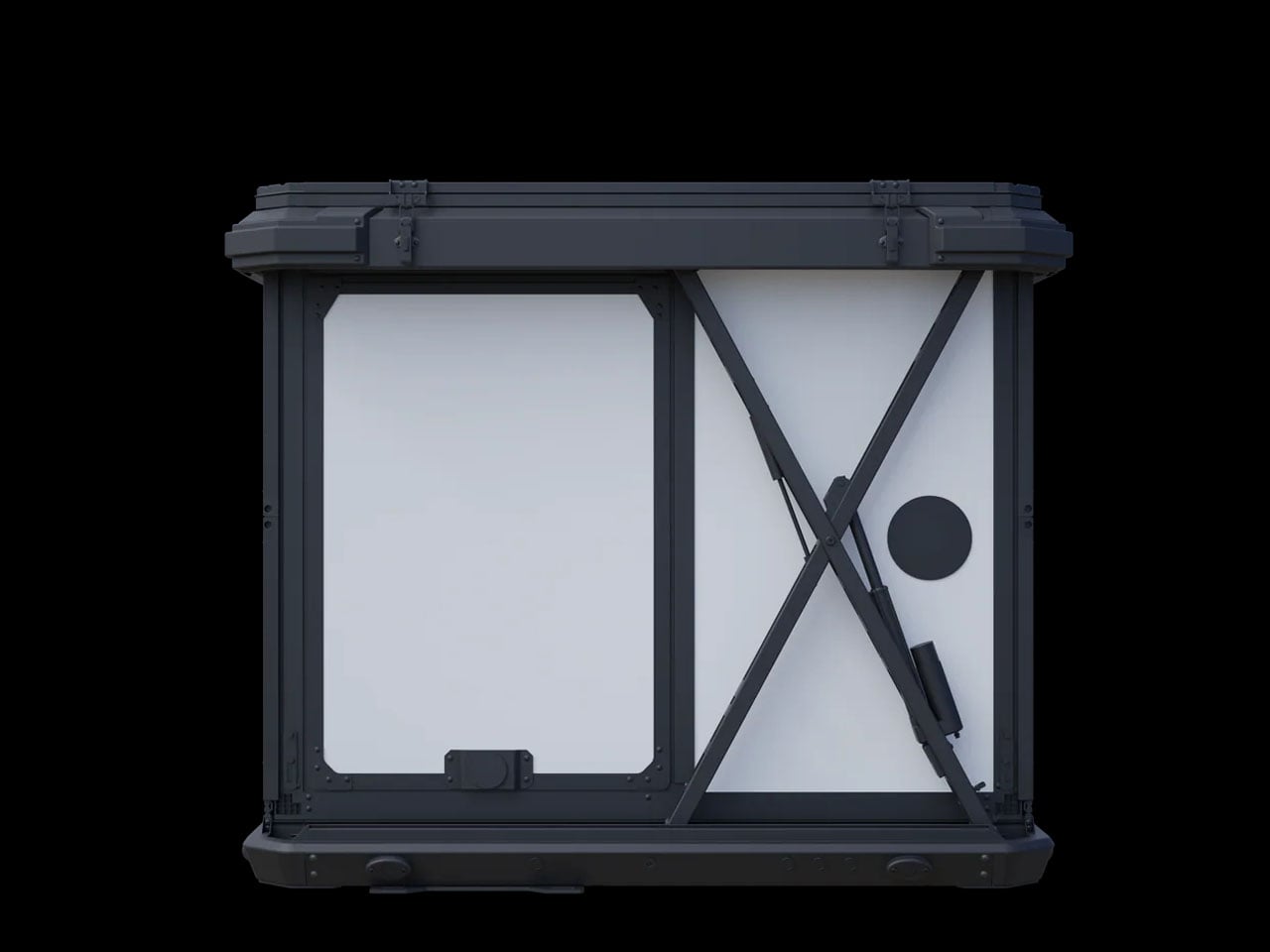
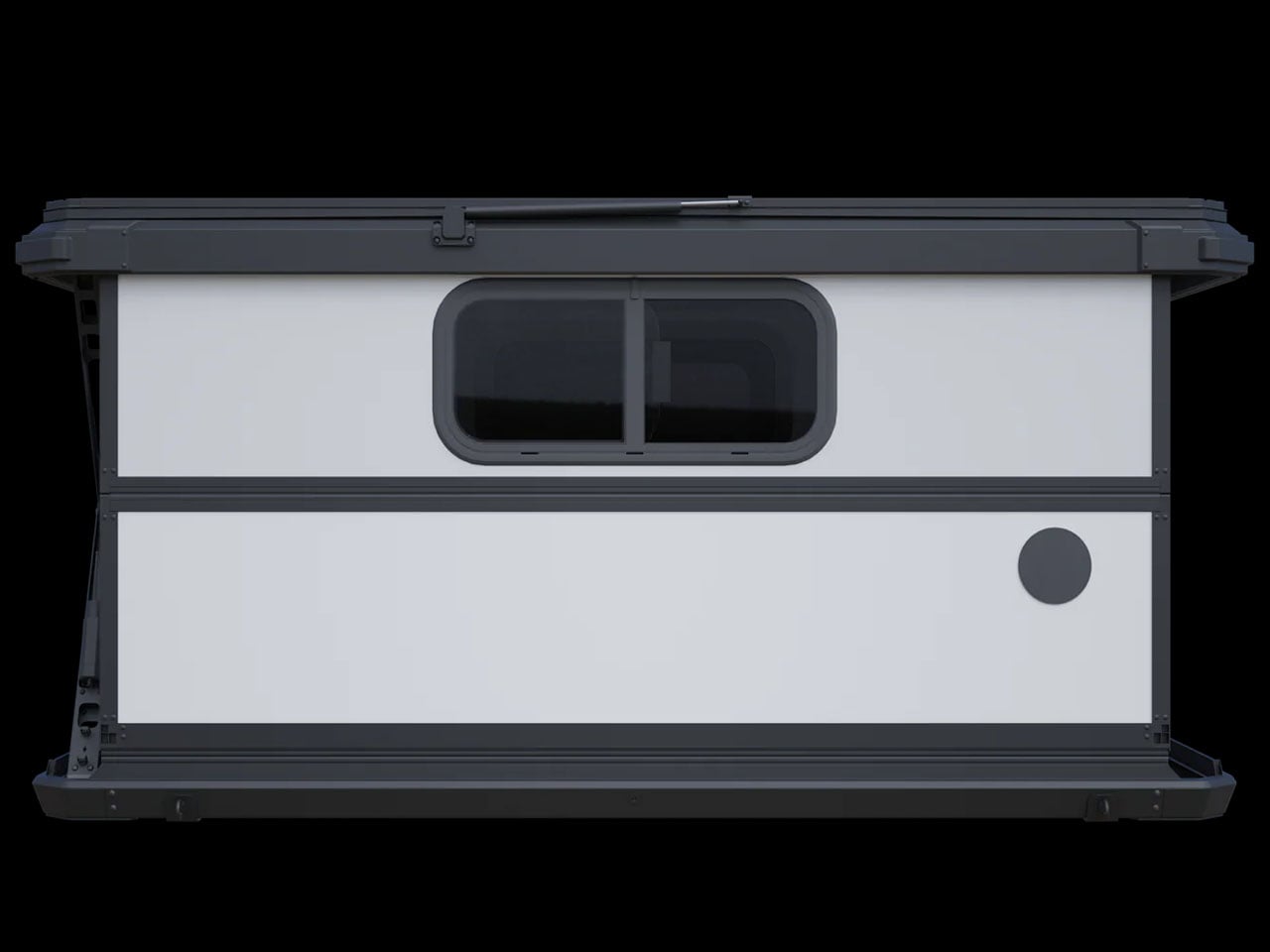
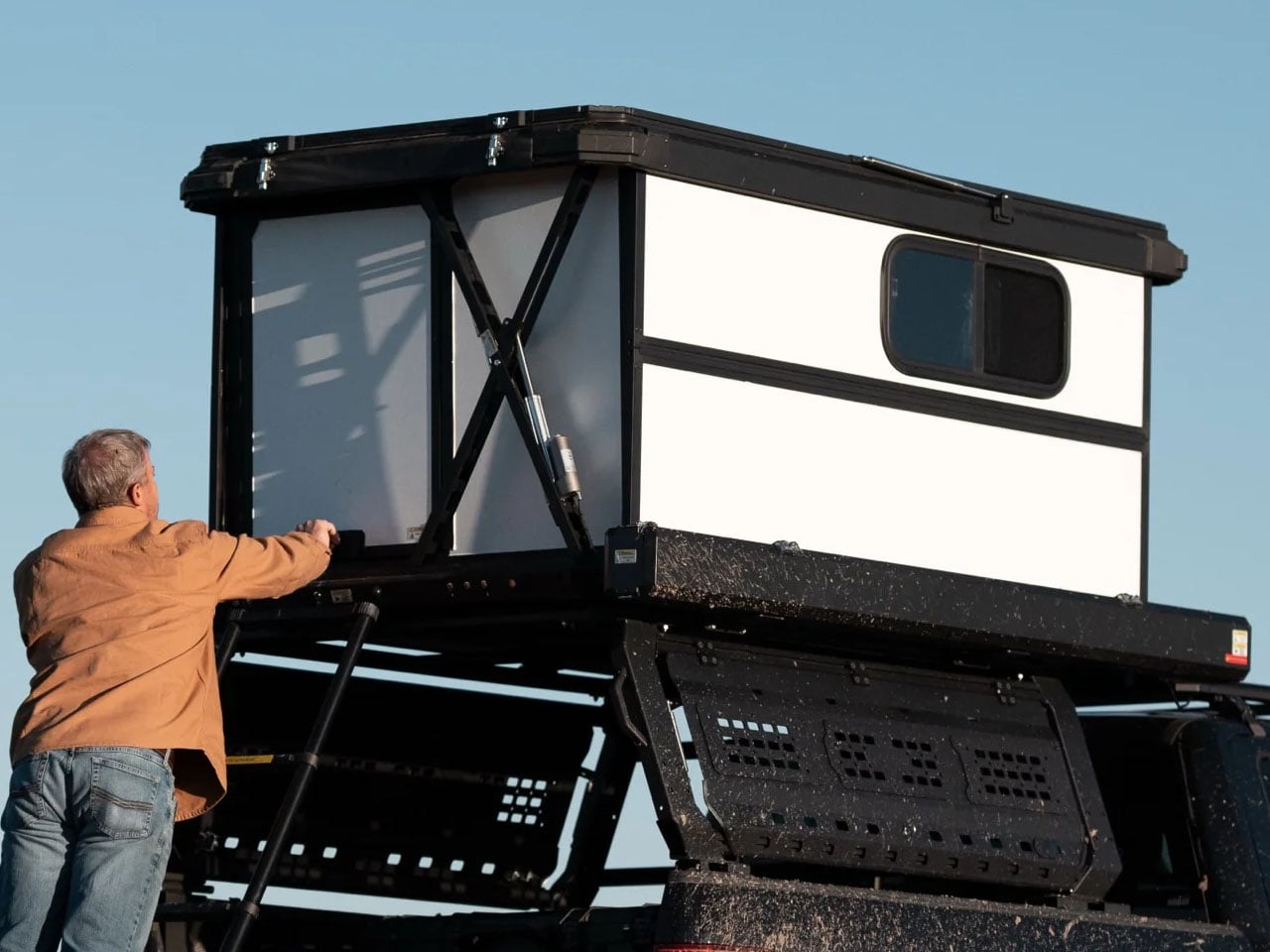
The Altus – Hardwall Rooftop Cabin – lands in an undeniable category, considering the well-rounded approach it brings to the rooftop tents. Created in Standard and XL models (difference based on size rather than functionality), the Altus by Denver-based Mohab is positioned as a hard-sided rooftop cabin that automatically goes from 8.7-inch drive height to 45-inch, livable quarter, in under 60 seconds.

Designer: Mohab

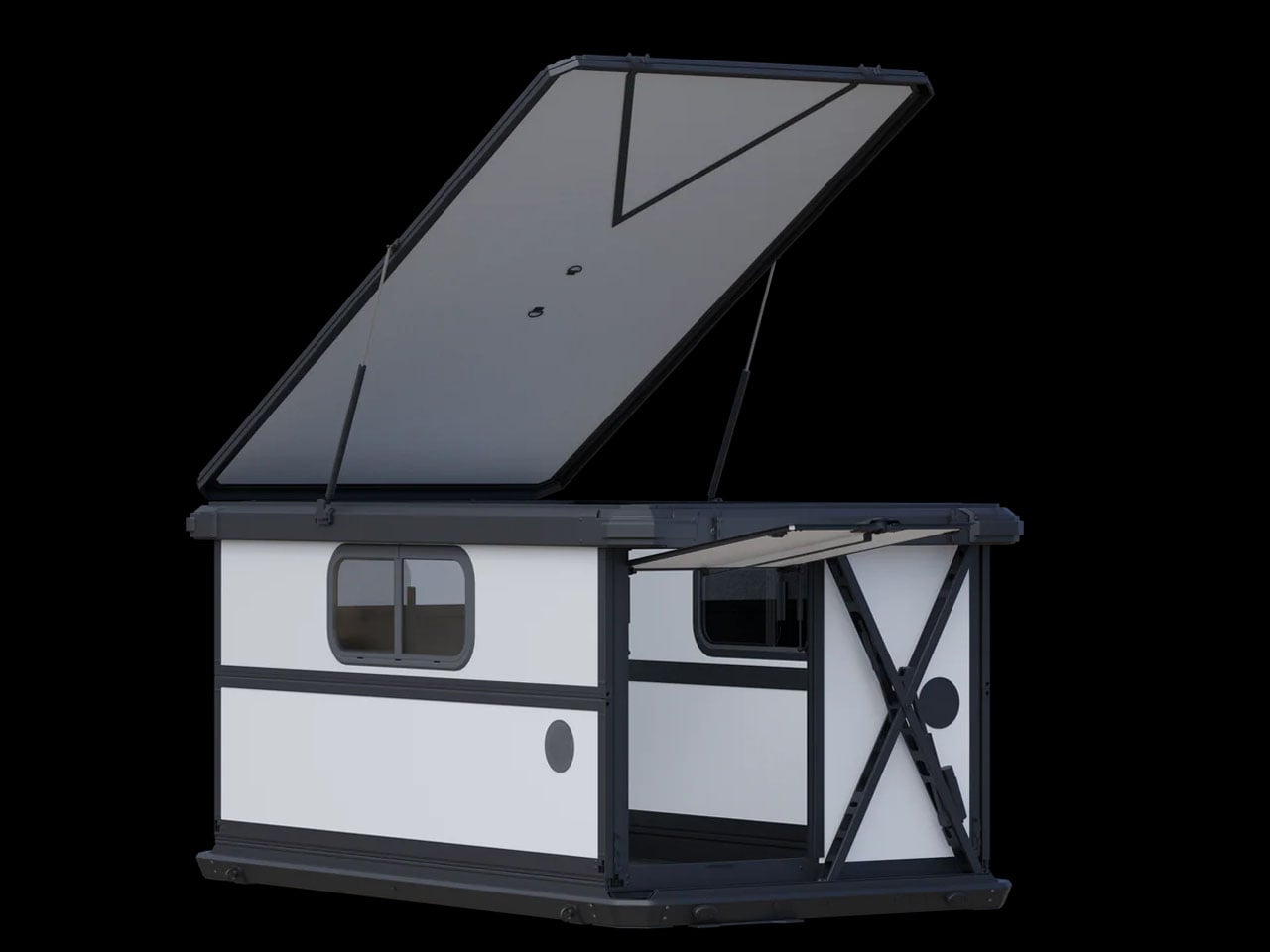
The claim is unsubstantiated at the time of writing, but if it’s anywhere around the quick timeframe, the setup definitely gets a five-star from me. That said, the way this electric-lift system of the cube really deploys is what makes the setup even more intriguing. As the videos on the product listing page on Mohab’s website show, on the click of the deploy button, the sidewalls of the cabin flex up to form a living space. The walls on the front and back flip down independently later, once the walls on the side have been erected. The Altus series comes with a manual deploy system as well. It allows users to set up the cabin without power.

Sitting atop the cuboid – they call the Altus – is its pop-up roof. This roof hinged at the rear, rises up on the front, creating standing headroom and a significant perch for your panoramic sighting of the surrounding vista on a clear day. You’ll want the all-weather housing (provided with heating and air conditioning) of the Altus to remain completely shut and airtight amid a downpour.

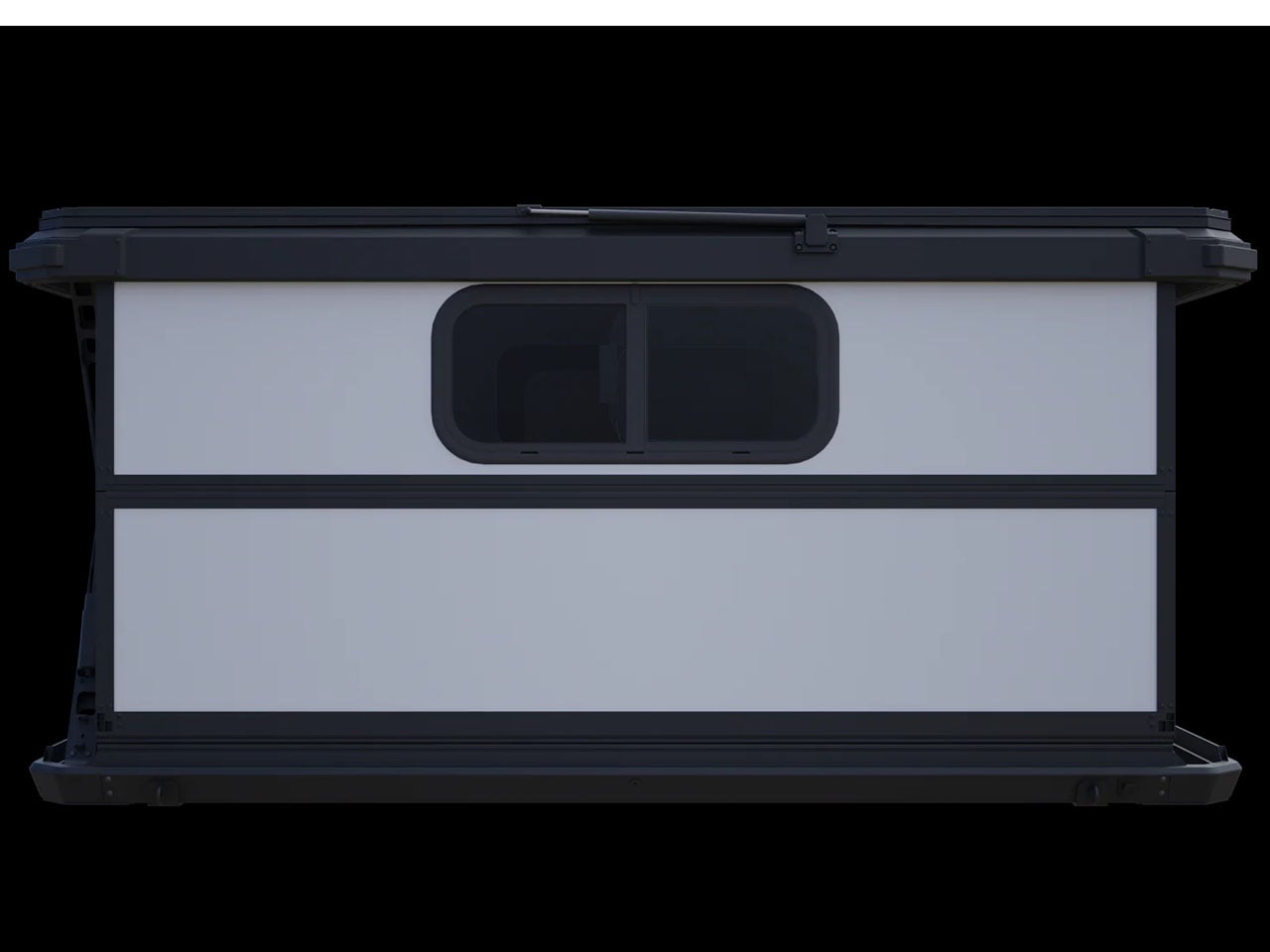
Coming to the construction, the Altus series hardwall rooftop cabins feature aluminum alloy frames and PET panels. The material used in construction allows the cabin a lightweight form factor: Altus weighs 120 kg, and the Altus XL is just 5 kg heavier at 125 kg. The former measures 93 x 54 inches, which is enough space for a double mattress. The XL model, on the other hand, measures 101 x 54 inches, which should provide space for an extra person to fit in. Both models have a similar design with slider windows on either side and a hinged pop-up roof.

The boxy, hard-walled Altus can conveniently mount on a range of rugged trucks and 4x4s with Mohab’s Fortis rack systems (sold separately). Of course, that’s a bump in the overall cost of the rooftop tent, but with the convenience and efficiency offered, the Altus definitely makes up for the extra cost. Price for the Altus rooftop cabin starts at $5,139 with a pickup bed rack. The Altus XL with a pickup mount starts at $5,449.

The post Mohab Altus quick-deploy hardshell rooftop tent turns any rugged truck into comfy, all-season camping rig first appeared on Yanko Design.

The Bench That Grows Stronger Every Time You Water It

When I first came across the PhytoSymbiosis Seat, it looked like a piece of architecture that had been left in a garden long enough to transform into something else entirely. That’s not an insult. It’s the point. Designed by a student at the Royal College of Art and recently recognized by the NY Product Design Awards, this outdoor bench is one of those rare design concepts that makes you stop and rethink a question you didn’t know you were asking. The question, in this case, is: what if public furniture didn’t just sit in nature, but actually participated in it?

The bench was developed over nine months of community observation in London. The designer spent that time watching how people move through public green spaces and noting the growing disconnection between urban residents and the natural environments around them. To get the material details right, they consulted botanists at Kew Garden and invited residents near Westfield Park to touch and evaluate plant samples firsthand. That kind of patient, place-based research tends to produce something more honest than a concept born entirely at a drafting table, and you can feel it in the outcome.

Designer: Royal College of Art

The frame is made from bio-concrete bricks with a porous surface structure. The porosity isn’t decorative. It was specifically engineered through material experiments to give English ivy something to grip. The ivy’s aerial roots, which can reach a density of 30 to 40 roots per 10-centimeter stem section, attach naturally to the rough concrete surface, forming a composite structure that gets stronger over time rather than weaker. That last part is worth sitting with: most public furniture degrades. This bench, in theory, consolidates. The plant’s growth actually reinforces the structure rather than working against it.

The form itself comes from Voronoi geometry, the same spatial patterns that govern how plants distribute resources and compete for space in nature. Those lacy, cellular shapes in the frame are not just aesthetic. They were calculated to accommodate the physical behavior of climbing plants, guiding and supporting ivy as it grows across and through the structure. The parametric modeling was verified with a finite element analysis to ensure the whole thing would hold together structurally. There’s real engineering behind what looks, at first glance, like a beautiful accident of nature.

But the part of this project that keeps pulling me back is the social layer, and I think it’s the most underappreciated dimension of the design. The bench is built to be cared for by the people who use it. Residents are meant to water it, to guide the ivy’s direction of growth, to make small decisions over time that shape what the bench becomes. A water level sensor built into the system even triggers user interaction by signaling when the plant needs attention. This turns an act of sitting into an act of tending, and tending, as anyone who has ever kept a plant alive will tell you, creates a very specific kind of attachment.

The pilot results support this. Volunteer participation in surrounding neighborhoods increased by 40 percent. Carbon emissions were reduced by 62 percent compared to traditional furniture. The plant palette is 100 percent native species, supporting local biodiversity without the risk of invasive growth. Neighbors reportedly gather around the bench, exchanging knowledge about plant care and falling into conversations they might not have had otherwise. These aren’t incidental benefits. They were built into the project’s goals from the start, aligned with the UN’s Sustainable Development Goals and measurable enough to take seriously.

What gets me is how quietly radical this is. Public benches are usually passive objects. We sit on them, we ignore them, we move on. The PhytoSymbiosis Seat makes the bench a responsibility, a neighborhood project, a small stake in the life of a shared space. It asks something of the people who encounter it, and in asking, it gives something back: a reason to notice, to return, and to care. That, more than any material innovation, might be its most lasting design achievement.

The post The Bench That Grows Stronger Every Time You Water It first appeared on Yanko Design.

iPhone Ultra Fold Leaks: Every Design Feature Coming to Apple’s First Foldable

iPhone Ultra Fold Leaks: Every Design Feature Coming to Apple’s First Foldable Close-up of iPhone Ultra foldable hinge and rounded frame while the phone is partially open on a desk.

Apple’s iPhone Ultra marks a significant step into the foldable device market, offering a distinct alternative to Samsung’s Galaxy Z Fold 8. By focusing on design refinement, usability, and display innovation, Apple has taken a calculated approach that emphasizes polish and practicality over radical experimentation. While the device showcases Apple’s renowned attention to detail, questions […]

The post iPhone Ultra Fold Leaks: Every Design Feature Coming to Apple’s First Foldable appeared first on Geeky Gadgets.

Posted in Uncategorized

Nitecore Just Made a 22-Gram Air Pump the Size of Your Thumb

I didn’t think air pumps had much room left for innovation. You plug them in, you press a button, your inflatable fills up. Done. But the Nitecore AP01 walked in and made me rethink the whole category, which is not something I say about a pump very often.

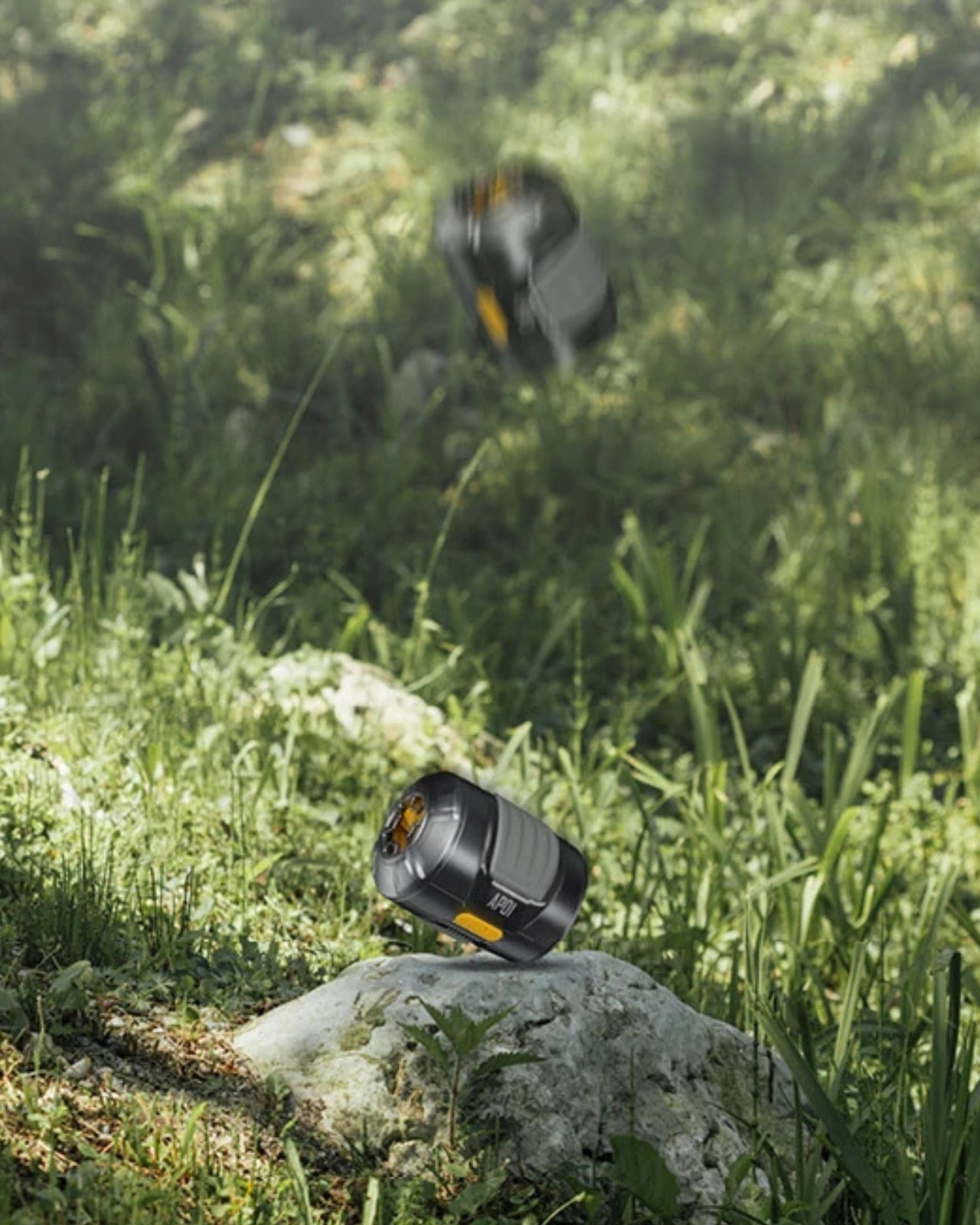
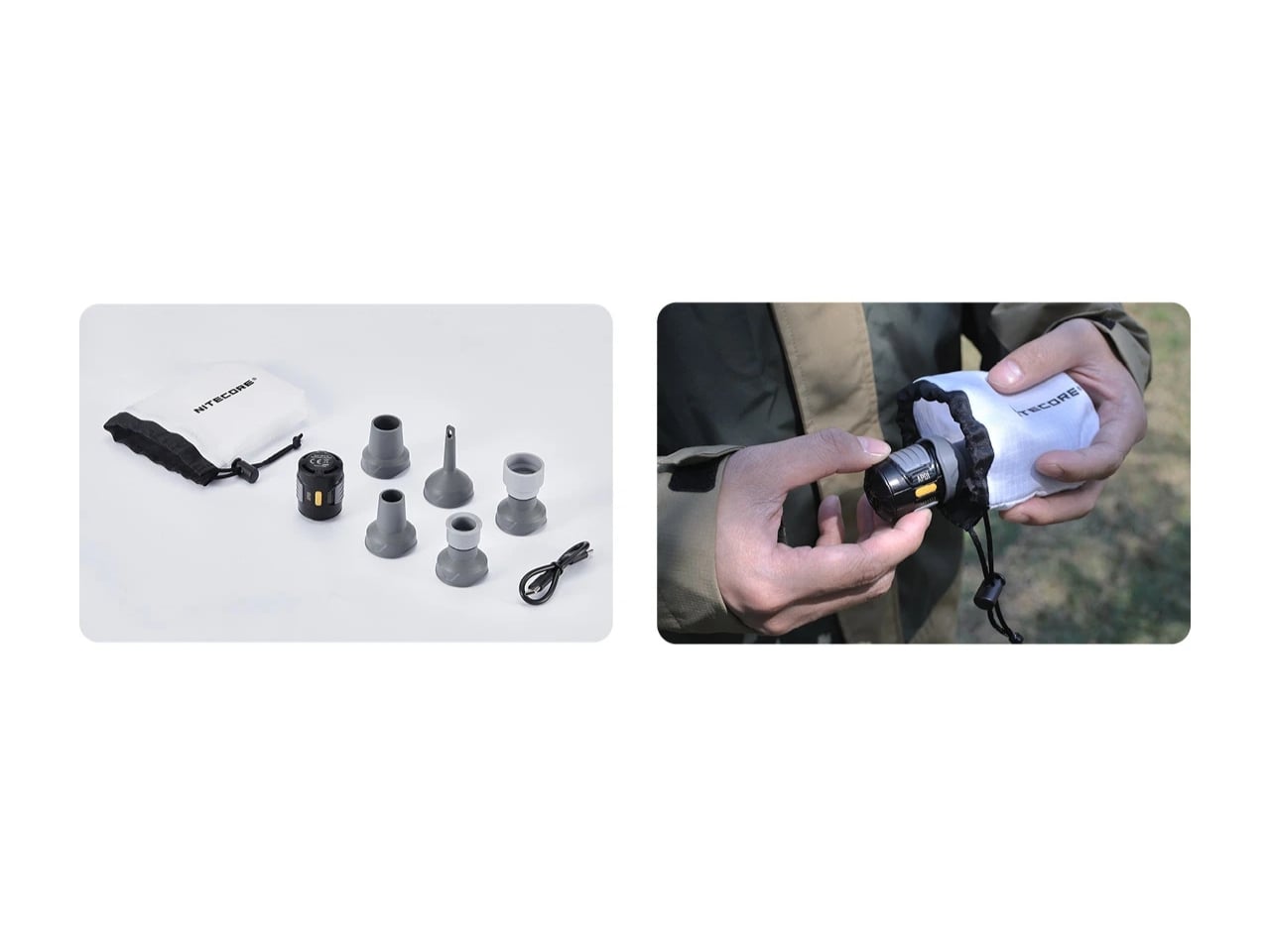
The AP01 weighs 22 grams. That’s less than a standard AA battery. Less than a stack of five US coins. Less, actually, than most of the stuff currently rattling around at the bottom of my bag. It measures just 1.61 inches long by 1.22 inches across, which Nitecore likes to describe as thumb-sized, and that comparison lands closer than you might expect. The thing is genuinely small enough to sit comfortably in the palm of your hand with room to spare.

Designer: Nitecore

Here’s what makes this design decision so interesting: Nitecore got it to this weight by removing the built-in battery entirely. The AP01 draws power from an external source through a USB-C connection. For most people, that means plugging it into a power bank. At first glance, that might sound like a step backward. You’re now managing two devices instead of one. But when you’re a backpacker obsessing over every single gram in your pack, you’re likely already carrying a power bank anyway. The AP01 simply borrows what’s already there.

And it doesn’t sacrifice performance to get there. The AP01 delivers a max air pressure of 2.8 kPa and moves air at 220 liters per minute, which is a slight improvement over its sibling, the AP05C. Using Nitecore’s own NB10000 power bank as a reference, the AP01 can inflate a sleeping pad in 75 seconds, an air pillow or adult swimming ring in about 22 seconds, and a double air bed in around seven minutes. For ultralight camping gear, those numbers are genuinely impressive.

The five included nozzles deserve more attention than they typically get in a spec sheet rundown. Nitecore includes a wide nozzle and a narrow nozzle for air beds, pillows, and sofas; small and medium silicone nozzles for balloons, air mattresses, and vacuum bags; and a pinch nozzle for swimming rings or inflatable life jackets. The range is practical without being excessive. That’s good editing on Nitecore’s part. Anyone who has ever rummaged through a tangled mess of pump adapters at 6am before a camping trip will appreciate how much this matters.

It’s also worth noting that the AP01 handles deflation just as efficiently as inflation, and the casing is built from polycarbonate with a drop resistance rated to two meters. One button runs the whole operation. There’s a reason simplicity like that tends to stick around.

The part of this product that I keep coming back to is not just the tech, it’s the philosophy. The AP01 represents a kind of design thinking that doesn’t get enough credit: subtracting the right thing instead of adding more. So much product design leans into feature-stacking, and somewhere along the way, the actual user experience gets buried under options nobody asked for. Removing the battery from the AP01 wasn’t a cost-cutting move. It was a deliberate choice that resulted in a dramatically more compact form factor, and it works because Nitecore thought carefully about who’s actually using this and what they’re already carrying.

I think the AP01 is going to be one of those products that quietly becomes a staple for a very specific kind of person: the person who counts grams before a trail run, the person who over-researches their camping kit, the person who appreciates gear that disappears into the background and simply does its job. That’s a smaller audience than a gadget that lights up and connects to an app, but it’s a deeply loyal one. At 22 grams, the Nitecore AP01 doesn’t just meet the brief. It redefines what the brief even looks like.

The post Nitecore Just Made a 22-Gram Air Pump the Size of Your Thumb first appeared on Yanko Design.

Beyond the Basics: 5 Awesome iPhone Hacks Apple Doesn’t Tell You About

Beyond the Basics: 5 Awesome iPhone Hacks Apple Doesn’t Tell You About Featured image for 5 iPhone HACKS You Must Try !

Your iPhone is more than just a smartphone; it’s a powerful tool packed with features that can simplify your daily life. However, many of its capabilities often go unnoticed. By exploring these five practical hacks, you can unlock hidden features, streamline tasks, and customize your device to better suit your preferences. Whether you’re aiming to […]

The post Beyond the Basics: 5 Awesome iPhone Hacks Apple Doesn’t Tell You About appeared first on Geeky Gadgets.

Posted in Uncategorized