Apple rolls out iOS 26.4.2 to fix a flaw that allowed the FBI to access push notifications

Apple's latest iOS update fixes a flaw in its notification database that made it possible for law enforcement to view deleted push notifications on a person's iPhone or iPad. The security flaw was one way law enforcement agencies like the FBI could circumvent Apple's strict stance towards user privacy, the Electronic Frontier Foundation writes, particularly since the company has required a court order to share notification data since 2023.

According to Apple's update notes, iOS 26.4.2 introduces "improved data redaction" to address an issue where "notifications marked for deletion could be unexpectedly retained on the device." The update is available now on "iPhone 11 and later, iPad Pro 12.9-inch 3rd generation and later, iPad Pro 11-inch 1st generation and later, iPad Air 3rd generation and later, iPad 8th generation and later and iPad mini 5th generation and later," Apple says.

The FBI's use of this particular iOS notification flaw was first reported on by 404 Media, who learned the agency used a tool to access Signal notification data stored locally on an iPhone even after it was deleted. Signal CEO Meredith Whitaker later acknowledged the issue on Bluesky, writing that "notifications for deleted [messages] shouldn't remain in any OS notification database, and we've asked Apple to address this." At the time, Whitaker directed Signal users to adjust their settings so that push notifications from the app didn’t include the name of the messenger or message content. In reaction to today’s news, Signal said on Bluesky that it is “very happy that today Apple issued a patch and a security advisory.”

The privacy of your notifications is vulnerable in at least two places, according to the EFF. In the cloud, where they get routed through a company's servers and likely partially logged in metadata, and on the local storage of the phone where they're received. Apple's update should ideally make deleted notifications appropriately inaccessible, but limiting what's actually visible in notifications in the first place is also worth considering.

Update, April 22, 6:40PM ET: This story was updated after publish to include comment from Signal.

This article originally appeared on Engadget at https://www.engadget.com/cybersecurity/apple-rolls-out-ios-2642-to-fix-a-flaw-that-allowed-the-fbi-to-access-push-notifications-201153603.html?src=rss



BRABUS Urban E First Edition bring cyberpunk flair to premium electric motorcycles

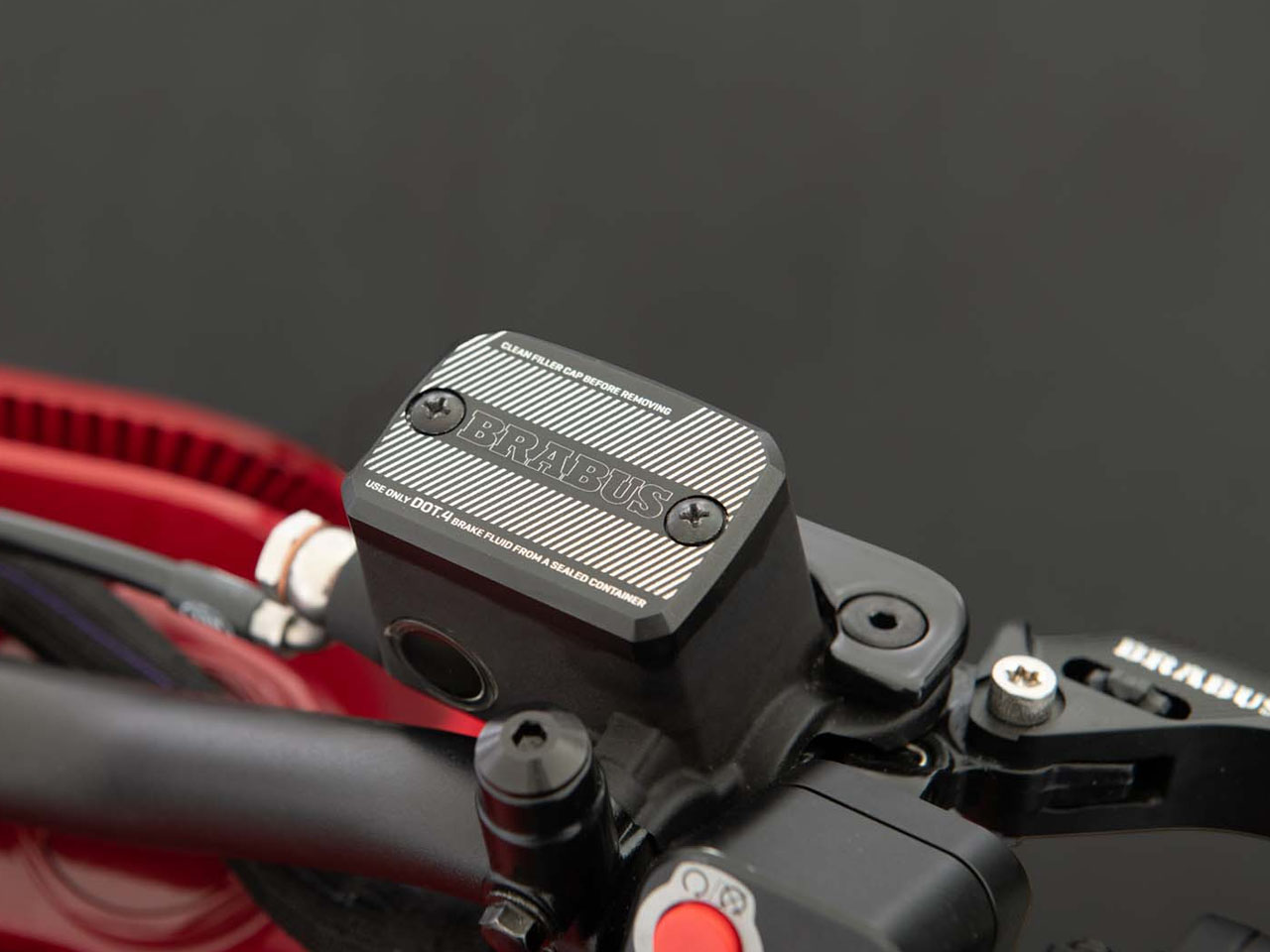
German tuning specialist, BRABUS, has shown to what extremes four-wheeler modding can go when you’ve already got a powerful machine at hand. They’ve now partnered with DAB Motors to bring those surreal tuning exploits to the two-wheeler world with electric bikes revealed at Milan Design Week 2026. Built on the trusted DAB 1α electric platform, the trio of bikes is designed for urban riders, combining minimalist design with performance-driven engineering.

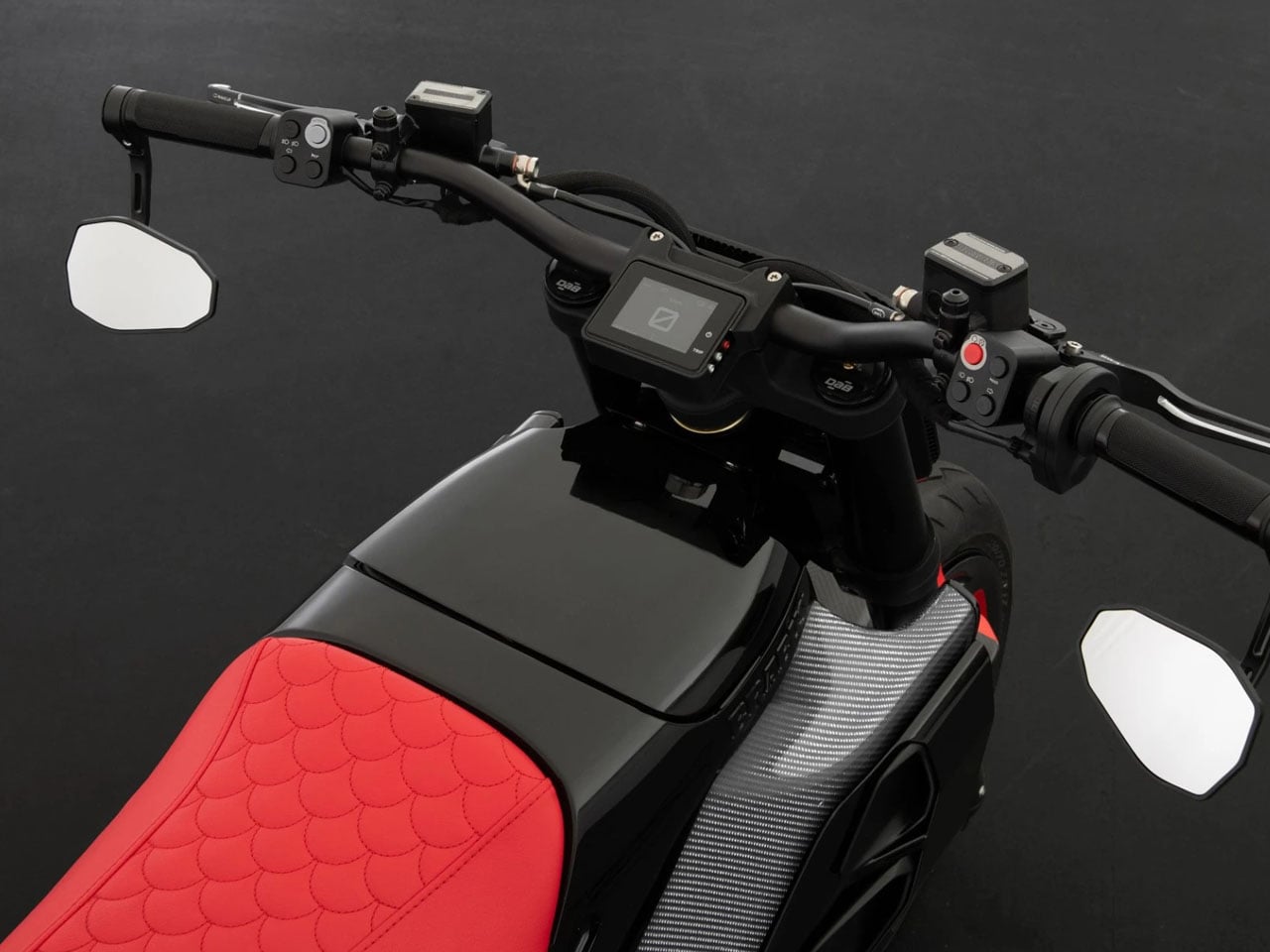
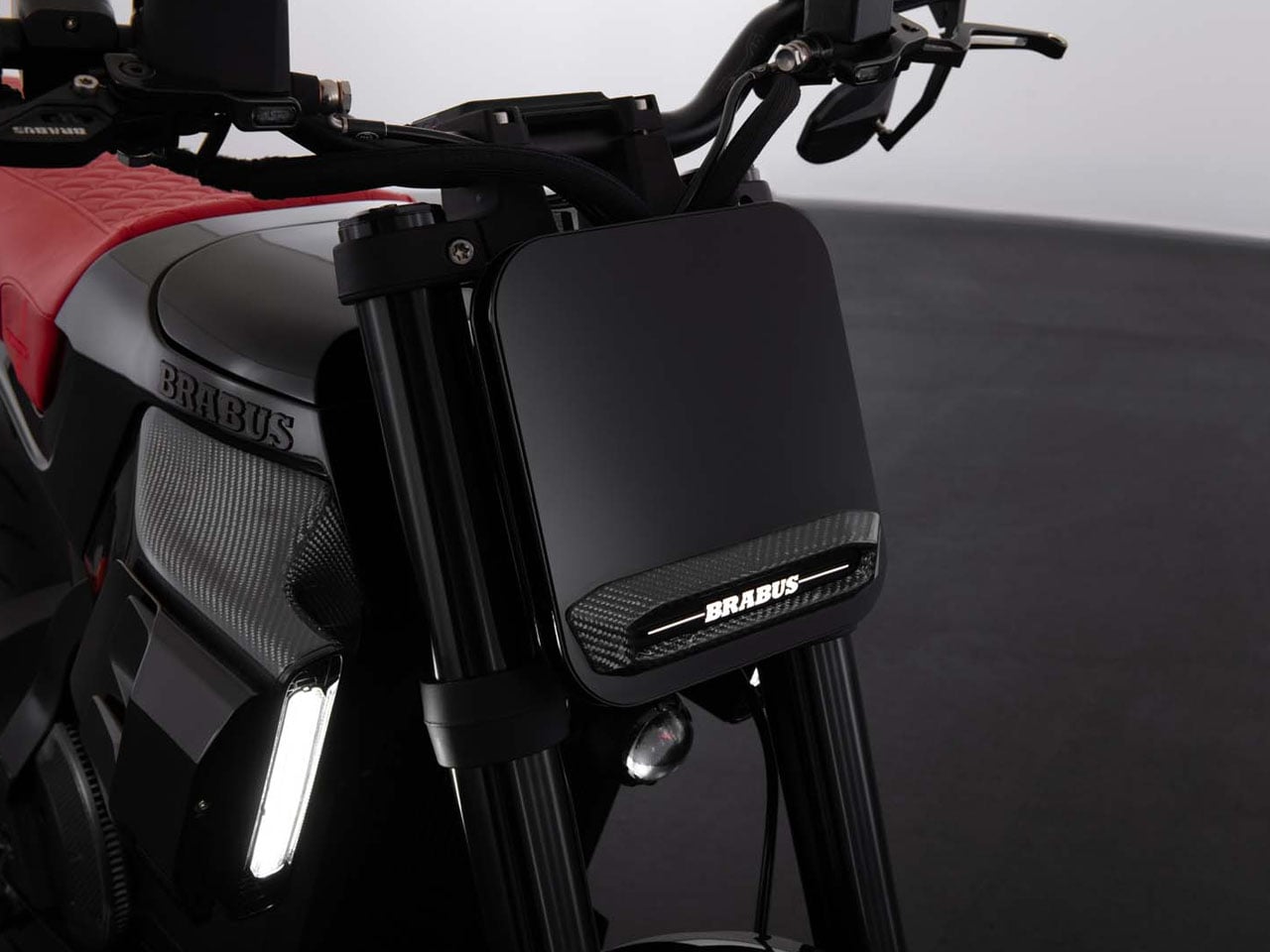
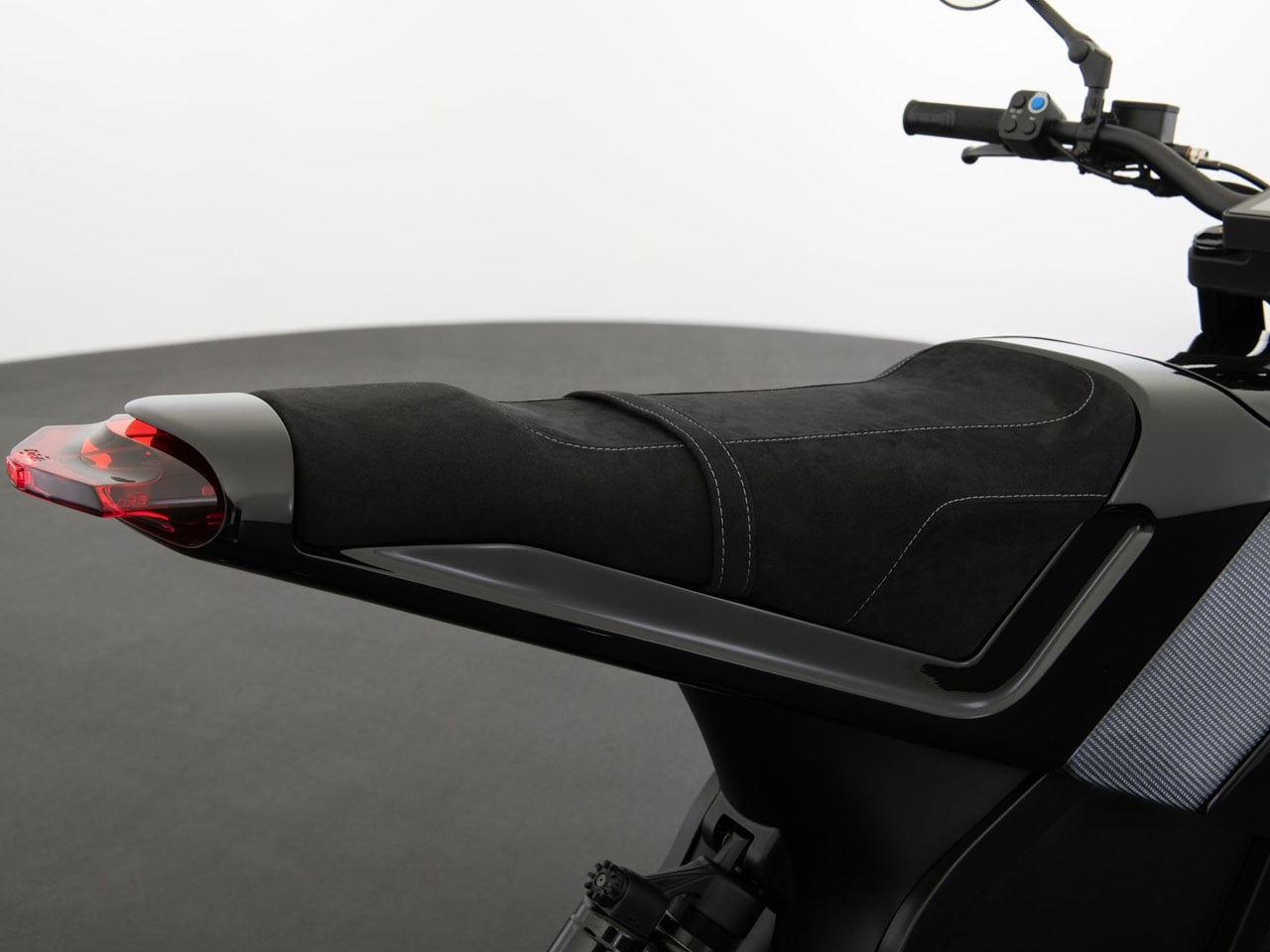
The standard DAB 1α BRABUS sets the tone with its stripped-back aesthetic, lightweight construction, and premium finishes that elevate it beyond a conventional electric motorcycle. Crafted with high-end materials like CNC-machined aluminum and carbon fiber, the bike reflects BRABUS’ signature approach, which prides itself on precision, exclusivity, and bold styling.

Designer: BRABUS x DAB Motors

The electric powertrain 1α BRABUS is tuned for city agility, offering brisk acceleration and a smooth, near-silent ride. This makes it ideal for navigating dense urban environments. The collaboration emphasizes craftsmanship as much as performance, with each component carefully designed to deliver both visual impact and functional efficiency. The bike has a starting price tag of €16,590 (approximately $19,500) and is currently up for pre-order with deliveries slated for the end of Q3 2026.

BRABUS Urban E

The BRABUS Urban E builds upon this foundation with a sharper focus on accessibility and everyday usability without compromising on the brand’s premium DNA. Designed as a more approachable model in the lineup, it retains the core elements of the DAB platform while introducing a refined aesthetic tailored for modern city commuters. The Urban E features a clean, understated design with subtle BRABUS detailing, blending seamlessly into urban landscapes while still standing out through its craftsmanship.

Its lightweight frame and compact proportions make it highly maneuverable, while the electric drivetrain ensures responsive performance suited for short-distance commuting. With an output of around 27 kW and torque figures pushing into high-performance territory for its size, the bike delivers quick acceleration and a lively riding character tailored for city use.

Positioned as a premium urban machine, the Urban E is priced at around €22,900 (approximately $27,000), reinforcing its place as a design-forward electric motorcycle rather than a mass-market commuter. Orders are open, with deliveries expected to begin in late 2026 across Europe and select global markets.

BRABUS Urban E First Edition

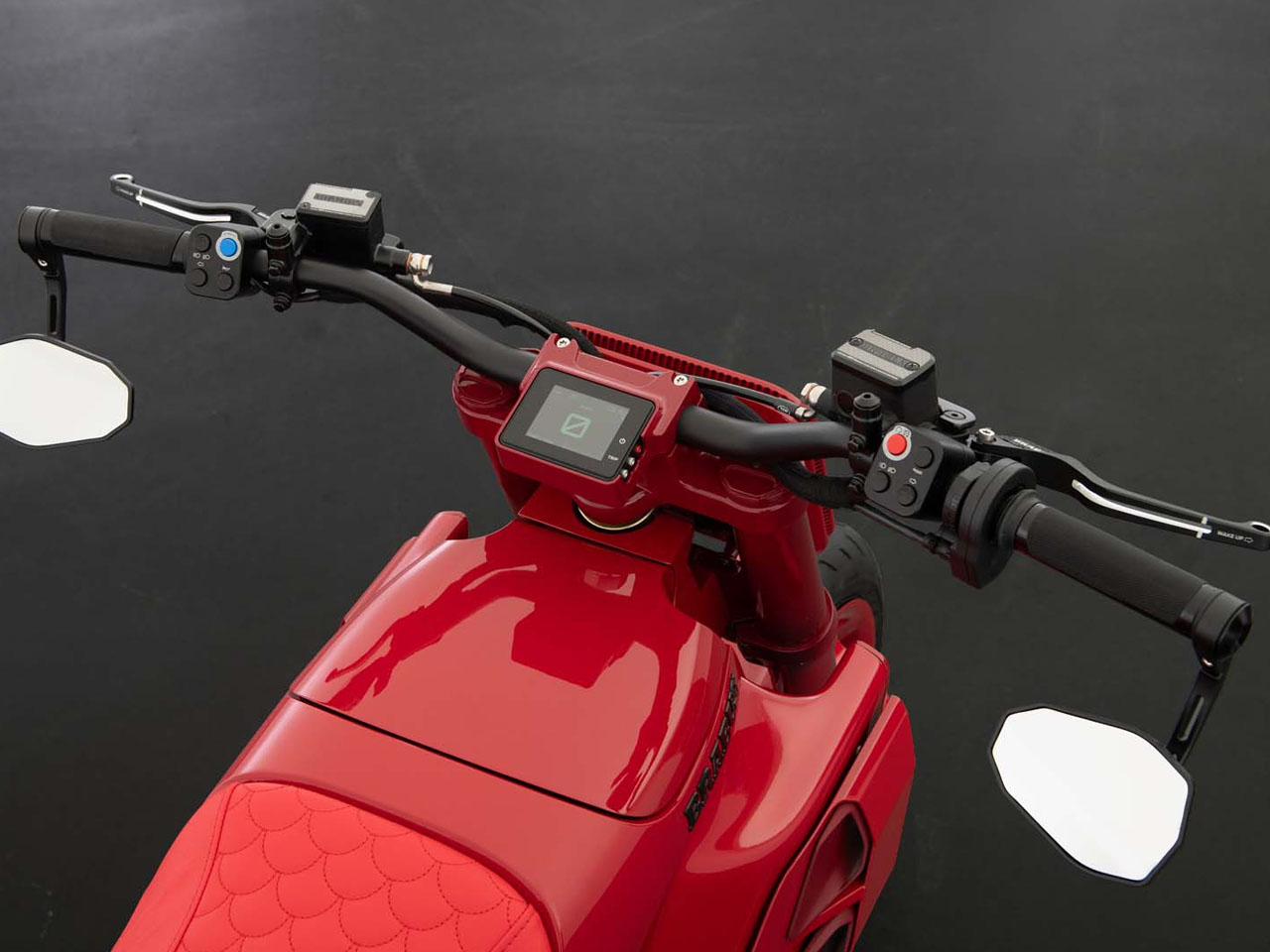
At the top of the range, the BRABUS Urban E First Edition takes exclusivity and design expression to another level. Limited to just 40 units globally and offered in distinct colorways, it is conceived as a collector’s piece rather than a conventional production bike. Each version carries a fully coordinated finish across body panels and structural elements, elevating it into a cohesive design object.

Visually, the bike carries a strong futuristic presence, with its sharp lines, minimal bodywork, and sculpted stance drawing comparisons to the iconic red motorcycle ridden by Shotaro Kaneda in Akira. While not a direct homage, the resemblance lies in its bold proportions and cyberpunk-inspired silhouette, giving the First Edition a cinematic quality that sets it apart in the electric mobility space.

This exclusivity is reflected in its pricing. The Urban E First Edition starts at around €32,500 (approximately $38,000) and can climb beyond €38,000 (approximately $44,000) depending on market and taxes, placing it firmly in the realm of collectible design rather than everyday transport. Availability is limited to select regions, including Europe and the UK, with deliveries also scheduled for late 2026.

With this surprise collaboration, BRABUS and DAB Motors are translating high-performance tuning philosophy into a new category, one where electric mobility meets bespoke craftsmanship, shaped for a future where even the daily ride carries a sense of occasion.

The post BRABUS Urban E First Edition bring cyberpunk flair to premium electric motorcycles first appeared on Yanko Design.

LG’s first RGB TV starts at $5,000 and is available to pre-order today

LG has announced the pricing and availability of its Micro RGB evo, the company's first take on a TV display trend that kicked off in earnest at CES 2026. The LG Micro RGB evo is available to pre-order today starting at $5,000, and follows the recent release of the ultra-thin LG Wallpaper.

The Micro RGB evo represents the top of the line of a new class of display at LG that directly builds on the company's work with Mini LED technology. The new TV features LG's Micro RGB panel and its Alpha A11 AI processor, which runs the TV's webOS software, and perhaps more importantly, powers the "Micro RGB Engine" that controls the TVs individual LEDs. LG says the Micro RGB evo offers full gamut coverage across DCI-P3, BT.2020 and Adobe RGB, along with "enhanced contrast and refined detail" from the TV's over a thousand dimming zones.

While Micro RGB should offer better color representation than OLED, LG's OLED TVs still have their share of benefits, especially in things like contrast and dimming. Micro RGB panels are similar to the company's Mini LED ones, but rather than using all blue or white LEDs, the Micro RGB evo has individually controlled red, green and blue LEDs. The new style of display is also being explored by companies like TCL and Samsung, and at least for now, it's not as affordable as some QD-OLED or OLED TVs can be. 

The LG Micro RGB evo is available to pre-order today from LG's website in 75, 86 and 100-inch screen sizes. The TV starts at $5,000 for the smallest 75-inch model and goes up from there.

This article originally appeared on Engadget at https://www.engadget.com/home/home-theater/lgs-first-rgb-tv-starts-at-5000-and-is-available-to-pre-order-today-185159193.html?src=rss

Vampire Survivors developer Poncle is opening more studios and has over 15 projects in the works

Vampire Survivors developer Poncle has big plans for the future, according to an interview The Game Business conducted with the company's chief strategy officer Matteo Sapio. It's opening two new studios in Japan and Italy and has over 15 projects in active development. That's a lot of action for a company primarily known for one franchise.

Sapio says the company is developing three basic types of games. There are spinoffs to Vampire Survivors, like this week's deckbuilder Vampire Crawlers. Poncle is also making original IPs and says there are two games set in new universes coming down the pike.

Finally, it's working on some roguelites with similar mechanics to Vampire Survivors, but using other IPs. We already know about one of these, a roguelite set in the Warhammer 40K universe called Warhammer Survivors. It's set to land on Steam sometime this year. To assist with these plans, Poncle has developed an engine that can turn pre-existing IPs into games that play like Vampire Survivors.

If you're wondering if there are enough fans for multiple top-down roguelites with simple controls and bullet hell mechanics, let me point you to Halls of Torment, Deep Rock Galactic: Survivor and Soulstone Survivors, among many others. This has become a popular genre in recent years, likely due to the continued success of Vampire Survivors. To that end, the original game has surpassed 27 million players.

Poncle has, however, paused all of its third-party publishing plans after releasing a couple of games last year. "It was a learning experience," Sapio said. "But we found that we weren’t able to give the right support." The company could revisit third-party publishing in the future.

This is great news for Poncle and fans of the Vampire Survivors franchise, but there's always risk when a company tries to grow like this. Remember Embracer Group? It went on a massive buying spree beginning in 2019, before having to sell off and close a number of studios.

However, this isn't a AAA game development studio. Poncle makes indie titles and the new studios will be lean operations, with "little teams of people." Sapio said this organizational structure will help keep the company "agile and flexible."

I personally have high hopes for this endeavor. This is because the just-released spinoff Vampire Crawlers is so very good, which proves to me that Poncle isn't a one-trick pony. It plays like a mix of Slay the Spire with a first-person dungeon crawler like Etrian Odyssey, all while successfully capturing the vibe of Vampire Survivors. If Poncle can keep up this level of quality, gamers could be in for a long-term treat.

This article originally appeared on Engadget at https://www.engadget.com/gaming/vampire-survivors-developer-poncle-is-opening-more-studios-and-has-over-15-games-in-the-works-174022348.html?src=rss

A Copper-Wax Lamp Revives a Slovak Forge and Glows Like Stained Glass

Industrial heritage sites have a way of disappearing quietly. The machinery goes silent, the workers move on, and the buildings either get repurposed or left to rust. What rarely survives is the craft knowledge, the particular way a community understood and worked a material. Slovakia’s copper-processing history is one of those stories, rooted in a small central region that once hummed with the sounds of metalwork and fire.

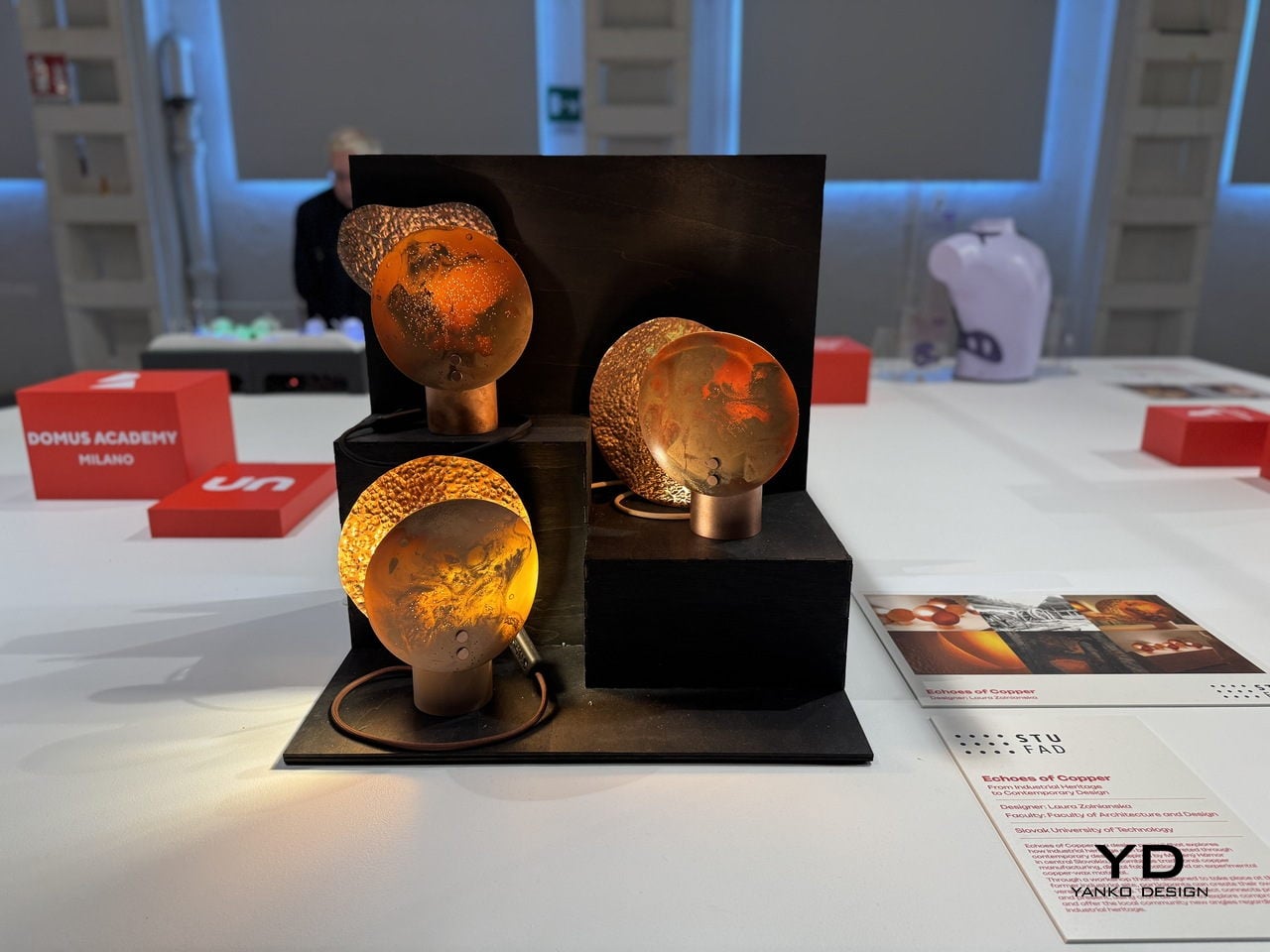
That’s the history Laura Zolnianska, a student at the Slovak University of Technology’s Faculty of Architecture and Design, decided to pull back into the present. Exhibited at BASE Milano as part of the 2026 Fuorisalone UNFOLD showcase, Echoes of Copper is a lamp collection drawing from the copper-processing traditions of Medený Hamor in central Slovakia, combining them with digital fabrication and an entirely experimental material of her own development.

Designer: Laura Zolnianska (Slovak University of Technology, Faculty of Architecture and Design)

The material is the most interesting part. Zolnianska created a copper-wax composite that forms the shades, a substance that behaves differently every time it’s worked. Some shades come out smooth and disc-like, with swirling oxidation patterns that look almost planetary when lit. Others emerge heavily textured and volcanic, their deeply pitted surfaces catching and scattering light in ways that can’t be planned or predicted. No two pieces are the same.

Each lamp sits on a polished copper cylinder base with a matching copper-toned cord. When lit, the shades glow a deep amber orange, with translucent sections illuminating like stained glass while the denser, hammered areas cast dramatic, irregular shadows. The warmth of the light feels almost geological, as if it’s being filtered through something that took centuries to form rather than a material coaxed into shape in a studio.

The project isn’t purely a lighting exercise, though. Zolnianska designed Echoes of Copper around a workshop model where participants can create their own version of the lamp at the former Medený Hamor site itself. The idea is to bring people back to a place of faded industrial significance and give them a hands-on connection to the craft traditions that once defined their community.

Medený Hamor, which translates roughly to “Copper Hammer,” was a copper-processing site in central Slovakia’s Banská Štiavnica region, an area with a centuries-old metallurgical history. Using that heritage as a creative prompt rather than a museum exhibit is itself a meaningful design decision. Of course, craft doesn’t have to end up behind glass to be preserved; sometimes it ends up glowing amber on someone’s bedside table.

Echoes of Copper was exhibited at BASE Milano during Milan Design Week 2026 as part of UNFOLD, a student showcase bringing together emerging designers from institutions across Europe. It’s the kind of project that deserves more attention than student exhibitions typically get. Zolnianska didn’t just make a lamp; she made an argument that industrial communities don’t have to lose their identity to time.

The post A Copper-Wax Lamp Revives a Slovak Forge and Glows Like Stained Glass first appeared on Yanko Design.

Threads introduces ‘live chats’ for following live events

Meta has introduced a new "live chats" feature to Threads, enabling people on the platform to participate in real-time conversations about live events they’re interested in. Live chats can be hosted within Threads communities, the topic-specific social spaces that Meta introduced last year.

The new feature sounds a bit like Threads’ take on Instagram’s broadcast channels, but the latter only allows for one-way messaging. Live chats can be hosted by select creators, including Community Champions — users highly engaged within specific communities — and media personalities. Once a chat is launched or scheduled, the host chooses who is invited to contribute and can then share the link publicly.

You can post photos, videos, links and emoji reactions as well as text-based messages. If you’re unable to send messages in a live chat that is at capacity, you can still watch it, react to others messages and vote in polls. Live chats remain open to view after they’ve ended, and you don’t need to be part of a community to join.

Meta is debuting its new social feature in the NBAThreads Community during the Playoffs, with Malika Andrews, Rachel Nichols, Trysta Krick, David Rushing and Lexis Mickens named as hosts. Live chats will appear at the top of the NBAThreads Community feed, and can also be shared in a post that might appear on your main feed in Threads. You’ll also see a red ring around a host’s profile photo when they’re live.

Meta says live chats will gradually be rolled out to more communities on Threads, with features like co-hosting, lock screen widgets and the ability to quote and share messages from a chat on your feed coming soon.

Meta has been steadily expanding its X rival’s features since it launched in 2023. It started small with searchable topics (note: not hashtags) and custom feeds, before rolling out communities last year. It also started testing long-form text posts and just this week gave Threads a long-overdue facelift on web. Back in October, the company announced that its text-based social media platform now has 150 million daily users.

This article originally appeared on Engadget at https://www.engadget.com/social-media/threads-introduces-live-chats-for-following-live-events-170007658.html?src=rss

This Chair Looks Normal Until It Needs to Keep You Afloat in a Flood

Flooding has gone from a rare calamity to a recurring reality for millions of households. As climate patterns grow more unpredictable, the spaces people call home have become increasingly vulnerable to forces they were never designed to withstand. Most domestic objects offer no answer to this shift, and furniture has remained stubbornly indifferent to the idea that the room it sits in might one day be underwater.

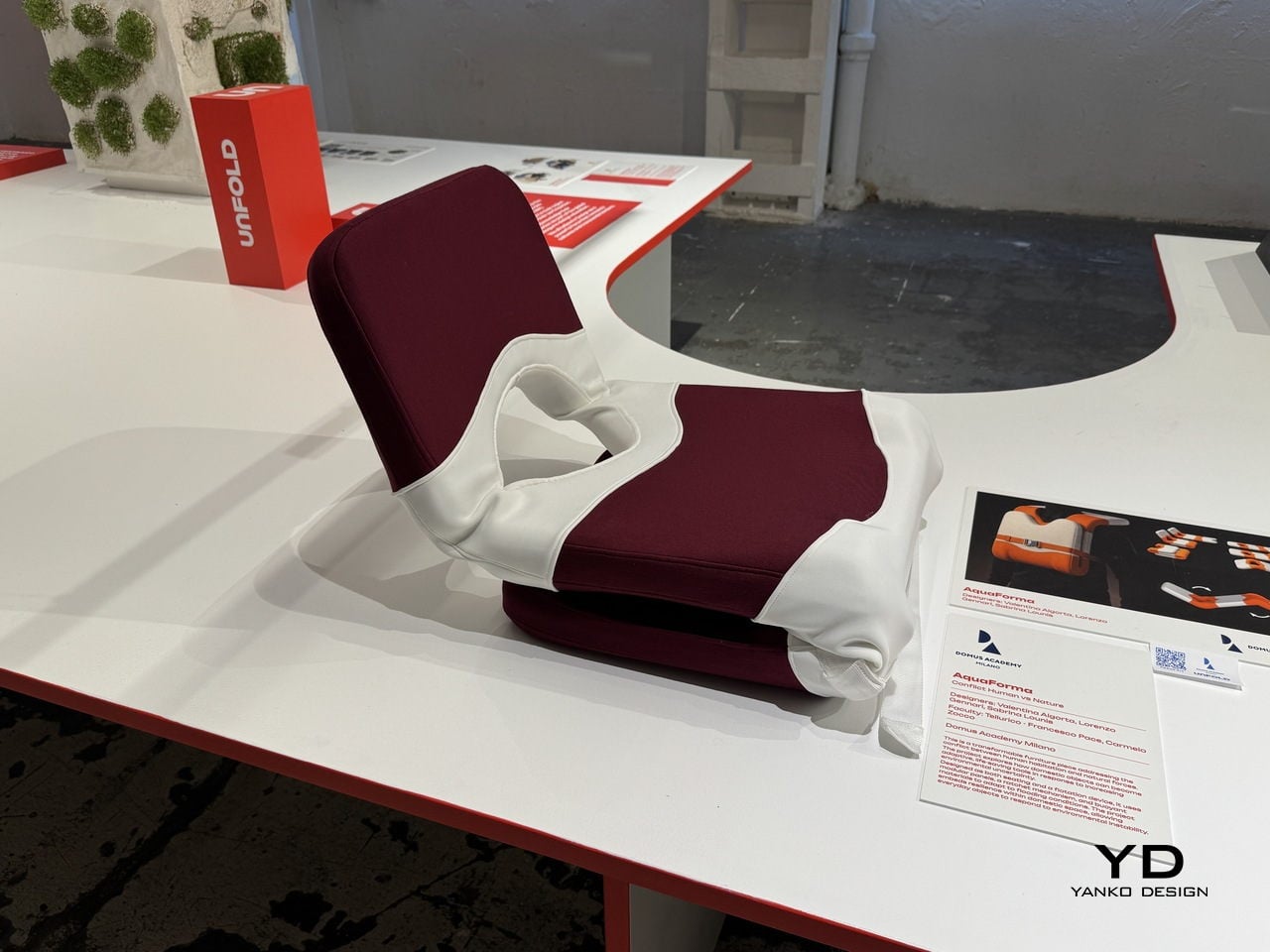
That’s the gap a team of Domus Academy Milano students decided to close. Exhibited at BASE Milano as part of the 2026 Milan Design Week, AquaForma is a transformable furniture piece designed under the theme “Conflict: Human vs Nature.” Created by Valentina Algorta, Lorenzo Gennari, and Sabrina Lounis under faculty guidance, it explores how an everyday domestic object can quietly hold the capacity to save a life.

Designers: Valentina Algorta, Lorenzo Gennari, Sabrina Lounis (Domus Academy Milano)

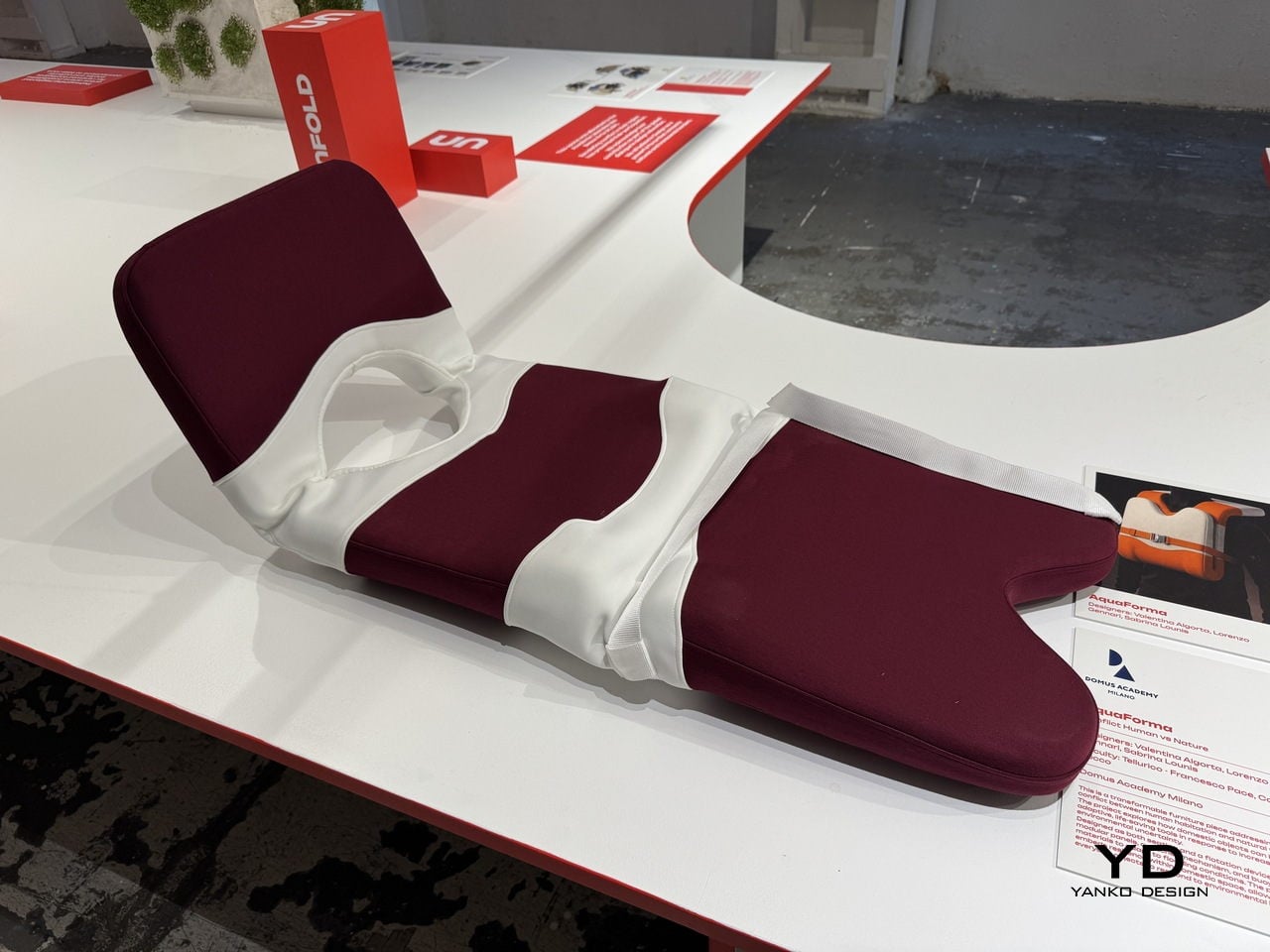
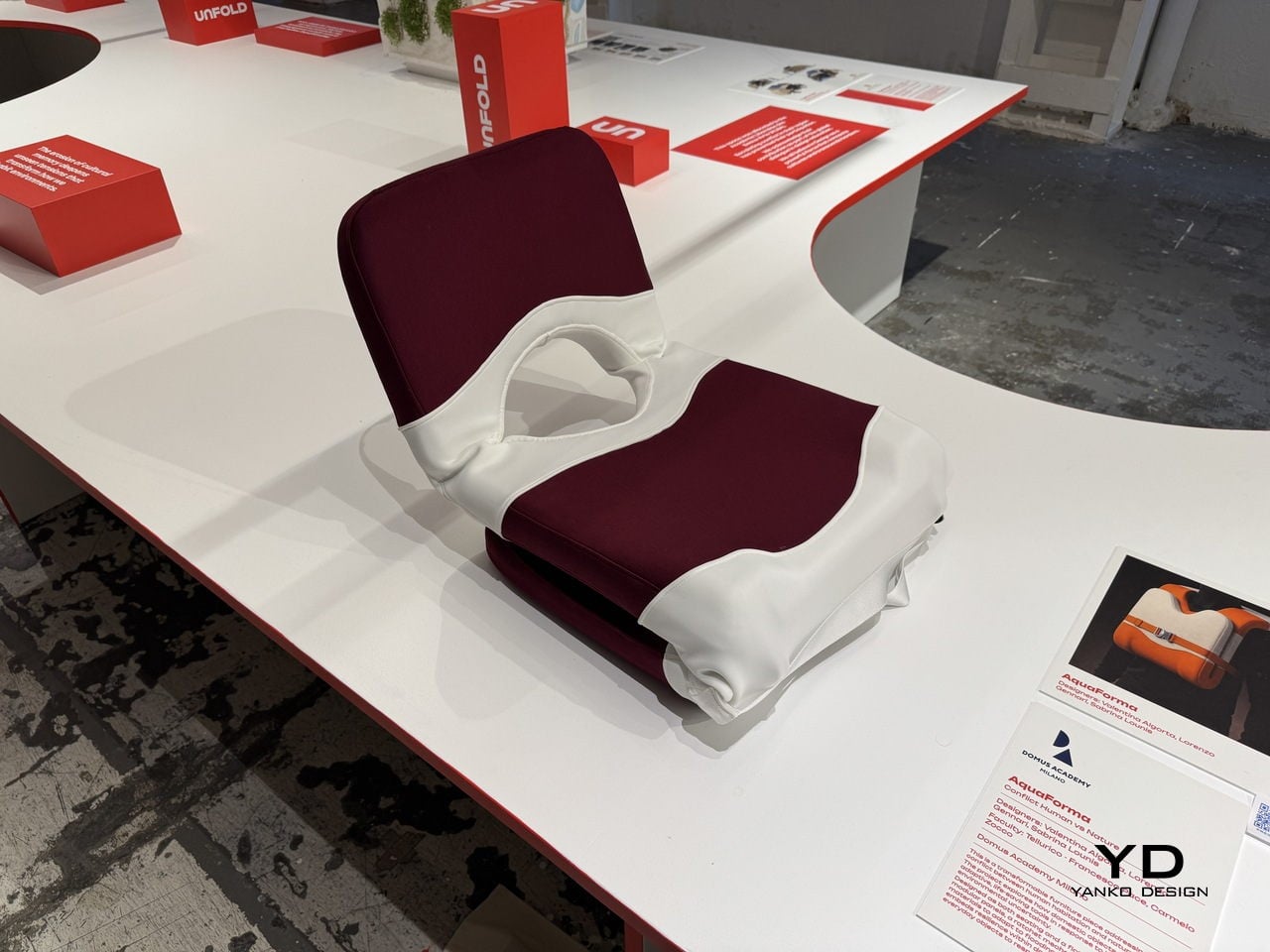
The starting point is a familiar one: a chair. In its default configuration, AquaForma functions as low-profile floor seating with a cushioned backrest and seat upholstered in deep burgundy fabric. A white structural shell wraps around the cushioned elements in flowing, organic curves, giving the piece a sculptural quality that sits comfortably within contemporary furniture design. Nothing about it announces its other purpose.

That other purpose becomes clear when flooding hits. The piece uses modular panels, a ratchet buckle mechanism, and buoyant materials that allow it to be reconfigured into a flotation device. The modules interlock and can be reoriented, with individual components separating and reassembling into a completely different arrangement. What sits quietly in a living room can, in theory, keep someone afloat.

The ratchet strap across the midsection does more than hold the piece together; it’s the key mechanism that allows components to be tightened, secured, and adjusted depending on the configuration the piece needs to take. This kind of dual-purpose hardware thinking keeps the design grounded in practicality. There’s no single feature here that’s gratuitous, with everything pulling double duty between the domestic and the emergency.

What makes AquaForma particularly compelling is how invisible its emergency function is in everyday life. You wouldn’t sit on it and think about rising water, and that’s precisely the point. Resilience embedded in ordinary objects doesn’t announce itself until it needs to, and that restraint is what separates a clever concept from a genuinely useful one. The designers didn’t design for a crisis; they designed around it.

AquaForma was shown as part of the UNFOLD exhibition at BASE Milano during Milan Design Week 2026, a student showcase that puts emerging design ideas at the center of one of the world’s most design-saturated weeks. It’s the kind of project that’s easy to underestimate at first glance. A chair that becomes a flotation device sounds like a design school exercise until you remember how often people need exactly that.

The post This Chair Looks Normal Until It Needs to Keep You Afloat in a Flood first appeared on Yanko Design.

Fitbit Air Leaks With No Screen and a $99 Price Tag

Somewhere between the chaos of leaks and an NBA star quietly going about his Instagram life, Google’s next wearable started taking shape. The Fitbit Air has reportedly been sitting on Steph Curry’s wrist since the beginning of 2026, patiently waiting to be noticed. Now that the name has leaked, so have the details, and they’re worth talking about.

According to supplier and retail data uncovered by Droid-Life, the Fitbit Air is a screenless fitness band with an expected May 16 launch date and a price point hovering around $99. It reportedly comes in three colors: Obsidian, Lavender, and Berry. Band options allegedly cover a wide range, from a Performance Loop Band to an Active Band, an Elevated SoftFlex Band, and even a Metal Mesh Band in Silver and Warm Gold. That last one especially catches my attention. A metal mesh band on a screenless tracker isn’t gym gear. That’s an everyday accessory.

Design: Fitbit

And that, honestly, is the smarter move. The fitness tracker market has been stuck in a cycle where every new device tries to do more: more sensors, more screens, more notifications, until the thing on your wrist becomes basically a phone you can’t type on. If the leaks are accurate, the Fitbit Air is moving in the opposite direction. No screen means no distractions, and for a device whose entire job is to monitor your sleep, heart rate, and activity in the background, that’s actually a reasonable design philosophy.

The obvious comparison here is Whoop. The Fitbit Air is clearly gunning for the same audience: people who care about health data but don’t want the clutter of a smartwatch. But the pricing argument is where Google may genuinely have an edge, if these numbers hold. Whoop’s cheapest plan runs $199 a year or $25 a month, and the device itself isn’t even sold separately; you’re subscribing to the whole ecosystem. The Fitbit Air, based on current leaks, would reportedly sell for a one-time cost of around $99 with core health insights included upfront. Advanced features like the AI-powered Google Health Coach are expected to sit behind a paid tier, but the baseline experience reportedly doesn’t require an ongoing subscription. That’s a meaningful difference, and a real one for people who bristle at paying a monthly fee just to see their own sleep score.

To be clear: none of this is confirmed yet. Google hasn’t officially said a word about the Fitbit Air. Supplier data is often directionally accurate but rarely exact, and both the May 16 launch date and the $99 price could easily shift before anything goes official. But the sheer volume of converging reports, covering the name, colors, band types, pricing, and release window, makes this feel less like speculation and more like an imminent announcement.

What keeps drawing me back is the reported design direction. The move toward screenless wearables isn’t a niche preference anymore. Whoop built a loyal following around it. The Oura Ring made passive tracking feel premium. Samsung and Apple are both circling the idea. Google, with the Fitbit brand in hand and a Google Health AI stack to back it up, is in a real position to make this category accessible to people who’ve been put off by the Whoop subscription model. The timing feels right.

The rumored Lavender and Berry colorways are a quiet but deliberate signal. Those aren’t colors aimed at hardcore athletes. They’re designed for the person who wants to wear something comfortable, low-key, and actually stylish all day, not just during a workout. The leaked Metal Mesh Band reinforces this. If accurate, Google seems to understand that a product you’re meant to wear around the clock needs to work in every context, not just at the gym.

If the Fitbit Air launches anywhere close to what these leaks suggest, it could be one of the more genuinely interesting product releases of the year. Not because it’s flashy. It’s the opposite of flashy. But because it shows a clear point of view. Sometimes less, done well, is exactly the right answer.

The post Fitbit Air Leaks With No Screen and a $99 Price Tag first appeared on Yanko Design.

Control: Ultimate Edition is out for the iPhone and iPad

Control is one of my favorite adventure games of the last decade or so, a mind-bending trip through an ever-changing building where you get to use telekinesis to battle some pretty freaky enemies. It was a graphically-demanding game when it was released in 2019, but a lot can change in less than six years: Control: Ultimate Edition is now available on the iPhone and iPad for a mere $5, following its announcement last October. It’s a universal purchase, which means if you buy it it’ll work on the iPad, iPhone and Mac as well.

Developer Remedy promises that it’s the full Control experience, with the DLC episodes included. Remedy rebuilt the UI and controls to make it work on touchscreen devices; the company says that it has tweaked aiming and the various puzzles to make them work better for the iPad and iPhone. But naturally, the game also works with controllers. If you’re serious about having the best experience with the game, finding a way to play with physical controls is probably a good idea.

The game will run on iPhones with at least an A17 Pro chip. That includes the iPhone 15 Pro and Pro Max, as well all of the iPhone 16 and iPhone 17 series. Plenty of iPad models can run the game, as well — any iPad with an M-series chip or the A17 Pro will work. That means the current basic iPad, with its A16 processor, is left out of the fun. But any iPad Air or Pro from the last four years or so should be good to go.

I tried a test version of Control when I reviewed the new iPad Air recently and, unsurprisingly, the tablet’s M4 chip was more than powerful enough to make for a smooth experience. My main gripe is that when sprinting, you have to hold down the L3 button the entire time you’re running rather than just click it once, which is how it works on other platforms. Otherwise it looks and plays smoothly, though I can’t vouch for how it’ll perform on hardware older than the M4 from 2024.

Control marks the latest “AAA” title to hit the iPad and iPhone. Apple has aggressively courted developers for its platforms in recent years, and while most games don’t hit the Mac or iOS when they launch, more and more are showing up eventually. There are multiple recent Resident Evil titles for the iPad, and other games like Death Stranding and Assassin’s Creed Mirage have been ported recently as well. There are others on the Mac as well, including demanding titles like Cyberpunk 2077 and Lies of P. Apple’s platforms aren’t going to be an avid gamer’s first stop still, but having high-profile games to supplement the many indie titles available helps round out the options for Apple users.

This article originally appeared on Engadget at https://www.engadget.com/gaming/control-ultimate-edition-is-out-for-the-iphone-and-ipad-150532940.html?src=rss

Control: Ultimate Edition is out for the iPhone and iPad

Control is one of my favorite adventure games of the last decade or so, a mind-bending trip through an ever-changing building where you get to use telekinesis to battle some pretty freaky enemies. It was a graphically-demanding game when it was released in 2019, but a lot can change in less than six years: Control: Ultimate Edition is now available on the iPhone and iPad for a mere $5, following its announcement last October. It’s a universal purchase, which means if you buy it it’ll work on the iPad, iPhone and Mac as well.

Developer Remedy promises that it’s the full Control experience, with the DLC episodes included. Remedy rebuilt the UI and controls to make it work on touchscreen devices; the company says that it has tweaked aiming and the various puzzles to make them work better for the iPad and iPhone. But naturally, the game also works with controllers. If you’re serious about having the best experience with the game, finding a way to play with physical controls is probably a good idea.

The game will run on iPhones with at least an A17 Pro chip. That includes the iPhone 15 Pro and Pro Max, as well all of the iPhone 16 and iPhone 17 series. Plenty of iPad models can run the game, as well — any iPad with an M-series chip or the A17 Pro will work. That means the current basic iPad, with its A16 processor, is left out of the fun. But any iPad Air or Pro from the last four years or so should be good to go.

I tried a test version of Control when I reviewed the new iPad Air recently and, unsurprisingly, the tablet’s M4 chip was more than powerful enough to make for a smooth experience. My main gripe is that when sprinting, you have to hold down the L3 button the entire time you’re running rather than just click it once, which is how it works on other platforms. Otherwise it looks and plays smoothly, though I can’t vouch for how it’ll perform on hardware older than the M4 from 2024.

Control marks the latest “AAA” title to hit the iPad and iPhone. Apple has aggressively courted developers for its platforms in recent years, and while most games don’t hit the Mac or iOS when they launch, more and more are showing up eventually. There are multiple recent Resident Evil titles for the iPad, and other games like Death Stranding and Assassin’s Creed Mirage have been ported recently as well. There are others on the Mac as well, including demanding titles like Cyberpunk 2077 and Lies of P. Apple’s platforms aren’t going to be an avid gamer’s first stop still, but having high-profile games to supplement the many indie titles available helps round out the options for Apple users.

This article originally appeared on Engadget at https://www.engadget.com/gaming/control-ultimate-edition-is-out-for-the-iphone-and-ipad-150532940.html?src=rss