TiNova II Is the 59g Titanium EDC Knife That’s Hard to Put Down

Most compact EDC knives aren’t really built to be enjoyed, just used. Angular profiles, tactical textures, and aggressive pocket clips do their job well enough, but none of them encourages you to keep the knife in your hand any longer than necessary. For most compact blades, being pulled out for a quick task and then tucked back into a pocket is already the full extent of the experience.

TiNova II takes a noticeably different approach to the category. Rather than pushing toward more aggressive geometry or more serious hardware, it pulls back and focuses on how pleasant a small folding knife can feel to hold and carry through an ordinary day. It doesn’t try to compete with larger, tougher blades; it just wants to be the thing you’re always happy to reach for.

Designer: Ideaspark Design Team

Click Here to Buy Now: $49 $70 (30% off). Hurry, only 30/420 left! Less than 72 hours to go. Raised over $99,000.

The most obvious departure from the typical compact knife is TiNova II’s body shape. Instead of flat sides and defined edges, the handle uses an oval form that follows the natural curve of a loosely curled hand. There’s no fixed orientation to worry about, no hard corner pressing into your palm. It just rolls between your fingers almost effortlessly, which makes a bigger difference than it sounds.

A precision roller bearing sits at the heart of TiNova II’s flip-and-turn action, and the difference is immediately noticeable. Each movement feels smooth and weighted, free of the stiffness that can make smaller folding knives feel surprisingly cheap. Magnets add a crisp sense of feedback at the end of the motion, giving the whole action a rhythm that makes you want to keep repeating it.

That quality turns TiNova II into something you pick up even when there’s nothing to cut. It ends up on a desk during a long call or meeting, spinning between tasks without much thought. But when you do need a blade, the D2 steel edge comes rated at HRC 58 to 60 and handles boxes, tape, rope, and most things a typical day throws at it without complaint.

Compact is a word that gets thrown around loosely in EDC circles, but TiNova II earns it more honestly than most. The closed handle measures 64.4mm long and weighs just 59.3g, which means it genuinely disappears into a fifth pocket or attaches to a keyring without adding noticeable bulk. It’s the kind of size that lets you forget it’s there until your hand instinctively reaches for it.

The handle is Grade 5 titanium, the same aerospace-grade alloy favored in applications where weight savings and durability both count. It’s corrosion-resistant, light, and refreshingly honest in the way it wears. Scratches and scuffs accumulate naturally over time, giving each knife a slightly different character from the next. It’s the kind of material that becomes more personal with use rather than trying to hide the evidence of it.

Two finish options let you choose how the knife presents itself. The sandblasted version is raw and unpretentious, showing the honest titanium surface and every mark it collects. The black-coated version keeps things quieter, which also lets the dual tritium slots do more of the visual work in darker settings. Those small glowing tubes make TiNova II easy to locate in low light and add a quiet touch of personality.

TiNova II also includes a built-in keyhole for attaching to keys or a bag, and that small detail says a lot about its personality. This isn’t trying to be a dramatic statement piece or an oversized folder pretending to be practical, especially with a lifetime warranty promise. It feels more like a compact companion that happens to carry a real blade, one designed to stay close at hand and feel good doing it.

Click Here to Buy Now: $49 $70 (30% off). Hurry, only 30/420 left! Less than 72 hours to go. Raised over $99,000.

The post TiNova II Is the 59g Titanium EDC Knife That’s Hard to Put Down first appeared on Yanko Design.
Overland Expo’s Ultimate 2026 Nissan Frontier Build is self-sufficient off-grid camper you’ll want to steal

Overland Expo West may have culminated on a high, but amid the incredible off-road campers we have detailed previously, it’s befitting to discuss the highlight of the event, the “Ultimate Overland Vehicle Build.” Every interesting overlanding build starts with a robust platform. No wonder the off-road adventure experts at the Overland Expo Foundation picked the 2026 Nissan Frontier PRO-4X as the base for their ritual build.

After giving the platforms like Lexus and GMC a spin in the previous iterations, for this year’s Ultimate Build, the team selected the Nissan crew cab as the perfect choice. It has been modified by the team at Alldogs OffRoad Coop (ADO) for the Expo, with aftermarket accessories and components from 28 different brands, transforming the otherwise capable vehicle into a self-sufficient, off-road camping rig you’d want to own. You wish!

Designer: Overland Expo x Nissan

Undoubtedly, 2026 Nissan Frontier PRO-4X makes a strong contender for a robust camper you can trust on long and unexplored roads. Its foundation is ready from the factory for off-roading. It has a 310-hp V6 engine to complement its 7,150 lbs towing capacity. Of course, this is the potential that put the vehicle on the pinnacle of the Overland Expo’s list of vehicles to create the Ultimate Build for 2026.

Five annual Ultimate Overland Vehicle Builds have already been readied in the past years; the Frontier Pro-4X is now the sixth iteration but only the first Nissan to make the cut. Overland Expo’s idea is to take a stock vehicle and then have it decked out with all the necessary gear to make it ready to go where your adventures need it to. So, the stock off-roading elements like the Bilstein shocks, all-terrain tires the rig has been provided with suspension upgrade for even better off-road capabilities.

Mounted on the truck bed is a Tune Outdoor M1L camper, that instantly prepares the Nissan for overlanding. It is hard-sided pop-up camping solution with a durable aluminum frame and composite material construction, adding only 332 lbs to the base vehicle. The adventure-ready interior is provided with a custom AirBed from Pittman Outdoors, functional galley has a fridge, the bathroom a Rixen shower, and living area features a Breeo Y Series firepit.

For obvious reasons, the Ultimate Build is powered by rooftop solar panels connected to REDARC power management system. 2026 Overland Expo Ultimate Build made its debut at the Overland Expo West from May 15-17, in Flagstaff, Arizona. The RV will make few more appearances at forthcoming Overland events before going on auction through Bring a Trailer later in the year.


The post Overland Expo’s Ultimate 2026 Nissan Frontier Build is self-sufficient off-grid camper you’ll want to steal first appeared on Yanko Design.

This Traditional Japanese Home Was Brought Back to Life by Opening It Up to Everything Around It

Returning home is a deeply intentional process. Not just to a place, but to a life — one shaped by memory, family, and the particular quality of light that falls through a familiar window. That is precisely the spirit YNAS brought to House in Miyakonojo, a renovation and extension of a traditional timber home in southern Japan that quietly redefines what it means to belong somewhere.

The project began with a couple who, after raising their children and shifting careers, chose to return to the wife’s ancestral home in Miyakonojo to live alongside her father. The house carried history in its bones — a traditional layout of rooms partitioned by sliding screens, arranged off a dark, L-shaped corridor that kept the living area, kitchen, dining room, and bedroom firmly separated from one another. It was a home that had turned inward, closing itself off from both the people inside and the landscape beyond its walls.

Designer: YNAS

YNAS dismantled that introversion entirely. The studio opened up the cramped internal layout, dissolving the rigid partitions to let space breathe and flow the way a home shared between generations should. The transformation is not just structural — it’s philosophical. The design rejects the idea that privacy requires enclosure, leaning instead into a more generous, paradoxical logic: that openness itself can become a form of protection.

That thinking is most visible in the corrugated metal canopies YNAS added to the exterior. Timber-framed and industrial in material, they extend the home outward, creating covered outdoor spaces that blur the threshold between inside and out. An outdoor kitchen and a wood-fired bath become part of daily life, not luxuries tucked away from it. Neighbors might catch a distant glimpse of the family gathered outside, or notice smoke rising from the stove — and that, the studio argues, is the point.

“The house once again becomes a part of the landscape through the ‘signs of life’ it emits,” YNAS noted of the project. It’s a rare architectural position — one that treats visibility not as exposure but as community, as a soft signal that a home is lived in and loved.

The result is a house that honors its past without being imprisoned by it. The ancestral bones remain, but the rooms now open to each other, to the garden, to the sky. Corrugated metal and old timber sit side by side without apology. Three generations share space under a roof that has finally learned how to exhale. In Miyakonojo, YNAS has done something quietly radical: they’ve made a home feel, again, as it belongs to the world around it.

The post This Traditional Japanese Home Was Brought Back to Life by Opening It Up to Everything Around It first appeared on Yanko Design.
This Royal Enfield Continental GT Concept Looks Like a Café Racer Cast From a Revolver

The original Royal Enfield Continental GT was designed, in 1964, to look like a young enthusiast built it in a garage on a Saturday afternoon, with bolt-on parts, clip-on handlebars, a fiberglass tank painted red, and a riding posture borrowed from the race paddock. That was the point. Café racer culture in 1960s Britain grew up around young people doing exactly that, modifying whatever they had to race between cafes along the A1, chasing ton-up speeds on public roads. Royal Enfield turned that grassroots spirit into a production motorcycle, and the GT 250 became Britain’s fastest 250cc bike, 74mph from a factory-built machine wearing the costume of a homemade racer. The GT 535 and GT 650 that followed stayed faithful to that same visible-skeleton philosophy, and then Krishnakanta Saikhom’s Homage concept arrived to ask what happens if you take a blowtorch to all of that.

Saikhom’s answer is a monolithic, gunmetal-gray motorcycle where the body encases everything, the frame, the mechanicals, the conventional café racer’s skeletal honesty, within a single sculptural shell. The concept draws its entire visual vocabulary from firearms, quite literally: the designer’s moodboard places revolver silhouettes and handgun cross-sections directly alongside development sketches, treating the gun barrel as a formal reference for the motorcycle’s enclosures. The proportions are aggressive and low, with wide arc fenders sweeping over both wheels like the housing of a precision instrument. A quilted leather saddle floats above the body line where a conventional seat hump would sit, and a brass medallion badge marks the engine compartment like a gunsmith’s maker’s mark. What Saikhom has done is take Royal Enfield’s founding motto, the one engraved on the cannon in the brand’s own logo since 1890, and treat it as an actual design specification.

Designer: Krishnakanta Saikhom

The body shell presents as two materials in dialogue: a matte gunmetal primary surface covering the tank volume, side panels, and fender arcs, offset by polished cutouts that expose the engine’s air-cooled cylinder fins. Those fins are the only surviving element of conventional Royal Enfield mechanical vocabulary, framed by Saikhom the way a gunsmith would display an action mechanism inside its housing. Clip-on handlebars sit nearly swallowed by the body mass on either side, communicating a riding posture more committed than anything in the current GT lineup. A thin red LED strip traces the tail as the sole concession to contemporary lighting language in an otherwise entirely analog package. The brass RE medallion anchors the bike’s visual center of gravity like a heraldic crest pressed into armor.

The “Made Like a Gun, goes like a bullet” slogan traces directly to Royal Enfield’s origins supplying components to the Royal Small Arms Factory in Enfield, and the cannon in the brand logo has carried that history since 1890. Every production Continental GT has worn that heritage as brand poetry rather than surface grammar. The GT 650, launched in 2018 alongside the Interceptor with a 647.95cc parallel twin and neo-retro exposed mechanicals, is a genuinely charming motorcycle on its own terms. But the armaments lineage has never once informed the actual design language, only the tagline. Saikhom’s Homage is the first time anyone has treated it as a real visual brief.

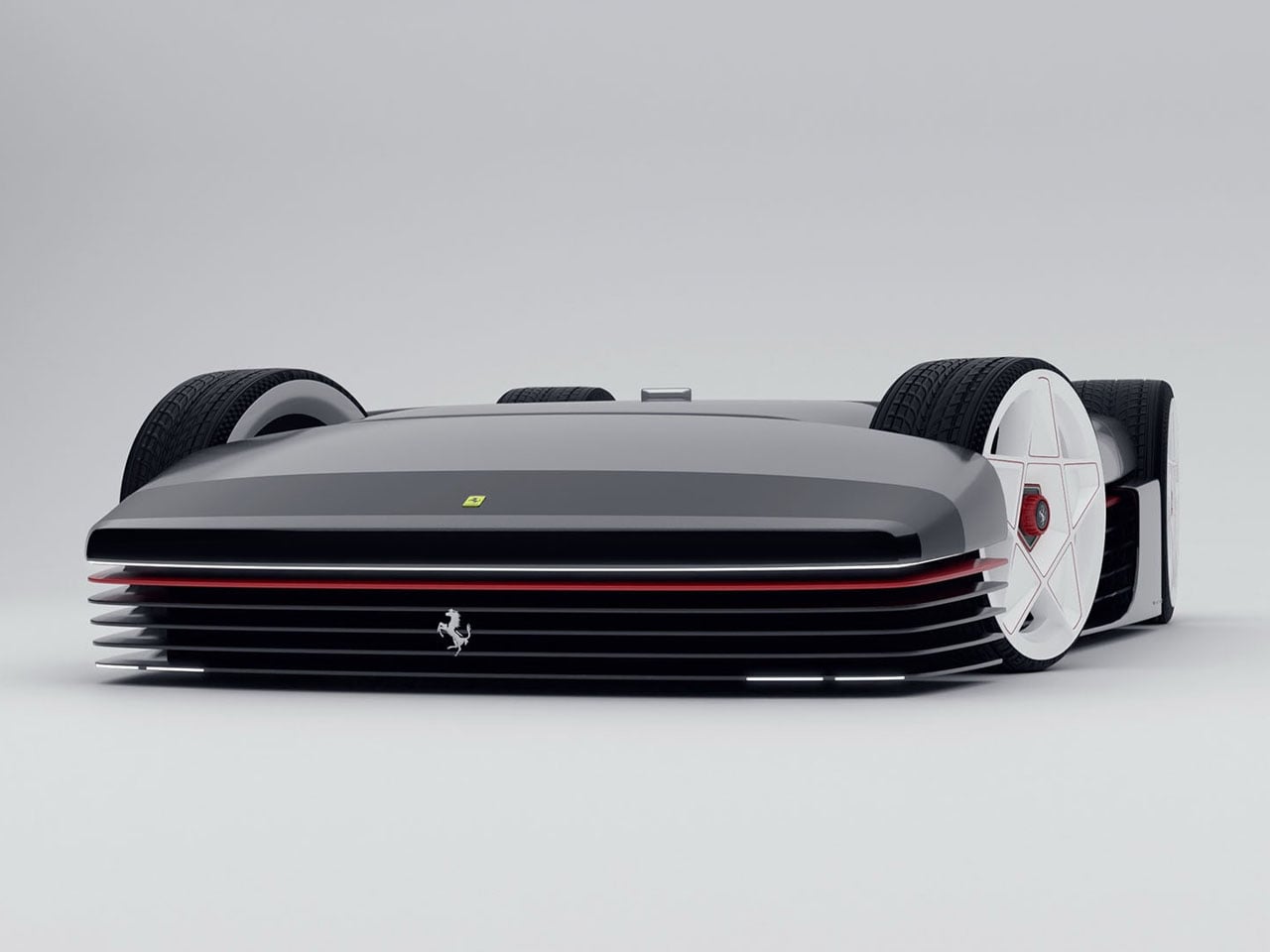
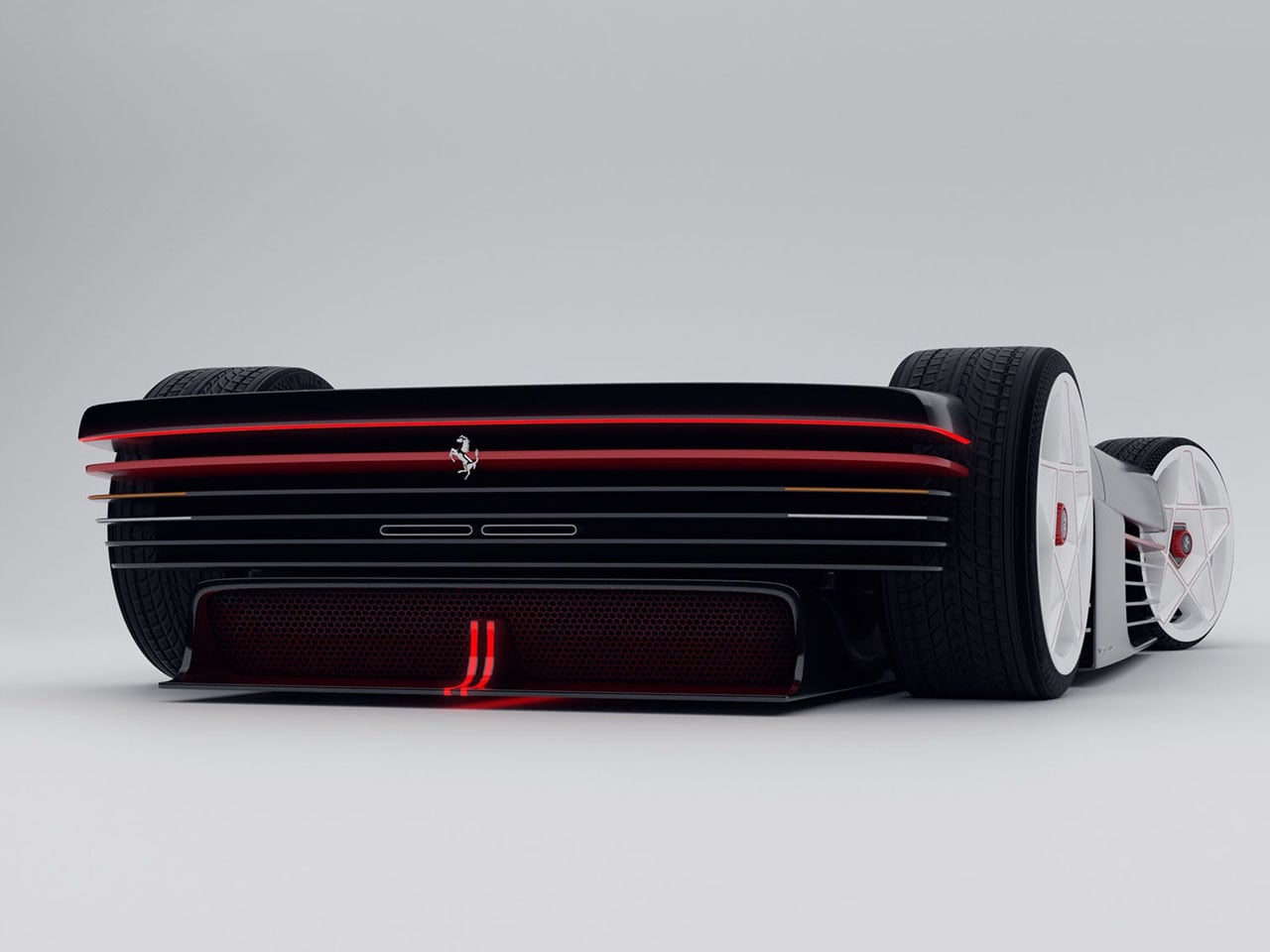
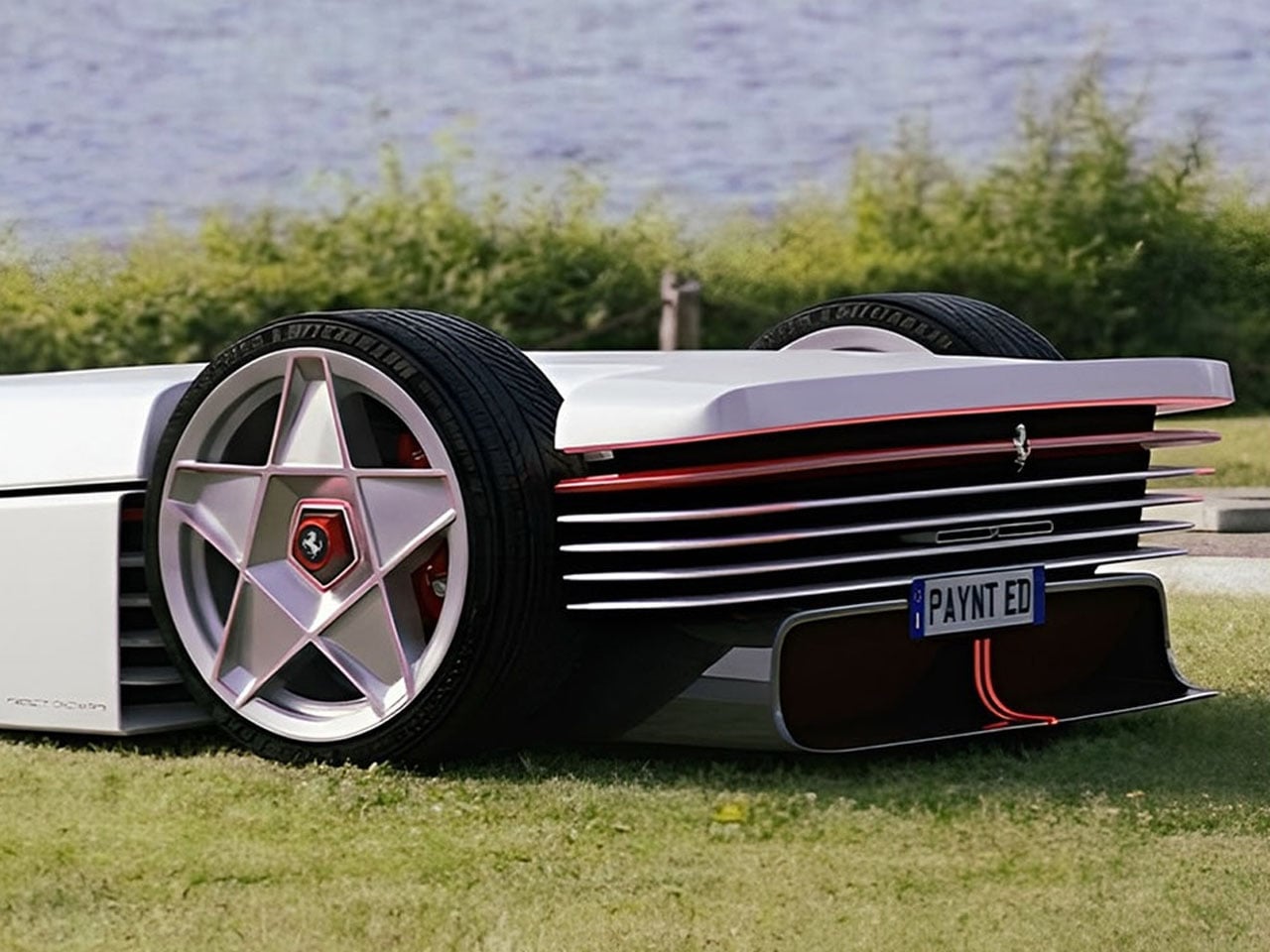
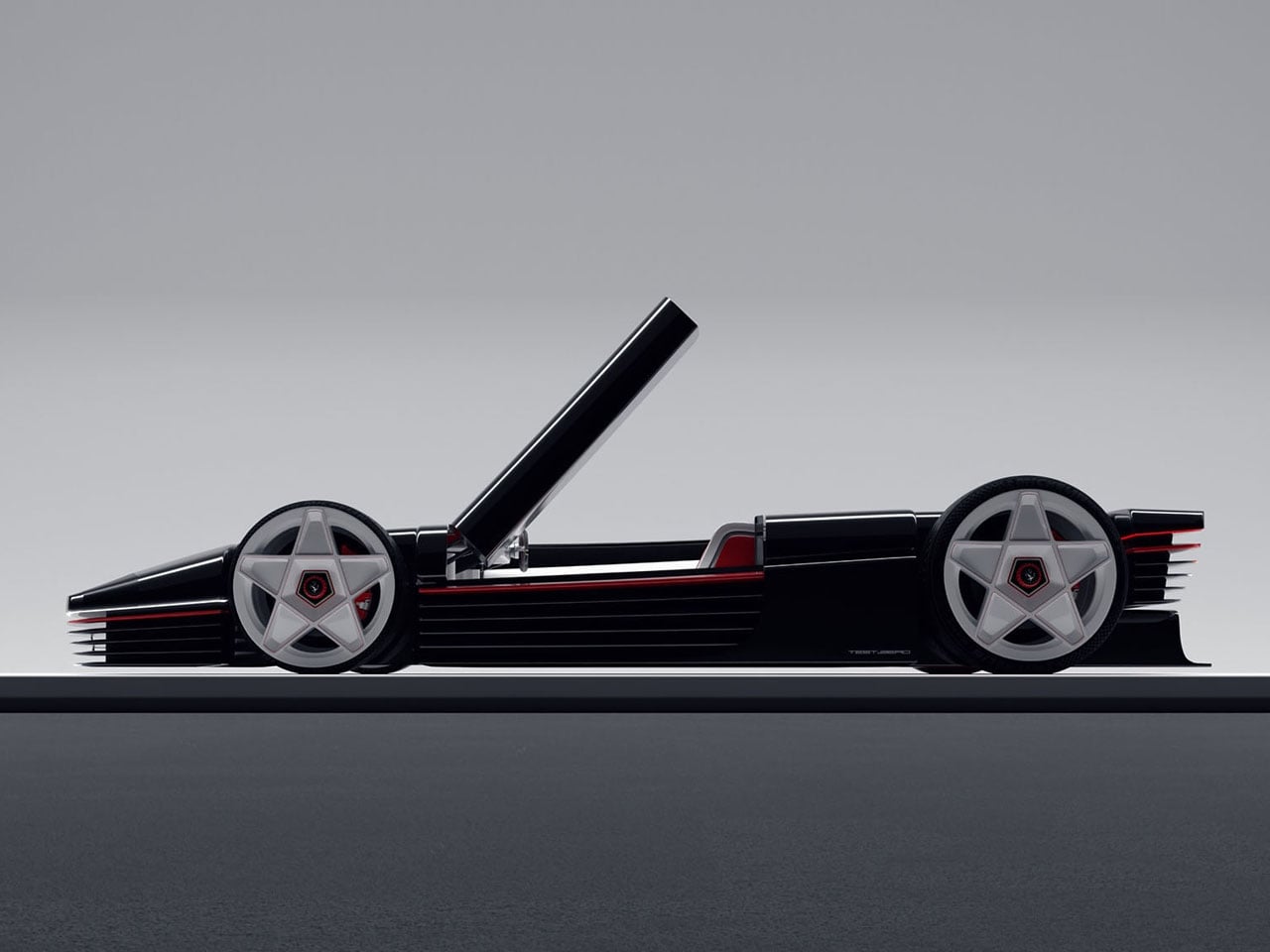
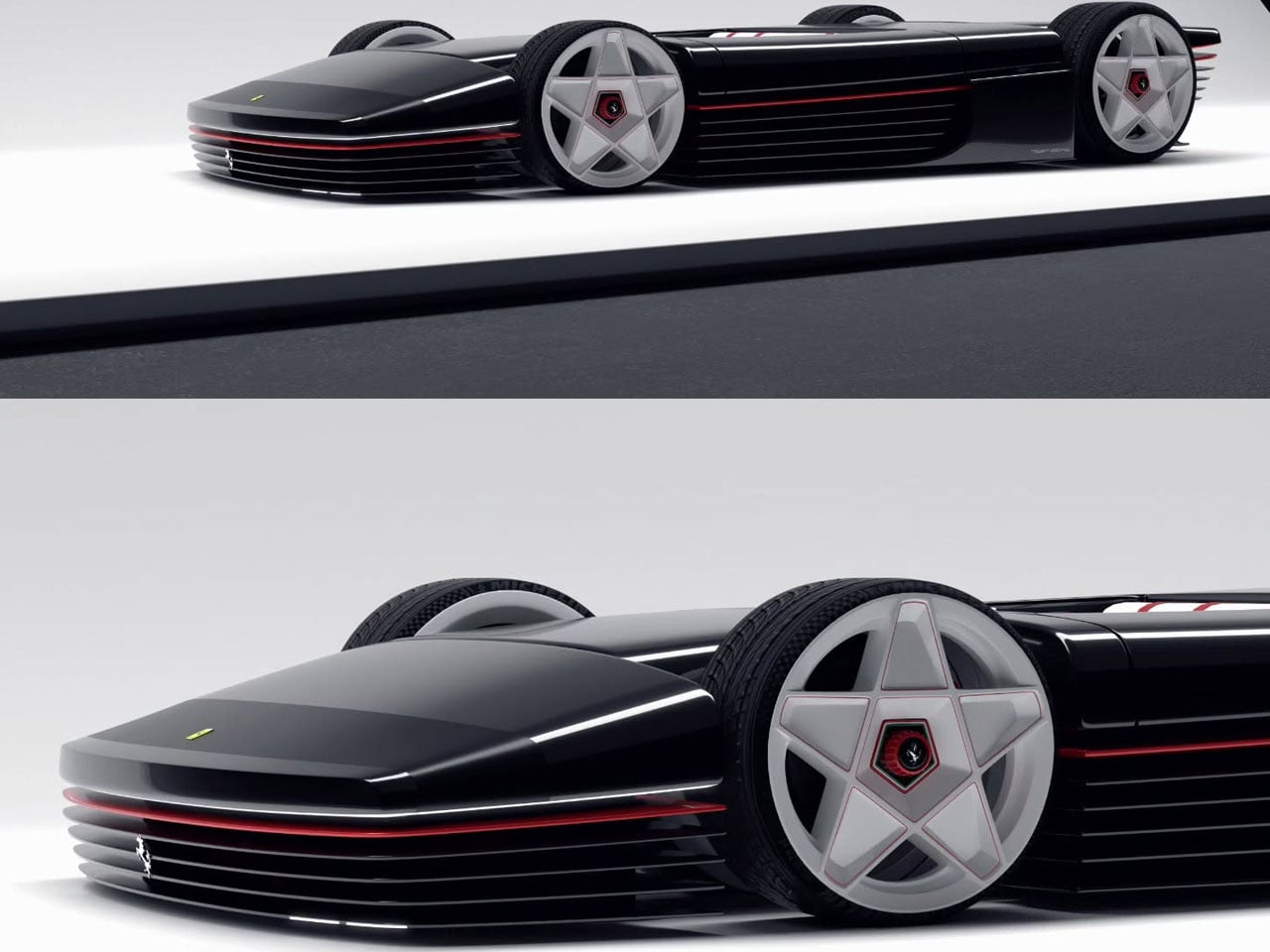
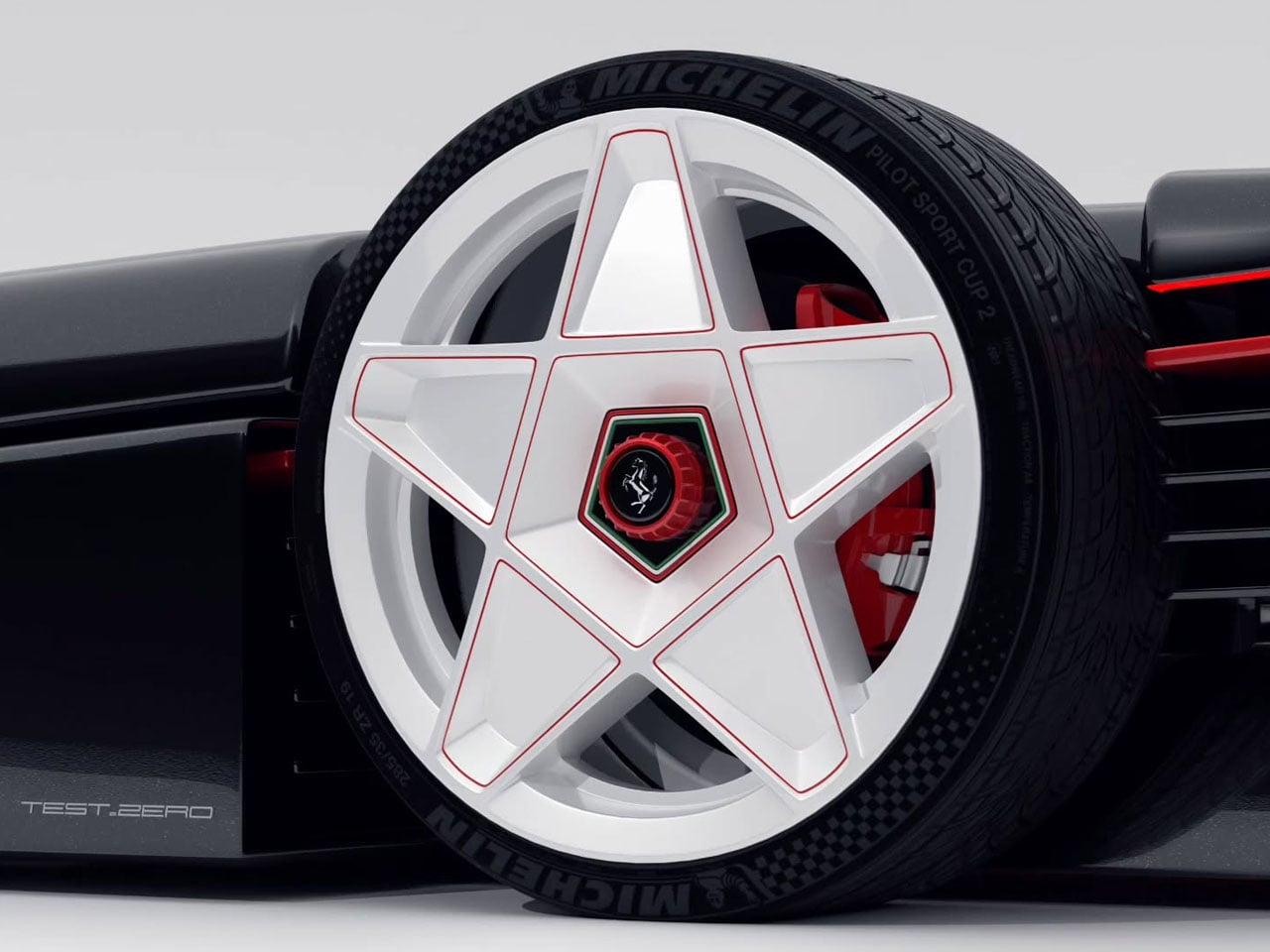
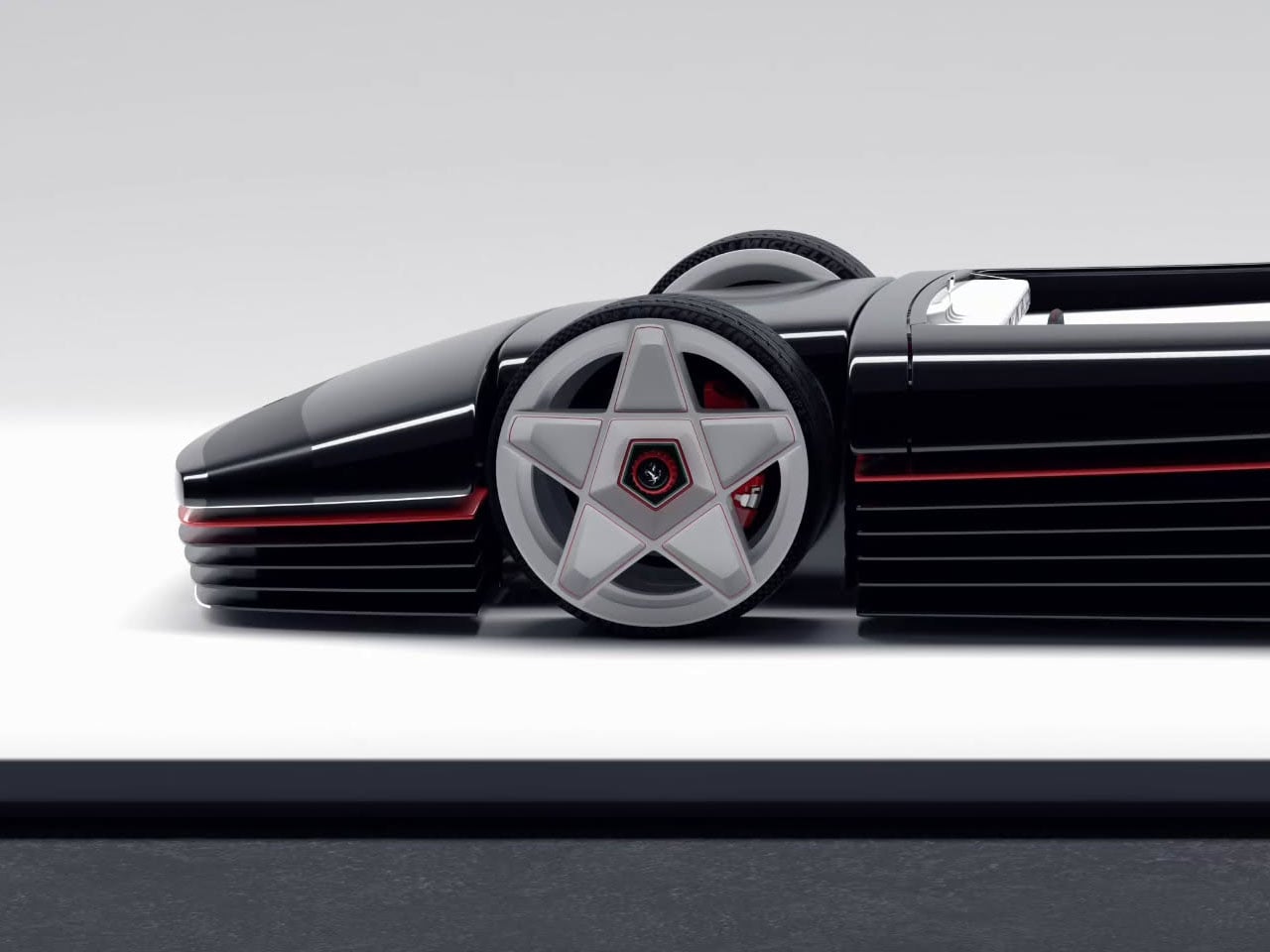
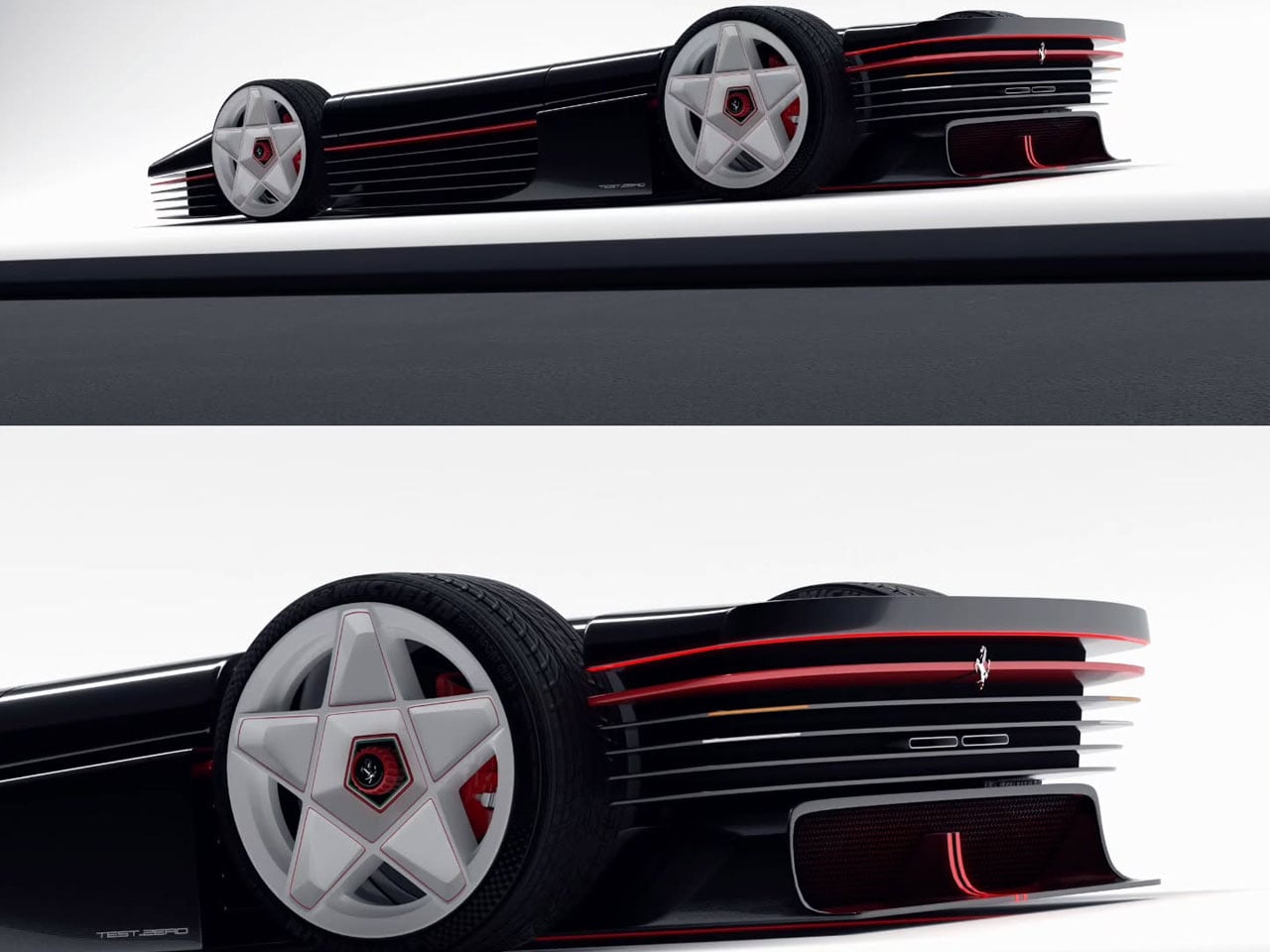
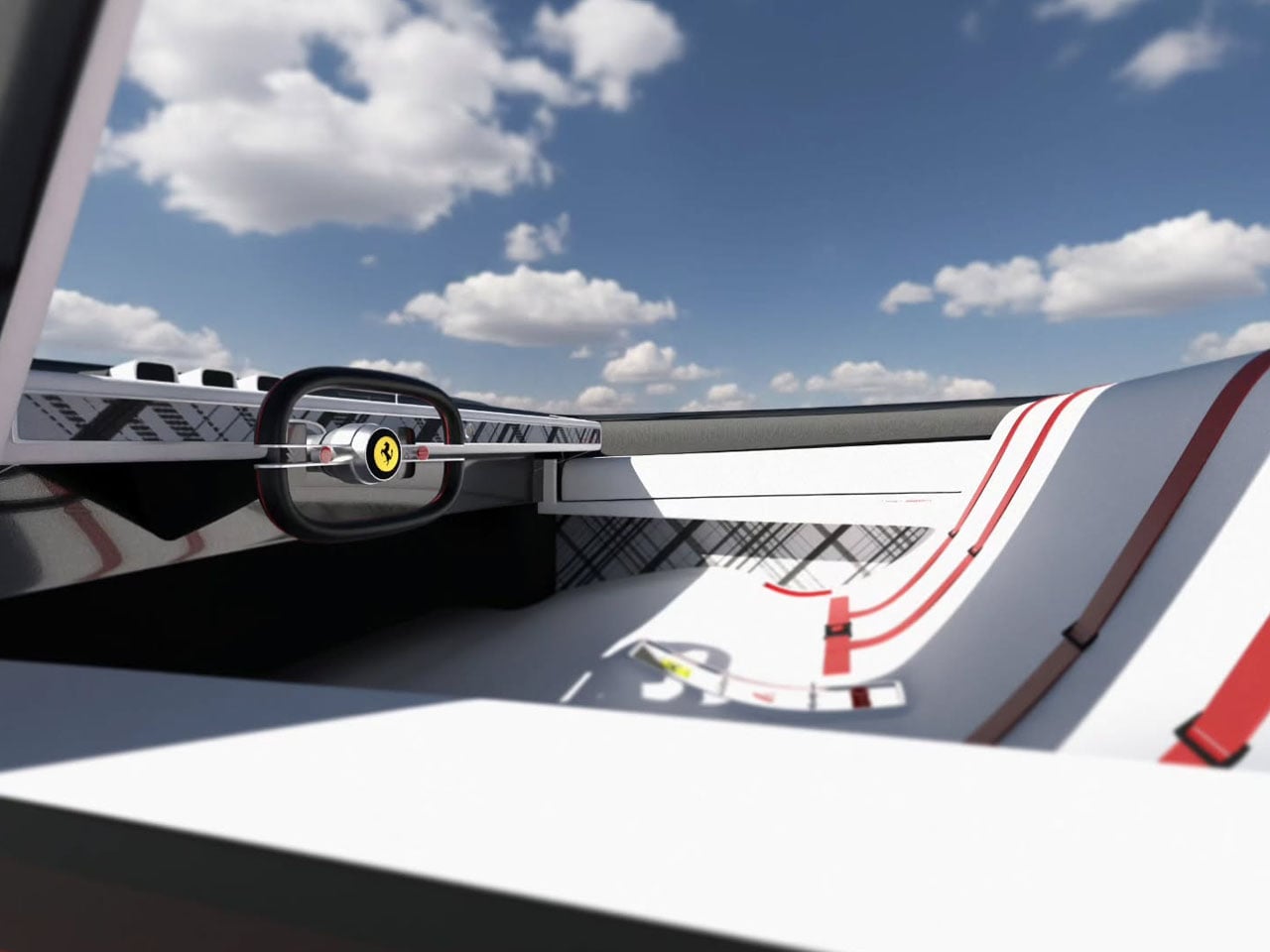
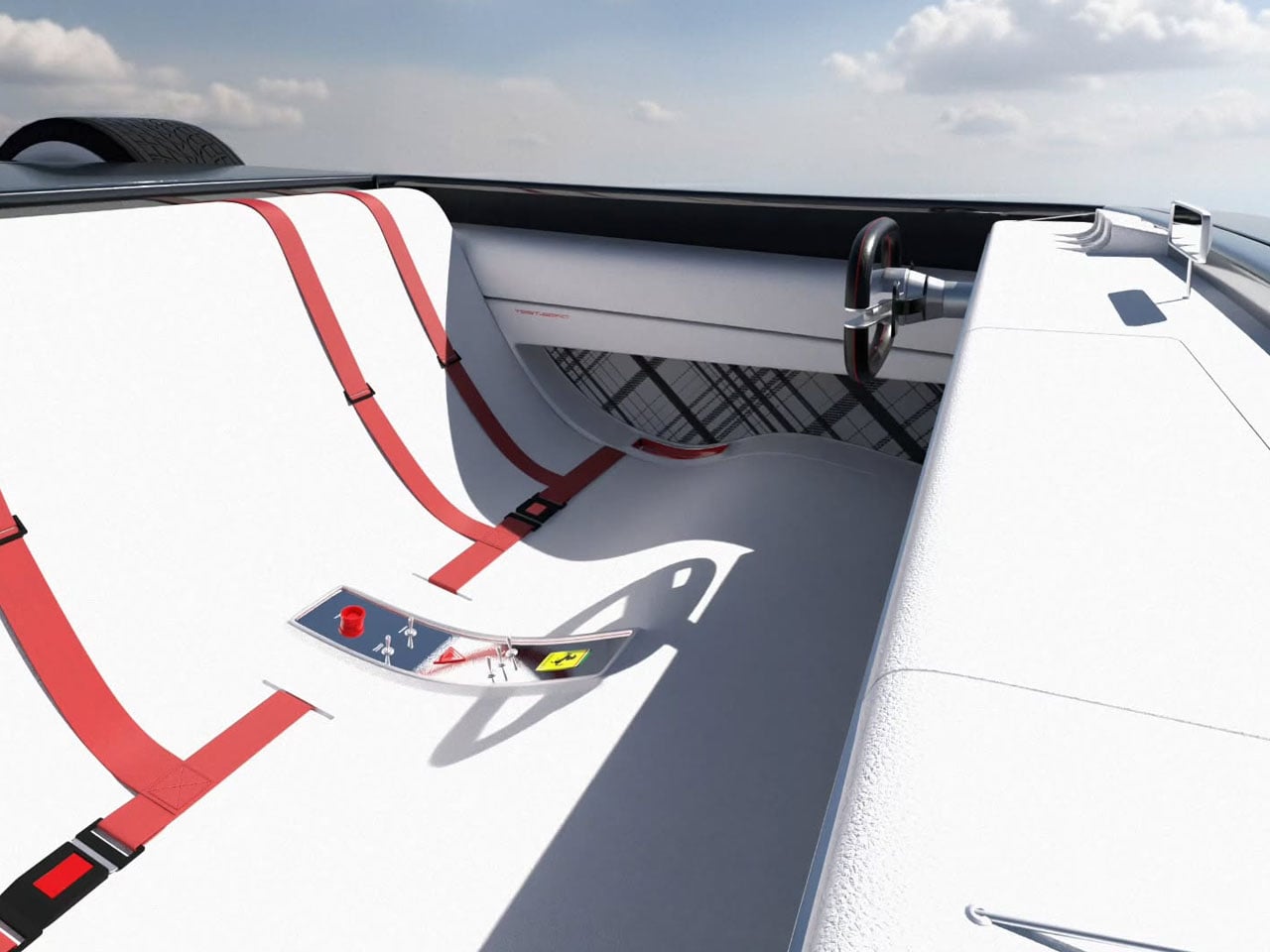
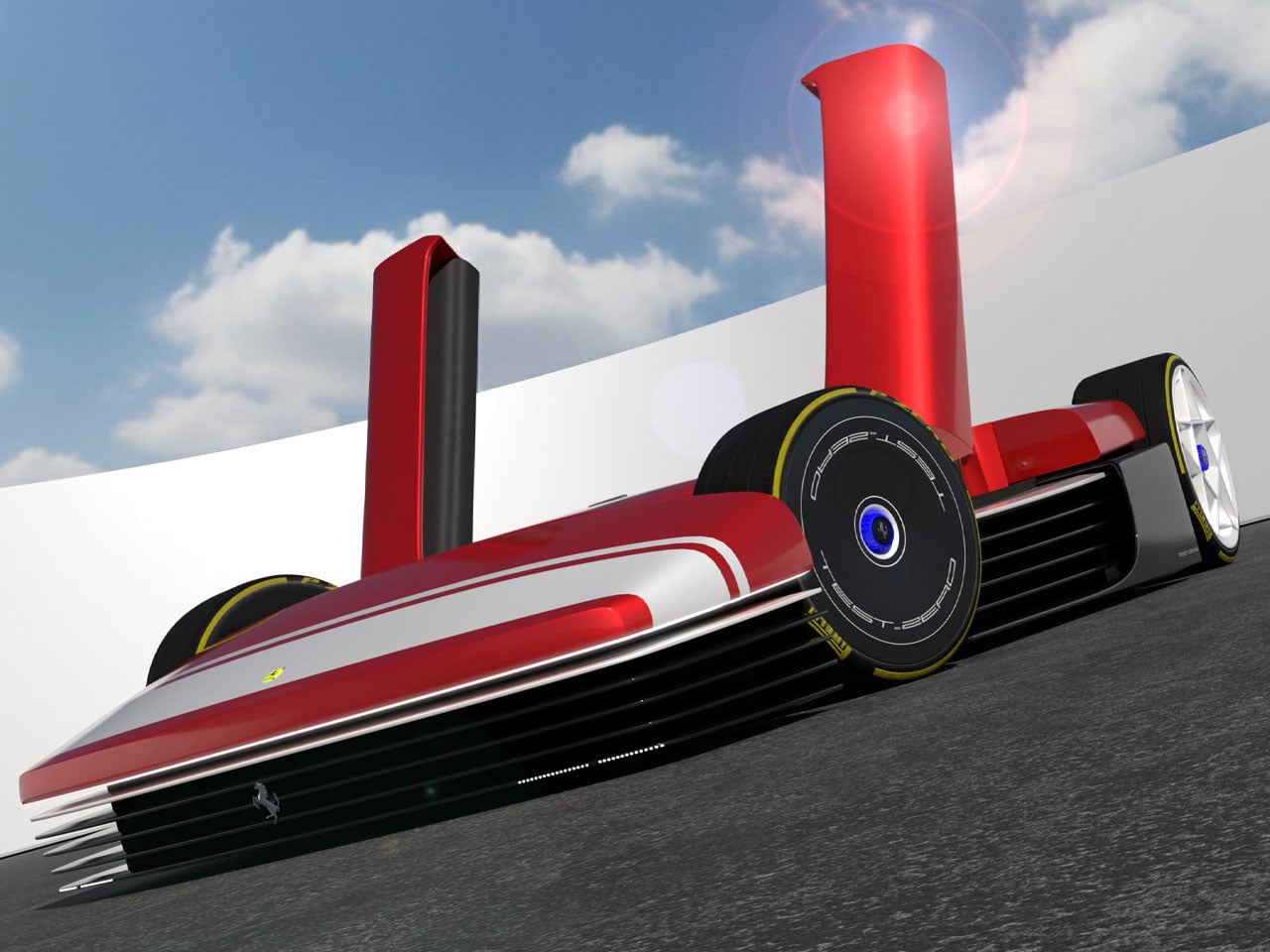
A mechanical engineering graduate and National Institute of Design alumnus, Saikhom has a clear pattern in his work: find the most extreme honest interpretation of a brand’s DNA and follow it without flinching. His Lamborghini Massacre concept, which we gushed over in 2021, pulled the entire body language from the Russian Sukhoi Su-57 stealth fighter to channel Marcello Gandini’s aggressive geometry back into the modern brand. The McLaren Meliora, from the same year, reduced the brand’s design language to its most essential ellipse geometry and held it there. His Ferrari SC250, covered here just last week, stretched the 250 GTO’s racing silhouette into something closer to a Le Mans prototype program than a road car studio. The Continental GT Homage follows that same logic, and it lands in a design space Royal Enfield’s own studio, currently split between the Flying Flea EV sub-brand and the forthcoming GT 450, has not yet had the nerve to occupy.

The post This Royal Enfield Continental GT Concept Looks Like a Café Racer Cast From a Revolver first appeared on Yanko Design.
Flipper One Launches With 5G, Satellite, and the Ability to Turn Any Hotel TV Into a Linux Desktop

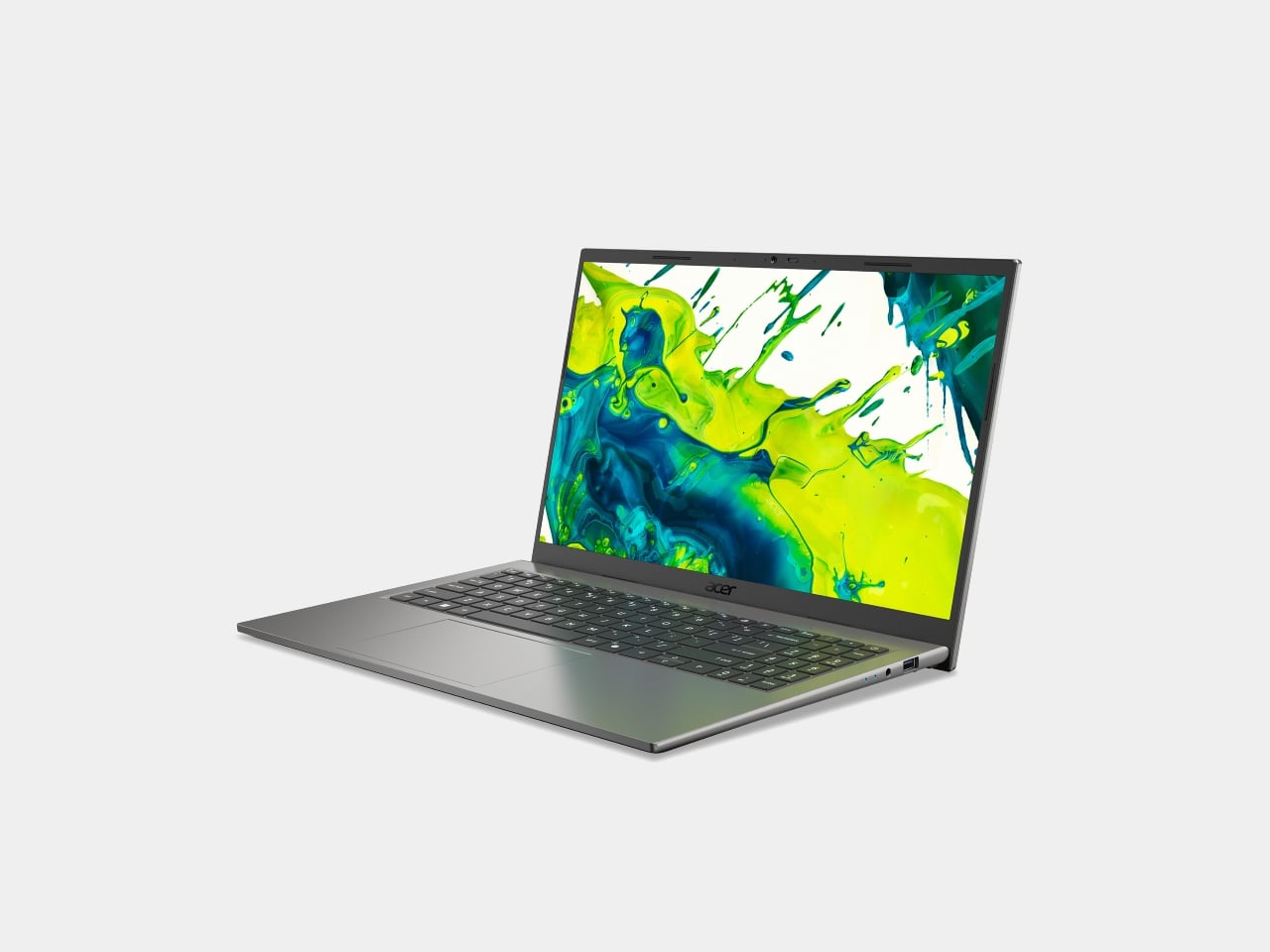
The Flipper Zero always looked like it was designed by someone who grew up on Game Boys and cyberpunk anime simultaneously, and that instinct paid off spectacularly. A toy-shaped hacker tool with a pixelated dolphin mascot somehow became one of the most culturally significant pieces of open hardware of the past decade, racking up a million units shipped and a string of government ban attempts that only made it more desirable. We’ve covered the Zero’s behind-the-scenes, and the throughline was always the same: great design lowers the barrier to entry, and a device that looks fun gets picked up, explored, and loved in ways that a purely utilitarian box never would.

Flipper One lands with that same energy, except the mascot is now visibly unhinged. The screen on the press images shows the dolphin yelling “Are you f*cking mad?” at the user for drawing too much power from the USB port, which tells you everything about the tonal direction here. This thing stamps “PORTABLE LINUX COMPUTER” across its forehead, wears its network indicator LEDs like a badge of honor, and ships with a carabiner loop because Flipper knows exactly who is buying this. The hardware underneath that attitude is a full Linux machine capable of operating as a router, a network analyzer, a travel desktop, and a satellite-connected field tool, all depending on what you slot into its M.2 expansion bay.

Designers: Pavel Zhovner & Flipper Devices

I’ll be honest, when the Flipper One CAD files leaked in March, my first reaction was that it looked like someone scaled up a Game Boy Advance and bolted Ethernet ports onto it. My second reaction, about thirty seconds later, was that I wanted one immediately. The form language was unmistakably Flipper, angular and purposeful and slightly aggressive, but the proportions told a completely different story than the Zero. This was not a radio tool. The Zero’s pixel dolphin was charming and approachable, a deliberate design choice that got a hacking tool onto TikTok and into mainstream conversation. The One’s mascot has apparently developed strong opinions and a short temper, which fits a device aimed at people who want their pocket computer to reflect how seriously they take their craft.

That craft, in practice, looks like this. You’re at a conference, hotel Wi-Fi is the usual disaster, and you want a clean network environment for your laptop. Flipper One bridges its dual Gigabit Ethernet ports, runs a VPN tunnel through the cellular modem you’ve slotted into the M.2 bay, and your laptop connects through USB-C Ethernet at 5 Gbps without touching the hotel network once. Or you’re a field engineer doing network diagnostics in a location with no cellular, and the NTN satellite modem module gives you an IP connection via the same low-orbit infrastructure newer phones use for emergency SOS messaging. Or you’re traveling light and plug the One into the hotel TV via full-size HDMI 2.1, grab a Bluetooth keyboard, and have a working Linux desktop controlled by the room remote through HDMI CEC. These aren’t edge cases dreamed up for a spec sheet. They’re the actual use cases Flipper is designing toward.

The software architecture is as interesting as the hardware. Flipper OS introduces a profile system where each configuration is a complete, isolated OS snapshot. Boot a network analysis profile, install whatever you need, break things freely, then switch to a clean travel desktop profile without any experimental residue carrying over. Anyone who has re-flashed a Raspberry Pi SD card for the fourth time in a week because a router experiment ate the system will understand exactly why this matters. FlipCTL completes the picture, a UI framework that wraps existing Linux command-line tools like nmap, ping, and traceroute in a clean, D-pad-navigable interface purpose-built for the One’s small screen, rather than squeezing a full desktop environment into a space it was never designed for.

Flipper Devices shipped a million Zeros by making a serious tool feel approachable and fun. The One is a bet that the same philosophy scales up to a full Linux platform, and that an unhinged pixel dolphin yelling at you about USB power draw is exactly the right mascot for a machine with this much capability packed into a chassis you can clip to a bag and carry anywhere.

The post Flipper One Launches With 5G, Satellite, and the Ability to Turn Any Hotel TV Into a Linux Desktop first appeared on Yanko Design.
Ducati Barista M3 1926 gives new meaning to caffeinated motorhead passion

What’s common between thunderous sports bikes and espresso machines? Both deliver a high-adrenaline rush, right? Yes, but there’s more to it: both are precision-engineered, and both rely on immense (bar) pressure and thermal control for peak performance. This shared DNA traces back to the 1960s when British riders modified their stripped-down motorcycles to race from one roadside café to another, giving birth to the term “Café Racer.”

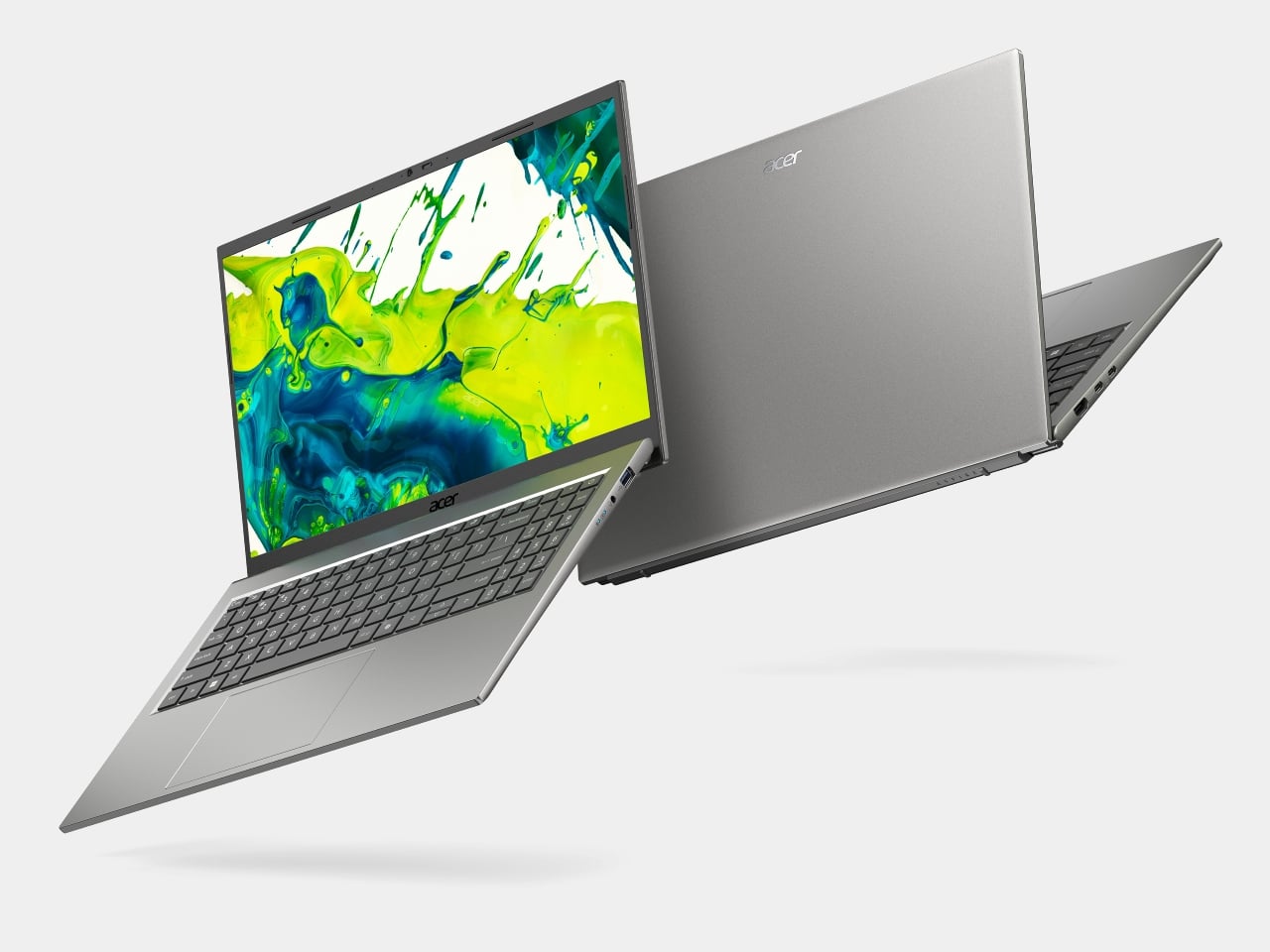
This historical buildup is important for the latest creation by Ducati, which stamps its track image, craftsmanship, and aesthetics onto a flagship espresso machine, which will be released in 1,926 units only. It is touted as the world’s first and only carbon fiber capsule machine with a composite carbon fiber build, and is called the Ducati Barista M3 1926 Limited Edition Carbon Fiber.

Designer: Ducati and Cuisine Barista

The motorbike-inspired coffee machine hits different in its aesthetic appeal and hopefully the espresso it brews. Even if it doesn’t, it is a collector’s item – ground up – for everyone with a passion for superbikes and love for coffee brewing.

The front and rear panels of the Ducati Barista are crafted from twill-weave carbon fiber material, the same as that seen on the performance track bikes from the brand. The rest of the body is made from stainless steel, overlayed with a PVC coating to bring forth the perfect chrome look that would entice anyone who appreciates craftsmanship at the highest level, irrespective of their allegiance to Ducati.

Barista M3 1926 by Ducati is “only capsule machine in the world” to feature three precision-laid layers of carbon fiber, just 1.5 mm thick, on its front and back. Advanced brewing technology is, of course, a given but for me, having such a beautiful machine take pods, is such a waste of time and effort. The fans wouldn’t align with my thoughts, so here is some information you’d like anyway.

The machine employs a proprietary heating element to deliver an adjustable temperature that’s ready for a good brew in seven seconds flat. If this achieved temperature is not to your preference, you can use onboard controls to set it to your brewing temperature between 70°C to 99°C. Besides the temperature, you can toggle between light, standard, and strong extraction modes, so that what you get from the capsule is brewed perfectly as you prefer.

The Barista M3 1926 machine can pump high-pressure up to 19 bar. It comes with the world’s first in-cup frother to elevate your in-home lattes and cappuccinos in café-esque perfection. It’s possible with frothed milk right in the cup provided with your Barista M3 1926. The machine can deliver up to 12 preset drinks at the touch of its integrated control panel.
Maintaining this sculptural coffee machine on your countertop is simplified by an accompanying mobile app. The app receives various stats and alerts for descaling and your caffeine consumption, so that you know when to slow down because you’ve already had a few espresso shots in the build-up to the MotoGP!

The post Ducati Barista M3 1926 gives new meaning to caffeinated motorhead passion first appeared on Yanko Design.