OpenAI will no longer limit how many texts free accounts can send to ChatGPT
There will still be limits on image generation, voice mode usage and other features.
Luxury hotels have always had a location problem. The kinds of places that would make the most extraordinary backdrops, remote desert plains, rolling highland meadows, dramatic canyon edges, are almost never the places where a hotel can legally or practically be built. Extending infrastructure to those sites, from power grids to road access to permanent foundations, tends to either cost too much or damage the very landscape that made the location worth visiting.
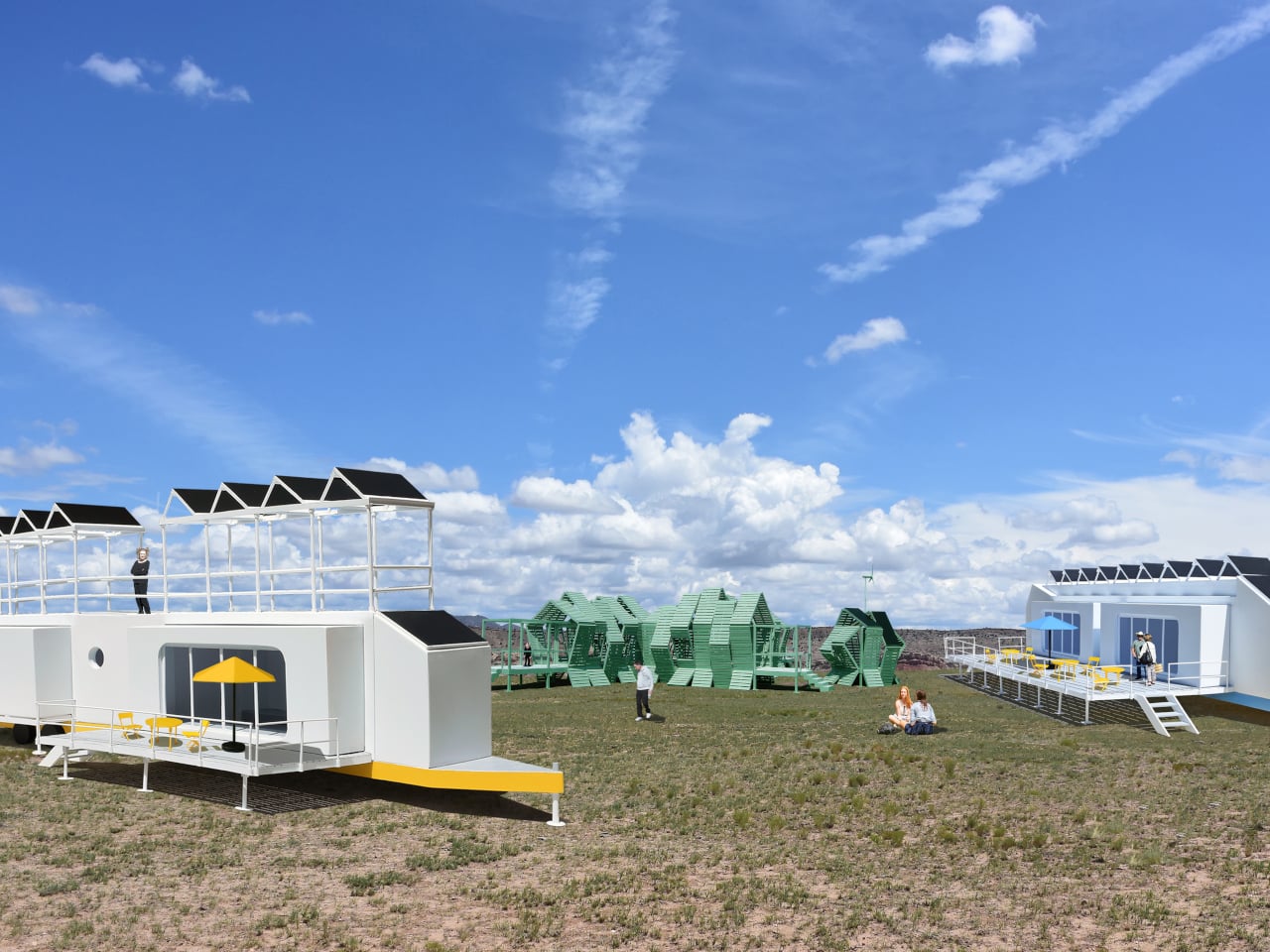
The Mobiltels concept approaches hospitality from a completely different direction. Rather than building a permanent structure and hoping the location is compelling enough, each Mobiltel unit is designed to fold into a compact, truck-towable trailer, be driven to wherever the landscape is most remarkable, and then unfold into a functioning luxury accommodation. When the stay is over, it packs up and leaves without leaving much evidence behind.
Designer: Michael Jantzen
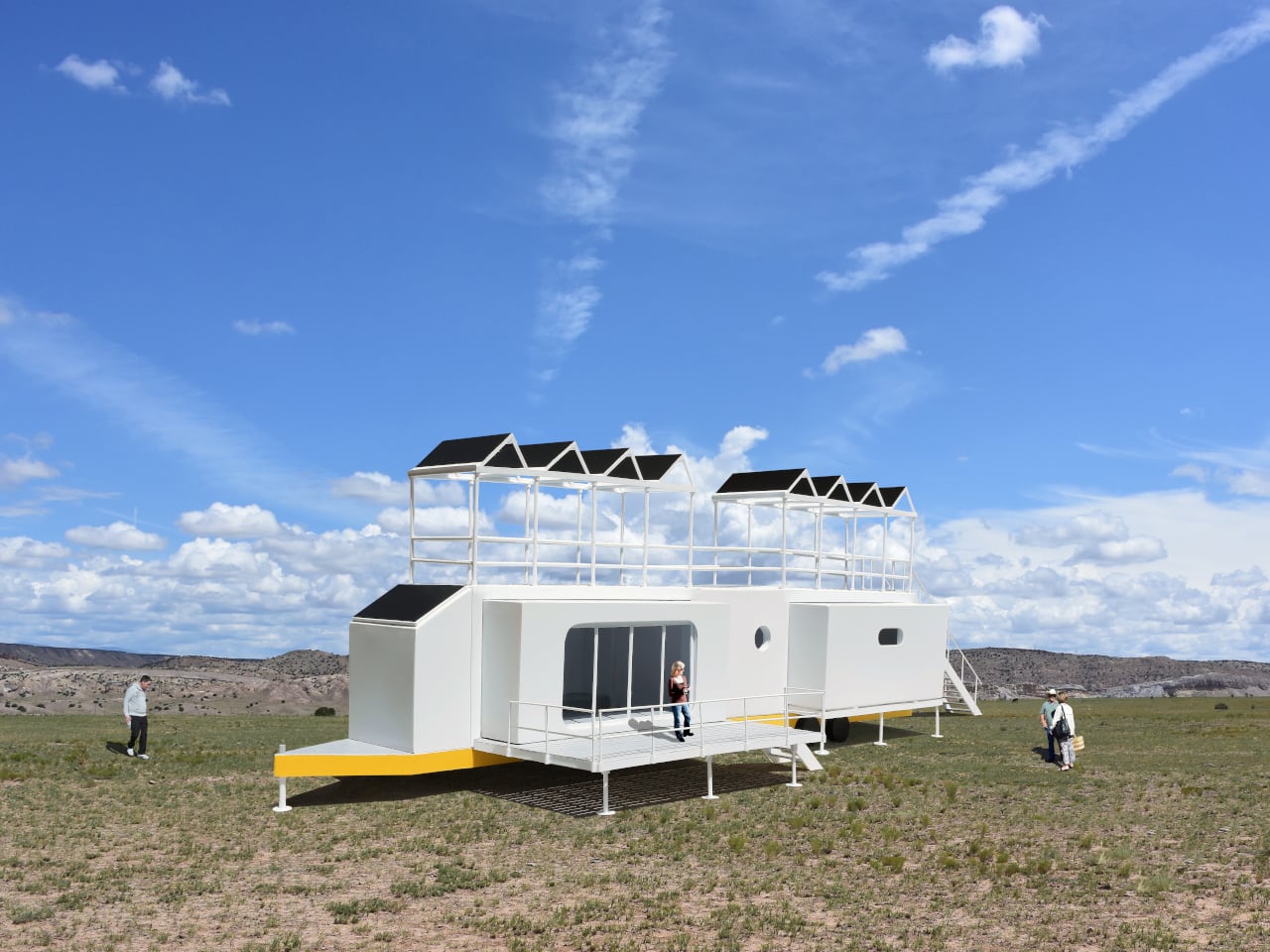
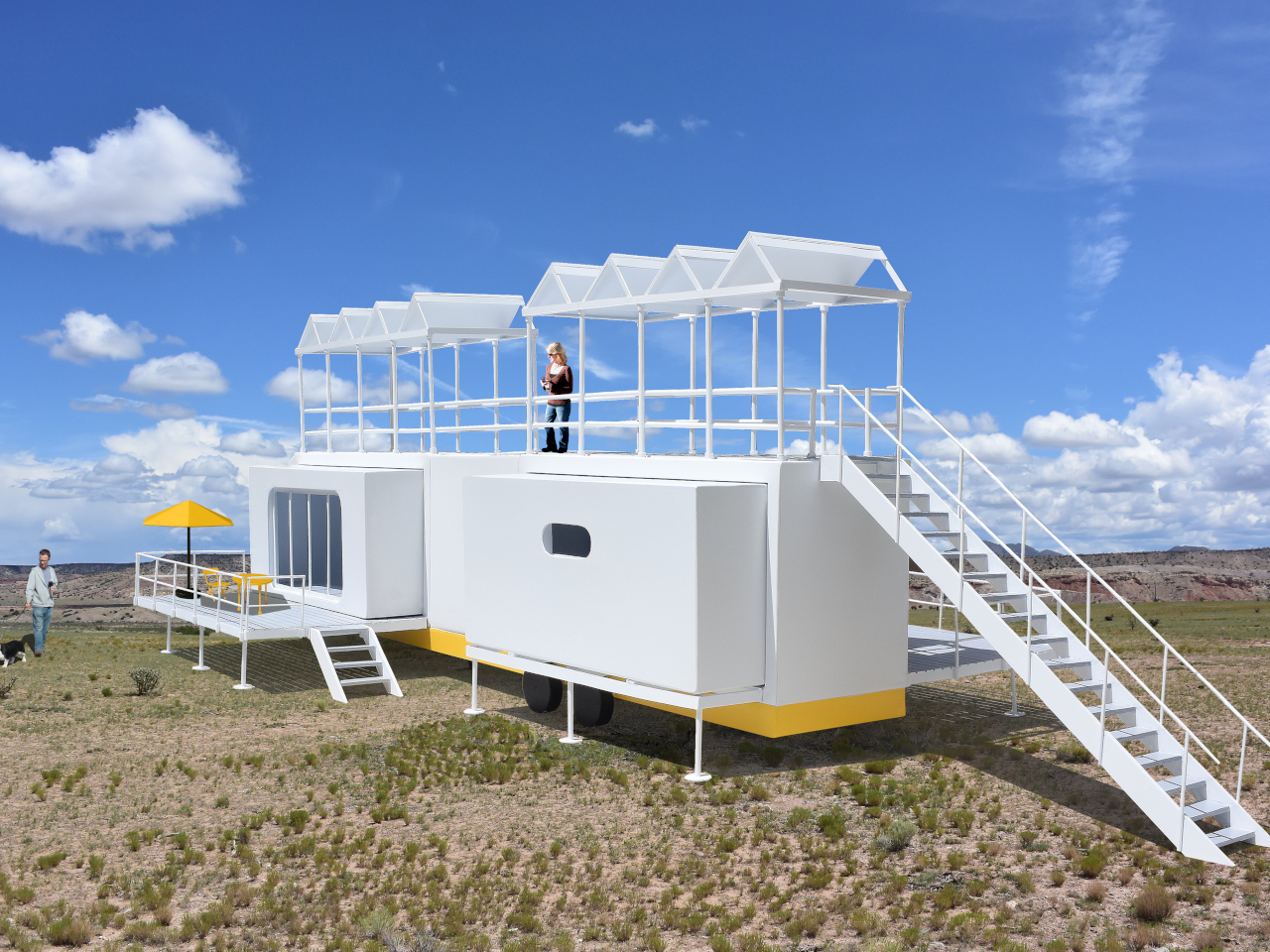
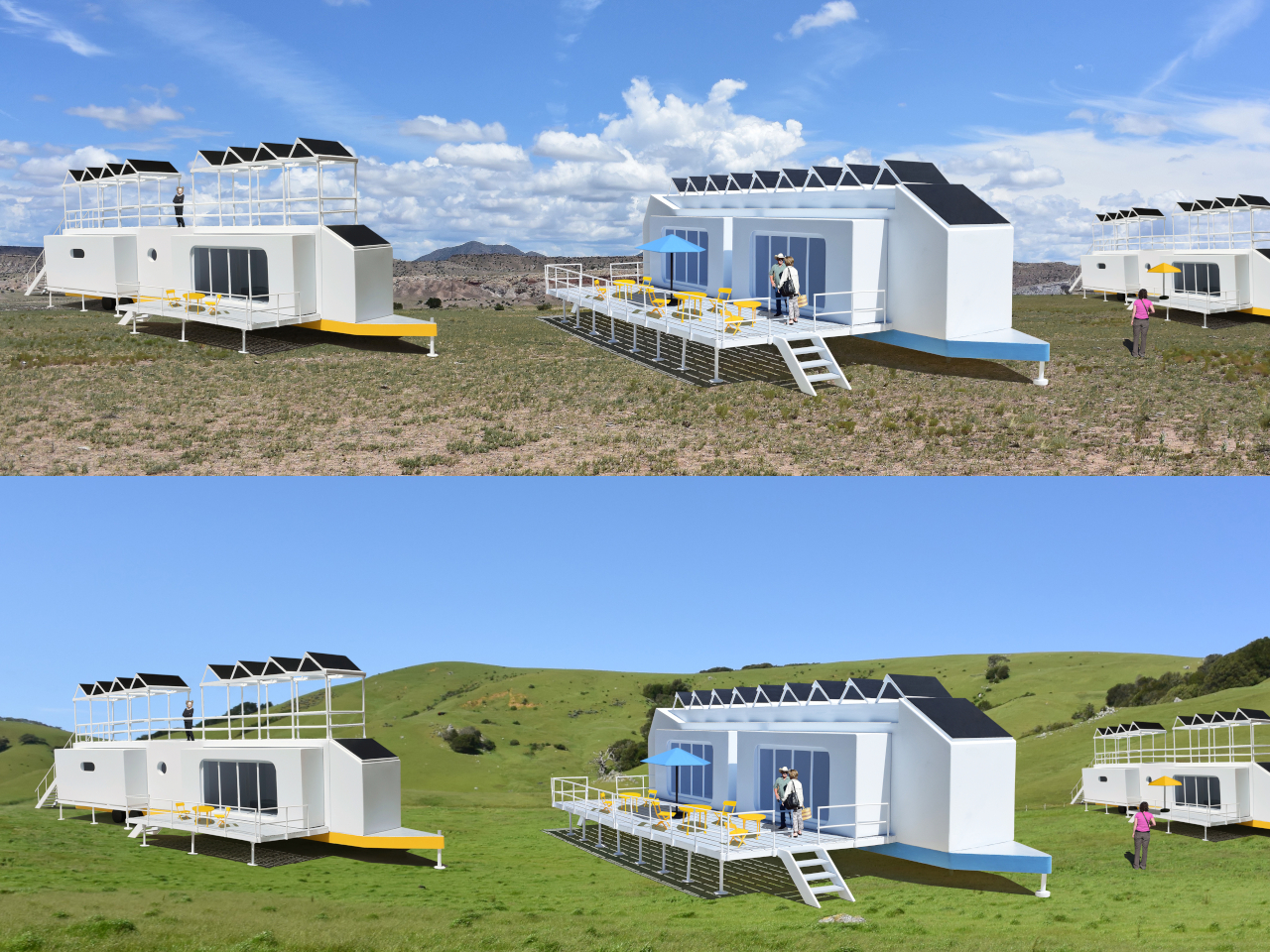
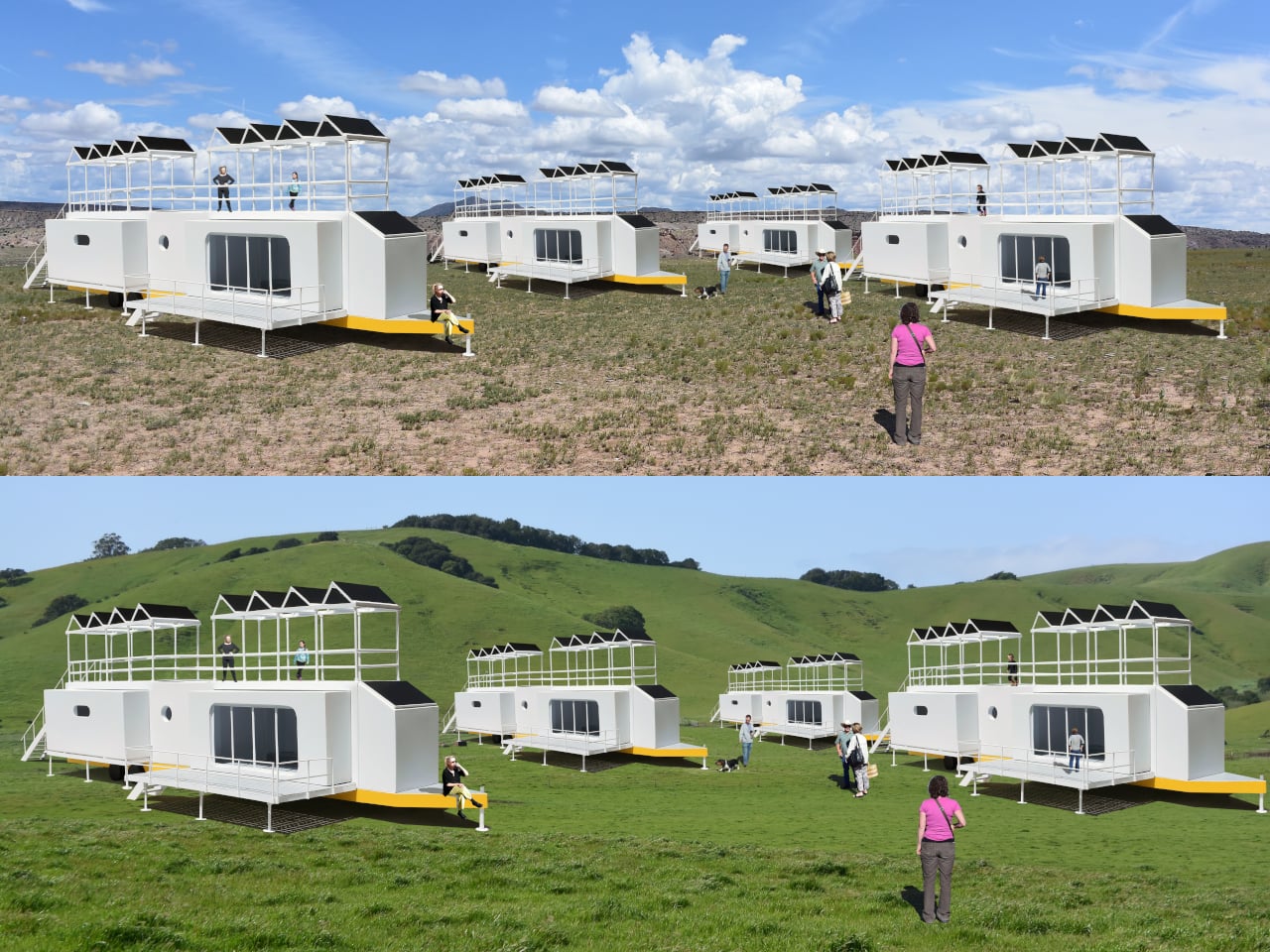
Three distinct unit types make up the proposed resort ecosystem. The first is the guest accommodation module, which deploys into two full hotel-style rooms, each with a private bath and its own private deck. The roof extends into a communal deck shaded by solar panels that generate the electricity to power the unit, while a second panel mounted on the exterior heats the water. The entire structure, decks and all, folds back into a trailer tight enough to tow down a highway.
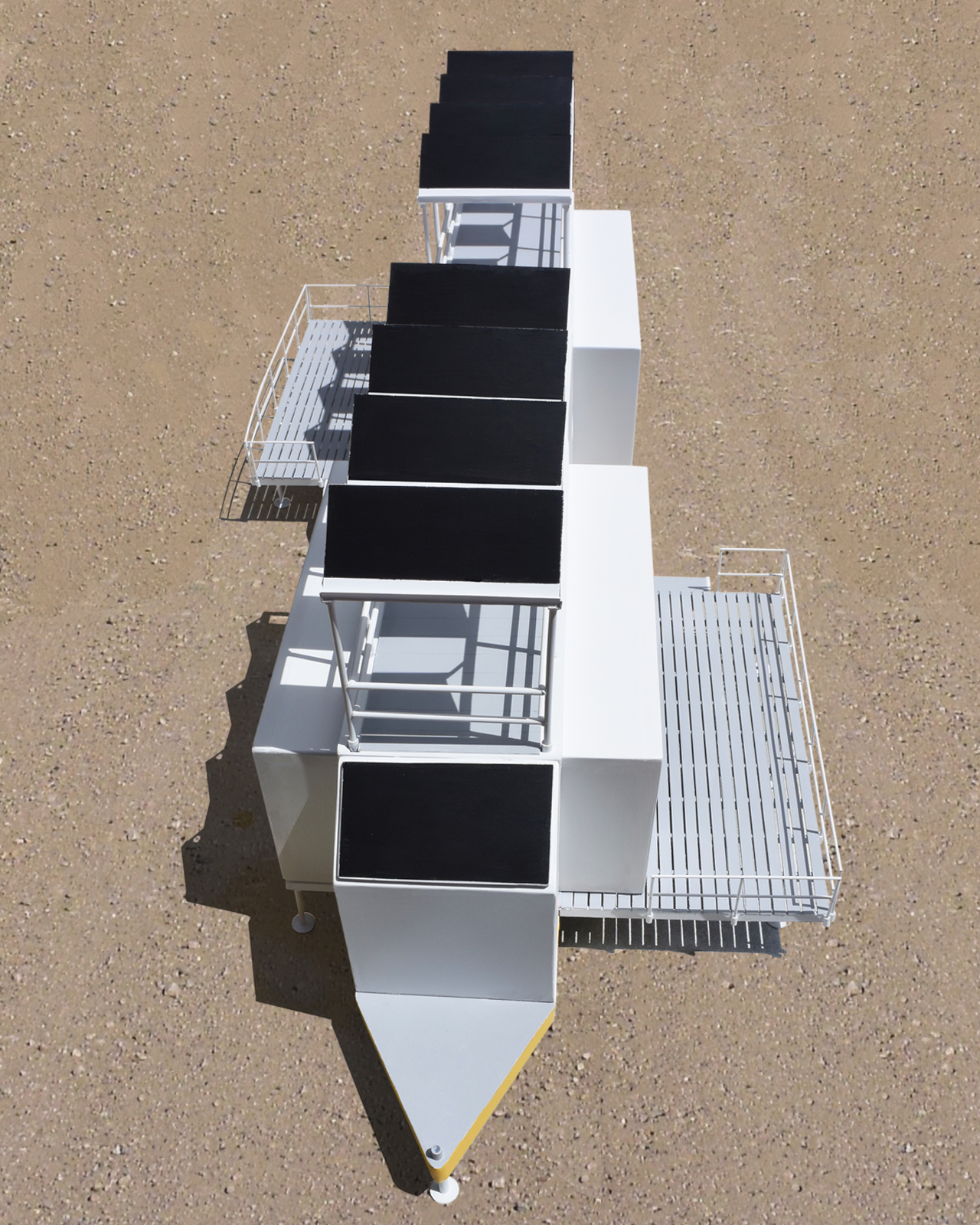
The second unit is a solar-powered café and coffee shop that unfolds to reveal four outdoor dining decks with full kitchen and restroom facilities. The third is a large shade structure intended for gatherings, private events, and communal lounging, built as a striking open lattice that collapses into a flat-load trailer for transport. Additional unit types can theoretically follow the same logic, meaning a full resort amenity list could be assembled and disassembled as needed.
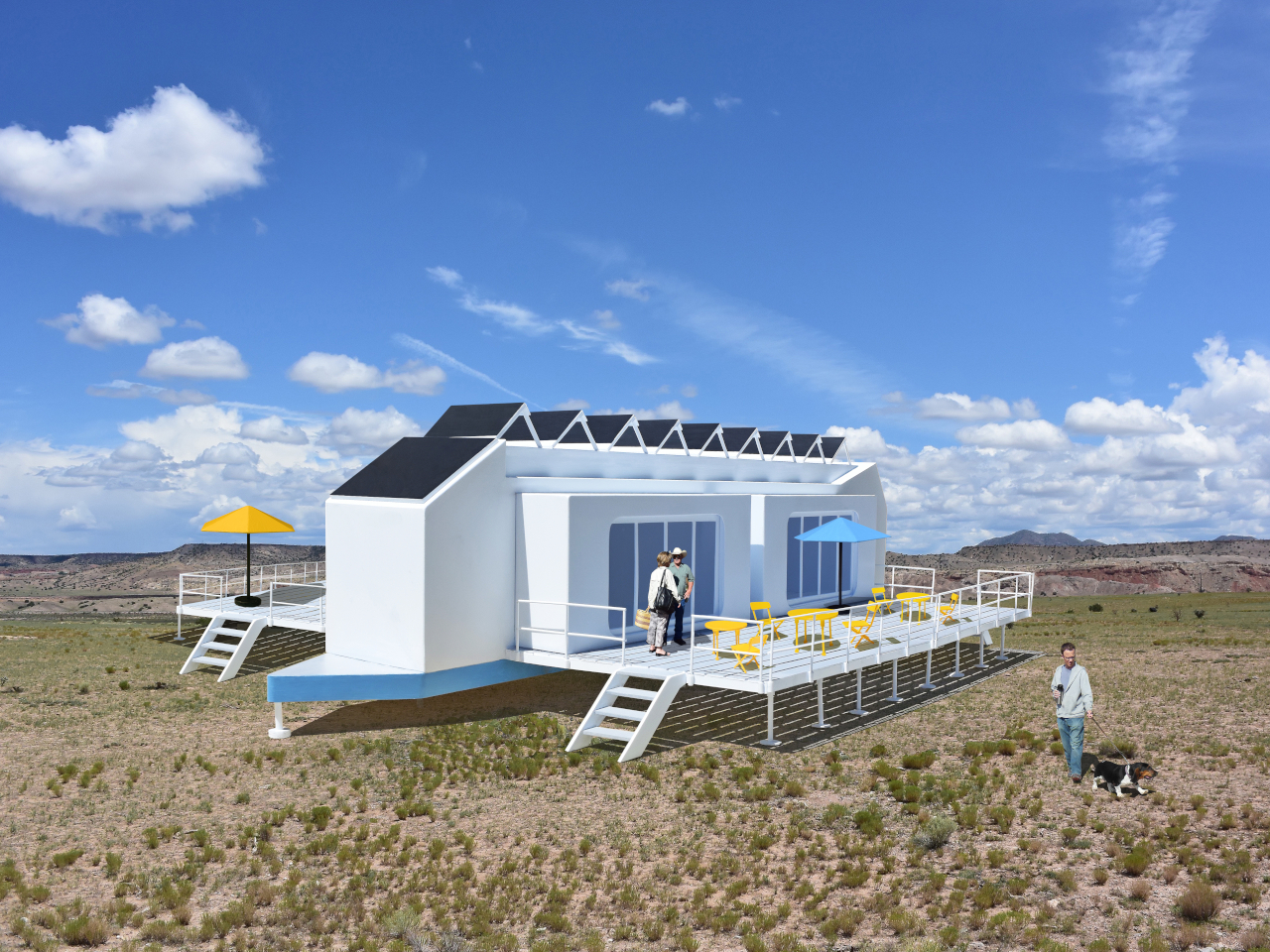
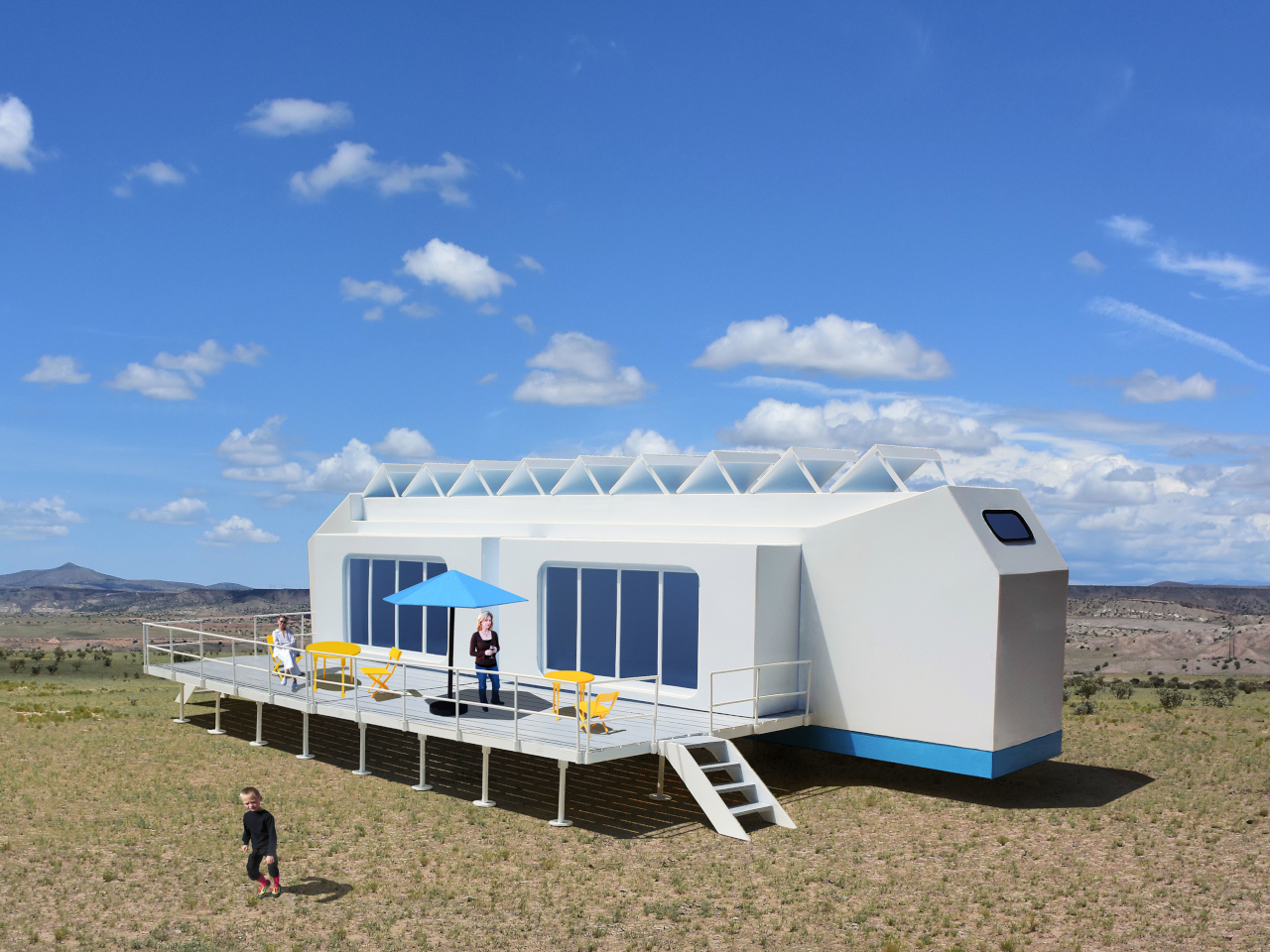
The off-grid energy system is what makes the location independence real rather than theoretical. Every unit generates and manages its own power and heated water from the sun, which means no connecting to local utilities and no requiring a serviced campsite. A Mobiltel cluster can go where a road exists and terrain is flat enough to level a trailer, which is a much lower bar than conventional construction.
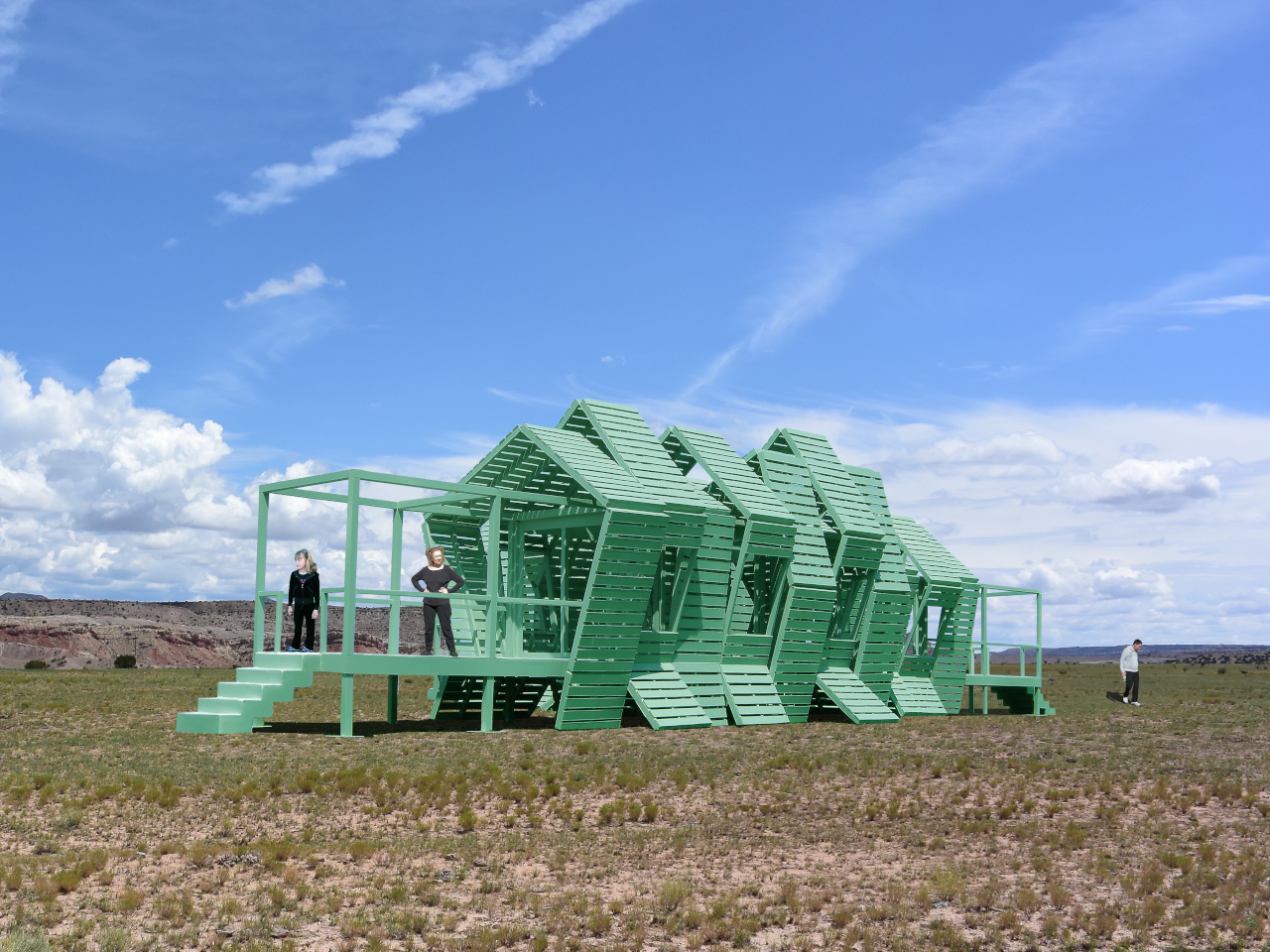
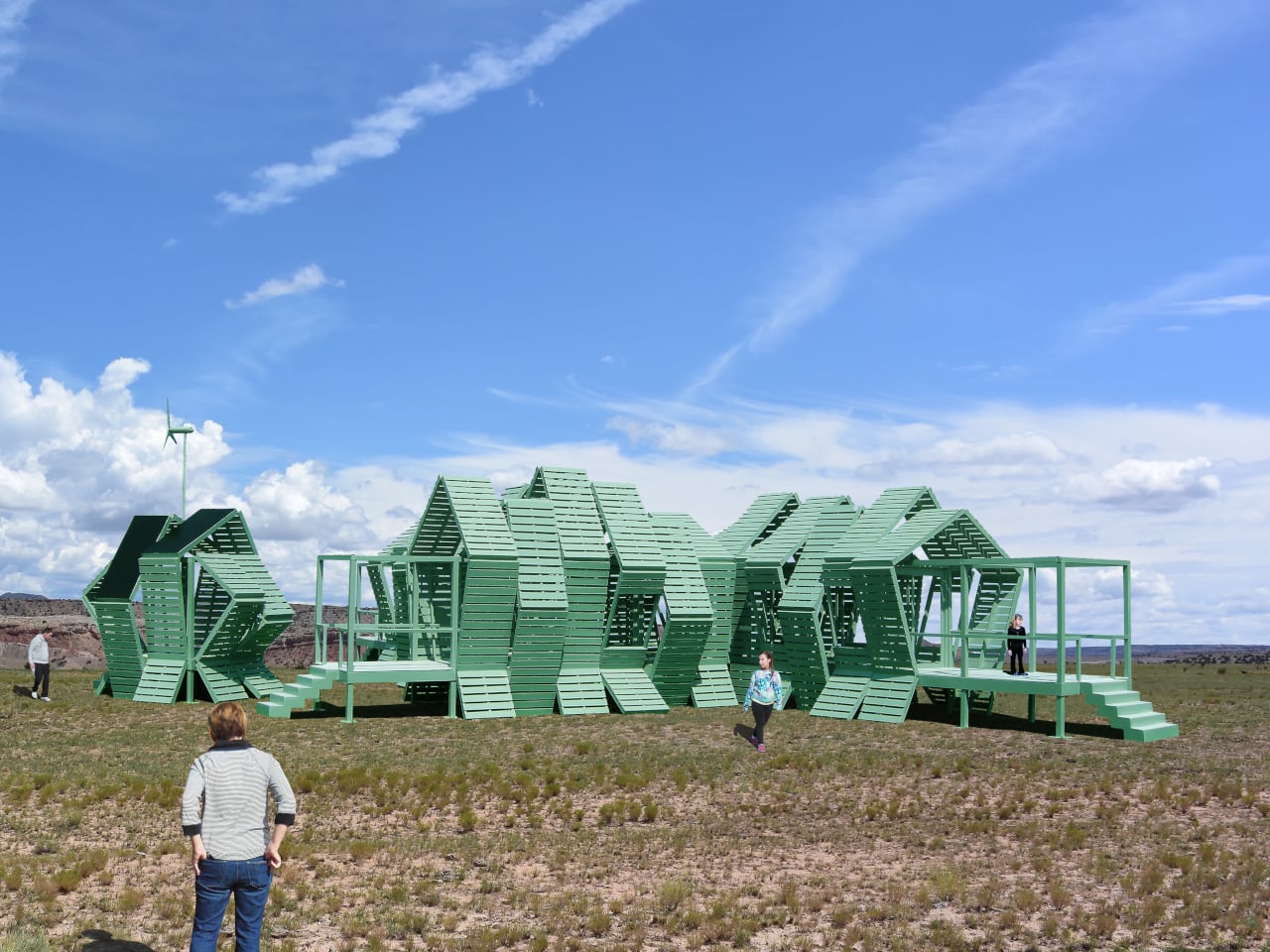
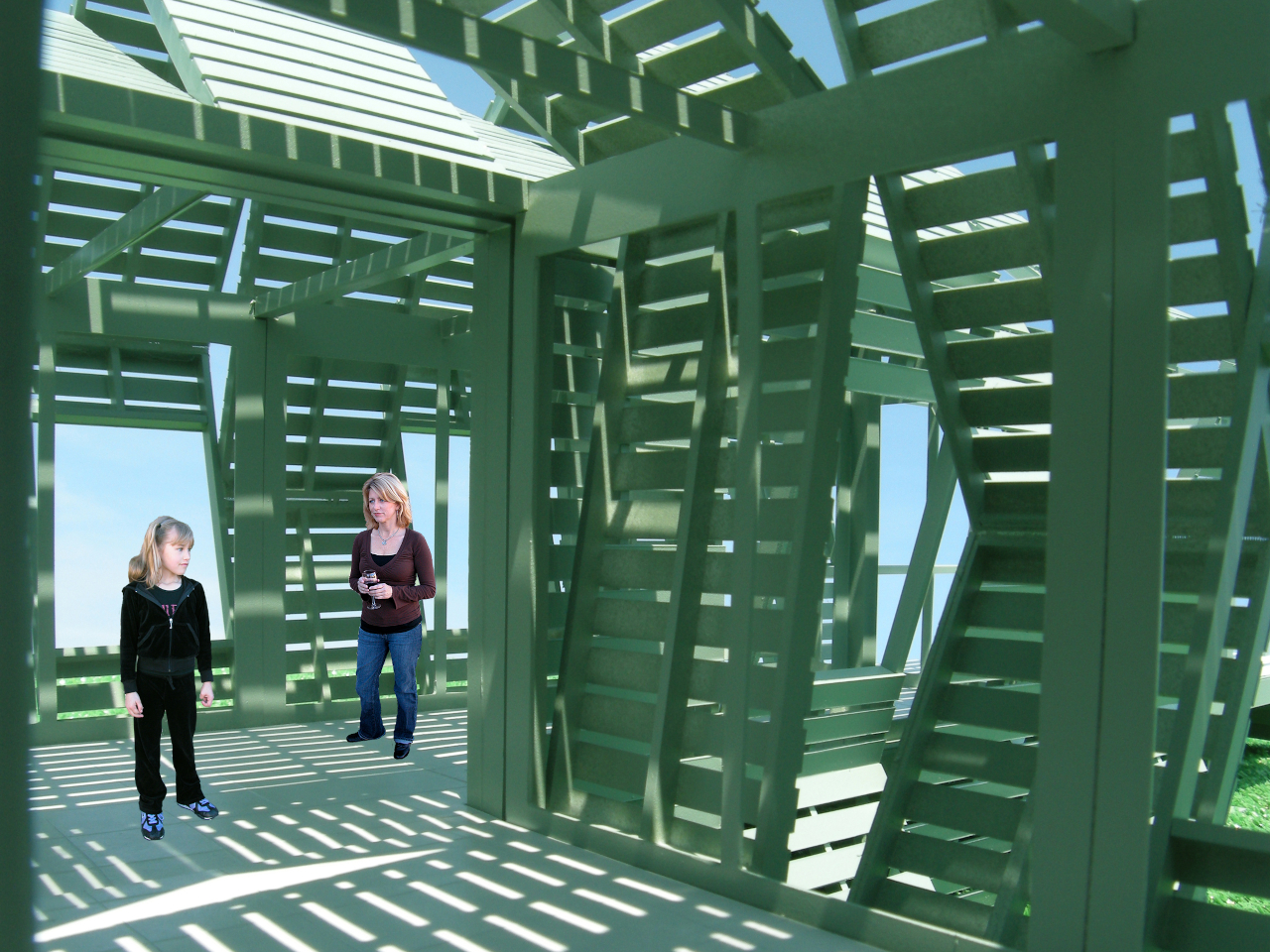
The environmental argument is also embedded in the temporariness. A permanent hotel in a wilderness setting modifies that setting permanently. Roads are built, foundations are poured, and the land around the structure gradually changes to accommodate the infrastructure. A Mobiltel unit lands on a site for a season, its occupants absorb the specific quality of that place, and it leaves. The landscape recovers. The next location gets the same treatment.
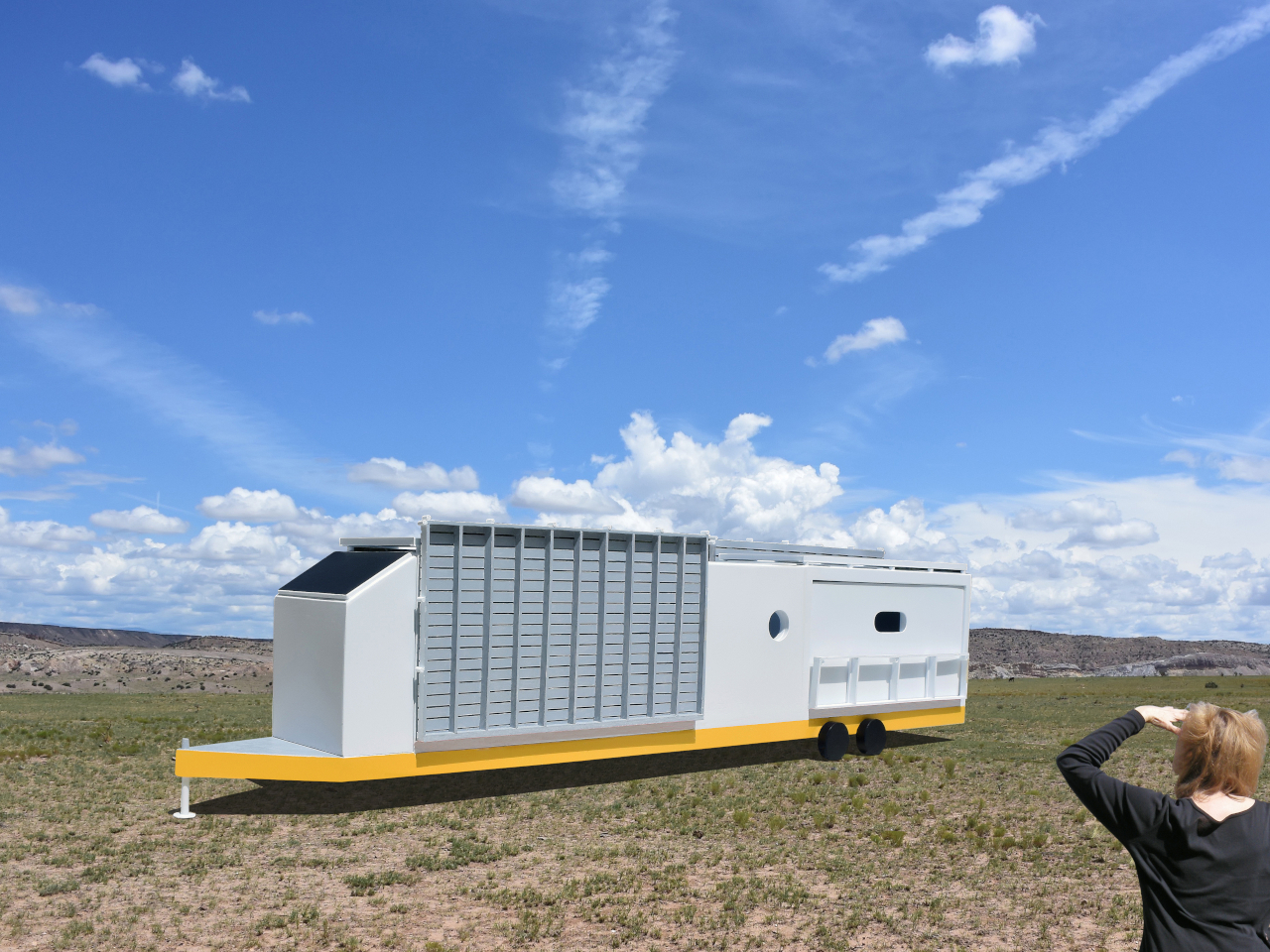
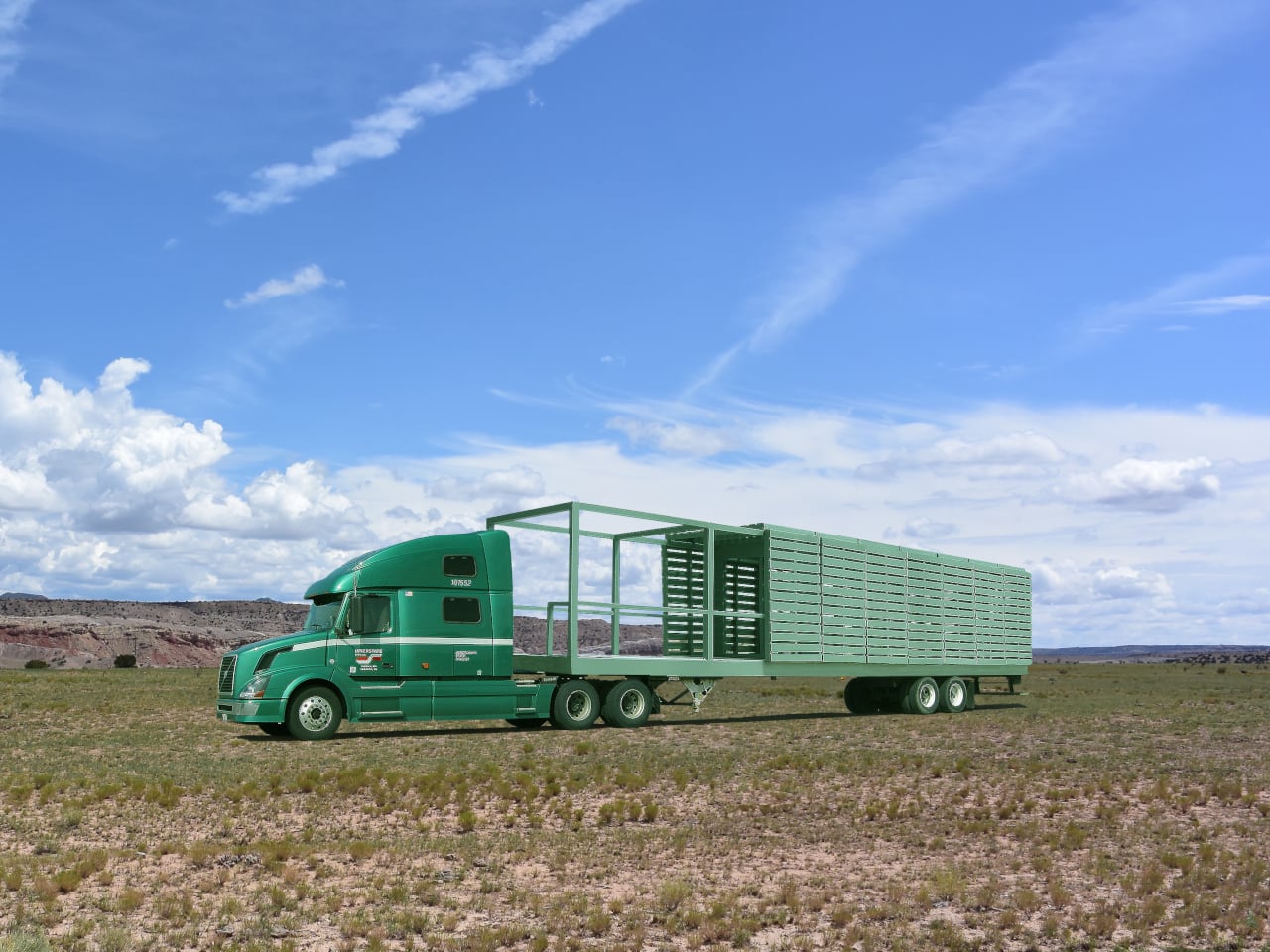
There’s something quietly subversive about applying a mobile home chassis to a luxury hospitality concept. Mobile homes occupy a very specific cultural position, one that doesn’t usually include rooftop communal decks and solar-heated private baths. The Mobiltels concept borrows the transport logic of one and applies it to the aesthetic ambitions of the other, with the result that a high-end resort becomes as relocatable as a food truck. The result sits somewhere between architecture and expedition equipment, which is probably exactly the right place for it.
The post The Luxury Hotel Concept That Works Like a Food Truck for Wilderness first appeared on Yanko Design.
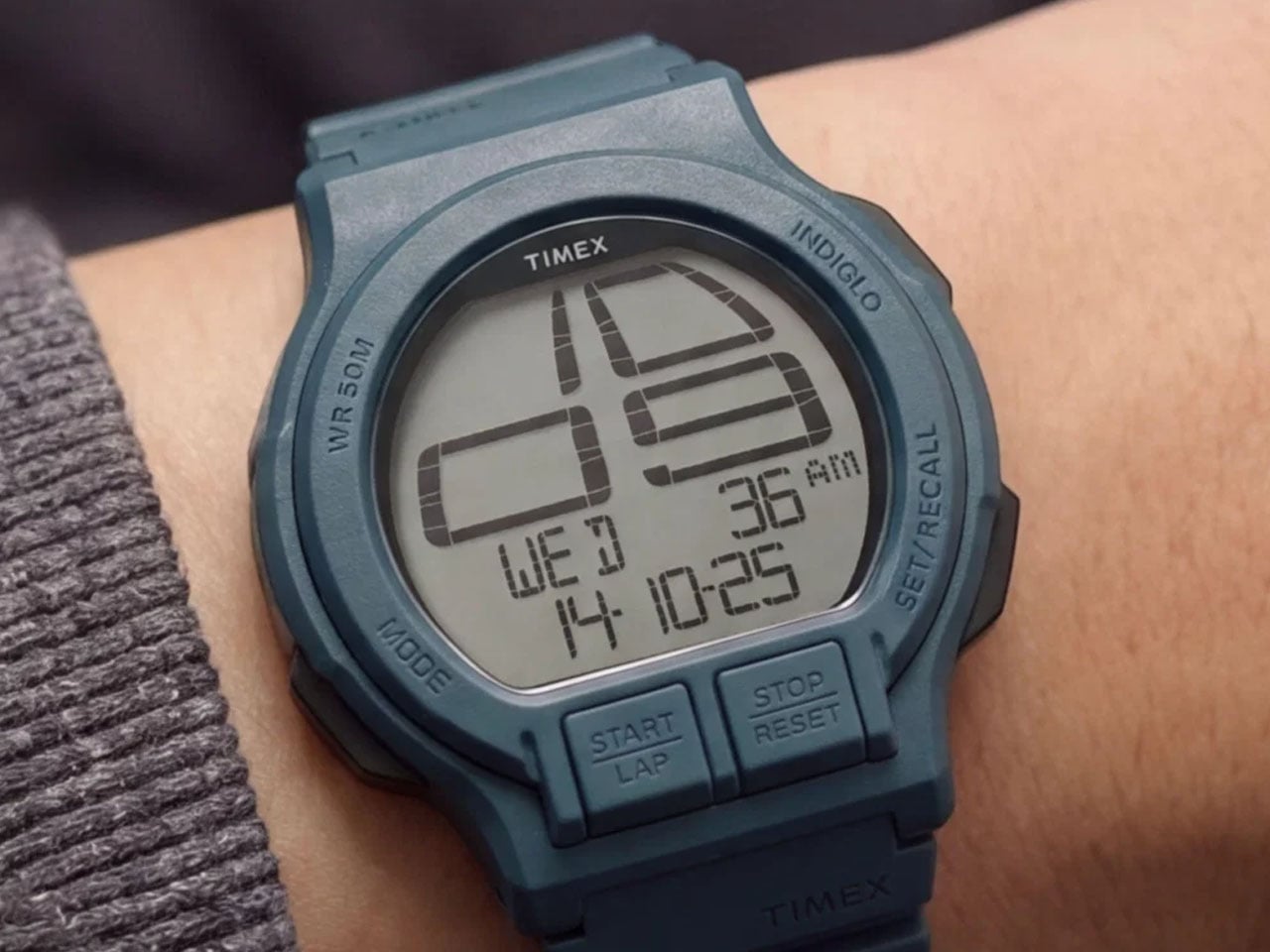
When I was growing up in the 1990s, there was a Timex I would kill for. If you remember the Timex Men’s Ironman Triathlon, you’d know what I mean. Not only was it the first to introduce the Indiglo backlight, but it was also the dominant sports watch, slayed with its rugged resin case. I owned one briefly before my brother, who had more muscle than me back then, coerced it out of my wrist to his advantage one day.
I had, in the last three decades, almost forgotten about it, but the moment the new Timex Retroware Digital showed up on my screen this morning, some memories were definitely rekindled. Thriving on the old digital sports watch charm of the ‘90s, the Retroware Digital is nowhere close to the Ironman for me, but it has its own retro vibe, which will find takers. Me… maybe, maybe not!
Designer: Timex
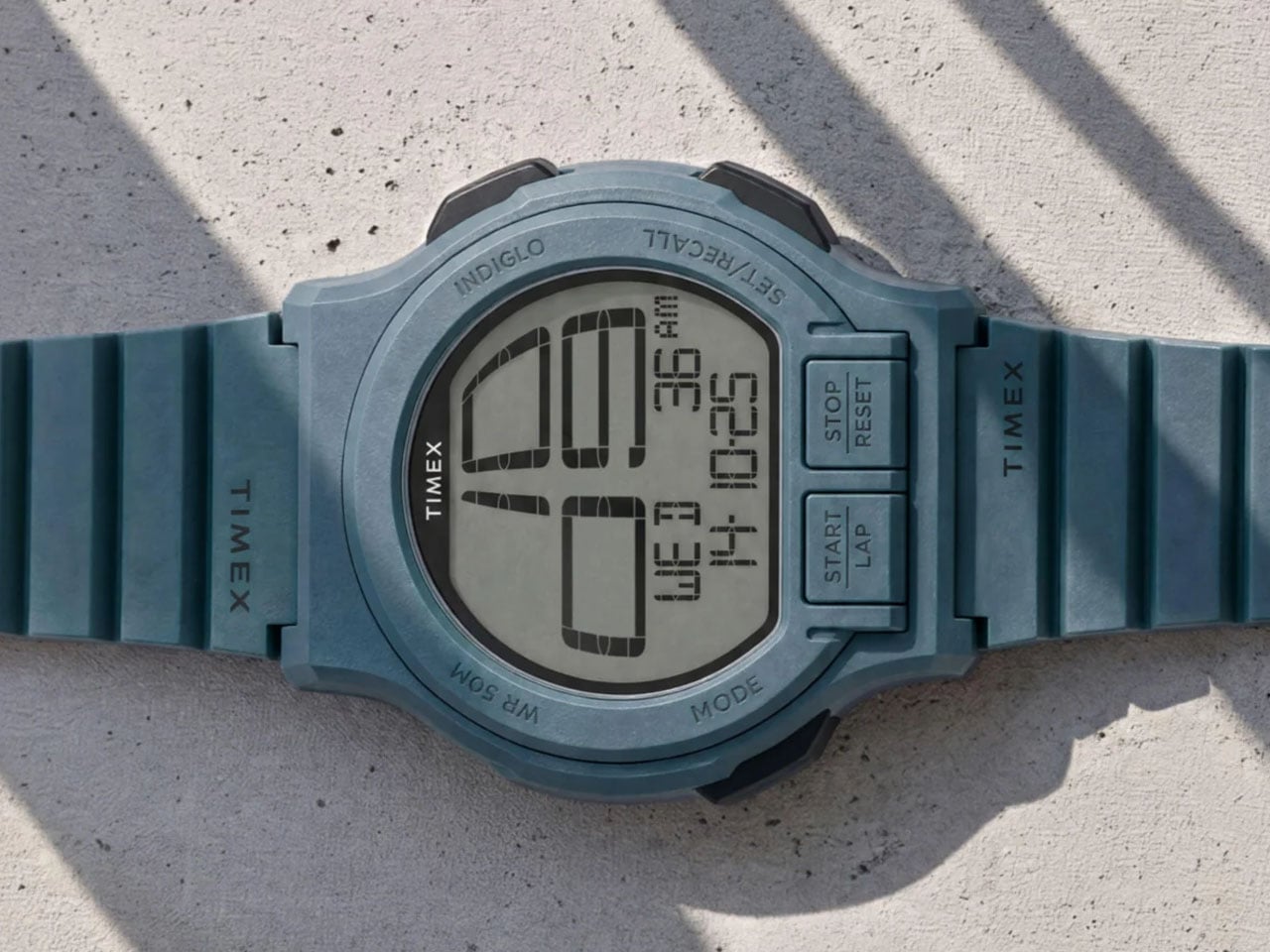
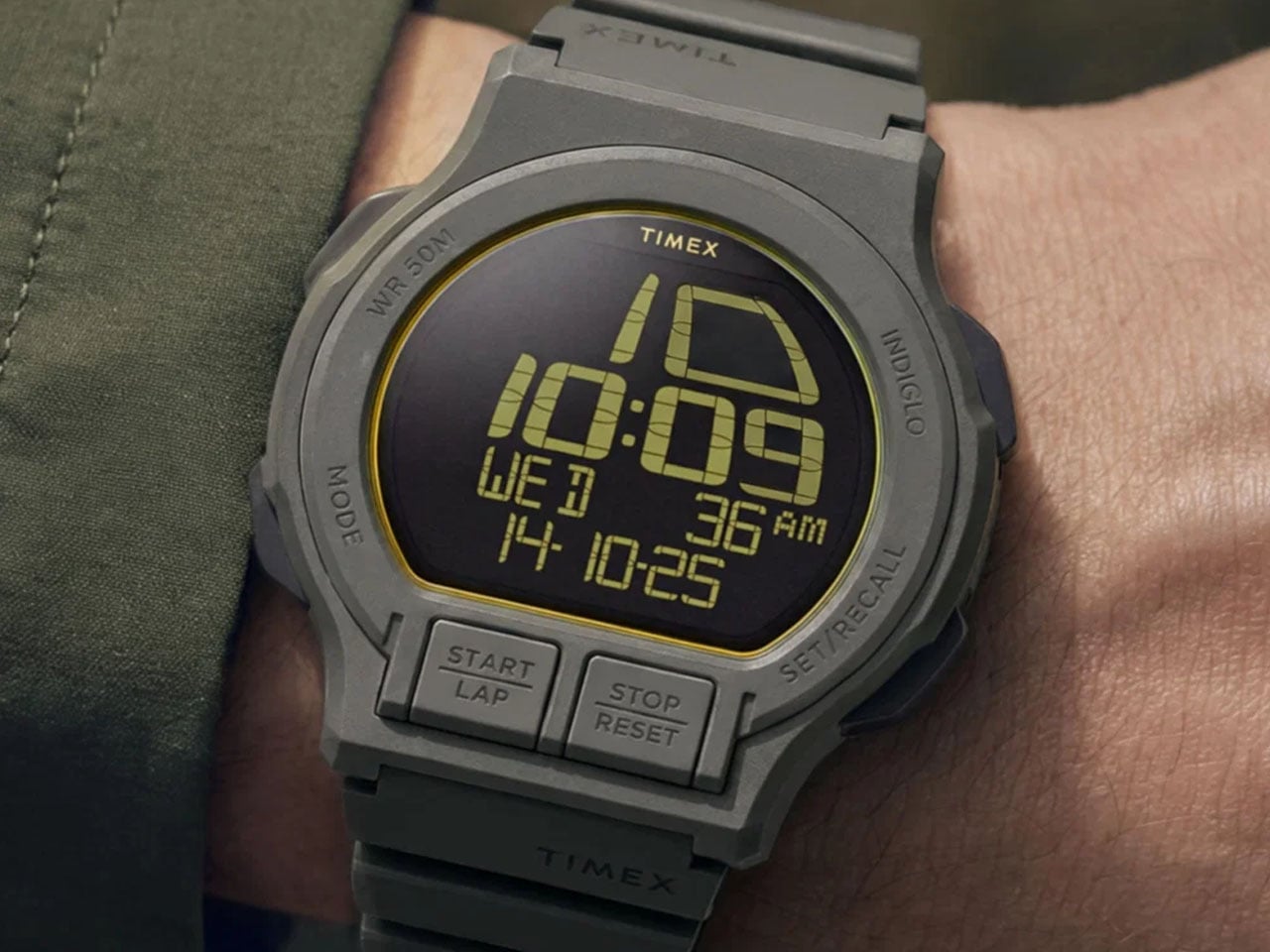
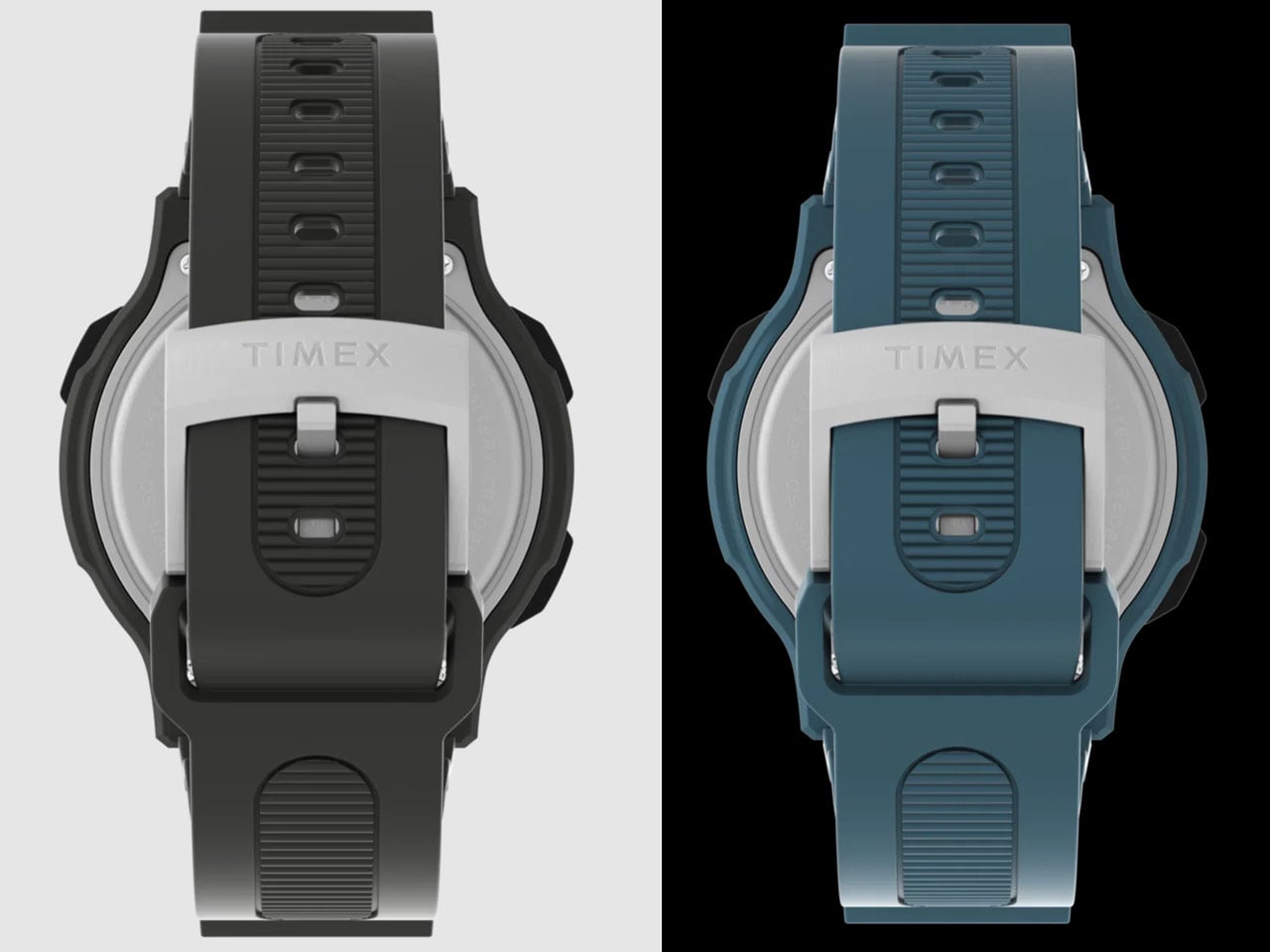
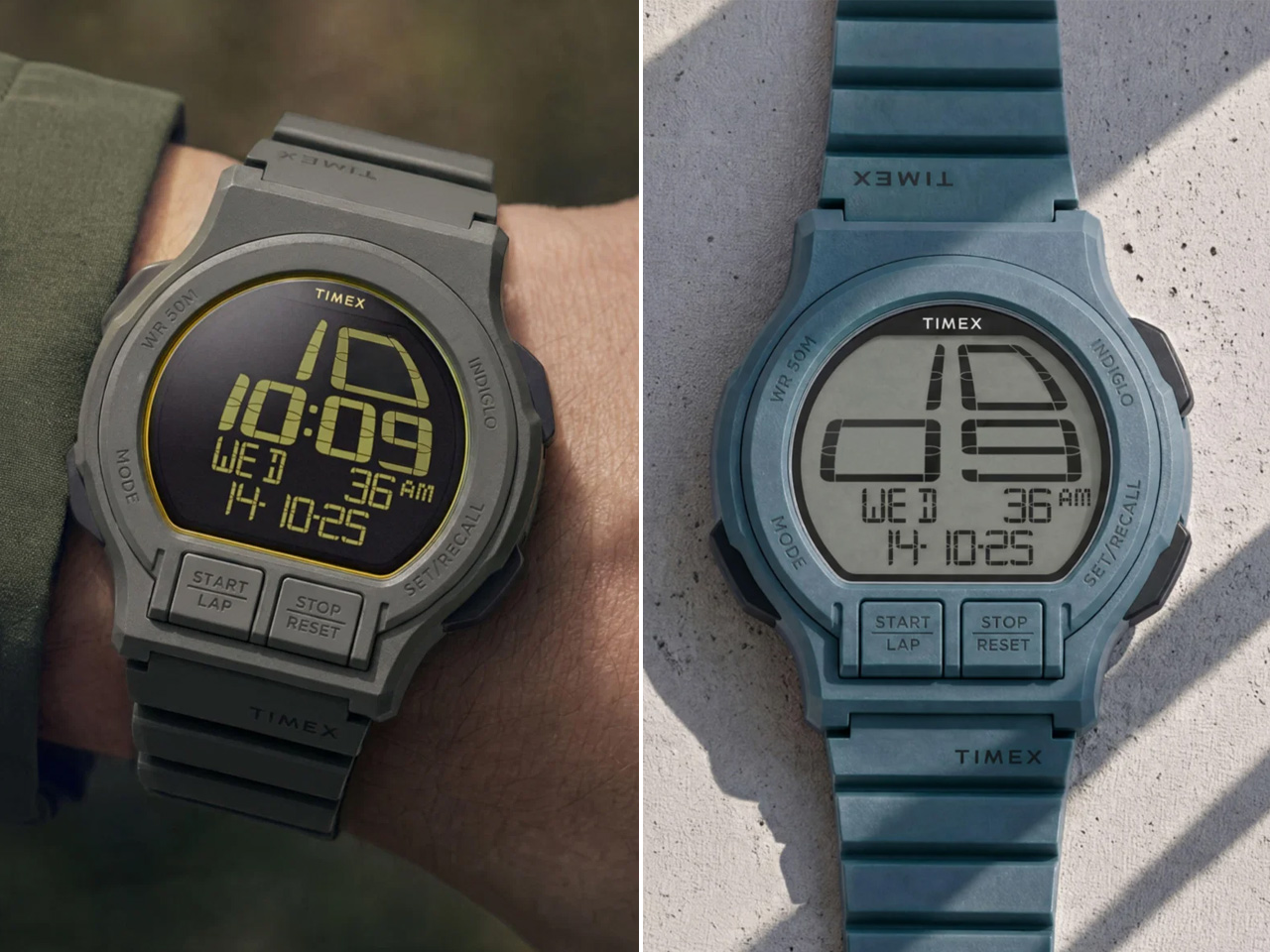
Taking nothing away from the new Timex sports watch, let me walk you through what’s changed in approach for the company and how this one, with retro looks, has a way forward to chime with Gen Z. It starts right at the bold and oversized display featuring huge, curved numerals that occupy the larger part of the dial. And this display we are talking about is not small by any means. It’s set in a 46 mm lightweight resin case. The size gives the watch a strong wrist presence, while the curved numerals remain arguably easy to read.
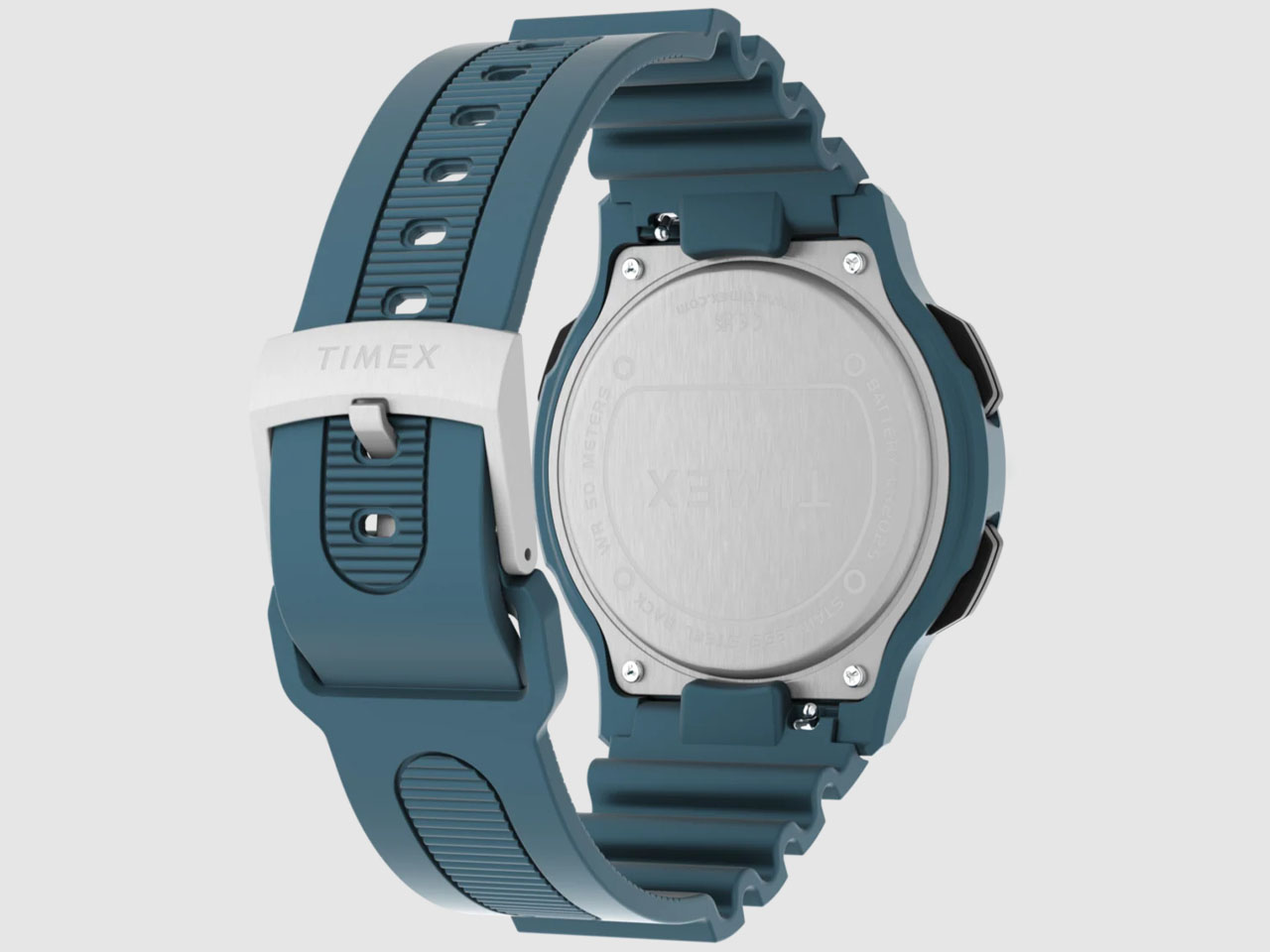
The Retroware Digital watch has a large case, but it’s not very thick, even for not-so-big wrists. It measures only 11 mm high and the 46 mm case ensures the distance from lug-to-lug is a large 50 mm. So, you definitely have a great Timex you’re dealing with. That said, it’s packed with features you’d appreciate whether you’re an ‘80s kid or a young athlete setting pace on a 400-meter track.
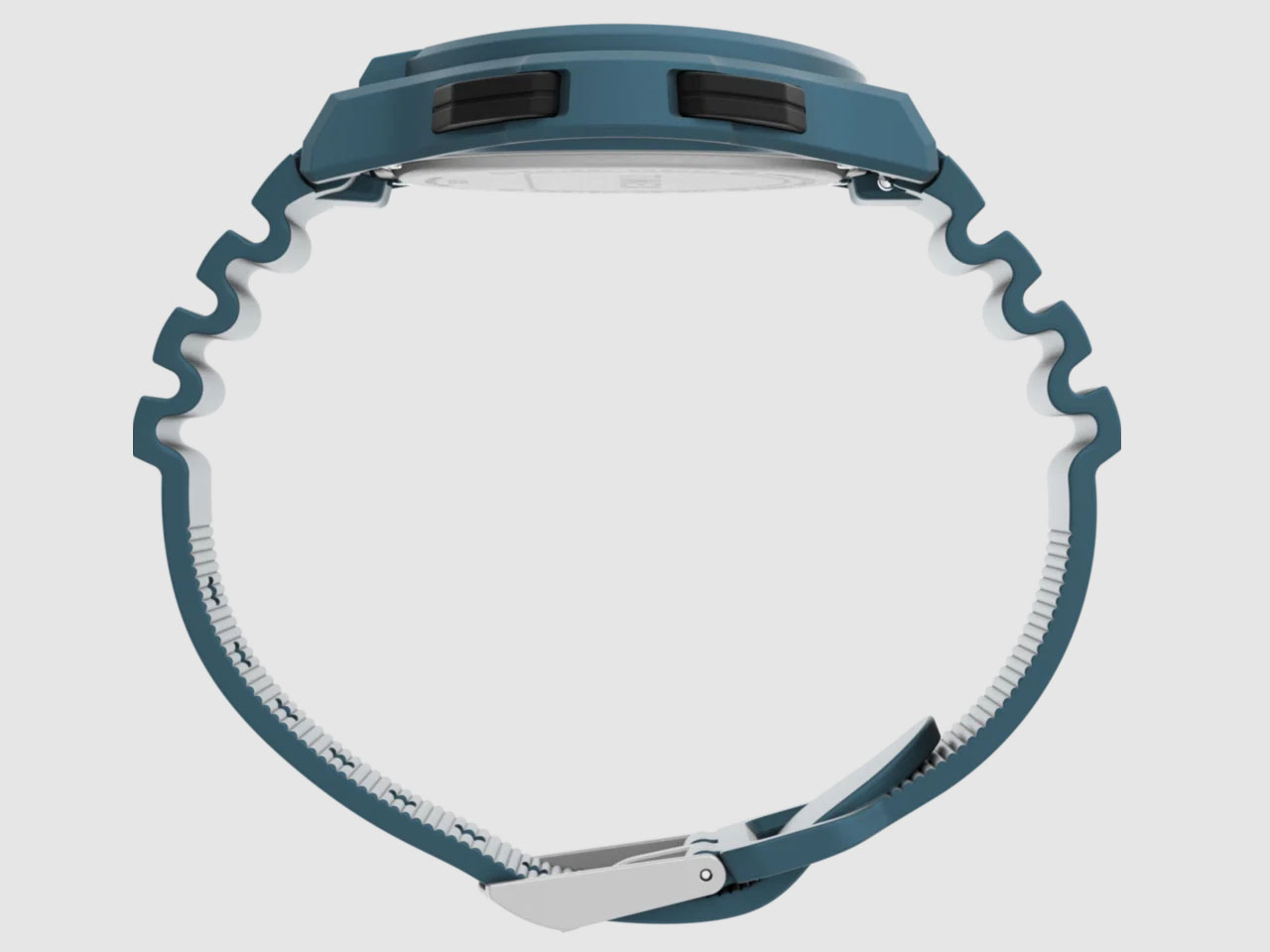
The watch is equipped with a chronograph and has a timer to make sure you’re never late for practice. The retro charm on the dial is rekindled by the Indiglo backlight. For the unaware, INDIGLO (how it’s stylized) was developed by Timex in 1992 for the, yes, Ironman Triathlon. It is an electroluminescent blue-green night light onboard that allows a wearer to tell the time in low light conditions with the push of a button.
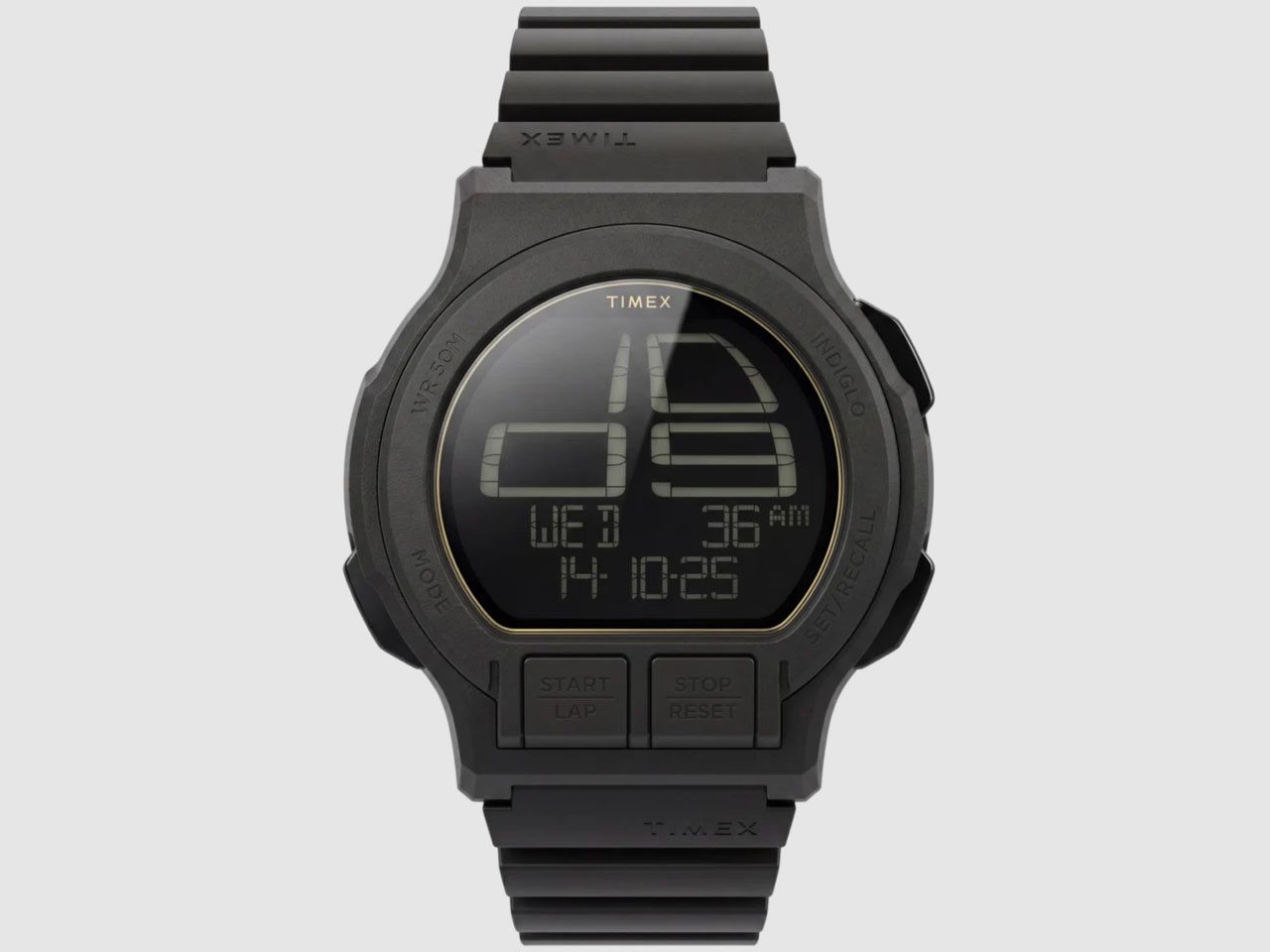
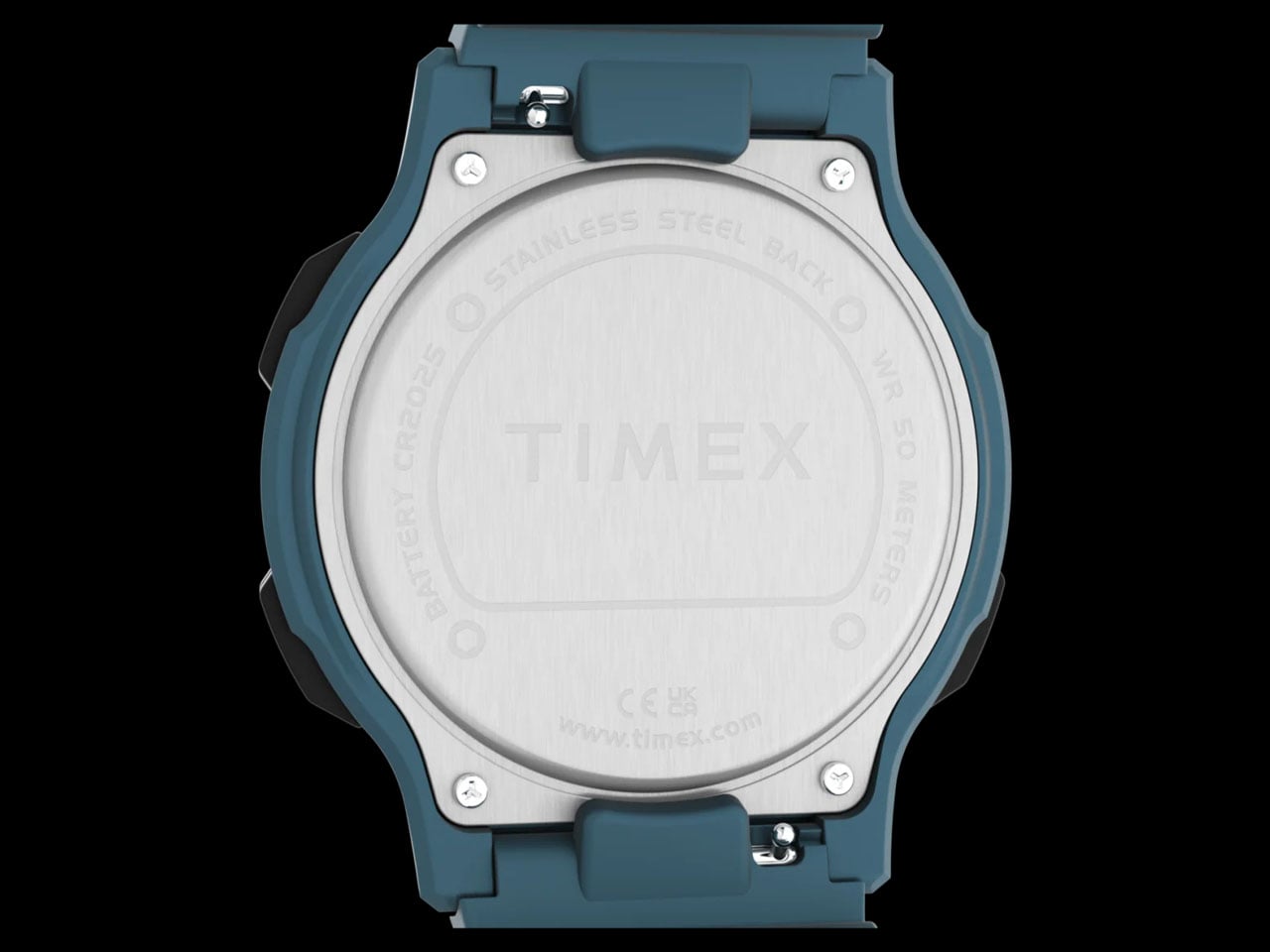
The large display of the Timex Retroware perpetually ticks with the power of a quartz digital movement inside, which is driven by a CR2025 battery under the hood. The watch is 50-meter water-resistant, so you can definitely take it for a light swim in the pool or to shower later. Don’t go deep diving with it or try and set the stopwatch underwater. If you’re interested, Timex offers the Retroware Digital watch in two colors, blue and green-gray, with matching resin straps for $149.
The post The new Timex Retroware Digital Watch Just Rekindled My Childhood Memory first appeared on Yanko Design.
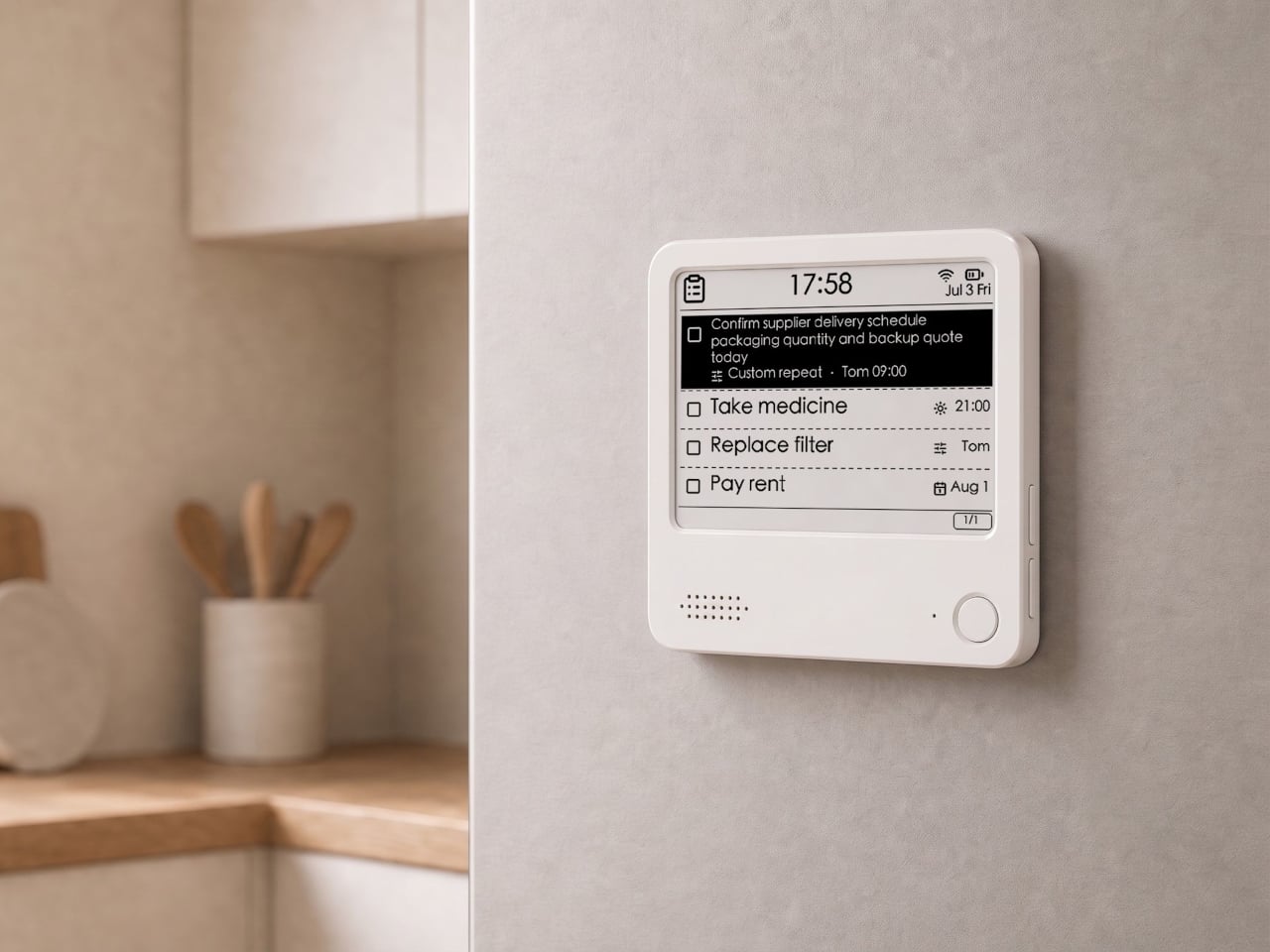
Smartphones have made information permanently accessible, but that accessibility comes at a price. The same device that shows you a reminder also delivers a notification for something unrelated, which leads to one more app opened, one more five-minute detour, and one more afternoon where the task you meant to remember sits unfinished somewhere in a mental stack. The problem isn’t access to information. It’s the medium through which it arrives.
The ZecTrix Note 4 approaches that with a different premise: what if the display that shows your tasks doesn’t connect to your attention the same way a phone screen does? It’s a 4.2-inch e-paper smart display, about the size of a palm, that attaches magnetically to a metal surface and stays there showing whatever you most need to remember, using almost no power to do it.
Designer: ZecTrix
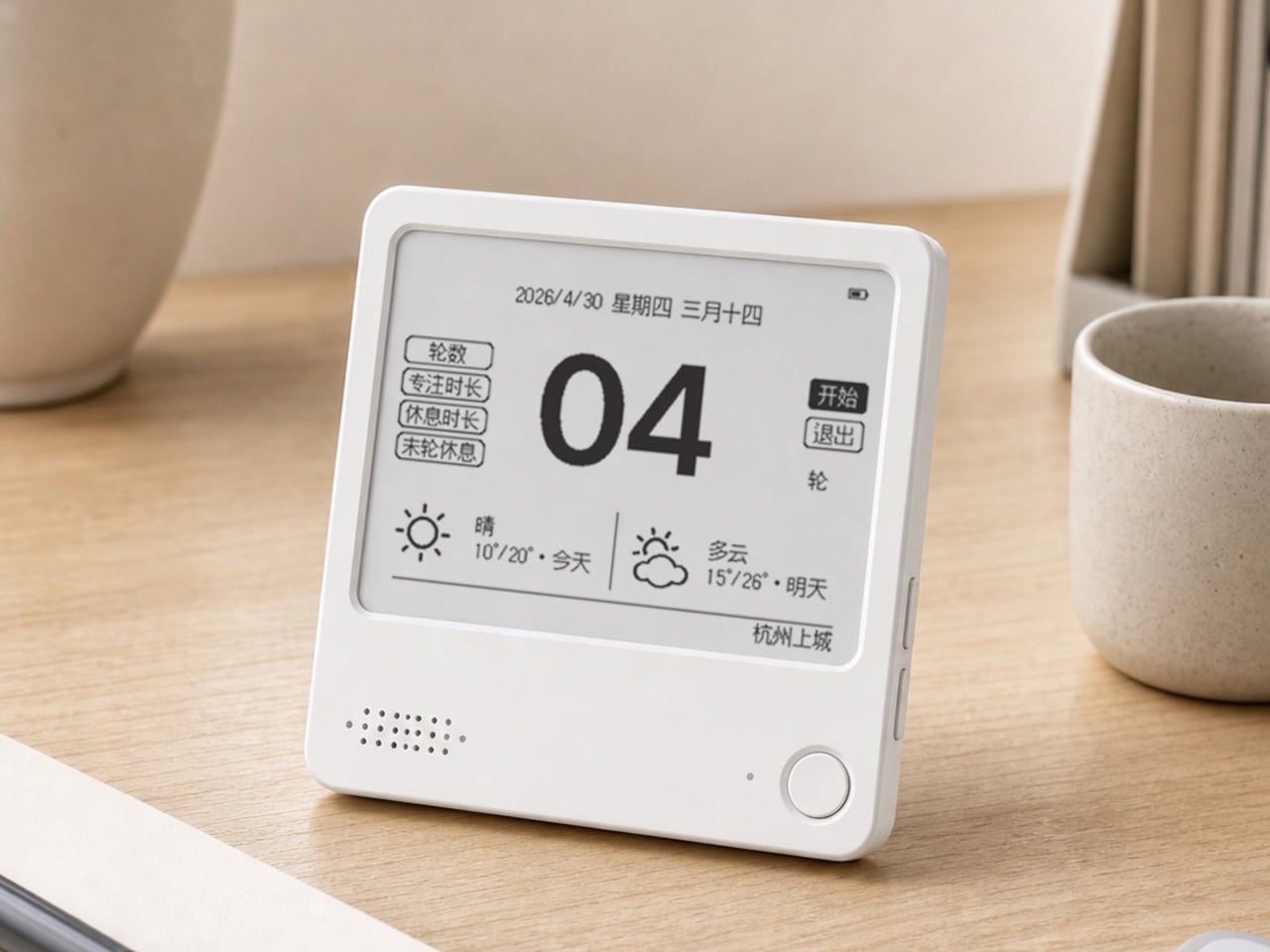
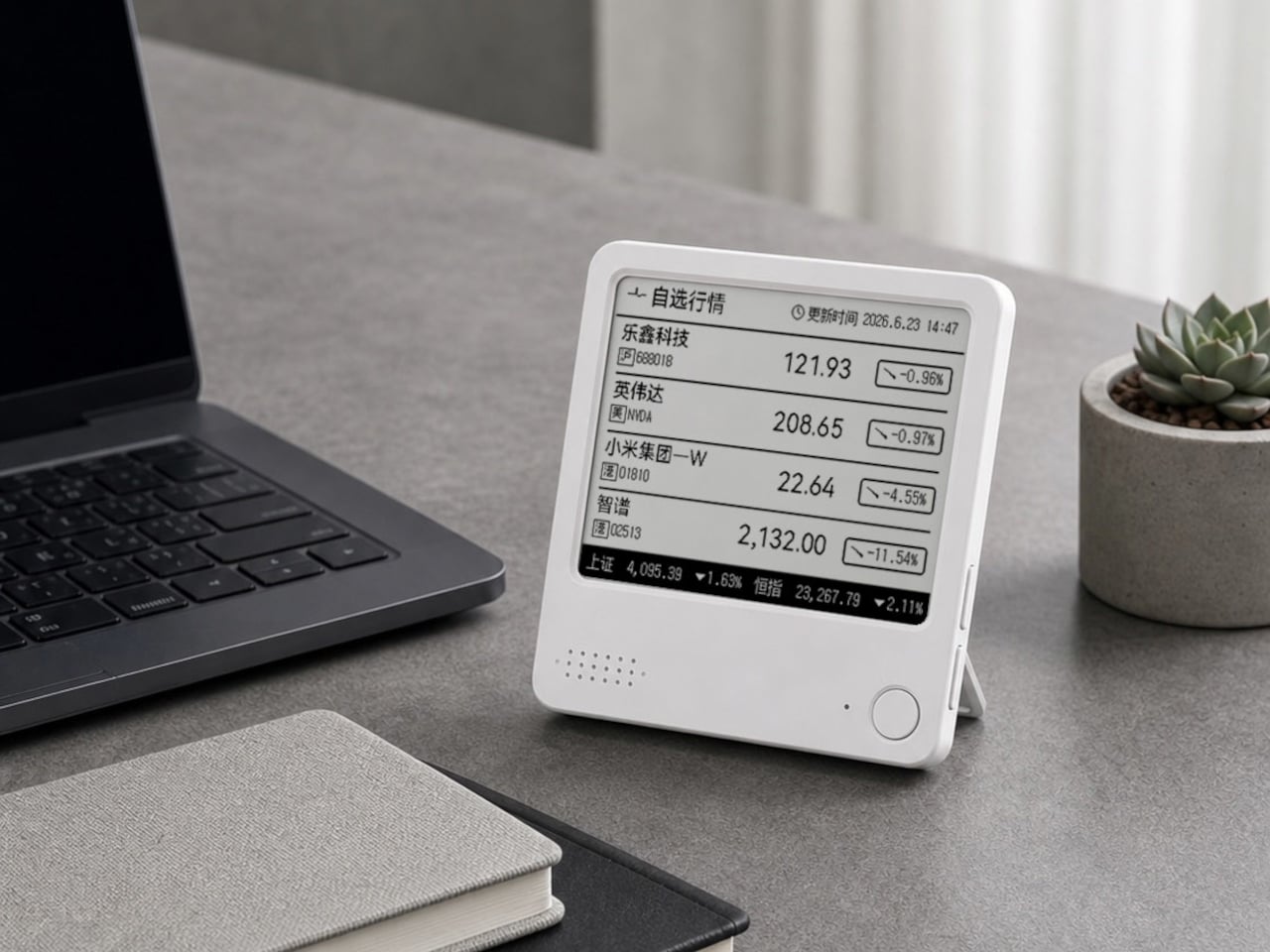
The interaction model is deliberately minimal. Press the physical button, speak your task or reminder, and the device converts that into text and adds it to the display. The built-in AI voice assistant handles the transcription and task management, and the e-paper screen holds whatever it’s showing without any power draw between updates. The display also handles weather, clocks, focus timers, handwritten notes, images, and custom templates.
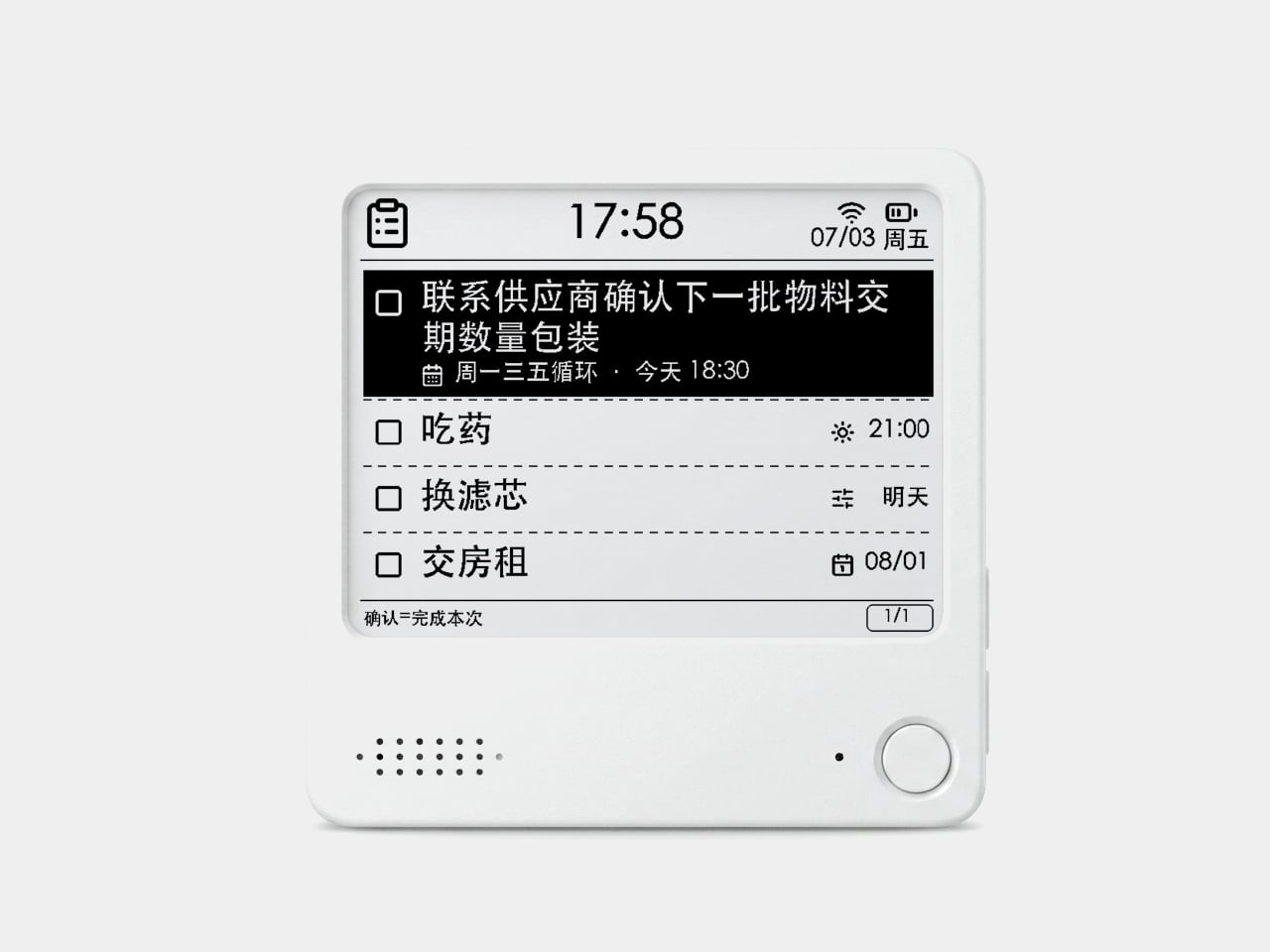
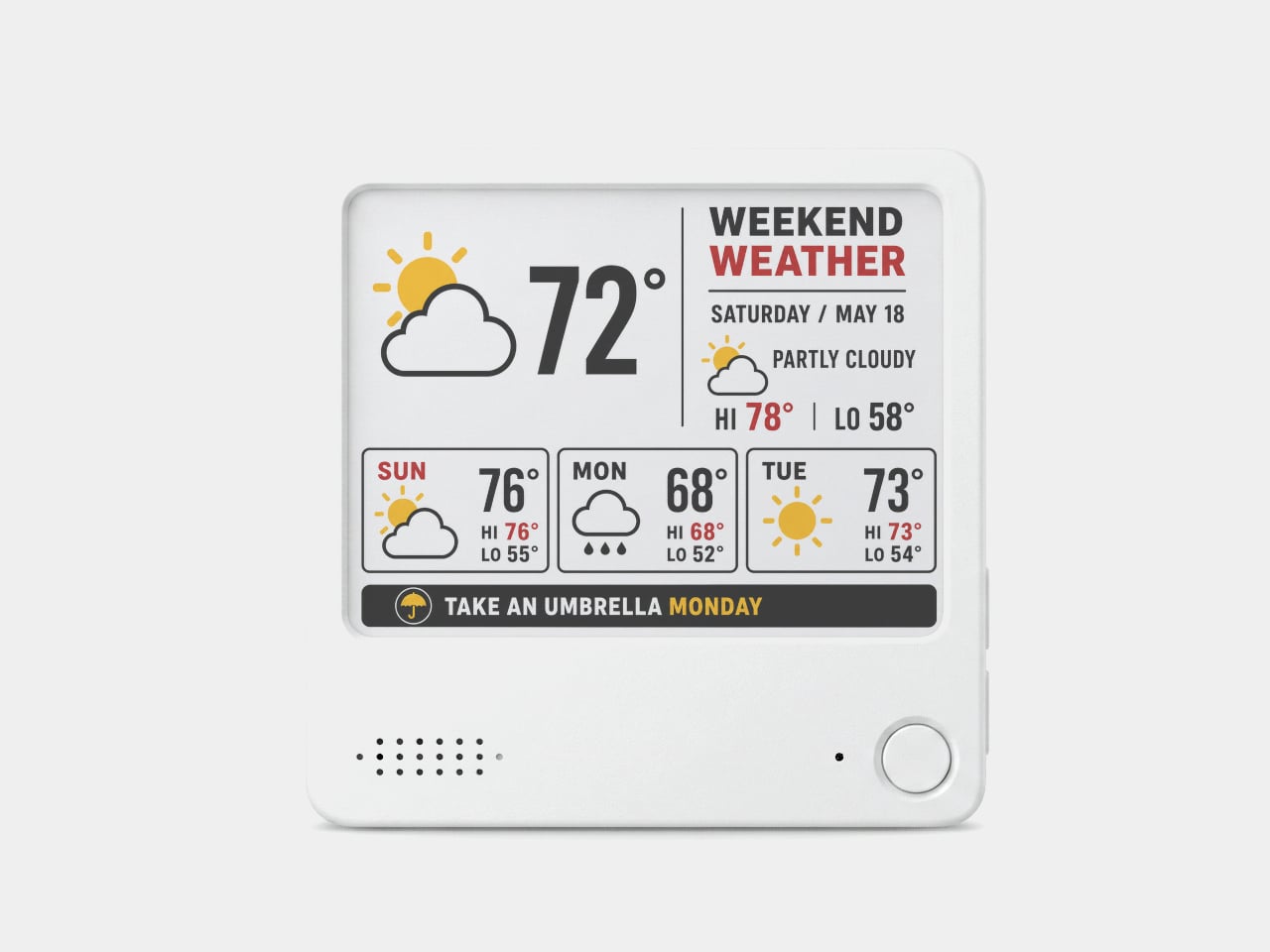
Hardware underneath is solid for something this compact. An ESP32-S3 dual-core processor with 8 MB of PSRAM and 16 MB of flash handles the AI processing and connectivity, backed by a 2,000 mAh battery, 2.4 GHz Wi-Fi, Bluetooth 5.0, NFC, a speaker, a microphone, and a USB Type-C port for charging. GPIO expansion is also available, which opens the platform to custom hardware additions.
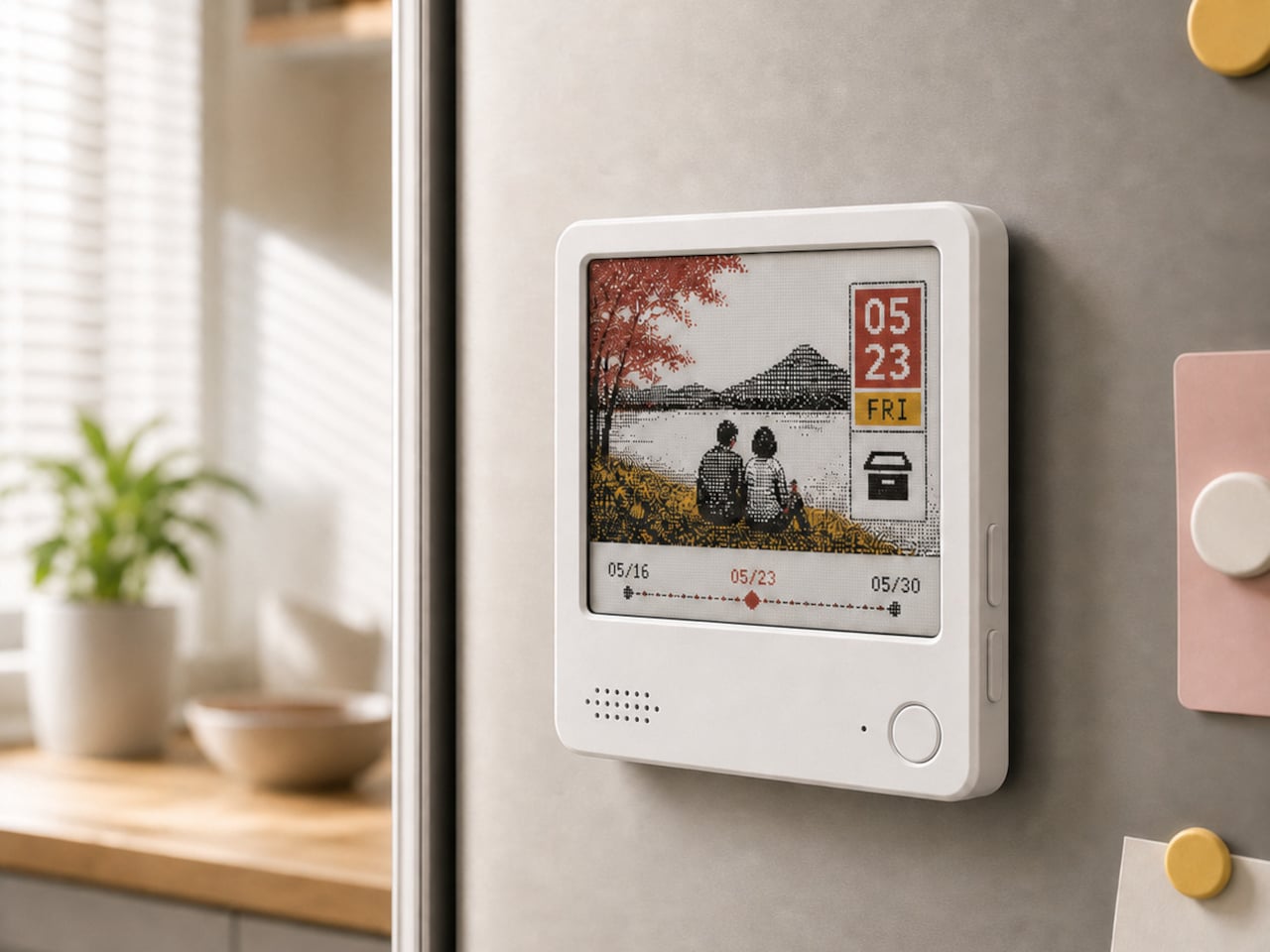
The 97mm x 97mm x 8.75mm square chassis comes in three enclosure variants: an injection-molded Minimal Premium Edition designed for clean desk or kitchen wall placement, a standard Everyday Edition for DIY-minded users, and a Color Edition with open-source 3D model files for those who want to print their own. The magnetic backplate sticks firmly to any suitable metal surface without adhesive or mounting hardware.
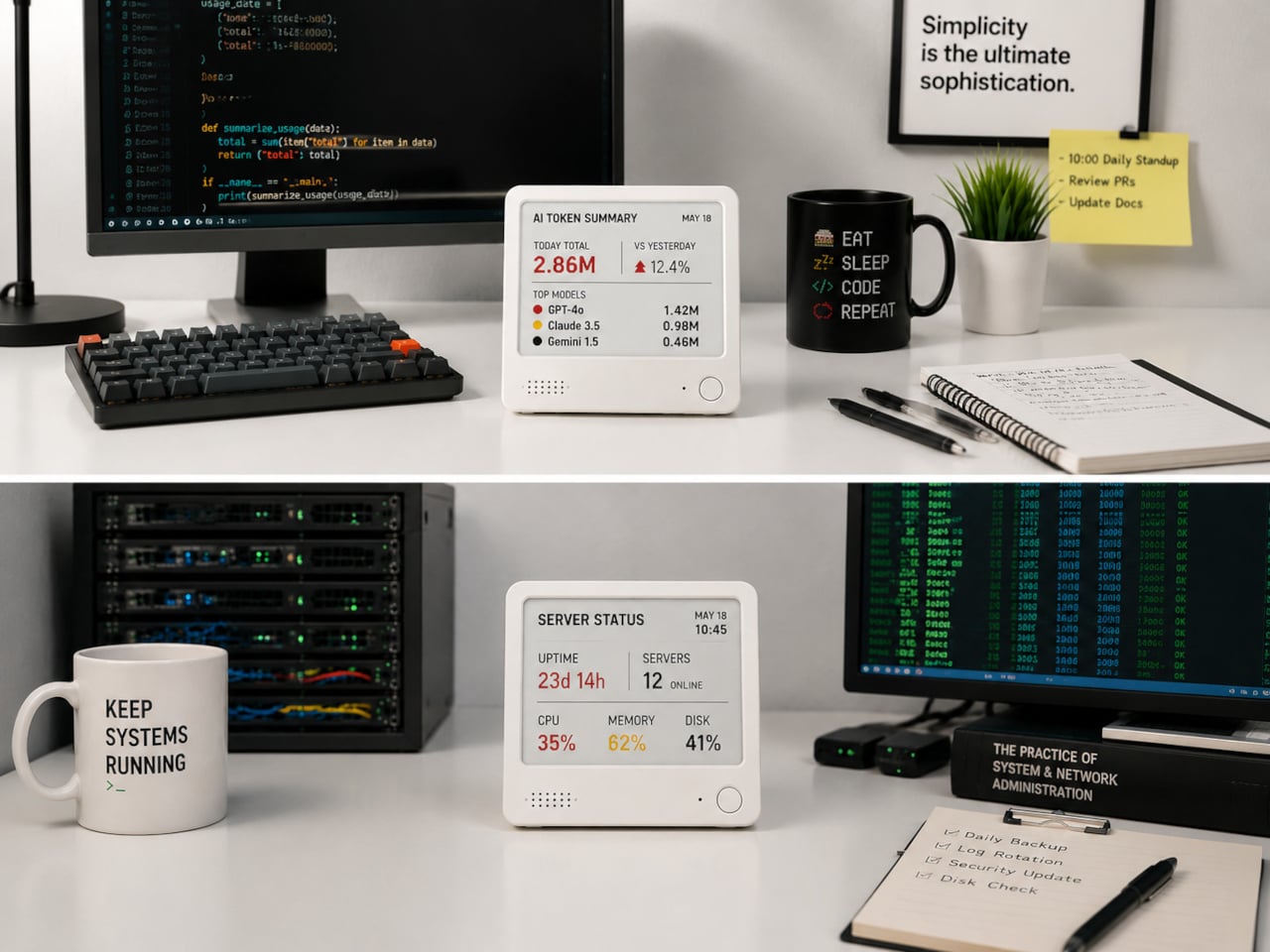
For users who want more than a black-and-white display, there’s the Note 4C, which replaces the monochrome panel with a four-color E Ink screen that adds red and yellow to the palette. It runs on the same hardware platform but ships without the consumer AI firmware, positioning it instead as an open development device for people with ESP32 experience. The color panel is slower to refresh, typically over ten seconds per full update, making it better suited to status labels, family photo cards, or API dashboards that update occasionally rather than continuously.
The two products are deliberately distinct rather than tiered versions of the same thing. The Note 4 is a finished product with a lifetime AI voice service included; the Note 4C is an open starting point for a custom build. Both share the same physical form, so the choice comes down to how much of the software someone wants to supply themselves.
The post Phones Turn Reminders Into Distractions, This Magnetic Display Won’t first appeared on Yanko Design.