
Google teases its new ‘Fitbit Edge’ wearable ahead of an October 12 reveal
Google has seemingly confirmed the rumored "Fitbit Edge" with social media posts teasing a new wearable coming October 12.
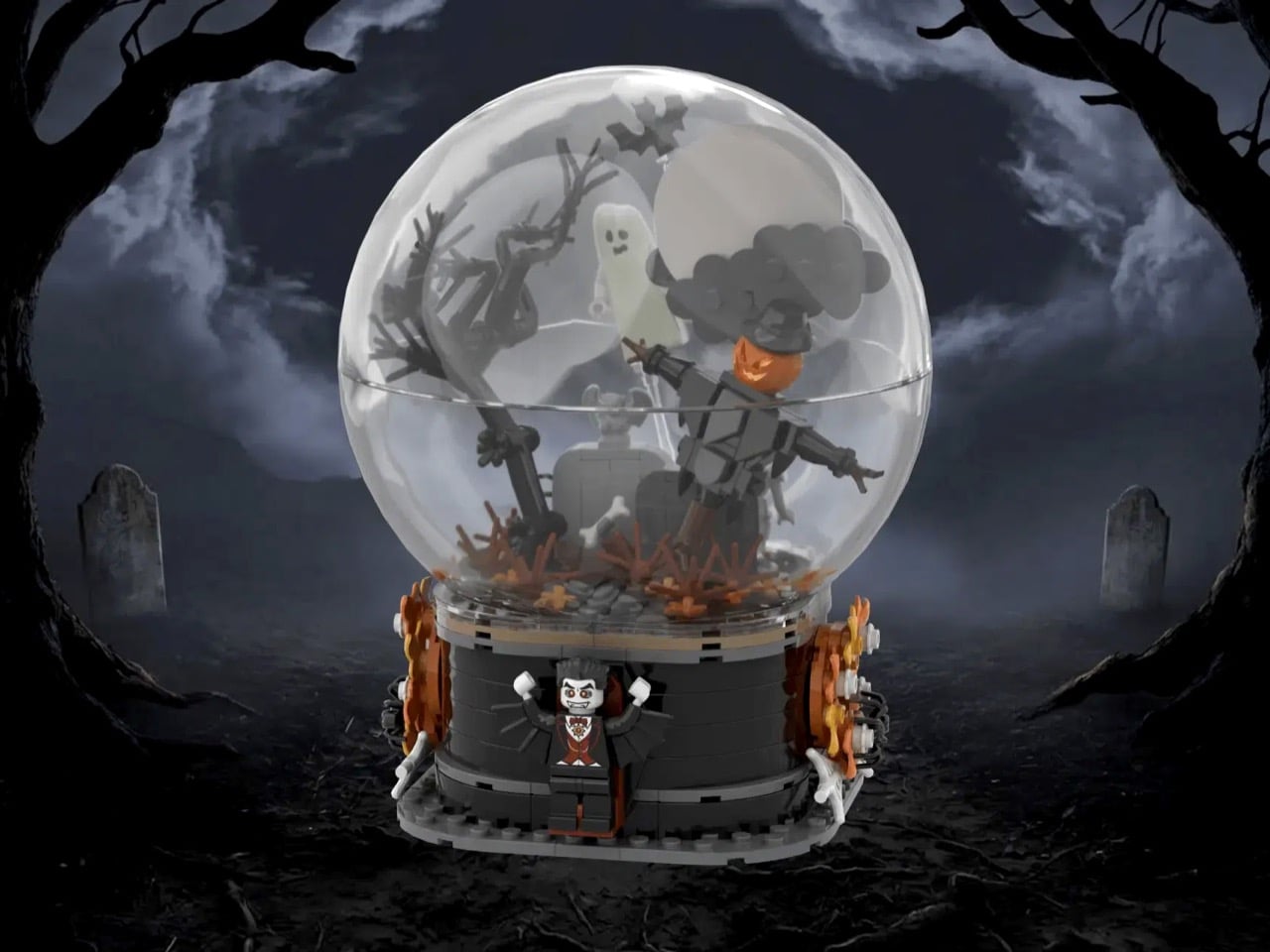
The snow globe was invented by accident in 1900, when a Viennese surgical instrument mechanic named Erwin Perzy tried to build a brighter operating room lamp and ended up with a glass ball full of drifting semolina. Medicine’s loss was the gift shop’s gain. For the 125 years since, Christmas has hogged the format, filling every globe on the shelf with Santas, snowmen, and tiny trees. Halloween never got a turn, which feels unfair to the holiday that loves a spooky little scene trapped under glass. The Brick Artist just fixed that with the Halloween Snow Globe, a LEGO Ideas build that swaps snowfall for a creaky graveyard you can spin with a crank.
Inside the dome sits a twisted dead tree, a floating ghost, a jack-o’-lantern scarecrow, gravestones topped by a gargoyle, and a full moon peeking out from storm clouds. A Vampire minifig guards the front of the black base, arms out like a bouncer at the world’s smallest haunted nightclub. Turn the lever on the back and an internal gear mechanism rotates the whole scene 360 degrees, bringing a skeleton and a spider into view from behind the tombstones. The same builder gave us a spinning Christmas Snow Globe last December, so the setup might ring a bell. It’s the same clever chassis, now dressed for the other big holiday, and frankly it looks better in black.
Designer: The Brick Artist


The crank sticks out of the back of the base as a Technic axle with a tan handle, the kind of grip you’d expect on a music box. Turn it and gears hidden inside the black drum rotate the entire scene a full 360 degrees. The builder doesn’t spell out the gear layout, so the guts stay a mystery, but the renders show a clean hand-powered setup with no motors or batteries to fuss over. That keeps the base a tidy stage instead of a machine room. A crank also beats a shake, because nothing gets rattled loose and you control the drama.
My favorite detail, though, is where the skeleton and spider are parked. Both sit around the back of the scene, hidden behind the tombstones from the front, so the crank doubles as a reveal. That one placement gives the spin a reason to exist, hands whoever is turning it a tiny jump scare, and borrows the logic of a haunted house ride where the creepy stuff waits around the corner. Plenty of rotating displays just show you the same scene from another angle, while this one hides a punchline on the far side. It also means the globe looks different from every direction, which is rare for a decoration.
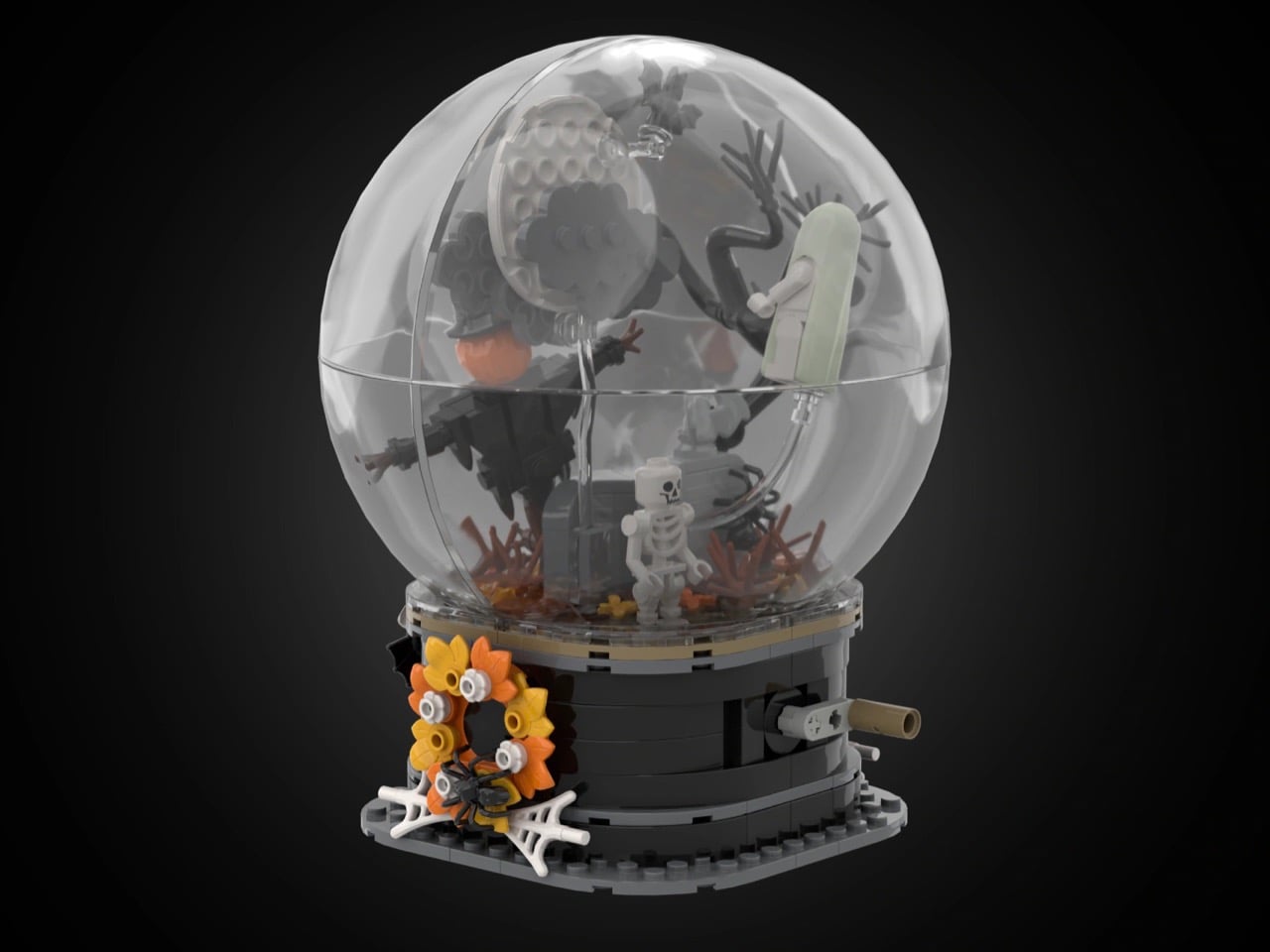

The tree is built from jointed black bars and clips, which lets its branches twist and reach in ways stacked bricks never could. The ghost hovers on a transparent stem above the gargoyle, so it floats like it’s up to no good. The scarecrow’s pumpkin head wears a top hat, and its coat is layered dark slopes that fake ragged, wind-tattered cloth. Behind it, a flat round moon is half covered by gray cloud plates, a cheap trick that sells an entire night sky. Check the render from behind and you’ll spot the moon’s bare studs, proof that it’s a stage prop built for the front row.
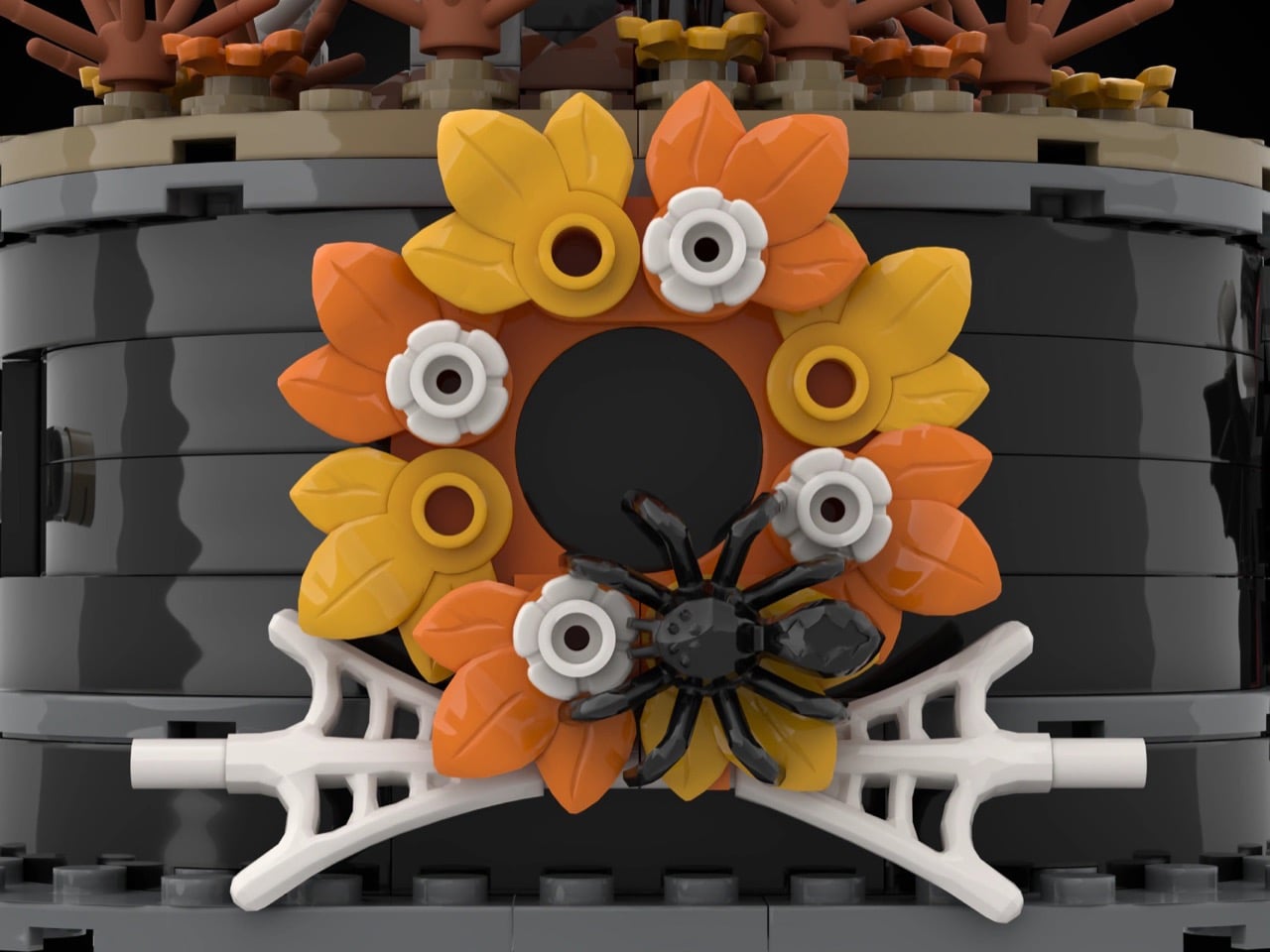
Autumn leaves do the job snow normally would. The ground is a patchwork of tan and gray round tiles, spiky reddish brown plants for dead brush, and orange and yellow leaf elements scattered between them. Those warm colors pop hard against an otherwise black and gray scene, like a Tim Burton still with one splash of orange. The base repeats the trick with wreaths of leaves and white flowers, plus a black spider and little web elements at the corners. The palette does the lighting work, since a mostly gray dome needs somewhere for your eye to land.

LEGO already blessed this exact idea in 2024. When Simon Scott’s fan design became the 2,193 piece Nightmare Before Christmas set at $199.99, LEGO Ideas ran a contest asking builders to turn a Christmas classic into a Halloween version. The Brick Artist’s globe is that same swap with no prize pot attached. The Vampire up front looks a lot like the 2010 Collectible Minifigures Series 2 Vampire, a figure whose look later inspired Lord Vampyre in the 2012 Monster Fighters theme. Dracula standing guard at the front door is a very on-brand way to greet trick-or-treaters.
The Halloween Snow Globe was submitted on October 8, 2026, and as of October 9 it sat at 420 supporters (hehe) with 424 days left to reach the 1K milestone. LEGO Ideas runs on community votes: fans submit builds, supporters pile up, and LEGO decides which ones graduate into real boxes. Head to the LEGO Ideas page and give it your vote, because every supporter pushes it toward the next milestone.
The post Halloween finally gets its own snow globe, and it’s made of LEGO first appeared on Yanko Design.

Apple’s MagSafe, which returned on the iPhone 12 in 2020, turned the back of the phone into prime real estate. Wallets stuck on first, then grips, battery packs, and tripods (we rounded up the early MagSafe accessory wave in 2021), with Qi2 later pulling Android into the same magnetic party. The next resident, apparently, is a tiny air conditioner. Gaming phones and cooling fans have been dating for years, but those clip-ons were bulky and held on by spring clamps. A magnet-mounted cooler that sits flat like a card wallet is a more civilized take, and OnePlus is about to launch one.
The OnePlus Ice Card Mini follows the 68-gram Magnetic Ice Cooling Clip, which launched in March at 179 yuan (about $26) in China. The new one weighs about 1.8 ounces (50 grams) and measures 2.8 by 2.1 inches (70mm by 53.4mm), a footprint roughly 30% smaller, at 0.38 inches (9.7mm) thick. A thermoelectric cooling chip and an air-cooling system do the work, powered straight from the phone’s USB-C port. It debuts alongside the OnePlus 16 on October 12 at 7pm local time, and Oppo’s China store already lists it. Pricing and US availability have not been announced.
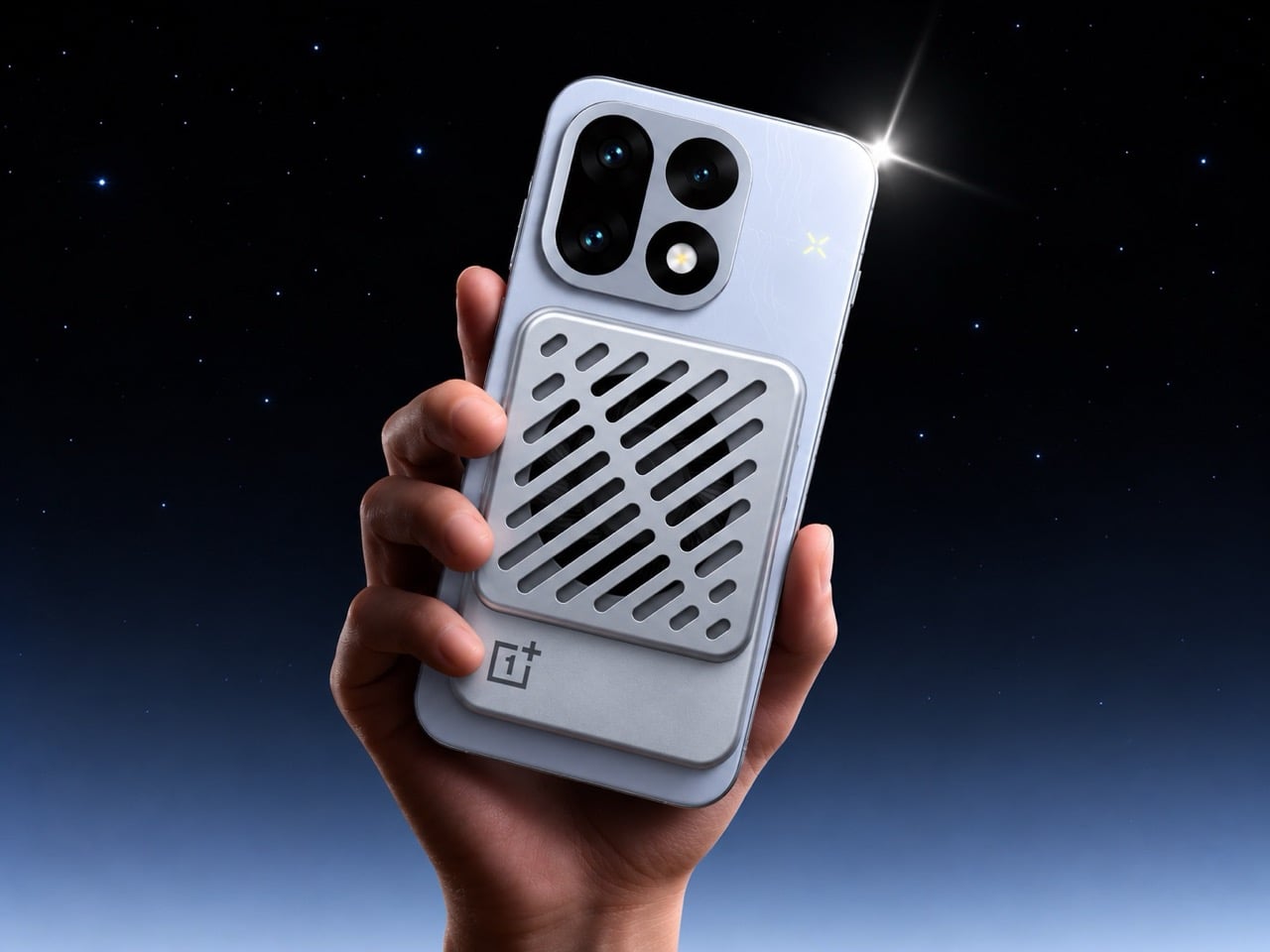
Thermoelectric (Peltier) coolers shuttle heat from one face of a small ceramic sandwich to the other whenever current runs through them. That leaves the hot side as the problem, so the Mini pairs its TEC chip with an air-cooling system that puts cold air where the phone runs hottest. The body mixes polycarbonate and aluminum alloy, measures 0.38 inches (9.7mm) thick, and bulges to 0.48 inches (12.3mm) around the air intake. Two settings sit at about 25dB and 35dB, closer to a whisper than a hair dryer. About 10 newtons of magnetic force holds it on.
We covered the Ice Speed Freezemat, a concept MagSafe charger that borrowed its cooling trick from the way the body sweats. The SHARGE Icemag then brought active cooling to the MagSafe power bank, and LISEN’s stand later tucked a fan into a desk object. The Mini strips the idea down to one job in a card-shaped body that draws at most 3.5W (5V at 0.7A) over USB-C. OnePlus’s earlier 27W and 40W coolers for China were far hungrier. That puts the Mini in the pocket-and-forget camp instead of the gaming-rig one, and I like that call.
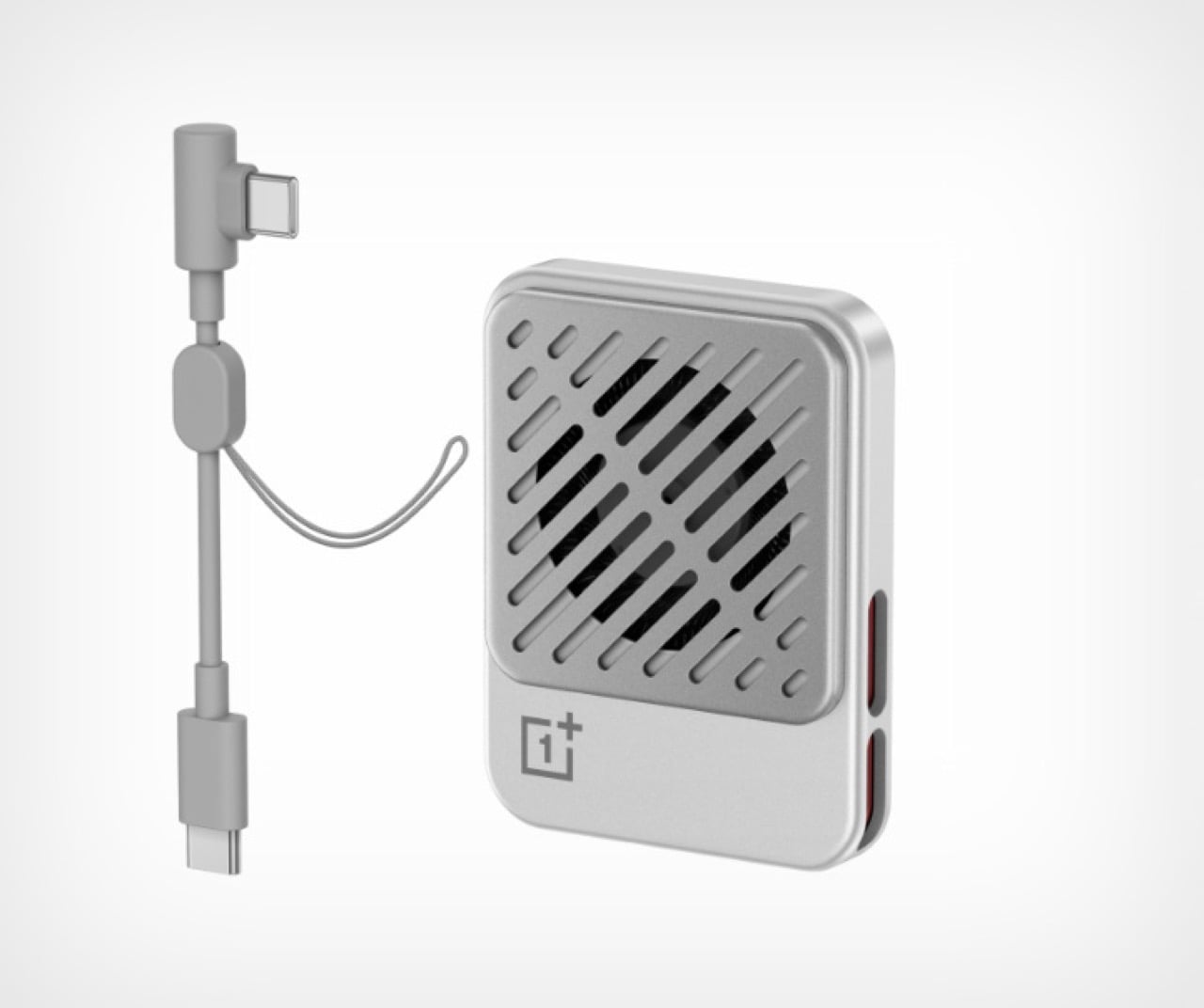
OnePlus’s 27W Ice Point clip from 2025 leaned on dual-color lighting for a gamer look. The Mini arrives in a single Silver Wing gray, with one status light that glows blue or green for the active mode and flashes red to flag a fault. That reads like a tool rather than a trophy, which suits a card-sized accessory you might actually leave in a bag. Nobody needs RGB on something that lives in a jacket pocket. The result is closer to a router’s blinking LED than a gaming rig’s light show.
A magnetic plate in the box extends the trick to Android phones and iPhones without built-in magnets. OnePlus and OPPO phones also get a pairing with the ColorOS X high-performance mode, so the home team gets a software handshake. Power can come from the phone, a power bank, or a wall adapter, so there is no proprietary port to hunt for. That plain USB-C approach suits a household of mixed phones. The pairing is the part I most want to see in action, since a cooler that talks to the phone beats a fan on a magnet.
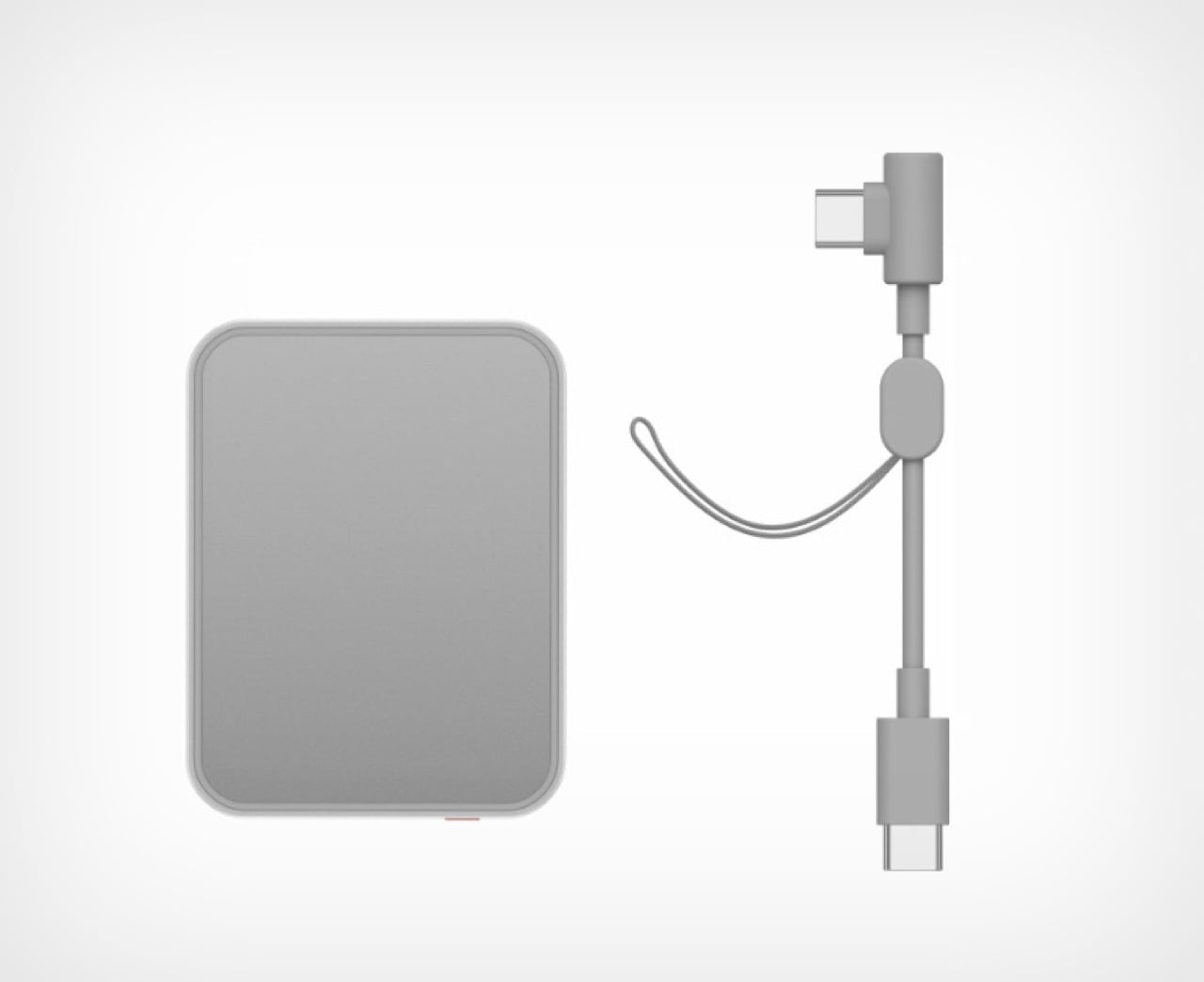
OnePlus says a 10,000mAh power bank can keep the Mini running for up to eight hours on high, which covers a long flight or a very committed gaming marathon. That detail turns the cooler into a field accessory, one that lives in a bag next to the power bank most of us already own. The math is believable, since 3.5W for eight hours is about 28Wh, and a 10,000mAh bank holds roughly 37Wh at nominal voltage. Add conversion losses and the claim lands right where physics says it should. Not bad for a gadget weighing 1.8 ounces.
Phones keep getting thinner and more powerful, and the thermal answer keeps shifting to a second object clinging to the back. OnePlus alone has announced at least four coolers in about eighteen months, from the 27W Ice Point to this 50-gram Mini. That cadence says the company sees cooling as a real accessory category rather than a gimmick. I would not be surprised if other brands copy the card-sized format. Cooling accessories could become the next thing everyone shrugs at until their navigation app turns the phone into a hand warmer.
The post OnePlus wants to stick a tiny air conditioner on the back of its gaming phone first appeared on Yanko Design.

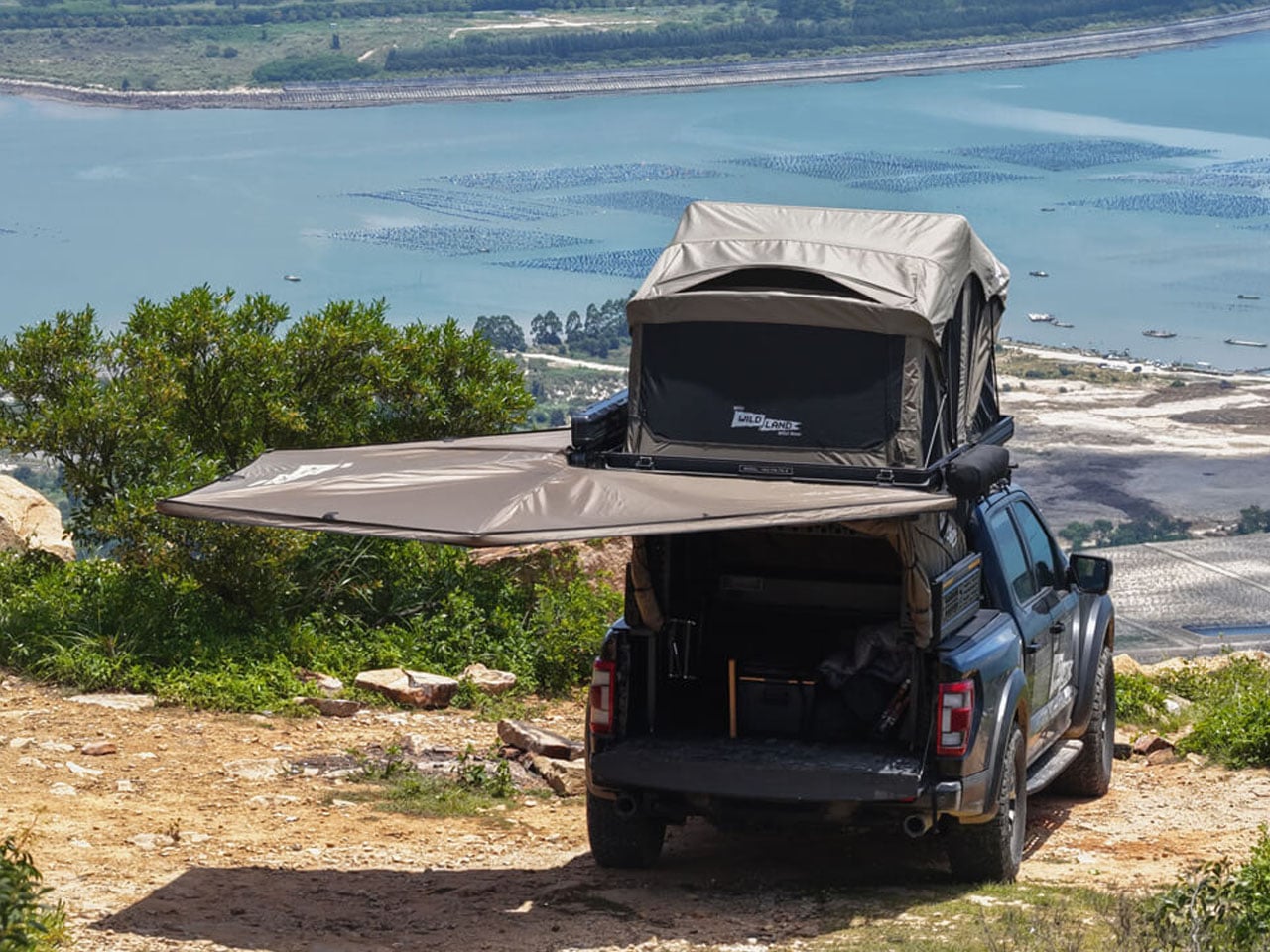
If you’re like me, constantly looking for a new way to carry, camp, and explore with the pickup, chances are you’ve heard about Wild Land. Yes, the same manufacturer that brought the lightest, most spacious rooftop tent for an off-roader to Kickstarter. Now the manufacturer is playing it different, not just releasing a truck cap, but a versatile alternative that opens up a multi-story living space on the truck bed, which installs using a remote control or onboard control.
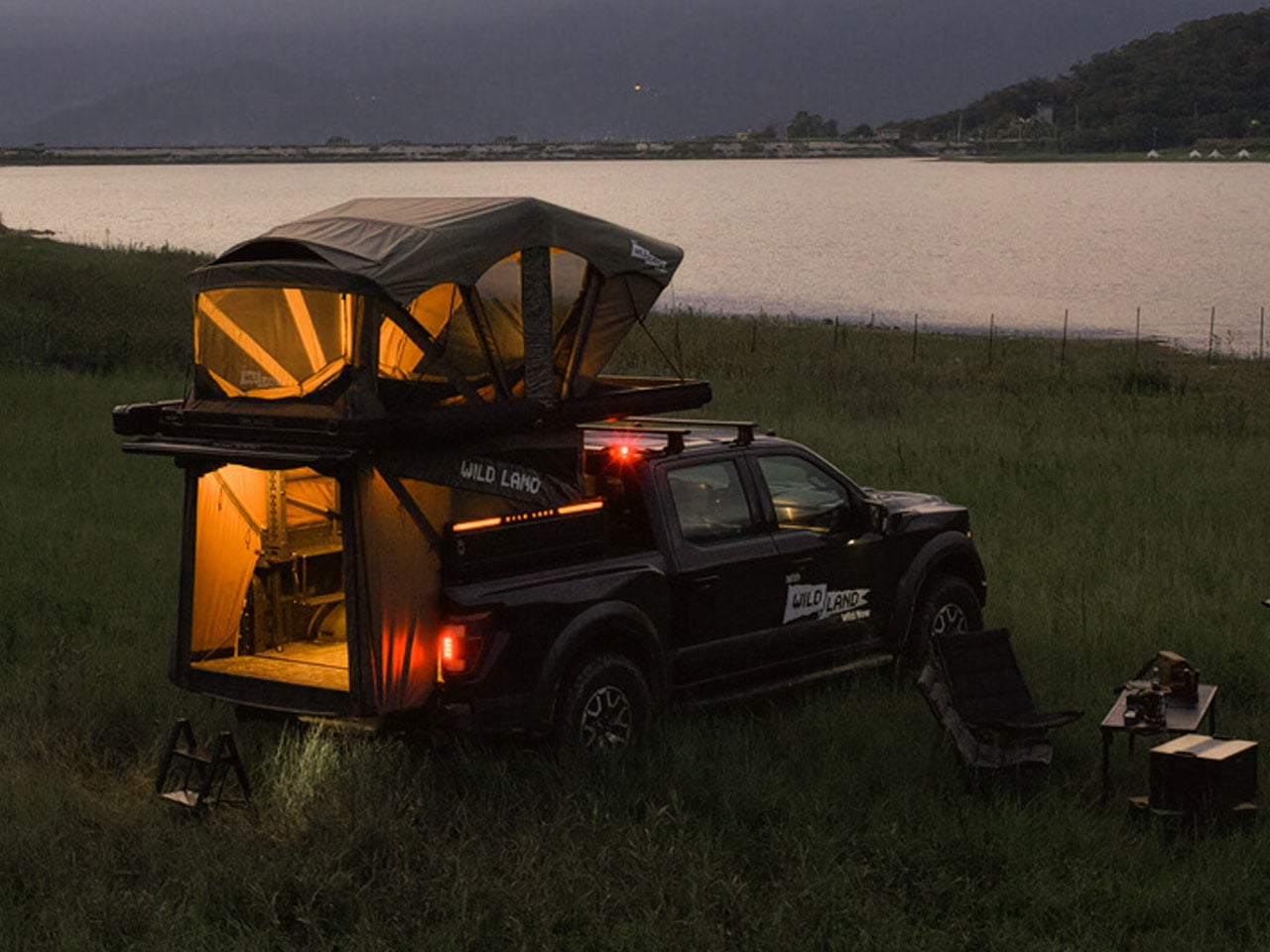
The Wild Land PickupMate Trunk, as the new camping solution from Wild Land is called, is designed for pickup owners who want more versatility without complicated modification. The Trunk thus turns the truck bed into a customizable space, ensuring that the original flexibility, usability, and off-road clearance remain unhindered.
Designer: Wild Land


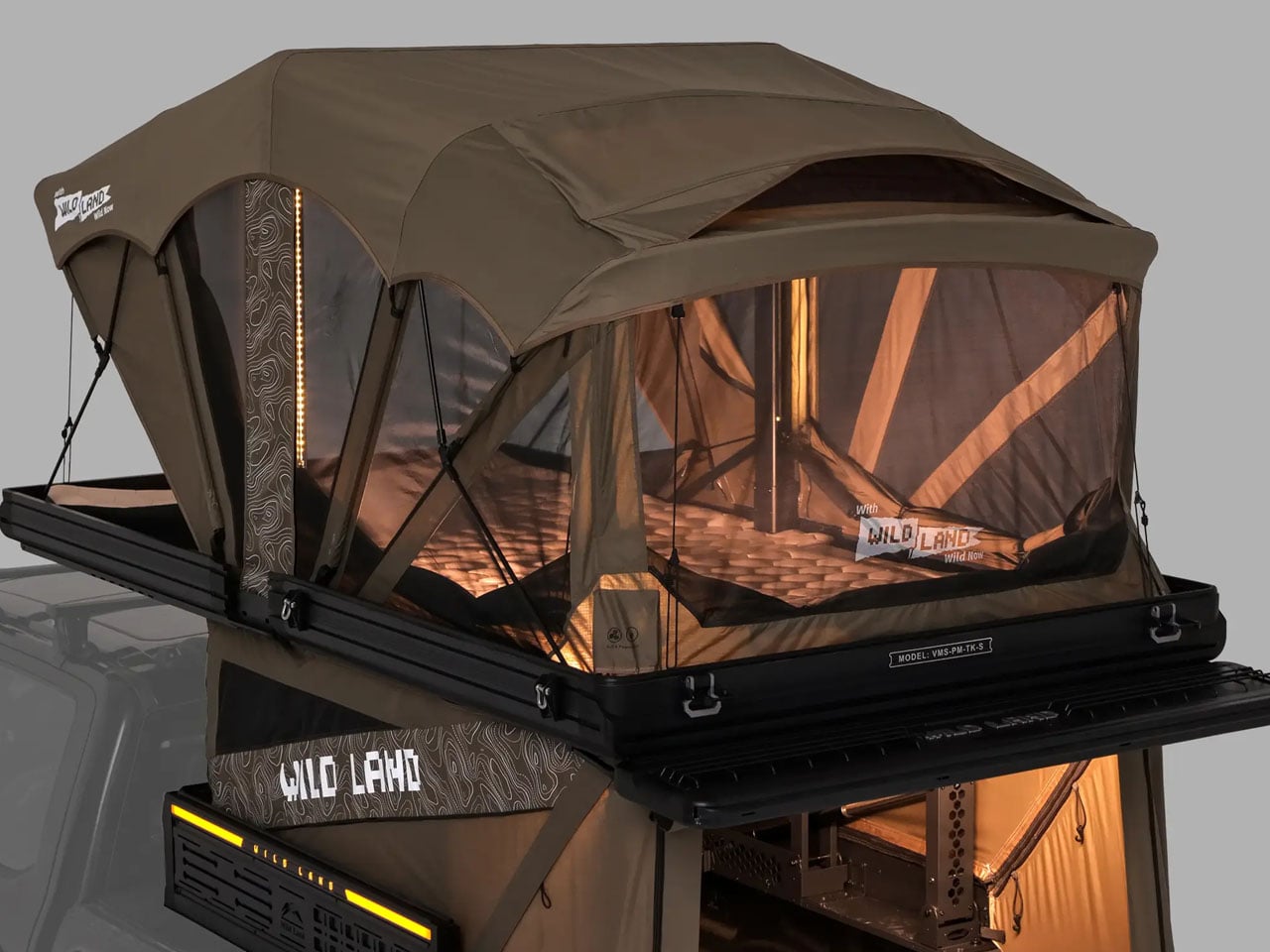
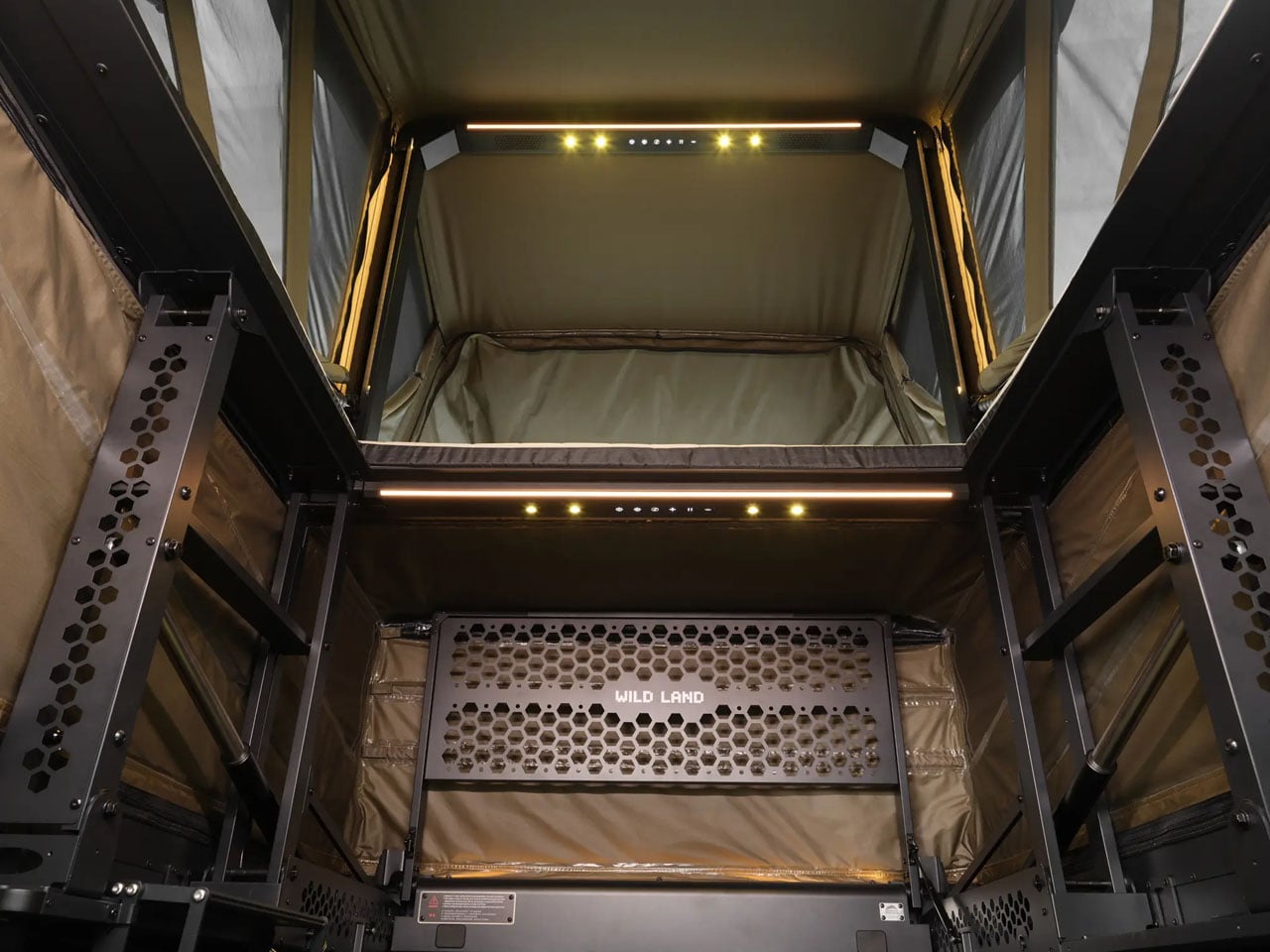
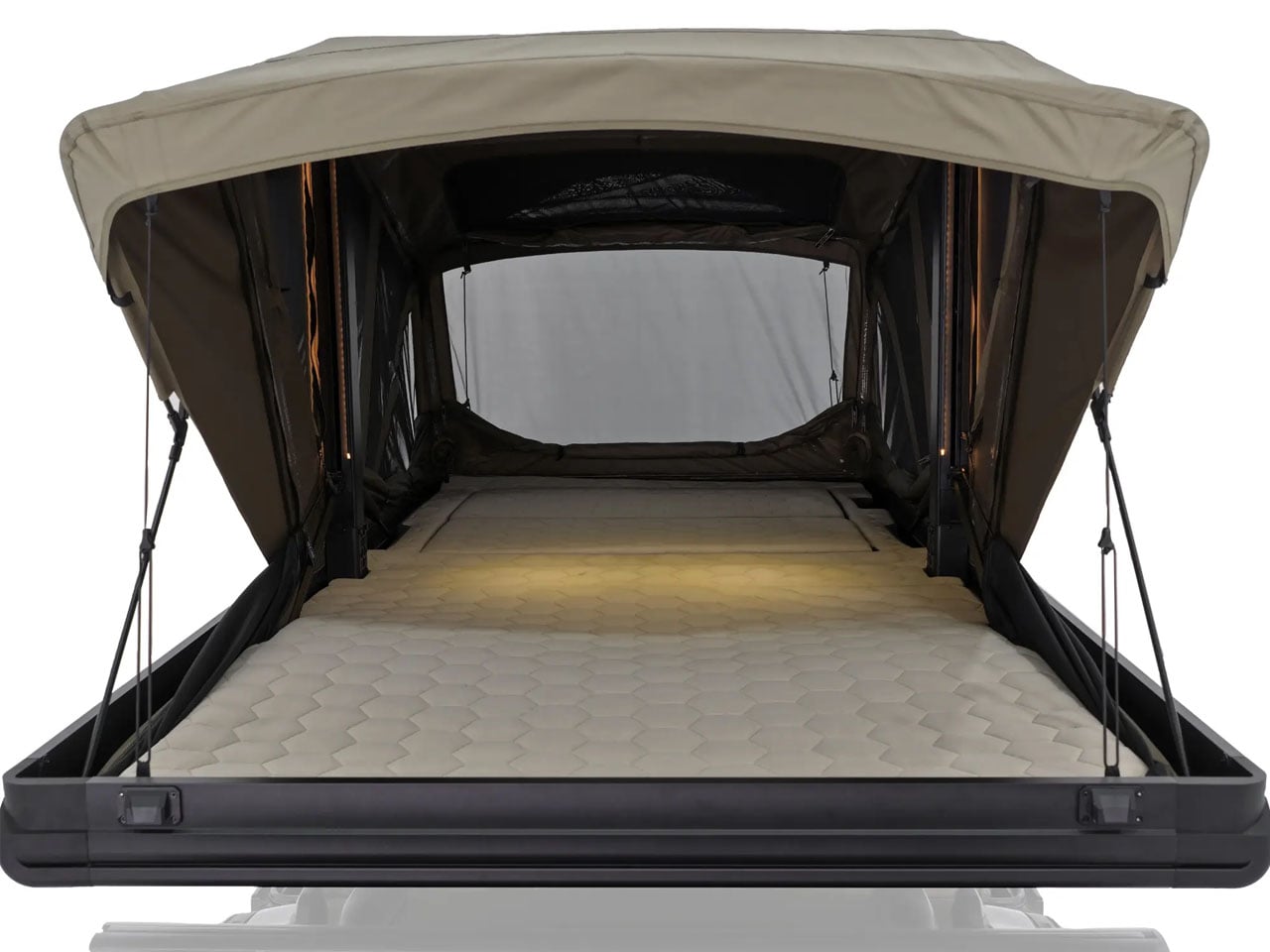
Created with convenience in mind, the camping solution mounts onto the truck bed without drilling. Its lightweight folding structure installs with strong multi-point support. It can triple as a truck cap, rooftop tent, and a storage box, a combination that you will not get in any other alternative to the Trunk. Its dual-level layout is the striking aspect, which opens up the space from a box shape into a two-story living space, ideal for 2-3 people.
What makes the PickupMate Trunk really interesting is its electro-actuated scissor-lift frame that mounts onto the upper perimeter of the pickup bed. Instead of manually setting up an entire camp, you can expand or fold the structure in mere seconds at the push of a button. It supports remote and app control, making it easy to switch between the compact storage configuration and expanded living space whenever you want. Its folding structure also allows it to return to a compact form when the extra living space is not needed.

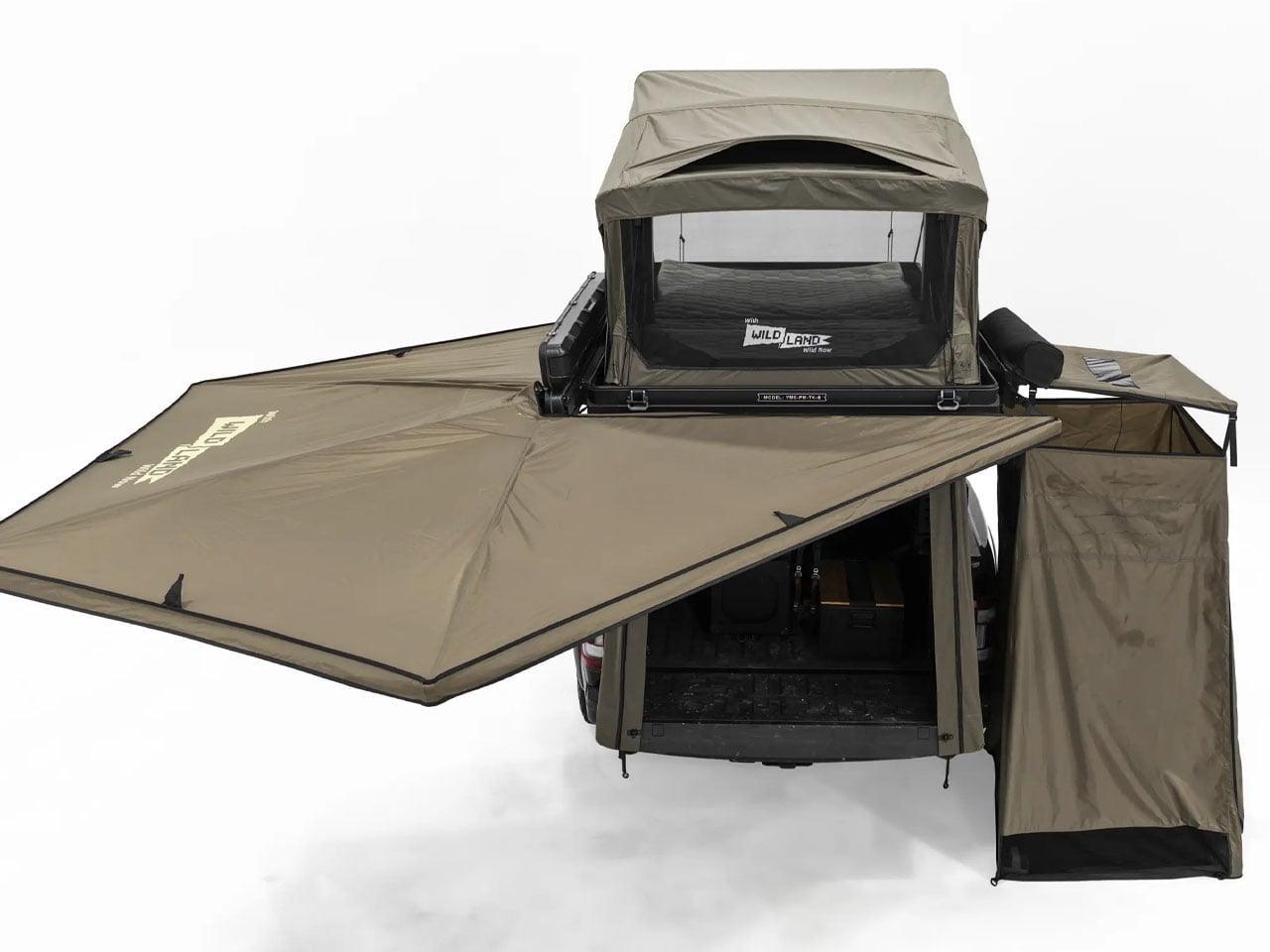
When it is deployed, the dual-level layout offers up to 9 feet of interior height, creating a spacious environment you would typically expect from a pickup bed setup. The first level provides a compact living area, while the second level expands into a larger space, with interior dimensions reaching 118 inches in length. Wild Land has also paid attention to the details that make a camping space more comfortable for camping, overlanding, hunting, and even fishing.
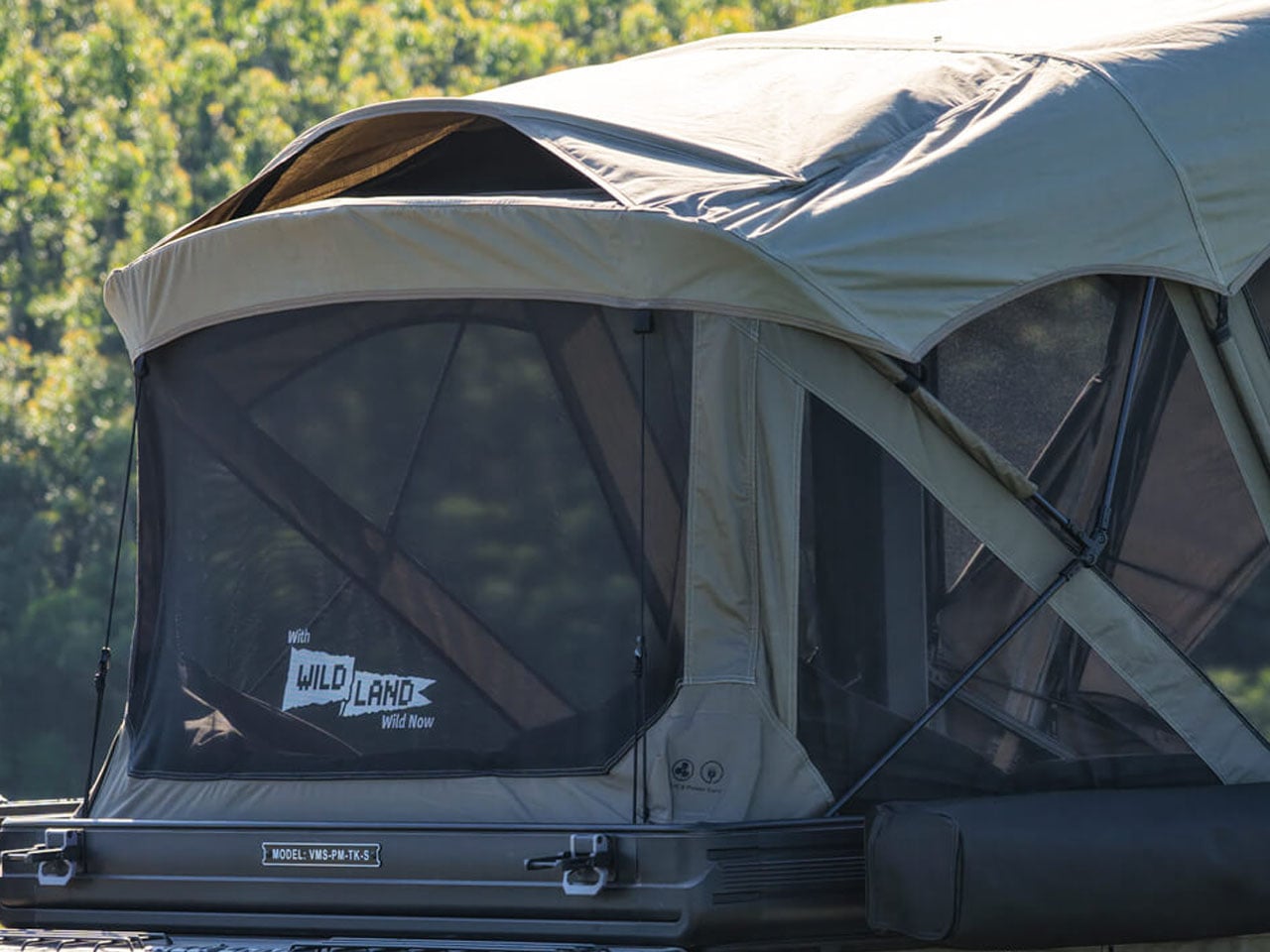
It has been provided with panoramic windows that allow natural light and ventilation, opening up the living area to the surroundings. Integrated lighting, power, and smart controls offer convenience, while a built-in 4.0 surround sound system means your entertainment is taken care of inside the Trunk.
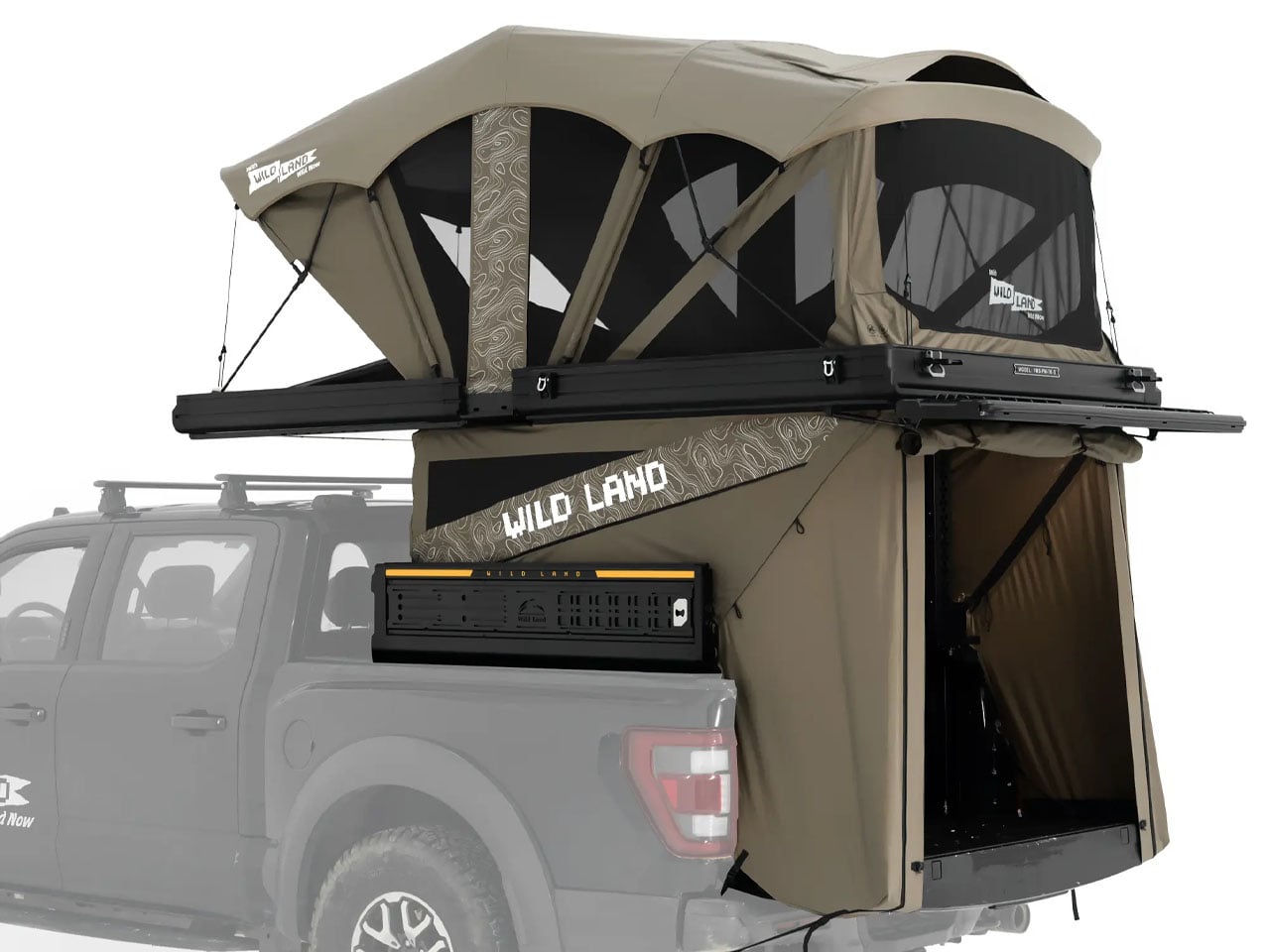
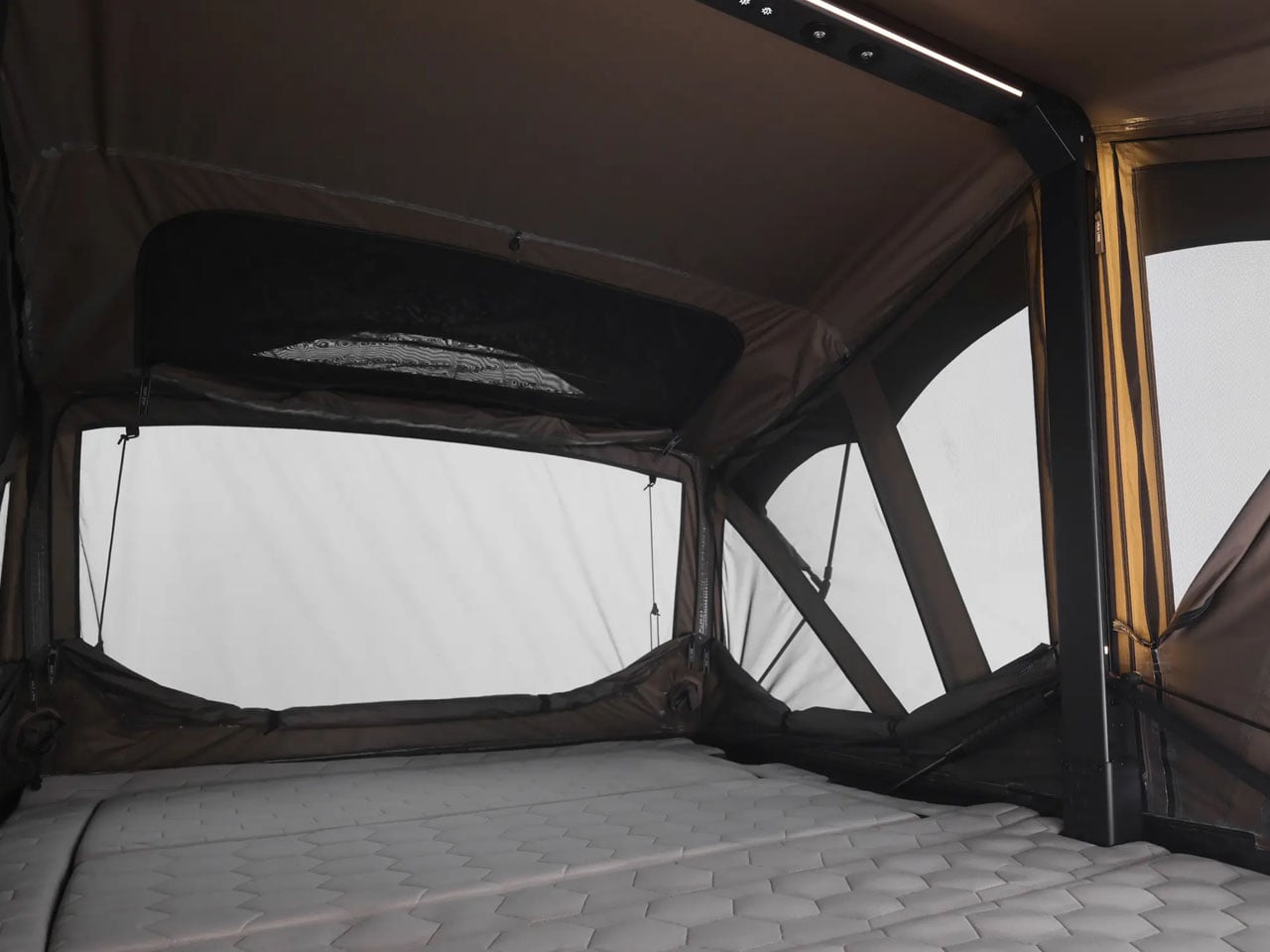
The PickupMate Trunk comes in two versions: the smaller variant weighs 459 lbs, while the large version comes in at 485 lbs. When folded, the small model measures 67 x 59 x 24 inches, and the large version measures 73 x 59 x 24 inches, the company notes. The compact closed dimensions make travel more convenient and easy. The automatic setup of the camping solution, irrespective of the size, is powered by an 86.4Wh battery, which supports approximately six setup cycles. This allows users to operate the lifting and folding system without having to manually handle the change its configuration.
The post Wild Land PickupMate Trunk turns your pickup into two-story camping space at the push of a button first appeared on Yanko Design.
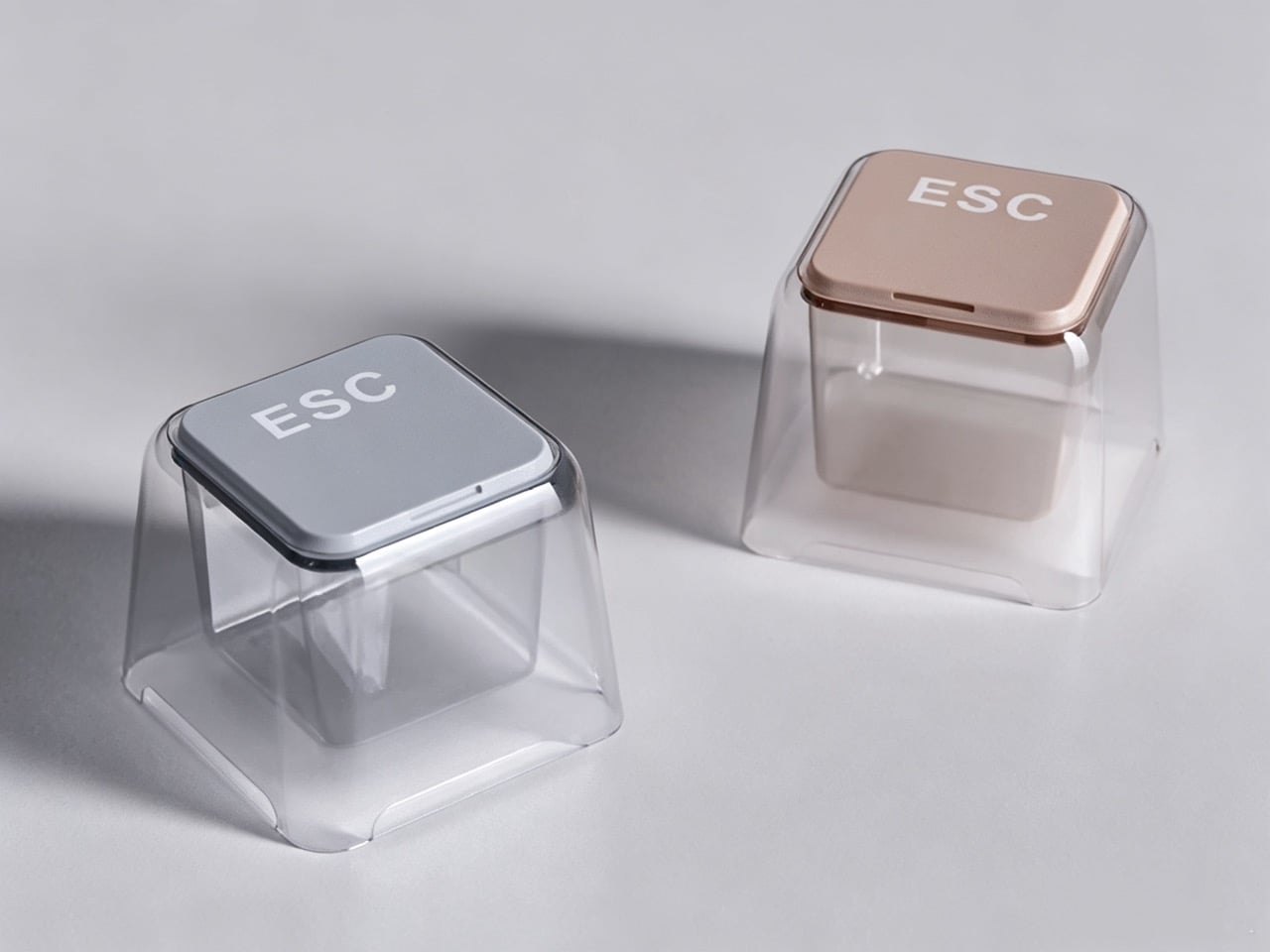
I have a soft spot for objects nobody bothers to credit, and the plastic stool might be the champion of them. It’s the monobloc chair’s shorter, scrappier cousin, and it gets about half the respect. You’ll find it at night markets, under kitchen sinks, and propping open a door somewhere in Asia. Nobody can name the person who designed it. Every few years a design student gives it a glow-up, and then it goes right back to being ignored.
This time the glow-up comes with a joke. Dream Research Society, a Chinese product studio, turned the stool into a giant Esc keycap, complete with tapered sides and a little white ESC legend. The top pops off like a lid, so the stool also hides your shoes, toy bricks, or that one box of cables you swear you’ll sort someday. The designer says you can buy it now on major Chinese e-commerce platforms, in transparent, black, or white. Finally, a stool with a punchline.
Designer: Dream Research Society
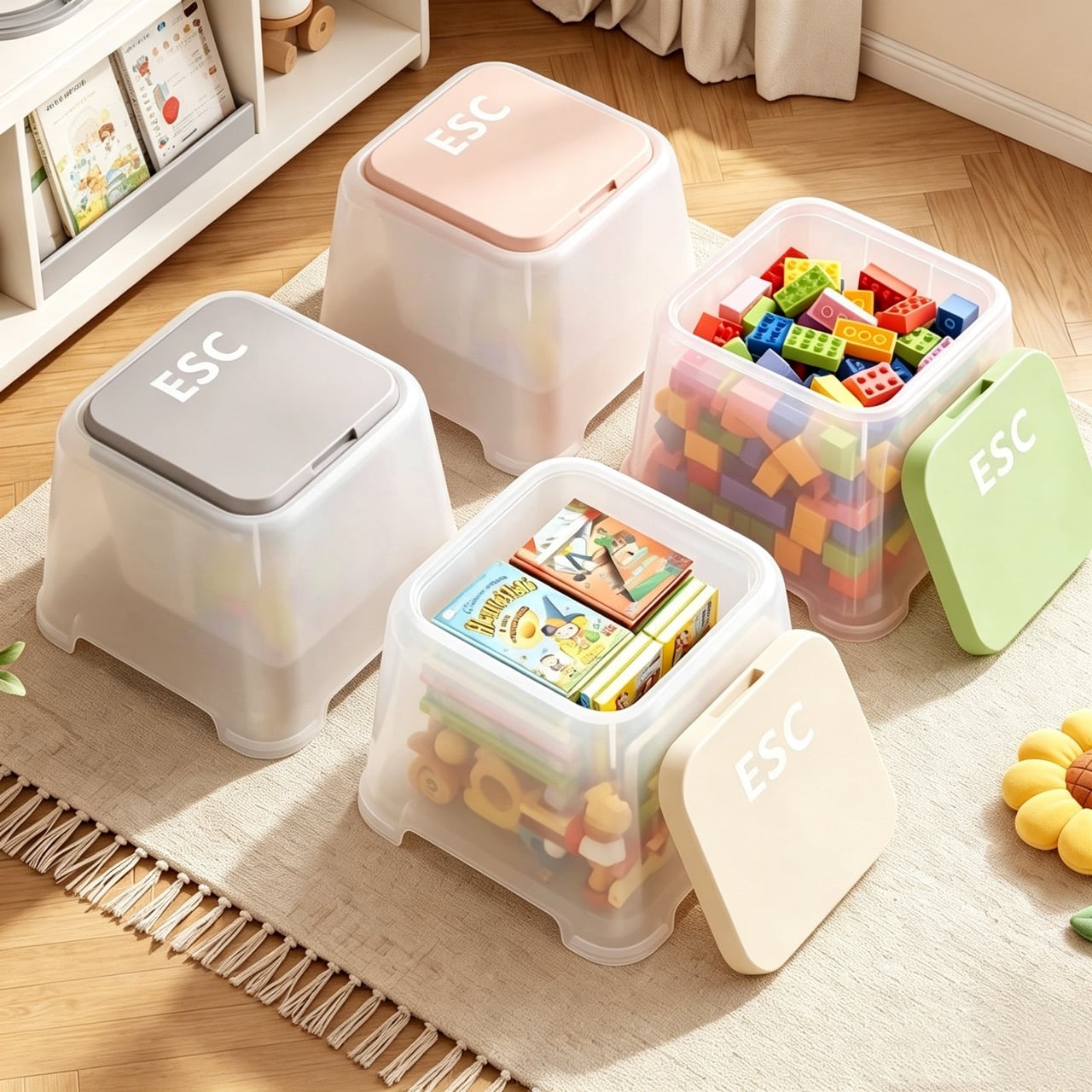
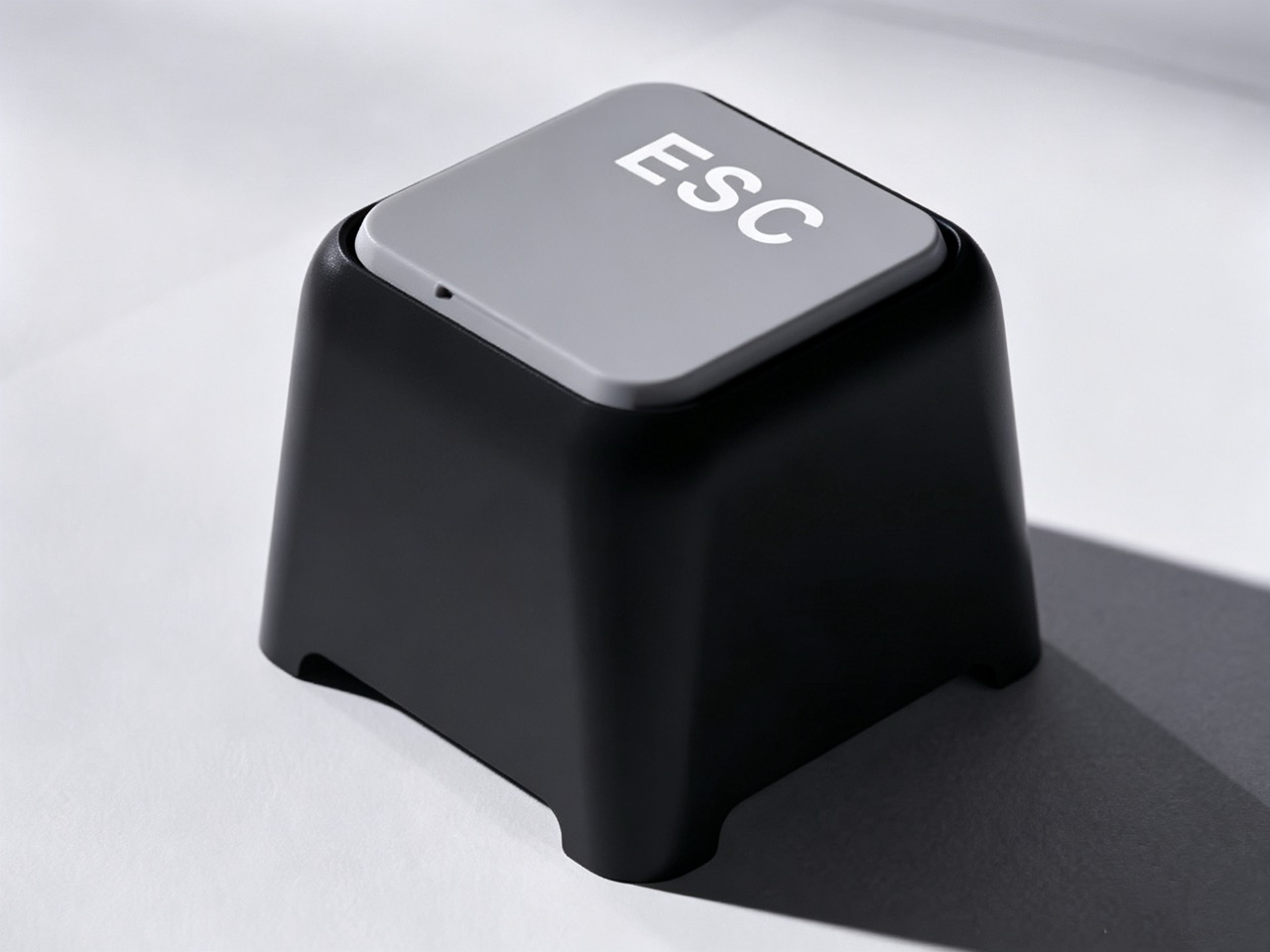
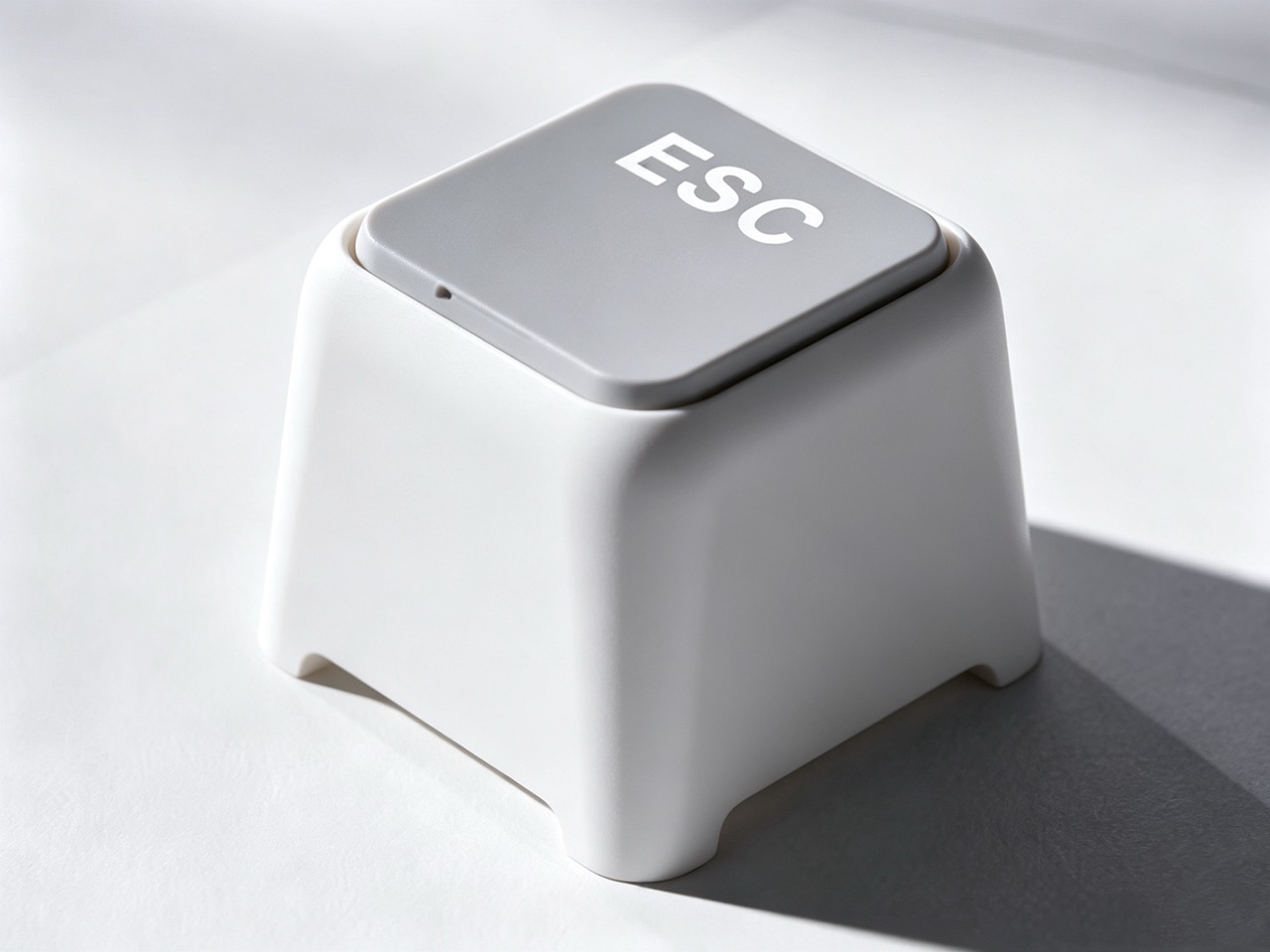
Scale a computer keycap up to stool size and most of the work is already done. The tapered skirt, the softly rounded corners, and the slightly lighter top cap with a bold white ESC legend all carry over straight from the keyboard. The corners of the skirt are cut away, which leaves four small feet and gives the stool its stance. No dimensions are listed, so I can’t give you a seat height, but the photos show a low, squat piece that looks built for tying shoelaces rather than hosting dinner. A keycap that helps you leave the house is a decent joke.
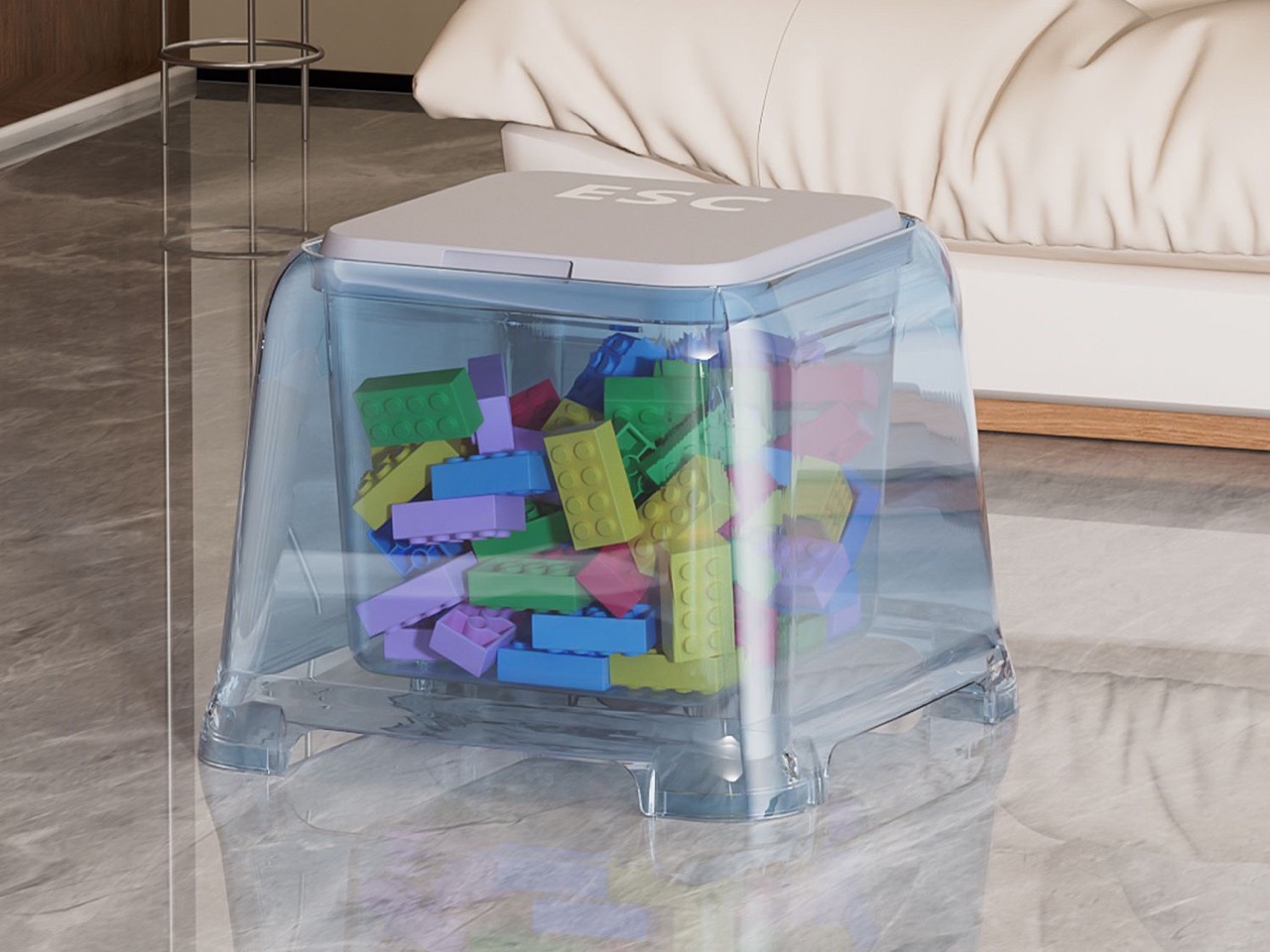
The whole top lifts off as a lid, with a small finger slot on one edge, and underneath is a hollow body. The promo renders fill it with toy bricks, picture books, and plush animals. In the transparent version you can see all of it through the walls, so the clutter becomes a display. The one compromise is obvious from the form: the lid is also the seat, so grabbing anything inside means standing up first. That works for shoes and gets a little annoying for toys, especially when the one brick you need is at the bottom. Call it a keyboard shortcut that takes two steps.
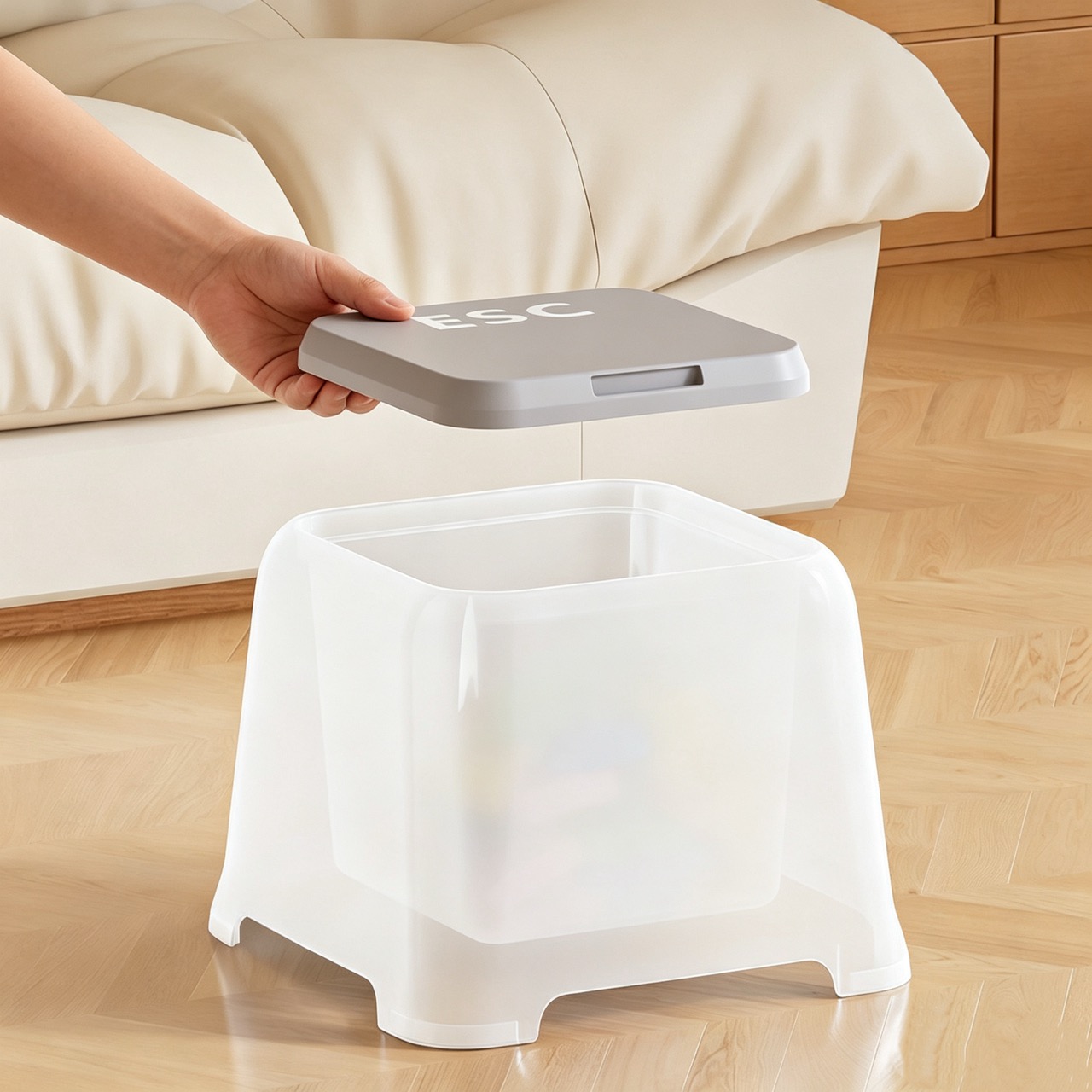
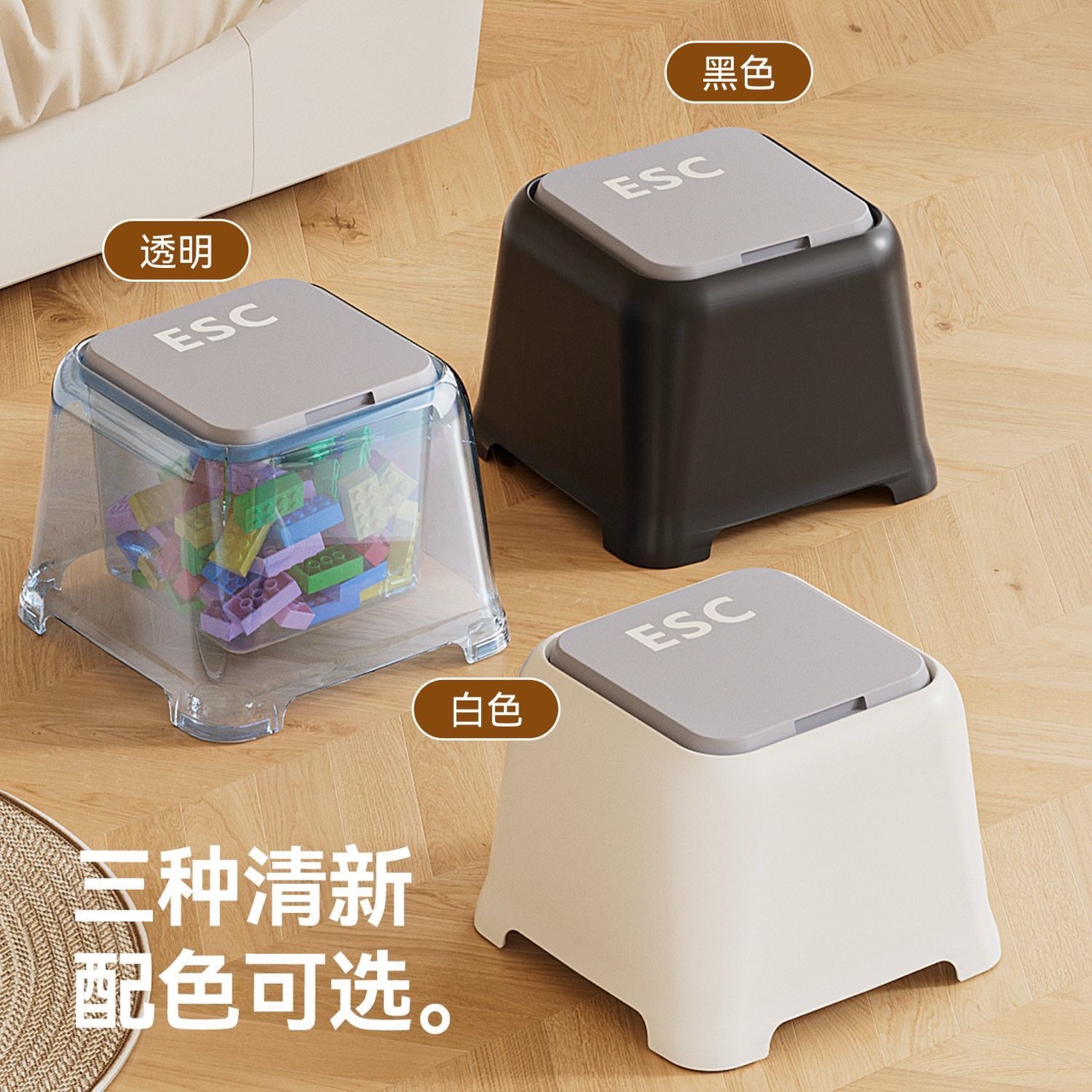
The listing shows three bodies, transparent, black, and white, each topped with a gray lid. Gray on white is the pairing that reads as a keyboard from across the room, like something pulled off a beige-era office desk. Separate renders also show frosted bodies with pink, green, and cream lids, though I can’t tell whether those are sold or just mood. The joke has real history behind it, too. Bob Bemer pushed the escape character into ASCII around 1960, and the key has been the computer world’s emergency exit ever since. Parking that exit button in your entryway, right where you leave the house, is a gag that took 60 years to set up.
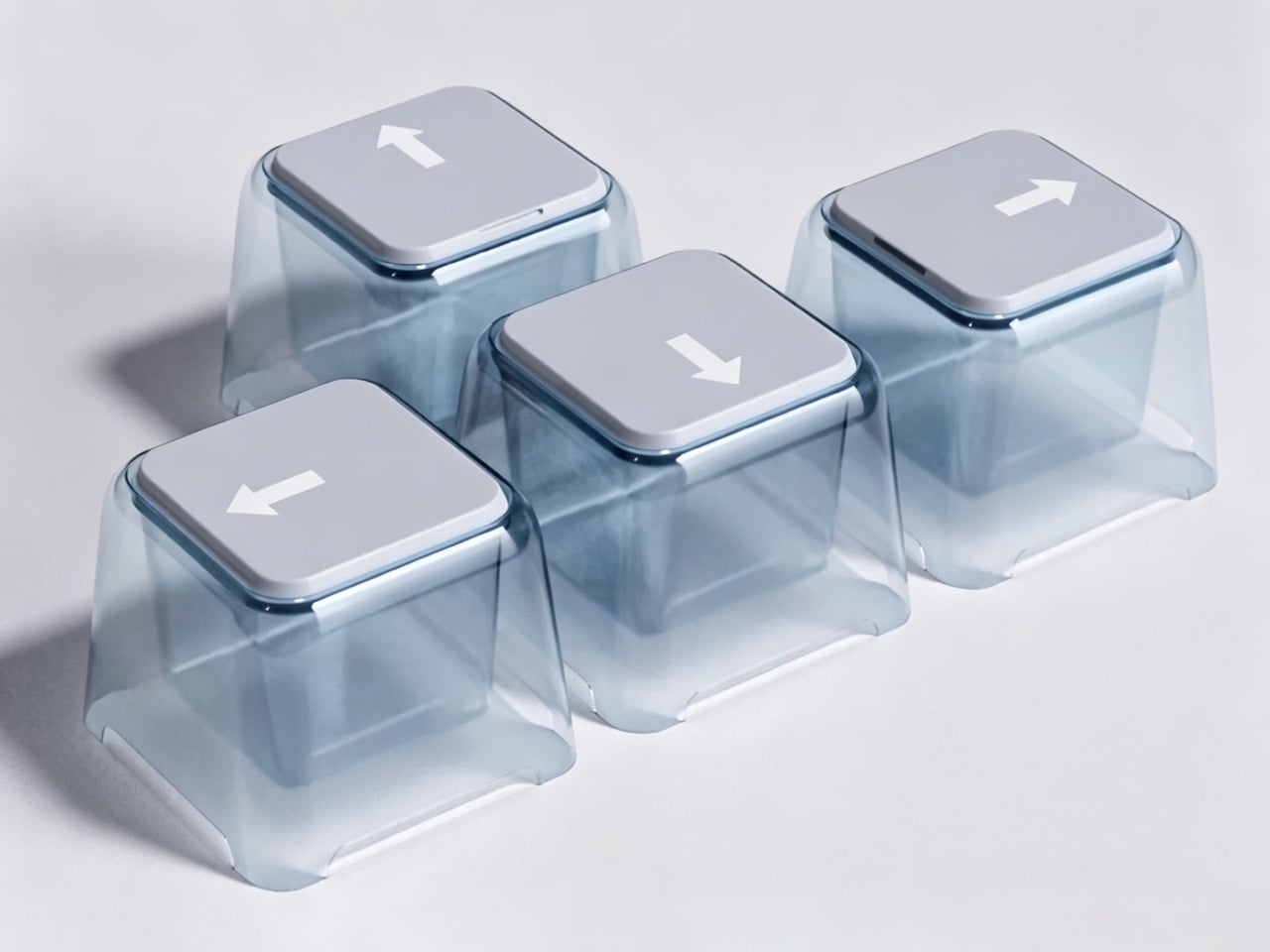
The designer says it’s a real product, on sale through major Chinese e-commerce platforms. I couldn’t find a price, materials, weight limit, or brand name, and nothing points to a US release, so American readers get to admire from afar for now. The promo images also include arrow-key versions in clear blue, which I’d love to see as a four-stool cluster, though I can’t confirm they exist beyond the renders. If they do, someone’s living room is about to become a cursor cluster. Until then, the humble plastic stool finally has an inside joke, and all it took was a keyboard.
The post This plastic stool is a giant Esc key, and it hides your clutter first appeared on Yanko Design.
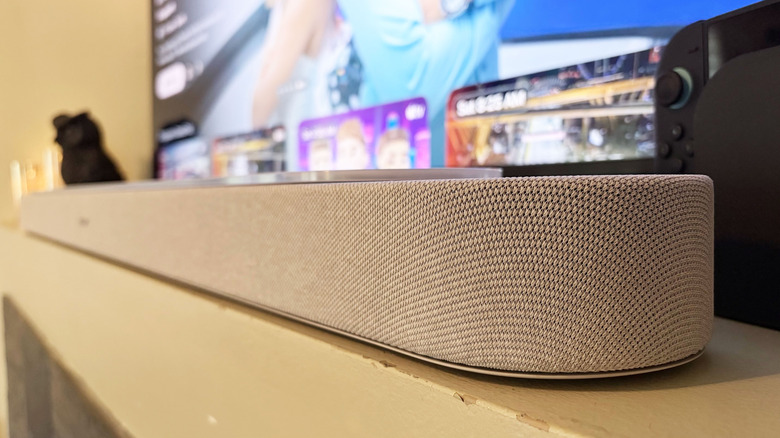

Apple has officially announced its highly anticipated “Welcome Home” event, set to take place on October 13th, 2026. This event is expected to showcase seven new products, with a focus on advancements in home devices, Macs, and iPads. With hardware upgrades and deeper integration of Siri AI, Apple aims to enhance its ecosystem and deliver […]
The post Apple Confirms October 13 “Welcome Home” Event with 7 New Products appeared first on Geeky Gadgets.
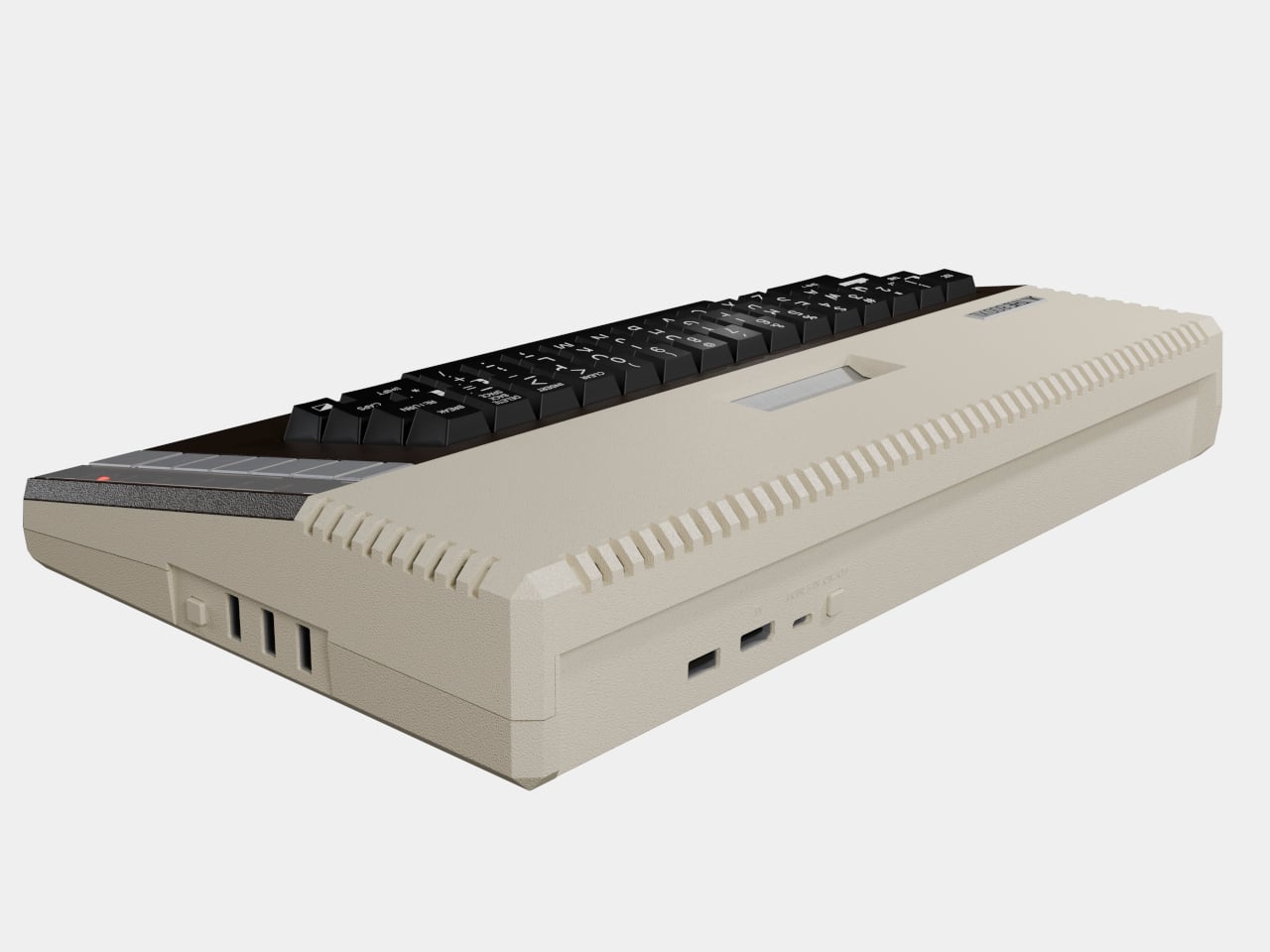
There was a time when a computer invited you to do something before it told you what to buy. The Atari 800XL was built for that kind of curiosity, with a keyboard you could use for games or your first lines of code. THE 800XL brings that experience back at full size, rather than shrinking it into another little box beneath the television.
The original’s broad shape mattered because this was a machine you sat down to use, not simply a console to switch on. The recreation keeps that full-size desktop presence and puts a 57-key mechanical keyboard where your hands expect one. Those keys should make typing feel deliberate, but they also keep the computer’s most distinctive design feature from becoming a decorative prop.
Designers: Atari, Retro Games
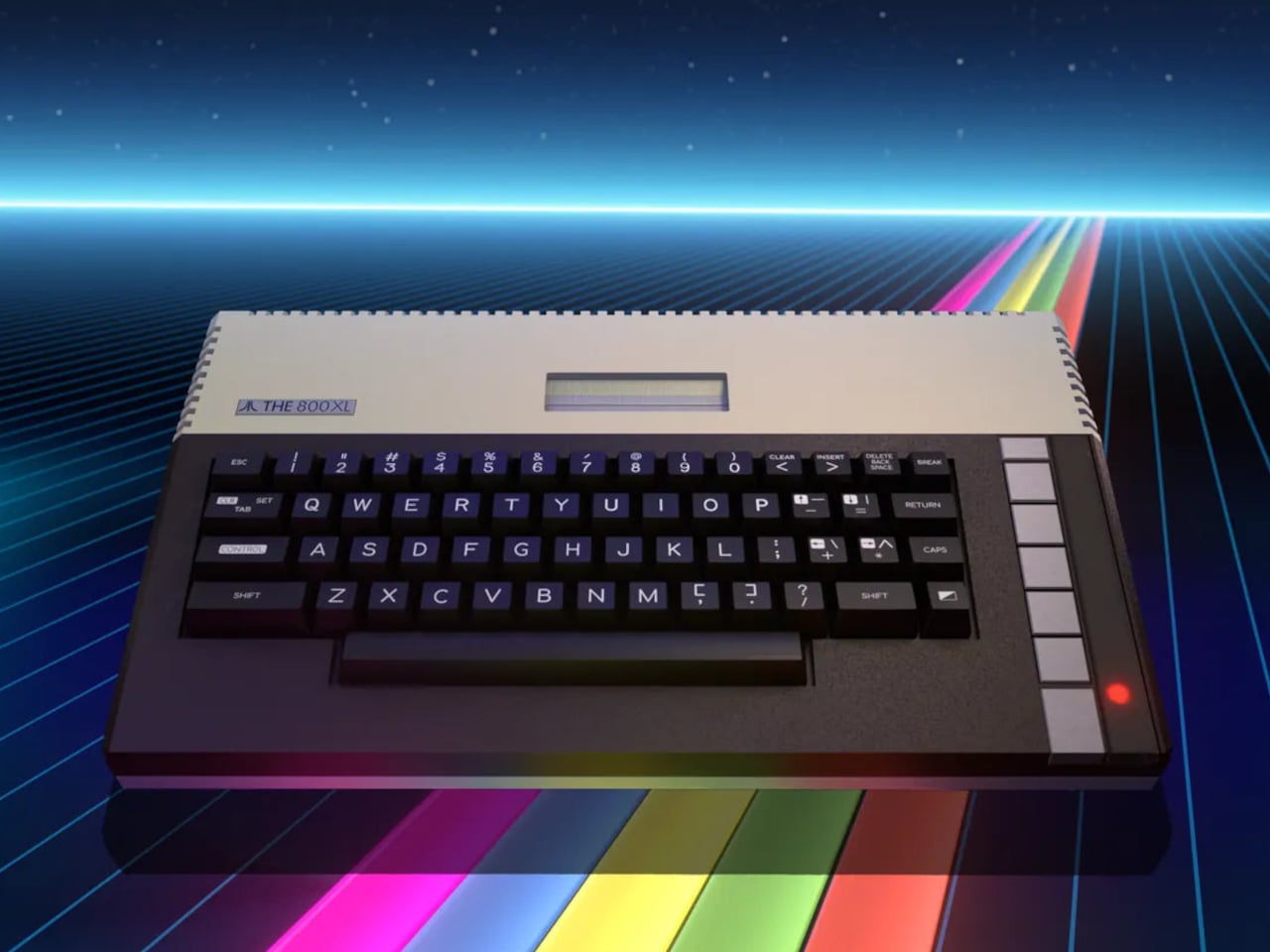
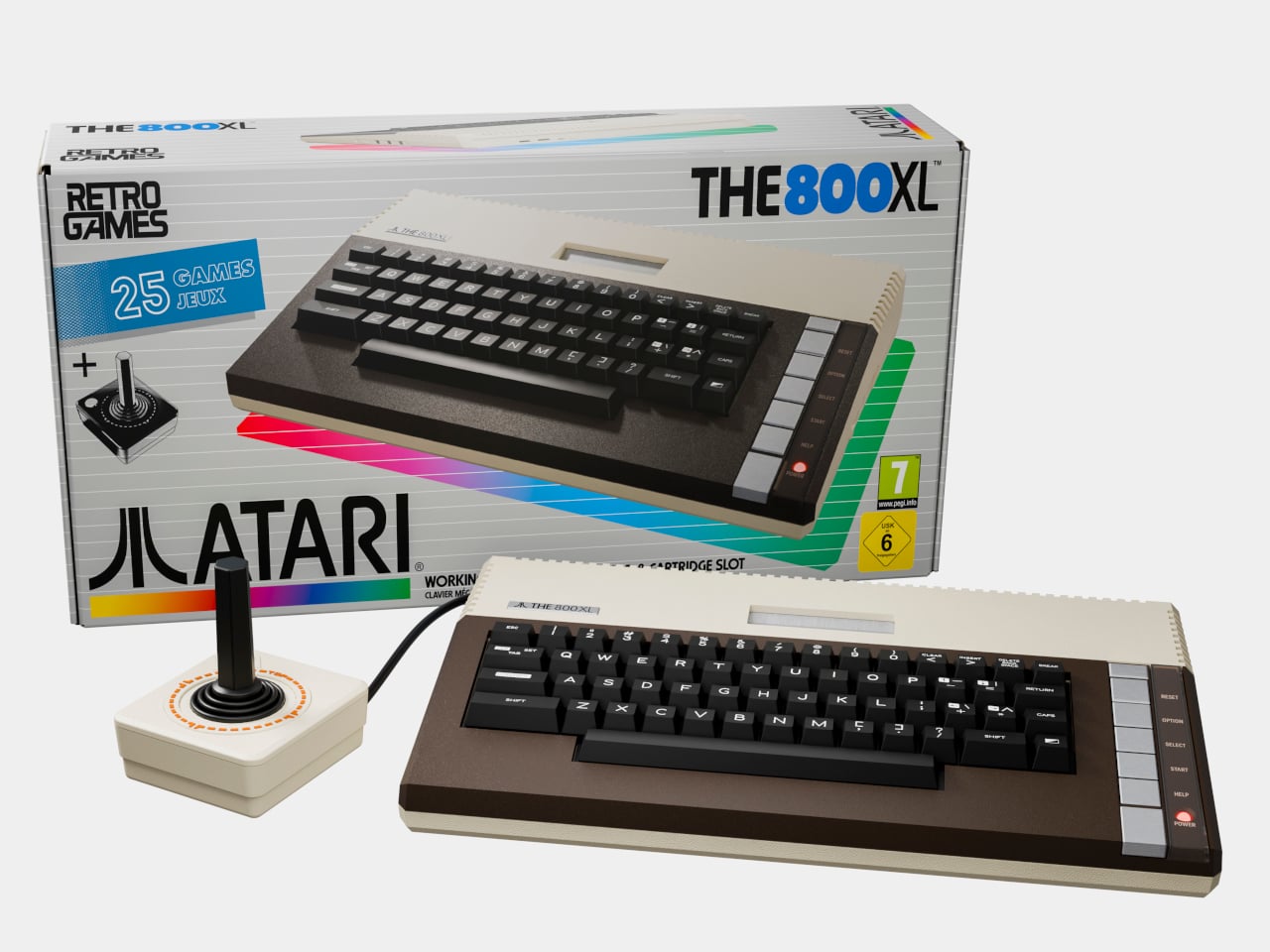
Switch to Classic Mode and Atari BASIC turns that keyboard into a way to make something yourself. You can write, save, and run programs, then move back to games when the experiment is over. That changes the mood of a retro machine considerably: the keys aren’t there solely to make the housing look authentic. They invite the occasional curious detour between sessions.
Of course, some of the most satisfying rituals need no programming. If you still have an old Atari cartridge, the working slot supports most cartridges from the 400, 800, XL, and XE families. Sliding one into a computer feels different from scrolling through a menu, and it gives an old collection a reason to leave its storage box again.
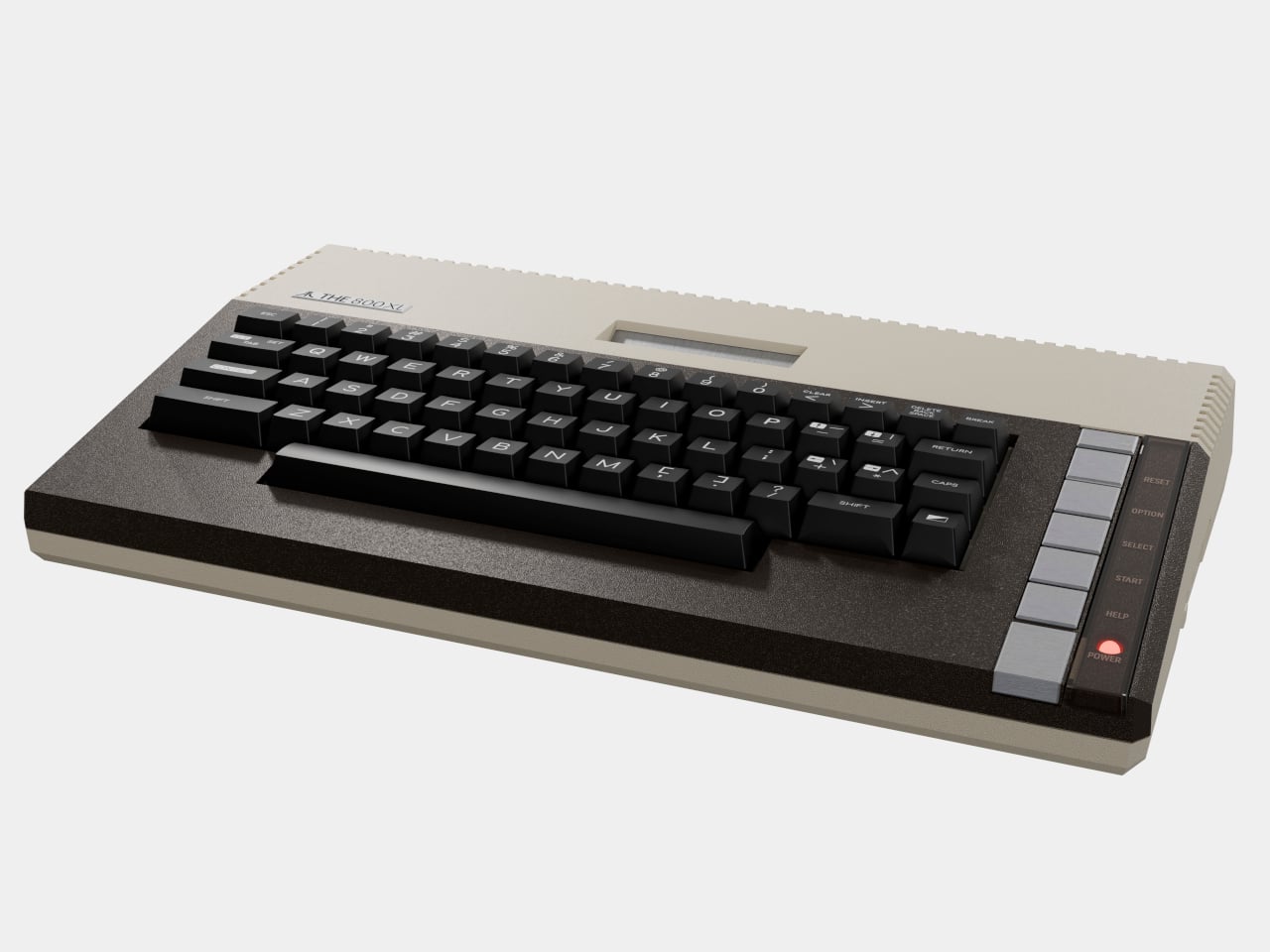
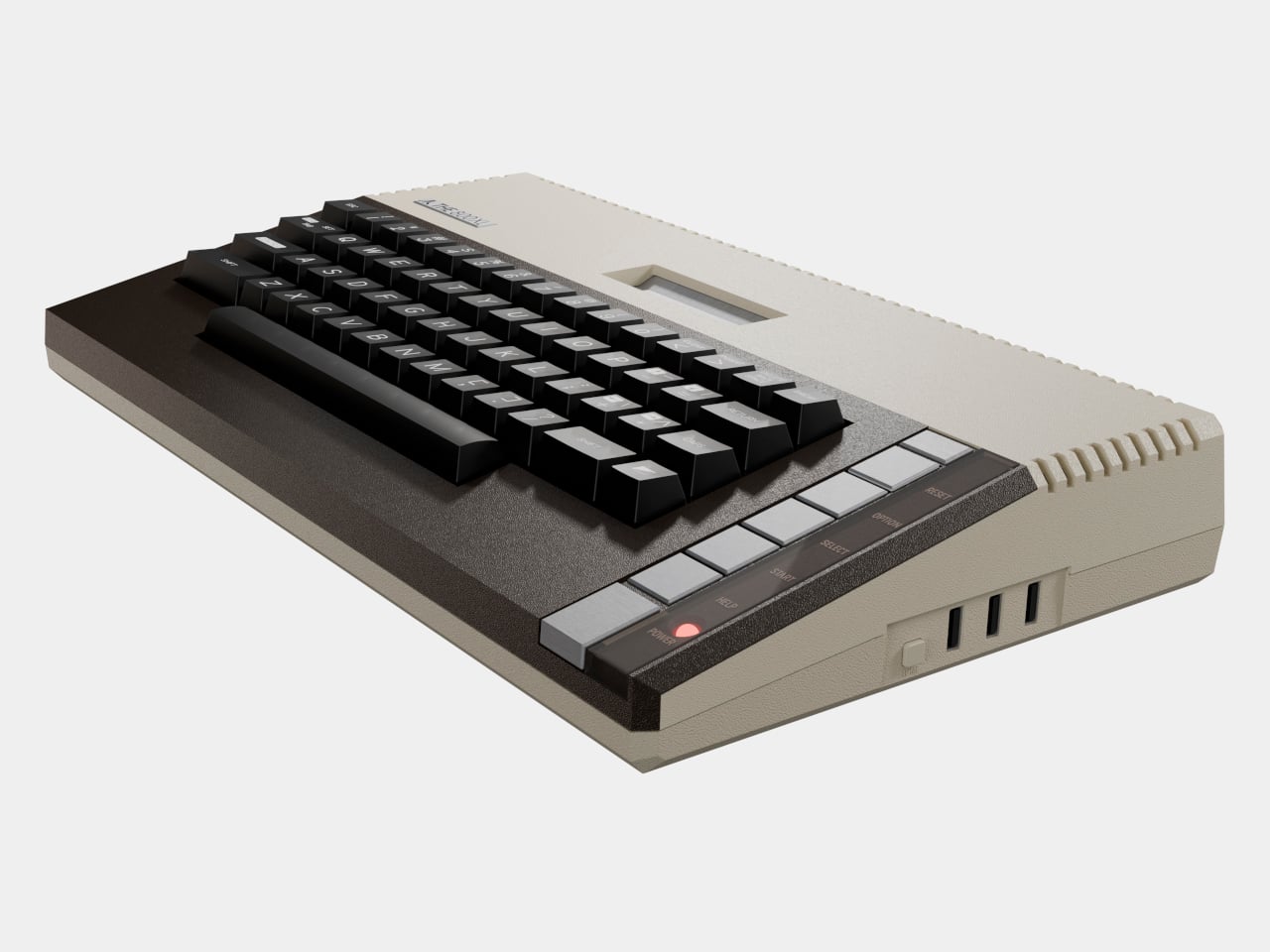
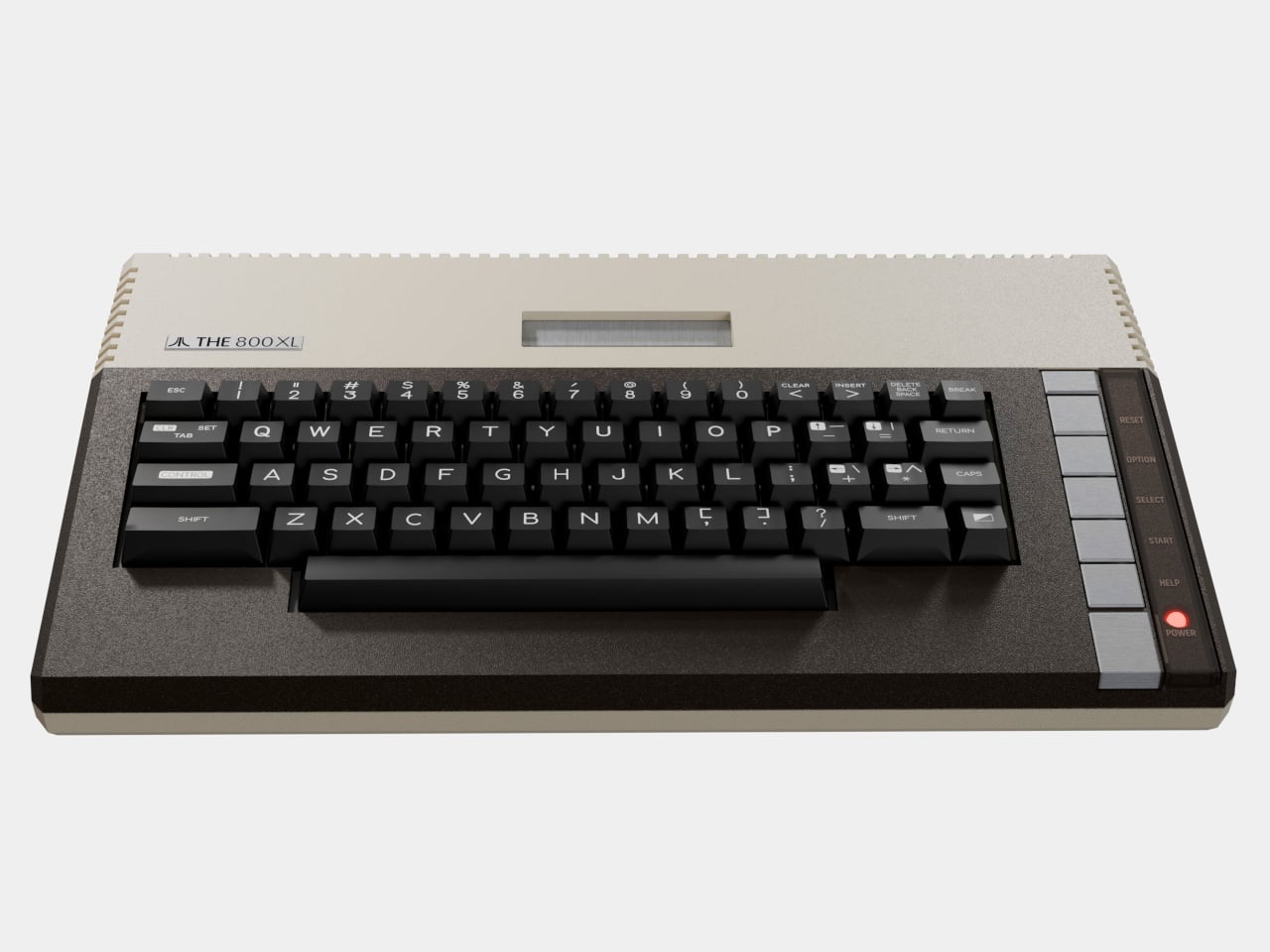
You don’t need a box of cartridges to begin, though. There are 25 games built in, along with a joystick that adds buttons to the familiar design. That pairing keeps the first evening simple: connect the computer to a television, pick a game, and get reacquainted with a stick in your hand. The keyboard remains close by when play gives way to tinkering.
HDMI is the sensible concession to today’s living room, letting the machine connect to a modern screen without hunting for an old television. USB drives can carry cartridge, disk, and cassette images too, while save states and up to 30 seconds of rewind ease the occasional mistake. These conveniences sit alongside the physical cartridge slot instead of asking it to disappear.
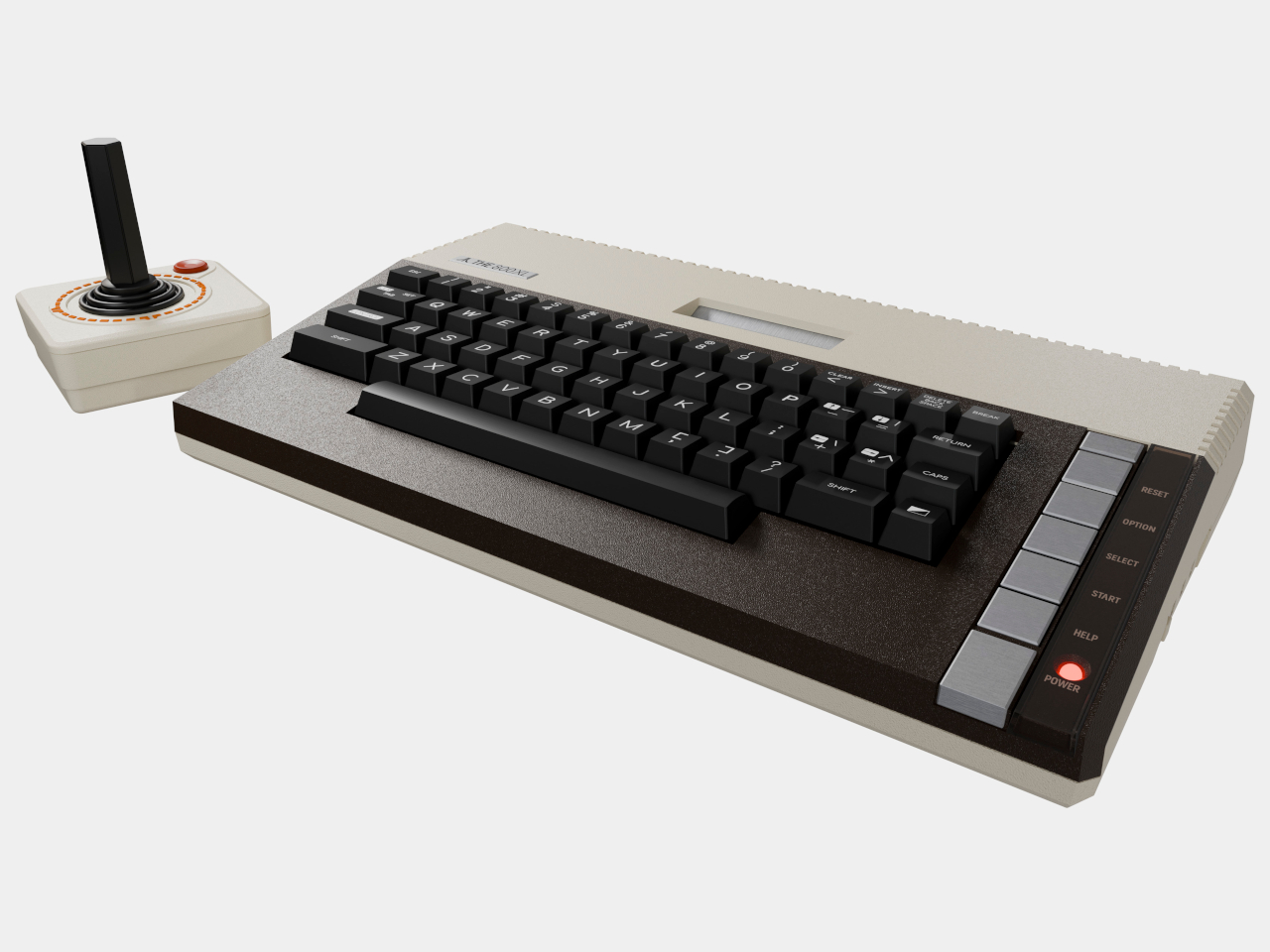
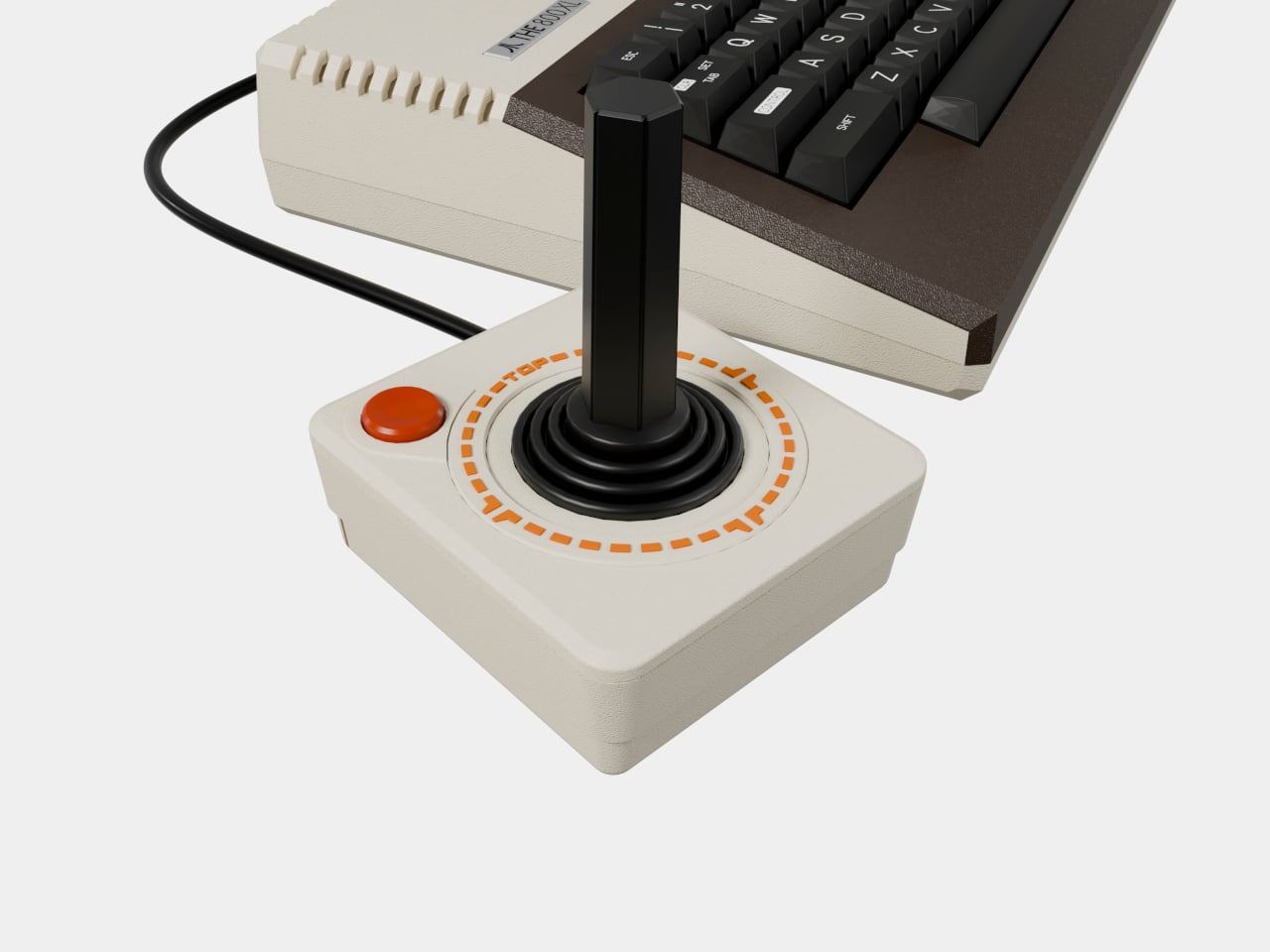
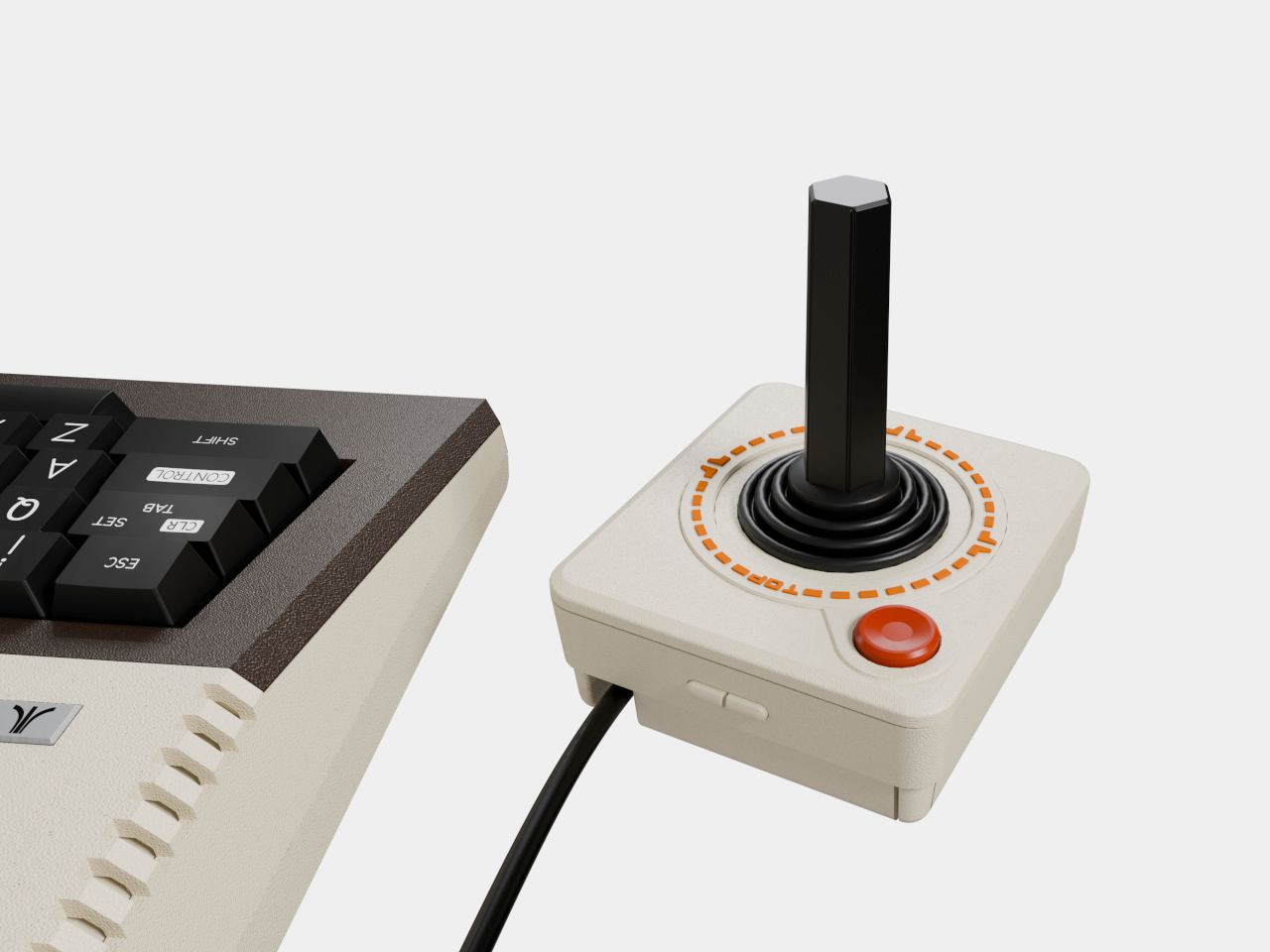
There is a trade-off to keeping the computer at its original scale. THE 800XL takes up desk space that a miniature retro console wouldn’t, and its keyboard may go untouched if all you want is a quick game. At $219.99, it’s a more considered purchase than a novelty for one rainy afternoon, especially when shipping isn’t scheduled to begin until April 23, 2027.
But size is also why this revival makes sense as an object. You can sit down to it, reach for a cartridge, wrestle with a few lines of BASIC, and leave it ready for another evening. The new ports remove some of the friction of bringing an old computer home, while the keyboard keeps the part that made sitting at one interesting in the first place.


The post Atari Made a $219 Retro Console You Can Actually Write Programs On first appeared on Yanko Design.