Casa Sima Fits Into a Mexican Forest Without Cutting Down a Single Tree

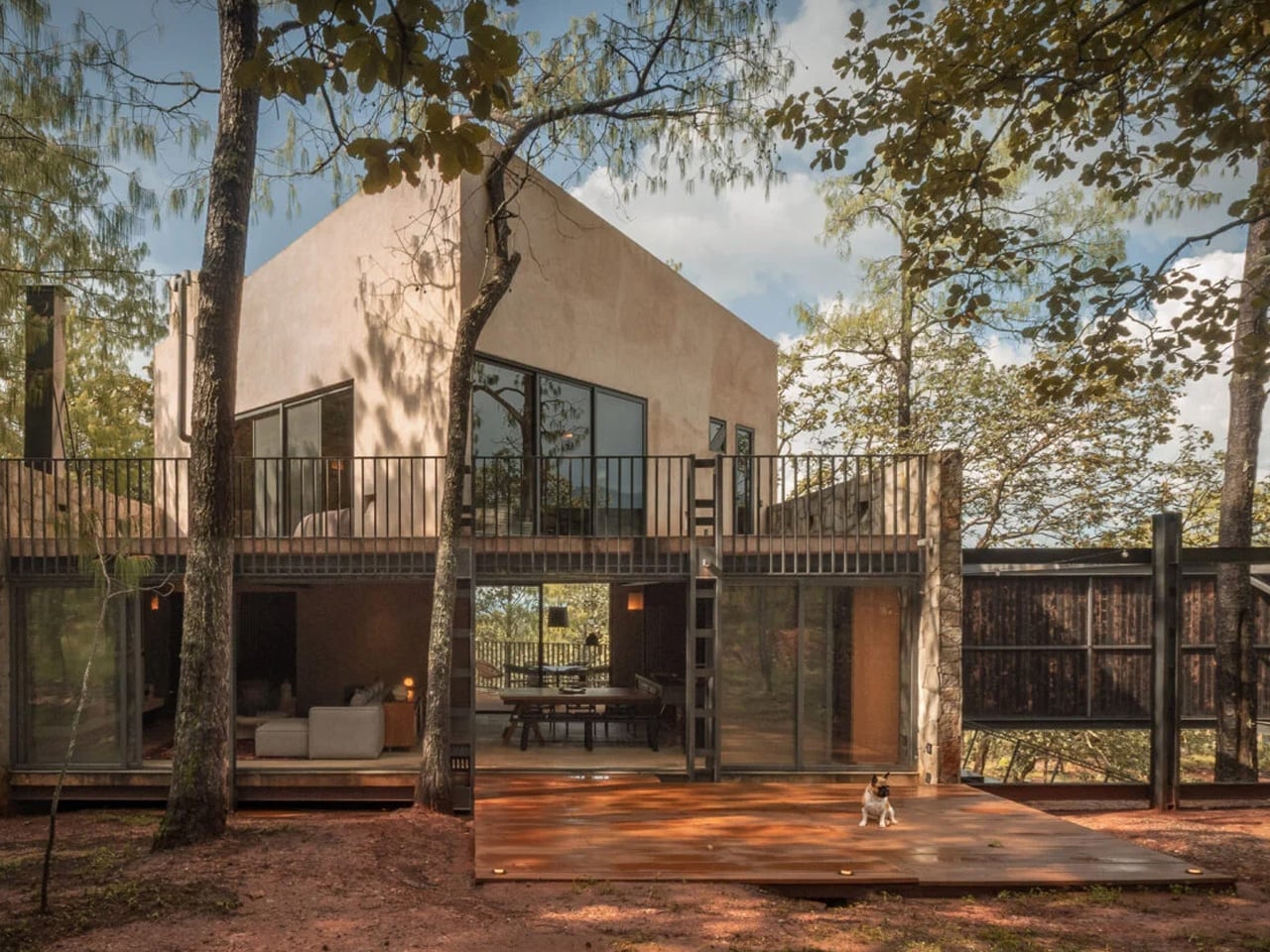
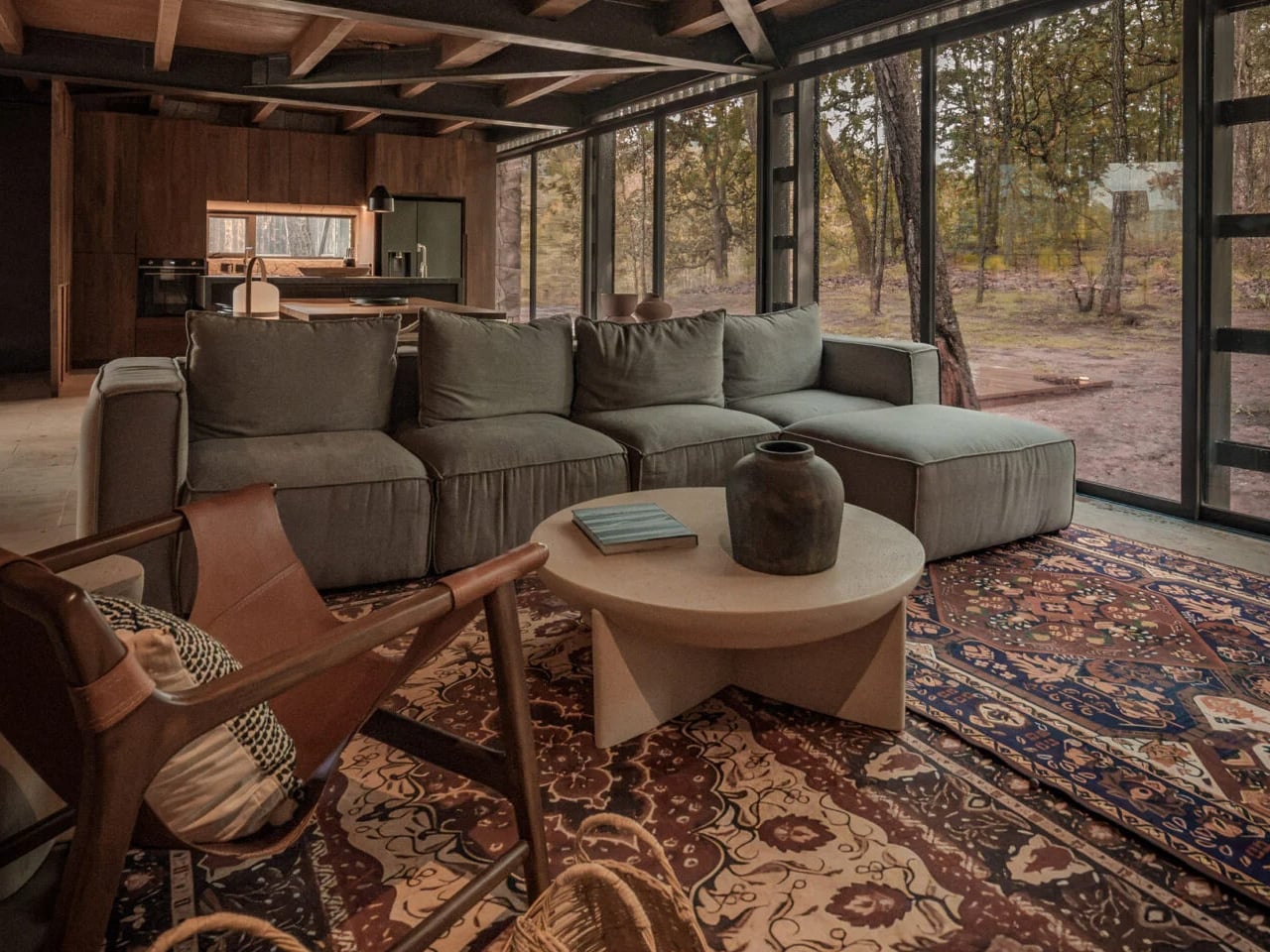
The trees came first at Casa Sima, and Dosorozco let them determine where the house could go. Set on a wooded slope in Mexico’s Sierra de Tapalpa, Jalisco, the 150-square-meter home occupies an existing clearing. The studio’s decision to retain every tree shaped its elongated plan, terraces, and points of contact with the ground, according to creative director Guillermo R. Orozco.

That constraint gives the project a convincing starting point. A forest setting can easily become scenery for a building conceived independently of it. Here, the architects describe the positions of individual trees as an organizing framework. The interesting design work lies in accommodating what was already growing, with the building’s geometry responding to the site rather than demanding a cleared patch of its own.

Designer: Dosorozco
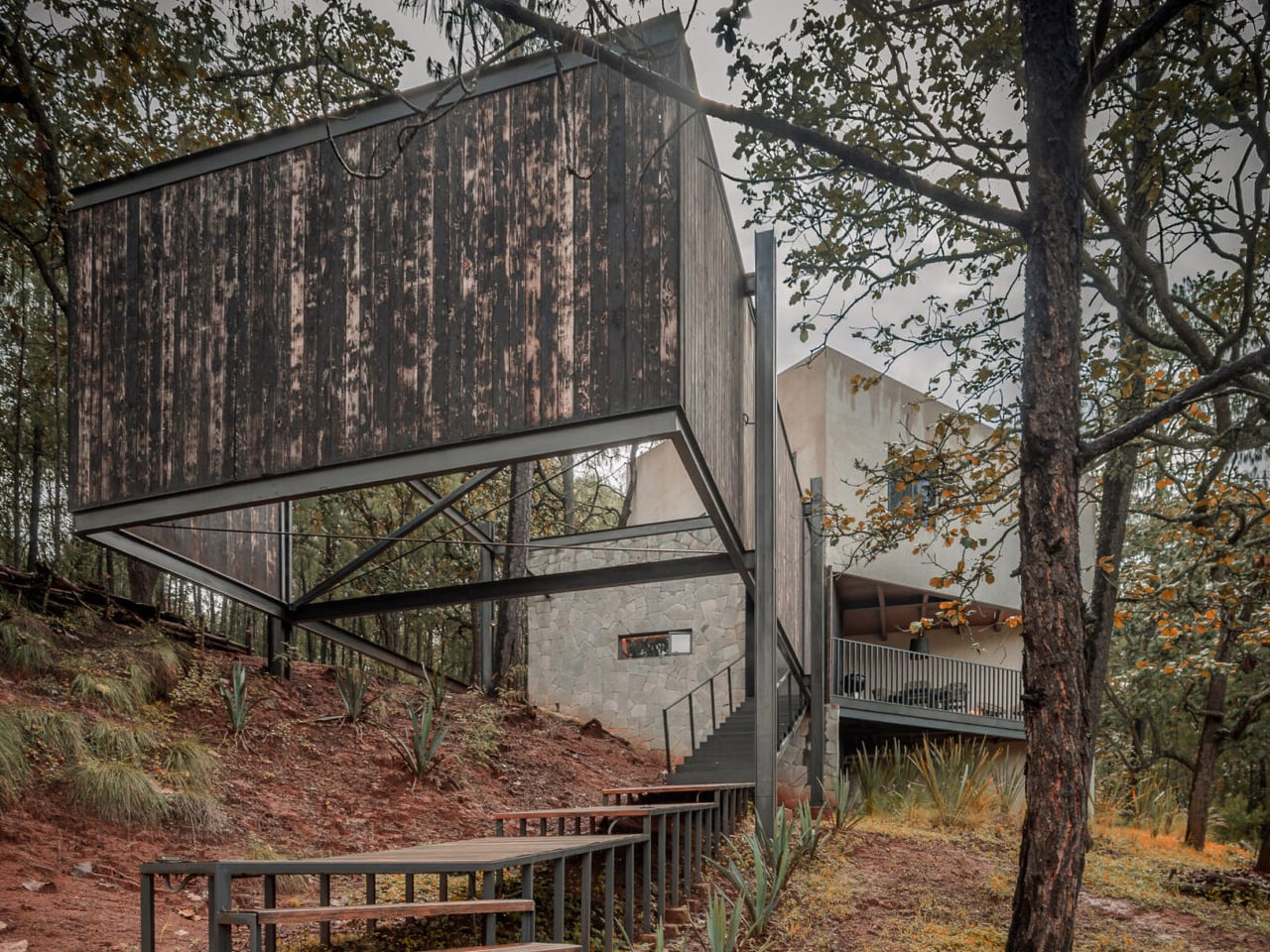
A raised, stepped walkway climbs toward the house. At the entrance, a timber wall held within a steel frame creates what Orozco calls an “elevated courtyard.” Open to the forest and suspended above the terrain, this threshold introduces enclosure before visitors reach an interior room. It makes the approach part of the architecture, giving arrival its own space without sealing it off.

The timber receives a local oil-and-heat treatment that produces a rough, blackened surface. Stone and pale plaster complete the material palette. Their appeal here is the range of surfaces they bring to the compact composition: dark wood establishes depth, exposed stone gives the walls a pronounced texture, and plaster provides a quieter counterpoint. The studio intended these finishes to echo the surrounding forest’s tones and textures.

Two intersecting rectilinear volumes organize the house. Downstairs, the living, dining, and kitchen area sits between stone walls beneath dark timber ceilings. Glazing opens toward a ground-level southern terrace and an elevated northern terrace. A study and bathroom share this floor, while two bedrooms upstairs have access to rooftop terraces. The arrangement offers several different relationships with the same sloping landscape.

Orozco described Casa Si. Ma as a home for two people. He also explained the studio’s interest in the progressive revelation of spaces, with light and landscape shaping how a building is encountered. That thinking helps explain why the entrance and terraces deserve as much attention as the enclosed rooms: movement through the house is part of its design.
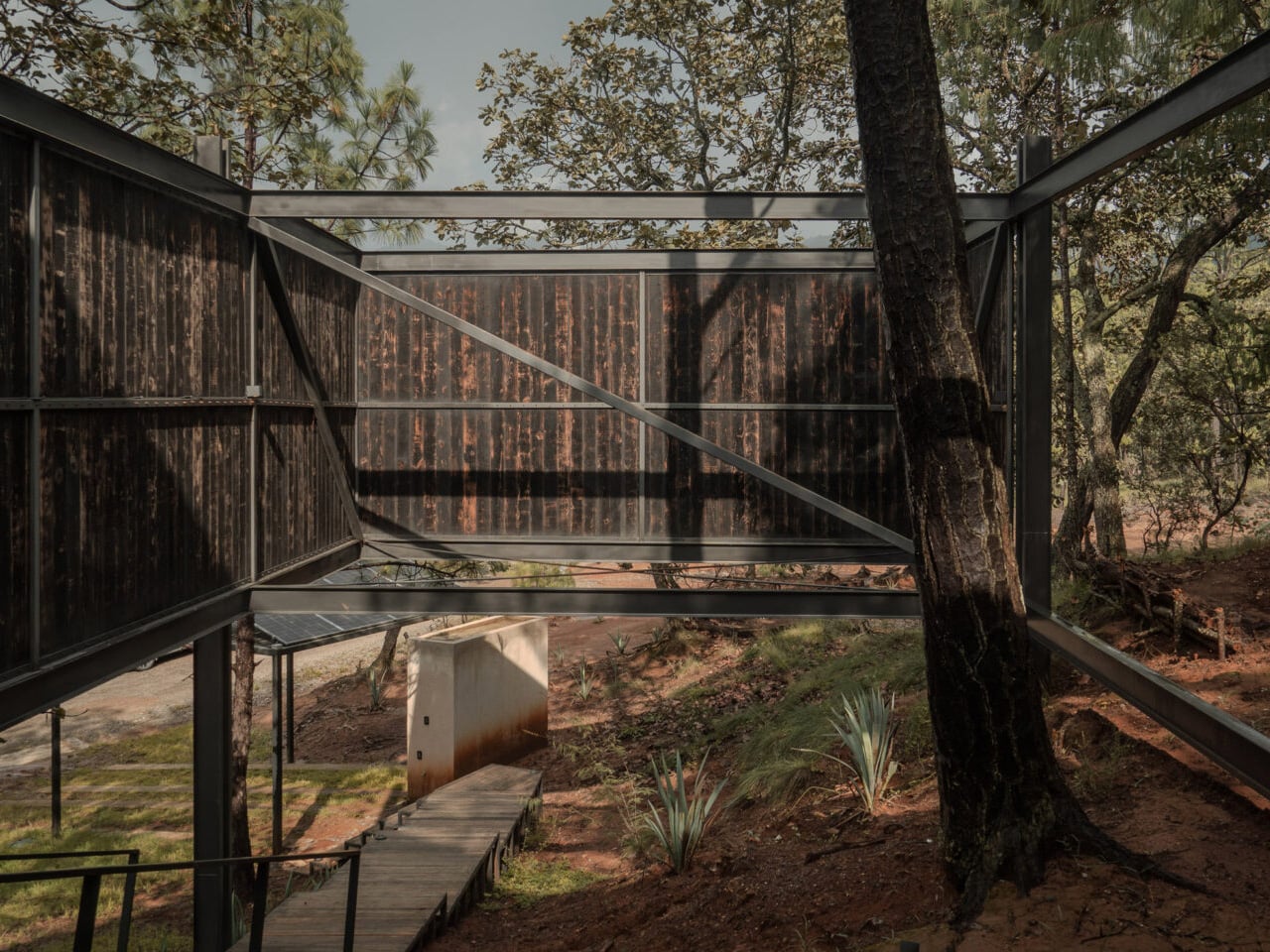
Casa Sima’s strongest idea is this sequence of changing positions: approaching above the ground, entering through an open threshold, then occupying rooms that connect to terraces at different heights. Read this way, its modest floor area becomes a framework for varied encounters with the site. The forest remains close, but the architecture gives each encounter a distinct setting.
The post Casa Sima Fits Into a Mexican Forest Without Cutting Down a Single Tree first appeared on Yanko Design.


Apple’s next iPad mini could lose the speaker grilles — and finally gain water resistance

Apple has a long history of deleting holes. The headphone jack went in 2016, the same year the MacBook Pro traded its HDMI, SD card, and USB-A ports for a row of Thunderbolt 3 ports and a lifetime supply of dongles. US iPhones lost the SIM tray in 2022, and now the speaker grilles on the iPad mini appear to be next on the chopping block. Leaked images in Apple’s own code, spotted by MacRumors, show the iPad mini 8 with a single slim slot at the top of its display glass, much like an iPhone earpiece. That slot lines up with Bloomberg’s Mark Gurman’s reporting on a new vibration-based speaker system, and sealing up the holes buys the mini its first-ever water resistance.

This time, though, removing holes actually gives you something back. Phones have played with the trick before, with Xiaomi’s original Mi MIX using a piezoelectric driver to push sound through its body back in 2016. Apple’s version arrives alongside an A20 Pro chip, a landscape front camera, and a rumored 8.4-inch OLED display. The whole package is expected at Apple’s “Pro and Tell” event in Los Angeles on October 28. Gurman thinks it could cost closer to $799, so let’s see if Apple has the courage to call that a bargain.

Apple Spent Years Fighting Vibration. Now It’s Making Music With It.

The 24-inch iMac packs two pairs of force-cancelling woofers into its 11.5mm body, with each pair moving in opposite directions so their vibrations cancel out before they rattle the chassis. The 16-inch MacBook Pro and Studio Display use the same trick, since Apple spent years treating vibration as a problem to engineer away. The iPad mini 8 reportedly flips that thinking, using vibration as the sound source itself. Apple hasn’t revealed how its system works, so the exact driver and where it lives inside the chassis remain unknown. The leaked images show one slim groove in the glass where the stereo grilles used to be, with the power and volume buttons still on the top edge.

To make the Apple Watch Series 2 swim-proof to 50 meters (164 feet) in 2016, Apple sealed every opening except the speaker, which needs air to make sound. Its fix was to make that speaker vibrate any water back out after a swim, a feature anyone who has heard Water Lock’s little burst of beeps already knows. The iPad mini 8 looks like the next chapter of that story, shrinking the speaker opening to a single slit. Gurman reports water resistance for the first time on an iPad mini, though no IP rating (the standard dust and water score) has leaked yet. Even modest splash protection would cover the kitchen counter, the poolside lounger, and that nightly bath read.

An iPhone 18 Pro Brain, an OLED Face, and a $799 Question Mark

Apple’s code also lists the A20 Pro from the iPhone 18 Pro, built on TSMC’s 2nm process. That leapfrogs two generations past today’s A17 Pro, and MacRumors expects RAM to climb from 8GB to 12GB. More memory means bigger on-device AI models and fewer apps reloading as you bounce between notes, a PDF, and Procreate. The front camera moves to the landscape edge, so video calls stop featuring your left ear. A new Smart Folio (model A3632) in Apple’s French product filings packs two-thirds more magnet material than the 6th-gen mini’s folio, a hint the body has changed enough to need its own cover.

An 8.4-inch OLED panel, up from today’s 8.3-inch LCD, would give late-night reading true blacks and far richer contrast. The refresh rate (how often the screen redraws each second) is still a coin toss, with Gurman reporting Apple tested both 60Hz and 120Hz versions. A Korean supply-chain tipster insists the production panels are locked at 60Hz, which would leave this tablet scrolling less smoothly than a base iPhone 17. The current mini already jumped from $499 to $599 in June on rising memory costs, and Gurman’s guess for the new one lands closer to $799. Apple can seal nearly every hole in this tablet, but the one it might leave in your wallet looks wide open.

The post Apple’s next iPad mini could lose the speaker grilles — and finally gain water resistance first appeared on Yanko Design.

Leica’s new Formula 1 camera brings carbon fiber and racing-inspired DNA to photography

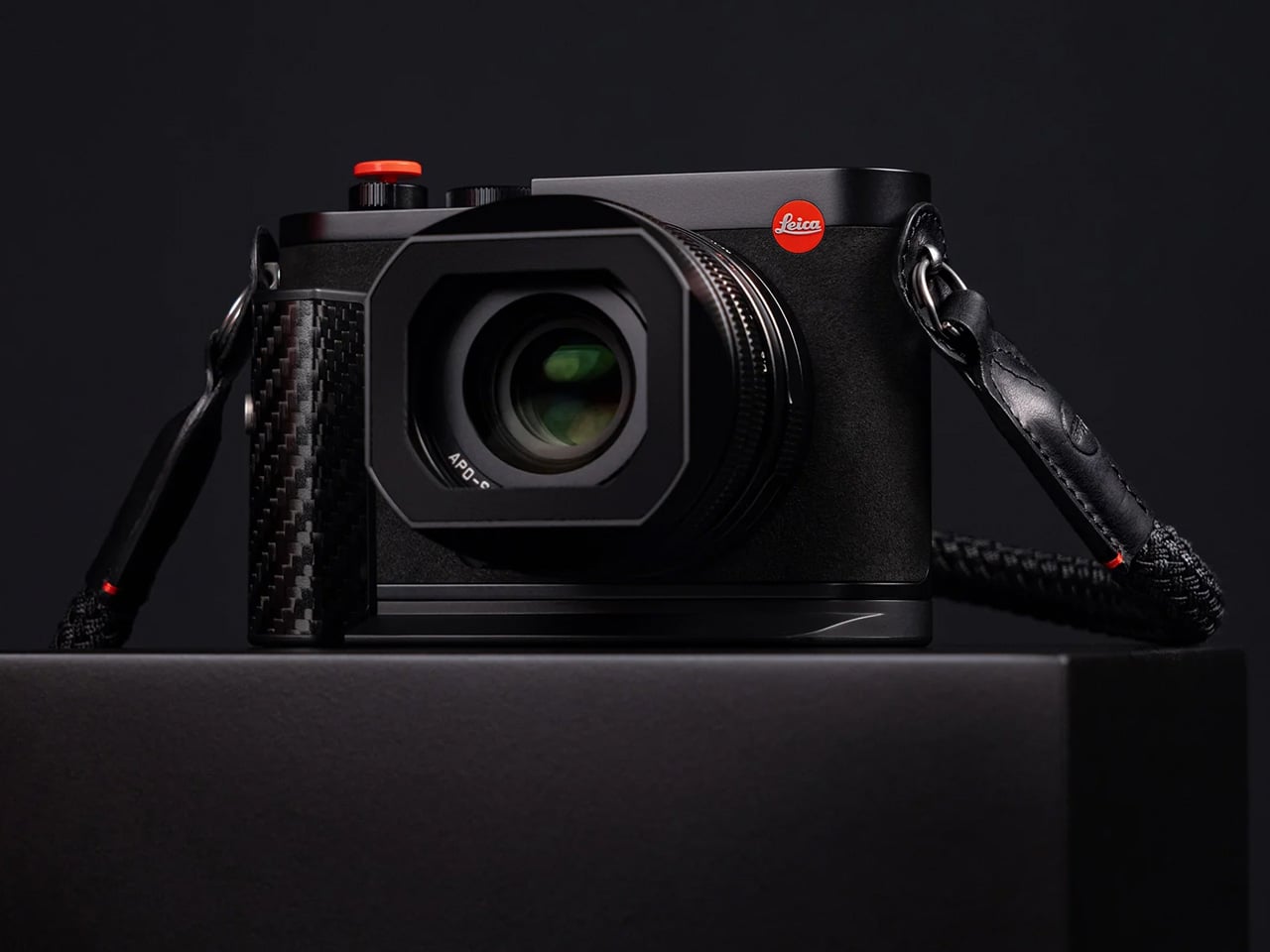
Leica and Formula 1 have combined their expertise for a special-edition camera that brings the visual language of motorsports to premium photography. The Leica Q3 43 Formula 1 Edition marks the beginning of a licensing partnership between the two brands, pairing Leica’s established camera technology with materials, textures, and details inspired by the racing cockpit.

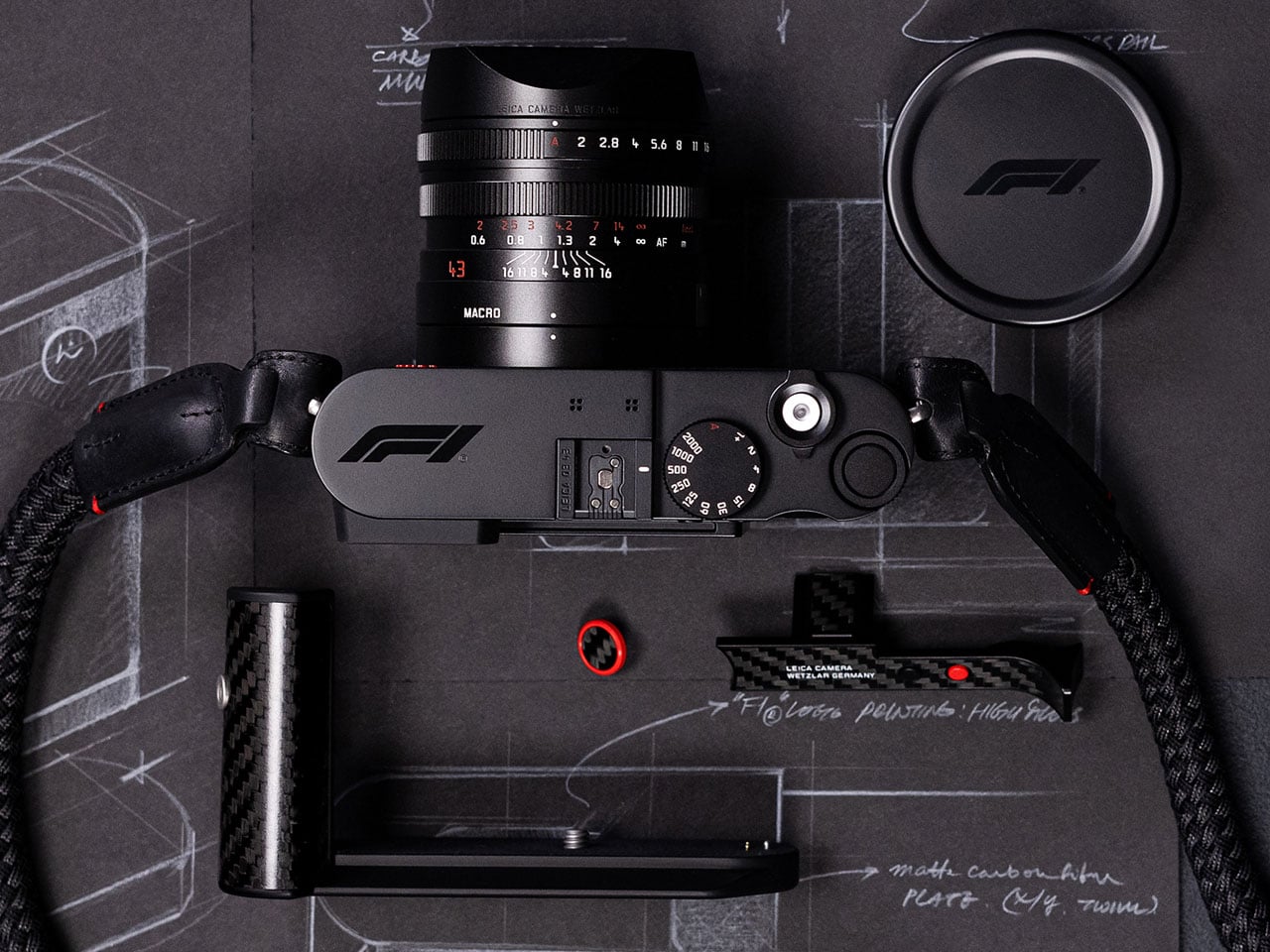
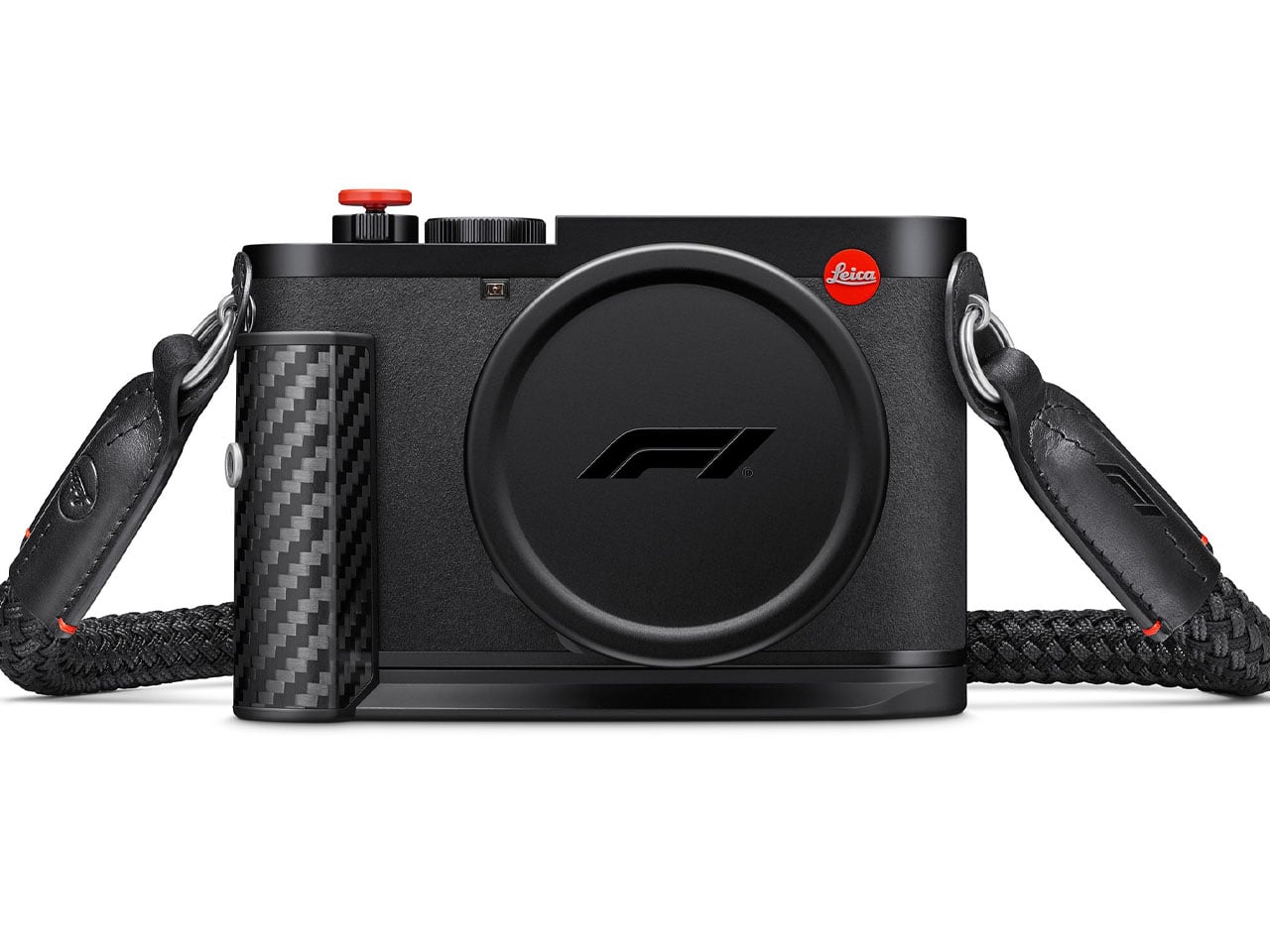
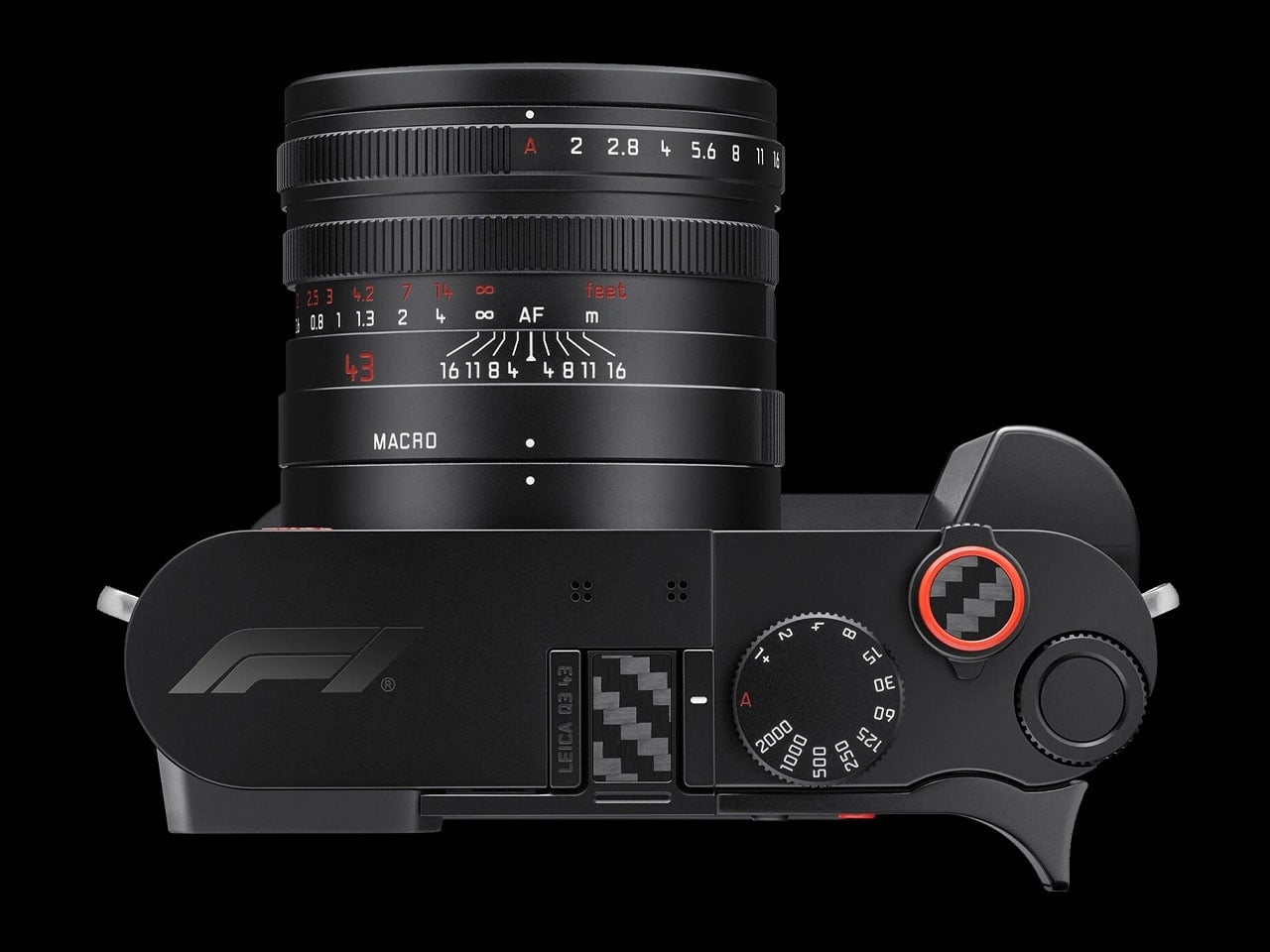
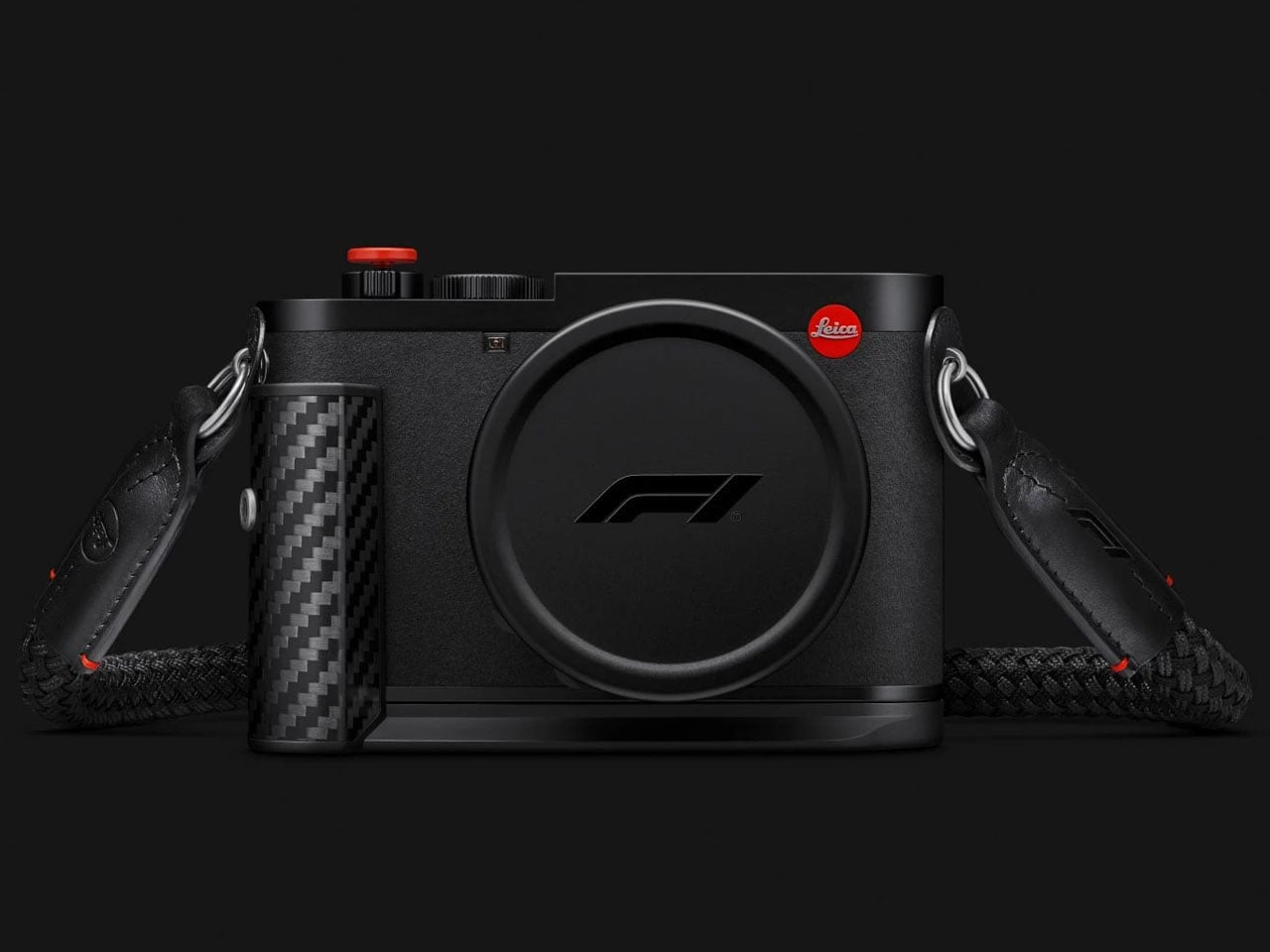
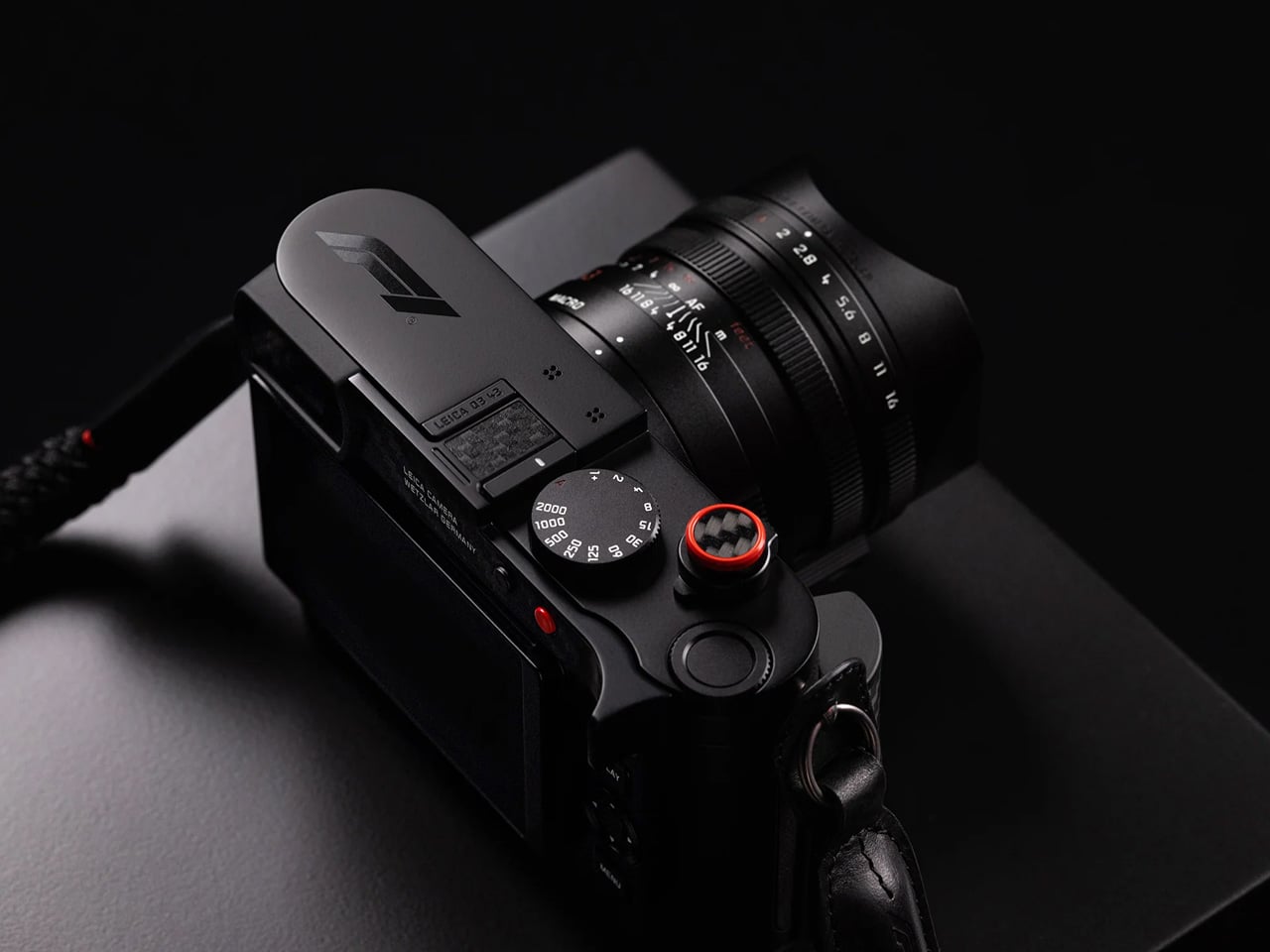
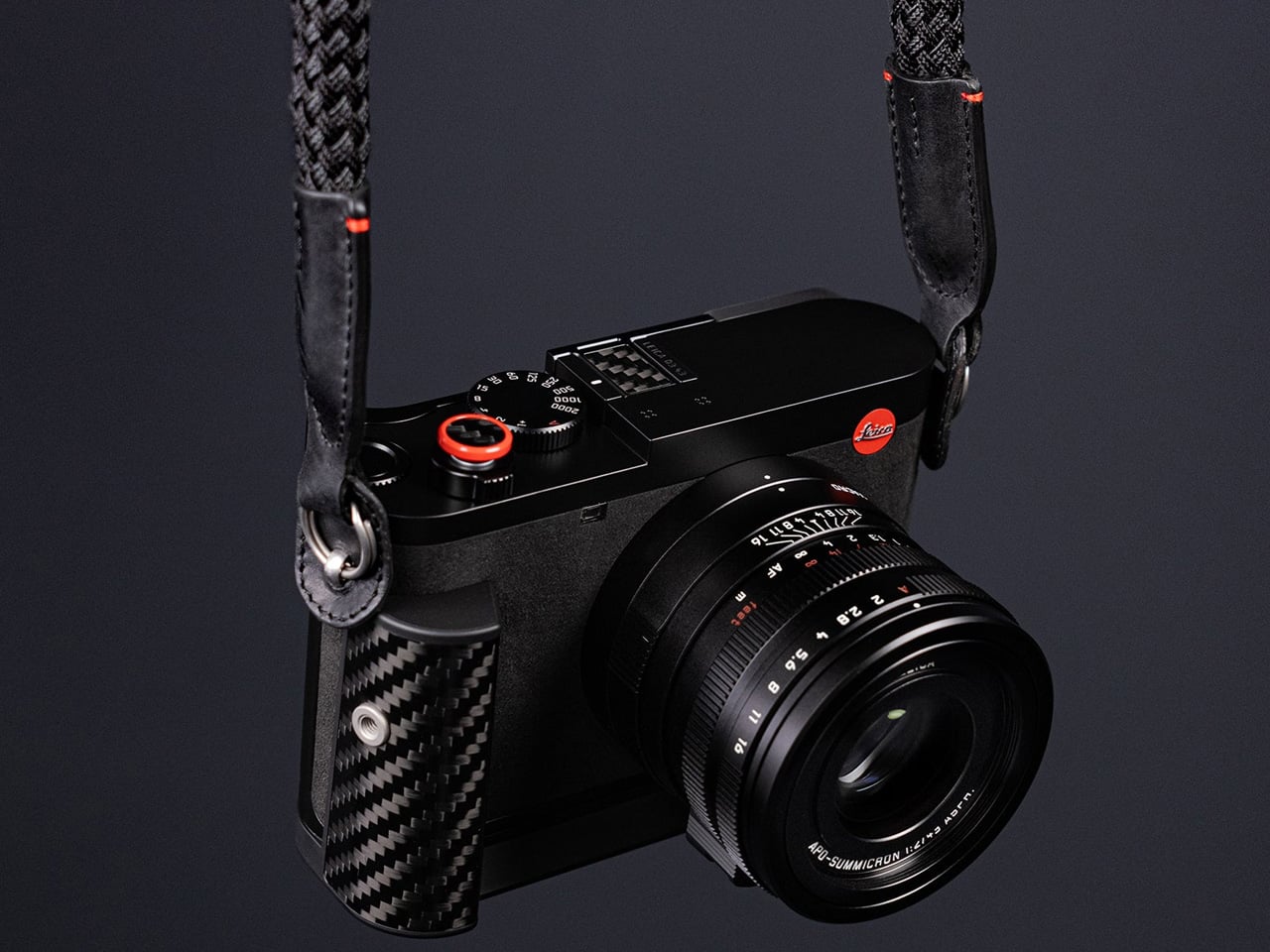
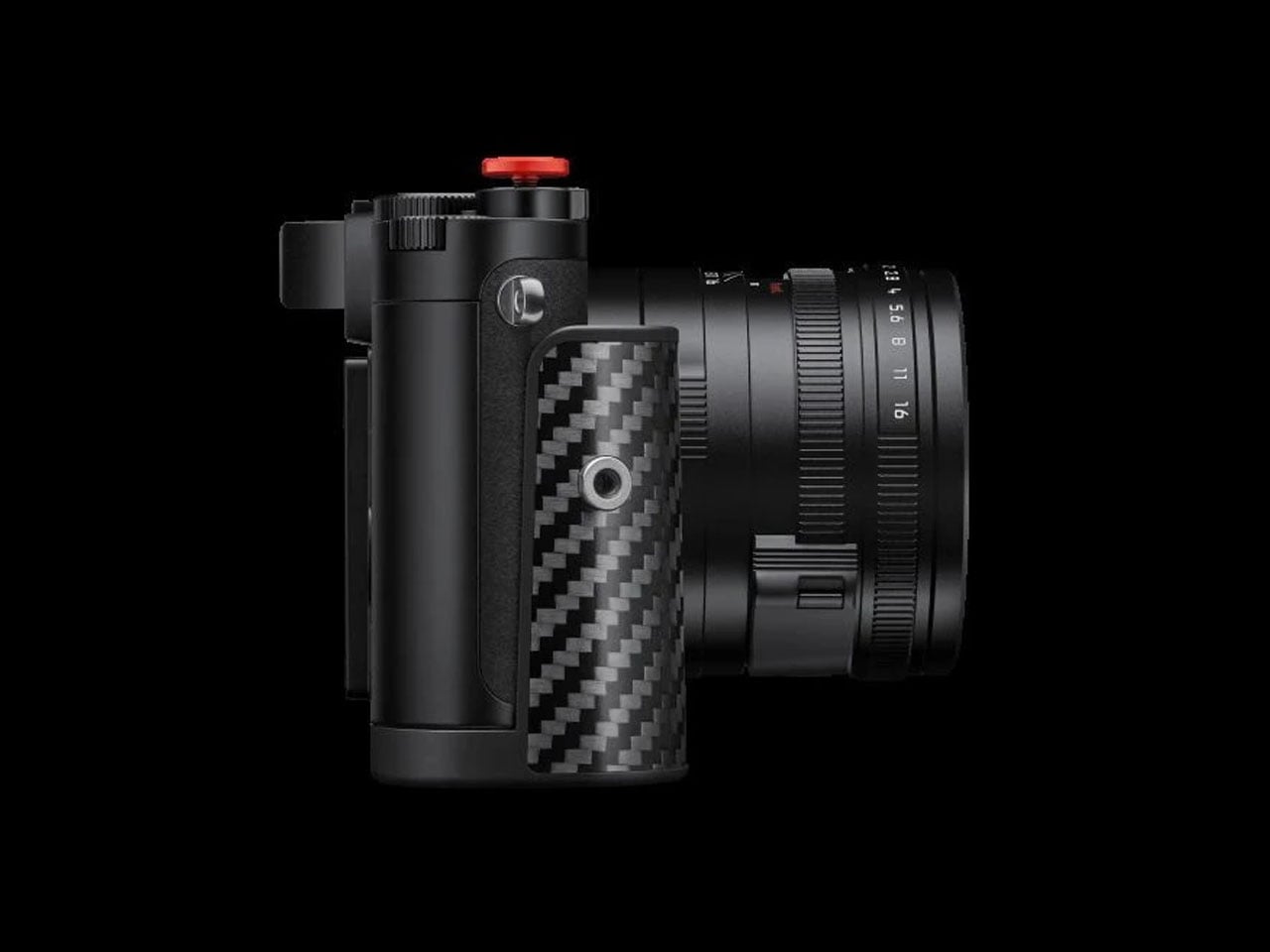
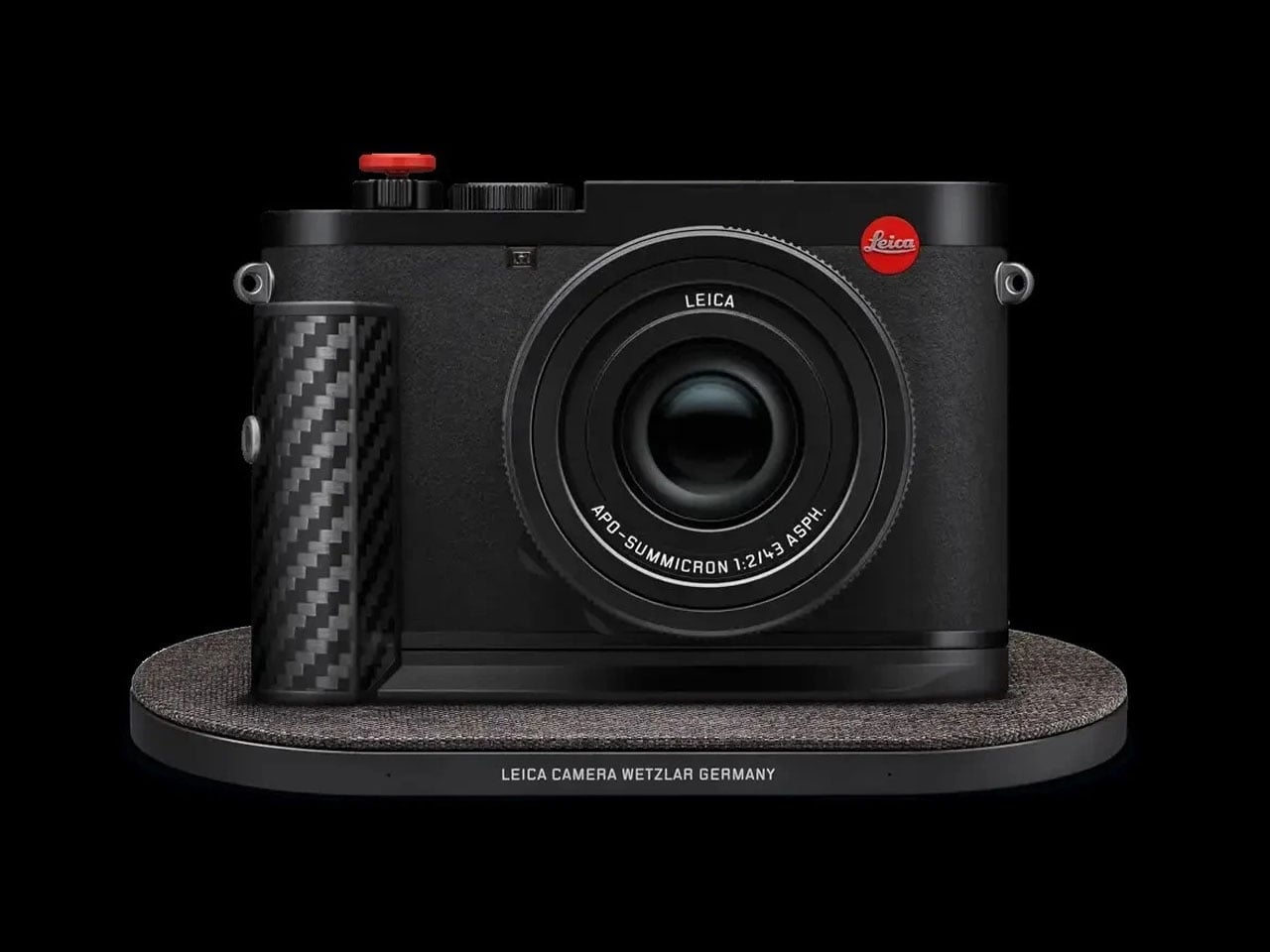
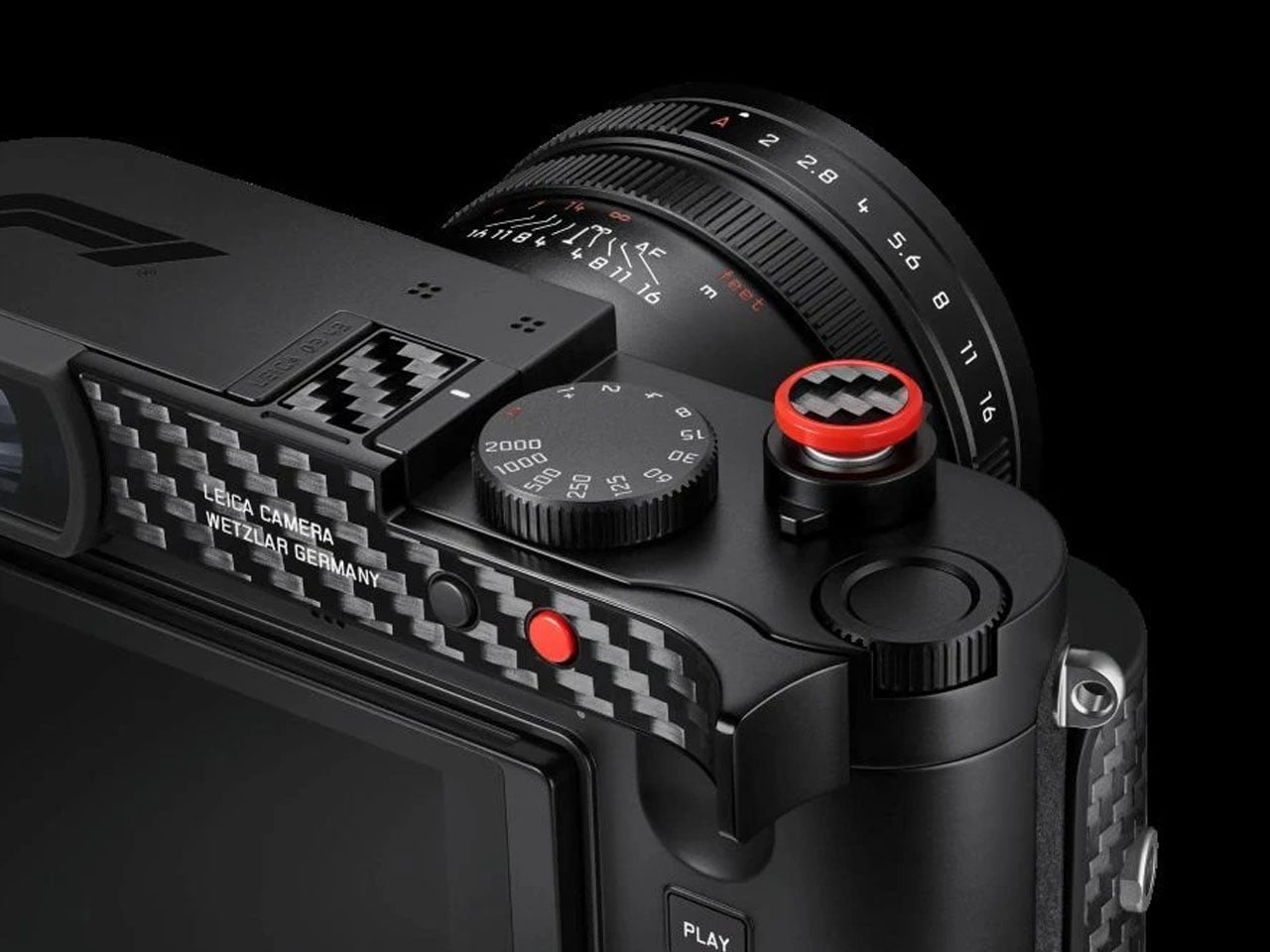
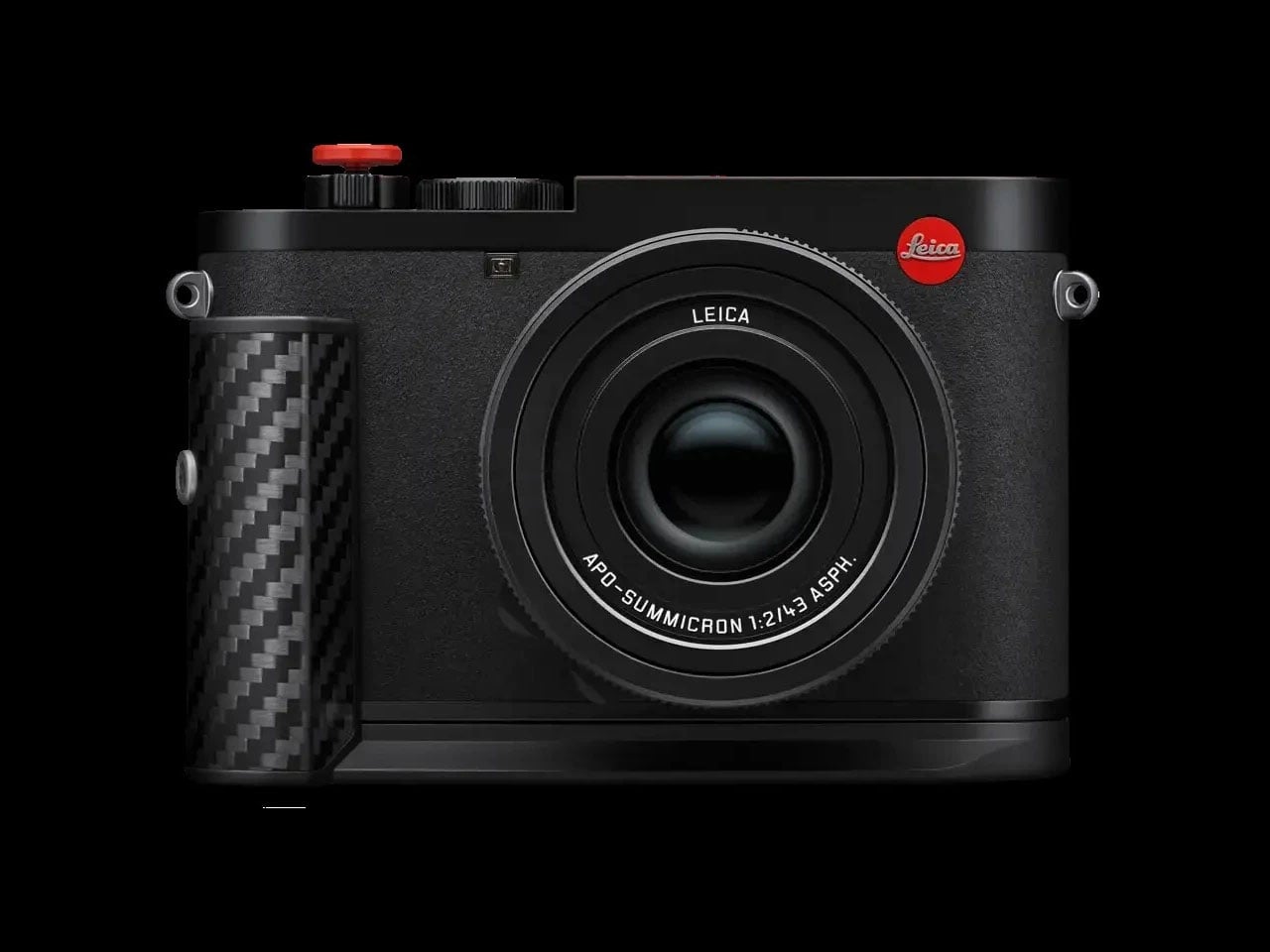
Based on the existing Leica Q3 43, the camera focuses on tactile finishes and motorsport-inspired styling. Its black exterior features a non-slip Microvelour covering modeled on the texture of a Formula 1 steering wheel. Genuine carbon fiber appears on the wireless-charging handgrip, rear thumb rest, and soft-release shutter button, introducing a material more commonly associated with high-performance racing cars than Leica cameras.

Designer: Leica and Formula-1

The carbon fiber components are manufactured and tested exclusively in Germany. Their exposed weave adds texture and visual depth to the predominantly black body, while red accents on the shutter release and a function button reference the color-coded controls found on racing steering wheels. Formula 1 branding appears on the top plate and lens cap, and the package includes a co-branded rope strap and custom packaging with a red inlay.

The included wireless-charging handgrip adds practical functionality to the design. A matching thumb rest and soft-release button complete the coordinated set, giving the camera a more distinctive physical identity without altering its fundamental photographic capabilities.

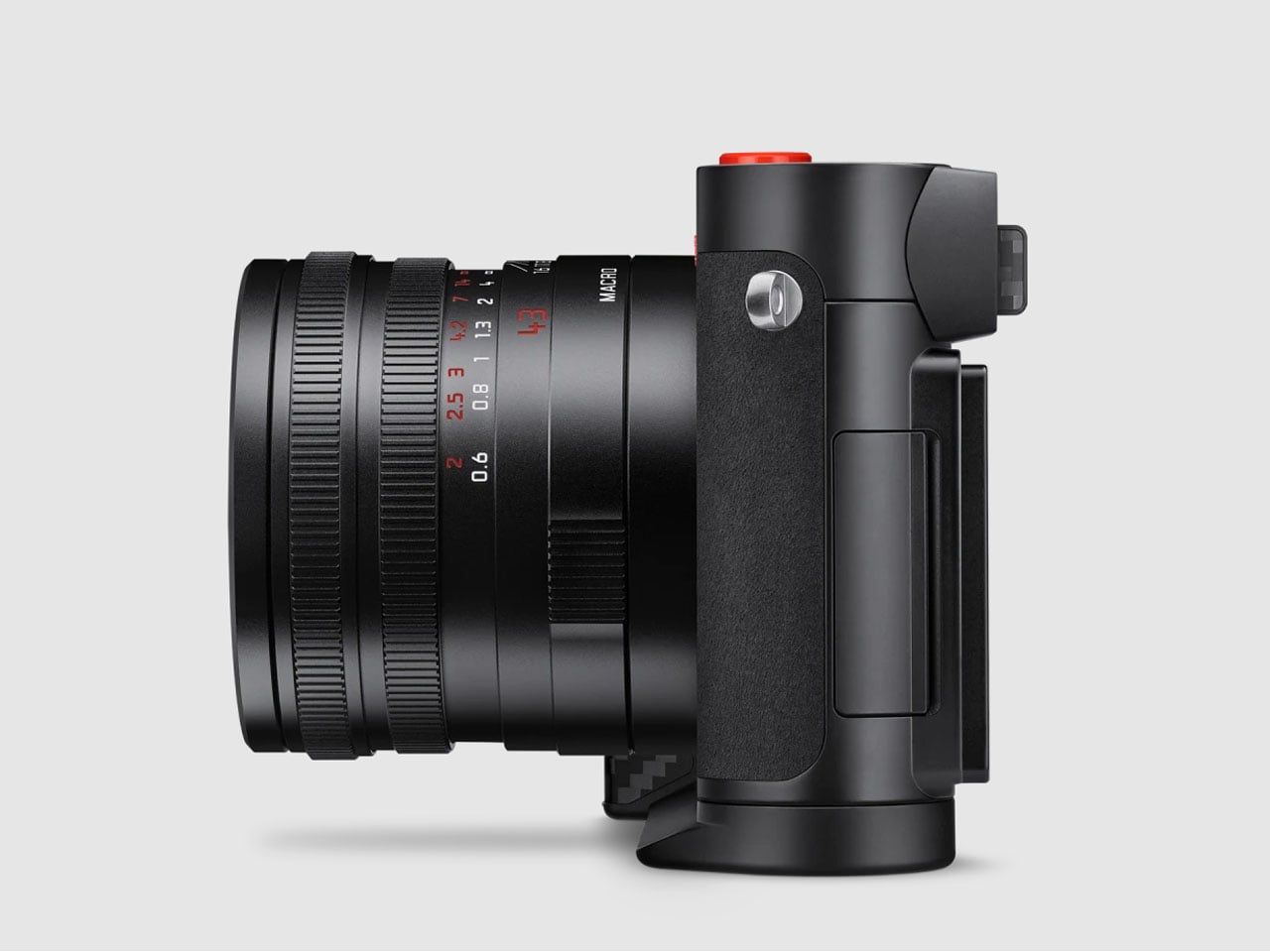
Underneath the special-edition exterior, the Q3 43 retains its 60-megapixel full-frame BSI CMOS sensor and fixed Leica APO-Summicron 43mm f/2 ASPH. lens. The focal length offers a natural-looking perspective suited to street photography, portraits, travel, and documenting the atmosphere around a race weekend. Leica’s Triple Resolution Technology also allows photographers to capture still images at 60, 36, or 18 megapixels.

A hybrid autofocus system and extensive video capabilities round out the imaging package. The camera is therefore suited to more than motorsport enthusiasts looking to document cars and circuits; its compact, fixed-lens format also appeals to photographers who prefer a dedicated camera for everyday visual storytelling.

The most notable software addition is an exclusive Formula 1 Leica Look, developed specifically for this edition. Accessible through the Leica FOTOS app, the profile produces higher contrast and richer color saturation to reflect the visual character of the racetrack and paddock. Photographers can apply the look while shooting and preview its effect in the viewfinder, rather than relying solely on post-processing. The app also transfers photographs and videos to mobile devices.

The collaboration was unveiled at an event at Leica Store and Leica Gallery Los Angeles, hosted by Formula 1 presenter Ariana Bravo and 2009 Formula 1 World Champion Jenson Button. A display of 26 motorsport photographs by photographer Callo Albanese accompanied the launch. Available from October 21, 2026, through Leica stores, the Leica online store, and specialist retailers, the Q3 43 Formula 1 Edition is priced at $9,950.

The post Leica’s new Formula 1 camera brings carbon fiber and racing-inspired DNA to photography first appeared on Yanko Design.
Daft Punk’s iconic Coachella pyramid stage is becoming an official LEGO set in 2027

Daft Punk’s debut album Homework turns 30 on January 20, 2027, and the robots have picked a pretty good year to show up in LEGO form. That record gave us “Da Funk,” “Revolution 909,” and “Around the World,” a song that repeats its own title 144 times and somehow never gets old. Building something out of one element over and over is pretty much LEGO’s whole thing, so the match was always sitting there. On October 22, LEGO and Daft Punk finally made it official with a brand new partnership. Its first product is a set based on the pyramid stage that glowed over the duo’s Alive tour, arriving in 2027.

The set traces back to Patrick Harboun, a Luxembourgish builder who grew up playing Homework on his Walkman. In 2020, he and his then 8-year-old son built a brick version of the pyramid during lockdown, and it won the Grand Prize in LEGO Ideas’ Music to Our Ears challenge. A box set didn’t follow, so they resubmitted it in 2024, hit 10,000 supporters in 2025, and spent about a year in LEGO’s review Parking Lot. That wait ended this week, and LEGO’s designers are now reworking the fan build into a retail set. I’ve been rooting for this box since I first saw the MOC in 2024, so forgive me for feeling a little smug.

Designers: Patrick Harboun (Robotrock) & LEGO Design Team

The real pyramid debuted on April 29, 2006, inside Coachella’s Sahara Tent, a space built for 10,000 people that roughly 40,000 tried to squeeze into. Martin Phillips of the LA production company Bionic League designed it, taking cues from the “Technologic” music video he had also worked on. The funny part is that Phillips used no bespoke technology at all, building the towering structure from off-the-shelf Barco OLite LED panels. Standard parts, clever assembly, legendary result, which honestly sounds like a LEGO tagline. The pyramid then toured the world as Alive 2006/2007, and the Grammy-winning Alive 2007 album was recorded under it at Paris-Bercy in June 2007.

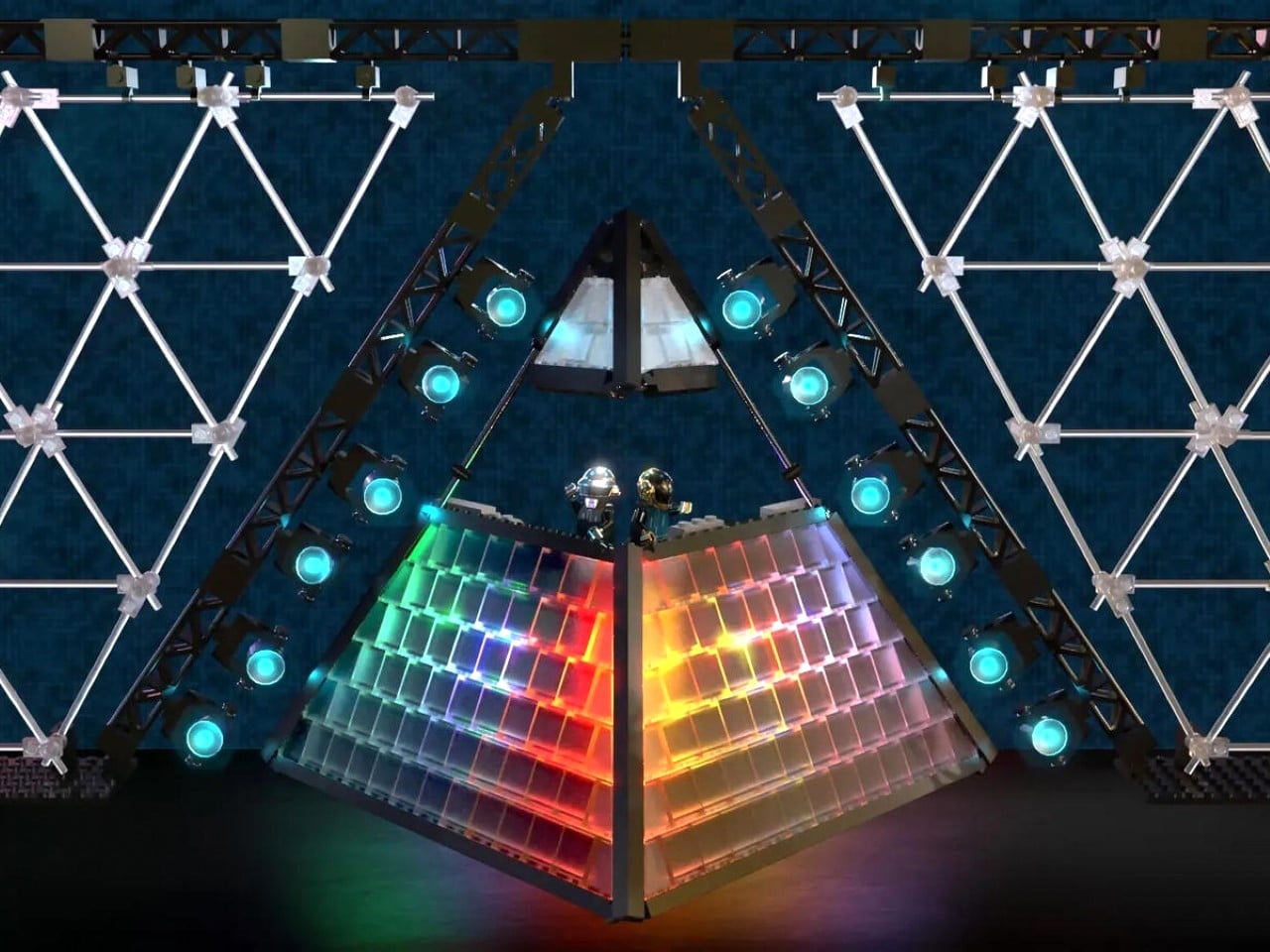
Harboun’s original Daft Punk Concert MOC (My Own Creation, in LEGO-speak) recreates that stage in roughly 2,000 pieces, with Thomas Bangalter and Guy-Manuel de Homem-Christo perched at their console in custom robot helmets. Triangles are famously awkward for a system built on right angles, and Harboun admitted that making all those angles click took some creative problem-solving. His son built the first prototype from bricks lying around the house, and Harboun expanded it digitally from there. The helmets were a gray area at the time, since LEGO had never sold official Daft Punk minifigures. The duo had only appeared in brick form in Pharrell’s LEGO-animated biopic Piece by Piece, which Harboun happily pointed to as a loophole.

My favorite detail, though, is the motorized core, where a spinning box of transparent bricks and a set of dangling lights fake the shifting LED patterns of the real pyramid. That one trick does two jobs. It stands in for the stage’s entire video rig, and it delivers on Harboun’s original goal of simulating what he called LEGO’s upcoming Night Mode. LEGO has said the retail set will differ from the fan submission, so the final details are still anyone’s guess. I’m crossing my fingers that the spinning core survives the trip from MOC to box.

This will be the first physical LEGO Daft Punk set, following the duo’s digital debut as minifigures and a music-reactive pyramid kit in LEGO Fortnite in 2025. LEGO’s Julia Goldin called the partnership “just the beginning of a bigger journey,” with more content and brand experiences promised alongside the set. Price, set number, piece count, minifigures, and regional availability, including the US, are all still unannounced. Daft Punk’s creative director Cédric Hervet described the pyramid as “one of the most recognizable expressions of Daft Punk’s visual world,” so at least everyone agrees on the centerpiece. Thirty years after Homework, the robots finally have some building homework of their own.

The post Daft Punk’s iconic Coachella pyramid stage is becoming an official LEGO set in 2027 first appeared on Yanko Design.
Moisture is the secret ingredient in Midea’s award-winning air fryer

Steaming is about as old as Chinese cooking gets. Bamboo baskets stacked over a wok have been turning out buns, dumplings, and whole fish for centuries, so it makes sense that a Chinese appliance giant would want that steam inside its air fryer. Midea’s new Humidity-Controlled Air Fryer does exactly that, pairing hot air with Smart Moisture Technology that can air fry, steam, or blend the two. The pitch is simple: crunch where you want crunch, juice where you want juice. Your bao and your chicken wings can finally share a counter spot, and nobody has to fight over the steamer.

Smeg’s steam air fryer and Xiaomi’s Mijia Pro Steam and Bake both bolted water tanks onto air fryers this year, and both leaned hard on the crispy wings pitch. Midea treats steaming as a full cooking mode, which tracks for a product designed around China’s multi-person households. The 8-liter (about 8.5-quart) cooker comes from Midea’s Shunde-based cooking division and won a 2026 Red Dot in the Design Concept competition’s Ready For Market category, reserved for designs that are nearly or fully developed but not yet on sale. Two transparent windows let you watch dinner without letting the steam out. There’s no price or US release date yet, which is my only complaint so far.

Designers: Peng Xi, Wang Jin, Ma Yufeng, Jo Jeongmin, Peng Yunyun & Chen Hailong (Midea)

Midea has been sneaking water into air fryers for a while now. Its European 7.5-liter model offers separate Moisture and Air Fry functions with automatic steam injection, and in China the 6-liter KZC6019D steam air fryer sells on JD for 308 yuan, roughly $43. The new design scales that idea up to 8 liters and hands humidity control to Smart Moisture Technology, which dynamically regulates moisture so the chamber can run wet, dry, or a mix of both in one cycle. In practice, that could mean steaming a batch of frozen dumplings until tender, then switching to dry heat so their bottoms crisp up, potsticker style. Your standalone steamer can finally retire.

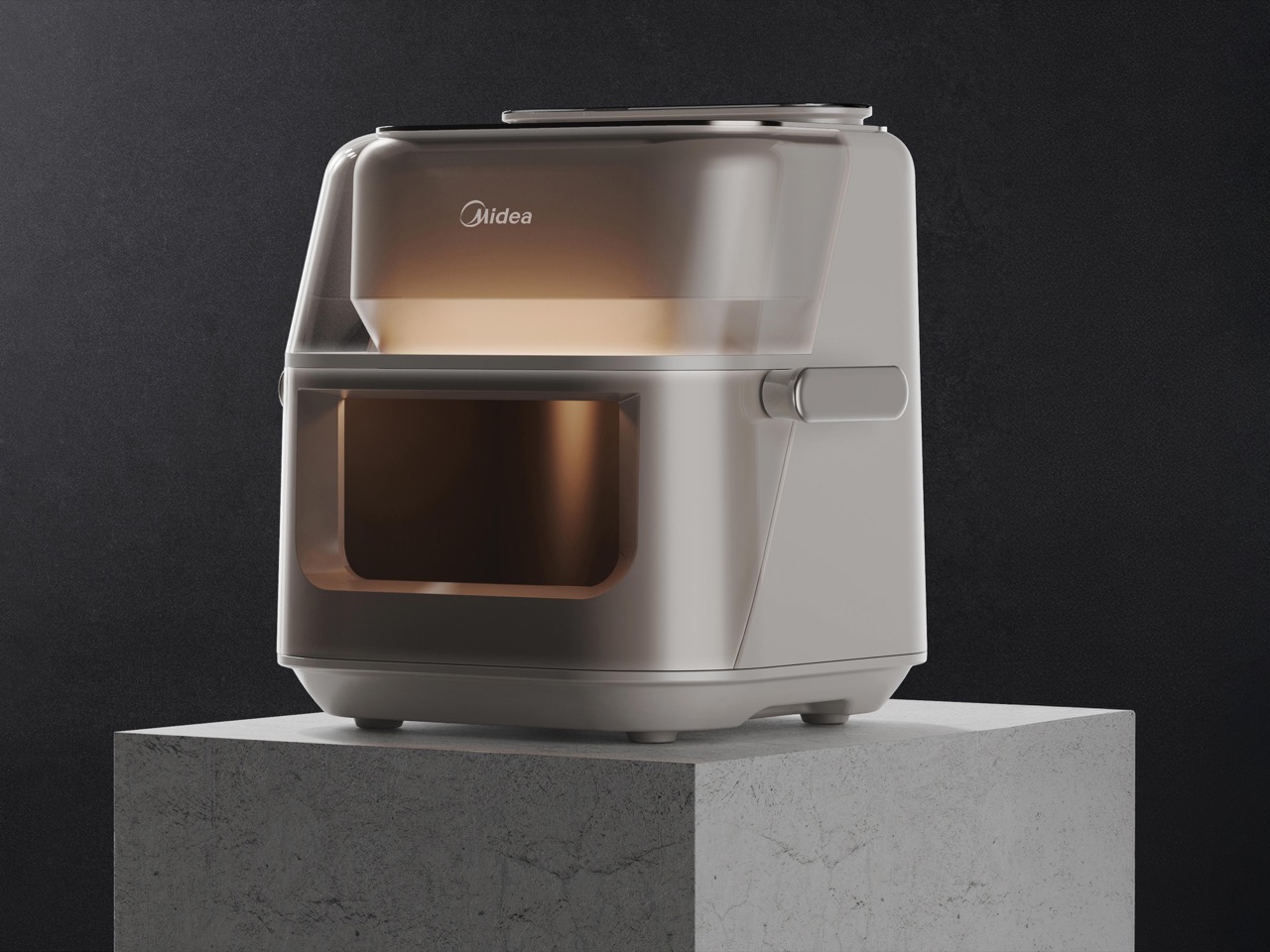
The two transparent windows do serious functional work on a steam cooker. Every time you yank open an air fryer basket to check on dinner, you dump the hot, humid air the machine just spent minutes building up. Midea’s lower window looks straight into the basket, so you can watch the browning happen without breaking the seal. Above it sits a tinted, translucent hood that gives a second view into the cavity, with a conical housing glowing amber behind it. Chronic basket-pullers like me finally get to keep our hands to ourselves, and the steam gets to stay put.

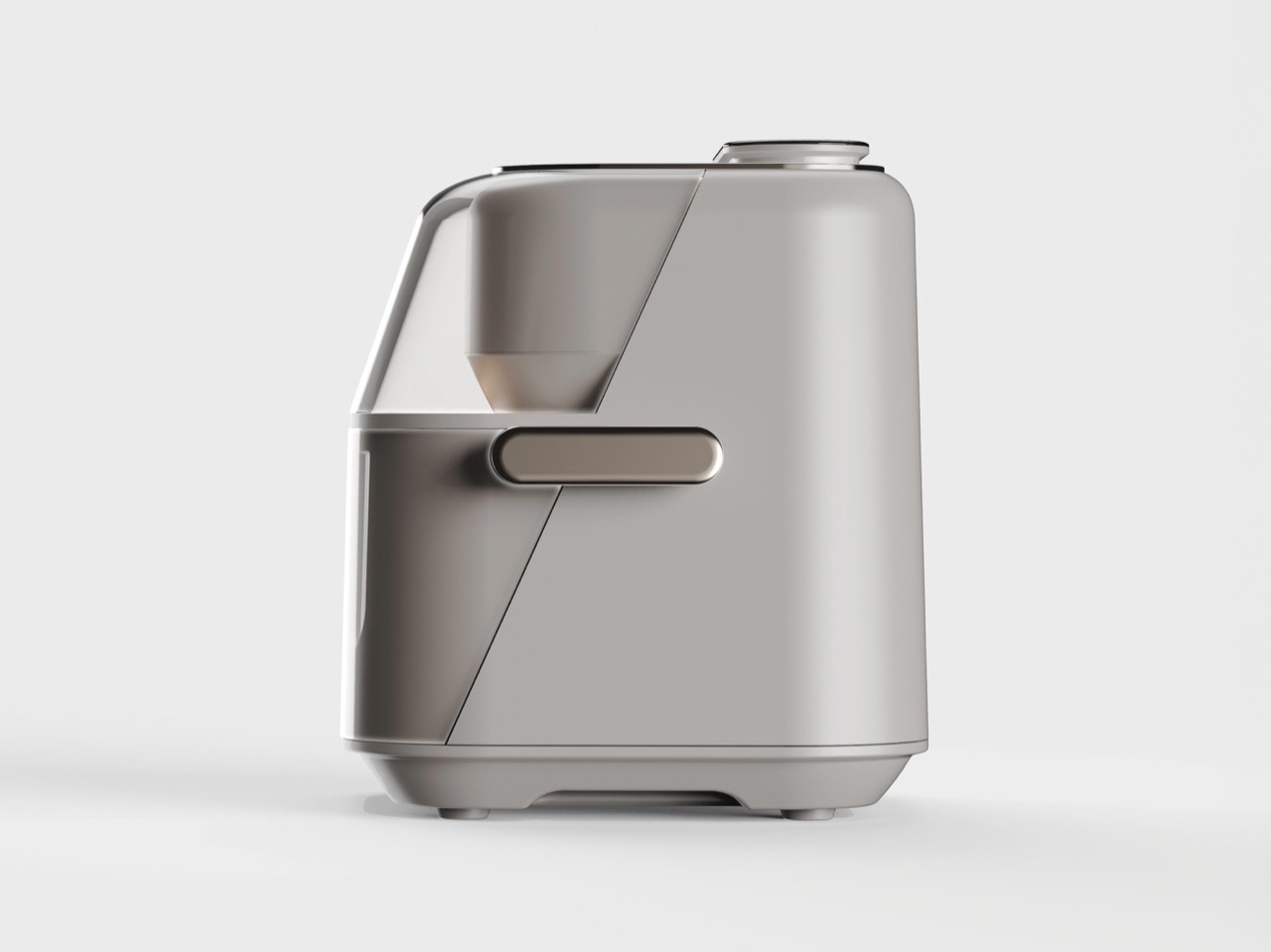
A sharp diagonal seam runs down each side, splitting the translucent upper hood from the solid lower body and giving it a forward lean, like it’s mid-stride toward your plate. The handle, a champagne-finished pill, sits on that seam at the center of the side panel. Centering it makes sense for an 8-liter basket loaded with a family dinner, since the weight stays balanced instead of tipping toward your wrist. On top, a glass deck carries touch controls and a timer display, with a Smart Moisture module and what looks like a water fill cap at the back. Midea renders it in warm white and dark gunmetal, a welcome break from the glossy black boxes crowding most counters.

The steam air fryer category now has three clear personalities. Xiaomi’s 6.5-liter Mijia Pro chases value after crowdfunding in China at 559 yuan, around $81, Smeg’s 7-liter AFC01 chases style at £199.95 in the UK, roughly $265, and Midea’s 8-liter design chases capacity and visibility. Midea already sells dual-zone air fryers in the US, though it hasn’t announced US plans for this one. Red Dot’s Ready For Market jurors judge whether a product can ship within about 12 months, and the China-first brief hints at where it lands first. Somewhere, a bamboo steamer is watching all this with mild amusement, having figured out wet heat centuries before anyone plugged it in.

The post Moisture is the secret ingredient in Midea’s award-winning air fryer first appeared on Yanko Design.