Snap has more than 30 million paid subscribers across Snapchat+ and other plans
Power users seem more than willing to pay for AI-powered effects.
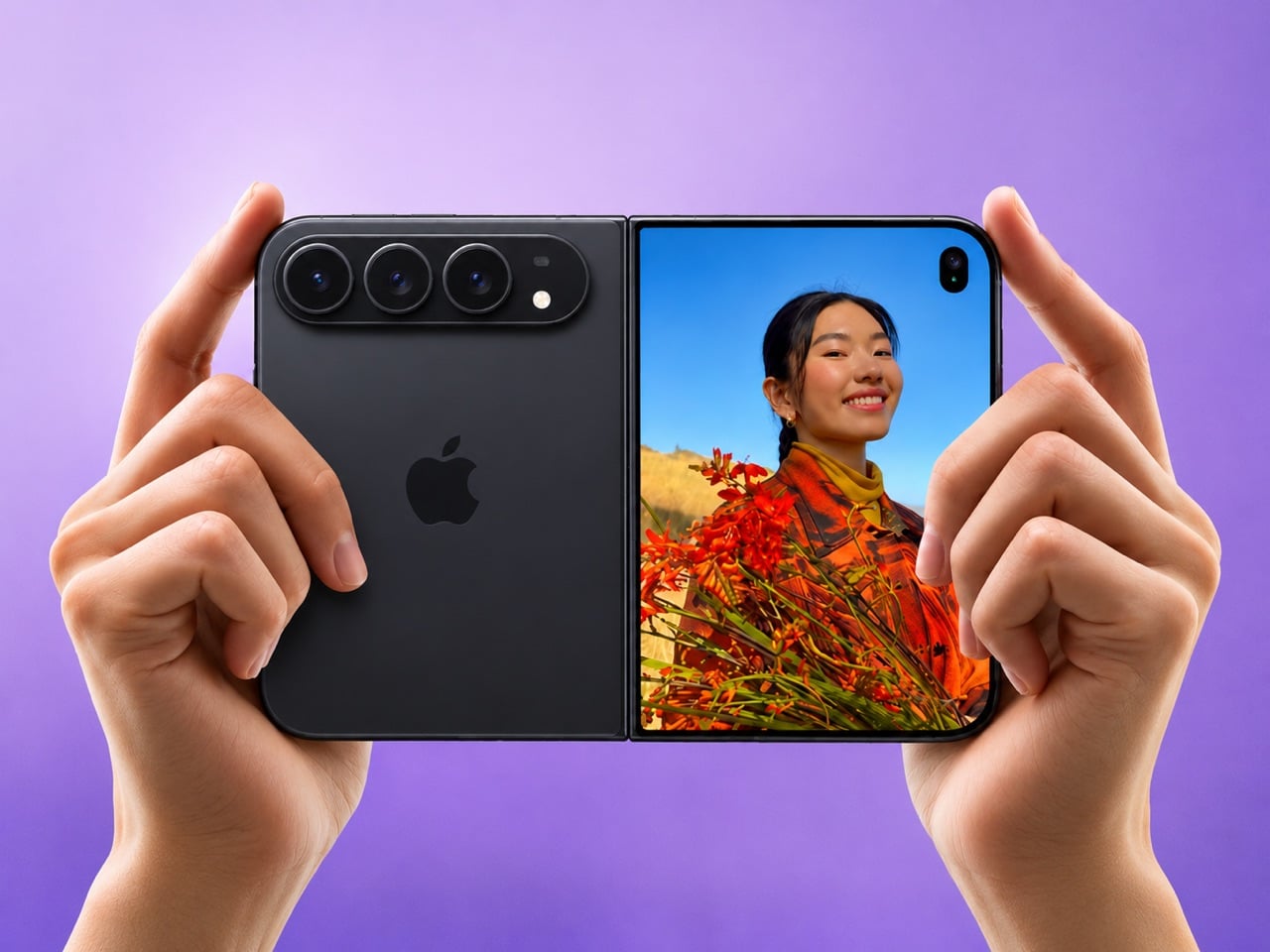
Apple’s first foldable has been on shelves for about two weeks, and the internet has already moved on to the sequel. A purported prototype of the iPhone Duo 2 surfaced on X this week, posted by leaker Majin Bu, with three cameras on the back instead of two. That could mean a telephoto lens, the most obvious omission on the $1,999 original. I have one pressing question, though. What do we even call this thing? The Duo Duo? The Duo Trio, in honor of all three lenses?
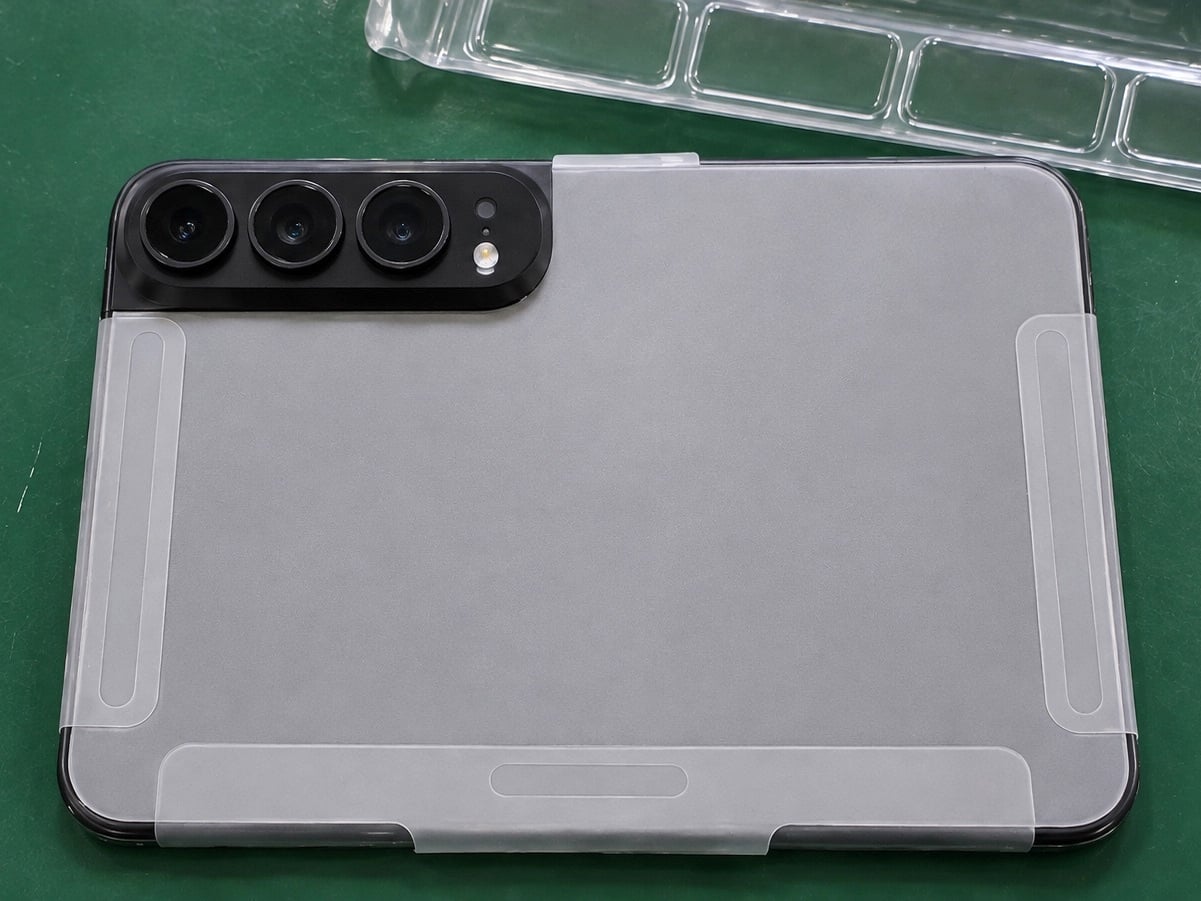
Naming crisis aside, the image shows the same pill-shaped camera module as the current Duo, stretched a little longer to fit the extra lens. Apple’s foldable measures 0.2 inches (5.2mm) unfolded, so expanding the bump sideways seems a sensible choice, though the photo doesn’t establish its thickness. Bloomberg’s Mark Gurman has separately reported that Duo 2 prototypes are testing Face ID tucked under the outer display, which would address another conspicuous omission. The photo remains unverified, and the phone isn’t expected until the second half of 2027. If the reports hold up, Apple appears to be tackling two of the first Duo’s biggest gaps.
Image Credits: Majin Bu (X)
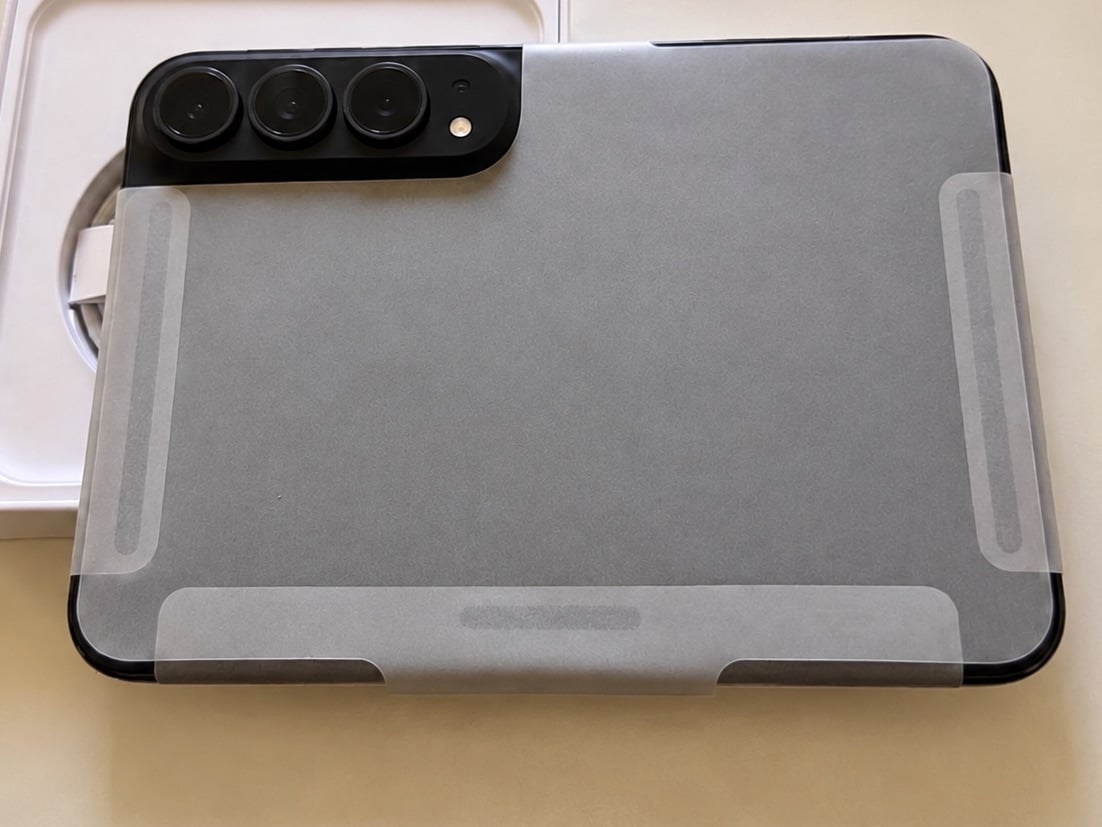
A telephoto camera needs room for its optics and sensor. That’s a tough ask on a phone measuring 0.2 inches (5.2mm) unfolded and 0.44 inches (11.3mm) when folded. The purported prototype shows a longer camera module, but it tells us little about how the hardware might fit inside. The iPhone Duo already shares its A20 Pro chip with the triple-camera iPhone 18 Pro. Squeezing in a third camera without turning a slim foldable into a brick with a hinge is a separate challenge.
The iPhone 7 Plus introduced Apple’s first telephoto lens in 2016, and the iPhone 11 Pro made the triple-camera bump the Pro standard three years later. A third camera on the Duo would follow that playbook, with the foldable catching up to the Pro line one generation in. Samsung, meanwhile, is heading the other way. The $1,899.99 Galaxy Z Fold8 dropped its telephoto entirely, leaving 3x optical zoom to the $2,099.99 Z Fold8 Ultra, which pairs it with a 200MP main sensor and a 50MP ultra-wide. If the extra camera is a telephoto, the Duo 2 would offer the same main, ultra-wide, and telephoto arrangement as Samsung’s pricier foldable while undercutting it on price, assuming that $1,999 tag survives.
Bloomberg’s Mark Gurman reported in October that Duo 2 prototypes are testing Face ID hidden beneath the outer display. That would mean tucking facial-recognition hardware, including an infrared camera and flood illuminator, under the screen itself. The current Duo relies on Touch ID in the power button, a familiar solution that still feels like a step back on a $1,999 iPhone. Gurman also says Apple is weighing an Action button, which the first Duo skipped. He cautions that neither feature is locked in, and Face ID could slip to the third-generation model if development runs late.
Fixing the first version’s biggest gaps is a familiar Apple sequel move. The iPhone 3G added the 3G connectivity and GPS the 2007 original lacked, and the Apple Watch Series 2 followed the first watch with built-in GPS and swim-proofing. A Duo 2 with a telephoto and Face ID would fit that pattern, giving buyers two familiar iPhone features missing from the first foldable. The rumored launch is still roughly a year out, so expect plenty more leaks before Apple says a word. My vote for the name stays the same, though, because the Duo Trio has a nice ring to it.
The post iPhone Duo 2 images leak online, hinting at a 3-camera setup and even thinner body first appeared on Yanko Design.
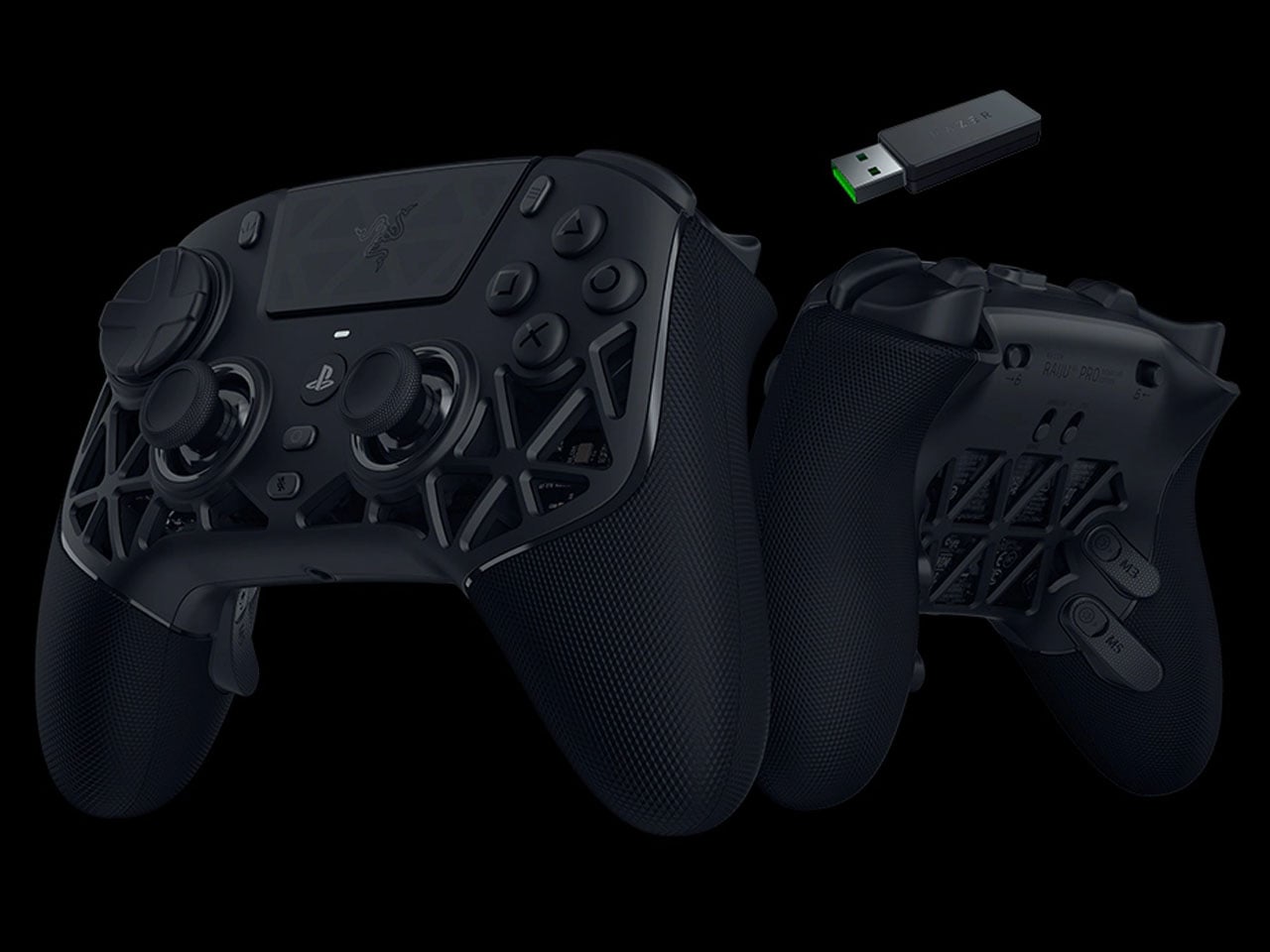
Razer is taking its high-performance PlayStation controller lineup into premium collector territory with the Raiju V3 Pro Signature Edition. Combining a magnesium alloy frame, an exposed polygonal construction and tournament-oriented controls, the new gamepad places as much emphasis on material craftsmanship as it does on competitive performance. Limited to just 1,337 individually serialized units worldwide, the gamepad represents a decade of refinement in Razer’s Raiju controller series, which first appeared in 2016.
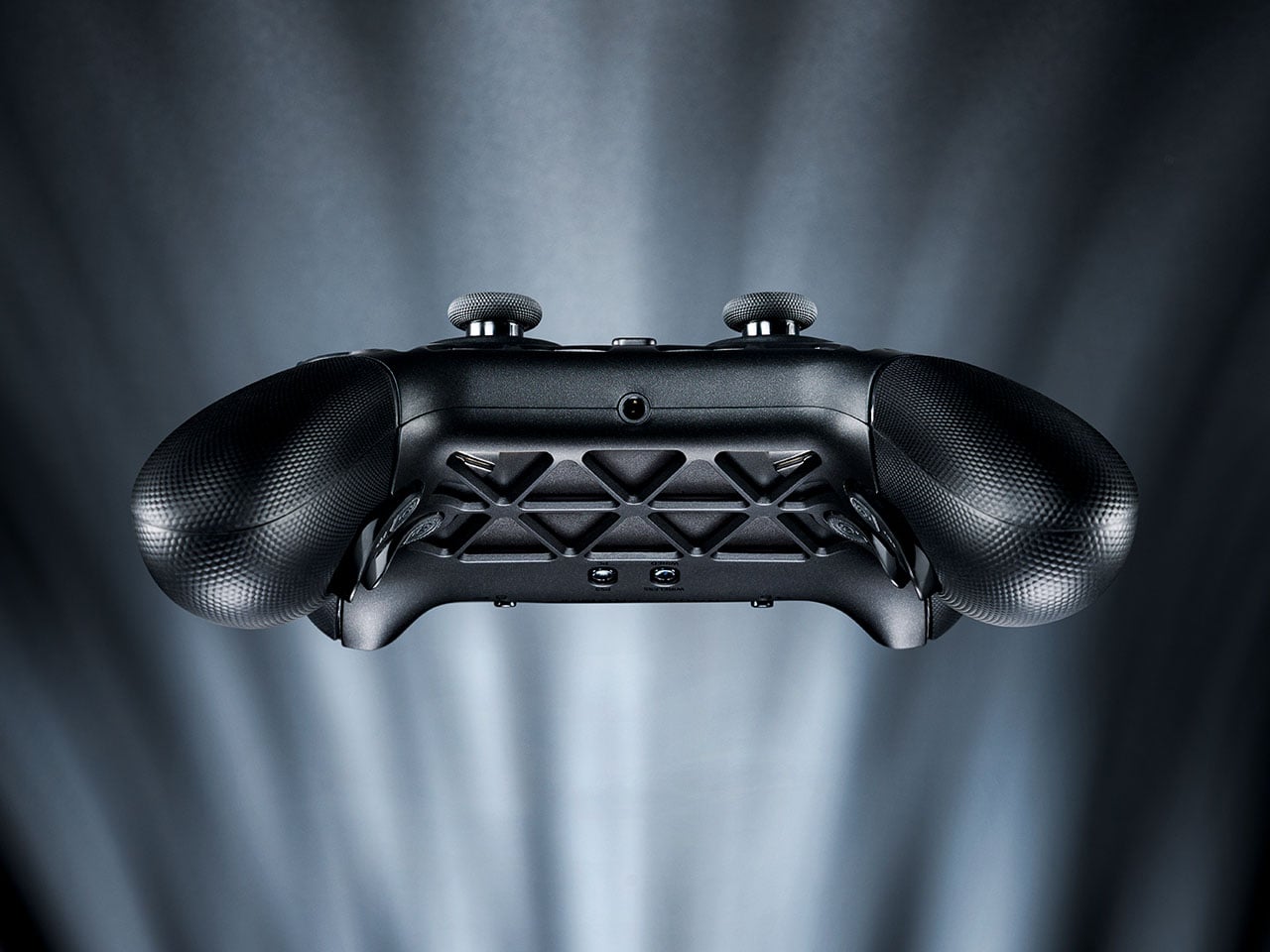
The most distinctive feature of the limited-edition controller is the magnesium alloy exoskeleton, selected for its strength and relatively low weight. Rather than concealing the structure behind a conventional solid shell, Razer has given the controller an open-polygonal top and back plate design. Chamfered edges create a smoother transition between surfaces, while a protective nano coating helps shield the exposed internal components from debris. The entire controller weighs approximately 260 grams, making it notably lightweight for a premium performance-focused gamepad.
Designer: Razer
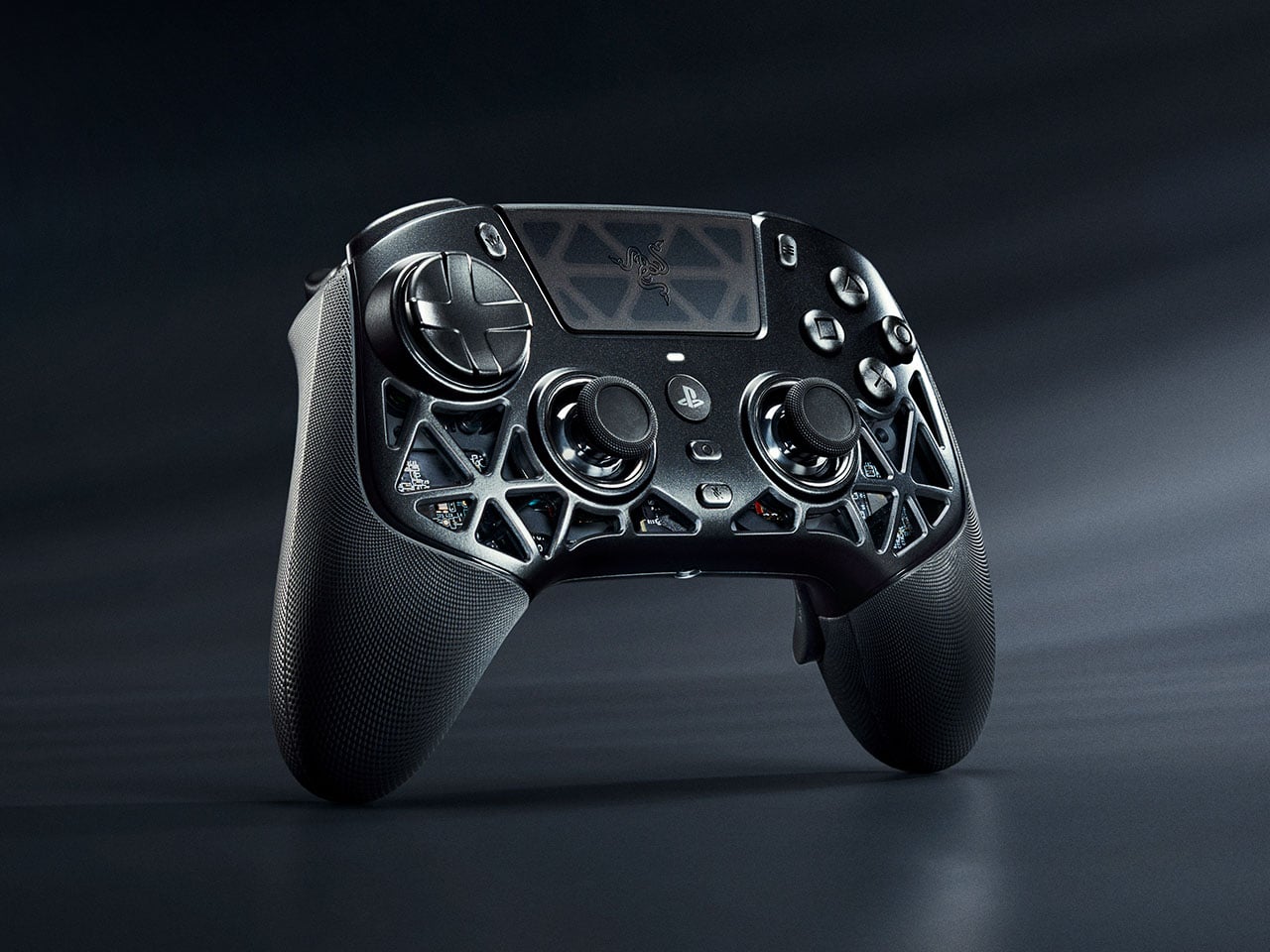
The material choices extend to the smaller details, with matte-black, micro-textured TPU grips on the handles designed to resist oil and abrasion during extended gaming sessions. A semi-transparent, tinted glass touchpad sits at the centre, with a laser-etched Razer logo that lets you see the geometric structure beneath. The action buttons, directional pad and secondary inputs use double-shot PBT construction, with tone-on-tone markings designed to resist fading and oil accumulation.
Beyond its distinctive exterior, the Raiju V3 Pro Signature Edition retains the performance features expected from a competitive controller. It uses a symmetrical thumbstick arrangement with contactless TMR (Tunneling Magnetoresistance) sensors, designed to deliver precise tracking while reducing the wear associated with traditional contact-based mechanisms. The configuration also includes six remappable multifunction buttons, two claw-grip bumpers and four mouse-click-style back buttons. These additional inputs allow players to assign frequently used actions without moving their thumbs away from the sticks.

The controller is officially licensed for PlayStation 5 and optimized for PC. When connected to a PC using Razer HyperPolling Wireless, it supports polling rates of up to 2,000Hz for more frequent input registration. Players can customize button assignments, thumbstick sensitivity, and trigger response through Razer Synapse or the Razer mobile app, with onboard profiles allowing personalized configurations to be carried between setups.
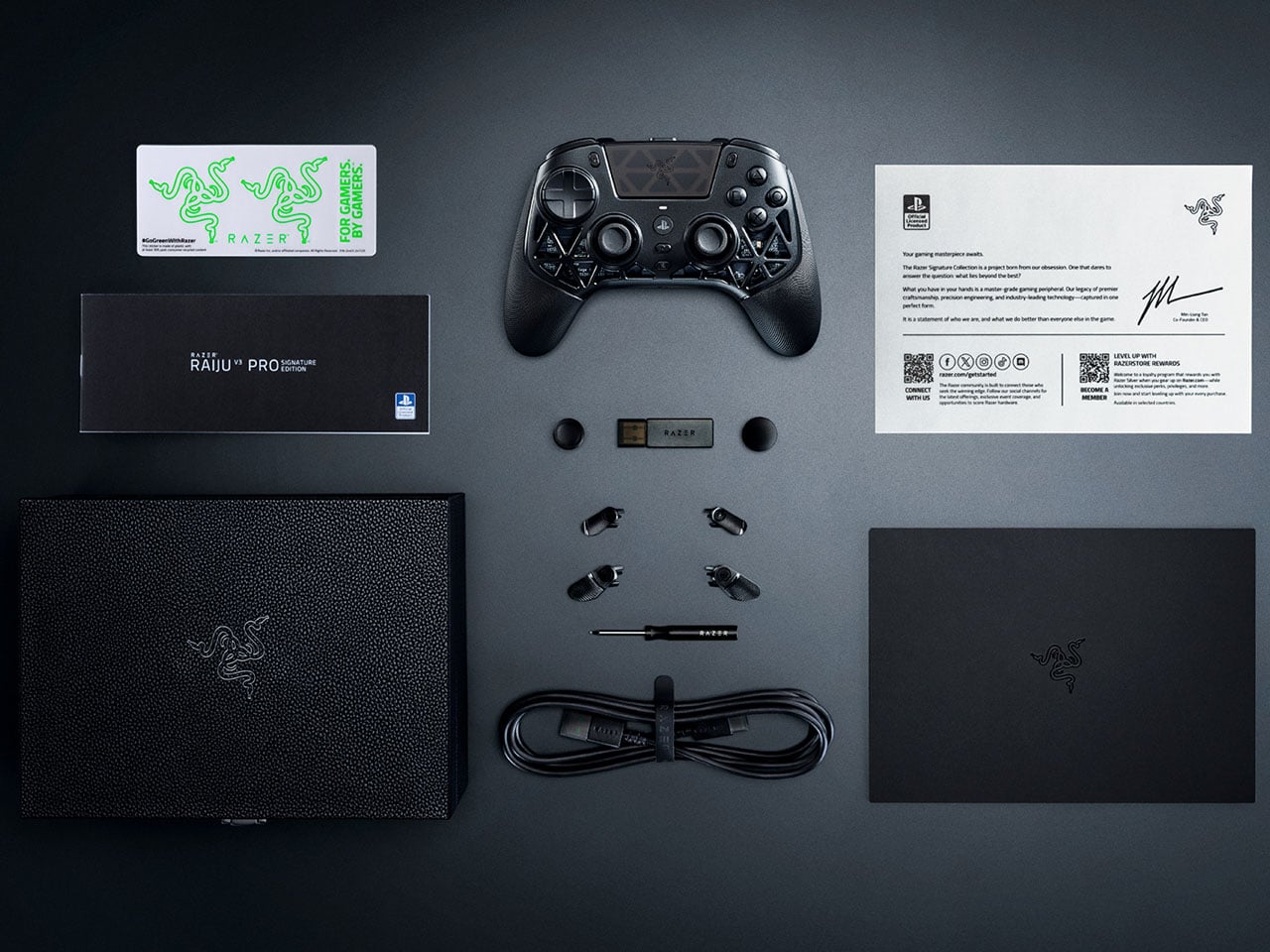
Razer is also treating the package as part of the product experience. Each unit comes with a premium leatherette carrying case, alternative short convex and tall concave thumbstick caps, four interchangeable back-button covers and an anodized aluminium replacement tool. A Razer HyperSpeed Wireless dongle and USB Type-A to USB Type-C cable complete the accessories. The alternative thumbsticks offer different handling preferences, with shorter convex caps suited to quicker movements and taller concave versions providing additional leverage for precise aiming.
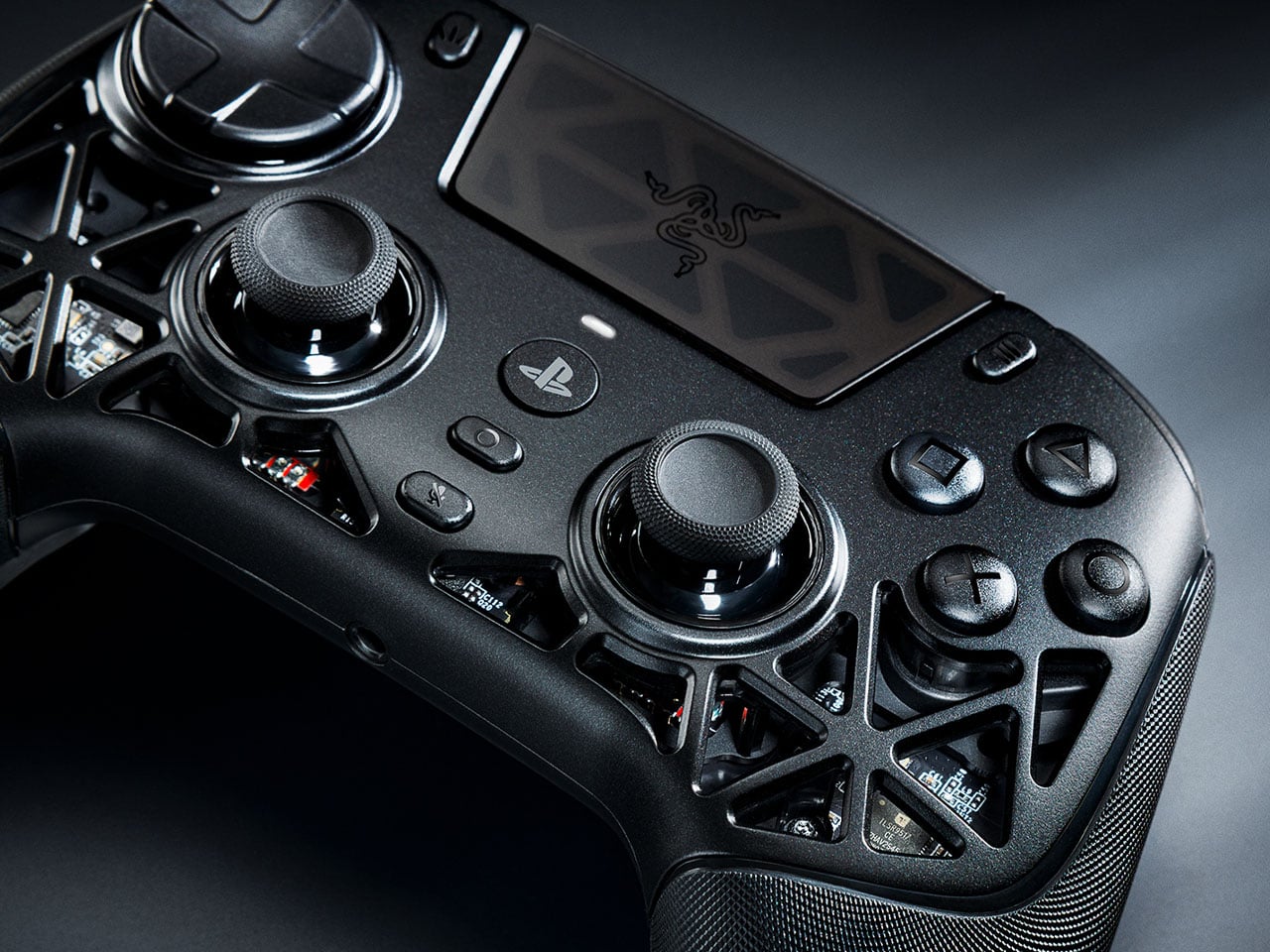
Razer Raiju V3 Pro Signature Edition will launch on November 10, exclusively through Razer’s online store and select retail locations. The gamepad is priced at $349.99 in the US and €368.99 in Europe. With production restricted to 1,337 individually numbered units, the Signature Edition combines specialist gaming hardware with a more considered approach to materials and design.
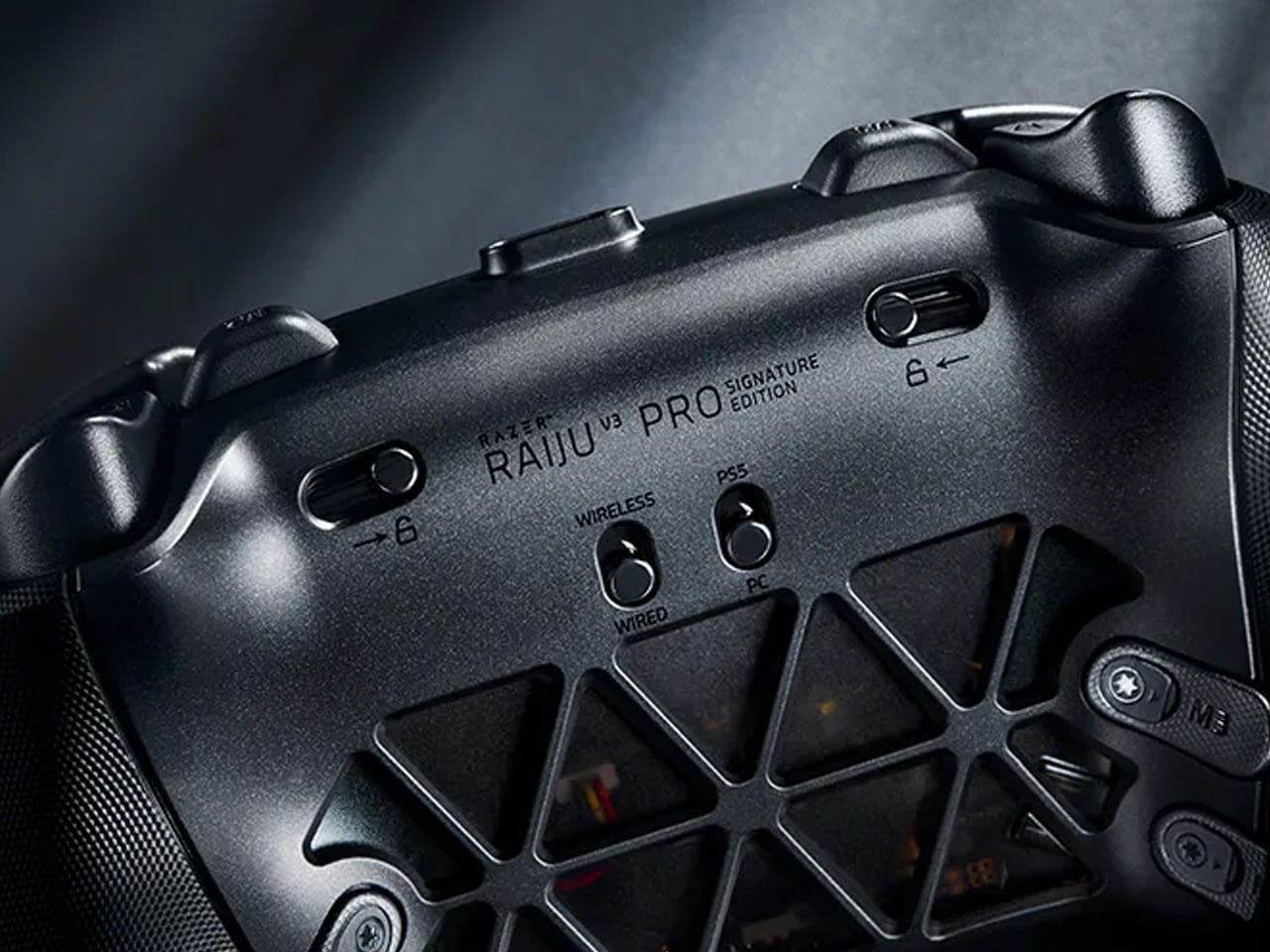
The post Razer’s Limited-Edition PS5 Controller combines magnesium alloy frame with pro-level precision first appeared on Yanko Design.
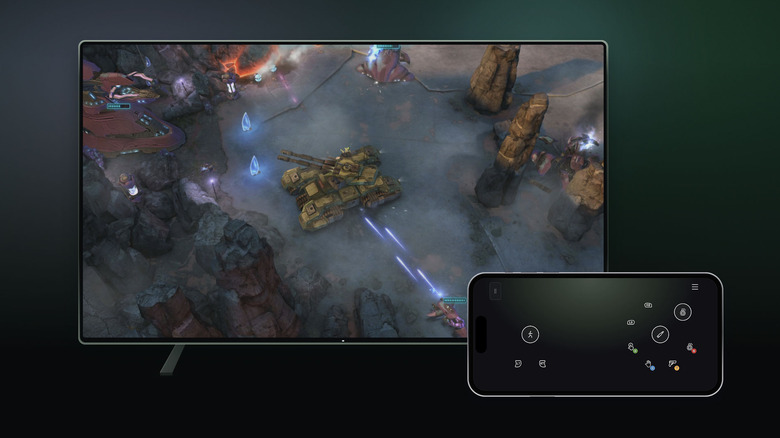
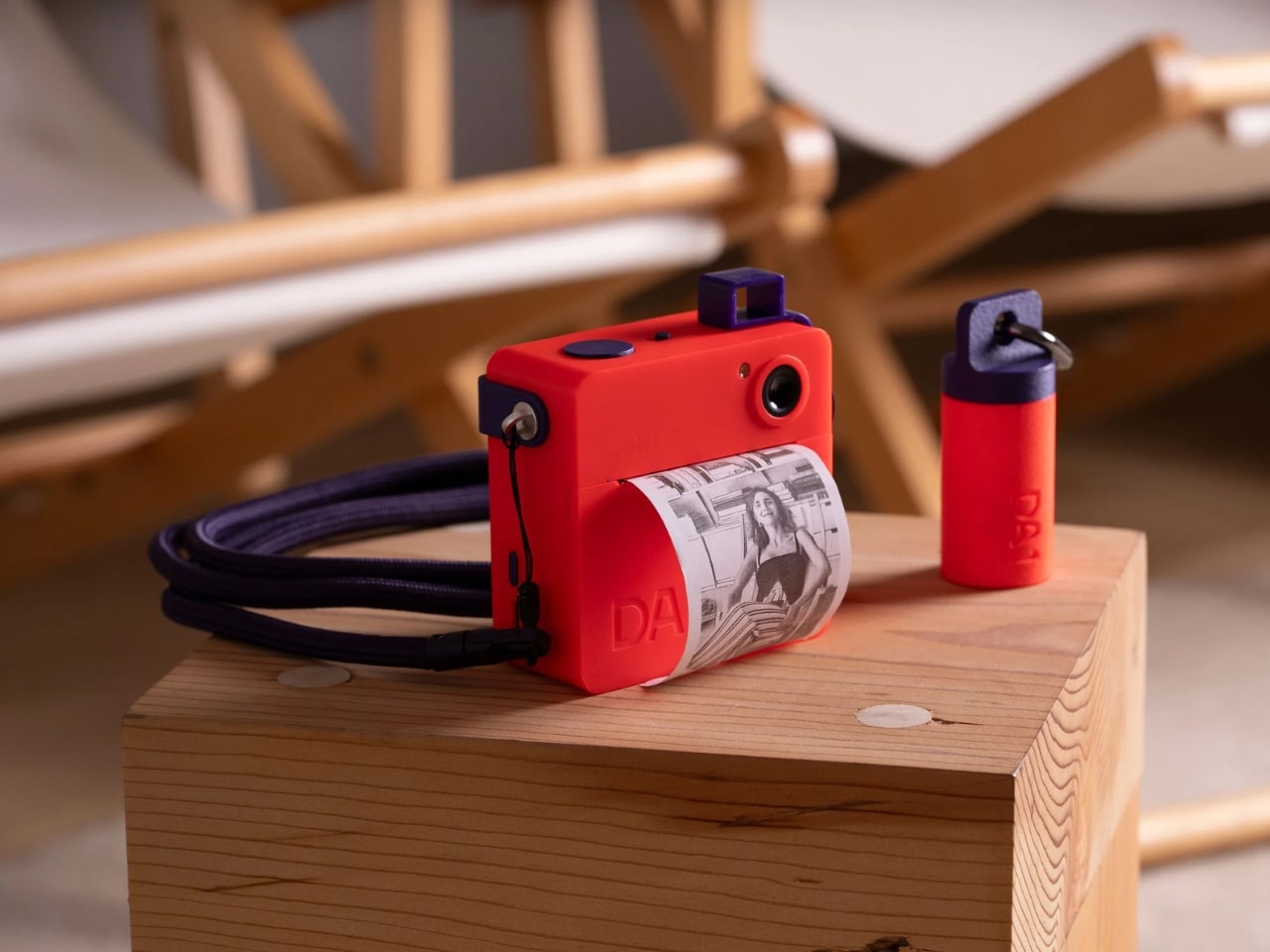
I take a lot of pictures wherever I go or even when I just stay at home and find something interesting I want to capture. While I do post a photo a day on social media and occasionally print photos for my journal, a lot of them don’t really make it out of the camera roll. Sometimes, having them just stay there in my phone’s storage defeats the purpose of capturing a moment. There are also moments when you want a tangible memory or something you can share with other people.
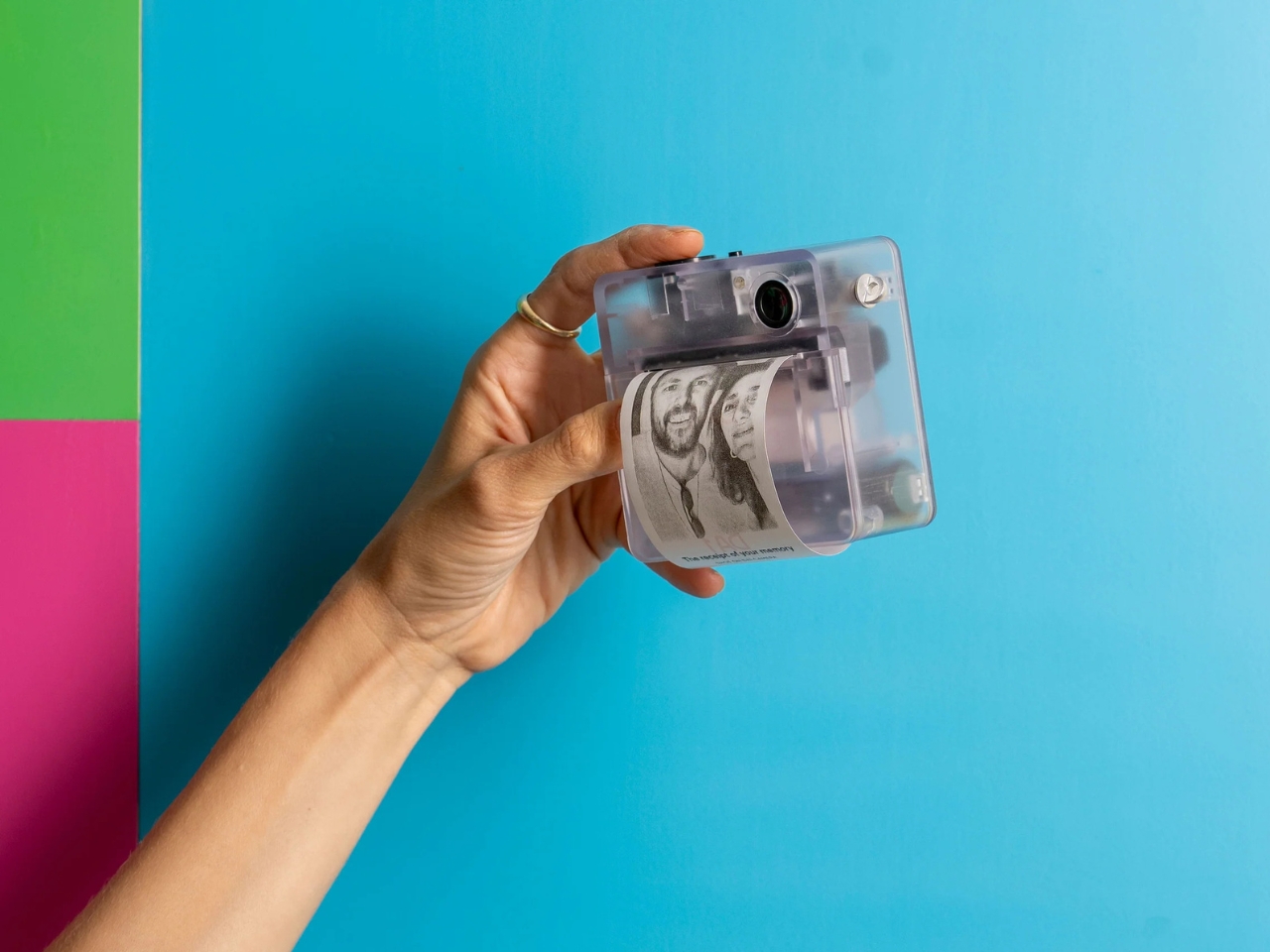
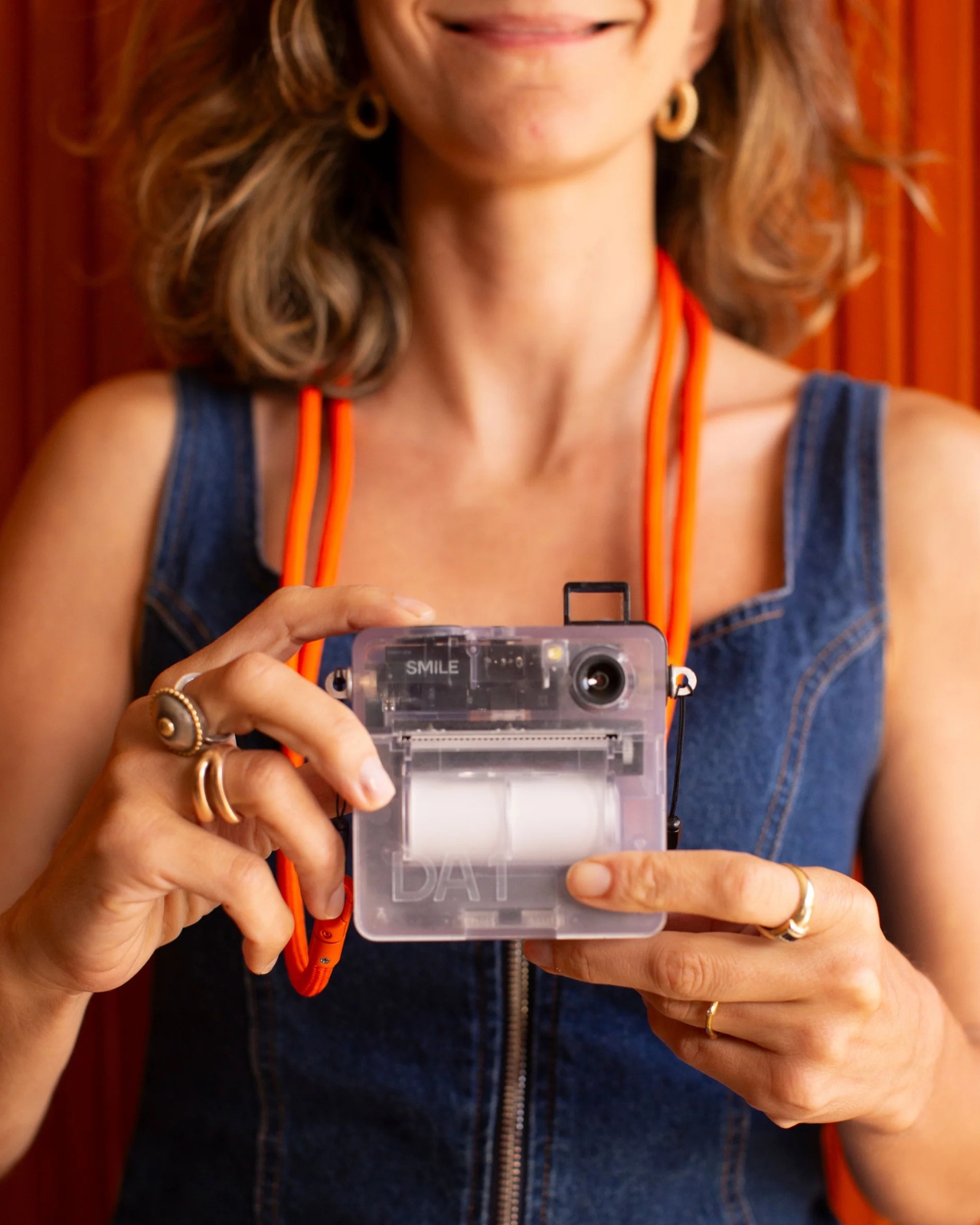
The DA1 Camera is an electronic instant-print camera that lets you take a picture, print out the photo on thermal paper from a roll, and keep it for your collection or hand it over to someone. It leaves out the screen, image gallery, and app-centered workflow to make taking and sharing photos a more immediate activity.
Designer: Twogather
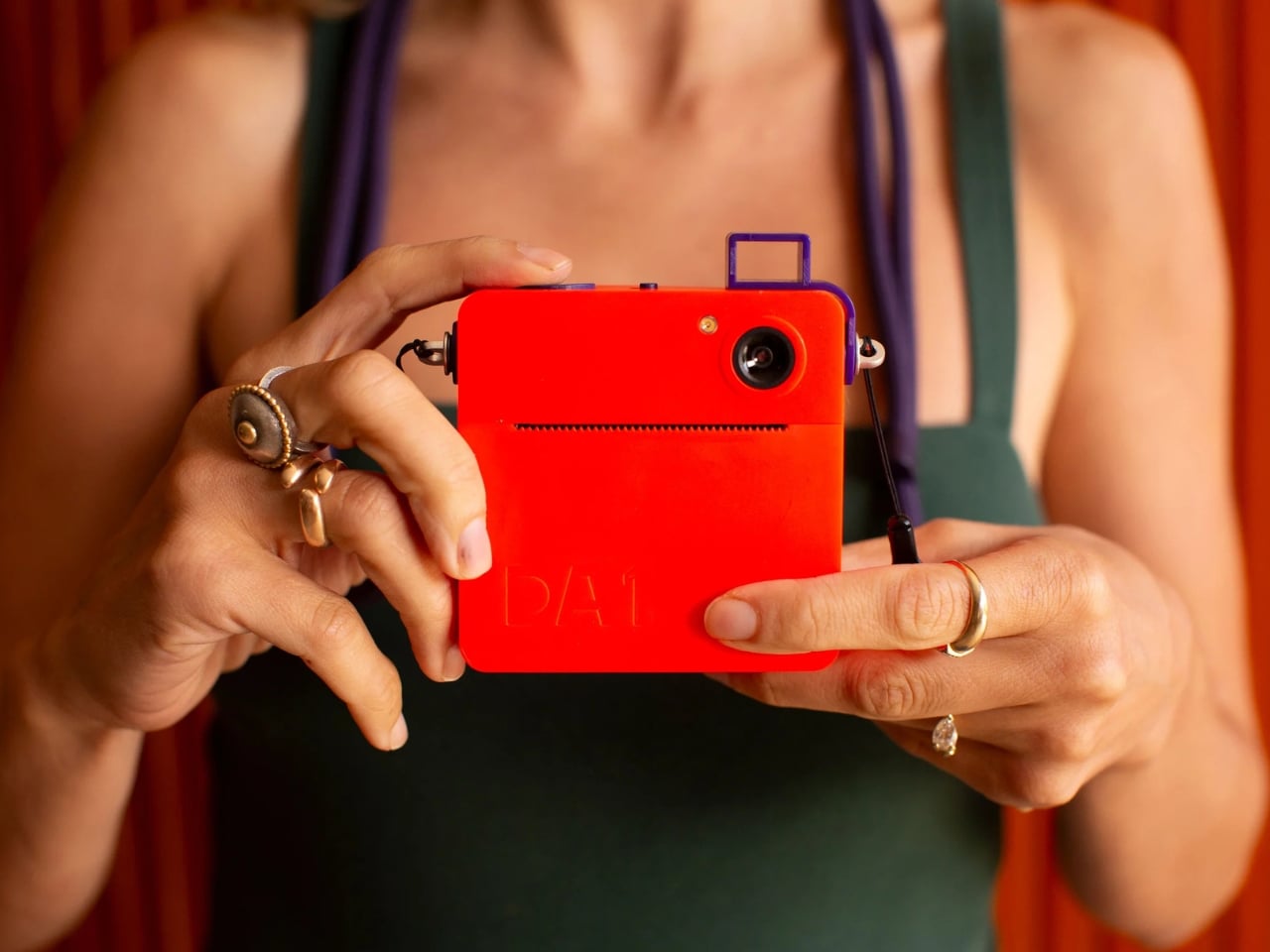
Analog instant cameras and hybrid digital cameras with printers already offer ways to enjoy printed photos. But the DA1 Camera skips the added steps of inspecting the photo on a screen after you take it and sometimes even editing it before you get a printout. Twogather’s idea is to turn the camera and the printing process into a tool for connecting people while giving you something tangible to keep.
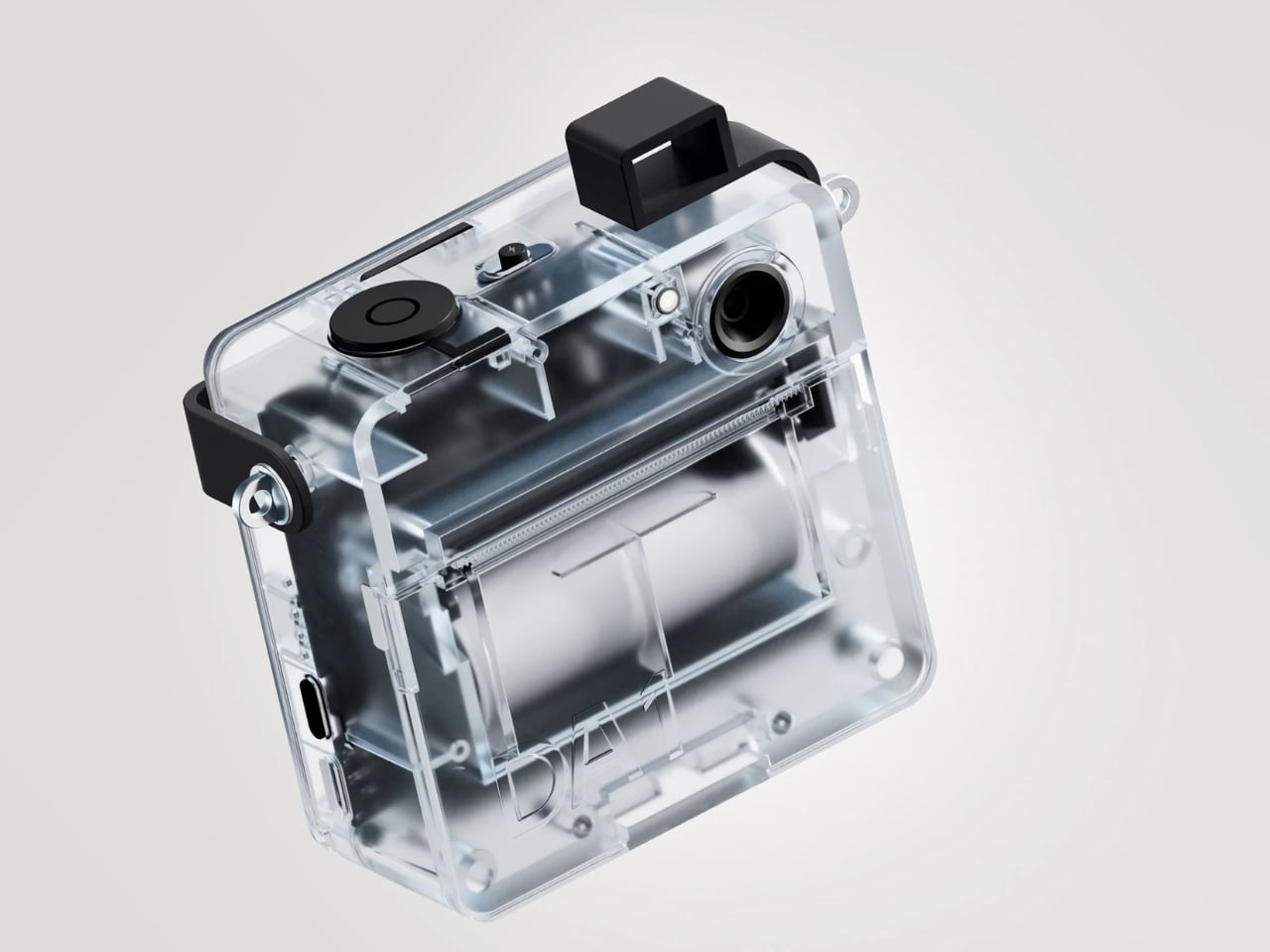
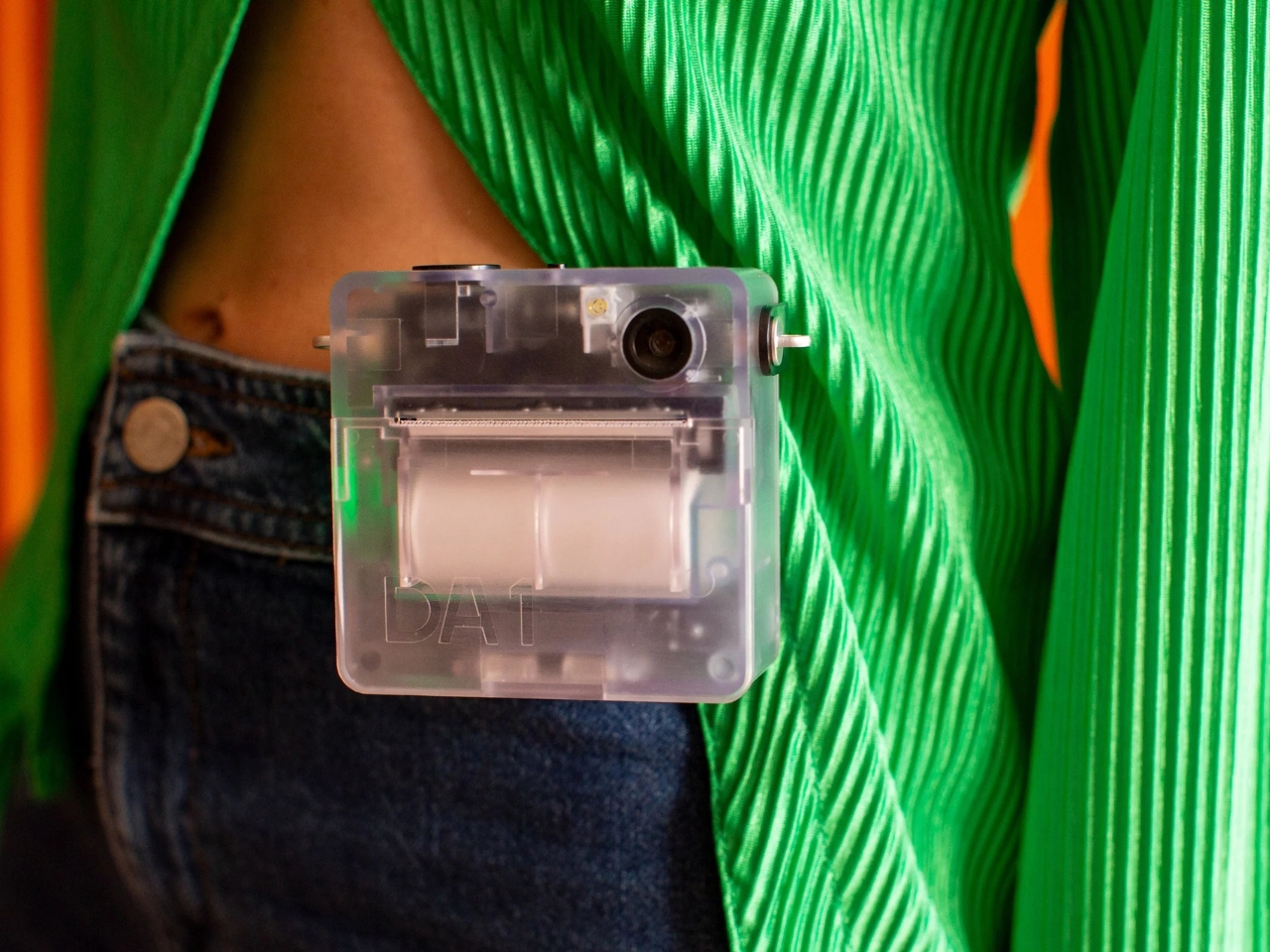
This device could provide ready-made souvenirs during parties, family gatherings, journaling hangouts, or even just casual meetups with friends and strangers. There is even a Clear version that makes the mechanism part of the camera’s aesthetic, letting you see the internal components, circuitry, and printing assembly. The Neon version, meanwhile, offers a bolder look with its colorful exterior. Both have a rounded-square body and a prominent circular lens, so you don’t have to choose transparency to get that distinctive shape.
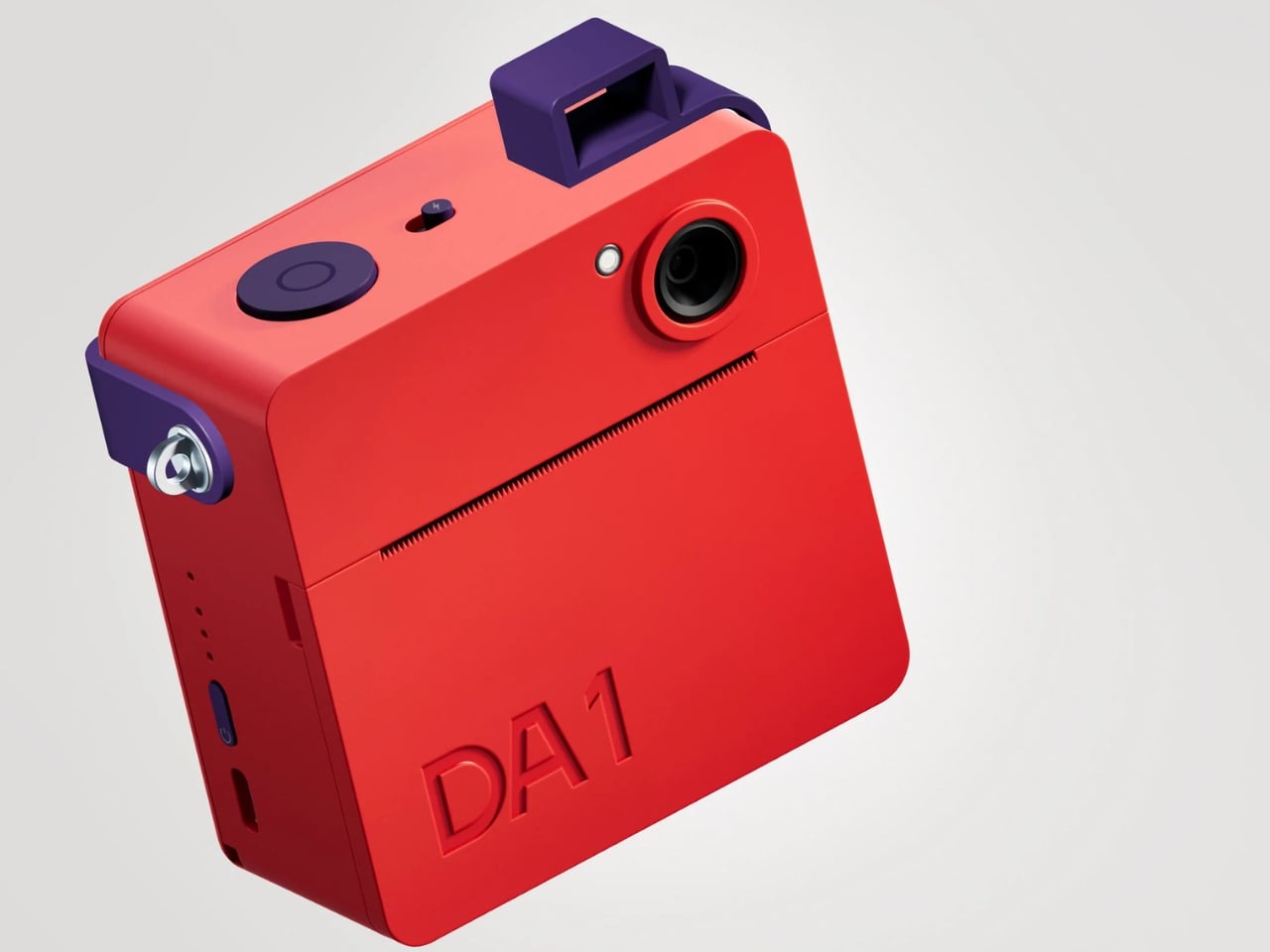
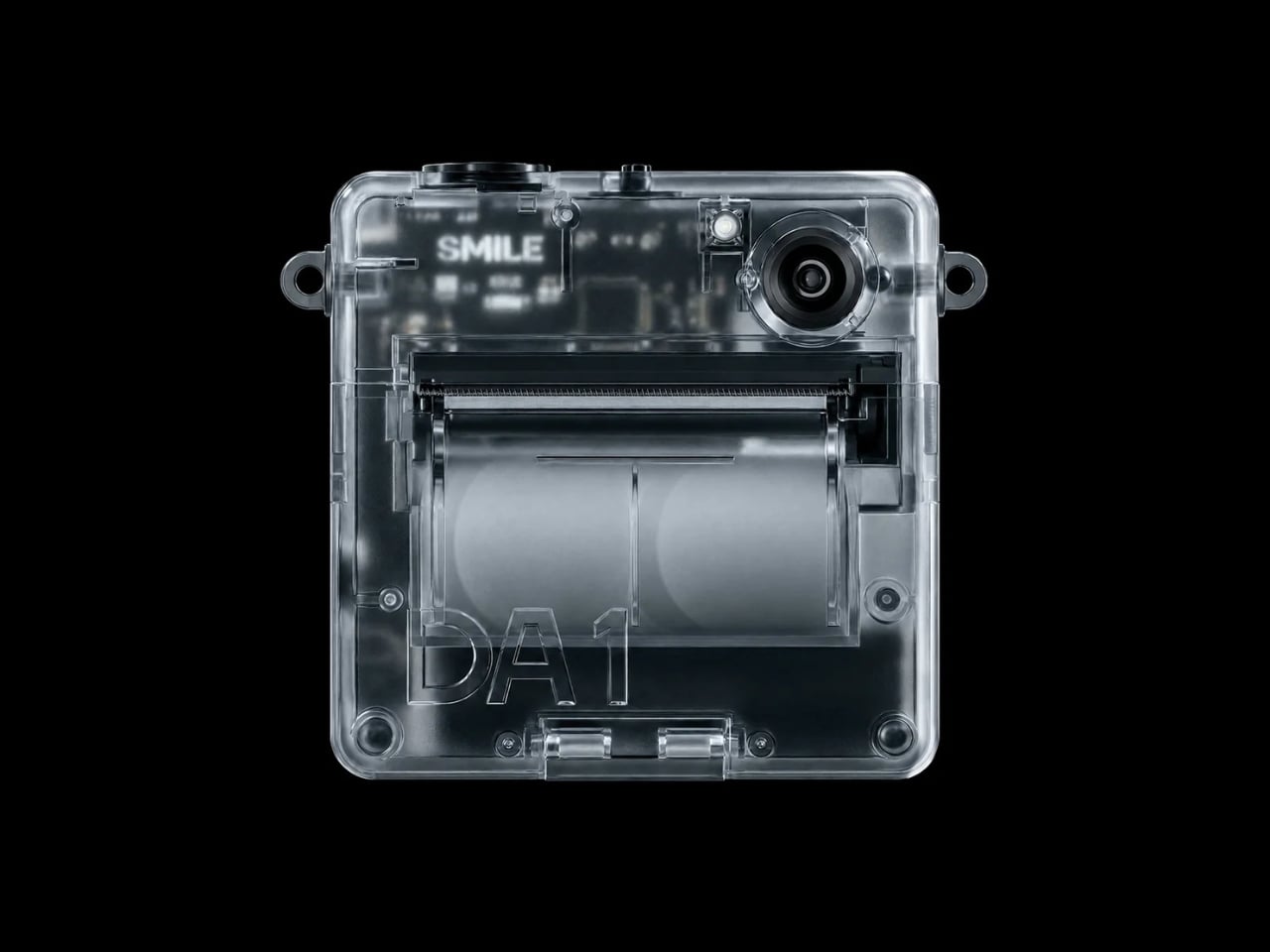
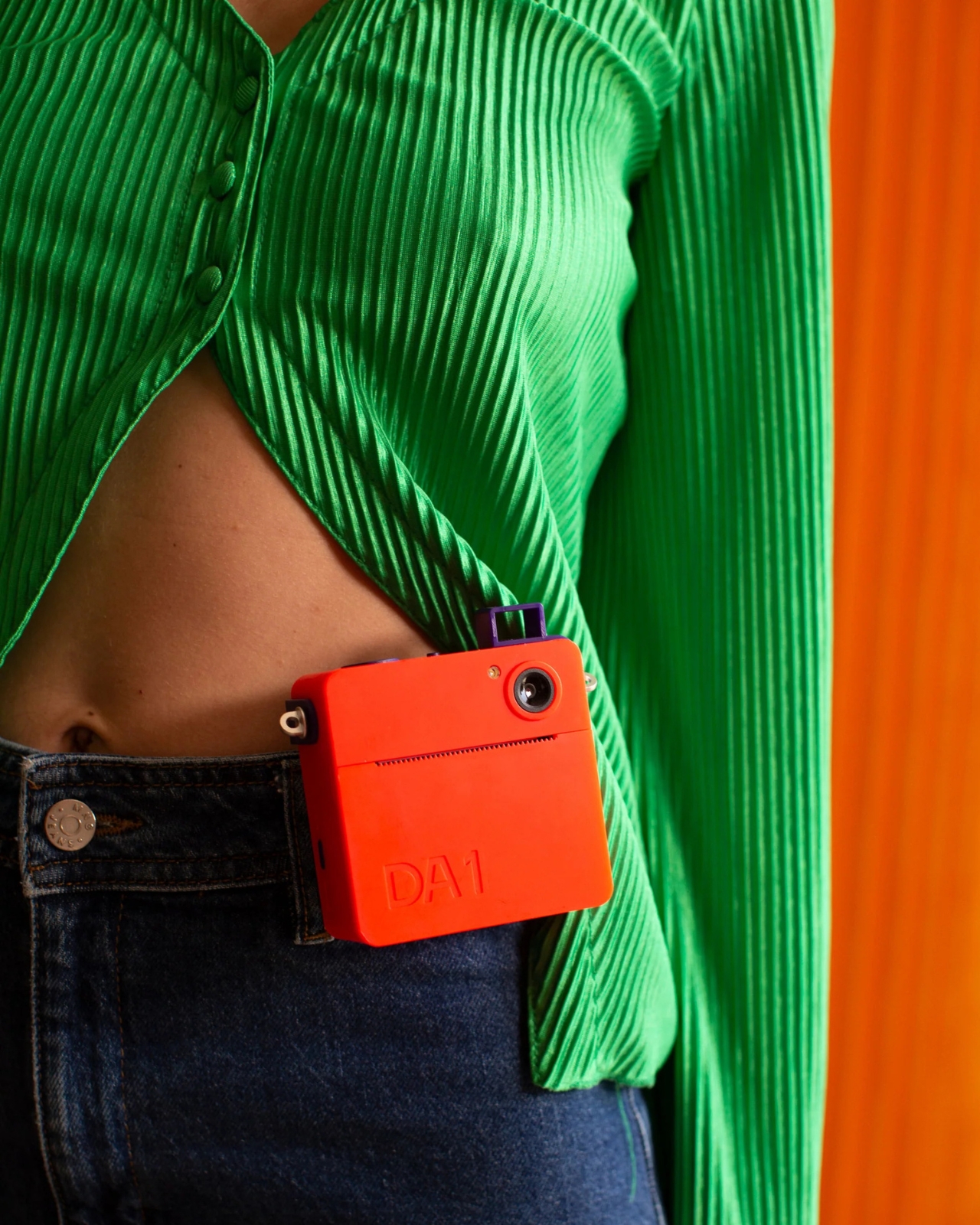
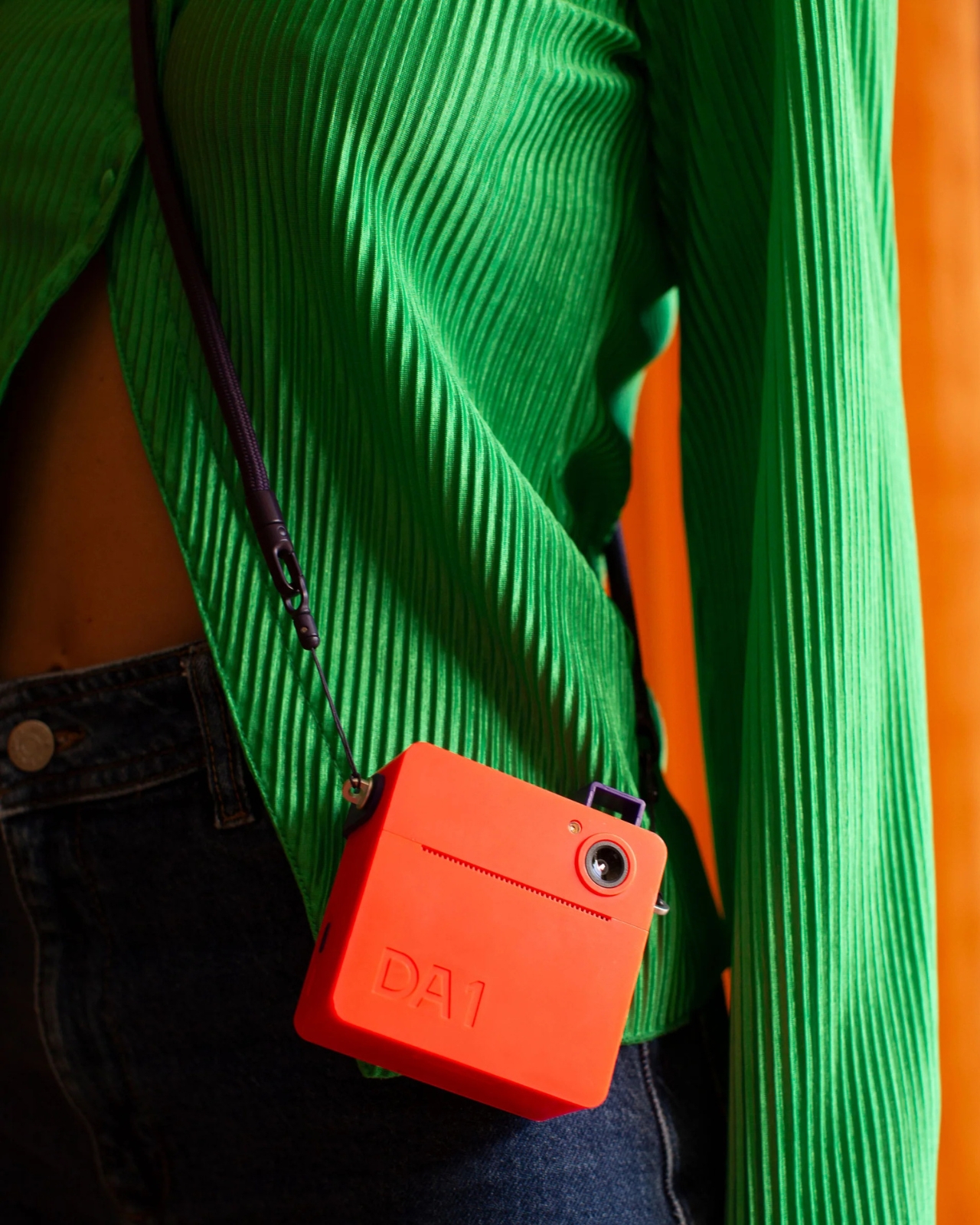
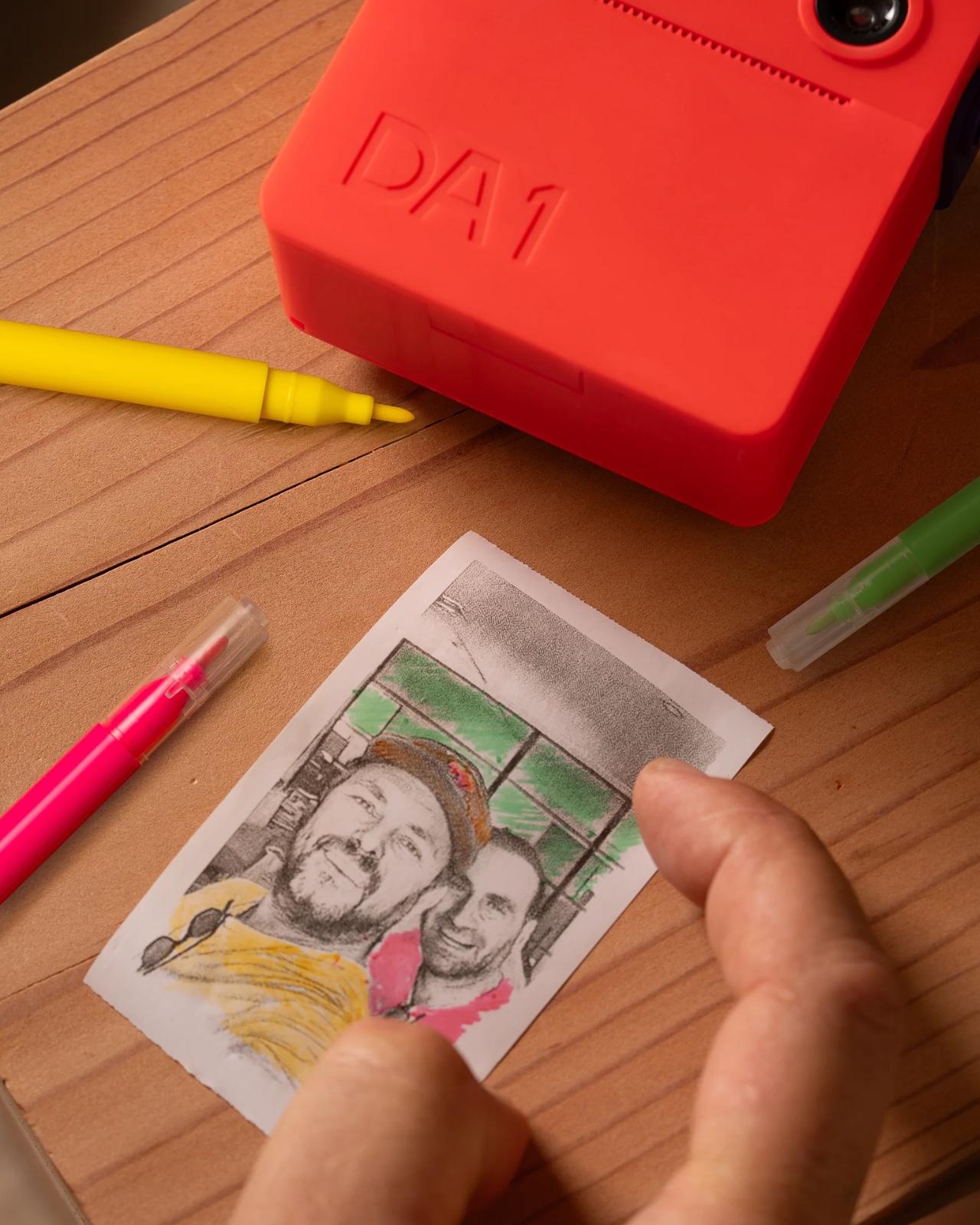
There are also accessories that give you different ways of using the camera. There’s a screw-on viewfinder in case you want help framing your photo, along with wrist and neck straps for additional carrying options. These aren’t all separate purchases: the advertised bundle includes a wrist strap, belt clip, viewfinder, and five color markers. The neck strap is sold separately. The markers let you draw and write on the black-and-white prints, giving you something else to do with the photos before keeping or sharing them.
The thermal printing process means there are no ink cartridges to replace, although you will still need paper refills. Twogather describes its paper as BPA-free and says each roll produces approximately 50 or more photos. That’s the manufacturer’s estimate, but it gives you a starting point when deciding how many extra rolls to bring to a gathering.
That simplicity does come with a trade-off. The brand describes DA1 as having “no memory,” so you shouldn’t approach it as a way to build a digital photo archive. Without a screen, you also lose the chance to check the shot before printing. Some people might find that frustrating, while others may appreciate having one less reason to keep retaking the same picture until everyone looks perfect. The official website lists the Neon version at $98 and the Clear version at $110, before applicable shipping and taxes. Both are offered for US preorder, with shipping promised for November 2026.
For someone like me, who already takes plenty of photos but doesn’t always do anything with them, the appeal is having a print before I can put off making one. I can imagine adding a handwritten note, slipping it into my journal, or giving it to the person beside me. Instead of promising to send a photo later, I could hand it over while we’re still together.

The post DA1 Camera Prints Photos to Give Away Without a Screen or App first appeared on Yanko Design.
As digital technologies accelerate daily life, there is a growing cultural shift toward products that encourage slower, more intentional experiences. Designers are responding by creating objects that prioritize emotional comfort, mindfulness, and human connection alongside functional performance. Instead of focusing only on speed or convenience, these products are designed to help individuals engage more deeply with their surroundings.
Through touch, light, sound, nature, and play, emotionally conscious design transforms ordinary routines into meaningful moments. As a result, contemporary product innovation is shaping slow living and supporting emotional well-being in everyday environments.
One of the central goals of emotional product design is to build meaningful connections between users and objects. Stepping beyond passive tools, products are increasingly designed to respond to human interaction in ways that feel personal and reassuring. This responsiveness can create a sense of companionship, especially in environments where people experience stress or isolation.
Through tactile feedback, adaptive materials, and gentle interaction cues, such products encourage users to slow down and engage more mindfully. Over time, these interactions foster emotional attachment and comfort, turning everyday objects into supportive presences within daily life.

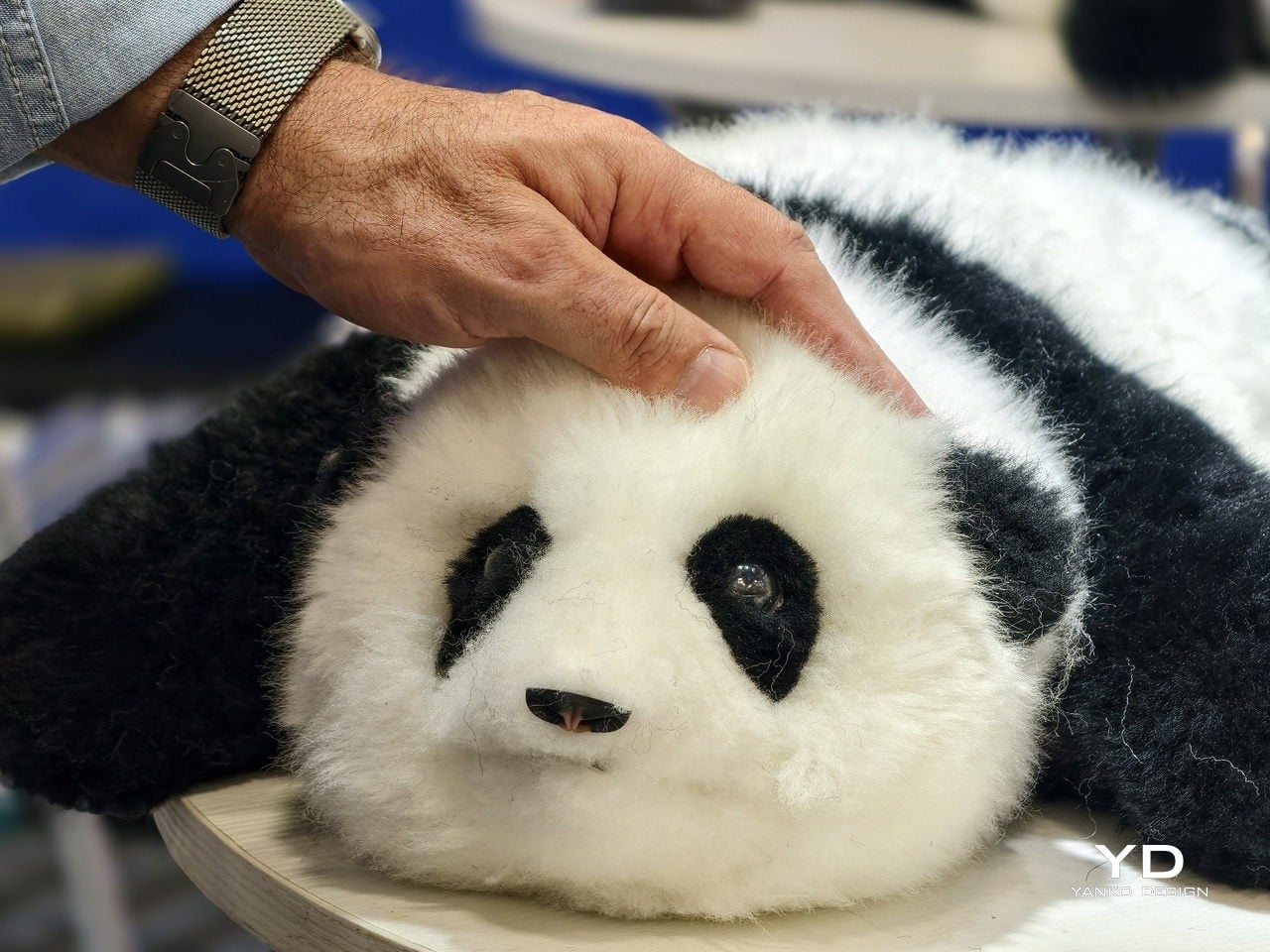

Loneliness often settles quietly into homes where older adults live alone, and daily interaction becomes rare. While video calls and smart speakers offer connection, they remain task-driven, requiring prompts. An’An is designed as a different kind of product: a panda-shaped emotional companion focused on simply being there. Built from Australian wool and sheepskin, it prioritizes tactile warmth and comfort, encouraging touch, holding, and calm interaction.
Its soft biomimetic form avoids clinical aesthetics, allowing it to sit naturally in living spaces without feeling like medical equipment. The intent is to make companionship feel intuitive and stigma-free, so users can reach for it during quiet or difficult moments without hesitation or self-consciousness.

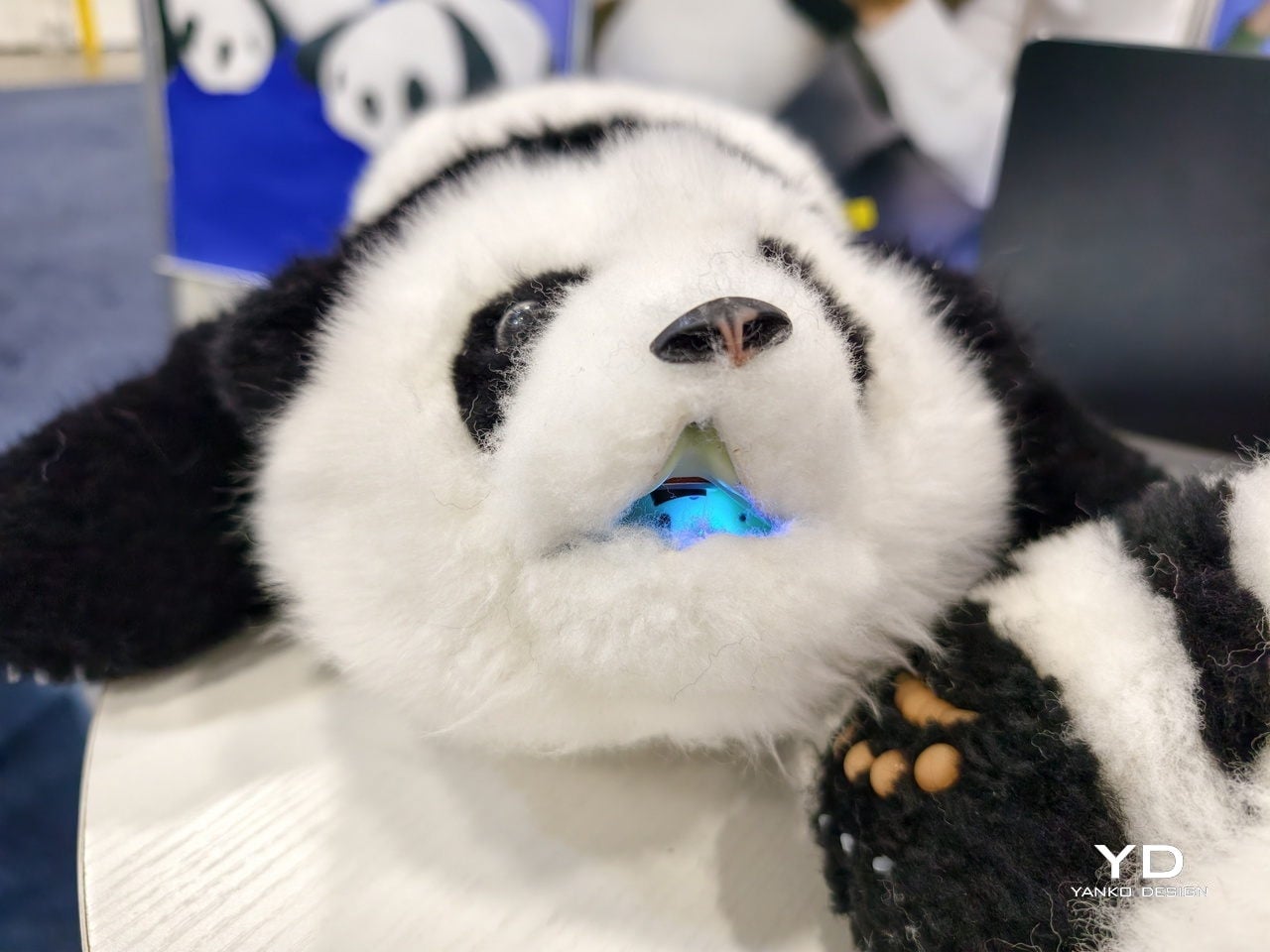

Inside, An’An integrates tactile sensors and affective AI that learns over time. It recognizes touch patterns, responds to voice cues, and builds long-term memory of user habits and moods. This allows it to adapt interactions, initiate gentle engagement, and create a consistent sense of presence rather than scripted responses. With offline capability, rechargeable power, and secure data handling, it functions reliably in everyday environments. Used in homes and care settings, it supports emotional well-being by offering sustained, non-judgmental companionship that evolves gradually, making it feel less like a device and more like a familiar presence.
Mindfulness-oriented design focuses on transforming routine interactions into moments of awareness and presence. Designers achieve this by carefully shaping sensory experiences such as light diffusion, material texture, and environmental responsiveness. These subtle design interventions encourage users to pause, observe, and reconnect with their immediate surroundings.
Such products guide it gently, creating calm and reflective experiences throughout the day. This approach aligns with the principles of slow living, where depth of experience is valued more than speed or efficiency. Everyday objects become tools for grounding and emotional balance.
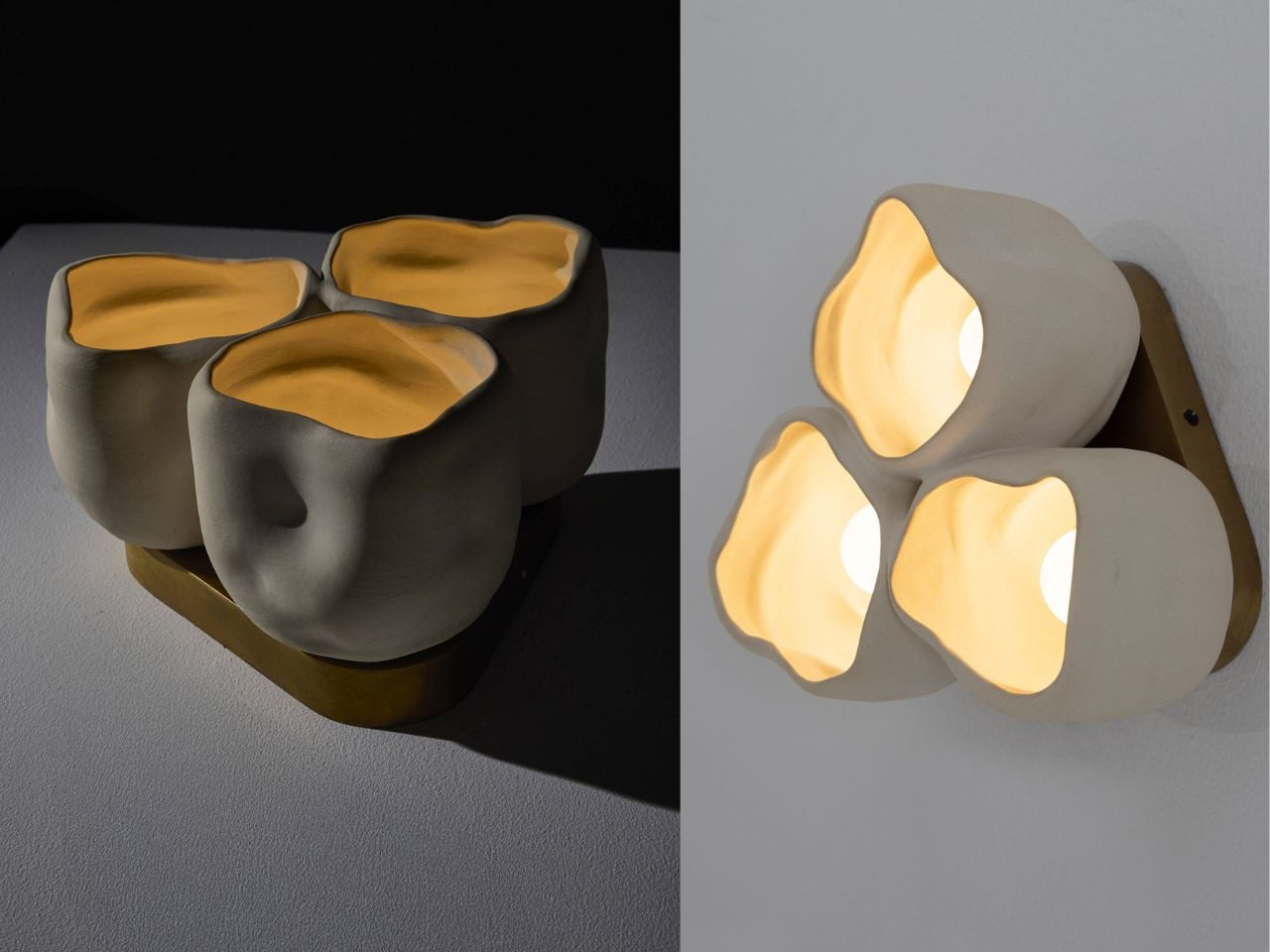
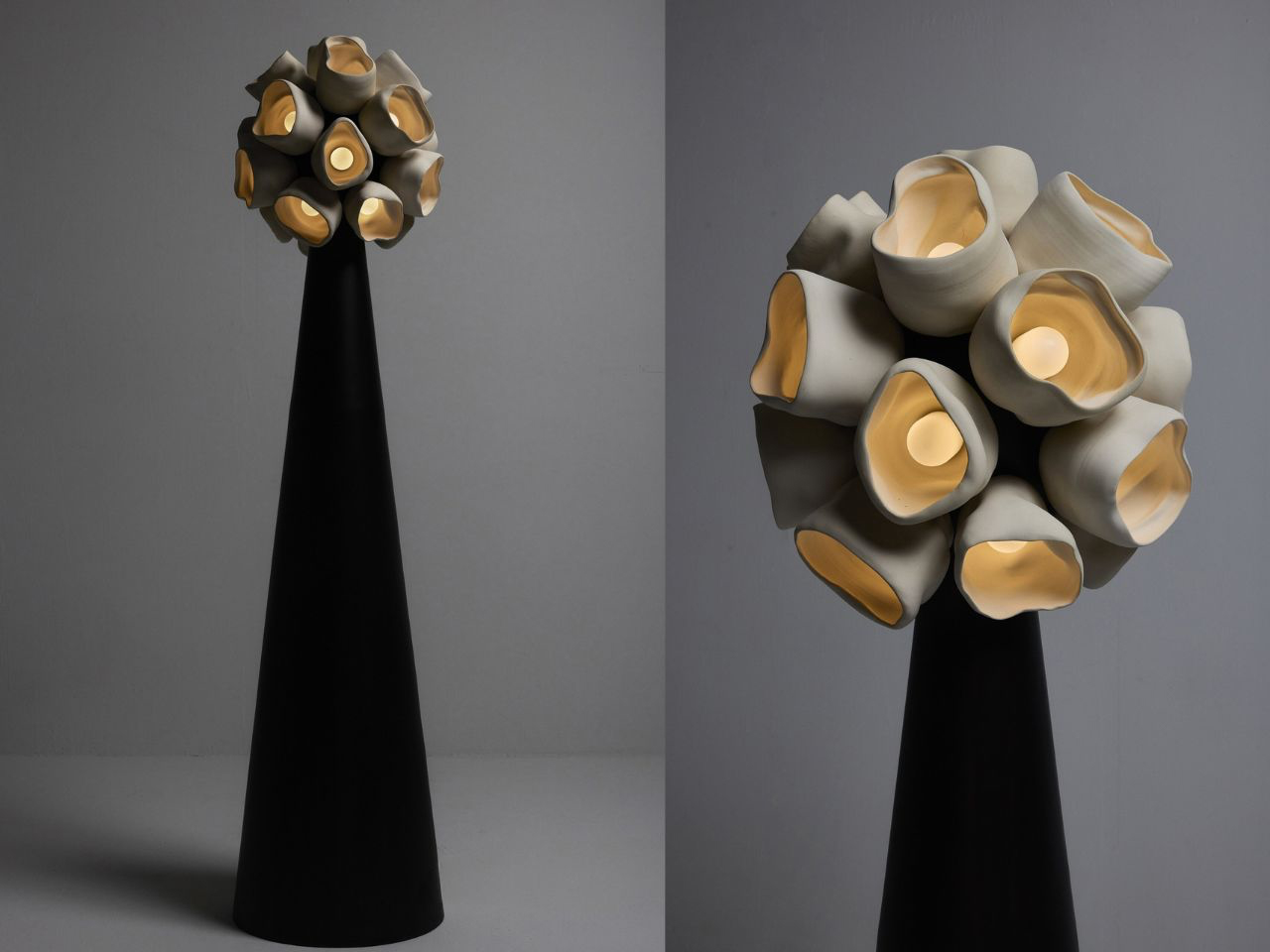
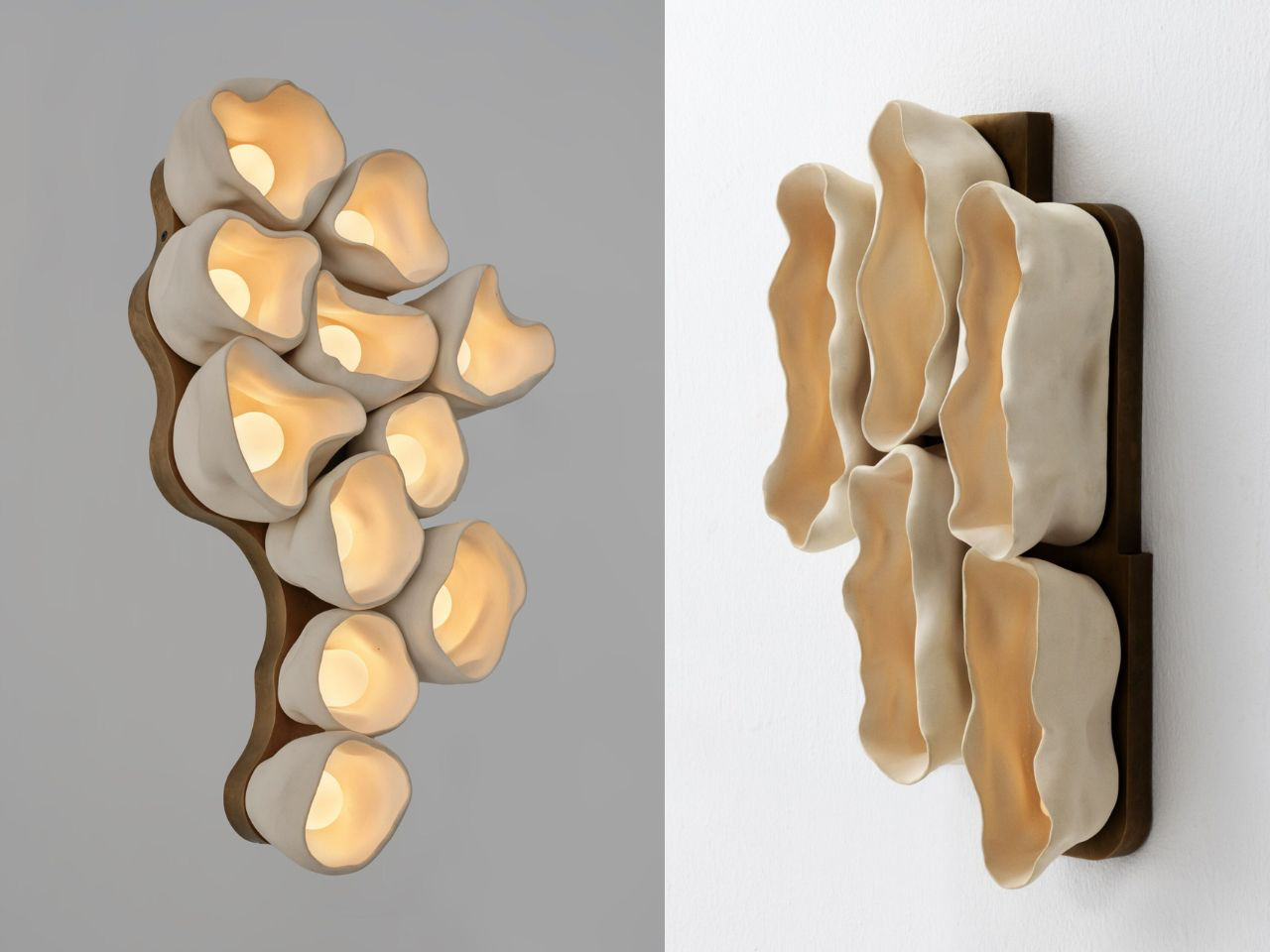
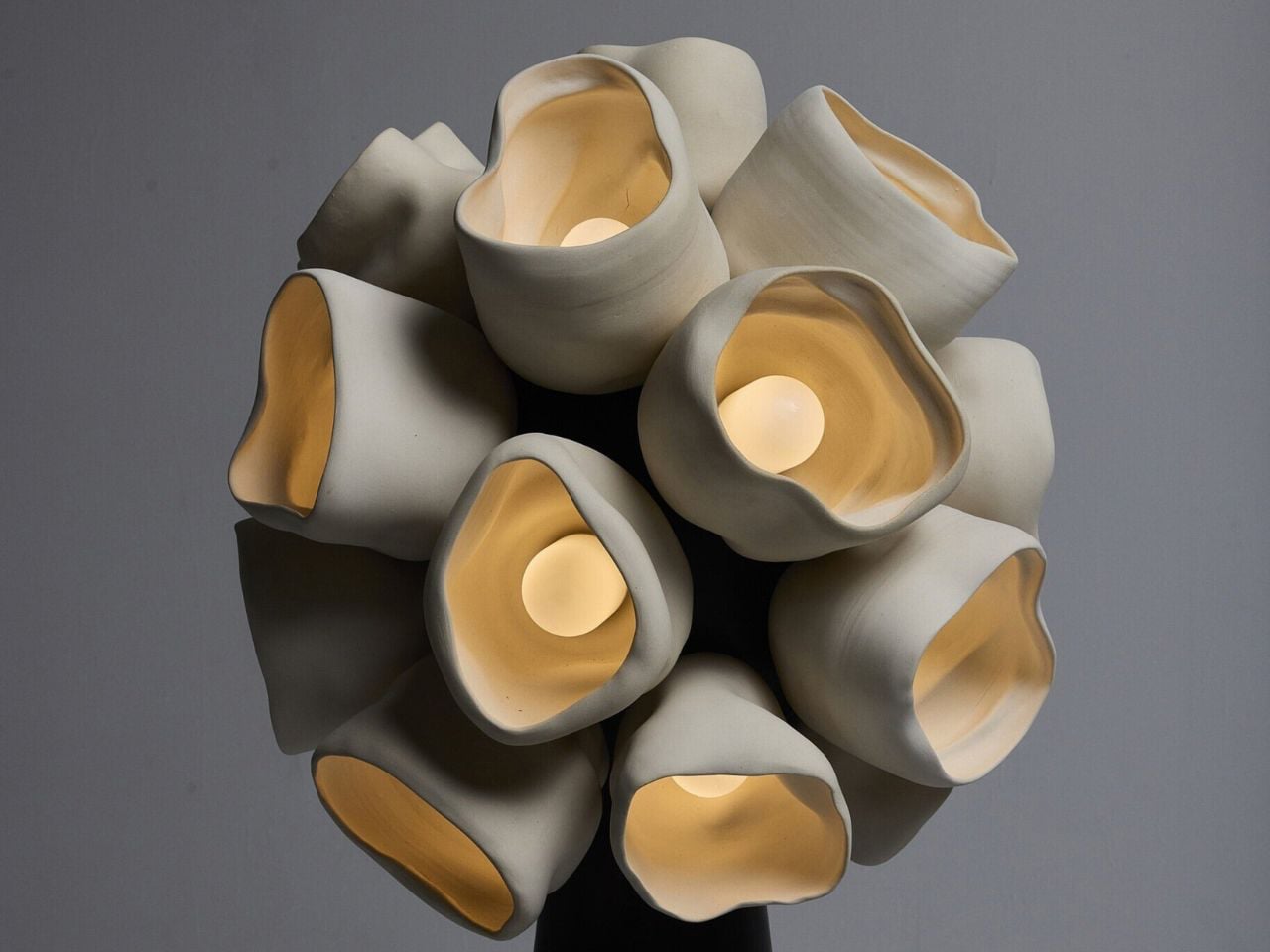
The Vessels collection marks a quieter, more introspective direction for designer Nader Gammas. Known for lighting defined by bold, architectural precision, he shifts here toward softer, organic expression. The forms no longer feel engineered in a strict sense; they feel grown, as if shaped by natural forces rather than controlled design logic. Inspired by cup fungi found close to the ground, the collection translates their clustered growth and rippled edges into lighting objects that feel fluid and calm. Each vessel holds light gently, filtering it through ceramic surfaces that create a slow, atmospheric glow within interior spaces.
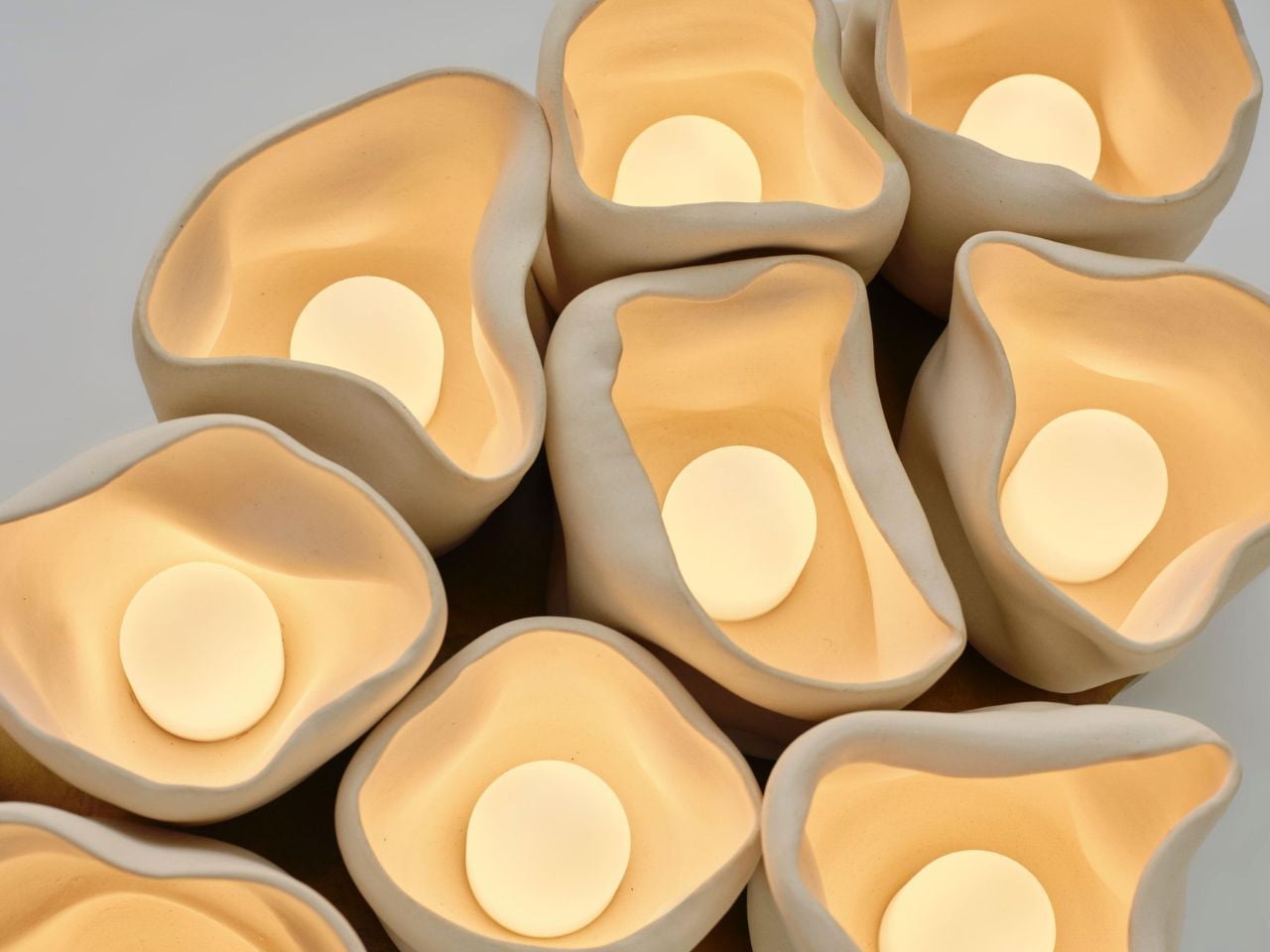
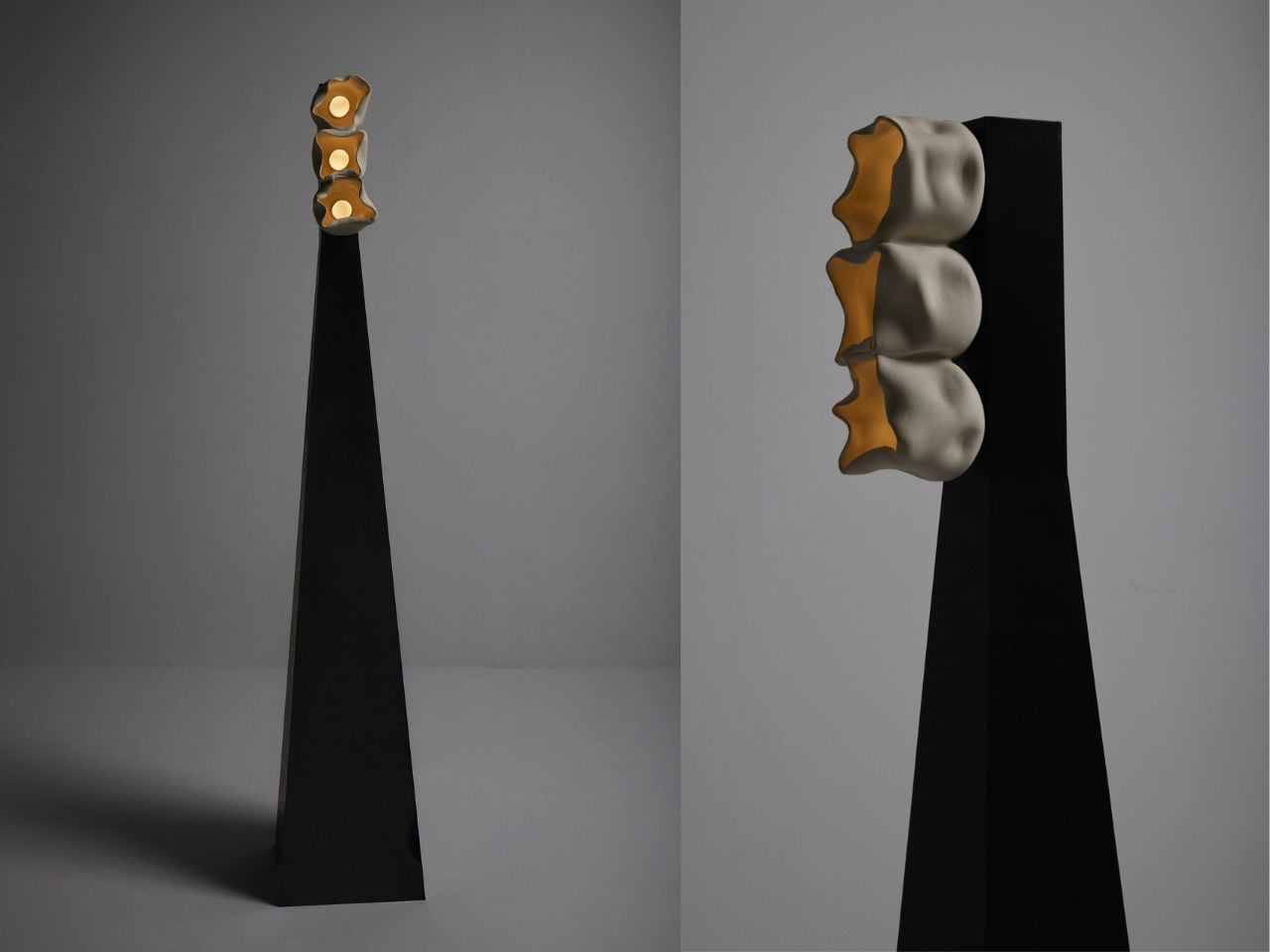
Materiality becomes central to the product experience. Hand-shaped ceramic replaces heavy geometry, offering warmth, variation, and tactile depth in every piece. Brass appears only as a subtle accent, supporting rather than dominating the form. No two vessels are identical, as each is handcrafted without molds, resulting in unique proportions and slight imperfections. This handmade approach makes every light feel individual and present within a space, almost like a living object. Together, they transform illumination into a quiet emotional experience, where light is felt as much as it is seen.
In contemporary urban environments, access to nature is often limited, prompting designers to explore ways of reconnecting people with the natural world. Products in this category aim to make natural systems more visible, interactive, and emotionally engaging. By enabling communication with plants or reflecting ecological rhythms, these designs encourage users to develop a stronger sense of care and responsibility toward living systems.
Such interactions shift nature from being a distant concept to an active presence in daily life. This fosters awareness, patience, and emotional grounding, all of which are central to slow living philosophies.

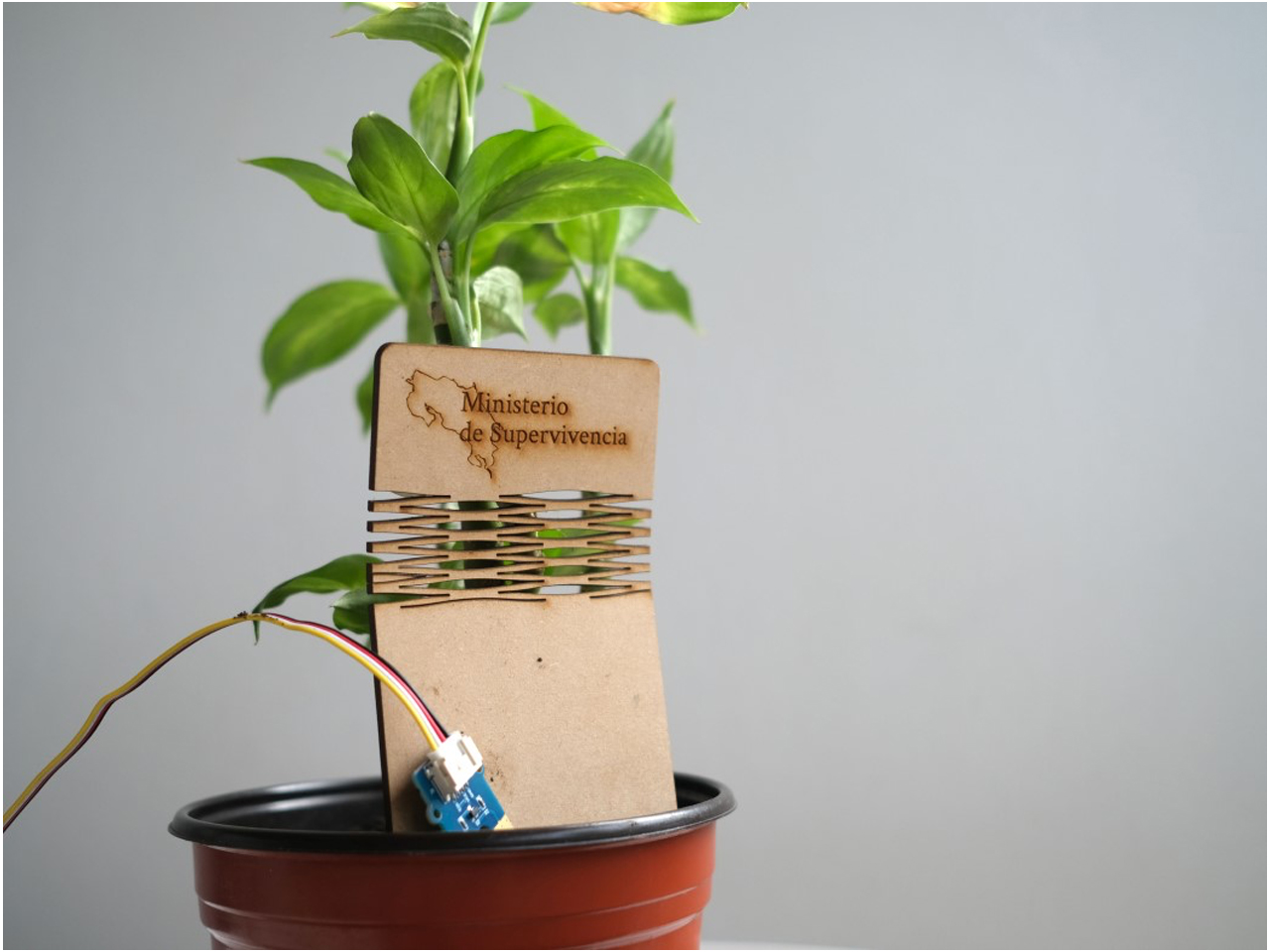
The BioCollar reframes what it means to be a “plant parent” by turning plant care into a responsive, product-driven experience. Designed by students at the Copenhagen Institute of Interaction Design, it addresses a simple gap in everyday gardening: plants cannot communicate their needs in a way humans easily understand. While pets signal hunger or discomfort clearly, plants rely on subtle environmental changes. The BioCollar bridges this divide by pairing a wearable device with a planter-based sensor system, translating plant conditions into direct physical feedback for the wearer.
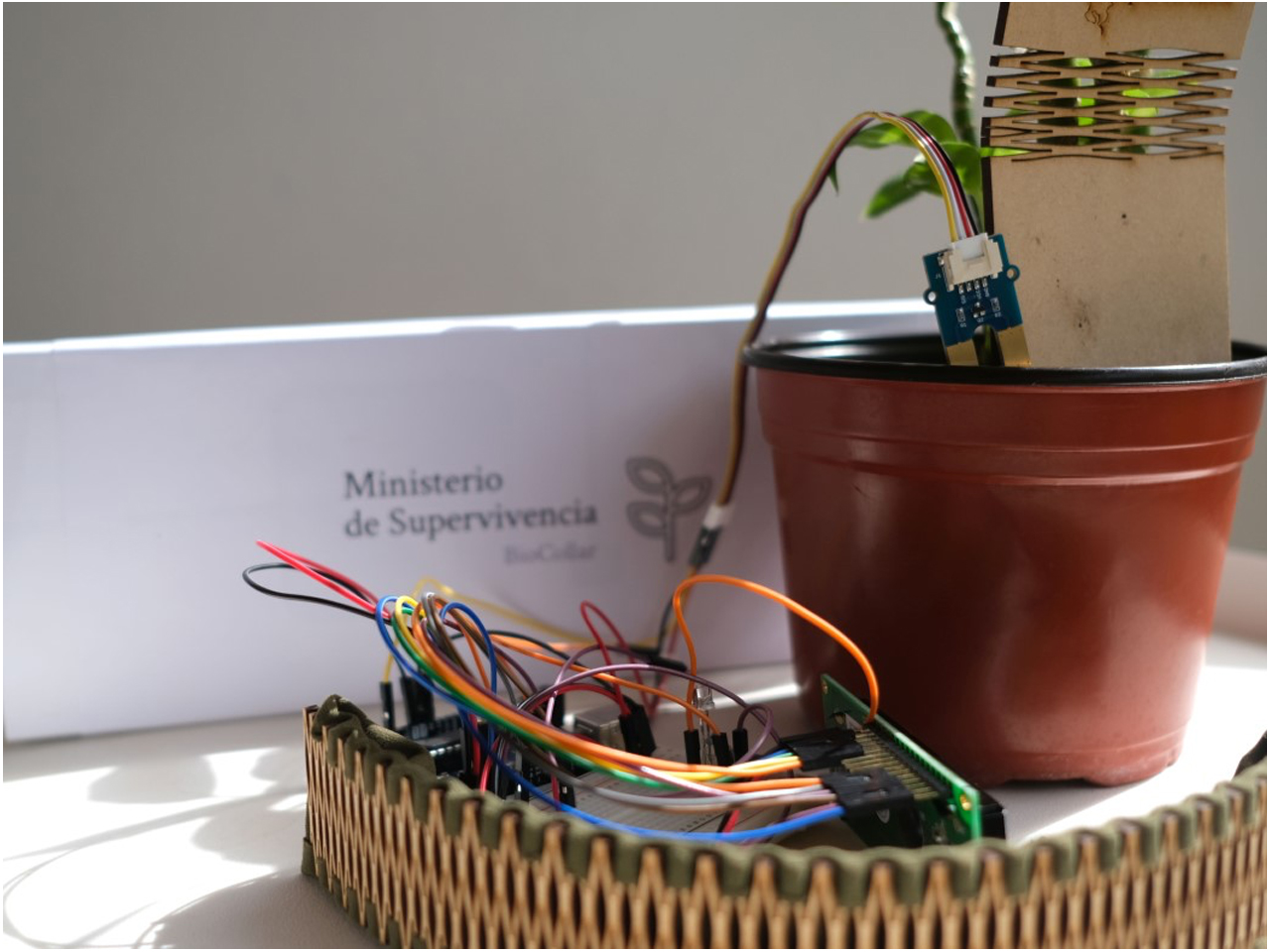
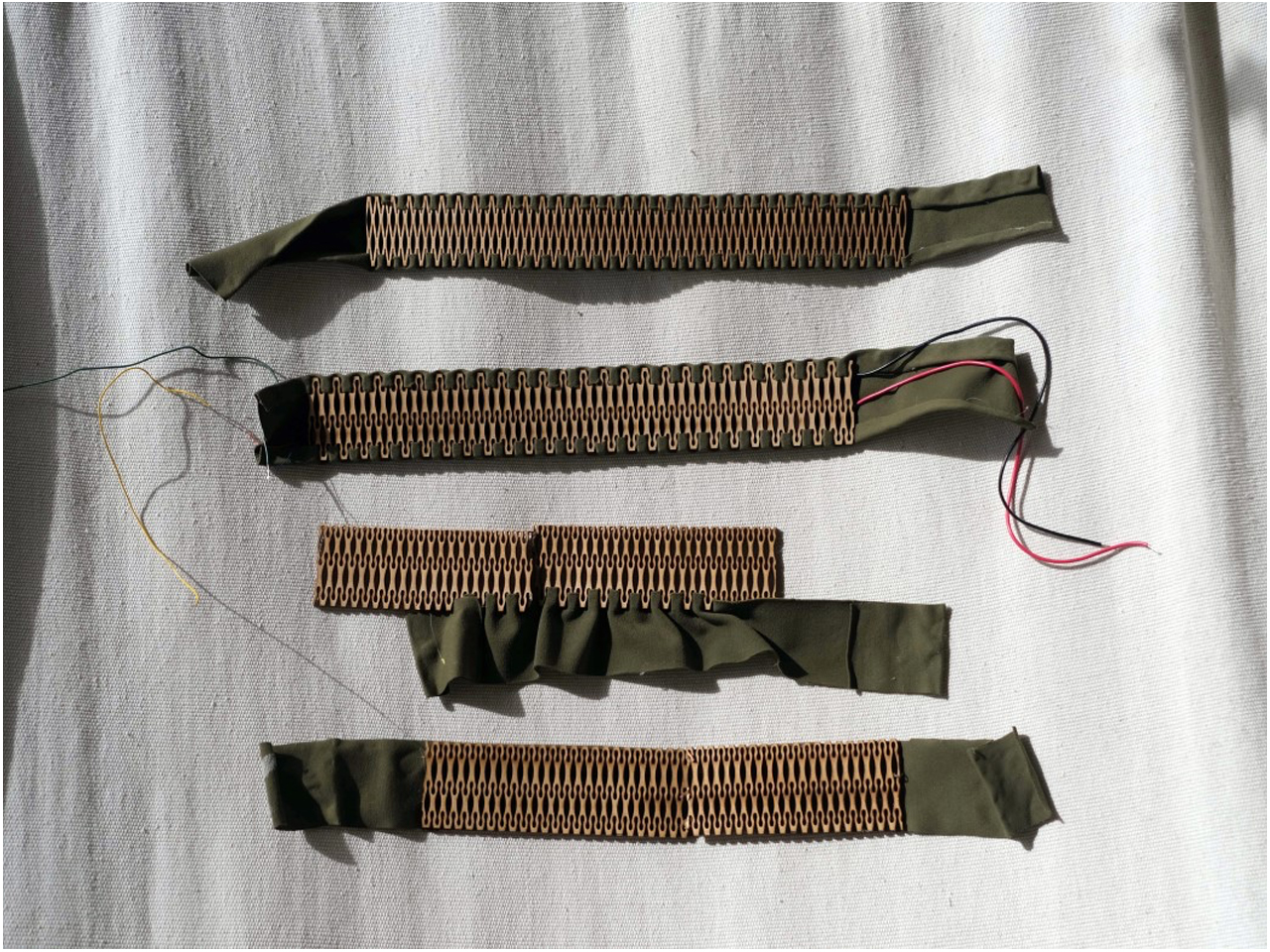
The product works through haptic communication. When a plant needs water, the collar gently tightens; when exposed to excessive sunlight, it warms; and when pests are detected, it vibrates. This transforms invisible plant signals into immediate bodily awareness, encouraging faster and more intuitive care responses. As part of a broader speculative system called BioPermit, the concept explores how empathy-based technologies could shape future caregiving relationships. More than a gadget, the BioCollar positions plant care as an interactive loop between living systems and humans, turning everyday maintenance into a continuous, feedback-driven experience.
The home environment plays a significant role in shaping emotional well-being, and designers are increasingly focusing on enhancing domestic rituals. Through the integration of sound, movement, and sensory cues, everyday moments such as entering a home or receiving guests are transformed into calming experiences. These subtle design elements help reduce stress and create a sense of warmth and welcome.
Such products refine simplicity, allowing routines to feel more intentional and soothing. In doing so, they contribute to a home atmosphere that supports rest, emotional stability, and mindful living.
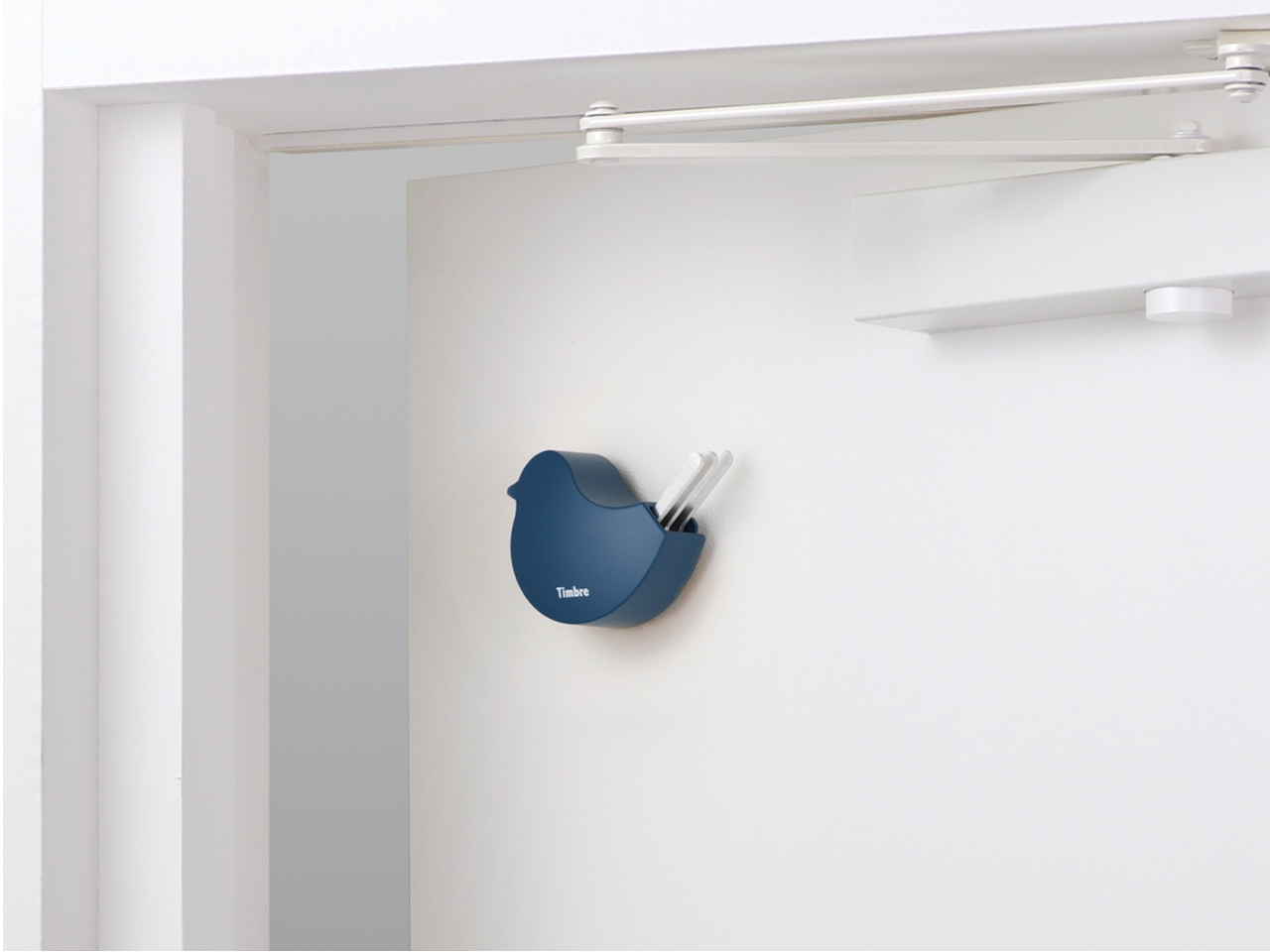
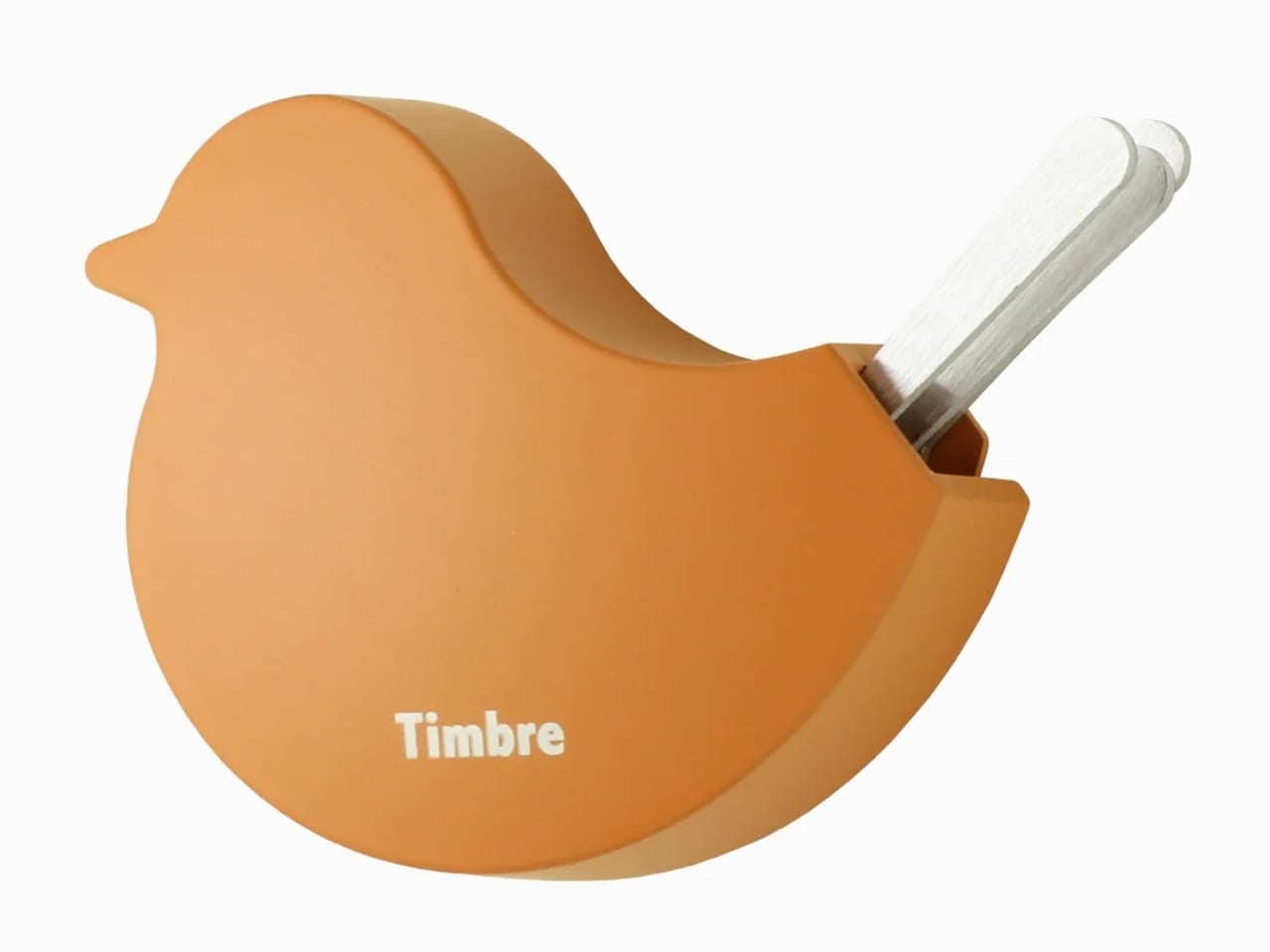
The Tori door chime, designed by Mikiya Kobayashi for Timbre, rethinks a familiar everyday object that usually goes unnoticed until it becomes irritating. Door chimes exist to signal arrival and departure, but many traditional versions rely on harsh metallic strikes or repetitive electronic tones that quickly fade into background noise or even annoyance. Tori reframes this moment as something more considered, turning a functional alert into a gentle sensory experience that people might actually enjoy hearing.
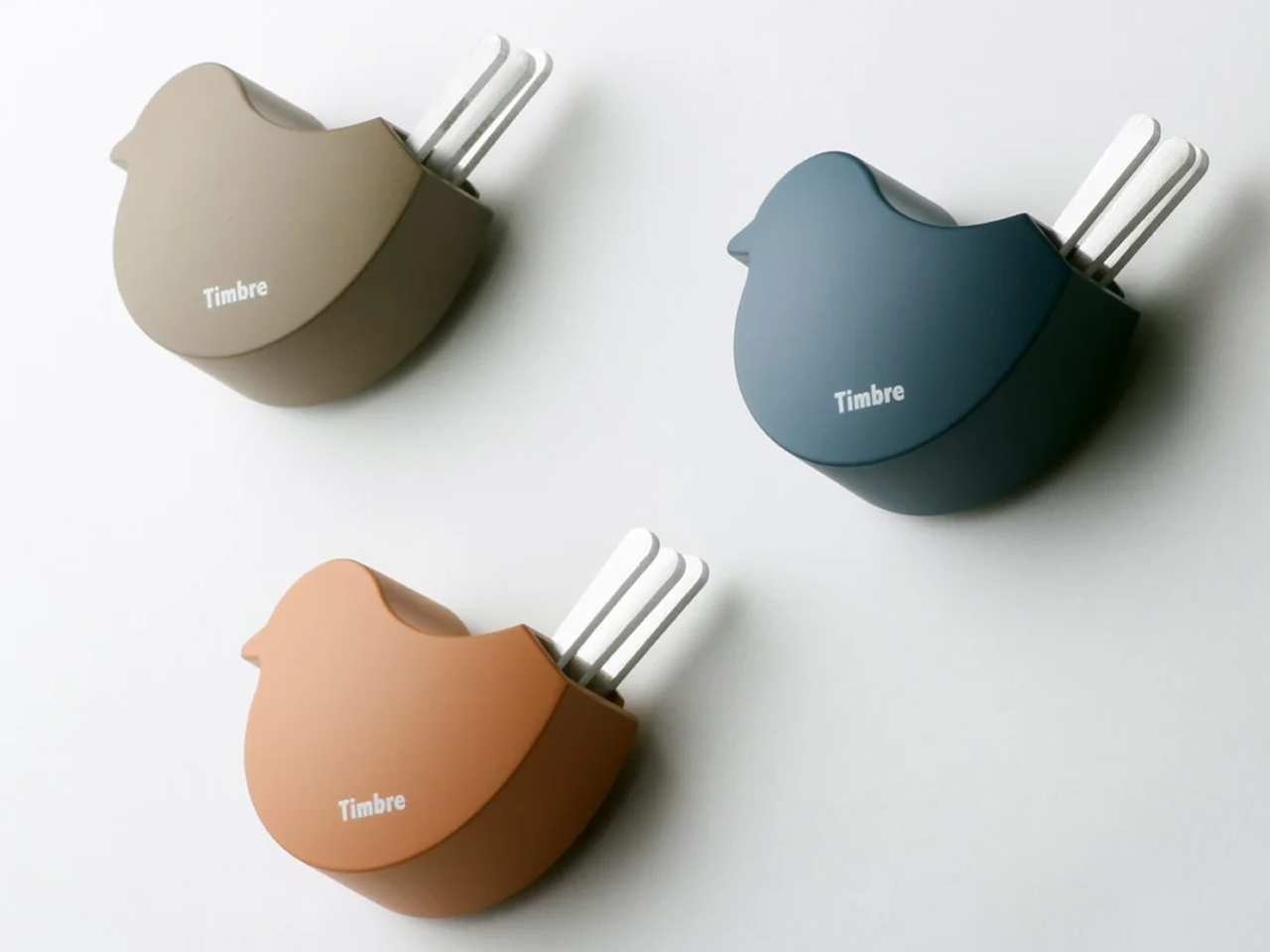
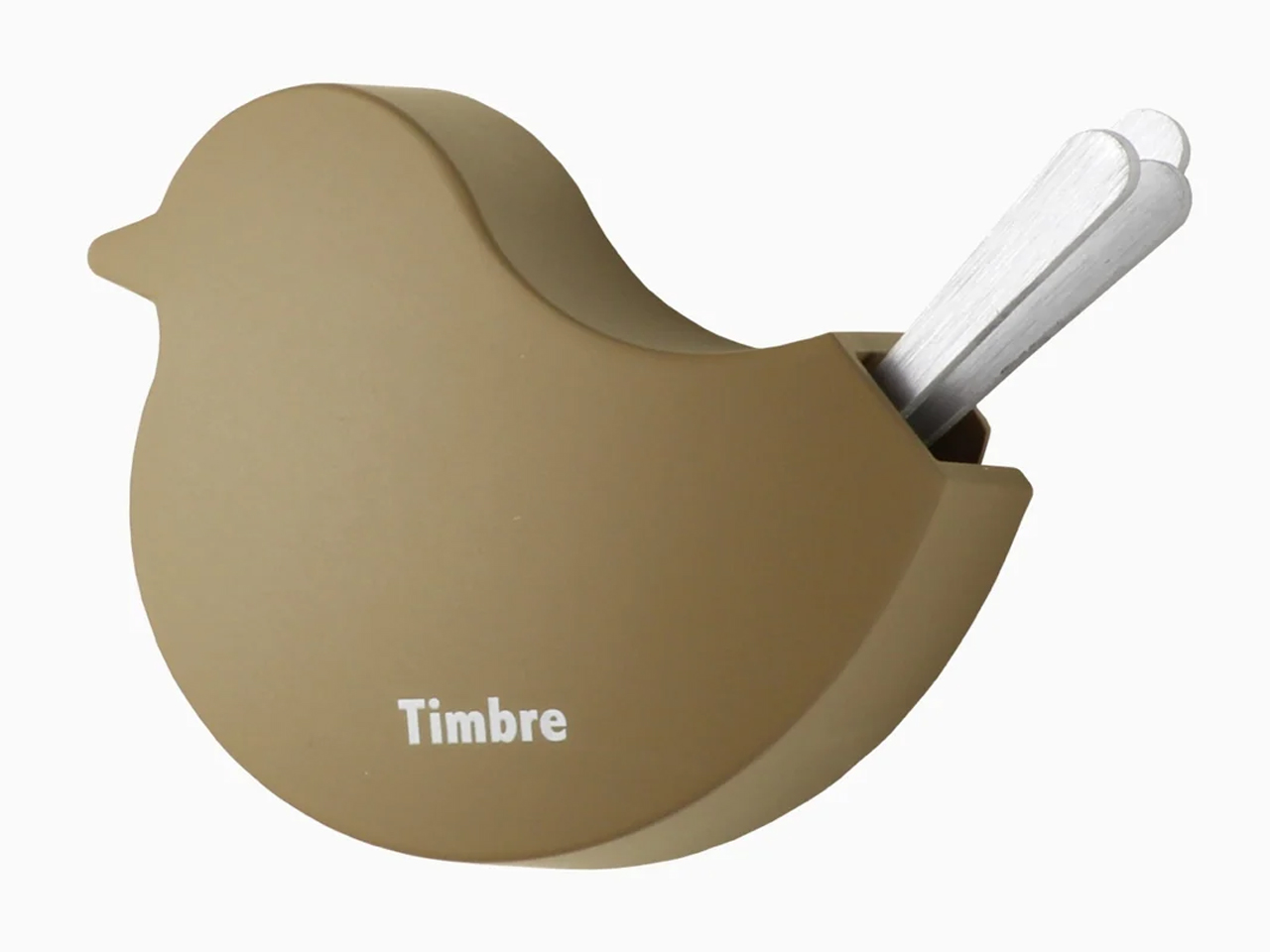
Shaped like a small bird, Tori uses a simple mechanical system where movement activates its metallic tail feathers, producing soft, naturalistic sounds inspired by birdsong. Instead of sharp or intrusive tones, the chime creates calm, airy chirps that feel closer to nature than to machinery. Its die-cast zinc body adds durability while maintaining a playful, sculptural presence near the door, making it visible rather than hidden away. In everyday use, the product transforms a routine moment like opening or closing a door into a brief pause of calm, where sound supports mood instead of disrupting it.
Play-based design is being increasingly used as a medium for emotional learning and expression. Interactive games and tools are designed to help individuals explore feelings, build empathy, and improve communication in an accessible and engaging way. These experiences translate abstract emotional concepts into tangible interactions, making them easier to understand and process.
By encouraging reflection and dialogue, such products support emotional intelligence across different age groups. This approach aligns with slow living by prioritizing meaningful engagement over passive consumption, allowing users to grow emotionally through structured yet enjoyable experiences.
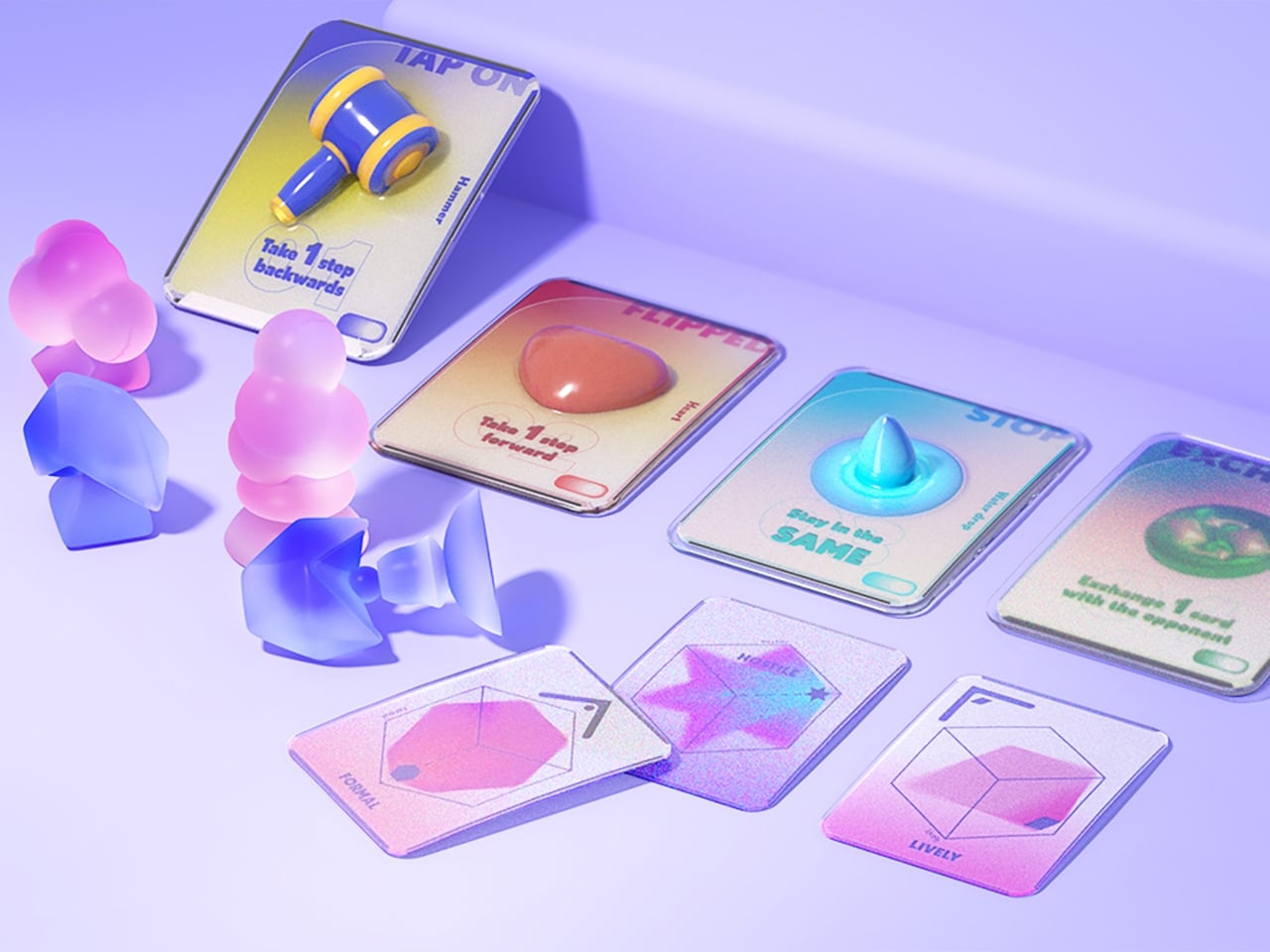
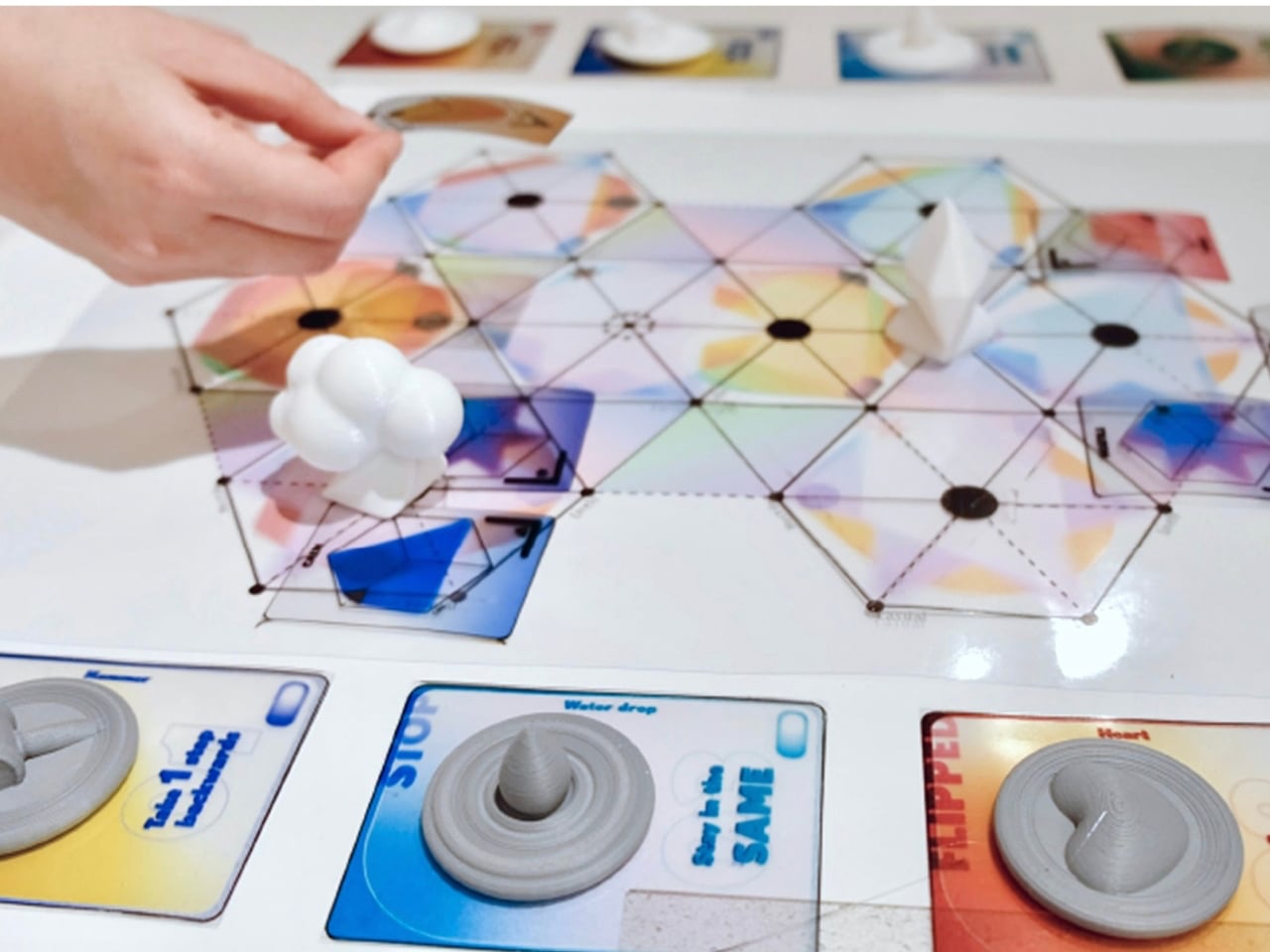
EMO+, designed by Jeni Huang, is a board game that turns emotional expression into a shared, tactile experience. It begins from a simple problem, as people often struggle to name what they feel, and that gap leads to misunderstanding in families, friendships, and relationships. Originally developed as a support tool for adults on the autism spectrum, the product has expanded into a broader emotional communication system for anyone who finds verbal expression limiting or overwhelming.
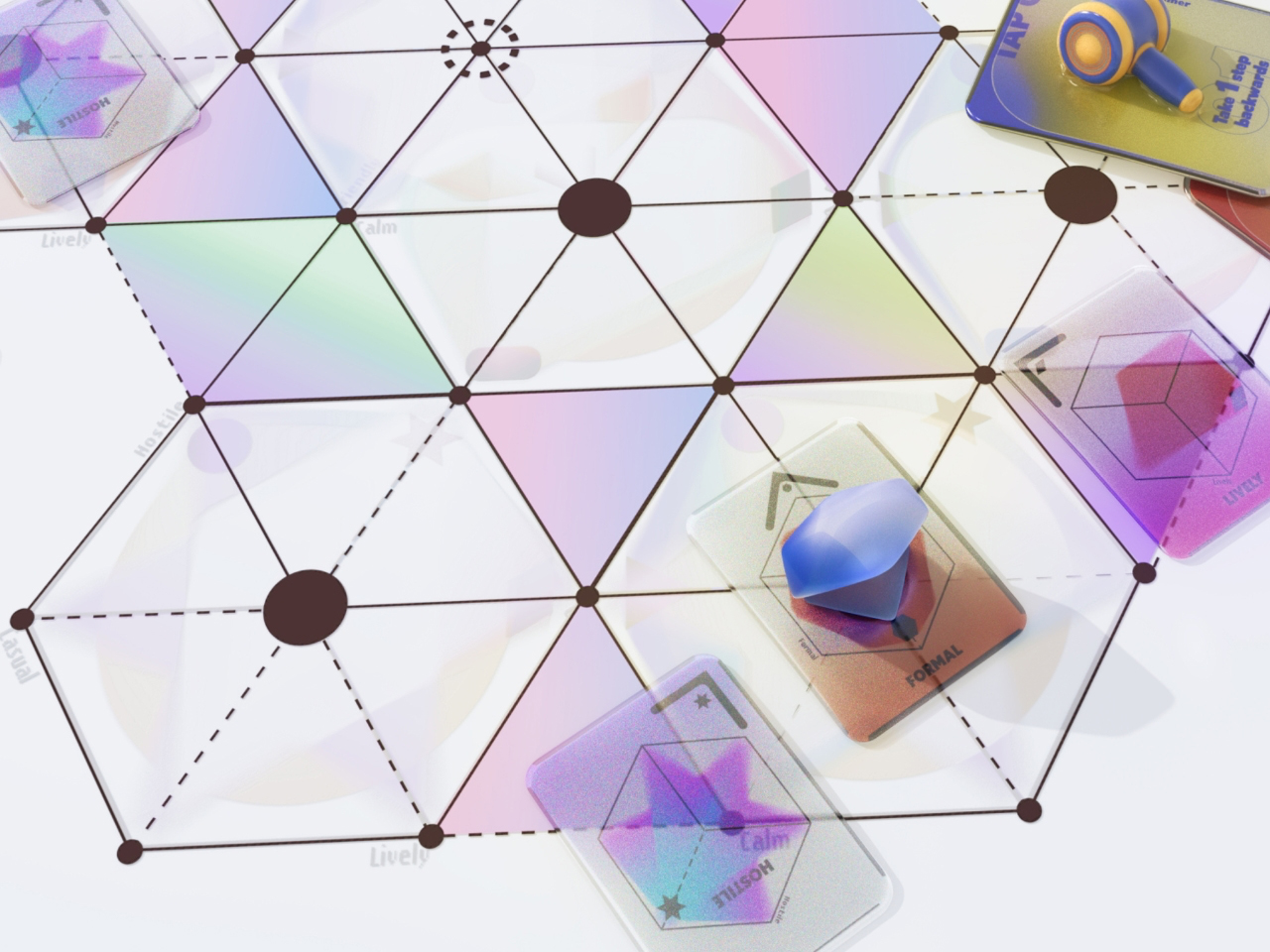
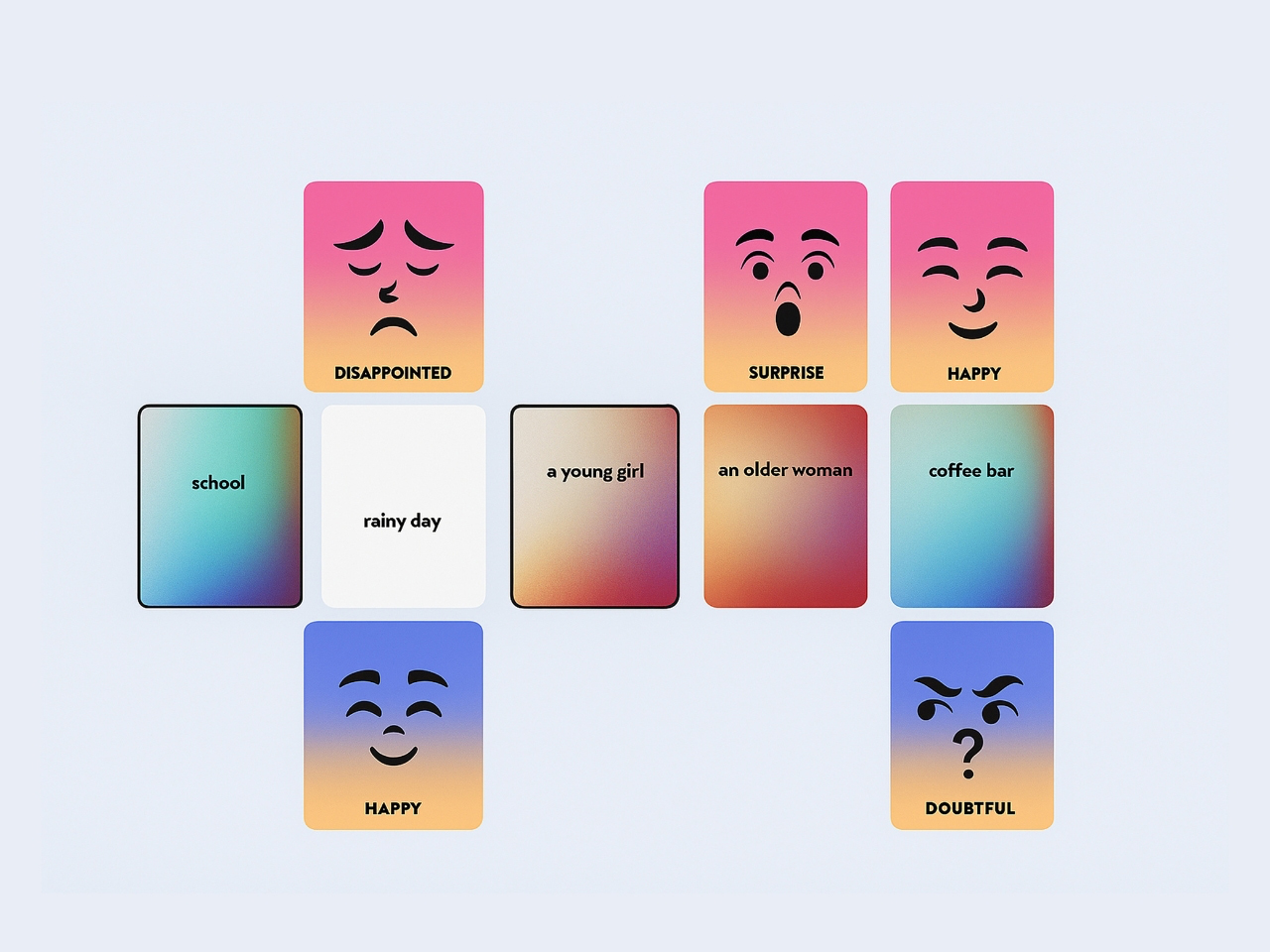
The game is built around soft, approachable design elements like pastel cards, tactile pieces, and a calming board that avoids any clinical feeling. Players use emotion cards and scenario prompts to interpret feelings, then gradually move into real-life situations where they map emotions across structured axes like calm–lively or friendly–hostile. Instead of competition, EMO+ encourages shared exploration through movement-based decisions that help players physically represent emotional distance and connection. By translating feelings into visual, spatial, and playful interactions, the product creates a safe framework for understanding others, making difficult emotions easier to approach without pressure or conflict.
Design focused on emotional comfort and slow living reflects a broader shift toward human-centered innovation. By integrating empathy, mindfulness, and sensory awareness, these products help transform everyday life into a more thoughtful and emotionally balanced experience.
The post From a Huggable Panda to a Bird-Shaped Chime: 5 Designs for Slower Living first appeared on Yanko Design.