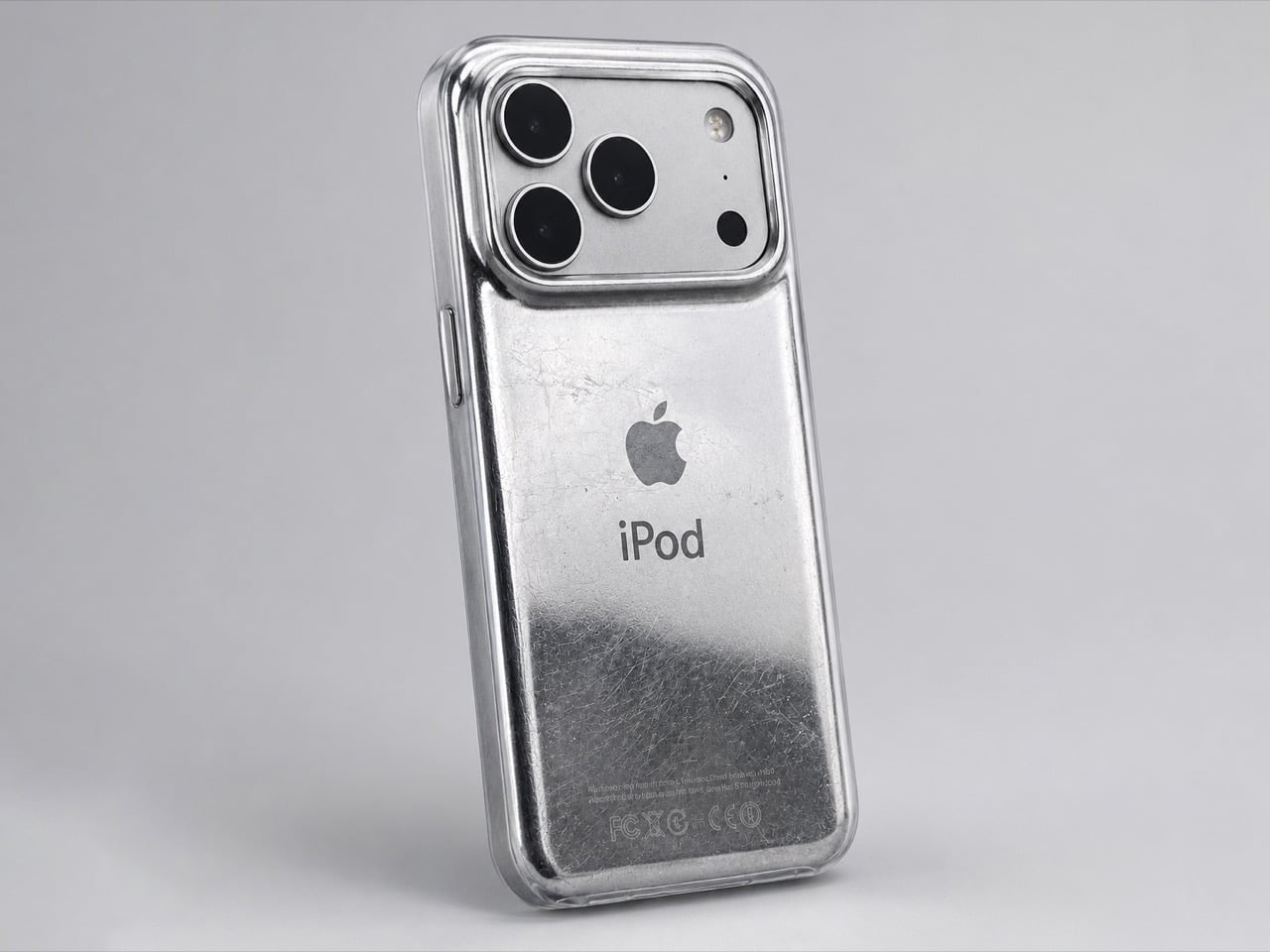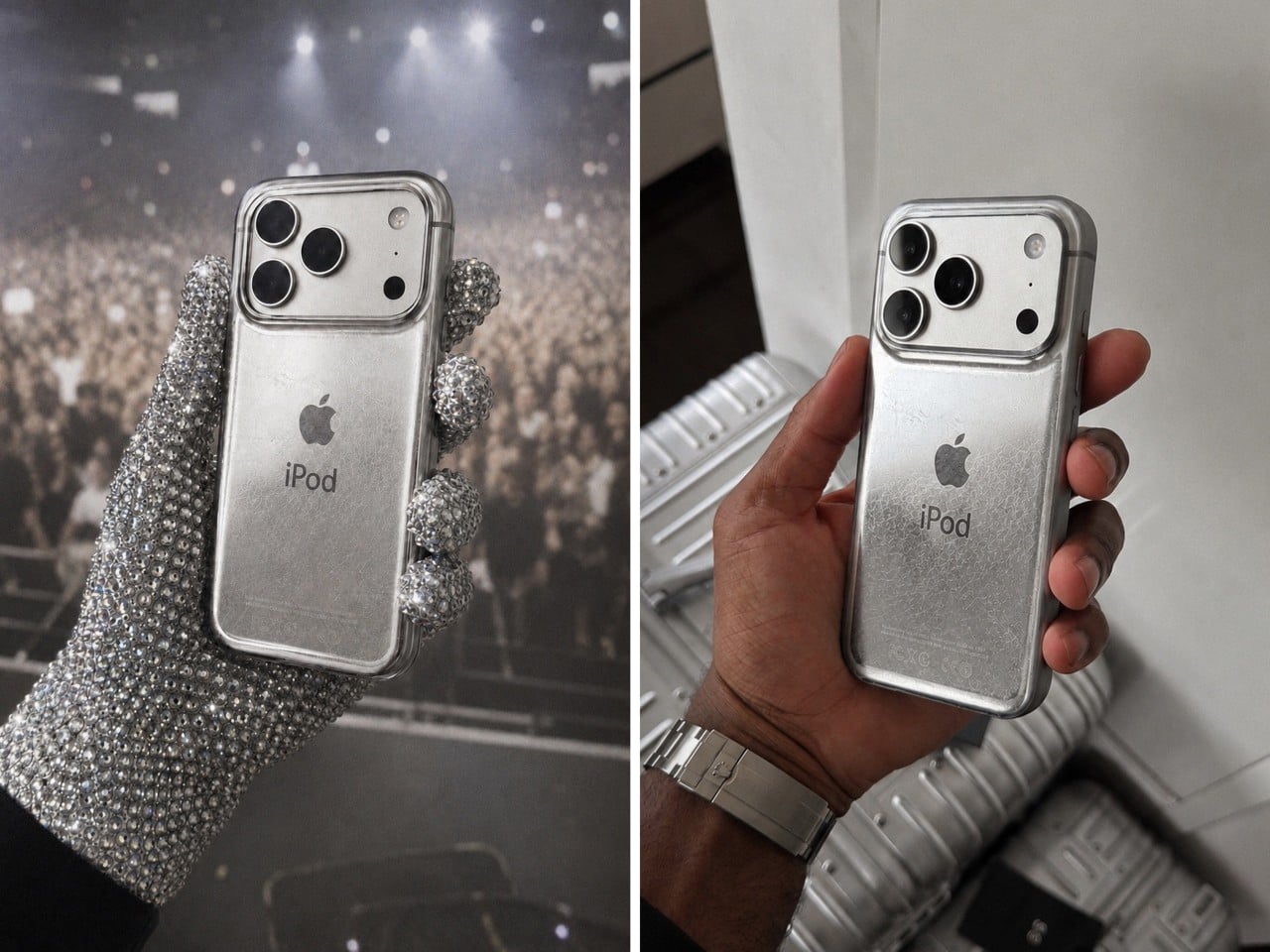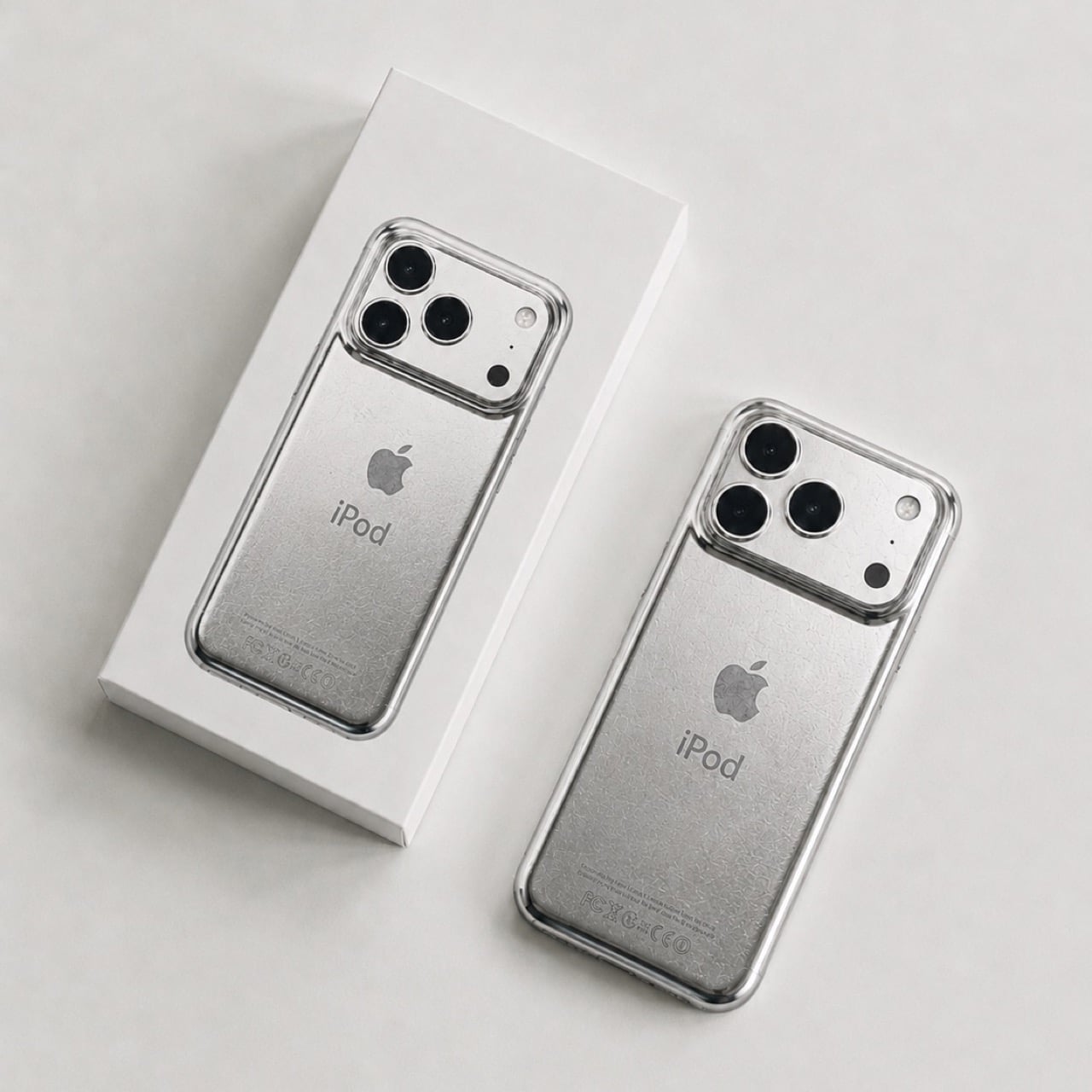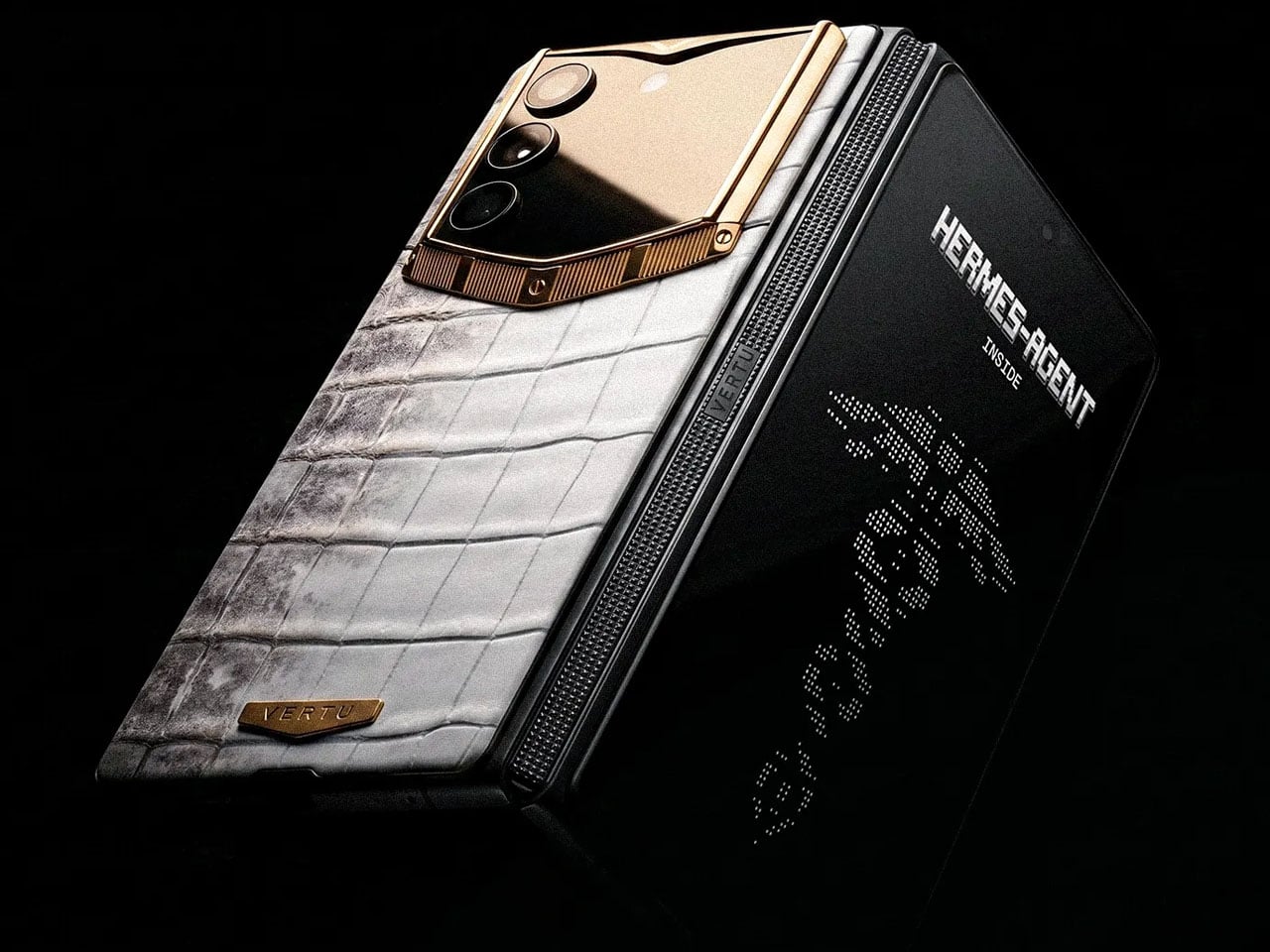
Smartphone touchpad concept tries to solve one of the biggest problems with big phones

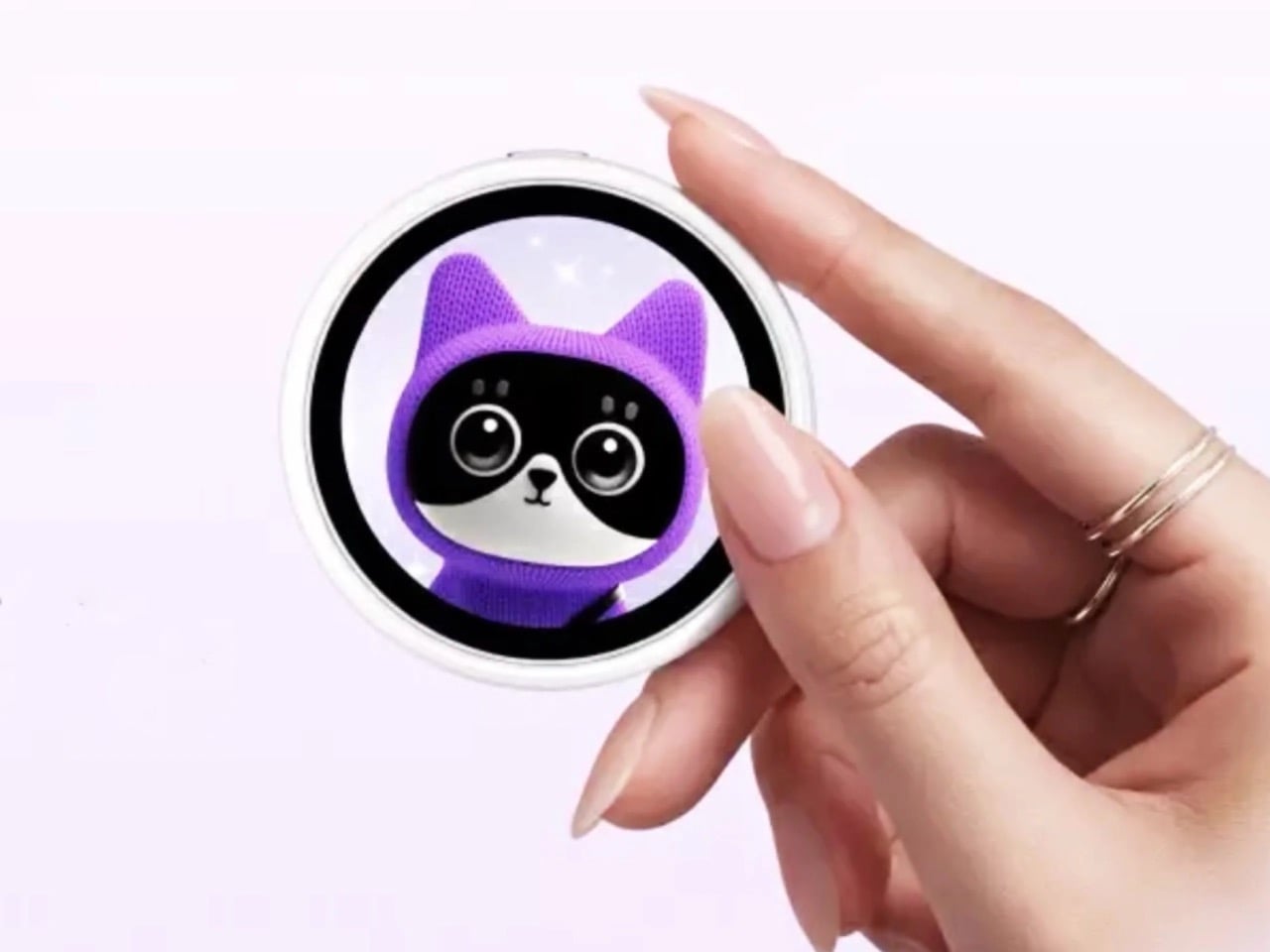
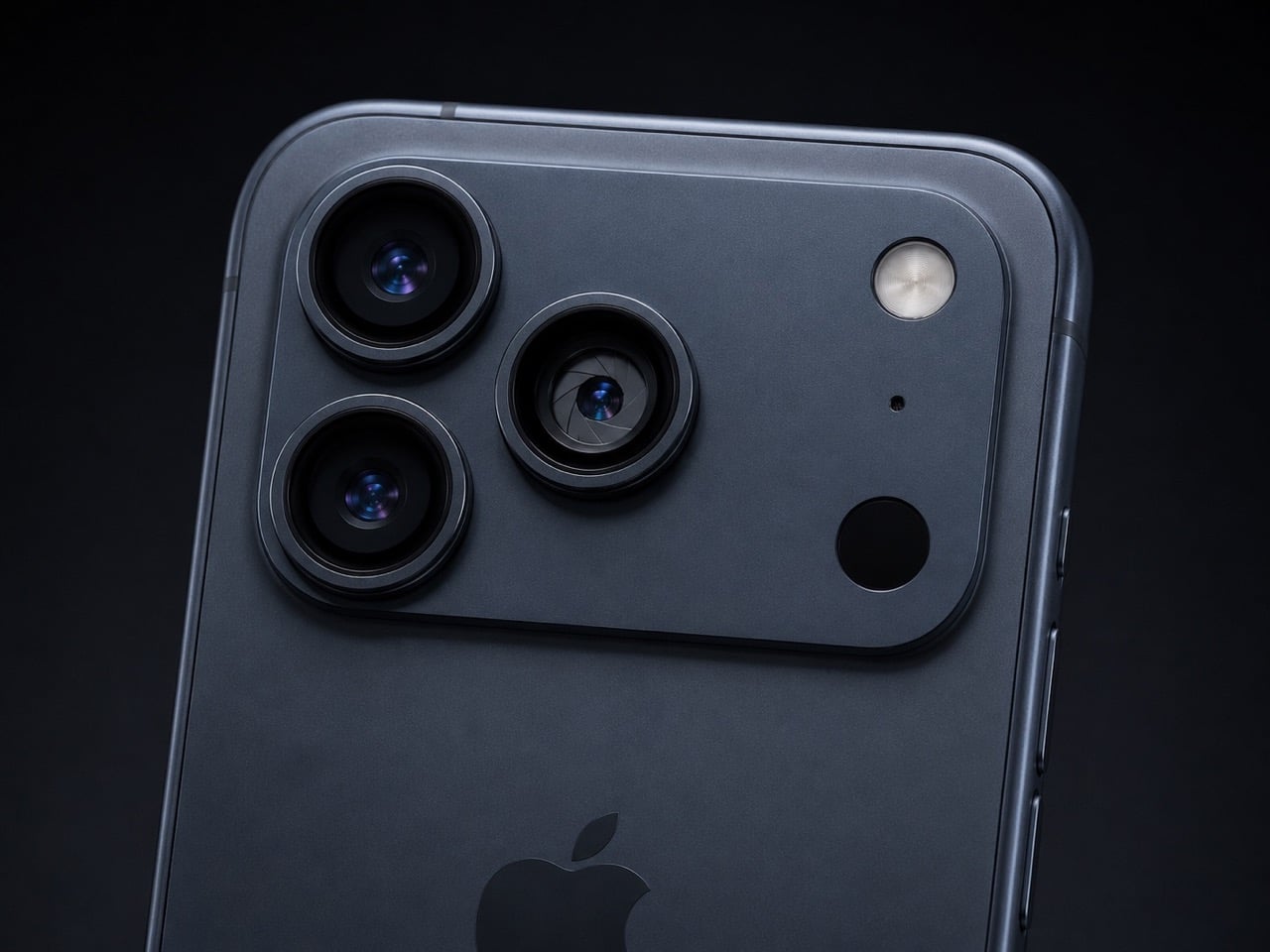
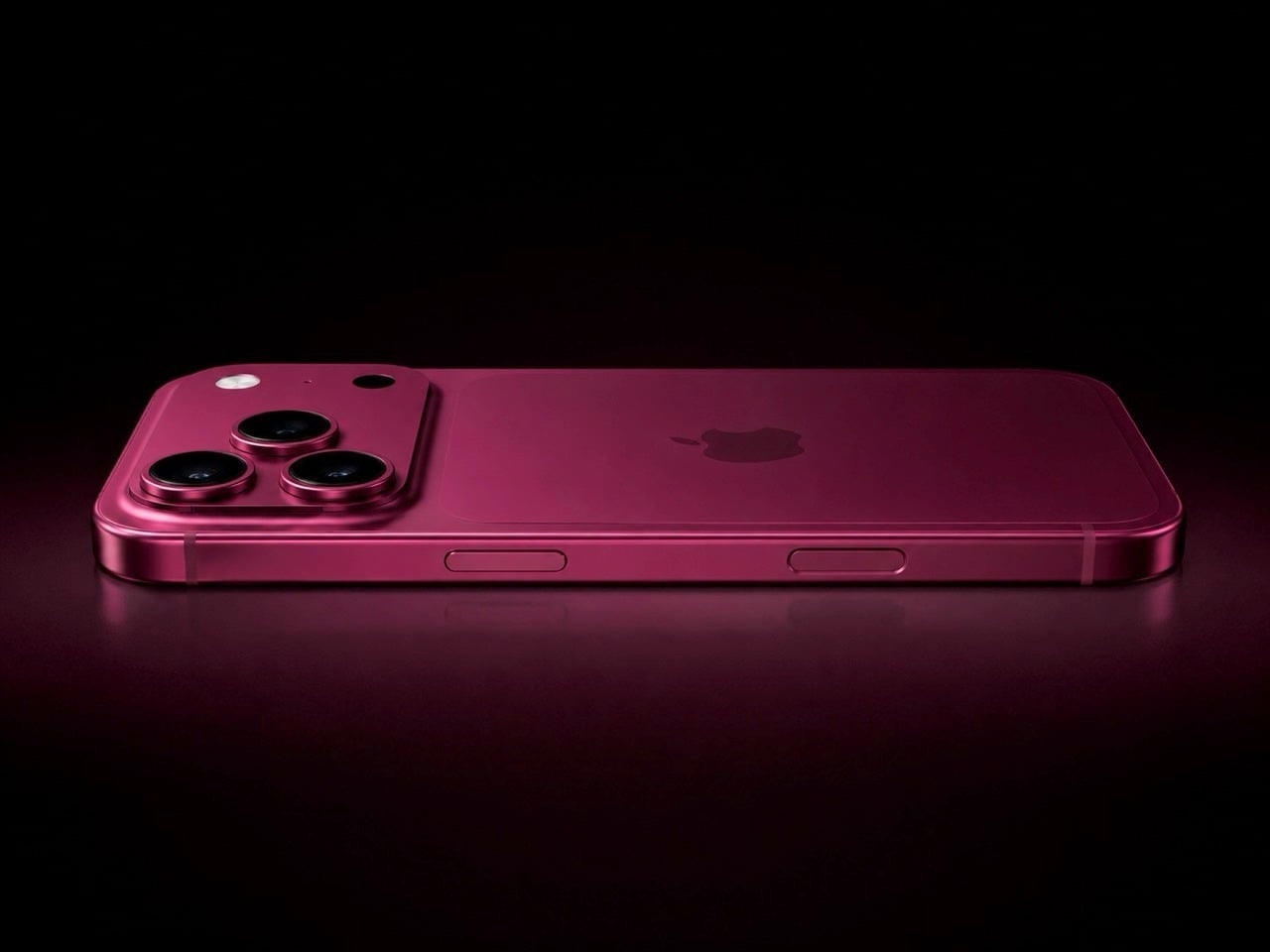
Almost everyone wants smartphones with big screens because of how much content they can see, but those same people probably don’t like using big phones because they require both hands to use comfortably and securely. Some manufacturers have introduced “one-handed mode” features that shrink the screen to a smaller size temporarily, but not only is that actually more cumbersome, it is also less accurate because of the small area you have to hit with your large finger. We don’t have problems using computers with gigantic monitors because we have computer mice that offer precise and accurate control, even if we’re not touching the screen itself. That’s the kind of control that this concept design is trying to bring to smartphones, practically putting a miniature Apple Magic Mouse on the back of large phones.

Designer: Geontak Oh

The computer mouse is actually a very weird and unintuitive tool that has become second nature to most people by now. You are indirectly controlling the screen, moving a detached piece of hardware whose only connection to the computer is an arbitrary one. Before touch screens were a thing, it was really the only way to interact with a graphical user interface, so it’s a bit ironic that we might need something similar to do the same on touch-enabled devices like smartphones.

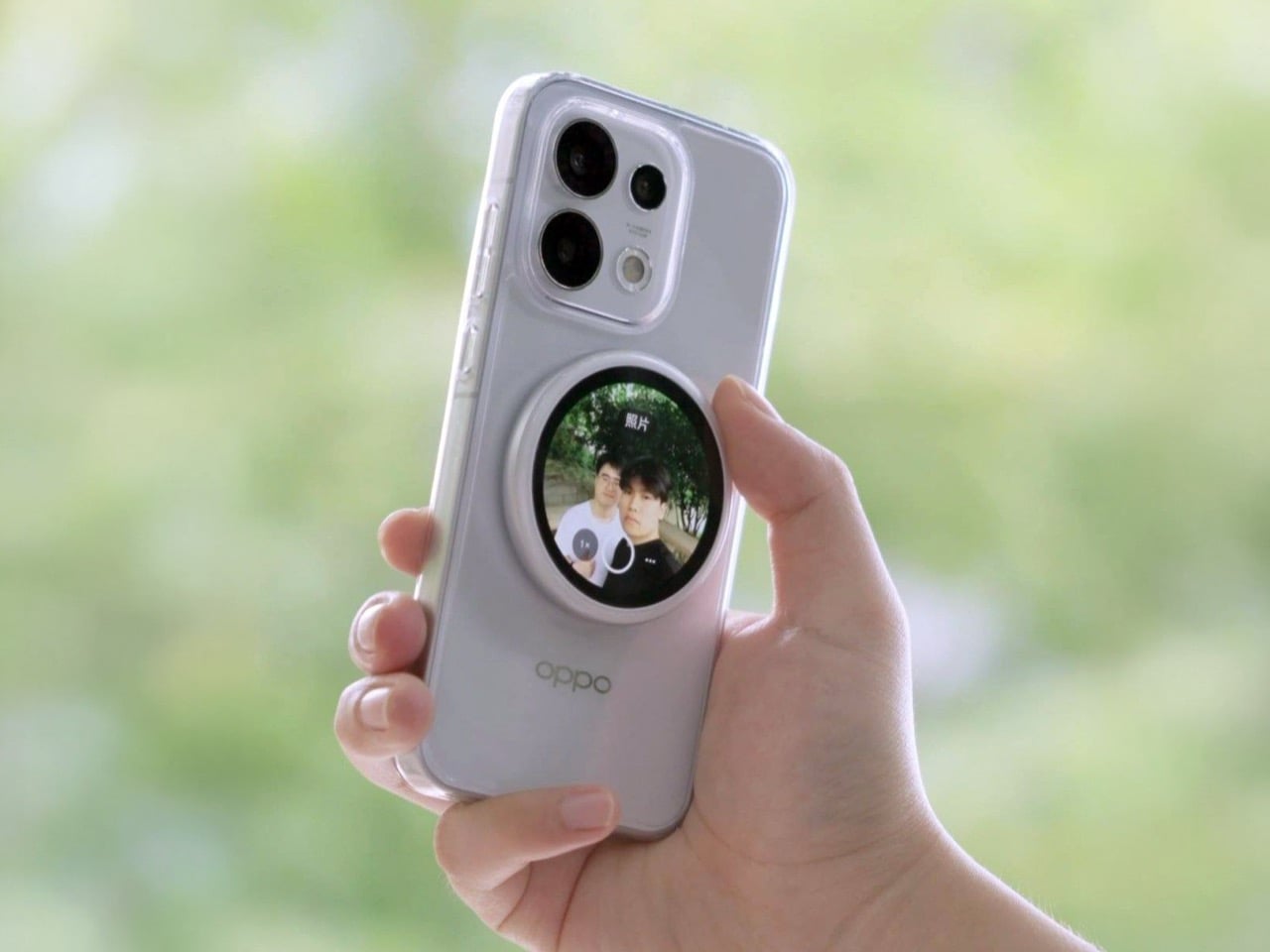
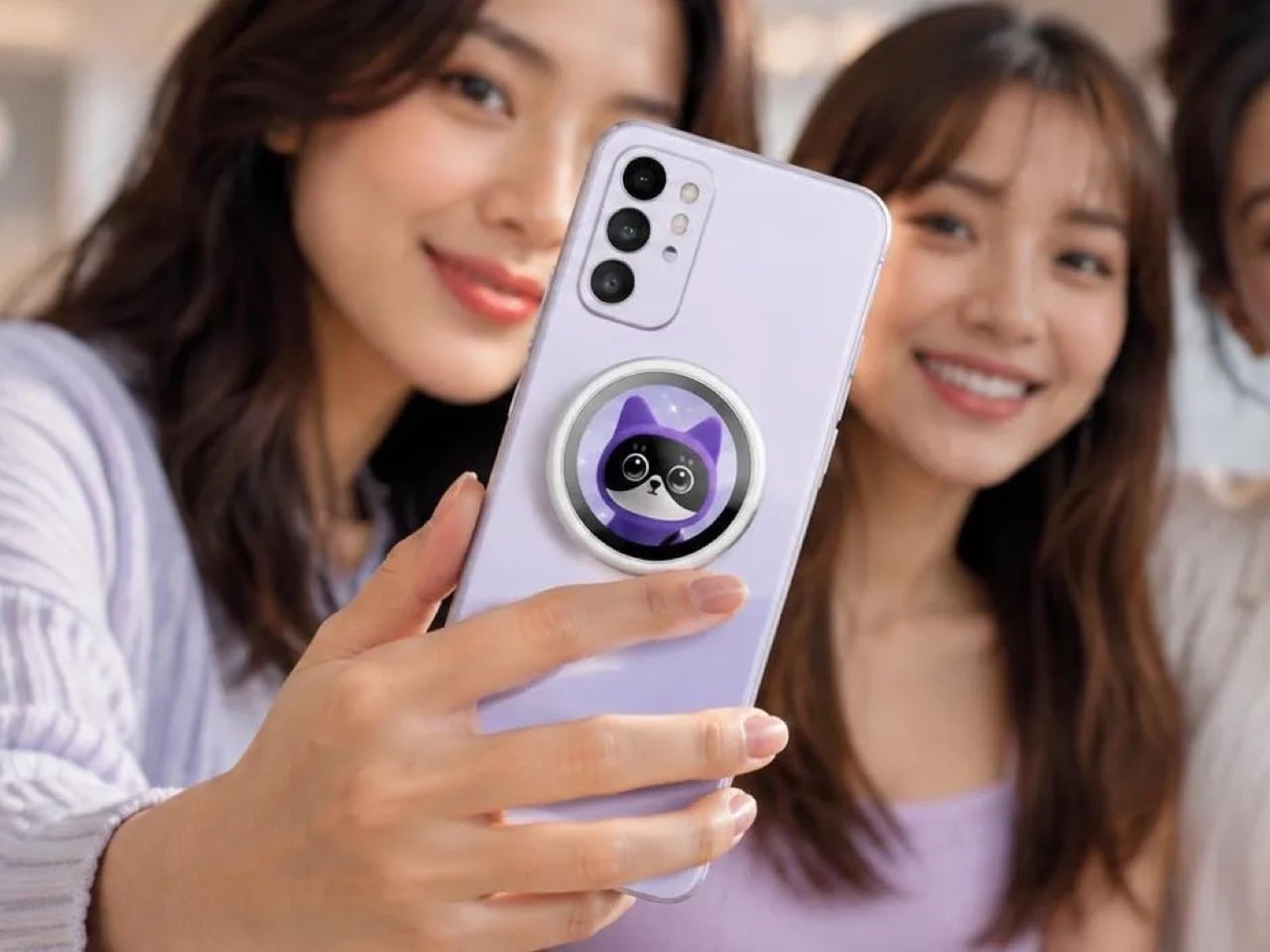
Poinf is a design concept that tries to solve the problem of using a large smartphone with one hand. With the way we hold our phones, the thumb is the only finger we can use to tap on the screen, which is next to impossible if the screen is too big for our stumpiest finger to reach. But what if you could use a different finger to do that? And what if that finger is always on the back of your phone anyway?

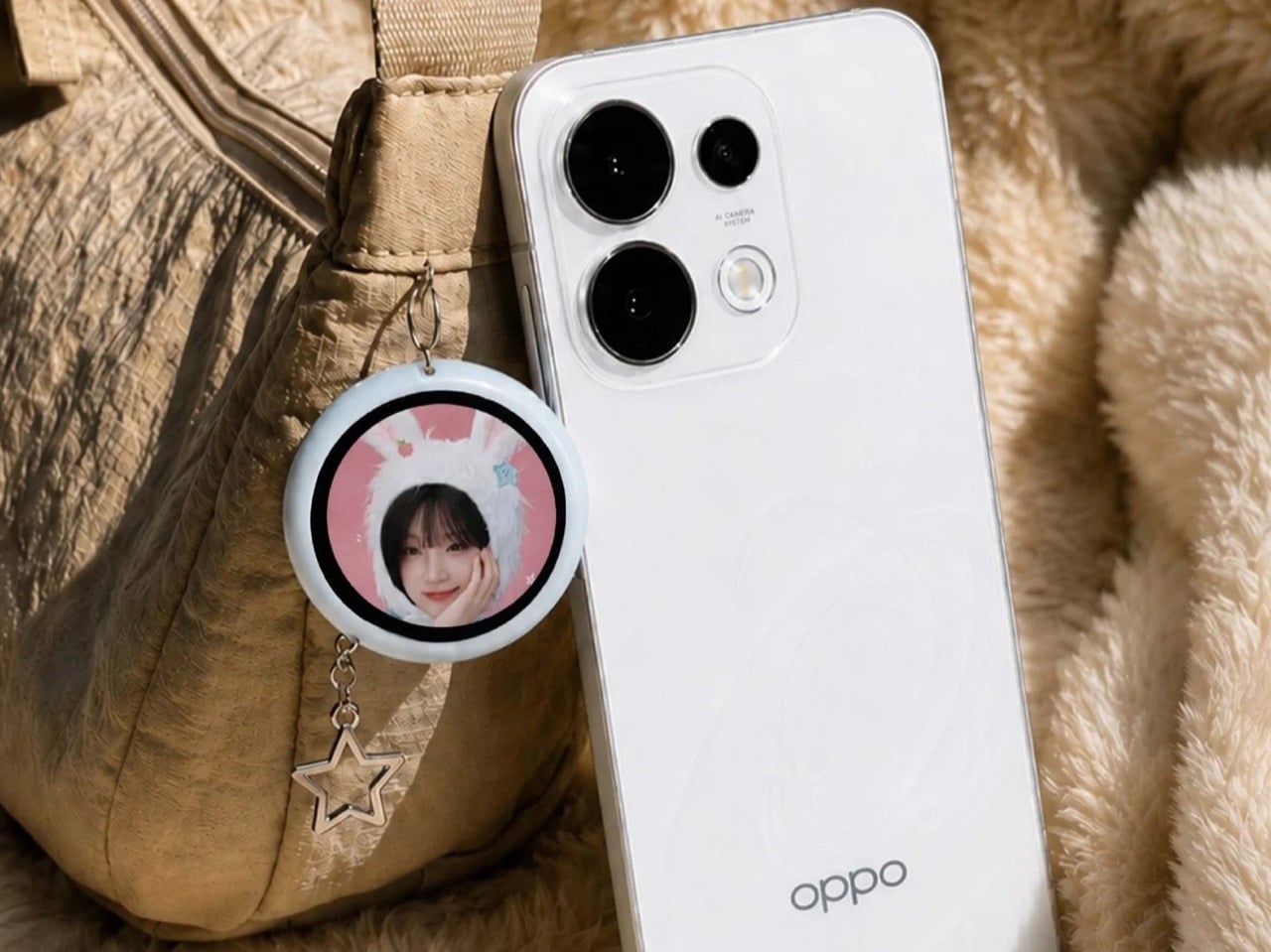
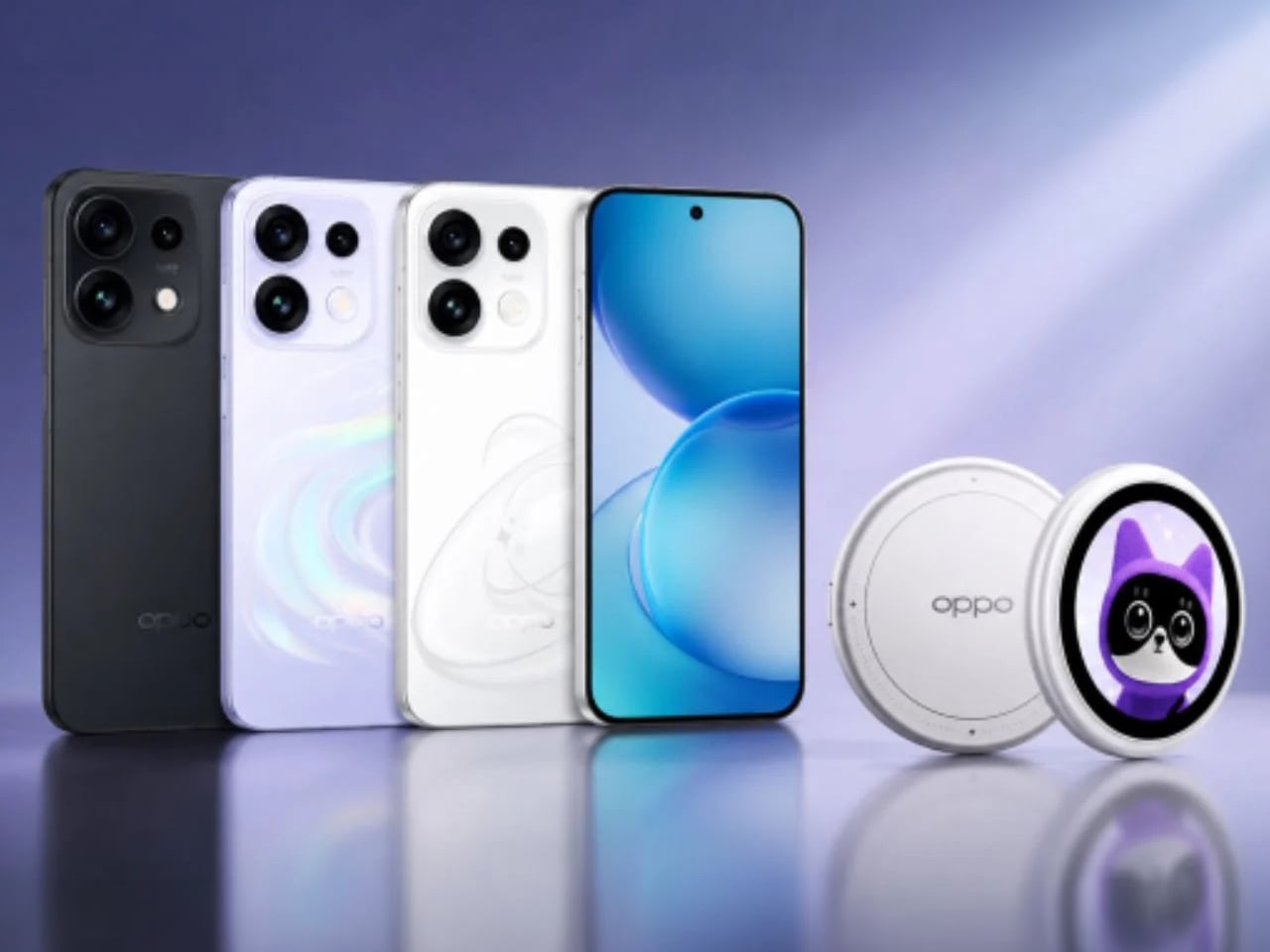
The idea is to put what is practically a small, squarish touchpad on the back of the phone, held there using MagSafe or other magnetic technology. The actual interactive part is a small quadrant of the slim device, an area that can be easily reached by your index or even middle finger. You slide your finger across the surface, pushing around the equivalent of a cursor, and use tapping gestures to “click” on user interface elements. You can easily detach Poinf when you don’t need it, so it doesn’t get in the way of “normal” smartphone use.

Poinf is definitely an intriguing solution to a very old problem, but it also brings a few issues of its own, particularly with usability. Moving a cursor by moving a finger on the back of the screen could require some mental gymnastics, severely affecting your speed and efficiency in the process. Of course, your brain can eventually adjust, like how it has come to accept the computer mouse, but it will take time and effort before that becomes second nature. Additionally, however, you also lose access to important touch gestures like pinching to zoom or quick scrolling, so you’ll have to do double work to teach yourself a new action vocabulary for this rather niche control mechanism. In the end, you might give up and just use the phone with both hands anyway.

The post Smartphone touchpad concept tries to solve one of the biggest problems with big phones first appeared on Yanko Design.

Get the Pixel 9’s “Add Me” Camera Feature on Any iPhone or Android Device: Here’s How…

Were you hyped when Google announced the Add Me feature for the Pixel 9 series camera? I’ll be honest, my wave of excitement died down as fast as it hit me. Truth be told, the Add Me feature is pretty impressive – it allows you to click group photos while also including yourself IN the group. The way the Pixel does this is by scanning your surroundings and the subjects in the frame, and once you click the photo, hand the phone (in the same position) to someone else and walk into the frame. The Pixel 9 will ‘add you’ to the existing photo using AI. Sounds truly remarkable, doesn’t it? Well, given how much 3D scanning and AI computation is done in advance to make this possible, this truly is a feat of technology. There’s a problem, however… You can easily achieve nearly similar results using the Panorama setting on any phone camera.

Before we break down how to do this, it’s worth noting that the way the Pixel 9’s Add Me feature and your camera’s Panorama feature work very differently. Which means there are different things to worry about, and a few potential caveats for both methods. The takeaway, however, is that you DON’T need to be excluded from your group photos. You can simply rely on an existing feature on your phone to add yourself into images… without splurging on a fancy $799-$1099 phone, or without using a whole lot of AI.

Start the panorama process, then hand the phone to someone else while you enter the panorama from the right. The small preview window should help you compose a perfectly stitched panorama that includes you!

As far as Pixel 9’s Add Me feature goes, it’s fairly state-of-the-art and does a job most people would be pretty impressed with. You’ve got the phone quite literally scanning the room, separating the subjects from the background, and then adding an extra subject in. This way, you can truly be a part of a photo even if you’re the one clicking it. Just start the clicking process, hand the camera to someone else, and go stand in the frame you composed. You can stand near people, behind them, pretend to touch their shoulder, and the AI does the rest of the work, crunching multiple data points together to seamlessly integrate you into the frame. It’s great, but it has a few cons – aside from the general stitching issues, you need to ensure the phone’s position doesn’t change too much while clicking the image. You also need a Pixel 9 (or higher) to perform this feature, which is the biggest disadvantage of them all. There is, however, the simple solution of just clicking using the panorama mode. The panorama method is ridiculously simple and works on any smartphone (Android or iOS) without any updates. Here’s how you do it.

The final result looks just as good as the ones from Pixel’s Add Me feature… except without using any AI!

Start the panorama process, but deliberately leave the part out where you plan on inserting yourself. Then, hand the phone to someone else and have them continue the panorama, but now with you in it. Hit the shutter button after the panorama’s composed and voila! You’re effectively IN the photo that you started taking! No AI, no fancy camera features, just a genius solution to a simple problem. The Panorama method works 9 times out of 10, making it a solid alternative to Pixel’s Add Me feature. However, it has a few limitations too. Again, aside from the potential stitching issues, the photos you take ALWAYS have to be landscape (because that’s how panoramas are recorded). People in the frame cannot move too much, which could affect the stitching – this means you can’t use this feature in a crowd; your background almost always has to be static. The Panorama Method also works only from left to right, which means the photographer can only be to the right of people. Not the left, and not even behind them. Personally, these limitations feel pretty small when compared to the idea of spending $799 for a new phone. I also give it a year before someone develops a camera app or filter (I’m looking at you, Snapchat) that does this exact same thing as Pixel’s ‘Add Me’. Until then, just go ahead and use the Panorama Method. I promise nobody will know the difference.

The post Get the Pixel 9’s “Add Me” Camera Feature on Any iPhone or Android Device: Here’s How… first appeared on Yanko Design.
HMD Barbie Phone is Real and Really Pink

A few months back, HMD Global, which now brands itself as “Human Mobile Devices,” teased the existence of a Barbie-branded flip phone. Since it has Mattel’s name riding it, was surely not some simple marketing ploy or early April Fools, but an actual product that was just biding its time. That time has finally come and the official and functional Barbie Phone is finally here, or at least for some markets. The retro-chic flip phone is unabashedly pink and, well, totally Barbie, and just like the era that it pays homage to, the phone goes back to a time when mobile phones were really just mobile phones. Perfect for a GenZ vacay, or so HMD says.

Designer: HMD x Mattel

Although the recent live-action film put the iconic doll in a very different perspective, generations will always remember Barbie and her friends as fun-loving teens. Of course, the franchise has a rich history with many twists and turns, but the spirit of the product has always revolved around the joy of the moment and spending it with friends. That’s the kind of almost Zen-like message that the HMD Barbie Phone is trying to send, telling the GenZ crowd to give their phones a vacay and enjoy their own vacay the old-fashioned way.

In terms of technology, the Barbie Phone is pretty much just a specially-branded feature phone with a classic clamshell design. It opens up to reveal a small 2.8-inch “QVGA” (that means 320×240 pixels) screen above a conventional T9 keypad. It runs the old Nokia S30+ platform, which means it barely does anything other than make calls, handles text messages, and a few specialized utilities and light games. Even the 0.3-megapixel camera is terribly old-school, and not because HMD is trying to be cheap. Every facet and feature of the Barbie Phone is designed to deliver a retro phone experience for a reason.

In addition to decades-old aesthetics, the HMD Barbie Phone tries to embody the “digital detox” lifestyle that some GenZers are embracing, at least during vacations and breaks. The phone focuses on features that immediately connect friends on a more personal level compared to just tapping hearts and giving likes. You can still take photos, of course, but even that will be in the style of classic, old-school photos where everyone has to squeeze together to fit.

That’s not to say HMD is using it as an excuse to skimp on details. In fact, the HMD Barbie Phone is quite overloaded with knick-knacks and accessories that will make any Barbie fan gush. Two interchangeable colors add some pizzazz to that hot pink motif, while stickers, a beaded lanyard, and charms offer plenty of room for personalization. On the software side, you have a special watermelon-theme Snake game variant, themes and sounds from the franchise, as well as apps that guide you to be Zen in the middle of a summer beach vacation. The HMD Barbie Phone is going for 99 GBP, around $130, but it won’t launch in the US until sometime in October.

The post HMD Barbie Phone is Real and Really Pink first appeared on Yanko Design.
TECNO Phantom Ultimate 2 ultra-thin Tri-Fold concept beats Samsung and Huawei to the punch

While foldables represent the next evolution of smartphones, the current crop isn’t exactly how we imagined these devices to be. When the likes of Samsung first teased the idea of phones that transform into tablets, that dream didn’t involve squarish tablets or thick and narrow phones. The ideal is a normal-looking phone that almost magically becomes a regular tablet when it unfolds, something that wasn’t easily feasible given the technology of the past two to three years. We might be on the cusp of the next stage of the foldable revolution, and TECNO is only too happy to show off not only a tri-fold device but one that is only 11.1mm thick when folded into a conventional phone.

Designer: TECNO

A phone with two hinges that fold in opposite directions is one of the ways we can get the best of both worlds, but it’s easier said than done, naturally. Not only do you have to consider the durability of the display panel that will bend at opposite angles in two areas, the thickness of the folded “phone” also becomes a conundrum. If bi-fold phones like the Samsung Galaxy Fold are already considered to be thick, imagine how much worse three layers would be.

That’s the boast that TECNO is making with the Phantom Ultimate 2 concept, a tri-fold device that is only 11.1mm thick when folded. That’s just around 2mm thicker than the average regular foldable, which is still thick but not by much. TECNO doesn’t give the exact dimensions for the unfolded tablet, but it’s bound to be really thin in that case.

This design gives us a regular 6.48-inch candybar phone that turns into a regular 10-inch tablet and vice-versa, delivering the best of both worlds in a single device. And if that weren’t enough, TECNO shows that the device also supports stylus input, making it an all-in-one entertainment and business computer in your pocket. There are various modes made possible by this novel folding design, though some might be a bit more questionable than others, like putting the sensitive foldable screen in contact with a table.

The TECNO Phantom Ultimate 2 concept will be shown off at IFA 2024 in Berlin next week, though its existence hardly means it’s something we’ll be able to buy soon. Samsung has also shown off tri-fold prototypes, both of the “Z” and “G” varieties, yet none have come to market yet. Then again, the forerunner of foldable devices seems to be content taking a more conservative approach, so it wouldn’t come as a surprise if TECNO or even Huawei would land this novelty on shelves first.

The post TECNO Phantom Ultimate 2 ultra-thin Tri-Fold concept beats Samsung and Huawei to the punch first appeared on Yanko Design.
Leaked Google Pixel 9a image shows a MAJOR Design Change and No Camera Bump

It seems like the Pixel’s A-series is a victim of its own success. While the last few A-series phones like the Pixel 6a, 7a, and 8a have been phenomenal retail successes (sometimes even being preferred by people over the flagships), this year might be different. If these leaked images are any indication, the upcoming Pixel 9a might see a major design update… but there’s probably a good reason why.

The recent leak of the Google Pixel 9a suggests a fresh approach to design in Google’s mid-range offering, one that may mark a departure from the aesthetic norms established by previous Pixel devices. The leaked renders, shared by @VNchocoTaco on X, reveal a design that forgoes the familiar visor-like camera bar seen on its predecessors. Instead, the Pixel 9a opts for a sleek, minimalistic camera island. This module, positioned on a flat back panel, introduces subtle design refinements that indicate a clear intention by Google to redefine the visual identity of its A-series line. Why, you ask? I can think of a few potential reasons.

Rendered Image Representation of the Google Pixel 9a

Like I mentioned earlier, the Pixel A-series has a reputation for being a little too popular. Even though it’s touted as a budget phone, most YouTubers and reviewers claim that it’s just as good as its flagship counterpart, if not better. It looks just like the flagship, with a very similar design, and an equally good camera. The A-series only gets a few minor downgrades in the form of screen quality, processor speed, lack of wireless charging, larger bezels, and notably a lower price… all of which are fairly acceptable trade-offs. As a result, most budget phone lovers prefer the A-Series phones OVER the flagships, leading to more sales while Google tries to push the more expensive models instead by providing offers/discounts, etc. This dramatic redesign is probably Google’s way of making sure the Pixel 9a doesn’t steal the 9 and 9 Pro’s thunder. If Google’s last keynote was any indication, the company is making a HARD pivot to Gemini, and the Pixel 9a will probably get the same Tensor G4 chip to support those Gemini features (otherwise nobody will buy the phone). By cutting back on the design but still providing remarkable AI functionality (along with camera chops), the Google team seems to be future-proofing their flagship phone while still making the A-series fairly lucrative. It’s a nice strategy, although the Pixel 9a images (if they’re real) show a phone that lacks any character.

The images show a phone with flat sides that curve gently at the edges, just like the Pixel 9, 9 Pro, and 9 Pro Fold. This shift creates a more ergonomic experience, addressing one of the criticisms directed at the earlier A-series models, which were sometimes described as cumbersome in hand. Despite this redesign, the bezel size remains largely unchanged compared to the Pixel 8a. For some, this may be a missed opportunity for a more streamlined display experience, especially when considering the bezel trends across mid-range competitors. Nevertheless, these design choices suggest that Google is focused on maintaining the practicality and accessibility that the A-series has become known for, rather than chasing industry trends.

Though the images’ authenticity remains unverified, the source claims that the leak originates from a Compal employee. Compal, a well-known manufacturing partner for Google, has been involved in producing various Pixel devices. It’s also rumored that the Pixel 9a will drop at the end of this year (rather than 2025) and will be available in 4 colors. If this information holds true, it adds credibility to the likelihood that these design changes are indeed intended for the upcoming Pixel 9a. Such a move to alter the design language signals that Google is perhaps aiming to establish a different identity for its A-series, distancing it from the flagship models while still retaining core features that are essential for a consistent user experience across the lineup.

The post Leaked Google Pixel 9a image shows a MAJOR Design Change and No Camera Bump first appeared on Yanko Design.

Vivo V40 Review: Keeping Things Simple and Sweet

PROS:


  • Stylish and slim design

  • Large 5,500mAh battery

  • Impressive triple 50MP camera system

  • IP68 dust and water resistance rating

CONS:


  • Same specs as the Vivo V30 from early 2024

  • No dedicated telephoto camera

RATINGS:

AESTHETICS
ERGONOMICS
PERFORMANCE
SUSTAINABILITY / REPAIRABILITY
VALUE FOR MONEY

EDITOR'S QUOTE:

The Vivo V40 puts a new chic style on a proven no-nonsense phone that delivers a solid experience at an accessible price point.

The smartphone market is a very congested and crowded place, not just with multiple competing brands but with each brand putting out multiple models per generation on multiple tiers. You’d think these companies want to just put their best foot forward, but instead, they try to target different audiences and budgets. Of course, there will have to be certain compromises for devices that aim for a lower market tier, but the question is just how much can you sacrifice before all you’re left with is an unusable, unappealing slab of metal, glass, and plastic. That’s the question that the Vivo V40 has to face in light of its well-received Pro sibling, and we give it a good try to see just how well it can perform under certain constraints.

Designer: Vivo

Aesthetics

With so many smartphones now sporting more powerful and bigger cameras, it’s no surprise how many are scrambling to fit them in an elegant design and how some are failing to succeed. Given the two 50MP cameras on its back, it’s actually quite a pleasant surprise that Vivo managed to hit the nail on the head with its V40 series. There’s still a noticeable and technically thick bump on the rear, but it is presented in such an elegant way that you probably wouldn’t mind at all.

The key to this design is what Vivo dubbed the Gemini Ring, inspired by the constellation of the same name. It pairs two smaller circles in a bigger circle, playing on the “twin” theme. Technically speaking, the lower “ring” with the Aura Light is a bit taller and connects to the ring that houses the actual cameras, resulting in a shape that resembles a sleek keyhole. It’s an interesting visual element that grabs your attention but doesn’t scream at you.

The rest of the Vivo V40’s back is just as elegant as that camera design, with a variety of colors that add an artistic character to the phone. Our review unit, for example, is the Moonlight White which has a few patches of blue that resemble the surface of the moon at night. The back has a very glossy finish which, as you might have guessed, is a fingerprint magnet, though the color of the design at least makes those smudges harder to see.

The Vivo V40’s large screen curves to the side, giving it the illusion of a thin profile. We seem to live in an age of flat screens and flat edges, so this “classic” design might offer some relief to fans. It does come with some usability consequences, though, depending on how you hold it, and not everyone finds this aesthetic that appealing these days.

Ergonomics

At only 7.58mm thick and weighing only 190g (0.42 lbs), the Vivo V40 is incredibly thin and light, especially when you consider the extra-large battery it packs inside. It won’t strain your hand when holding the phone for a long time, but due to its size, you’re more likely to hold it with two hands unless you’re just idly scrolling away.

The curved edges of the screen are probably a bit more divisive. More than just a cosmetic design, it means that there will be parts of the screen at the edges that are not always visible, depending on the viewing angle, or might be accidentally triggered by parts of your palm or fingers. It doesn’t happen all the time, otherwise, this kind of design wouldn’t have lasted a year, but it might be something to consider when you notice “ghost” touches from time to time.

Performance

Underneath the sleek exterior of the Vivo V40 lies a rather sneaky secret. In many aspects, this is pretty much the Vivo V30 from early 2024, just with a few minor upgrades. It has the same Snapdragon 7 Gen 3 processor and the same basic memory and storage configuration. There are other similarities as well that we’ll get to later, but the bottom line is that, in terms of performance, you aren’t going to see a distinct generational upgrade.

That means that what was true for the Vivo V30 is true for the Vivo V40, which thankfully means you do get a solid mid-range performer. With enough RAM allocation, which is 12GB plus another 12GB taken from the 512GB storage of our review unit, you have plenty of silicon muscle to get apps moving smoothly and fluidly. You’ll have to turn down the settings for games, but you’ll still be able to enjoy the latest action-packed titles. That said, there is a Snapdragon 7+ Gen 3 at this point, so it’s rather disappointing that Vivo didn’t push for that extra punch.

The screen is almost the same, a 6.78-inch 2800×1260 120Hz AMOLED display that’s quite vibrant and crisp. This year’s model, however, upgrades the brightness by a considerable margin, which makes the phone even more usable outdoors. It supports HDR10+ but oddly leaves out Dolby Vision, something that might be of concern to video aficionados.

The biggest difference between the two generations is the 5,500mAh battery inside the Vivo V40, a whopping 500mAh increase from its predecessor. It does make the phone heavier and thicker than the V30, but not by much. The battery life gains pretty much make up for that anyway, with an uptime of almost 20 hours, depending on usage. It charges fast, too, at 80W, though not exactly record-breaking. The plot twist here is that Vivo doesn’t include a charger in the box, so you’ll have to find an 80W charger or higher on your own.

The cameras are where it’s all at, of course, and here the Vivo V40 doesn’t disappoint except in one aspect. Again, it’s the same combination of a 50MP f/1.9 main camera with OIS and a 50MP f/2.0 119-degree ultra-wide shooter. The front also gets a 50MP front-facing camera capable of shooting in 4K 30fps, which should probably make you a star in video meetings.

In practice, these ZEISS-tuned cameras deliver as promised, producing detailed and clear shots with natural colors and good exposure. That’s true both in broad daylight as well as low-light or nighttime shots, though the latter sometimes tend to get a little bit overexposed to the point of looking unnatural. Bokeh is pleasant and the separation of foreground and background is quite accurate. The Studio-quality Aura Light ring offers more flexibility with light temperature and intensity, creating more natural-looking lighting when needed. This stellar performance stops when you try to zoom in, though, even at just 2x. At that point, quality starts to degrade, which is to be expected from a camera system without a dedicated telephoto lens.

Sustainability

Vivo has been making big steps in improving its commitment to a greener future, and every little bit counts toward that goal. It might not be using recycled metals and plastics yet, but it might be slowly but surely getting on with the times. The Vivo V40, for example, doesn’t ship with a charger, helping decrease the potential e-waste from owning multiple chargers that do the same thing. Yes, you might have to buy a compatible charger if you still don’t have one, but that’s an investment that you will be able to use for other devices as well.

Perhaps the bigger step forward is taking this mid-range V series phone’s durability to the next level. From a measly IP54, the Vivo V40 now boasts an IP68 rating, putting it on the same level as more expensive flagship smartphones. What this means is that your phone won’t die on you so easily, prolonging its longevity and delaying its inevitable fate in the trash heap or recycling plant.

Value

To be painfully blunt, the Vivo V40 doesn’t exactly have a standout feature. Yes, the 50MP ZEISS cameras perform well, but other mid-range phones can match its output and even have a telephoto shooter in the gang. Its hardware isn’t exactly fresh or notable, but it does get the job done. The slim and sleek design is definitely eye-catching, but they always say that beauty is in the eye of the beholder.

Instead, it’s actually the sum of its parts that give the Vivo V40 its value. It’s a solid performer with dependable cameras wrapped in a premium-looking design, delivering long battery life and durability on par with high-end rivals. And when you slap on the $430 price tag, you basically get a mobile partner that you can rely on, as long as you don’t make too many demands.

Verdict

It is getting harder to stand out in a very crowded smartphone market, and some vendors have started making gimmicks, adopting exaggerated designs, or adding over-the-top features just to differentiate themselves. Sometimes it works, but most of the time you end up with an outlandish design that costs more than it’s worth. In contrast, the Vivo V40 opts for a simple yet solid design, delivering a well-rounded experience with a camera system that you can be proud of and a large battery that won’t let you down.

The post Vivo V40 Review: Keeping Things Simple and Sweet first appeared on Yanko Design.

Caviar Galaxy Z Flip 6 Elegance Edition Rides on the Latest Tennis Fashion Trend

There’s a reason why many people find fashion to be inscrutable, and not just the haute couture variety you see on runways. Fashion trends come and go, and sometimes they take inspiration from the most unexpected sources. One of the newest, for example, was spurred by the combination of the 2024 Paris Olympics, the film “Challengers” starring Zandaya, and the ongoing US Open tournament. Yes, this is the so-called “tennis core” fashion trend, and custom luxury phone maker Caviar is only too happy to jump on that bandwagon with extremely limited editions of the Galaxy Z Flip 6 that’s designed to show off your sports affinity, fashion tastes, and, of course, your affluence.

Designer: Caviar

Tennis core is simple to grasp yet hard to execute. As it revolves around the aesthetics of clothes worn in tennis matches, it has to strike a balance between being sporty and being casual. For Caviar, however, the trend is easy enough to interpret and implement, focusing on the visuals and forms most easily associated with the sport: the tennis ball.

The Samsung Galaxy Z Flip 6 that’s part of this “Elegance” tennis core collection bears curved accents on its back that resemble the lines of a tennis ball, at least if you actually knew beforehand what the design is meant to represent. Depending on the color of the model, the accents can be covered in either pure 24-carat rose gold or 22-carat silver. Regardless of the color, however, both designs flaunt 16 22mm-diameter Swarovski crystals, because this wouldn’t be a Caviar phone if it didn’t have any.

The phones have colorways that are reminiscent of some of the popular colors for tennis courts. Emerald is probably the most familiar hue, with deep and rich greens that are not unlike the grassy type of some courts. Sapphire is perhaps a little less common but blue is used to give better contrast, especially considering a tennis ball is traditionally light green in color. Both models use premium Chevre leather, the very same kind used by luxury brand Hermes for its products.

It might not be as outlandish as Caviar’s other custom designs, but the Galaxy Z Flip 6 Elegance edition still fetches an extremely steep price starting at $8,777 for the 256GB Emerald model and $9,770 for the 256GB Sapphire variant. And in typical Caviar fashion, these phones will be made in a very limited run, only 99 pieces each, making sure that owning one earns you a spot not only among fashionistas but as a true tennis aficionado as well.

The post Caviar Galaxy Z Flip 6 Elegance Edition Rides on the Latest Tennis Fashion Trend first appeared on Yanko Design.
3D Printed CMF Phone 1 cases thrive in the phone’s innovative modular design

The dream of the modular smartphone proposed by the likes of Project Ara and the LG G5 might have failed to become lasting reality, but there is more than one way to actually implement a modular design. Unveiled just last month, the CMF Phone 1 by Nothing tackled the problem from a different angle, one that didn’t change the smartphone design formula too much while still kicking the doors wide open for modular accessories. It’s not surprising that there was a sudden burst of creativity trying to take advantage of this new platform, and thanks to 3D printing, we can behold some of the rather curious ideas creators have when pushing the possibilities of this modular system to the extreme.

Designers: w1utree, BuildBryce, Kaburuk

To be clear, the CMF Phone 1 itself isn’t modular, but its removable back cover invites all kinds of modular accessories and attachments. As long as you can screw it on the back of the phone and retain its usability, everything is fair game. Those accessories can range from simple loops and stands to bottle openers and miniature Nerf guns. As long as you can 3D print it, anything’s possible.

1

The Modular Sliding System, for example, has a creative design that integrates three sliding modules that can be a pen, an SD card holder, and even a comb. The top and bottom sliding modules unfortunately have to be curved to take into account the position of the screws on the CMF Phone 1’s back. Switching out modules is quite simple, and there’s plenty of room for other tools that you might want to always have in your pocket all the time.

The Brick Case is a bit less ambitious but even more creative, and yes, it practically turns the CMF Phone 1 into one large LEGO-like brick. At first glance, it might seem like a cosmetic design only, putting a LEGO scene on the back of your phone when that can only be appreciated or used if the phone is placed face down on a table. With some imagination and design work, however, it might be possible to 3D print functional modules as well, like one that puts a pad of sticky notes on the back of your phone.

1

Coming completely out of the left field, the Foam Dart Launcher turns the CMF Phone 1 into a toy. It’s pretty much a one-shot mini Nerf gun, used to surprise friends or colleagues. It obviously has no practical benefit, but it does demonstrate the wide range of possibilities offered by the simple yet ingenious modular design of the CMF Phone 1.

The post 3D Printed CMF Phone 1 cases thrive in the phone’s innovative modular design first appeared on Yanko Design.
Galaxy Z Fold6 Ultra: Thinner Design vs. S Pen Support—What Matters Most Ahead of the Rumored September 25 Launch?

Samsung’s upcoming Galaxy Z Fold6 “Slim” raises a new question about foldable smartphone design: What’s more important to you—a slimmer, more portable device or the continued support of the S Pen, a tool that has become synonymous with Samsung’s productivity-focused devices?

Samsung Galaxy Z Fold6 with case and stylus

Designer: Samsung

The rumored launch of the Galaxy Z Fold6 Slim in South Korea on September 25 suggests that Samsung is moving towards an ultra-thin design. At just over 10mm thick, this foldable could be the thinnest in Samsung’s lineup, prioritizing portability and ease of use. This shift, however, comes at the cost of a beloved feature: S Pen support. By opting for a slimmer profile, Samsung has reportedly removed the necessary film that allows the S Pen to function, leading to a significant trade-off between form and function.

Samsung Galaxy Fold6

The decision to slim down the Galaxy Z Fold6, potentially at the expense of the S Pen, raises a key question for users. The S Pen has been a defining feature for many Galaxy Fold users, offering precision and enhancing productivity, particularly for tasks like note-taking, sketching, and navigation. For professionals and creative users, the S Pen is an essential tool that significantly enhances the capabilities of their devices. Losing this feature could be a dealbreaker for those relying on the stylus for daily tasks.

On the other hand, a slimmer, more elegant device could appeal to users who prioritize portability and design. The rumored titanium frame, which could replace the aluminum used in previous models, contributes to a thinner profile while elevating the device’s durability and premium feel. The thinner form factor and lightweight design make it easier to carry and handle, addressing one of the main criticisms of foldable phones: their bulkiness.

But does the sleekness of a thinner device justify the loss of the S Pen? For some, the answer may be yes. A thinner device fits better into pockets and hands, making it more convenient for everyday use. Unlike the Galaxy S24 Ultra, which has an integrated slot for the S Pen, the Galaxy Fold series requires users to manage the S Pen separately, which can be cumbersome. Perhaps this is Samsung’s plan to gradually “weed” owners off the S Pen by not including it in their newer, slimmer foldable models. Personally, I feel that the stylus on a foldable phone feels as outdated as the physical keyboards on early smartphones. I rarely use the stylus anymore, and I’d much rather have a thinner, more lightweight device. The larger screens—6.5 inches externally and 8 inches internally—ensure that users still get an expansive display experience, even with the reduced thickness. This could appeal to a broader audience, especially those who might have hesitated to adopt a foldable phone due to concerns about size and weight.

Galaxy S24 Ultra with integrated stylus holder

However, the trade-off might not be worth it for users who have come to depend on the S Pen. The stylus adds a layer of functionality that a thinner device can’t replace. One particular feature I love about the S Pen on the S24 Ultra is the ability to take pictures—a convenient tool for solo content creators. I also track the stock market, and using the S Pen with Trading View for charting is amazing, so I would definitely miss the pen for that use case. Without the S Pen, tasks that require precision or creativity might become more cumbersome, detracting from the overall user experience.

Samsung Galaxy Z Fold6

What do you think, Yanko Design readers? Does the decision boil down to personal preference and priorities? If you value a sleek, portable device that fits seamlessly into your lifestyle, the Galaxy Z Fold6 Slim might be the perfect evolution of Samsung’s foldable lineup. However, if the S Pen is an indispensable tool in your arsenal, the standard Galaxy Z Fold6 or previous models might still hold more appeal. I find the “Slim” addition to the name rather silly, and I would bet money on Samsung going with “Galaxy Fold6 Ultra” over “Slim.” We’re still finalizing our review of the new Galaxy Fold6, so stay tuned for our thoughts.

The post Galaxy Z Fold6 Ultra: Thinner Design vs. S Pen Support—What Matters Most Ahead of the Rumored September 25 Launch? first appeared on Yanko Design.

Tecno’s Foldable Journey: The Evolution in Design from Phantom V Fold 5G to V Fold 2, and V Flip 5G to V Flip 2

Tecno’s entry into the foldable smartphone market began with the Phantom V Fold 5G and the V Flip 5G. These devices introduced a fresh take on smartphone design, offering the flexibility of foldable screens and compact form factors. With the launch of the Phantom V Fold 2 and V Flip 2, Tecno has made notable improvements, focusing on design, functionality, and user experience. This article explores the changes between these first and second generations, showing how Tecno has refined its approach to meet modern needs.

Phantom V Fold 5G vs. V Fold 2: A Thoughtful Redesign

Tecno Phantom V Fold 2 with new stylus

Design and Build Quality

The Phantom V Fold 5G featured a bold design with a large, circular camera bump that stood out on the back of the phone. This prominent feature added thickness, making the phone feel bulkier. While it made a statement, the design wasn’t for everyone. Some found it too pronounced, disrupting the phone’s overall balance.

Tecno Phantom V Fold 5G rear-facing camera setup

Tecno Phantom V Fold 5G

Looking at the V Fold 2, Tecno appears to have taken a different approach, opting for a more streamlined and integrated camera module. The redesigned camera bump blends into the back of the phone, offering a cleaner look. This likely results in a phone that feels less bulky in hand, improving comfort during use. Adding a stylus is smart and appealing to users who want to take notes, sketch, or work on the go. This shift makes the V Fold 2 a versatile tool for personal and professional tasks.

Tecno Phantom V Fold 2

Display Improvements

The display on the V Fold 2 seems to show clear advancements over the first model. The V Fold had a decent screen with a 120Hz refresh rate, which provided a smooth experience, but users often noticed the crease in the screen, which detracted from the overall experience.

Tecno Phantom V Fold 5G

With the V Fold 2, Tecno likely addressed these issues. The new model looks like it offers better brightness, more accurate colors, and perhaps improved crease management, making the internal screen more durable and enjoyable to use. The cover display also appears to have seen improvements in size and usability, allowing users to interact with the phone more easily when it’s closed.

V Flip vs. V Flip 2: Embracing Trends with Functional Upgrades

Design and Usability

Tecno Phantom V Flip 2

The Tecno V Flip introduced users to a new form factor with its flip-style design, but it was clear that there was room for refinement. The V Flip’s design was characterized by a large, circular camera bump that dominated the front of the device when closed, along with a smaller cover display embedded within this bump. While this design choice was unique, it limited the functionality of the cover display, making it less practical for everyday use.

Tecno Phantom V Flip 5G Camera Setup

The V Flip 2, on the other hand, embraces the industry trend toward larger cover displays, significantly enhancing its usability. The cover display on the V Flip 2 looks larger and more functional, offering more screen real estate for interactions, notifications, and even quick replies without the need to open the device. This is a clear improvement over the V Flip, where the smaller cover display was often seen as a compromise.

Camera Bump Evolution

The camera bump on the V Flip 2 also appears to have undergone a redesign, moving away from the bold, circular module of the V Flip to a more integrated dual-camera setup. This change reflects a broader trend in smartphone design toward more streamlined, less intrusive camera modules. The V Flip 2’s camera bump will likely be smaller and more seamlessly integrated into the back panel, contributing to a more cohesive and modern design.
Tecno Phantom V Flip 2 cover display and camera setup

This evolution in design enhances the V Flip 2’s aesthetic appeal while making it more practical. The reduction in bulk around the camera area suggests that the device is easier to handle and fits more comfortably in pockets or bags.
Performance and Features

The V Flip 2 is expected to feature performance upgrades similar to those in the V Fold 2, including a newer chipset that supports faster processing speeds and better multitasking capabilities. The original V Flip was functional but not groundbreaking in terms of performance, so these improvements should be well-received by users looking for a more responsive device.

Battery life and charging are also areas where the V Flip 2 could see significant enhancements. A larger battery and faster charging technology would make the V Flip 2 more convenient for users constantly on the go, reducing the need for frequent recharging.

A Promising Step Forward

The transition from the Phantom V Fold to the V Fold 2 and from the V Flip to the V Flip 2 represents a promising step forward for Tecno. The brand seems to have addressed many of the shortcomings of its first-generation foldable devices, embracing design trends and enhancing functionality to appeal to a broader audience. Whether it’s the sleeker, more integrated camera designs, the improved displays, or the inclusion of a stylus for productivity, Tecno’s latest offerings appear ready to compete more aggressively in the foldable smartphone market. However, it remains to be seen how these changes will resonate with users once the devices are widely used.

For those who value a balance between cutting-edge technology, practical everyday usability, and thoughtful design, the V Fold 2 and V Flip 2 offer compelling choices. Additionally, price and value will play crucial roles in determining the success of these models as Tecno positions itself in the competitive foldable market.

The post Tecno’s Foldable Journey: The Evolution in Design from Phantom V Fold 5G to V Fold 2, and V Flip 5G to V Flip 2 first appeared on Yanko Design.